
Military Knowledge: Chengdu J-10 Multirole Fighter Jet
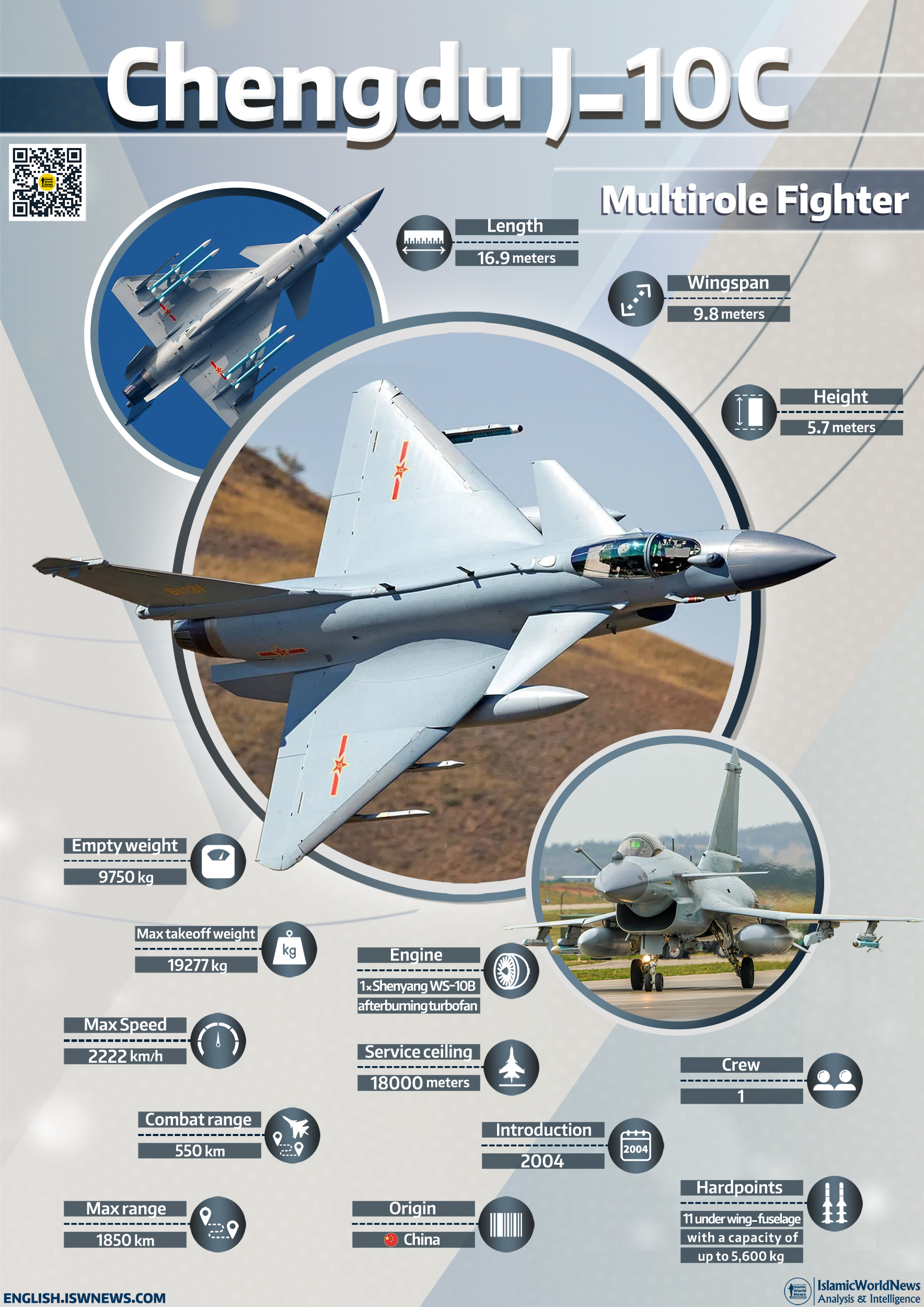
The Chengdu J-10, developed by Chengdu Aircraft Industries, is a Chinese fourth-generation multirole fighter. Primarily designed for air-to-air combat, it also carries out strike missions. Since 2003, it has been in service with the People’s Liberation Army and comes in single-seat (J-10A/B/C) and twin-seat (J-10S) configurations.
The development of the J-10 fighter program started in the mid-1980s, initially referred to as Project 8610. It was originally designed as a high-performance air superiority fighter to face emerging fourth-generation aircraft, including the F-16 and MiG-29. However, with the Cold War’s conclusion and evolving requirements, the focus shifted towards creating a multi-role fighter suitable for both air-to-air and ground attack missions. Ultimately, the J-10 serves as a successor to the older Chinese J-7 and Q-5 fighters.
The development of the J-10 benefited from the canceled Israeli Lavi lightweight fighter project, which itself is similar to and derived from the American F-16.
The J-10 was originally intended to be powered by a Western jet engine, but the arms embargo imposed on China by the United States and the European Union in 1989 forced China to seek assistance from Russia. As a result, the J-10’s airframe underwent modifications to accommodate the larger Russian Saturn AL-31F engine.
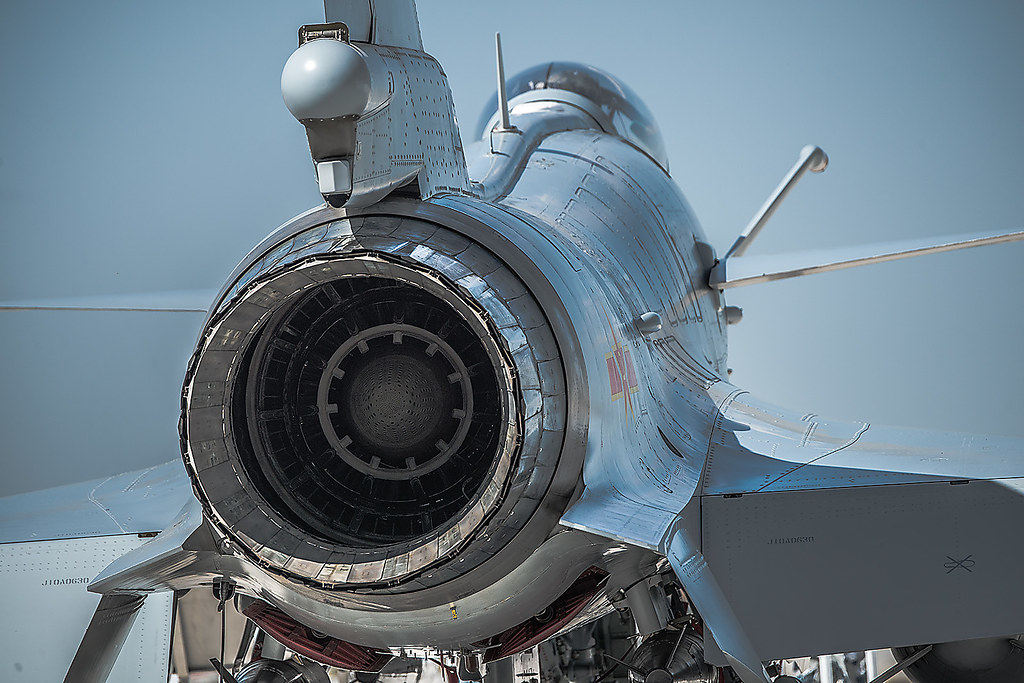
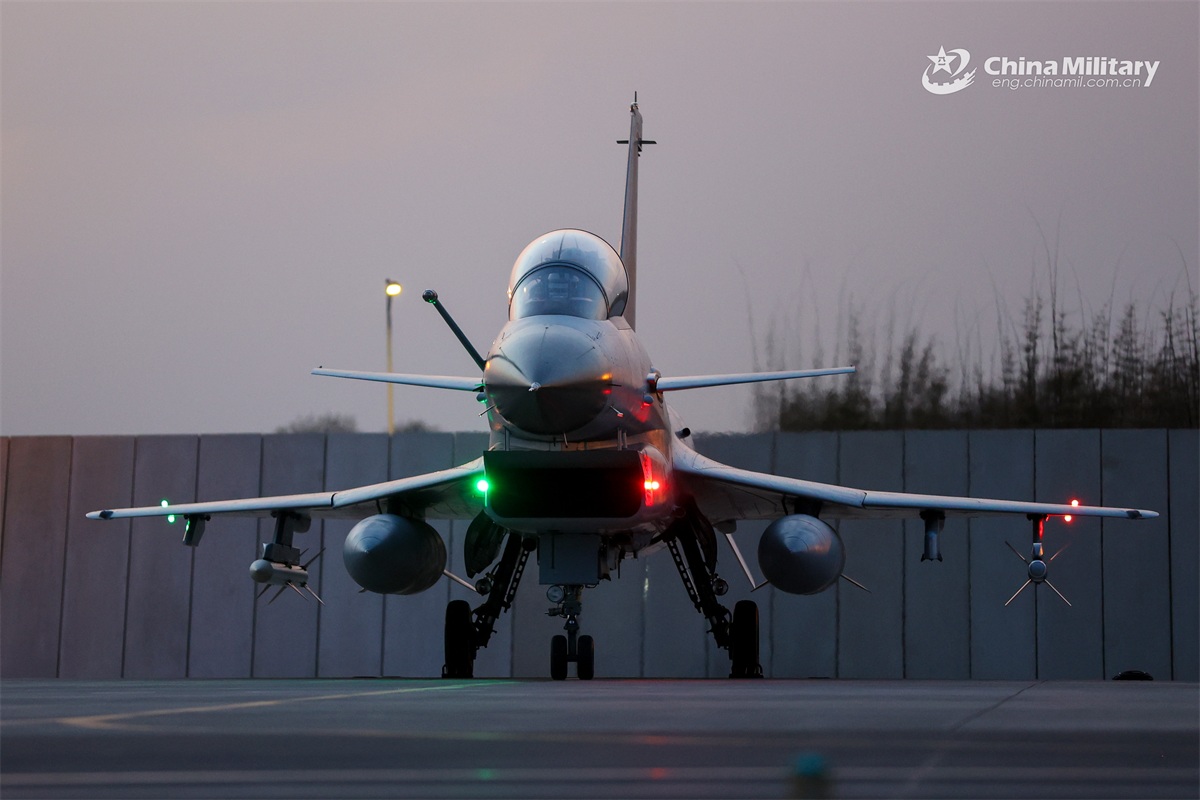
The design of the J-10 features a tailless delta wing, incorporating a vertical rudder and two fixed inverted ventral fins located on the underside of the fuselage near the tail (engine). Additionally, it has two canards positioned at the nose.
The J-10 fighter made its inaugural flight on March 22, 1998, and began operational service with the People’s Liberation Army in 2003. Between 2004 and 2006, an initial batch of 100 units in both single-seat and two-seat variants was delivered to the PLA Air Force (PLAAF).
The Chengdu J-10 has been developed into four variants, designated with the suffixes A, S, B, and C, each featuring slight differences in appearance.
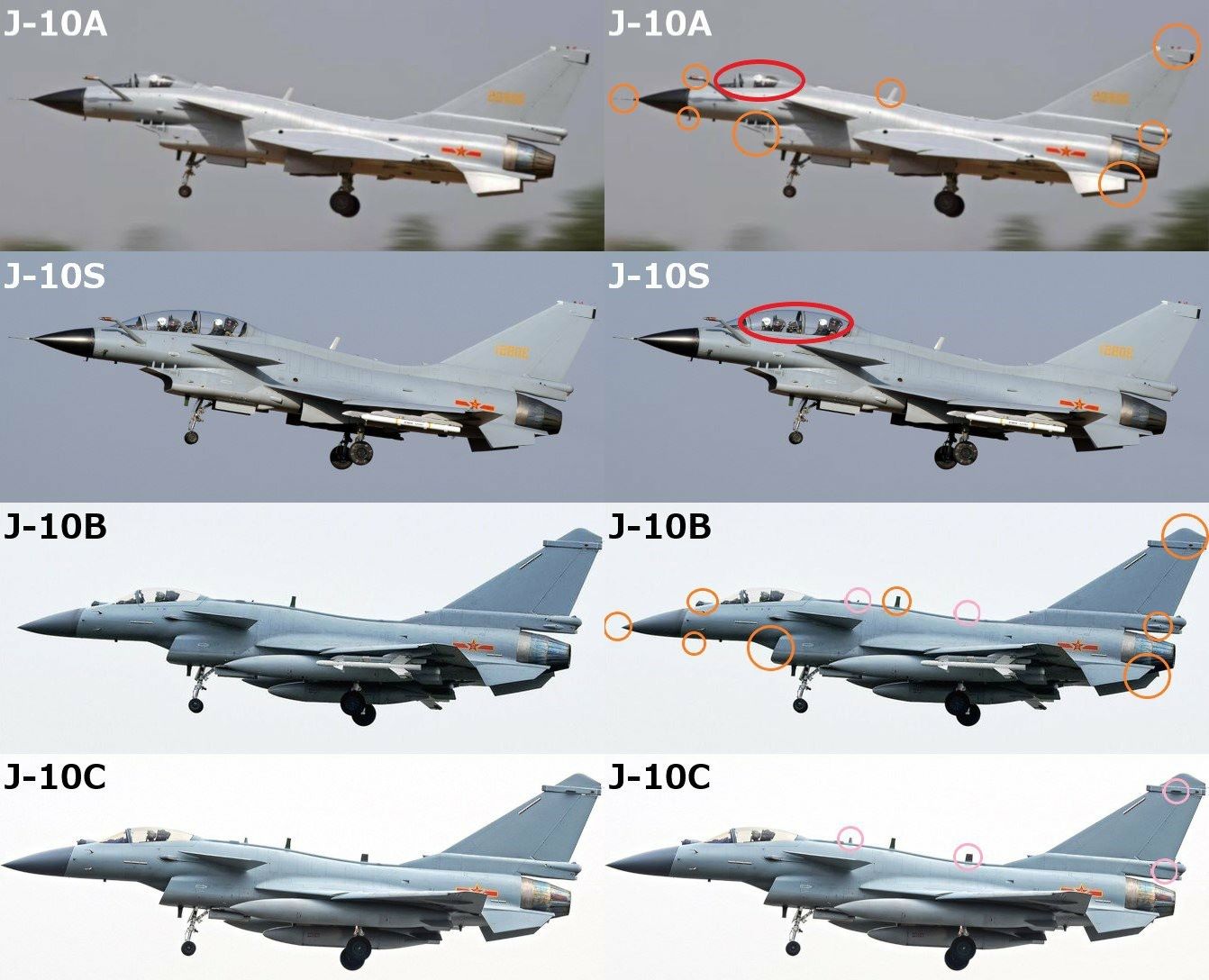
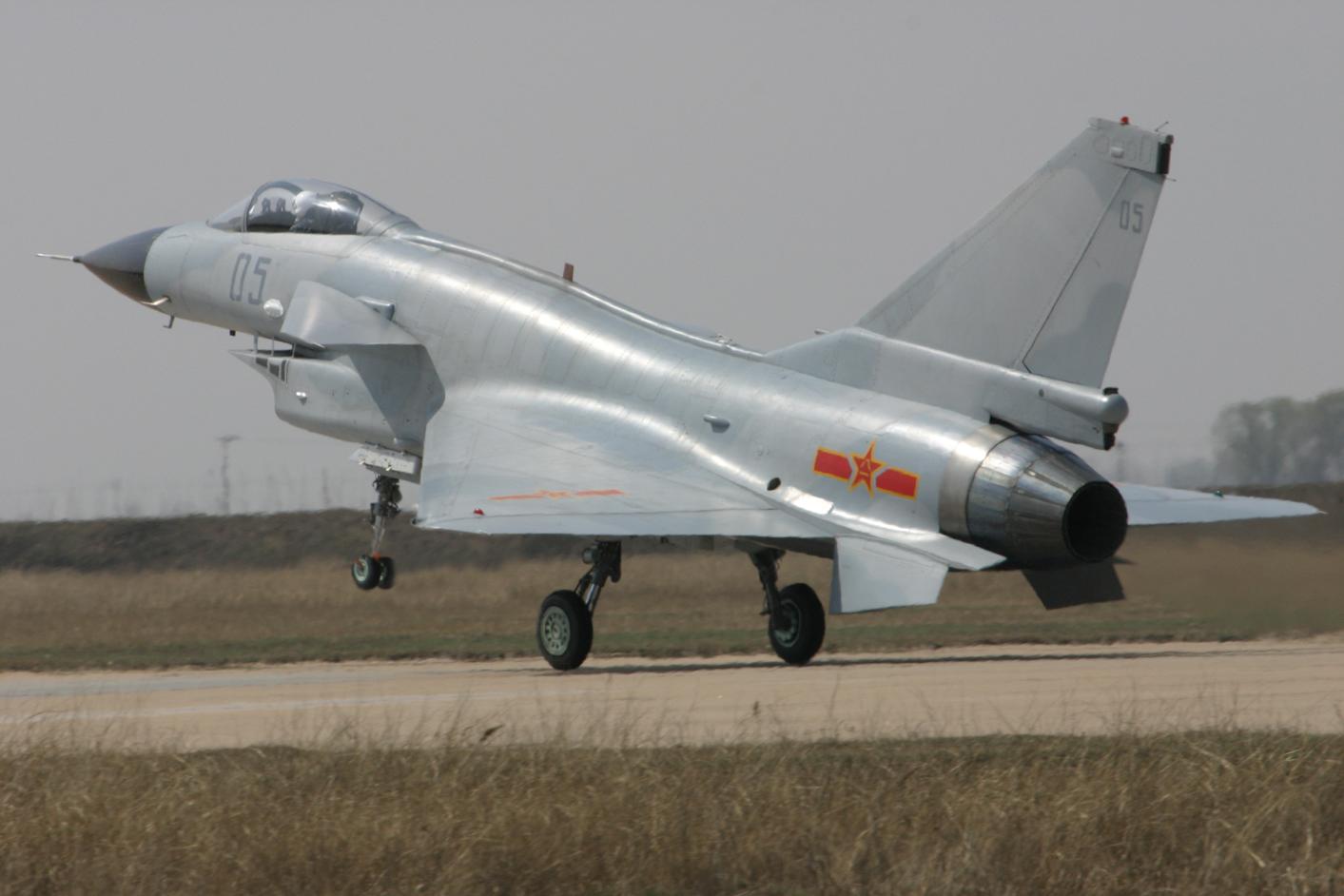
J-10A: The J-10A is the first variant introduced in the J-10 family. It is reported that approximately 300 units of this model are currently in service, although production has now ceased. The J-10A is equipped with a domestic Type 1473 pulse-Doppler radar, which can track up to 10 targets simultaneously and engage 2 targets with semi-active radar-guided PL-11 air-to-air missiles, or 4 targets using active radar-guided PL-12 (SD-10) air-to-air missiles. The Type 1473 radar is recognized as China’s first successful and operational pulse-Doppler radar system. The J-10A fighter is powered by a Russian Saturn AL-31FN turbofan engine, providing 79.43 kN of thrust in dry mode and 122.58 kN with afterburner. The naval variant of this model is known as the J-10AH.
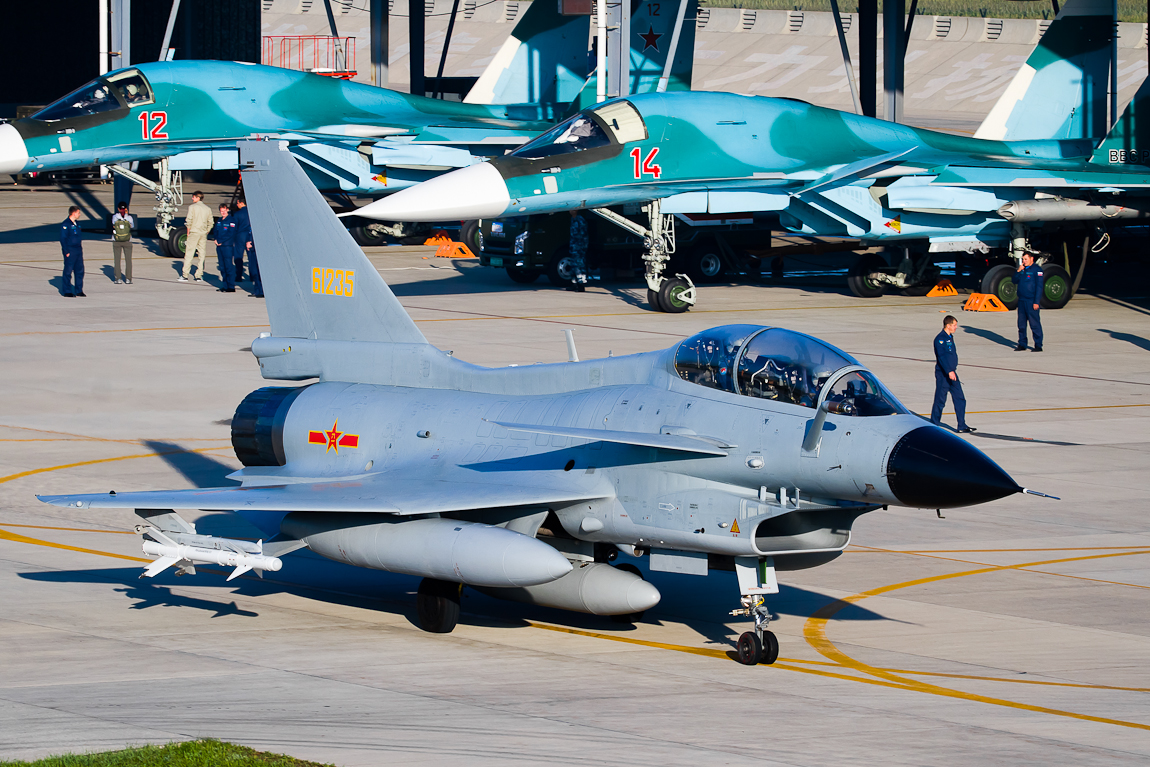
J-10S: A two-seat, trainer version of the J-10, which matches the performance and avionics of the J-10A. It features an extended front fuselage to fit an additional pilot seat. This aircraft serves both pilot training and standard fighter roles. The two-seat naval version is commonly referred to as the J-10SH.
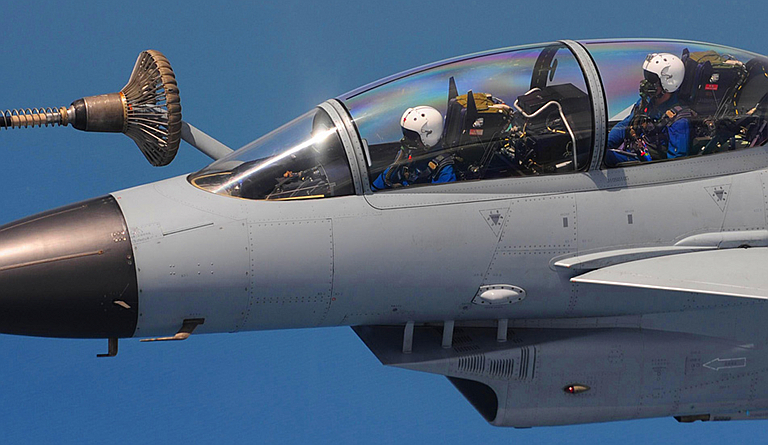
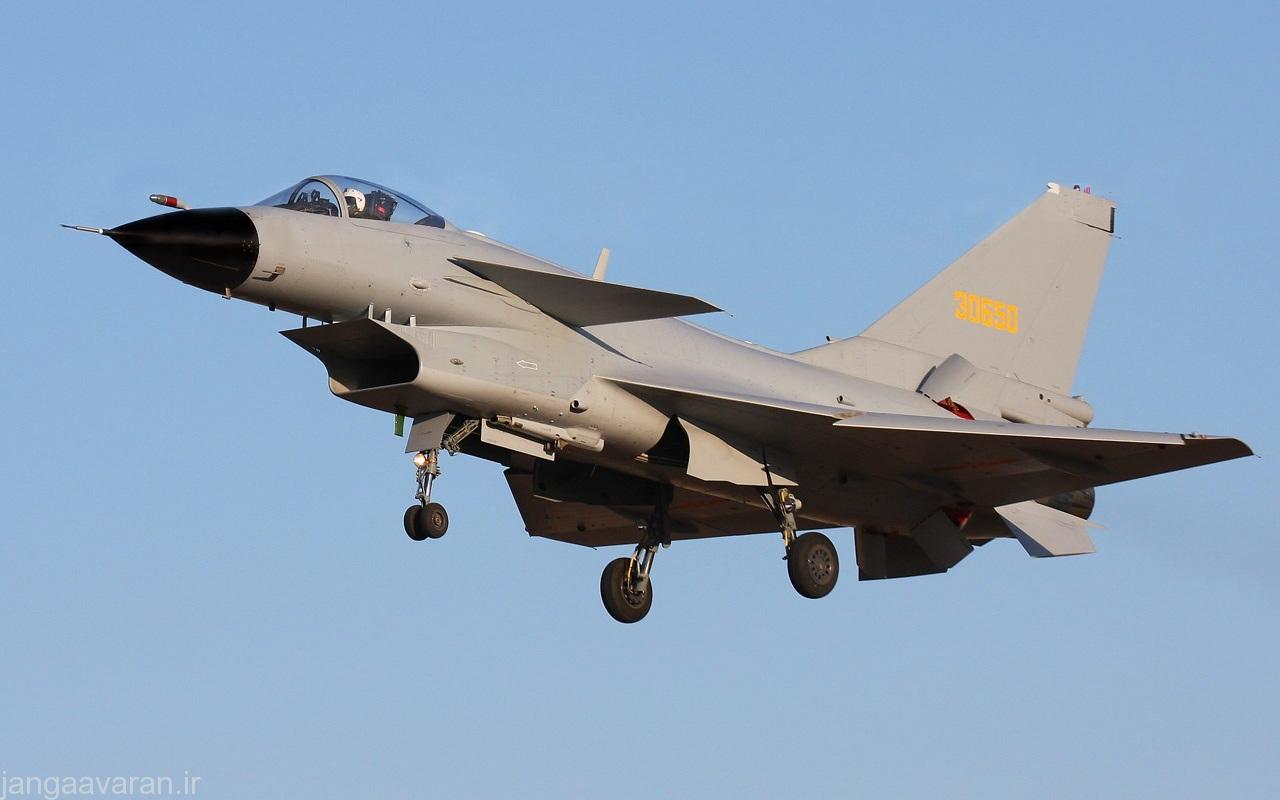
J-10B: An enhanced iteration of the J-10A, publicly unveiled in 2016. This model features a larger radome designed to accommodate the active electronically scanned array (AESA) radar system and infrared search/tracking suite (IRST) in the nose. It incorporates an electronic-optical targeting system (EOTS) and a redesigned air intake compared to the earlier version. Additionally, the aircraft boasts an upgraded avionics suite, which includes an indigenous passive electronic array (PESA) fire control radar capable of engaging four targets at once. Beyond standard armaments, the J-10B can deploy the new PL-10 infrared-guided and PL-15 active radar-guided missiles. Although the J-10B typically uses the AL31 engine, some variants are reportedly equipped with the WS-10.
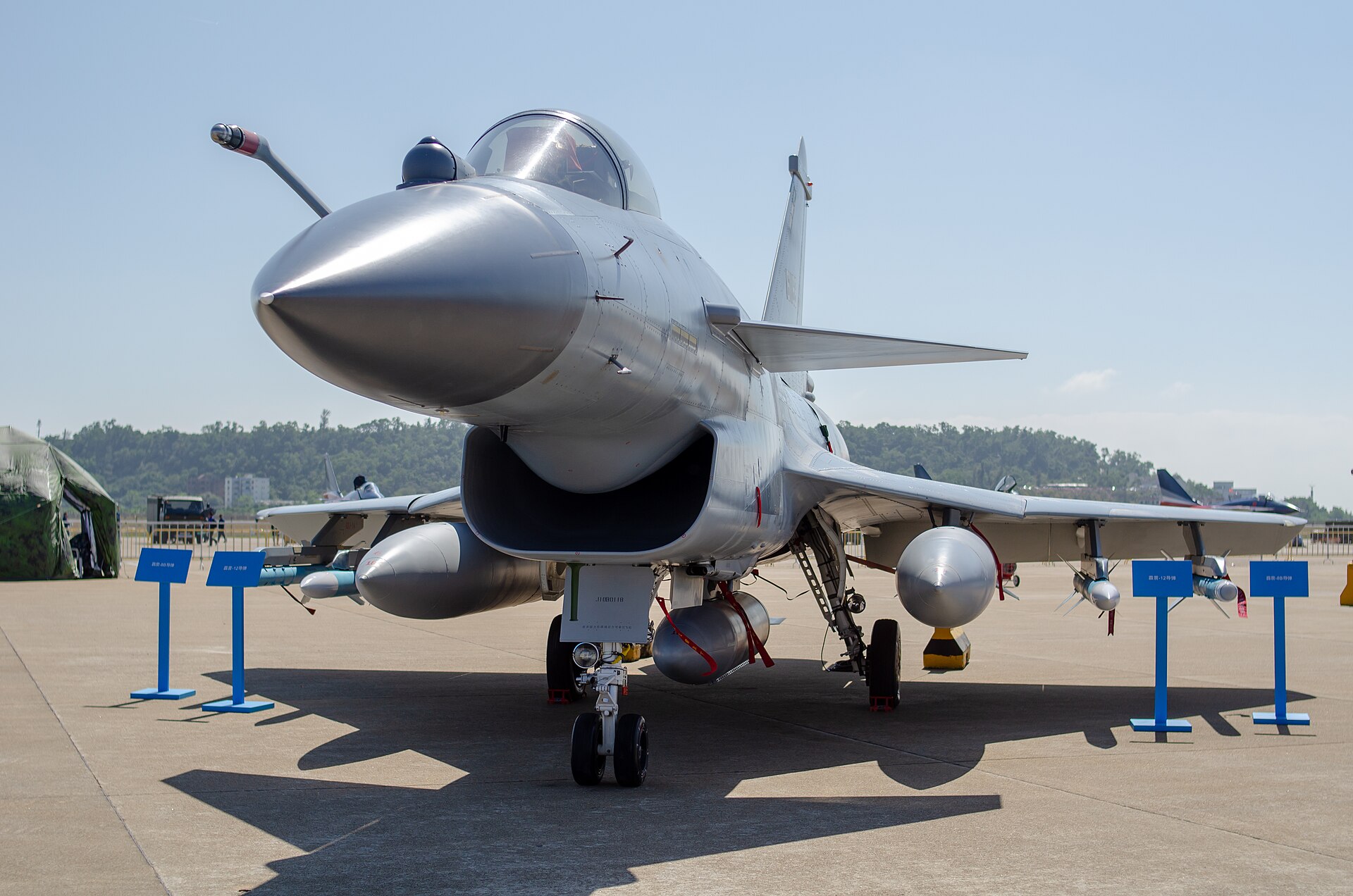
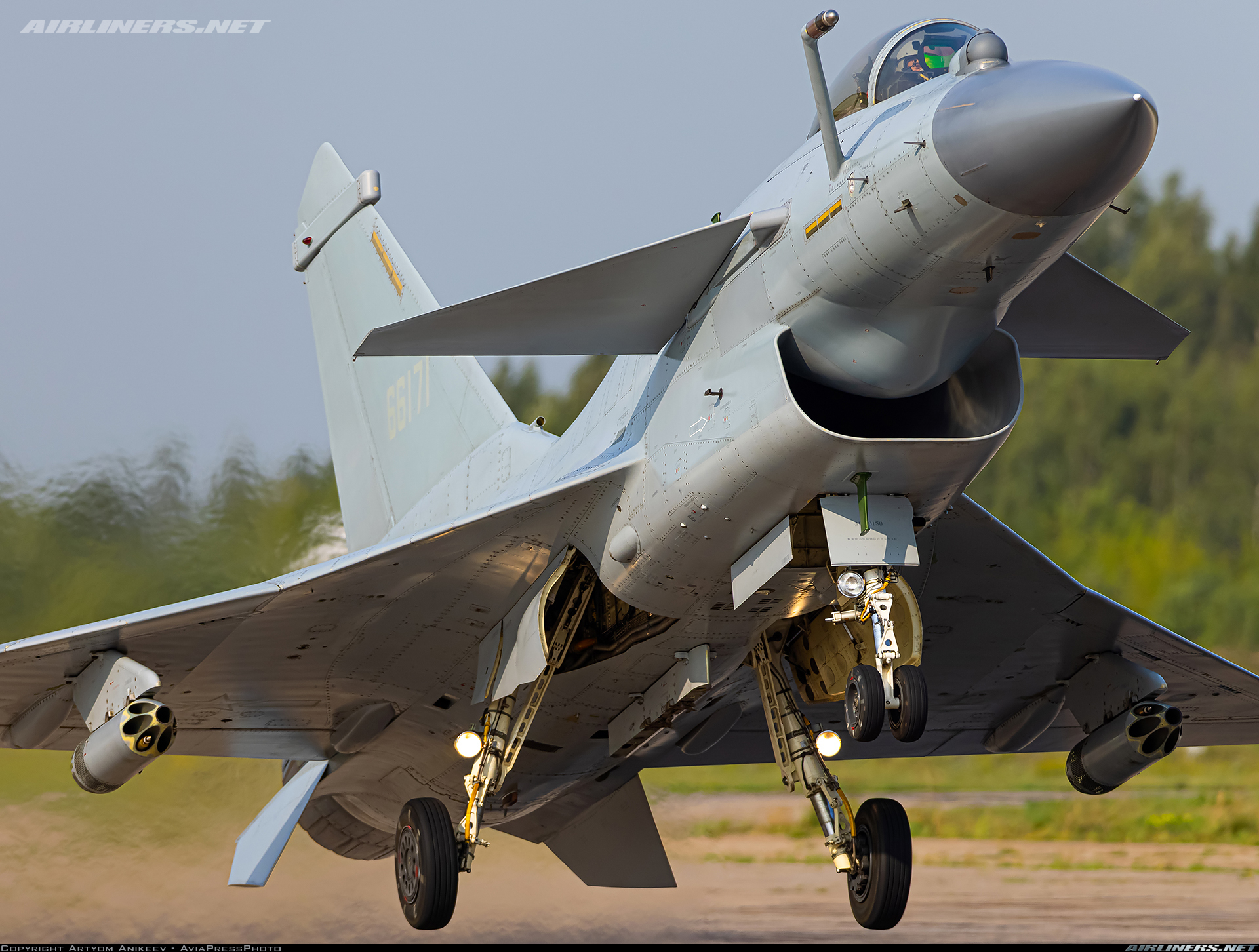
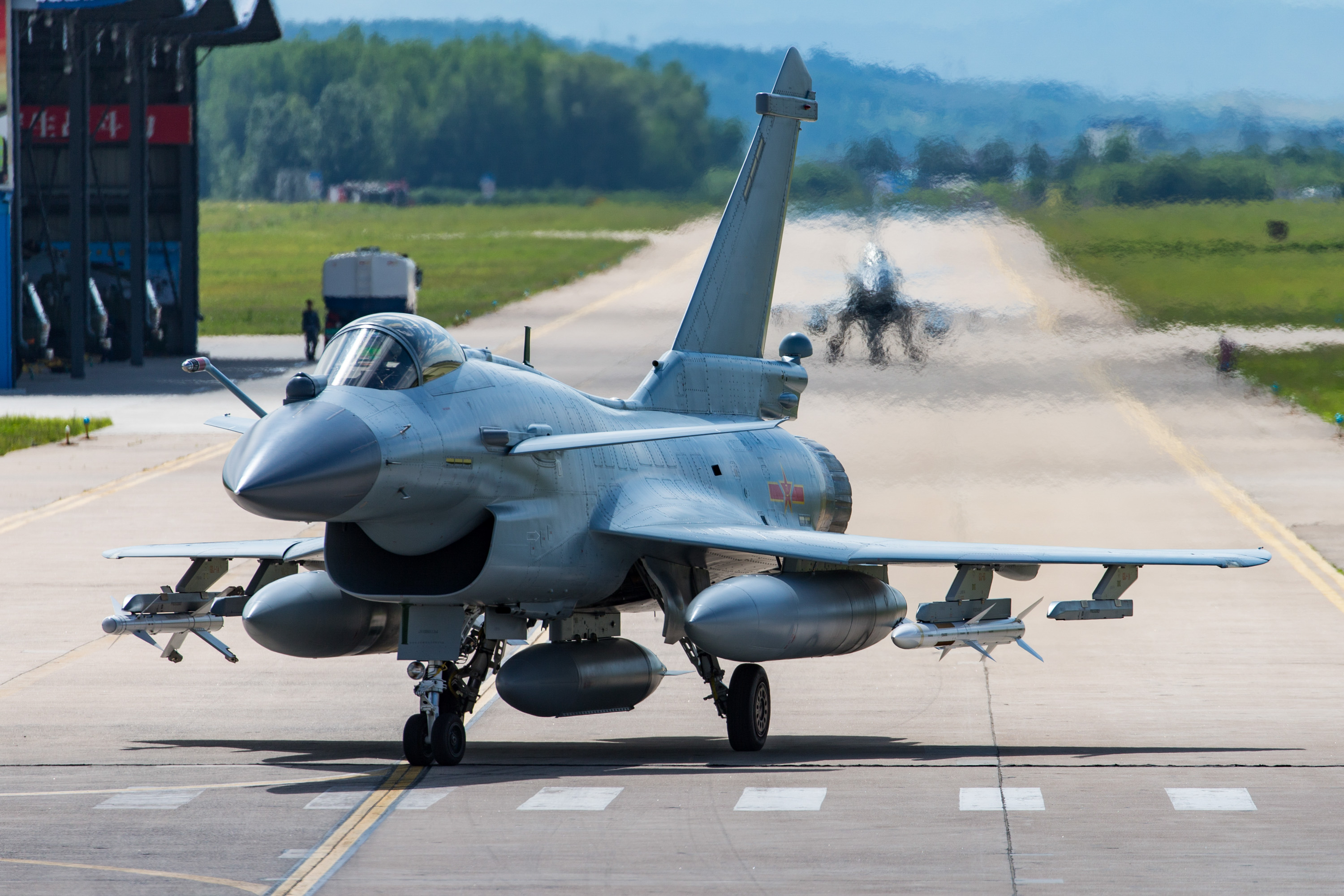
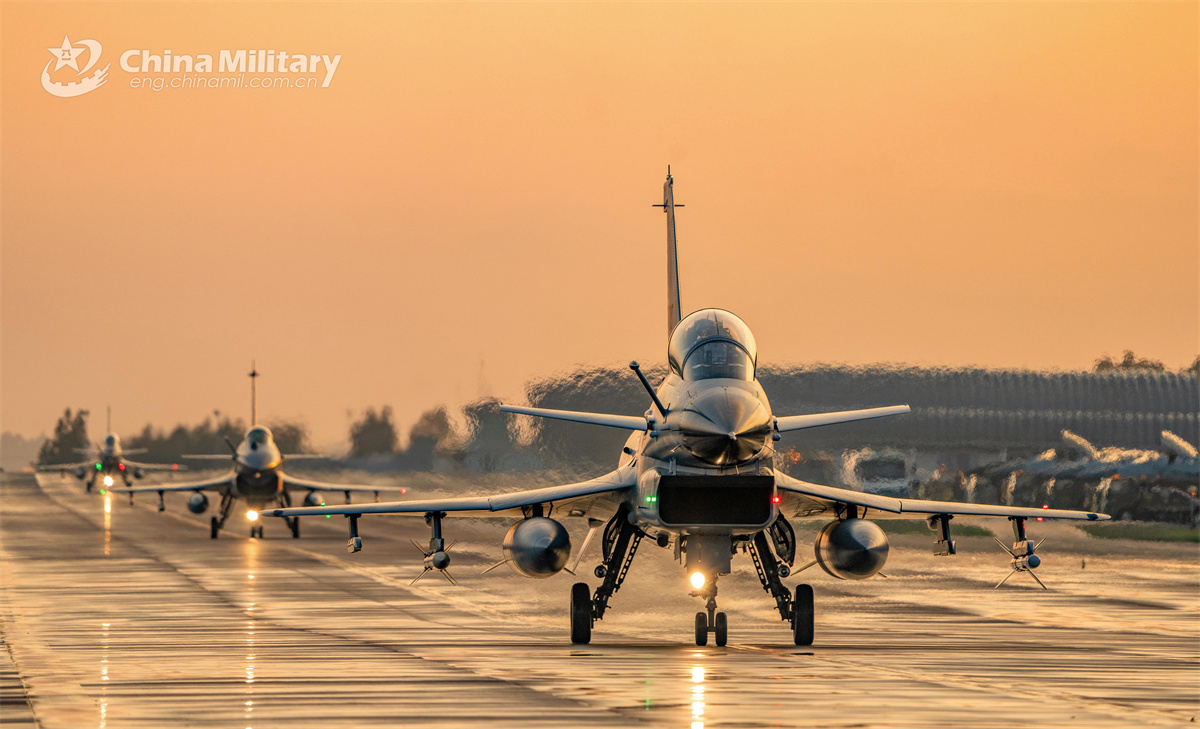
J-10C: This is the newest model in the J-10 series, which first flew in December 2013 and was introduced into service with the People’s Liberation Army Air Force (PLAAF) in 2018. Visually, it closely resembles the B model. Essentially, as an upgraded variant of the J-10B, this fighter incorporates all its predecessors’ capabilities in a more efficient and optimized manner. The J-10C features the Chinese Shenyang WS-10B engine and the domestically developed active electronically scanned array (AESA) fire control radar designated KLJ-10. This advanced radar can identify small targets with a radar cross-section (RCS) of 5 square meters from over 200 km away. Additionally, the J-10C is armed with short-range PL-10 air-to-air missiles featuring infrared guidance and long-range PL-15 air-to-air missiles with active radar guidance. The J-10C is characterized as a Chinese 4.5th generation fighter.
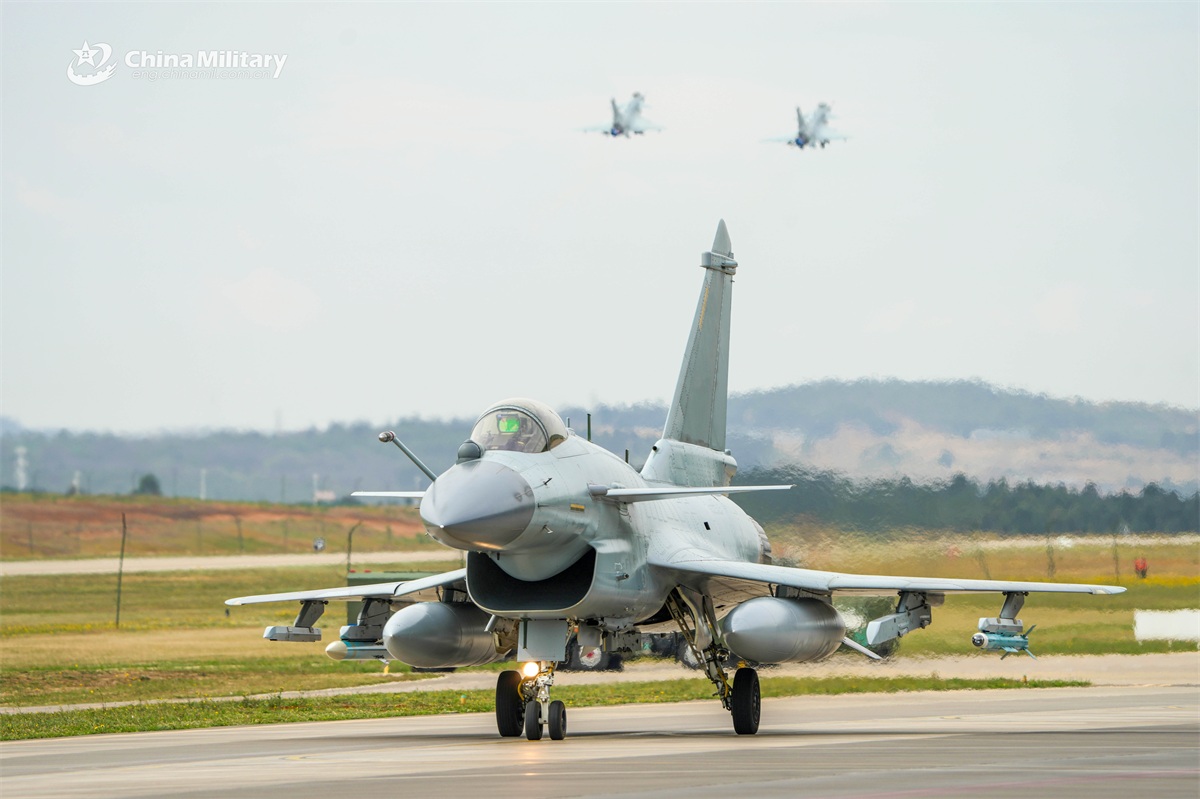
The article further discusses additional details and features of the J-10 fighter, which include:
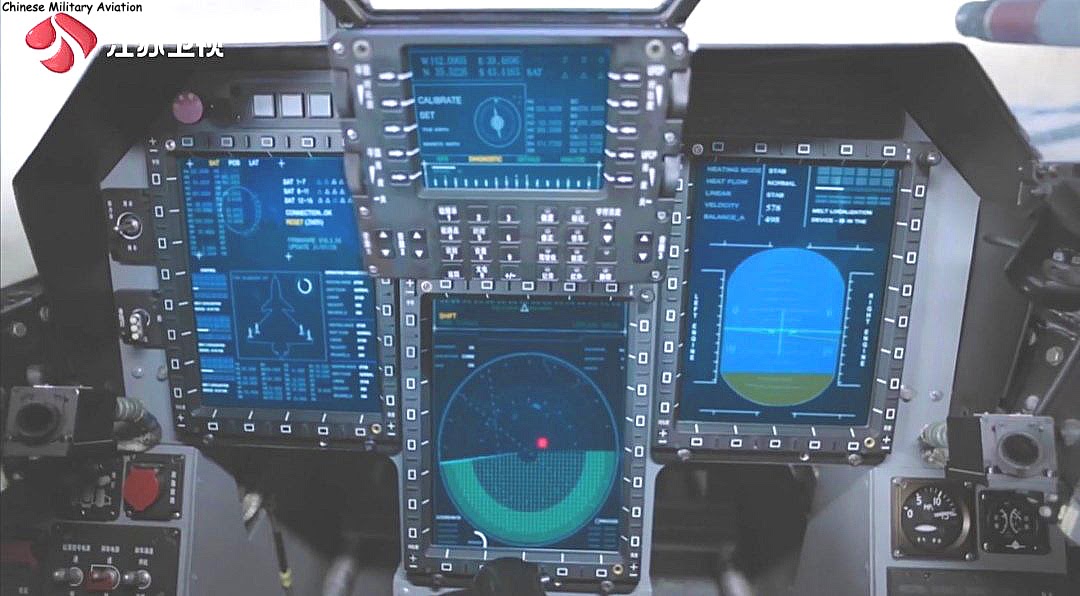
The J-10 cockpit incorporates “hands on throttle and stick” (HOTAS) controls, enabling operation of weapon systems without leaving the aircraft’s essential controls. It includes one color and two monochrome liquid crystal multifunction displays (MFDs), along with a holographic heads-up display (HUD) that provides a wide field of view. Additionally, the aircraft is equipped with the domestically developed Helmet Mounted Site (HMS).
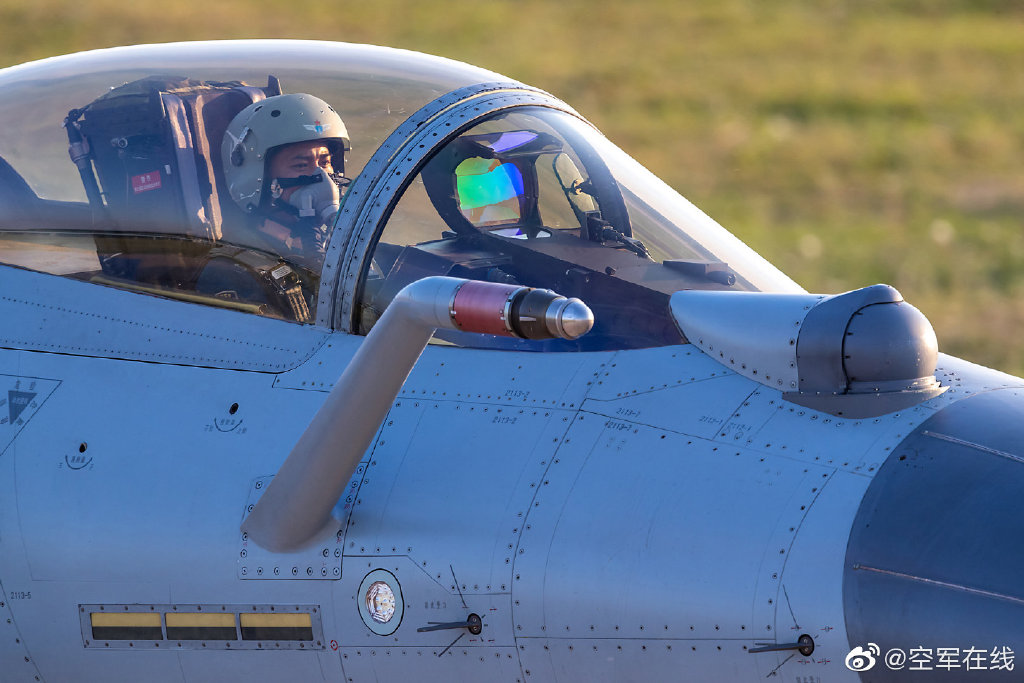
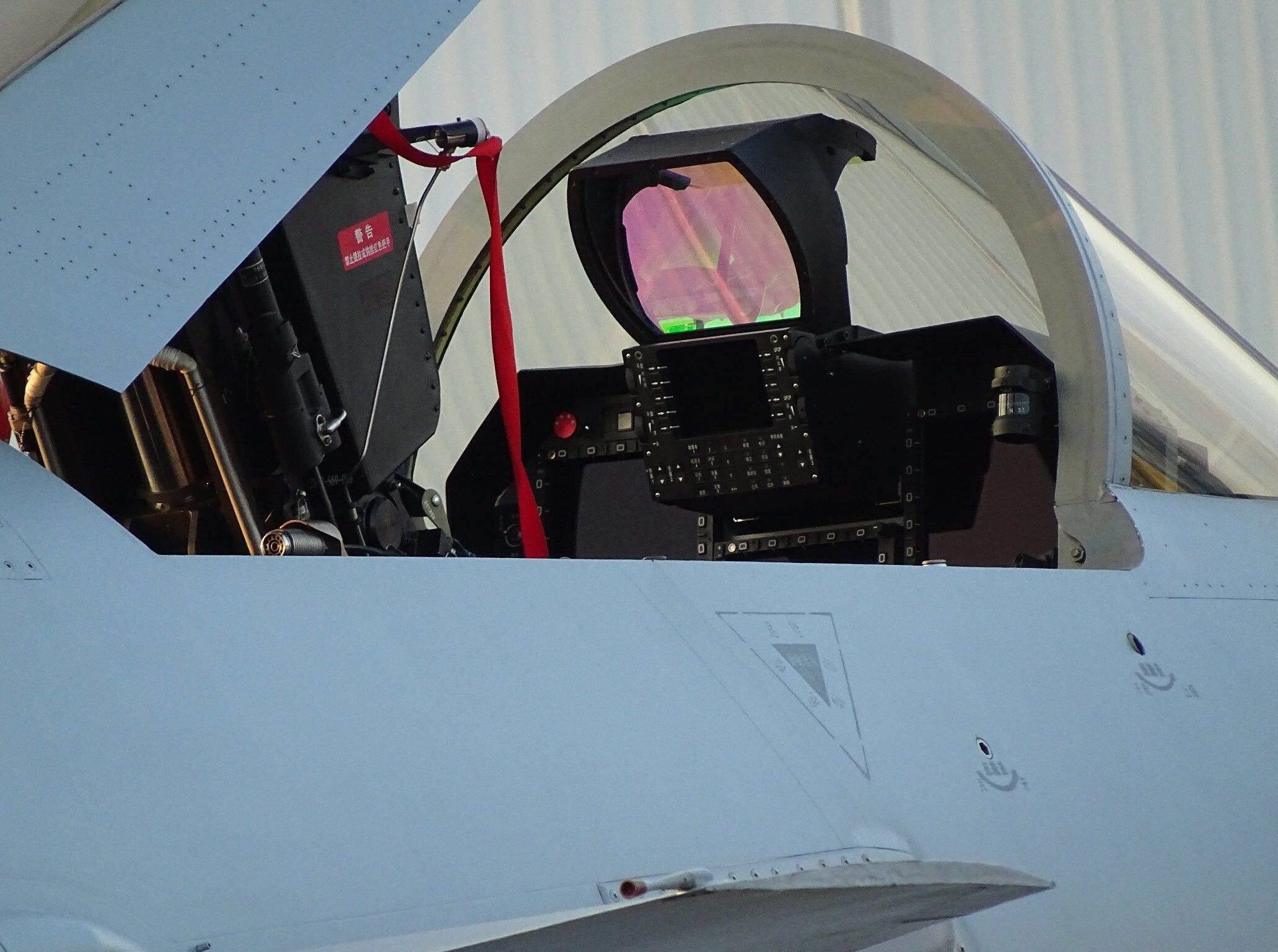
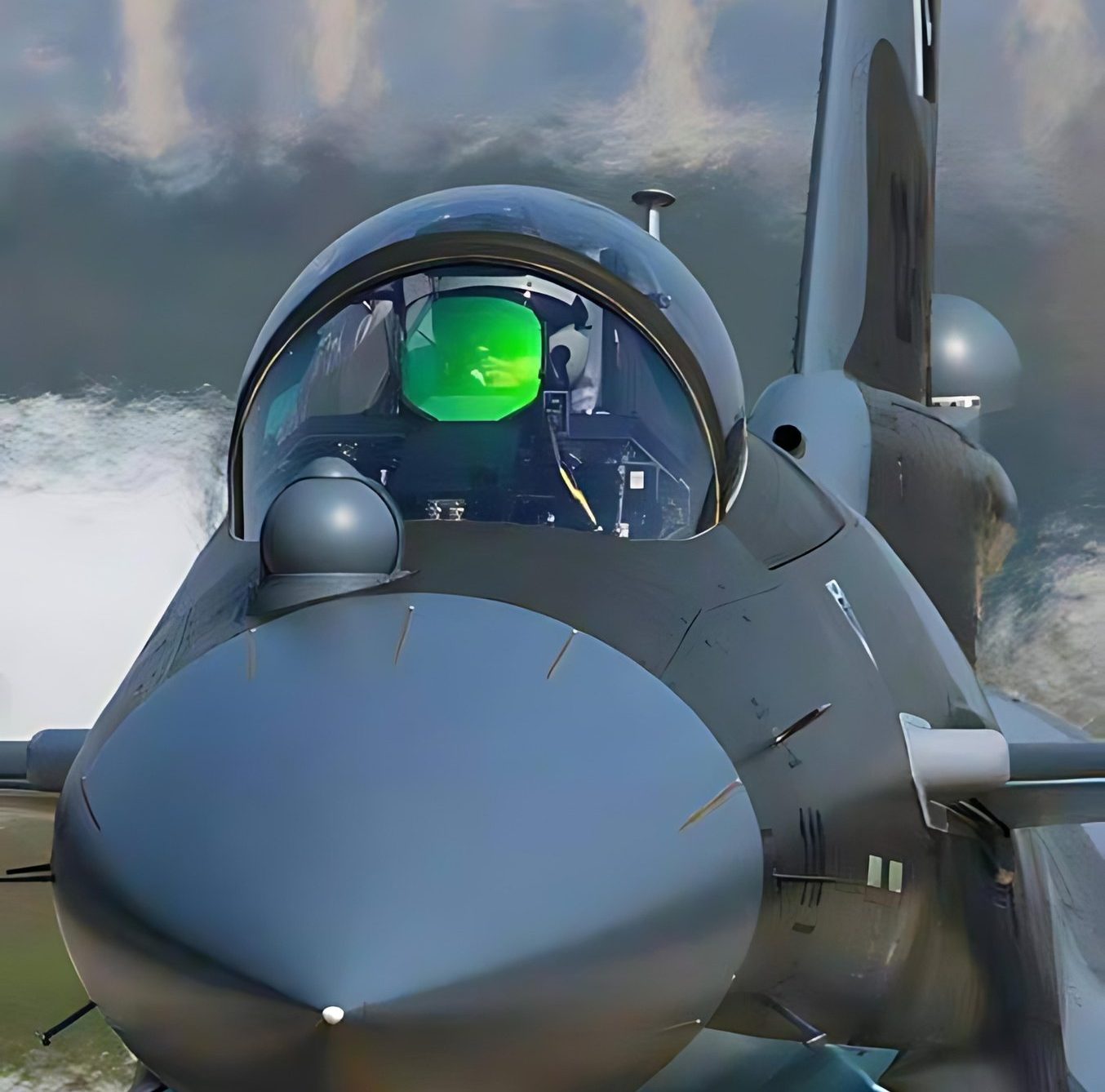
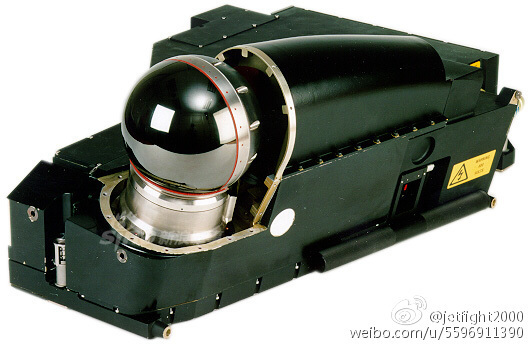
The J-10 B and C fighters feature an electronic-optical targeting system (EOTS) positioned on the right side in front of the cockpit. This system comprises an infrared search and track (IRST) sensor along with a laser rangefinder (LR), enabling passive target identification without activating the fire control radar, thus minimizing the chances of the aircraft being detected.
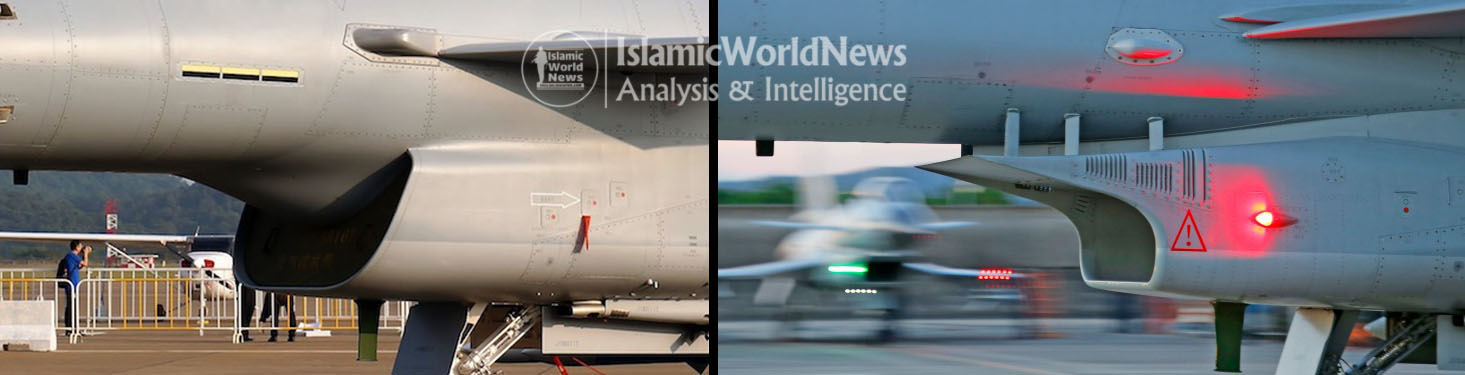
The J-10B and J-10C models feature a diverterless supersonic inlet (DSI). This design removes all moving components from the air inlet, thereby decreasing the overall weight and minimizing the aircraft’s radar signature.
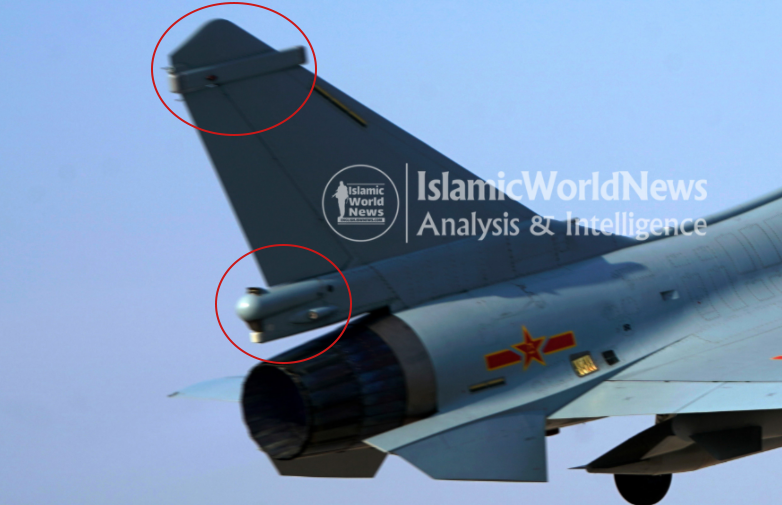
The J-10B and J-10C feature a curved upper edge on the tail, contrasting with the flat tail of the J-10A. Additionally, a significant lip has been introduced at the tail’s tip to house electronic warfare and electronic countermeasures (EW/ECM) systems. The fuselage is equipped with four black ECM antenna arrays: a larger one positioned on each side of the cockpit and a smaller one on each side of the rear fuselage close to the engine nozzle.
The fighter jet is equipped with a Type 23-3 twin-barreled 23mm cannon, which is a reverse-engineered Russian GSh-23L cannon, and is mounted on the left side of the front landing gear.
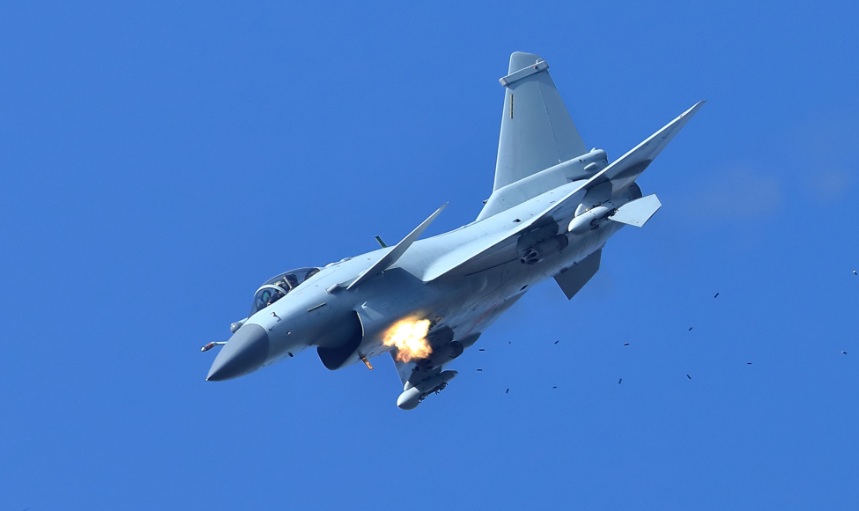
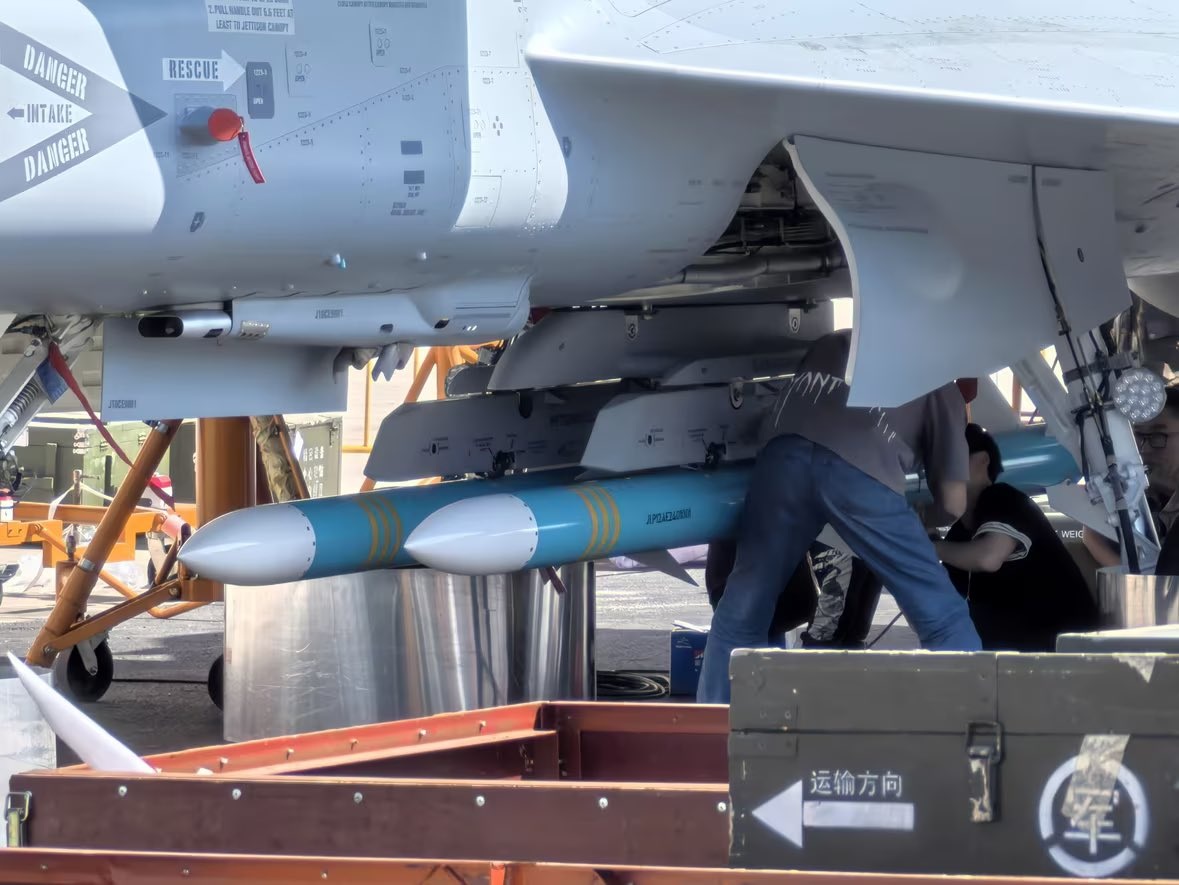
The fighter is equipped with 11 external weapons bays: six located under the wings, two beneath the air intakes, and three under the fuselage. Its primary air-to-air armaments consist of the PL-15 long-range missile, the PL-11 semi-active radar-guided medium-range missile, the PL-12 (SD-10) active radar-guided medium-range missile, and the PL-8 short-range infrared missile.
The J-10C can carry the Russian Vympel R-73 (AA-11 Archer) or R-77 (AA-12 Adder) missiles, as well as the KH-31P anti-radar missile.
For ground attack missions, the aircraft can carry conventional low-drag bombs weighing up to 250 kg or laser-guided bombs. A laser targeting pod can also be carried under the fuselage for target designation. More complete information on the weapons is provided at the end of the article in the fighter specifications section.
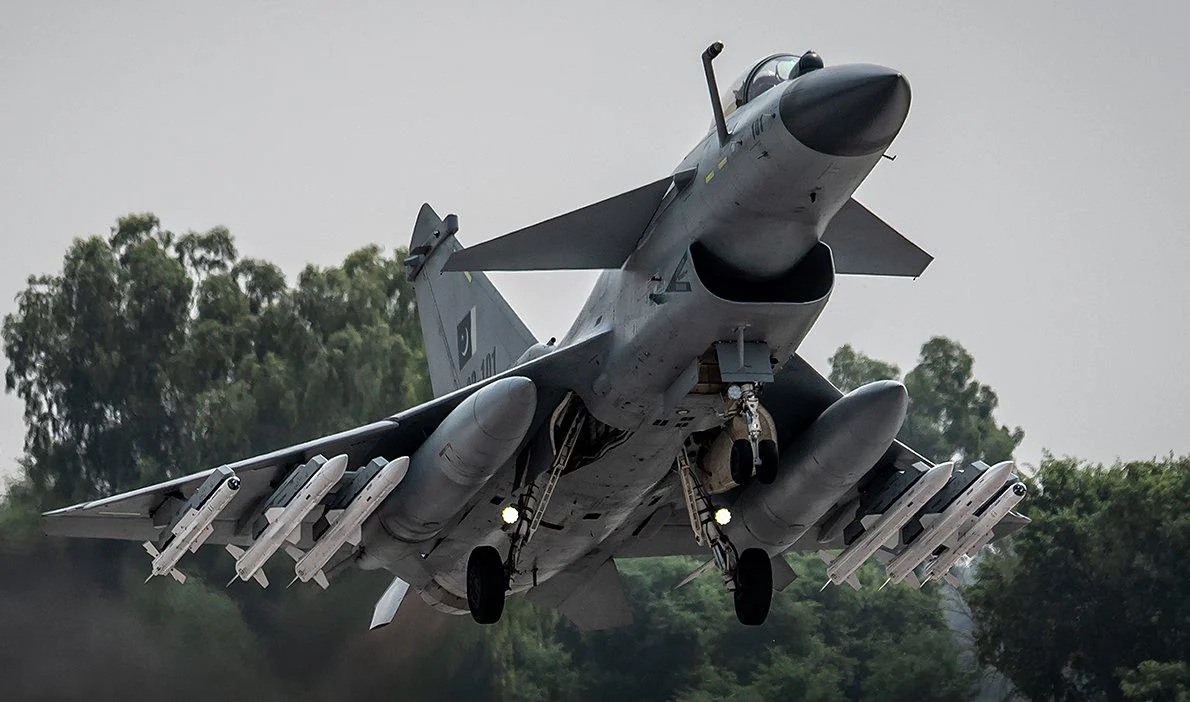
The J-10C has an empty weight of approximately 9,750 kg and weighs 14,000 kg in a normal air-to-air combat configuration. In its maximum takeoff configuration, it weighs 19,277 kg. The aircraft has an internal fuel capacity of 4,950 kg and can carry a maximum external weapons load of 5,600 kg. It is capable of reaching a maximum speed of Mach 1.8 at high altitude and Mach 1.2 at sea level.
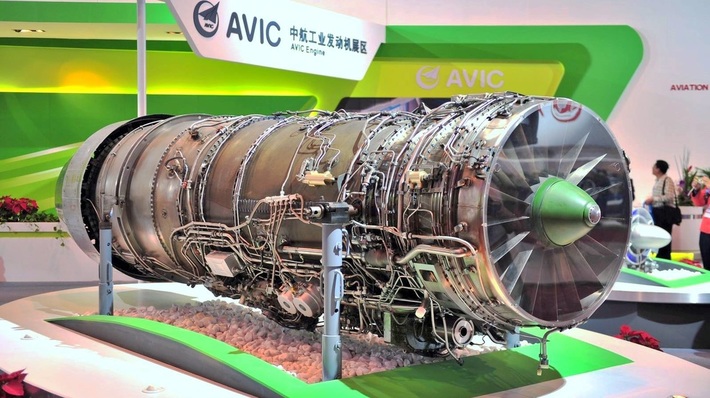
Regarding its engine, the J-10C is powered by the domestically produced Shenyang WS-10B engine, which provides a thrust of 144 kN (32,000 lbf). This engine has a service life of 1,500 hours. A newer variant, the WS-10B-3, features a thrust vectoring nozzle (TVC) and was showcased at the 2018 Zhuhai Air Show in China.
Overall, the WS-10 engine, developed from the Russian AL-31 engine, has multiple versions used to power various Chinese fighter jets, including the J-10, J-11, J-15, J-16, and the J-20.
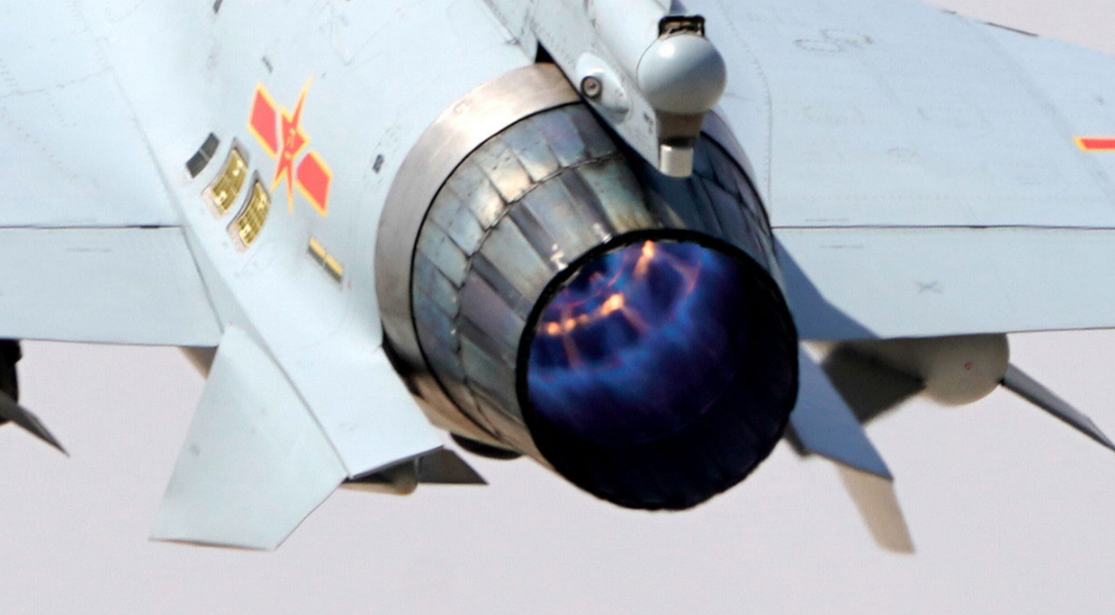
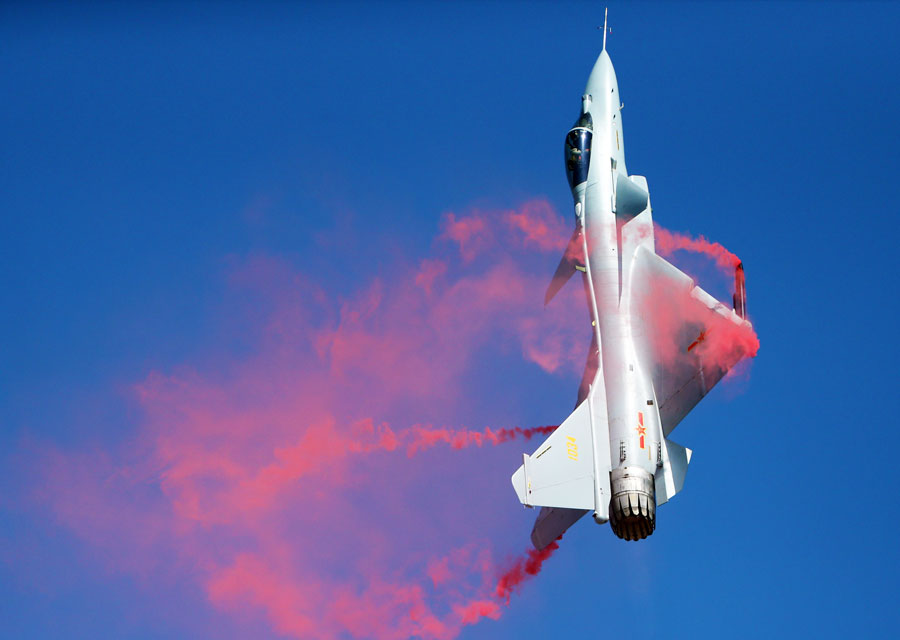
Pakistan is the only country other than China to operate J-10 warplanes. The Pakistan Air Force operates 20 J-10CEs, with another 16 in the process of production and delivery.
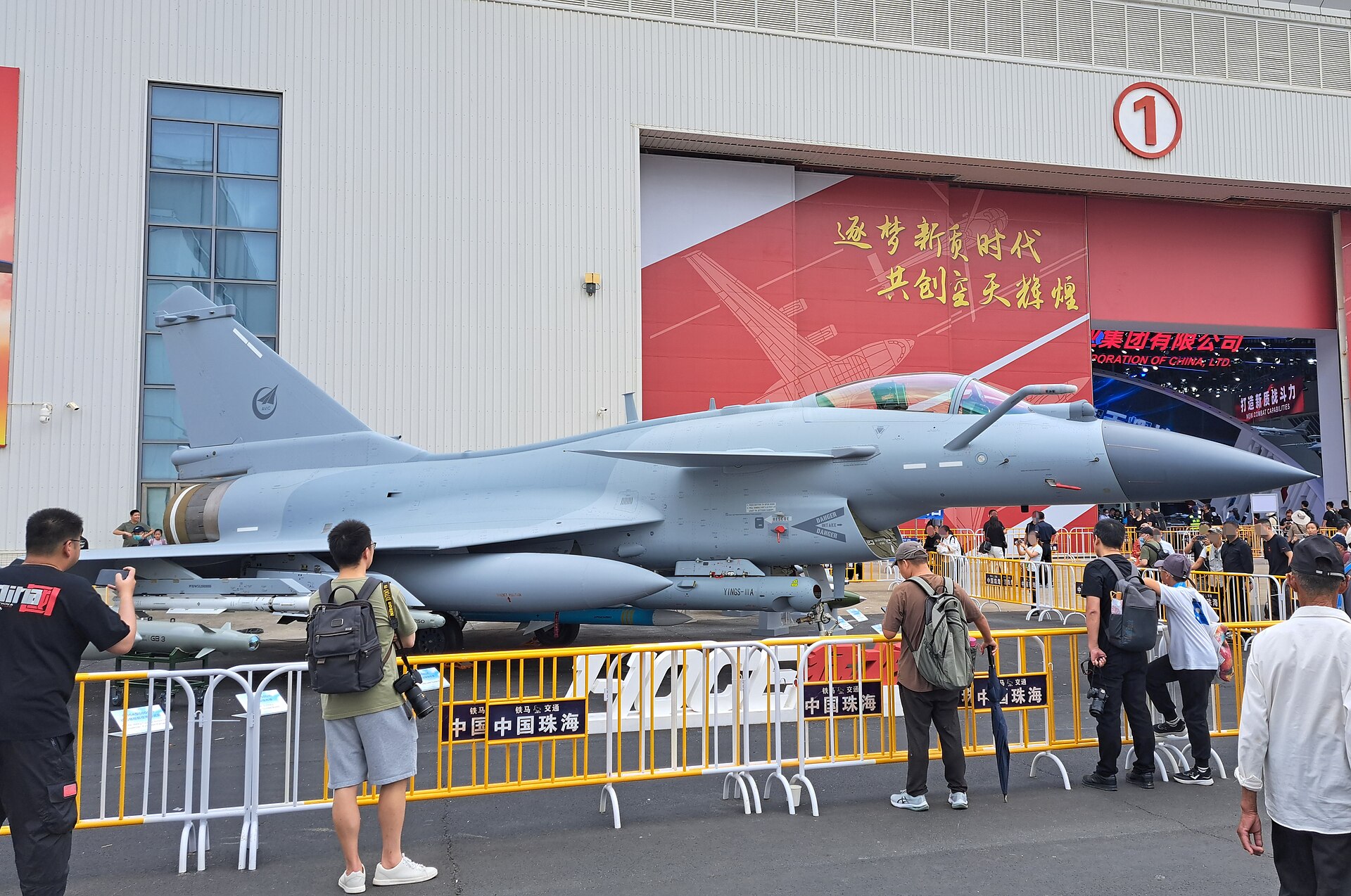
In May 2025, during the Indo-Pakistan air-to-air combat, the Pakistan Air Force’s J-10Cs successfully shot down at least four aircraft from the Indian Air Force, which were of French and Russian origin, using PL-15E missiles. This operation marked a significant milestone for the J-10C fighter jets.
The PL-15 missile poses a considerable threat to American forces, as it can easily place fighter jets equipped with AIM-120 in a vulnerable position in the Pacific region. The Chinese version of the PL-15 has a range of 200–300 km, while its export variant, the PL-15E, utilized by the Pakistan Air Force, has an effective range of about 145 km. This missile is powered by a dual-pulse solid-fuel rocket motor, enabling it to reach speeds exceeding Mach 5. It is also equipped with an active electronically scanned array (AESA) radar seeker and a mid-flight datalink for enhanced targeting capabilities.
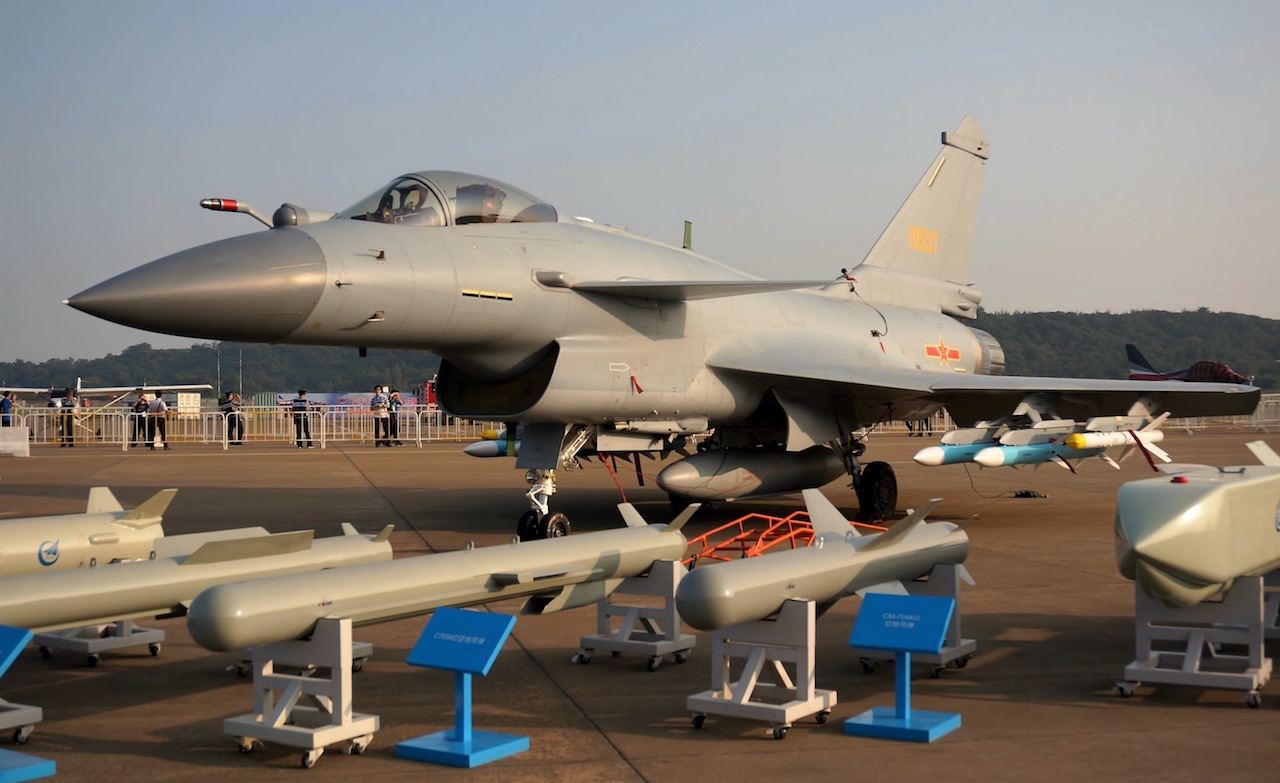
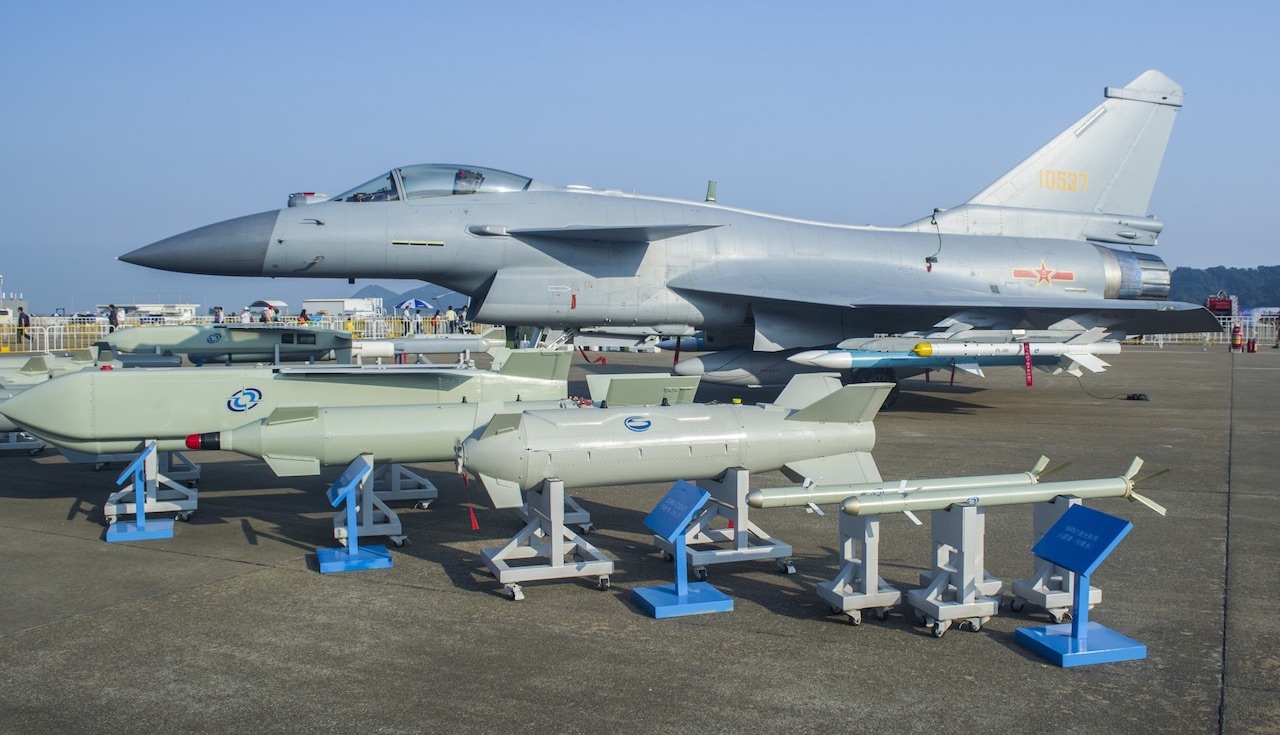

The J-10C can be viewed as an alternative to the American F-16 and the Swedish Gripen. As a technologically updated and relatively affordable option, the J-10C is ideal for customers looking to enhance their fleet with advanced air defense systems, especially if they prefer to avoid political complications associated with Western fighter jets.
This lightweight fighter boasts high maneuverability, a powerful engine, and an advanced radar system with a range exceeding 200 km. It is also compatible with long-range missiles and features an updated cockpit. In terms of ammunition capacity, the J-10C is comparable to the Gripen but has a smaller overall capacity than the F-16. To mitigate this limitation, China has equipped the J-10C with a dual missile pylon that can hold either two additional short-range missiles or two beyond-visual-range (BVR) missiles, thereby enhancing the fighter’s payload and operational range.
J-10C specifications:
Type: Multirole fighter jet
Country of manufacture: China
Manufacturer: Chengdu Aircraft Corporation (CAC)
Crew: 1 (2 on J-10S)
Length: 16.9 m
Wingspan: 9.8 m
Height: 5.7 m
Wing area: 37 m2
Empty weight: 9,750 kg
Gross weight: 14,000 kg
Maximum takeoff weight: 19,277 kg
Fuel capacity: 4950 L (3860 kg) internal. 4000 L (3120 kg) external with 3 drop tanks (2 × 1600L + 1 × 800L)
Engine: 1× Shenyang WS-10 turbofan with afterburner (AL-31 on J10-A/B)
Top speed: 2,222 km/h (Mach 1.8)
Range: 1,850 km (without external fuel tanks)
Combat range: 550 km
Ferry range: 4,600 km
Ceiling: 18,000 m (59,000 ft)
Armament:
– 11 hardpoints with a capacity of 5,600 kg of external fuel and ammunition
– One 23 mm Gryazev-Shipunov GSh-23 cannon
– 90 mm rocket pod
– PL-8, PL-10 (J-10C), PL-11, PL-12, PL-15 (J-10C) air-to-air missiles
– KD-88 and YJ-91 air-to-surface missiles
– LT-2 and LS-500J laser-guided bombs
– LS-6, GB3, GB2A, GB3A air-to-air bombs
– FT-1 satellite-guided bombs
– 250 and 500 kg free-fall bombs
External pods:
K/JDC01A targeting pod (on J-10A)
Hongguang-I infrared search and tracking pod (on J-10A)
CM-802AKG targeting pod for KD-88 and YJ-91 (on J-10C)
KG600 electronic warfare pod
Blue Sky navigation and attack pod
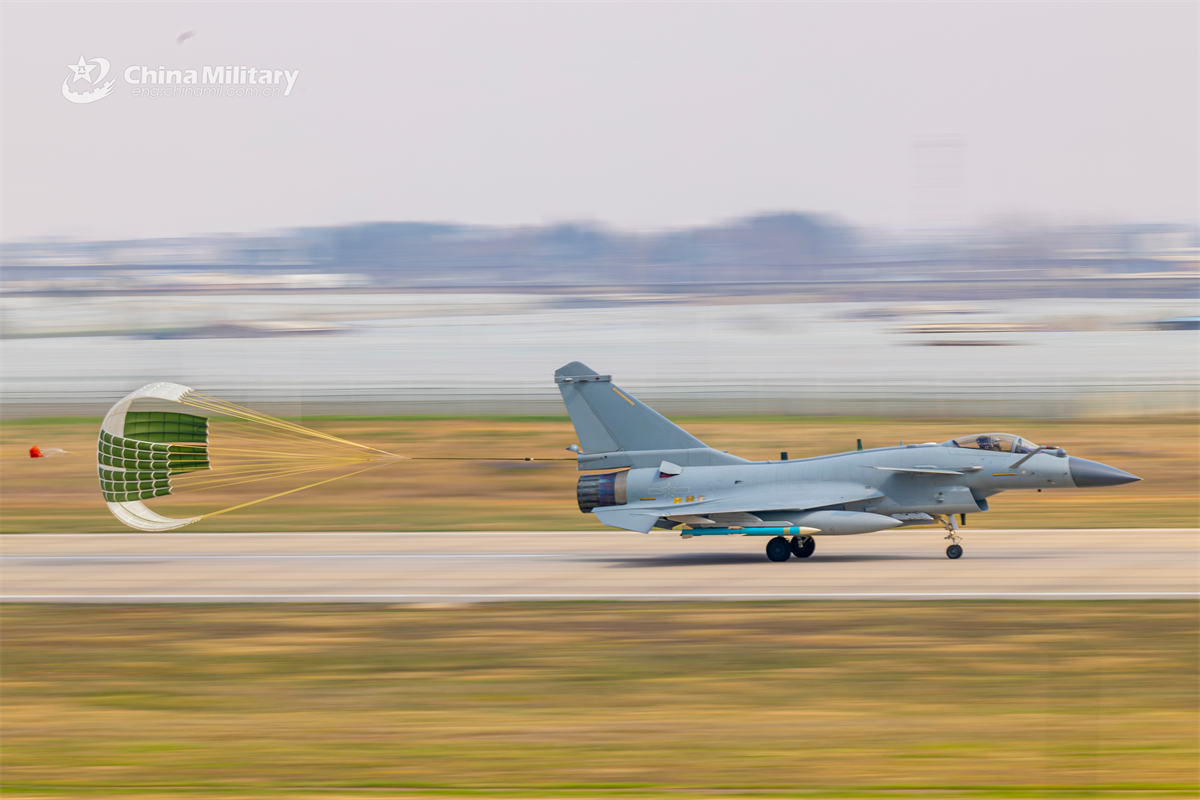
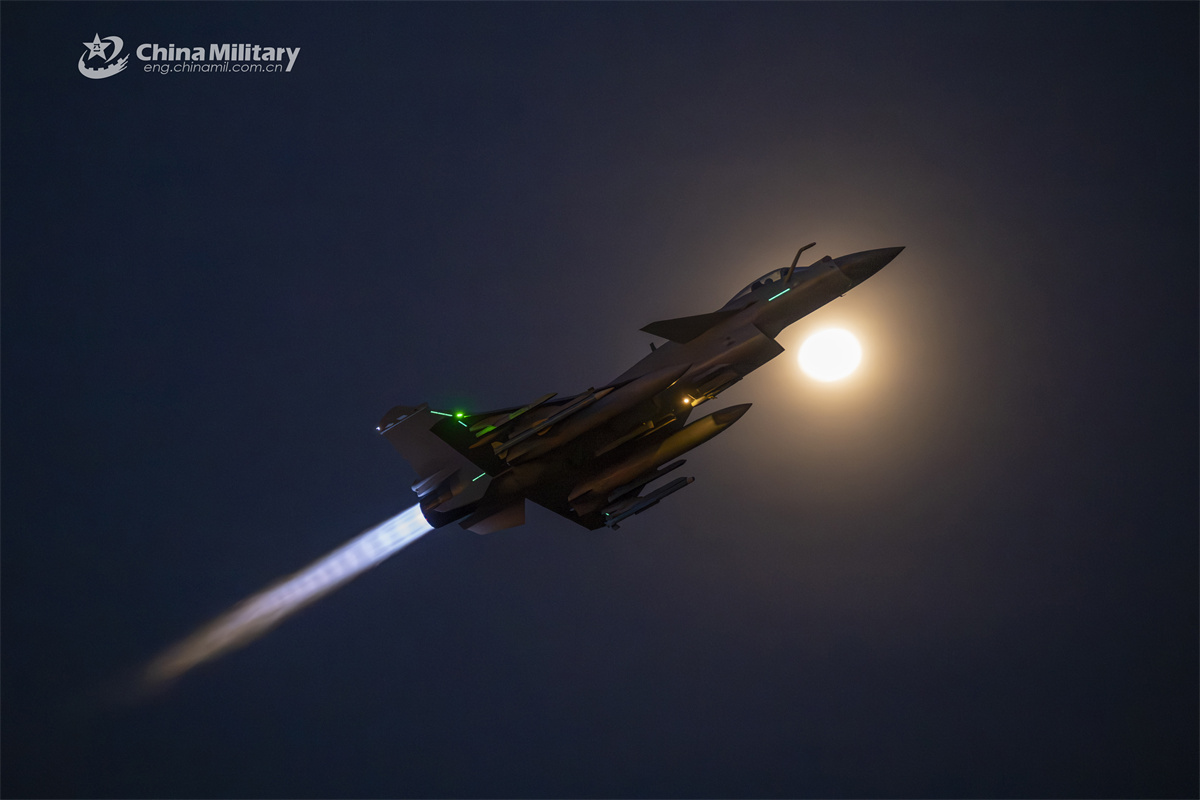
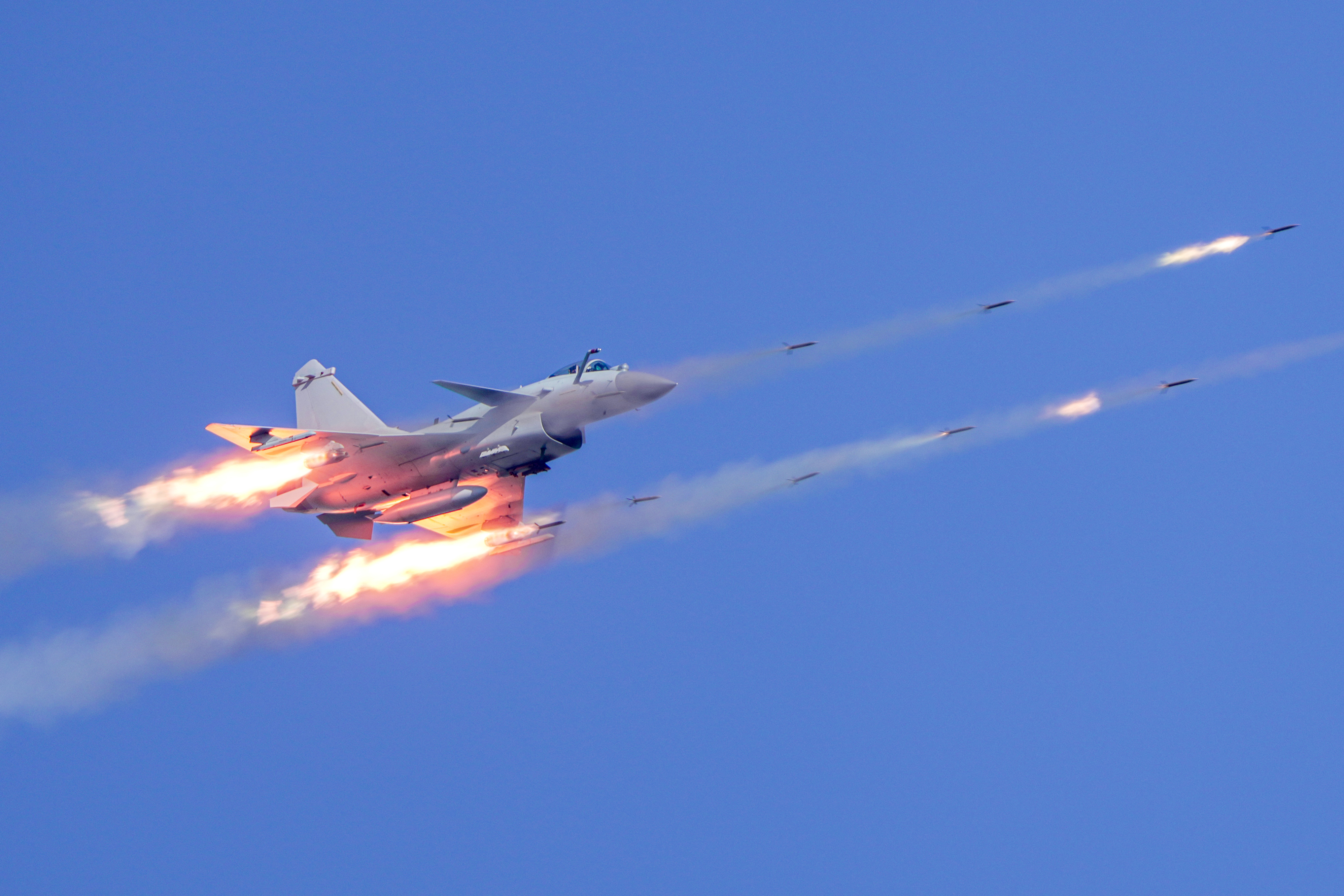
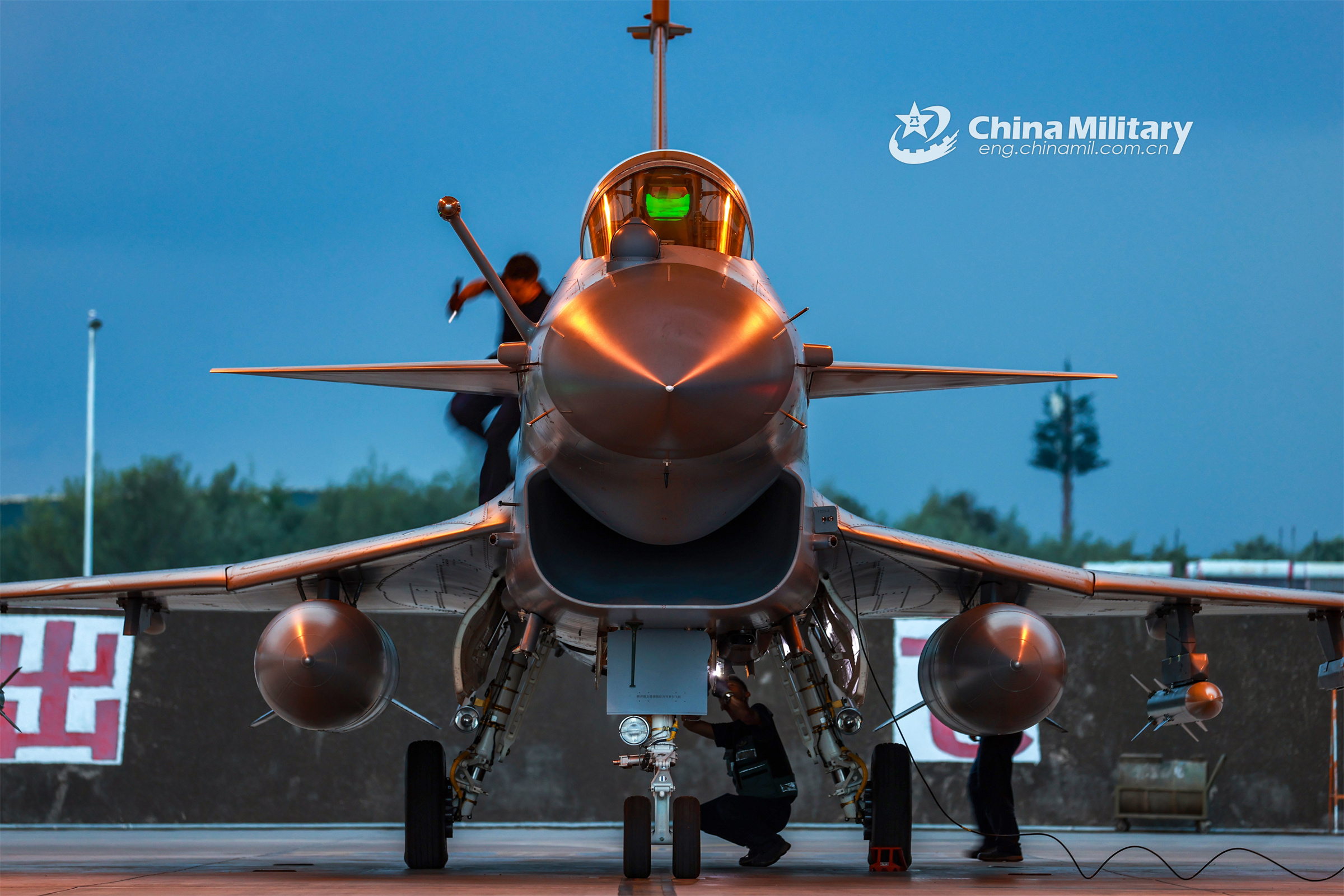
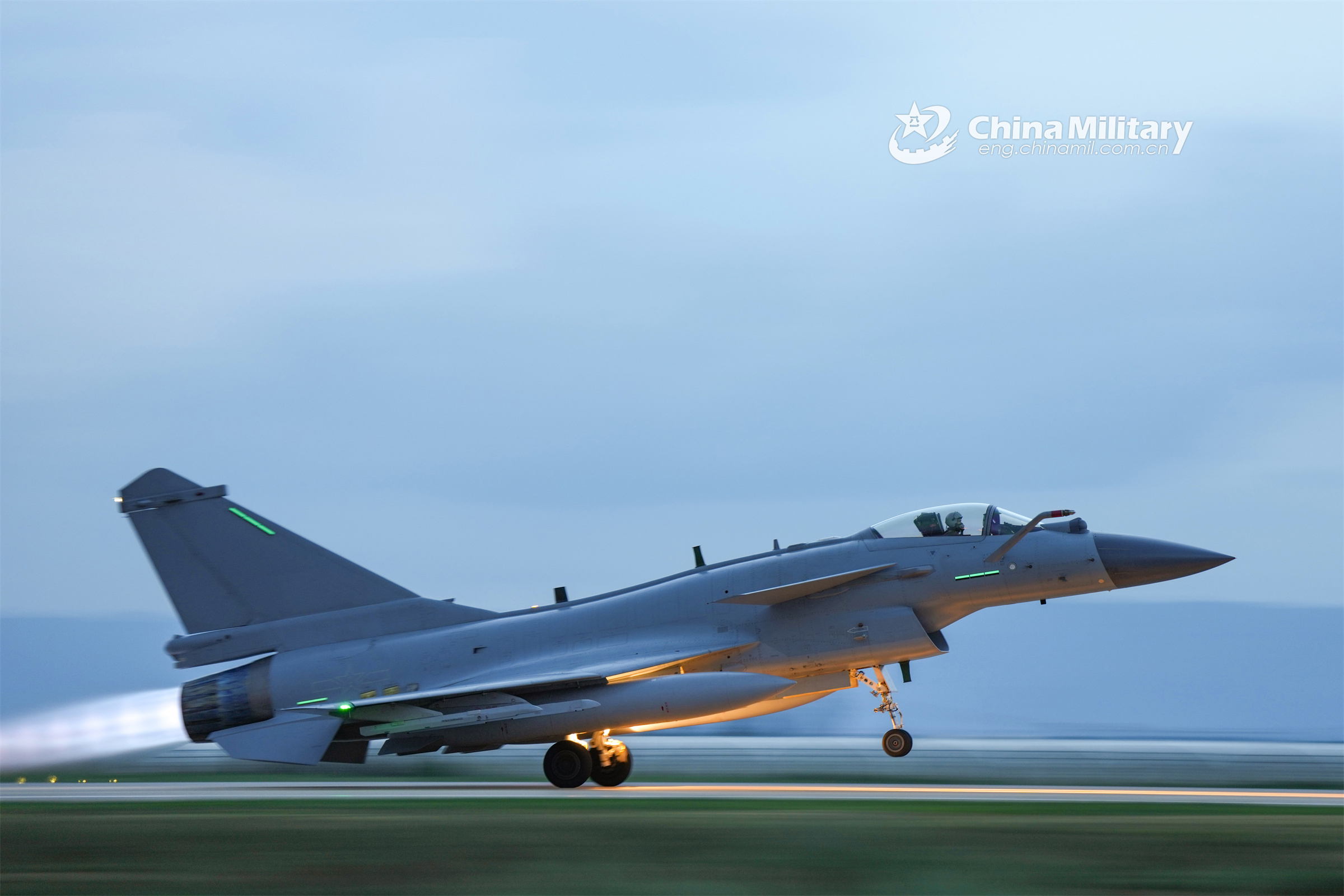
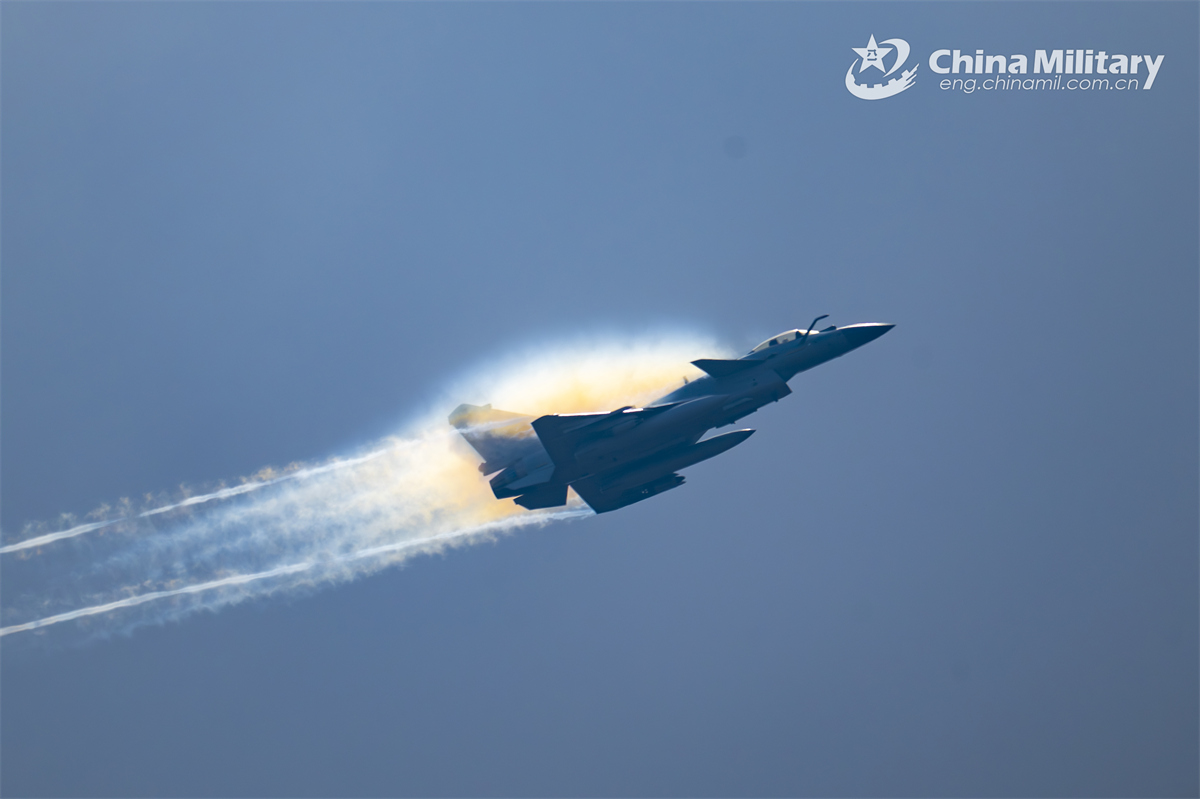
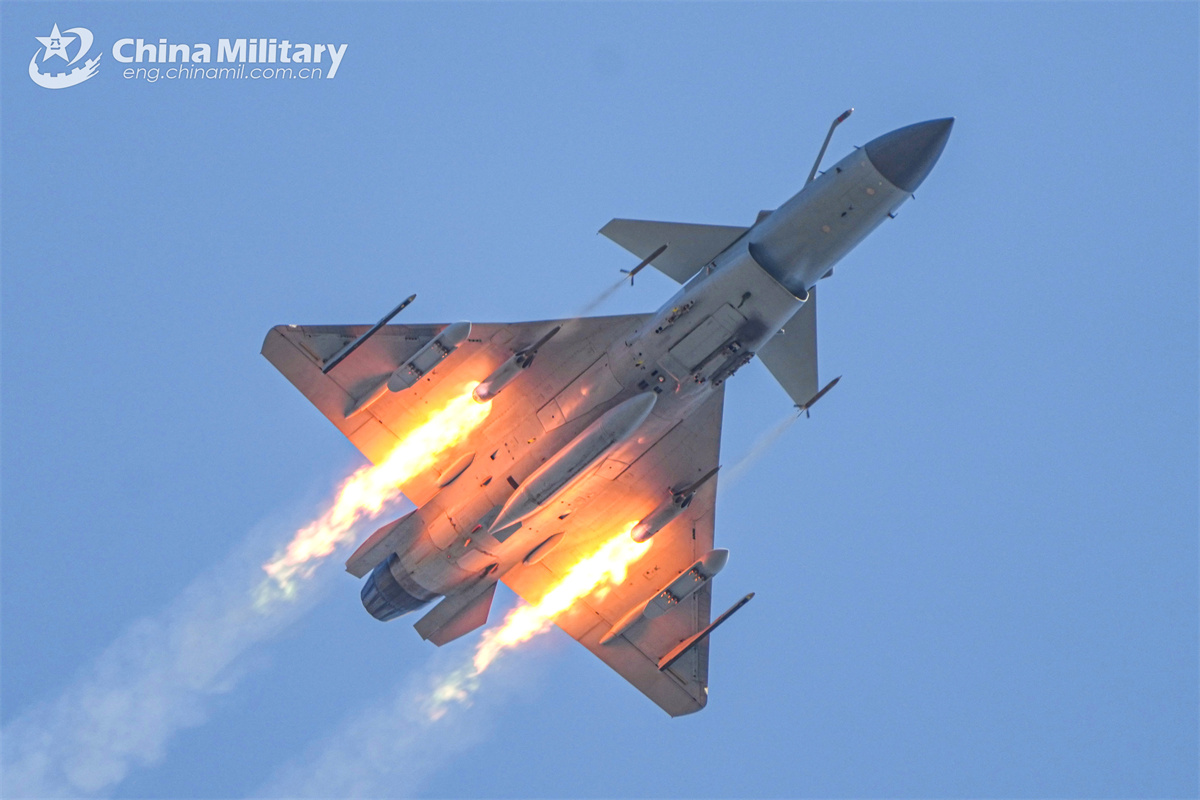
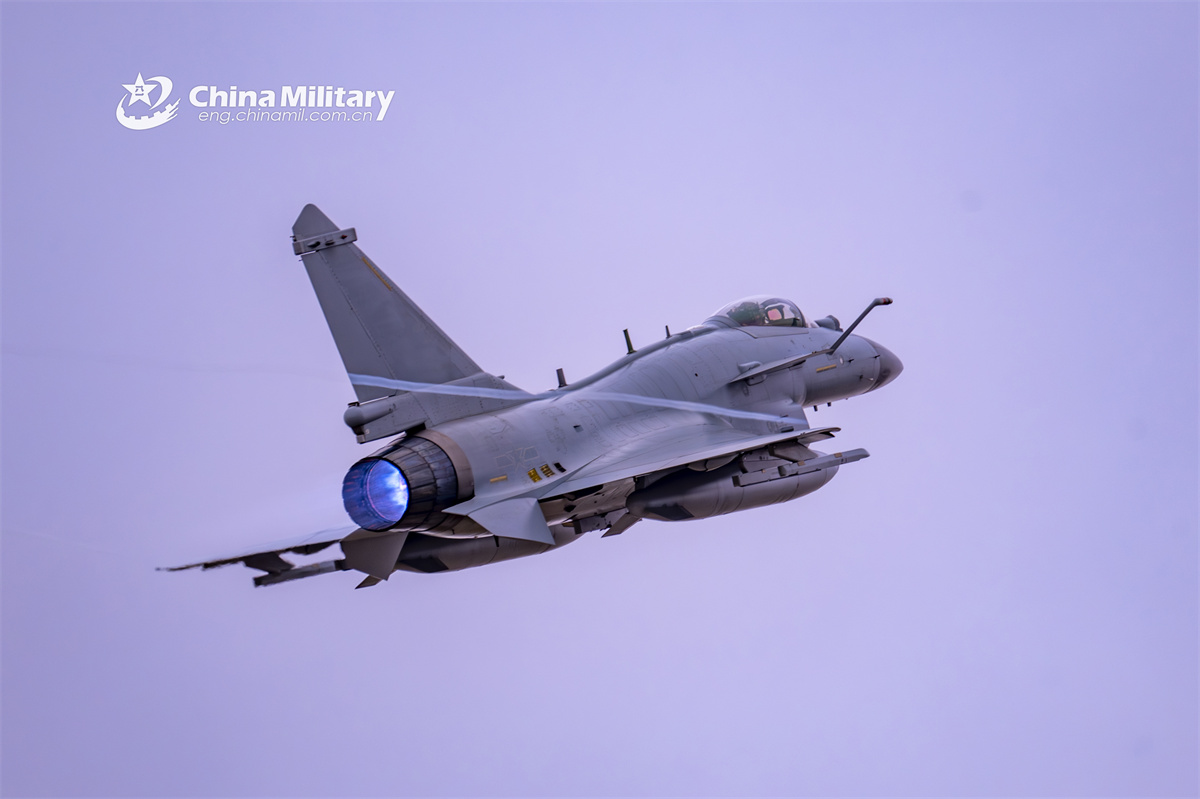
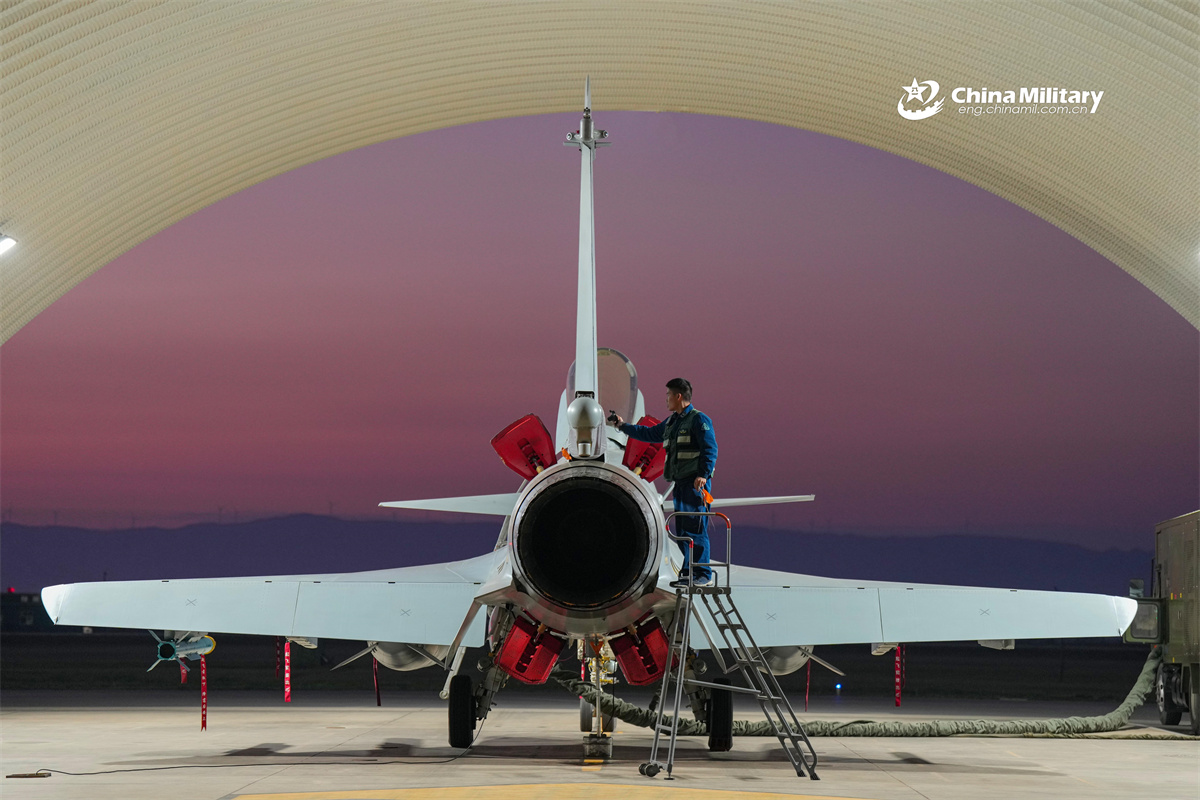
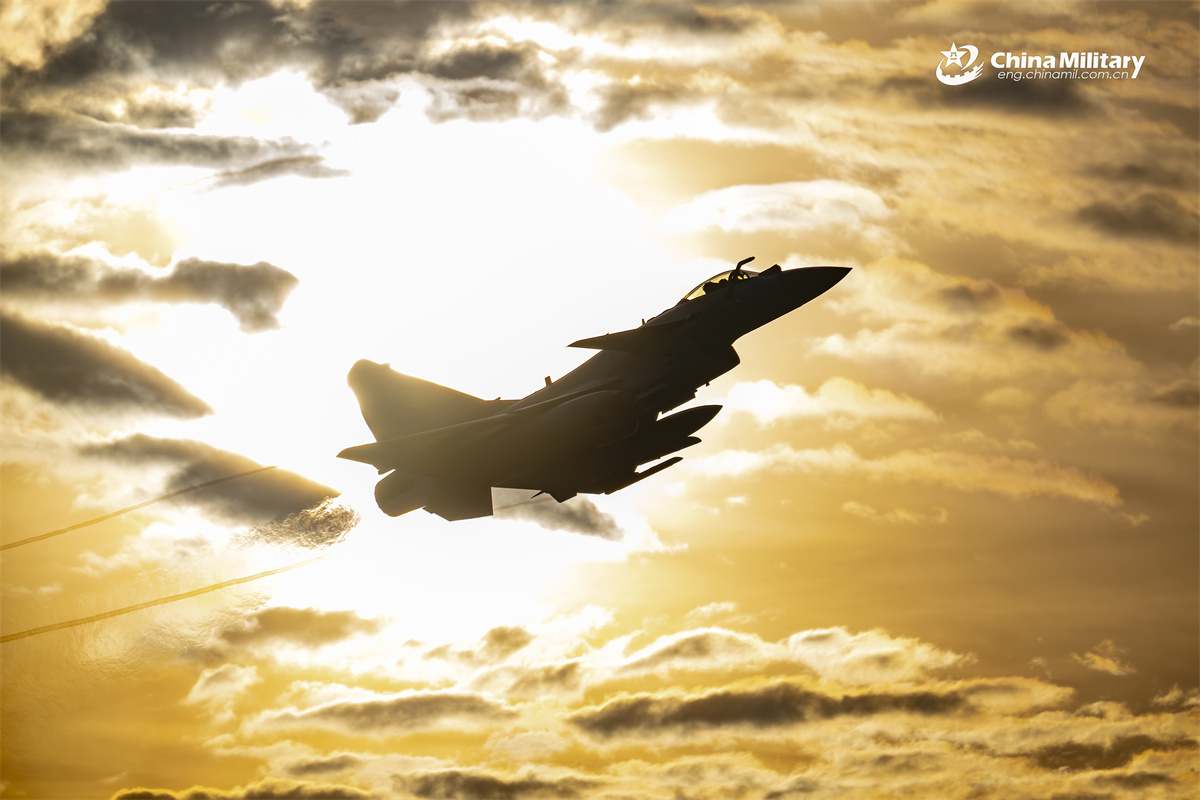
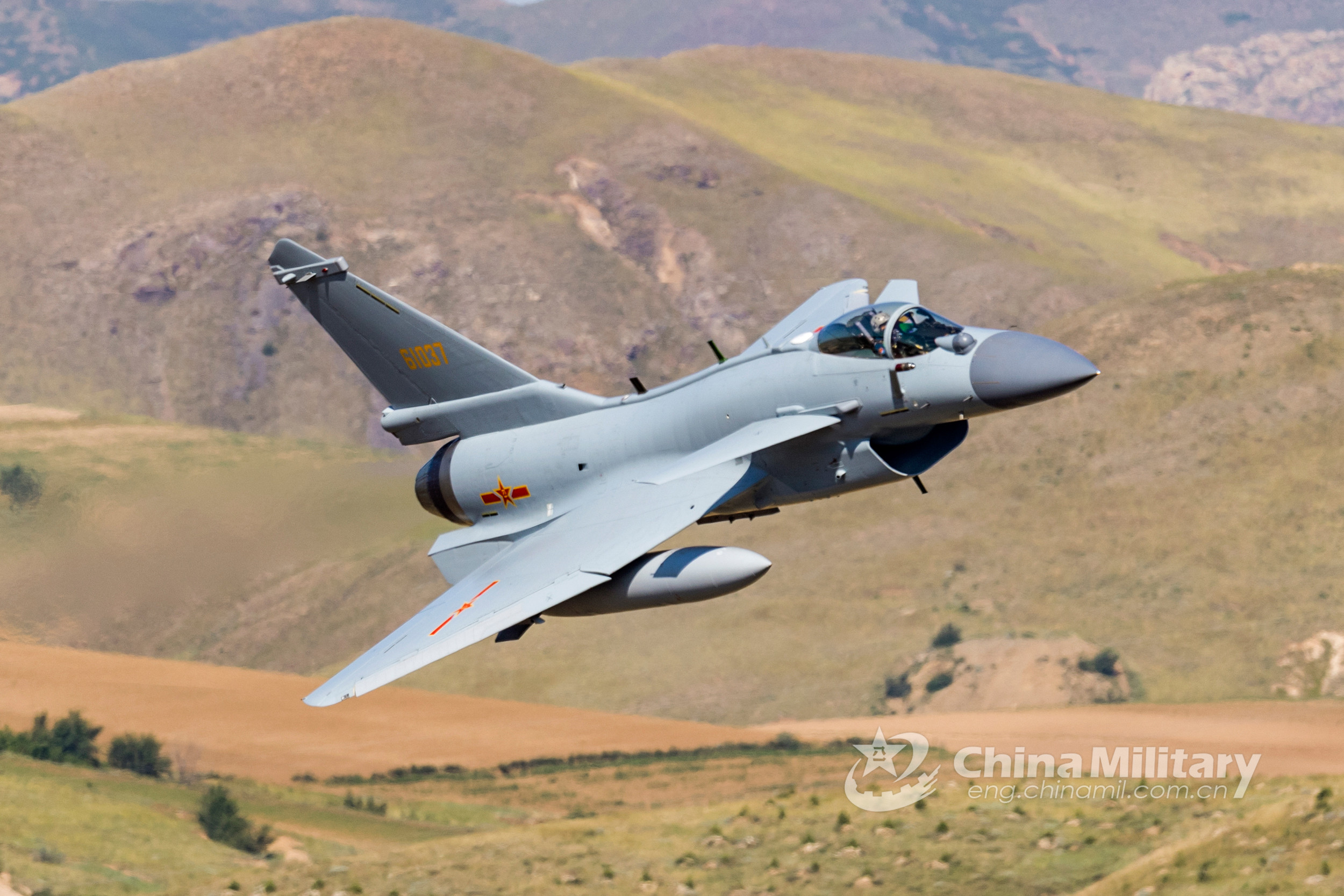
More images of the Chengdu J-10C fighter jet:
Sources:
Chengdu J-10
Chengdu J-10
Chengdu-J-10
J-10
PLA’s J-10C fighter
Chengdu J-10 Firebird
Chengdu J-10
KLJ-10
Pakistan’s J-10CE fighter brings new radar and long-range missiles
J-10 dual missile pylon
WS-10


Comment