
Military Knowledge: RQ-4 Global Hawk Drone
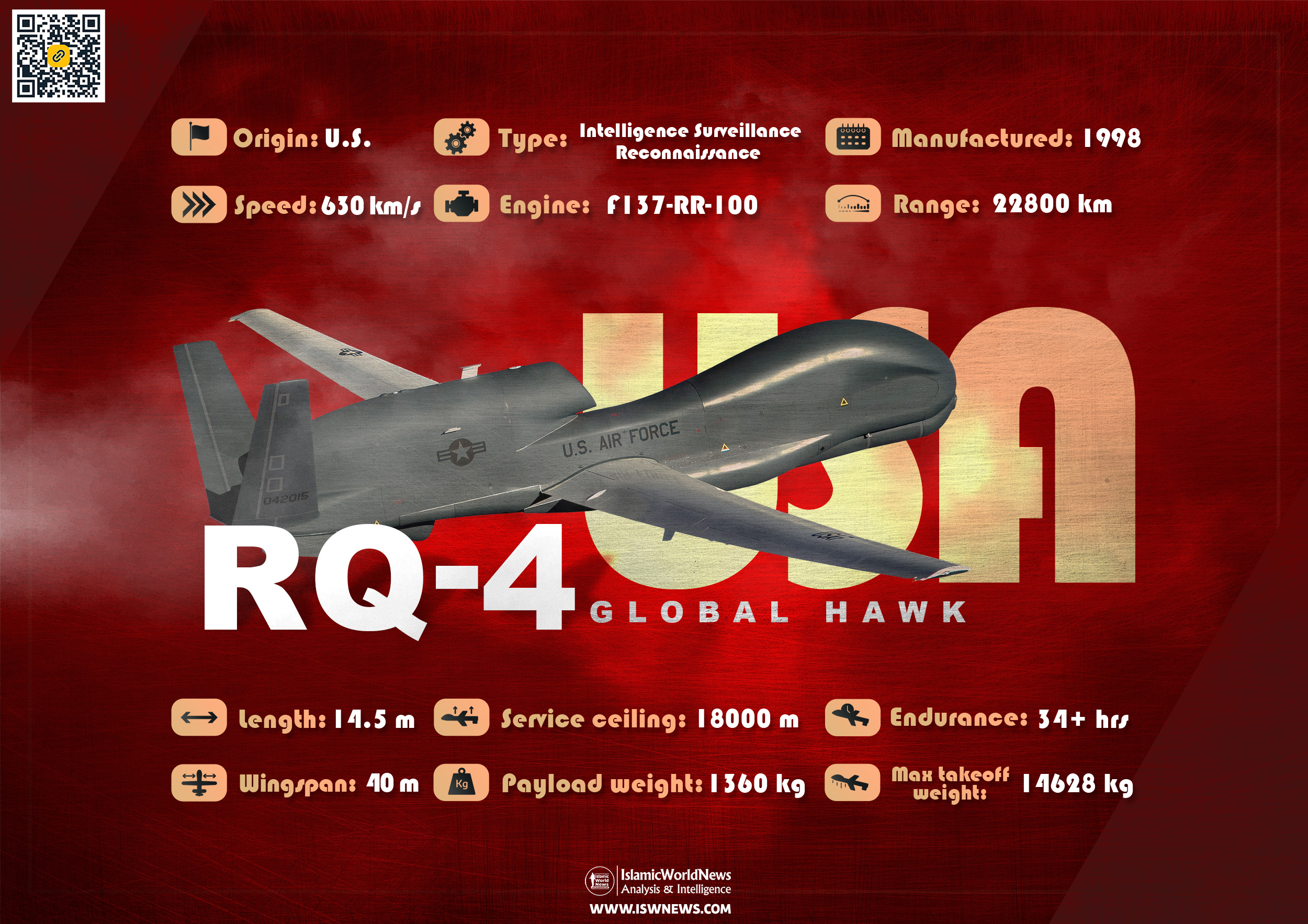
The Northrop Grumman RQ-4 Global Hawk is a high-altitude, long-endurance (HALE) unmanned aerial vehicle designed for intelligence, surveillance, and reconnaissance (ISR) missions. Capable of operating in all weather conditions, day or night, it collects comprehensive data across vast geographic areas. Its primary role is to support combat forces in a wide range of operations, including emergency situations, wartime missions, and even disaster relief efforts. Join us in this article to explore the RQ-4 Global Hawk and its successor in greater detail.
Overview of the RQ-4 Global Hawk UAV
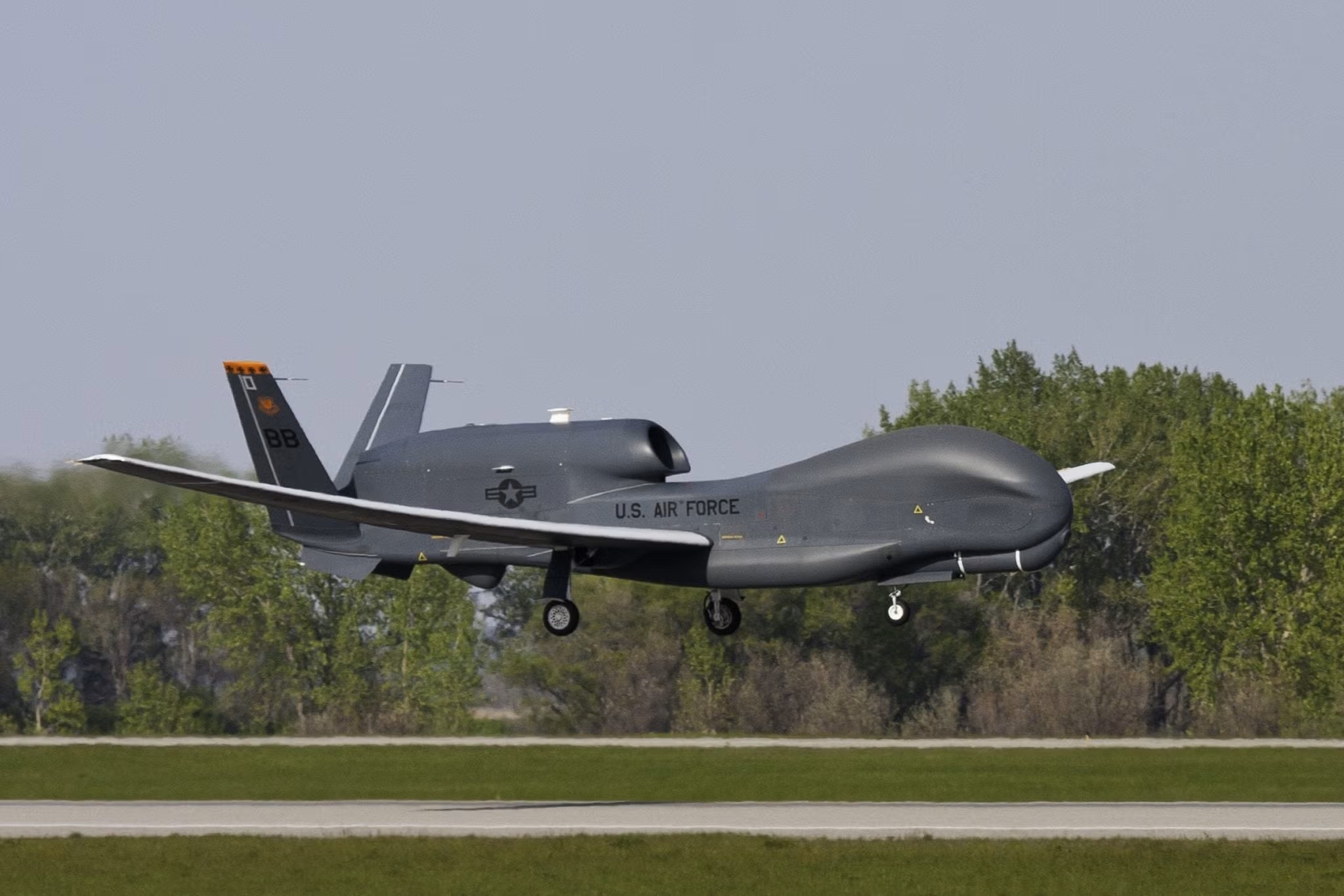
The RQ-4 Global Hawk features a modular design implemented through a series of distinct operational blocks—from the early Block 10 (RQ-4A) to the multi-role Block 30 (RQ-4B) and the MTI-focused Block 40. This architecture allows the drone to adapt to evolving military requirements. Its versatility has established it as a multi-purpose platform capable of supporting various sensor payloads and specialized missions, such as communications relay in the EQ-4B variant and maritime surveillance in the MQ-4C Triton.
Constructed with advanced composite materials and powered by a high-performance turbofan engine, the Global Hawk achieves impressive operational benchmarks, including over 34 hours of flight endurance and an altitude ceiling of 60,000 feet. Its global operational footprint is extensive, with deployments by both the U.S. Air Force and Navy, as well as allied nations like Japan, South Korea, Australia, and NATO under the Alliance Ground Surveillance (AGS) program.
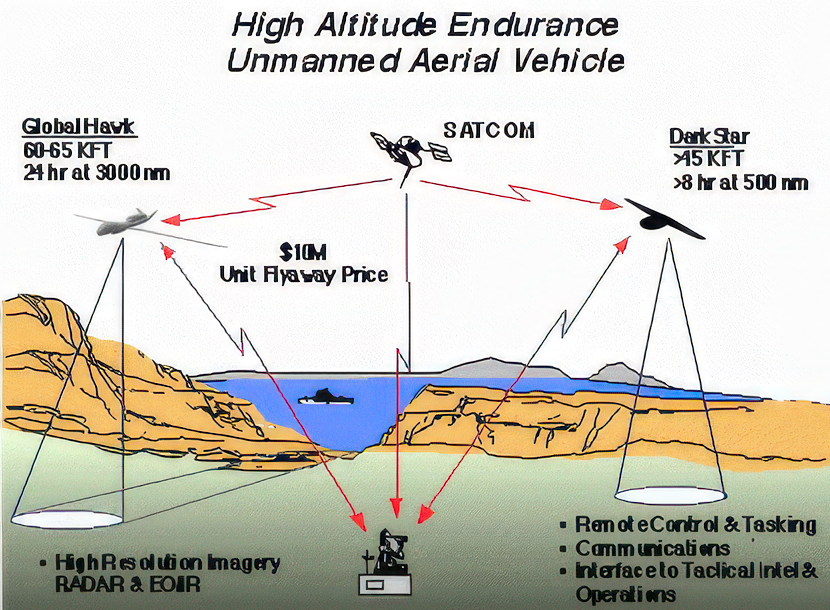
The development of the Global Hawk was a direct response to emerging strategic needs in the post–Cold War era. Military planners at the time identified a growing demand for persistent, wide-area surveillance capabilities—functions that exceeded the limitations of manned reconnaissance aircraft. In 1994, this led to the launch of the High-Altitude Endurance Unmanned Aerial Vehicle Advanced Concept Technology Demonstration (HAE UAV ACTD), a joint initiative between the Defense Advanced Research Projects Agency (DARPA) and the Defense Airborne Reconnaissance Office. The goal was to create a new generation of unmanned aircraft that could enhance military efficiency while delivering advanced ISR capabilities to operational forces.
Within the ACTD framework, two competing designs emerged, each offering a distinct approach to achieving long-endurance, high-altitude flight:
- Northrop Grumman’s Global Hawk, a large, conventionally designed unmanned aircraft that relies on extended flight endurance and a diverse array of sensors to deliver broad-area coverage.
- Lockheed Martin’s RQ-3 DarkStar, a stealth-oriented platform with more limited reconnaissance capabilities, specifically engineered to penetrate heavily defended airspace without detection. While DarkStar was tailored for covert, deep-infiltration missions, the Global Hawk took a different approach—focusing on high-altitude operations conducted at long distances from conflict zones, enabling it to deliver broad and persistent surveillance coverage.
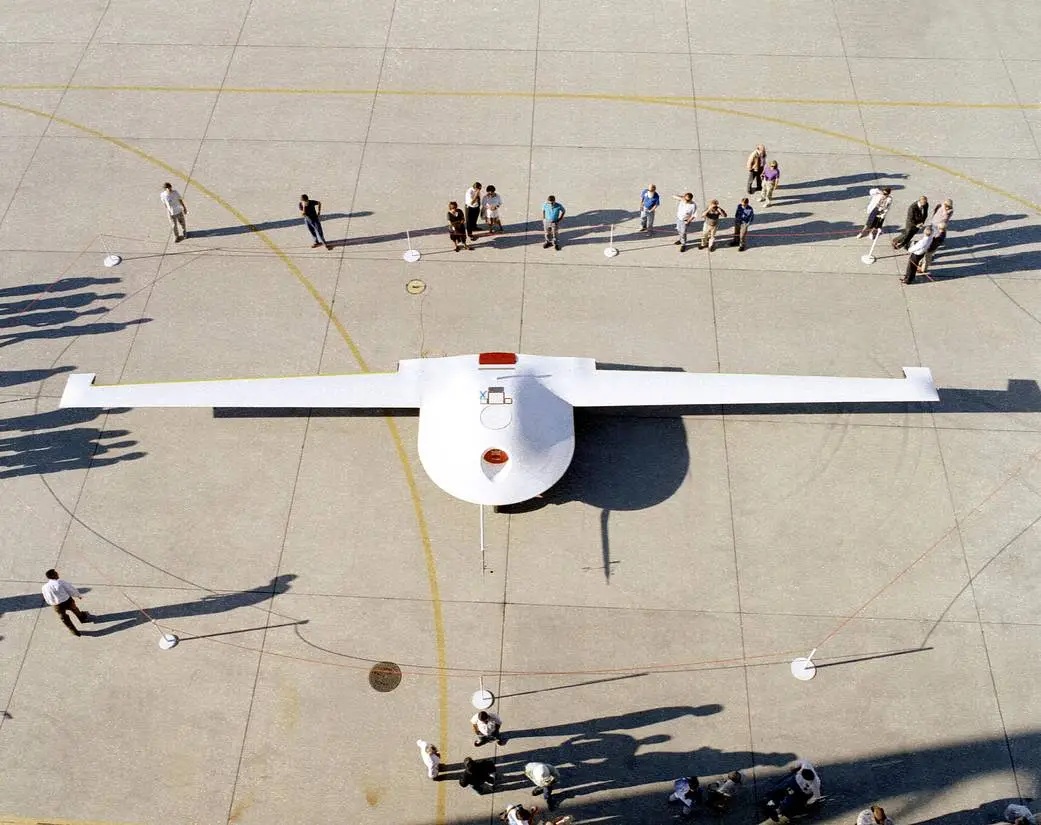
Faced with budget constraints, the U.S. Air Force was compelled to choose between the two competing UAV designs and chart a path forward. The Global Hawk was ultimately selected due to its superior range and payload capacity—advantages deemed more critical for long-duration surveillance missions than the stealth features offered by DarkStar. As a result, the DarkStar program was terminated in January 1999. The aircraft had logged only 6.5 hours of flight time and crashed during its second flight, never getting the chance to prove its operational viability.
In contrast, the Global Hawk accumulated substantial flight experience, and its success cemented its role as the backbone of the U.S. long-range UAV fleet—a position it continues to hold to this day.
Operational history of the RQ-4 drone:
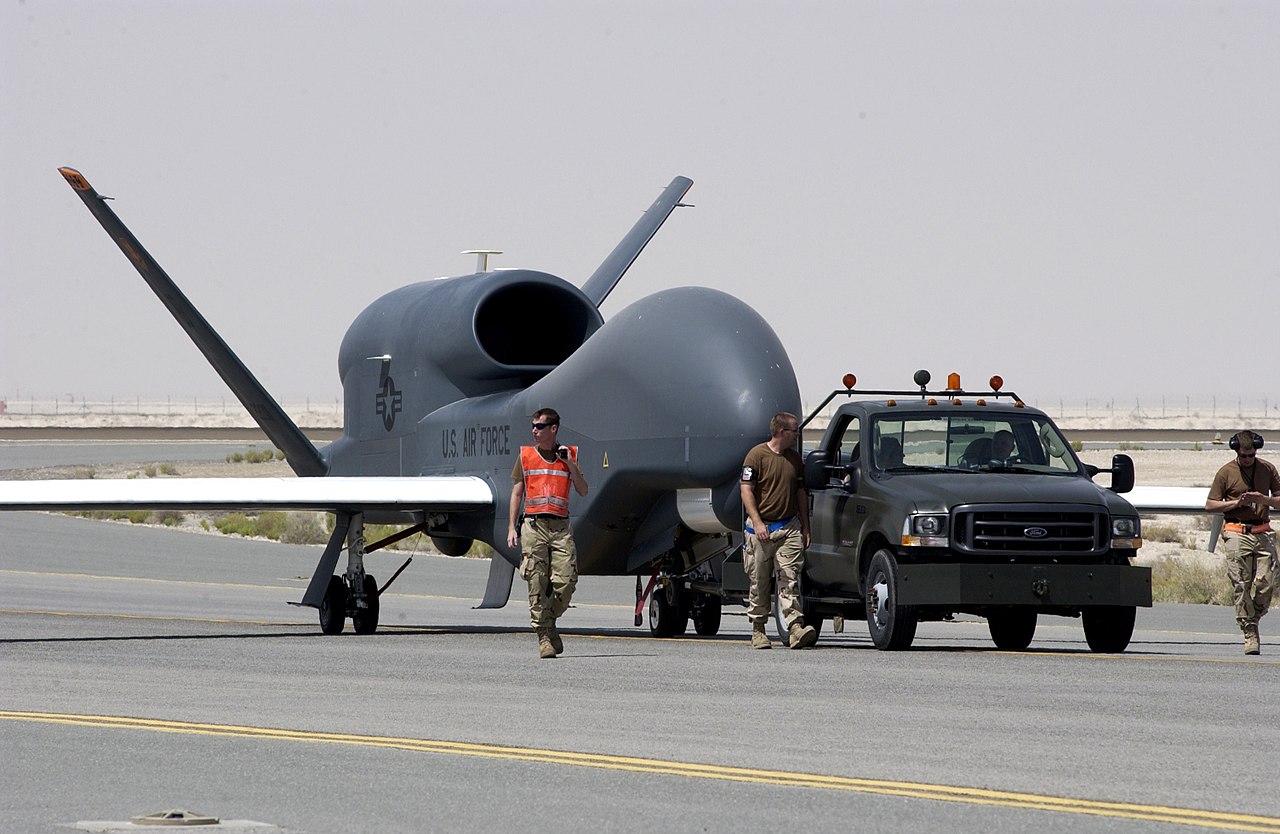
The Global Hawk made its maiden flight on February 28, 1998, at Edwards Air Force Base in California. Subsequently, seven initial units were built under the ACTD program with DARPA’s support for evaluation purposes. In an unusual move—especially for a system still in development—the drone entered low-rate initial production due to high operational demand, particularly from the Middle East. By November 2001, the Global Hawk was deployed in urgent overseas missions, with early prototypes actively used by the U.S. Air Force during the war in Afghanistan.
RQ-4 drone manufacturers:
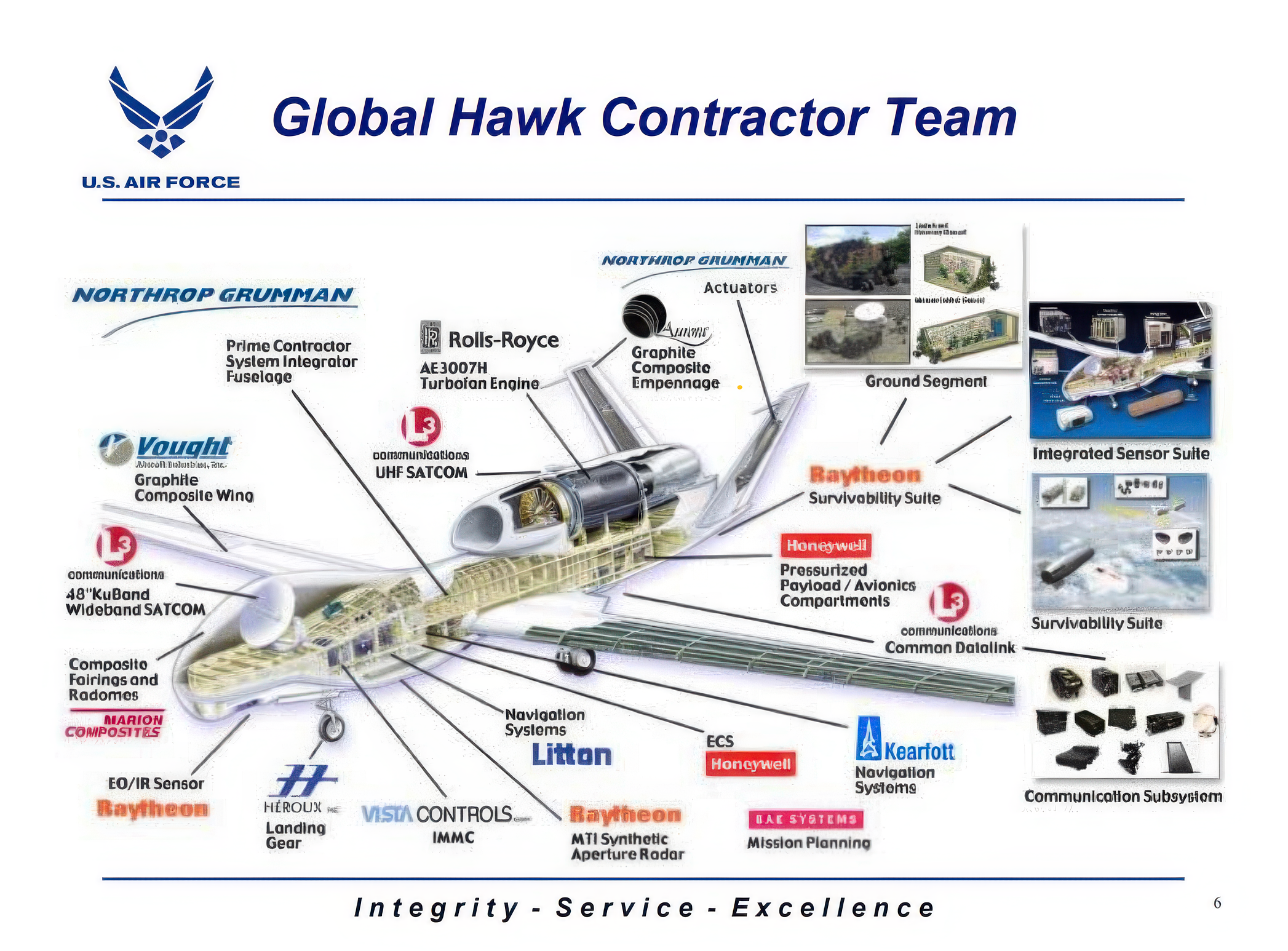
The Global Hawk program is led by Northrop Grumman as the primary contractor. Key subcontractors include Raytheon, responsible for designing and manufacturing the ISS and EISS sensor suites, and L3Harris, which plays a significant role in system integration. The drone’s extensive supply chain also features Rolls-Royce North America, which produces the F137-RR-100 engine; Aurora Flight Sciences, tasked with fabricating advanced composite components such as the V-tail and engine housing; and Scaled Composites, contributing to specialized structural elements.
RQ-4 Platform Design and Manufacturing Engineering:
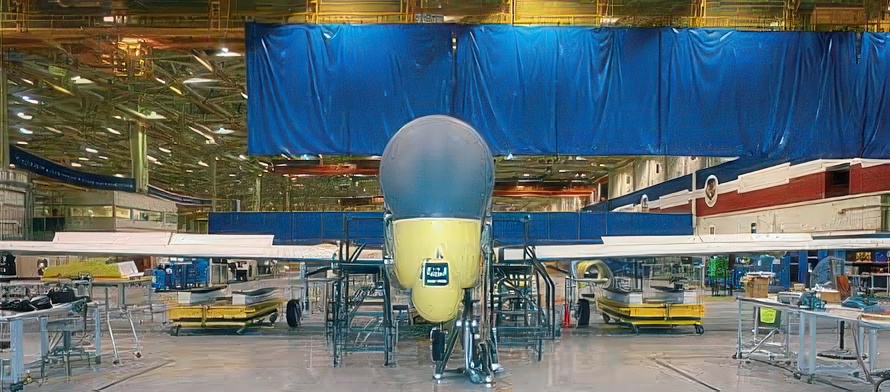
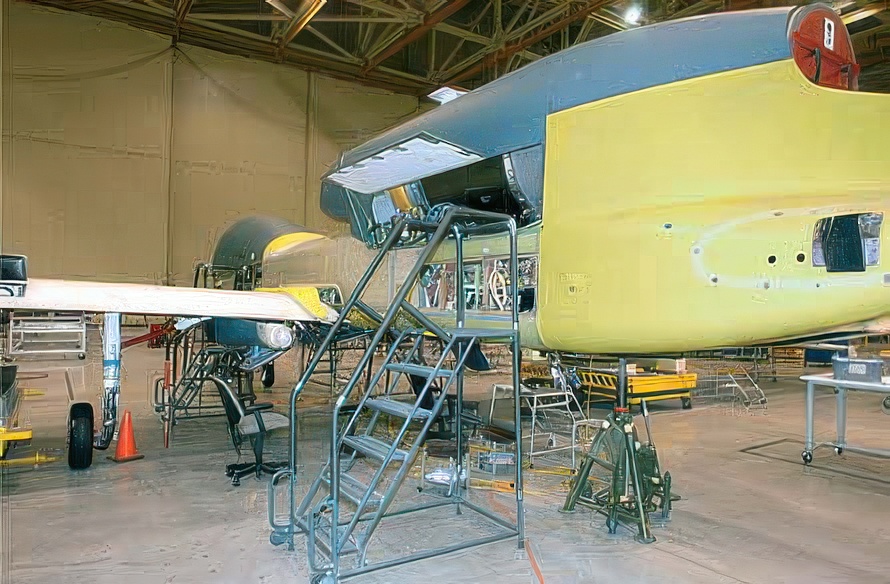
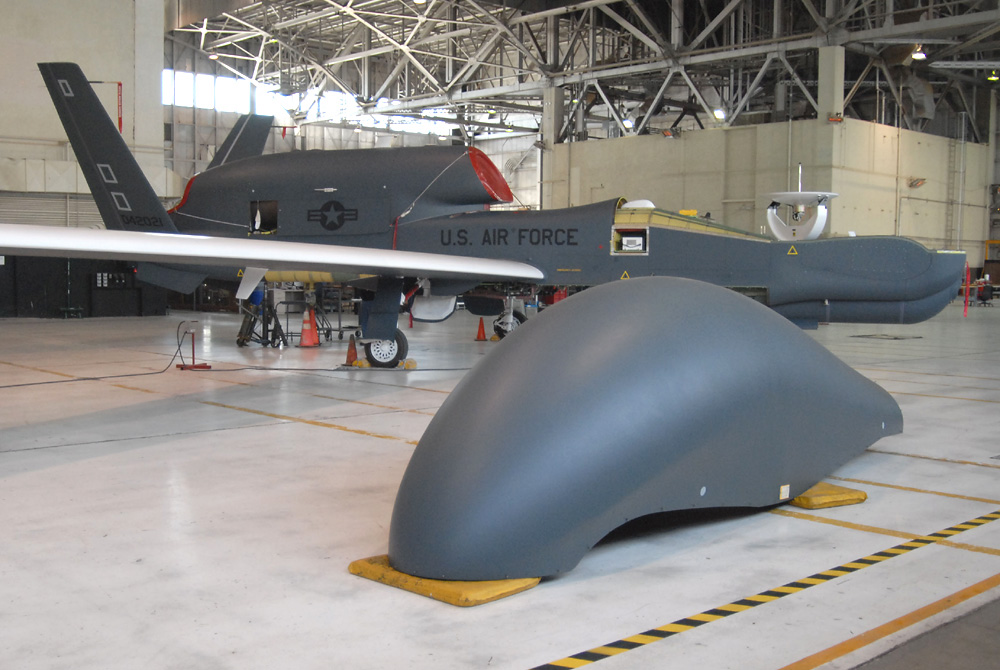
Aerodynamics and Materials Engineering: The fuselage of the Global Hawk UAV is constructed from aluminum and designed with a semi-monocoque structure, which provides high structural integrity and a robust framework for housing internal systems and payloads. Other sections of the aircraft utilize lighter, more advanced materials. For instance, the wings, V-tail, engine nacelle, and rear fuselage are made from advanced graphite composites. These lightweight materials enable the drone to achieve an impressive wingspan of 40 meters and a high lift-to-drag ratio of approximately 33—key factors that allow this large UAV to sustain continuous flight for over 30 hours.
Additionally, external components such as fairings and radomes are made from fiberglass composites, further optimizing weight and aerodynamic efficiency.
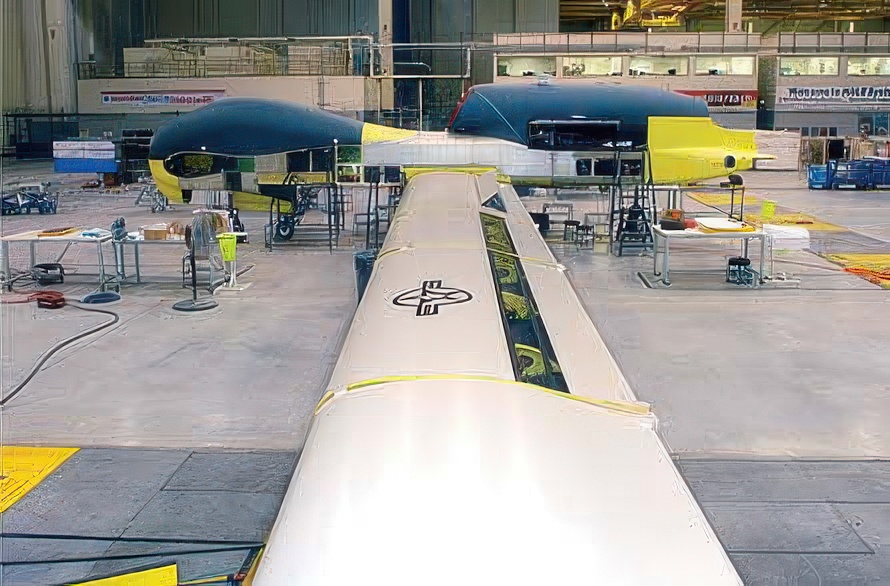
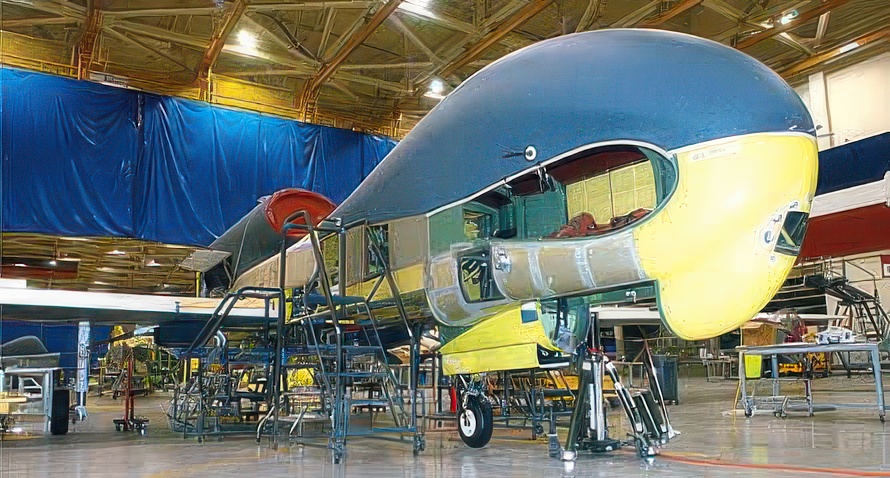
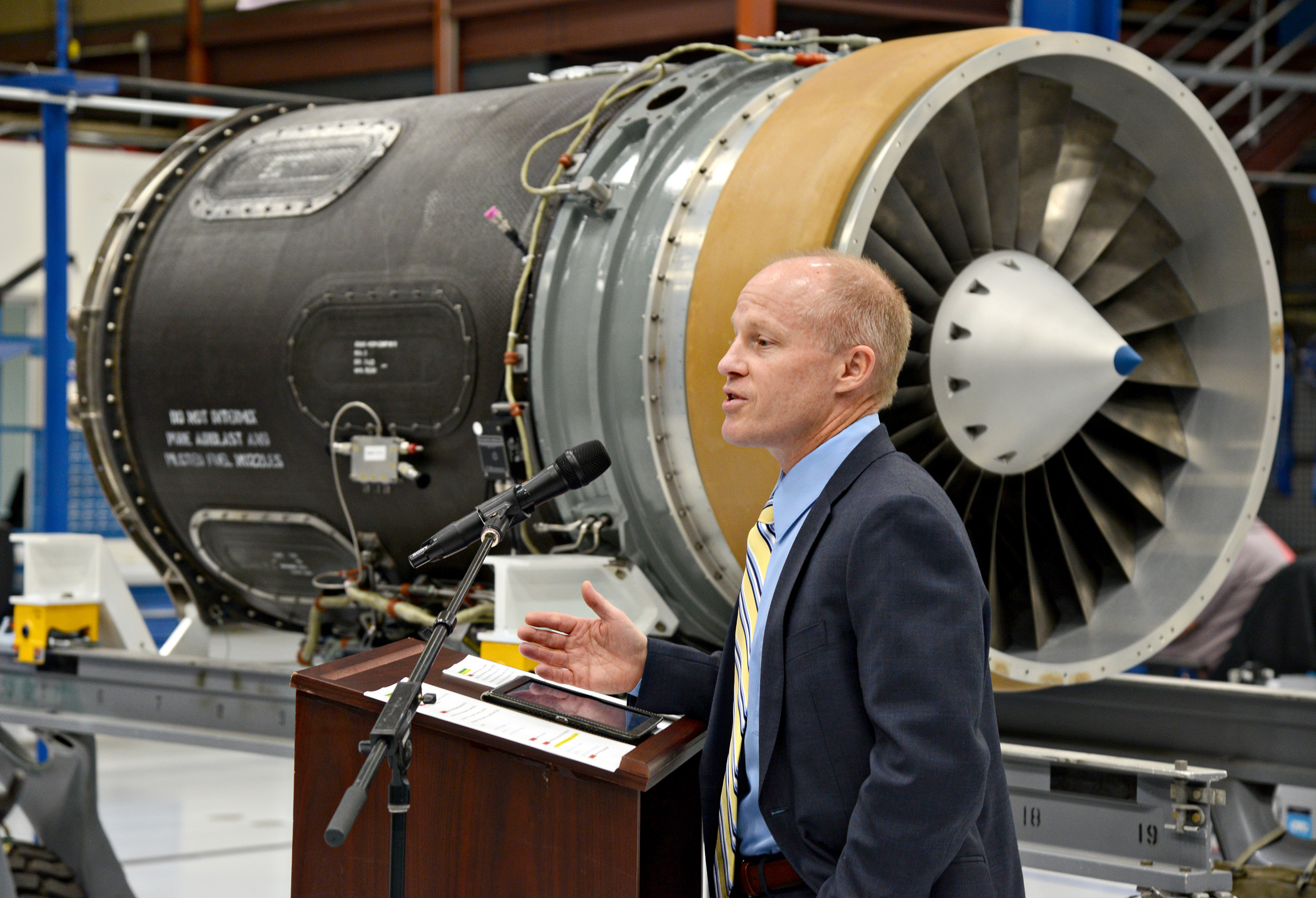
Propulsion System: The Global Hawk is powered by a Rolls-Royce North American F137-RR-100 turbofan engine, commonly referred to as the F137. This engine is derived from the Rolls-Royce AE 3007H, originally developed by Allison Engine Company. It delivers 7,600 pounds of thrust, providing the necessary power to reach operational altitudes and maintain the drone’s impressive endurance. The engine is manufactured at Rolls-Royce’s facility in Indianapolis, Indiana.
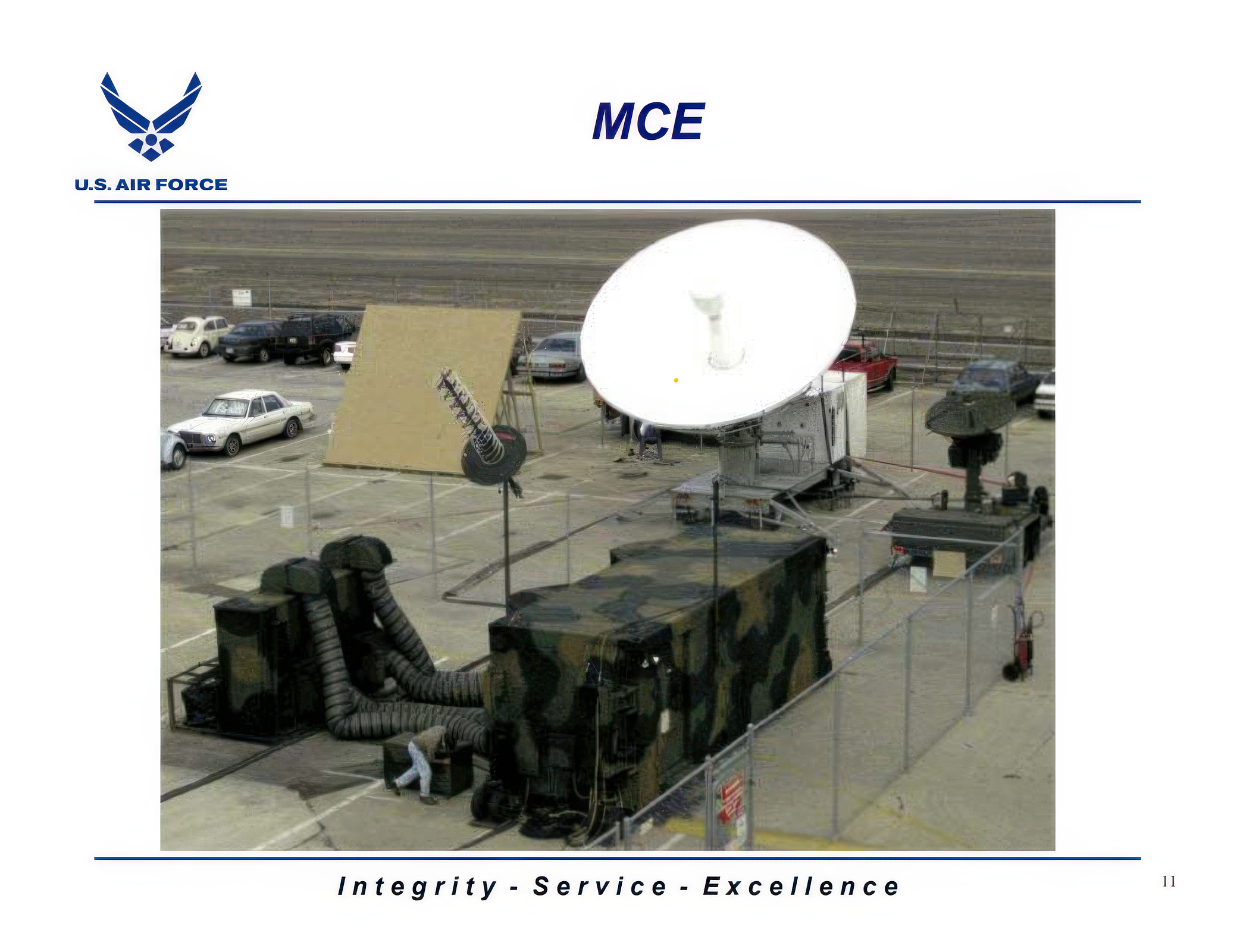
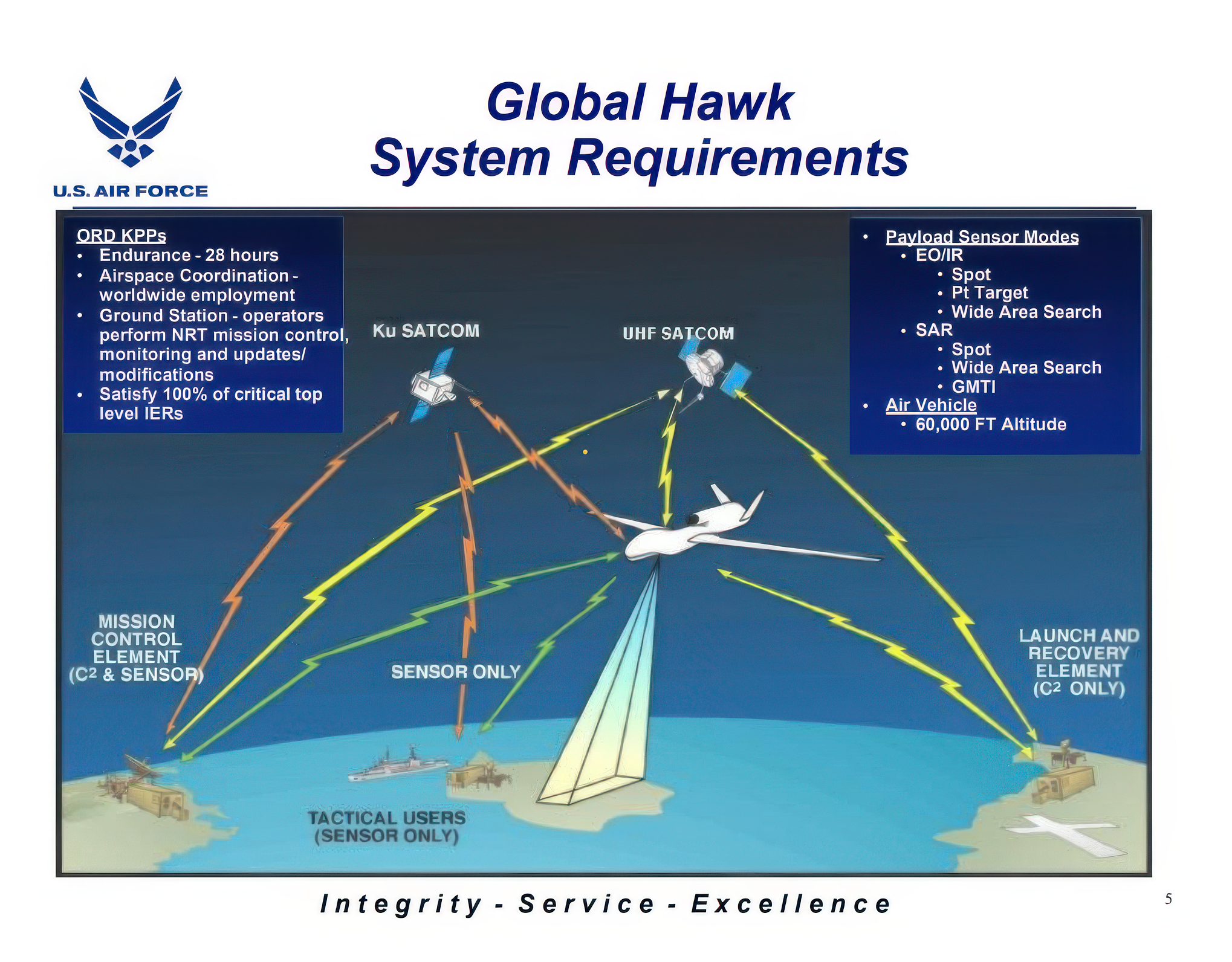
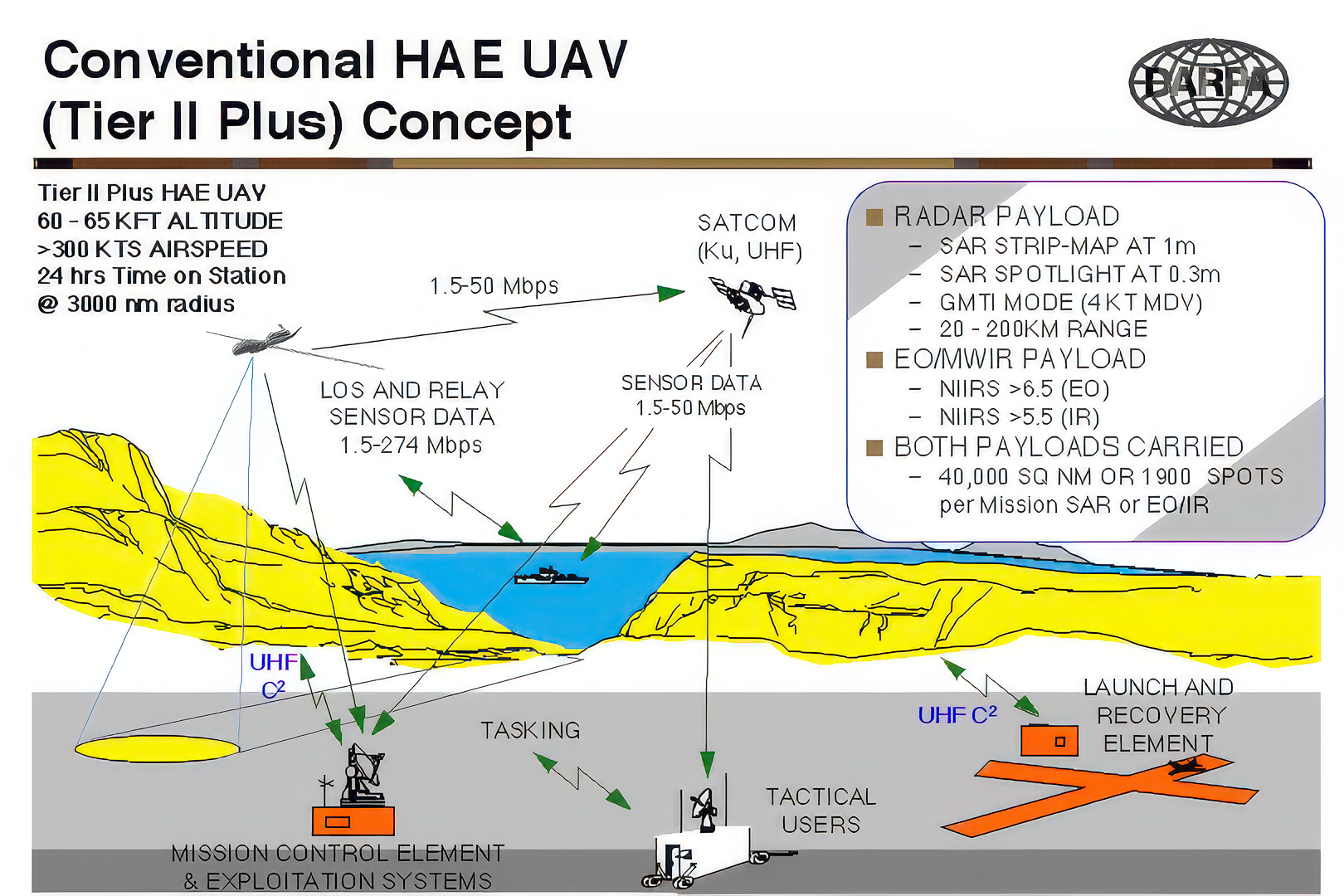
Control Station: The Global Hawk is not a standalone aircraft but part of a comprehensive system that includes the aerial vehicle and supporting ground stations. It is operated remotely by a three-person team: a UAV pilot, a mission control pilot (MCE), and a sensor operator. The ground segment is divided into two key components—one dedicated to flight control and the other to mission management and sensor operations.
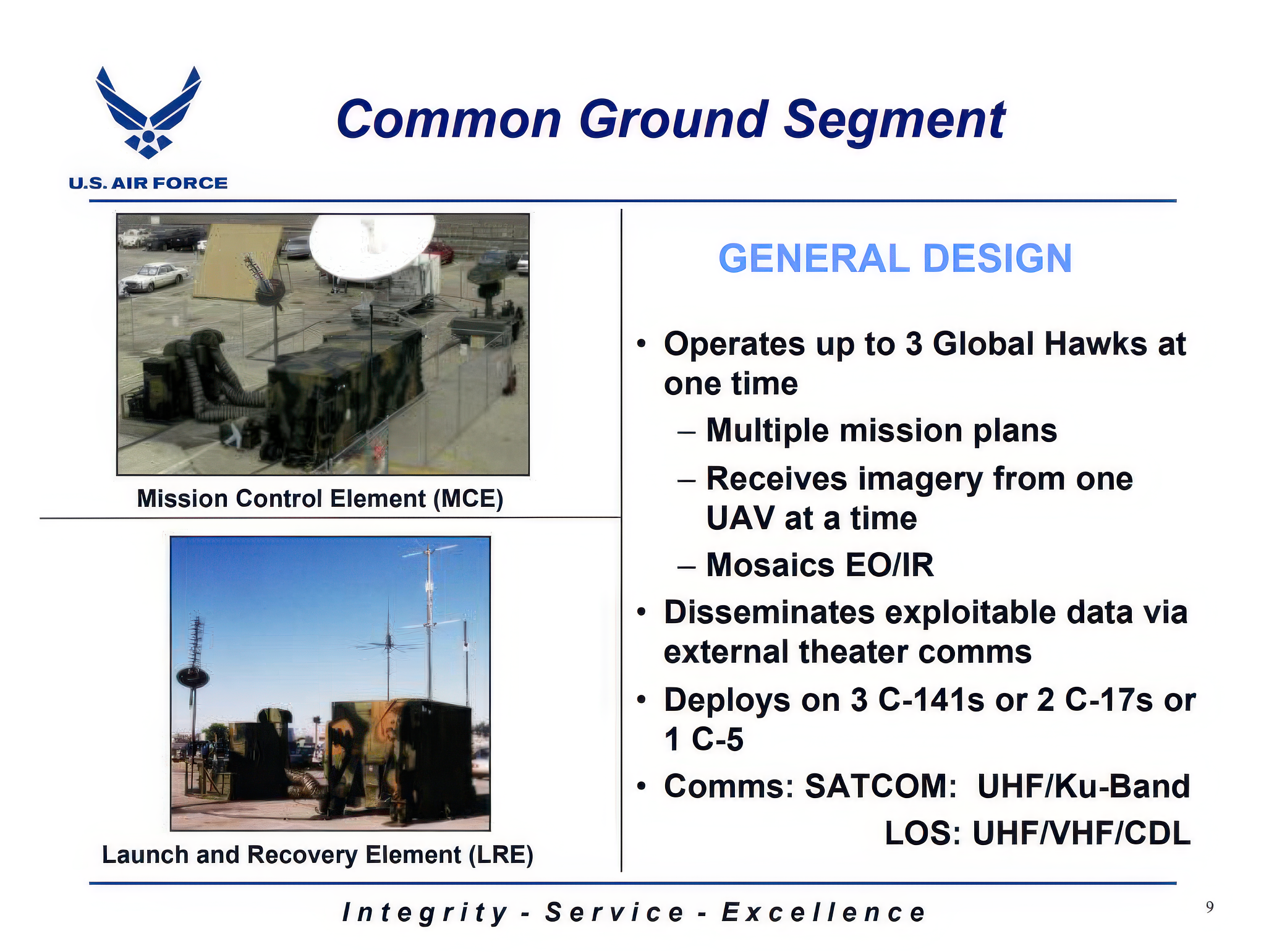
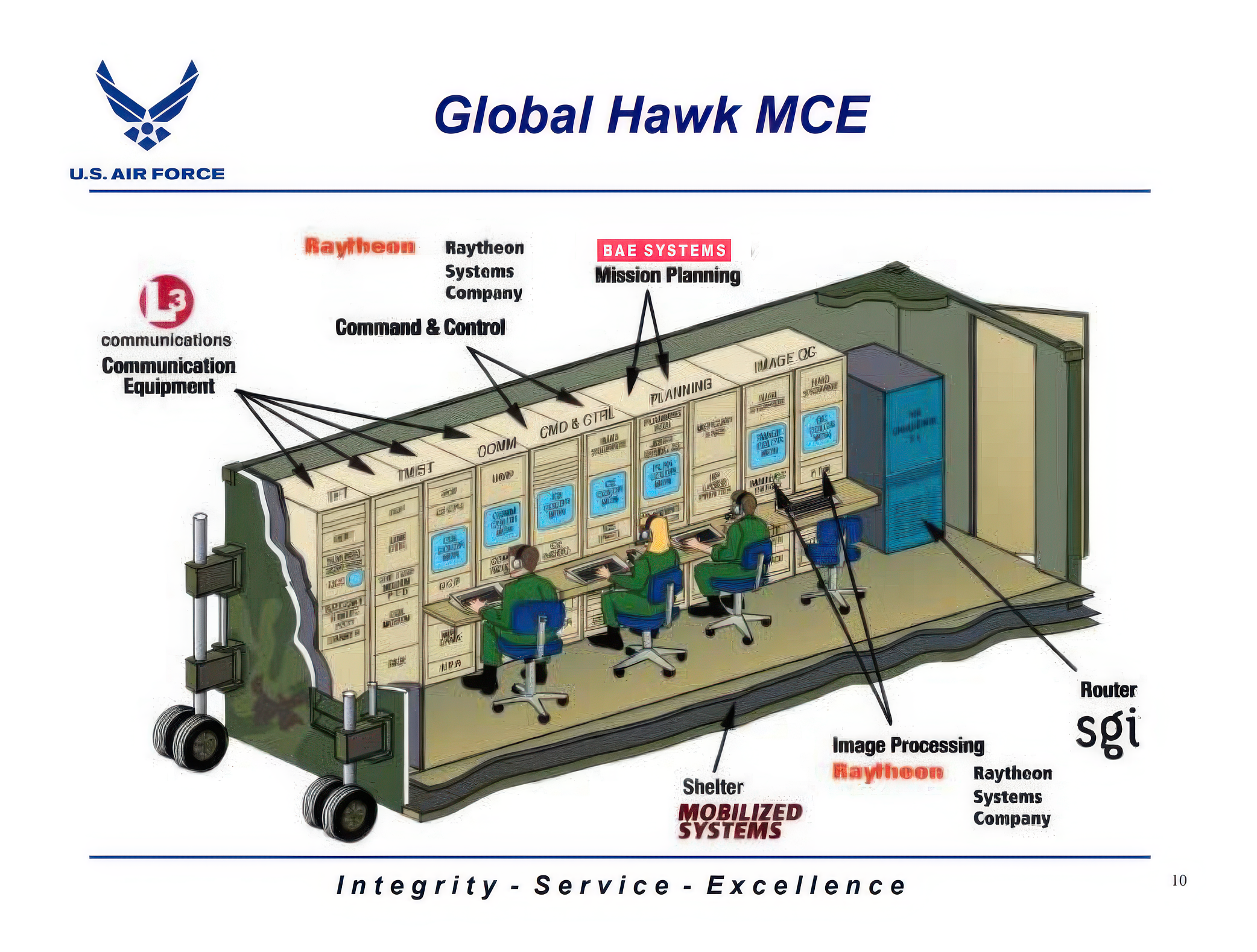
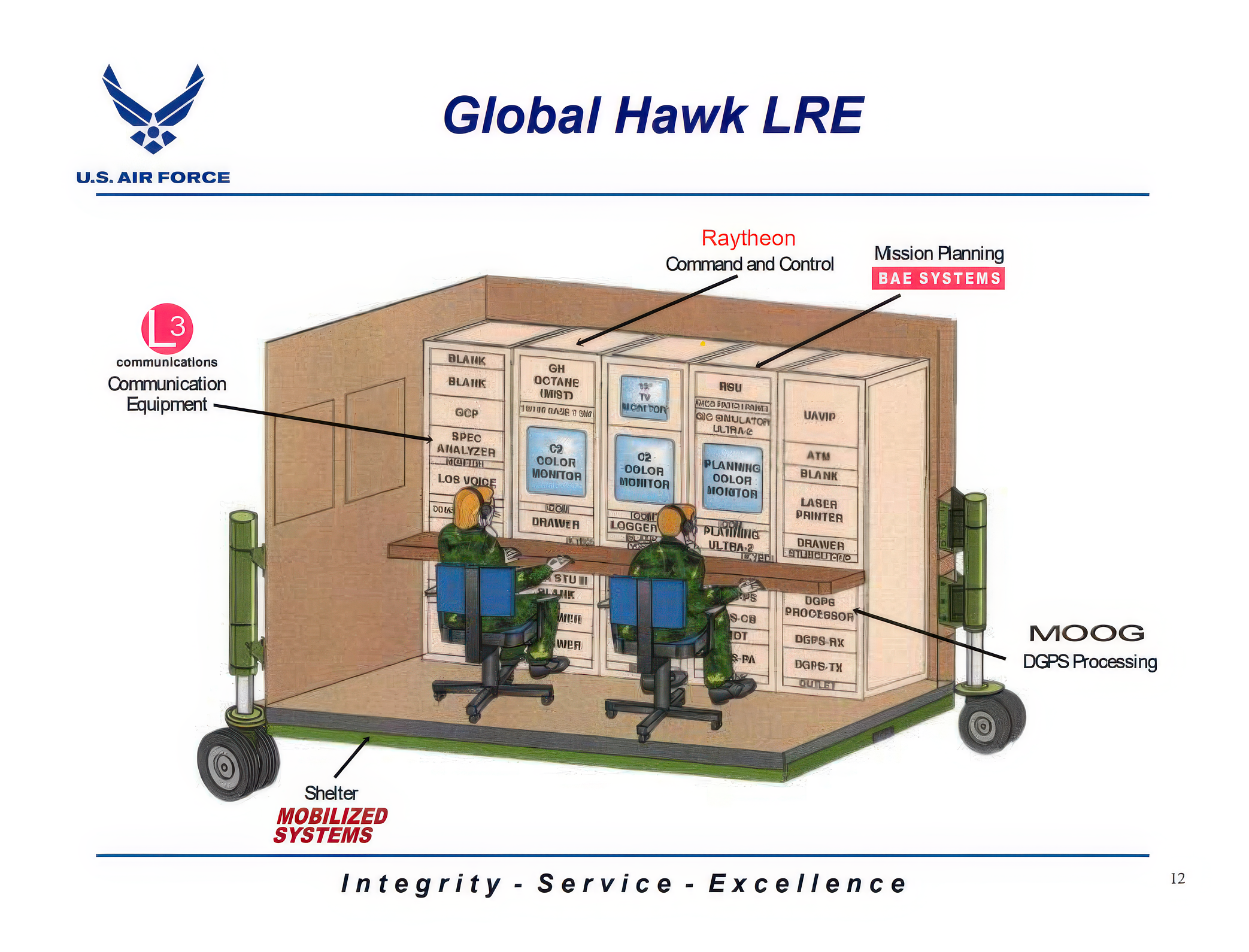

Launch and Recovery Element (LRE): Located at the host airbase and responsible for managing the takeoff and landing of the drone on site.
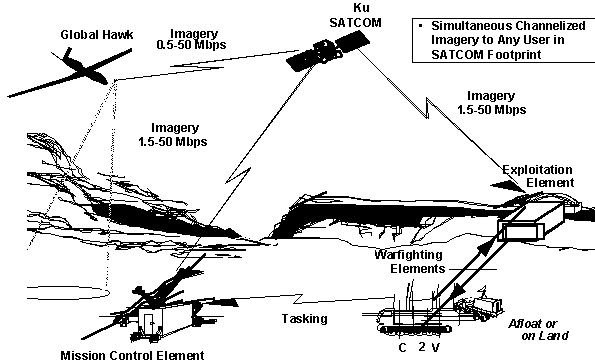
Mission Control Element (MCE): Once the Global Hawk reaches its designated mission area, the Mission Control Element (MCE) takes over to manage the aircraft and its sensors throughout the ISR operation. This segment is operated by a team of pilots and sensor operators who use satellite data links to enable dynamic, real-time control. Notably, the drone’s ground operations are based at Beale Air Force Base in California and Grand Forks Air Force Base in North Dakota.
Avionics, Communications, and Navigation: The Global Hawk’s navigation system integrates an inertial navigation system (INS) complemented by GPS updates, enabling the UAV to conduct long-duration autonomous flights with high precision.
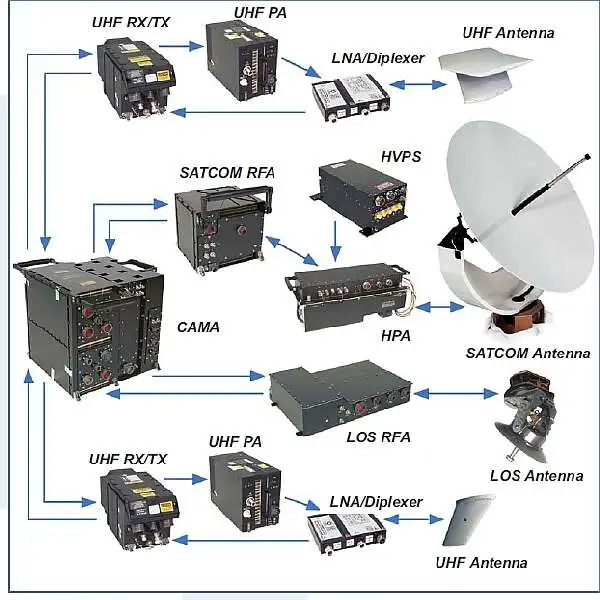
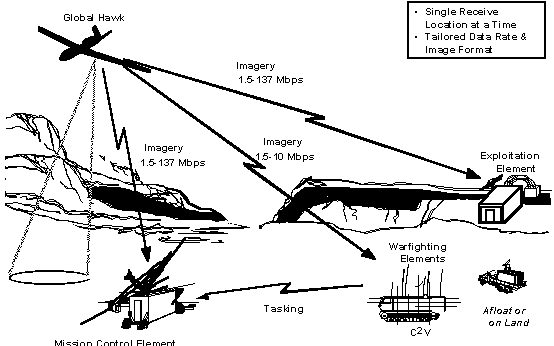
Command, Control, and Data Transmission: For command, control, and data transfer, the system utilizes a military-grade X-band satellite link to transmit information to the Mission Control Element (MCE). Additionally, a shared data link enables direct image downloads when the UAV is within line-of-sight of compatible ground stations.
Review of RQ-4 missions and sensors:
The primary mission of the Global Hawk is to provide a broad spectrum of intelligence, surveillance, and reconnaissance (ISR) data. It achieves near-real-time and persistent coverage by leveraging three main types of intelligence sources:
- Imagery Intelligence (IMINT): Involves the collection and analysis of still images captured by electro-optical (EO) and infrared (IR) sensors.
- Signals Intelligence (SIGINT): Involves the interception and collection of electromagnetic signals using specialized radio frequency sensors.
- Moving Target Indicator (MTI): Detects and tracks moving targets on land or at sea using synthetic aperture radar (SAR) technology.
Mission-Configured Sensor Systems
Integrated Sensor Suite (ISS) / Enhanced Integrated Sensor Suite (EISS):
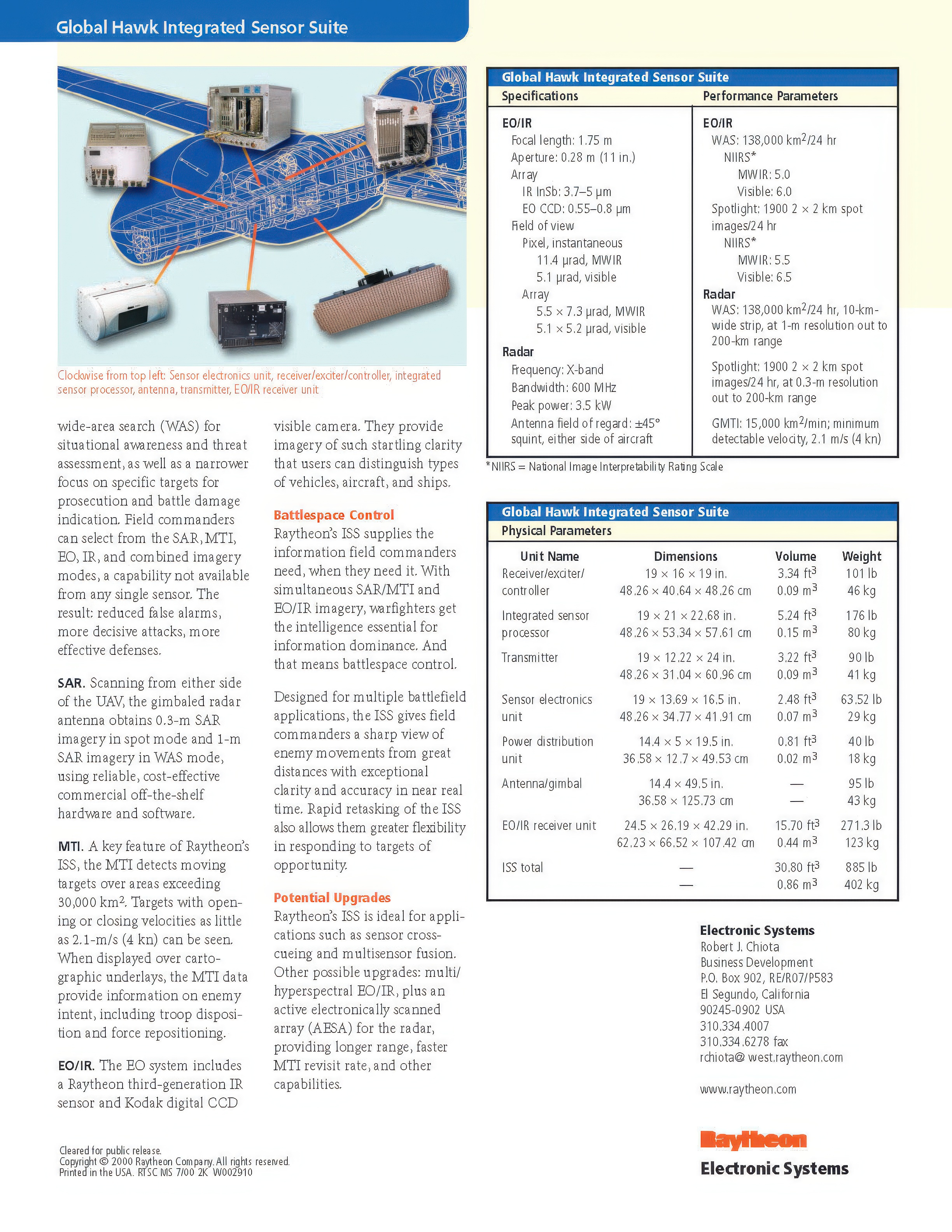
The ISS and EISS are the primary payloads of the RQ-4A Block 10 and RQ-4B Block 20 Global Hawk UAVs. These sensor suites combine a synthetic aperture radar (SAR), a digital electro-optical (EO) camera, and an infrared (IR) thermal imaging system. The SAR includes a Ground Moving Target Indicator (GMTI) mode, allowing it to detect and track moving targets on the ground. Notably, the radar can operate simultaneously with either the EO or IR sensors, enabling multi-modal data collection during missions.
Starting from Block 20 onward, the Enhanced Integrated Sensor Suite (EISS) features optimized radar and EO/IR sensor ranges—boosted by up to 50% in some cases. It also incorporates a unified signal processor that fuses multi-sensor data, enhancing the system’s ability to deliver comprehensive and synchronized ISR intelligence.
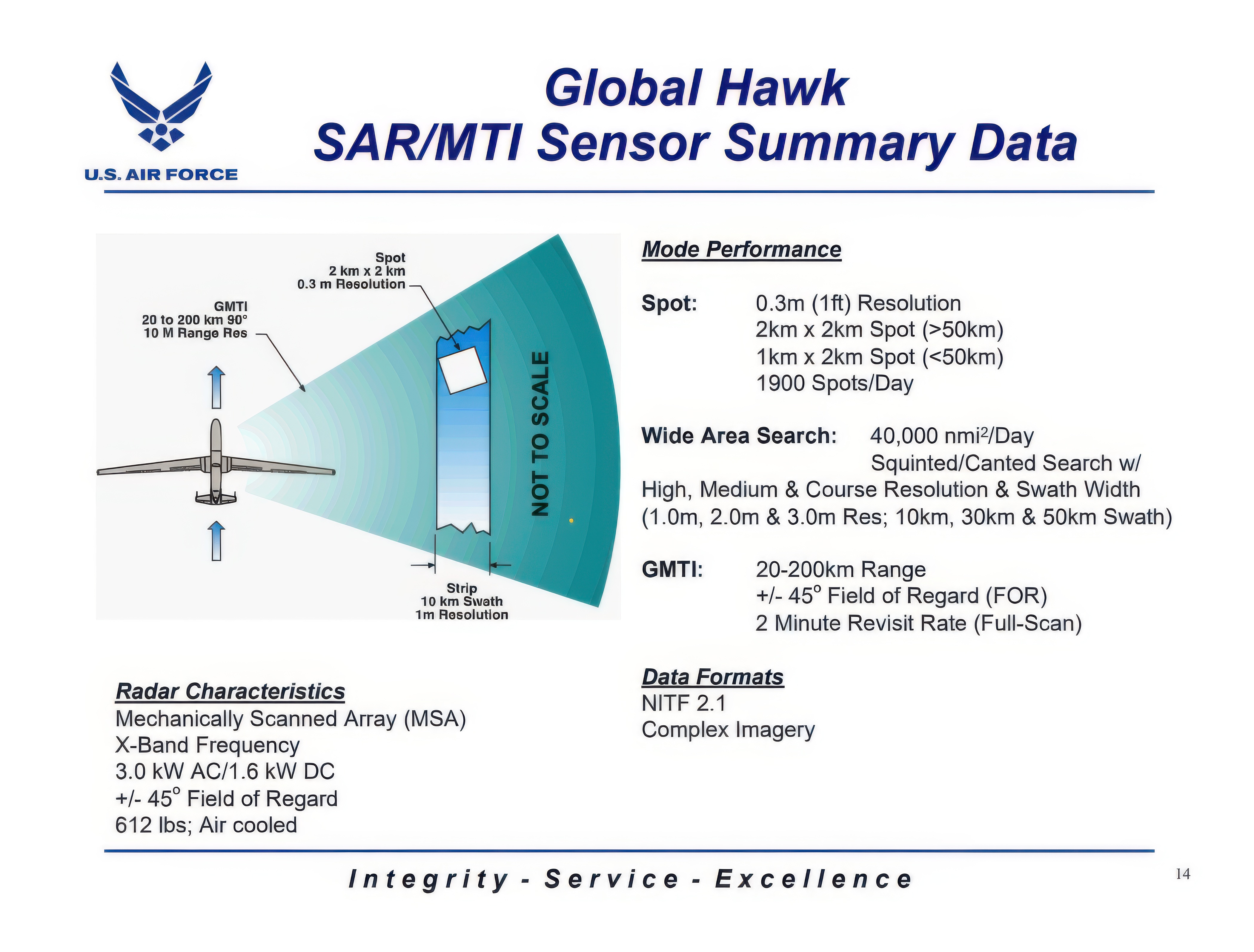
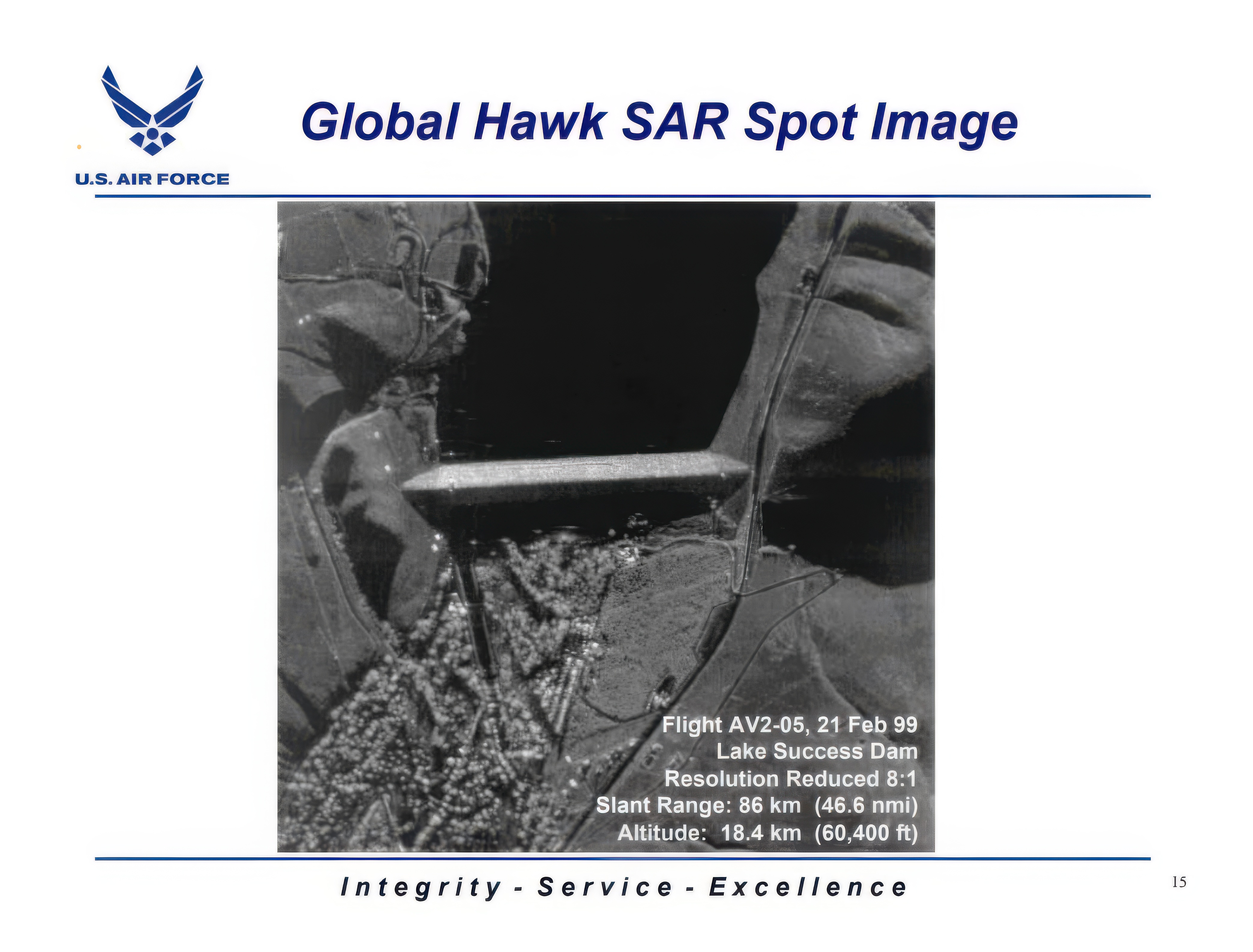
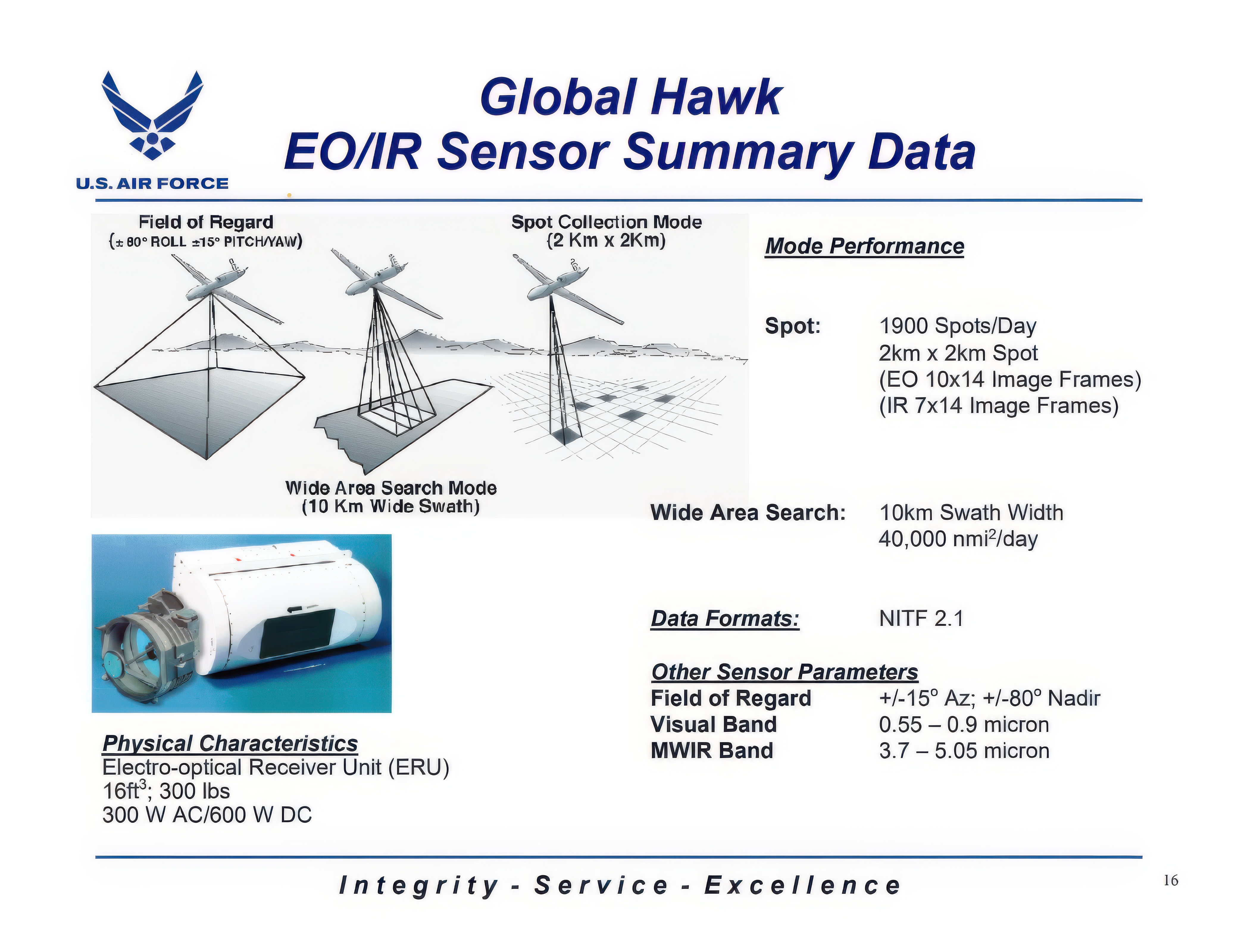
The SAR radar operates in two main modes: Strip Map mode, capable of covering an area of 138,000 square kilometers in 24 hours in strips 10 kilometers wide, with 1-meter resolution up to a range of 200 kilometers; and Spotlight mode, which enables the acquisition of 1,900 spot images per mission, each quarter-sized and 2 kilometers long, with 30-centimeter resolution, also up to 200 kilometers.
Additionally, the radar features GMTI capability, detecting ground targets moving at a minimum speed of 2.1 meters per second (equivalent to 4 knots). The radar operates in the X-band with a bandwidth of 600 MHz and a peak power of 3.5 kilowatts, using a planar array antenna with a ±45-degree field of view relative to the fuselage axis.
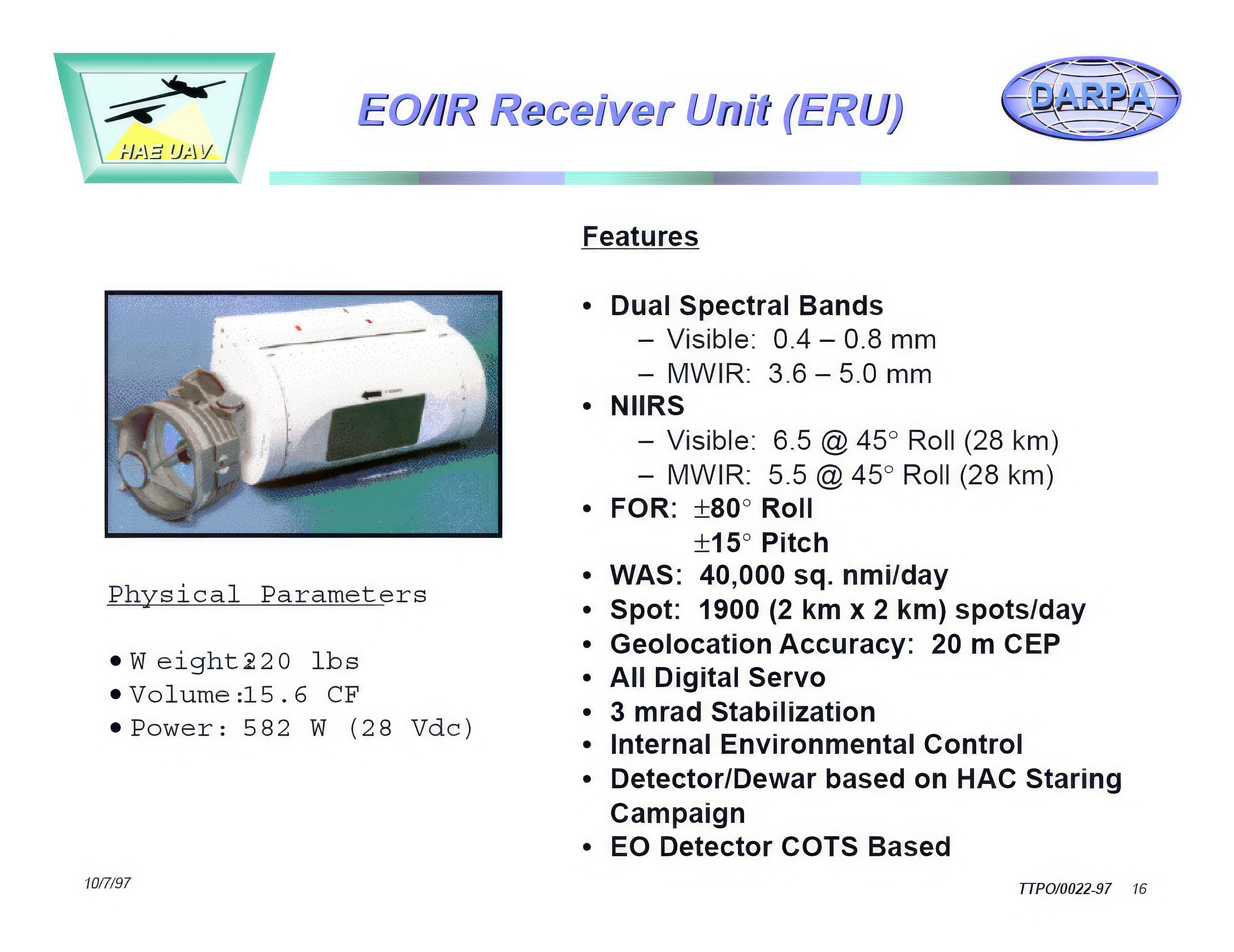
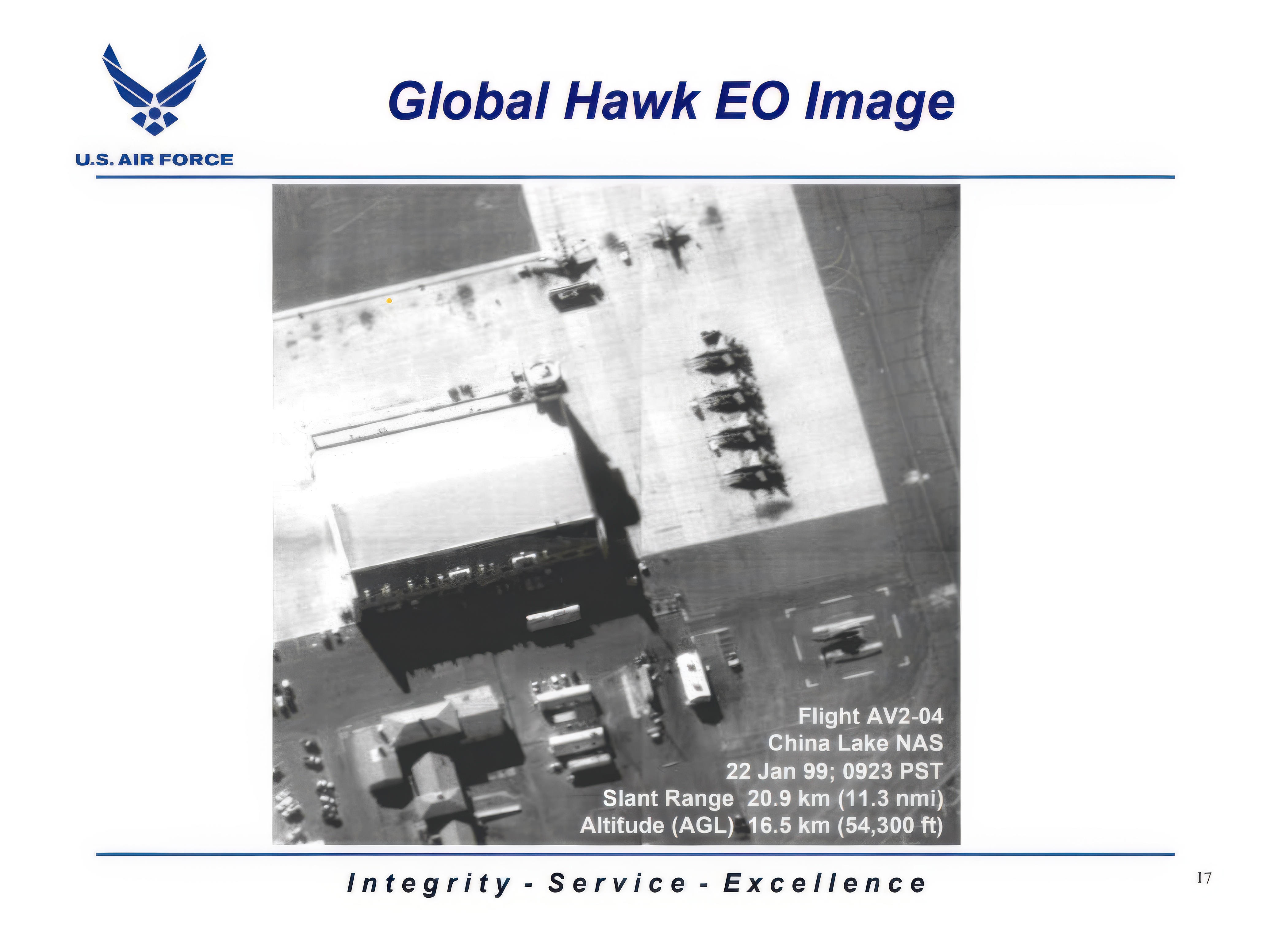
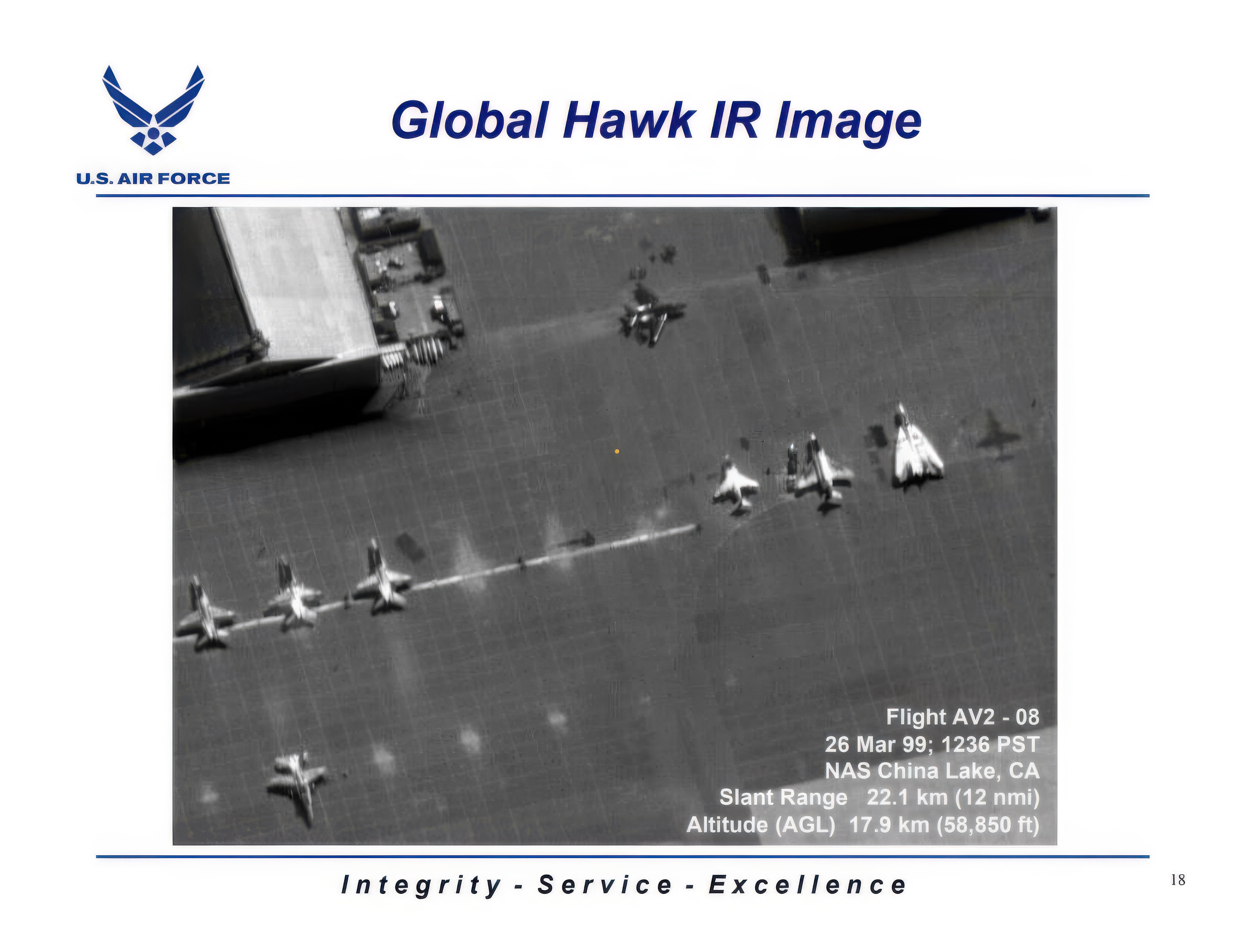
Alongside the radar, the EO/IR suite includes a digital CCD camera for daytime imaging and an infrared sensor operating in the 3–5 micron band, based on the AN/AAQ-16B model. This suite achieves an image quality level of 6 NIIRS in optical mode and 5.5 NIIRS in infrared mode. Overall, the electro-optical and infrared sensors can produce 1-meter resolution images of wide areas (up to 40,000 square miles per mission) and up to 1,900 spot images with 30-centimeter resolution. These data are transmitted to ground stations via line-of-sight links at transfer rates ranging from 1.5 to 274 Mbps, or via satellite links in Ku and UHF bands at rates between 1.5 and 50 Mbps.
Airborne Signals Intelligence Payload (ASIP):
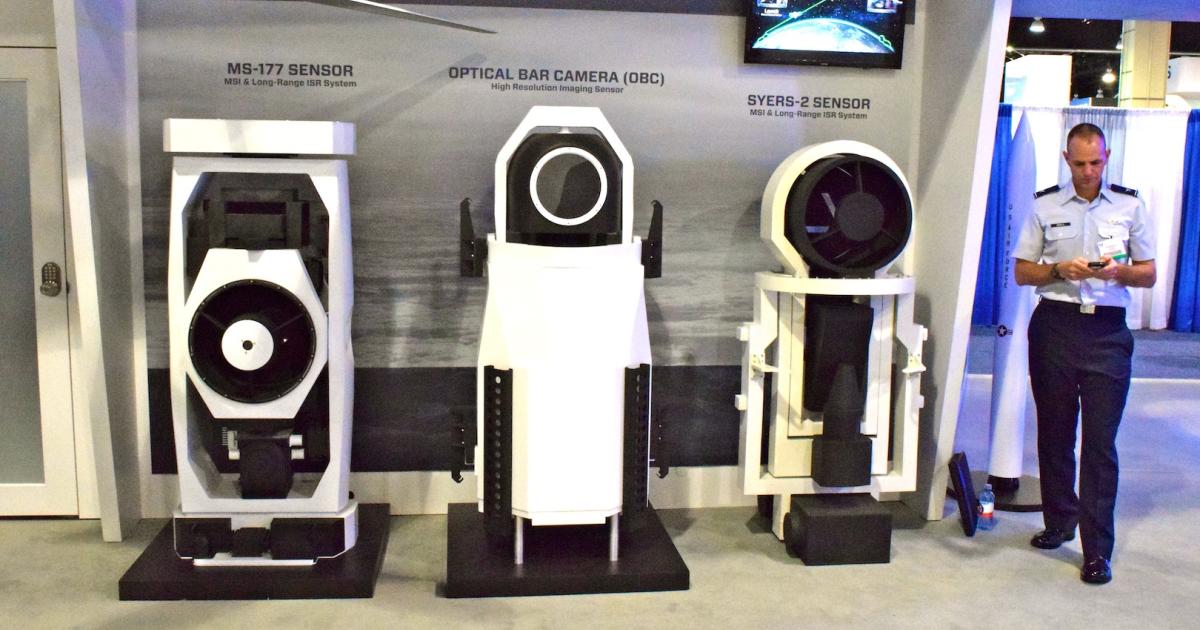
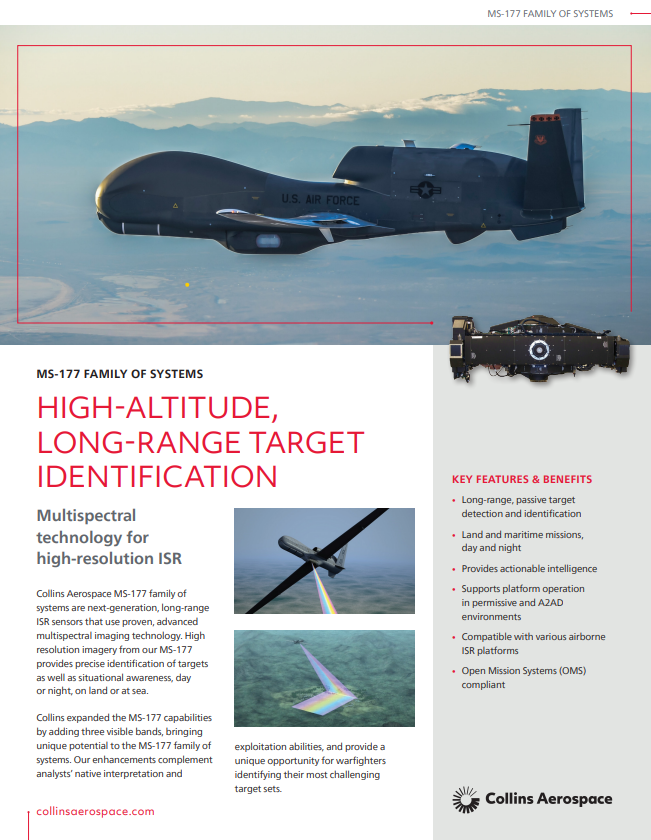
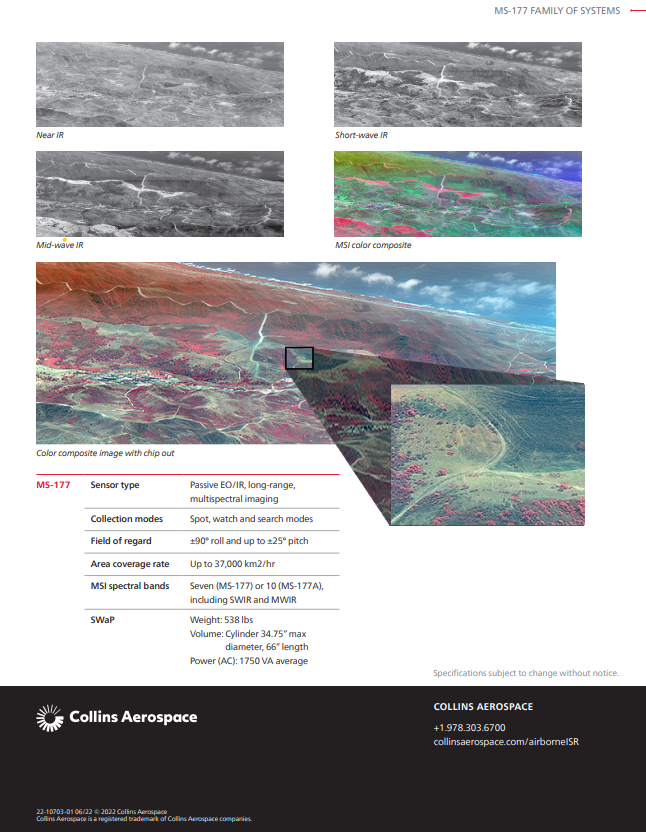
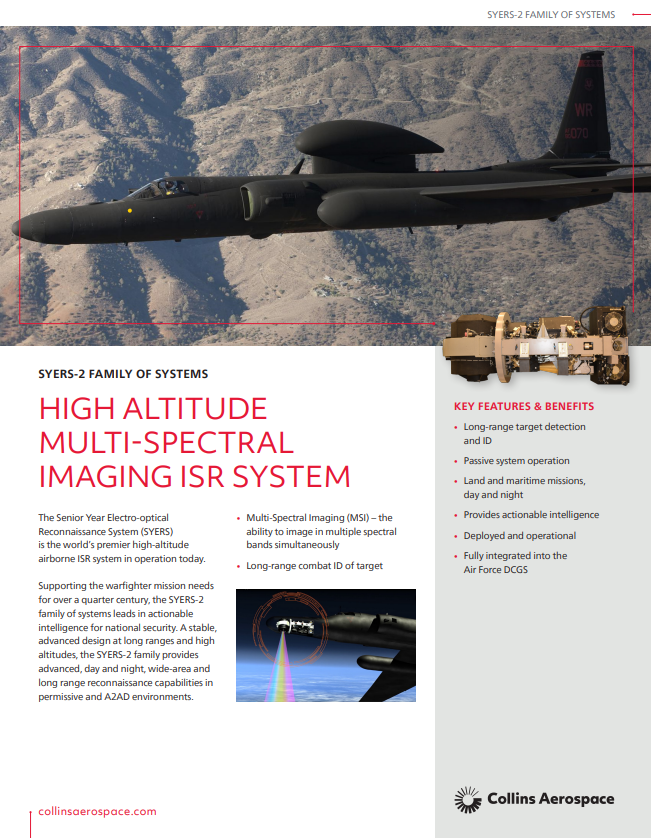
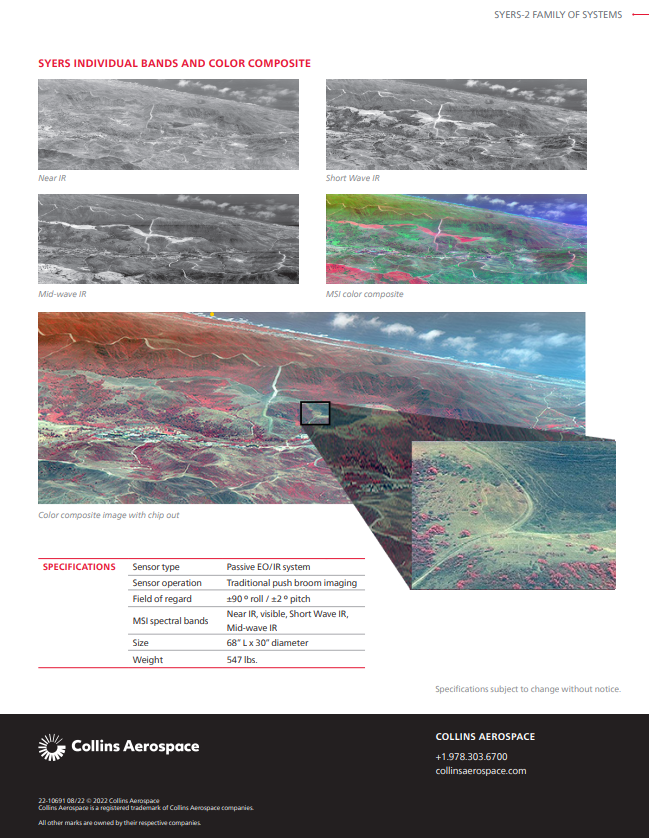
In the Block 30 model, the Global Hawk has been upgraded to a “multi-intelligence platform.” In this version, the EISS sensor is integrated with an expanded SIGINT sensor known as ASIP. This combination enables simultaneous collection of imagery and electronic signals, providing a more comprehensive picture of the operational environment. Additionally, this version is equipped with a universal payload adapter that allows it to carry unique payloads similar to those used on the U-2 aircraft, including sensors like MS-177, SYERS, and OBC, offering capabilities comparable to a reconnaissance aircraft. However, available information indicates that use of this adapter has been limited.
Multi-Platform Radar Technology Insertion Program (MP-RTIP):
The Block 40 model is equipped with the MP-RTIP radar—a phased array radar with Active Electronically Scanned Array (AESA) capability that can generate both SAR and MTI data. This system enables wide-area surveillance of stationary and moving targets, and it improves GMTI and SAR imaging capabilities compared to previous generations.
Global Hawk models and operational blocks:
The Global Hawk UAV has evolved through multiple upgrade phases, known as “Blocks.” Each Block introduced specific improvements in design, payload capacity, or sensor systems, gradually transforming the drone from a simple imagery reconnaissance tool into a versatile multi-intelligence platform.
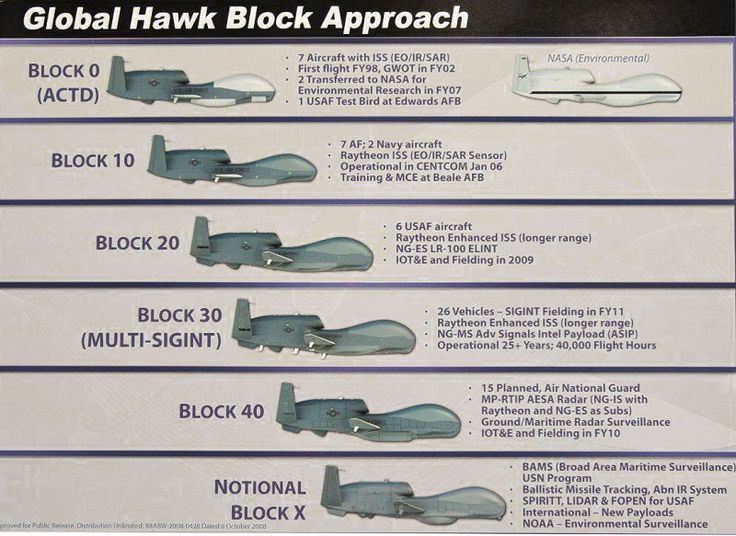
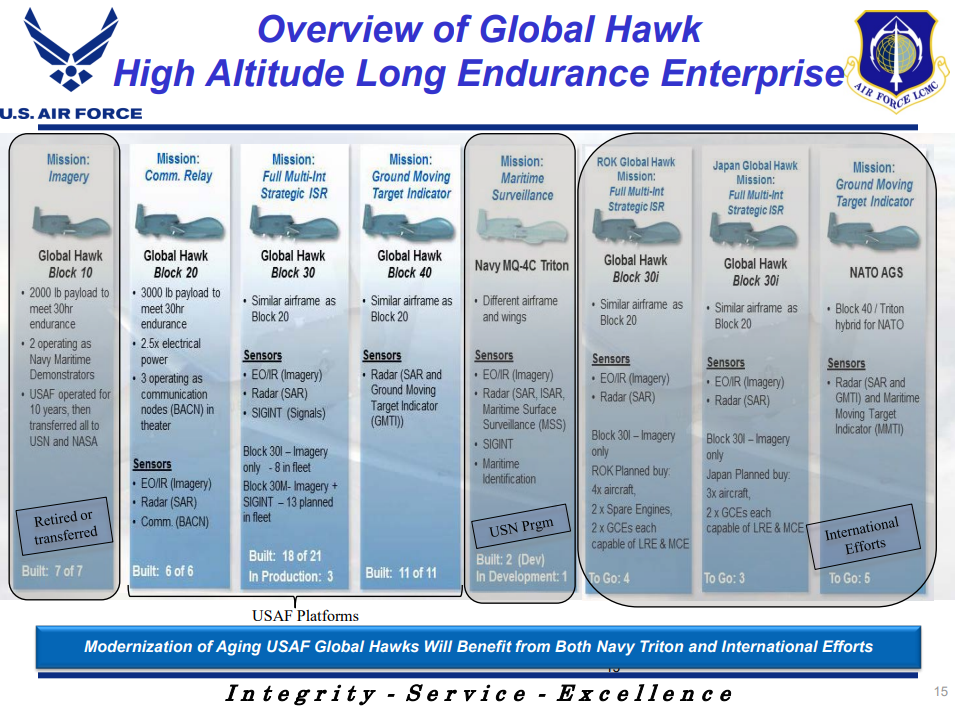
RQ-4A Block 10: The first operational version of the Global Hawk was Block 10. A total of nine units of this model were built, seven of which were produced under the ACTD program. This model was configured for imagery intelligence (IMINT) collection and had the capacity to carry a 2,000-pound payload. All seven Block 10 units were retired from U.S. Air Force service by 2011, although two were transferred to the U.S. Navy.
RQ-4B Block 20: Block 20 is the first model in the RQ-4B series, distinguished by an optimized fuselage design, a redesigned nose section, and longer wings compared to the A model. These modifications increased the payload capacity to 3,000 pounds. The first Block 20 unit was unveiled on August 25, 2006, and conducted its maiden flight on March 1, 2007.
RQ-4B Block 30: Block 30 marks a turning point in the evolution of the Global Hawk, as it became a multi-intelligence (Multi-INT) platform. This model is capable of simultaneously collecting data from electro-optical, infrared, SAR sensors, as well as an advanced signals intelligence (SIGINT) system. Its primary payload is the Enhanced Integrated Sensor Suite (EISS), combined with the Airborne Signals Intelligence Payload (ASIP).
RQ-4B Block 40: The most advanced current version is Block 40, which is equipped with the Multi-Platform Radar Technology Insertion Program (MP-RTIP) radar. This radar features an Active Electronically Scanned Array (AESA) and provides both SAR imaging and Ground Moving Target Indicator (GMTI) capabilities. These features make Block 40 the most optimized model for wide-area surveillance missions targeting both stationary and moving objects. All other Global Hawk variants, except Block 40, will be retired by 2027.
In addition to the main blocks, several specialized blocks have been developed for unique mission sets.
EQ-4B: This model carries the Battlefield Airborne Communications Node (BACN) payload, which functions as a communications relay to enable real-time information exchange and situational awareness on the battlefield. The “E” in its designation indicates its communications-specific configuration.
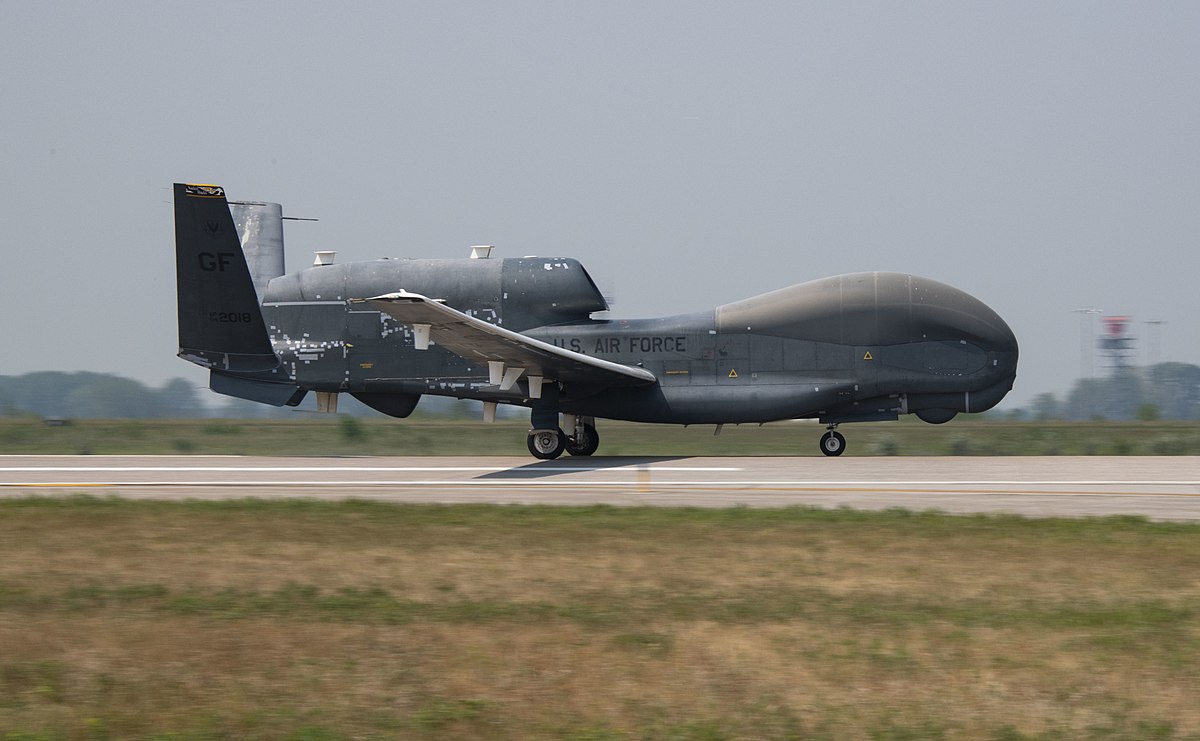
MQ-4C Triton:
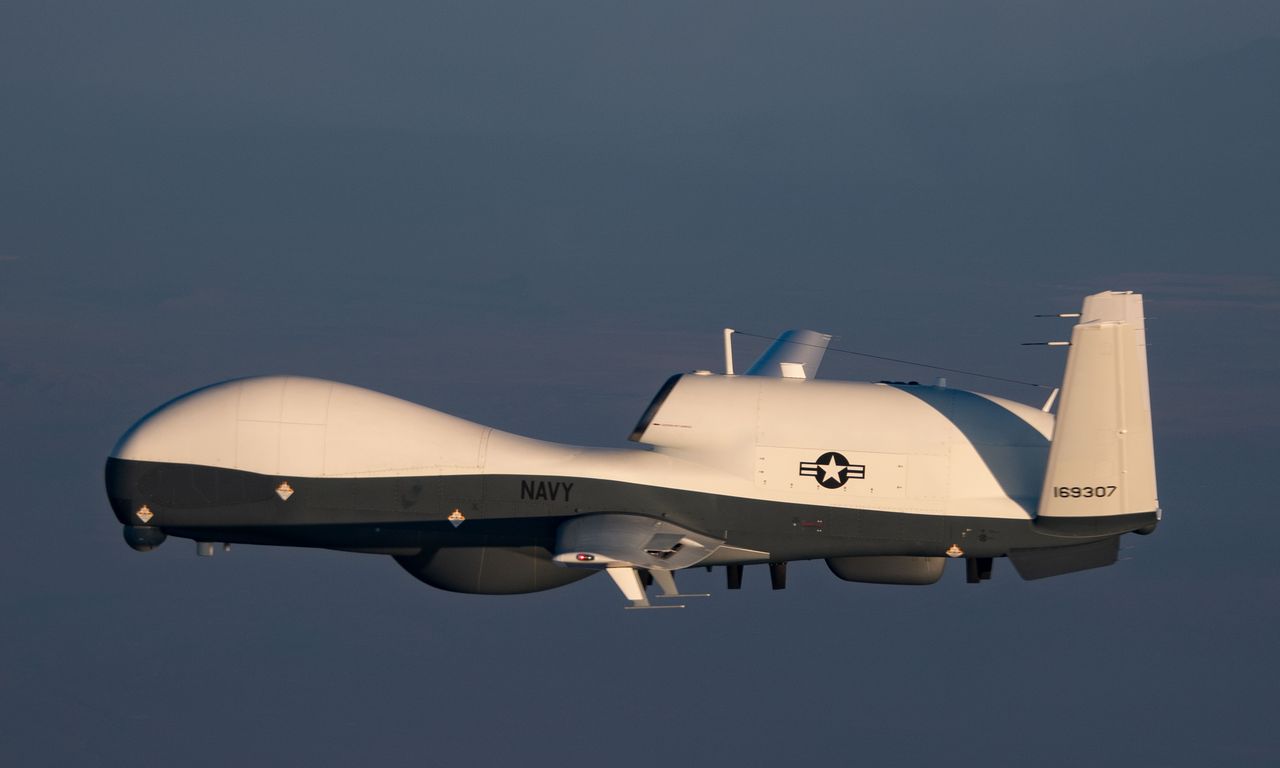
The U.S. Navy’s version of the Global Hawk, originally known as RQ-4N before its renaming in 2010, is specifically designed for Broad Area Maritime Surveillance (BAMS).
The MQ-4C Triton is effectively considered the primary successor to the RQ-4. While it closely resembles the Global Hawk in appearance, Triton’s wings and internal fuselage structure have been reinforced to withstand the stresses of rapid altitude changes. It also features additional components such as anti-icing systems and lightning protection, along with a distinct set of sensors.
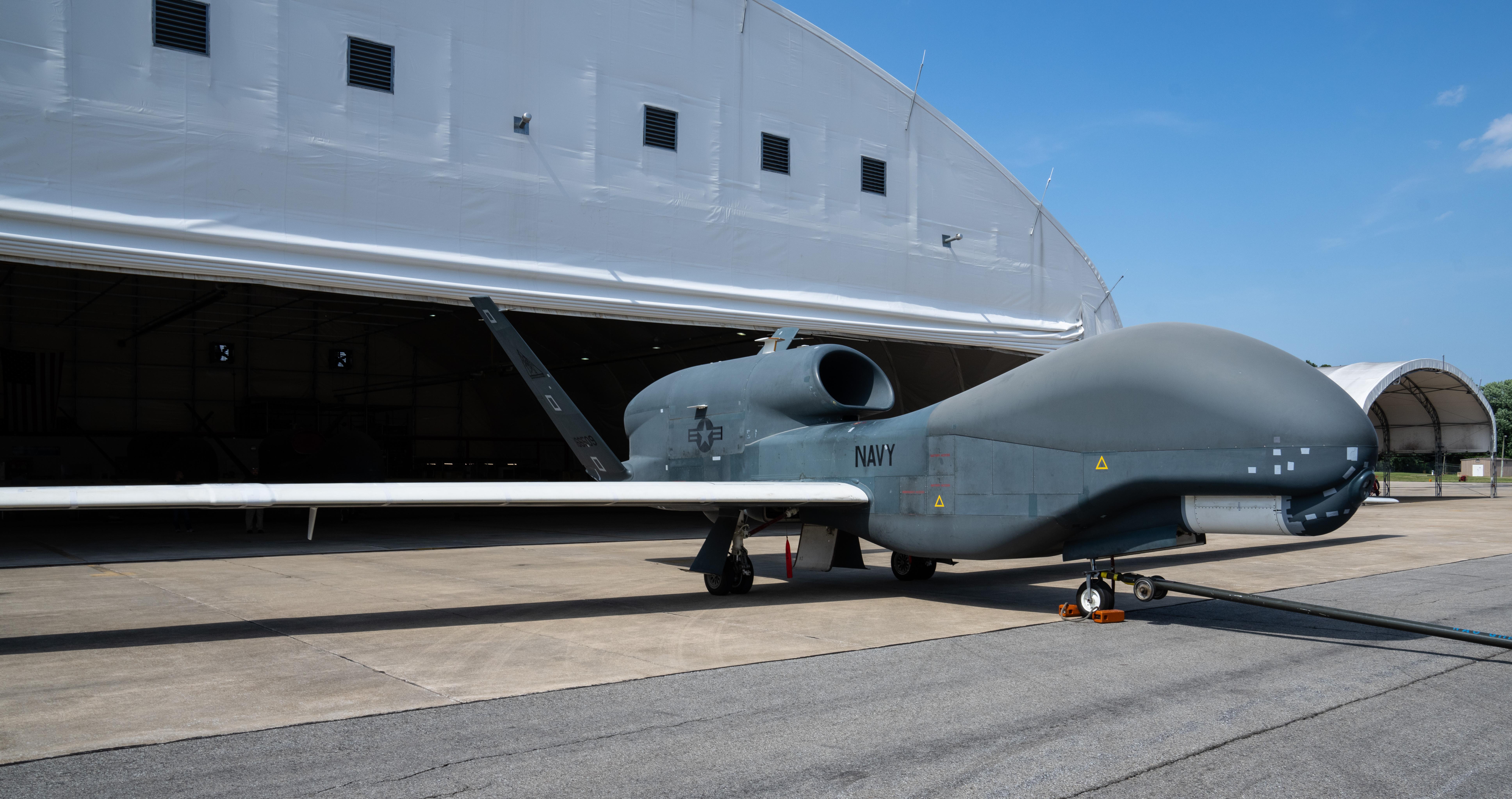
BAMS-D:
Since 2009, the U.S. Navy has operated the RQ-4A UAV under the Broad Area Maritime Surveillance – Demonstrator (BAMS-D) program in Southwest Asia. For this purpose, five RQ-4A Block 10 drones were acquired from the Air Force and stationed at Patuxent River Naval Air Station. Over the years, this fleet was alternately commanded by Patrol Reconnaissance Wings 5, 2, and 11, with at least one aircraft consistently deployed at a base in the Persian Gulf region. These UAVs have now been replaced by the Triton and transferred to NASA. During their operational period, BAMS-D drones provided over 50% of the maritime ISR (Intelligence, Surveillance, Reconnaissance) required by the U.S. in combat zones. The fleet accumulated a total of 42,500 flight hours across 2,069 overseas missions.
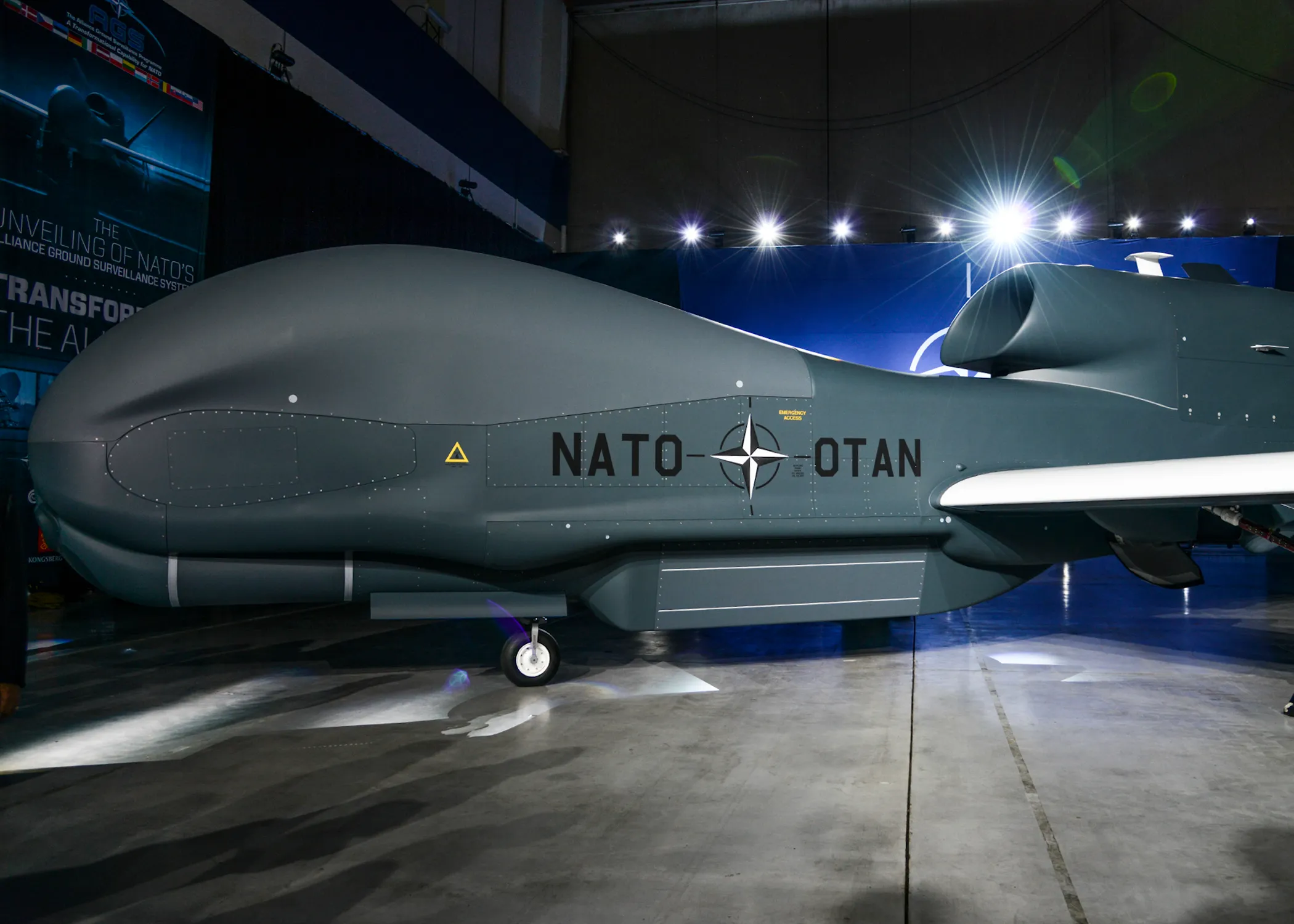
RQ-4D Phoenix: Fifteen allied countries have procured five RQ-4B Block 40 units along with their associated ground control stations. This system, known as RQ-4D Phoenix, is intended to be operated and maintained by all 28 NATO member states, with each country contributing financially to its establishment and lifecycle support.
Foreign military users and sales of the RQ-4:
- United States Air Force (USAF): The USAF is the primary operator of the Global Hawk, with aircraft assigned to the 12th Reconnaissance Squadron at Beale Air Force Base, California, and the 348th Reconnaissance Squadron at Grand Forks Air Force Base, North Dakota. The aircraft are globally rotated among operational detachments, including the 4th Reconnaissance Squadron at Andersen Air Force Base, Guam, and the 7th Reconnaissance Squadron at Naval Air Station Sigonella, Italy. The 1st Reconnaissance Squadron at Beale and the 348th at Grand Forks serve as official training units for Global Hawk pilots and sensor operators.
- United States Navy (USN): The Navy initially received two RQ-4A Block 10 aircraft for the Global Hawk Maritime Demonstration (GHMD) program, which validated the platform’s maritime surveillance capabilities. These aircraft were later replaced by the MQ-4C Triton, which was specifically developed for the Navy’s Broad Area Maritime Surveillance (BAMS) program.
- NASA: The National Aeronautics and Space Administration (NASA) participated in the early development of this project and operates prototype Global Hawk units for various research programs, including atmospheric and climate studies.
- NATO: Under the Alliance Ground Surveillance (AGS) program, NATO procured five RQ-4D Phoenix aircraft, which are Block 40 models, to be operated from Naval Air Station Sigonella in Italy.
- Japan: The Japan Air Self-Defense Force has ordered three RQ-4B Global Hawk aircraft, with the first unit delivered to Japan in March 2022. These aircraft are intended to provide intelligence and surveillance capabilities as needed to monitor and deter regional threats.
- Republic of Korea: South Korea ordered four RQ-4 Global Hawk aircraft at a cost of $812 million, with the final delivery completed in October 2020. These aircraft are operated from Osan Air Base.
- Australia: Australia has ordered four out of a planned seven MQ-4C Triton aircraft for maritime surveillance and search-and-rescue missions, intended to operate in tandem with its fleet of Boeing P-8 Poseidon maritime patrol aircraft.
Other Countries: The Global Hawk and Triton platforms have also been offered to other nations. The Indian Navy has considered the MQ-4C Triton as a complementary asset to its fleet of P-8I Poseidon aircraft. Norway is also likely to employ the Triton for its maritime surveillance needs. Germany had considered the Triton to fulfill its signals intelligence role following the cancellation of its previous EuroHawk program, which was based on the Global Hawk.
Operational History and Incidents of the RQ-4:
The operational history of the Global Hawk has included several notable incidents. On December 30, 2001, an RQ-4 supporting military operations in Afghanistan crashed. The Air Force classified the cause of the incident as non-combat related.
In June 2017, an RQ-4B crashed near Lone Pine, California due to a malfunction in one of its navigation systems. The system had produced incorrect data, and backup systems failed to detect the error. As a result, the aircraft lost control and disintegrated under structural stress beyond its design limits.
One year later, in June 2018, an RQ-4B belonging to the 348th Reconnaissance Squadron crashed into the sea off the coast of Rota, Spain. Investigations revealed that a crack in one of the oil lines had caused a leak, ultimately leading to engine shutdown. The absence of a suitable emergency landing site in the mission plan prompted the pilot to steer the UAV into the sea to avoid a crash over populated areas.
The most significant incident involving this platform occurred on June 20, 2019, when an RQ-4A belonging to the BAMS-D program was shot down by Iran’s 3rd Khordad air defense system over the Strait of Hormuz.
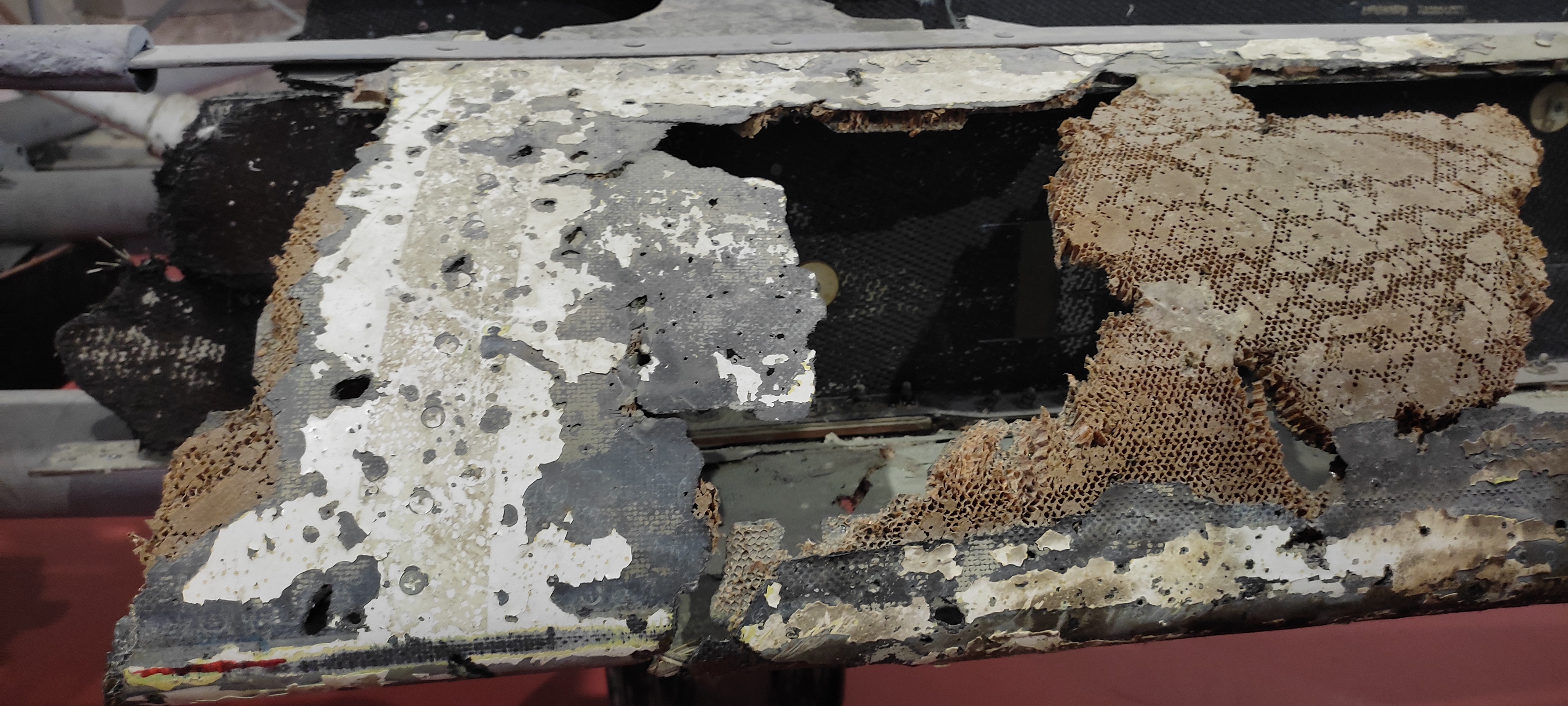
These high-altitude unmanned aerial vehicles rely on a suite of advanced sensors—including electro-optical (EO), infrared (IR), and synthetic aperture radar systems (SAR/GMTI)—to generate reconnaissance and surveillance data with exceptional resolution and range. Such capabilities enable continuous and precise intelligence gathering across a wide spectrum of combat and defense activities.
It is worth noting that early generations of the RQ-4 Global Hawk faced limitations, such as a 45-degree radar coverage angle and a 16-degree field of view for the optical system. However, in upgraded models—particularly Block 40 and the maritime variant MQ-4C Triton—these constraints have been overcome, enabling full 360-degree omnidirectional coverage. With effective surveillance capabilities extending beyond 200 kilometers, these aircraft can monitor vast stretches of coastal territory of adversaries simply by operating within international airspace.
Another key mission of this UAV family is conducting signals intelligence (SIGINT) operations and electronic support measures (ESM). These aircraft, operating in coordination with other manned and unmanned platforms, are capable of continuously intercepting and monitoring radar emissions and radio communications, transmitting raw data in real time to ground-based command and processing centers. Designed for long-range operations, these drones inherently have low survivability when faced with various threats.
RQ-4 Global Hawk drone specifications:
Type: Surveillance and reconnaissance
Origin: United States
Manufacturer: Northrop Grumman
Year built: 1998
Entered service: 2001
Length: 14.5 m
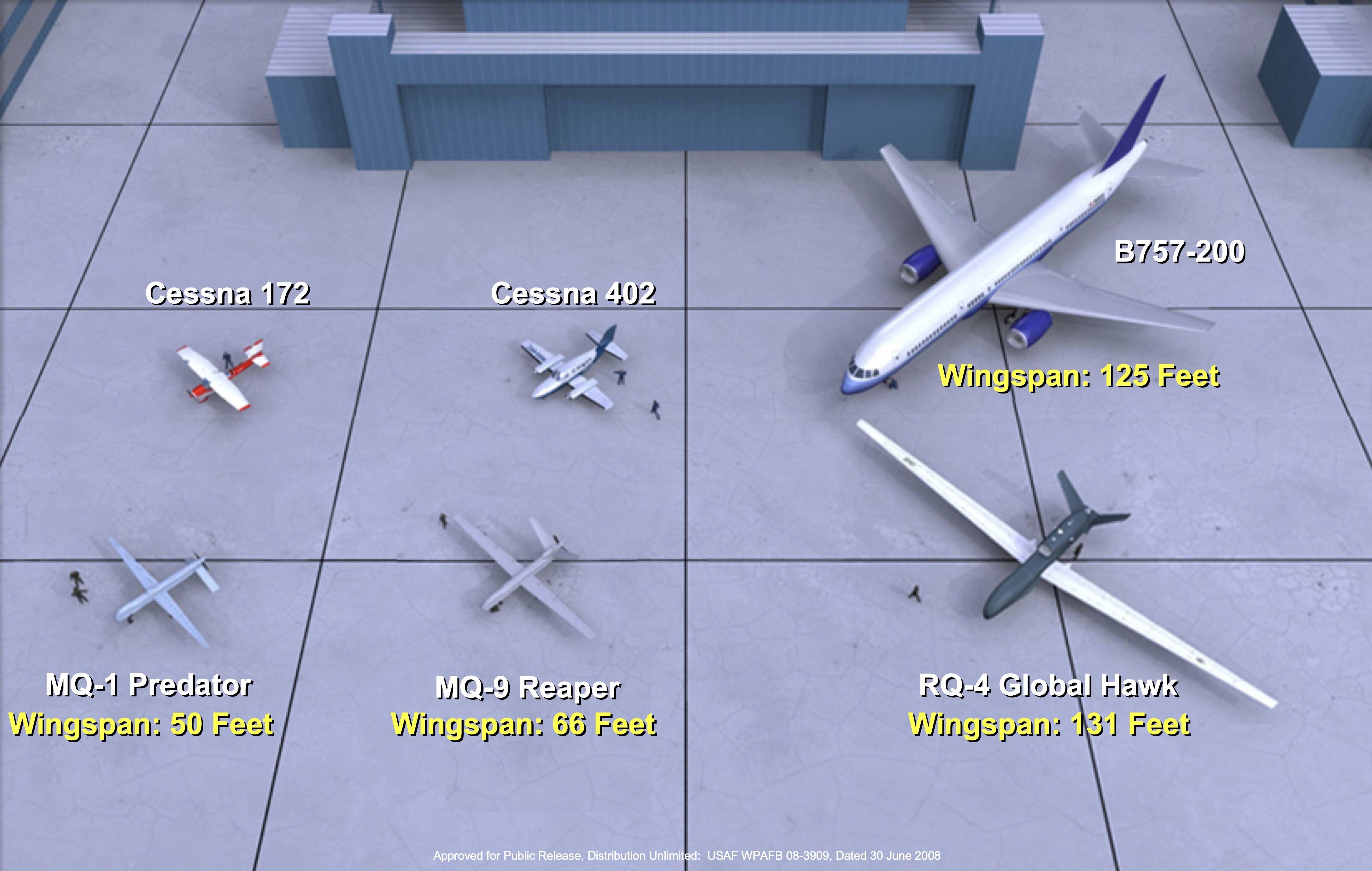
Wingspan: 40 m
Height: 4.7 m
Engine: Rolls-Royce AE3007
Range: 22,800 km
Speed: 630 km/h
Service ceiling: 18,000 m (60,000 ft)
Endurance: 34 + hours
Maximum takeoff weight: 14,628 kg
Payload weight: 1,360 kg
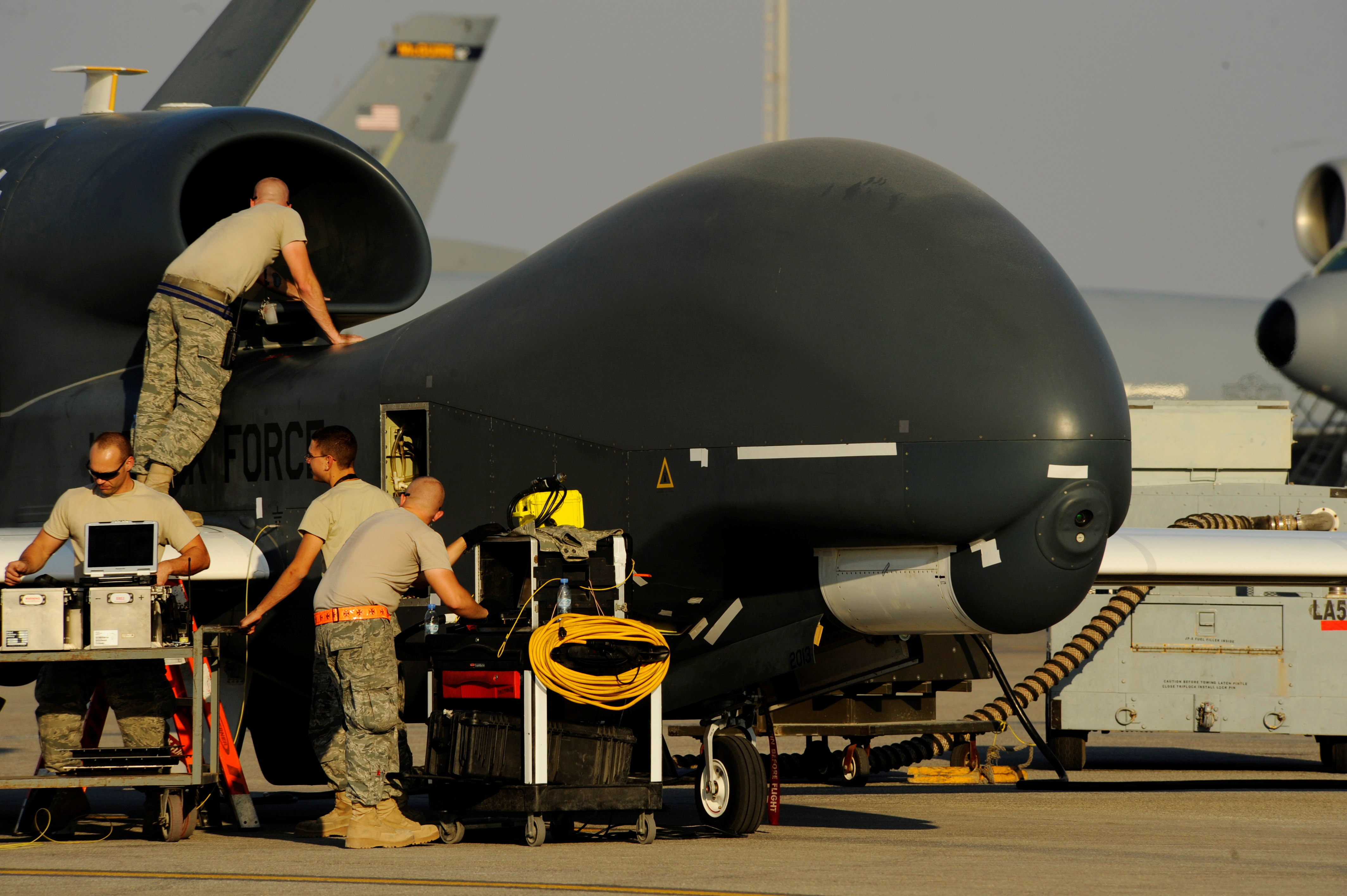
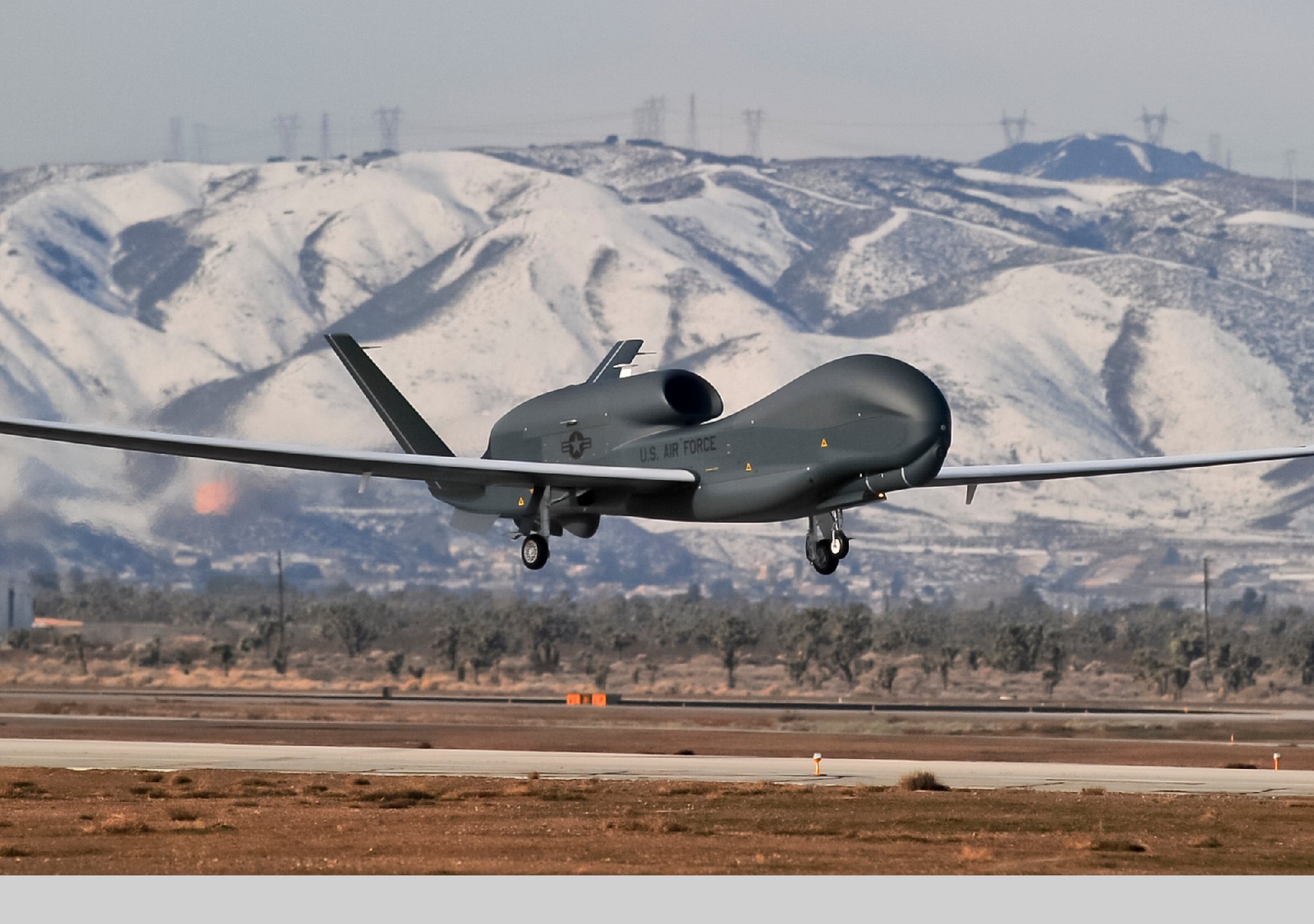
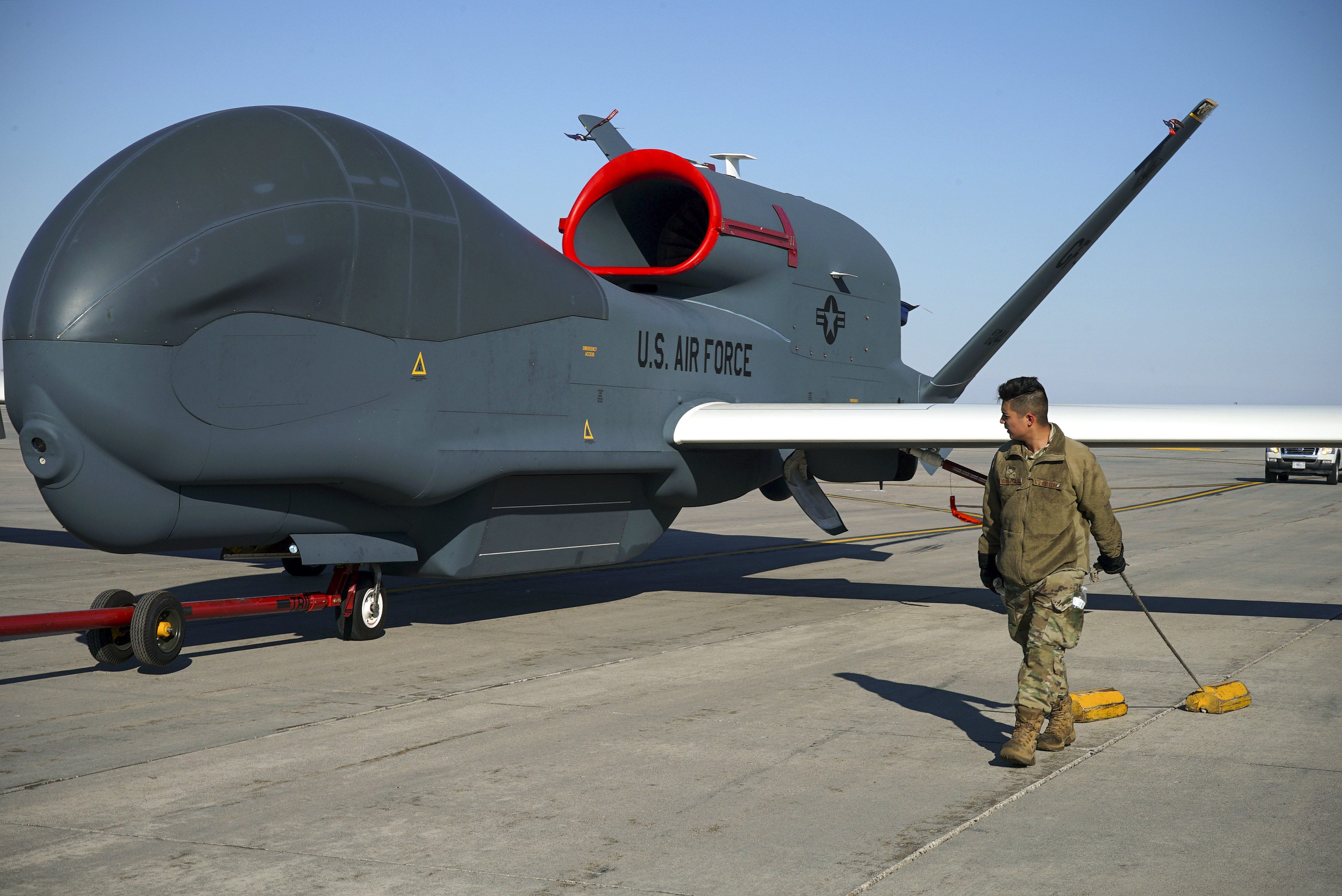
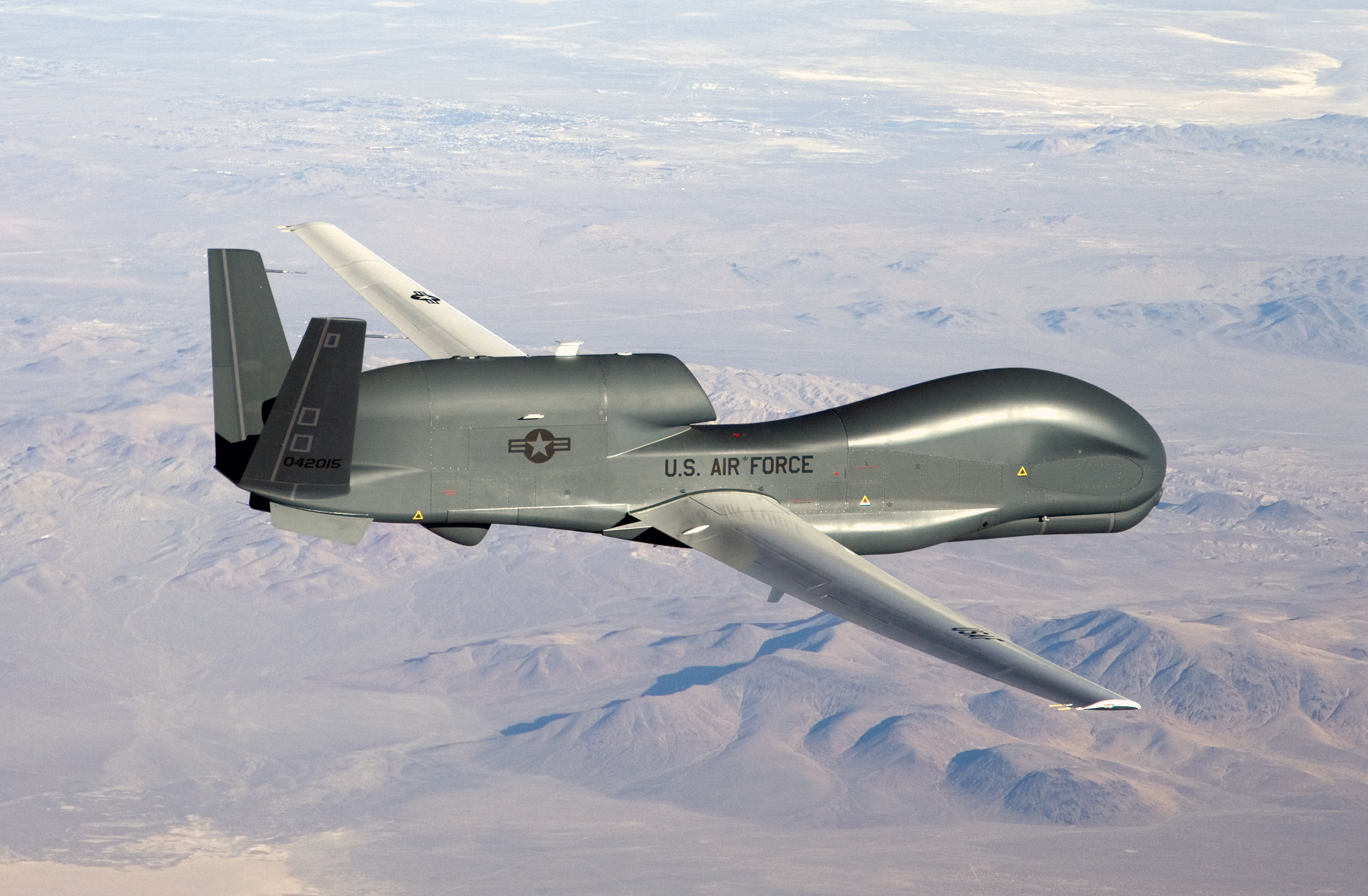
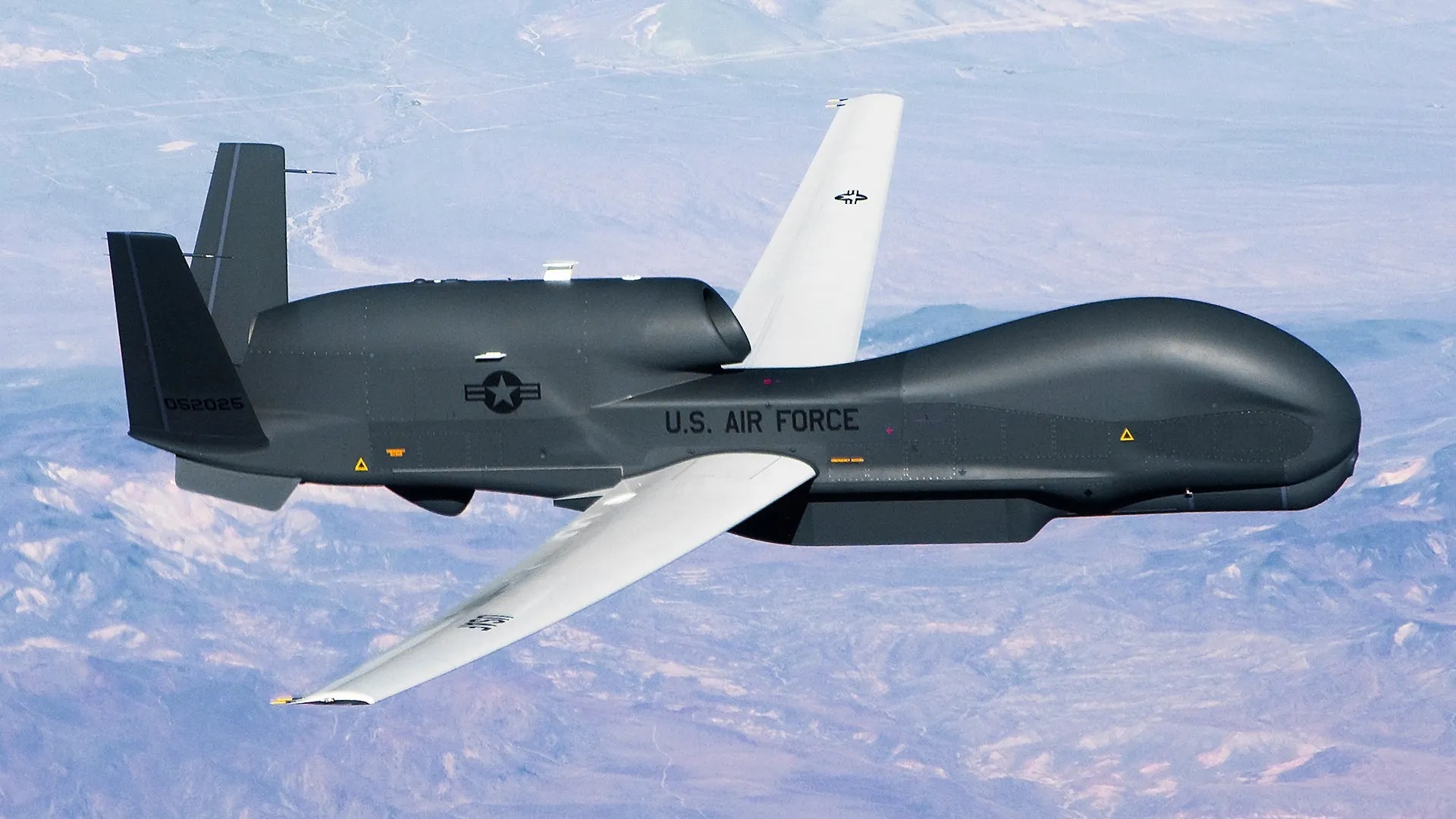
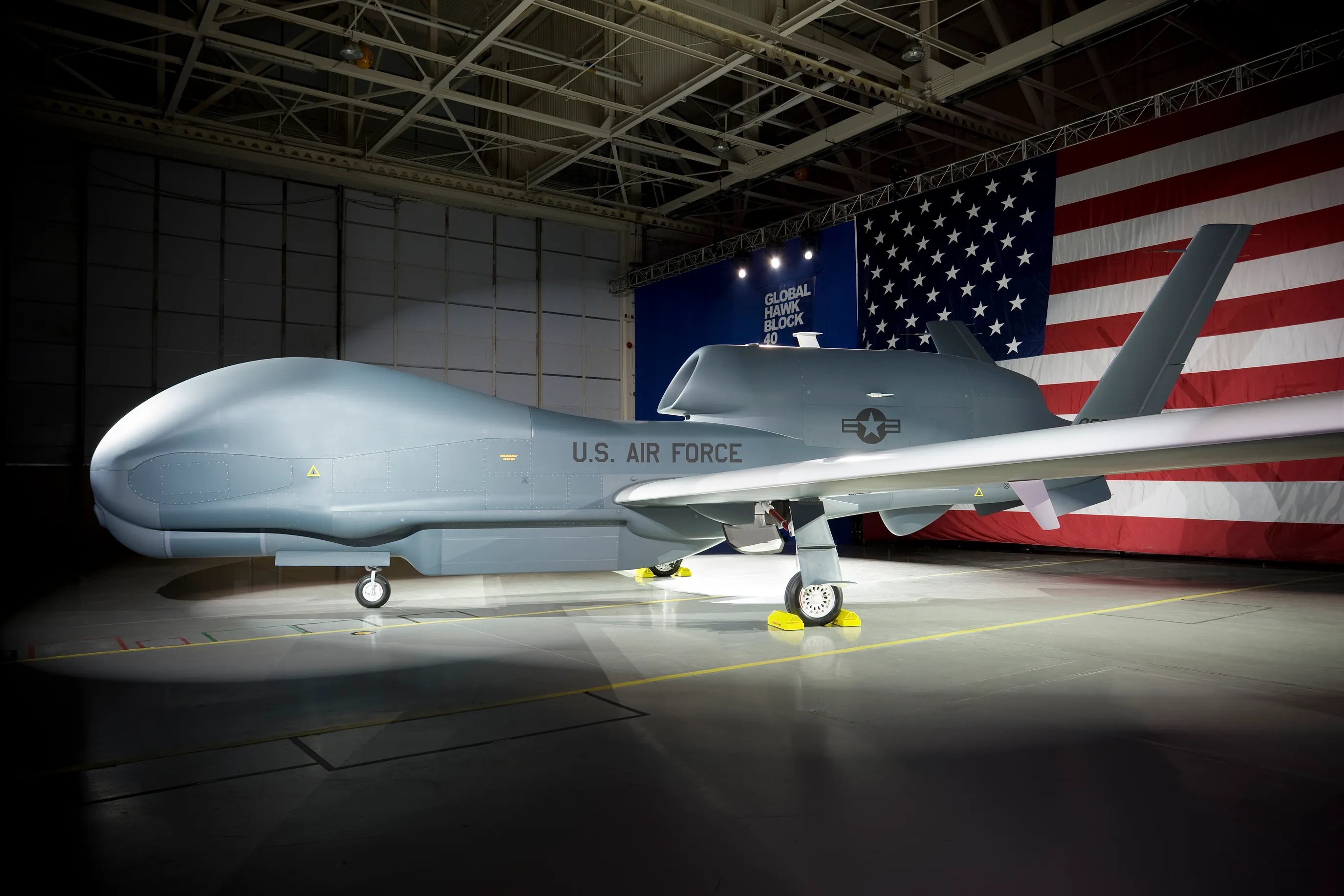
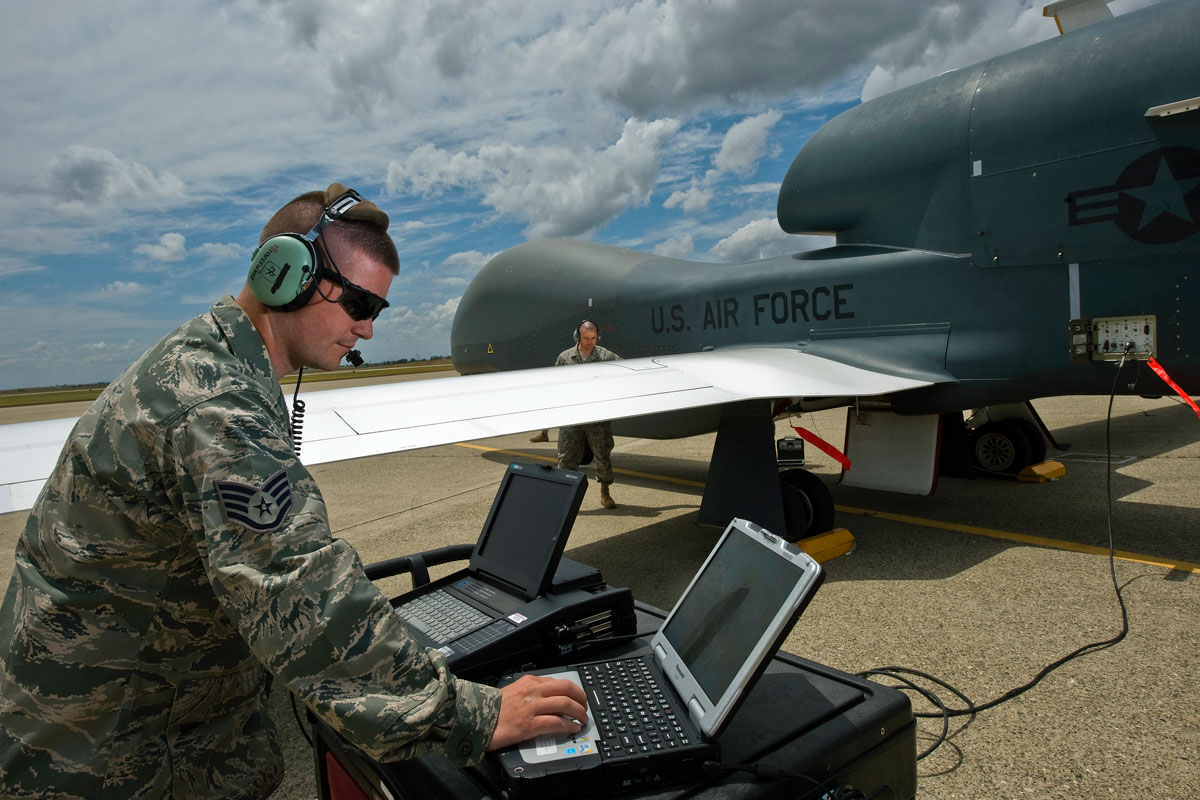
More images of the RQ-4 Global Hawk drone:
Sources:
Global Hawk – Northrop Grumman | RQ-4 Global Hawk > Air Force > Fact Sheet Display – AF.mil | Northrop Grumman RQ-4 Global Hawk – Wikipedia | The Northrop Grumman RQ-4 Global Hawk Variants – Simple Flying | Northrop Grumman MQ-4C Triton – Wikipedia | Alliance Ground Surveillance (AGS) – NATO | RQ-4 Global Hawk UAVs – Defense Industry Daily | UNITED STATES AIR FORCE AIRCRAFT ACCIDENT INVESTIGATION BOARD REPORT | 2019 Iranian shoot-down of American drone – Wikipedia | Everything We Know About Iran’s Claim That It Shot Down A U.S. RQ-4 Global Hawk Drone – The War Zone | Innovative Development: Global Hawk and DarkStar – RAND | Global Hawk High-Altitude, Long-Endurance Science Aircraft – NASA | Global Hawk Integrated Sensor Suite (ISS) – Forecast International



Comment