Tag: US Drones

  • Military Knowledge: MQ-1C Grey Eagle Drone

    Military Knowledge: MQ-1C Grey Eagle Drone

    The roots of the MQ-1C Gray Eagle development can be traced back to the early 2000s, when the U.S. Army was seeking a replacement for the aging RQ-5 Hunter UAV. At the time, the Army’s primary requirement was a long-endurance reconnaissance-strike platform capable of carrying weapons, which, unlike UAVs operated by the U.S. Air Force, would be directly assigned to and operate in support of Army ground formations. Accordingly, the competition began in 2002. Two main contenders emerged: the Hunter II, developed through a collaboration between IAI and Northrop Grumman, and the Warrior, proposed by General Atomics.

    Ultimately, in August 2005, the U.S. Army officially selected the Warrior as the winner and awarded a $214 million development contract. The project, initially known as “Sky Warrior” and later renamed Gray Eagle, was based on the proven design of the MQ-1 Predator, but underwent extensive modifications to meet the Army’s specific operational and logistical requirements.
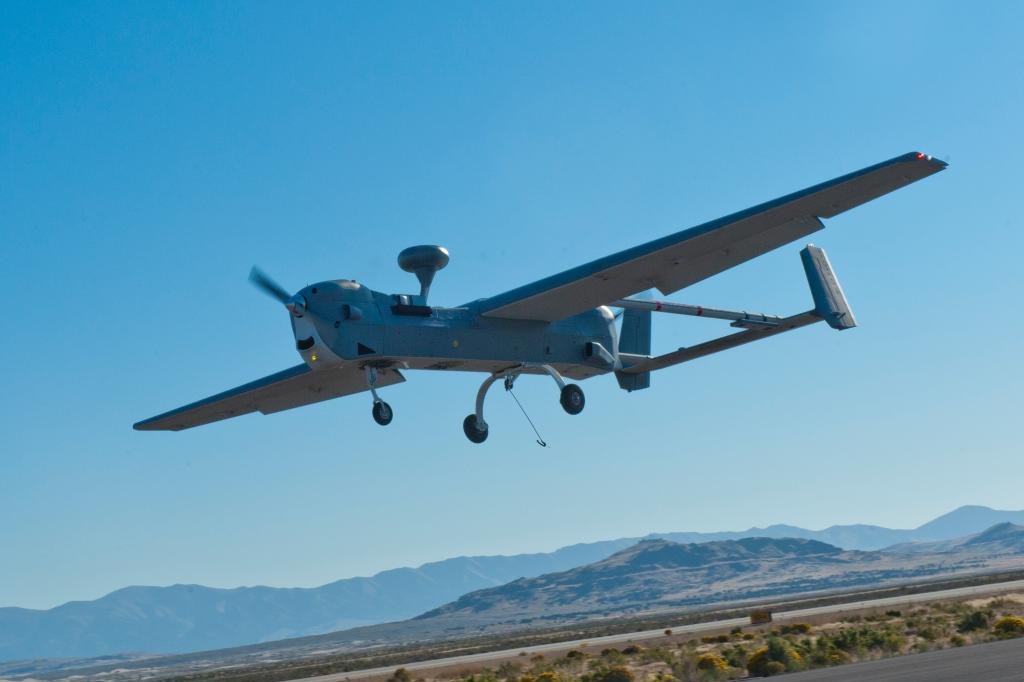
    RQ-5 Hunter drone

    From Predator to Gray Eagle – History and Development Philosophy of the MQ-1 UAV Family

    The rationale behind the development of the MQ-1C Gray Eagle can be traced back to the evolutionary path of the MQ-1 Predator—a journey that began with a relatively simple reconnaissance concept and ultimately led to the emergence of a versatile combat platform. This development process began with the work of Abraham Karem, who, after serving in the Israeli Air Force, immigrated to the United States and founded Leading Systems. In 1981, he developed an early prototype known as the Albatross. The effort continued with support from DARPA, leading to the development of the Amber project between 1984 and 1986. After Congress abruptly terminated funding for the program and the company went bankrupt, General Atomics acquired Karem’s engineering team and continued developing the concept, eventually producing the Gnat-750, which was designed primarily for export.
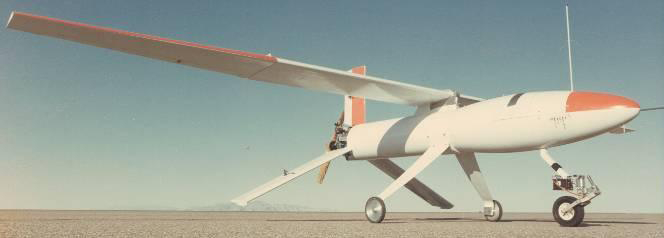
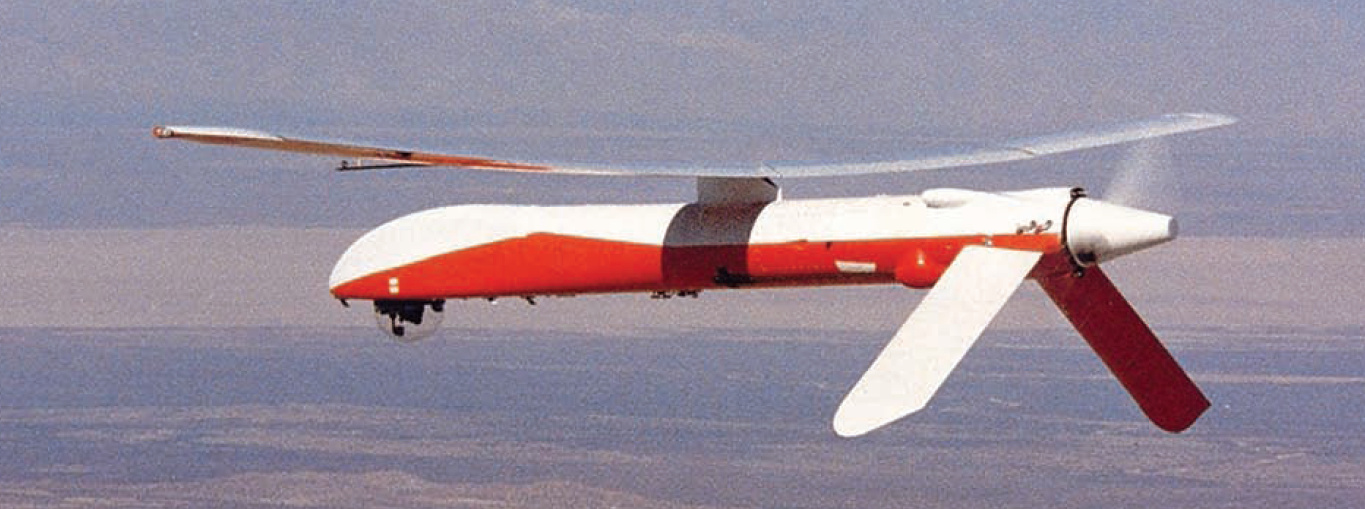
    In the early 1990s, the need for persistent surveillance of the Balkan crisis led the CIA and U.S. Air Force to adopt the UAV. However, its reliance on a line-of-sight data link limited its operational range. To overcome this limitation, the Pentagon awarded General Atomics a contract in January 1994 to develop a MALE (Medium-Altitude Long-Endurance) UAV, resulting in the Predator. By incorporating satellite communications, the aircraft effectively overcame the previous range limitation. The combination of a turbocharged engine, lightweight composite airframe, and multispectral sensors transformed it into a more capable and versatile reconnaissance platform.
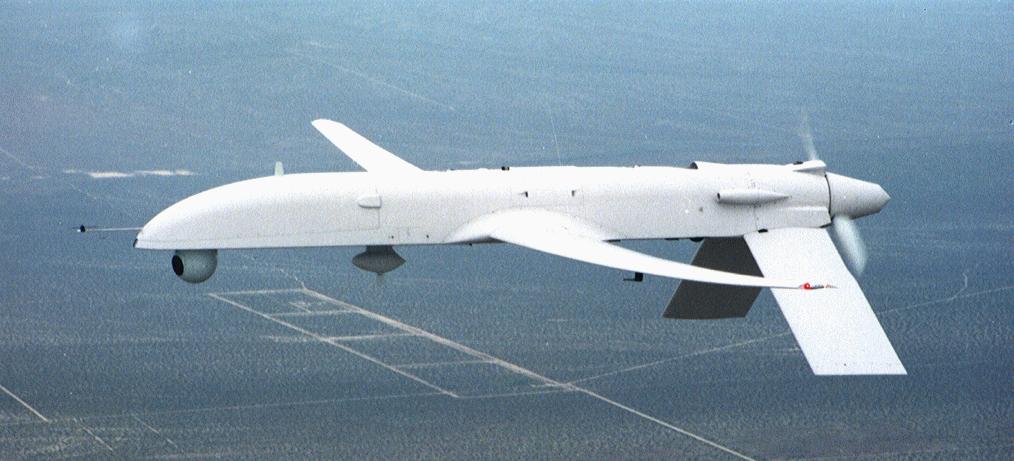
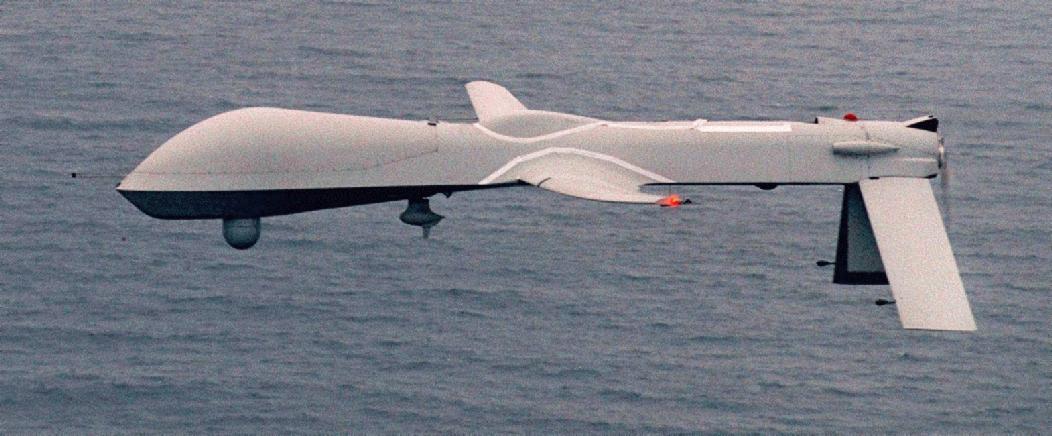
    However, the real turning point came when the Predator was armed. The integration of the AGM-114 Hellfire missile transformed the aircraft into the world’s first operational armed combat UAV. This evolution required engineers to overcome complex challenges, including reinforcing the wing structure and managing the thermal and mechanical stresses generated during missile launches. Following this upgrade, the aircraft was redesignated MQ-1 in 2002.

    Arming the Predator introduced a new doctrine in modern warfare, often referred to as the “Predator paradigm.” It was based on persistent surveillance over a target, precision strikes against high-value targets, reduced collateral damage, and the ability to conduct operations remotely without placing aircrews at risk. However, the platform had structural limitations from the outset and was ultimately regarded as an interim solution. The UAV served with the U.S. Air Force from 2002 to 2018, and despite its relatively short service period, it underwent continuous upgrades and generated valuable operational experience that informed the development of subsequent UAV generations.

    The main factor behind its eventual retirement was the parallel development of a larger platform, the MQ-9 Reaper. Compared with the Predator, the Reaper offered roughly five times the payload capacity along with substantially greater engine power. It made its first flight in 2001 and entered service in 2007. With its significant advances and subsequent upgrades, the Reaper remains one of the key platforms underpinning U.S. unmanned aerial capabilities.

    Read more: Military Knowledge: MQ-9 Reaper Drone

    MQ-9 Reaper drone

    At the same time, as the 2000s began, the role of UAVs was becoming firmly established. While the U.S. Air Force was moving toward heavier platforms such as the Reaper, the U.S. Army required a UAV that could be placed directly under the control of field commanders and tailored to the logistical and operational requirements of ground units. This requirement ultimately led to the development of the Gray Eagle—a UAV that may resemble the Predator externally, but in reality represents a major redesign based on a fundamentally different operational philosophy.

    Introduction to the Gray Eagle — Redesigning the Aerodynamics, Electronics, and Propulsion

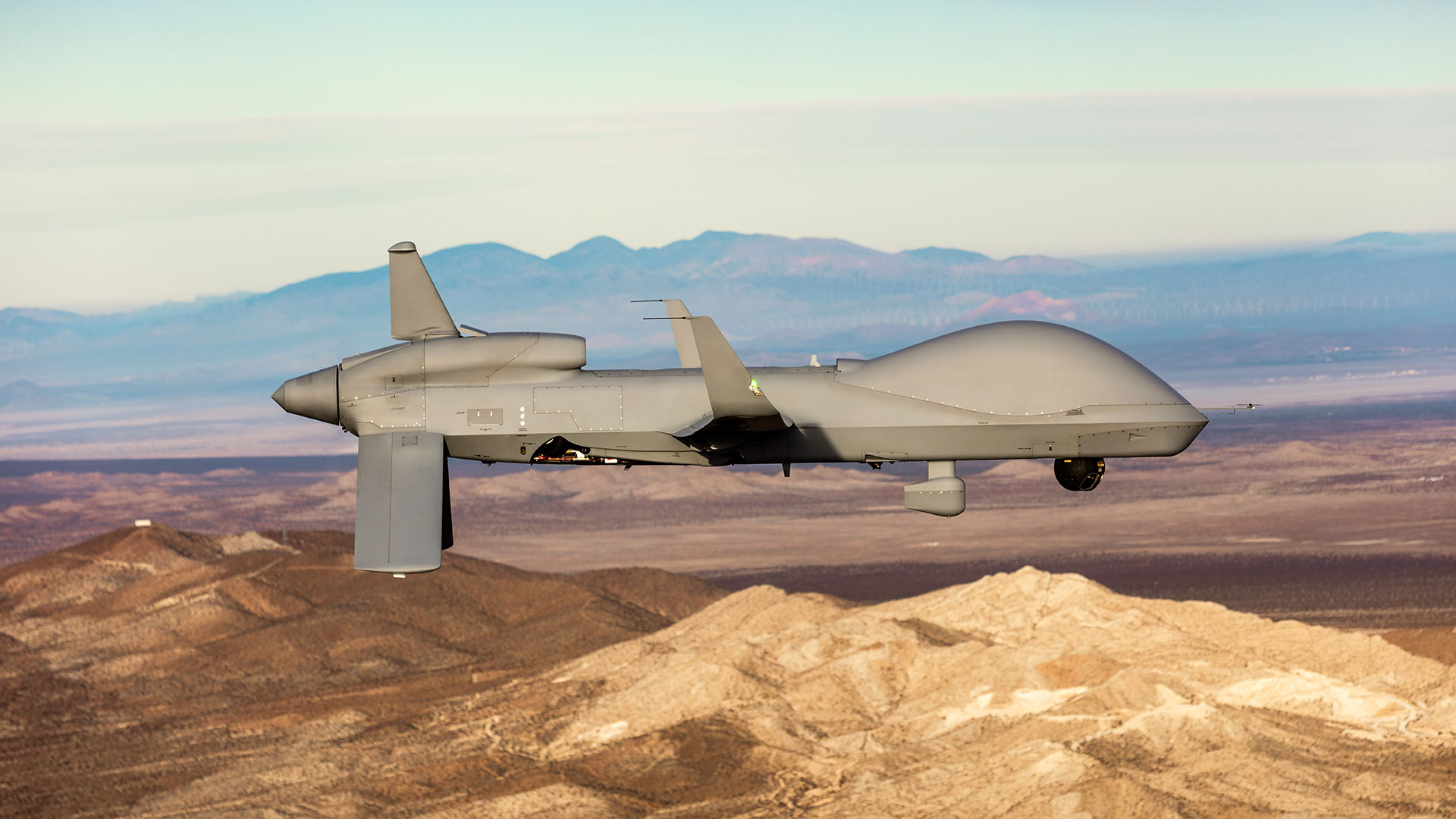
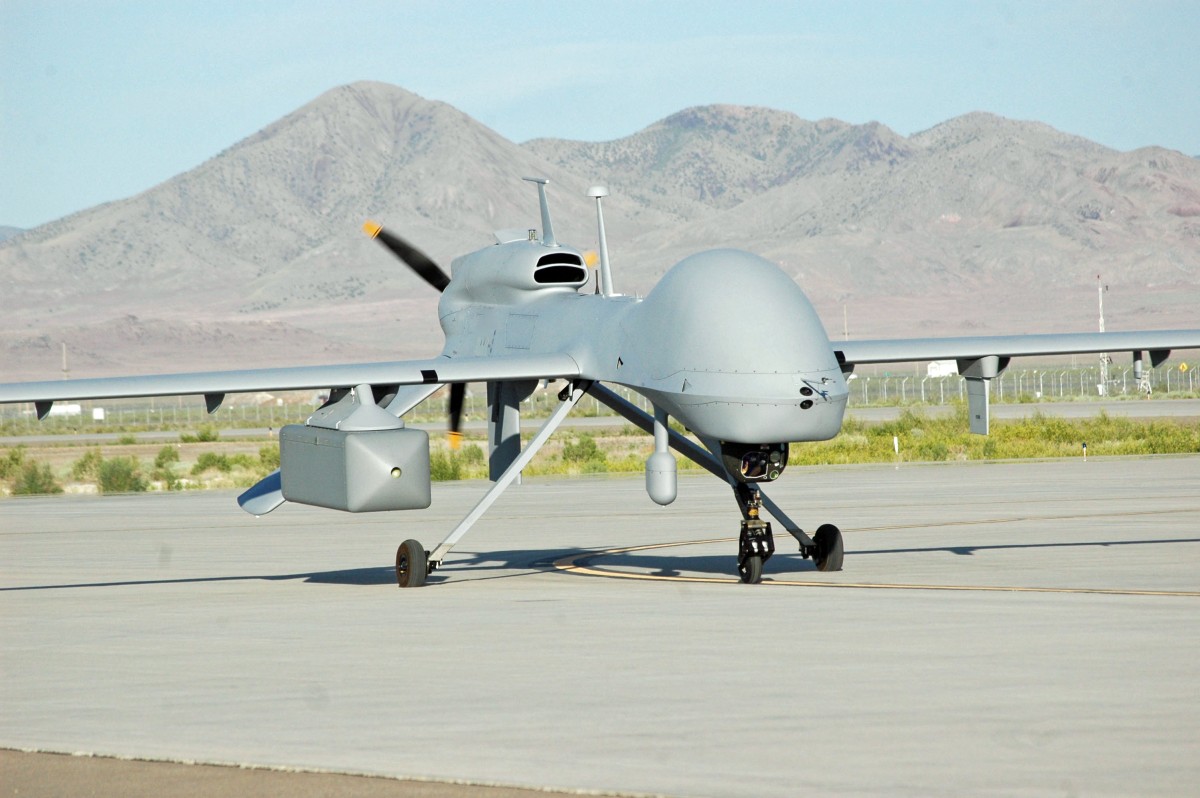
    The Gray Eagle underwent extensive redesign to meet the operational requirements of the U.S. Army, to the extent that it can be regarded as a largely distinct platform. Although it retains a visual resemblance to the Predator, significant engineering differences are evident. Its wingspan was increased to approximately 17 meters, improving the lift-to-drag ratio, enhancing stability at medium altitudes, and reducing fuel consumption.
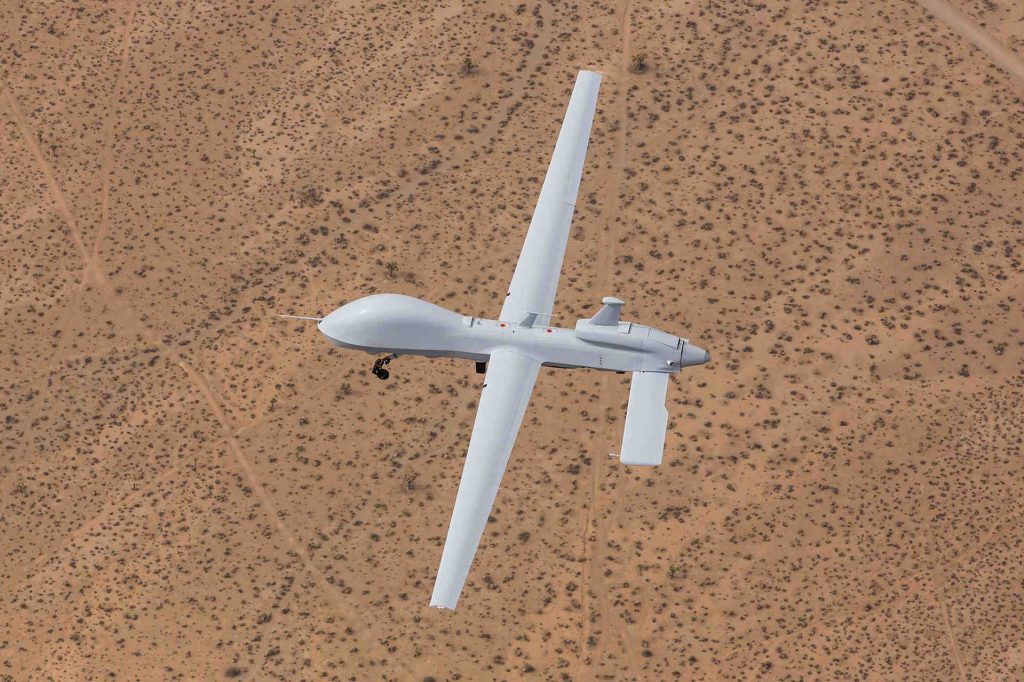
    MQ-1 Grey Eagle

    The airframe was designed with a damage-tolerant approach, while the Extended Range variant incorporates a deep-belly design. This modification increased internal fuel capacity from approximately 575 pounds to around 900 pounds, while also optimizing the center of gravity to accommodate heavier payloads on the central hardpoint.

    One of the most significant advancements was the introduction of an automatic takeoff and landing system. Unlike the Predator, which required a high degree of pilot skill and experienced a significant proportion of accidents during the landing phase, the Gray Eagle can perform both takeoff and landing fully autonomously. The system relies on precise Ku-band radar sensors and had recorded more than 20,000 successful landings by 2013.

    One of the major logistical challenges faced by the U.S. Army on the battlefield is the need to simultaneously supply multiple types of fuel. To address this issue, the Army follows a “single-fuel” doctrine, under which platforms are expected to operate on a common fuel such as JP-8 or diesel. By contrast, the Rotax engines used on earlier UAVs relied on aviation gasoline, which was not part of the Army’s standard battlefield fuel supply chain.

    In response to this limitation, the MQ-1C Gray Eagle was equipped with the Thielert Centurion 1.7 heavy-fuel engine, a 165-horsepower diesel piston engine that used digital engine control to significantly improve fuel efficiency. This approach continued in later variants. In the Extended Range version, the more powerful Lycoming DEL-120, producing 180 horsepower, replaced the earlier engine, providing increased power as well as longer maintenance intervals. The latest 25M variant introduces the HFE 2.0 engine, rated at 200 horsepower, and equipped with dual 7-kilowatt generators to provide electrical power for advanced sensor systems.
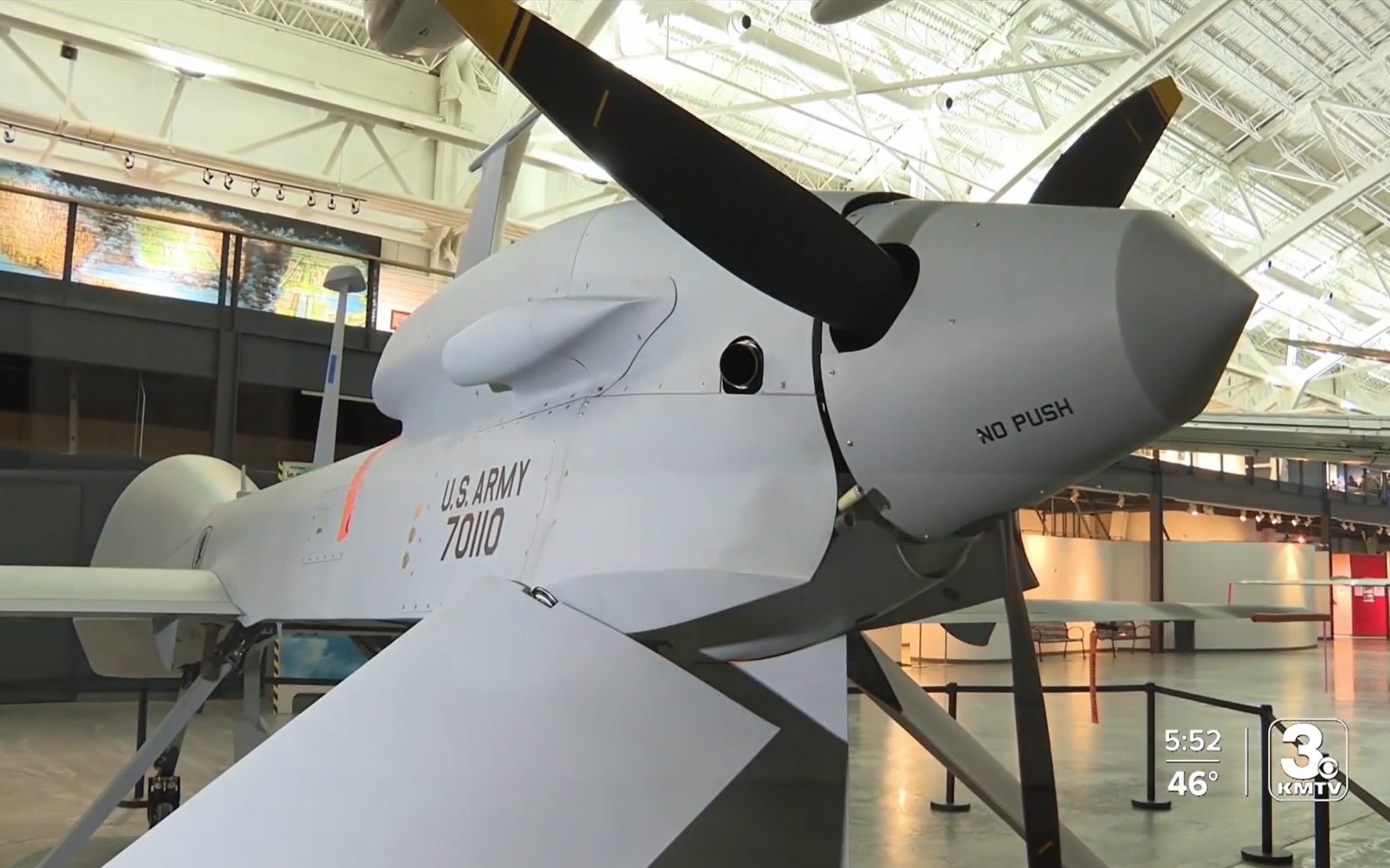
    MQ-1C Gray Eagle drone propulsion system

    اThe use of heavy fuel offers more than just a logistical advantage; because of its higher energy density, it also contributes to increased endurance. The standard Gray Eagle can remain airborne for approximately 25 to 30 hours, while the ER variant, equipped with external fuel tanks, can extend endurance to around 50 hours.

    MQ-1C Sensor and Electronic Warfare Capabilities

    The MQ-1C Gray Eagle was designed around the requirement to provide battlefield commanders with accurate, persistent, and real-time intelligence. As a result, its nose section was enlarged compared with the previous generation, creating additional space for advanced systems, including synthetic aperture radar (SAR) and electro-optical targeting systems.

    AN/AAS-52 MTS Electro-Optical System — Mounted beneath the nose is the AN/AAS-52 Multispectral Targeting System (MTS). The system incorporates high-resolution infrared sensors, powerful day cameras, and a laser designator. This combination allows operators to identify and track targets in considerable detail from altitudes of around 25,000 feet. In addition to its surveillance capabilities, the integrated laser designator plays a key role in guiding precision weapons such as AGM-114 Hellfire missiles and laser-guided bombs. The Gray Eagle can also accommodate other multispectral electro-optical imaging systems, including the Raytheon AN/AAS-53 and the DAS-2 pod, mounted beneath the wings.

    Read more: Military Knowledge: Raytheon Multi-Spectral Targeting Systems

    The AN/AAS-53 system under the nose of the MQ-1C UAV.

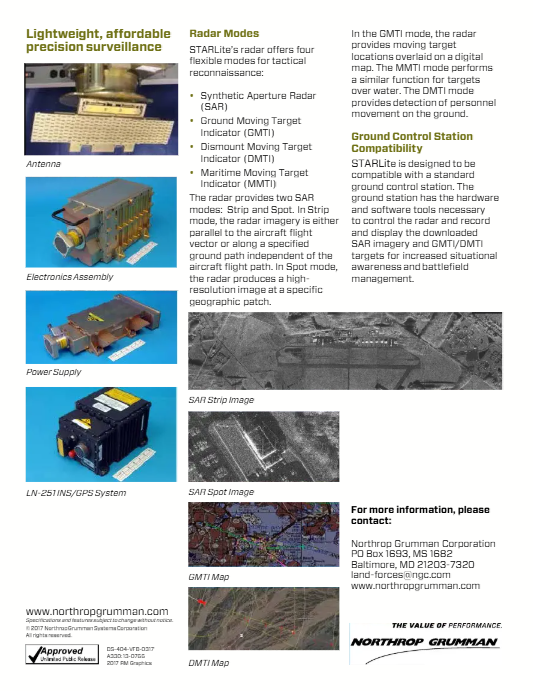
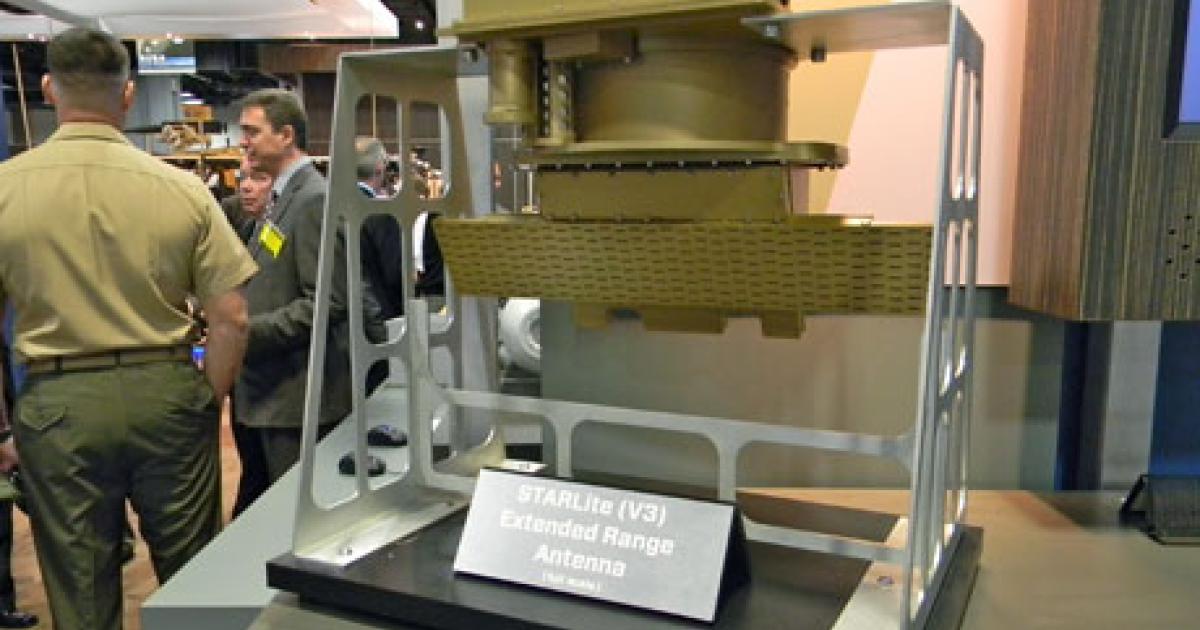
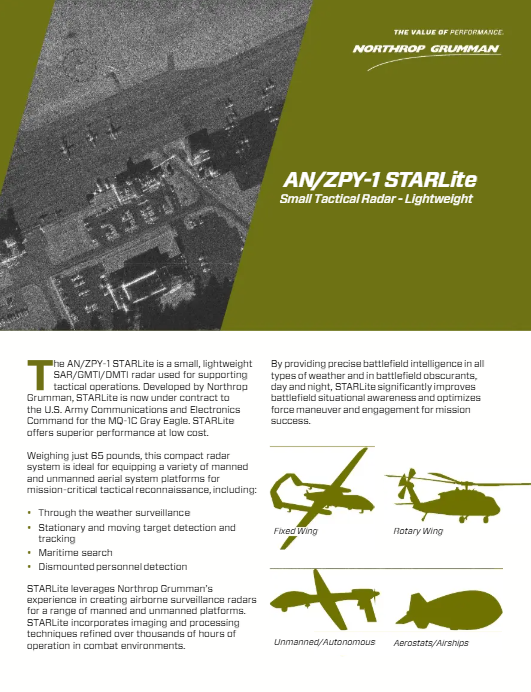
    Synthetic Aperture Radar — The AN/ZPY-1 STARLite radar, developed by Northrop Grumman, is one of the Gray Eagle’s key capabilities for operating in adverse weather and difficult environmental conditions, including cloud cover, fog, smoke, and sandstorms. Mounted within the UAV’s forward radar fairing, the system provides several advanced capabilities:

    • Synthetic Aperture Radar (SAR) Imaging: Generates detailed, high-resolution maps of the ground surface day or night, even under conditions that can limit conventional electro-optical sensors.
    • Ground Moving Target Indicator (GMTI): Detects, identifies, and tracks moving targets such as vehicles, displaying their movements on a digital map.
    • Change Detection: Compares radar imagery collected at different times to identify subtle changes on the ground, such as new tire tracks or disturbed soil, which may indicate potential threats such as improvised explosive devices (IEDs).
    Electronic Warfare

    In addition to its electro-optical systems, the MQ-1C Gray Eagle is also equipped with electronic warfare (EW) capabilities. One of its most important systems is NERO, a variant of the CEASAR system used aboard C-12 aircraft. It enables the UAV to disrupt enemy communications and telecommunications networks, effectively providing an electronic protection layer for ground forces.
    NERO Electronic Warfare System

    MQ-1C Network-Centric Warfare Capabilities

    One of the most advanced applications of the MQ-1C within the U.S. Army is its tactical integration with the AH-64 Apache attack helicopter through the Manned-Unmanned Teaming (MUM-T) concept. Under this doctrine, the UAV serves as an aerial scout, operating ahead of manned platforms. From inside the cockpit, an Apache pilot can receive live imagery from the Gray Eagle’s sensors and, depending on the level of MUM-T integration, control or direct those sensors. This high level of information integration provides helicopter crews with a significantly clearer picture of the battlefield and improves their ability to identify and respond to threats.

    A direct benefit of this cooperation is the increased survivability of manned helicopters. The Gray Eagle can detect targets and enemy air-defense systems from distances beyond the helicopter’s immediate engagement range and can use laser designation to mark targets for weapons carried by the Apache. Field exercises at Dugway Proving Ground demonstrated the potential of combining Apache helicopters and UAVs within a networked architecture to conduct complex target-engagement missions with a high degree of precision.
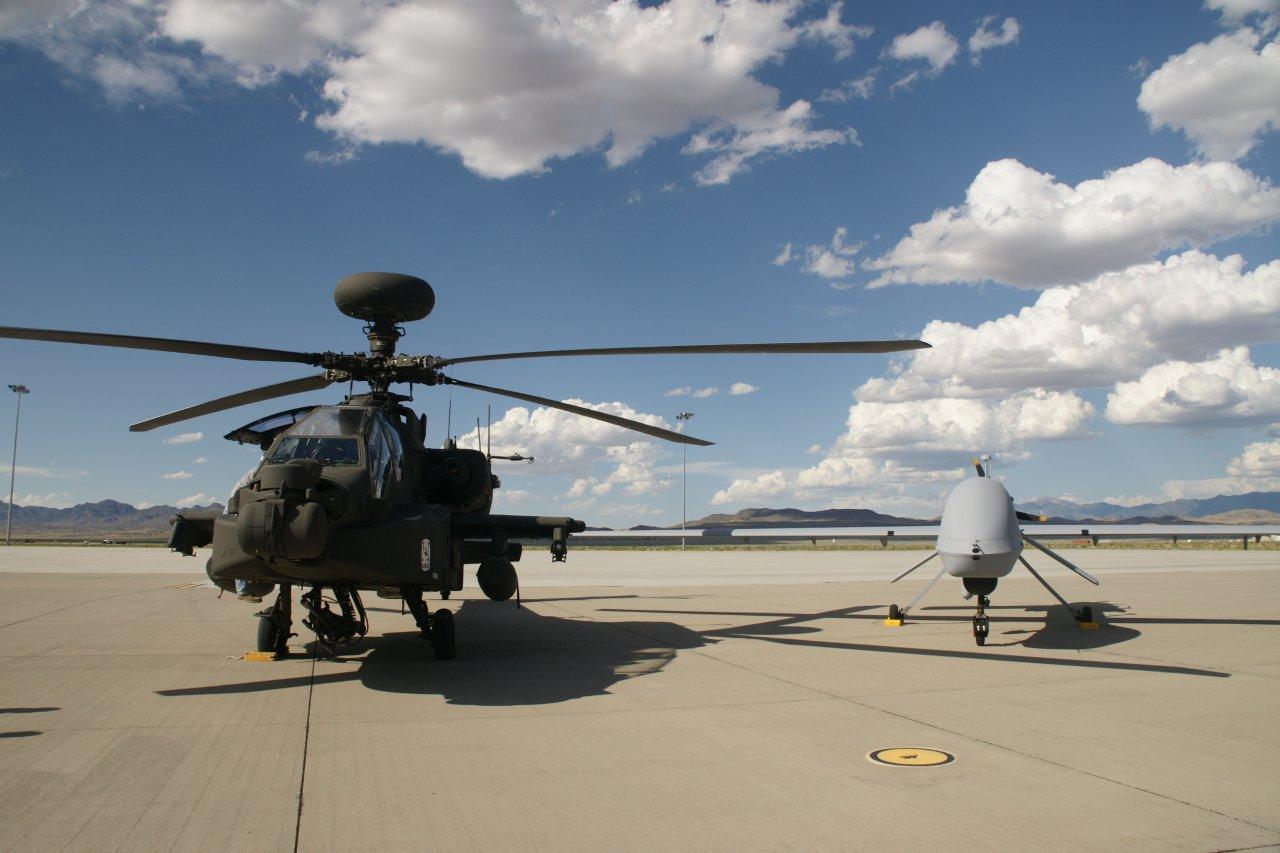
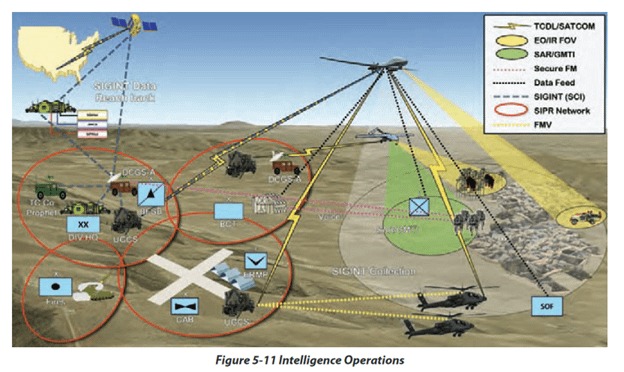
    مفهوم“Manned-Unmanned Teaming” (MUM-T) is essentially a framework consisting of different levels of interaction between the helicopter and UAV:

    • Level 2: The Apache pilot can only receive live imagery from the Gray Eagle’s sensors.
    • Levels 3 and 4: The pilot can control the UAV’s camera and, at higher levels of integration, can also control its flight path.
    • Level 5: Full control of the UAV, from takeoff to landing, by the helicopter crew. This level remains under advanced development.

    Under this concept, the helicopter can remain concealed behind natural terrain such as mountains or elevated ground, while the Gray Eagle operates within the enemy’s line of sight to conduct reconnaissance. Targeting information is transmitted to the Apache in real time, and when required, a missile can be guided to the target using laser designation provided by the UAV.

    MQ-1C Derived Variants

    As the U.S. Army shifted its focus from counterinsurgency operations toward Large-Scale Combat Operations (LSCO) and potential conflicts with peer adversaries, the operational demand for greater endurance, increased payload capacity, and broader mission flexibility drove the development of new variants of the MQ-1C Gray Eagle.

    MQ-1C Gray Eagle Extended Range (GE-ER): Previously known as the Improved Gray Eagle, this variant was developed to increase endurance and overall operational capability. Its most significant structural modification was a substantial increase in internal fuel capacity.

    The GE-ER is equipped with an upgraded 180-horsepower engine and redesigned wings, allowing it to remain airborne for up to 42 hours continuously. With the addition of external fuel tanks, endurance can reportedly be extended to approximately 50 hours. The variant was designed to support operations at higher echelons, including division- and corps-level formations, while its internal payload capacity was increased to approximately 540 pounds.
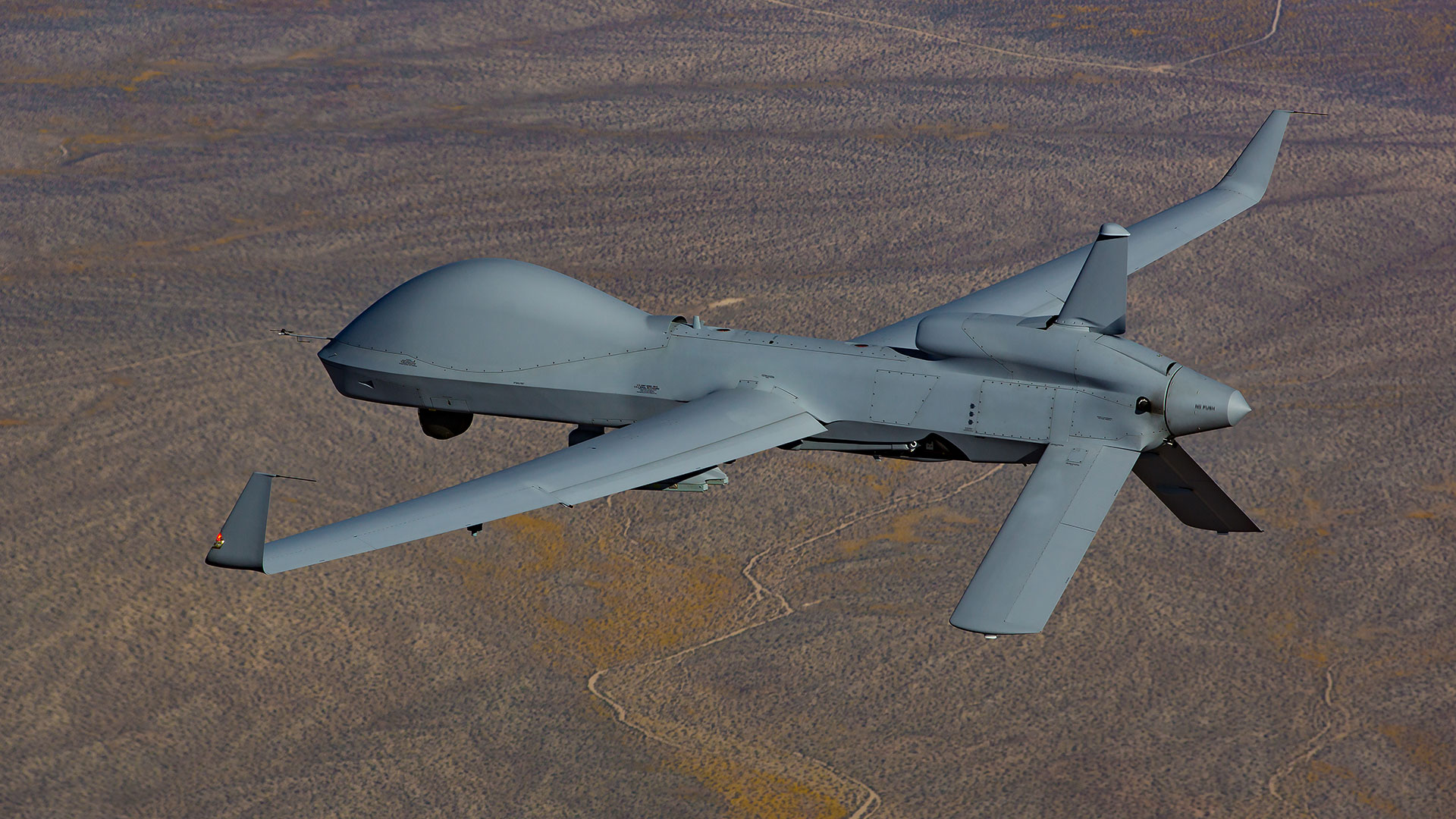
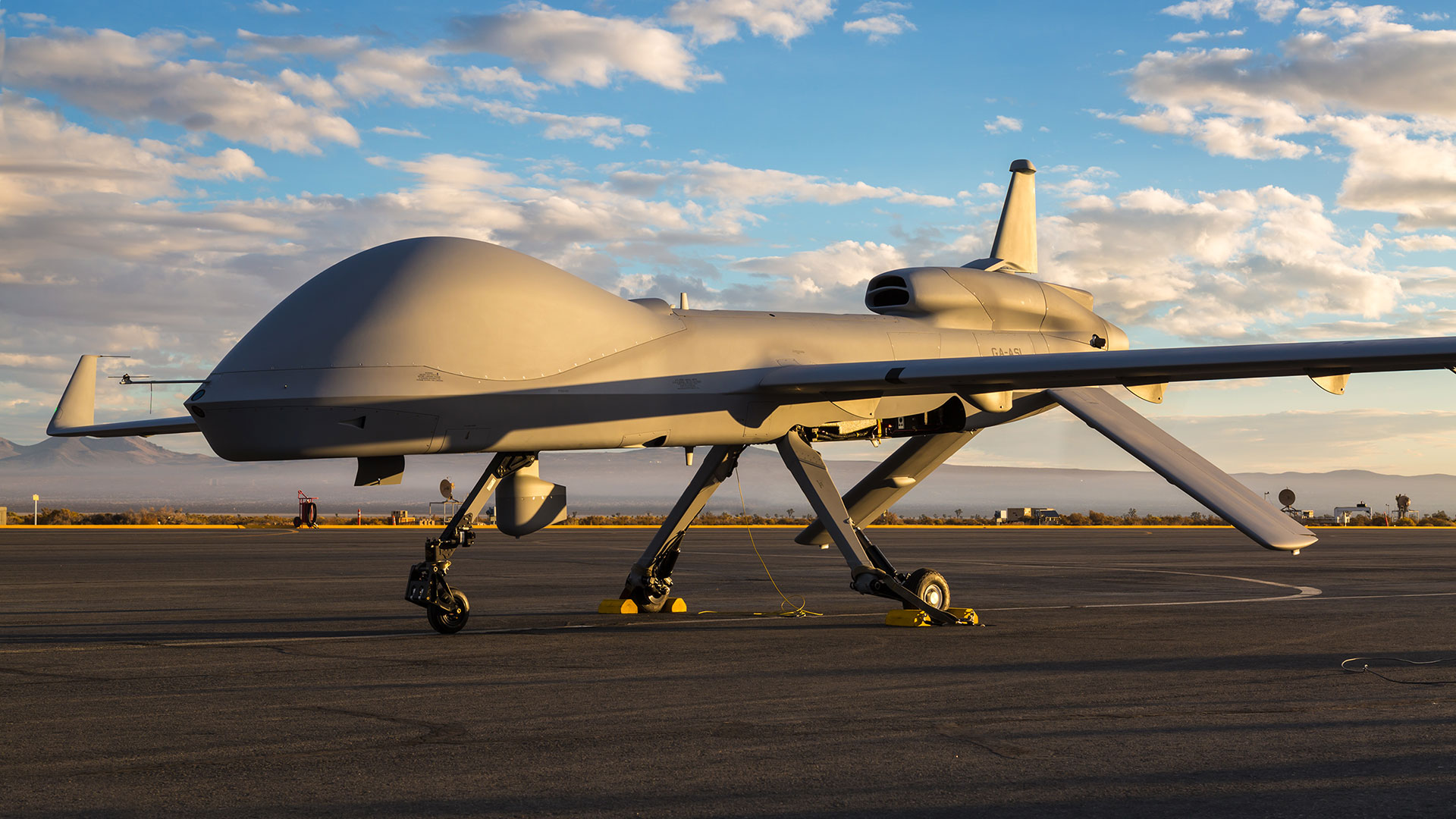
    Gray Eagle 25M (Modernized): The most advanced member of the family is the GE-25M, which was designed for multi-domain operations and developed around an open systems architecture. This architecture enables rapid and cost-effective upgrades to the platform’s sensors and software.

    Key features of this variant include the 200-horsepower HFE 2.0 engine and an upgraded electrical power-generation system; the EagleEye radar, which offers approximately five times greater range and the ability to simultaneously detect and track both ground and maritime targets; advanced Electronic Warfare (EW) systems, including ELINT/COMINT, for detecting, identifying, and geolocating enemy air-defense radars; and increased weapons capacity, allowing the aircraft to carry up to eight AGM-114 Hellfire missiles using dual-rail underwing hardpoints.
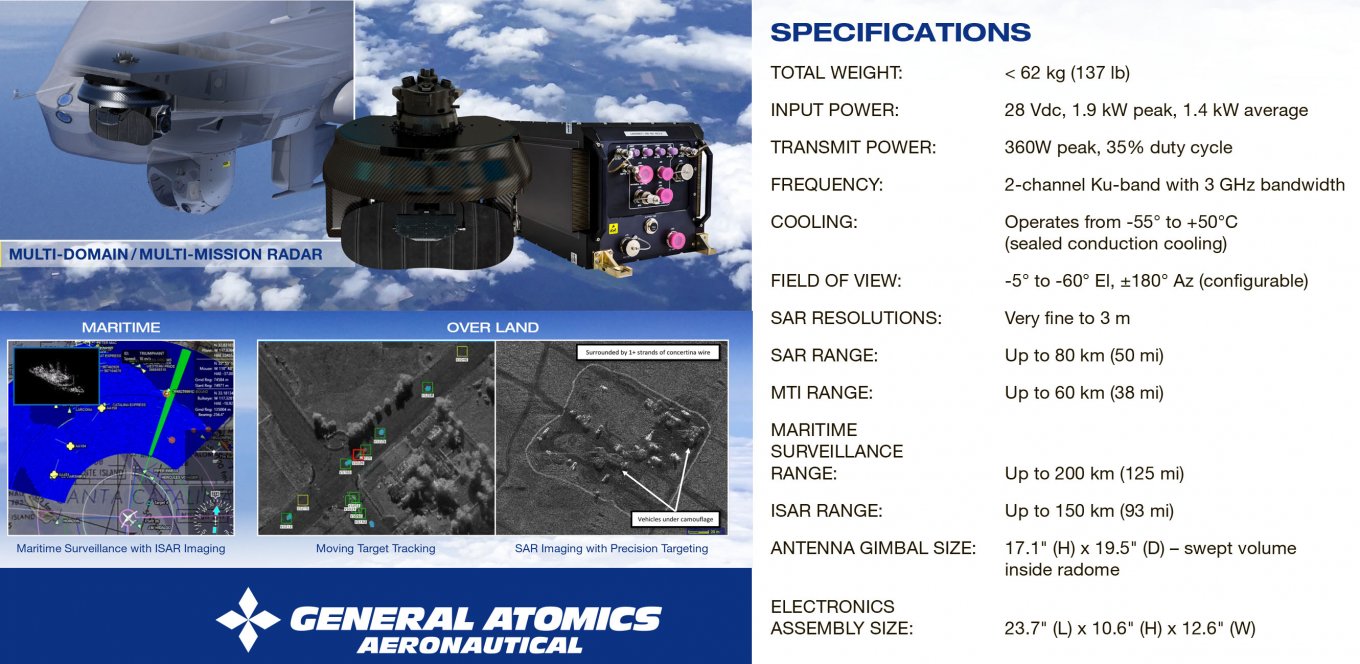
    EagleEye Radar Specifications

    With the emergence of advanced air-defense systems on modern battlefields, the survivability of relatively slow UAVs such as the Gray Eagle has become increasingly challenging. In response to this threat, the 25M variant has been developed alongside a mothership concept. Under this architecture, the Gray Eagle serves as a “mother ship” for smaller loitering munitions and decoy UAVs. Platforms such as the Eaglet can be launched from beneath its wings and penetrate deep into enemy air-defense networks, where they can either destroy targets through suicide attacks or open the way for the main operation through electronic disruption and reconnaissance.
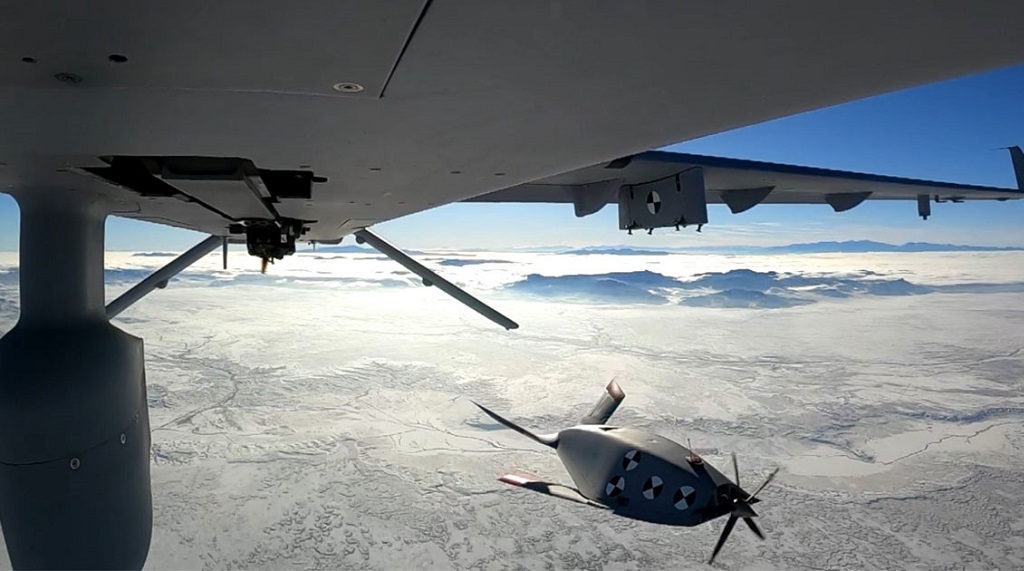
    Launch of the Eaglet UAV from the MQ-1C

    In the latest upgrades, advanced ELINT systems, installed on the fleet since 2026, enable the Gray Eagle to detect and geolocate enemy radar emissions from very long distances, remaining outside the engagement range of most air-defense systems. This information can then be transmitted in real time to long-range fire systems such as HIMARS, allowing enemy air-defense assets to be engaged before the UAV enters the threat zone.

    Read more: Military Knowledge: M142 HIMARS Multiple Rocket Launcher

    MQ-1C Defensive Capabilities:

    Despite the U.S. Army’s current decision to halt further procurement, one of the Gray Eagle’s emerging capabilities is the use of air-to-air weapons to engage and destroy UAVs. In particular, the latest generation of the Gray Eagle family incorporates several newly developed capabilities. Lockheed Martin is currently planning to integrate the UAV-mounted synthetic aperture radar with the Hellfire missile. The EagleEye radar can detect and track ground targets at ranges of up to 50 miles (80 km) and maritime targets at up to 124 miles (200 km), although its effectiveness against airborne threats has yet to be established. Nevertheless, with a new active electronically scanned array (AESA) antenna and software currently under development, the radar is expected to achieve greater range and improved performance.

    Within this framework, a specialized version of the Hellfire missile known as the Longbow Hellfire will be employed. Although the AGM-114 Hellfire was originally developed as an air-to-ground weapon and has primarily been used in that role, the Longbow variant uses millimeter-wave guidance, giving it the potential to perform an air-defense role against UAVs.
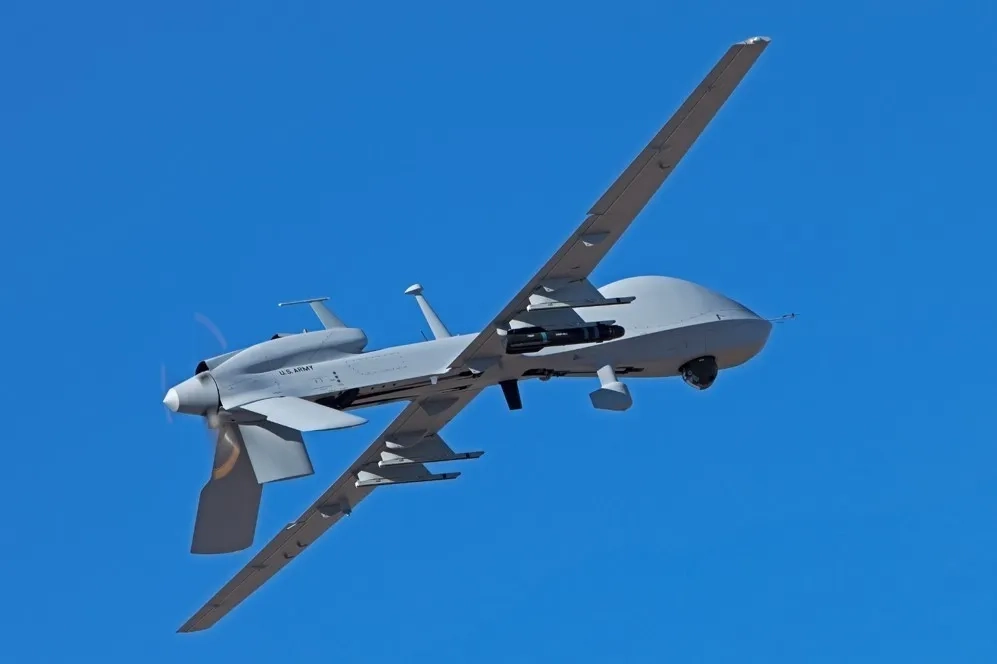
    MQ-1C drone equipped with a Hellfire missile

    It is worth noting that the US Air Force has successfully integrated the AIM-9X air-to-air missile onto its MQ-9 Reaper drone. This combination achieved its first “kill” during a 2017 exercise. Shortly thereafter, the service announced plans to develop air defense capabilities for unmanned platforms, thereby providing them with significant self-protection. This initiative could also complement developments regarding the MQ-1C. In this context, the use of laser-guided rockets, such as the APKWS, is to be expected.
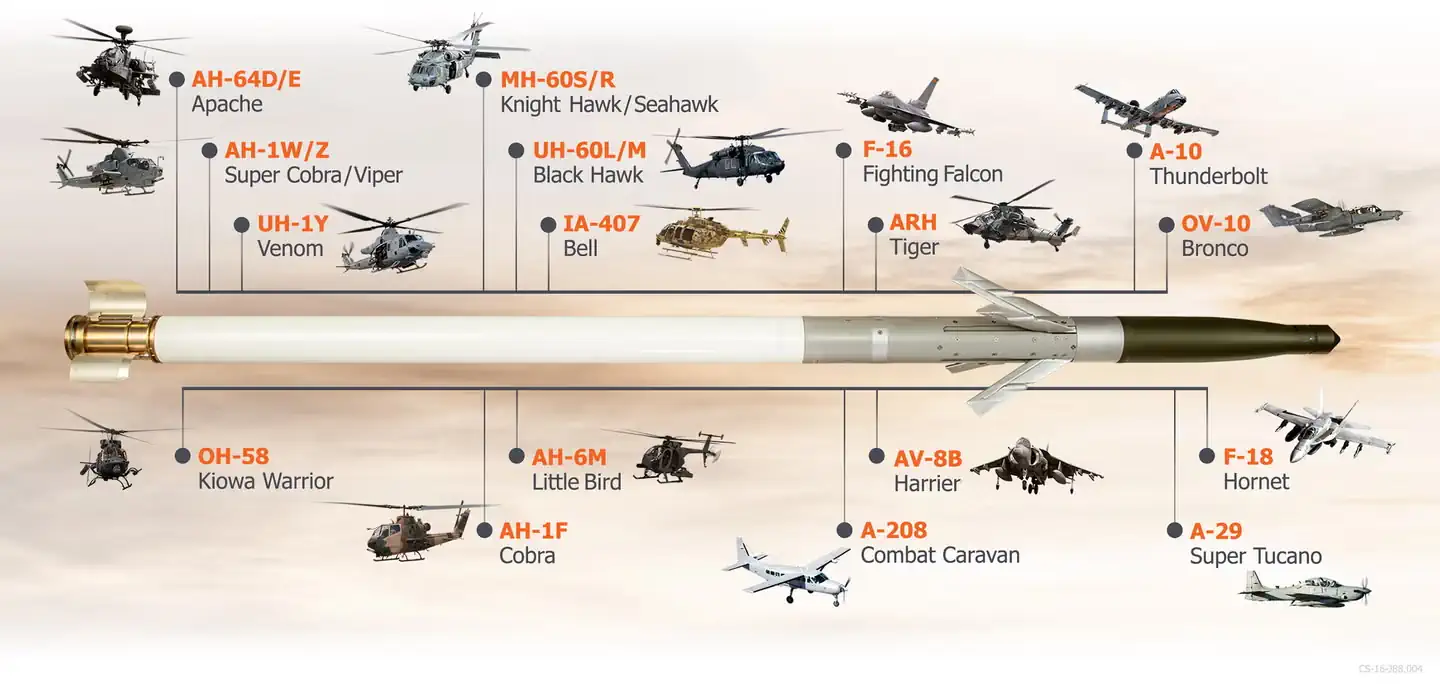
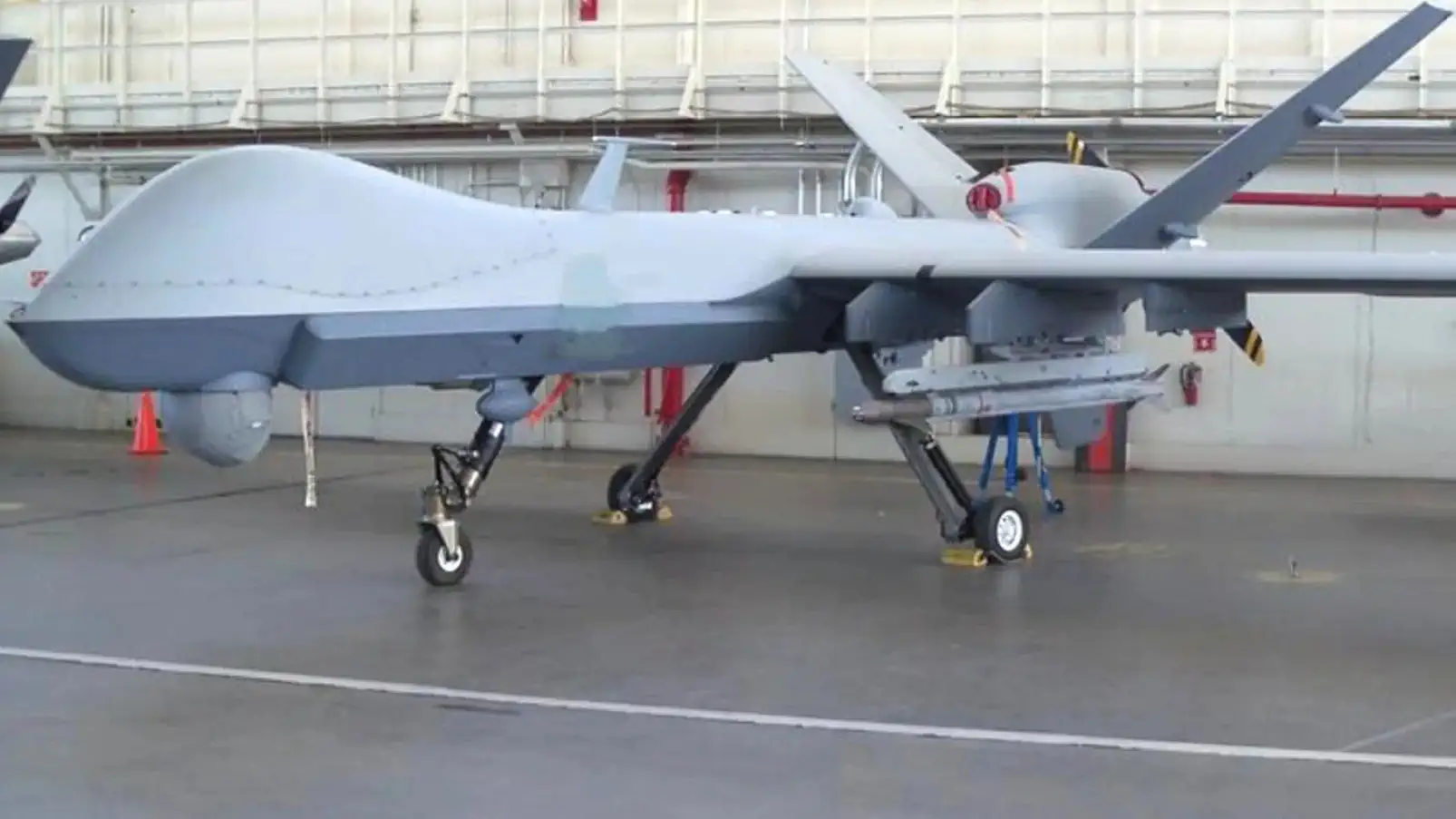
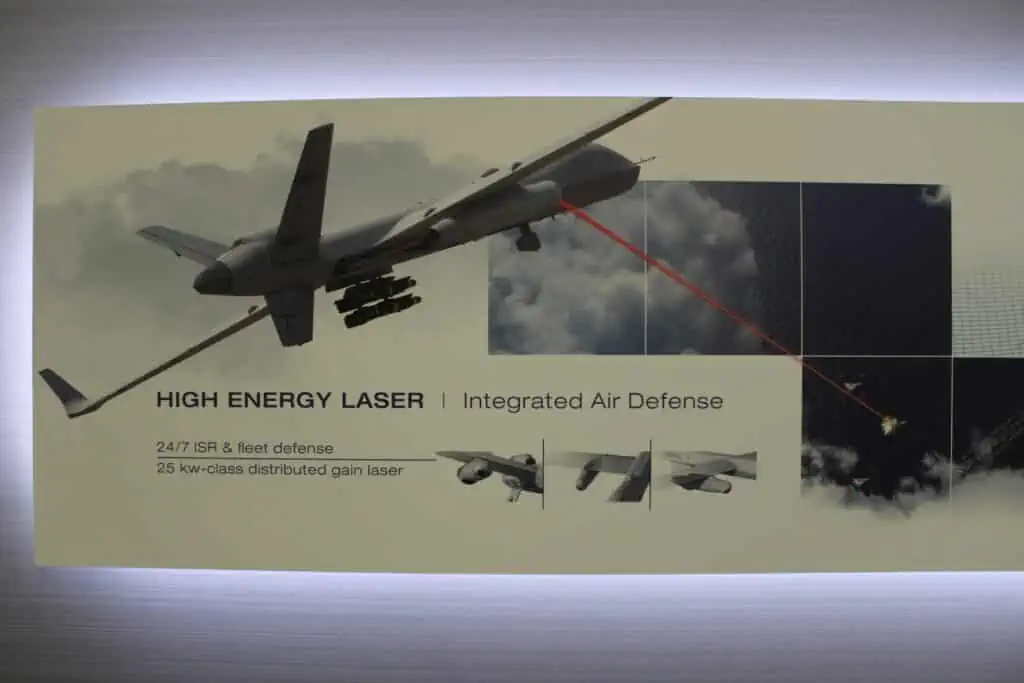
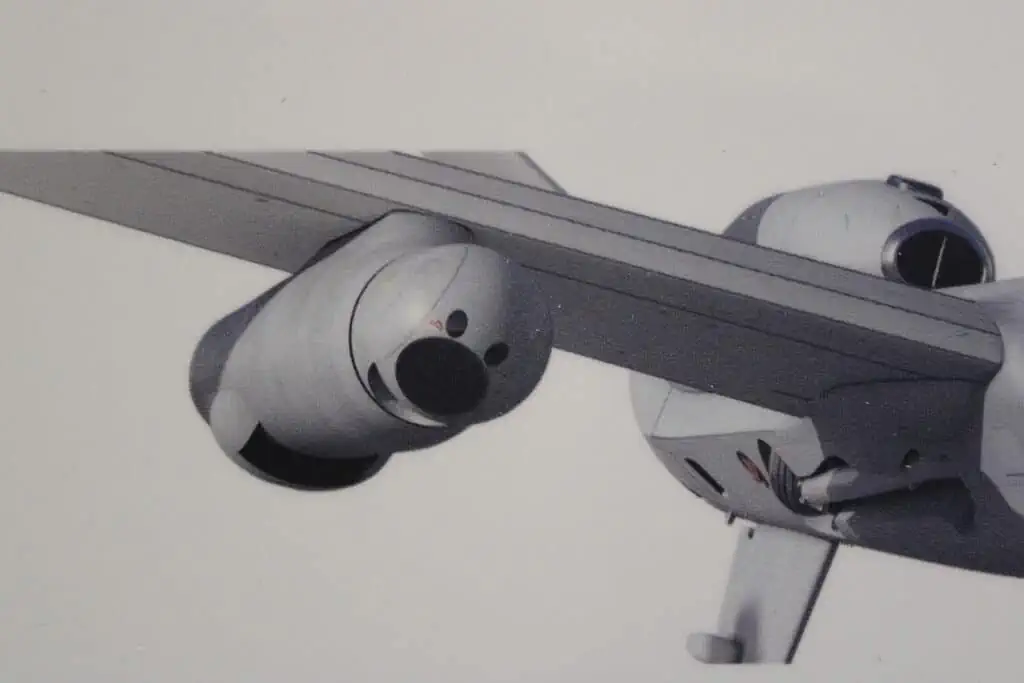
    Meanwhile, the use of laser pods represents another option. This capability—currently under development as a concept—was previously showcased in a graphic at the Air Force Association’s Air Warfare Symposium, featuring the MQ-9B SkyGuardian drone. Notably, GA-ASI is primarily marketing this pod for fleet defense against suicide drones.
    MQ-1C Grey Eagle Specifications:

    Type: Reconnaissance-strike UAV
    Country of origin: United States
    Manufacturer: General Atomics
    Introduction: 2009
    Length: 9 m
    Wingspan: 17 m
    Height: 2.1 m
    Engine: One Thielert Centurion 1.7 engine, producing 165 hp
    Range: 370 km
    Maximum speed: 309 km/h
    Service ceiling: 8,839 m (29,000 ft)
    Endurance: 25 hours
    Maximum takeoff weight: 1,633 kg
    Fuel capacity: 261 kg
    Payload: 227 kg
    Hardpoints: 4
    Armament: 4 AGM-114 Hellfire missiles or 8 AIM-92 Stinger rockets

    ER Variant Specifications:

    Wingspan: ~17–18 m
    Length: 9 m
    Engine: 180 hp
    Maximum takeoff weight: 1,905 kg
    Fuel capacity: 408 kg
    Internal payload capacity: 181 kg
    Payload: 227 kg
    Service ceiling: 8,839 m (29,000 ft)
    Endurance: 42 hours
    Maximum speed: 309 km/h

    ER Block 25 Specifications:

    Wingspan: 17 m
    Length: 9 m
    Engine: 200 hp (HFE 2.0)
    Maximum takeoff weight: 1,905 kg
    Fuel capacity: 408 kg
    Internal payload capacity: 181 kg
    Payload: 227 kg
    Service ceiling: 25,000 ft
    Endurance: 40+ hours
    Maximum speed: 309 km/h
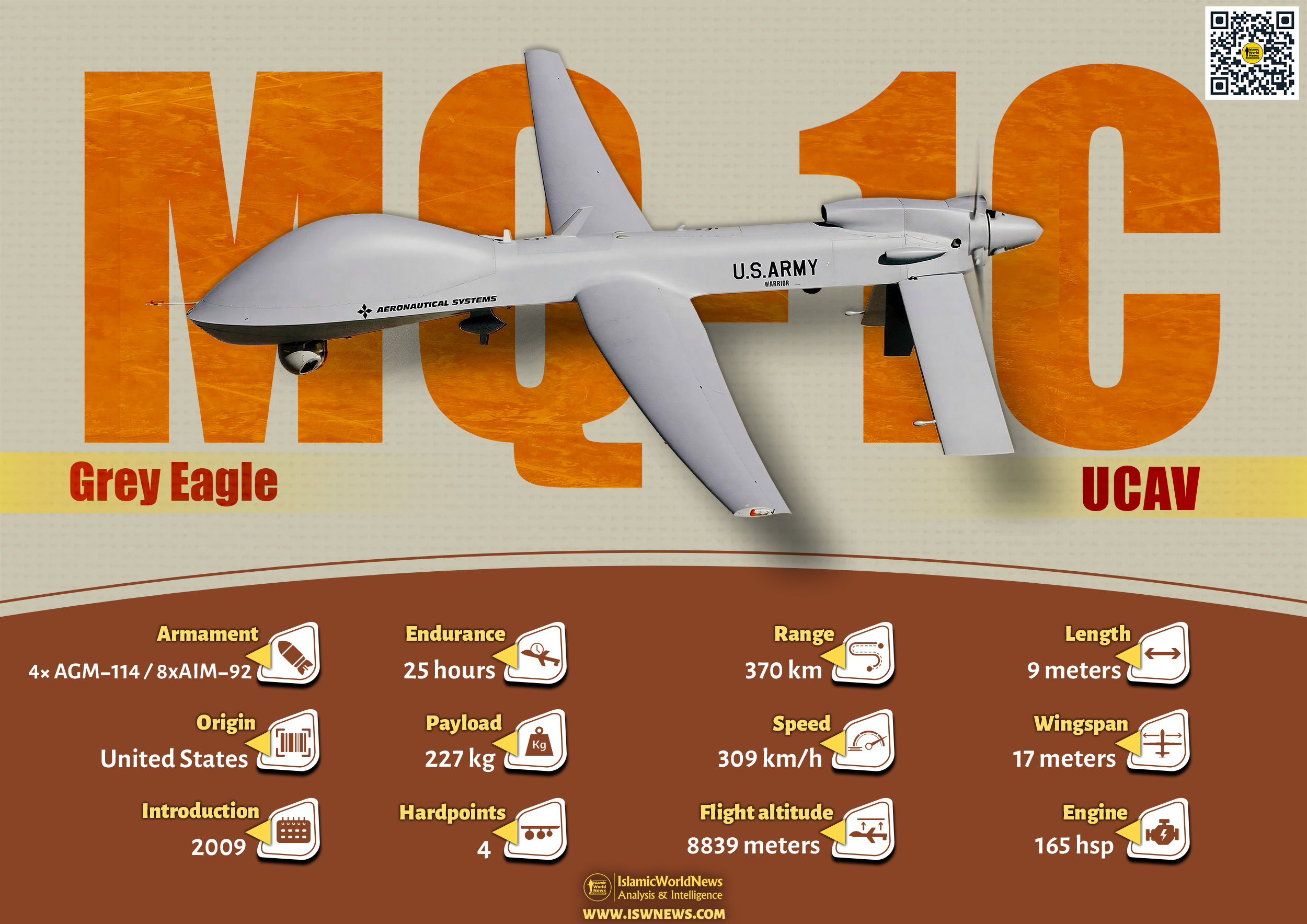
    MQ-1C Gray Eagle combat-reconnaissance UAV – click to view in full size
  • Military Knowledge: RQ-4 Global Hawk Drone

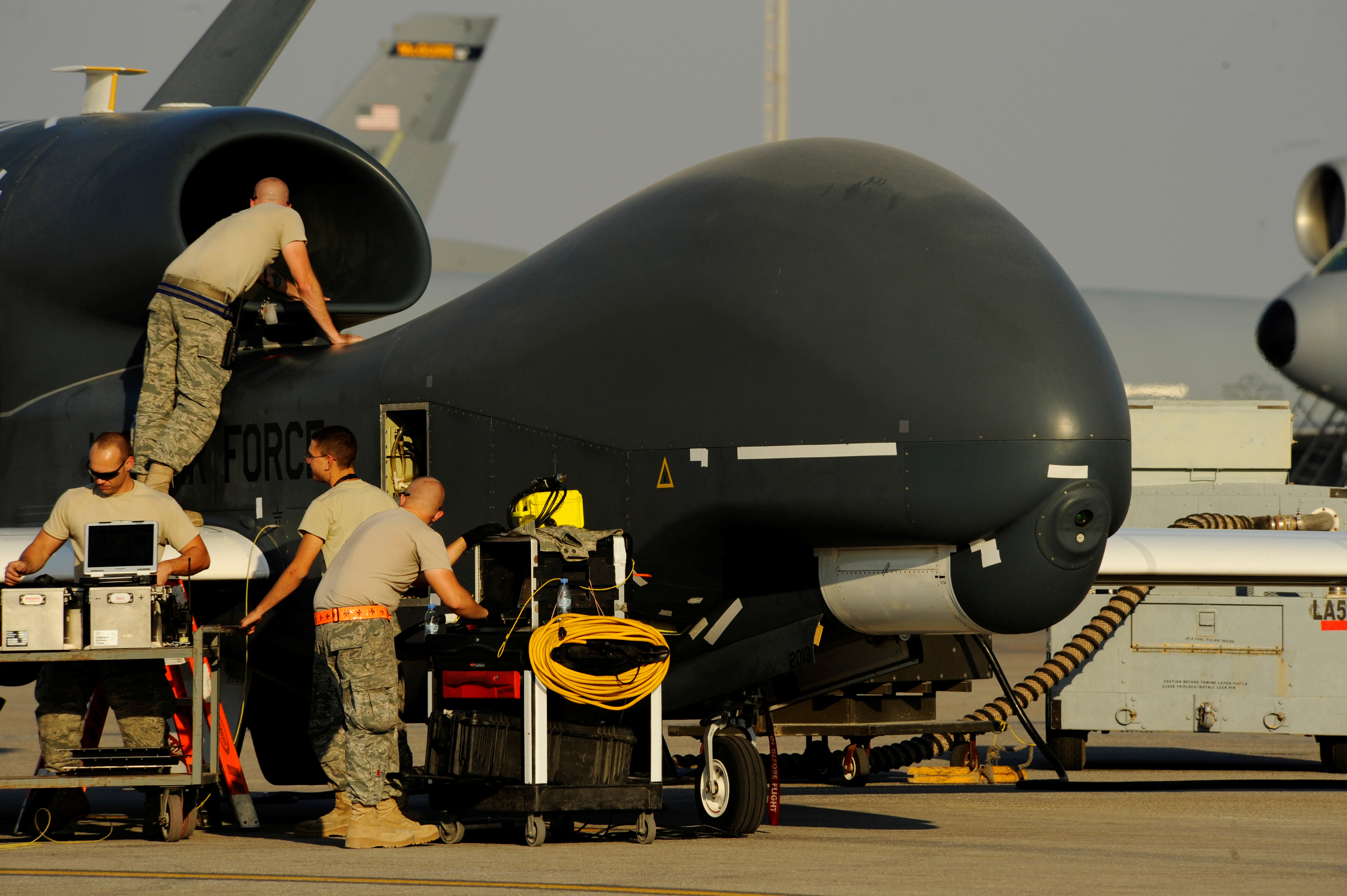
    Military Knowledge: RQ-4 Global Hawk Drone

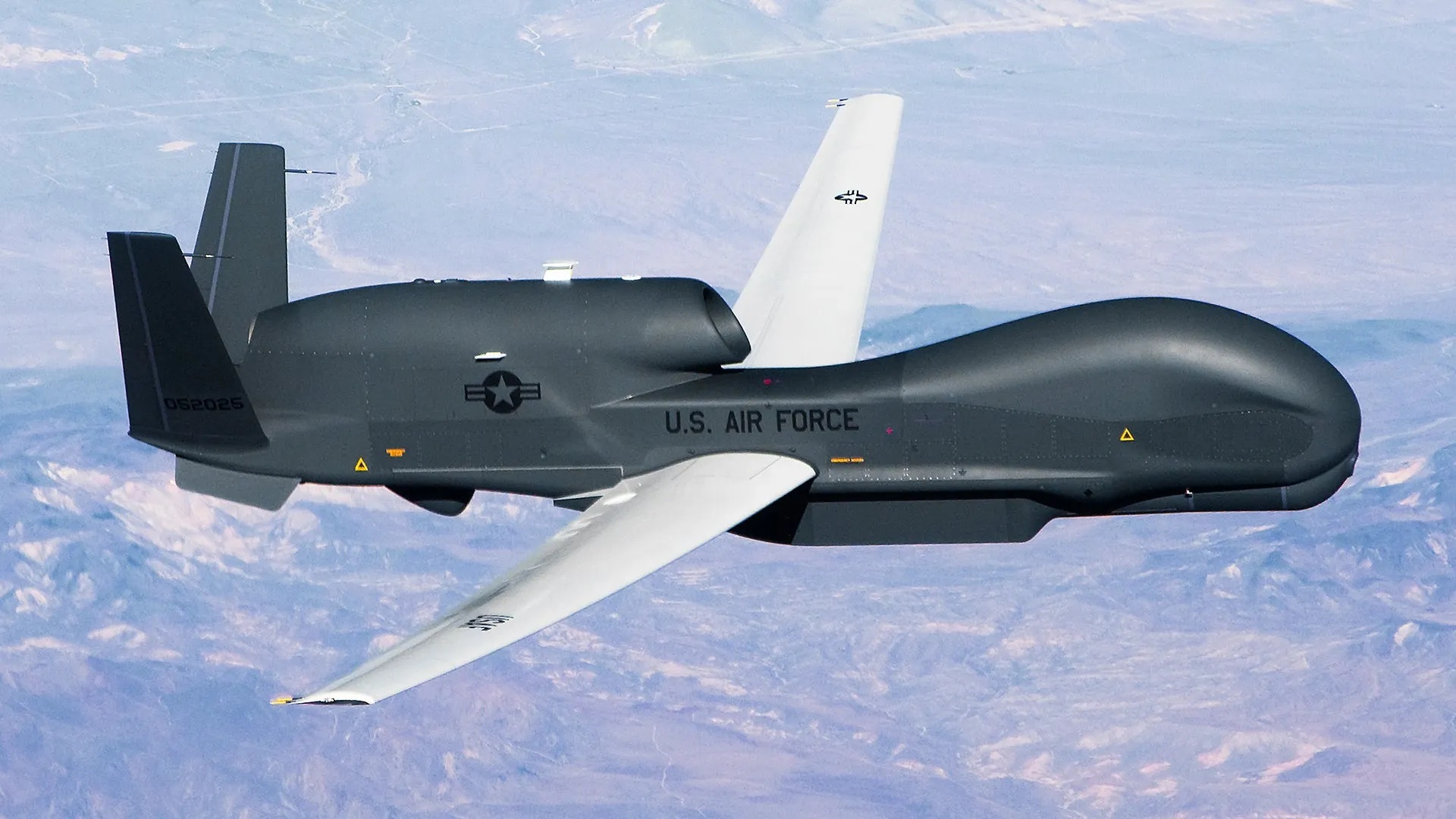
    Overview of the RQ-4 Global Hawk UAV

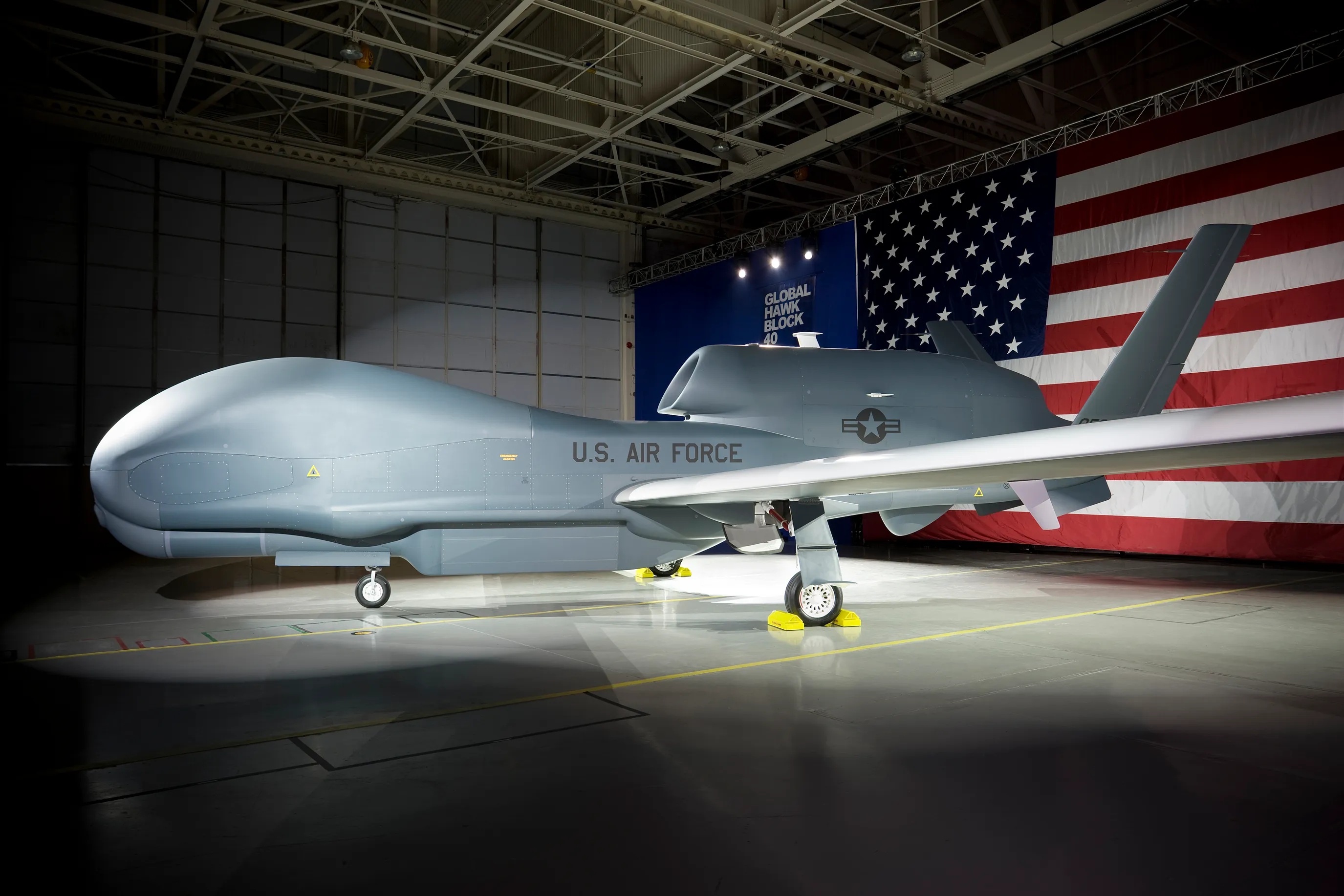
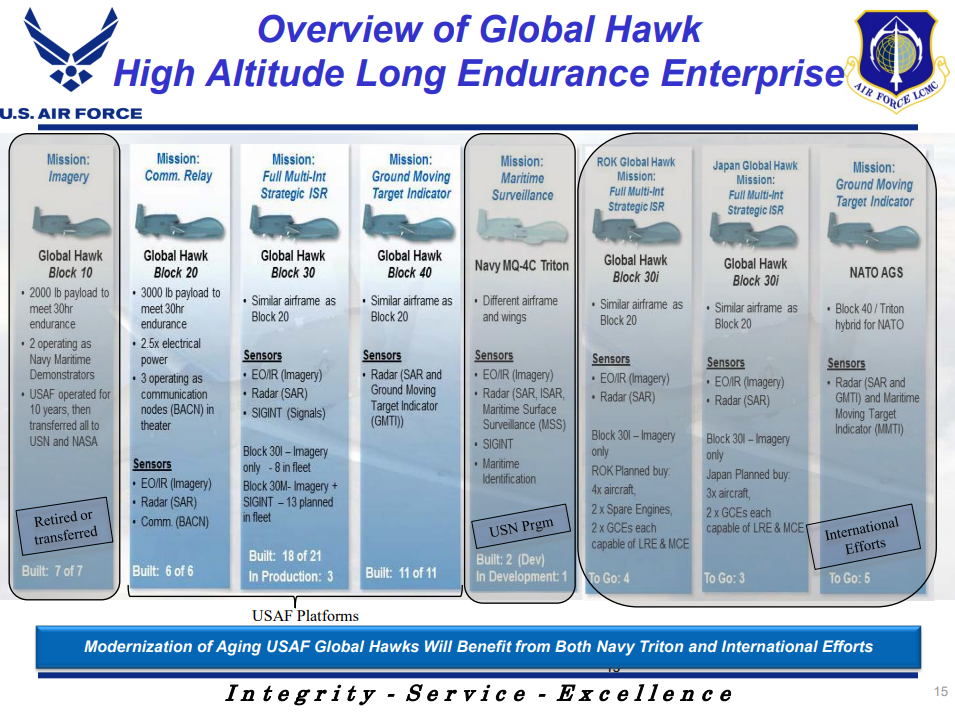
    The RQ-4 Global Hawk features a modular design implemented through a series of distinct operational blocks—from the early Block 10 (RQ-4A) to the multi-role Block 30 (RQ-4B) and the MTI-focused Block 40. This architecture allows the drone to adapt to evolving military requirements. Its versatility has established it as a multi-purpose platform capable of supporting various sensor payloads and specialized missions, such as communications relay in the EQ-4B variant and maritime surveillance in the MQ-4C Triton.

    Constructed with advanced composite materials and powered by a high-performance turbofan engine, the Global Hawk achieves impressive operational benchmarks, including over 34 hours of flight endurance and an altitude ceiling of 60,000 feet. Its global operational footprint is extensive, with deployments by both the U.S. Air Force and Navy, as well as allied nations like Japan, South Korea, Australia, and NATO under the Alliance Ground Surveillance (AGS) program.

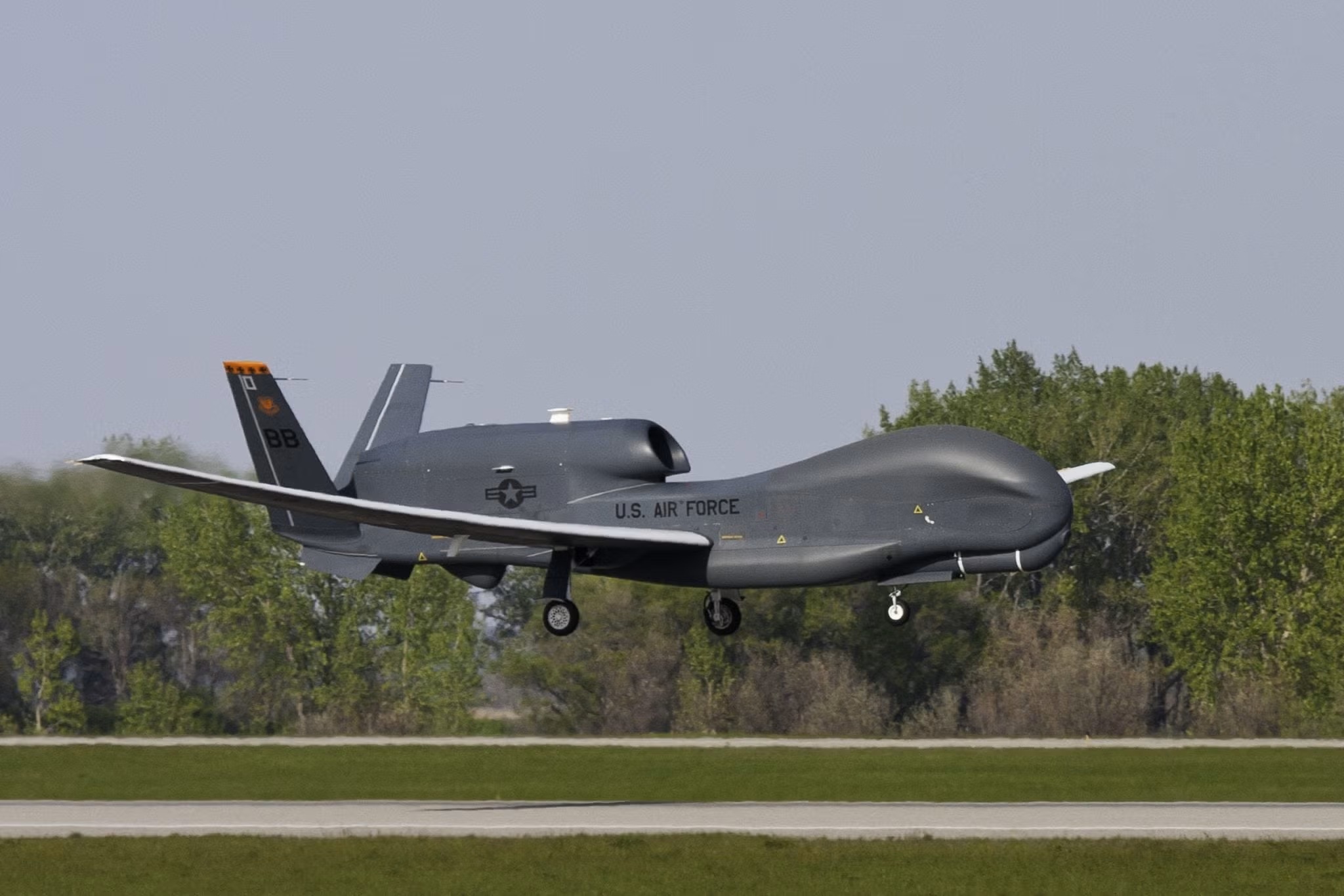
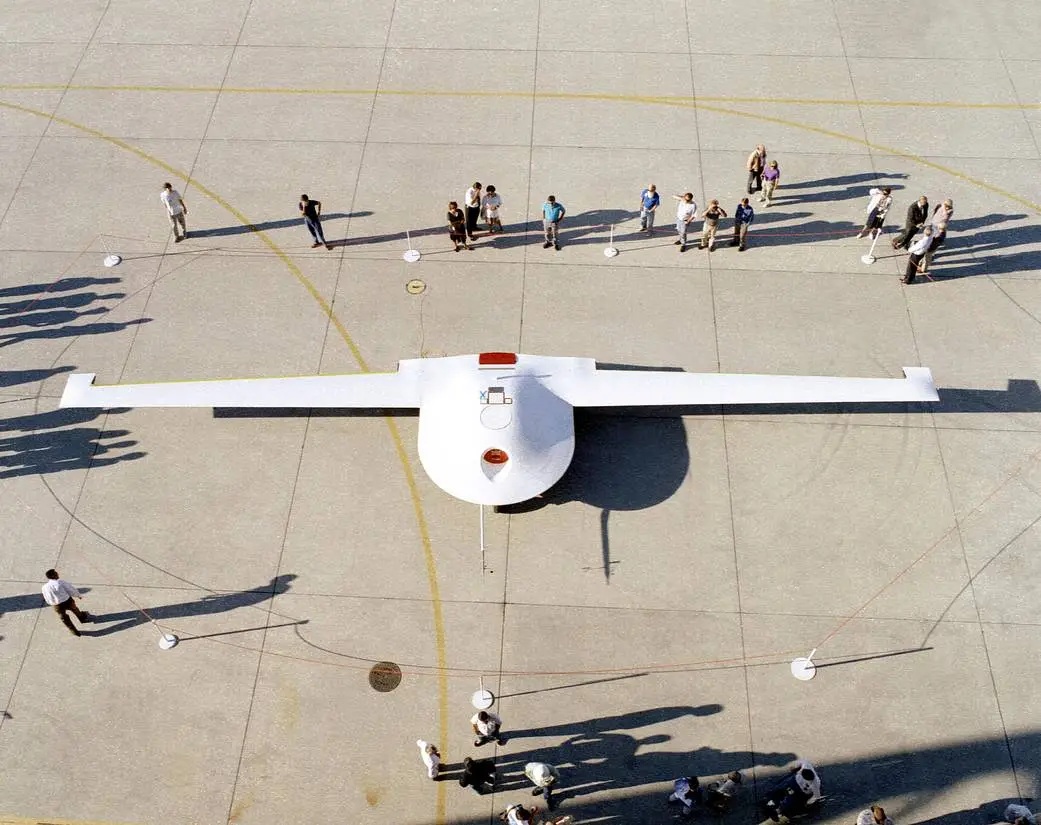
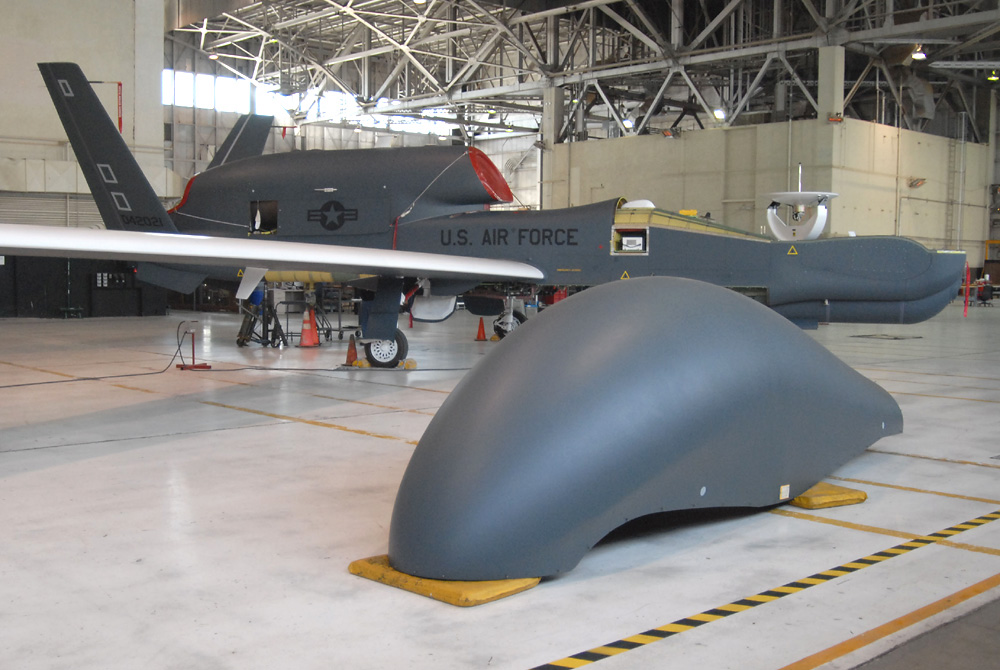
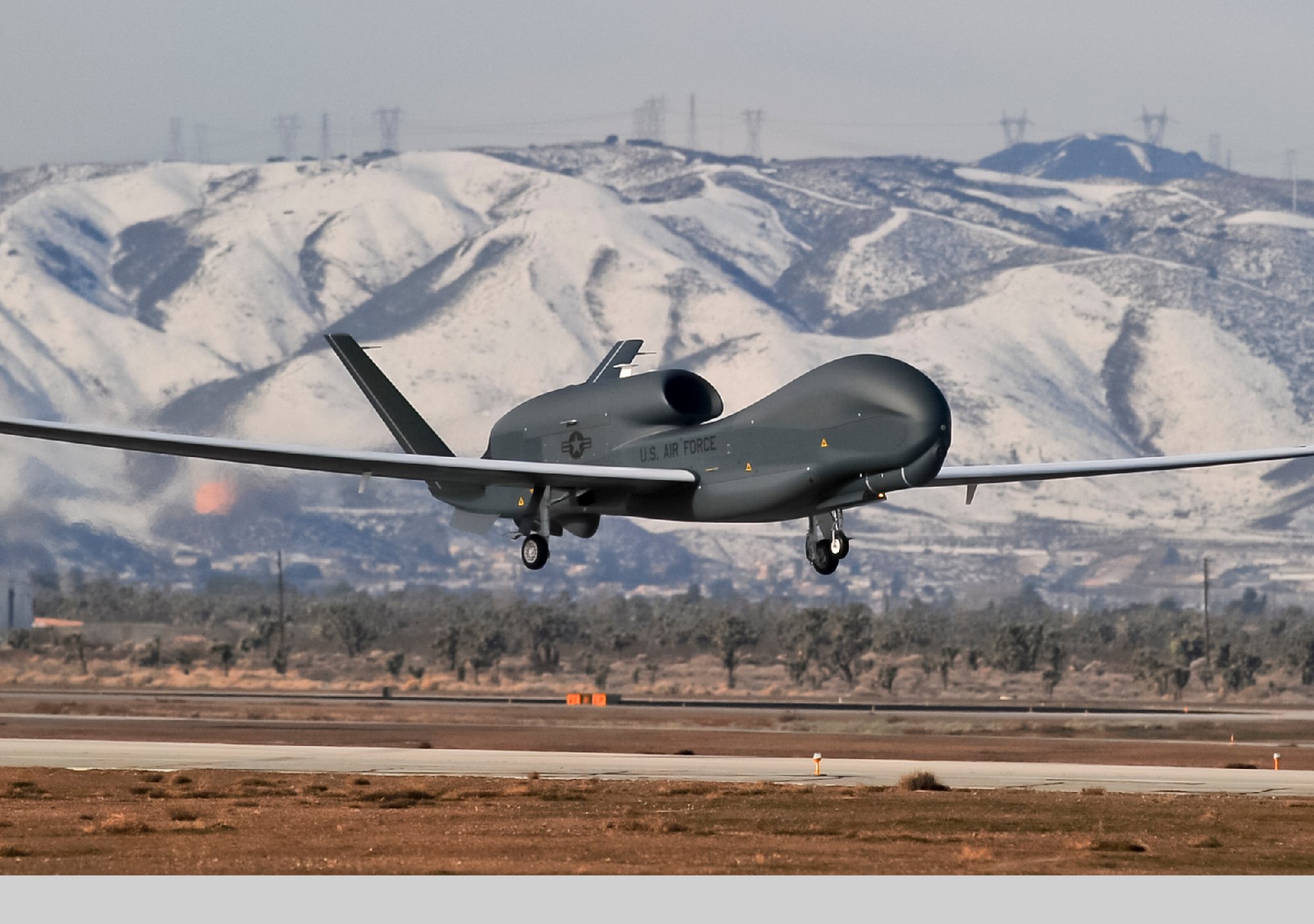
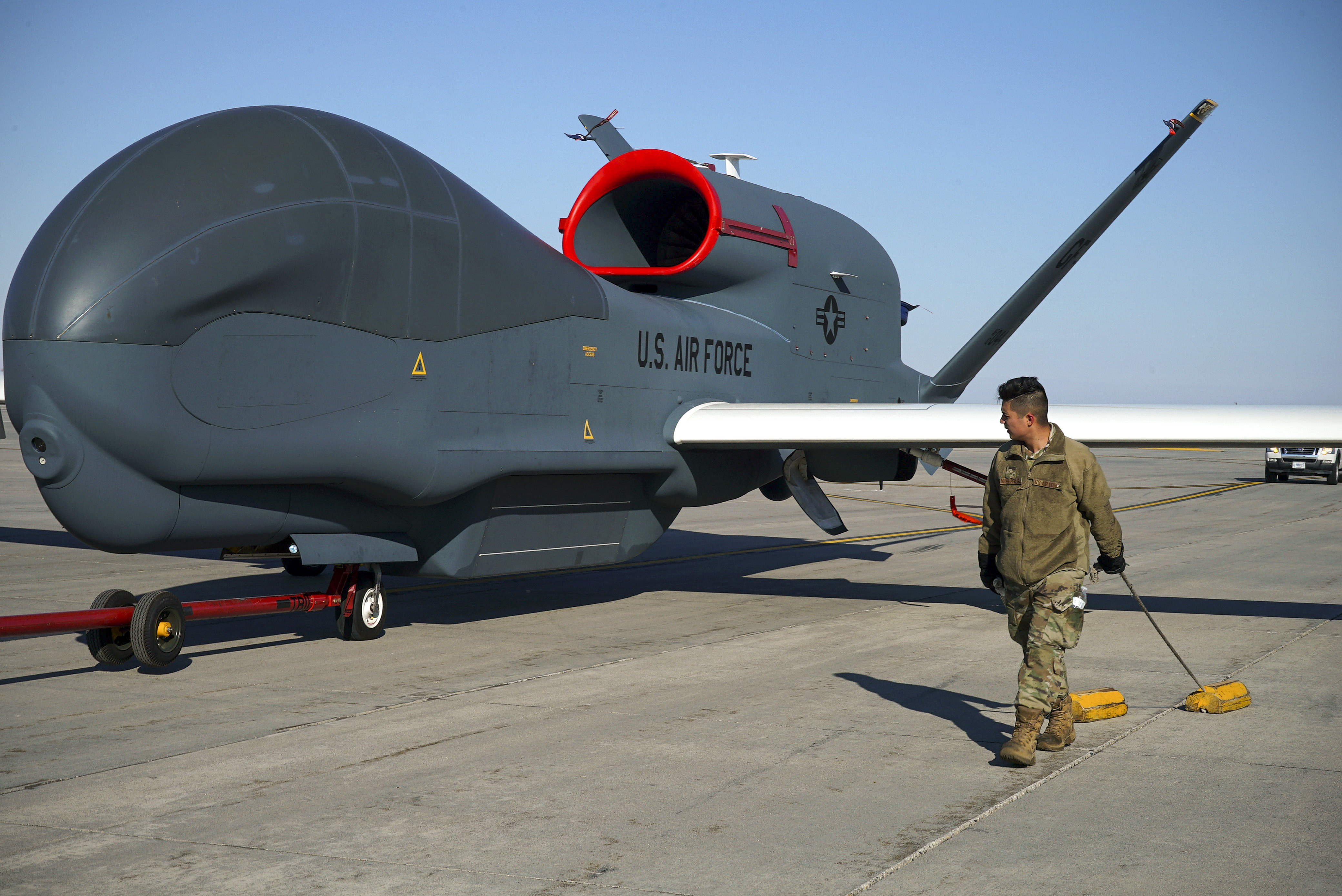
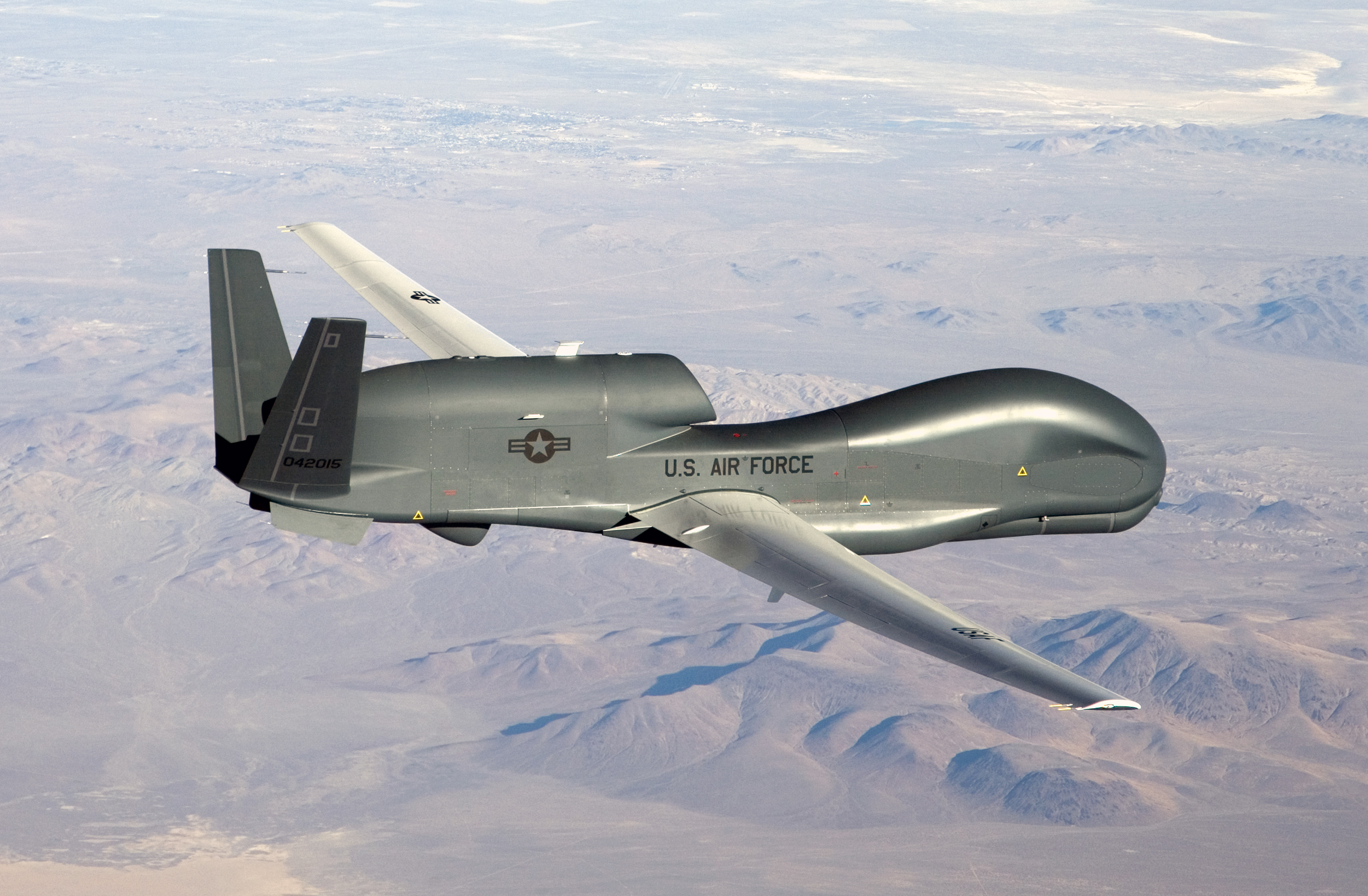
    RQ-4 Global Hawk

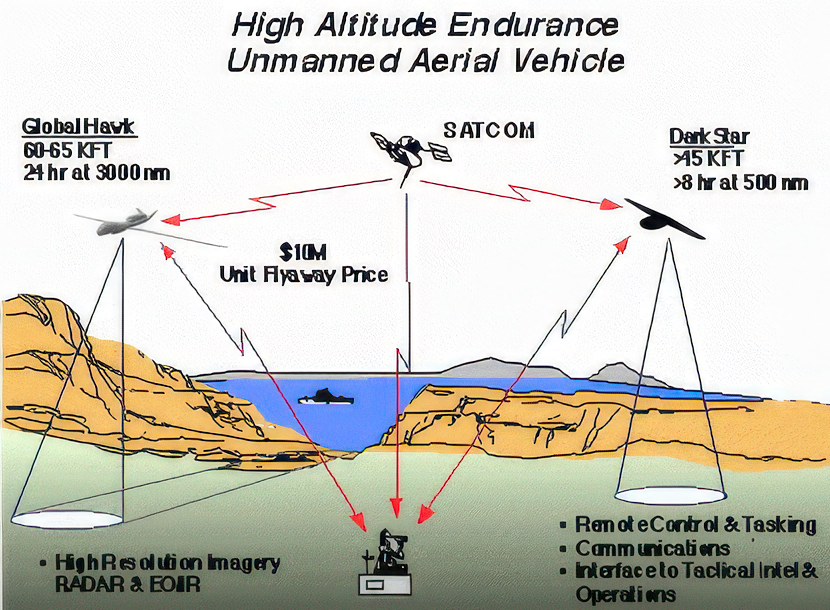
    The development of the Global Hawk was a direct response to emerging strategic needs in the post–Cold War era. Military planners at the time identified a growing demand for persistent, wide-area surveillance capabilities—functions that exceeded the limitations of manned reconnaissance aircraft. In 1994, this led to the launch of the High-Altitude Endurance Unmanned Aerial Vehicle Advanced Concept Technology Demonstration (HAE UAV ACTD), a joint initiative between the Defense Advanced Research Projects Agency (DARPA) and the Defense Airborne Reconnaissance Office. The goal was to create a new generation of unmanned aircraft that could enhance military efficiency while delivering advanced ISR capabilities to operational forces.

    Within the ACTD framework, two competing designs emerged, each offering a distinct approach to achieving long-endurance, high-altitude flight:

    • Northrop Grumman’s Global Hawk, a large, conventionally designed unmanned aircraft that relies on extended flight endurance and a diverse array of sensors to deliver broad-area coverage.
    • Lockheed Martin’s RQ-3 DarkStar, a stealth-oriented platform with more limited reconnaissance capabilities, specifically engineered to penetrate heavily defended airspace without detection. While DarkStar was tailored for covert, deep-infiltration missions, the Global Hawk took a different approach—focusing on high-altitude operations conducted at long distances from conflict zones, enabling it to deliver broad and persistent surveillance coverage.
    Lockheed Martin RQ-3 Darkstar

    Faced with budget constraints, the U.S. Air Force was compelled to choose between the two competing UAV designs and chart a path forward. The Global Hawk was ultimately selected due to its superior range and payload capacity—advantages deemed more critical for long-duration surveillance missions than the stealth features offered by DarkStar. As a result, the DarkStar program was terminated in January 1999. The aircraft had logged only 6.5 hours of flight time and crashed during its second flight, never getting the chance to prove its operational viability.

    In contrast, the Global Hawk accumulated substantial flight experience, and its success cemented its role as the backbone of the U.S. long-range UAV fleet—a position it continues to hold to this day.

    Operational history of the RQ-4 drone:

    The Global Hawk made its maiden flight on February 28, 1998, at Edwards Air Force Base in California. Subsequently, seven initial units were built under the ACTD program with DARPA’s support for evaluation purposes. In an unusual move—especially for a system still in development—the drone entered low-rate initial production due to high operational demand, particularly from the Middle East. By November 2001, the Global Hawk was deployed in urgent overseas missions, with early prototypes actively used by the U.S. Air Force during the war in Afghanistan.

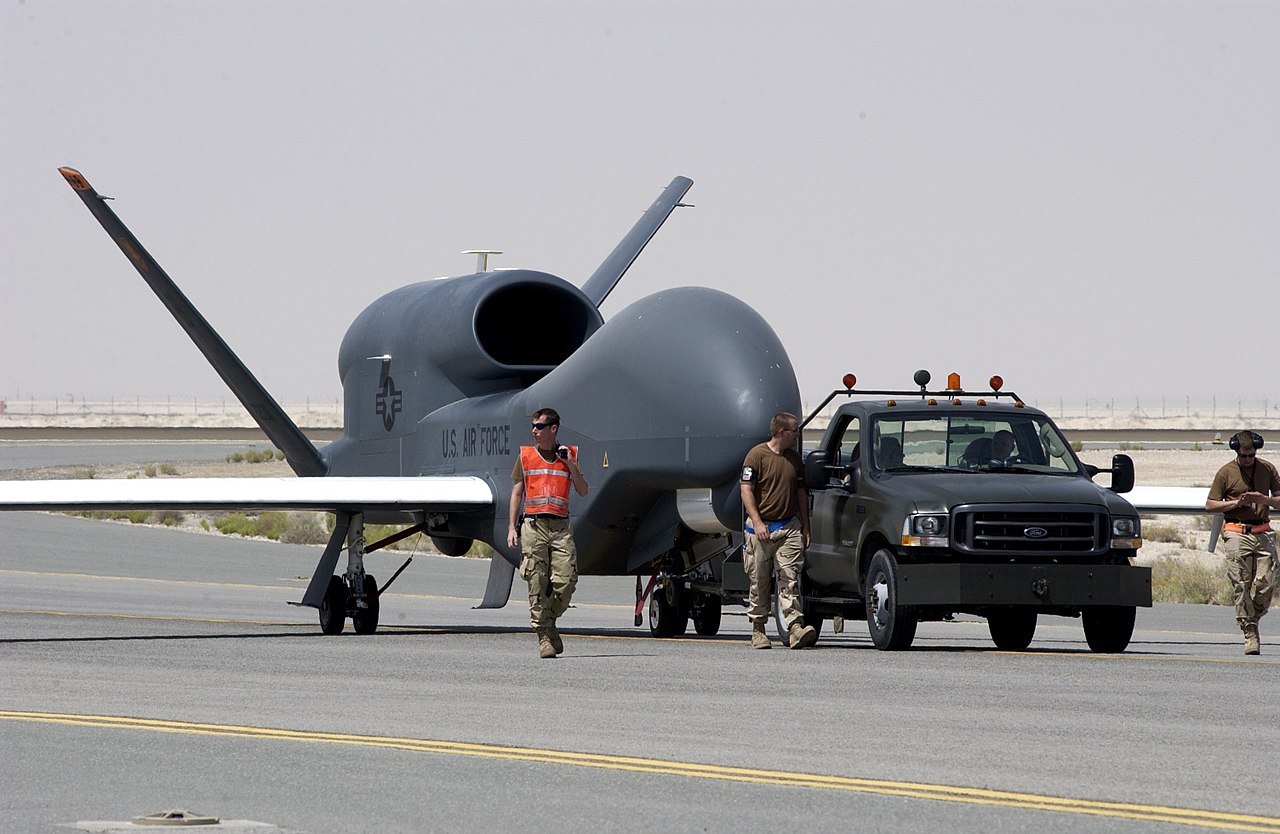
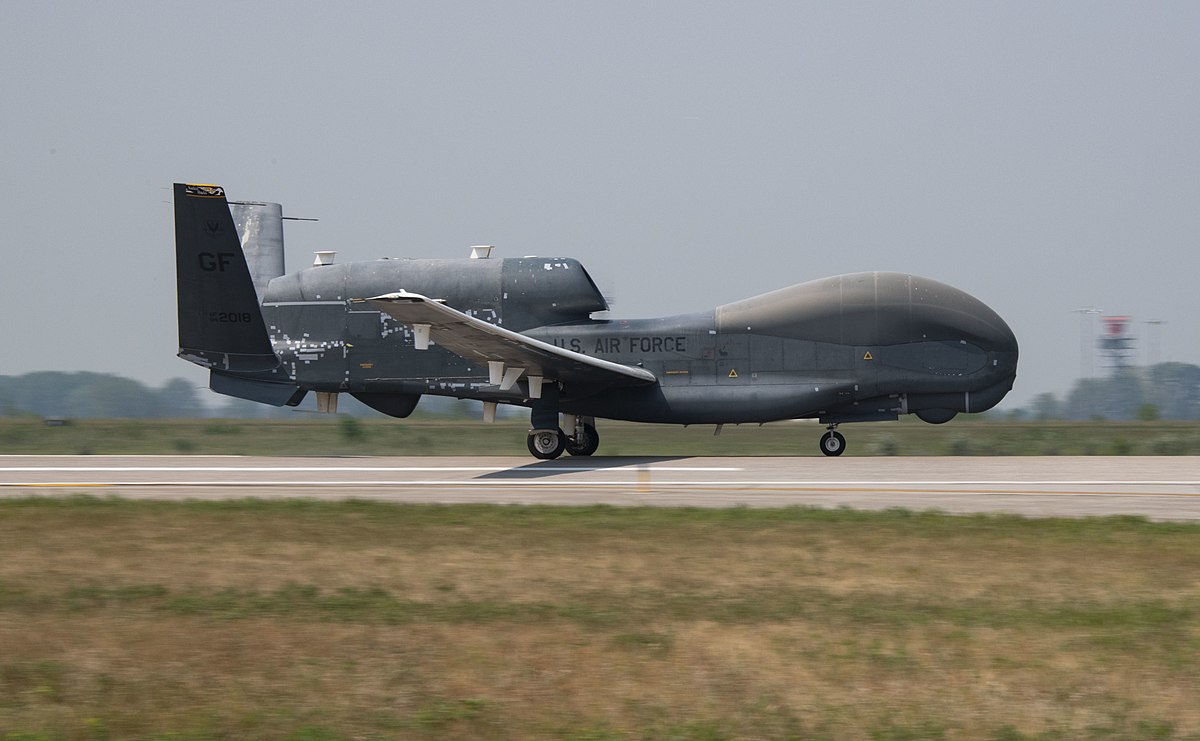
    Northrop Grumman RQ-4 Global Hawk

    RQ-4 drone manufacturers:

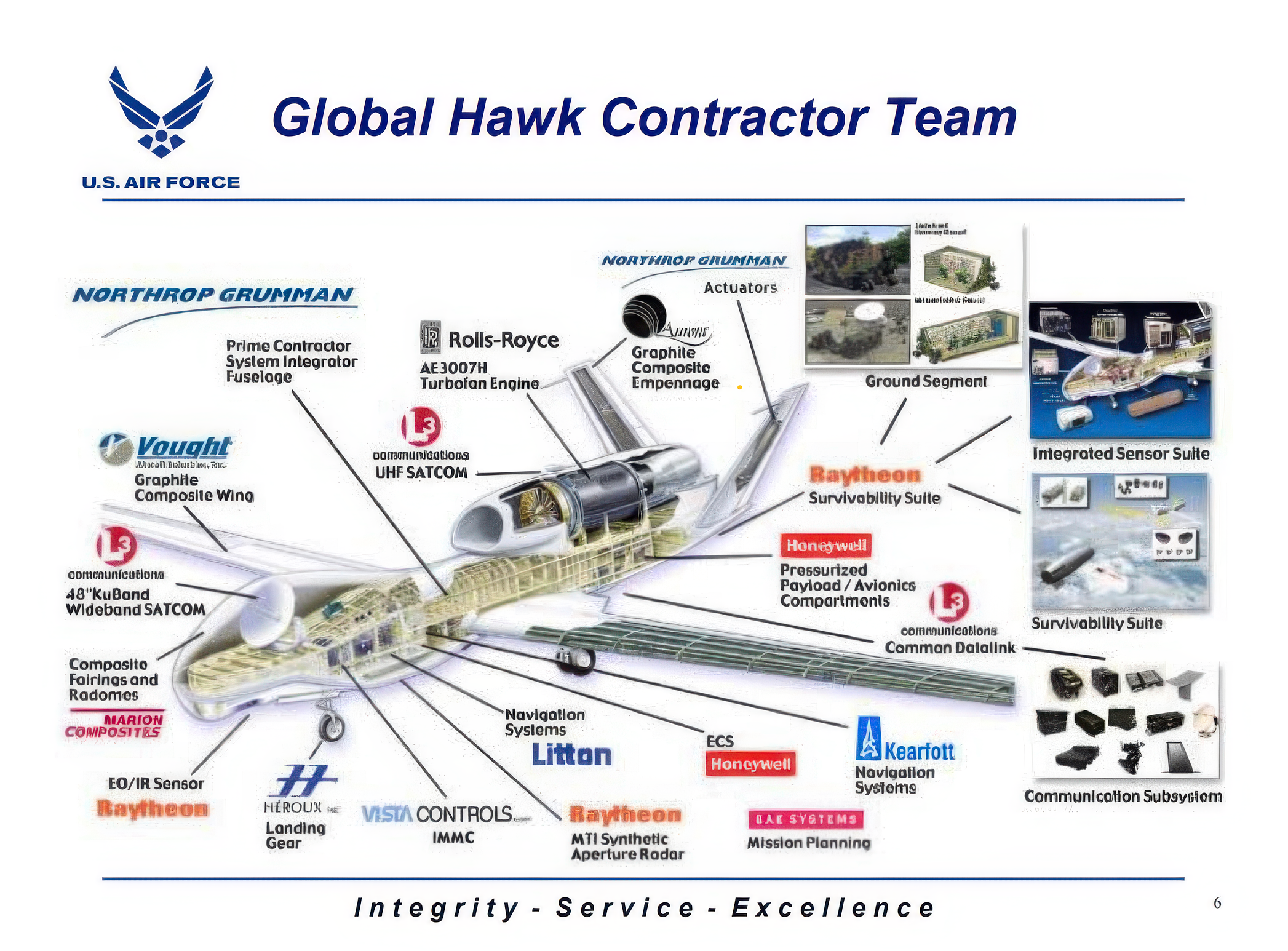
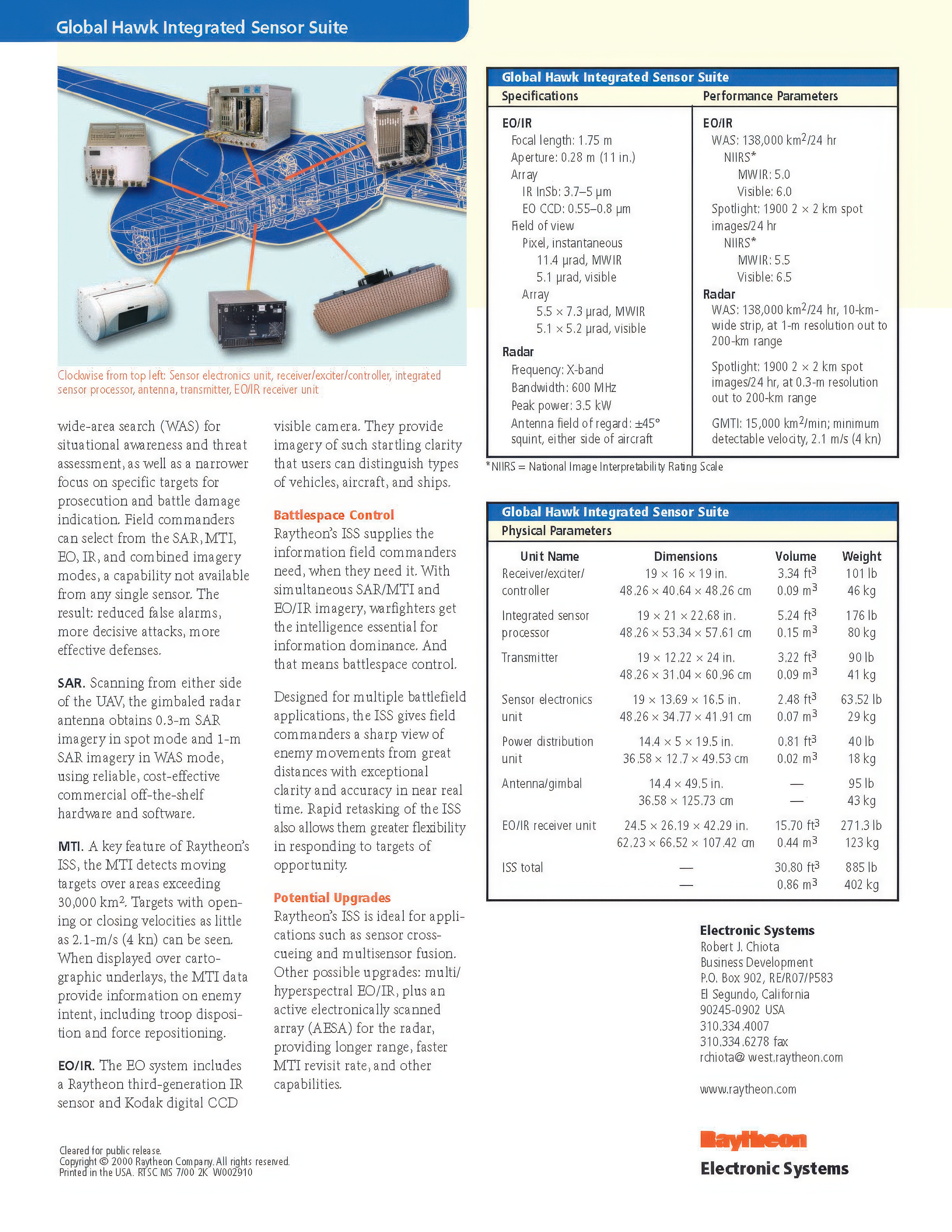
    The Global Hawk program is led by Northrop Grumman as the primary contractor. Key subcontractors include Raytheon, responsible for designing and manufacturing the ISS and EISS sensor suites, and L3Harris, which plays a significant role in system integration. The drone’s extensive supply chain also features Rolls-Royce North America, which produces the F137-RR-100 engine; Aurora Flight Sciences, tasked with fabricating advanced composite components such as the V-tail and engine housing; and Scaled Composites, contributing to specialized structural elements.

    RQ-4 drone contractors

    RQ-4 Platform Design and Manufacturing Engineering:

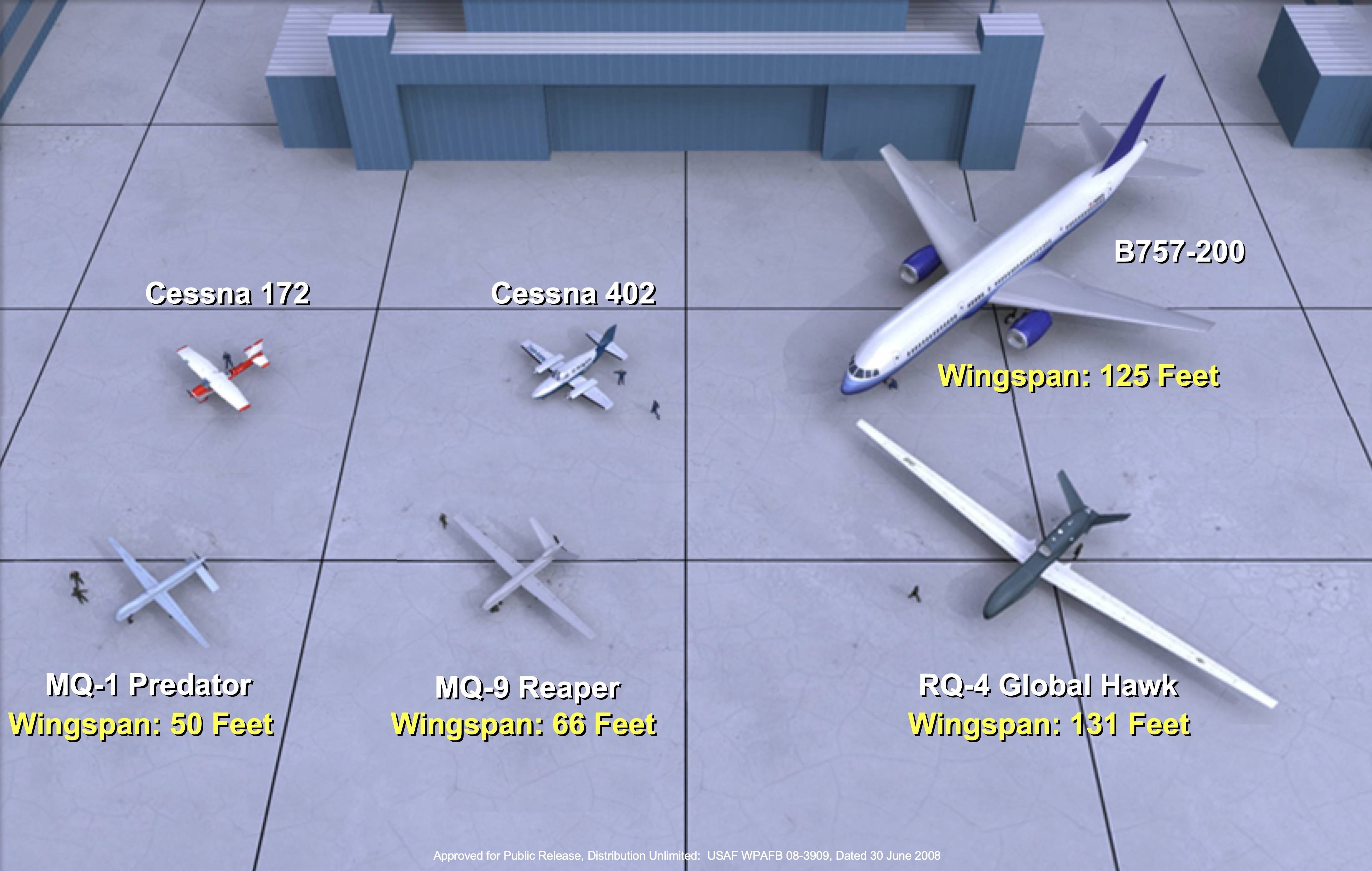
    Aerodynamics and Materials Engineering: The fuselage of the Global Hawk UAV is constructed from aluminum and designed with a semi-monocoque structure, which provides high structural integrity and a robust framework for housing internal systems and payloads. Other sections of the aircraft utilize lighter, more advanced materials. For instance, the wings, V-tail, engine nacelle, and rear fuselage are made from advanced graphite composites. These lightweight materials enable the drone to achieve an impressive wingspan of 40 meters and a high lift-to-drag ratio of approximately 33—key factors that allow this large UAV to sustain continuous flight for over 30 hours.

    Additionally, external components such as fairings and radomes are made from fiberglass composites, further optimizing weight and aerodynamic efficiency.

    Comparison of RQ-4 wingspan with other aircraft

    Propulsion System: The Global Hawk is powered by a Rolls-Royce North American F137-RR-100 turbofan engine, commonly referred to as the F137. This engine is derived from the Rolls-Royce AE 3007H, originally developed by Allison Engine Company. It delivers 7,600 pounds of thrust, providing the necessary power to reach operational altitudes and maintain the drone’s impressive endurance. The engine is manufactured at Rolls-Royce’s facility in Indianapolis, Indiana.

    Phil Burkholder, Head of Rolls-Royce Defence, at the ribbon-cutting ceremony for the new F137 engine maintenance line

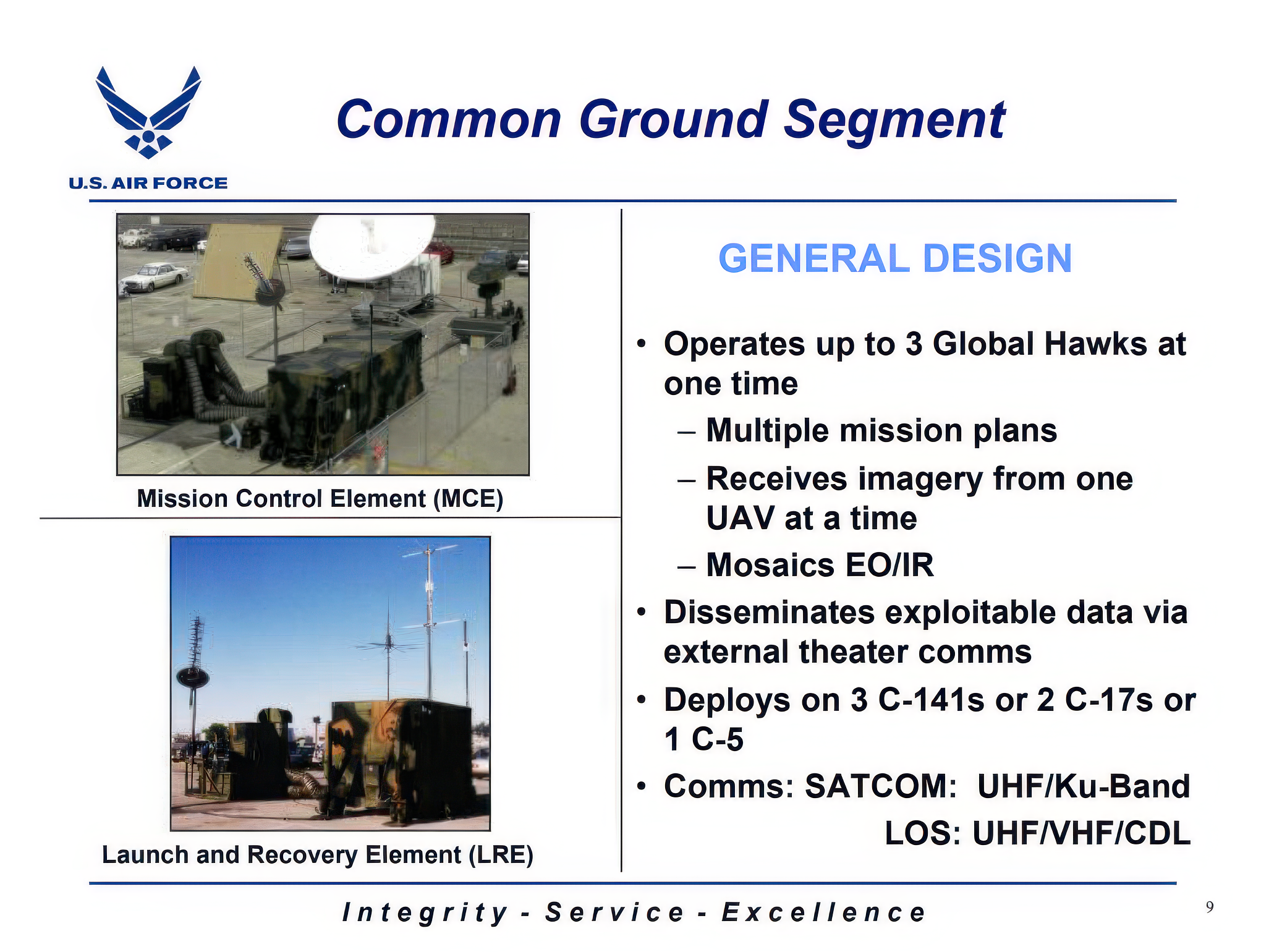
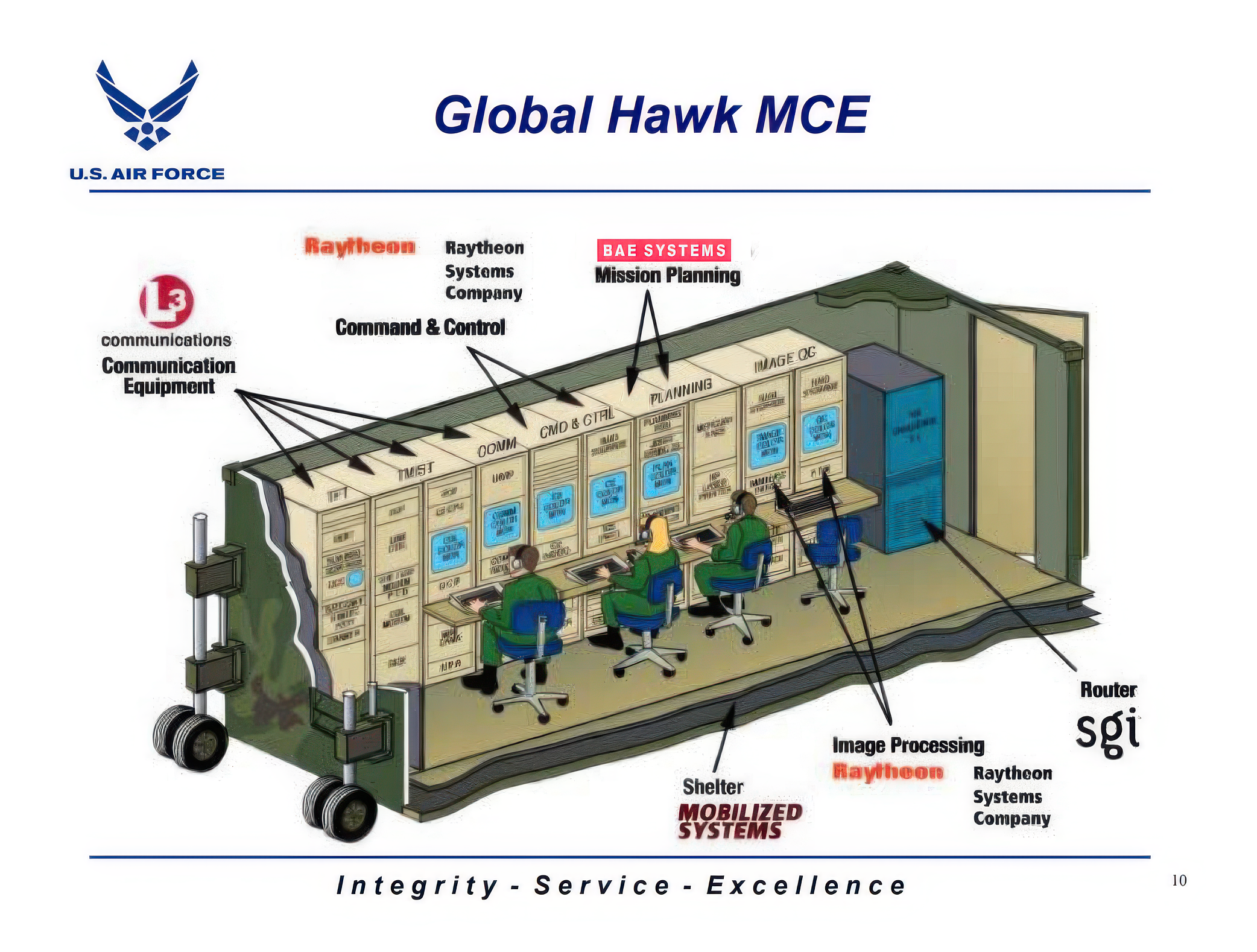
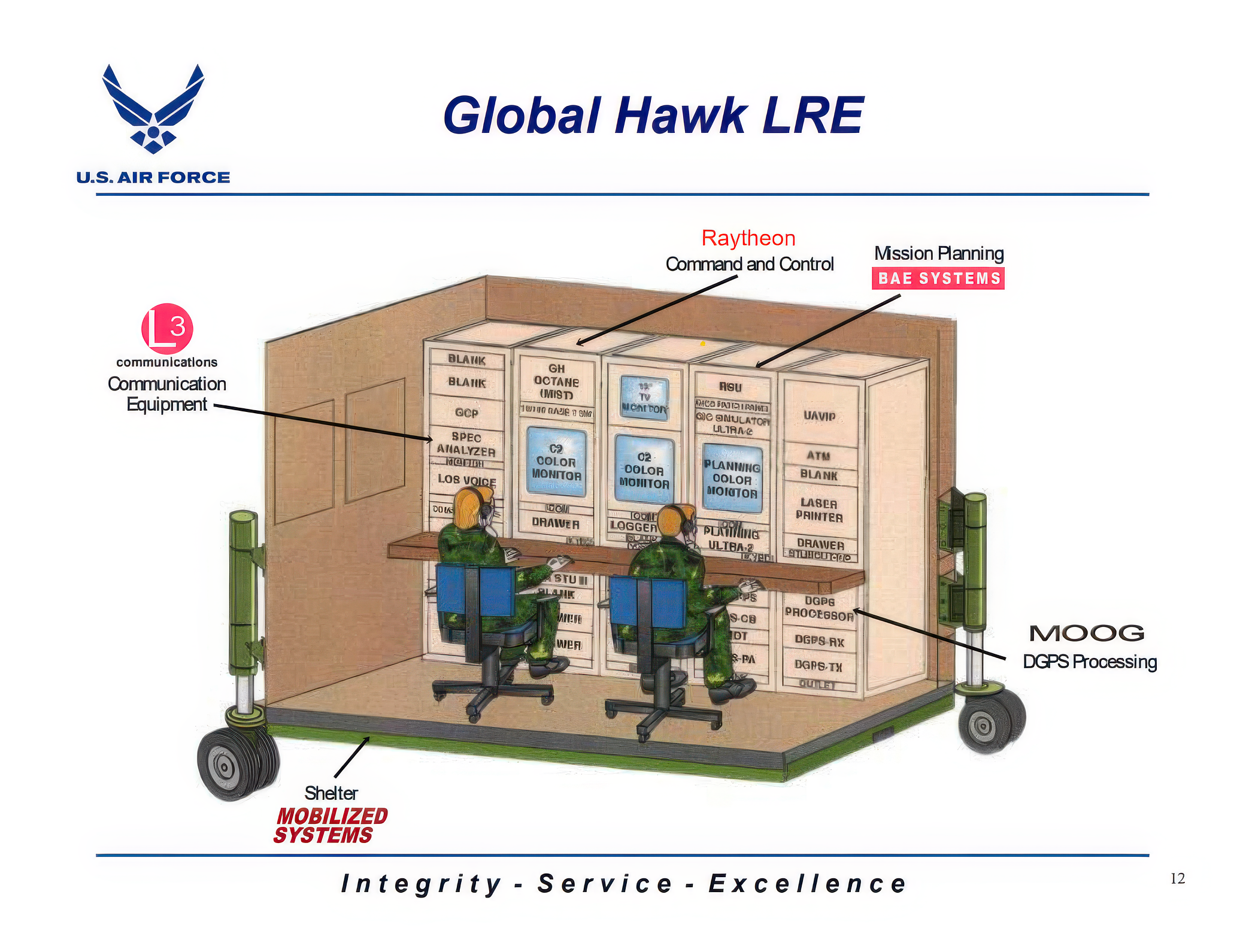
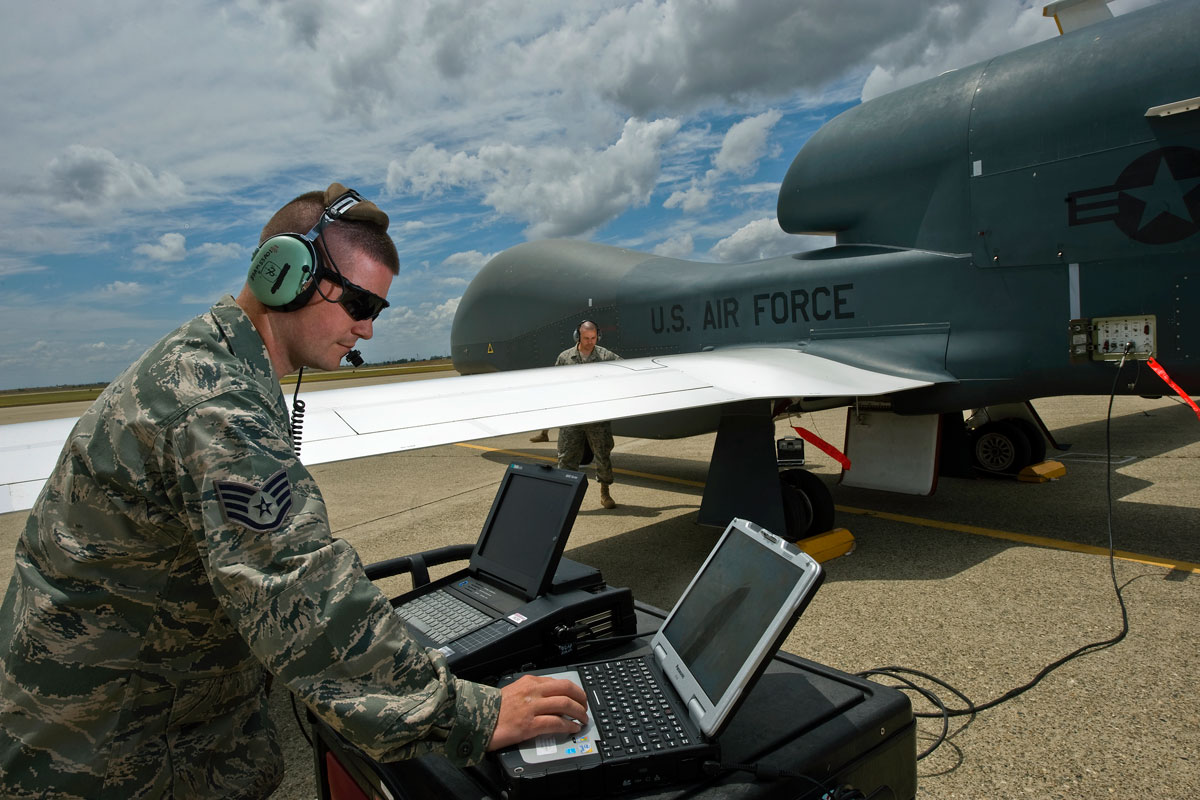
    Control Station: The Global Hawk is not a standalone aircraft but part of a comprehensive system that includes the aerial vehicle and supporting ground stations. It is operated remotely by a three-person team: a UAV pilot, a mission control pilot (MCE), and a sensor operator. The ground segment is divided into two key components—one dedicated to flight control and the other to mission management and sensor operations.

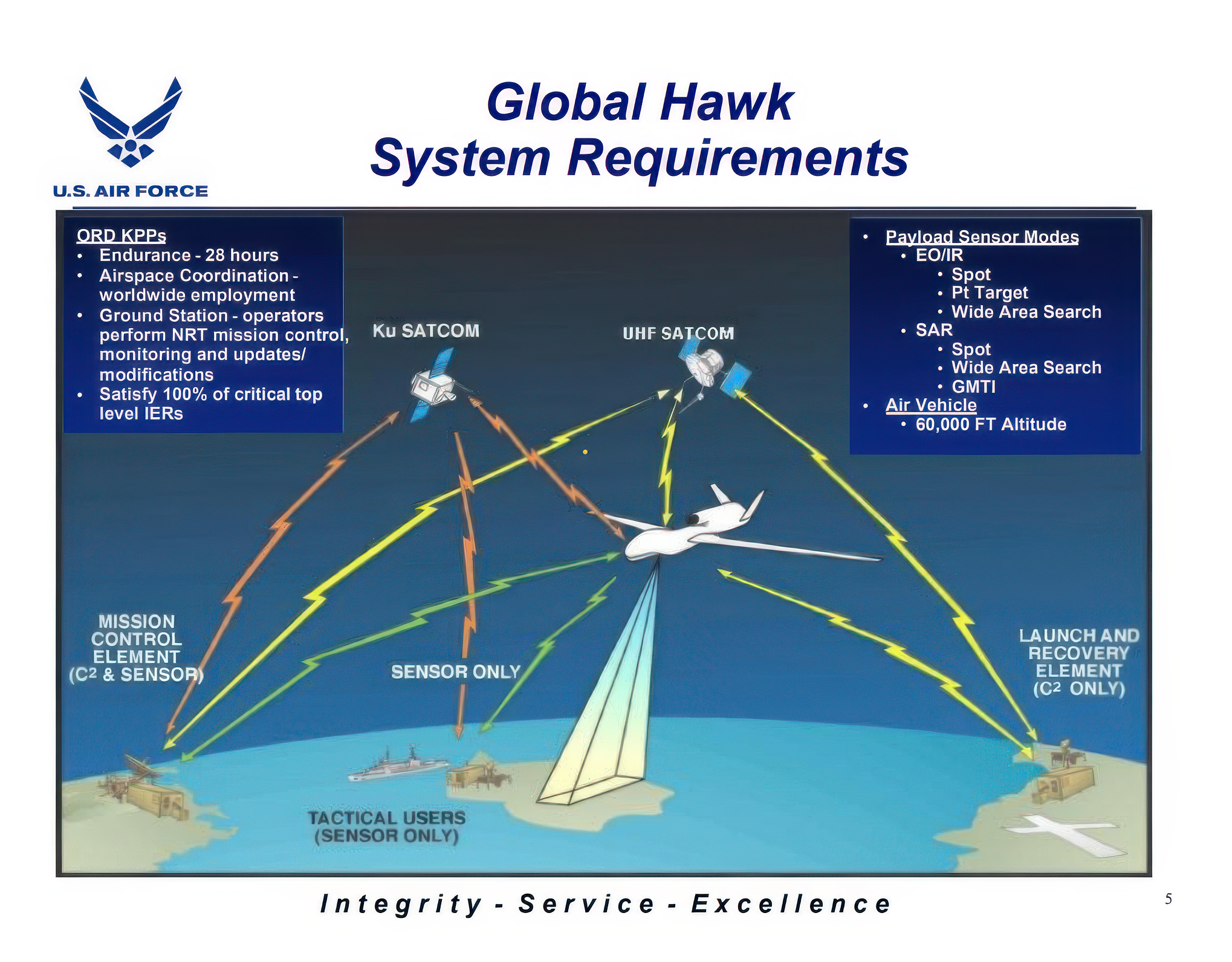
    Launch and Recovery Element (LRE): Located at the host airbase and responsible for managing the takeoff and landing of the drone on site.

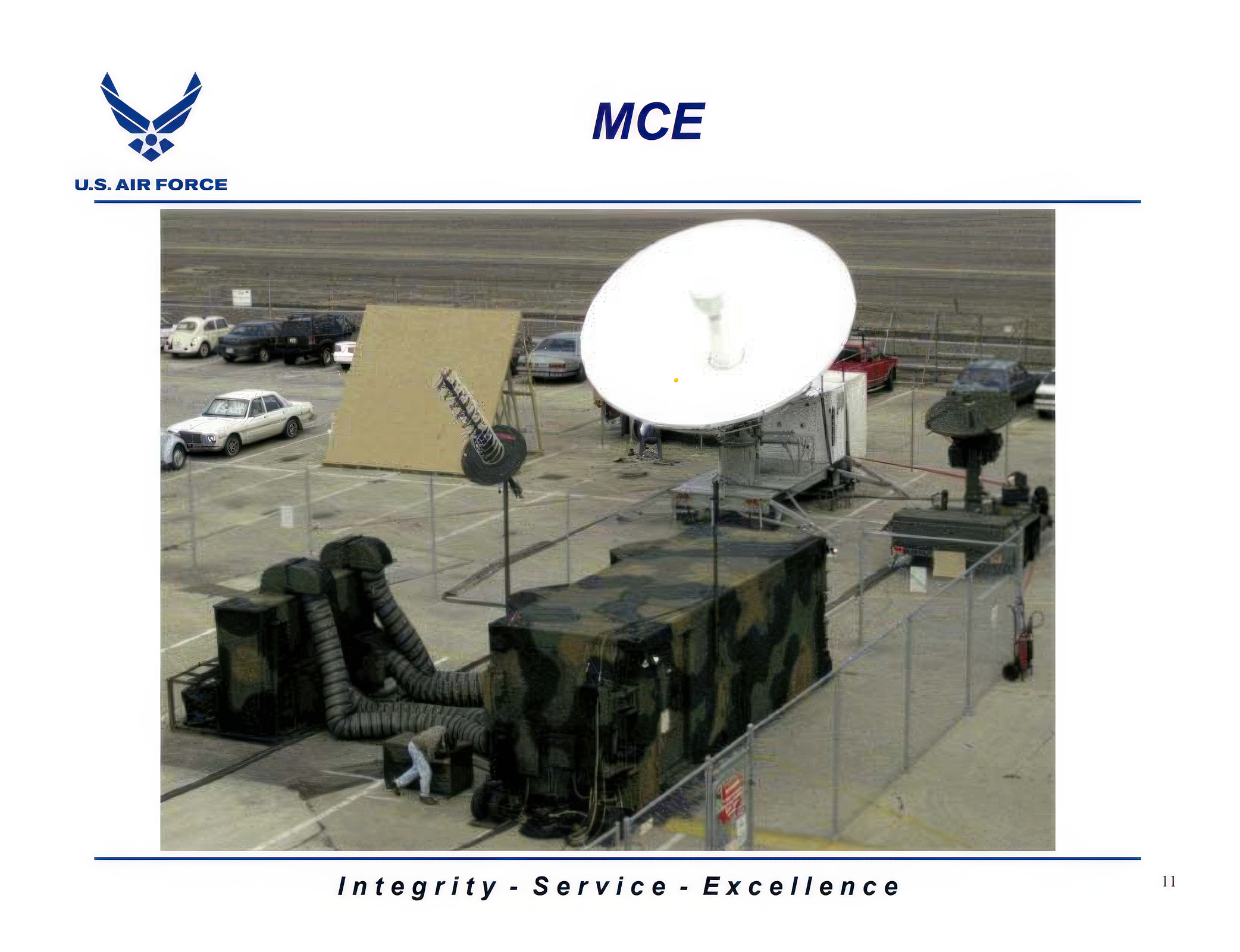
    Mission Control Element (MCE): Once the Global Hawk reaches its designated mission area, the Mission Control Element (MCE) takes over to manage the aircraft and its sensors throughout the ISR operation. This segment is operated by a team of pilots and sensor operators who use satellite data links to enable dynamic, real-time control. Notably, the drone’s ground operations are based at Beale Air Force Base in California and Grand Forks Air Force Base in North Dakota.

    Avionics, Communications, and Navigation: The Global Hawk’s navigation system integrates an inertial navigation system (INS) complemented by GPS updates, enabling the UAV to conduct long-duration autonomous flights with high precision.

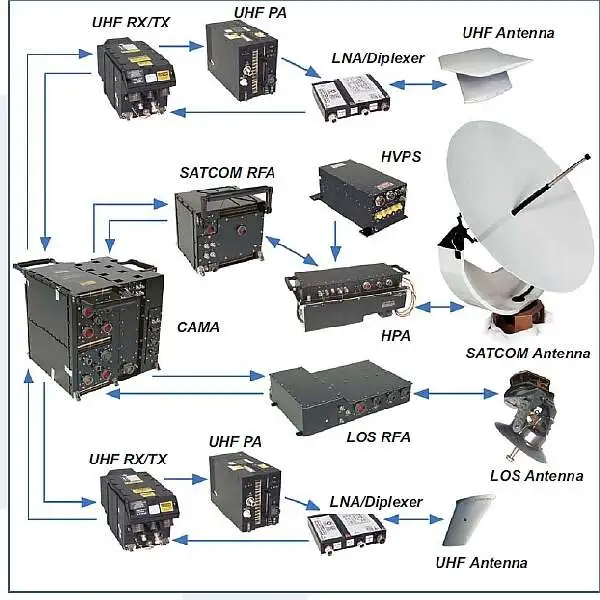
    Command, Control, and Data Transmission: For command, control, and data transfer, the system utilizes a military-grade X-band satellite link to transmit information to the Mission Control Element (MCE). Additionally, a shared data link enables direct image downloads when the UAV is within line-of-sight of compatible ground stations.

    Review of RQ-4 missions and sensors:

    The primary mission of the Global Hawk is to provide a broad spectrum of intelligence, surveillance, and reconnaissance (ISR) data. It achieves near-real-time and persistent coverage by leveraging three main types of intelligence sources:

    • Imagery Intelligence (IMINT): Involves the collection and analysis of still images captured by electro-optical (EO) and infrared (IR) sensors.
    • Signals Intelligence (SIGINT): Involves the interception and collection of electromagnetic signals using specialized radio frequency sensors.
    • Moving Target Indicator (MTI): Detects and tracks moving targets on land or at sea using synthetic aperture radar (SAR) technology.

    Mission-Configured Sensor Systems

    Integrated Sensor Suite (ISS) / Enhanced Integrated Sensor Suite (EISS):
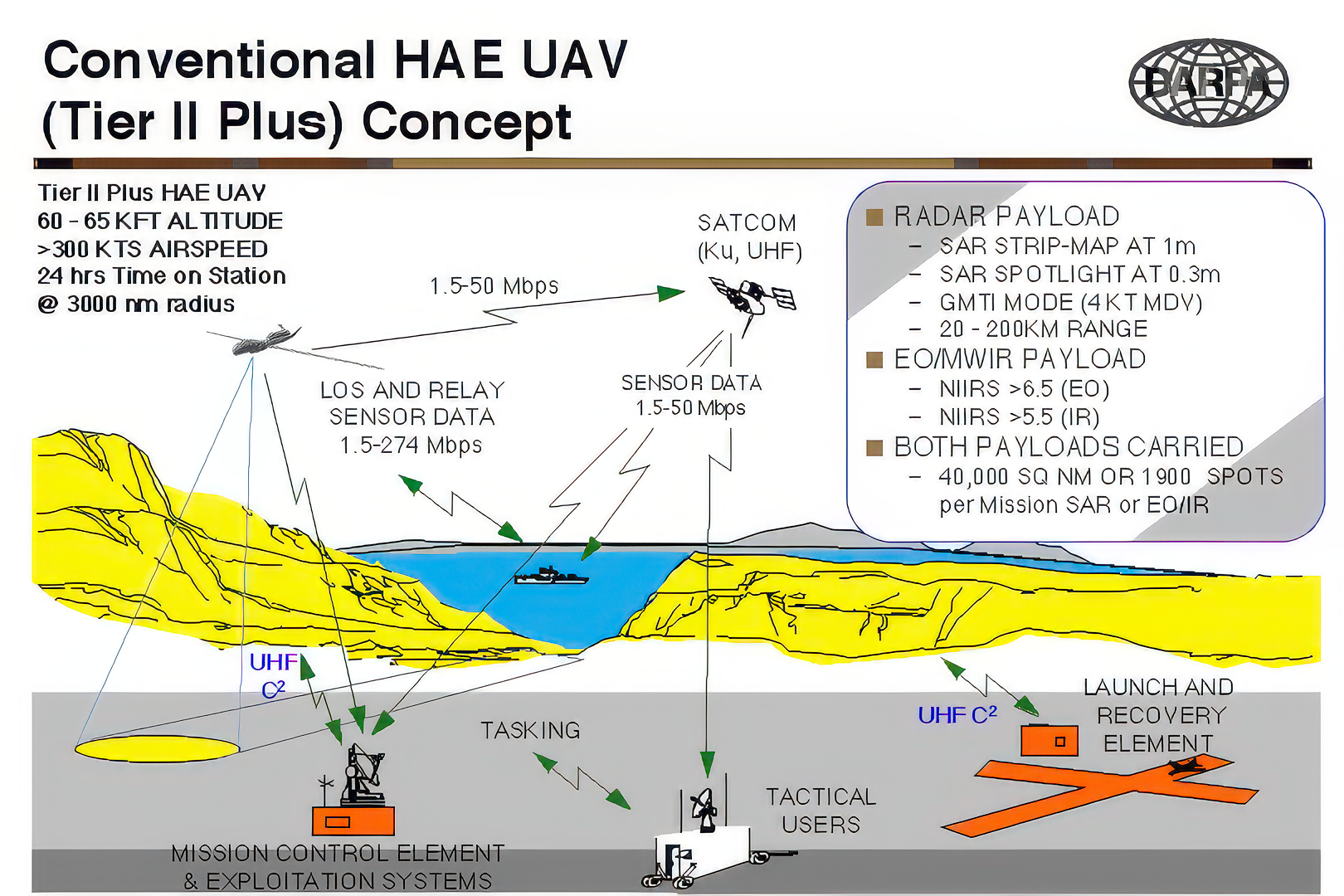
    The ISS and EISS are the primary payloads of the RQ-4A Block 10 and RQ-4B Block 20 Global Hawk UAVs. These sensor suites combine a synthetic aperture radar (SAR), a digital electro-optical (EO) camera, and an infrared (IR) thermal imaging system. The SAR includes a Ground Moving Target Indicator (GMTI) mode, allowing it to detect and track moving targets on the ground. Notably, the radar can operate simultaneously with either the EO or IR sensors, enabling multi-modal data collection during missions.

    Starting from Block 20 onward, the Enhanced Integrated Sensor Suite (EISS) features optimized radar and EO/IR sensor ranges—boosted by up to 50% in some cases. It also incorporates a unified signal processor that fuses multi-sensor data, enhancing the system’s ability to deliver comprehensive and synchronized ISR intelligence.

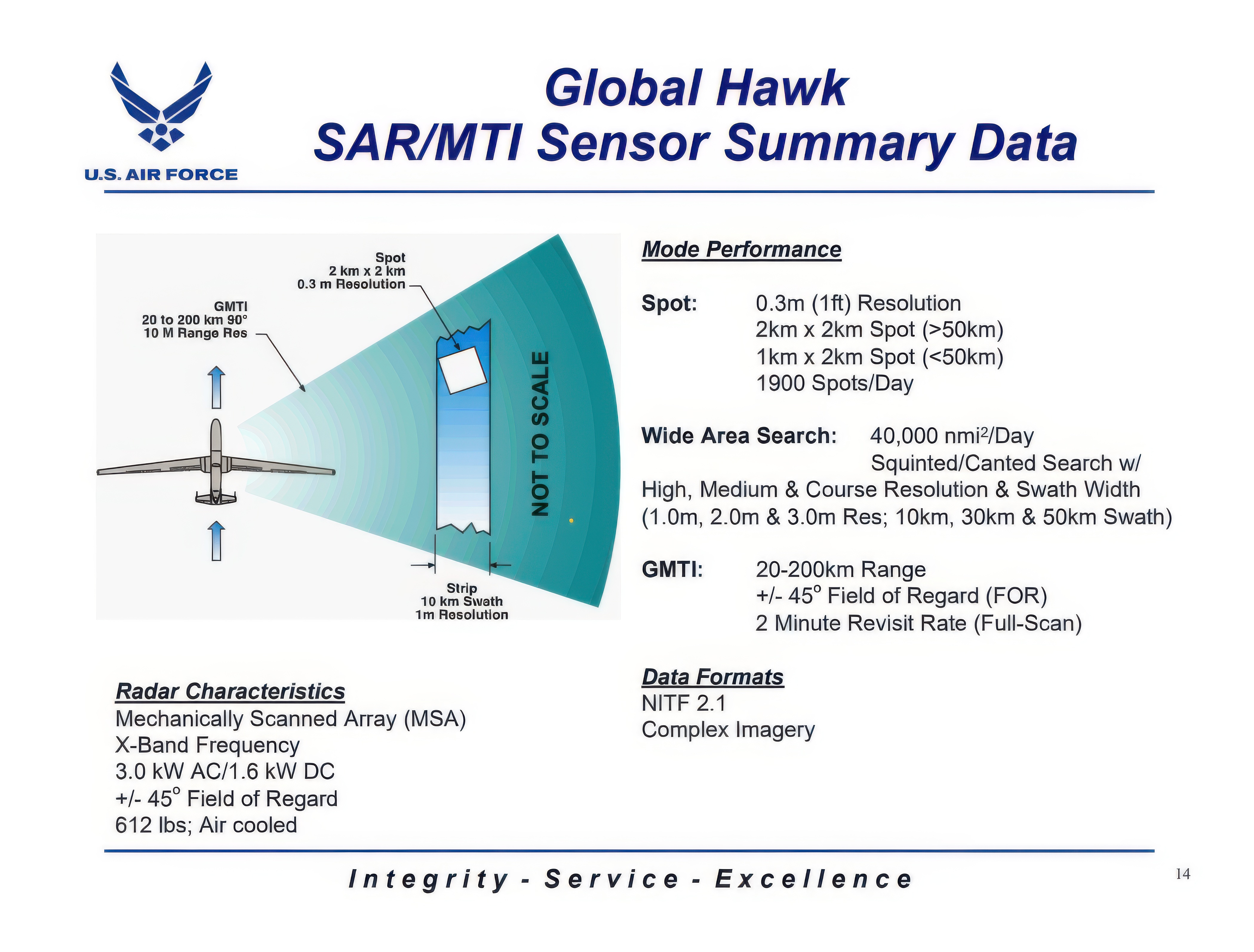
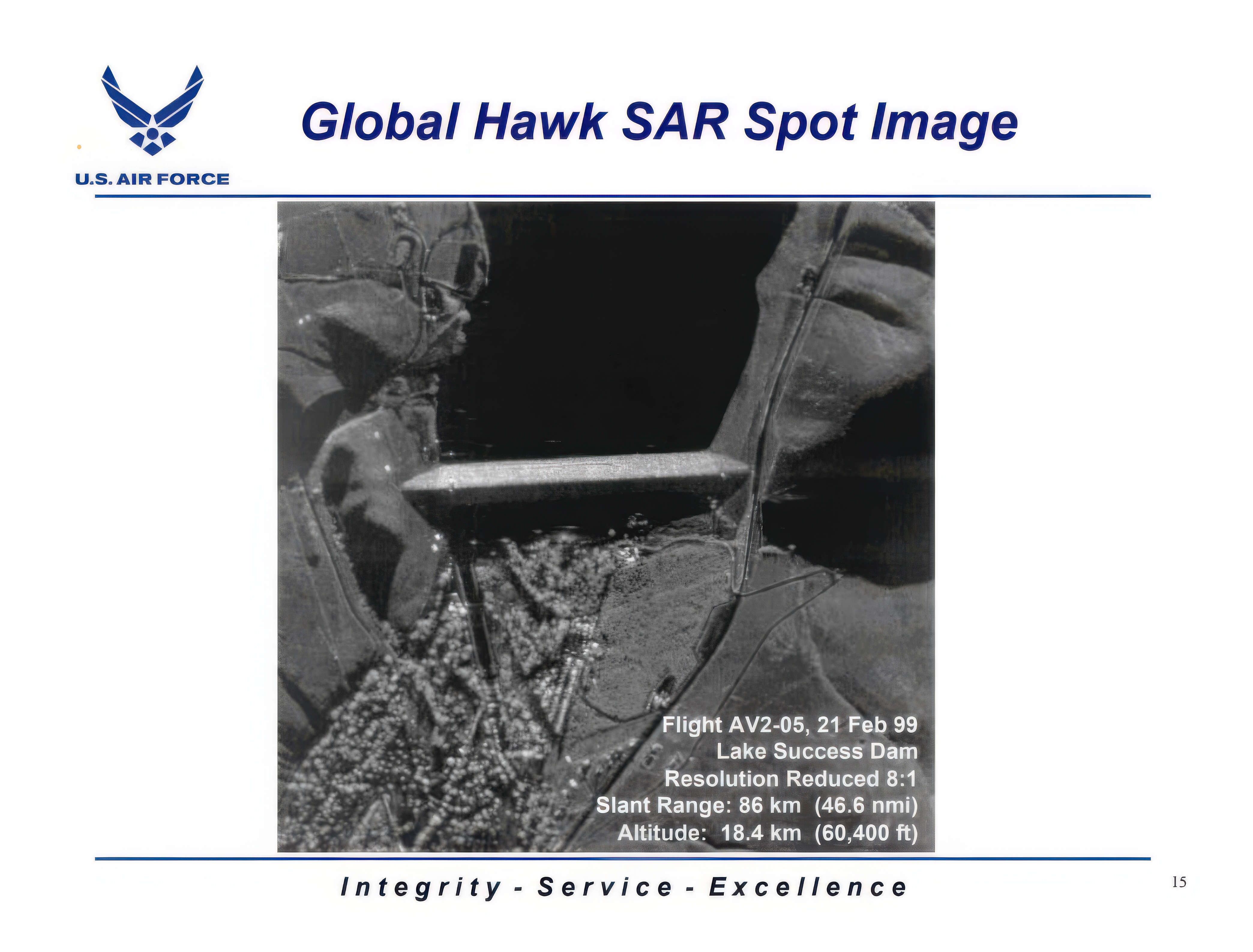
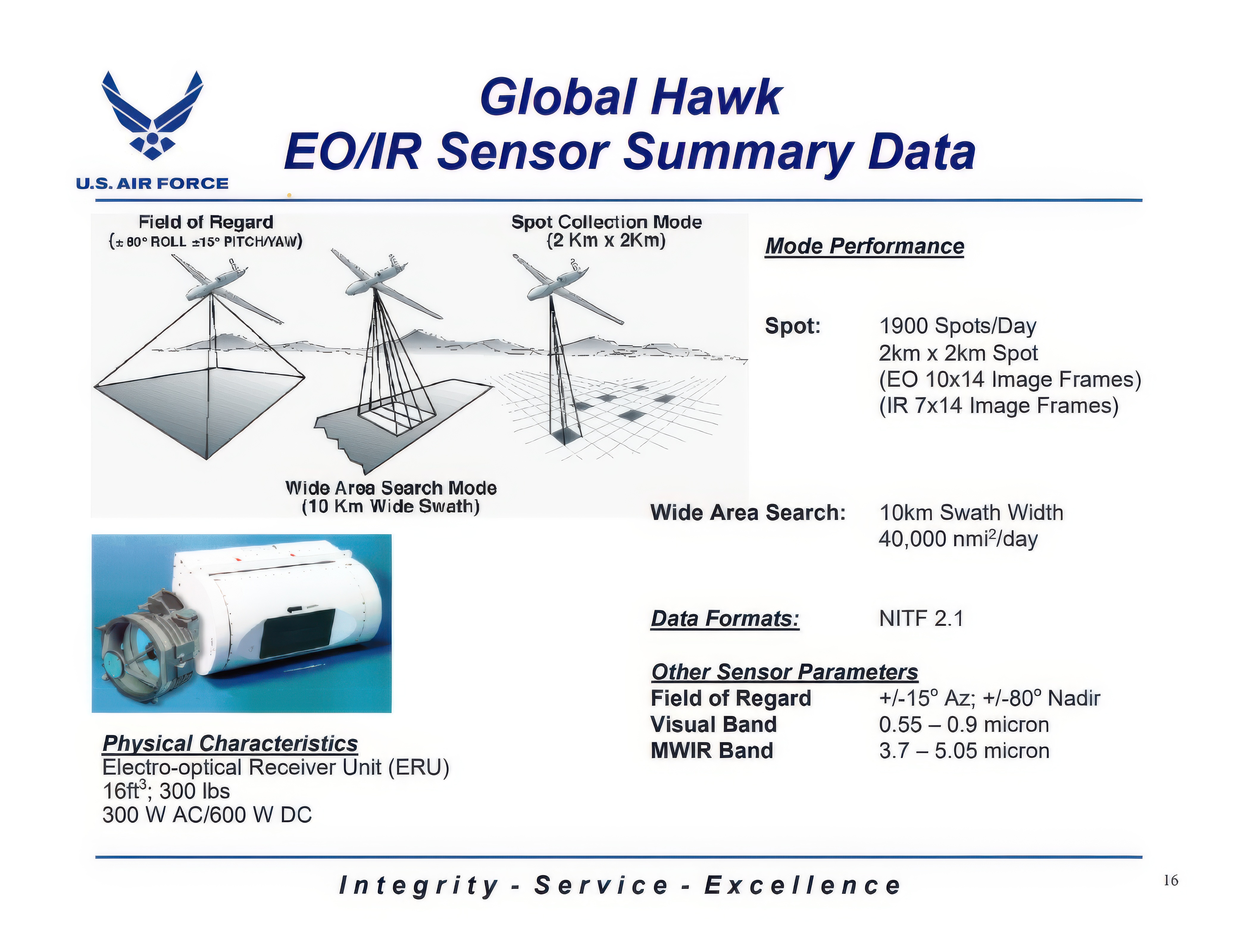
    The SAR radar operates in two main modes: Strip Map mode, capable of covering an area of 138,000 square kilometers in 24 hours in strips 10 kilometers wide, with 1-meter resolution up to a range of 200 kilometers; and Spotlight mode, which enables the acquisition of 1,900 spot images per mission, each quarter-sized and 2 kilometers long, with 30-centimeter resolution, also up to 200 kilometers.

    Additionally, the radar features GMTI capability, detecting ground targets moving at a minimum speed of 2.1 meters per second (equivalent to 4 knots). The radar operates in the X-band with a bandwidth of 600 MHz and a peak power of 3.5 kilowatts, using a planar array antenna with a ±45-degree field of view relative to the fuselage axis.

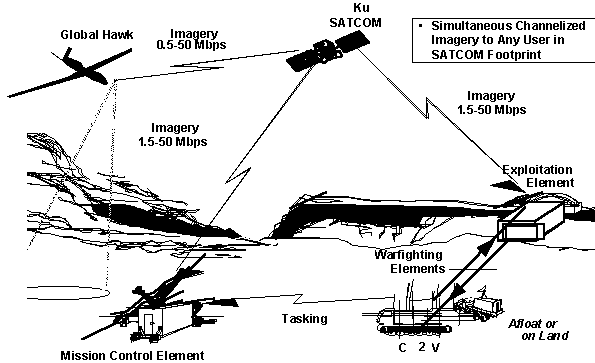
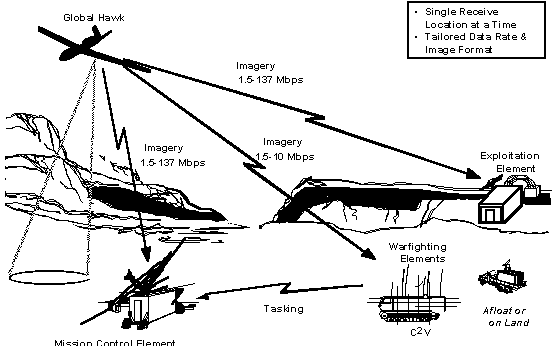
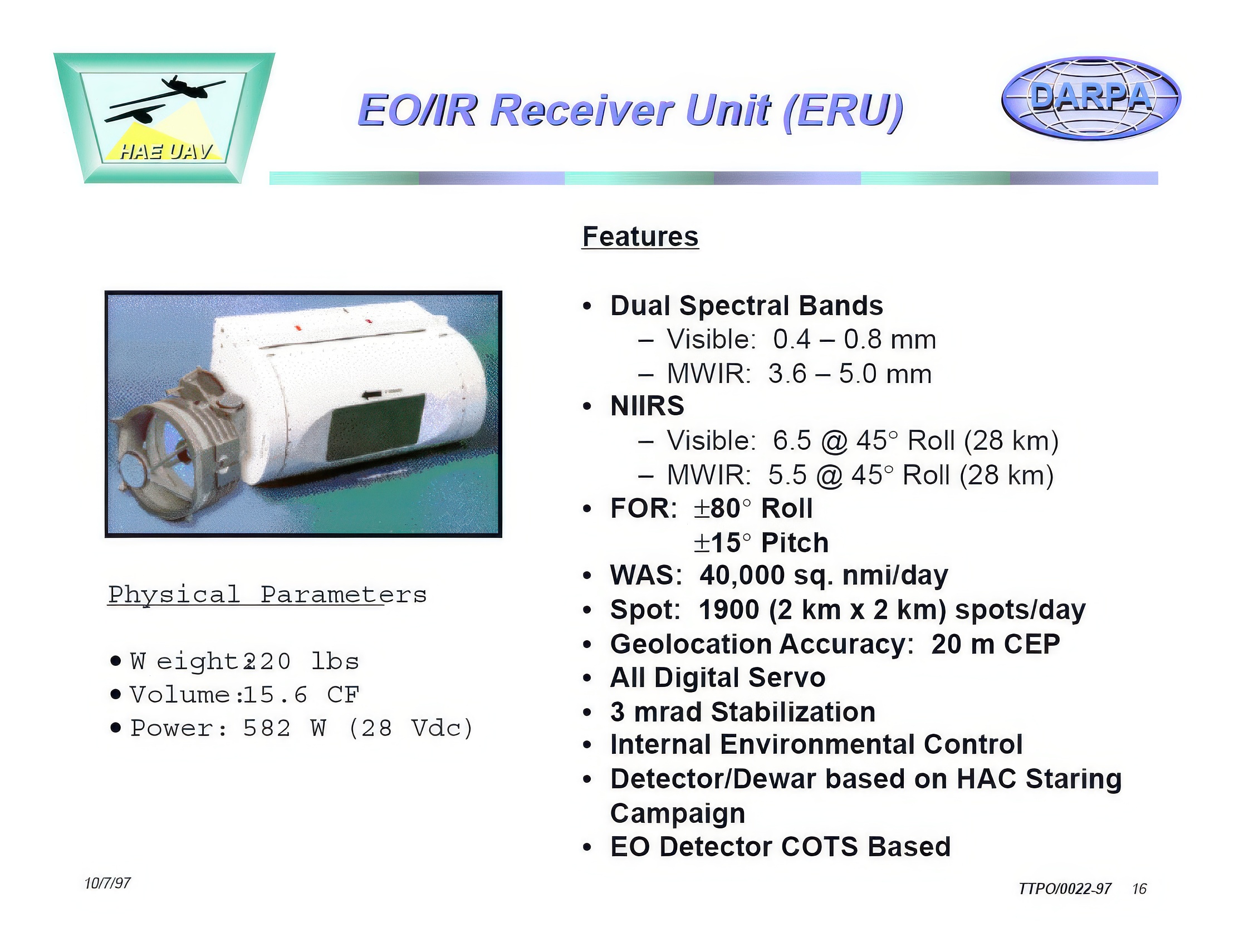
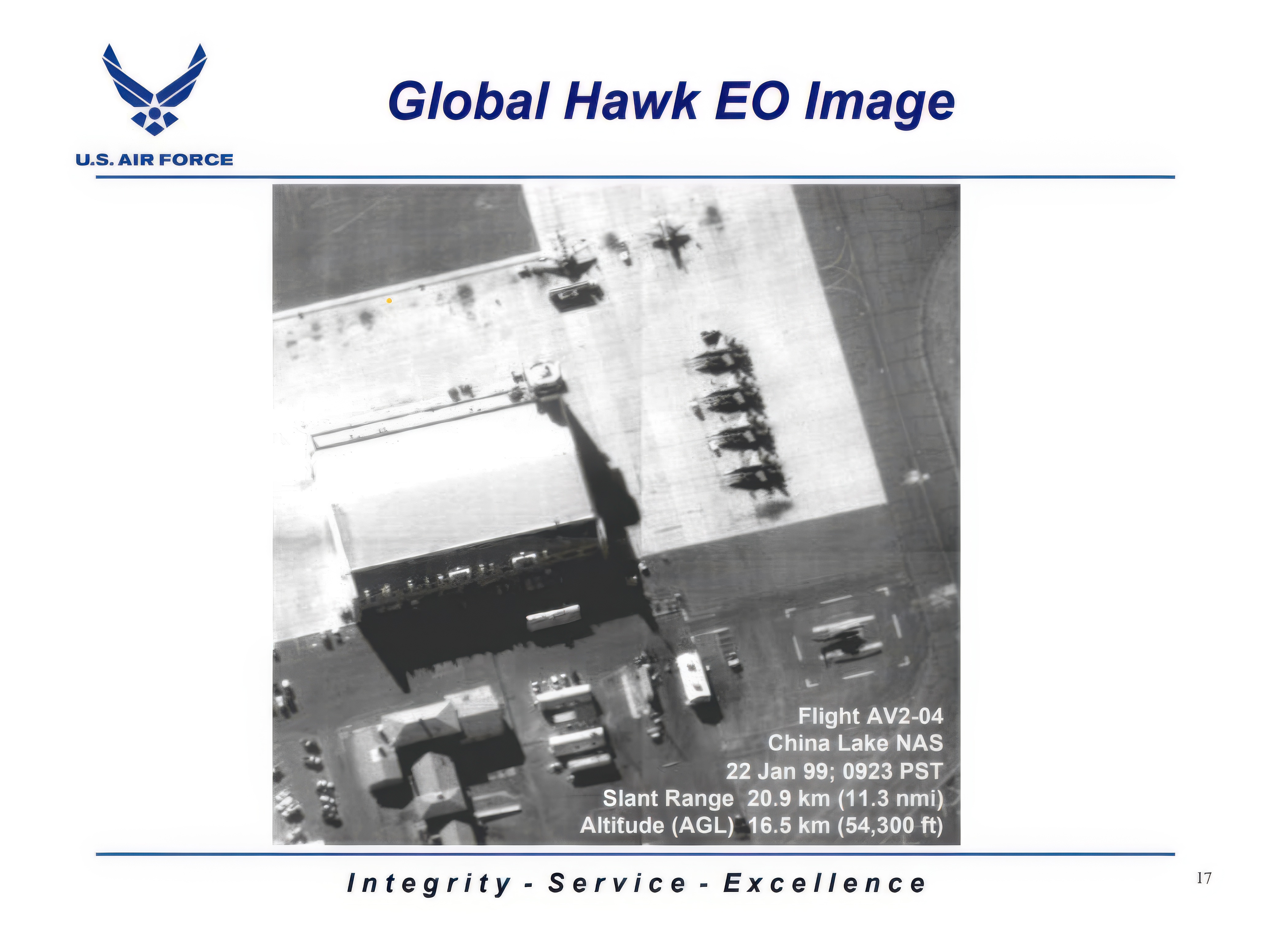
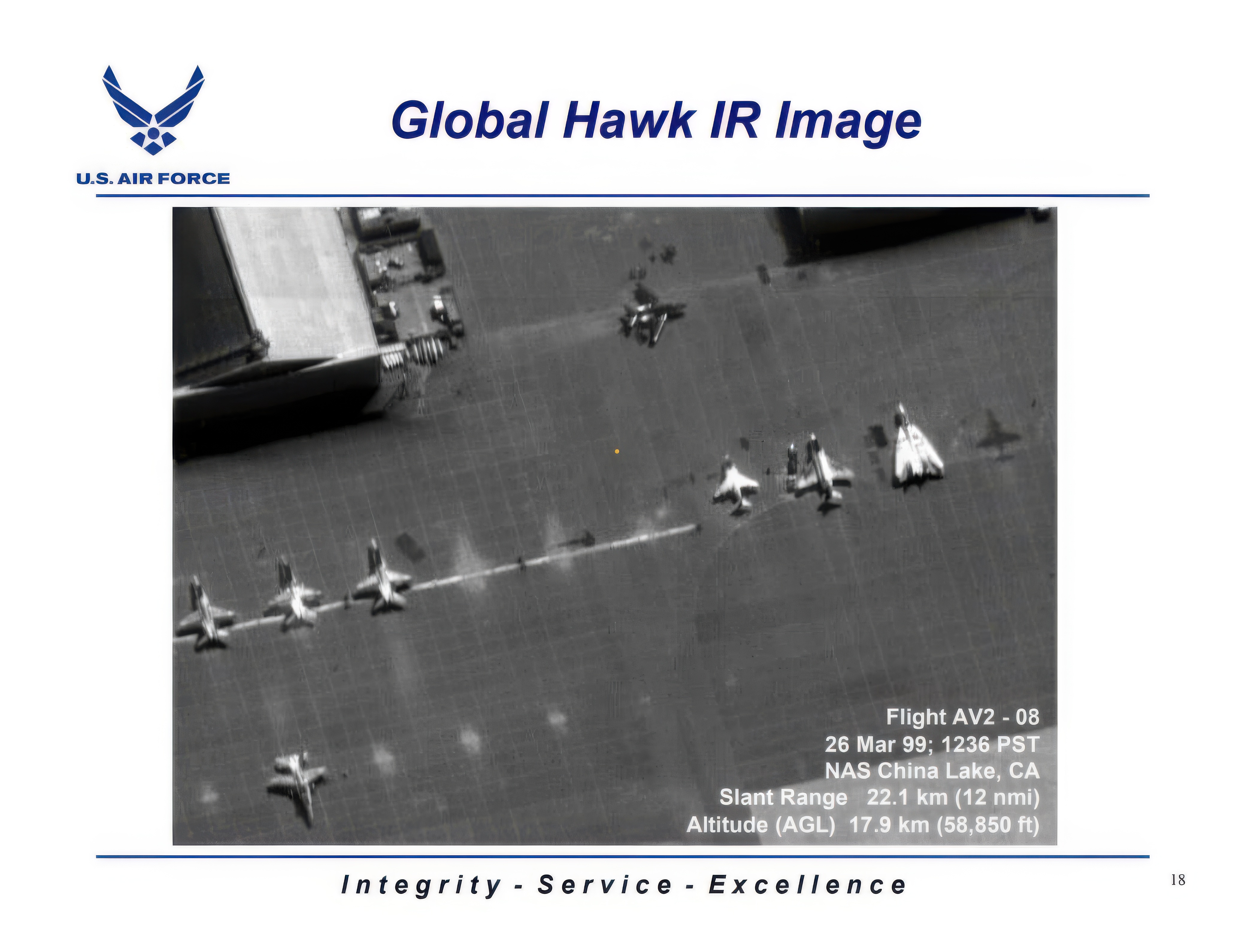
    Alongside the radar, the EO/IR suite includes a digital CCD camera for daytime imaging and an infrared sensor operating in the 3–5 micron band, based on the AN/AAQ-16B model. This suite achieves an image quality level of 6 NIIRS in optical mode and 5.5 NIIRS in infrared mode. Overall, the electro-optical and infrared sensors can produce 1-meter resolution images of wide areas (up to 40,000 square miles per mission) and up to 1,900 spot images with 30-centimeter resolution. These data are transmitted to ground stations via line-of-sight links at transfer rates ranging from 1.5 to 274 Mbps, or via satellite links in Ku and UHF bands at rates between 1.5 and 50 Mbps.

    Airborne Signals Intelligence Payload (ASIP):
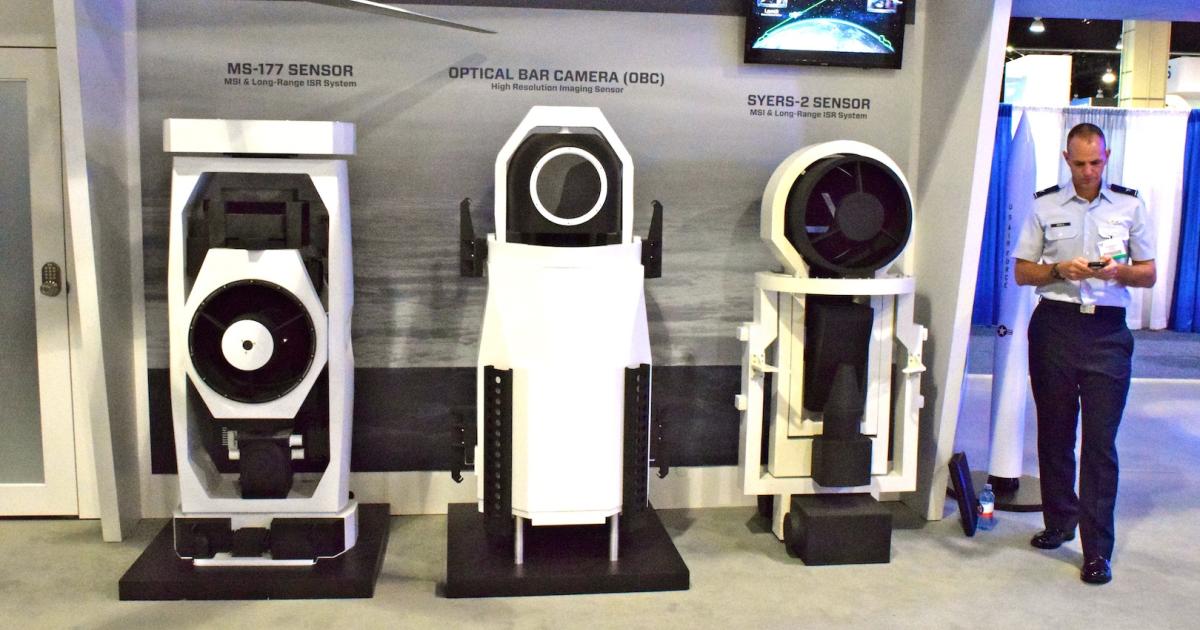
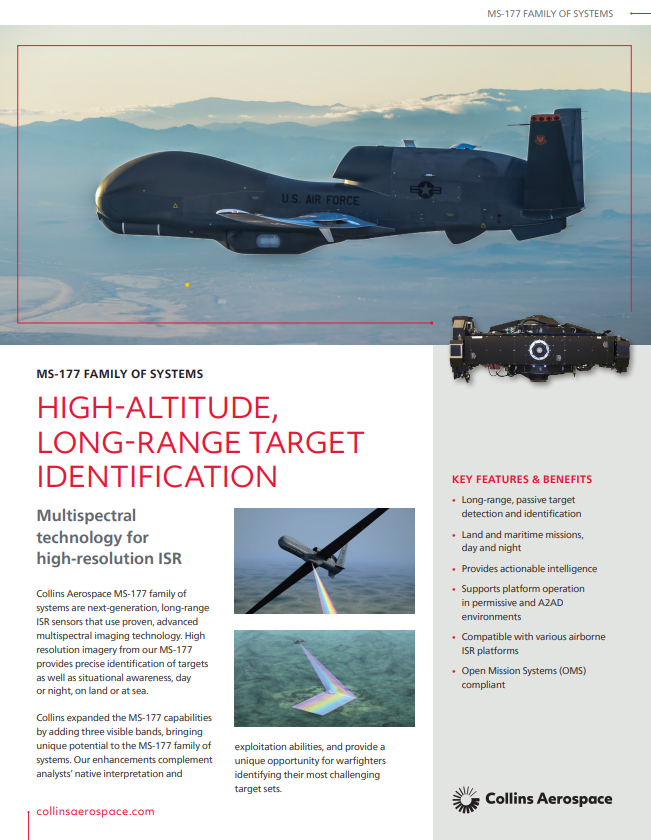
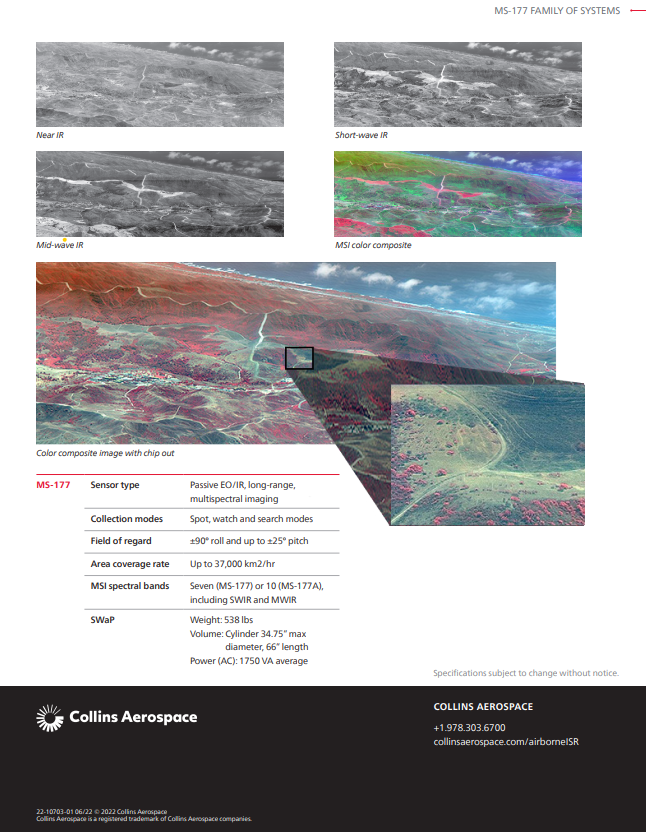
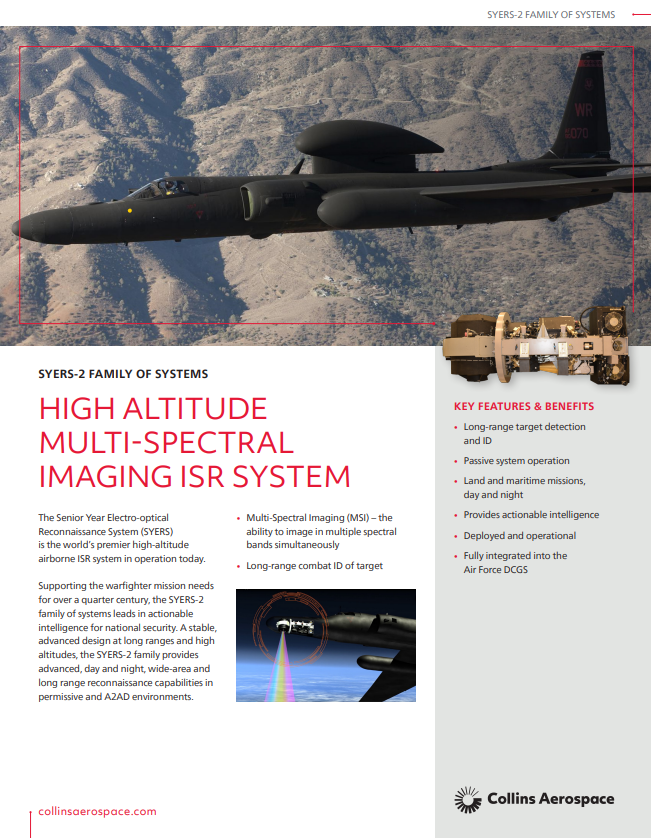
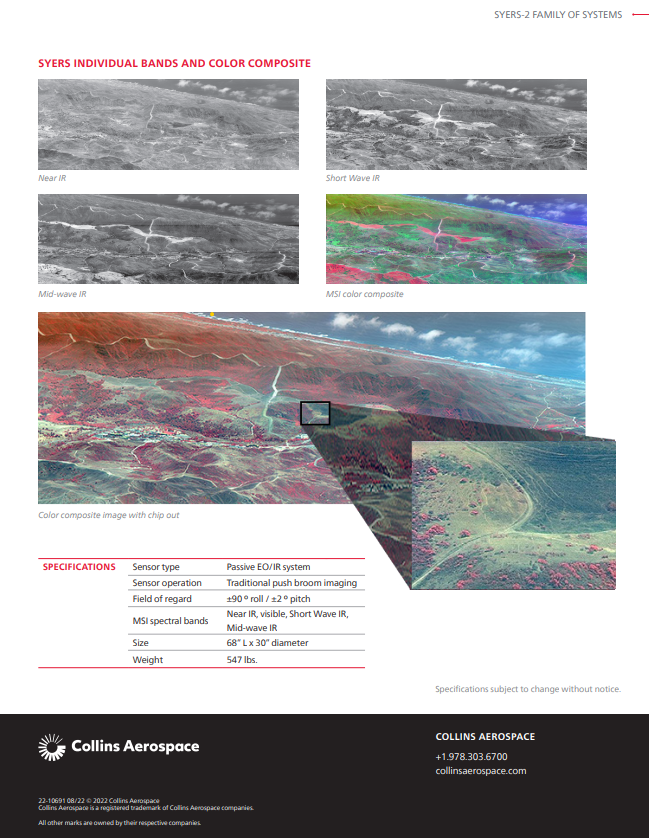
    In the Block 30 model, the Global Hawk has been upgraded to a “multi-intelligence platform.” In this version, the EISS sensor is integrated with an expanded SIGINT sensor known as ASIP. This combination enables simultaneous collection of imagery and electronic signals, providing a more comprehensive picture of the operational environment. Additionally, this version is equipped with a universal payload adapter that allows it to carry unique payloads similar to those used on the U-2 aircraft, including sensors like MS-177, SYERS, and OBC, offering capabilities comparable to a reconnaissance aircraft. However, available information indicates that use of this adapter has been limited.

    MS-177, SYERS, OBC sensors

    Multi-Platform Radar Technology Insertion Program (MP-RTIP):
    The Block 40 model is equipped with the MP-RTIP radar—a phased array radar with Active Electronically Scanned Array (AESA) capability that can generate both SAR and MTI data. This system enables wide-area surveillance of stationary and moving targets, and it improves GMTI and SAR imaging capabilities compared to previous generations.

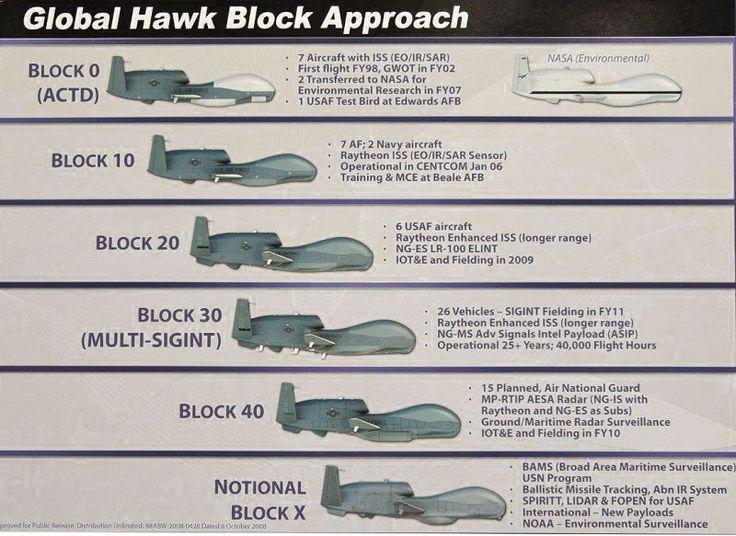
    Global Hawk models and operational blocks:

    The Global Hawk UAV has evolved through multiple upgrade phases, known as “Blocks.” Each Block introduced specific improvements in design, payload capacity, or sensor systems, gradually transforming the drone from a simple imagery reconnaissance tool into a versatile multi-intelligence platform.

    RQ-4A Block 10: The first operational version of the Global Hawk was Block 10. A total of nine units of this model were built, seven of which were produced under the ACTD program. This model was configured for imagery intelligence (IMINT) collection and had the capacity to carry a 2,000-pound payload. All seven Block 10 units were retired from U.S. Air Force service by 2011, although two were transferred to the U.S. Navy.

    RQ-4B Block 20: Block 20 is the first model in the RQ-4B series, distinguished by an optimized fuselage design, a redesigned nose section, and longer wings compared to the A model. These modifications increased the payload capacity to 3,000 pounds. The first Block 20 unit was unveiled on August 25, 2006, and conducted its maiden flight on March 1, 2007.

    RQ-4B Block 30: Block 30 marks a turning point in the evolution of the Global Hawk, as it became a multi-intelligence (Multi-INT) platform. This model is capable of simultaneously collecting data from electro-optical, infrared, SAR sensors, as well as an advanced signals intelligence (SIGINT) system. Its primary payload is the Enhanced Integrated Sensor Suite (EISS), combined with the Airborne Signals Intelligence Payload (ASIP).

    RQ-4B Block 40: The most advanced current version is Block 40, which is equipped with the Multi-Platform Radar Technology Insertion Program (MP-RTIP) radar. This radar features an Active Electronically Scanned Array (AESA) and provides both SAR imaging and Ground Moving Target Indicator (GMTI) capabilities. These features make Block 40 the most optimized model for wide-area surveillance missions targeting both stationary and moving objects. All other Global Hawk variants, except Block 40, will be retired by 2027.

    Different RQ-4 blocks
    Different RQ-4 blocks and export variants

    In addition to the main blocks, several specialized blocks have been developed for unique mission sets.

    EQ-4B: This model carries the Battlefield Airborne Communications Node (BACN) payload, which functions as a communications relay to enable real-time information exchange and situational awareness on the battlefield. The “E” in its designation indicates its communications-specific configuration.

    EQ-4B

    MQ-4C Triton:
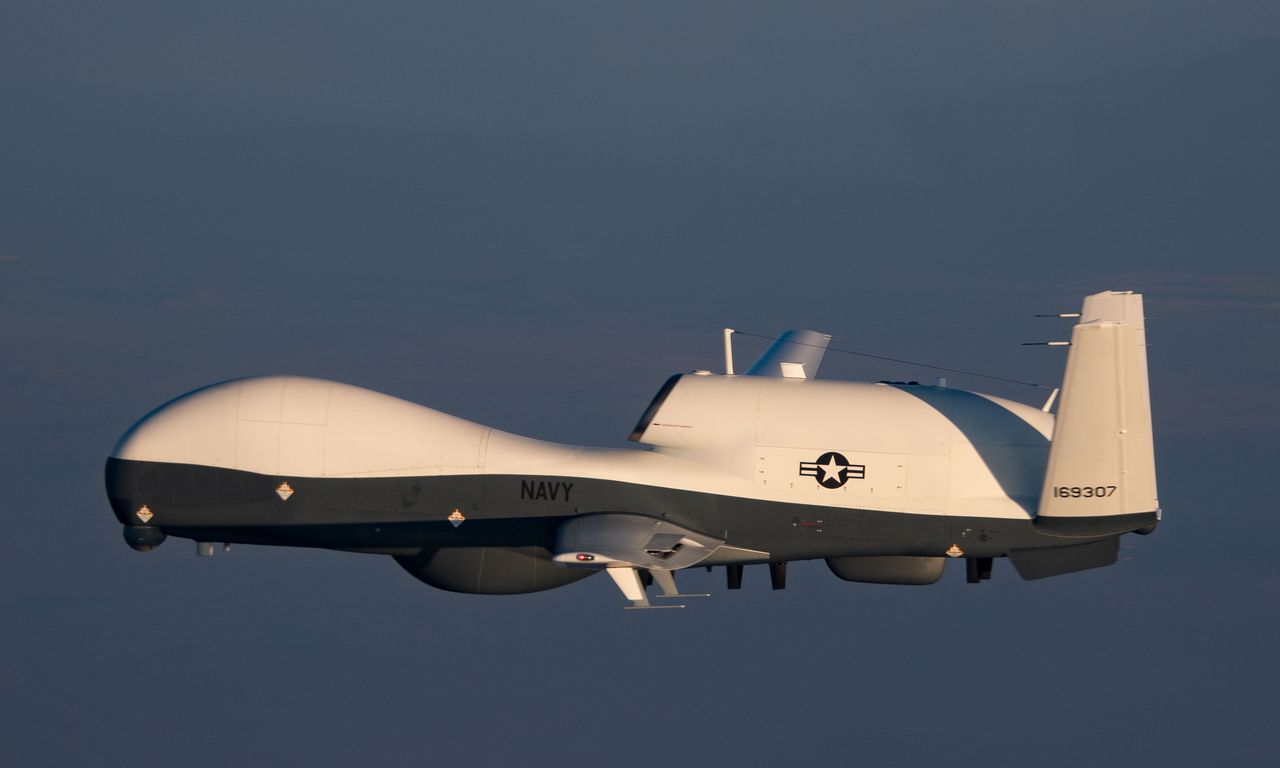
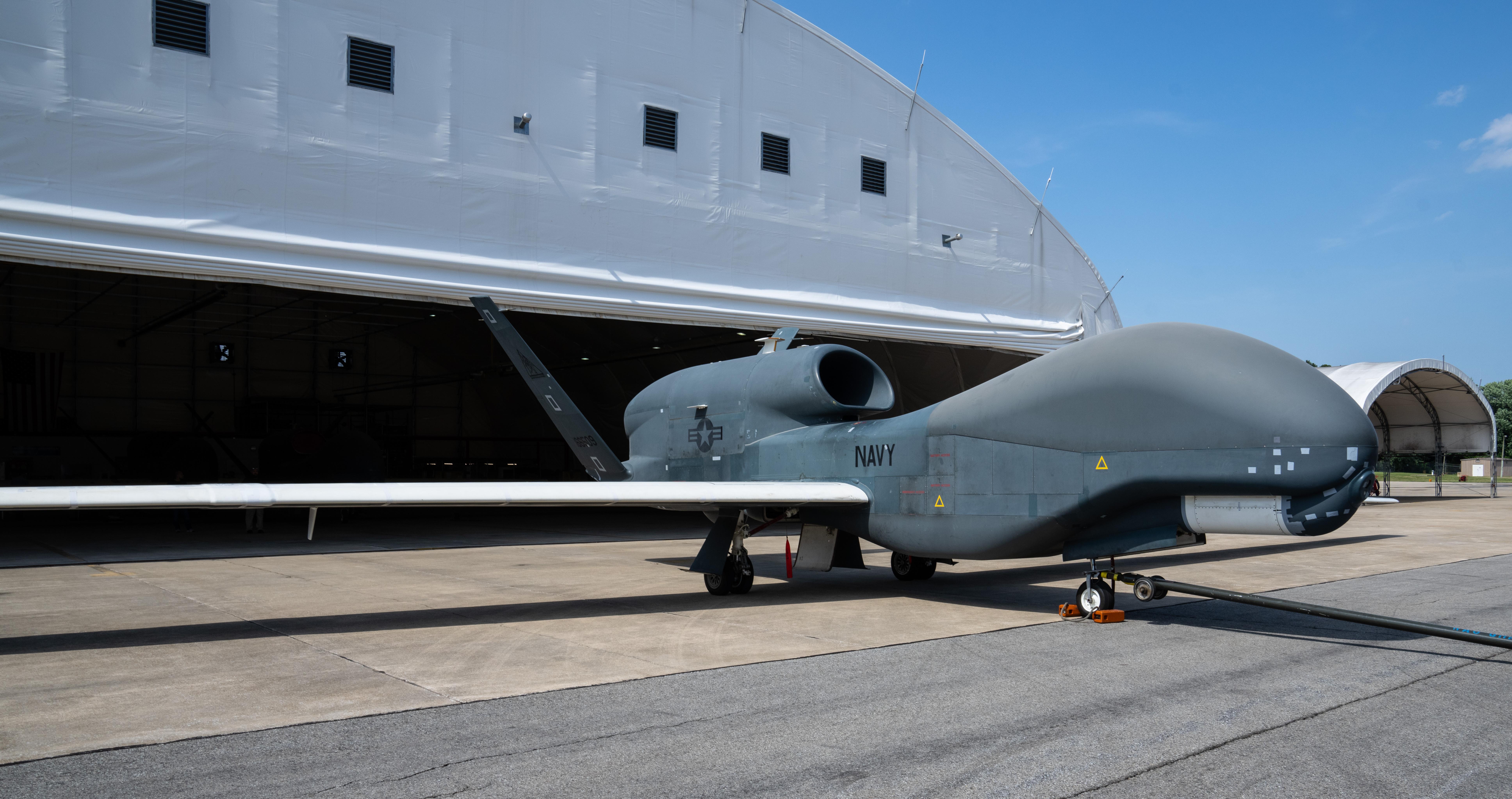
    The U.S. Navy’s version of the Global Hawk, originally known as RQ-4N before its renaming in 2010, is specifically designed for Broad Area Maritime Surveillance (BAMS).
    The MQ-4C Triton is effectively considered the primary successor to the RQ-4. While it closely resembles the Global Hawk in appearance, Triton’s wings and internal fuselage structure have been reinforced to withstand the stresses of rapid altitude changes. It also features additional components such as anti-icing systems and lightning protection, along with a distinct set of sensors.

    MQ-4C Triton

    BAMS-D:
    Since 2009, the U.S. Navy has operated the RQ-4A UAV under the Broad Area Maritime Surveillance – Demonstrator (BAMS-D) program in Southwest Asia. For this purpose, five RQ-4A Block 10 drones were acquired from the Air Force and stationed at Patuxent River Naval Air Station. Over the years, this fleet was alternately commanded by Patrol Reconnaissance Wings 5, 2, and 11, with at least one aircraft consistently deployed at a base in the Persian Gulf region. These UAVs have now been replaced by the Triton and transferred to NASA. During their operational period, BAMS-D drones provided over 50% of the maritime ISR (Intelligence, Surveillance, Reconnaissance) required by the U.S. in combat zones. The fleet accumulated a total of 42,500 flight hours across 2,069 overseas missions.

    BAMS-D

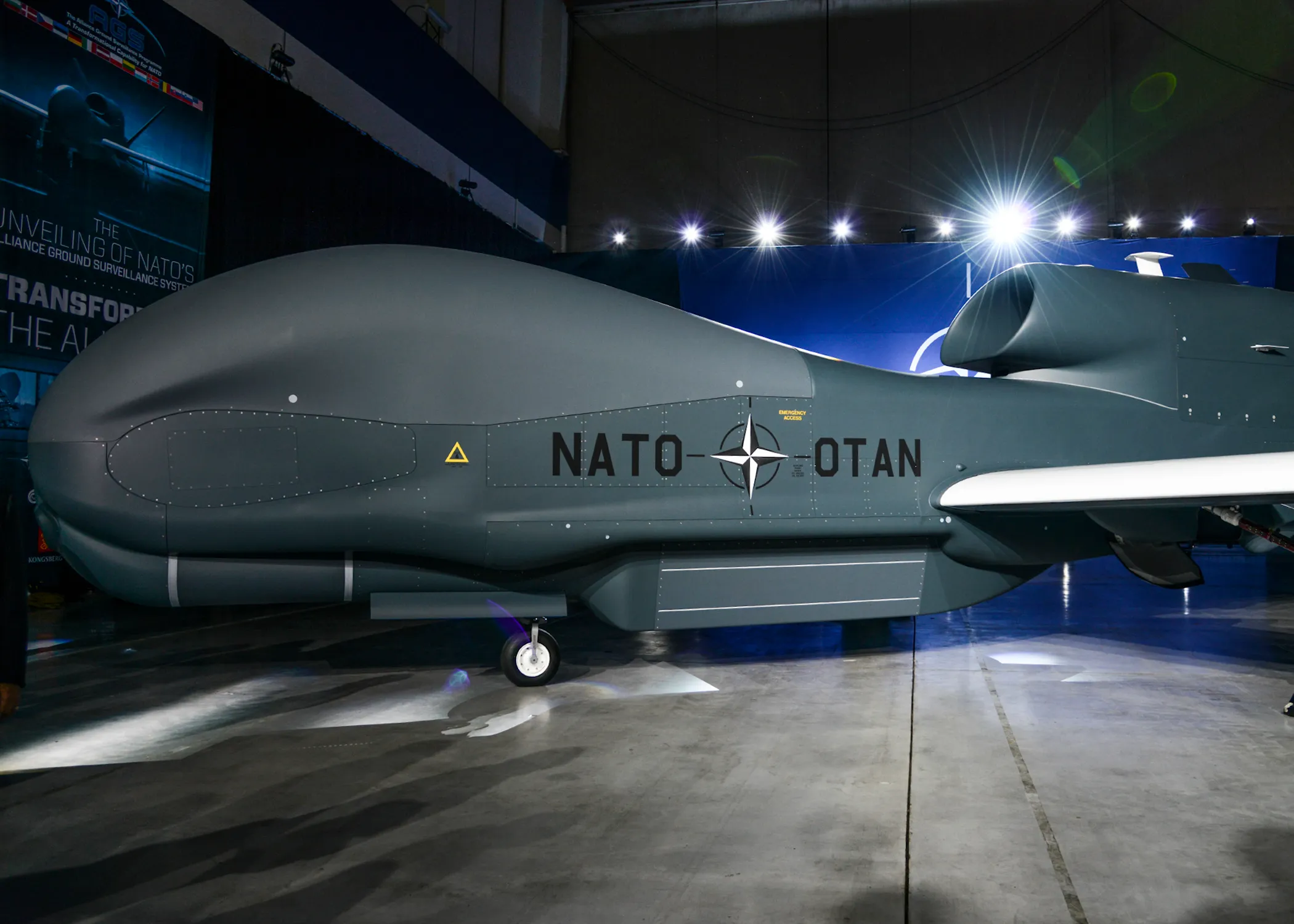
    RQ-4D Phoenix: Fifteen allied countries have procured five RQ-4B Block 40 units along with their associated ground control stations. This system, known as RQ-4D Phoenix, is intended to be operated and maintained by all 28 NATO member states, with each country contributing financially to its establishment and lifecycle support.

    RQ-4D Phoenix

    Foreign military users and sales of the RQ-4:

    • United States Air Force (USAF): The USAF is the primary operator of the Global Hawk, with aircraft assigned to the 12th Reconnaissance Squadron at Beale Air Force Base, California, and the 348th Reconnaissance Squadron at Grand Forks Air Force Base, North Dakota. The aircraft are globally rotated among operational detachments, including the 4th Reconnaissance Squadron at Andersen Air Force Base, Guam, and the 7th Reconnaissance Squadron at Naval Air Station Sigonella, Italy. The 1st Reconnaissance Squadron at Beale and the 348th at Grand Forks serve as official training units for Global Hawk pilots and sensor operators.
    • United States Navy (USN): The Navy initially received two RQ-4A Block 10 aircraft for the Global Hawk Maritime Demonstration (GHMD) program, which validated the platform’s maritime surveillance capabilities. These aircraft were later replaced by the MQ-4C Triton, which was specifically developed for the Navy’s Broad Area Maritime Surveillance (BAMS) program.
    • NASA: The National Aeronautics and Space Administration (NASA) participated in the early development of this project and operates prototype Global Hawk units for various research programs, including atmospheric and climate studies.
    • NATO: Under the Alliance Ground Surveillance (AGS) program, NATO procured five RQ-4D Phoenix aircraft, which are Block 40 models, to be operated from Naval Air Station Sigonella in Italy.
    • Japan: The Japan Air Self-Defense Force has ordered three RQ-4B Global Hawk aircraft, with the first unit delivered to Japan in March 2022. These aircraft are intended to provide intelligence and surveillance capabilities as needed to monitor and deter regional threats.
    • Republic of Korea: South Korea ordered four RQ-4 Global Hawk aircraft at a cost of $812 million, with the final delivery completed in October 2020. These aircraft are operated from Osan Air Base.
    • Australia: Australia has ordered four out of a planned seven MQ-4C Triton aircraft for maritime surveillance and search-and-rescue missions, intended to operate in tandem with its fleet of Boeing P-8 Poseidon maritime patrol aircraft.

    Other Countries: The Global Hawk and Triton platforms have also been offered to other nations. The Indian Navy has considered the MQ-4C Triton as a complementary asset to its fleet of P-8I Poseidon aircraft. Norway is also likely to employ the Triton for its maritime surveillance needs. Germany had considered the Triton to fulfill its signals intelligence role following the cancellation of its previous EuroHawk program, which was based on the Global Hawk.

    Operational History and Incidents of the RQ-4:

    The operational history of the Global Hawk has included several notable incidents. On December 30, 2001, an RQ-4 supporting military operations in Afghanistan crashed. The Air Force classified the cause of the incident as non-combat related.

    In June 2017, an RQ-4B crashed near Lone Pine, California due to a malfunction in one of its navigation systems. The system had produced incorrect data, and backup systems failed to detect the error. As a result, the aircraft lost control and disintegrated under structural stress beyond its design limits.

    One year later, in June 2018, an RQ-4B belonging to the 348th Reconnaissance Squadron crashed into the sea off the coast of Rota, Spain. Investigations revealed that a crack in one of the oil lines had caused a leak, ultimately leading to engine shutdown. The absence of a suitable emergency landing site in the mission plan prompted the pilot to steer the UAV into the sea to avoid a crash over populated areas.

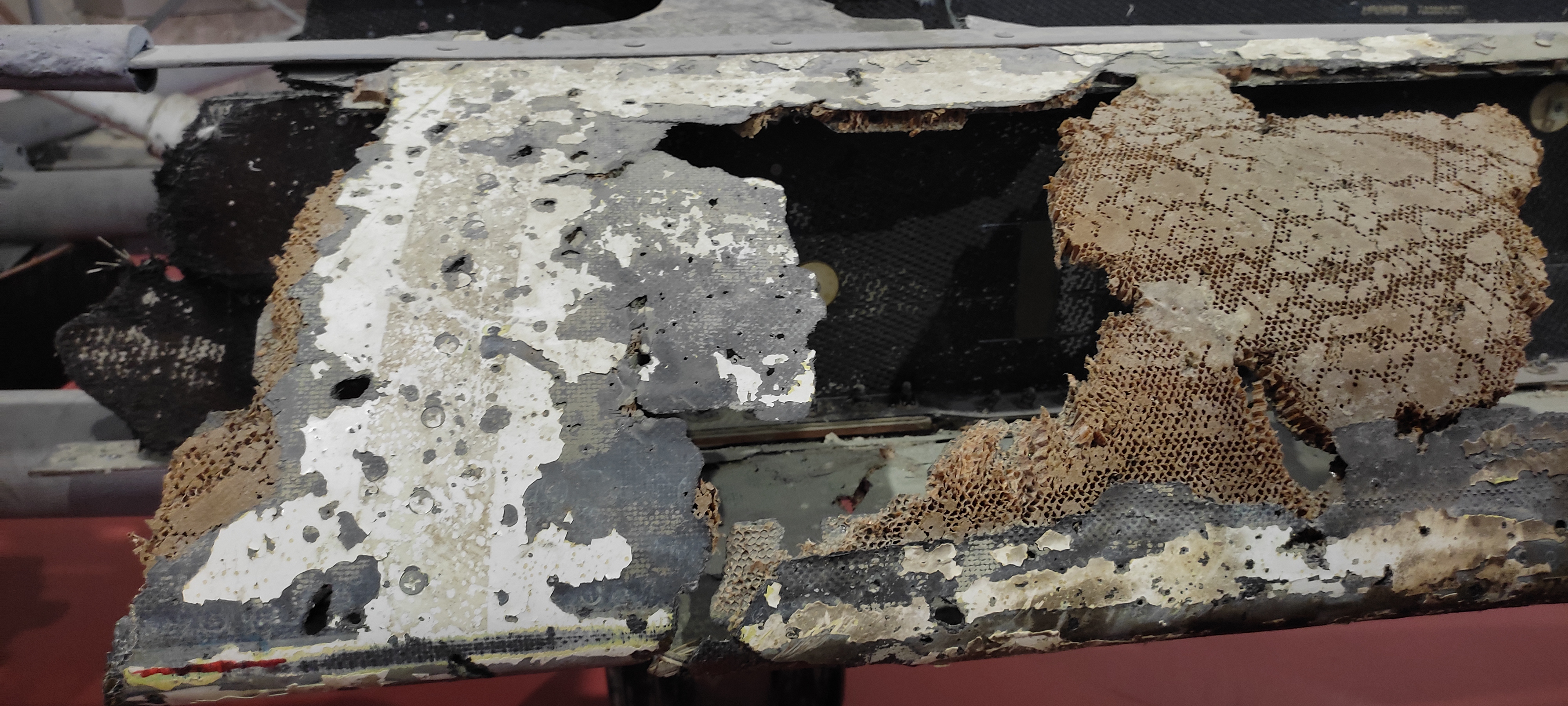
    The most significant incident involving this platform occurred on June 20, 2019, when an RQ-4A belonging to the BAMS-D program was shot down by Iran’s 3rd Khordad air defense system over the Strait of Hormuz.

    Wreckage of RQ-4A shot down by Iran

    These high-altitude unmanned aerial vehicles rely on a suite of advanced sensors—including electro-optical (EO), infrared (IR), and synthetic aperture radar systems (SAR/GMTI)—to generate reconnaissance and surveillance data with exceptional resolution and range. Such capabilities enable continuous and precise intelligence gathering across a wide spectrum of combat and defense activities.

    It is worth noting that early generations of the RQ-4 Global Hawk faced limitations, such as a 45-degree radar coverage angle and a 16-degree field of view for the optical system. However, in upgraded models—particularly Block 40 and the maritime variant MQ-4C Triton—these constraints have been overcome, enabling full 360-degree omnidirectional coverage. With effective surveillance capabilities extending beyond 200 kilometers, these aircraft can monitor vast stretches of coastal territory of adversaries simply by operating within international airspace.

    Another key mission of this UAV family is conducting signals intelligence (SIGINT) operations and electronic support measures (ESM). These aircraft, operating in coordination with other manned and unmanned platforms, are capable of continuously intercepting and monitoring radar emissions and radio communications, transmitting raw data in real time to ground-based command and processing centers. Designed for long-range operations, these drones inherently have low survivability when faced with various threats.

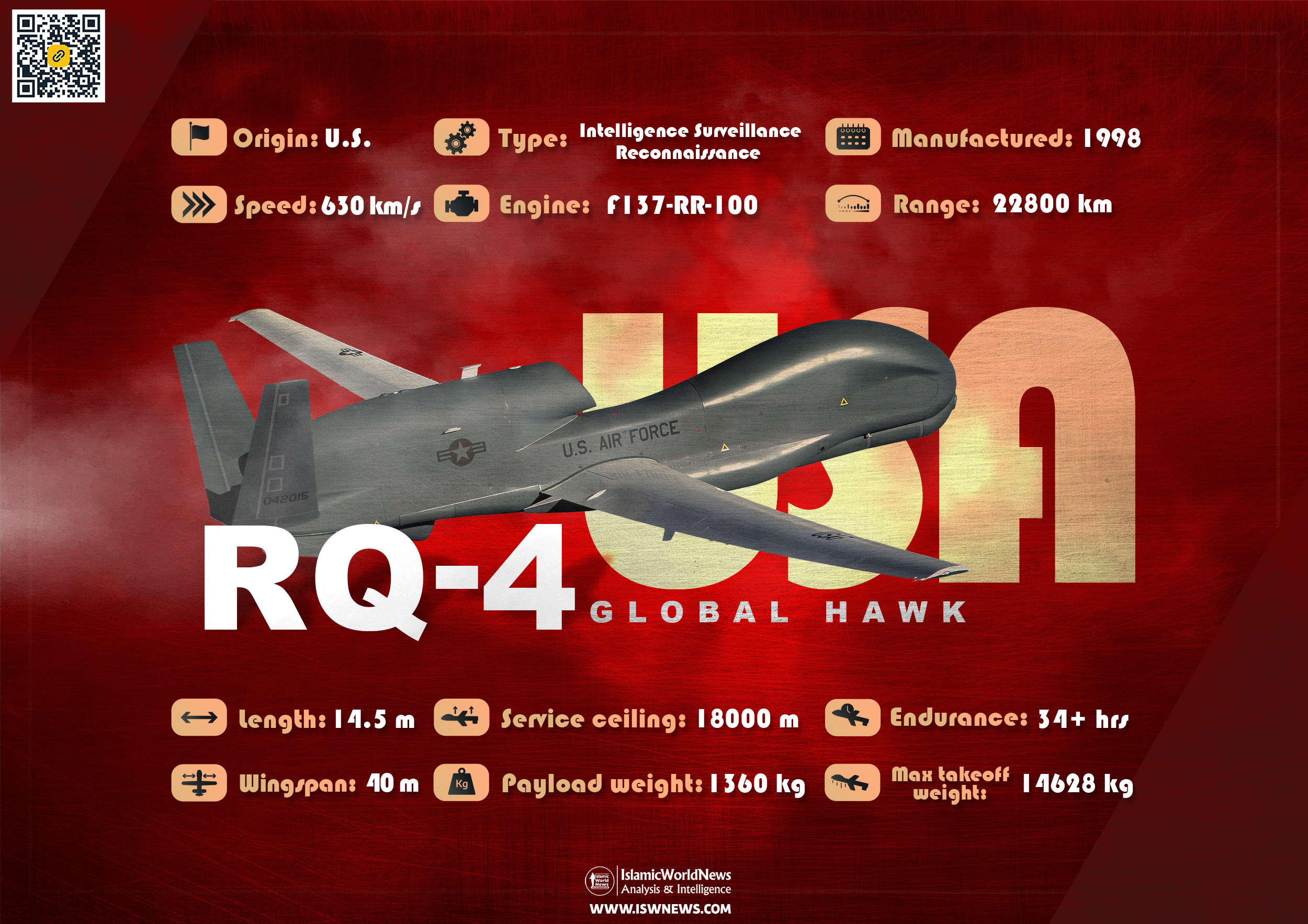
    RQ-4 Global Hawk drone specifications:

    Type: Surveillance and reconnaissance
    Origin: United States
    Manufacturer: Northrop Grumman
    Year built: 1998
    Entered service: 2001
    Length: 14.5 m
    Wingspan: 40 m
    Height: 4.7 m
    Engine: Rolls-Royce AE3007
    Range: 22,800 km
    Speed: 630 km/h
    Service ceiling: 18,000 m (60,000 ft)
    Endurance: 34 + hours
    Maximum takeoff weight: 14,628 kg
    Payload weight: 1,360 kg

    RQ-4 Global Hawk drone – click to view larger image

    More images of the RQ-4 Global Hawk drone:

    Sources:
    Global Hawk – Northrop Grumman | RQ-4 Global Hawk > Air Force > Fact Sheet Display – AF.mil | Northrop Grumman RQ-4 Global Hawk – Wikipedia | The Northrop Grumman RQ-4 Global Hawk Variants – Simple Flying | Northrop Grumman MQ-4C Triton – Wikipedia | Alliance Ground Surveillance (AGS) – NATO | RQ-4 Global Hawk UAVs – Defense Industry Daily | UNITED STATES AIR FORCE AIRCRAFT ACCIDENT INVESTIGATION BOARD REPORT | 2019 Iranian shoot-down of American drone – Wikipedia | Everything We Know About Iran’s Claim That It Shot Down A U.S. RQ-4 Global Hawk Drone – The War Zone | Innovative Development: Global Hawk and DarkStar – RAND | Global Hawk High-Altitude, Long-Endurance Science Aircraft – NASA | Global Hawk Integrated Sensor Suite (ISS) – Forecast International

  • Another American Company Replicates the Shahed-136: MQM-172 Arrowhead

    Another American Company Replicates the Shahed-136: MQM-172 Arrowhead

    In a statement from Daniel Beck, Program Manager at Griffon Aerospace, the Arrowhead is described as a highly versatile platform tailored to meet a wide range of mission requirements. Beck emphasized that, beyond its role as a high-performance target drone, the Arrowhead can be configured as a one-way attack system (i.e., a suicide drone), capable of delivering decisive impact during critical operations.

    Griffon claims the drone features a modular payload bay capable of carrying up to 45 kilograms, allowing for the integration of various sensors or warheads depending on mission needs. However, no further technical specifications have been disclosed.

    Despite its striking resemblance to the Shahed-136, Griffon insists the MQM-172 was “designed, tested, and manufactured in-house,” drawing on the company’s experience producing over 12,000 drones!!!

    The move comes after the Iranian Shahed-136 demonstrated notable battlefield success in West Asia—particularly in Yemen—and its Russian-assembled variant, known as Geran, made headlines in Ukraine. These operational achievements appear to have prompted the U.S. military to explore similar capabilities, leading its contractors to develop and deploy comparable systems.

    Given America’s global reach and access to nearly every active conflict zone, the mass production and deployment of such loitering munitions—either directly or through allied forces—could pose serious strategic challenges. One possible scenario: Ukrainian forces might begin using American-made Shahed-style drones to target Russian energy and military infrastructure, mirroring Russia’s own tactics with Geran drones!

  • Military Knowledge: MQ-9 Reaper Drone

    Military Knowledge: MQ-9 Reaper Drone

    History of the MQ-9 Design and Development:

    The MQ-9 Reaper drone is the result of the evolution of one of the most successful UAV projects in the United States: the MQ-1 Predator. This project was initially initiated by the American company General Atomics Aeronautical Systems, Inc. (GA-ASI) as a private venture.

    In 1998, as the U.S. military’s operational needs expanded to include unmanned systems with greater range, altitude, and payload capacity, GA-ASI engineers began designing a new platform based on the Predator. This new platform, later known as the Predator B, also received financial support from NASA.

    The first flight of the Predator B prototype took place in February 2001. Although the drone appeared similar to the MQ-1 Predator, it was completely redesigned in terms of dimensions, engine power, and body layout. The most significant design change was the introduction of an upward-facing V-shaped tail, which improved flight stability compared to the classic downward-facing tail of the MQ-1 Predator.

    During the testing phase, two types of engines were installed on the drone: a Honeywell TPE-331-10T turboprop engine, which provided acceptable performance, and a Williams FJ44-2A turbofan engine, which was eventually discarded due to its high cost and limited efficiency.

    In February 2003, the United States Air Force officially joined the project by ordering a turboprop-powered variant, the MQ-9A. They received two prototypes, known as YMQ-9A, for evaluation in testing weapons, reconnaissance capabilities, and maneuverability.

    The MQ-9 Reaper was developed for the United States Air Force as a direct response to a Department of Defense (DoD) directive aimed at supporting overseas operations, known as “Overseas Contingency Operations.” In the early 2000s, the rise of asymmetric threats created the need for a drone capable of extensive reconnaissance and surveillance, as well as the ability to target and destroy moving targets in real time with high accuracy.

    The Reaper far exceeded the operational performance of the MQ-1 Predator. It can fly at altitudes exceeding 15,200 meters (50,000 feet) and has a flight endurance of up to 27 hours. Equipped with advanced systems such as the AN/APY-8 Lynx combined aperture radar and the Raytheon AN/AAS-52(V) MTS multispectral electro-optical system, the Reaper significantly enhanced its reconnaissance and targeting capabilities. Furthermore, the MQ-9A evolved into a fully operational offensive platform, capable of deploying a diverse array of guided weapons.

    In 2006, the United States Air Force formally designated the MQ-9A Reaper. The drone commenced operational service in 2007, completing its inaugural combat mission in Afghanistan.

    As of 2018, the US Air Force had ordered 366 Reapers from General Atomics, with more than 300 delivered by 2021. The US Air Force plans to retire its MQ-9A fleet by 2035.

    Appearance and performance characteristics of the MQ-9 drone:

    The Reaper measures 11 meters in length, stands 3.8 meters tall, and features a wingspan of 20 meters, making it considerably larger than the MQ-1. It has a base weight of 2,223 kilograms without payload, while its maximum takeoff weight reaches 4,760 kilograms. For the Extended Range (ER) variant, this maximum weight rises to 5,307 kilograms. Additionally, the ER version boasts a fuel capacity of 903 gallons (approximately 6,000 pounds), allowing for extended flight ranges.

    A view of an MQ-9 taxiing on a runway in Afghanistan, 2007

    The Reaper uses a Honeywell TPE331-10GD turboprop engine that produces 900 horsepower. This engine allows the drone to reach a maximum speed of 480 km/h, but its typical flight speed is in the range of 280 to 310 km/h.

    The manufacturer has officially announced that the MQ-9A has a flight endurance of 27 hours and a range of 1,850 km. In 2015, the US Air Force first tested the Extended Range (ER) version of the MQ-9A, which features external fuel tanks mounted under the wings and a more robust landing gear. The ER version boasts a flight endurance of 34 hours and a range of 2,592 km.

    In terms of armament, the MQ-9A is equipped with seven hardpoints and can carry up to 1,361 kg of ordnance. It has a variety of weapons options, including Sidewinder and Stinger air-to-air missiles, Hellfire missiles with a range of 8 to 12 km, GBU-12 Paveway II laser-guided bombs weighing 227 kg, GBU-38 JDAM GPS-guided bombs, and more advanced versions of the GBU-49 and GBU-54 Laser JDAM, which have a range of approximately 15 km.

    The MQ-9 is equipped with Raytheon’s advanced Multispectral Targeting System-B (MTS-B) electro-optical system, which features an infrared sensor, color and monochrome day vision cameras, short-wave infrared cameras, laser designators, and laser rangefinders.

    The system is capable of long-range surveillance, target acquisition, precise tracking of moving targets, range finding, and laser designator for a variety of air-to-surface munitions. In addition to the MQ-9 Reaper, the MTS-B is also used in the U.S. Navy’s MQ-4C unmanned aerial vehicle fleet.

    Read more: Military Knowledge: Raytheon’s Multispectral Targeting System-B (MTS-B)

    MTS-B electro-optical system

    MQ-9 Block 5 drone:

    The MQ-9 Block 5 is an enhanced version of the original MQ-9 prototype (Block 1), featuring improved endurance, range, and payload capacity. Key upgrades in the Block 5 model include wing fuel pods, reinforced landing gear, and a four-bladed propeller. It also has enhanced electrical power, more secure communications, and the capability for automatic landing. The MQ-9 Block 5 ER variant has an endurance of 34 hours and a range of 2,592 kilometers. In general, General Atomics is in the process of upgrading its MQ-9 fleet to ER versions.

    MQ-9B drone – Introducing other MQ-9 drone models:

    The MQ-9B drone builds on the MQ-9A model and is recognized as the SkyGuardian and SeaGuardian. It is larger and boasts enhanced capabilities compared to the MQ-9A. The MQ-9B’s length measures 11.6 meters, with a wingspan of 24 meters. Its maximum takeoff weight is 5670 kilograms, and it can reach a flight ceiling of 12200 meters. A significant factor in developing the MQ-9B was the need to meet NATO civil aviation regulations, allowing its operation in civilian airspace, whereas the MQ-9A is solely dedicated to military functions.

    MQ-9B SkyGuardian: The SkyGuardian, a variant of the MQ-9B, meets European civil aviation regulations. Known as the Certifiable Predator B, it is the first drone certified for use in civilian airspace. Notable features include a 40-hour endurance, a maximum altitude of 12,190 meters, and a 24-meter wingspan. Additionally, the SkyGuardian comes with cutting-edge systems, such as an EO/IR imaging sensor, an anti-icing system, and a TCAS collision avoidance system.

    MQ-9B SeaGuardian: The SeaGuardian, a specialized version of the MQ-9B, is tailored for maritime missions. It boasts an endurance of up to 18 hours (some reports indicate 30 hours) and can operate over a distance of 2,200 km, making it ideal for maritime surveillance and search-and-rescue tasks. A standout feature is the Leonardo Seaspray 7500E V2 AESA radar, capable of detecting maritime targets. Additionally, the drone is outfitted with sophisticated systems for deploying sonobuoys to monitor submarines.

    MQ-9B STOL: STOL means “short takeoff and landing.” The MQ-9B STOL can take off and land in challenging environments, including aircraft carriers. General Atomics introduced this concept in 2022. This kit allows for the replacement of wings, tail, and propeller to enhance short takeoff and landing performance.

    MQ-9B STOL drone

    MQ-9 UAV operational history:

    The Reaper drone has primarily conducted its operational activities in the Middle East. Its most significant operation to date was the assassination of Qassem Soleimani, commander of the Quds Force of the Islamic Revolutionary Guard Corps, in Baghdad on January 3, 2020. The United States regime used Hellfire missiles in this operation.

    Afghanistan (2007 to 2021): The Reaper’s combat presence was first established in Afghanistan, quickly gaining a reputation as a “hunter” platform. A notable incident occurred on September 13, 2009, when a Reaper that had lost control was shot down by a US F-15E fighter jet to prevent it from entering Tajik airspace. By 2010, Reaper drones were flying more than 33,000 close air support missions annually. Their usage peaked during the withdrawal of US forces in 2021, where they played a key role in supporting evacuation operations.

    Iraq and Syria (since 2007): Reaper drones have been extensively utilized in Operation Iraqi Freedom and the fight against ISIS in Operation Inherent Resolve. This includes the 2015 strike on Jihadi John in Raqqa, Syria, using a Hellfire missile. In 2023, as the conflict amongst various factions and the Israel-Hamas war intensified, Reapers carried out the majority of US airstrikes in Syria and were also employed to target Iranian-backed forces.

    Yemen: Initially, Reapers were used for reconnaissance missions against Al-Qaeda in the Arabian Peninsula (AQAP). However, following the Ansar Allah operation in Yemen and the overthrow of the Mansour Hadi government, they began to conduct operations against Ansar Allah. The first recorded downing of an MQ-9 occurred in 2017. Reaper missions in Yemen intensified as Ansar Allah ramped up operations in the Red Sea in 2023. From September 2023 to April 2025, Yemeni Ansar Allah shot down at least 19 Reapers (with a total of 23 since 2017), incurring losses collectively estimated at over $595 million. These losses highlight the Reaper’s vulnerability in high-intensity conflict zones.

    Read more: Yemeni Army: The Annihilator of American MQ-9 Drones!

    Gaza (since 2023): Following the onset of the Gaza War in October 2023, Reapers flew unarmed over the Gaza Strip to identify the locations of American hostages during Israeli operations. However, no detailed information is available regarding these operations.

    MQ-9 drone users:

    • United States includes NASA, Air Force, Navy, Marine Corps, Coast Guard, and Department of Homeland Security (US Customs and Border Protection)
    • United Kingdom
      – Early versions of the MQ-9A Reaper for surveillance operations in Afghanistan and the Middle East.
      – Protector RG Mk 1, a more advanced version to replace the MQ-9A, capable of carrying Brimstone 3 missiles and Paveway IV bombs.
    • Italy
      – Early versions of the MQ-9A Reaper for surveillance missions in NATO and Libya operations.
      – MQ-9A Block 5, an upgraded version.
    • Netherlands
      – Upgraded version of the MQ-9A Reaper Block V for surveillance and reconnaissance missions
    • Japan
      – Maritime version of the MQ-9B SeaGuardian for maritime threat surveillance.
    • United Arab Emirates
      – MQ-9B SkyGuardian for border reconnaissance and surveillance missions.
    • France
      – MQ-9A Reaper for counterterrorism and reconnaissance operations in Africa and the Middle East.
    • Spain
      – MQ-9A Reaper for surveillance and border security operations.
    • Poland
      – MQ-9B SkyGuardian version for reconnaissance and surveillance missions.
    • Morocco
      – MQ-9B SeaGuardian maritime version for coastal surveillance and border operations.
    • Taiwan
      – MQ-9B SkyGuardian version for surveillance and reconnaissance in border areas.

    MQ-9A Reaper specifications:

    Type: Reconnaissance and Combat
    Manufacturer: General Atomics Aeronautical Systems
    Country of Manufacture: United States
    First Flight: 2001
    Length: 11 m
    Wingspan: 20 m
    Height: 3.81 m
    Engine: Honeywell TPE331-10 900 hp
    Fuel Capacity: 1,800 kg – 2,721 kg in ER version
    Range: 1,850 km – 2,593 km in ER version
    Maximum Speed: 480 km/h
    Service ceiling: 15,420 m (50,000 ft)
    Endurance: 27 hours – 34 hours in ER version
    Maximum Takeoff Weight: 4,760 kg – 5,307 kg in ER version
    Empty Weight: 2,223 kg
    Payload: 1,747 kg
    Armament: 7 hardpoints with a capacity to carry 1,361 kg of ammunition

    More images of the MQ-9 drone:

    source:
    General Atomics MQ-9 Reaper
    MQ-9 Reaper
    MQ-9A Reaper
    General Atomics MQ-9 Reaper (Predator B)
    Predator The Secret Origins of the Drone Revolution
    The Remote-Control Air War Over Iraq and Afghanistan: A Pilot’s Story
    Theory, Design, and Applications of Unmanned Aerial Vehicles
    Drone Wars: Pioneers, Killing Machines, Artificial Intelligence, and the Battle for the Future
    MQ-9B Sky Guardian chosen over Reaper
    France retires Reaper Block 1 for Block 5 Extended-Range UAS

  • Military Knowledge: JUMP 20 VTOL Reconnaissance Drone

    Military Knowledge: JUMP 20 VTOL Reconnaissance Drone

    The UAV is basically intended and developed for use by naval units for intelligence, surveillance, reconnaissance and search and rescue missions. The JUMP 20 UAV was first unveiled in April 2014 and underwent several test flights in January 2015.

    The United States Army has chosen the JUMP 20 UAV to replace the RQ-7 Shadow series drone. Also, its heavy fuel variant has been offered for the Australian Navy’s Tactical Unmanned Aircraft Programme.
    The Mexican Navy deployed the JUMP 20 for unstated missions over Mexico in May 2016, approximately two months after the UAV was acquired by the country’s navy.

    The JUMP 20 UAV has a flight duration of 9 to 16 hours and an operational range of 185 kilometers, and due to its vertical takeoff and landing capability, it does not need a runway or a launch and recovery system such as a catapult and parachute for landing and takeoff.

    The JUMP 20 features a monocoque airframe, constructed using composite materials. It comes with two fixed wings arranged in a high-wing configuration, and a tailplane in a T-tail configuration. In the high-wing configuration, the wings are located on top of the main body (fuselage) of the aircraft.

    Jump 20 takeoff and engine noise level

    The vertical takeoff and landing capability is provided by twin vertically mounted rotors fitted to each wing. The UAV’s versatility, combined with VTOL capability, offers low operating costs and increased fuel efficiency. The JUMP 20 UAV uses a four-stroke EFI 190cc petrol engine and four electric motors, each of which is placed in a rotor boom. The engine has a time between overhaul (TBO) of 500 hours.

    The length of this UAV is 2.9 meters, its wingspan is 5.7 meters, and the maximum take-off weight (fuel and cargo) is 97.5 kg. Payloads weighing 13.6 kg are carried in the payload bay located in the central part of the fuselage. This drone can be set up and operational in less than 60 minutes.

    This drone can be operated by two crew members from the ground control station.

    The Jump 20 features an autopilot system and ground control station shared with AeroVironment’s other drones, offering a highly customizable and modular platform that can be custom configured to meet operational or customer needs. The payload data is displayed on computer screens at the portable ground control station, enabling the operator to provide command and control to the UAV through the data link.

    Explanations of the manufacturer about the features of JUMP 20 UAV
    A video of JUMP 20’s takeoff, guided by mobile ground station and vertical landing

    Due to the ability to carry cargo up to 13.6 kg, this UAV can use various and advanced sensors such as ARCAM 45D, electro-optical sensor and long-range infrared MWIR along with stabilizer, image processing and internal tracking.
    The standard payload options are Cloud Cap Technology’s TASE series gyro-stabilised, gimballed electro-optical/infrared (EO/IR) imaging systems such as TASE400, TASE400HD, TASE400DXR and TASE400LRS. The EO/IR cameras provide imagery and video data and target tracking in real time, both during the day and at night. A video/data link, operating in L, S or C bands, transmits real-time sensor data to the ground control station.
    The JUMP 20 UAV also carries a number of other sensors, including standard navigation lights, LiDAR, synthetic aperture radar (SAR), communications relay, 3D mapping sensors, communications intelligence (COMINT), and signals intelligence (SIGINT).

    JUMP 20 tactical drone can fly at a maximum speed of 72 km/h and its service ceiling is 4572 meters. This UAV can transmit data within a range of 125 km, and in longer ranges, the use of satellite systems is required.
    JUMP 20 drone specifications:
    Length: 2.9 meters
    Wing length: 5.7 meters
    Maximum take-off weight: 97.5 kg
    Maximum payload: 13.6 kg
    Maximum speed: 72 km/h
    Operational range (limited to data link range): 185 km
    Flight ceiling: 4572 meters
    Flight endurance: 9 to 16 hours
    Engine: MOGAS 190CC EFI
    Origin: USA

    Click to view full size

    Collection of posters of JUMP 20 VTOL Reconnaissance Drone in Russian, Persian, Arabic, Azeri and Kurdish:

    Sources:
    JUMP® 20
    Defence-blog.com
    Naval-technology.com

  • Military Knowledge: Switchblade Loitering Munition

    Military Knowledge: Switchblade Loitering Munition

    Switchblade drones are a type of miniature loitering munition developed by AeroVironment specifically for the US military. The dimensions of these drones are so small that they can be carried in a backpack. The Switchblade launches from a tube, flies to the target area, and crashes into its target while detonating its explosive warhead. The first prototype of the Switchblade drone was introduced in 2011 and reached the production stage; But in 2020, after the unveiling of the Switchblade drone, the first version was rebranded to Switchblade 300.

    It is worth noting that during the Ukraine-Russia war, the US military provided more than 100 of these drones to the Ukrainian army.
    Switchblade 300 drone:
    The Switchblade 300 drone is designed as an expendable drone to increase precision firepower for platoon-sized infantry units. It is 49.5 cm long and weighs 2.7 kilograms including the carrying case and launcher, making it small and light enough for one soldier to carry.
    The name switchblade comes from the way the spring-loaded wings are folded up inside a tube and flip out once released.

    Launch and function of the wings of the Switchblade 300 drone

    It can be controlled up to 10 kilometers. Its small size limits its endurance to 10 minutes. This makes it unsuited for scouting roles, but it is useful for inexpensively engaging long-range targets and assisting in relieving units pinned down by enemy fire. The Switchblade uses a color camera and GPS locating to identify, track, and engage targets, as well as being able to be pre-programmed on a collision course. Its warhead has an explosive charge equivalent to a 40mm grenade to destroy light armored vehicles and personnel. If a situation causes a strike to be called off, the operator can call off the Switchblade and re-target it.

    Switchblade 300 performance and observing by Puma UAV – Switchblade 300 launch capability from Jump 20 UAV

    Switchblade 300 is propelled by an electric engine, so its small size and silent flight makes it extremely difficult to detect or try to intercept, enabling it to close in on a target at 160 km/h. The Switchblade uses the same Ground Control Station as other AeroVironment drones including the Wasp, RQ-11 Raven, and RQ-20 Puma. This creates commonality and the potential for teaming of longer-endurance small UAVs to recon for targets, then having the Switchblade attack once they are identified with the same controller.
    It should be noted that the multi-pack launcher with remote control capability is also designed for Switchblade 300 drones. This launcher comes in a standard 6-pack configuration weighing 73 kg. The design is scalable from 2 to 20 rounds and allows fast reloading in less than 30 seconds per round. The U.S. military has been deploying these packages since early 2019 to defend its bases. The system can be placed outside and remotely fired from the relative safety of a command-and-control center more rapidly and with up to six shots.

    Switchblade 300 Multi-pack launcher – Six-tube firing system

    Switchblade 300 specification:
    Range: 10 km
    Endurance: 15 minutes
    Max speed: 160 km/h
    Weight: 2.5 kg
    Length: 49.5 cm
    Wingspans: 68.6 cm
    Flight ceiling: 4600 m
    Flight altitude: 150 m
    Origin: USA

    Switchblade 600 drone:
    The Switchblade 600 drone is larger than the Switchblade 300. The length of this drone is 1.3 meters and its weight is 22.7 kilograms; However, it is still portable by man and can be assembled in 10 minutes. The Switchblade 600 is designed to fly up to 40 km in 20 minutes, as well as for a further 20 minutes of roaming, which means a final range of 80 km (40 minutes in total).
    The Switchblade 600 attacks at a 185 km/h dash speed, carrying an ATGM warhead based on the FGM-148 Javelin, designed to neutralize armored vehicles.

    Launch and function of the wings of the Switchblade 600 drone

    A touchscreen tablet-based fire control system can manually or autonomously control the Switchblade 600. It is secured through onboard encrypted data links and Selective Availability Anti-Spoofing Module GPS with a patented wave-off capability. An optional pocket digital data link module allows engagements beyond 90 km. The Switchblade 600 was developed for the Single Multi-Mission Attack Missile development program. Other methods could include a six-pack vehicle-mounted version and by air-launch. One of the advantages and interesting points of the Switchblade 600 drone is that it can hunt targets with a much longer range than Javelin ATGM, but it costs less than a Javelin missile.

    Switchblade 600 specification:
    Range: 40 km
    Endurance: 40 minutes
    Max speed: 185 km/h
    Weight: 22.7 kg
    Length: 1.3 m
    Wingspans: ~ 1.4 m
    Flight ceiling: 4600 m
    Flight altitude: 198 m
    Origin: USA

    Click to view full size

    “Switchblade Loitering Munition” collection of posters in Persian, Arabic, Kurdish, Azeri, Russian for Social Media:

    Source1 Source2

  • Military Knowledge: ScanEagle Drone

    Military Knowledge: ScanEagle Drone

    In year 2002, ScanEagle made its first successful flight. ScanEagle entered production at Boeing Aerospace, Oregon. In July 2004, the USMC contracted two aircraft to be flown to Iraq in September 2004. Under an agreement reached in April 2005, the United States Navy deployed ScanEagles on 25 destroyers and LSDs from July 2005.

    The ScanEagle drone consists of five main interchangeable parts (modules): nose, body, avionics, wings and propulsion system (engine).

    It has a cylindrical body with a diameter of 200 cm with wings drawn in the middle at the top of the body with a length of 3.5 meters. It can also be equipped with carburetor heating and a phobic ice wing cover for working in cold environments.

    ScanEagle missions include intelligence, surveillance and reconnaissance (ISR), special services operations, escort operations, sea and caravan protection, protection of valuable facilities, audio, video and high-speed data relays.

    The ScanEagle drone can be launched on land, at sea with a pneumatic catapult at a speed of 25 meters per second. It can also be launched from C-130 Hercules or V-22 Osprey in aerial launch operations.

    ScanEagle recovery system is based on the proven SkyHook Recovery System, originally developed for the SeaScan UAV. The SkyHook recovery system uses a stop or jamming line in which the vehicle flies straight to approach the line of attachment and the hook mounted on the wing tip of the aircraft catches the line.

    Specifications of ScanEagle drone:
    Length: 1.71 meters
    Wing length: 3.1 meters
    Max takeoff weight: 22 kg
    Maximum payload weight: 5 kg
    Engine: 2-stroke 3W piston engine
    Maximum range: 1500 km
    Maximum speed: 148 km / h
    Cruise speed: 111 km / h
    Endurance: more than 24 hours
    Service ceiling: 5943 meters
    Origin: USA

    Click to see the full size image
  • Ansar Allah hunts another US drone in Yemen + video

    Ansar Allah hunts another US drone in Yemen + video

    The RQ-20 PUMA is one of the US-made reconnaissance drones used by Western countries such as Britain, Canada and etc.

  • Images: Iran Showcases Downed US Drones in Tehran

    Images: Iran Showcases Downed US Drones in Tehran

    On September 21, the Islamic Revolutionary Guard Corps(IRGC) organized an exhibition of captured or destroyed Western drones under the name of “Hunting Vultures”.