
Renewed Reconciliation Under the Shadow of the Hebron Emirate Plan
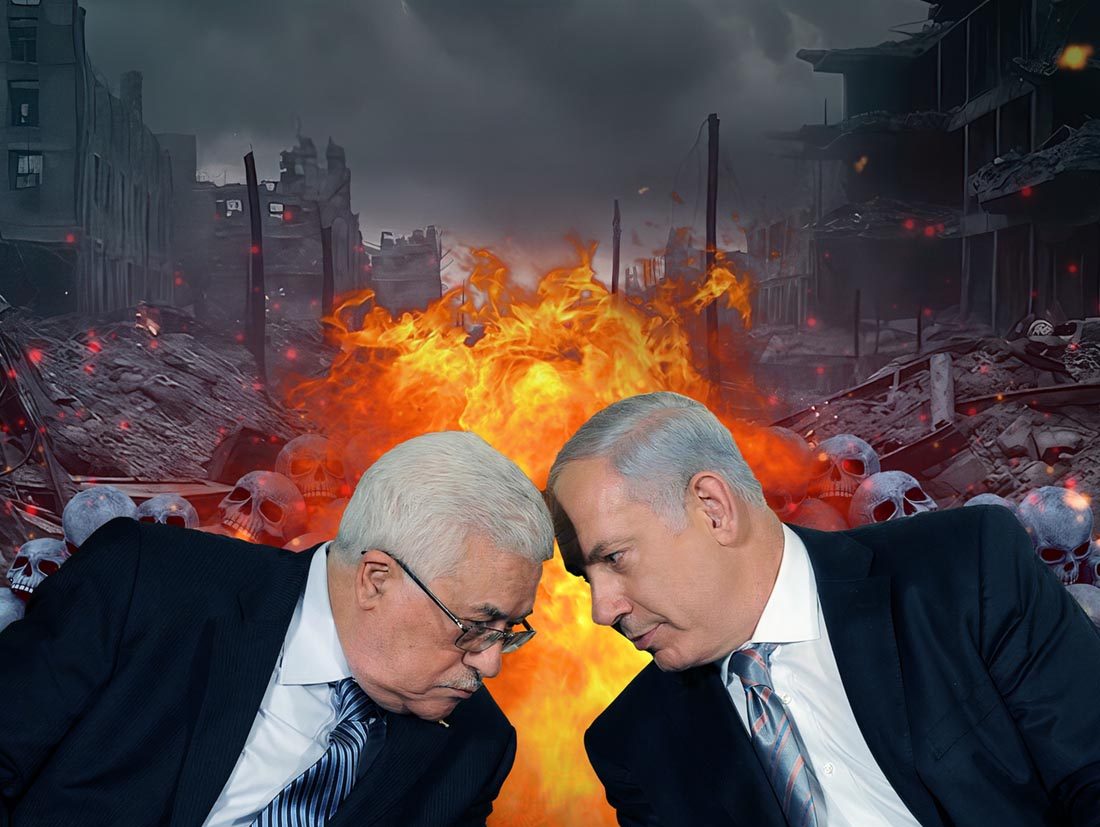
A group of tribal leaders in Hebron has reportedly submitted a proposal to Israeli authorities, seeking to break away from the Palestinian Authority and join the Abraham Accords. The plan, which has received partial backing from the Israeli government, centers on economic cooperation, localized self-governance, and formal recognition of Israel as a Jewish state.
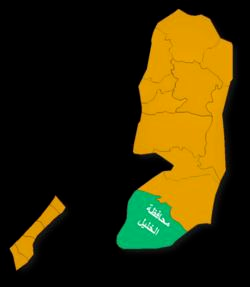
Following escalating crises and the continued failures of the Palestinian Authority, a group of influential tribal leaders in Hebron, located in the West Bank, has issued an official letter calling for withdrawal from the current political framework and the establishment of a localized entity known as the “Hebron Emirate.” The proposal, submitted to Israeli Economy Minister Nir Barkat, is built around peaceful relations, regional development, and the creation of an economic zone in cooperation with Tel Aviv.
As part of the initiative, the sheikhs formally recognize Israel as the “nation-state of the Jewish people” and cite the Abraham Accords as a roadmap for coexistence. They have also requested support from the United States and President Donald Trump to help advance the project. Their proposal not only reflects deep dissatisfaction with the Palestinian Authority’s governance but also signals an effort to redefine Palestinian political order through traditional tribal structures.
This initiative emerges at a time when hopes for a two-state solution have significantly diminished following the events of October 7, 2023, and the subsequent conflicts. As a result, alternative models such as localized emirates are gaining traction. The following report explores the dimensions, reactions, and challenges surrounding this unprecedented proposal.
Nature of the Hebron Emirate Proposal
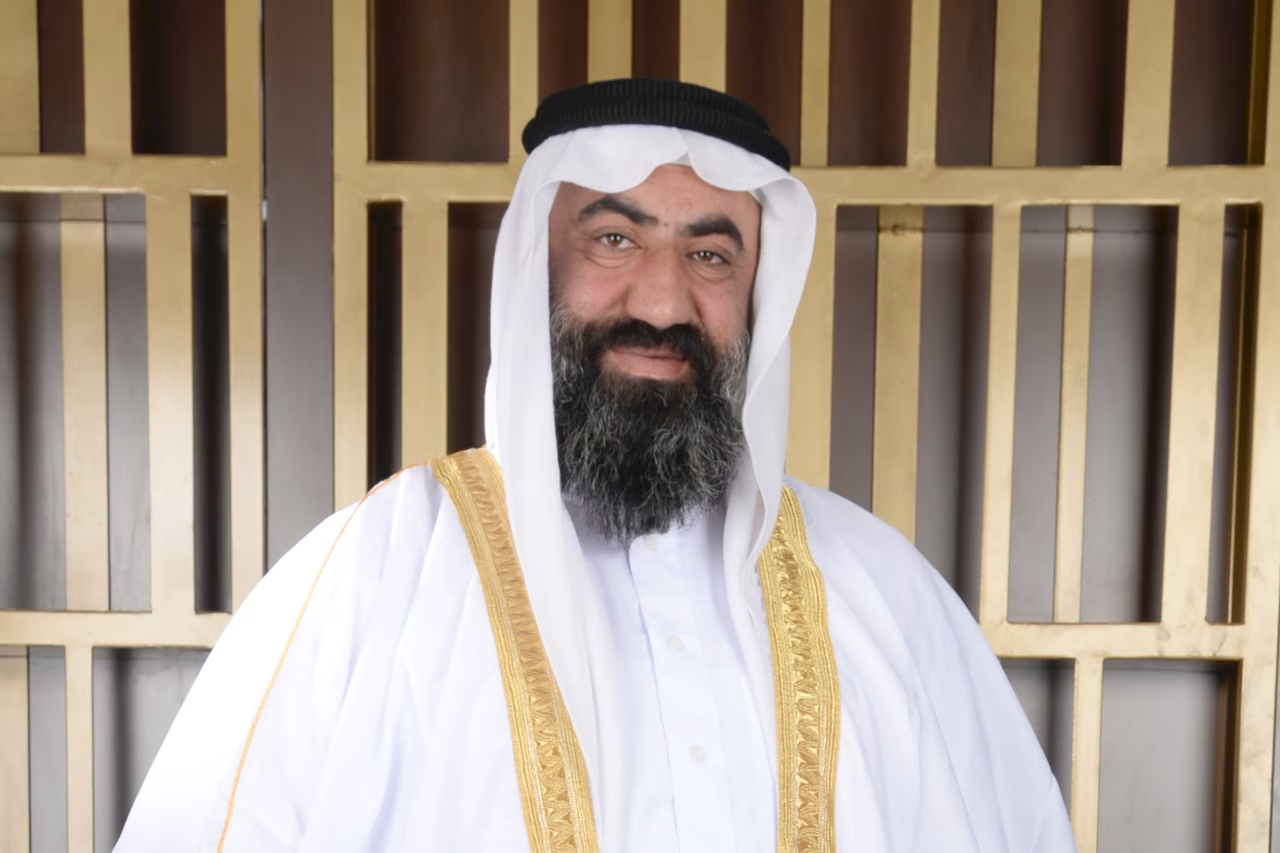
Led by Sheikh Wadee’ Jaabari, tribal leaders from five major clans in Hebron have formally called for the establishment of an autonomous emirate, independent from the Palestinian Authority. In their official letter, they propose recognizing Israel as the “nation-state of the Jewish people” and expect reciprocal recognition of the Hebron Emirate as the legitimate representative of Arabs in the region.
The sheikhs argue that the Oslo Accords have resulted in corruption, violence, and economic collapse, rendering the current political framework ineffective and lacking legitimacy. Their initiative reflects a shift toward traditional tribal governance as an alternative to centralized Palestinian leadership.
Operational Pillars of the Hebron Emirate Proposal
The plan outlines the creation of a 1,000-hectare autonomous economic zone near Israeli-controlled territory. In its initial phase, the zone would employ 1,000 Palestinian workers, with the potential to expand to 50,000 if successful. Sheikh Wadee’ Jaabari emphasizes a “zero tolerance” policy toward terrorism, relying on tribal structures to ensure security and stability.
Tribal Legitimacy vs. Formal Political Structures
In contrast to the centralized Palestinian political system shaped by the PLO and later the Palestinian Authority, the sheikhs base their proposal on traditional tribal legitimacy. They argue that external powers have imposed artificial governance models on Palestinians, and now is the time to return to indigenous, locally rooted leadership. Citing an Arab proverb—“Only the village’s calves can plow its land”—they suggest that outsiders lack the insight to address local needs and realities.
Tel Aviv’s Response and Key Stakeholders
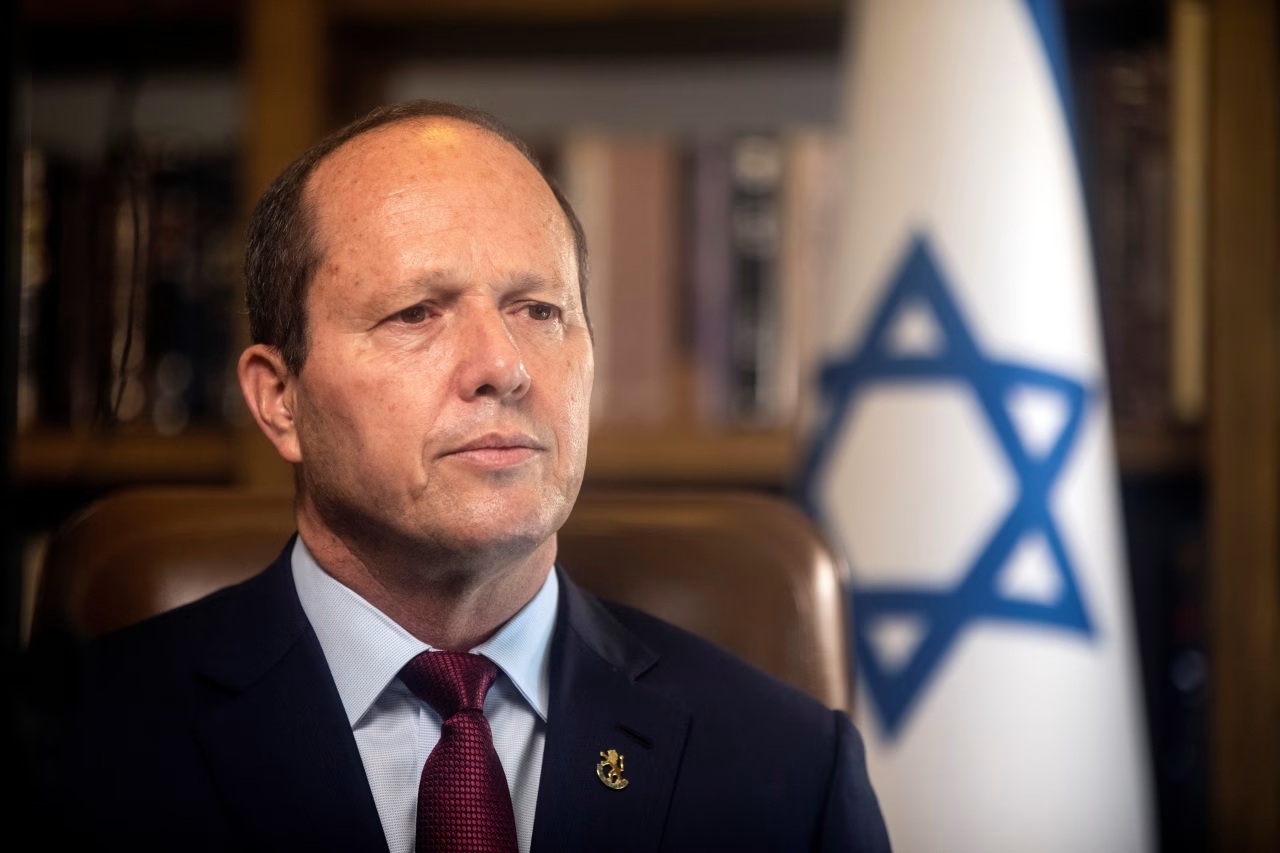
Israeli Economy Minister Nir Barkat is one of the main supporters of the initiative and has reportedly advanced discussions with government backing. He views the proposal as a practical alternative to the failed one-state and two-state solutions. Zionist scholar Mordechai Kedar, a vocal advocate of the Palestinian emirate model, has played a key role in connecting the tribal leaders with Israeli officials. He believes Hebron could serve as a successful prototype for other cities across the West Bank.
Challenges and Obstacles
Despite receiving political backing, Israel’s security institutions—such as Shin Bet and segments of the military—remain skeptical of the Hebron Emirate proposal. Their concerns center on the tribal leadership’s ability to manage weapons, counter terrorism, and maintain comprehensive control over the region. Military analysts warn that the absence of a centralized authority could lead to instability and chaos.
Locally, several groups and residents in Hebron have voiced opposition, arguing that the initiative lacks legitimacy and does not represent the broader population. Supporters of the Palestinian Authority may respond with resistance or even security confrontations, further complicating the plan’s implementation.
Conclusion
The Hebron Emirate initiative, led by tribal sheikhs, represents an ambitious attempt to reshape governance in the West Bank—moving beyond the Palestinian Authority and the two-state paradigm toward practical coexistence and economic integration with Israel. While some Israeli and Arab actors view the proposal as promising, its execution faces serious political, social, and security challenges.
The future of this initiative will depend on internal support, regional acceptance, and the involvement of international players—particularly the United States. It may also signal the emergence of a more cautious reformist current within the Palestinian Authority, echoing the vision of certain Zionist theorists who have long advocated for sidelining the PA in favor of localized alternatives.
Source:
Top West Bank sheiks propose recognizing the state of Israel, leaving Palestinian
A New Palestinian Offer for Peace With Israel


Comment