
Military Knowledge: Barak MX Air Defense System
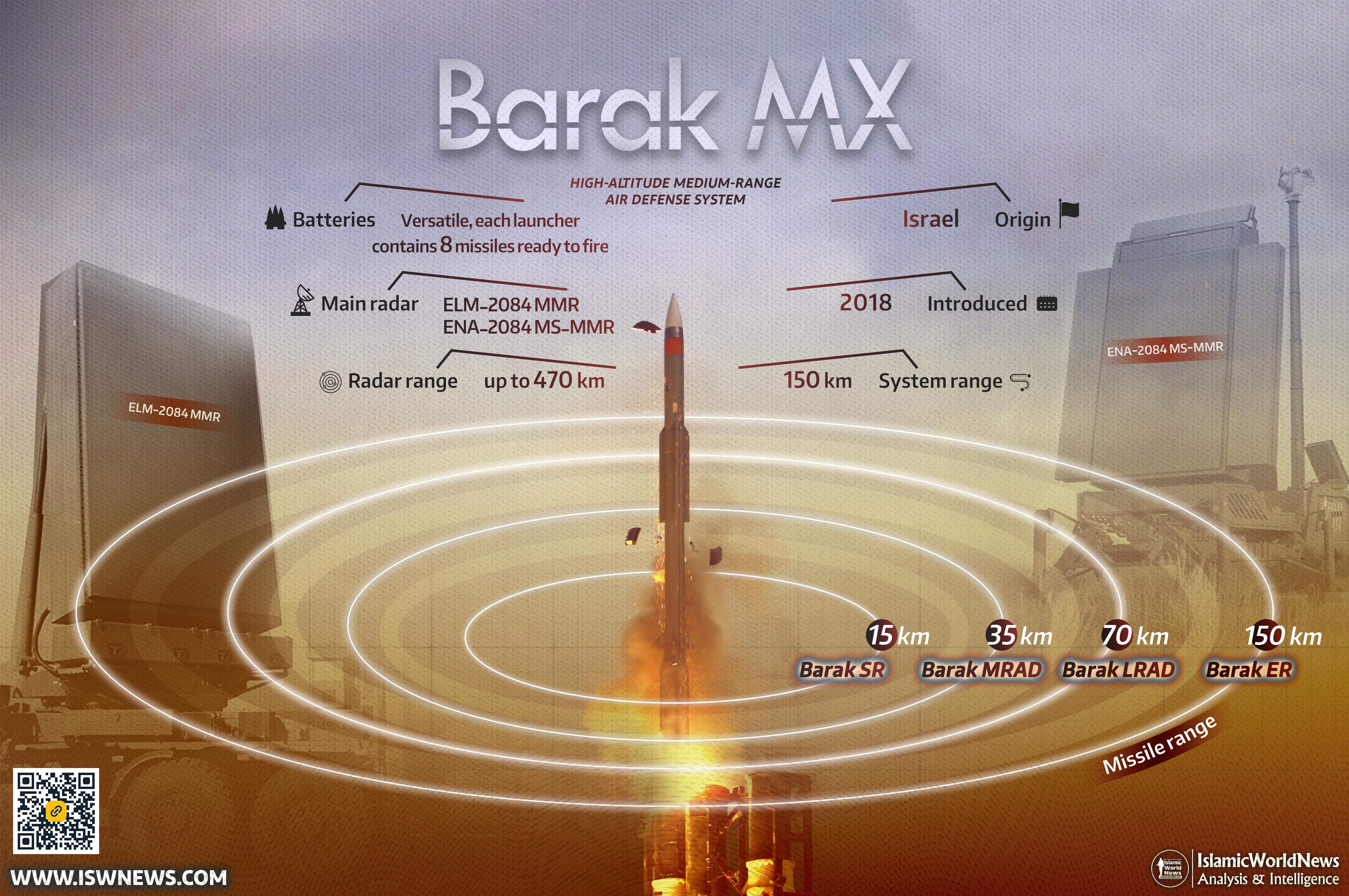
The Barak MX air defense system, developed by Israel Aerospace Industries, is a modular, network-centric platform built on an open architecture. Available in both land-based and Sea-based variants, it supports a wide range of radars and interceptor missiles, enabling engagement against diverse aerial, cruise, and ballistic threats. Given its export to foreign clients—particularly to conflict-prone regions such as the South Caucasus, the southern Persian Gulf, and the Eastern Mediterranean—Barak MX is regarded not only as an advanced weapon system but also as a geopolitical lever for Israel.
Introduction and Development History:
The Barak MX air defense system was designed to establish a flexible, multi-layered defensive structure against a wide range of aerial threats, including fighter jets, helicopters, drones, cruise missiles, anti-ship missiles, and tactical ballistic missiles. The term “MX” in its name stands for Mix of system elements for Maximum performance and flexibility, highlighting its modular, software-driven, and adaptable nature, while its hardware foundation is based on the earlier Barak system.
The origins of Israel Aerospace Industries (IAI) with the “Barak” system date back to the 1990s, when the company, in cooperation with Rafael, developed the Barak 1 missile to protect Israeli naval vessels against aircraft and anti-ship missiles. With a range of about 10 kilometers, its first operational use did not occur in the 1990s but rather in July 2022—nearly three decades later—when Hezbollah launched three drones toward the Karish gas platforms. One was shot down by an F-16 fighter jet, while the other two were intercepted by a Sa’ar-class corvette using Barak 1 missiles.

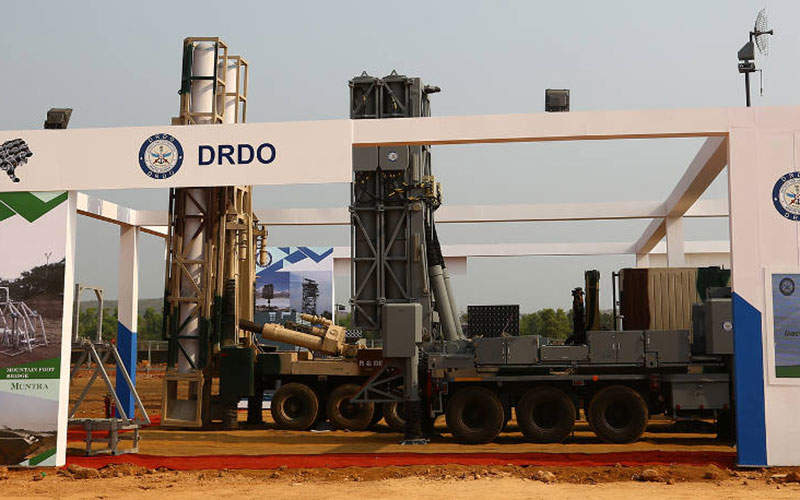
In 2007, the then–CEO signed an agreement with India’s Defence Research and Development Organisation (DRDO) to develop a new version of the missile with a range of 70 kilometers for the Indian Navy—later known as Barak-8. The contract, valued at around $1.5 billion, was considered one of the largest projects in IAI’s history. The missile’s engine was developed by the Indian side, while nearly all other system components were produced by Israel.
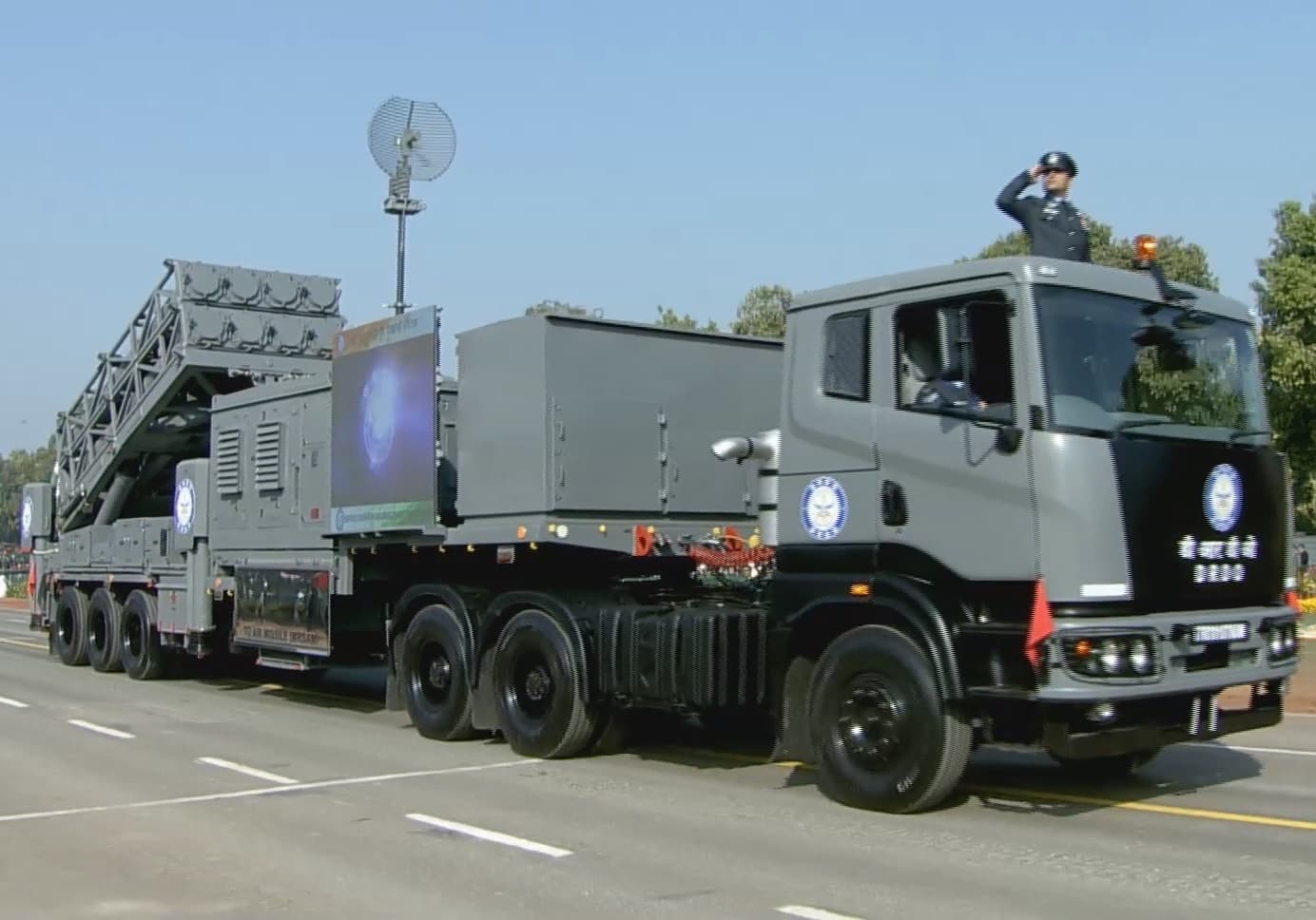
Barak-8 became operational in 2015 and entered service aboard India’s new destroyers. Over time, various missile types with different ranges were integrated into a comprehensive system.
Barak MX Defense System Components:
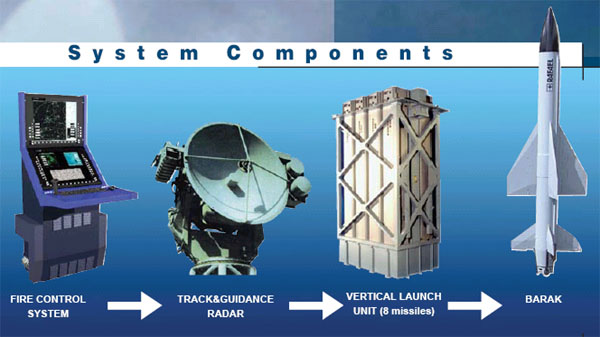
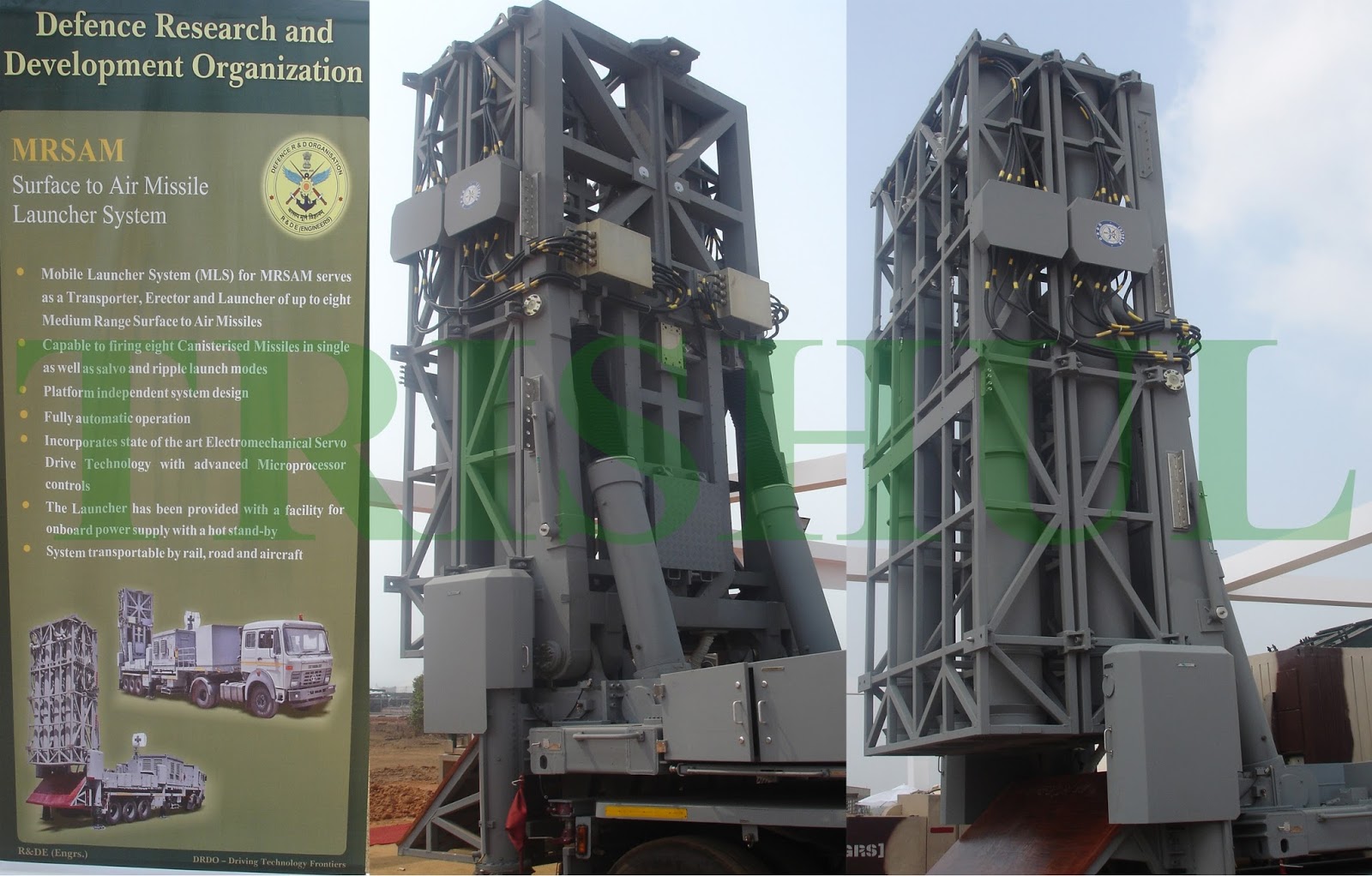
The Barak MX system is composed of three primary elements: the Battle Management Center (BMC), the EL/M-2084 Multi-Mission Phased Array Radar (MMR), and a family of interceptor missiles with varying ranges, each of which will be examined separately.
Battle Management Center (BMC):
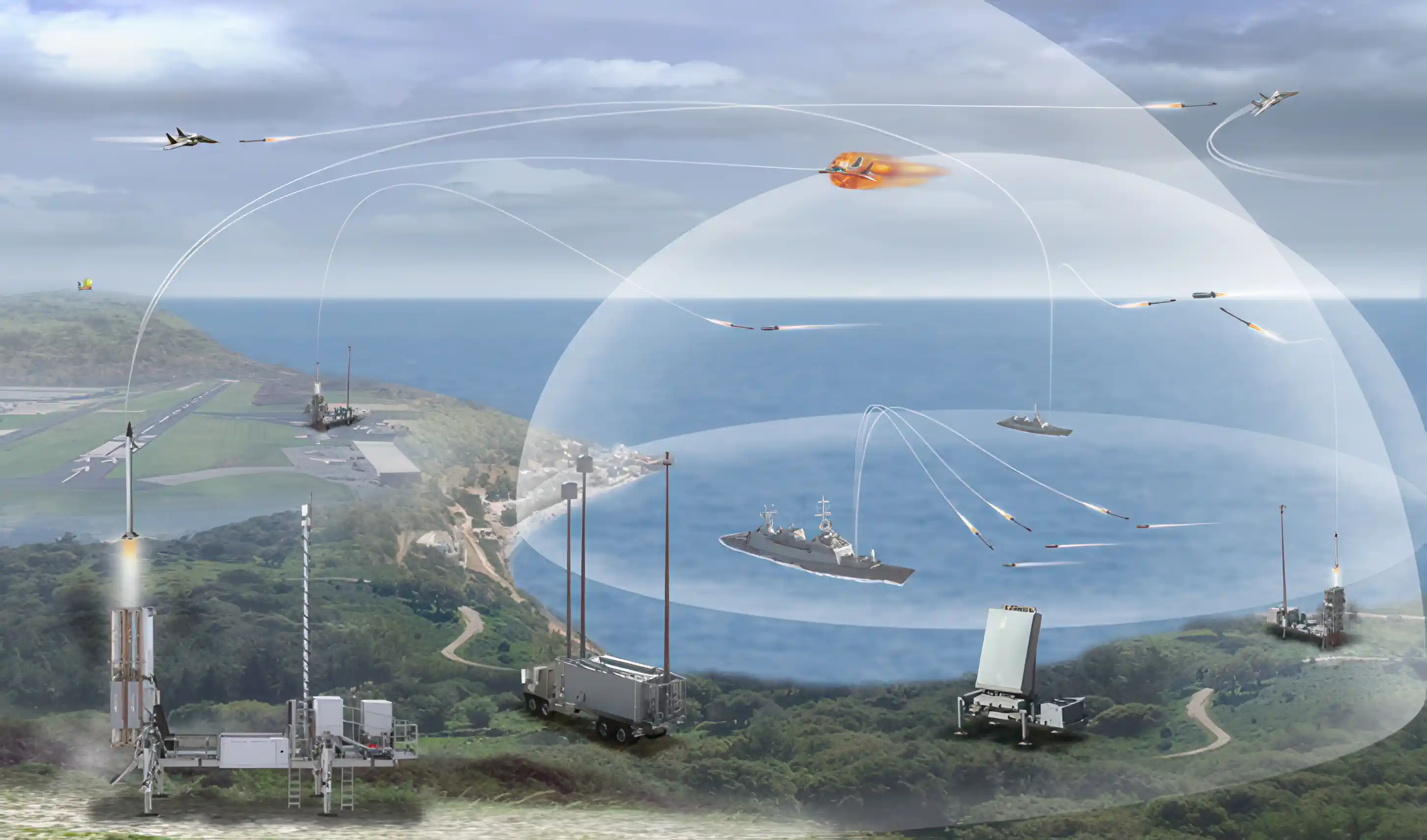
The BMC serves as the brain of the system, functioning in the domains of command, control, and communications. It integrates data collected from radars and various sensors to generate a unified air situation picture. One of the system’s unique features is the Launch Over Relay (LOR) capability, which allows fire units to launch missiles at targets detected by another unit’s radar. This function is particularly valuable in complex battlefields, enabling optimal use of all interceptors and preventing redundant engagements against the same target. The BMC can be deployed in fixed facilities, semi-mobile platforms, or fully mobile units.
Barak System Radars
ELM-2084 MMR:
Barak was developed based on radar architecture already established within Israel Aerospace Industries. As such, the EL/M-2084 multi-mission radar family, under development since 2002, is employed in this system. This radar is also used in the Iron Dome and David’s Sling systems, with its first operational record dating back to 2011. This commonality allows rapid deployment of Barak MX launchers alongside other systems using the same radar. Notably, during the 12-day war, Barak MX was urgently and temporarily deployed in the occupied territories at the request of the Israeli military.
Israel Aerospace Industries has delivered more than 250 units of this radar family to clients worldwide. Among them is a 2009 contract for 34 EL/M-2084 radars signed by India. Other known users include Vietnam, Singapore, Hungary, Finland, the Czech Republic, Canada, Azerbaijan, and the United Arab Emirates, employing the radar either within the Barak air defense system or as part of other IAI products.
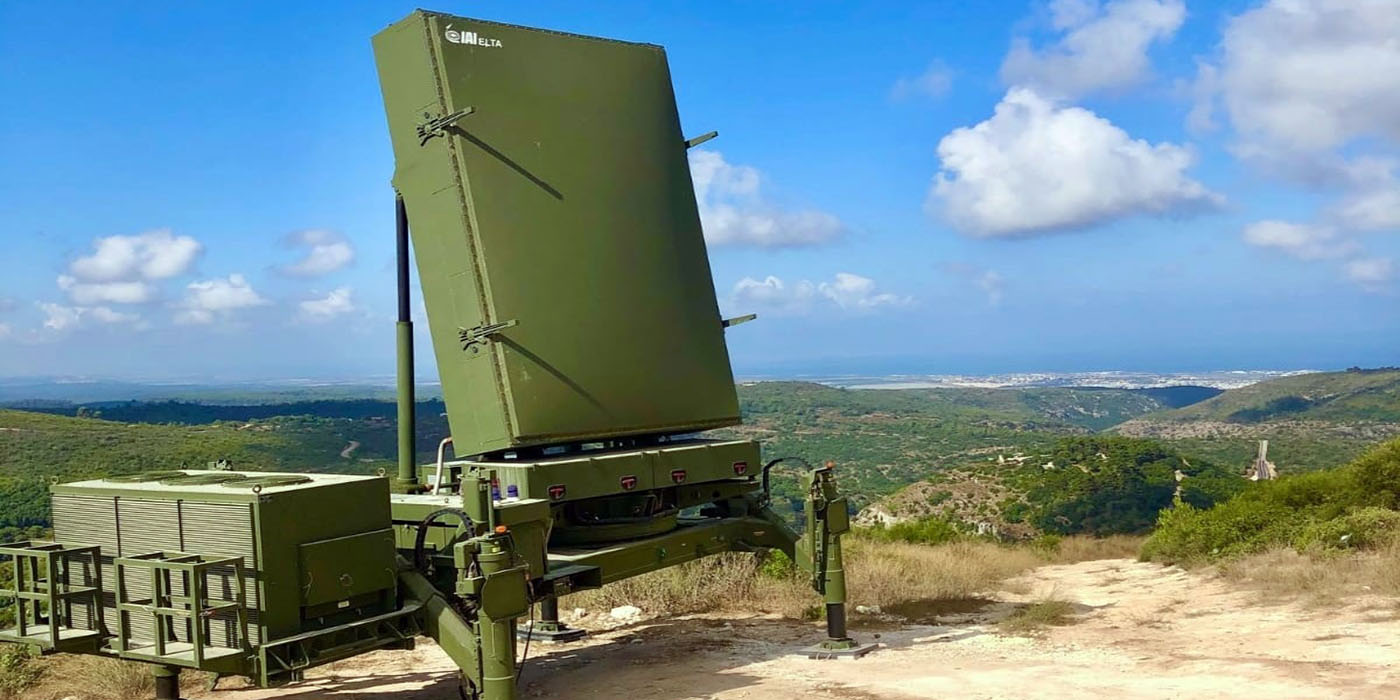

Manufactured by Elta Systems, the ELM-2084 serves as the primary sensor of the system. Operating in the S-band with Active Electronically Steered Array (AESA) technology, it offers high mobility and rapid frequency agility, enabling simultaneous detection of up to 1,200 targets. The radar’s maximum detection range is cited as 470 km, while its optimal tracking range is estimated at 256 km. It also provides artillery weapon location capabilities, detecting firing positions within a 100 km radius at a rate of 200 targets per minute, while calculating probable impact points. Coverage extends to 120° in static mode and 360° in rotating mode, with vertical coverage up to 50°, reaching altitudes of approximately 30 km.
The system is built on a modular design philosophy and an “open radar interface,” allowing users to integrate different radars according to their existing infrastructure. This reduces dependency on a single supplier and enables gradual, cost-effective upgrades. Thanks to its modular architecture, the Barak MX system can also support other radars from the same family, consolidating complementary data from multiple sensors.
ENA-2084 MS-MMR:
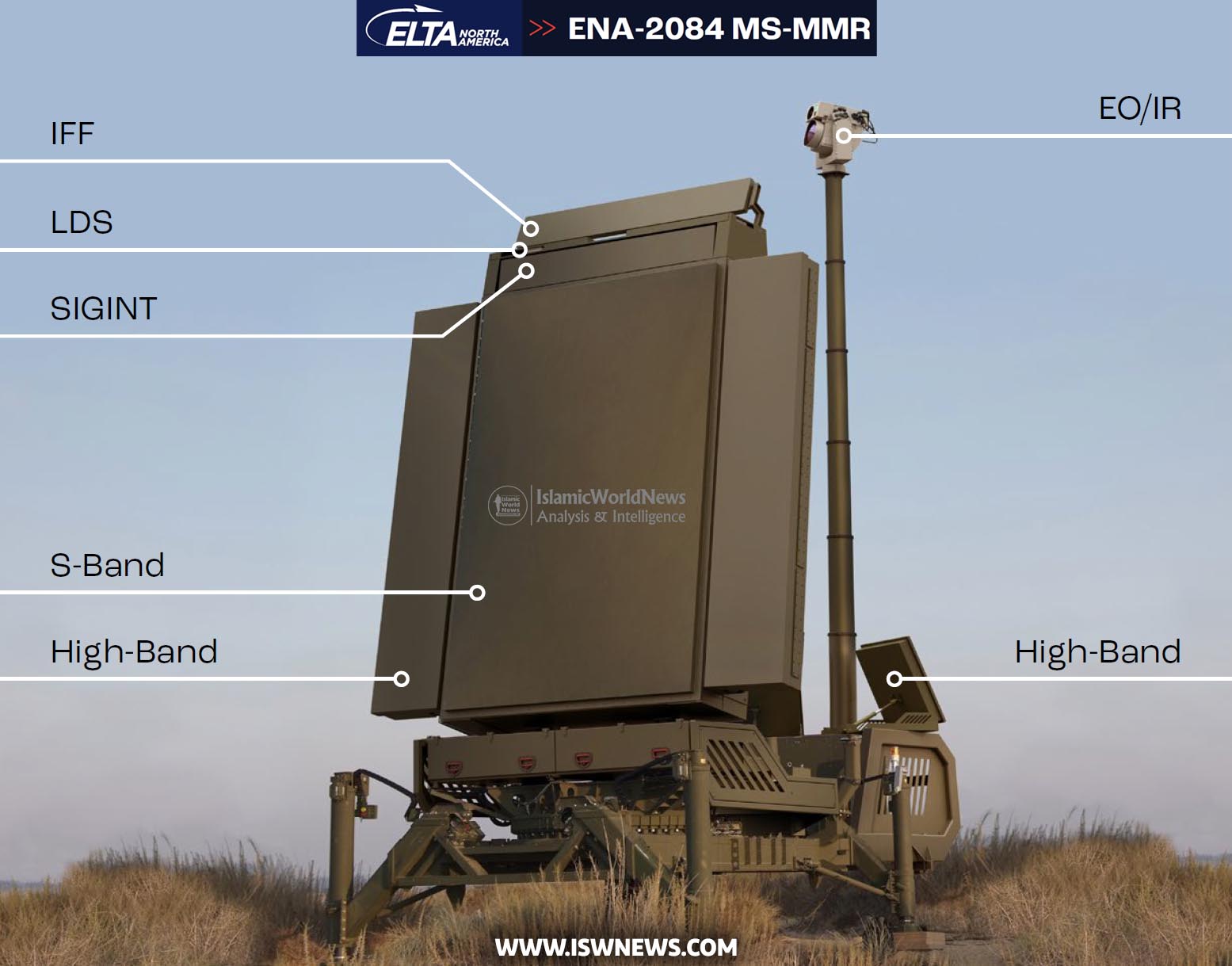
The enhanced multi-sensor version, known as MS-MMR (or ENA-2084 MS-MMR), integrates both active and passive sensors to deliver a higher-quality Air Situation Picture (ASP) and more effective support for weapon systems. The MS-MMR platform combines multiple bands and multi-spectral sensors, including a high-band radar, Identification Friend or Foe (IFF) system, SIGINT modules, electro-optical and infrared (EO/IR) sensors, and Launch Detection Sensors (LDS).
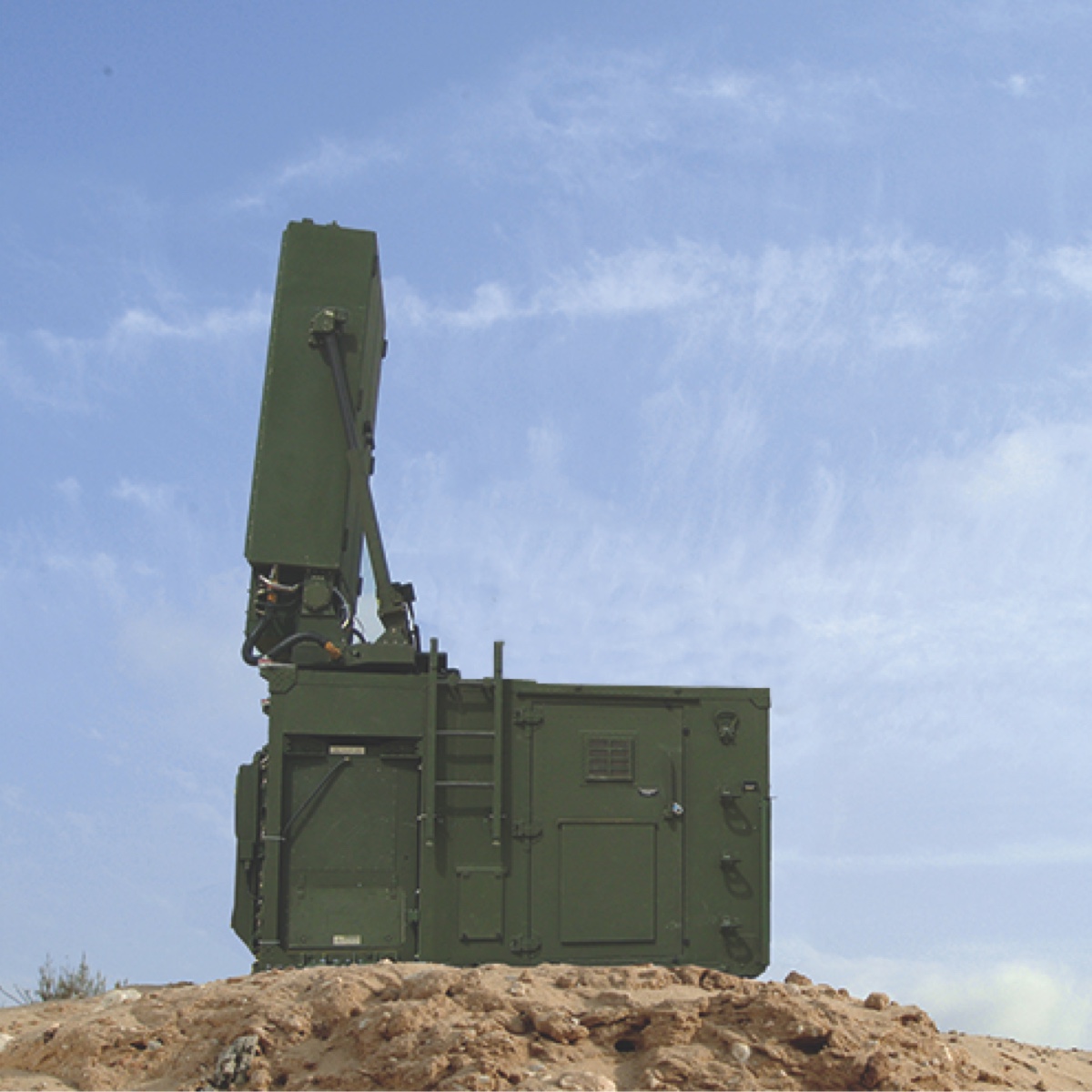
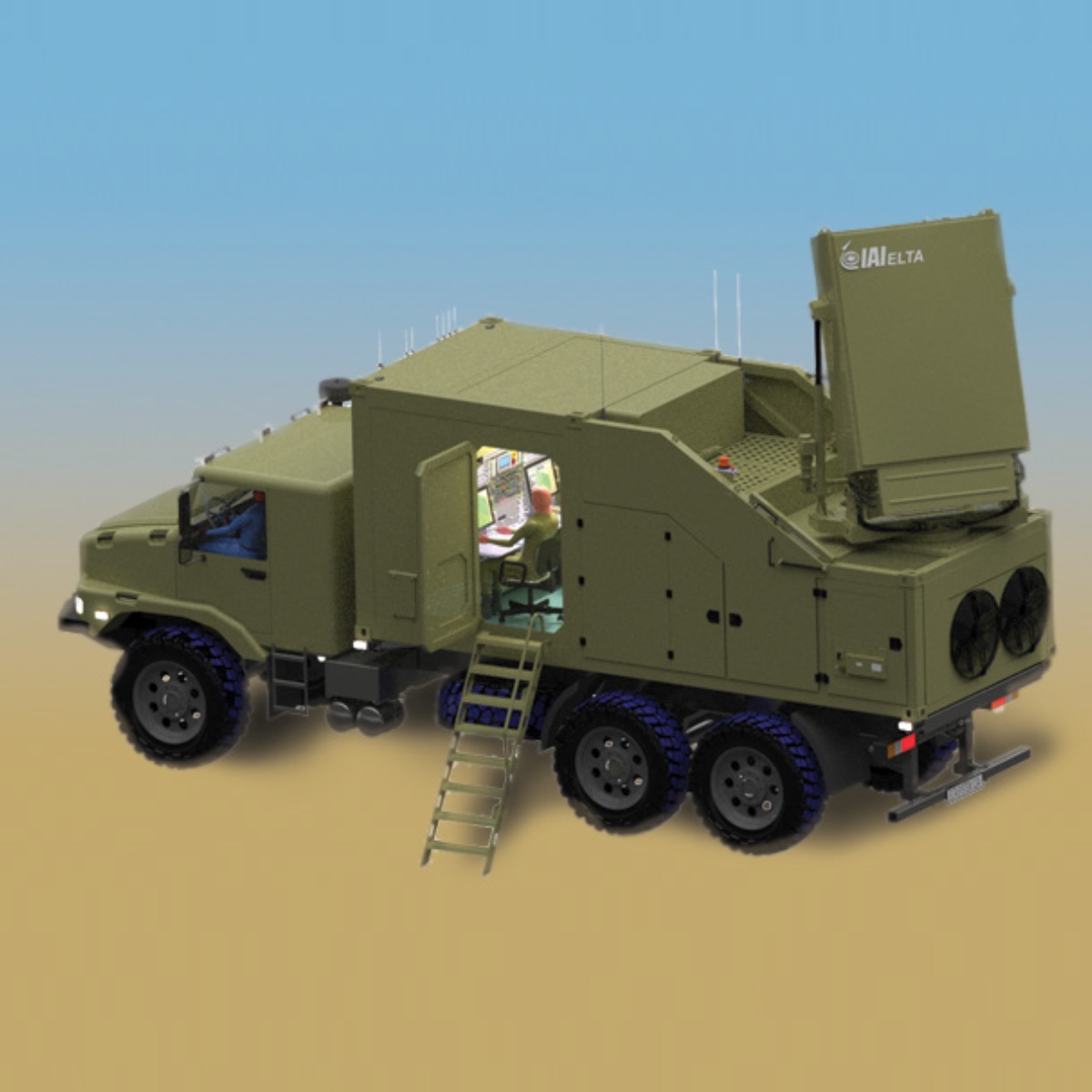
ENA-2311 C-MMR Radar:
Another version of this radar, known as C-MMR (Compact Multi-Mission Radar), has been introduced with a smaller physical footprint. The ENA-2311 is highly mobile and can be rapidly deployed on a single vehicle for field forces. It employs a 3D AESA (Active Electronically Steered Array) antenna. The main components of the C-band Doppler radar include a phased-array antenna, cooling unit, power supply unit, and operator consoles equipped with communication systems.
The C-MMR is designed for Air Defense (AD) missions with a detection range of up to 250 km, and for Artillery Weapon Location (WLR) missions with a range of 70 km. In artillery mode, the radar can identify the launch and impact points of mortars, cannon shells, rockets, and missiles.

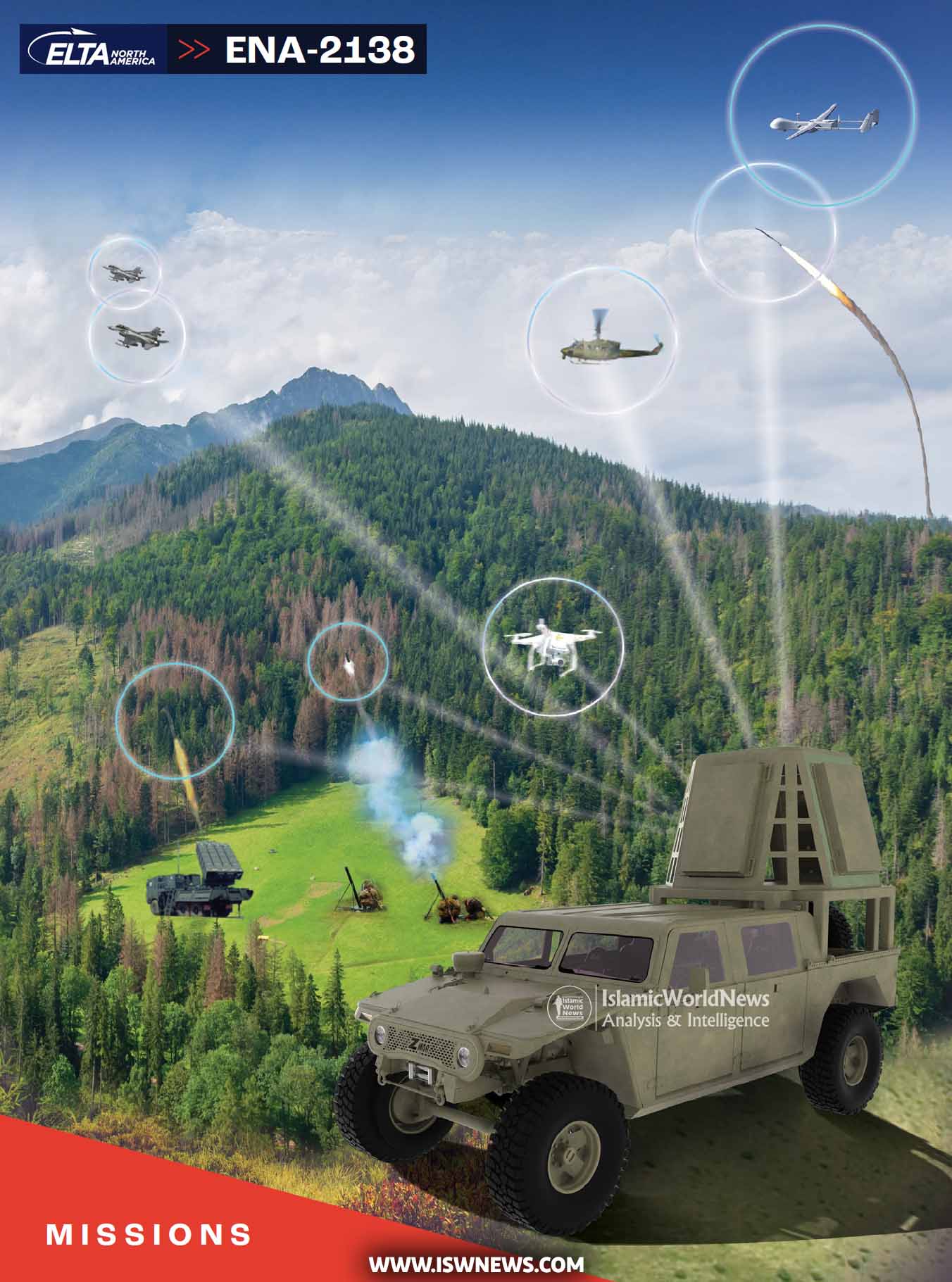
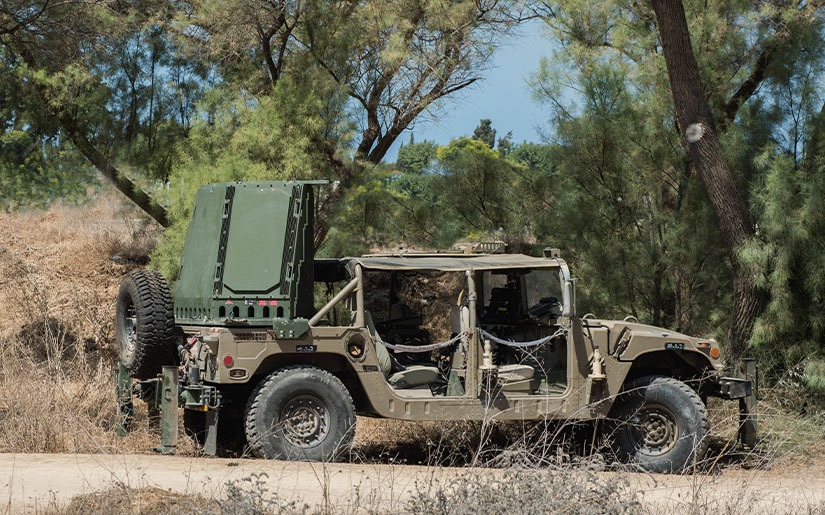
ELM-2138M Green Rock Radar:
The ELM-2138M Green Rock variant of this radar family is capable of detecting around 100 targets at ranges of up to 250 km. Designed specifically for deployment on tactical vehicles, it places particular emphasis on tracking small, low-RCS targets flying at low altitude and slow speed.
Its maximum effective range is 100 km, and it can be integrated into a fire unit as a complementary sensor for detecting miniature aerial threats and cruise missiles.
ELM-2248 MF-STAR Radar:
In its naval variant, the Barak MX system employs the ELM-2248 MF-STAR, a multi-function digital S-band AESA radar designed for search and target acquisition. The MF-STAR’s primary array consists of four scalable panels, which can be configured and dimensioned according to the type of vessel on which they are installed.
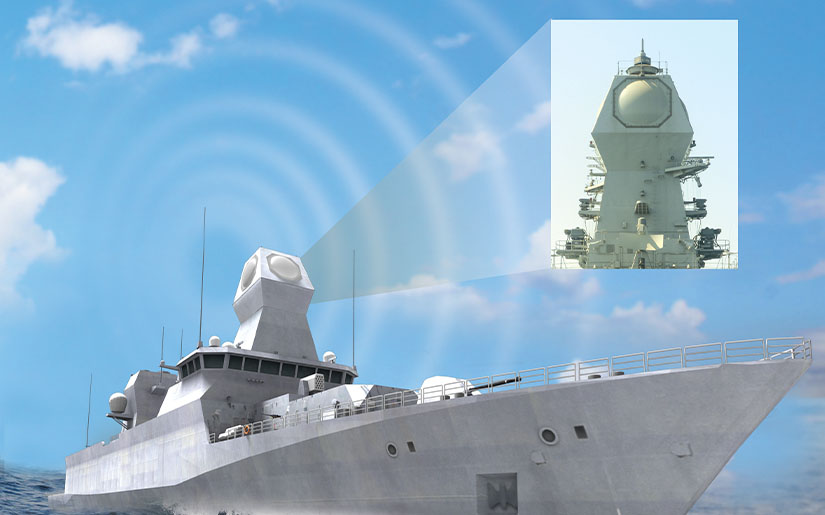

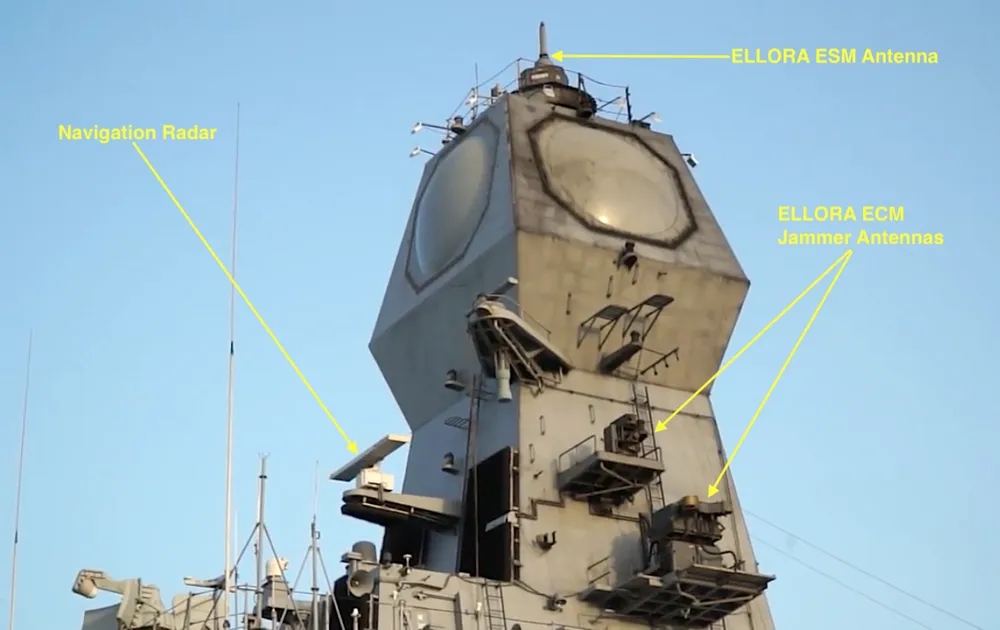
In the corvette version, each radar panel weighs about 500 kg and measures 1 × 2 meters. The below-deck equipment adds around 1,300 kg, bringing the total system weight to approximately 3,300 kg. In the frigate version, each radar panel has a diameter of 3 meters and weighs about 1,500 kg. The below-deck equipment in this model weighs about 4,000 kg, resulting in a total system weight of nearly 10,000 kg. In this configuration, the radar’s detection range increases from 250 km to about 450 km.
Barak MX Interceptor Missiles
The missile family of the Barak MX system consists of four vertically launched interceptors: the Barak SRAD with a range of 15 km, the Barak MRAD with a range of 35 km, the Barak LRAD with a range of 70 km, and the Barak ERAD with a range of 150 km and a flight ceiling of 30 km. All of these missiles are of dedicated design and, unlike many conventional air defense interceptors, are not adapted from air-to-air missiles. This design choice allowed engineers to use a larger body diameter, enabling the integration of a more powerful radar seeker, a bigger warhead, and a more efficient propulsion system.
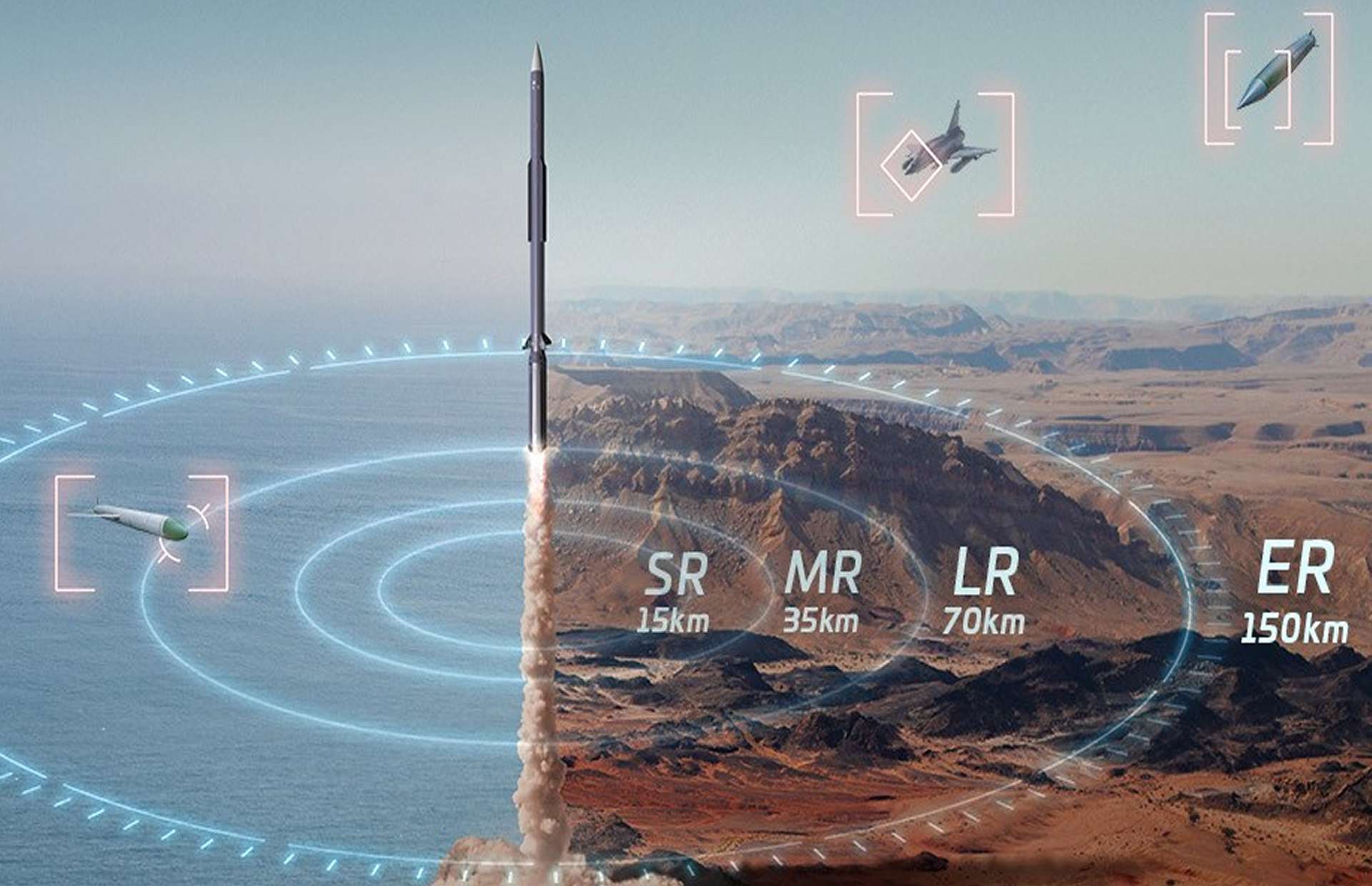
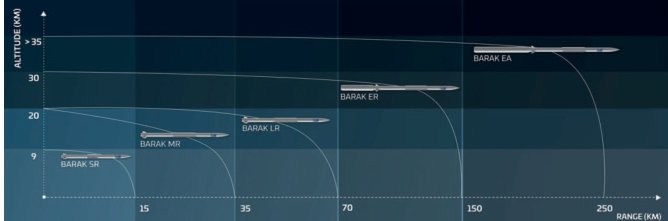
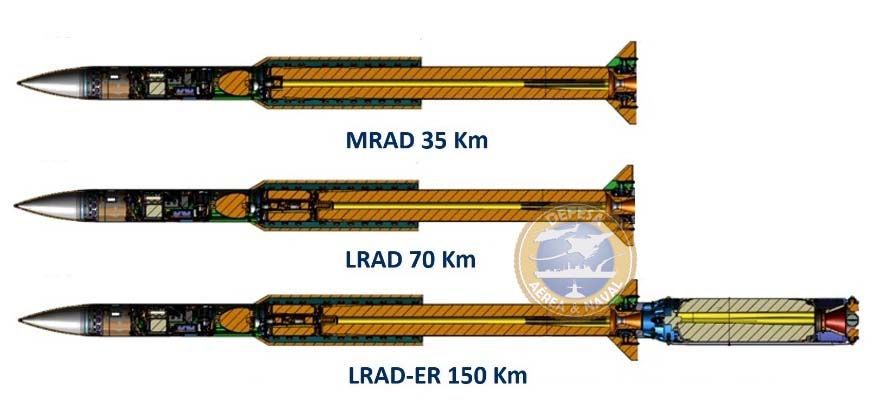
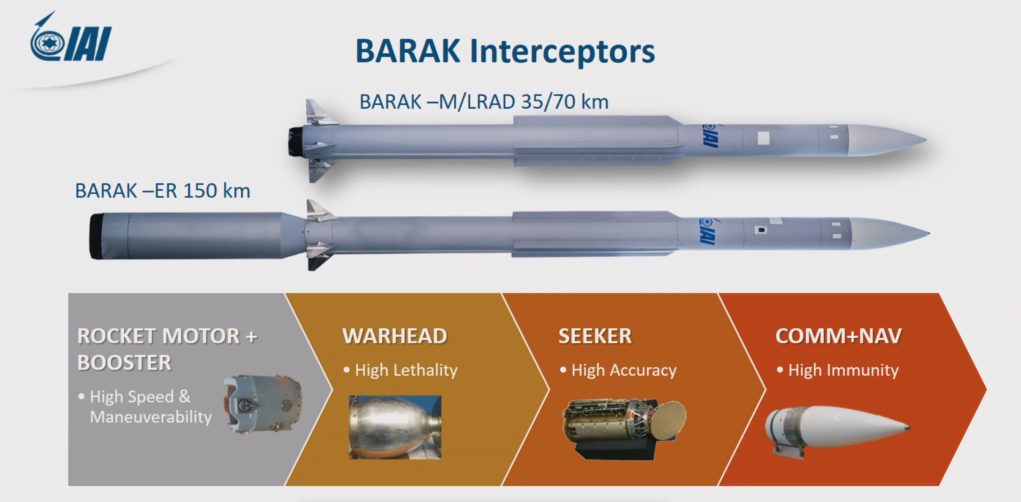
Long-range Barak interceptors such as the Barak ER employ a vertical launch booster and dual-pulse solid-fuel rocket motors. The second pulse is activated during the terminal phase to enhance maneuverability and preserve energy for interception. The MRAD variant, equipped with a single-pulse motor, offers maneuverability of up to 50 g and is designed to counter fast and agile targets at shorter ranges.
During the mid-course phase of flight, in addition to the onboard navigation system, a two-way datalink with the Battle Management Center (BMC) provides real-time trajectory corrections. All missiles in the family are equipped with active radar seekers for terminal guidance, granting them true “fire-and-forget” capability.
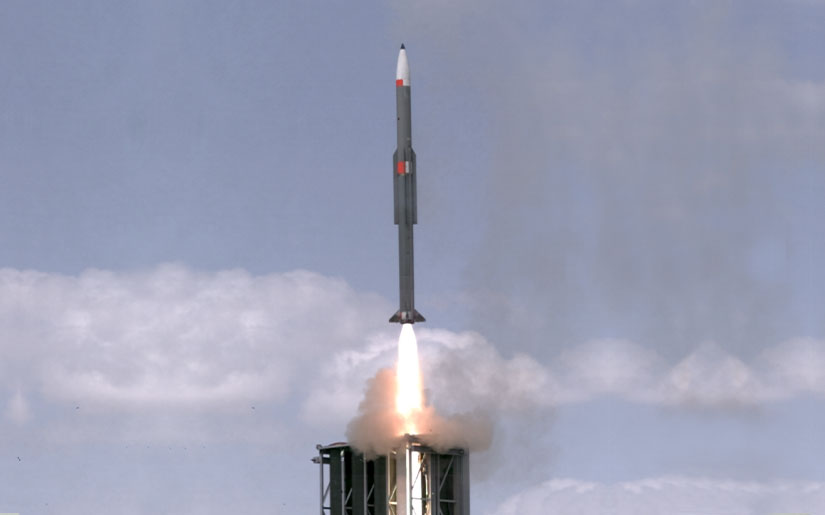

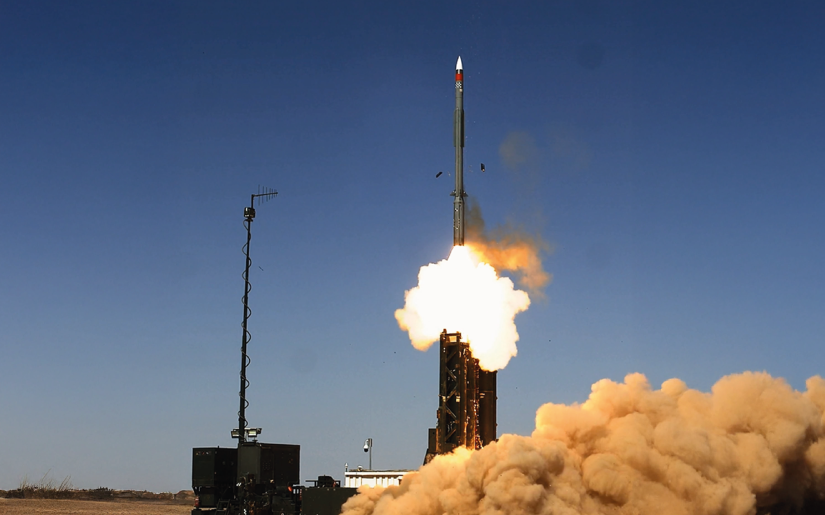
The 60 kg warheads of these missiles are fragmentation-explosive types equipped with proximity fuzes, detonating at the optimal distance from the target to multiply the probability of destruction. The combination of high maneuverability, dual-pulse propulsion, and active radar guidance enables the Barak family to successfully intercept threats such as low-flying cruise missiles or ballistic missiles in their terminal phase with a high likelihood of success.
Barak MX Users
Since becoming operational in 2016, the system has been adopted by at least seven countries.
In the South Caucasus, the Republic of Azerbaijan is one of the key operators of Barak MX. The acquisition of this system is part of a broader military cooperation with Israel, which also includes LORA missile systems and loitering munitions. According to observers, Azerbaijan’s use of these technologies in recent regional conflicts has strengthened Israel’s position in the regional balance of power and, from Tel Aviv’s perspective, serves as a counterweight to Iranian influence.
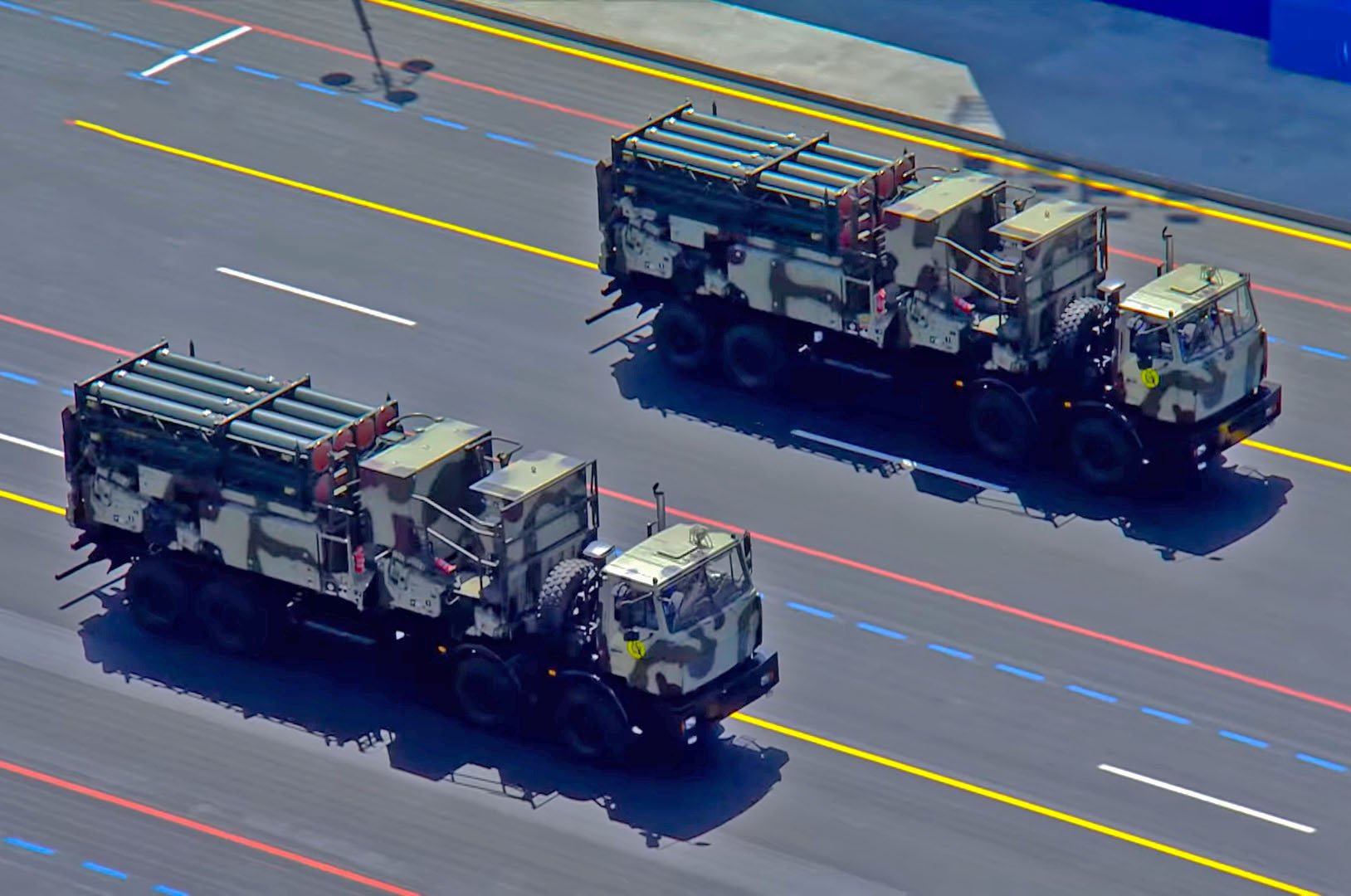
In the Eastern Mediterranean, the deployment of this system in Cyprus triggered significant geopolitical reactions. Nicosia purchased the Barak MX with the aim of strengthening its air defense against regional threats. Turkey, however, regarded this move as a destabilizing factor.
The United Arab Emirates, Slovakia, and Morocco are also considered among the potential operators of the Barak-8 system
Conclusion:
From an operational standpoint, the Barak MX is recognized as a Beyond Visual Range (BVR) engagement system. Its Launch Over Relay (LOR) capability allows a missile to be fired by one unit while receiving target data from a radar located elsewhere. This feature extends the effective interception range and makes the system highly suitable for modern network-centric warfare.
In addition, the digital, anti-jamming design of the MMR radar and the system’s open architecture ensure sustained functionality even in environments with heavy electronic interference, and guarantee continued performance even if parts of the network are disabled.
Barak MX Air Defense System Specifications:
Type: Medium-Range High-Altitude Missile Defense
Origin: Israel
Manufacturer: Israel Aerospace Industries
Introduced: 2018
System Range: 150 km
Radars:
ELM-2084 MMR and ENA-2084 MS-MMR radars as primary radars and ENA-2311 and ELM-2138M radars as adaptive radars
Radar Range:
ELM-2084 radar up to 470 km
ENA-2311 radar up to 250 km
ELM-2138M radar up to 100 km
Batteries: Versatile, each launcher containing 8 missiles ready to fire
Missiles:
Barak SR missile with a range of 15 km
Barak MRAD missile with a range of 35 km
Barak LRAD missile with a range of 70 km
Barak ER missile with a range of 150 km



Comment