
Military Knowledge: Hermes 900 Drone
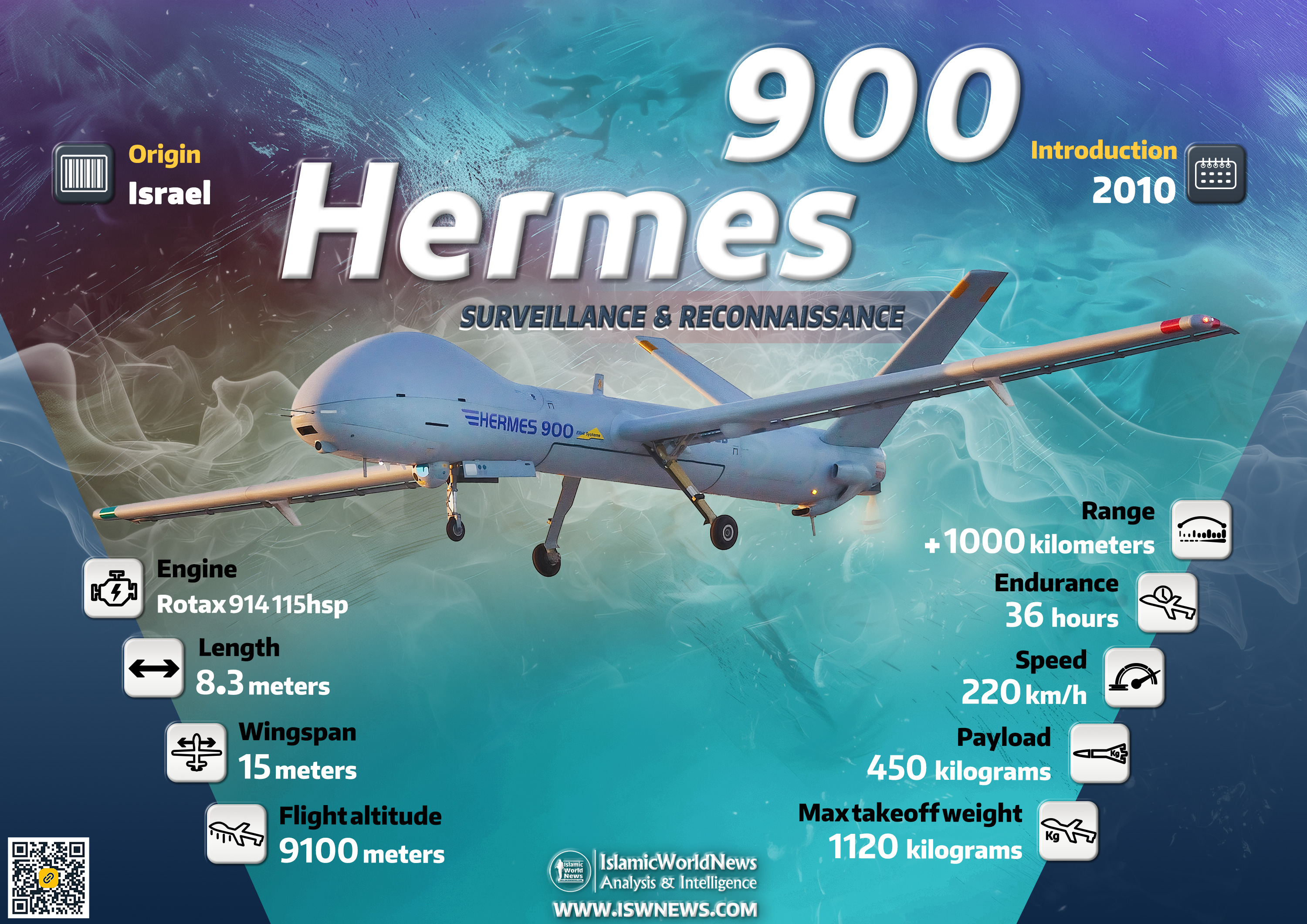
The Hermes 900 drone, known in the Israeli Air Force as Kochav (meaning “Star”), is a versatile system classified as a Medium Altitude Long Endurance (MALE) UAV. It is one of the first Israeli drones that has been documented to carry combat payloads. Like other members of the Hermes drone family, it was developed by Elbit Systems.
Introduction: Getting to Know the Hermes 900 Drone
The Hermes 900 drone was designed and developed as the direct successor—and essentially the “big brother”—of the highly successful Hermes 450. Its development was shaped by field experience and operational lessons learned from the extensive deployment of the Hermes 450 in conflict zones. These insights highlighted the need for greater flight endurance, a higher operational ceiling, and increased payload capacity.
Elbit Systems’ design philosophy for this project was clearly rooted in evolution, not revolutionary change. The goal was to create a platform that would perform twice as well as the Hermes 450, while maintaining maximum compatibility with existing operational infrastructure. As a result, operators familiar with the Hermes 450 could transition to the Hermes 900 with minimal additional training.
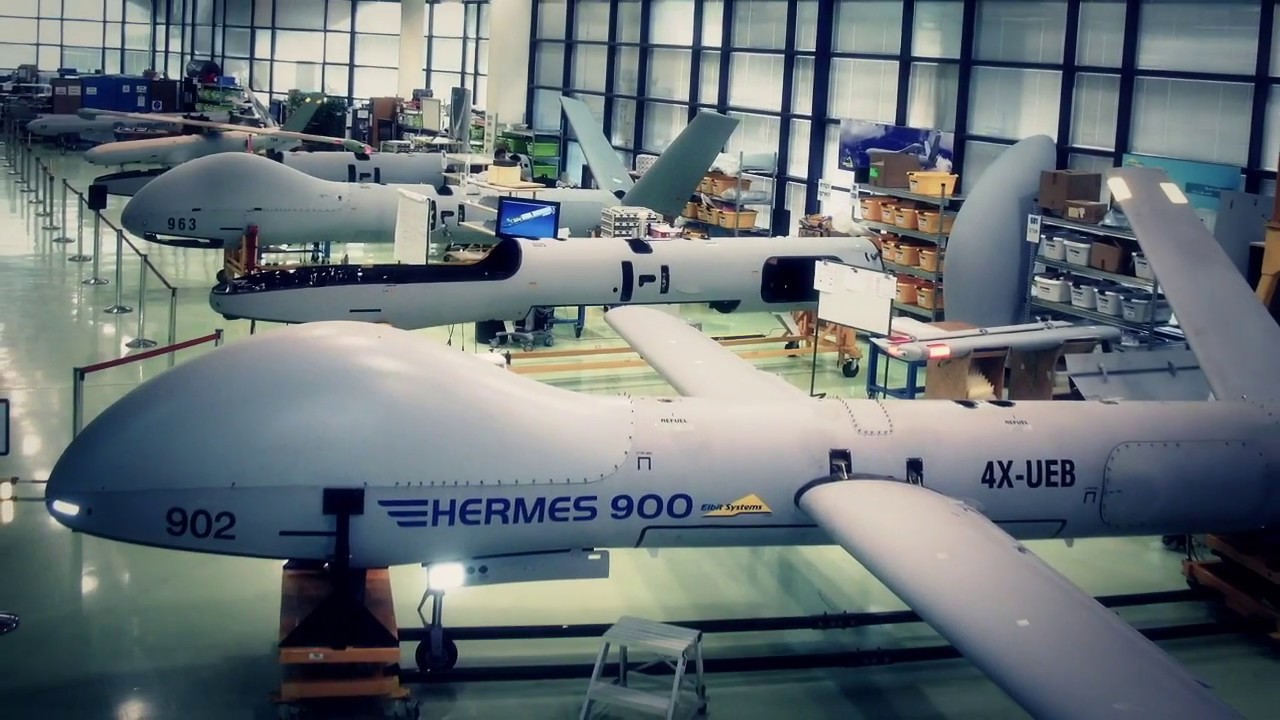
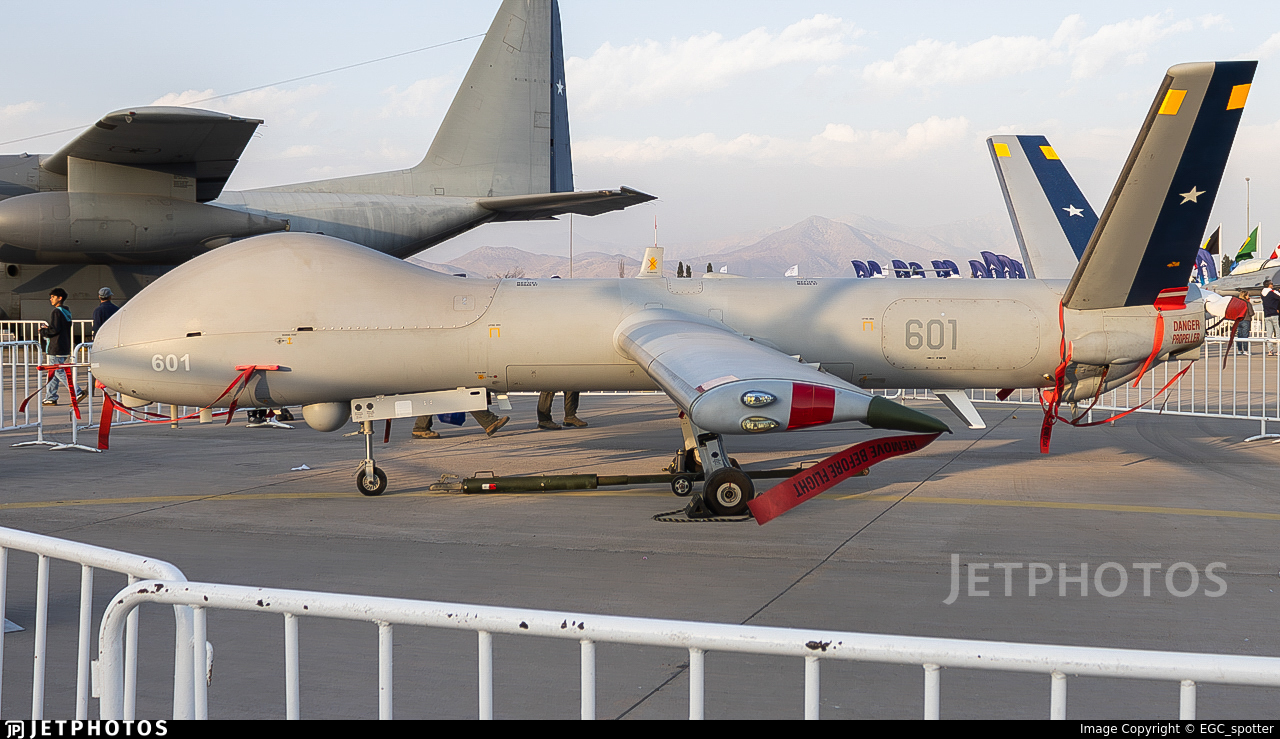
The Hermes 900 successfully completed its maiden flight on December 9, 2009. Between 2010 and 2012, it was introduced to the global market, with its first export contract signed in July 2011 with Chile. Although full operational deployment was initially scheduled for the end of 2015, urgent needs led to its emergency use during Operation Protective Edge in Gaza in July 2014.
The drone officially entered service with the Israeli Air Force on November 11, 2015. As of 2024, the Israeli Air Force has established Squadron 147, named Ram, at Palmachim Airbase specifically for Hermes 900 operations. Additionally, Squadron 166 has also adopted the drone for its missions.
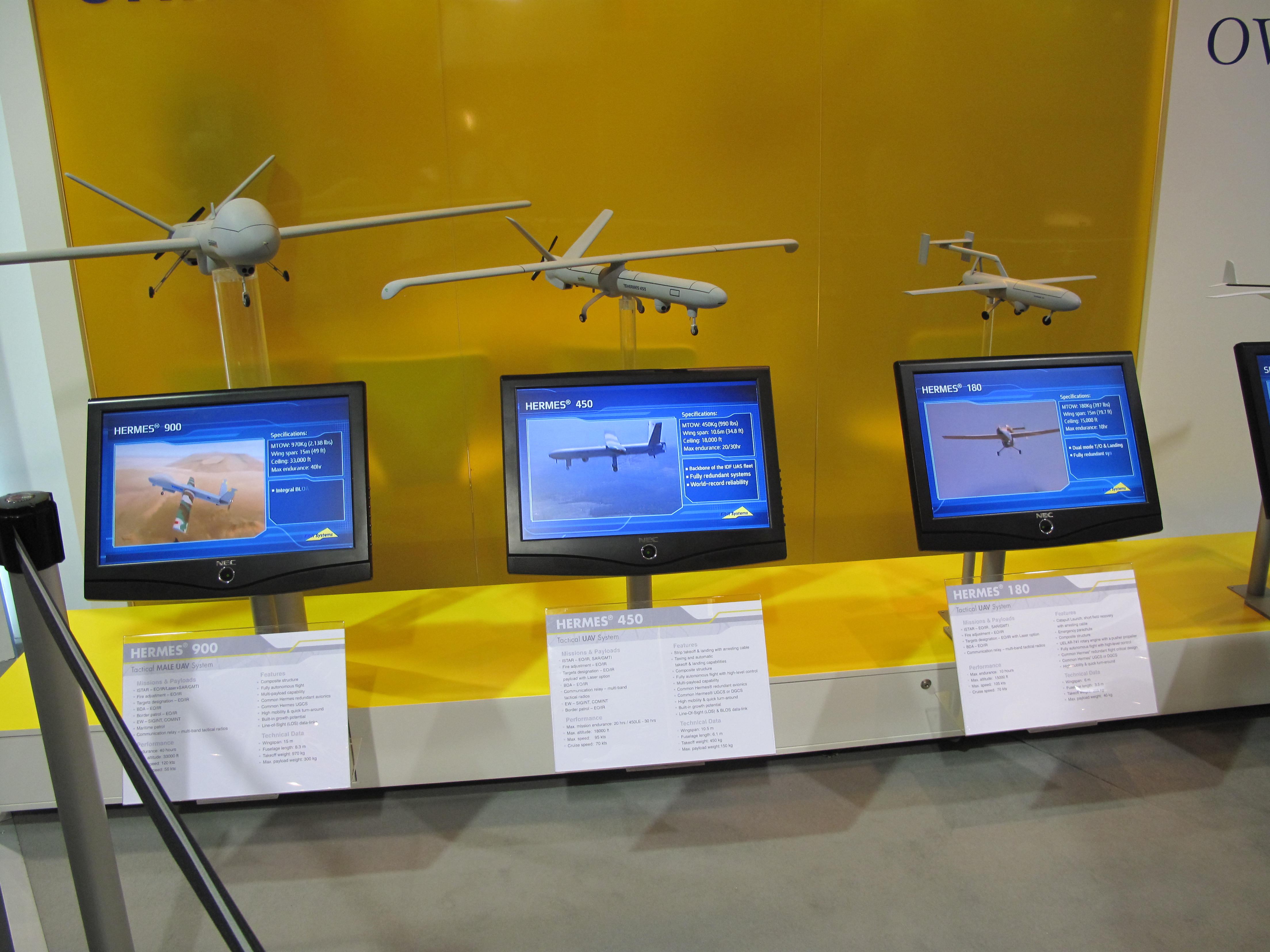
Technical Specifications and Design Features of the Hermes 900 Drone:
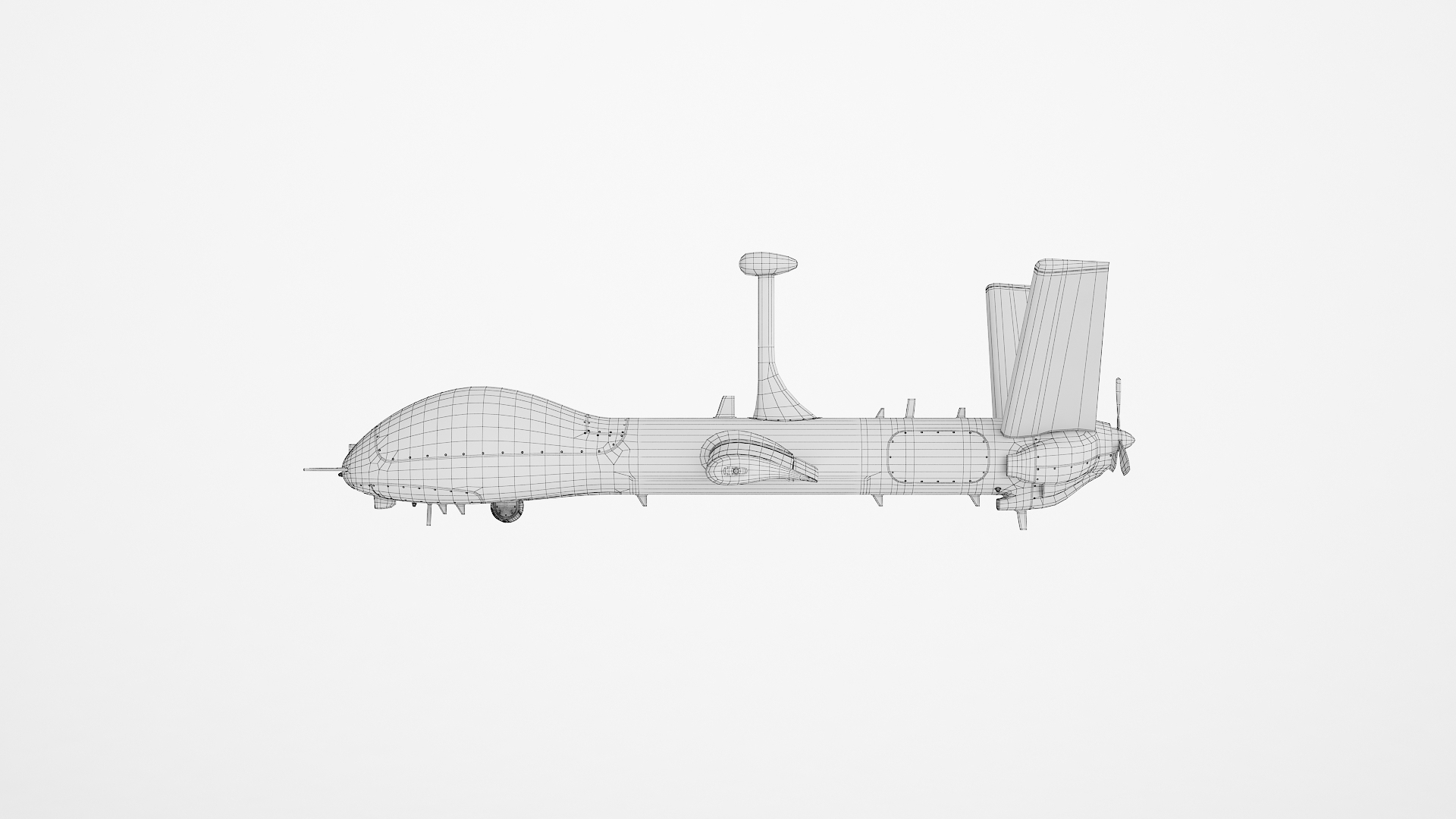
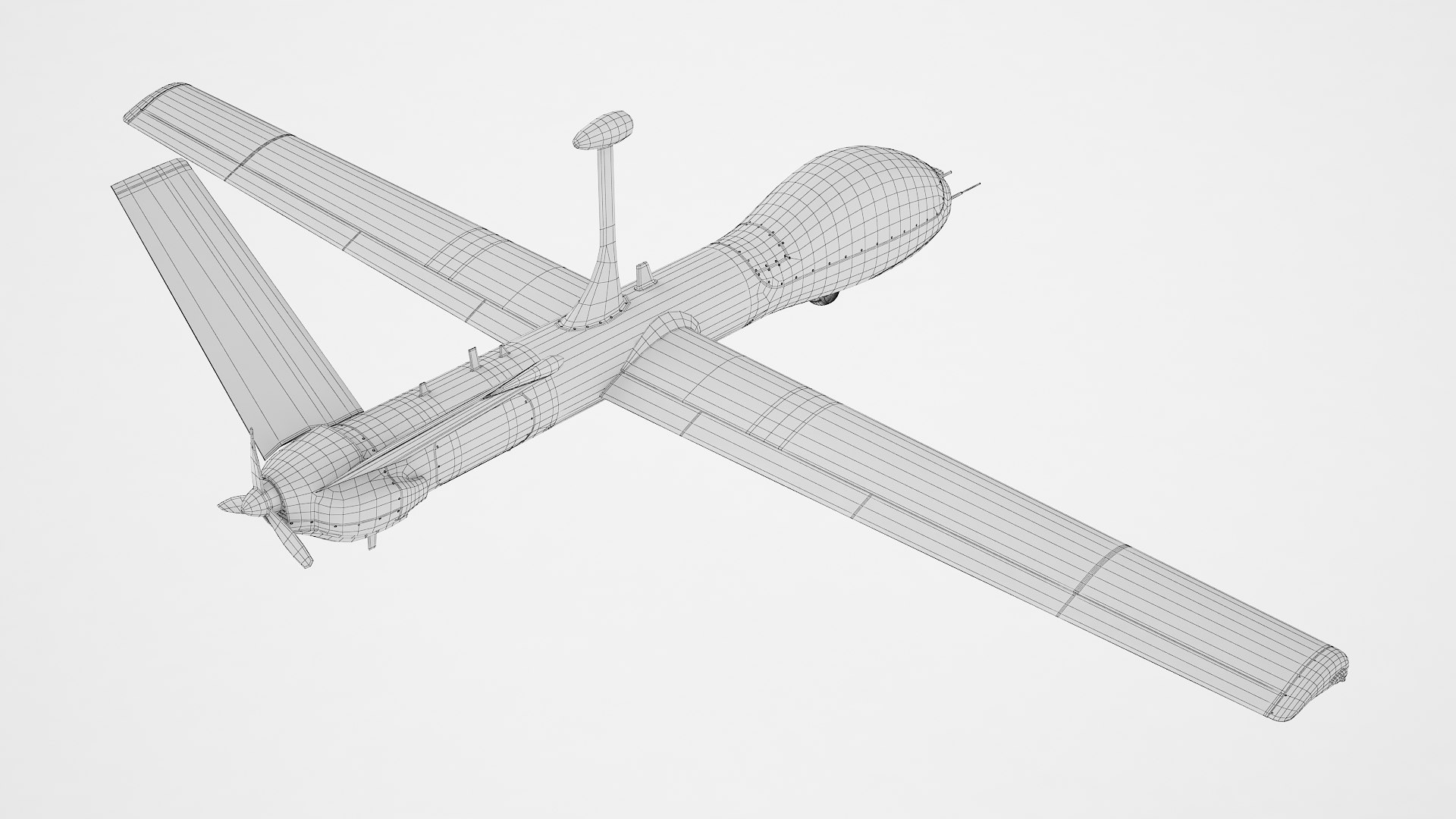
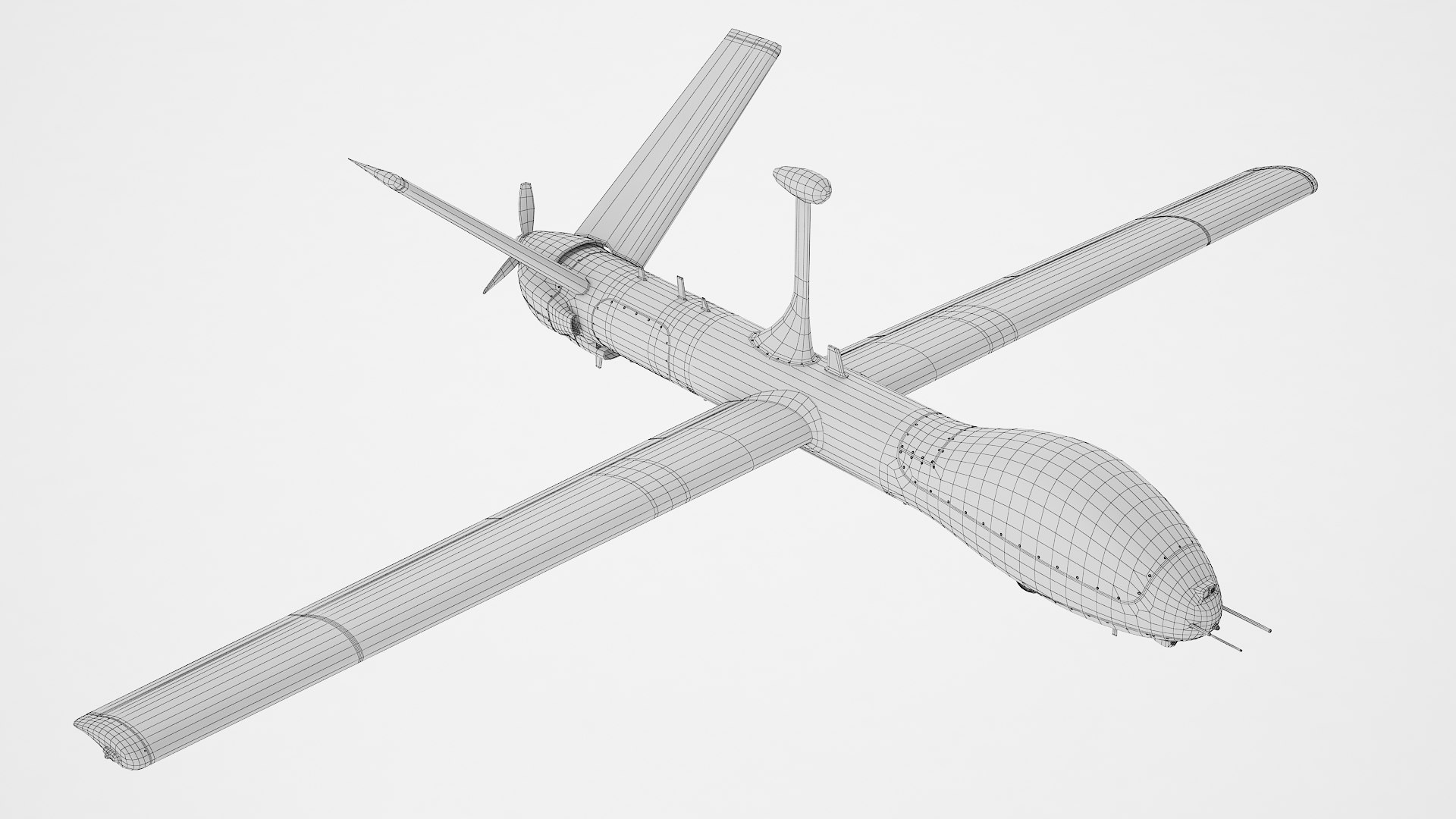
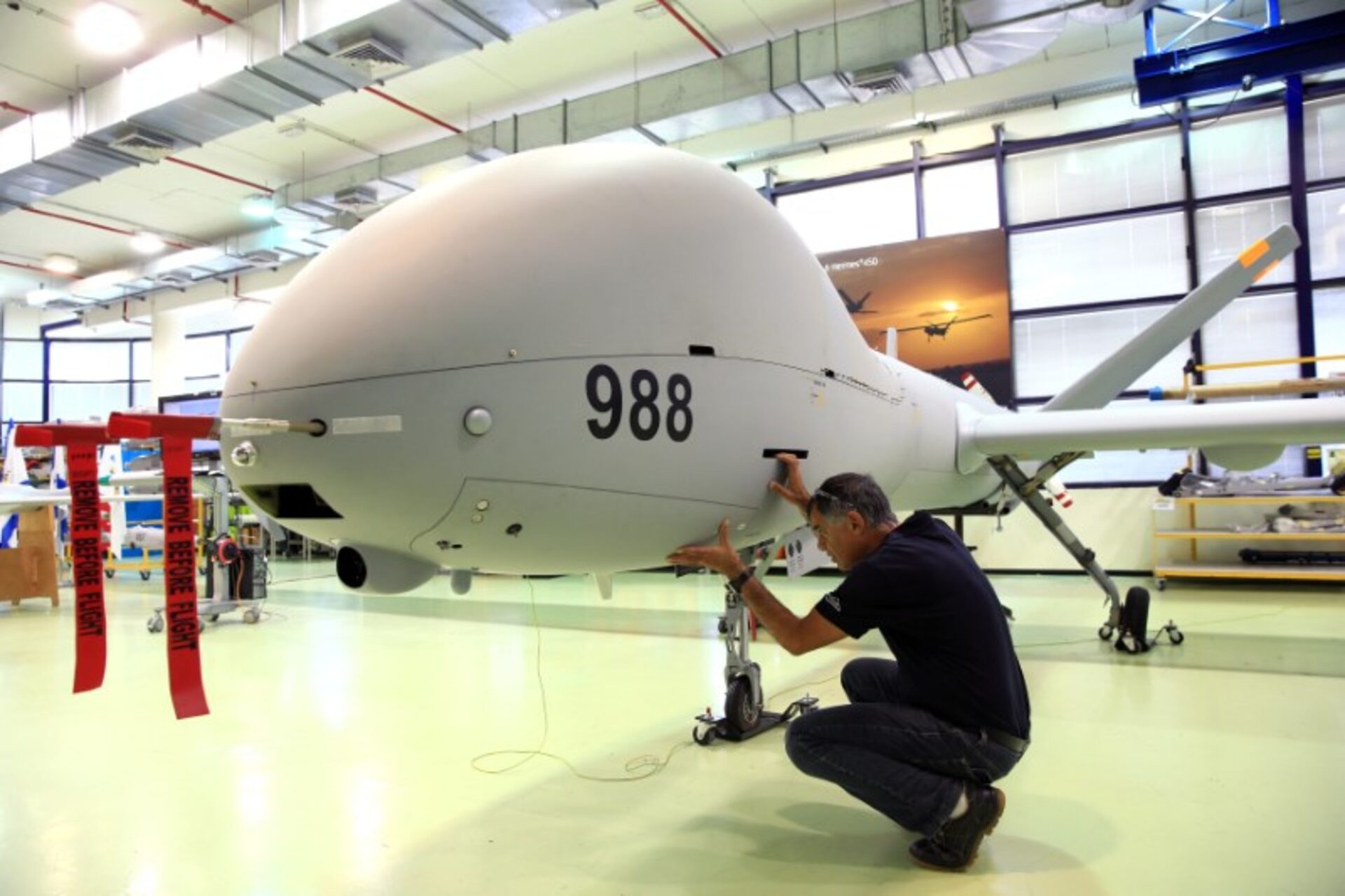
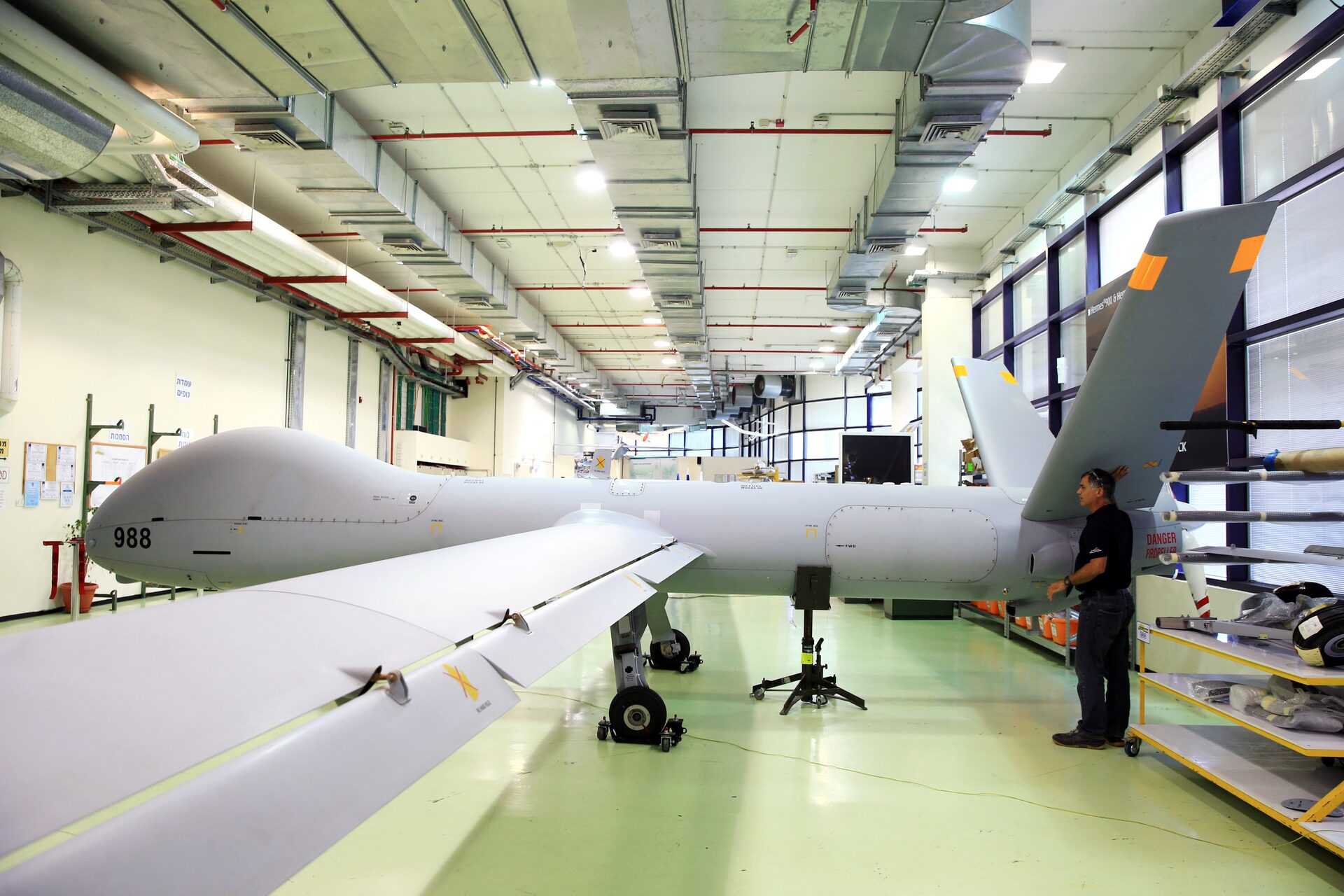
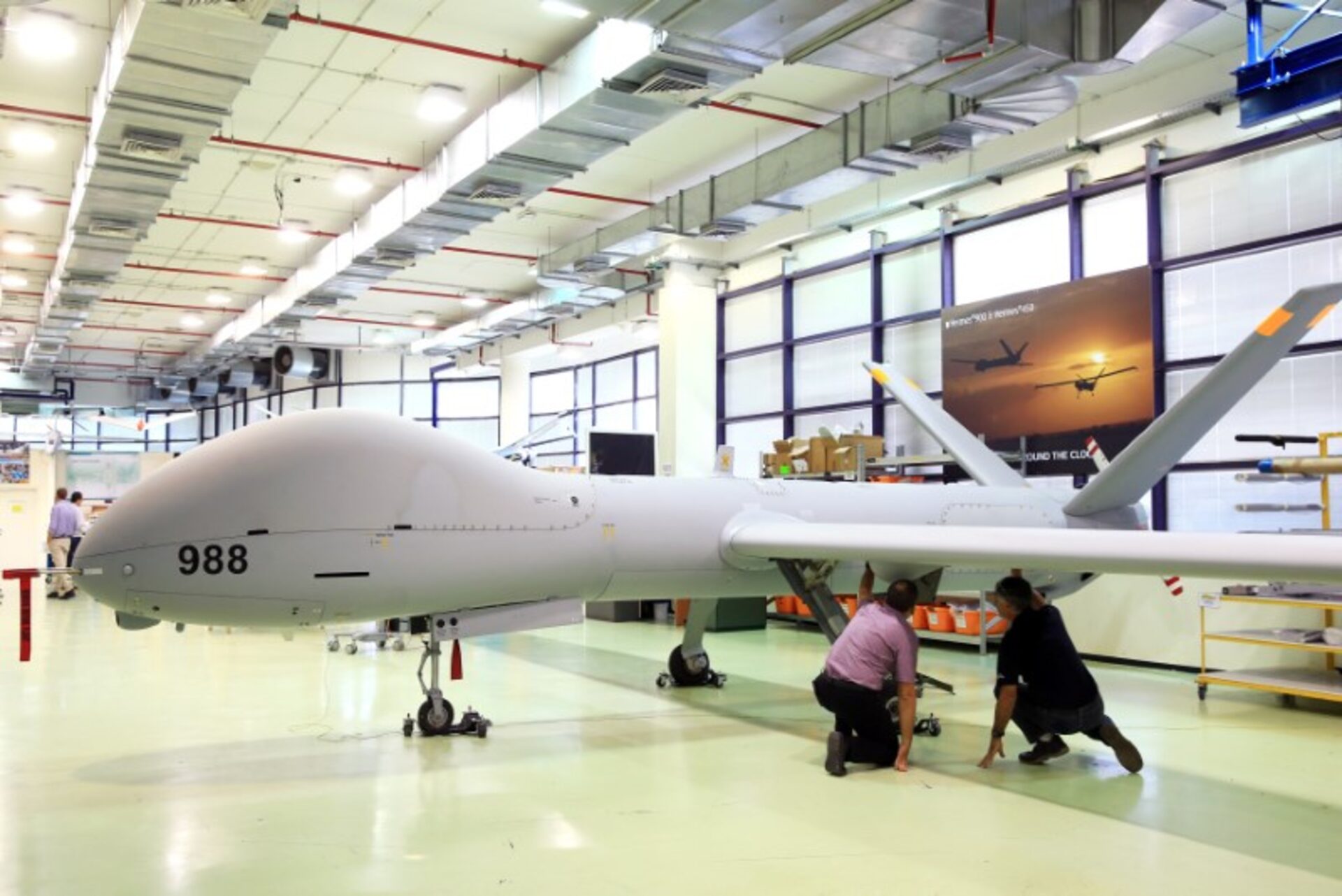
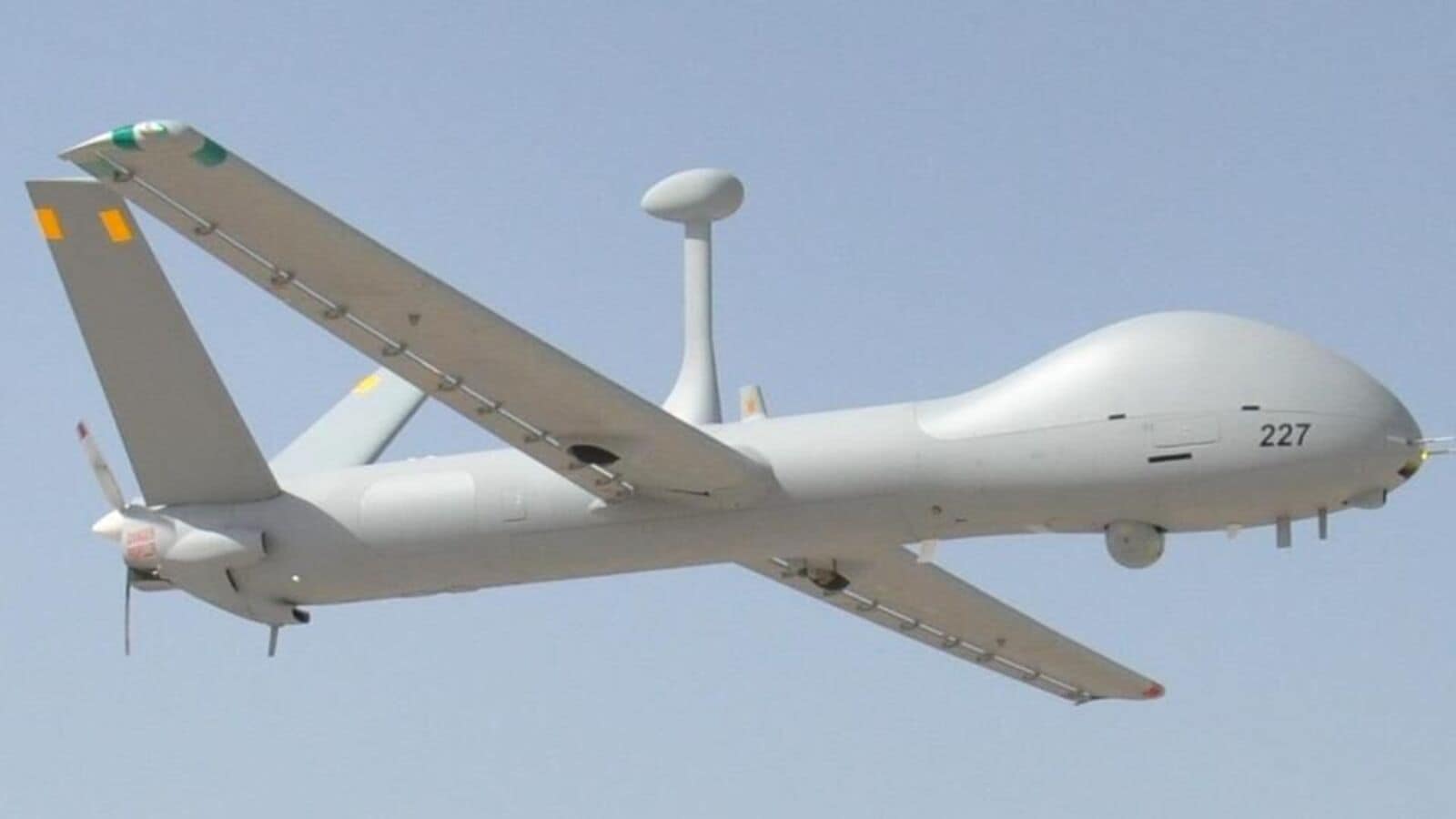
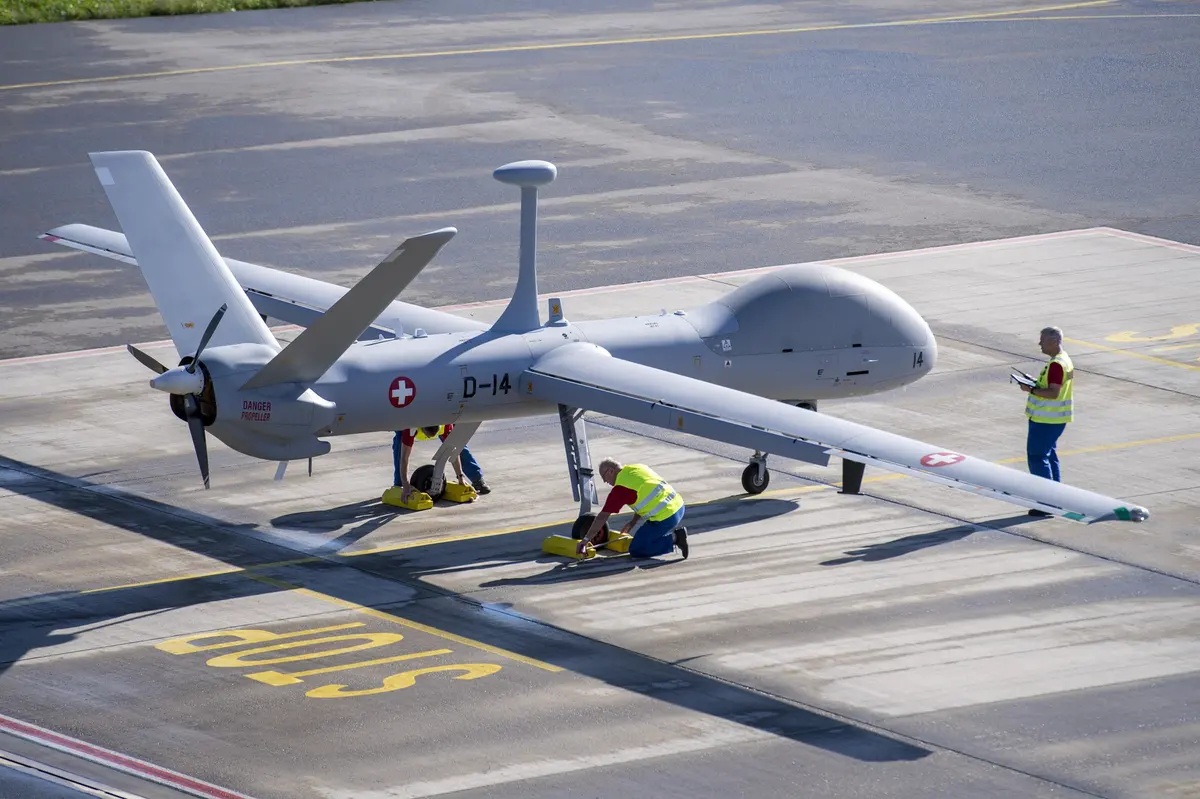
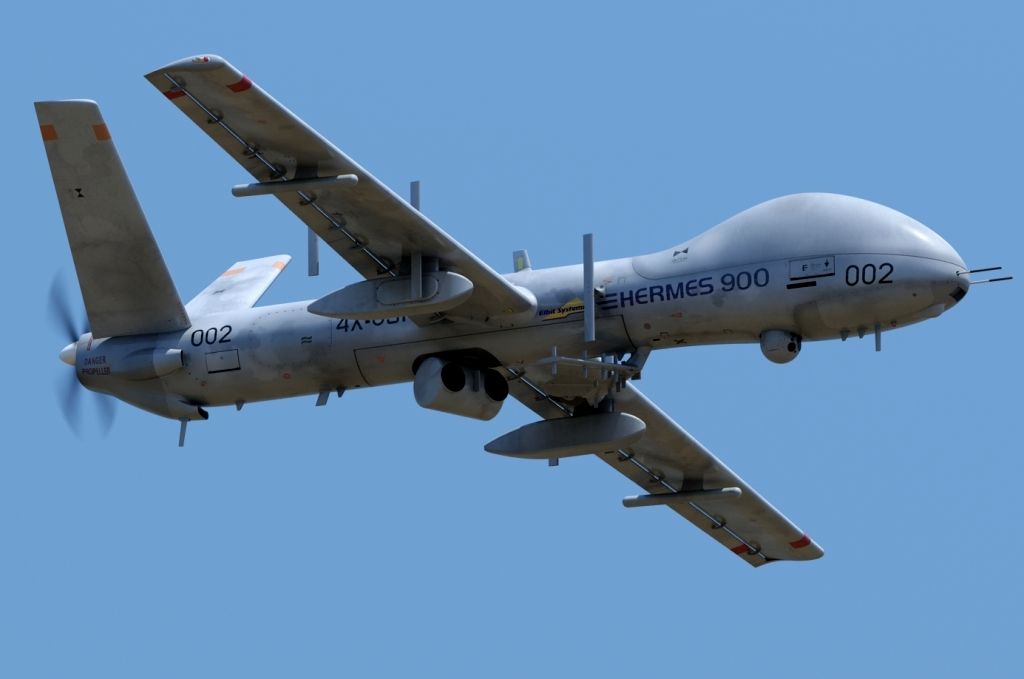
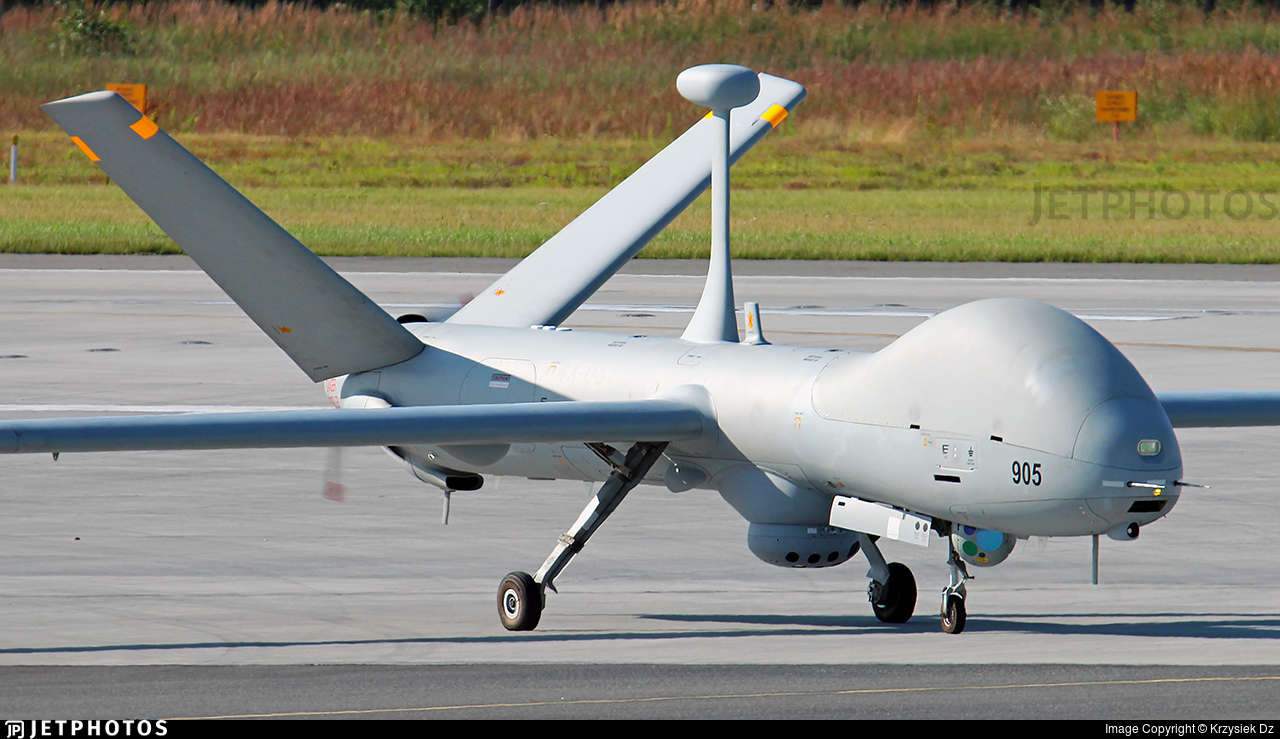
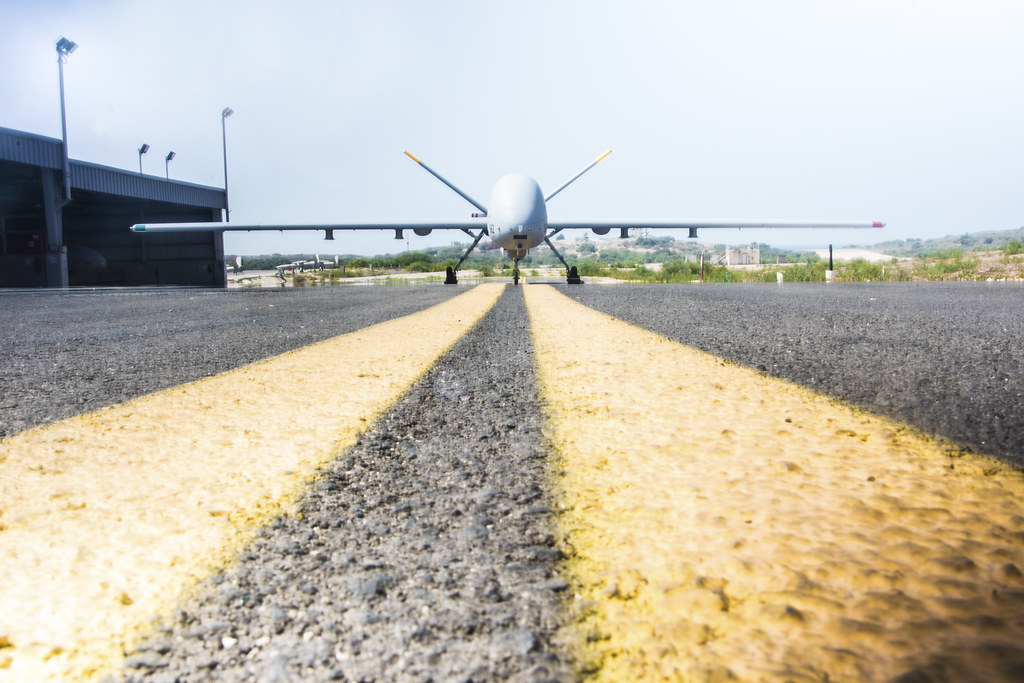
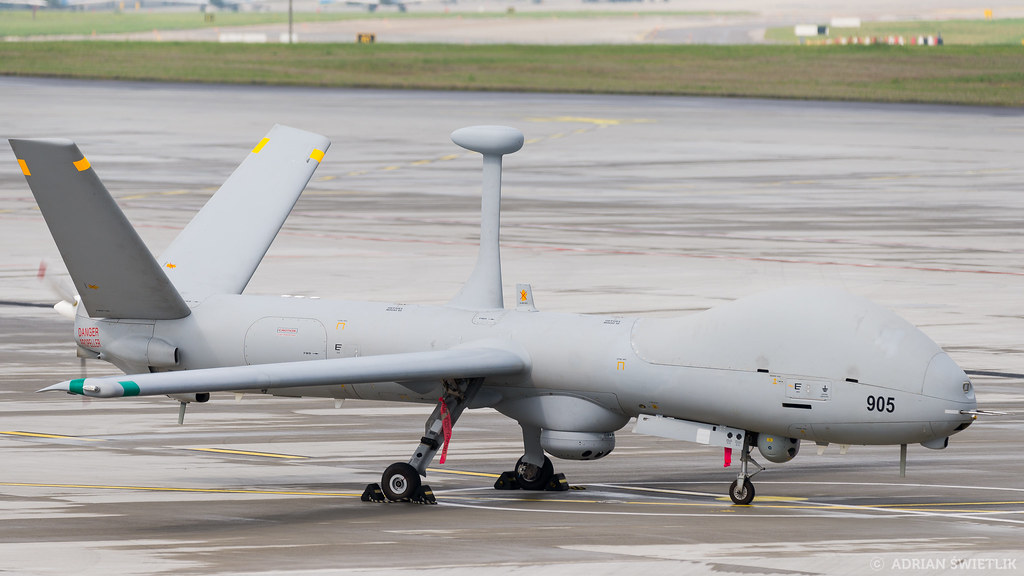
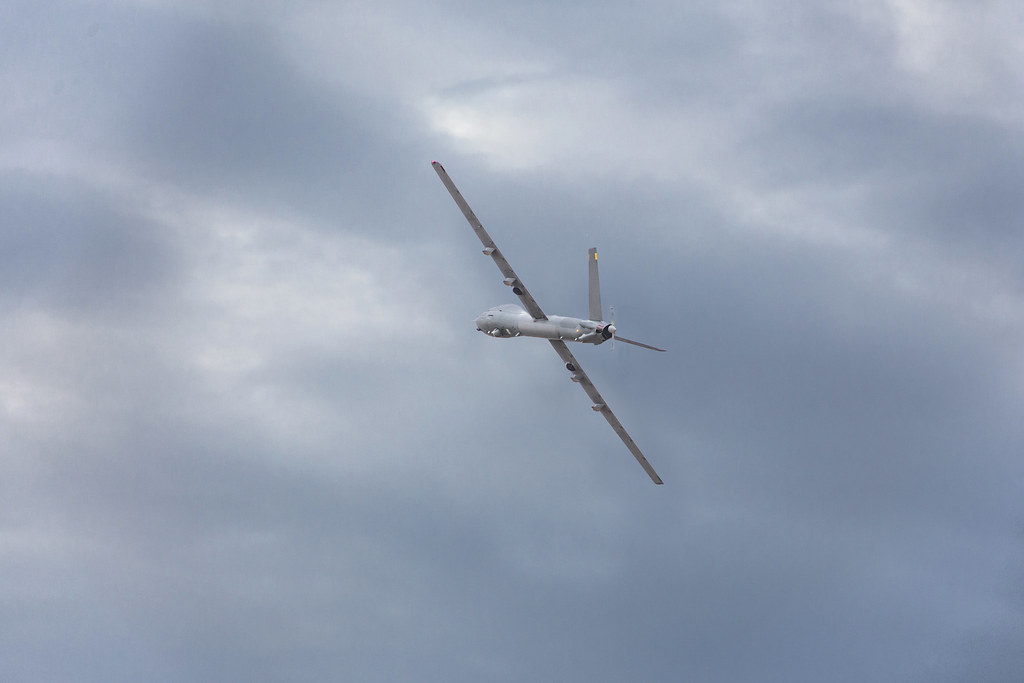
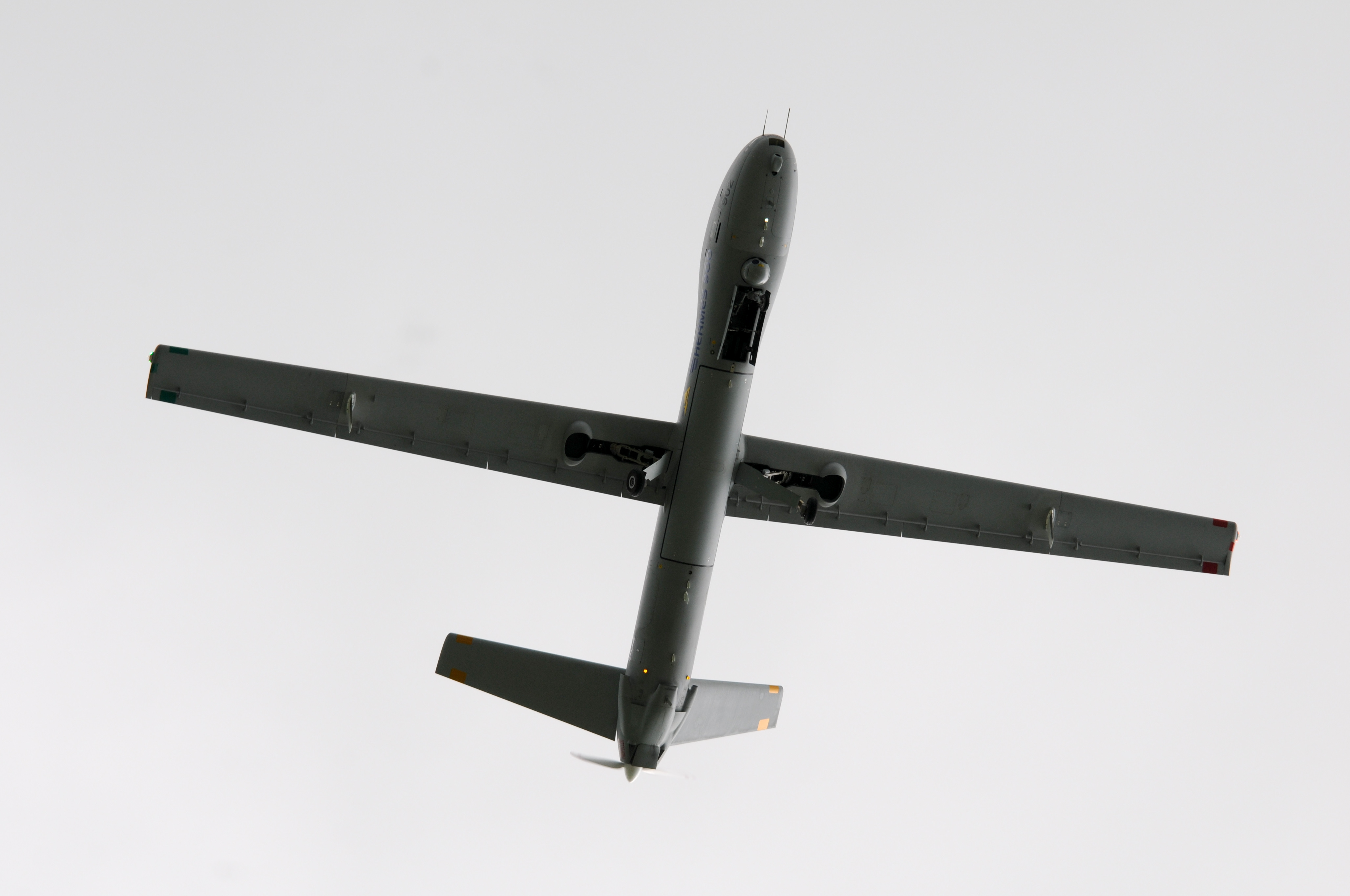
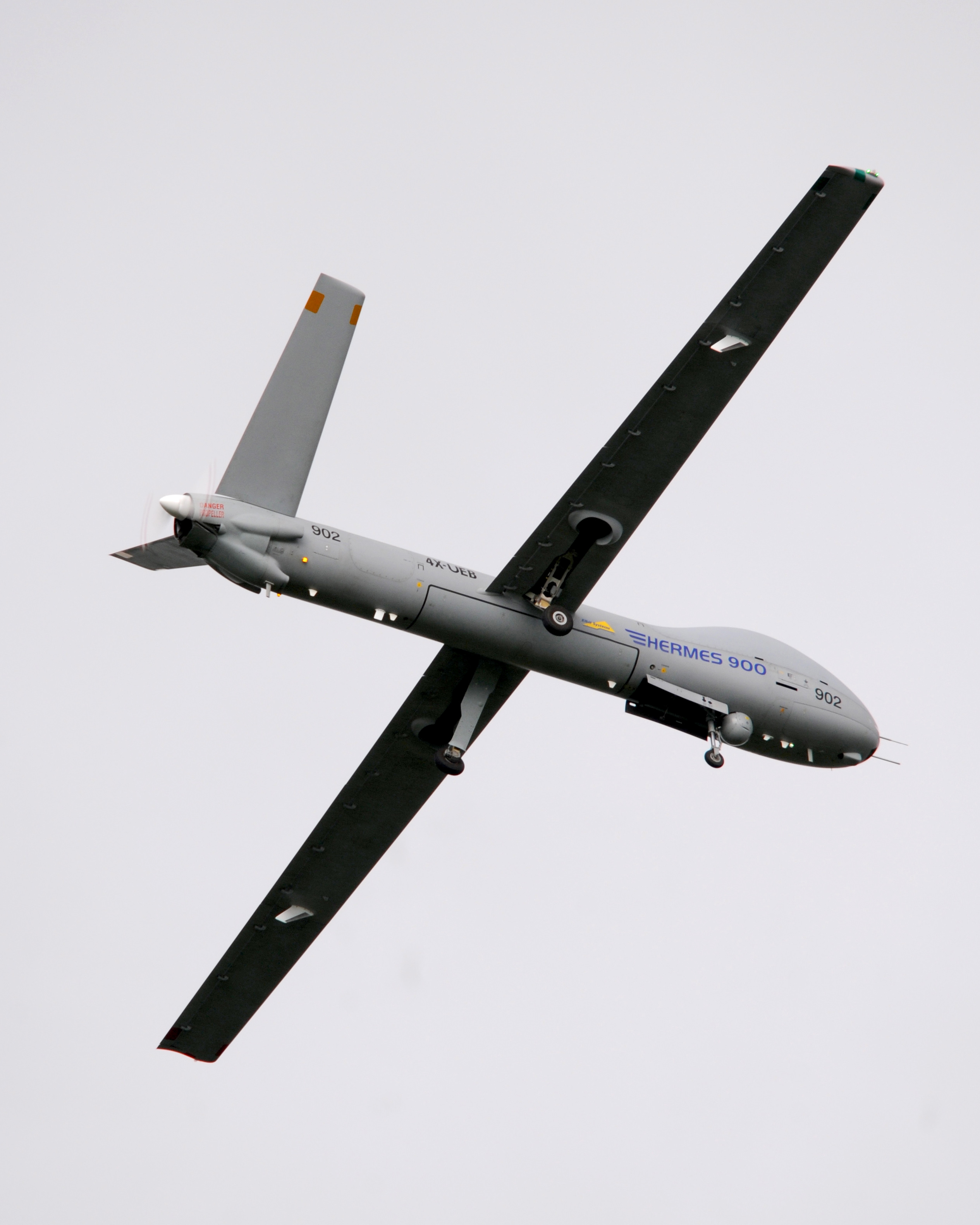
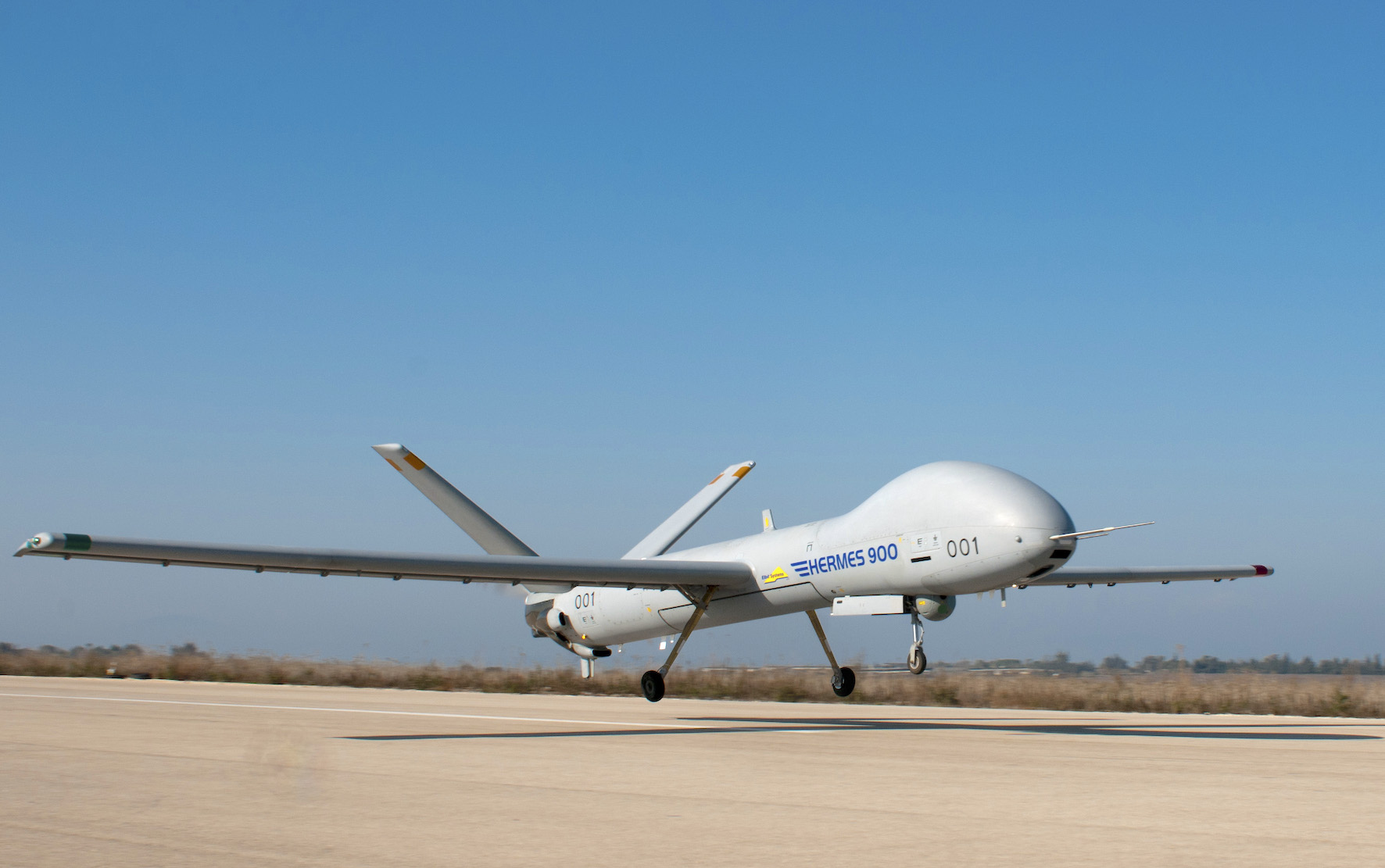
Aerodynamics: In terms of design, the Hermes 900 has a conventional structure for MALE-class drones. This design includes a cylindrical fuselage, high-aspect-ratio wings to achieve greater aerodynamic efficiency and long flight endurance, and a V-shaped tail configuration. Prominent aerodynamic features include retractable landing gear to reduce drag, and full-length flaperons that optimize wing performance under various flight conditions. This indicates that the Hermes 900 sacrifices high-speed flight capability in favor of long-endurance performance.
Structure and Airframe:
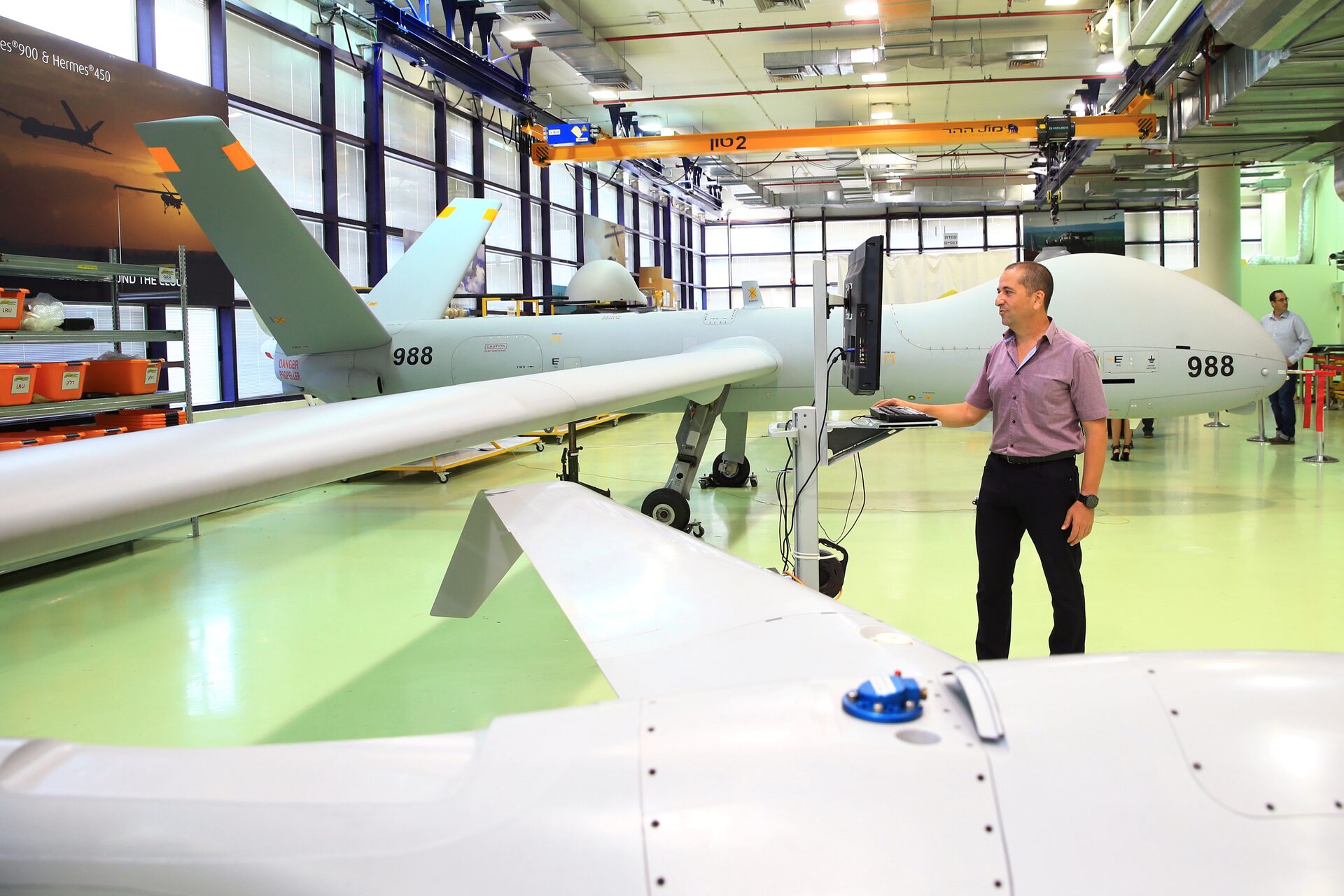
The main body structure of the Hermes 900 is primarily composed of lightweight composite materials. Kanfit Ltd, half-owned by Rafael, is recognized as the certified supplier of composite components and structural assemblies for the Hermes 900.
Propulsion:
The base model of the Hermes 900 is equipped with a four-cylinder turbocharged Rotax 914 engine, delivering an output of approximately 74.6 kilowatts (equivalent to 100 to 115 horsepower).
Upgraded variants, such as the Hermes 900 StarLiner, are fitted with more powerful engines. Some sources mention the Rotax 916 engine with 160 kilowatts of power and the Rotax 915 iS engine with a maximum continuous output of 114 kilowatts, likely used for heavier models like the StarLiner.
Performance Specifications:
In various sources, differences can be observed regarding the physical specifications of the Hermes 900 drone. These discrepancies are primarily due to the existence of multiple versions (including the base model, maritime variant, and StarLiner), as well as custom modifications tailored for purchasing countries.
The base model of the Hermes 900 has a fuselage length of approximately 8.3 meters and a wingspan of 15 meters. Its maximum takeoff weight is reported to range between 970 and 1,180 kilograms. In advanced versions such as the StarLiner or the maritime patrol model, the fuselage length remains unchanged, but the wingspan is extended to 17 meters to enhance aerodynamic performance and flight endurance. Meanwhile, the maximum takeoff weight in upgraded variants like the Hermes 900 StarLiner and the Indian export version, Adani Drishti StarLiner, has increased to around 1,600 kilograms.
Payload Capacity and Operational Ceiling:
The payload capacity of the Hermes 900 varies depending on the version. The base model is capable of carrying between 300 to 350 kilograms, while heavier variants can support up to 450 kilograms. The drone’s maximum operational altitude is typically reported to be 30,000 feet (9,100 meters).
Flight Endurance and Operational Range:
The flight endurance of the Hermes 900 varies depending on the payload and version, and is typically reported to exceed 30 hours. Maximum endurance is often cited as up to 36 hours, with some sources even suggesting a figure of 40 hours.
The Hermes 900 has a top speed ranging between 220 to 222 kilometers per hour. Its cruising speed generally falls within the range of 103 to 112 kilometers per hour.
The drone’s operational range is largely tied to its endurance. Utilizing satellite communications (SATCOM), the Hermes 900 is capable of operating at distances exceeding 1,000 kilometers from its ground control station.
Avionics, Autonomy, and Data Link Review:
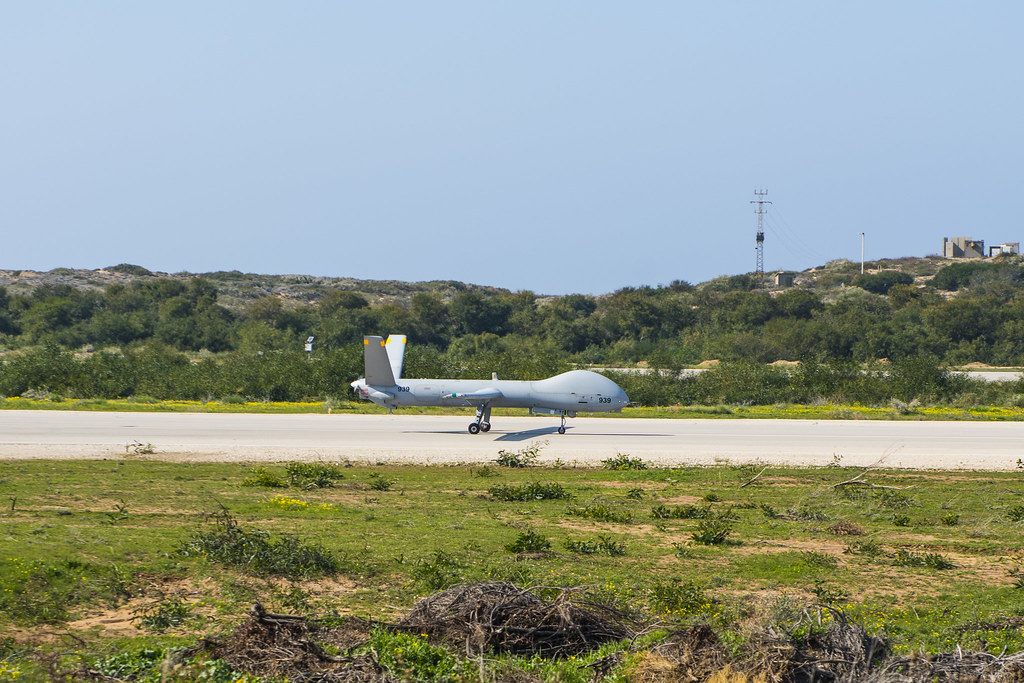
The Hermes 900 features a high level of autonomy and is capable of performing all flight phases—from takeoff to landing—completely automatically. It is equipped with an advanced flight control system that includes the Integrated Autonomous Takeoff and Landing (IATOL) system, enabling precise landings even on runways lacking ground-based equipment.
Additionally, the drone incorporates an Automatic Launch and Recovery (ALR) system. This system ensures safe landing in the event of communication loss with the ground control station, preventing potential accidents. To further enhance safety, the Hermes 900 is equipped with internal autonomous emergency procedures.
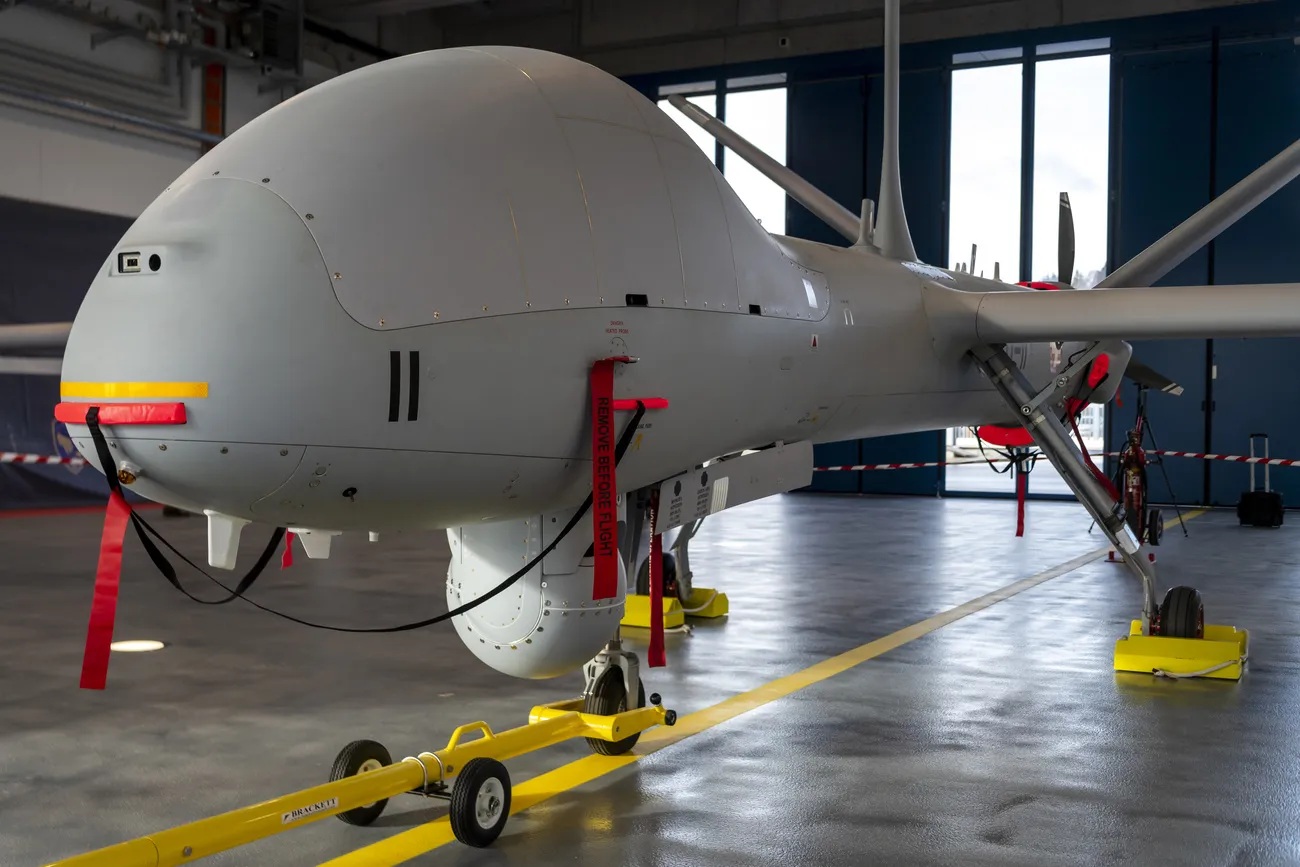
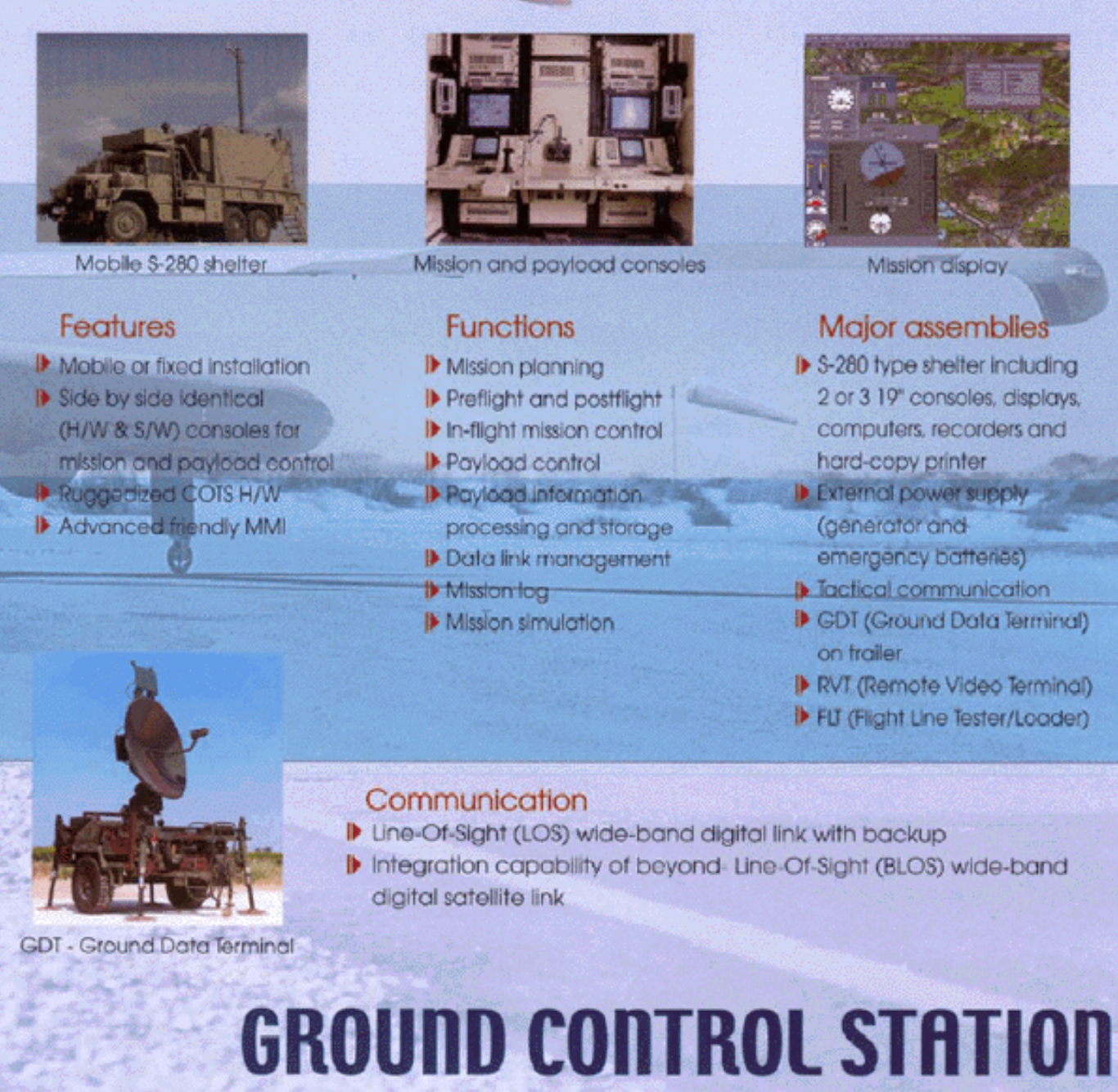
The Hermes 900 drone is equipped with a dual communication architecture that enables connectivity in both Line-of-Sight (LOS) and Beyond-Line-of-Sight (BLOS) modes.
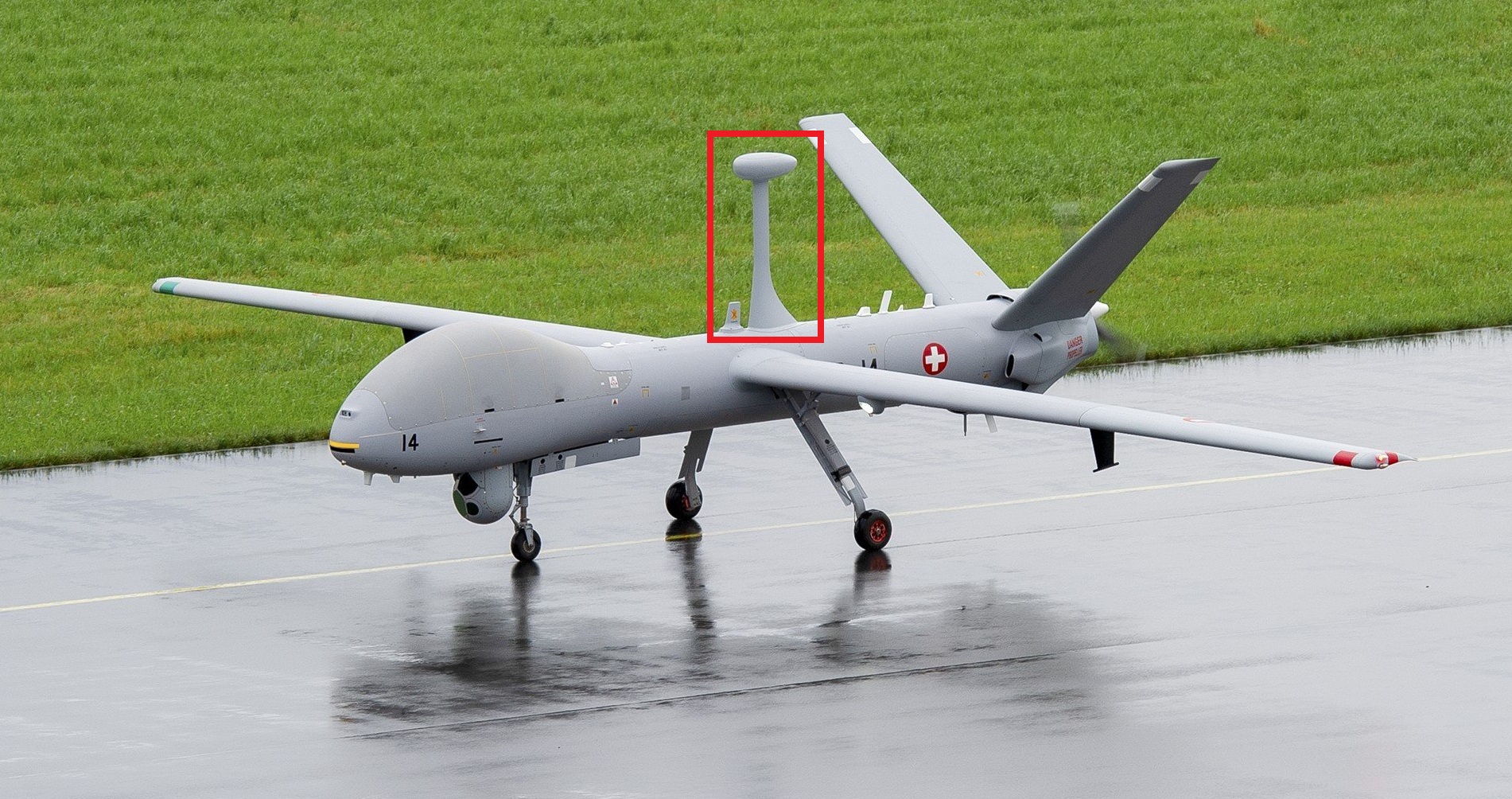
In line-of-sight (LOS) mode, a broadband digital data link is used, which communicates via a Ground Data Terminal (GDT). For beyond-line-of-sight (BLOS) flights, the Hermes 900 utilizes an integrated satellite communication terminal, typically housed in the drone’s dome-shaped nose. This system enables control and data transmission over distances exceeding 1,000 kilometers.
The Hermes 900 drone is operated via Elbit Systems’ ground control station known as UGCS—a system designed for unified control of the entire Hermes UAV family, including the H450 and H900. The UGCS station can be deployed either as a fixed installation or in a mobile configuration, such as within a standard S-280 military shelter. A single UGCS unit is capable of simultaneously managing two independent UAV missions using two separate data links. Optionally, the UGCS station supports NATO’s STANAG 4586 standard.
Combat and Offensive Capabilities of the Hermes 900 Drone:
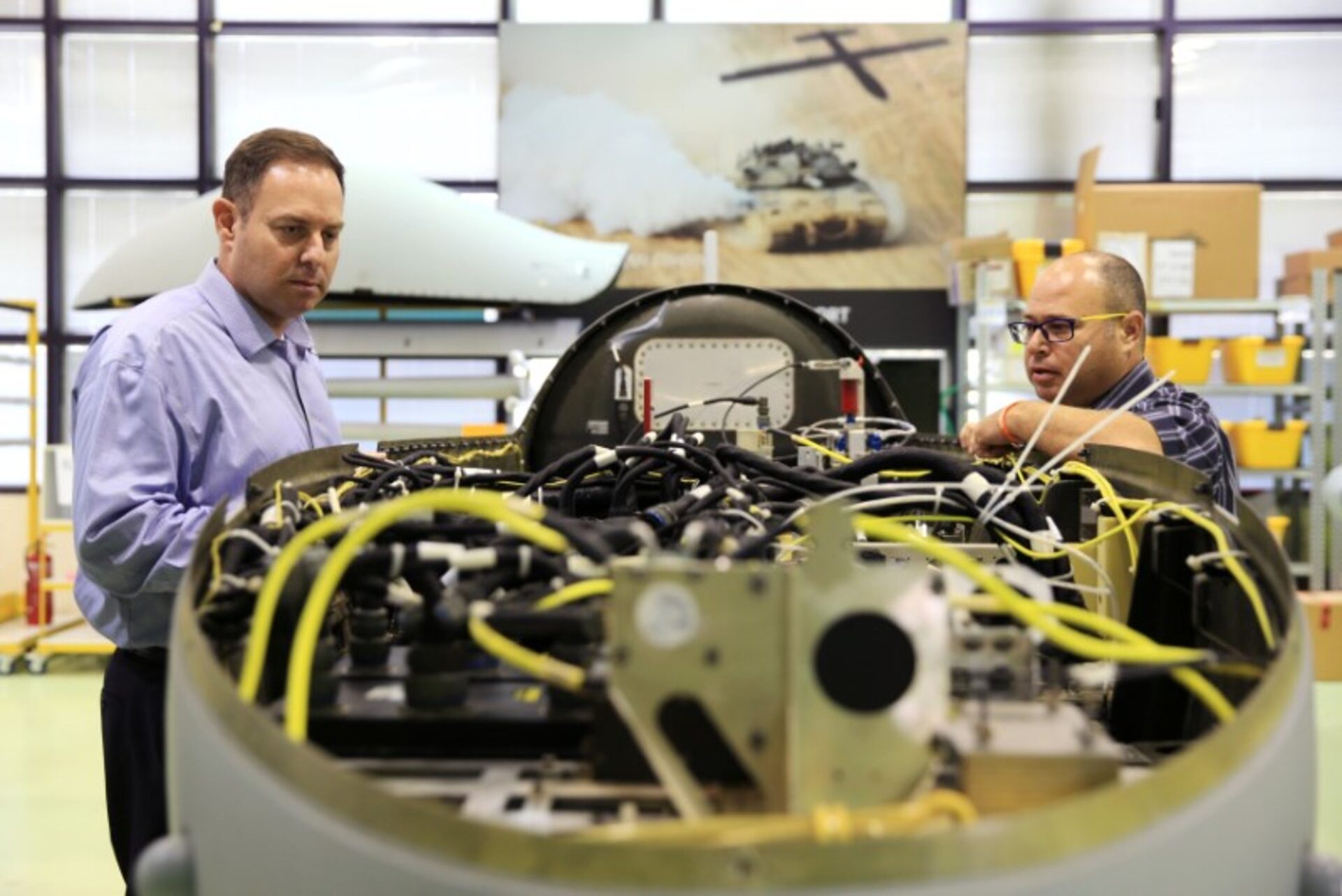
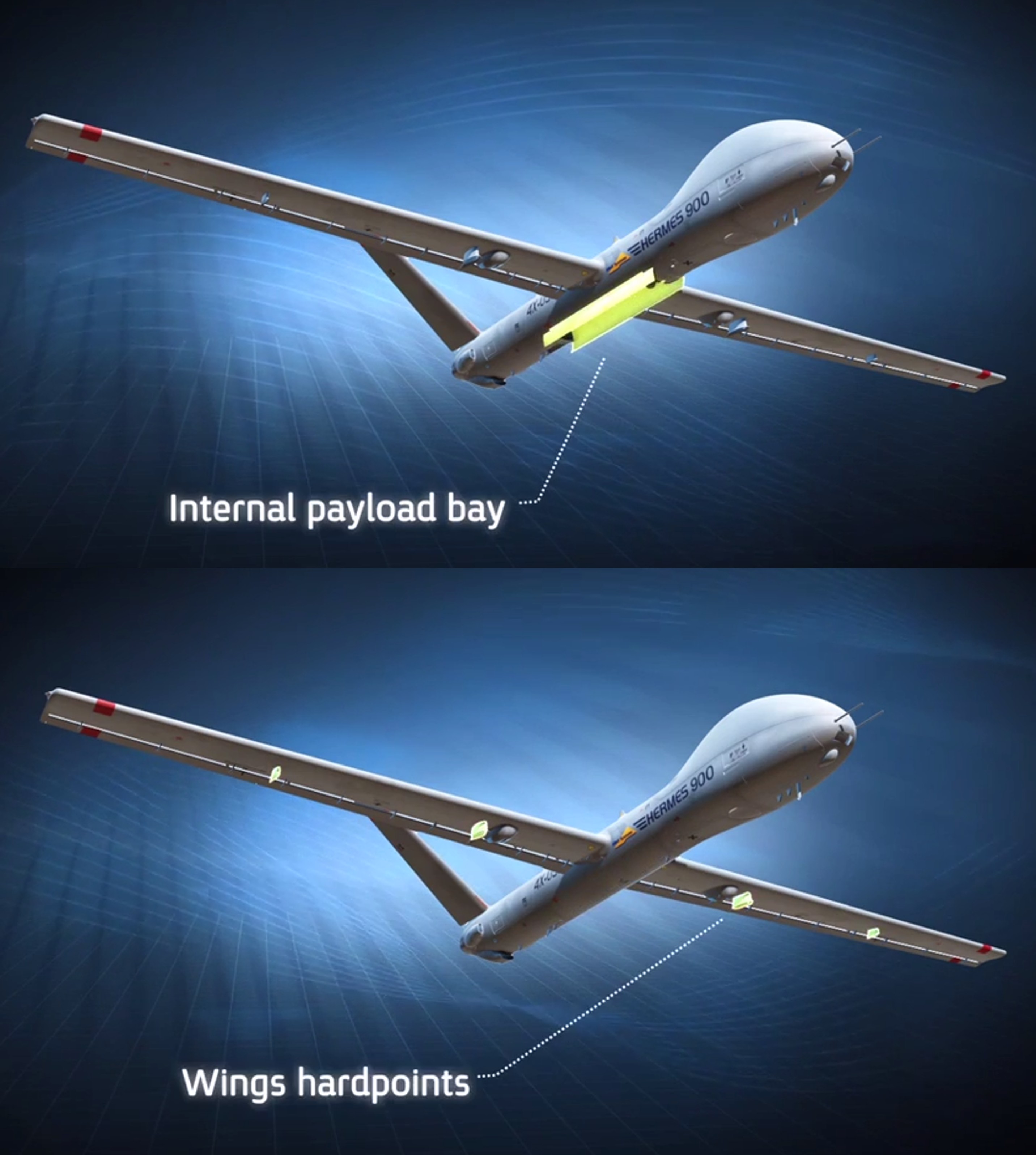
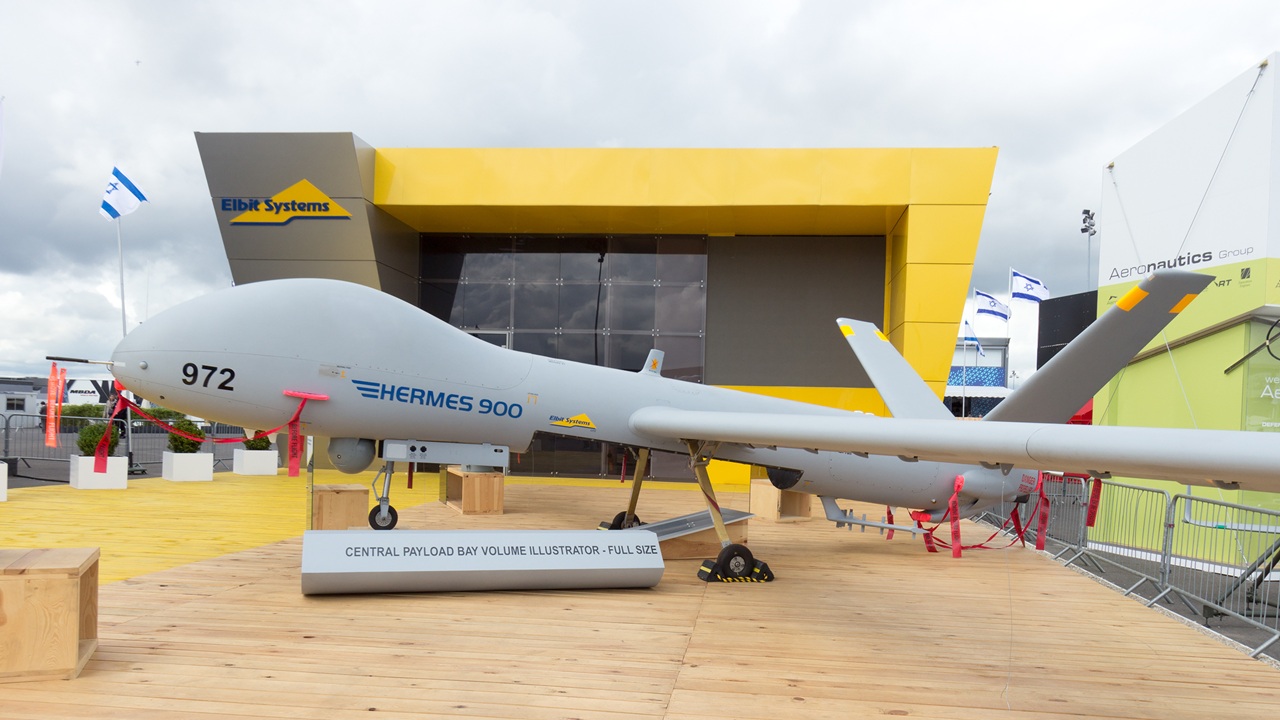
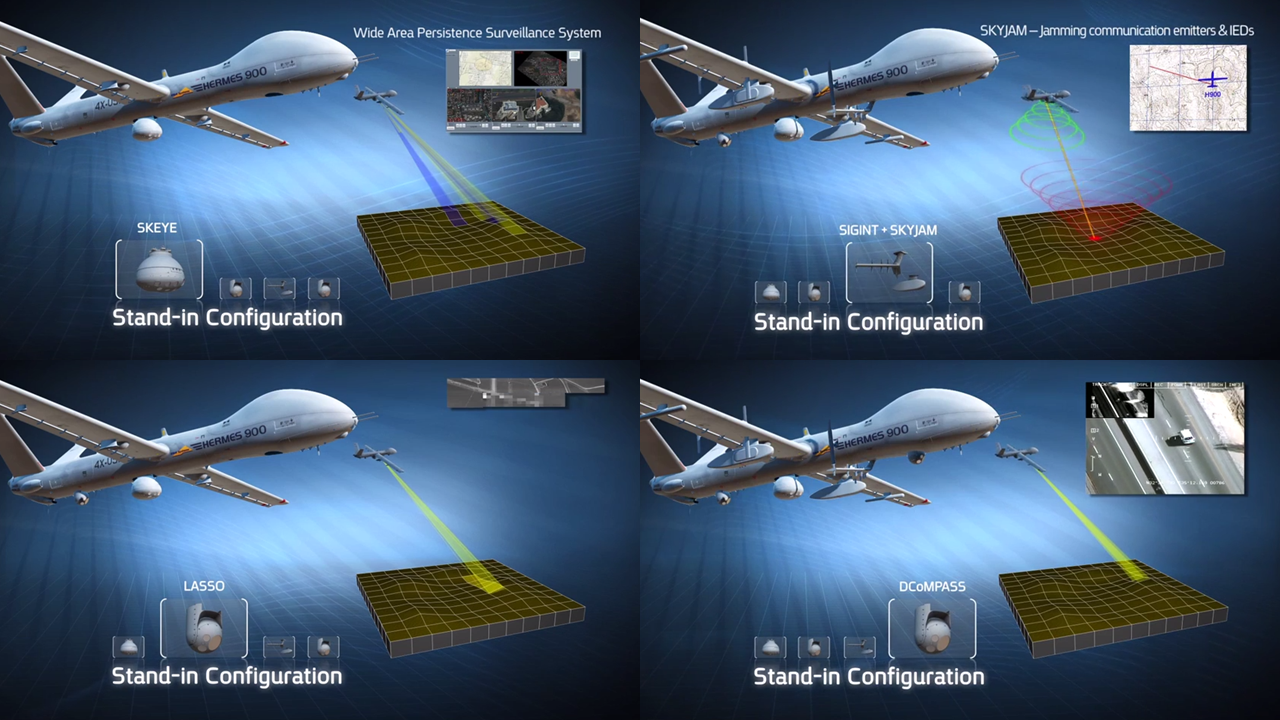
One of the most significant strengths of the Hermes 900 is its ability to carry a wide range of multi-purpose combat and reconnaissance payloads. The drone features a large internal payload bay measuring 2.5 meters in length, capable of accommodating up to 250 kilograms of sensor equipment. This space allows for the installation of complex and advanced sensor arrays.
The drone’s nose houses two fixed forward-looking cameras. Beneath the nose and at the rear of the fuselage, two dedicated mounts are provided for electro-optical systems. In addition to the internal bay, the Hermes 900 is equipped with four hardpoints under its wings, enabling it to carry additional payloads such as sensor pods or guided munitions.
Electro-Optical / Infrared Systems of Hermes 900:
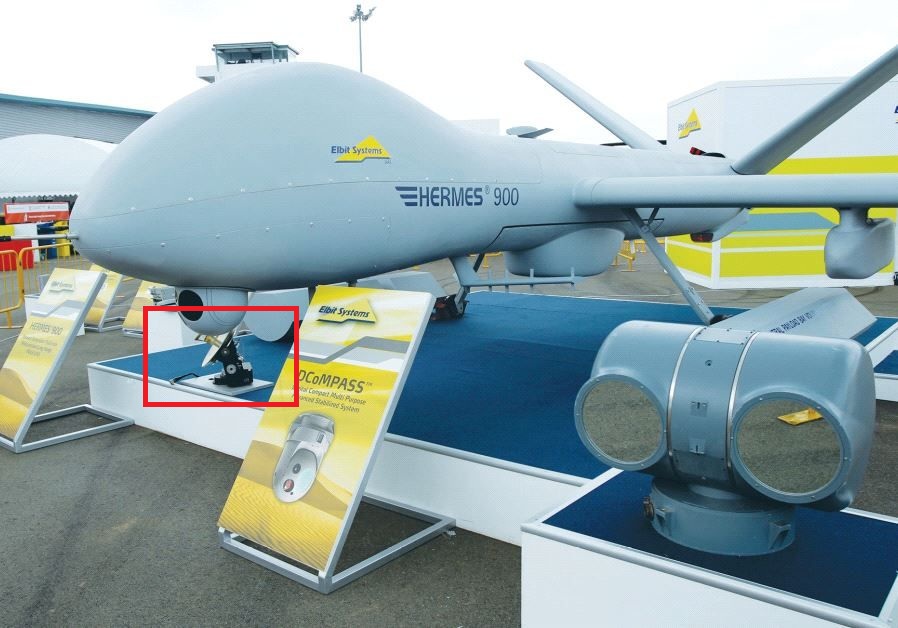
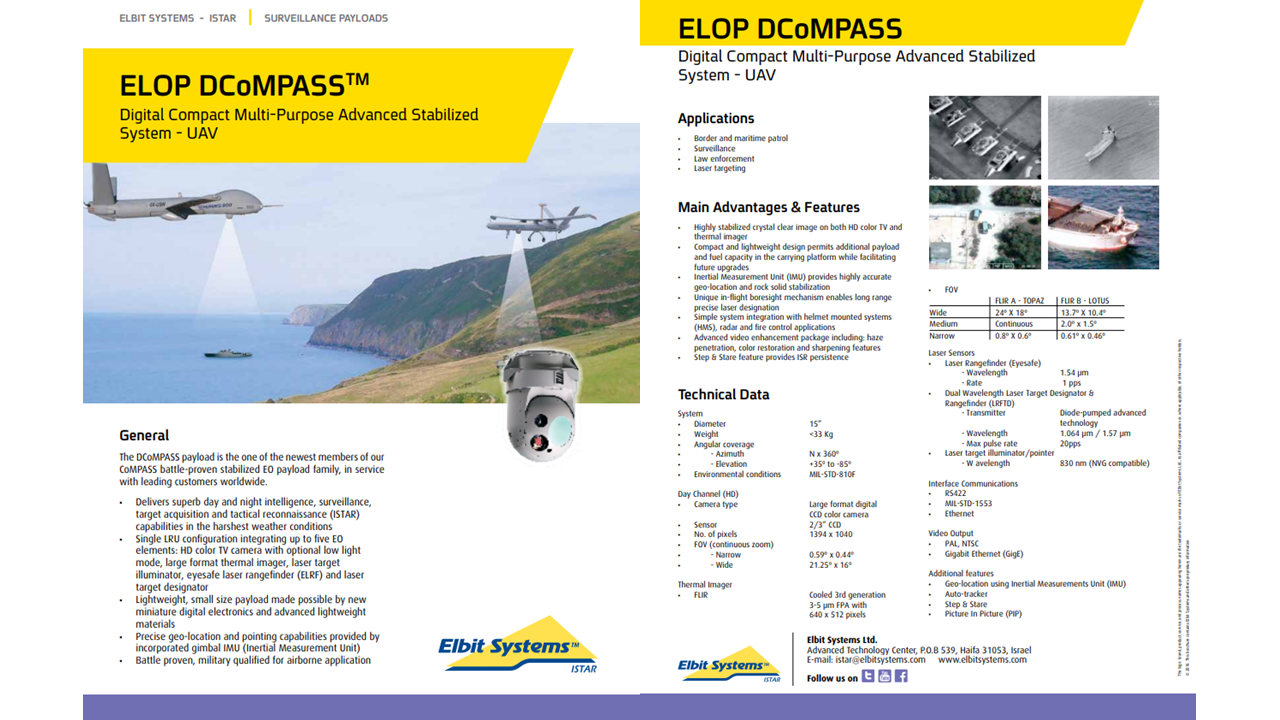
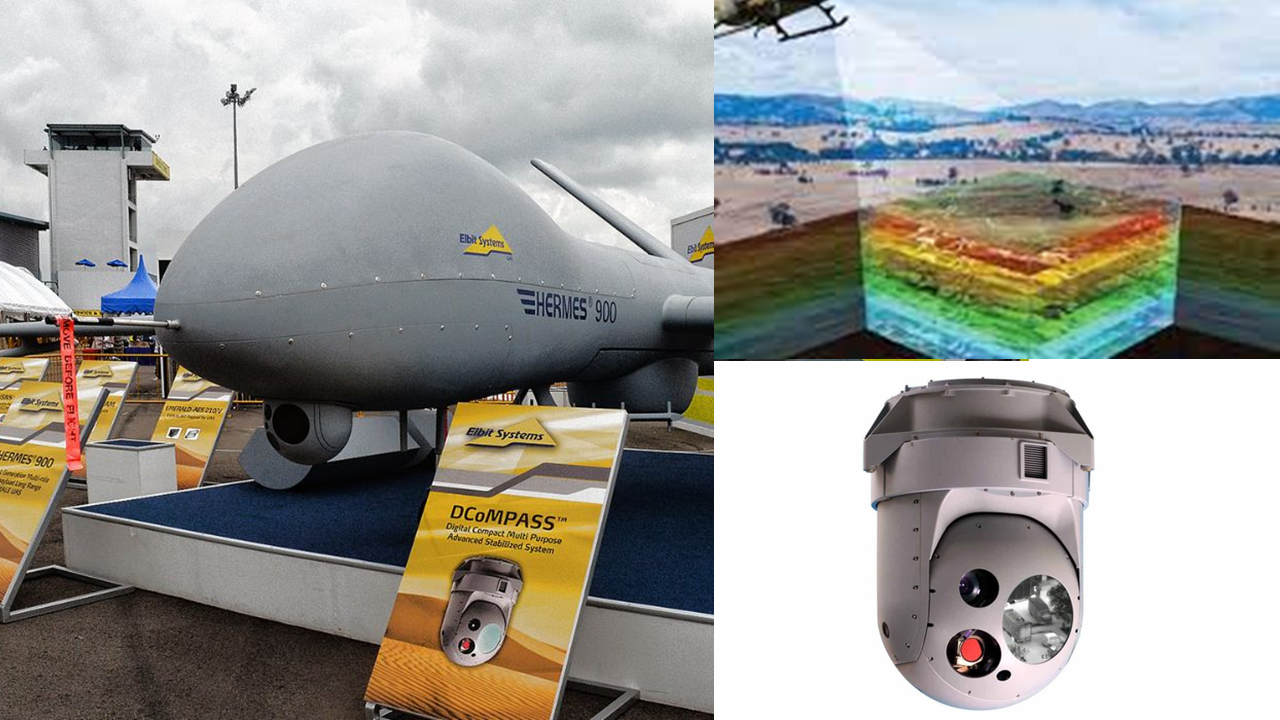
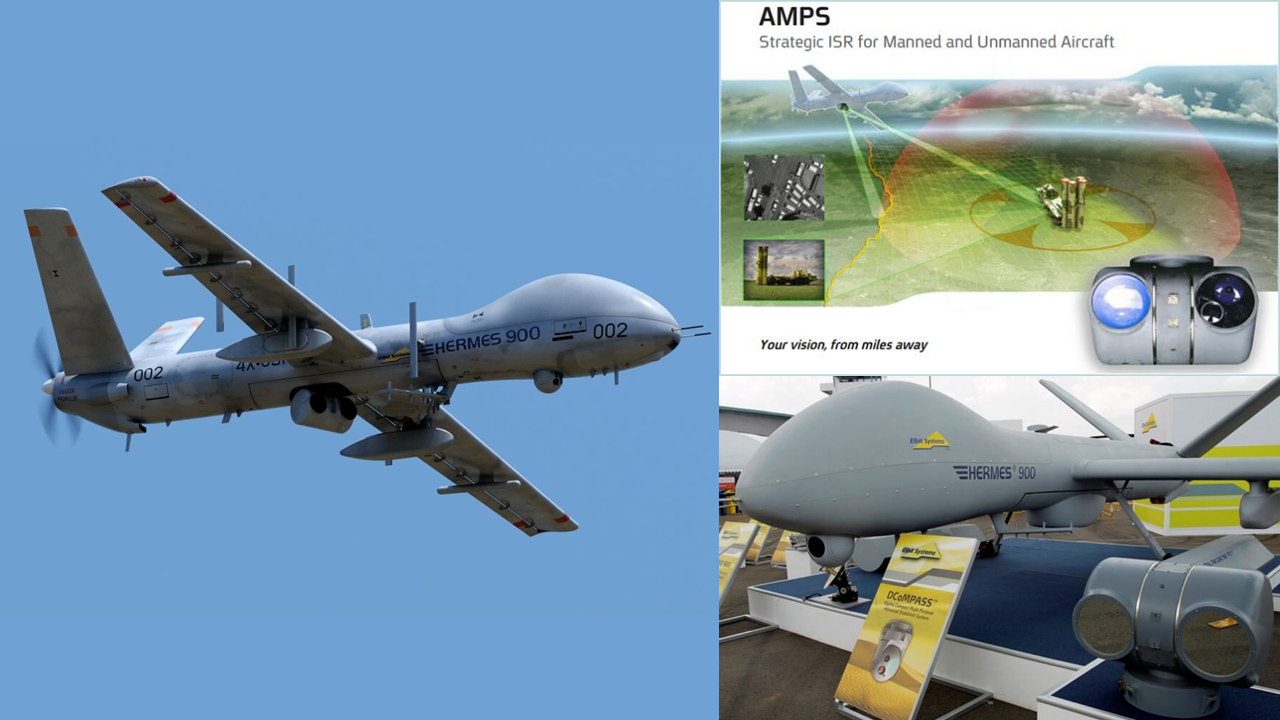
The main sensor of this drone is the DCoMPASS, manufactured by Elbit Systems. This 39-kilogram sensor with a diameter of 370 mm includes a high-definition color TV camera, a large-format thermal imager (FLIR), a laser rangefinder, and a laser designator/illuminator for guiding semi-active laser munitions. This system also features an internal inertial measurement unit (IMU), advanced image processing for fog penetration or resolution enhancement, and automatic target tracking capability.
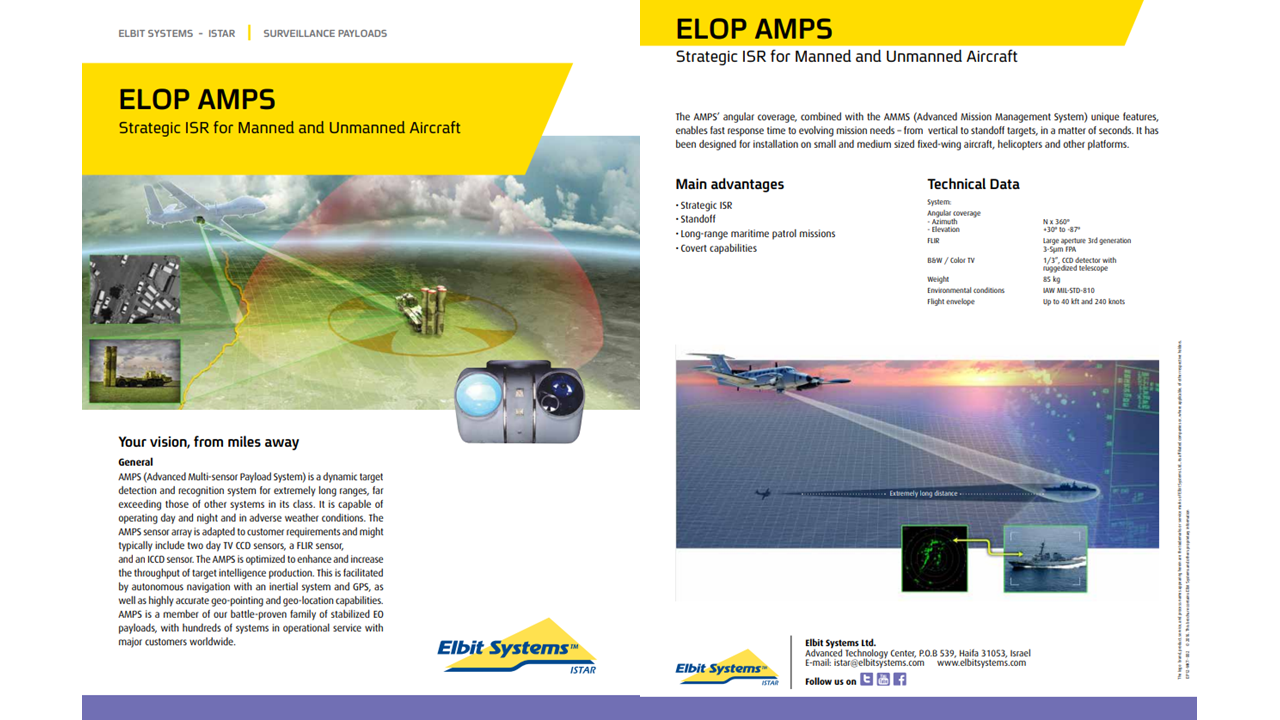
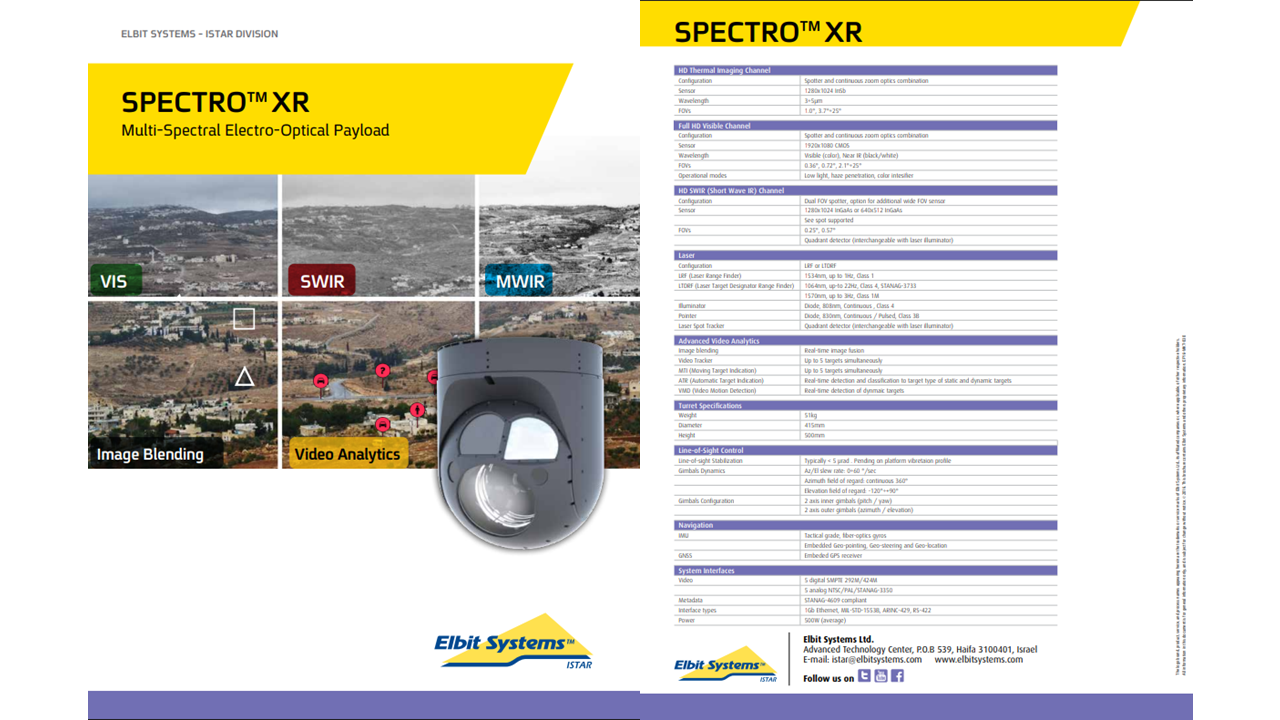
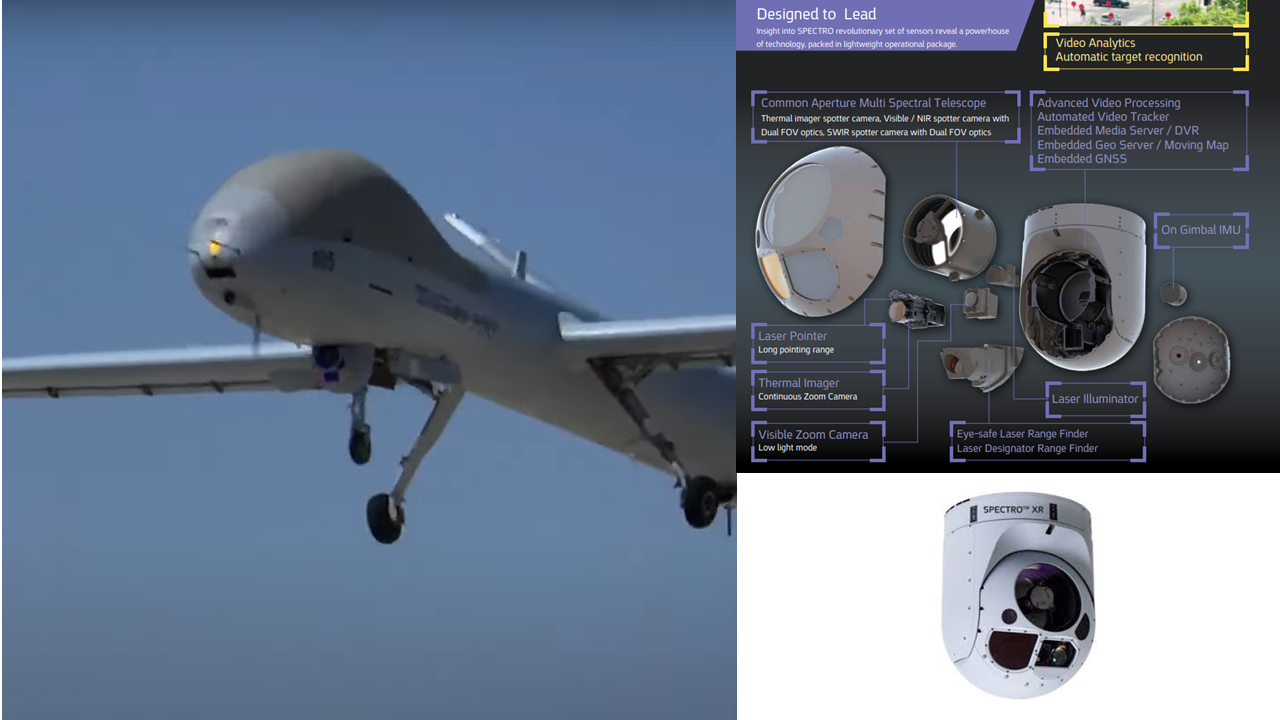
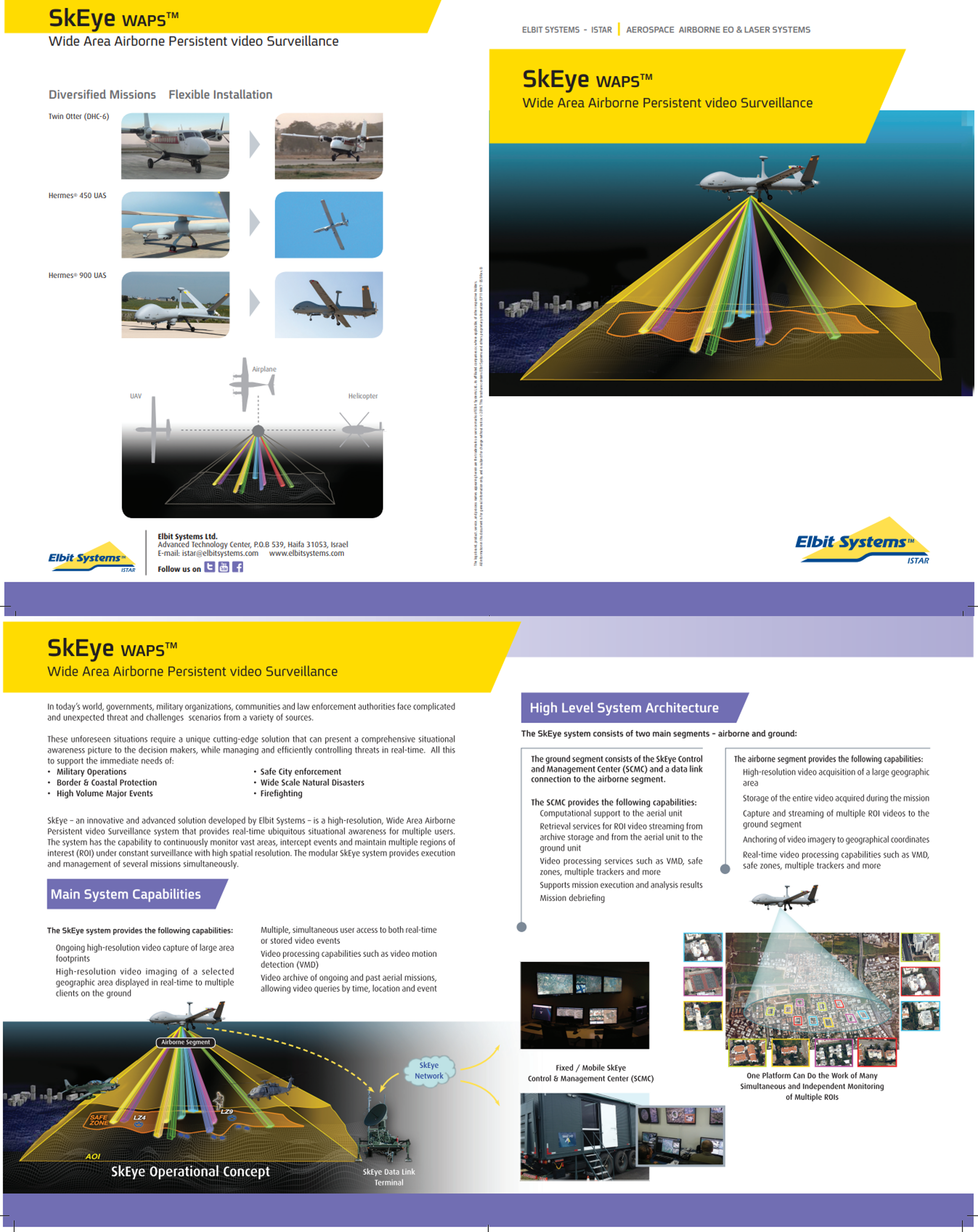
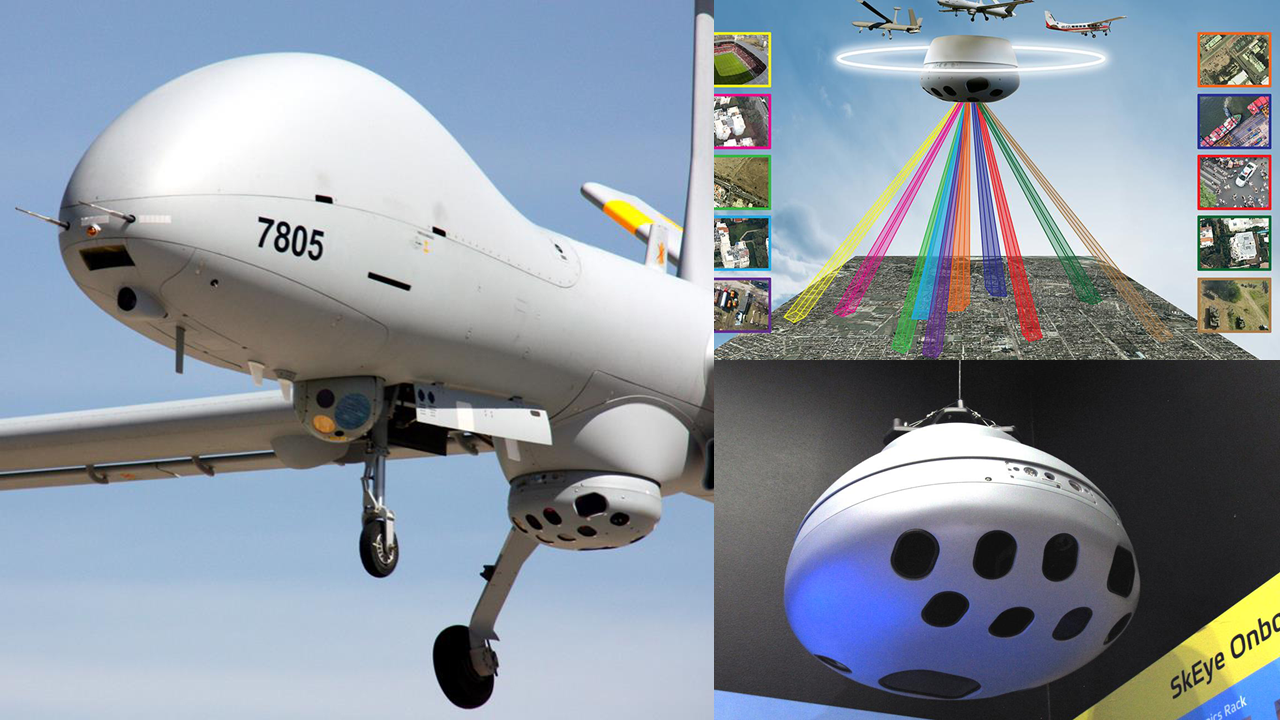
Alongside DCoMPASS, the Hermes 900 can also be equipped with other optical systems such as SPECTRO XR, SkEye, and AMPS.
Radar Systems:
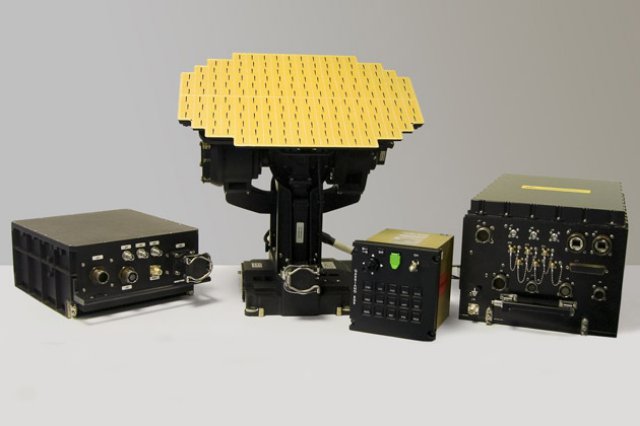
The Hermes 900 drone supports a variety of advanced radar systems for different mission profiles. One commonly used option is the Synthetic Aperture Radar (SAR) with Ground Moving Target Indicator (GMTI) capability, designed for detecting moving targets, generating high-resolution ground imagery, and conducting round-the-clock surveillance in all weather conditions.
For maritime missions, the drone is typically equipped with the Gabbiano T-200 maritime patrol radar, manufactured by Leonardo.
Electronic Warfare and Signals Intelligence:
ELINT System:
The primary ELINT system onboard this drone is the AES-210V Emerald, developed by Elbit/Elisra. It is designed to intercept, classify, and locate radar emissions from ground, sea, and air sources. Its advanced version, the AES-212, covers a broader frequency range from 0.1 to 40 GHz and is capable of identifying over 10,000 transmitters.
Communications Intelligence (COMINT):
The Skyfix system is designed for intercepting and locating communication signals, covering a range between 30 MHz and 3 GHz. It can monitor advanced low-probability-of-intercept (LPI) communications such as frequency-hopping systems. Versions of this system are also available for intercepting mobile (GSM) and satellite communications.
Communications Jamming (COMJAM):
Alongside Skyfix, the Skyjam system is used for conducting communication jamming operations. It can operate automatically or manually across multiple sub-frequency bands to disrupt enemy communications during electronic warfare missions.

Armaments:
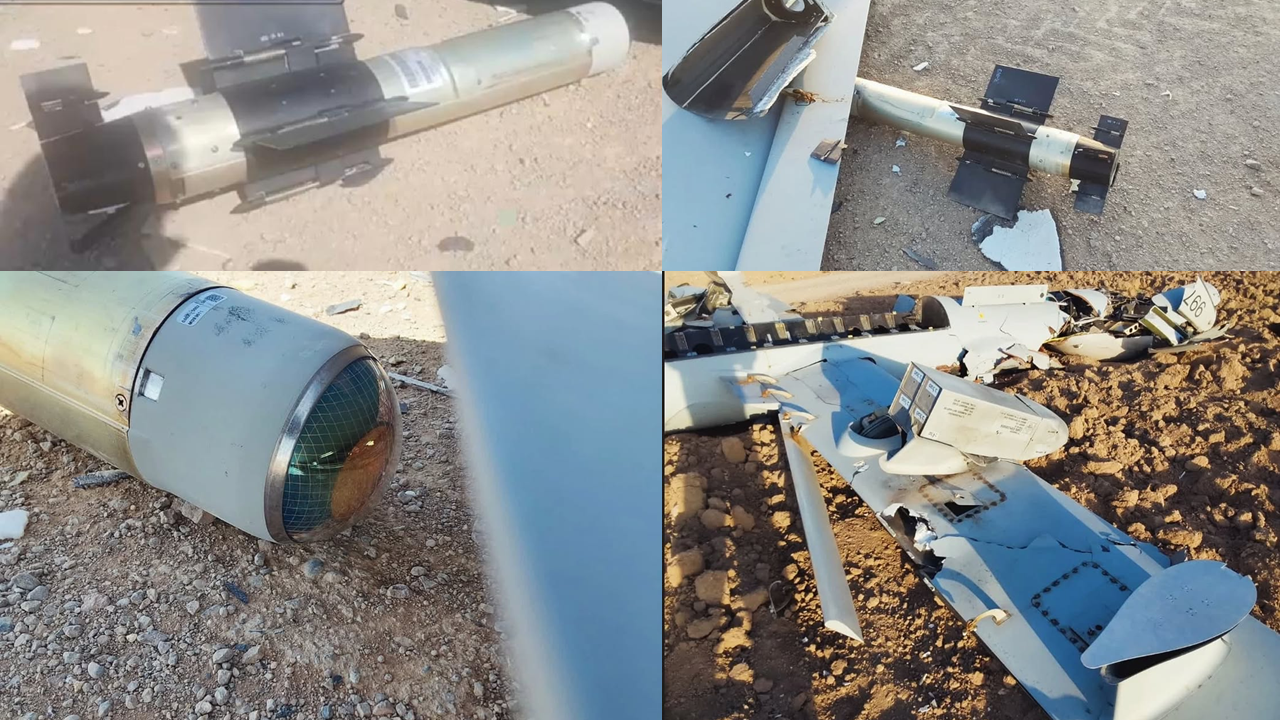
In its combat missions, the Hermes 900 is capable of carrying twin or quad pods of a type of air-dropped bomb. This capability has been documented and confirmed following the downing of several drones in Iran. However, no official information regarding this specific payload has been publicly released.
Operational History of the Hermes 900:
The Hermes 900 drone made its combat debut during Operation “Protective Edge” in Gaza in 2014. In this operation, it was deployed for intelligence gathering, reconnaissance, targeting, and surveillance roles, as well as for precision strikes against high-value targets.
In the Nagorno-Karabakh conflict, Azerbaijan confirmed ownership of 15 Hermes 900 drones by 2018 and used them during the 2020 clashes against Armenia. Although Armenia claimed to have shot down one of these drones, Azerbaijan denied the claim. The use of Israeli drones—especially the Hermes 900—is considered one of the key factors behind Azerbaijan’s military successes in that conflict.
A satellite image (March 2023) of the military base in Baku at the Yevlakh airport shows at least one Hermes 450 and three Hermes 900 drones stationed there, located approximately 125 kilometers from the Iranian border. It is believed that Azerbaijan may have supported Israel during the 12-day war against Iran.
During the conflicts in Lebanon throughout 2024 and 2025, as well as cross-border and reconnaissance operations over Iranian territory, the Hermes 900 UAV was extensively deployed for surveillance missions and precision strikes targeting Hezbollah and other strategic assets.
At least three of these drones were shot down by Hezbollah forces, while another three were intercepted and destroyed by Iranian air defenses.
Operators and Export History of the Hermes 900 UAV
Israel
As the launch customer, the Israeli Air Force introduced the Hermes 900 under the official name Kochav (meaning “Star”). Operational deployment began in 2014, with both standard and maritime patrol variants in service. The exact number of active units remains undisclosed.
Azerbaijan
The Azerbaijani Armed Forces have acquired up to 15 Hermes 900 drones. Their official operational use was confirmed in 2018, and the country operates the standard variant.
Brazil
The Brazilian Air Force maintains a mixed fleet of Hermes 450 and Hermes 900 UAVs.
Canada
Transport Canada purchased a single Hermes 900 StarLiner for Arctic surveillance missions.
Chile
Chile became the first export customer in 2011, acquiring three units for its Air Force.
Colombia
The Colombian Air Force also operates a combined fleet of Hermes 450 and Hermes 900 drones.
European Union
The European Maritime Safety Agency (EMSA) employs the Hermes 900 for maritime patrol and border security. The number of units in use has not been publicly disclosed.
Iceland
Iceland’s Coast Guard uses the maritime patrol version of the Hermes 900 to monitor its Exclusive Economic Zone (EEZ). Operational quantities are unknown.
India
India’s Navy and Army have inducted at least four Drishti-10 StarLiner drones, a customized version developed in partnership with Adani. These are tailored for maritime surveillance and reconnaissance.
Mexico
Mexico’s Federal Police acquired at least two standard Hermes 900 UAVs under a $50 million contract signed in 2012.
Philippines
The Philippine Air Force operates nine standard Hermes 900 drones as part of a $175 million defense procurement deal.
Switzerland
The Swiss Air Force ordered six Hermes 900 StarLiner (HFE) units. However, full delivery has been delayed due to technical issues and regulatory requirements.
Thailand
In 2022, the Royal Thai Navy signed a $120 million contract for the maritime patrol version of the Hermes 900. Details on the number of units have not been released.
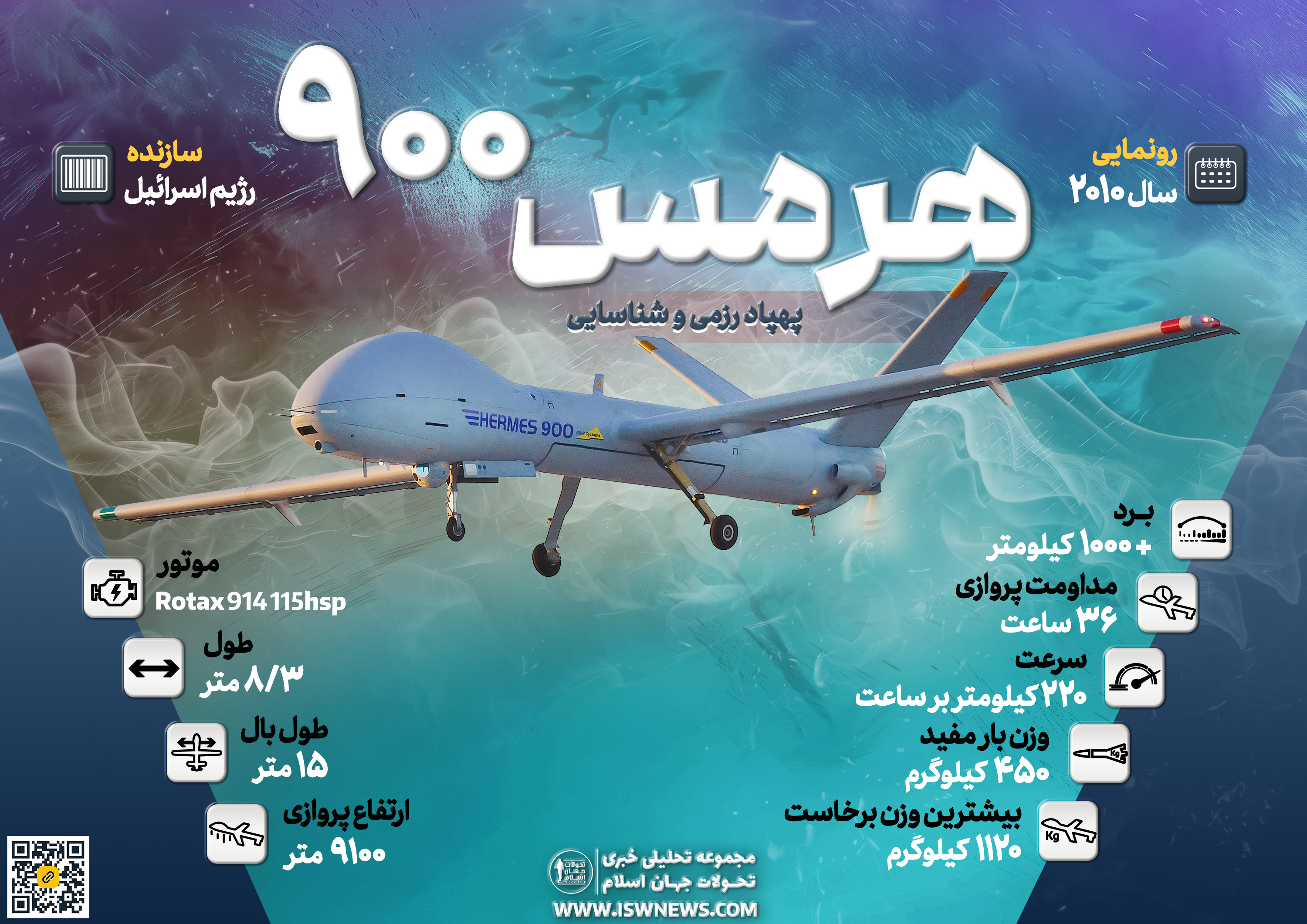
Hermes 900 UAV specifications:
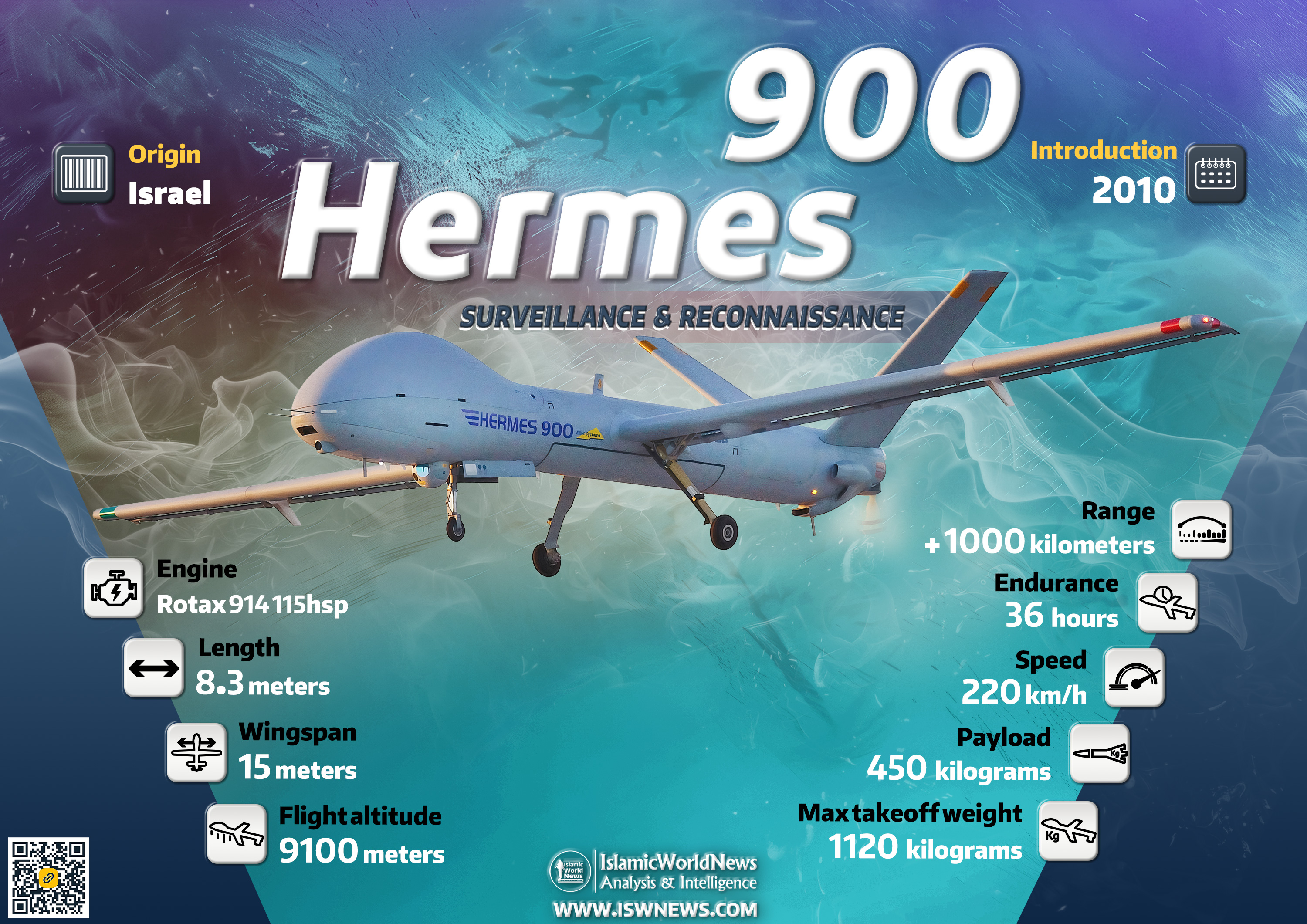
Type: Combat and reconnaissance
Origin: Israeli regime
Manufacturer: Elbit Systems
First Flight: 2009
Unveiled: 2010
Length: 8.3 meters
Wingspan: 15 meters
Engine: Rotax 914, 115 horsepower
Range: Over 1,000 kilometers
Cruising Speed: 220 km/h
Operational Altitude: 9,100 meters (30,000 feet)
Endurance: Up to 36 hours
Maximum Takeoff Weight: 1,120 kilograms
Payload Capacity: 450 kilograms
More pictures of Hermes-900:


Comments