
U.S. Forces to Withdraw from Baghdad and Ain al-Asad
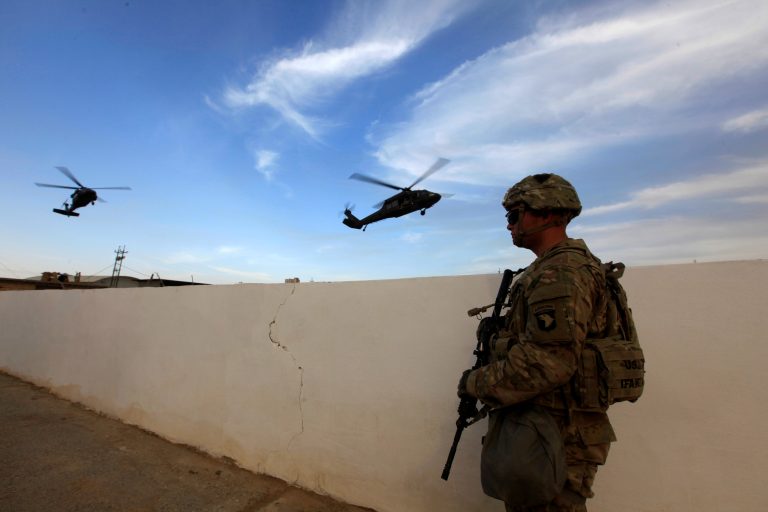
Iraqi government sources have announced the withdrawal of U.S.-led coalition forces from Baghdad and Ain al-Asad base in Anbar province, starting in September. U.S. forces at Baghdad Airport and the Joint Operations Command will relocate to Erbil during this first phase.
Official Iraqi government sources have announced the beginning of the withdrawal of the U.S.-led international coalition forces from Baghdad and the Ain al-Asad base in Anbar province. The first phase of withdrawal is scheduled for September this year, during which U.S. forces stationed at Baghdad Airport and the Joint Operations Command will be relocated to Erbil.
An Iraqi official told Al Jazeera that this retreat is part of an agreement between Baghdad and Washington, and that foreign military trainers will remain in Iraq. Meanwhile, Hussein Alawi, advisor to Iraqi Prime Minister Mohammed Shia’ Al-Sudani, stated that the coalition’s mission in Baghdad and Ain al-Asad will end in September 2025, with the second phase—complete withdrawal—set to be finalized by September 2026.
According to Alawi, the Iraqi government is committed to strengthening its armed forces and transforming its security relations with coalition countries into stable bilateral partnerships. These relationships will extend beyond military cooperation to include political, economic, and cultural dimensions. He also announced the formation of a high-level military committee to oversee the implementation of the agreement.
Currently, around 2,500 U.S. troops are present in Iraq as part of the international coalition, primarily stationed at three bases: Ain al-Asad in Anbar, Al-Harir in Erbil, and Victory Base at Baghdad Airport.
The phased withdrawal from Iraq marks a turning point in Baghdad’s efforts to reclaim full security and military sovereignty. This process not only responds to internal pressures but also reflects the Al-Sudani government’s intention to gradually transfer security responsibilities to Iraqi forces and restore the traditional role of the army in maintaining national stability.
However, the continued presence of military trainers and ongoing bilateral defense cooperation with the U.S. and other coalition members indicates that Iraq is not seeking a complete severance of security ties. Instead, it aims to shift these relations from the temporary and emergency framework established after the rise of ISIS to a more balanced and enduring strategic partnership.
The withdrawal from Baghdad and Ain al-Asad can also be seen as a direct result of pressure from resistance groups and their repeated warnings against the continued presence of foreign troops in Iraq. This outcome was achieved through serious negotiations led by the Al-Sudani government. However, it remains unclear whether the plan will be fully implemented or merely symbolic. Past experiences show that the U.S. has previously promised to withdraw its forces from Iraq but failed to follow through, extending its presence instead—raising ongoing doubts about Washington’s commitment to the latest agreement.

Comments