
Military Knowledge: Mi-28 Attack Helicopter
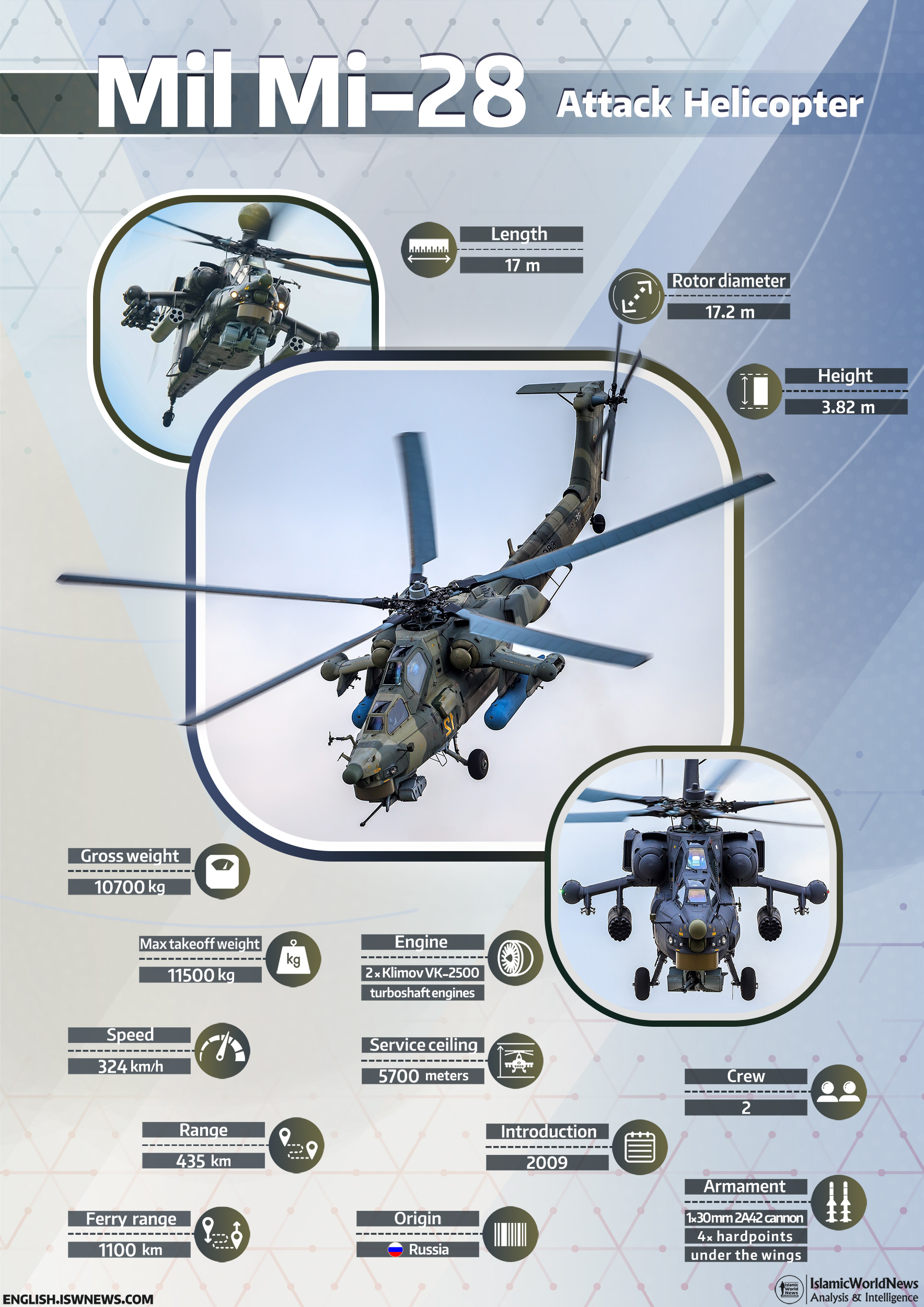
The Mi-28, known in NATO as Havoc, is a Russian twin-engine, two-seat attack helicopter designed for close air support, anti-armor warfare, and day-and-night operations in all weather conditions. The Mi-28 features heavy armor protection, advanced navigation and avionics systems, and multiple weapon configurations for guided missiles and unguided rockets. It is considered one of the core fire-support assets for ground forces in the militaries that operate it. This article examines the various components and characteristics of the helicopter.
Design and Development History
Development of the Mi-28 began in 1972, when the Soviet Union decided to design a fully dedicated replacement for the aging Mi-24 Hind, aiming to significantly enhance anti-tank and close-support firepower. During the 1980s, the initial design was completed by the Mil Design Bureau under the leadership of Marat Tishchenko, and the first Mi-28 prototype made its maiden flight on 10 November 1982. However, competition with the Kamov Ka-50, financial difficulties following the collapse of the Soviet Union, and shifting defense priorities delayed large-scale production.
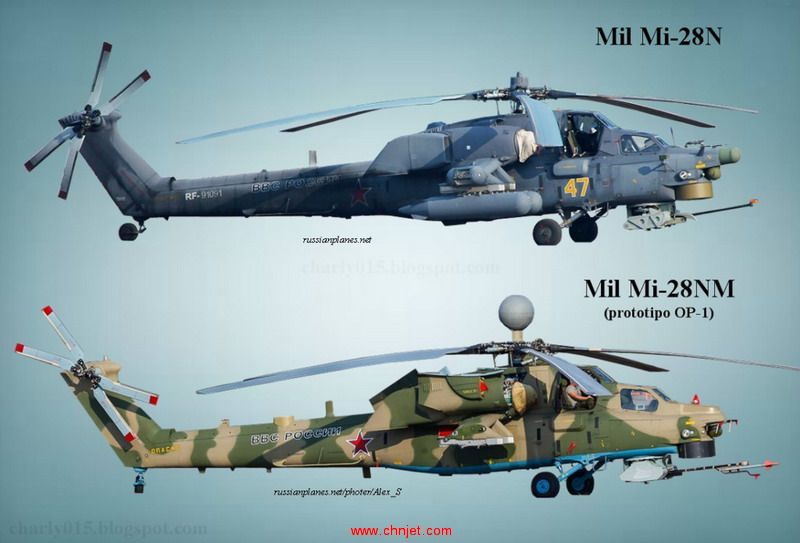
The initial production variant, Mi-28A, was introduced in the 1990s, but it was the upgraded Mi-28N “Night Hunter”, featuring full night and all-weather capability, that officially entered service with the Russian Armed Forces in 2009. Subsequently, the more advanced Mi-28NM was developed, incorporating updated radar systems, improved engines, and modern avionics to enhance battlefield awareness, making it one of Russia’s most modern attack helicopters.
General Characteristics of the Mi-28
The Mi-28 is a dedicated anti-armor attack helicopter designed to destroy tanks, armored vehicles, enemy units, and soft targets on the front lines. Unlike the Mi-24, it has no troop-carrying capability and is fully focused on combat missions. The aircraft has a two-person crew, with the pilot seated in the rear and the weapons systems officer in the front. Its twin turboshaft engines provide high maneuverability and adequate speed.
The Mi-28 has a fuselage length of approximately 17.9 meters, a main rotor diameter of 17.2 meters, and a height of about 3.8 meters. While its aerodynamic layout is similar to other modern attack helicopters, greater emphasis has been placed on armor protection and the integration of advanced systems beneath the fuselage.
The twin-engine configuration, main rotor system, and short wings on either side improve performance across various flight conditions, including low-altitude operations. The helicopter is equipped with three non-retractable landing gears. Both the landing gear and energy-absorbing seats are designed to protect the crew during low-altitude crash scenarios.
Airframe Armor Protection
One of the Mi-28’s most notable features is its heavy armor protection, capable of withstanding fire from NATO-standard 7.62 mm and 12.7 mm rounds, as well as 20 mm projectiles. The helicopter has a fully armored cockpit with bullet-resistant glass. The cockpit and critical airframe sections are engineered to protect the crew even during hard impacts—an aspect emphasized in earlier designs and further optimized in newer variants. Compared to the Mi-24, the Mi-28 has approximately 2.5 times lower thermal signature, enhancing its survivability on the battlefield.
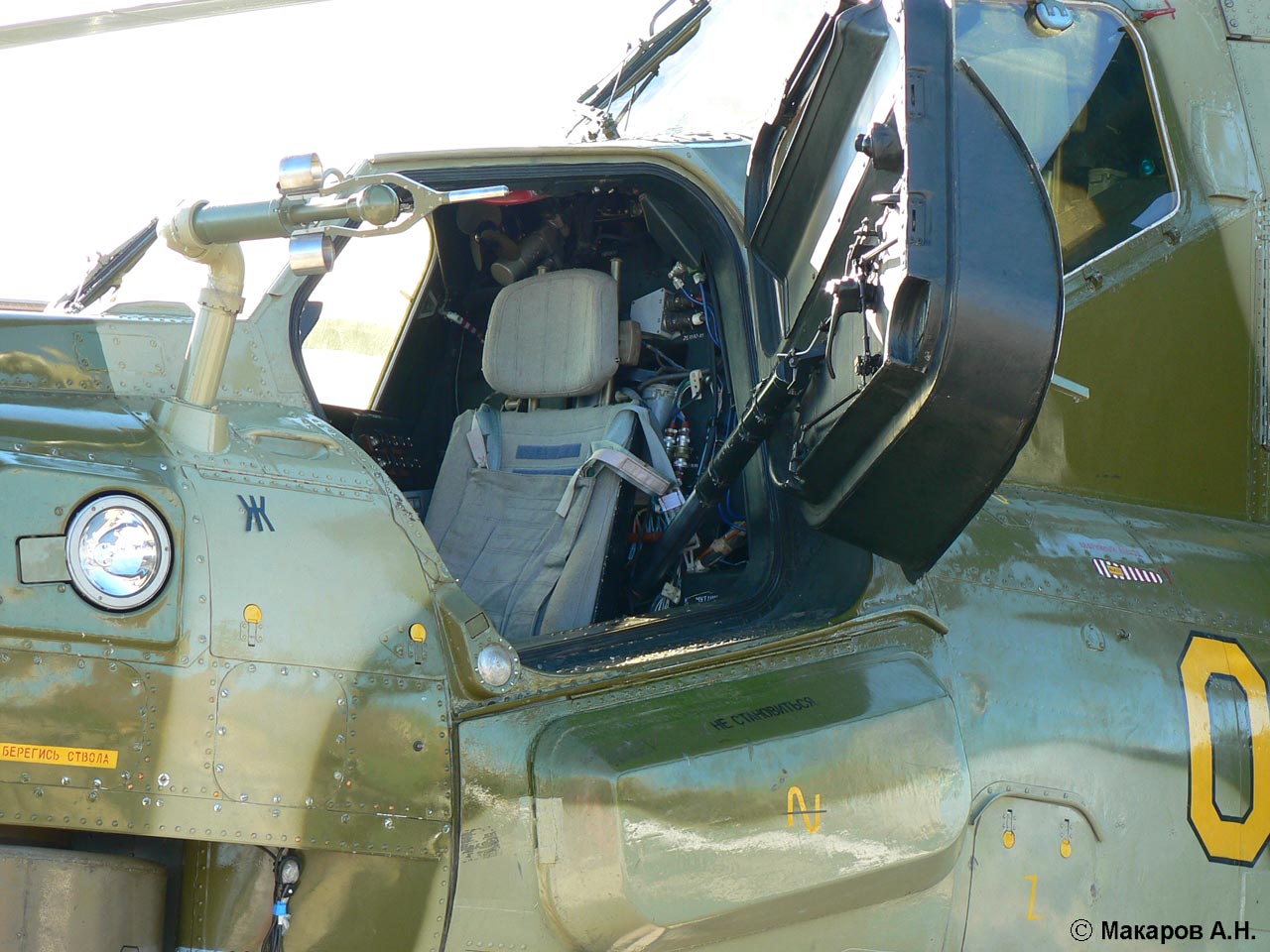
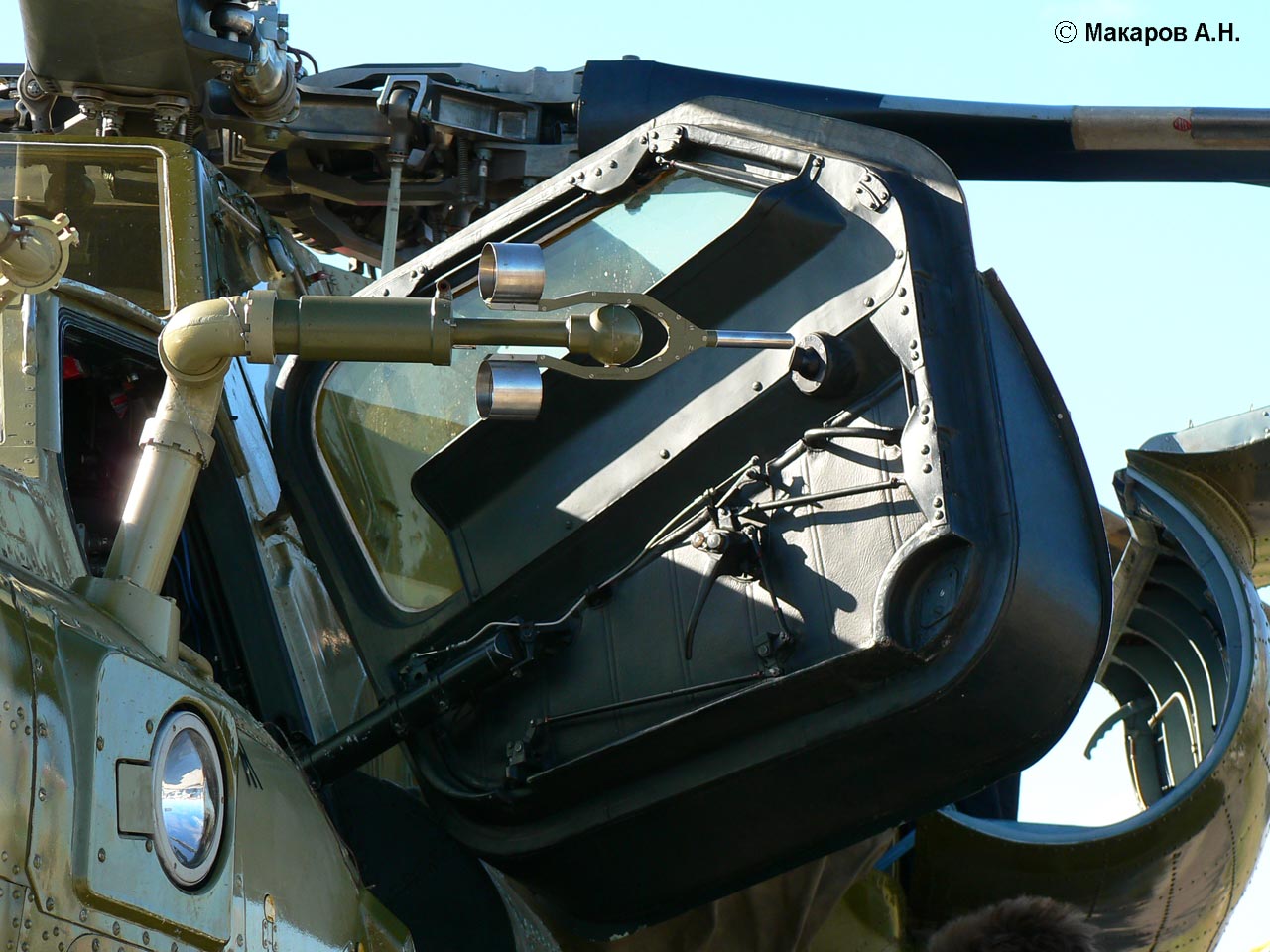
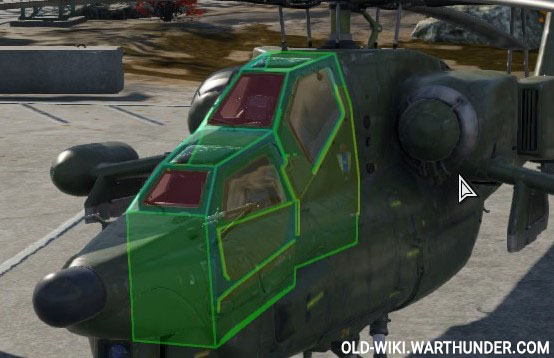
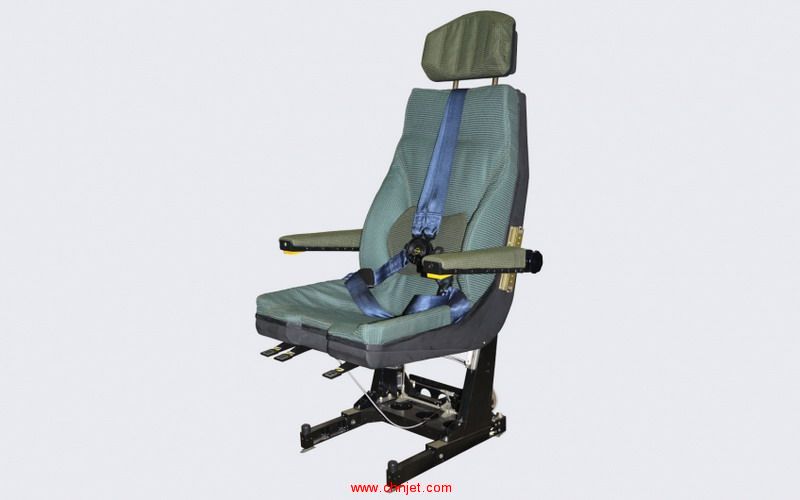
The front and rear cockpits are also equipped with AK-2005 crash-resistant seats.
Motors and rotors
The Mi-28 helicopter is powered by two TV3-117VMA turboshaft engines, each producing about 2,200 horsepower, or by two VK-2500P turboshaft engines in the Mi-28NM variant, each delivering around 2,500 horsepower. These engines drive a five-blade main rotor and a four-blade tail rotor.
This powerful engine setup and rotor configuration enable the helicopter to perform effectively at high speeds, medium altitudes, and in dense battlefield environments. The Mi-28 has a maximum speed of 324 km/h. It is also capable of flying rearward and sideways at speeds of up to 100 km/h, and can execute reverse turns at a rate of 45 degrees per second.


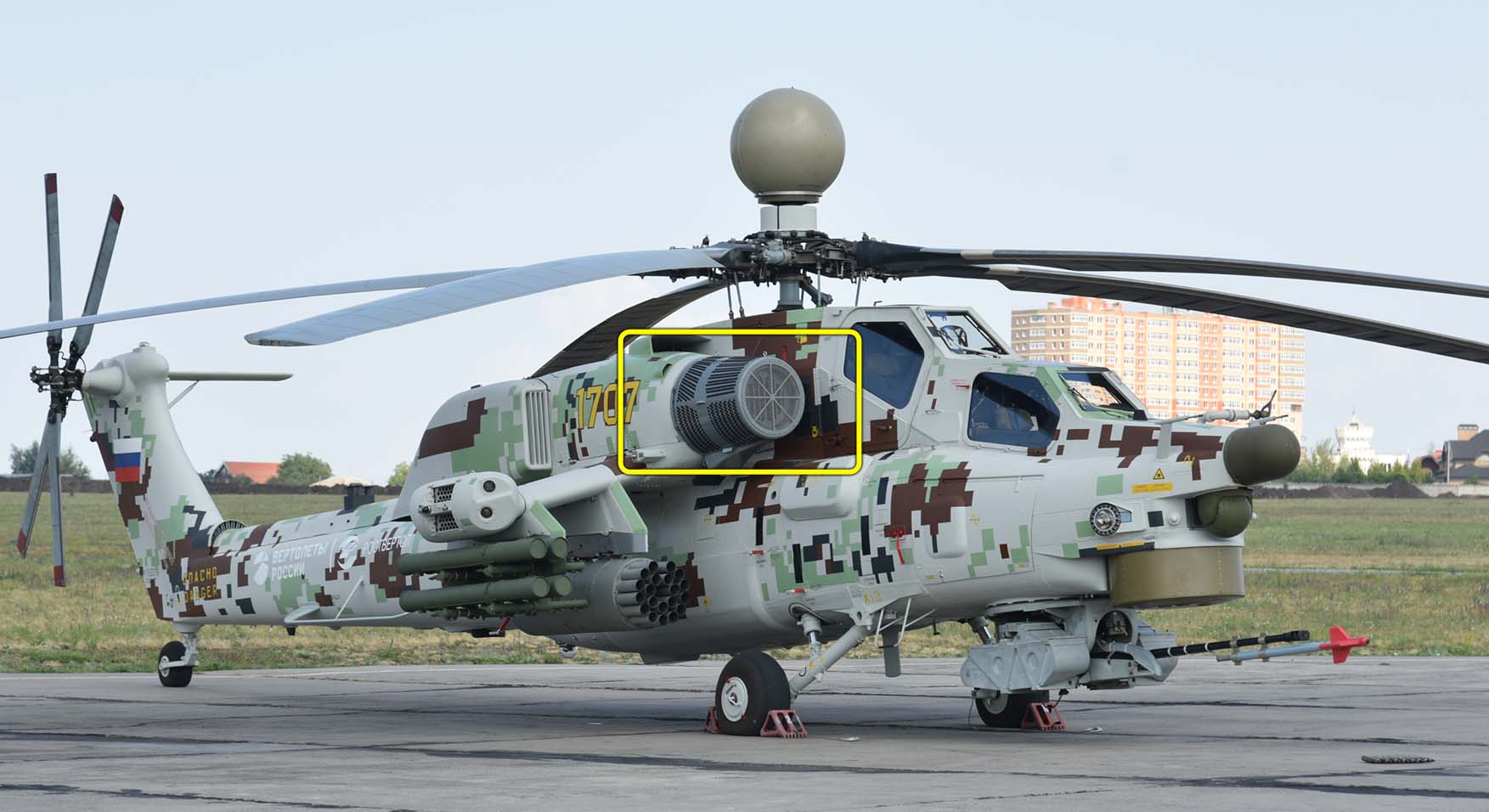
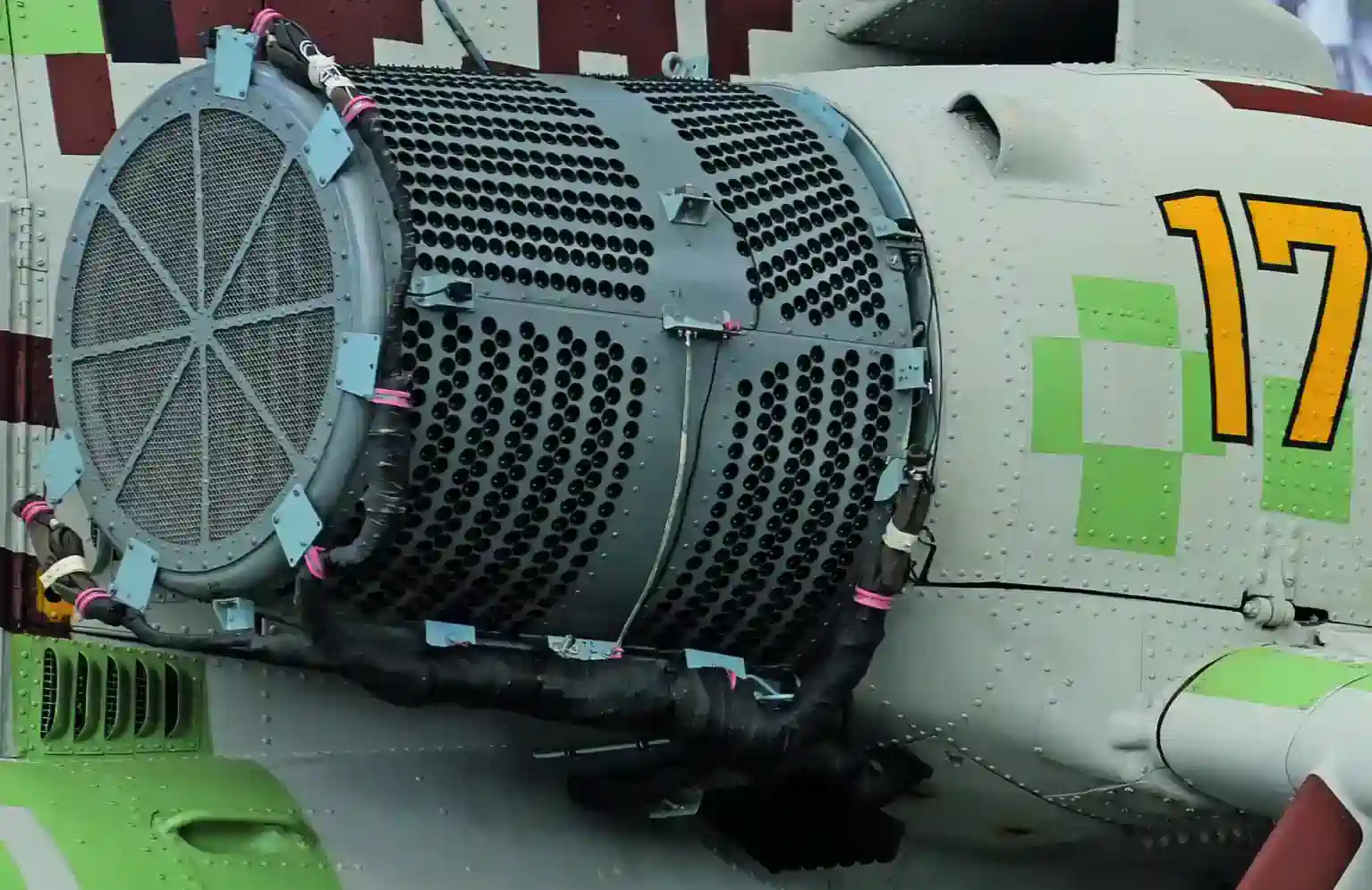
In the export version of this helicopter, the Mi-28NE, the helicopter engines are equipped with air intakes protected against dust and sand. This multi-cyclone dust protection unit prepares the Mi-28 helicopter for operation in dry and desert climates. According to the manufacturer, this air intake provides an efficiency of 93%.
Mi-28 Avionics and Navigation
The Mi-28N helicopter is equipped with the integrated digital avionics suite BREO-28N. This system is built around a two-seat digital cockpit featuring multifunction displays, a central mission computer, and a hybrid inertial navigation system (INS) integrated with GLONASS/GPS, enabling night operations and full-time/all-weather capability.
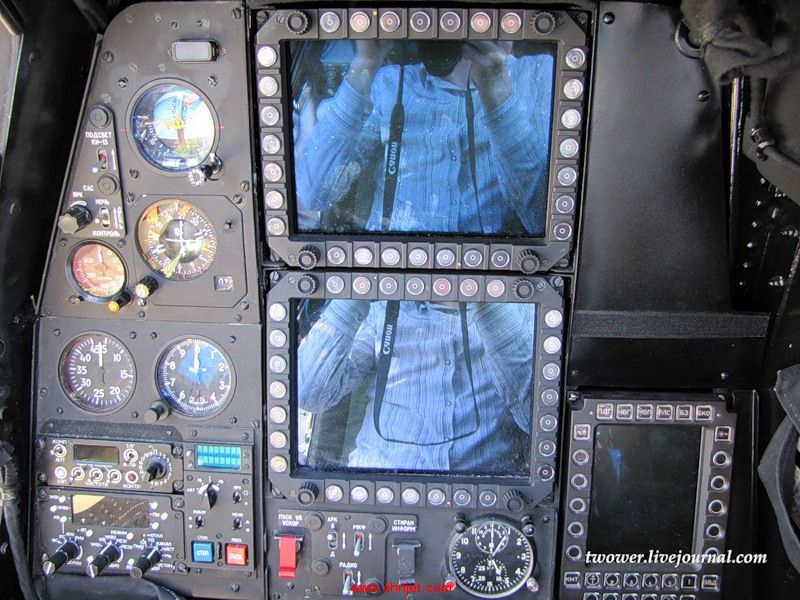
In the pilot’s cockpit, two MFI-10-6M LCD multifunction displays are installed, presenting flight and navigation data, airframe and engine parameters, weapons status, and target information. In addition, the pilot can use the ILS-28 head-up display (HUD) to aim direct-fire weapons. The gunner’s cockpit is also equipped with two similar color displays used for navigation and targeting.
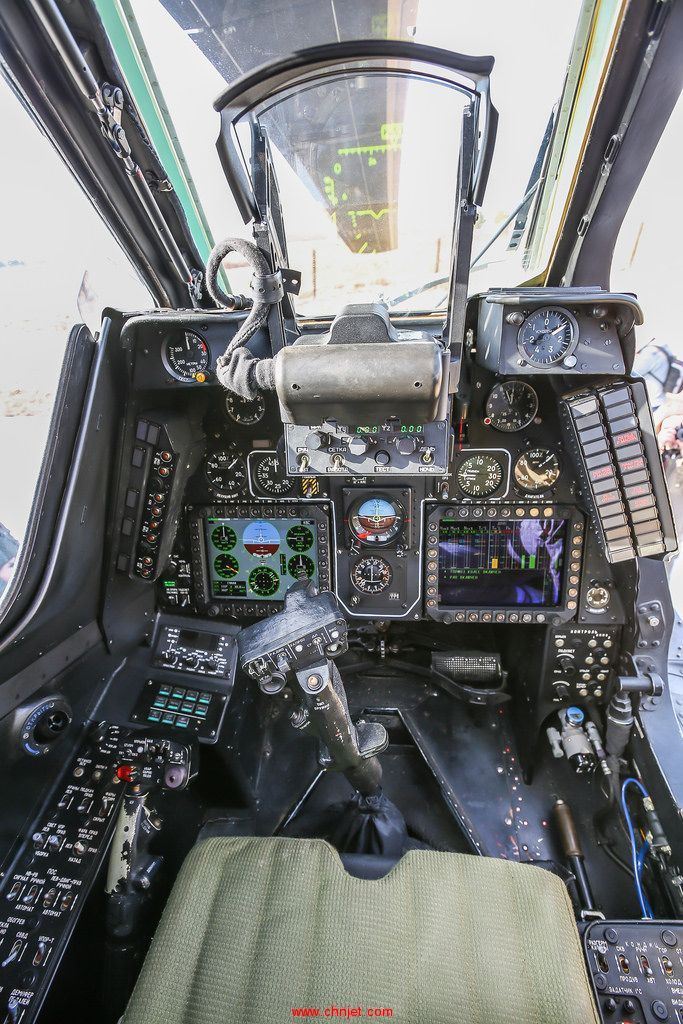
The helicopter is fitted with a four-axis autopilot, a terrain awareness and warning system (TAWS), digital maps, secure radio communications, and a data link, allowing the crew to fly with high stability at very low altitudes and conduct tactical penetration missions. The core design focus is on enhancing situational awareness for both the pilot and weapons officer while reducing crew workload during complex missions—especially night and low-visibility operations.
Electro-Optical Sensors of the Mi-28
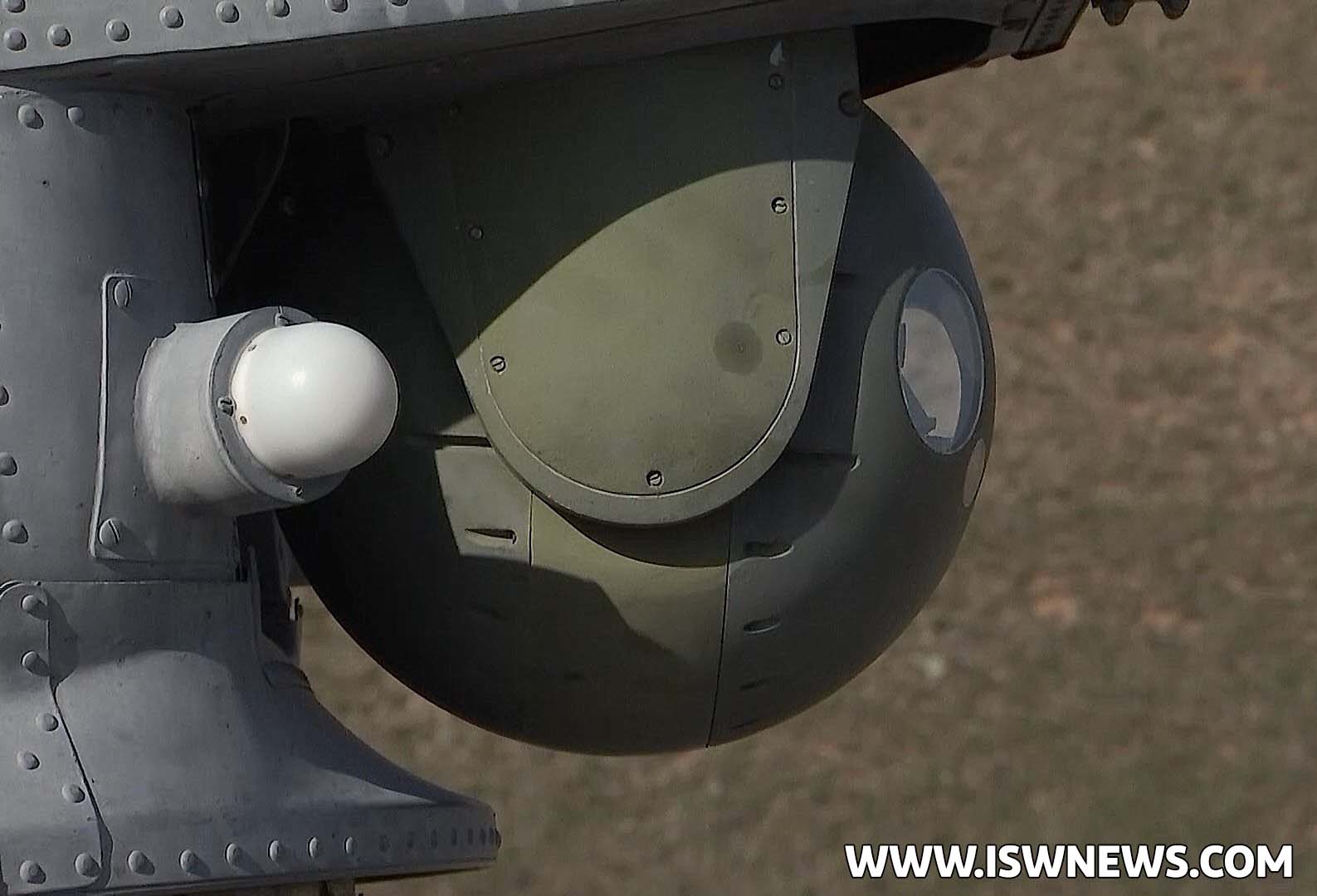
Mounted in the nose of the Mi-28 is an electro-optical sensor suite comprising a daytime TV camera, a forward-looking infrared (FLIR) system for night vision, and a laser rangefinder/designator, enabling detection, tracking, and guidance of laser-guided weapons at ranges of several kilometers.
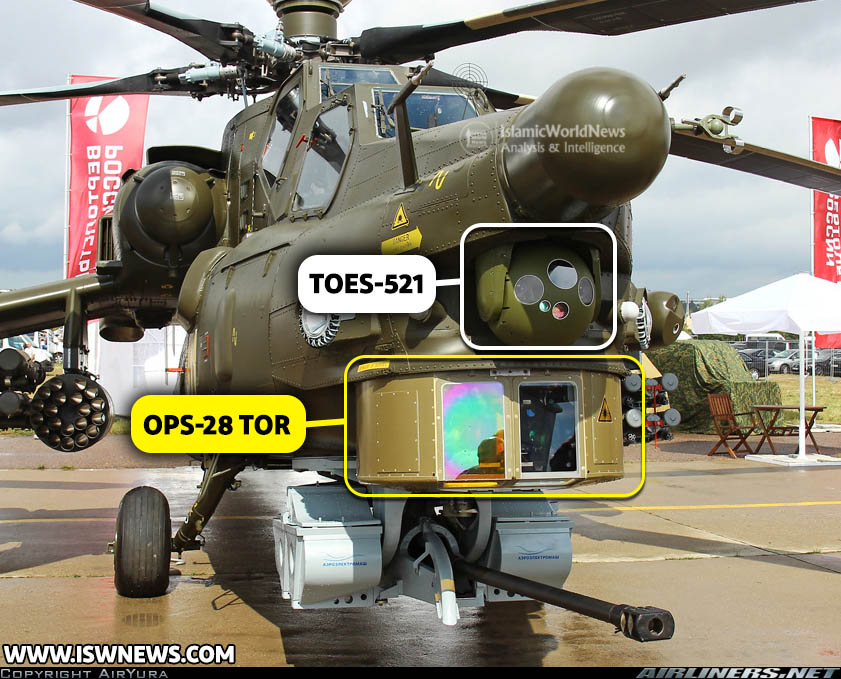
The OPS-28 electro-optical system serves as the primary search and targeting sensor of the Mi-28. It includes a TV channel, an infrared FLIR channel, an LD-294 laser rangefinder, and a radio command data link. These three sensors are housed in a gyro-stabilized cylindrical rotating turret beneath the helicopter’s nose, providing a field of movement of 110 degrees to either side, 13 degrees upward, and 40 degrees downward. The system is manufactured by the Krasnogorsk Optical-Mechanical Plant (Zenith).
The laser rangefinder, thermal imager, and TV camera are concealed behind two flat glass windows within the rotating turret. The thermal camera offers two fixed fields of view with 3× and 8× magnification, while the TV camera is capable of up to 20× optical zoom.
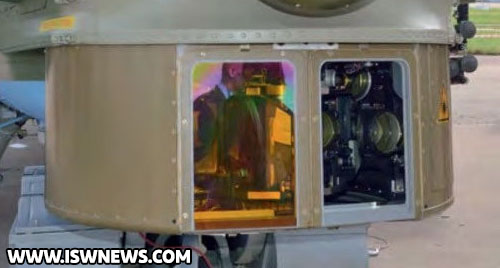
When the battlefield is obscured by rain or smoke and direct visibility is reduced to less than 1.5 km, the OPS-28N thermal imager is still capable of guiding the 9M120 Ataka-V anti-tank missile toward targets at ranges of over 3 km. Under favorable visibility conditions, the system’s TV sensor can detect tanks at distances of up to 7 km, enabling missile engagements at ranges of around 5 km.
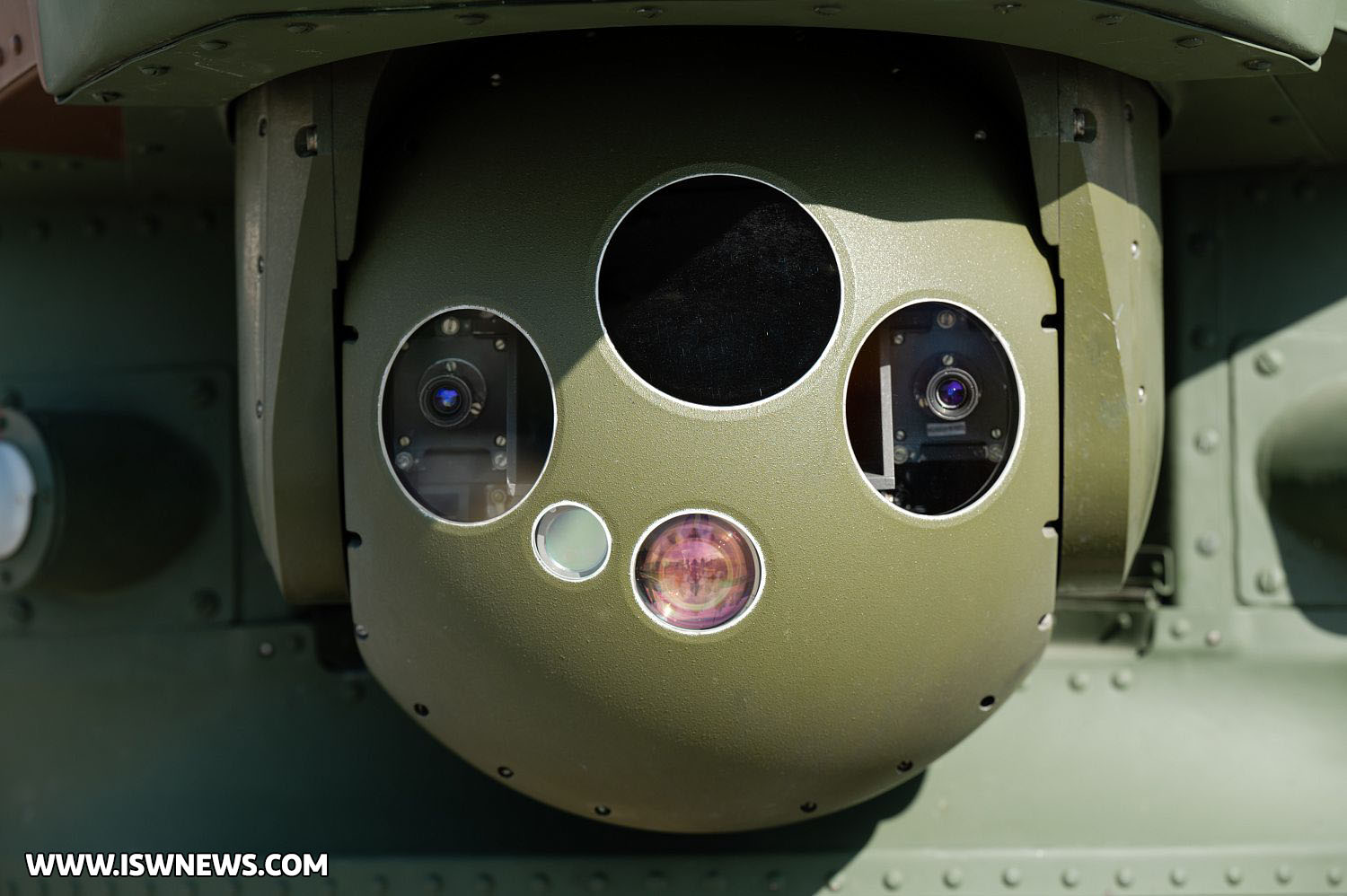
In addition, the Mi-28N is equipped with a pilot-dedicated electro-optical surveillance system known as TOES-521, mounted beneath the nose. The Mi-28NM variant features a further upgraded electro-optical system designated SMS-550.
Radar and Defensive Systems of the Mi-28
In more advanced variants of the Mi-28—particularly the Mi-28NM—a N025 millimeter-wave radar produced by GRPZ is installed above the main rotor. This radar is used for terrain mapping, surface target detection, cueing and handing off targets to the electro-optical system, as well as weather monitoring and air-to-air tasks. In its N025M version, the radar operates in the Ka and X bands, while a third channel works in the L band for IFF (Identification Friend or Foe) purposes.
It should be noted that, like the base N025, the N025M radar cannot directly assign targets to weapons; instead, it provides initial target coordinates to the OPS-28 electro-optical system.
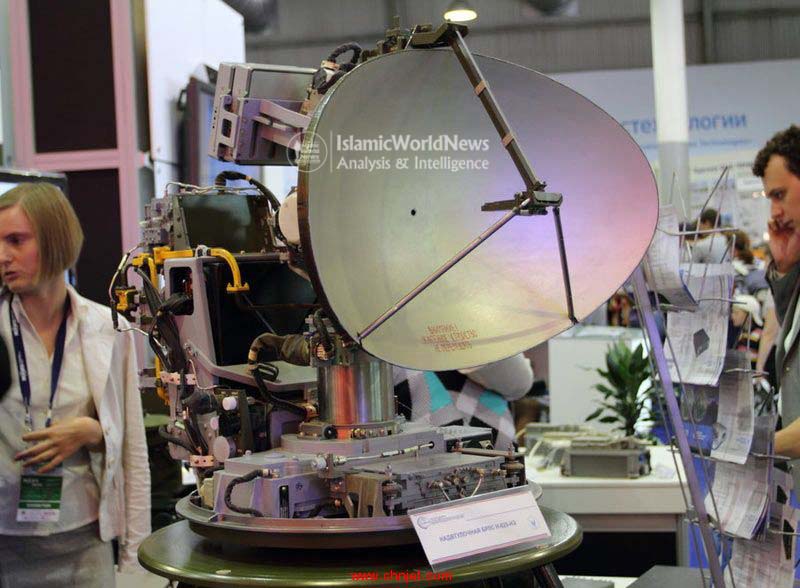
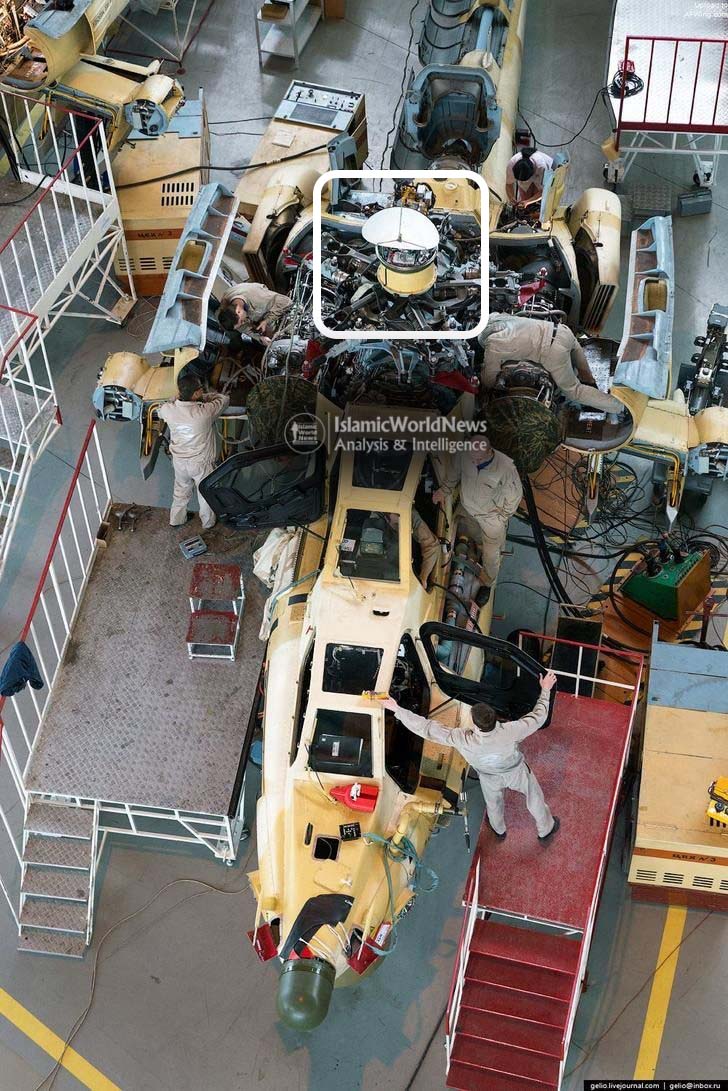
In terrain-mapping mode, the radar can scan a 90-degree sector in front of the helicopter, mapping ground features and enabling the OPS-28 sensor to rapidly cue onto selected targets. In air-to-air mode, the N025 covers a 180-degree forward sector. The manufacturer claims a maximum detection range of 20 km against main battle tanks. The radar also includes a Moving Target Indicator (MTI) mode with a 20 km detection range against aerial targets.
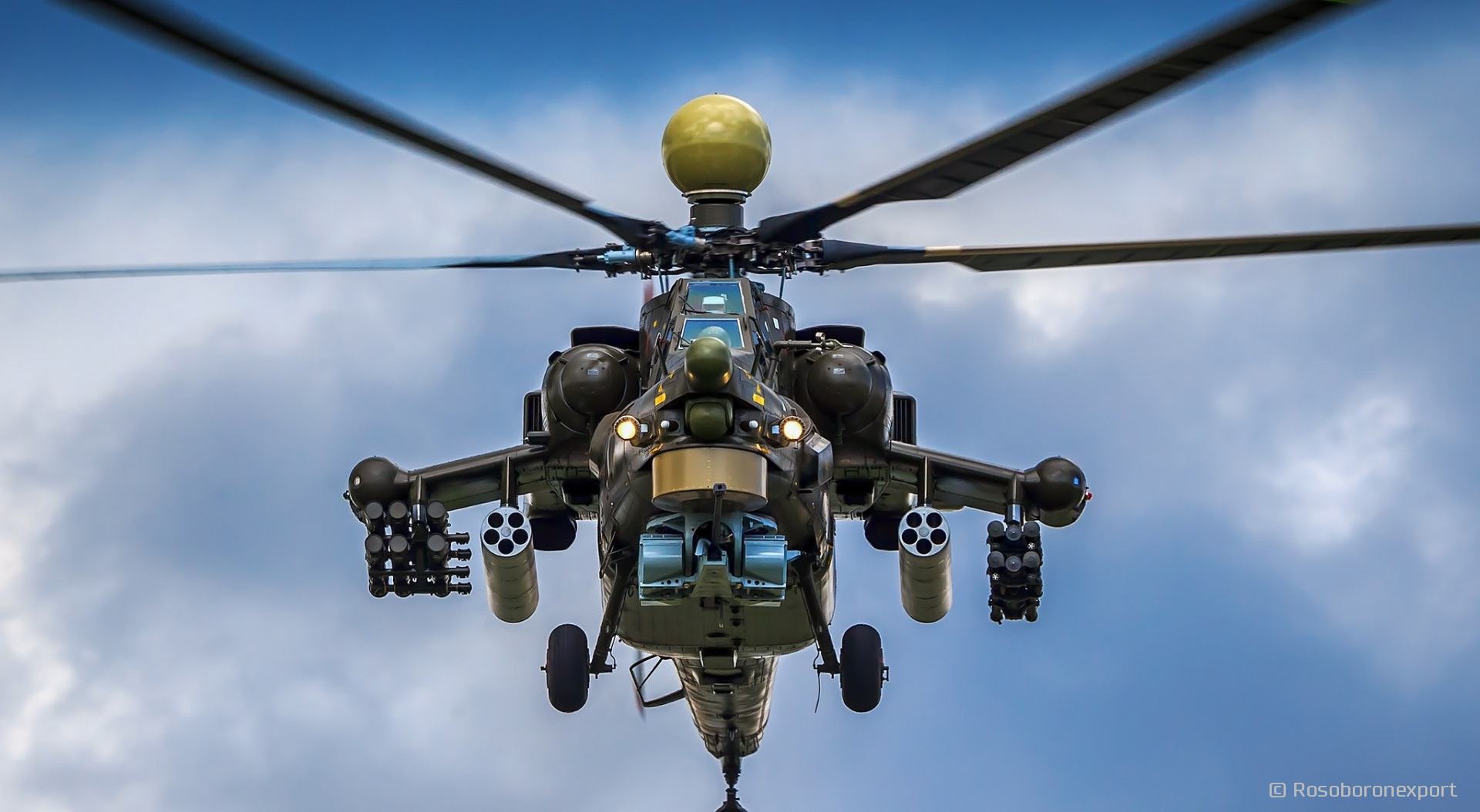
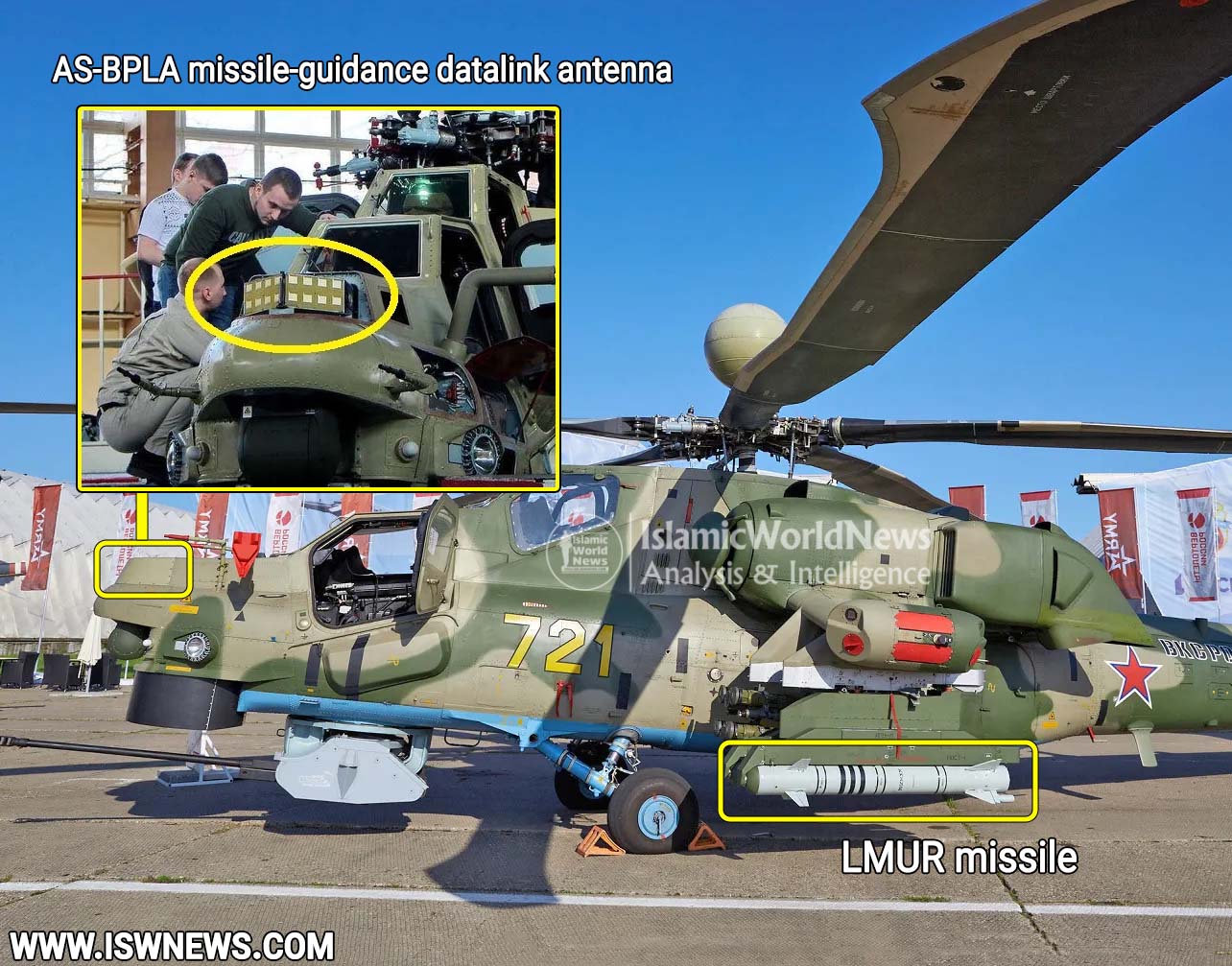
On the Mi-28NM, an AS-BPLA data-link antenna is installed in the nose to guide the LMUR missile. The Lightweight Multirole Air-to-Surface Guided Missile (LMUR)—also known as Izdeliye 305 or Item 305—has a range of 14.5 km and is intended for engaging a wide variety of ground targets.
The shape of the AS-BPLA guidance antenna mounted on the Mi-28NM indicates a ±90-degree field of view relative to the helicopter’s longitudinal axis, meaning the helicopter can maneuver within this envelope after missile launch.
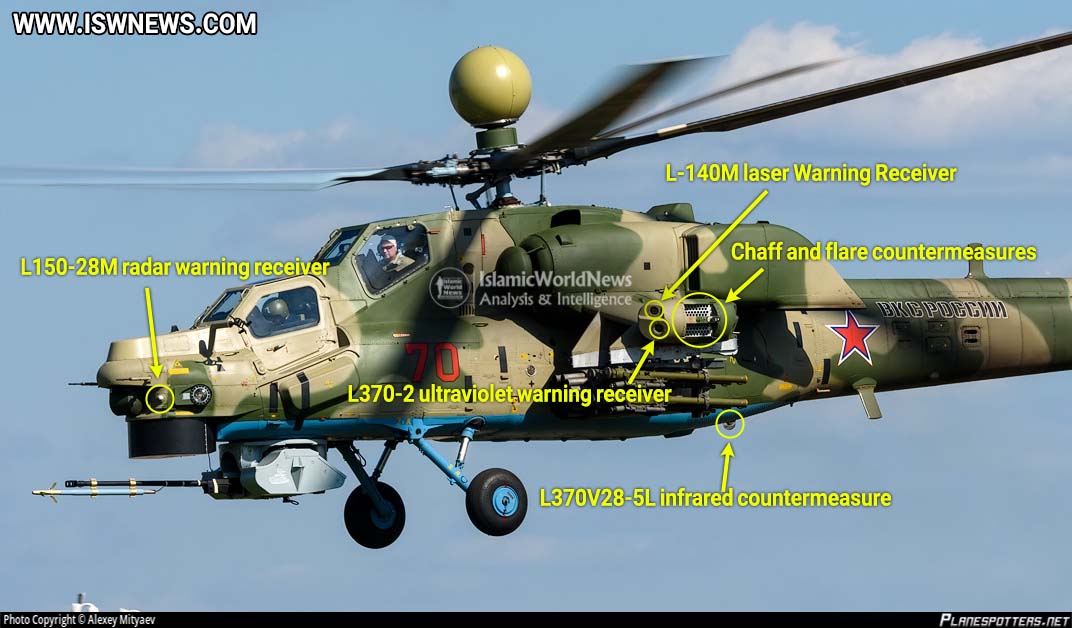
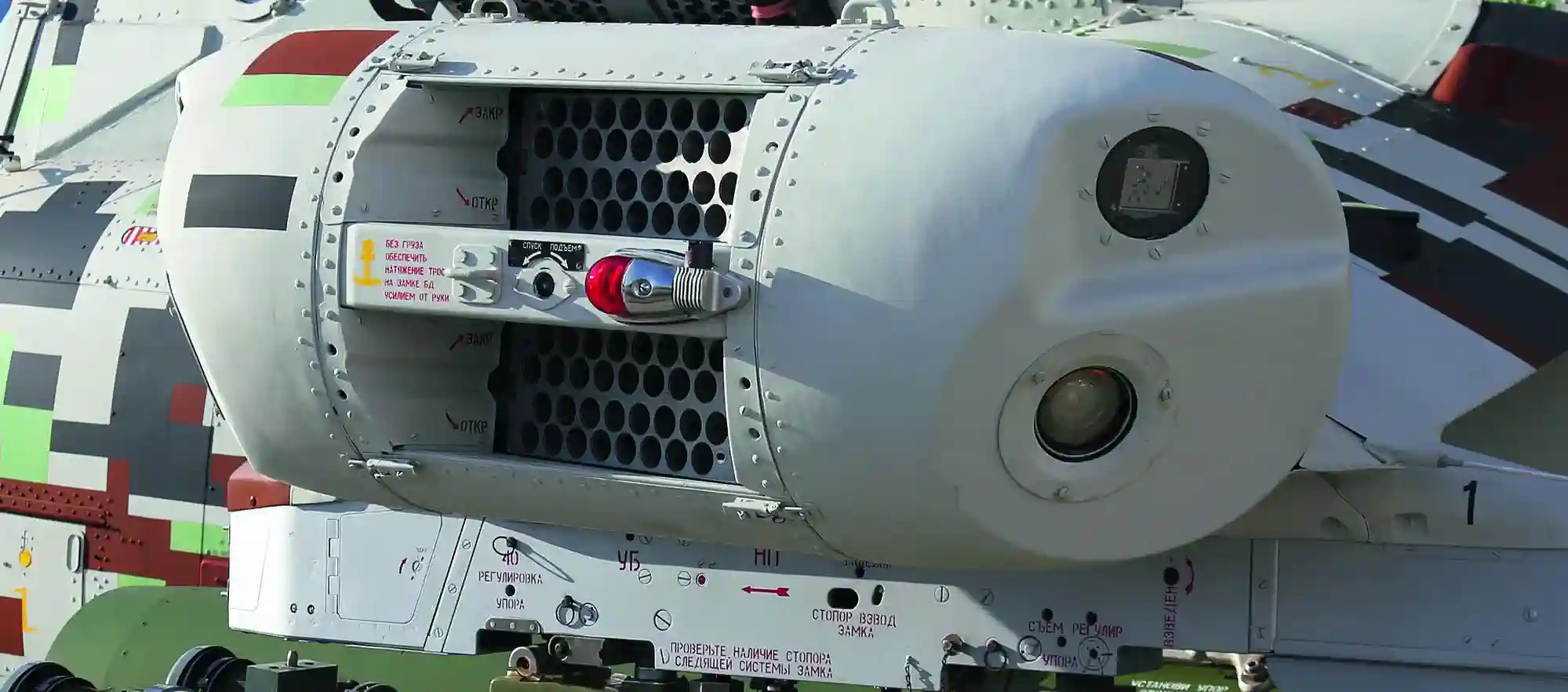
The Mi-28NM is also equipped with the L370V28 Vitebsk defensive suite. This integrated warning and countermeasure system includes the L150-28M radar warning receiver, L-140M laser warning receiver, L370-2 ultraviolet missile warning sensor, the L370V28-5L directional infrared countermeasure (DIRCM) laser system, and the UV-26 chaff and flare dispensers.
Armament of the Mi-28
As a dedicated attack platform, the Mi-28 carries a diverse array of weapons, making it suitable for engaging a wide spectrum of ground targets and certain low-altitude aerial threats.
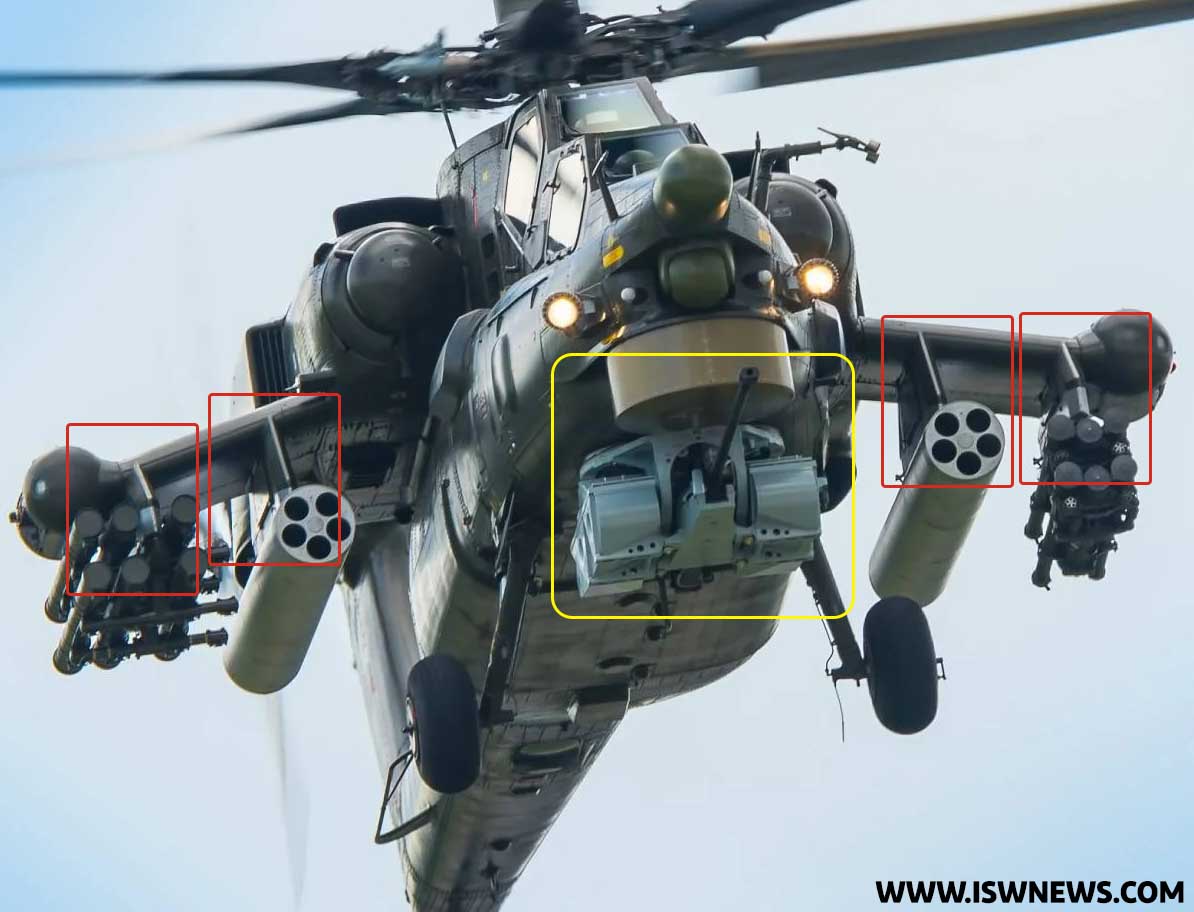
A 30 mm 2A42 automatic cannon is mounted under the nose, providing flexible traverse and precise aiming against light armored vehicles, infantry, and fortifications. The cannon is slaved to a helmet-mounted sighting system, allowing the weapon to follow the pilot’s line of sight.
On the four underwing hardpoints mounted on the stub wings, various weapon packages can be installed, including 80 mm unguided rocket pods, anti-tank guided missiles such as Ataka and Vikhr, and, in some configurations, short-range air-to-air missiles for close-in self-defense.
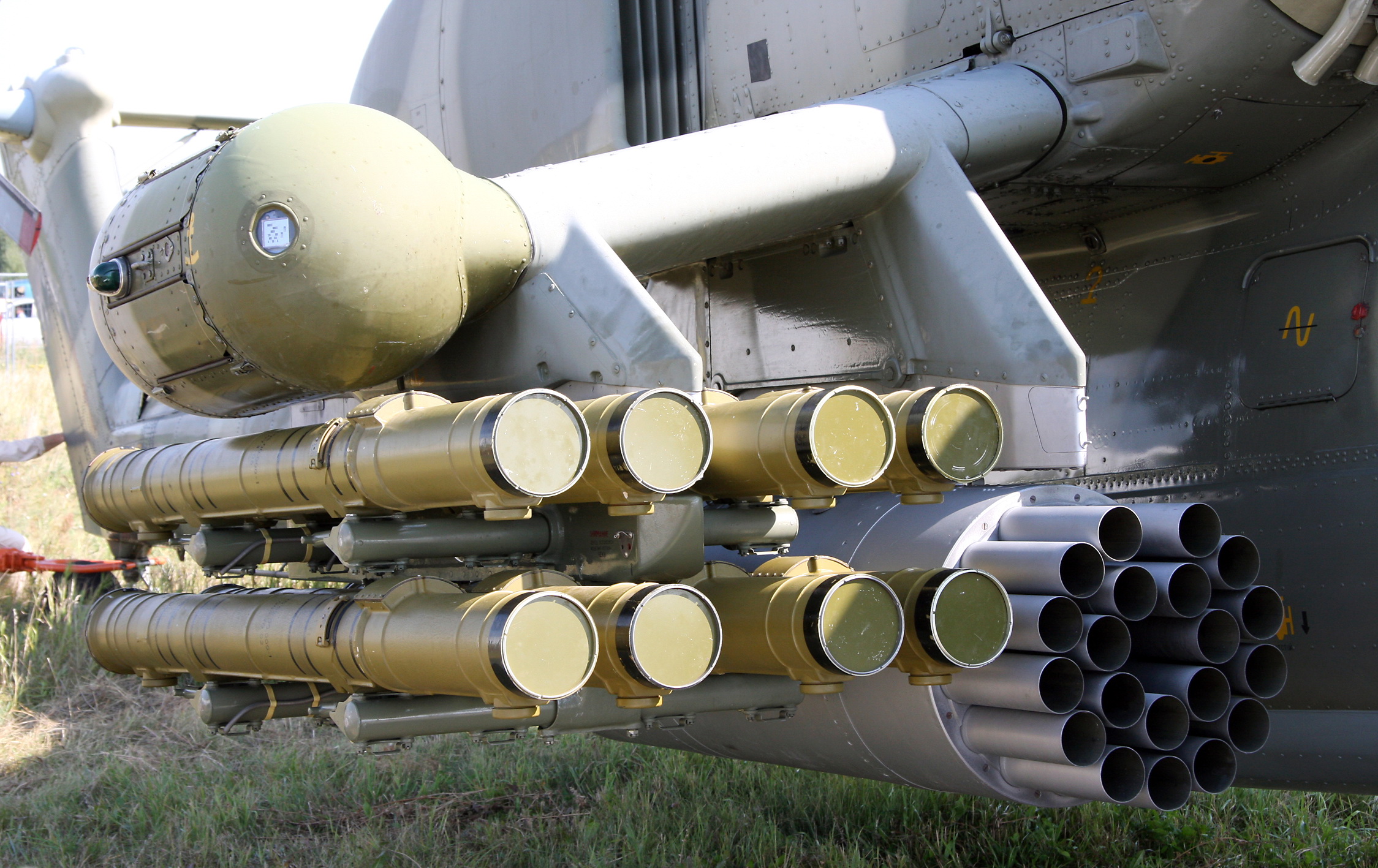
This weapons diversity allows crews to tailor their loadout to mission requirements and strike an effective balance between accuracy, range, and destructive power, while the advanced targeting and electro-optical sensor systems further enhance combat effectiveness.
Mi-28 Variants
Mi-28A:
The original baseline variant developed in the 1980s, primarily for testing purposes. It featured daytime vision systems, the 30 mm cannon, underwing weapon stations, and basic navigation and communication systems, but had limited night and adverse-weather combat capability. The Mi-28A served mainly as a testbed and developmental foundation and did not enter large-scale production.
Mi-28N (Night Hunter):
The most significant leap in the Mi-28 family. With the addition of a mast-mounted radar, thermal imaging systems, advanced electro-optical sensors, and inertial/satellite navigation, it gained full 24-hour operational capability. Digital avionics, improved survivability, and better integration of weapons systems made it the backbone of Russia’s attack helicopter fleet.
Mi-28NE:
The export derivative of the Mi-28N, with certain systems—especially communications and identification—reconfigured according to customer requirements. In terms of firepower, range, and survivability, it is broadly comparable to the Night Hunter and is adapted for operation in diverse environments, including hot, dusty, and high-altitude conditions.
Mi-28NM:
The most advanced member of the Mi-28 family. It incorporates minor airframe and rotor redesigns for improved performance, a new multimode radar, data-link connectivity for network-centric cooperation with UAVs and ground units, fully digital avionics, upgraded defensive systems, and more precise weapon options, including new guided missiles. The goal of this variant is to enhance survivability, crew situational awareness, and effectiveness in modern high-threat environments.
Mi-28UB:
A training variant that retains full combat capability. It features a dual-control cockpit allowing full instructor oversight, specialized training equipment, and enhanced safety features. Despite its training focus, the Mi-28UB can carry weapons and conduct real combat missions, making it a flexible asset for combined training and operational squadrons.
Operators and Export Market
The Mi-28 attack helicopter is primarily operated by the Russian Aerospace Forces as its main user. As of the end of 2024, more than 92 Mi-28N helicopters, around 19 Mi-28UB training variants, and at least 9 Mi-28NM helicopters were in service with the Russian Aerospace Forces. In addition, orders are in place for 98 more Mi-28NM and 12 Mi-28UB helicopters to be delivered by 2027. Overall, Russia operates the largest Mi-28 fleet in the world.
Outside Russia, the Algerian Air Force operates approximately 42 Mi-28NE helicopters. Iraq fields around 17 Mi-28NE and 4 Mi-28UB aircraft, while the Ugandan Air Force has received at least 4 Mi-28NE, with an additional two helicopters on order.
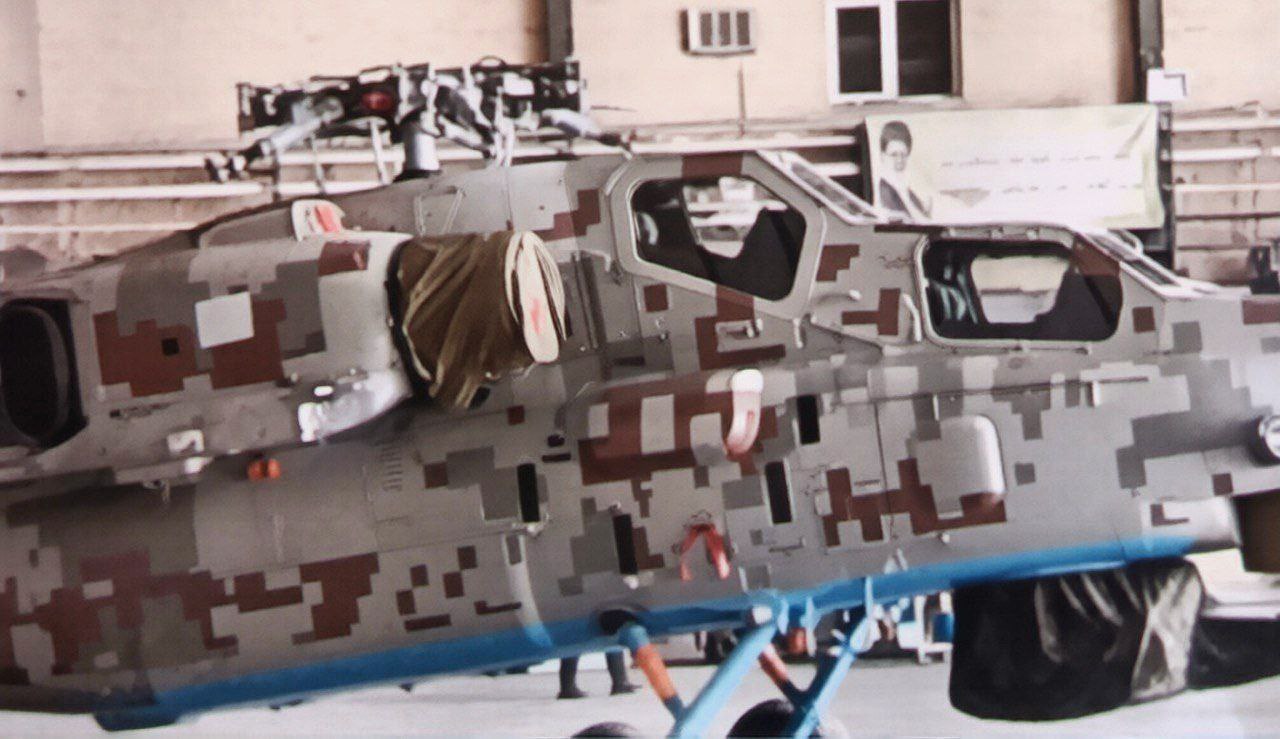
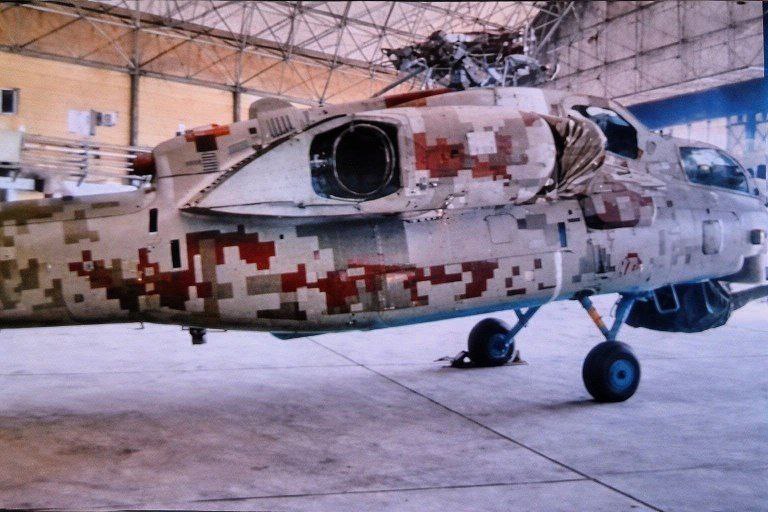
It is also worth noting that in December 2023, Iran’s Deputy Minister of Defense and Armed Forces Logistics announced the finalization of a deal to purchase the Mi-28 attack helicopter. One year later, the appearance of unofficial images showing the helicopter inside a hangar in Iran confirmed its entry into the order of battle of Iran’s armed forces. The induction of the Mi-28 is expected to significantly help address existing gaps in Iran’s aging helicopter fleet and substantially enhance the country’s close air support capabilities.
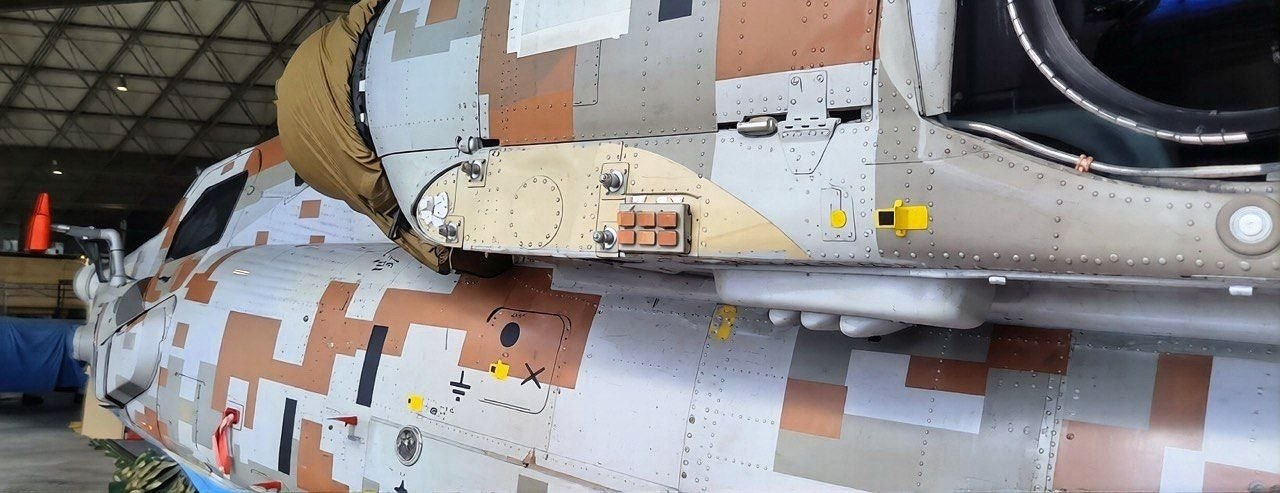
Mi-28 helicopter specifications:
Type: Attack helicopter
Origin: Russia
Manufacturer: Mil Moscow Helicopter Plant
First flight: 1982
Entered service: 2009
Crew: 2
Length: 17 m
Wingspan: 4.88 m
Height: 3.82 m
Empty weight: 8590 kg
Gross weight: 10700 kg
Maximum takeoff weight: 11500 kg
Engine: 2 Klimov TV3-117 turboshaft engines with a power of 2194 hp or 2 VK-2500P turboshaft engines (in the NM version) with a power of about 2500 hp
Rotor diameter: 17.2 m
Rotor area: 232.35 m2
Maximum speed: 324 km / h
Range: 435 km
Combat range: 200 km
Ferry range: 1100 km
Flight endurance: 2 hours
Service eiling: 5700 meters
Armament:
Gun: One 30 mm Shipunov 2A42 cannon in a nose turret, with 250 rounds (horizontal rotation of about ±110 degrees)
Hardpoints: Two pylons under each short wing for mounting bombs, rockets, missiles and cannon pods. Main configurations include:
- 16 Ataka-V anti-tank missiles with 40 S-8 rockets, or
- 16 Ataka-V missiles with 10 S-13 rockets, or
- 16 Ataka-V missiles with two 23 mm UPK-23-250 cannon pods (each pod with a GSh-23L cannon and 250 rounds)
Other munitions that can be installed:
- 9K121 Vikhr anti-tank missiles
- 9M123 Khrizantema missiles (9M123VM version with ACLOS millimeter-wave radar fire control and guidance radar)
- LMUR missile
- Igla-V and Vympel R-73 air-to-air missiles
- Two KMGU-2 mine-distributing pods
- Unspecified variant of 9K333 Verba air-to-air missile
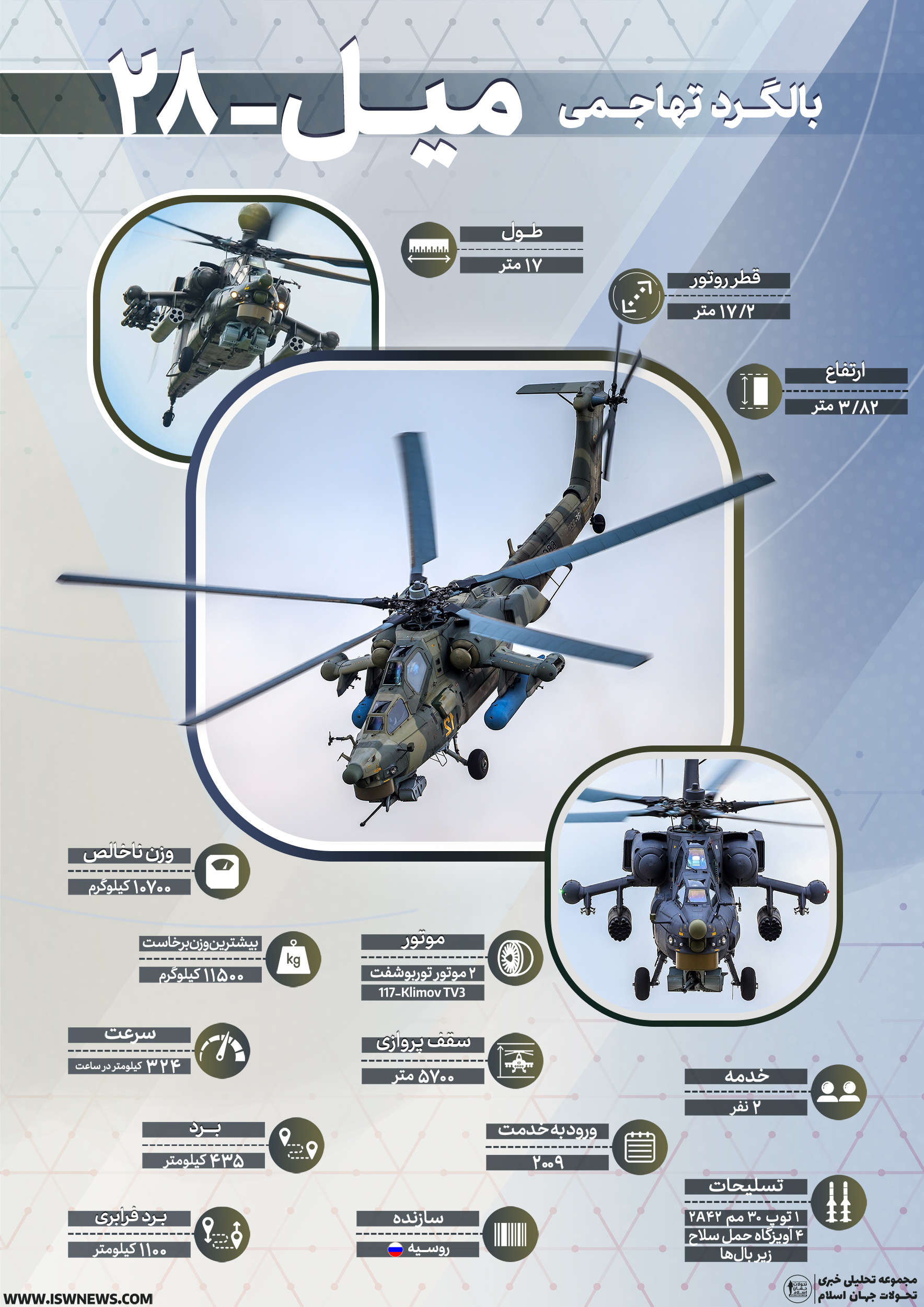
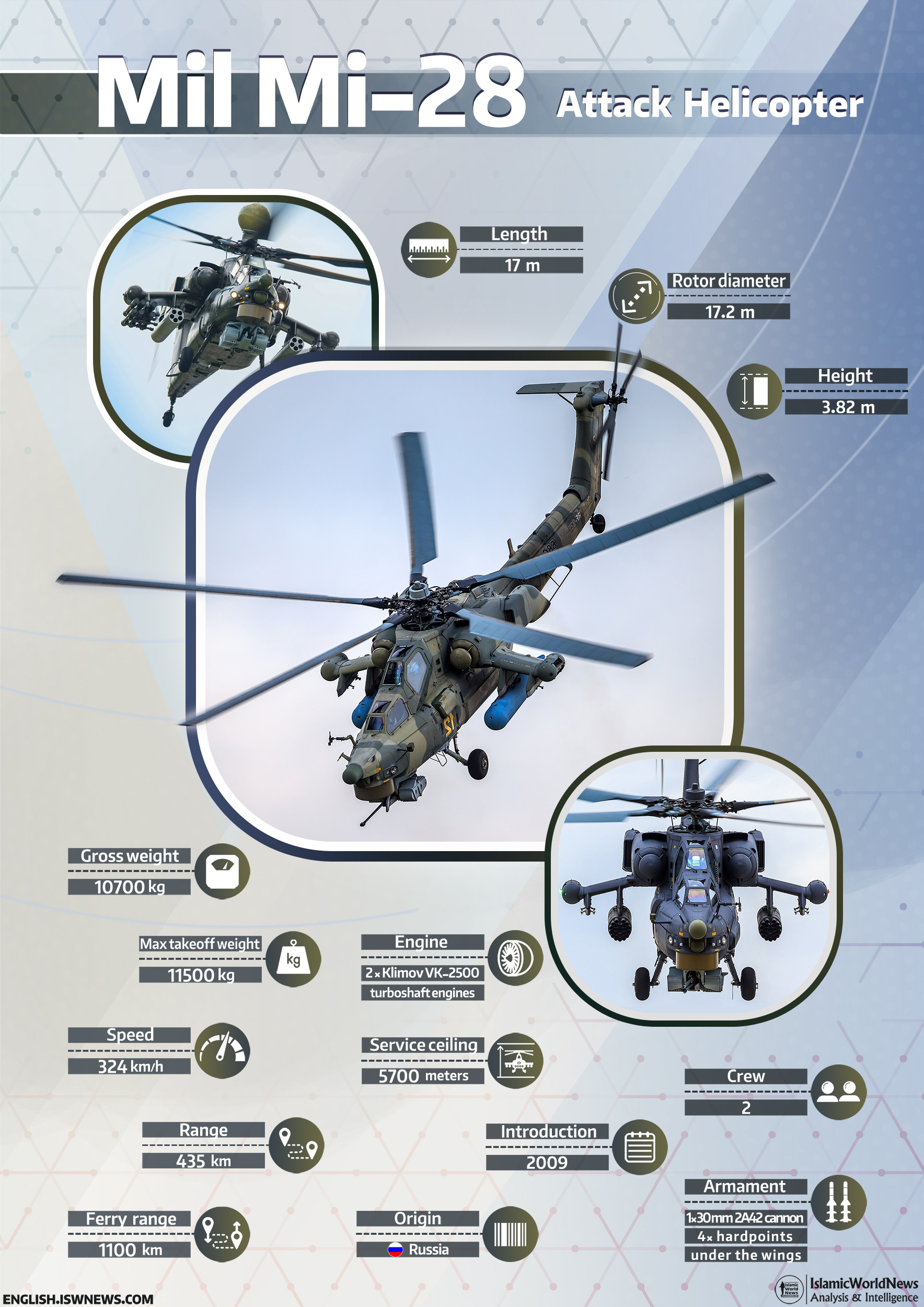
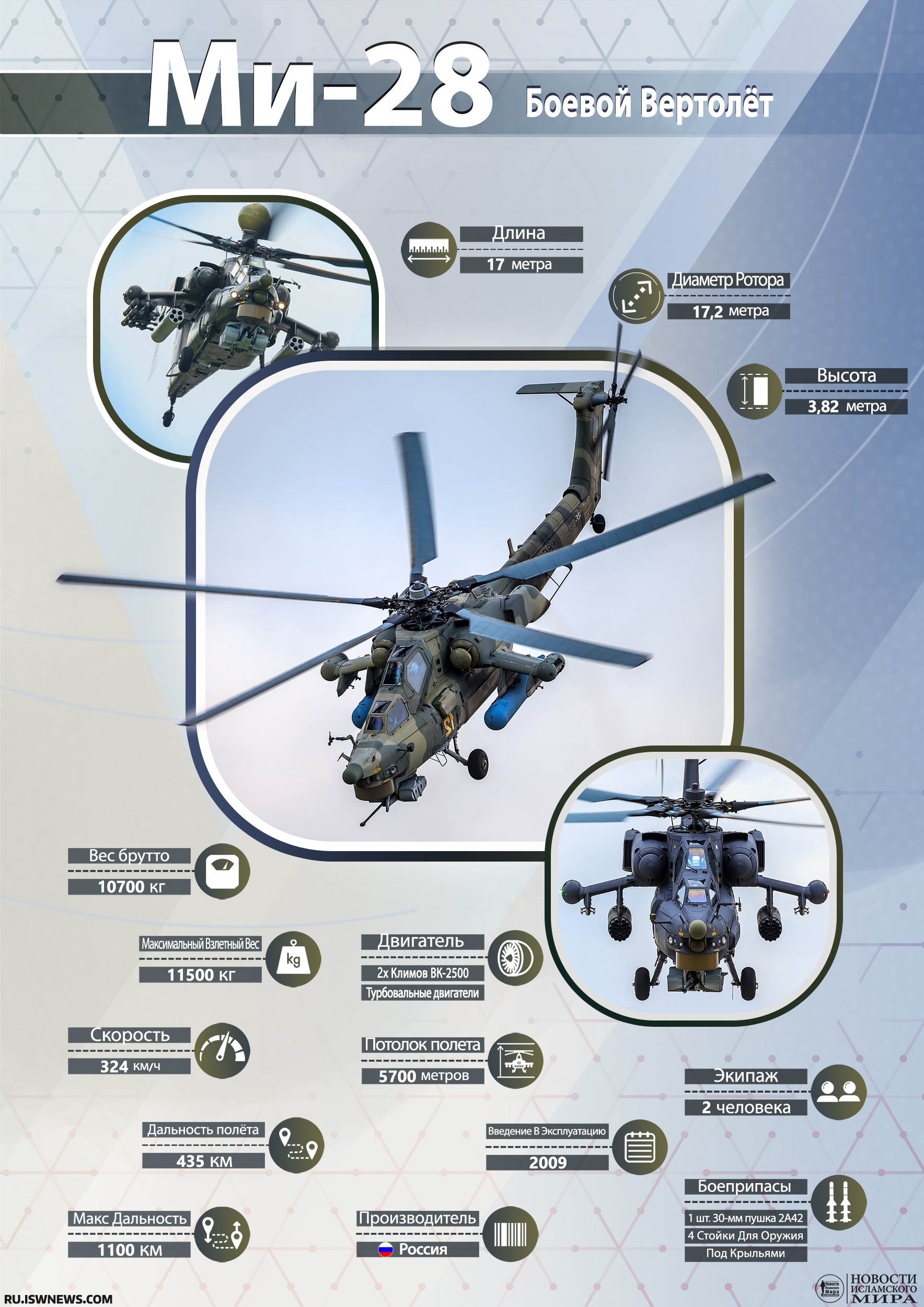
Mi-28 combat helicopter posters in Persian, English and Russian:
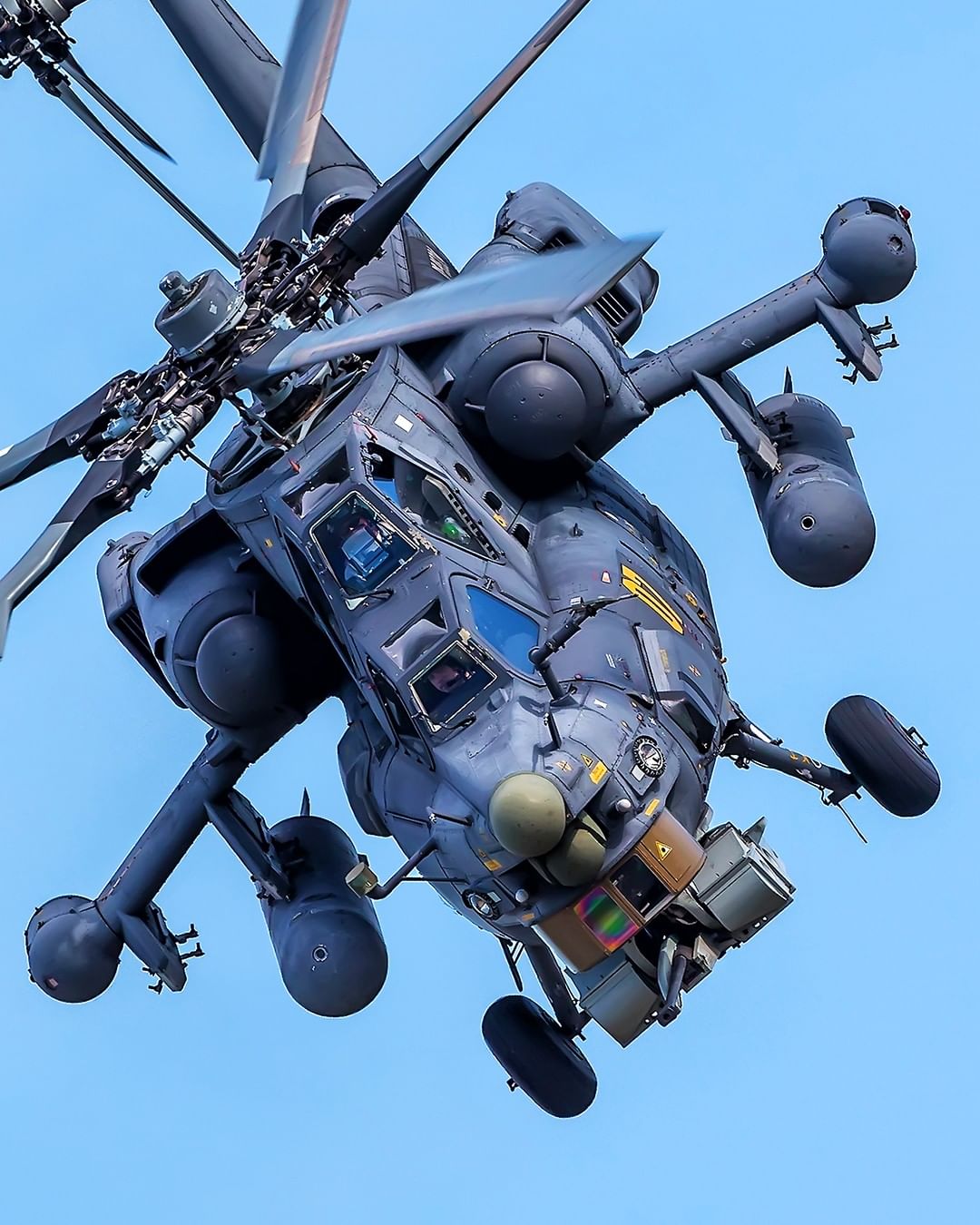
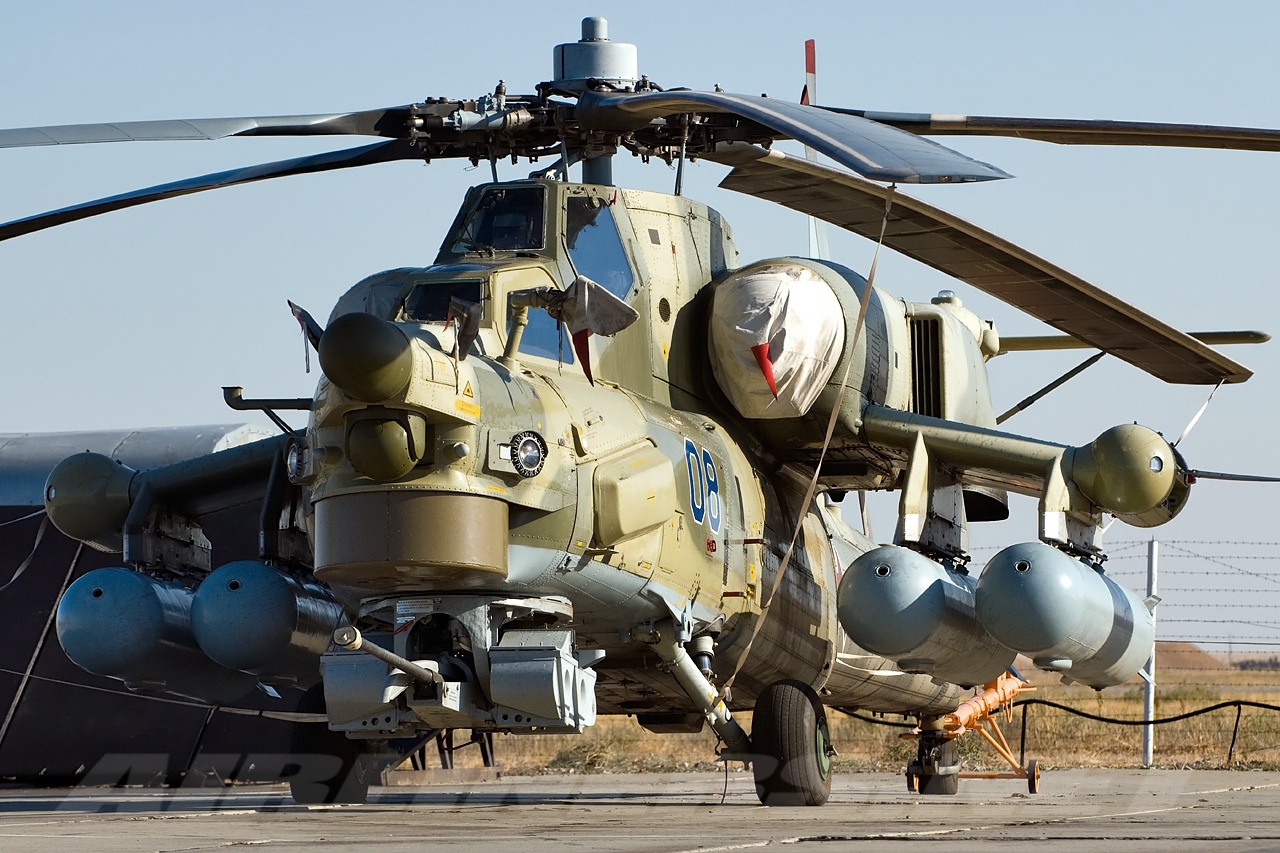
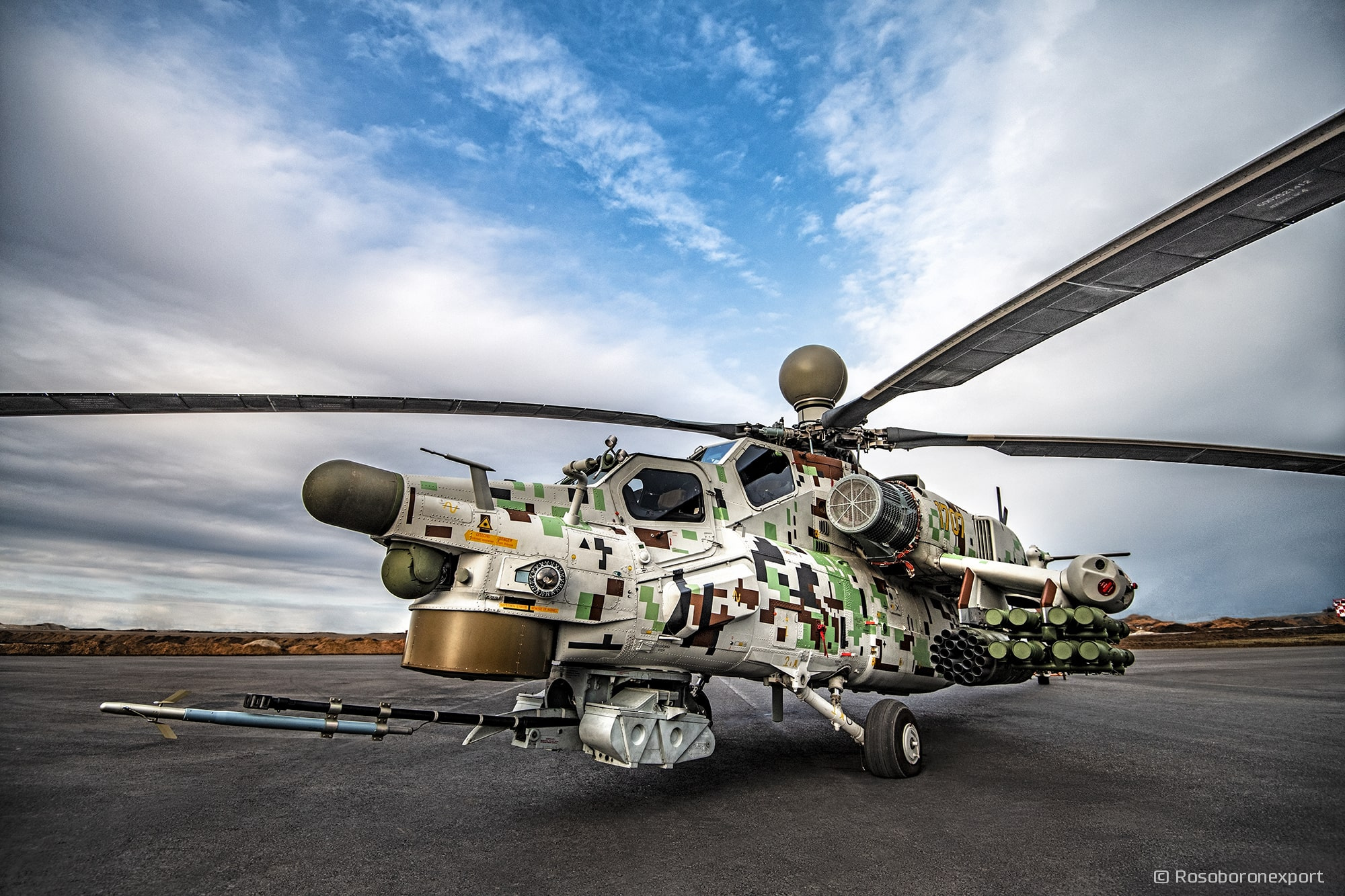
More images of the Mi-28 combat helicopter:



Sources:
Mil_Mi-28 | mil-mi-28 | Mil_Mi-28 | mi-28-havoc | mil-mi-28a-n-havoc | mi-28 | Mi 28NE | Mil Mi-28 | Mi-28-havoc | Mil_Mi-28 | AirDejaVu | Russia’s Mi-28NM | Mi-28

Comments