It should be noted that the reason for the killing of Rasool Khan Gujjar, also known as Mawlawi Zabir, along with three other Tehrik-e Taliban Pakistan militants by unidentified armed individuals, is said to be their collaboration with the terrorist group dubbed Islamic State–Khorasan Province in the district of Bati Kot in Nangarhar province.
Therefore, it is possible that this Tehrik-e Taliban Pakistan commander and his aides were killed by intelligence operatives of the Taliban caretaker government in Afghanistan, in line with the Taliban’s agreement with the objectives of the Pakistani government.
NBC News cited the US terrorist headquarters in West Asia (CENTCOM) as saying that at least 24 American soldiers were injured in recent attacks by the resistance axis on the United States’ military positions in Syria and Iraq.
The report claims that 20 American soldiers were injured in a drone strike on Al-Tanf base in Syria and four others were injured in drone attacks on Ain al-Asad base in Iraq.
According to ISWNEWS, some military bases of the American occupiers in Iraq and Syria have been targeted at least 15 times by resistance groups since the onset of Operation Al-Quds Storm.
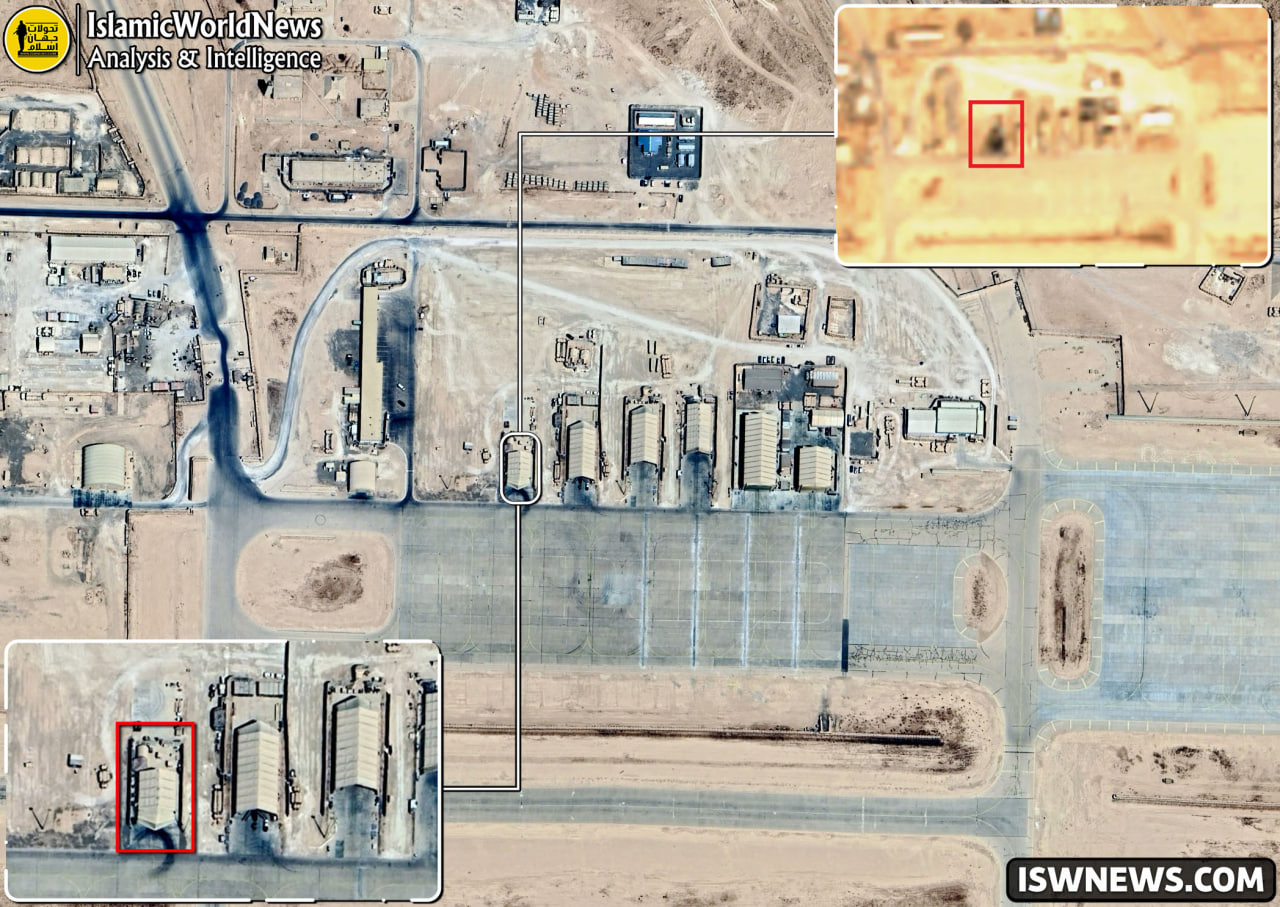
Satellite images show that a hangar on the eastern side of the Ain al-Asad airbase (42.471536, 33.795378) was damaged by the Iraqi resistance groups’ drone and rocket attacks.
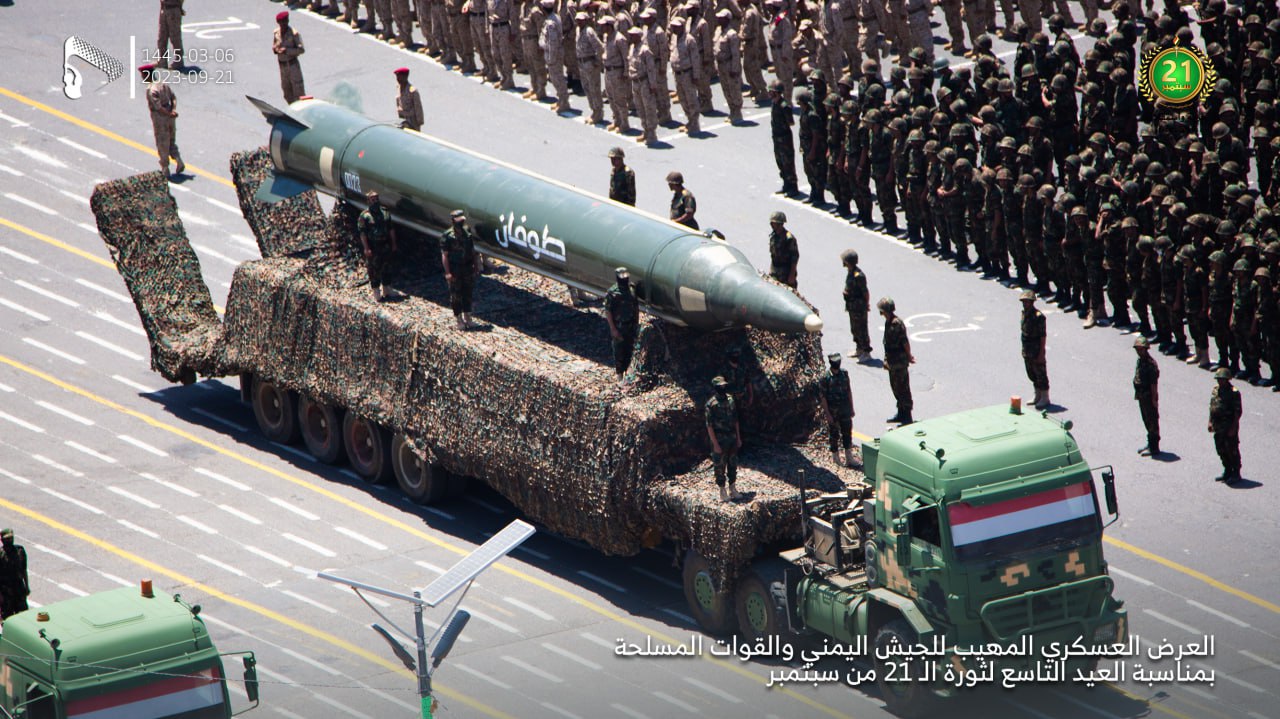
In an interview, Abdel-Aziz bin Habtour expressed his support for Palestine and efforts to prevent the massacre of people in the Gaza Strip, stating that Yemeni armed forces had attacked Israeli positions in occupied territories. He went on to say that the United States’ military forces shot down some of the missiles and drones that were heading towards occupied territories, but others were able to reach their targets.
Bin Habtour also noted that if Israel’s air strikes on the Gaza Strip continue, their ships in the Red Sea will be targeted.
These statements by the interim prime minister of the National Salvation Government of Yemen come as the Ansar Allah movement’s officials and Yemen’s Ministry of Defense have not officially responded to news related to the United States’ claim about Ansar Allah’s missile and drone attack on Israel.
Additionally, former President of the Supreme Revolutionary Committee of Yemen Mohammed Ali al-Houthi and some officials from the Ministry of Defense of the National Salvation Government had implicitly denied this claim.
It should be noted that Western media outlets claimed on October 19 that the United States Navy destroyer, USS Carney, had repelled three Yemeni missile and several drone attacks in the Red Sea. Some Western sources considered the US naval group in the Red Sea as the target of this attack, while others mentioned Israeli positions in occupied Palestinian territories as the target.
There is no documented information about how the Ansar Allah movement carried out this aerial operation, and Western media outlets have raised various accounts about how the United States military responded to this strike. Some say that the Saudi military’s air defense system helped repel the missiles, while others have talked about NATO forces’ contribution.
In this regard, former head of the intelligence department of the General Staff of the Turkish Armed Forces retired Lieutenant-General Ismail Hakki Pekin told CNN Turk that three Yemeni missiles were shot down with the help of NATO radar station at Kürecik Radar Station in Malatya province, Turkiye as well as an Israeli radar in the Red Sea.
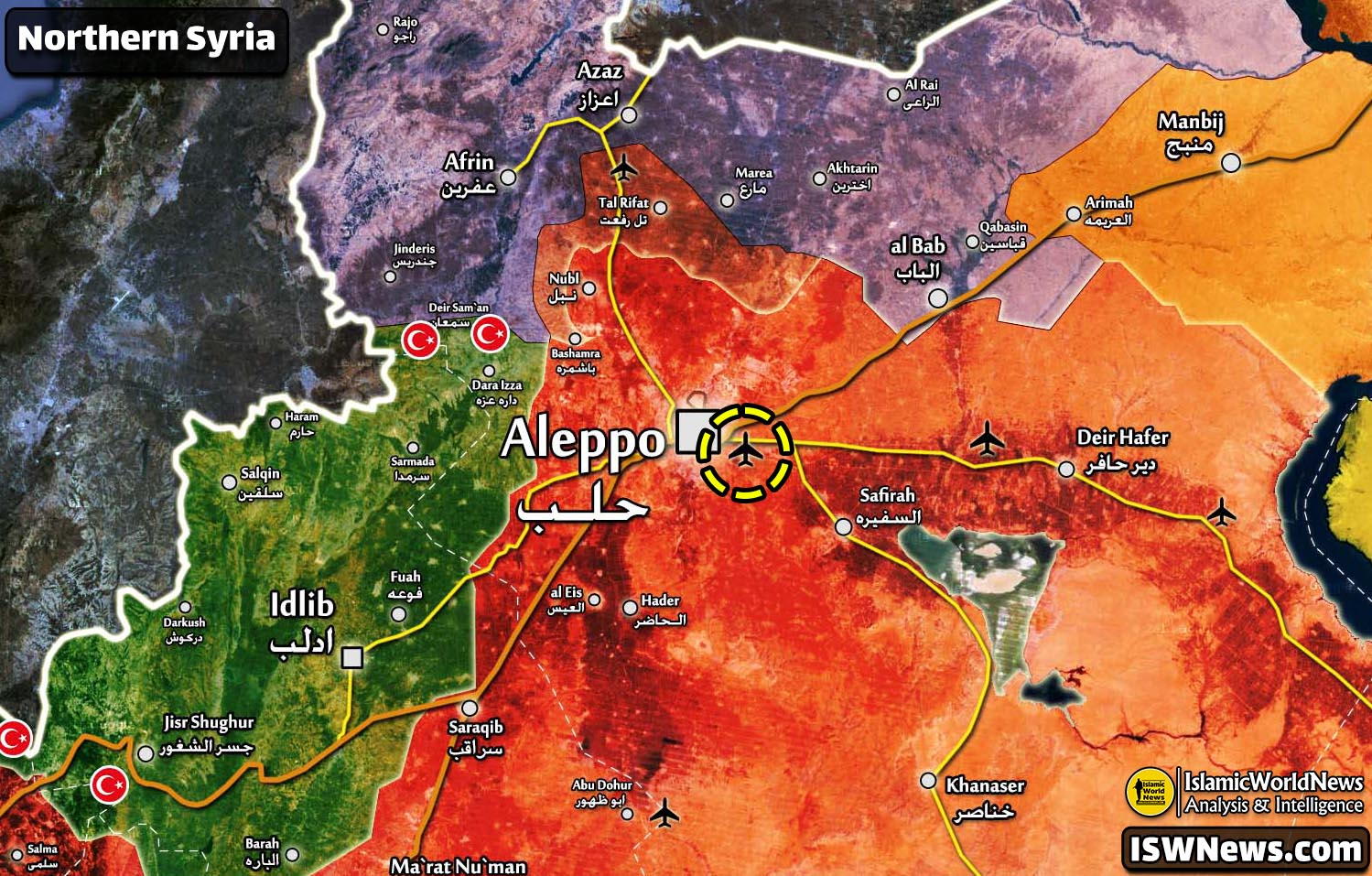
According to a Syrian military source, “around 13:25 (local time) on Wednesday, the Zionist enemy attacked the Aleppo International Airport with several missiles from the Mediterranean Sea in the west of Latakia. As a result of this attack, the runway of Aleppo airport was targeted and this airport was taken out of service.
Also on October 22, the Israeli army attacked Damascus and Aleppo airports by firing several missiles, killing one civilian. The attacks resulted in damage to the runways of Damascus and Aleppo airports and put the airports out of service.
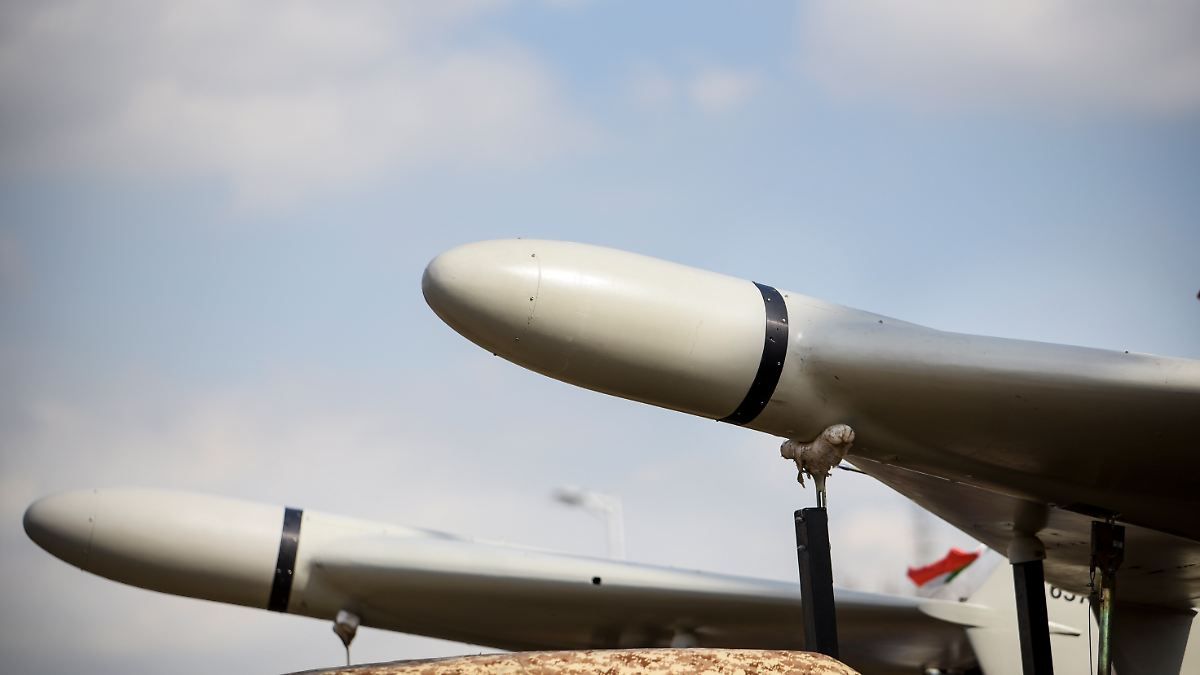
Geran-2 (Russian: Герань) is a version of Shahed-136 suicide dorne, which was sold to Russia under a contract with the production line before the start of the Ukrainian war.
The loud noise of the engine of the Geran-2 drone, apart from creating psychological warfare and terror among the enemies, could alert the defense forces and make them able to identify its location, as well as the ground observer had the possibility to shoot at it with light or heavy weapons.
Despite the fact that due to the unique design of the fuselage of the Geran-2 drone, it is not possible to shoot it down with conventional weapons; although, the damages caused by bullets could affect its precision.
Recently, videos have been released showing that the Russians turn off the engine of the Geran-2 drone before it is hit in order to compensate for some of the noise problem.
As shown in the video, this move causes the drone to be seen somehow later. Although the noise problem still exists, turning off the engine before reaching the target somewhat gets in the way of the opponent’s action and ultimately the drone destroys its target without serious damage with high precision.
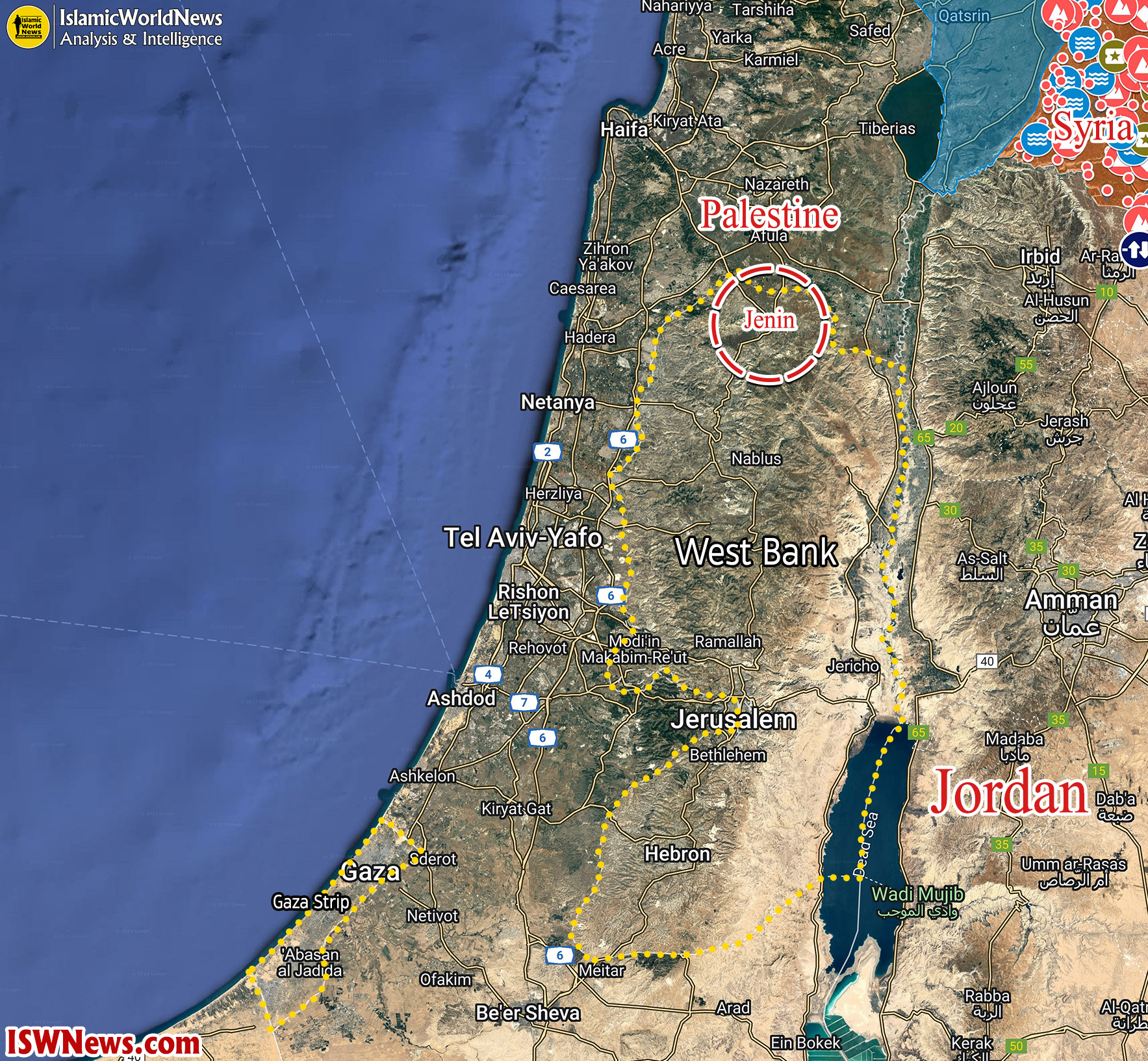
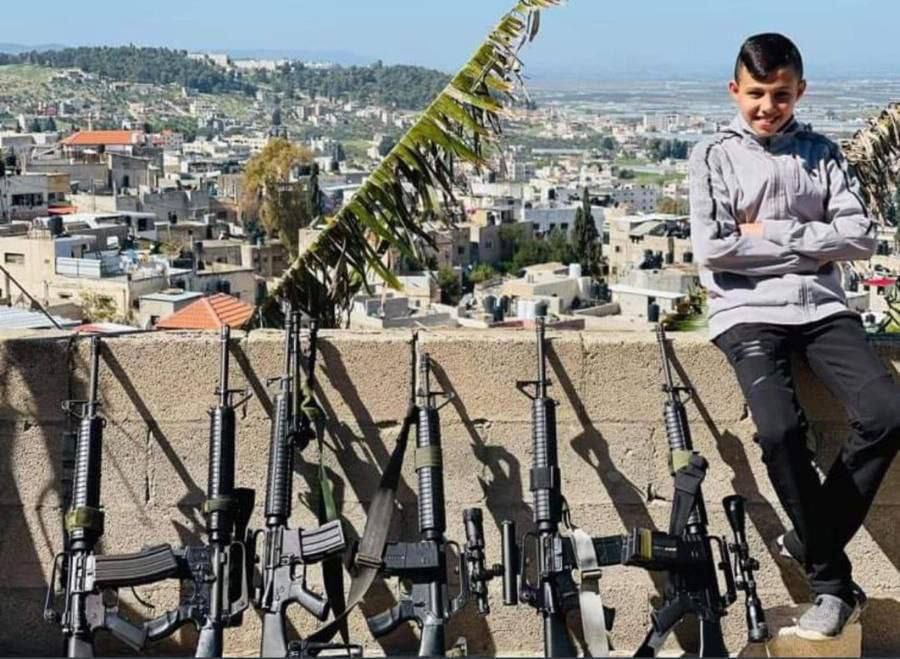
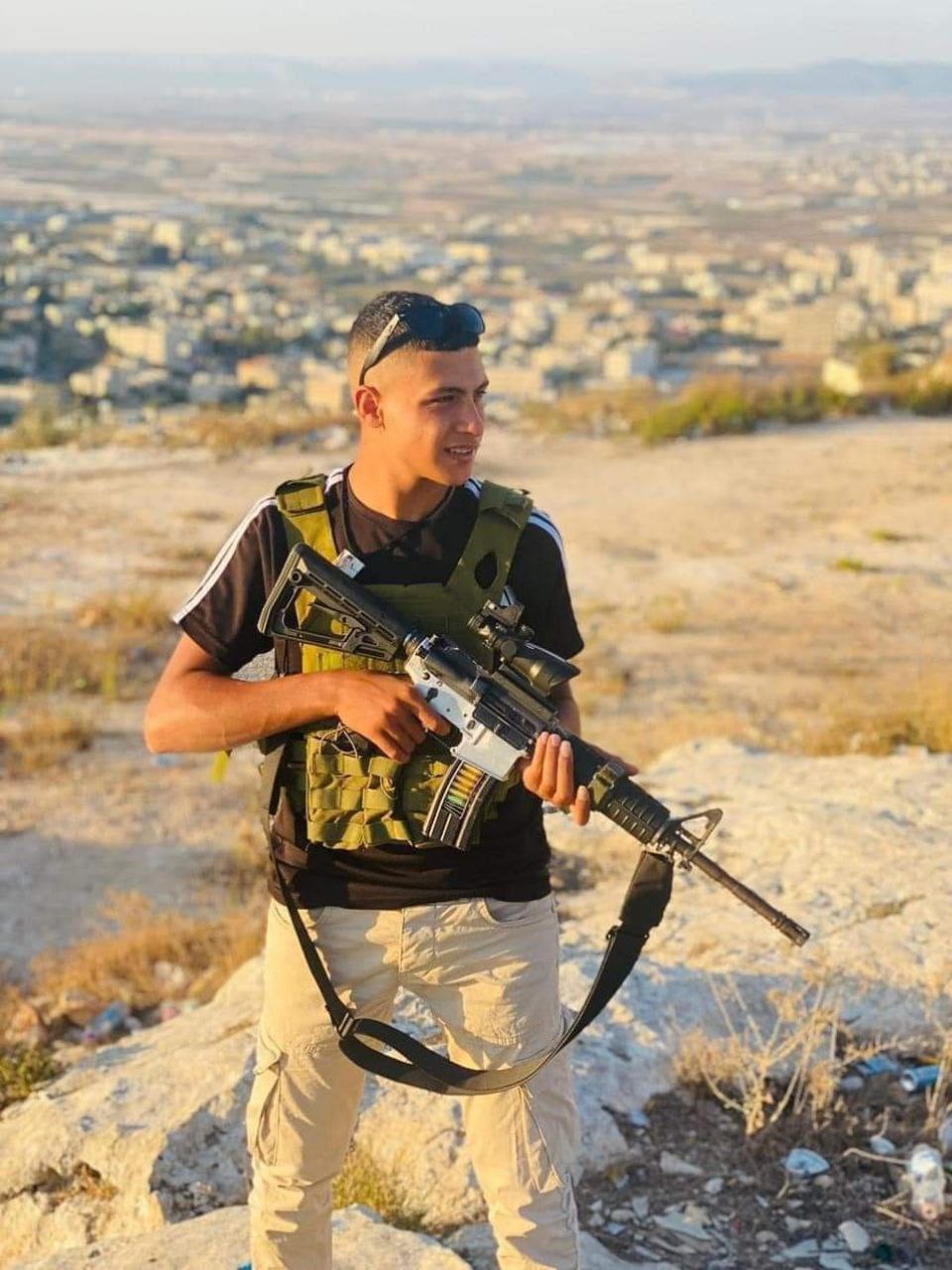
Israel used its offensive drones and killed four Palestinian fighters in Jenin camp. Also, Zionist media reported that a military vehicle was set on fire and an Israeli soldier from the Maglan unit was wounded and transferred to Beilinson Hospital. Also, another Zionist soldier was wounded by resistance snipers and no details of his fate have been published.
The names of the martyrs of Jenin are as follows: Muhammad Anis Abu Qatna, Mahmoud Al-Fayed”, Mohammed Qadri Sabah, Eid Nabil Marai.
Also 23 more Palestinians were injured, some of them are in serious condition.
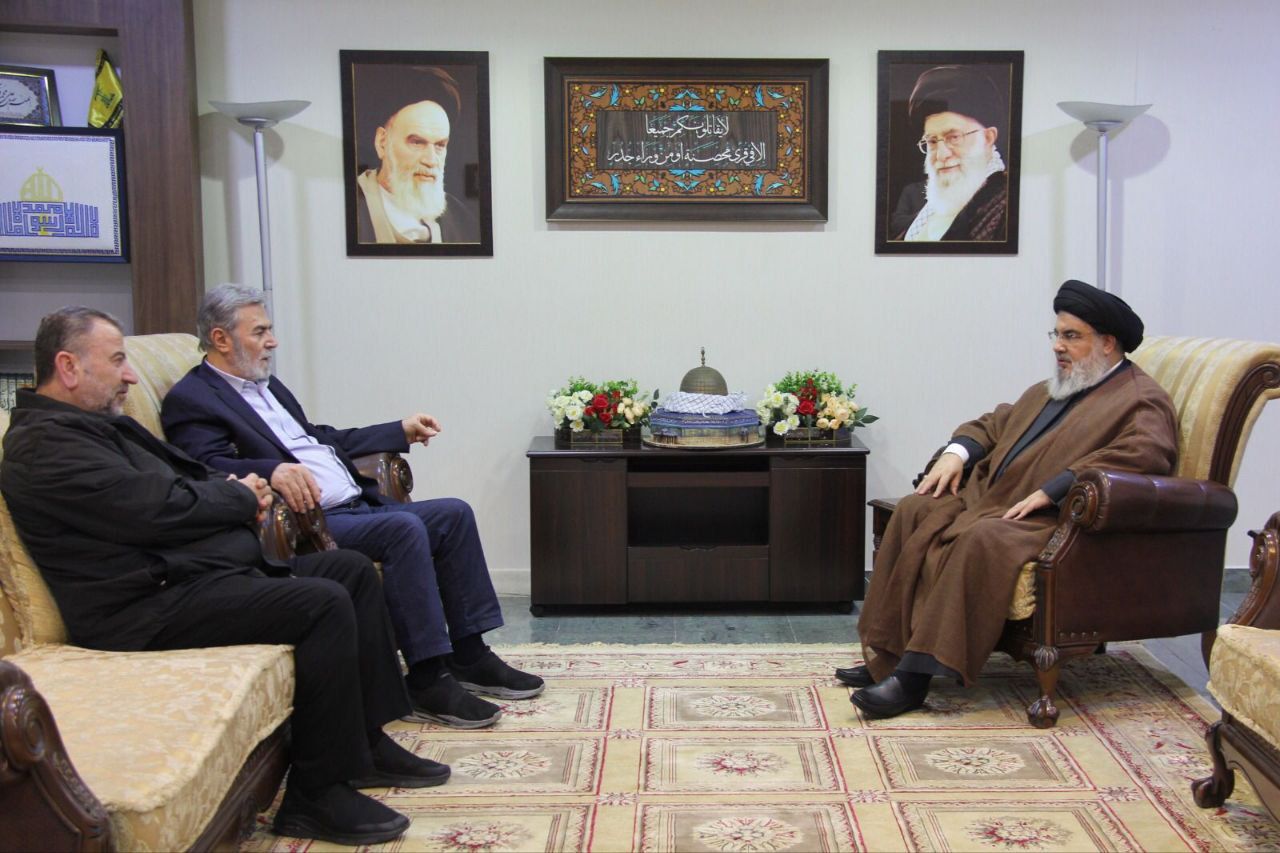
In this meeting, the recent developments in the Gaza Strip since the beginning of the Al-Aqsa storm operation and the events after that were reviewed and opinions were exchanged about the positions of the resistance at different levels as well as the ongoing conflicts in the northern front (the border between Lebanon and occupied Palestine).
The senior officials of the Palestinian and Lebanese resistance groups also discussed the actions that the resistance axis should take at this critical stage in order to achieve a real victory in Gaza and Palestine and to stop the aggression of Israel and the West.
They also agreed to continue coordination and follow up developments on a daily basis.
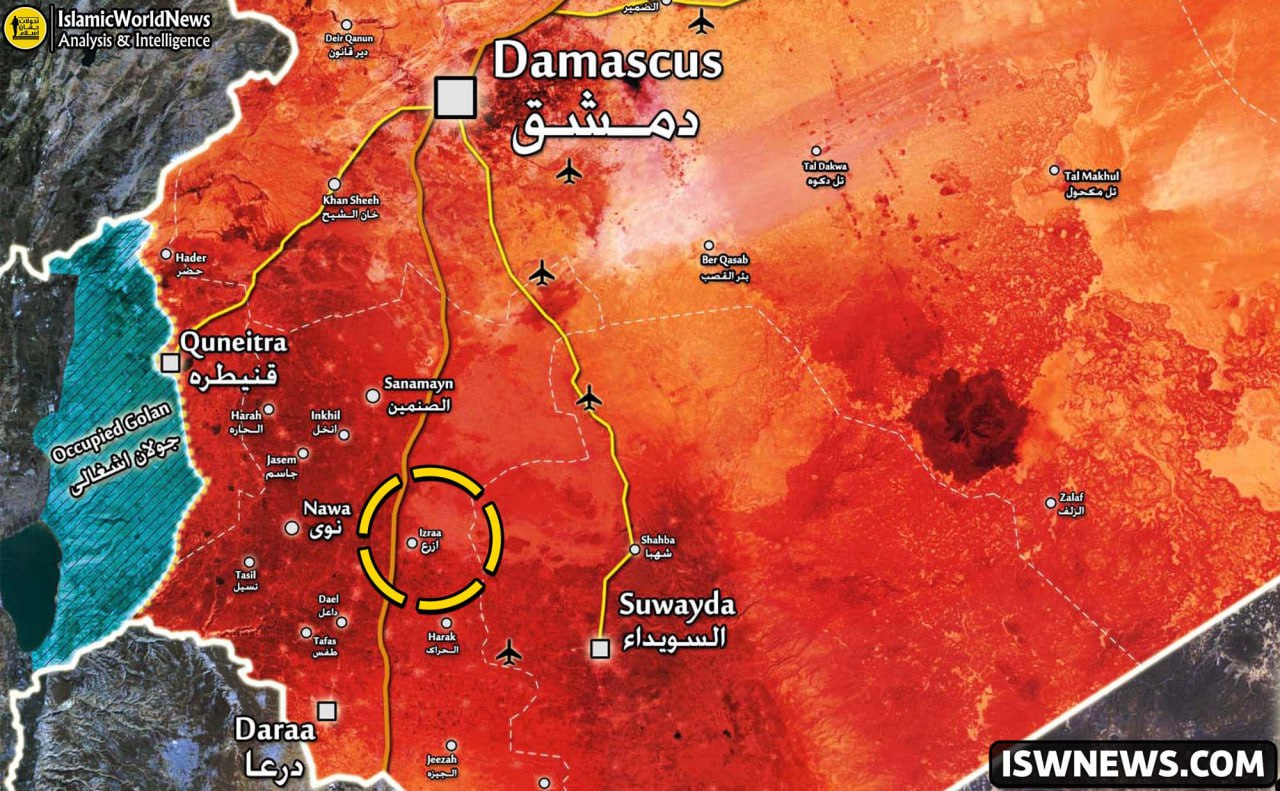
According to a Syrian military source, “around 01:45 (local time) on Wednesday, the Zionist enemy attacked several military bases in Daraa province with several missiles from the occupied Golan. This attack led to the martyrdom of eight Syrian soldiers, the wounding of seven others, and the occurrence of material losses.”
More details have not been released yet, but local sources claimed that Israeli fighter jets have targeted the headquarters of the 12th Brigade of the Syrian Army in the Izra town and a military headquarters in the Qarfa area.
It is worth mentioning that on October 22, the Israeli army attacked Damascus and Aleppo airports by firing several missiles, as a result of which the runways were damaged and the airports were out of service.
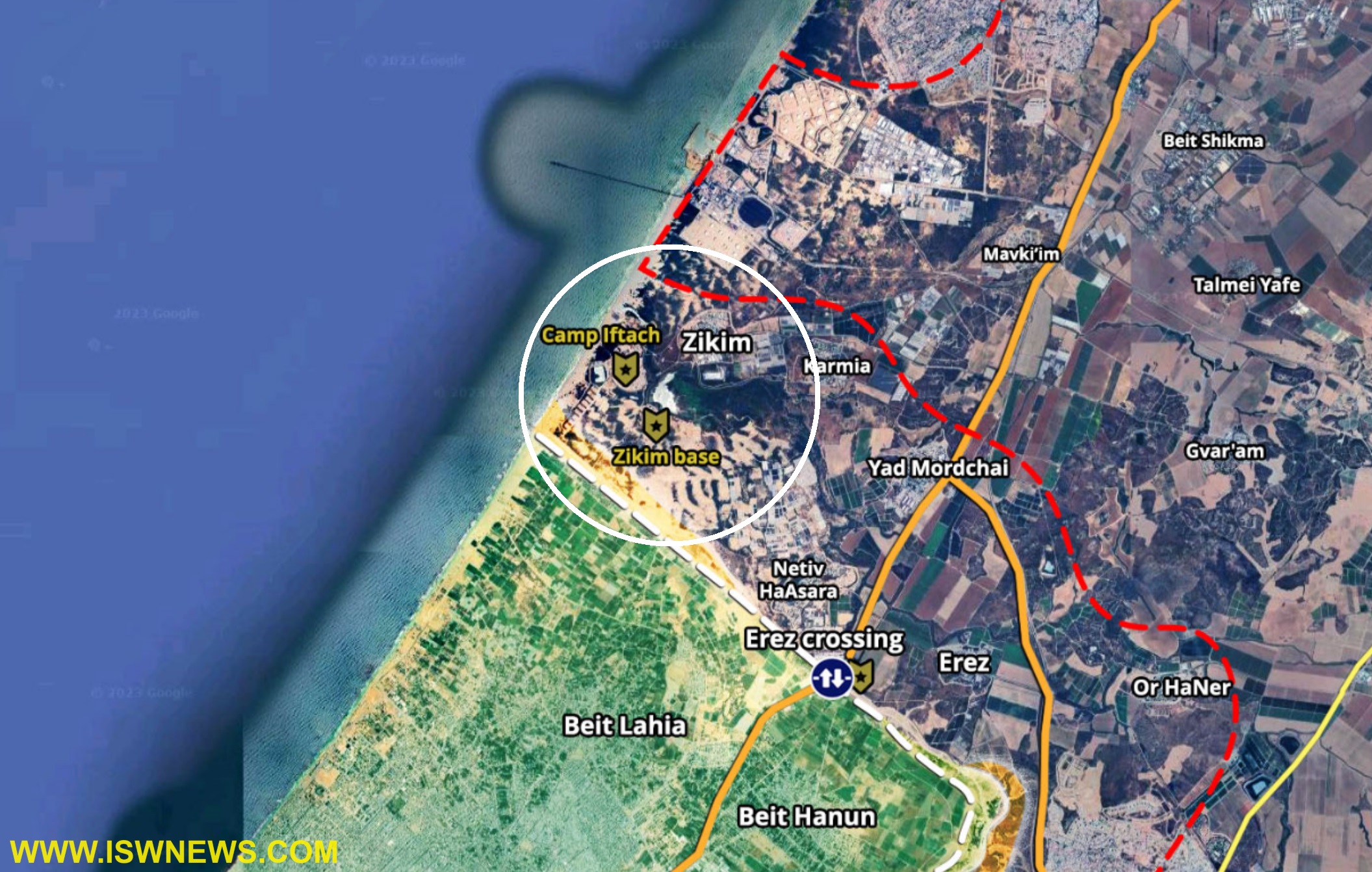
On the 18th day of the fighting, the Palestinian forces succeeded in penetrating the Zikim area in the north of the Gaza Strip. According to the available information, at least 15 Palestinian fighters have penetrated into Zikim. Clashes continued until the end of the day.
Rocket attacks on Israeli settlements around the Gaza Strip and further areas continue. Today, the cities of Tel Aviv, Ashdod and Ashkelon were targeted by heavy rocket attacks by resistance forces at least three times. In one of these attacks, a rocket hit Alfei Menashe area, northeast of Tel Aviv, and a house was seriously damaged and destroyed. The Zionist media made a strange claim that the attack was carried out by a cruise missile. The Zionists also claimed that this missile is Iranian and is similar to the Russian Kha-55 cruise missile!
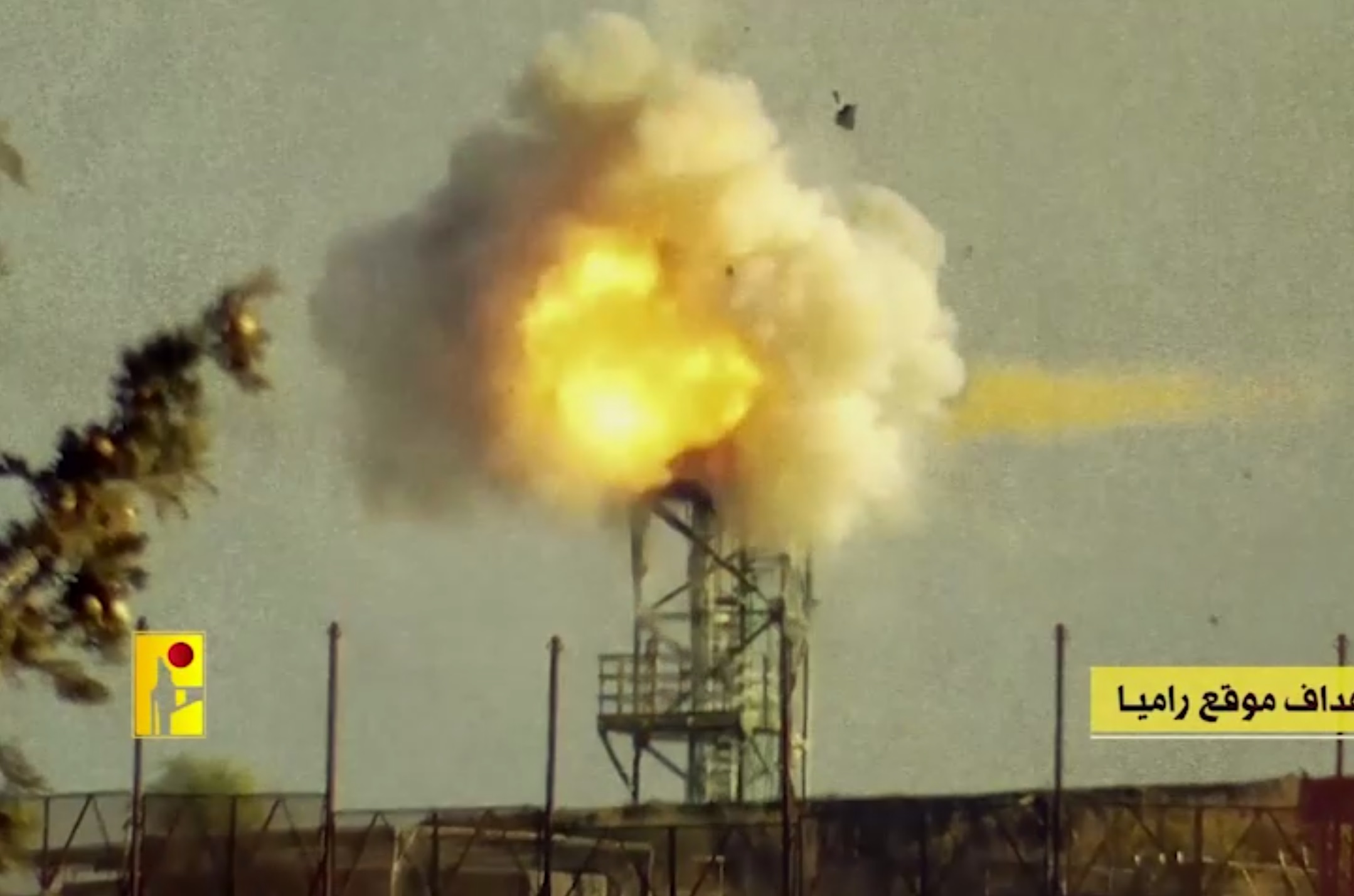
On the northern front, clashes and artillery attacks continue between Hezbollah and the Israeli army. As in the past days, Hezbollah attacked the border posts Israel in the Jal Alam area in the Labuna area (near Ras al-Naqourah), Manara, Al-Abad, Branit, and Al-Rahab using anti-tank guided missiles.
The Israeli army also attacked the areas of Yarun, Ayta al-Shaab, Ramie, Marwahin, Zahira, Ramish, Kafr Shuba and Halta, Harjiya and Al Ruwaisah with air and artillery attacks. Also Israeli drones targeted the heights of Jabal Sadaneh in the north of Kafr Shuba with four bombs.
According to Hezbollah’s announcement, nine members of Hezbollah were martyred in today’s clashes.
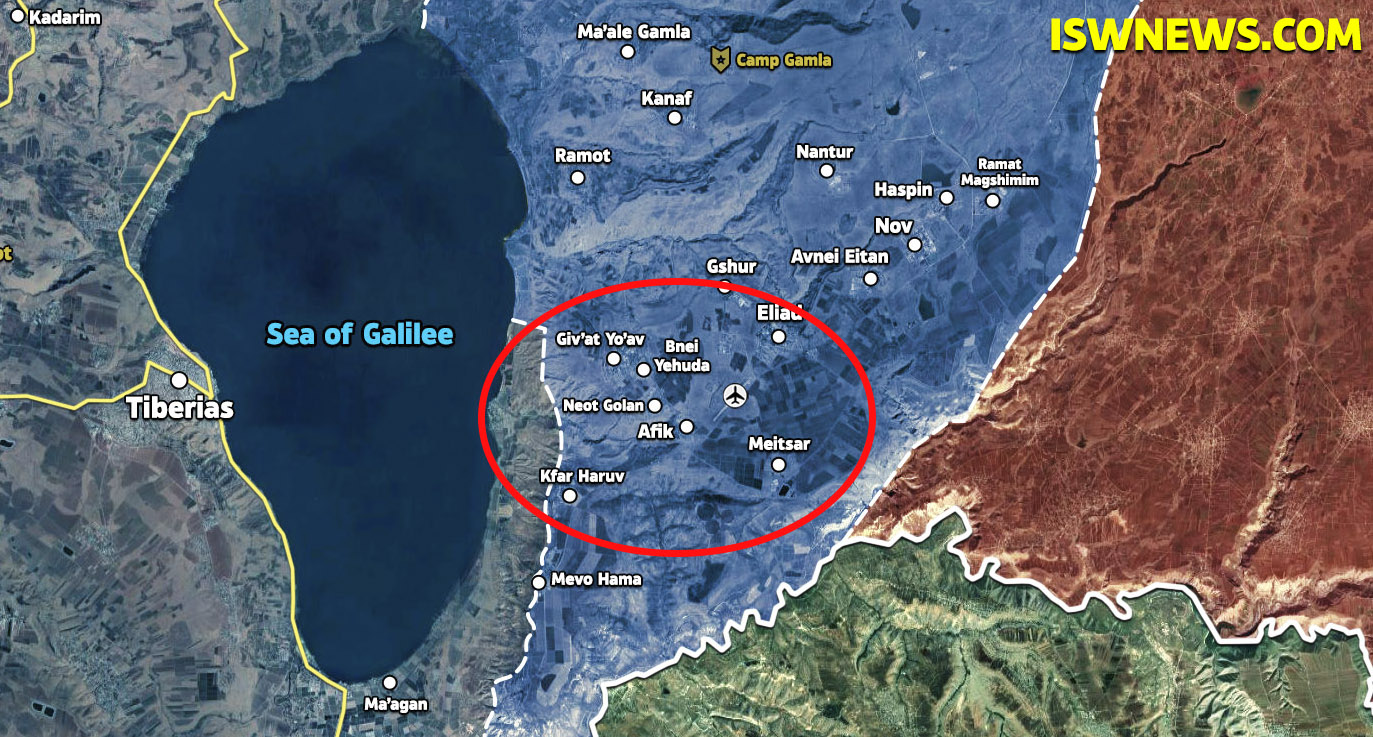
On the Golan front, the resistance forces in Syria attacked Israeli positions in the occupied Golan Heights with at least five rockets. The Occupied Golan Municipality announced that rocket attacks were carried out on Meitsar, Ne’ot Golan, Afik, Bnei Yehuda and Giv’at Yo’av areas in the southern Golan and led to power outages in some areas. This is the second rocket attack by resistance forces from Syrian territory on Israeli positions in the occupied Golan.
The areas that were targeted in the south of Golan
Regarding the number of casualties, the Palestinian Ministry of Health announced that the number of martyrs in Gaza has increased to more than 5,791 people, including 2,360 children and 1,292 women, and the number of injured has reached more than 15,500 people. In the West Bank, at least 90 Palestinians were martyred and more than 1,300 others were injured.
On the 17th day of the battles, there was no special and significant ground conflict around the Gaza Strip. The movements of the Israeli army’s ground forces around the Gaza Strip are currently still defensive. Also, rocket attacks on Israeli settlements around the Gaza Strip and further areas continue; But the intensity of the rocket attacks has been significantly reduced.
The only important event around the Gaza Strip was the Al-Qassam drone attack on the Hatzerim Air Base and the Tze’elim Base. Al-Qassam Brigades fired at least two suicide drone towards the positions of the 107th Squadron (Orange Tail Knights) of the Israeli Air Force at Hatzerim Air Base and the headquarters of the Sinai Division at Tze’elim Base. According to the information provided by the Israeli army, these two drones were intercepted and destroyed in the areas of Nir Oz and Ein HaBsour in east of the Gaza Strip.
On the northern front, clashes and artillery duels continue between the Israeli forces and Hezbollah. As in the past days, Hezbollah attacked the border posts and military equipment of Israel several times using anti-tank guided missiles. The important event of this day was the penetration of a resistance drone to the north of Haifa. According to the available information, a drone of the resistance forces penetrated into Haifa Bay from Lebanon and through the Mediterranean Sea. Following this action, Israel’s air defense was activated in the sky of the coastal city of Acre and confronted this drone.
The Ministry of Health of Palestine announced that the number of martyrs in Gaza has increased to more than 5087 people and the number of injured people has reached more than 15273 people. In the West Bank, at least 90 Palestinians were martyred and more than 1,300 others were injured.
The armed conflicts between Hezbollah and the Israeli regime’s army in the northern Palestinian axis began on October 8, one day after the onset of Operation Al-Aqsa Storm throughout the Gaza Strip. Unlike the heavy ground, air, and sea clashes in the Gaza Strip, the conflicts in this axis have been limited to exchanges of fire and missile attacks. Hezbollah targets Israel’s military build-ups, defensive and army positions such as tanks, armored vehicles, surveillance cameras, and so on; and the Israeli army responds with artillery strikes and incendiary phosphorus bombs. However, these clashes have entered a new phase since this Saturday following the engagement of Israeli fighter jets and drones, and there is a possibility of an escalation in the level of clashes in comparison to the past confrontations.
The dispatch of Israeli Air Force helicopters to the clashes in the northern Palestinian front is actually an escalation in terms of the level of aggression by Israel; so, the Hezbollah movement can respond by expanding its attacks on all Israeli positions in northern Palestine, increasing joint attacks with the Palestinian resistance groups in the Gaza Strip, and even carrying out extensive rocket and drone attacks to intensify tensions with the Israeli regime.
As Sheikh Naim Qassem, deputy secretary-general of Hezbollah resistance movement, pointed out in his remarks on Saturday, the current clashes are commensurate with the situation and ongoing conflicts in southern Lebanon, and if necessary, Hezbollah will intensify its attacks. In fact, at this stage, Hezbollah is not seeking to expand the clashes with Israel and does not apparently want to be blamed as the initiator of the war with Israel. This has multiple reasons, including the possibility of the United States involvement in the war, Lebanon’s unstable economic situation, regional tensions, and so on. Moreover, Hezbollah cannot enter into a full-scale war with Israel without considering the regional conditions. The Israeli regime has also managed to get rid of the big shock of the early days following the Operation Al-Aqsa Storm and the Israeli intend to show they can overcome the hard circumstances by expanding their attacks on Lebanon and Syria.
Another issue is that the Israeli regime is paving the ground for a widespread war in southern Lebanon. In a significant decision made in a cabinet meeting on October 18, the Israeli military ordered the evacuation of settlements and villages along the occupied northern Palestinian border up to five kilometers from the Lebanese border. So far, some 27,000 Israeli settlers have been evacuated from 28 occupied settlements near the Lebanese border. The largest part of the plan to evacuate border settlements is related to the occupied settlement of Kiryat Shmona, which includes the transfer of 23,000 settlers. This evacuation plan is being implemented with the aim of preventing civilian casualties in possible attacks by Hezbollah and Palestinian resistance groups, as well as to open up the Israeli army’s hands for carrying out attacks and using prohibited weapons in occupied northern Palestine and southern Lebanon.
At this time, there are confrontations and exchanges of fire throughout the border areas between Lebanon and occupied Palestinian territories from Al-Naqoura to Shebaa Farms. The Axis of Resistance has a special coherence and the recent multiple attacks on the United States’ positions in Iraq and Syria testify to the synchronization of the battle between the Israeli-US front and the Gaza-Lebanon axis. The future and outcome of the armed clashes are unpredictable, because Israel has so far rejected any dialogue and mediation regarding the issue of the Gaza Strip and the regime is pursuing high-level aerial attacks (targeting civilians and public places such as hospitals, mosques, schools, markets, churches, and so on). The United States also links the Israeli front with the Ukrainian front and is using these clashes for its political purposes. The United States and the Israeli regime agree on carrying out ground operations in the Gaza Strip and in recent days, many military aids have been shipped from the United States and Europe to the city of Tel Aviv and military bases in other Israeli cities. The Israeli regime intends to destroy Palestinian resistance defense positions in the Gaza Strip with extensive aerial attacks and then enter into ground operations. Unofficial reports of dual-nationality soldiers entering Israel also confirm this issue.
Taking all these issues into consideration, the current war between the Israeli regime and Palestinian resistance groups in the Gaza Strip and the Lebanese Hezbollah in the north is a regional war in which the United States and other resistance groups are also involved. The Israeli regime’s ground operation in the Gaza Strip is directly related to intensified clashes in the north and resistance attacks in Iraq and Syria, and there is a possibility of it spreading to Yemen and even the Persian Gulf as well as the Sea of Oman.