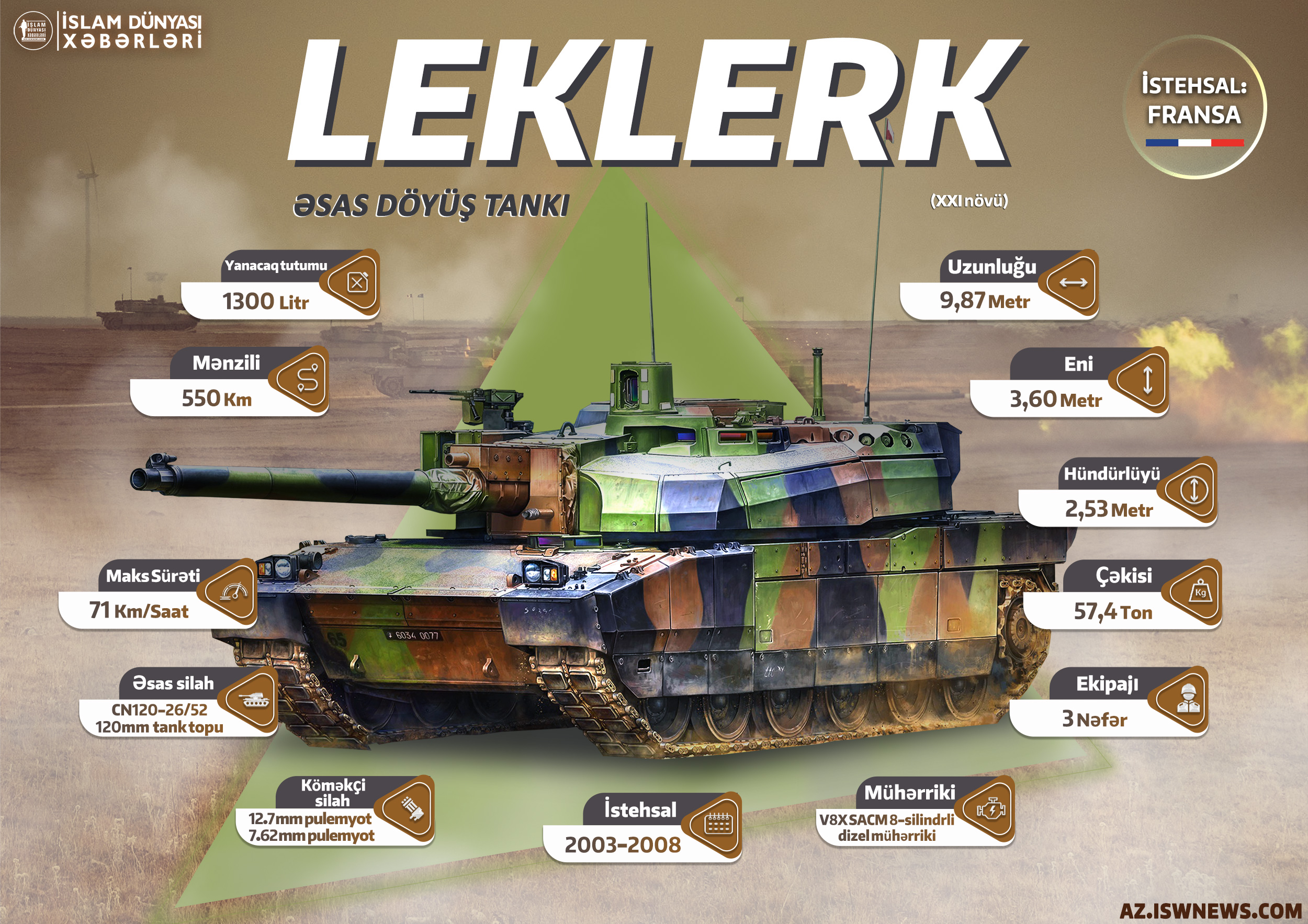
Specifications of Leclerc tank version XXI: Type: Main Battle Tank (MBT) Unveiled: prototype in 1986 – prototype XXI in the late 1990s Production: 2003 to 2008 Manufacturer: Nexter Origin: France Length: 9.87 meters (6.88 meters without gun) Width: 3.60 meters Height: 2.53 meters Mass: 57.4 tons Crew: 3 Main armament: GIAT CN120-26/52 120mm tank gun with 40 rounds (1 round ready to fire in the chamber, 22 rounds inside the autoloader magazine with additional 18 rounds cylinder in the hull) Secondary armament: 12.7 mm coaxial M2HB machine gun (1,100 rounds) And 7.62 mm machine gun (3,000 rounds) Armor: replaceable composite armor in the SXXI version including titanium and semi-reactive layers Engine: 8-cylinder V8X SACM diesel (Wärtsilä) with 1500 horsepower Speed to weight ratio: 27.52 horsepower per ton Suspension system: hydropneumatic Fuel capacity: 1300 liters (1700 liters with additional tanks) Operational range: 550 km with fuel and 650 km with external fuel Speed: 71 km/h on road and 55 km/h off road
ISWNews Analysis Group – Sheikh of the al-Akidat tribe Ibrahim al-Hafal released an audio file in order to issue a command to urge his followers to attack the positions of the Syrian Democratic Forces (SDF) in Deir ez-Zor Governorate.
Following al-Hafal’s order, intense armed clashes broke out between Syrian Arab tribes and the SDF militants in Diban town in eastern Syria.
Some armed clashes have also been reported in the areas of al-Hawayej and al-Tayyana in Deir ez-Zor Governorate.
Local sources claimed that with the intensification of the armed clashes, SDF militants had withdrawn from their positions in the al-Hawayej area.
In the al-Tayyana area, five members of the Syrian Democratic Forces were killed in a clash with Syrian tribes.
It is worth mentioning that various areas of Deir ez-Zor Governorate witnessed armed clashes between Syrian tribes and the Syrian Democratic Forces in September.
These clashes resumed recently; although, the previous conflict between the two warring sides over the seizure of the conflict zones in Deir ez-Zor Governorate by the Syrian Democratic Forces (SDF) came to an end following some days of armed clashes, when the US-led coalition intervened and pursued mediation in this area.
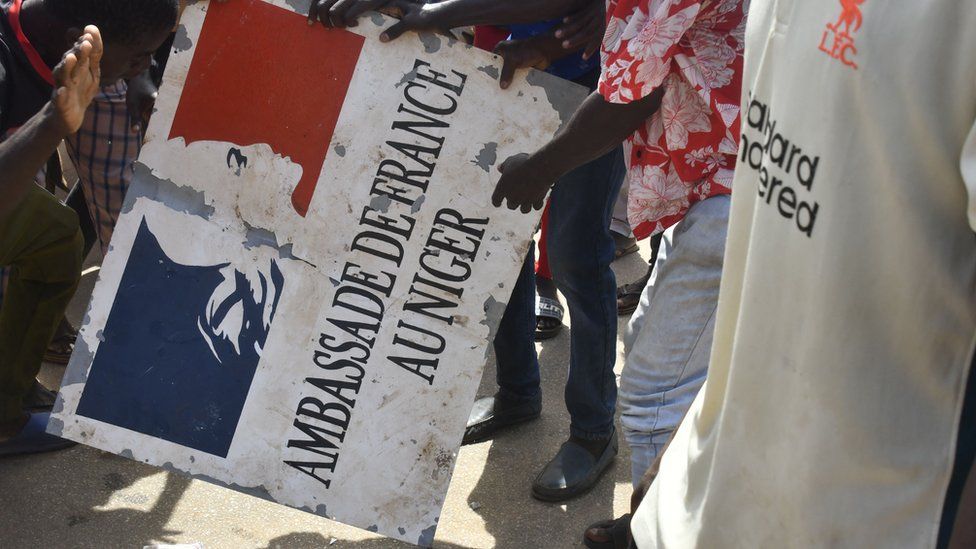
Macron issued the order to return French Ambassador to Niger Sylvain Itté from capital Niamey and also evacuate France’s military bases in Niger by the end of 2023. The order has been issued as a consequence of a military coup in Niger and the disregard of the coup leaders for the repeated requests to restore power to the ousted president, Mohamed Bazoum.
Macron said in his statements on the issue that Niger no longer has an interest in fighting terrorism! Therefore, I announce the end of military operations in this country.
Concurrent with this political decision, the Niger Airlines also banned the flight of French aircraft over the airspace of this African country since Sunday (September 24), following an order by the National Council for the Safeguard of the Homeland of Niger.
Prior to the decision to withdraw from Niger, France had announced in response to the anti-French actions of the National Council for the Safeguard of the Homeland of Niger that it did not recognize this council and would not comply with their request to withdraw its ambassador from the capital city of Niamey.
Niger, after Mali and Burkina Faso, is the third country in Africa to demand the withdrawal of French troops from its territory.
France, under the pretext of fighting terrorism, has built various military bases in the countries of the West African coast in the past decade and Paris has gained the privilege of oil resources and mines of these nations.
Many experts are of the opinion that the recent events in the West Africa region are the beginning of a new anti-colonial era and that more African countries will join this trend in the future.
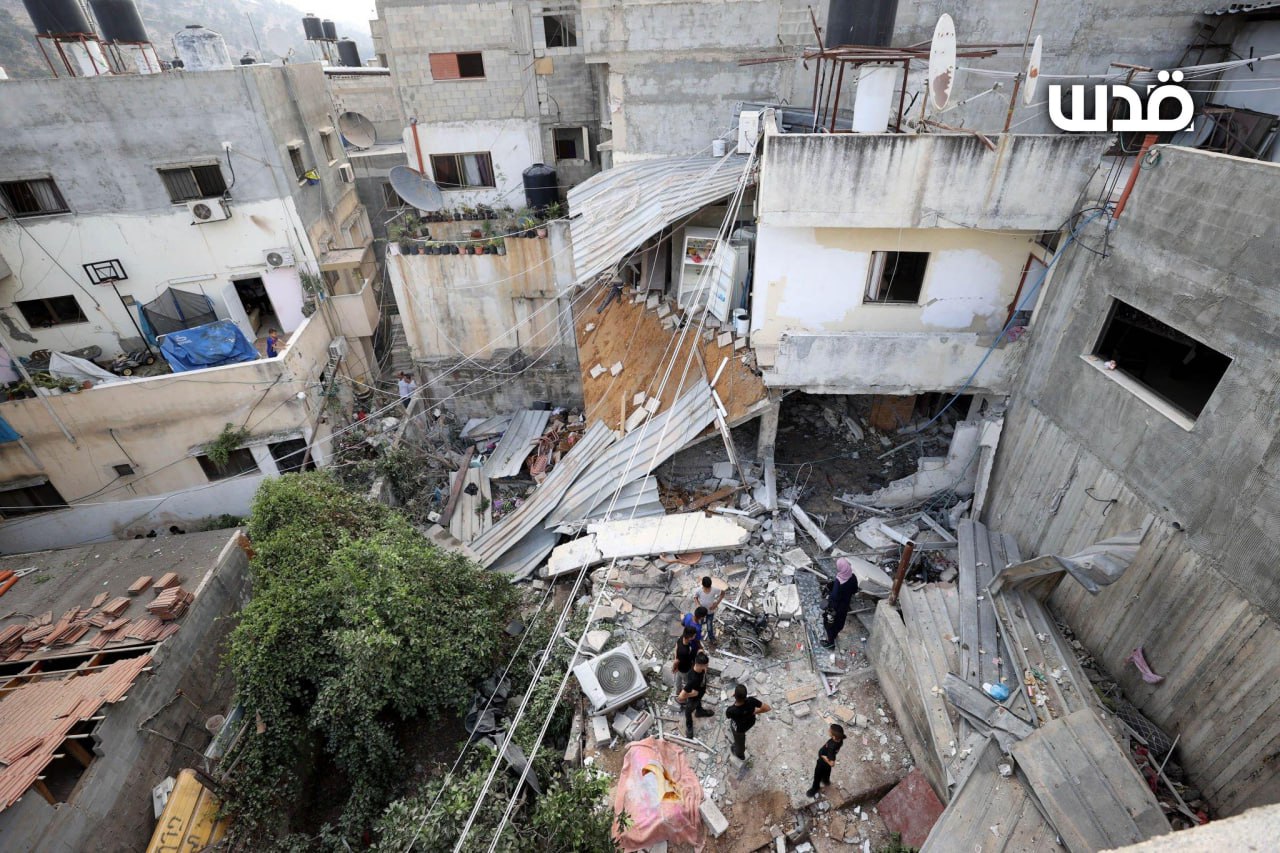
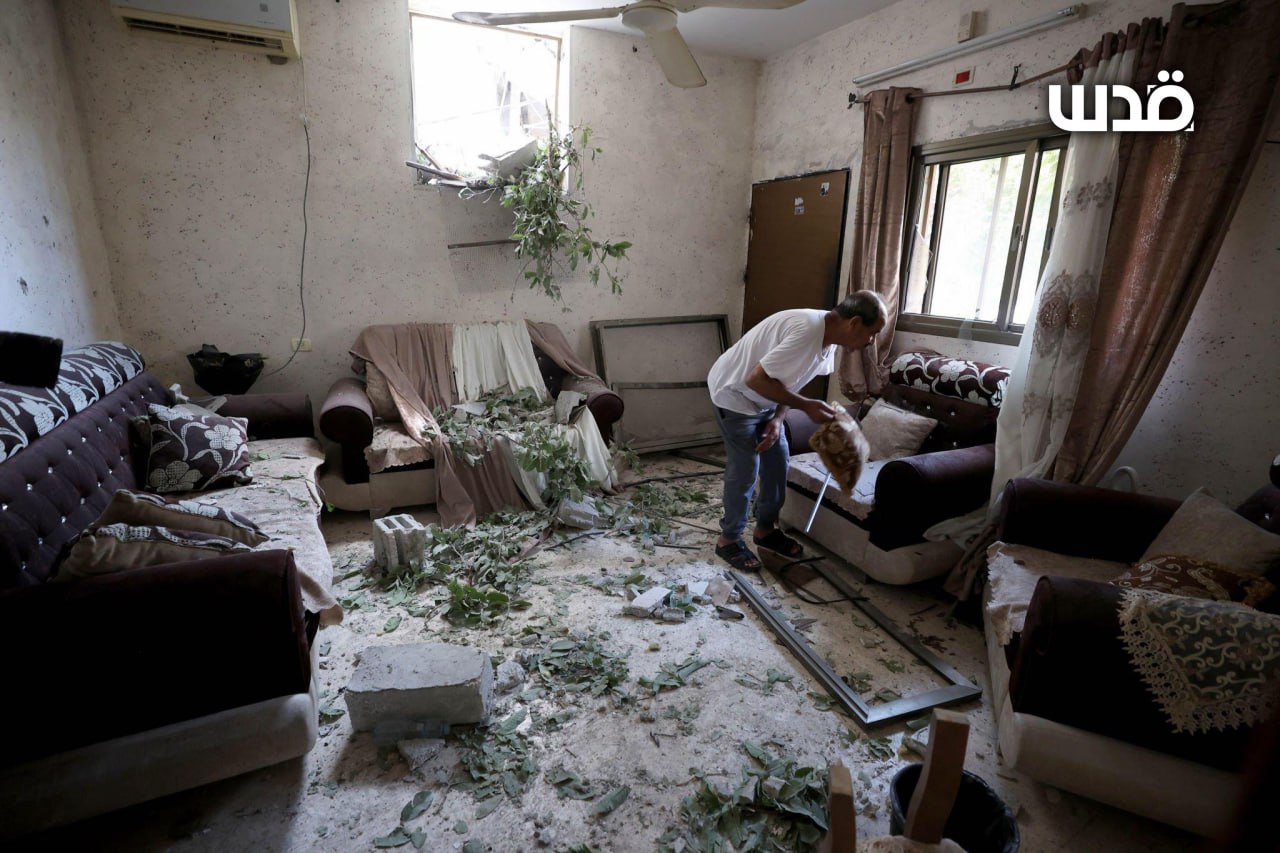
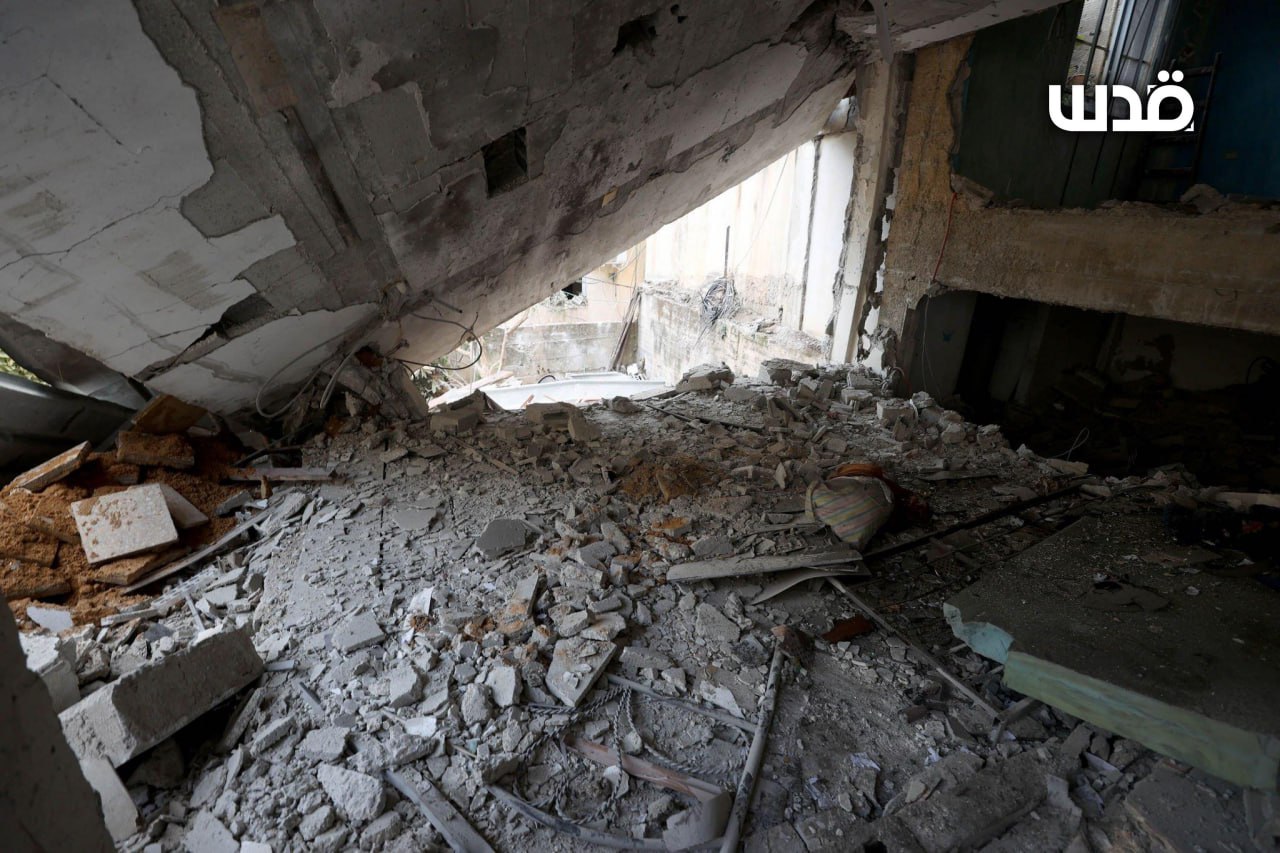
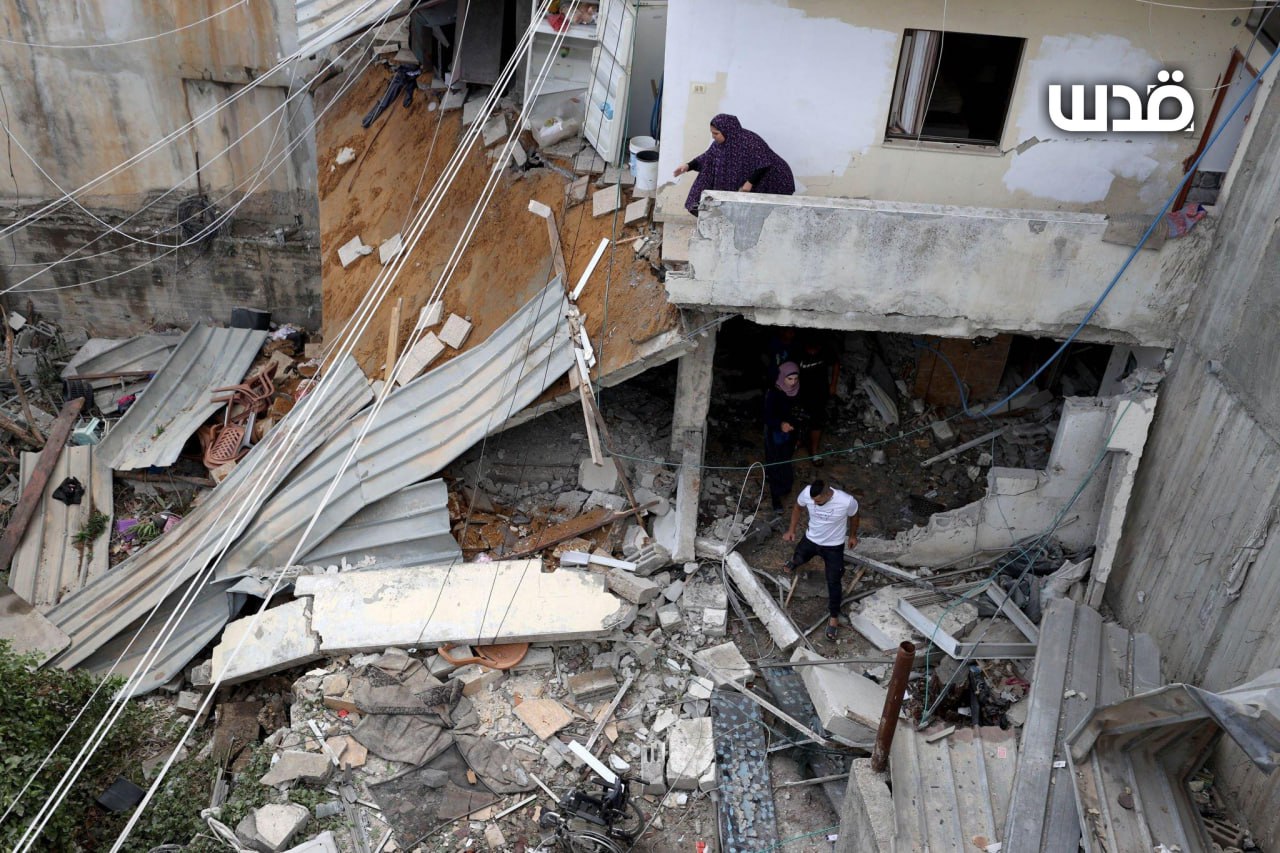
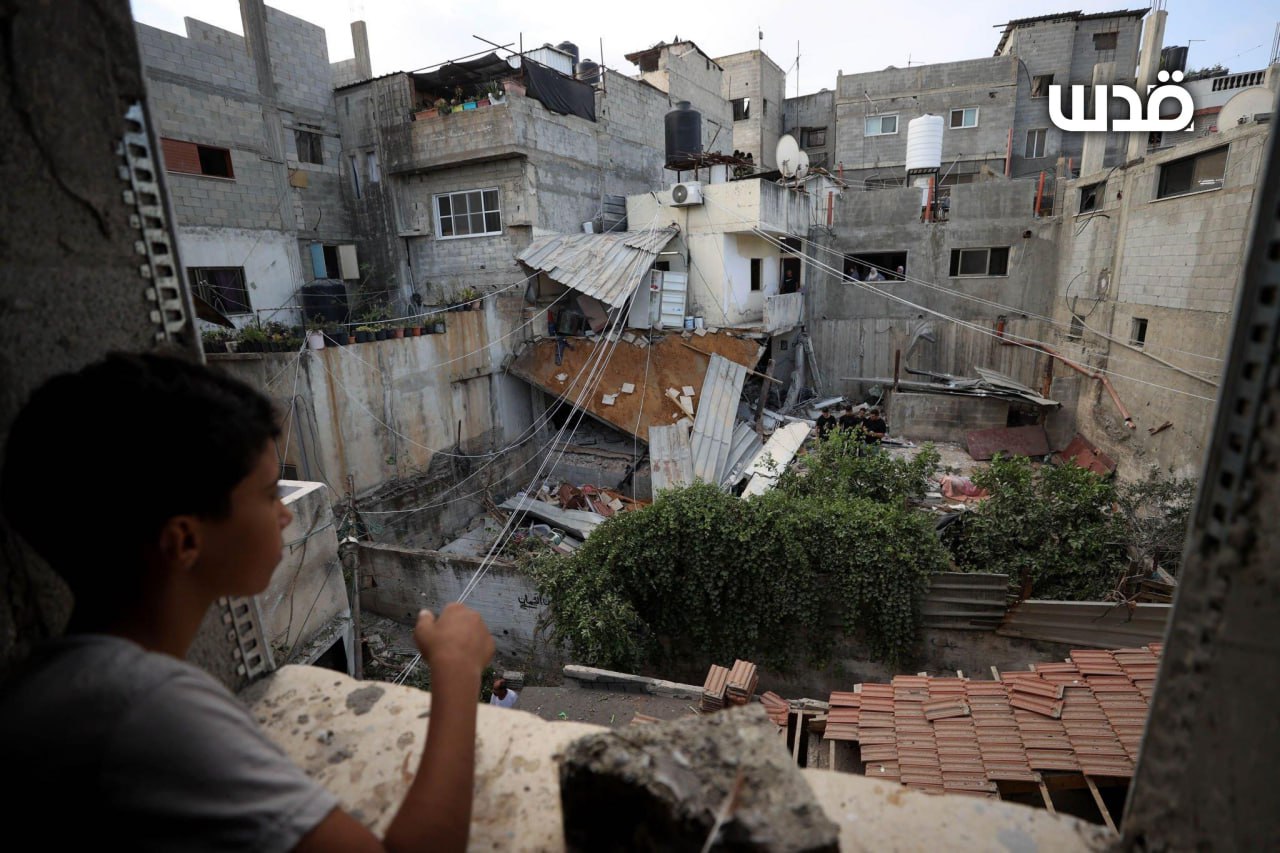
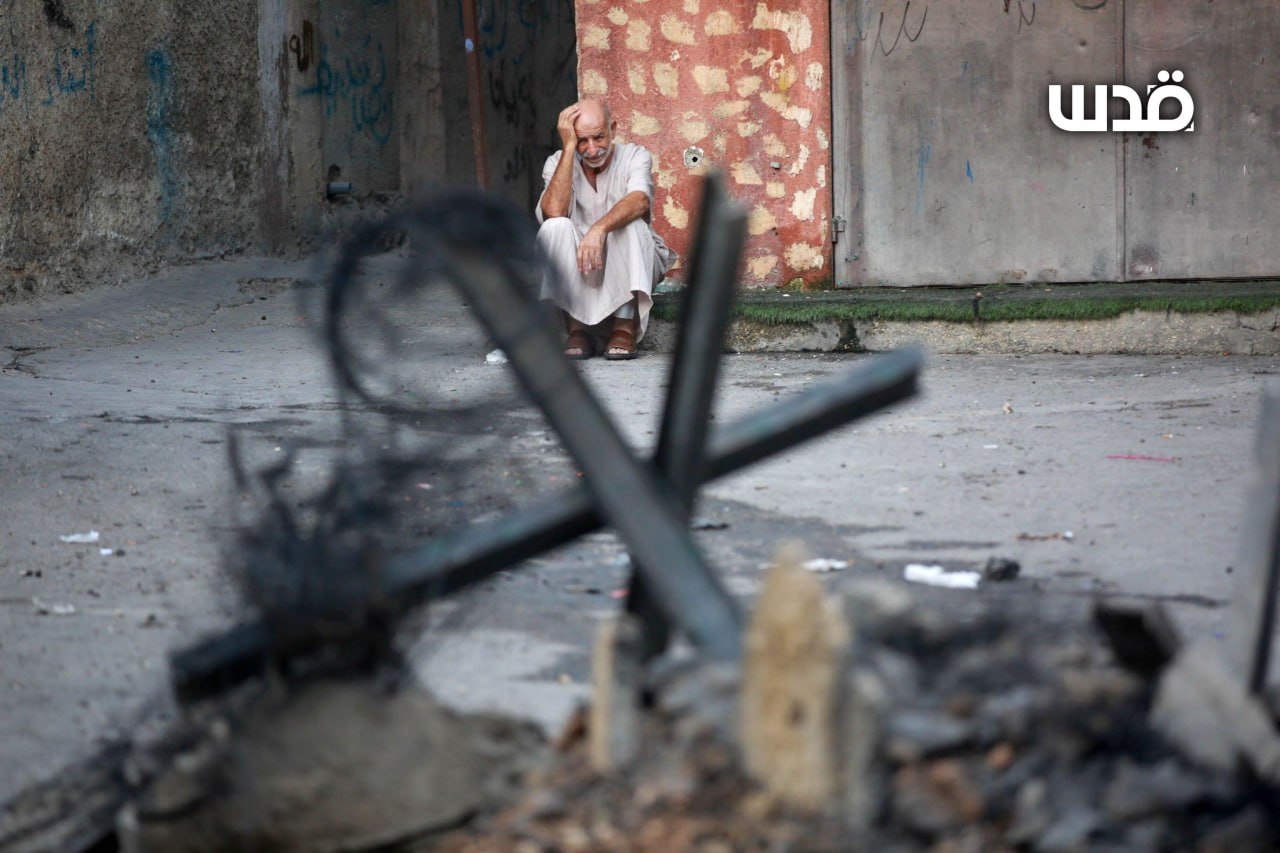
Israeli armed forces raided the Nur Shams camp in Tulkarm on September 24, which resulted in a fierce armed confrontation between the Israeli soldiers and Palestinian resistance fighters.
According to the Palestinian Ministry of Health, Osayd Jabawi and AbdelRahman Abu Daghash, two Palestinian youths in the Nur Shams camp, were shot dead by Israeli soldiers.
The Israelis also arrested several young Palestinians in the Nur Shams camp.
During the clashes, Palestinian resistance fighters detonated several powerful bombs along the path of Israeli forces, injuring one Israeli soldier, an Israeli army spokesperson acknowledged.
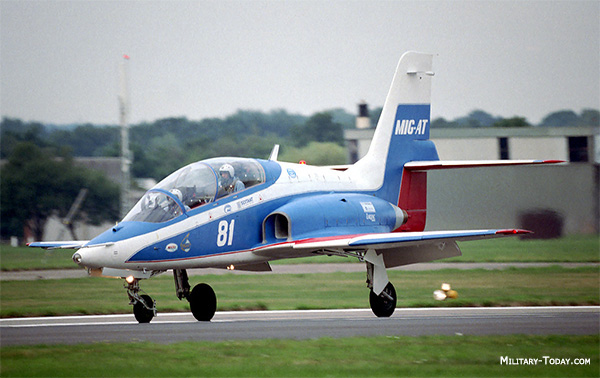
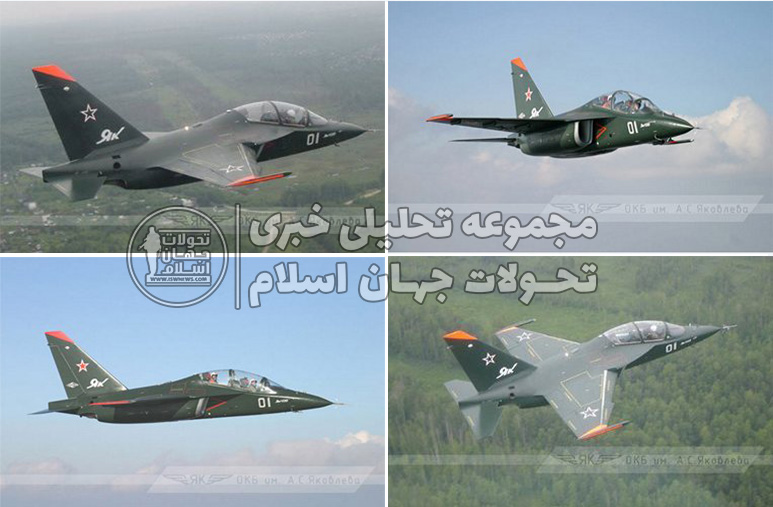
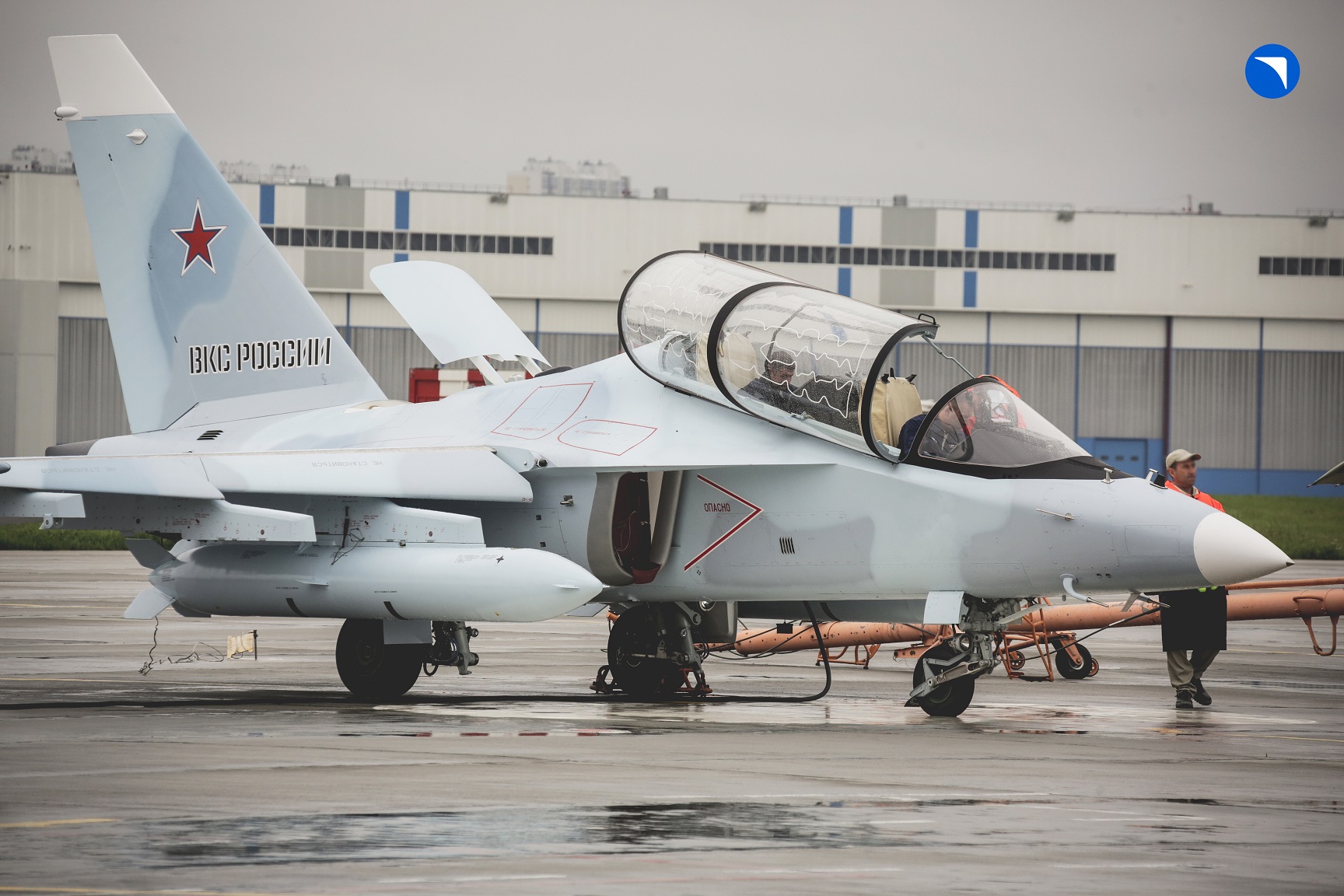
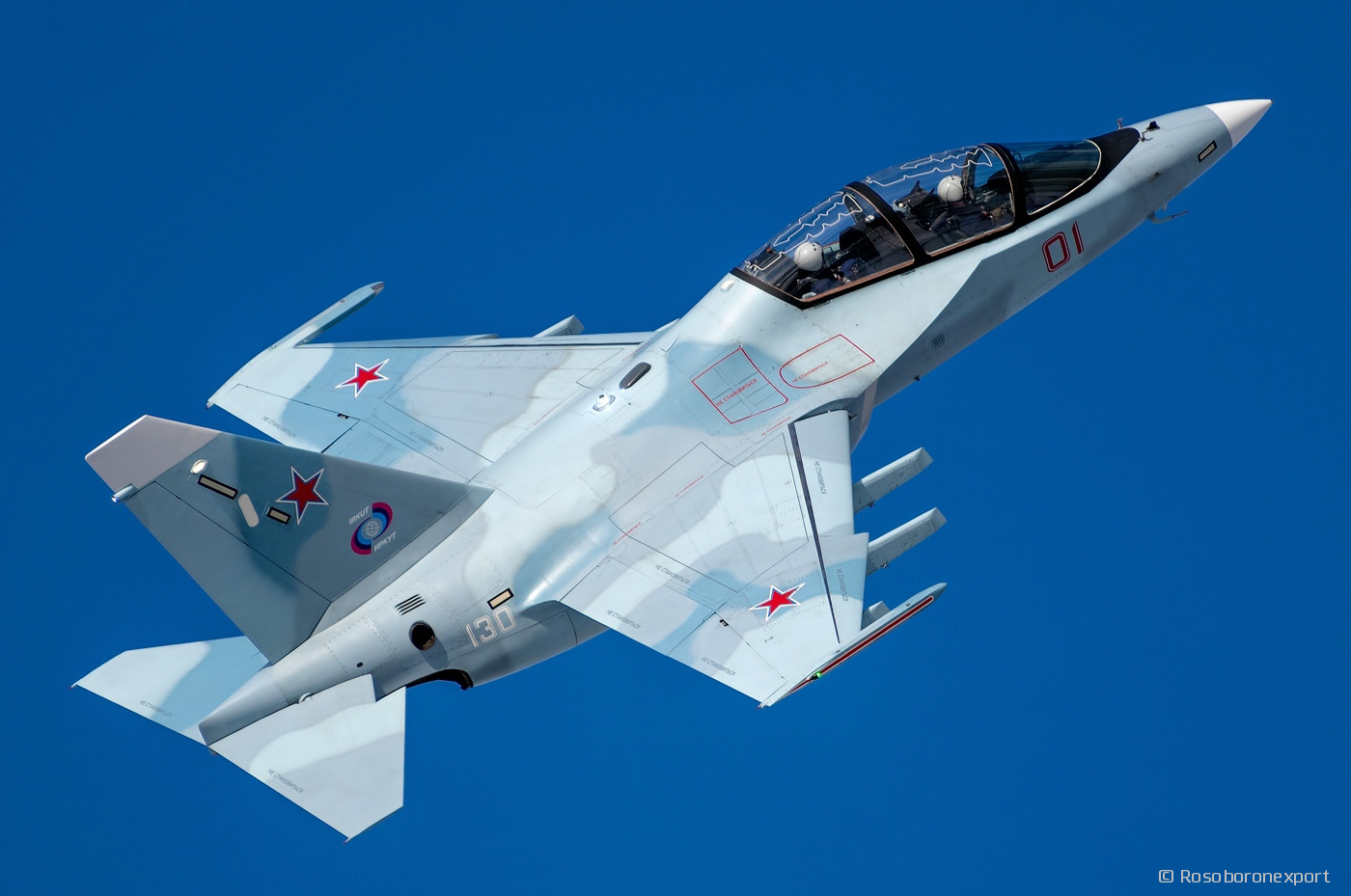
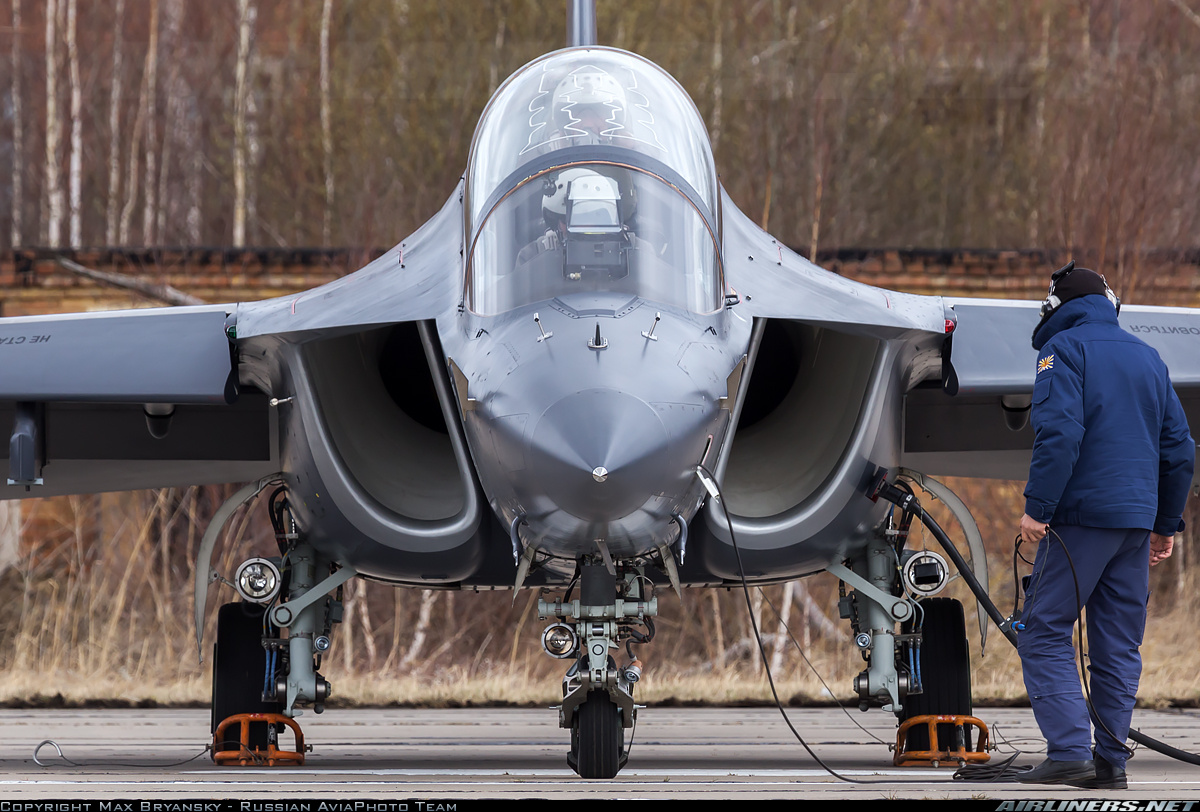
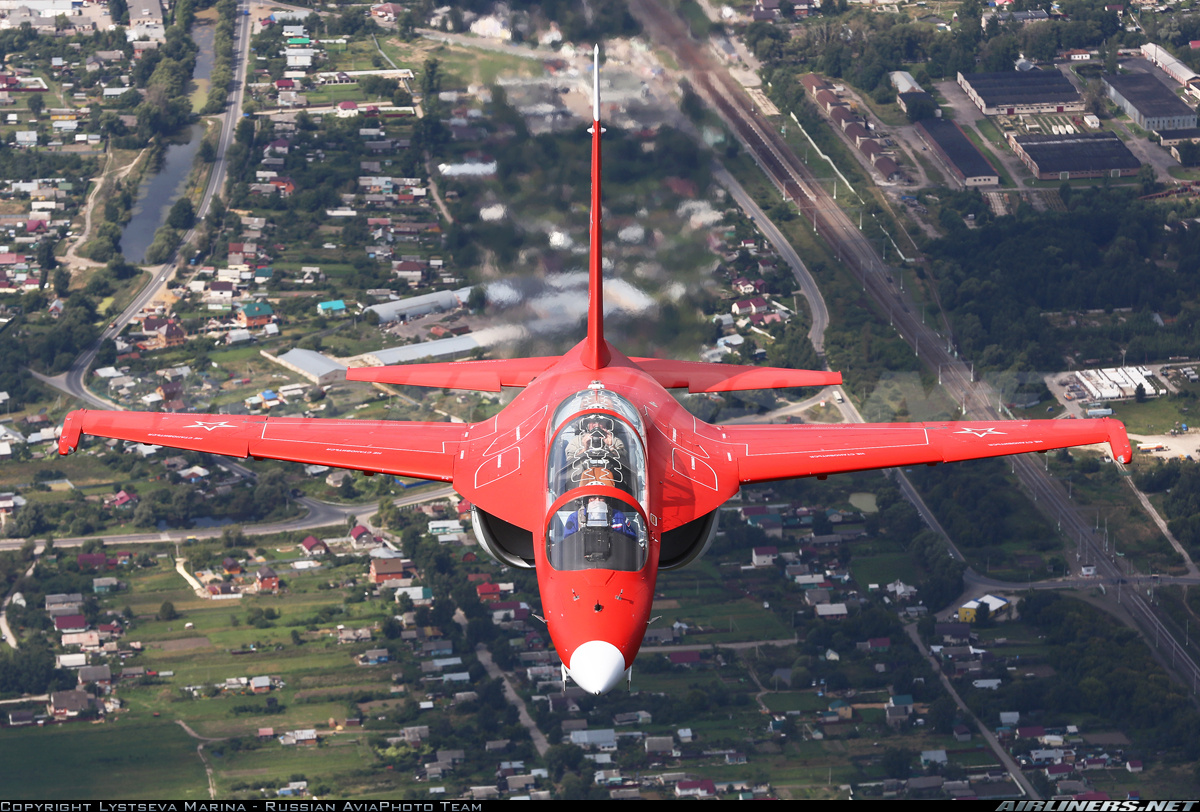
History: The Soviets were looking for a new trainer fighter to replace the Aero L-29 Delfín and Aero L-39 Albatros trainer jets. The Soviet Air Force, after reviewing the five submitted designs of Sukhoi S-54, Myasishchev M-200, Mikoyan MiG-AT, and Yakovlev Yak-UTS, in 1991, selected two MiG-AT and Yak-UTS designs for prototype production and competition.
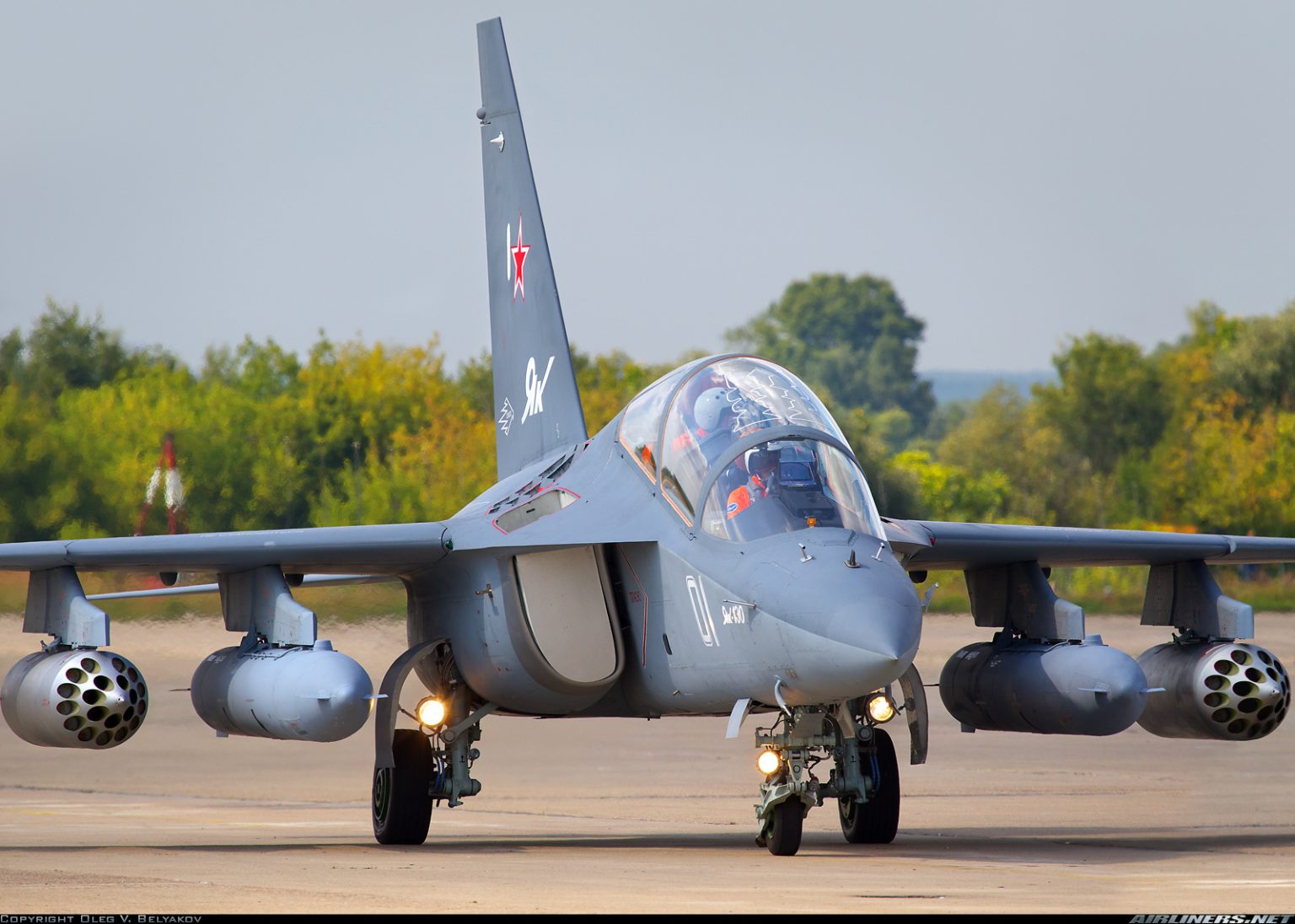
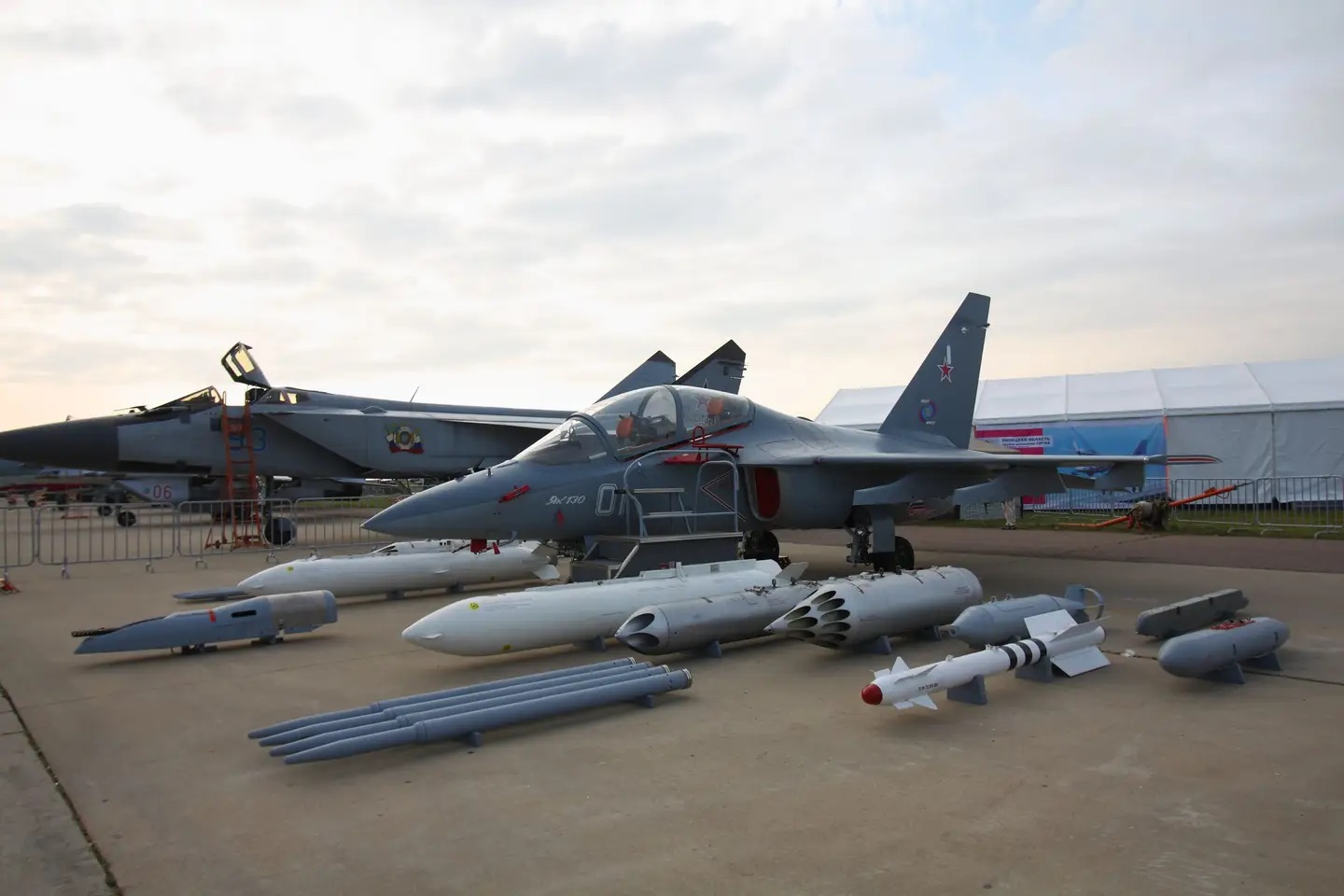
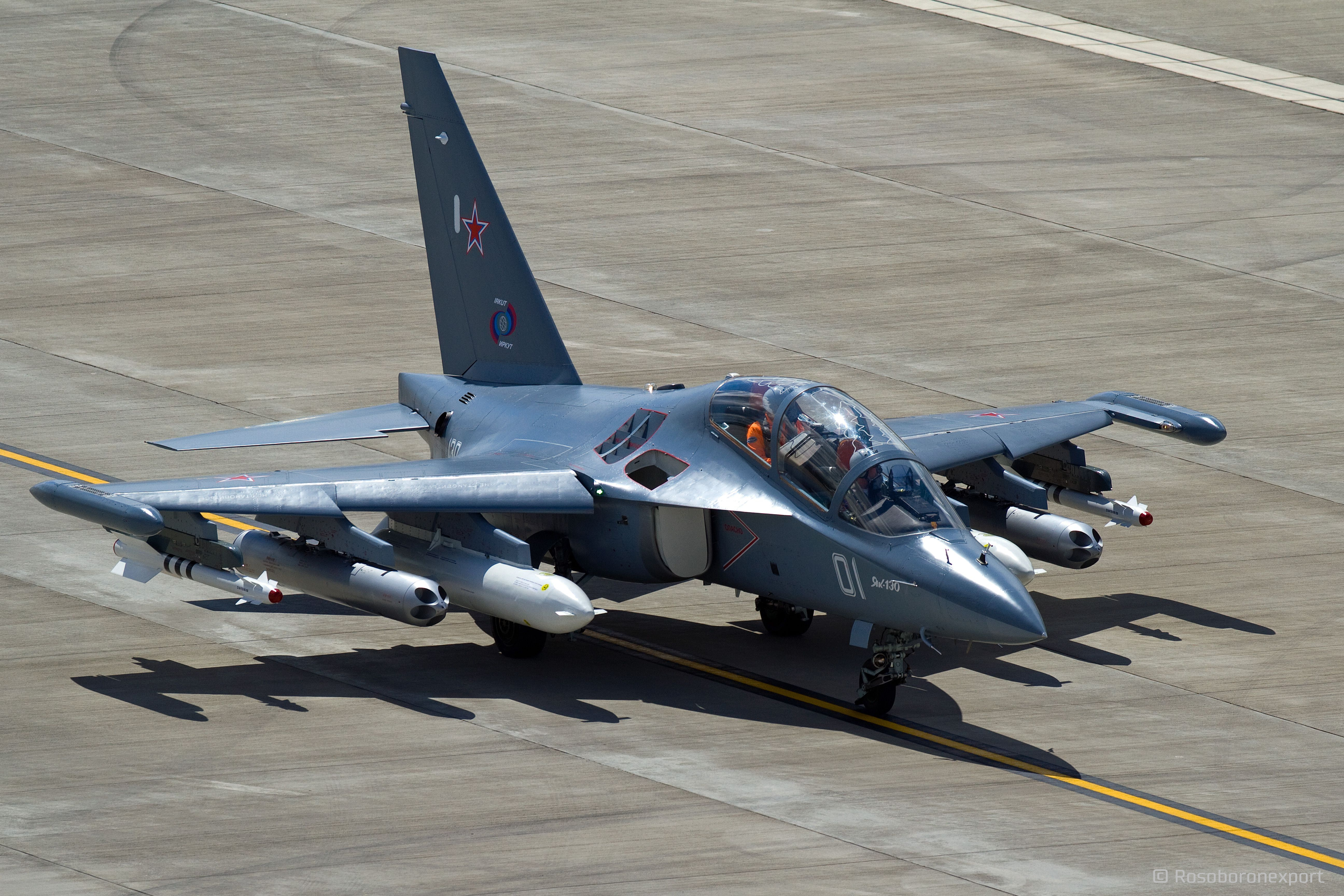
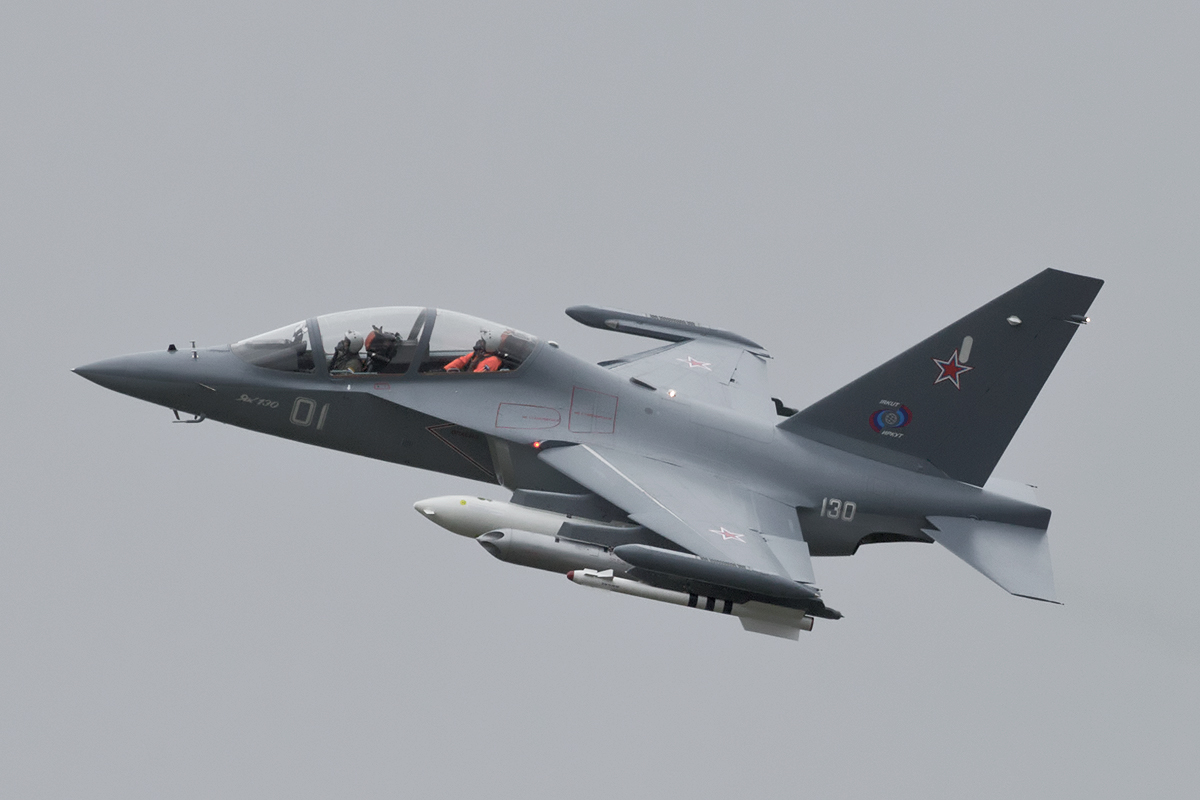
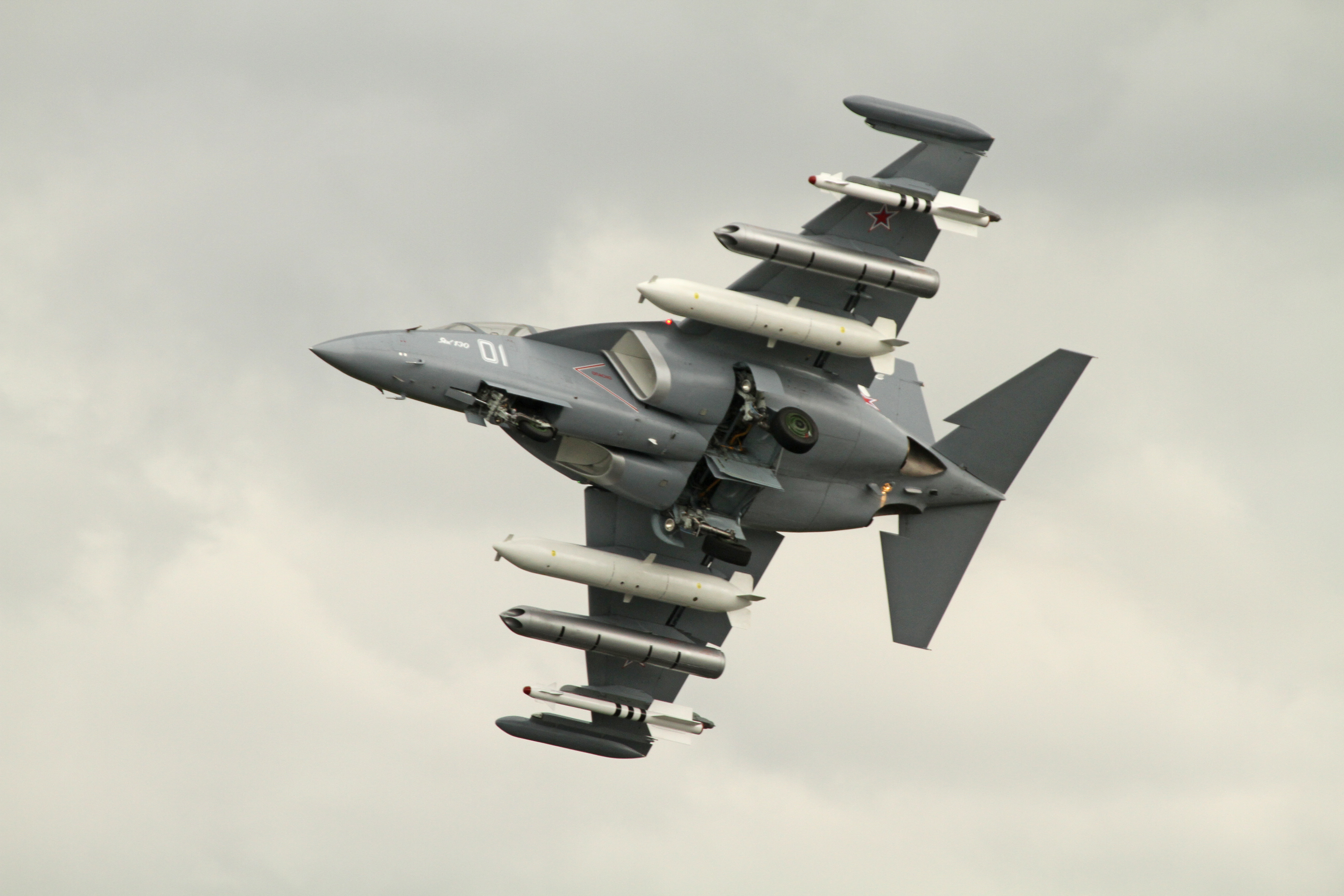
MiG-AT training fighterPrototype Yak 130 with number 01
The development of Yak-UTS began in 1991, but with the collapse of the Soviet Union on December 25, 1991, there were not enough funds to continue the work, so in 1993, the Yakovlev company agreed with the Italian company Aermacchi to jointly develop this aircraft.
Aermacchi was responsible for the financial and technical support of the project and the name of the project was changed from Yak-UTS to Yak/AEM-130. The first prototype of this training fighter was built by the Sokol company (manufacturer of MiG fighters) named Yak-130D and unveiled in June 1995. Yakovlev company managed to make the first flight of this fighter from Zhukovsky airport on April 25, 1996, piloted by Andrey Sinitsyn.
In 1996, it was reported that the development of the fighter and the construction of four prototypes cost 500 million dollars.
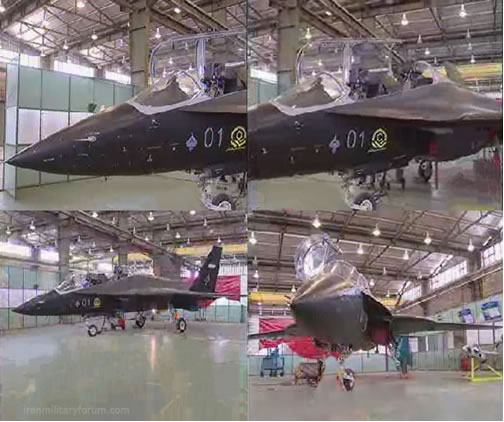
Iran also unofficially participated in this plan in 1998. Iran proposed a fighter named Shafaq. But due to the continuous efforts of America to prevent Iran from being equipped with fighter jets, Russia soon removed Iran from the plan under the US pressure. But the fruit of Iran’s short-term cooperation with Russia in this field led to the unveiling of the Shafaq project in 2007. The overall design of the Shafaq fighter jet was similar to the Yak 130, but it used a V-shaped tail with modified wings.
Shafaq fighter which was presented as a mock-up
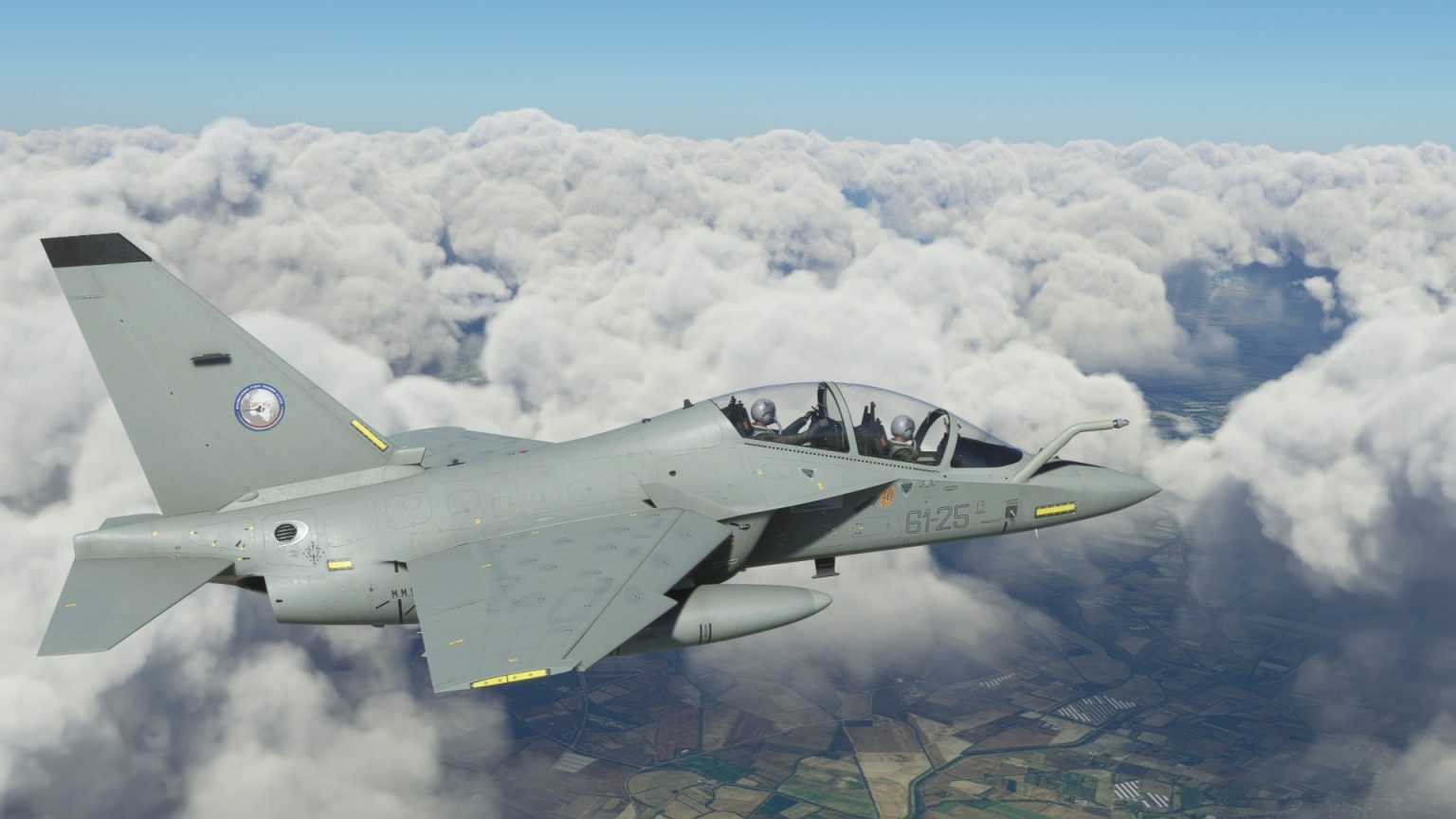
In 2000, following political pressure from the United States, the Aermacchi partnership also ended with Russia and Alenia Aermacchi continued the M-346 Master design with a Ukrainian engine. This new design made its first flight in 2004. This fighter jet was used by the Air Force of Italy, Israel, Singapore, Greece, Turkmenistan and Poland.
The Alenia Aermacchi’s M-346 Master fighter jet; very similar to Yak-130
The Yak-130 production line at the Sokol Aircraft Plant in Nizhny Novgorod, known as Naz Sokol, has been active since 2003, and its first production was numbered in April 2004. The trials of entering the service of this fighter began in 2005 and ended before the delivery of the first flight group in 2009. This fighter entered the service of the Air Force of Russian Federation in July 2009 at the Military Pilot Training Academy in Krasnodar and was exhibited at the MAKS 2009 air show.
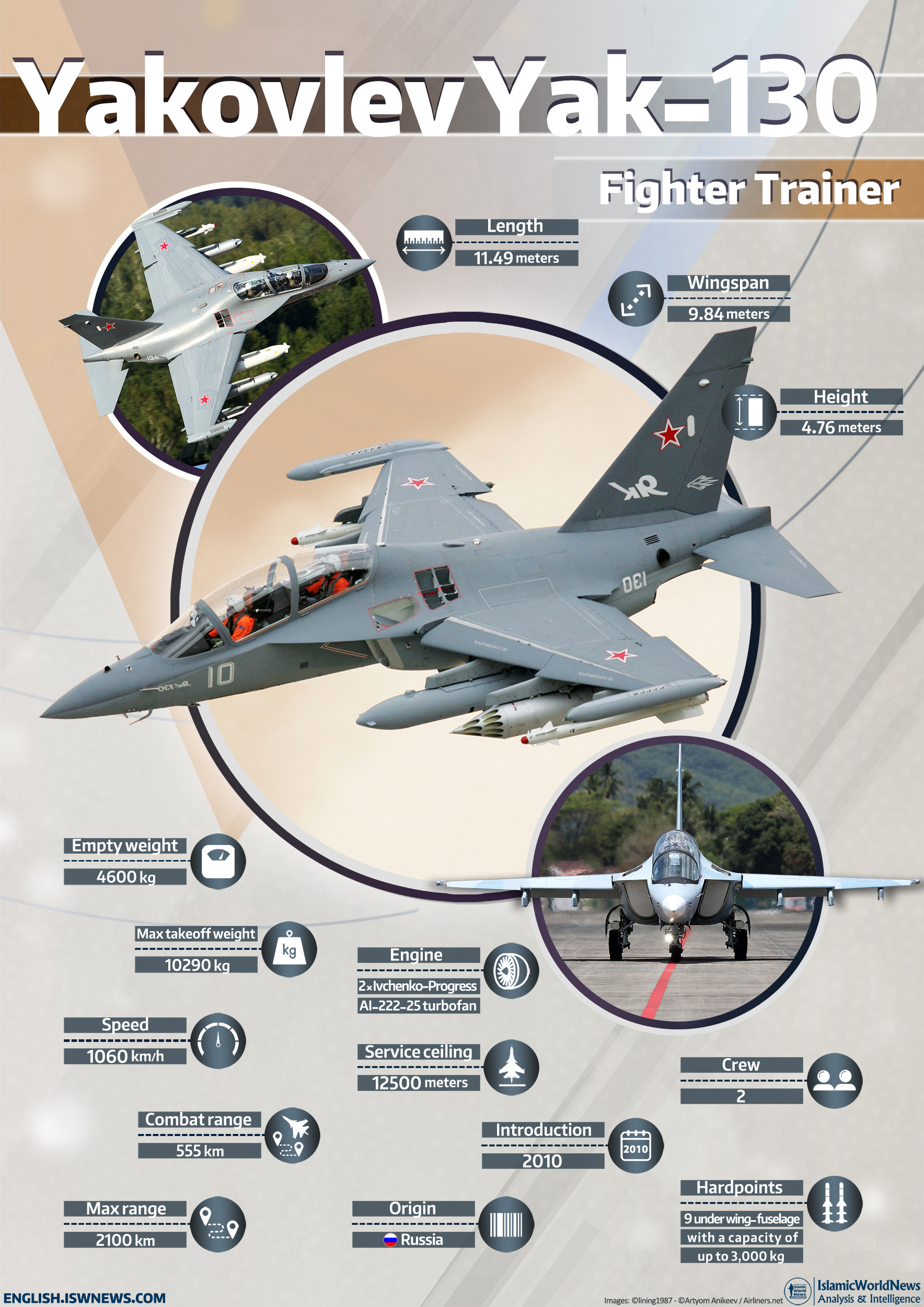
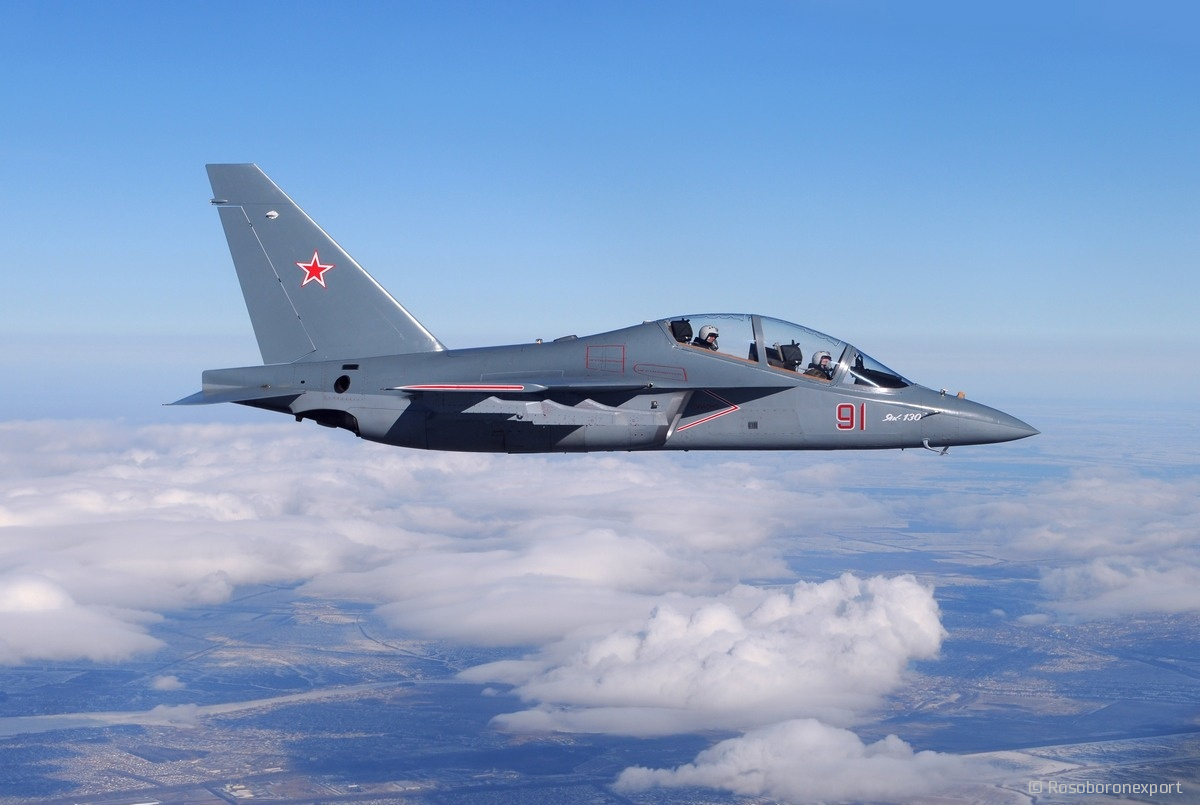
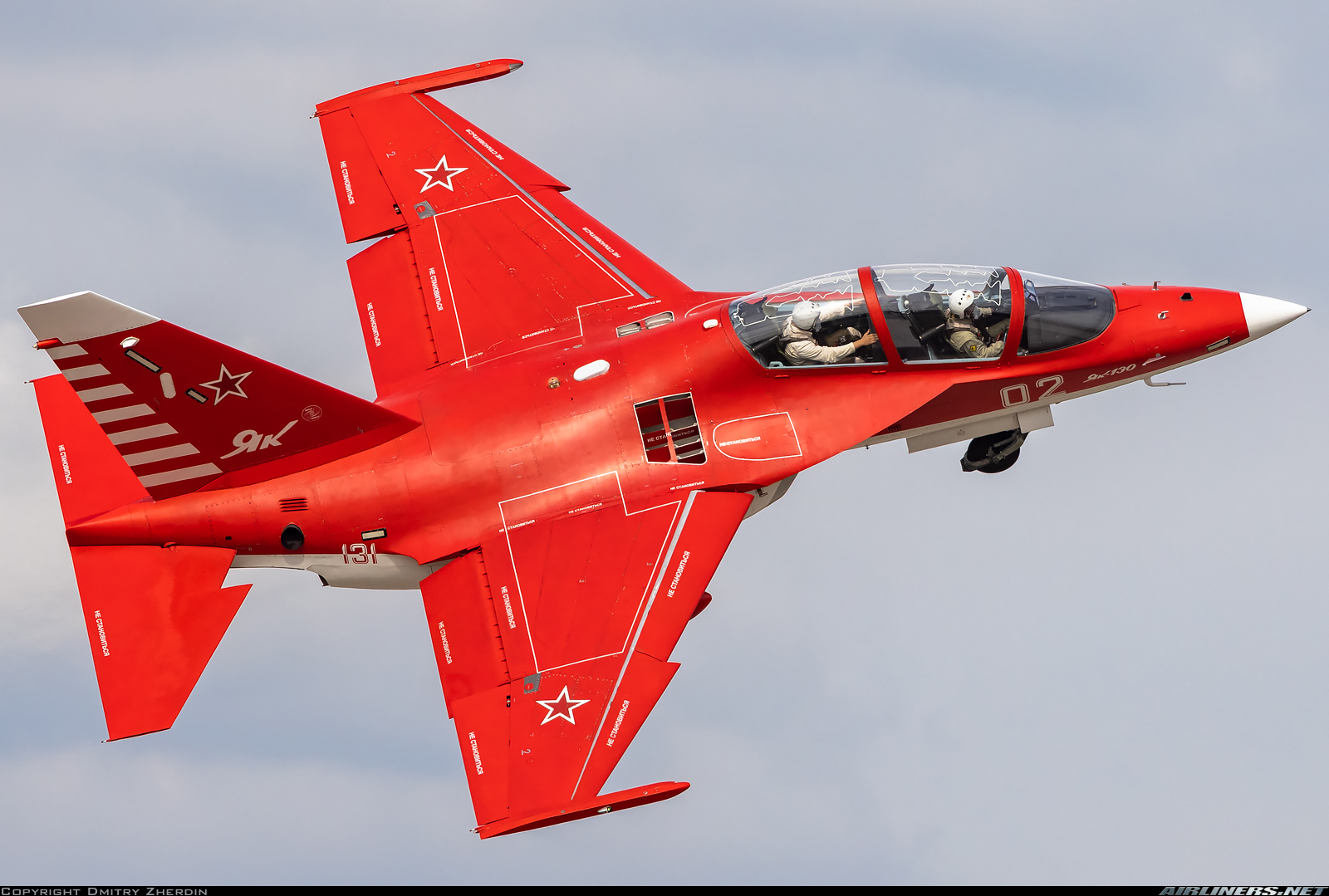
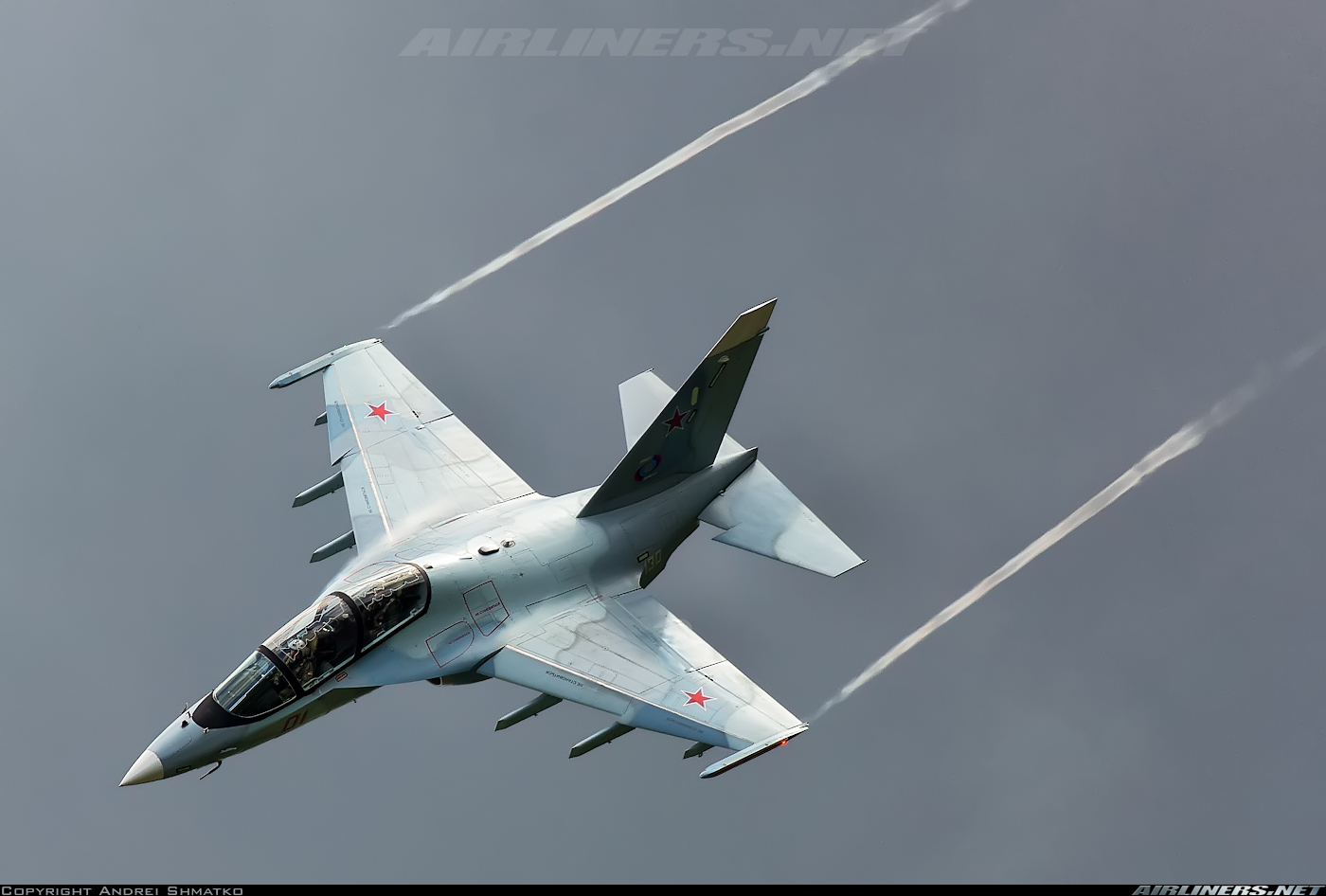
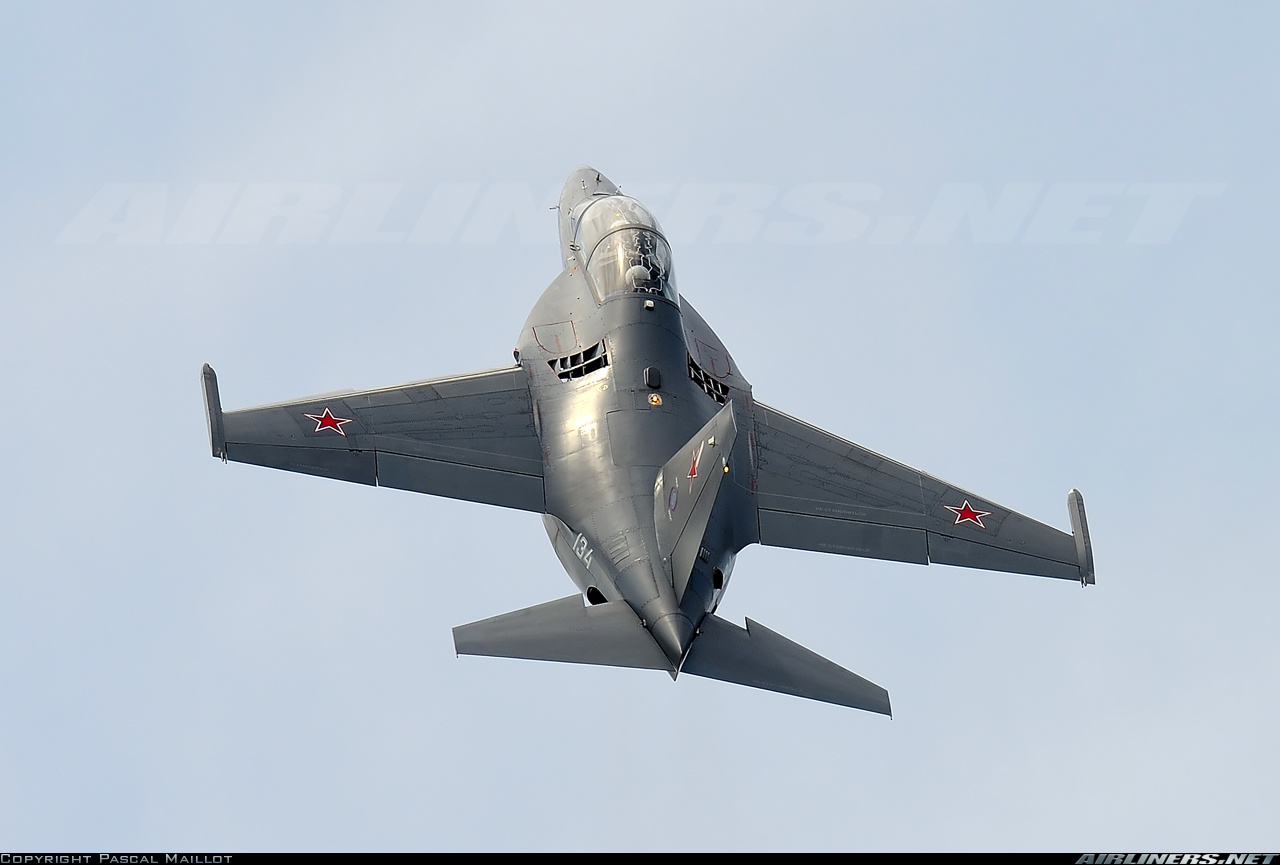
Design: The Yak-130 trainer uses a classic swept-wing design. This fighter is made of light alloy with carbon fiber surfaces and uses Kevlar protection for the engines, cockpit and fighter compartment. The use of Fowler flaps has helped a lot in reducing drag and increasing the maneuverability of the fighter. This fighter is also optimized for landing and takeoff from short or unprepared runways. Yak-130 uses a wireless flight control system, flight safety system and automatic flight control system. The Yak-130 fighter uses an air brake located on the fuselage and near the vertical tail. This device helps this training fighter to land on short runways.
Yak-130 air brake
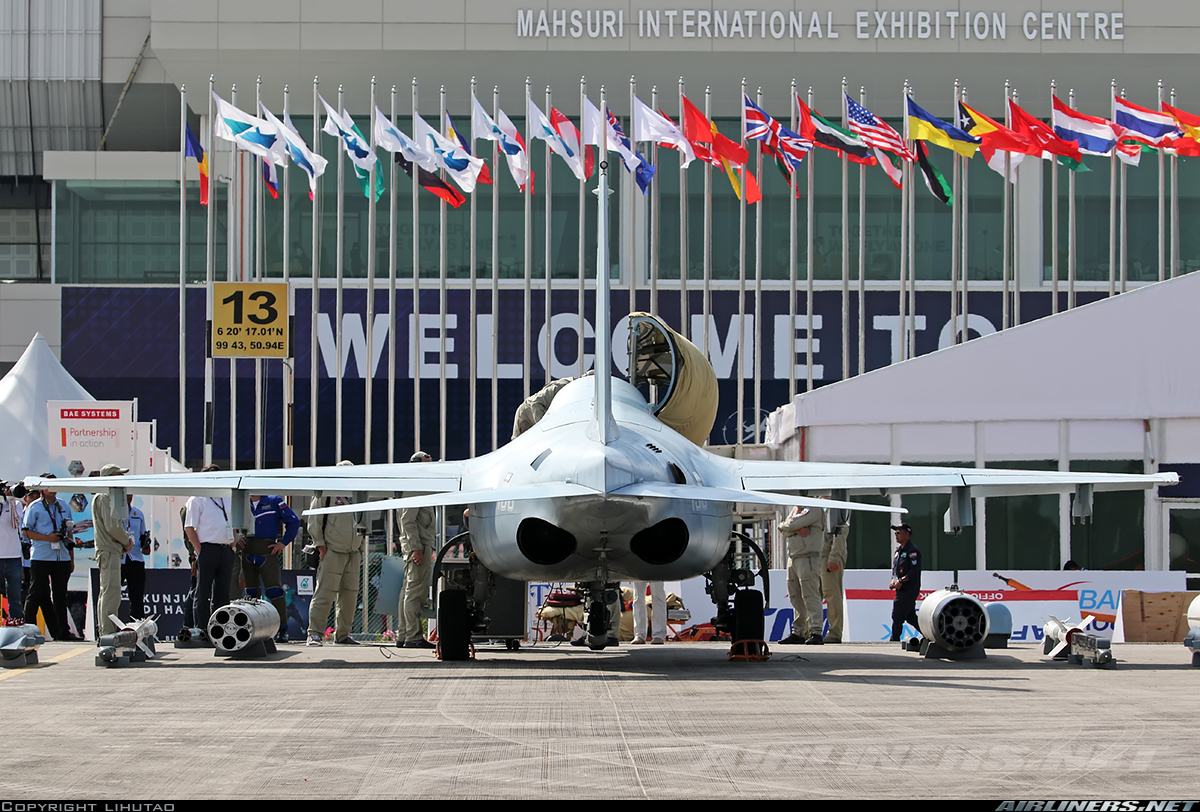
In the Yak-130 fighter, it is possible to close the main air intake and open the upper air intake to prevent Foreign Object Damage (FOD). This hatch ensures the safety of the fighter taking off from the runways.
A view of the closed air intake. The upper air intake is open.
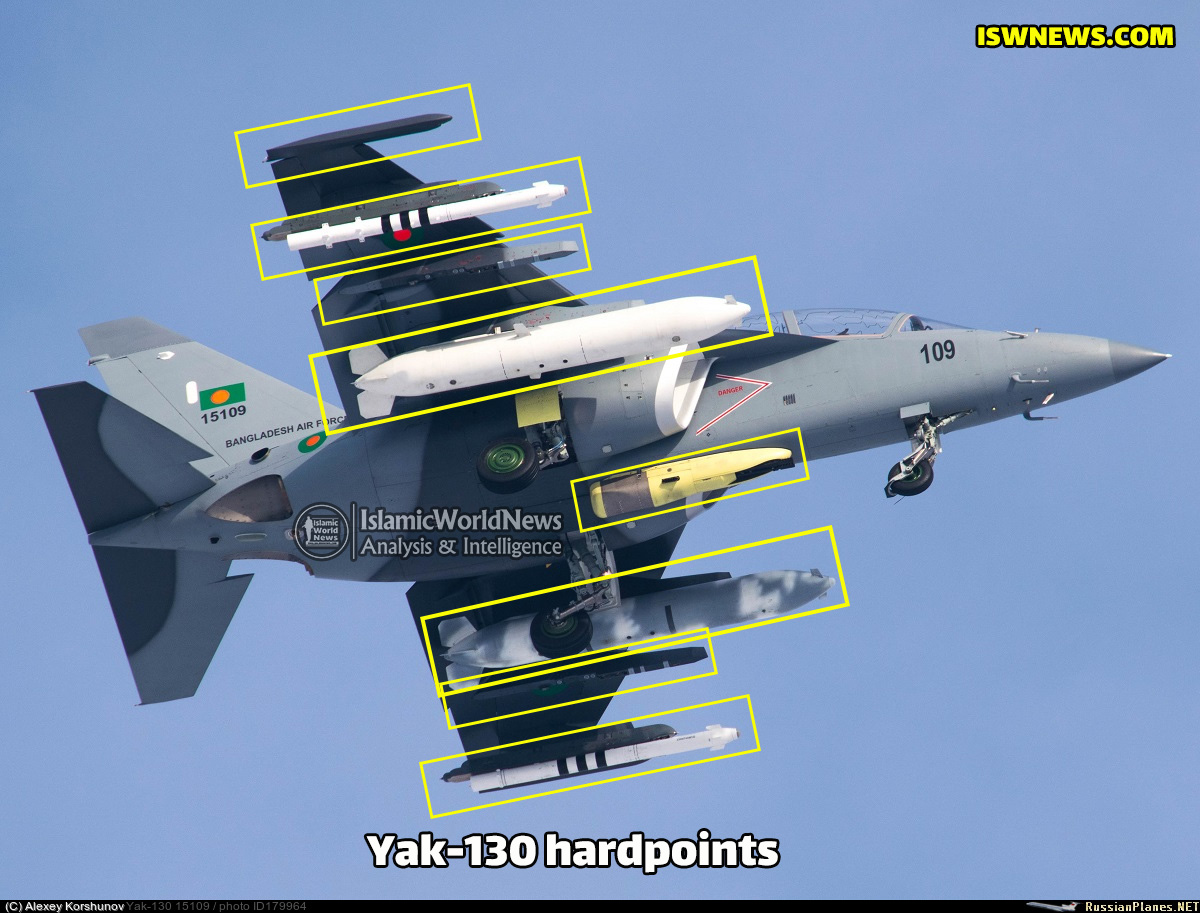
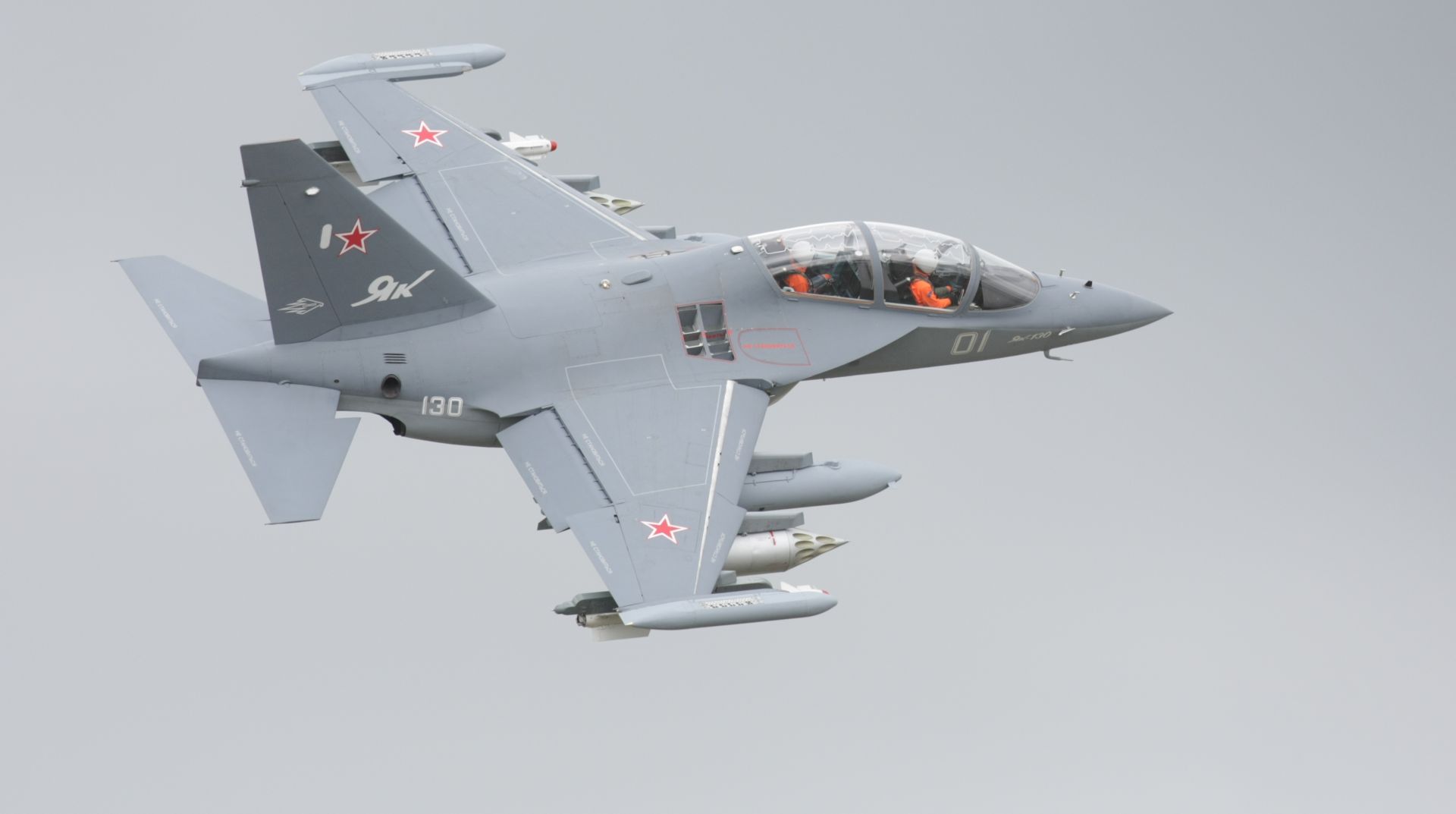
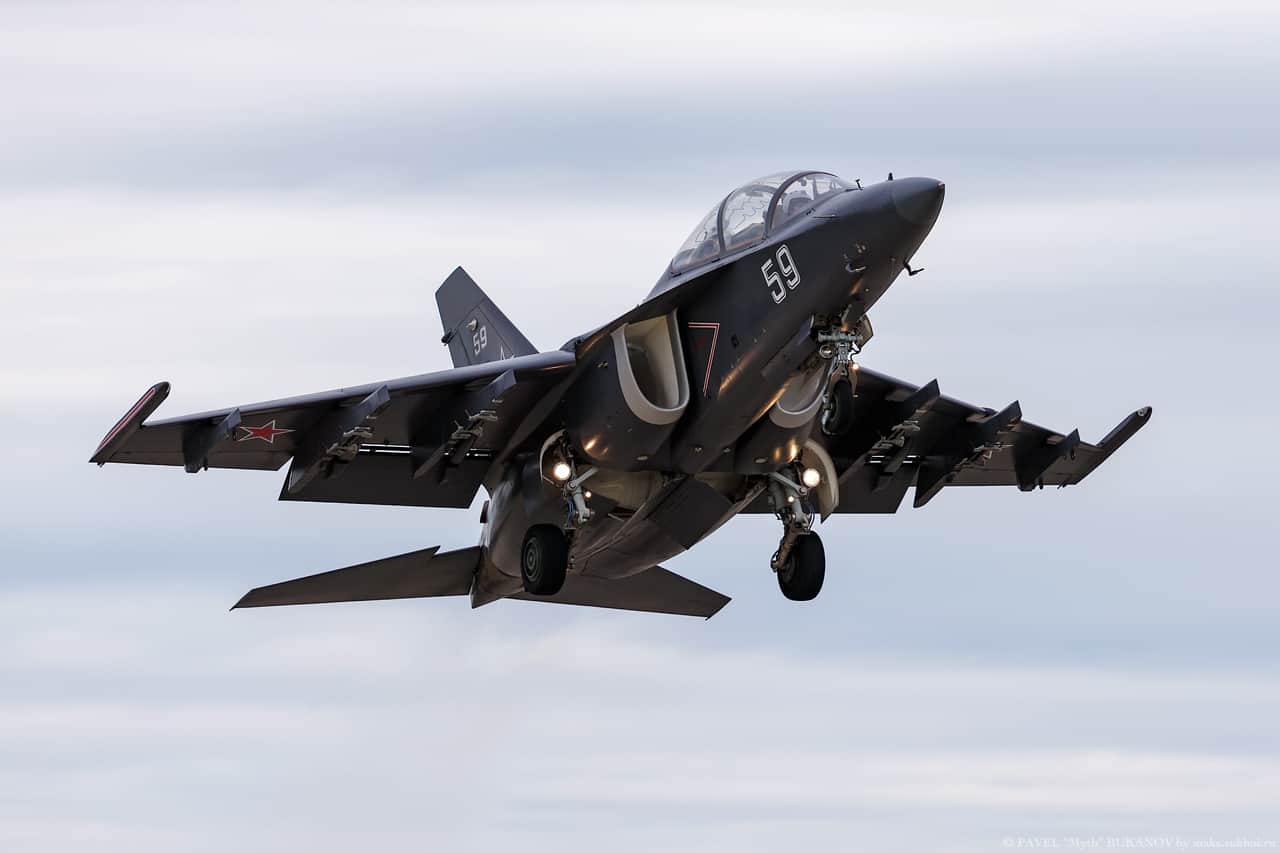
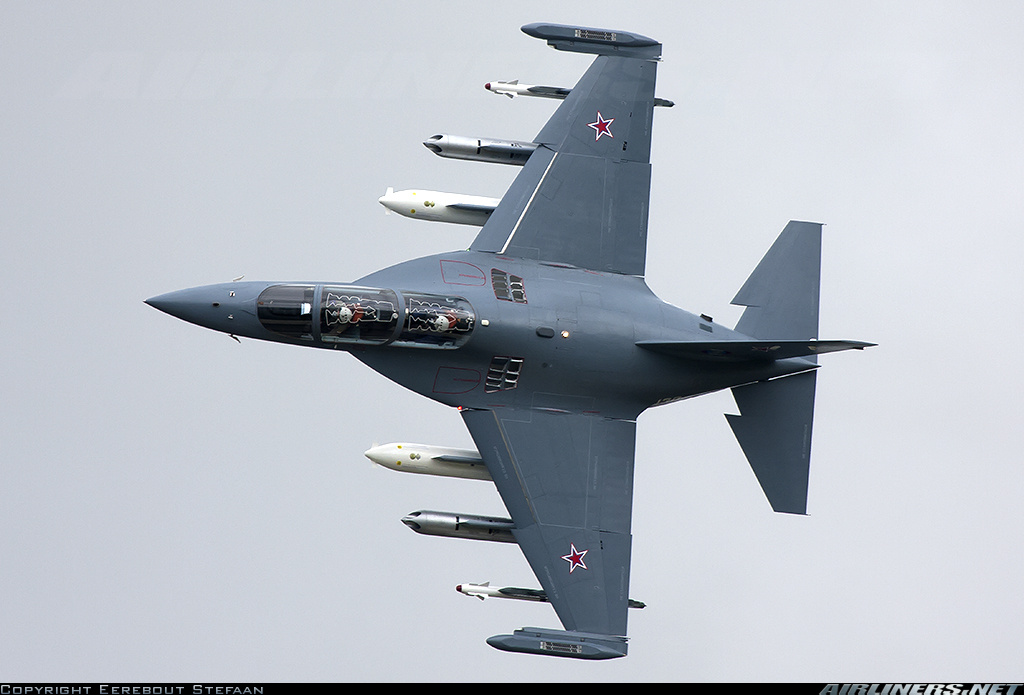
Yak-130 uses 9 hardpoints to carry weapons up to 3000 kg. Two weapon hardpoints are placed on the tips of the wings and six hardpoints are placed under the two wings and one hardpoint is placed under the fuselage. The fuselage hardpoint cannot host large equipment because it is placed between the landing gear hatches.
Yak-130 hardpoints
In export versions of Yak-130, the flight control system ‘Avionica’ is used. This flight control system belonging to the American company Avionica and is used in fighters such as F15, F16, F18, Mirage 2000, Typhoon, Rafale and F35, and even in the export versions of Sukhoi 27, Sukhoi 30 and MiG 29.
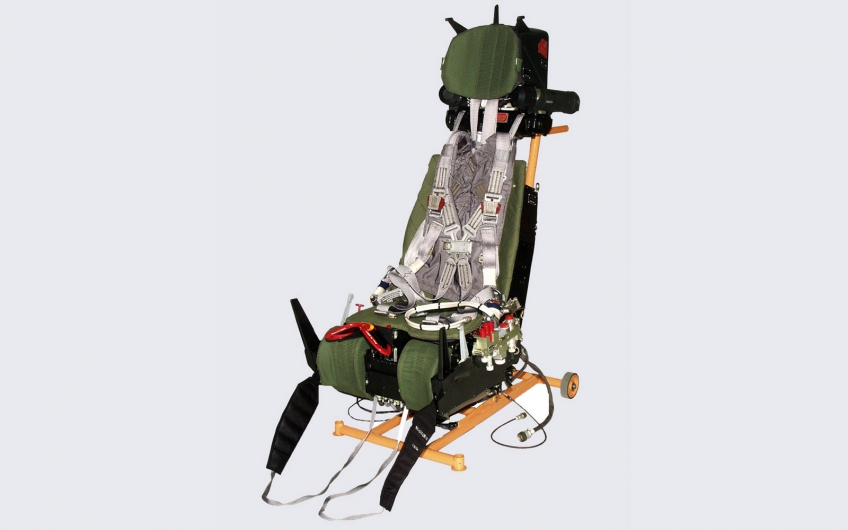
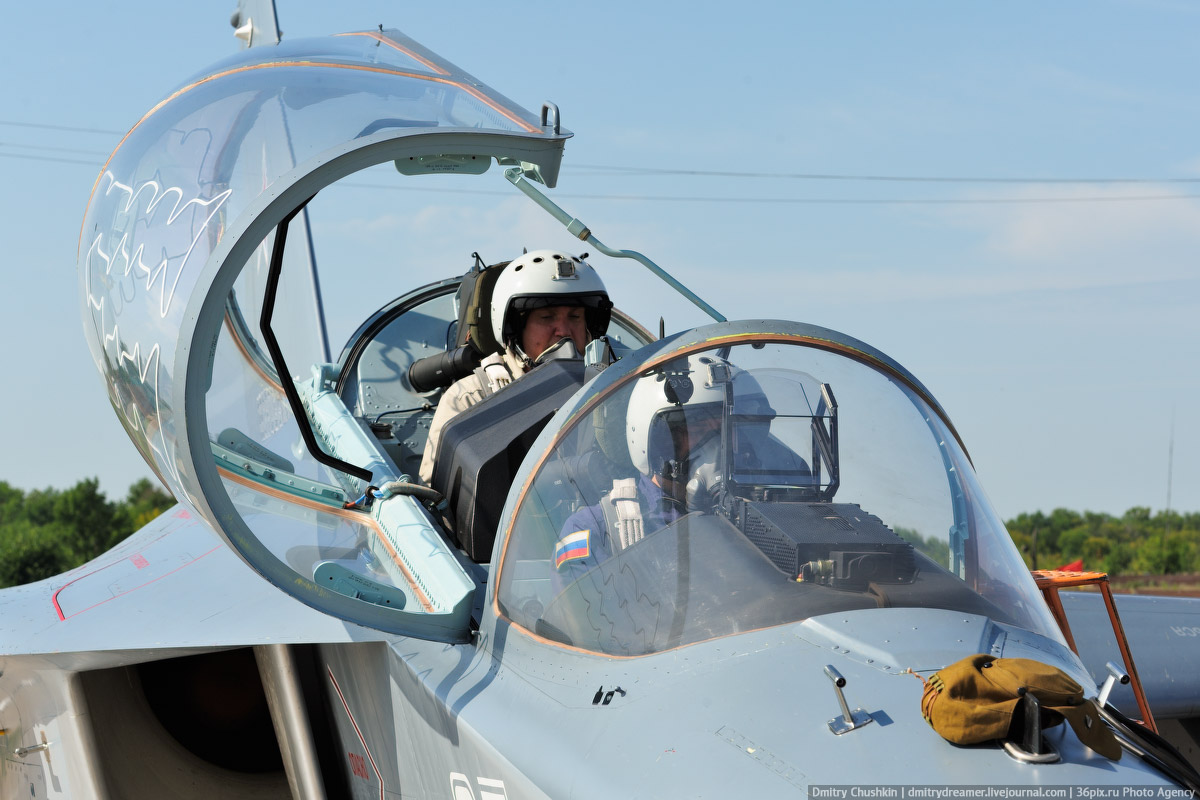
Yak-130 is equipped with zero-zero K-36LT3.5 seats manufactured by NPO Zvezda. Pilots have 360 degree vision. The front cabin has a visibility of -16 degrees and the rear cabin has a visibility of -6 degrees.
zero zero K-36LT3.5Glass cabin with 360 degree vision
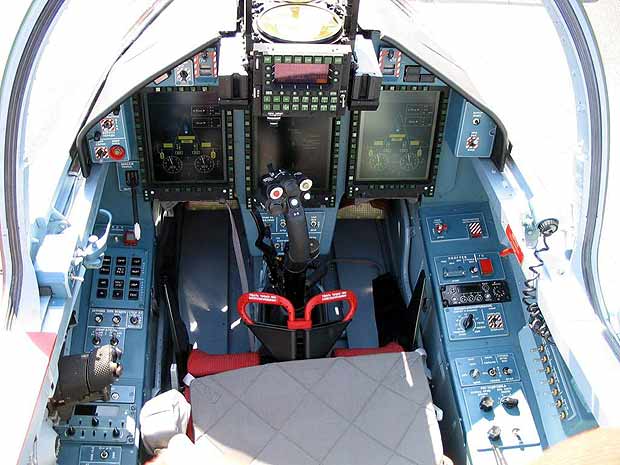
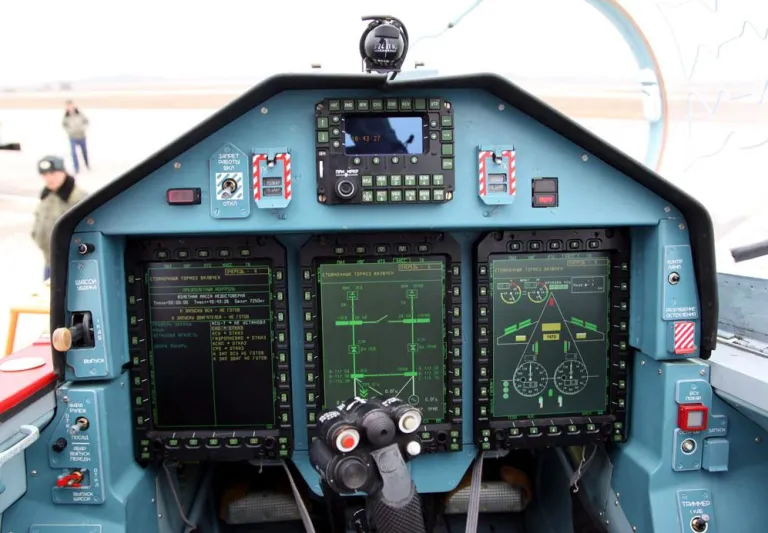
The all-digital Yak-130 avionics cockpit passes the Mil Standard 1553 defined by the United States of America and can be adapted to customer needs. This all-glass cabin allows both pilots to use a night vision camera and is equipped with three color liquid crystal displays measuring 24.15 cm by 20.32 cm. A Head Up Display (HUD) is used in the front cabin of the Yak 130 so that the pilot can see the target and flight information by looking at it.
Yak-130 front cabinYak-130 rear cabin
The pilot’s helmet in the front cabin is equipped with a special display for determining the target, and the cabin is also equipped with an audio warning system and an internal and external communication system, produced by Popov Plant.
This training fighter jet provides the possibility of choosing the type of training flight and simulating the tactics of combat aircraft for easier training of pilots. Yak-130 supports the navigation system including laser gyroscope and global positioning system of Russian GLONASS and American GPS.
The internal fuel tanks of the Yak-130 fighter include one tank in the body and two tanks under the wing. This fighter can carry fuel tanks under the wings on hardpoints close to the body. External fuel tanks have a capacity of 450 liters each, which brings the total portable fuel to 2650 liters. The possibility of aerial refueling is also available for this fighter, but it is installed on it as a custom.
Armament: The advanced architecture of the Yak-130 avionics complex allows a wide range of Western weapons to be compatible with it. Western air-to-air weapons such as the AIM-9L Sidewinder and Magic 2 or weapons such as the AGM-65 Maverick are examples of these weapons.
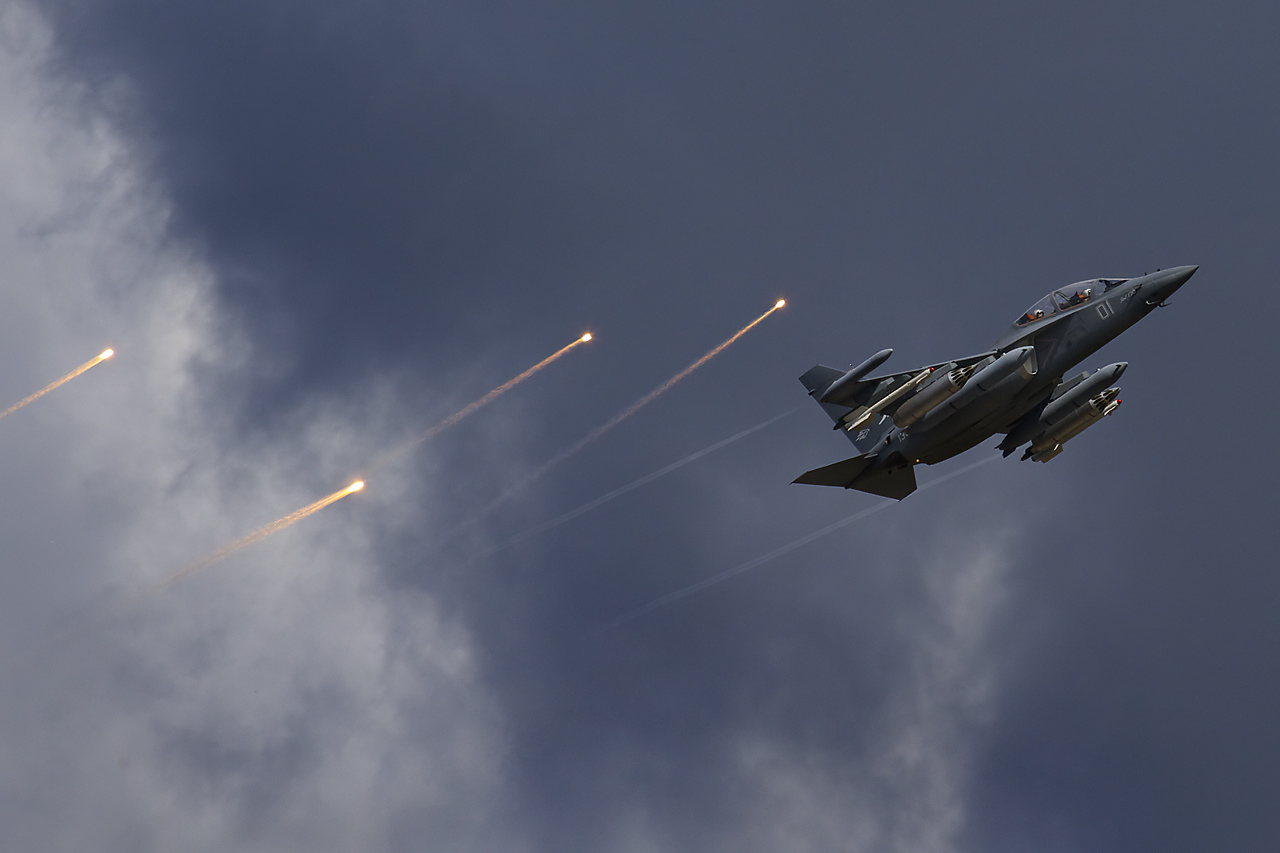
Yak-130 uses eastern weapons such as Vikhr laser guided missile, R73 infrared air-to-air missile, Kh-25 ML air-to-surface missile, KAB series free-falling bombs weighing up to 500 kg, S8 rockets and cluster bombs.
This fighter does not have a cannon by default and uses a GSh-23 pod instead, which is usually installed in the fuselage hardpoint.
Image of Yak 130 ammunition – click to view in full size
Yak-130 radar: The Yak 130 combat training fighter uses a radar with a power of 8 to 12.5 GHz called BARS-130 produced by NIIP Zhukovsky. This radar is capable of detecting air targets with a cross section of 5 square meters at a distance of 85 km and locking at a distance of 65 km. In addition, it has the ability to identify friend from enemy (IFF), air combat, detect sea and land targets, and also synthetic-aperture radar (SAR).
BARS 130 radar catalogBARS 130 radar catalogAn image of the BARS 130 radarAn image of the BARS 130 radarClick to view full size
Engine: Yak-130 in the prototype used the DV-2 engine produced by the Slovakian Povazske Strojarne company belonging to the Slovak Republic with a power of 2200 kg (21.58KN). In later examples, the Yak 130 fighter used the Al-222-25 engine with a power of 2,520 kg of force (24.7KN) made by the Ukrainian company Motor Sich, Zaporozh’e Progress Design Bureau and the Russian company Moscow Salyut Motor Building Production Enterprise.
The Al-222-25 engine was also used by the Italian fighter M-346 Master.
Russia produces Al-222-25 engine named RD-35M with 28.45KN power. Today, DV-2S engine with 24.5KN power is also produced, which is used for export purposes in the production of Yak 130.
DV-2S engineAl-222-25 engineClick to view full size
Exports: Algeria, as the first customer of this fighter, placed an order for 16 of them in 2006, and succeeded in receiving these fighters in 2011.
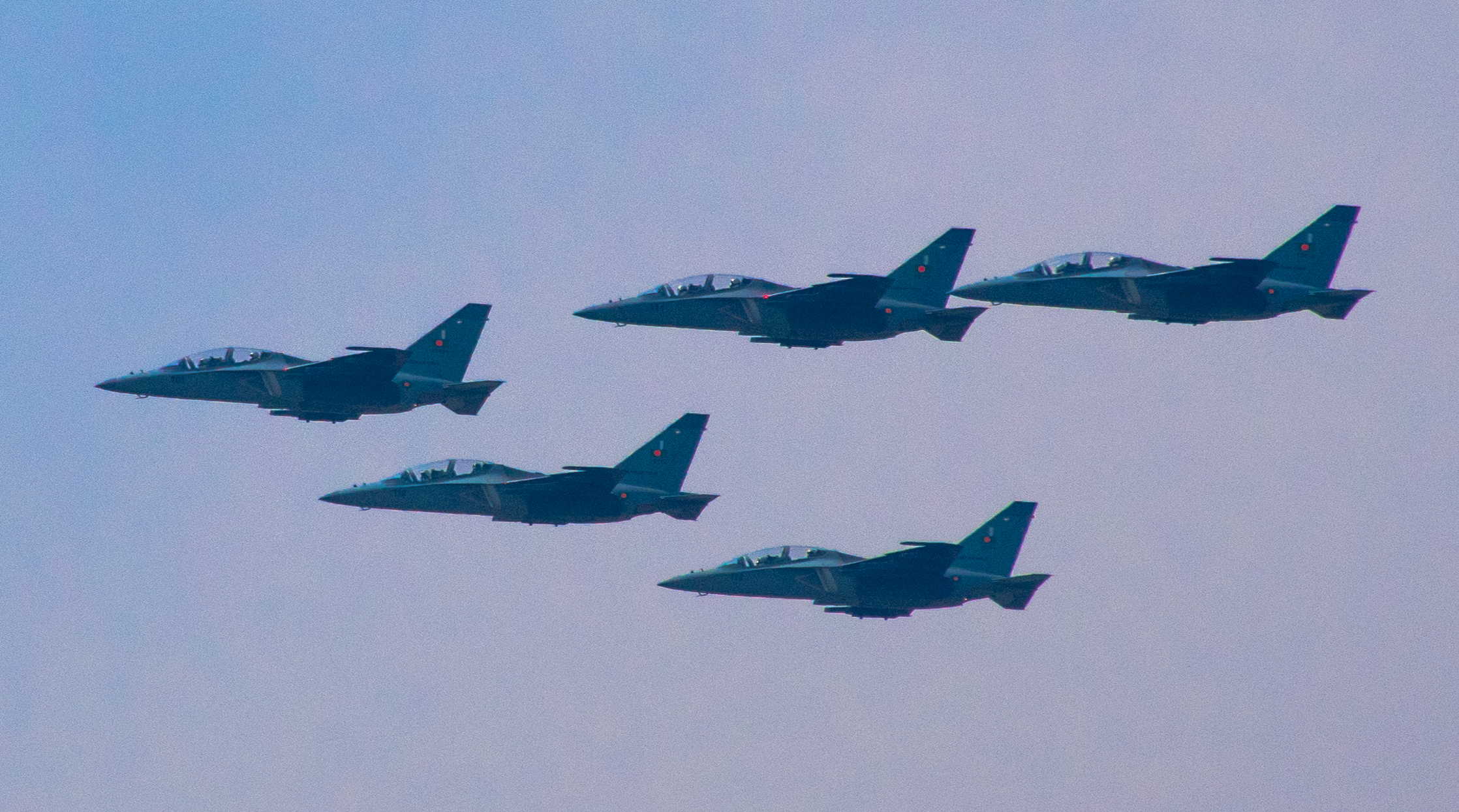
In 2010, Libya ordered 6 aircraft and Vietnam ordered 8 Yak 130 training fighters. In December 2012, Belarus managed to purchase four Yak-130 fighter jets, which it received in 2015. The Belarusian Air Force received four more in 2016 and four more in May 2019.
The Myanmar Air Force received three Yak-130 training fighters in late 2016. The country took delivery of another 6 planes in December 2019. Algeria is the user of 16 Yak 130 training fighters.
Syria also bought 36 Yak 130, which should have been delivered to this country by the end of 2016. But this was postponed due to the war in this country.
In 2019, Vietnam signed a $350 million contract to purchase 12 Yak 130s, which were delivered to Vietnam in November 2021.
On December 2, 2023, Iran received two Yak 130 fighters. The number ordered by Iran is not known. According to reports related to the purchase of Sukhoi 35 fighter by Iran, the Yak 130 can be considered as a training fighter for Sukhoi 35.
Images of Yak-130s delivered to Iran – click to view in full size
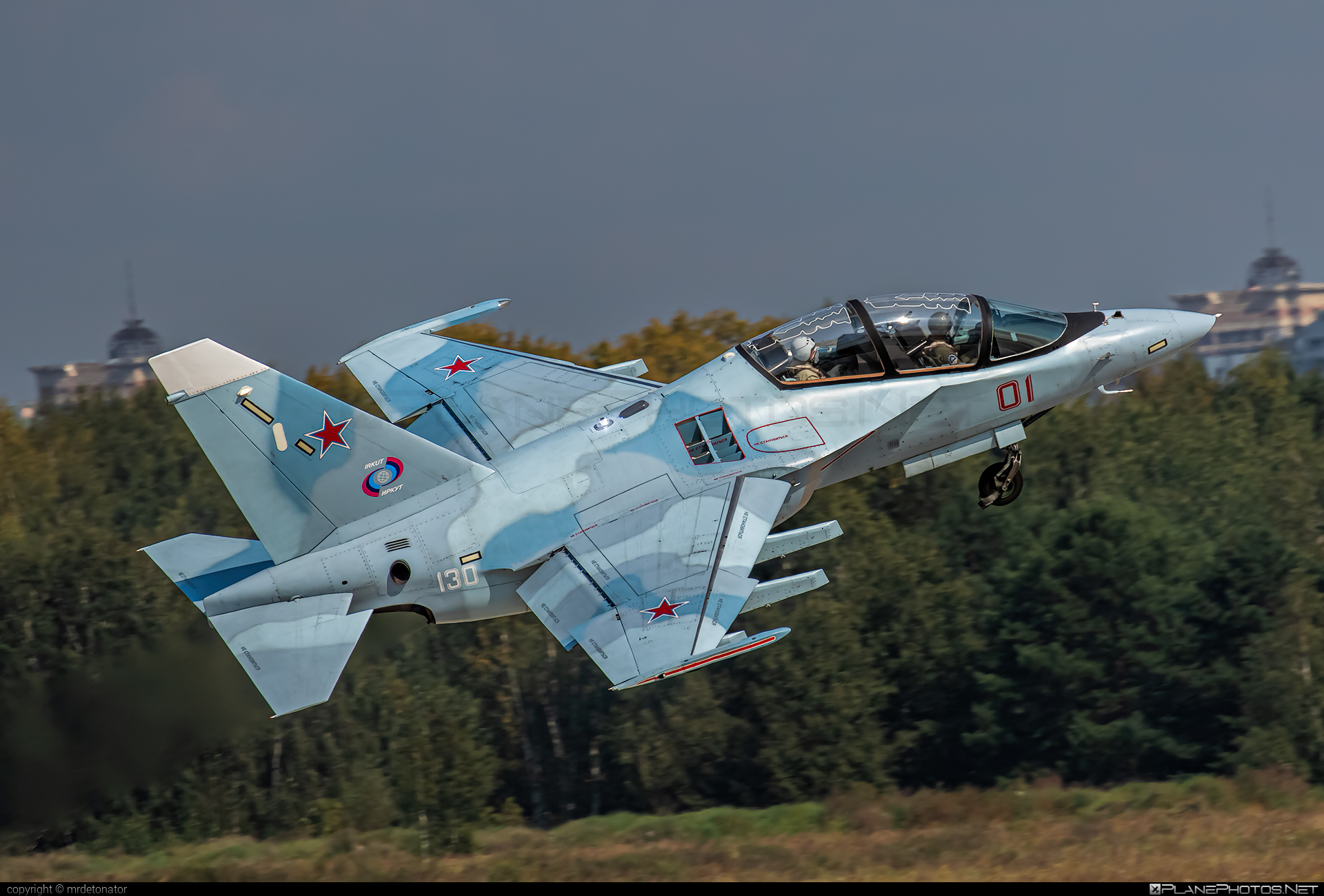
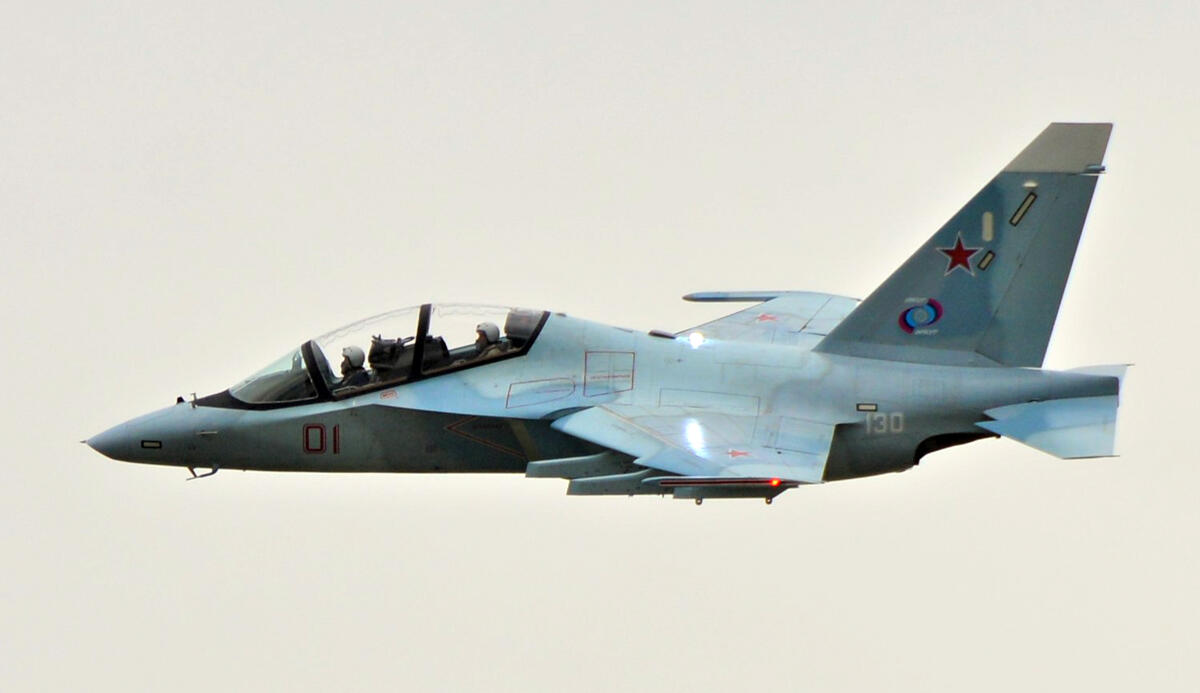
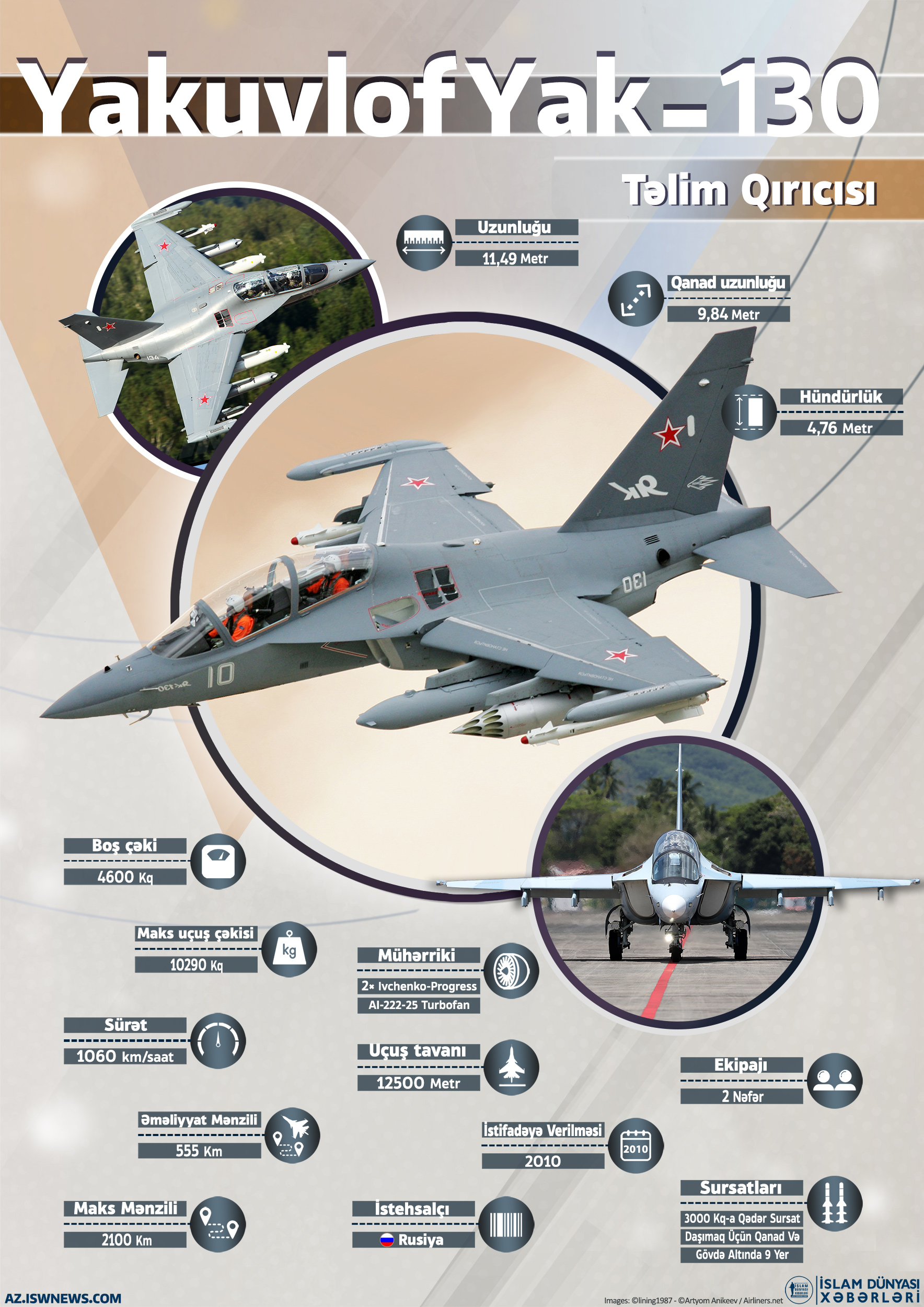
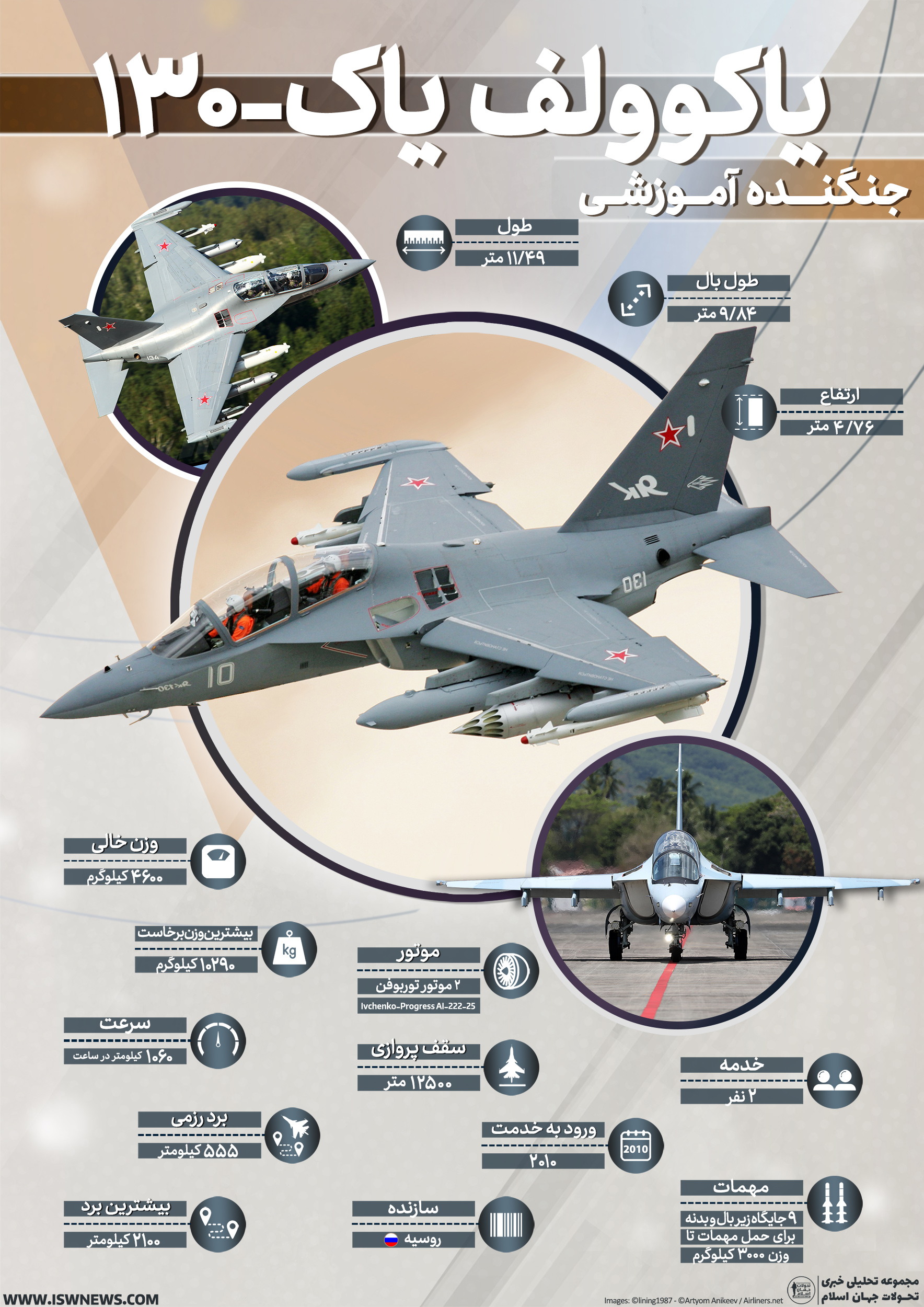
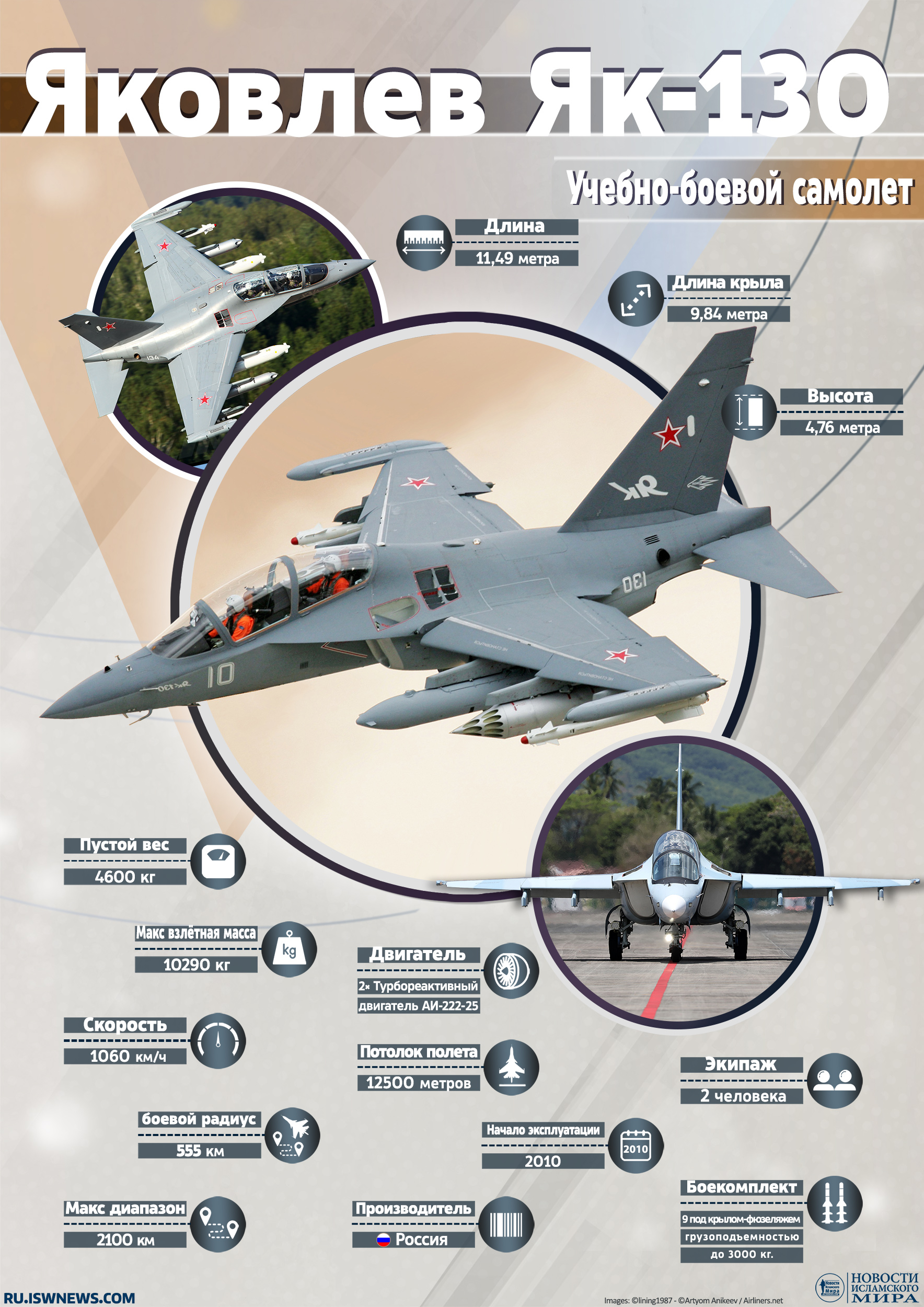
Specifications of Yak-130 combat training fighter: Role: Fighter trainer an light combat aircraft Producer: Yakovlev Origin: Russia First flight: 1996 Entered service: 2010 Crew: 2 pilots Length: 11.49 meters Wingspan: 9.84 meters Height: 4.76 meters Wing cross section: 23.52 square meters Empty weight: 4600 kg Gross weight: 7250 kg Maximum take-off weight: 10290 kg Engine: 2× Ivchenko-Progress AI-222-25 turbofan engines, 24.52 kN (5,510 lbf) thrust each Maximum speed: 1060 km/h Cruise speed: 887 km/h Maximum range: 2100 km Operational range: 555 km Flight ceiling: 12500 km g limits: +8.0 −3.0 Rate of climb: 65 m/s Trust to weight ratio: 0.7 Armament: Hardpoints: 9 (1 on each wingtip, 3 under each wing, and 1 under the fuselage) with a capacity of up to 3,000 kg (6,614 lb), with provisions to carry combinations of: Rockets: 80mm S-8 rocket, S-25 rocket Missiles: R-73 infrared-homing air-to-air missiles Bombs: FAB-M62, ZB-500, KAB-500Kr
Yak-130 combat training fighter – click to view full size
More pictures of Yak-130 combat training fighter:
Click to view full size
Infographics of “Yak-130 combat training fighter” Persian, Russian, Azeri:
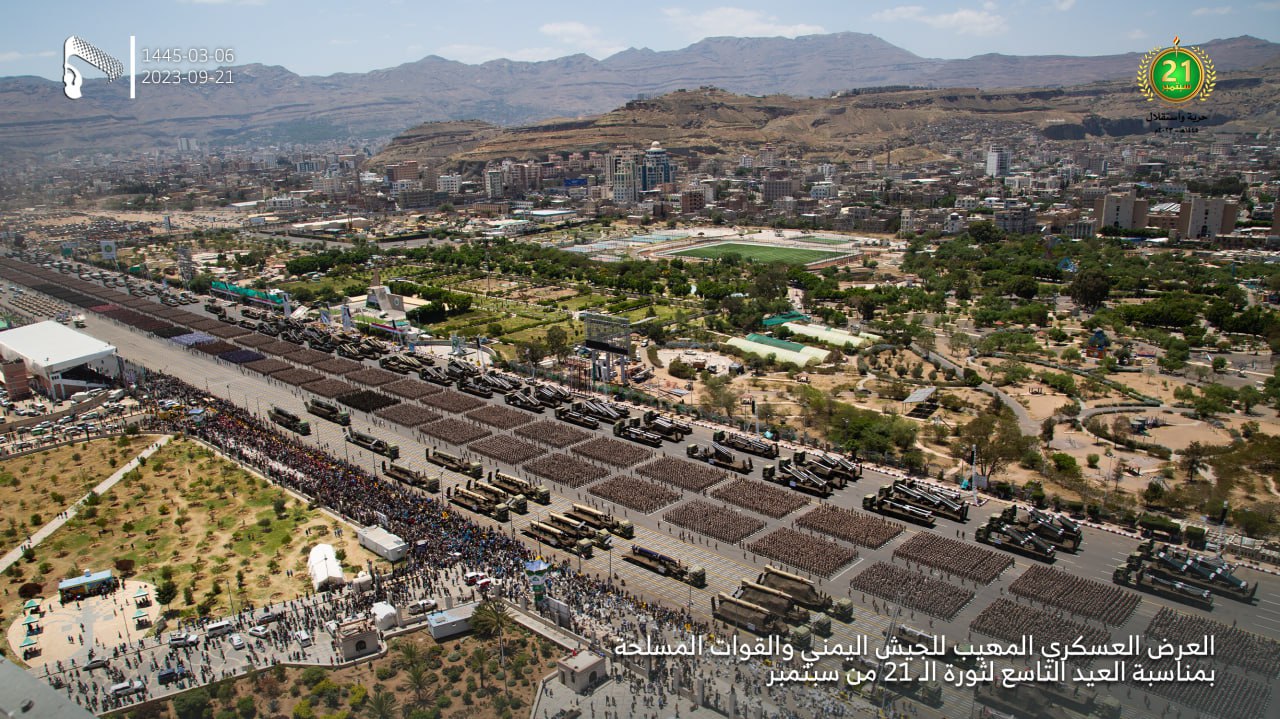
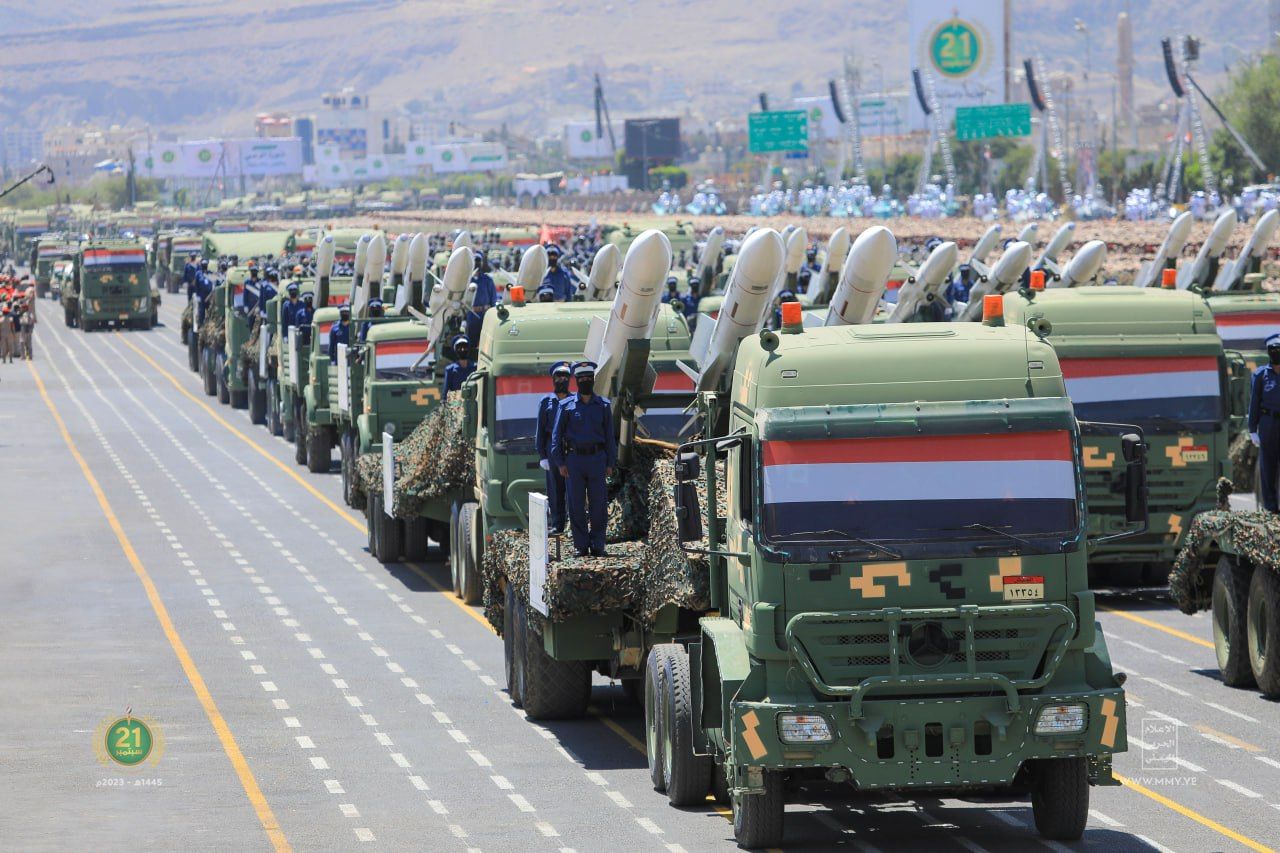
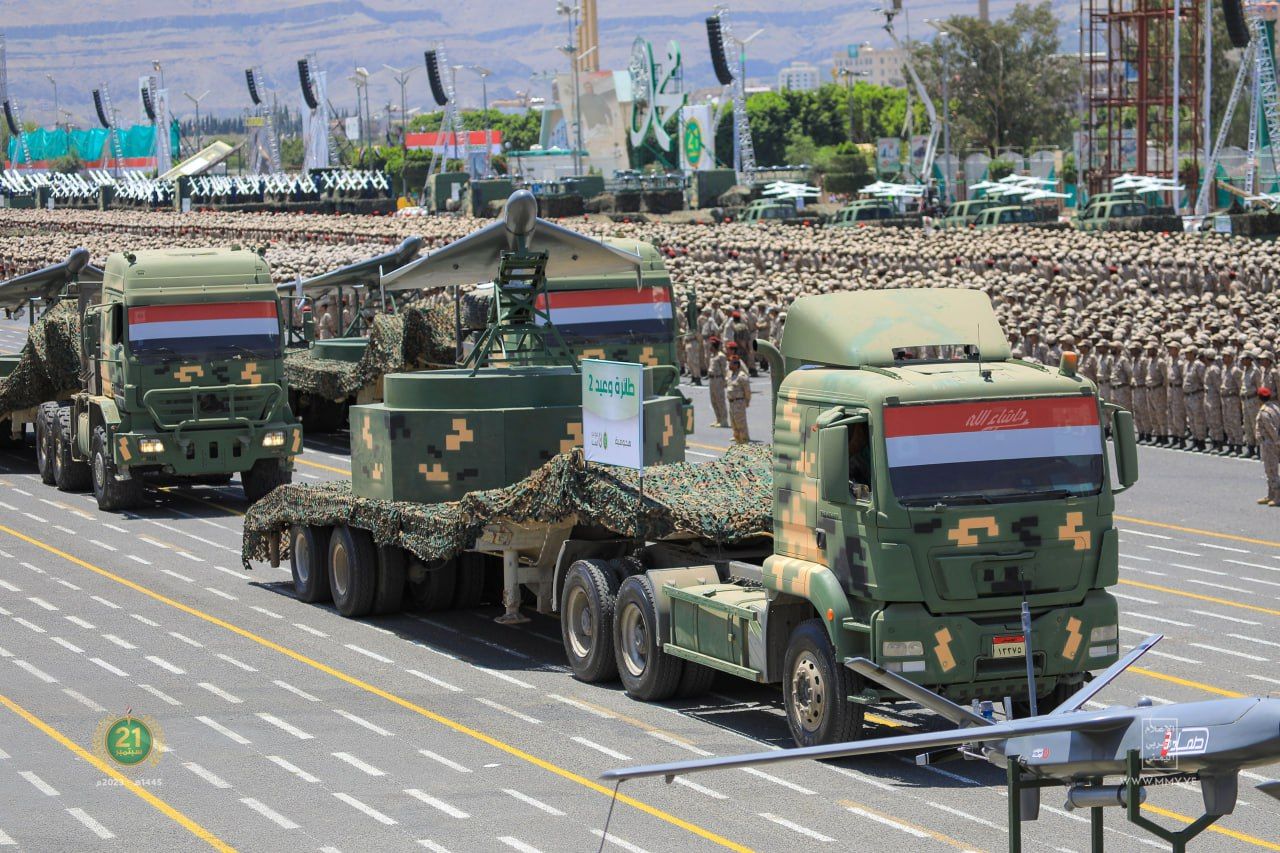
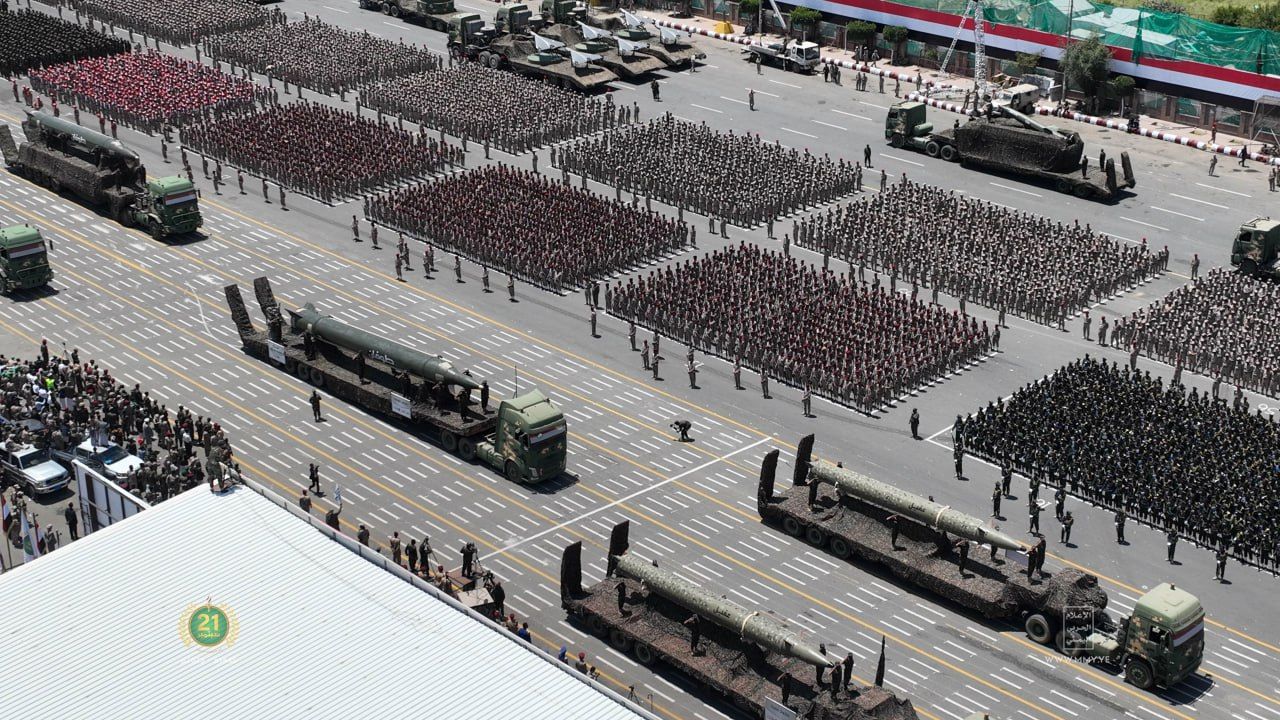
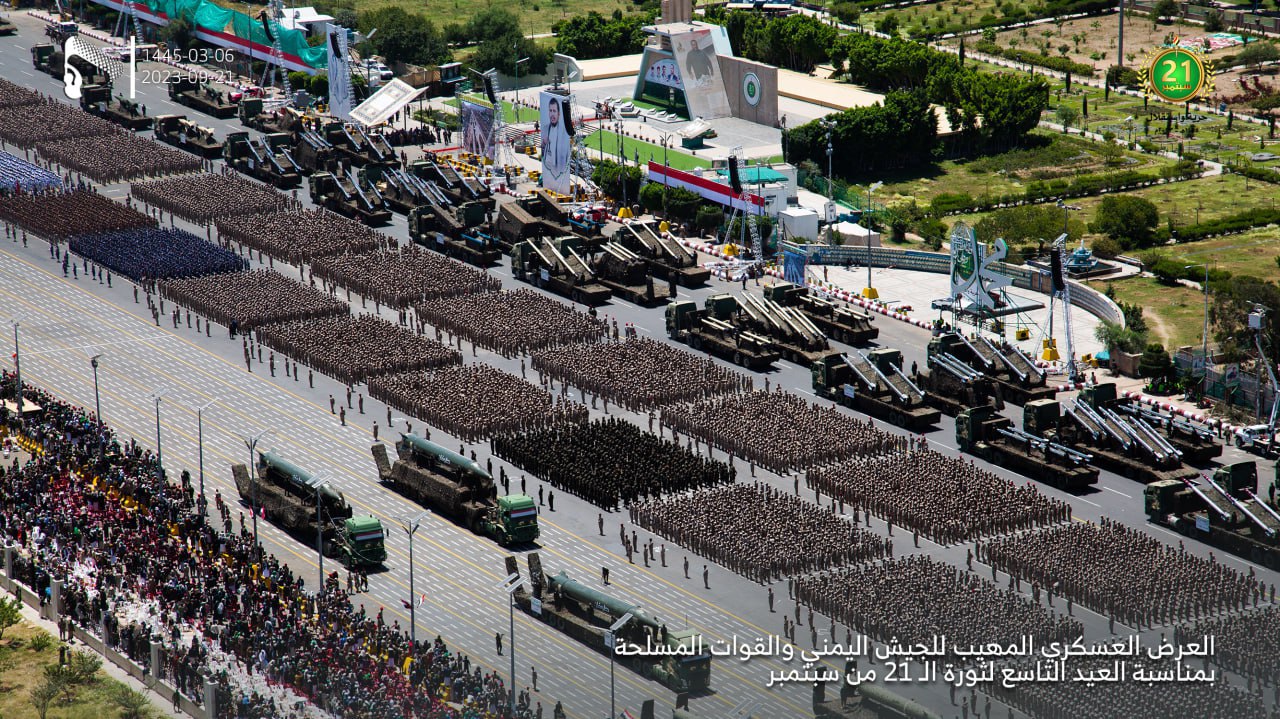
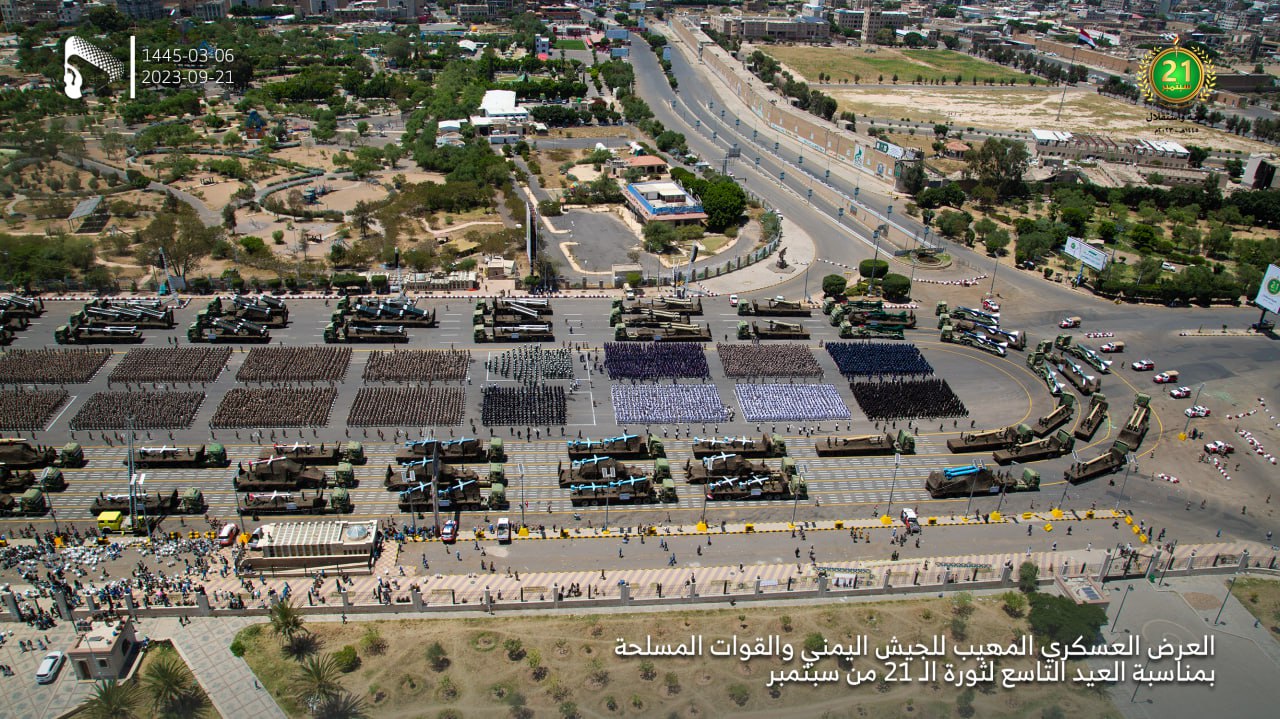
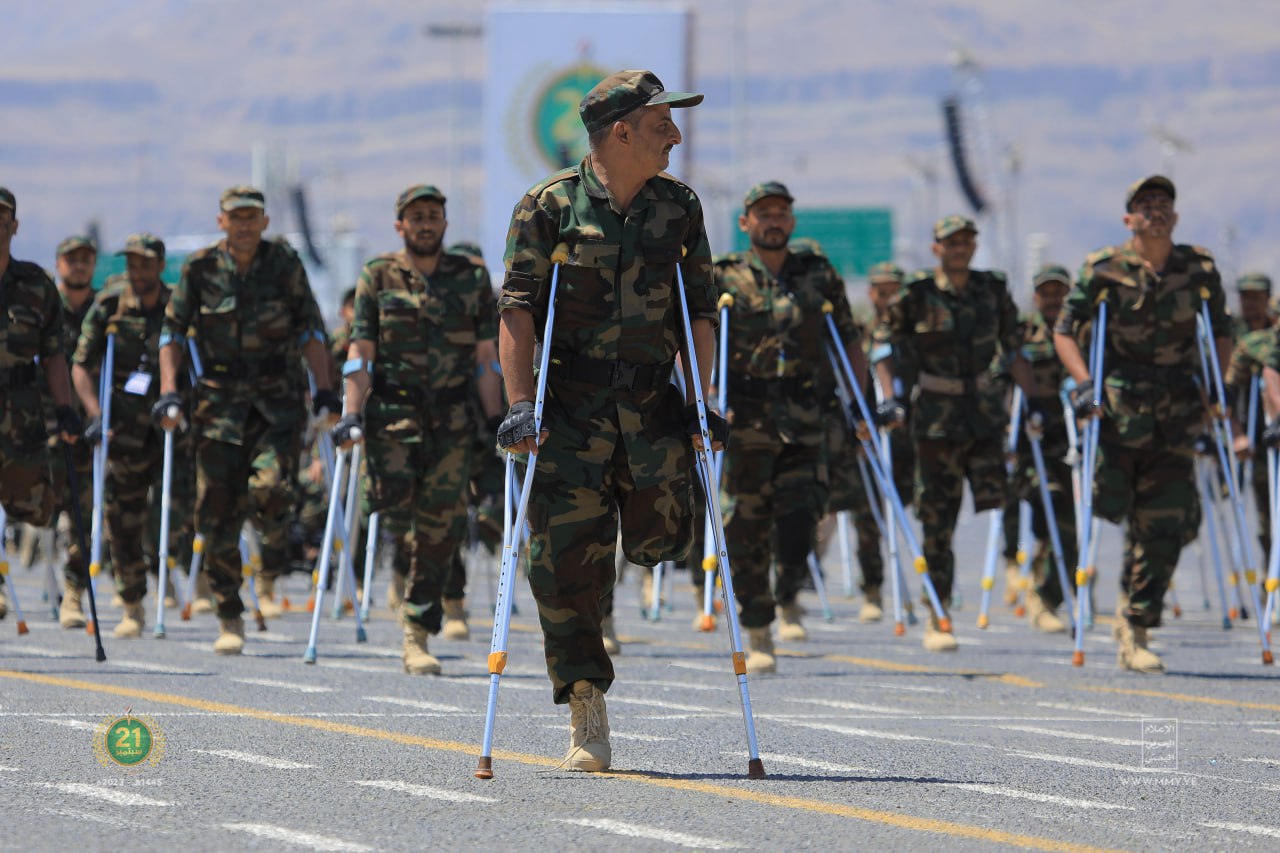
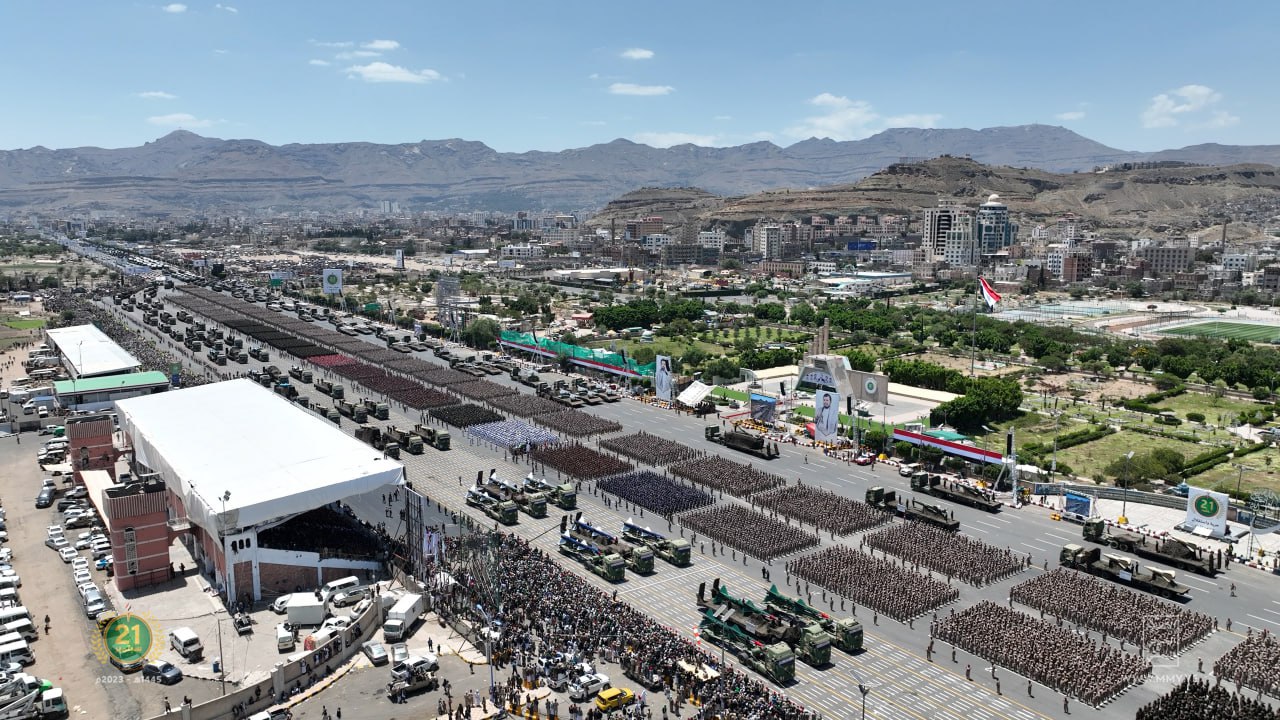
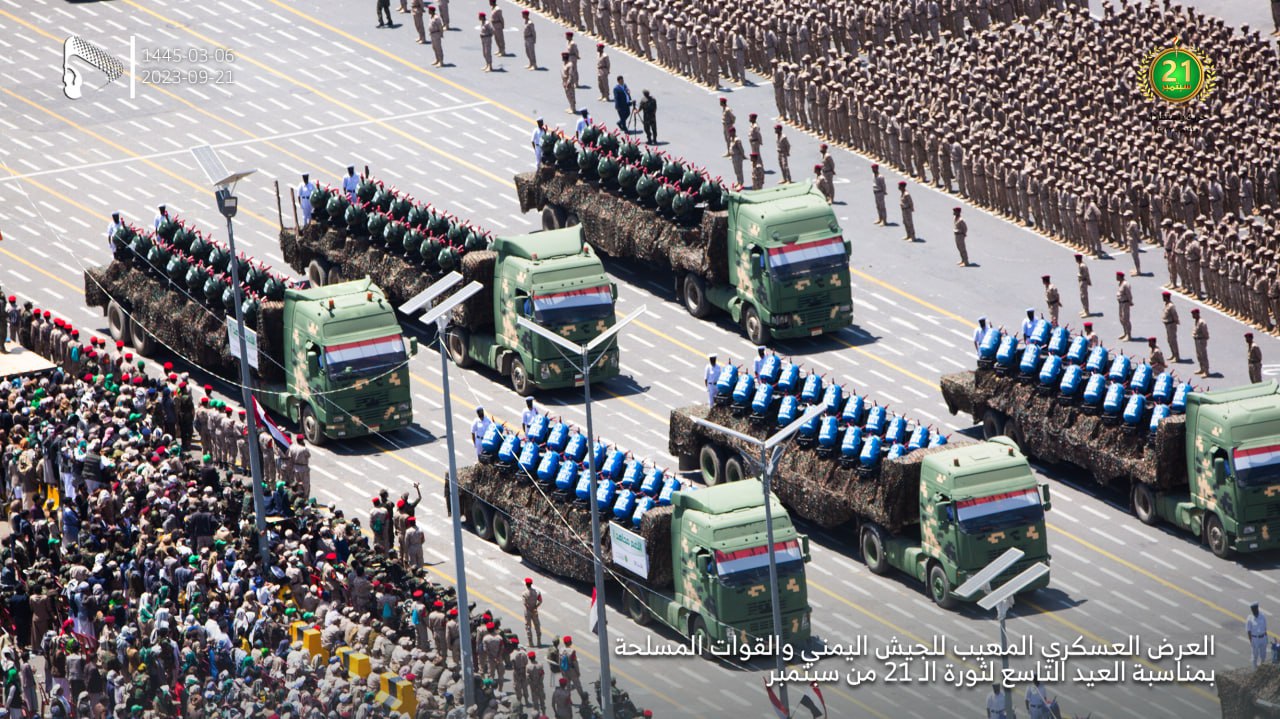
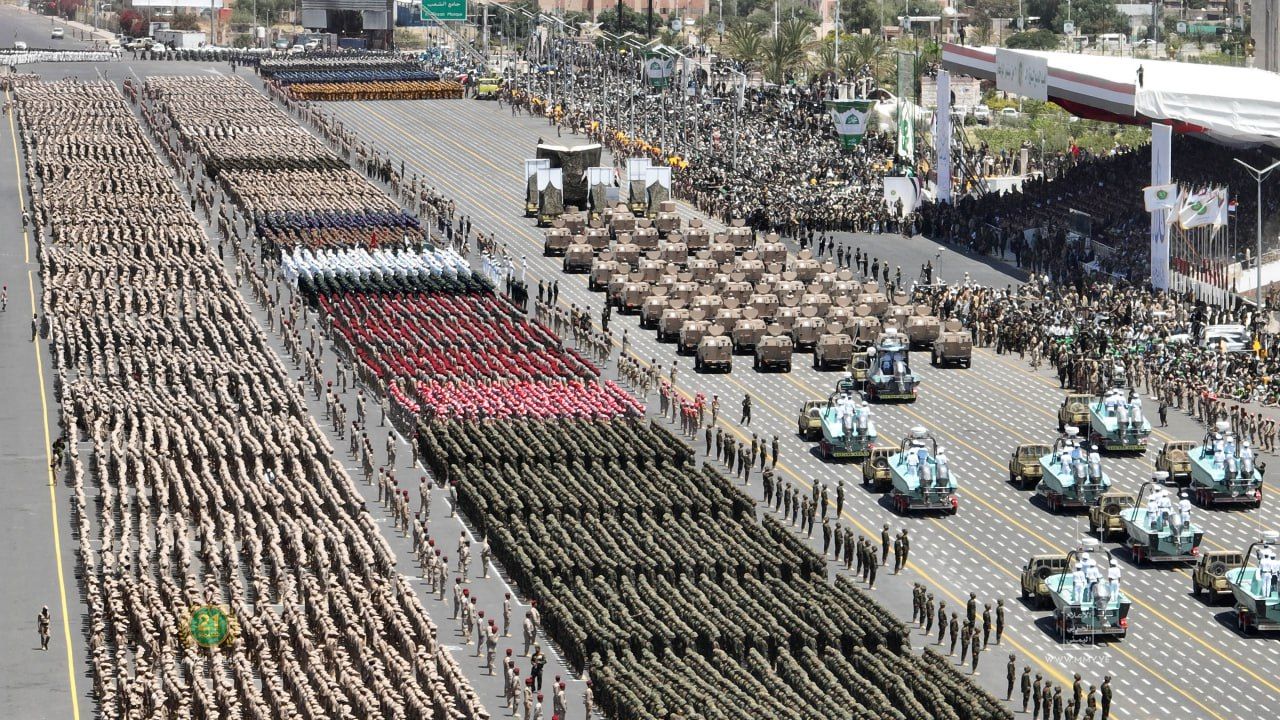
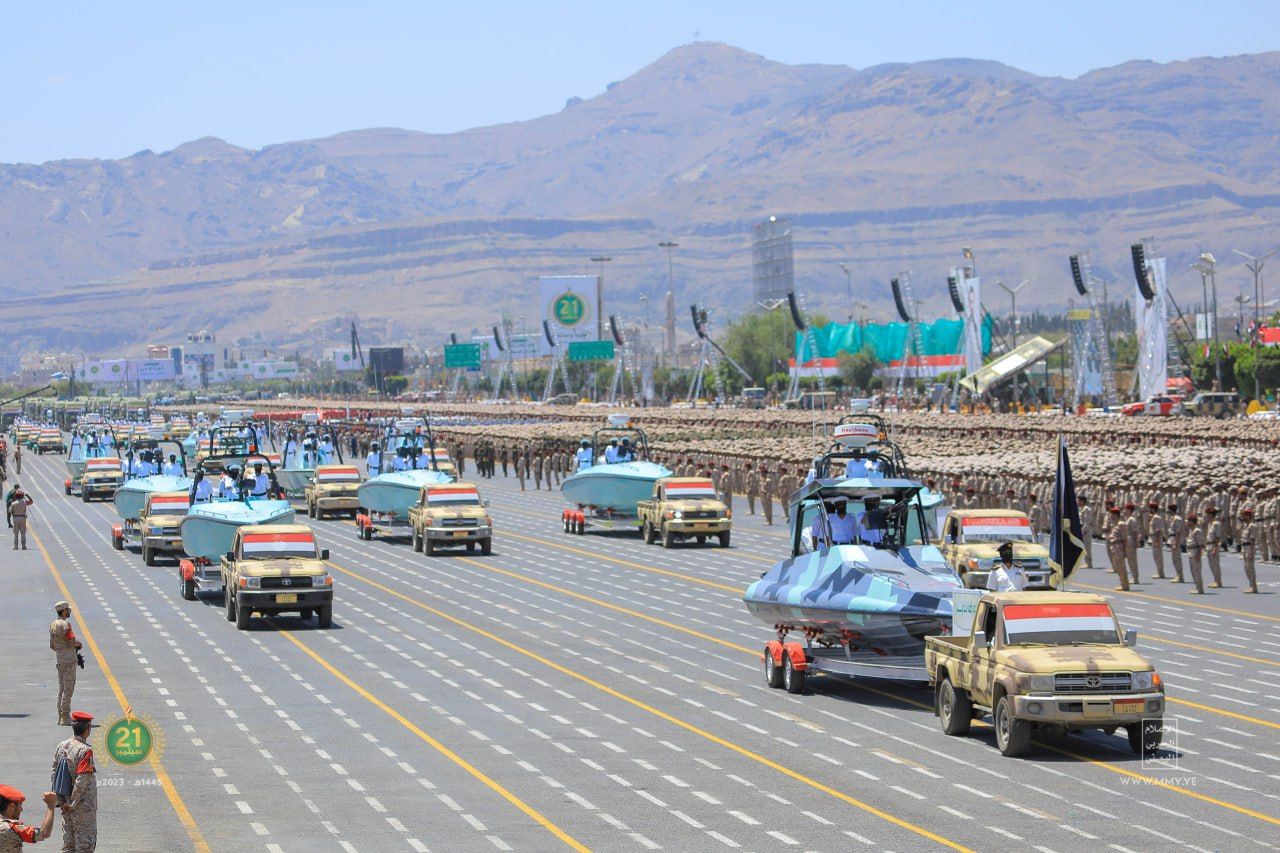
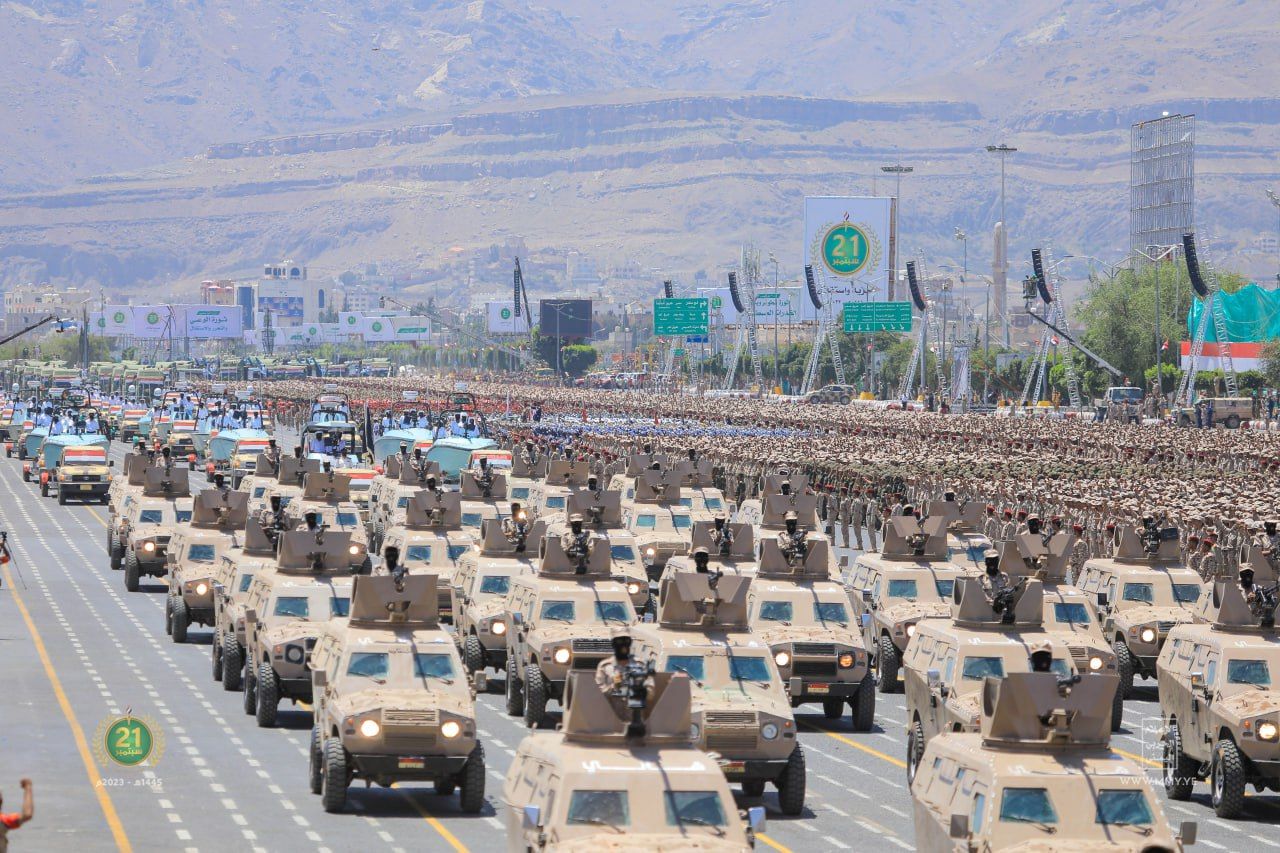
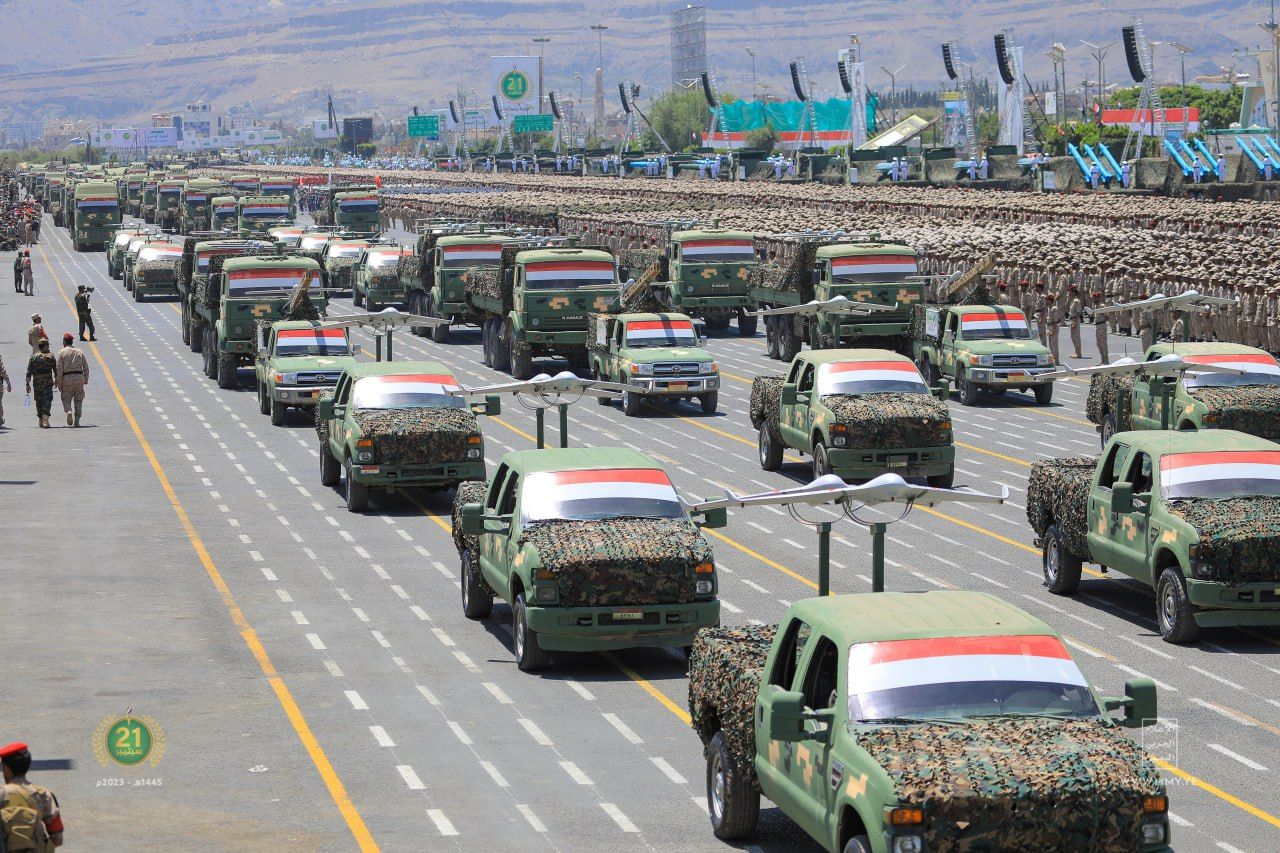
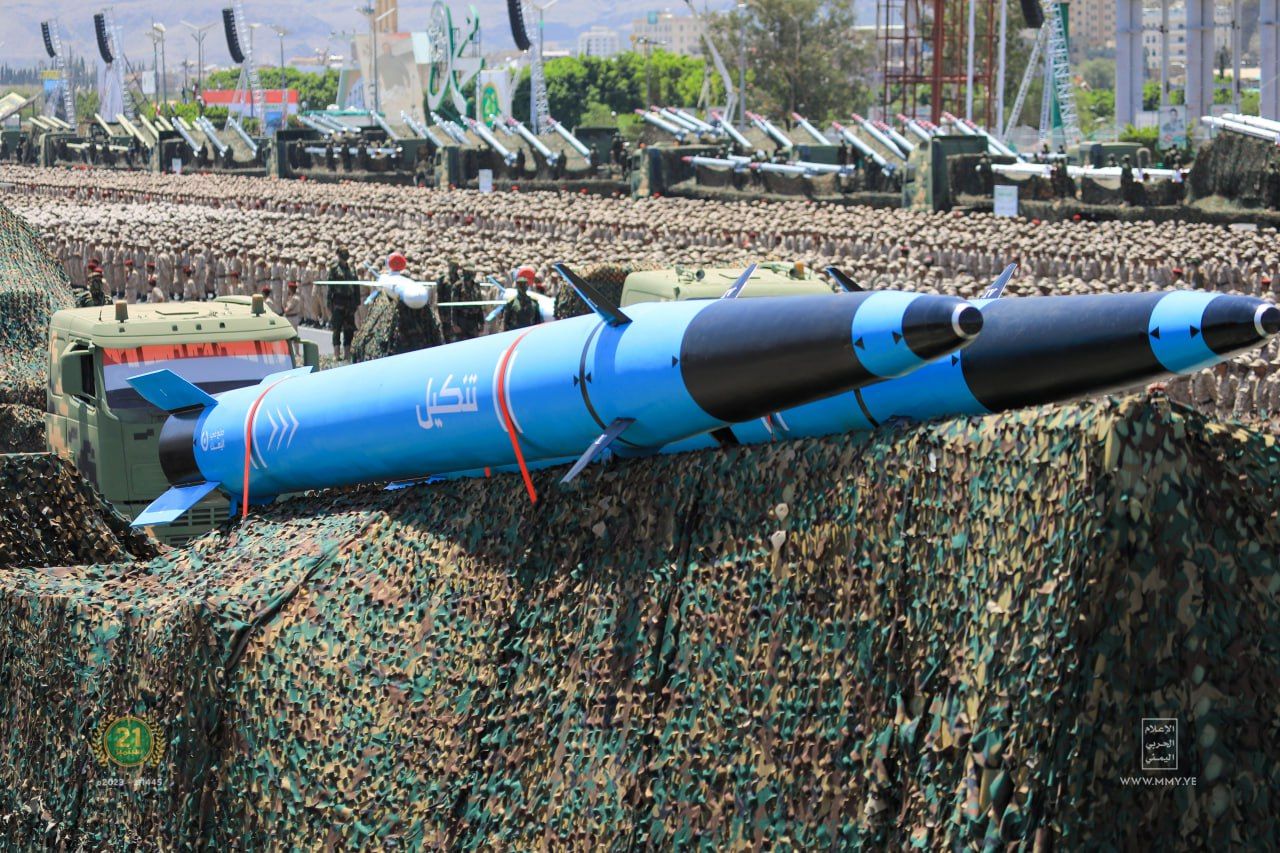
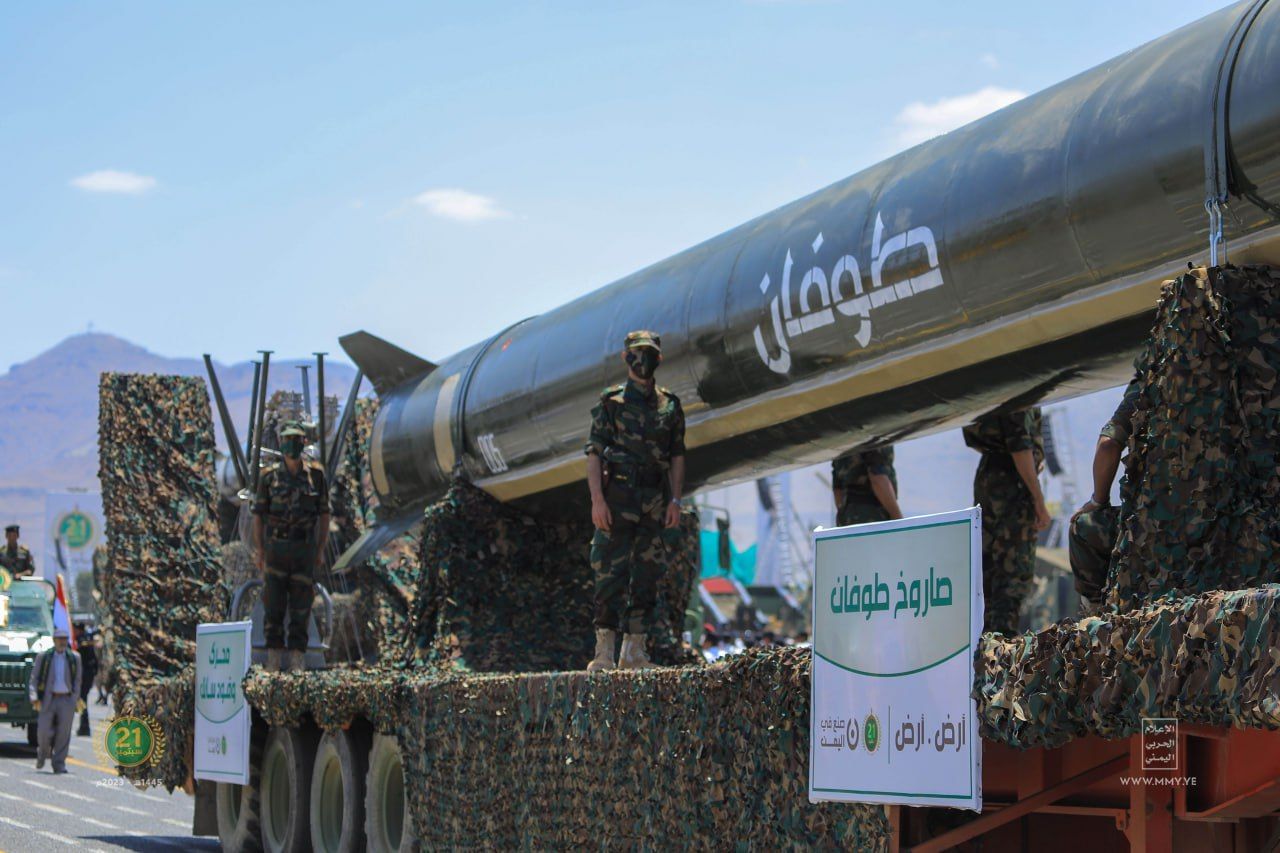
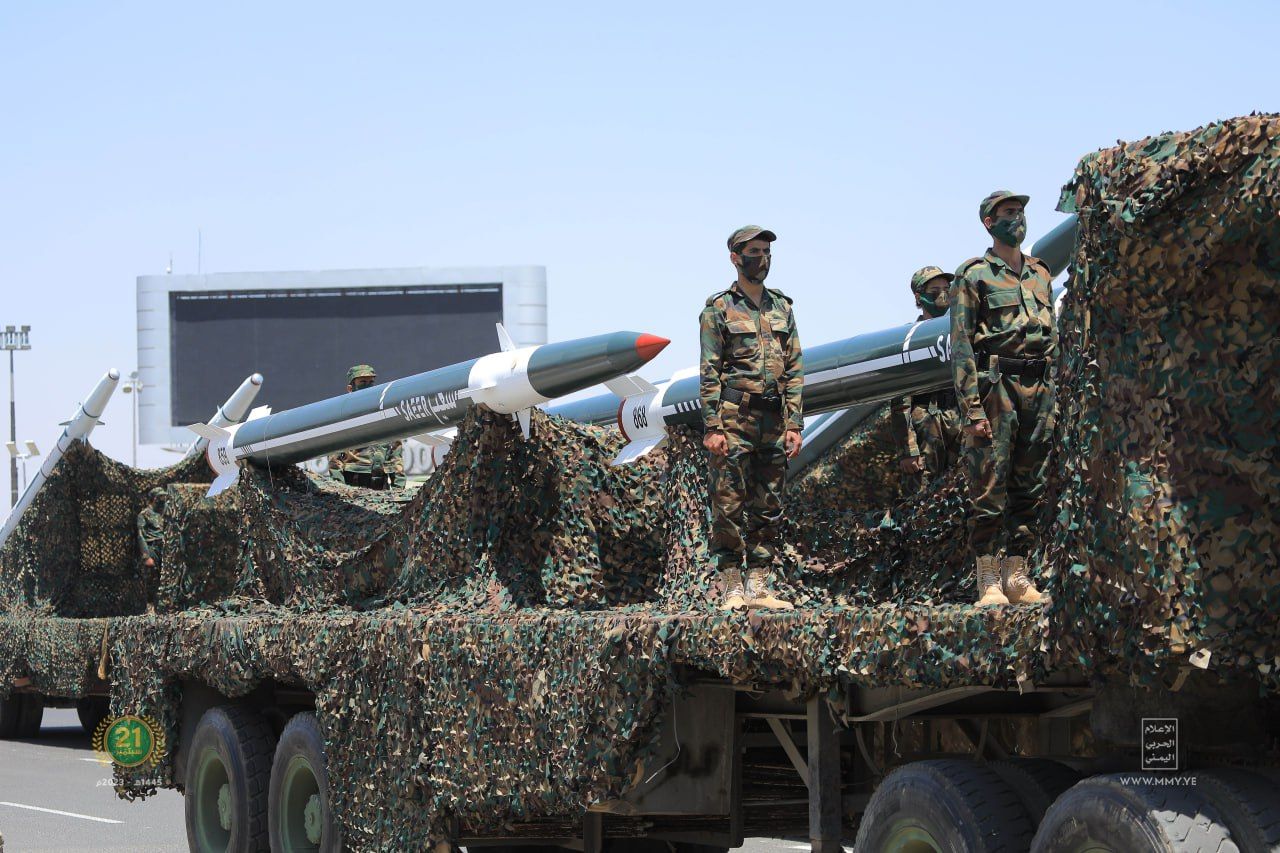
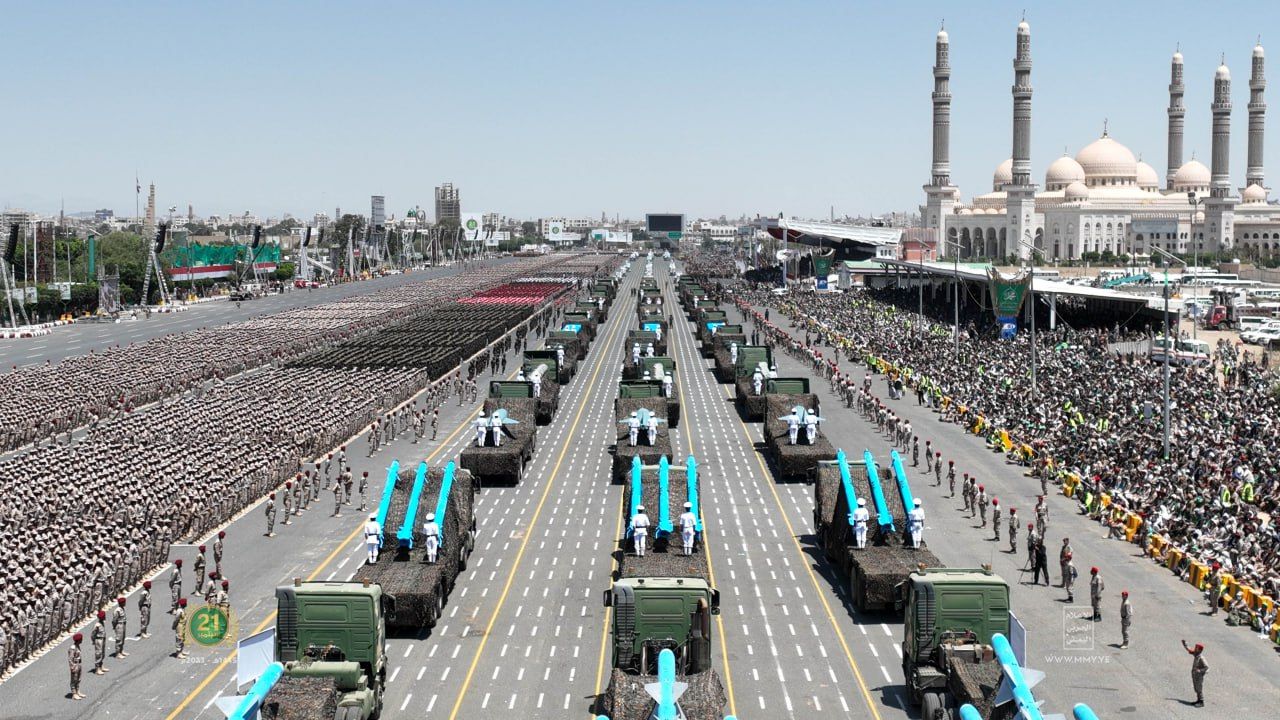
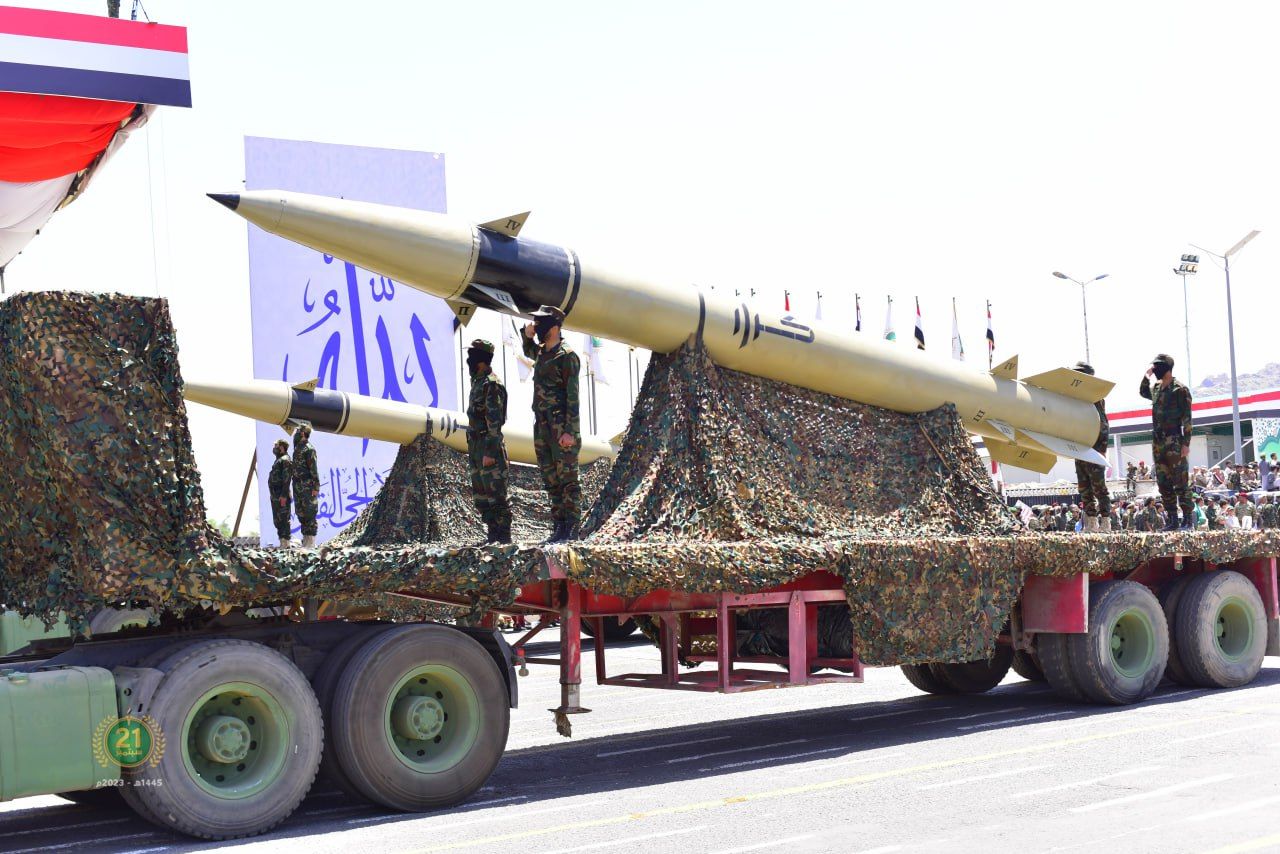
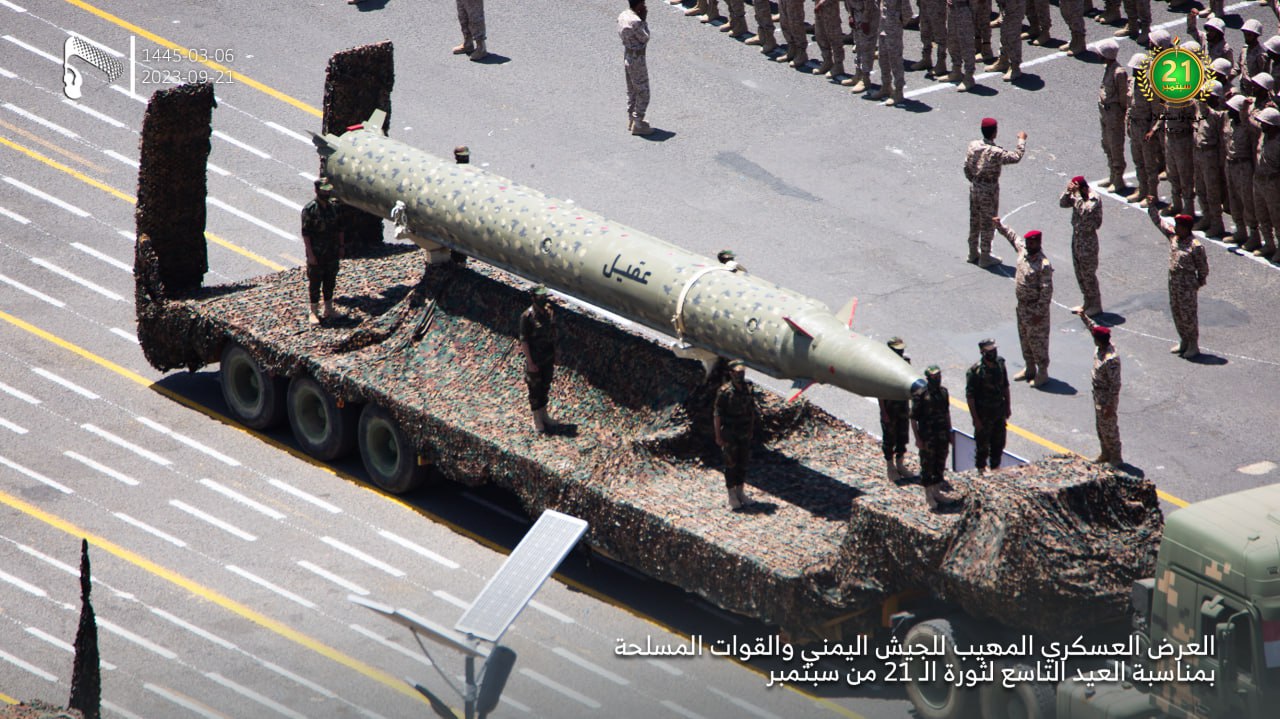
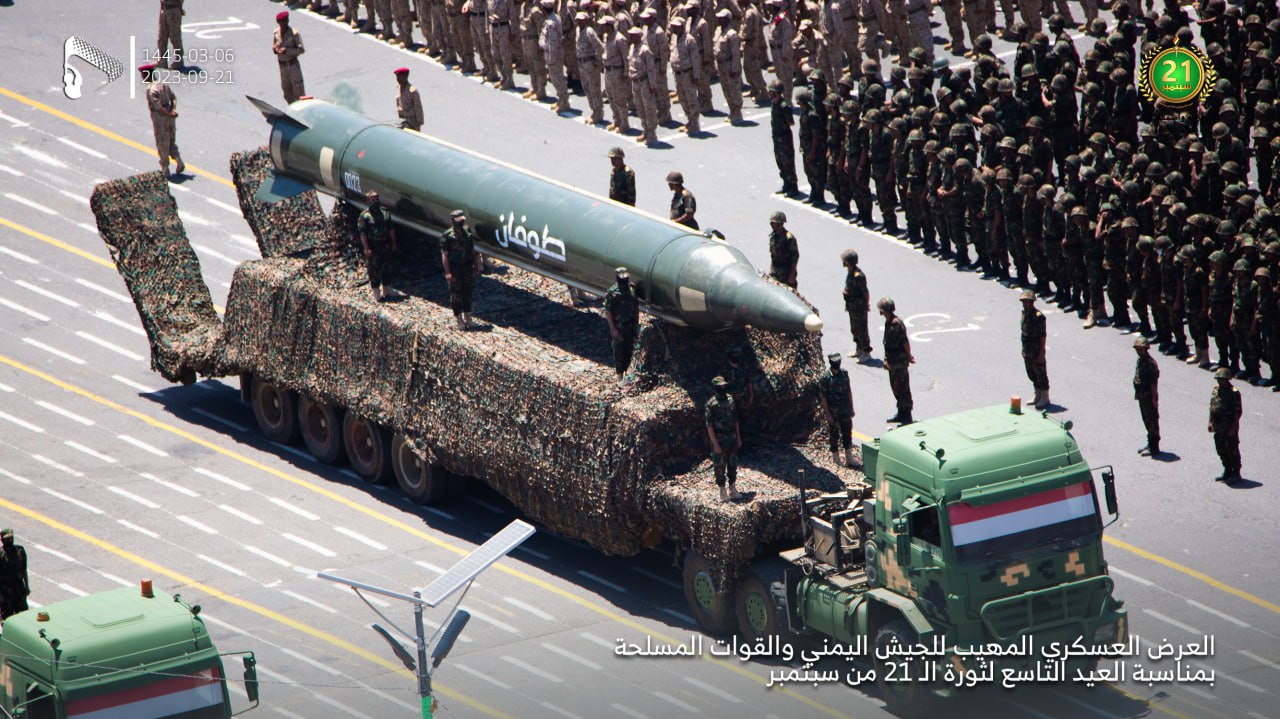
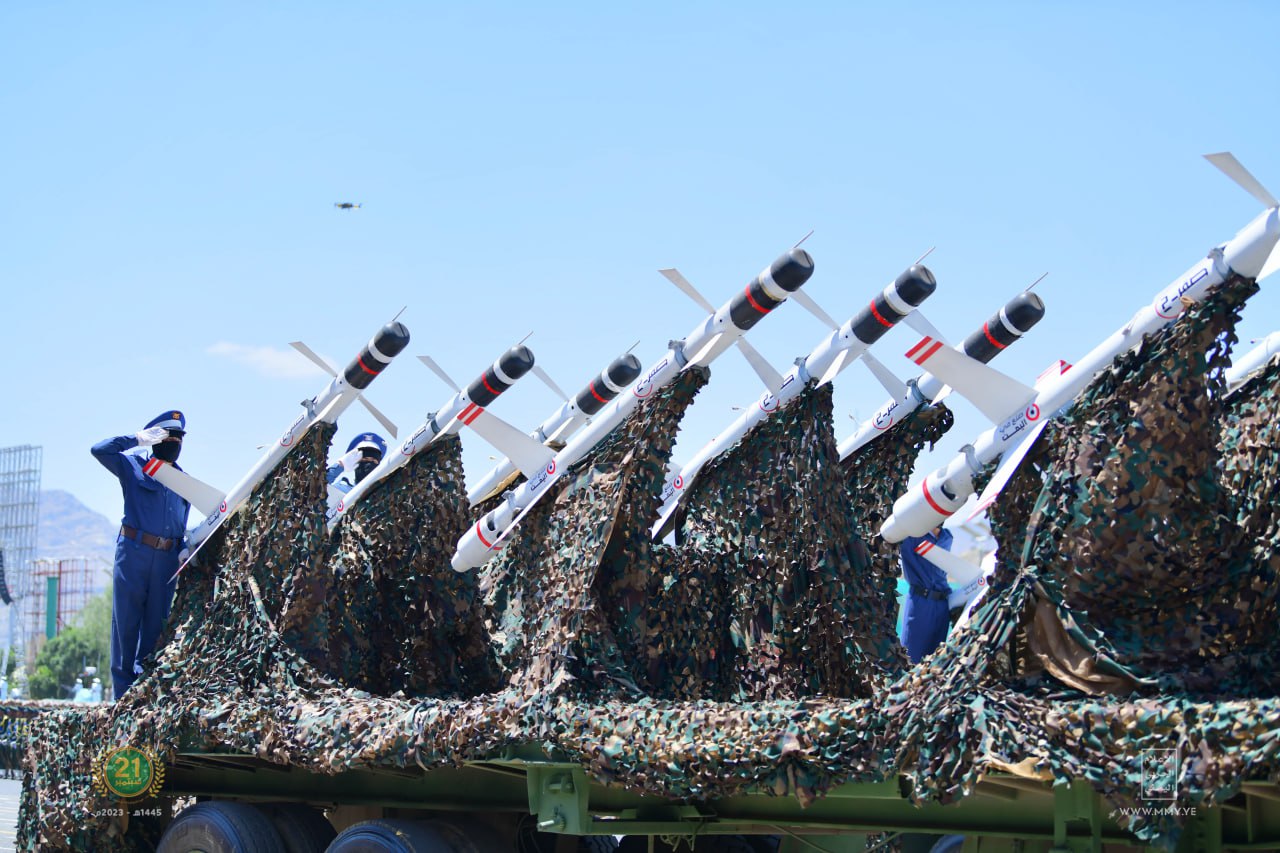
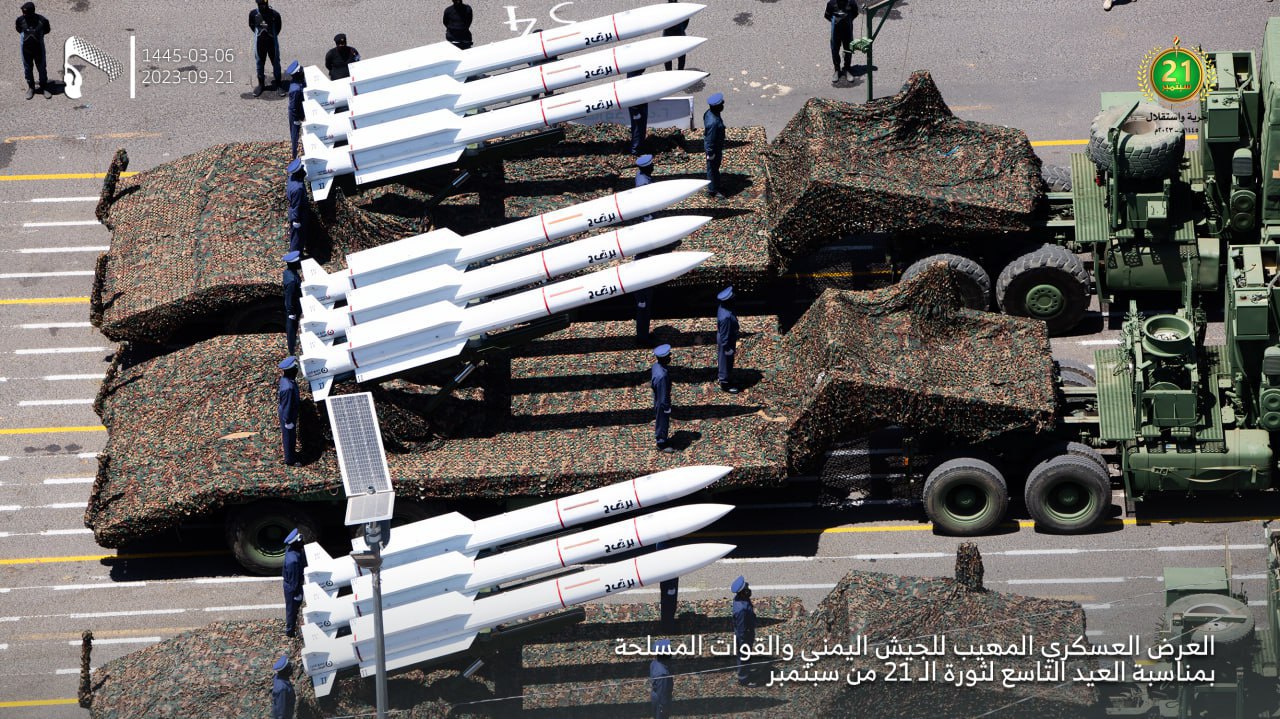
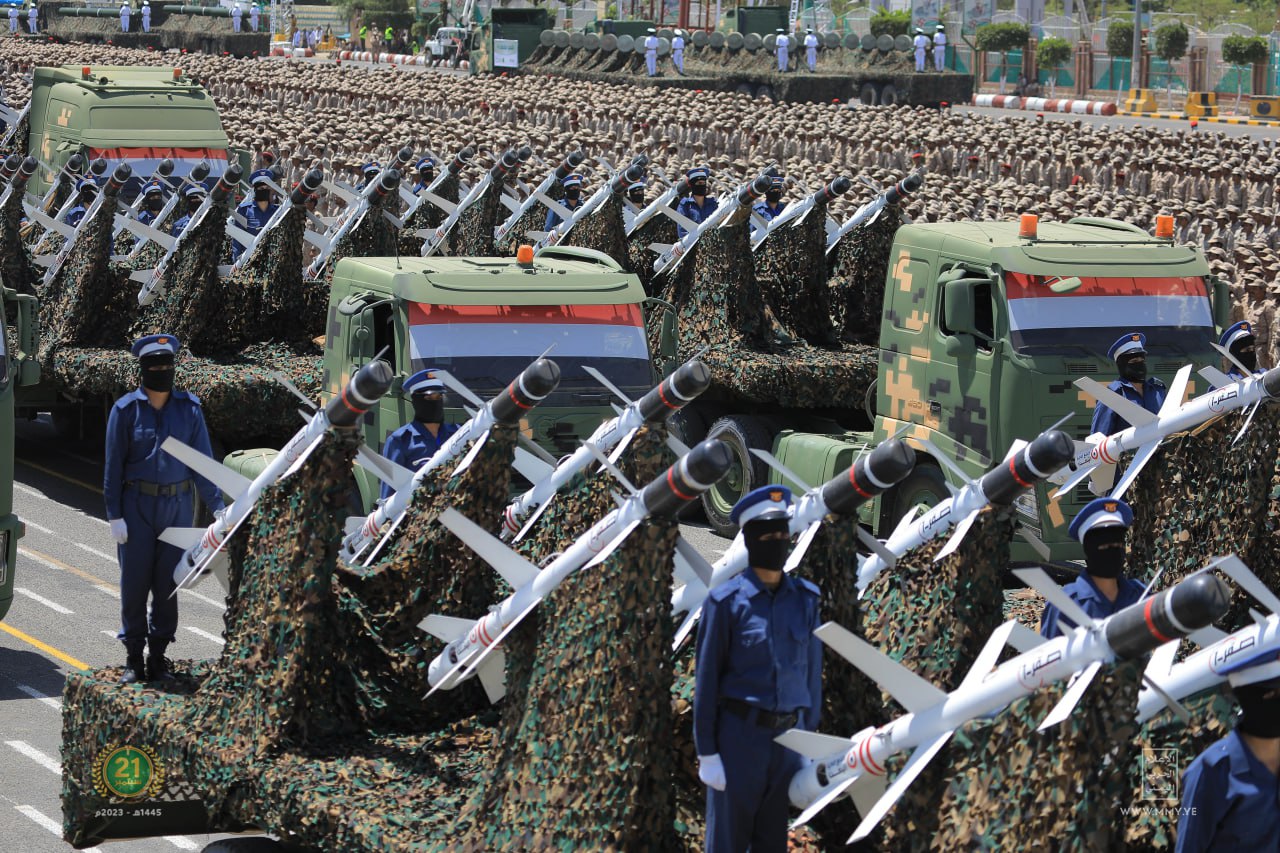
The military exercise began following the arrival of President of the Supreme Political Council of Yemen Mahdi al-Mashat into Al-Sabeen Square as well as the performance of revolutionary anthems and programs in honor of the Holy Quran. In addition to its previous weaponries and combat equipment, the Yemeni army unveiled new equipment such as Hani armored vehicles, Nadir boats, ground-to-sea Saeqa missiles, Sejjil cruise missiles with a range of 180 kilometers, Aqil ballistic missiles, Tufan ballistic missile system and various radars, and several new air defense missiles.
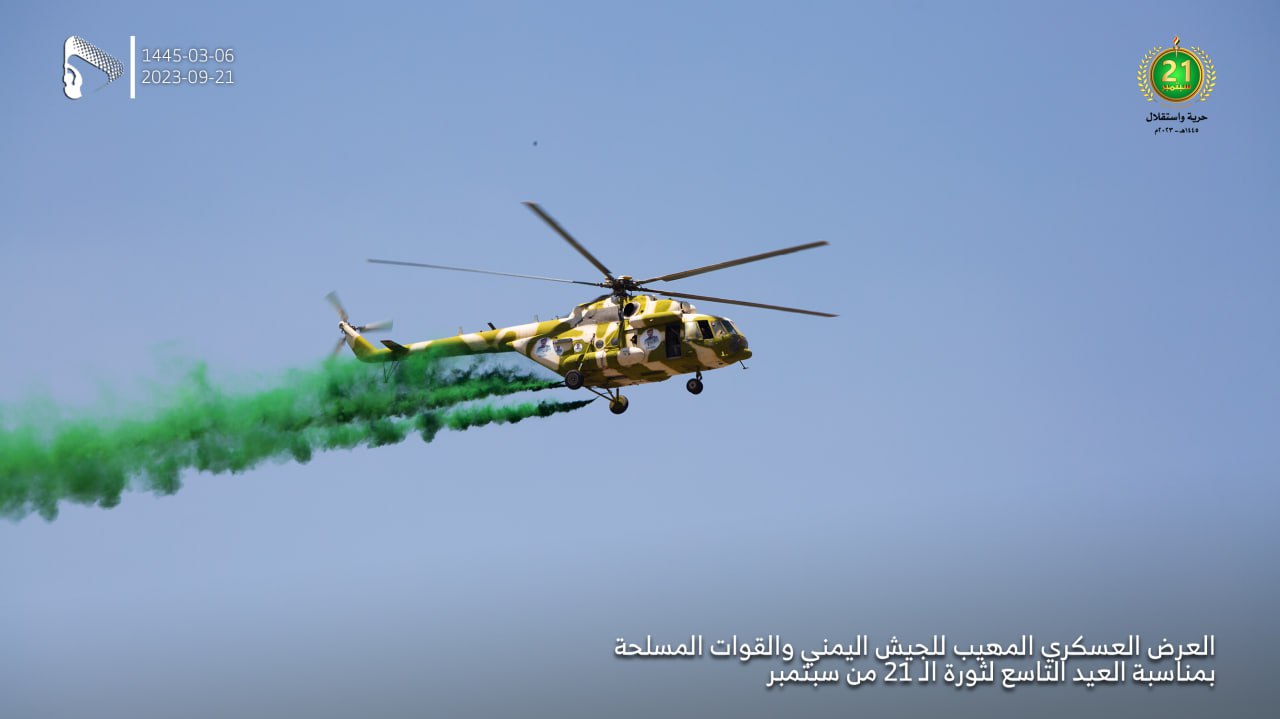
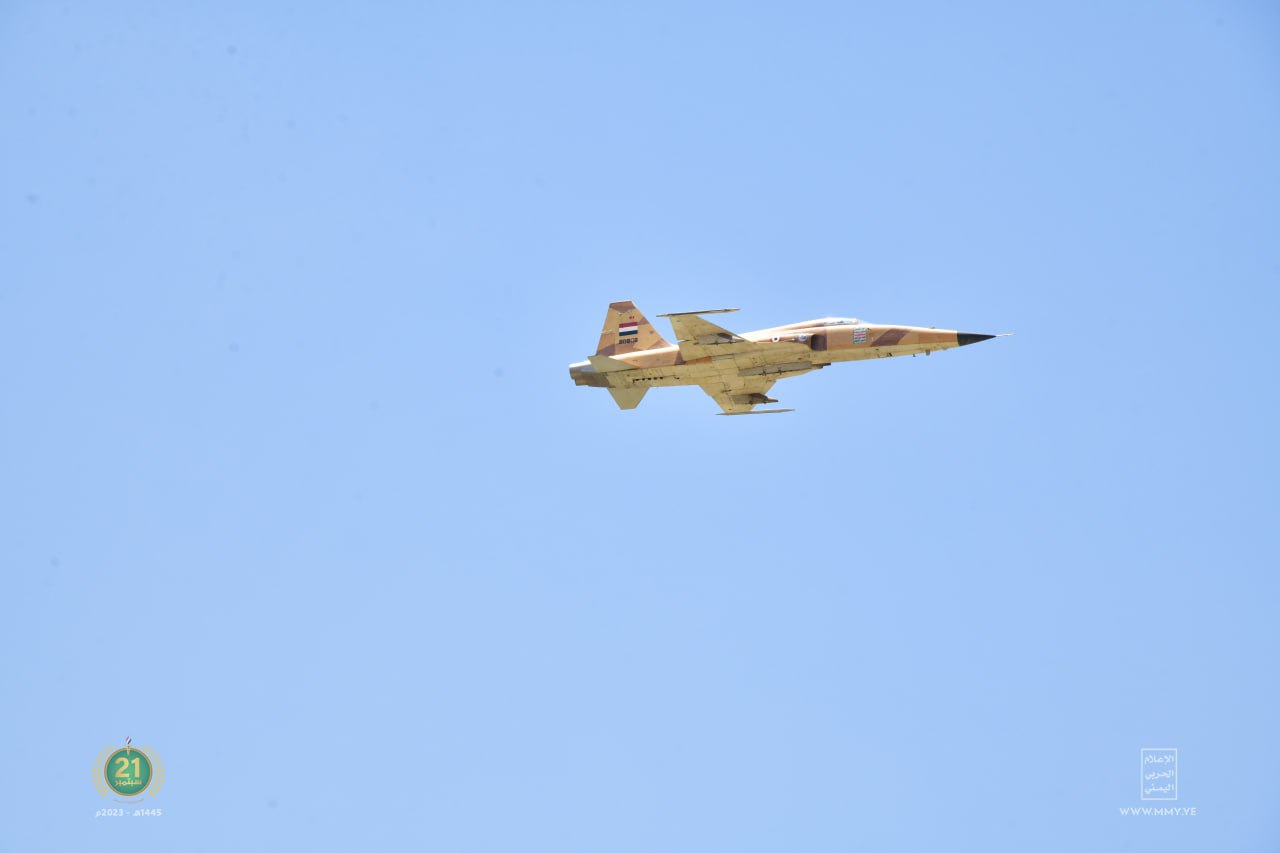
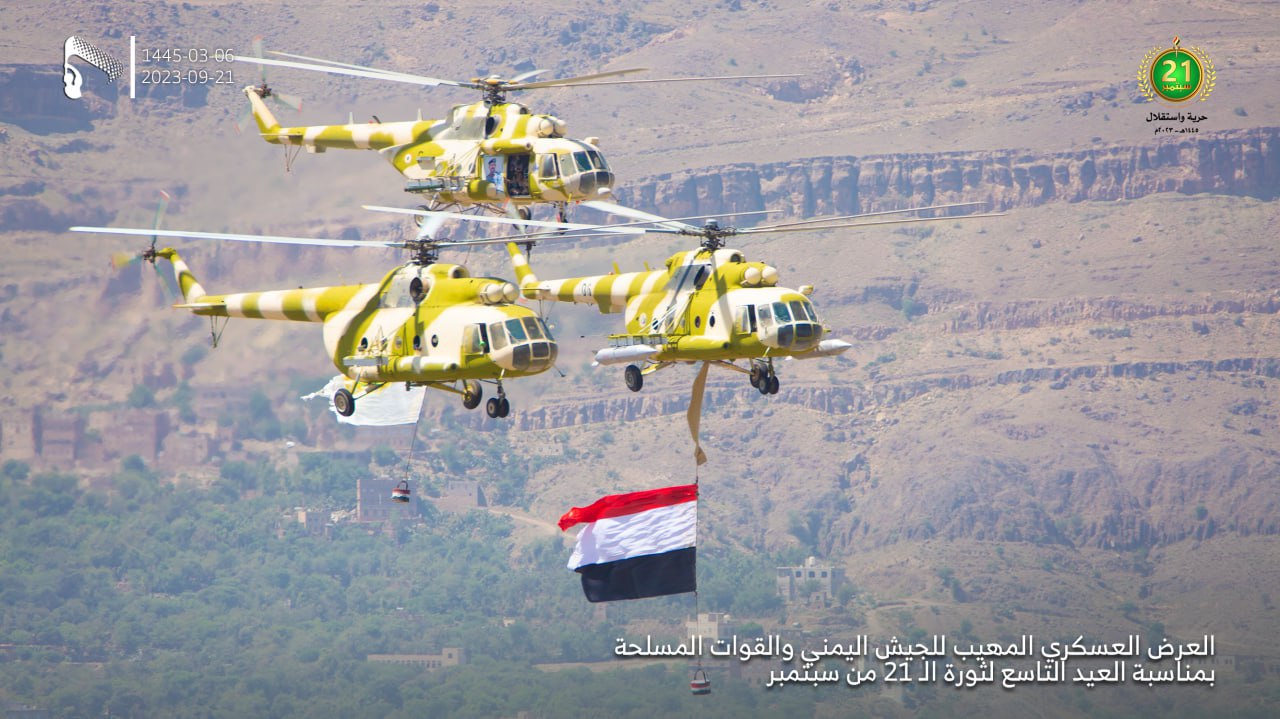
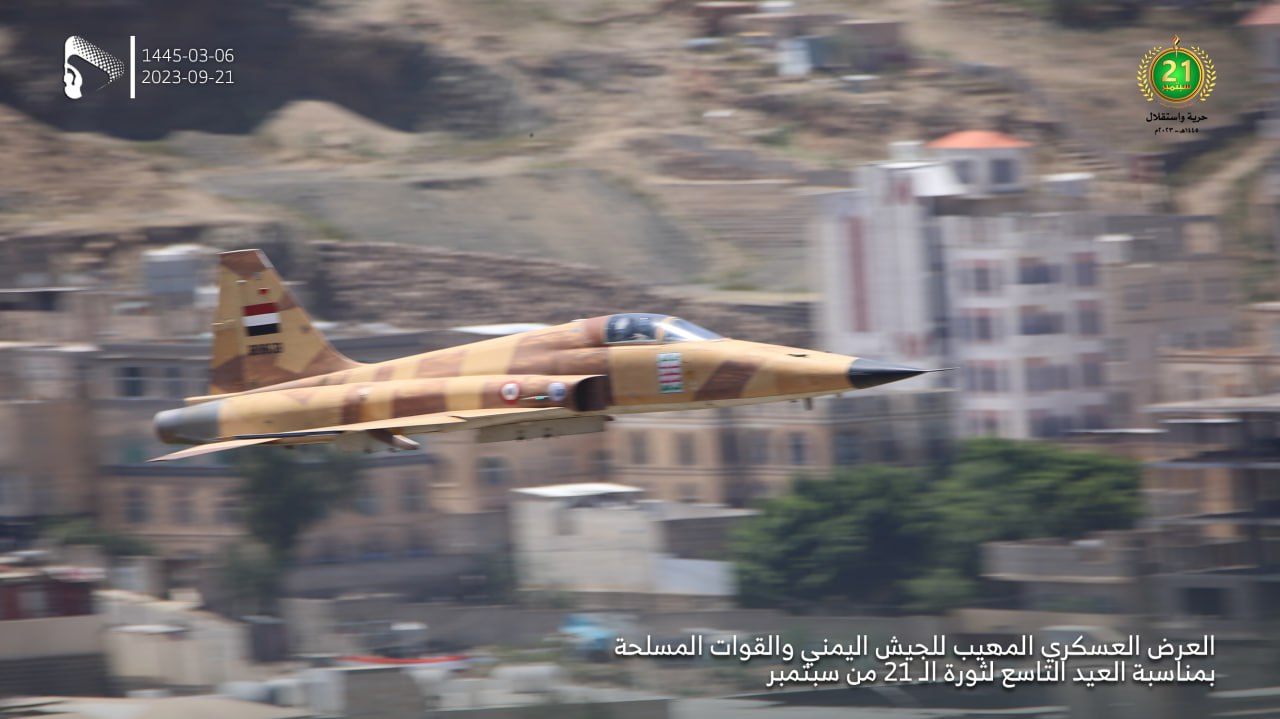
For the first time since the start of Saudi-led coalition war on Yemen, one of the F-5 fighters performed several maneuvers in this parade alongside Mi-17 helicopters of the Yemeni Air Force.
Images of four Mi-17 helicopters and one F-5 fighter jet in the Yemeni army paradeF-5 fighter maneuver in the September 21 parade in Sana’a city
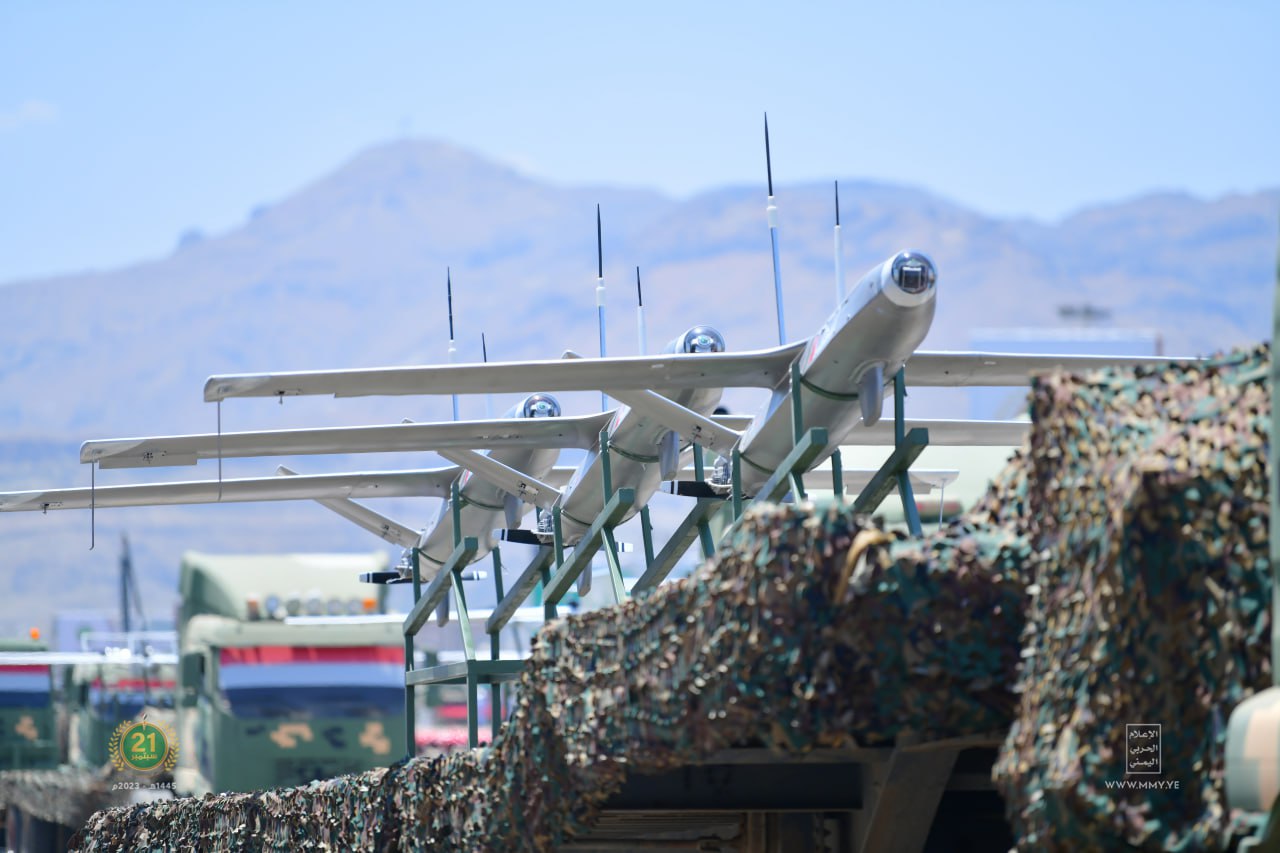
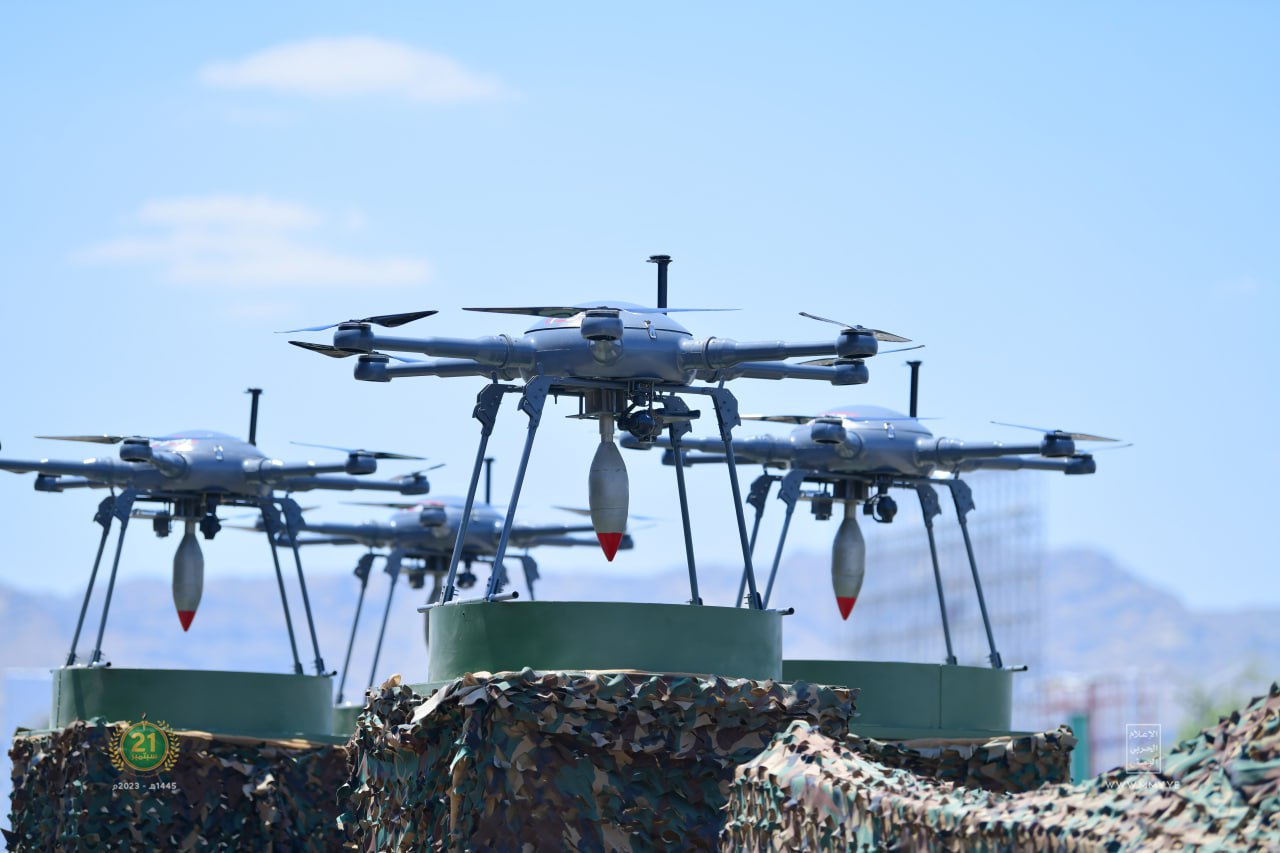
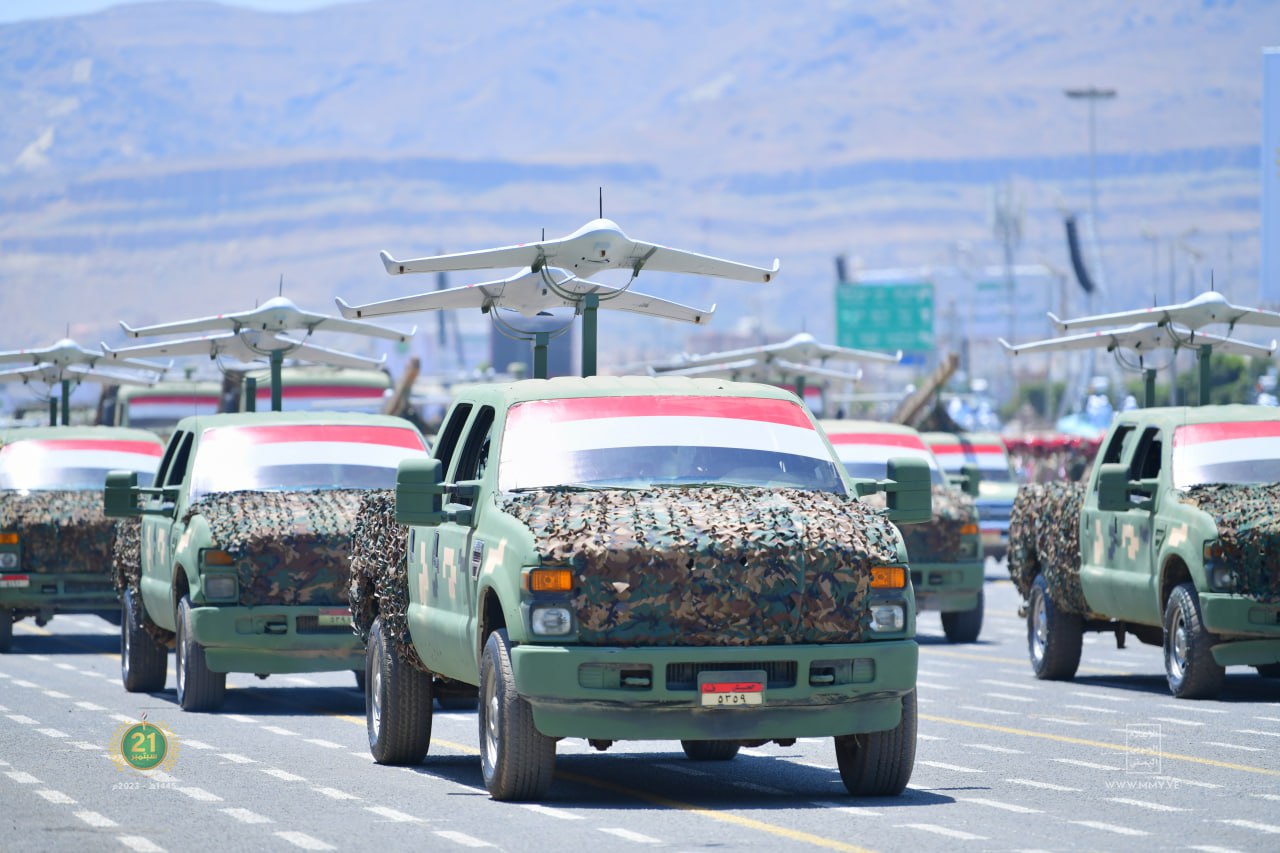
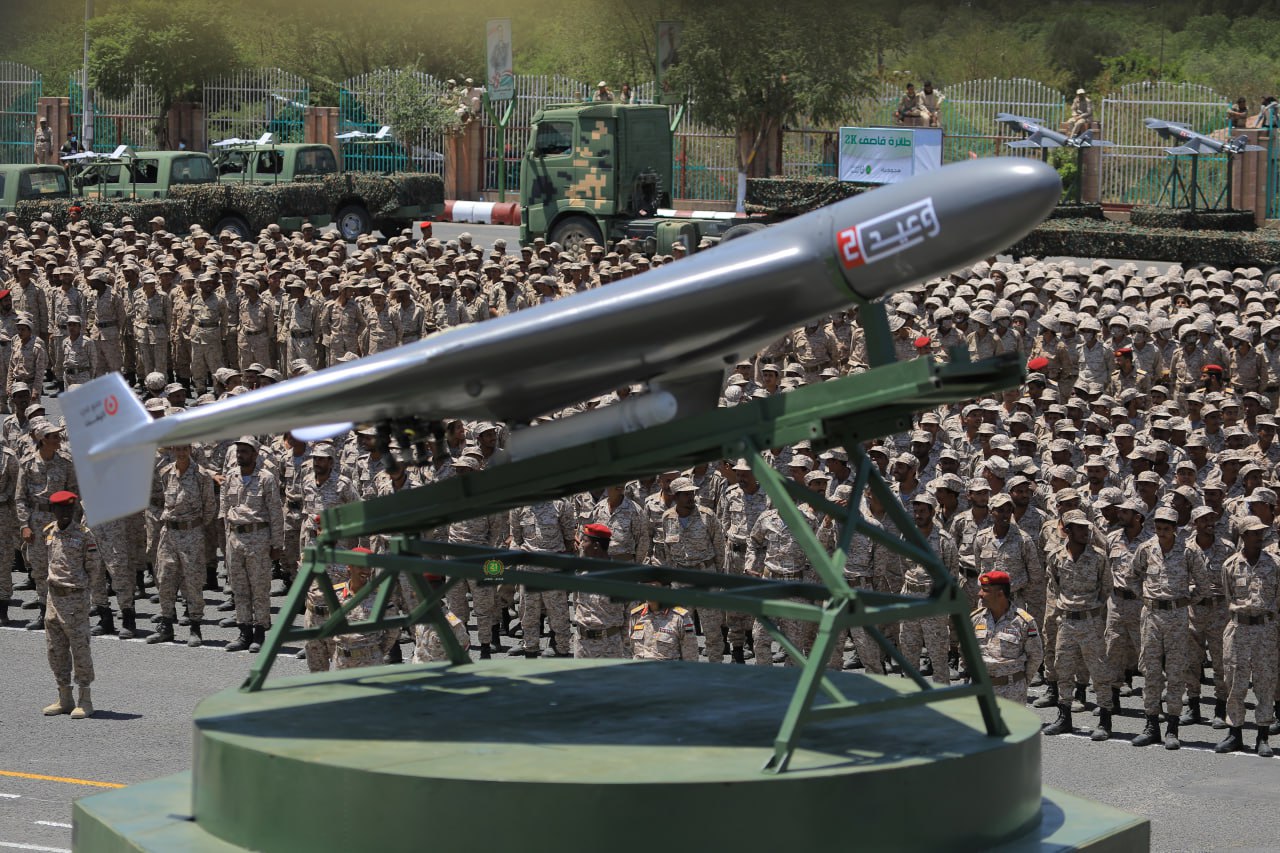
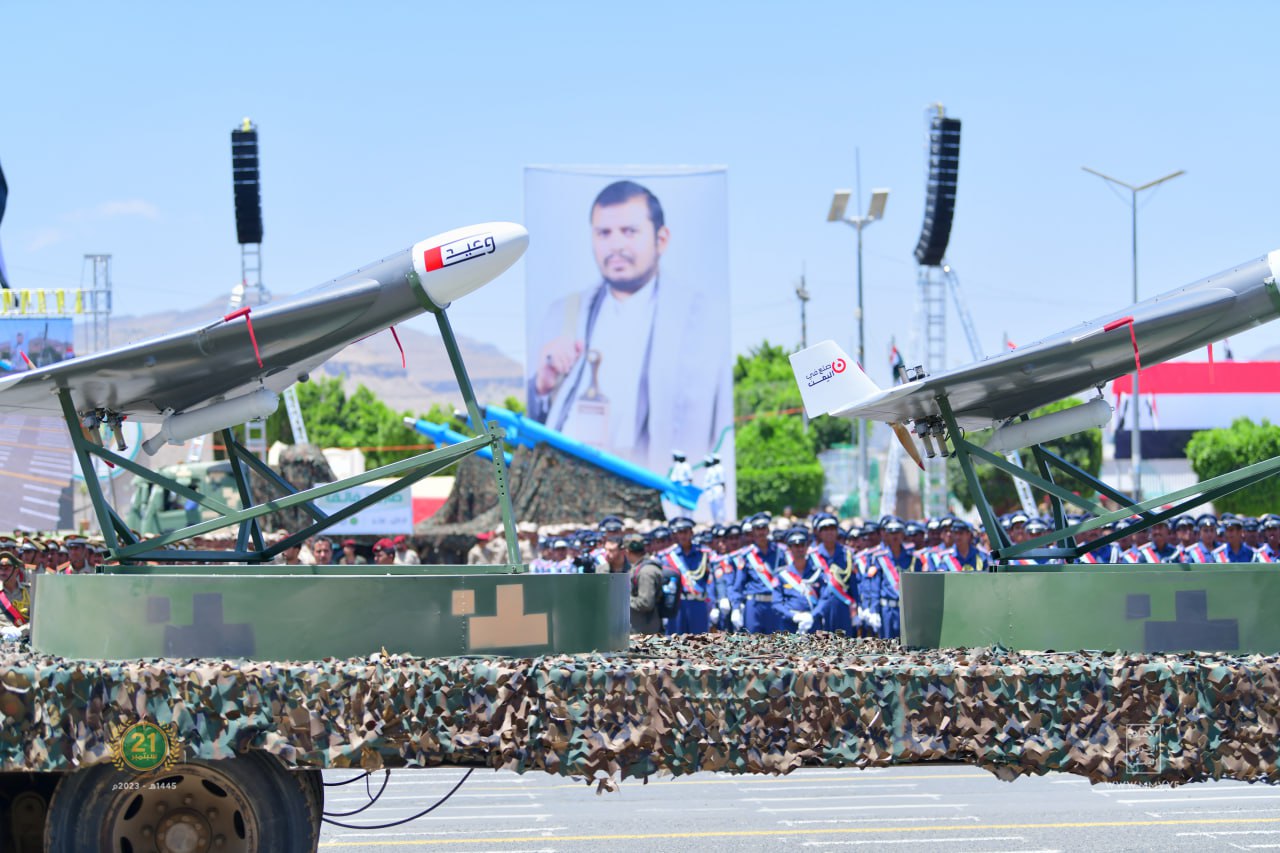
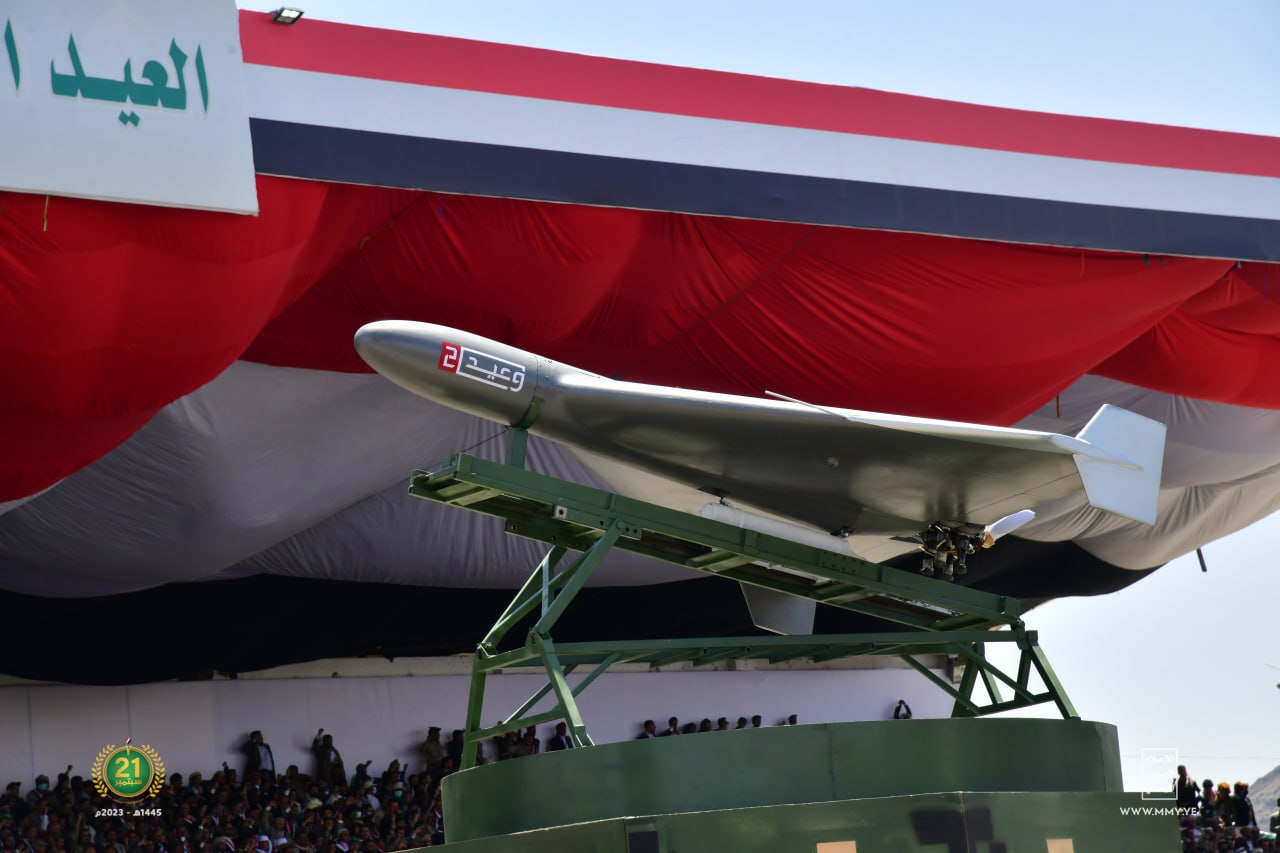
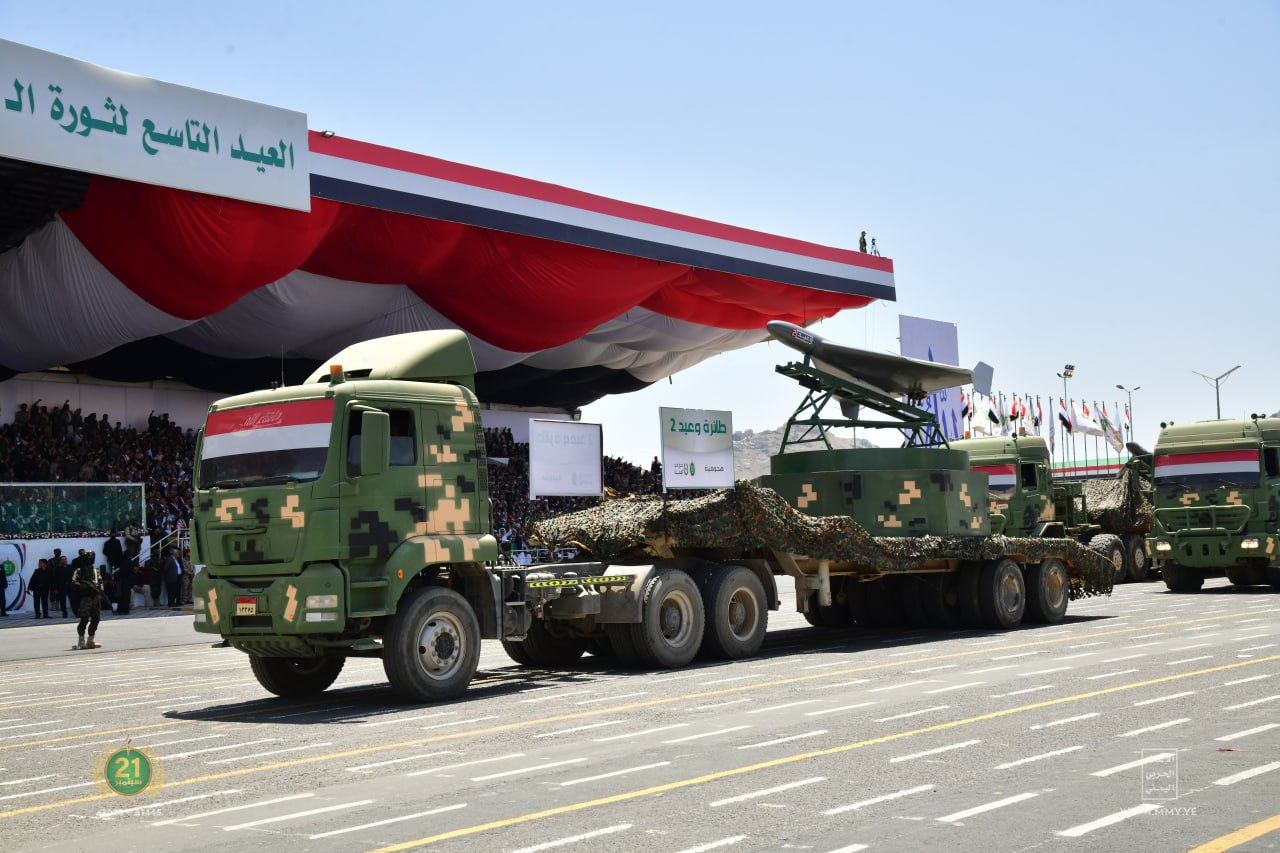
The extensive collections of missiles as well as reconnaissance and assault drones were another difference in this parade compared to past military maneuvers and parades. The Ansar Allah movement displayed drones such as Waeid 1 and 2 (Shahed 136), Mersad 2, Khatef, and Saqar 2 (known as 358) air defense missile, Qasem missile, Badr 4 and so on in large numbers during this parade.
The grand display of Yemen’s stunning army weapons in this parade once again showed that no military operation or invasion by the Saudi-led coalition or even the US-led coalition can bring the people of Yemen to their knees. The all-out air and sea blockade will not prevent this country’s military advances because Iran and the Axis of Resistance are supporting the Yemeni people.
The people of Yemen were outraged by resigned president Abd Rab Mansour Hadi’s betrayal and his government’s collusion with certain Arab countries, especially Saudi Arabia, in 2014. The Yemeni people held extensive rallies against him in various cities of Yemen. With Ansar Allah’s entry into Sana’a city on September 21, 2014, Hadi resigned from the presidency of Yemen and his government agents were dismissed by the Yemeni parliament. After these developments and Ansar Allah’s success in taking control of the Yemeni government, Saudi Arabia and the United Arab Emirates (UAE) formed a coalition against the people of Yemen and Ansar Allah in support of Mansour Hadi; so, his allies attacked all over Yemen.
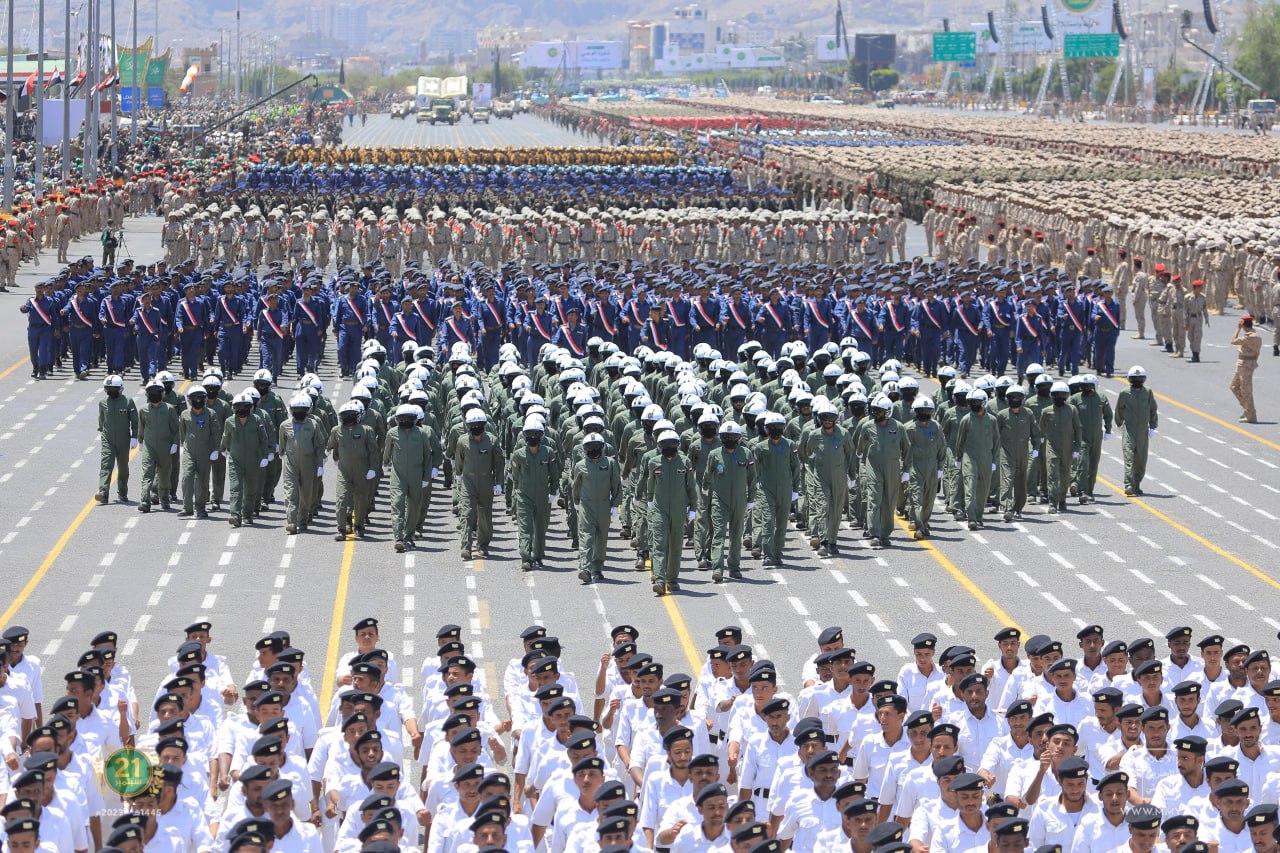
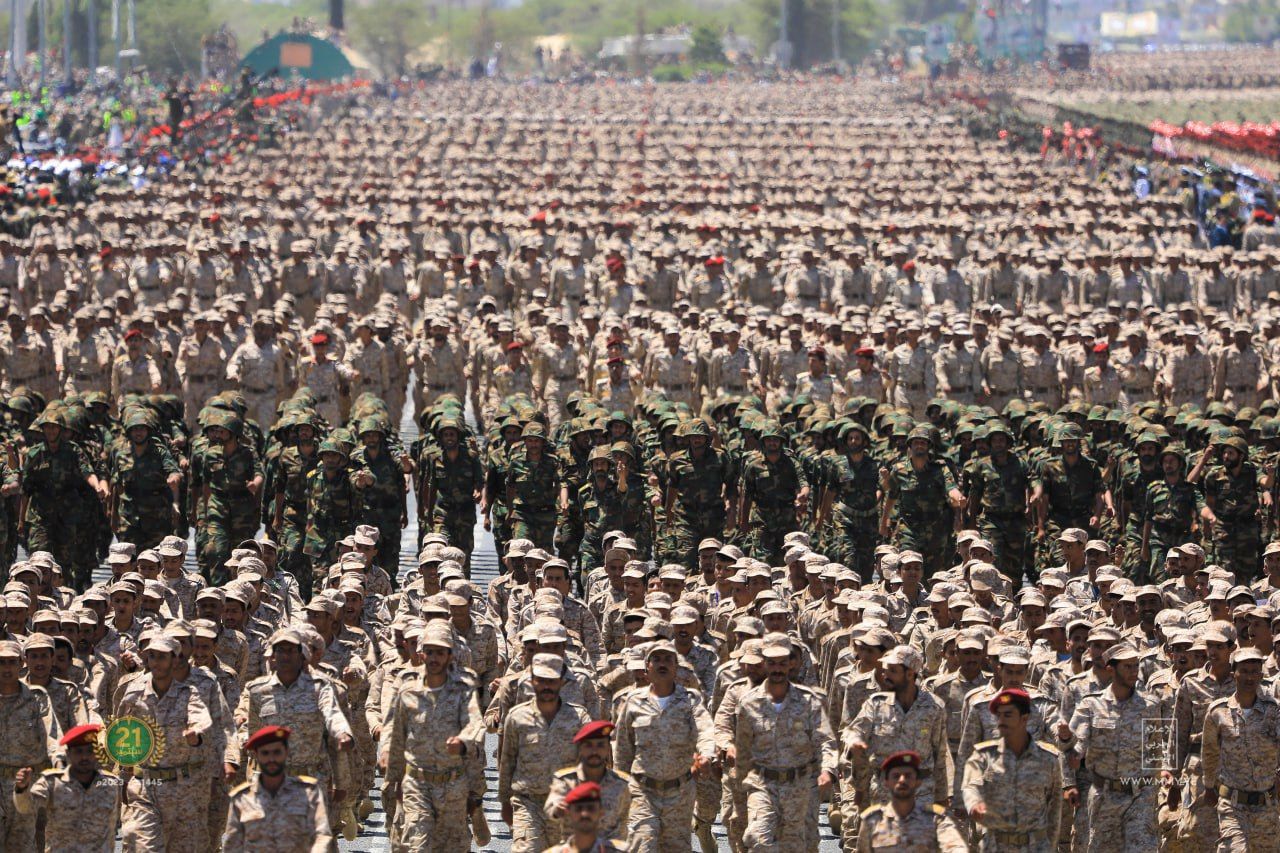
Images of the Yemeni army’s grand parade in Sana’a on the occasion of the 9th anniversary of the September 21 People’s Revolution
One interesting point about this year’s parade was the large presence of Hani armored vehicles which are actually updated versions of Al-Shabal 2 light vehicles belonging to Saudi-led coalition that Ansar Allah had seized in various battles. According to released images from the parade, Yemen’s army has managed to update 54 units of these vehicles.
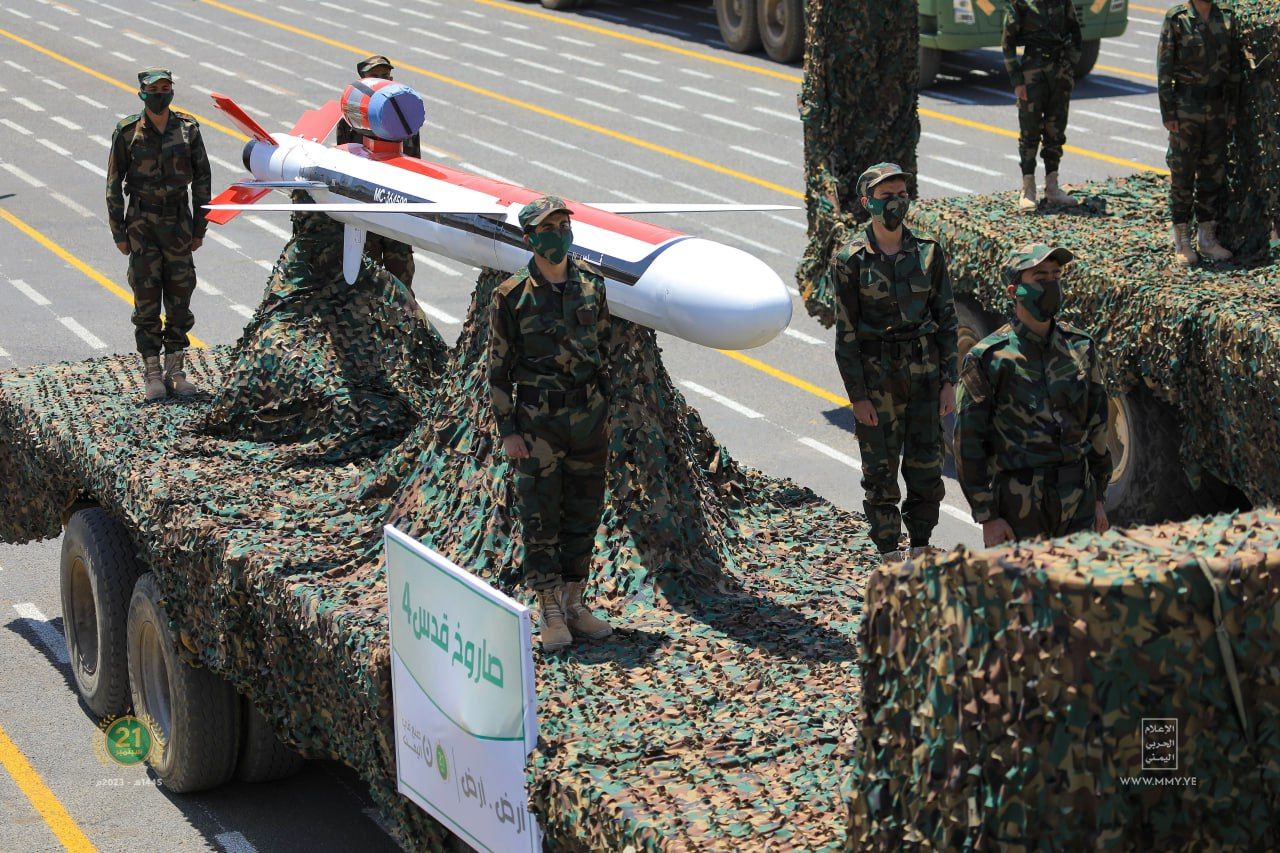
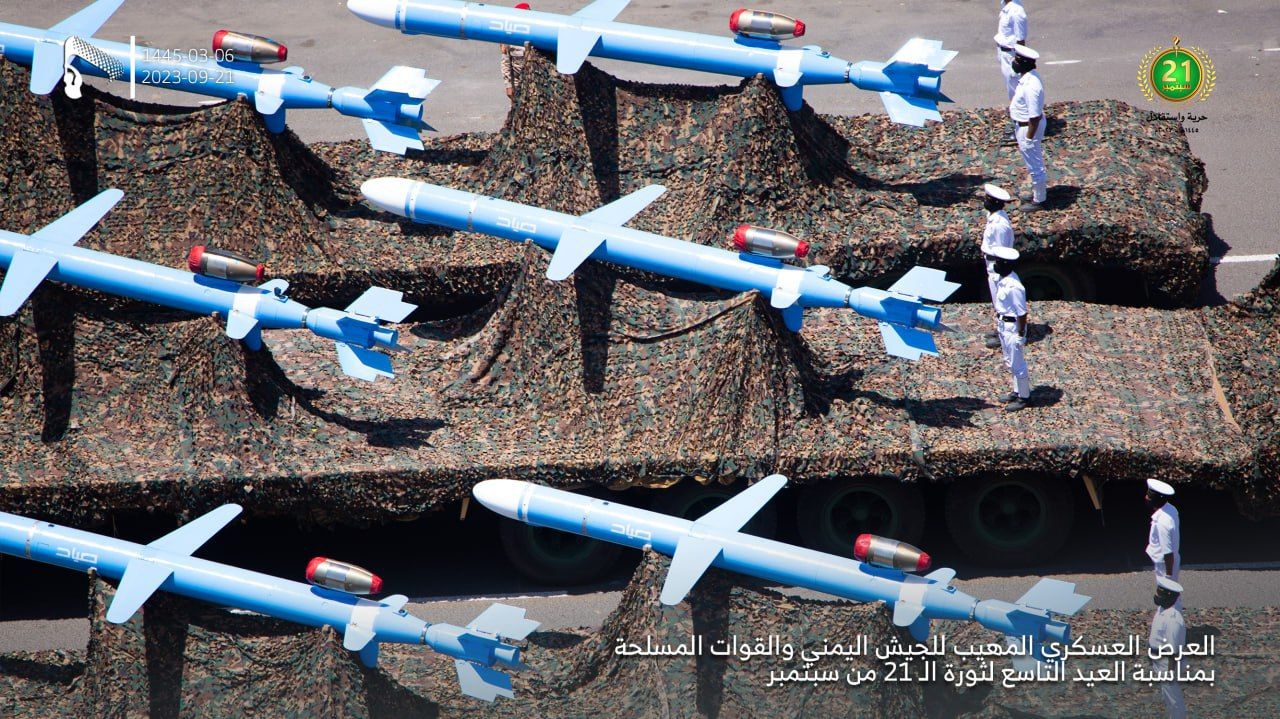
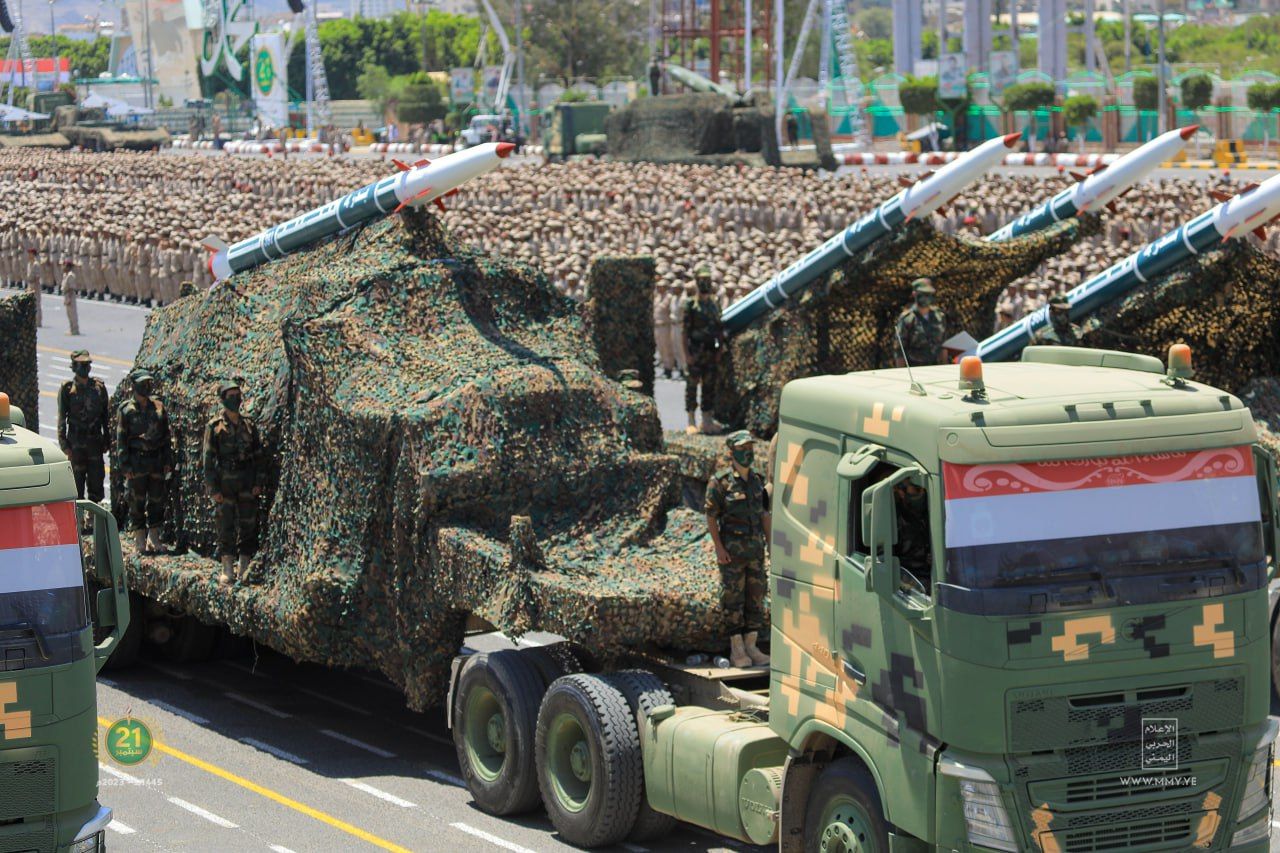
Images of the missiles of the Yemeni army in the grand parade on the occasion of the 9th anniversary of the September 21 Revolution
In this parade, various ballistic missiles were displayed by Yemen’s armed forces. These missiles were displayed in large numbers indicating functionality and high storage number for these missiles in Yemen’s armed forces organization. These ballistic missiles are very similar to some Iranian samples. For example, Karrar missile is similar to Fateh-110 missile; Aqil missile is alike Qiam missile; Tufan missile is similar to Qadr missile. Of course, differences can be seen as well and it cannot be said with 100 percent certainty that all these weapons and equipment have been directly transferred to Yemen.
Saqar 1 and 2 loitering munitions and Barq 2 surface-to-air missile
Among other equipment seen in the parade is an anti-aircraft missile similar to Taer-2B missile named Barq-2. Other anti-aircraft missiles were Saqar-1 and 2, which were recently displayed during Russian Defense Minister’s visit to Iran and they did not yet have a name in Iran’s armed forces collection; therefore, they are more known as Missile 358.
Sejjil anti-ship missile was introduced as the newest member of anti-ship class by Yemen’s armed forces. Anti-ship missiles Al-Mandab-1 & 2 were also displayed alongside Rubij anti-ship missile. The anti-ship Sejjil missile, which was unveiled at this military exercise, is also similar to Iran’s Qadir missile.
Badr-4 missile; Masjoor-2 underwater mine; Quds-4 cruise; anti-ship ballistic Tankil missile were among other equipment unveiled at this military exercise in the Yemeni capital on the anniversary of Ansar Allah’s take-over of the government.
Images of Waeid 1 and 2, Qasef 2k, Rased, Rajum and Khatef 2 dronesA summary of the parade of different units of the Yemeni armed forces in Sana’a
ISWNews Analysis Group – According to Armenian media outlets, the military base belonging to the Russian peacekeeping forces in the north of Khankendi (de facto capital of Stepanakert) was attacked by the Azerbaijani army.
This attack was carried out by artillery or a combat drone of the Republic of Azerbaijan’s army; however, the details of possible casualties and damages of the strike have not been determined yet.
Meanwhile, Azerbaijani media outlets reported that the target of this attack was an ammunition depot belonging to the Nagorno-Karabakh forces, and the location of the Russian peacekeeping forces was next to this depot.
According to the reviews made by ISWNEWS, this attack took place on September 19, and Armenian media outlets published a video related to the strike on September 23.
The moment of the air attack by the Azerbaijani army near the Russian peacekeepers in the north of KhankendiLocation of Russian peacekeepers in the north of Khankendi – click to view in full size
The current cabinet of Washington seeks to isolate the government of Bibi (nickname Netanyahu), accordingly, it was advantageous for the Democrats to show hidden contact between Libyans and Zionists in order to cause a crisis within Zionist diplomacy and thereby disrupt Netanyahu’s plans for “normalization”, if not with Libya, then with other conformist Muslim countries in general.
Version two. A provocation from Bibi.
The scandal with the Zionists coincided with renewed disagreements in the camp of the Tripoli militia and a meeting between Russian General Yevkurov and Haftar, where the Russian general assured the Libyan dictator that despite the elimination of Wagner, the Kremlin will continue to support Haftar. Therefore, a scenario is quite likely where, according to the plans of the terrorist Netanyahu, Libya will again flare up in a civil conflict, which will thereby create problems for Biden, who has concentrated all US foreign policy towards Ukraine. The chaos in Libya will disrupt the harmony between Eastern Europe and the United States, which means that the Ukrainian plan to liberate Crimea and settle the peninsula for resettlement for Zionists from occupied Palestine will drag on for decades, which is what the terrorist Bibi and his henchmen are trying to achieve.
By the way, the meeting between Mangush and Cohen was in Italy, where the local “right-wing government” openly supports the Zionists, in particular the cabinet of the terrorist Bibi. As a rule, the “right-wing” parties of Europe are mostly Trump supporters and definitely fans of right-wing Zionism, so they will continue to support Netanyahu’s actions with an anti-Biden bias.
Version three. The fight against Iranian influence.
A month before the meeting with the Zionists in Italy, Najla Mangush paid a visit to Tehran, where the parties discussed bilateral relations. There is an opinion that in addition to the economic sphere, the Iranians and Libyans are ready to open cooperation in the military direction, where the first step will be the supply of Iranian drones for Libyan revolutionaries. The fact is that Turkish Bayraktars have proven themselves well in Ukraine, and now the demand market has risen to a new level, Turkish drones are ready for delivery to rich countries in Asia and Europe, in turn, the countries of the Arab East that are in a state of civil war can no longer buy expensive Turkish UAVs, so they have to look for an alternative, which Iran is ready to become. Everyone agrees with this scenario, including Ankara. Tehran is completely satisfied with the Libyan direction, because from the very first days of the revolution against the dictatorship of Gaddafi, the Iranians provided assistance to the Libyan people, people close to the legendary Shahid Suleimani were involved in this direction. Today, given the increasing role of the Islamic Republic in the region, Tehran will only welcome the emergence of new allies, especially in the African direction.
For Iranians, cooperation with Libya is primarily ideological, money for drones is the third, and maybe the fifth reason. After all, we must understand that Iran still remains a symbol of the “Islamic Awakening” and the main side of the anti-Zionist front. Therefore, in addition to Islamic cooperation, one of the important conditions for Iran’s cooperation with the Muslim side is the fight against Zionism. This important nuance depresses the office of terrorist Bibi and his henchmen. Because in case of successful deals between Tehran and the Libyans, the Palestinian resistance in Gaza will have a new ally, this time in the Maghreb. Therefore, it would be reasonable to assume that the terrorist Netanyahu could have deliberately created a leak to the media about the meeting between Cohen and Mangush in Italy, so that a negative reaction against the government of Dbeib would follow, which, according to the Zionists, should develop into a political crisis inside Tripoli and the entire western part of the country. Another goal of the Zionists in the case of Mangush was an attempt to intimidate the Maghreb countries so that they would exclude for themselves the possibility of in-depth development of relations with Iran.
Time will tell what were the true motives of the meeting between the former Libyan Foreign Minister and the Zionists, but the Zionists failed to unleash chaos in the west of Libya, Hamas supported the Dbeibeh government, which means that all the main actors of the Ummah, in particular the Axis of Resistance, are well aware of the Zionists’ attempts to ignite the conflict in Libya with a new force.
In this regard, some media claimed that two people affiliated with the Palestinian Islamic Jihad movement were martyred in the Israeli drone attack.
However, some members of the Islamic Jihad movement, in an interview with Ahd newspaper, denied the martyrdom of two members of this movement and declared that the published news is not true.
From 13:00 local time on September 20, a temporary ceasefire was established as a result of Russian mediation between the Republic of Azerbaijan and the forces of the Republic of Artsakh or the Nagorno-Karabakh Republic. However, this ceasefire has been established at the repeated request of the Armenians of Nagorno-Karabakh, while the Azerbaijani army forces did not have much desire for it.
After the Azerbaijani army launched a widespread operation from land and air against Nagorno-Karabakh on Tuesday, the so-called Artsakh forces came under severe pressure and many of their military and defensive positions were destroyed. Also, the ground units of the Azerbaijani army easily captured new areas of Nagorno-Karabakh.
In the second Karabakh war, despite the air superiority of the Republic of Azerbaijan, the Azerbaijani army suffered very high casualties of about 2,700 people and on the other side about 3,700 people were killed. Azerbaijan learned from this.
In fact, after the second Karabakh war and due to the delivery of vast areas of western Nagorno-Karabakh and also Lachin corridor to Baku government, all logistical routes from Armenian soil to Nagorno-Karabakh region were cut off and Artsakh forces were completely besieged and became very weak in terms of logistics and forces. Therefore, it was predicted that in the future war, Nagorno-Karabakh would have no chance against a new onslaught and Azerbaijani army casualties would also be negligible.
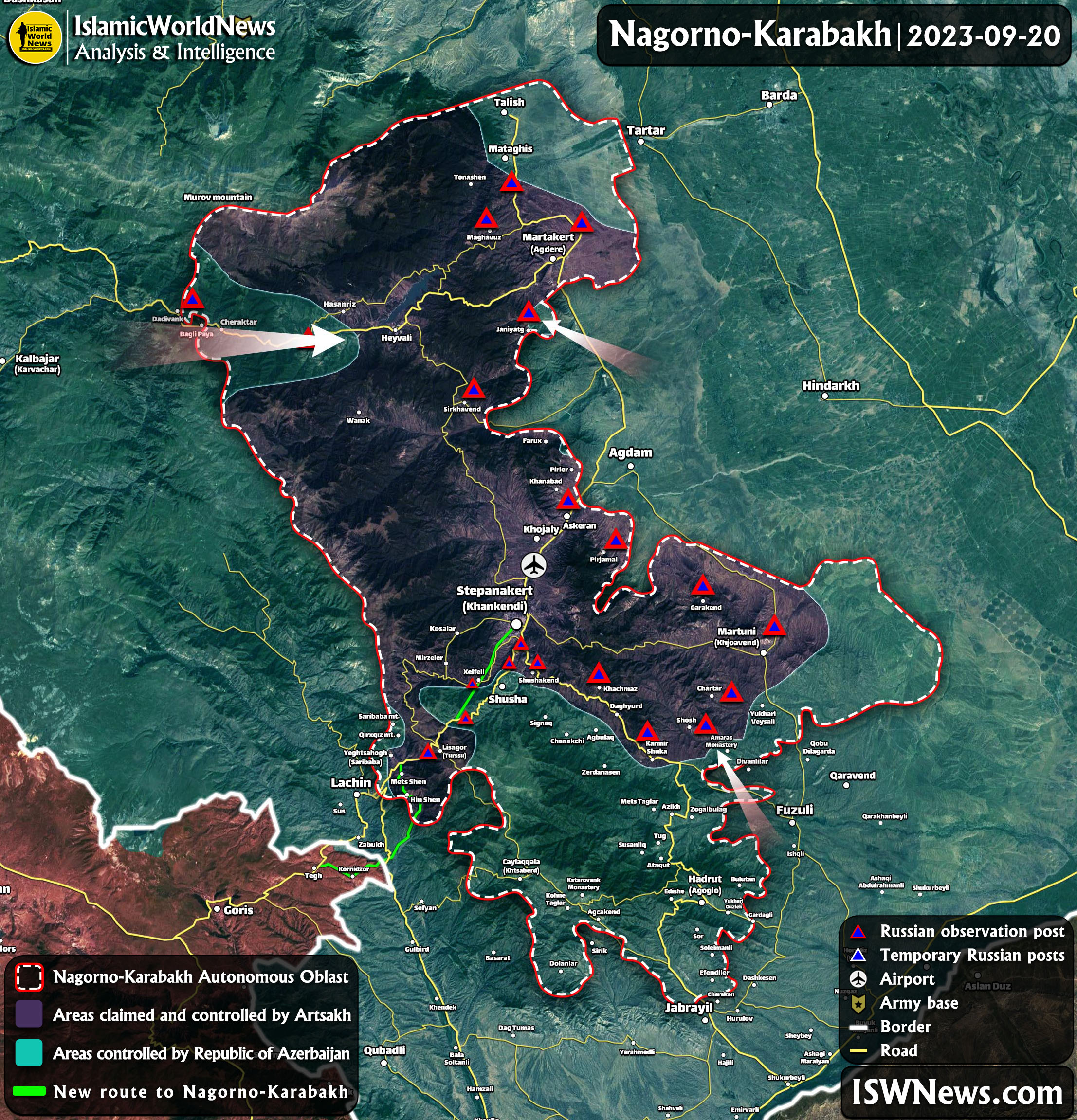
This issue was clearly seen on the ground and during 24 hours of military operations of Azerbaijani army in Nagorno-Karabakh, significant areas came under Baku government control. In western Nagorno-Karabakh and on Kalbajar district, Azerbaijani army easily took control of Charektar and Getavan areas and advanced near Heyvali in central northern areas. In eastern Nagorno-Karabakh and on Agdam axis, Kashen mine came under control of Azerbaijani forces. On Fuzuli axis, the Amaras and its monastery came under control of Azerbaijani forces as well.
The latest military situation in Nagorno-Karabakh after the advance of the Azerbaijani army in the western, eastern and southern axis of Nagorno-Karabakh – click to view in full size
Therefore, before losing all areas in the Nagorno-Karabakh region with high casualties, Artsakh forces requested a ceasefire.
Now government in Baku has upper hand in negotiations. In these negotiations, Armenian government of Nagorno-Karabakh must be dissolved, its military forces must be disarmed and move to the Armenian mainland and deliver all their positions to Russian peacekeeping forces. And ultimately in continuation of this process, all Nagorno-Karabakh region must be annexed to mainland of Republic of Azerbaijan.
It is noteworthy that Iran and Russia also consider Nagorno-Karabakh region as part of Republic of Azerbaijan and support its annexation to Azerbaijani soil while respecting citizenship rights of Armenians in Nagorno-Karabakh.
1- Baghdad: The Iraqi National Intelligence Service (INIS) announced the demolition of a dangerous terrorist group in capital Baghdad and the arrest of its elements. The members of this terrorist team, who were elements of the ISIS terrorist group, intended to carry out suicide operations in Mawakibs (special makeshift places for providing pilgrims of Imam Hussain’s holy shrine with necessary items particularly during Arbaeen pilgrimage), police centers, checkpoints, and markets in Baghdad.
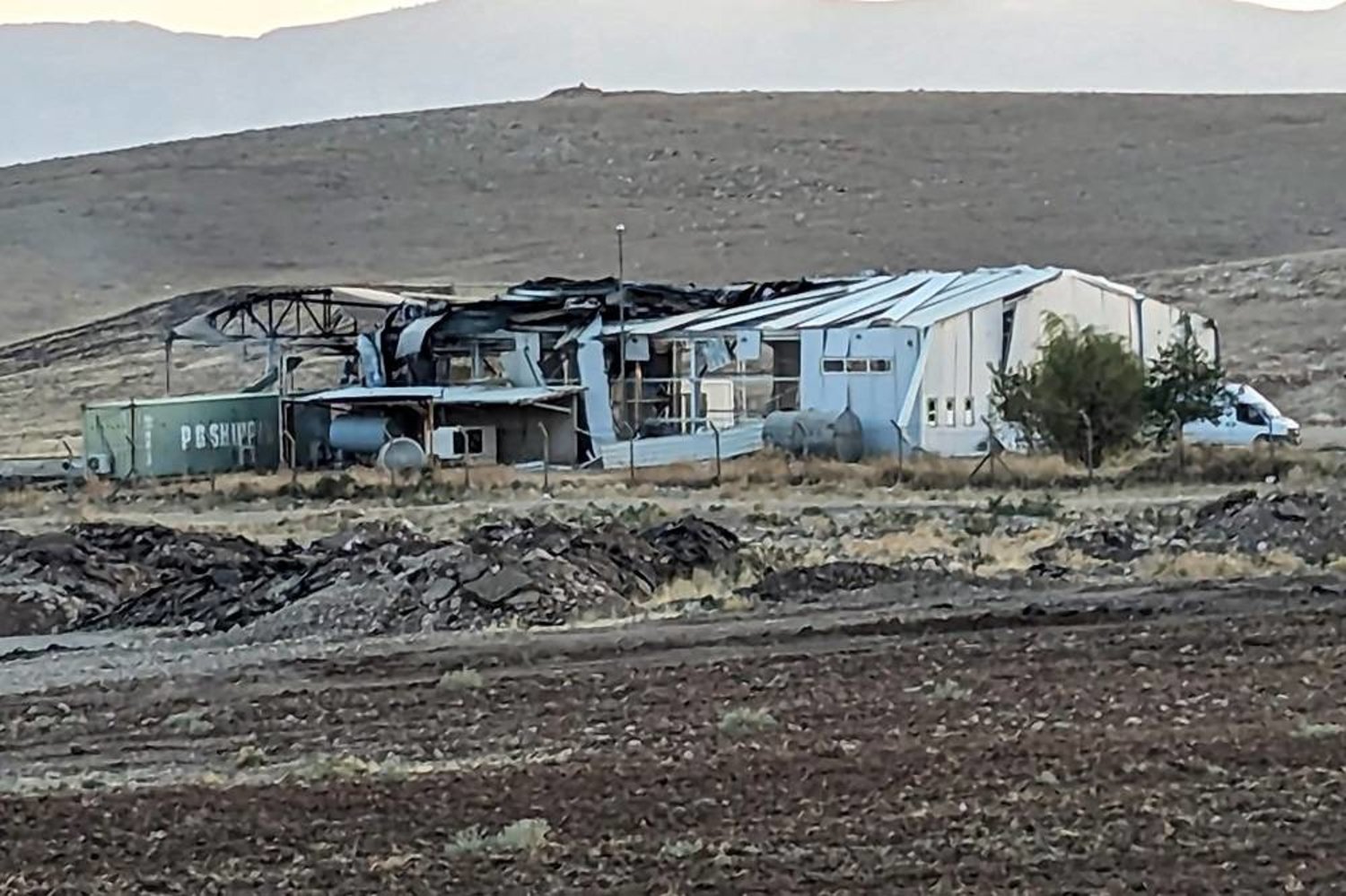
2- Sulaymaniyah: On September 18, a Turkish drone targeted the Arbat airport located in Sulaymaniyah city in the east of the Kurdistan Region of Iraq, which left at least three people dead and three others injured.
3- Al Anbar: Some tribal leaders and commanders of the Popular Mobilization Forces in Al Anbar Governorate of Iraq announced that this western province is not ready to accept anti-Iranian armed groups.
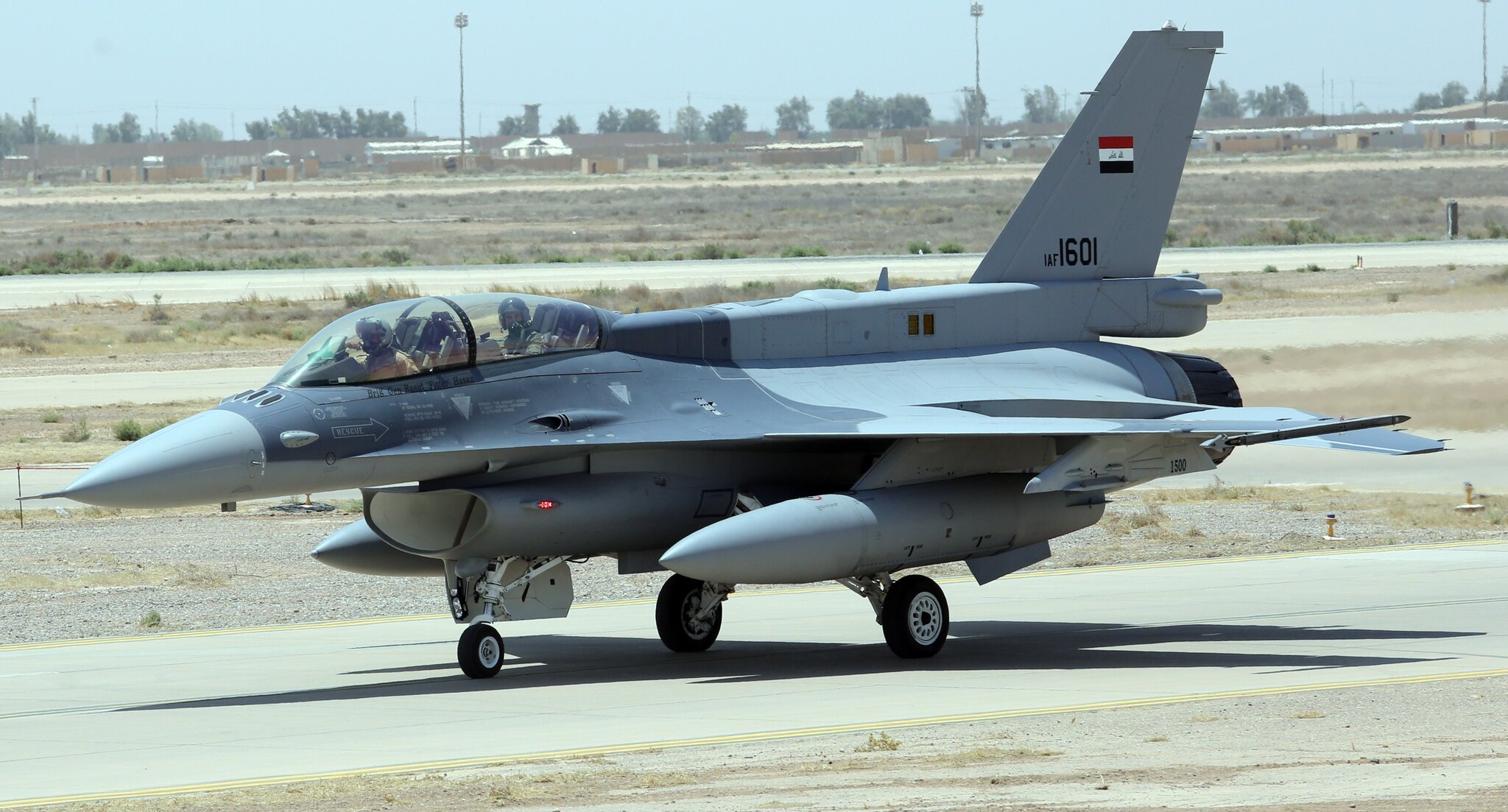
4- Kirkuk: The Iraqi Joint Operations Command declared the destruction of a hideout belonging to the ISIS terrorist group by F-16 fighter jets of the Iraqi army in the operational environment of Kirkuk Governorate.
5- The Al-Rusafa Central Criminal Court issued a death sentence for the perpetrator of the 2022 explosion in Al-Taji rural town (north of Baghdad), which took place on the route of Samarra’s pilgrims. According to the announcement of the Supreme Judicial Council of Iraq, the perpetrator of the explosion, who was a member of the ISIS terrorist group, filmed the aftermath of the blast following the terrorist incident.
6- Minister of Defense and Armed Forces Logistics of Iran Brigadier General Mohammad Reza Ashtiani referred to a security agreement between Tehran and Baghdad on disarming and expelling of terrorists from Iraqi Kurdistan region, saying that the Islamic Republic does not accept any extension of the deadline for the implementation of the accord; so, we will act based on the security agreement in due time.
7- An informed source in the government of Kurdistan region of Iraq claimed in an interview with Deutsche Welle (Germany’s state-owned international broadcaster) that after three decades, the Democratic Party of Iranian Kurdistan (HDK) has left its main headquarters in Koy Sanjaq also known as “Democrat Castle”.
On September 18, a Turkish drone targeted the Arbat airport in Sulaymaniyah city in the east of the Kurdistan Region of Iraq, during which at least three people were killed and three others were injured.
The United Nations Assistance Mission for Iraq (UNAMI) condemned the attack on the Arbat airport in Sulaymaniyah and called for the resolution of security issues through dialogue.
No individual or group has claimed responsibility for this attack so far, but spokesman for Commander-In-Chief of the Iraqi Armed Forces Major General Yahya Rasool announced that a drone entered Iraq’s air space from the Turkish border and bombed the Arbat airport in Sulaymaniyah of Iraq’s Kurdistan region at 17:00 on Monday.
He went on to say that this drone attack is a violation of Iraq’s sovereignty and territorial integrity, which threatens peace and security in the region and the world; so, it is a violation of international laws and the United Nations Charter.