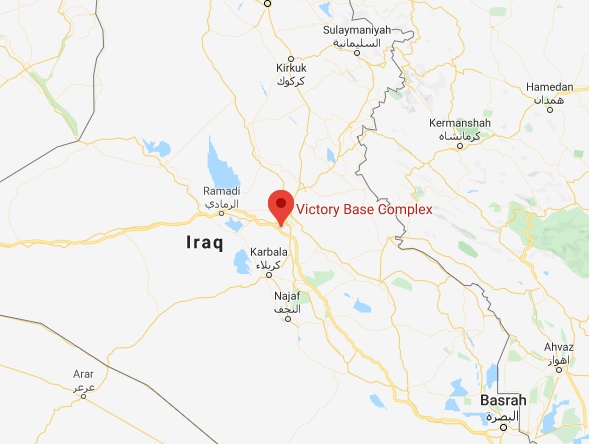
According to preliminary information, the attack was carried out using a suicide drone. So far, no information is available on the possible casualties of this attack. Also on May 2, three 107 mm rockets hit the Camp Victory.
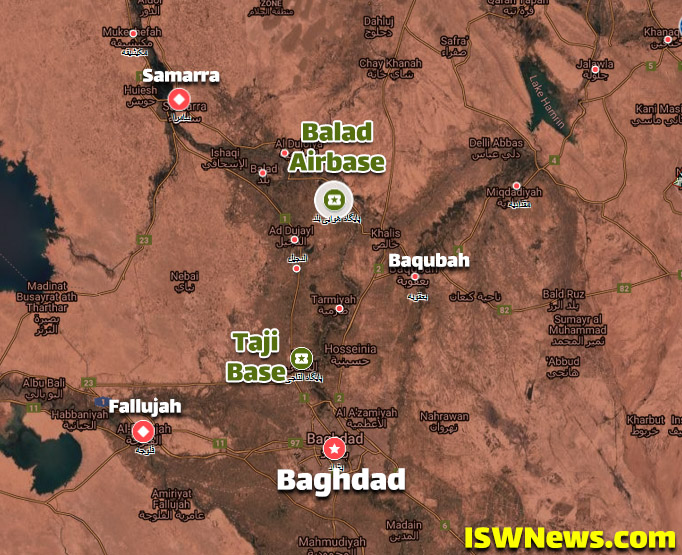
An hour ago, US positions at Balad Airbase were also targeted by several rockets. It seems the Iraqi groups are intensifying their attacks on US forces in Iraq.
1- Saudi coalition airstrikes in the last 48 hours: – 28 times Sarwah district, Marib province. – 2 times Shada district, Saadah province. – 3 times Bani Hasan area, Hajjah province.
2- Saadah: – Saudi coalition artillery shelled different areas in districts Munbah, Razeh and Shada. – Due to Saudi coalition artillery shelling on border area Raqu, Munbah district, one martyred and one wounded.
3- Al Hudaydah: Saudi coalition violated ceasefire 154 times in the last 48 hours.
4- Aden: Unknown armed people blocked Tawahi area gate and demanded liberation of Fuad Diqan, an Al Qaeda terrorist.
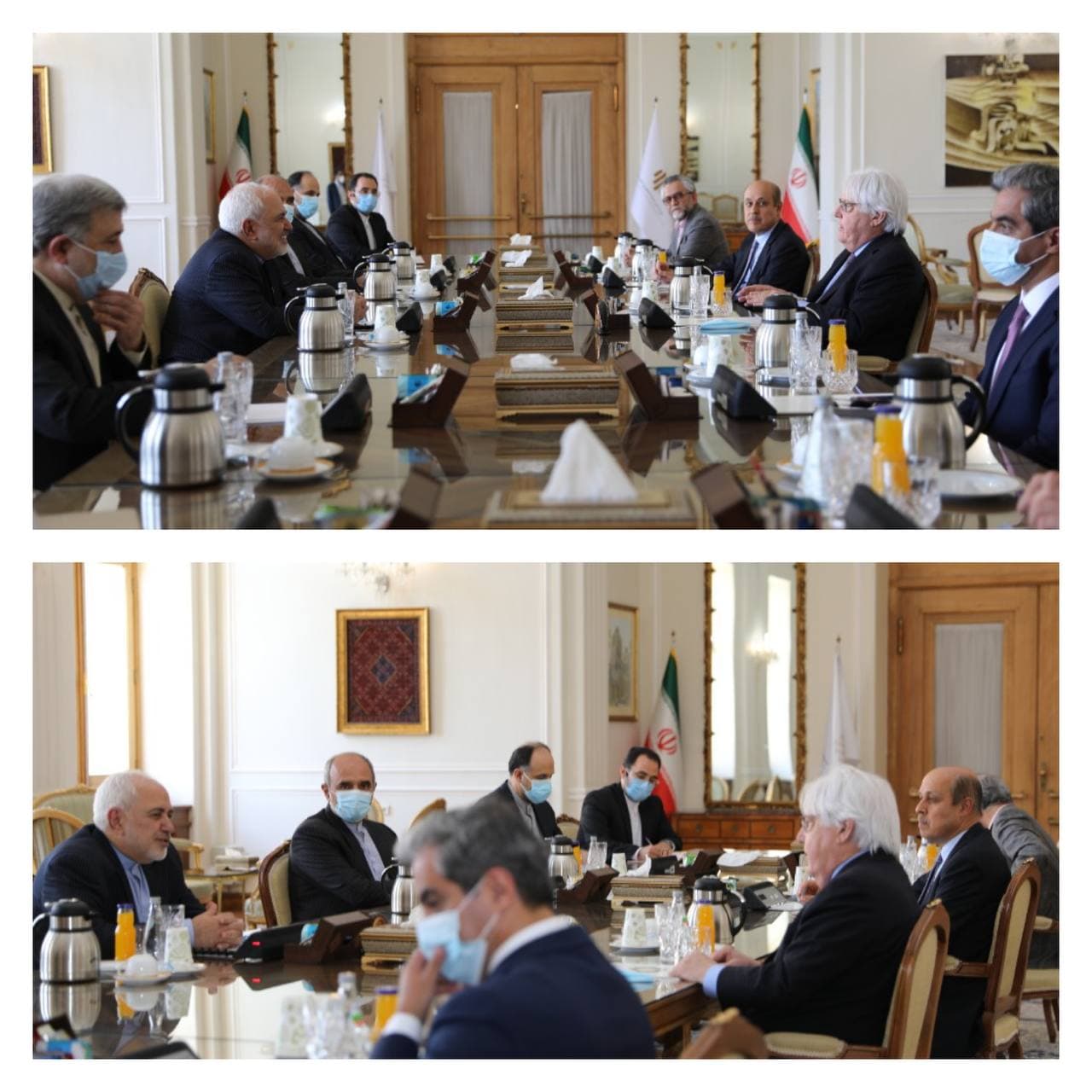
5- Martin Griffiths, UN envoy in Yemen affairs in a trip to Tehran met with Mohammad Javad Zarif, deputy of Iran’s FM regarding Yemen.
According to initial reports, five rockets were fired at Balad Airbase, and the Americans suspended their military operations. No casualties were reported at the time of the attack.
The Balad Airbase has a long history for the rocket and drone attacks. On May 3, in a similar attack, the Iraqi resistance groups attacked Sally Porter’s military contractors at Balad Airbase with nine Katyusha rockets.
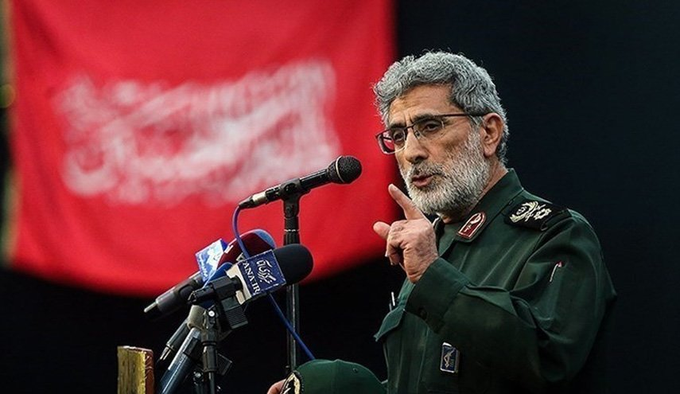
During the visit, General Qaani will meet with Iraqi political, military and government officials to discuss recent issues in the country.
According to Iranian diplomatic officials in Iraq, General Qaani’s previous visits to Iraq took place on December 7 and 8, 2020, and the focus of those visits was to consult with Iraqi officials, resolve issues and tensions between different Iraqi currents.
According to the group, in the first three days of this month, a series of operations were carried out in the northern suburbs of Aleppo province to target Turkish troops, which resulted in the death of 12 of them.
In one of these attacks, a convoy belonging to the Turkish army was targeted on the outskirts of Afrin, as a result of which a number of Turkish troops were killed and wounded. The Afrin Liberation Forces also targeted a group of Turkish soldiers in the village of Basufan, killing four Turkish soldiers and wounding four others.
The Afrin Liberation Forces is a Kurdish group that declared its existence in northwestern Syria after the Turkish occupation of the Afrin region. The main goal of this group is to fight against the Turkish occupiers. The group has repeatedly claimed responsibility for the attacks on Turkish military troops or Turkish-backed militants in northwestern Syria.
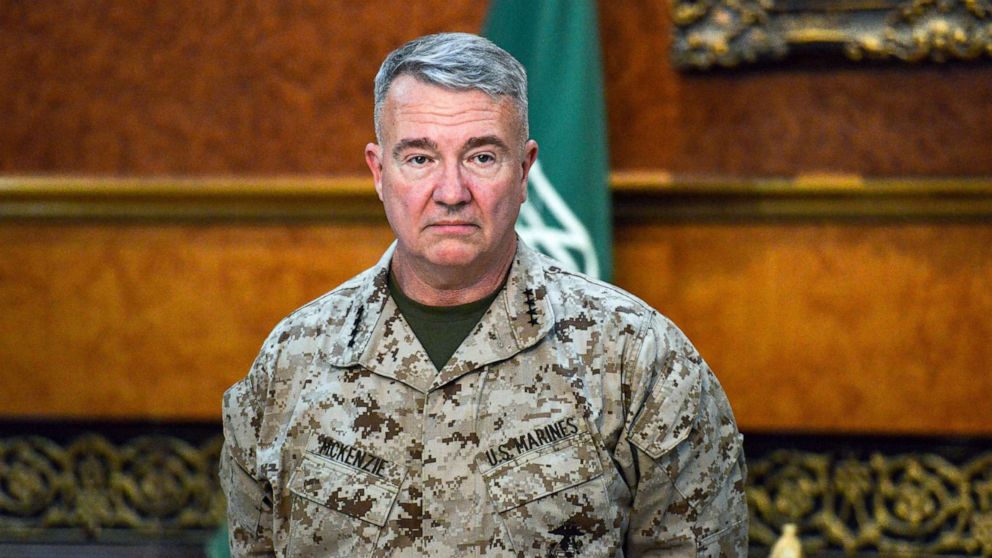
General McKenzie said in a briefing session with House Armed Services Committee:
“Iran’s widespread use of small and medium-sized drones for surveillance and aggression means that, for the first time since the Korean War, we are not operating with complete air superiority, and Iran has used drones to destroy American full air superiority.”
– While indirect negotiation between Iran and USA is happening in Vienna, Iran is a daily threat for US and its allies in west of Asia.
– Iran backed Houthis in Yemen (AnsarAllah) attacked military, infrastructure and civilian targets in Saudi Arabia 150 times using drone and missile.
– Until we can create a network to detect and defeat this superiority of using drones, Iran stays aggressive in the region.
– US soldiers can defend themselves against Taliban attacks but targeting terrorists in Afghanistan after US leaves is difficult.
– Even though all of American personnel including military contractors will leave Afghanistan in future months but USA can still work in this country.
– Russia is trying to limit and weaken US influence in the region using its military power and China is trying to use economical tools to fill US gap in the region by exploitative debt traps, the Belt and Road Initiative, and medical diplomacy with their vaccine, which has dubious efficacy, to try to expand its influence.
The report of general McKenzie shows the deep blows by AnsarAllah, Palestinian Resistance and Iraq to positions of USA, Israel and Saudi Arabia in the region. The superiority is caused by Iran’s drone and missile power and transferring the technology to the Resistance groups. A power that USA spent 3 billion dollars in the range of 1990-1995 but could not help them.
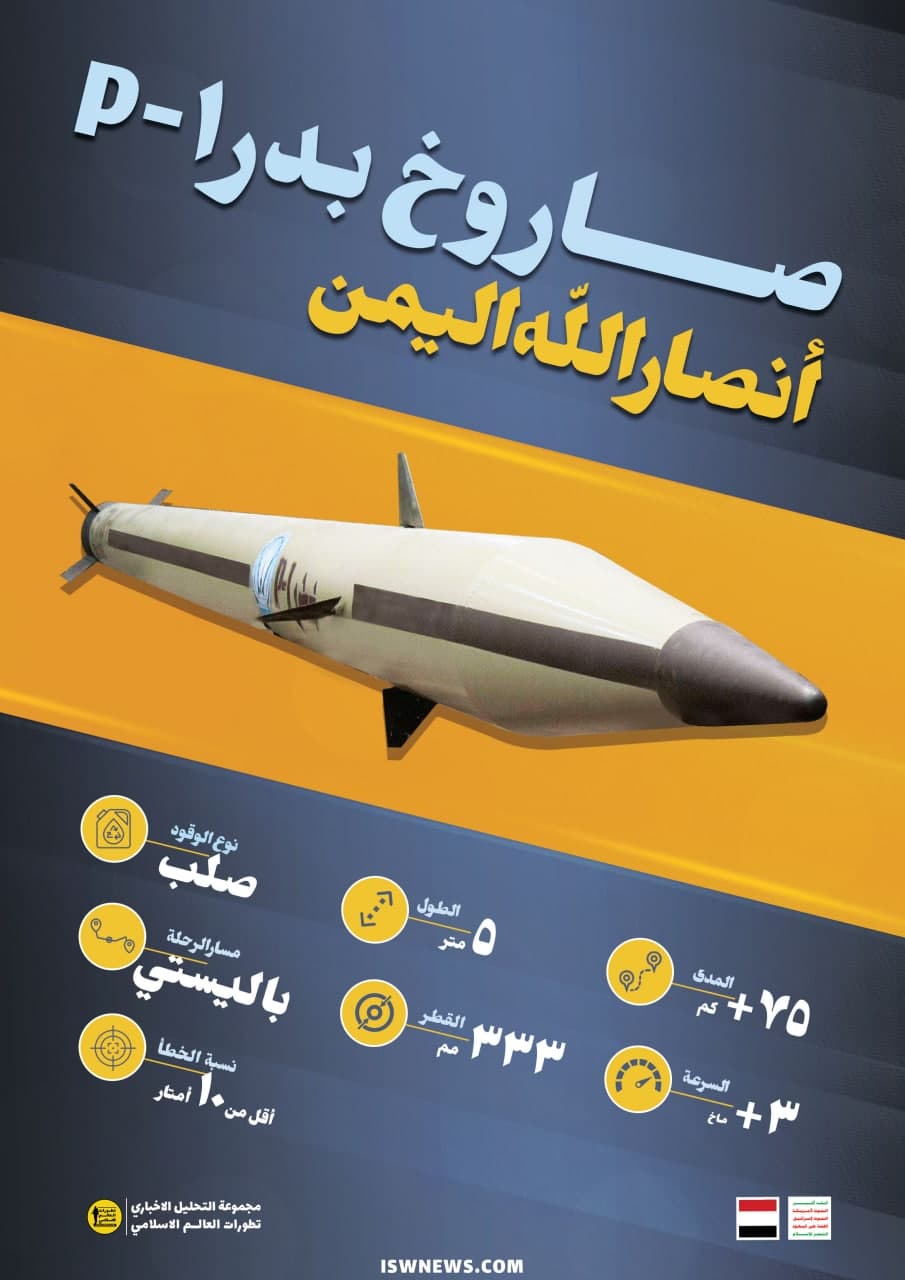
The Badr 1-P guided artillery rocket was unveiled on October 27, 2018 in the presence of Mehdi Al-Mashat, Chairman of the Yemeni Supreme Political Council, and other Yemeni military officials.
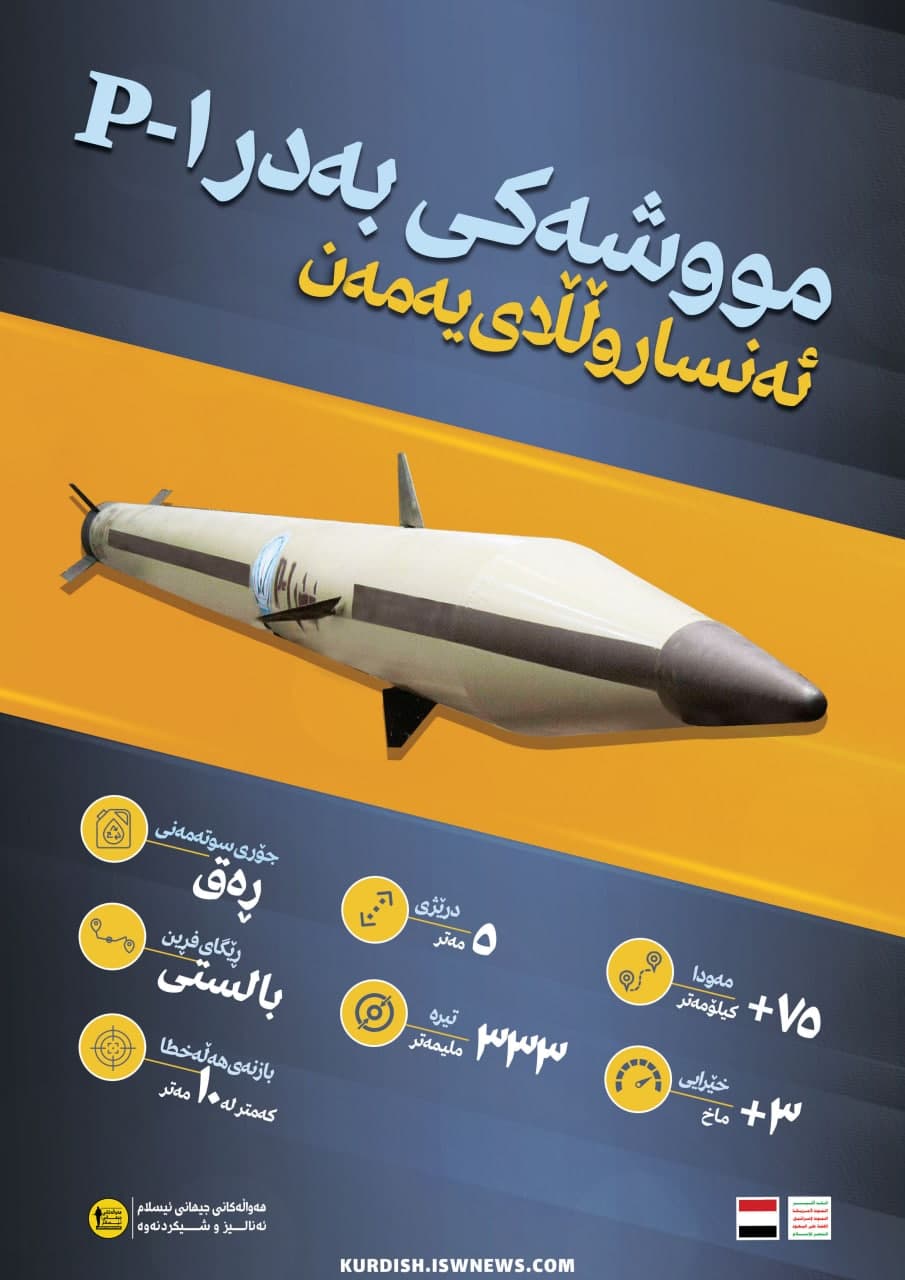
Badr 1-P missile specifications: Range: +75 km Speed: +3 mach Length: ~ 5 m Diameter: 333 mm Fuel type: Solid Flight trajectory: Ballistic CEP: less than 10 m
Badr 1-P missile operational records:
1- Attack on the base of the Sudanese forces on the west coast of Yemen, date unknown and publication of information on October 27, 2018. Pictures and video available.
2- Attack on the base of Mansour Hadi forces in the Al-Boqa desert, on November 2, 2018.
3- Attack on the gatherings of the Saudi coalition forces on the west coast of Yemen, on November 3, 2018.
4- Attack on the gatherings of the Saudi coalition forces on the West Bank, on November 4, 1997.
5- Attack on the gatherings of the Saudi coalition forces on the West Bank, on November 7, 2018.
6- Attack on the positions of the Saudi coalition forces in Mafraq al-Jawf, on November 8, 2018.
7- Attack on the gatherings of the Saudi coalition forces in the Midi desert, on November 19, 2018. During the operation, 27 members of the Saudi coalition were killed and 64 others were wounded.
8- Attacking the gatherings of the Saudi coalition forces in the ninth hypothesis located in the northeast of Sanaa province, on November 20, 2018.
9- Attack on the base of the Saudi coalition forces in the ninth administration, on November 25, 2018.
10- Attack on the base of the Saudi coalition forces at the Alab crossing on the northern borders of Saada province, on November 25, 2018.
11- Attack on the location of the Apache helicopters and the residence of the Saudi coalition pilots in the Bir Askar area located in Najran province, on November 25, 2018. In this attack, several Badr 1-P missiles were used.
12- Attack on the positions of the Saudi coalition forces in Khalid base in the west of Taiz province, on January 6, 2019. Video and pictures are available.
13- Attack on the gatherings of the Saudi coalition forces in the management of Midi located in the north of Al-Hijja province, on January 8 and 9, 2019
14- Attack on the gatherings of the Saudi coalition forces in the west of Beerskar region, on January 14, 2019.
15- Attack on the gatherings of Mansour Hadi forces on the Jizan front, on January 21, 2019.
16- Attack on the training base of the Saudi coalition forces in the Alab area, located in the north of Saada province, on January 21, 2019.
17- Attack on the gatherings of the Saudi coalition forces in the east of Al-Tawwal border area, located in the north of Al-Hijja province, on January 26, 2019.
18- Attack on Al-Baqa base located in the north of Saada province, on February 24, 2019 More than 40 Saudi coalition forces were killed and wounded during the attack.
19- Attack on the gatherings of the Saudi coalition forces in the Midi Desert, on March 3, 2019.
20- Attack on the gatherings of the Saudi coalition forces in the east of Alab crossing, on March 3, 2019.
21- Attack on the gatherings of the Saudi coalition forces in the Midi Desert, on March 6, 2019.
22- Attack on the gatherings of the Saudi coalition forces in the Midi Desert, on March 10, 2019.
23- Attack on the gatherings of the Saudi coalition forces in the west of Heyran administration located in the north of Al-Hijja province, on March 13, 2019.
24- Attack on the training base of the Saudi coalition forces in Jabal al-Nar, located in the borders of Jizan, on March 19, 2019.
25- Attack on the gatherings of the Saudi coalition forces on the Al-Malahit border, on March 20, 2019. Seventy members of the Saudi Coalition’s Fifth Battalion were killed and wounded during the attack.
26- Attack on the gatherings of the commanders and forces of the Saudi coalition in the city of Al-Hazm, located in Al-Jawf province, on March 24, 2019 More than 70 Saudi coalition forces were killed and wounded during the operation.
27- Attack on the gatherings of the Saudi coalition forces in the ninth hypothesis, on March 24, 2019
28- Attack on the gatherings of the Saudi coalition forces in the west of Heeran, on March 28, 2019 During the attack, weapons tanks and gatherings of the Saudi elite brigade were targeted. Sixty Saudi coalition forces were also killed and wounded.
29- Attack on the gatherings of the Saudi coalition forces in the north of Al-Dhaleh province, on April 8, 2019
30- Attack on the location of Patriot systems and gatherings of the Saudi coalition forces in Ma’rib in a joint operation with the Ansarullah drone force, on July 4, 2019.
31- Attack on the command center of the Saudi coalition on the outskirts of Saqqam region located in Najran province, on August 10, 2019
32- Attack on the command post of the 19th Saudi Border Guard Brigade in the Bir Askar area, on December 27, 2019.
It should be noted that this statistic is related to the period of October 2018 to December 2019, and since then, Yemeni Ansar Allah has not published the operational information of this missile. During this period, Ansar Allah fired more than 35 Badr 1-P missiles at the positions and gatherings of the Saudi coalition during 32 operations. Ansar Allah has also used the missile several times during the “Balance of Deterrence” and other operations in 2020 and 2021, which according to statistics provided by Brigadier General Yahya al-Sari’, spokesman for the Yemeni Armed Forces, during 2020, more than 20 of Badr 1-P missile was fired at Saudi coalition positions.
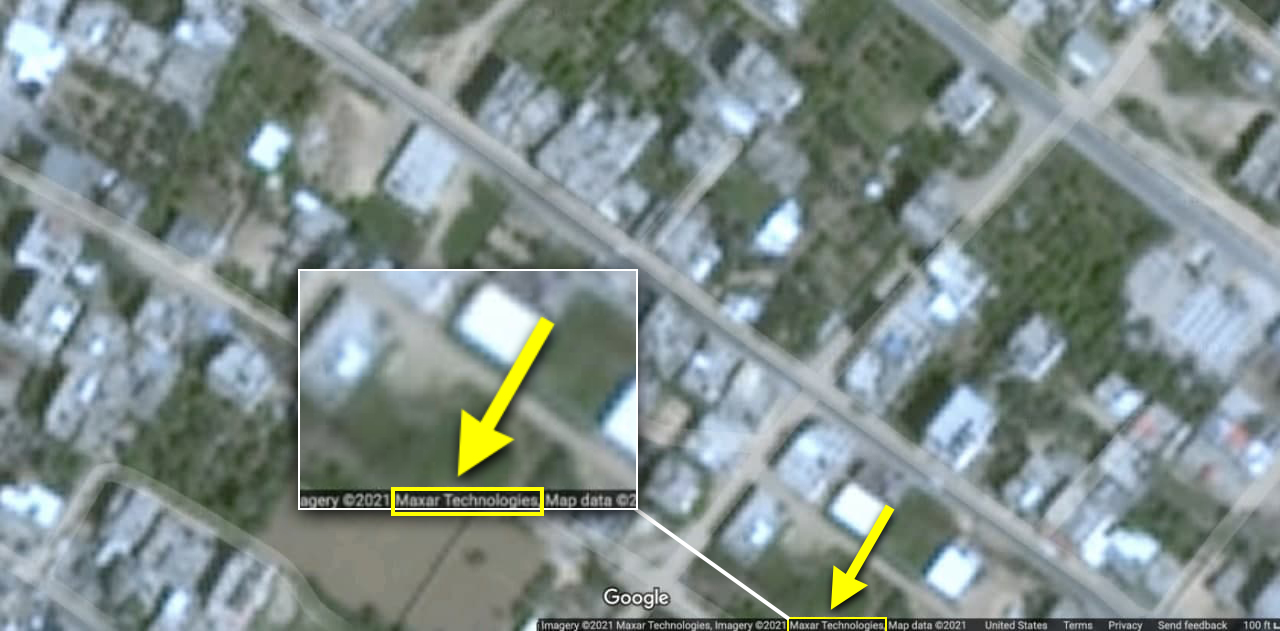
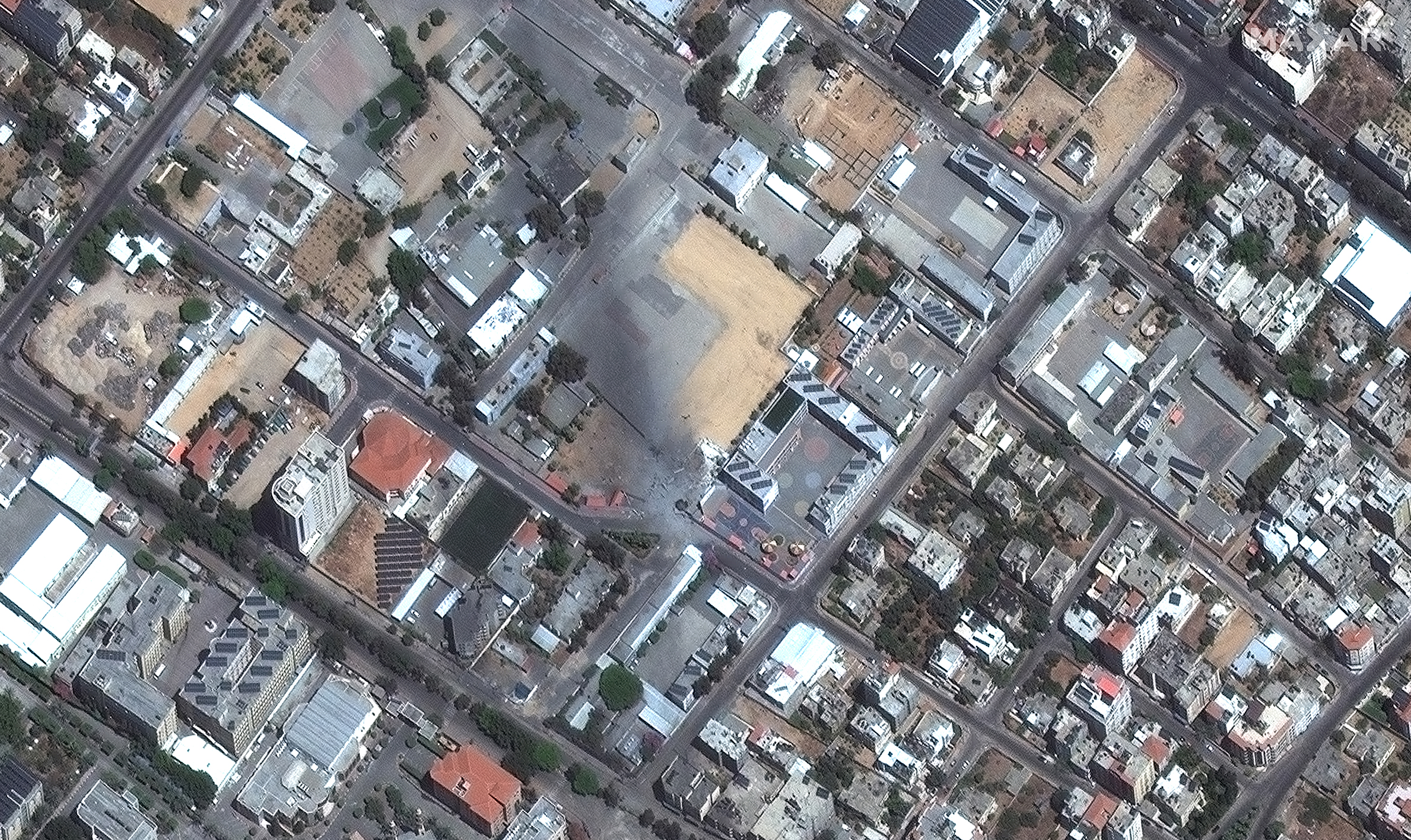
During the recent war, Israeli airstrikes caused extensive damage to schools, power lines, water and sewage, and the health system in Gaza. One of the main tools of researchers and journalists in assessing the extent of damage to an area is the use of satellite maps. But given the censorship of Gaza by companies like Google, this is difficult to do. Therefore, journalists and researchers have to turn to commercial satellite companies or meet their needs through other means to obtain these images.
According to Google, satellite imagery on Google Maps is provided by various companies. Google claims it will update maps of Gaza whenever high-quality images become available. Google’s claim comes as MAXAR Satellite, one of Google’s partners in providing the company’s maps, recently released high-quality images of the Gaza war. This indicates that images are available and that Google is deliberately refusing to update its maps of Gaza in order to cover up the Zionist regime destructive actions against Palestinian in Gaza.
The Syrian air defenses intercepted a number of missiles and shot them down before reaching their targets. The sounds of explosions resulting from the response were widely heard in various parts of Damascus and Homs regions.
A Syrian military source stated: “At 23:36 pm (local time) on Tuesday, the Israeli enemy carried out an air aggression from Lebanese airspace, targeting sites in the central and southern region, and our air defenses confronted the aggression’s missiles and dropped some of them. The Israeli aggression did not result in any human casualties.”