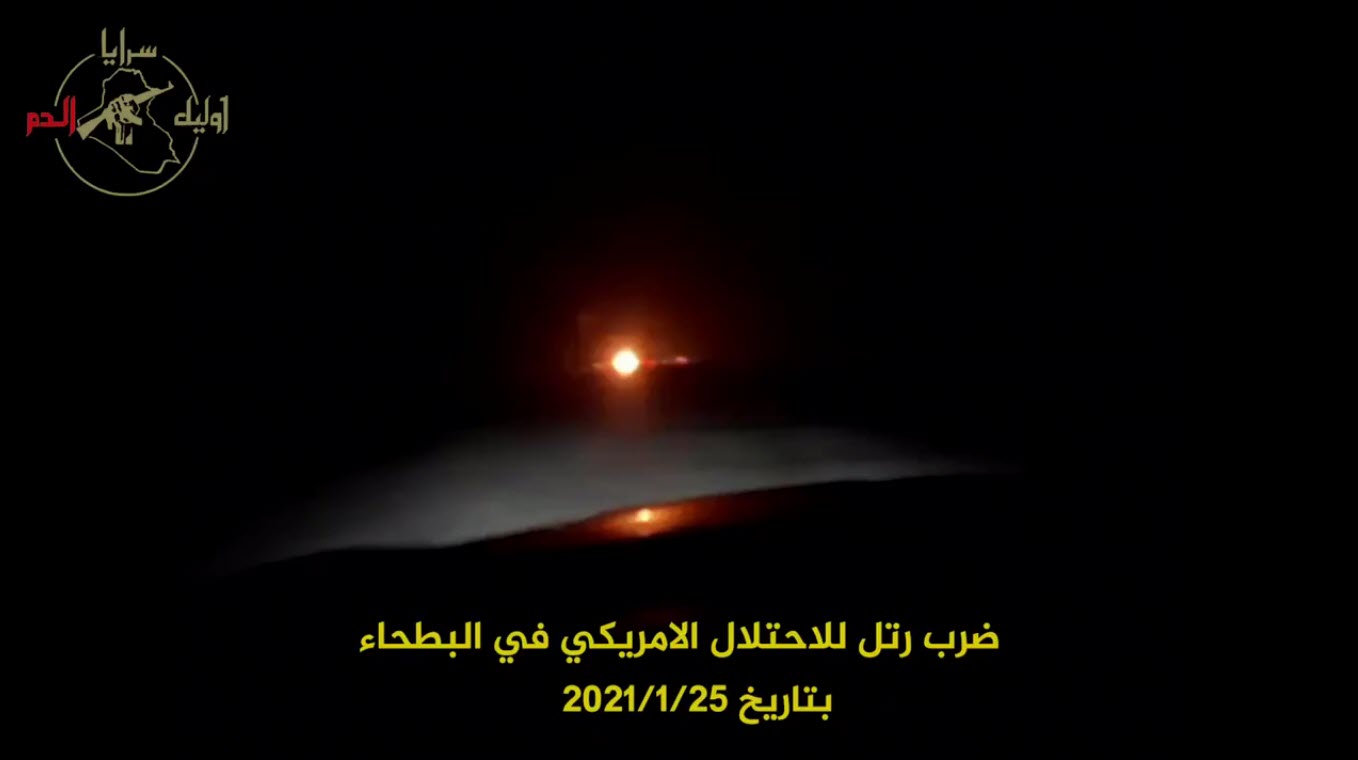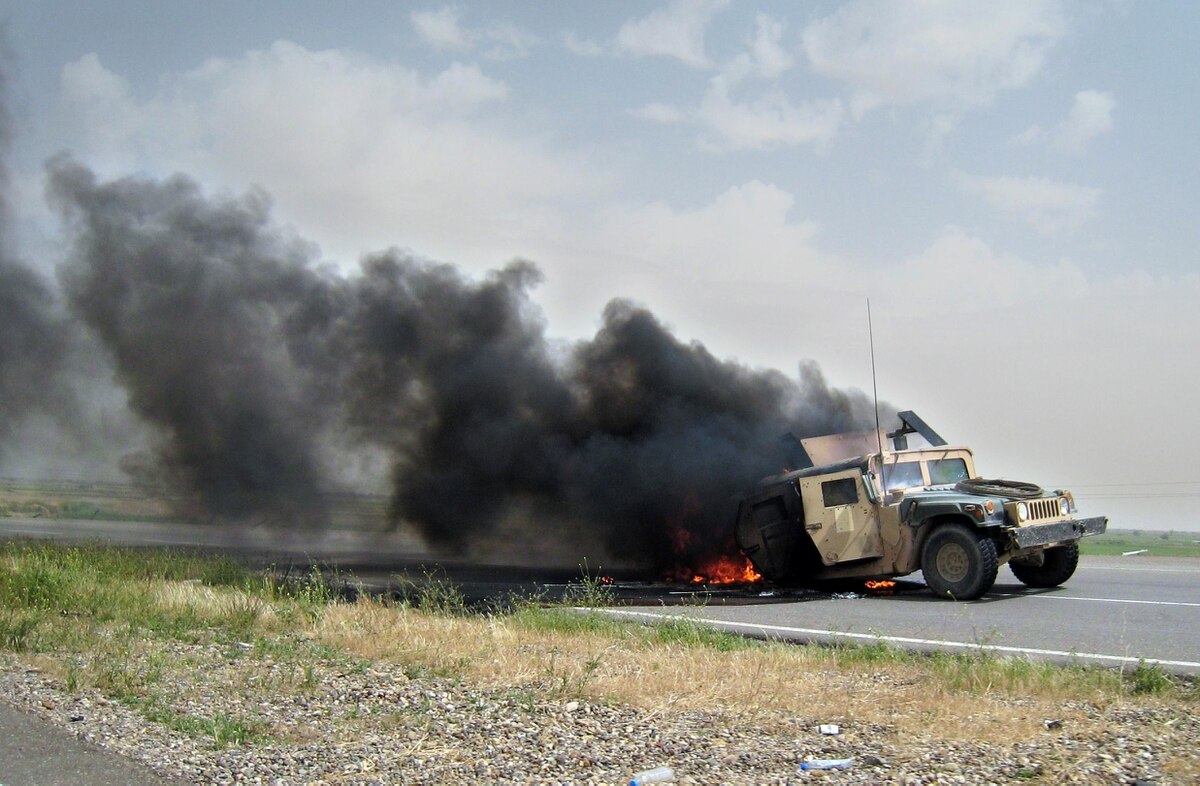
Meanwhile, during the last 24 hours, two other caravans were targeted in Babil province.
Category: America – Europe
-
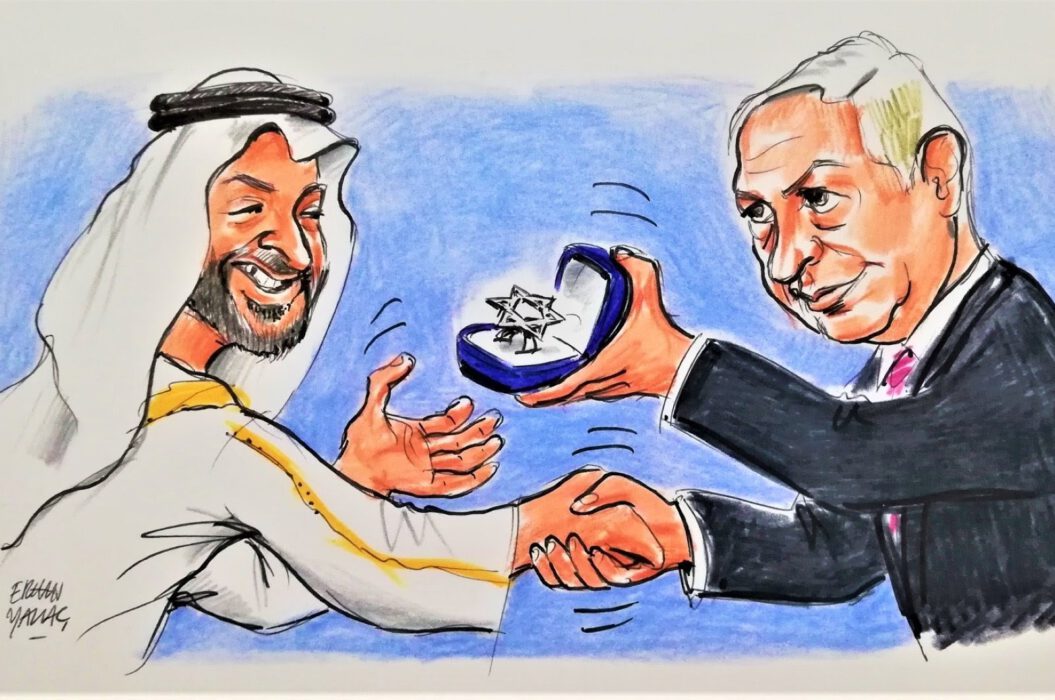
How did the US and Israel fooled Saudi Arabia and the UAE?
The US State Department has announced the suspension of arms sales contracts to Saudi Arabia and the United Arab Emirates for a review.
The deals include the sale of strategic weapons such as 3,000 GBU-39 SDB I satellite bombs to Saudi Arabia for $ 290 million, as well as the sale of 50 F-35 fighter jets, MQ-9B drones and US air-to-air missiles to the UAE for $ 23 billion.
On the other hand, Israeli Prime Minister Benjamin Netanyahu in his remarks called the US move ineffective in the agreement to normalize relations with Arab countries and said: “Our relations with (Arab countries) have reached an irreversible stage and the suspension of US contracts has no effect on them.”It seems common for a new administration to conduct such investigations, but the important point is that these agreements were made in exchange for a normalization agreement with the Zionist regime, and now with Biden’s mysterious look at the Trump administration’s agreements, we can say that American politicians are using a “two-pronged policy” in both the Trump and Biden administrations and fooled the rulers of the Persian Gulf states and revoked the concessions made in the “Abraham Accord” as in previous US agreements.
-
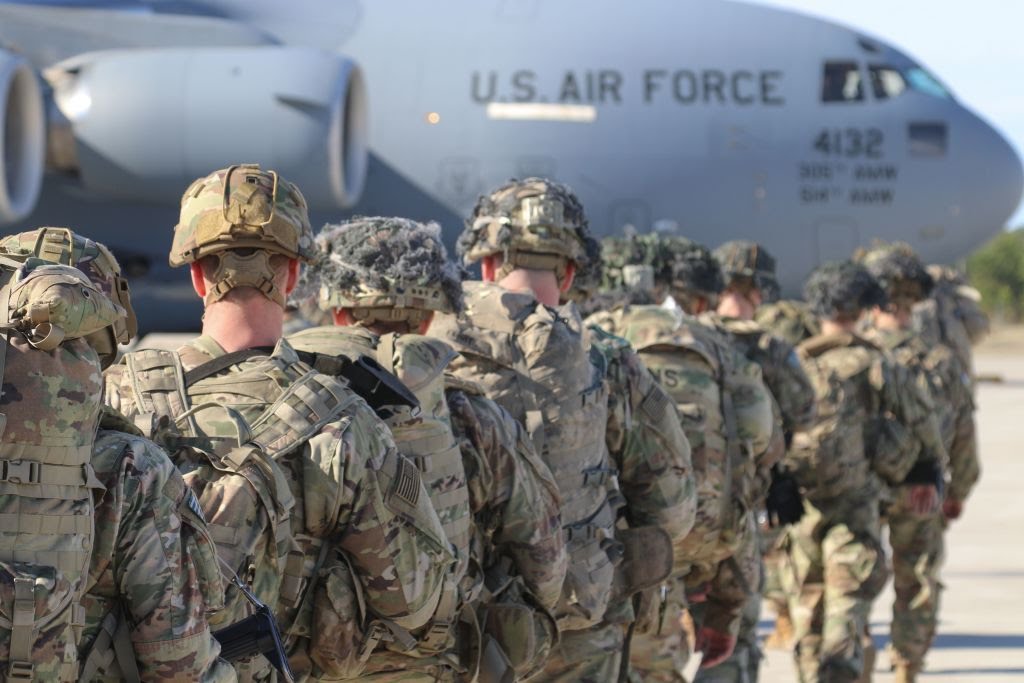
US withdrawal from Somalia
According to the order previously issued by former US President Donald Trump, the US terrorist Army must withdraw all its forces from Somalia by January 15, 2021 and transfer them to US bases in Kenya, Djibouti and other countries.
In the order, Trump called on the military to keep a small number of US troops in a limited organization in the Somali capital, Mogadishu.The number of US troops in Somalia was previously 700, who had been deployed to fight the al-Shabaab terrorist group.
-
Breaking: Five IED attacks on US assets in Iraq
According to local sources, the logistic convoys of the American forces were attacked by IEDs in areas of Naseriyah, Abu Ghraib near Baghdad, Diwaniyah and two other convoys in Babil in southern Iraq.
The Ashab al-Kahf group claimed responsibility for the attacks. Ashab al-Kahf also said that two Spanish military advisers had been targeted in one of the attacks.
-
Breaking: IED attack on US convoy in Iraq
The group “Qasim al-Jabbarin” claimed responsibility for the attack.
-
Airstrikes on Iraqi forces positions in Babil province
According to preliminary information from field sources, the Americans attacked Iraqi forces with GBU-39 bombs. Some reports indicate the presence of the medical staff of the Popular Mobilization Forces (PMU) to transfer the martyrs and the wounded to hospitals.
Also Al-Alam confirmed the news of the martyrdom and wounding of several Iraqi forces as a result US airstrikes in Jurf al-Sakhar, and reported the extensive flight of US aircraft over the western part of Karbala province.
Al-Kadhimi sent anti-terrorism forces to Baghdad Green Zone to protect the US embassy. There are also rumors about the evacuation of residential houses around the US Embassy in Baghdad!
Although initial reports indicating US airstrikes against Iraqi forces positions in the Jurf al-Sakhr area, a spokesman for the US-led coalition in the region has reportedly denied any US airstrikes on Iraqi positions. Following this news, the fingers pointed at the Israeli regime because Israel has attacked the positions of the Iraqi forces in the past.
At the same time as the bombing of Iraqi forces positions, US Secretary of State Pompeo tweeted about the anniversary of the attack on the US Embassy in Baghdad! Clearly, this is a clear message to the Iraqi people! Do Iraqis dare to confront the United States? Will they get rid of the humiliation of being trampled by the enemies ?!
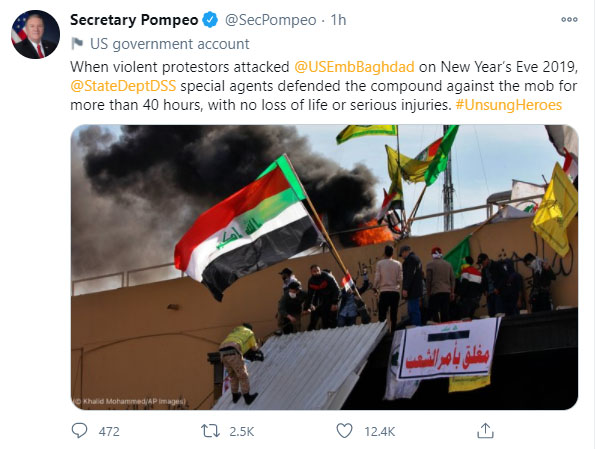
Pompeo’s tweet at the same time as the airstrike -
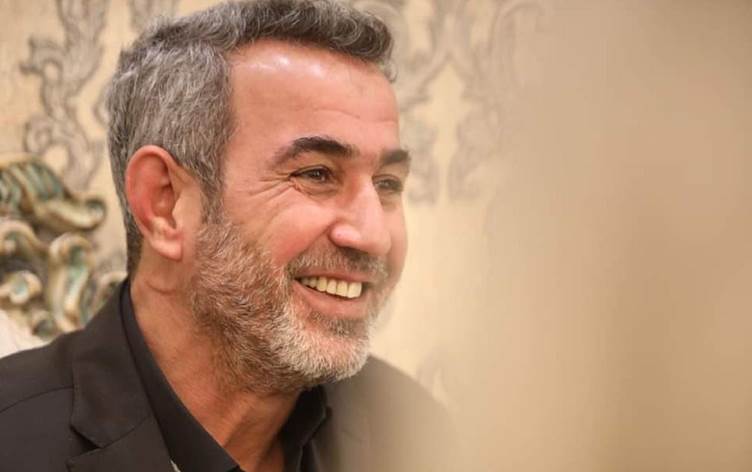
US sanctions Iraq’s hero, “Abu Fadak” PMF chief of staff
In the past few days, Falih Al-Fayyadh the head of the Hashad al-Shaabi (PMF) delegation, was also included in the list by the US Treasury Department, which provoked many reactions. Lebanon’s Hezbollah, Yemen’s Ansar Allah and several Iraqi parties condemned US sanctions against the Iraqi Popular Mobilization Forces.
Abdulaziz al-Muhammadawi is a former secretary general of Iraqi Kataib Hezbollah and a member of Kataib Hezbollah council. He has established missile units in Iraq and has been responsible for overseeing the localization of missile production in Iraq.
Abu Fadak also commanded the Hashad al-Shaabi forces in many of Syria’s battles, including the liberation of Maliha, al-Hujairah square, al-Ghouta in Damascus, and the lifting of the siege of Nubl and al-Zahra in Aleppo province.
-
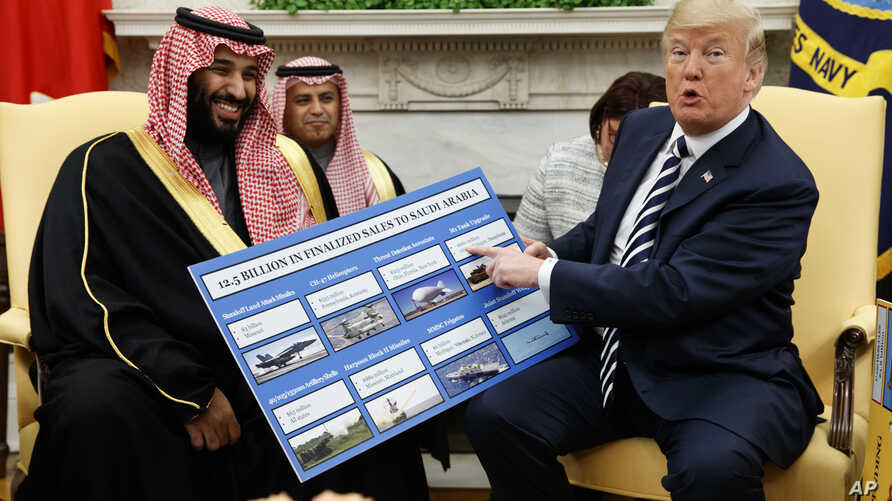
Details of US and European Contracts and Assistance to Saudi Arabia
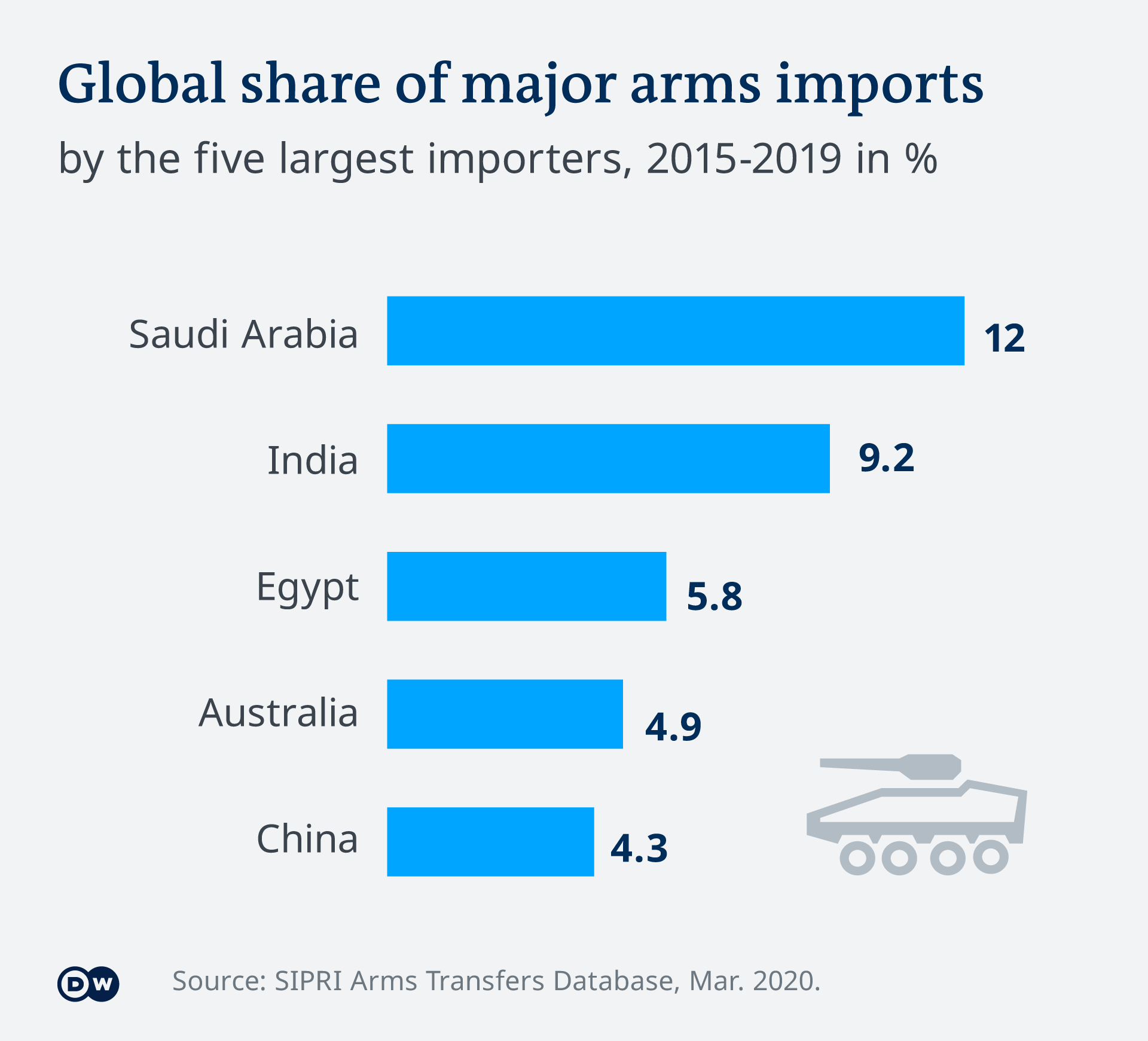
According to Western statistics, Saudi Arabia’s military budget after the invasion of Yemen, from 2015 to 2020, has grown by 61 percent to more than 270 billion dollars, which is about 21 percent of the annual budget of the government. These figures make Saudi Arabia the world’s largest arms importer and a top US customer.
According to a report by the Stockholm International Peace Research Institute, Saudi Arabia’s military imports from 2015-2019, was 73 percent from the United States, 13 percent from Britain and 4.3 percent from France, indicate widespread Western support for the provocative and War-mongering policies of Saudi Arabia and the war in Yemen.Right: SIPRI statistical report of the largest importers of military weapons in which Saudi Arabia ranks first, left: Statistics of the largest exporters of military weapons in which the United States ranks first. In late 2020, the US State Department announced that it had agreed to sell 3,000 GBU-39 SDB I satellite bombs to Saudi Arabia for $ 290 million.
This type of satellite-guided bomb was purchased for use in F-15E Strike Eagle fighters of the Saudi Air Force and for bombing fixed targets such as defense systems, hangars, infrastructure targets, etc. with an accuracy of less than 6 meters and range of 110 km.
The US State Department statement also said that the agreement was made to strengthen Saudi Arabia’s ability to respond to current and future threats and has no compensatory provisions, in other words, an after-sales commitment for the United States.The United States had previously announced on November 12, 2020 a contract to sell 150 F-15E Strike Eagle fighters worth approximately $ 9 billion and $ 750 million.

US State Department report on a deal to sell 3,000 satellite-guided missiles to Saudi Arabia In recent years, despite international restrictions on the export and sale of military weapons, as well as European sanctions against Saudi Arabia for a complete cessation of military arms sales to the Saudis, such agreements have been re-signed and arms deliveries to Saudi Arabia have resumed.
Some of these contracts include the following:
1- The contract for the sale of heavy vehicles of the French-German company “Kamag” with Saudi Arabia in April 2019.
2- Canada’s $ 14 billion contract with Saudi Arabia for the sale of military weapons, including light armored vehicles, etc. which was unimpeded in November 2019.
3- Raytheon (USA) Patriot Air Defense System Optimization and Localization Agreement with Saudi Arabia in December 2019.
4- Lockheed Martin (USA) contract with Saudi Arabia to sell the Thaad system worth $ 5 billion and 360 million in July 2019.
5- Boeing (US) contract with Saudi Arabia for the sale of one thousand surface-to-air missiles and anti-ship harpons worth one billion and 972 million dollars in May 2020.
6- The contract for the sale of 48 British Typhoon fighters with Saudi Arabia worth 10 billion pounds in March 2018.
7- A $ 23 billion contract to sell 50 F-35 fighter jets, MQ_9B drones and US air-to-air missiles to the United Arab Emirates.Given the long history of violations of international law, human rights and etc, in Saudi Arabia, as well as their current war against Yemen, the sale of military weapons to Saudi coalition, especially Saudi Arabia and the UAE, has always been controversial; But European and American governments, regardless of these issues, have continued to sell their military weapons to the Saudis and have expanded their influence and presence in the Arabian Peninsula region through various wars and the Iranophobia project.
Examining the US and European arms deals with the Arab countries, one can understand why the Yemeni war should continue and why Ansar Allah should be included in the list of terrorist organizations. The inclusion of the Yemeni Ansarullah People’s Movement in the list of American terrorist groups, even after years of Saudi crimes against the Yemeni people and daily bombing and killing of the Yemeni people, and continuing to equip Saudi Arabia with all kinds of military equipment and bombs is a clear indication of the US hypocrisy and false claim of democracy by the United States and Western countries.