Article - Islamic World News

2 December 2025

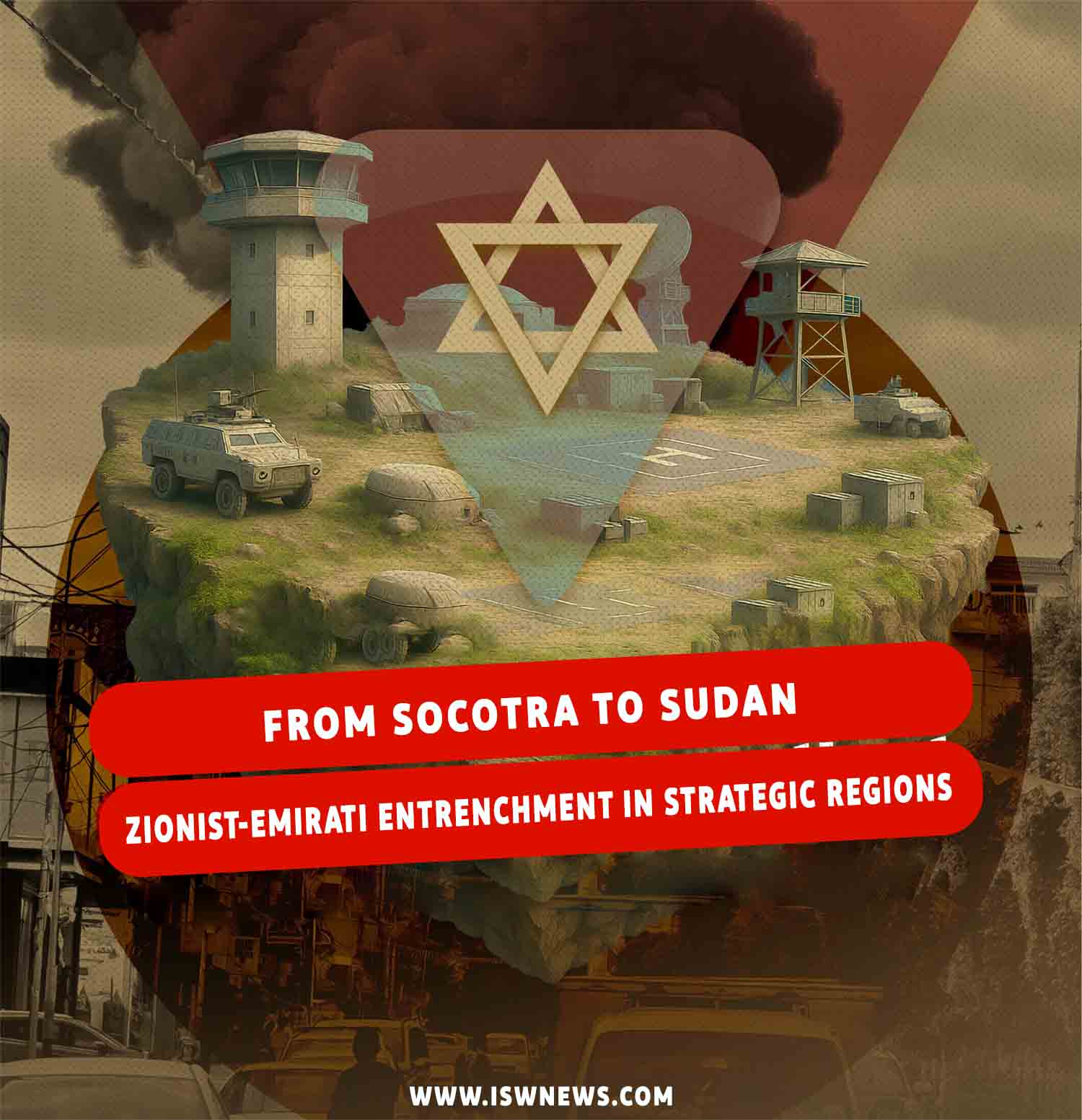
Abu Dhabi: The Second Baku!

Without doubt, in recent years the United Arab Emirates has become both a security and economic arm for the United States and Israel. Through economic projects, it advances Western‑Israeli security objectives—examples include involvement in Sudan’s conflict, support for the Rapid Support Forces, and exploitation of Sudan’s gold mines. Another example is the UAE’s entry into infrastructure and trade corridor projects in Central Asia. Recently, by signing agreements with countries in this region and the Caucasus, Abu Dhabi has sought access to the Middle Corridor, pursuing geopolitical and geo‑economic goals aligned with Tel Aviv and the West.

6 November 2025

How Israel’s Intelligence Network Operates in Yemen

As reported in Israeli media, following the failure of airstrikes targeting Yemen’s energy and service infrastructure, Israeli intelligence agencies have shifted their focus toward recruiting informants and gathering field intelligence to disrupt Yemen’s military support for Palestine.

6 November 2025

Is ISIS Preparing to Announce a “Wilayah of Sudan”?

As violent clashes intensify across Sudan, the terrorist group ISIS has begun positioning itself as a potential actor in the country’s crisis by publishing ideological content in its official magazine Al-Naba.

5 November 2025

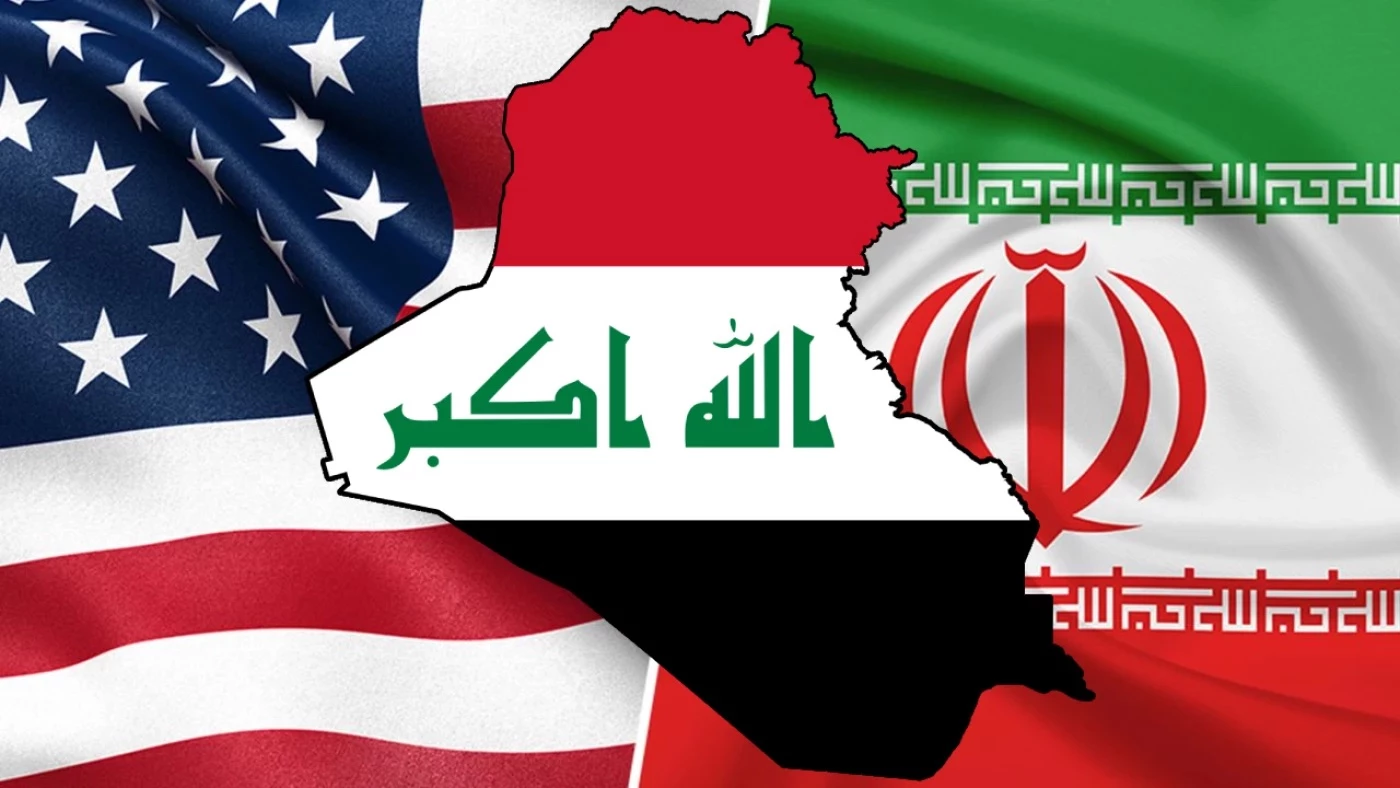
Baghdad at a Historical Crossroads: Examining the Future of the Popular Mobilization Forces and Iraq

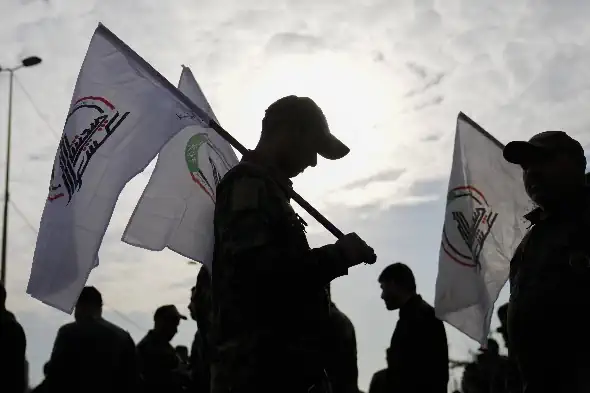
Iraq is at a defining stage in its political evolution where the convergence of external pressures—namely Iranian influence and Turkish military presence—with the central government’s financial crisis and the complex internal power structure, particularly the multifaceted role of the Popular Mobilization Forces (PMF), has seriously undermined the country’s prospects for political and security stability. The PMF now functions as a semi-institutional force that, while possessing defensive capabilities and social legitimacy, also operates through political, economic, and transnational networks that influence the behavior of some of its units. This increases the likelihood of autonomous actions, local clashes, or demonstrations of force.

4 November 2025

Emerging Actor in the Caucasus: The Republic of Azerbaijan

This article explores Azerbaijan’s evolving security and military strategy, which over the past two years has combined active diplomacy with extensive militarization. Through the acquisition of advanced weaponry from Turkey, Pakistan, and Israel, the development of multi-layered air defense systems, and technical and training cooperation with NATO, Baku aims to solidify its role as a key power in the South Caucasus. This approach not only enhances deterrence but also shifts the regional balance of power, increasing security pressure on Iran, Armenia, and Russia. In this discussion, we examine the dimensions of Azerbaijan’s militarization, its geopolitical objectives, regional implications, and possible future scenarios in the South Caucasus.

4 November 2025

Yankees in Caucasus: Assessing the Security and Geopolitical Implications of U.S. Involvement in the Zangezur Corridor Project

This article examines the Zangezur Corridor initiative and the entry of the United States into the project through a private company—an involvement that could carry significant security and geopolitical consequences for the Caucasus region and beyond. Designed to connect Baku to Nakhchivan, the corridor leverages its strategic geography and has become a tool in broader geo-economic and geopolitical rivalries. By backing this project, the U.S. seeks to control transit routes, curb Russian and Chinese influence, and exert pressure on Iran. This presence, especially alongside military cooperation with Turkey and Israel, poses potential threats to both Iran and Russia. This article focuses on the corridor’s security, economic, and strategic dimensions, and the evolving role of the United States.

3 November 2025

Bagram: The Achilles’ Heel for China and Iran

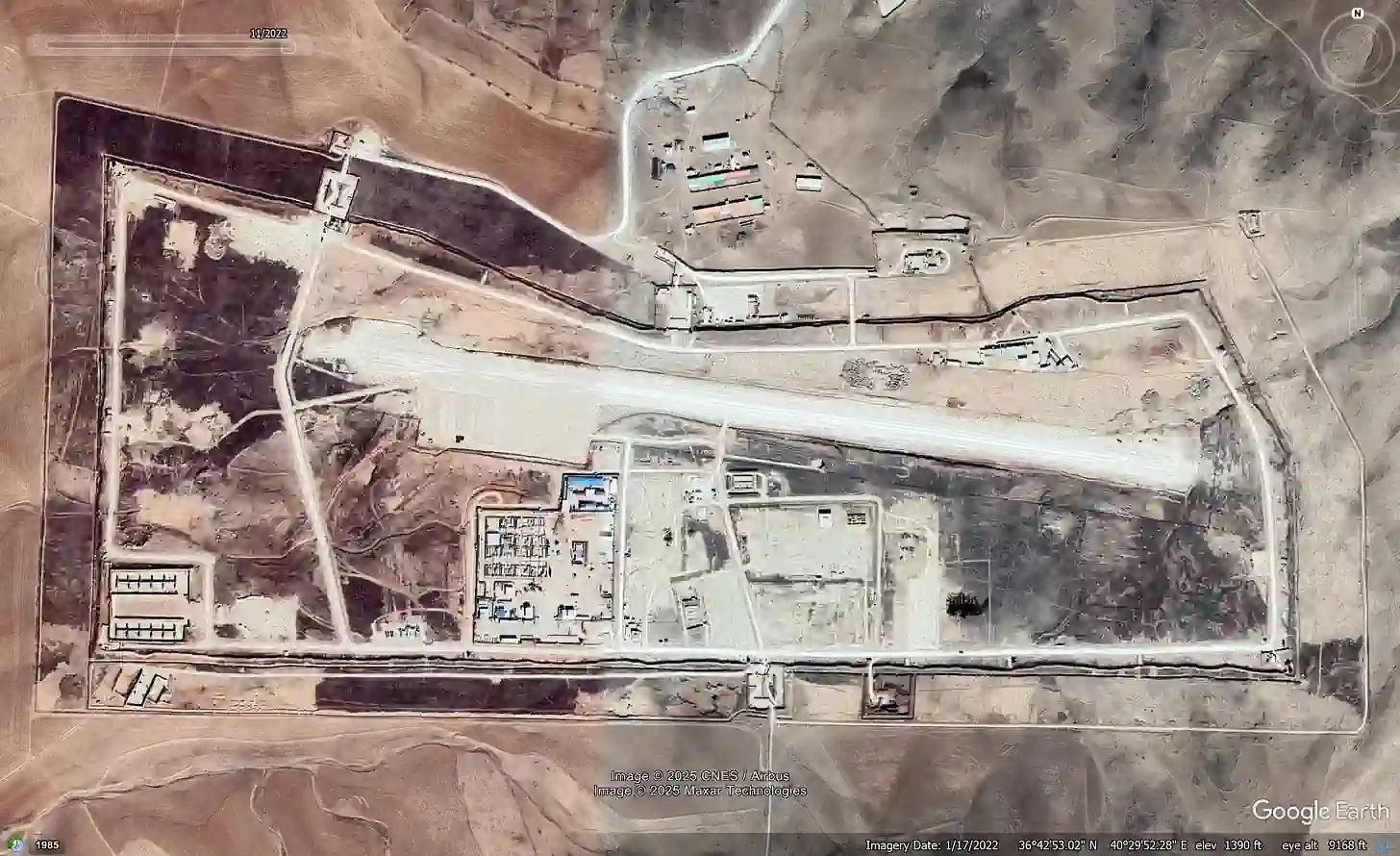
This article explores the U.S. military and security doctrine in West Asia, focusing on the strategic significance of bases like Bagram in Afghanistan. The United States aims to reduce its large-scale military presence and instead rely on air power and special operations forces to achieve its objectives, particularly near the borders of Iran, Russia, and China. Afghanistan, with the Bagram Air Base, offers a key position for rapid and sustained access to these frontier zones. The analysis also examines close U.S.–Israeli cooperation and the “flat terrain” strategy, which emphasizes air dominance and the elimination of defensive obstacles in the region. Ultimately, these strategies are designed to secure military superiority in West Asia and influence global economic and political corridors.

21 October 2025

U.S. National Security Strategy: Operational Agenda for West Asia and the Resistance Axis

This report, based on the 2022 U.S. National Security Strategy, analyzes how America’s updated security policies influence its military presence and interventions worldwide—especially in West Asia. These policies aim to reduce direct and large-scale U.S. military deployments, favoring limited operations conducted with and through regional partners and groups. From now on, the central theme of U.S. actions will be a “denial strategy.”

15 October 2025

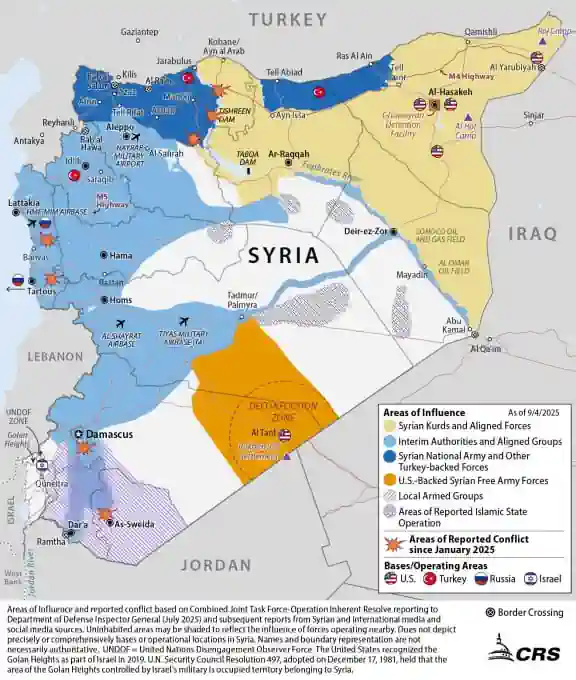
The Puzzle of Baghdad–Damascus Relations in the Al-Sudani–Al-Julani Duality

In this text, we examine Al-Sudani’s efforts to establish ties with Al-Jolani’s administration and outline the reasons behind them. Overall, ten factors can be identified, grouped into four categories. In recent years, several security-related files have emerged between the two countries, with the following being the most notable.

14 October 2025

U.S. Efforts to Pressure Iraq’s Rafidain Bank Over PMF Case Using Ansar Allah Allegations

In recent months, Iraq’s state-owned Rafidain Bank has come under U.S. pressure for various reasons, aimed at increasing financial strain on the Iraqi government regarding the Popular Mobilization Forces (PMF). In the latest round of accusations, Washington claims the bank processed payments and foreign currency transfers for Yemen’s Ansarallah movement through its branch in Sana’a.