Category: Article

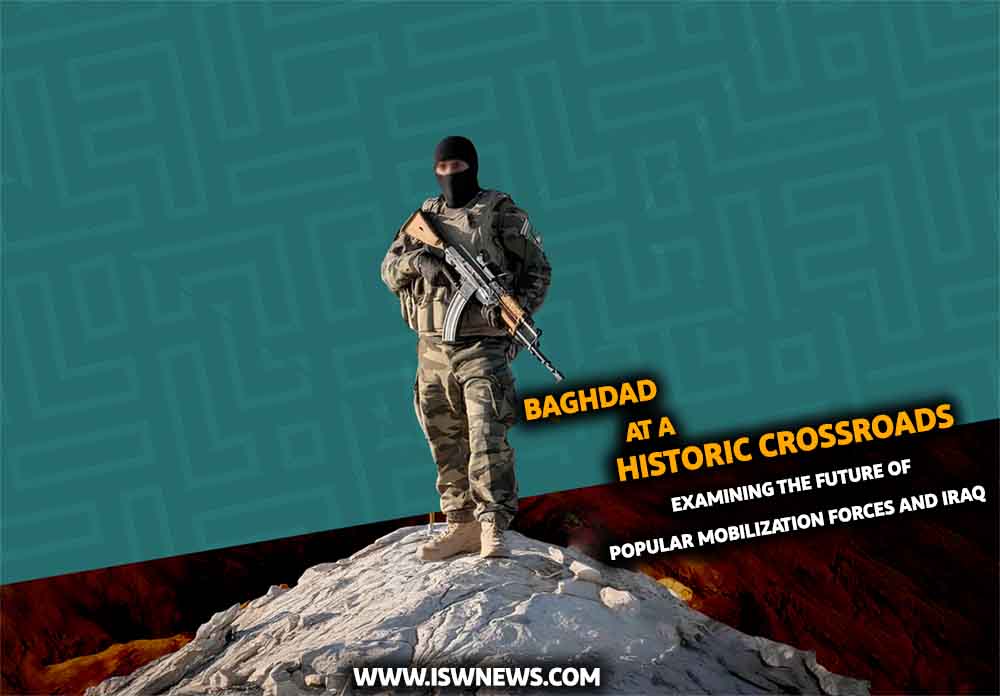
  • Baghdad at a Historical Crossroads: Examining the Future of the Popular Mobilization Forces and Iraq

    Baghdad at a Historical Crossroads: Examining the Future of the Popular Mobilization Forces and Iraq

    The future of this situation can be envisioned through three scenarios. First, gradual integration and institutionalization within the state framework, provided there is political will and financial transparency. Second, the continuation of its semi-institutional status with sporadic conflicts, which appears to be the most likely path. Third, a deterioration into greater instability triggered by regional developments or a deepening financial crisis.

    A risk-reduction strategy should be built on three pillars. Auditing and restructuring the PMF’s personnel system. Gradual reform of legal and political frameworks to enable structured integration. Activation of regional diplomacy to reinforce security boundaries. What remains vital is preserving the PMF’s social legitimacy and operational capacity during the integration process so it can continue to serve as a stabilizing and deterrent force within Iraq’s security architecture during times of crisis.

    Iraq’s Current Position in Relation to the PMF

    In the second half of 2025, Iraq’s domestic politics depend more than ever on how the government engages with paramilitary actors while managing regional and economic pressures. The experience of the past few years shows that the PMF is no longer a temporary partisan force. It has embedded itself into Iraq’s political, social, and economic fabric and has become a key player in Baghdad’s power dynamics.

    From the perspective of local governments and many domestic observers, acknowledging this reality is the first step toward any pragmatic solution. Attempts to rapidly dismantle or marginalize the PMF are not only unfeasible but risk undermining stability and deepening social divides.

    Understanding the PMF’s current status requires a composite view of three elements. Its military and security role during the fight against ISIS, which earned it local legitimacy. The political and economic structures surrounding it, which have turned some brigades into influential actors in local institutions and markets. Its regional ties, which shape and sometimes direct its behavior.

    For example, in the summer of 2014, when ISIS rapidly captured parts of Iraq and threatened the collapse of the local government and sacred sites, Iran’s Quds Force intervened directly. Intelligence support, military advising, weapons shipments, and field presence were mobilized to organize and strengthen local resistance groups. These efforts, officially framed as protecting holy sites and preventing security collapse, forged deep operational links between certain PMF brigades and Iranian security institutions.

    Baghdad’s Balancing Act in Domestic Politics

    From the perspective of internal political dynamics, Prime Minister Mohammed Shia’ Al-Sudani’s government operates cautiously in a middle-ground position. On one hand, it must assert sovereignty and demonstrate legal control over national affairs. On the other, it faces pressure from Shiite coalitions and local leaders with divergent interests and expectations. The Coordination Framework of Shiite factions exemplifies this complexity. Some groups maintain close ties with the Islamic Republic of Iran, while others pursue more nationalist or conservative agendas. These differences have created friction in strategic decision-making and pushed the government toward a policy of “patience and passivity.” This cautious approach, especially when compounded by financial strain, reduces the likelihood of gradual compromise and instead opens space for symbolic gestures and localized bargaining.

    What Shapes Iraq’s Political Future?

    Iraq’s political future is shaped by its engagement with regional actors, particularly Tehran and Ankara. Structurally, Iran maintains deep and networked influence over segments of the Popular Mobilization Forces (PMF), and its preference has often been to preserve communication channels and pursue gradual influence rather than direct confrontation. In critical moments, Tehran has opted for a “keep the channels open” tactic to safeguard its long-term interests in Iraq. Meanwhile, Turkey’s military presence and operations in the north and Kurdish regions exert additional pressure on Baghdad’s ability to assert control, narrowing the government’s strategic options. From Baghdad’s standpoint, managing simultaneous pressure from Iran and Turkey requires active diplomacy and balanced policies. It must also secure guarantees for territorial integrity and decision-making independence without undermining local deterrent mechanisms.

    Three Scenarios for the PMF’s Political Trajectory

    Given current conditions, three plausible scenarios can be outlined for the future of the PMF and its political role. These scenarios are shaped not by ideological goals or idealistic plans, but by the actual behavior and patterns of current actors.

    In the realistic scenario, the PMF remains in a “semi-institutional” state. This means that some units and leadership structures gradually integrate into official military and security institutions, while others retain local influence and continue to play political and economic roles at regional and national levels. This model allows the central government to maintain a degree of control over the national security framework, while delegating some operational authority to paramilitary forces at lower levels. The likely outcome is continued local competition, increased political bargaining on the margins of government, and the emergence of a multi-layered field where Iraq becomes a battleground for regional influence.

    In the second scenario, which becomes more likely with rising regional tensions or a financial collapse of the government, certain units may break away from the political process and intensify independent military actions or symbolic operations. This could provoke reactions from foreign actors and rapidly push Iraq into a level of instability from which recovery would be difficult. Field reports of such behavior and attacks on infrastructure suggest that this scenario is not far-fetched.

    The third scenario involves structural institutionalization and the transformation of the PMF into a “national asset,” achievable under three conditions. First, Baghdad must demonstrate political will and draft clear legislation. Second, transparent financial mechanisms must be established. Third, regional dialogue must prevent Iraq from becoming a theater of foreign confrontation. Lessons from other regional countries and analytical recommendations suggest that a phased plan—including financial audits, formal personnel registration, revised appointment protocols, and reasonable incentive packages for moderate commanders—could enable a smooth integration into Iraq’s political and legal system. This path requires time, patience, and overlapping political guarantees, but from Baghdad’s perspective, it is both rational and achievable.

    The Role of the United States in Iraq’s Future

    From a strategic standpoint, U.S. policy toward Iraq in recent years has shifted from a model of direct, large-scale military presence to a more flexible, multi-layered approach. This new framework emphasizes reducing field deployments, maintaining deterrence capabilities, and combining targeted pressure with conditional support. Two key factors have driven this shift: first, Washington’s desire to reduce the political, financial, and human costs of prolonged engagement in the Middle East; and second, its increasing reliance on diplomatic, economic, and security tools as indirect yet effective instruments of influence. As a result, this evolving strategy carries several important implications for Iraq’s political and security architecture—understanding these is essential for grasping the balance of power in Baghdad and the interplay of domestic and regional forces.

    The first dimension of these implications relates to the mechanism of “conditional aid” and its role in shaping reform incentives. The United States typically ties its economic and military assistance to progress in governance reforms, financial transparency, and the containment of irregular paramilitary forces. In theory, such conditionality can accelerate the registration, regulation, and integration of armed groups, paving the way for a more cohesive institutional structure. However, Iraq’s field experience shows that imposing conditions without offering credible and sustainable alternatives—especially for moderate local commanders—often backfires. It intensifies political resistance and deepens internal divisions, polarizing the decision-making environment.

    The second dimension involves “strategic ambiguity.” The reduction of direct foreign military presence creates deterrence gaps that local actors may exploit to expand their operational autonomy. In this context, U.S. threats of military action or sanctions may serve as crisis deterrents, but repeated or unilateral use—especially without regional coordination or viable economic alternatives—can provoke domestic backlash and erode the legitimacy of Baghdad’s reform efforts.

    The third dimension highlights the constructive potential of U.S. assistance. When conditional pressure is paired with investment in institutional capacity—such as technical support for personnel registration systems, strengthening financial institutions, and managerial training—the likelihood of successful reforms increases. This model of pressure combined with structural support can lower the political cost of implementing reforms in Baghdad and facilitate gradual integration of armed groups, provided these programs are designed in coordination with regional stakeholders and domestic beneficiaries.

    Assessing the Risk of Early Conflict in Iraq

    In recent months, a convergence of political, security, and economic developments in and around Iraq has signaled a shift toward a more fragile phase compared to the relative stability of the past. The overlap of internal pressures with regional movements has significantly increased the risk of scattered tensions escalating into a broader crisis. Domestically, the central government’s chronic financial crisis, unresolved disputes over the PMF legislation, and the lack of transparency in resource allocation and payments have eroded Baghdad’s decision-making structure. This erosion has not only weakened the state’s capacity for rapid response to security incidents but also fostered institutional instability in the relationships between the government, political factions, and paramilitary forces—a reality confirmed by multiple field reports and analytical assessments.

    At the same time, several concrete incidents suggest that Iraq’s previously stable security landscape is becoming increasingly fragile. Drone attacks on oil fields in Duhok Province and damage to companies operating in the Kurdistan Region—such as Hunt Oil, which was recently forced to suspend and then conditionally resume operations—are examples of economic-security pressure points that could swiftly alter the local balance of power.

    In terms of foreign relations, transnational actors play a critical role. Official and unofficial statements from Iraqi officials have pointed to overt and covert pressure from the United States and Israel regarding the passage of the PMF law, along with warnings about the economic and political consequences of opposing their interests. These developments indicate that Iraq’s internal political actions are rapidly becoming entangled in regional rivalries. Mahmoud al-Mashhadani, Speaker of Parliament, recently spoke publicly about threats and pressure, signaling that disputes over the PMF law are not merely domestic matters—they could become pretexts for external leverage with long-term economic and political consequences for Baghdad.

    The Risk of Escalation in Iraq: A Strategic Assessment

    In a recent interview, Iraqi parliamentarian Mahmoud al-Mashhadani emphasized that the wave of reports and claims circulating in outlets like Al-Akhbar—regarding the possibility of Iraq being targeted by Tel Aviv-led operations—while alarmist in tone, may in practice serve a deterrent and regulatory function in regional security dynamics. Even when not grounded in verified intelligence, such narratives tend to heighten caution, surveillance, and coordination among actors, prompting them to reassess power balances and operational readiness. In this sense, these discourses, beyond their media role, indirectly activate components of regional deterrence.

    The PMF’s Role in Iraq’s Complex Security Equation

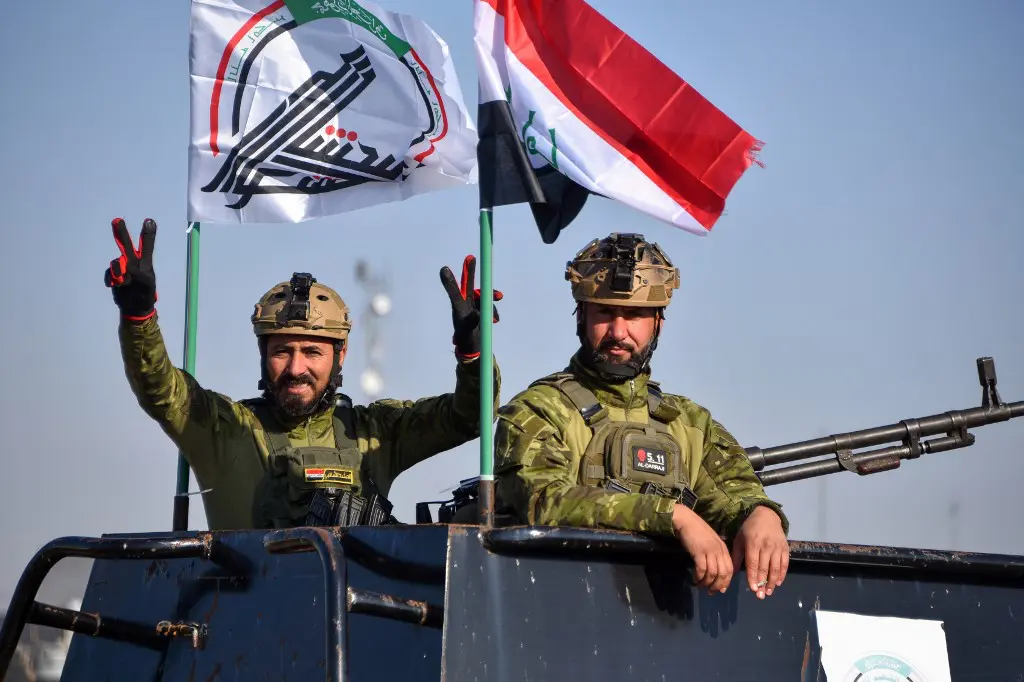
    The Popular Mobilization Forces (PMF), rooted in social legitimacy and its history of fighting ISIS, has evolved into a network of brigades and political-economic structures. In the absence of transparency and clear legislation, it retains the capacity to act based on local, economic, or ideological motives. Operational and logistical ties between certain brigades and regional actors—as seen in 2014—can justify responses that the central government may view as “outside official channels.” While this structural reality alone does not constitute a war trigger, when combined with financial shocks, external pressure, and attacks on critical infrastructure, it creates conditions for local reactions to escalate beyond the government’s control.

    Pathways to Crisis Escalation

    Several plausible pathways exist for crisis escalation, though they do not follow a simple cause-and-effect chain. These include:

    • A significant blow to the national economy, such as sanctions or widespread shutdowns in the oil sector, which would raise public dissatisfaction and strain both military and civilian budgets
    • Coordinated attacks on energy infrastructure or foreign bases, potentially provoking retaliatory military responses
    • Breakdown of diplomatic channels between Baghdad and key regional players (Tehran, Ankara, Washington), which would hinder regional crisis management and mediation

    The activation of any of these triggers—especially in combination—could substantially increase the likelihood of localized tensions evolving into a broader conflict. Recent developments suggest that some of these triggers are already active or on the verge of activation, including drone strikes in northern Iraq, political pressure surrounding the PMF legislation, and psychological-media tensions linked to allegations of foreign influence and threats.

    Strategic Summary and Outlook

    The report concludes that while a full-scale war in Iraq is not imminent, the country is exposed to a set of compounding triggers that, if not managed promptly and coherently, could push the situation toward widespread conflict within weeks or months. In other words, the risk of war is a real possibility—dependent on immediate domestic decisions and regional guarantees, not an inevitable outcome.

    Therefore, Baghdad’s current priorities must focus on rebuilding financial and personnel transparency within the PMF, passing clear legal frameworks, strengthening protection of energy infrastructure, and activating diplomatic channels with Tehran, Ankara, and Washington. Only through this integrated management approach—and not through unilateral solutions or external pressure—can Iraq avoid becoming a theater of regional confrontation.

    Conclusion

    In a broader evaluation, the prospect of a full-scale war in Iraq in the medium term is neither unavoidable nor implausible. What determines the outcome is a combination of internal and external triggers and the government’s ability to respond swiftly. If liquidity crises deepen, if the PMF’s semi-institutional structure persists without oversight, and if a strong regional trigger—such as direct attacks on bases or the collapse of diplomatic guarantees—emerges, localized clashes could rapidly escalate into a national conflict.

    Conversely, passing legislation, conducting financial audits, registering personnel, offering reasonable incentives to moderate commanders, and securing diplomatic guarantees from regional actors could pave the way for gradual integration and de-escalation. In short, the threat of war is real but entirely contingent on Baghdad’s immediate policies and the nature of regional and international engagement. Transparency, institution-building, and regional guarantees significantly reduce the risk of conflict—while neglecting these measures raises the likelihood of escalation.
  • Emerging Actor in the Caucasus: The Republic of Azerbaijan

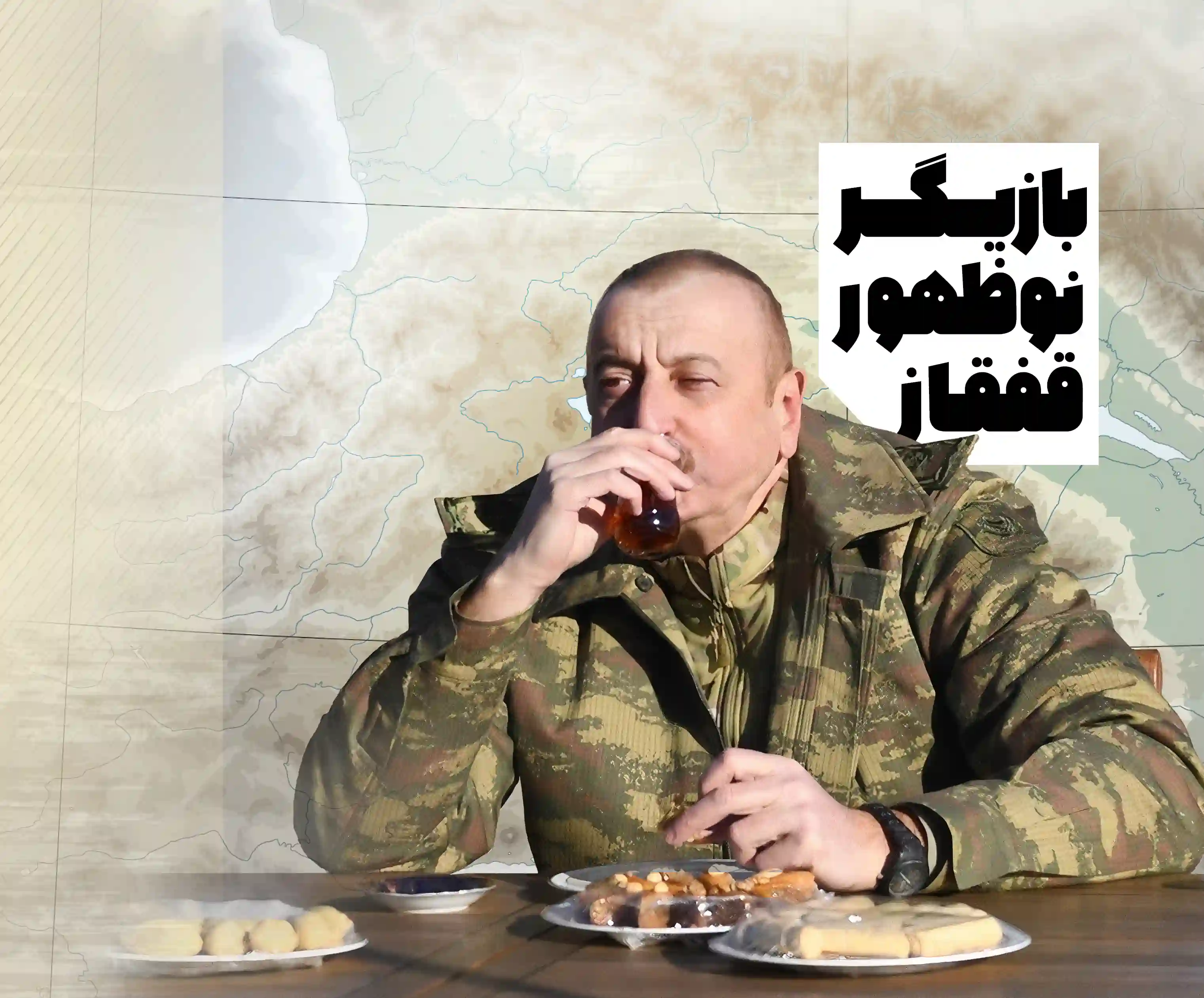
    Emerging Actor in the Caucasus: The Republic of Azerbaijan

    Over the last two years, Azerbaijan has adopted a new model of hybrid security diplomacy, blending an assertive foreign policy with large-scale arms procurement and military restructuring. This policy fits within a broader strategy to boost deterrence capacity and elevate Baku’s geopolitical standing in the security landscape of the South Caucasus and its surroundings. Key elements of this strategy include the expansion of layered air defense systems, enhancement of artillery and armored capabilities, development of drone infrastructure with reconnaissance and precision-strike capabilities, and deepening of training and cyber cooperation with NATO and its key partners such as Turkey, Pakistan, and several European countries.

    This trajectory reflects Azerbaijan’s effort to transition from a posture of territorial isolation to one of active regional security engagement. It not only redefines the balance of power in the South Caucasus but also raises the geopolitical cost of conflict and narrows the strategic options of neighboring actors—particularly Iran, Armenia, and Russia.

    Key Developments: Azerbaijan’s Expanding Military Strategy

    The purchase of 48 self-propelled Nora B-52NG howitzers from Serbia marks a significant step in Azerbaijan’s effort to restructure its heavy artillery, aimed at enhancing operational mobility and deep-strike capabilities. In parallel, the acquisition of advanced Barak-MX air defense systems from Israeli military industries reflects Baku’s ambition to establish a multi-layered protective shield and reduce vulnerability to missile and drone threats. In the air force domain, the procurement of fighter jets and attack drones—especially from Turkey and Pakistan—signals a shift toward a network-centric warfare doctrine, emphasizing technological superiority over manpower.

    Simultaneously, Azerbaijan has redefined its training, management, and doctrinal capacities through integration with Western security structures, particularly via NATO’s defense institution development programs. This process has been accompanied by growing cyber and technical cooperation with European and regional partners, gradually aligning Azerbaijan’s defense institutions with NATO standards. Beyond its technical and military dimensions, this trend sends a clear political message: strengthening security ties with the Western bloc, counterbalancing pressure from Russia and Iran, and positioning Azerbaijan as an active player in the emerging security architecture of the South Caucasus.

    Air Defense

    The acquisition of Barak-MX systems and the overhaul of various defense layers—including Pantsir-S1, S-300PMU2, upgraded Soviet-era 9K33 OSA systems, Iron Dome batteries, and armored vehicles equipped with SPIKE NLOS missiles—demonstrates Azerbaijan’s pursuit of a comprehensive air defense network. This evolution has made Azerbaijan one of the few post-Soviet states capable of integrating Russian, Israeli, and Turkish technologies into a unified defense structure.

    In the realm of drones and smart weaponry, the deployment of Akinci attack drones and the expansion of data-driven training infrastructure have boosted Azerbaijan’s capacity for precision strikes, rapid reconnaissance, and network-based combat. The country also operates at least 600 MLRS units, including 100 guided systems with capabilities surpassing HIMARS.

    Air Force and Fighter Jets

    Azerbaijan’s growing partnership with Pakistan for the acquisition and training of JF-17 Thunder fighter jets lays the groundwork for a homegrown air force and mutual deterrence against regional threats. This collaboration reflects a strategic convergence among Islamabad, Ankara, and Baku, potentially leading to the formation of a new military bloc in Eurasia.

    At the same time, multi-billion-dollar defense allocations—especially between 2024 and 2026—highlight a shift toward militarizing the national economy and prioritizing hard security over traditional diplomacy. This trajectory is confirmed by official Azerbaijani data indicating a 15–20% annual increase in defense spending and major arms deals with partners such as Israel and Turkey.

    Regional Implications: Azerbaijan’s Expanding Military Posture and Strategic Diplomacy

    Azerbaijan’s growing drone and missile capabilities are reshaping the security landscape of the South Caucasus, with direct consequences for neighboring powers. For Iran, the increased range and precision of Azerbaijani systems enhance surveillance and intelligence-gathering along its borders, intensifying strategic pressure on Tehran. Armenia faces a widening military imbalance, raising the risk of renewed conflict—especially as Yerevan continues rebuilding its armed forces after the 2020 war. For Russia, Baku’s deepening ties with NATO and Israel challenge Moscow’s traditional sphere of influence in the region and may lead to a redrawing of military alignments across the Caucasus.

    Geopolitical Dimension and Military Diplomacy

    Azerbaijan has built a multilayered security network by leveraging strategic partnerships with Turkey and Pakistan, and through extensive intelligence and technological cooperation with Israel. This framework allows Baku to balance competing Eastern and Western blocs. Active participation in NATO programs such as DEEP and cybersecurity initiatives with European countries has reduced Azerbaijan’s historical dependence on Russia and positioned it as NATO’s southern gateway in the Caucasus.

    This dual-track policy—military modernization paired with diplomatic outreach—has elevated Azerbaijan’s geostrategic value in broader energy and security calculations. Recent developments underscore this shift:

    • Slovak Chief of Staff General Daniel Zmeko visited Baku, touring the cyber defense center and air force command, where AI systems for military infrastructure protection were showcased.
    • A trilateral defense summit between Azerbaijan, Georgia, and Turkey focused on securing regional transport corridors and conducting joint military exercises.
    • Initial defense talks with Bosnia and Herzegovina for 2026 included training exchanges and strategic cooperation.
    • Azerbaijan shared drone warfare expertise with Georgia and hosted cybersecurity and IT infrastructure meetings centered on AI and joint communication networks.

    These moves reflect Azerbaijan’s commitment to integrating active diplomacy, technological collaboration, and enhanced military and cyber capabilities to secure its role in the emerging regional security architecture.

    In essence, Azerbaijan’s defense transformation is not just about deterrence—it’s part of a broader strategy to become a multidimensional actor capable of balancing between global security blocs and leveraging its geography as a geostrategic asset in regional power competition.

    Emerging Scenarios: Azerbaijan’s Military and Diplomatic Trajectory in the South Caucasus

    Azerbaijan’s evolving military and diplomatic posture presents a range of potential scenarios, each with complex implications for regional security, power dynamics, and deterrence mechanisms in the South Caucasus and its surroundings.

    1. Regional Arms Race Intensification
    Continued expansion of Baku’s arms acquisitions raises the likelihood of a regional arms race. Neighboring countries—including Armenia, Georgia, and even Iran—may feel compelled to rapidly upgrade their defense capabilities, leading to the accumulation of advanced weaponry in an already tense and confined strategic environment.

    2. Rising Risk of Limited or Miscalculated Clashes
    The growing reliance on combat drones, precision-guided missiles, and layered air defense systems increases the temptation for preemptive action. In the event of miscommunication or flawed threat assessments, these capabilities could accelerate the escalation of localized conflicts into broader crises.

    3. Escalation in Cyber and Intelligence Warfare
    The integration of surveillance technologies and electronic warfare into Azerbaijan’s military doctrine, coupled with technical cooperation with NATO and Israel, intensifies competition in the cyber domain. This could pose new threats to the critical infrastructure and information networks of neighboring states.

    Taken together, these scenarios reflect Baku’s ambition to become a decisive military actor in the South Caucasus. However, in the absence of sustained security dialogue, the region risks entering a cycle of arms buildup, psychological pressure, and hybrid operations. Managing this trajectory will require a proactive, multilateral approach grounded in strategic foresight.

  • Yankees in Caucasus: Assessing the Security and Geopolitical Implications of U.S. Involvement in the Zangezur Corridor Project

    Yankees in Caucasus: Assessing the Security and Geopolitical Implications of U.S. Involvement in the Zangezur Corridor Project

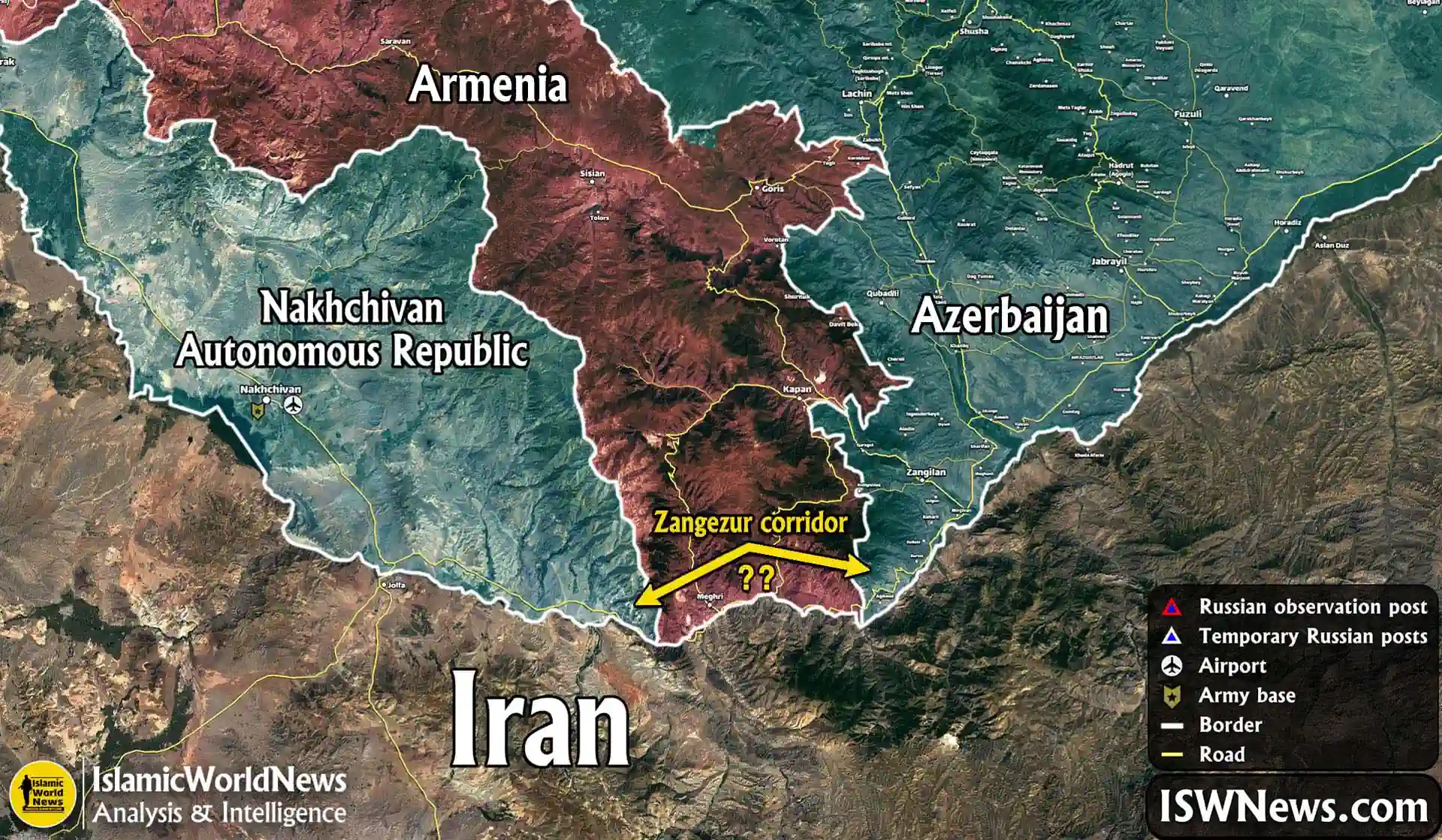
    In recent years—particularly following the Second Karabakh War, which ended with Azerbaijan’s victory over Armenia—the creation of the Zangezur Corridor through Armenia’s Syunik Province has sparked a new geopolitical contest in this vital region. Azerbaijan, capitalizing on its military strength and support from Turkey and Israel, is pursuing ambitious geo-economic goals that have met with strong opposition from Iran and Russia. The signing of a peace agreement in Washington, brokered by Donald Trump, which facilitated U.S. involvement in the project, has added another layer of complexity to the issue.

    According to the Washington agreement, the corridor has been renamed the “Trump Road for Peace and Prosperity” (TRIPP) and leased to an American company for a 99-year term.

    A closer look at the project’s objectives and the recent alignment between Baku and Ankara with the West reveals that the Zangezur/Trump Corridor is part of the broader contest over a new multipolar world order. While Azerbaijani officials emphasize its economic and transit benefits—claiming it could even benefit Iran or Armenia—the underlying Western strategy aims to forge a “Turkic-NATO” alliance to contain the China-Russia-Iran axis.

    The opaque nature of the American company

    Although much has been written about the corridor’s economic and logistical implications, its security and political dimensions remain underexplored. As noted, the U.S. involvement goes beyond commercial interests and could influence both the construction and strategic outcomes of the corridor. Given the hegemonic and capitalist nature of Washington’s political system, its economic and security agendas are deeply intertwined. Separating these motives in the Zangezur project would be an oversimplification.

    Why the Middle Corridor matters to Washington

    The strategic importance of the Caucasus and the Middle Corridor has grown significantly for the U.S., especially after the war in Ukraine. The conflict has rendered the northern route of China’s Belt and Road Initiative unstable, and Washington opposes the development of the Iranian branch of the Middle Corridor. As a result, the preferred route connecting China to Europe now runs through Turkic-speaking countries—Kazakhstan, Azerbaijan, and Turkey.

    Expanding the Middle Corridor also supports other Western economic-security projects, such as the Trans-Caspian gas pipeline and the transfer of rare earth materials from Central Asia for defense industries. The overarching goal, led by the U.S., is to develop the “Turanic” corridor to exclude Russia and China from Eurasian trade while maintaining Western access to Central Asia.

    Washington is not content with merely supporting the corridor—it seeks to control it. The Zangezur segment has become a key component of this strategy. Trump’s involvement in the corridor serves three core security-economic objectives:

    1. Establishing a presence at Iran’s border to monitor its military and security movements
    2. Undermining Russia’s influence in its traditional sphere and leveraging the Caucasus in the Ukraine conflict
    3. Controlling the Middle Corridor to exert pressure on China.

    As observed, the security dimensions of the Zangezur Corridor project—particularly for Iran and Russia—are highly significant, which helps explain the strategic alignment between Moscow and Tehran on this issue. Without a doubt, the United States is likely to deploy its military and intelligence capabilities alongside engineering teams to support such a complex and multifaceted initiative, potentially reshaping the regional landscape.

    It’s important to recognize that the interplay between military dominance and financial control is not merely academic—it’s a matter of survival for the current global financial system centered around the United States. In this context, the deployment of U.S. forces near Iran and Armenia under the guise of the Zangezur Corridor can be interpreted as a de facto military outpost, reinforcing Washington’s strategic footprint in the region.

    Objectives and Motivations Behind U.S. Involvement in the Zangezur Corridor

    • Recent studies suggest that foreign military bases established through regional alliances can enhance U.S. economic development. In contrast, bases acquired through military occupation tend to harm the U.S. economy. For example, in models where bases are set up via occupation, hostility between the host government and the foreign military tenant is more likely. Therefore, the U.S. has opted for alliance-based deployment in the Zangezur Corridor project.

    • Another strategic motivation for U.S. presence in the corridor is the potential training of extremist forces near Iran’s northwestern borders. Russian officials have claimed that the U.S. military base in al-Tanf, Syria, has been converted into a “terrorist training center.” Sergey Naryshkin, head of Russia’s Foreign Intelligence Service, stated that American forces trained 500 ISIS members and other extremists—primarily migrants from the Caucasus and Central Asia—for operations against Russian troops in Syria. If the U.S. applies a similar model near Iran or in the Caucasus, it could pose serious security risks for both Iran and Russia, especially given the increasing use of drones by extremist groups.

    • Central Asia’s strategic value is rising due to its energy reserves and rare minerals. To secure access to these resources and ensure energy and military security, the West needs a foothold in the region. Russia, China, and Iran currently hold significant influence there, and expanding Western presence would weaken this axis. In the event of regional tensions, the U.S. could use the Zangezur Corridor and its associated military infrastructure as a logistical base.

    Former Iranian ambassador to Baku, Seyed Abbas Mousavi, commented on the nature of the American company involved in the corridor: “A transregional country is entering our region through a private company. We don’t know the true nature of these companies. It’s possible that later, under the pretext of supporting them, the U.S. will deploy military forces to the region, which could be dangerous and certainly requires close cooperation among Iran, Russia, Armenia, Azerbaijan, and Turkey.” Recent developments suggest that the company involved is likely of a military-security nature, as evidenced by the lifting of U.S. sanctions on Azerbaijan’s military equipment sector. Supplying arms to Azerbaijan effectively amounts to indirect U.S. military presence near Iran’s borders.

    In summary, U.S. military involvement in the South Caucasus via the Zangezur Corridor offers strategic advantages for both Washington and NATO. It enables pressure on China, Russia, and Iran while boosting U.S. geopolitical and geo-economic influence in Central Asia and the South Caucasus. However, this approach contributes to the militarization of the region, contradicting stated goals of stability and potentially harming smaller regional states—especially Armenia and Azerbaijan.

  • Bagram: The Achilles’ Heel for China and Iran

    Bagram: The Achilles’ Heel for China and Iran

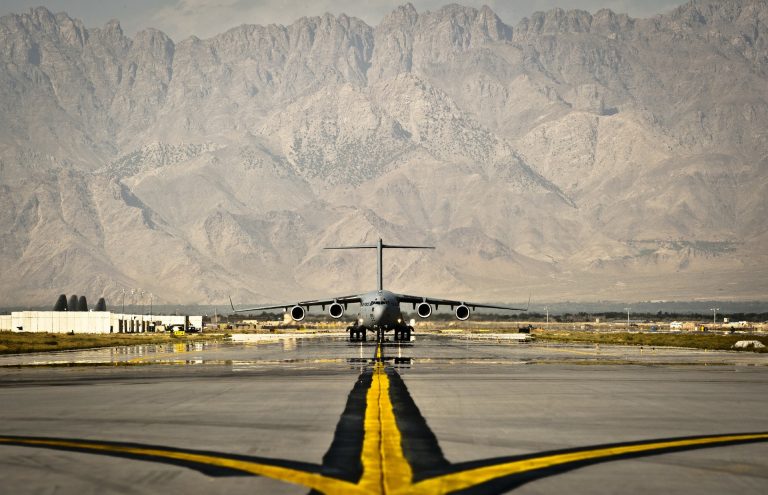
    In recent weeks, U.S. officials have repeatedly stressed that the Afghan government must allow American access to Bagram Air Base. Otherwise, the use of military force to seize the base remains a top priority. This insistence has led analysts to question why Washington is so determined to regain control of this facility. The urgency becomes clearer when viewed through the lens of the 2022 U.S. National Security Strategy, which outlines a broad withdrawal of American forces from West Asia. Notably, Donald Trump’s campaign promises included pulling troops out of the region. Yet, despite previous drawdowns, Afghanistan is once again emerging as a key military destination for the United States.

    Understanding the U.S. Regional Presence Strategy
    Decoding America’s current posture requires close attention to its 2022 national security blueprint, which mandates minimizing troop numbers in West Asia while maximizing effectiveness through elite units, rapid response capabilities, and air superiority. The targeted killings of Osama bin Laden and Abu Bakr al-Baghdadi exemplify this approach: special forces, backed by air support, enter, execute missions, and exit swiftly.

    Strategists behind this doctrine have ensured that the new security model doesn’t compromise U.S. national interests. While the approach may seem paradoxical, its core lies in air-based regional presence. In this framework, air power—coordinated with special operations—drives mission success. To maintain this capability, the U.S. must control or build bases in key strategic zones across West Asia.

    Unlike the heavy deployments of 2001, the U.S. now avoids mass troop presence, recognizing that regional adversaries are also heavily armed, and larger deployments increase casualty risks. Instead, the U.S. seeks a flexible, mobile, and resilient footprint, relying on multi-purpose military bases supported by air and special forces to maintain influence without overexposure.

    Key Characteristics of Strategic Zones for U.S. Military Presence
    • The primary feature of these zones is their location at the intersection of multiple national borders. The more neighboring countries a base is near, the greater its strategic value.
    • The second feature is the ability to provide rapid and sustained access for U.S. air forces to the borders of national security threats—namely Russia, China, and Iran.

    Afghanistan’s Role in U.S. Regional Strategy
    Bagram Air Base in Afghanistan embodies both strategic criteria sought by the United States for regional dominance in West Asia. It is a unique facility that enables permanent, rapid, and uninterrupted air force deployment by the U.S. and NATO to the borders of Russia, China, and Iran. America’s presence in Afghanistan resembles applying pressure to the core of a diamond—aiming to fracture it. While other border zones like Jordan, Saudi Arabia, Iraq, and Syria (especially near Al-Qa’im) hold strategic importance, Bagram stands out as the most critical geostrategic location for the U.S. globally.

    Bagram is the only site that offers simultaneous access to the borders of Iran, Russia, China, and even India, Pakistan, and all Central Asian nations. The U.S. military seeks the ability to deploy to the edge of these borders at will, with minimal delay, and to penetrate deep into their territories. This strategy envisions a seamless aerial corridor from the western and eastern edges of U.S. territory to the frontiers of China and Russia, without any barriers to fighter jet operations.

    Moreover, U.S. air dominance over Afghanistan allows it to maintain a lasting balance in relations among Pakistan, India, and Central Asia. This balance could reshape the design of regional and global corridors, making it nearly impossible to establish any route outside U.S. influence. Such corridors would serve to contain the economies of Iran, China, and Russia, and simplify efforts to undermine them.

    Israel’s Role in U.S. Regional Strategy: The “Flat Terrain” Doctrine
    Israel effectively functions as an advanced outpost for the United States and NATO in West Asia and North Africa. The security, military, and intelligence strategies of both parties are designed and executed as complementary and overlapping frameworks. Deep, multi-layered cooperation between Washington and Tel Aviv has turned Israel into a regional arm of U.S. geostrategic ambitions, with little divergence in their strategic orientations.

    From a geopolitical standpoint, the territorial position of Israel is highly strategic, offering direct access to the borders of Jordan, Syria, Lebanon, Egypt, and Saudi Arabia, and through the Red Sea, a gateway to northern and eastern Africa. Thus, Washington’s unwavering support for Israel is not merely ideological or political—it is a cornerstone of its broader strategy to maintain geographic and military superiority in the heart of the Middle East.

    According to the author, Israel is pursuing a “flat terrain” strategy—an aerial version of the scorched-earth doctrine. Its central aim is to eliminate any obstacle to continuous air force presence across West Asia, extending to the borders of China and Russia. The initial phase of this strategy is already visible in Israel’s persistent aerial presence over Lebanon and its readiness to conduct military operations anywhere, anytime.

    Under this doctrine, all infrastructure capable of resisting or obstructing U.S. and Israeli air forces in West Asia must be dismantled—starting with Gaza, spreading to Lebanon, and culminating in the destruction of Syria’s military infrastructure near Iran’s borders. Israel’s attacks on Syria’s defense systems and the elimination of any serious resistance are part of this plan, which has effectively granted Israel full control over Syrian airspace.

    The Position of Iran and Other Regional States in the U.S.–Israeli Strategic Framework
    The presence of large or small countries in West Asia poses no challenge to the U.S.–Israeli regional strategy as long as they do not obstruct its implementation. Therefore, regional states must either align with U.S. policies—like the Arab states and Central Asian countries after the collapse of the Soviet Union—or be consumed by internal crises, unrest, and economic hardship—like Iraq and Syria—rendering them incapable of resisting the strategic agenda. Within this framework, the U.S. Departments of Defense and State are tasked with advancing instability, disruption, and even fragmentation in nations that oppose foreign domination, using both soft and hard power.

    During the 12-day war, we witnessed the implementation of a no-fly zone and restricted access along Iran’s western border—a rehearsal for expanding the U.S. regional presence and Israel’s “flat terrain” strategy. The current goal is to extend this tactic to the borders of China and Russia. If successful, the U.S. would consider its strategic objectives fulfilled, and with the combined aerial capabilities of the U.S., Israel, and NATO, dominance over the entire region up to China and Russia would be solidified. However, Iran’s symbolic role in the Middle East—especially at this critical juncture as the world approaches a new global order—remains a major obstacle to the ambitions of Washington and Tel Aviv. Iran today is not only the bastion of resistance in West Asia but also a defensive stronghold against U.S. global hegemony, complicating American access to the borders of China and Russia.

    Post–October 7 Military and Security Doctrine Shift
    In the past two years, Israel’s strategic approach has blurred the lines between military and intelligence operations. Its air force now possesses the capability to launch air-dropped ballistic munitions with pinpoint accuracy at targets up to 1,000 kilometers away in under 20 minutes. This means specific targets can be struck at precise times with unprecedented speed. The significance of this new operational model becomes clearer when considering that striking a target 1,000 kilometers from Iran, China, or Russia’s borders equates to penetrating deep into their territorial space. This doctrine marks a turning point in the history of warfare, where emerging technologies like artificial intelligence, electronic surveillance, and advanced aerial munitions not only disrupt but erase traditional security and military boundaries.

    Previously, a successful assassination or sabotage mission under the security paradigm required years of intelligence gathering, planning, surveillance, espionage, and ultimately bombings or targeted killings—with a high risk of failure. Today, similar operations can be executed under a military paradigm with extraordinary speed and precision. Notable examples include the assassinations of Iranian military and political leaders during the 12-day war, as well as Hezbollah commanders in Beirut and Hamas leaders in Doha, carried out using military assets.

    French author Nicholas Blanford, in his book Warriors of God: Inside Hezbollah’s Thirty-Year Struggle Against Israel, recounts a failed Israeli commando assassination attempt in the village of Ansariyeh in southern Lebanon. The operation was thwarted by Hezbollah’s vigilance, resulting in the complete destruction of the Israeli unit. This episode illustrates the difficulty of past intelligence operations—now made significantly easier through modern military technologies.

    Cunclusion
    The United States’ regional strategy in West Asia is centered on minimizing casualties and costs by avoiding large-scale military deployments and direct wars. Instead, it emphasizes a sustained and rapid presence through strategically located air bases, enabling swift access to the borders of Iran, China, and Russia. This approach aligns closely with Israel’s regional doctrine.

    The overarching goal is to dismantle any resistance to U.S. aerial dominance and geopolitical hegemony extending to the frontiers of these rival powers. In the post–October 7 world—where the boundaries between military and intelligence operations have blurred—such an air-centric posture allows the U.S. to penetrate deep into adversarial territories and conduct high-precision targeted operations in under an hour. This marks a significant evolution in modern warfare and reflects a broader ambition to reshape the regional balance of power.

  • The Collapse of Qatar’s Outsourced Defense Strategy: An Analysis of the Israeli Airstrike on Doha

    The Collapse of Qatar’s Outsourced Defense Strategy: An Analysis of the Israeli Airstrike on Doha

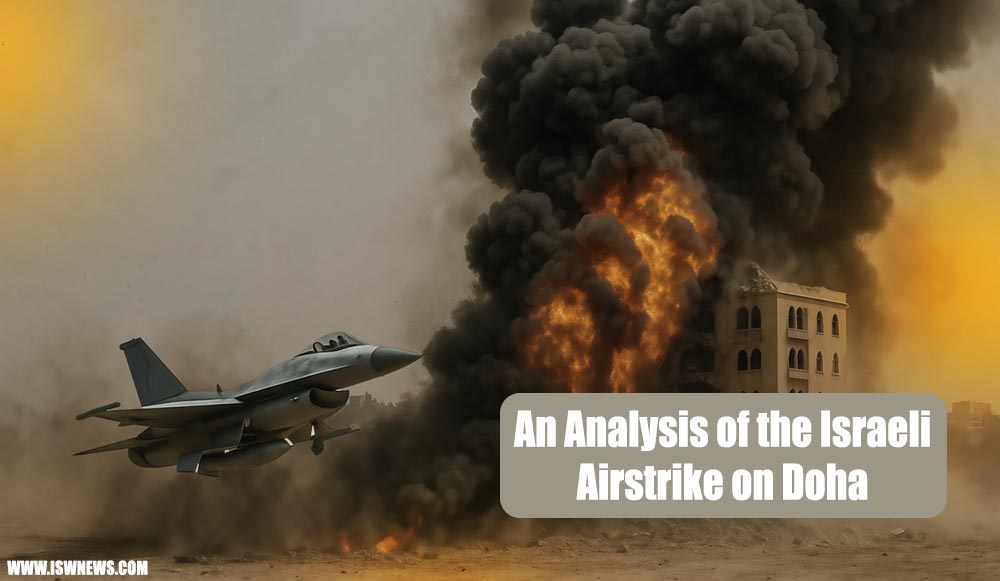
    Israeli fighter jets targeted a Hamas leadership gathering in Doha’s West Bay Lagoon, a district known for its embassies and international residential compounds². The attack took place despite Qatar hosting Al Udeid Air Base, the largest U.S. military installation in the Middle East, home to over 10,000 American troops³.

    Although the United States condemned the attack at the UN Security Council⁴, its response failed to prevent further escalation. President Donald Trump expressed being “deeply troubled” by the strike, calling it inconsistent with U.S. and Israeli objectives⁵. Nonetheless, his remarks did little to ease the profound sense of insecurity that gripped Qatar.

    This incident revealed that despite Qatar’s multibillion-dollar investments in U.S. military infrastructure and its role as a coalition host, the country remains vulnerable to regional threats.

    British Refueling Aircraft: Rumor or Reality?

    In the hours following the Israeli strike, the presence of a British RAF Voyager KC3 refueling aircraft over Doha sparked speculation about possible UK involvement. Flight tracking data showed the aircraft flying over Qatar from 3 p.m. local time—precisely when explosions were reported⁶.

    Some sources claimed the British aircraft may have refueled Israeli jets on their return journey, given the 2,200 km distance between Israel and Qatar, which aligns with the maximum range of Israeli F-35s⁷. However, subsequent investigations revealed the aircraft was conducting its annual “Soaring Falcon” exercise with the Qatari Air Force⁸.

    More importantly, the RAF’s “probe and drogue” refueling system is incompatible with the “flying boom” system used by Israeli jets⁹. Defense experts confirmed that even if the UK had intended to assist, refueling would have been technically impossible¹⁰. Nonetheless, some media outlets continue to question whether Israel and the UK were truly uninformed about each other’s actions.

    Al Udeid Air Base: Symbol of Dependence or Security Guarantee?

    Built in the 1990s with over $1 billion in Qatari funding¹¹, Al Udeid Air Base plays a central role in Qatar’s defense strategy. Hosting the U.S. Central Command (CENTCOM), the base has served as the hub for coalition air operations since 2003, supporting missions in Iraq, Afghanistan, and Syria¹².

    Qatar has spent over $8 billion on upgrading the base and plans to invest another $8.4 billion by 2033¹³. Yet the Israeli strike demonstrated that even this massive investment could not guarantee Qatar’s security.

    As analysts noted, despite advanced radar systems at Al Udeid, the U.S. either failed—or chose not—to intercept the attack¹⁴. This raised serious questions about the reliability of American security assurances. Some reports indicated that the U.S. operations center in Doha remained “silent” during the strike¹⁵, suggesting either deliberate non-intervention or operational incapacity.

    This event has led many experts to question the true value of America’s security umbrella and prompted Qatar to reconsider its defense strategy. The Iranian missile strike on Al Udeid in June 2025 further underscored that the base may not be a shield for Qatar—but rather a strategic target in regional conflicts¹⁶.

    Broken Commitments and a Crisis of Trust

    Over the past three decades, Qatar has built its security strategy on close cooperation with the United States and the United Kingdom. Since signing its first defense cooperation agreement with the U.S. in 1992¹⁷, Qatar has invested more than $26 billion in Foreign Military Sales (FMS) contracts, making it the second-largest FMS partner globally¹⁸. These deals include advanced air defense systems like Patriot and NASAMS, F-15QA fighter jets, and Apache helicopters¹⁹.

    In addition, Qatar has hosted British forces at Al Udeid Air Base and has participated in UK-led military operations against ISIS since 2014²⁰. However, the recent Israeli airstrike revealed that these commitments and investments have failed to deliver real security. As one analyst put it: “Qatar and other regional states have done much to advance U.S. interests, and in return, they expect security guarantees. This attack will shake their trust in that entire formula”²¹.

    The lack of effective response from the U.S. and UK underscored the ineffectiveness of Western security assurances against Israeli actions. Some experts now suggest Qatar should reconsider hosting Al Udeid, arguing that the base “creates more political and diplomatic challenges than opportunities”²². This trust deficit could have long-term implications for U.S. security relations across the Gulf.

    Structural Flaws in Qatar’s Outsourced Defense Model

    With fewer than 300,000 citizens and a military force of just 16,500, Qatar has the smallest army in the Gulf²³. These demographic constraints have made the country heavily reliant on foreign contractors and imported weapons systems. Between 2014 and 2024, Qatar’s defense spending surged by 434%²⁴, yet most of this went toward foreign arms purchases, with limited investment in domestic capabilities.

    Defense analysts note that despite acquiring advanced platforms like French Rafales, British Typhoons, and American F-15s, Qatar lacks strategic depth and independent operational capacity²⁵. As senior analyst Anthony Cordesman explains: “Qatar’s training and readiness are solid for such a small force, but the military can only operate at battalion level, with limited combined arms capability and minimal maneuver warfare potential”²⁶.

    This dependence on foreign forces became evident during the recent crisis. Qatar’s air defense systems—Patriot and NASAMS—operated by U.S. personnel, failed or were not permitted to respond to the Israeli strike²⁷. Moreover, Qatari fighter jets did not scramble to intercept, highlighting either a lack of operational autonomy or readiness. These shortcomings demonstrate that outsourcing defense without building indigenous capacity cannot guarantee real security.

    Alternative Paths: Domestic Investment and Diversifying Partnerships

    Unlike Qatar, other Gulf states such as the UAE and Saudi Arabia have pursued different strategies. Through EDGE in the UAE and SAMI in Saudi Arabia, both countries are developing domestic defense industries²⁸. The UAE has increased its local defense production from 2% in 2014 to over 75% of contracts at IDEX 2025²⁹. Saudi Arabia aims to localize 50% of its defense spending by 2030³⁰.

    As for diversifying defense partnerships, China has been floated as an option, but with clear limitations. As Qatar’s Prime Minister stated in 2023: “We have a strong defense alliance with the U.S., and our armed forces are built primarily on Western systems, mainly from the U.S. and France”³¹.

    Experts argue that China cannot offer a security umbrella comparable to the U.S. or supply the advanced systems Qatar requires³². Nonetheless, investing in domestic defense capabilities could help Qatar achieve greater autonomy in key areas. Building indigenous air defense systems, expanding maintenance and repair industries, and training local specialists could reduce reliance on foreign forces. Strategic partnerships with countries like Turkey—known for its successful defense industry development³³—could also facilitate technology transfer and expertise sharing. This shift would require Qatar to fundamentally rethink its approach—from purchasing security to producing it.

    Lessons for the Future of Regional Security

    The Israeli airstrike on Qatar in September 2025 served as a wake-up call for all small Gulf states that have built their security strategies around foreign military presence and expensive arms purchases. This incident revealed that even billions of dollars invested in military infrastructure and cutting-edge weapon systems cannot replace indigenous defense capabilities and strategic autonomy. The failure of Qatar’s air defense systems to intercept—or even detect—the Israeli strike³⁴ exposed deep flaws in the country’s defense architecture.

    As some analysts have noted, the attack “will have profound implications for how regional states view U.S. security guarantees”³⁵. For Qatar and similar nations, the time has come to reassess their security strategies. This reassessment must include serious investment in domestic defense industries, training of local specialists, and diversification of strategic partnerships.

    Moreover, enhancing regional cooperation and establishing joint defense systems with neighboring countries could strengthen deterrence. The key lesson from this event is that real security cannot be bought—it must be built. Qatar and other Gulf states must shift from being mere consumers of foreign arms to becoming producers and developers of their own defense capabilities. This transformation requires political will, long-term investment, and acceptance of the reality that, ultimately, every nation must take responsibility for its own security.

    Sources:

    1. Al Jazeera – “Qatar PM meets Trump after Israel’s deadly strike on Doha” (12 September 2025) https://www.aljazeera.com/news/2025/9/12/qatar-pm-meeting-trump-after-israels-deadly-strike-on-doha
    2. Al Jazeera – “Israel attacks Hamas leadership in Qatar: What we know” (9 September 2025) https://www.aljazeera.com/news/2025/9/9/israel-attacks-hamas-leadership-in-qatar-all-to-know
    3. Al Jazeera – “What to know about the US’s Al Udeid airbase in Qatar after Iran’s attack” (23 June 2025) https://www.aljazeera.com/news/2025/6/23/hld-irans-attack-on-al-udeid-air-base-in-qatar-all-you-need-to-know
    4. Al Jazeera – “UN Security Council unite in condemning Israeli bombing of Qatar” (12 September 2025) https://www.aljazeera.com/video/newsfeed/2025/9/12/un-security-council-unite-in-condemning-israeli-bombing-of-qatar
    5. The Washington Post – “Israeli strike targeting Hamas in Qatar ‘does not advance Israel or America’s goals,’ Trump says” (9 September 2025) https://www.washingtonpost.com/world/2025/09/09/qatar-doha-explosion-israel-hamas/?chead=true
    6. Middle East Eye – “RAF plane seen over Doha during Israeli attack part of annual UK-Qatar exercise” (9 September 2025) https://www.middleeasteye.net/news/raf-plane-seen-flying-over-qatar-during-israeli-attack-part-annual-exercise
    7. Skwawkbox – “Breaking: RAF refuelling plane was circling over Doha during Israeli terror attack” (9 September 2025) https://skwawkbox.org/2025/09/09/breaking-raf-refuelling-plane-was-circling-over-doha-during-israeli-terror/
    8. Middle East Eye – “RAF plane seen over Doha during Israeli attack part of annual UK-Qatar exercise” (9 September 2025) https://www.middleeasteye.net/news/raf-plane-seen-flying-over-qatar-during-israeli-attack-part-annual-exercise
    9. The New Arab – “No, the UK’s RAF didn’t refuel Israeli jets during Doha strike” (9 September 2025) https://www.newarab.com/news/no-uks-raf-didnt-refuel-israeli-jets-during-doha-strike
    10. Gazette News – “Fact check: UK tanker aircraft cannot refuel Israeli jets” (11 September 2025) https://www.gazette-news.co.uk/news/national/25460688.fact-check-uk-tanker-aircraft-cannot-refuel-israeli-jets/
    11. 5Pillars – “Al Udeid Air Base: America’s largest military installation in Middle East” (24 June 2025) https://5pillarsuk.com/2025/06/24/al-udeid-air-base-americas-largest-military-installation-in-middle-east/
    12. Grey Dynamics – “Al Udeid Air Base: The Largest US Military Installation in Middle East” (11 October 2024) https://greydynamics.com/al-udeid-air-base-the-largest-us-military-installation-in-middle-east/
    13. Congressional Research Service – “Qatar: Issues for the 119th Congress” (March 2025) https://www.everycrsreport.com/reports/R47467.html
    14. Defence Security Asia – “Israel’s Airstrike in Doha Exposes Qatar’s Air Defence Failure” (9 September 2025) https://defencesecurityasia.com/en/israel-airstrike-doha-qatar-air-defence-failure/
    15. Middle East Eye – “Israel’s attack on Qatar eviscerates promise of US security umbrella for Gulf” (9 September 2025) https://www.middleeasteye.net/news/israels-attack-qatar-eviscerates-promise-us-security-umbrella-gulf
    16. Middle East Monitor – “Time for Qatar to review its hosting of US Al Udeid military air base” (3 July 2025) https://www.middleeastmonitor.com/20250703-time-for-qatar-to-review-its-hosting-of-us-al-udeid-military-air-base/
    17. Congressional Research Service – “US-Qatar Defense and Security Relations” (2025) https://www.congress.gov/crs_external_products/R/HTML/R47467.web.html
    18. U.S. Department of State – “U.S. Security Cooperation With Qatar” (21 May 2025) https://www.state.gov/u-s-security-cooperation-with-qatar
    19. U.S. Department of State – “U.S. Security Cooperation With Qatar” (21 May 2025) https://www.state.gov/u-s-security-cooperation-with-qatar
    20. Grey Dynamics – “Al Udeid Air Base: The Largest US Military Installation in Middle East” (11 October 2024) https://greydynamics.com/al-udeid-air-base-the-largest-us-military-installation-in-middle-east/
    21. Middle East Eye – “Israel’s attack on Qatar eviscerates promise of US security umbrella for Gulf” (9 September 2025) https://www.middleeasteye.net/news/israels-attack-qatar-eviscerates-promise-us-security-umbrella-gulf
    22. Middle East Monitor – “Time for Qatar to review its hosting of US Al Udeid military air base” (3 July 2025) https://www.middleeastmonitor.com/20250703-time-for-qatar-to-review-its-hosting-of-us-al-udeid-military-air-base/
    23. Congressional Research Service – “US-Qatar Defense and Security Relations” (2025) https://www.congress.gov/crs_external_products/R/HTML/R47467.web.html
    24. Wikipedia – “Qatar Armed Forces” (accessed September 2025) https://en.wikipedia.org/wiki/Qatar_Armed_Forces
    25. New Defence Order Strategy – “Qatar’s Defense Procurement and Its Relevance for The Persian Gulf Security” (December 2022) https://dfnc.ru/en/journal/2022-1-72/qatar-s-defense-procurement-and-its-relevance-for-the-persian-gulf-security/
    26. New Defence Order Strategy – “Qatar’s Defense Procurement and Its Relevance for The Persian Gulf Security” (December 2022) https://dfnc.ru/en/journal/2022-1-72/qatar-s-defense-procurement-and-its-relevance-for-the-persian-gulf-security/
    27. Defence Security Asia – “Israel’s Airstrike in Doha Exposes Qatar’s Air Defence Failure” (9 September 2025) https://defencesecurityasia.com/en/israel-airstrike-doha-qatar-air-defence-failure/
    28. Arab Gulf States Institute – “UAE Defense Industry Ambitions” (22 July 2025) https://agsi.org/analysis/uae-defense-industry-ambitions/
    29. AGBI – “UAE and Saudi pour billions into homegrown defence industries” (18 February 2025) https://www.agbi.com/analysis/manufacturing/2023/05/uae-saudi-arabia-homegrown-defence-industries/
    30. CSIS – “Indigenous Defense Industries in the Gulf” (21 September 2022) https://www.csis.org/analysis/indigenous-defense-industries-gulf
    31. Breaking Defense – “Balancing act: Asked about China’s Middle East arms sales, Qatari PM lauds US ‘defense alliance’” (25 August 2023) https://breakingdefense.com/2023/08/balancing-act-asked-about-chinas-middle-east-arms-sales-qatari-pm-lauds-us-defense-alliance/
    32. Breaking Defense – “Balancing act: Asked about China’s Middle East arms sales, Qatari PM lauds US ‘defense alliance’” (25 August 2023) https://breakingdefense.com/2023/08/balancing-act-asked-about-chinas-middle-east-arms-sales-qatari-pm-lauds-us-defense-alliance/
    33. Carnegie Endowment – “The Rise of the Emirati Defense Industry” (May 2019) https://carnegieendowment.org/sada/2019/05/the-rise-of-the-emirati-defense-industry?lang=en
    34. Defence Security Asia – “Israel’s Airstrike in Doha Exposes Qatar’s Air Defence Failure” (9 September 2025) https://defencesecurityasia.com/en/israel-airstrike-doha-qatar-air-defence-failure/
    35. ·  Middle East Eye – “Israel’s attack on Qatar eviscerates promise of US security umbrella for Gulf” (9 September 2025) https://www.middleeasteye.net/news/israels-attack-qatar-eviscerates-promise-us-security-umbrella-gulf
  • U.S. National Security Strategy: Operational Agenda for West Asia and the Resistance Axis

    U.S. National Security Strategy: Operational Agenda for West Asia and the Resistance Axis

    After World War II, the United States found itself entering a new phase—emerging as a global power. The decline of Britain, Europe’s devastation, the collapse of the Soviet Union, and the surrender of Germany and Japan reinforced this perception. America’s direct involvement in the war led its leaders to believe that global hegemony and securing U.S. interests required continuous and widespread presence across the globe. This belief drove the U.S. to establish five continental command centers, naval fleets, and numerous military bases from East Asia to Western Europe, marking decades of military and political intervention, unrest, and coups in regions where America maintained active presence.

    Following the Soviet Union’s collapse, the U.S. saw no obstacle to its unipolar dominance. This mindset was so strong that American political theorist Francis Fukuyama, in his essay “The End of History and the Last Man,” declared that global civilization had reached its final stage under American-led liberal democracy.

    In 2001, under the pretext of fighting terrorism—but with the goal of global control—the U.S. launched a military invasion of Afghanistan. However, the widespread presence of U.S. forces, especially in West Asia, resulted in human, financial, and logistical losses. America’s debt-ridden economy and repeated recessions couldn’t bear such heavy costs. More importantly, human casualties damaged the image of U.S. supremacy. With Iran emerging as a powerful regional actor, the U.S. faced a new reality. The “New Middle East” plan failed due to Iran’s involvement. Resistance groups in West Asia gained access to more effective weapons, which increased U.S. losses in any military conflict. These factors highlighted the need for a new military strategy—one that reduces financial and human costs while safeguarding U.S. interests.

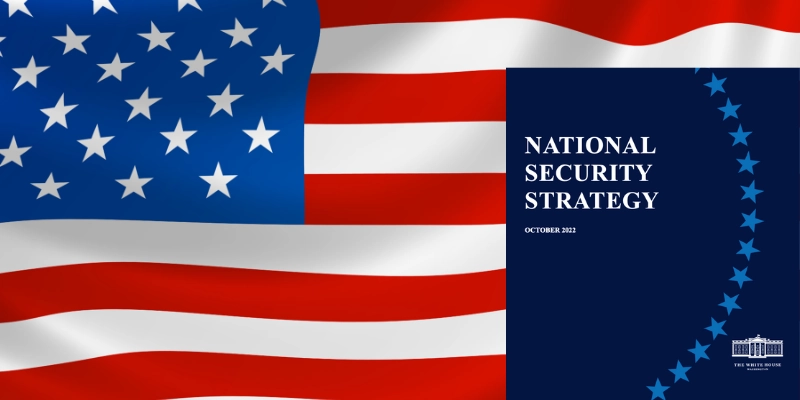
    The U.S. National Security Strategy is drafted every four years in both public and classified versions. Although the public version doesn’t contain classified information, it reveals America’s general approach to security and military policy. The 2022 strategy document was released by the White House during President Biden’s term. While the introduction emphasizes America’s global presence to defend democracy, the content includes notable points—particularly the acknowledgment of emerging powers and the anticipated decade-long competition for a new global order. Alongside China and Russia, Iran is also identified as a national security threat to the United States.

    In this document, China is identified as the primary geopolitical challenge to the United States. Russia, currently entangled in the war in Ukraine, appears to have been temporarily downgraded from the top of the threat list. This suggests that the Ukraine conflict may remain unresolved, keeping Russia bogged down in a prolonged and uncertain war—even at the cost of Ukraine’s or Europe’s destruction. The document explicitly references NATO’s role (p.17) in managing the war against Russia in Ukraine and affirms continued intelligence, economic, and military support for Kyiv.

    Under the chapter titled “Modernizing and Strengthening Our Military” (p.20), the document clearly states that the U.S. will use force to protect its interests. In the same section, China is again cited as the top threat, with Iran listed as the third most serious danger to U.S. interests. The strategy introduces the concept of “integrated deterrence,” which refers to combining military and non-military capabilities—economic, cyber, security, political, and more—to counter national security threats. Yemen, Syria, and Somalia are named as terrorism hubs posing potential risks to the U.S.

    One of the document’s key highlights is a shift in America’s global partnership doctrine. It states: “From a U.S.-led strategy supported by partners to a partner-led strategy supported by the U.S.” (p.30), signaling a tactical change in how Washington engages with allies.

    In the Middle East section—beginning on page 42—the document bluntly admits that U.S. policy in West Asia over the past two decades relied on force and regime change, though this approach has come at a high cost. The strategy now emphasizes strengthening regional partners, clearly pointing to proxy use of aligned states to advance U.S. interests and boost arms sales to support the American economy. This cooperation framework is built on five principles:

    • Partnering with countries that support the U.S.-led global order
    • Securing maritime routes in the Strait of Hormuz and Bab al-Mandeb
    • Using diplomacy to reduce tensions
    • Building integrated security, military, and economic structures in the region
    • Promoting human rights and endorsed values

    The document also highlights Iran’s destabilizing activities and commits the U.S. to countering them. It stresses efforts to curb Iran’s nuclear program through diplomacy, and if unsuccessful, through the use of force.

    One of the most significant elements is the formulation of a “denial strategy”—meaning the U.S. will conduct operations via proxies, regional groups, or partners while denying direct involvement in the actions carried out.

    Under the denial strategy, the U.S. acknowledges the need to develop and strengthen infrastructure, logistics, command and control systems, force dispersion, mobility, and partner mobilization. Ultimately, the U.S. military’s presence is defined as reduced and conducted “through and with partners” (p.23). The stated goal is to build a joint force that is lethal, resilient, flexible, survivable, agile, and responsive.

    Another key document in this context is the 2022 U.S. National Defense Strategy, published by the Department of Defense. This strategy also identifies China as the primary threat, while Iran—alongside China and Russia—is listed as a serious national security challenge. On page 18, the document emphasizes deterrence against Iranian attacks through cooperation with regional partners.

    The State Department’s Joint Regional Strategy for West Asia and North Africa, also released in 2022, places Iran’s persistent influence (p.3), authoritarianism, and erosion of democracy (p.9) at the top of regional threats, alongside China and Russia. The strategy focuses on diplomatic efforts, regional investments, and strengthening partnerships to counter these challenges. The State Department outlines its goals as enhancing regional security, advancing peace in the Middle East, promoting inclusive economic growth, supporting accountable governance and human rights, and accelerating climate-related action.

    One notable section of the document highlights humanitarian aid to Gaza—but with the condition that it must align with the security interests of the Israeli regime. This implies that any form of assistance must not compromise Israeli security, and even humanitarian aid will be distributed under the umbrella of Israel’s national security priorities (p.15). Additionally, the strategy promotes investment and engagement with civil society, media, minority groups, LGBTQ+ communities, and others as tools to counter threats in West Asia. These elements serve as mechanisms for influencing the internal affairs of non-aligned states, potentially fueling unrest, civil disobedience, and regime instability.

    What stands out across these overlapping documents is that they were all formulated during President Joe Biden’s administration. Key themes include deterrence, partner security, countering Iran and its nuclear ambitions, combating terrorism and extremist groups (including resistance movements), ensuring energy flow and maritime security, and advancing diplomacy and regional agreements. Strategically, however, Donald Trump’s approach shows little deviation from these core policies. His emphasis was on “America First,” reducing long-term military commitments, applying maximum pressure on Iran, promoting regional peace through Arab-Israeli agreements, and reinforcing military strength and deterrence—all within the same strategic framework.

    Based on the reviewed documents and field realities, the author suggests that the United States has crafted a new military strategy built around six core principles:

    Principle 1 – Limited Force vs. Mass Deployment:
    Instead of deploying large numbers of troops, the U.S. now relies on elite special operations teams. These units are tasked with swift, targeted missions: entering professionally, destroying objectives, achieving operational goals, and exiting quickly.

    Principle 2 – Dominance of Space, Air, and Drone Forces:
    These forces serve as global observers and support for special operations teams. Their role includes identifying and tracking targets, providing close and remote support, and conducting precise, surgical airstrikes rather than broad bombardments.

    Principle 3 – Rapid Global Reach:
    The U.S. is reducing its number of unnecessary bases and consolidating air, naval, and special forces into fewer, more advanced locations. These bases are strategically placed for quick access to any global hotspot—Jordan, for example, serves as a key location in West Asia.

    Principle 4 – Expansion of Global Intelligence Networks:
    Effective limited operations and precision strikes require accurate intelligence. This necessitates a global intelligence network, incorporating both human and technical methods.

    Principle 5 – Swift Operations Over Large-Scale Engagements:
    Using dispersed and consolidated bases, intelligence networks, elite forces, and aerial capabilities, the U.S. now favors pinpoint operations over broad military invasions. The assassinations of Osama bin Laden and Abu Bakr al-Baghdadi exemplify this approach. Large-scale wars like Vietnam, Afghanistan, or Iraq are unlikely to be repeated.

    Principle 6 – Proxy Forces and Denial Doctrine:
    The U.S. increasingly relies on allied states, proxy forces, and various groups—terrorist or non-terrorist—while maintaining plausible deniability. This reduces American casualties and conceals direct involvement. The U.S. arms these actors to maneuver global interests like a chess master moving pieces.

    The symbolic withdrawal from Afghanistan and partial exit from Iraq, targeted strikes on key figures (mostly those opposing U.S. plans), relocation of militants across regions, and continued drone and air operations all reflect this new strategy. The U.S. isn’t truly leaving the region—it’s retracting its overt presence to reduce costs and casualties.

    Iran, the resistance front, and independent regional governments must recognize and adapt to this evolving U.S. strategy. The only way to prevent American interference is through complete expulsion. However, regional awareness and strategic foresight remain limited—making Iran’s role increasingly pivotal.

    Iran must accelerate efforts to inform and, if necessary, apply force to hasten the U.S.’s global withdrawal. The resistance front—especially in Yemen, Lebanon, and Iraq—must prepare for continued surgical air and commando operations aimed at assassinating leaders and dismantling core capabilities like economic, nuclear, and missile infrastructure.

    Israeli actions in targeting regional leaders align with U.S. strategy. In reality, Israel acts as a subcontractor for America’s grand regional plans. Believing in a separation between the U.S. and Israel is a dangerous illusion. Therefore, a serious counter-strategy is urgently needed to halt these operations and shape a future world with Iran as a global power.

    Sources:
    1- Fukuyama, Francis (1989). “The End Of History?”. The National Interest. 16: 4.
    2- https://bidenwhitehouse.archives.gov/wp-content/uploads/2022/10/Biden-Harris-Administrations-National-Security-Strategy-10.2022.pdf
    3- https://media.defense.gov/2022/Oct/27/2003103845/-1/-1/1/2022-NATIONAL-DEFENSE-STRATEGY-NPR-MDR.pdf
    4- U.S. Department of State & U.S. Agency for International Development. (2022, February). Joint regional strategy: Middle East and North Africa (NEA-ME JRS). U.S. Department of State. https://www.state.gov/wp-content/uploads/2022/02/NEA-ME_JRS_FINAL_Formatted_Public-Version-1.pdf

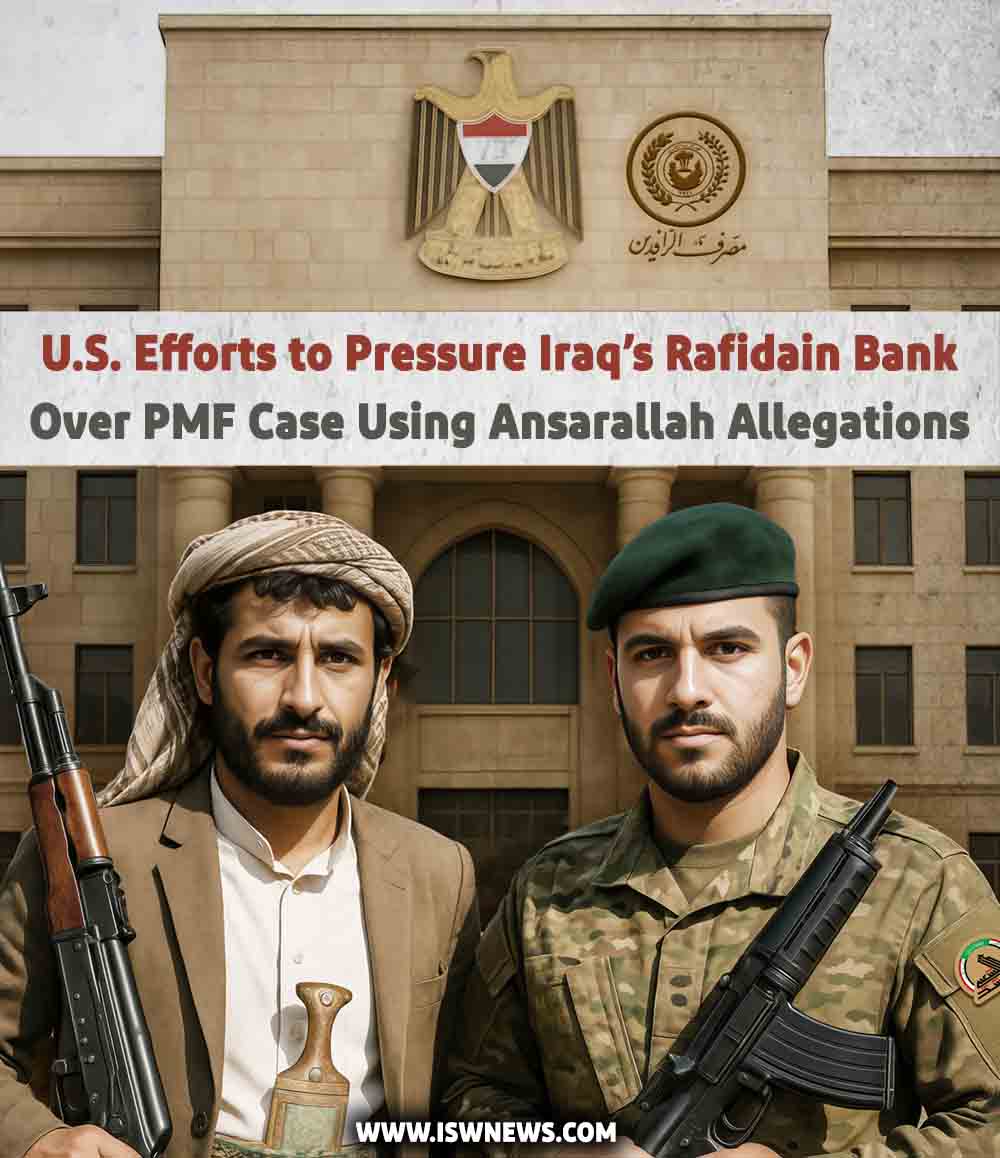
  • PMF in the Crosshairs of Western Diplomacy – A Report on Iraq’s Popular Mobilization Forces Law Crisis

    PMF in the Crosshairs of Western Diplomacy – A Report on Iraq’s Popular Mobilization Forces Law Crisis

    The law effectively elevates PMF from a paramilitary group to an official state force, making its dissolution—long sought by pro-Western factions in Iraq—significantly more difficult.

    The legislation has faced strong opposition from the United States, which has exerted pressure on Iraqi officials to remove it from the parliamentary agenda. Washington argues that passing the law would solidify one of Iran’s regional arms and, given PMF’s history of resistance against U.S. occupation and involvement in American troop casualties, the U.S. government remains committed to its full disbandment.

    Internal Tensions in Iraq

    Domestically, the law has stirred political unrest. Sunni and Kurdish parties view PMF as a Shiite-dominated entity and interpret its formalization as a power shift favoring Shiite factions. Consequently, they have repeatedly declared their refusal to participate in the vote.

    Even within the Shiite coalition known as the “Coordination Framework,” deep divisions persist—primarily over the retirement age clause, which sets the PMF retirement threshold at 60. This would force many senior commanders, including PMF chief Faleh al-Fayyad, into retirement. Prominent Shiite figures such as Sheikh Qais al-Khazali (leader of Asa’ib Ahl al-Haq) and Nouri al-Maliki support al-Fayyad’s removal due to his backing of Prime Minister Mohammed Shia’ al-Sudani and their electoral alliance. On the other hand, leaders like Hadi al-Amiri oppose restructuring PMF leadership and advocate for amending the clause to exempt al-Fayyad and other top commanders from mandatory retirement.

    U.S. Response

    Reports indicate that the U.S. has responded with political pressure aimed at scaling back bilateral security agreements. Concurrently, American forces have begun withdrawing from the Ain al-Asad base in western Iraq as part of a broader military drawdown.

    Public sentiment in Iraq remains wary of U.S. withdrawal, recalling the post-2011 vacuum that enabled ISIS to wreak havoc across the country.

    According to Iraqi security sources, ISIS militants are regrouping and reorganizing by exploiting instability in Syria. While their current activity is not deemed critically dangerous, heightened vigilance is essential to prevent any surprise resurgence.

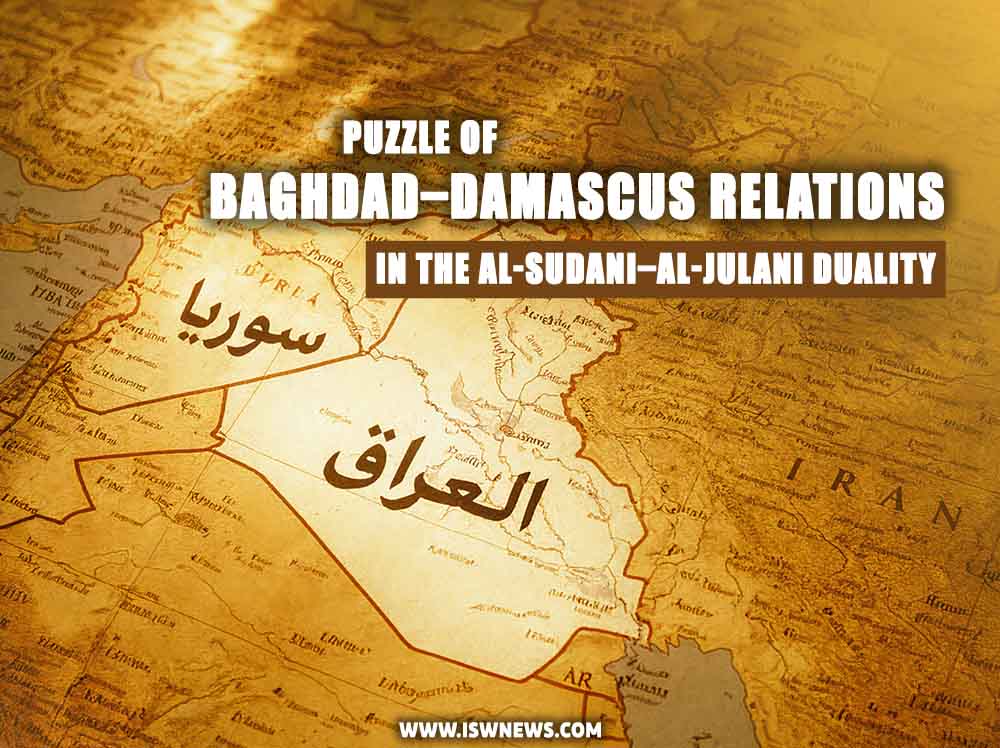
  • The Puzzle of Baghdad–Damascus Relations in the Al-Sudani–Al-Julani Duality

    The Puzzle of Baghdad–Damascus Relations in the Al-Sudani–Al-Julani Duality

    Security considerations

    1. Population Link Between Anbar and Deir ez-Zor

    The first point to consider is the deep demographic, familial, social, and cultural ties between residents of Iraq’s Anbar province and Syria’s Deir ez-Zor. Historically, the border towns of Al-Bukamal and Al-Qaim were one city until the Battle of Maysalun split them, forming the Iraq–Syria border. Over a century later, these ties remain strong. In Syria, the “Eastern dialect” differs significantly from the “Levantine dialect,” and Deir ez-Zor’s accent closely resembles Iraqi Arabic—so much so that it’s considered part of the Iraqi dialect family. Similarly, Iraq’s “Western dialect,” common in Anbar, is more similar to Deir ez-Zor’s speech than to Baghdad’s or northern Iraq’s.

    Moreover, there’s near consensus across Iraq that national security depends on stability in Anbar. The past 22 years (post-Saddam era) show that whenever Anbar is secure, Iraq enjoys relative calm; when unrest or terrorism hits Anbar, instability quickly spreads nationwide.

    These factors suggest that Deir ez-Zor can directly impact Iraq’s overall security, making it essential for Baghdad to pursue security cooperation with Damascus to prevent the province from becoming a source of threat.

    2. From the Syrian and Jazira Desert to Anbar and Lake Tharthar: A Terrorist Playground

    Another issue is the terrain and continued limited presence of ISIS militants in the region stretching from the Syrian desert to Lake Tharthar near Samarra. This area is characterized by desert landscapes, scattered villages, low population density, and cities built along main roads or the Euphrates River. These vast, empty deserts offer ideal conditions for terrorist activity. Managing such terrain requires unavoidable security coordination. Even during tensions, the Assad government and the SDF cooperated on this front, recognizing ISIS as a mutual threat.

    a) Shared Border Strip

    It’s worth noting that the Iraq–Syria border spans roughly 600 kilometers, yet the number of border towns is fewer than five. Except for a small section north of Rabia, the entire border is desert, with only the northern Sinjar area being mountainous. Near the Syrian border, these mountains flatten into plains and hills—meaning over 90% of the border is desert.

    3. Iraqi Residents in Syria and Vice Versa

    Another factor is the significant number of citizens from each country living in the other. Tens of thousands of Iraqis reside in Damascus’s Sayyidah Zaynab district, while hundreds of thousands of Syrians have entered Iraq over the past 15 years. This population holds undeniable strategic weight, compelling both governments to maintain a level of engagement.

    a) Intersection with Sectarianism and Civil War

    Notably, both Iraqi and Syrian communities abroad tend to follow the majority religion of their home country, making them religious minorities in their host nation. Most Iraqis in Syria are Twelver Shia living near the shrine of Sayyidah Zaynab, while most Syrians in Iraq are Sunni—heightening security sensitivities.

    This becomes more complex when considering that these communities are tied to each country’s civil war. Most Syrians in Iraq are war refugees who entered via Deir ez-Zor and settled in Anbar and beyond. Meanwhile, Iraqis in Sayyidah Zaynab are accused by neighboring districts like Babbila and Yalda of having fought alongside Assad’s forces during the war.

    4. Prisoners and the Three Issues of Judicial Cooperation, Prisoner Exchange, and Rehabilitation

    Another issue is the large number of Iraqi prisoners in Syria and Syrian prisoners in Iraq—mostly security offenders and ISIS members. Additionally, tens of thousands of their family members are undergoing rehabilitation in special camps, with the goal of reintegration into society. This situation calls for cooperation on three levels: judicial coordination, prisoner exchange, and rehabilitation of terrorist families.

    The Kurdish Issue

    The second factor prompting Baghdad to accelerate its outreach to Damascus is the “Kurdish issue” in both Iraq and Syria. On one hand, Damascus is dealing with the challenge of the Syrian Democratic Forces (SDF), and on the other, Baghdad faces ongoing competition with Erbil. This shared “single issue” encourages both Arab governments—Baghdad and Damascus—to engage with one another. Baghdad, due to security concerns, is compelled to cooperate with the SDF, but fears that strengthening the group could destabilize Syria and threaten Iraq’s territorial integrity. Therefore, Baghdad seeks to structure its relationship with the SDF through coordination with Damascus to minimize negative repercussions.

    At another level, Baghdad faces a complex triangle in its dealings with the SDF. This triangle consists of:

    • Local militias in Sinjar, which have deep ties to the SDF and maintain operational and organizational support within SDF-controlled territory. Additionally, the Patriotic Union of Kurdistan (PUK) and the security-military network in Sulaymaniyah province are closely linked to the SDF.
    • The second side of the triangle is the Kurdistan Democratic Party (KDP) and the Kurdistan Regional Government (KRG). Erbil maintains ideological and strategic rivalry with the SDF, viewing it as a PKK offshoot. Yet, in the Syrian context, it supports the SDF to present a united Kurdish front against Damascus.
    • The third side is Turkey. No country can shape its relationship with the SDF without considering Turkey’s position.

    This triangle forces Baghdad to accept engagement with the SDF as inevitable, while remaining cautious. In this context, cooperation with Damascus can help regulate Baghdad’s ties with the SDF and reduce its regional and international risks.

    Foreign Policy and Its Imperatives

    In analyzing Baghdad’s motivation to engage with Syria’s new government, foreign policy considerations—beyond security concerns—must be taken into account. Three overarching factors are relevant here:

    1. The United States

    The next factor is the role of the United States. Two specific issues push Baghdad and Damascus toward cooperation: the U.S. military presence and the repatriation of ISIS detainees and their families.

    a) U.S. Military Presence

    Regarding the U.S. military presence, CENTCOM forces have effectively linked eastern Syria and Iraq. Even in Baghdad–Washington negotiations over troop withdrawal from Iraq, the timeline for exiting Syria was part of the discussion. From Washington’s perspective, military presence in Iraq and eastern Syria is interdependent, and the two files cannot be separated.

    b) Repatriation of ISIS Detainees and Families

    On the issue of repatriating ISIS detainees and their families from camps like Al-Hol, Iraq—home to a large portion of these individuals—is compelled to cooperate. This makes coordination between Damascus and Baghdad essential for Iraq.

    2. Neutrality

    Since the tenure of Prime Minister Haider al-Abadi, Iraq’s foreign policy has been based on two principles:

    • Maintaining distance from all regional power blocs, ensuring Iraq is not categorized under any.
    • Maintaining good relations with all neighboring countries.

    This approach, known as “neutrality,” has guided Iraq’s foreign policy throughout the last decade of Bashar al-Assad’s rule and continues to do so.

    Currently, all regional countries except Iran recognize Al-Jolani’s government in Damascus. If Iraq refuses to do so, it risks being classified under Iran’s bloc and the Resistance Axis. Therefore, Baghdad is likely to recognize the new Syrian government de facto.

    3. Geopolitical Projects and Access to the Mediterranean

    Iraq’s geography offers a strategic opportunity to access the Mediterranean via Syria. Its most significant current project is the Development Road, connecting the port of Faw to the city of Fishkhabour and Turkey. Fishkhabour borders both Turkey and Iraq, allowing the Development Road to potentially open a direct route from Syria to the Persian Gulf.

    Historically, Iraq has pursued several geopolitically significant projects tied to Syria, such as the Tehran–Beirut/Lattakia corridor, which offered Iraq a valuable east–west transit route. Iraq also had an oil pipeline from Kirkuk to Baniyas. Additionally, the M4 highway could play a role in China’s Belt and Road Initiative.

    By leveraging these projects, Al-Sudani’s government can justify relations with Syria’s new leadership and even claim that future Syrian governments will become economically dependent on Iraq. This way, even if Al-Jolani’s administration doesn’t last, any future authority in Damascus would be less likely to act against Iraqi interests.

    Internal Political Dynamics of Iraq

    Previously, we outlined three foundational drivers behind Prime Minister Mohammed Shia’ Al-Sudani’s pursuit of cooperation with the Al-Jolani-led government in Damascus: security concerns, the Kurdish question, and foreign policy imperatives. In this section, we examine how Al-Sudani’s domestic political interests also motivate his push to establish or expand ties with Damascus.

    1. Building Leverage for Post-Election Politics and Distancing from the Coordination Framework

    Mohammed Shia’ Al-Sudani aims to distinguish himself from rivals within the Shia Coordination Framework ahead of Iraq’s elections. One key differentiator is his effort to cultivate strong relations with Arab Gulf states.

    This strategy also applies to Turkey. One reason the “Development Road” project tops Iraq’s geopolitical agenda is its potential to deepen partnerships with Turkey and attract investment from Doha and Abu Dhabi. Al-Sudani is focused on post-election dynamics, particularly the race among political factions to form the largest parliamentary bloc. He hopes that favorable ties with Gulf states and Turkey will prompt Sunni groups to support him over his Shia rivals.

    In essence, Al-Sudani seeks to build political and social capital outside the Shia Coordination Framework to leverage during both the popular vote and the parliamentary bloc formation stages. One of the political costs he may accept in return is the swift recognition of Abu Mohammad Al-Jolani’s government.

    2. Appealing to Iraq’s Shia Base Through Support for Syrian Shia

    Given the above, Al-Sudani must also address widespread concern and resentment among Iraqi Shia over Al-Jolani’s militant past. To win over this voter base, he needs compelling justifications.

    One attractive option is to frame the outreach as support for Syria’s Shia community. Damascus’s ruling faction welcomes this approach, as it helps neutralize potential Shia opposition, integrates this segment into the national fabric, and boosts religious tourism revenue. Meanwhile, Al-Sudani can present this as a success to Iraqi society—claiming he has reduced pressure on Syrian Shia and secured the safety of holy sites in Damascus and Aleppo.

    Conclusion

    In analyzing Baghdad–Damascus relations, four key factors must be considered: security concerns, the Kurdish issue, Iraq’s diplomatic posture, and the domestic political interests of the Iraqi Prime Minister. The intersection of these factors has pushed Al-Sudani toward formal engagement with the Al-Jolani government, despite strong internal opposition. However, his approach remains cautious—focused on minimal political interaction rather than full-scale bilateral expansion.

  • U.S. Efforts to Pressure Iraq’s Rafidain Bank Over PMF Case Using Ansar Allah Allegations

    U.S. Efforts to Pressure Iraq’s Rafidain Bank Over PMF Case Using Ansar Allah Allegations

    This issue was raised during the April 29 Iraqi-American summit in Washington, attended by Dr. Michael Faulkender, U.S. Deputy Treasury Secretary; Fuad Hussein, Iraq’s Foreign Minister and Deputy Prime Minister; and Nazar Al-Khairallah, Iraq’s Ambassador to the U.S.

    According to the meeting minutes, U.S. officials warned that Rafidain Bank must cease all financial ties with Ansarallah and relocate its Sana’a branch to Aden—the seat of Yemen’s UN-recognized government.

    On the other hand, Iraqi Foreign Minister Fuad Hussein emphasized during the meeting that Iraq only engages with Yemen’s official government and that Ansarallah has no access to Iraq’s financial system. He also pledged to personally follow up to ensure no transactions are conducted with the group.

    Dr. Sadeq Ali Hassan, spokesperson for Iraq’s embassy in Washington, stated in a letter to Fox Business that “claims about Rafidain Bank processing payments for Ansarallah are completely false.”

    He added: “There is no banking correspondent relationship with Yemeni financial institutions, and due to prevailing political, security, and logistical conditions, it is operationally impossible to conduct any cash or digital transactions within or outside Yemen’s financial sector.”

    According to the embassy’s statement, “Rafidain Bank’s Sana’a branch has been completely closed since 2017, and under the directive of the bank’s general management and coordination with Iraq’s central bank, all financial activities in Yemen have been permanently suspended. The branch holds no liquidity, lacks SWIFT access, and has no operational infrastructure.”

    When asked about accounts linked to PMF—designated by the U.S. as a terrorist group supported by Iran—the Iraqi embassy responded: “Rafidain Bank no longer holds any PMF-related accounts. All such accounts and payrolls have been officially transferred to Al-Nahrain Islamic Bank and are under Iraqi government oversight. The Sana’a branch has no involvement or activity in this matter.”

    U.S. Congressman Joe Wilson condemned the situation and stated he would push to reduce Iraq’s budget during upcoming discussions. He also urged the U.S. Treasury to sanction Rafidain Bank.

    Michael Knights, senior fellow at the Washington Institute and expert on Iraqi military and security affairs, told Fox Business: “Since February 2025, Congress has been calling for sanctions on Rafidain Bank due to its alleged role in facilitating large-scale money transfers to Iran and its allied groups. This has placed Rafidain at serious risk, as many members of Congress are familiar with its name. However, no sanctions have been imposed so far.”

    Fox Business, citing an Iraqi source familiar with the April meeting, claimed: “Rafidain is Iraq’s most opaque bank and has never undergone external auditing.”

    The source also alleged: “Rafidain funds PMF projects and provides unsecured loans to militias. If it refuses transparency and audit requirements, the U.S. should cut its access to dollars.”

    The Fox Business report suggests that the narrative linking Rafidain Bank to Ansarallah is primarily aimed at pressuring Iraq and the bank to accept U.S. conditions. Notably, according to The Wall Street Journal, the U.S. has already sanctioned 14 Iraqi banks for aiding Iran and other sanctioned entities in the Middle East.

    In conclusion, it appears that the U.S. and its allies are attempting to weaken PMF and other resistance groups by restricting their financial resources, ultimately pushing them toward dissolution and reduced influence.

    Source:
    https://www.foxbusiness.com/fox-news-world/iraqi-state-bank-accused-processing-payments-houthi-terrorists-who-disrupt-red-sea-commerce
    https://kurdistantv.net/fa/news/235333

  • Sacred Malware: Israel Espionage Hidden Behind an Arabic Religious App

    Sacred Malware: Israel Espionage Hidden Behind an Arabic Religious App

    In an era where security boundaries have shifted into the digital realm, espionage tactics have evolved alongside technology. Physical infiltration, traditional wiretapping, or field agents are no longer necessary. Today, a single Android app can silently breach hundreds of smartphones without the victims ever realizing it.

    A new investigation by the “EekadFacts” platform has revealed one of the latest examples of such digital attacks: an Arabic-language app with a religious appearance that was, in fact, a spyware tool crafted by the Zionist regime.

    According to the report, the malicious app—disguised with an Arabic religious name and interface—was designed and distributed using infrastructure registered in the occupied territories. The app connected to a domain named “Palpray.co,” a blend of “Palestine” and “Prayer,” chosen specifically to gain the trust of Arabic-speaking users, particularly Palestinian Muslims. This domain served as the command-and-control (C2) hub for the malware, allowing attackers to remotely extract sensitive data and execute commands once the app was installed on the victim’s device.

    Technical analysis shows the domain was registered by the Israeli company “Wix” and used Cloudflare services to mask the true identity of its servers. Although the domain is currently inactive, evidence confirms it was operational for a period and used to manage malware communications. This constitutes a sophisticated and targeted cyberattack, designed with intimate knowledge of the target community and enhanced by cultural and religious elements to increase deception.

    The choice of language and religious branding was central to the operation. The app featured a fully Arabic interface, religious-themed content, and a name evoking prayer and worship—all crafted to instill trust and a sense of safety in users. This technique, known in cybersecurity as social engineering, is one of the most effective methods for targeting human vulnerabilities. Victims often install such apps without verifying their origin—especially when presented with familiar names or religious themes.

    In terms of targets, the operation likely aimed at Palestinian users, civil society activists, journalists, and possibly members of resistance groups. Previous research by organizations like Citizen Lab and Amnesty Tech has documented similar tactics used by the regime to infiltrate digital devices of opponents in Lebanon, Syria, Gaza, and the West Bank.

    While this revelation is just one among many similar attacks, it once again highlights the critical importance of public awareness around cyber threats. In a time when trust in an app’s appearance can lead to exposure of private lives and confidential data, users in politically sensitive regions must be trained to detect hidden dangers. Moreover, digital rights watchdogs and regulatory bodies must enforce stricter oversight over the development and distribution of suspicious apps on open platforms like Android.

    Source:
    https://x.com/EekadFacts/status/1917531877864530366
    https://www.amnesty.org
    https://www.accessnow.org
    https://research.checkpoint.com

  • Balochistan: A Geopolitical Battleground for Global Powers

    Balochistan: A Geopolitical Battleground for Global Powers

    Historical Background

    Historically, Balochistan was subjected to colonial divisions and centralized state control, depriving its people of self-determination. After Pakistan’s formation in 1947, the region was forcibly annexed, while in Iran it was absorbed into a centralized system. During the Cold War, Balochistan remained marginal, often suppressed due to separatist demands. However, in the 21st century, amid rising Asian economic power and multipolar dynamics, its ports and natural resources have elevated its geopolitical significance, placing it squarely in the global power competition.

    Economic Value and Strategic Position

    With a population of around 10 million and direct access to the Gulf of Oman and the Indian Ocean, Balochistan holds vital geopolitical value. The ports of Gwadar (Pakistan) and Chabahar (Iran) are central to ambitious infrastructure projects. Gwadar is a key component of the China–Pakistan Economic Corridor (CPEC), while Chabahar is linked to the North–South Transport Corridor supported by Iran and Russia.

    In a multipolar world, Balochistan serves as a strategic counterweight to Western dominance. China and Russia see its ports as a means to reduce reliance on U.S.-controlled trade routes and to strengthen an independent bloc both economically and militarily. Investments from Russia, India, and China follow a shared logic: establishing a sphere of influence free from Euro-Atlantic interests and bypassing chokepoints like the Strait of Malacca, the Suez Canal, and the Persian Gulf.

    Map of important transit corridors in central Asia: Brown: Chabahar route to Afghanistan, Red: China’s “Southern Waters” route, the historical “Great Highway” route, Green: Chabahar Central Asia route, Dashed: India-Iran maritime route

    Chinese investment

    Initially, China focused on Gwadar, investing $65 billion under its Belt and Road Initiative (BRI) to connect its Xinjiang province to the Arabian Sea and reduce dependence on the Strait of Malacca. However, persistent instability in Pakistani Balochistan—driven by separatist insurgency—has disrupted CPEC projects and led to attacks on Chinese and Pakistani military assets. These tensions have weakened Islamabad’s control and raised sovereignty concerns within Pakistan’s parliament.

    In March 2025, China’s ambassador to Iran met with Chabahar Free Zone officials to discuss strategic cooperation under a 25-year agreement. The two sides emphasized linking Gwadar and Chabahar to create a transit corridor to Europe. The deal includes major investments such as petrochemical complexes, smart city development, coastal infrastructure, airport construction, automotive industrial zones, and water and fisheries management. According to Italy’s IARI think tank, China is gradually shifting its investments toward Chabahar, where Tehran’s centralized control offers a more secure environment for Chinese interests. This strategic pivot is part of Beijing’s broader effort to build a maritime network independent of Western dominance.

    India’s Counterstrategy

    To counter the China–Pakistan axis, India invested in Chabahar before China did. Unlike Gwadar, which is part of China’s BRI, Chabahar was developed with Indian support to secure direct access to Afghanistan and Central Asia. However, China’s potential involvement in Chabahar has raised concerns in New Delhi, as the port was previously seen as a rival to Gwadar. While Gwadar remains partially operational due to unrest, Chabahar has gained commercial traction. If India strengthens its partnership with Iran and expands logistical infrastructure, Chabahar could become a key trade hub for accessing Afghanistan, Central Asia, and even Russia. Still, competition with China and broader geopolitical tensions remain major challenges.

    Russia’s Strategic Role

    Iran–Russia cooperation in Chabahar is part of a 20-year strategic pact signed in 2025, focusing on defense, energy, and the North–South Transport Corridor (INSTC). Russia seeks access to warm-water ports and aims to bolster its position in non-Western trade networks. Joint military drills in Chabahar involving Russia, China, and Iran underscore the port’s rising geopolitical importance.

    If local tensions are managed and neutral players like India are engaged, Balochistan could transform from a peripheral zone into a strategic pillar of the emerging multipolar world order.

    Source:
    https://iari.site/2025/05/19/limportanza-strategica-del-belucistan-in-chiave-anti-occidentale/
    https://x.com/Sputnik_India/status/1923734105469952470
    https://twitter.com/TheRFTeam/status/1933507090649088473

  • Scorching Suwayda: Unraveling Sectarian Fragility in Post-Assad Syria

    Scorching Suwayda: Unraveling Sectarian Fragility in Post-Assad Syria

    This delicate balance is now under strain, especially in Syria’s Suwayda province, the heartland of the Druze. Recent clashes with Sunni Bedouin tribes and alleged Israeli interference have deepened mistrust toward Syria’s transitional government. As violence escalates, the Druze—committed to strict traditions and survival—find themselves at the crossroads of regional and international tensions.

    In recent months, Suwayda has seen a surge in violence, sparked by kidnappings and retaliatory attacks between Bedouin tribes and Druze militias. The Damascus-based government deployed forces to contain the unrest, but deep-seated distrust led to armed resistance from Druze fighters. Reports of massacres, looting, and arson—allegedly by pro-government groups like Ahrar al-Sharqiya and Ansar al-Tawhid—have further inflamed tensions. Social media posts and unverified accounts of military raids and civilian killings have raised fears of another sectarian catastrophe.

    Israeli tanks and airstrikes targeting Suwayda and Damascus added fuel to the fire. While Israeli officials claim to protect Druze minorities, many Syrian Druze remain skeptical of Tel Aviv’s intentions.

    Geopolitical Rivalry in Southern Syria

    Turkey and Israel are vying for control over trade routes linking southern Syria to Jordan and the Gulf. Turkey, aligned with Damascus, seeks to expand its influence southward and open new export corridors. Israel, meanwhile, exploits instability to counter Iranian presence and build ties with minorities like the Druze and Kurds. Despite secret talks in Baku to avoid military incidents, ongoing violence in Suwayda and Israeli strikes on Damascus reveal deeper rifts.

    Turkey, with limited military and political leverage, prefers diplomacy and U.S. pressure over direct confrontation, fearing that conflict could derail Syria’s reconstruction and harm its own interests.

    Israel’s Peripheral Doctrine and Arab Fragmentation

    Since its founding, Israel has pursued a “peripheral doctrine”—forging alliances with non-Arab regional powers and exploiting internal divisions in Arab states. Syria, as a populous neighbor with historic ties to Palestine, remains central to this strategy. By strengthening ties with Druze and Kurdish groups, Israel aims to fragment Syria from within. Prime Minister Netanyahu has openly outlined post-Assad goals: blocking Syrian government forces near Damascus, supporting Druze communities, and maintaining control over the Golan Heights.

    This strategy seeks to turn Syria into a failed, unstable state, minimizing threats to Israel. The use of sectarian divisions and minority alliances as tools of control has long been a hallmark of Israeli policy.

    Syria’s Response and Internal Challenges

    Under President Ahmad al-Shara, Syria’s new government has responded cautiously to Israeli aggression, condemning airstrikes and emphasizing territorial integrity. It seeks regional diplomacy—especially with Jordan and Arab states—to counter expansionist threats. However, avoiding direct confrontation may weaken its domestic legitimacy and allow Israel to deepen its influence.

    Effective resistance requires coordinated Arab and international efforts to prevent further collapse and regional instability.

    Expanding Israeli Ambitions

    Israel’s ambitions now extend beyond Syria, targeting the broader periphery—including Iran and Pakistan. Some neoconservative analysts advocate for exploiting ethnic and sectarian divides to destabilize Iran. The Abraham Accords, far from being mere peace deals, serve as instruments to cement Israel’s dominance in regional economics, security, and technology.

    This approach, however, risks backfiring. As Israel’s reach grows, so does regional opposition. Countries like Iran, Turkey, and Pakistan increasingly view Israel not just as a nuisance, but as a direct threat. Military actions in Gaza, Damascus, Beirut, Sanaa, and Tehran have galvanized regional solidarity against Israeli policies.

    History has shown that colonial empires rarely endure. Just as the people of this region once resisted crusaders and imperial powers, they now stand united against Israel’s expansionist doctrine.

    Sources:

    1. https://www.washingtonpost.com/world/2025/07/17/israel-syria-druze-attack/
    2. https://www.theguardian.com/world/2025/jul/18/more-violence-erupts-in-syrias-druze-heartland-as-tribal-groups-reinforce-local-bedouin
    3. https://www.nytimes.com/2025/07/18/world/middleeast/who-are-druse-syria-israel-clashes.html
    4. https://www.washingtoninstitute.org/policy-analysis/pursuing-israel-syria-detente-post-assad
    5. https://www.csis.org/analysis/violence-escalates-israel-intervenes-southern-syria
    6. https://www.middleeasteye.net/opinion/damascus-gaza-israels-doctrine-hegemony-fatal-flaw
    7. https://thecradle.co/articles/battle-in-suwayda-where-israel-and-turkiye-clash-over-syrias-trade-routes
    8. https://www.washingtonpost.com/world/2025/07/17/syria-israel-druze-border/
    9. https://apnews.com/article/druze-syria-religious-sect-2c989a5397c5e04474cef7bd9a37c40b?__cf_chl_rt_tk=5JchtEfIcPtDTbrCoJapZ91RhXRsgmmgiDMqNZE6R4U-1752921424-1.0.1.1-UDWYIzUovSA6IHVMilefEYYS5rD3BmPUa5VuAWNhesw
    10. https://www.middleeasteye.net/news/turkey-doesnt-have-many-options-against-israel-syria
    11. https://thecradle.co/articles/syrian-druze-confront-new-attacks-after-sharaa-declares-suwayda-ceasefire