Thursday 12 February 2026

Reverse Suicide Rotation!; America’s New Drone Policy in West Asia

The United States has advanced its drone strategy in West Asia by deploying the first operational unit equipped with affordable kamikaze drones, which are reverse-engineered from the Iranian Shahed-136. The creation of the “Scorpion Strike” task force, integrated into the “US Military Drone Dominance Plan,” signifies a shift in the air power balance and marks the beginning of an era focused on the mass production of inexpensive, quickly manufactured, and large-scale operational drones. This development poses several strategic challenges that we will explore below.

Thursday 12 February 2026

Changing the US Presence in Syria: Details of Military and Logistics Movements at US Bases in Eastern Syria

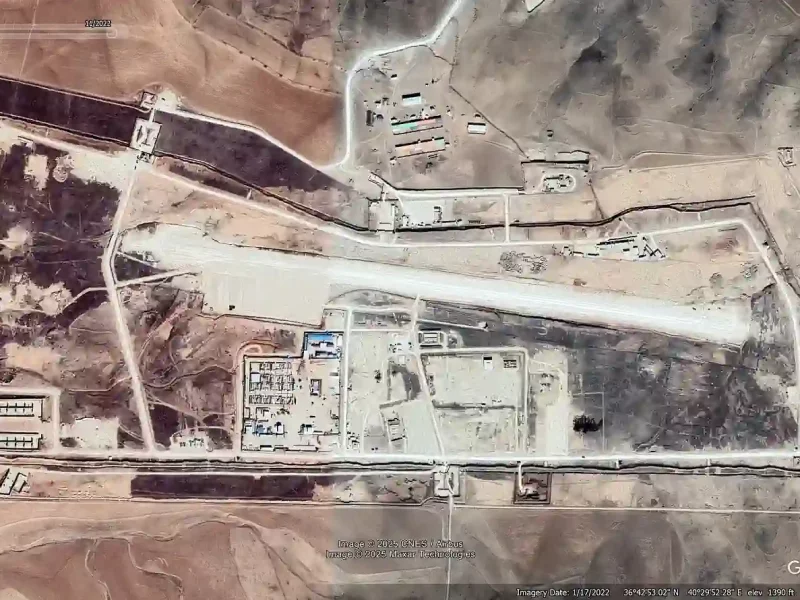
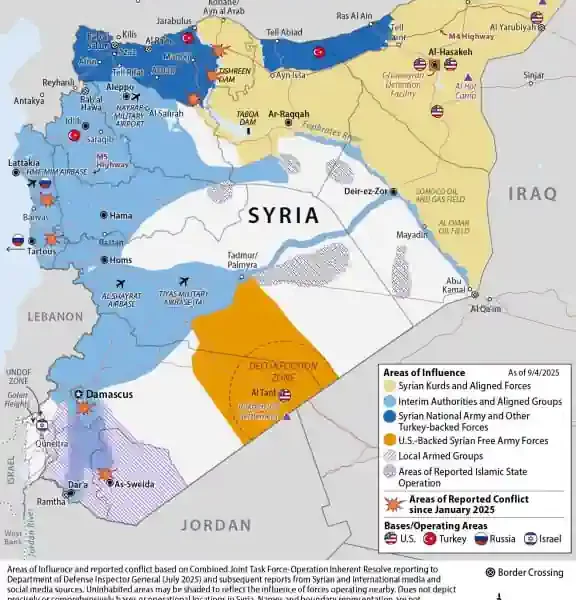
Following recent political and field developments in Syria, the US presence in the northeast has entered a new phase. Although reports since early 2025 indicate a reduction in forces and the evacuation of some bases in Deir Ezzor, field evidence and satellite images suggest this is not a complete withdrawal. Instead, it appears to be a shift and concentration of presence toward the eastern-northeastern corridor of Syria. This change coincides with decreased activity at Deir Ezzor bases and increased infrastructure development at several eastern bases, notably “Qasrak” and “Shaddadi”. The simultaneous trends—waning presence in the west and expansion in the east—raise a key question: What is the true US strategy in Syria? Is it a gradual withdrawal or a reconfiguration for a new phase?

Wednesday 31 December 2025

The Crossroads of Asia and Africa Under Bin Zayed’s Grip

This report examines the aggressive and expansionist policies of the United Arab Emirates in recent decades, particularly under the leadership of Mohammed bin Zayed. Leveraging economic strength, vast financial resources, and U.S. support, the UAE has extended its influence from the Persian Gulf to the Horn of Africa. Hostility toward political Islam and strategic alignment with Washington form the pillars of Abu Dhabi’s foreign policy. The country’s unique demographic structure—dominated by migrant labor—has shaped a distinctive approach to regional power‑building. The report highlights how the UAE has exploited political instability in African states and Yemen to become a decisive player in regional geopolitics.

Monday 22 December 2025

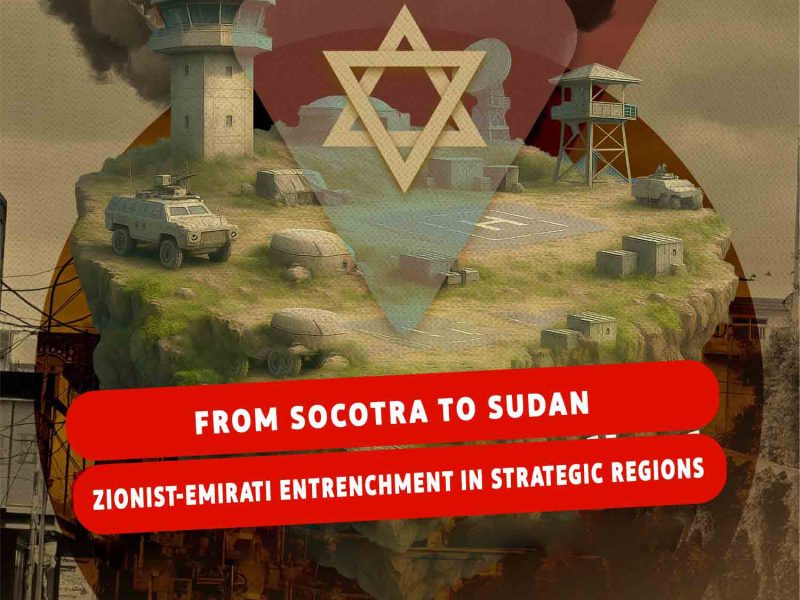
From Socotra to Sudan: Zionist-Emirati Entrenchment in Strategic Regions

This report exposes a vast network of Emirati military and intelligence bases stretching across strategic routes from the Indian Ocean to the Red Sea—a network functioning as a control ring over the region’s vital shipping arteries. It further examines the direct involvement of the Zionist regime and the United States in shaping this security architecture and its impact on post–Al-Aqsa Storm dynamics and the containment of Ansarallah.

Sunday 21 December 2025

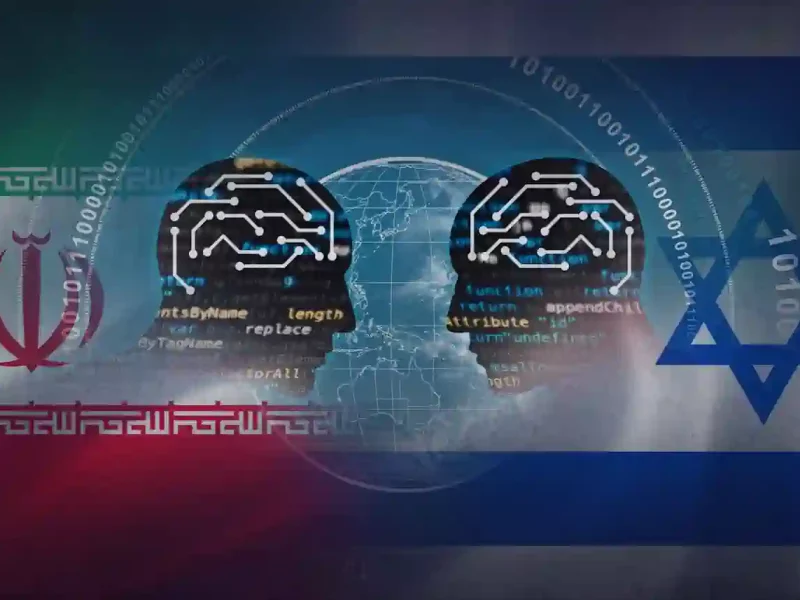
Endless Cyber Conflicts: From Tehran to Tel Aviv

The twelve‑day cyber war between Iran and Israel (June 13–24) began with Operation Rising Lion, leading to a 700 percent surge in cyberattacks against Israeli infrastructure. Unit 8200, responsible for SIGINT, codebreaking, and cyber warfare, played a central role in this confrontation. Since the 1950s, this unit has evolved into one of the world’s most advanced cyber military divisions, with its alumni later founding major companies such as Check Point, CyberArk, and Palo Alto Networks.

Thursday 11 December 2025

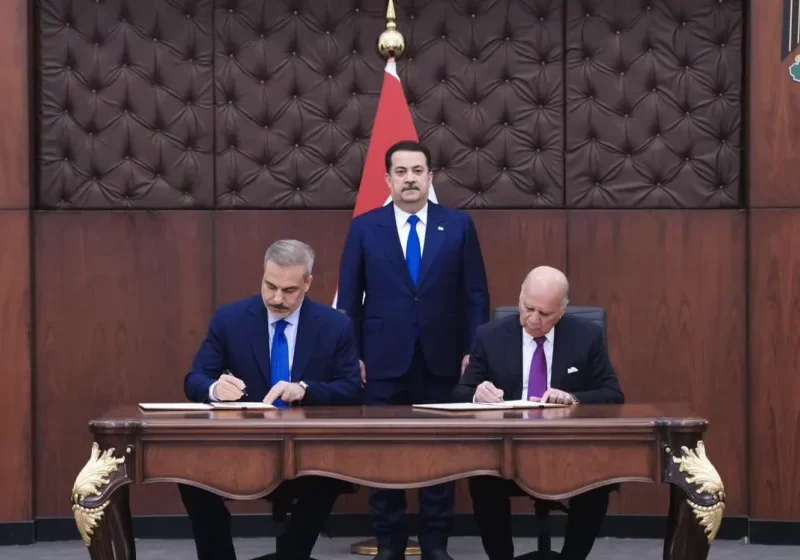
Baghdad–Ankara Water Agreement; Turkey’s Security and Political Leverage over Iraq?!

The recent water and energy accord between Turkey and Iraq—beginning with the financing mechanism for water projects signed in early 2024 and expanded into combined oil–water packages in November 2025—marks a strategic shift in managing the Tigris–Euphrates basin. In practice, Ankara has strengthened its ability to regulate water flow, quality, and allocation into Iraq through legal, technical, and financial frameworks, the entry of Turkish companies, and project financing. Baghdad, instead of exercising full sovereignty over shared resources, is gradually ceding long‑term access and decision‑making to foreign partners, particularly Turkey and its international allies. This situation carries serious legal, economic, environmental, and security implications for Iraq’s internal stability, agricultural productivity, food security, and strategic independence.

Monday 8 December 2025

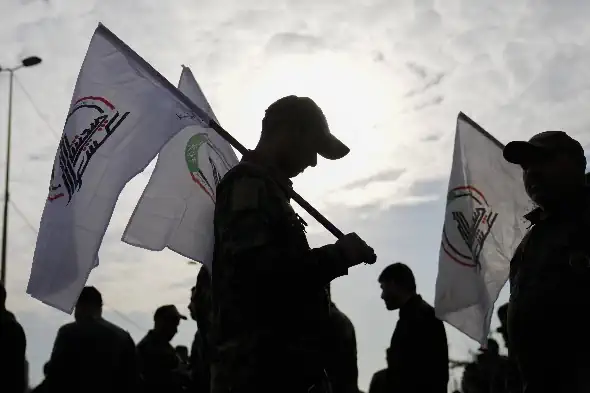
American Hashd al‑Shaabi!

The appointment of Mark Savaya, a Chaldean‑Assyrian Iraqi‑American entrepreneur, as the U.S. President’s Special Envoy for Iraq in November 2025 was seen as more than a routine diplomatic move. It came at a time of rising tensions between Washington and resistance groups, with Iraq approaching parliamentary elections. Analysts view this as part of the Trump administration’s broader strategy to redefine Iraq’s role in the regional order and curb Iranian influence. Sawaya, beyond his symbolic position as a representative of Christian minorities, has been tasked with a multi‑faceted mission: rebuilding Baghdad–Washington relations, strengthening U.S. investment and economic presence, and reshaping Iraq’s security structure in line with Western interests.

Sunday 7 December 2025

From Deir Ezzor to Hasakah: The Rise of U.S. Military Activity at Qasrek Base

Following the fall of Bashar al-Assad, the U.S. military presence in Syria has undergone a series of strategic shifts—particularly after the Trump administration announced its intention to reduce troop levels. While some bases have witnessed withdrawals in recent months, closer examination reveals an opposite trend taking shape: a rapid expansion and intensification of operations at the Qasrak base on the outskirts of Hasakah. The pressing question is what these movements reveal about Washington’s strategy in northeastern Syria—and, more specifically, what is unfolding at Qasrek and other American installations in Deir ez-Zor?

Tuesday 2 December 2025

Abu Dhabi: The Second Baku!

Without doubt, in recent years the United Arab Emirates has become both a security and economic arm for the United States and Israel. Through economic projects, it advances Western‑Israeli security objectives—examples include involvement in Sudan’s conflict, support for the Rapid Support Forces, and exploitation of Sudan’s gold mines. Another example is the UAE’s entry into infrastructure and trade corridor projects in Central Asia. Recently, by signing agreements with countries in this region and the Caucasus, Abu Dhabi has sought access to the Middle Corridor, pursuing geopolitical and geo‑economic goals aligned with Tel Aviv and the West.

Thursday 6 November 2025

How Israel’s Intelligence Network Operates in Yemen

As reported in Israeli media, following the failure of airstrikes targeting Yemen’s energy and service infrastructure, Israeli intelligence agencies have shifted their focus toward recruiting informants and gathering field intelligence to disrupt Yemen’s military support for Palestine.

Thursday 6 November 2025

Is ISIS Preparing to Announce a “Wilayah of Sudan”?

As violent clashes intensify across Sudan, the terrorist group ISIS has begun positioning itself as a potential actor in the country’s crisis by publishing ideological content in its official magazine Al-Naba.