Saturday 4 October 2025

Renewed Reconciliation Under the Shadow of the Hebron Emirate Plan

A group of tribal leaders in Hebron has reportedly submitted a proposal to Israeli authorities, seeking to break away from the Palestinian Authority and join the Abraham Accords. The plan, which has received partial backing from the Israeli government, centers on economic cooperation, localized self-governance, and formal recognition of Israel as a Jewish state.
Tuesday 23 September 2025

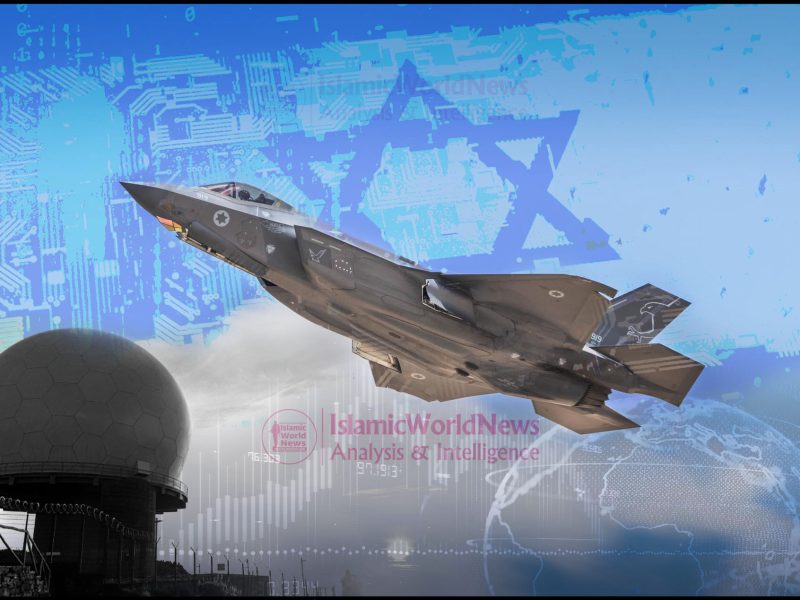
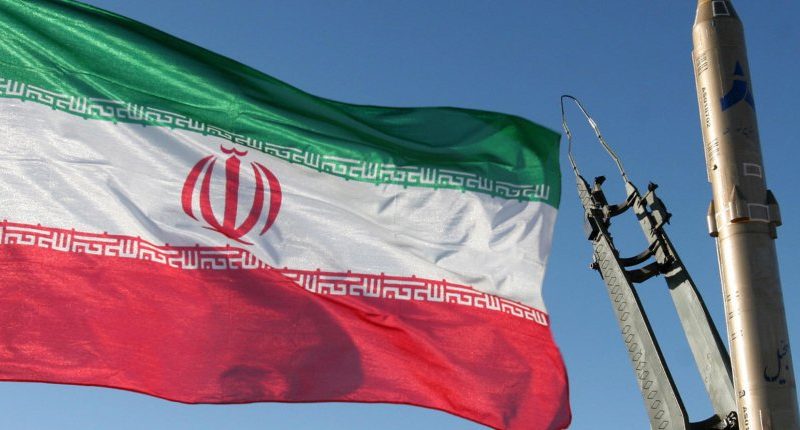
Dialectic of Deterrence – Part I: Key Offensive Superiority Components of Israel

In recent decades, both overt and covert tensions between the Islamic Republic of Iran and the Israeli regime have escalated into a new level of strategic complexity and confrontation. Israel’s renewed attacks ranging from precision strikes and cyber operations to targeted assassinations of key commanders, demonstrate its advantage in intelligence, modern air power, electronic warfare, and a strong alliance with the United States. This report, based on studies from RAND Corporation, CSIS, the Washington Institute, and IISS, first explores Israel’s core advantages and then proposes suitable defensive countermeasures.

Friday 19 September 2025

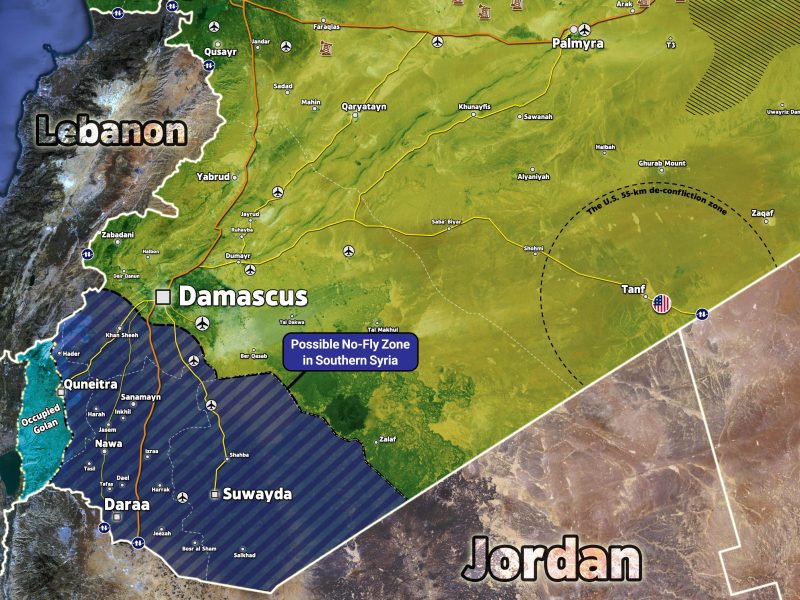
Behind the Scenes of the Julani–Kalin Meeting: From the March 10 Agreement to Israel’s No-Fly Zone Proposal in Southern Syria

The recent meeting in Damascus between Abu Mohammad al-Julani (Ahmed al-Sharaa), head of Syria’s interim government, and Ibrahim Kalin, chief of Turkey’s National Intelligence Organization (MIT), has reignited attention on Syria’s evolving political landscape and the flurry of regional and international negotiations surrounding it. The timing of this meeting—just days after Israel proposed a no-fly zone in southern Syria and following visits by U.S. envoy Tom Barrack and Jordanian Foreign Minister Ayman Safadi—suggests a coordinated diplomatic effort rather than coincidence.

Tuesday 16 September 2025

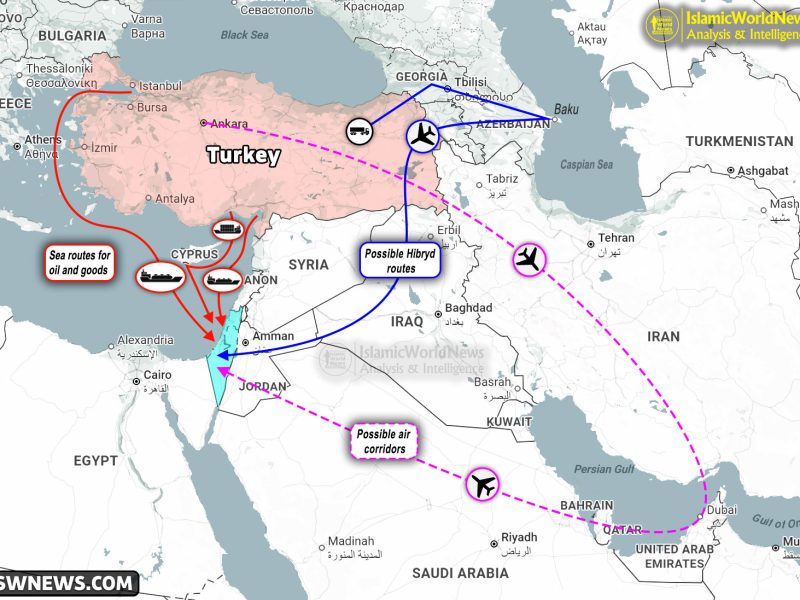
How Much is Palestine Worth to Turkey?! Learn More About the Covert Cooperation Between Israel and Turkey

Among Islamic countries, Turkey’s current government is unfortunately considered one of the main economic and commercial suppliers to the Zionist regime. Over the past two years, following the military aggression of the Zionist regime against Gaza and the rise of public protests, the Turkish government—under pressure from public opinion—has intensified its so-called anti-Israel stance. However, based on available evidence, these positions appear more symbolic than genuine. Despite loud statements from Turkish and Israeli officials about cutting economic and trade ties, in practice, cooperation between the two countries continues both secretly and openly.

Author: Alireza Majidi
Monday 25 August 2025

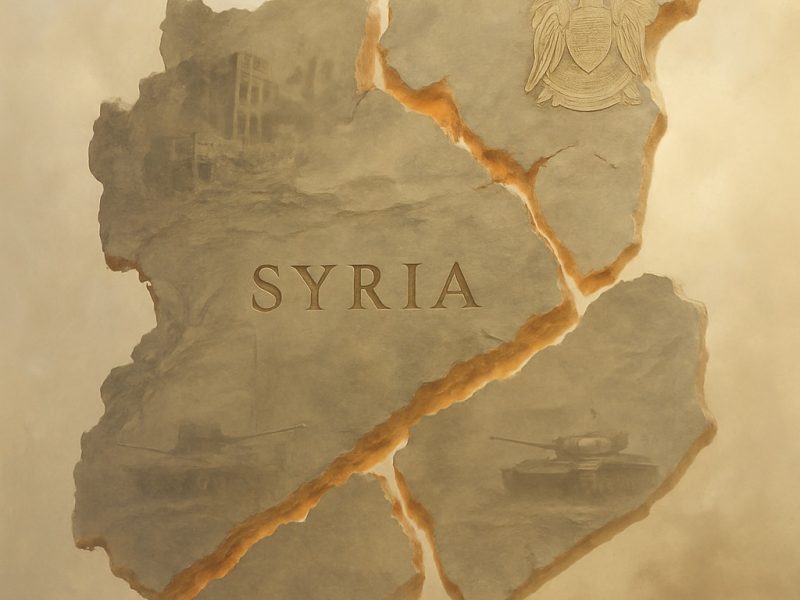
Gradual Fragmentation of Syria: Examining the Most Likely Governance Scenario for Syria’s Future

This analysis outlines the “mini-state governance model” as the most probable scenario for Syria’s future. In this model, the state remains legally unified, but in practice, powerful local entities dominate specific regions, effectively holding real power. The central government is compelled to cooperate with these influential local forces. Although this scenario has received limited public attention, it aligns more closely with Syria’s historical context and social fabric.

Sunday 10 August 2025

Silent Heirs of the Golan: The Emergence of New Resistance Group in Syria

In recent years, following the shift in the situation in Syria after the weakening of ISIS, the “Uli al-Baas” group announced its formation. The group bases its identity on the principles of resistance and Arab nationalism, positioning itself in opposition to the aggression of the Zionist regime and Turkish occupation, claiming to be part of the axis of resistance. Although the group shares some symbolic and ideological similarities with other aligned groups, it emphasizes its organizational and political independence.

Sunday 10 August 2025

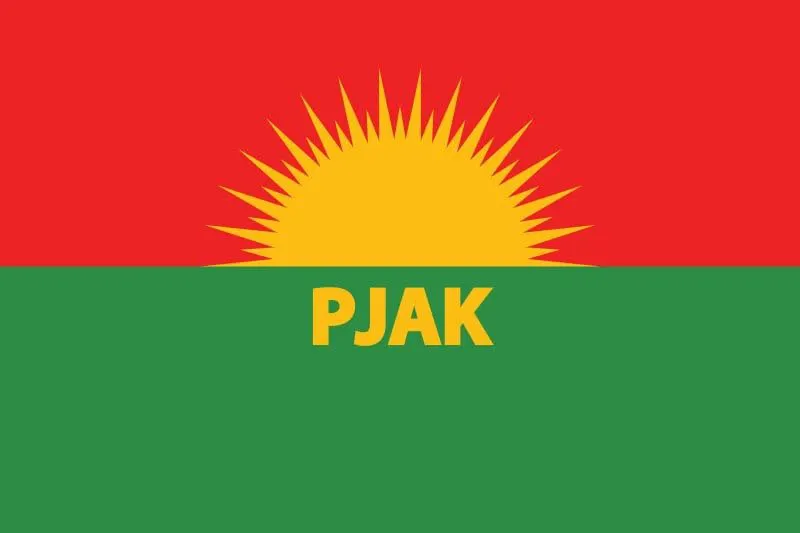
The Echo of PJAK in Turkey’s Silence

Over the past two decades, the PJAK, as a key ally of the PKK, has emerged as a significant player in the security dynamics of Iran, Turkey, and the surrounding region, largely due to its close ties with the PKK. With the PKK weakening and Turkey’s strategic priorities shifting, Ankara may now seek to engage more effectively with the PJAK to influence future developments in Iran. This shift in approach could represent a redefinition of Turkey’s policy toward Iran in light of recent geopolitical changes.

Monday 4 August 2025

Operation True Promise 3: Which Locations Were Targeted In Occupied Territories?

Operation True Promise 3 is the designation of a military operation undertaken by the Iranian armed forces in response to the Israeli aggression that lasted 12 days. During this operation, the Iranian forces launched over 300 ballistic missiles, along with a significant number of cruise missiles and suicide drones, targeting positions of the Zionist regime in occupied Palestine. This action resulted in more than 97 successful hits.

Monday 4 August 2025

Digital Assassination: AI-Enabled Targeting of Hamas Commanders

Following the October 7 attack, the Israeli regime initiated the extensive deployment of artificial intelligence in its military operations, including integration with facial-recognition systems to identify wounded combatants, audio-analysis of communications to geolocate targets, and Arabic-language natural-language processing to monitor messages and social-media traffic. These technologies have been employed in the targeted assassination of Hamas commanders and the recovery of hostages, and have been incrementally refined over time.

Saturday 2 August 2025

Israeli Energy؛ Syria’s Electricity Crisis and Israel’s Gas Resources

After years of civil war and the collapse of the Assad government, Syria faces one of the most severe electricity crises in its history. Ahmad al-Shar’a had previously announced his goal of providing eight hours of electricity per day by late February, but power supply has dwindled to the extent that people have access to electricity for only one to two hours a day. This crisis not only disrupts daily life but also poses a major challenge to the country’s political and economic stability. In such circumstances, various options have been proposed to resolve the crisis, one of which includes using gas resources from the occupied territories.

Thursday 31 July 2025

A Struggle to Heal the Wounds: The Israeli Security Doctrine 2025–2026

The 2025–2026 Israeli security doctrine, published by the Institute for National Security Studies (INSS), identifies Iran as the principal regional threat. Focusing on Iran’s nuclear programme, the role of the Axis of Resistance, and security cooperation with the United States, the document delineates three plausible scenarios—namely, a new accord with Washington, Iran’s attainment of nuclear capability, and a protracted stalemate—each accompanied by prescribed strategies such as military intervention, economic coercion, and covert operations.