Category: Israel

  • Increase In Pressure On Netanyahu; Four Resignations In One Day!

    Increase In Pressure On Netanyahu; Four Resignations In One Day!

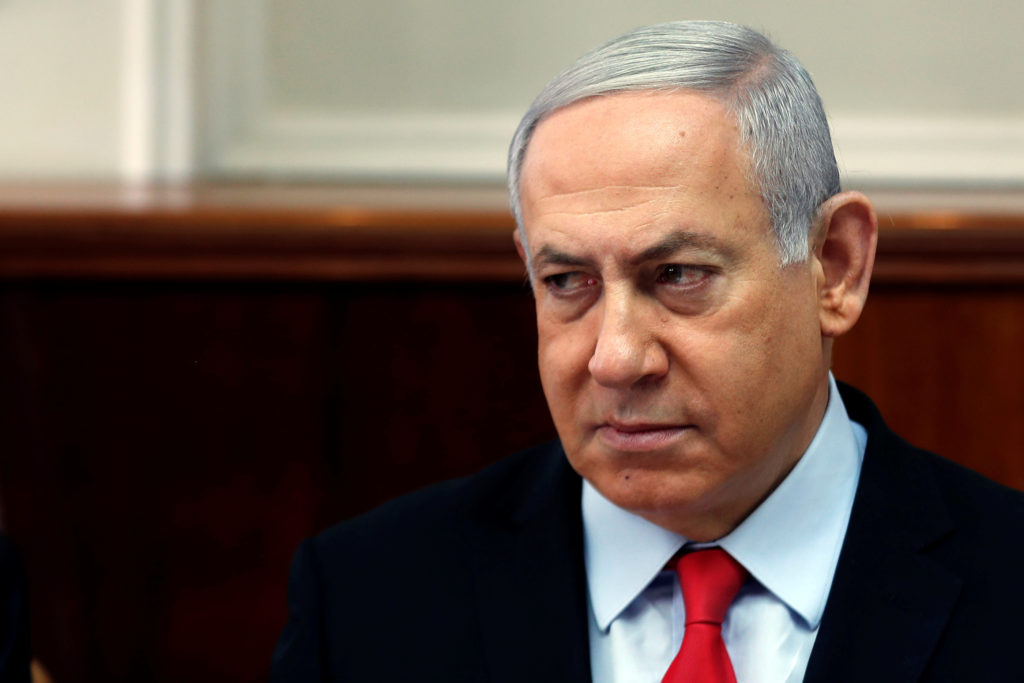
    According to Hebrew-language sources, Benny Gantz and Gadi Eisenkot, members of the Israeli war cabinet, as well as Chili Tropper, the Israeli minister from the National Unity Party, which is Benny Gantz party, and Avi Rosenfeld, the commander of the Gaza Division in the Israeli army, all resigned from their positions on Sunday. This sudden wave of resignations has sent shockwaves through the Israeli government, with many speculating about the reasons behind these sudden departures.

    In response to Gantz’s resignation from the war cabinet, Netanyahu stated, “This is the time for unity, not for division.” However, his words have fallen on deaf ears, as many see his government as ineffective and lacking a clear direction.

    Yair Lapid, one of Netanyahu’s opponents, commented on the situation, saying that Gantz’s resignation has ensured Netanyahu’s continued tenure as prime minister in this ineffective government. Lapid emphasized that Netanyahu’s government has no political goals in Gaza or Lebanon, and its inability to achieve these goals has led to widespread discontent.

    The Israeli prime minister is well aware that if the war ends and the cabinet collapses, he will face numerous challenges, and even this collapse could mark the end of his political career. Therefore, he tries to continue the current battles for various reasons, including the release of prisoners, removing the shadow of war from occupied territories, and countering the threats of the resistance front, among others.

    Despite the growing pressure and criticism, Netanyahu remains determined to continue his policies, even if it means facing the consequences of his actions.

    The recent resignations and the ongoing political turmoil in the Israeli regime highlight the deep divisions within the government and the regime as a whole. As the situation continues to unfold, it remains to be seen whether Netanyahu will be able to maintain his grip on power or if his government will ultimately collapse under the weight of its own ineffectiveness.

  • Israeli Forces Extend Control in Rafah, Clashes Intensify in Strategic Region (Map)

    Israeli Forces Extend Control in Rafah, Clashes Intensify in Strategic Region (Map)

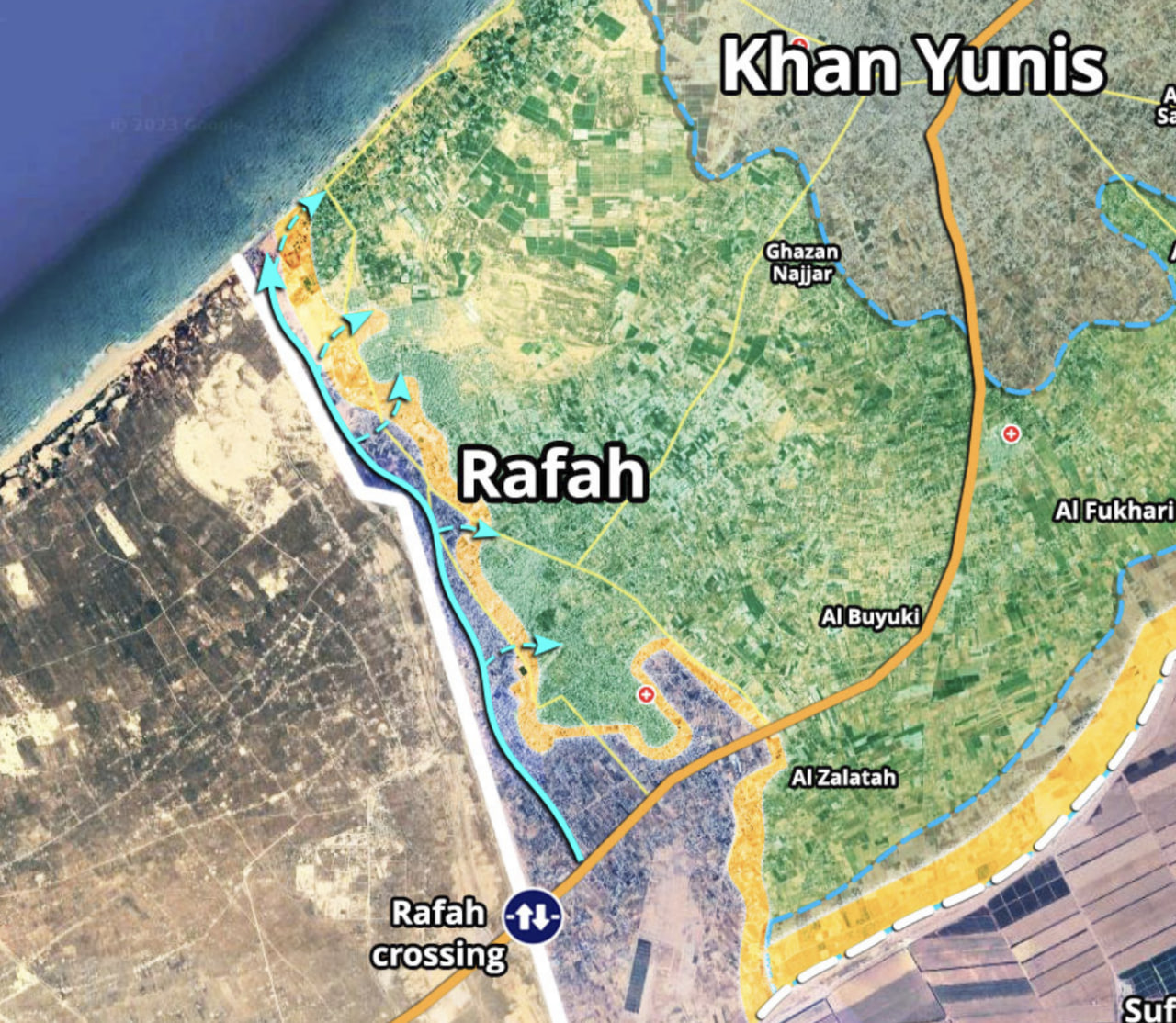
    The Israeli regime’s army’s advancement to the shores of Rafah marks a pivotal moment in the evolving dynamics of the conflict, with implications reverberating across the region.

    In Rafah, a city at the heart of the conflict, clashes persist in multiple fronts, spanning the southern, western, and northern axes. Recent confrontations have seen targeted assaults by Israeli forces on vital locations such as Tel al-Sultan and the Saudi Housing in the city’s northern sector. Concurrently, efforts to secure and clear areas in the western part of Rafah are underway, underscoring the intensity of the ongoing military incursion.

    The advance of Israeli regime in Rafah and along the border line

    Insights from field sources within the Israeli regime shed light on the tactics employed by the Israeli army in Rafah. Despite lacking the requisite strength for a full-scale assault, Israeli forces are employing tactical approaches involving limited raids, strategic retreats, and iterative movements to consolidate control over the region incrementally. This strategy indicates a push by Israeli forces to expand their territorial influence along the coastal perimeters of Rafah.

    Reports indicate a significant evacuation of approximately two-thirds of Rafah’s population, highlighting the humanitarian impact of the genocidal war. Furthermore, with around 35% of Rafah falling under Israeli occupation, the plight of civilians in the region is exacerbated, underscoring the urgent need for international intervention and humanitarian assistance.

    In a tactical deployment towards Al-Bureij refugee camp in the central axis, the Israeli regime’s army has advanced several kilometers to support military operations aimed at the release of Israeli captives. However, these advancements are deemed temporary, with expectations of Israeli forces withdrawing from these areas in the near term, reflecting the fluid and dynamic nature of the conflict landscape.

    The intensifying clashes in Rafah underscore the precarious situation faced by civilians caught in the Israeli plot for the region.

    Meanwhile, some reports point out to the fact that discussions regarding the reopening of the Rafah Crossing have hit a roadblock due to Israeli Prime Minister Benjamin Netanyahu’s rejection of involving the Palestinians in overseeing the vital crossing.

    Read more: Latest Military Situation In Gaza Strip, June 01, 2024 (Map)

    Latest military map of Gaza Strip
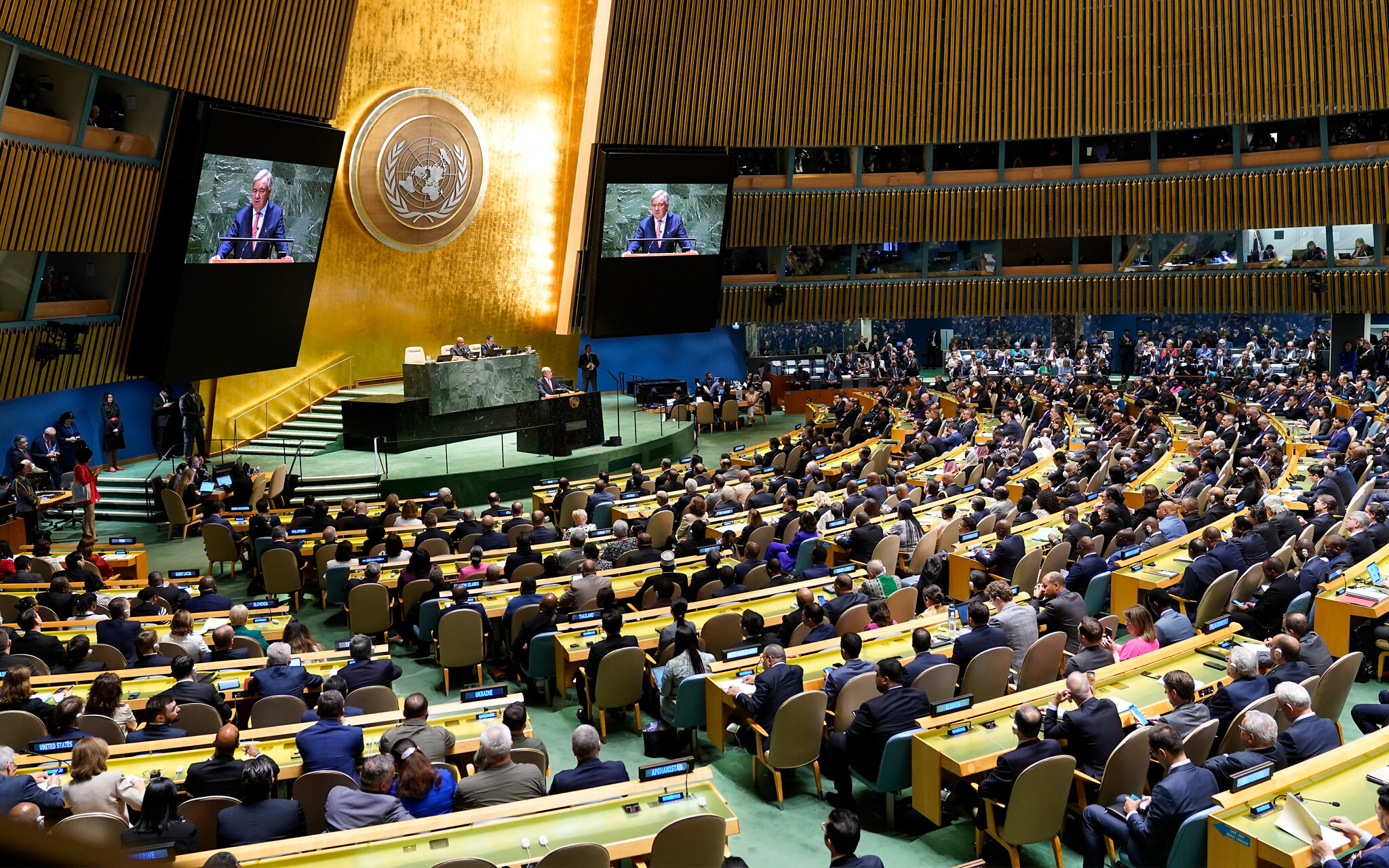
  • Israel’s Listing On UN Blacklist: A Victory For Justice, Accountability In Palestine

    Israel’s Listing On UN Blacklist: A Victory For Justice, Accountability In Palestine

    The Palestinians Authority (PA) has described the United Nations’ decision to place the Israeli regime on the blacklist for harming children as a proper measure to make the regime accountable.

    This move has shed light on the plight of Palestinian children who have long suffered the brunt of Israeli aggression and violations of their basic rights.

    The confirmation from the representative of the Israeli regime at the United Nations regarding Guterres’ decision has sparked a wave of condemnation from Israeli officials, underscoring the sensitivity and significance of this development.

    The criticism levied by the Israeli representative, in response to the listing, reflects a desperate attempt to deflect attention from the atrocities committed by the Israeli regime, particularly during the Gaza war, where innocent Palestinian children bore the heaviest burden of violence and displacement.

    Israeli Prime Minister Benjamin Netanyahu’s dismissal of the UN’s decision and his claim of the Israeli army’s ethical standards only serve to perpetuate the narrative of impunity and disregard for Palestinian lives that has characterized Israel’s actions in the region.

    Netanyahu said: “It is the United Nations that is on the blacklist. When the UN joined Hamas supporters, it was placed on the blacklist; the Israeli army is the most ethical army in the world, and no ridiculous decision by the United Nations will change this reality.”

    Netanyahu’s rhetoric fails to acknowledge the systemic injustices and human rights violations that Palestinians have endured for decades at the hands of the Israeli military.

    For Palestinians and advocates of justice worldwide, Israel’s inclusion in the UN blacklist symbolizes a glimmer of hope for accountability and a recognition of the ongoing humanitarian crisis in Palestine.

    The international community must stand firm in holding Israel accountable for its actions and ensuring that the rights of Palestinian children and civilians are safeguarded against further violations and atrocities.

    As the voices of the Palestinian people grow louder in their quest for freedom and justice, the listing of Israel on the UN blacklist serves as a reminder of the urgent need for solidarity and action to end the cycle of oppression and violence in Palestine.

  • Hundreds Of Palestinian Killed, Wounded Amid Israeli Army Operation To Free 4 Captives

    Hundreds Of Palestinian Killed, Wounded Amid Israeli Army Operation To Free 4 Captives

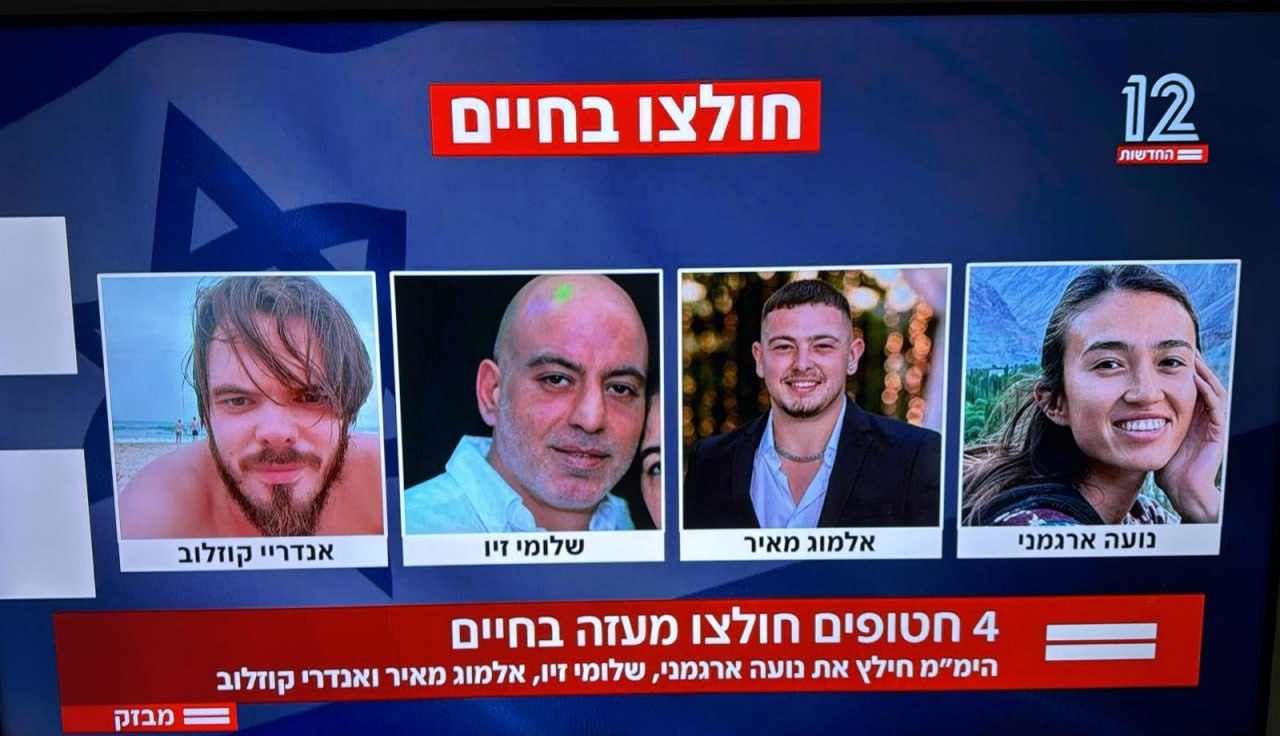
    According to the Israeli army’s statement, the four prisoners – Noa Argamani (25 years old), Almog Meir Jan (21 years old), Andrey Kozlov (27 years old), and Shlomi Ziv (40 years old) – were successfully rescued during the complex and highly coordinated operation.

    The Israeli military claimed that the prisoners’ health conditions were good and that they had been transported to the Sheba Tel-HaShomer Medical Centre.

    Reports from Hebrew-language media claim that at least 30 Palestinian resistance fighters were martyred during the clashes, along with one Israeli officer from the elite Yamam unit, Arnon Zamoura, 36, dies of wounds sustained during operation to rescue 4 Gaza hostages.

    As the dust settles, the people of Nuseirat and the broader Gaza Strip are left to grapple with the aftermath of this tragic event. Hospitals, already strained by conflict, have been overwhelmed with the influx of wounded patients, many of whom are in critical condition due to the severity of their injuries.

    Read more: At Least 210 Palestinians Killed In Nuseirat Refugee Camp Massacre (Video)

    In defiance of the international calls for the end of the onslaught on the Gaza Strip, Israeli Prime Minister Benjamin Netanyahu in a statement vowed to continue the fight until all Israeli captives are released.

    The Israeli regime’s war minister Yoav Gallant claimed the operation was “daring in nature, planned brilliantly, and executed in an extraordinary fashion.”

    The operation, which was carried out with the presence and assistance of US special forces, has been condemned by Palestinian authorities as a “massacre.” They have called for an immediate investigation into the disproportionate use of force by the Israeli military.

    Egypt strongly condemned the Israeli regime’s strikes on the Nuseirat refugee camp. The Egyptian Foreign Ministry described it a “flagrant violation of all rules of international law.”

  • At Least 210 Palestinians Killed In Nuseirat Refugee Camp Massacre (Video)

    At Least 210 Palestinians Killed In Nuseirat Refugee Camp Massacre (Video)

    According to the Government Media Office in Gaza, the death toll from the attack has now risen to a staggering 210, with over 400 individuals injured. The majority of the victims are reported to be children and women, a tragic testament to the indiscriminate nature of the Israeli onslaught on the Gaza Strip.

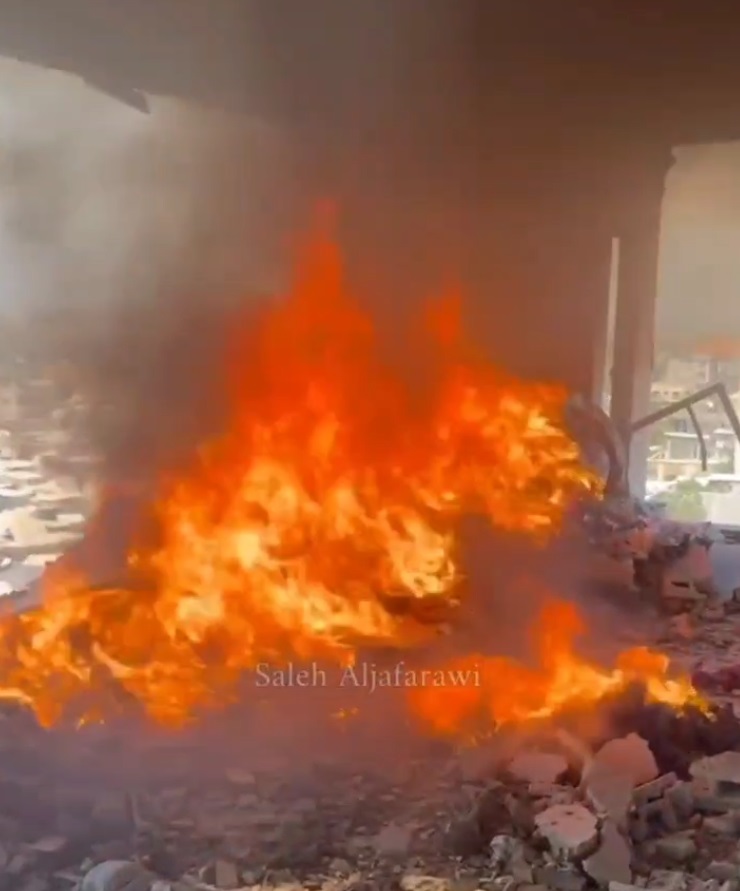
    Moments of the brutal bombing of Nusirat by the Israeli regime

    The Al-Aqsa Martyrs Hospital, already struggling to cope with the influx of casualties, has been overwhelmed by the sheer scale of the crisis. Patients have been forced to lie on the floor and in the corridors, as the facility lacks the necessary beds and medical supplies to adequately treat the injured.

    Many of the wounded are at risk of death due to the severity of their conditions and the lack of resources, said hospital spokesman Khalil Al-Dakran, who has made a desperate plea for international intervention and support.

    The bombing, which targeted the Nuseirat market and the area around the Al-Aqsa Martyrs Hospital in Deir Al-Balah, has left the community in a state of shock and anguish. Ambulances continue to transport the injured from various parts of the camp, which has been subjected to relentless Israeli bombardment.

    Aftermath of Israeli genocide in Nuseirat camp

    This latest atrocity is a devastating blow to the already beleaguered people of Gaza, who have endured the horrors of Israel’s ongoing genocide against the Palestinian population. According to the Gaza Ministry of Health, the Israeli onslaught on Gaza that began on October 7 has claimed the lives of at least 36,801 Palestinians, with 83,680 more wounded.

    As the international community grapples with the gravity of the situation, the people of Nuseirat and across Gaza remain in dire need of immediate humanitarian aid and protection.

  • Joint Operations Of Yemeni Army, Iraqi Resistance Against Israel’s Haifa Port

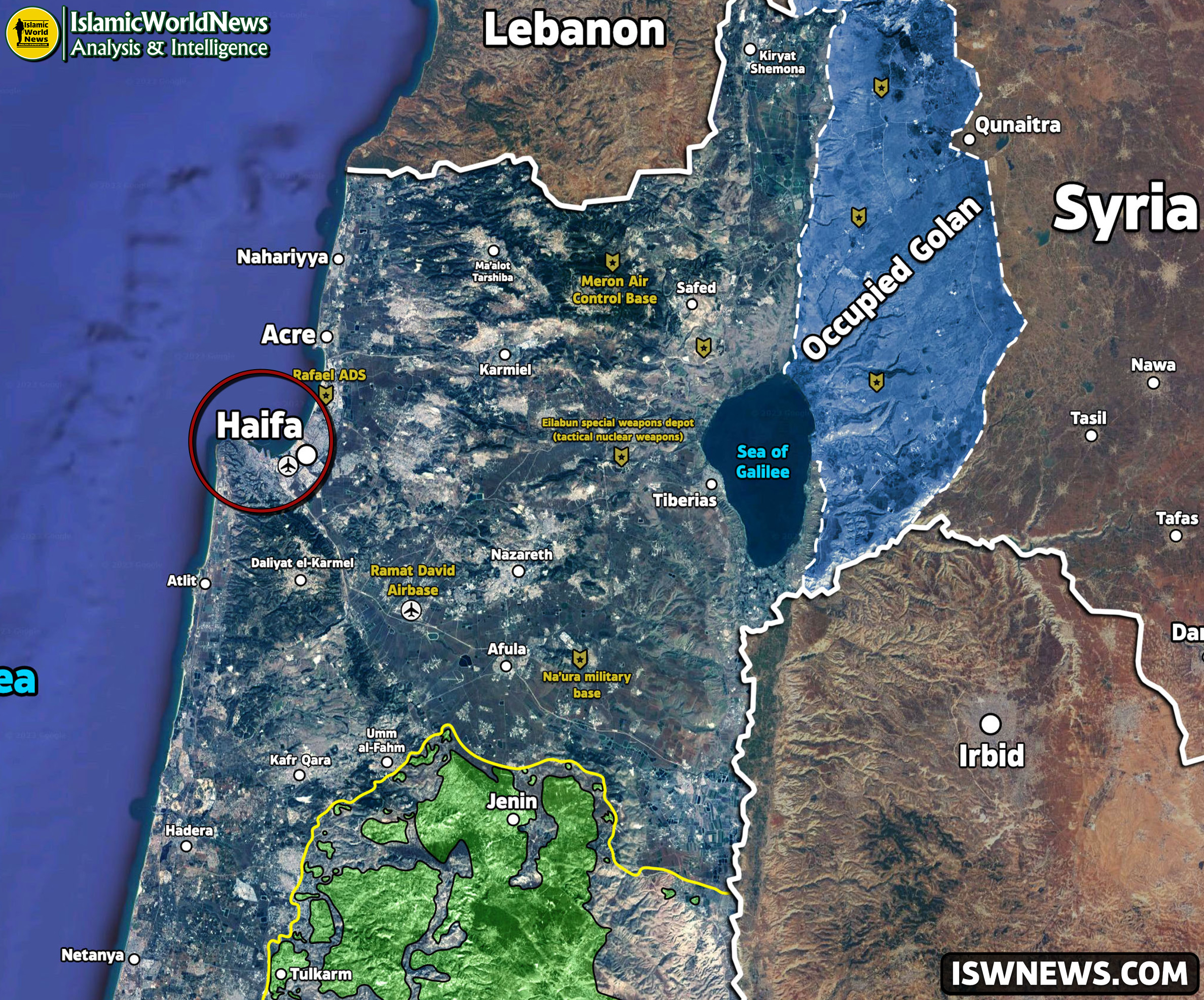
    Joint Operations Of Yemeni Army, Iraqi Resistance Against Israel’s Haifa Port

    This unprecedented collaboration between the two prominent resistance forces marks a significant escalation in the ongoing struggle against the Israeli occupation.

    According to Brigadier General Yahya Saree, spokesman for the Yemeni Armed Forces, in the first operation, they targeted two ships carrying military equipment in the port of Haifa. In the second operation, a ship that had violated the ban on entry into this port was also hit. These strikes were executed with the use of several suicide drones, and the spokesman asserted that the attacks were accurate and successful, thanks to the almighty God’s support.

    In his statement, Brigadier General Saree called upon all Arab armies to participate in military operations to show support for the Palestinian resistance, emphasizing the religious and humanitarian duty to stand with the oppressed Palestinian people. This appeal resonates with the growing sentiment across the Arab world, where the plight of the Palestinians has long been a source of deep concern and a rallying cry for unity.

    The Islamic Resistance in Iraq echoed this sentiment, confirming the joint drone attack on the port of Haifa and vowing that such coordinated operations against the Israeli regime will continue with increasing speed and intensity. This announcement underscores the determination of the Iraqi resistance to actively support the Palestinian cause.

    The joint operations by the Yemeni and Iraqi resistance fighters represent a significant shift in the geopolitical landscape of the West Asia region. By combining their resources and expertise, these two regional powers have demonstrated their ability to project power and inflict damage upon the Israeli regime’s strategic assets, challenging the perceived invincibility of the Israeli military.

    Both the Yemeni Armed Forces and Yemen’s Ansar Allah movement have time and again underscored that they will keep on these attacks on Israeli positions as well as their strikes on vessels affiliated with the regime and its allies such as the US and the UK in the Red Sea, the Arabian Sea, the Bab al-Mandab Strait and the Indian Ocean until the time when the onslaught on the Gaza Strip comes to an end and the siege on the besieged area is lifted.

  • Ansar Allah Uses New Ballistic Missile Against Israeli Targets

    Ansar Allah Uses New Ballistic Missile Against Israeli Targets

    Footage released by the group showed the missile, with a warhead painted in the distinct Palestinian keffiyeh pattern, being launched from a mobile launcher. The missile quickly climbed into the air, leaving plumes of white smoke – a signature of solid-fuel propulsion.

    According to evidences, this missile is very similar to the Khaybar Shekan-2 missile that was unveiled in Iran last year.

    According to the Ansar Allah movement, the missile was used in a recent attack against the southernmost Israeli city of Eilat on June 3. While the Israeli military claimed the missile was intercepted by the Arrow air defense system, the strike did set off warning sirens in the city.

    The Ansar Allah movement stated that the strike was in response to Israel’s genocidal war and siege on the Palestinian people living in the Gaza Strip. Analysts believe the Palestine missile’s range exceeds 1,600 kilometers, allowing it to target Israeli territory from Yemen.

    The Ansar Allah also declared strikes on three Israel-affiliated vessels in the Red Sea and Arabian Sea, vowing to continue such operations until the aggression stops and the siege on the Palestinian people in Gaza is lifted.

    The unveiling of the new missile and the continued attacks on Israeli and Western interests highlight the Ansar Allah movement’s growing capability and determination to support the Palestinian cause.

  • Israeli Airstrike Kills Over 40 Palestinian Refugees in Al-Nuseirat

    Israeli Airstrike Kills Over 40 Palestinian Refugees in Al-Nuseirat

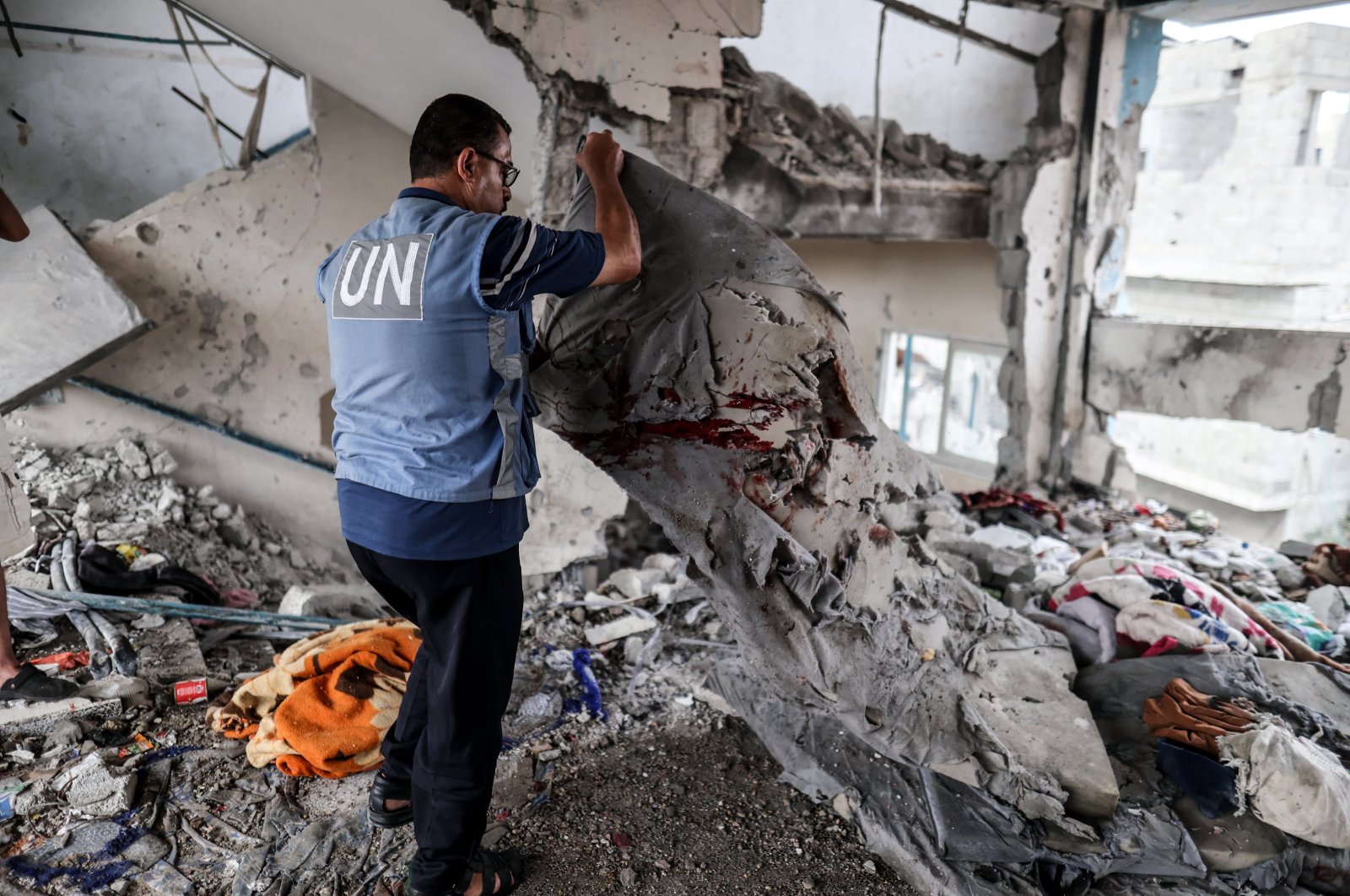
    The airstrike on the Al-Sardiya school in the Al-Nuseirat refugee camp has resulted in the deaths of more than 40 refugees, including a significant number of women and children.

    According to eyewitness accounts and initial investigations, Israeli fighter jets carried out the bombardment of the school, which was serving as a refuge for displaced Palestinians. The school, located in the central Gaza Strip, had provided shelter and basic necessities to those seeking safety from the ongoing conflict.

    According to the director of the Gaza government media office, Ismail Al-Thawabta, and a Gaza health ministry official, the airstrike on the Al-Sardiya school resulted in the martyrdom of 40 Palestinians and left 73 others injured.

    The Gaza government media office strongly condemned the attack, describing it as a “horrific massacre that shames humanity.”

    The media office also stated that they hold the Israeli occupation and the US administration fully accountable for the atrocities being committed against the innocent Palestinian civilians in the Gaza Strip.

    The victims of this latest Israeli assault were already struggling, having been forced to flee their homes due to the persistent violence and instability in the region. Now, their safe haven has been shattered, and their families are left to mourn the senseless loss of life.

    Condemnation of the attack has been swift, with human rights organizations and international bodies denouncing the Israeli military’s actions as a flagrant violation of international law and the principles of humanitarian protection.

    As the world grapples with the aftermath of this tragedy, the calls for a just and lasting peace in the region have only grown louder, underscoring the urgent need for a political solution that prioritizes the safety and well-being of all Palestinians.

  • Tensions Escalate As Israel Threatens ‘Extremely Powerful’ Response to Hezbollah Attacks

    Tensions Escalate As Israel Threatens ‘Extremely Powerful’ Response to Hezbollah Attacks

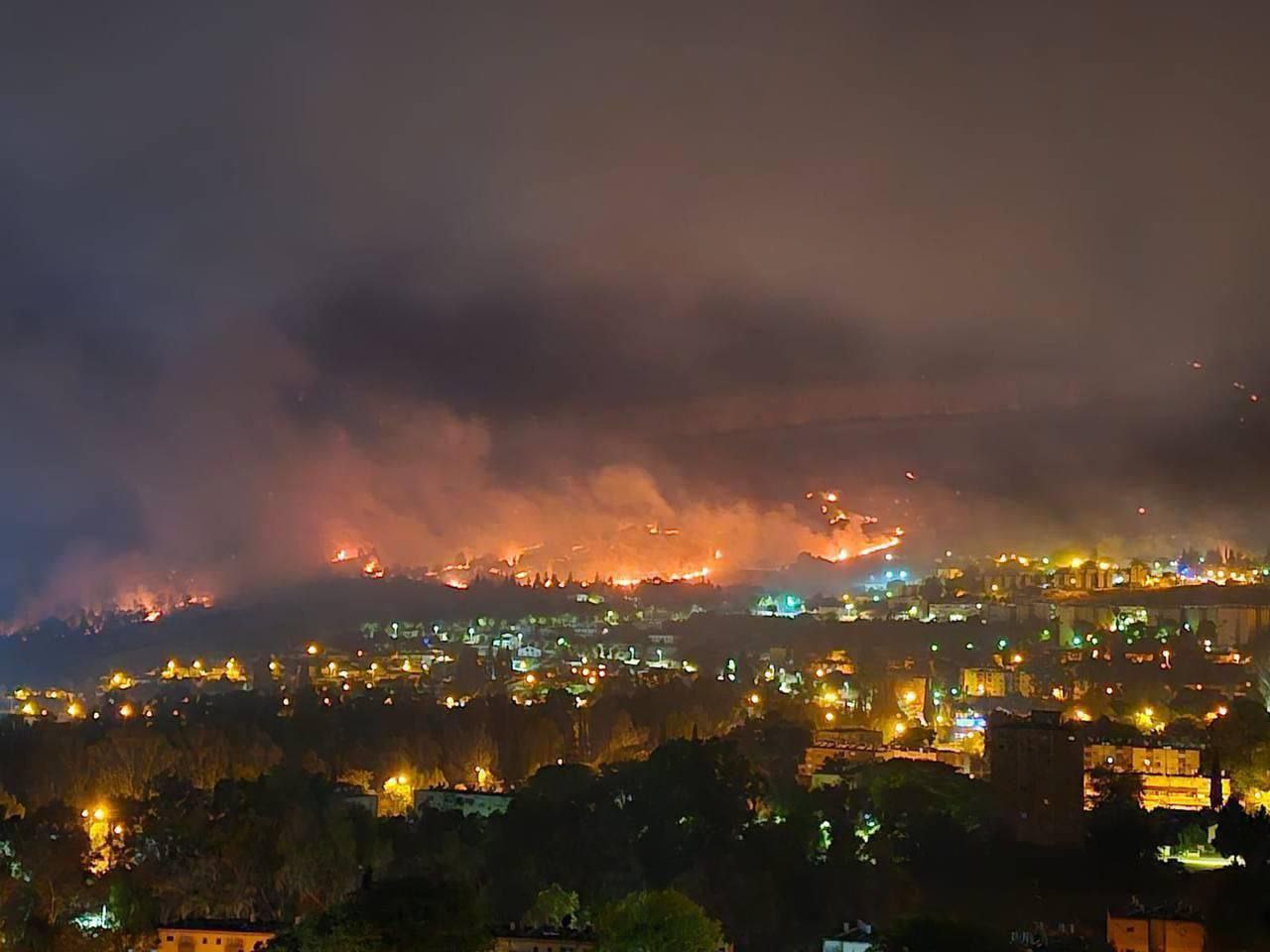
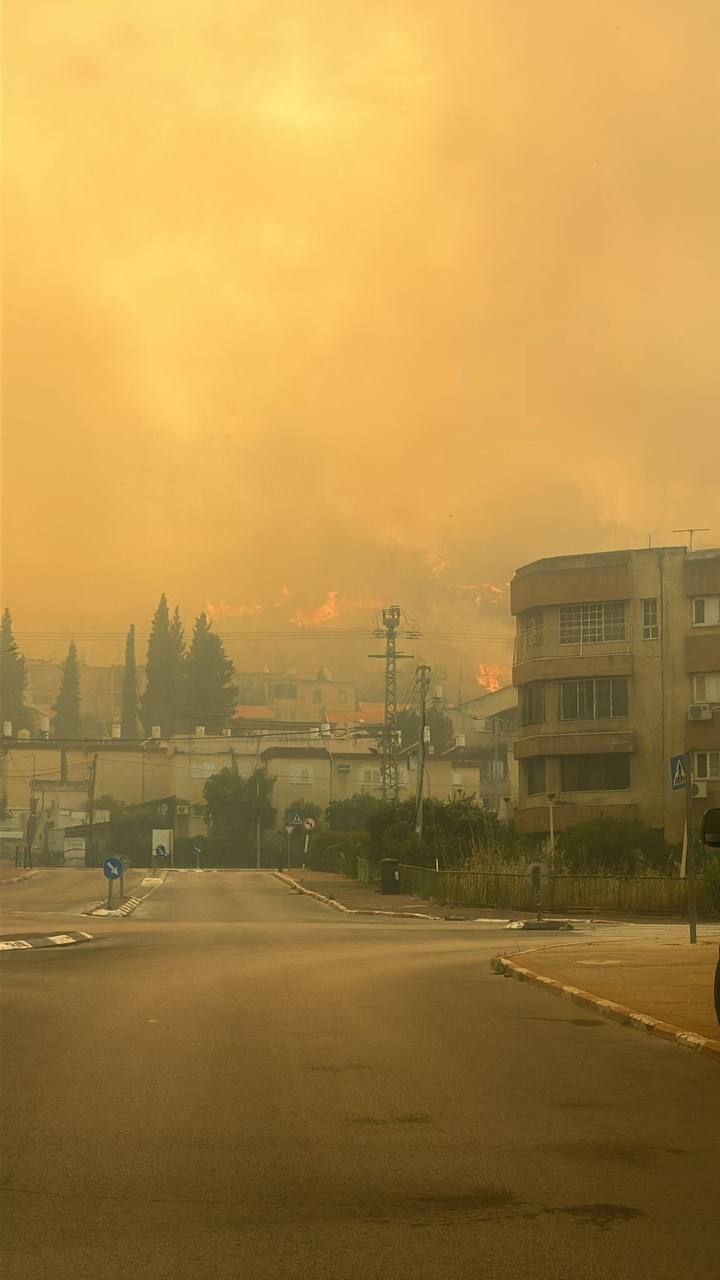
    The warning comes after a recent uptick in hostilities, including a drone strike by Hezbollah that injured 11 Israeli settlers in the northern town of Hurfeish. This attack followed a wave of Hezbollah fires that raged through the border region, causing widespread destruction and displacement.

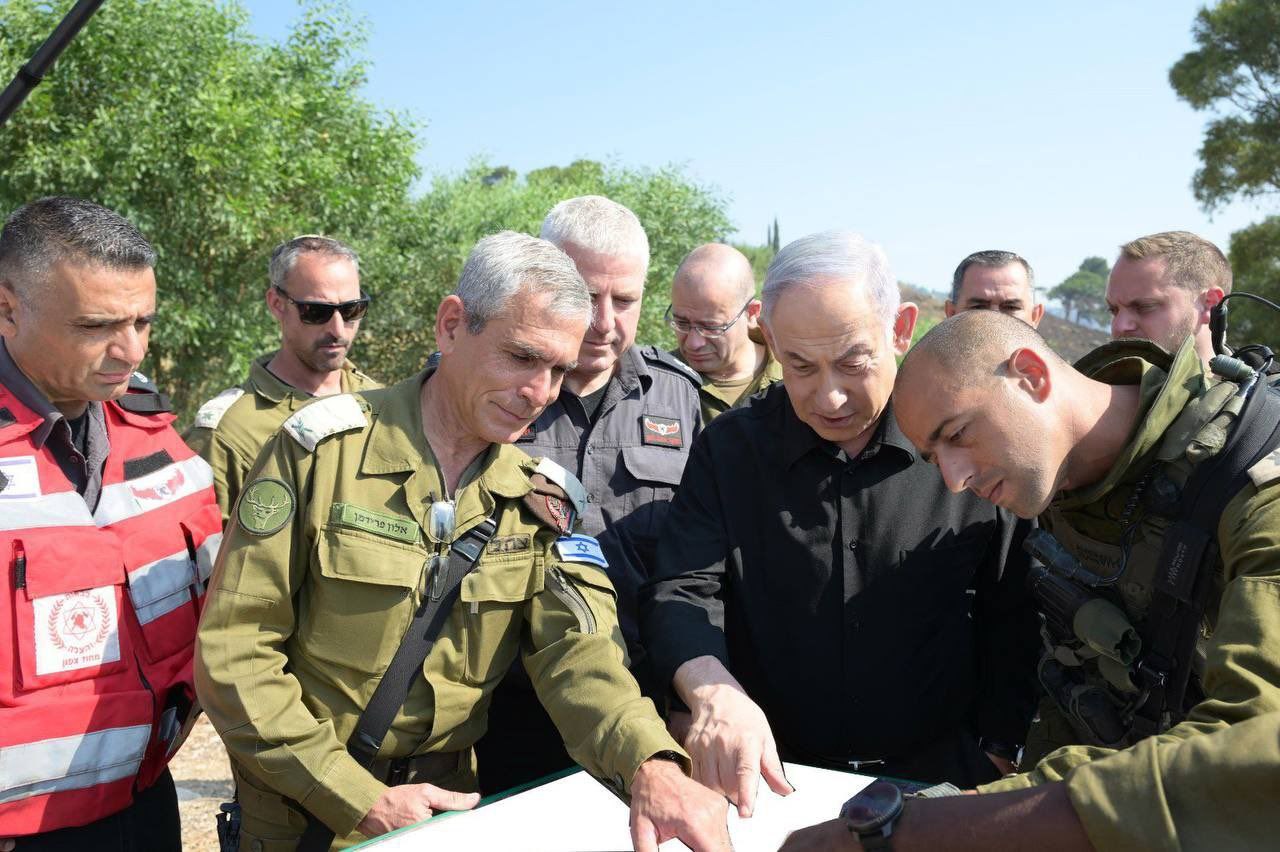
    “Anyone who thinks that they can harm us and we will sit on our hands is sorely mistaken,” Netanyahu said during a visit to the largely evacuated town of Kiryat Shemona. “We are prepared for a very strong action in the north. In one way or another we will restore security to the north,” he added.

    Netanyahu during a visit to the town of Kiryat Shemona.

    The prime minister’s rhetoric underscores the growing concerns on the Israeli side about the escalating situation. The Israeli occupation forces’ chief of staff, Herzi Halevi, warned that the military is approaching a point where it will have to make a decision, stating that “the IDF is ready for an offensive.”

    The EU has also expressed alarm over the “ever-growing destruction and the forced displacement of civilians on both sides of the Israeli-Lebanese border,” calling on all parties to exercise restraint and avoid a broader regional conflict.

    Read more: Hezbollah Set Israeli Settlements On Fire!

    Hezbollah, for its part, has indicated that it is not seeking all-out war with the Israeli regime. The Lebanese resistance movement’s recent actions, including the unprecedented deployment of a squadron of drones, have further thrilled the Israeli officials; so, they resort to the threat of a potential conflagration.

    Hezbollah has been carrying out near-daily attacks against Israeli military positions along Lebanon’s southern border. The purpose of these attacks is to alleviate the pressure on Palestinian resistance fighters who are engaged in combat against Israeli forces inside the Gaza Strip.

    Meanwhile, human rights groups have also accused the Israeli regime of using white phosphorus incendiary shells in southern Lebanon, a report that the Israeli military has denied, claiming that such munitions were only used as a smokescreen and in accordance with international law.

    The situation along the Israeli-occupied border of Lebanon remains highly volatile, with both sides seemingly poised for a potential escalation. As the war of words and military posturing continue, the threat of a wider conflict looms large, with the potential to engulf the broader region.

    Analysts warn that a miscalculation or a single spark could rapidly spiral into a full-blown confrontation, the consequences of which could be devastating for all involved. The calls for restraint and diplomacy grow ever louder, as the international community anxiously watches the high-stakes standoff unfold.

  • Hezbollah Set Israeli Settlements On Fire!

    Hezbollah Set Israeli Settlements On Fire!

    Since the beginning of the war, the Israeli army has repeatedly used incendiary bombs in the south of Lebanon. The indifference of the media and international organizations towards Israel’s use of prohibited weapons and the escalation of airstrikes by this regime against civilians also caused Hezbollah to give tougher responses to Israel’s attacks.

    In this regard, in recent days, Hezbollah has organized devastating attacks on Kiryat Shemona and its surrounding areas with heavy rockets and suicide drones, and the fire yesterday and today is a part of its results.

    According Safed hospital, 16 people were suffocated and injured due to the fires of Kiryat Shemona and were taken to this hospital for treatment.

    However, Hezbollah has indicated that it is not seeking all-out war with the Israeli regime. The Lebanese resistance movement’s recent actions, including the unprecedented deployment of a squadron of drones, have further thrilled the Israeli officials; so, they resort to the threat of a potential conflagration.

    Hezbollah has been carrying out near-daily attacks against Israeli military positions along Lebanon’s southern border. The purpose of these attacks is to alleviate the pressure on Palestinian resistance fighters who are engaged in combat against Israeli forces inside the Gaza Strip.

  • Israeli Airstrikes Hit Northern Aleppo, Killing At Least 17 Including An Iranian Military Advisor

    Israeli Airstrikes Hit Northern Aleppo, Killing At Least 17 Including An Iranian Military Advisor

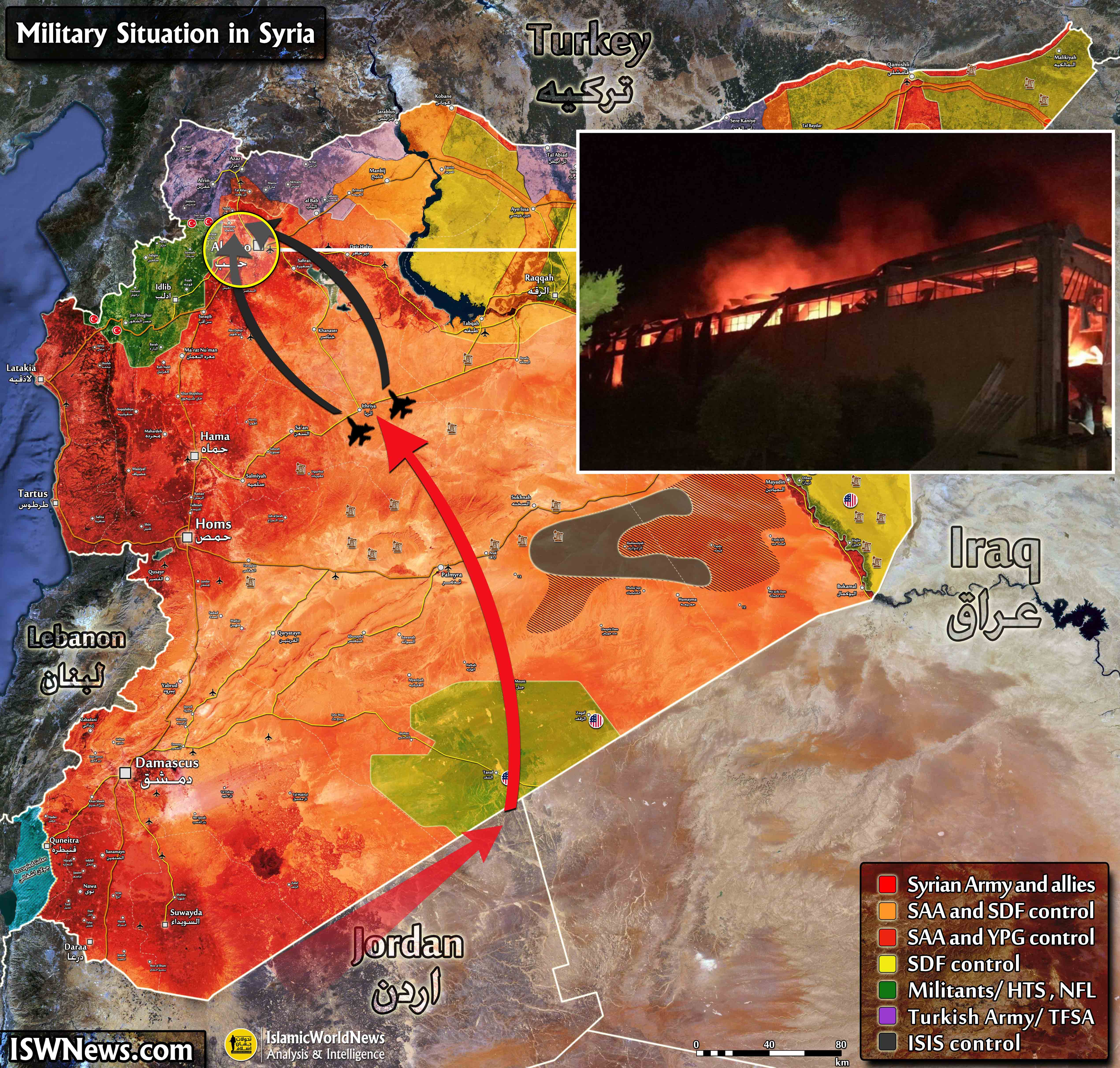
    According to the findings, fighter jets of the Israeli regime’s army were able to penetrate deep into Syrian airspace by traversing through Jordanian airspace and exploiting the airspace over the occupied Al-Tanf region. From there, they launched attacks on locations in the northern part of Aleppo city.

    The Syrian Ministry of Defense has not released any official figures on the casualties resulting from this Israeli air raid. However, local sources have claimed that the attack led to the deaths of at least 17 people, with an additional 15 individuals sustaining injuries. Also an Iranian military advisor was martyred in the attack.

    Saeid Abyar, an Iranian military advisor martyred by the Israeli airstrikes in Aleppo

    The Israeli regime typically does not acknowledge its airstrikes in Syria. The latest attack that occurred around 12:20 a.m. on Sunday resulted in a number of fatalities and some material damage.

    This latest incident marks a significant escalation of Israeli military operations within Syrian territory, demonstrating the ability of the Israeli Air Force to infiltrate deep into Syrian airspace and bypass the country’s air defense systems.

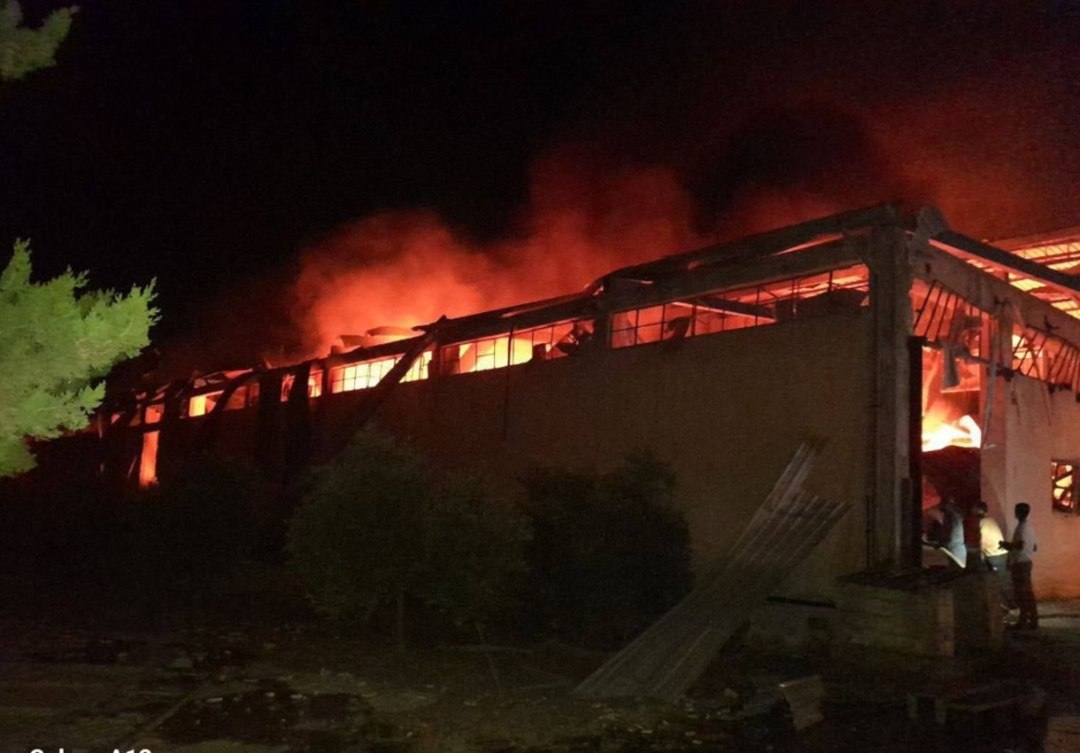
    The place that was attacked by Israeli warplanes in Aleppo

    The attack, which reportedly struck civilian areas, has drawn widespread condemnation from Syrian authorities and their allies. They have accused the Israeli regime of blatantly violating Syrian sovereignty and targeting innocent lives in the process.

    This is a flagrant violation of our country’s sovereignty, and we will not stand idly by as the Israeli regime continues to carry out such reckless and deadly attacks, said a statement from the Syrian Ministry of Foreign Affairs.

    This is not the first recent instance of Israeli airstrikes in Syria. On May 29, the Israeli regime launched air attacks on Syria’s central region and the coastal city of Baniyas, killing a child and injuring ten civilians, as reported by Syrian state media.

    An even more significant incident happened on April 1st, when an Israeli airstrike flattened a building in the Iranian diplomatic compound in Damascus.

    The international community has also expressed concern over the latest developments, with calls for restraint and respect for international law. However, the situation in northern Syria remains highly volatile, with the potential for further escalation and bloodshed as a result of Israeli provocations.

    As the region grapples with the aftermath of this Israeli air raid, the search for a peaceful resolution to the ongoing conflict in Syria remains a pressing challenge for the global community.

  • Latest Military Situation In Gaza Strip, June 01, 2024 (Map)

    Latest Military Situation In Gaza Strip, June 01, 2024 (Map)

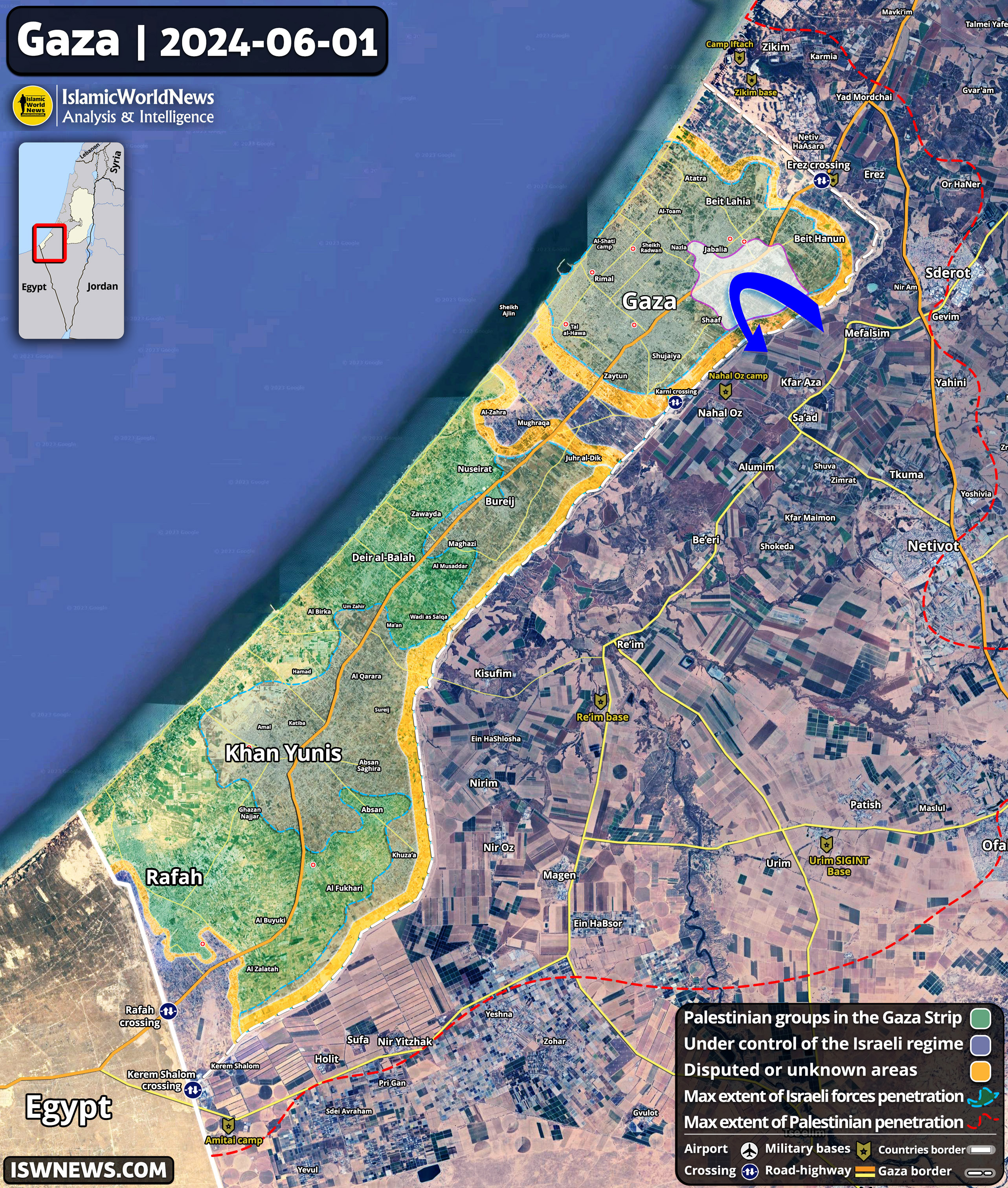
    After two weeks of military operations and penetrating deep into Jabalia in the north of the Gaza Strip, the Israeli occupying forces have completely withdrawn from this area. As it was said before, the Israeli army never has the ability to clear, stabilize and establish a long-term presence in these areas, and the recent operations of the Israeli regime in Jabalia lacked any strategic goals. The only goal that may have been achieved was more destruction and killing in Jabalia.

    But in the south of the Gaza Strip in the Rafah axis, Israeli forces are slowly expanding their territories along the Egyptian border. During the last week, Israeli forces entered Tel Zaarab, the highest hill in the west of Rafah city. In the attack on Rafah, the Israeli army has adopted a strategy similar to the attack on Gaza City from the north. In the north of Gaza, the Israeli army slowly bypassed Gaza City using the coastal line, and in the next stages, from the east side, it cut off the Palestinian forces in the depth of Gaza. In Rafah, Israeli forces are slowly increasing the contact lines along the border, and probably in the next stages, with the addition of forces from the eastern axes, the Palestinian forces will be cut off in the center of Rafah.

    On the other hand, there are whispers of the possibility of establishing a comprehensive ceasefire in the Gaza Strip, but nothing is certain yet and we have to wait.

    Latest military situation in Gaza Strip