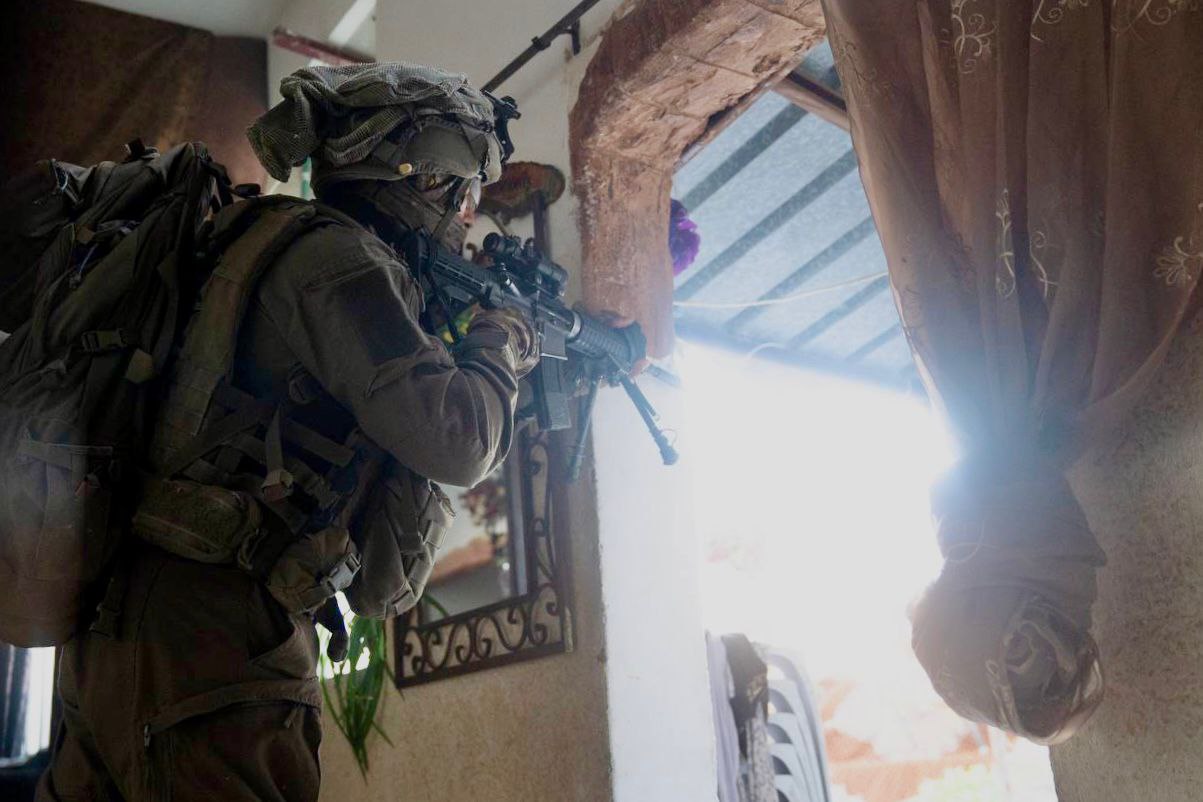
On September 4, Israeli forces stormed the Jenin camp, which lead to intense armed clashes between the Israeli occupiers and Palestinian resistance fighters.
Amid the clashes, at least four Palestinians were injured. During the Monday raid, roadside bombs made by the resistance fighters were exploded, as the Israeli army convoy were passing through the Jenin Camp.
Furthermore, the Jenin Brigades (Jenin Battalion) affiliated to the Al-Quds Brigades, the military wing of the Islamic Jihad Movement in Palestine, succeeded in shooting down an Israeli army helicopter over Jenin’s sky.
Hebrew sources claimed that after the end of the clashes and the retreat of Israeli soldiers from Jenin, some members of the Al-Ayyash Brigade, affiliated to the Izz ad-Din Al-Qassam Brigades, the military wing of Hamas, who had recently fired rockets from Jenin towards Israeli settlements, were arrested by Israeli forces.
The Israeli army and Shin Bet (Israel Security Agency) announced that three fighters of the Hamas movement, including one of its leaders, were taken captive in today’s attack on the Jenin camp.
As a result of the Saudi-led coalition’s artillery and drone attacks on Shada’a, Munbah, Razih, Qatabir, and Al Ghumr in the northwestern and western parts of Saada Governorate during the first four days of September 2023, a Yemeni civilian and an African immigrant were killed, and three other African immigrants were injured.
Meanwhile, the Yemen Executive Mine Action Centre (YEMAC) has also announced that cluster bombs and mine explosions by the Saudi-led coalition in Yemen have killed 37 people, including 12 children, from the beginning of 2023 until now.
Saudis’ scattered attacks, mine explosions, and unexploded bombs from the war in Yemen continue to take civilian lives.
The Saudi-led coalition and the Yemeni government declared a ceasefire in all fronts in an unofficial agreement and are negotiating for peace with the mediation of the United Nations and Oman.
The United Nations has also suspended financial aid to Yemen’s mine clearance executive agencies for the second consecutive month for unknown reasons and it has called for Yemeni cooperation in political cases.
The USS Cole bombing was a suicide attack by al-Qaeda against USS Cole, a guided missile destroyer of the United States Navy, on 12 October 2000, while it was being refueled in Yemen’s Aden harbor. Seventeen US Navy sailors were killed and thirty-seven injured in the deadliest attack against a United States naval vessel since the USS Stark incident in 1987.
After the Al-Qaeda attack on the US ship USS Cole in Aden port, and also the incident of September 11, 2001 in New York City, the then US administration concluded that it should take action against this terrorist group in Yemen as well as Afghanistan.
Following former US president George Bush’s decision to start attacking Al-Qaeda in Yemen, the US military and security agencies in coordination with the then Yemeni government led by Ali Abdullah Saleh began their attacks in this country. These attacks continued after popular protests in Yemen and the downfall of Ali Abdullah Saleh’s government, and after such developments, the eight-year battle between the Ansar Allah movement and the Saudi-led coalition continued.
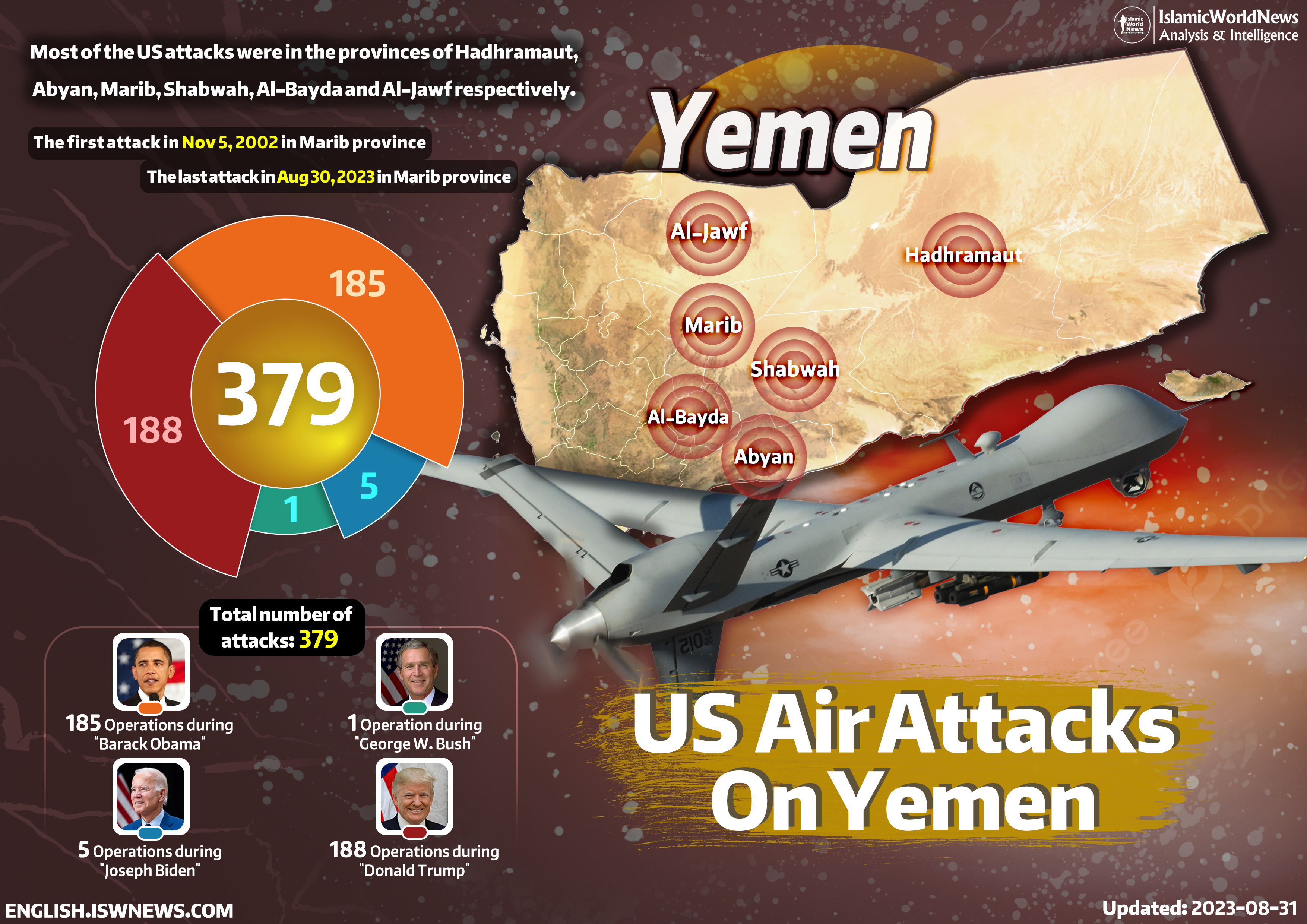
According to Western media reports, the US has so far carried out 378 attacks, including aerial (by fighter jets and combat drones), missile and ground attacks in this Arab country, which has resulted in the deaths of 1,400 to 1,800 people. So far, a large part of the details and information about these 379 operations have not been published, and the following list has been compiled based on the information available about drone operations that have been reported so far. The operation list is as follows:
1- The US MQ-1 Predator drone attack on the vehicle of al-Qaeda militants in Marib province, November 5, 2002. This attack resulted in the death of six members of al-Qaeda, including the leader Salim Sinan Al-Harethi, known as Abu Ali Al-Harethi (accused of helping to bomb the USS Cole in Aden).
2- The mistaken attack of the American drone on a gathering in Wadi Obayda in Marib province on May 24, 2010. This attack, instead of an al-Qaeda rally, resulted in the death of five people, including Jaber al-Shabwani, the deputy governor of Marib province, who was mediating between the government and the militants. This murder caused the bloodshed of the Shabwani tribes and their conflict with the government forces. They also attacked an oil pipeline in Marib twice.
3- The attack of the American drone on the car of two people suspected of being members of the Al-Qaeda group named Abdullah and Masad Mubarak on May 5, 2011. The aim of this attack was to kill Anwar al-Awlaki, a propaganda member of al-Qaeda, but he was not hit in this attack.
4- The attack of the American fighter jet or drones on the residence of Ali Abdullah Naji al-Harethi, a member of al-Qaeda, and several other suspects, including Ammar Abadah Nasser al-Waili in Zanjibar city on June 3, 2011. Al-Harethi was one of the companions of Abu Musab al-Zarqawi in Iraq and al-Waili was present in the war in Afghanistan and was ordered by Bin Laden to establish a training camp in Saada.
5- The attack of the American fighter jets or drones on a police station in the district of Mudiyah, located in the province of Abyan on July 14, 2011. The media and the Yemeni government at the time reported the casualties of this attack between 6 and 50 dead. Also, on the same day, the American drone targeted the car of Fahad al-Qasso, a senior member of al-Qaeda in Yemen, near the same area, and he survived the attack.
6- The attack of American drones with the participation of Yemeni army fighter jets on Al-Qaeda positions in the areas of Al-Wahda, Al-Amoudi and Al-Khamila in Abyann province on August 1, 2011. As a result of these attacks, 15 militants suspected of being members of Al-Qaeda, including Nasser al-Shadadi, one of the senior members of Al-Qaeda, were killed and 17 others were wounded.
7- American warplanes and drones attack suspected al-Qaeda positions in the outskirts of Zanjibar city in Abyan province on August 24, 2011. This attack killed 30 people and injured 40 others.
8- The American fighter jet attack on a mountain pass in Abyan province on September 21, 2011, which resulted in the death of four Al-Qaeda members. At the same time, seven Al-Qaeda fighters were killed in the coastal city of Shuqra.
9- American drone attack on Anwar al-Awlaki, one of the senior propaganda members of Al-Qaeda in Al-Jawf province on September 30, 2011. In addition to Al-Awlaki, three other people were killed in this attack, including Samir Khan, the American-born editor of Inspire magazine. This attack has been called the first attack in which the US military intentionally attacks its own citizens.
10- American drone attack on al-Qaeda hideouts in the east of Zanjibar, the capital of Abyan province, on October 5, 2011. This attack resulted in the death of five Al-Qaeda members.
11- American fighter jet or drone attack on an unknown mosque in Shabwa province on October 14, 2011. Some American media, quoting the Ministry of Defense of the Yemeni government at the time, claimed that seven Al-Qaeda members were killed in this attack, including Ibrahim Al-Banna, the media officer of Al-Qaeda (Egyptian origin), but this information is not correct, and currently the United States has offered a reward of 5 million to find Al-Banna.
12- In another attack on October 14, 2011, the American drone assassinated the 17-year-old son of Anwar al-Awlaki along with eight other people in Shabwa province.
13- American drone attack on the location of al-Qaeda members in the city of Jaar in Abyan province on December 22, 2011. In this attack, Abdulrahman al-Wahishi, a relative of Nasser al-Wahishi, the leader of al-Qaeda branch in Yemen, was killed along with eight others.
14- American drone attack on the gathering place of Al-Qaeda members near Lowdar city in Abyan province on January 31, 2012. During this attack, 11 al-Qaeda members were killed, including Abdul Moneim al-Fatani, one of the perpetrators of the attack on the USS Cole in October 2000.
15- The American drone attack on al-Qaeda’s hideout near Al-Bayda on March 9, 2012, which led to the death of Abdul Wahab al-Hamiqani, one of the local commanders of al-Qaeda, and 16 others.
16- American drone attack on the gathering of al-Qaeda militants in the city of Jaar in Abyan province between March 9 and 11, 2012. This attack killed 20 people suspected of being members of Al-Qaeda group.
17- American drone attack on Al-Qaeda weapons warehouse in Jaar city, between March 9-11, 2012. Three al-Qaeda members were also killed in this.
18- An American drone attack on a vehicle carrying Al-Qaeda militants in Al-Bayda province on March 14, 2012, which resulted in the death of four Al-Qaeda members.
19- American drone attack on the location of al-Qaeda militants in Lowdar city on April 11, 2012. This attack resulted in 14 deaths.
20- An American drone attack on the residence of Muhammad Saeed Al-Amdeh (Gharib al-Ta’zi), one of the senior members of al-Qaeda, in Al-Samadeh region, between Marib and Al-Jawf provinces on April 22, 2012.
21- American drone attack on the location of Fahd Muhammad Ahmed al-Qasu and another Al-Qaeda member in the south of Shabwah province on May 6, 2012.
22- The attack of an American drone on a wedding ceremony in the Radaa area of Al-Bayda province on December 12, 2013, which led to the death of 15 civilians. The US claims that 9 to 12 Al-Qaeda militants were killed in this attack, and the claim that civilians were killed is not true.
23- American drone attack on a car carrying two Al-Qaeda members in Al-Qatman area of Hadhramout province on January 8, 2014.
24- American drone attack on the car of al-Qaeda militants in Al-Mifaa area in Shabwa province on March 3, 2014. This attack killed three Al-Qaeda members, and it is believed that Mujahid Jaber Saleh al-Shabwani was one of the dead.
25- On April 20 and 21, 2014, American drones attacked al-Qaeda positions in southern Yemen, which, according to the Ministry of Defense of the resigned government of Yemen, led to the death of 22 members of this group.
26- American drone attack on the location of Nasser Abdul Karim Al-Wahishi, one of the leaders of al-Qaeda in Hadhramaut province (probably Al-Mukalla city) on June 12, 2015.
27- The attack of the American fighter or drones on the al-Qaeda camp in the Hajar region of Hadhramaut province on March 22, 2016. This attack led to the death of 40 to 50 members of this group.
28- American drones attacked the government intelligence headquarters in Zanjibar city and other positions of Al-Qaeda members in the areas of Naqeel Al-Haila and Al-Hazan in Abyan province on March 27, 2016. The casualties of al-Qaeda in these attacks have been announced as eight.
29- American fighter or drone attack on al-Qaeda positions in Shabwah province on October 4 and 18, 2016.
30- American fighter or drone attack on the location of Al-Qaeda members in Marib on October 21, 2016. Five Al-Qaeda members were killed in this attack.
31- The attack of American drones on unspecified areas in Al-Bayda province on January 21, 2017, which resulted in the death of three people. This attack was the first US airstrike in Yemen since the beginning of Trump’s presidency. The United States claims that one of the killed people, Abu Anis al-Abi, was one of the field commanders of al-Qaeda and two other members of this group, but local sources called them construction workers.
32- On October 2, 2017, American drones and fighters carried out 30 attacks on al-Qaeda positions in the three provinces of Hadhramaut, Shabwa and Abyan.
33- American drone attack on a car carrying al-Qaeda members in Shabwa province on July 6, 2018. This attack killed seven people.
34- American drone attack on the location of Jamal al-Badawi, one of the agents of the Al-Qaeda attack on the USS Cole in Marib province on January 1, 2019.
35- The attack of three American drones on al-Qaeda positions in Al-Bayda province on June 24, 2019. These attacks led to the death of 5 people suspected of being members of the Al-Qaeda group.
36- The attack of American drones on Jo Al-Nasim area in Wadi Obeidah and an unspecified place in the administration of Obeidah located in Marib province on January 25, 2020. The attack on Obeidah resulted in the death of an unknown person.
37- American drone attack on al-Hazmeh area in Marib province on January 27, 2020. During this attack, Abdullah al-Adani, a member of Al-Qaeda, was killed.
38- An American drone attack on a car at the Al-Qaeda checkpoint in the village of Hassoun al-Mashrif in the administration of Wold Rabi in Al-Bayda province on January 29, 2020. America claims that it killed Qasim Al-Rimi, the leader of al-Qaeda in Yemen, in this attack.
39- American drone attack on the car of al-Qaeda members on the eastern road of Marib on November 13, 2021.
40- American drone attack on the gathering of Al-Qaeda members in a house in Al-Hadba area in the northeast of Marib city on November 30, 2022. This attack led to the death of several people, including Abi al-Khair Abdulwahid al-Najdi, the person in charge of engineering and making explosives of Al-Qaeda group. Also, Hassan al-Hazrami and Ahmad Zaki, other prominent members of al-Qaeda, were also wounded.
41- An American drone attack on a vehicle carrying al-Qaeda militants near the Al-Haira gas station in the Al-Samada region on the Marib-Al-Abar road on January 30, 2023. In this attack, three occupants of the car were killed, including Yasir Abdullah Rashid Al-Amiri from the administration of Wasab Al-Ali in Dhamar province, Hossein Hadbol al-Makni (Hassan al-Hazrami) in charge of making bombs and explosives for al-Qaeda, and his brother Musa Hadbol (Mohed al-Hazrami).
42- American drone attack on a house in Al Jalal area, located in the east of Marib city, on February 26, 2023. This attack led to the death of Hamad bin Hamoud al-Tamimi (Abd al-Aziz al-Adnani), a Sharia official and one of the prominent commanders of al-Qaeda in the Arabian Peninsula, and one of his bodyguards.
43- American drone attack on a bus near Shaqman gas station in Hajba area, located in the south of Marib city on August 30, 2023.
Out of these attacks, one attack was carried out during George W. Bush’s tenure, 185 operations during Barack Obama’s presidency, 188 operations during Donald Trump’s era, and five attacks during the Joseph Biden administration.
It is worth mentioning that the main goal of the US attacks in Yemen was to prevent Al-Qaeda from gaining power in the Arab country. However, these attacks have not had any significant impact on the developments in Yemen, and Al-Qaeda still operates in the governorates of Hadhramaut, Shabwah, and Abyan. In contrast, the operations by Ansar Allah fighters in Saada, the northern governorate of Al-Bayda, Al-Jawf, Marib, and Sanaa have been more effective in combating terrorism in Yemen. Al-Qaeda terrorists’ presence in many of those areas has been eliminated for years.
It should be noted that the decision to use Al-Qaeda terrorists in the war against Ansar Allah was made by Saudi Arabia and the United Arab Emirates (UAE). This shows that the United States had no problem with the decision until the ceasefire between the Saudi-led coalition and Ansar Allah movement was established. Following the developments, they resumed their attacks on Al-Qaeda elements, especially in Marib.
Despite the direct attacks by the US, Al-Qaeda’s activities in Yemen continue, mainly concentrated in the governorates of Hadhramaut, Shabwah, and Abyan. They are heavily engaged in fighting with the militants affiliated to the Southern Transitional Council (STC) in northern Abyan and are trying to recruit more human resources in the Shabwah tribes. They have also disappeared into the desert areas of Hadhramaut. However, unlike their presence and influence in these areas, no area is entirely under their control. This situation has allowed them to maintain their presence in Yemen and keep their Takfiri rivals, especially ISIS, out of competition.
Finally, it should be asserted that unlike southern separatists and other secessionist movements in Yemen, Al-Qaeda has a broader view of this region and aims to control the Arabian Peninsula. However, this issue is limited to threats by their senior officials in speeches and has not yet been practically realized. Perhaps this trend has led the United States to reduce its attention to Al-Qaeda’s presence in Yemen, and their attacks have become more of a security and symbolic measure.
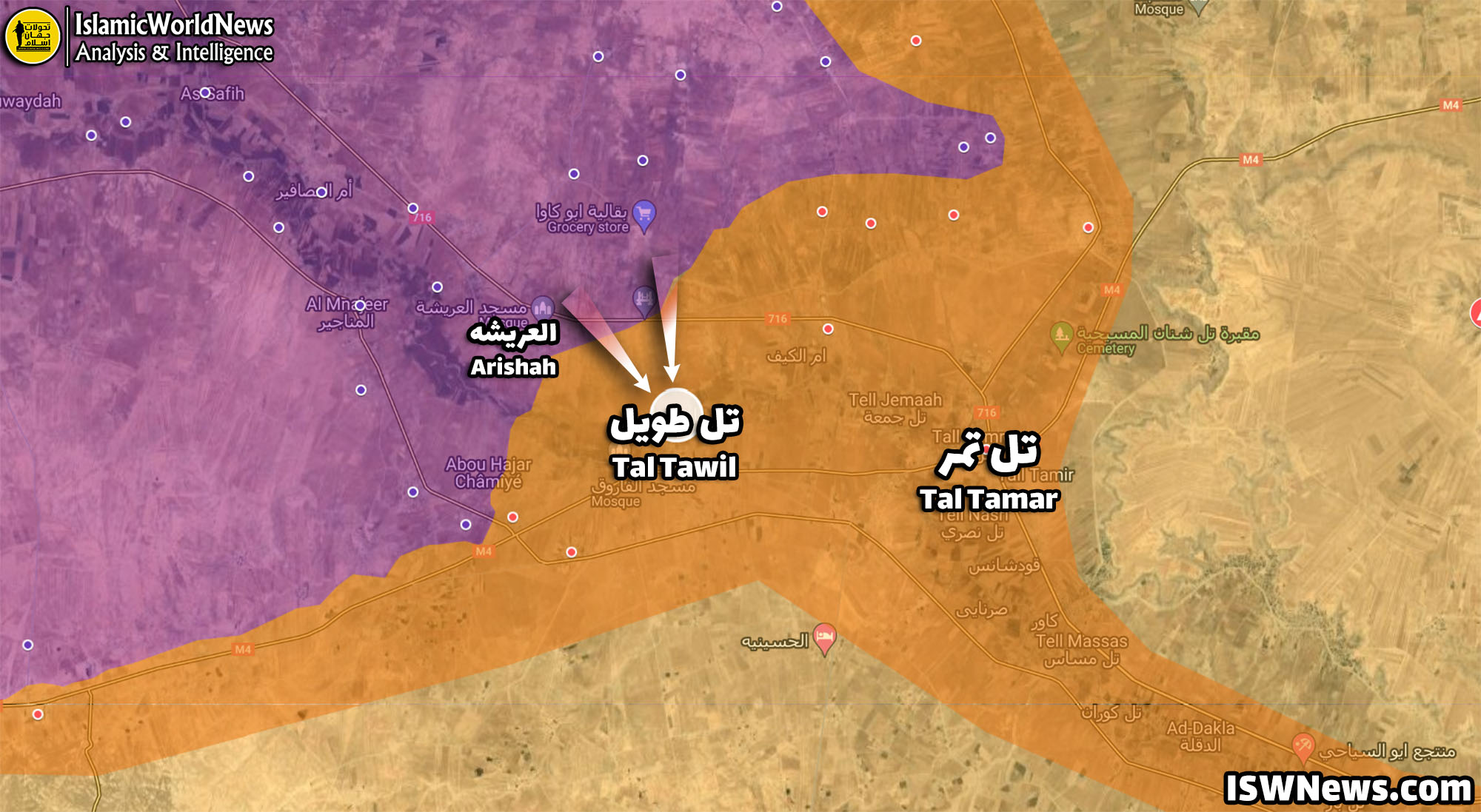
According to published videos and local sources’ claims, militants of the so-called Syrian National Army (SNA) attacked Syrian army positions on the Tal Tawil axis and, after clashing with Syrian armed forces, managed to take control of one of the Syrian army’s headquarters in that area, but hours later, militants of the Syrian National Army retreated from the area after a counterattack by Syrian soldiers.
It is said that several forces from both sides were killed and injured during these clashes, but no detailed information has been published yet.
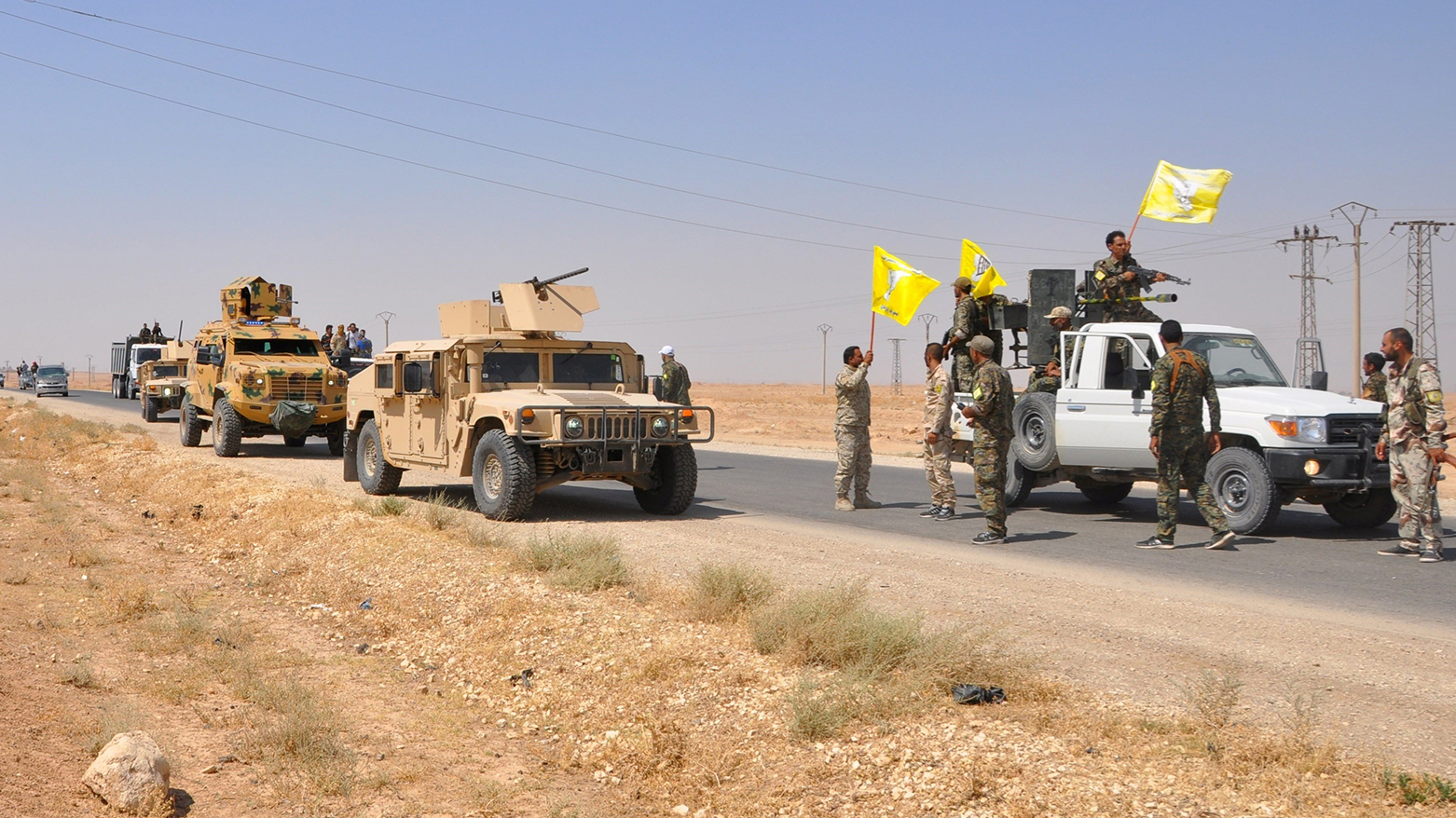
Simultaneously with the increase in tensions in Hasakah Governorate, the Turkish Armed Forces dispatched auxiliary forces and logistics equipment through the Tel Abyad crossing to conflict zones between the Syrian army and Syrian Democratic Forces (SDF) in the Ayn Issa region.
Given the increase in tensions in Deir al-Zour Governorate and consequently in northern Syria, it seems that armed groups intend to expand their areas of conflict with both Syrian Armed Forces and SDF militants in light of the tensions that have arisen.
While Syrian Democratic Forces are focusing on recent clashes with Syrian tribes, militant movements indicate that they intend to take advantage of the Syrian Democratic Forces’ negligence and advance into SDF-controlled areas to expand their territory.
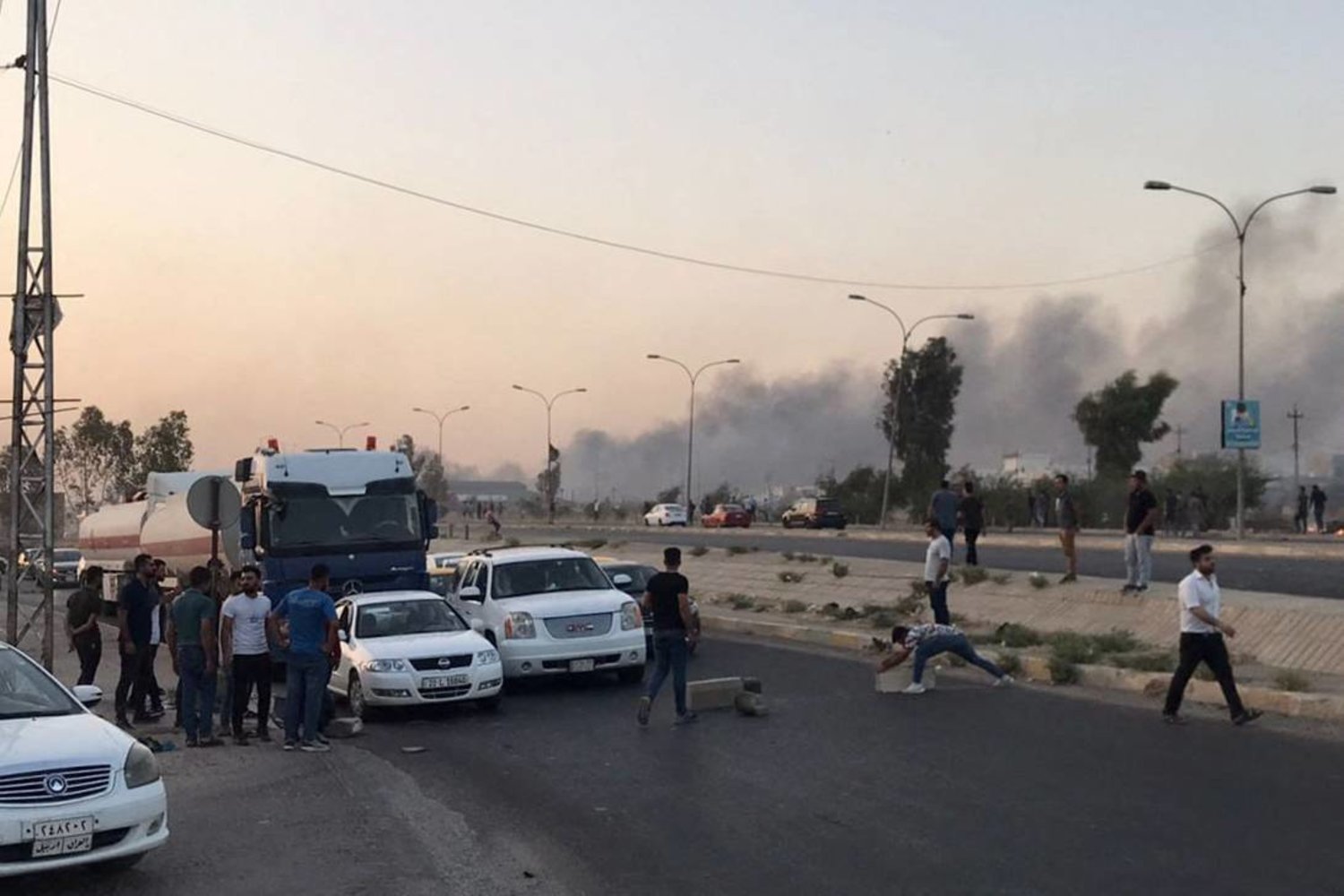
Iraqi media outlets reported on September 3 that security forces were deployed; so, calm returned to Kirkuk Governorate.
According to these reports, the curfew that had been in place in this governorate since last night has now come to an end.
It is worth mentioning that hundreds of Arab and Turkmen ethnic groups living in Kirkuk Governorate held protest rallies yesterday after orders were issued by Prime Minister of Iraq Mohammed Shia’ al-Sudani to evacuate the Joint Operations Command headquarters and hand it over to the leaders of the Kurdistan Democratic Party (KDP).
After a few hours, the early protest rally led to severe clashes in which one security officer was killed in these clashes. Moreover, four protesters were killed and 12 others were injured.
After the fatal incidents, last night the prime minister and commander-in-chief of the Iraqi Armed Forces ordered the armed forces to impose a curfew in Kirkuk Governorate and start extensive security operations in areas witnessing unrest for thorough inspection in order to return tranquility to the region.
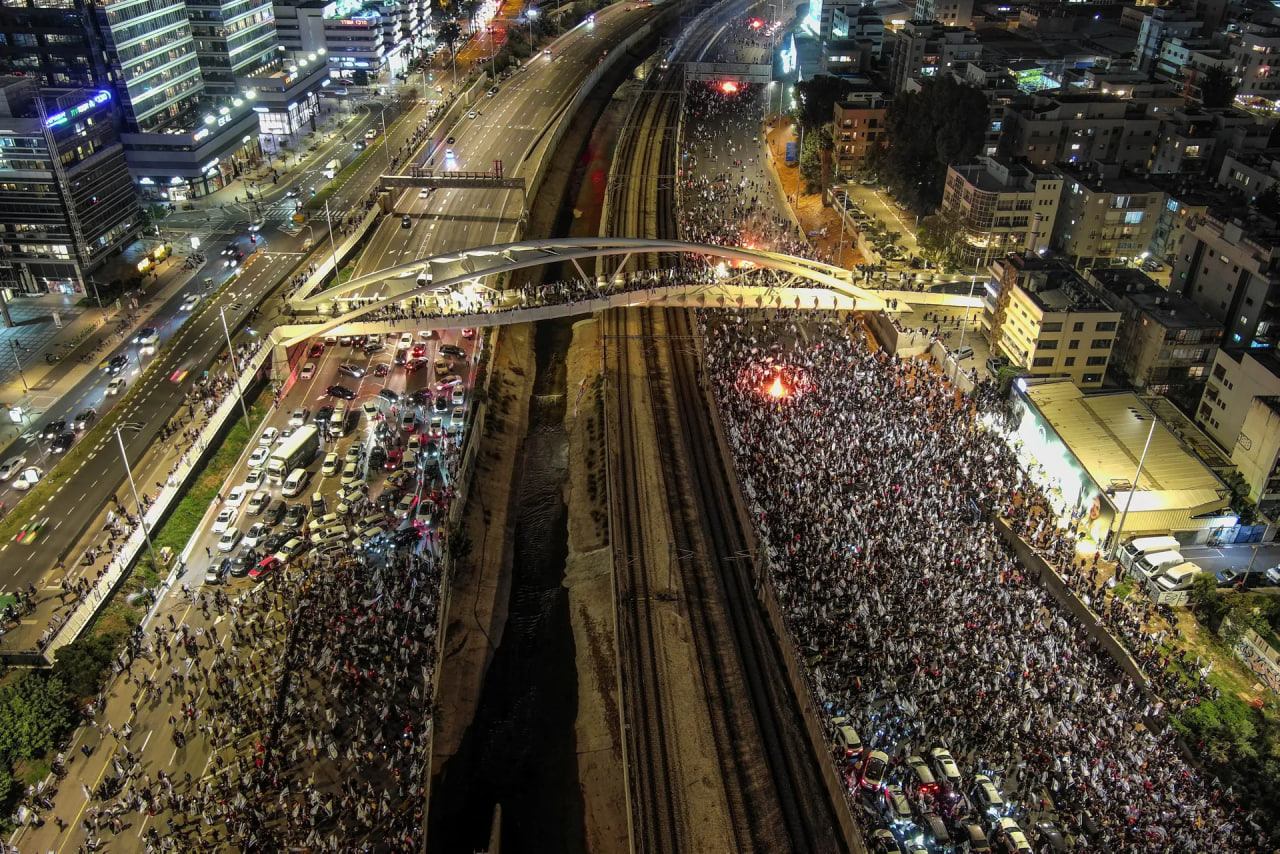
These protests were held while Hebrew-language media outlets had recently reported a decline in the popularity of Netanyahu’s coalition government due to the so-called judicial reform program, the discredit of the Israeli regime in its efforts to normalize ties with Libya, and statements made by the Israeli National Security Minister Itamar Ben-Gvir against the Palestinian people.
It is worth mentioning that the Israeli settlers’ protests continue every Saturday in various cities of occupied Palestinian lands.
These rallies, which were set up in protest against Netanyahu’s controversial judicial reform program, have now entered their 35th consecutive week.
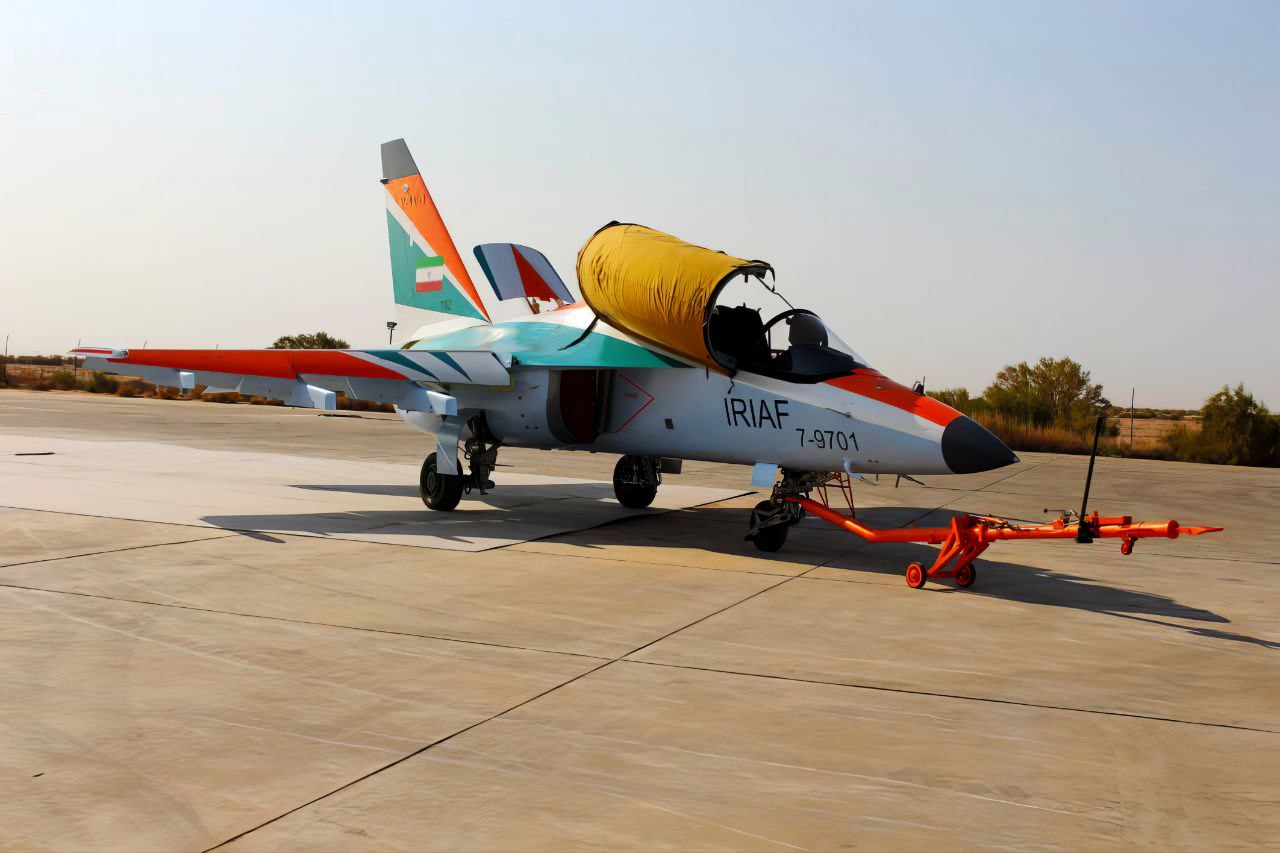
These trainer fighters have been imported from Russia since last month and will be used to train pilots who are going to fly new generation fighters (probably Sukhoi 35 and Sukhoi 30) of the Iranian Air Force.
In addition to general training and combat capabilities, the Yak-130 has the ability to simulate the training characteristics of various fighter jets, including the 4th generation and the 5th generation, such as the Sukhoi 57.
Speaking in a live interview with the Islamic Republic of Iran News Network (IRINN), Deputy Defense Minister Brigadier General Reza Talaei-Nik said that the plot was uncovered as result of a “multi-year intelligence operation.”
“Nine years ago, our colleagues were working on one of the networks of the enemy … when they found that the Zionist regime’s Mossad was focusing on some subjects in the defense industry including the connector,” the Mehr News Agency quoted the spokesman as saying during the interview.
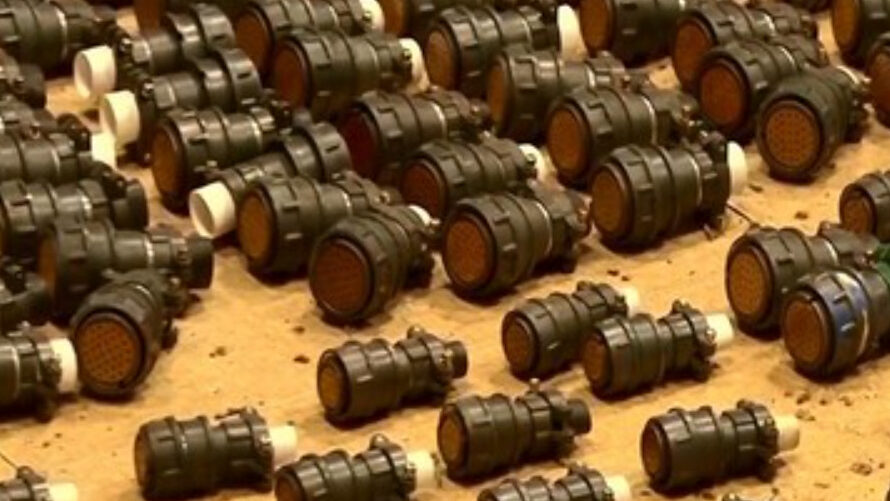
As a part of the foiled plot, Mossad agents wanted to supply faulty military-grade connectors to the Iranian defense industry.
“Our intelligence forces detected the connectors before they entered the missile system,” Talaei-Nik said.
The spokesman also noted that the experts of the ministry of defense managed to detach the faulty section from the connectors and rebuild and use them again.
The connectors were redesigned by the Mossad to cause an explosion within a determined period of time, Talaei-Nik revealed.
“The enemy did not understand that we had detected [their plot] which means that they wanted to surprise us with an operation on defense systems but they were taken by surprise,” the spokesman added.
Talaei-Nik noted that the plot would have caused the loss of $19 million of military equipment if it had succeeded as planned.
The spokesman also stressed that Iran will not hesitate to take serious legal actions against the countries that have collaborated with the Mossad in the plot.
The whole plot began to fall apart when a trader became suspicious after he noticed that foreign suppliers of the connectors were closely monitoring Iran’s domestic market and the distributors of the parts, said Talaei-Nik, adding that the individual notified officials in the Intelligence Organization of the Defense Ministry.
The spokesman went on to say that the Iranian intelligence officials, who had already been tipped off, utilized the information to identify the rest of the Mossad network.
The intelligence department of the Iranian Defense Ministry and the logistics branch of the armed forces were the first to announce the failed Mossad sabotage plot. Israel has not commented on the Iranian allegation, so far.
The Israeli intelligence orchestrated several attacks against Iranian infrastructure, defense industrial complex and nuclear facilities over the years. The attacks included cyber sabotage, assassinations of key officials and scientists as well as bombings, some of which were carried out with bombs. Iran usually responds by launching its own covert operations against Israeli targets.
Al-Alakami contacted several sheikhs of the Al-Sabiha tribes and reportedly obtained the support of these tribes in a possible battle with the forces of Tareq Saleh.
Some local sources reported that Tareq Saleh forces are preparing to attack Al-Alakami positions in Al-Waziyah district in Taiz province.
After the clashes with Tareq Saleh in the port town of Mocha, Al-Alakami went to the Al-Waziyah and invited the tribes of this region to rebel against Tareq Saleh. This disobedience has been welcomed by the Al-Sabiha tribes, the largest tribe living in the southwest of Yemen and one of the other opponents of Tareq Saleh.
Al-Sabiha had previously managed to expel Tareq Saleh’s supporters from the areas near Bab Al-Mandab Strait, especially Dhubab town.
Direction of clashes between the Al-Sabiha and Al-Wazaiyah tribes with the forces loyal to Tareq Saleh in the south of Taiz province – click to view in full size
Late Friday, after intensifying clashes and suffering heavy losses, the SDF deployed many support forces in the eastern and southeastern outskirts of Deir ez-Zor Governorate.
In contrast, Syrian nomads managed to occupy several Syrian Democratic Forces positions and destroy several armored vehicles. The Syrian Democratic Forces emphasized in a statement that they will continue their operations in Deir ez-Zor Governorate.
The Syrian Democratic Forces accused Arab tribes allied with the Syrian government and ISIS members of escalating violence and conflict in the Governorate.
The Syrian Democratic Forces succeeded hours ago in entering the city of Al-Sahba located in southeastern Deir ez-Zor Governorate and brought areas on the outskirts of Al-Basira and Ziban under their control. However, areas in eastern and southeastern Deir ez-Zor Governorate are still under the control of Syrian nomads.
With the expansion of clashes, the exchange of fire between the warring parties was extended to the outskirts of US-led coalition bases in Koniko natural gas field and Al-Omar oil field, but US forces did not intervene in these clashes.
According to some sources, clashes in Deir ez-Zor Governorate have so far resulted in the death of 31 Syrian nomads, 13 militants affiliated to the Syrian Democratic Forces, 4 unidentified individuals, and 6 civilians including three children and one woman.
Clashes in Deir ez-Zor Governorate can gradually turn into a dangerous and widespread ethnic conflict in northern and eastern Syria.
The conflict between Arab tribes and the Syrian Democratic Forces has spread to the northern outskirts of Aleppo Governorate. With the increase of tensions, there are speculations about the start of new round of clashes between Syrian nomads against the Syrian Democratic Forces on the southern outskirts of Al-Hasakah Governorate. Time will tell how far these clashes will continue.
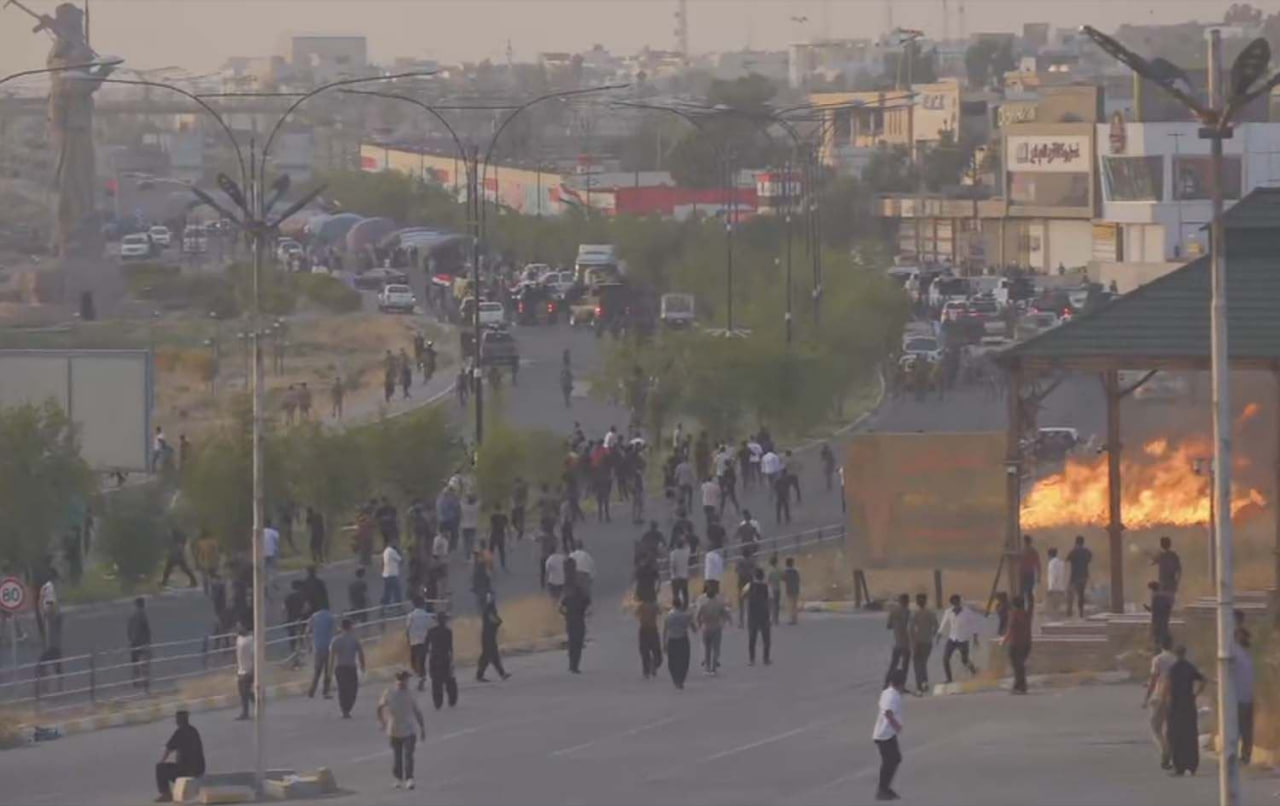
On September 2, following the issuance of orders by Mohammed Shia’ Al-Sudani on the evacuation of the Kirkuk Operations Command headquarters and its delivery to the leaders of the Kurdistan Democratic Party, hundreds of Arabs and Turkmens living in Kirkuk city came together to hold a protest rally.
Protesters in Kirkuk were attacked by forces affiliated to the Kurdistan Democratic Party, and severe clashes took place in this city, which is the capital of the Kirkuk Governorate and located 238 kilometers north of Baghdad.
After tensions escalated, security forces and police entered the scene to control the situation, but protesters clashed with security forces as well.
According to Kirkuk Hospital, a security officer was killed in these clashes. Moreover, 4 people were killed and 12 others were injured.
After these incidents, the Iraqi prime minister and commander-in-chief of the Iraqi Armed Forces ordered the military to impose a curfew in Kirkuk and kick off extensive security operations in areas witnessing unrest for precise inspection.
On the other hand, Prime Minister of the Kurdistan Region of Iraq Masrour Barzani also emphasized in a statement that we strongly condemn the riotous actions in the city of Kirkuk that are contrary to democratic principles and peaceful coexistence.
Head of the Kurdistan Democratic Party Masoud Barzani said that regarding the situation in Kirkuk, I must say that rioters have been preventing the opening of the headquarters of the Kurdistan Democratic Party in Kirkuk for a long period.
It is worth mentioning that before its evacuation in 2017, the Kirkuk Operations Command headquarters belonged to the Kurdistan Democratic Party, but Iraqi forces took control of it after holding a referendum in Kurdistan.
It is said that the Kirkuk Operations Command headquarters is a symbol of a bitter incident for residents of this area because after evacuating the headquarters by the Kurdistan Democratic Party in 2017, unidentified corpses were discovered buried in the sewage system of the headquarters.