ISWNews Analysis Group: The Turkish army aircraft carried out air strikes on targets in northern Iraq on August 11 and 12, resulting in the deaths of several members of the Kurdistan Workers’ Party (PKK).
The Counter-Terrorism Group (CTG), a government agency and the primary investigative arm belonging to the Kurdistan Regional Government in Iraqi Kurdistan, announced that a senior PKK member was killed in the bombardment of the Penjwin area in Sulaymaniyah province, carried out by Turkish helicopters.
The Turkish Ministry of National Defense also announced in a statement that Turkish military forces eliminated three PKK members after monitoring the Operation Claw-Lock area in northern Iraq.
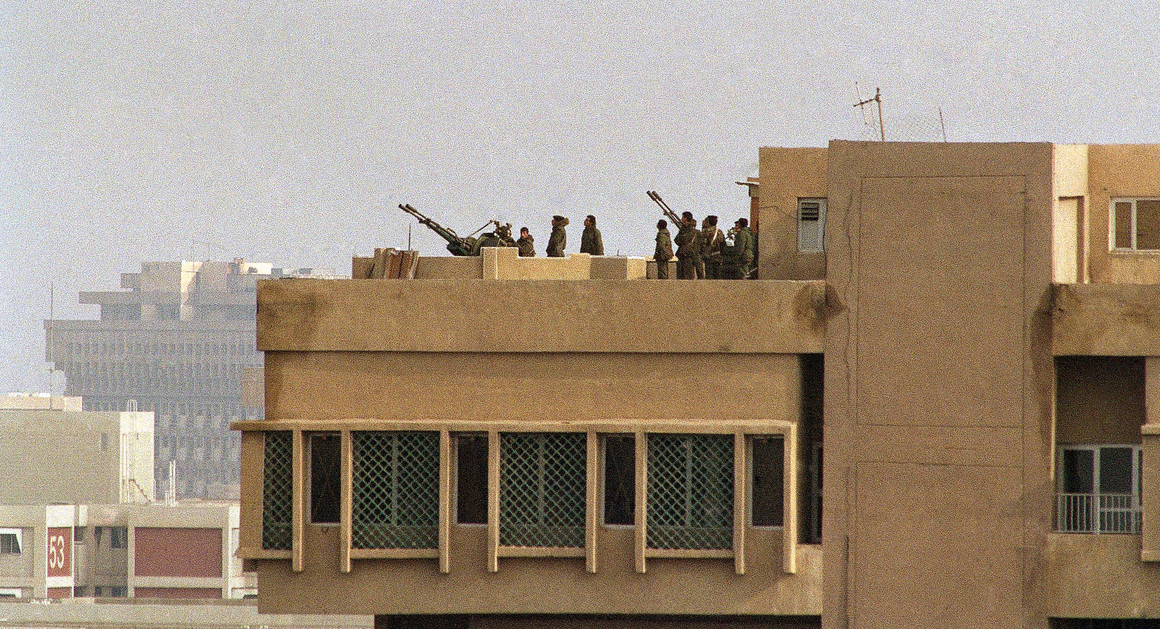
ISWNews Analysis Group: On August 12, for the first time since 2003 the Iraqi army has installed anti-aircraft systems on the roofs of certain government buildings in Baghdad.
According to the Alsumaria TV network, the deployment of these systems in the Iraqi capital has surprised and concerned the people.
The Saudi network Al-Hadath TV also cited its correspondent as saying that the building, where the anti-aircraft systems were stationed, is located near Baghdad Airport. This is the first time since 2003 that anti-aircraft systems have been deployed in Baghdad.
Following the publication of such reports, spokesperson for the Joint Operations Command of the Iraqi army Major General Tahseen al-Khafaji stated that the deployment of air defense systems on one of the buildings in Baghdad was carried out for training purposes.
Al-Khafaji also emphasized that the media reports suggesting that the deployment of these systems was due to an imminent threat or readiness for a security incident are not accurate.
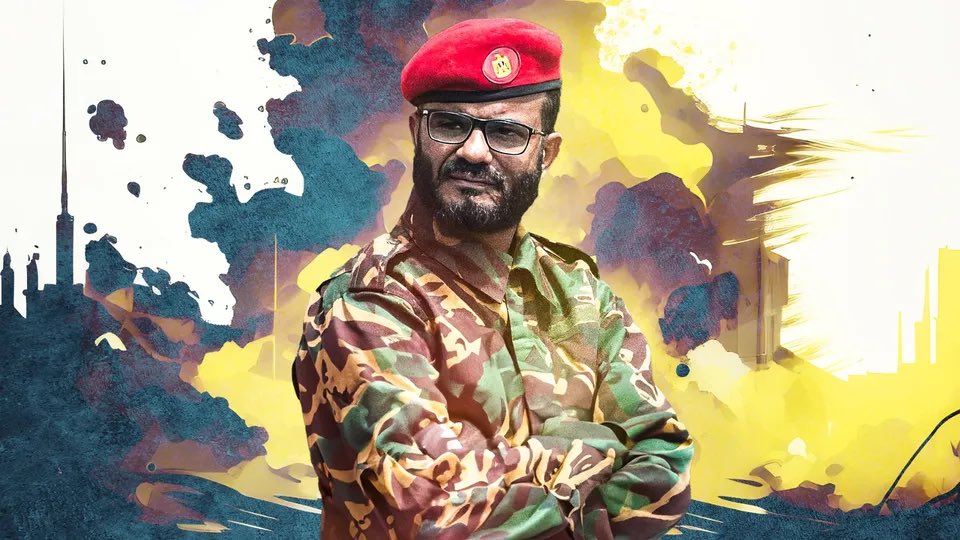
As a result of such tactics, the assassination of Abdul Latif Al-Sayed could also lead to unpleasant events for the Southern Transitional Council (STC) forces.
Following a ceasefire between the Saudi-led coalition and the Ansar Allah movement, tension and conflict shifted within the factions affiliated to the Saudi-led coalition, and the chaos caused by this conflict caused Al-Qaeda to be able to attract new financial resources, to be able to advertise again in two important governorates of Shabwa and Abyan. So, the Al-Qaeda terrorist group succeeded in recruiting members and returning to competitions in occupied areas of Yemen.
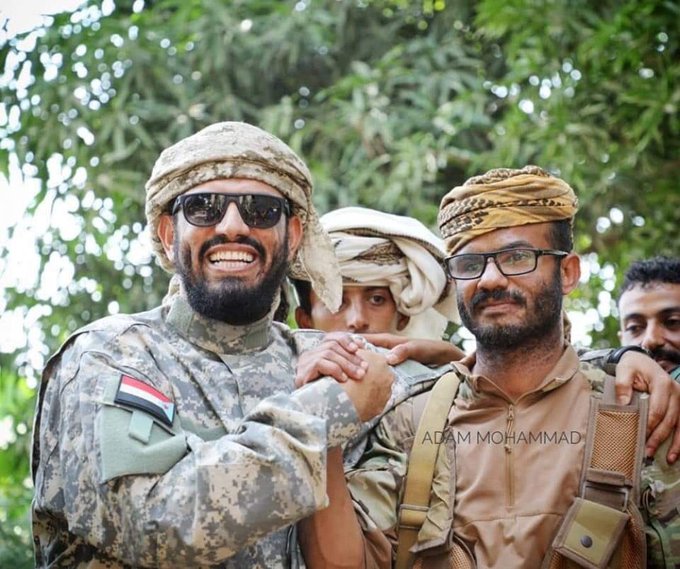
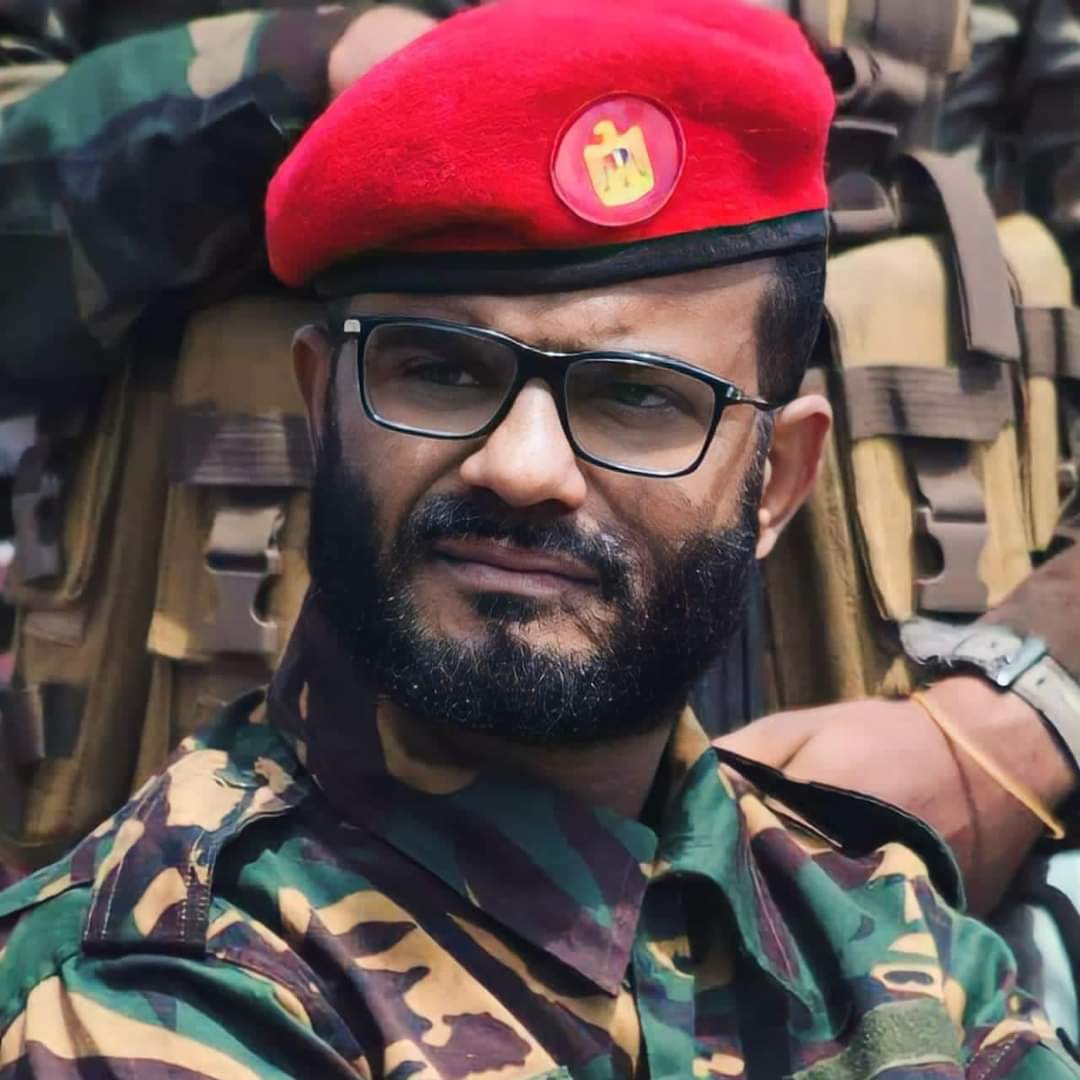
For weeks, we have witnessed bombings and assassinations in the north of Abyan Governorate, the last of which was the killing of Abdul Latif Al-Sayed, commander of the Southern Transitional Council forces in Al-Jannan region in Mudiyah district of the governorate.
Al-Qaeda used C4 explosives in this attack and in addition to Abdul Latif they attacked five other STC militants, whose conditions have not yet been determined, and it seems that there is no senior official among them.
Who is Abdul Latif Al-Sayed?
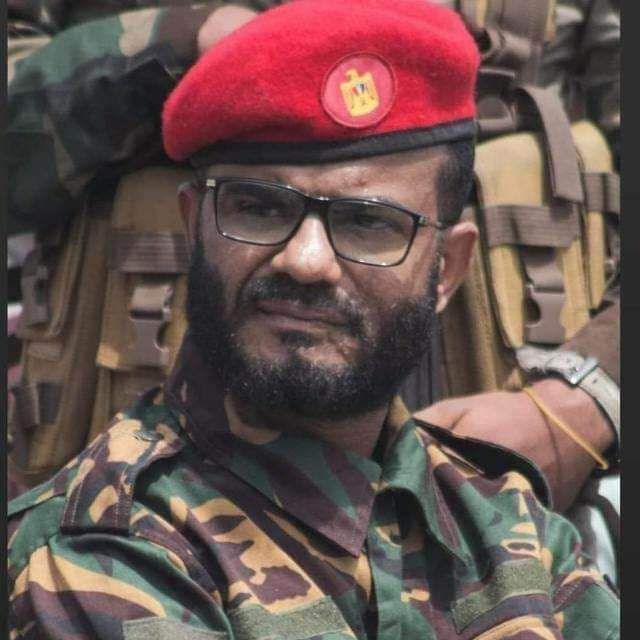
Abdul Latif Muhammad Husein Bafaqih, known as Al-Sayed, was one of the local commanders of Ja’ar town on the coastal areas of Abyan Governorate who joined Ansar al-Sharia (Al-Qaeda’s ally in Yemen) during the downfall of Ali Abdullah Saleh’s government and took control of several coastal cities of Abyan, including Ja’ar and Zinjibar towns.
After the establishment of Abdrabbuh Mansur Hadi’s government, like many local commanders, he was attracted by this government’s financial proposals and separated from Ansar al-Sharia.
His new position led to the strengthening of his social base and he became one of the local commanders of the Southern Committee. With the formation of the Southern Transitional Council, Al-Sayed joined Major General Eidros Qasim Al-Zubaidi and commanded various conflicts in southern Yemen, including southern conflicts with militants of the Yemeni Congregation for Reform, frequently called al-Islah Party, in Abyan Governorate.
What are the dimensions of Abdul Latif Al-Sayed’s assassination and its impact on developments in southern Yemen?
The assassination of Abdul Latif Al-Sayed was not the first operation that Al-Qaeda carried out to strike the Southern Transitional Council.
Also, this was not the first assassination attempt against Abdul Latif Al-Sayed, and several unsuccessful attempts had been made to kill him before, in one of which his left eye was injured and in a bombing on May 10, 2021, he was injured in the hand.
The assassination of Abdul Latif Al-Sayed took place a few days after he was appointed by Eidros Qasim Al-Zubaidi, head of the Southern Transitional Council, as commander of the Hizam al-Amni (Security Belt Forces) forces in Abyan Governorate.
As soon as he received the post, he offered peace to the tribes allied with Al-Qaeda and sent representatives to request that their militants stop attacking the STC forces in exchange for joining the armed forces of the Southern Transitional Council and settling in Mudiyah and Al-Mahfad districts.
It seems that this proposal was a serious threat to Al-Qaeda’s future in southern Yemen. to such a great degree that they had to remove him from their path. What Al-Qaeda and its supporters want is to intensify conflict and reduce the power of the Southern Transitional Council in southern Yemen.
This is in line with Saudi Arabia’s objectives, and from this perspective, the claim of media outlets affiliated to the Southern Transitional Council about Saudi Arabia’s financial support for Al-Qaeda is not a false report and there is a possibility of such support from them.
The assassination of Abdul Latif Al-Sayed was a great loss for the Southern Transitional Council and the successor vacuum could lead to the collapse of STC positions in Abyan Governorate.
This trend has many dimensions and in order to analyze it, we must wait for US movements on the southwestern coast of Yemen, Al-Qaeda’s reaction to the vacuum of STC command in Abyan Governorate, as well as actions by the United Arab Emirates (UAE) and Saudi Arabia in southern Yemen and so on.
Abdul Latif Al-Sayed, the assassinated commander of Southern Transitional Council in Abyan province
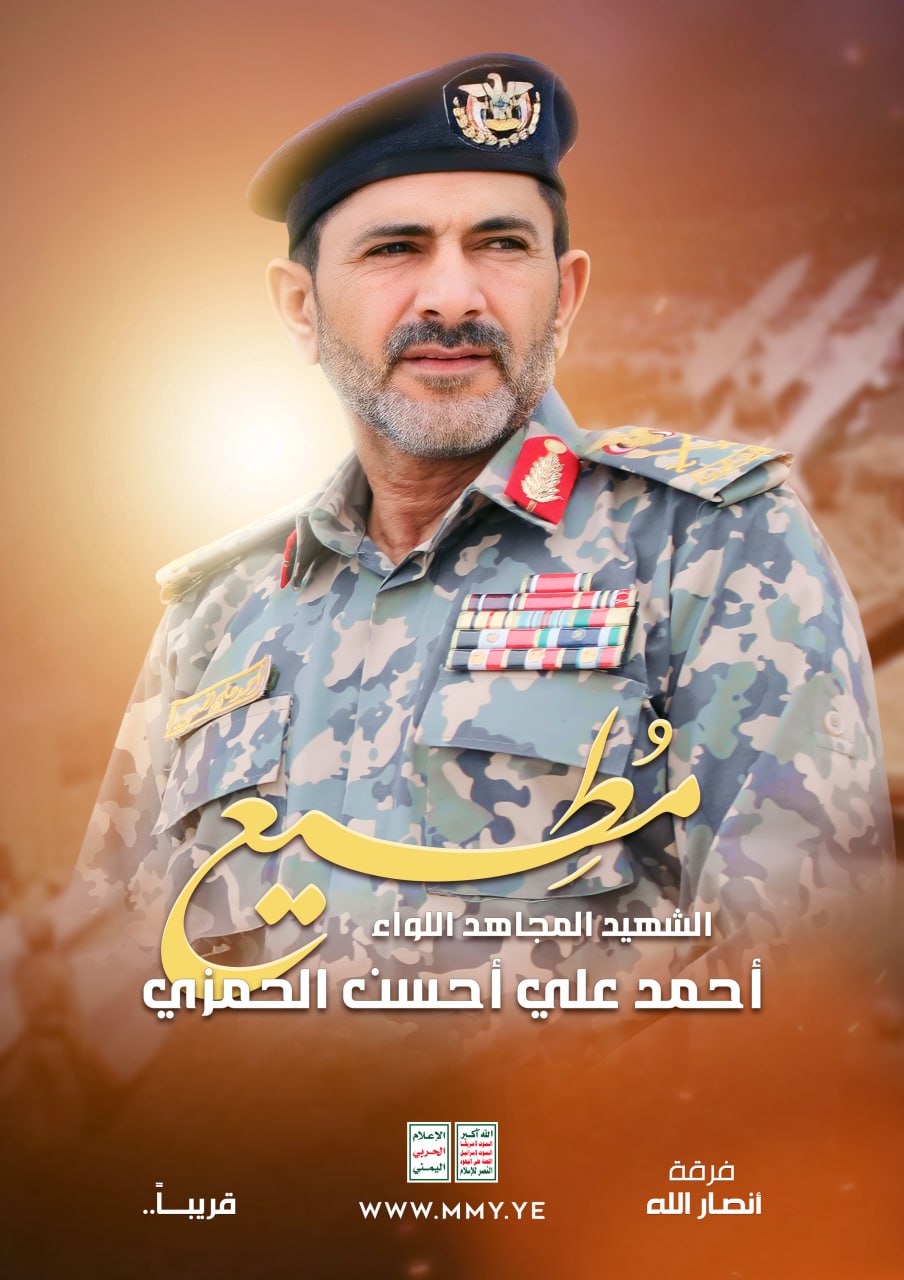
Yemen’s officials and media outlets have not yet released precise information on how the commander was martyred.
However, the Ansar Allah movement stated that the cause of his martyrdom was complications from injuries sustained during one of his jihadist missions. Some unofficial sources and media outlets affiliated to the Saudi-led coalition also are of the opinion that Major General Al-Hamzi was injured during a missile test in the Sirwah district of Ma’rib Governorate, along with several senior Yemeni army officers, and then he was martyred.
The news is further supported by a statement from the Yemeni Ministry of Defense, which also confirmed the martyrdom of Major General Mohammad Hussein Saleh Al-Hamasi, former commander of the 140th Air Defense Brigade of the Yemeni Army, as well as local news about the martyrdom of Brigadier General Yahya Muhammad Ali Saeed Al-Ruhani, one of the senior officers of the Yemeni Army. So, the statement strengthens the likelihood that several commanders of the Yemeni Air Force and Missile Force were martyred during a missile test.
Al-Hamzi comes from the Alhamzat region in the Sahar district of Saada Governorate. He participated in the Sixth Sa’dah War (2009–2010) between the Ansar Allah movement and the government of previous president of Yemen Ali Abdullah Saleh. After the victory of the Yemeni revolution, Al-Hamzi completed military and technical courses and was appointed as the deputy commander of the army’s missile force at the beginning of the Saudi-led coalition’s aggression against Yemen. Al-Hamzi then worked on creating and developing the army’s air force and air defense, rapidly expanding its capabilities.
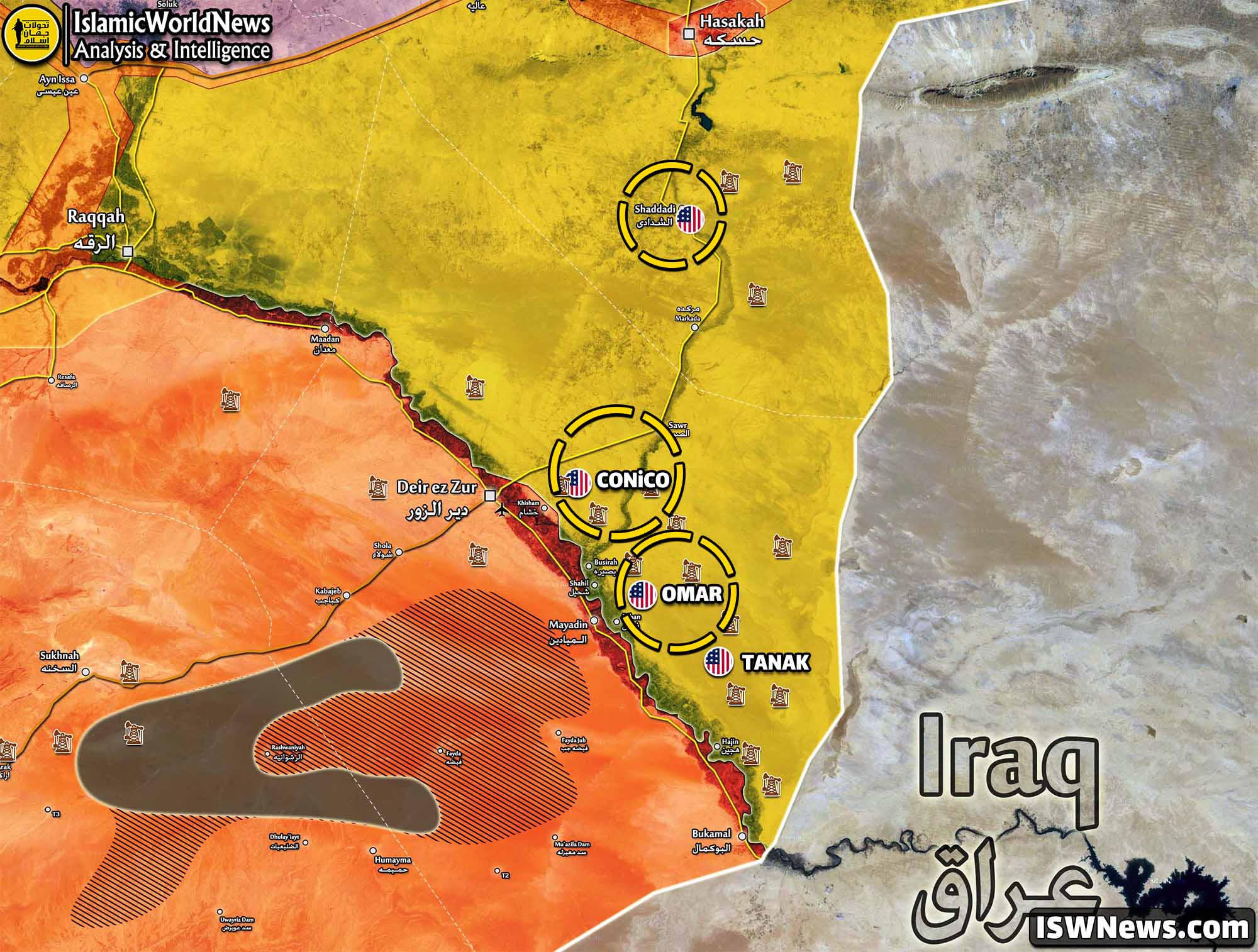
Just a few hours after the news of the formation of a new US-backed group called “Burkan Al-Furat” with the aim of attacking Syrian army convoys and the axis of resistance in Deir Ezzor province, the U.S. bases in CONOCO gas facilities, Al-Omar oil field in Deir Ezzor province and al-Shaddadi base in Hasakah province were targeted by rocket attacks on 12th of August.
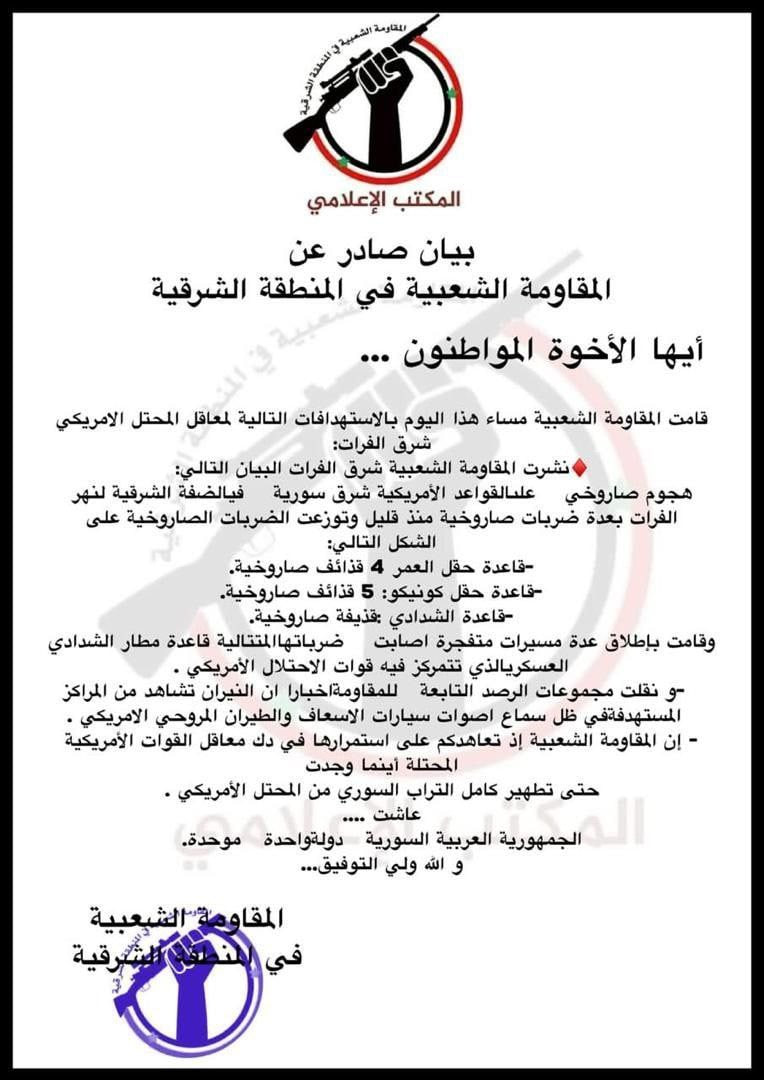
After the attacks on the U.S. bases, the “The Popular Resistance in the Eastern Region” (al-Muqawama ash-Sha’biyya fil-Mintaqa ash-Sharqiyya) group took responsibility for the attack by publishing a statement.
So far, U.S. and Syrian officials have not reacted to these attacks. Also, no information about the possible casualties of these attacks has been published.
The Popular Resistance of the Eastern Region is one of the pro-Syrian government groups that opposes the presence of the U.S. occupation forces and their forces in Syria. Popular Resistance of the Eastern Region officially announced its existence on February 26, 2018 by releasing a video. At that time, a number of media close to the militants claimed that the members of this group were trained by Iranian forces and were supported by the Islamic Republic of Iran, but so far and despite the passage of several years, no reliable documents and information have been published to support this claim.
This group organizes guerrilla attacks against logistical convoys and positions of the U.S. coalition and their affiliated forces such as the Syrian Democratic Forces (SDF). In recent years, they have carried out several operations against the U.S. coalition in eastern Syria.
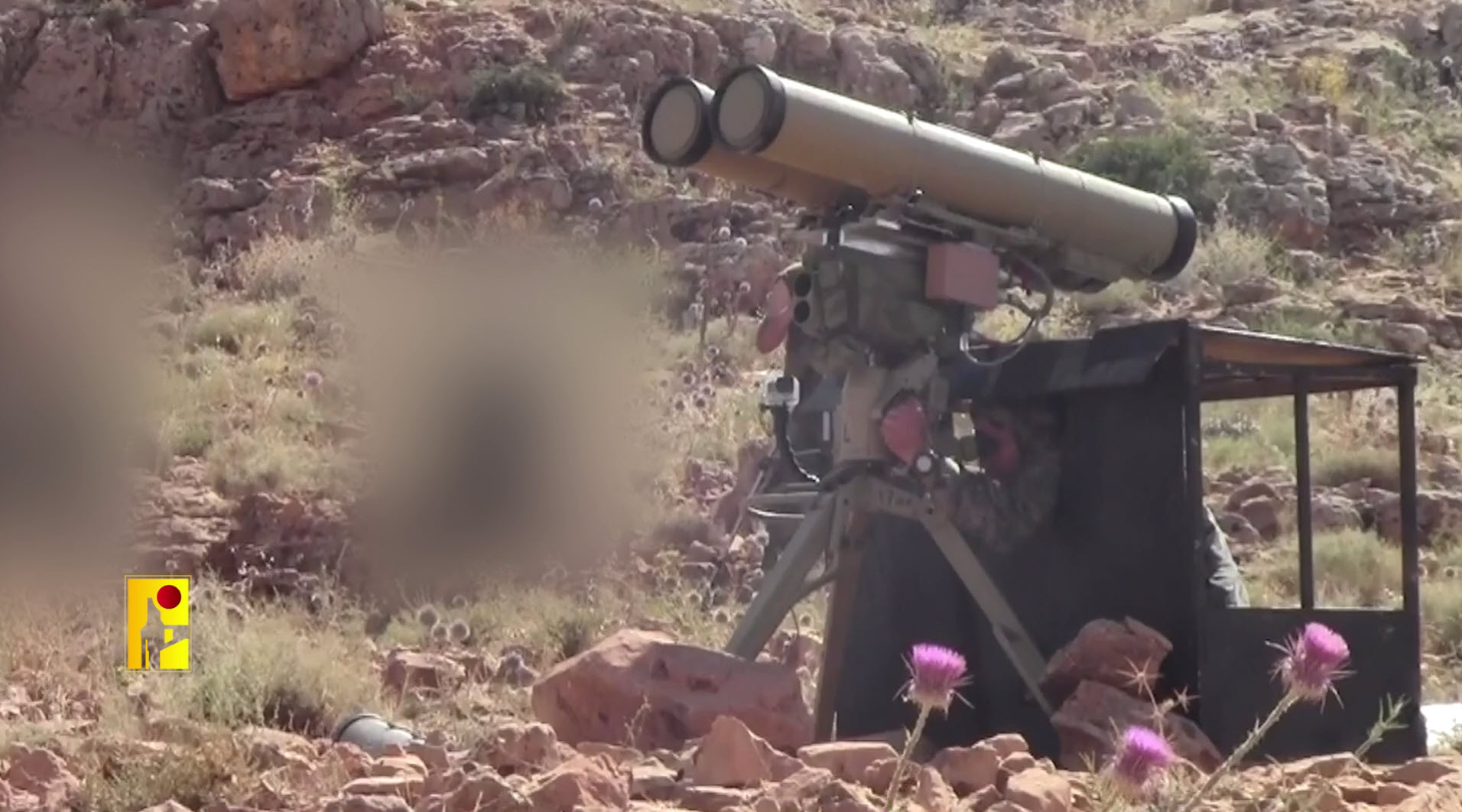
The Lebanese satellite television broadcaster Al-Manar TV network released images of Hezbollah’s guided missile system codenamed Tharallah, which was unveiled during the Islamic Resistance Movement Hezbollah’s anti-armor unit exercises in the Arab country on August 11, 2023.
According to the announcement of the Al-Harbi media, affiliated with the Hezbollah resistance movement in Lebanon, some of the most important features of the anti-tank system are its anti-armor capability, being specialized for firing Kornet-M Russian anti-tank guided missile, consisting of two launchers, high accuracy and simultaneous destruction of targets, operational at night and day, easy to move, and high maneuverability.
Al-Harbi media also reported that Hezbollah forces have acquired the anti-tank system in 2015 and it was used in several battlefields with very good results.
The video published by Al-Harbi media from the Tharallah ATGM
The video, which has been released of the images of the Tharallah system, the anti-tank system is the same as Dehlavieh Dual Missile Launcher that was manufactured in Iran to counter Trophy system.
In the Tharallah system, two anti-armor missiles are fired at an interval of 0.4 seconds, which is considering the time of 1.75 seconds for Trophy system to counter the second missile, the second missile passes through Trophy Countermeasure after destroying the first missile and penetrates the targeted armor.
The Tharallah system is known as Pirouz in Iran and it possesses the capability of firing two or four Dehlavieh missiles and it has also been installed on various mobile platforms.
ISWNews Analysis Group: In accordance with the Turkish Ministry of National Defense’s statement, six more Turkish soldiers were killed during the Operation Claw-Lock in northern Iraq.
The new death toll brings the total number of Turkish military casualties in the Operation Claw-Lock , which began on November 20, 2022, to 85 deaths.
The Operation Claw-Sword kicked off under the command of Hulusi Akar, who was the then Turkish Minister of Defense, in order to pursue Turkiye’s program to suppress the PKK militants in northern Iraq.
It is worth mentioning that in end of June, the Turkish Ministry of National Defense reported the death of one of its soldiers during the Operation Claw-Lock in northern Iraq as well.
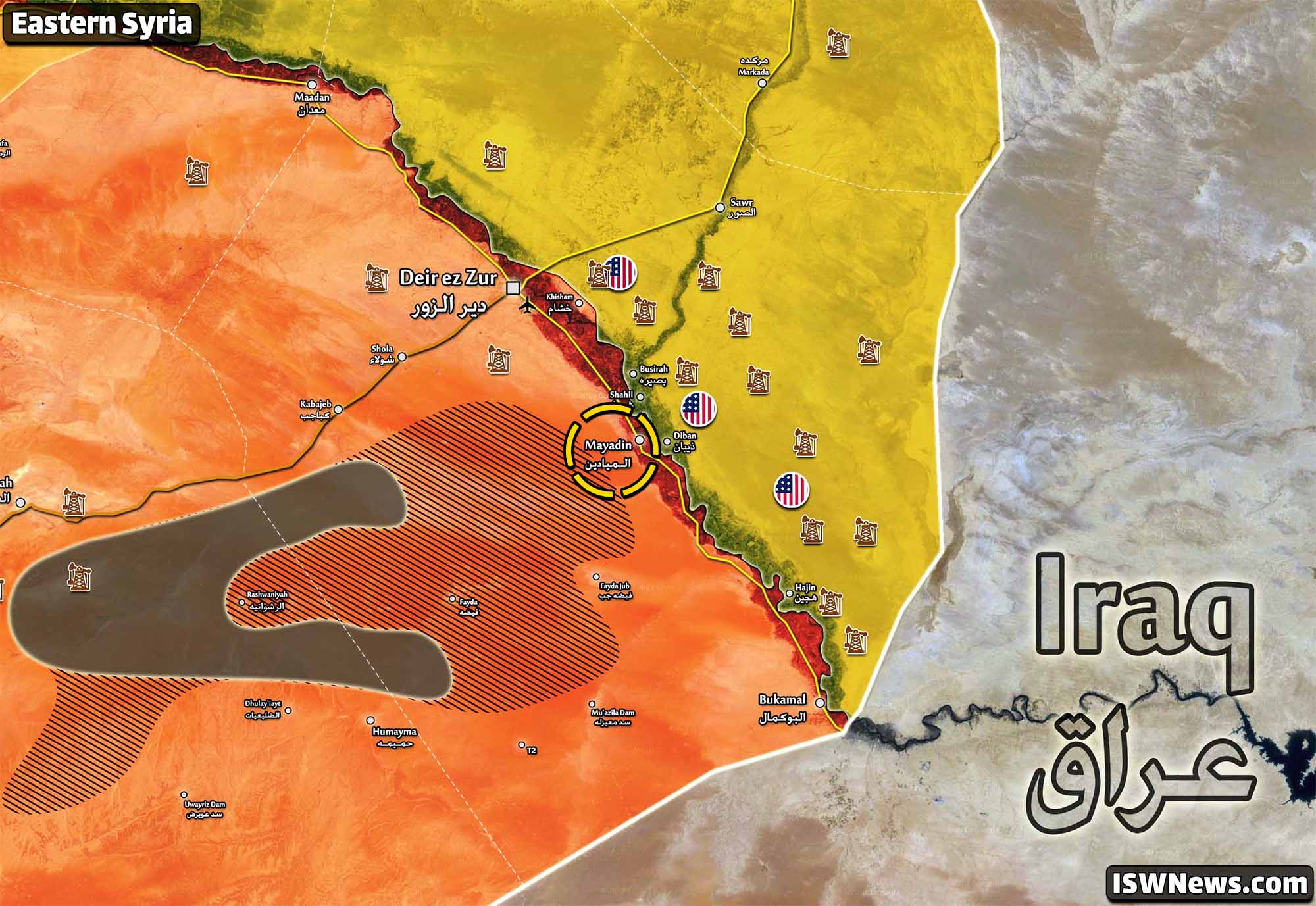
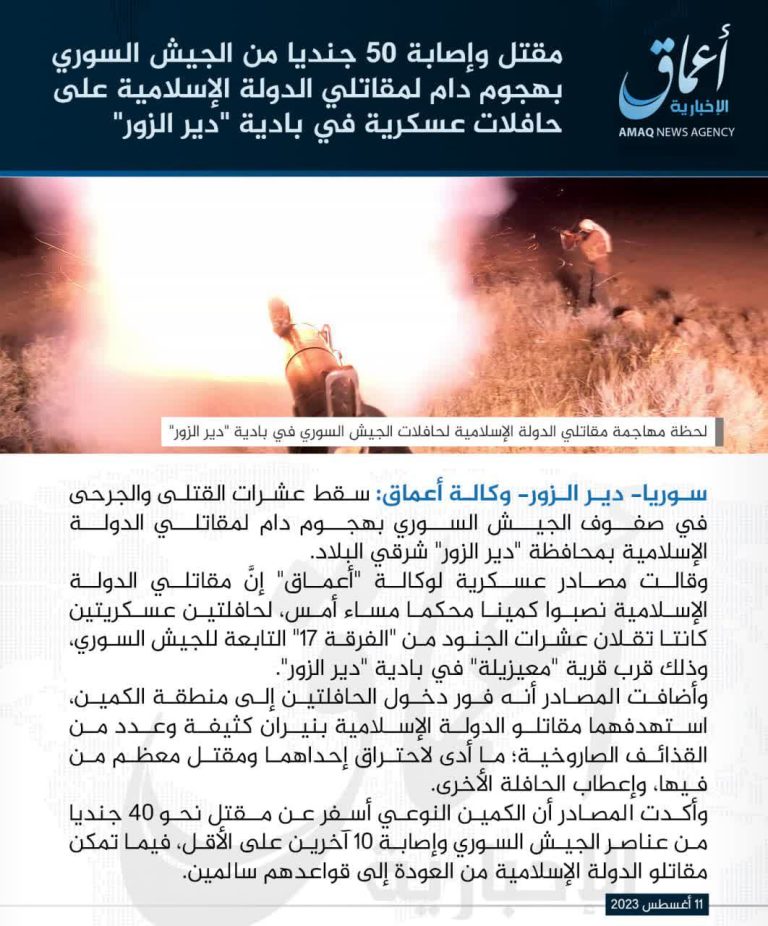
ISWNews Analysis Group: On August 11, ISIS terrorist elements ambushed a bus carrying soldiers from the Syrian Army’s 17th Division in the Al-Mayadin desert, started targeting them in this terrorist act, which ended up in at least 20 Syrian soldiers being martyred and 10 others injured.
Following the heinous incident, Syrian rescue forces from Al-Mayadin were dispatched to the scene. Further details have not been released so far.
It is worth mentioning that in recent years, despite the Syrian Army’s ongoing operations against terrorist groups, the Syrian Desert and various areas of two governorates of Deir ez-Zor and Homs have witnessed daily raids by ISIS militants against civilians, military personnel and headquarters.
Hundreds of Syrian Army and allied forces have also been martyred during operations to clear the Syrian Desert, but hidden ISIS elements still remain in those areas and their terrorist activities continue to affect the security of some areas in the war-stricken country.
ISIS statement claiming responsibility of the attack
In recent days, Abdullatif Al-Sayed Bafaqih was appointed as the commander of the southern forces in Abyan province and asked the allied tribes of al-Qaeda to stop attacking and enmity with the southerners in exchange for joining the armed organizations of the Southern Transitional Council. The Al-Qaeda terrorist group is the main suspect of his assassination And with this blow, the southerners will definitely not enter into a deal with this group.
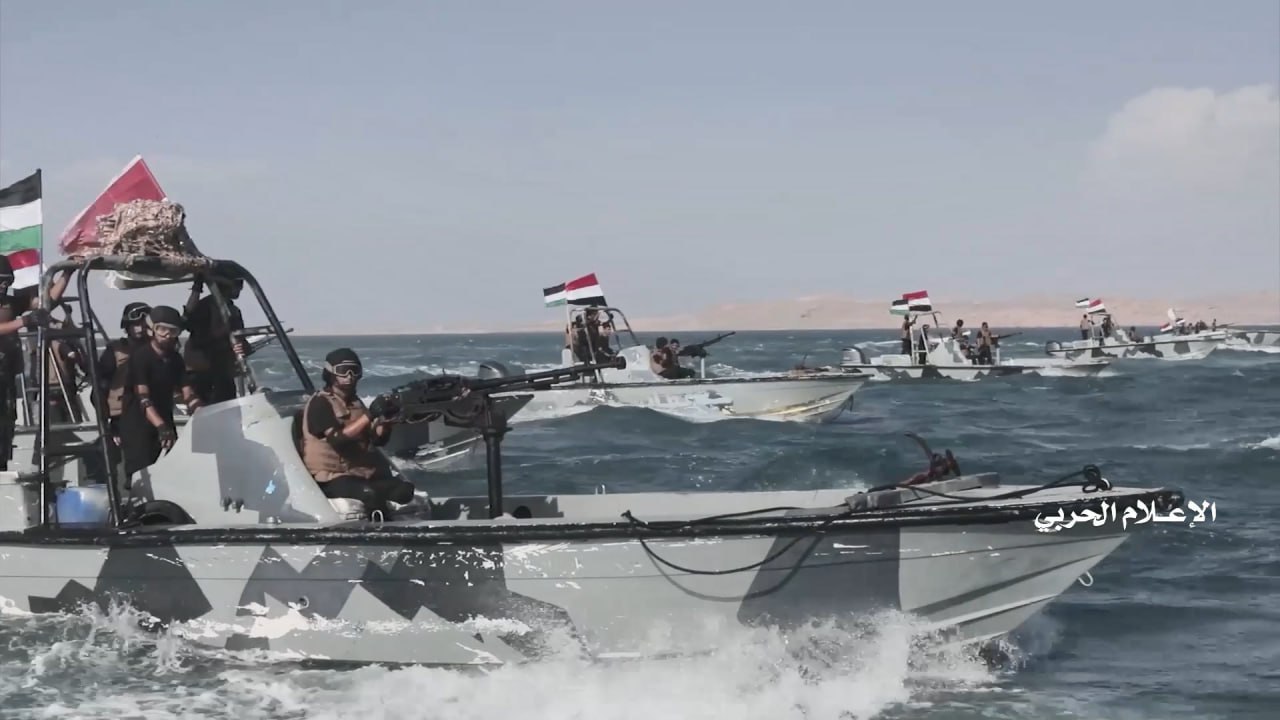
In response to the presence of US Army forces in the Red Sea and the Bab al-Mandab Strait, the Yemeni major general said: We have been monitoring the Americans since their entry into the Suez Canal and their attempt to approach Yemen’s territorial waters; so, we are ready to respond and defend our country.
The military presence of the US and Israeli forces in the Red Sea and Bab al-Mandab Strait is provocative, and the Yemeni Navy has capabilities to astonish the foes and prevent the enemy from achieving its goals, the commander warned.
He went on to say that the Yemeni Army has made unprecedented efforts during the ceasefire and the era of reducing tensions to develop its military capabilities; so, it is ready to surprise the enemy.
It should be noted that the forces of the resigned government in Yemen, including the forces under Tareq Saleh, commander of the Yemeni National Resistance, and the Southern Transitional Council (STC), have recently been stationed on the southwestern coasts of Yemen and the Bab al-Mandab Strait. In response to the seizure of its ships in the Persian Gulf, the US Army has prepared its forces and deployed a large amount of weapons to the Gulf of Oman and the Red Sea for a potential naval confrontation.
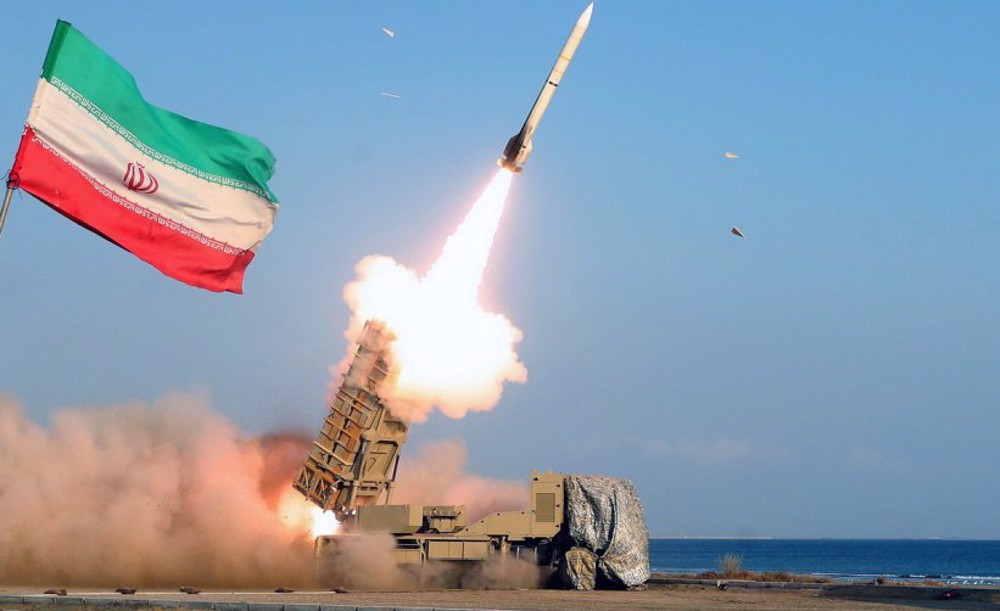
The state-run news agency report went on to reveal that Iran has already built such a supersonic cruise missile and it is currently being tested.
“This missile, which is a new generation of Iranian-made cruise missiles, is currently undergoing its tests and will be a new chapter in Iran’s defense power,” the agency said.
The new missile uses a ramjet engine unlike Iran’s older cruise missiles that are powered by turbojet engines, the agency added.
A ramjet is a form of airbreathing jet engine that uses the forward motion of the engine to take in air for combustion that produces jet thrust. Ramjets work most efficiently at supersonic speeds around Mach 3 and can operate up to speeds of Mach 6.
Supersonic cruise missiles are some of the hardest aerial targets to detect and intercept due to their high speed and low flight altitude.
The employment of ramjet engines in anti-ship cruise missiles and the development of supersonic cruise missiles will greatly enhance Iran’s military capabilities.
The Iranian announcement comes amid rising tensions with the United States in the Persian Gulf and following naval drills by the Islamic Revolutionary Guard Corps that witnessed the unveiling of new vessels equipped with 600-kilometer range anti-ship cruise missiles.
The terrorist army of the United States Fifth Fleet declared the deployment of 3,000 American marines and sailors to the West Asia region as part of a previously announced plan by the US Department of Defense to deploy the forces in strategic maritime areas of the region, including the Red Sea and Bab al-Mandab.
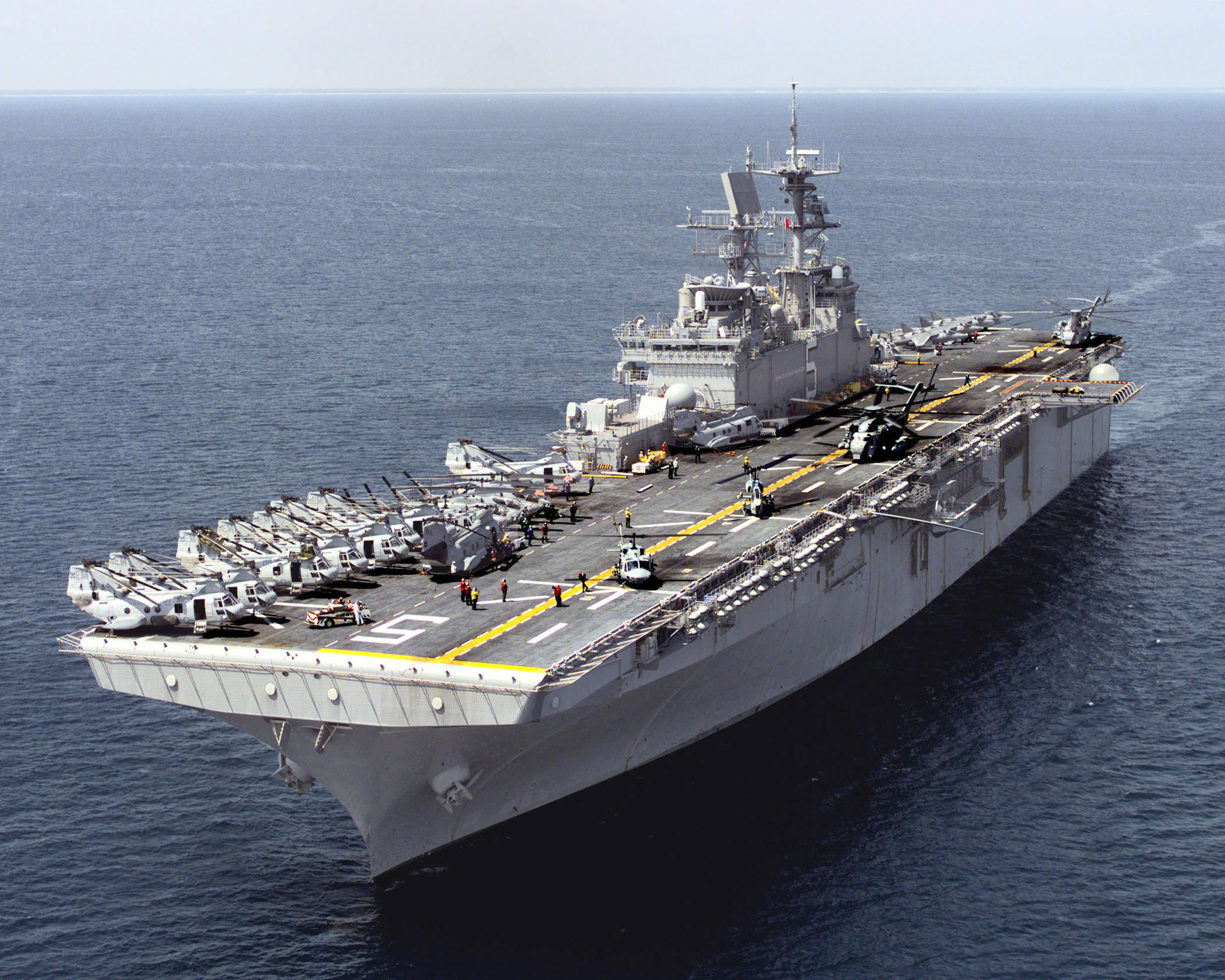
The United States Navy has also entered the Red Sea through the Suez Canal after crossing the Mediterranean Sea with the USS Bataan aircraft carrier, which is capable of carrying more than 20 helicopters, plus the USS Carter Hall, which is a Harpers Ferry-class dock landing ship.
This move by the United States is aimed at creating tension and disrupting maritime security in the West Asia region.
Some analysts have seen the deployment of heavy US military equipment and weapons as preparation for military action against Iran and intervention in the Yemen war.
These claims are made as Saudi Arabia’s negotiations with the Ansar Allah movement were halted as a result of the United States’ intervention, and Ansar Allah publicly strengthened and equipped its naval force with new missiles and armed boats in response to military movements by the Saudi-led coalition in Bab al-Mandab and the deployment of American forces to the West Asia region.
The Islamic Republic of Iran also unveiled and operationalized Abu Mahdi cruise missiles and carried out a recent naval exercise by the Islamic Revolutionary Guards Corps (IRGC), declaring its readiness to confront any scenario, including a naval war, and emphasized that Iran and other regional countries provide security for the Persian Gulf; so, there is no need for foreign boots in this region.
In general, regional developments are going ahead in such a path that there is a possibility of direct confrontation between the US-led coalition and the axis of resistance.