Joseph Biden, US president, remarks regarding the Yemen war and to stop military support for Saudi coalition shows new goals of the West in Yemen which can be dangerous and have severe consequences. Recent evolutions in Yemen steers the war as follows in summary:
1- Joe Biden recent remark regarding Yemen:
“Diplomacy is back. We are going to rebuild our alliances. We are going to re-engage the world. This (Yemen) war has to end and to underscore our commitment, we’re ending all American support for offensive operations in the war in Yemen, including relevant arm sales. We’re going to continue to help Saudi Arabia defend its sovereignty and territorial integrity and its people.”
Biden’s remarks regarding ceasing the war in Yemen is new policy of the West. Saudis tried a lot to bring US to Yemen war during Trump administration to compensate for their loss and it was going on by putting Ansar Allah in terrorist group and sanctioning the leaders of the movement. However, by transferring the power in US, the policy changed toward using diplomacy. How will be the future of Yemen war with this new policy?
Biden assigned Timothy Lenderking as US special envoy in Yemen affair who has a long history in US foreign policy in west of Asia. His last position was deputy of secretary of state in Iran and Iraq affair, which was not irrelevant to Yemen. He said in his previous remarks interviewing Qatari Al Jazeera: “Saudi Arabia and the UAE failed to achieve their goals in Yemen, despite high costs and US aid, and this is a sad fact. Iran is responsible for the failure of this operation because it supports, trains and equips the Houthis (Ansarallah) with military equipment. We feel frustrated by the non-compliance of the parties involved in Yemen with the provisions of the Swedish agreement, and the Yemeni people feel even more frustrated.”
Biden understood that he cannot achieve anything in Yemen without Iran. This does not mean Ansar Allah depends on Iran, but it means to give privileges to Iran regarding its nuclear plan as a lever to get something in Yemen and Iran is the best mediator to talk to Ansar Allah. In fact, Biden’s policy is that a nuclear deal becomes an introduction to other deals with Iran over the region and other issues.
As stated in previous articles, arm deals with Saudi Arabia and UAE have two sides which shows US policies in dealing with dependent countries. On one side US gets what is interesting for it and on the other side it breaks its obligations. It is a general policy of USA which includes everyone except Zionist Regime. Therefore, Trump’s deals with Al Saud and Al Zayed were suspended by Biden and supporting war turned into stopping war. The West’s thinktanks believe Saudi coalition has worn out in Yemen without achieving the mission of establishing a dependent government in Yemen to ensure their interests. West’s policy has been always about conflict, federal administration, dividing, etc., in Yemen which shows itself better over time.
2- Saudi Arabia reaction to Biden’s stance was only focusing on the part regarding US support for Saudis sovereignty on Saudi Arabia which does not mean the relation between two countries turned cold, but it means that Biden does not support Saudis’ stubborn policies. Biden mentioned to support Saudi coalition renewal and it means that Biden follows Democrat’s policy of establishing an Arabic-Zionist coalition but does not follow a unilateral policy.
Mansoor Hadi resigned administration welcomed the part of Biden’s speech over the importance of diplomatic effort to solve the crisis in Yemen.
After Riyadh agreement, the presence and power of Muslim Brotherhood in the resigned administration was limited significantly and it opened the Southerners hands in future of Yemen which is not favored by pro Mansoor Hadi.
Therefore, they find dealing with Ansar Allah to limit Southerners power is more effective. But their severe dependence on Saudi Arabia and insisting on winning the battle with Ansar Allah made them to leave the negotiation.
3- Southern Transitional Council led by Aidarus al-Zoubaidi visited Russia recently and talked about increasing Russia’s role in Yemen and normalizing relation with the Zionist Regime after establishing South Yemen. Russian officials stressed on the Riyadh agreement and importance of Southerners in future negotiation of Yemen.
Again; now that there is talk about diplomacy, where is the Yemen war heading?
We first analyze the structure and situation of present movements in Yemen:
A) Rescue administration which is supported by Ansar Allah and 16 parties including General People’s Congress and is ally of Islamic Resistance in west of Asia.
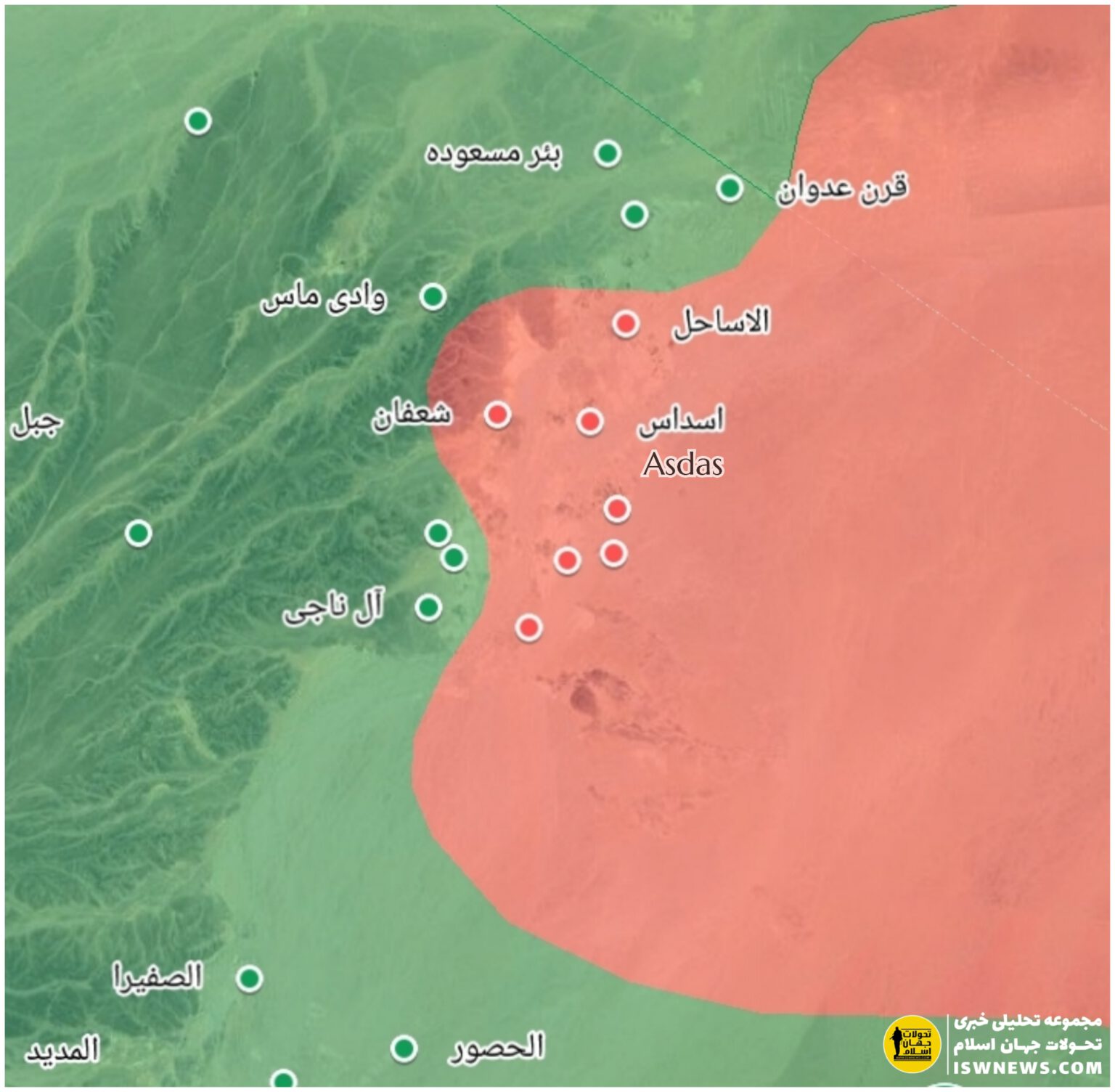
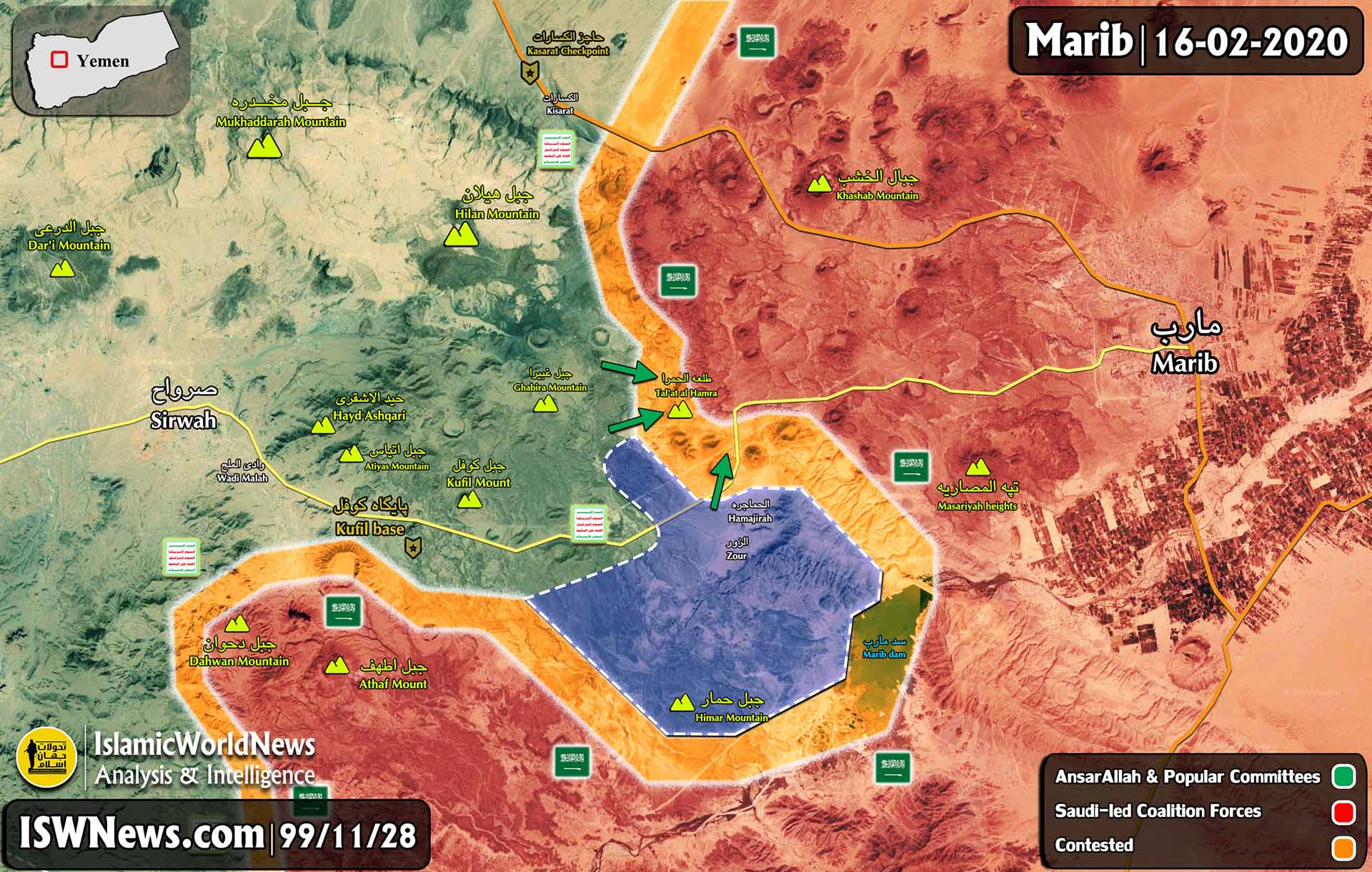
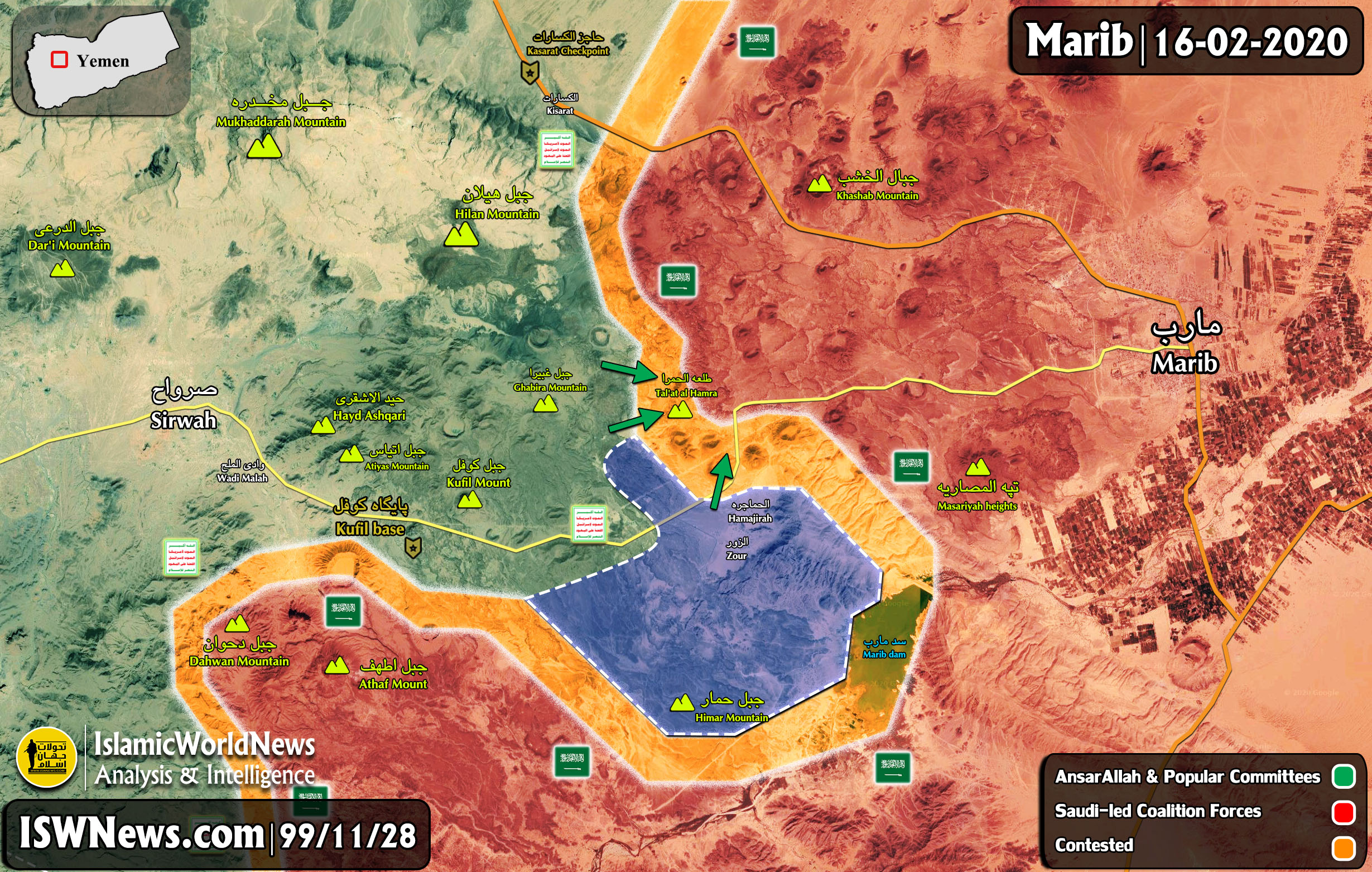
The areas controlled by Ansar Allah include provinces Sanaa, Amran, Saadah, Rimah, Hajjah, Mahwit, Dhamar, Ibb and most of areas in al-Baydha, al-Hudaydah, Al-Jawf (more than 75%) and al-Dhale, Taiz, Marib and Lahij (between 5-50%). Almost 65% of Yemen population live in the area controlled by Ansar Allah and at least 52% of Yemen population support the Rescue administration and Ansar Allah.
B) Mansoor Hadi’s resigned administration (supported by Saudi Arabia):
Mansoor Hadi forces, who are under full support of Saudi coalition and Islah party (Muslim Brotherhood), control provinces of Shabwah, Hadhramout, and parts of Marib, Abyan, al-Baydha, al-Jawf, Taiz, Lahij, al-Dhale, Mahrah (between 5-50%) and other areas. There lives less than 35% of Yemen population in these areas and there is no clear census on how much of people actually support the resigned administration and Southerners due to the distribution of their forces.
C) Southern Transitional Council (supported by UAE):
Southerners control almost all of Aden province and most of provinces Lahij, al-Dhale, Abyan and parts of Mahrah, al-Hudaydah and Taiz. Southerners want to divide Yemen into south and north and are supported completely by UAE and southern parties. Remainder of Ali Abdullah Saleh movement inclined toward Southerners after discords with the resigned administration.
D) ISIS and Al Qaeda terrorists:
These two groups, which work both independently and as part of Saudi coalition, control limited parts of Yemen and their supporters are estimated to be less than 3% of Yemen population.
Considering the above summary and situation of Yemen war after six years, Ansar Allah is the largest movement in Yemen in terms of military power, social and political acceptance and the Yemen’s future politics won’t form without their presence.
USA understood this fact and is now ending this costly war and started the diplomacy. They indeed will follow same pattern as in Iraq and Afghanistan to form a united government in Yemen. The final mission of USA is to form a united government as it was implemented in Iraq and Afghanistan and we have seen the catastrophic result. This kind of government puts the target country in continuous chaos and discord and under threat of secession which is what USA desires. The plans of federal state or united administration should be put away in the negotiations since Ansar Allah has the majority of religion, politics and social of Yemen and still has the upper hand in military power and even in case of a failed negotiation can win over entire of Yemen, however, if Iran and the Islamic Resistance break the siege of Yemen.