According to reports, the US warplanes have targeted the positions of the 45th Brigade of Hashd al-Shaabi in the al-Mazraah area on the road to Akashat, west of Anbar province.
There is contradictory reports and the exact number of martyrs and injuries is still unknown.
Category: West Asia
-
Breaking: US Airstrikes on Hashd al-Shaabi Forces West of al-Anbar
First images from the one of the bases which targeted by the US warplanes -
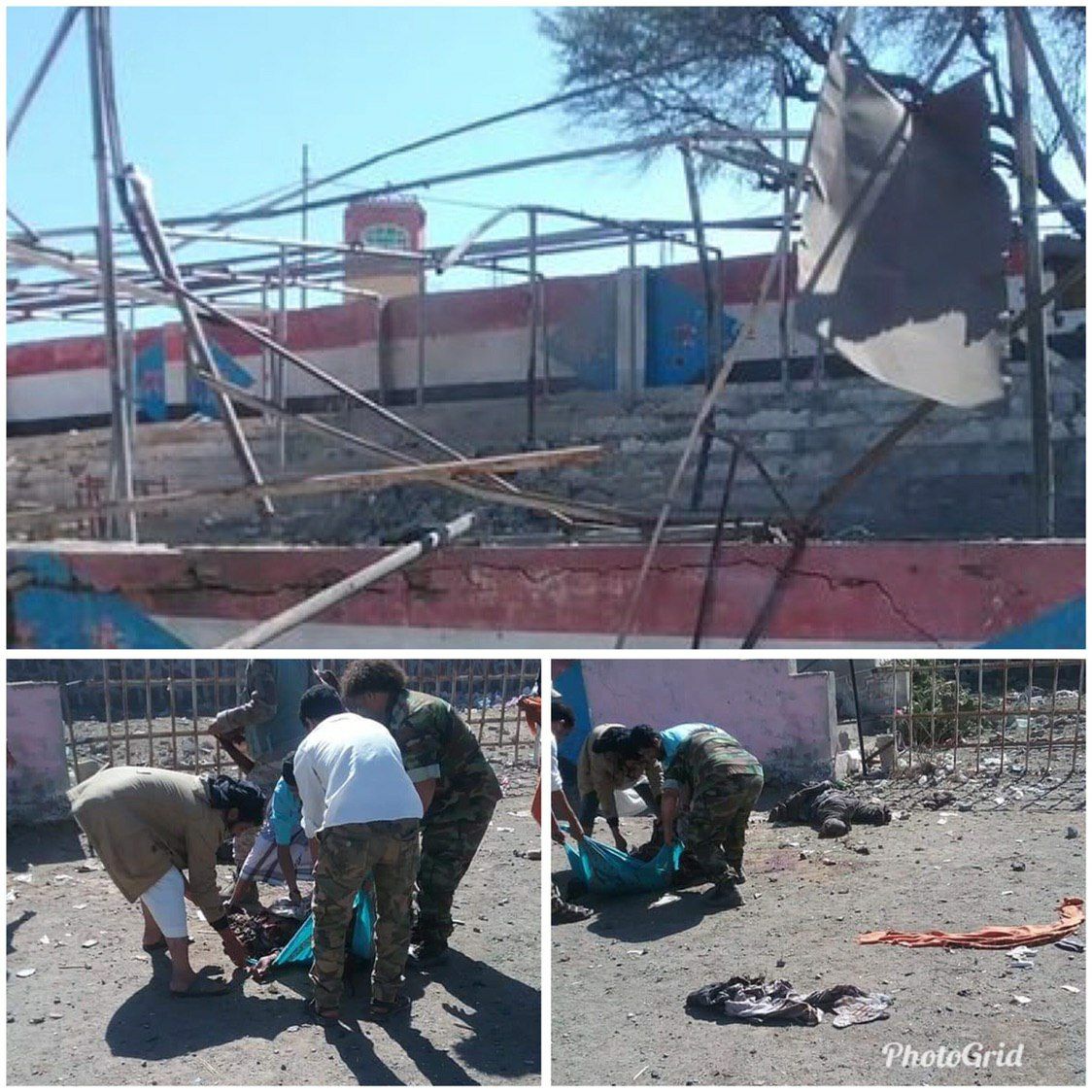
Yemen: Missile Attacks on STC Parade in Dhale’
So far, no group has claimed responsibility for the attack, but Saudi coalition media blame Ansar Allah for the attack.
-
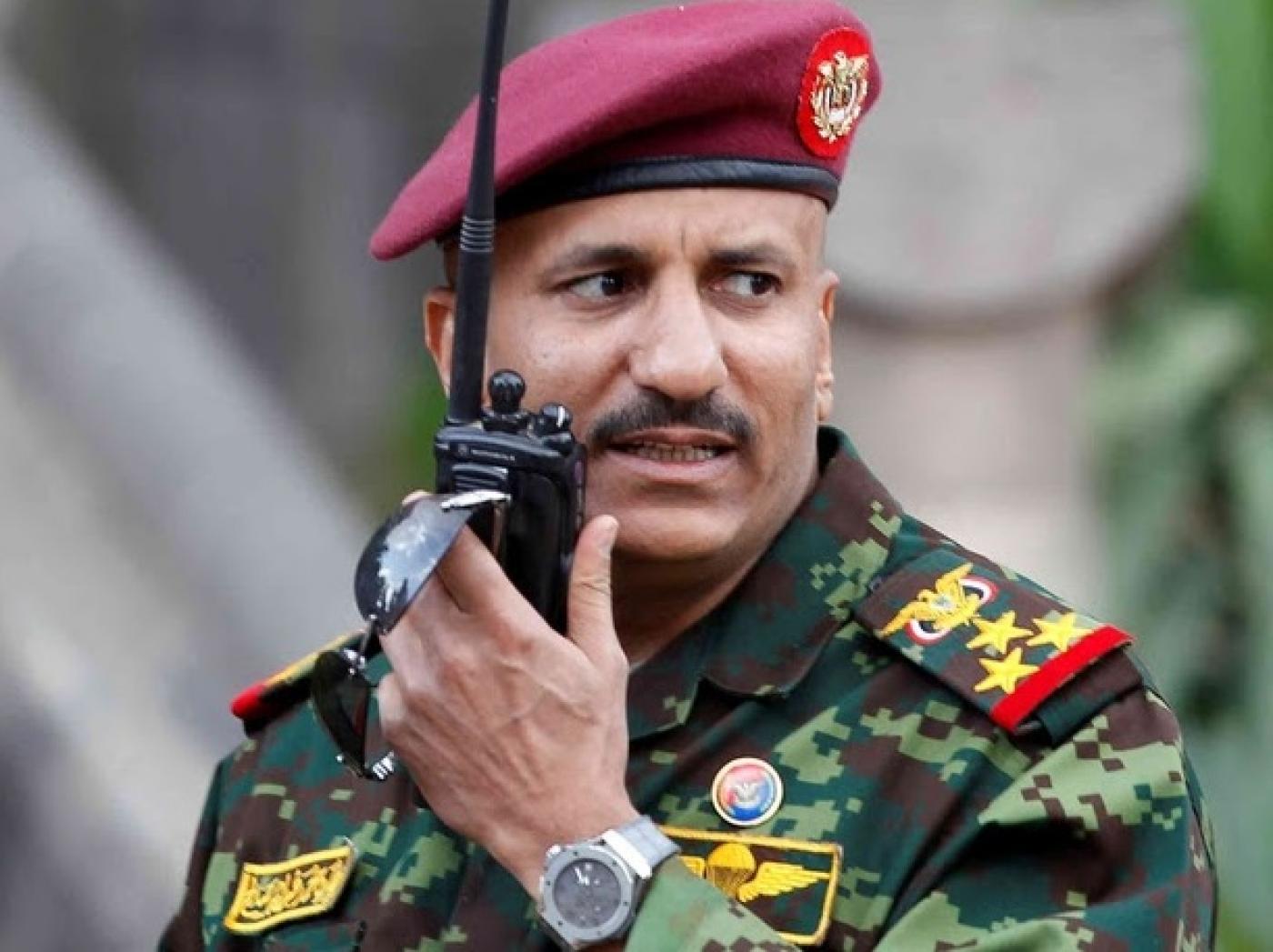
Tariq Saleh’s reign on western coast of Yemen!
Tariq Saleh in graduation ceremony of cadets of artillery, presidential guard unit:
– Joint forces are given control of all bases in the western coast from Saudi coalition.
– Our weapons target no one except Houthis (Ansar Allah).
This was decided after Sudanese forces evacuated the coalition’s bases completely.
By “joint forces” Tariq Saleh meant “resistance forces” that includes forces of presidential guard of Ali Abdullah Saleh, army and security separated from Sanaa government, Tihamah, Amaliqah and volunteers from tribes supporting him in al Hudaydah, Lahij and Aden. The number of these forces are estimated to be 10 thousand and fight against AnsarAllah in Taiz and al Hudaydah. -
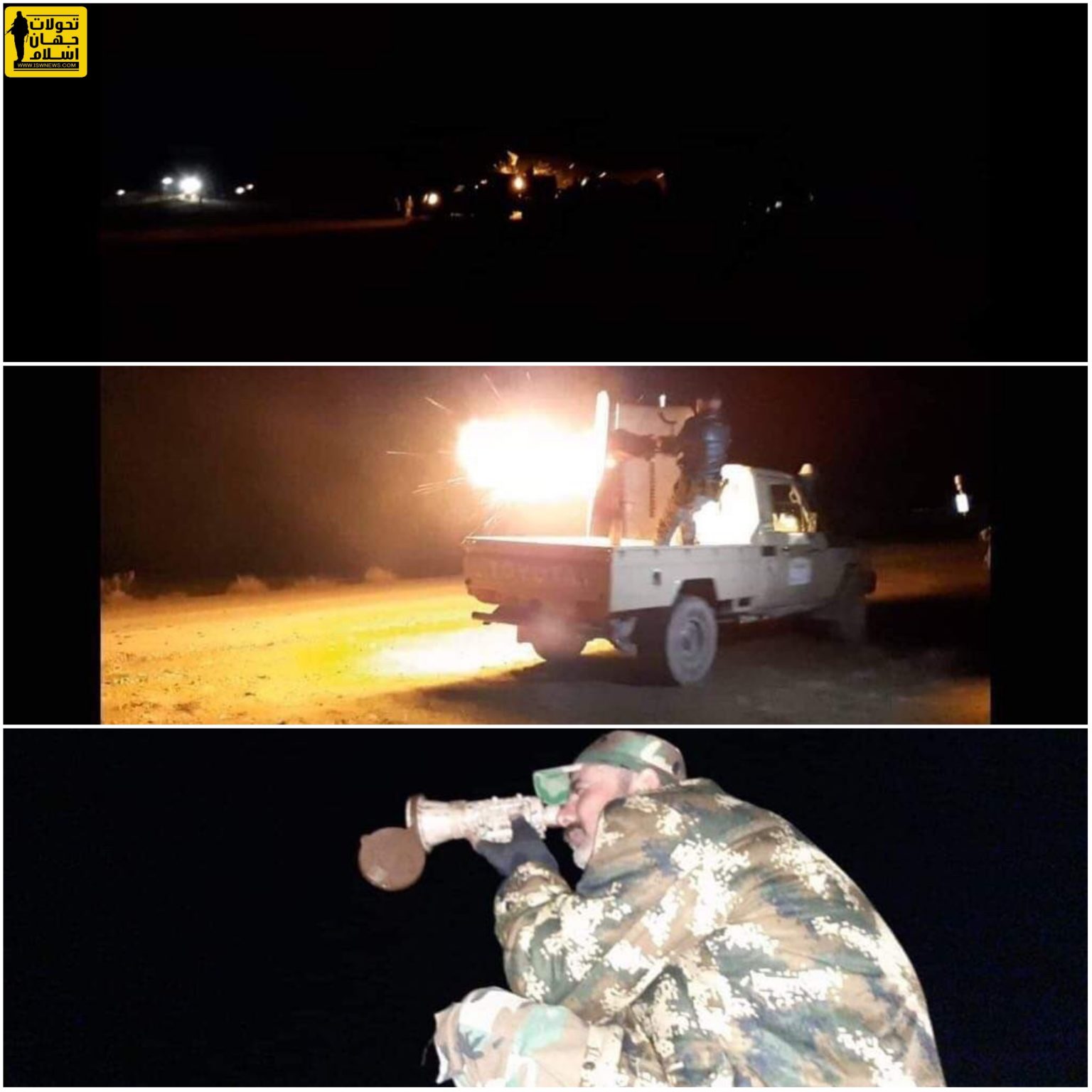
Iraq: PMU Repelled ISIS Attacks in Southern Mosul
The PMU operations against the ISIS activities in this area have begun since December 23.
The western desert of Hatra has always been a good place for ISIS to hide and launch surprise attacks against the Iraqi Army positions and the civilians. -
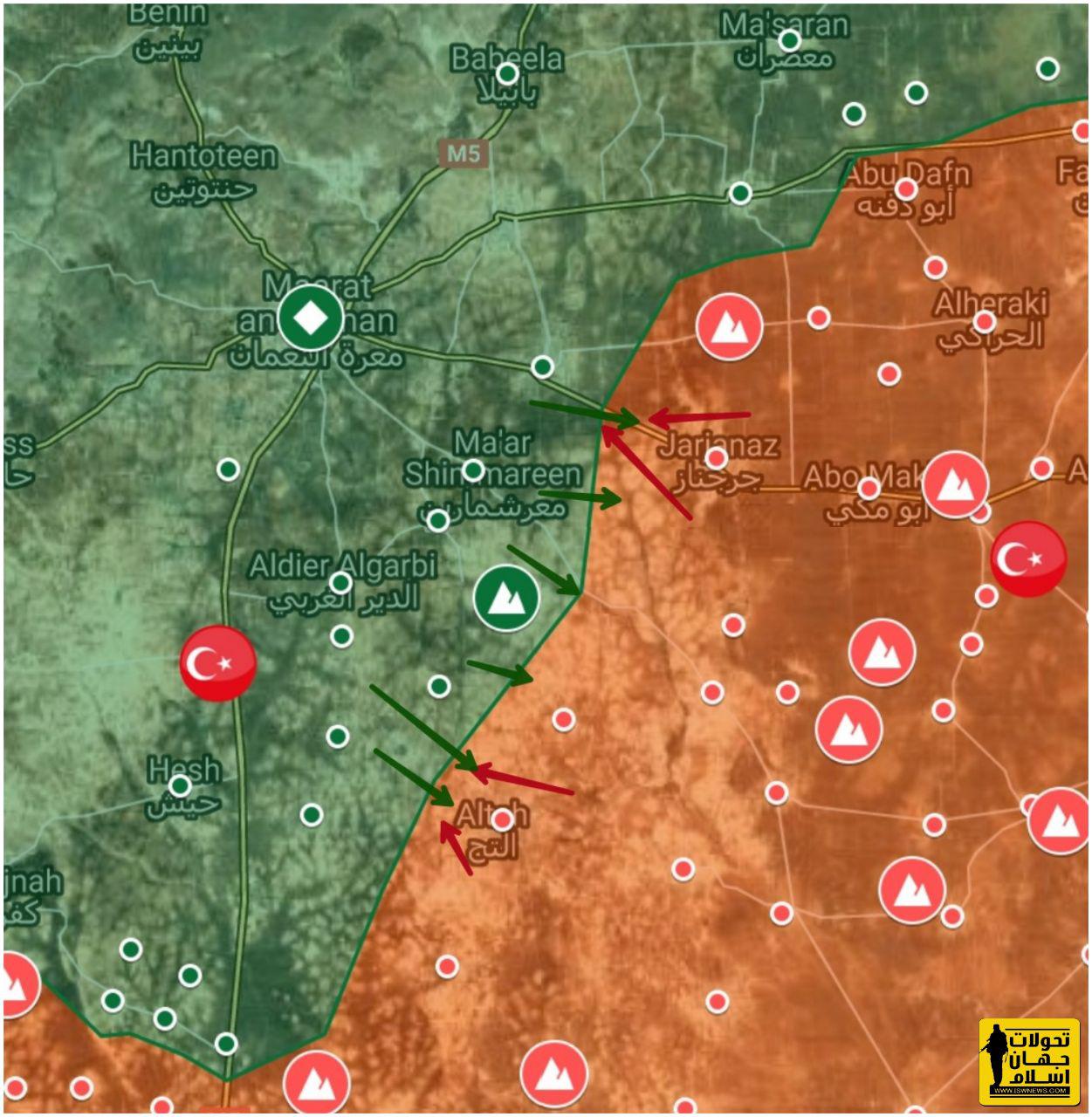
Militant attacks to Syrian Army position in southeast of Idlib
The attack, which began with rocket attacks and two suicide vehicles from Tahrir al-Sham, ultimately ended with the elimination of VBIEDs and inflicting heavy casualties on the militants.
Last week, the Syrian Army liberated more than 41 villages and heights in an area of 350km2 in the southeast of Idlib province from the various groups of militants. -

Article: The scenario of the Popular Mobilization Forces (Al-Hashd Ash-Sha’bi) extirpating, Part 2
In the first part we mentioned some reasons of different efforts for dissolution of Hashd Al-Shaabi forces. Hashd Al-Shaabi has some unique features and capabilities that can be modeled in other fields for Iraqis. That’s why the US and its allies are trying to weaken or removing the Hashd Al-Shaabi forces.
In this part we talk about some another attempts for weakening and removing the Hashd Al-Shaabi.
After the ISIS terrorists occupied a vast part of Iraq, the Jihad order by Ayatollah Sistani caused the young volunteers of Iraq to join the military groups to protect the country.
After that, the fight against ISIS terrorists entered a new phase and the process of victory and expelling these forces from Iraq began. This process continued until the end of 2017, when the complete liberation of Iraqi cities and the defeat of ISIS terrorists in the country were officially announced.
After forming the US anti-ISIS coalition in September 2014, the US announced withdrawal of Hashd al-Shaabi forces from the battlefields as of its main condition to help Iraqis to counter the ISIS terrorists.
These attempts were also continued against PMU in different operations such as the liberation of the cities of Tikrit, Ramadi, Fallujah and Mosul.
Sectarianism accusations during fighting against ISIS
With the rise of Hashd al-Shaabi’s victories, various political currents and media outlets have started accusing and reflecting some unrealistic news against the Hashd al-Shaabi. Allegations from violence against the Sunni people and looting their property by the PMUs in the liberated areas to forced migration and changing the Sunni structure of the area, are among the false accusations against the Hashd Al-Shaabi.
The US and Saudi Arabia started to make an anti-Sunni atmosphere against Hashd Al-Shaabi forces at the same time of the operation for liberation of Fallujah and they announced if PMUs go to this city, the possibility of sectarian conflicts and carnage is high. These sort of accusations continued numerously before the operation of Mosul and also it caused a delay in lunching the operation.
In the middle of 2016 and during the uprising of the Muqtada al-Sadr’s supporters in Baghdad that also led to the occupation of parliament, one of their demands was to stop the advance of Hashd Al-Shaabi forces in the Sunni areas of Iraq. Although they express that these actions are in the support of Sunni people of those cities but in fact the main purpose was weakening the Hashd Al-Shaabi and decreasing the victories of them.
Ending ISIS project, Ending Hashd Al-Shaabi
By getting closer to the total defeat of ISIS terrorists in Iraq, dismantling Hashd Al-Shaabi was also hearing. The media and political parties apposing Hashd Al-Shaabi, were after project “Ending ISIS, Ending Hashd Al-Shaabi”. The main excuse for introducing this project was this idea: Because Hashd Al-Shaabi was created for fighting ISIS, so when these terrorists defeated, there’s no need for the Hashd Al-Shaabi! But the reality is two years after the official announcement of the defeat of ISIS terrorists in Iraq, the ISIS activities and sporadic attacks still continue throughout the country. This is while the Hashd Al-Shaabi continue fighting against these groups and secure the vast part of the western areas of Iraq from ISIS cells.
Disarming Hashd Al-Shaabi under the excuse of concentration of weapons in government
The aspect of carrying weapons by different groups and parties in Iraq was always a big national security issue. Different tribes, religious and political groups in Iraq often have military weapons that use them as a tool for power and self-defense. Formation of some military groups under the command of Hashd Al-Shaabi, has made an excuse for parties against it. They are arguing that the armed PMU is a challenge for controlling security in Iraq. That’s why these groups always use this excuse for forcing the government to disarm Hashd Al-Shaabi. As an example, two years ago the French President explicitly requested Baghdad government to dismantle all militant groups including PMU, in a meeting with Kurdistan Region Prime Minister in Paris.
Liquidation of Hashd Al-Shaabi, a condition of Iraq’s exemption from US sanctions on Iran
By US withdrawal of JCPOA and reimposing the sanctions against Iran, Iraq’s government was always under the pressure of the USA for buying electricity and gas from Iran. Washington misused this fact for getting points for giving Iraq exemptions in the field of Iran sanctions. In this way, totally dismantling the Hashd Al-Shaabi was always one of the main requests of Washington from Baghdad. For example, the United States spokesperson for department of state, explicitly requested disarming PMU from Iraqi government on December 2018.
Reforming or weakening the structure?
One of the most controversial issues about Hashd al-Shaabi is reshaping it which took place by the official order of Adel Abdul-Mahdi, the resigned former prime minister of Iraq. There are many words and analysis about case, some call it the way for official recognition and empowering PMU while some others view this happening a limiting factor for the effectiveness of the unit. Also, the word “reform” has some positive and negative points, but to the author, things happened until now, was not positive and weakens Hashd al-Shaabi and might also lead the unit to dismantling. As an example we can point removing the position of PMU’s vice-chairman of the board in the new structure, which Abu Mahdi al-Muhandis had the seat. More interestingly the aspect of merging the unit with military structure of Iraq government, was one of Muqtada al-Sadr recommendation for the post-ISIS Iraq structure.
Sanctioning Hashd al-Shaabi leaders
In addition of having different tools inside Iraq, the US government tried to impose international political and economic pressure against the unit in order to weaken it. The US treasury recently sanctioned three commanders of the group on charge of involvement in killing Iraqi protesters. Some news outlets are also talking about a plan for sanctioning nine other commanders of the unit is being programed in US congress. Before that, US treasury had sanctioned some other commanders of the group on the excuses such as helping Iran to bypass US sanctions, cooperating with Lebanon’s Hezbollah or attacking US bases in Iraq.
Shadow of the political view on the Hashd al-Shaabi services
Official and effective entering of some commanders of PMU leaders into the political structure of Iraq and seizing parliament seats plus positions in some of ministries and government agencies have put the group in political sights. Also, this approach empowered the position of Hashd al-Shaabi in governmental structure of the country, but in recent protests, it has been used to weaken the officials of the unit. Because the protesters are putting the responsibility of the current economic situation in Iraq, on political parties and groups, they point Hashd al-Shabi political figures as the reasons for the situation.
Military actions against Hashd al-Shaabi
In addition to ISIS activities and attacks against PMU in different parts of Iraq, the number of attacks from unknown drones to the bases of the unit has risen. The target of these attacks was disarming the bases and terrorizing important commanders of the unit. Israel air attacks to Hashd al-Shaabi bases became more and more before the recent protests and after that and simultaneously to that, the number of ISIS attacks also has intensified.
Placing PMU against Iraqis
By erupting the protests in Baghdad and other cities in Iraq, one of the main strategies of media and political currents opposing Hashd al-Shaabi, was illustrating an anti-popular face from the forces for youth and protesters. This strategy is being utilized in social media by producing different multimedia programs. But in the real fields also there were many efforts for forcing the PMU to stand against the protesters. For example in the al-Sanak and al-Khalani event which led to the death of 20 people, the media tried to put the responsibility on Asaib Ahl al-Haq that is related to PMU. This charge was raised from al-Sadr group particularly. In that field, forces related to al-Sadr (blue helmets) were defending the protesters. This strategy is taken in order to distance between people and PMU. This strategy is following for perusing people to agree Hashd al-Shaabi dismantling in the future. -
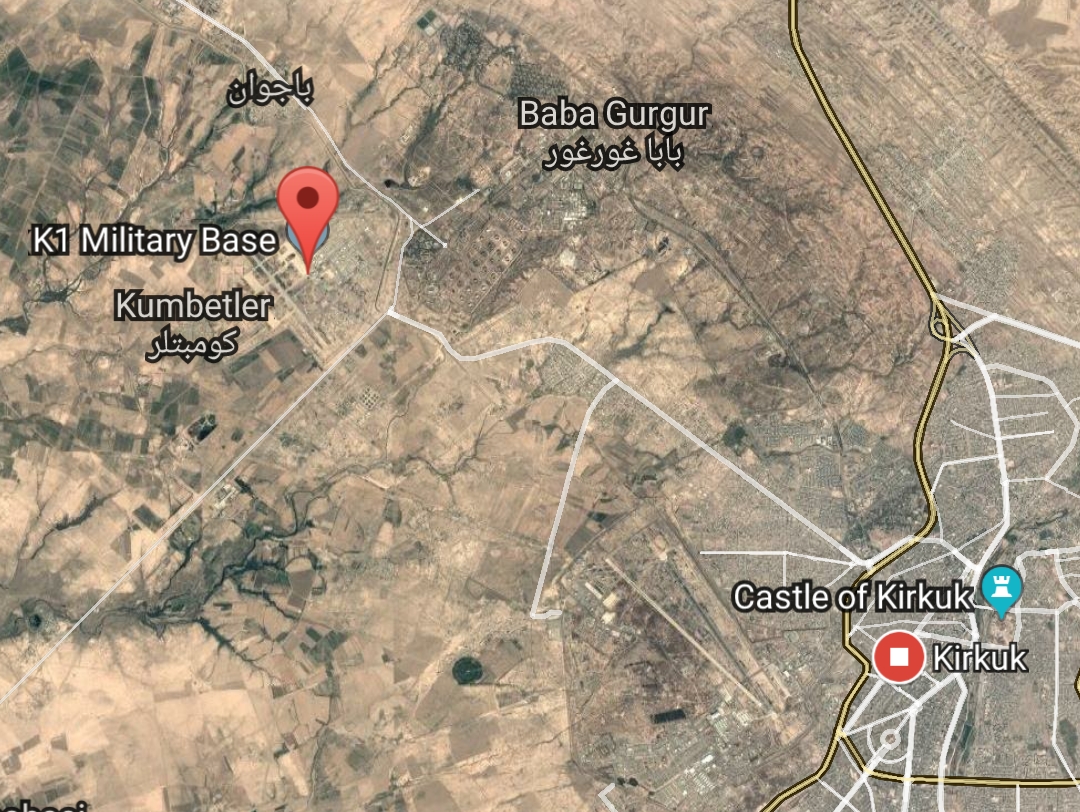
Rocket attack by unknown gunmen on K1 base
The K1 base is home to US and Iraqi troops and is 15 kilometers northwest of Kirkuk.
The base was established near the Kirkuk oil facility. -
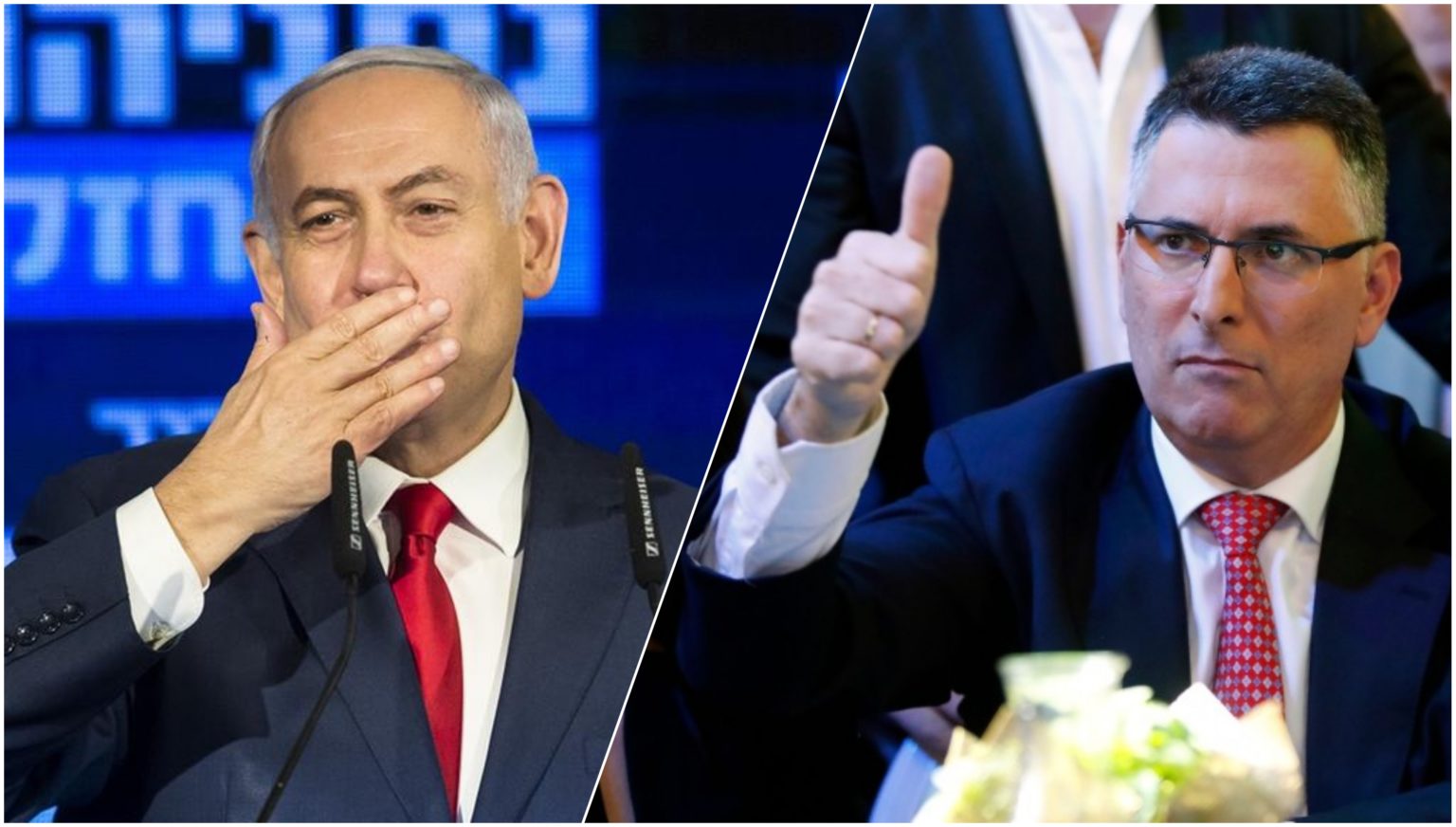
Coup against Netanyahu failed!
In this election Netanyahu won 72.5% of the votes and reelected again as the head of Likud party.
-
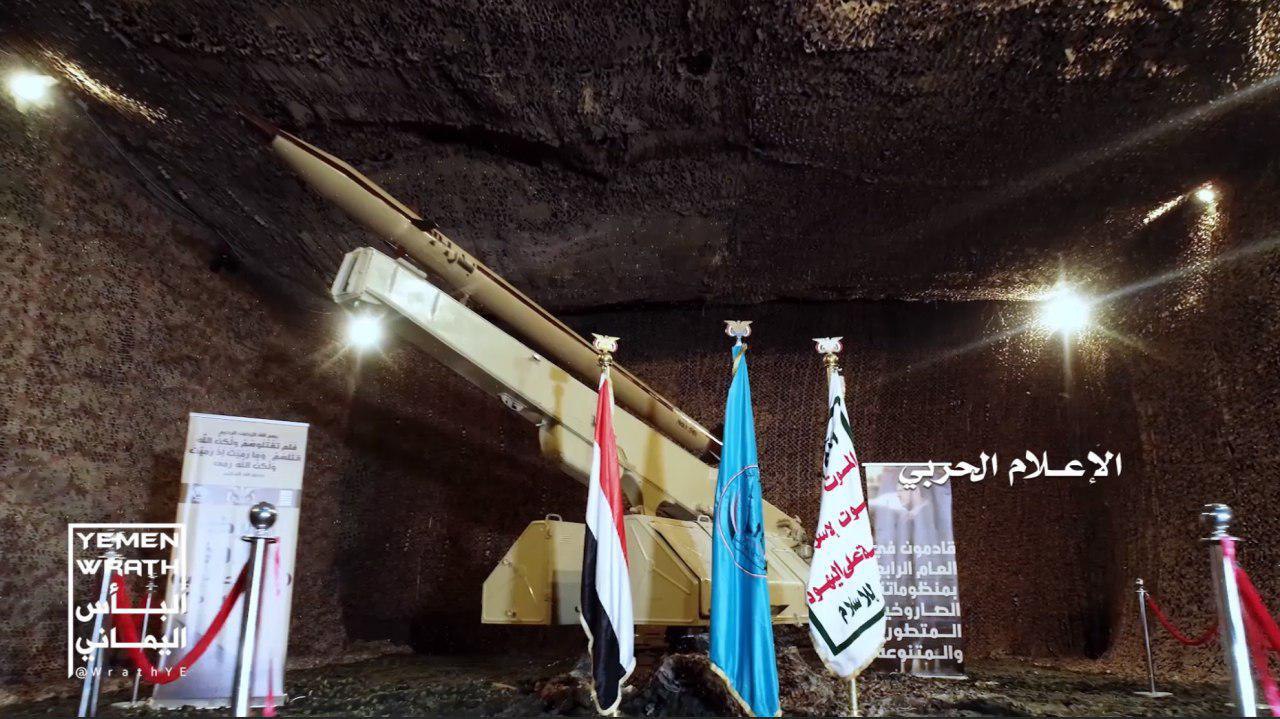
Ansar Allah’s missile response to Saudi coalition recent crime
Gen Yahya Sari’ said:
The missile hit the target and killed and wounded several soldiers.
The attack was in response to recent crime of Saudi coalition in bombing Saadah province. -
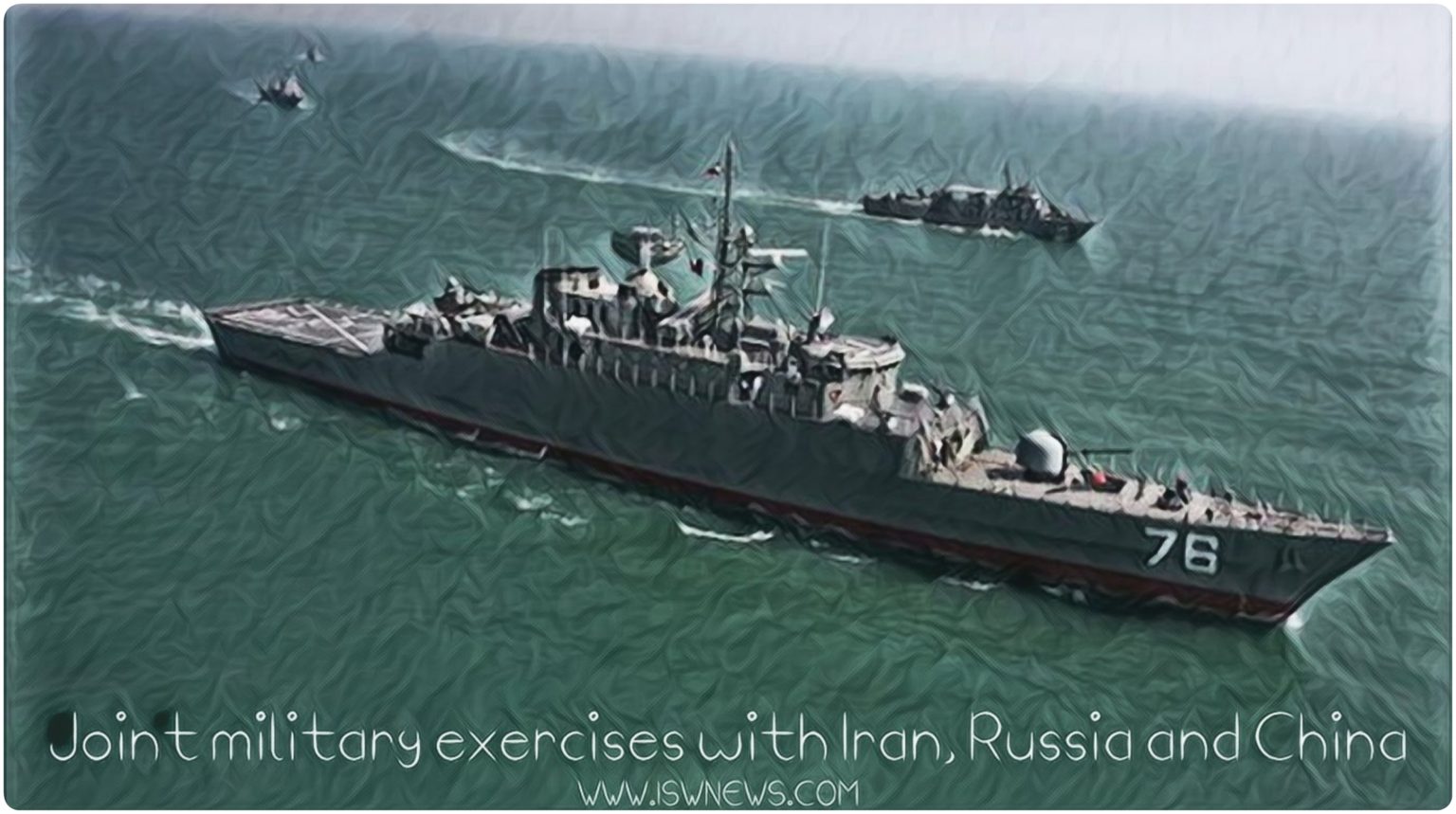
Iran, China and Russia joint naval drill
The drill started today and the goals were described as strengthening and increasing the security of international trade in the region, experience exchange between three countries, confronting terrorism and pirates.
In recent months the tension between Iran and USA entered the maritime area after detention of British ship and suspicious attacks to ships in the Persian Gulf. In this sense, USA, UK, Australia and states of Persian Gulf formed a coalition to provide security for maritime trade. Iran and allies drill is an answer to this coalition. -
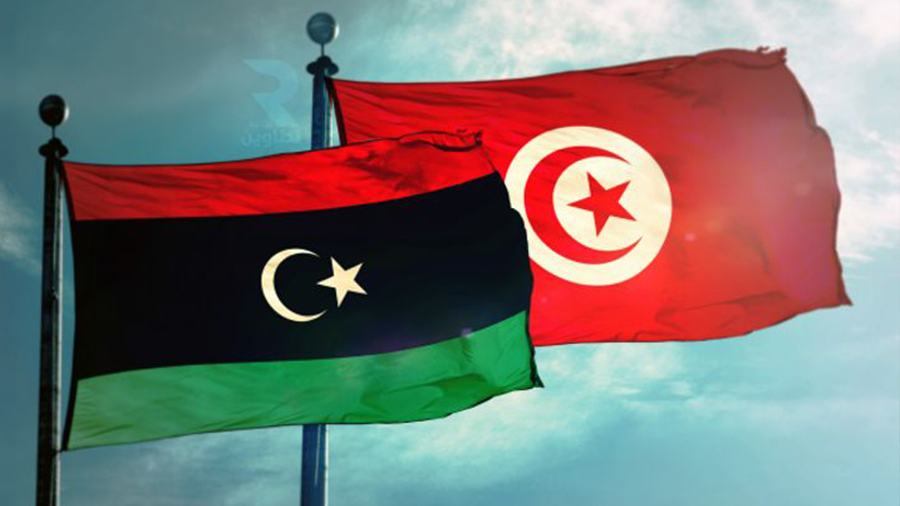
Turkey deploys its troops to Libya
Erdogan said in his latest remarks about Libya:
– We propose the bill of troops’ deployment to Libya in next month to the parliament.
– In my trip to Tunisia, we decided to support the government of Faez Al-Sarraj in Libya.
– Libya is the heritage of Ottomans and Mustafa Kemal Ataturk.
– We fully support the GNA which is standing against Haftar. The actions of Haftar is a Coup which different countries specially the Arabic countries support it.
After the Turkey decision, “Dmitry Peskov”, speaker of the Russia presidential palace, believes that the situation of Libya is critical and asked for the international effort for making peace in this country. Peskov also believes that the existence of different countries armies in Libya is because of different destructive actions of the regions regimes. -
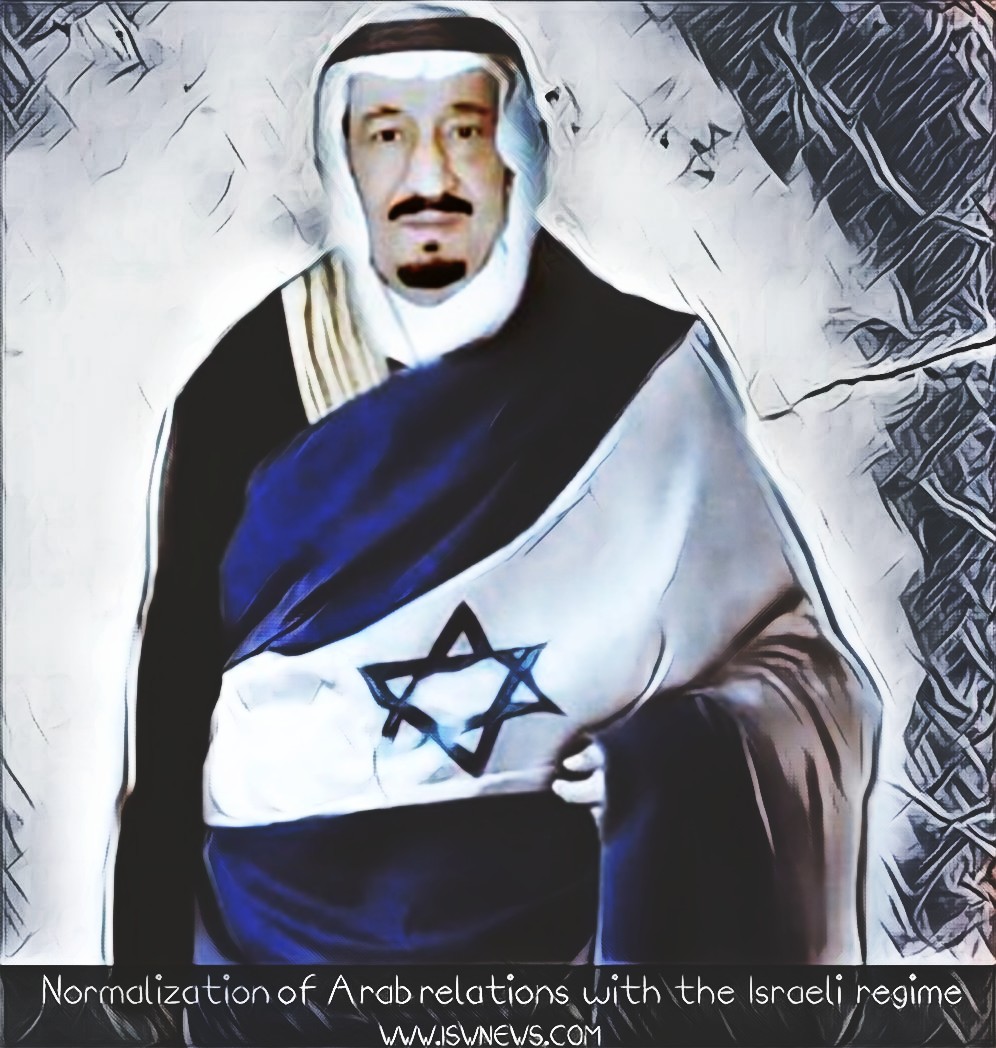
Opinion: The Normalization of the Arab Relations with Israel
Last year when Benjamin Netanyahu travelled to the neighbor countries like Oman in the purpose of increasing the relationships, it didn’t have a good result not only in the region but also in the whole world.
The Medias and the analysts expressed that the meeting of Oman officials and the Israeli regime was more than what expected. Even the Aljazeera reporter asked “Yusef Bin Alavi”, the foreign minister of Oman that why you had this meeting? Alavi replied “why shouldn’t I? Is this Haram? Israel is a country in the Middle East and we should look forward and make a new way to the future.
A new happening is getting started in the Middle East. New plans have been planned for the new generations Muslims, and likely the project of Reforms started.
The motivation of removing the Israel was formed in the decade 1960 by the union of Arabs in the presidential period of Abd Al-Naser in Egypt. But now the Arab neighbors of Israel are changing the process. By increasing the power of Iran and its allies, the leaders of some Arabic countries have lost their popularity and recently they concluded that Iran is the mutual threat of Israel and the Arab world.
The surveys show that, from the beginning of the Arab Spring in 2011 till now, the reliability of Arabs to the Islamic parties have been decreased around one third.
Three-quarters of the Iraqis do not trust the Islamic parties and the amount of youngsters who say no to the religion is really high. (In fact the Secularism school of thought has been increased.)
The new generation of Arabic leaders are looking for the economic growth and lessening the political problems and even having relationship with Israel.
This subject is named “Year of compatibility” in the United Arab Emirates. Muhammed Bin Zayed, the crown prince of Abu Zhabi has ordered to build an Ibrahimi family house for commemoration of the visit of Pope for visiting his country. (This house includes a synagogue, a chuch and a mosque.)
Also in the month of February 2019, in a big change in Saudi Arabia, the pope Francis and 170 thousand catholic people travelled to this country and attended the Saudi festivals.
In Dubai, the Jews are praying and are active in a synagogue.
The rabbis of Israel, America, Australia and Europe are attending the conferences of Muslims holding in Abu Zhabi in last 2 years. The king of Bahrain also tried to make relationship with Israel.
In 2016, he celebrated the “Hanuka Eid” with the Orthodox Jews of New York. Also he ordered some officials for providing the mutual singing and dancing among the Jews and the Muslims. In the following, a group of Bahrain Peace Commission visited Israel.
These actions despite the conviction of Hamas and other Islamic resistance groups, have become controversial among the Arab Medias.
By the changes that Bin Salman has made, in the viewpoints of Wahhabi scholars and the officials of Saudi turned completely. The Organization of the World Muslim League which is promoting the Wahhabi beliefs for many years, is holding some sessions with different Jews organizations.
Some of the Arab social media activists are promoting the Normalization of having relationship with Israel. For example one of these activists is “Mohammed Saud” who travelled to Israel and also visited Netanyahu. He also talked in Hebrew language which he learned in Riyadh.
Saudi Twitter activist Mohammed Saud meets Benjamin Netanyahu
In addition to Al Saud the Emirates, Bahrain and Egypt are trying to normalize the relationships to Israel. This happens because they want to prevent the Arab Spring happening again, not let the Muslim Brotherhood gain the power, and not facing the ISIS in Sinai Peninsula and the most important standing against the Iran move and Shiite Islam.
Israel also chose to have relationships with the Arab countries because their mutual enemy, Iran (which in last decades could rescue the Iraq, Syria, Lebanon and Yemen from the Takfirism) is now more united with the resistance groups in Palestine and decided to liberate this country. Israel definitely needs to have relationship with the Arab neighbor countries to stand against the Islamic resistance.
Israel is a trading and security partner for the Arab governments and Trump also support this project heavily.
We can say that the normalization of relationships between Israel and the Arab countries started in the Obama era. It’s because the Arab and Israelis didn’t accept the strategies of Obama so it helped them get closer to each other. After the victory of Muslim Brotherhood in Egypt, Obama abandoned Hosni Mobarak and tried to make friendship with Mohamad Morsi (which made the Saudis pay lots of expenses for the Coup). And he then signed the JCPOA with Iran which make the Saudis and Israelis feeling bad because they wanted Iran’s beliefs to be removed.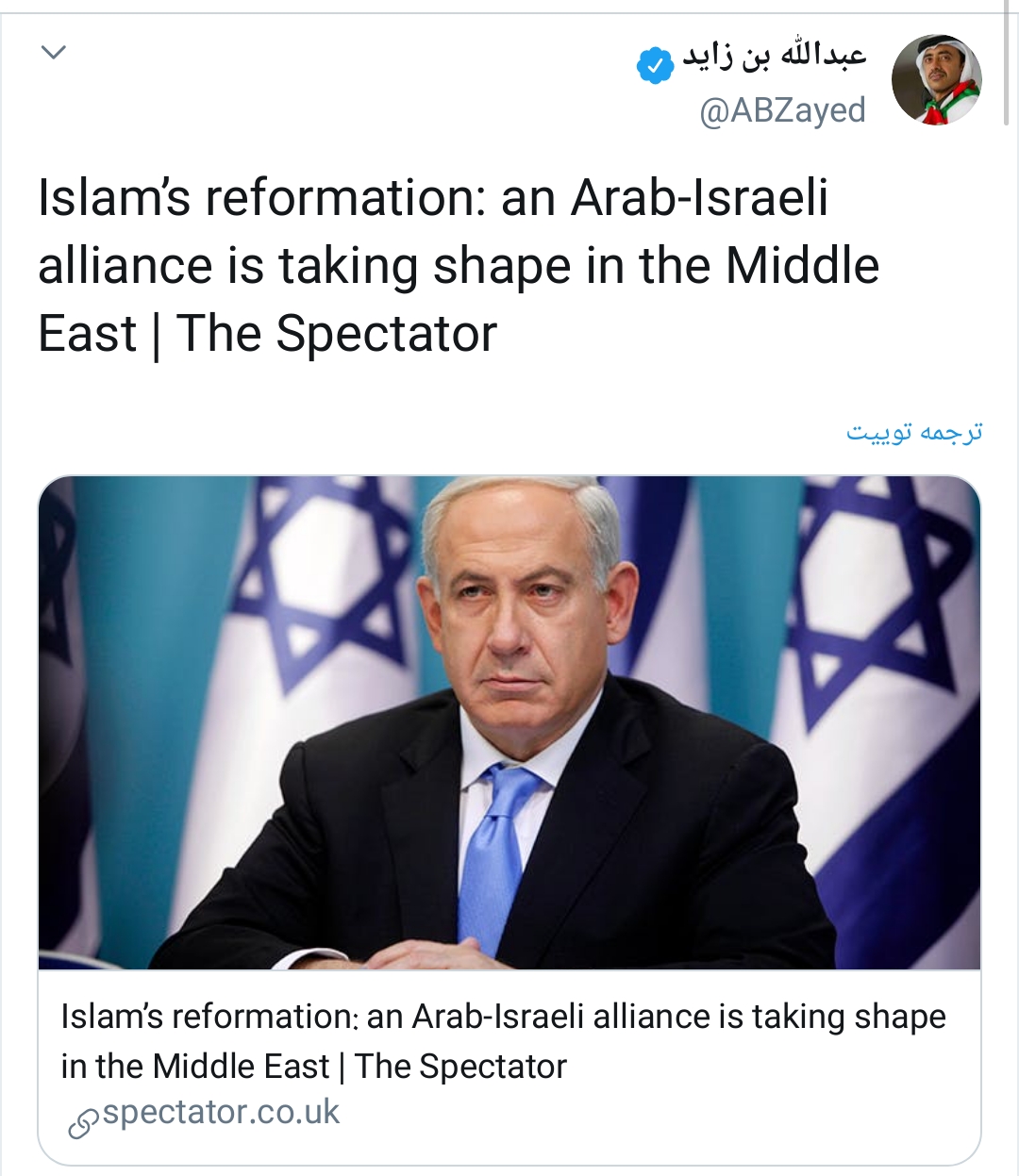
Abdullah bin Zayed’s tweet of Arab-Israeli unity in the name of Islamic reform 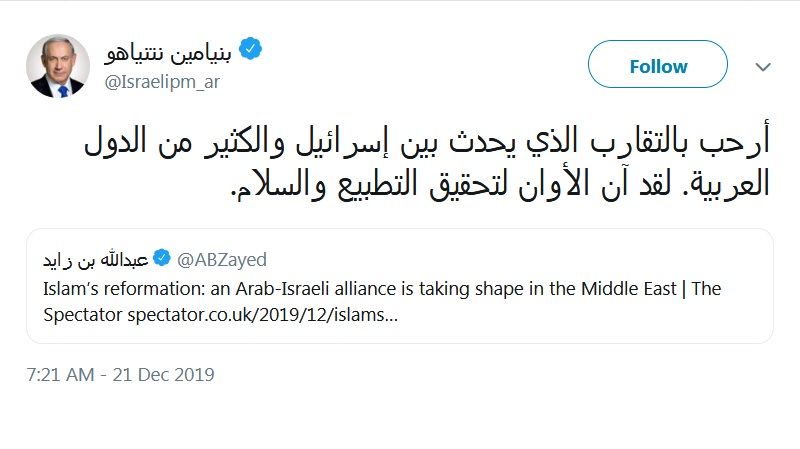
Benjamin Netanyahu’s tweet in response to Abdullah bin Zayed, welcoming normalization of relations
In overall the normalization of the relations of the Arabs with Israel is in progress more than before.
“Abdullah Bin Zayed”, the foreign minister of Emirates has tweeted recently and said that a new cooperation is getting formed from the Arab Nation and Israel. He also named it as an Islamic reform. Benjamin Netanyahu also replied to his tweet and said “I welcome the convergence of Israel and many Arab countries. It’s the time for normalization of relations and peace.”


