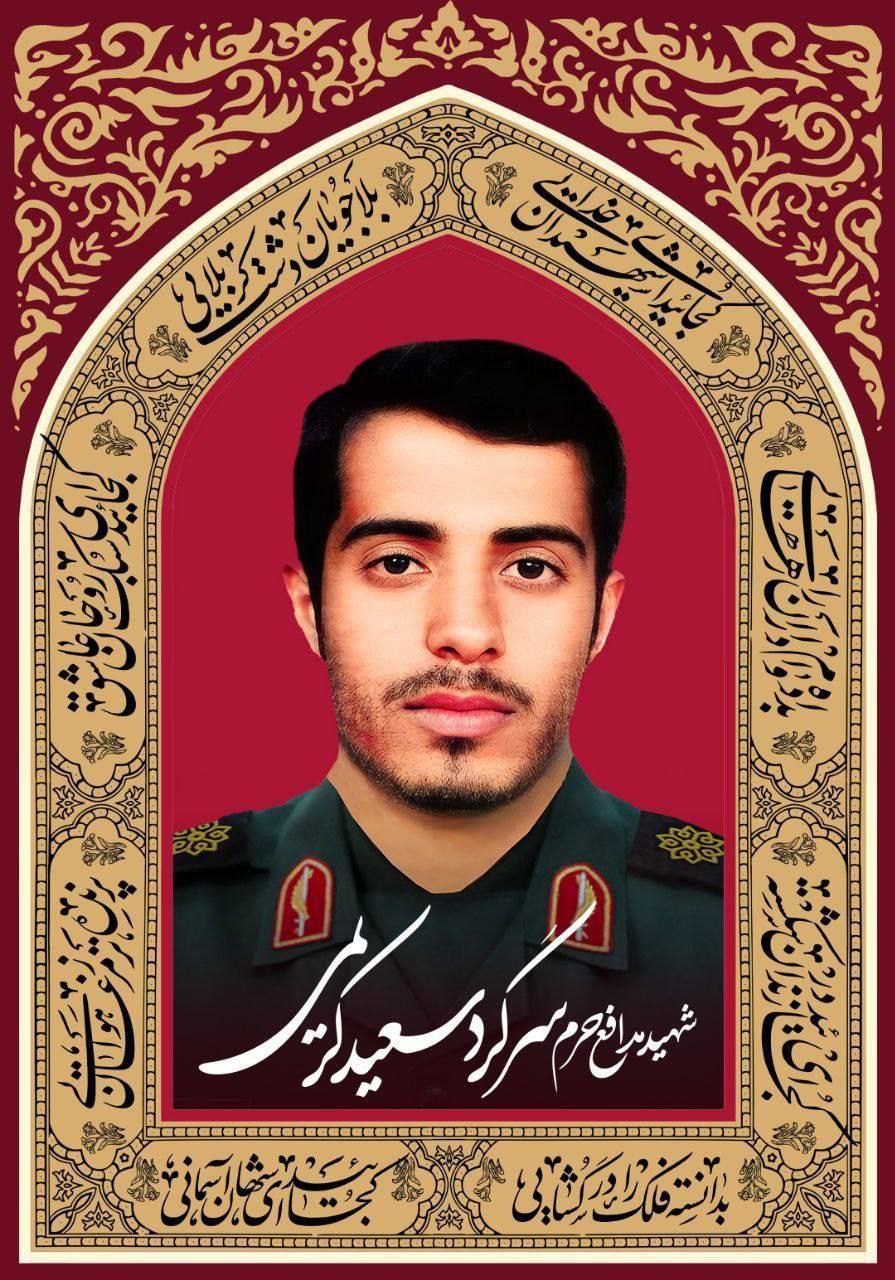
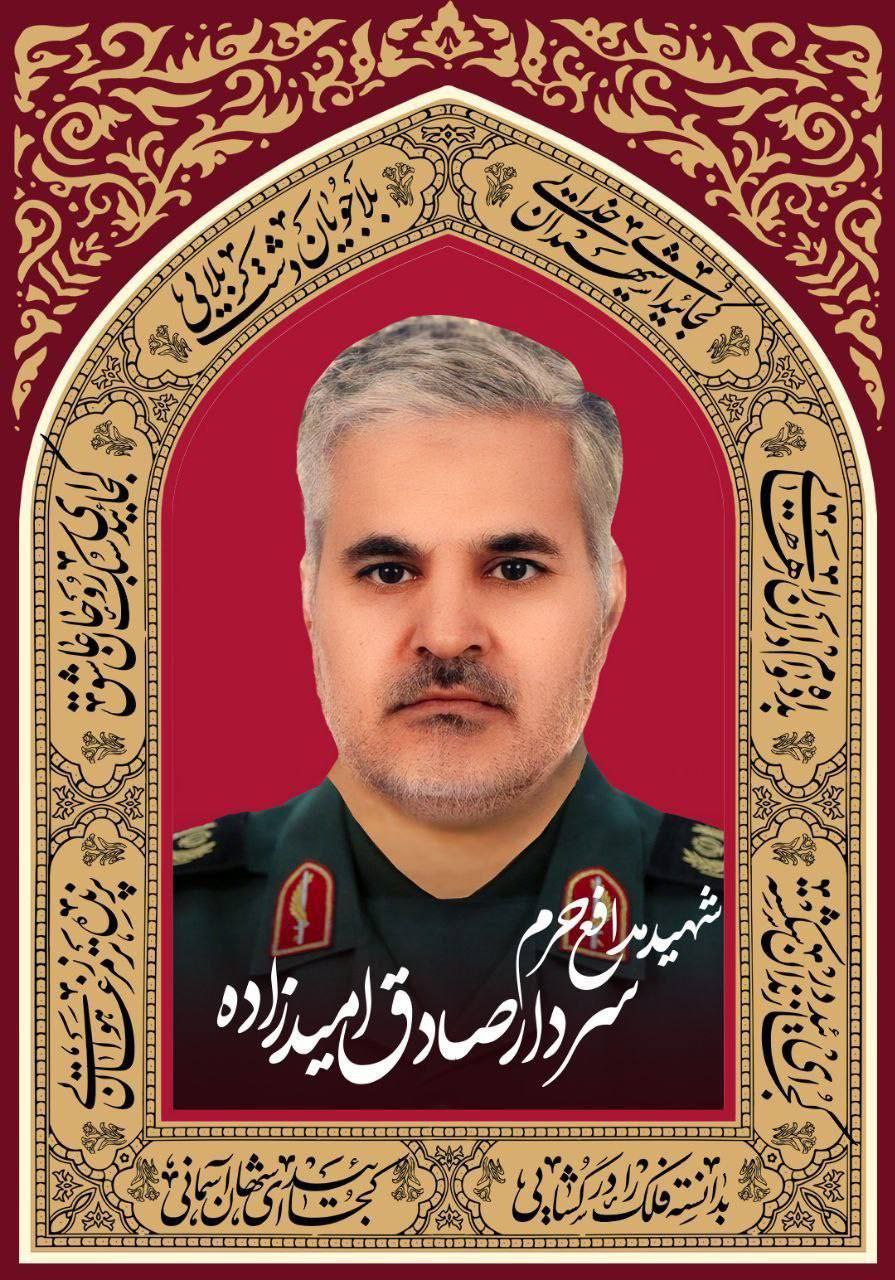
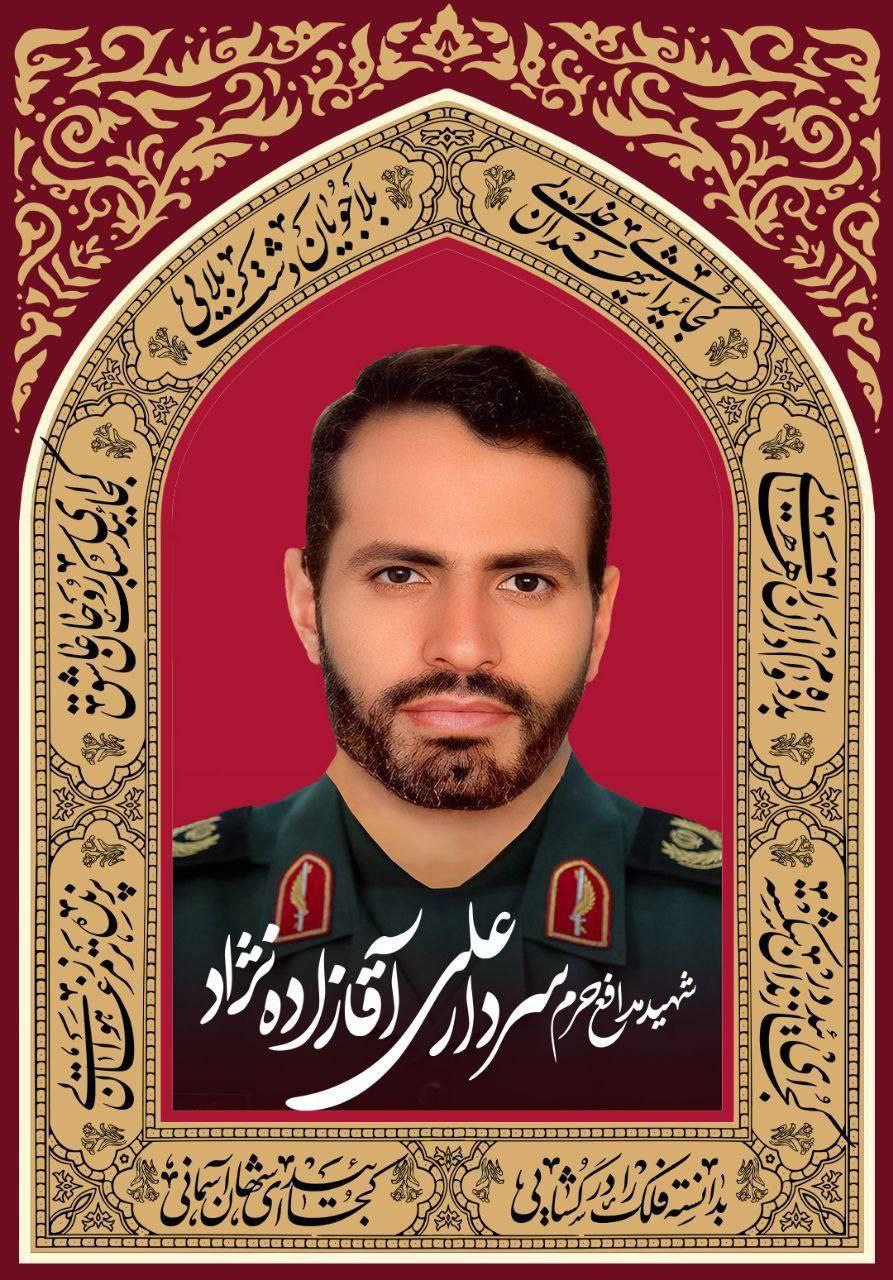
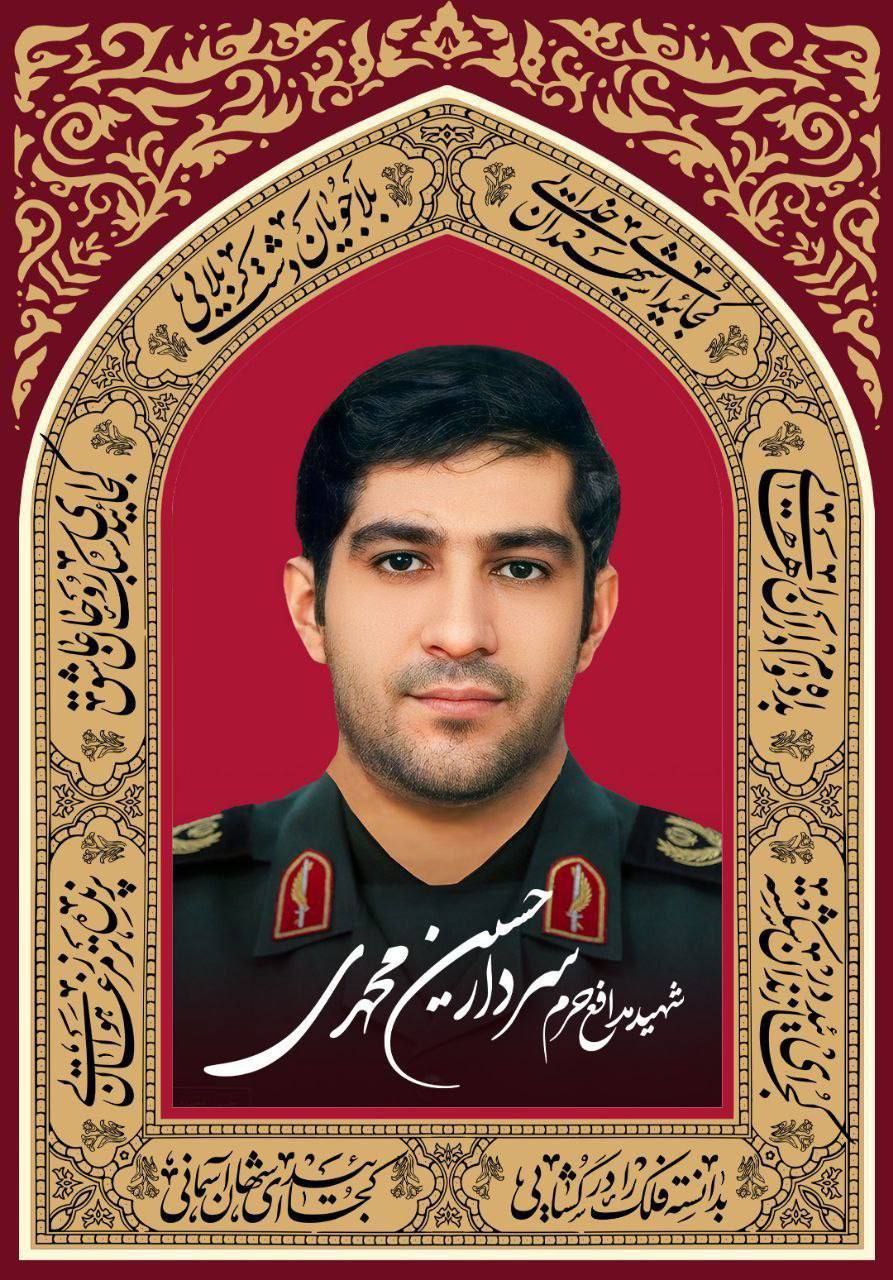
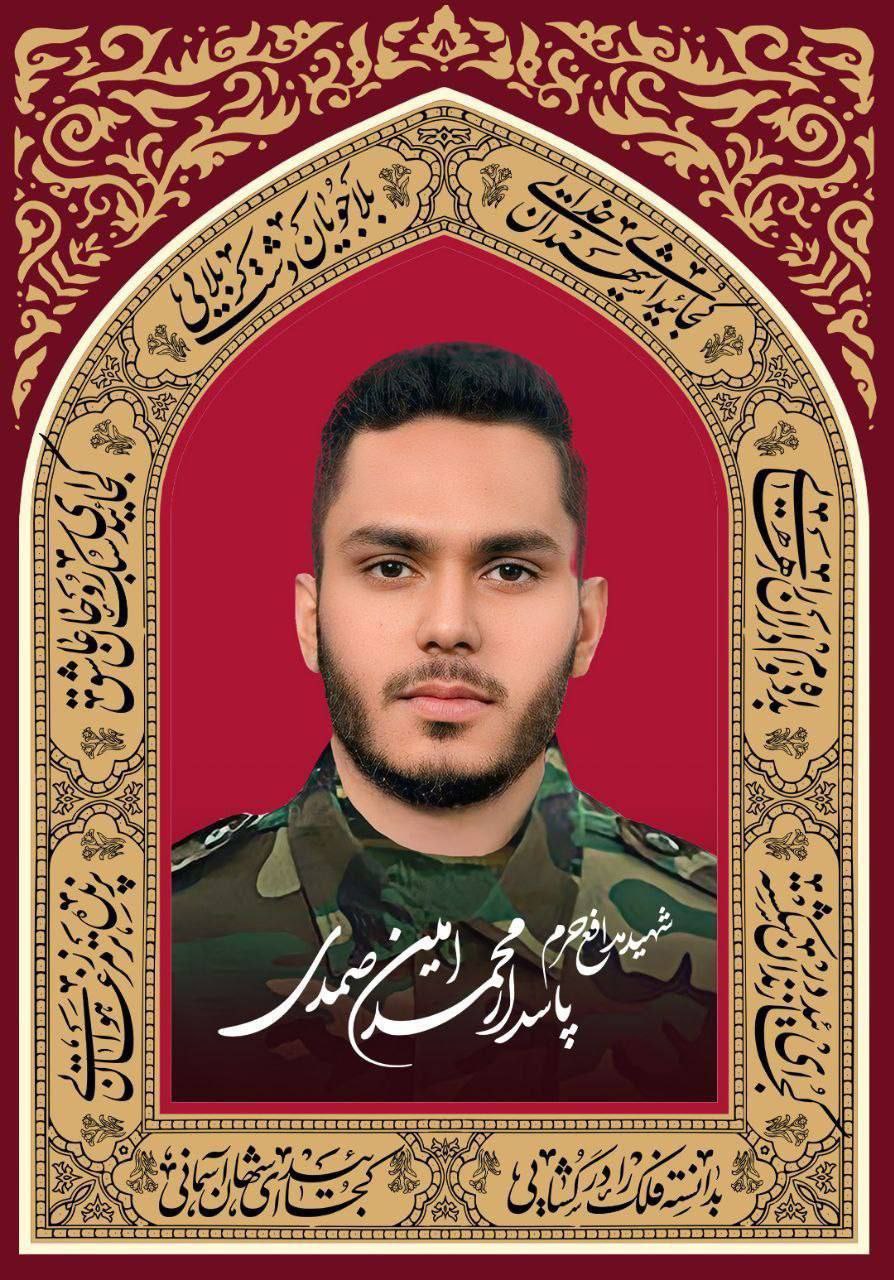
The names of these servicemen are as follows: Hojatullah Omidvar, Ali Aghazadeh, Hossein Mohammadi, Saeed Karimi and Mohammad Amin Samadi.
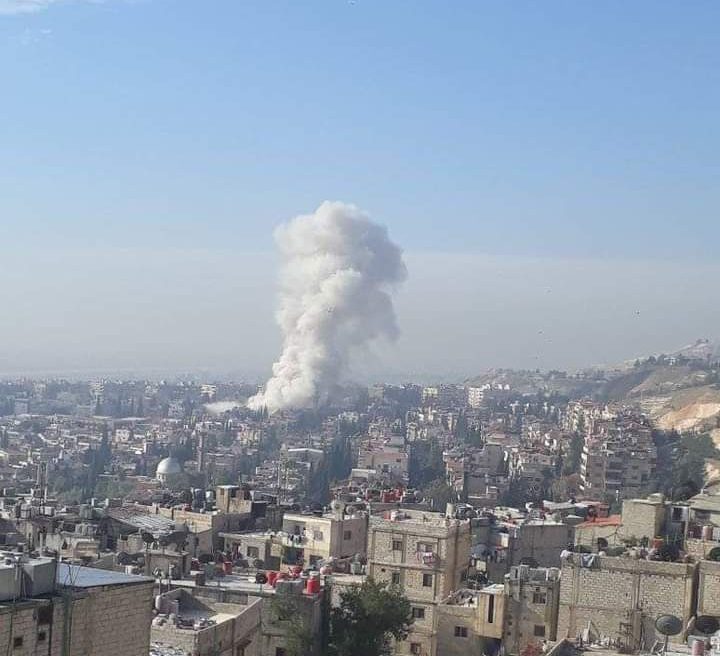
The public relations of the Islamic Revolutionary Guard Corps (IRGC): “Once again, the evil and criminal Zionist regime invaded the city of Damascus, the capital of Syria, and during the warplanes attack of the aggressor regime, a number of Syrian forces and four military advisors of the Islamic Republic of Iran were martyred.”
It seems that this attack was in response to the IRGC’s missile attack on the Mossad headquarters in Erbil, Iraq, during which several Mossad officers and associates were killed, including a businessman namely Poror Dezai.
According to the statements made by General Amir Ali Hajizadeh, the commander of the Islamic Revolution Guards Corps Aerospace Force as well as the existing field information, these attacks were carried out against the command and espionage headquarters of the Mossad approximately 10 kilometers far from the Iraqi city of Erbil, and also against the hideouts and training centers of Takfiri groups associated with the ISIS Khorasan branch in the Kafr Takharim area in northern Idlib Governorate of Syria.
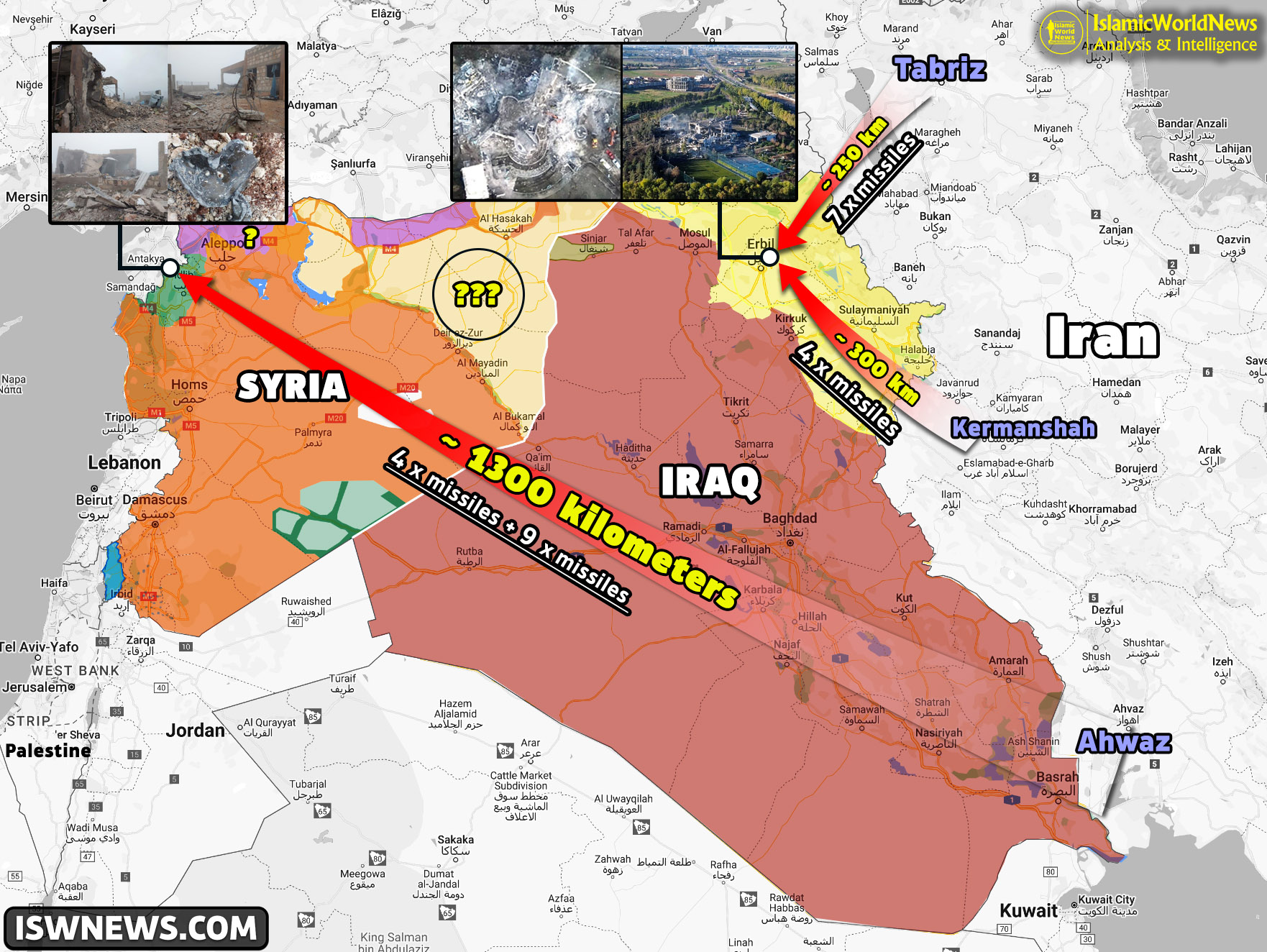
The attack on the Mossad headquarters in the Iraqi city of Erbil was carried out by firing 11 Fateh-110 and Fateh-313 missiles. Out of this number, four missiles were launched from western Iranian city of Kermanshah (Tange Kenesht military base) and seven other missiles were launched from the northwest Iranian city of Tabriz (Azarshahr missile site) to hit the targets. Additionally, according to the published videos regarding the Erbil attack, one or two suicide drones were also used, but the Islamic Revolution Guards Corps has not hinted to the drone attacks in their four statements; therefore, details about the number and type of suicide drones used in this operation are not available. Nonetheless, it is highly likely that these drones are of the Shahed 131 or 136 types.
It is worth mentioning that during the attack on the Mossad headquarters in Erbil, four people, including Peshraw Dizayee, a leading figure of the traders close to the Israeli regime as well as Ahzi Amin, who was a former intelligence commander of the Kurdish Peshmerga forces, were killed.
The attack on the terrorist groups in Syria was carried out by firing 13 missiles. Out of this number, four Khaybar-Shekan ballistic missiles were launched from the Darkhoveyn area in southern Khuzestan province, which is located in southwestern Iran. The ballistic missiles were fired towards Idlib Governorate in Syria to target the headquarters of terrorist groups in the Talteta area. Furthermore, nine other missiles were launched towards targets in Syria, but there is no information available about the type of missiles or the targets. However, General Hajizadeh announced in an interview that the terrorists’ positions in the east of the Euphrates River have also been targeted by missile attacks. It seems that based on field reports from the Idlib and Aleppo governorates as well as General Hajizadeh’s statements, some of these 9 missiles have hit the pre-planned targets in northern and eastern Syria.
What are the important points of these military operations?
The Islamic Republic of Iran utilized the tactic of “hybrid attack” during conducting of these strikes, which we had previously witnessed in the Aramco attack and over the course of the military operations carried out by the Russian army during the Ukraine war. This means that before the missile strike on Erbil, one or more drones were launched in a bid to engage the US C-RAM defense systems stationed at the Al-Harir air base, and then the ballistic missiles hit the Israeli regime’s headquarters. Additionally, with the firing of 24 missiles, these attacks have been the largest missile operation conducted by Iran up to date.
As stated in the statements of the Islamic Revolution Guards Corps, this operation was conducted in response to terrorist attacks in Kerman city and Sistan and Baluchestan province, as well as the assassinations of the IRGC commander Martyr Sayyed Razi Mousavi and senior leader of Hamas and founding commander of its military wing (the Izz ad-Din al-Qassam Brigades) Martyr Saleh al-Arouri by the Israeli regime. But more importantly, it displays Iran’s missile power and capabilities to the United States and the Israeli regime.
In this operation, the strategic ballistic missile Khaybar Shekan was launched against targets in the battlefield for the first time, which could accurately target objectives within a range of approximately 1260 kilometers (from Darkhoveyn in Khuzestan province to Talteta in northwestern Syria). As the name of this missile suggests, the experts of the Islamic Revolution Guards Corps developed this ballistic missile with the aim of creating the capability to target the Israeli regime’s positions, and the operationalization of Khaybar Shekan in the battlefield serves as a serious and clear warning to the Israeli regime. Furthermore, this operation marks the first missile attack by Iranian forces with a range exceeding 1200 kilometers from inside Iran, and such a missile attack has not been carried out before.
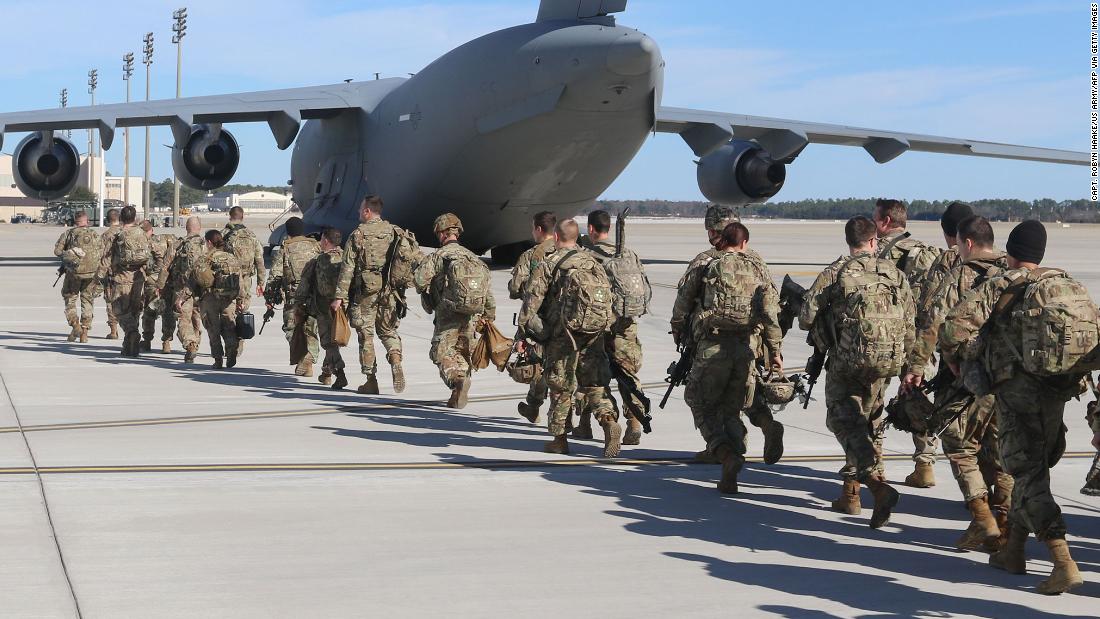
According to reports, this will be the largest deployment of soldiers of the Army National Guard of the United States from New Jersey to the West Asia region since 2008. These military forces will be stationed in Iraq and Syria for approximately 10 months.
The Army National Guard is a reserve military organization in the United States, with various units located in each state and under the command of state governors. These forces operate under the supervision of the US Army.
It is worth mentioning that approximately 2,500 US soldiers are present in various regions of Iraq, and around 900 soldiers are stationed in eastern Syria as well.
The decision to deploy military forces to Iraq and Syria under the framework of the coalition against the ISIS terrorist group has been made at a time when the Iraqi authorities and Islamic resistance groups are more than ever pursuing the plan to expel US soldiers from Iraq. The increased US activities and the deployment of more military forces to Syria and Iraq could escalate tensions in the West Asia region.
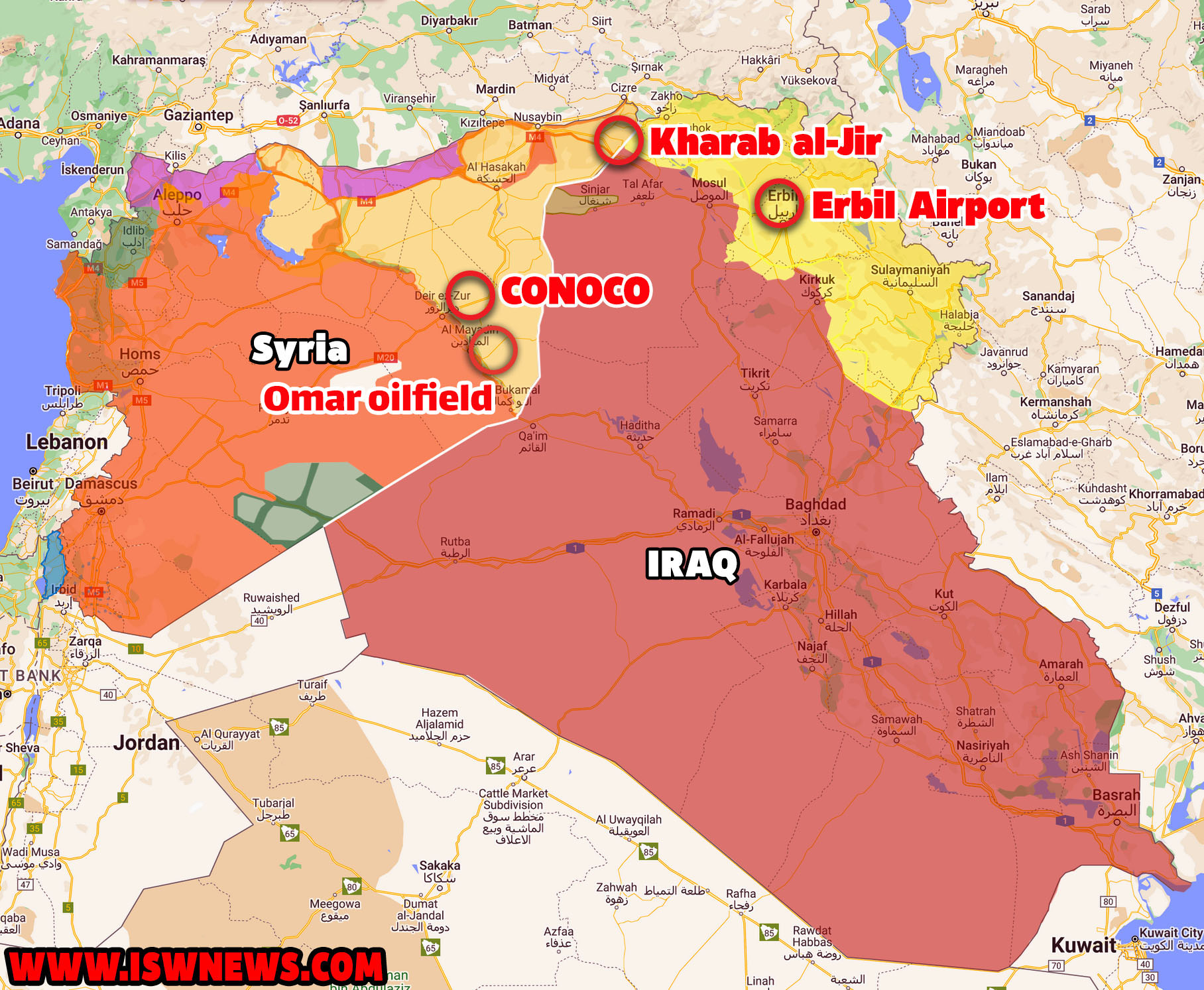
On January 14, the ‘Islamic Resistance In Iraq’ attacked the US illegal military sites in the CONOCO facility and Kharab al-Jir area in Syria and Erbil Airport in Iraq with suicide drones and rockets.
This is the 30th attack on the US base in Erbil province, the 16th attack on the US in CONOCO gas facility and the 13th attack against the Kharab al-Jir base in recent weeks.
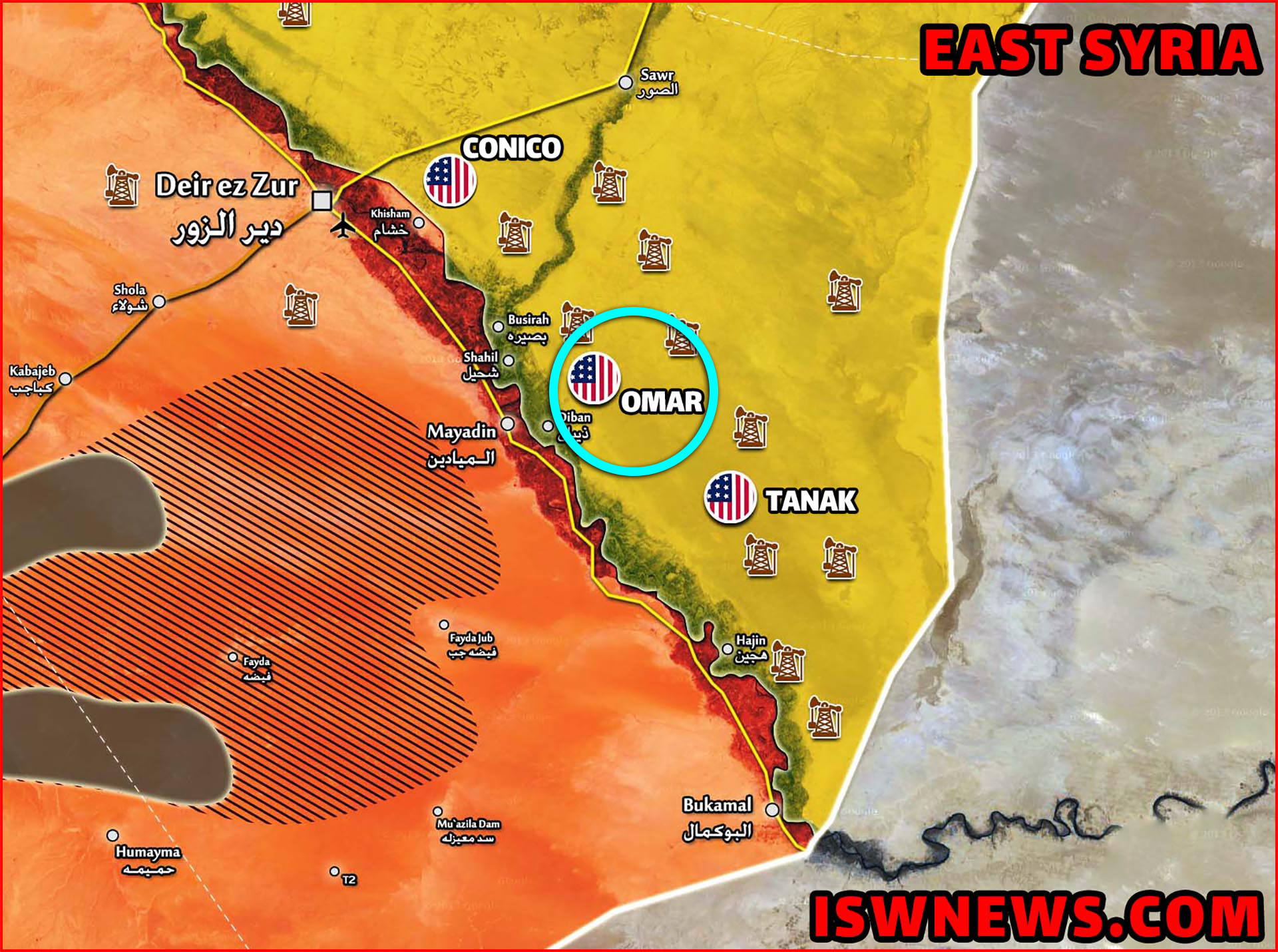
On January 15 also the Resistance forces attacked the US illegal military site in the Omar oilfield in Syria with several rockets.
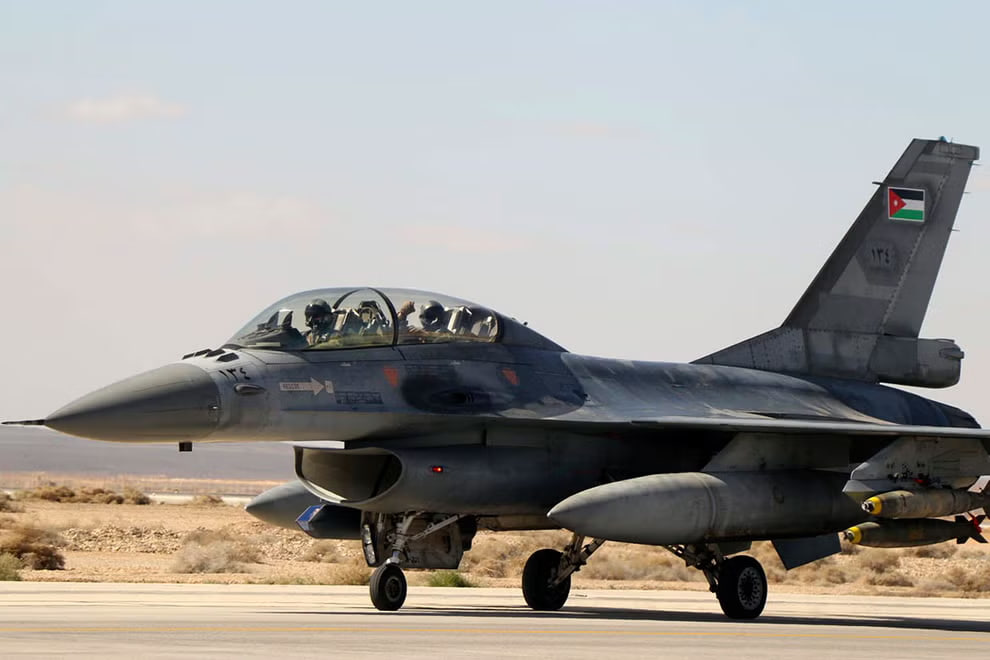
It is reported that as a result of this attack, three individuals, including a drug smuggler, were killed. Further details have not been disclosed regarding this matter. This is the second airstrike by the Jordanian army in southern Syria in the past week. Before the airstrike, positions in southern Syria were targeted by the Jordanian fighter jets on January 5.
Prior to this attack, a military source in the Central Command of the Jordanian Armed Forces (JAF) had announced that the army of this Arab country has been engaged in armed clashes with large groups of smugglers on the northern borders since early Saturday morning.
Under the pretext of fighting drug smugglers, the Jordanian army carried out attacks on positions in southern Syria over the course of recent months, resulting in the loss of several civilians and injuries to dozens of others.
Media outlets, which are involved in advocating terrorist groups and supported by the Western states, present these groups as connected to the Syrian government and the Resistance, but so far, they have not provided credible evidence to prove their claims concerning the existence of any connection between these groups and the Syrian government.
This attack took place three days after the Syrian army’s operation against ISIS hideouts in the Syrian desert. This is the second attack by ISIS terrorists on the Syrian army in the past 10 days.
On January 1, attacks against Syrian troops by ISIS terrorists resulted in the martyrdom of 9 soldiers of the Syrian army and its allied forces.
Following the failure of the US regime’s airstrikes against the Resistance to stop missile and rocket attacks on its bases, the activities of ISIS terrorist groups in the region have recently intensified. The study of the trend of ISIS attacks and movements indicates that the terrorist group’s assassination machine may have been activated at the request of its employers, namely the US and Israeli intelligence services. The main objective of these attacks is to distract the Resistance and undermine its focus on the battle against the Israeli regime.
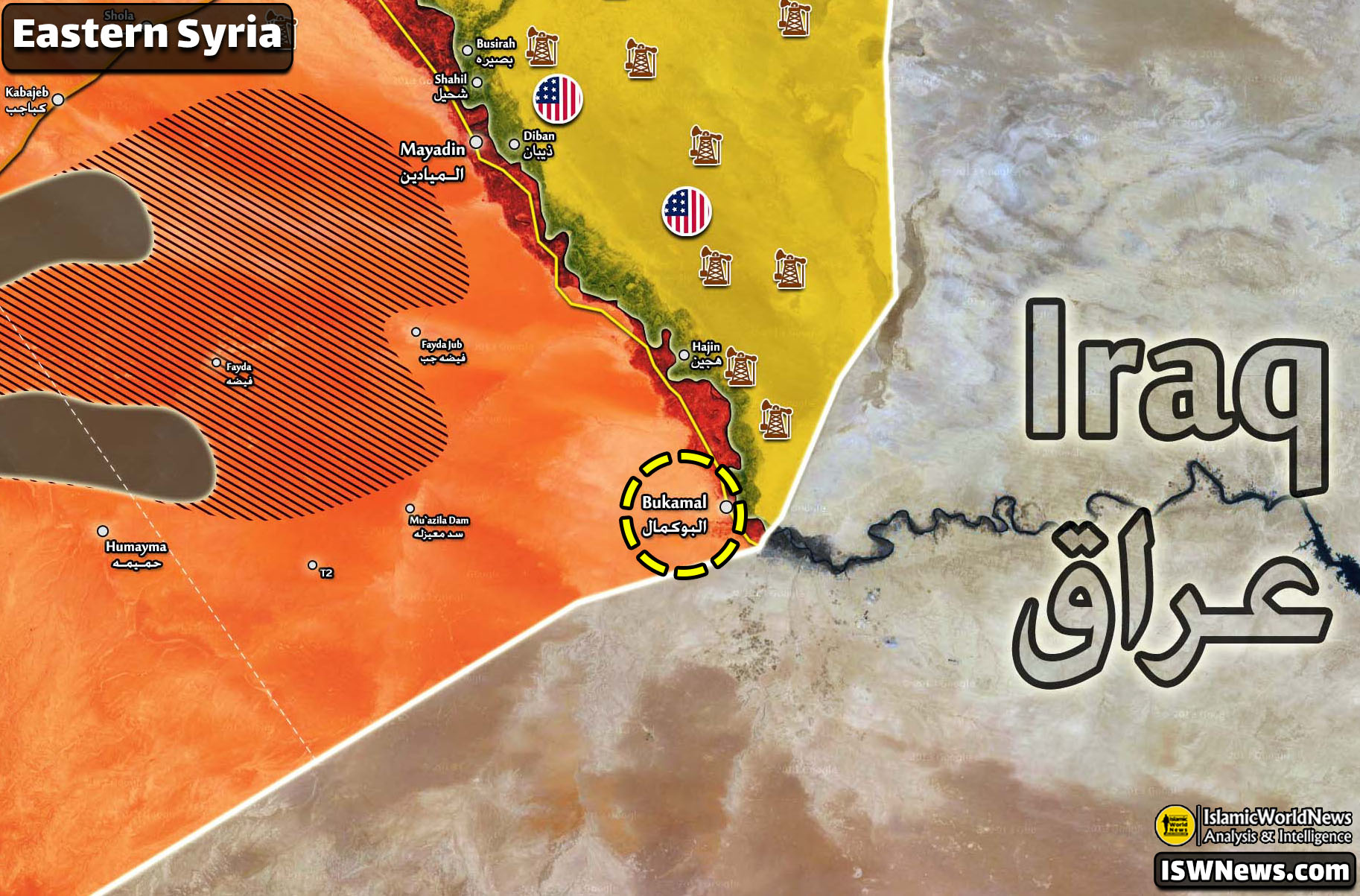
On January 7, US aircraft targeted a convoy of several trucks that had entered Syrian territory from Iraq near the city of Al-Bukamal. This attack did not result in any casualties.
Shortly after this air strike, Islamic resistance groups in Syria launched rocket attacks on the positions of the US-led coalition in the Al-Omar oil field located in the Deir ez-Zor Governorate of eastern Syria near the border with Iraq. It is said that this attack, involving 30 rockets, was carried out in response to the US air strikes on Al-Bukamal.
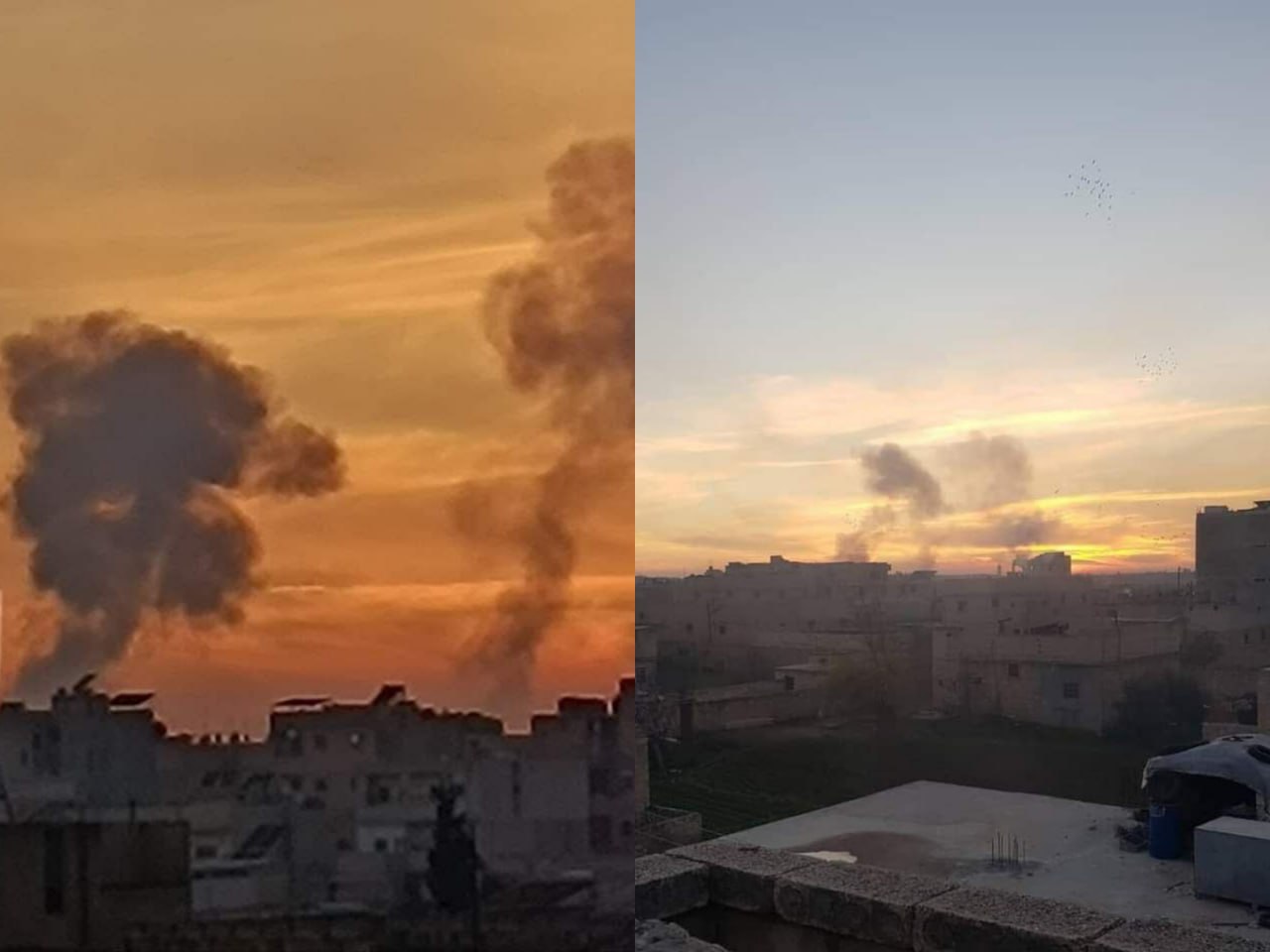
American airstrikes on Al-Bukamal
The exchange of fire and clashes between the Islamic resistance axis and US terrorist army have intensified in recent weeks, with both sides responding to each other’s actions within less than 24 hours.
According to an analysis by the IWN, this is the twenty-third attack against US military bases in the Al-Omar oil field in recent weeks.
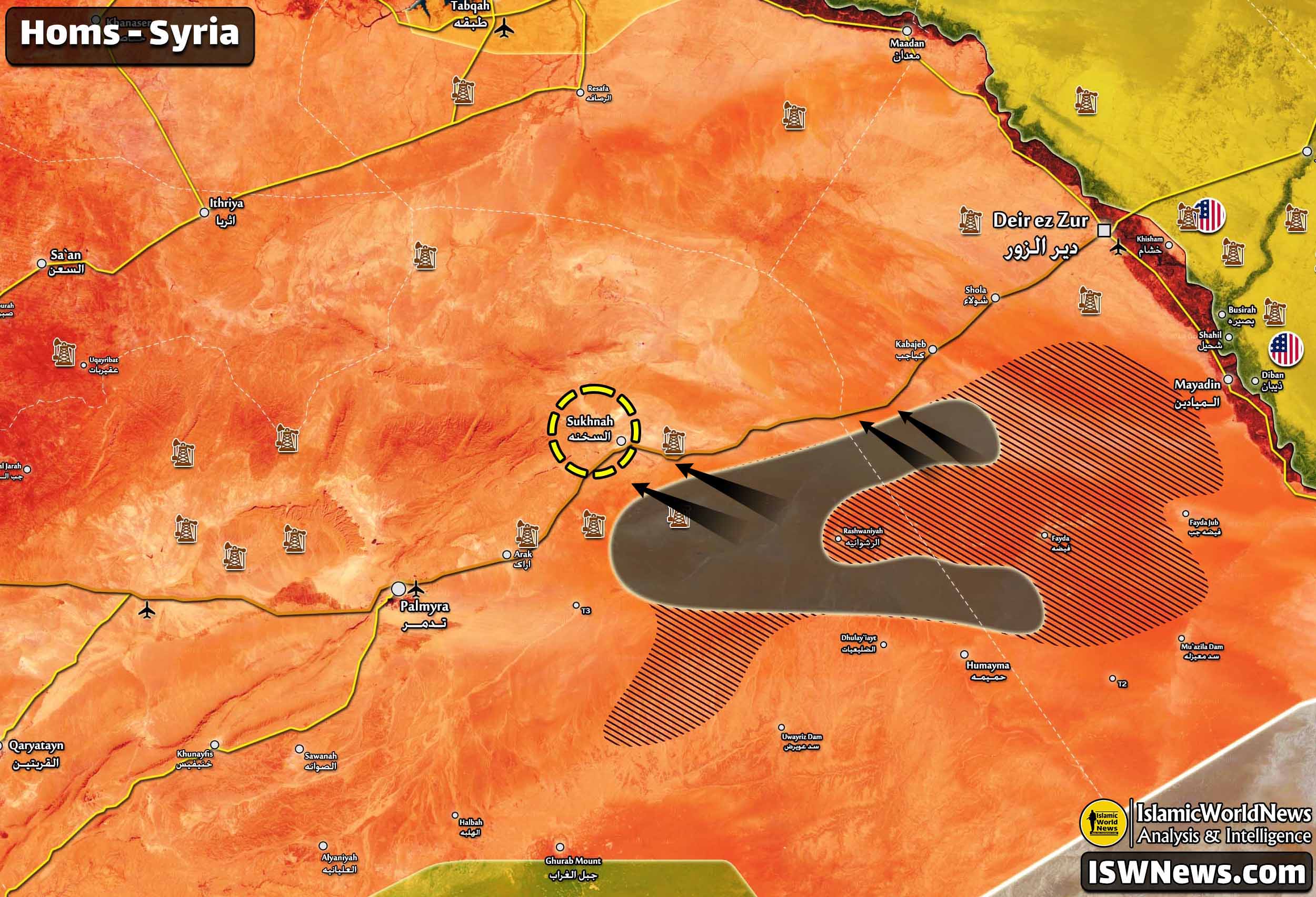
On January 7, ISIS terrorists launched their attack on Al-Sukhnah, located in the Homs Governorate, from the Al-Taybah and Al-Kum axes (in north), Al-Zabiat axis (in south), and the Arak axis (in west). This led to intense clashes between the terrorists and the Syrian armed forces.
As a result of this confrontation, three Syrian soldiers were martyred, and several others were injured. Additionally, several ISIS terrorists were also killed.
It is worth mentioning that the geographic location of Al-Sukhnah, close to areas under ISIS infiltration, which are also their hideouts (southwest of Deir ez-Zor desert and east of Palmyra ancient city), has made it a frequent target of attacks by ISIS terrorists.
The analysis of raids and movements made by the ISIS group indicates an increase in their activities through the support and requests of the United States. The major aim of these ISIS attacks in the Syrian governorates such as Deir ez-Zor, Homs, etc., is to disrupt and weaken the resistance axis.
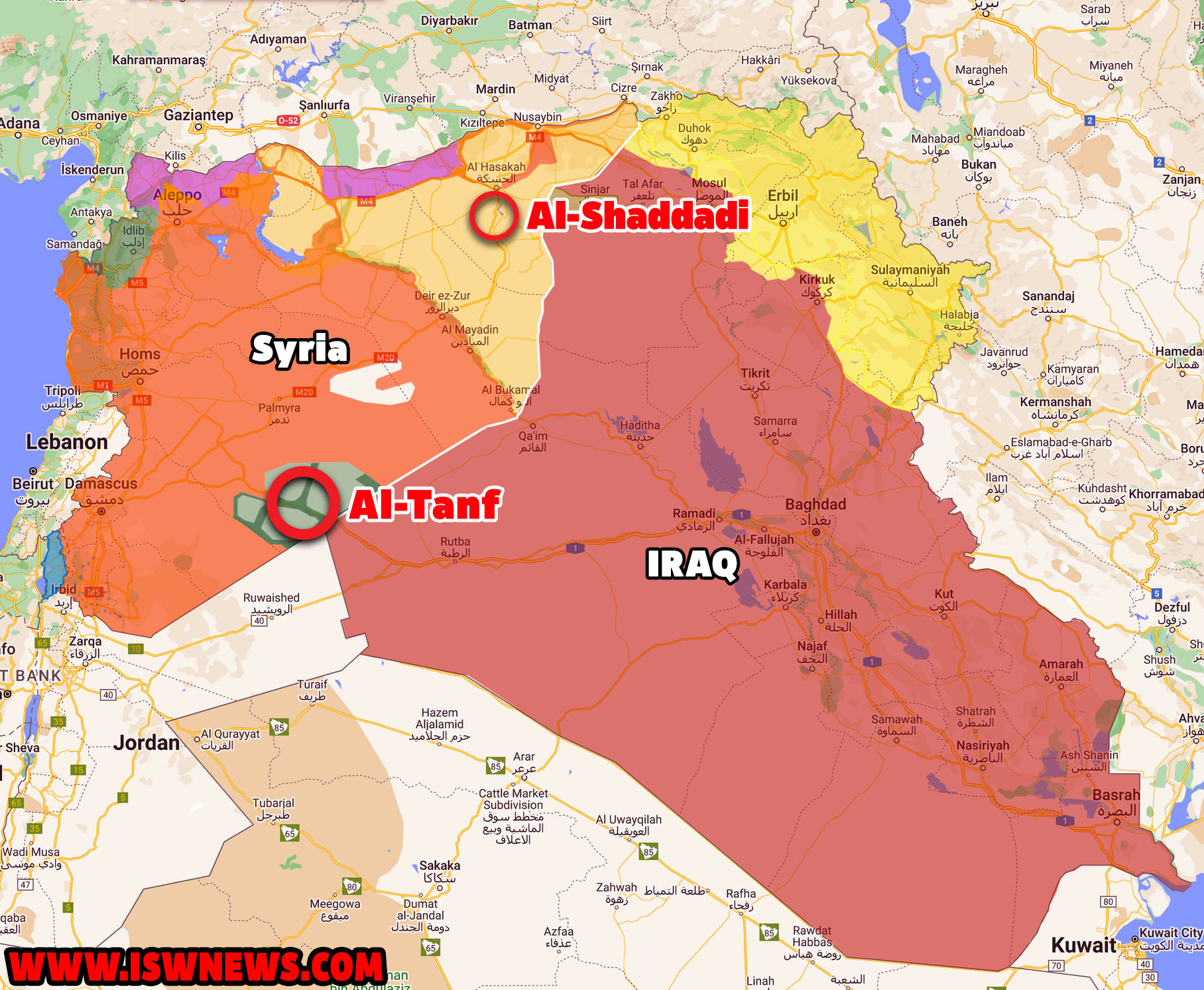
On January 5, the Islamic Resistance in Iraq targeted the US-led coalition forces stationed at the al-Shaddadi base in the Al-Hasakah Governorate and al-Tanf region in southern Syria with two suicide drones.
According to investigations made by the IWN, this round of strike was the 11th attack on the positions of the US military forces in the al-Tanf area and the 17th attack on American positions at the al-Shaddadi base in recent weeks.
According to a Syrian military source, “at around 04:35 (local time) on Tuesday, the Israeli regime targeted some areas in southern Syria from the occupied Golan Heights. This attack caused material damages.“
It is worth mentioning that on December 30, the Israeli warplanes attacked several targets in the south of Aleppo with several missiles.
According to a Syrian military source, “around 17:20 (local time) on Saturday, the Zionist enemy attacked a number of areas south of Aleppo from the Mediterranean Sea in the west of Latakia with several missiles. This attack resulted in material damages.“
More details have not been released on this matter so far.
It is worth noting that yesterday, the Israeli fighter jets fired a number of missiles at targets in the suburbs of Damascus twice.
In the early morning of December 30, the positions of the Islamic resistance groups in the city of Al-Bukamal, located in the Deir ez-Zor Governorate, were targeted by the United States terrorist army’s airstrikes.
According to local sources, the US aircraft targeted a convoy consisting of 8 trucks around the border city of Al-Bukamal and several other targets within the city. As a result of these attacks, at least 5 individuals were martyred.
The video attributed to the US attack on resistance groups in Al-Bukamal.