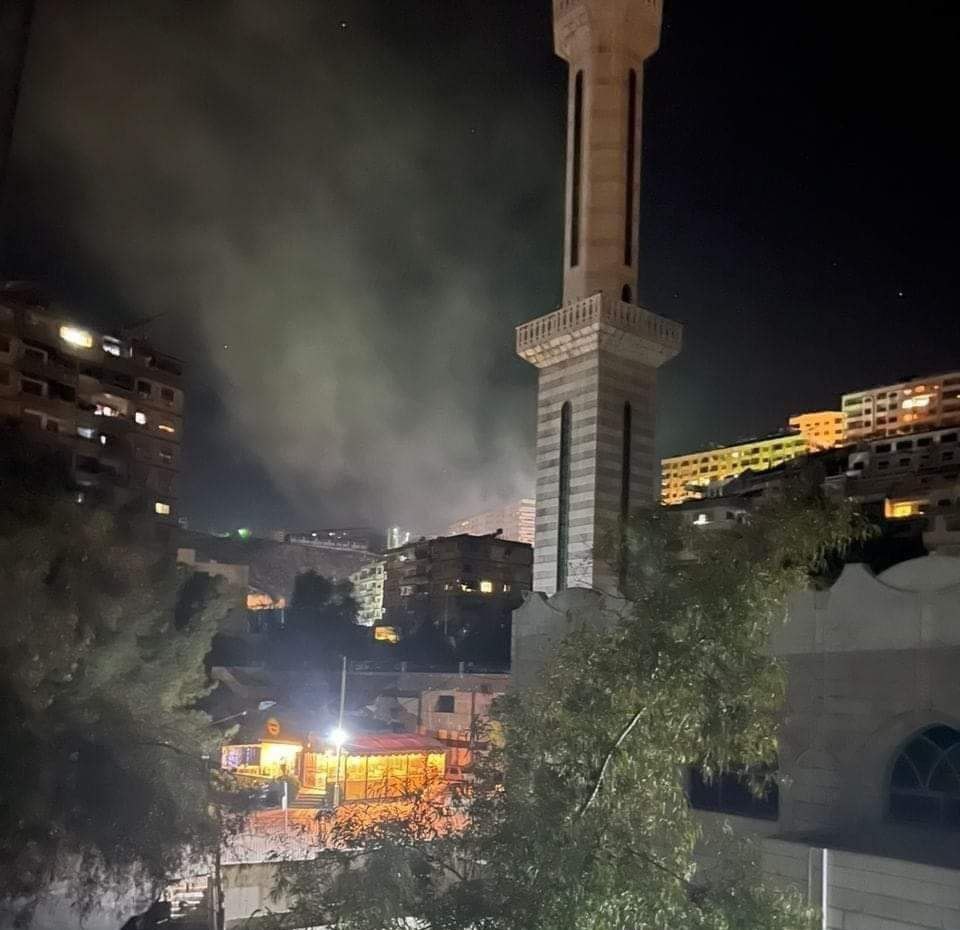
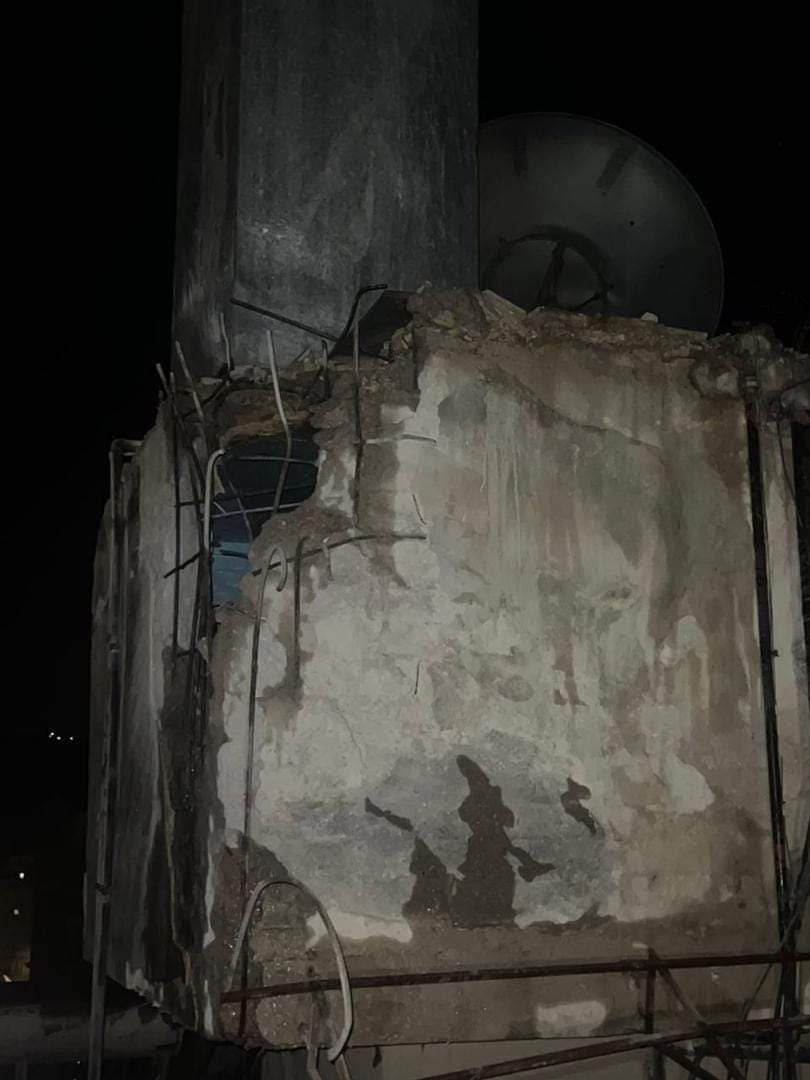
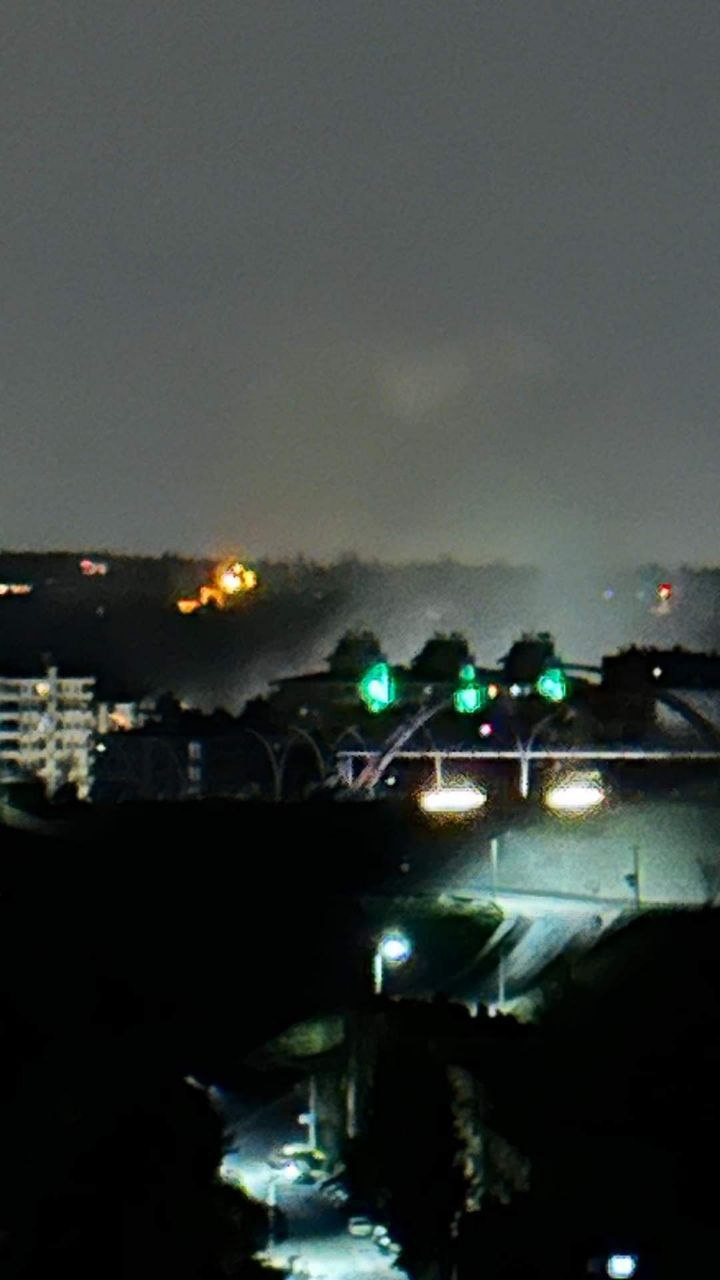
According to military sources, around 01:50 local time on Saturday, the Israeli regime carried out an airstrike on certain points in the outskirts of Damascus from the occupied Golan Heights.
The Syrian army’s air defense system successfully destroyed some Israeli missiles. However, this air raid resulted in material damage.
It is said that a house in the al-Dimas town, located west of the capital city Damascus, was the target of the Israeli air strike. Further details have not been disclosed in this regard so far.
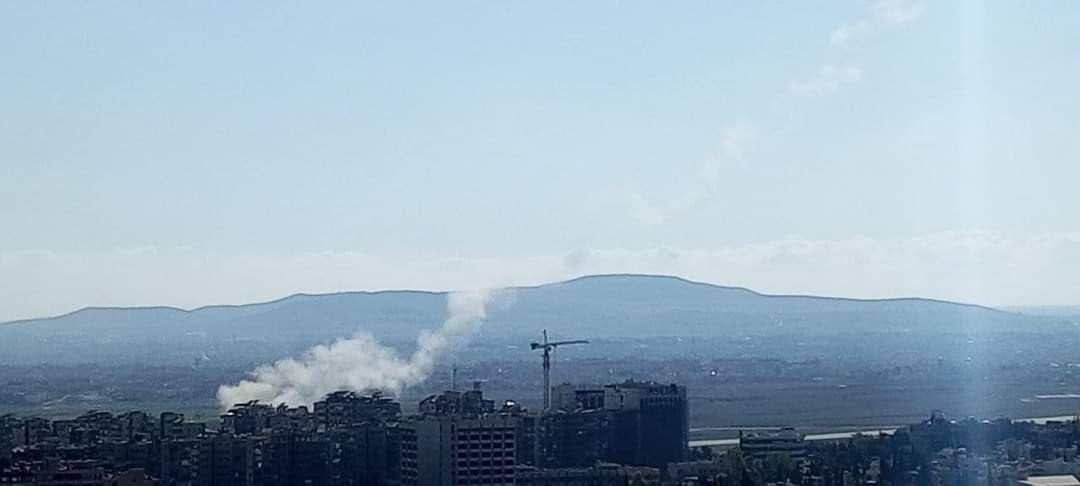
It is worth mentioning that this is the second Israeli attack on Syria in the past 24 hours. On Friday, three Israeli suicide drones entered Syrian airspace, with the Syrian air defense system intercepting two of them and the third drone hitting an area near Al- Mezzeh Military Airport in south-west of the old center of Damascus.
On February 9, local sources reported the sound of an explosion in the western outskirts of Damascus and announced that the Syrian army’s air defense systems were activated to track hostile targets.
In this regard, a military source stated that around 14:10 local time on Friday, two drones entered Syrian airspace from the occupied Golan Heights, and the Syrian army’s air defense shot down both drones in the western areas of Damascus.
It is said that one of the drones crashed near the Al-Mezze Military Airport, and further details have not been released.
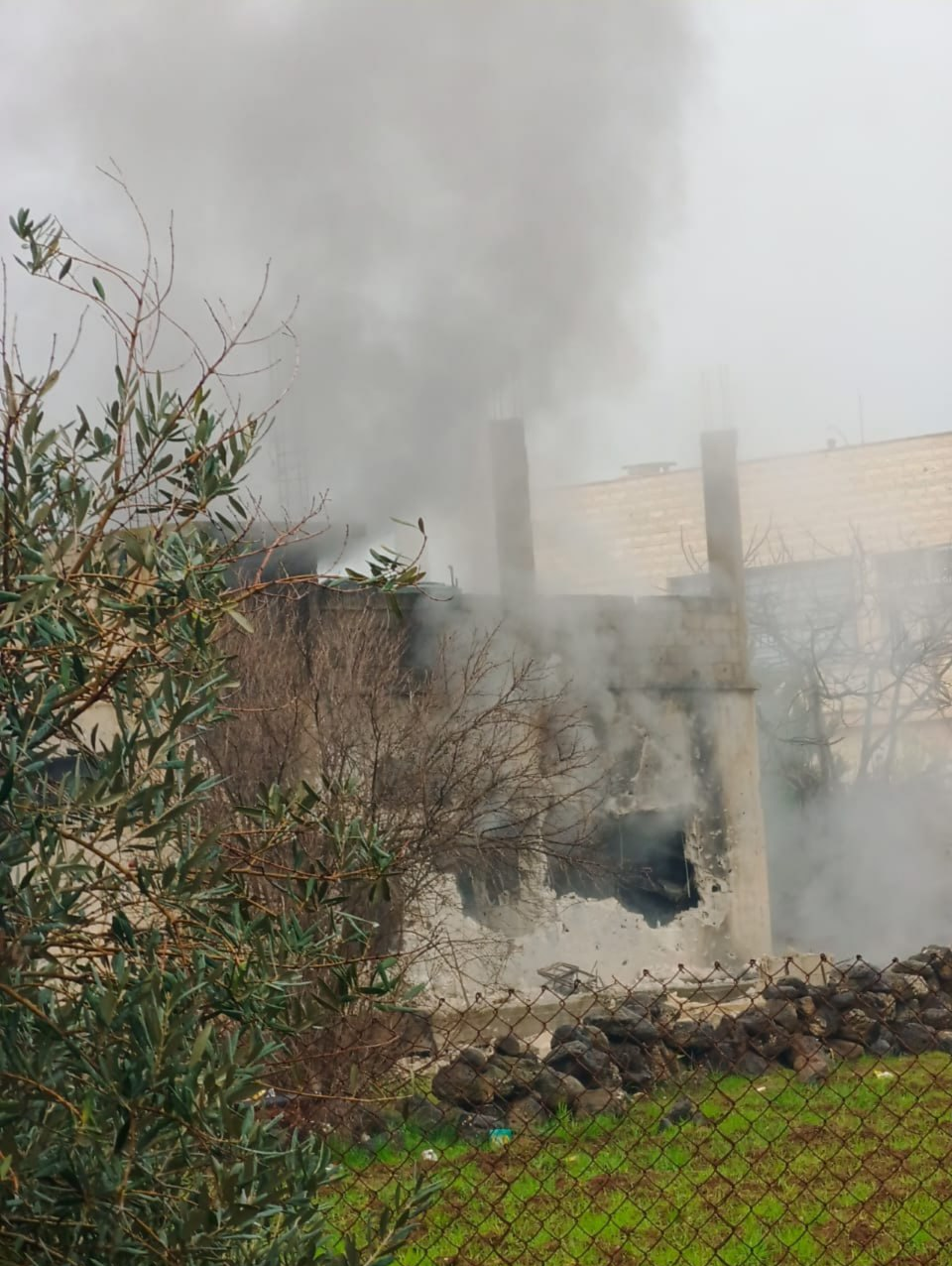
The place where the Israeli drone crashed
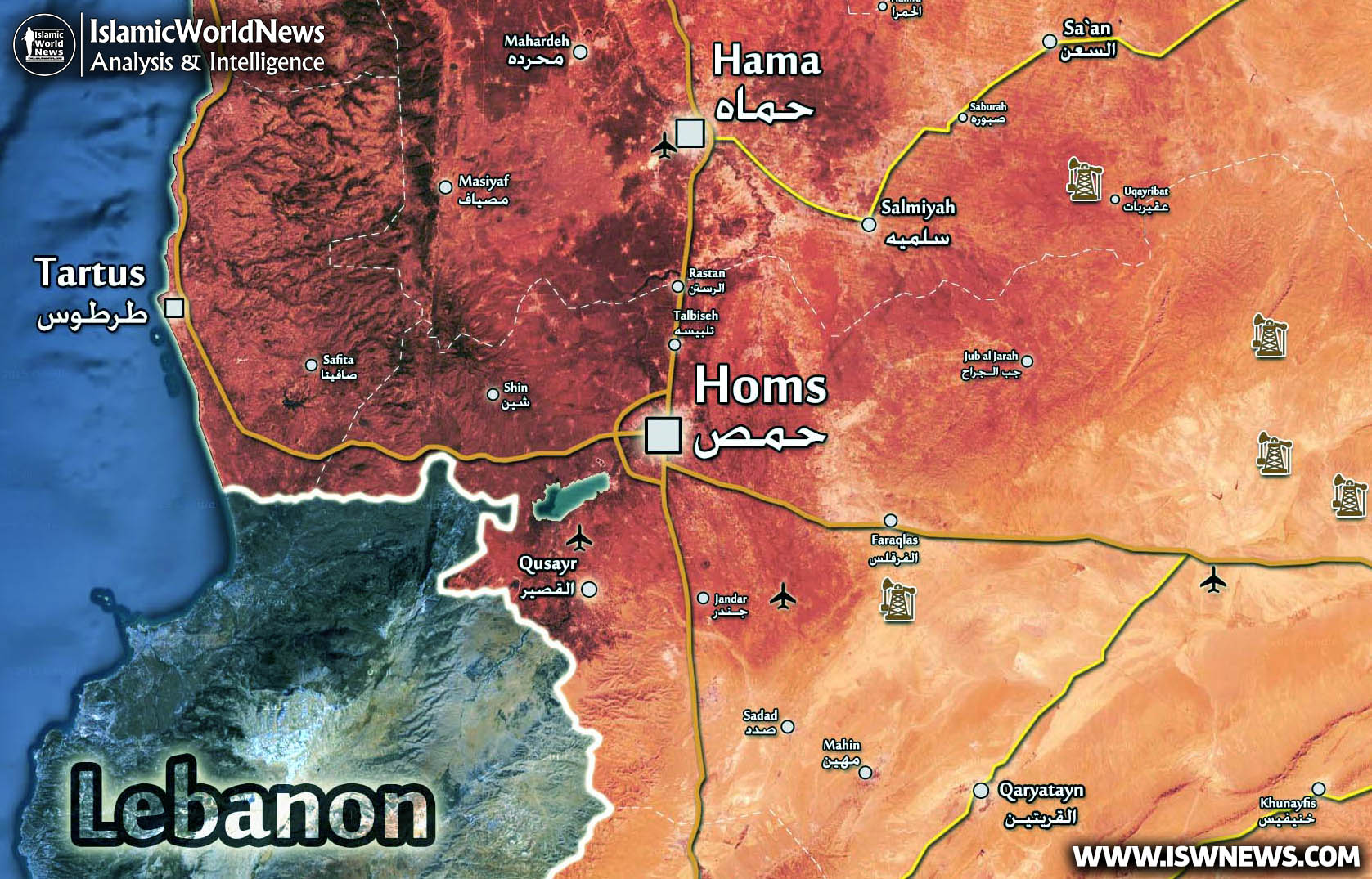
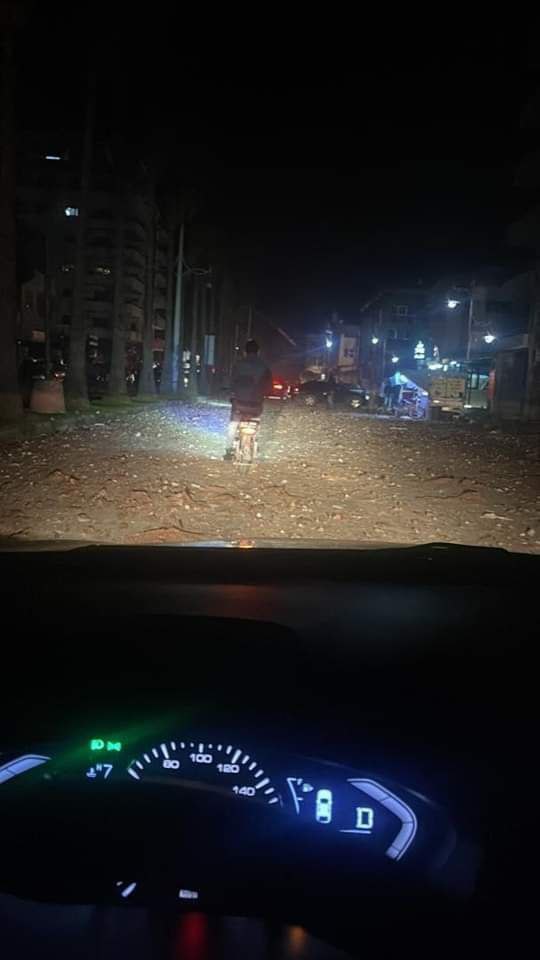
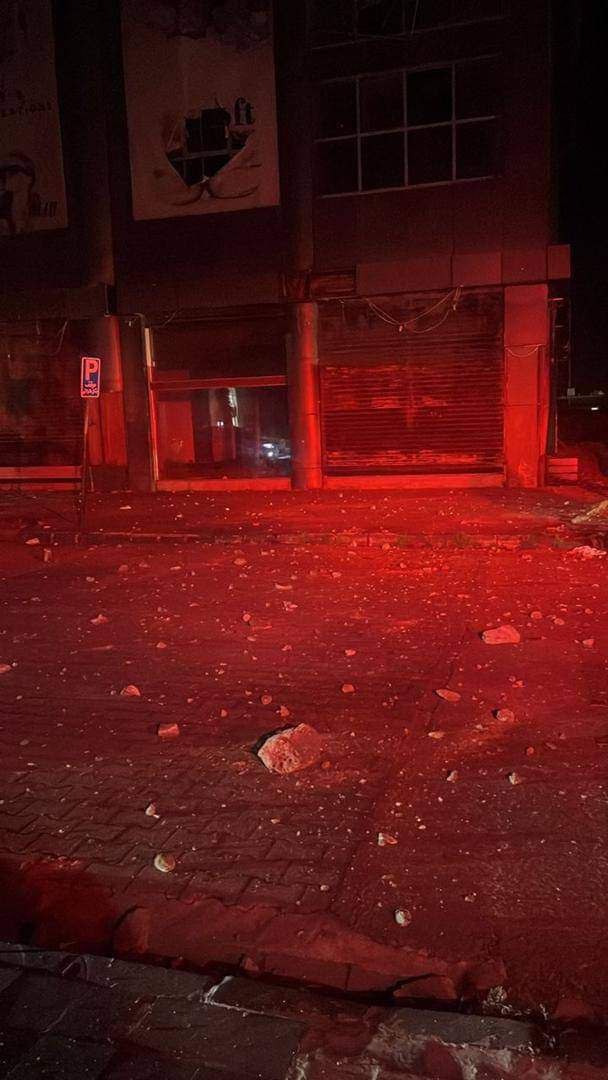
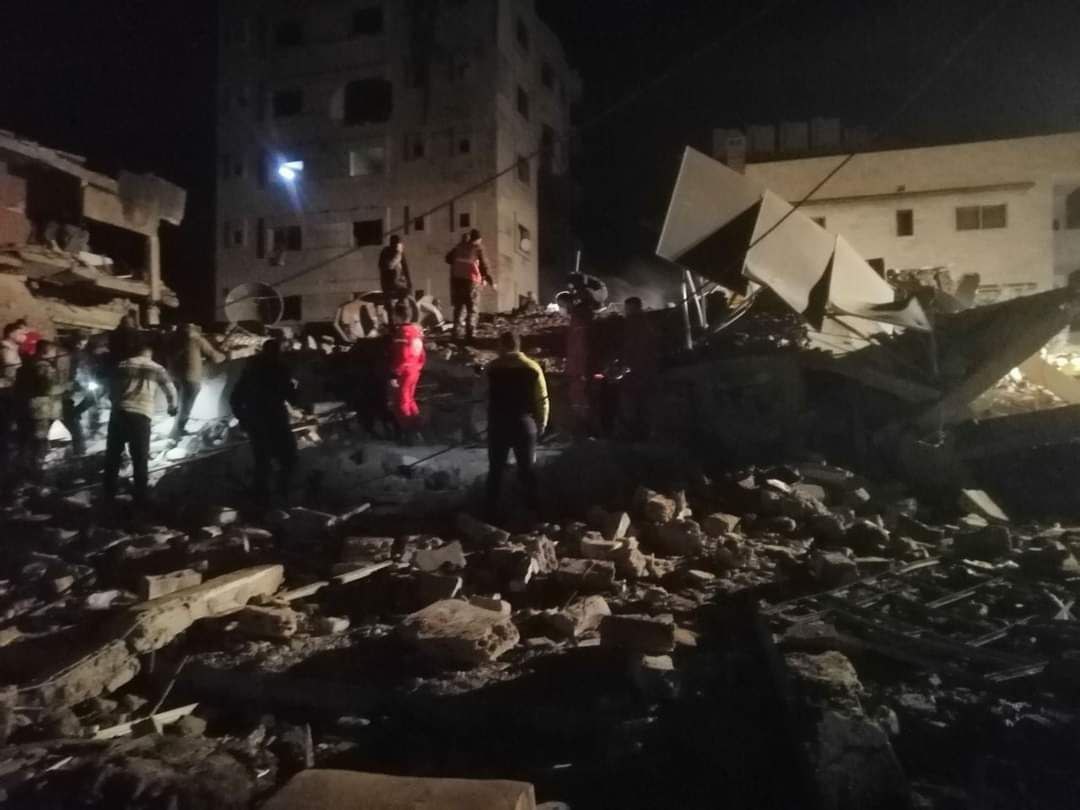
It is worth noting that the Israeli regime fighter jets also fired several missiles towards targets in the city of Homs on February 7, resulting in 10 Syrians being martyred and 13 others injured.
According to a Syrian military source, “at around 00:30 (local time) on Wednesday, the Israeli regime targeted some locations in the city of Homs and its surroundings from the north of Tripoli. The Syrian air defense systems succeeded in destroying a number of Israeli missiles. This aggression led to the martyrdom and wounding of a number of Syrian civilians and financial damage to public and private property.”
According to Homs health director, Dr. Muslim Al-Atassi, the final death toll of Israeli regime airstrikes on the city of Homs is seven martyrs and 13 wounded.
The Israeli airstrikes reportedly targeted a site in the north of the city, a building behind the municipal stadium and another place near the reconstruction department in the south of Homs city.
It is worth mentioning that on February 2, the Israeli regime’s military jets fired a number of missiles at targets in the southern districts of the capital city of Damascus, during which one of the IRGC military advisers was martyred.
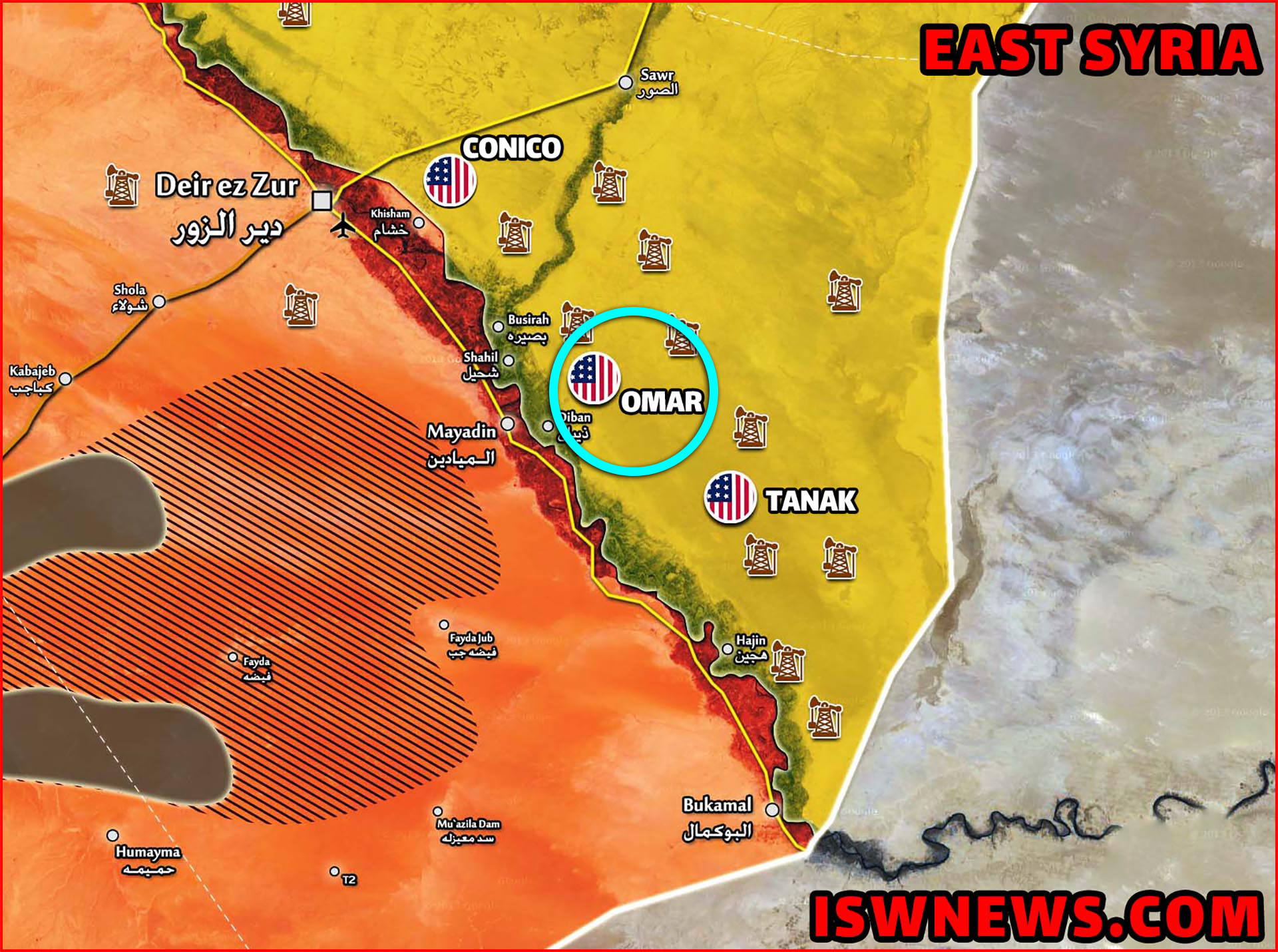
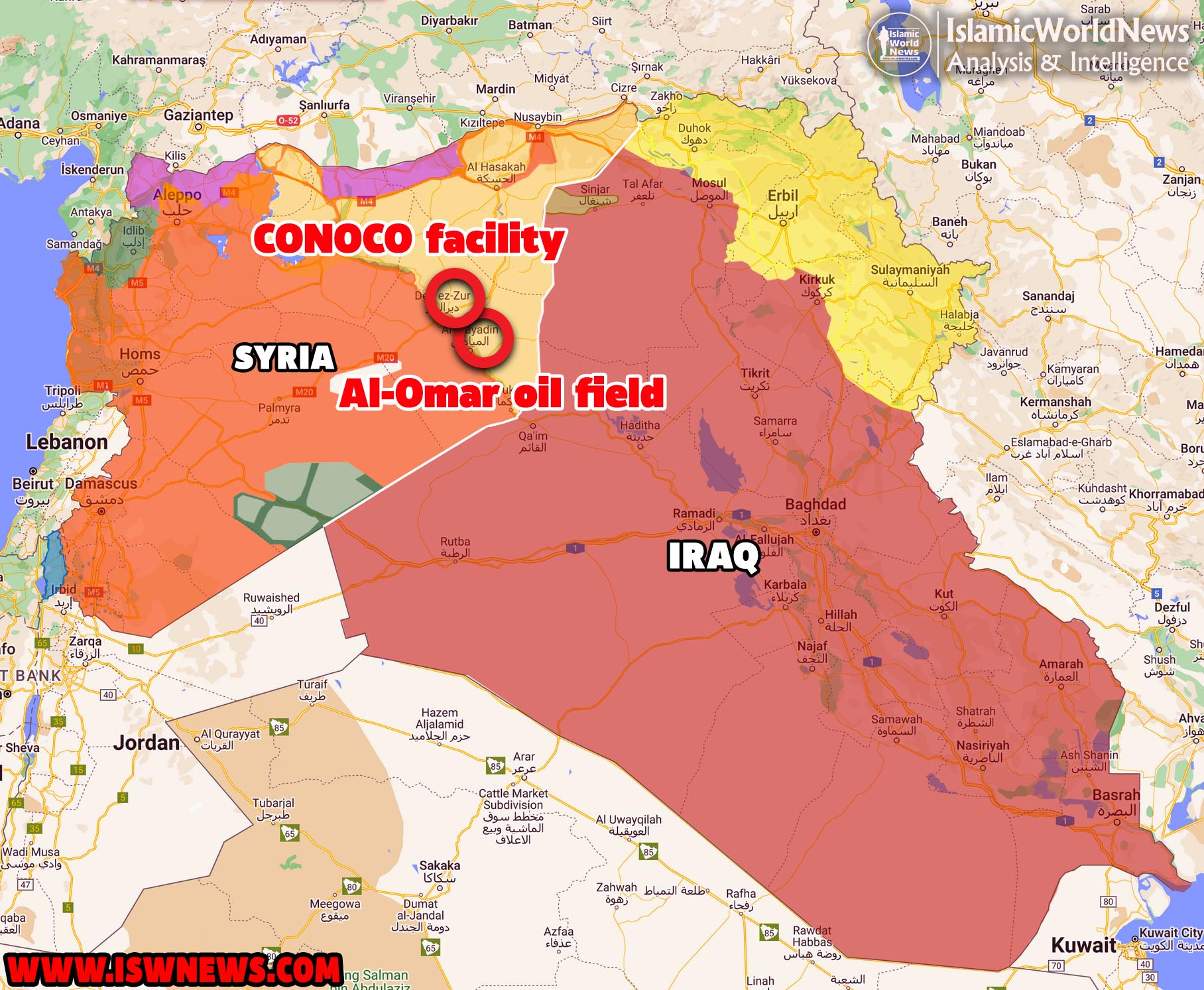
Hours later, Syrian Democratic Forces acknowledged the casualties and said: “We affirm our right to an appropriate military response to the source of the attack on the Al-Omar field.”
As mentioned before, it seems very unlikely that the US “so-called retaliatory attacks’ will have any effect in reducing or stopping the resistance attacks on the US bases in the region.
According to IWN assessment, this is the 28th attack on the American base in al-Omar oil field after the start of the war in Gaza.
These attacks have been carried out just a few hours after the US “so-called retaliatory attacks’ on the positions of the resistance groups in Iraq and Syria. As mentioned earlier, it seems very unlikely that the US strikes will have any effect in reducing or stopping the resistance attacks on the US bases in the region.
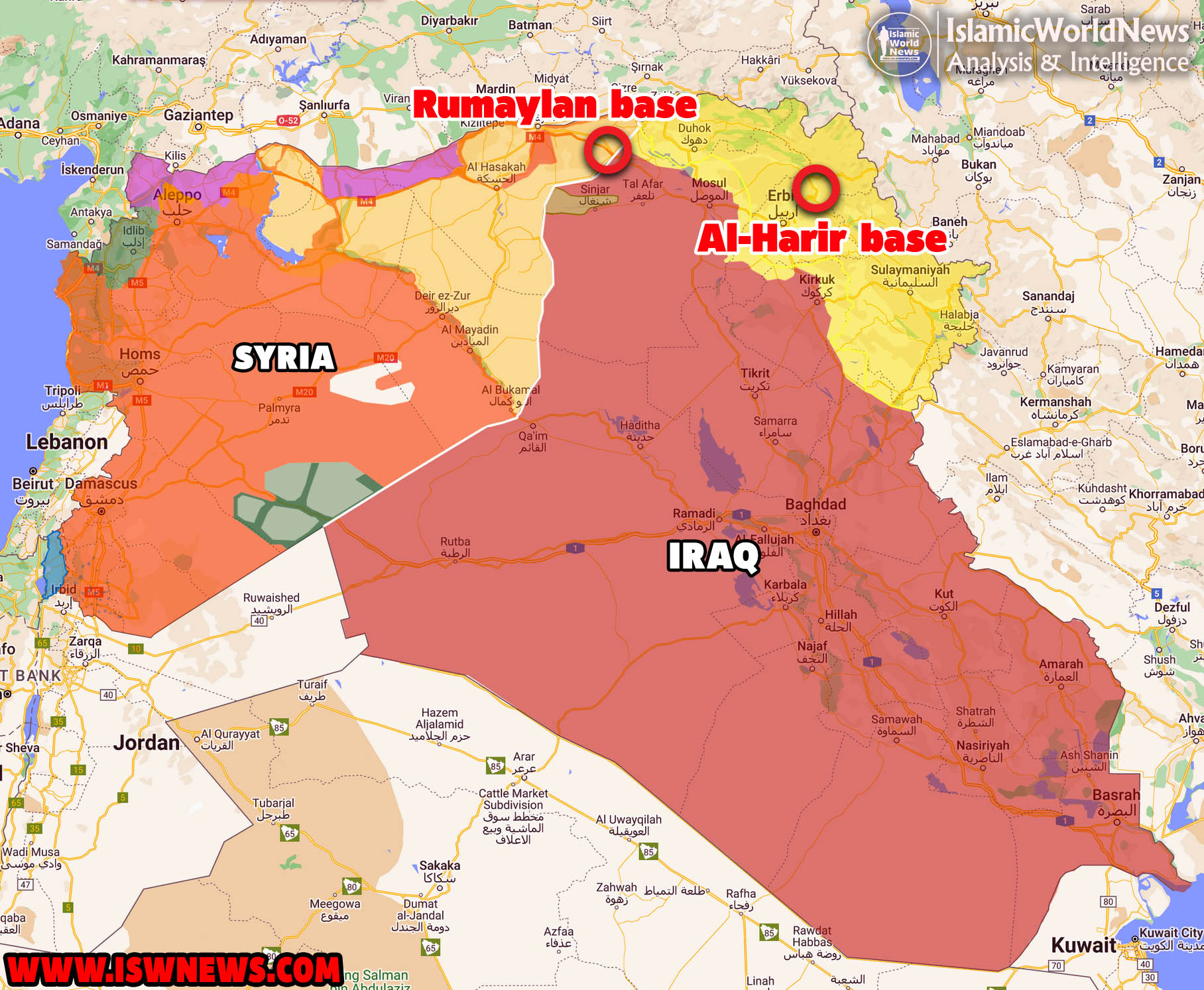
It’s worth mentioning that this is the 14th attack by the resistance groups against the Rumaylan base (Kharab al-Jir) and the 35th attack against the al-Harir base after the start of Israel aggression in the Gaza Strip.
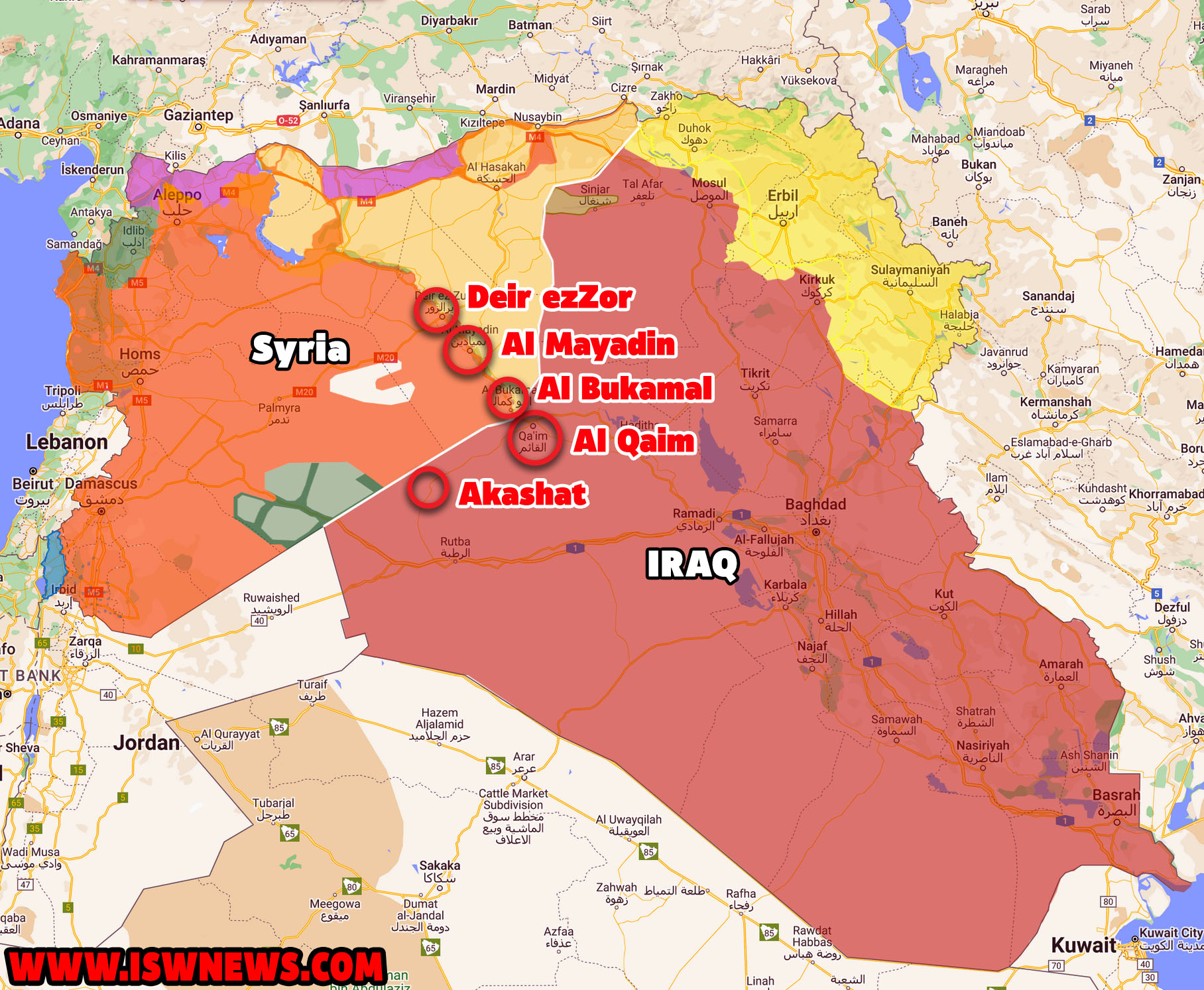
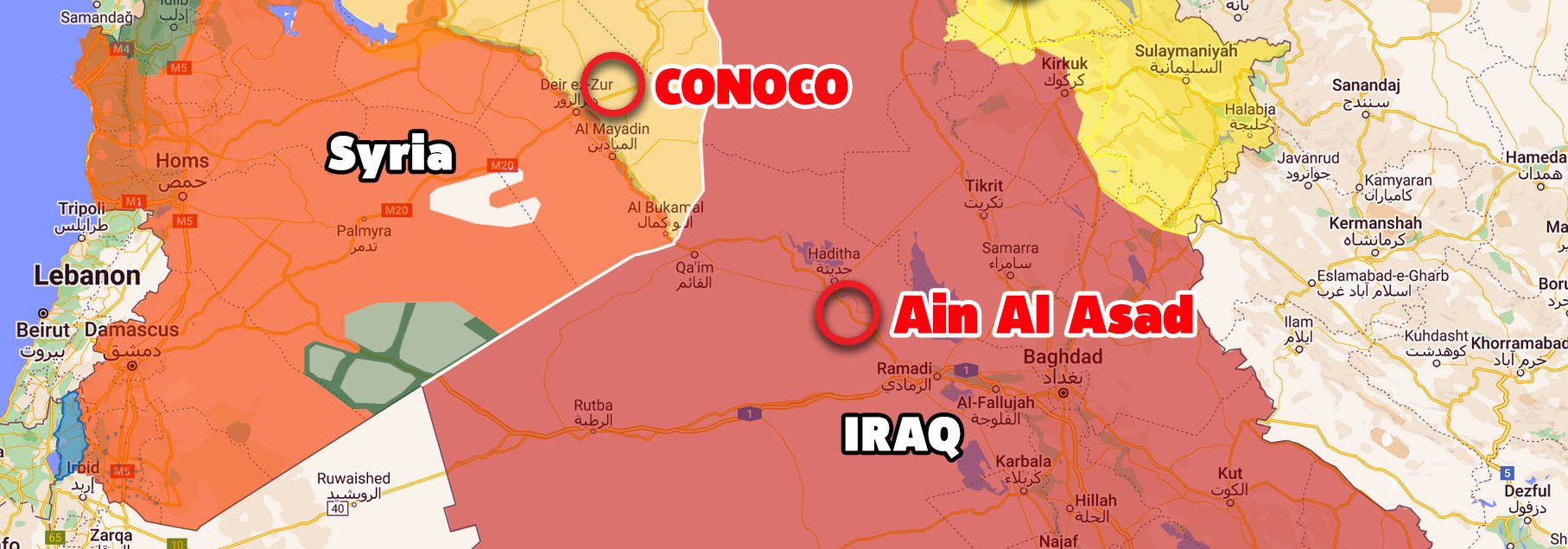
In the evening of February 2, the US aircraft launched a series of airstrikes against the positions of the resistance groups in different areas of Deir Ezzor province in Syria and Anbar in Iraq. Based on preliminary information from local sources, the positions of resistance groups near the cities of Al-Bukamal, Al-Mayadeen and Deir ez-Zor in Syria and Al-Qaim in Anbar province of Iraq were targeted in these attacks.
It is said that in addition to the B-1B bombers and F-15E fighters, the A-10C Thunderbolt aircraft of the US Air Force based at Al-Dhafra Air Base in the United Arab Emirates also participated in US airstrikes in Iraq and Syria.
Air attack on an ammunition depot in Akashat, Iraq
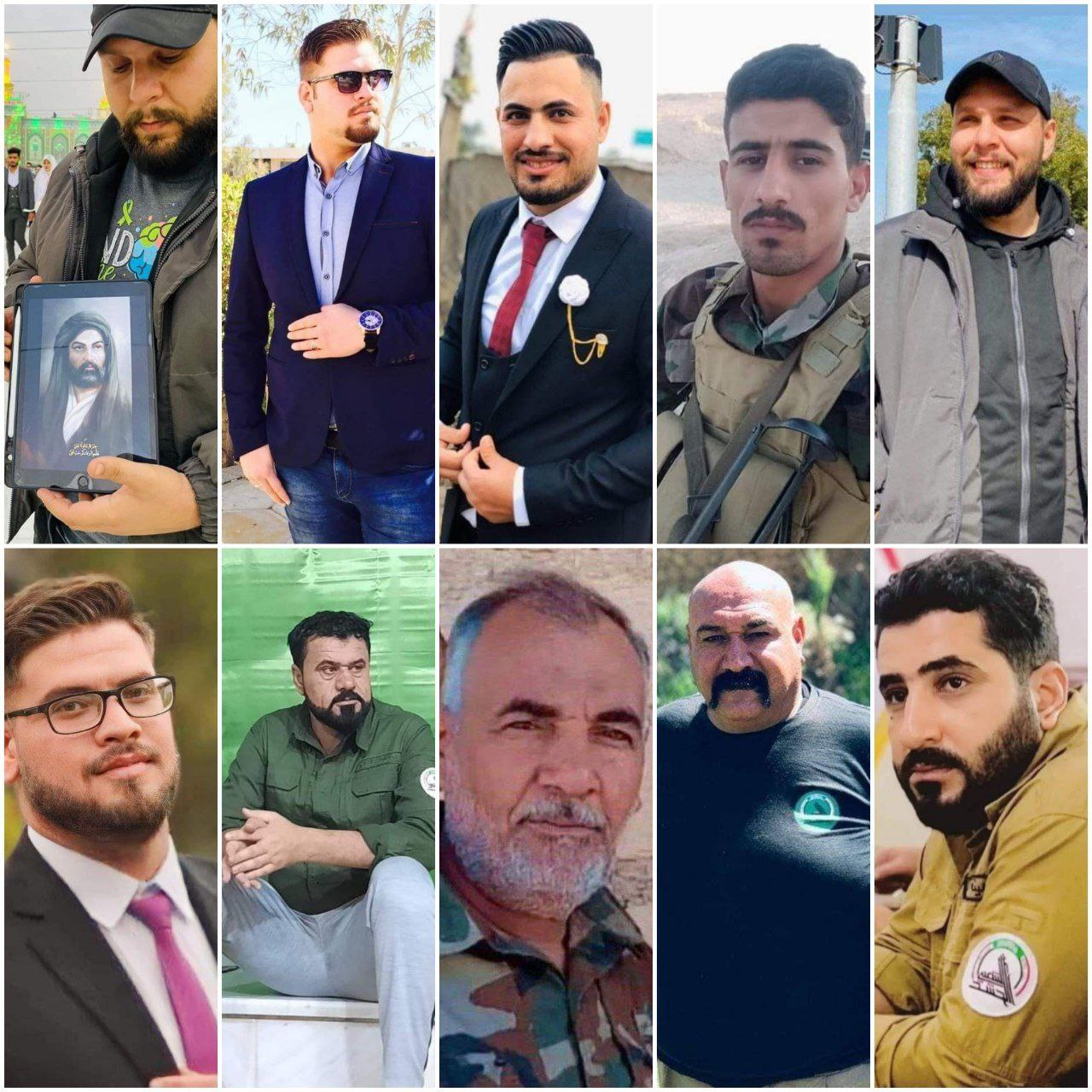
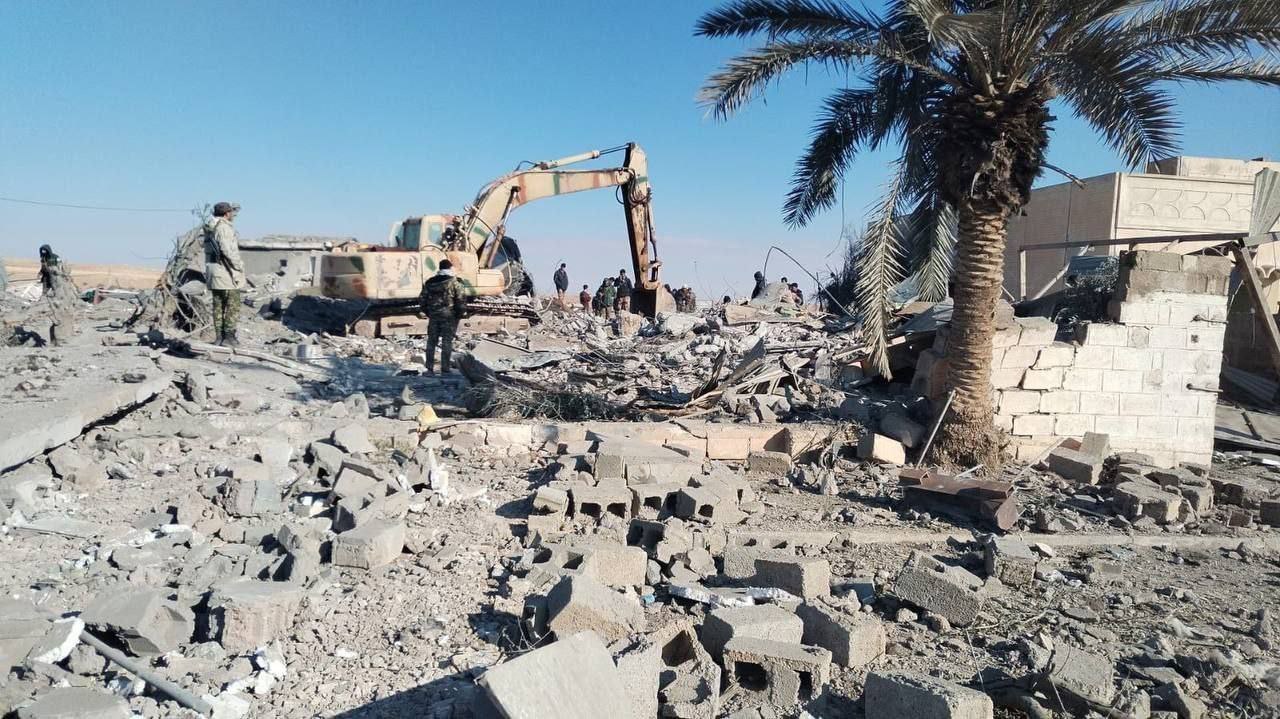
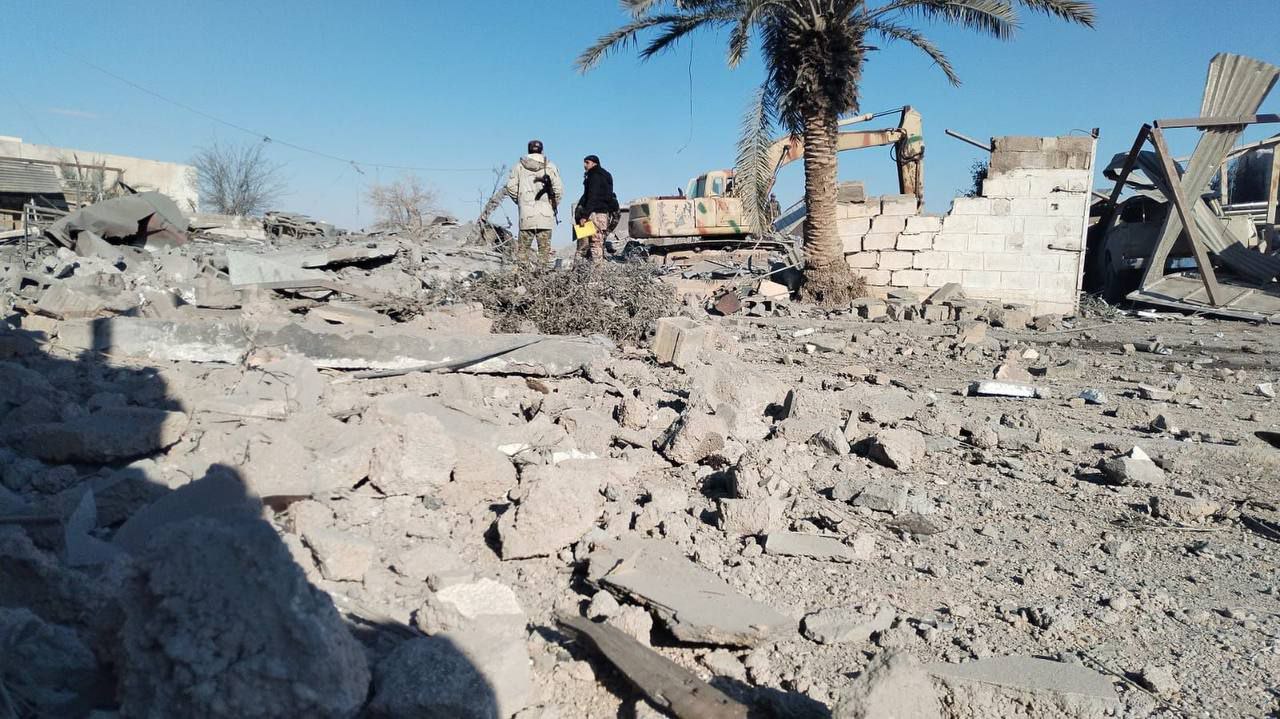
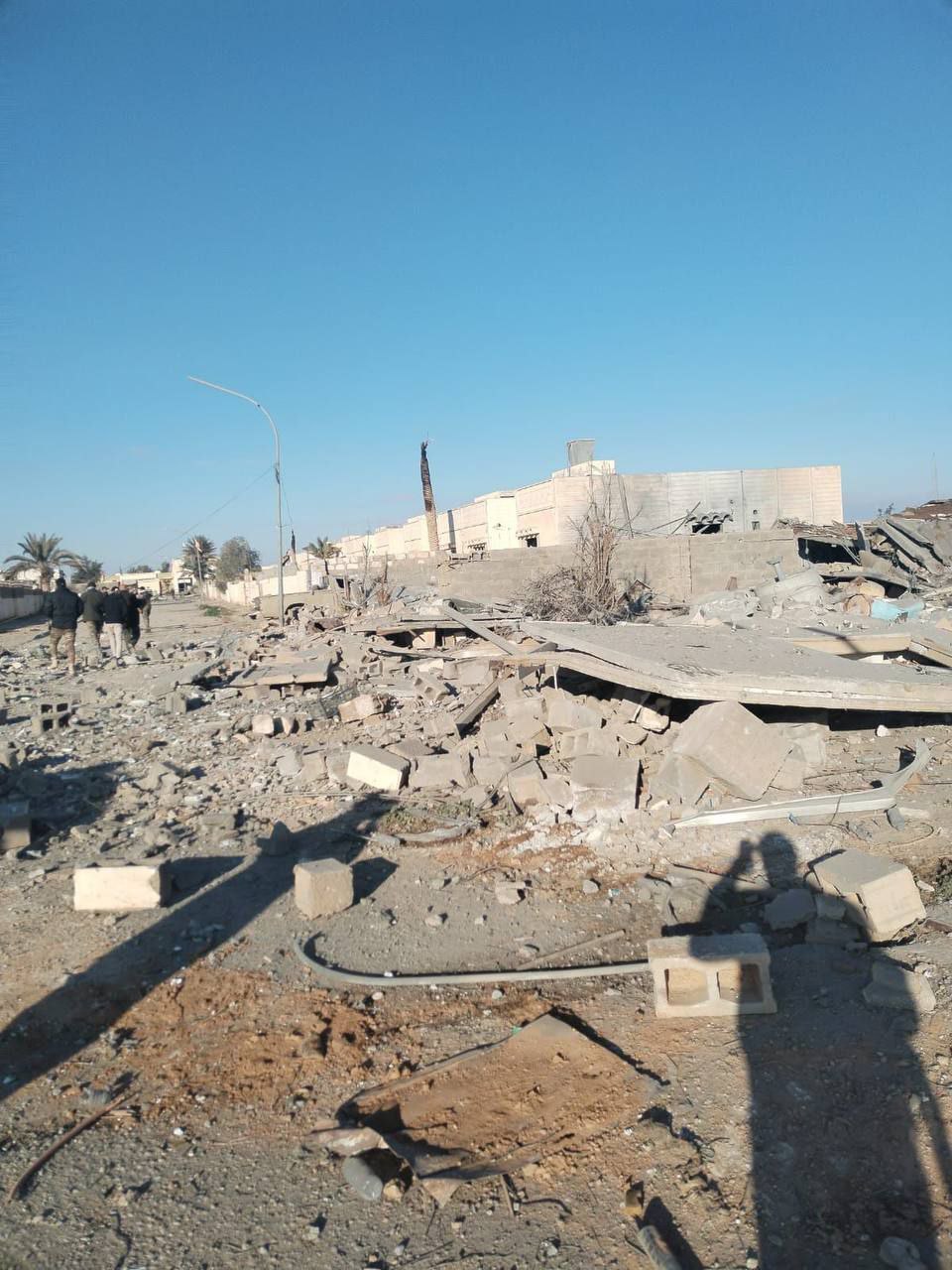
According to the latest information (12:00, February 3), at least 16 Iraqis were martyred and 36 others were wounded in US airstrikes on Al-Qaim and Akashat areas of Iraq.
Pictures of the martyrs of the 13th Brigade of Hashd al-Shaabi (PMU) who were martyred by the US airstrikes
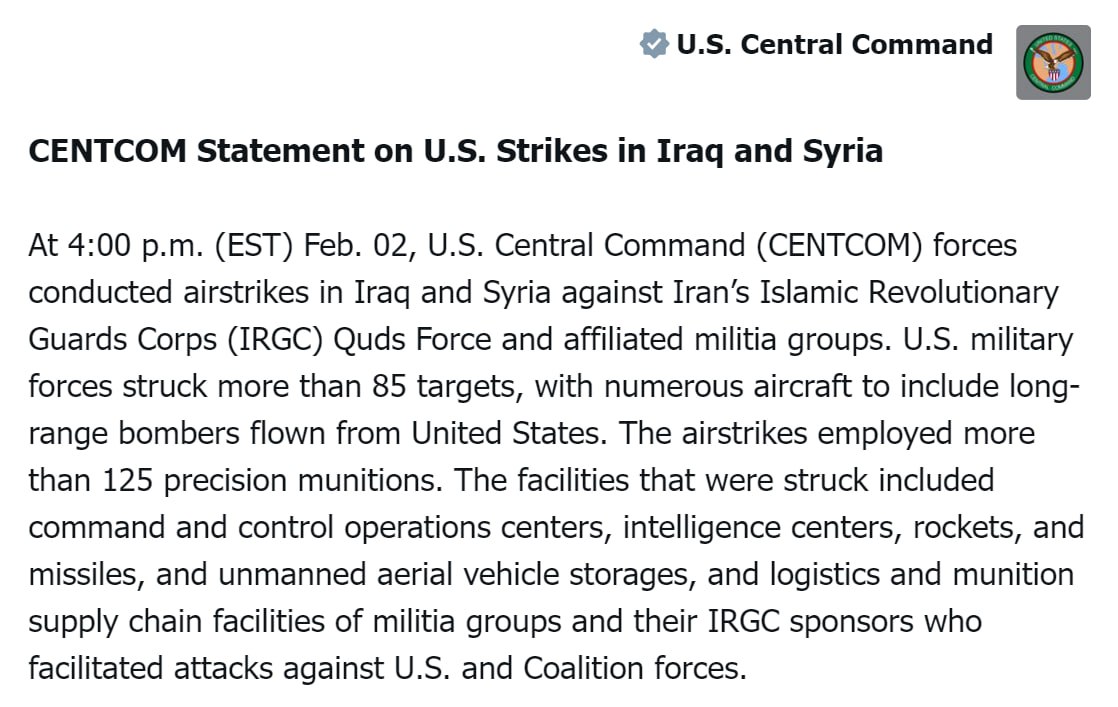
Minutes after the attacks, US CENTCOM released a statement announcing the details of the attacks as follows:
“At 4:00 p.m. (EST) Feb. 02, U.S. Central Command (CENTCOM) forces conducted airstrikes in Iraq and Syria against Iran’s Islamic Revolutionary Guards Corps (IRGC) Quds Force and affiliated militia groups. U.S. military forces struck more than 85 targets, with numerous aircraft to include long-range bombers flown from United States. The airstrikes employed more than 125 precision munitions. The facilities that were struck included command and control operations centers, intelligence centers, rockets, and missiles, and unmanned aerial vehicle storages, and logistics and munition supply chain facilities of militia groups and their IRGC sponsors who facilitated attacks against U.S. and Coalition forces.”
USCENTCOM statement
It should be noted that after three American soldiers were killed and 40 others were wounded in the drone attacks of the Iraqi resistance forces on the American military base in the Al-Tanf region of Syria, the US authorities had announced that they would organize retaliatory attacks in response to this attack. According to US military officials, the plan to attack resistance bases in Iraq and Syria will be carried out in several stages and in different time frames.
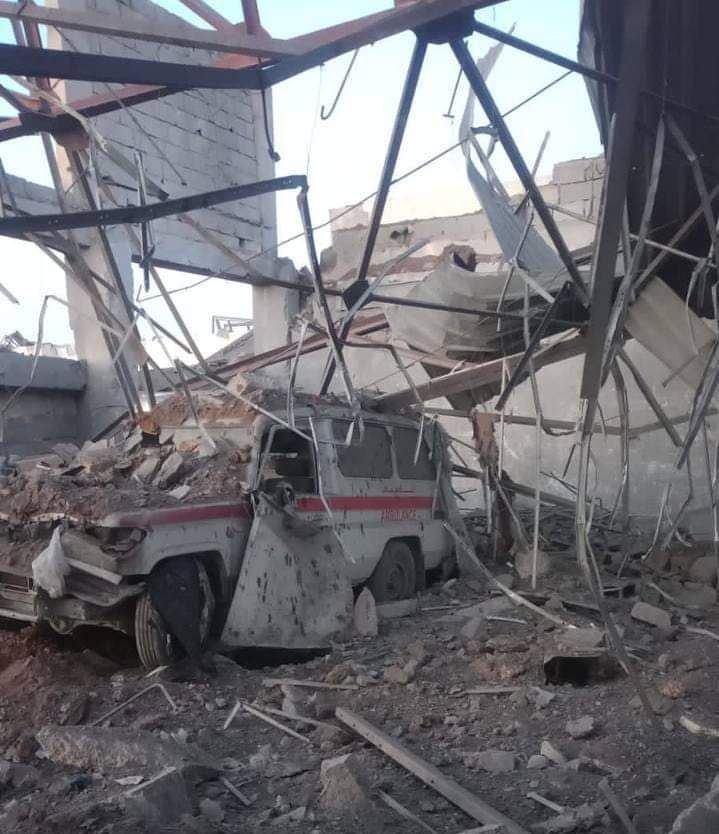
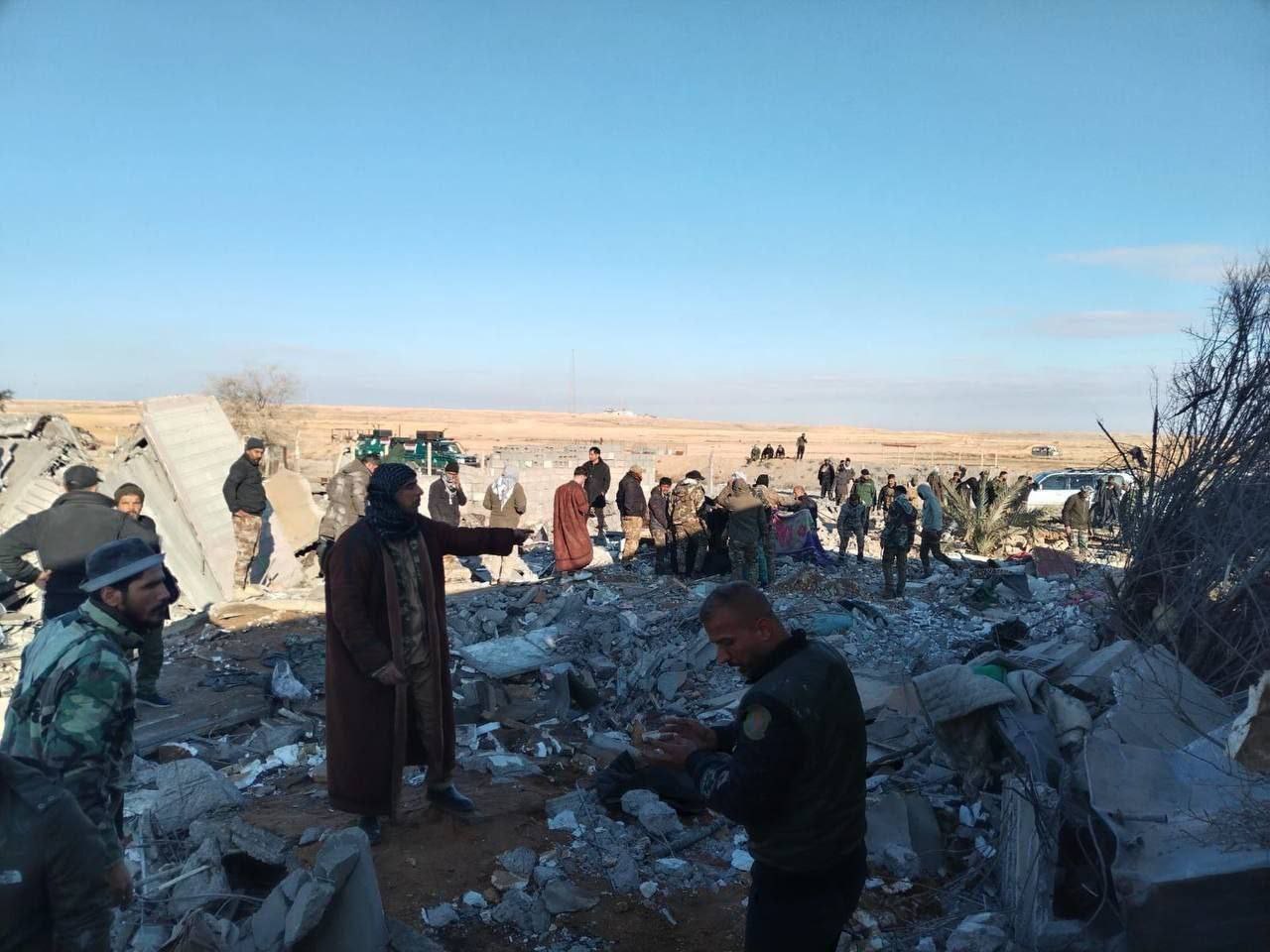
Aftermath of US airstrikes in Anbar province of Iraq
According to what American officials and main stream media claim, the US airstrikes were aimed at disrupting the logistics and supply chain of the Iran’s IRGC and the Iran-backed resistance groups in Iraq and Syria. The so-called retaliatory airstrikes of the United States take place while even some prominent American experts and political figures acknowledge the futility and ineffectiveness of these attacks. Before these attacks, Biden and the US military officials have repeatedly announced that they do not intend to have a direct conflict with Iran and increase tension in the region. These attacks and this type of reaction actually convey the US weakness. Basically, according to the capabilities and military equipment that United States has deployed in the West Asian region for years, there is no need to use long-range bombers and create so much noise! On the one hand, Biden and the US government are under severe pressure from American public opinion due to the death of three soldiers of this country in a recent attack and numerous missile, rocket and drone attacks on its bases in the last three months, and they are forced to react to get rid of this pressure. On the other hand, the United States knows very well that such airstrikes, which have been tried in Yemen before, will not affect the process of resistance attacks or stop them, but will certainly intensify the anti-US attacks. Although the attacks of the Iraqi resistance groups continued immediately after the US airstrikes on Iraq and Syria. Therefore, resistance still defines the rules of the game and the US is forced to follow and act on what the resistance dictates. The US’s “show of power” in the latest attack will not change the main equation going on in West Asia.
According to a Syrian military source, “at around 04:20 local time on Friday, the Israeli regime carried out an airstrike targeting some points in southern Damascus from the occupied Golan Heights in Syria.The Syrian army’s air defense successfully destroyed a number of the Israeli missiles. This attack resulted in material damage.”
Hours after the attack, it became clear that Saeed Alidadi, one of the Islamic Revolutionary Guard Corps military advisers was martyred during the attack.
It is worth mentioning that on January 20, the fighter jets of Israeli regime fired a number of missiles at a building in al-Mezzeh area of Damascus, which resulted in the martyrdom of five IRGC military advisors and the occurrence of material damages.
Also, on January 29, Israeli military jets fired a number of missiles at targets in the Sayyidah Zaynab town in the Rif Dimashq Governorate of Syria, resulting in the death and injury of several individuals and material damage.
Saeed Alidadi, the deceased Iranian military adviser
The Islamic Resistance in Iraq, an umbrella group representing several Iraqi armed factions, immediately began attacks against the forces of the Israeli regime in the region a few days after the onset of the battle between the Israeli regime military forces and the Palestinian resistance fighters. With the intensity of the clashes and the reaction of the United States to the resistance actions, the quality and quantity of the attacks also increased. Over time, the scope of these attacks expanded and spread to the positions of the Israeli-occupied territories.
Up to the time of writing this news story (23:00 Jan 30), resistance groups have carried out 200 missile, rocket, and drone operations against the illegal bases of the US terrorist army in the countries of Iraq and Syria as well as the occupied Palestinian territories.
These attacks by the Islamic Resistance in Iraq continued even after the recent agreement between the incumbent government in Baghdad and Washington’s Biden administration regarding the withdrawal of American military forces from the Arab country. It seems that, despite the announcements about the withdrawal of the United States from Iraq, as long as the departure of the occupiers is not visibly and realistically seen on the ground, the resistance group’s attacks will not cease. Iraqi resistance groups insist on the actual withdrawal of US forces from both Iraq and Syria.
However, it should be added that after the drone attacks on al-Tanf area and al-Rukban base on January 28, which resulted in the death of 3 American soldiers; Kataib Hezbollah of Iraq, one of the powerful subgroups of Islamic Resistance in Iraq, announced the temporary halt of attacks on American bases in Syria and Iraq. However, it seems that the attacks of other groups on American positions are continuing.
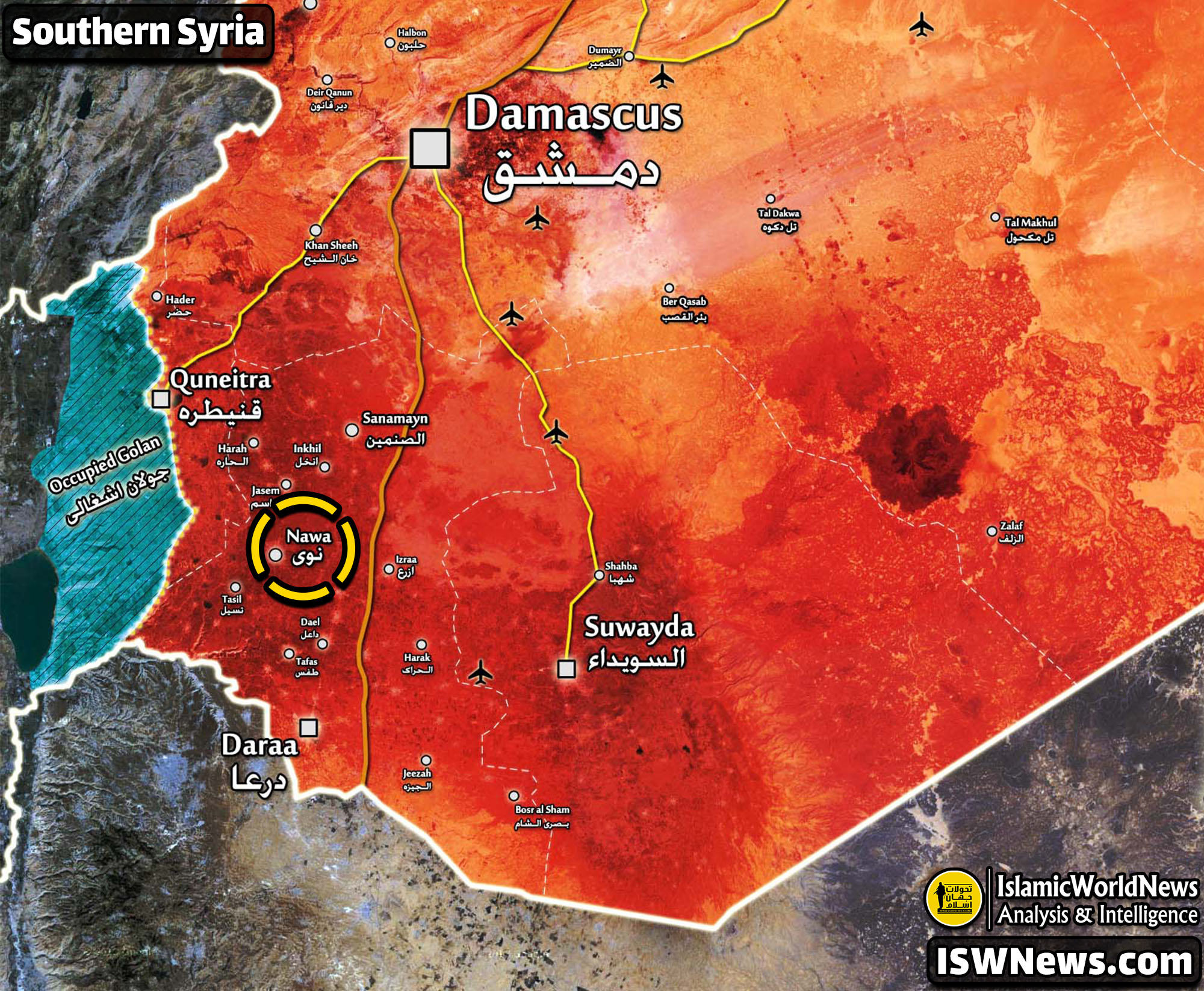
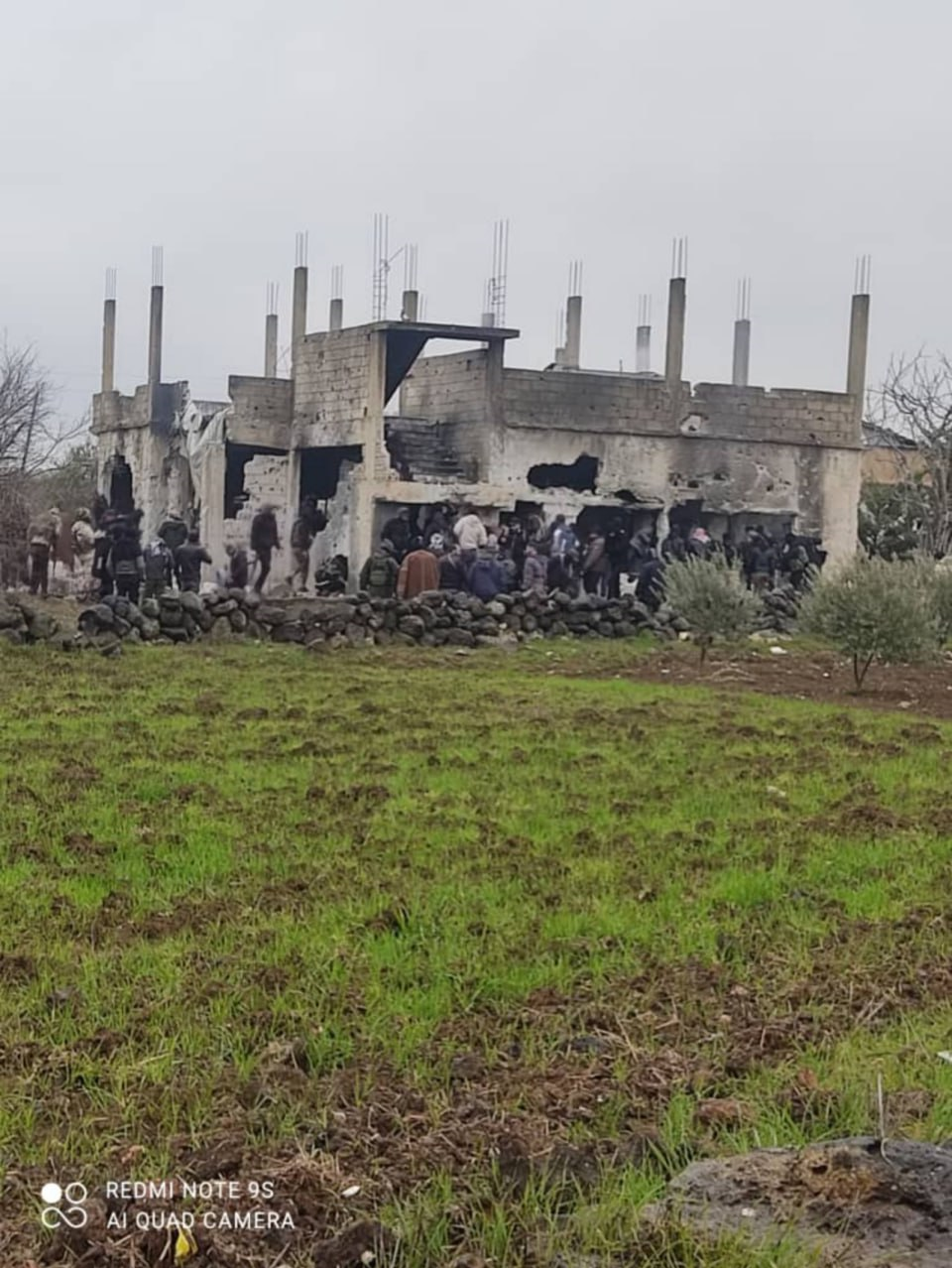
On January 28, the Syrian security forces started an operation with the aim of arresting ISIS elements in the city of Nawa, located in Daraa province. The armed battles lasted for several hours, and one of the ISIS terrorists, who was equipped with an explosive belt, blew himself up.
As a result of this conflict, Osama Shehadah Al-Azizi, the commander of the Hauran region of the ISIS terrorist group, and five others were killed.
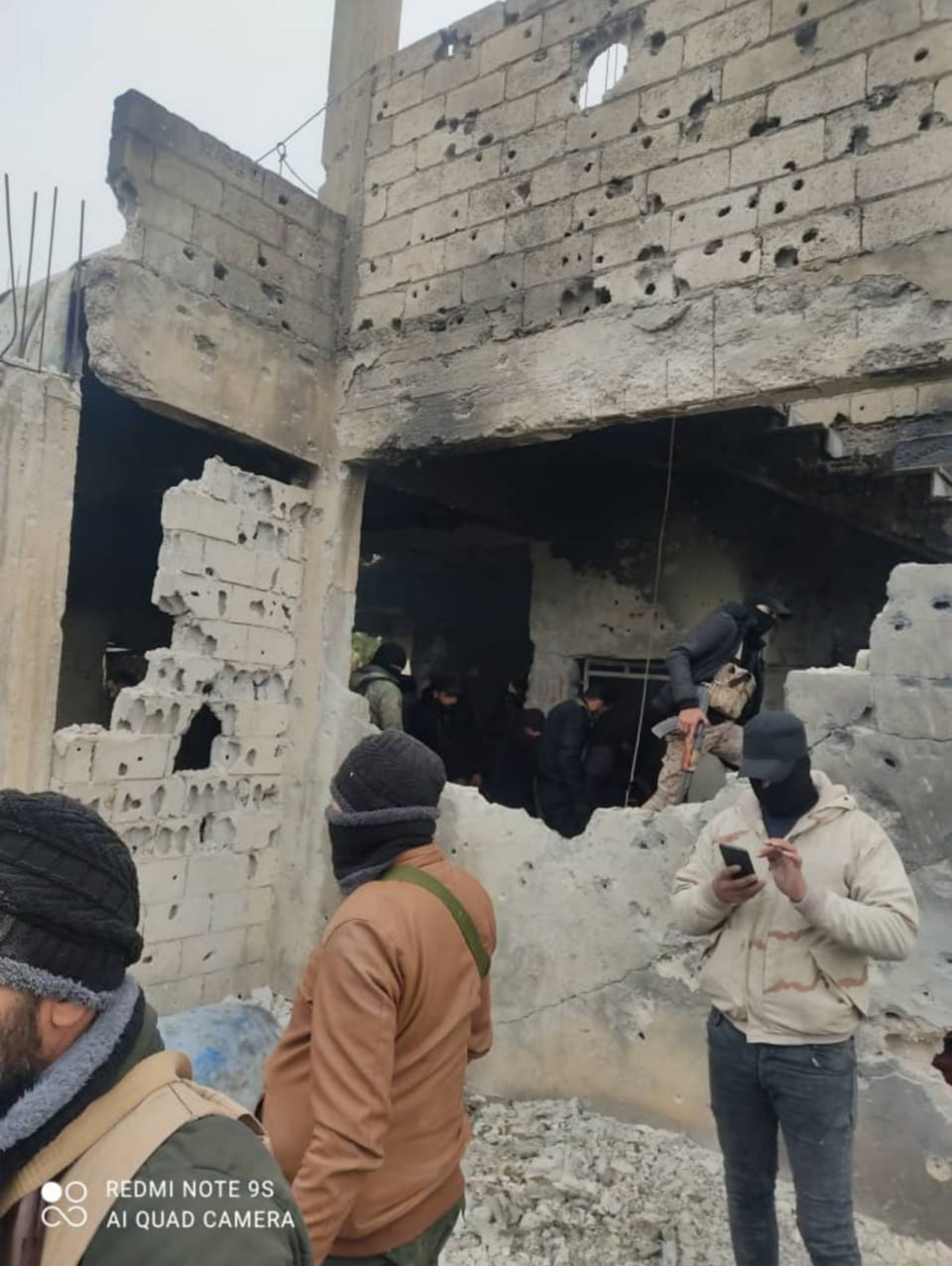
The place that SAA security forces raided in Nawa city
It is worth mentioning that after the series of SAA operations against ISIS in Daraa province in 2018, it was believed that the hidden cells of this group were disintegrated in Daraa, but after about four years, the activities of ISIS resumed in this province. Since last year, this province has witnessed the activities of ISIS elements and their conflict with the Syrian military.
In recent months, the activity of ISIS cells and terrorist groups in different areas of Syria has increased sharply with the aim of putting pressure on the resistance axis and disrupting the focus of the Resistance from fighting Israel. Daraa province is not exempt from this issue. Considering the rising trend of ISIS attacks and movements in southern Syria, it seems that the employers of this terrorist group have special plans for Daraa and Quneitra and the borders of the occupied Golan.
On January 28, the Islamic Resistance in Iraq targeted the positions of the terrorist US army in the Al-Tanf region in the Homs Governorate, located on the border of Syria and Jordan.
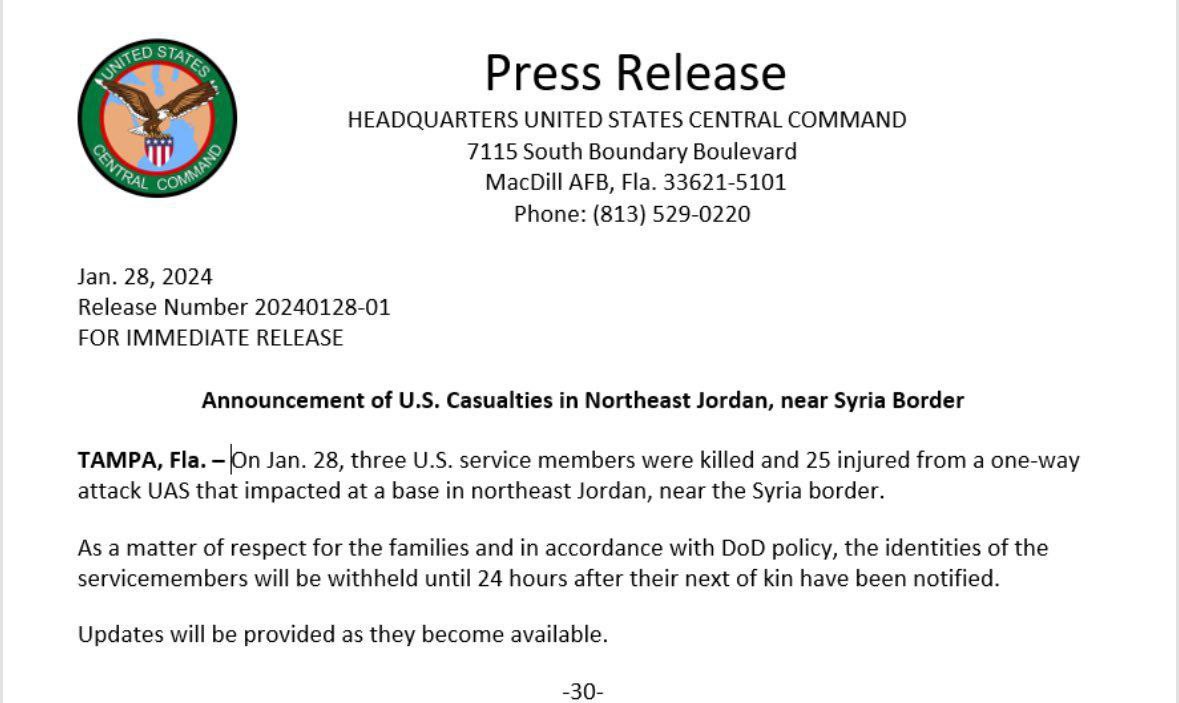
Hours after the attack, the US Central Command (CENTCOM) issued a statement confirming the killing of three US soldiers and the injury of 25 others in the drone attack by Iraqi resistance fighters on the US military base in northeastern Jordan.
Reacting to this incident, US President Joe Biden confirmed the deaths of the country’s soldiers in Jordan and announced that three US soldiers were killed and several others were injured in a drone strike on their forces in northeastern Jordan near the Syrian border.
The US President claimed that the attack that led to the killing of three US soldiers was carried out by Iran-backed groups.
While Washington officials have spoken about the drone strike on the US military headquarters in northeastern Jordan, Jordanian officials, including the spokesperson for the government of the country, stated that the American base targeted by the drone attack is located outside the borders of Jordan and no incident occurred on Jordanian soil.
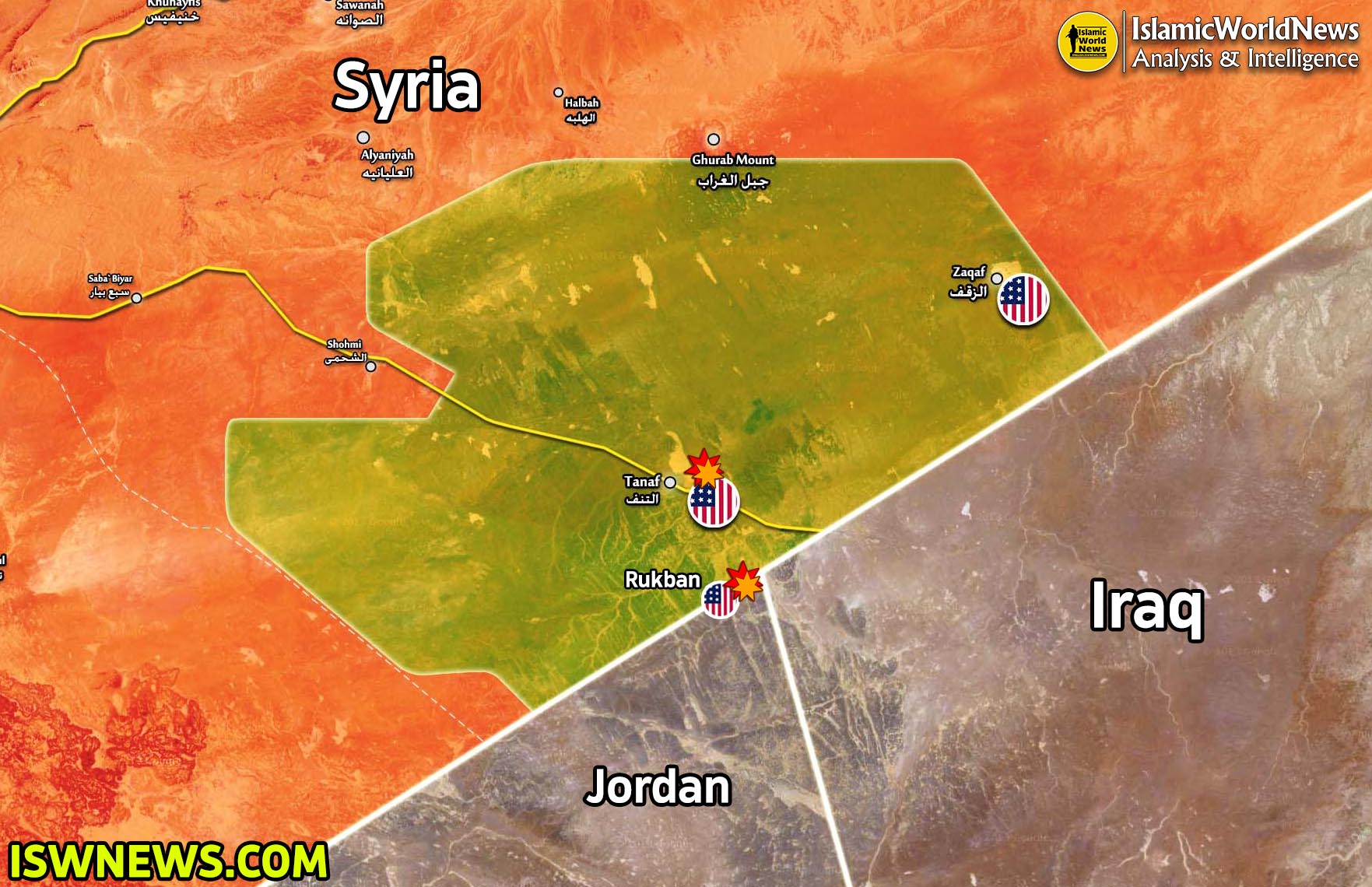
In this regard, it should be noted that American occupying forces are present in three points in Al-Tanf region, Al-Tanf base, Al-Zaqaf military site and Al-Rukban military camp near Al-Rukban refugee camp. The US Al-Rukban military camp is located inside Jordan and about 600 meters from the Syrian border. Today’s attack by the resistance forces, in addition to al-Tanf base, also targeted al-Rukban base, which resulted in the death of three Americans and wounding of 25 others.
This is the first time that the US has confirmed the killing of its soldiers as a result of attacks by Islamic resistance groups on US bases since the start of the war in the Gaza Strip. It is expected that the terrorist US army, in response to this incident, will carry out attacks against the positions of Islamic resistance groups in Iraq and eastern Syria.