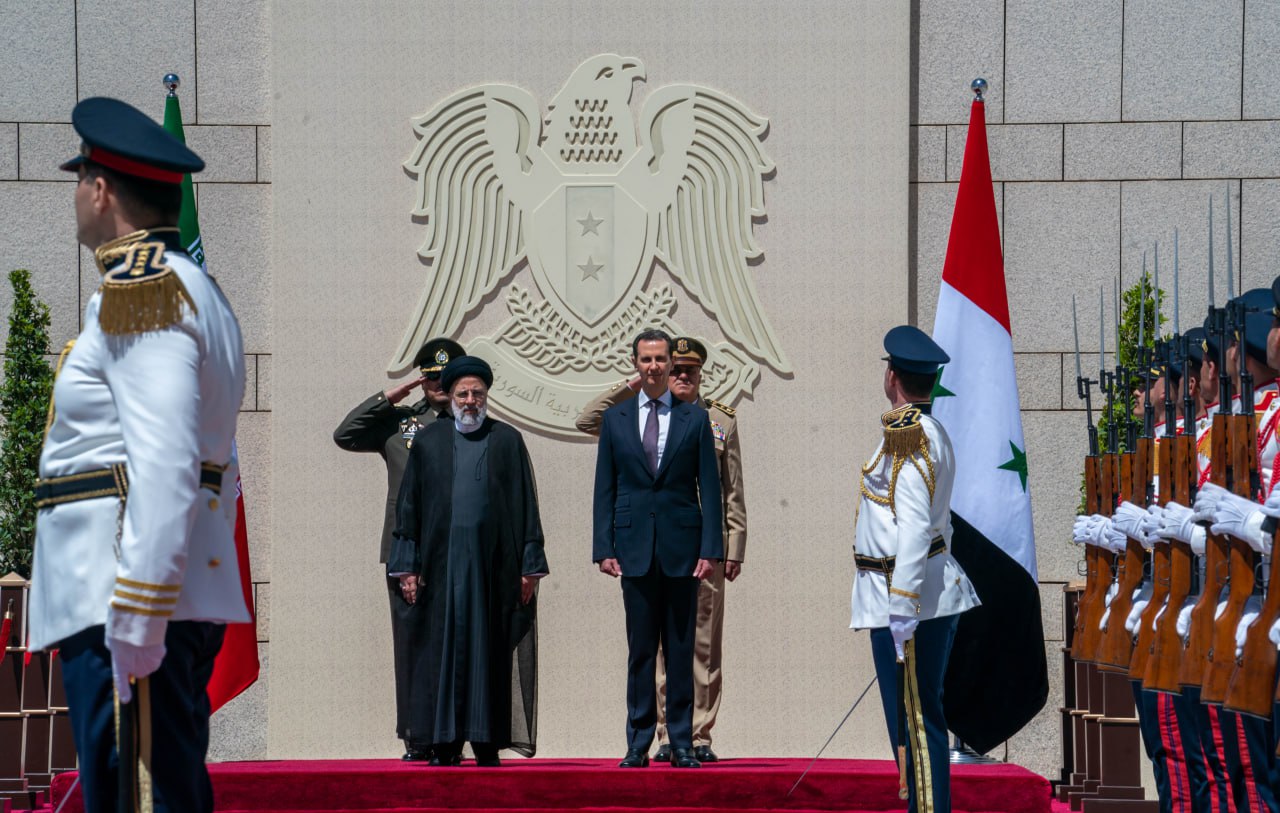
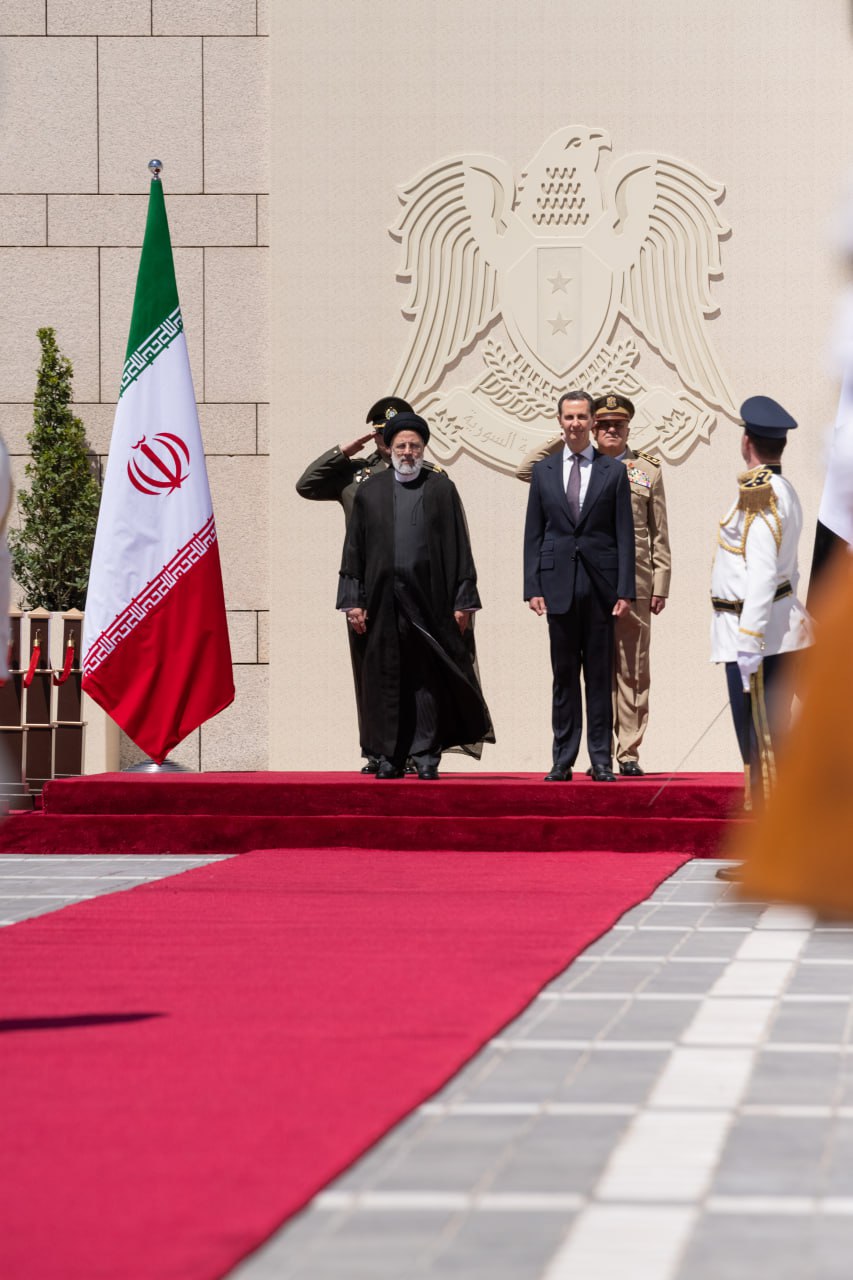
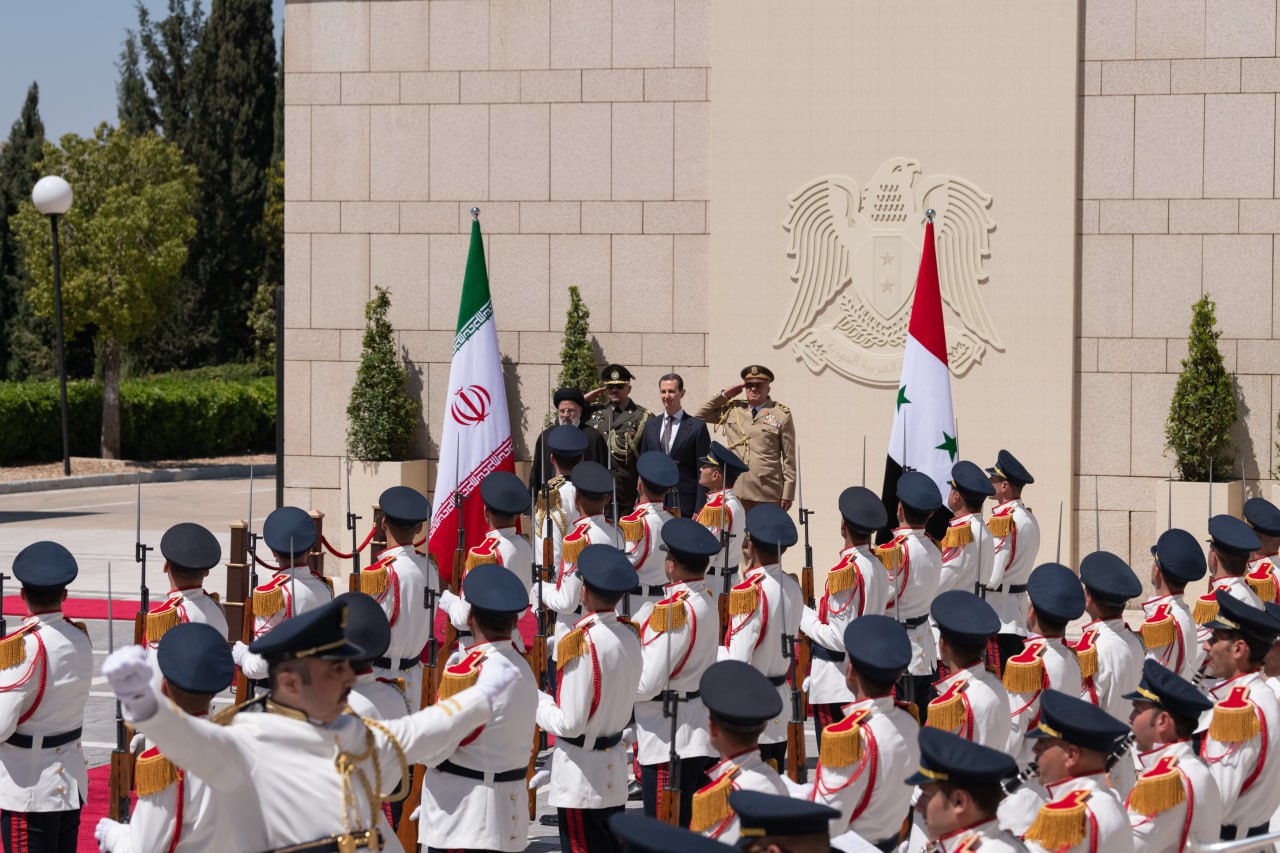
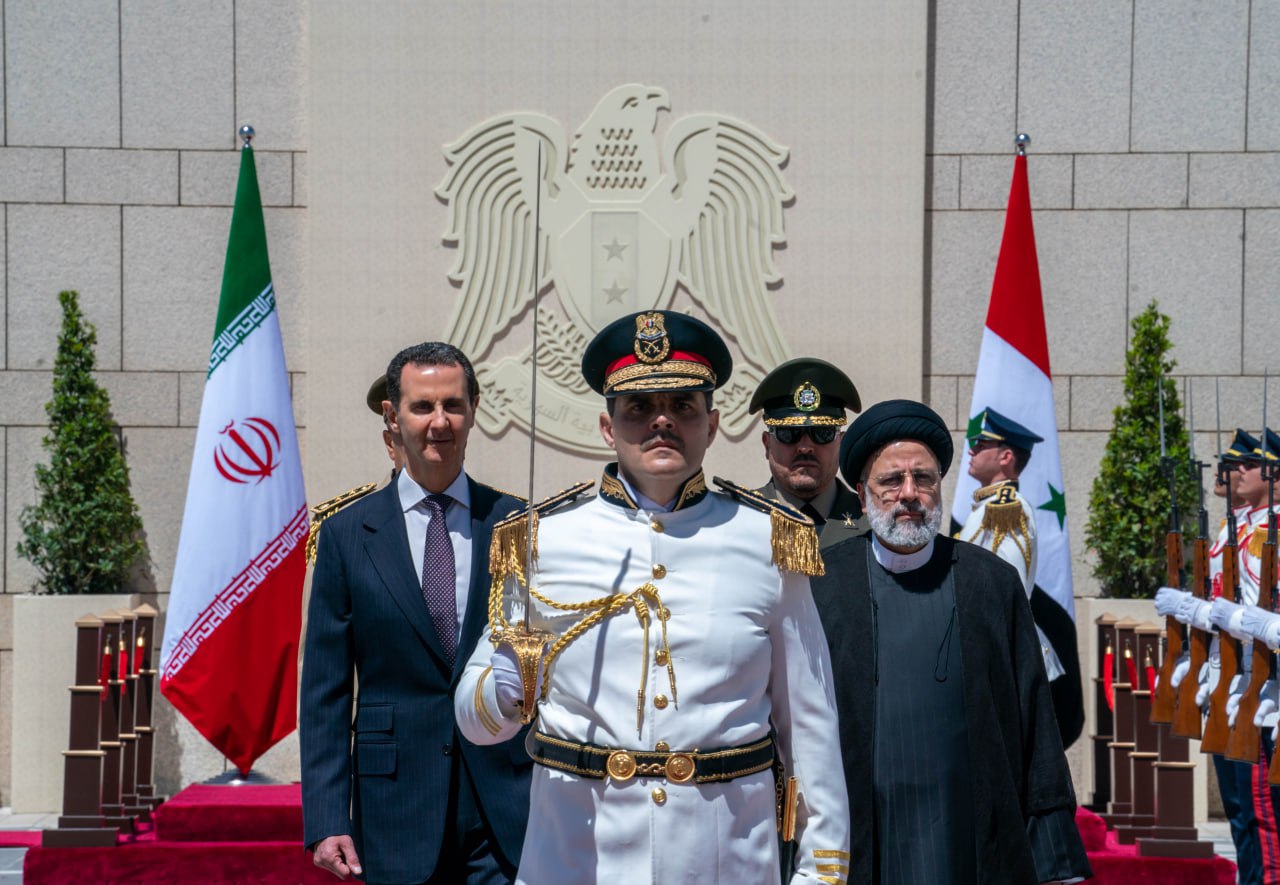
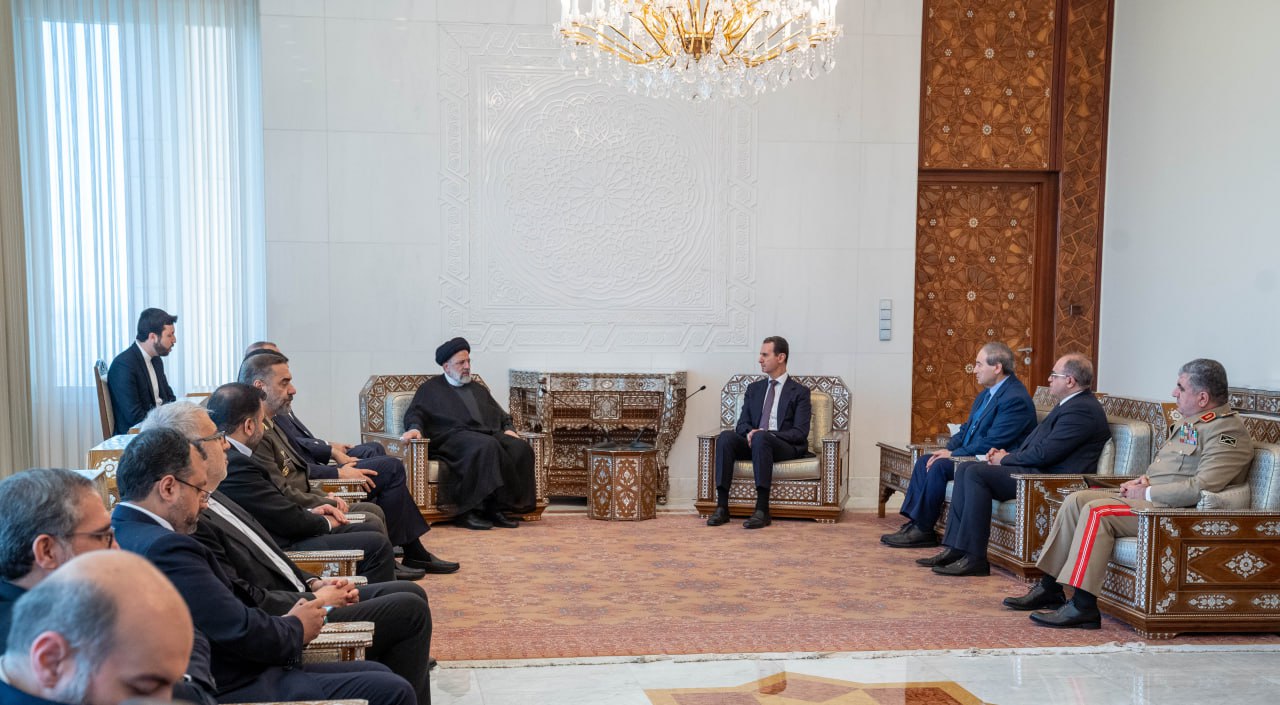
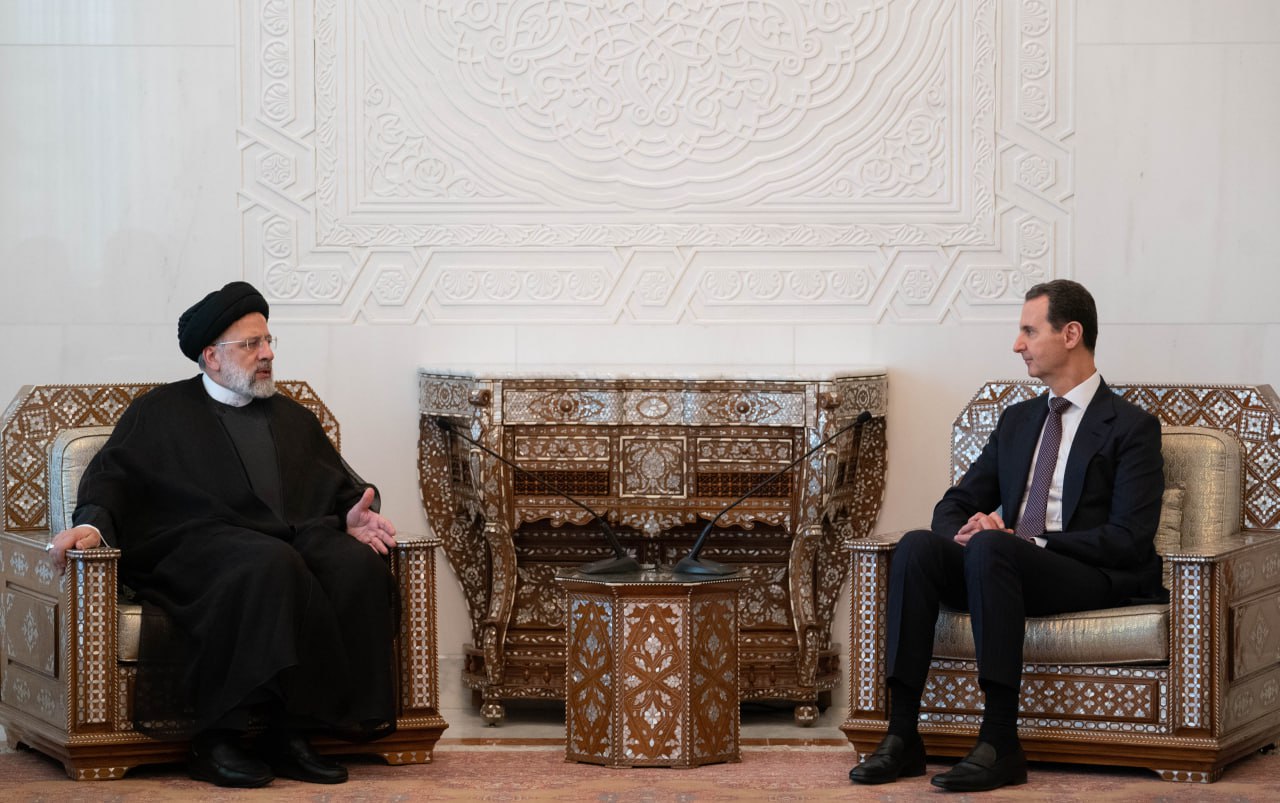
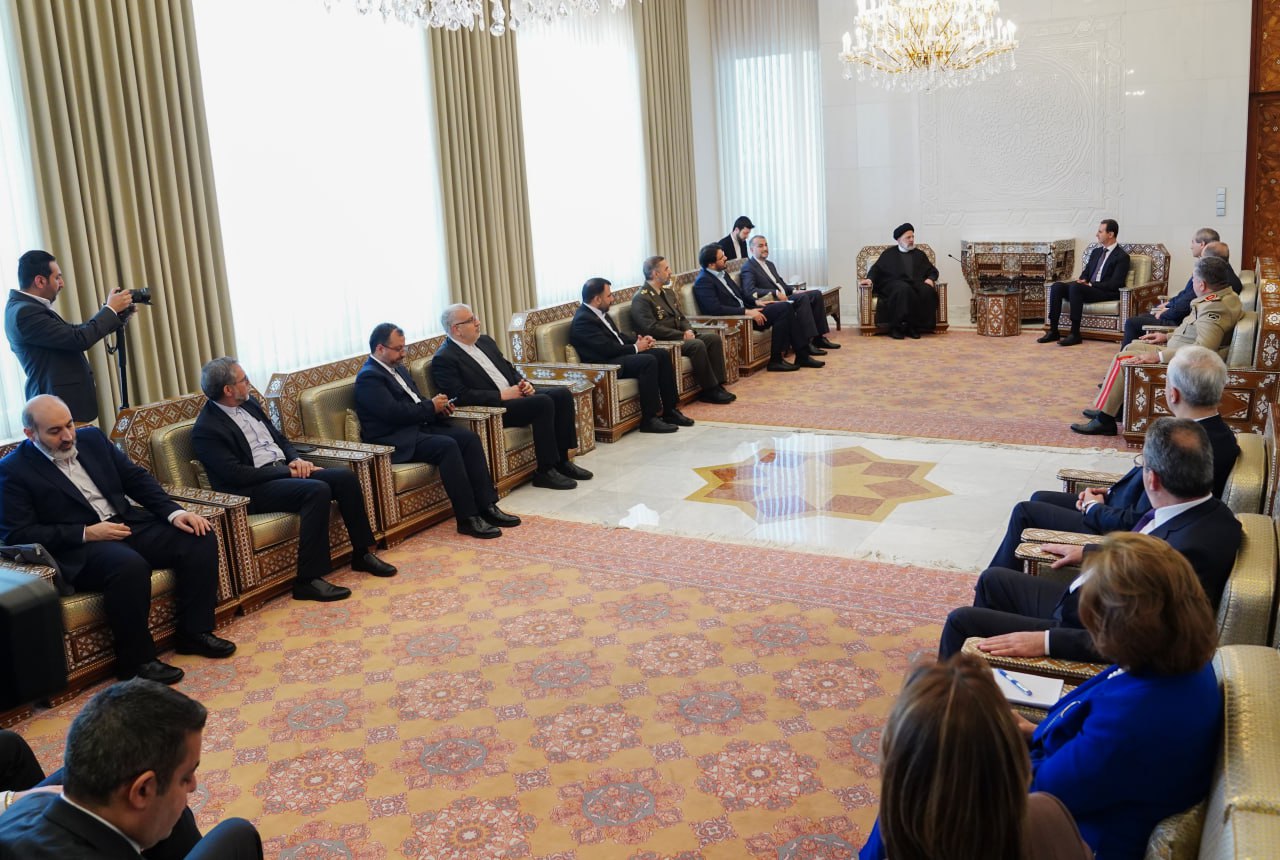
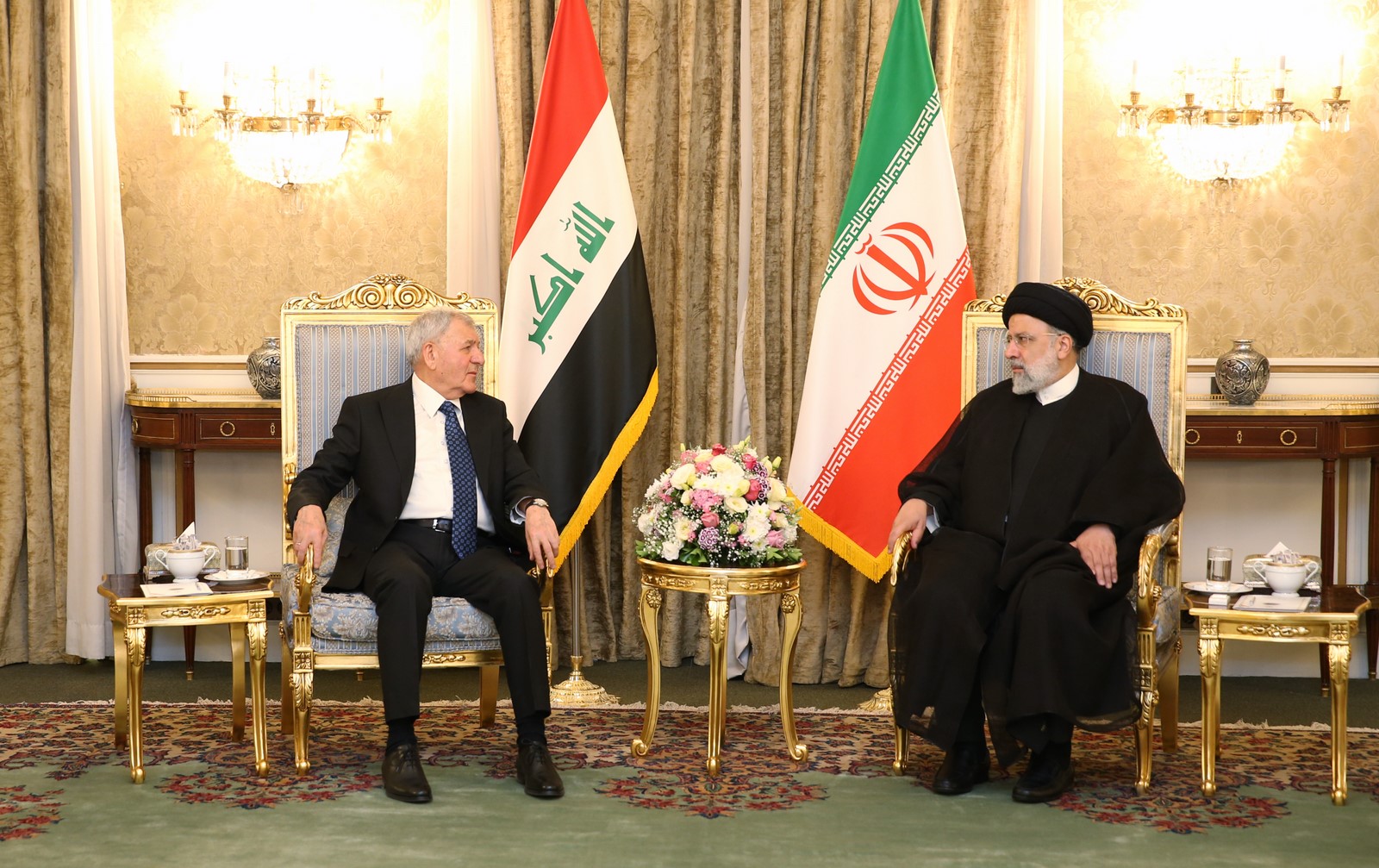
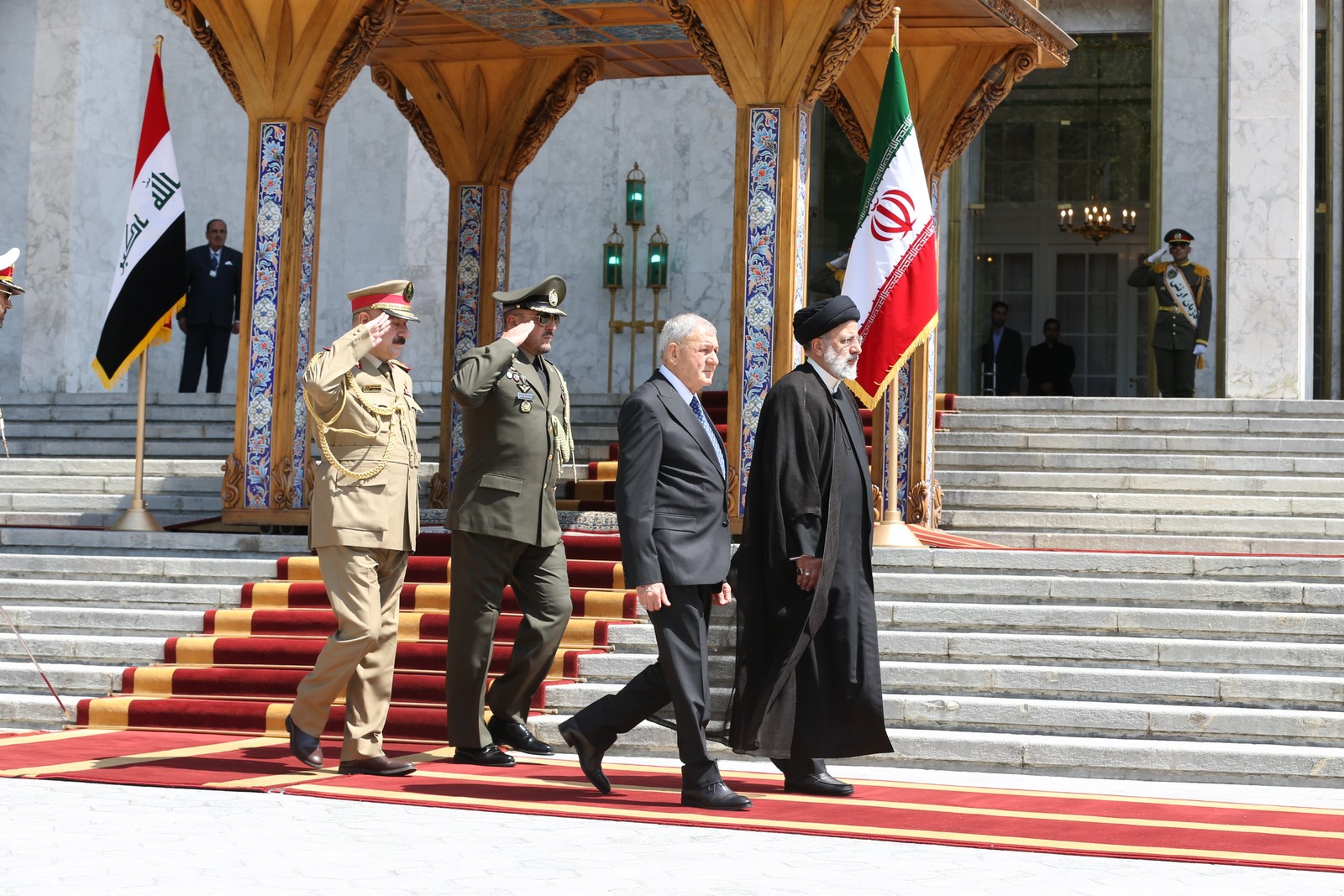
During the meeting with President Raisi in Damascus, his Syrian counterpart said that Iran and Syria have rich and fruitful relationships full of good experiences; because during the difficult and challenging times, our relationship remained stable and steady despite the severe political and security storms that have plagued the West Asia region.
The Iranian president, for his part, said that the Syrian government and people have overcome many difficulties and great challenges; thus, today we can say that you have overcome these problems and despite the threats and sanctions imposed on you, you have been able to succeed.
Iran’s Foreign Minister Hossein Amirabdollahian, Defense Minister Amir Ashtiani, Minister of Petroleum Javad Oji, Minister of Roads and Urban Development Mehrdad Bazrpash, Minister of Information and Communications Technology Issa Zarepour, Member of Iranian Parliament’s National Security and Foreign Policy Commission Abbas Golroo and President’s Chief of Staff Gholam Hossein Esmaeili accompanied President Raisi in the trip to Damascus.
It is worth mentioning that this is the first visit by an Iranian president to Syria since 2010. Raisi’s travel to Syria has been reflected in international media outlets significantly, to the extent that Hebrew-language media covered the news and described it as an achievement for the axis of resistance. They also noted that the achievement has its roots in Israel’s weakness and missed opportunities.
Images of the meeting between the presidents of Iran and Syria
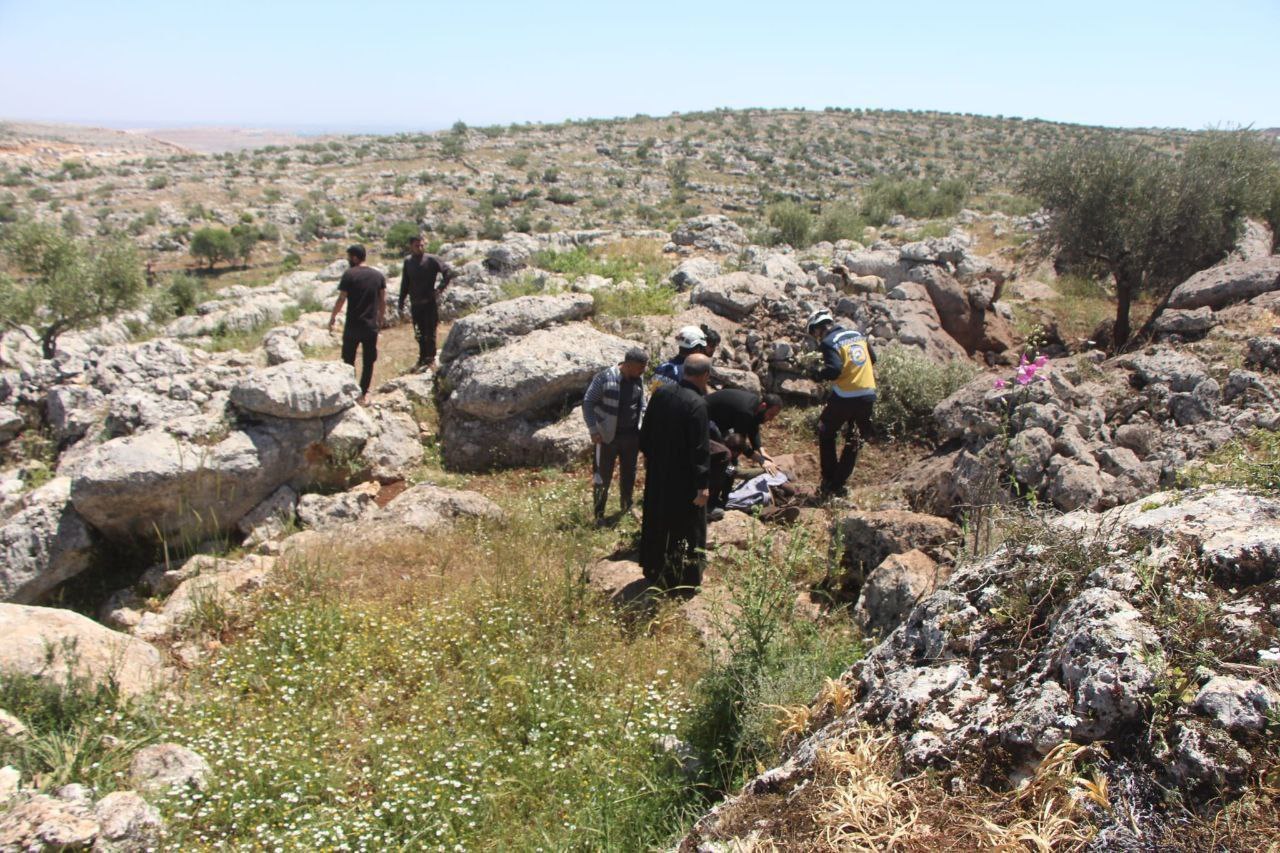
In the attack on the Qurqania district located in the north of Idlib, which occurred on May 3, a US coalition drone targeted an area, where one of the senior commanders of Al-Qaeda was killed. According to local sources, the attack was carried out by a United States MQ-9 drone.
Some hours after the military operation, the US terrorist command in West Asia (CENTCOM) issued in a statement, announcing that the US forces targeted one of Al-Qaeda’s commanders during an operation in northwest Syria at 11:42 a.m. local time.
No further details have been released on the issue, but sources close to the terrorist group declared that as a result of the US drone strike on the outskirts of Qurqania, a 60-year-old civilian named Lutfi Hassan Masto was killed.
It is worth noting that on February 24, 2023, US coalition drones targeted a motorcycle on the Qah-Mashhad Rouhin road, killing one of the commanders of Tanzim Hurras al-Din (a major branch of Al-Qaeda in Syria) named Abu Ubayda ibn al-Jarrah, also known as Abu Abadah Al-Iraqi, along with another person.
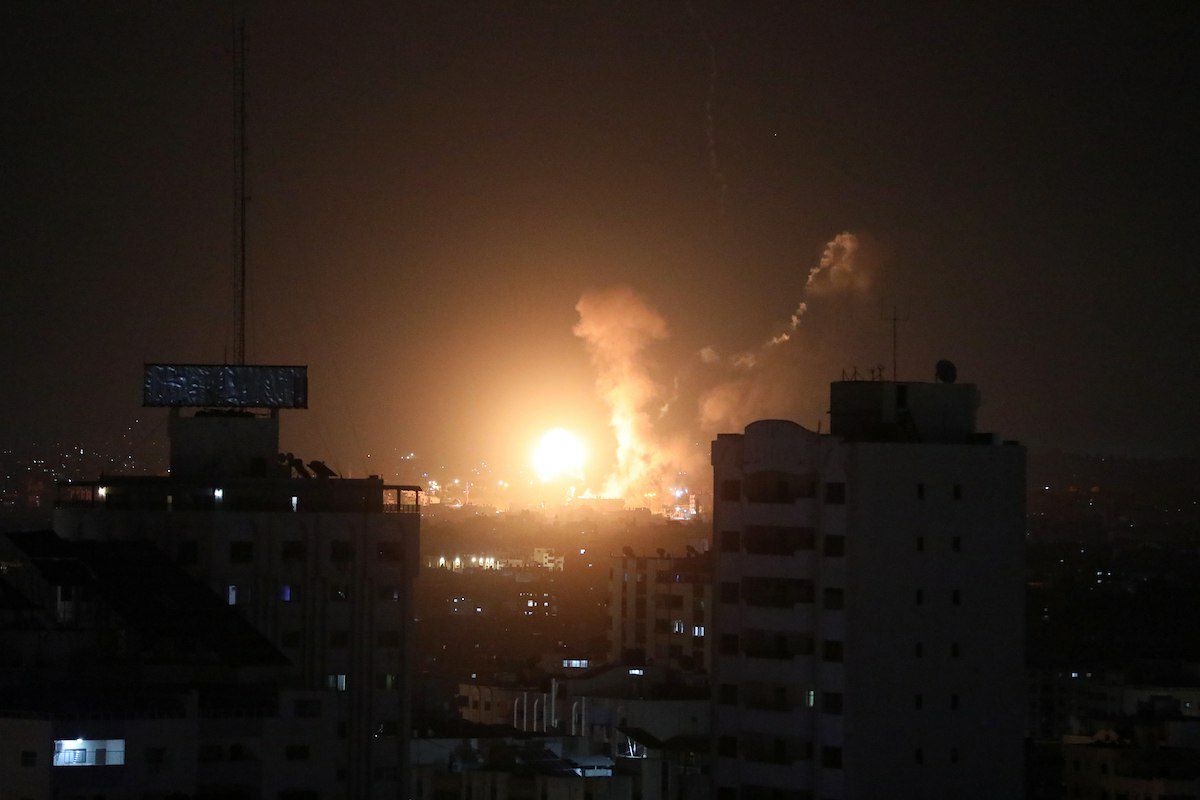
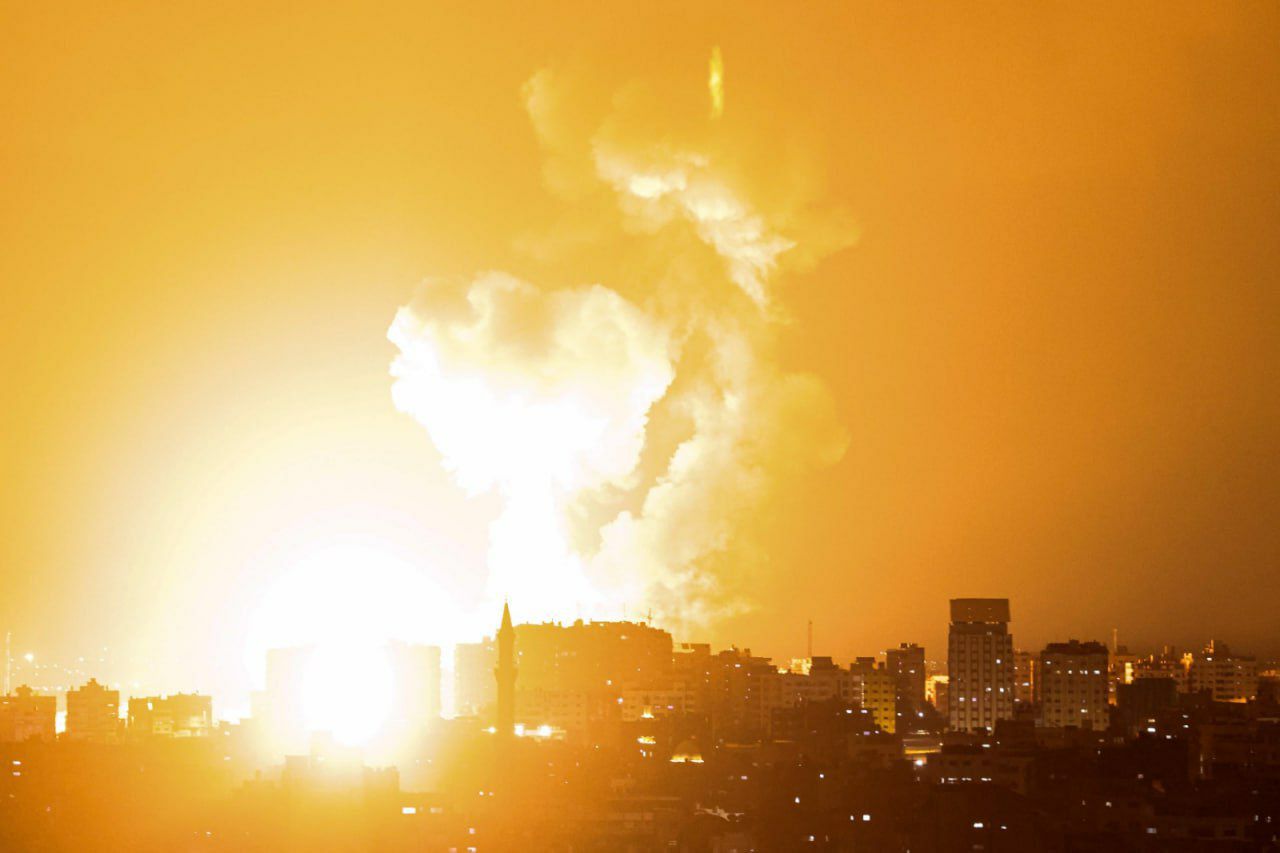
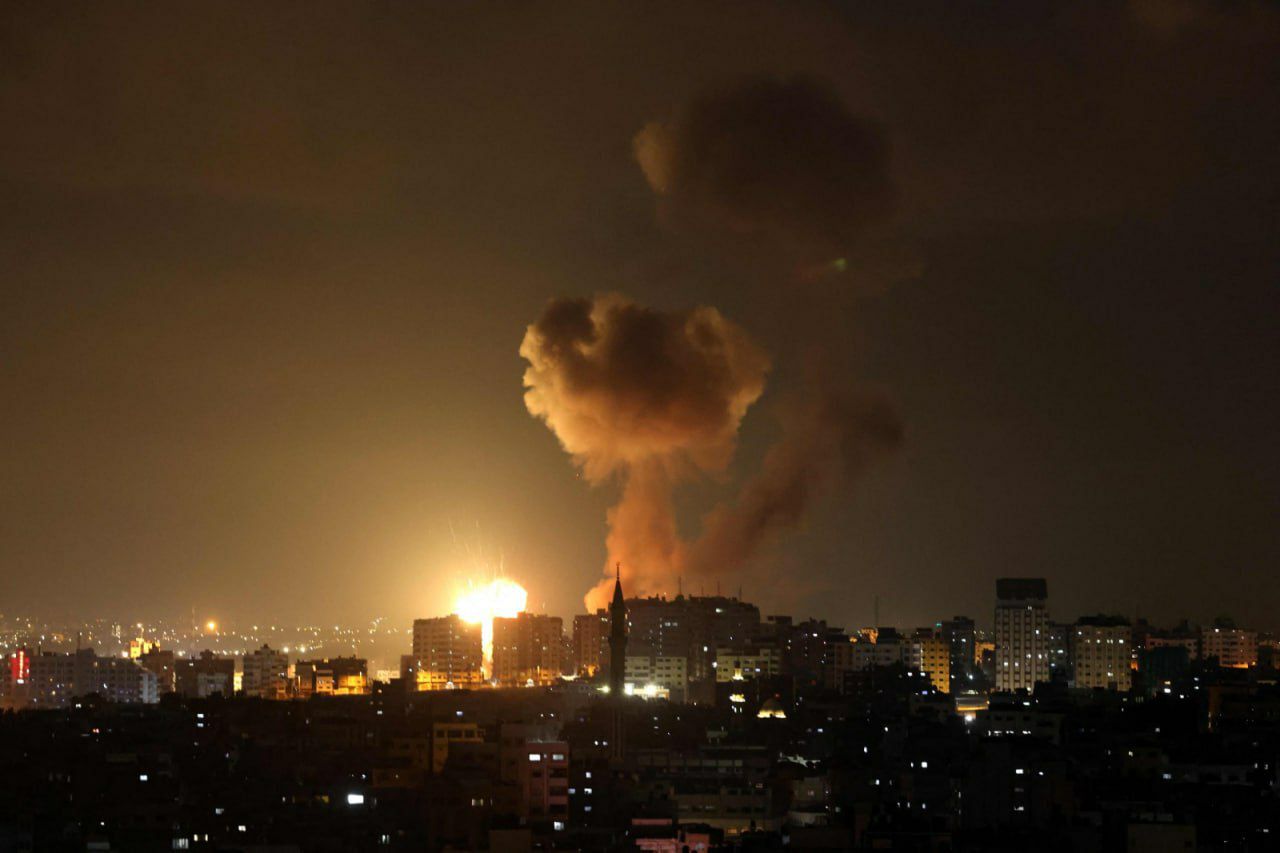
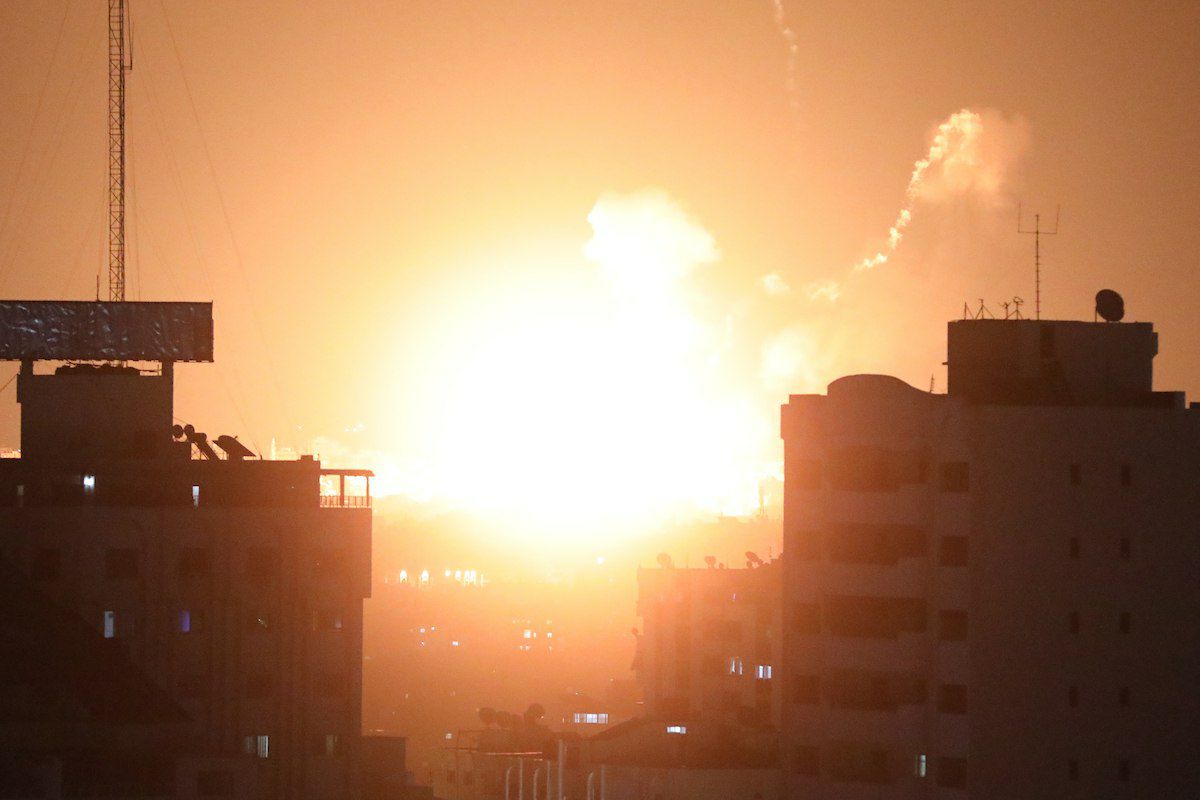
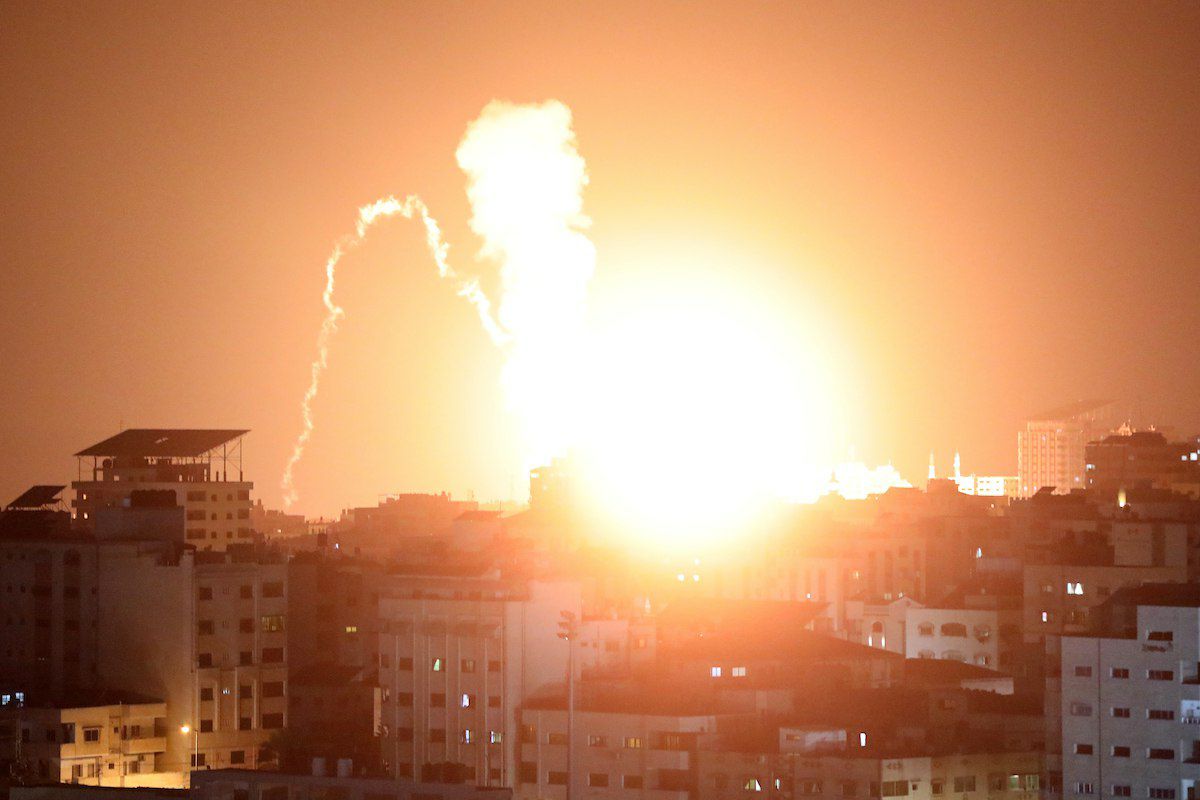
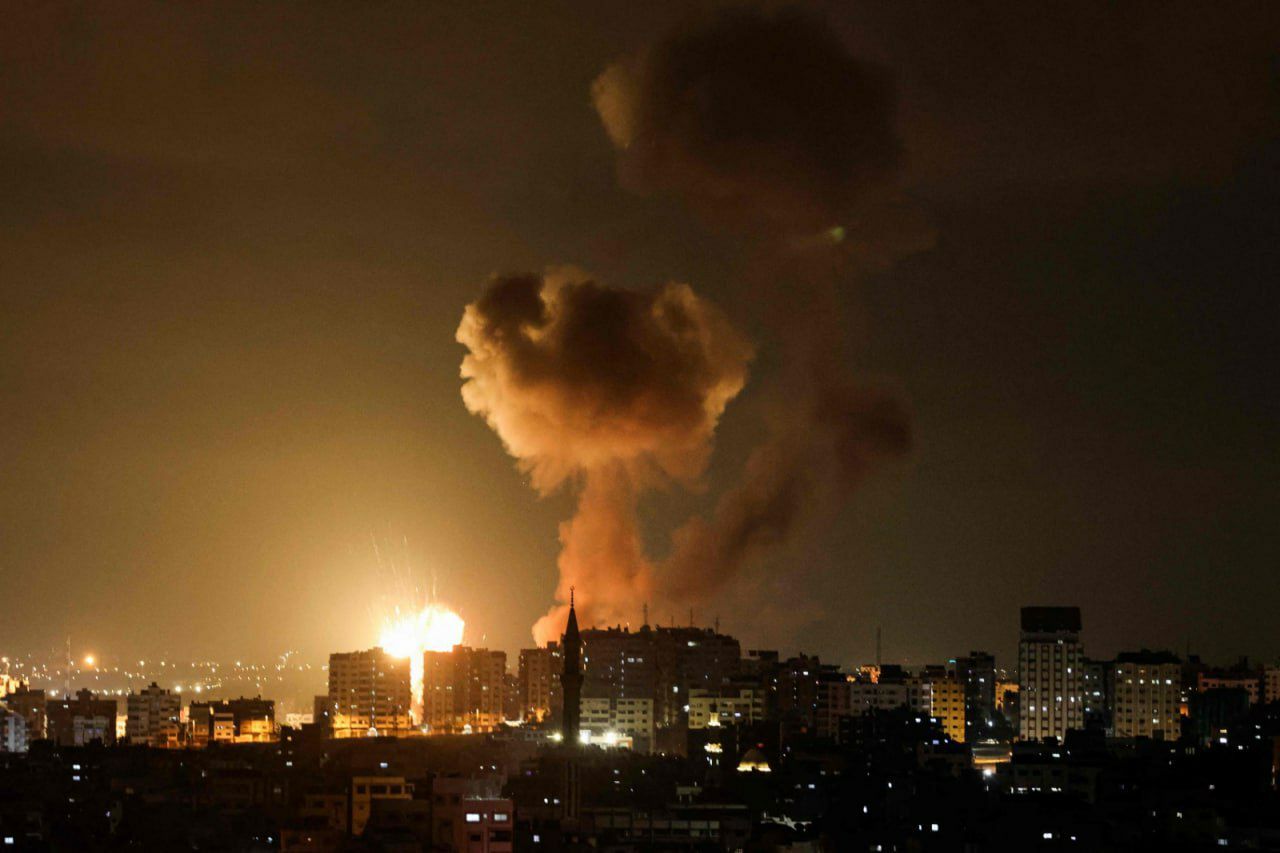
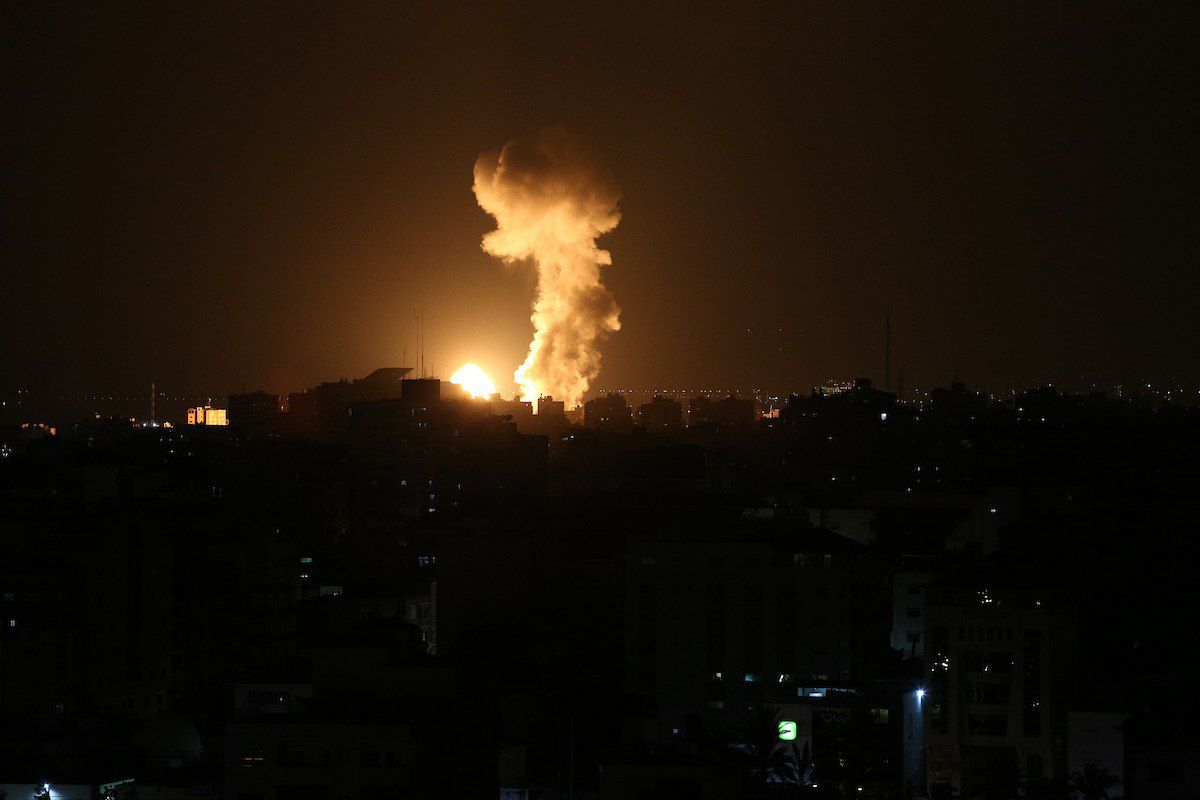
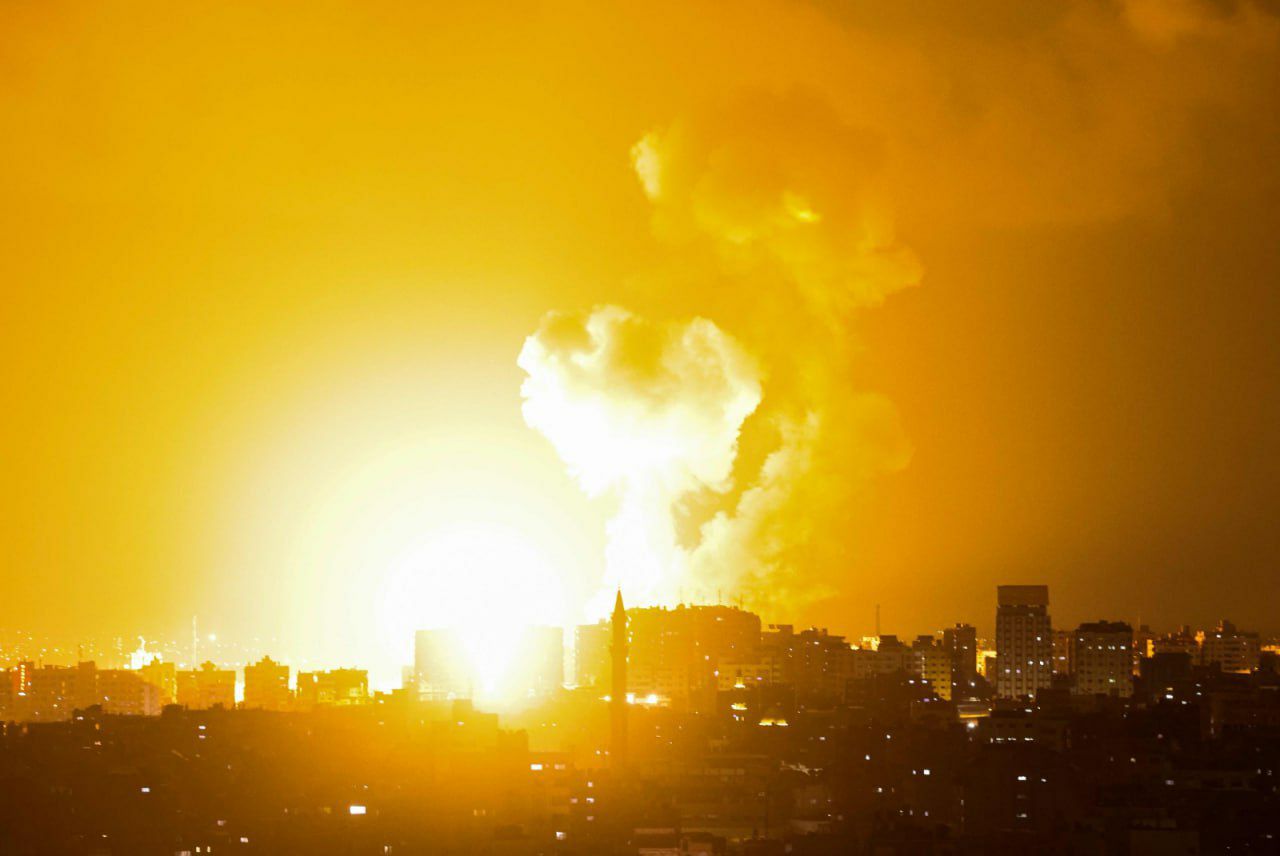
Following the military conflicts between the Palestinian resistance groups and the Israeli army, last night Israeli regime aircraft attacked targets in different areas of the Gaza Strip.
After these attacks, the Israeli army announced in a statement that Israeli aircraft attacked two weapons production sites, several headquarters and an underground tunnel belonging to Al-Qassam Brigades, the military wing of the Hamas movement in the Gaza Strip.
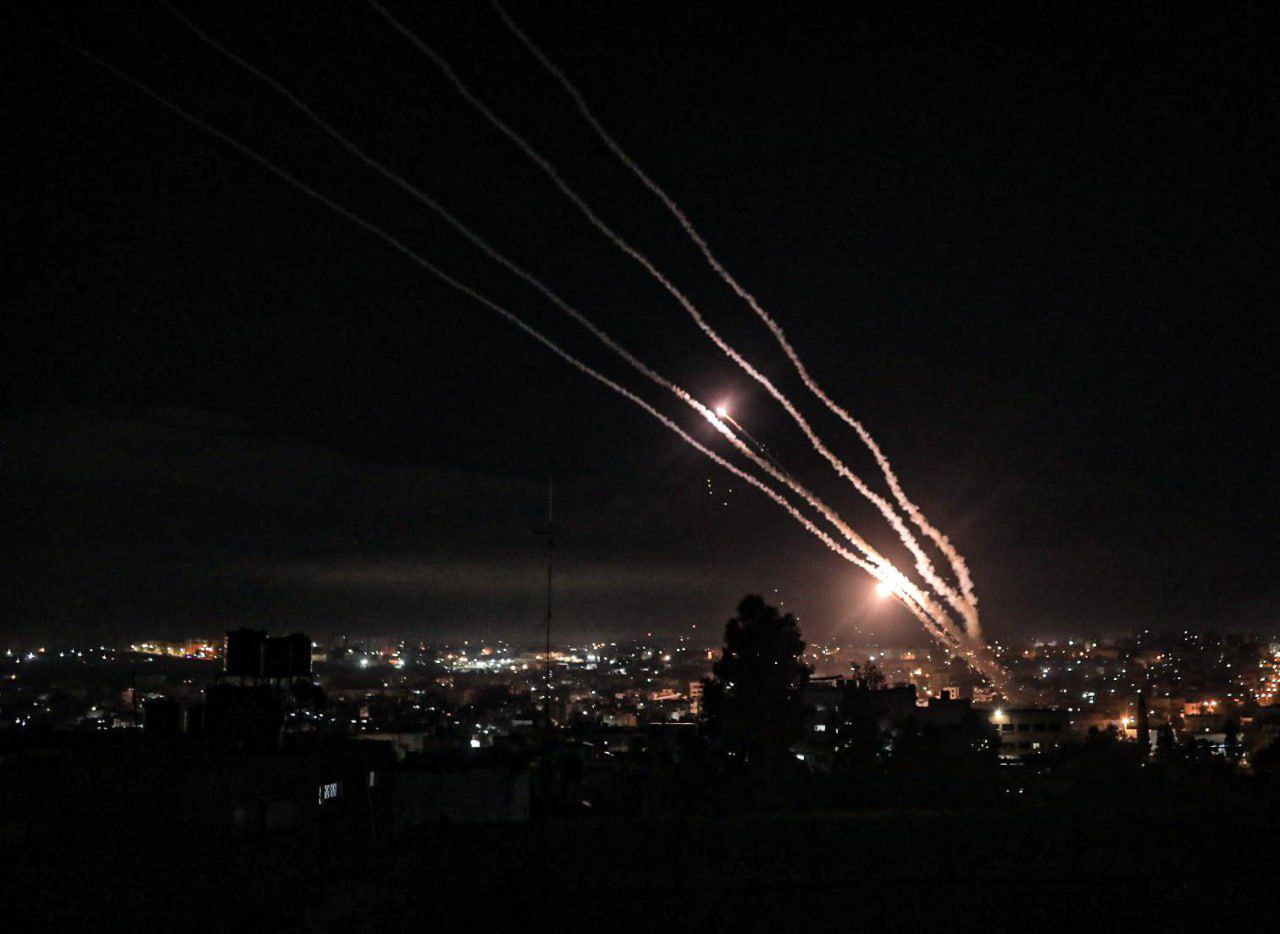
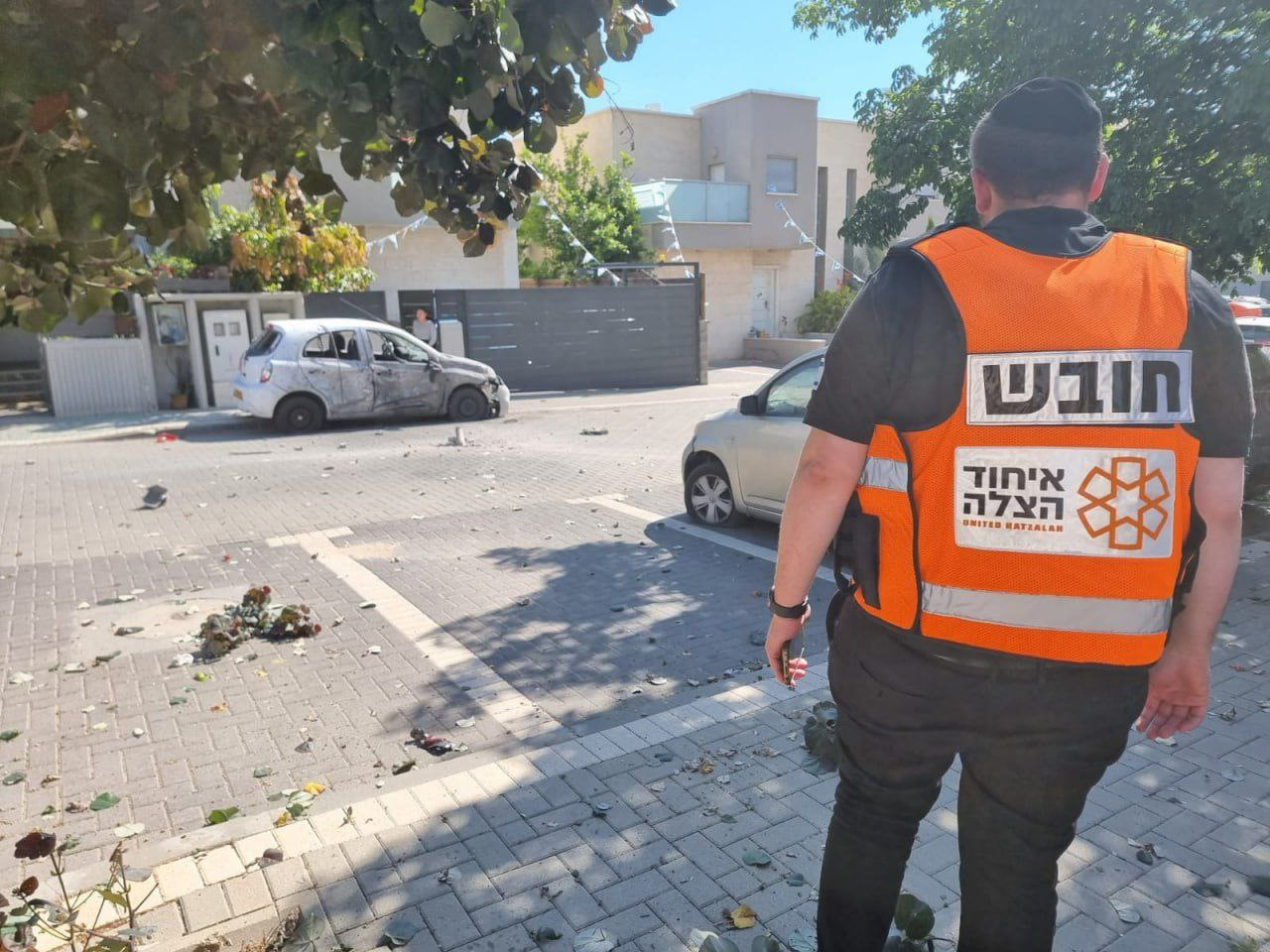
On the other hand, in response to the attacks of the Israeli army, the Palestinian resistance groups targeted the Zionist settlements around Gaza with rocket attacks. Following these attacks, alarm sounded in the settlements around the Gaza strip. According to Hebrew media, at least 104 rockets were fired from Gaza towards the occupied territories within 24 hours.
The rocket attack of Saraya al-Quds, the military branch of the Islamic Jihad movement, on the occupied territories
Also, the Saraya al-Quds and al-Qassam Brigades responded by firing surface-to-air missiles at the hostile fighter jets of the Zionist regime over the Gaza Strip and forced them to flee.
Hours later, Palestinian sources announced the success of mediation efforts and the cessation of clashes between the resistance and the Zionist regime in Gaza. According to these sources, the agreement to calm the situation in Gaza has been implemented since this morning. Currently, relative peace has reigned in the Gaza Strip and the conflicts have stopped.
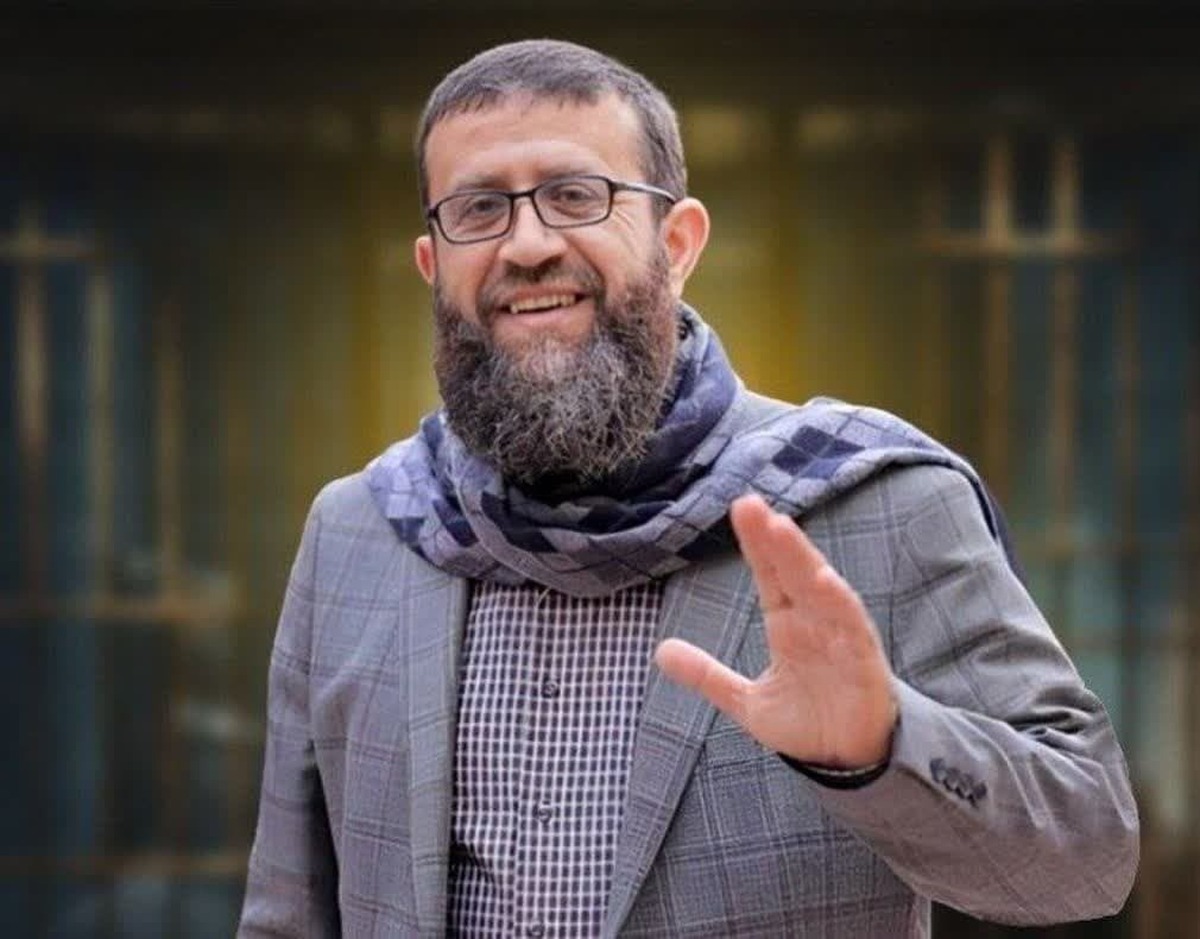
It is worth mentioning that on May 2, in response to the martyrdom of Khader Adnan, one of the leaders of the Palestinian Islamic Jihad movement in the prisons of the Israeli regime, the Palestinian resistance groups targeted the Zionist settlements around Gaza with rocket attacks, during which at least 12 Zionists were injured.
Minutes after the rocket attack, the joint operations room of the Palestinian resistance groups announced in a statement that the Palestinian resistance targeted areas in the occupied territories with rocket attacks in response to the martyrdom of Sheikh Khader Adnan, a senior leader of the Islamic Jihad movement in the prisons of the Zionist regime.
In this regard, the Israeli army announced that 22 rockets were fired from the Gaza Strip towards the Israeli settlements, of which 16 rockets hit the open areas and four others were intercepted by the Iron Dome systems.
According to the Israeli Channel 14, so far six Israelis have been injured as a result of rocket attacks on the town of Sderot.
A security meeting will begin with the presence of senior officials of the Israeli regime to review the security situation and how to respond to the Palestinian resistance’s rocket attacks on the occupied territories. It is expected that in the coming hours, the Israeli regime fighter jets will target areas in the Gaza Strip.
The moment of activation of the Israeli regime’s Iron Dome system to intercept rockets fired by Palestinian resistance groups.The moment when resistance rockets were fired at the occupied territories.
On April 30, head of the Russian military contractor Wagner Yevgeny Viktorovich Prigozhin announced that his militant forces have control over a significant area of the city of Bakhmut, and only a few square kilometers remain under the control of the Ukrainian forces. The Ministry of Defence of the Russian Federation also declared that Wagner’s forces, with the support of the airborne troops and the Southern Military District, are advancing in the Ukrainian city.
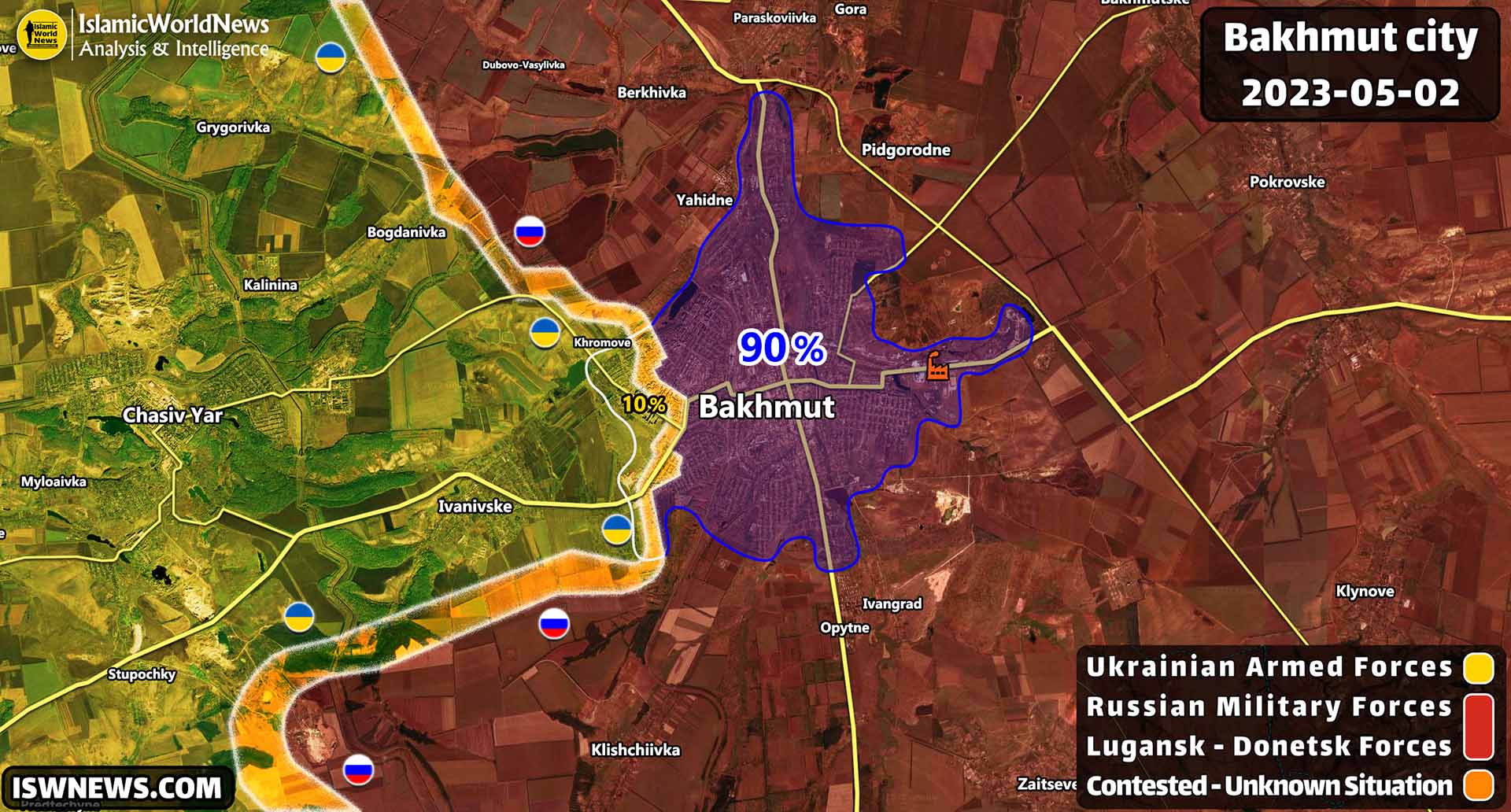
Based on the available information and field map review, it can be said that now about 37 square kilometers, which is about 90% of the city of Bakhmut is under the control of Russia, and only 4 square kilometers and about 10% of the remaining in the west of the city are under the control of Ukrainian forces.
In recent days, Wagner’s militants took control of a military unit and a medical school in the north and south of Chaikovskogo Street in the downtown of Bakhmut city. The clashes on this axis point continue in the apartment building complexes in the west of the medical school.
In the northwestern areas of Bakhmut, the Russian forces are advancing along Tolbukhin, Pobedy and Levanevsky streets. The Russian troops also took control of several other buildings in the southwest at the intersection of Dekabrists and Alexander Matrosov streets.
In the suburbs of the city, clashes continue in the north, near Khromove and Bogdanivka. In the western suburbs of Bakhmut, confrontations continue near Ivanivske between the Russian and Ukrainian military forces.
Ukrainian positions in other areas around Bakhmut are also under heavy artillery fire and the Russian air force attacks. According to the Ministry of Defence of the Russian Federation, more than 200 Ukrainian soldiers were killed as a result of a recent missile strike on the deployment spots of the 24th Mechanized Brigade and the Ukrainian special operation in Kostyantynivka.
Of course, the casualties are not exclusive to Ukrainian forces, and the Russian forces have also suffered high fatalities in recent confrontations, particularly in the battles for the capture of Bakhmut city, which have intensified since early February 2023.
The battles have continued with greater intensity and seriousness, and by mid-February, the clashes have gradually spread to inside the city of Bakhmut; since then, the advances have been slow, the city has turned into ruins, and both warring sides have suffered high casualties, to the point that this city is now known as the “Bakhmut Meat Grinder.”
On April 23 Palestinian media outlets reported, Adnan went on a hunger strike in protest against his arbitrary detention by the occupiers and was in poor physical condition; so, the Zionist occupiers were time and again warned about the severity of his physical condition.
Last week, Adnan was transferred to a hospital because of his deteriorating health condition, but the Israeli regime did not allow any of his lawyers, doctors, or legal representatives to contact the hunger striker and got informed about his health condition.
The Islamic Jihad Movement in Palestine announced following Adnan’s martyrdom that their struggle will continue with full force and determination, and the criminal Israeli enemies will once again realize that their crimes will not go unanswered. The resistance will keep pace with full strength, determination and steadfastness.
The Islamic Resistance Movement Hamas spokesman, Hazem Qassem, also declared that this crime was a cold-blooded execution carried out by the Israeli regime’s prison organization against the martyr Khader Adnan.
Hours after the news stories came out of the Palestinian prisoner’s martyrdom, three rockets were fired from the Gaza Strip towards the Israeli settlements. In this regard, a spokesman for the Israeli army announced the sounding of the siren in the Israeli settlements around the Gaza Strip and confirmed reports that said some rockets were fired towards these settlements.
Hebrew-language media outlets also reported the cancellation of an Israeli military maneuver that was scheduled to be held near the Gaza Strip this morning, citing fears of a Palestinian resistance reaction to Khader Adnan’s martyrdom, and also announced that the Israeli army was preparing itself for the possibility of the escalation of tensions in the Gaza Strip.
According to a Syrian military source, “around 23:35 (local time) on Monday, the Zionist enemy attacked Aleppo International Airport and targets in the outskirts of Aleppo with several missiles from the southeast of Aleppo. This attack resulted in the martyrdom of a Syrian soldier, the wounding of seven others, including two civilians, and the occurrence of material damages. Also, due to the damage to the runway of Aleppo International Airport, the flights of this airport have been suspended until further notice.”
More details about the attack have not been published, but it is said that the positions of the Syrian army in the city of Al-Safira, were also targeted by Israeli fighter jets.
One of the civilian casualties of the Israeli attack on Aleppo
The new aggression of Israel on Aleppo Airport is the seventh attack of its kind by the Zionist regime against the Arab country over the past three weeks and 12th attack since the beginning of 2023. Earlier on Saturday April 29, the Israeli regime’s fighter jets fired some missiles towards targets in Homs Governorate, which left three Syrian civilians wounded.
Also, it should be noted that this is the third attack of the Israeli regime on Aleppo International Airport in 2023. On March 22 and 7, the Israeli regime attacked this airport and led to the temporary closure of the airport.
Israel attacks and the violation of the sovereignty of the Syrian state take place while international organizations and the United Nations close their eyes on this issue. Hence, considering the fact that the law of the jungle governs the world and not the rule of law, what is the need for the existence of the organization like United Nations?!
Recent conflicts in Sudan have occurred as a result of power struggles and disagreements between the Sudanese Armed Forces led by General Abdel Fattah al-Burhan and the Rapid Support Forces led by Mohamed Hamdan Dagalo, also known as Hemeti or Hemedti.
During the 2019 coup, the Sudanese Armed Forces toppled the country’s then leader Omar al-Bashir, and Abdallah Hamdok was chosen as the prime minister of the transitional government for three years.
Additionally, a transitional council was also formed, consisting of 11 military and political figures (along with the army), with one seat left empty due to the absence of a representative from eastern Sudan.
The transitional government of Hamdok was formed in August 2019 with the participation of the army and the political coalition of the Forces Freedom and Change (FFC), but it faced a new military coup in October 2021. Despite the detention of members of the Hamdok government, he continued as prime minister until January 2, 2022, and was succeeded by Osman Hussein as the interim prime minister. The second coup and its aftermath were faced with protests by supporters of the transitional government and political parties, but there was no progress until political and military groups in Sudan agreed to a 24-month transitional period under the leadership of the senior army commanders on December 5, 2022.
However, the process also faced another power struggle and conflict between Hemeti and Burhan, and the fate of Sudan is still subject to changes.
Who is Mohamed Hamdan Dagalo (Hemedti)? How were the Rapid Support Forces formed?
General Mohamed Hamdan Dagalo is one of the powerful individuals of the Rizeigat tribe in the Darfur region of Sudan, who was appointed as the commander of the forces in 2010, which were formed from a group of armed tribal allies with Omar al-Bashir.
The forces were initially made up of Janjaweed fighters, a Sudanese Arab militia group, and did not have a structured organization, and their organization was resembling a paramilitary group.
However, in the following years with the help of Omar al-Bashir’s government, they developed and became a regular force under the command of Hemeti. The Rapid Support Forces played an important role in the April 2019 coup and the overthrow of the Omar al-Bashir’s government; then, the RSF commander Hemeti was appointed as the Deputy Chairman of the Transitional Military Council.
Hemeti collaborated with General Abdel Fattah al-Burhan in the 2021 coup against the government of Abdullah Hamdok, but after a while he opposed General Burhan and ultimately rejected the results of an agreement between civil groups and the military governing council to resolve the political crisis in Sudan on December 5, 2022, especially regarding the integration of the Rapid Support Forces into the Sudanese armed forces; thus, he engaged in conflict and tension with the Sudanese Armed Forces from April 15, 2023.
Who is Abdel Fattah al-Burhan?
Abdel Fattah Abdel Rahman al-Burhan is one of the senior generals of the Sudanese Armed Forces, who was appointed as the commander-in-chief of the army in February 2018. He previously held the positions of inspector general of the Sudanese Armed Forces and the Deputy Chief of Staff of the Ground Forces Operations.
General al-Burhan came to this position and also became the head of the Transitional Military Council following the coup against Omar al-Bashir’s government in 2019, led by Ahmed Awad Ibn Auf, the former Commander-in-Chief of the Sudanese Armed Forces.
With the cooperation of General Hamidti, he ousted the interim government led by Abdullah Hamdok and removed members of the Sudan’s Transitional Sovereignty Council in 2021, forming a new council with other members. Al-Burhan’s unilateral and self-oriented actions led to conflicts with Hamidti and ultimately triggered recent military clashes.
Current military situation in Sudan
According to the latest news stories from the confrontations in Sudan, most cities and military bases in the provinces of Western, Central, Southern, and Eastern Darfur are under the control of the Rapid Support Forces. Parts of the southern North Darfur and parts of the North and West Kordofan provinces are also under the influence of the Rapid Support Forces.
In capital Khartoum, the precise control lines of each side are unclear due to the ongoing clashes. However, most of the northern areas of Khartoum, such as Al-Juraif, Darduk, Kafouri, Khartoum Bahri (North) and Omdurman are under the influence of the Rapid Support Forces.
The Sudanese army has also been successful in consolidating its positions in the east and north of the Arab country, and the movements of the Rapid Support Forces have been limited to scattered clashes and harassment attacks. Army bases in the cities of Al-Fashir, Al-Obaid, Al-Junaynah and Merowe have been preserved; therefore, the two warring sides continue the ongoing clashes in these cities.
In the eastern parts of Sudan, after the occupation of the cities of Kassala, Al-Qadarif, and Port Sudan on April 16, 2023, the Sudanese Armed Forces succeeded in fully stabilizing the situation and the Rapid Support Forces did not have any further advances in the eastern areas of the war-stricken country.
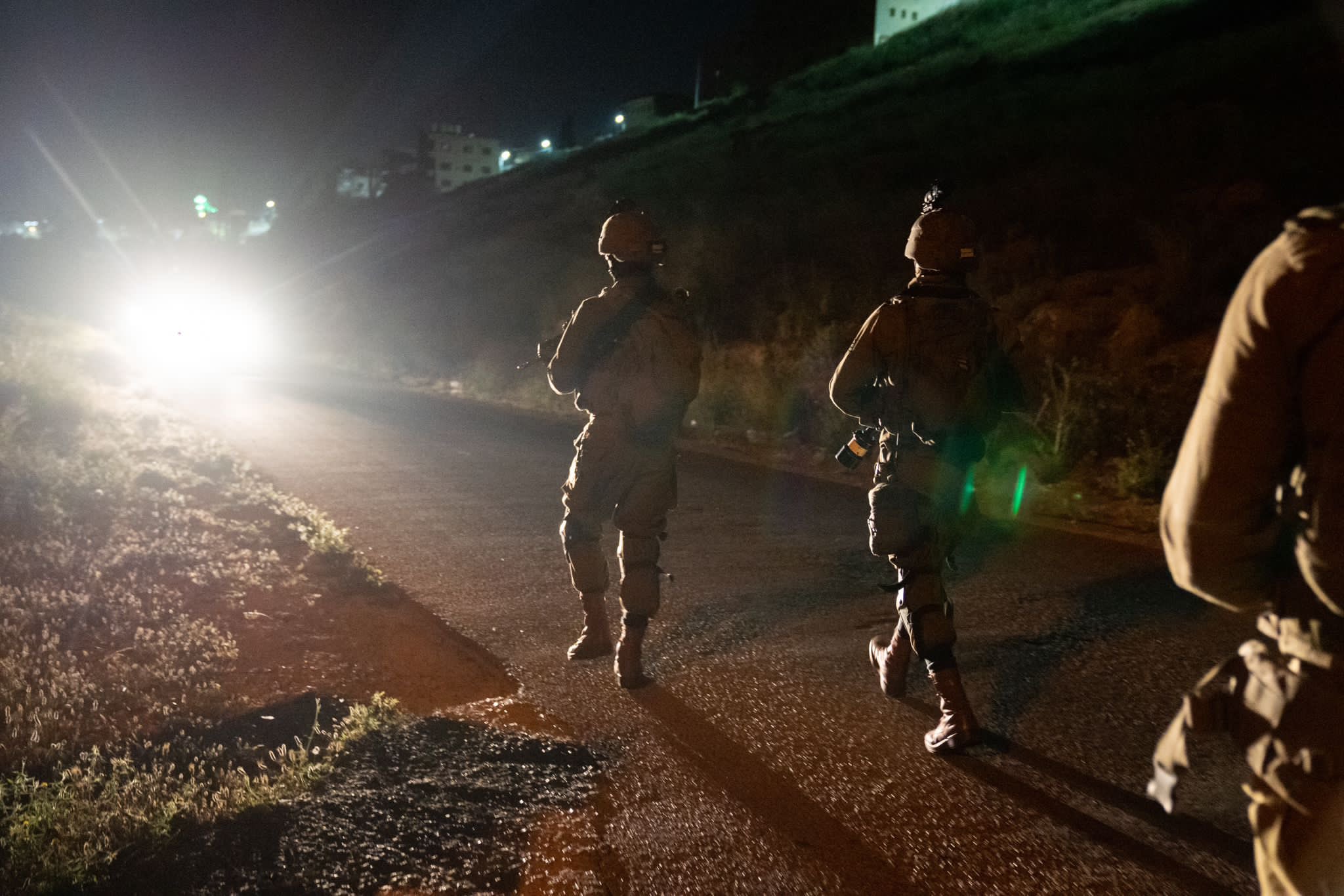
On May 1, the Israeli troops attacked Aqbat Jabr Camp in order to arrest two Palestinians named Ahmad Jaber Wahdan and Ahmad Jihad Abul Asal.
Following the raid, which was followed by confrontation between the Israeli soldiers and the Palestinians, several people were wounded. Rescue forces immediately took the wounded people to hospital; however, hours later the Palestinian Ministry of Health informed of the martyrdom of Jebril Muhammad Al-Lada’a, a 17-year-old Palestinian teenage.
According to the Palestinian Ministry of Health, because of today’s attack by the Israeli armed forces on Aqbat Jabr Camp, a Palestinian was martyred and six others were wounded. The condition of three of the wounded Palestinian men has been reported to be critical.
Moreover, the Zionist occupying forces attacked on several other regions in the West Bank, including Jenin, and embarked on mass arrests of the Palestinians.
It is mentioned that one of the detained people is Mahdi Al-Sharqawi, one of the prominent leaders of the Islamic Jihad Movement in Palestine, who was arrested by the Israeli military forces following their raid on his house in Zababdeh town in the south of Jenin.
In relation to the issue, the Islamic Jihad Movement in Palestine declared that the detention of Mahdi Al-Sharqawi, who is one of the senior leaders of this movement in Jenin, will not affect the determination of the Palestinian nation as well as the Palestinian fighters.
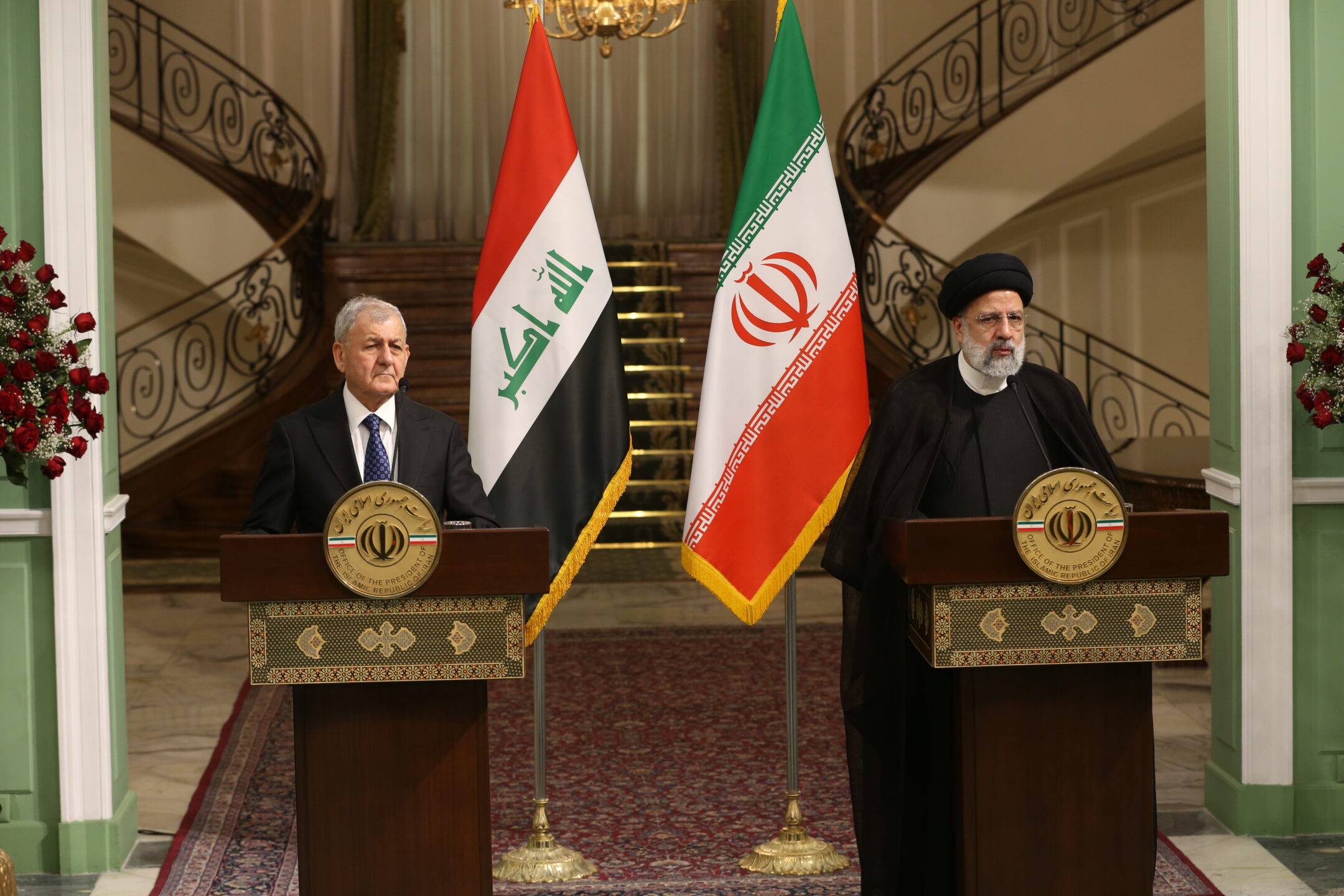
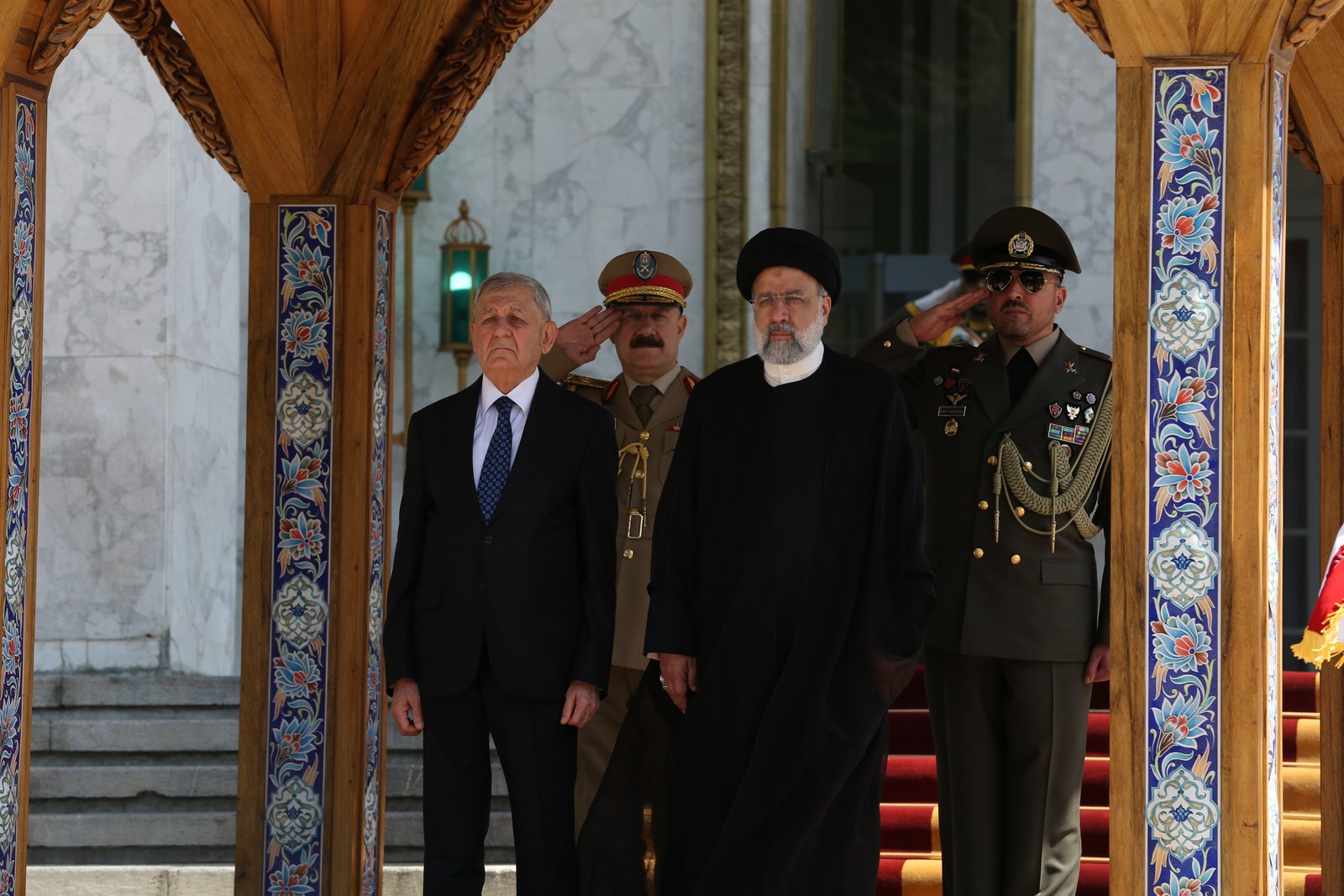
In a joint press conference with his Iraqi counterpart, the Iranian President Ebrahim Raisi welcomed President Rashid, embracing the presence of an Iraqi high-ranking delegation in Tehran.
President Raisi said: “Good negotiations have been held between the two sides and the discussions were on various issues. The two states have established a memorandum of understanding on security collaborations; so, the slightest insecurity in Iraq is considered Iran’s insecurity. The security of Iraq is of great importance for the Islamic Republic. The security MoU will help bolster security situation in the region.”
Touching upon the military presence of the United States in the West Asia region, President Raisi said: “As much as we see negotiations among the regional countries useful, we do not view the presence of foreign military forces in the region as beneficial. We consider the American forces’ presence as disturbing to the security of this region.”
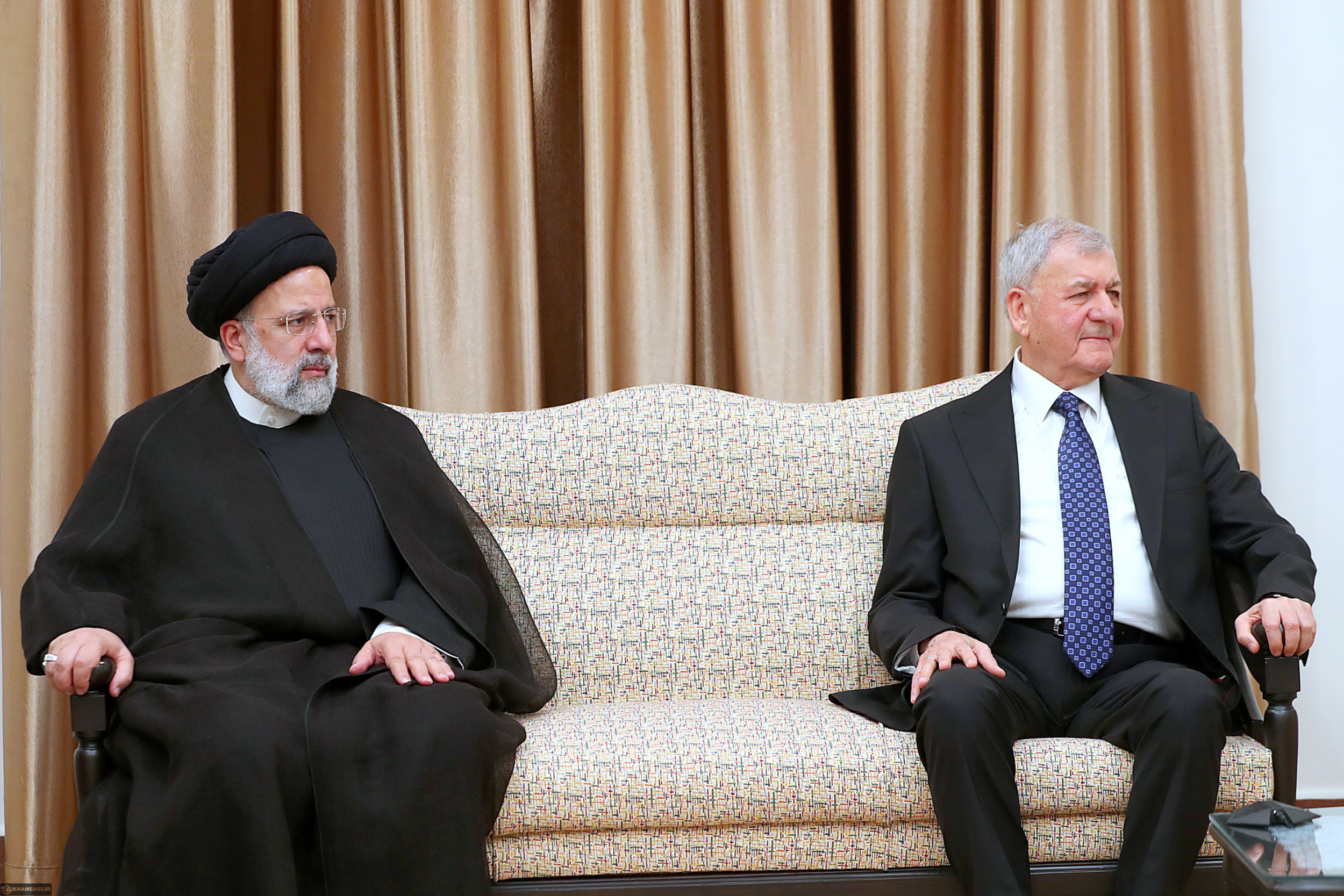
The meeting of the president of Iran with his Iraqi counterpart
In the press conference, the Iraqi president pointed to historical, geographic and ethnical commonalities between the two countries, adding that the relationship between the two nations is robust and unalterable. The ties between the two states will become stronger in the future as well. We should progress the relationship in all arenas and try to remove the obstacles to this end.
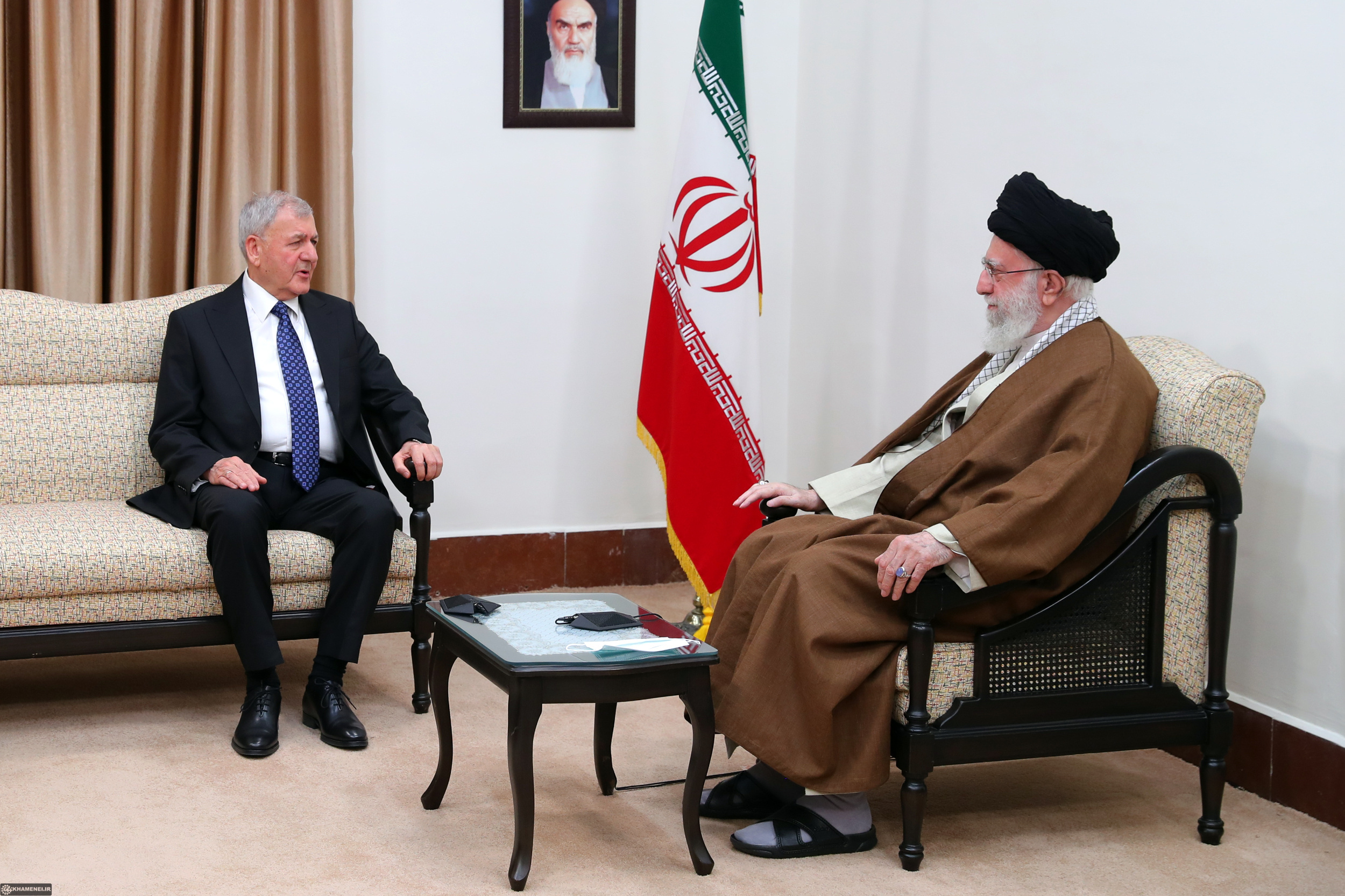
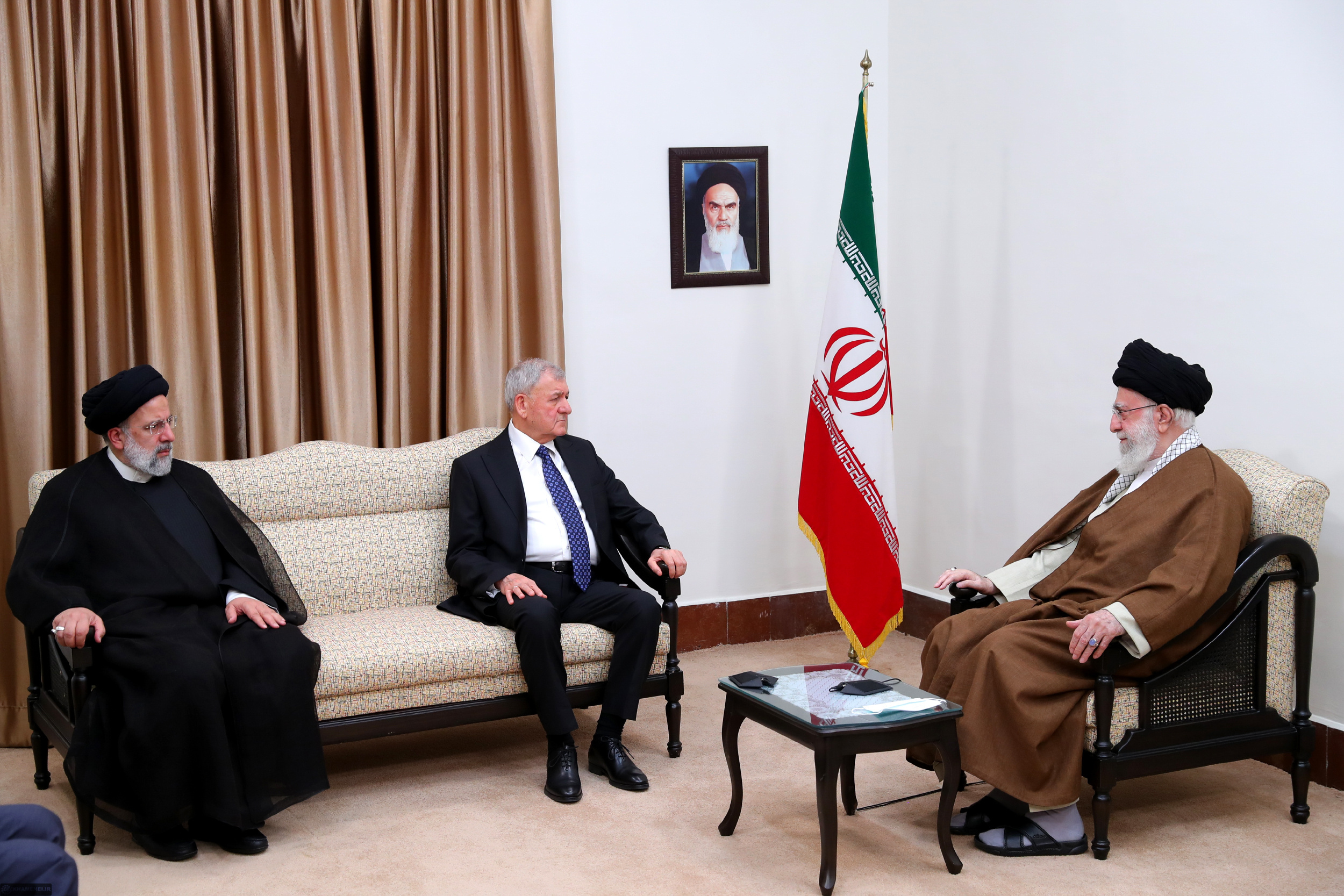
After the press conference, the Iraqi chief executive held talks with Supreme Leader of the Islamic Revolution Imam Seyyed Ali Khamenei. In the meeting with the President of Iraq and his entourages, the Leader of the Islamic Revolution underscored that the progress, prosperity, independence and advancement of Iraq is of great importance for the Islamic Republic of Iran. The Supreme Leader also said that the expansion of mutual collaborations and the implementation of bilateral agreements would be beneficial for both countries.
The meeting of the President of Iraq with Imam Khamenei
The Leader of the Islamic Revolution also stressed that the United States is not friend of Iraq, adding: The Americans are not friends with anyone and they are not even loyal to their European allies. Even the presence of a single American in Iraq is too much.
Abdul Latif Rashid, for his part, expressed his great pleasure for meeting with the leader of the Islamic Revolution, saying: “Our relationship with the Islamic Republic of Iran is unremitting and sturdy, which includes different dimensions and arenas.”
Touching on his meetings and negotiations with the Iranian authorities, President Rashid noted: “Iraq makes all-out efforts in a bid to deepen mutual ties with the Islamic Republic of Iran and paves the way for the implementation of certain remaining projects, which should be pursued by the two countries.”
The Iraqi president further lauded the assistance and support made by the Iranian government and people in Iraq’s different times in particular in their combat against terrorism.
It is also worth mentioning that the Iraqi president, who was elected as the head of government of the Arab nation in October of the last year, visited Tehran for the first time since his tenure with the aim of meeting and consulting with the authorities of the Islamic Republic of Iran.
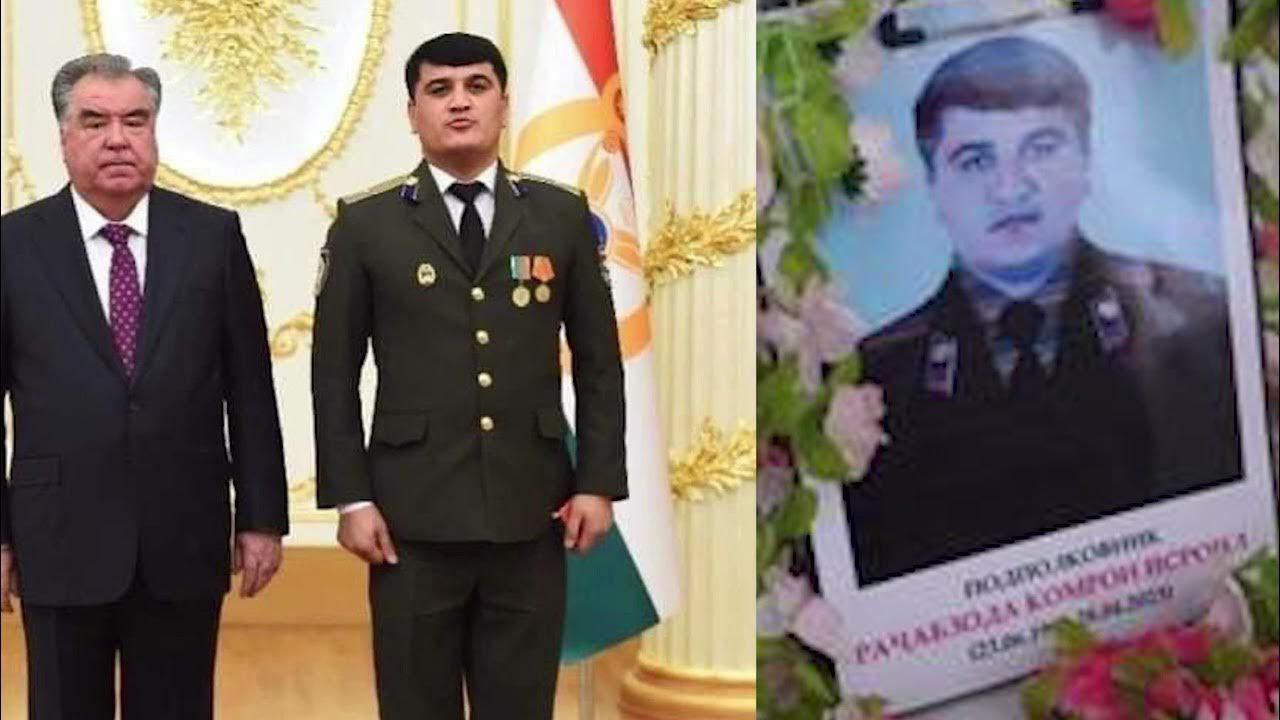
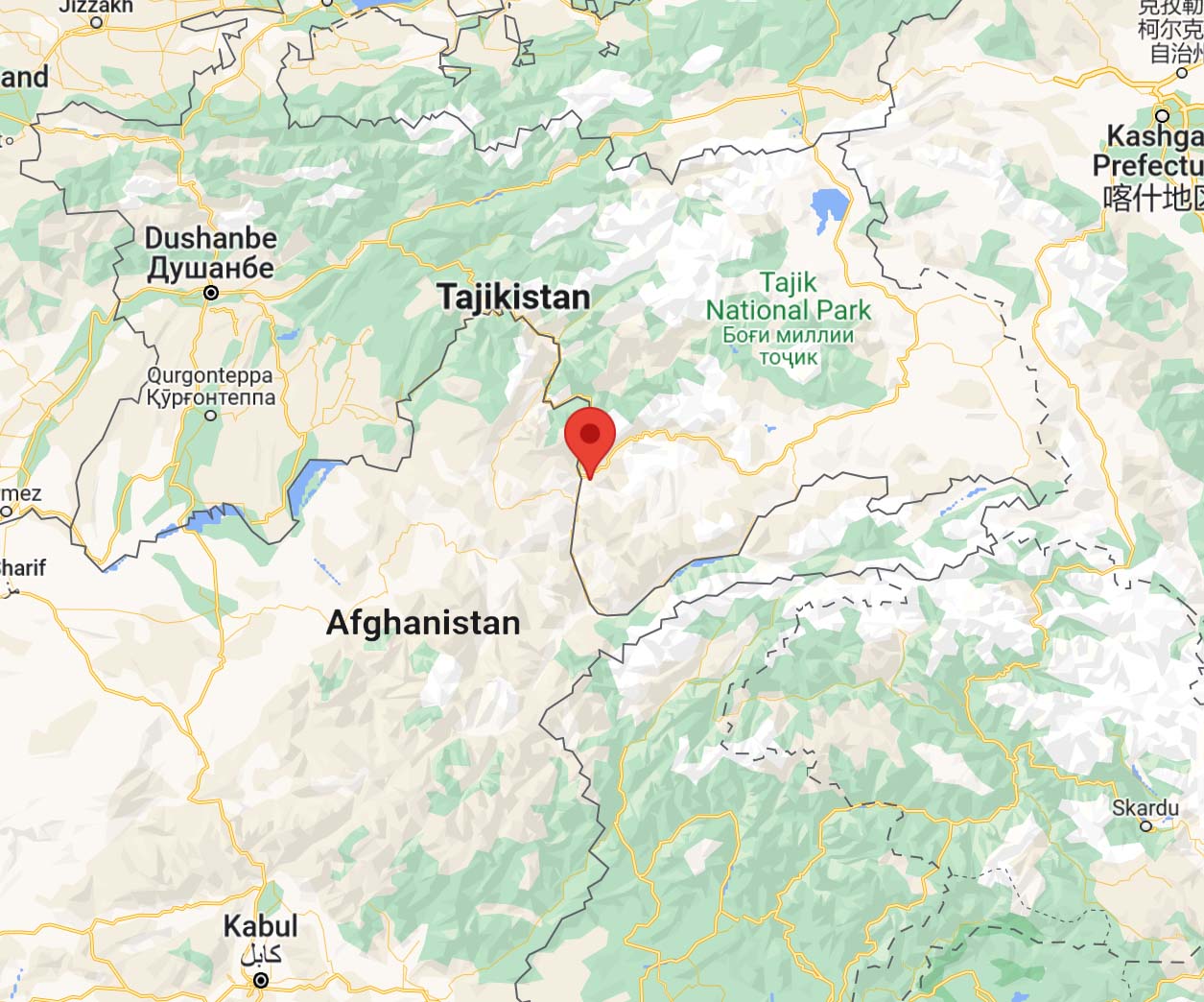
According to a report by sources affiliated to the government of Tajikistan, Kamran Rajabzade was killed in the security district 184 under supervision of the Tishar checkpoint in the Gorno-Badakhshan province, an autonomous region in eastern Tajikistan, as a result of an armed conflict between the security forces and unidentified militants in Kharog town on May 8.
The sources mentioned that the exact number of the unidentified militants was eight, who illegally entered the territory of Tajikistan early on May 8th. They entered from the border areas of Afghanistan, but the Tajik security forces realized them and after hiding in an unspecified area started an attack on the infiltrators. The government sources also claim that three members of the militant group were detained and five others could flee to Afghanistan.
Khorog town, near the Afghanistan border
In accordance with the on the ground investigations of a field source of the ISWnews, there are three narratives on the incident:
1- The first version is the narrative of the government sources, saying that Kamran Rajabzade was killed in a patrol mission in the joint border areas with Afghanistan. Regarding the issue, it should be said that Rajabzade is the highest security official in Kharoug city; moreover, the head of border guard is under Rajabzade’s command; so, why should a senior security official patrol the borderline?
2- The second narrative mentions that Rajabzade had connection with drug and weapon traffickers and he was killed by those traffickers in a face-to-face meeting because of an armed conflict or after a dispute; therefore, the government of Tajikistan held Rajabzade’s burial ceremony incredibly in a speedy and compact way.
3- The third version of narration comes from local sources in Khorogh city. The top security officer was one of the main elements in suppressing the last year protests in Gorno-Badakhshan as well as the killing of opponents of President Emomali Rahmon’s government, including Mohammed Baker Mohammed Bakerov; therefore, Rajabzade was assassinated by opponents of the Tajik government. Seemingly the third narrative is somehow closer to the reality.
Furthermore, the border guards of Tajikistan shot at two unidentified armed persons on the border of Gorno-Badakhshan province with Afghanistan on April 26, when the people were trying to infiltrate into the soil of Tajikistan, and the incident left both armed individuals dead. A number of local sources in Afghanistan said that the armed people were elements of the Jamaat Ansarullah group in Tajikistan.
It should be mentioned that in the negotiations between the Taliban and representatives of the National Security Committee of Tajikistan in Khorog on March 24, the government of Tajikistan called for the extradition of Mohammad Sharif (also known as Mahdi Arsalan), the commander of Jamaat Ansarullah in Tajikistan, in return for handing over Afghanistan’s embassy in Dushanbe.
The Taliban rejected the request, and announced that it is committed to the transfer of the militants of the Jamaat Ansarullah of Tajikistan from the border towns of Gorno-Badakhshan province.
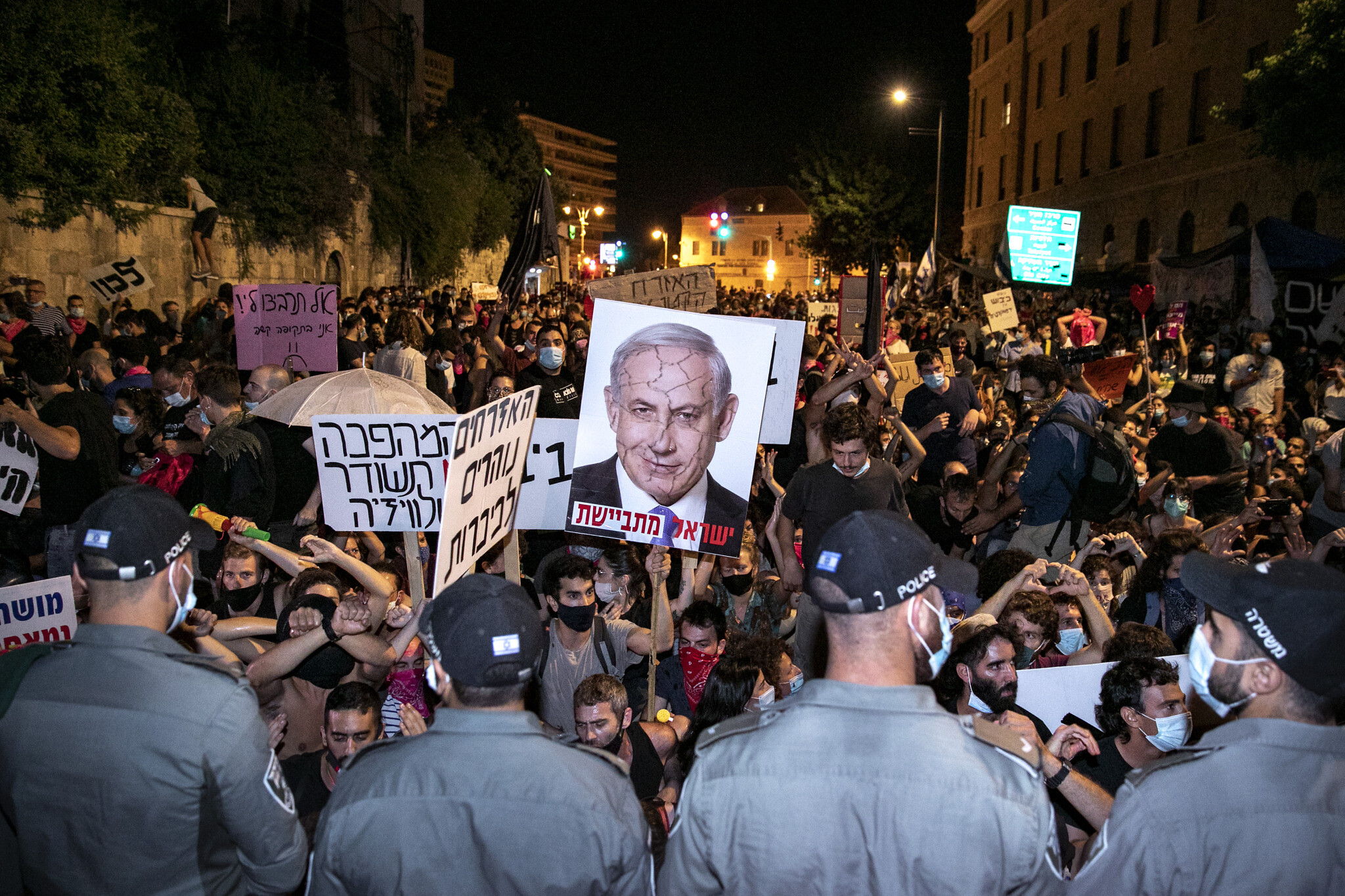
On April 29, thousands of settlers residing in the usurped Palestinian lands took part in protests against Netanyahu’s proposed judicial reforms in Tel Aviv and some other cities.
The protest rallies were held after a demonstration was participated by tens of thousands of supporters of Benjamin Netanyahu’s cabinet a few days ago in a bid to show their support for the controversial judicial reform program.
In accordance with reports of the Hebrew-language media, the polarized society has its roots in the judicial reform plan in the occupied territories, and pro-Netanyahu rally-goers pour into the streets in order to restore the balance of power to his crisis-hit cabinet.
It is noteworthy that the prime minister of the Israeli regime declared on March 27 that he halted his controversial plan concerning the judicial system of the regime; however, the demonstrations by the Israeli settlers kept on every Saturday in different cities of the occupied Palestinian territories.
The protest rallies that have been organized to show opposition to Netanyahu’s judicial reform program, now entered the 17th consecutive week since its onset on January 7, 2023.