Tag: Afghanistan

  • Taliban Is Changing Demographic Structure Of Northern Afghanistan!

    Taliban Is Changing Demographic Structure Of Northern Afghanistan!

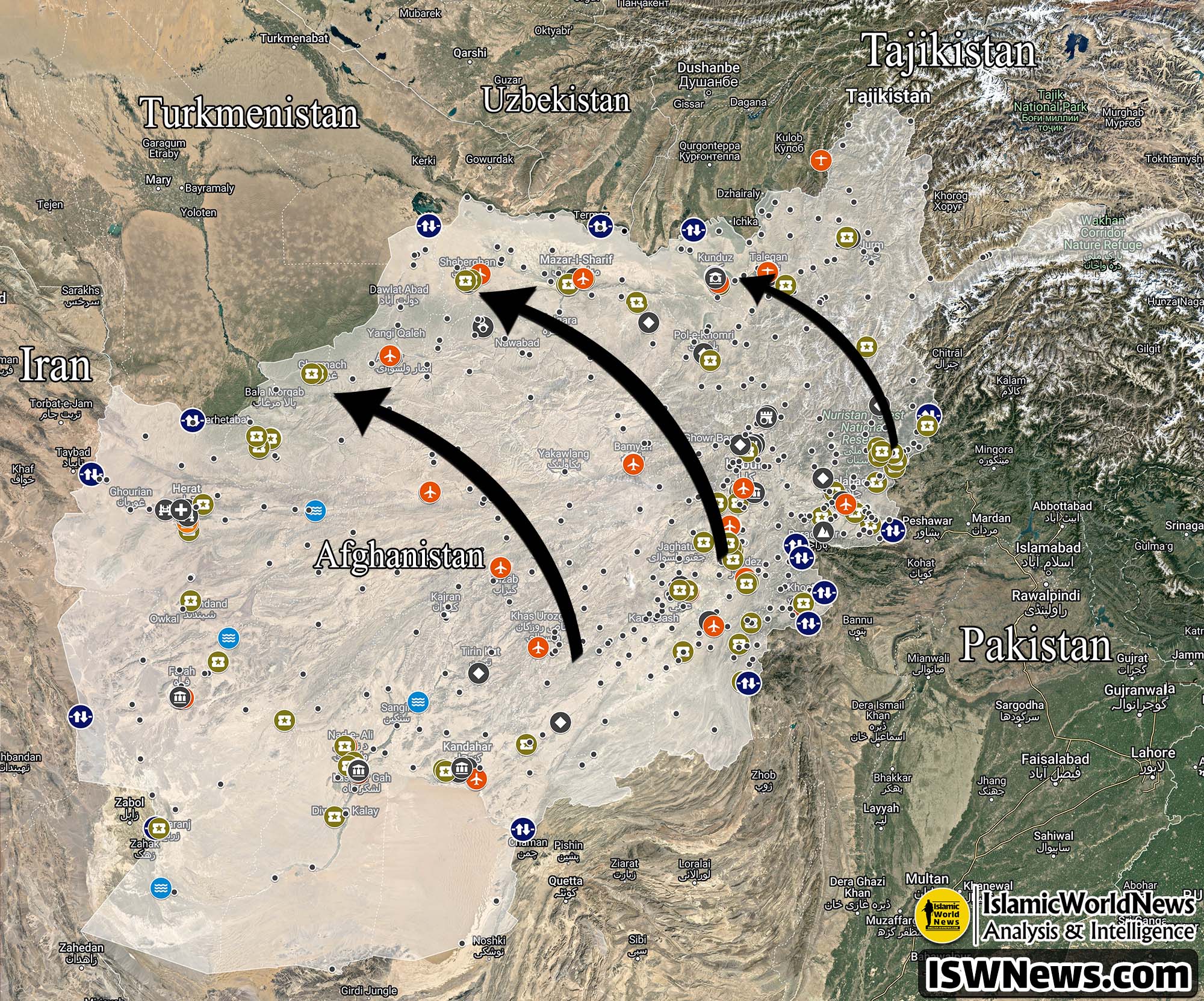
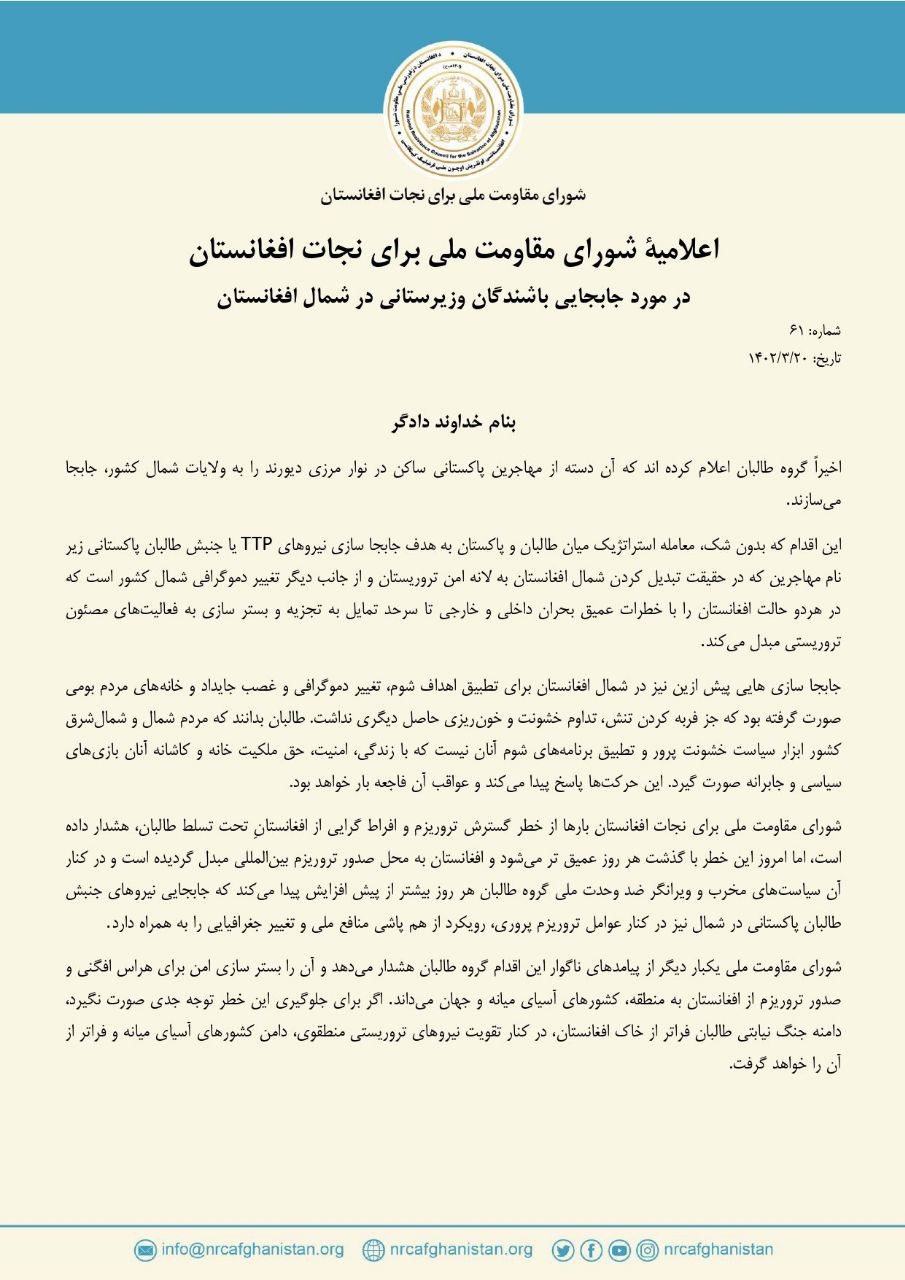
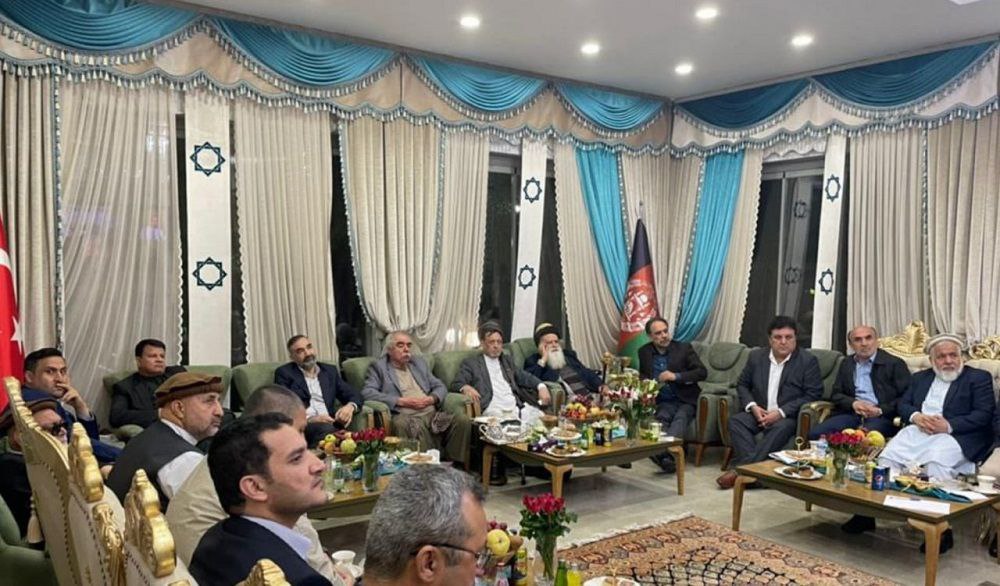
    On June 13, the National Resistance Council for the Salvation of Afghanistan, comprising of political figures and officials of the previous government, in a meeting in Istanbul, Turkiye issued a serious warning about the relocation of thousands of Tehreek-e-Taliban Pakistan (TTP) militants and their families by the Taliban caretaker government to the northern provinces of Afghanistan.

    The council said that undoubtedly this move is a strategic deal between the Taliban caretaker government and the Pakistani government, aimed at transferring militants of the TTP group under the title of “settlement of migrants” in northern Afghanistan, and it is nothing but turning the northern region of Afghanistan into a safe haven for terrorists and changing the demographic structure of that area.

    The National Resistance Council for the Salvation of Afghanistan described the actions made by the Taliban caretaker government as a dangerous move that will cause the disintegration and disastrous consequences in the war-torn country.

    They have also called for preventing the strengthening of terrorism and waging proxy wars on countries in the Central Asia region.

    Earlier, Spokesman for Ahmad Massoud’s National Resistance Front Ali Meysam Nazari referred to the issue and announced his organization’s resistance to the transfer of Pakistani immigrants.

    In addition, the United Nations Security Council Sanctions Committee Analysis and Monitoring Team in its recent report pointed out to the Taliban’s return to the authoritarian Pashtun-centric policies of the 1990s and the group’s deep ties with terrorist groups such as al-Qaeda, the Islamic Movement of Uzbekistan, the East Turkestan Islamic Movement (ETIM), Jamaat Ansarullah of Tajikistan and Tehreek-e-Taliban Pakistan.

    Such claims are made while Spokesman for the Taliban caretaker government Zabihullah Mujahid, in an interview with Afghanistan media outlets, confirmed the news reports referring to the transfer of Pakistani immigrants to northern Afghanistan.

    Apparently, the transfer is carried out at the request of Islamabad and under the support and role of Minister of Interior and leader of the Haqqani network Sirajuddin Haqqani; so, his first trip to northern Afghanistan can be considered in line with the implementation of such a controversial plan.

    The transfer of Pakistani immigrants to northern Afghanistan will reduce terrorist threats against Pakistan and increase threats against certain countries in the Central Asia region.

    The issue will have irreparable consequences for the demographic, racial and religious composition of the northern areas, which will also have long-term effects on other countries in the region, especially on Iran and Russia.
  • Infographic: Taliban Border Clashes With Neighboring States Of Afghanistan

    Infographic: Taliban Border Clashes With Neighboring States Of Afghanistan

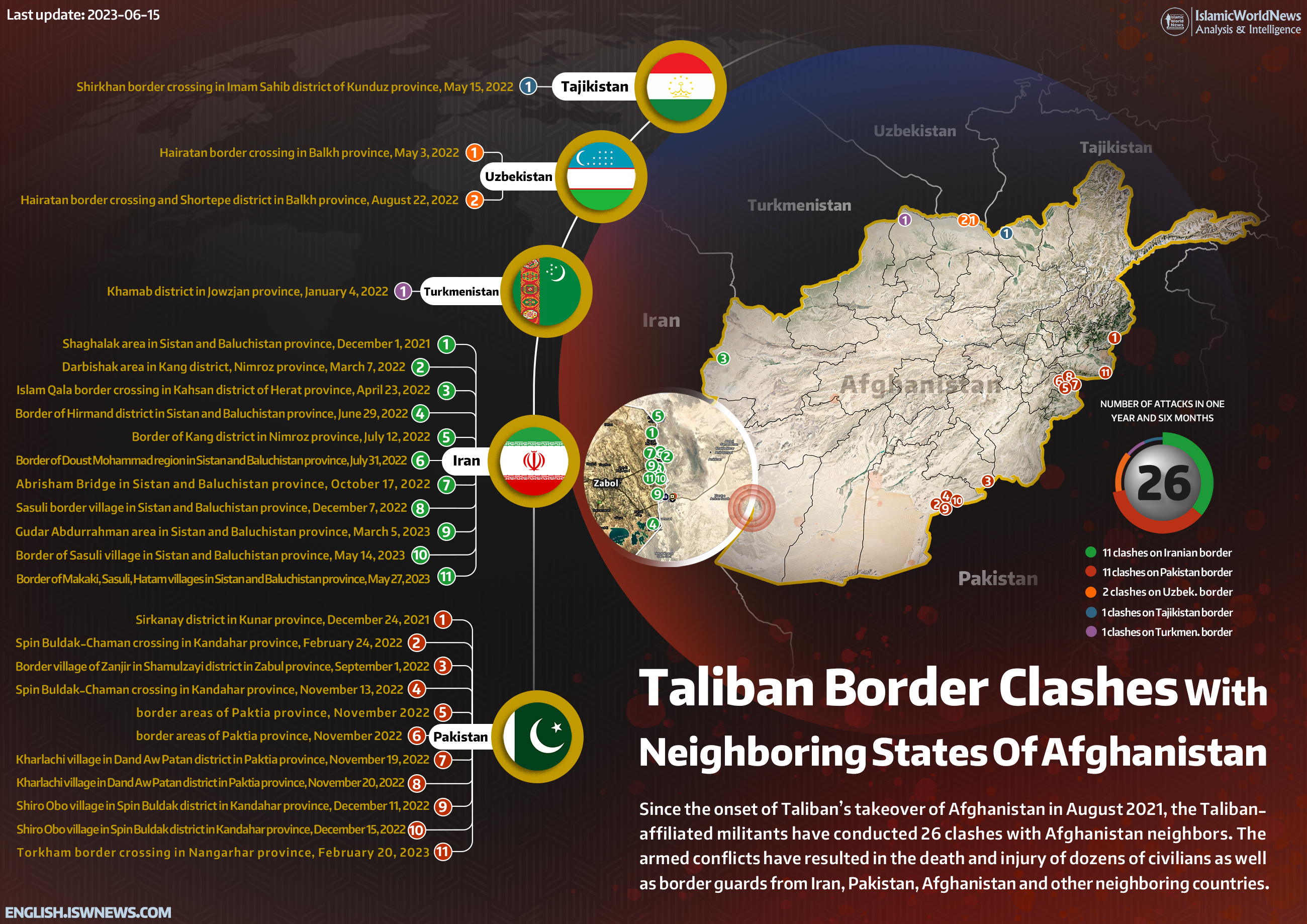
    The main root cause of the Taliban’s border clashes with Afghanistan’s neighbors is that the Taliban militants possess insufficient know-how regarding international border laws and regulations. More importantly, the Taliban rulers do not make any effort to prevent tensions with their neighbor states!

    Afghanistan is a landlocked country, which does not have any access to free waters. And the prelude to the establishment of stability and security in such a region is cooperation with neighboring states in order to create appropriate condition for economic and political growth along with issues such as security and stability.

    Unfortunately, following five decades of conflict and bloodshed in Afghanistan, the country is still involved in ethnic clashes as well as pursuit of self-interest by powerful individuals and one-dimensional governments. Hence, it can be predicted that the war-torn country has not yet entered a period of stability; so, the second Taliban regime is expected to end up in the fate of previous Afghan governments if it continue the past trend.

    The Taliban militants’ border clashes created an environment of insecurity, which extended smuggling and strengthened terrorist groups’ activities in Afghanistan’s border lines more than ever, and this trend is expected to accelerate the Taliban’s downfall. In such circumstances, coordination and the way that Afghanistan’s neighboring states face the Taliban rulers, would play a significant role…

    The Taliban militants embarked on at least 26 border clashes with Afghanistan’s neighboring states since their takeover of the war-stricken country in 2021. Of the total number of border clashes, some 11 cases occurred on the border with Iran, 11 others on joint border with Pakistan, two conflicts on the border with Tajikistan, two others on joint borderline with Uzbekistan and the last one on the border with Turkmenistan.

    The details of these conflicts are as follows:

    1- Conflict with Iran, Shaghalak area in Hirmand district in Sistan and Baluchistan province, December 1, 2021

    2- Conflict with Pakistan, Sirkanay district in Kunar province, December 24, 2021

    3- Conflict with Turkmenistan, Khamab district in Jowzjan province, January 4, 2022

    4- Conflict with Pakistan, Spin Buldak-Chaman border crossing in Kandahar province, February 24, 2022

    5- Clash with Iran, Darbishak area in Kang district, Nimroz province, March 7, 2022

    6- Conflict with Iran, Islam Qala border crossing in Kahsan district of Herat province, April 23, 2022

    7- Conflict with Uzbekistan, Hairatan border crossing in Balkh province, May 3, 2022

    8- Conflict with Tajikistan, Shirkhan border crossing in Imam Sahib district of Kunduz province, May 15, 2022

    9- Conflict with Iran, the border of Hirmand district in the north of Sistan and Baluchistan province, June 29, 2022

    10- Conflict with Iran, the border of Kang district in Nimroz province, July 12, 2022

    11- Conflict with Iran, the border of Doust Mohammad region located in Hirmand district in Sistan and Baluchistan province, July 31, 2022

    12- Clash with Uzbekistan, Hairatan border crossing and Shortepe district in Balkh province, August 22, 2022

    13- Conflict with Pakistan, border village of Zanjir in Shamulzayi district in Zabul province, September 1, 2022

    14- Conflict with Iran, the Abrisham Bridge in Sistan and Baluchistan province, October 17, 2022

    15- Conflict with Pakistan, Spin Buldak-Chaman border crossing in Kandahar province, November 13, 2022

    16- Conflict with Pakistan, border areas of Paktia province, November 2022

    17- Conflict with Pakistan, border areas of Paktia province, November 2022

    18- Conflict with Pakistan, Kharlachi border village located in Dand Aw Patan district in Paktia province, November 19, 2022

    19- Conflict with Pakistan, Kharlachi border village located in Dand Aw Patan district in Paktia province, November 20, 2022

    20- Conflict with Iran, Sasuli border village in Sistan and Baluchistan province, December 7, 2022

    21- Conflict with Pakistan, Shiro Obo village in Spin Buldak district in Kandahar province, December 11, 2022

    22- Conflict with Pakistan, Shiro Obo village in Spin Buldak district in Kandahar province, December 15, 2022

    23- Clash with Pakistan, Torkham border crossing in Nangarhar province, February 20, 2023

    24- Clash with Iran, Gudar Abdurrahman area near Milak border crossing in Sistan and Baluchistan province, March 5, 2023

    25- Conflict with Iran, the border of Sasuli village in Sistan and Baluchistan province, May 14, 2023

    26- Conflict with Iran, the border of Makaki, Sasuli and Hatam villages in Sistan and Baluchistan province, May 27, 2023

    Click to view full size
  • ISIS Fatal Attacks In Badakhshan; 3 Tajik Taliban Officials Killed!

    ISIS Fatal Attacks In Badakhshan; 3 Tajik Taliban Officials Killed!

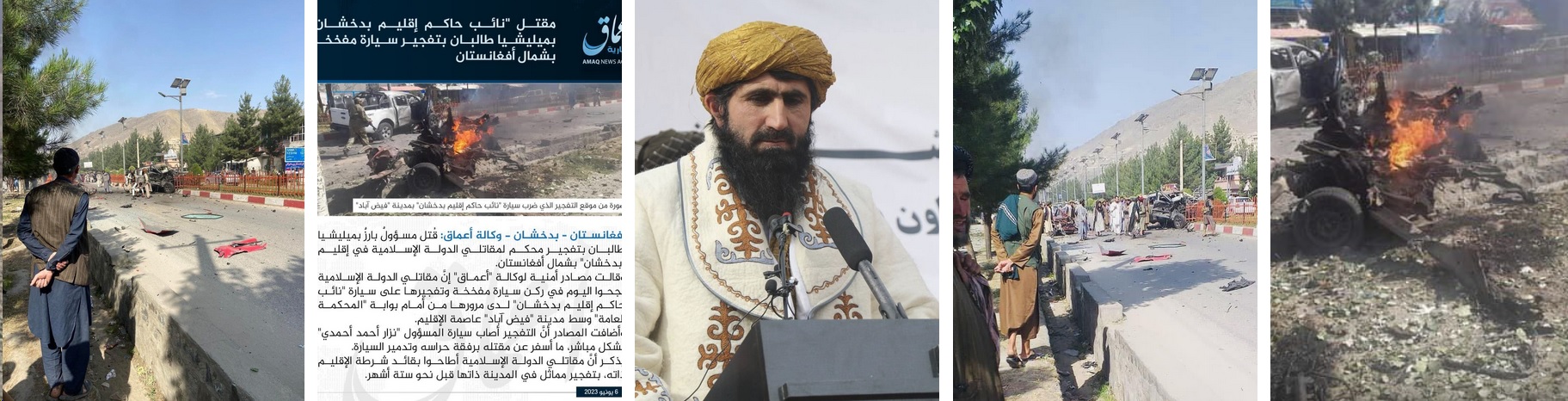
    On Tuesday (June 6), a convoy carrying local Taliban officials in Badakhshan province in Faizabad town, the center of Badakhshan province, was targeted by the ISIS terrorist group.

    The attack was carried out via explosion of a bomb-laden vehicle at the Dadsetani intersection, which ended up in the killing of eight Taliban officials, including deputy governor of the Taliban in Badakhshan province Molavi Nisar Ahmad Ahmadi. The ISIS terrorist group took responsibility for the attack hours after it was carried out by issuing a statement.

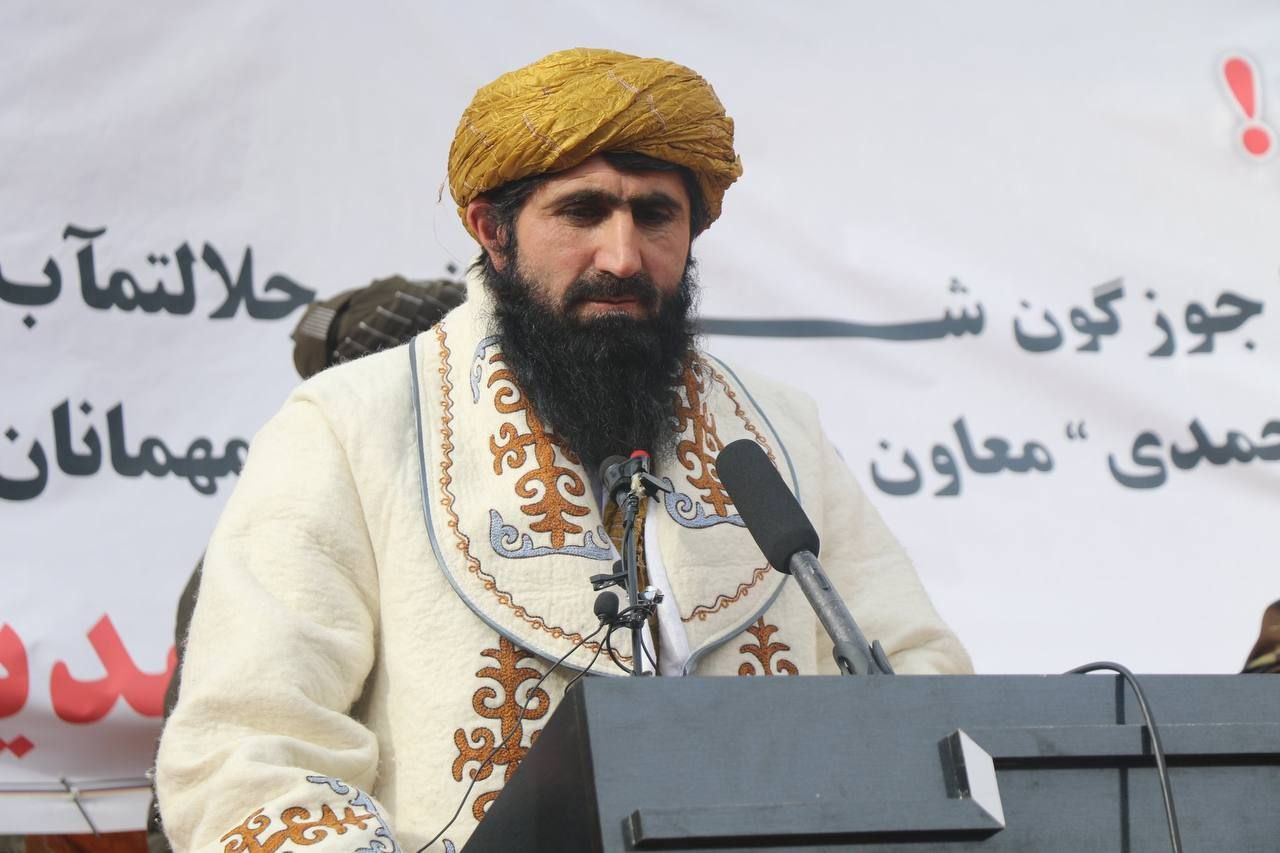
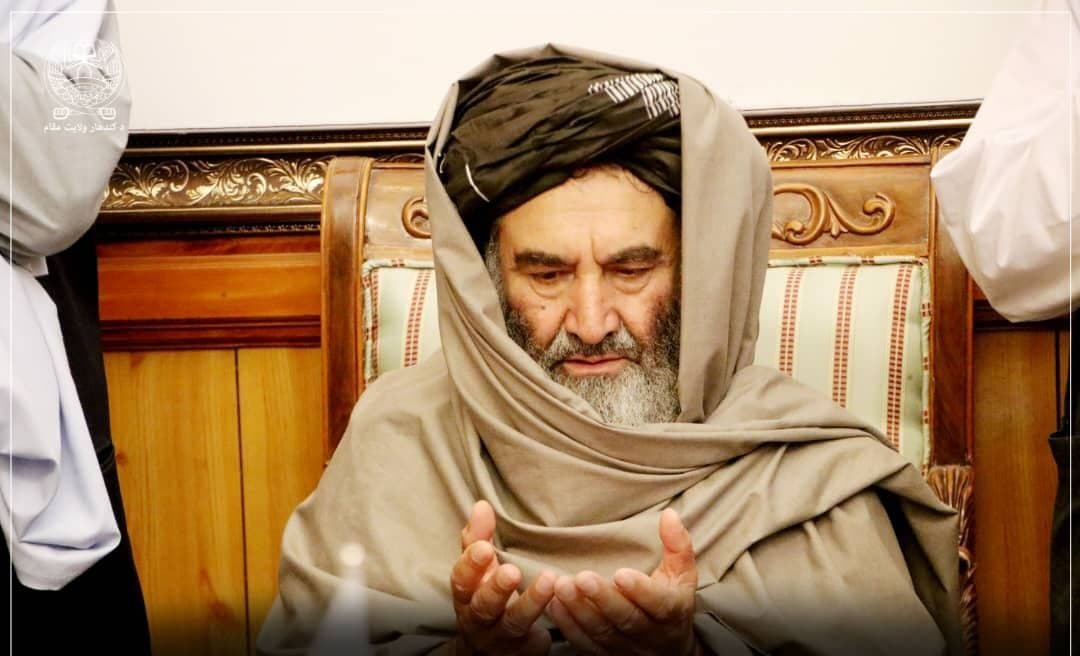
    Pictures of Molavi Nisar Ahmad Ahmadi, deputy governor of the Taliban in Badakhshan and the place of his assassination

    Two days after the attack, another terrorist attacked the funeral ceremony of Molavi Nisar Ahmad Ahmadi at the Nabawi Mosque in Faizabad town and blew himself up among the people present in the mosque.

    The explosion also led to the killing of at least 16 Taliban forces and injuring more than 50 others.

    It should be noted that dozens of middle-ranking members and local officials of the Taliban group attended the funeral ceremony of deputy governor of the Taliban in Badakhshan province Molvi Nisar Ahmad Ahmadi at the Nabawi Grand Mosque in Faizabad town, who were targeted by a suicide bomber.

    Among those present at the funeral ceremony were Minister of Economy of the Taliban caretaker government Qari Din Mohammad Hanif, former security commander of the Taliban in Baghlan province Molvi Safiullah Samim and prayer Imam of Nabawi Grand Mosque Qari Ehsanullah.

    It is worth mentioning that the names of Molvi Safiullah and Qari Ehsanullah have been mentioned among those killed in the terrorist attack.

  • One Iranian Border Guard Martyred In Border Clash With Taliban

    One Iranian Border Guard Martyred In Border Clash With Taliban

    According to a Twitter statement by the Taliban interior ministry spokesman, Abdul Nafee Takkur, during the clashes between the Taliban militants and the Iranian Border Guards in the north of Sistan and Baluchistan Province, an Iranian border guard and a Taliban militant was killed, and a number of other forces were wounded.

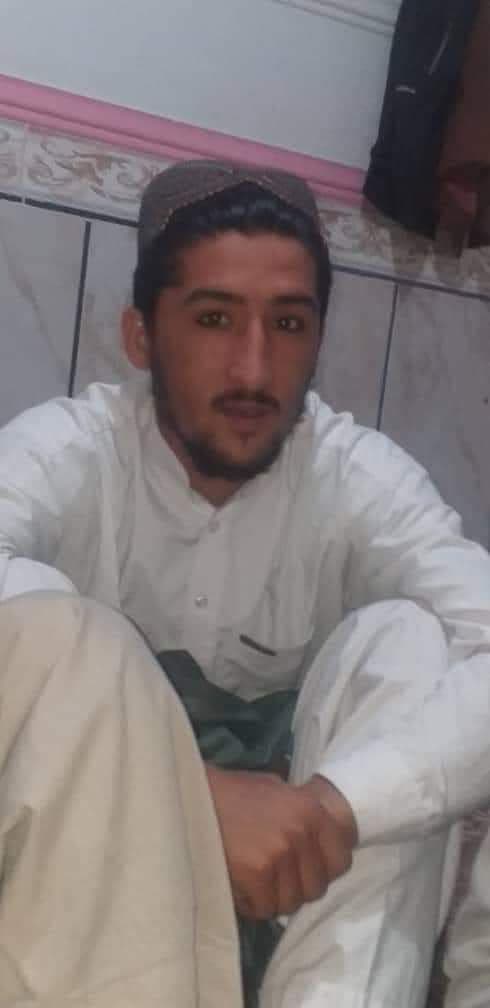
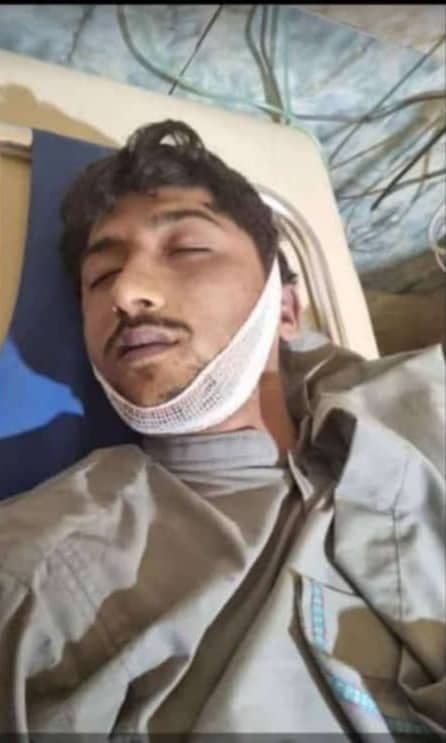
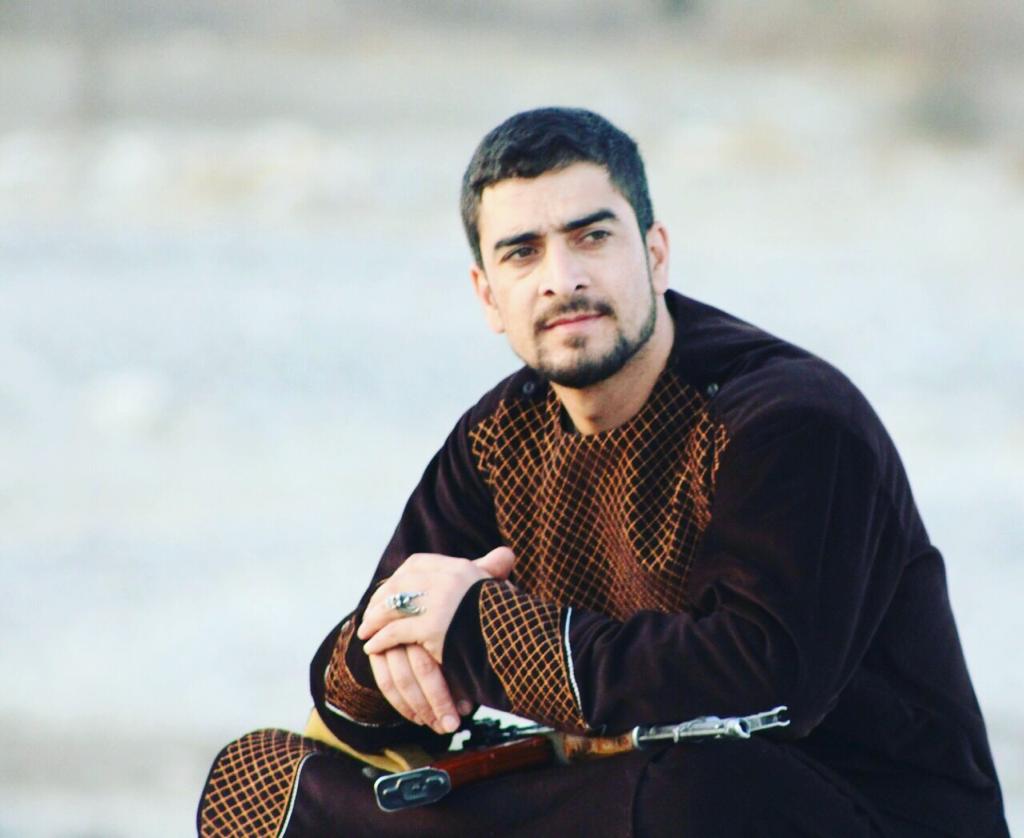
    This is while the local sources in Afghanistan have published images of two persons, claiming that two Afghans were killed in these clashes. Also, based on the statements of a number of employees of the Zaranj hospital, the casualties of the Taliban are 11 killed and wounded. In addition, another image related to an unknown person known as Khaled Panjshiri has been published, according to the IWN field source, this person was probably one of the soldiers of the previous government and was killed in a conflict with the Taliban around the city of Kabul And it has nothing to do with recent border conflicts.

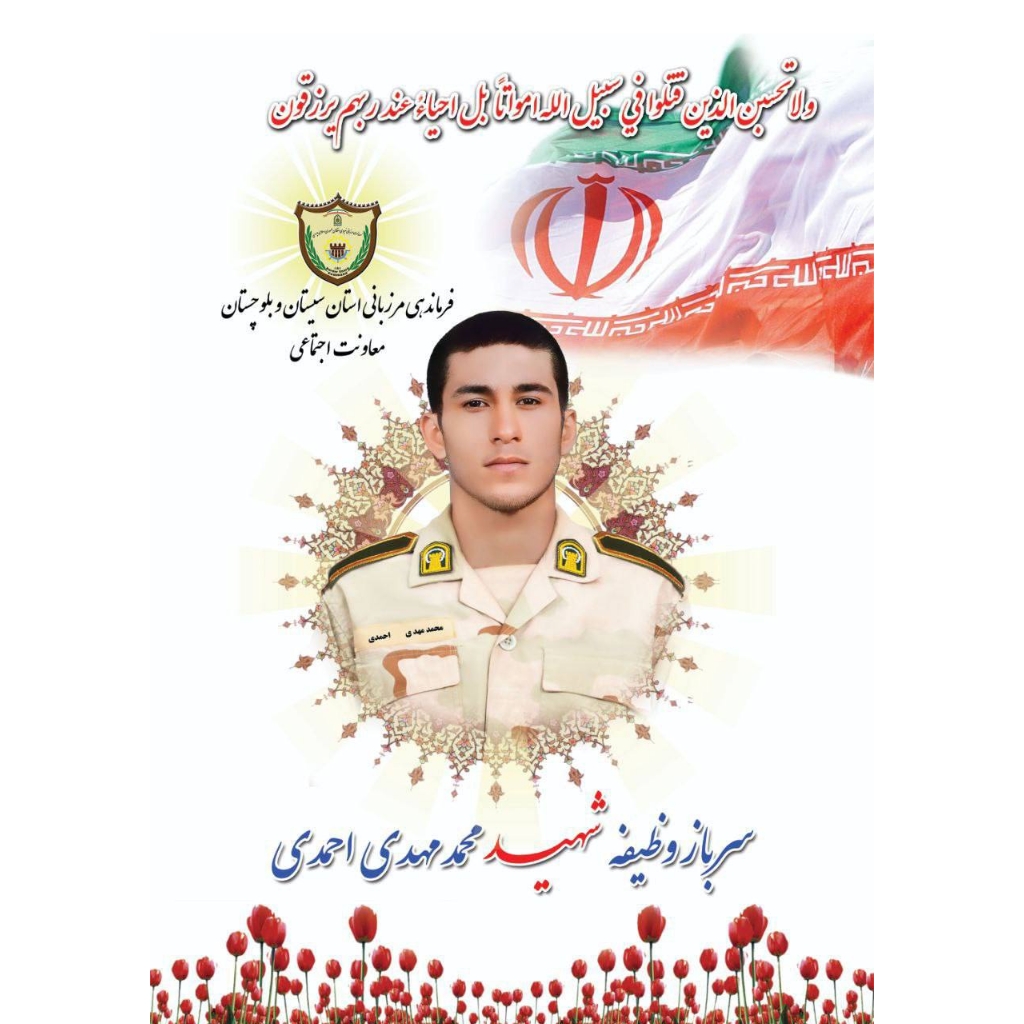
    Iran’s Border Guard Command of Sistan and Baluchistan province also released the image of Mohammad Mehdi Ahmadi, the Iranian soldier that was martyred in recent clashes, and declared the casualties of the Iranian Border Guard in the Taliban attack as one martyr and several wounded.

    Read more: Taliban And Iran Border Clash Leaves 4 Dead (Video)

  • Iran Not To Recognize Taliban: FM Amirabdollahian

    Iran Not To Recognize Taliban: FM Amirabdollahian

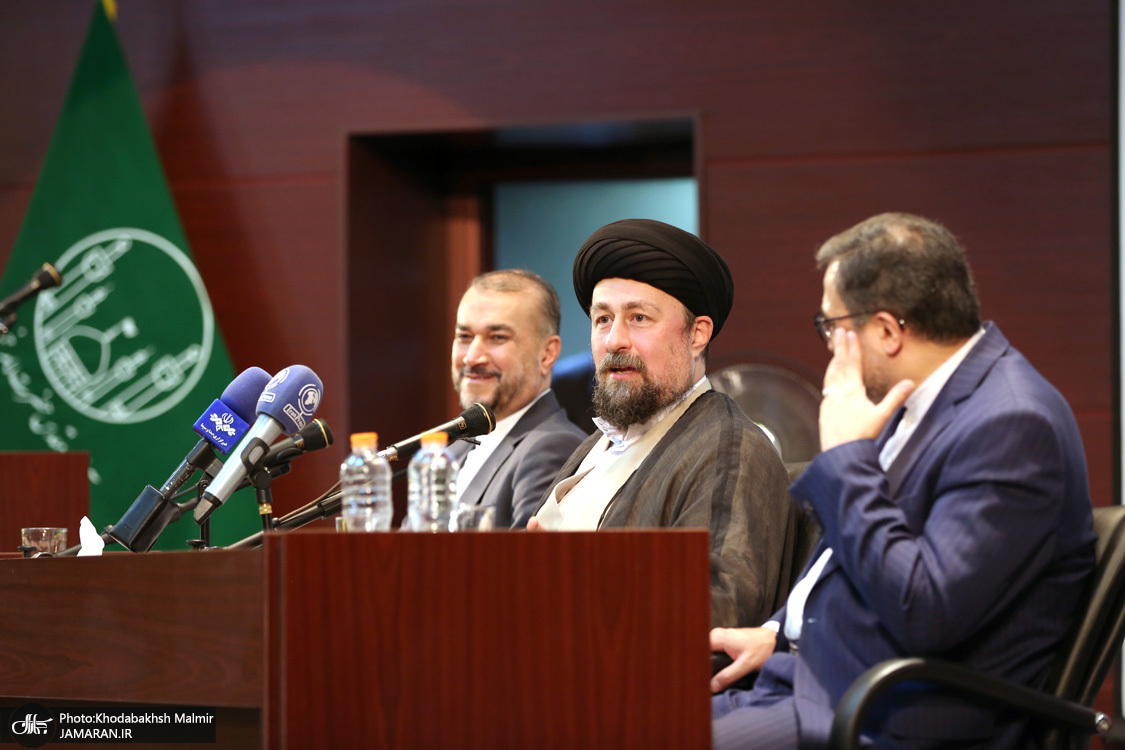
    Amirabdollahian made the remarks in a meeting between Iran’s Foreign Ministry officials and heads of its diplomatic missions abroad with the custodian of Imam Khomeini’s holy shrine Hassan Khomeini in Tehran on May 25.

    The foreign minister said we are dissatisfied that an inclusive government has not been formed in Afghanistan and we have also announced the issue to the current rulers of Afghanistan; so, we do not recognize the current governing body of Afghanistan and we emphasize the need for the formation of an inclusive government in the neighboring state. Moreover, the Taliban group is just a fraction of the political reality in Afghanistan, but it is not the whole reality.

    The foreign minister further referred to the neighborliness of Iran and Afghanistan as well as the long borders between the two countries, saying the scattered border clashes that have occasionally happened on the Afghanistan- Iran borderlines in recent months are a source of concern.

    According to the top diplomat, there is no way but interaction between the two neighboring countries, and that we do not want the bitter incident of Mazar-i-Sharif to be repeated, but we want to help realize peace and security in Afghanistan and we also have expectations from the current rulers of the neighboring state.

    Amirabdollahian pointed to Iran’s water rights from the Helmand River, adding that we have had talks with Afghan officials on the issue and we are of the opinion that the legal path should be considered in this regard on the basis of water-sharing treaty, which was signed in 1973. We told Afghan officials that the water rights issue cannot be resolved through a political statement and must be pursued within the framework of legal actions, he noted.

    The Iranian foreign minister also described the Taliban caretaker government’s policy in facing women and girls as inhumane and emphasized that Iran considers the policy contrary to the teachings of the Prophet of Islam (PBUH).

    Rhetorical tensions between Taliban and Iran escalated after the Taliban rulers replied negatively Iran’s repeated diplomatic requests for the implementation of the 1973 treaty on Iran’s water rights from the Helmand River, claiming that the Afghans are facing drought and lack of water in the Kajaki Dam, which is an earth and rock-fill embankment type dam located on the Helmand River in the Kajaki District of Helmand Province in Afghanistan.

    The Taliban rulers also rejected Iran’s request to dispatch a technical delegation to verify the amount of water in the Kajaki Dam.

    Video: Iran Warns Taliban On Water Rights

  • Taliban And Iran Border Clash Leaves 3 Dead (Video)

    Taliban And Iran Border Clash Leaves 3 Dead (Video)

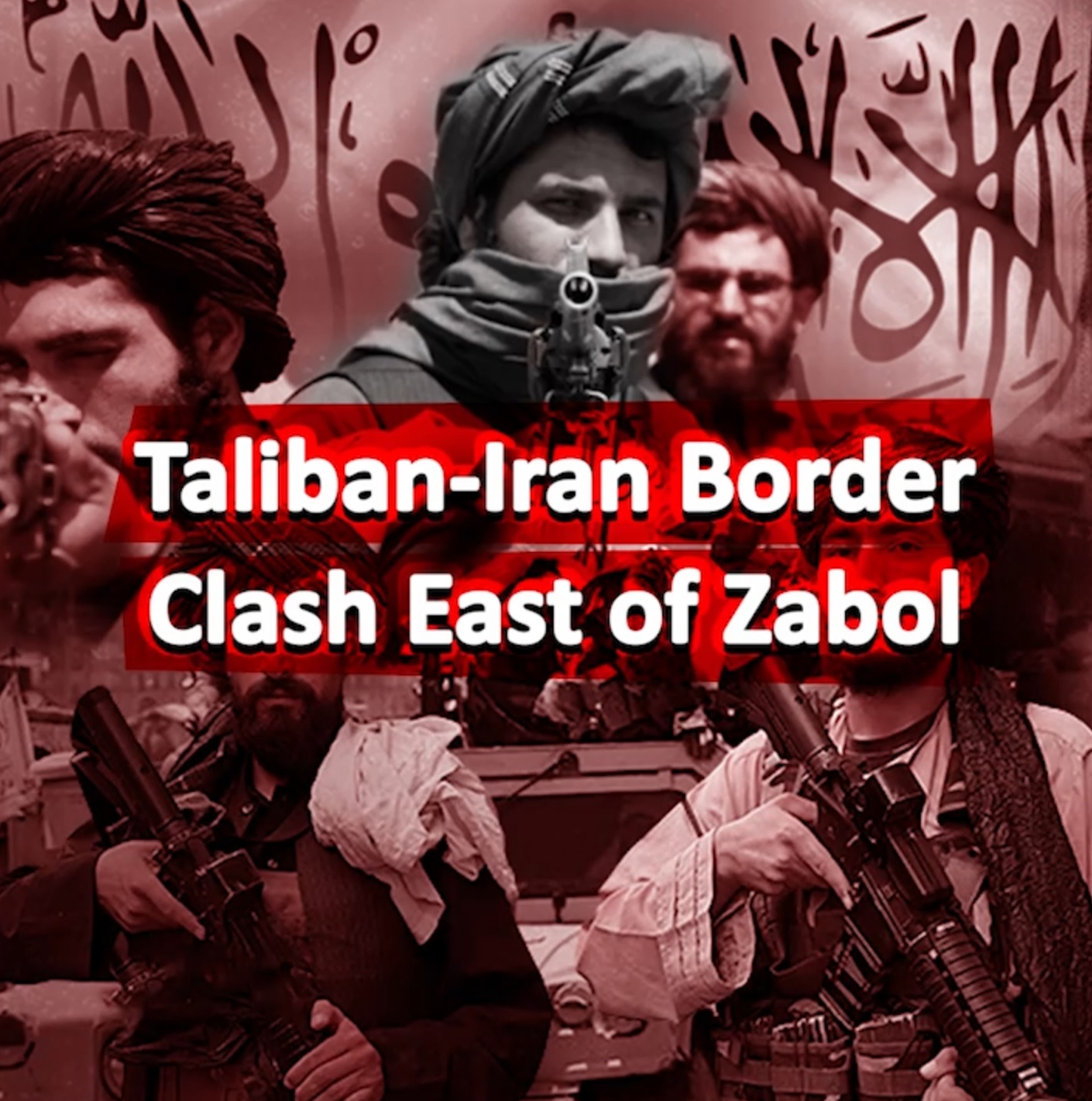
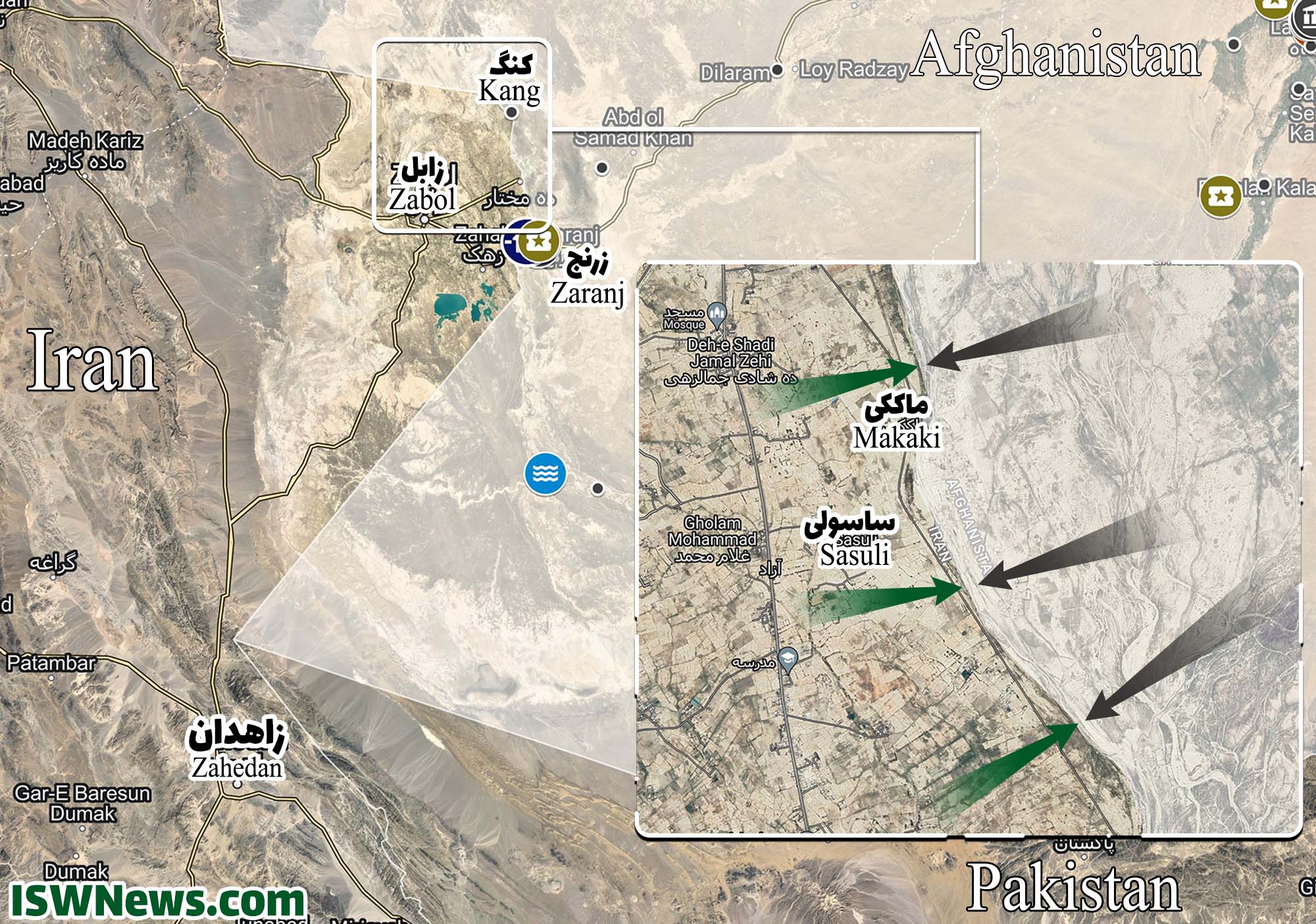
    According to local sources in the border areas of Zabol, the capital city of Sistan and Baluchestan Province, some Taliban militants and a number of Iranian border guards started armed clashes on the outskirts of Makaki, Sasuli and Haatam villages, which are located east of Zabol city from noon today (May 27) and the two sides exchanged fire.

    As a result of these clashes, an Iranian border guard lost their live and at least two Taliban militants were also killed and several others were wounded.

    At present, the conflict ended after artillery fire and exchange of gun fire, and border officials on both sides are investigating the differences, while the reason behind the clash has not been determined so far.

    Taliban militants had previously prevented Iranian machineries from constructing border walls and it seems that the today clash had its roots in such disputes.

    Local sources in Afghanistan’s Nimruz Province claim that Iran has launched artillery attacks on the airport and residential areas in northern villages of southwestern city of Zaranj, but the Iranian authorities ruled out the allegations and emphasize that Iranians’ artillery targeted Taliban forces’ positions.

    The main areas of conflict between the Iran’s border guards and Taliban on the border of Makaki and Sasuli villages in Sistan and Baluchistan province.
    The released video of Taliban attack on Iranian forces in the border area

    Despite numerous reports from Taliban-affiliated media outlets on Iran’s missile attacks on Zaranj city in the center of Nimruz province as well as Afghanistan’s border villages, there have not been released any report or image of the alleged missile attack to show the consequences of the so-called Iranian missile strike on the areas; so, the propaganda campaign is completely unfounded. Furthermore, news stories on the Taliban’s advances in Iranian territory are not based on facts on the ground.

    Following today’s border clash in eastern Zabol, Commander-in-Chief of the Police Force of the Islamic Republic of Iran Major General Ahmadreza Radan ordered the border guards stationed in the mentioned border area to bravely and decisively defend the borders and do not allow anyone to violate or approach the borderline. His order also emphasizes that the border forces of the Islamic Republic of Iran will decisively respond to any border violation or aggression, and the current rulers of Afghanistan must be held accountable for their miscalculation, which is contrary to international principles.

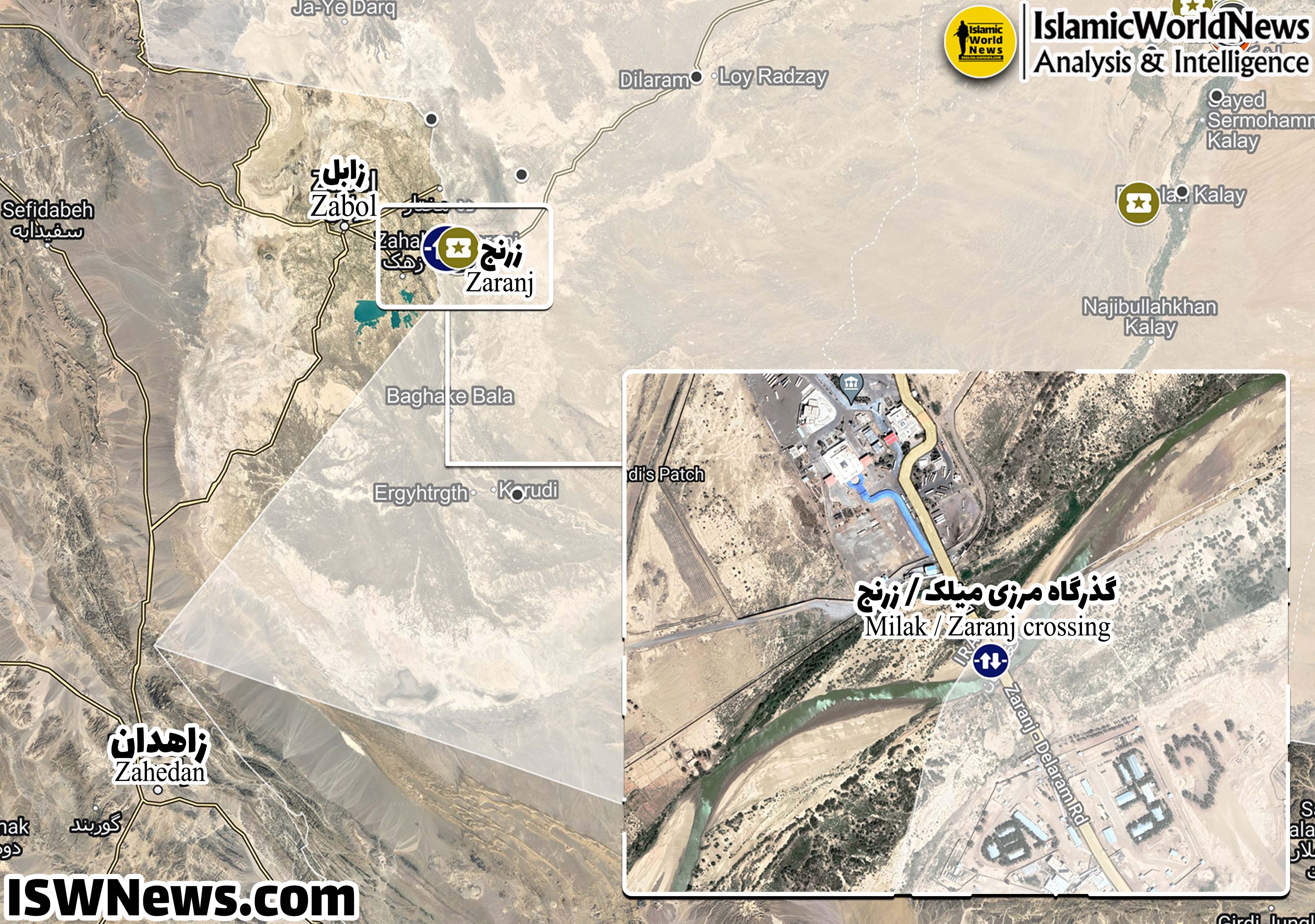
    Also, after today’s attack on the border areas east of Zabol, the Abrisham bridge, the only connection between Zaranj city and Iran, was closed. Milak-Zaranj crossing is the busiest border terminal between Iran and Afghanistan and has a high impact on the volume of trades between Iran and Afghanistan in the south of this country.

    Abrisham bridge, the only connection between Zaranj city and Iran

    The Iran-Taliban border conflict is an issue that has become a typical incident after the Taliban group took control of the Afghan government in August 2021 and such clashes have repeatedly occurred on the borderlines between Iran and its neighbors such as Pakistan, Tajikistan, Uzbekistan and Turkmenistan. The Taliban militants’ lack of know-how on laws and regulations concerning international borderlines has led to increased insecurity, smuggling and terrorist activities in Afghanistan’s joint border areas with Iran.

    Clashes and shootings between the Taliban and Iranian border guards in the border areas
    Exchange of artillery fire between Iranian border guards and Taliban militants
  • Drone Attack On A Village In Eastern Afghanistan Kills Two Children

    Drone Attack On A Village In Eastern Afghanistan Kills Two Children

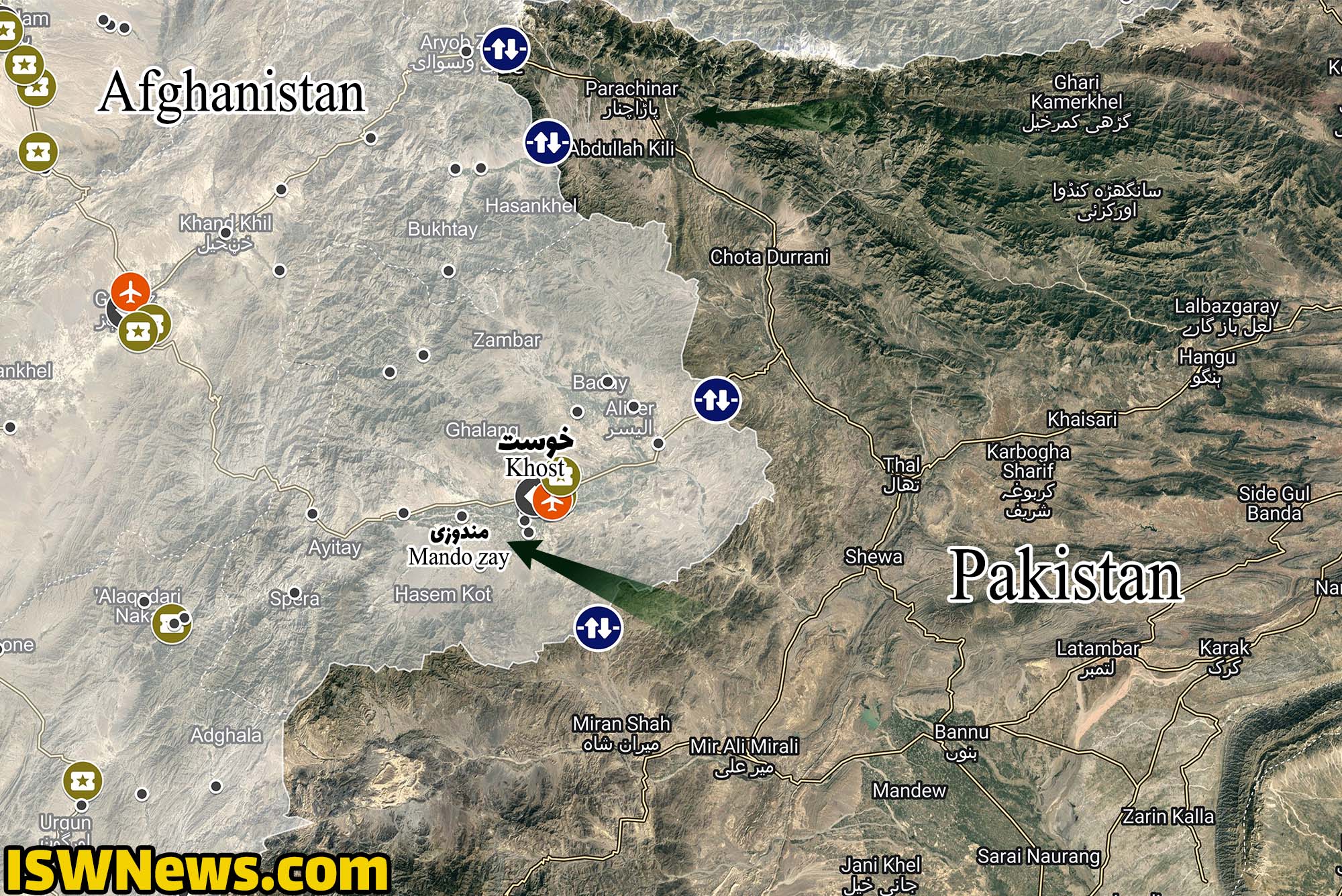
    Mufti Muhammad Farooq is one of the commanders of Tehreek-e-Taliban Pakistan and one of the refugees of North Waziristan region. He has been a resident of Bahram Khel village in Mendozi district since eight years ago and recently he was appointed as the imam of this village’s mosque. He is also responsible for planning several armed attacks against Pakistan Army positions in the border areas with Afghanistan.

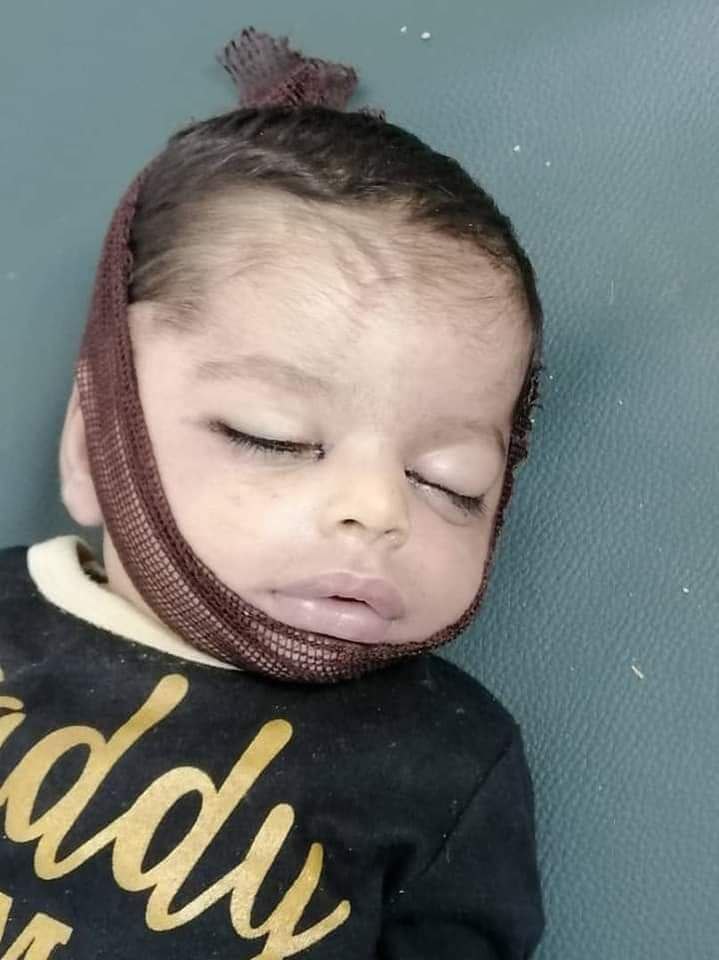
    According to local sources, as a result of the attack of Pakistan’s CH-4 drone on Mohammad Farooq’s house, his two daughters were killed, he and his wife and two other children were injured.

    It should be noted that Khost province and other eastern provinces of Afghanistan host hundreds of families from North and South Waziristan regions of Pakistan who have been displaced and migrated to Afghanistan due to armed conflicts with Pakistan’s security forces. Also, the majority of these families are members of the terrorist group Tehreek-e-Taliban Pakistan (TTP) and from time to time they are targeted by drone and artillery attacks of the Pakistani army.

    On April 16, 2022, unknown fighter jets attacked the residences of Pakistani refugees in the areas of Mandete, Amir Sapar, Pakhi Mili and Shakuni in Sepri city of Khost province, as a result of which 40 people were killed and wounded. Some sources claimed that this attack was carried out by the Pakistan army.

  • Who Is Taliban Governor General In Kandahar Mullah Shirin Akhund?

    Who Is Taliban Governor General In Kandahar Mullah Shirin Akhund?

    Earlier Mullah Shirin Akhund was responsible for protecting Mullah Mohammad Omar Mujahid, the former leader and founder of the Taliban group in Afghanistan.

    The inauguration ceremony of Mullah Shirin Akhund as the new Taliban governor general in Kandahar was attended by a large number of the officials and spiritual leaders of the Taliban interim government, including Leader of the Haqqani Taliban network and Acting Minister of Interior of Afghanistan Sirajuddin Haqqani.

    The decision by the Taliban leader came after the appointment of Mullah Mohammad Yousuf Wafa as the Taliban governor general in Balkh province on March 11, 2023 as well as the formation of a 40k-strong army in Kandahar province to protect the Taliban interim government.

    Mullah Shirin Akhund is one of Mullah Hebatullah’s close associates and trusted individuals; so, with such a power he can control and command of the southern regions in Afghanistan, and when it comes to potential political and military tensions with the Haqqani network and other Taliban factions, he can confront firmly.

    Mullah Mohammad Ali Hanafi, known as Mullah Shirin Akhund, has his roots from Zhari district in Kandahar province. He is a close friend of leader and founder of the Afghan Taliban movement Mullah Mohammad Omar Mujahid. Hanafi was in charge of protecting Mujahid and his family from 1997 to 2001.

    Following the downfall of the first Taliban government in 2001, Mullah Shirin Akhund fled to Pakistan, and while he was a member of the Taliban leadership council in Peshawar, he also held the position of deputy intelligence chief in the Taliban Defense Ministry.

    Mullah Shirin Akhund engaged in hatching the plot of the assassination operation of commander of the previous Afghan government’s security forces General Abdul Raziq Achakzai in Kandahar province on October 18, 2018, which was carried out by a Taliban infiltrator in Kandahar governorate during a meeting attended by commander of the terrorist US Army in Afghanistan General Scott Miller. The assassination operation is one of Mullah Shirin Akhund’s most significant achievements during his 20 years of fighting against the previous Afghan government and the international coalition forces.

    In total, the appointment of Mullah Shirin Hanafi as the governor general of Kandahar province, which is the spiritual capital of the Taliban as well as the headquarters of Mullah Hebatullah, is entirely considered as a security move and indicates the fear of the Taliban leader from deepening internal differences between factions of the group.

    Additionally, sporadic drone attacks by foreigners in Afghanistan are still ongoing and it can pose a serious threat to the government of the third Taliban leader, because Mullah Akhtar Mohammad Mansour, the former Taliban leader, was removed from power in the same way. Mullah Akhtar Mohammad Mansour was the second supreme leader of the Taliban from July 2015 to May 2016 before being killed on May 21 by a US airstrike.

    The moment Mullah Shirin sat on the seat of the Taliban governorate in Kandahar
  • Unidentified UAV Strikes Taliban Position In Afghanistan’s Takhar Province

    Unidentified UAV Strikes Taliban Position In Afghanistan’s Takhar Province

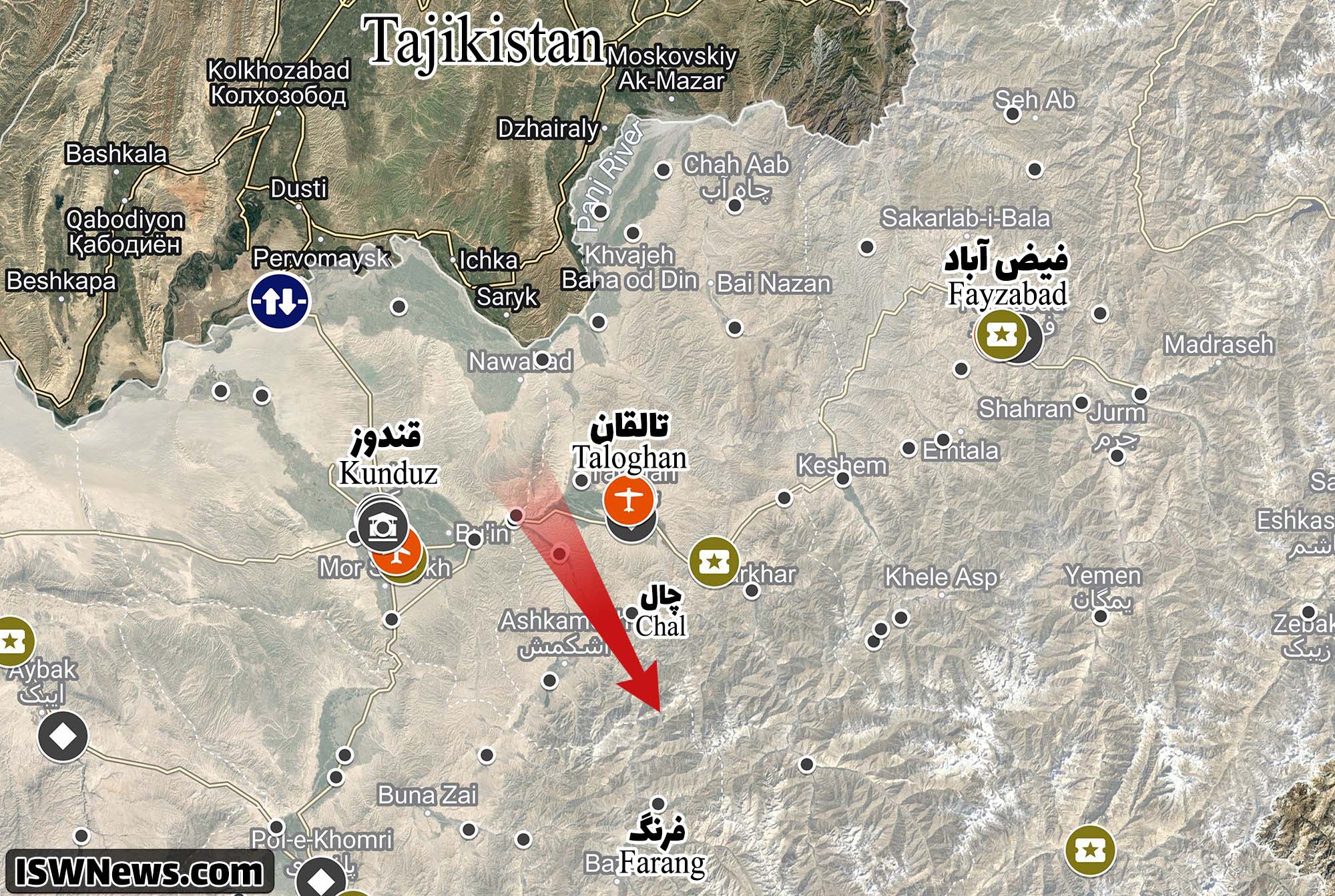
    The drone flied over Tajikistan’s airspace to carry out the Monday attack.

    The Shire wa Mandre village is located in a mountainous region between Chal district in Takhar province and Khost wa Firing city in Baghlan province, northern Afghanistan.

    The mountainous region is under the control of the armed forces of Taliban caretaker government, but militants supervised by Haji Fateh Khan Mubarez, one of the commanders of the popular mobilization forces in the previous government, as well as militants commanded by Ahmad Massoud, leader of the National Resistance Front, are stationed in that area and the militants confront with the Taliban forces in some occasions.

    Despite the fact that Taliban have not released any information and the exact number of human losses as a result of the strike so far, but media outlets affiliated to the National Resistance Front reported that the attack left at least more than 10 dead and injured.

    Due to the effective role of the Taliban military base in preventing commutations and activities of the forces affiliated to the National Resistance Front in the mountainous region of Shire wa Mandre village, the drone strike on the military base has been most likely carried out by Tajikistan or the United States in order to support forces loyal to the National Resistance Front commander Ahmad Massoud.

    It is worth mentioning that unidentified drones targeted the positions of Taliban-affiliated forces in Darqad and Khajeh Bahauddin cities in Takhar province on September 2, 2022, which left several dead and wounded among the Taliban forces. That attack of the previous year was probably carried out by the United States or Tajikistan.

    Read more: Infographic: Airstrikes On Taliban Positions In Afghanistan

  • Afghanistan Liberation Front Confirms Akmal Ameer’s Death

    Afghanistan Liberation Front Confirms Akmal Ameer’s Death

    The Afghanistan Liberation Front issued the statement on April 16, confirming the death of the former commander of the Afghan Special Forces after seven days.

    According to local sources, Taliban refuses to hand over the corpse of the former commander to his family, and Taliban even threatened that they will severely punish those who hold Islamic funeral rituals, including Islamic funeral prayer, for Akmal Ameer.

    In a bid to prevent potential protest gatherings, Taliban arrested more than hundred of civilians, including Akmal Ameer’s relatives, friends and advocates.

    Akmal Ameer was a member of the special forces of Afghanistan Army in the former government, who fought Taliban following the downfall of former President of Afghanistan Ashraf Ghani’s administration under the name of Afghanistan Liberation Front. Ameer was killed along with seven other members of the Afghanistan Liberation Front in a confrontation against Taliban forces in Salang district of Parwan province on April 11, 2023.

    Read more: Taliban Raid On Parwan Kills Deputy Cmdr. Of NLFA

  • Taliban Raid On Parwan Kills Deputy Cmdr. Of NLFA

    Taliban Raid On Parwan Kills Deputy Cmdr. Of NLFA

    According to local sources, Taliban could have access to information on the exact location of the headquarters of the NLFA forces in Salang district, when they arrested a member of the liberation front and tortured him; then, the Aftab Unit of the 313th Central Army under the supervision of the Taliban’s caretaker government raided the position of the group.

    It is worth mentioning that the militants of the National Liberation Front of Afghanistan under the command of Akmal Amir succeeded in resisting in the face of heavy attacks by the Taliban forces until 2 a.m. on April 11, when the militants were killed after suffering from heavy damages and losses; then, they lost their ammunition.

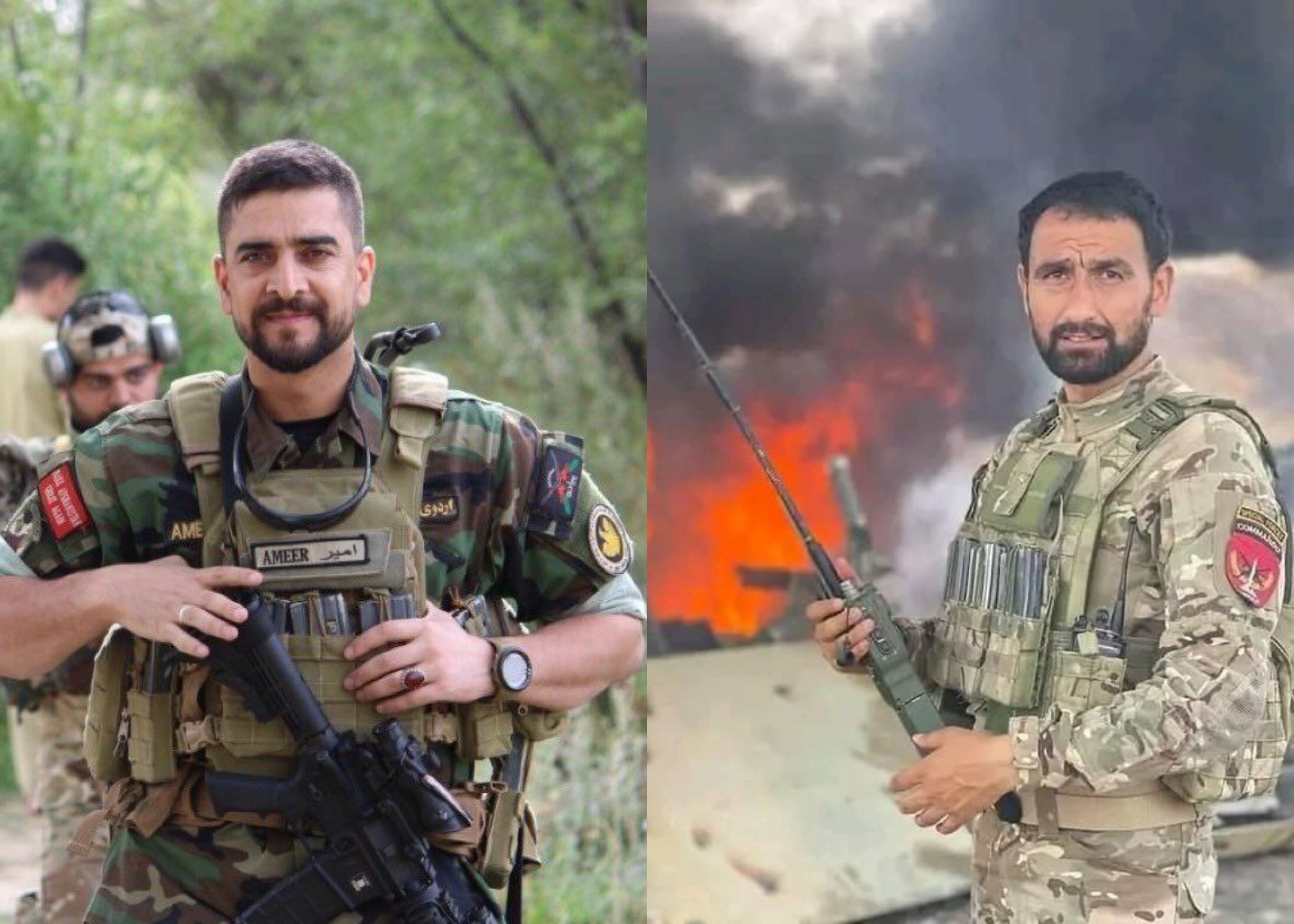
    Taliban-affiliated media sources released images of Akmal Amir and Basir Ahmad Andarabi, confirming the death of the two commanders of the National Liberation Front of Afghanistan in Parwan province. However, the NLFA issued a statement denouncing the death of the military commander of the group, underlining that Akmal Amir was injured in the fight against Taliban’s militias, and that the commander has been moved to a safe place.

    Read more: Infographic: Anti-Taliban Groups in Afghanistan

    Akmal Amir and Basir Ahmad Andarabi were known as two members of the special forces of the Afghanistan army during the tenure of the former government of the war-torn country, who had fought along with military forces of the United States and NATO against Taliban militants in Helmand, Kandahar, Uruzgan, Zabul and Kunduz for around 10 years.

    Following the collapse of the previous Afghanistan government on June 14, 2021, the commanders moved to Panjshir province and continued their fight against the Taliban under the name of the National Liberation Front of Afghanistan.

    The National Liberation Front of Afghanistan consists of anti-Taliban groups, which was formed on February 4, 2022 under the supervision of the former Chief of staff of the Afghan National Army in the previous Afghanistan government Yasin Zia. The groups have active presence in Kunduz, Takhar, Badakhshan, Parwan and Baghlan provinces, pursuing armed confrontation against Taliban.