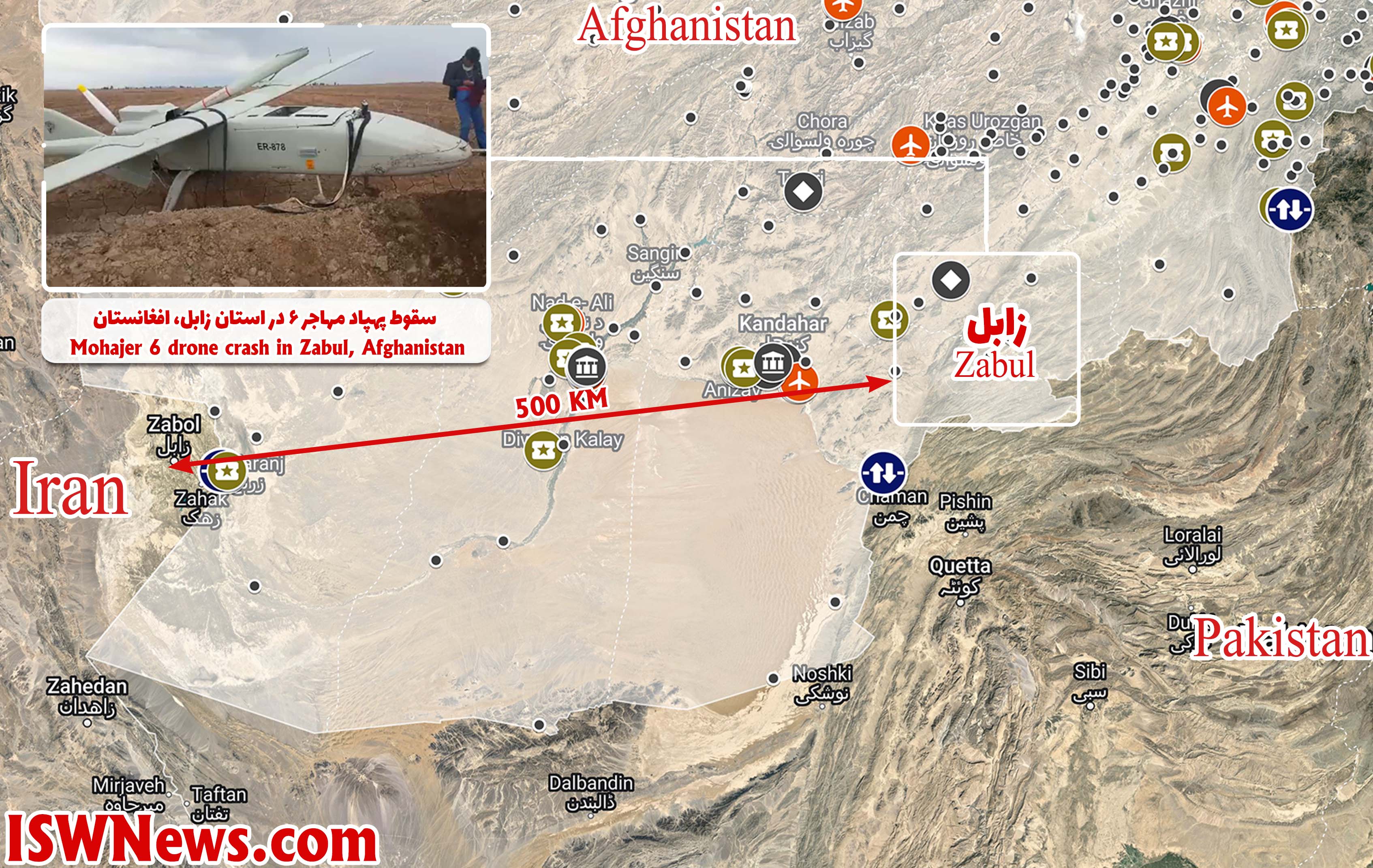
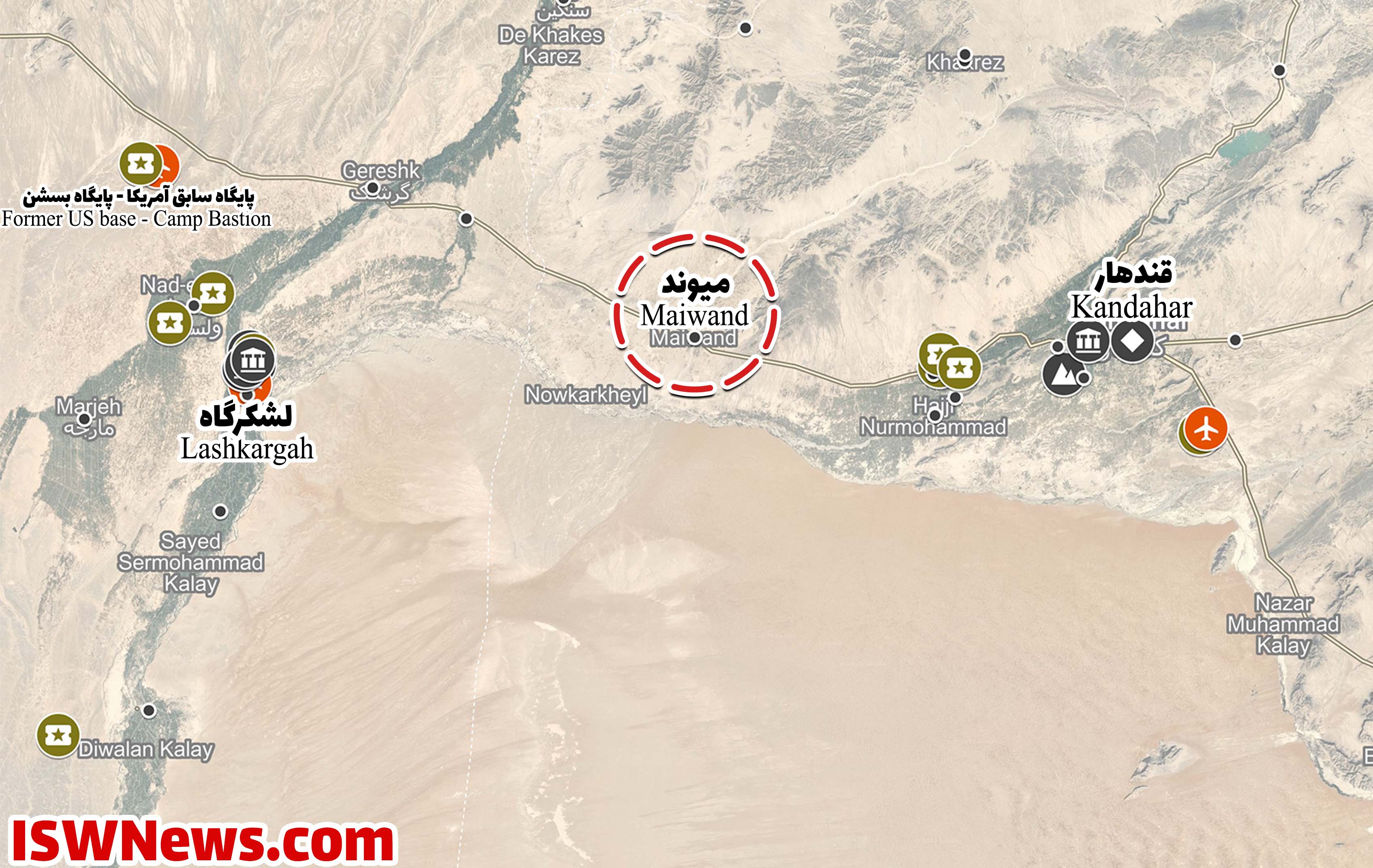
There have not been released more details on the downfall of the drone and the Taliban officials have not yet commented on the issue; however, there is a video that shows the Mohajer-6 crash occurred due to lack of fuel, controlling mishap or technical defect; so, the drone was not hit.
It has not been cleared that the drone was applied by which of the regional countries, but given the fact that the crash happened in Afghanistan, it might belong to Iran or Pakistan. If it is right that Pakistan applied the drone, speculations on selling the Iranian UAV to the Pakistani Army would be supported.
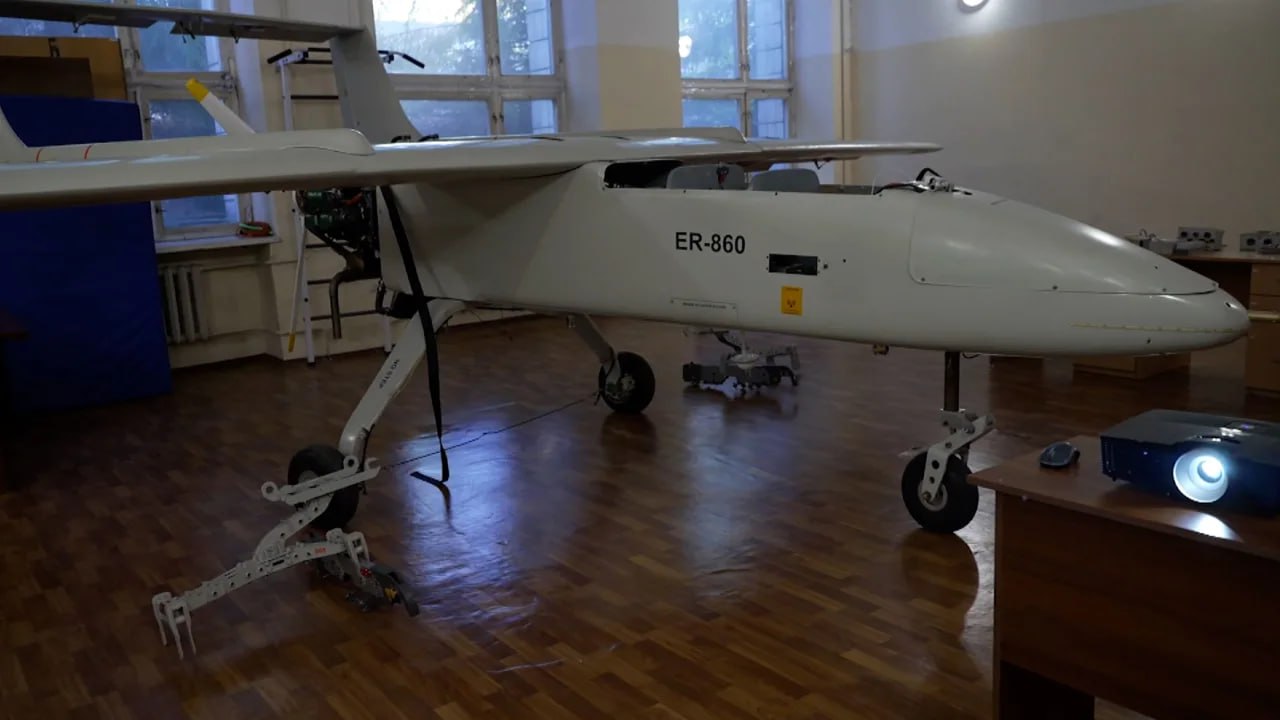
The interesting point here is that the registry number of the drone is ER-878, which is visible on the fuselage of the drone, while the Iranians use P071A in the beginning of their drone numbers; so, it reminds us of Mohajer-6 under Russian usage with the registry number of ER-860, which was displayed by the Ukrainian armed forces during the Russia-Ukraine war. Therefore, there is a possibility that the crashed drone is an exported UAV.
The Russian-operated Mohajer-6 UAV (registered ER-860), which was fell into hands of Ukrainian forces and later displayed to public
Furthermore, the nearest distance from Zabul Province to Iranian borderlines is more than 500 kilometers, while the range of land connection of Mohajer-6 is not more than 300 kilometers and the drone is not equipped with satellite navigation set. Considering the hypothesis, there is a possibility that another drone was stationed in the middle of the distance to be used as a data-link between the crashed drone and a land station in Iran.
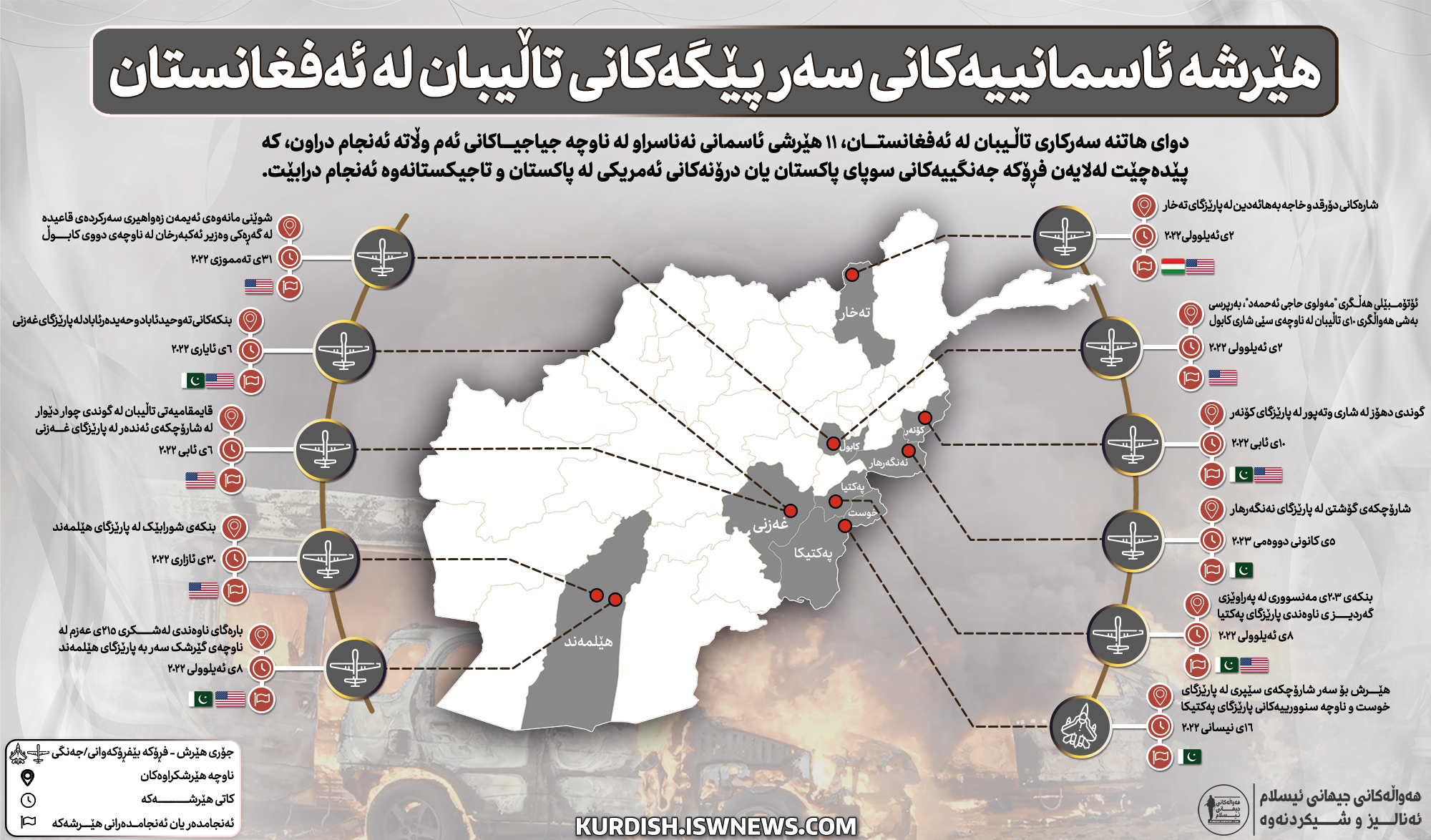
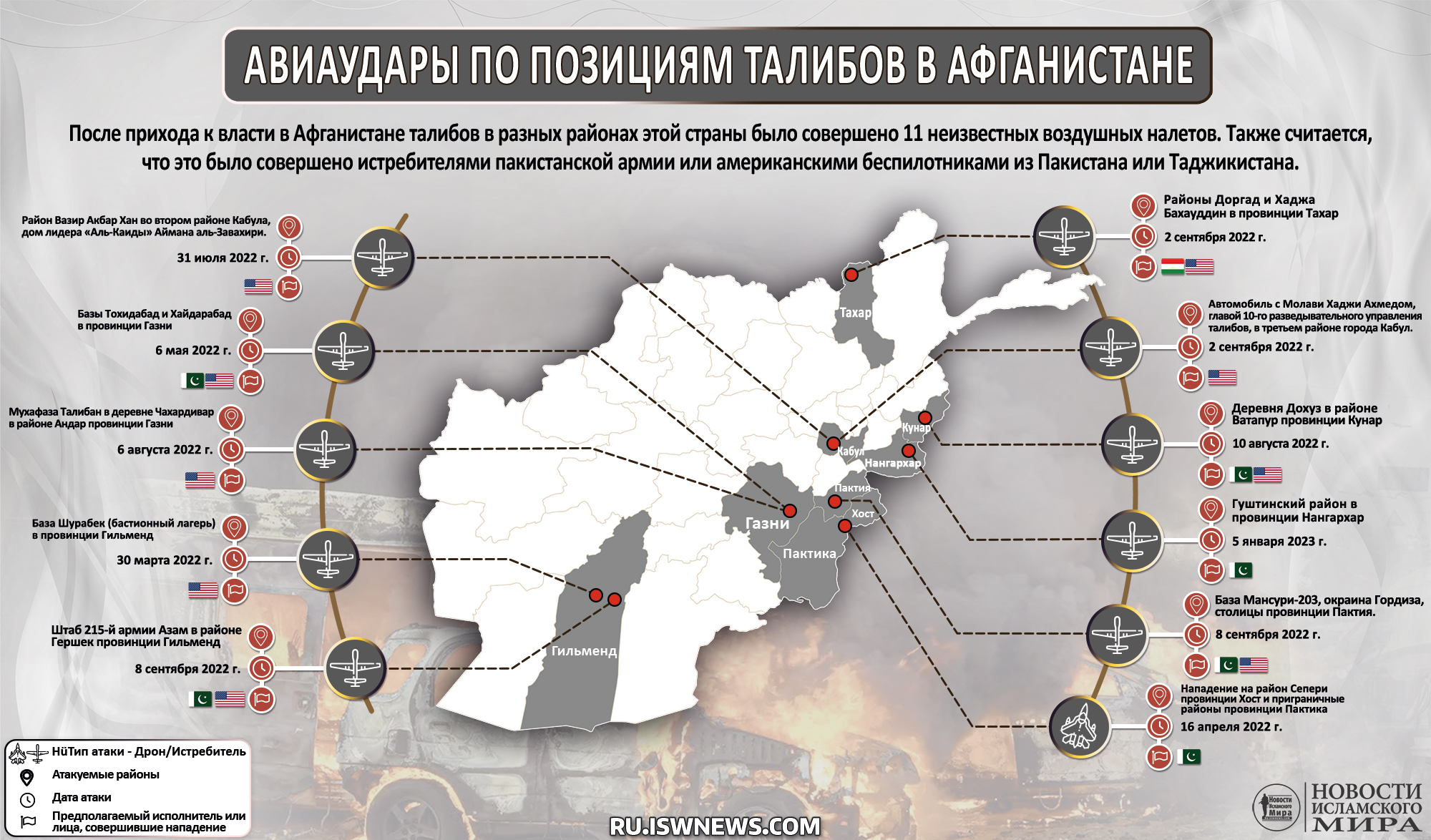
Overall, the likelihood that the drone was not utilized by Iran and it started its flight from the sky of other countries near Afghanistan such as Pakistan seems to be more acceptable. Such incidents happened several times over the past year, but the main origin and the party, who is behind the flight, has never been identified. The recent incident as well as 11 airstrikes on different regions in Afghanistan by unknown aircraft following the Taliban came to power strengthen speculations that Pakistan is culprit in creating unrest in Afghanistan.
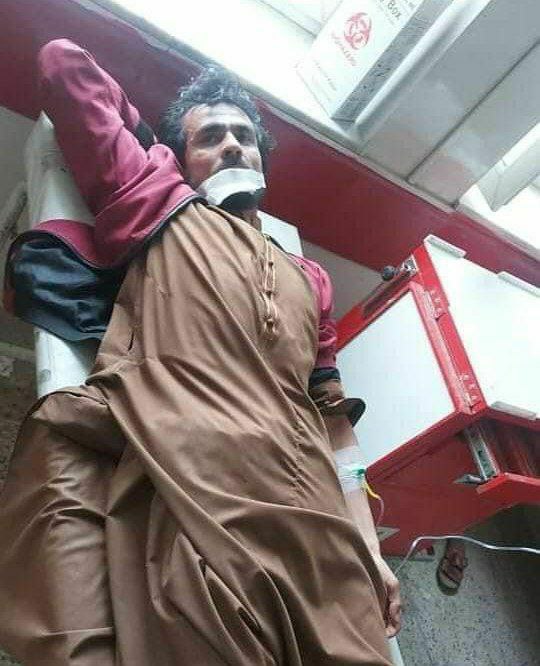
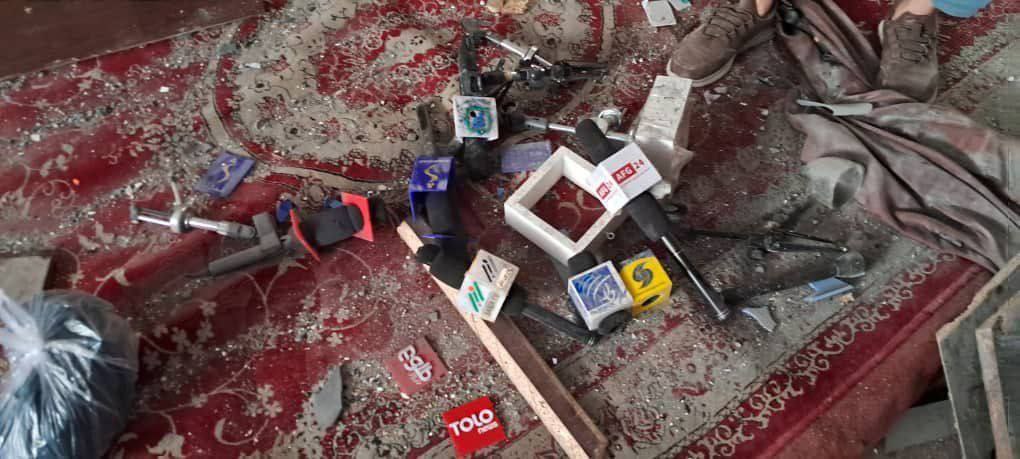
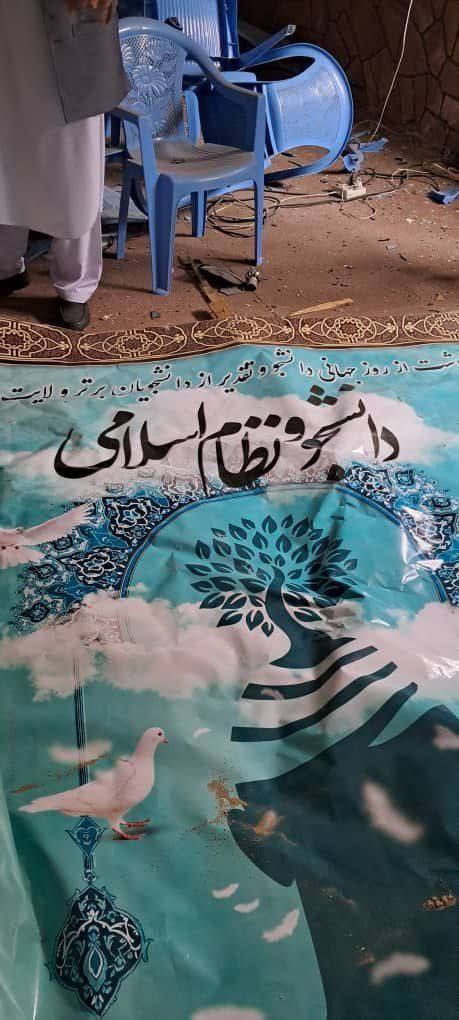
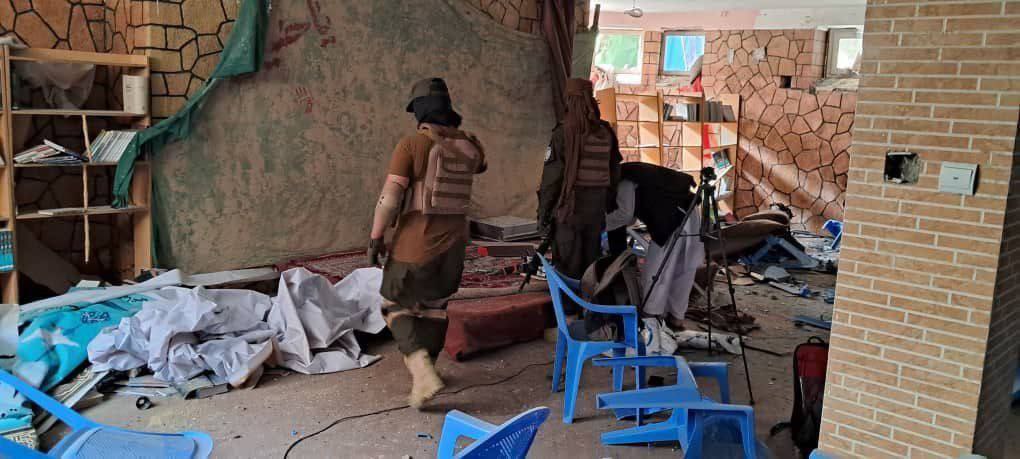
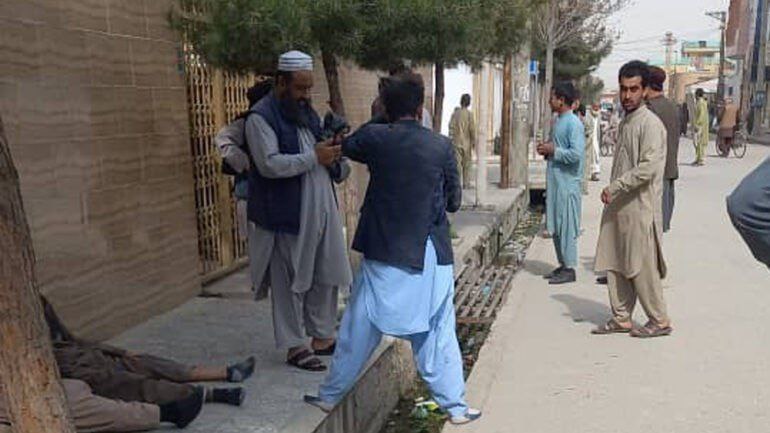
Abdul Nafi Takoor, Taliban’s spokesman for the Ministry of Interior, said that the terrorist attack left one dead and eight wounded. However, local sources quoted Ibn Sina Hospital as saying that the death toll of the terrorist incident mounted to three martyrs and 37 injured.
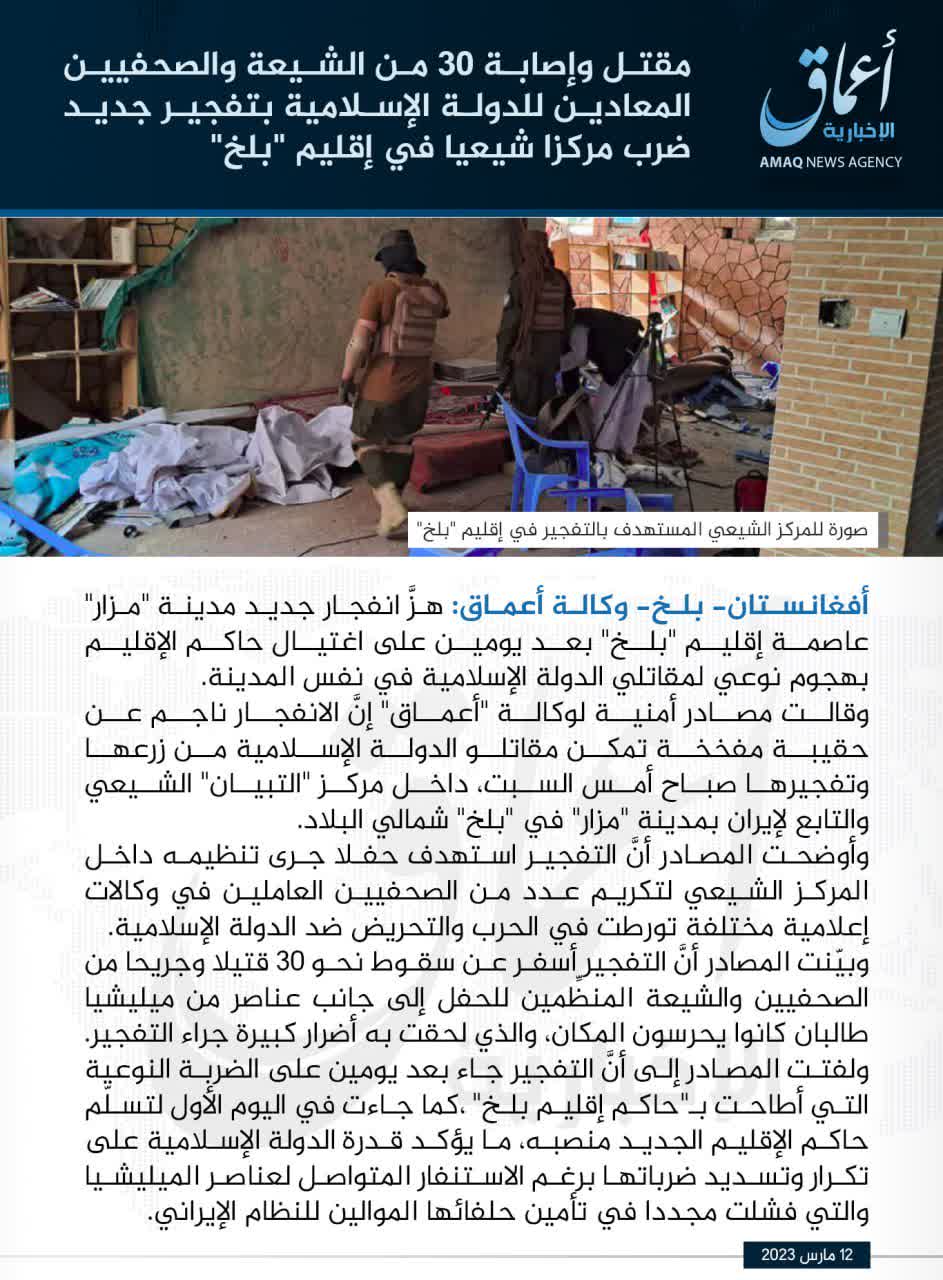
The Afghan Voice Agency (AVA) news agency and Tebyan socio-cultural center were holding a seminar to mark the National Journalist’s Day dubbed “Mahdism”, Media and Promotion of Culture” in order to hail reporters as well as cultural and civil operators in Balkh Province, when the terrorist attack happened.
It is worth mentioning that any individual or group has not yet taken responsibility of the terrorist and cowardice attack in the northern Afghan city of Mazar-i-Sharif.
Iran’s Foreign Ministry Spokesman Nasser Kanaani and the Iranian consul general in Balkh Province expressed sorrow for the martyrdom and injury of a number of journalists and cultural operators in the terrorist attack, voiced solidarity with the bereaved families of the victims of the incident, and strongly condemned such a heinous act.
The Afghan Voice Agency (AVA) news agency and Tebyan socio-cultural center form an independent cultural entity under the management of Seyyed Isa Hosseini Mazari. Terrorists attacked the headquarters of the institute in Kabul on December 28, 2017, which left 52 people such as staff members, religious scholars, students and elite martyred, and 140 others were injured.
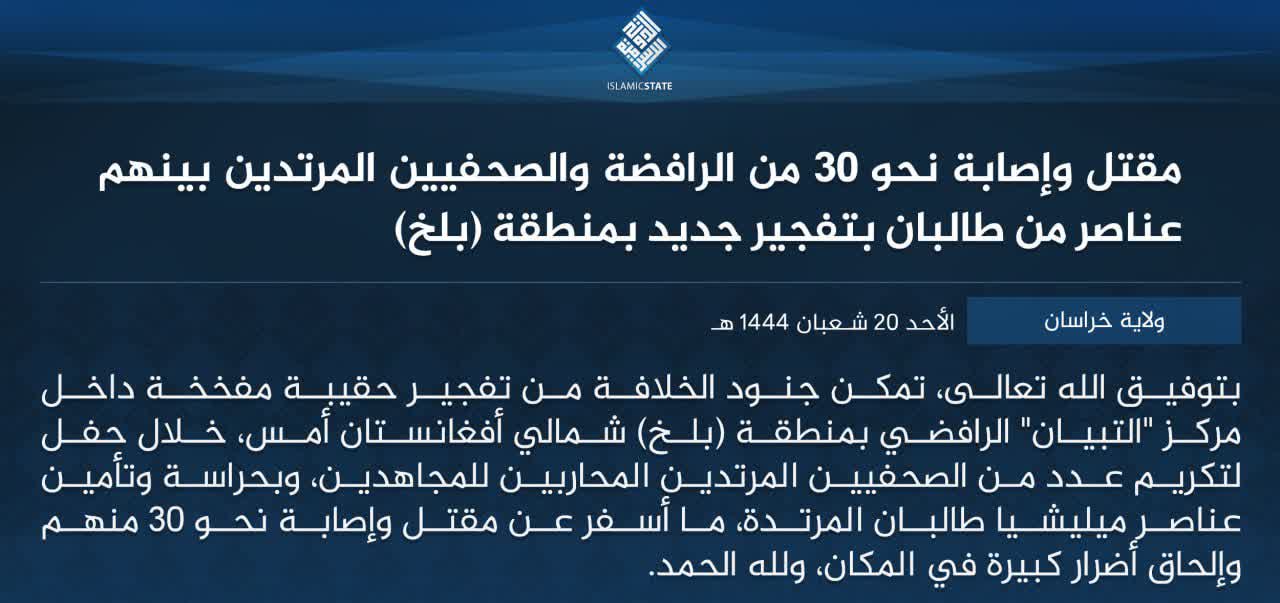
ISIS statement about the terrorist explosion in the center of Tebyan in the city of Mazar-e-Sharif
On February 26, the Taliban forces attacked the IS-KP (or ISIS-K) terrorists’ den in Zakerin town located in the 17th district of Kabul, which left three ISIS terrorists dead.
Taliban spokesman Zabihullah Mujahid issued a statement, confirming the news story, and said that all recent terrorist attacks on diplomatic, cultural and religious sites in Kabul have been ordered by Qari Fateh.
Qari Fateh was in charge of military wing of Khorasan branch of the ISIS terrorist group (IS-KP), and then, he was appointed as the IS-KP emir in Kunar, Nangarhar and Nuristan provinces of Afghanistan. He has been recently chosen as the intelligence chief of the IS in Khorasan Province, but he has been identified and then killed by Taliban.
He is the second Islamic State Khorasan Province’s top official, who has been hunted and killed by Taliban’s security forces in the past two months. On February 13, as a result of the operation by Taliban security forces against the hideout of IS foreign operatives in the 8th district of Kabul, 10 members of IS-KP, including Ejaz Hossein Ahangar, alias “Abu Othman Al-Kashmiri”, the leader of IS-KP in the Wilayat Hind, were killed, and 15 others including five women and nine children were arrested.
The sudden withdrawal of the US and NATO forces from Afghanistan led to a new chaos in this country, which, in addition to the collapse of Ashraf Ghani’s government and the rise of the Taliban, led to the strengthening of ISIS and increase of the activities of this terrorist group in Afghanistan. Although the US and NATO have apparently left Afghanistan, their previous and current actions are still plaguing this region, and the occasional attacks and flights of their drones have taken away peace from the people of Afghanistan.
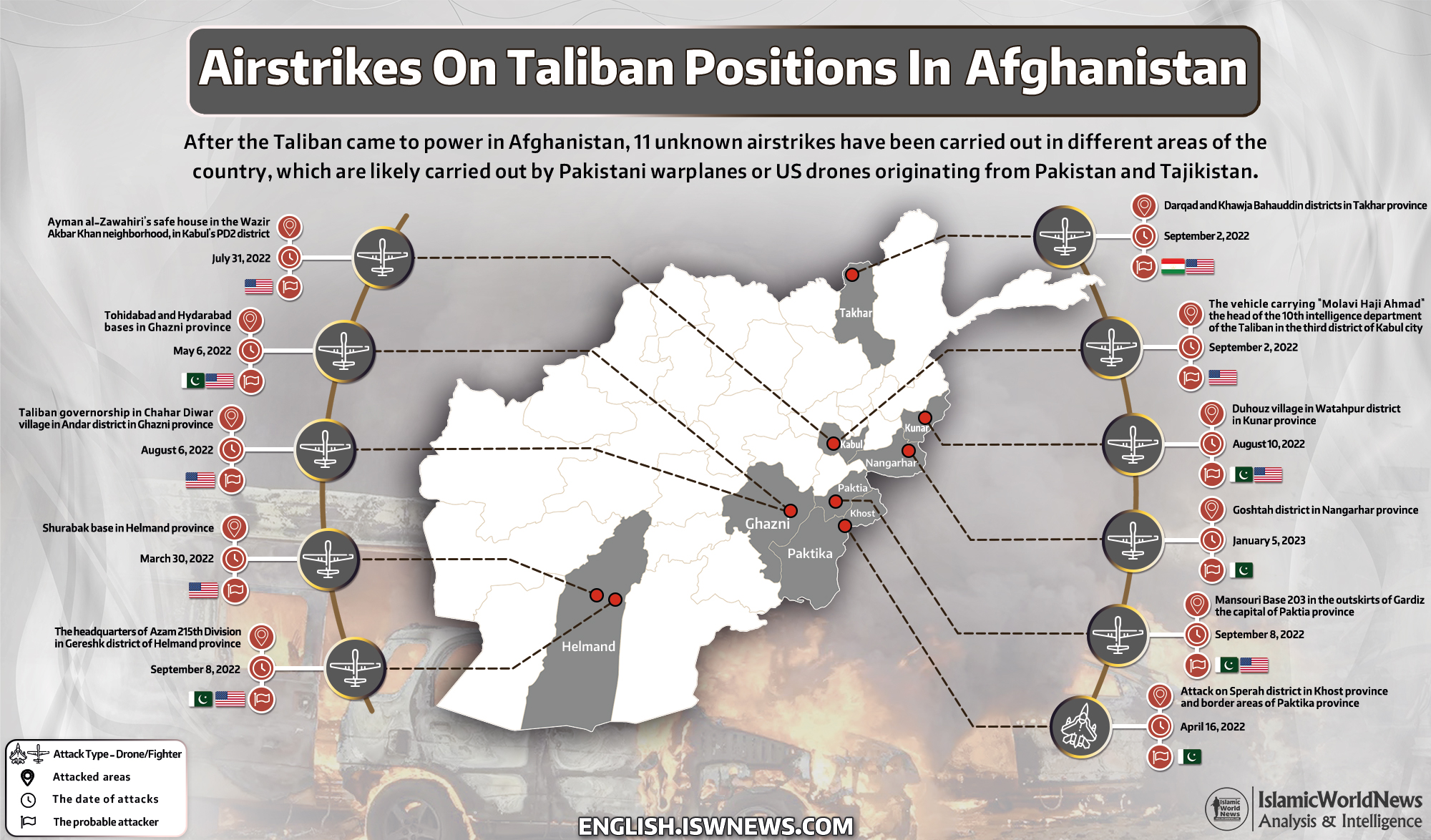
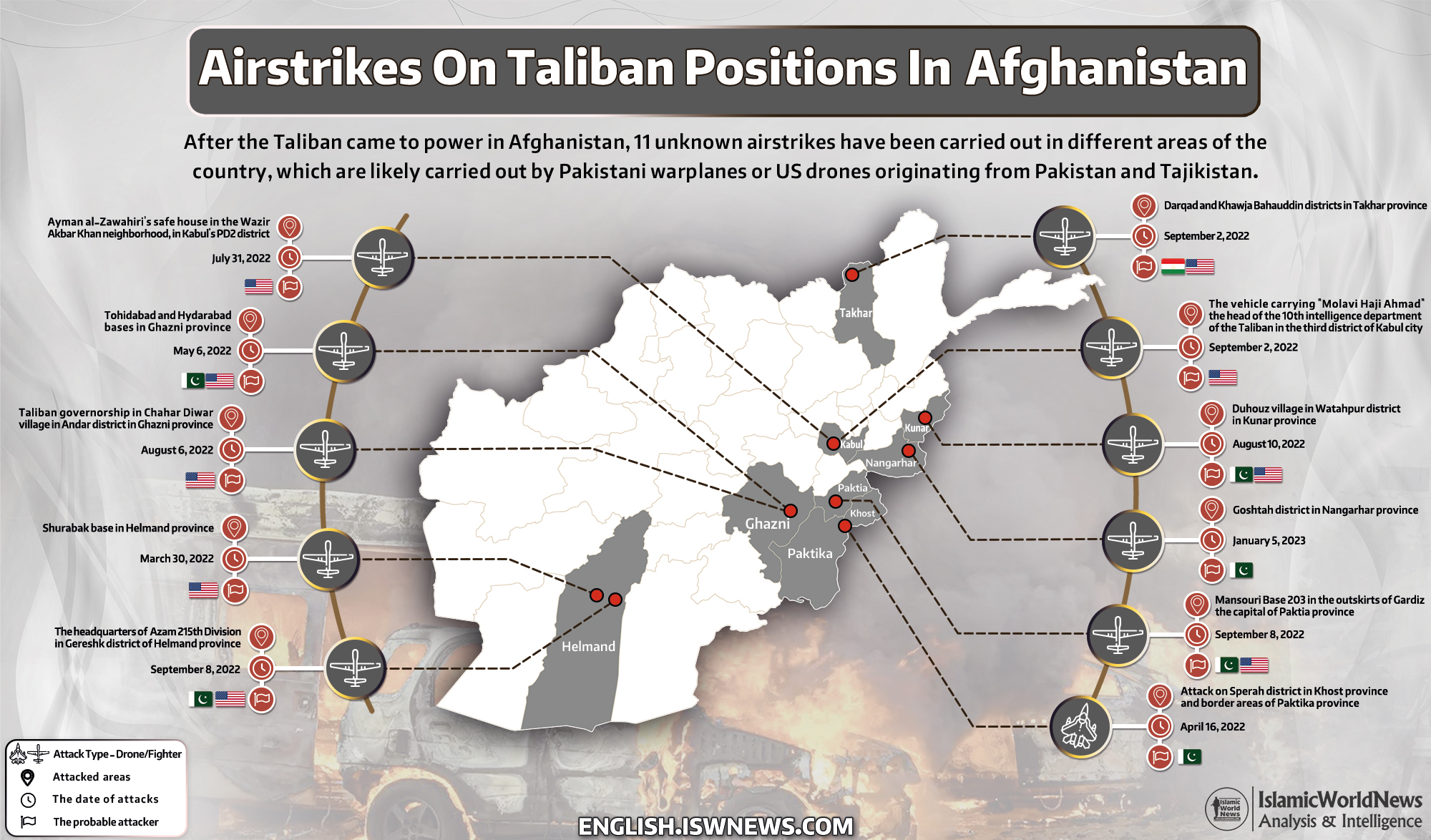
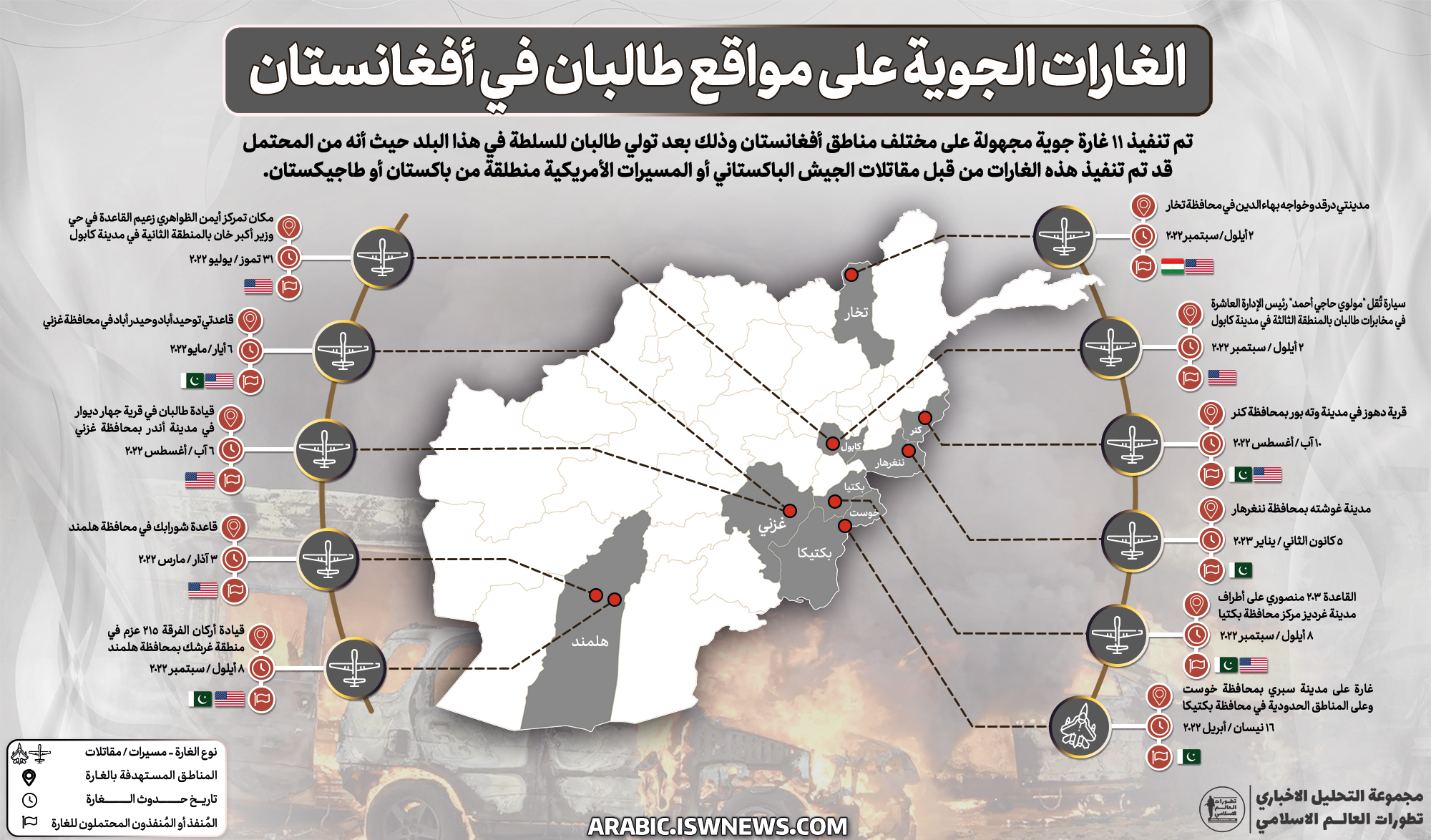
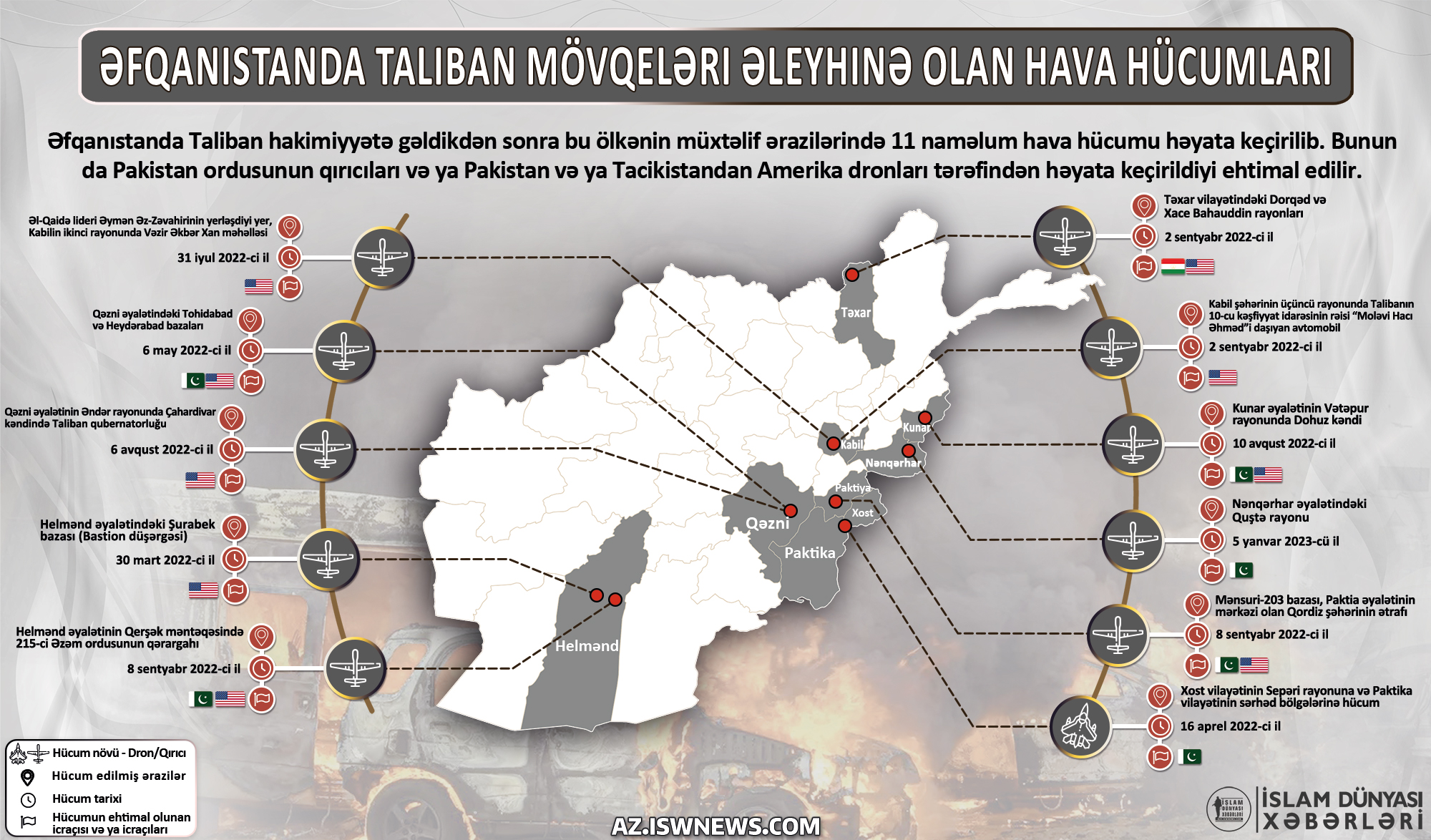
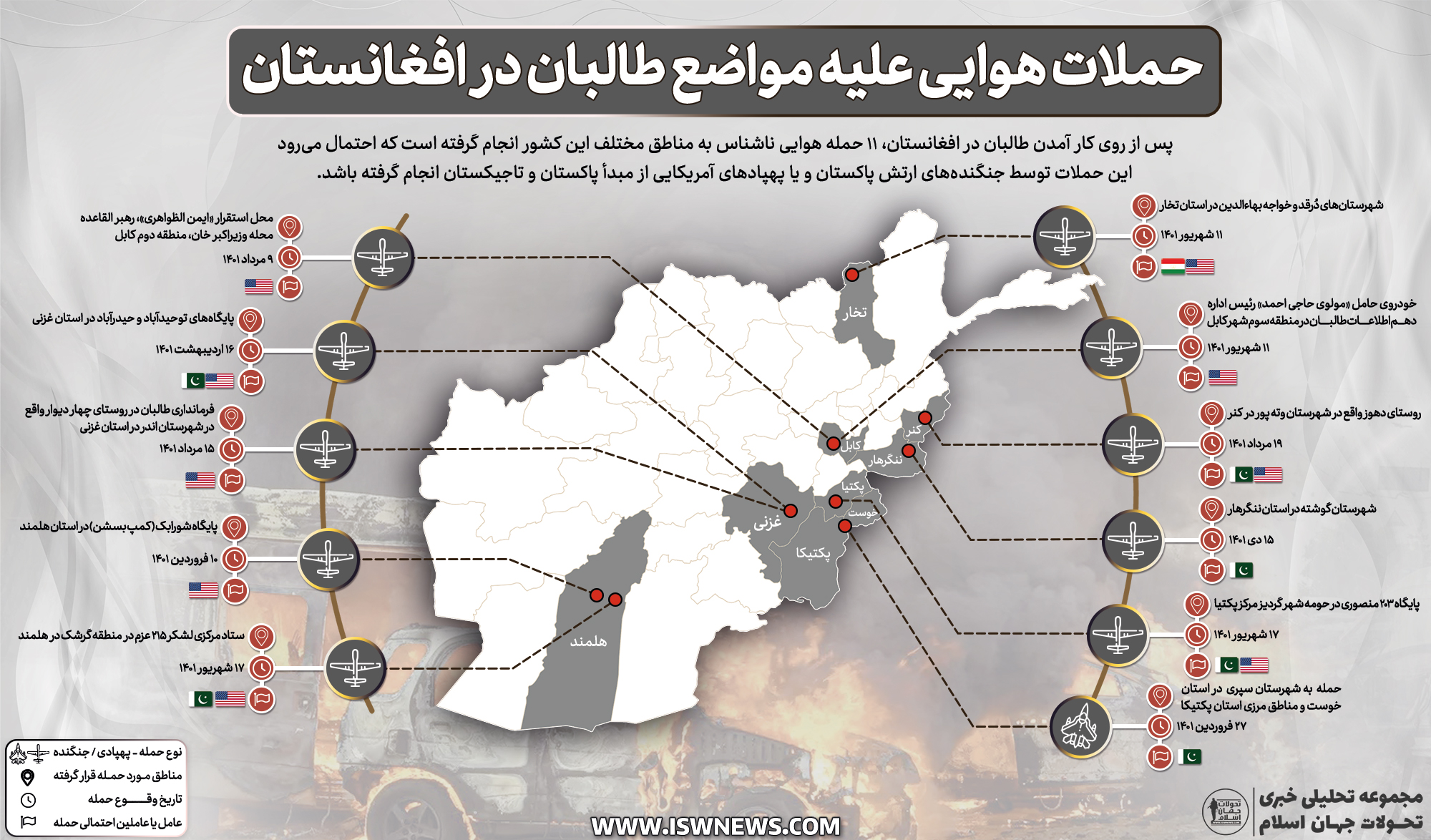
These attacks and flights have started since the spring of 2022 and have been carried out 11 times against different targets in different regions of Afghanistan. The exact cause and details of these attacks have generally not been disclosed to the media by the Taliban and the United States. However, according to available information and ISWNEWS reviews, the details of these attacks are as follows:
1- Drone attack on Shurabak base (Camp Bastion) in Helmand province, date: March 30, 2022. This attack led to several explosions in the weapons warehouse of this base and killed and wounded 30 members of the Taliban. (Possible attacker: the US)
2- Air attack by unknown fighters on Spera district in Khost province and the border areas of Paktika province, date: April 16, 2022. These attacks were carried out on the residences of Pakistani refugees from the North Waziristan region in the villages of Mir Safar and Kurai, and the positions of Pakistani Taliban militants in the areas of Mandete, Amir Sapar, Pakhi Mili and Shakuni in the Spera district of Khost province, which resulted in the death and injury of 40 people from Tehreek-e-Taliban Pakistan (TTP) militants. There are no details about the casualties and damages of the air attack on the border areas of Paktika province. (Possible attacker: Pakistan Army)
3- Drone attack on Tohidabad and Hydarabad bases in Ghazni province, date: May 6, 2022. Tohidabad base was called PRT and US troops base during the previous regime and was under the control of NATO forces. This attack was probably carried out to destroy the warehouse of ammunition and military equipment left by foreign forces. The Hydarabad base is also the headquarters of the Taliban reserve forces, and this attack has resulted in the death and wounding of 15 armed members of the Taliban reserve unit. (Possible attacker: the US or Pakistan)
4- Drone attack on Ayman al-Zawahiri, the leader of Al-Qaeda terrorist group, in Wazir Akbar Khan neighborhood located in the second district of Kabul, date: July 31, 2022 According to the US claim and the report of local sources, this attack was carried out to assassinate Ayman al-Zawahiri, which led to his death and the wounding of two officials of the Taliban Ministry of Interior. (Attacker: the US).
5- Drone attack on the Taliban governorate building in Chahar Diwar village located in Andar district of Ghazni province, date: August 6, 2022 During the previous regime, this place was the joint base of foreign troops and Afghan army soldiers, and during the Taliban period, it became the governorate of Andar district. The casualties and damages of this attack are unknown. (Possible attacker: the US)
6- Drone attack on Dahouz village in Watapur district in Kunar province, date: August 10, 2022 According to local sources and considering the previous US attacks on these areas, this village is the hideoutse of the members of Al-Qaeda group or Tehreek-e-Taliban Pakistan. (Possible attacker: the US or Pakistan)
7- Drone attack on a vehicle carrying “Molavi Haji Ahmad”, the head of the 10th intelligence department of the Taliban, in the three-way of the Habibie school located in the third district of Kabul city, date: September 2, 2022 This attack led to the death of five Taliban militants, including “Molavi Haji Ahmed”, the head of the 10th intelligence department of the Taliban, and five others, including “Abu Hassan Al-Mujahid” alias “Molavi Hanzala”, a prominent Egyptian member of the Al-Qaeda terrorist group. In this attack, four other members of al-Qaeda, namely Seyyed Mohammad Mobarez, Jahadollah Farahi, Hejrat Qureishi and Abu Omar Logari, who were accompanying “Abu Hasan Al-Mujahid” were also killed. (Possible attacker: the US)
8- Drone attack on Darghad and Khajeh Bahauddin disricts in Takhar province, date: September 2, 2022 These attacks were carried out in support of Ahmad Massoud’s forces and led to the death and wounding of several Taliban militants. (Possible attaker: the US or Tajikistan)
9- Drone attack on the headquarters of the Azam 215th Division in Gereshk district in Helmand province, date: September 8, 2022 This attack led to the death and wounding of several Taliban militants, including the general commander of the 215th Azam division. (Possible attacker: the US or Pakistan)
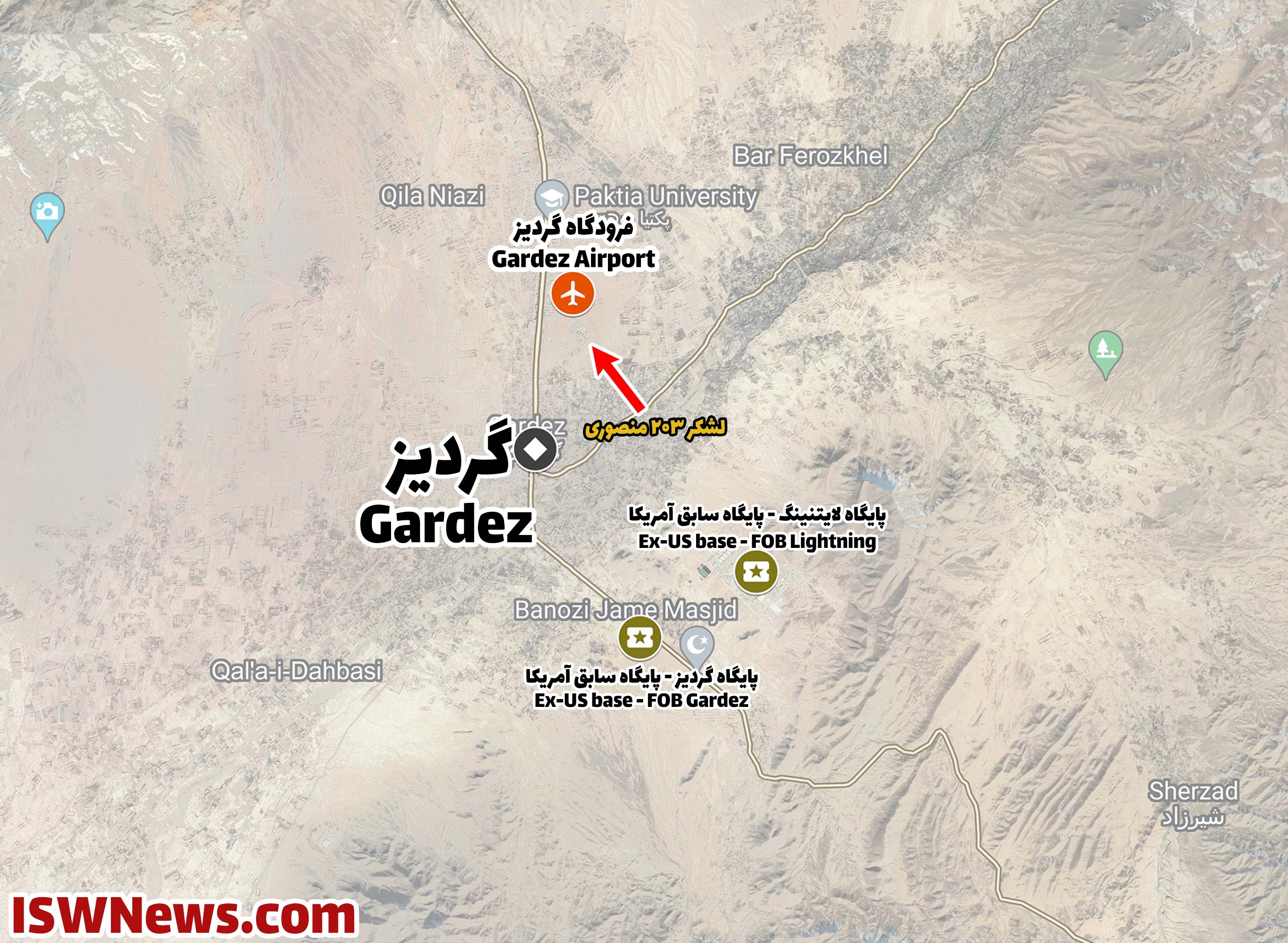
10- Drone attack on Mansouri base 203 in the outskirts of Gardiz, the capital of Paktia province, date: September 8, 2022 This attack led to an explosion in the weapons warehouse of this base and killed or wounded 10 Taliban militants. (Possible attacker: the US or Pakistan)
11- Drone attack on Goshtah district in Nangarhar province, date: January 5, 2023 This attack was carried out on the hideouts of Tehreek-e-Taliban Pakistan in Salala village located in Goshtah district in Nangarhar province. The casualties and damages of this attack are unknown. (Attacker: Pakistan Army)
Molavi Mohammad Asif Zakir, the commander of the 2nd Brigade (Border Brigade) of the 203rd Mansouri Division, on January 12, announced in a letter to the intelligence department and other departments of this division that the ISIS terrorist group is planning to send 7,000 new troops to the Afghanistan’s northern provinces. These militants had trained in Pakistan’s Khyber Pakhtunkhwa province and will be transferred to Afghanistan individually and in groups.
The 203rd Mansouri Division of Taliban also announced that ISIS terrorists, led by a Pakistani named “Muslim Kut Wal” in the training centers built in the mountainous areas of Tira Rishgol, Koko Khel, Abijer and Gondeh Ghari located in the Khyber Pakhtunkhwa province, completed ideological-jihadi training courses. These militants are supposed to enter Afghanistan through Azra district in Logar province, Jaji district in Paktia province, Alishang district in Laghman province and Nangarhar province and then go to the northern provinces of Afghanistan to fight with the Taliban.
Following this report, the Taliban has ordered all the military personnel of the 2nd Brigade of the 203rd Mansouri Division to carefully check all people entering Afghanistan at the borders of Nangarhar, Logar, Paktia and Laghman provinces and not to allow ISIS members to enter Afghanistan.
It should be noted that the main base of the 203rd Mansouri Division is located in the outskirts of Gardez Airport, the capital of Paktia province. This division is responsible for providing security in the southeastern regions of Afghanistan, and its second brigade is responsible for protecting the Durand border line (Afghanistan-Pakistan border). This base was attacked by unknown drones (probably American) on September 8, 2022.
Given the background of the flights of US drones in the sky of Afghanistan, the recent flights of the drones are likely related to the United States. The recent patrol missions by the drones have not yet led to any strike in Kandahar province, but since these areas are resided by Taliban Leader Hibatullah Akhundzada and other Taliban officials, the patrols are of importance.
The US drones have carried out patrol missions in Kabul and other Afghanistan provinces such as Ghazni, Helmand, Kunar, Logar, Paktia and Takhar as well.
The American drones even conducted strikes on Helmand, Ghazni, Kabul, Takhar, Kunar and Paktia on March 30 and September 2, on May 6 and August 6, on July 31 and September 2, on September 2, on August 10, and on September 8 respectively.
According to the US officials and local media outlets, two drone attacks on Kabul left Al-Qaeda Leader Ayman al-Zawahiri and Abu Hassan Al Mujahid, Egyptian commander of the terrorist group, dead.
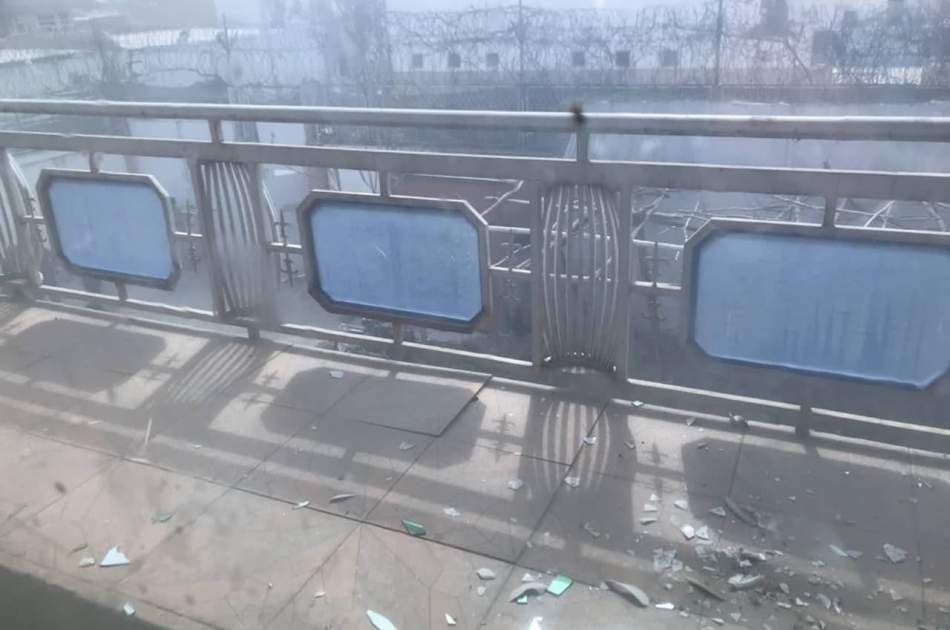
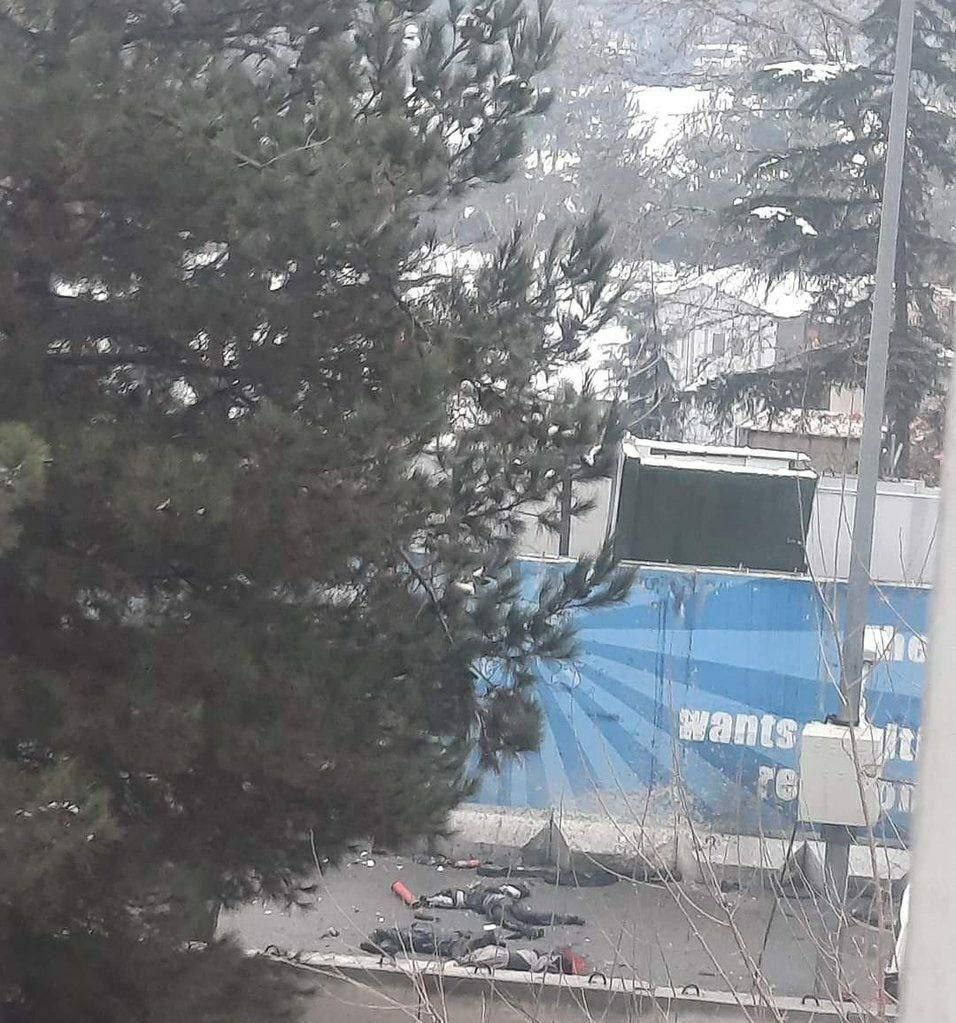
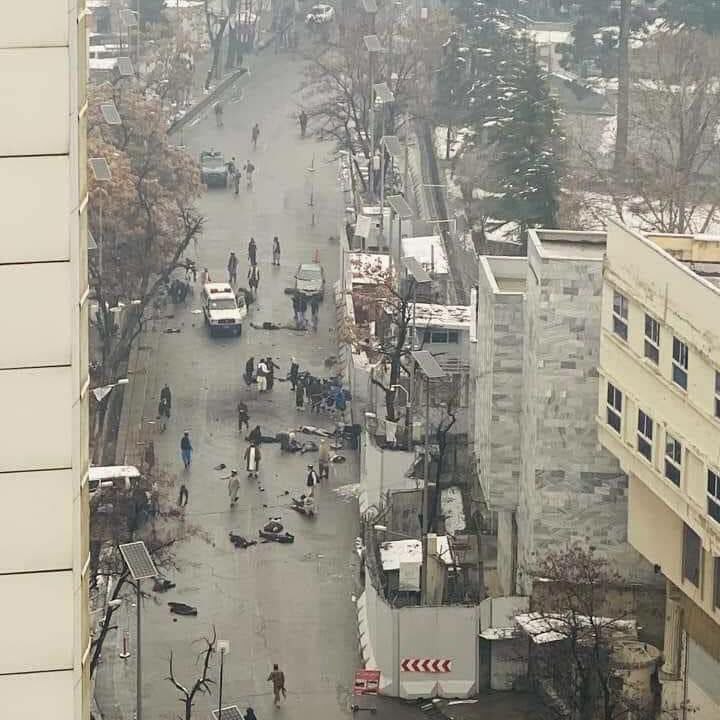
As a result of a terrorist explosion caused by a suicide bomber at 16:00 local time, on January 11, in front of the entrance of the Taliban Foreign Ministry building located in the second district of Kabul city, 15 employees of this ministry were killed and injured.
The suicide bomber exploded his explosives when the employees of the Taliban Foreign Ministry were leaving the ministry building.
So far, no individual or group has claimed responsibility for this attack. However, ISIS terrorist group is the first accused of carrying out such attacks in Afghanistan.
On the other hand, there is also a possibility that today’s suicide attack was carried out by a member of the “Haqqani network” suicide unit, who carried out this attack on the order of one of the leaders of this network, with the aim of assassinating Sher Mohammad Abbas Stanekzai, the political deputy of Taliban foreign ministry. Yesterday, in his statements, Stanekzai criticized the Taliban leader’s recent fatwas on banning the education and work of women and girls.
Entrance of the Taliban Foreign Ministry building after the explosion
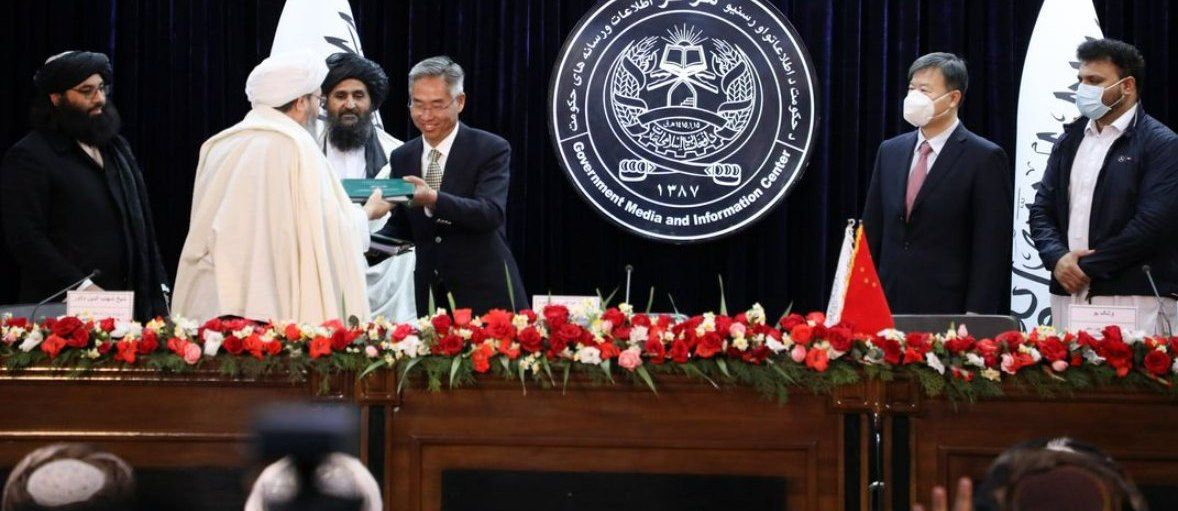
The signing ceremony of the agreement was held in the presence of Acting Minister of Minerals and Petroleum of Afghanistan Shahabuddin Delawar and Acting First Deputy Prime Minister of Afghanistan for Economic Affairs Abdul Ghani Baradar as well as China’s Ambassador to Kabul Wang Yu on January 5.
According to the agreement, the CAPEIC will extract 1k to 20k tons of petroleum in an area covering 4,500 square kilometers from different oil fields in Sar-e Pul, Jawzjan and Faryab provinces.
The Chinese oil company has also vowed to invest in the Amu Darya basin some $150 million in the first year of the implementation of the contract and also $540 million over the next three years. Taliban will possess a 20 percent partnership in the project in the first years, and the percentage will increase to 75 percent in the future.
With the aim of preventing violation of the articles of the contract in the first year, Taliban set a precondition of unilateral cancellation, which was accepted by the Chinese side.
The Amu Darya basin encompasses oil fields in Sar-e Pul, Jawzjan, and Faryab provinces, where the amount of petroleum extraction from its five oil fields are estimated at over 87 million barrels. There are tens of other oil fields in the basin, which have not been identified and extracted so far.
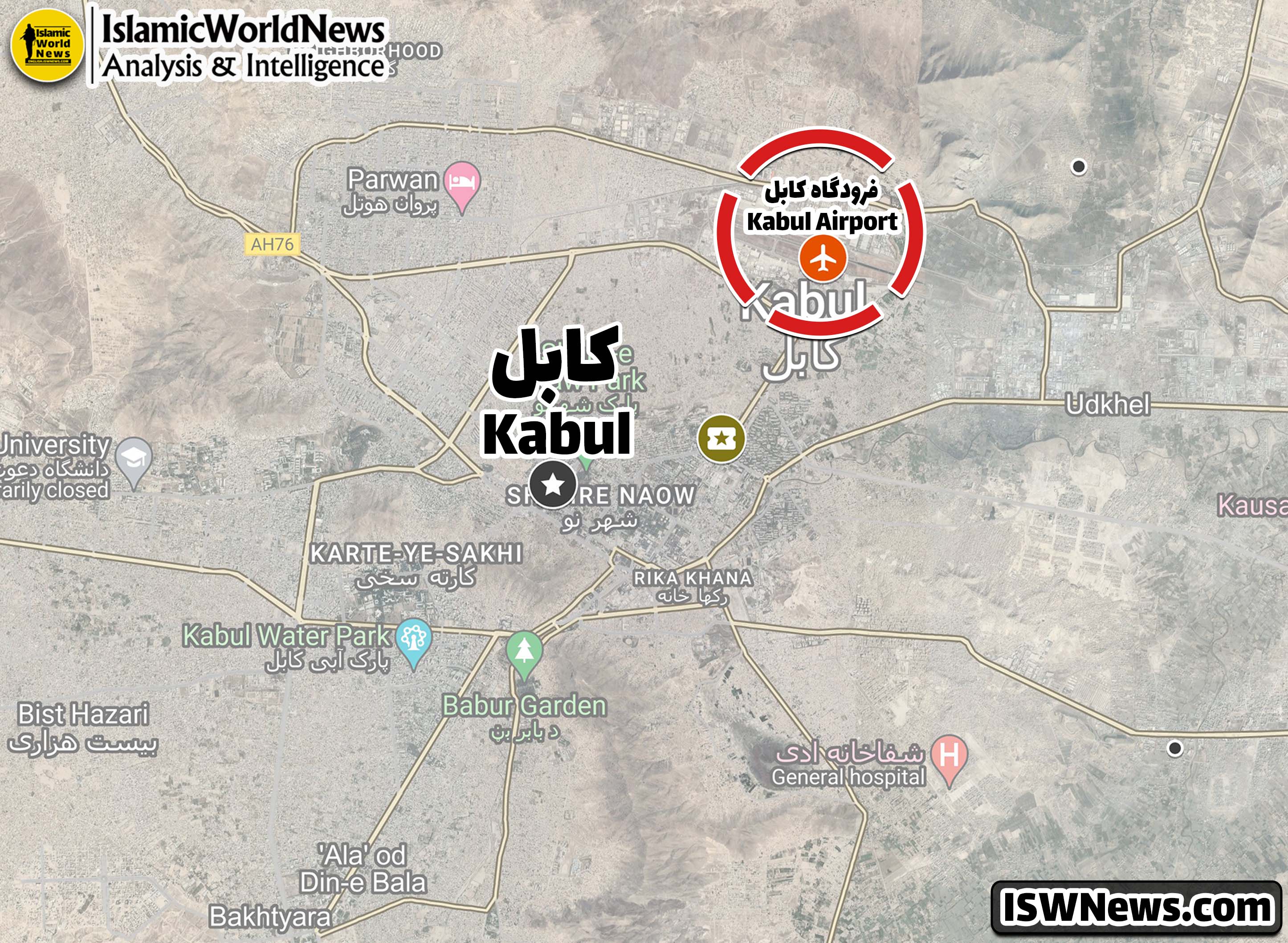
According to local sources, 14 Taliban members were killed and 22 others were injured by a suicide attack on the first checkpoint of the military section of Kabul International Airport. This is the first terrorist attack against the most important military unit of the Taliban in Afghanistan.
The Taliban authorities have not disclosed the exact details of this incident.
ISIS-affiliated Amaq News Agency took responsibility for this attack by publishing a statement and a picture of the suicide attacker.
According to this statement, an ISIS suicide bomber detonated his suicide belt in the midst of a gathering of Taliban forces after passing through the security barriers of the Taliban military headquarters at the Kabul International Airport. According to ISIS, 20 members of the Taliban were killed and nearly 30 others were injured in this attack. ISIS media also announced that the perpetrator of this operation was one of the suicide bombers who participated in the terrorist operation of ISIS on the “Chinese Hotel” in Kabul city and was managed to escape from the hotel!
This attack can be considered as the second attack by the ISIS terrorist group on Kabul Airport. The first attack on Kabul Airport was carried out during the withdrawal of foreign forces from Afghanistan in August 26, 2021. In that attack, 97 people, including 13 Americans were killed and 220 others were injured.
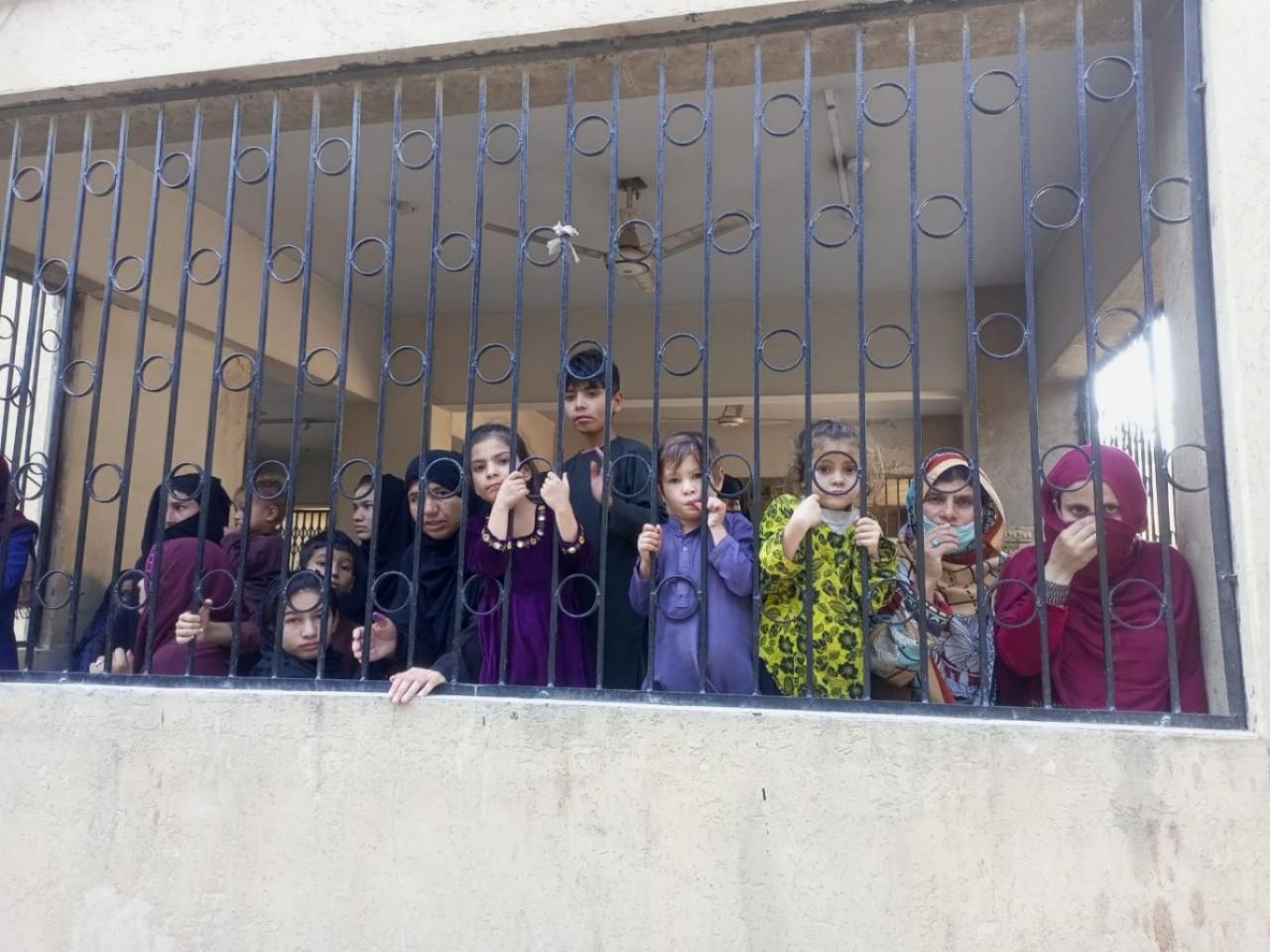
Pakistani police forces in Sindh state in a series of security operations on December 29 and 30, arrested 1,400 Afghan nationals, including 139 women and 165 children, as well as more than 1,000 men for not having valid travel and residence documents in Karachi.
These people are imprisoned in the women’s prison, the central prison and the delinquent juvenile industrial school (the place where juvenile prisoners are kept) in the city of Karachi.
The Prisoners’ Welfare Committee and the National Human Rights Commission of Pakistan have announced in a statement that some of the arrested Afghan nationals were sentenced to short-term imprisonment in the local court of Karachi and will be deported to their country (Afghanistan) after serving their sentence.
On the other hand, Abdul Qahar Balkhi, the spokesman of the Taliban’s foreign ministry, said, “Taliban embassy officials in Pakistan have expressed their concerns about the imprisonment of Afghan immigrants in a meeting with the authorities of this country, and the Pakistani authorities have promised their quick release, but Pakistan has not fulfilled its obligations so far.”
According to the UN report, 1.3 million legal refugees and more than one million illegal Afghan refugees reside in Pakistan. According to the Foreign Nationals Act of 1946, the government of Pakistan has the right to deport those who have entered Pakistan illegally. In this regard, the Ministry of Interior of Pakistan issued a notification in October 2022 and announced that foreign nationals who do not have legal documents in Pakistan have until the end of December 2022 to leave Pakistan, otherwise they will will face imprisonment and paying a fine.
Mohammad Ismail Khan is an Afghan former politician who served as Minister of Energy and Water from 2005 to 2013 and before that served as the governor of Herat Province. He is also one of the leaders of Jamiat-e Islami of Afghanistan and the most influential jihadi commander in western Afghanistan since the Soviet–Afghan War era.
Mohammad Ismail Khan, after a long consultation with a group of jihadi commanders in different provinces of Afghanistan and former army commanders, established a new council under the title of “Islamic Council of Coherence of Resistance Against Taliban”. This council was formed on December 22 with the management and coordination of Mohammad Taha Sadiq, the son of Ismail Khan, in his house in Mashhad, the capital of Razavi Khorasan province.
In the meeting announcing the existence of this council, Ismail Khan emphasized on the armed struggle against the Taliban and said: “We must unite the ranks of the armed struggle against the Taliban.” Therefore, according to the words of Ismail Khan, “Islamic Council of Coherence of Resistance Against Taliban” is not only a political group and also pursues military goals.
Ismail Khan accused Karim Khalili and Muhammad Mohaqiq, one of the political leaders of Afghanistan and elders of the Hazara tribe, of performing poorly against the Taliban and stated: “Why these leaders, in the current crisis situation, are not present among the Hazara community and Afghan Shiites living in Iran?”
He also invited all the leaders and personalities of the opposition to the Taliban to gather under one flag and fight armed with this group for the liberation of the western region of Afghanistan from the occupation of the Taliban.
It should be noted that after the fall of Herat to the Taliban, Ismail Khan came to the city of Mashhad and pursued his anti-Taliban activities from Iran. Since March, he has held meetings and consultations with other Afghan political figures to form a united front against the Taliban.
“Internationaland Regional Border Securityand Management Cooperationto Counter Terrorism” meeting with the cooperation of Central Asian countries, the Organization for Security and Cooperation in Europe (OSCE), the United Nations Office of Counter-Terrorism (UNOCT), the United Nations Regional Centre for Preventive Diplomacy for Central Asia (UNRCCA), European Union, Saudi Arabia and Qatar was held for two days in Dushanbe, the capital of Tajikistan, on October 18.
During his speech on the first day of this meeting, Tajik President Emomali Rahmon expressed his concern about the gathering of foreign terrorists in the southern borders of Tajikistan and called for the creation of a security belt to prevent the dangers of terrorism in Afghanistan from entering the Central Asia region. Rahmon announced in this meeting that there are more than 40 terrorist bases and training centers in the northeastern provinces of Afghanistan, and thousands of terrorists have gathered in these bases.
Ruslan Mirzayev, the head the executive committee of the regional anti-terrorist structure of the Shanghai Cooperation Organization, also provided additional information in this field and announced the deployment of 13,500 suicide and jihadist terrorists in the northern provinces of Afghanistan and the border with Tajikistan by the Taliban and considered it a great threat to the Central Asian region. Tajik Interior Minister Ramadan Rahimzadeh also claims that the Taliban issued Afghan passports to more than 3,000 of these people and settled them under the guise of refugees in the northern regions.
After the Taliban came to power in Afghanistan, Tajikistan is the only Central Asian country that has not established any relations with Taliban. In addition, Tajikistan has supported political opponents and anti-Taliban armed groups and held various meetings against them.