Tag: Iran satellites

  • Khayyam satellite, Iran’s important step towards the development of space power

    Khayyam satellite, Iran’s important step towards the development of space power

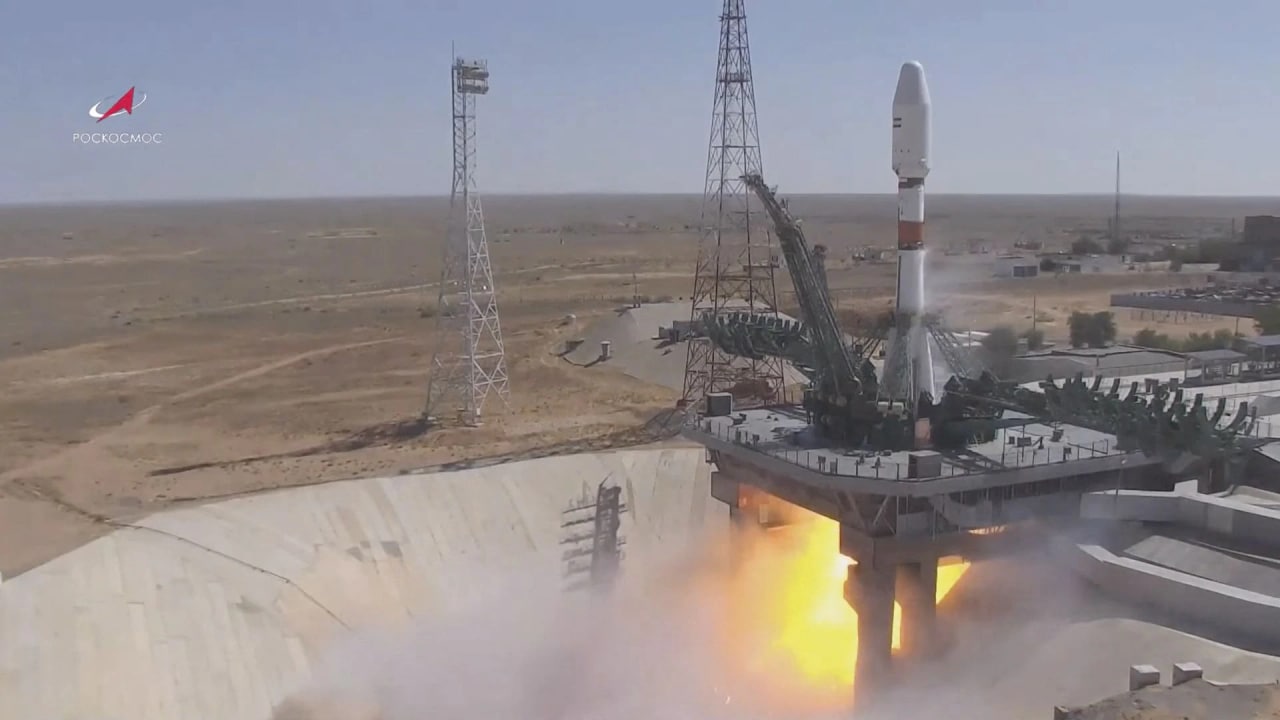
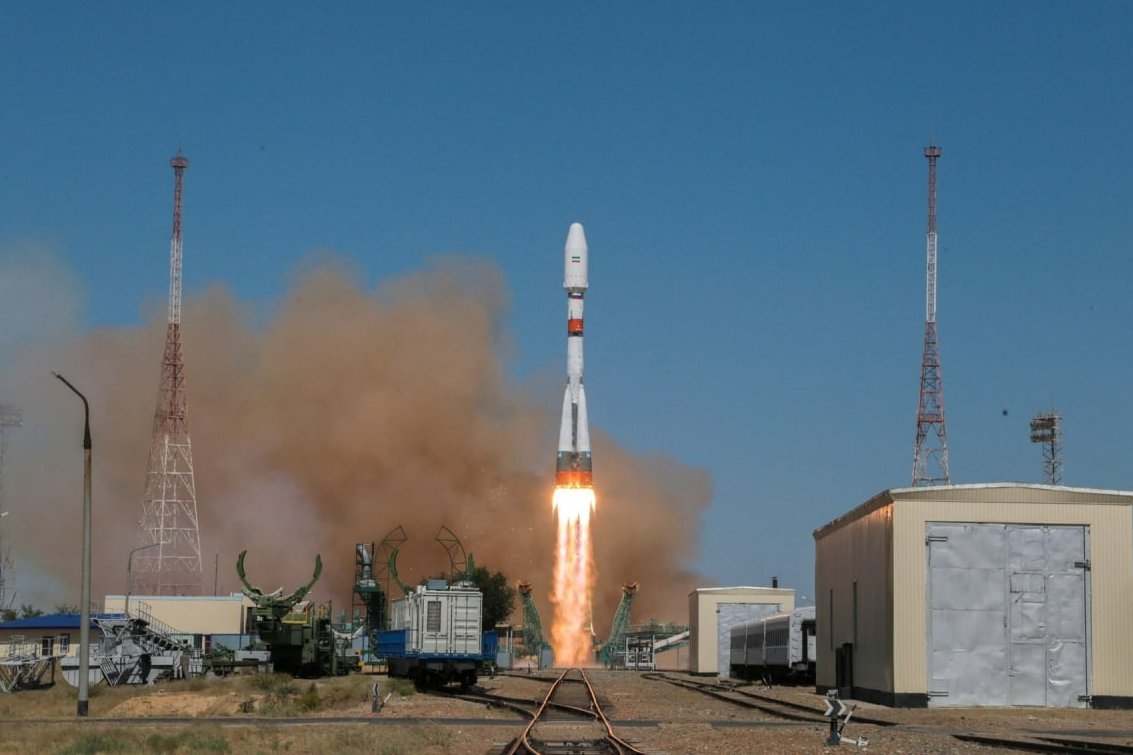
    Khayyam satellite was launched by a Russian Soyuz rocket from the Baikonur Cosmodrom in Kazakhstan on the morning of August 9 and successfully placed in a 500 km orbit. It should be noted that the Soyuz launcher has had the largest number of successful space missions among the launchers of different countries in the world.

    According to the officials of the Iranian Space Agency, the Khayyam satellite is a non-military satellite that is under the control and operation of the Islamic Republic of Iran. The order for the construction of this satellite was given in 2018 by the Iranian Space Agency (ISA). The name of its manufacturer or manufacturers has not been officially announced. The guidance and control of this satellite will be done through ground stations in Iran and its information and data will be sent to these stations. Khayyam satellite is capable of imaging with an accuracy of one meter. The imaging accuracy of one meter will make this satellite the highest quality Iranian satellite.

    Productivity improvement in the field of agriculture, accurate monitoring of water resources, managing natural risks, monitoring repurposing changes, unauthorized constructions and fighting deforestation, monitoring of environmental risks, monitoring of mines and mineral discoveries and monitoring borders, are among the applications of data received from Khayyam’s satellite.

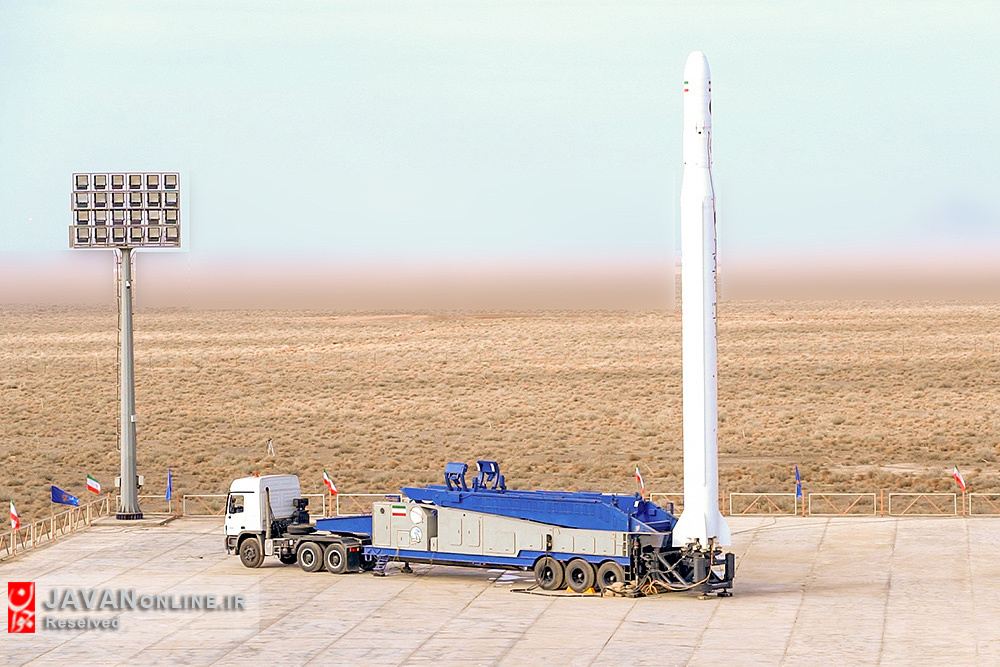
    Iranian Zuljanah satellite carrier has the possibility of sending a satellite with a weight of 220 kg in an orbit of 500 km, but the weight of the Khayyam satellite is 600 kg (unofficially) and its injection height is more than 500 km. Therefore, the Zuljanah satellite carrier was not able to perform this mission and the Soyuz launcher was used. Zuljanah launcher has two successful injections of Noor 1 and Noor 2 military satellites in its portfolio.

    Read more: Iran successfully test launches Zuljanah satellite carrier + Video

    The first telemetry data of Khayyam satellite has been received at Mahdasht station after hours of launch. The operating height of the satellite is fixed at 500 km and its life will be about 5 years. This satellite operates in the Leo orbit (160 to 2000 km) and due to receiving the signal over Iran, the rumor of using this satellite in Ukraine is completely ruled out. According to the work schedule, the Khayyam satellite will make four passes over Iran every 24 hours.

    According to Iranian officials, Iranian Space Agency plans to develop domestic capabilities in the field of building and launching satellites needed by the country and develop the relevant ground stations, and continue to meet the current needs of the country in the field of providing satellite data through advanced scientific and technological cooperation with the leading countries in the space industry. In addition to meeting the needs of the country, by transferring knowledge and experience, accelerate the Indigenization of space technology in the country.
  • Iran successfully test launches Zuljanah satellite carrier + Video

    Iran successfully test launches Zuljanah satellite carrier + Video

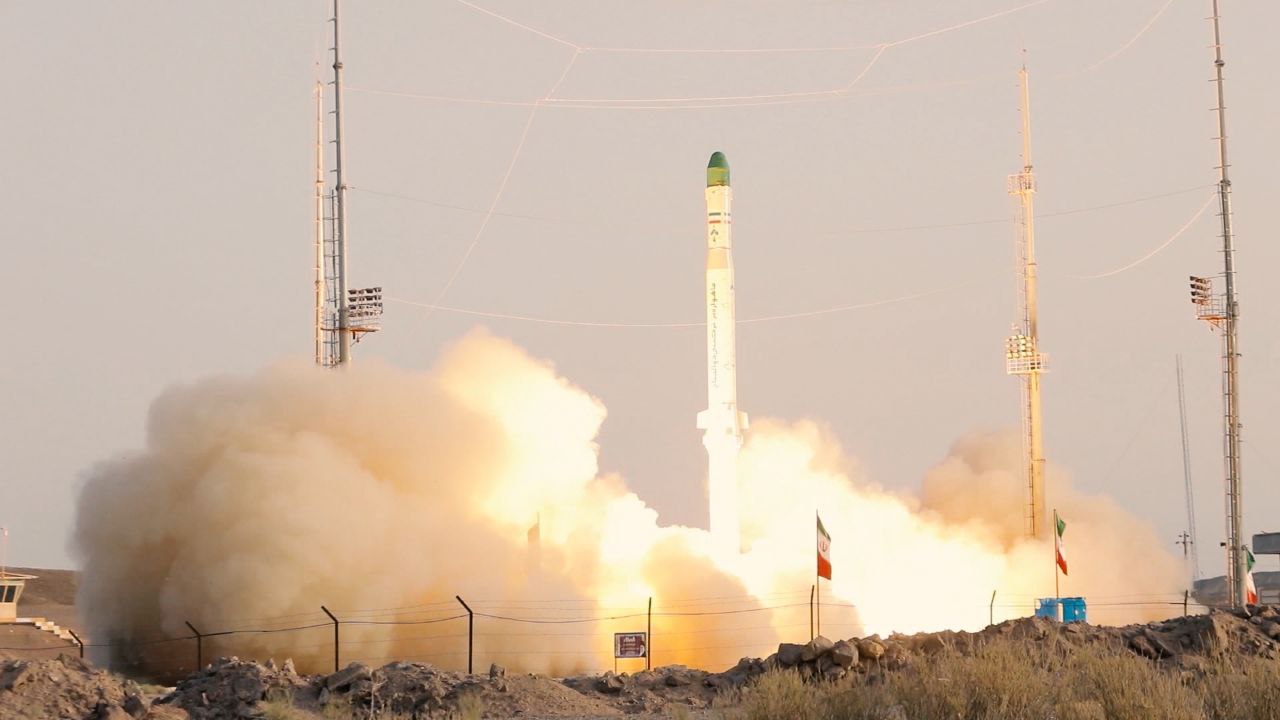
    According to Ahmad Hosseini, spokesman for the Ministry of Defense of the Islamic Republic of Iran, the Zuljanah satellite carrier is in three phases. This satellite carrier has two phases of solid propulsion and one phase with liquid propulsion and its launch has been done with the purpose of suborbital. Also, the third phase of the development of this satellite carrier has started by using the information obtained from this launch.

    Read more: ‘Raafe’ rocket engine, the most advanced Iranian first stage solid-fueled engine + Video

    The first launch of Zuljanah satellite carrier was made on February 1, 2021 from the Semnan Space Center. The main mission of this satellite carrier is to place a satellite with a weight of about 220 kg or 10 lighter satellites with a weight of 20 kg into 500 km orbit. The length of Zuljanah is 25.5 meters, its diameter is 1.5 meters and its weight is 52 tons.
    After Safir and Simorgh satellite carriers, Zuljanah is the third Iranian non-military satellite made in the country. Due to its agility and low preparation time, Zuljanah is mentioned by some western experts as the first subcontinent missile of Iran!

    Iran’s satellite program, like other Iranian indigenous capabilities, has always been criticized by Western countries, especially the United States, for alleged violating UN Security Council resolutions. They see Iran’s advances in the field of Aerospace Science as a significant concern for the proliferation of nuclear weapons!

    Read more:
    Iran successfully launches second military satellite into orbit + Video
    The Successful Launch of Iran’s First Military Satellite

    The second test launch of Zuljanah satellite carrier
  • Iran successfully launches second military satellite into orbit + Video

    Iran successfully launches second military satellite into orbit + Video

    The IRGC Aerospace Force, using the Qased satellite launch vehicle (SLV), from the Shahroud space port, placed the “Noor-2” satellite into orbit. Noor-2 is orbiting at an altitude of 500 kilometres with speed of 7.6 km/s.

    The first military satellite, launched by Iran in April 2020, placed the Noor(light) 1 at an orbit of 425 kilometres.

    Launching Noor-2 satellite by the Qased launch vehicle

    “We will launch a series of Noor satellites in the coming years. The space program of the country, of which we are a part, is to stabilize various scientific, research and defence satellites in low-earth orbit and then reach orbit of 36,000 kilometers above land,” Ali Jafarabadi, the Space Commander of the IRGC Aerospace Force said.

    Maj. Gen. Hossein Salami, the IRGC Commander-in-Chief said: Iran is the first Muslim country to launch a satellite into orbit. Congratulations to my dear brother Sardar Hajizadeh, Commander of the IRGC Aerospace Force and to our loved ones in the IRGC Research and Self Sufficiency Jehad Organization, whose with tireless and round-the-clock efforts, were able to do the task despite all of these sanctions in recent years.

    Read more: The Successful Launch of Iran’s First Military Satellite

    Preparation and launch of Noor-2 satellite by Qased SLV