Tag: Iran

  • Iraqi, Iranian Top Security Advisors Meet In Tehran

    Iraqi, Iranian Top Security Advisors Meet In Tehran

    During the meeting, Ahmadian pointed out to the common religious and long civilizational commonalities between Iraq and Iran, describing it as a guarantee for profound and extensive ties between the two nations.

    The Iranian official said that the Islamic Republic of Iran’s policy has always been based on supporting a government in Iraq, which has its roots in the will of the Iraqi people.

    He also stipulated that the martyrs of the two neighboring countries together have made great sacrifices in fighting terrorism and insecurity, and that the most prominent instance of the joint efforts occurred when the great resistance commanders such as Iranian Lieutenant General Qassem Soleimani and former Member of the Council of Representatives of Iraq Abu Mahdi al-Muhandis were martyred in a US attack in Baghdad on January 3, 2020.

    Ahmadian described a recent security agreement between Iraq and Iran, which is the result of months of dialogue and joint efforts of the relevant institutions of the two nations, as a very appropriate and strategic measure and called for the precise implementation of the security accord.

    The secretary of Iran’s Supreme National Security Council went on to say that the Islamic Republic expects the Iraqi government to end the presence of anti-Iran elements in the Arab country as soon as possible within the framework of the agreement and guarantee the security of the neighboring country’s borderlines with Iran.

    The Islamic Republic of Iran is determined to develop and deepen comprehensive relationship with neighboring states in particular the friendly and brotherly country of Iraq, he said, noting that Tehran is ready for cooperation and interaction in all aspects at bilateral and multilateral levels.

    Al-Araji, for his part, congratulated Ahmadian on his appointment as the secretary of the Supreme National Security Council of the Islamic Republic of Iran and wished him success, saying that the Iraqi government and its national security body are determined and prepared to continue close and persistent communication in all arenas of collaborations with the Islamic Republic of Iran as before.

    The Arab official pointed to the brilliant relationship between the two neighboring states that have always been lasting, saying that we consider Iraq’s security as Iran’s one and vice versa.

    Continuous consultations between senior authorities of the two nations will help speed up the implementation of bilateral agreements especially in economic and security dimensions, and are prerequisite for stability and progress of the two states, al-Araji argued.

    Along with a high-ranking delegation, I have come to meet you and I emphasize Iraq’s commitment to the agreement, which was recently signed between the two nations, he added.

    Iraq’s national security adviser also mentioned that the security accord has its roots in our faith and belief, because we consider the stability and development of Iran and Iraq to be an assurance for enhancing the national security of both countries and creating a platform for peace and progress in the West Asia region.

    It is worth mentioning that the former secretary of Iran’s Supreme National Security Council Ali Shamkhani met with his Iraqi counterpart Qasim al-Araji in Iraq’s capital city Baghdad and the two sides held talks on March 19, 2023.

    Following the meeting, a ceremony was held in the presence of Iraq’s Prime Minister Mohammed Shia’ Al Sudani; then, a joint security cooperation agreement between Iraq and Iran was inked by the then secretary of Iran’s Supreme National Security Council and the national security adviser of Iraq’s prime minister.

    Read more: Ali Akbar Ahmadian Appointed As Secretary of Iran’s National Security Council
  • One Iranian Border Guard Martyred In Border Clash With Taliban

    One Iranian Border Guard Martyred In Border Clash With Taliban

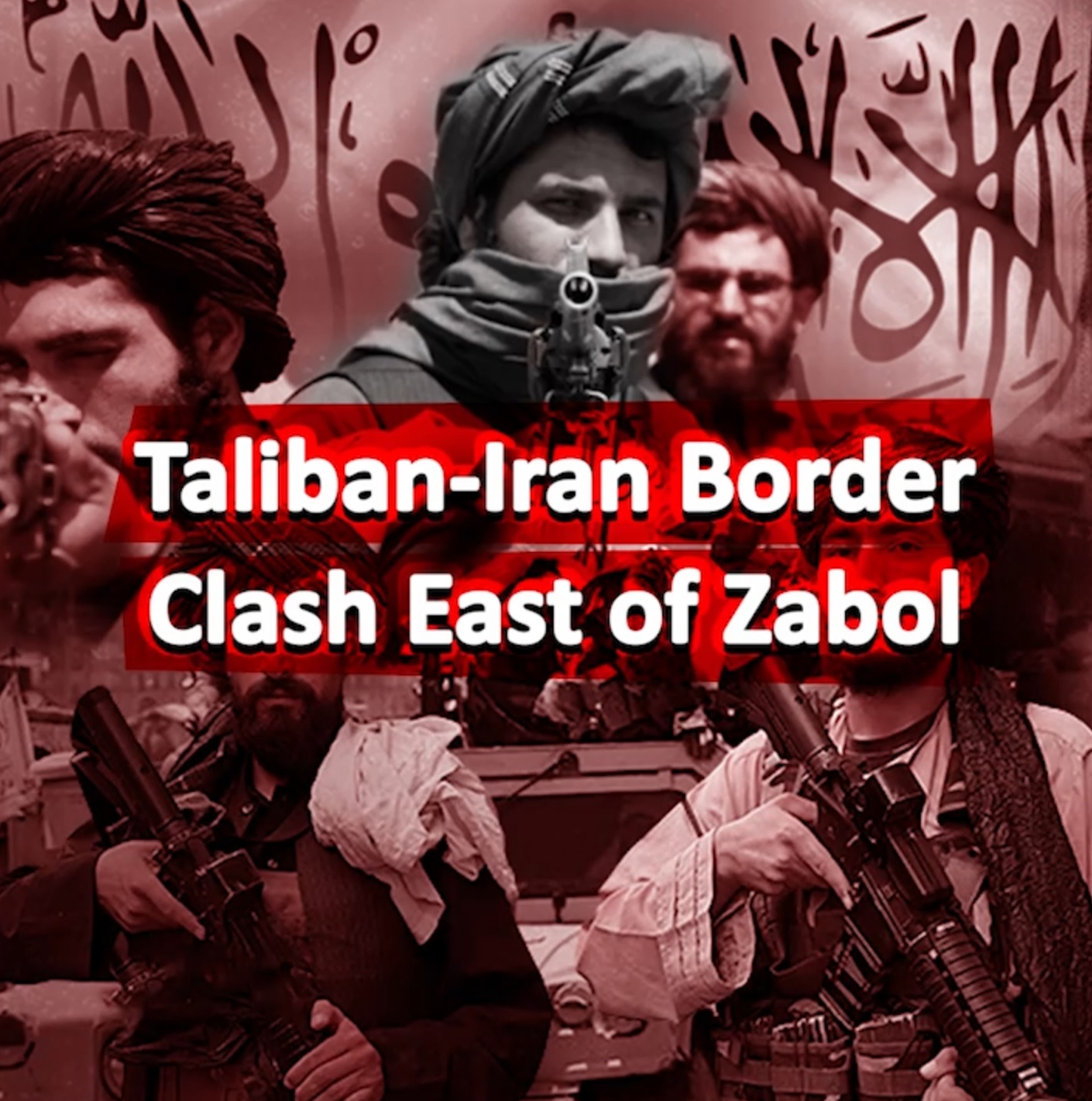
    According to a Twitter statement by the Taliban interior ministry spokesman, Abdul Nafee Takkur, during the clashes between the Taliban militants and the Iranian Border Guards in the north of Sistan and Baluchistan Province, an Iranian border guard and a Taliban militant was killed, and a number of other forces were wounded.

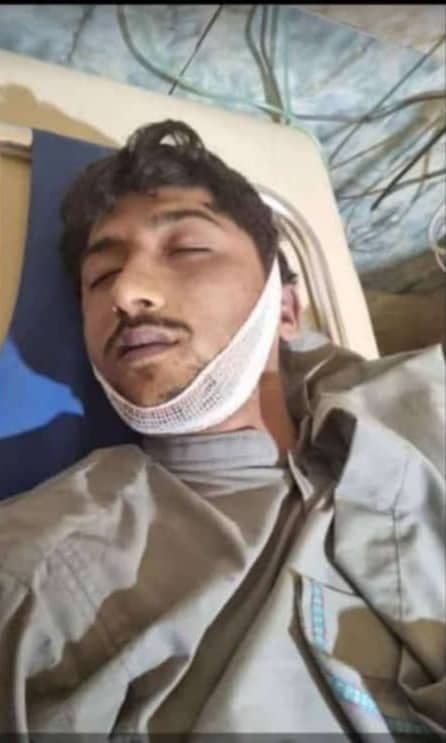
    This is while the local sources in Afghanistan have published images of two persons, claiming that two Afghans were killed in these clashes. Also, based on the statements of a number of employees of the Zaranj hospital, the casualties of the Taliban are 11 killed and wounded. In addition, another image related to an unknown person known as Khaled Panjshiri has been published, according to the IWN field source, this person was probably one of the soldiers of the previous government and was killed in a conflict with the Taliban around the city of Kabul And it has nothing to do with recent border conflicts.

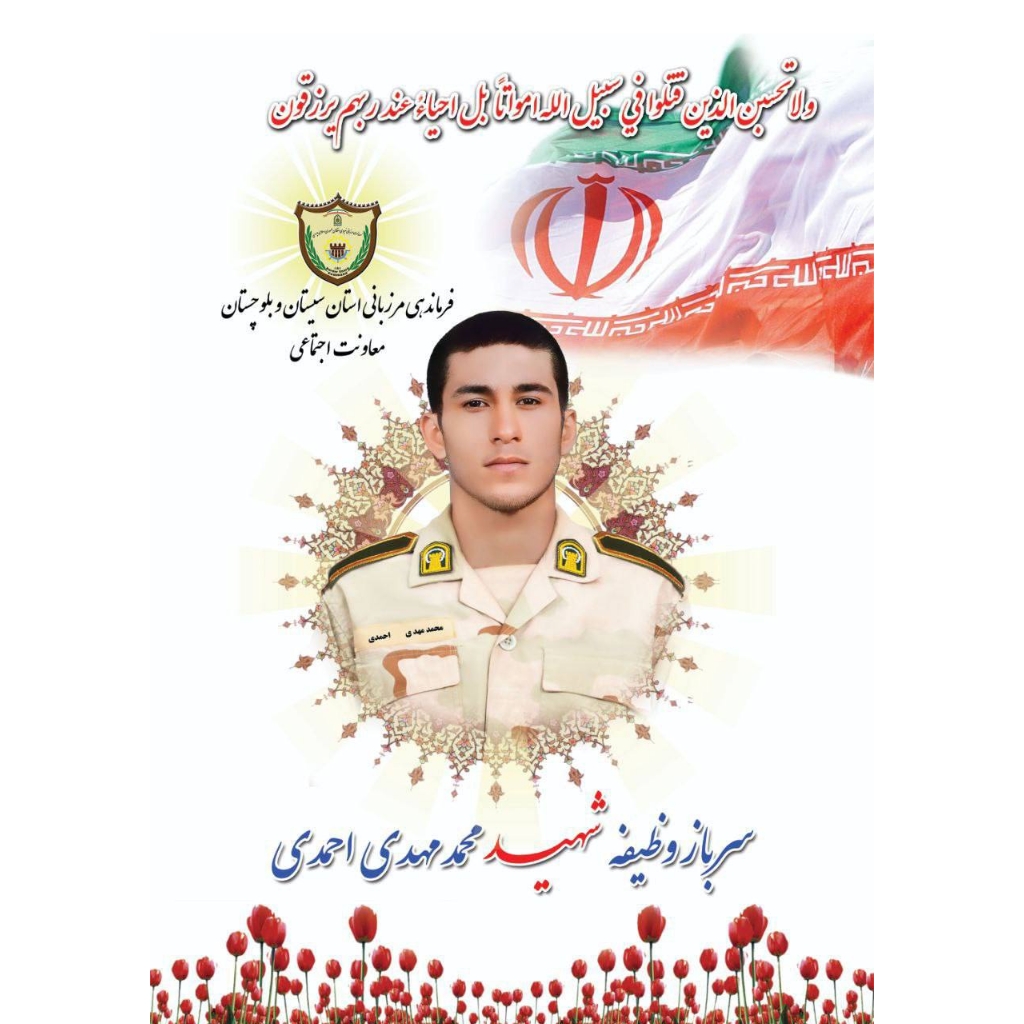
    Iran’s Border Guard Command of Sistan and Baluchistan province also released the image of Mohammad Mehdi Ahmadi, the Iranian soldier that was martyred in recent clashes, and declared the casualties of the Iranian Border Guard in the Taliban attack as one martyr and several wounded.

    Read more: Taliban And Iran Border Clash Leaves 4 Dead (Video)

  • Iran Not To Recognize Taliban: FM Amirabdollahian

    Iran Not To Recognize Taliban: FM Amirabdollahian

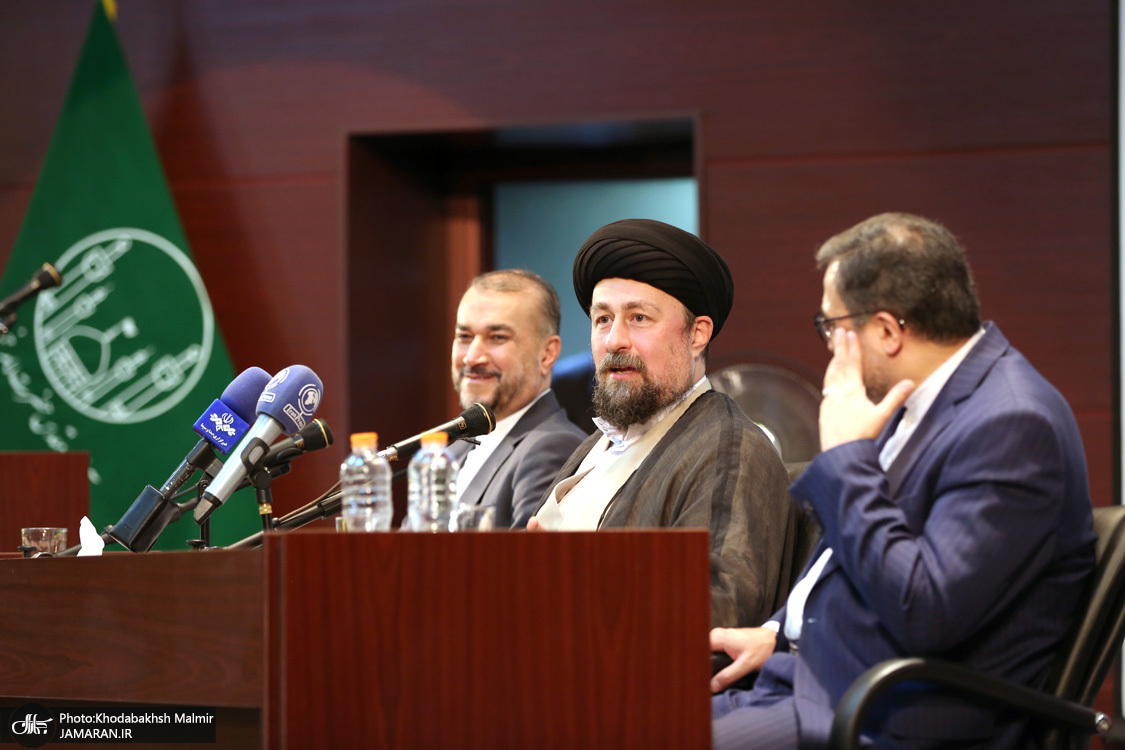
    Amirabdollahian made the remarks in a meeting between Iran’s Foreign Ministry officials and heads of its diplomatic missions abroad with the custodian of Imam Khomeini’s holy shrine Hassan Khomeini in Tehran on May 25.

    The foreign minister said we are dissatisfied that an inclusive government has not been formed in Afghanistan and we have also announced the issue to the current rulers of Afghanistan; so, we do not recognize the current governing body of Afghanistan and we emphasize the need for the formation of an inclusive government in the neighboring state. Moreover, the Taliban group is just a fraction of the political reality in Afghanistan, but it is not the whole reality.

    The foreign minister further referred to the neighborliness of Iran and Afghanistan as well as the long borders between the two countries, saying the scattered border clashes that have occasionally happened on the Afghanistan- Iran borderlines in recent months are a source of concern.

    According to the top diplomat, there is no way but interaction between the two neighboring countries, and that we do not want the bitter incident of Mazar-i-Sharif to be repeated, but we want to help realize peace and security in Afghanistan and we also have expectations from the current rulers of the neighboring state.

    Amirabdollahian pointed to Iran’s water rights from the Helmand River, adding that we have had talks with Afghan officials on the issue and we are of the opinion that the legal path should be considered in this regard on the basis of water-sharing treaty, which was signed in 1973. We told Afghan officials that the water rights issue cannot be resolved through a political statement and must be pursued within the framework of legal actions, he noted.

    The Iranian foreign minister also described the Taliban caretaker government’s policy in facing women and girls as inhumane and emphasized that Iran considers the policy contrary to the teachings of the Prophet of Islam (PBUH).

    Rhetorical tensions between Taliban and Iran escalated after the Taliban rulers replied negatively Iran’s repeated diplomatic requests for the implementation of the 1973 treaty on Iran’s water rights from the Helmand River, claiming that the Afghans are facing drought and lack of water in the Kajaki Dam, which is an earth and rock-fill embankment type dam located on the Helmand River in the Kajaki District of Helmand Province in Afghanistan.

    The Taliban rulers also rejected Iran’s request to dispatch a technical delegation to verify the amount of water in the Kajaki Dam.

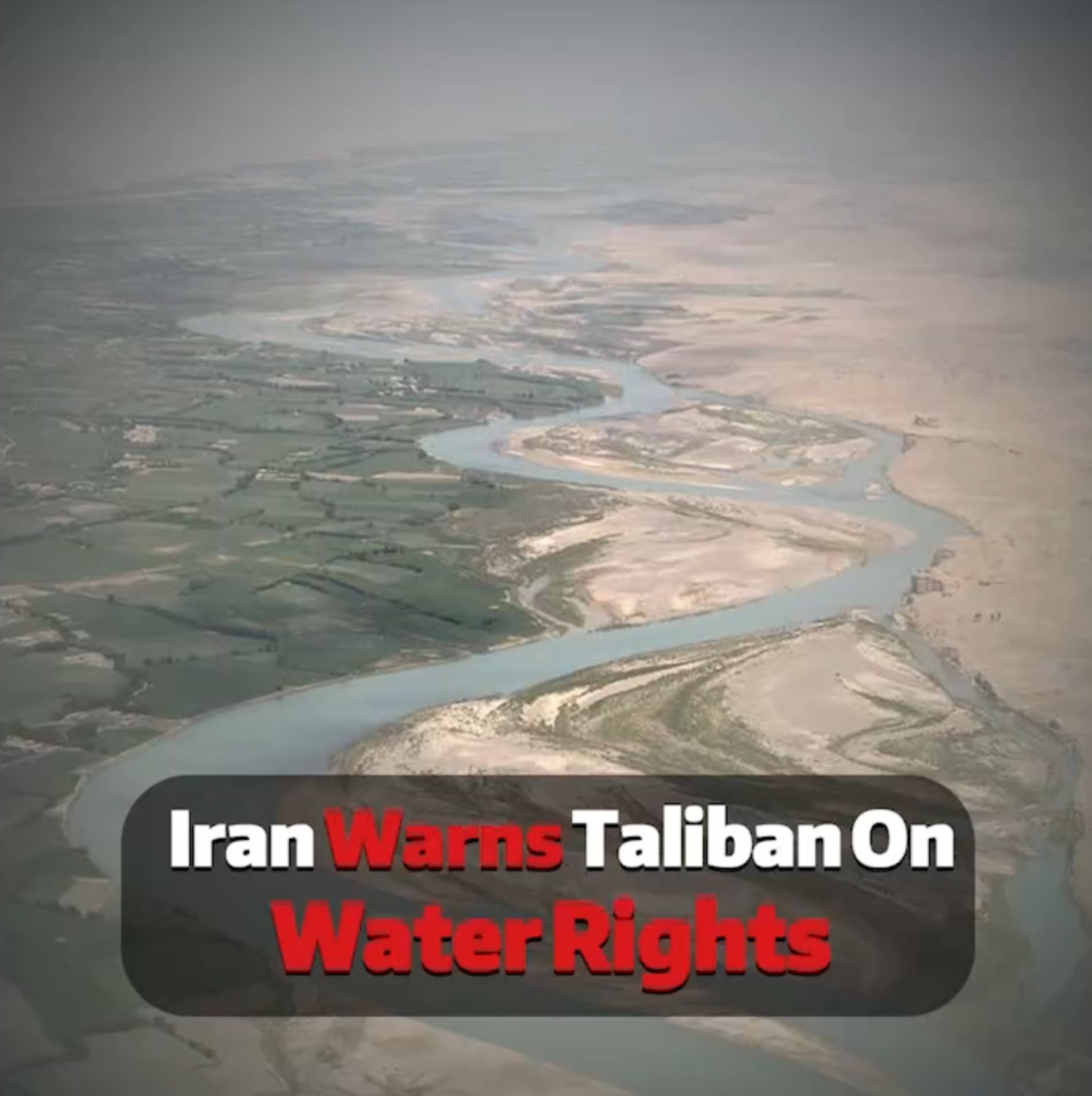
    Video: Iran Warns Taliban On Water Rights

  • Taliban And Iran Border Clash Leaves 3 Dead (Video)

    Taliban And Iran Border Clash Leaves 3 Dead (Video)

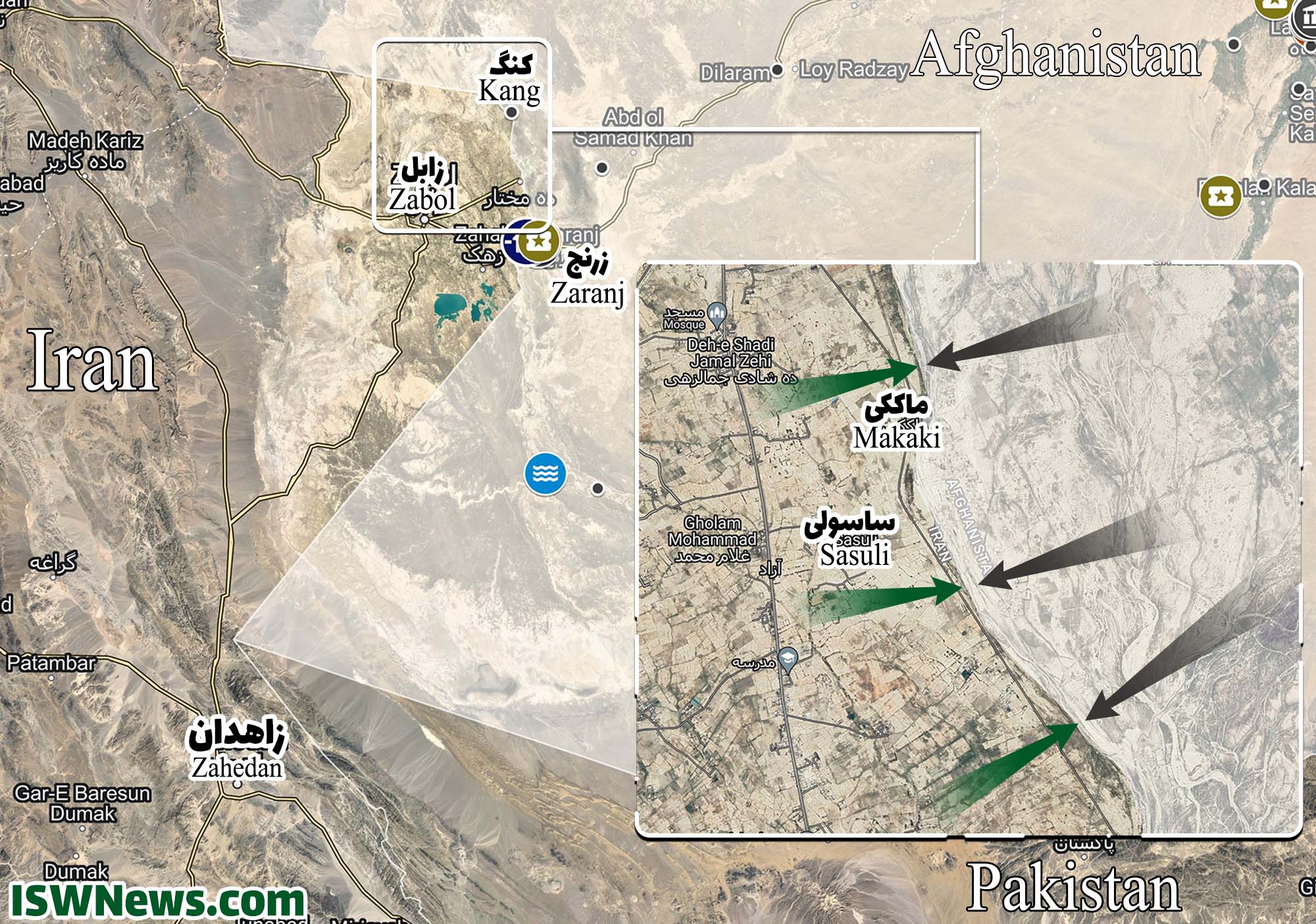
    According to local sources in the border areas of Zabol, the capital city of Sistan and Baluchestan Province, some Taliban militants and a number of Iranian border guards started armed clashes on the outskirts of Makaki, Sasuli and Haatam villages, which are located east of Zabol city from noon today (May 27) and the two sides exchanged fire.

    As a result of these clashes, an Iranian border guard lost their live and at least two Taliban militants were also killed and several others were wounded.

    At present, the conflict ended after artillery fire and exchange of gun fire, and border officials on both sides are investigating the differences, while the reason behind the clash has not been determined so far.

    Taliban militants had previously prevented Iranian machineries from constructing border walls and it seems that the today clash had its roots in such disputes.

    Local sources in Afghanistan’s Nimruz Province claim that Iran has launched artillery attacks on the airport and residential areas in northern villages of southwestern city of Zaranj, but the Iranian authorities ruled out the allegations and emphasize that Iranians’ artillery targeted Taliban forces’ positions.

    The main areas of conflict between the Iran’s border guards and Taliban on the border of Makaki and Sasuli villages in Sistan and Baluchistan province.
    The released video of Taliban attack on Iranian forces in the border area

    Despite numerous reports from Taliban-affiliated media outlets on Iran’s missile attacks on Zaranj city in the center of Nimruz province as well as Afghanistan’s border villages, there have not been released any report or image of the alleged missile attack to show the consequences of the so-called Iranian missile strike on the areas; so, the propaganda campaign is completely unfounded. Furthermore, news stories on the Taliban’s advances in Iranian territory are not based on facts on the ground.

    Following today’s border clash in eastern Zabol, Commander-in-Chief of the Police Force of the Islamic Republic of Iran Major General Ahmadreza Radan ordered the border guards stationed in the mentioned border area to bravely and decisively defend the borders and do not allow anyone to violate or approach the borderline. His order also emphasizes that the border forces of the Islamic Republic of Iran will decisively respond to any border violation or aggression, and the current rulers of Afghanistan must be held accountable for their miscalculation, which is contrary to international principles.

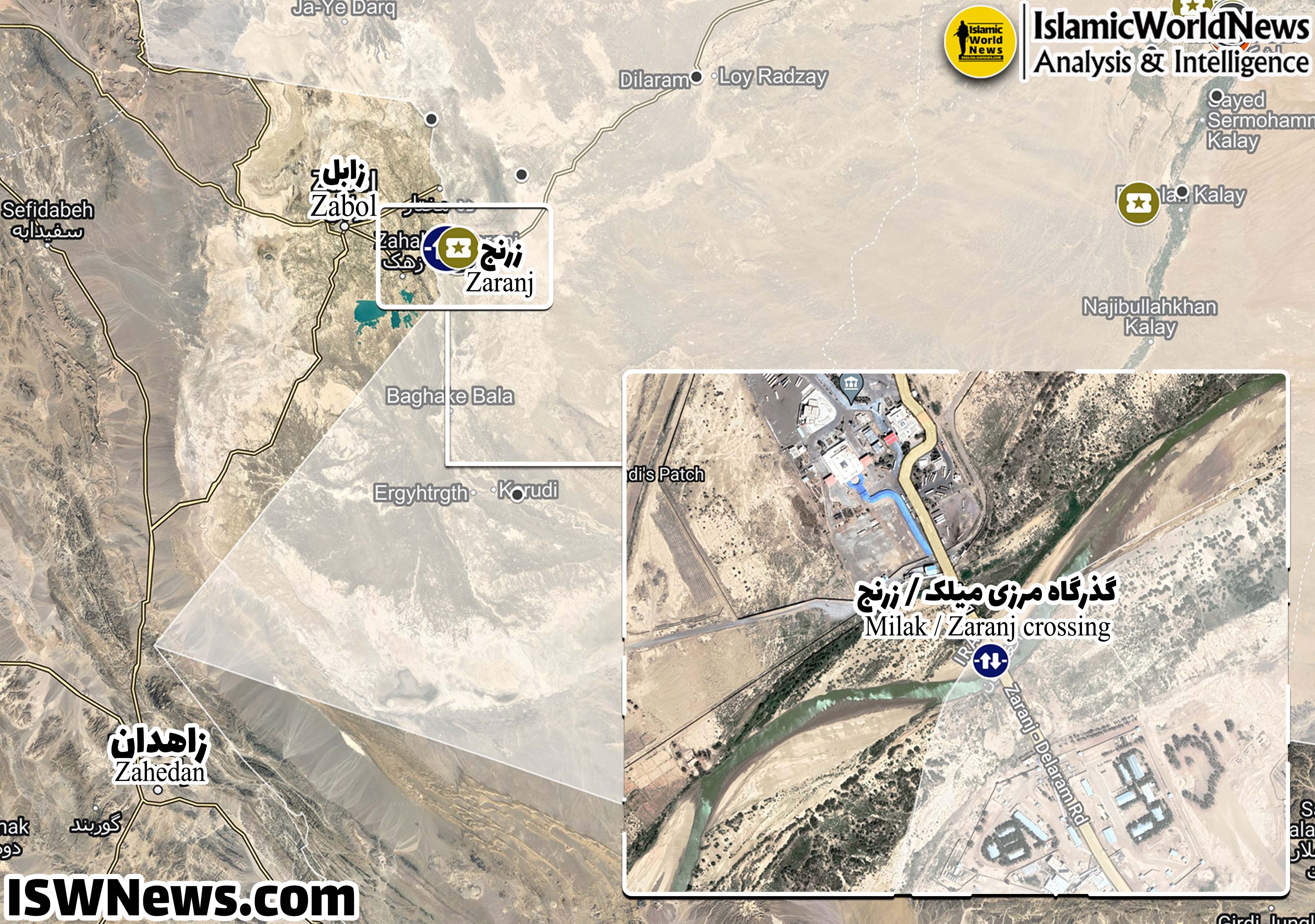
    Also, after today’s attack on the border areas east of Zabol, the Abrisham bridge, the only connection between Zaranj city and Iran, was closed. Milak-Zaranj crossing is the busiest border terminal between Iran and Afghanistan and has a high impact on the volume of trades between Iran and Afghanistan in the south of this country.

    Abrisham bridge, the only connection between Zaranj city and Iran

    The Iran-Taliban border conflict is an issue that has become a typical incident after the Taliban group took control of the Afghan government in August 2021 and such clashes have repeatedly occurred on the borderlines between Iran and its neighbors such as Pakistan, Tajikistan, Uzbekistan and Turkmenistan. The Taliban militants’ lack of know-how on laws and regulations concerning international borderlines has led to increased insecurity, smuggling and terrorist activities in Afghanistan’s joint border areas with Iran.

    Clashes and shootings between the Taliban and Iranian border guards in the border areas
    Exchange of artillery fire between Iranian border guards and Taliban militants
  • Ali Akbar Ahmadian Appointed As Secretary of Iran’s National Security Council
    Ali Akbar Ahmadian Appointed As Secretary of Iran’s National Security Council
    Brigadier General Ali-Akbar Ahmadian was appointed as a member of the Supreme National Security Council by Imam Seyyed Ali Khamenei, and then President Raisi appointed Ahmadian to this position in another decree while appreciating the efforts made by Shamkhani for his decade-long tenure as the secretary of the Supreme National Security Council.
    Ahmadian (born in 1961) was appointed as the deputy commander of the Islamic Revolution Guards Corps (IRGC) Navy during Shamkhani’s tenure following the end of the Iraqi-imposed war and devoted himself to hypothesizing the great maritime experiences of the Iranian armed forces during the Sacred Defense, especially their confrontation against the aggressive US fleet in the Persian Gulf. Ahmadian was one of the main architects of the new and innovative naval forces of the IRGC, which was based on revolutionary ideas, and he was also one of the first theorists in the arena of the asymmetric defense in Iran.

    The new secretary of the Supreme National Security Council was appointed as the Chief of Staff of the IRGC by Ayatollah Khamenei in 1997. During his tenure as the IRGC Chief of Staff, Ahmadian proposed an organizational transformation plan to be implemented by the IRGC and after the approval of the proposal by the Commander-in-Chief of the Armed Forces Imam Khamenei, he paved the way for the implementation of the plan and paid great heed to the project.
    Ahmadian possesses a PhD in dentistry and is a graduate of strategic management from the Supreme National Defense University of Iran. He has been the head of the IRGC’s Strategic Center for 16 years since 2007 and is known as one of the most prominent figures in the country concerning national security issues.

    The information, which has been not publicized as much of Ahmadian’s non-military background, is his strategic understanding of Iran’s political, economic and social issues. He was also one of the five new members that Imam Khamenei added to the arrangement of the Expediency Discernment Council of Iran on September 20, 2022.

    It seems that following the appointment of Brigadier General Ahmadian as the new secretary of the Supreme National Security Council, Iran will witness the redesigning and upgrading of the SNSC; so, some strategies will develop on the basis of Iran’s requirements about playing a role in the new world order and the implementation of Iran’s seventh development plan.

    Ali-Akbar Ahmadian Appointed As Secretary of SNSC In Iran

    In a decree, Iran’s President Ebrahim Raisi appointed Brigadier General Ali-Akbar Ahmadian as the Secretary of the Supreme National Security Council, while appreciating Rear Admiral Ali Shmakhani’s services as the outgoing SNSC secretary.

    Brigadier General Ali-Akbar Ahmadian was appointed as a member of the Supreme National Security Council by Imam Seyyed Ali Khamenei, and then President Raisi appointed Ahmadian to this position in another decree while appreciating the efforts made by Shamkhani for his decade-long tenure as the secretary of the Supreme National Security Council.
    Ahmadian (born in 1961) was appointed as the deputy commander of the Islamic Revolution Guards Corps (IRGC) Navy during Shamkhani’s tenure following the end of the Iraqi-imposed war and devoted himself to hypothesizing the great maritime experiences of the Iranian armed forces during the Sacred Defense, especially their confrontation against the aggressive US fleet in the Persian Gulf. Ahmadian was one of the main architects of the new and innovative naval forces of the IRGC, which was based on revolutionary ideas, and he was also one of the first theorists in the arena of the asymmetric defense in Iran.

    The new secretary of the Supreme National Security Council was appointed as the Chief of Staff of the IRGC by Ayatollah Khamenei in 1997. During his tenure as the IRGC Chief of Staff, Ahmadian proposed an organizational transformation plan to be implemented by the IRGC and after the approval of the proposal by the Commander-in-Chief of the Armed Forces Imam Khamenei, he paved the way for the implementation of the plan and paid great heed to the project.
    Ahmadian possesses a PhD in dentistry and is a graduate of strategic management from the Supreme National Defense University of Iran. He has been the head of the IRGC’s Strategic Center for 16 years since 2007 and is known as one of the most prominent figures in the country concerning national security issues.

    The information, which has been not publicized as much of Ahmadian’s non-military background, is his strategic understanding of Iran’s political, economic and social issues. He was also one of the five new members that Imam Khamenei added to the arrangement of the Expediency Discernment Council of Iran on September 20, 2022.

    It seems that following the appointment of Brigadier General Ahmadian as the new secretary of the Supreme National Security Council, Iran will witness the redesigning and upgrading of the SNSC; so, some strategies will develop on the basis of Iran’s requirements about playing a role in the new world order and the implementation of Iran’s seventh development plan.

  • Five Iranian Border Guards Killed In A Terrorist Attack Near Pakistan Border

    Five Iranian Border Guards Killed In A Terrorist Attack Near Pakistan Border

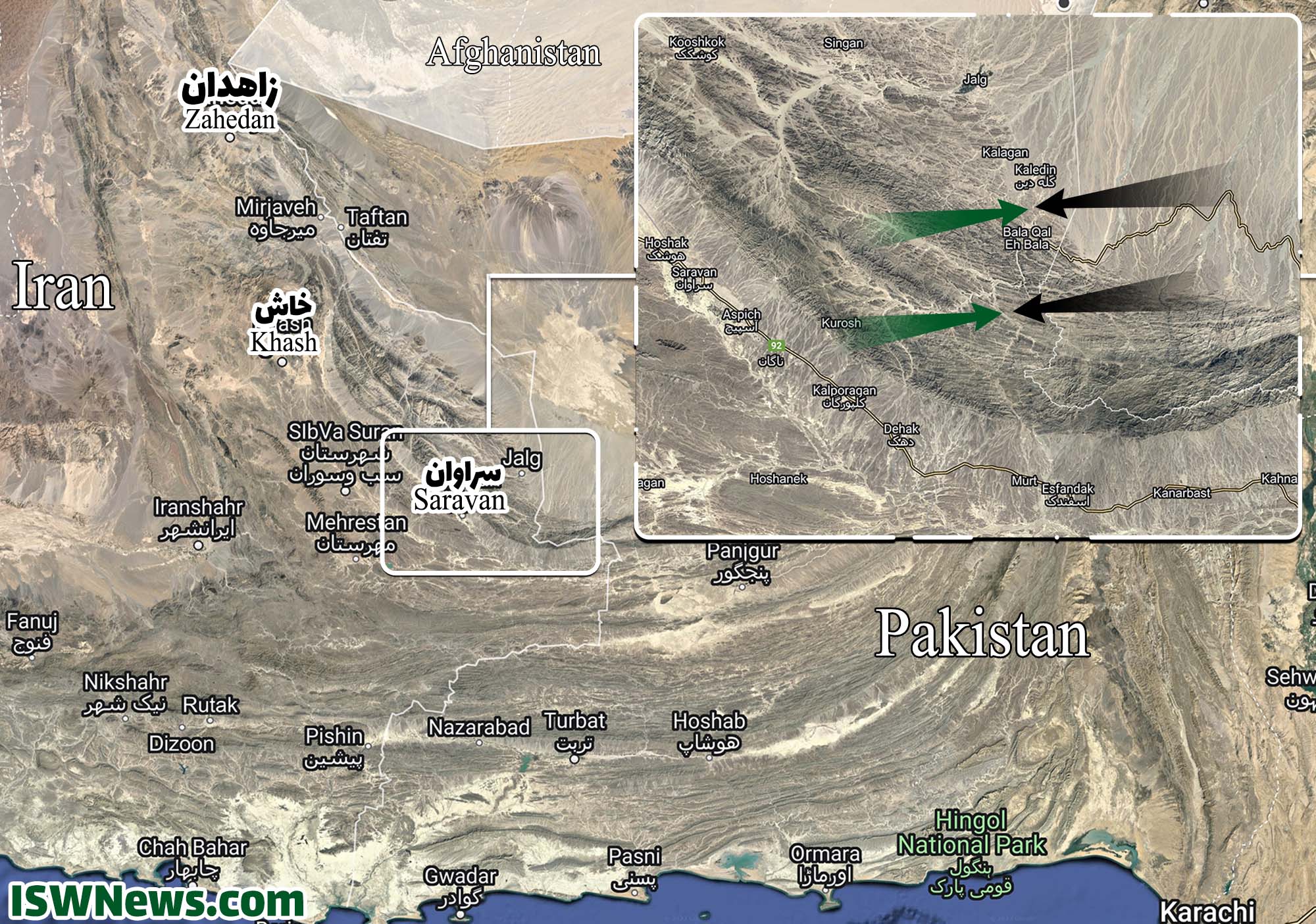
    According to local authorities, this attack was carried out by the Jaish ul-Adl terrorist group, and terrorists fled into Pakistan after the attack. The media affiliated to this group have not published any announcement about this.

    The Deputy Commander of the Iranian Police Force and the Commander of the Border Guard Forces visited the area to investigate the incident.

    According to a statement by Mehdi Shamsabadi, the prosecutor of Sistan and Baluchistan province, judicial orders have been issued to arrest the perpetrators of this terrorist attack.

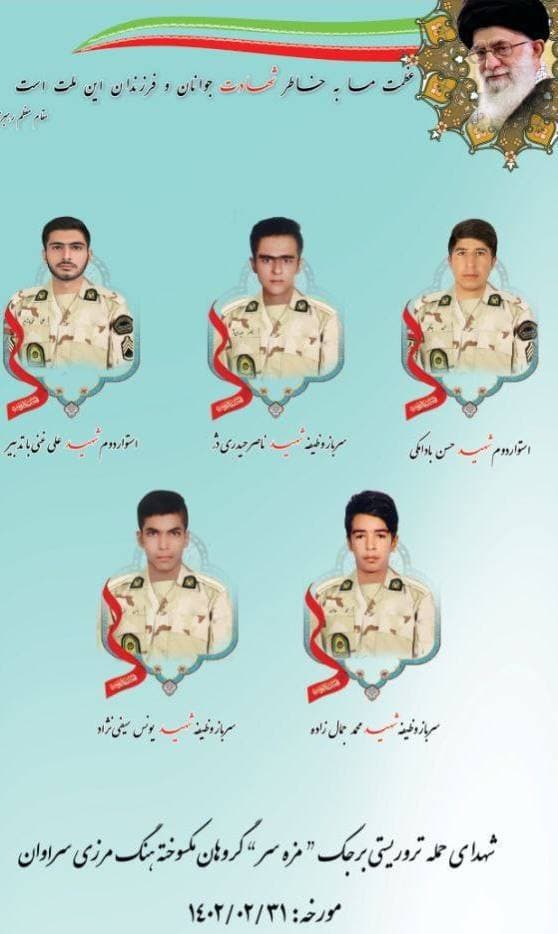
    The names of the martyrs are “1st Sergeant Hossein Badamaki, 1st Sergeant Ali Ghani Ba Tadbir, conscript Mohammad Jamalzadeh, conscript Younes Seifinejad and conscript Nasser Heydari.” Also, one of the wounded in this attack, named 1st Sergeant Reza Borji, came back to life with the efforts of medical staff and CPR operations.

    Martyrs of the terrorist attack on Mak Sokhte checkpoint in Saravan district

    In recent years, Sistan and Baluchistan has experienced several rounds of clashes between Iran’s security forces and terrorist groups and drug traffickers.

    This attack took place while not long ago, on April 30, Alireza Shahraki, the head of the intelligence police of Saravan district, and also on May 14, Gurban Ali Piri, the commander of the Susoli garrison of Zabul border regiment, were also martyred by terrorist groups and drug trafficking gangs.

    The recent developments clearly show the increase of activities of terrorist groups and drug trafficking gangs in Sistan and Baluchistan province.

    It should be noted that this deadly attack occurred in the midst of improving relations between Iran and Pakistan. Last week, Iranian President Ebrahim Raisi and Pakistani Prime Minister Shehbaz Sharif inaugurated a border bazaar and a power transmission line that supplies electricity to some remote areas of Pakistan from Iran.

    Obviously, the terrorist operations against the security forces and border guard forces of Iran in Sistan and Baluchistan province is carried out with the aim of making the southeastern regions insecure. In recent years, the insecurity of the mentioned areas has been at the top of the plans of Western and Israeli intelligence organizations.

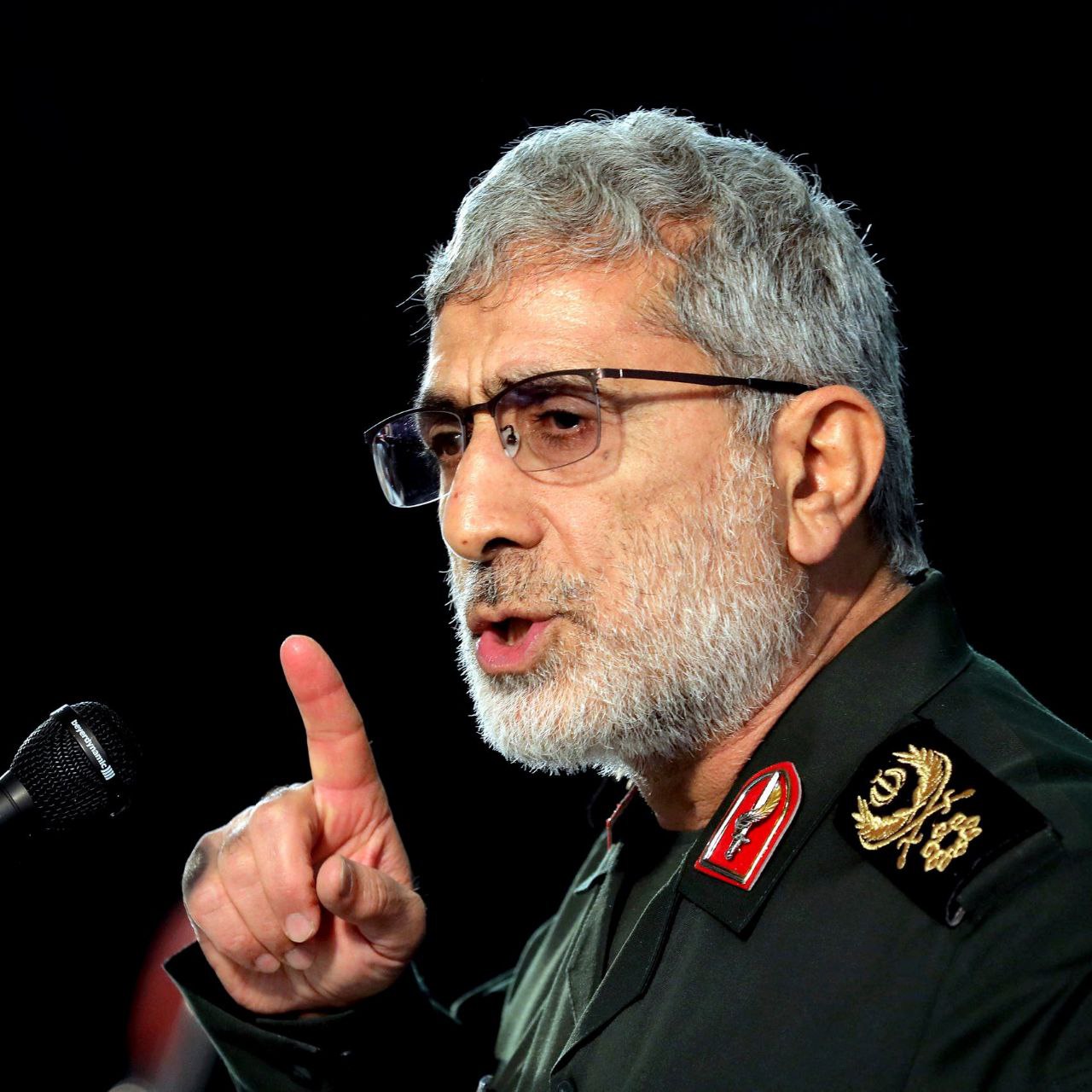
  • Iran To Keep On Supporting Palestinian Resistance: IRGC Cmdr.

    Iran To Keep On Supporting Palestinian Resistance: IRGC Cmdr.

    He underlined the support for the Palestinian resistance groups in a message on May 14, noting that the fighters in al-Quds and throughout Palestinian territories have proved that the dawn of victory is approaching.

    The commander also praised the families of the Palestinian martyrs, saying that these people take the responsibility of defending al-Quds and sanctities.

    According to the Iranian commander, the commanders of the joint operation chamber have shown a new epic in the face of the Zionist regime and proved once more that they can break the myth of strength of the foes.

    The victories are parts of a stable step towards the final triumph, he said, adding that Iran will continue backing the Palestinian people and resistance groups to see the uprooting of the Zionist regime in the Palestinian land.

    Qaani expressed gratitude to the fighters of Lebanon’s Hezbollah movement as well as all resistance groups, who stand against the Zionist enemies.

    The new round of clashes between Palestinians and Israelis last for five days. The Israeli aggression left 33 Palestinians martyred and 147 others wounded. The Palestinians’ retaliatory rockets left one Israeli killed and 77 others injured.

    Read more: Secretary General Of Islamic Jihad Declares The End Of Fighting In Gaza

  • Turkish And Syrian FMs Meet For The First Time After 12 Years

    Turkish And Syrian FMs Meet For The First Time After 12 Years

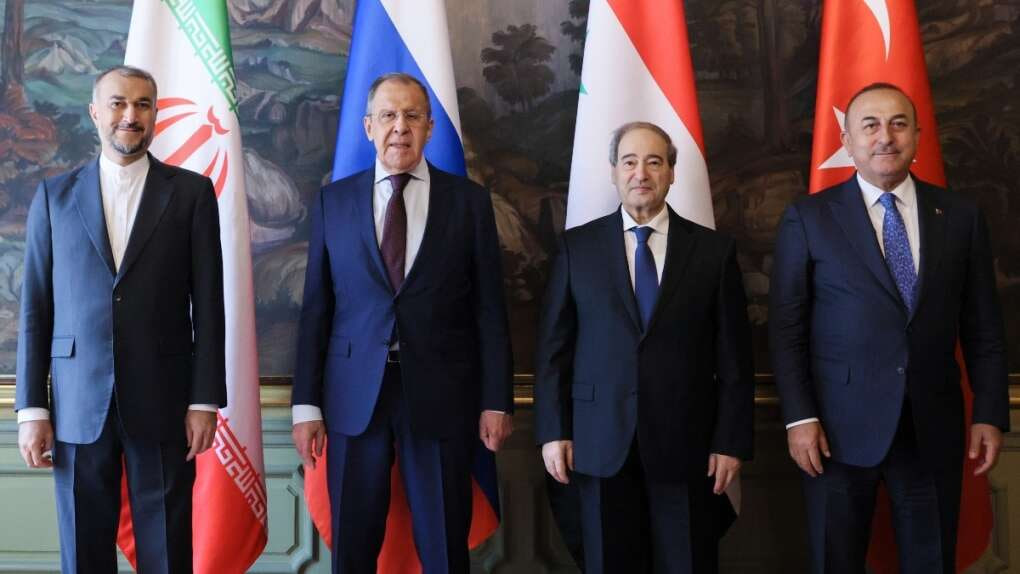
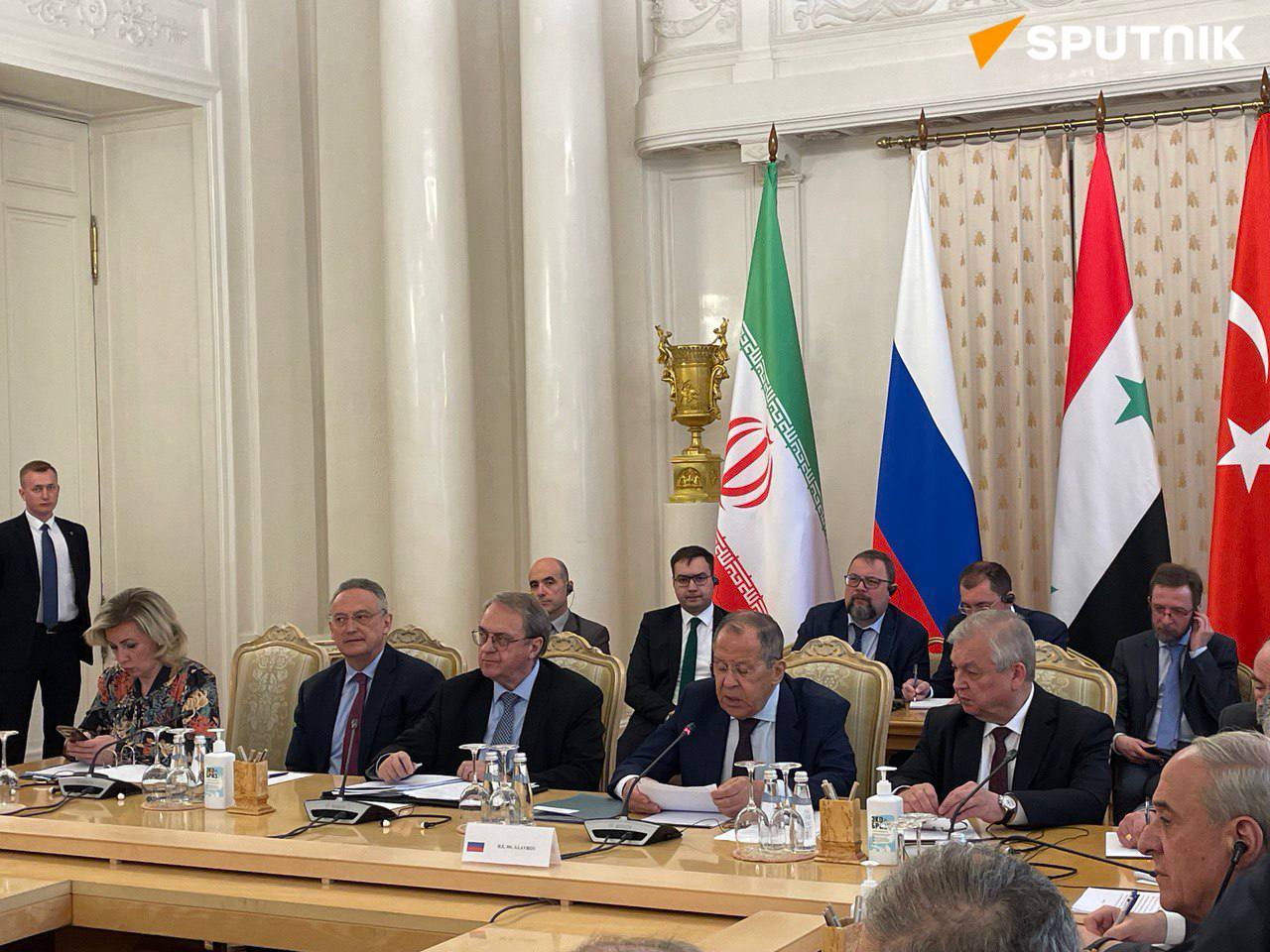
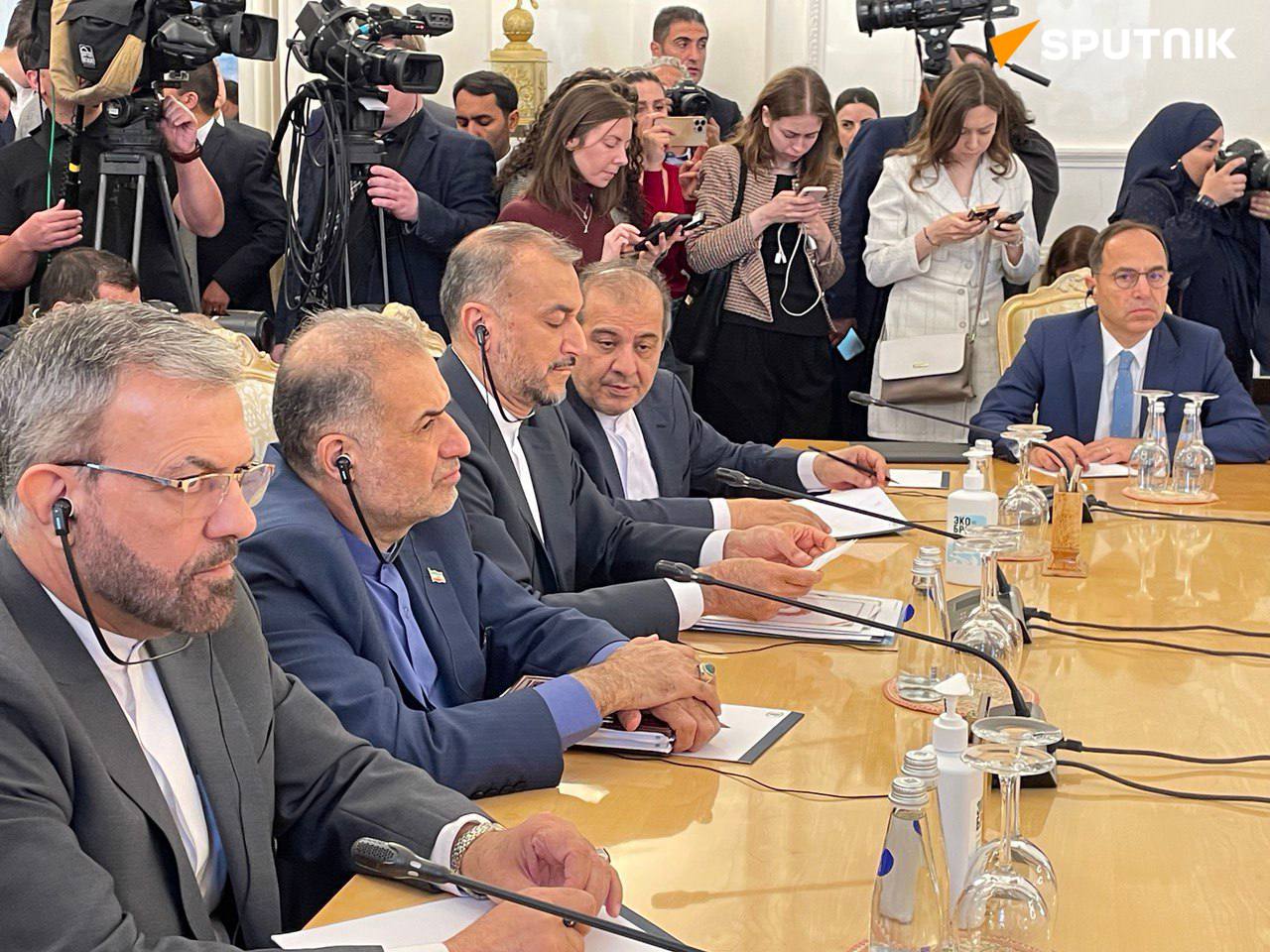
    A quadrilateral meeting of the foreign ministers of Iran, Russia, Turkey and Syria was held in Moscow on May 10 with the aim of reviewing the developments in Syria and resolving the differences between Ankara and Damascus. One of the important achievements of this meeting was the meeting between the foreign ministers of Turkey and Syria for the first time after 12 years since the start of conflicts in Syria.

    At the beginning of this meeting, Russian Foreign Minister Sergey Lavrov described the meeting of the foreign ministers of Turkey, Syria, Iran and Russia as important and said: “We have continuously moved to achieve this result. The process of normalizing relations between Turkey and Syria creates new opportunities for the Astana meeting to resolve the Syrian crisis. The beginning of the normalization process between Turkey and Syria has a positive effect on the situation in the region and the Middle East in general.”

    The Russian Foreign Minister further proposed the development of a road map within the framework of the process of normalizing relations between Ankara and Damascus and said: “The road map for the settlement of the Syrian case should be prepared for the next meeting of the foreign ministers of Turkey, Syria, Iran and Russia, and then to be presented to the presidents.”

    At the end of this meeting, a joint statement was issued by the four countries. In this statement, it is stated that according to the UN Security Council Resolution 2254 and the official statements in the Astana process, the participants reaffirmed their commitment to the territorial integrity of Syria, non-interference in internal affairs and the fight against all forms of terrorism, separatism and extremism. The participants also agreed that the deputy ministers of foreign affairs should undertake the task of designing a road map to advance relations between Turkey and Syria in coordination with the ministries of defense and intelligence chiefs of the four countries.