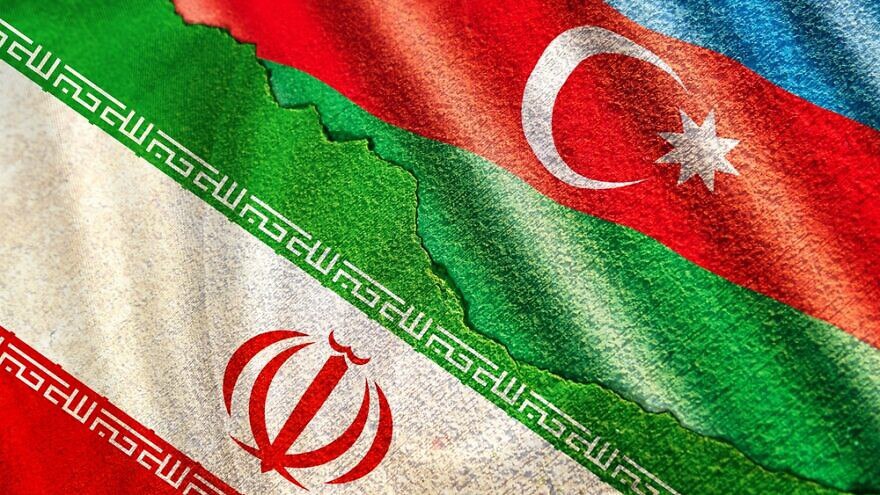
Reacting to an unpleasant measure by the Azerbaijani government, when it expelled four Iranian diplomats on April 6, the Iranian administration also described two diplomats of the Azerbaijan Republic’s embassy in Tehran and two diplomats from its consulate general in Tabriz as persona non grata and called for their departure from Iran’s soil.
It is worth mentioning that following the incident of an Iranian civilian based on the attacker’s personal and family motives raided the embassy of the Republic of Azerbaijan in Tehran on January 27, 2023, the government of Azerbaijani President Ilham Aliyev intensified the media warfare against the Islamic Republic and it resorted to widespread apprehensions of some Azerbaijani citizens on charges of collaborating and connecting the Islamic establishment.
It is also notably that Baku’s biased moves towards Tehran did not conclude to the issues; so, Azerbaijan Republic expelled four Iranian diplomats over what Baku claimed “provocative actions.”
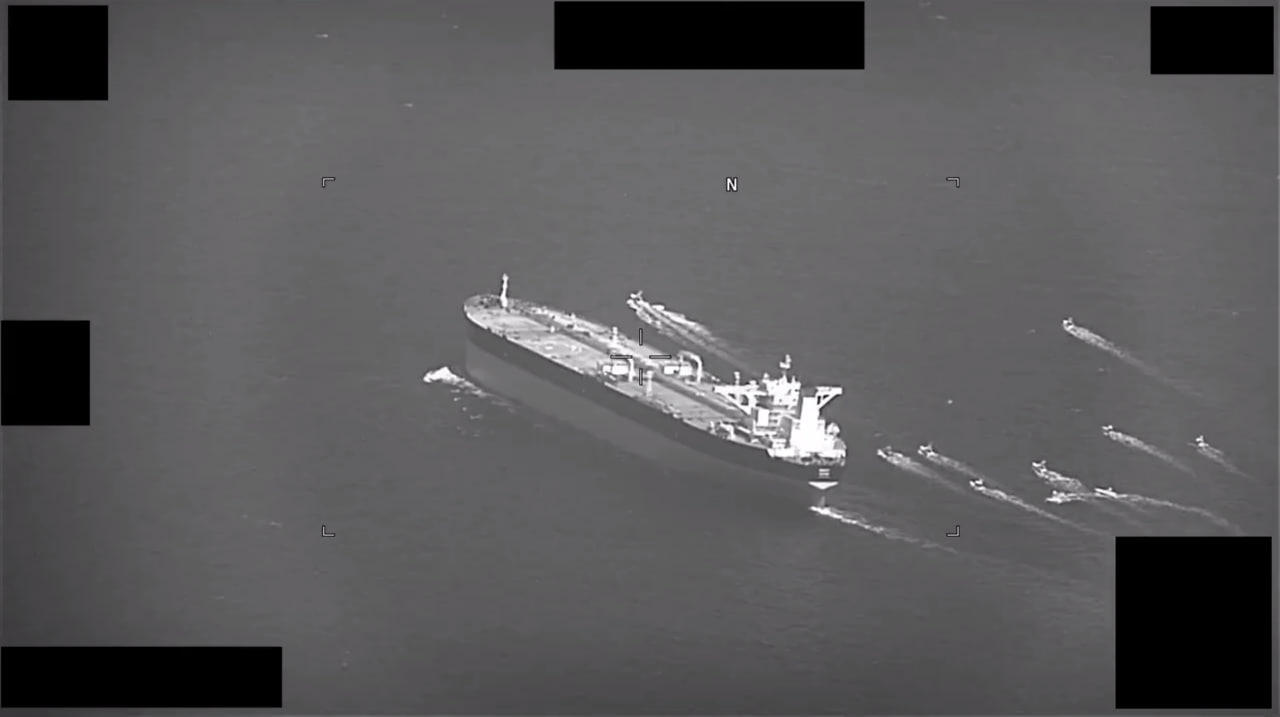
According to the report, the oil tanker was passing through the Strait of Hormuz with the flag of Panama, when it was seized by the IRGC forces at 6:20 a.m. local time on Thursday.
The commander of the US Navy’s Central Command reported that the oil tanker named “Niovi” had left the port of Dubai and was sailing towards Fujairah, another port in the United Arab Emirates (UAE).
The IRGC naval forces approached the oil tanker by the use of speed boats in the middle of the Strait of Hormuz and forced the tanker to change course and move towards Iranian territorial waters off the coast of Bandar Abbas.
The seizure of an oil tanker by the IRGC in the Strait of Hormuz
Following the seizure of the oil tanker, the Tehran prosecutor confirmed that the ship had been seized by the IRGC naval forces after a plaintiff filed a lawsuit and the judicial official ordered a prosecution.
It is worth mentioning that the Islamic Republic of Iran Army forces seized another vessel called “Advantage Sweet” after colliding with an Iranian boat that caused several Iranian crew members to go missing or get injured in the Sea of Oman on April 27.
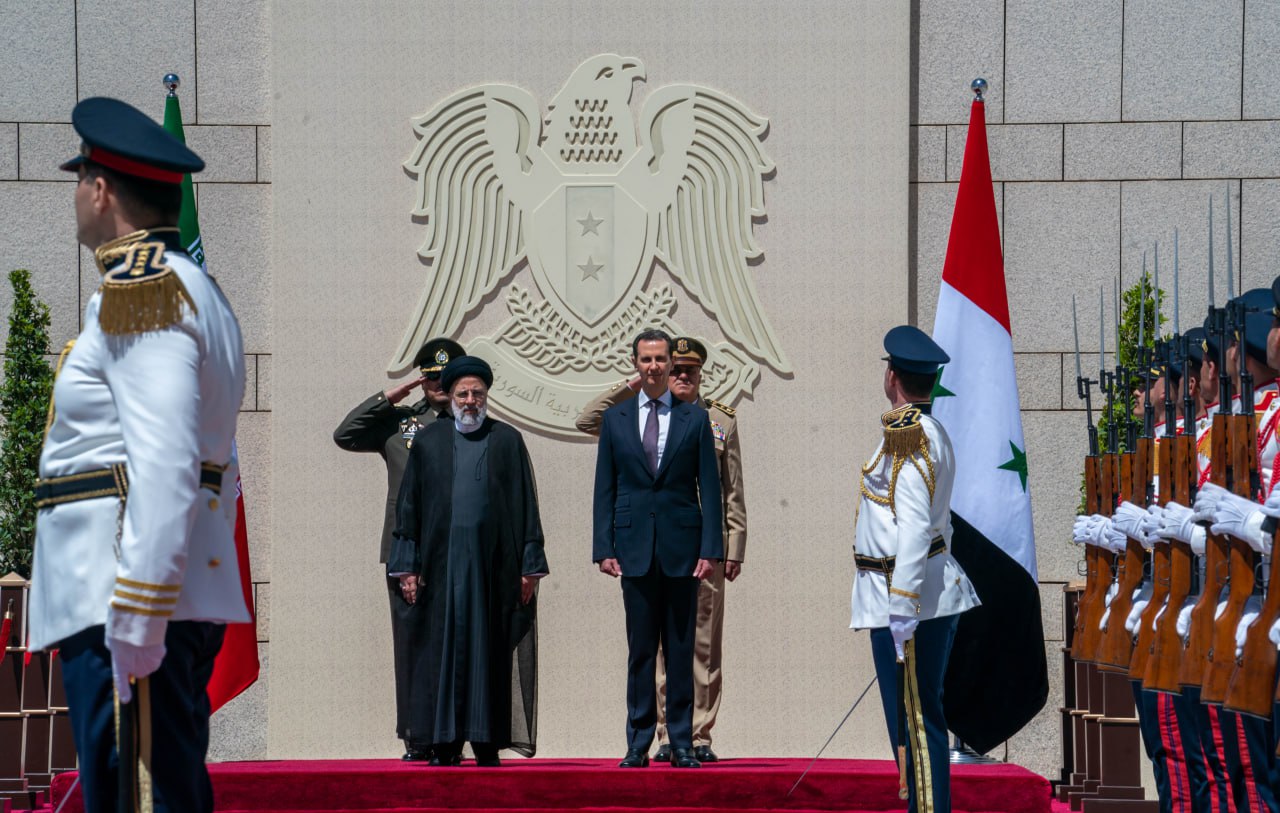
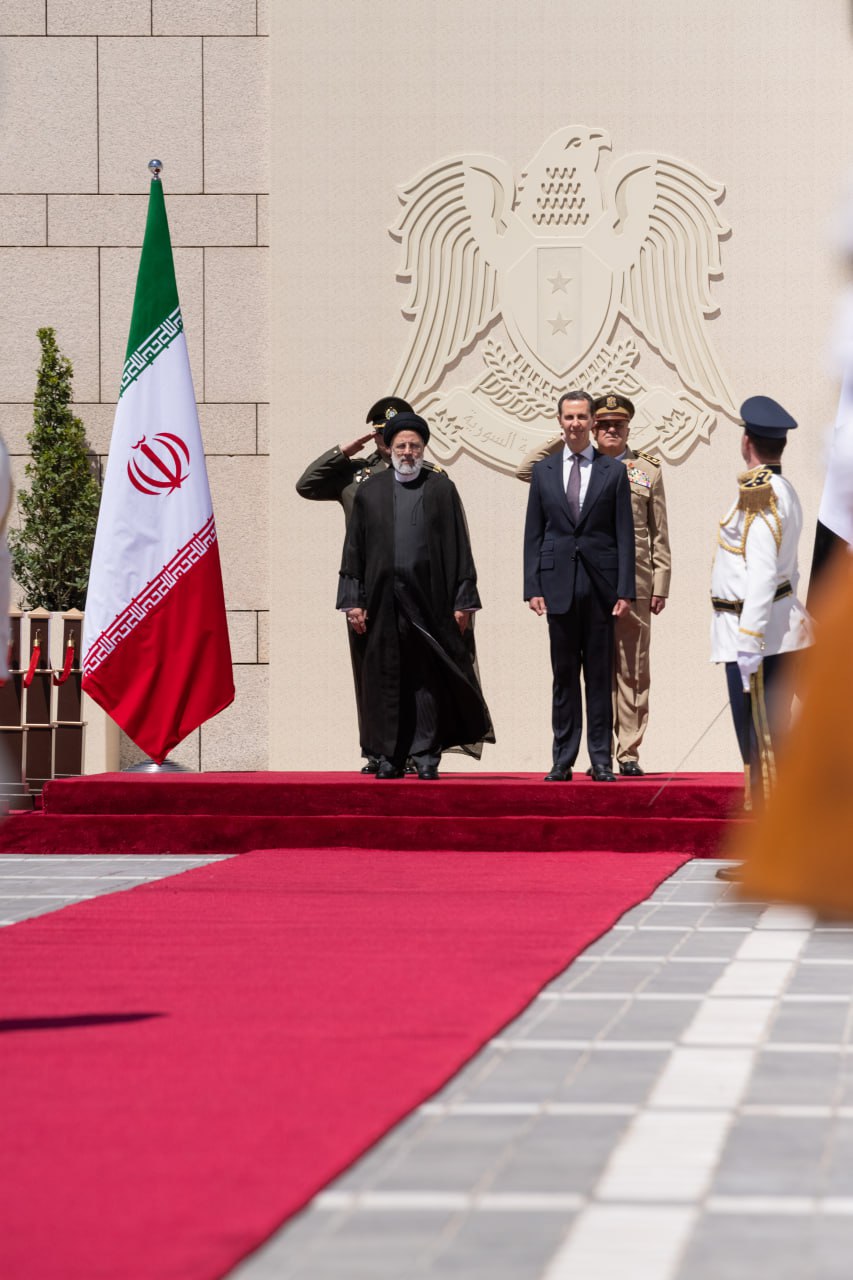
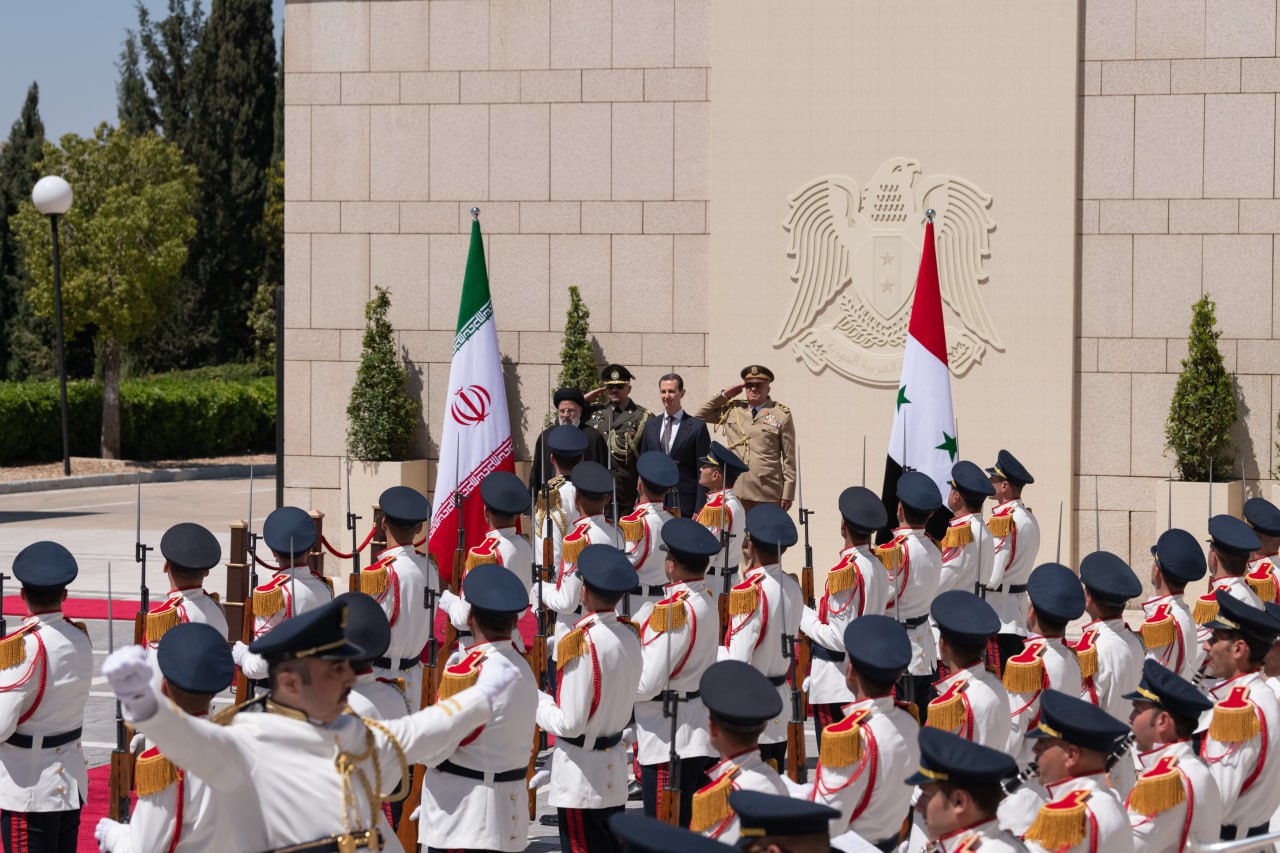
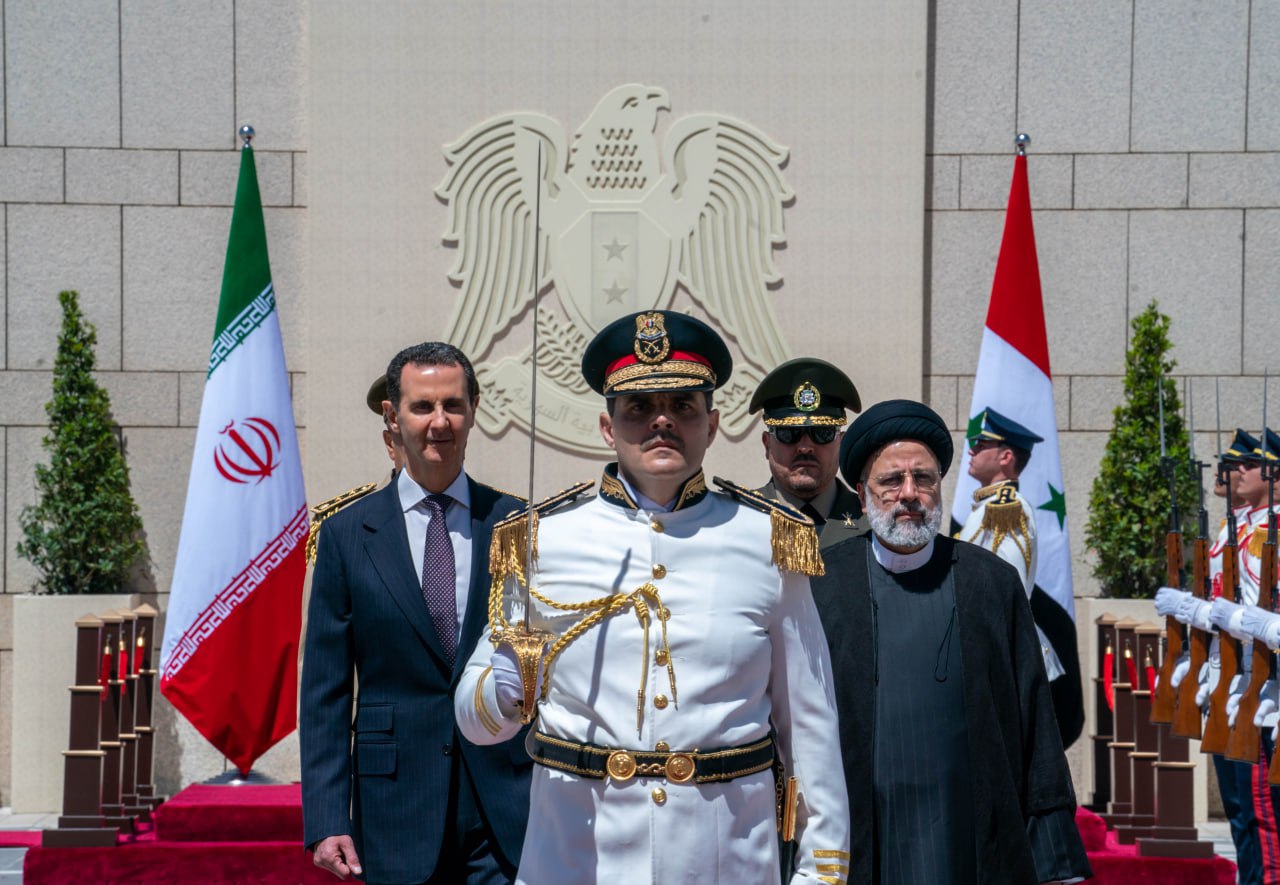
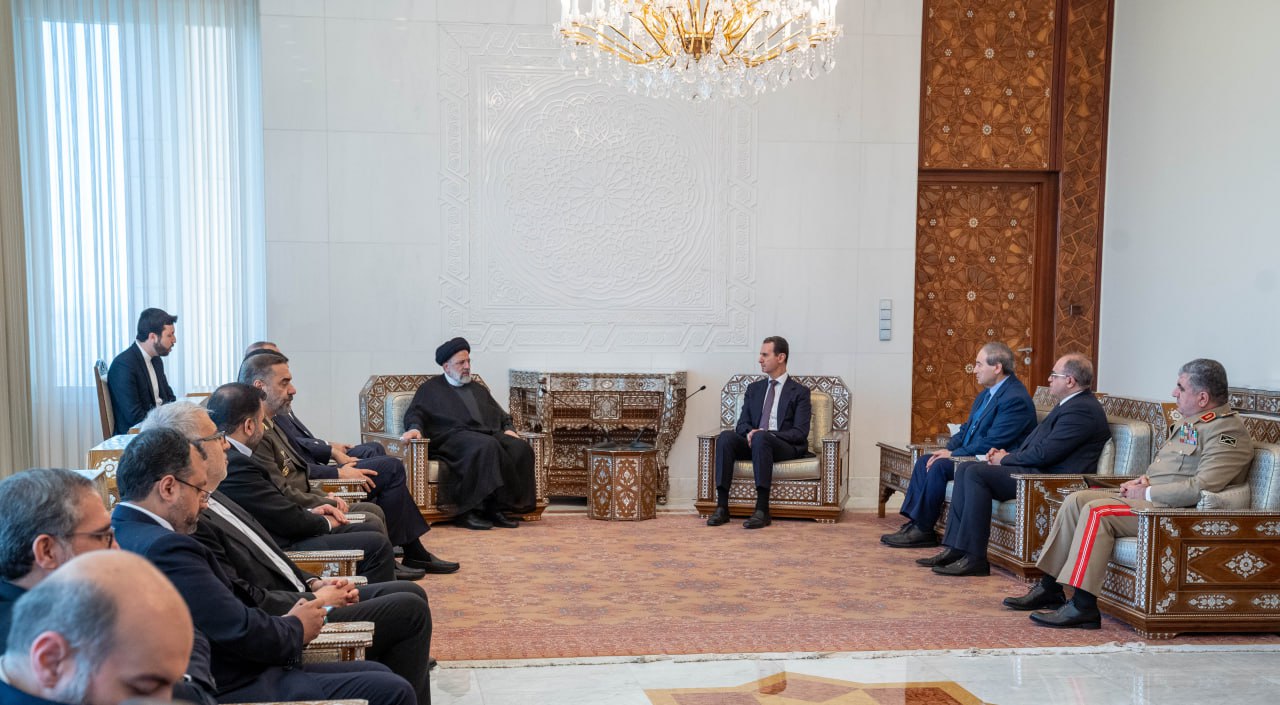
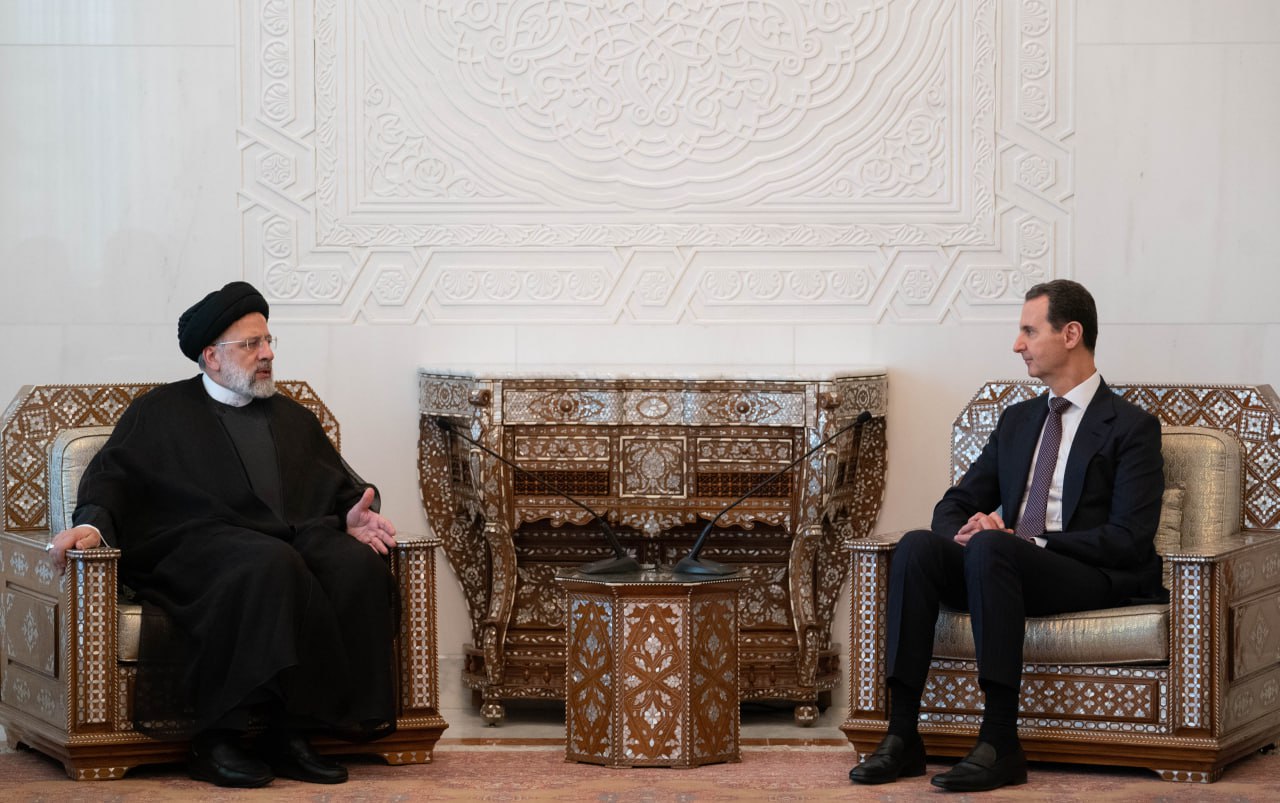
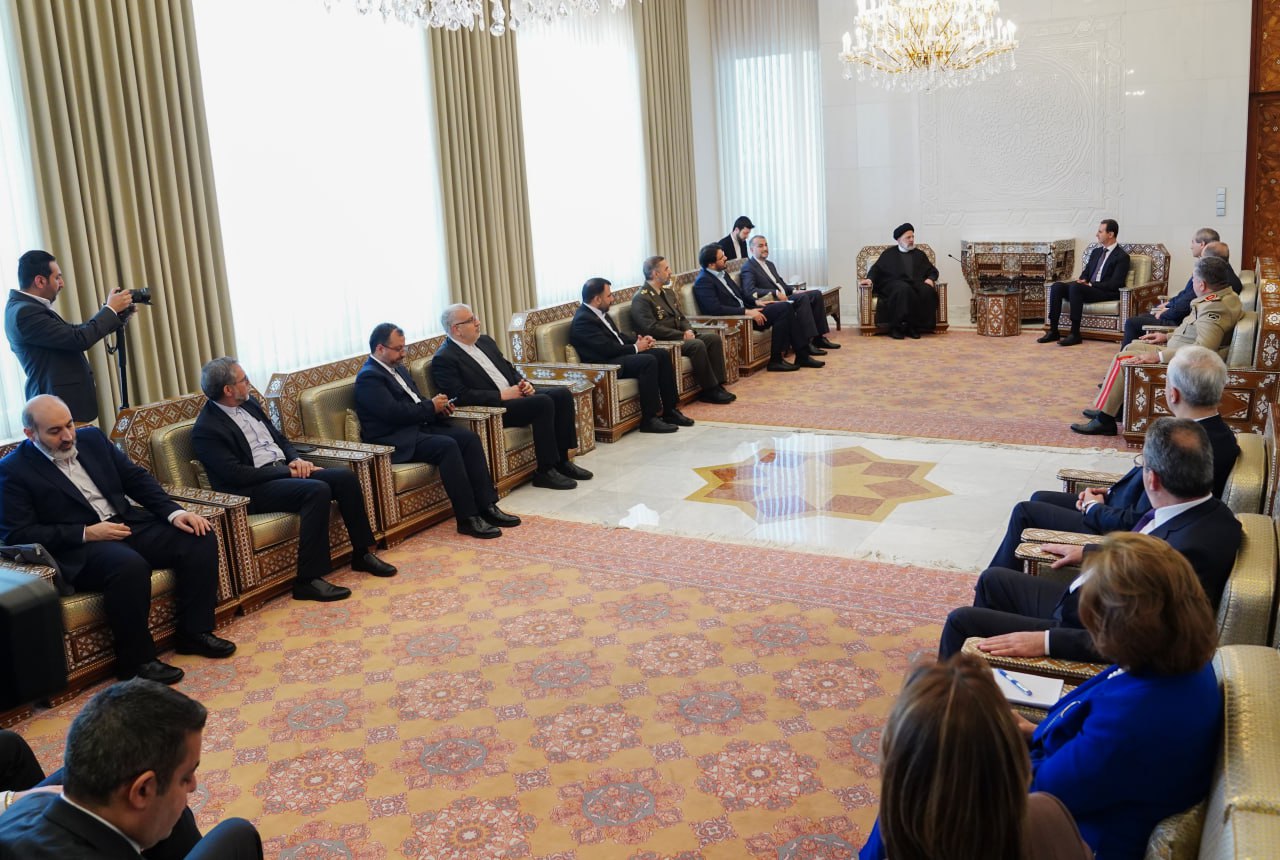
During the meeting with President Raisi in Damascus, his Syrian counterpart said that Iran and Syria have rich and fruitful relationships full of good experiences; because during the difficult and challenging times, our relationship remained stable and steady despite the severe political and security storms that have plagued the West Asia region.
The Iranian president, for his part, said that the Syrian government and people have overcome many difficulties and great challenges; thus, today we can say that you have overcome these problems and despite the threats and sanctions imposed on you, you have been able to succeed.
Iran’s Foreign Minister Hossein Amirabdollahian, Defense Minister Amir Ashtiani, Minister of Petroleum Javad Oji, Minister of Roads and Urban Development Mehrdad Bazrpash, Minister of Information and Communications Technology Issa Zarepour, Member of Iranian Parliament’s National Security and Foreign Policy Commission Abbas Golroo and President’s Chief of Staff Gholam Hossein Esmaeili accompanied President Raisi in the trip to Damascus.
It is worth mentioning that this is the first visit by an Iranian president to Syria since 2010. Raisi’s travel to Syria has been reflected in international media outlets significantly, to the extent that Hebrew-language media covered the news and described it as an achievement for the axis of resistance. They also noted that the achievement has its roots in Israel’s weakness and missed opportunities.
Images of the meeting between the presidents of Iran and Syria
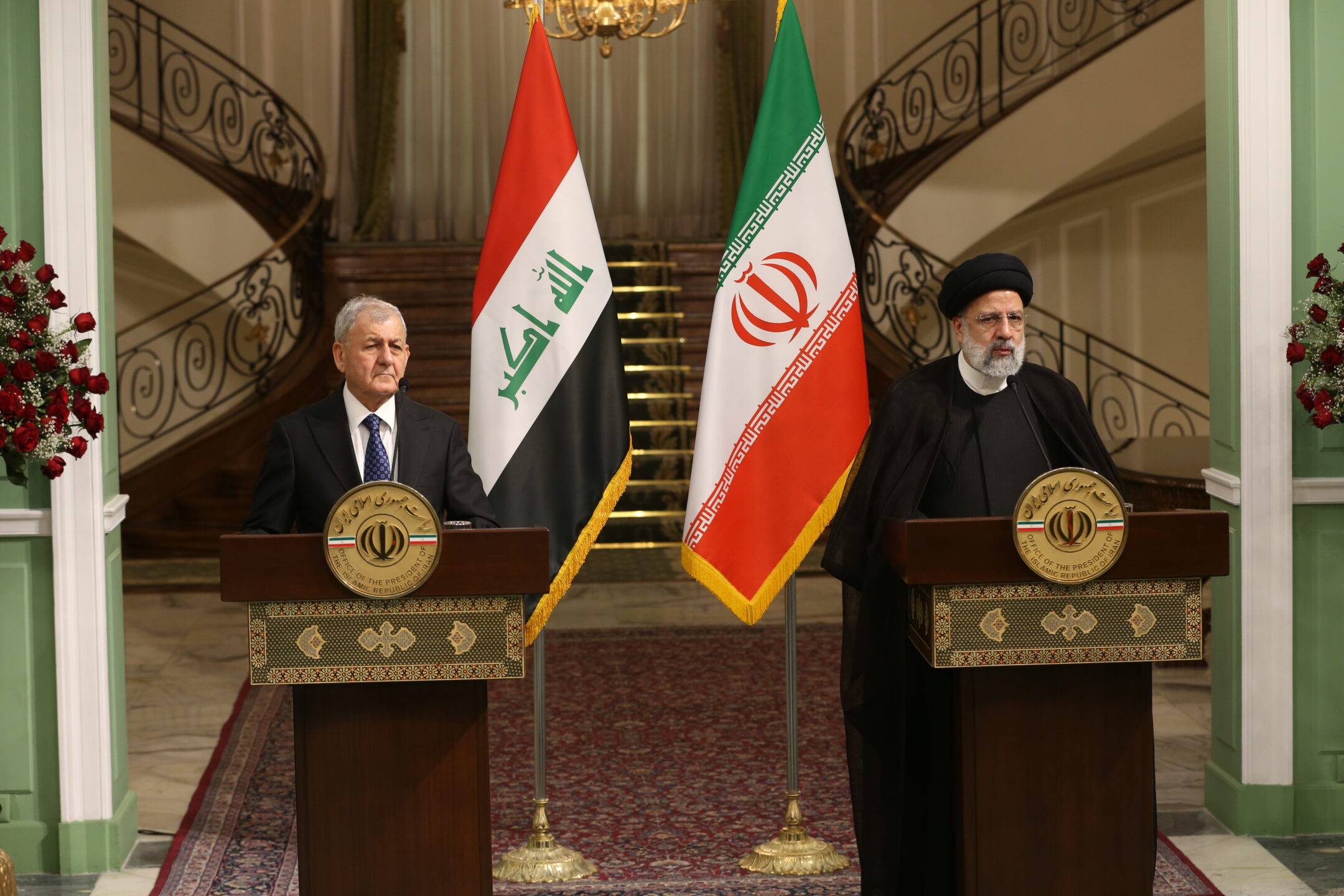
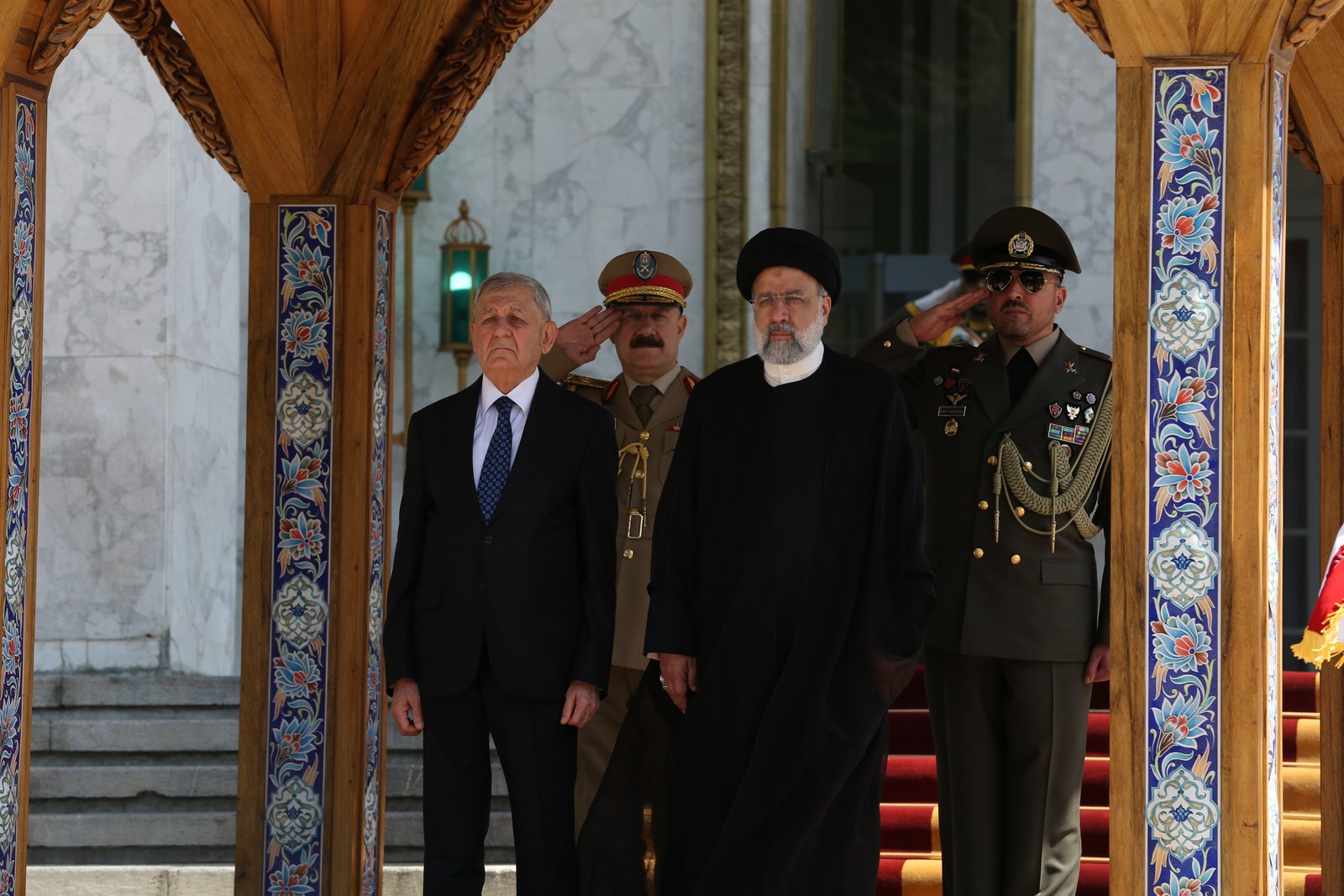
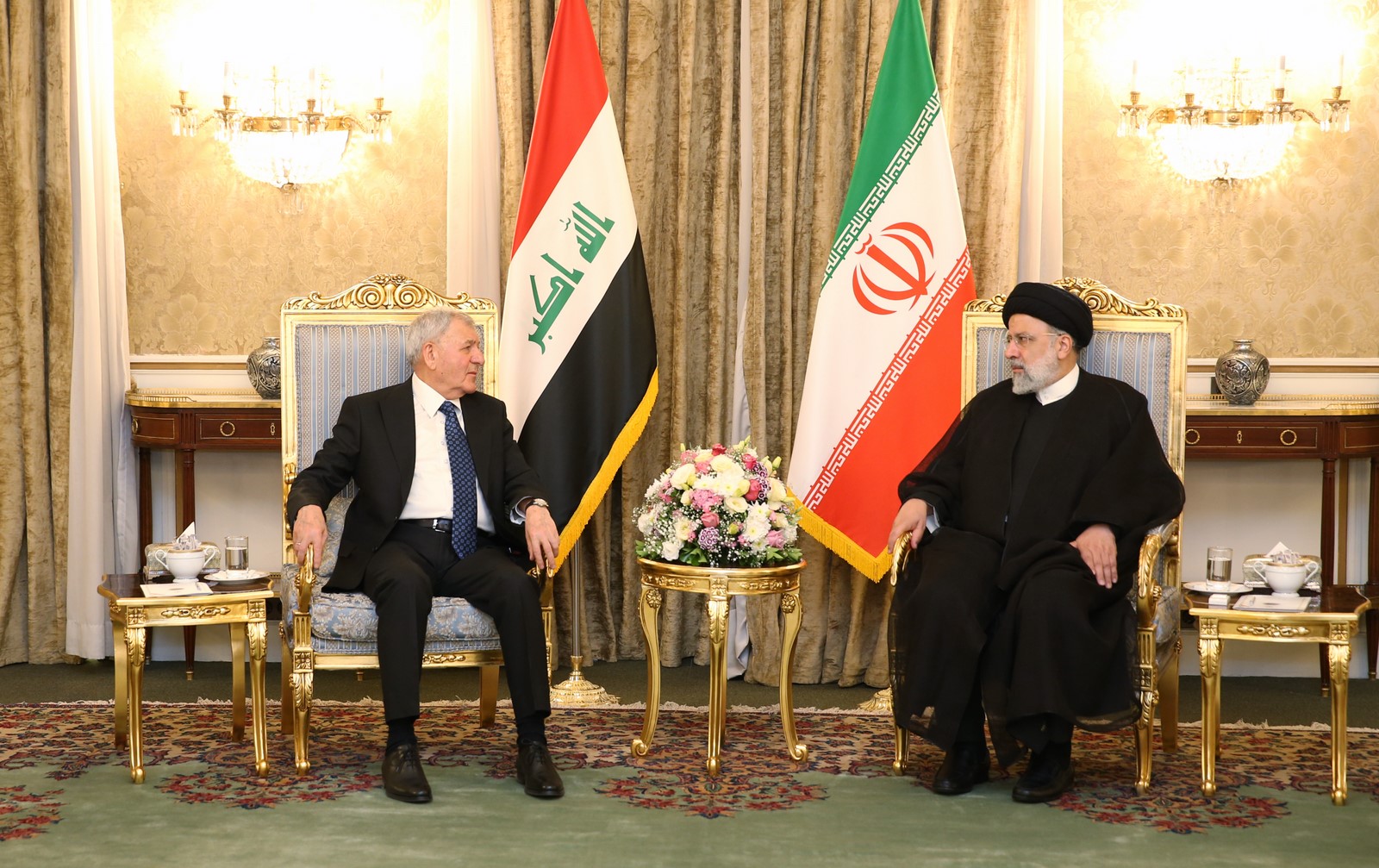
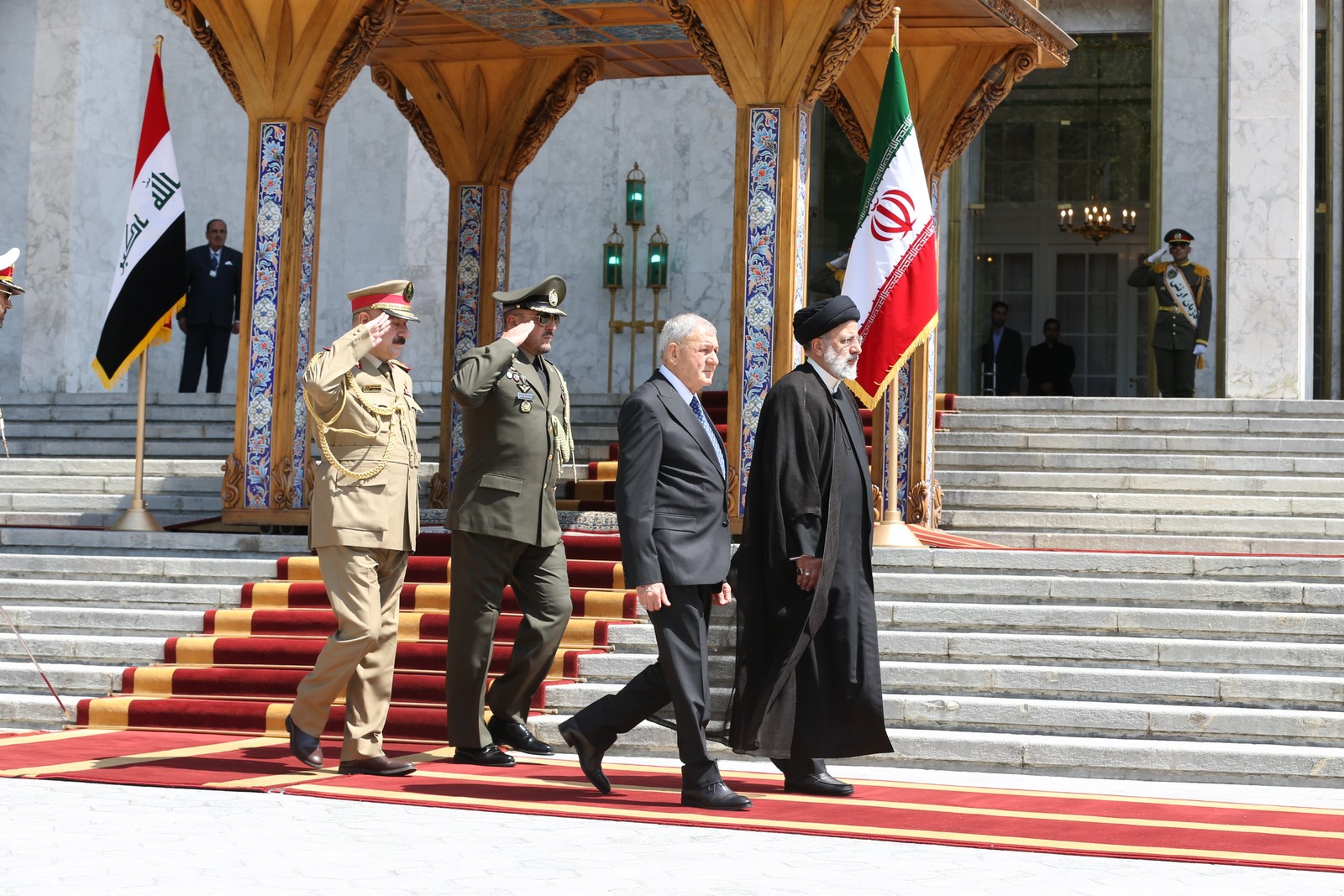
In a joint press conference with his Iraqi counterpart, the Iranian President Ebrahim Raisi welcomed President Rashid, embracing the presence of an Iraqi high-ranking delegation in Tehran.
President Raisi said: “Good negotiations have been held between the two sides and the discussions were on various issues. The two states have established a memorandum of understanding on security collaborations; so, the slightest insecurity in Iraq is considered Iran’s insecurity. The security of Iraq is of great importance for the Islamic Republic. The security MoU will help bolster security situation in the region.”
Touching upon the military presence of the United States in the West Asia region, President Raisi said: “As much as we see negotiations among the regional countries useful, we do not view the presence of foreign military forces in the region as beneficial. We consider the American forces’ presence as disturbing to the security of this region.”
The meeting of the president of Iran with his Iraqi counterpart
In the press conference, the Iraqi president pointed to historical, geographic and ethnical commonalities between the two countries, adding that the relationship between the two nations is robust and unalterable. The ties between the two states will become stronger in the future as well. We should progress the relationship in all arenas and try to remove the obstacles to this end.
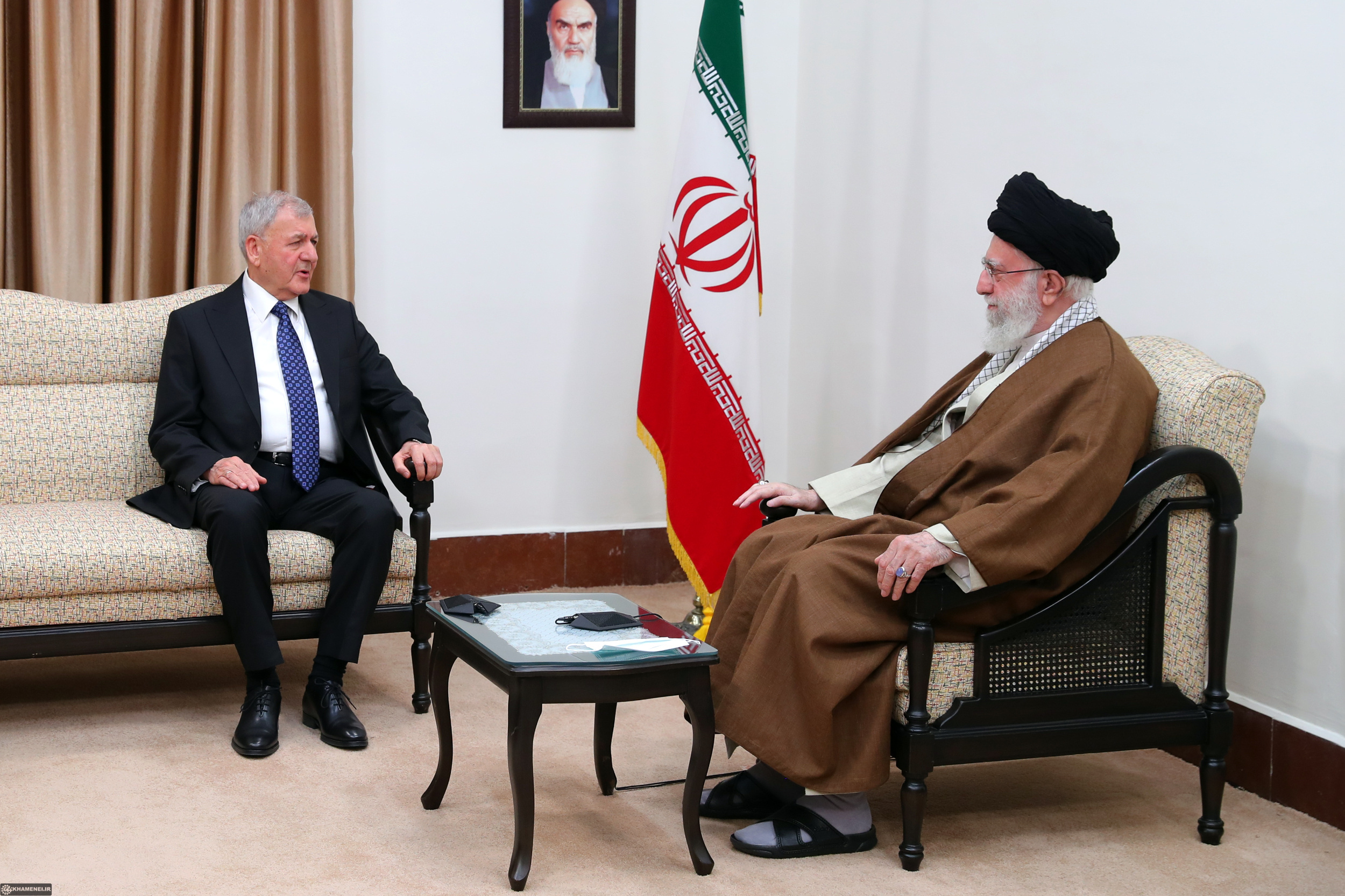
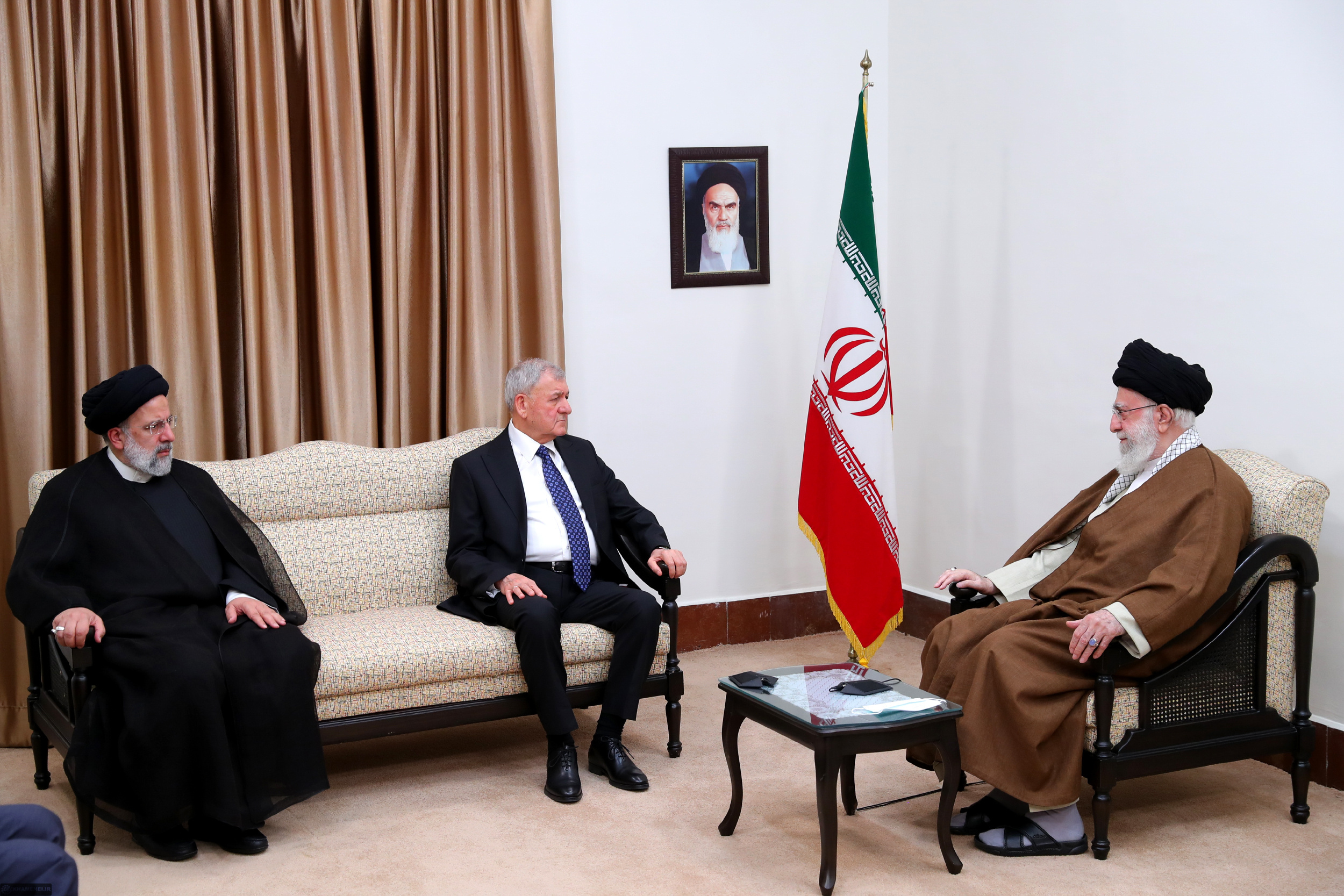
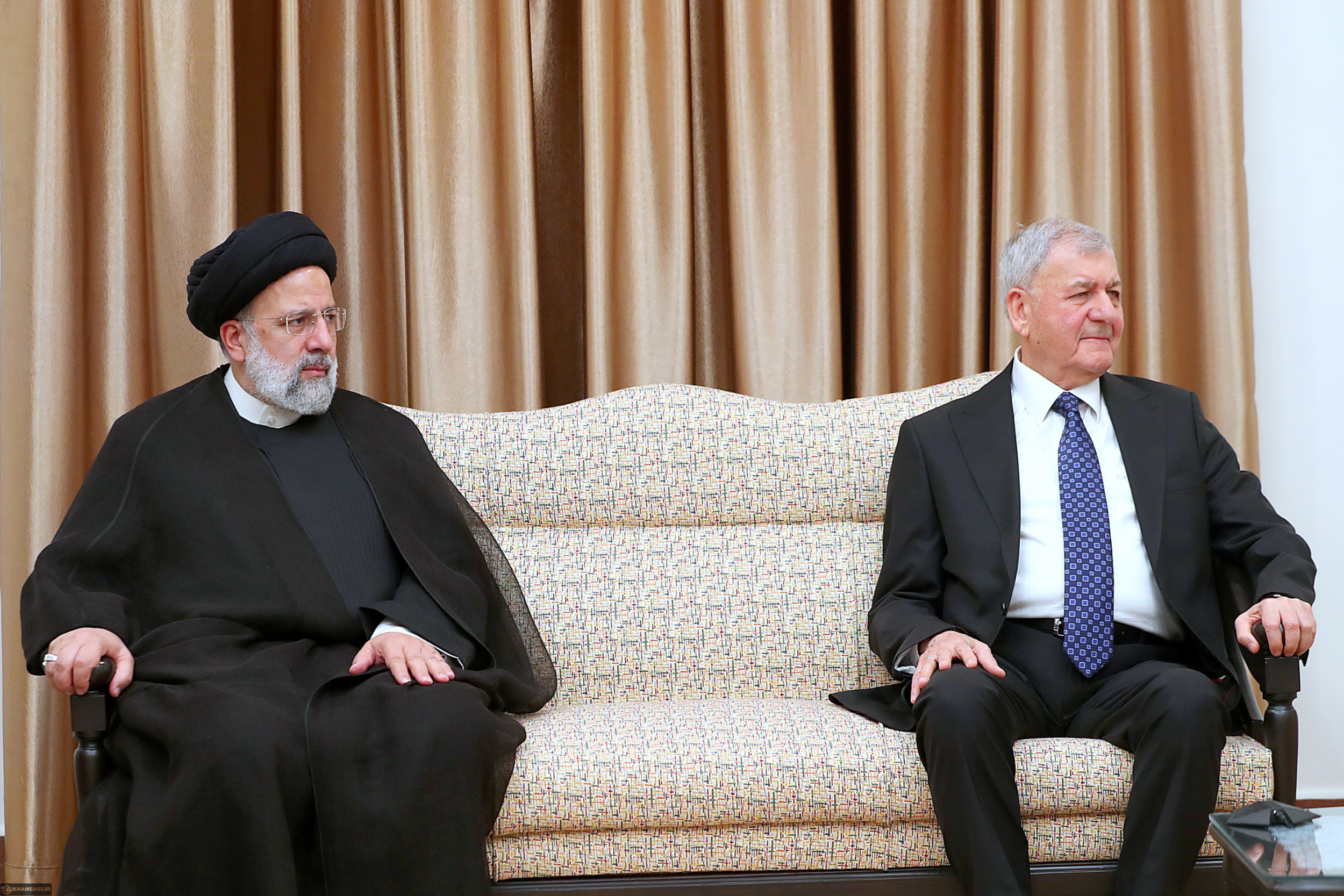
After the press conference, the Iraqi chief executive held talks with Supreme Leader of the Islamic Revolution Imam Seyyed Ali Khamenei. In the meeting with the President of Iraq and his entourages, the Leader of the Islamic Revolution underscored that the progress, prosperity, independence and advancement of Iraq is of great importance for the Islamic Republic of Iran. The Supreme Leader also said that the expansion of mutual collaborations and the implementation of bilateral agreements would be beneficial for both countries.
The meeting of the President of Iraq with Imam Khamenei
The Leader of the Islamic Revolution also stressed that the United States is not friend of Iraq, adding: The Americans are not friends with anyone and they are not even loyal to their European allies. Even the presence of a single American in Iraq is too much.
Abdul Latif Rashid, for his part, expressed his great pleasure for meeting with the leader of the Islamic Revolution, saying: “Our relationship with the Islamic Republic of Iran is unremitting and sturdy, which includes different dimensions and arenas.”
Touching on his meetings and negotiations with the Iranian authorities, President Rashid noted: “Iraq makes all-out efforts in a bid to deepen mutual ties with the Islamic Republic of Iran and paves the way for the implementation of certain remaining projects, which should be pursued by the two countries.”
The Iraqi president further lauded the assistance and support made by the Iranian government and people in Iraq’s different times in particular in their combat against terrorism.
It is also worth mentioning that the Iraqi president, who was elected as the head of government of the Arab nation in October of the last year, visited Tehran for the first time since his tenure with the aim of meeting and consulting with the authorities of the Islamic Republic of Iran.
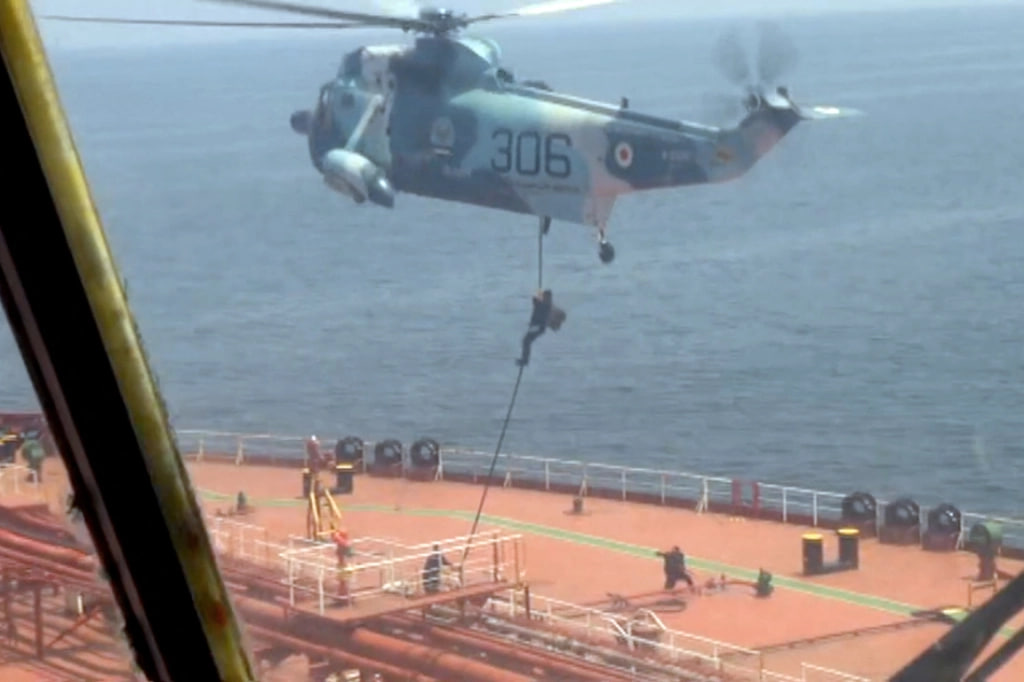
On April 28, Iranian media aired video footage documenting the seizure of the Marshall Islands-flagged oil tanker Advantage Sweet. The footage showed masked Iranian navy commandos boarding the United States-bound tanker from a helicopter on April 27 as it was sailing in the Gulf of Oman. The seizure was first announced by the U.S. Naval Forces Central Command, which demanded Iran to immediately free the tanker.
Tehran said that the tanker was seized after colliding with an Iranian fishing boat. However, reports that appeared later revealed that the tanker was captured in retaliation to the recent seizure of an Iranian oil shipment by the U.S.
Iranian media aired video footage documenting the seizure of the Marshall Islands-flagged oil tanker Advantage Sweet
Maritime security company Ambrey said that the U.S. seizure took place at least five days before Iran’s action in the Gulf of Oman. “Ambrey has assessed the seizure by the Iranian Navy to be in response to the U.S. action,” it said in an advisory to clients.
“Both tankers were Suezmax-sized. Iran has previously responded tit-for-tat following seizures of Iranian oil cargo,” the company concluded.
The sources familiar with the matter told the Reuters news agency that Washington took control of the oil shipment aboard the China-bound Marshall Islands tanker Suez Rajan after securing an earlier court order. The tanker’s last reported position was near southern Africa on April 22, ship tracking data showed.
Iran seized tankers in retaliation for western countries targeting its oil shipments on several occasions in the past. In 2019, Iran seized two British-flagged tankers shortly after the UK impounded an Iranian vessel that had stopped at Gibraltar en route to Syria. Later in 2022, Iran also took two Greek-flagged vessels in the Strait of Hormuz after Greece had allowed the U.S. to seize an oil shipment from an Iranian tanker in Greek waters.
The new seizures will further escalate tensions between the U.S. and Iran. The Persian Gulf remains one of the focal points of the years-long standoff between the two sides.
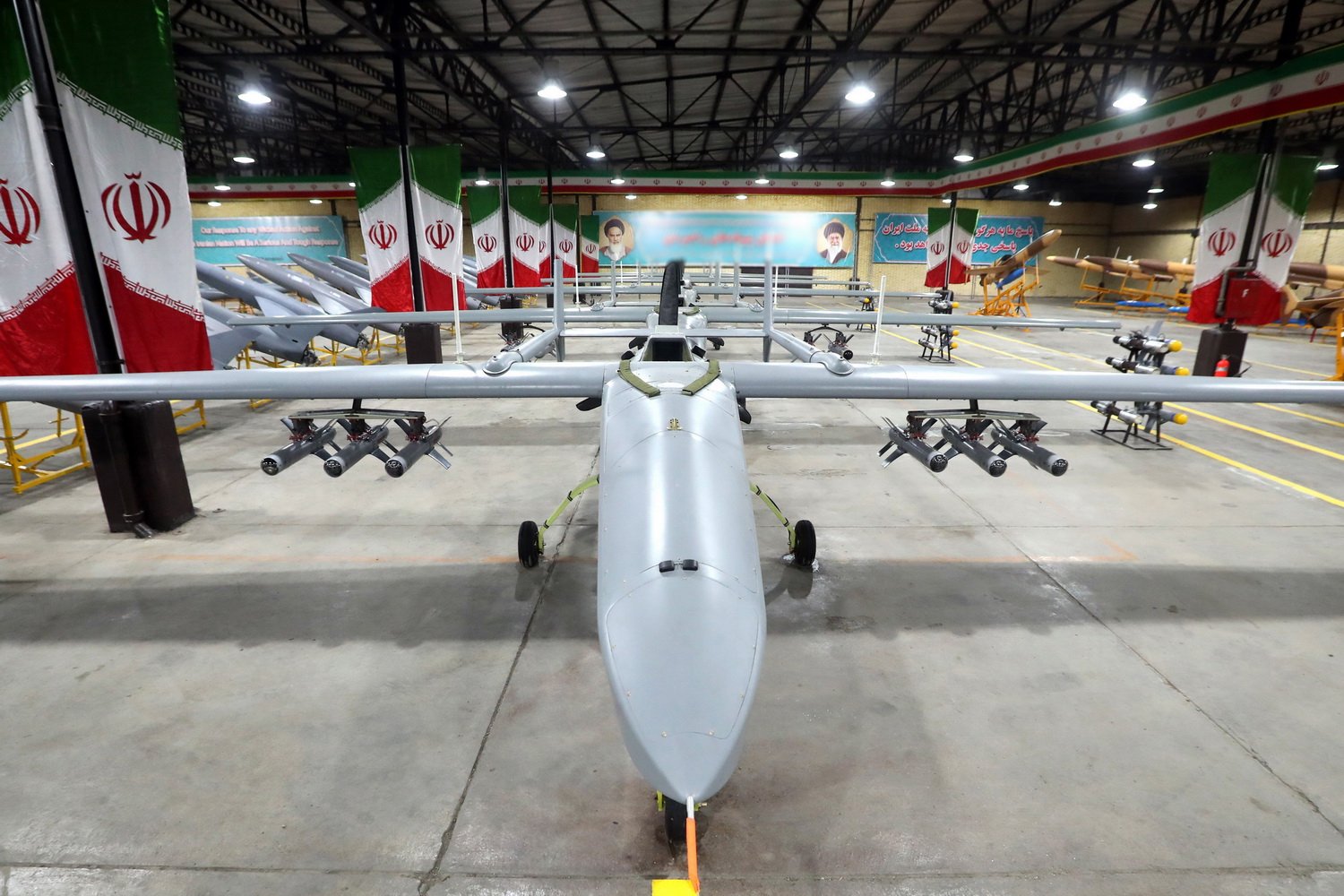
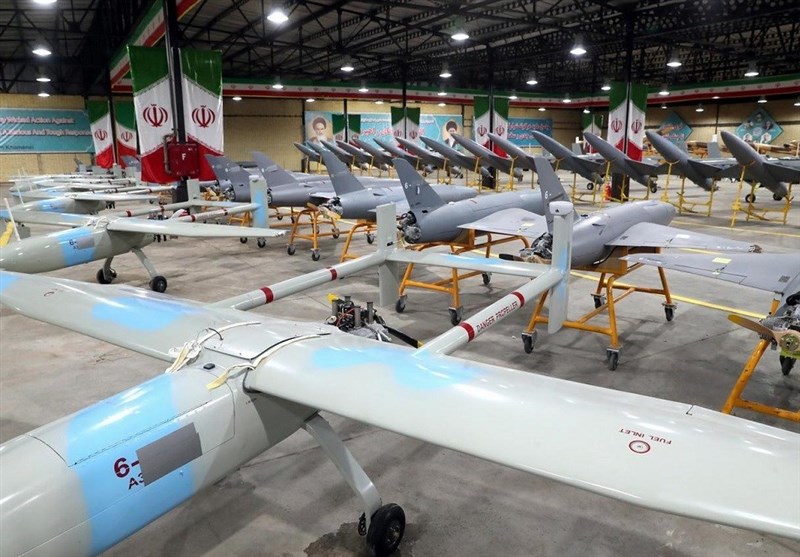
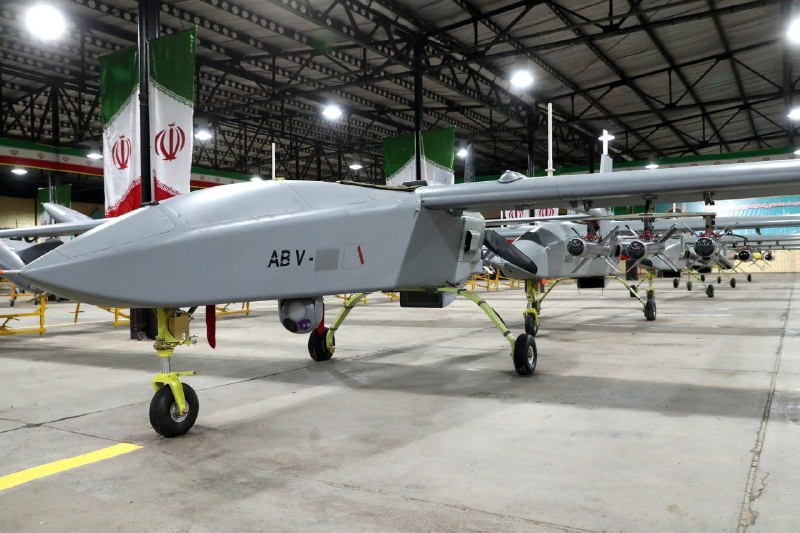
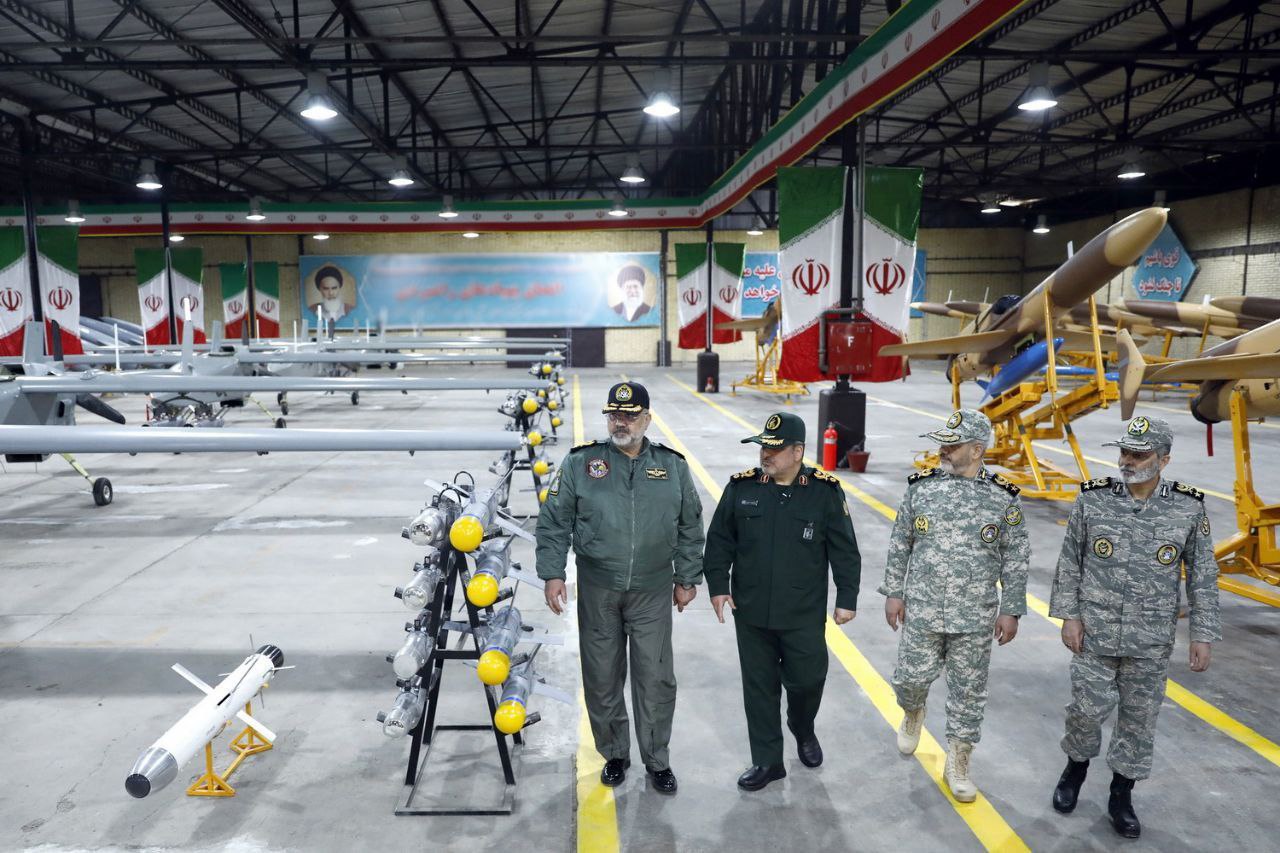
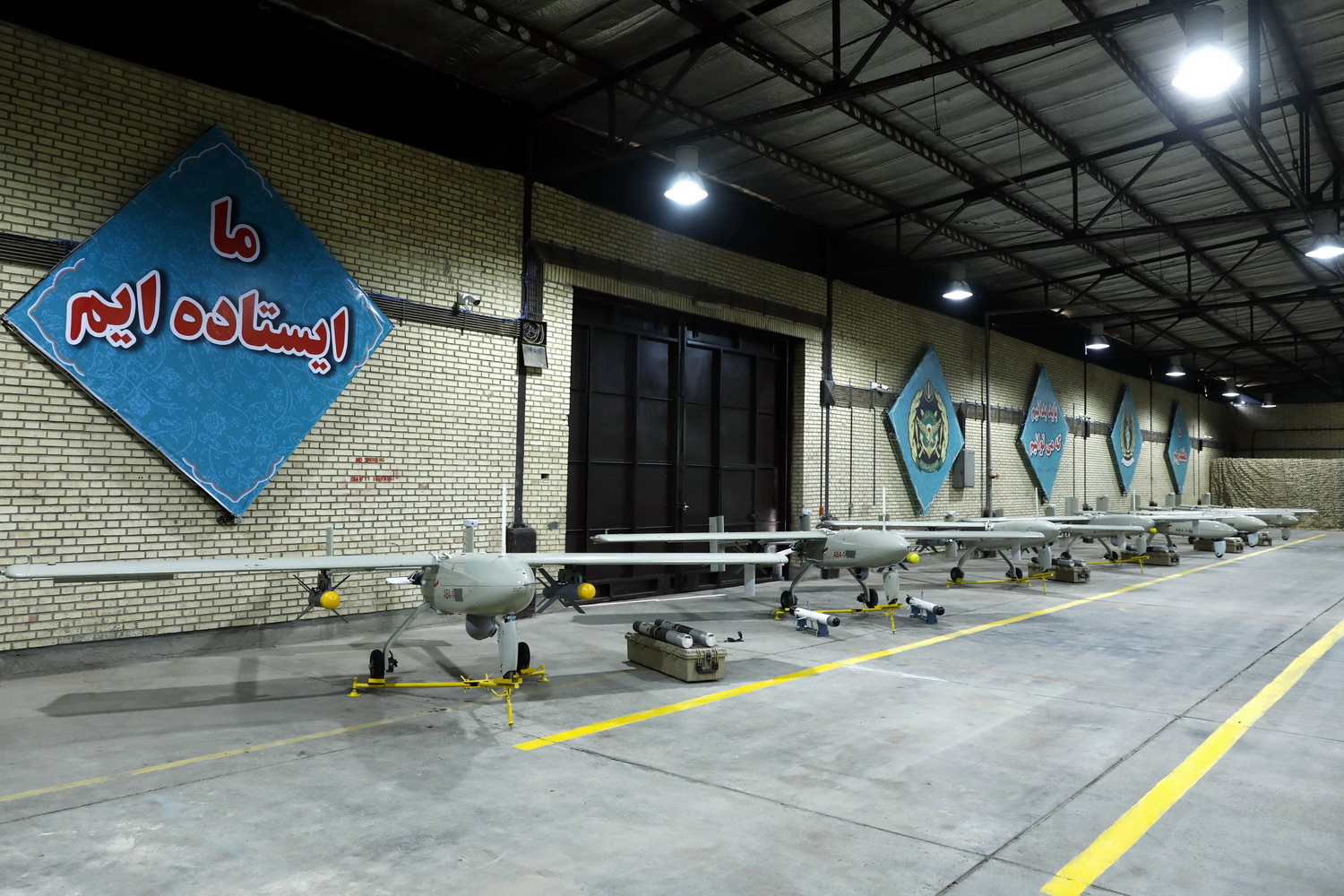
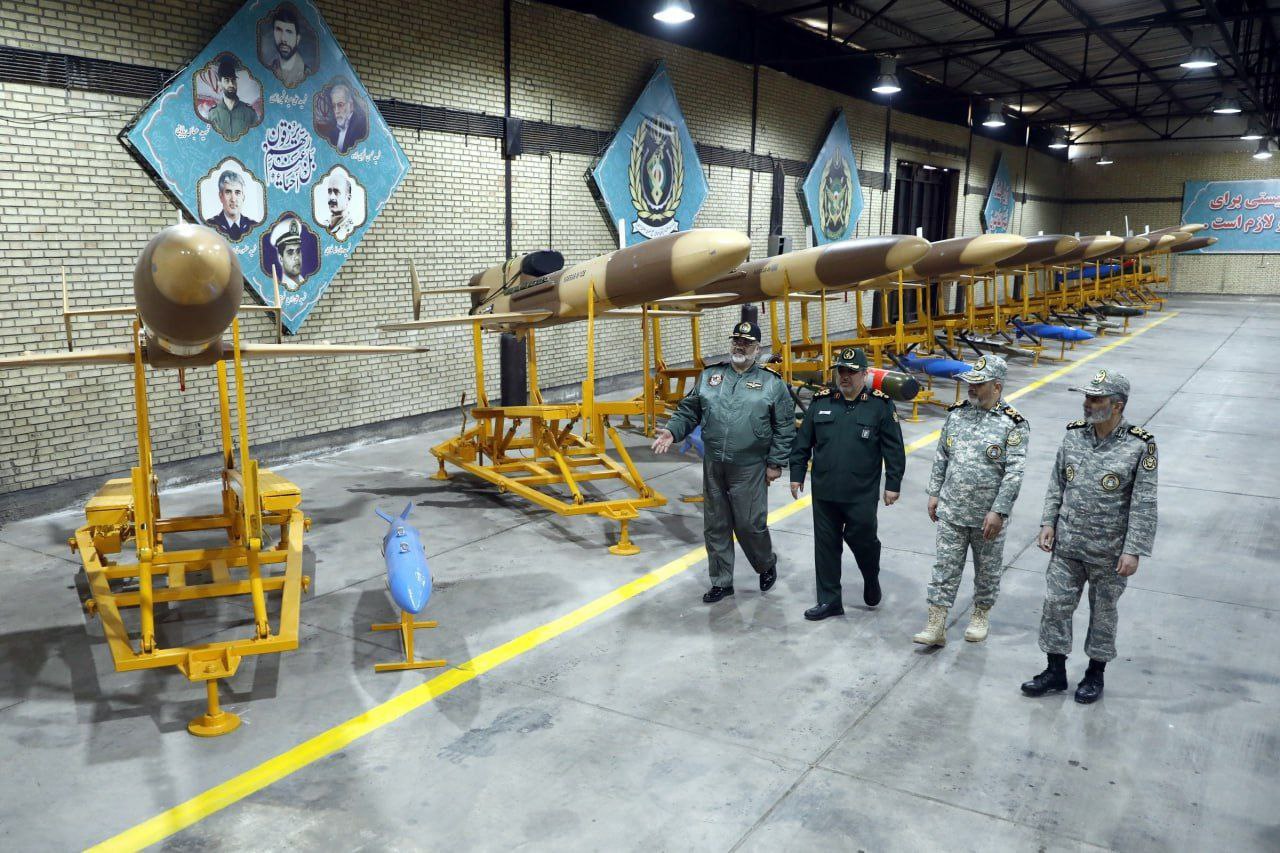
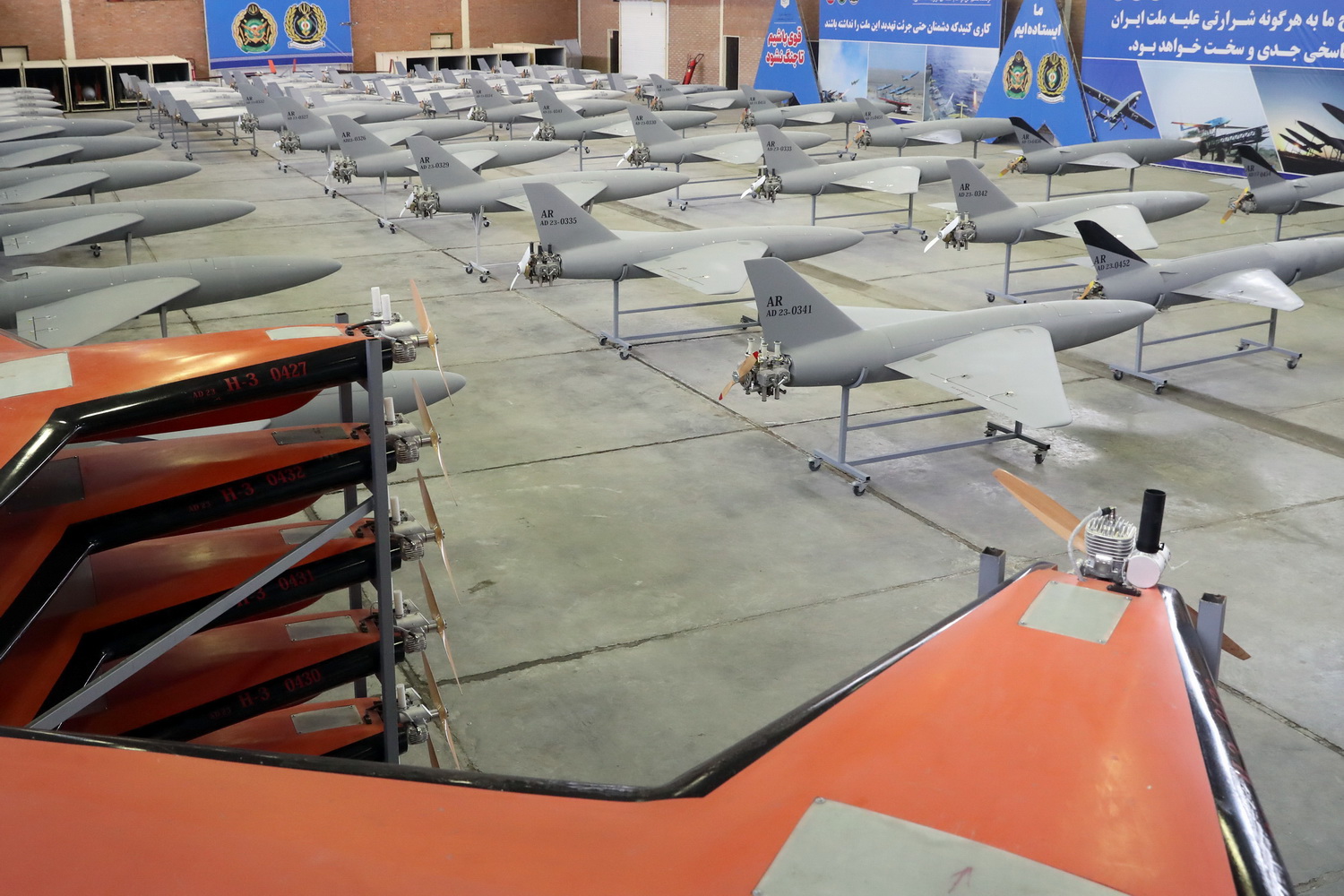
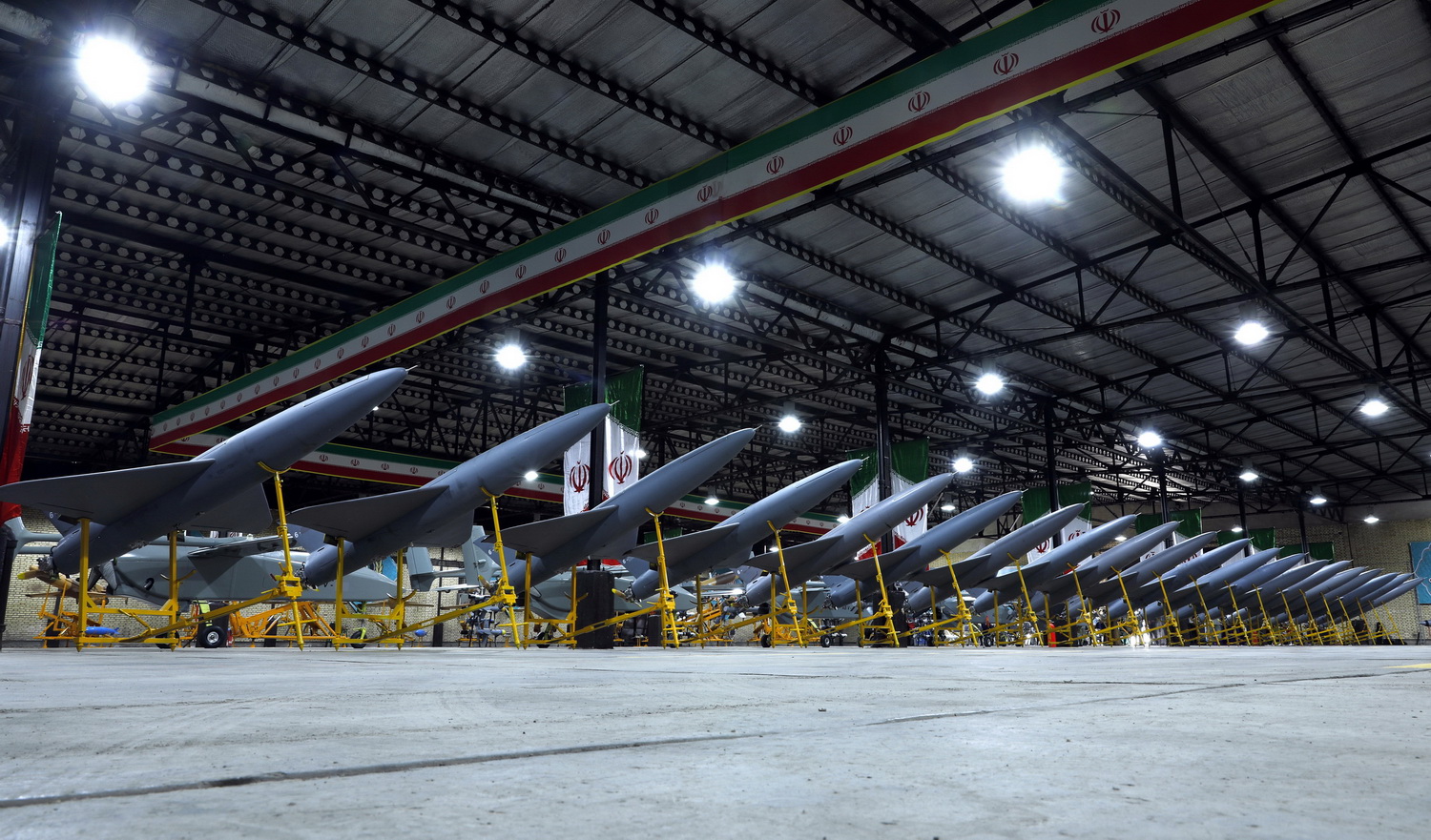
In the Thursday ceremony, over 200 strategic long-range UAVs were handed over to the Islamic Republic of Iran Army in the presence of Commander-in-Chief of the Iranian Armed Forces Major General Abdorrahim Mousavi, Defense Minister Brigadier General Mohammad Reza Gharaei Ashtiani and Deputy of Chief of Staff for the Armed Forces of the Islamic Republic of Iran Aziz Nasirzadeh as well as a number of other military and administrative authorities.
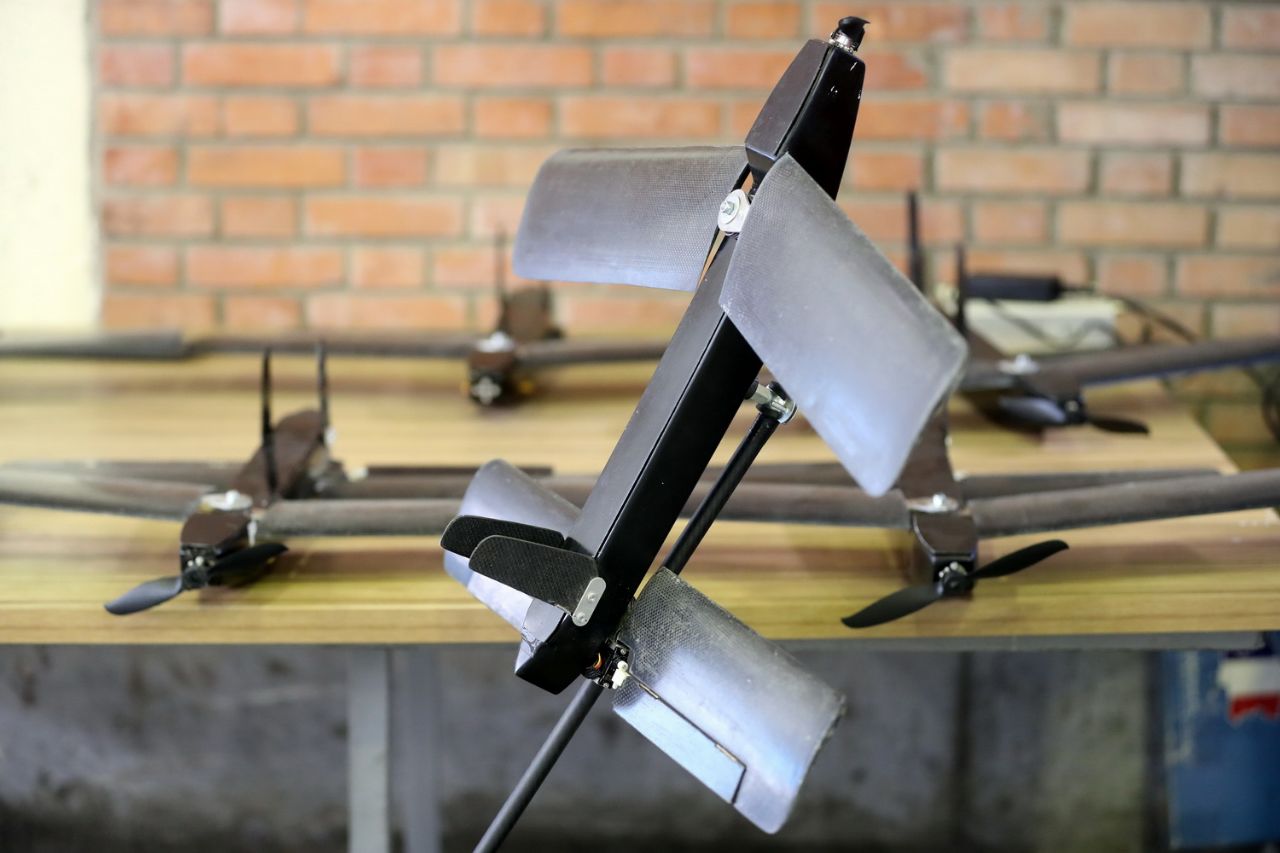
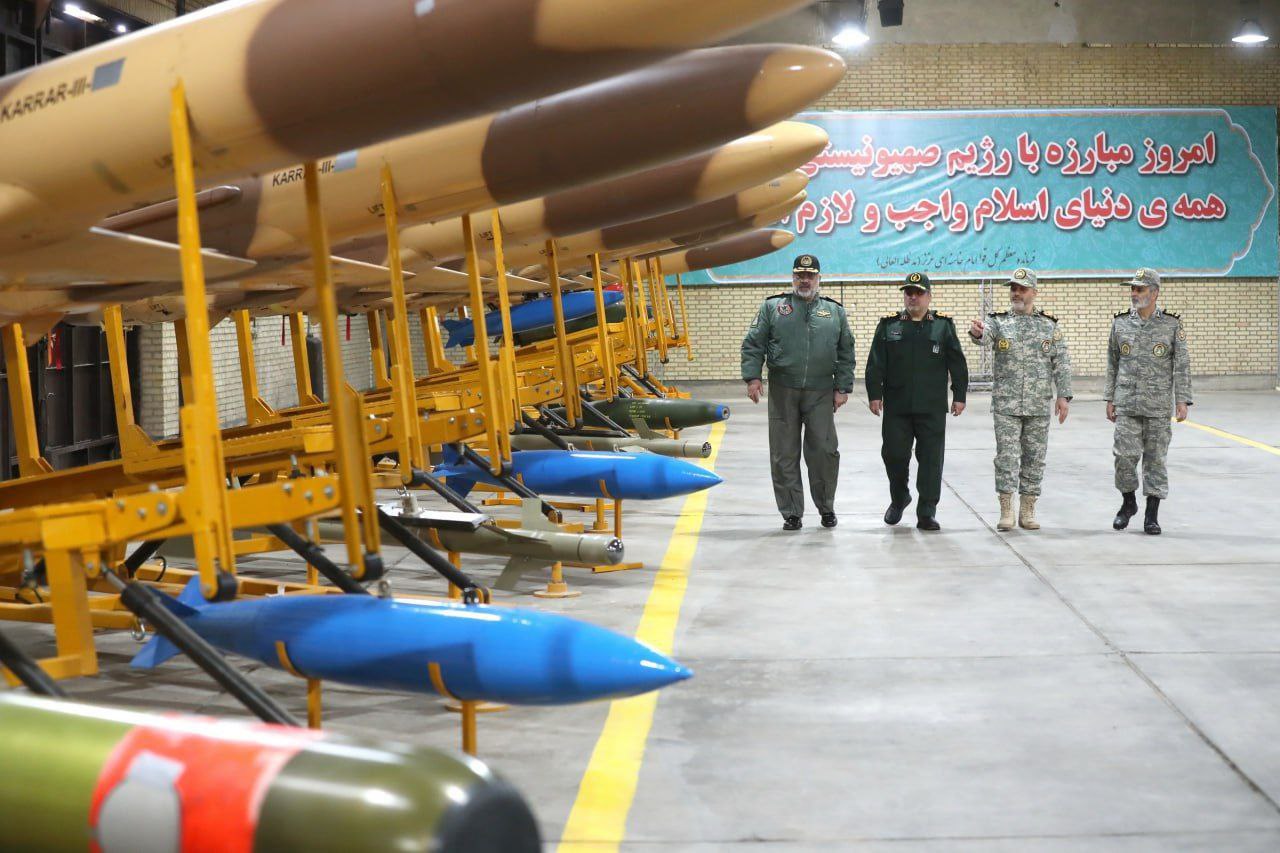
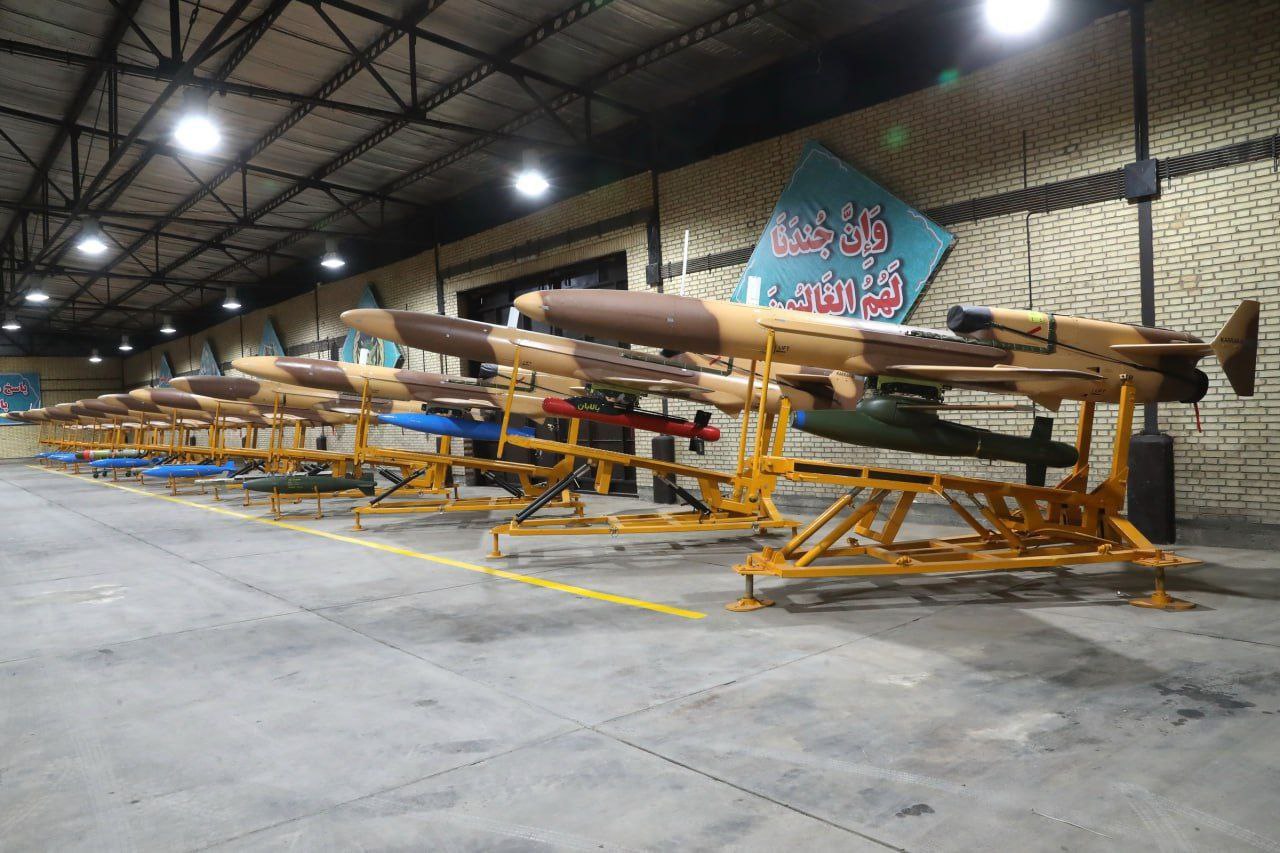
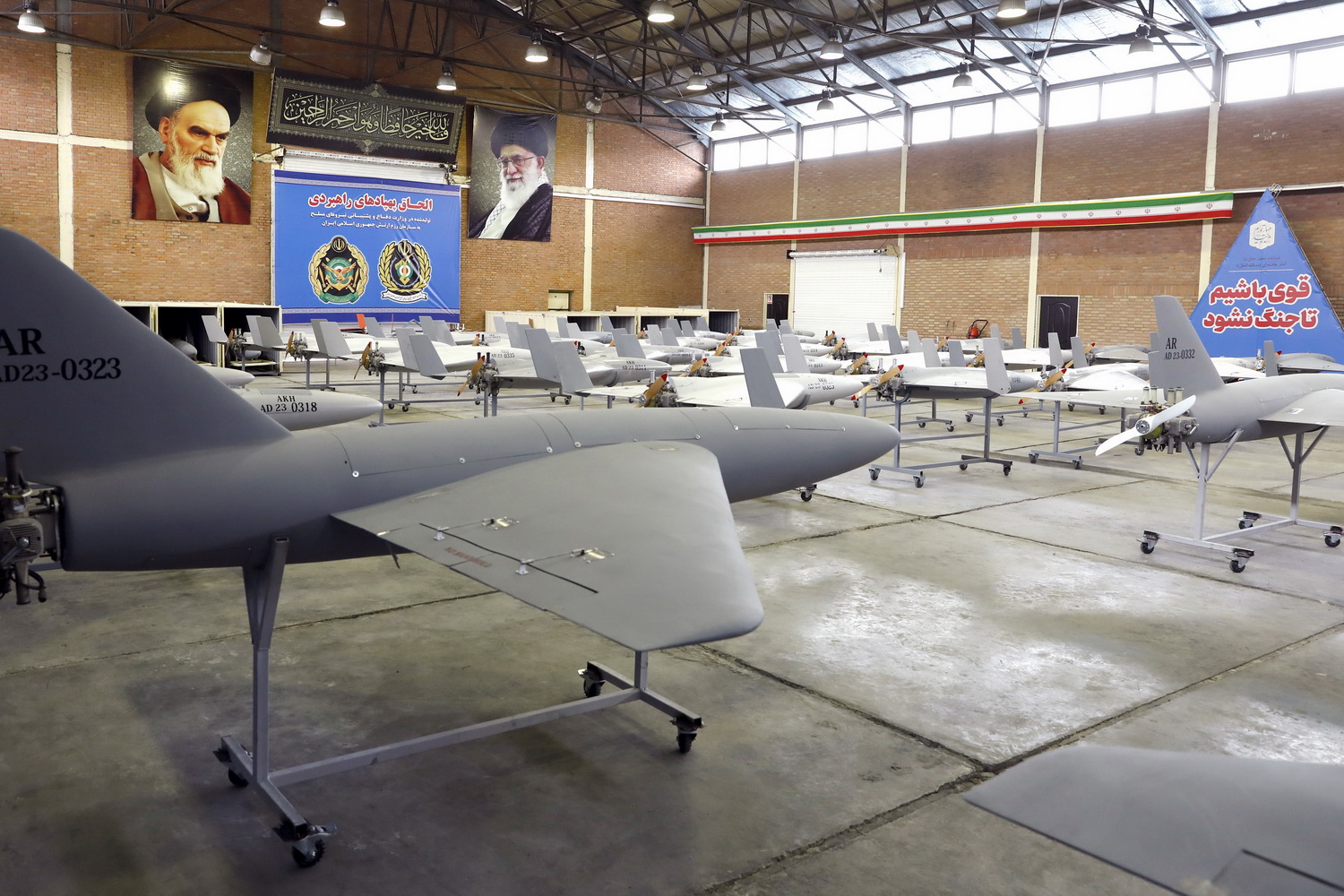
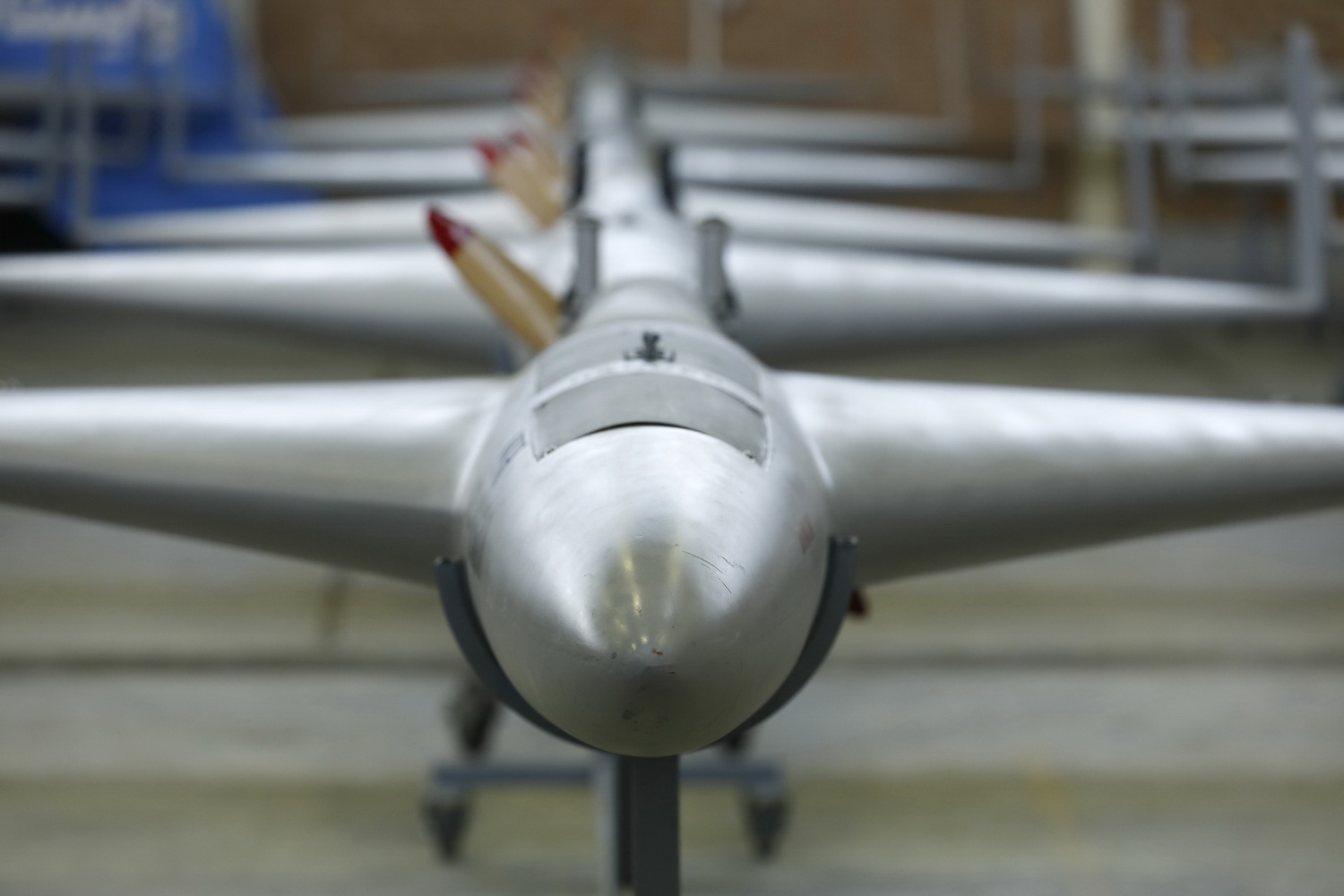
Different types of strategic drones, including Ababil 4 and 5, Arash 2, jet powered UAV Karrar, Shahrivar 10th UAV, Akhgar, a drone similar to the IRGC’s Meraj 521, Homa along with sea-based drones and vertical flying UAVs, were added to the Iranian Army with the aim of pursuing different missions such as reconnaissance, obliteration, combat reconnaissance, radar evasion, interception airborne to confront portable and stationary targets. The new drones, added to the Army, enjoy Low Radar Cross Section (RCS or σ).
Iran Equips Army Fleet With over 200 Strategic Drones
The drones have been designed and manufactured by the Ministry of Defence and Armed Forces Logistics in cooperation with the Islamic Republic of Iran Army. The UAVs have got modifications in propulsion, direction, control and navigation systems to be added to air-to-air and air-to-surface missiles, standoff and smart bombs, as well as electronic warfare systems; so, they are ready to carry out special missions with the use of features such as the stealth and range increase.
A strategic agreement for the development and upgrade of drone capability and installed equipment on the UAVs were signed by Commander-in-Chief of the Iranian Armed Forces Major General Abdorrahim Mousavi and former Defense Minister Brigadier General Amir Hatami on May 17, 2021.
In accordance to the agreement, the Ministry of Defence and Armed Forces Logistics was tasked to manufacture 1,000 drones and hand over them to the Islamic Republic of Iran Army in line with upgrading the combat power and destruction might of the drone fleet of the Army.
Ababil-4 and Arash-2 dronesA loitering drone similar to the IRGC’s Meraj-521
The use of Balaban and Yasin long-range guided bombs as well as Mark 86 torpedoes on Karrar drones to be used as anti-submarine dronesArash-2 and Akhgar (or Amin) suicide drones
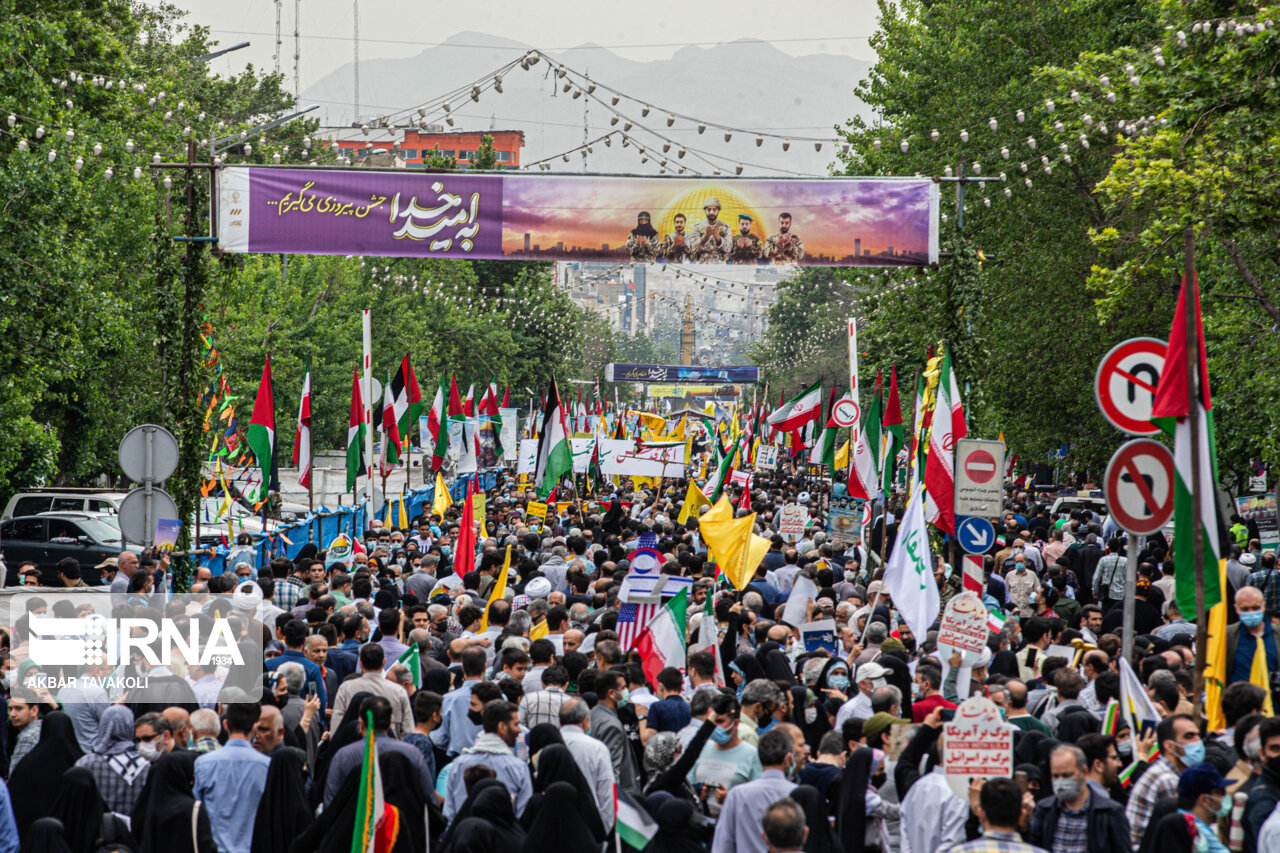
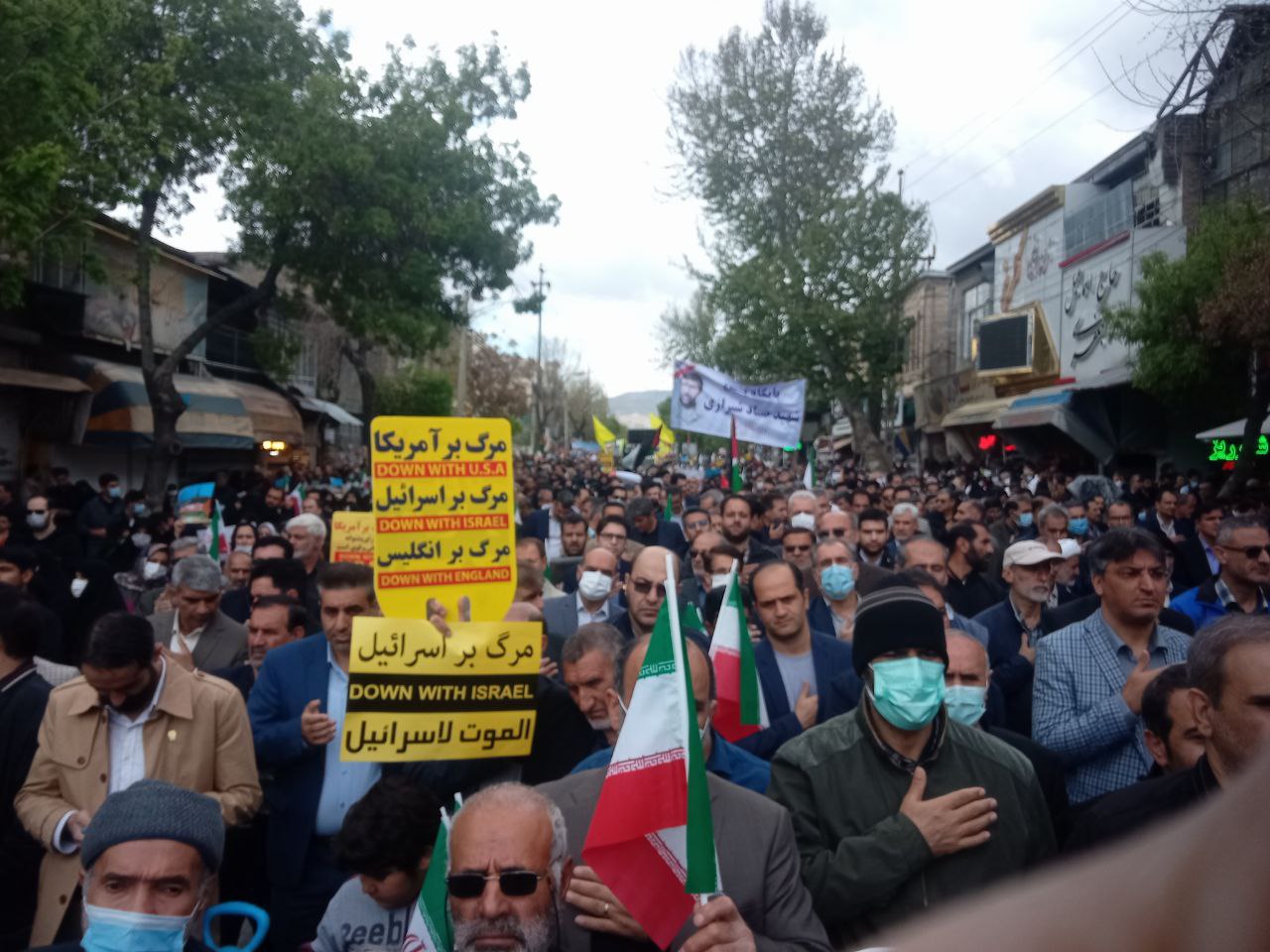
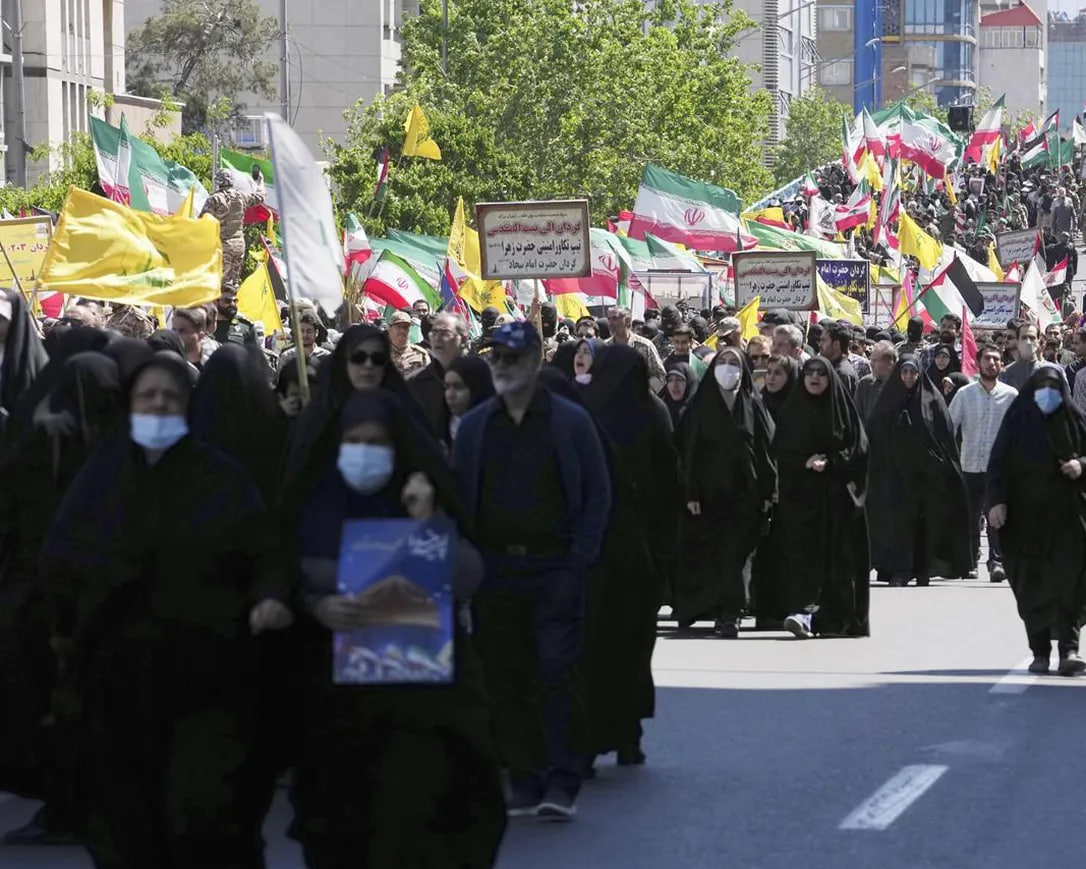
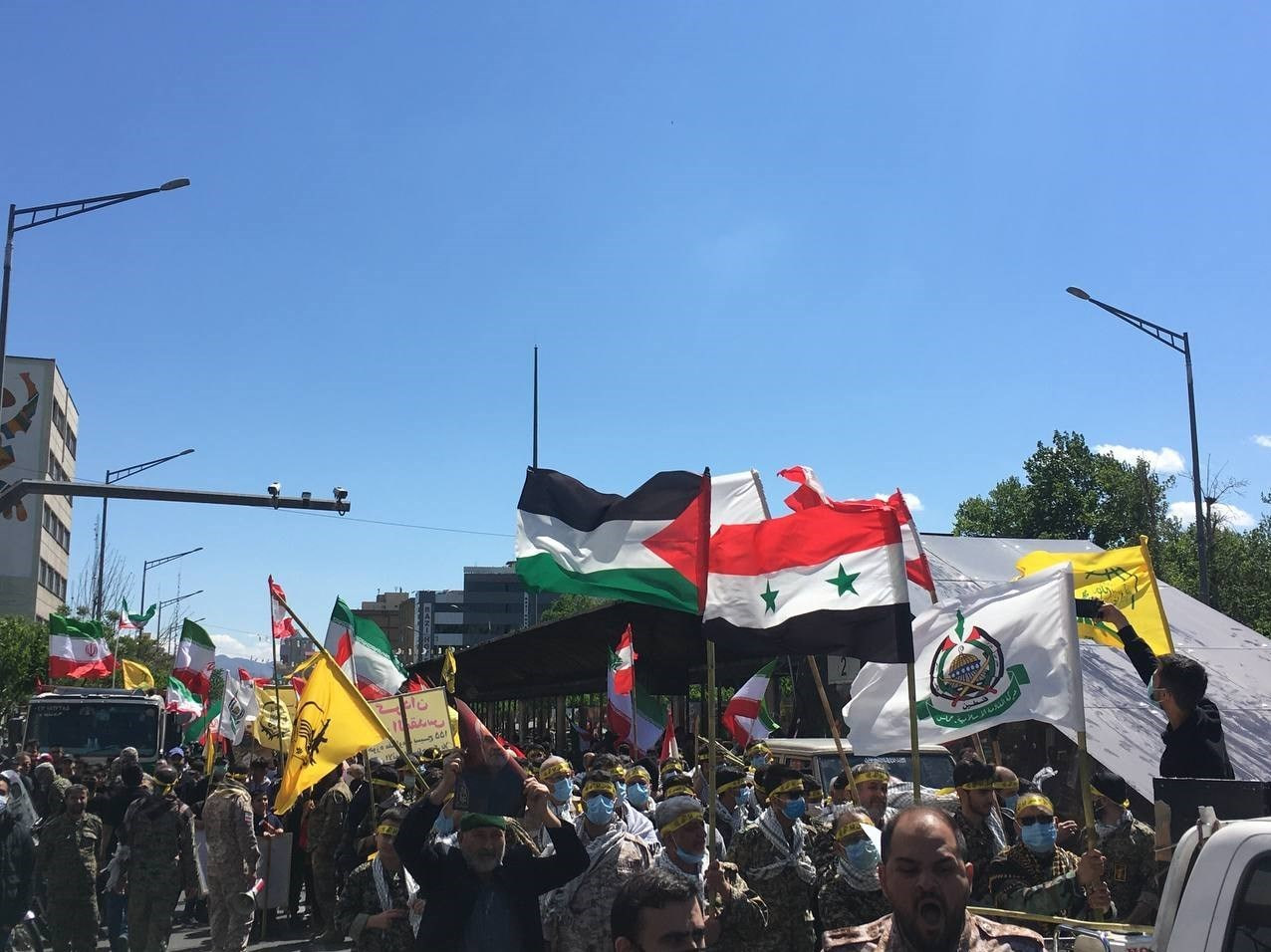
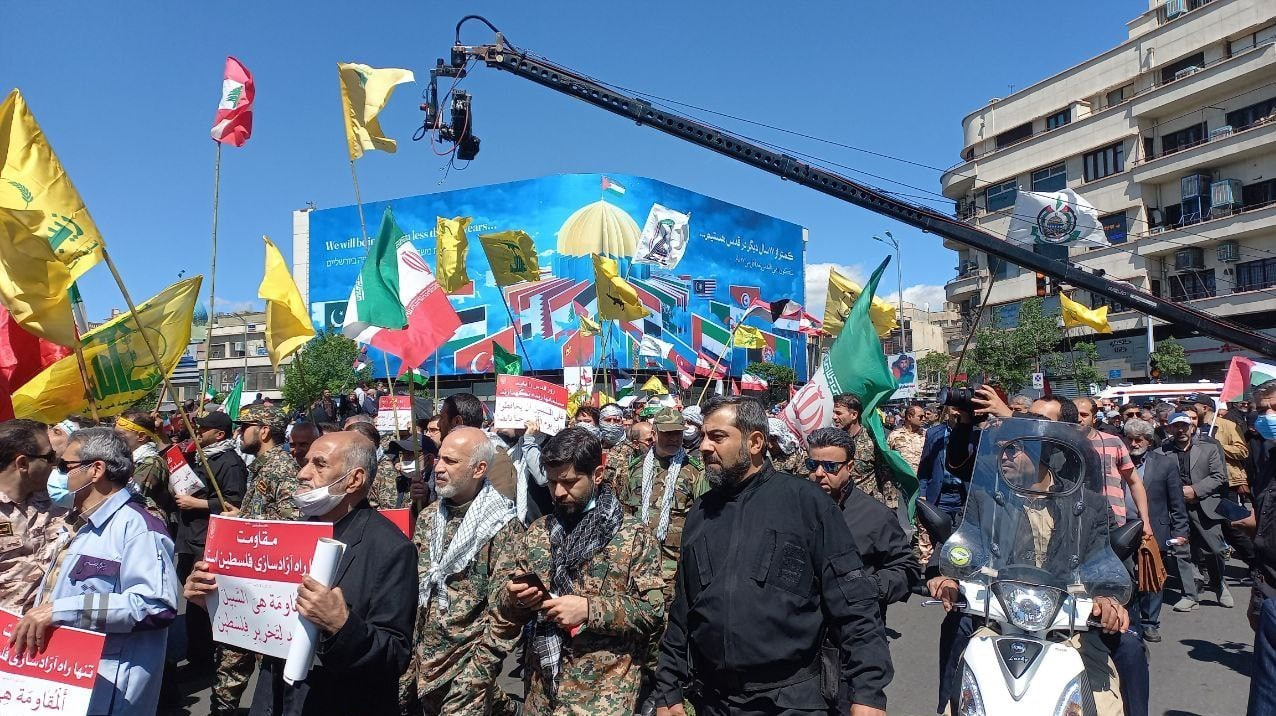
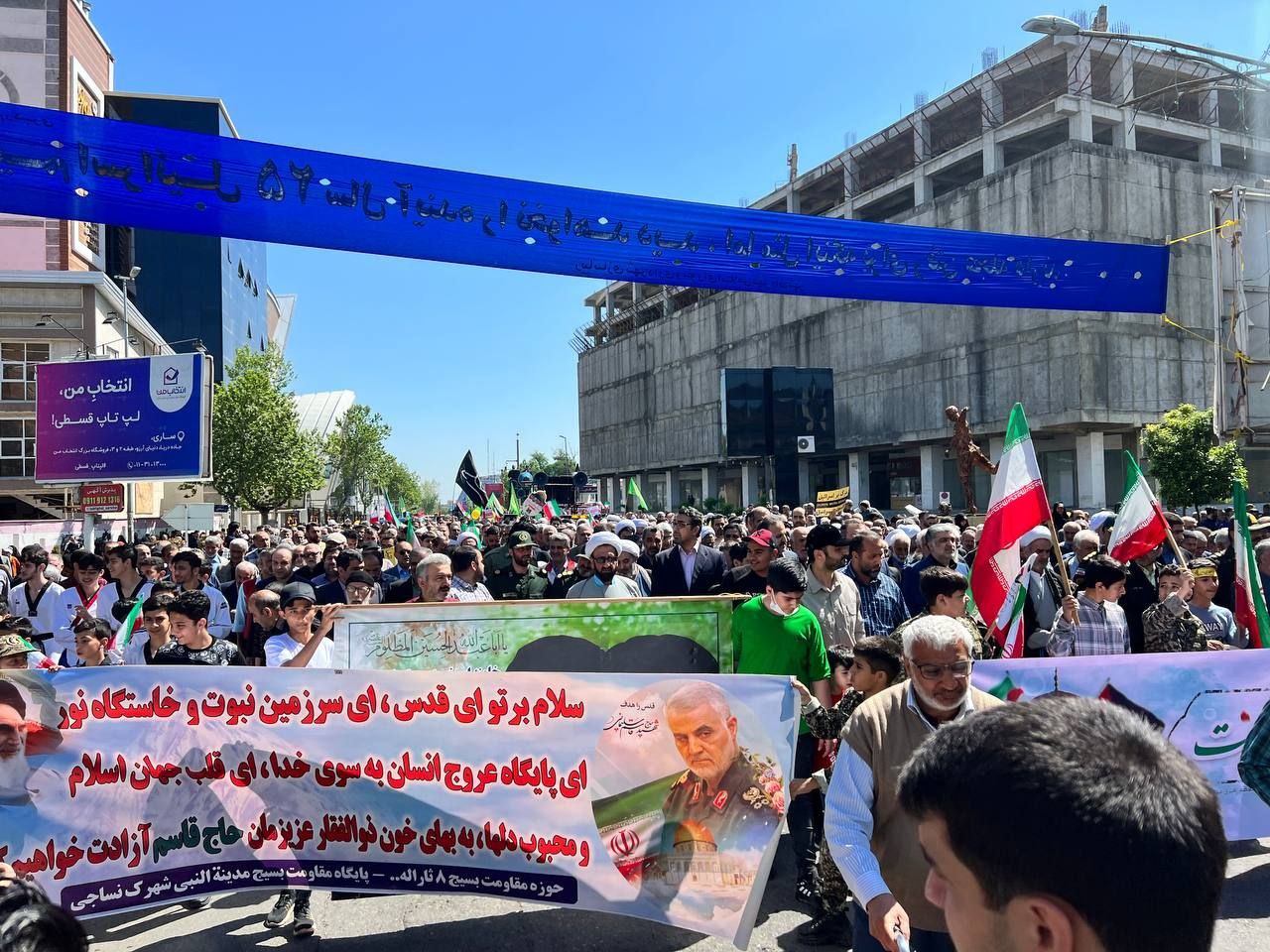
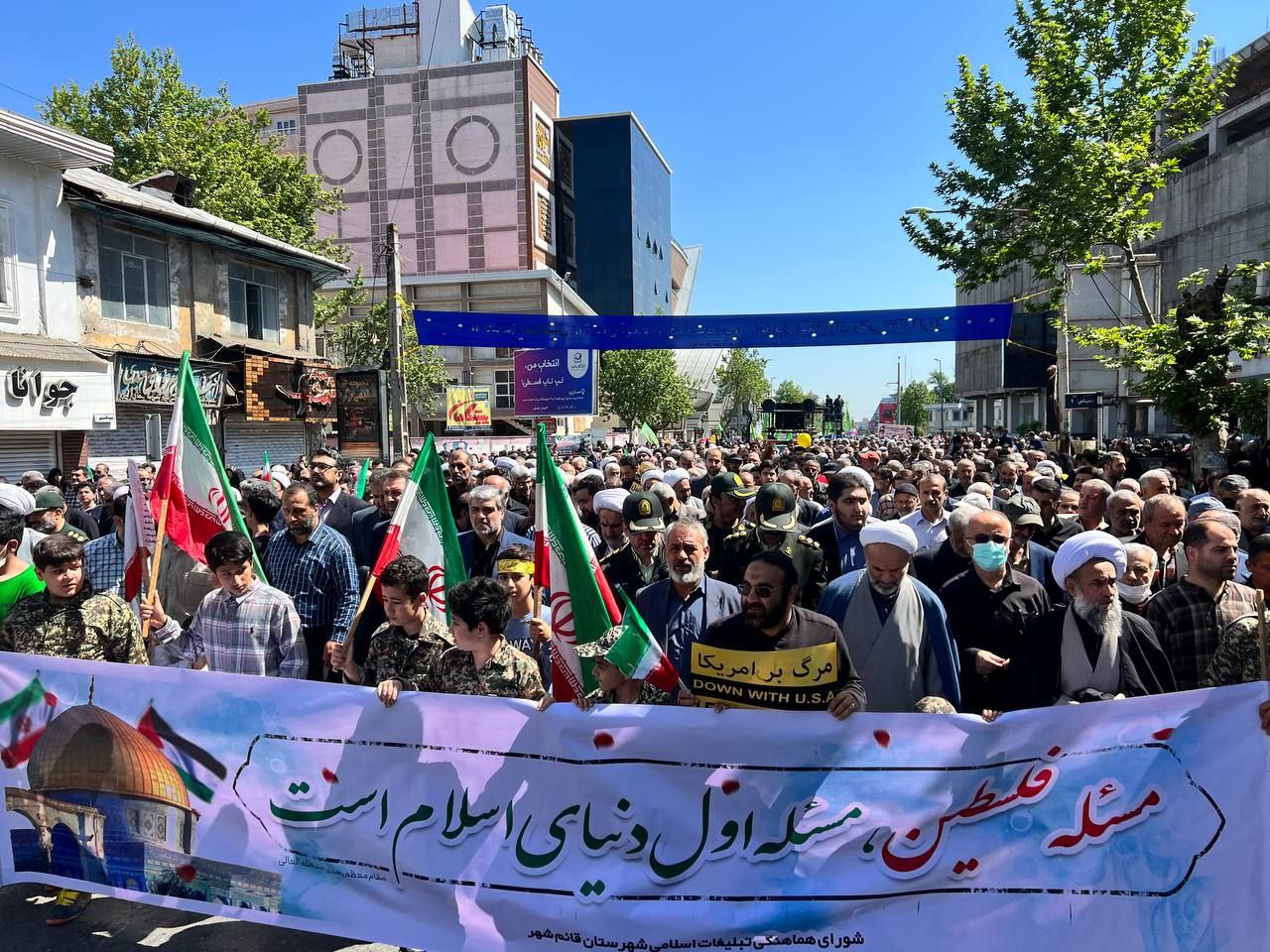
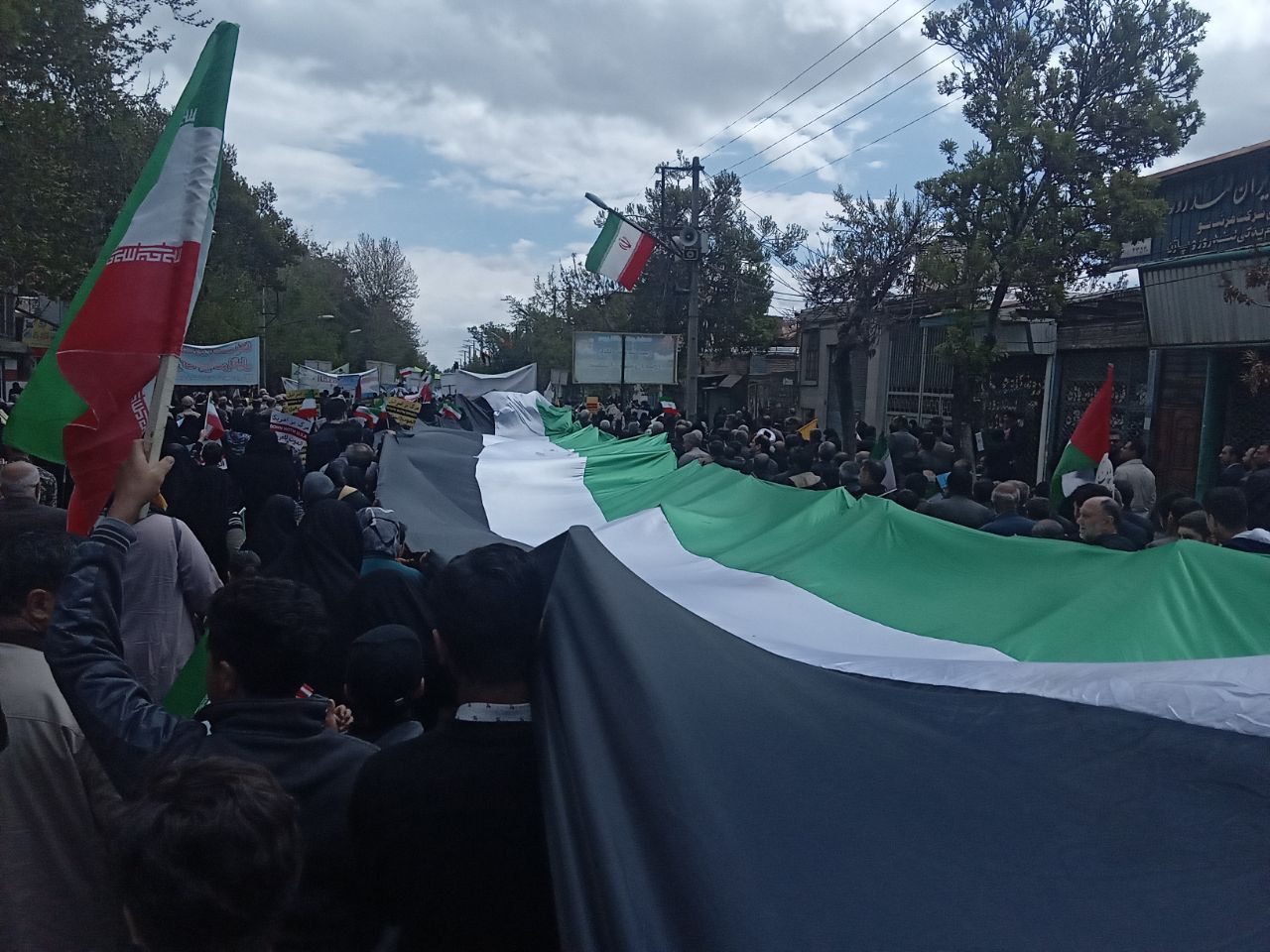
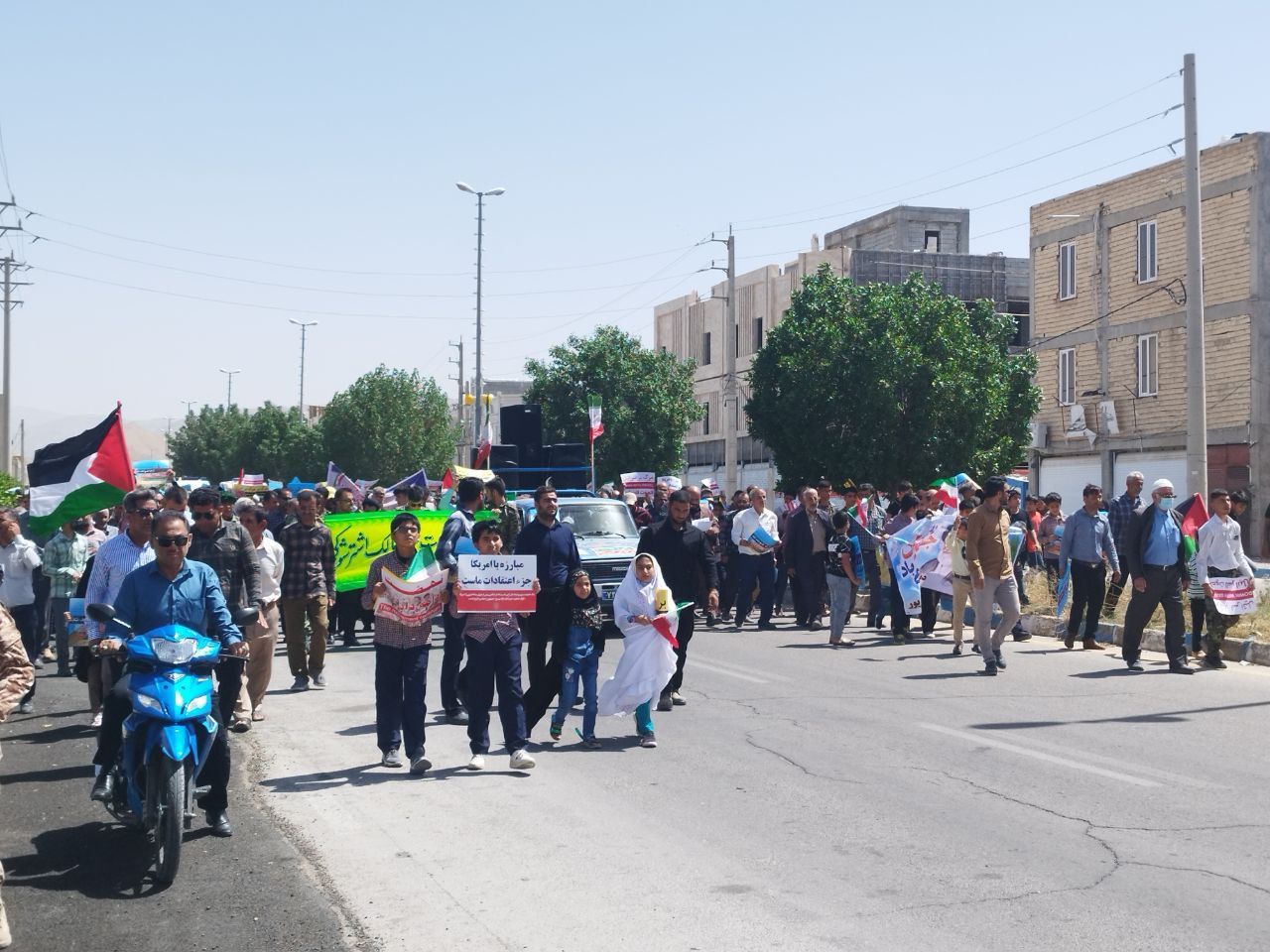
People from all walks of life from different cities and villages of the Islamic country take part passionately in the important occasion in line with their annual tradition on the last Friday of the fasting month of Ramadan to commemorate the International Quds Day. The occasion has its root in Imam Khomeini’s decision, shortly after leading an Islamic Revolution which toppled the US-backed Shah of Iran in 1979, to designate the last Friday of the fasting month of Ramadan as the International Quds Day.
Video of the presence of millions of Iranian people in the International Quds Day march in different cities of Iran
The Iranian nation participated in the International Quds Day rallies to showcase their solidarity and unity with the Palestinian people, and underlined the need for defending the oppressed nation as well as showing the real power of Islam. They also manifested that the International Quds Day is an Intifada (uprising) of the Islamic world.
The people, who participated in the glorious demonstrations, also emphasized that Muslims’ convergence as well as the unity among the Islamic Ummah are the prelude to strengthening the intifada of the Palestinian people and consolidating their victory in the face of the Zionist regime.
Imam Khomeini’s speech on Int’l Quds Day
During this year’s International Quds Day rallies in Iran, different military and non-military officials pointed out to the unstable and chaotic circumstances of these days of the Zionist regime, and informed of the imminent collapse of the temporary regime. The motto of this year’s International Quds Day was declared “Quds Day Pivot of Islamic Ummah Unity, Quds in Threshold of Liberation.”
It is noteworthy to mention that plus Iran, the International Quds Day rallies were commemorated in different Islamic and Arab countries, including Syria, Malaysia, Bahrain, Lebanon, Jordan and Pakistan, where Muslim nations displayed their resentment towards brutal crimes committed by the Zionist regime against the Palestinian people and the occupation of the Palestinian territories.
Images of the Quds Day march in different cities of Iran
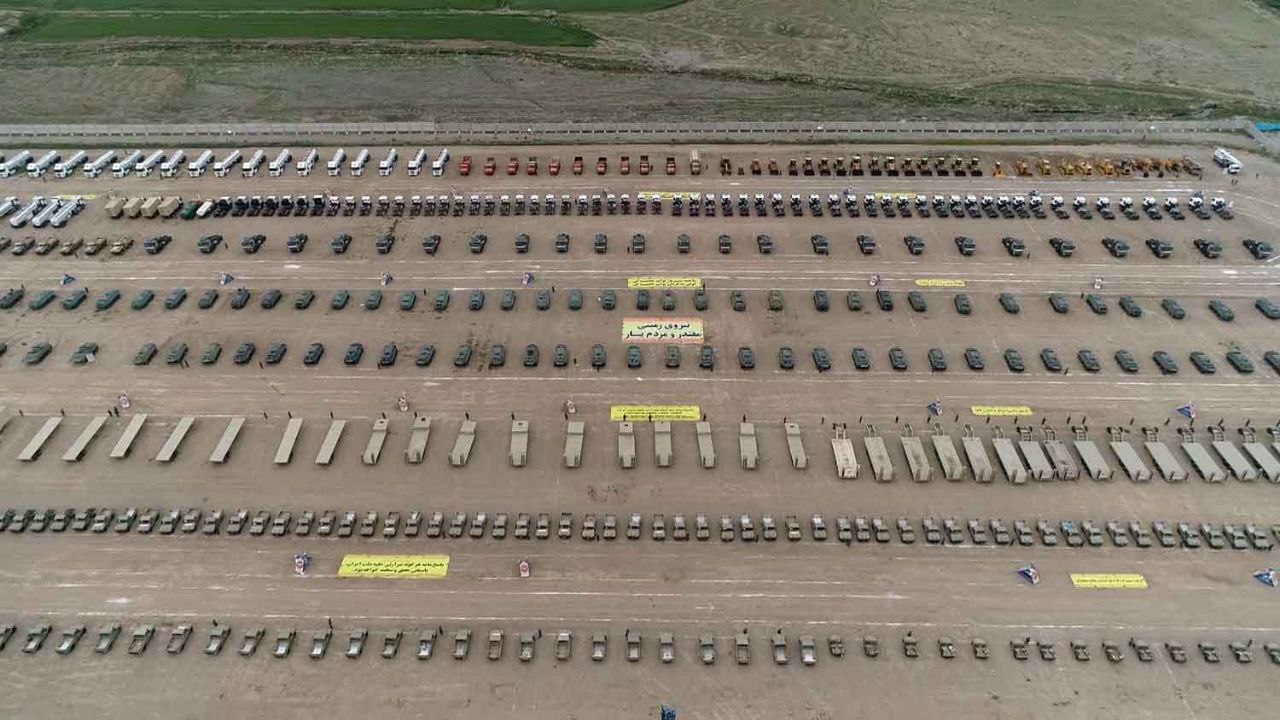
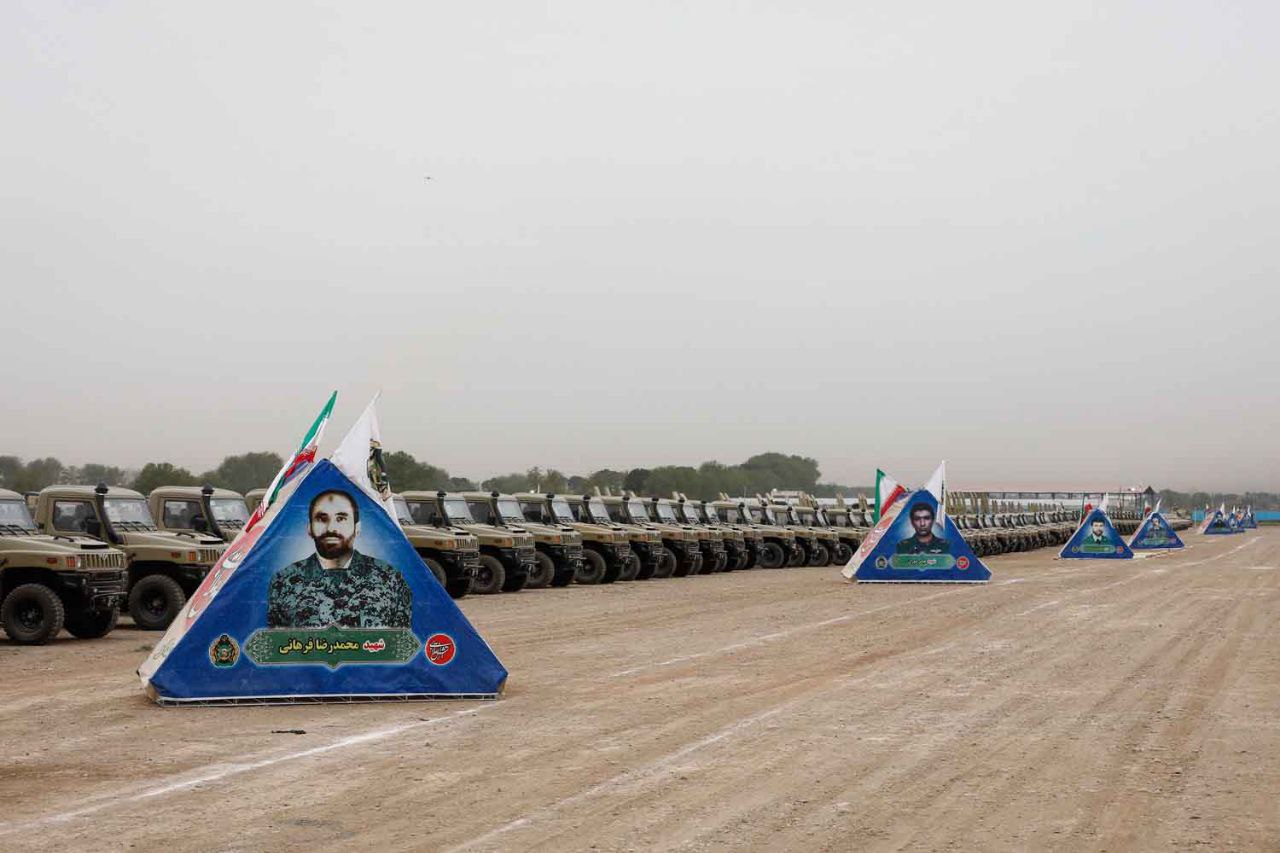
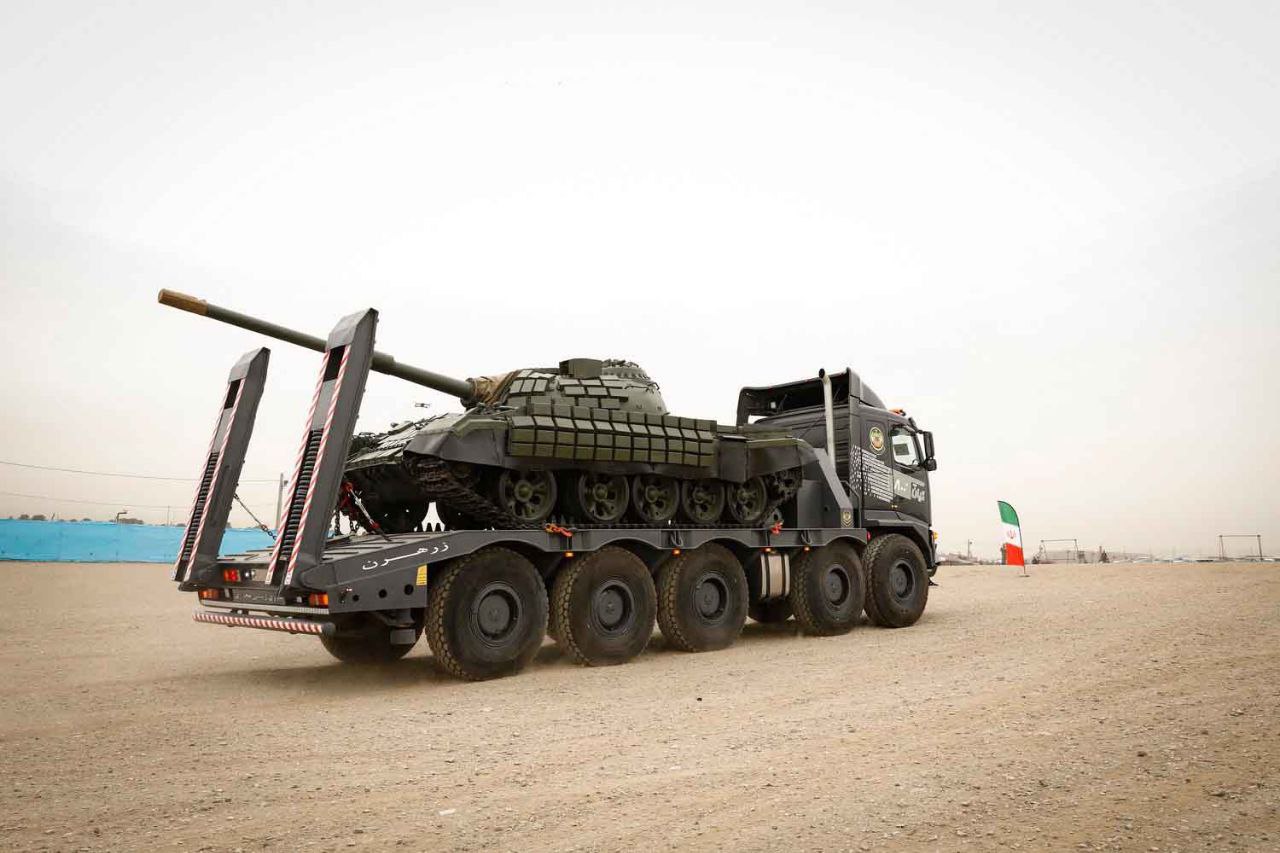
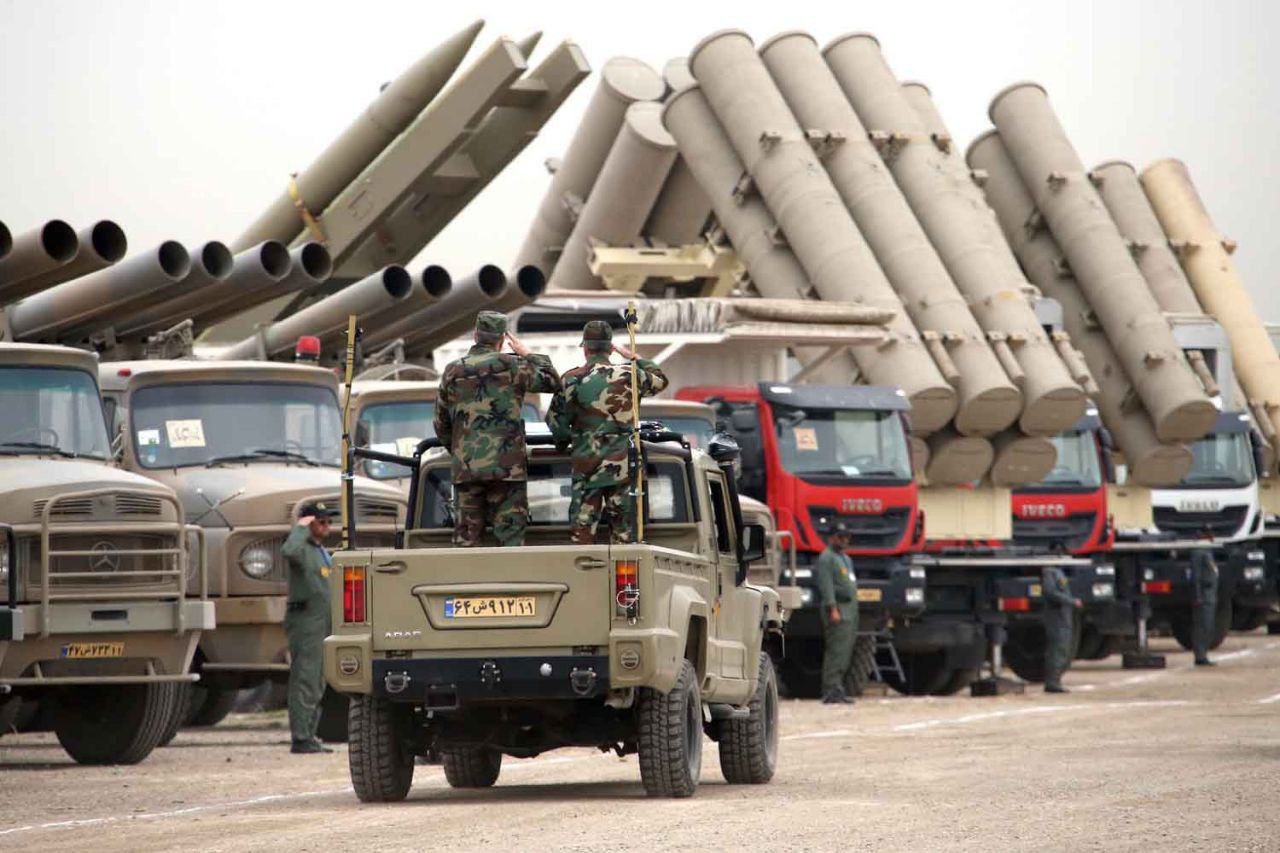
General Abdolrahim Mousavi, Chief Commander of the Islamic Republic of Iran Army, attended in the Qaem Al Mohammad Camp on April 11 to inspect 1084 sets of various state-of-the-art, overhauled, reproduced and produced equipment and arms.
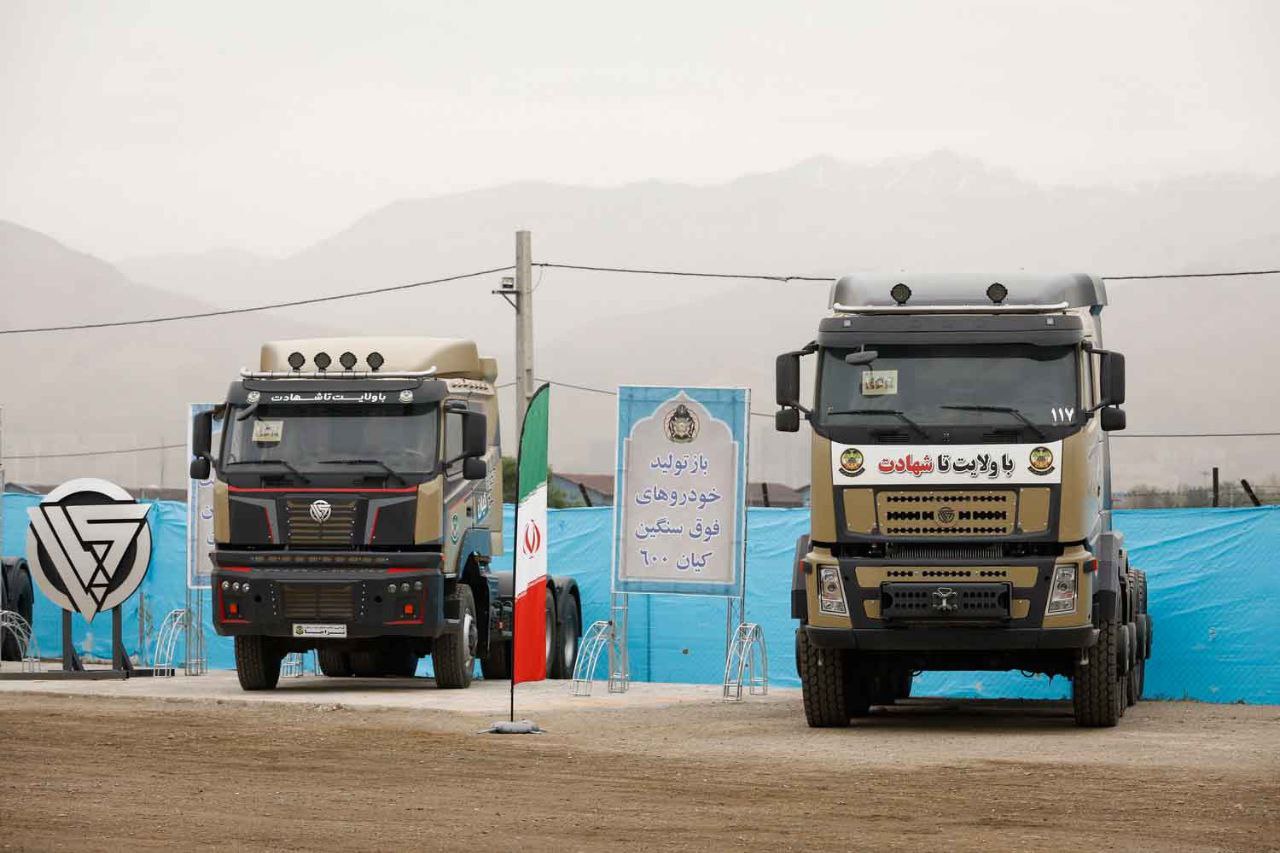
The new 10×10 Kian 800 tank transporter with the ability of transferring super-heavy armored vehicles, surface of floating bridges with the capability to be applied for transiting across rivers; 30 mm automatic grenade launcher with the ability to help upgrade training level and skill of the shooter; Arash electronic warfare integrated system to equipe rapid reaction and mobile offensive brigades in order to carry out surveillance and interception missions, are among the indigenous and reproduced equipment of the Islamic Republic of Iran Army Ground Forces, which have been unveiled during the exhibition and military show.
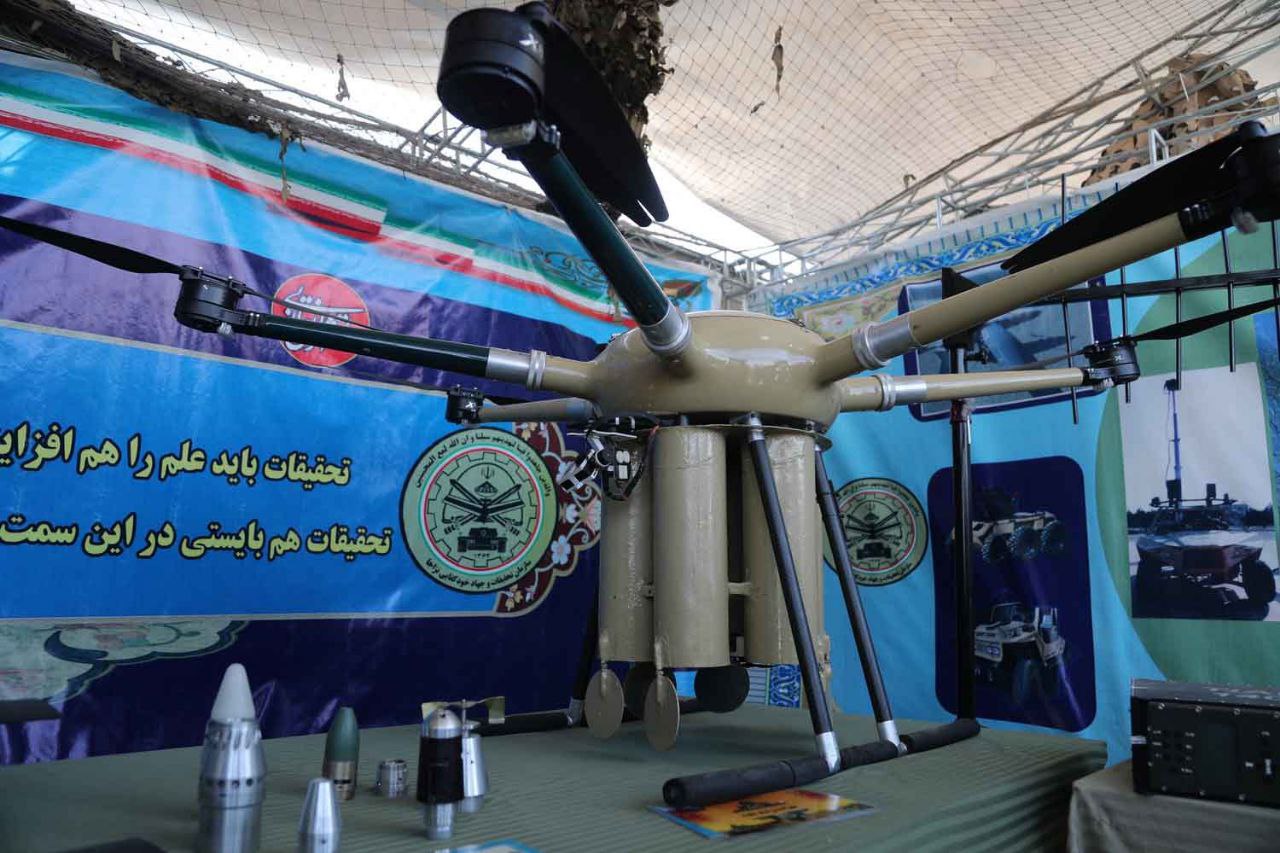
Furthermore, the communication jamming system installed on Mohajer 6 drone, Command and control tactical vehicle, communication vehicle to set up portable telecommunications station, tactical cellular system with the capacity of crating communication network coverage for cell phone, as well as Majid air defense system are among other achievements unveiled in the exhibition of the Islamic Republic of Iran Army Ground Forces.
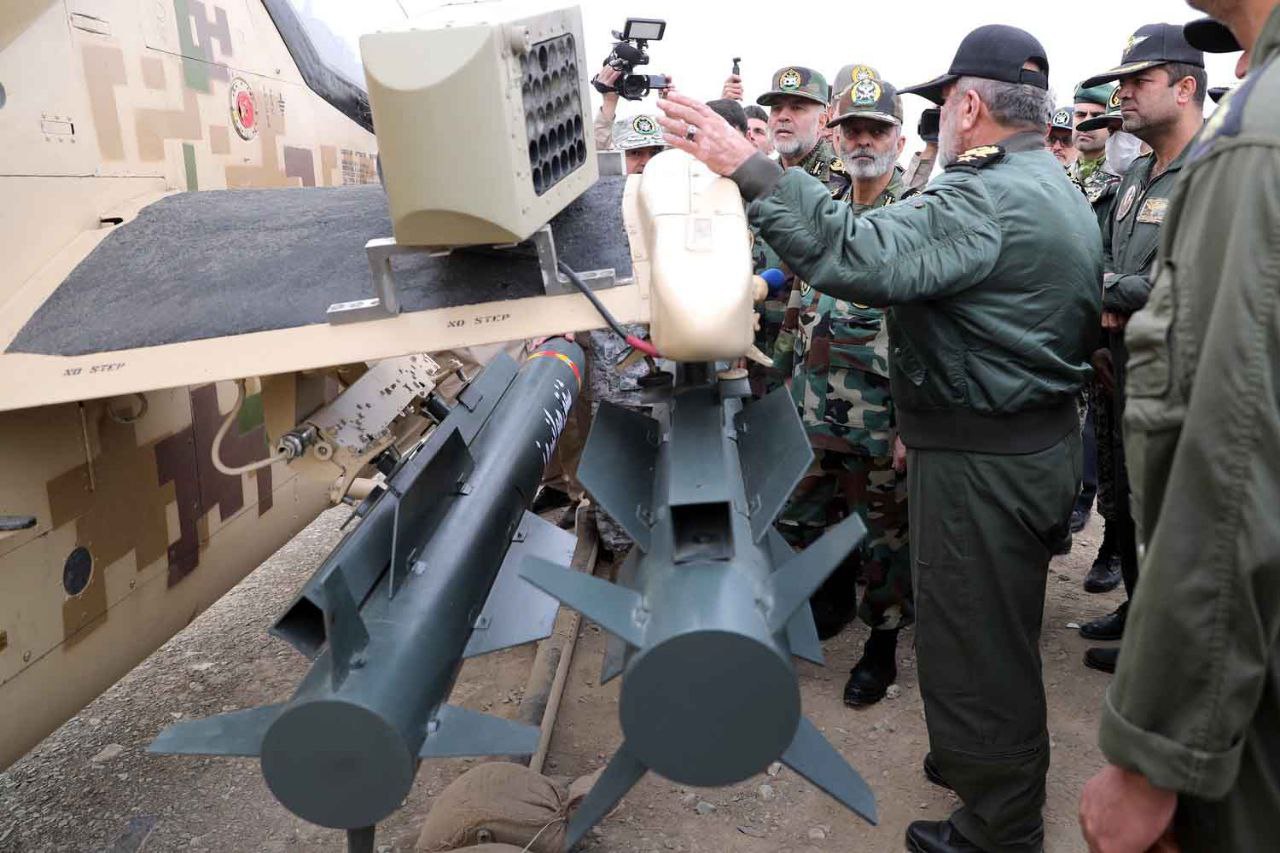
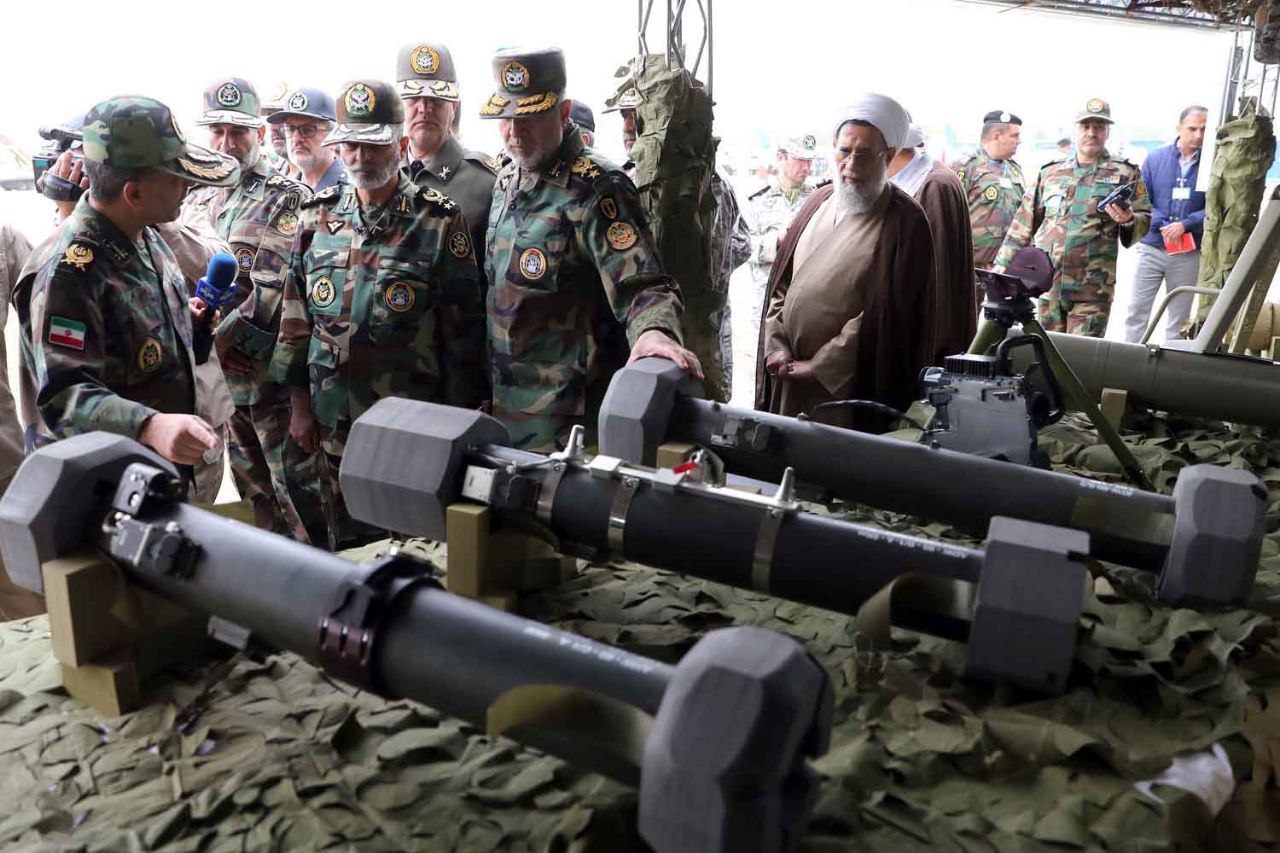
In the event, equipment and arms applicable for armor, artillery, missile, drone, helicopter and electronic warfare fields, including Almaas missile, Qaem bomb, anti-armor missile Dehlavieh 2, three night vision systems, Chaff and Flare systems and the Shafaq missile centrally installed on Kobra helicopter, Fath 360 missile system, smart and pinpoint bullets, heavy Kian 600 Tank Transporter and super-heavy Kian 700 Tank Transporter, Sahand 3 missile, Misagh missile, air defense systems for offensive mobile units, 105 and 155 mm cannons after overhaul, overproduction and adding modern features to the arms in Shahid Zarharan Center, the Islamic Revolution Guards Corps (IRGC) Research and Self-Sufficiency Jihad Organization, Ministry of Defence and Armed Forces Logistics and in cooperation with the knowledge-based companies as well as field assessments in military drills and specialized exercises were handed over to operational units of the Islamic Republic of Iran Army Ground Forces.
Images of the delivery ceremony of new equipment to the Iranian Army Ground Forces
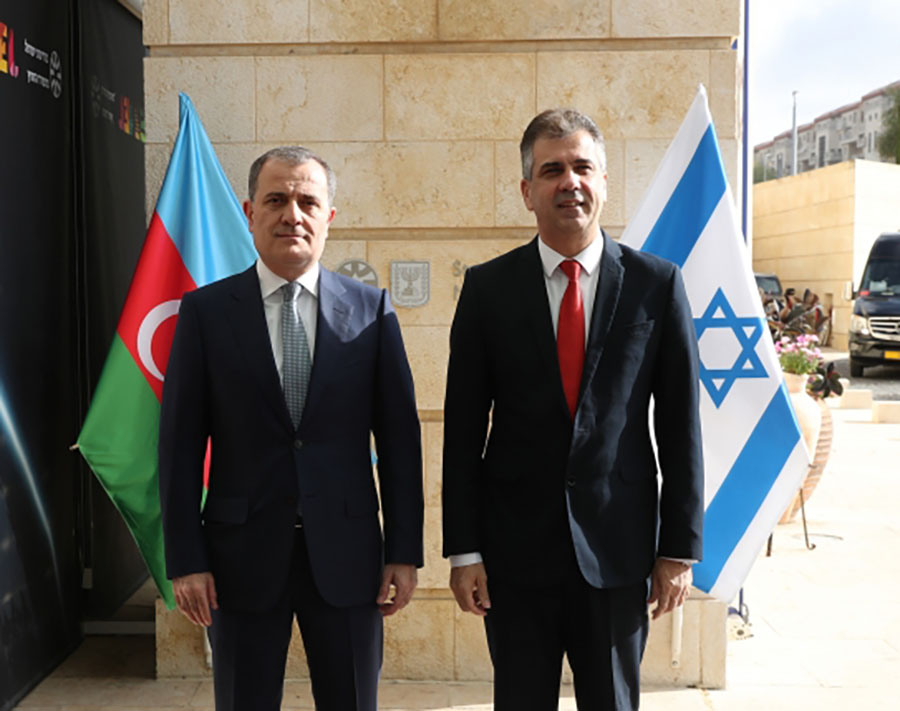
Reacting to Israeli regime foreign minister’s remarks about Iran, Nasser Kanaani, the spokesman of the Ministry of Foreign Affairs stated, “We asked the government of Azerbaijan to explain the statements of the foreign minister of the Zionist regime about the agreement with Azerbaijan to form a united front against Iran.”
Nasser Kanaani called the statements of Eli Cohen, the Israeli regime foreign minister, another document of the sinister intentions of the Israeli regime to turn the territory of the Republic of Azerbaijan into a threat to the national security of the Islamic Republic of Iran.
The spokesman of the Ministry of Foreign Affairs of Iran emphasized the unbreakable historical and religious bond between the people of Iran and the Republic of Azerbaijan and added: “The Islamic Republic of Iran has always tried to thwart the efforts of ill-wishers to create a distance between the two neighboring countries, and the government of Azerbaijan is also expected to avoid the trap that the enemies of the relations between the two countries have spread. However, the Islamic Republic of Iran cannot remain indifferent to the conspiracy of the Zionist regime against it from the territory of the Republic of Azerbaijan.”
It is worth mentioning that, on March 29, the Minister of Foreign Affairs of the Republic of Azerbaijan, Jeyhun Bayramov, went to occupied Palestine for the official opening of the Embassy of Azerbaijan in Israel and met with his Israeli counterpart, Eli Cohen and other Israeli regime senior officials. Following their talk, the Israeli regime foreign minister Eli Cohen at a joint press conference with Jeyhun Bayramov said, he “agreed” with Bayramov “on forming a united front” against Iran and “strengthening cooperation” in various areas of mutual interest. Eli Cohen stated that the Republic of Azerbaijan and Israel share the same opinion about the danger of Iran and we must act together against Iran.
In two separate statements on March 31 and April 2, the public relations of the Islamic Revolutionary Guard Corps announced the martyrdom of two of the IRGC’s military advisors in the attack of the Israeli regime fighters on the outskirts of Damascus on Friday morning.
The first IRGC’s public relations statement said: “Today, Friday, the 31th of March 2023, coinciding with the ninth of the holy month of Ramadan, the brave guardian of Islam, Milad Heydari, one of the military advisors of the IRGC in Syria, was martyred in a criminal attack by the Zionist regime near Damascus.”
In the second similar statement, the IRGC mentioned the martyrdom of the second person named “Meqdad Mahghani Jafarabadi” and it was stated that he died due to the severity of his injuries.
The IRGC, condemning the silence and inaction of the world’s effective assemblies in response to the crimes and repeated aggressions of the Zionist regime and the continued violation of the sovereignty and territorial integrity of an independent country that is a member of the United Nations, has emphasized: “The fake and criminal Zionist regime will undoubtedly receive the answer for this crime.”
It is worth mentioning that this Israeli regime attack, which led to the martyrdom of two IRGC members, was carried out on Friday March 31 at around 00:17 (local time) by firing several missiles from the occupied Golan to targets in Damascus. It seems that the Israeli army is pursuing a specific goal with frequent air strikes on Syria. This type of attack has been unprecedented in the past years. Most likely, by escalating the tension, Israel intends to luring Iran to a limited military response and then achieve its other main goals.
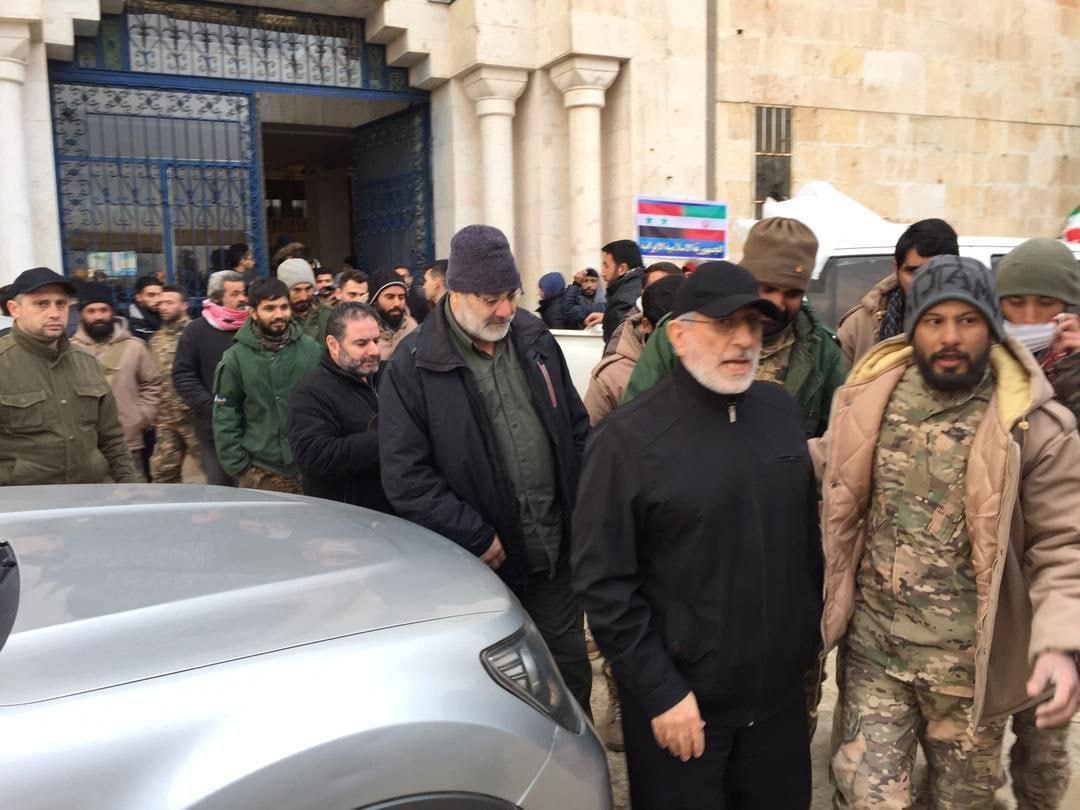
Brigadier General Qaani arrived in the Arab country on March 17 and started visiting some cities in Aleppo and Latakia to supervise the way the Iranian relief forces are serving the Syrian earthquake-stricken people.
The Islamic Republic of Iran has dispatched 447 tons of humanitarian aid to Syria in 16 phases. The aids shipments were sent to Syrian airports in Aleppo, Damascus and Latakia.
It is worth mentioning that this the second trip by the commander of the IRGC’s Qods Force to Syria after the recent devastating earthquake in the Arab country. He visited Syria just a few days after the quake.
The destructive earthquake in Syria, which happened on February 6, more than 1400 Syrians lost their lives and at least 2349 citizens were injured.
On 6 February, a Magnitude 7.8 earthquake hit southern and central Turkey as well as northern and western Syria, which left more than 50,000 dead in both countries.
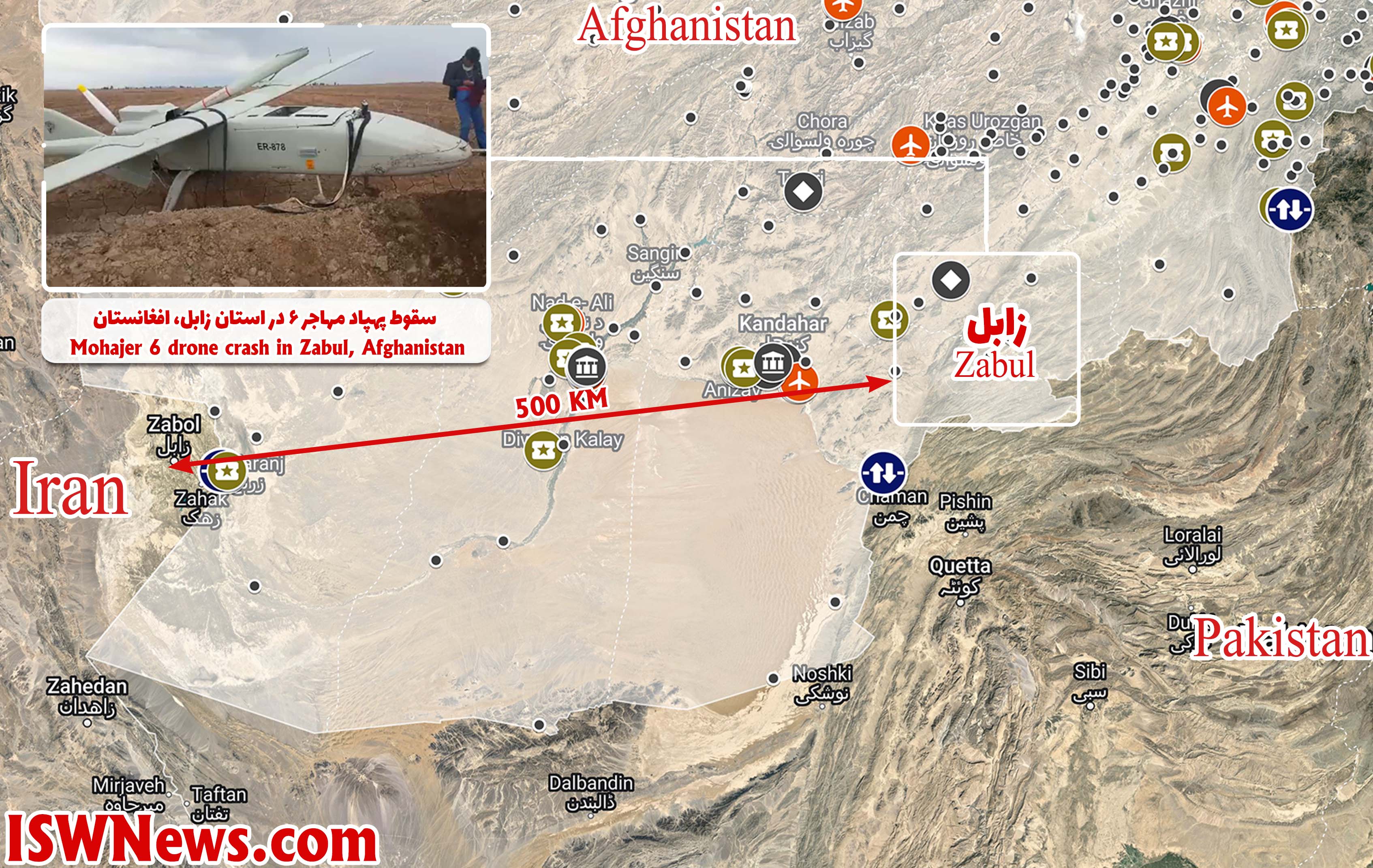
There have not been released more details on the downfall of the drone and the Taliban officials have not yet commented on the issue; however, there is a video that shows the Mohajer-6 crash occurred due to lack of fuel, controlling mishap or technical defect; so, the drone was not hit.
It has not been cleared that the drone was applied by which of the regional countries, but given the fact that the crash happened in Afghanistan, it might belong to Iran or Pakistan. If it is right that Pakistan applied the drone, speculations on selling the Iranian UAV to the Pakistani Army would be supported.
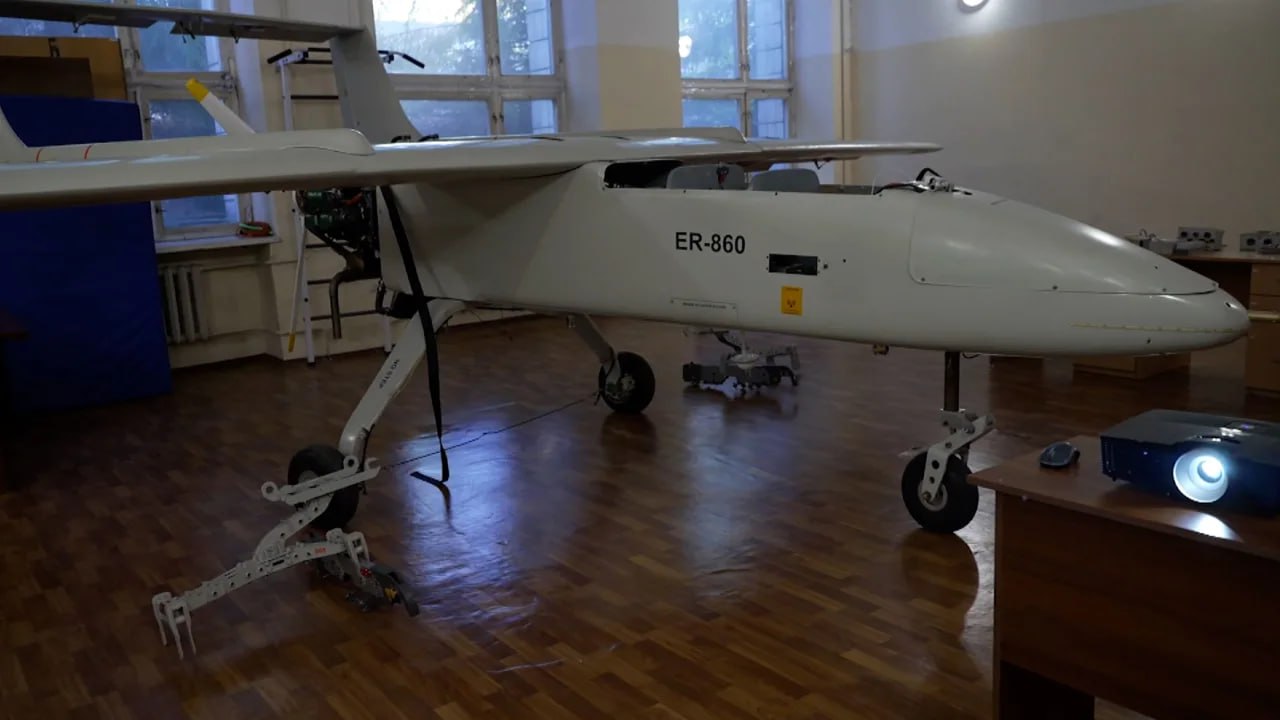
The interesting point here is that the registry number of the drone is ER-878, which is visible on the fuselage of the drone, while the Iranians use P071A in the beginning of their drone numbers; so, it reminds us of Mohajer-6 under Russian usage with the registry number of ER-860, which was displayed by the Ukrainian armed forces during the Russia-Ukraine war. Therefore, there is a possibility that the crashed drone is an exported UAV.
The Russian-operated Mohajer-6 UAV (registered ER-860), which was fell into hands of Ukrainian forces and later displayed to public
Furthermore, the nearest distance from Zabul Province to Iranian borderlines is more than 500 kilometers, while the range of land connection of Mohajer-6 is not more than 300 kilometers and the drone is not equipped with satellite navigation set. Considering the hypothesis, there is a possibility that another drone was stationed in the middle of the distance to be used as a data-link between the crashed drone and a land station in Iran.
Overall, the likelihood that the drone was not utilized by Iran and it started its flight from the sky of other countries near Afghanistan such as Pakistan seems to be more acceptable. Such incidents happened several times over the past year, but the main origin and the party, who is behind the flight, has never been identified. The recent incident as well as 11 airstrikes on different regions in Afghanistan by unknown aircraft following the Taliban came to power strengthen speculations that Pakistan is culprit in creating unrest in Afghanistan.