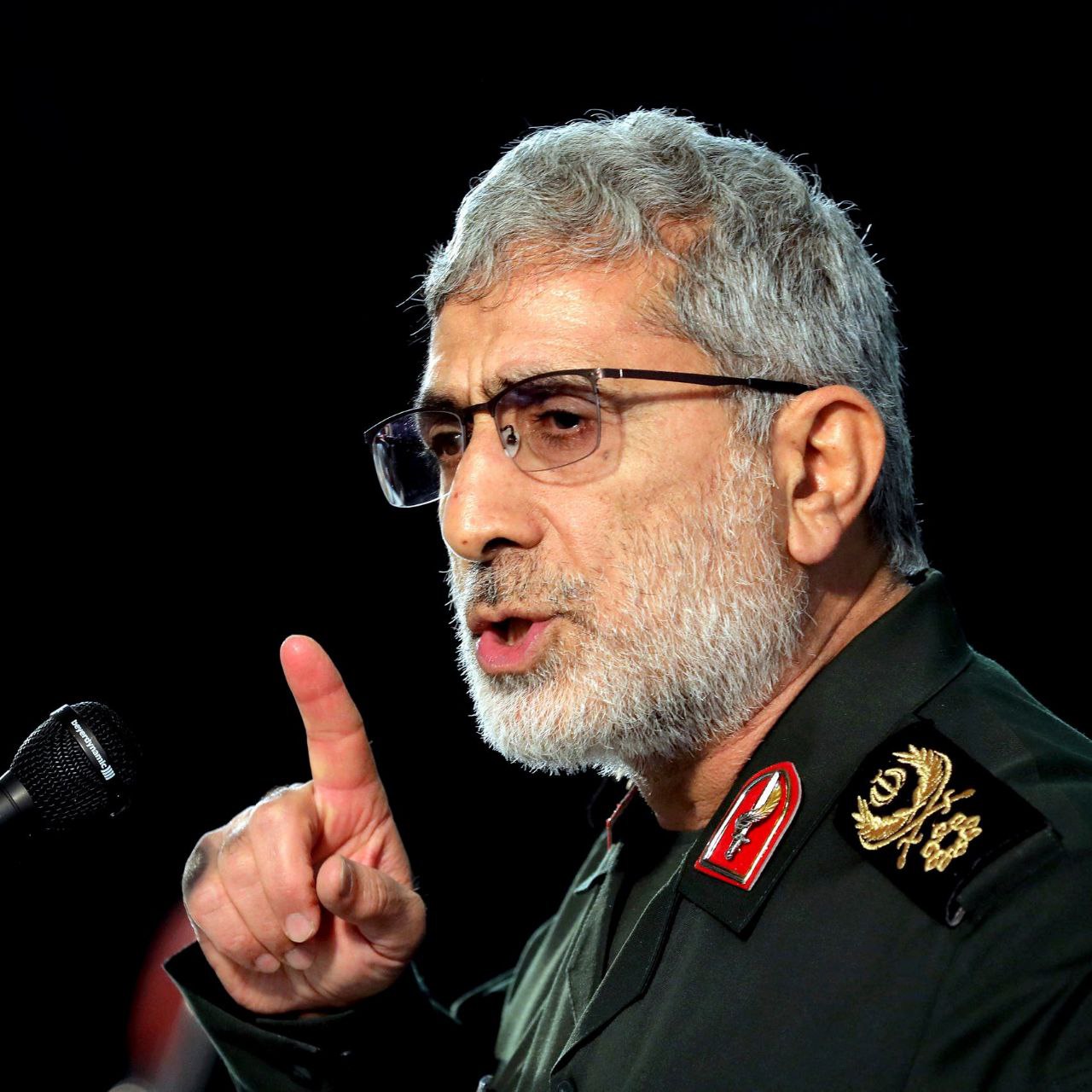
Tag: Iran

  • Attack On The Azerbaijani Embassy In Tehran + Video

    Attack On The Azerbaijani Embassy In Tehran + Video

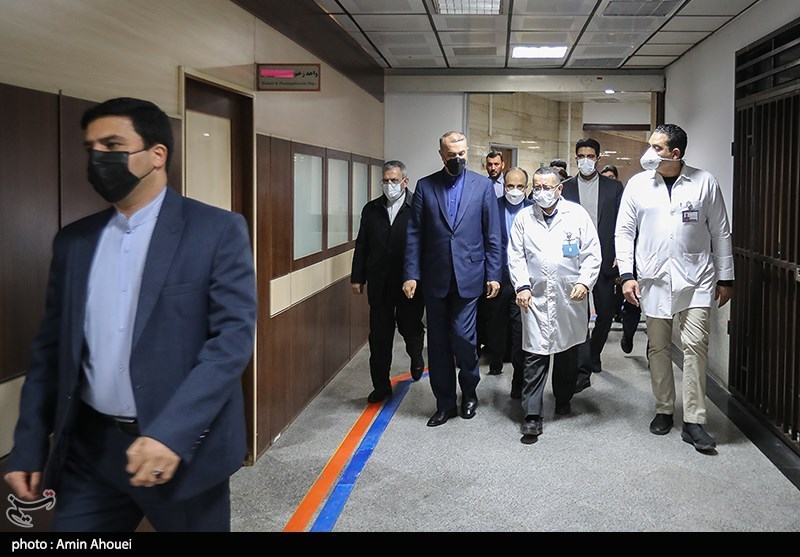
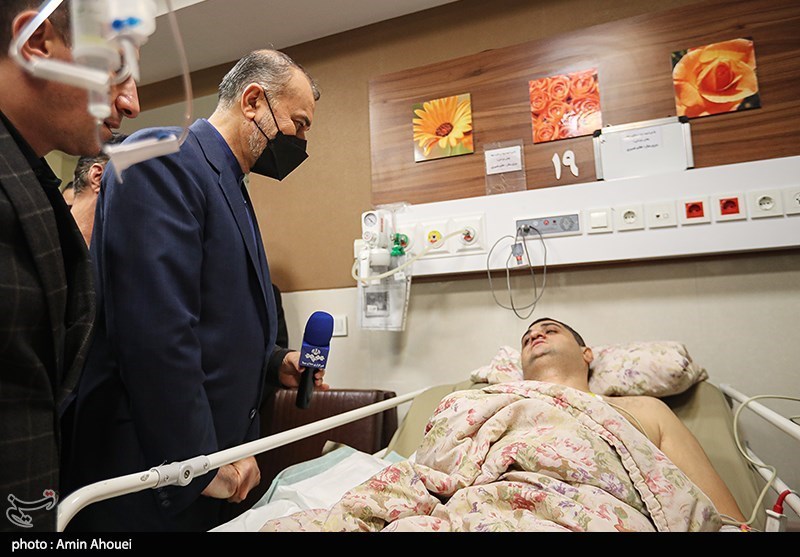
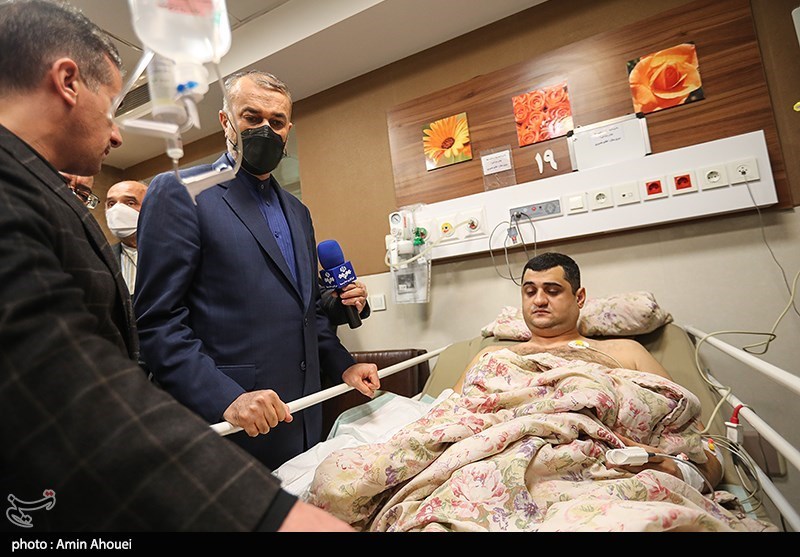
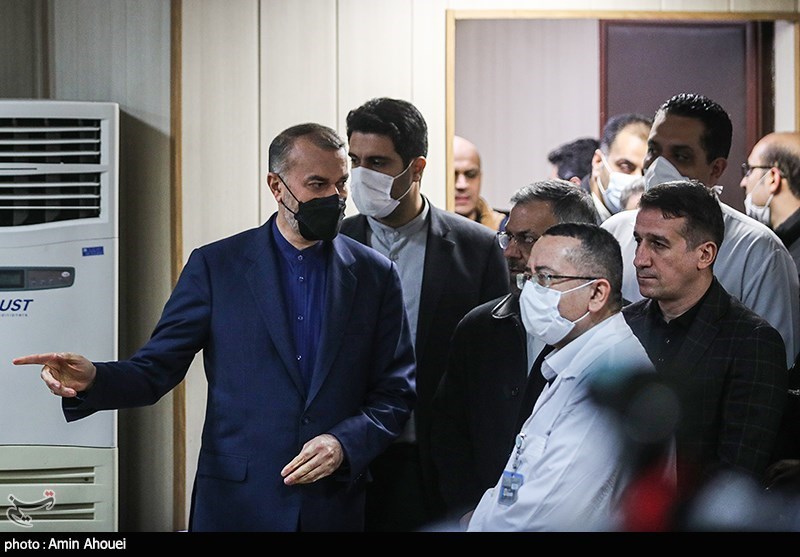
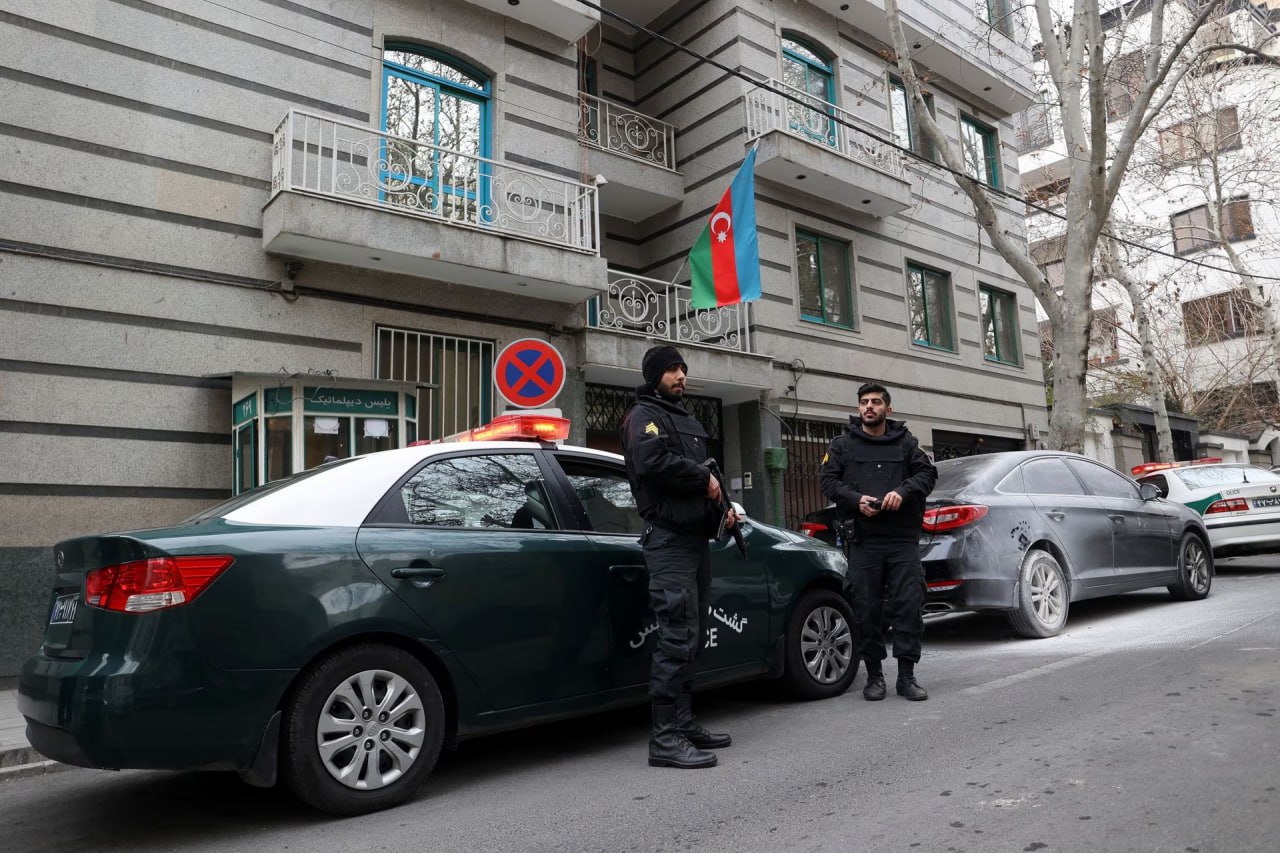
    As a result of an armed attack by an unknown assailant on the Embassy of the Republic of Azerbaijan in Tehran, at 8:32 on Friday, 27th of January, Orkhan Asgarov, the head of the embassy’s security team, was killed and two of its employees were injured. The armed person was arrested by the security forces of the embassy.

    The moment the armed person entered the Azerbaijan Embassy and starts shooting

    According to the statements by the Tehran Police, the attacker came to the Azerbaijan embassy with two children and entered the embassy and started shooting at the security agents with a firearm (Kalashnikov). The attacker stated that his motivation for this action was personal and family problems. In his initial confession, he said:

    “In April of this year, my wife went to the Azerbaijan Embassy in Tehran and has not returned home. During my repeated visits to the Embassy of the Republic of Azerbaijan in Tehran, I did not receive any response from them, and I thought that my wife was present at the Embassy of the Republic of Azerbaijan in Tehran and was not willing to meet me. This morning I decided to go to the embassy with the Kalashnikov that I had already prepared.”

    Conversation between the police forces and the perpetrator of the armed attack on the embassy of the Republic of Azerbaijan

    The Foreign Ministries of Iran, Russia and Turkey as well as some other countries condemned this incident by issuing statements while expressing their condolences to their Azerbaijani counterparts.

    On 28 January, the President of Iran Ebrahim Raisi called the President of Azerbaijan Ilham Aliyev by phone. Raisi expressed his condolences to Aliyev and the family of Orkhan Asgarov, wishing the injured a speedy recovery. Aliyev expressed his strong condemnation of the attack, which he called a terrorist act, and expressed his hope for thorough and transparent investigation and punishment of the perpetrator to the full extent of the law. Aliyev also mentioned the courage of one guard who managed to disarm the attacker and thus prevent further casualties.

    Iranian Foreign Minister, Hossein Amir-Abdollahian during a telephone conversation with his Azerbaijani counterpart expressed regret at the incident that killed one diplomat and wounded two of the embassy staff and offered condolences to the Azerbaijani foreign minister and the family of the deceased diplomat. He also warned that the enemies of the two countries could take advantage of this incident, saying Baku and Tehran should not let their ties be affected by the attack.

    Initial video from the scene of the incident at the Embassy of the Republic of Azerbaijan in Tehran
    Conversation between the Embassy employees with Brigadier General Hossein Rahimi, the Police Commander of Greater Tehran
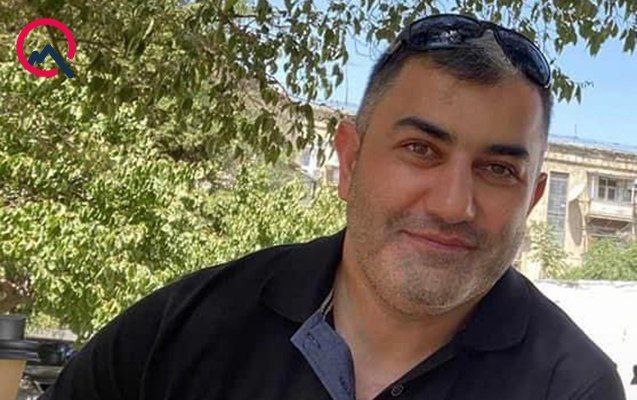
    Orkhan Asgarov, head of the security team of the Embassy of the Republic of Azerbaijan, who was shot dead by the attacker
  • Syrian Defense Minister Meets With The IRGC Chief And Iran’s President

    Syrian Defense Minister Meets With The IRGC Chief And Iran’s President

    The Syrian lieutenant general met and discussed with Salami as part of his meetings with Iranian officials and commanders in capital Tehran on February 4.

    In the Tuesday meeting, Major General Salami expressed satisfaction with the official visit by the Syrian minister and his entourage to Tehran, referring to the sacrifices made by both Syrian and Iranian nations in the face of the great conspiracy of the global arrogance and the Zionism regime in recent years.

    Pointing to the sacrifices made by the martyrs of both countries in fighting terrorism and defending the holy shrine in Damascus, Salami thanked Syria for showing remarkable resistance.

    For his part, the Syrian minister appreciated the Islamic Republic of Iran for supporting and assisting the Arab country in the fight against the ISIS in the anti-terrorism war, saying that the blood of the Iranian and Syrian martyrs saved the Syrian territory, and that the Syrian nation lauds the priceless support and assistance by the Islamic Republic and the Syrian will never forget Martyr General Qasem Soleimani’s efforts in the face of the dangerous plot.

    The Iranians’ assistance to the resistance movements in the region, including Palestine, is an indisputable reality, which paved the ground for the defeat and anger of the foes of the Islamic Ummah, the defense minister noted.

    Following the meeting with General Salami, the Syrian defense minister conferred with President Raisi.

    The Iran president pointed to fact that the relationship between Syria and Iran is based on common beliefs and ideas as well as resistance by the two nations.

    Raisi also stated that Iran is a true friend of the Syrian nation, because as the Islamic Republic stood by the Syrian government and people during the period of standing against terrorism, Tehran is prepared to stand by the Syrians in the time of reconstruction via enhancing all-out economic collaborations.

    The Syrian minister, for his turn, said that Syria succeeded in the war against terrorism backed by its true brothers and friends, and that Damascus will play a key role as one of the links of the axis of resistance stronger than before. He also noted that the axis of resistance will play a vital role in forming a new world order.

    It is noteworthy that, yesterday prior to these meetings, the Syrian minister held discussion with Chief of Staff of Iran’s Armed Forces Major General Mohammad Bagheri at the Iranian commander’s office in Tehran.

  • IRGC Naval Exercises In The Persian Gulf + Video

    IRGC Naval Exercises In The Persian Gulf + Video

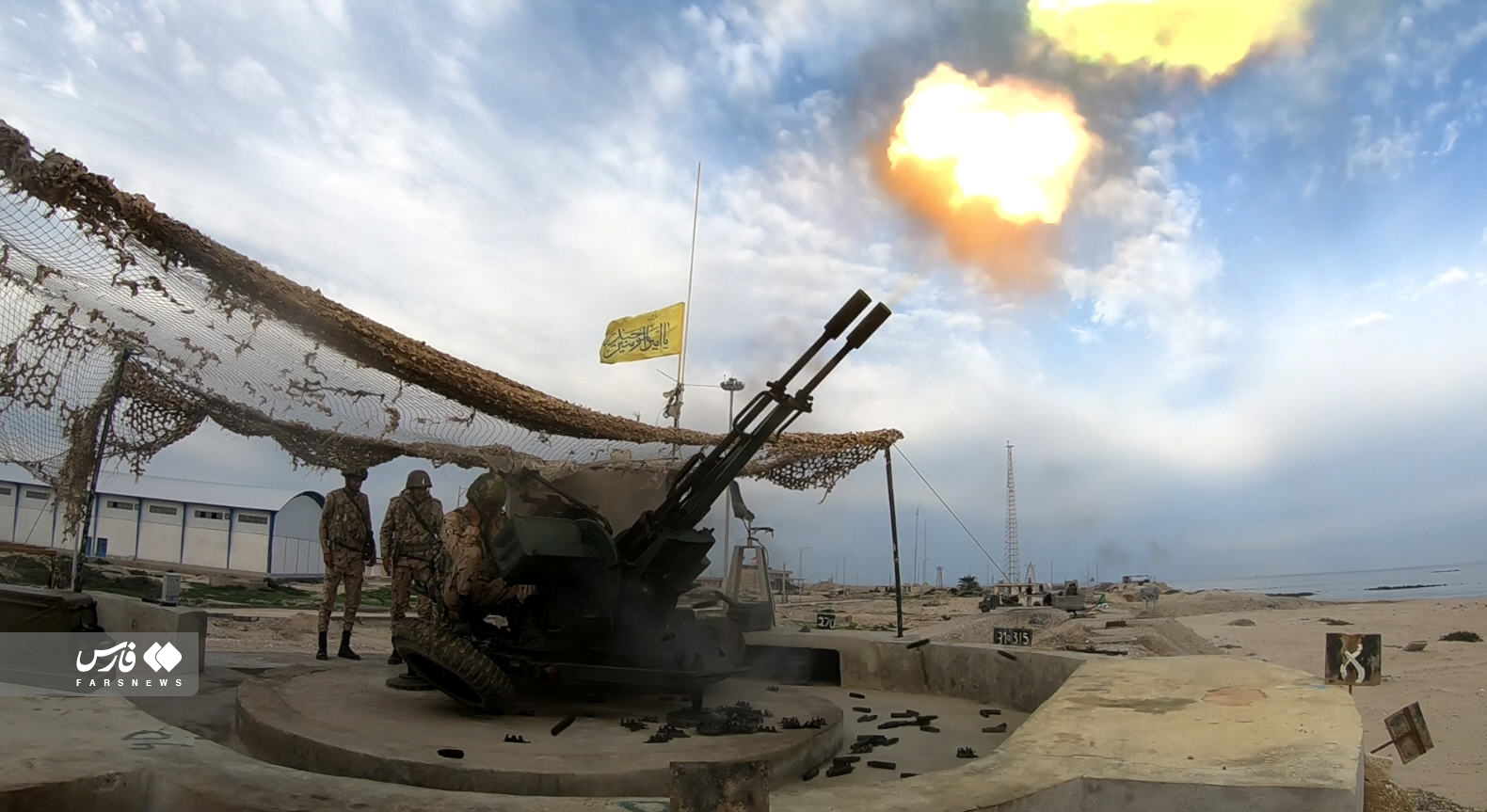
    The military drills of Martyr General Nasrullah Shafi’i was held in order to pave the ground for estimating the abilities and preparedness of the Navy of the Army of the Guardians of the Islamic Revolution in the face of threats in the Persian Gulf.

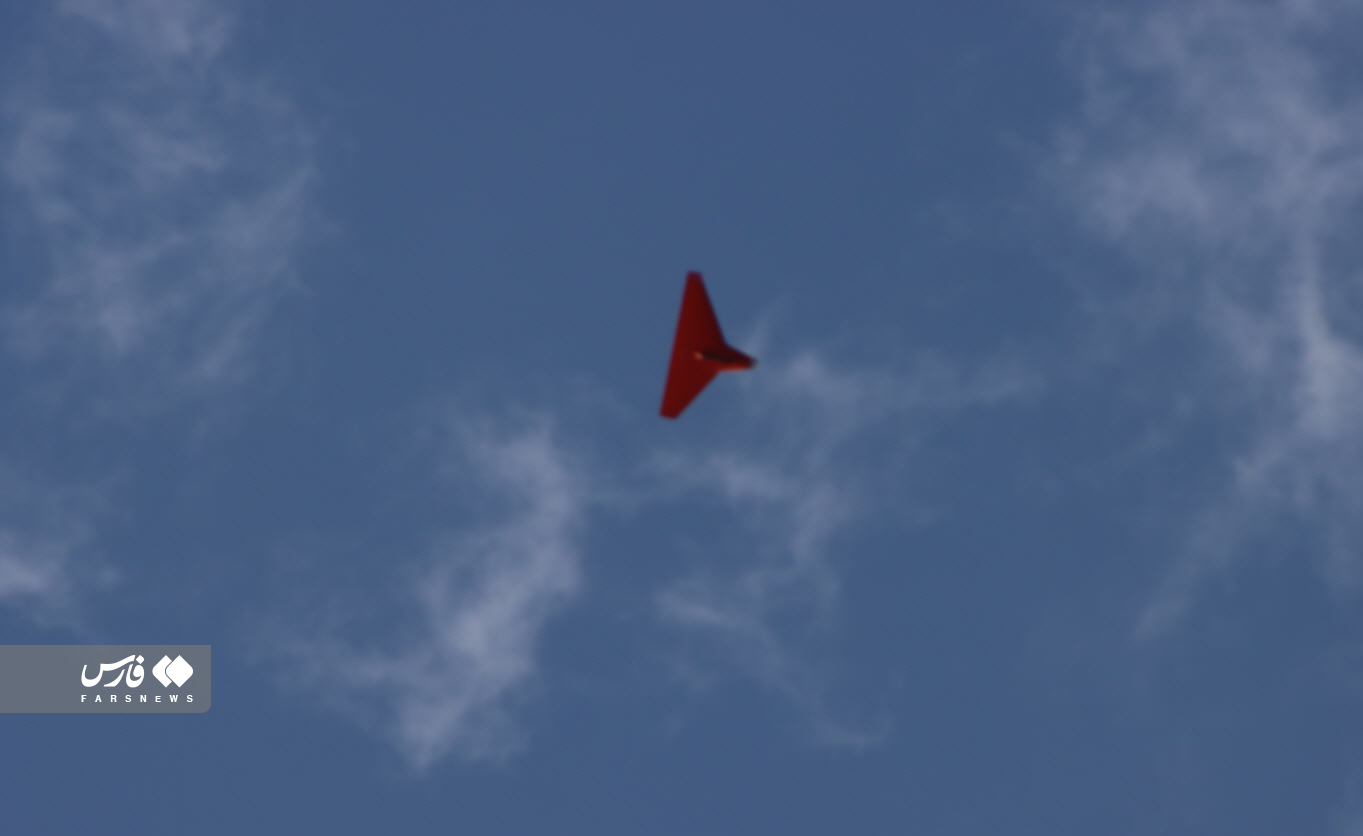
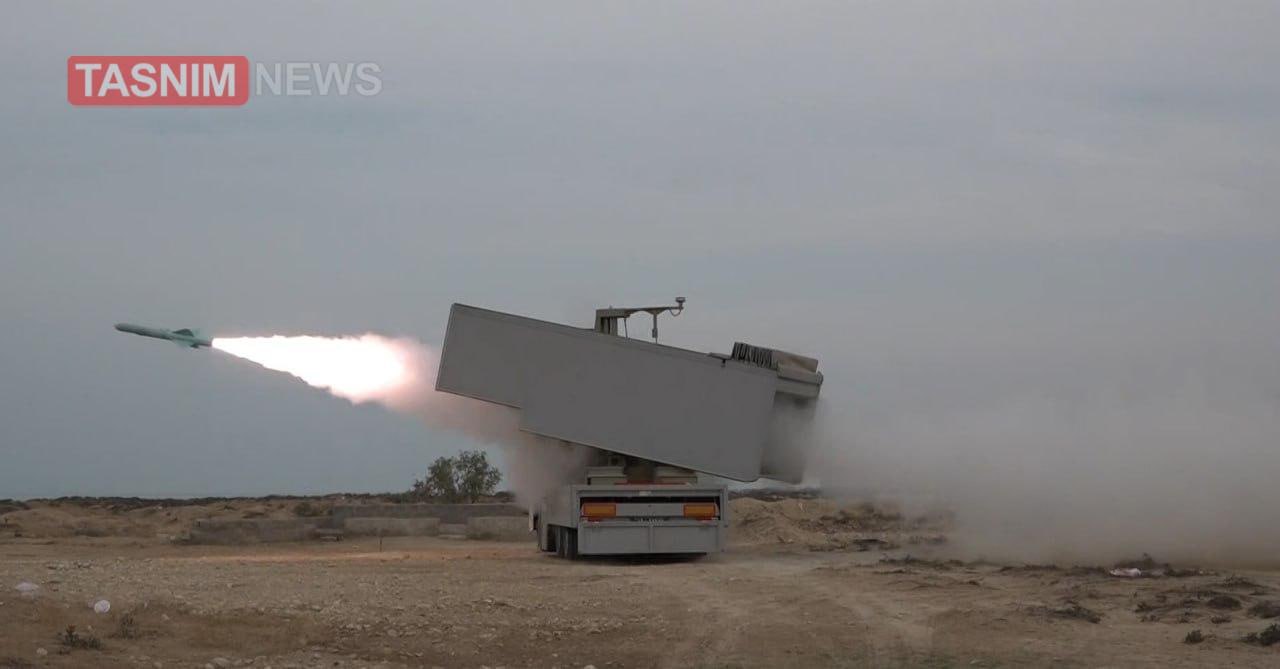
    According to Commander of the IRGC Navy Rear Admiral Ali-Reza Tangsiri, the drills composed of the marine cruise missile systems of various classes; bomber and spotting drones capable of hitting multiple and simultaneous targets; unmanned intelligent subsurface systems; helicopter rocket firing, special rangers’ heliborne in moving and floating positions; the authoritative parade of the popular naval mobilization; and other defense power of the IRGC Navy, which showed completely appropriate performances.

    Video report of the exercise of Martyr General Nasrullah Shafi’i

    In the video above, the operation of Mohajer-6, Ababil-2, Ababil-3, Samad-3 (Shahed x) drones and Noor, Zafar, Noor and Ghadir anti-ship missiles and other missile systems and indigenous military equipment are shown.

    Admiral Tangsiri said that the diversity and large-scale firing and explosions in the coastal areas of Farsi Island to display powerful defense, the use of smart subsurface arms to strike and destroy the foe’s naval and coastal bases and facilities, the broad organization and usage of the Orange Force of the hypothetical enemy in the range of the real foe have been among other programs of the military drills, which have been implemented appropriately.

    The military exercise and other drills of Iran’s armed forces are being carrid out consistent with the plan to maintain preparedness of the land, sea and air forces of the army and IRGC to encounter external threats in various regions of the Islamic state, including the Persian Gulf’s waters, the Sea of Oman and the Strait of Hormuz.

  • Deployment Of Iranian Drones At Deir Ezzor Airport + Images

    Deployment Of Iranian Drones At Deir Ezzor Airport + Images

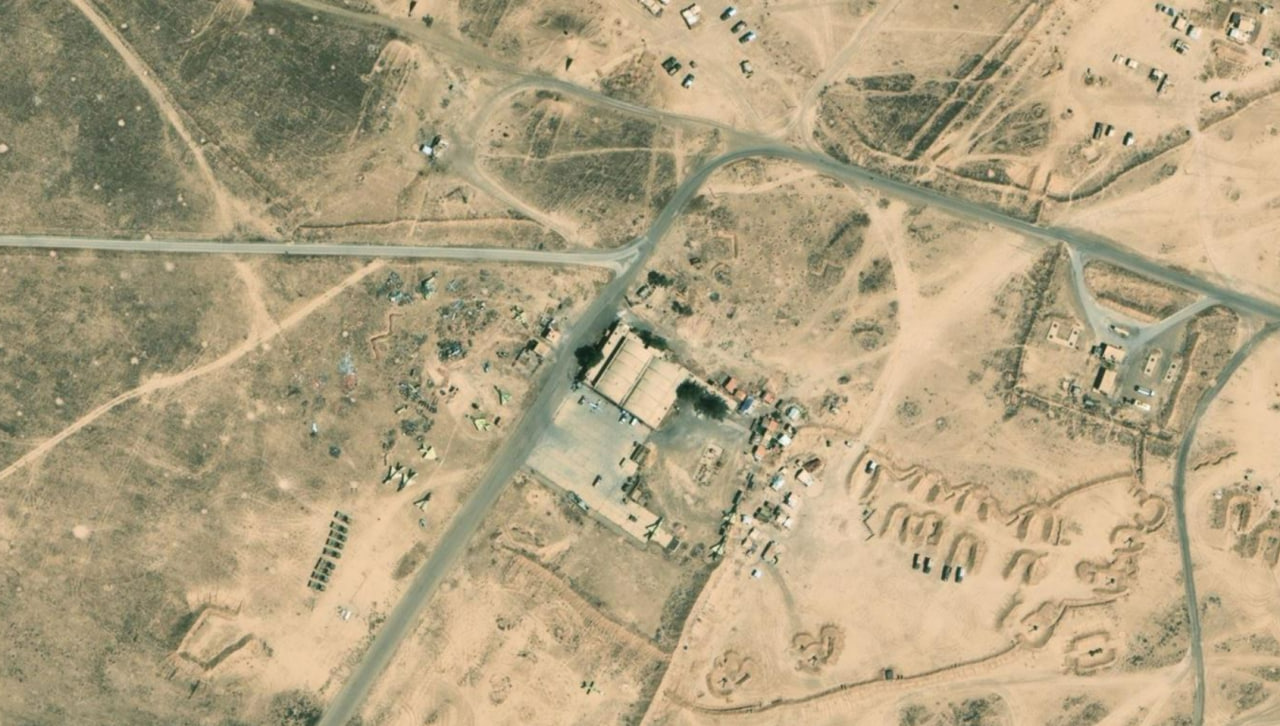
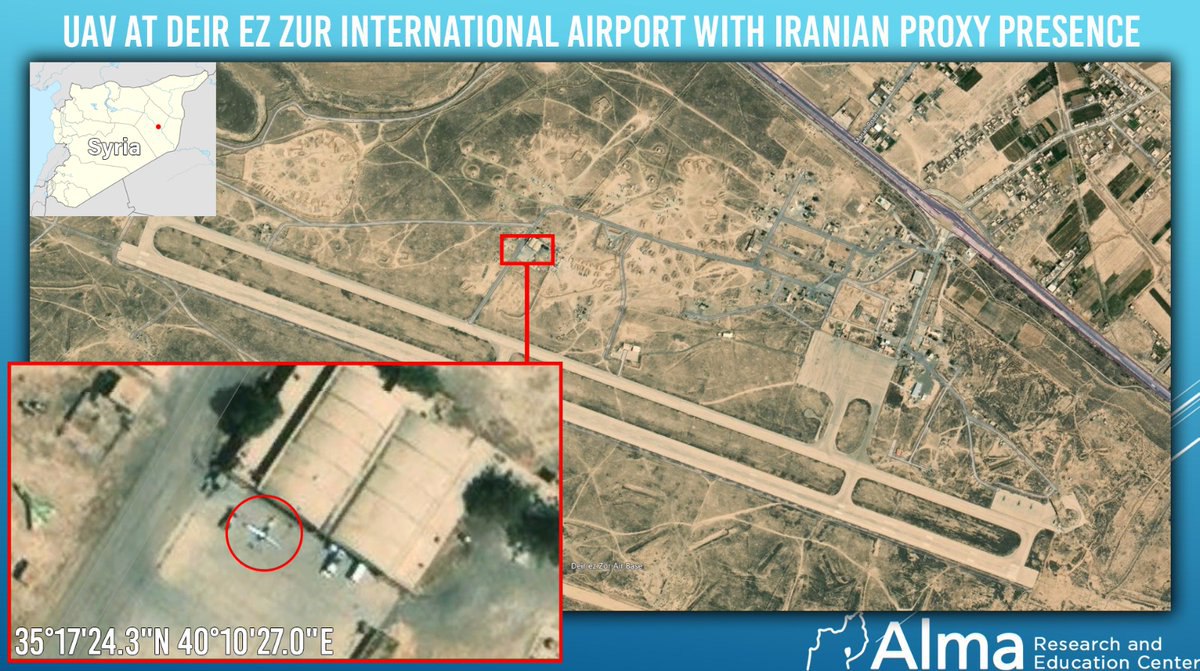
    The Alma Research and Education Center put forward the allegation that at least one Iranian drone has been deployed at Deir Ezzor airport.

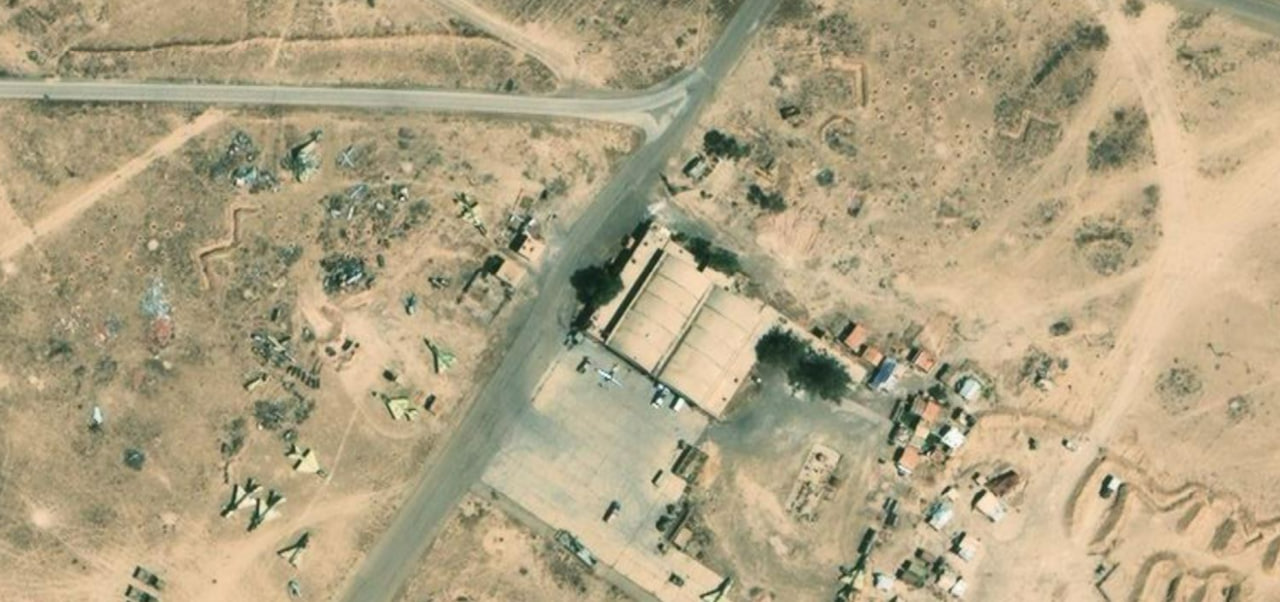
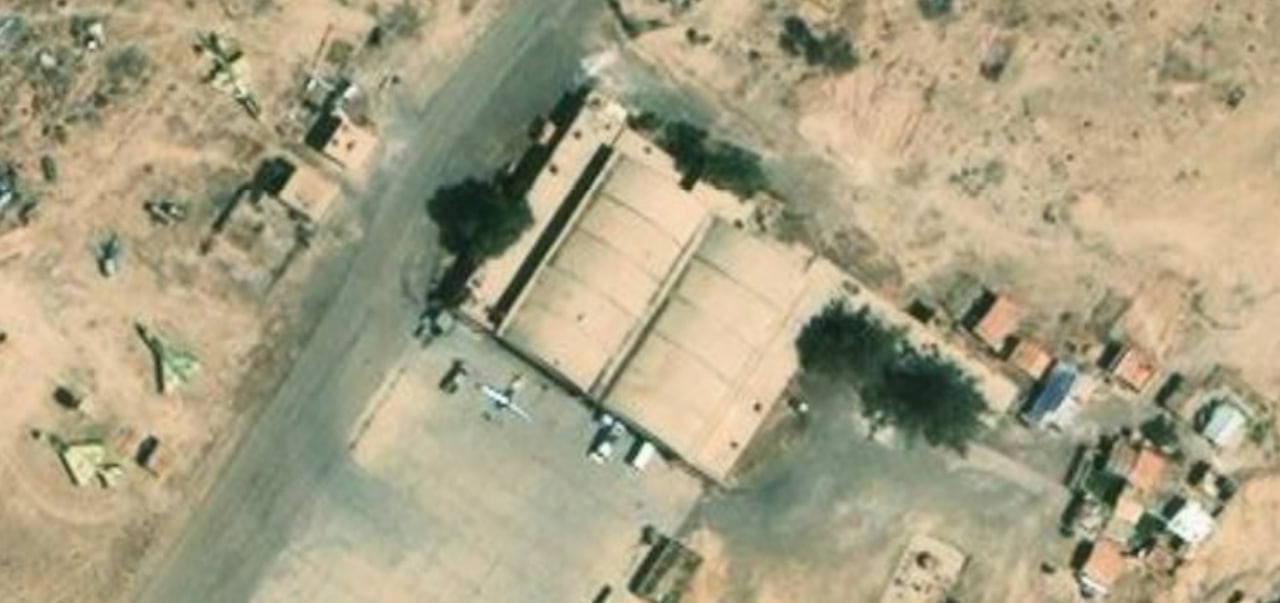
    Mohajer-6 UAV at Deir Ezzor Airport

    The allegation has been raised despite the fact that there has been no report of any activity or deployment of Mohajer-6 drone in Deir Ezzor Governorate; however, it seems that in accordance with the published photo, at least one unmanned surveillance and reconnaissance aerial vehicle of Mohajer-6 has been deployed at the airport.

    The Mohajer-6 drone is a medium UAV class, manufactured by the Ministry of Defence and Armed Forces Logistics of Iran. The UAV is capable of carrying the Qaem (Ghaem) precision-guided bombs, the Sadid class missiles and bombs, the Almas missile as well as the Hydra rocket launcher, indicating the high firepower of the drone.

    Read more: Military Knowledge: Mohajer-6 Reconnaissance Combat Drone

    Given the fact that Mohajer-6 is the most successful Iran-made drone, it is possible that the drone is being used by the Syrian Army or pro-Iran resistance movements in Deir Ezzor Governorate.

    In January 2022, some regional and international media outlets reported that Ababil-3 drone was tested by resistance groups in Al-Mayadeen farms of Deir Ezzor Governorate, but there have not been any further details of the Iranian drones’ activities in Syria so far.

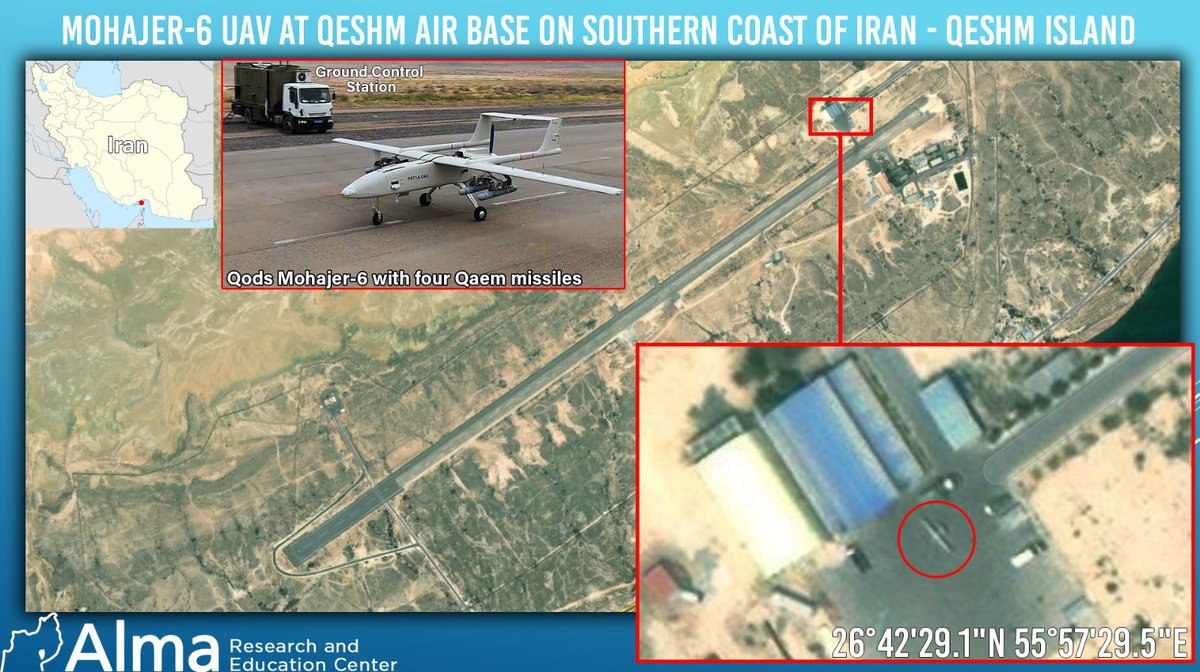
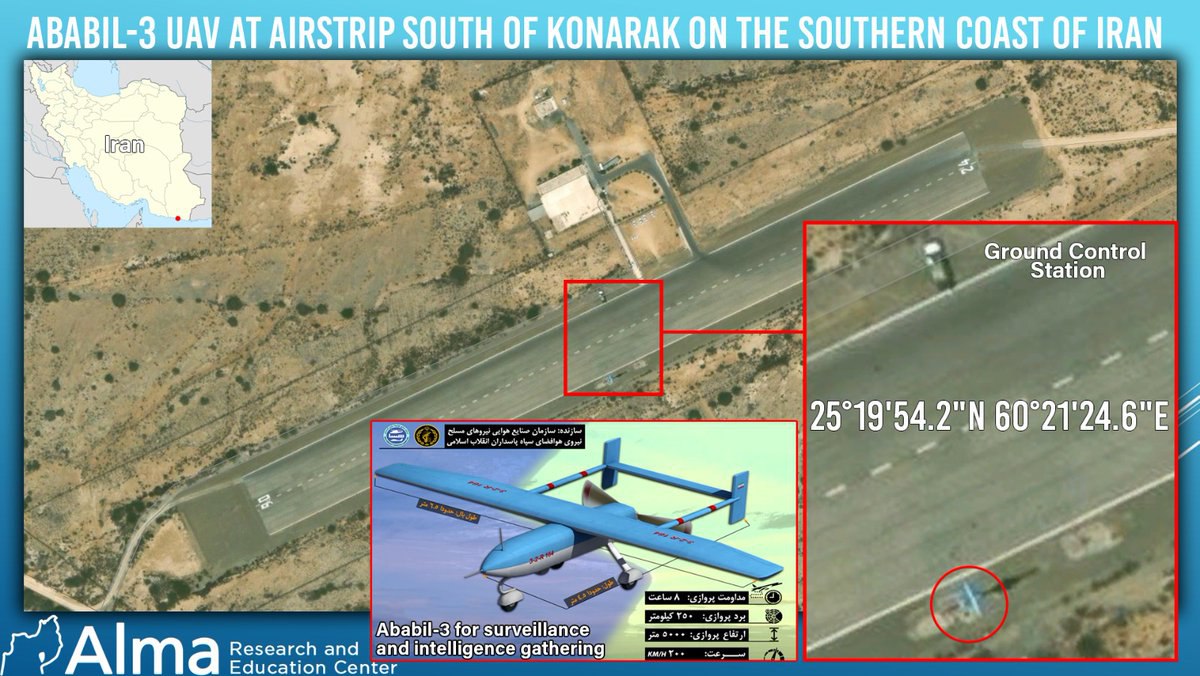
    In addition to the pictures from Syria, the Alma Research and Education Center published two images of the deployment of Mohajer-6 in Qeshm Island in southern Iran as well as Ababil-3 UAV in Konarak city in Sistan and Baluchestan province of Iran.

  • US: We Seized Iran’s Arms Shipment To Yemen!

    US: We Seized Iran’s Arms Shipment To Yemen!

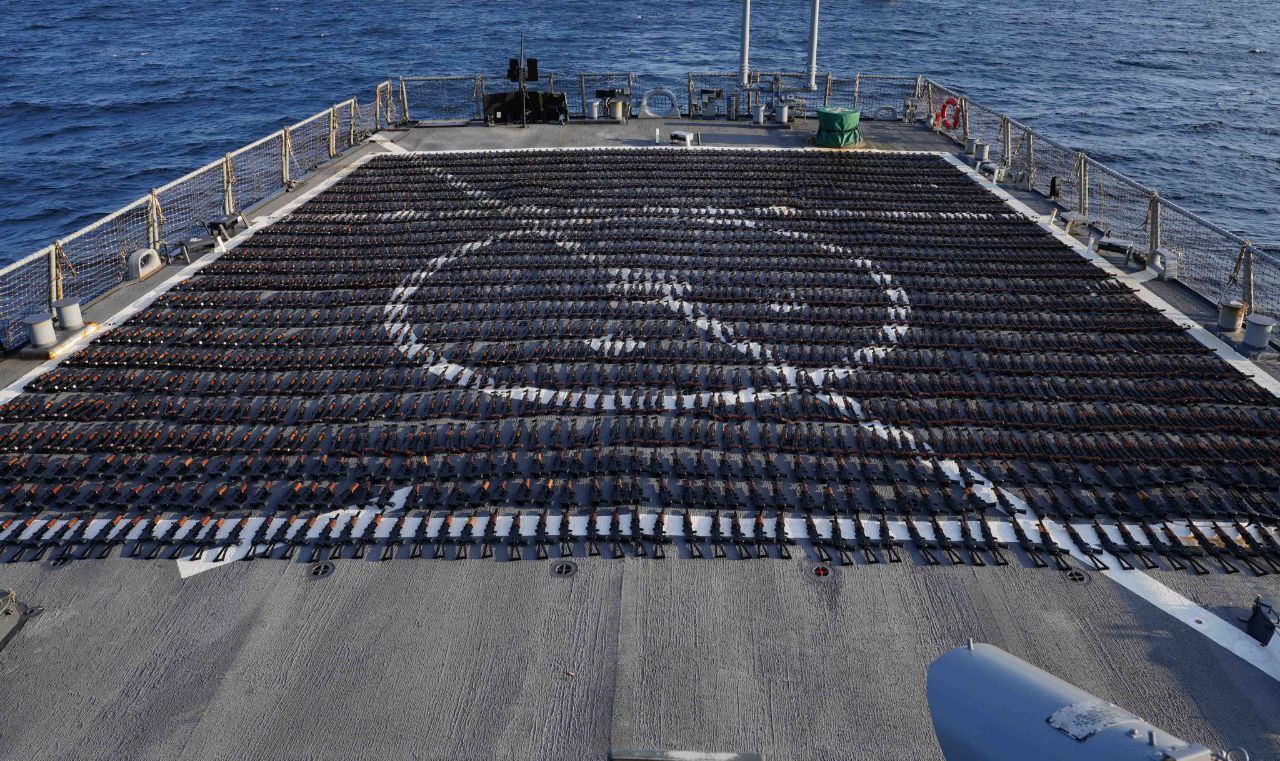
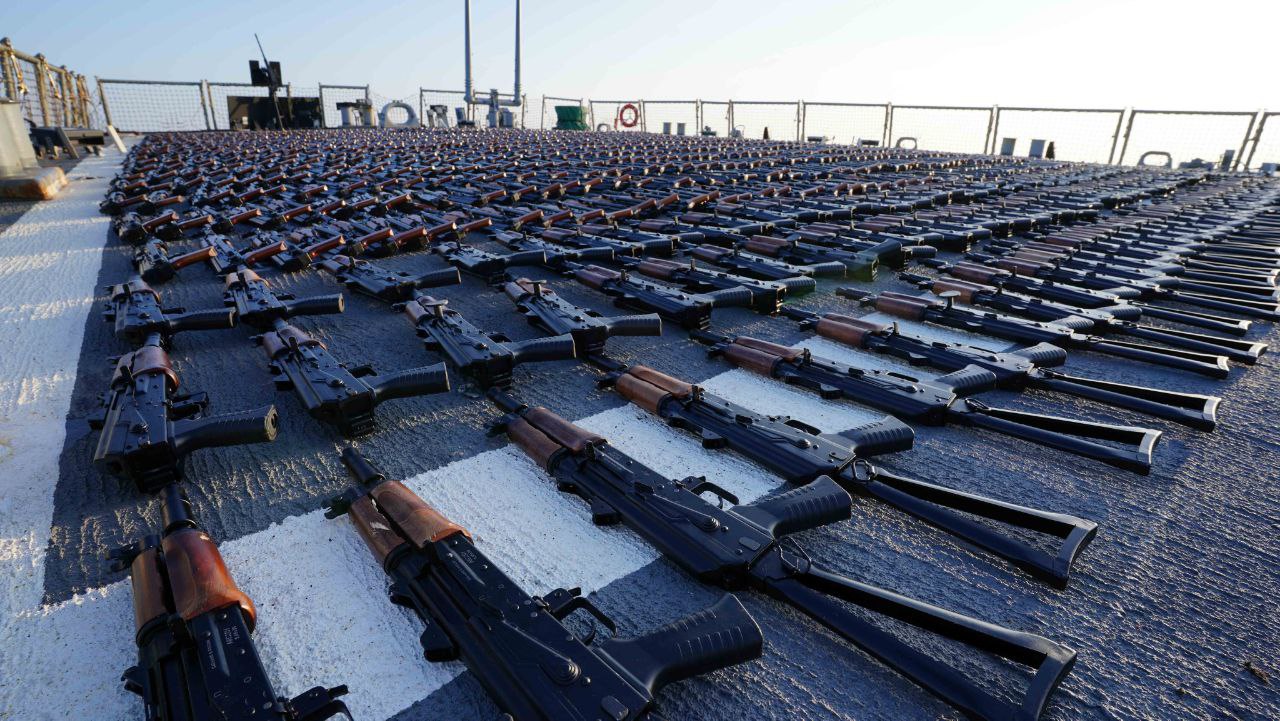
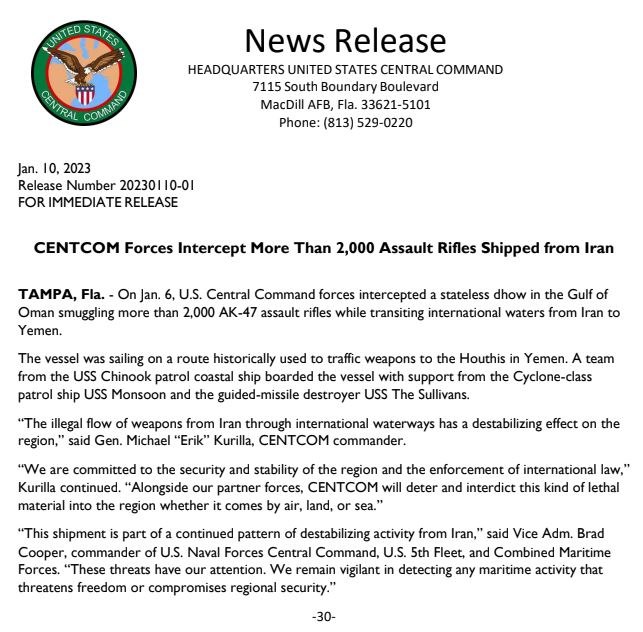
    The US Navy alleged on Thursday that a USS CHINOOK patrol boat succeeded in intercepting and confiscating an unknown fishing boat in the Gulf of Oman on January 6, 2023.

    The US Marines claims that the vessel was carrying 2100 assault rifles from Iran to Yemen, adding that the weapons are similar to the rifles seized in previous shipments.

    According to spokesman for the Navy’s Mideast-based 5th Fleet Timothy Hawkins, the crew members of the ship come from Yemen; so, they will be handed over to the resigned government of the Arab country.

    The allegations on the shipments of Iran-made weaponries to Yemen are being leveled in a situation that the US stands first in terms of selling arms. Moreover, Saudi Arabia procures most of its weapons from the US. The fact has been confirmed in a report by the UN Yemen Observation Mission on September 9, 2022. According to the report, the US, France, Britain, Canada and Iran ship arms to warring sides in Yemen.

    It is noteworthy, also, the United States Central Command (CENTCOM) claimed on September 9, 2022 that they seized a fishing boat shipping munitions and missile fuel from Iran to Yemen in the Gulf of Oman.

    Read more: Video: What is the volume of US arms exports from 1950 to 2017?

  • Iran Nabs Two Teams Affiliated To Mossad!

    Iran Nabs Two Teams Affiliated To Mossad!

    The statement is as follows:

    “Following the statement of December 22 on the arrest of four Mossad-affiliated spy and terrorist groups, the Iranian security forces have also succeeded in detaining two other teams after all-out efforts to identify the spies and terrorists.
    The terrorist network comprises of 23 operative and logistic elements in various provinces of Tehran, Isfahan, Yazd, West Azarbaijan and Golestan. Some 13 elements have been arrested and their operational instruments have been confiscated so far.
    The ringleader of the network, nicknamed Sirous, resides in a European country. He uses social media platforms such as Instagram and Whatsapp to find operatives inside Iran and create connections with them. The latest findings show that the spy and terroristic agency of Mossad planned to misuse the recent unrest in certain parts of Iran to assassinate a military official and carry out several sabotages in big cities, as well as smuggle large scale munitions from southern maritime borders into Iran, but the operative and logistic elements were identified and nabbed before any attack.
    Therefore, this is the second significant failure of the fake regime’s intelligence agency in less than six months.”

    The recent unrest in Iran started in late September, and then, terrorist groups and separatists tried to exacerbate the situation in different cities and provinces. The US and European intelligence agencies made use of media outlets and resorted to regional developments in a bid to turn the unrest into a political, security, social and cultural project against Iran. The project led to deaths and injuries of numerous innocent Iranians, including security and Basij forces.

    Read more: Million March of Iranian People Against Global Arrogance + Video

  • Russian Su-35 Swap For Iranian Ballistic Missiles To Affect Regional Developments

    Russian Su-35 Swap For Iranian Ballistic Missiles To Affect Regional Developments

    In October, American media reported that Russia purchased Iran-made missiles of Zolfaghar and Fateh-110. A month ago, several sources reported that Iranian cargo aircraft carried out several flights to Moscow, and the Russians used Iran-made Shahed-136 suicide drones in Kupyansk and Nikopol, Ukraine, indicating the military collaborations between Tehran and Moscow developed and entered a new phase.

    Read more:
    Military Knowledge: Zolfaghar Ballistic Missile
    Military Knowledge: Fateh-110 Ballistic Missile

    The success of drone attacks by Russia and the psychological impact of the strikes on the Ukrainians prompted the Western states to activate their propaganda and political campaign against Iran-made warfare, and impose new sanctions on Tehran to dissuade the Islamic Republic from the military cooperation with Russia. Of course, the connection has never been confirmed by the Russian and Iranian statesmen, while the Western powers and the Zionist regime put forward different speculations on the delivery paths of the Iranian drones to Russia via Tajikistan, Uzbekistan or other countries.

    Nevertheless, the Russian media outlets reported in November 2022 that the Russian and Iranian authorities held talks on the purchase of Iran-made short-range and medium-range ballistic missiles to be used for the Ukraine war. But new reports of those media claimed that the Iranian missiles are going to be swapped for 24 Russian Su-35 fighter jets.

    The fighter jets were scheduled to be delivered to Egypt’s Air Force on the basis of a 2019 contract worth $2 billion, but the United States’ threats pushed back Cairo that was concerned about the potential sanctions by the West; so, the Egyptians refrained from receiving the whole shipment of the fighter jets.

    Read more: Delivery of the new Sukhoi-35s to the Egyptian Army + Images

    Unofficial reports from both sides (Russia and Iran) say that the Su-35 jets will be handed over to Tehran, and that the Iranian pilots are getting trainings to start flying the fighters.

    So, what are the benefits of the contract for Iran and Russia? And is the swap deal of the Russian Su-35 for the Iranian ballistic missiles useful for both countries?

    Russia is experiencing a complicated conflict and the Russians’ missile arsenal is suffering from shortages after 10 months of heavy clashes. Moscow experiences that it could not reach the desired results in the Ukraine war, and the Russians cannot consume all missiles to target pre-planned points in Ukraine. Thus, they resort to bargaining the swap deal with Iran, which seems to be the best option for the Russians to find a way out of the existing weak point in the war.

    As the Western media claimed, the Russians are after purchasing Zolfaghar and Fateh-110 missiles. The Iran-made missiles have not been used in a broaden conflict like the Ukraine war so far, but the Zolfaghar missiles were successfully fired at the Daesh hideouts in Deir Ezzor in eastern Syria in June 18, 2017 and October 1, 2018. The Fateh-110 missiles were also effectively fired at a spy center affiliated to Israel in Erbil, northern Iraq, on March 13, 2022. It is worth mentioning that the Fateh-110 missiles have been utilized by Ansar Allah fighters in the Yemen war.

    The usage of fighters and strategic bombers will inflict heavy costs on the Ministry of Defence of the Russian Federation in the long-run. The most airstrikes by the Russians are being conducted by unguided weapons; so, in a situation that the Ukrainians have enhanced their counterstrikes, the Russian weaponries are not applicable to strike targets in the depth of the Ukrainian soil. Moreover, the accuracy of the Iran-made missiles can be seen as another strong point, which can help intensify the aftermath of Russian strikes on Ukraine.

    The Iranian armed forces possess abundant missile arsenals that are the best option for the exchange of ballistic missiles with Su-35 in terms of price difference (the Rial-Dollar exchange rate deals) and other issues. The Zolfaghar and Fateh-110 are the best and widely used Iran-made missiles, and the Islamic country is not afraid of their structural details being revealed.

    Russia’s usage of the Iranian weaponries in the war on Ukraine, while the Ukrainians enjoy all-out support by the US and NATO, is a sort of simulation or proxy war. Iran can oversee the result of Russians’ use of the weapons and equipment in order to develop them and overhaul their potential defects in the face of the West-made weaponries.

    The West-imposed sanctions on Iran’s Air Force over the last 40 years caused the limitation of the access to warplanes, including state-of-the-art fighter jets; so, almost no country agreed to strike a deal with Iran in this respect. But the war in Ukraine created an opportunity for the Islamic Republic to purchase the Russian warplanes and the Iranians try to meet parts of their needs in the effort to stand against the enemies.

    The military cooperation and the swap or sale of weaponries have always been considered as normal acts among militarily powerful states; however, the Iranians’ progress in manufacturing deterrent equipment, including drones and missiles, seems not to be in favor of the US and Europe, who have been the biggest producers and suppliers of weapons in the world for years; so, they resort to threats and sanctions in dealing with Iran’s progress in military sector.

    Read more: Military Knowledge: Sukhoi Su-35 Multirole Fighter Jet
  • Iran Foiled A Terrorist Attack On the Borders of Sistan And Baluchestan Province

    Iran Foiled A Terrorist Attack On the Borders of Sistan And Baluchestan Province

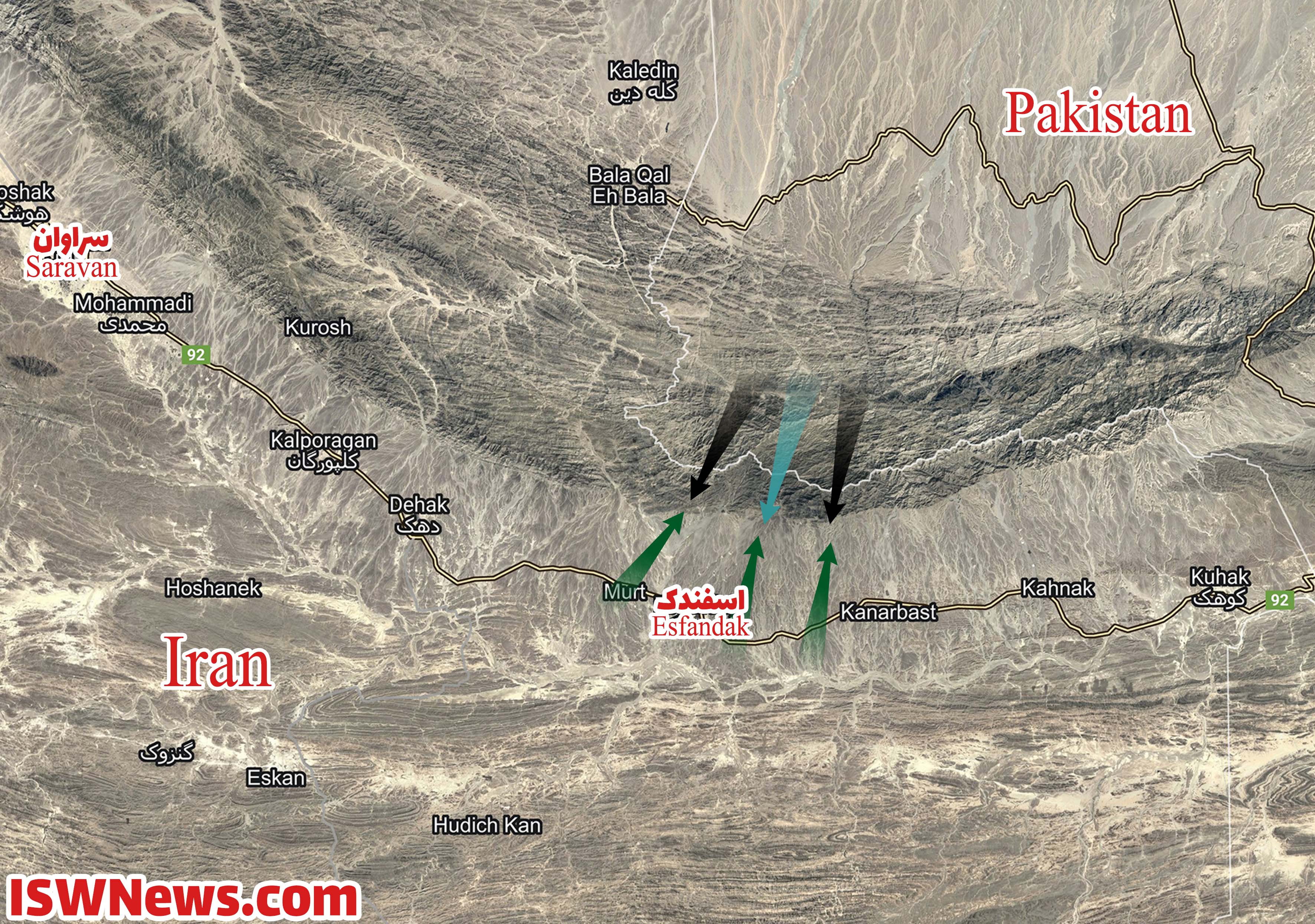
    According to the public relations report of Quds headquarters in the southeastern region, the terrorist attackers left the area after heavy resistance from the Iranian forces and fled into Pakistan. No details have been published about the exact losses and damages inflicted on the terrorists. Colonel Hossein Ali Farahi, commander of the Saravan Border Regiment, referring to the prevention of the border guards stationed in the “Esfandak” region from the entry and sabotage acts of terrorist groups, said:

    “Terrorists did not have the strength to resist the heavy fire of the border guards and fled towards the opposite country (Pakistan) using the mountain grooves. During the clearing of the conflict area, border guards also discovered 340 Kalashnikov bullets, 190 other bullets with two M16 magazines, eight hand grenades, 24 40 mm anti-personnel bullets, one 40 mm anti-armor bullet, one Kalashnikov bayonet, one wireless communication device, a compass, three sleeping bags, a blood supply pack and two tourniquets.”

    It should be noted that during these clashes, four Iranian servicemen including 2nd Lieutenant Mohammad Gudarzi was martyred along with three members of the Basij, namely Rahim Bakhsh Paraki (Sunni), Hamidreza Abedi and Mahmoud Nikkhahzadeh.

    Saravan is one of the cities of Sistan and Baluchistan province, which is located in the easternmost point of Iran and borders with Pakistan. Most of the residents of this city are Sunni Muslims, and this has caused terrorist and separatist groups based in the deserts of Pakistan to direct most of their activities to this city.

  • Iraqi Army troops deploy along the common border with Iran and Turkey

    Iraqi Army troops deploy along the common border with Iran and Turkey

    On December 4, Iraqi military spokesman Yahya Rasool announced that Mohammad Shia al-Sudani, the Prime Minister and Commander-in-Chief of the Iraqi Armed Forces, ordered border guards to take control of the borderline shared with Iran and Turkey.

    Al-Sudani has also ordered to strengthen the Iraqi Border Guard Command with weapons, equipment and troops so that the border areas are under a suitable control.

    He went on to say that Iraq does not allow its territory to be used to attack its neighboring countries, adding that Iraq has good relations with all neighboring countries and seek to develop the ties regarding the interests of Iraq and the neighboring countries.

    According to Yahya Rasool, the purpose of this order is to end the conflict between the armed forces of Iran and Turkey with the terrorist groups.

    Read more: Iranian missiles pounds terrorist positions in Kurdistan region!

    It is worth mentioning that on November 23, the Iraqi National Security Council (INSC) during a meeting chaired by the Iraqi Prime Minister, Mohammad Shia Al-Sudani, examined the recent attacks carried out by Iran and Turkey on the northern regions of Iraq. The council made four new decisions for the deployment of Iraqi forces along the common borders of Iraqi Kurdistan Region with Iran and Turkey.

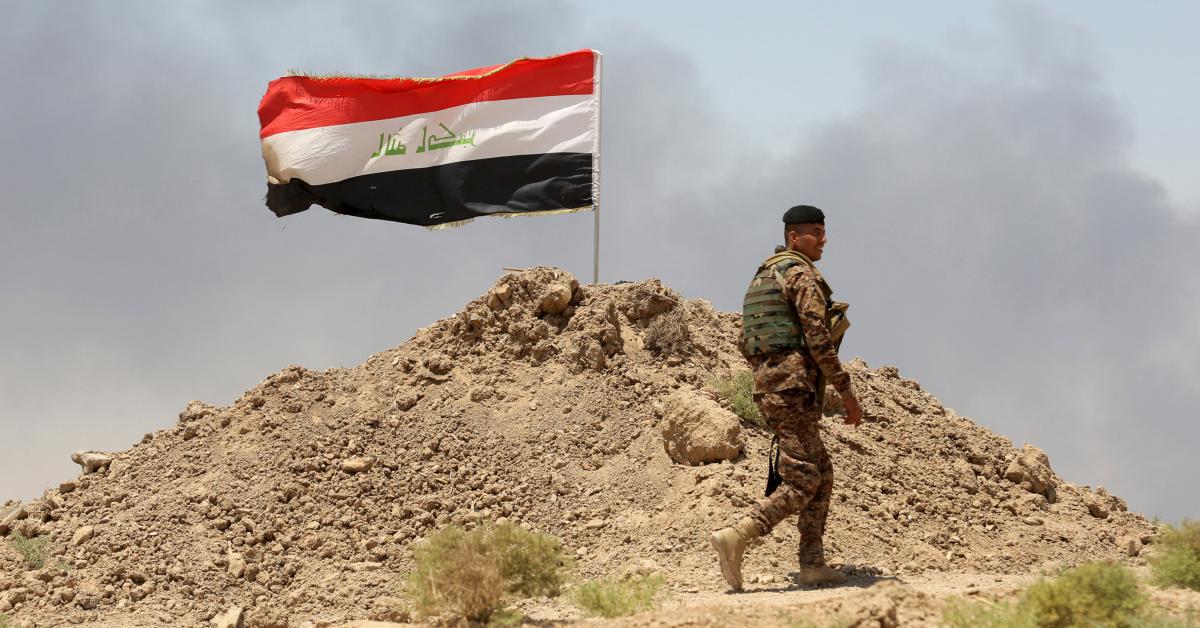
    Following the order, two Iraqi military brigades were deployed along the common borders of Iraq with Iran and Turkey.

    It is said that despite the presence of Peshmerga forces, the Iraqi border guards took control of the border areas. This measure was taken following several meetings and an agreement between the Baghdad authorities and Iraqi Kurdistan Region in recent days. According to this agreement, the Iraqi border guards will not enter the border crossings under the control of Kurdistan Region armed forces, known as the Peshmerga.

    It is worth noting that deployment of Iraqi border guards along the common borders with Iran and Turkey was discussed in the recent meeting of Iraqi Prime Minister Mohammad Shia al-Sudani with senior Iranian officials.

    Read more:
    Is Iran marching to Iraq Kurdistan Region to suppress terrorism?!
    Iran’s warning to Iraq: Remove the terrorist groups from the Kurdistan Region!

  • Senior IRGC Officer Died in Damascus; Israel to Blame

    Senior IRGC Officer Died in Damascus; Israel to Blame

    On November 22, the public relations department of the Islamic Revolutionary Guard Corps announced:

    “The brave guardian of Islam, General Dawood Jafari, one of the advisors of the Islamic Revolutionary Guard Corps Aerospace Force in Syria, was martyred by the accomplices of the Zionist regime due to the explosion of a roadside bomb near Damascus.”

    Up to this moment, more details about the exact manner and place of his martyrdom have not been published, but it is possible that Martyr Jafari was identified by Zionist elements and killed in a targeted assassination, and the announcement by the IRGC that the Israeli regime was involved in the incident strengthens this possibility.

  • Iranian missiles pounds terrorist positions in Kurdistan region!

    Iranian missiles pounds terrorist positions in Kurdistan region!

    According to the latest information obtained from the early morning attack of the Iranian Armed Forces on the military positions of terrorist groups in the Kurdistan Region, the Koysinjaq area, the Jazhnikan camp in northern suburbs of Erbil city and two other headquarters in the Zargoiz and Bangora areas in southern suburbs of Sulaimaniyah city were targeted with several missiles and Shahed-136 (or 131) suicide drones.

    So far, no information has been released about the exact amount of casualties and damages of these attacks, but it is said that a member of the Kurdish Democratic Party of Iran (KDPI) terrorist group named “Behzad Iskat” was killed in the attacks.

    Behzad Iskat, a member of the KDPI terrorist group which was killed as a result of attacks on terrorist positions in the Kurdistan region of Iraq

    Nasser Kanani, the spokesman of the Ministry of Foreign Affairs of Iran said this morning during a meeting with journalists in response to today’s attacks by the Iranian armed forces on terrorist positions in the Kurdistan Region of Iraq:

    “Iran’s expectation is definitely that there will be no threat to Iran’s national security from Iraqi territory and that Iraq should not be used as a place and base of threat against Iran. We expect that the Iraqi government and local government officials of the Kurdistan region to fulfill their international responsibilities and fulfill the commitments they made in the framework of bilateral negotiations with Iran. However, despite the repeated promises that we received from the Iraqi and regional government officials, this did not happen, and as a result, Iran is acting based on its legal rights to protect the security of its borders, land and citizens, to provide security and repel threats.”

    On the other hand, the Kurdistan Regional Government issued a statement strongly condemning today’s attack by Iran’s armed forces and considered it a repeated violation of Iraq’s territorial sovereignty and against the principles of good neighborliness. In this statement, they asked Iran to end these attacks.

    The new round of attacks by Iran’s armed forces on the positions of terrorist groups based in the Kurdistan region of Iraq began while a while ago the US media “Associated Press” quoted informed sources and claimed that General Ismail Qaani, the commander of the IRGC Quds Force, in his recent trip to Iraq, in addition to warning the Iraqi authorities, has stated that if the terrorist groups in the Kurdistan region are not disarmed and the Iraqi army forces are not stationed on the common border between Iran and the Kurdistan region, the Iranian armed forces will start ground operations in northern Iraq!

    Read more: Is Iran marching to Iraq Kurdistan Region to suppress terrorism?!

    It is worth mentioning that last night’s attacks were the third round of attacks by Iranian armed forces against terrorist groups in northern Iraq. The first round of attacks took place on September 28, during which 15 militia members were killed and 24 others were injured. In the second round of attacks on November 14, Sidakan heights, south of Sulaymaniyah and the outskirts of Koysinjaq were targeted and at least two members of the Kurdistan Democratic Party of Iran terrorist group were killed and 10 others were injured.

    Read more:
    Iran missile and drone attacks on terrorist groups in Iraq’s Kurdistan + Video
    Iran missile and drone attacks against terrorist groups in the Kurdistan region + Video

    Footages of Iranian missile and drone attacks on KDPI terrorist group in the Kurdistan region of Iraq
    Click to view full size
  • Is Iran marching to Iraq Kurdistan Region to suppress terrorism?!

    Is Iran marching to Iraq Kurdistan Region to suppress terrorism?!

    Late last week, after the Iranian armed forces drone and missile attacks against the positions of terrorist groups in the Kurdistan region of Iraq, General Ismail Qaani, the commander of the IRGC Quds Force arrived in Baghdad to meet and talk with senior Iraqi officials. During this trip, General Qaani met and talked with the President Abdul Latif Rashid, Mohammad Shia al-Sudani, the Prime Minister of Iraq, as well as some other Iraqi officials and personalities.

    After these meetings, the US media “Associated Press” quoting informed sources claimed that “General Qaani, while warning the Iraqi authorities, stated that if the terrorist groups in the Kurdistan region are not disarmed and the Iraqi army forces are not deployed on the common border between Iran and the Kurdistan Region, the Iranian armed forces will begin ground operations in northern Iraq!”

    The Associated Press continued to write, “It is not clear how serious Iran’s warning is, but this is the first time that Iranian authorities, after months of conflict with armed groups based in the Kurdistan Region and asking Iraq to disarm terrorist groups active in northern Iraq, openly threaten to start a ground operation.”

    Although the senior officials of Iran and Iraq have not commented in this regard, but assuming the truth of the claim of this US media and considering the recent attacks of the Iranian armed forces against the terrorist groups based in the Kurdistan region, we understand that these actions show a serious determination, And the new decisions of the Iranian authorities are to deal with terrorist groups in this region. This decision has become more serious, especially after the revelation of the role and involvement of these terrorist groups in the recent unrest in Iran. Therefore, it seems that in the near future, the Iranian armed forces will start a new round of attacks against terrorist groups in the Kurdistan region of Iraq, and the terrorists in the region must wait for the hot days to come!