ISIS terrorists have carried out 72 attacks against the Syrian Democratic Forces (SDF), 41 attacks against the Syrian army forces, 7 attacks against Iran-backed forces, and 9 attacks against Syrian civilians, most of which took place in the Deir ez-Zor Governorate and the desert of Homs Governorate.
In total, ISIS terrorists targeted 400 individuals, both military and civilian, in various operations. Among these individuals, 192, including 119 Syrian soldiers, 35 SDF forces, 11 Iran-backed forces, and 5 Syrian National Defense Forces members lost their lives. Additionally, 208 individuals, including 46 SDF forces, 146 Syrian soldiers, and 6 Iran-backed forces, were injured during these terrorist attacks.
It is vital to mention that since the beginning of the year 2024, the number of ISIS operations in Syria has increased compared to 2023. The ISIS group has conducted terrorist attacks against SDF forces, the Syrian army, and their allies to prove that it is an organized entity. Despite continuous operations and clearing of various areas in Syria, ISIS has maintained its operational capabilities.
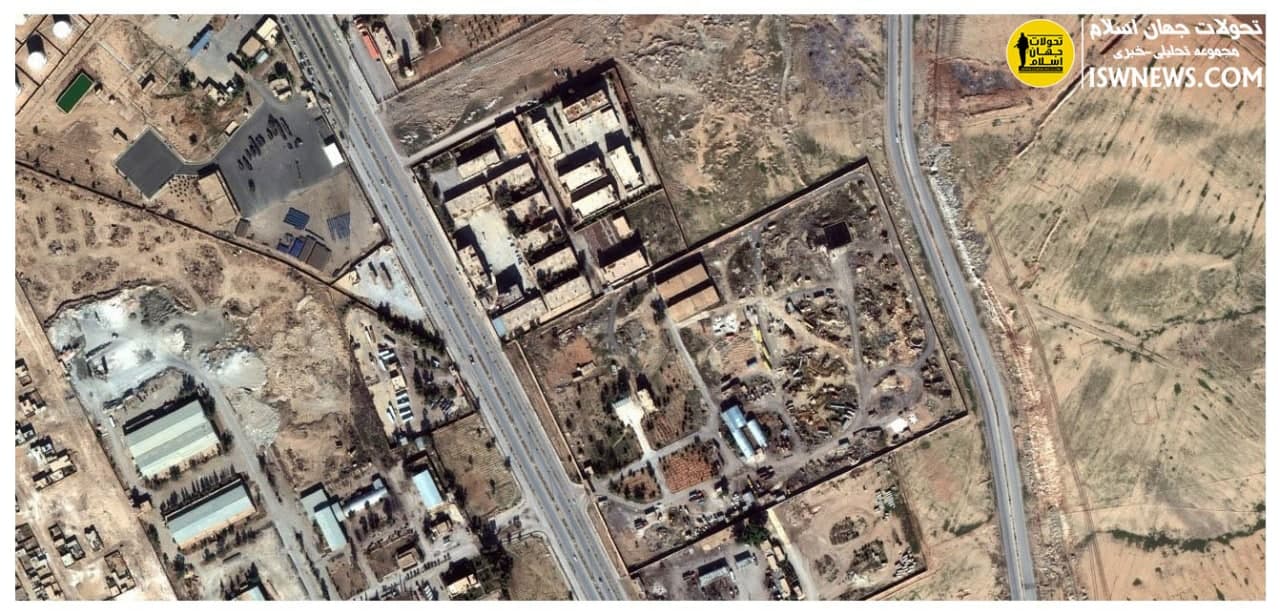
The Syrian Democratic Forces (SDF) and YPG internal security forces have not had much success despite US coalition air support and the bombing of ISIS points in and around al-Sina’a prison, and ISIS terrorists continue to resist.
Since yesterday, US coalition drones have been flying extensively over al-Sina’a prison and surrounding neighborhoods, and US coalition carrying out precision strikes against ISIS elements in the area.
Sources close to the SDF claimed that 13 ISIS elements were killed and two others were detained during a security operation on Sunday morning in Hasakah city. Also, the Syrian Democratic Forces arrested three ISIS members who were trying to enter the city of Hasakah. One of the detainees is an Egyptian national.
The deployment of US coalition forces and equipment to the city of Hasakah continues.
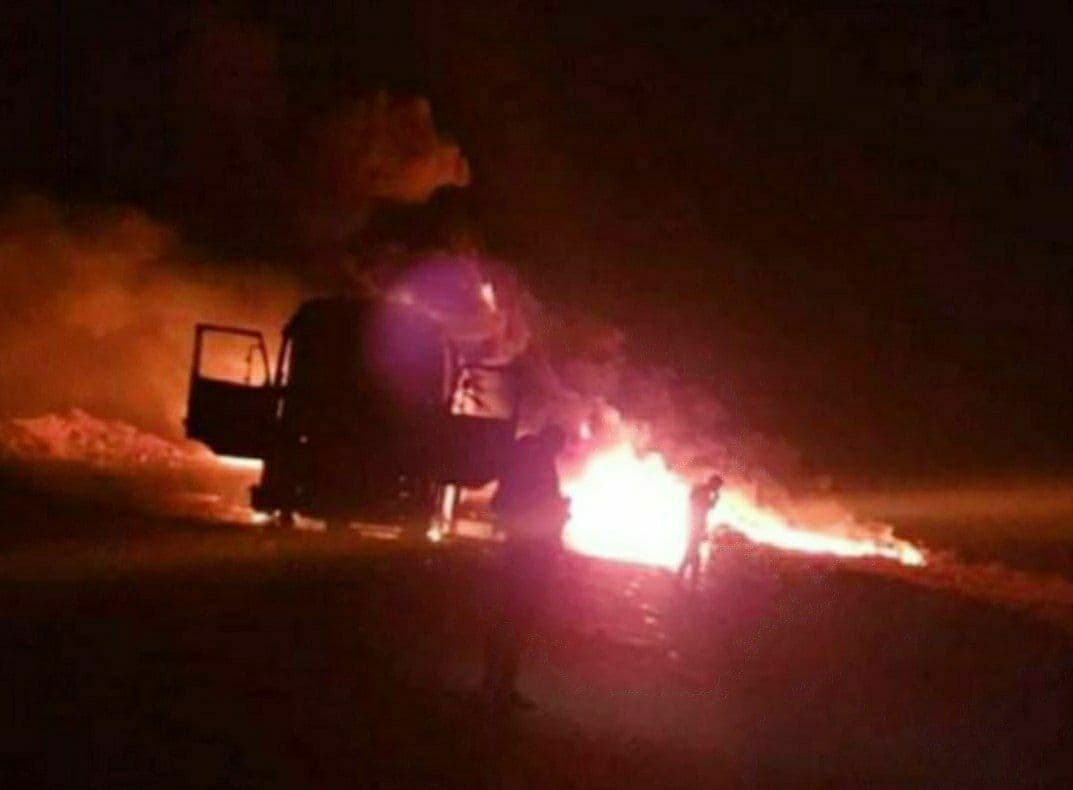
ISIS said in a statement that the attack on al-Sina’a prison was carried out by two suicide bombers, Abu Abdul-Rahman, and Abu al-Faruq al-Muhajerin, and that ISIS terrorists attacked the prison from four directions. At the beginning of the attack, fuel tanks around the prison were blown up to disrupt air support for Kurdish militants. ISIS media also claimed that more than 800 members of the terrorist group had escaped from al-Sina’a prison, and that a number of prison staff had been taken prisoner.
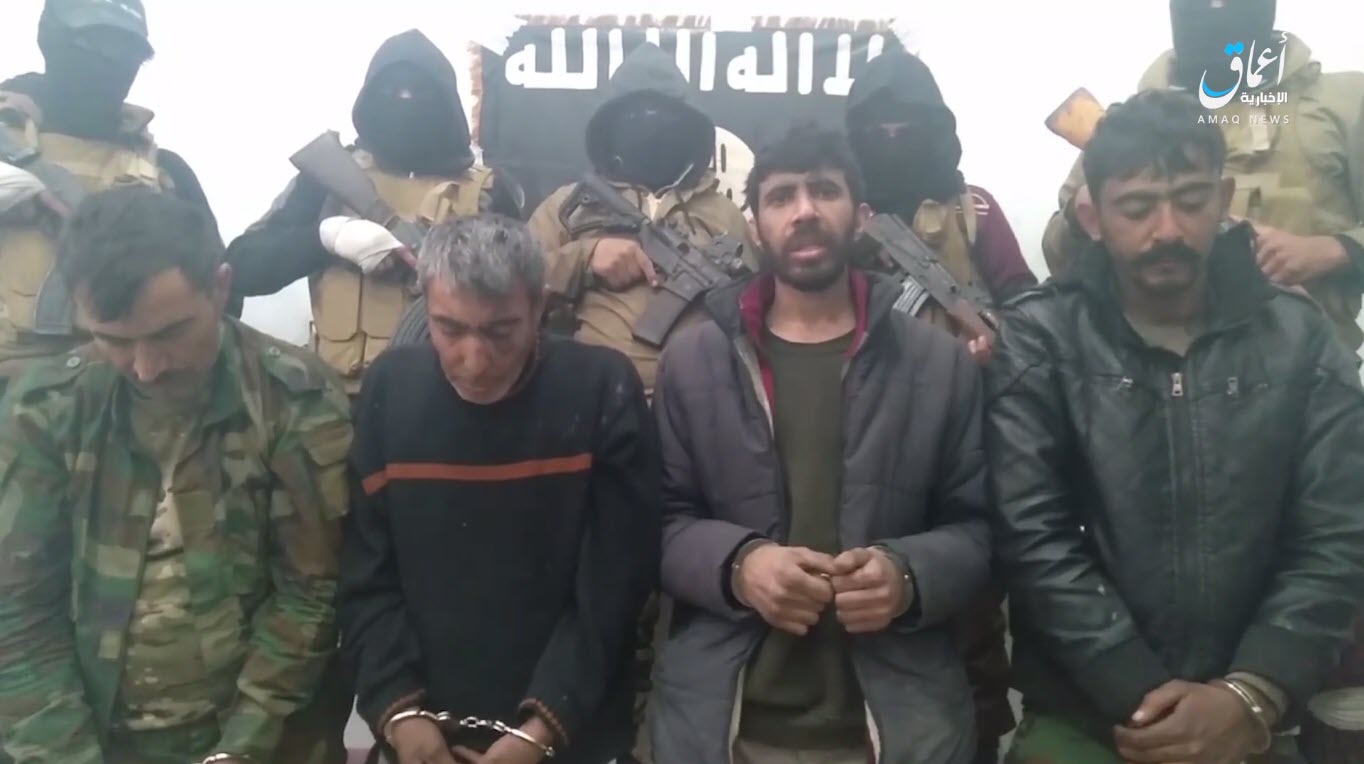
It is worth noting that after the ISIS released pictures of the prisoners of the attack, the families of the Kurdish prisoners gathered in the city of Hasakah and called on the SDF and the American coalition to take more effective measures to free the prisoners.
SDF announced curfew in al-Zahour neighborhood due to the escape of large numbers of ISIS prisoners, as well as the hiding of ISIS elements among civilians in Hasakah.
ISIS attack on the prison appears to have been more than just the release of prisoners, and the terrorist group’s five-day resistance to ground and air strikes shows accurate planning in support, intelligence, attack and defense before the attack. On the other hand, we are witnessing increase of ISIS activities in different parts of Iraq and Syria, and there is a possibility that other scenarios will start in other parts of the region.
Last night, following clashes between ISIS elements and Kurdish militias in al-Sina’a prison, the Syrian Democratic Forces and YPG forces temporarily seized control of several points on the north side of the prison and confronted ISIS elements. Hours later, exchanges of fire intensified and Kurdish militants withdrew.
ISIS terrorists carried out suicide operations against SDF forces, reducing the pressure on the siege and capturing a number of guards at al-Sina’a prison.
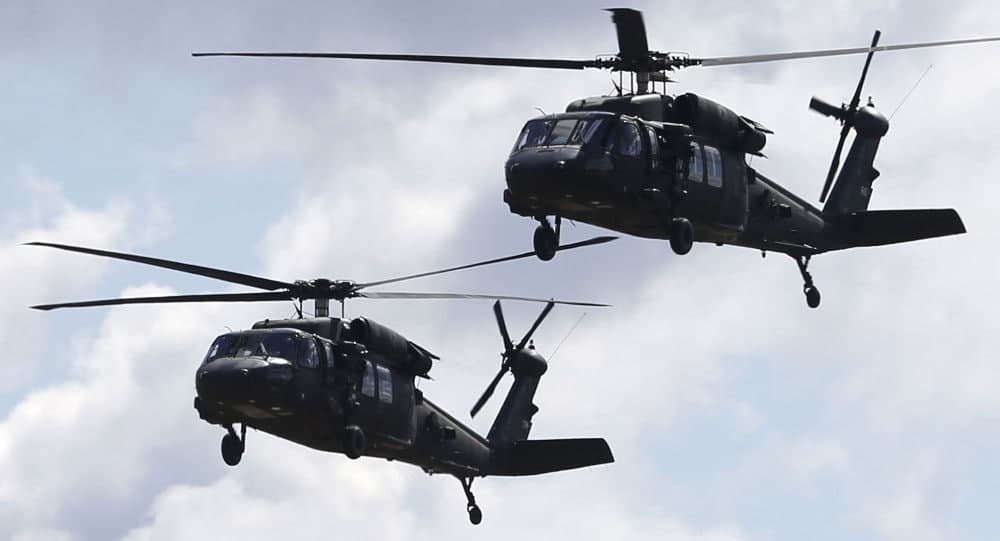
As the clashes escalated, Kurdish militias sent reinforcements from the cities of Raqqa and Manbij to Hasakah to control the situation and counter ISIS elements. US coalition helicopters and fighter jets in support of Kurdish militants targeted ISIS strongholds.
Although sources close to the Syrian Democratic Forces put the number of SDF casualties in the clashes at 17 dead and 23 wounded and the number of ISIS casualties at 22, field sources said that the actual number was higher and that about 30 Kurdish militants had been killed so far. Many of the injured were taken to Hasakah and Qamishli hospitals, and medical sources said they needed blood to treat the wounded.
The Syrian Democratic Forces and YPG internal security forces also identified and clashed with several groups of ISIS elements seeking to assist terrorists inside and around al-Sina’a prison in the northern and western suburbs of Hasakah.
Despite airstrikes and US coalition artillery attacks around al-Sina’a prison, ISIS elements are resisting and Kurdish militants have made little progress. Clashes continue in and around al-Sina’a prison, and Kurdish militants have announced that the prison and surrounding areas will be under SDF control in the next few hours.
It is worth mentioning that the release of video of clashes, the captivity of the guards of al-Sina’a prison, the bodies of the killed by ISIS, have had a devastating effect on the forces present on the front lines of the fight against ISIS elements.
A video of the presence of ISIS elements in Al-Sina’a prisonISIS released video of those killed in prisonISIS has released a video claiming to have captured a number of Kurdish militants.US coalition helicopters fly over conflict areas
A few days ago, ISIS elements ambushed a Syrian army patrol convoy in the Deir Ezzor desert and clashed with Syrian army forces, during which seven Syrian Army soldiers were killed and several Syrian military armored vehicles were destroyed.
The Syrian desert is still witnessing heavy fighting despite extensive air and ground operations by the Syrian army and its allies against ISIS hideouts. This shows that the tactics and decisions of the Syrian army to deal with the ISIS remnants in the Syrian desert are not effective enough and it must implement new plans to deal with the terrorists.
WARNING: The following content, contains images that may be disturbing to some readers.
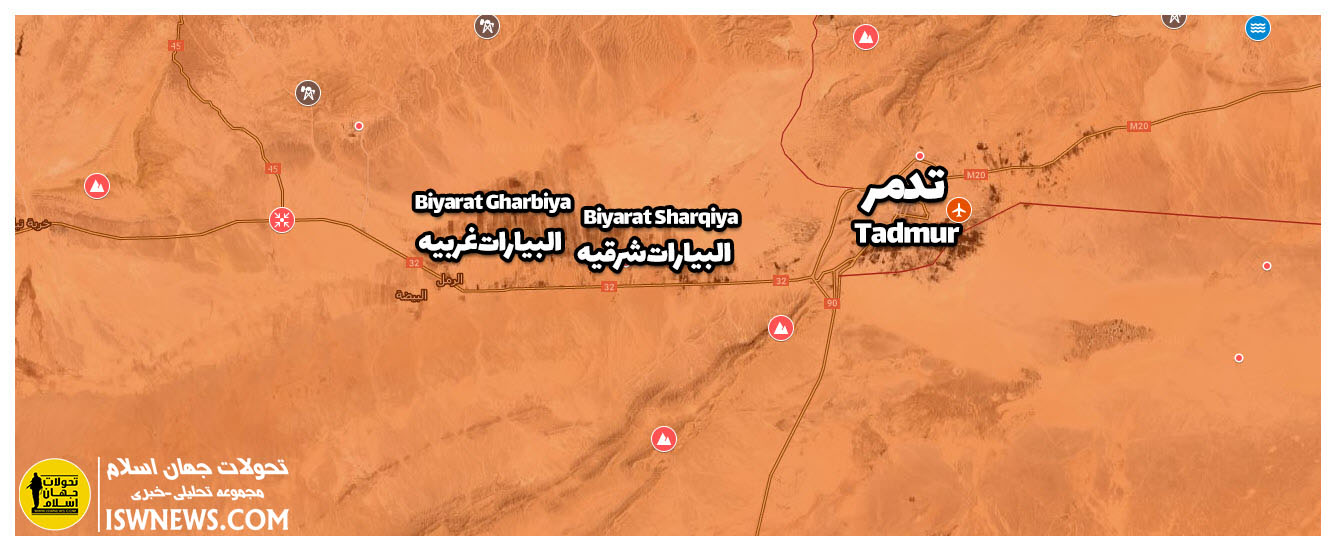
On November 1, ISIS elements in a Syrian government-flagged military vehicle approached a Syrian Army checkpoint near al-Birat road at the entrance to the city of Tadmor and opened fire on Syrian Army forces, killing two SAA members. After the exchange of fire, ISIS lowered the Syrian government flag and raised ISIS flags. At the end of the clashes, ISIS forces fled to the desert of Homs.
The Syrian desert continues to experience heavy fighting, despite extensive air and ground operations by the Syrian army and its allies against ISIS hideouts. This shows that the tactics and decisions of the Syrian army to deal with the ISIS cells in the Syrian desert are not effective enough and it must implement new plans to deal with the threats.
Russian warplanes attacks on ISIS positions and hideouts in the Syrian desert began on Sunday, October 17th. In the last 48 hours, 55 airstrikes have been carried out against ISIS, killing at least 15 ISIS terrorists.
The ground operations of the Syrian army and its allies with the air support of Russian and Syrian aircraft continue in the Syrian desert against the ISIS cells. These efforts made while the ISIS activities such as IED attacks and surprise attacks on the SAA positions and other types of hostile actions continue in the area.
In recent days, Russian air operations in the eastern deserts of Syria in the provinces of Homs, Deir Ezzor and southern al-Raqqa have increased dramatically. According to the latest field information, at least 20 ISIS members have been killed and many more wounded in more than 40 airstrikes in the past two days.
Most airstrikes are carried out in areas such as the deserts around Ithriya, al-Rasafah, al-Sukhnah and the deserts around the city of Tadmur, as well as the eastern deserts of Deir Ezzor against ISIS gatherings, positions and hideouts.
It is worth mentioning that so far, several clearing operations have been carried out by the Syrian army with the support of its allies in the desert areas of eastern Syria. Nevertheless, despite the efforts made, the threat of ISIS cells in the eastern deserts of Syria is still high, and we see attacks of ISIS against the personnel, armored vehicles and small posts of the Syrian army and the resistance forces in these areas on a weekly and monthly basis.
Of course, this issue is not limited to the areas controlled by the Syrian government south of the Euphrates River, and the northern areas of the Euphrates River, where it is under constant surveillance by US and SDF forces, are not free of ISIS threats and witness daily and weekly movements and operations.
In this regard, it seems that a special and long-term redesign and action plan is needed to clear the eastern deserts of Syria and to minimize ISIS activities in these areas; A plan to be implemented jointly by Iraqi and Syrian forces on both sides of the border.
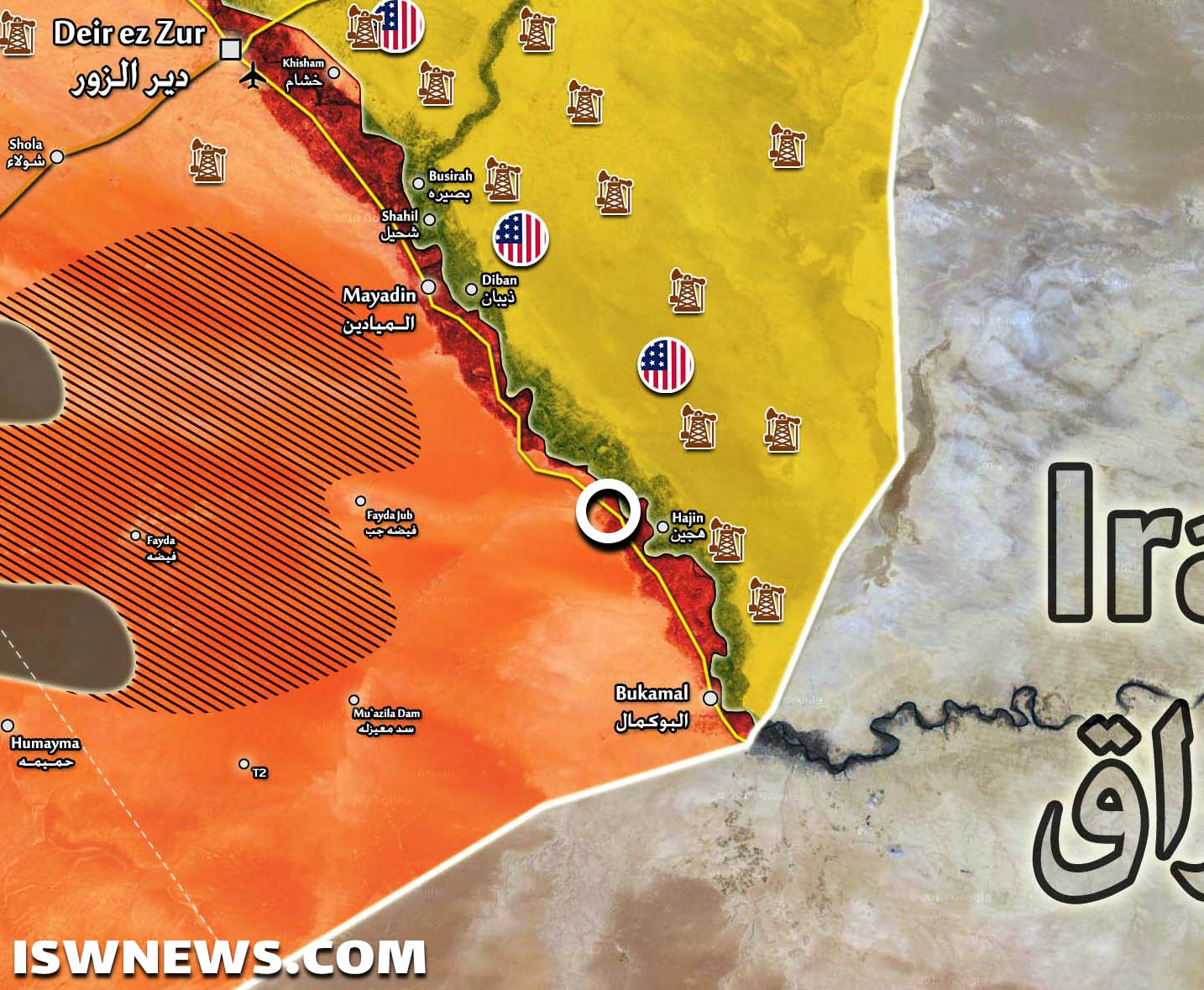
ISIS terrorists attacked Hashemiyon forces at the gate of the town Salehiyah, west of Al-Bukamal and after one hour of the conflict escaped to southern deserts. In this attack four of Hashemiyon forces and 13 others wounded. The wounded transported to a hospital in Mayadin.
Yesterday Russian warplanes also attacked ISIS hideouts in Shola area, south of Deir Ezzor.
Regarding Hashemiyon forces, it is noteworthy that the members of this group are mainly from Syrian inhabitants of Deir Ezzor province and they mainly take position in Deir Ezzor and Mayadin towns and southern bank of Euphrates.
Deir Ezzor desert is one of the main areas that hidden ISIS cores are active and so far many of Syrian soldiers and the Resistance Axis forces have been martyred in these conflicts.
After several years of war in Syria and Iraq, there is many evidences of US support for armed and terrorist groups in the region. The United States claims that it is fighting terrorists in Iraq, Syria, and other countries, but according to documents released during the years of war in Iraq and Syria, not only this claim is completely false, but the US regime is involved in forming, equipping, organizing and providing intelligence and logistical support to terrorist groups, and it is one of the main parties in the spread of insecurity and crime in Iraq and Syria.
In recent months, the US military has transferred ISIS operatives to Iraq and Syria and played an effective role in increasing the activities and attacks of this terrorists against the Syrian and Iraqi militaries and carrying out terrorist attacks among civilians.
In the latest move by US forces in support of ISIS terrorists, two American helicopters transported 10 ISIS terrorists to Syrian desert. Earlier, the terrorists were transferred from Ghowairan Prison in Hasakah to a US coalition base in al-Shaddadi.
In recent months, the transfer of ISIS operatives by US troops from prisons run by the Syrian Democratic Forces (SDF) to their bases in Syria and Iraq has increased.
Given the simultaneous transfer of these terrorists to Syria and Iraq and the increase in ISIS activities, this indicates a renewed US effort to revive the terrorist group to continue its occupation and oil theft in Syria under the pretext of fighting terrorism and expand its military presence in Syria and Iraq.
According to information provided by ISIS, in 2020, 593 attacks were carried out against the Syrian Democratic Forces, the Syrian Army and other Syrian militants, and a total of 1327 people lost their lives or were injured in these attacks. Also, 292 armored, military and transport vehicles were destroyed or damaged by ISIS.
Statistics from 2020 have been released while since the beginning of 2021, the ISIS group has significantly increased its activities, including ambushes, booby traps and limited operations in the Syrian desert.
It seems that this terrorist group does not seek to occupy government-controlled positions and areas, but with these limited and surprising operations, it seeks casualties from the Syrian army and wants to continue its presence and guarantee its future presence in these areas.
Since the beginning of 2021, at least 44 Syrian troops have been killed in ISIS attacks in the Syrian desert, most of them in the eastern desert of Hama, and Russian fighter jets have bombed ISIS positions in the Syrian desert more than 400 times.
Syrian Army forces are also searching for ISIS hideouts, which have caused ambushes and explosive traps in recent days, causing damage to army forces in the al-Rahjan area and the Ithiriya road.
On the other hand, the fate SAA forces who were on the bus that was ambushed by ISIS on Ithiriya road is still unknown and it is not clear whether the Syrian Army forces were martyred or captured by ISIS.
Last week also nine people were killed and four others were injured when an ISIS terrorists attacked a bus carrying civilians in the Syrian desert.
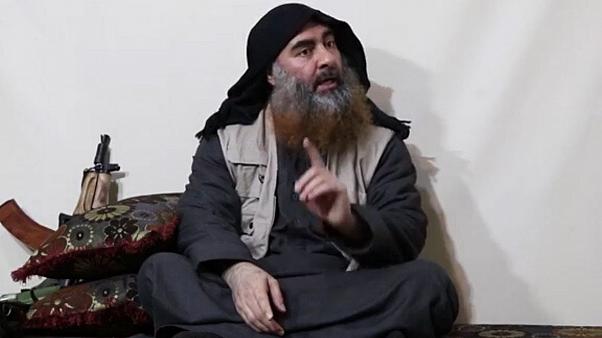
According to US sources, US special forces have identified al-Baghdadi’s location in the village of Barisha on the western outskirts of Sarmada (north of Idlib and near the Turkish border), and attack helicopters dispatched to the area and bombed the al-Baghdadi’s location.
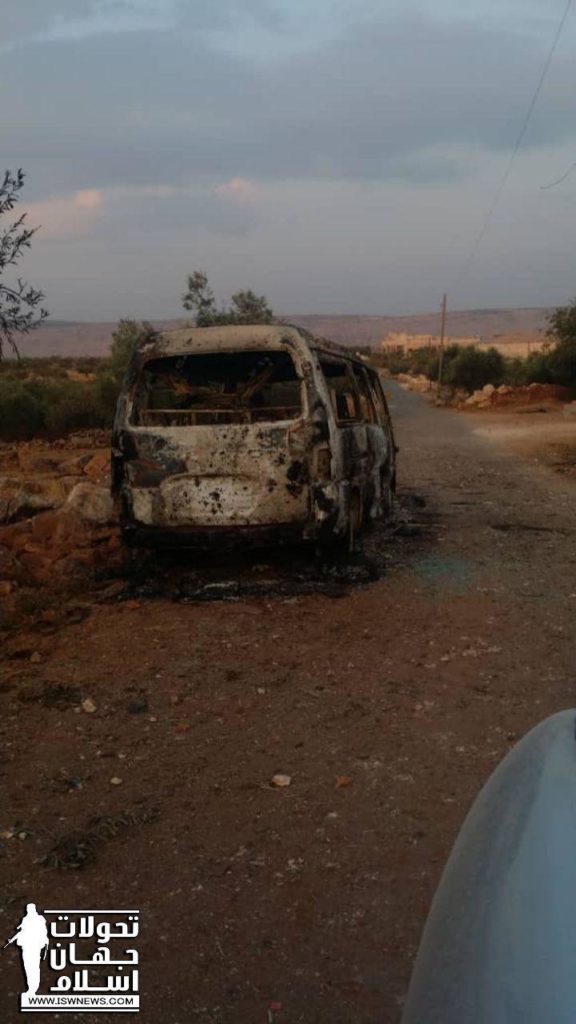
Militants media published a video showing the location of the attack in Barisha village. ISIS media has not yet released any news on this claims.
A picture of a car allegedly belongs to Baghdadi.
US military sources claim four ISIS members were killed along al-Baghdadi, and his wife and children.