It has a microjet engine with 600 km/h and a 7 kg warhead. The missile enjoys a “Fire-and-forget” guidance system and has a 30 km range. The main drawback is the optical seeker that only works in clear daylight conditions. The error of the missile was reported to be 1 m.
The operational condition is unknown and it seems to be only loaded on “Kaman 12” drone.
Specifications:
Weight: 27 kg
Warhead weight: 7 kg
Range: 30 km
Max speed: 600 km/h
Length: 1.7 m
Diameter: 13 cm
Guidance: optical
Tag: Military Knowledge
-

Military Knowledge: Air-to-surface missile “Akhgar”
-
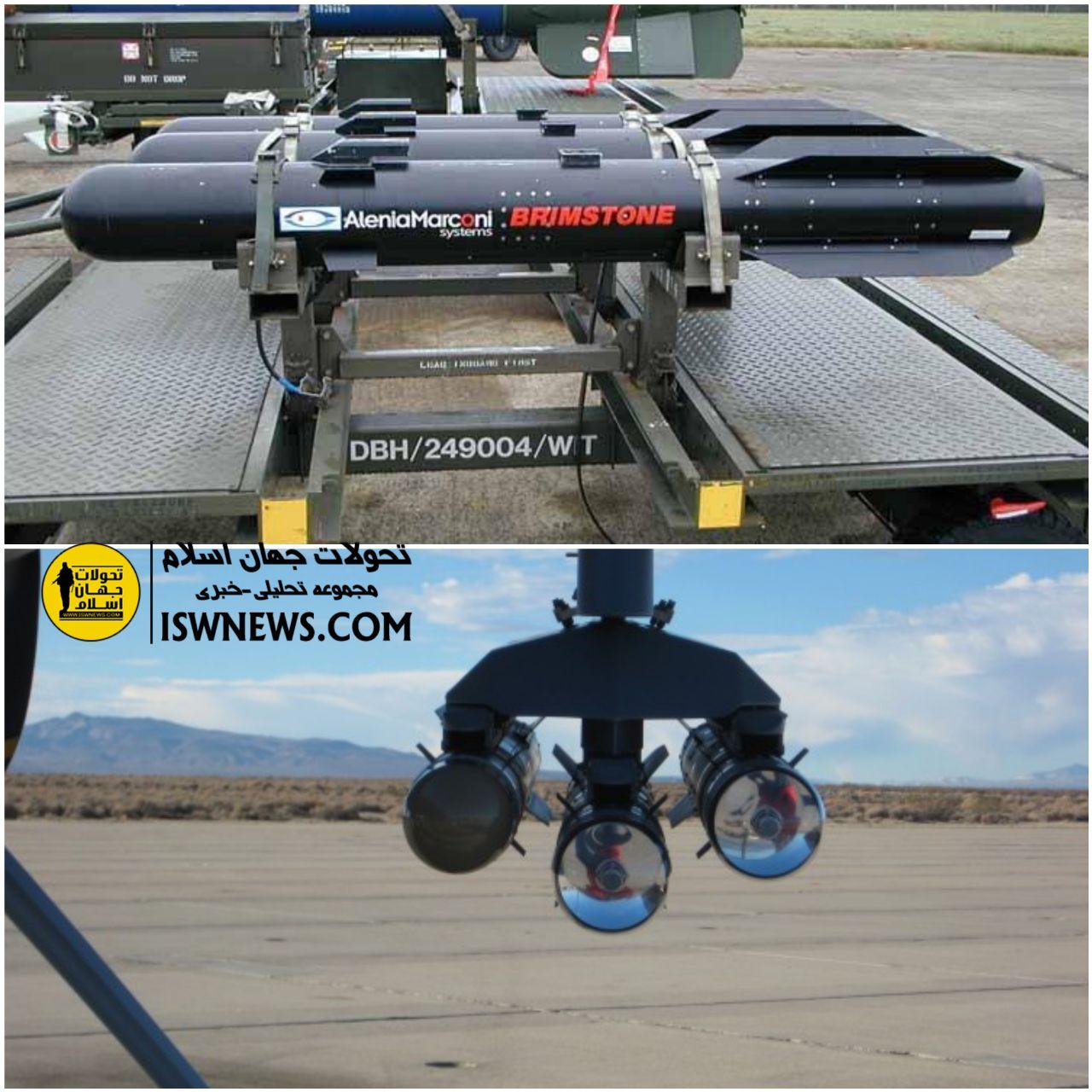
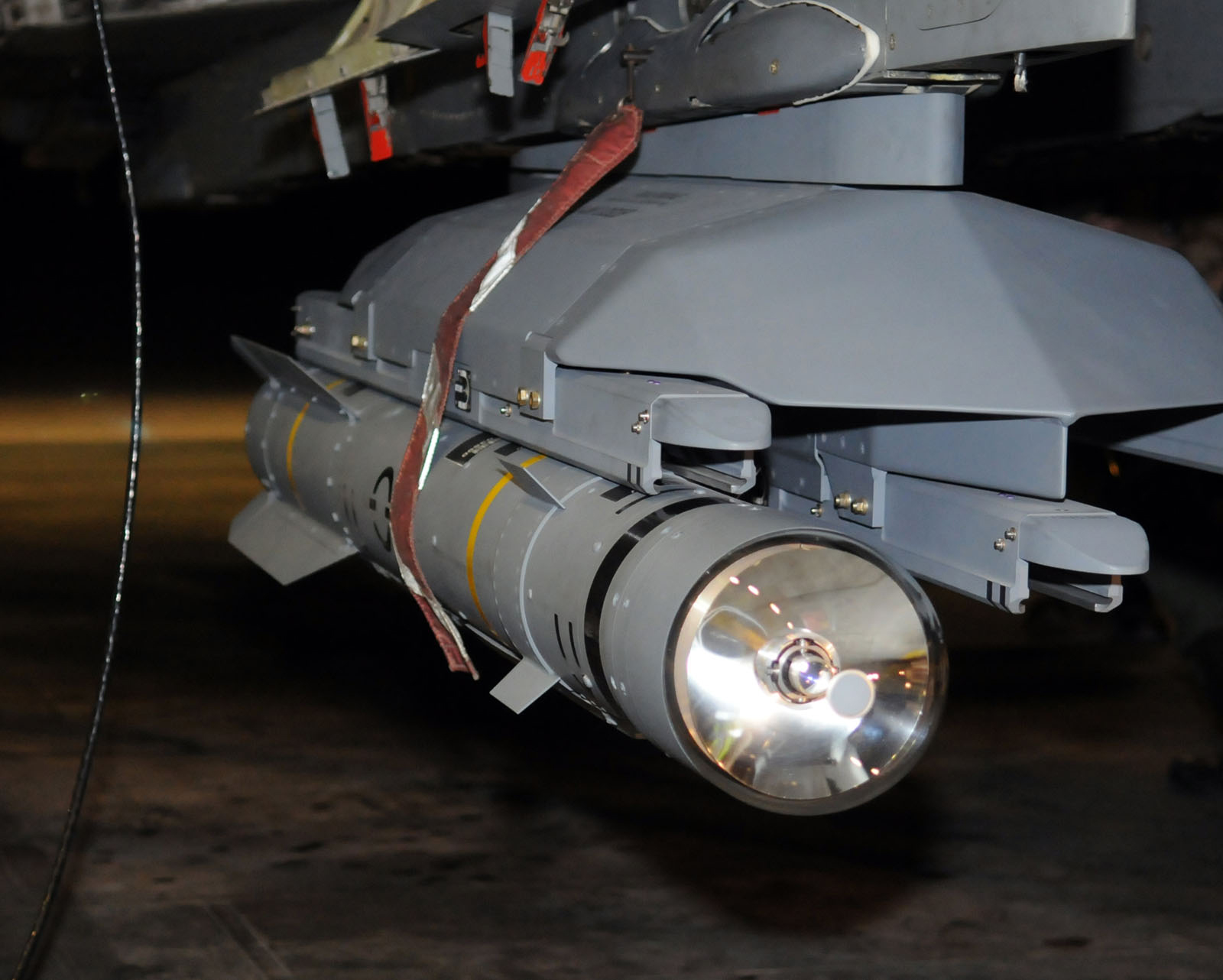
Military Knowledge: Brimstone Missile
The weapon flies at low level, using its on-board navigation systems to head for the target and searching, using its radar, to distinguish between valid and non-valid targets.
Brimstone can be programmed to start searching only in target areas, limiting risks to friendly forces.
It is powered by a rocket motor and can seek and destroy targets at long range. Ground acquisition and target recognition are achieved by a millimetric wave radar seeker.
The weapon locks onto a target after launch and is designed for the attack and destruction of armoured targets.
Steerable fins guide the missile towards the target with final impact causing a tandem charge warhead to detonate.
The first, smaller warhead nullifies reactive armour, allowing the follow-through charge to penetrate the main armour. It is designed to be carried by the Tornado GR4 and Typhoon F2.
The weapon can be used in Indirect and Direct modes. For Indirect attack weapons are launched when the targets and their position are not visible to the attacking aircraft. In Direct mode the pilot can use an on-board sighting system to select the target, which can lie off the aircraft’s track, so that pilots do not need to manoeuvrer to release weapons.
specification
Mass: 48.5 kg
Length: 1,800 mm
Diameter: 178 mm
Operational range:
Brimstone I: 20+ km from fixed wing, 12 km from rotor wing
Brimstone II: 60+ km from fixed wing, 40+ km from rotor wing
Maximum speed: Supersonic (~450m/s)


.
-

Military Knowledge: Kowsar Fighter Jet + Images
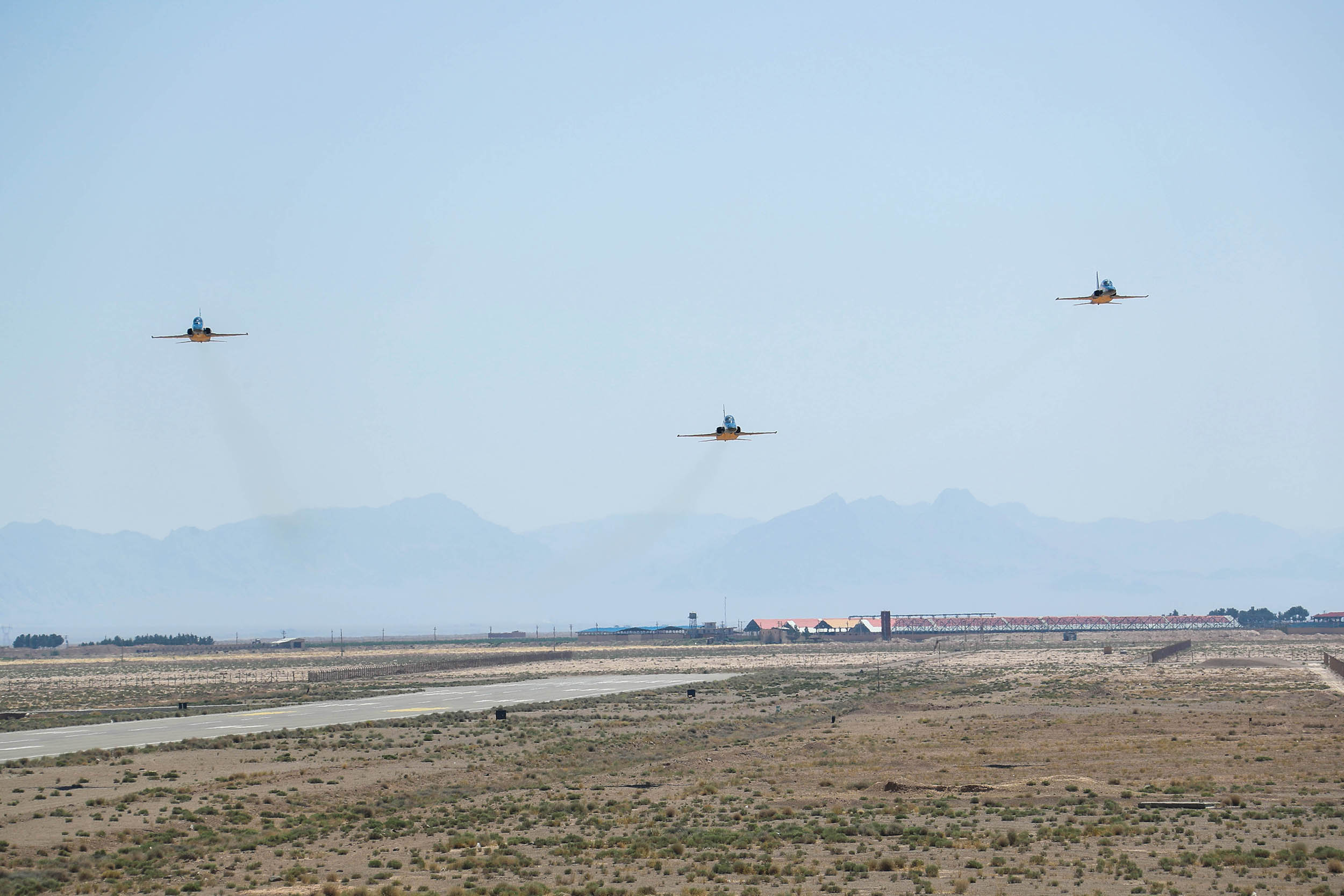
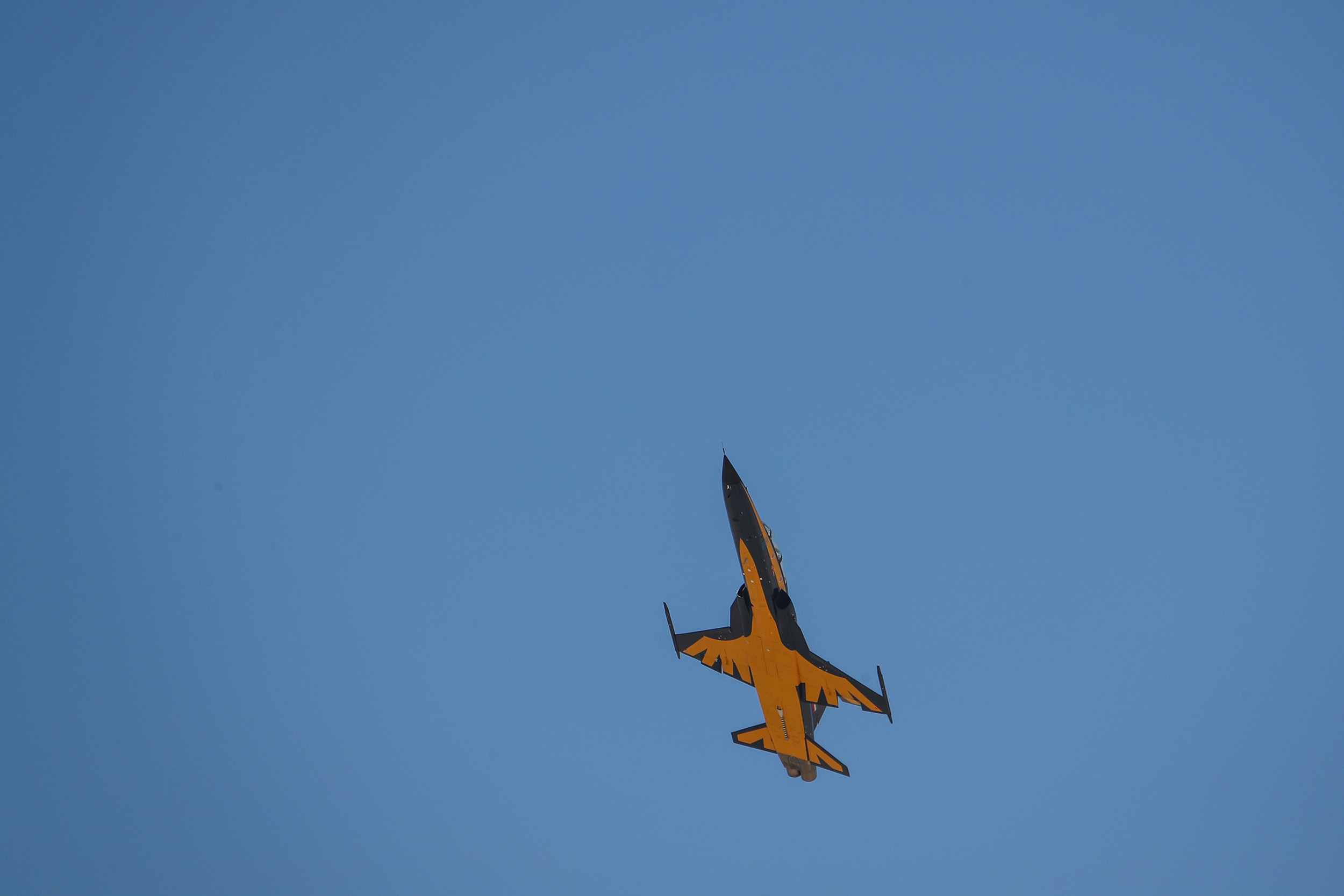
On June 25, 2020, during an official ceremony, three Kowsar fighter jets were delivered to the Iranian Air Force. Kowsar fighter is made in two types of single cabin and two cabins, the two-cabin type of which, in addition to combat capability, is used to train pilots in the advanced stage.
This fighter uses a native Iranian turbojet engine called “Owj”. Owj is the first jet engine made in Iran that can fly up to 50,000 feet and can be mounted on a variety of birds with a maximum lift weight of 10 tons. The fighter also uses advanced 4th generation avionics and fire control systems.Specifications:
Specifications:
– Crew: 2
– Length: 14.45 meters (47ft 4¾in)
– Wingspan: 26 feet 8 inches (8.13 meters) – 27 ft 11.875 in (8.53123 m) with wing-tip missiles
– Height: 4.08 meters (13ft 4½in)
– Wing area: 17.28 square meters (186 ft²)
– Empty weight: 4,349 kg (9,558lb)
– Gross weight: 7,157 kg (15,745lb)
– Max takeoff weight: 9,312 kg (20,486lb)
– Powerplant: 2× Owj afterburning turbojet engines (based on J85-GE-21B engine)
Performance
– Maximum speed: 1.6 Mach (917kn, 1,060mph, 1,700 km / h)
– The declared range by the Ministry of Defense: 1100 km (F5-E has a range of 1405 km)
– Combat radius (20 min reserve): 172 km with 2 Fatir missiles (Iranian Sidewinder model) plus 2400 kg of weapons, with 5 minutes combat at max power at sea level
– Ferry range: 2900 km with three external fuel tanks
– Ferry range (20 min reserve: 2000 km drop tanks retained
– Ferry range (20 min reserve: 2300 km drop tanks jettisoned
– Service ceiling: 15,800 meters (51,800 ft)
– Rate of climb: 175 meters per second (34,400 ft / min)
– Radar: Grifo radar (an Italian radar, Chinese model or its domestic production has been used) with a range of 93 km and the ability to engage with two simultaneous targets.
Armament
– Hardpoints: 7 total; 2× wing-tip AAM launch rails, 4× under-wing & 1× under-fuselage pylon stations with a capacity of 3200 kg.
– Cannon: One 20 mm cannon in the nose
– Missiles, Rockets and bombs: 2× 250 kg bombs or 5× 450 kg bombs or 2× 900 kg bombs and all kinds of Hydra rocket launchers and its Iranian models and Simorgh cluster bomb and up to 4 Fatir (Sidewinder) air-to-air missilesClick to see the full size photo -
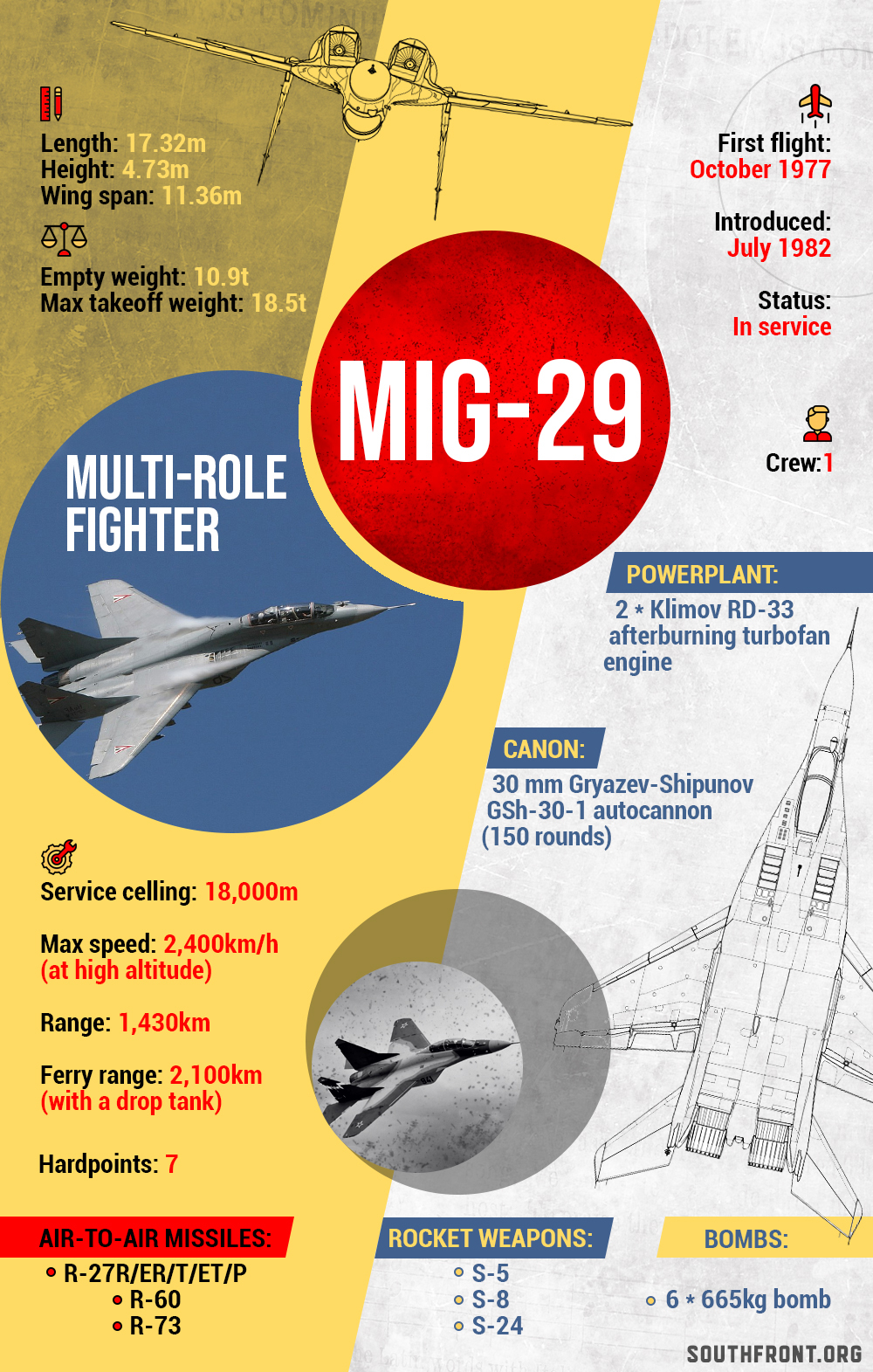
Military Knowledge: MiG-29 multirole fighter jet
Variants
MiG-29A: Initial production version; entered service in 1983. NATO reporting name is “Fulcrum-A”. MiG-29A is the Initial production model version for Warsaw Pact while the MiG-29B is the downgraded export version for non-Warsaw Pact nations. MiG-29A lacks a nuclear weapon delivery system and has initial production radar, ECM and IFF (no ECM and IFF in MiG-29B).
MiG-29UB: Twin seat training model. Infra-red sensor mounted only, no radar. NATO reporting code is “Fulcrum-B”. Export variant had downgraded systems similar to MiG-29A.
MiG-29S: The MiG-29S, given the NATO reporting code “Fulcrum-C”, features flight control system improvements; a total of four new computers provide better stability augmentation and controllability with an increase of 2° in angle of attack (AoA). An improved mechanical-hydraulic flight control system allows for greater control surface deflections. The MiG-29S has a dorsal hump, which led to its nickname “Fatback”, houses the L-203BE Gardenyia-1 ECM system. Improvements to software and processing capabilities enables the tracking of up to 10 targets and the simultaneous engagement of two with the R-77 missile. The MiG-29S also has a limited ground-attack capability.
MiG-29SE: Export model of MiG-29S with slightly downgraded N-019ME radar with multiple target tracking ability and RVV-AE (R-77 missile) compatibility. Its weapons mix includes R-27T1, R-27ER1 and R-27ET1 medium-range missiles. The aircraft can be fitted with active ECM systems, weapons guidance aids, improved built-in check and training systems. The MiG-29SE can simultaneously engage two air targets.
MiG-29SM: Similar to the MiG-29S, but with the ability to carry guided air-to-surface missiles and TV- and laser-guided bombs. NATO reporting code is “Fulcrum-C”.
MiG-29SMT: The MiG-29SMT is an upgrade package for first-generation MiG-29s containing enhancements intended for the MiG-29M variant. Additional fuel tanks in a further enlarged spine provide a maximum flight range of 2,100 km on internal fuel. The cockpit has an enhanced HOTAS design, two 152 × 203 mm (6 × 8-inch) colour liquid crystal MFDs and two smaller monochrome LCDs. The MiG-29A was not designed for an advanced air-to-ground capability, this is substantially improved by the SMT upgrade; features include air-to-ground radar detection and integrated air-to-ground guided weapons. The power plant are upgraded RD-33 ser.3 engines with afterburning thrust rated at 8,300 kgf (81.4 kN) each. The weapons load was increased to 4,500 kg on six underwing and one ventral hardpoints, with similar weapon choices as for the MiG-29M. The upgraded aircraft can also accommodate non-Russian origin avionics and weapons.Click to see the full size -

Military Knowledge: “Bayraktar TB2” Reconnaissance Combat Drone
The Bayraktar UAV initially developed by the Kale-Baykar, a joint venture between the Kale Group and Baykar Technologies and now the Bayraktar TB2 is built by Baykar Defense company specifically for Turkish Air Force using.
The Bayraktar TB2 drone can carry 4 MAM-L and MAM-C missiles manufactured by Roketsan defense company.
Rokestan is a major Turkish weapons manufacturer and defense contractor based in Turkey.
This drone is guided by the ground control station and now, is the second powerful drone in the Turkish military, after the TAI Anka drone.
The Bayraktar TB2 drone entered into service in 2014, after its first flight test and has been actively used in recent years, in the northern regions of Syria and Turkish military operations against Kurdish groups in north of Syria.
But Turkey direct military intervention in the Libyan war and active presence of this drone in supporting of the GNA against the Gen. Haftar forces, have made this drone famous.
Bayraktar TB2 specifications:
– Combat range: 6000 km
– Endurance: 24 hour
– Ceiling: 8,200 m (27,000 ft)
– Speed: 220 km
– Length: 6.5 m, wingspan: 12 m
– Armament: 4 MAM-L and MAM-C missiles
– Max Take Off Weight: 650 kg
– Mission: Surveillance and Reconnaissance
– Manufacturer: Baykar Defense, Presidency of Defense IndustriesClick to see the full size image Bayraktar TB2 flight test in Ukraine -

Military Knowledge: Jamaran Frigate
More ships in its class are under construction to be added to the Iranian fleets in the Caspian Sea and the Persian Gulf. The ship is designed for a crew of 140. Jamaran combines anti-submarine assets with other systems of weapons capable of dealing with surface and air threats as well.
It has 94.5 m length and maximum speed of 30 knots (56 km/h) carries 140 crew and helicopter. Jamaran was built using indigenous and foreign parts and collaboration of 120 universities and institutes. The engine is made by France but since the gearbox, shaft and propeller were not given against the contract, these parts including 12 m power shaft were designed and built by Iranian specialists.
Jamaran Specifications:
Length 94.5 m, Width 11 m
Crew: 140
Speed: 30 knots, 56 km/h
Operational range: 3,000 nautical miles (more than 5,500 km)
Aviation facilities: Helipad for a Bell 212 or SH-3 Sea King helicopter.
Armament:
2 × triple 324 mm torpedoes (Kuseh type)
1 × 76 mm Fajr-27 auto-cannon
2 × 20 mm Fath cannons
1 × 40 mm Fateh anti aircraft cannon
4 × surface-to-surface Noor, Qader, Qadir missiles
4× surface-to-air Mehrab missilesClick to see the full size map -

Military Knowledge: “Shahed 129” Reconnaissance Combat Drone
According to Major General Mohammad Ali Jafari, former commander-in-chief of the Iranian Revolutionary Guard Corps (IRGC), Shahed 129 performs reconnaissance and combat operations with a 24hr endurance and combat range of 1,700 km.
The control and guidance of this drone is done by fixed or mobile ground control station. Using a mobile control station that can be installed on a trailer or truck increases the useful and effective range of Shahed 129. Also, a version of this drone is equipped with a satellite guidance system.
Shahed 129 UCAV can use a wide range of bombs and missiles that are optimized for use in UAVs, however, Sadid bombs and missiles are mainly used for the Shahed 129. Sadid is the name of a family of Iranian guided bombs and missiles, designed and produced by the Iranian Revolutionary Guard Corps Aerospace Force. So far, various types of Sadid bombs and missiles have been developed by the IRGC.
Shahed-129 drone can carry eight bombs or four missiles. By installing Sadid guided bombs and missiles on this drone, the Shahed 129 drone can hit the desired targets in its operational area with the highest possible accuracy.


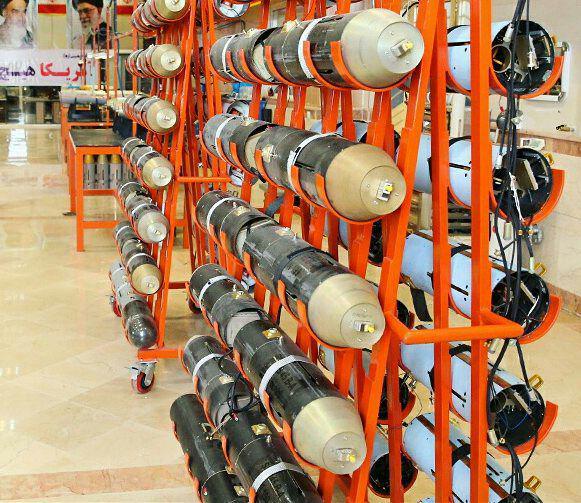


Images of some variants of Sadid guided bombs and missile family This UCAV is powered by a Rotax914 turboprop engine and has a flight ceiling of up to 7300 meters.
The Shahed-129 drone has been widely used by Iran and its allies in the battles of Syria and Iraq against Al-Qaeda and ISIS terrorists, and has a very brilliant but little-known operational history. Shahed 129 drones have so far carried out more than 1000 successful operations in Iraq and Syria.
Shahed 129 in action In February 2016, a new version of Shahed 129 was showcased, which was different from the previous Shahed129 drones. In this variant, there is an arc shape in the nose of the UAV, which is usually used in other drones as a place for the satellite antenna. Therefore, based on the information provided by General Hajizadeh, the commander of IRGC Aerospace Force, it can be said that this drone is equipped with a satellite guidance system, and this potentially increases the range and operational capabilities of the Shahed-129 drone.
Of course, at the time of the unveiling of this new type, Iran did not have a special military satellite to use this capability and exclusively guide Shahed 129 by a satellite. But it seems that this capability has been designed and implemented with foresight and forecasting the developments of the aerospace industry of the Iranian Armed Forces for the near future. Also, this capability allows Iran’s allies to benefit from its satellite guidance capabilities if this special variant is purchased and used.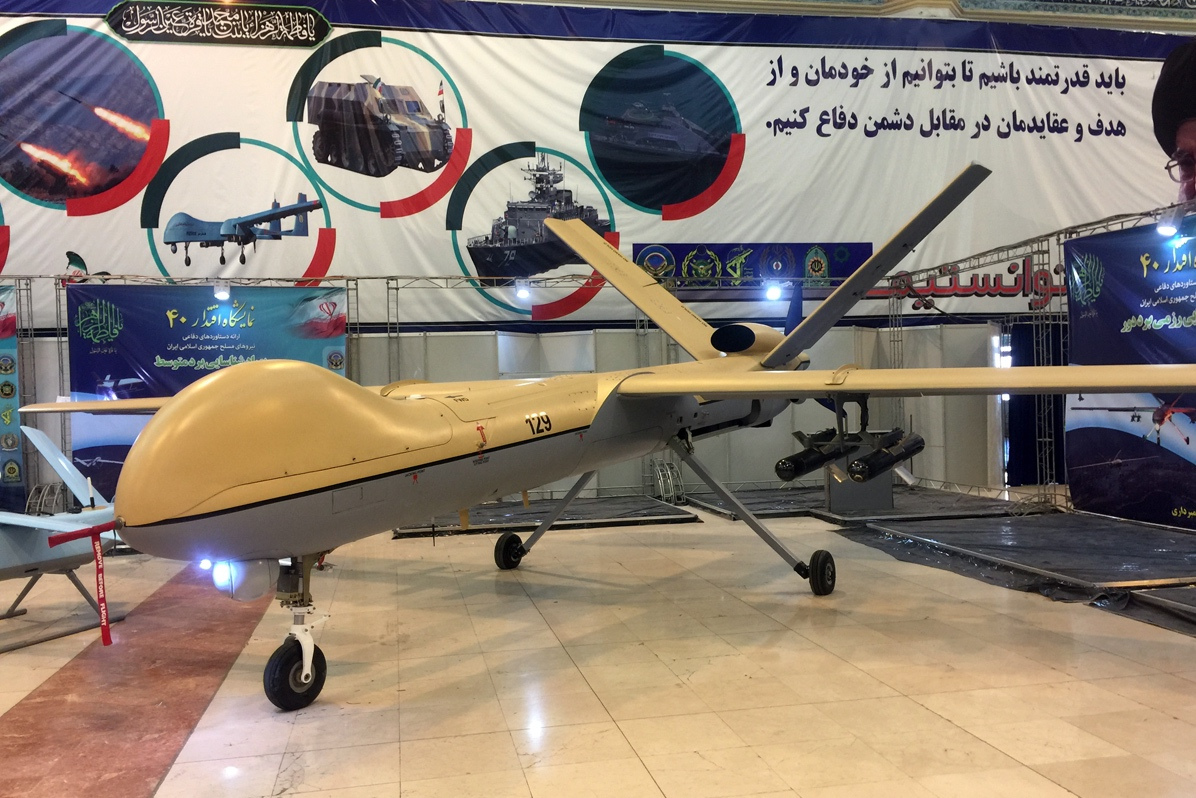


The new variant of Shahed 129 drone equipped with satellite guidance system It is also worth mentioning that in December 2019, the first marine variant of this drone, known as the Simorgh drone, was handed over to the Islamic Republic of Iran’s naval forces. This drone has been specially built and optimized for use in the Iranian Navy units.
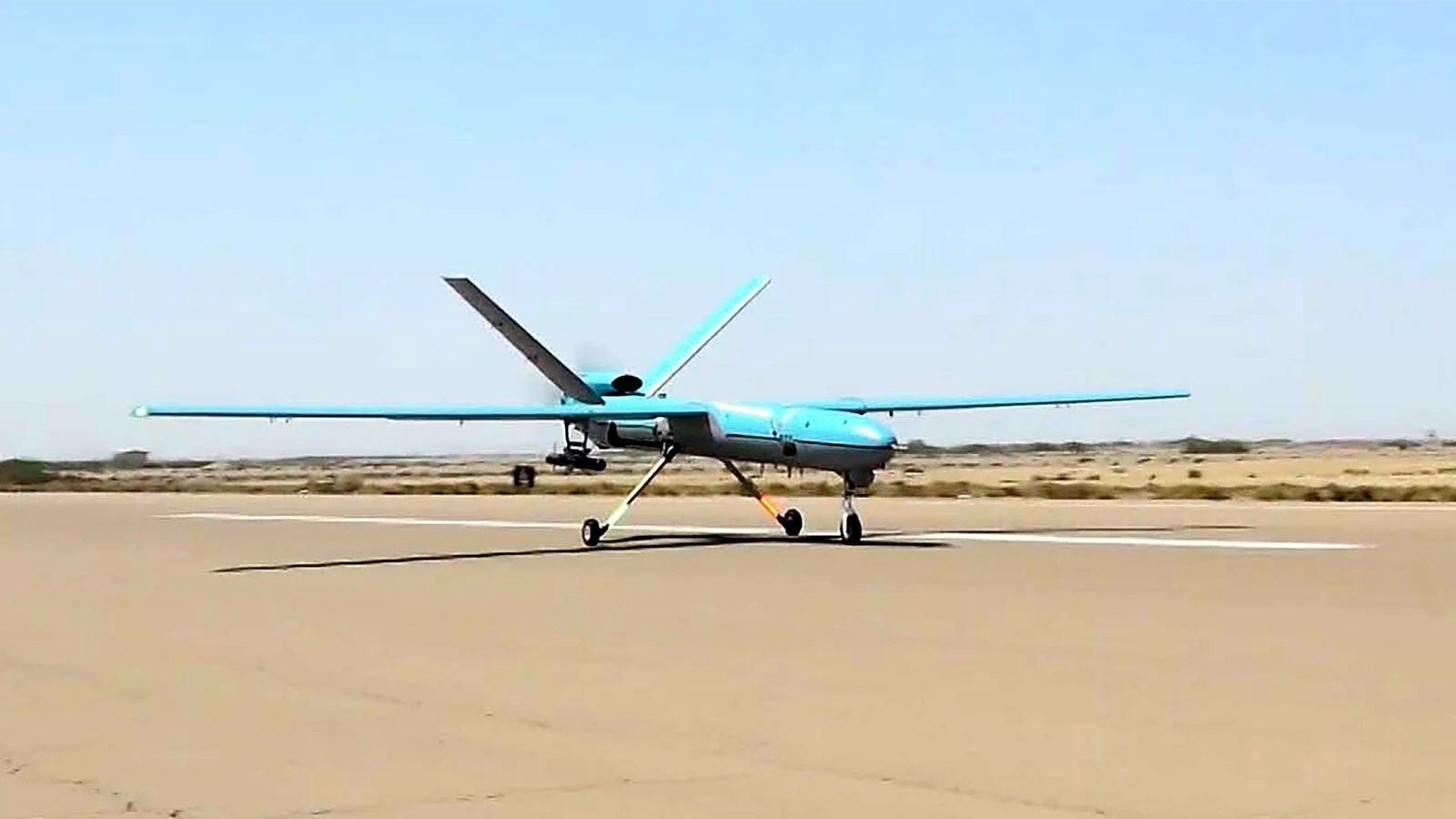

Marine type of Shahed 129 UAV named Simorgh UAV Shahed 129 drone specifications:
– Combat range: 1,700 km
– Endurance: 24 hour
– Ceiling: 7,300 m (24,000 ft)
– Speed: 150 to 200 km
– Length: 8 m, Wingspan: 16 m
– Armament: 8 bombs or 4 missiles
– Weapon payload: Up to 400 kg
– Mission: Combat / Intelligence / Surveillance / Reconnaissance (CISR)
– Manufacturer: Iran Aviation Industries Organization (IAIO), Iran Aircraft Manufacturing Industrial Company (HESA)Click to view full size 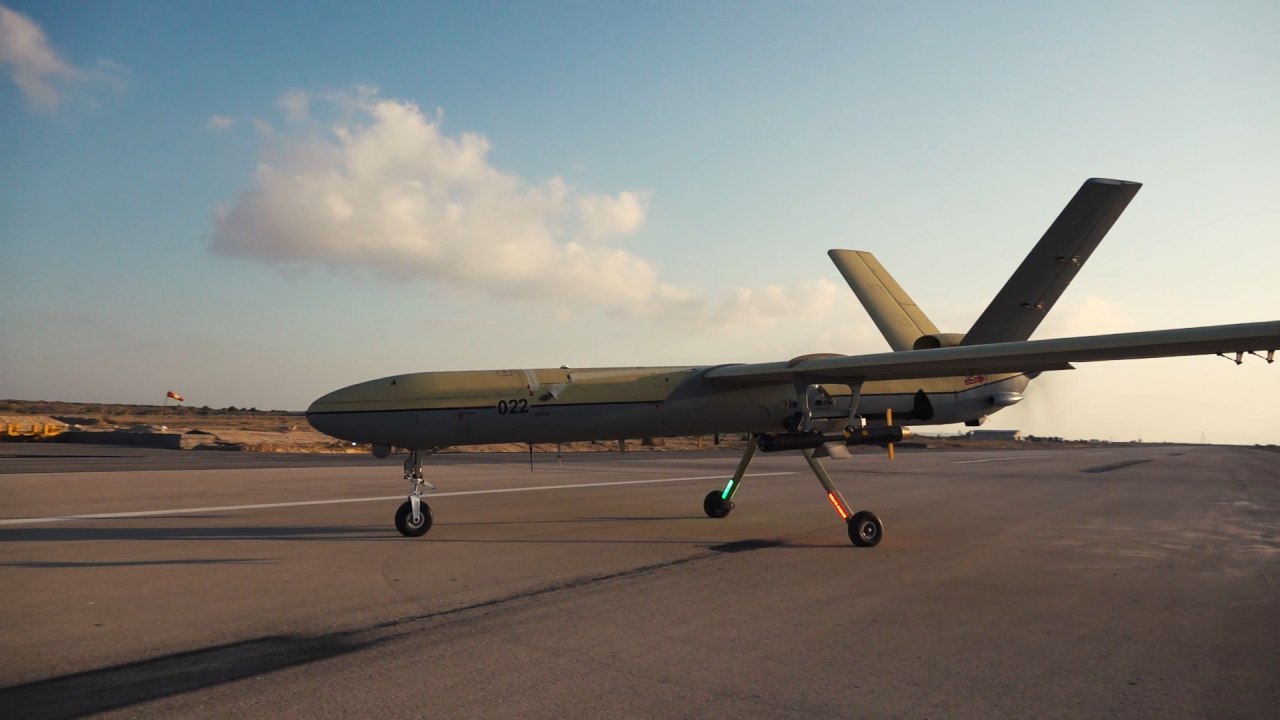


Click to view full size Shahed-129 posters in English, Arabic (شاهد 129), Russian (Шахед 129), Azeri (Şahid 129), Kurdish (شاهێد 129), Hebrew (שאהד 129) and Chinese (沙赫德 129) for publication on social media:


Click to view full size