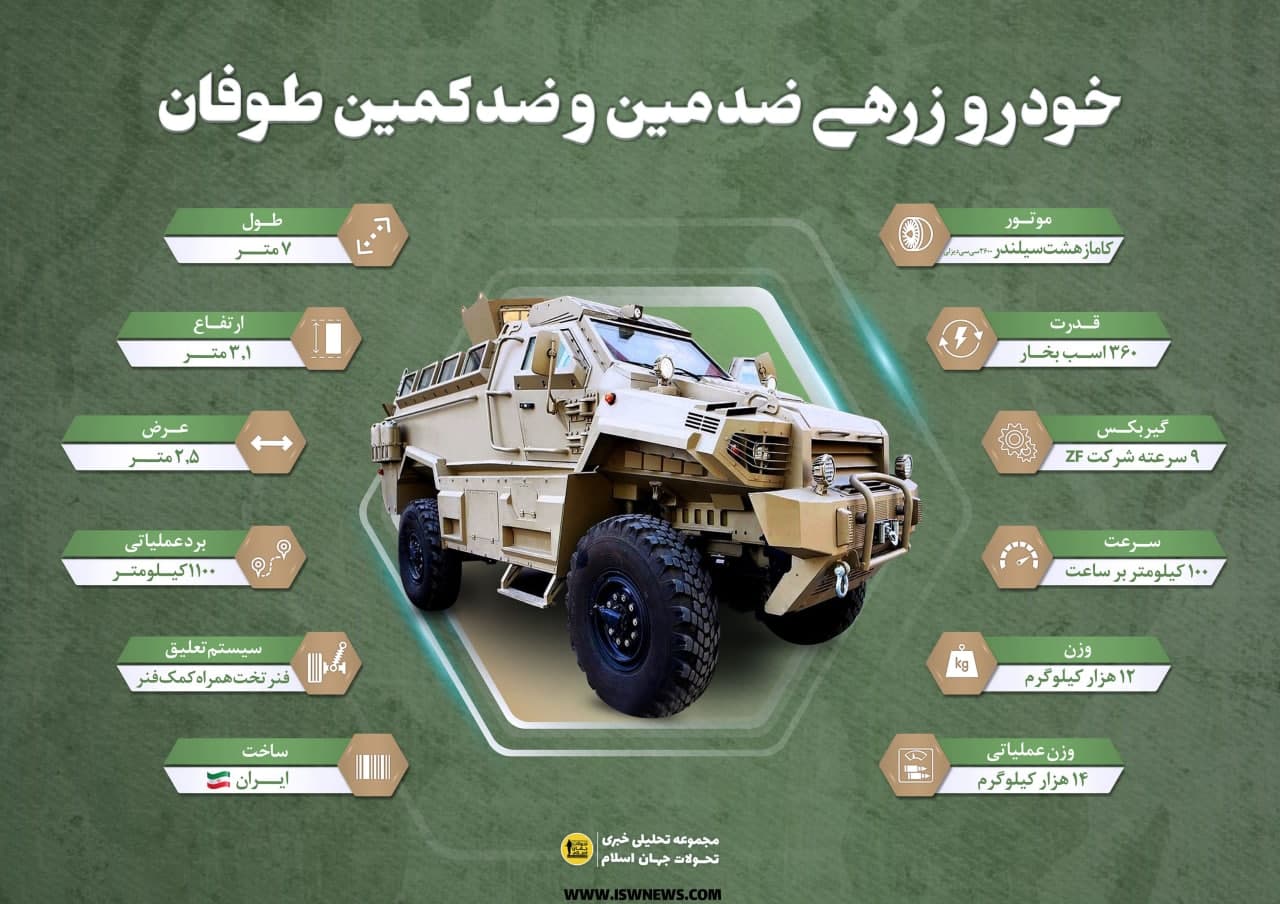
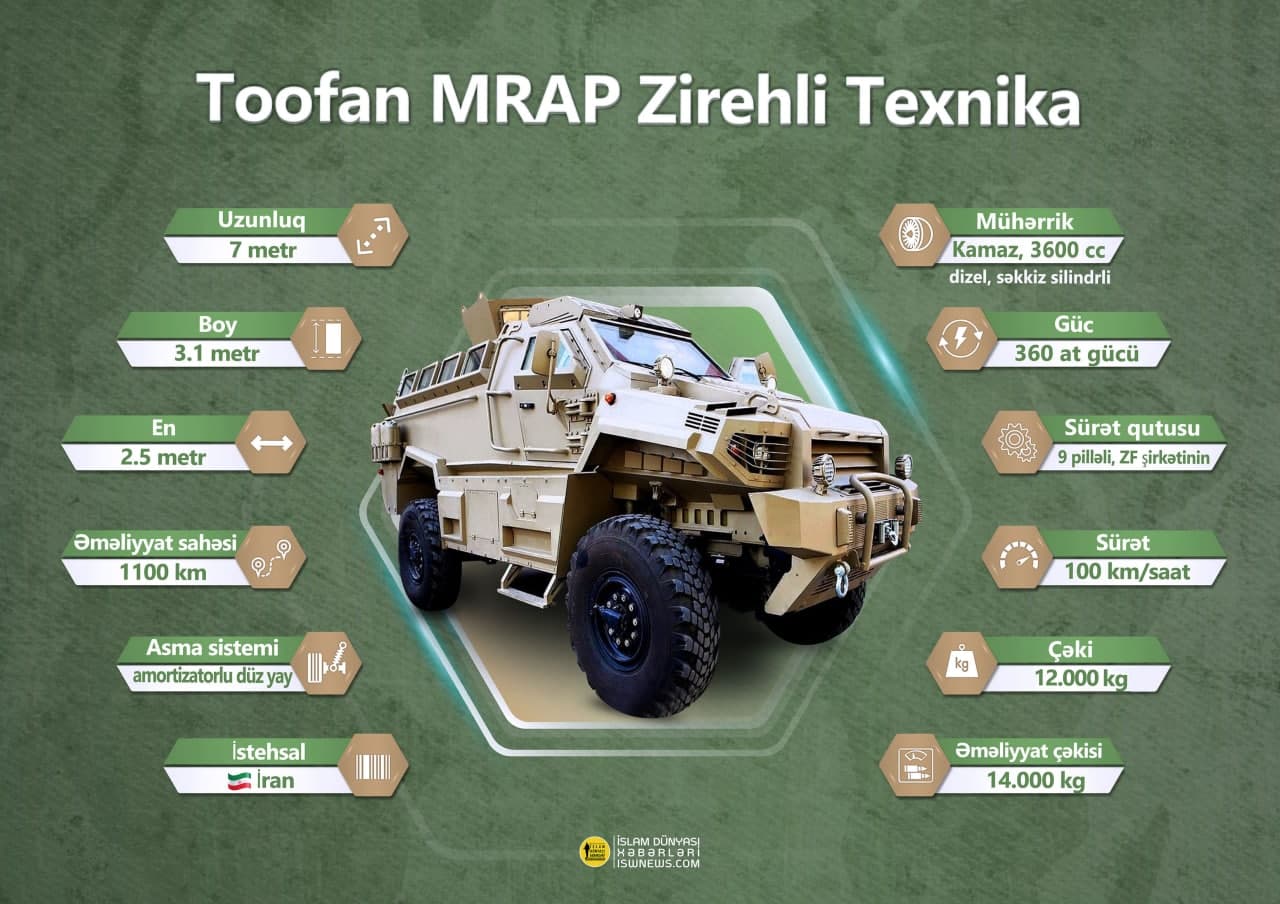
Toofan MRAP is an Iranian ambush protected vehicle capable of withstanding land mines and improvised explosive devices up to 6 to 8 kg of TNT and outfitted with STANAG 3 protection. The V-shaped chassis of this MRAP is monocoque, which means that the chassis and the body are integrated.
It can carry up to 10 personnel and is equipped with run-flat tires which enables it to drive for 50 kilometers with a flat tire. It can also drive at speeds of up to 100 km/h.
Toofan MRAP specifications: Engine: Kamaz 3600 cc 8-cylinder diesel Power: 360 hp Gearbox: ZF 9-speed Speed: 100 km/h Weight: 12,000 kg Operating weight: 14,000 kg Length: 7 meters Height: 3.1 meters Width: 2.5 meters Operating range: 1100 km Suspension: Leaf spring with shock absorber Origin: Iran
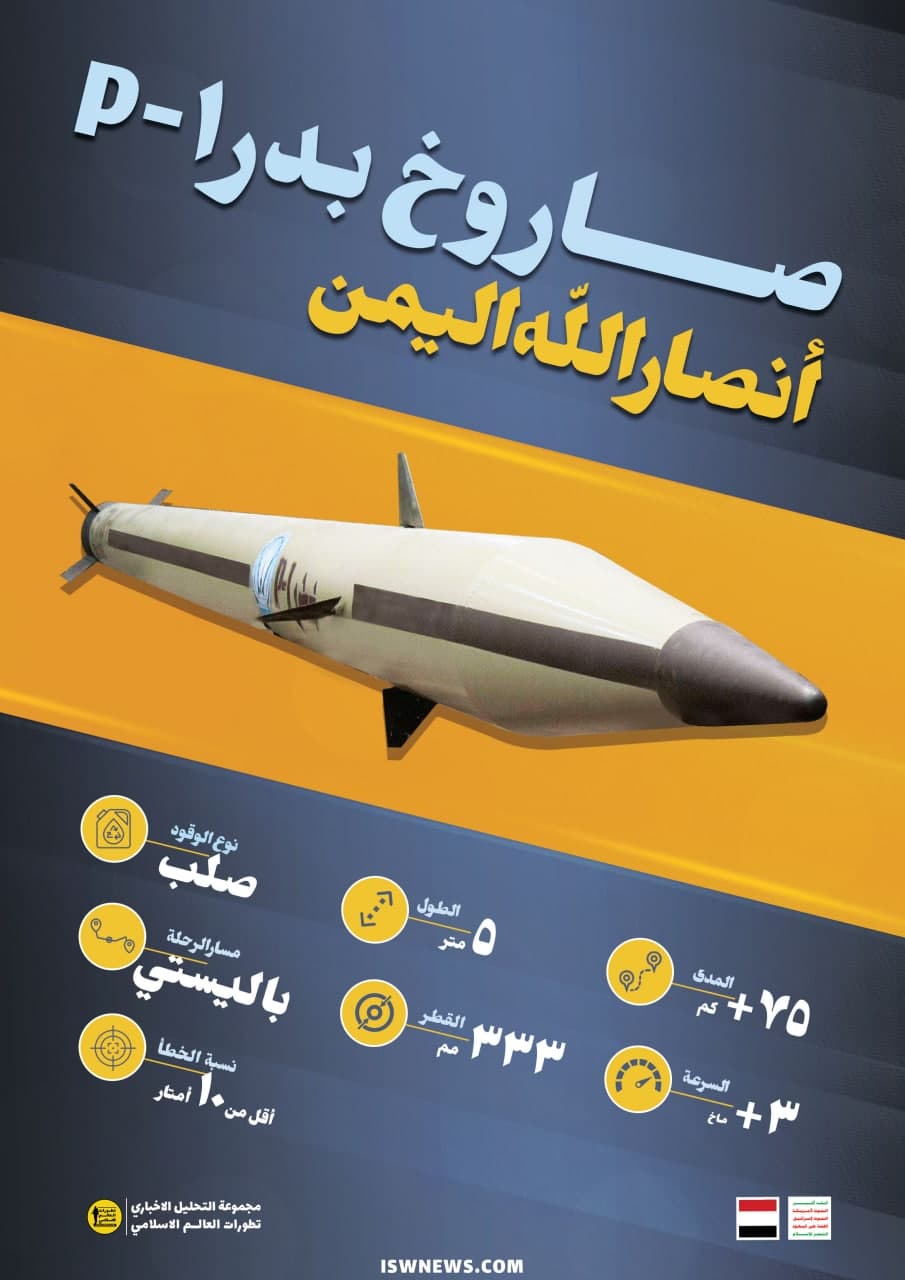
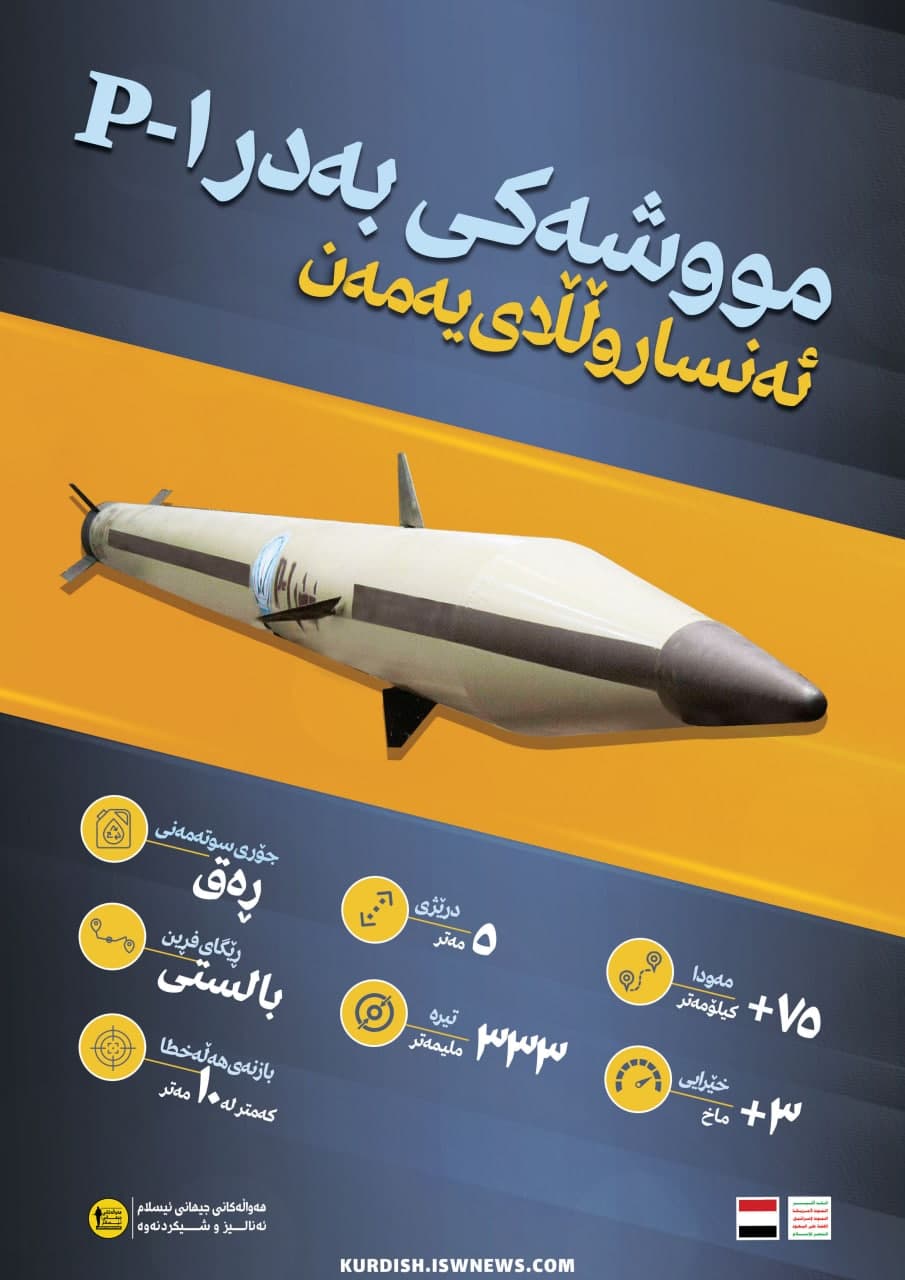
The Badr 1-P guided artillery rocket was unveiled on October 27, 2018 in the presence of Mehdi Al-Mashat, Chairman of the Yemeni Supreme Political Council, and other Yemeni military officials.
Badr 1-P missile specifications: Range: +75 km Speed: +3 mach Length: ~ 5 m Diameter: 333 mm Fuel type: Solid Flight trajectory: Ballistic CEP: less than 10 m
Badr 1-P missile operational records:
1- Attack on the base of the Sudanese forces on the west coast of Yemen, date unknown and publication of information on October 27, 2018. Pictures and video available.
2- Attack on the base of Mansour Hadi forces in the Al-Boqa desert, on November 2, 2018.
3- Attack on the gatherings of the Saudi coalition forces on the west coast of Yemen, on November 3, 2018.
4- Attack on the gatherings of the Saudi coalition forces on the West Bank, on November 4, 1997.
5- Attack on the gatherings of the Saudi coalition forces on the West Bank, on November 7, 2018.
6- Attack on the positions of the Saudi coalition forces in Mafraq al-Jawf, on November 8, 2018.
7- Attack on the gatherings of the Saudi coalition forces in the Midi desert, on November 19, 2018. During the operation, 27 members of the Saudi coalition were killed and 64 others were wounded.
8- Attacking the gatherings of the Saudi coalition forces in the ninth hypothesis located in the northeast of Sanaa province, on November 20, 2018.
9- Attack on the base of the Saudi coalition forces in the ninth administration, on November 25, 2018.
10- Attack on the base of the Saudi coalition forces at the Alab crossing on the northern borders of Saada province, on November 25, 2018.
11- Attack on the location of the Apache helicopters and the residence of the Saudi coalition pilots in the Bir Askar area located in Najran province, on November 25, 2018. In this attack, several Badr 1-P missiles were used.
12- Attack on the positions of the Saudi coalition forces in Khalid base in the west of Taiz province, on January 6, 2019. Video and pictures are available.
13- Attack on the gatherings of the Saudi coalition forces in the management of Midi located in the north of Al-Hijja province, on January 8 and 9, 2019
14- Attack on the gatherings of the Saudi coalition forces in the west of Beerskar region, on January 14, 2019.
15- Attack on the gatherings of Mansour Hadi forces on the Jizan front, on January 21, 2019.
16- Attack on the training base of the Saudi coalition forces in the Alab area, located in the north of Saada province, on January 21, 2019.
17- Attack on the gatherings of the Saudi coalition forces in the east of Al-Tawwal border area, located in the north of Al-Hijja province, on January 26, 2019.
18- Attack on Al-Baqa base located in the north of Saada province, on February 24, 2019 More than 40 Saudi coalition forces were killed and wounded during the attack.
19- Attack on the gatherings of the Saudi coalition forces in the Midi Desert, on March 3, 2019.
20- Attack on the gatherings of the Saudi coalition forces in the east of Alab crossing, on March 3, 2019.
21- Attack on the gatherings of the Saudi coalition forces in the Midi Desert, on March 6, 2019.
22- Attack on the gatherings of the Saudi coalition forces in the Midi Desert, on March 10, 2019.
23- Attack on the gatherings of the Saudi coalition forces in the west of Heyran administration located in the north of Al-Hijja province, on March 13, 2019.
24- Attack on the training base of the Saudi coalition forces in Jabal al-Nar, located in the borders of Jizan, on March 19, 2019.
25- Attack on the gatherings of the Saudi coalition forces on the Al-Malahit border, on March 20, 2019. Seventy members of the Saudi Coalition’s Fifth Battalion were killed and wounded during the attack.
26- Attack on the gatherings of the commanders and forces of the Saudi coalition in the city of Al-Hazm, located in Al-Jawf province, on March 24, 2019 More than 70 Saudi coalition forces were killed and wounded during the operation.
27- Attack on the gatherings of the Saudi coalition forces in the ninth hypothesis, on March 24, 2019
28- Attack on the gatherings of the Saudi coalition forces in the west of Heeran, on March 28, 2019 During the attack, weapons tanks and gatherings of the Saudi elite brigade were targeted. Sixty Saudi coalition forces were also killed and wounded.
29- Attack on the gatherings of the Saudi coalition forces in the north of Al-Dhaleh province, on April 8, 2019
30- Attack on the location of Patriot systems and gatherings of the Saudi coalition forces in Ma’rib in a joint operation with the Ansarullah drone force, on July 4, 2019.
31- Attack on the command center of the Saudi coalition on the outskirts of Saqqam region located in Najran province, on August 10, 2019
32- Attack on the command post of the 19th Saudi Border Guard Brigade in the Bir Askar area, on December 27, 2019.
It should be noted that this statistic is related to the period of October 2018 to December 2019, and since then, Yemeni Ansar Allah has not published the operational information of this missile. During this period, Ansar Allah fired more than 35 Badr 1-P missiles at the positions and gatherings of the Saudi coalition during 32 operations. Ansar Allah has also used the missile several times during the “Balance of Deterrence” and other operations in 2020 and 2021, which according to statistics provided by Brigadier General Yahya al-Sari’, spokesman for the Yemeni Armed Forces, during 2020, more than 20 of Badr 1-P missile was fired at Saudi coalition positions.
The missile was presented by Brigadier General Hossein Dehghan on 11 October 2015.
Emad is a single stage liquid propelled with a detaching warhead which was expanded from Qadr missile. It has a range of 1,500 to 1,700 km and can carry up to 750 kg of HE.
Detaching warhead with canard based guidance system increases the hitting accuracy significantly.
Specifications: Range: 1,700 km Weight: 17,500 kg Length: 15,5 m Diameter: 125 cm Propellant: liquid Warhead weight: 750 kg Speed: 11 Mach Flight profile: Ballistic Accuracy: 10 m
Specifications: – Carrier-based air superiority fighter and multirole fighter – Origin: Soviet Union / Russia – Design group: Sukhoi – Built by Sukhoi, Komsomolsk-on-Amur Aircraft Production Association – First flight: 17 August 1987 – Produced: 1987–1999 – Status: In service – Number built: Approx. 35 – Crew: 2-seat, 1-seat – Length: 22 meters – Wingspan: 14.7 meters – Height: 5.93 meters – Empty weight: 18400 kg – Max takeoff weight: 33000 kg – Powerplant: 2 × Saturn AL-31F3 afterburning turbofan engines
Performance: – Maximum speed: 2300 km/h – Range: 3000 km – Service ceiling: 17000 m – Rate of climb: 246 m/s
Armament: – Hardpoints: 12 external pylons with a capacity of up to 6500 kg – Cannon: 1 × 30 mm Gryazev-Shipunov GSh-30-1 autocannon with 150 rounds
– Missiles: Air-to-air missiles: R-27R/ER/T/ET and R-73E Anti-ship missiles: Kh-31A and Kh-41 Anti-radiation missiles: Kh-25MP and Kh-31P
– Rockets: S-8KOM/BM/OM S-13T/OF S-25OFM-PU
– Bombs: RBK-500 cluster bomb
Click to see the full size image
The Sukhoi Su-33, NATO reporting name: Flanker-D is an all-weather carrier-based twin-engine air superiority fighter designed by Sukhoi and manufactured by Komsomolsk-on-Amur Aircraft Production Association, derived from the Su-27 and initially known as the Su-27K. The aircraft has been principally designed and developed to meet the requirements of the Russian Navy.
Compared with the Su-27, the Su-33 has a strengthened undercarriage and structure, folding wings and stabilators, all for carrier operations. The Su-33 has canards and its wings are larger than the Su-27 for increased lift. The Su-33 has upgraded engines and a twin nose wheel, and is air refuelable.
Su-33 aircraft design The aircraft was designed by Russia’s Sukhoi Design Bureau. The design phase began in 1984 and was finalised in 1985. The aircraft is equipped with sports canards to reduce the take-off distance and enhance manoeuvrability, and has power-aided folding wings. The aircraft is also fitted with an air-refuelling probe to increase its range. The wings are fitted with a two-piece, single-slotted flap, an aileron and a larger leading-edge flap to decrease speed when landing.
Variants – Su-27K: Carrier-based version of the Su-27 designed for Project 11435 and Project 1160 aircraft carriers (heavy aircraft cruisers in Soviet classification). – Su-27KI: Project of a carrier-based version of the Su-27 designed for Project 11435 and Project 1153 aircraft carriers (heavy aircraft cruisers in Soviet classification). – Su-27KPP: Project of a two-seat carrier-based electronic-warfare aircraft. – – Su-27KRS: Project of a two-seat carrier-based reconnaissance and target designation aircraft. – Su-27KT/Su-27KTZ: Project of a carrier-based tanker aircraft. – Su-27KU: Project of a two-seat carrier-based trainer. – Su-27KSH: Project of a carrier-based attack aircraft. – Su-28K: Project of a two-seat carrier-based attack aircraft. – Su-28KRS: Project of a carrier-based reconnaissance and target designation aircraft based on the Su-28K. – Su-29K: Project of a carrier-based interceptor aircraft with a possibility to carry the long-range R-33 air-to-air missiles. – Su-33: Designation for the Su-27K after its introduction into service with the Russian Naval Aviation on 31 August 1998. – Su-27KUB/Su-33UB: Two-seat training-and-combat version based on the Su-27K and Su-27KU with side-by-side seating for crew of two. One prototype built.
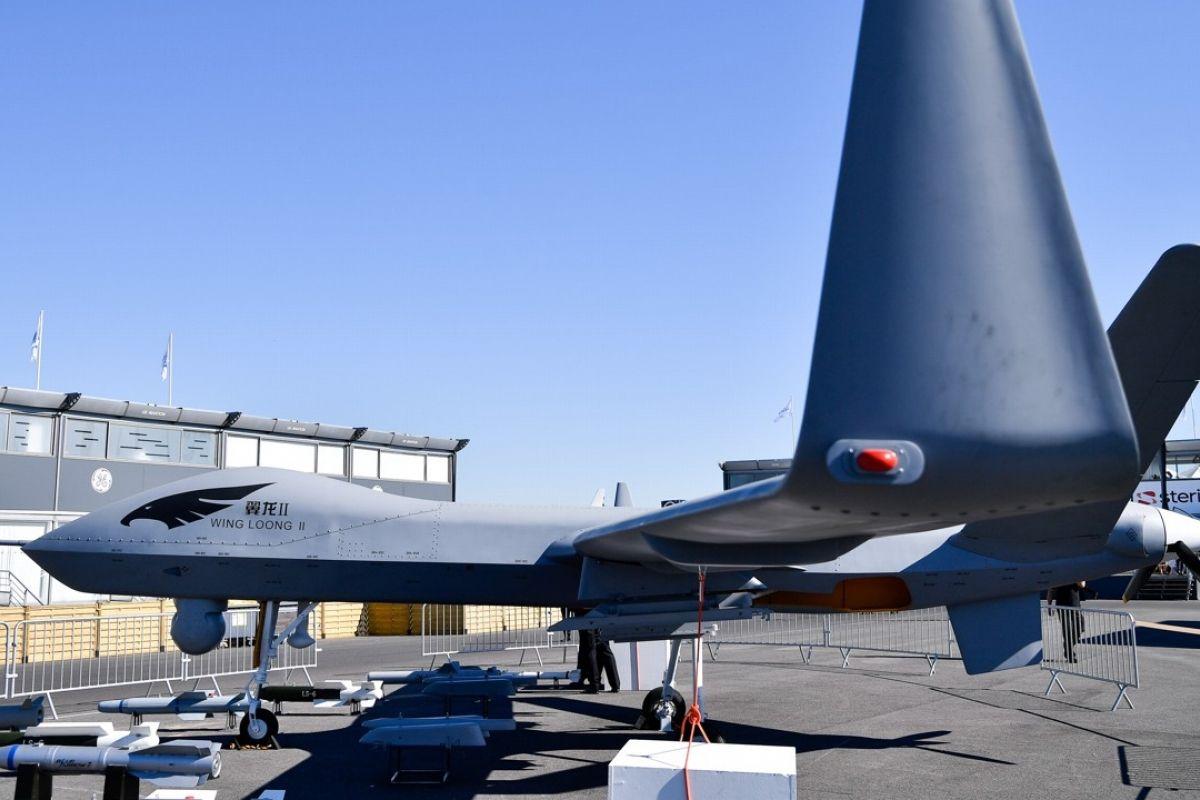
It’s designed to be used as a surveillance and aerial reconnaissance and precision strike platform. The combat drone has a long range strike capability thanks to a satellite link.
The Company unveiled the concept of Wing Loong II at the Aviation Expo China in Beijing in September 2015 and a prototype of the Wing Loong II was presented for the first time to the public during the Airshow China exhibition, held in Zhuhai from 1-6 November, 2016. It was also presented for the first time in Europe during the Paris Air Show in June 2017.
The design of the Wing Loong II UAV MALE is based to the Wing Loong I But it is longer and higher. It has monoplane slender fuselage and empennage with a prominent V-tail and ventral fin. Each wing incorporates three underwing hardpoints able to carry 12 bombs, rockets or air-to-surface missiles. A satellite communications antenna is mounted on the bulge at the top front surface of the fuselage, offering data transmission between the UAV and the ground control station. The Wing Loong II has a length of 11 meters, a wingspan of 20.5 meters and a height of 4.1 m.
The Wing Loong II UAV is powered by a WJ-9A turboprop 500kW (670 shp) engine. It can fly during 20 hours and has a maximum speed of 370 km per hour. The Wing Loong II has an operational radius of 1,500 km and that it is equipped with a satellite communications system.
The Wing Loong II UAV is able of carrying up to 12 laser-guided bombs or missiles with a total weight of 480 kilogram’s. The electro-optical payload pod, fitted under the forward section of the fuselage, is integrated with day light and infrared cameras and sensors to collect surveillance and targeting data in both day and night and low-light conditions.
Like the Wing Loong 1, the Wing Loong 2 has a much lower manufacturing cost than its American rivals, the MQ-1 and MQ-9, and this has made other countries welcome to buy and use the drone.
Specifications: Length: 11 m Wingspan: 20.5 m Height: 4.1 m Max takeoff weight: 4,200 kg
Powerplant: 1 × WJ-9A turboprop 500kW (670 shp) Maximum speed: 370 km/h Endurance: 20 hours Service ceiling: 9,000 m
Carrying capacity: 480 kg laser-guided bombs and missiles Bombs: FT-10, FT-9, FT-7, GB7, GB4 Missiles: BRM1, AKD-10, BA-7
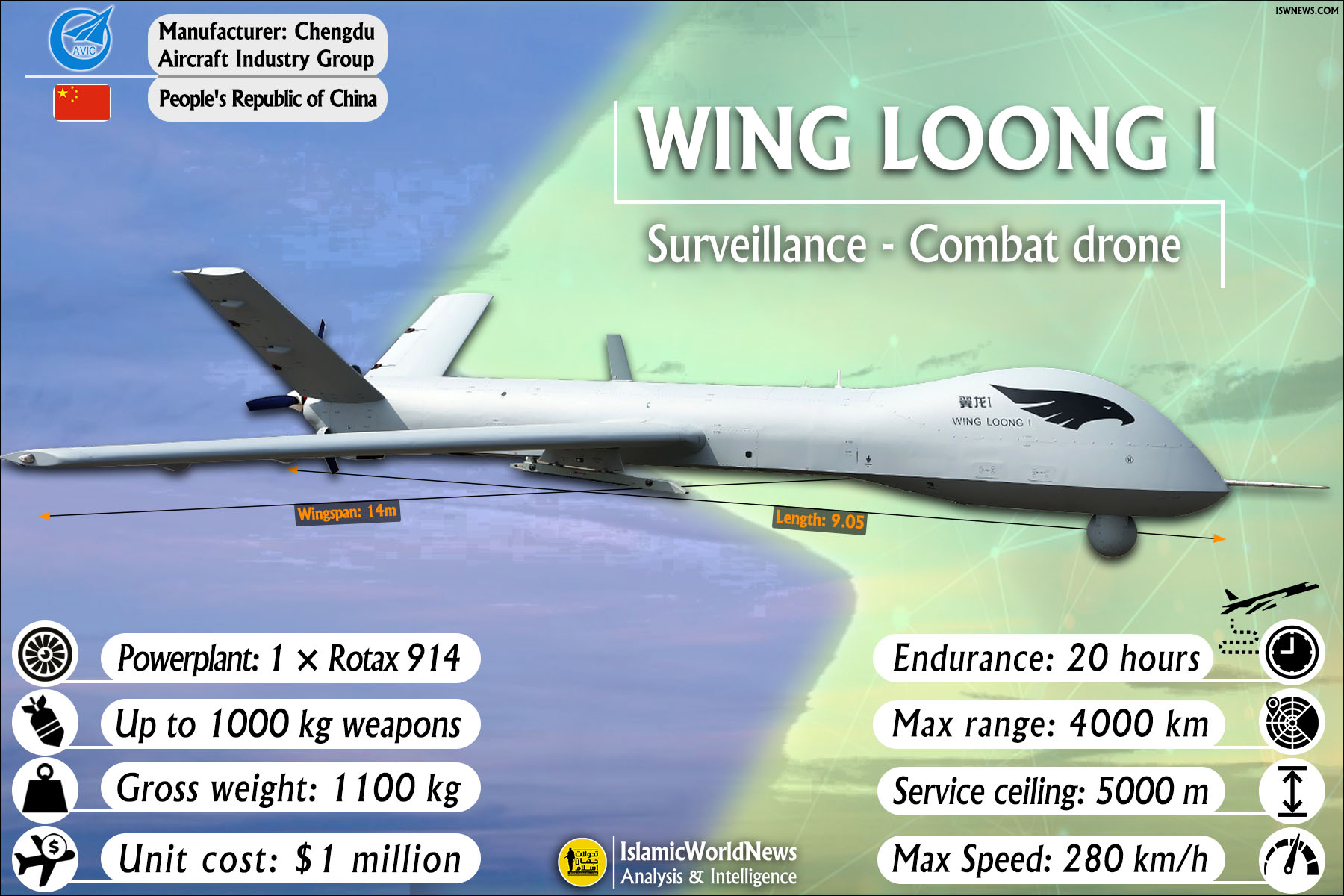
Wing Loong 1 experienced its first flight in 2009 and has been serving in the Chinese military since 2011. Due to its capabilities and low cost compared to similar American MQ-1 and MQ-9 models, it has had successful exports.
The UAV is developed primarily for the People’s Liberation Army Air Force and is intended for surveillance and aerial reconnaissance missions.
The UAV has a length of 9.05m, a wing span of 14m and a height of 2.77m. It has a maximum take-off weight of 1,100kg. The Wing Loong has a maximum flight speed of 280km/h, can operate over a range of 4,000km, and fly up to a maximum height of approximately 5km.
A satellite communications antenna, mounted on the bulge at the top front surface of the fuselage, facilitates data transmission between the UAV and the ground control station.
The weaponry options include AKD-10 air-to-surface anti-tank missile, BRMI-90 90mm guided rocket, FT-7/130 small 130kg bomb with planar wing, FT-9/50 50kg bomb for drones, FT-10/25 25kg bomb, GB-7/50 50kg precision-guided munition (PGM), and GB-4/100 PGM.
The base version has two hardpoints under the wings, while the Wing Loong II has six hardpoints. Wing Loong II, is an upgraded version of the Wing Loong and was unveiled at the Beijing Aviation Expo held in September 2015. Also Wing Loong II was presented in 2017 at the Dubai Exhibition. There are rumors of a contract between China and Saudi Arabia for 300 Wing Loong IIs.
There are 6 variants of Wing Loong 1 drones, the Sky Saker version of which is for the export market and serves in the armies of many countries such as Egypt, Nigeria, Saudi Arabia, Serbia, UAE, Kazakhstan, Algeria, etc. It is worth mentioning that the Wing Loong ID sample was exported to Egypt.
Specifications: Length: 9.05 m Wingspan: 14 m Height: 2.77 m Gross weight: 1,100 kg
Maximum speed: 280 km/h Range: 4,000 km Endurance: 20 hours Service ceiling: 5,000 m
Carrying capacity: 1,000 kg surface-to-air weapons including bombs and missiles Bombs: FT-10, FT-10, FT-9, FT-7, GB7, GB4 Missiles: BRM1, AKD-10
Click to see the full size image
YOUR SUPPORT IS CRITICAL TO KEEP ISWNews ALIVE!
I’d like to thank readers for their confidence and support. Thanks to your support we can continue to perform our duty on reporting the important events in the region. So If you like our contents, please don’t feel embarrassed to contribute and help our project, for as little as 1 Dollar. Your contribution, however small, will help ensure our project continuity. Thank you.
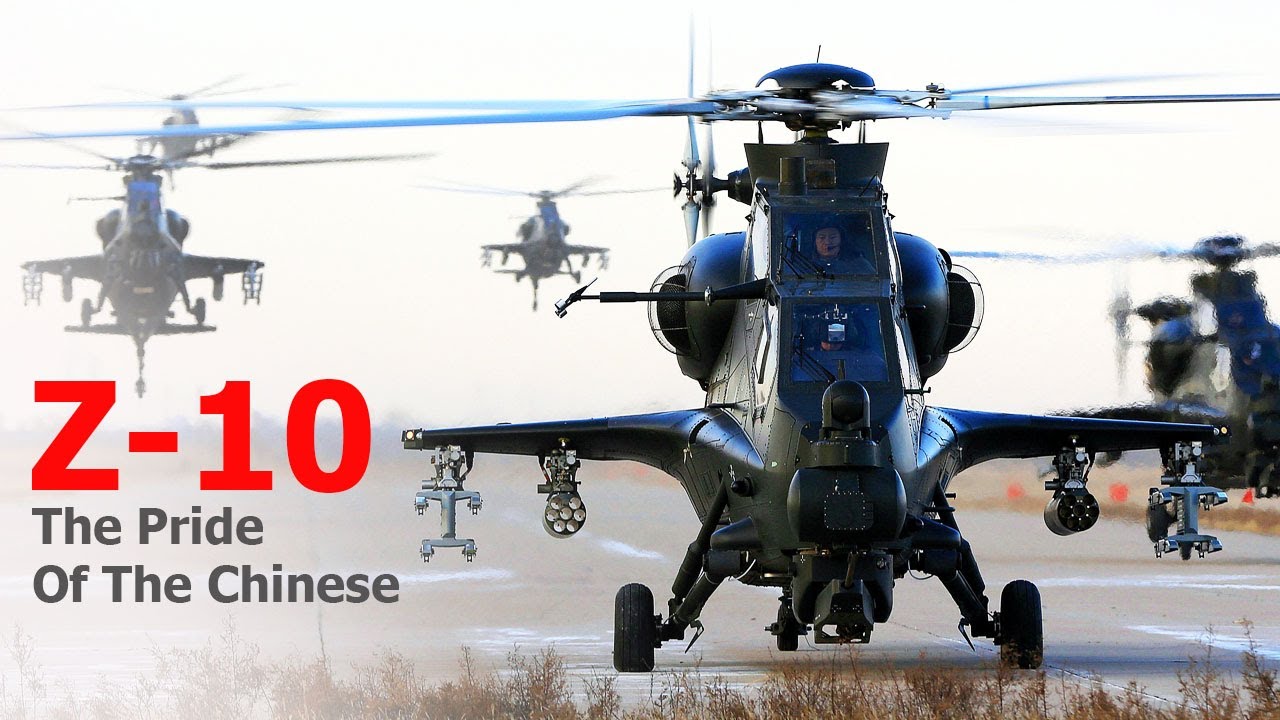
The CAIC Z-10/WZ-10 is a modern battlefield attack helicopter of the Chinese Army. It is intended to directly counter the threat as posed by enemy armor in a number of scenarios utilizing advanced technologies and guided munitions as well as indigenous armament types.
The Z-10 is primarily fitted with a 23mm autocannon in its turret which can be replaced by the optional 30mm fitting, 30mm/40mm automatic grenade launcher or a 14.5mm heavy-class Gatling minigun. Across the four available hardpoints can be fitted various air-launched munitions including the HJ-8 anti-tank wire-guided, HJ-9 anti-tank, HJ-10 anti-tank, TY-90 air-to-air, PL-5 short-range air-to-air, PL-7 air-to-air and PL-9 short-range air-to-air missiles. As with other attack helicopters of this class, the Z-10 is cleared to carry rocket pods and these arrive in 57mm or 90mm unguided forms.
Specifications: Crew: 2 Length: 14.15 m Height: 3.85 m Empty weight: 5,100 kg Gross weight: 5,540 kg Max takeoff weight: 7,000 kg (
Powerplant: 2 × WoZhou-9 (WZ-9) turboshaft engines, 1,000 kW (1,300 hp) each Main rotor diameter: 12 m Maximum speed: 270 km/h Cruise speed: 230 km/h Range: 800 km Service ceiling: 6,400 m Rate of climb: 10 m/s
Guns: 1x 23 mm revolver gun or 1x 25 mm M242 Bushmaster chain gun Hardpoints: 4 with a capacity of 1,500 kg Rockets: 57 mm or 90 mm unguided rocket pods Missiles: Up to 16 HJ-10 air to surface / anti tank / anti helicopter missiles. Up to 16 HJ-8, HJ-9 missiles Up to 16 TY-90 air-to-air missiles Up to 4 PL-5, PL-7, PL-9 air-to-air missiles
The Ka-52 helicopter can destroy enemy armoured and unarmoured ground targets, low-speed aerial targets and personnel at the frontline and in tactical depth. It is also deployed as a surveillance platform and aerial command post for a group of attack helicopters. The first Ka-52 helicopter was rolled out in December 1996. The helicopter completed its first flight in June 1997. The serial production of Ka-52 began in 2008 at Progress Arsenyev Aviation plant in the Primorye region of Russia. Russia plans to equip its proposed Mistral Class amphibious assault ships with Ka-52K helicopters. Ka-52K is a naval variant of the Ka-52 Alligator.
Specifications: Crew: 2 Length: 16 meters Height: 4.93 meters Empty weight: 7,700 kg Max takeoff weight: 10,800 kg Engine: 2 × Klimov VK-2500 turboshaft engines, 1,800 kW (2,400 shp) each Main rotor diameter: 2× 14.5 m Main rotor area: 330.3 m2
Max altitude: 5,500m Max cruise speed: 300km/h Climb rate: 12m/s. Flight range: 460km Ferry flight range: 1,110km
Guns: 1× mobile semi-rigid 30 mm Shipunov 2A42 cannon Hardpoints: 6 under-wing hardpoints, plus 2 on wingtips for countermeasures or air-to-air missiles with a capacity of 2,000 kg Rockets: 80 × 80 mm S-8 rockets and 20 × 122 mm S-13 rocket Missiles: 2 × APU-6 Missile racks, able to accommodate a total of 12 × 9K121 Vikhr anti-tank missiles, Vympel R-73 air-to-air missiles, Kh-25 semi-active laser guided tactical air-to-ground missiles Bombs: 4 × 250 kg bombs or 2 × 500 kg bombs
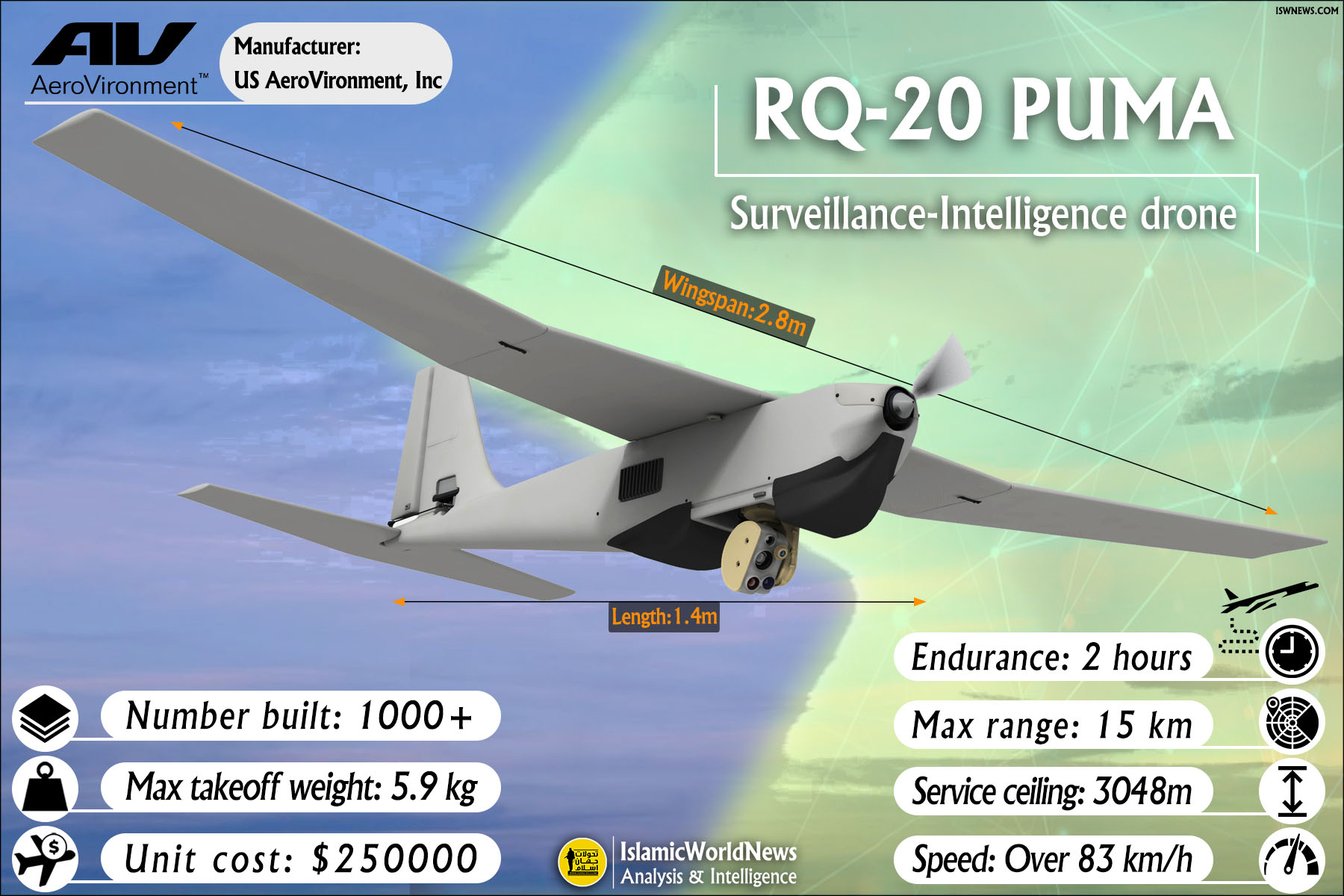
The RQ-20 Puma is designed for missions such as tactical intelligence, surveillance, reconnaissance and targeting (ISRT), maritime patrol, search-and-rescue, and counter-illicit trafficking.
The Puma All Environment model (AE) can operate under extreme weather conditions including temperatures ranging from −20 to 120 °F (−29 to 49 °C), wind speeds up to 25 knots (29 mph; 46 km/h), and an inch of rain per hour. The UAV is designed for land based and maritime operations and is capable of landing in the water or on land.
Equipped with both an electro-optical (EO) and infrared (IR) camera and illuminator, Puma AE keeps the operator’s “eyes on target”. Its precision navigation system with secondary GPS insures positional accuracy up to its 15 km range. An optional under wing transit bay easily integrates third party payloads such as communication relay, geo-location, or laser marker to meet the diverse needs of military or civilian applications. Puma AE can deliver 3.5+ hours of flight endurance while versatile smart battery options support diverse mission requirements.
RQ-20B (Block 2 Puma AE) includes a more powerful and lighter propulsion system, lighter and stronger airframe, long endurance battery, precision inertial navigation system an improved user interface, and the new, all environment Mantis i45 gimbal sensor suite.
Specifications: Length: 1.4 m Wingspan: 2.8 m Max takeoff weight: 5.9 kg Maximum speed: 83 km/h Range: 15 km Endurance: 2 hours Service ceiling: 3048 m
Click to see the full size image
YOUR SUPPORT IS CRITICAL TO KEEP ISWNews ALIVE!
I’d like to thank readers for their confidence and support. Thanks to your support we can continue to perform our duty on reporting the important events in the region. So If you like our contents, please don’t feel embarrassed to contribute and help our project, for as little as 1 Dollar. Your contribution, however small, will help ensure our project continuity. Thank you.
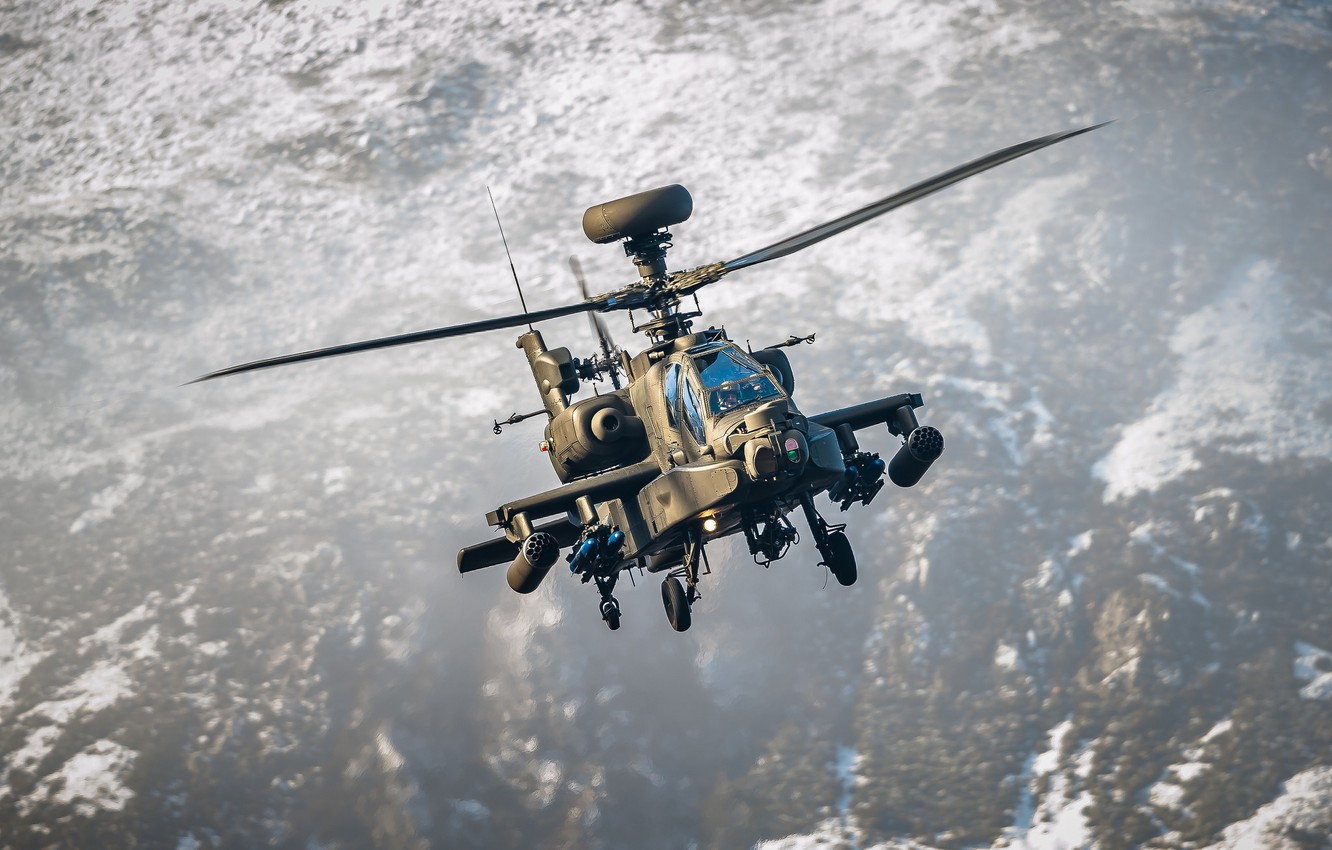
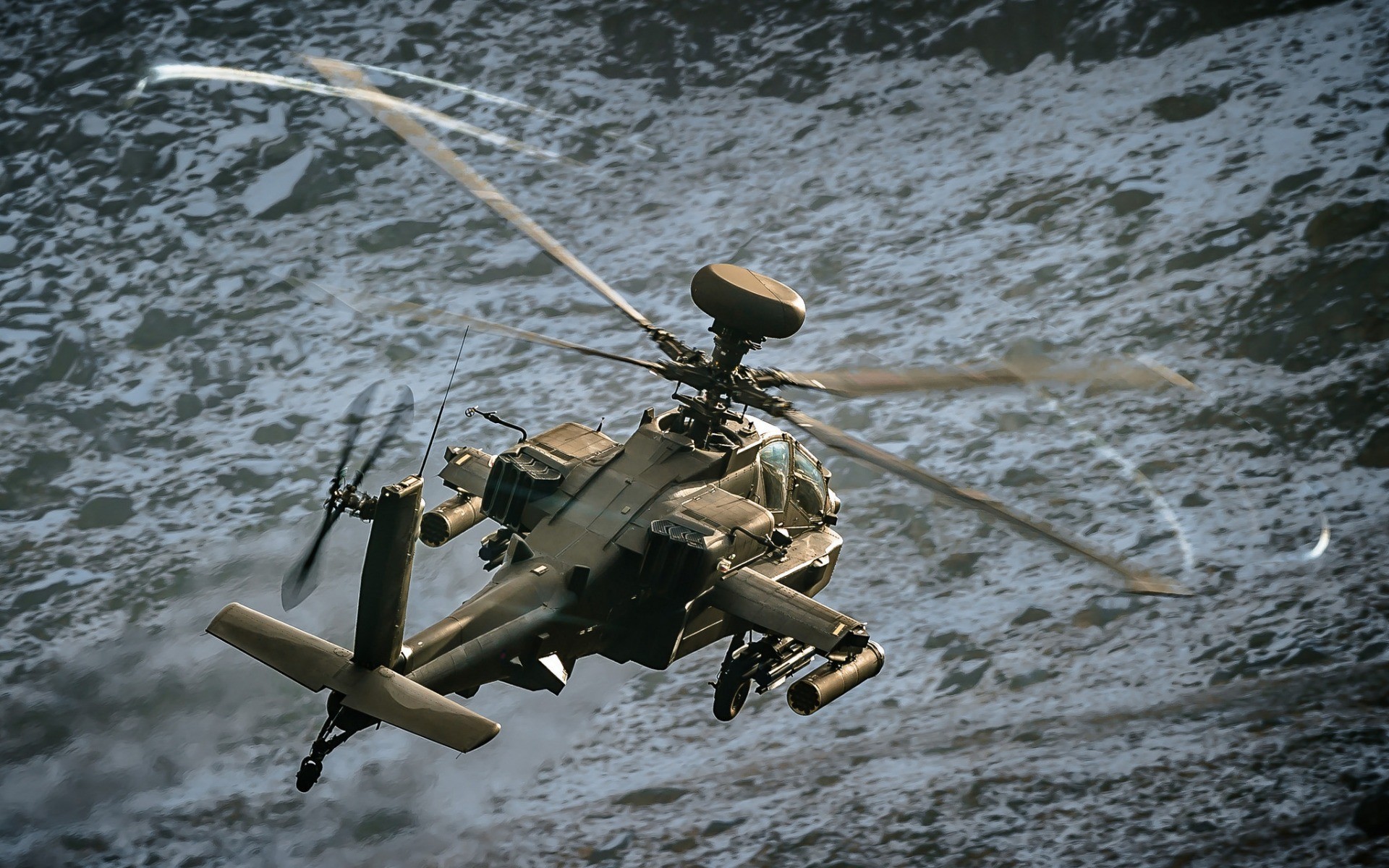
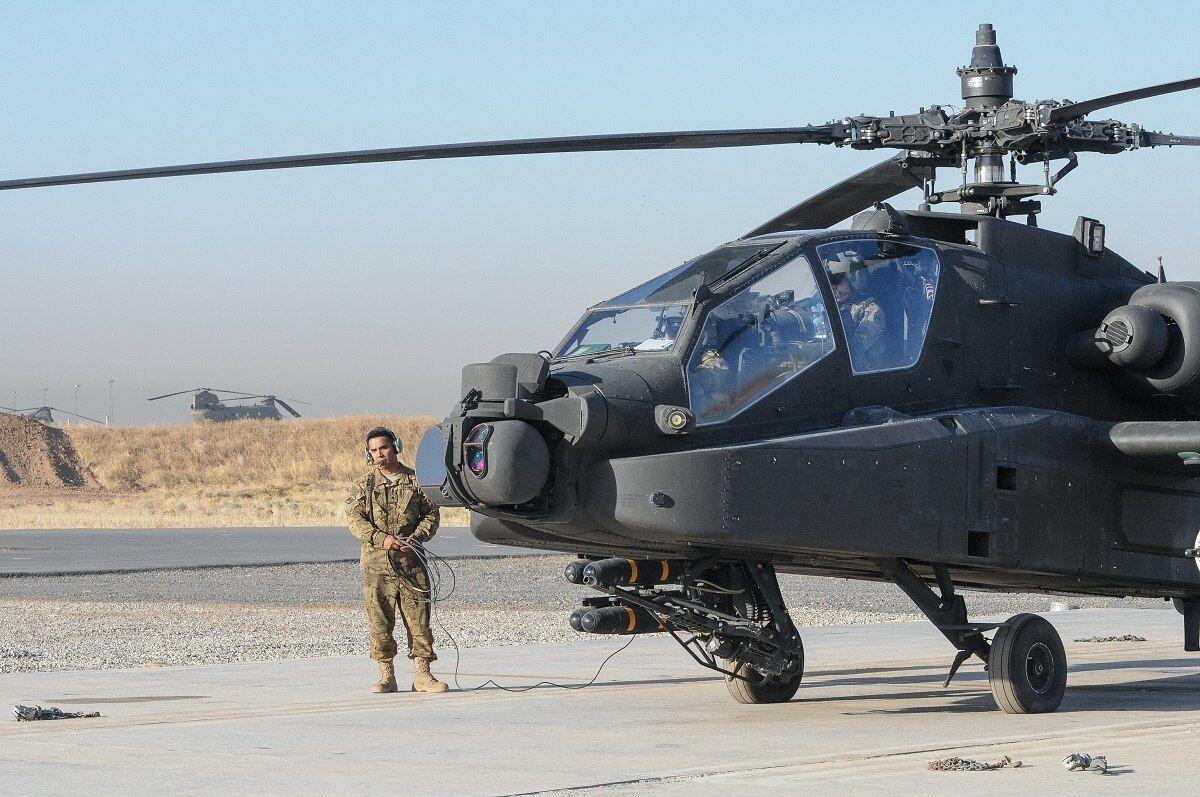
The AH-64E attack helicopter is the latest version of the AH-64, used by the US Army. Boeing launched the Apache helicopter in 2014 with an update called the AH-64E Apache Longbow Block IIIA.
This helicopter is fitted with more powerful General Electric T700-GE-701D engines, developing 1994 shp instead on the 1800 shp on the previous versions. The AH-64E has new composite rotor blades. These are designed to withstand hits from 23 mm anti-aircraft guns. Maximum speed of this helicopter is up to 300 km/h.
This attack helicopter is operated by a crew of 2, including pilot and gunner.
There are numerous features to protect the crew and increase survivability of the helicopter. The airframe is designed to withstand hits from guns of up to 12.7 mm caliber. Rotor blades can withstand hits from 23 mm guns. A large flat-plate canopy is fitted with boran armor. Crew members are seated on crash-resistant seats.
The AH-64E has infra-red suppressing exhaust system and is equipped with chaff and flare dispensers. Both of these features combined reduce the chance of being hit by enemy air defense missiles.
Both crew members use various sophisticated sensors and systems for the detection and attack of targets. Their helmets have an integrated helmet sighting system.
The AH-64E comes with a 30 mm M230 cannon with 1200 rounds of ammunition. It has 4 hardpoint on stub wings and can carry various missiles. Armament is being tailored, depending on mission requirements. The AH-64E can carry up to 16 AGM-114R Hellfire 2 anti-tank guided missiles.
For self defense against hostile helicopters the Apache can carry up to two AIM-9 Sidewinder, four AIM-92 Stinger, or four Mistral air-to-air missiles. It can also carry two AGM-122 Sidearm air-to-ground anti-radiation missiles, that can target hostile radars. The gunship is often equipped with 19-shot pods with Hydra 70 unguided rockets. The helicopter can carry up to 4 of these pods.
This attack helicopter might be fitted with a Longbow fire control radar, which is also used on the previous AH-64D variant. It gives the capability to fire AGM-114R Hellfire-2 anti-tank guided missiles in fire-and-forget mode. Without this radar the Hellfire-2 missiles are launched in the line-of-sight manner. The radar can detect, classify and prioritise 12 targets simultaneously, and can see through the fog an smoke, that foils infra-red or TV sensors.
The R-27 is manufactured in infrared-homing (R-27T), semi-active-radar-homing (R-27R), and active-radar-homing (R-27EA) versions, in both Russia and Ukraine. The R-27 missile is carried by the Mikoyan MiG-29 and Sukhoi Su-27 fighters, and some of the later-model MiG-23MLD fighters have also been adapted to carry it. The R-27 missile is also license-produced in China, though the production license was bought from Ukraine instead of Russia.
Manufacturer: Vympel Production: Former Soviet Union / Russia, China (under license), Ukraine Weight: 253 kg Length: 4.08 meters Diameter: 230 mm Engine: Solid fuel Warhead weight: 39 kg (86 lbs)
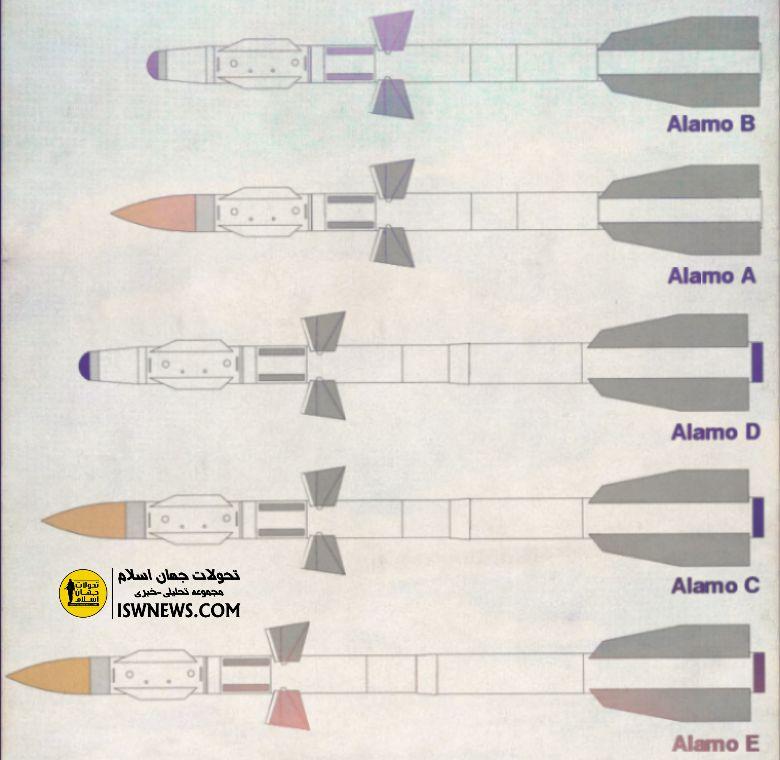
Variants: – R-27R AA-10 Alamo-A Missile can be used at 20 to 25,000 meters altitude. Effective kill range for a target at same altitude: 2 to 42.5 km head-on, 0.7 to 7.5 km tail-on. Maximum range: 73 km. – R-27T AA-10 Alamo-B Missile can be used at 20 to 25,000 meters altitude. Effective kill range for a target at same altitude: 2 to 33 km head-on, 0 to 5.5 km tail-on. Maximum range: 63 km. – R-27ER AA-10 Alamo-C Missile can be used at 20 to 27,000 meters altitude. Effective kill range for a target at same altitude: 2 to 65.5 km head-on, 0.7 to 16.5 km tail-on. Maximum range: 117 km. – R-27ET AA-10 Alamo-D Missile can be used at 20 to 27,000 meters altitude. Effective kill range: 2 to 52.5 km head-on, 0.7 to 12.5 tail-on. Maximum range: 104 km. – R-27P AA-10 Alamo-E Passive radar homing with a range of up to 72 km. – R-27EP AA-10 Alamo-F A longer range passive anti-radiation missile with a range of up to 70 nm (110 km) – R-27EA Active radar homing with 9B-1103K active seeker, range of >130 km. – R-27EM Active radar homing with 9B-1103K active seeker, range of >170 km.
Maximum speed Mach 2.5 to 4.5 (depending on altitude and weather conditions)
Wars: Iran – Iraq war Eritrean-Ethiopian War Yemen War (2015 – Today)
Different projects: Attempted to synchronize with the F-14 fighter which failed. Turned into a surface-to-air missile that hunted down a Saudi F-15.
Successes: – In the Eritrean-Ethiopian war in 1999, according to the two countries statistics, a total of 24 missiles were used. Meanwhile, an Ethiopian Su-27 shot down an Eritrean Mig-29. – Ukraine claims a Su-25 was shot down by an R-27 fired by a Russian Mig-29 during the country’s civil war. Russia has denied this. – In the Yemeni war, a modified R-27T aircraft was able to shoot down a Saudi F-15. (This is the only official downing of the F-15.)