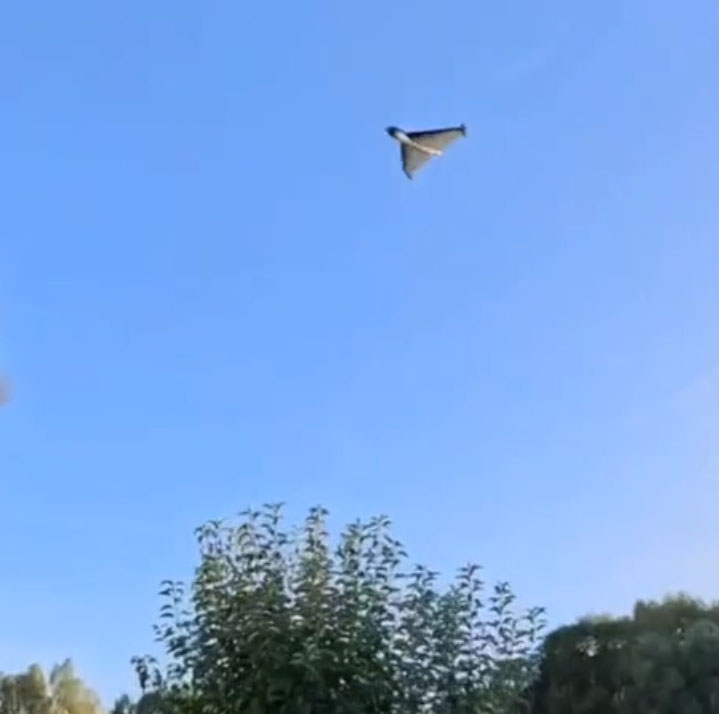
The Geranium-3 is similar to Iran’s Shahed-238 drone and is powered by a mini jet engine. Unlike piston-engine variants, it lacks the signature buzzing sound (!) and travels at noticeably higher speeds.
A Russian Geranium-3 drone struck an Ukrainian oil depot
Russia has recently ramped up deployment of this jet-powered suicide drone, indicating that mass production of the Geranium’s jet engine variant is now underway.
The Geran-3 carries a warhead weighing between 230 to 300 kilograms, with an operational range of approximately 1,000 to 1,200 kilometers—some sources suggest up to 2,000 km. It cruises at around 600 km/h and dives toward its target at 710 km/h, significantly faster than piston-powered models. Overall, it can stay airborne for 1.5 to 2 hours and has a flight ceiling of 9000 meters.
The publication of a footage of Kamov Ka-52 helicopter flying in the eastern Russian city of Vladivostok with a camouflage color proper for the West Asian or African states has reinforced the likelihood of selling this class of helicopter to Iran. Given the fact that the usage of that sort of camouflage color for the helicopters of the Russian Air Force seems not to be common and rational, it is probable that the helicopter has been prepared for selling to Iran or Algeria, who have collaborated and inked several military agreements with Russia in recent years.
The Kamov Ka-52 helicopter is an advanced Russian-made invasive multi-purpose one capable of flying in different weather circumstances. The Ka-52 helicopter has showcased satisfactory performance during the combats in Syria and Ukraine, and it seems to be an appropriate option for equipping and advancing the helicopter fleet of the Islamic Republic of Iran Armed Forces.
Kamov Ka-52 helicopter flying in the eastern Russian city of Vladivostok with a camouflage color proper for the West Asian or African countries
In recent days, there were various reports of military collaboration between Russia and Iran in selling Iranian-made ballistic missiles and suicide drones in return for Su-35 fighter jets, S-400 air defense systems, and Kamov helicopters (Ka-52), which have been confirmed by certain authorities in Iran. Shahriar Heydari, member of the National Security and Foreign Policy Commission of the Iranian Parliament, confirmed that Iran will buy Russian fighter jets, saying that “the Sukhoi 35 fighter jets that Iran ordered from Russia will enter the Islamic country early next Iranian calendar year (1402). We ordered defense systems, missiles and helicopters to Russia, and most of the arms will arrive in Iran as soon as possible.”
The Russia-Iran negotiations on the purchase of offensive, multi-purpose and light helicopters started among Iran Aviation Industries Organization, the JSC Kamov Company and other Russian military organizations in 2014, and the process sped up in the past months. The collaboration between Russia and Iran amplified following the continuation of the conflict in Ukraine as well as the Western sanctions on both states, leading to the enhancement of the might of the two countries in different military and economic arenas.
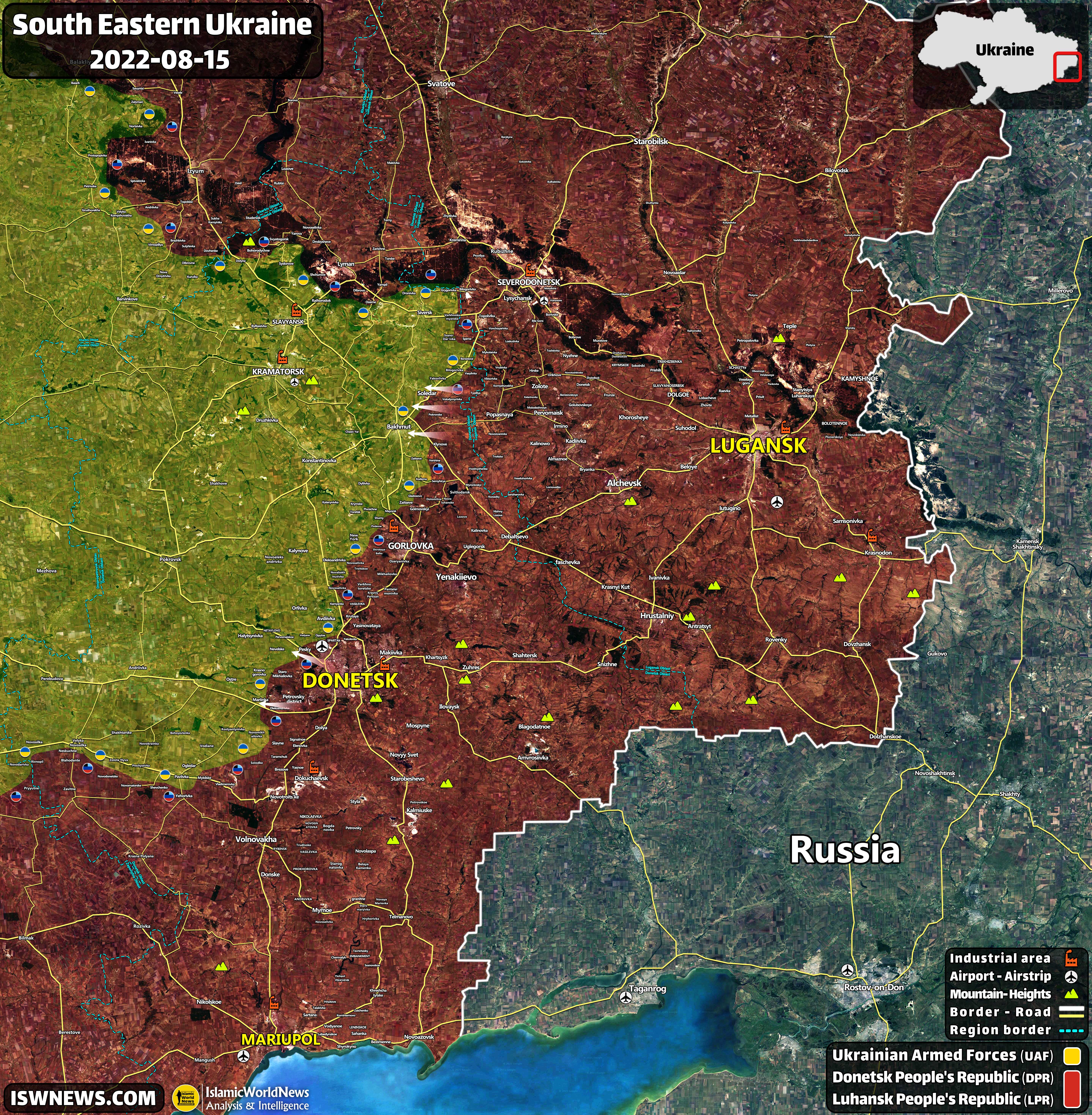
According to the latest news from the frontlines, the Russian army has concentrated its attacks on the defense line of the Ukrainian army in the Seversk-Soledar-Bakhmut axis. These attacks in the last week have led to an advance in the east and south of the village of Soledar located on the Bakhmut-Lisychansk road. The ultimate goal of the Russian army in capturing Soledar is to cut off the logistic road and impose a quasi-siege on the cities of Seversk and Bakhmut.
Currently, clashes continue inside Soledar and most of the village is under the control of the Russian army. In Bakhmut, cashes have extended to the eastern entrance of the city, and Bakhmut is under the Russian army artillery fire.
In south of Bakhmut, heavy clashes are going on in Zaitseve and Kodema areas, and the Russians are trying to advance in this axis. It seems that one of the main goals of the Russian army in this axis is to completely capture the villages and areas south of Bakhmut and surround this city from the south.
In the western axis of Donetsk city, the exchange of artillery fire between the sides is still going on. In the last week, Russian and the DPR forces took control of the village of Peski, west of the Donetsk airport. Also, clashes between the Russian and Ukrainian armies continue in the Mariinka area, and the Russian army has gained some ground there.
It is important to mention that the purpose of the Russian forces’ operation in the west of Donetsk is to prevent the AFU ground attacks towards the city of Donetsk and to stop their artillery attacks on the city. And at the moment there is no serious intention by the Russians to advance deep into the west of Donetsk.
In general, it seems that the Russian army is not in a hurry to clear the north of Donetsk Oblast. If the Russian army is successful at this stage on Bakhmut front, the next stage will be the advances towards the important cities of Slavyansk and Kramatorsk.
There are no special activities in other fronts either, and most of the clashes are related to the exchange of artillery fire and airstrikes. The news about the large-scale operation of the Ukrainian army in the southern front or the preparation of the Russian army to launch an operation in the Kharkiv province have been more of a psychological warfare, and despite the claims of the Ukrainian and the Russian media, no specific activities has been observed from the parties in the mentioned areas.