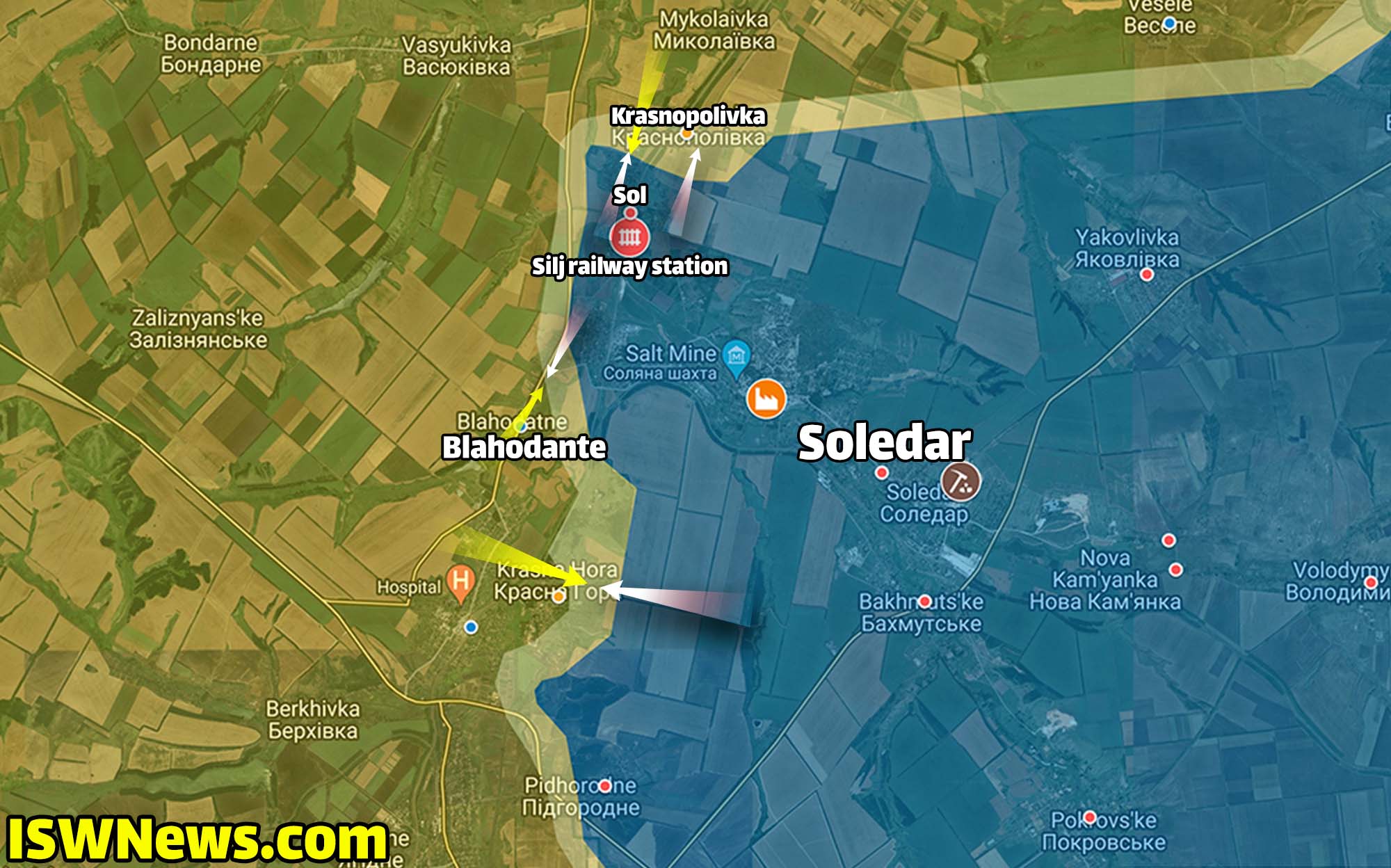
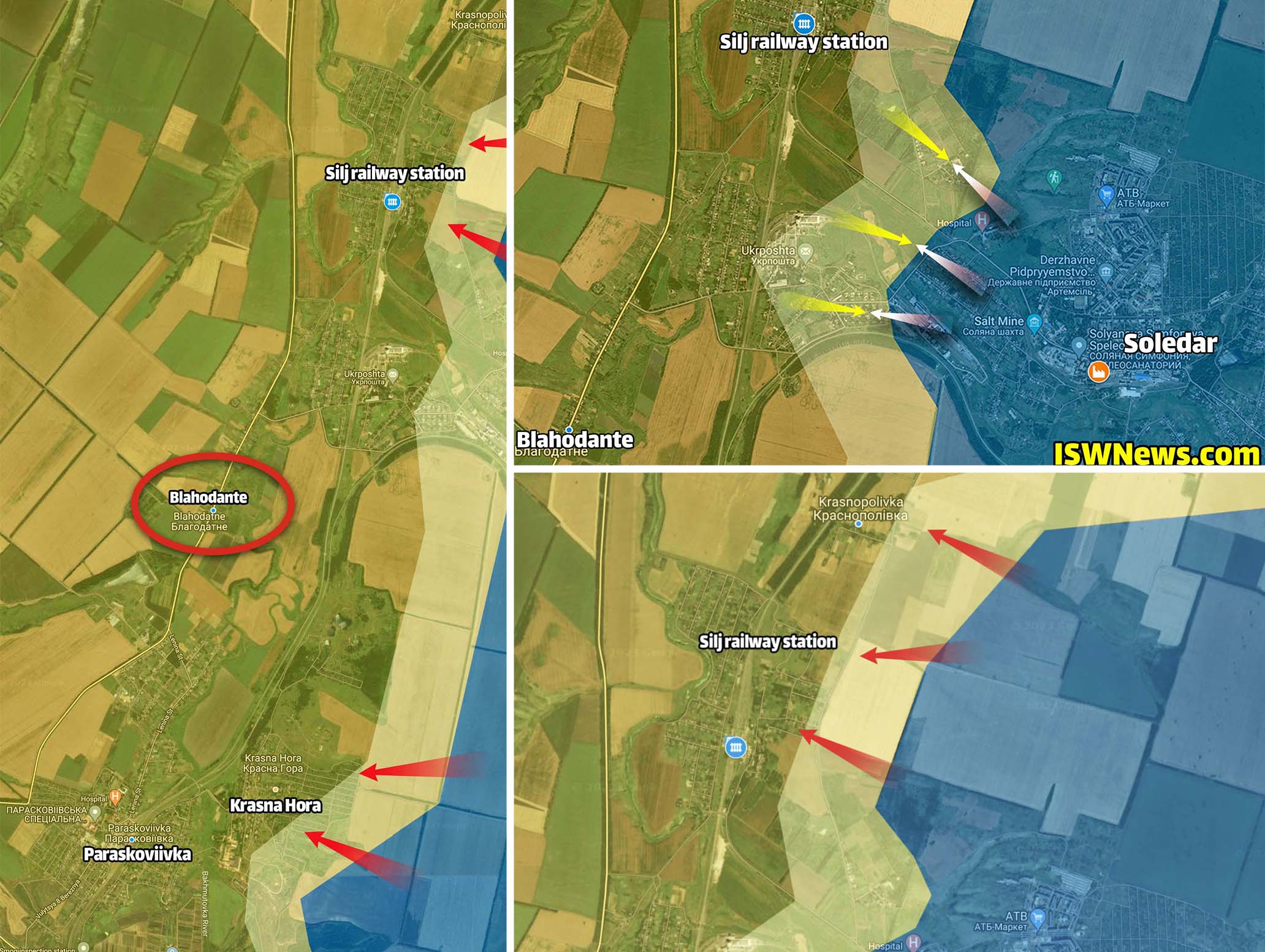
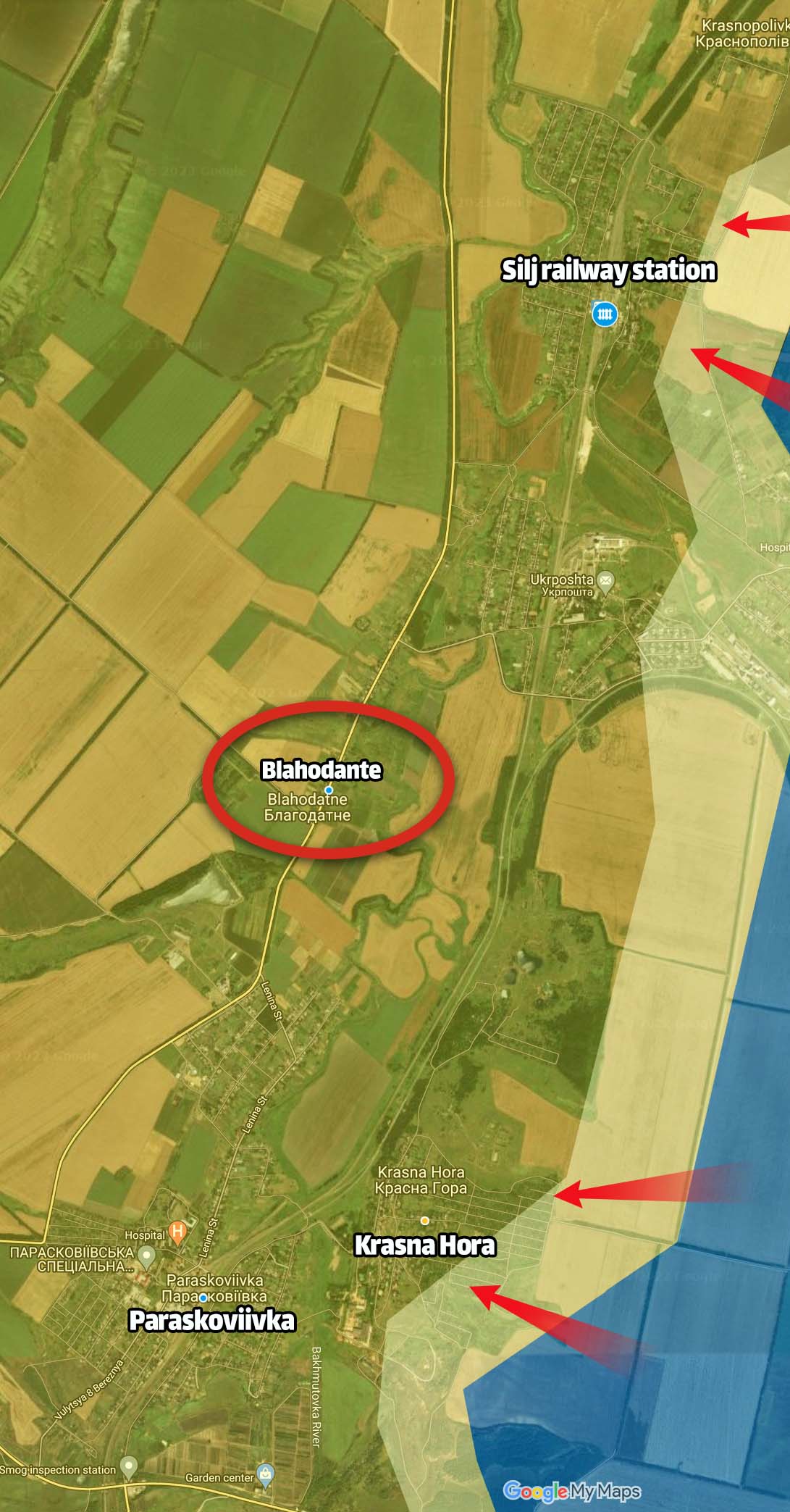
The Russian-led forces captured Sol (Sil) village and Sil railway station located in north of Soledar town. With the advance, the Bakhmut-Siversk road was completely cut off and the logistics route of the Ukrainian army was also blocked. It is important to note that this railway station was considered an important transportation center, And control over it, eliminated the possibility of a direct logistic connection between the towns of Bakhmut and Siversk, the two main points of Ukrainian defense line in the north of Donetsk oblast.
The Russian operation in this axis continues along the Bakhmut-Siversk road. The village of Krasnopolivka in the north of Sol and Blahodante in the south are the next targets of the Russian forces. Heavy clashes between the Ukrainian and Russian armies continue in the mentioned areas.
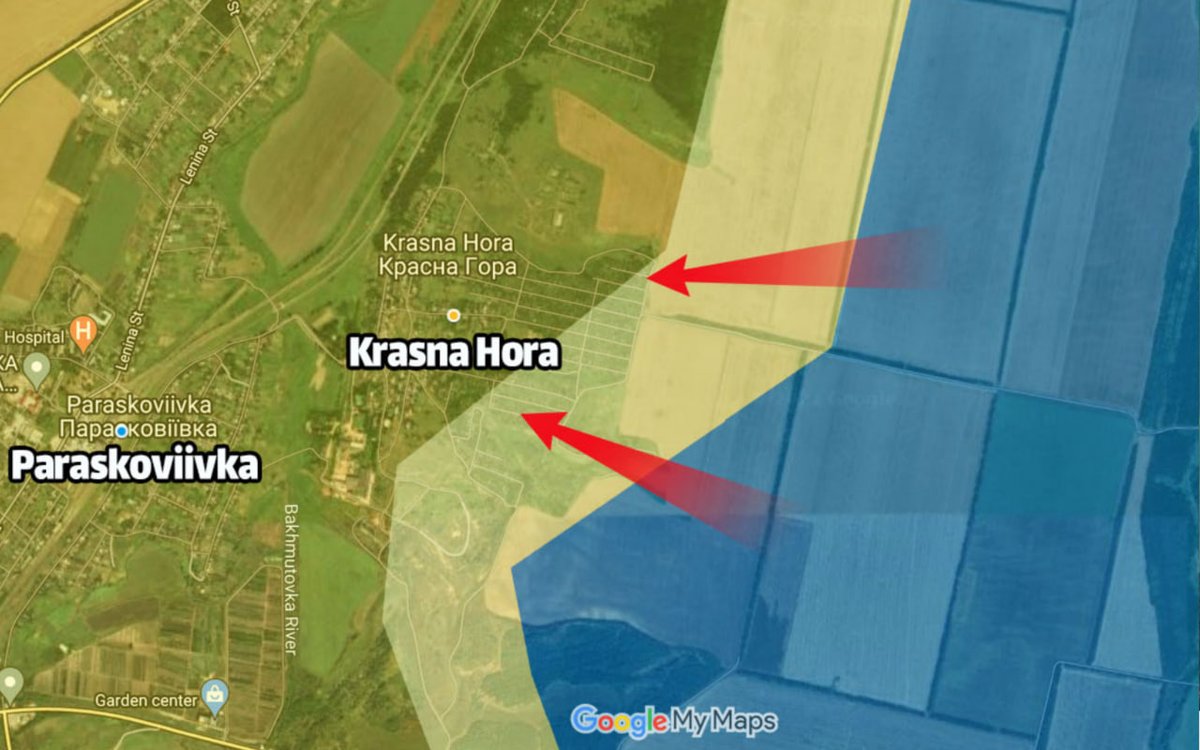
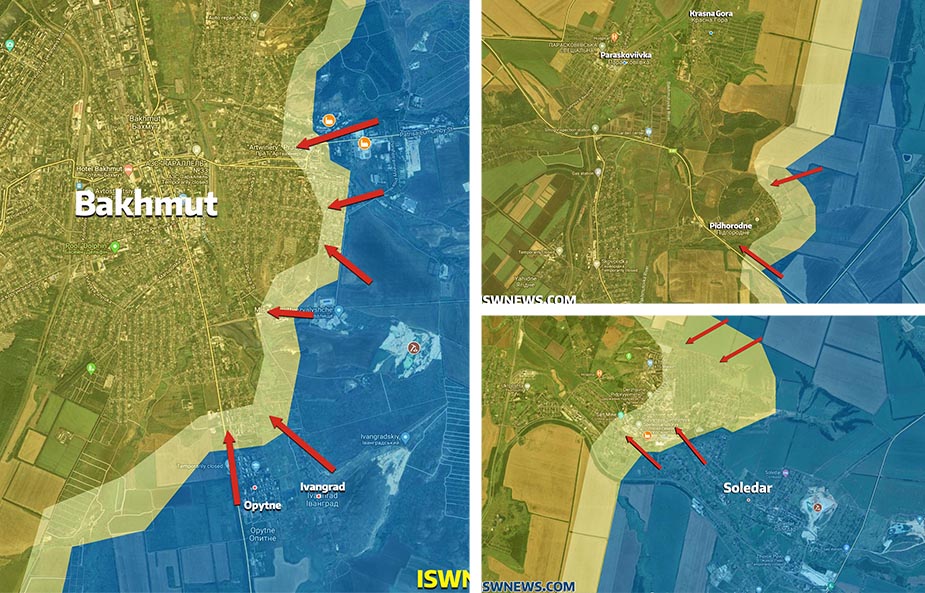
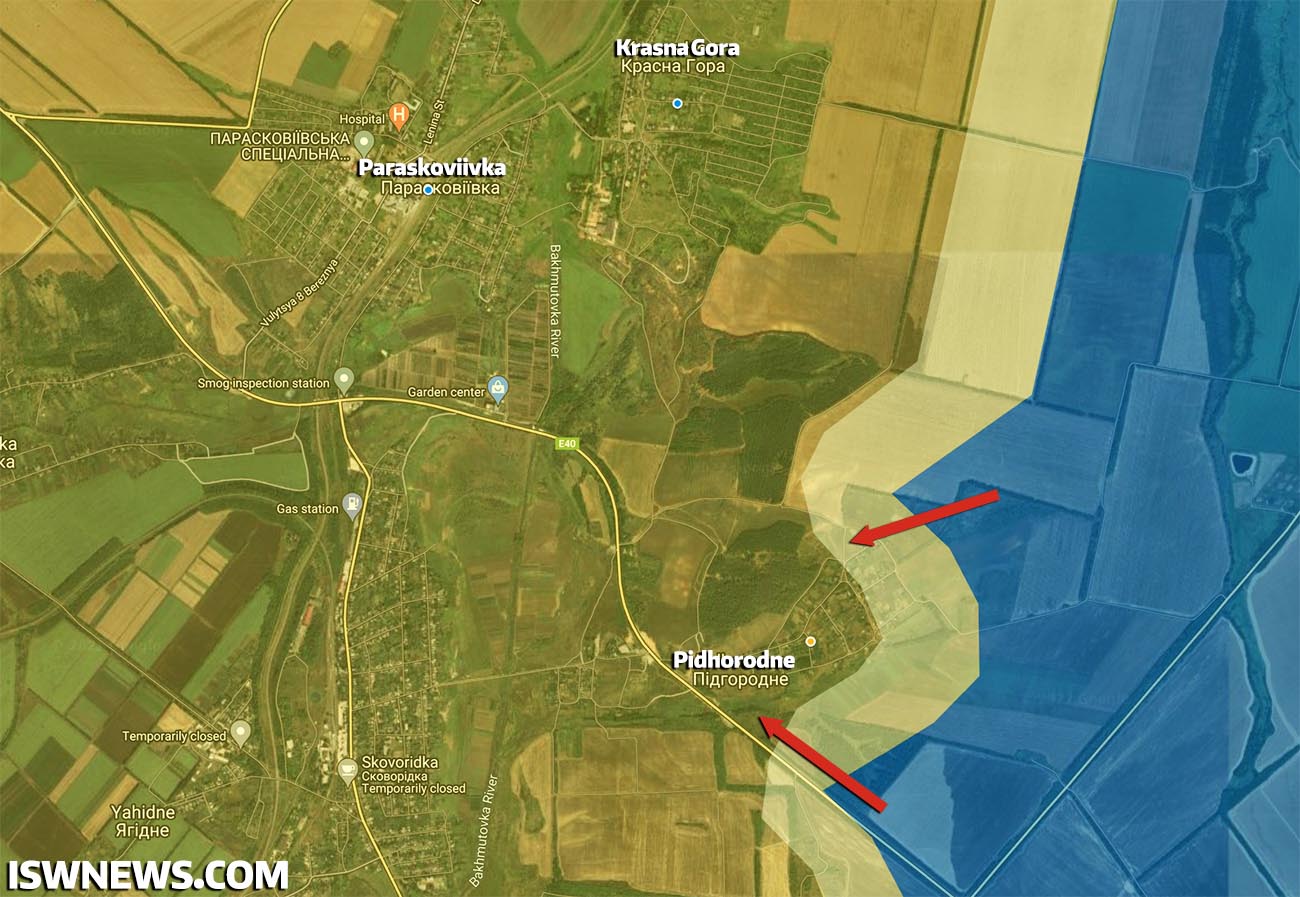
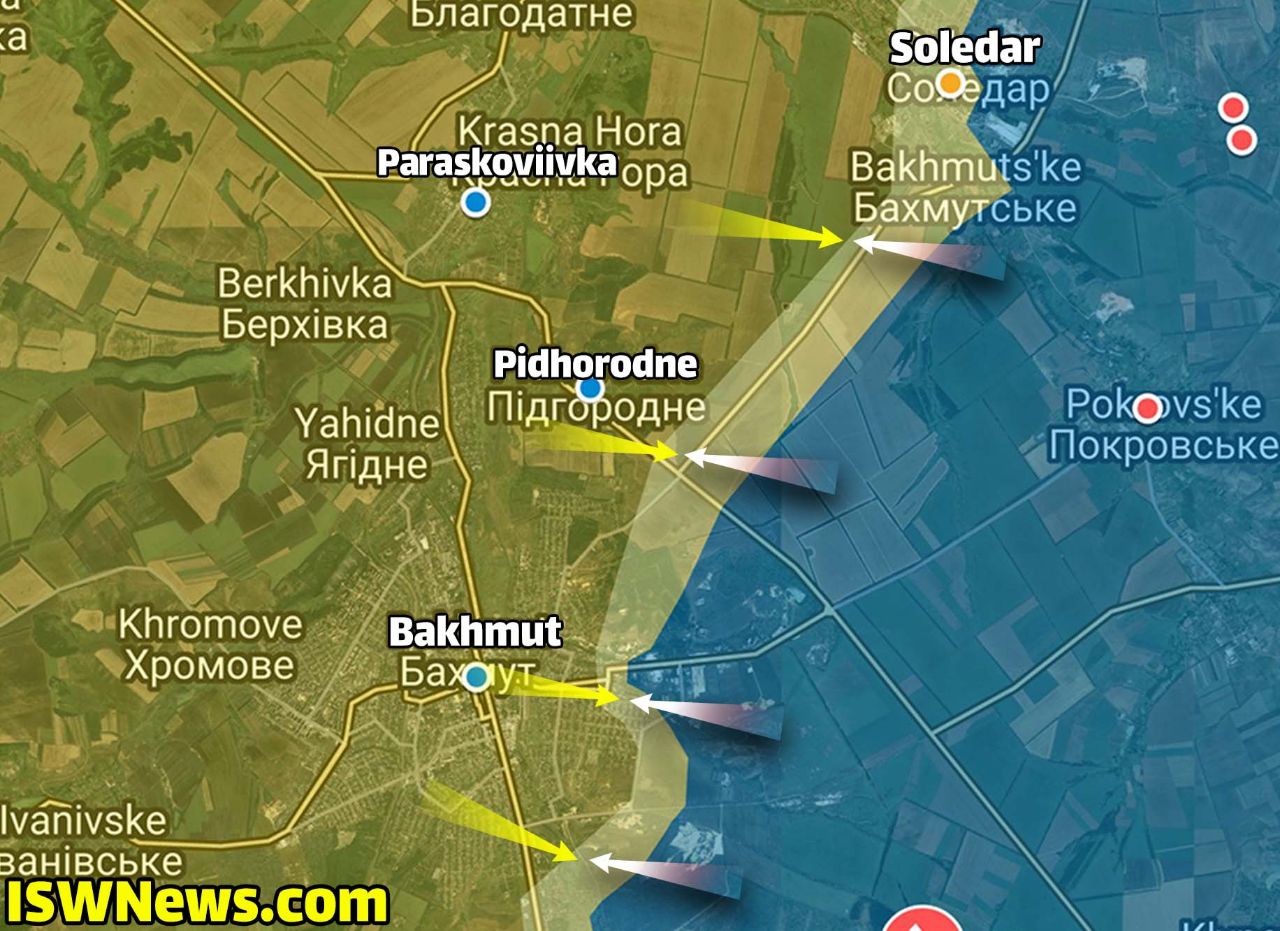
Also, clashes continue north of Pidhorodne in Krasna Gora and near Paraskoviivka. The capture of these two areas enhances the process of besieging the city of Bakhmut from the north.
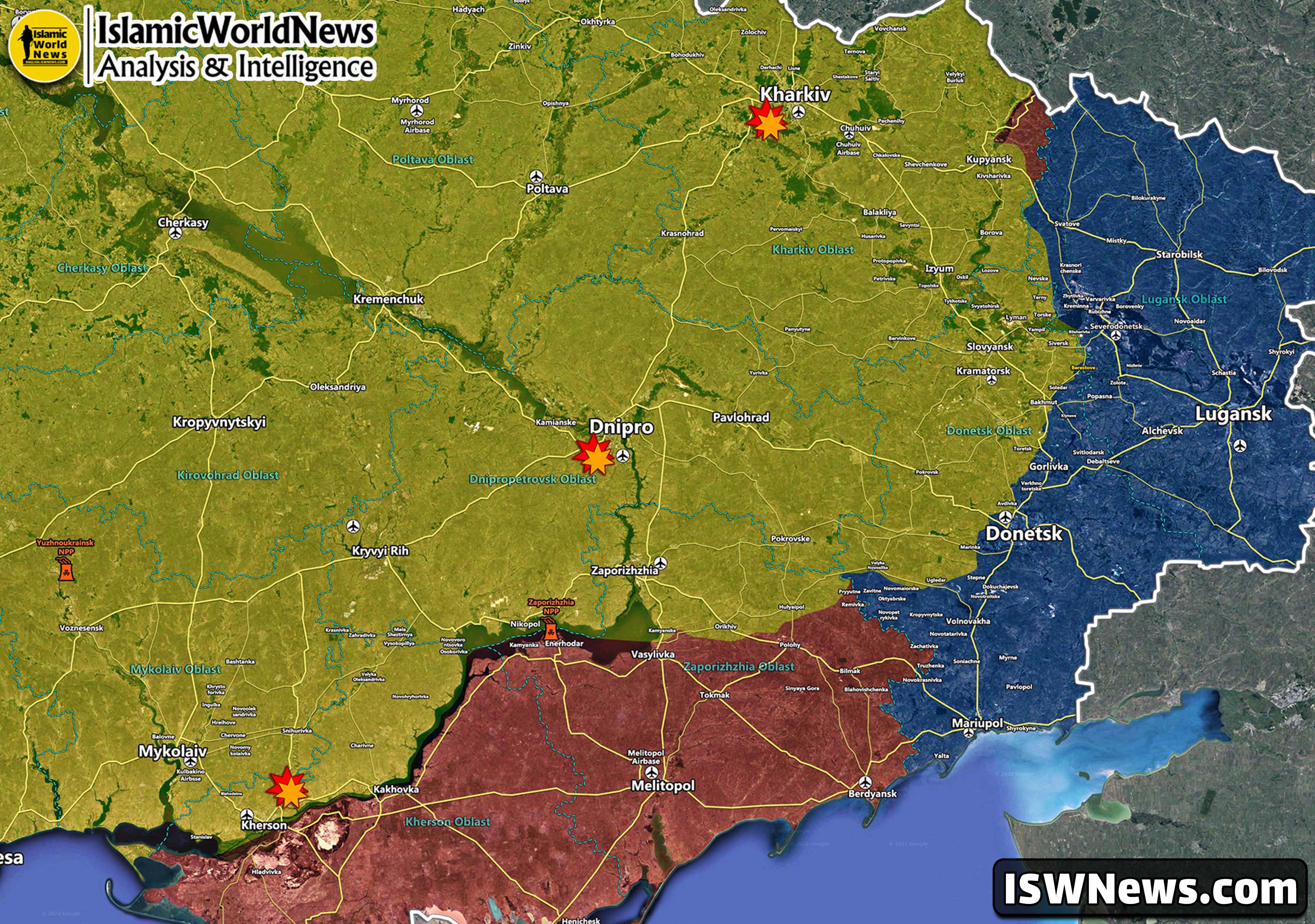
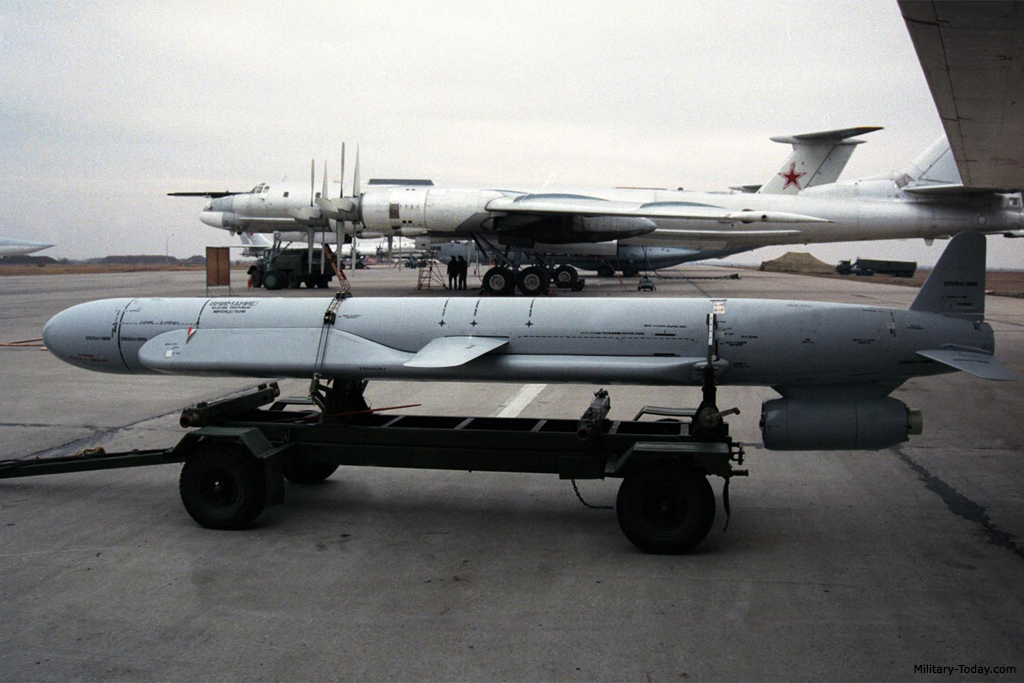
In its first large-scale attack in 2023, the Russian army, using submarines based in the Black Sea as well as Tupolev 22 and Tupolev 95 strategic bombers, launched dozens of cruise missiles towards Ukrainian energy and industrial facilities and infrastructure in the cities of Kyiv, Odesa, Mykolaiv, Zaporizhzhia, Kharkiv, Dnipro, Vinnytsia, Ivano-Frankivsk, Kryvyi Rih and Lvivs.
According to information published by the Ukrainian media, Russian missiles hit energy facilities, two power distribution stations and an industrial plant in the city of Kharkiv, one industrial plant in Zaporizhzhia, unspecified locations in the Odesa region, a residential building in Dnipropetrovsk, energy facilities in the cities of Ivano-Frankivsk, Lviv, Vinnytsia and Mykolaiv.
Also, explosions were heard in other cities of Ukraine, such as Sumy, Poltava, Zhytomyr and Ternopil, which according to Ukrainian media, were related to the confrontation of the Ukrainian air defense systems with Russian cruise missiles.
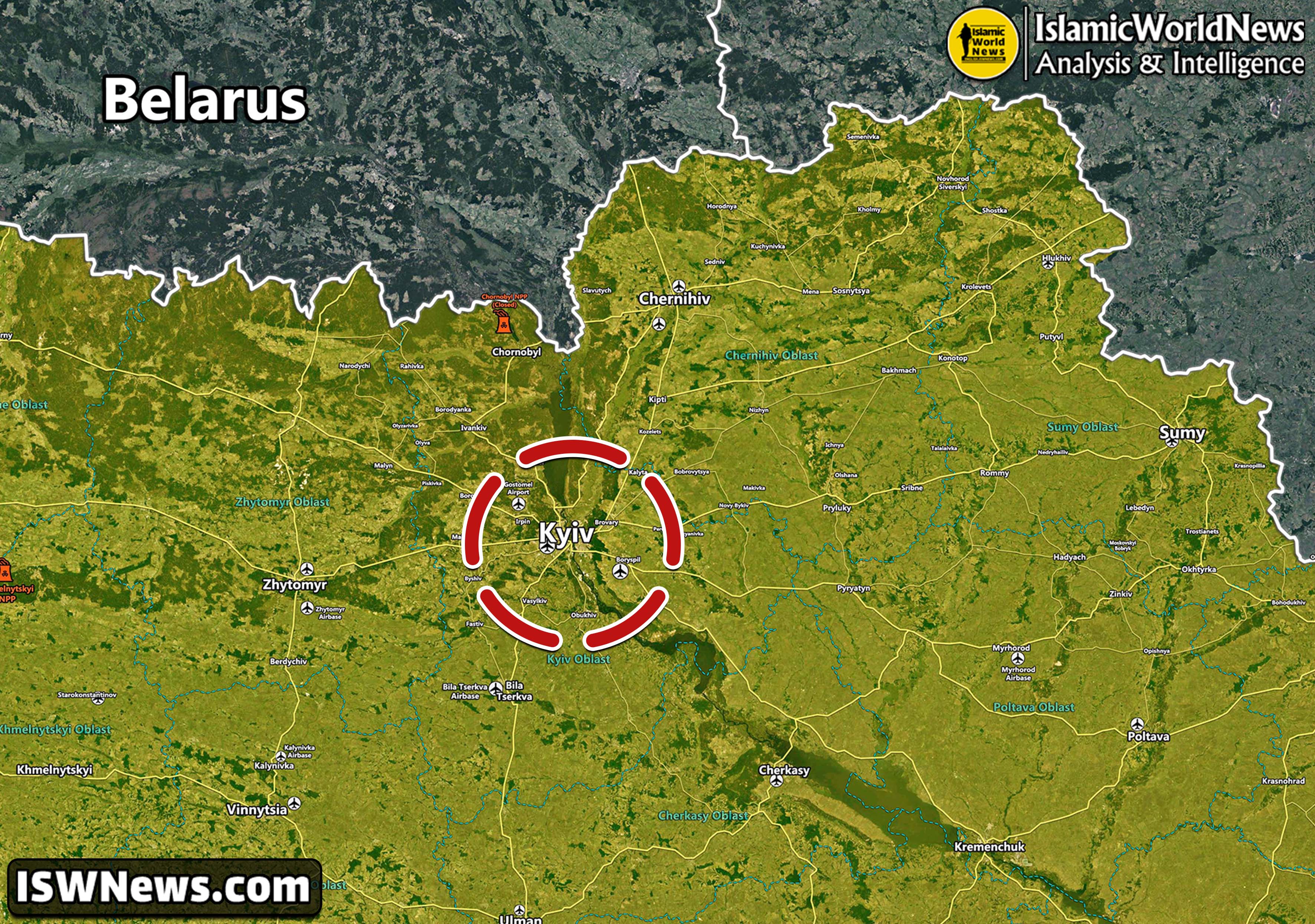
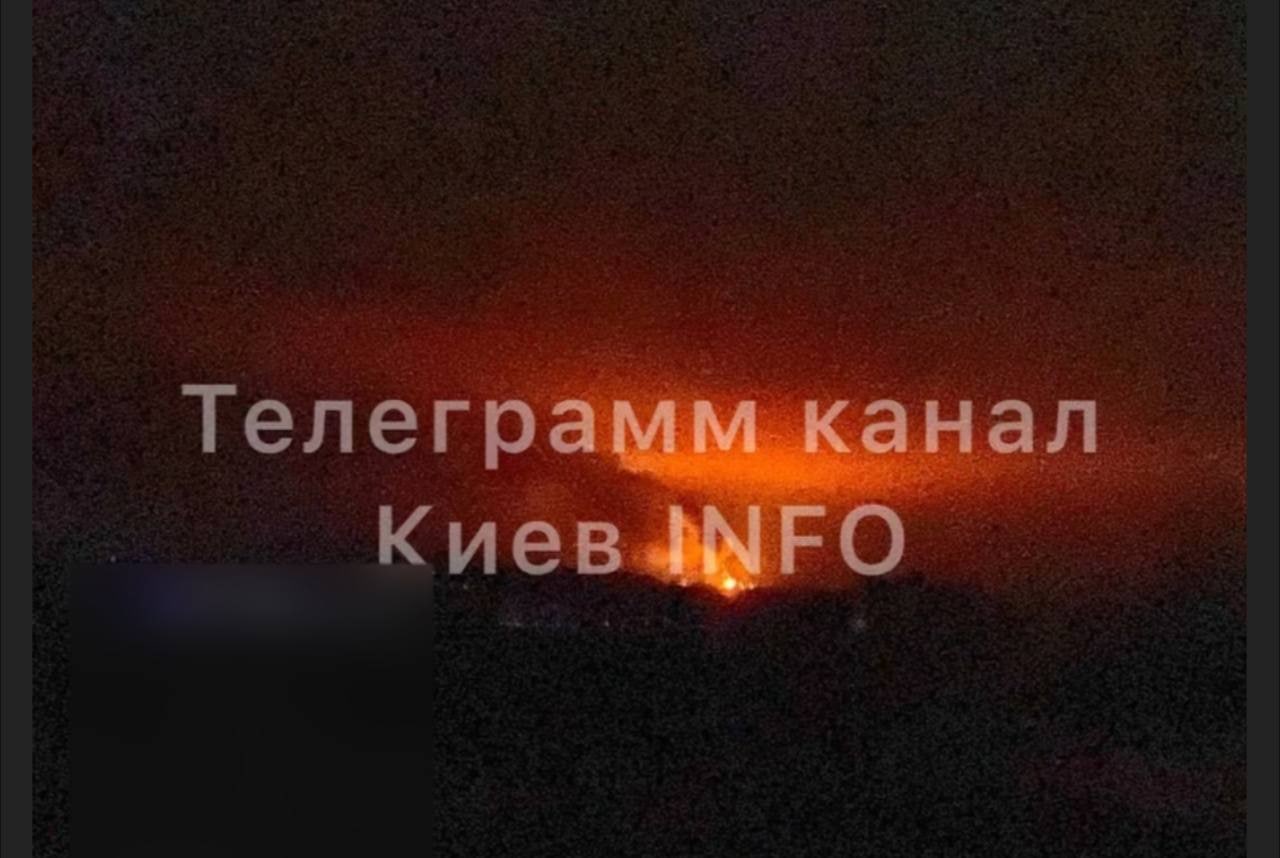
It’s noteworthy that, in addition to these attacks, the Russian army attacked the city of Kyiv on the morning of January 14 with one or more ballistic missiles, which led to several explosions and power outages in the city. This is the first time that the Russian army has used ballistic missiles to attack the capital of Ukraine. Despite various speculations, this attack could have been carried out to identify the location of the Ukrainian air defense systems in the area.
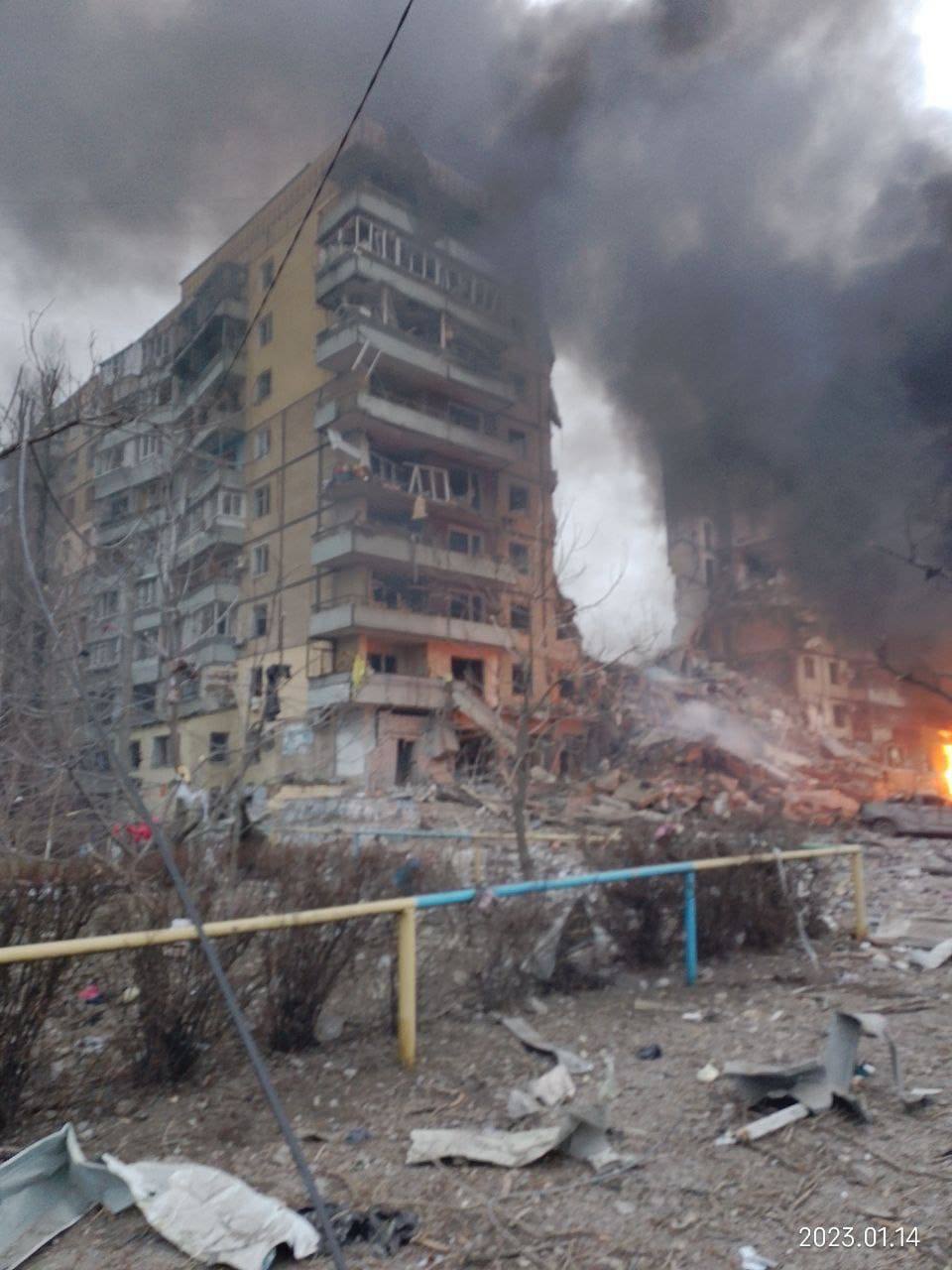
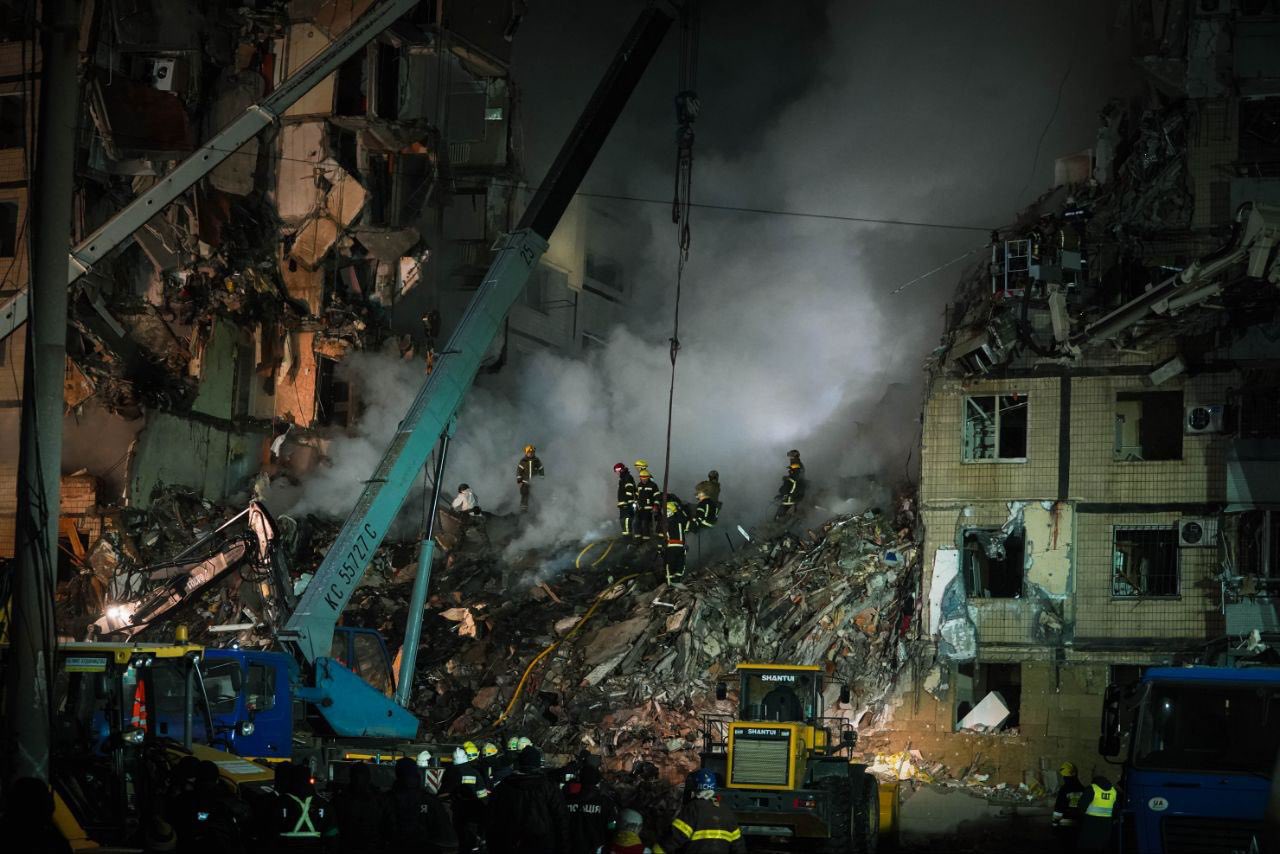
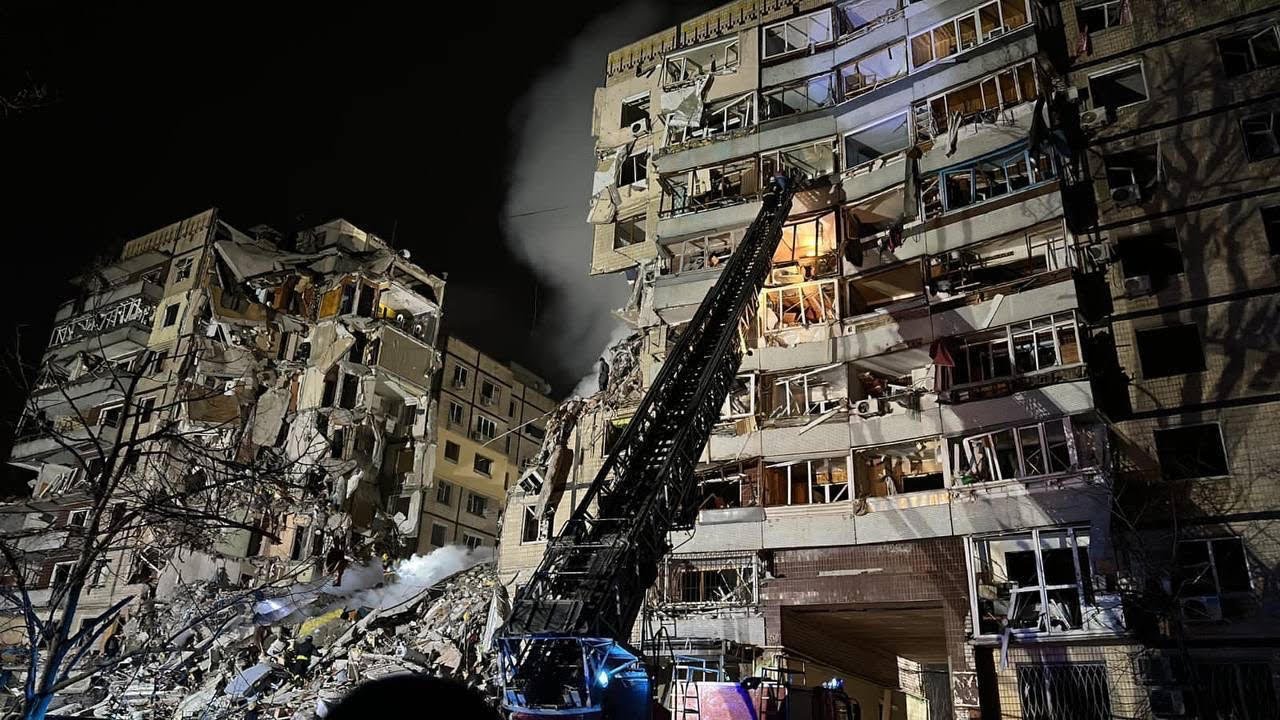
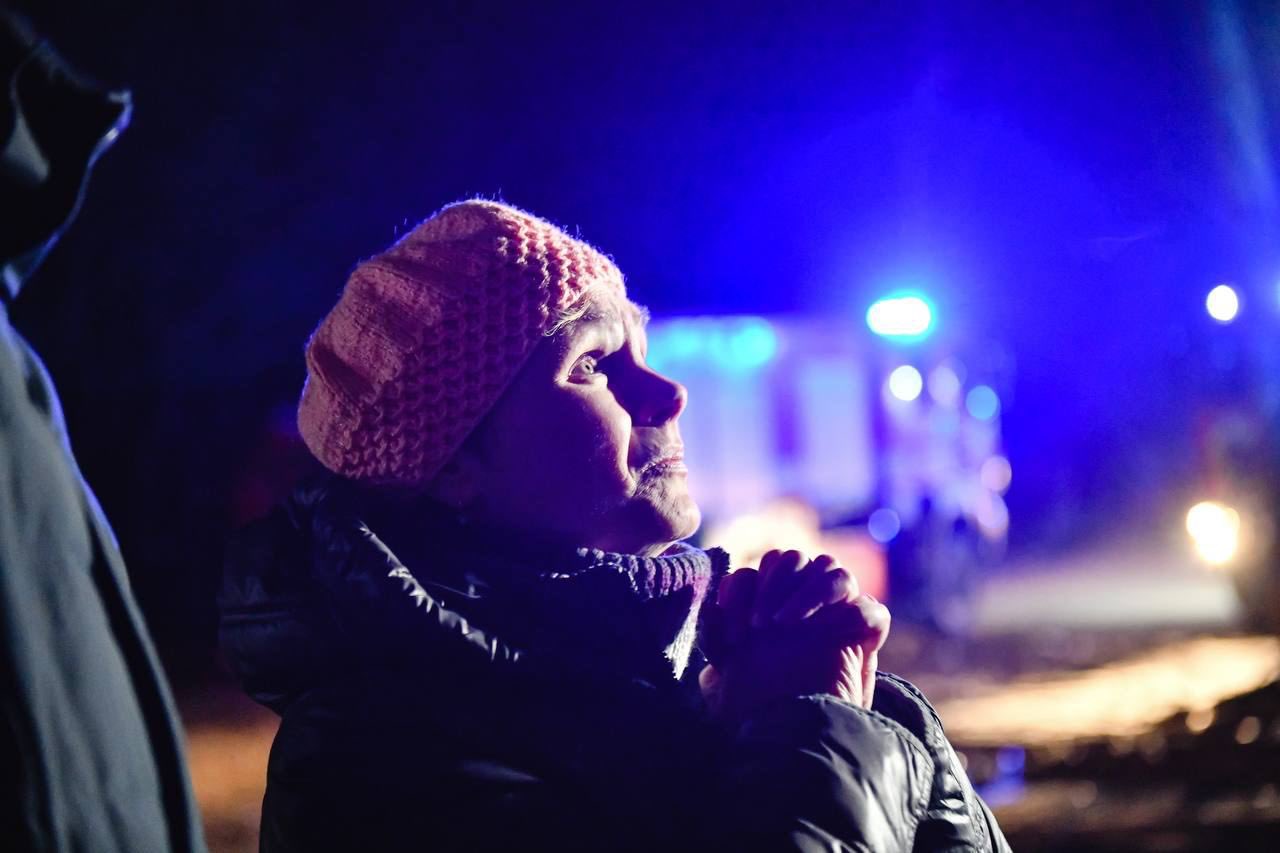
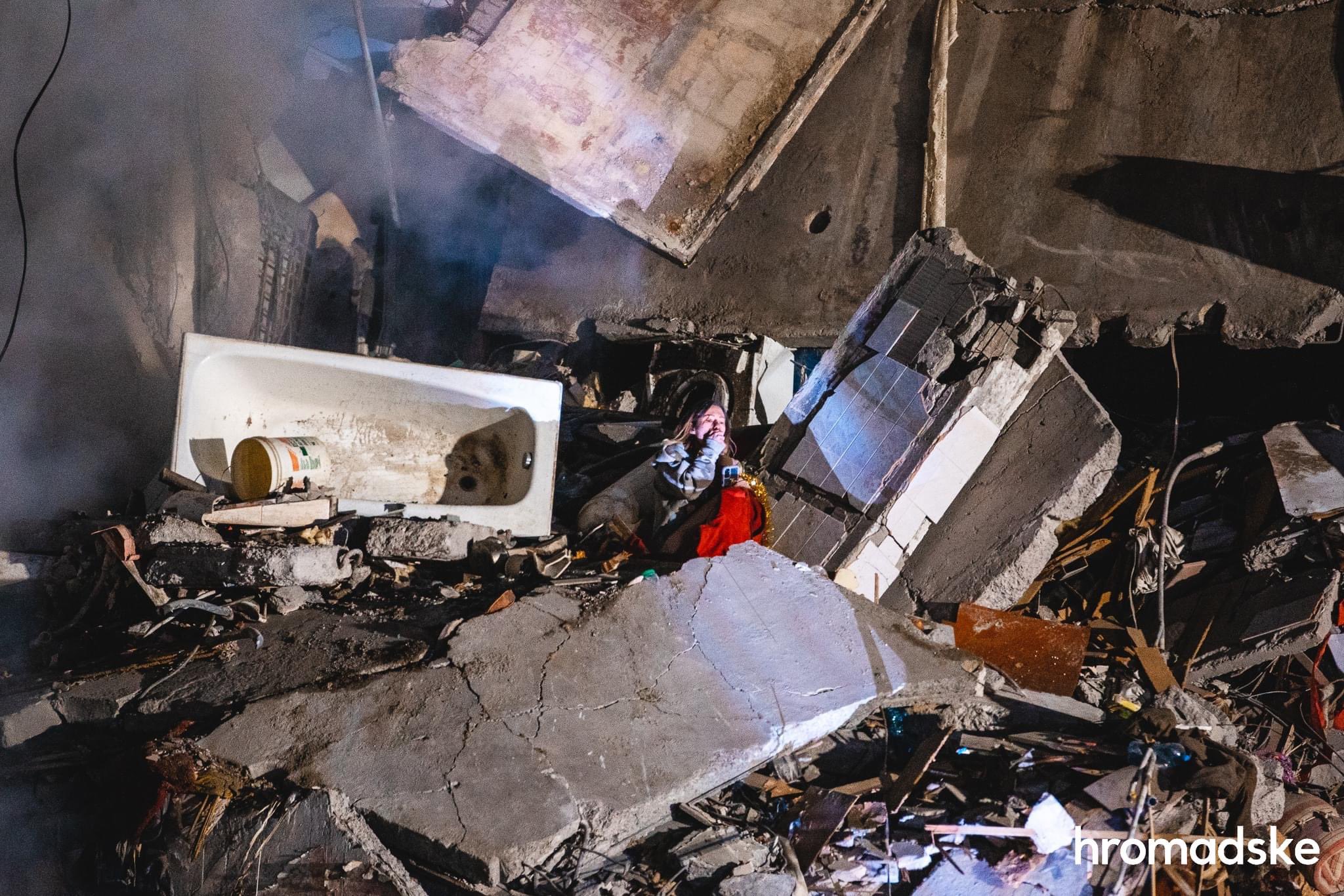
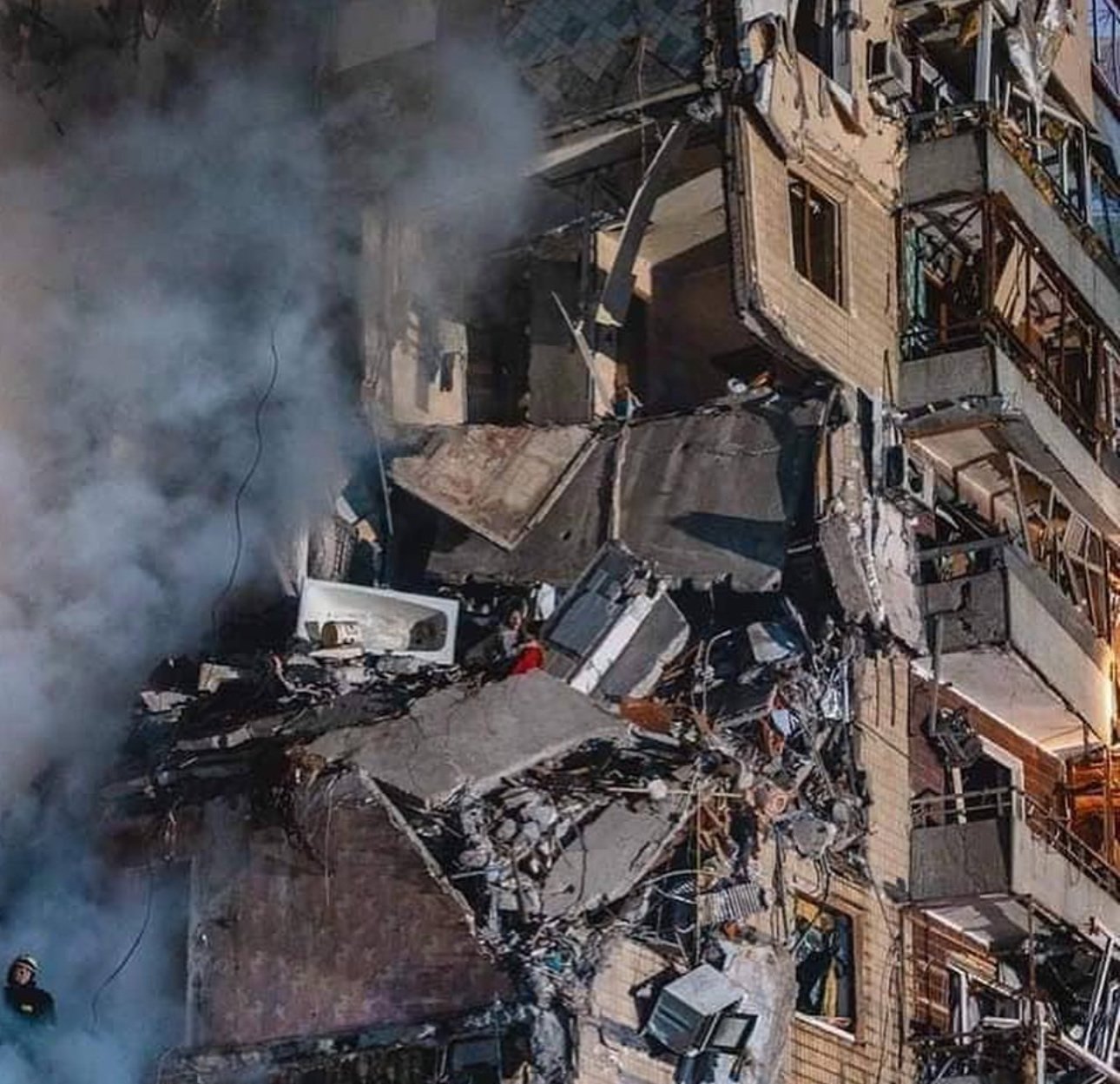
Russian cruise missile flying in the sky of Kherson cityOne of the cruise missiles of the Russian army hit the central railway station of the city of Kyiv, leading to the fire of the locomotives of a train.The fire caused by Russian missiles in the thermal power plant of Kyiv. It is said that this fire caused the burning of one of the turbines in this sector.Published images of Russian missiles hitting Ukrainian positions in the city of Dnipropetrovsk.The wreckage of the Ukrainian S-300 missile defense system fell on the territory of MoldovaRussian ballistic missile attack on the city of Kyiv in the morning of January 14Russian ballistic missile attack on the city of Kyiv in the morning of January 14As a result of one of the cruise missiles of the Russian army hitting a building in the city of Dnipropetrovsk, on the morning of January 25, at least 20 people were killed and more than 73 people were injured. Also, 38 people were rescued from the rubble of this building.Click to view full size
During the second war in Chechnya in 2009, a great number of fugitive fighters of the Caucasus Emirate fled to Turkiye.
The eruption of conflicts in Syria and the collapse of border areas in northern parts of the country paved the way for their participation in the war against the government in Damascus, and after a while the numerous dispatches of foreign mercenaries from around the world in particular from Chechnya, Circassia and the Caucasus region triggered the Westerners’ attention and investment.
In 2015, a group of the mercenaries formed the Ajnad al-Kavkaz backed by al-Qaeda and Turkiye. The group joined the Hay’at Tahrir al-Sham in 2017, and withdrew from Idlib, Syria, following an agreement with the Tahrir al-Sham and continued its activities against the Syrian Army in the northern front of Latakia governorate. The Ajnad al-Kavkaz mercenaries have connections with other terrorist groups from Chechnya and Caucasus such as the Caucasus Emirate, but they perform independently.
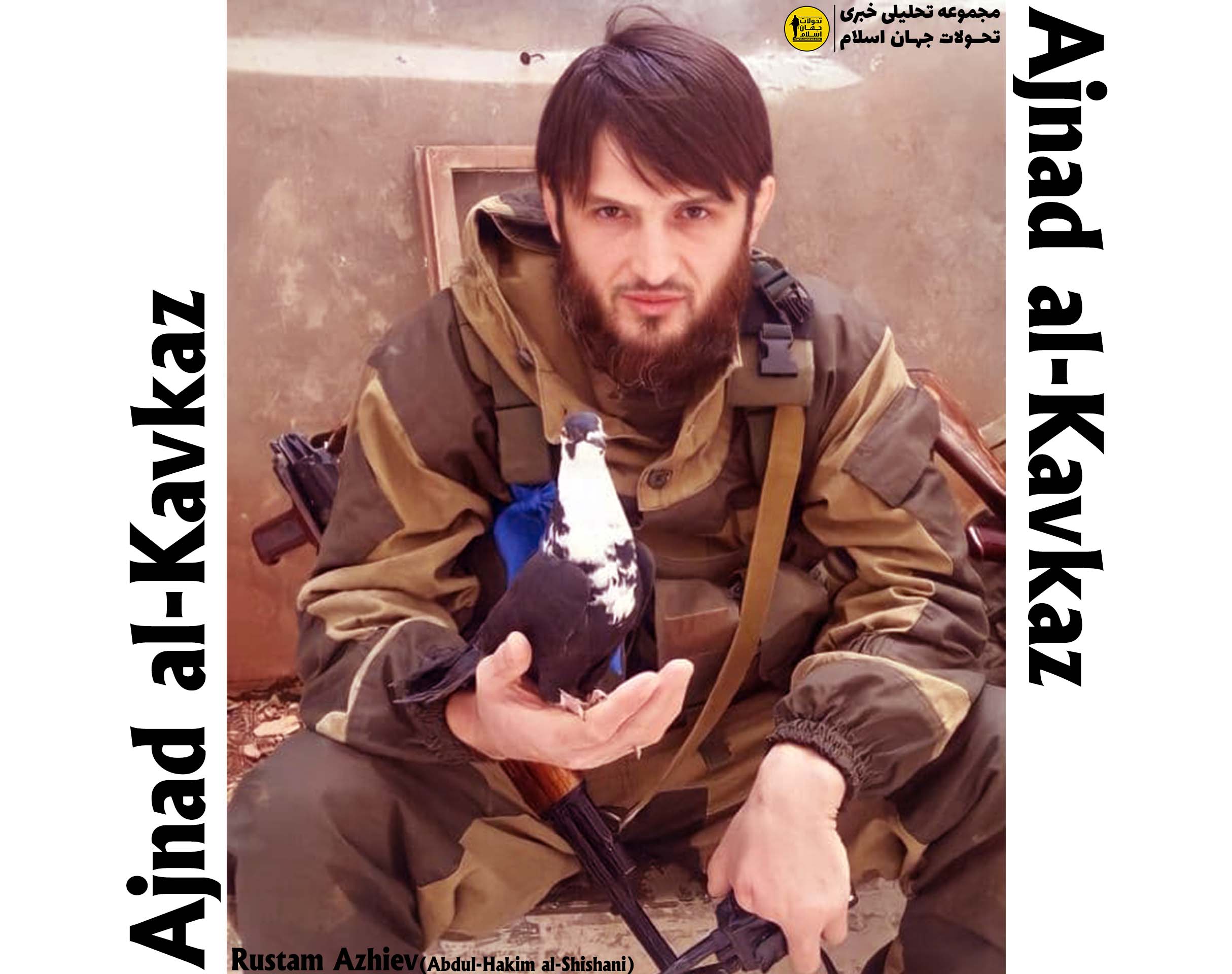
The leader of the group is named Rustam Magomedovich Azhiev also known by his Jihadi nom-de-guerre Abdul Hakim al-Shishani. There are two other figures along with Azhiev. One of them is military commander Hamza al-Shishani and the second one is political commander AbuBakr al-Shishani.
Following the initiation of the Russia-Ukraine war and the quick advancement of Russians accompanied by Chechnyan military forces of Ramzan Kadyrov’s government in eastern and southern fronts of Ukraine, the Western states came to the conclusion that they can move some of the armed groups stationed in northern Syria to Ukraine. One of the groups is the Ajnad al-Kavkaz, who could arrive in Ukraine by the help of Turkiye. There are video documentations in different Ukrainian cities, including in Kryvyi Rih and Bakhmut, proving their presence in the war against Russia.
Abdul Hakim al-Shishani and other members of Ajnad al-Kavkaz group in the city of Kryvyi Rih in the south of UkraineThe battle of Abdul Hakim al-Shishani and his men with Russian forces; probably on the Bakhmut front
Two reasons have been mentioned on the involvement of the Chechnyan group in the Ukraine war. First, the extremist armed group has a background of fighting the Russian Army in the second war in Chechnya and mountainous areas of Latakia in northwest Syria as well.
Therefore, they are aware of the Russians’ fighting method as well as the way to fight back. In the forest and mountainous areas, they show effective performance and enjoy significant coordination and capability in team working. The features are the same conditions that are seen in the Ukrainian fronts, and they can block the Russians’ advancement.
Second, other armed groups in Syria do not have the motivation and background to fight Russia more than the Chechnyan militias. They fought the Russian Army and the Kadyrov government in Chechnya in the past, and experienced a heavy blow due to lack of military equipment, foreign support and so on at that time. Now, the Ukraine war can provide them with the opportunity to take revenge and it may spread the war zone to the Russian territories.
In general, the idea of creating and enhancing terrorist groups has been planned by the American strategists with the aim of standing against Russia, Iran and other opponents of the United States. The project has been implemented since the occupation of Afghanistan by the Soviet Union until the conflict in Syria and now in the Ukraine war, which has been an effective strategy to pursue the West’s objectives. Accordingly, a potential defeat of Russia in the Ukraine war would bring about perilous consequences for other opponents of the US; and there is a possibility that the pattern and the quick transfer of terrorist groups to controversial regions such as Karabakh and other areas, which are safety margin of Iran, may be reproduced.
Rustam Azhiev AKA Abdul Hakim al-Shishani leader of Ajnad al-KavkazImages of Abdul Hakim al-Shishani next to Akhmed Zakayev, the former Prime Minister of Chechen separatistsAbdul Hakim al-Shishani (right) next to Salahuddin al-Shishani, (middle) leader of Jaysh Usrah group and Muslim al-Shishani, (left) leader of Junud al-Sham groupAbdul Hakim Al-Shishani next to Abdullah al-Muhaysini, the religious judge of Tahrir al-Sham
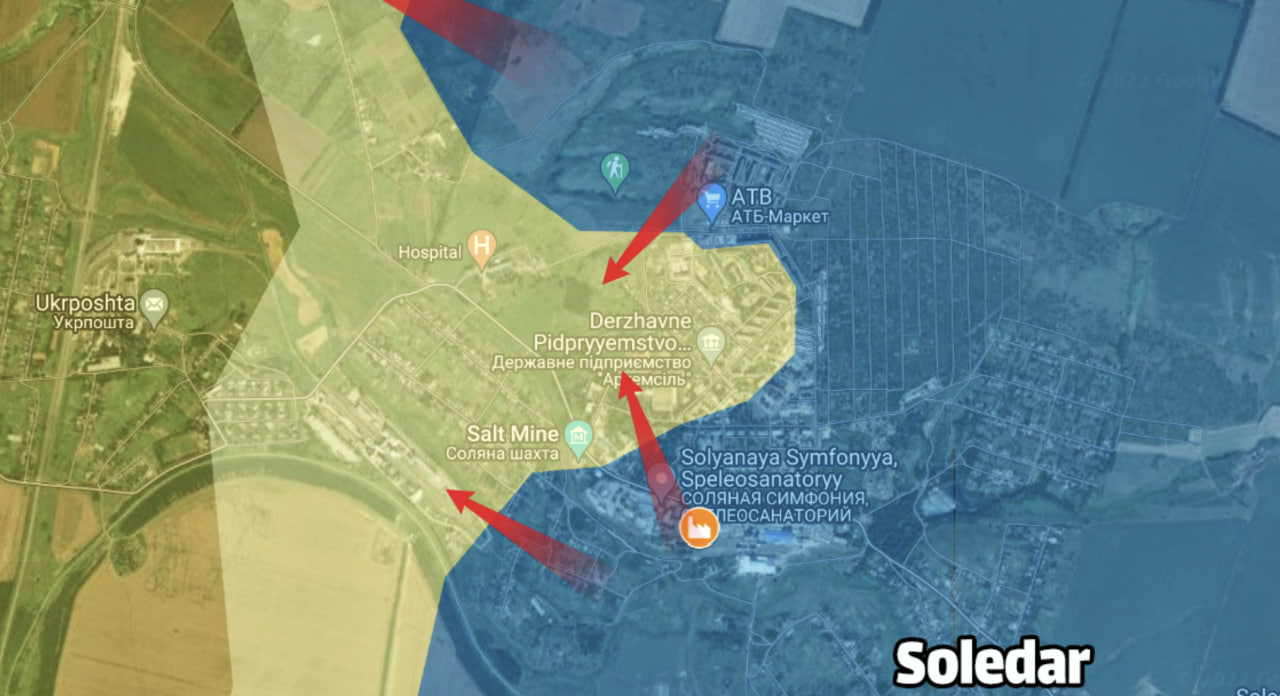
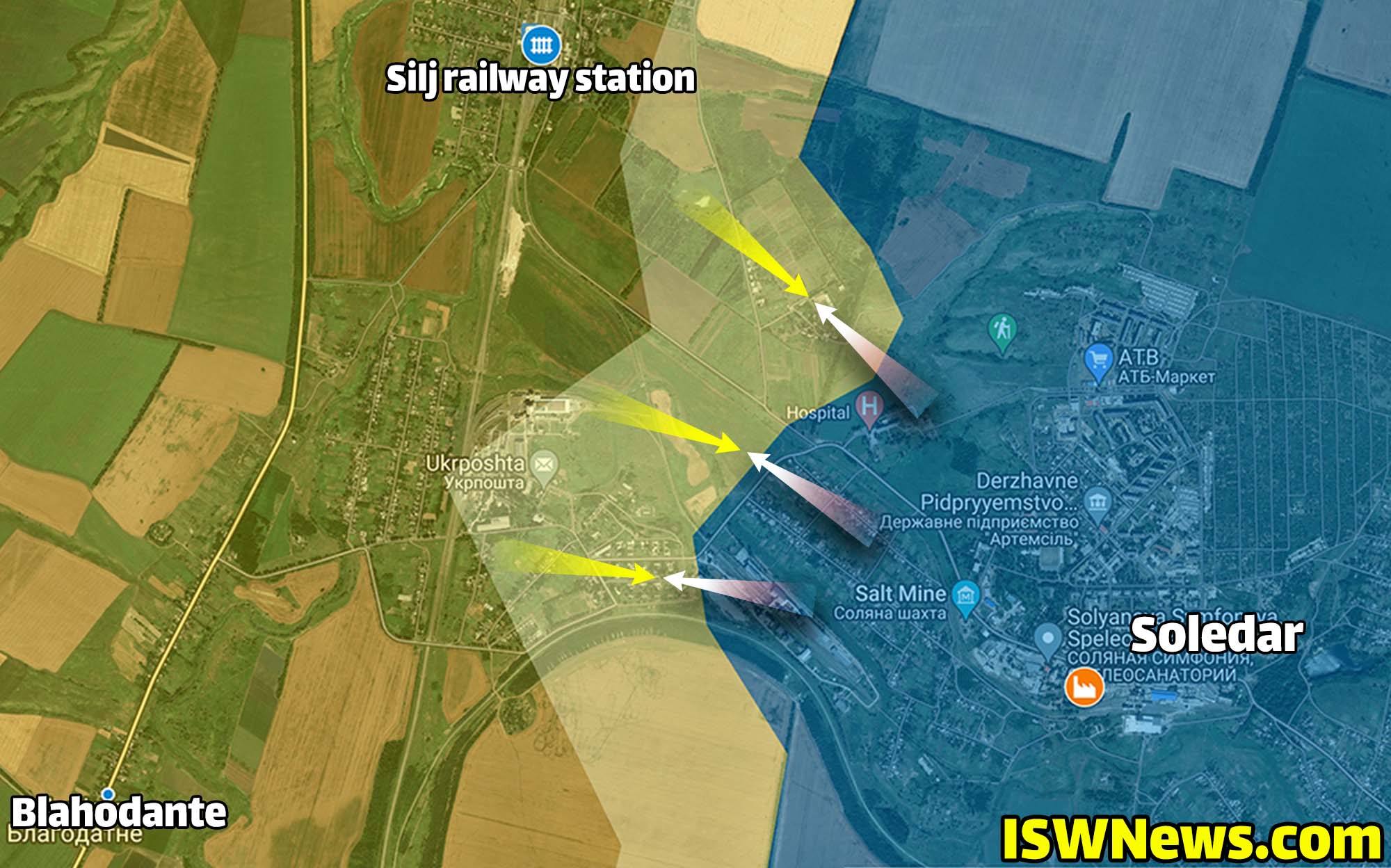
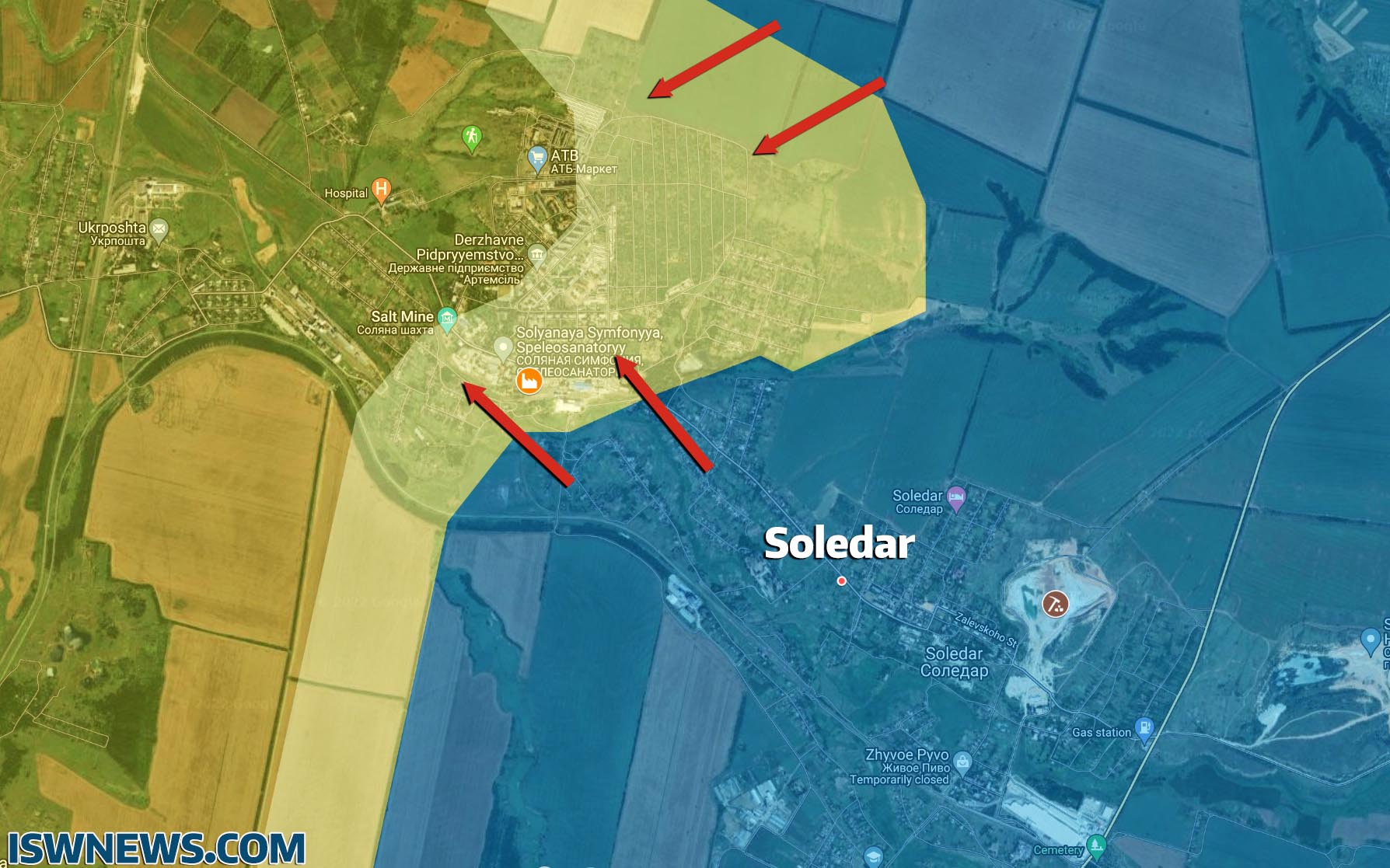
During the past three days, Russian forces captured the central areas in the northern part of Soledar town, and the conflicts spread to the remaining areas in the northwest of this town. With the advances made, the Ukrainian forces get caught in a quasi-encirclement situation and later, the AFU forces were forced to retreat to avoid encirclement.
The quasi-encirclement situation for the AFU in Soledar
Now, Russian forces are clearing the underground network of Ukrainian military installations in the Soledar mines and the last streets in the area. Also, attacks by Russian forces on salt mine No. 7 in the northwesternmost point of Soledar are ongoing.
The Russian media have stated that Ukrainian casualties in Soledar battles are more than 500 personnel, and with the resistance of the Ukrainian army and the prolongation of the conflicts, these statistics will probably increase.
Some Ukrainian sources have also reported that the country’s army is preparing for a counterattack to Soledar, which is far from expected considering the conditions of this axis.
Latest situation in Soledar
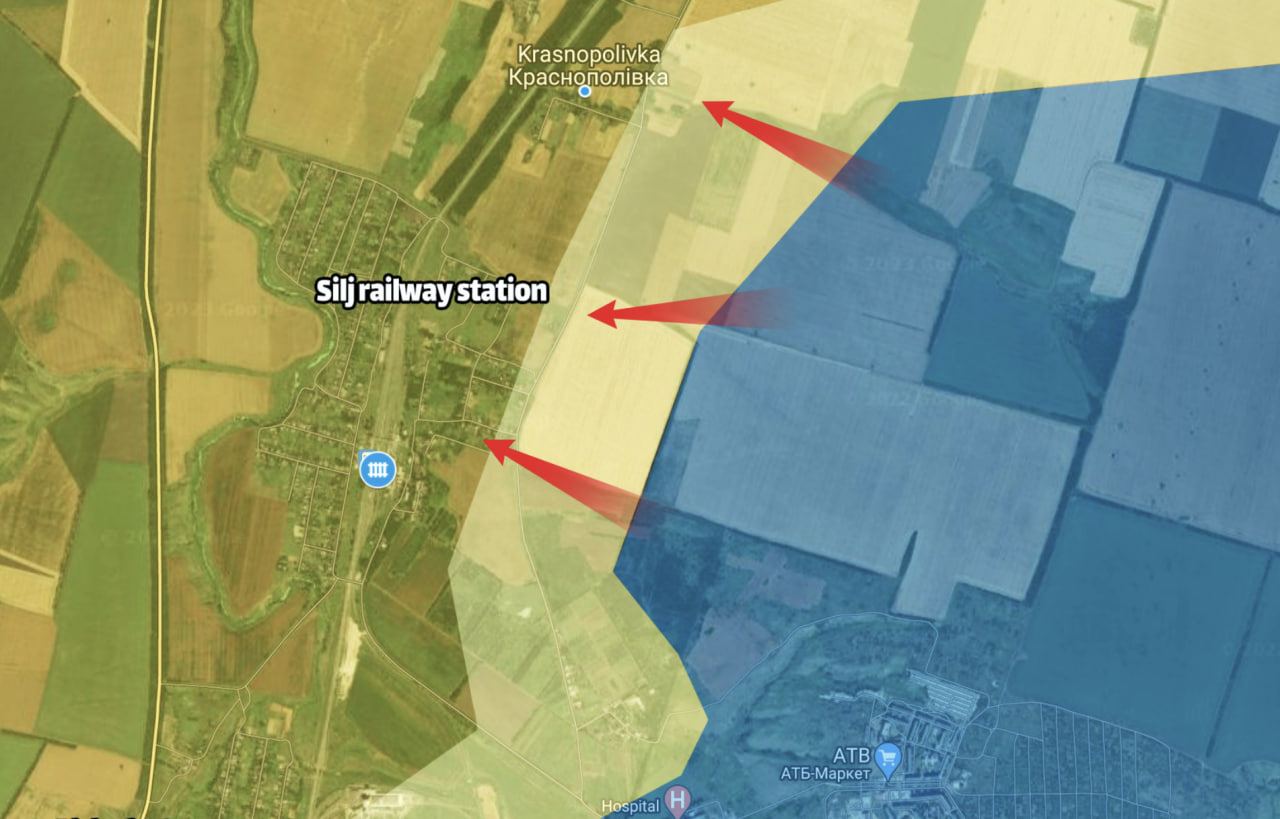
At the same time as these attacks, Russian forces advanced towards Silj railway station in north of Soledar. There are unconfirmed reports that the Russian-led forces also reached to Krasnopolivka village.
Situation near Silj railway station
In the southwest of Soledar, the conflicts have also extended to Krasna Hora, and heavy clashes continue in the eastern and southern countryside of this village.
Situation near Krasna Hora village
Considering the Russian army advances in the two main axes in this region, it seems that the capture of Blahodante and the cutting of the Bakhmut-Siversk route are the main and final goals of the Russian operation in this axis.
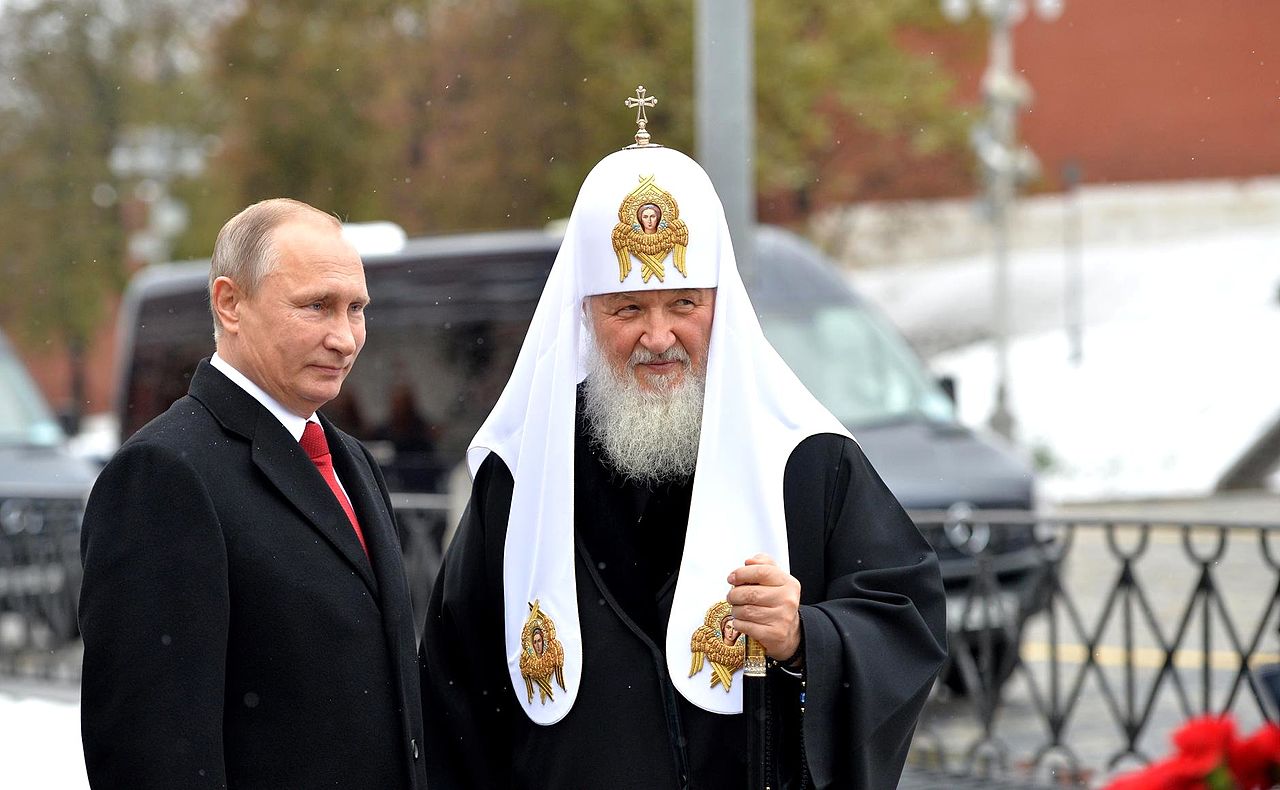
With the end of Russia’s one-sided ceasefire at 24:00 of January 7th, attacks and heavy bombardment in the Soledar and Bakhmut fronts continued with more intensity. Russian President, Vladimir Putin had ordered a 36-hour ceasefire in Ukraine starting from 12:00, 6 January to 24:00, 7 January, by the request of the Russia’s spiritual leader, Patriarch Kirill on the occasion of Orthodox Christmas Day.
On Soledar front, the Russian-led forces have begun their attacks to advance towards the salt mine area in the north of Soledar. Russian forces are pressing from both the south and northeast sides, and maintaining the position at this point has become more difficult for the defenders of the town than before.
In general, the situation in Soledar is more critical for the Ukrainians after the heavy Russian bombardment, and their first and second lines of defense in the town have been broken. The AFU 128th Brigades are resisting the Russian army in the third line of defense. However, despite the fall of most of the areas of Soledar, the news of the withdrawal of Ukrainians from Soledar is not true, and clashes in the northern parts of this town are still ongoing.
On Bakhmut front, clashes continue in the Pidhorodne area in northeast of Bakhmut city. In case of complete capture of Pidhorodne village, the process of besieging Bakhmut from the north side will be accelerated. Also, if the advance on this axis continues, the settlements of Krasna Gora and Paraskoviivka will be the next targets in north of Pidhorodne.
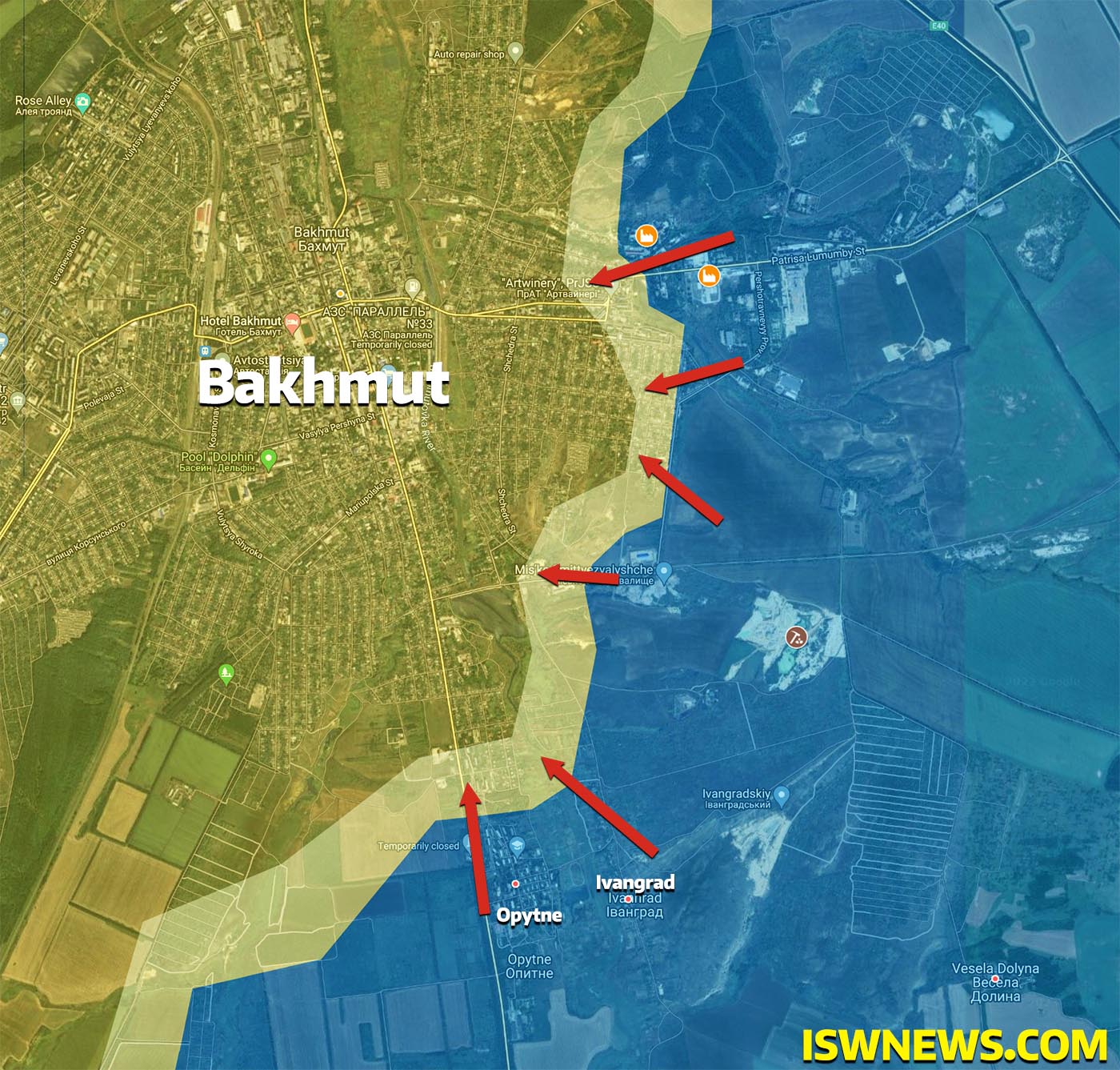
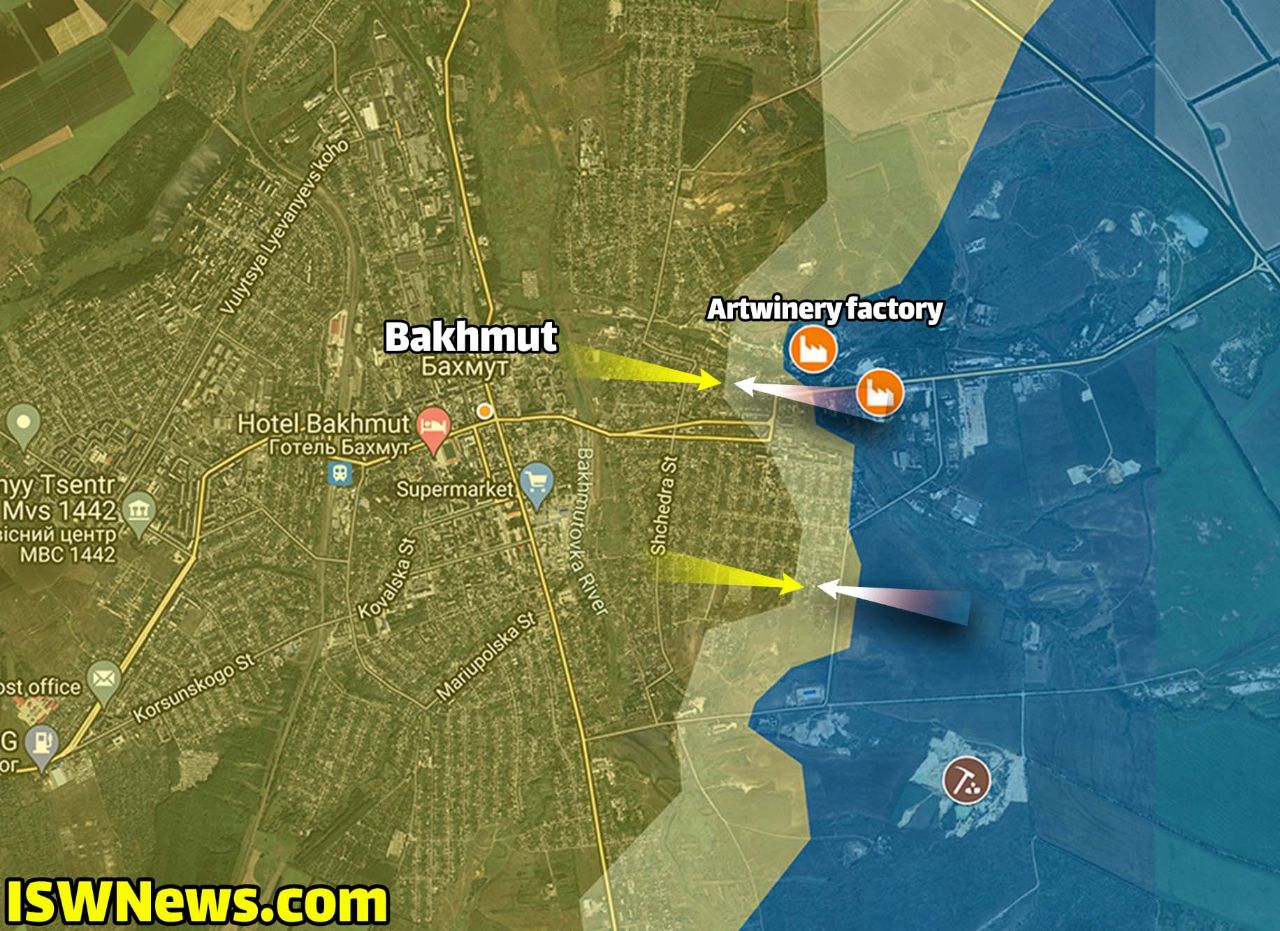
In the eastern and southeastern suburbs of Bakhmut city, the attacks of the Russian army continue, but clearing the industrial area in the eastern areas of Bakhmut has encountered difficulties. Currently, Russian forces are present at the eastern and southern entrances of Bakhmut city, and no progress has been made during the last week. In these axes, the Ukrainians have succeeded in slowing down the Russians by building fortified trenches and underground tunnels.
According to Russian media, the Ukrainian army has sent 4000 servicemen from Chernihiv region to the Soledar and Bakhmut fronts to compensate and replace the losses of its forces. Also, artillery equipment, five Sukhoi 25 and two MiG 29 fighter jets are to be sent to support the Ukrainian forces in this front.
In general, Russian forces are conducting a low-speed operation on the Donbas front with continuous airstrikes and limited ground attacks on Soledar and Bakhmut. This tactic forces the Ukrainians to bring more reinforcements to defend these settlements, and as a result, the loss of Ukrainian manpower and logistical equipment will increase day by day.
Bombardment of positions of Ukrainian forces in Pidhorodne axis with incendiary ammunition. Such attacks were previously carried out by Russian rocket launchers using 9M22S incendiary ammunition during the Mariupol battles
The video is a combination of anti-aircraft guns and sometimes German Gepard rounds. Several shots that explode in the sky after traveling a distance, this kind of shots of Ukrainian Gepard anti-aircraft guns have been seen in Odesa before.
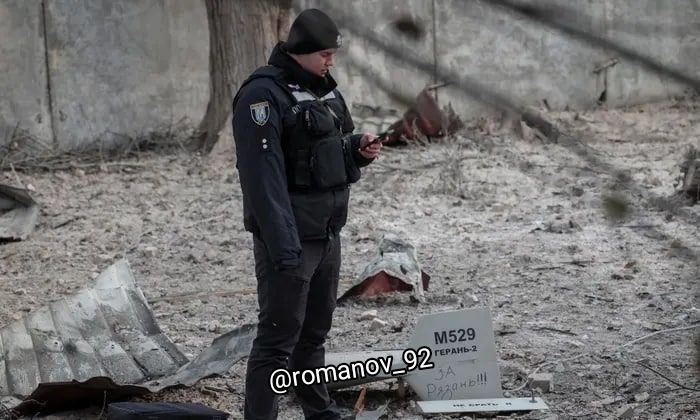
Unsuccessful attempts by the Ukrainian air defence systems to destroy Shahed-136 drone in Kyiv
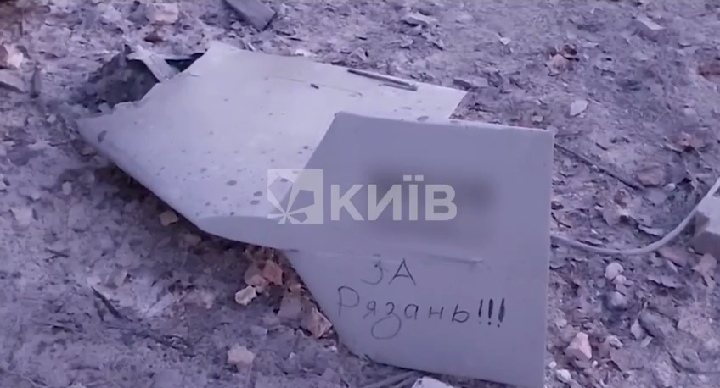
But why is the Ukrainian air defense system unsuccessful? In the video, only the explosion of the Gepard’s 35 mm bullets can be seen, and it cannot be concluded from this video that a drone was targeted in the sky and exploded as a result. You may assume that shrapnel may damage the drone and yet it did not explode and fall in any way, in which case a photo of its relatively intact wreckage should be published; Especially when it falls in an urban area and the time interval between the fall of the drone wreckage and the publication of its photo by the Ukrainian media will be less than a few minutes. like the only example of Shahed-136 that malfunctioned and fell into the Black Sea… But so far, the wreckage that has been released from Shaheds in Kyiv is only small pieces from the end of their wings. At the end of the video, the attempt of the Ukrainian air defense is unsuccessful and the drone hits the electricity post and the electricity in the area is cut off.
This is despite the fact that now the city of Kyiv and the routes leading to Kyiv are completely covered by the most modern western air defense systems such as IRIS-T and NASAMS, and all kinds of artillery systems such as Gepard and MANPADS are at the disposal of Ukrainians And all these systems are supported by NATO AWACS.
In this video, like the videos that have recently been leaked by the Ukrainian media, we can clearly see that the continuous firing of the Gepard systems and even the firing of another defense system (NASAMS or IRIS-T) is unsuccessful at 0:20 seconds And the drone has successfully hit the target and the job is done.
But contrary to reality, eventually a report will be published by the Ukrainians that there were 60 Shahed-136 drones and we shot down 58 of them and the other two fell. While in practice, there are no 60 drones! these drones move towards their target only singly or in groups of two and with a time interval from each other. Also, the published images of the wreckage of these drones have only one mode: The end of the wings and finally the engine, which in fact, this mode belongs to the time when the drone has successfully hit the target!
Of course, when pictures are released that the Ukrainians are still trying to intercept and destroy these drones with powerful projectors, it becomes clear that the modern defense systems donated by the West to Ukraine, as well as NATO’s AWACS have great difficulty in discovering and destroying these drones.
In his message to the Russian Ministry of Defense, Putin said, “Considering the address of his holiness Patriarch Kirill, I commend the Minister of Defence of the Russian Federation to implement ceasefire from 12:00, 6 January 2023, to 24:00, 7 January 2023, along all the line of contact in Ukraine. Proceeding from the fact that the operations areas are inhabited by a large number of citizens who profess Orthodoxy, we appeal to the Ukrainian party to announc a ceasefire, and to give them an opportunity to attend the services on Christmas Eve, and on the Christmas Day.”
Until now, Ukraine has not reacted to this Russian request.
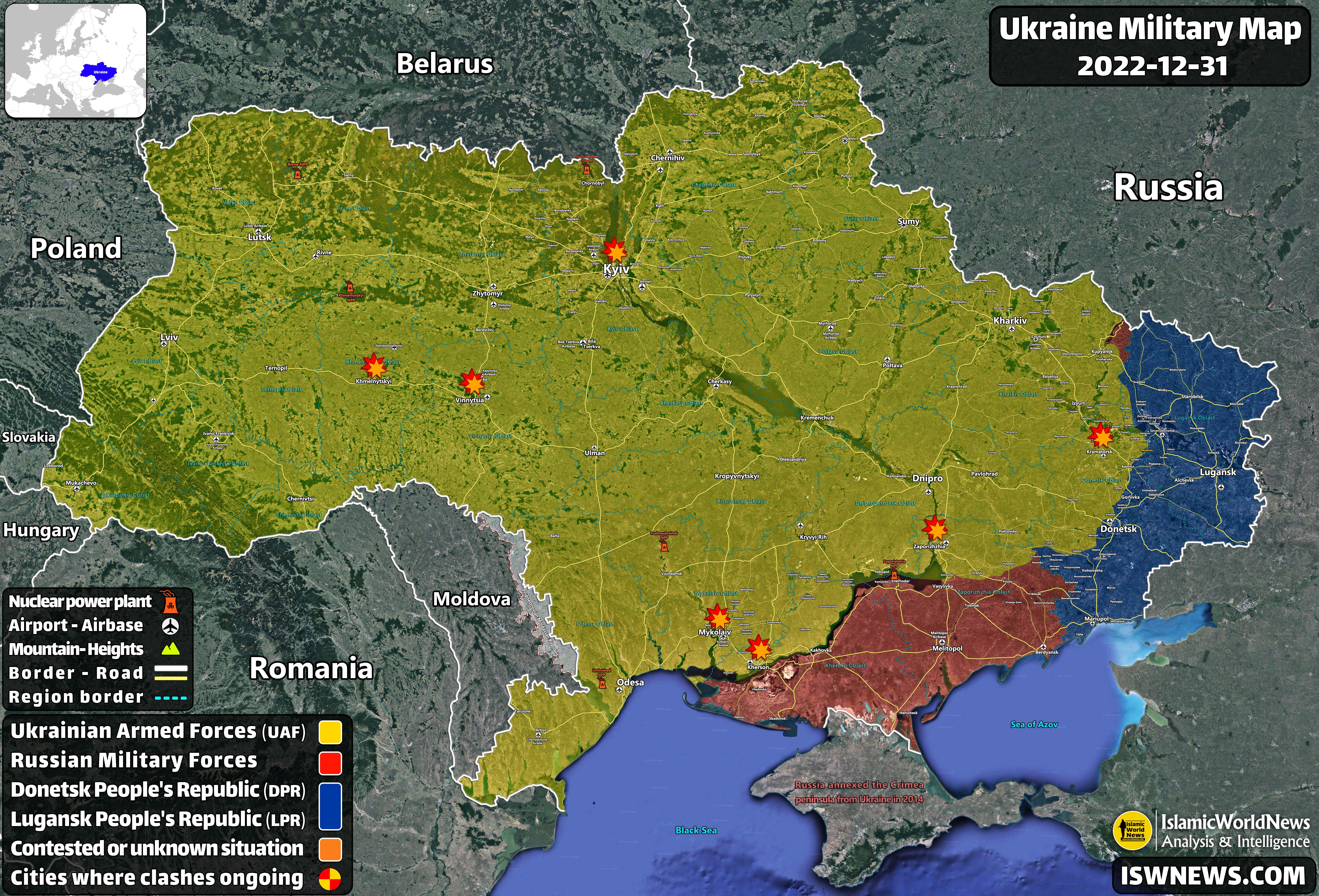
On the afternoon of December 31, the Russian military attacked Ukrainian industrial and military facilities in the cities of Kyiv, Mykolaiv, Zaporizhia, Kherson, Kramatorsk, Vinnytsia and Khmelnitsky using several cruise missiles.
According to Ukrainian media, these missiles were fired from Russian submarines in the Caspian Sea and the Black Sea towards Ukraine. The air defense of the Ukrainian army in the cities of Ternopil, Zhytomir, Chernihiv, Kyiv and Sumy, out of a total of 20 Russian missiles, have succeeded in destroying six missiles in the sky of Kyiv, five in Zhytomir and one in Khmelnytskyi.
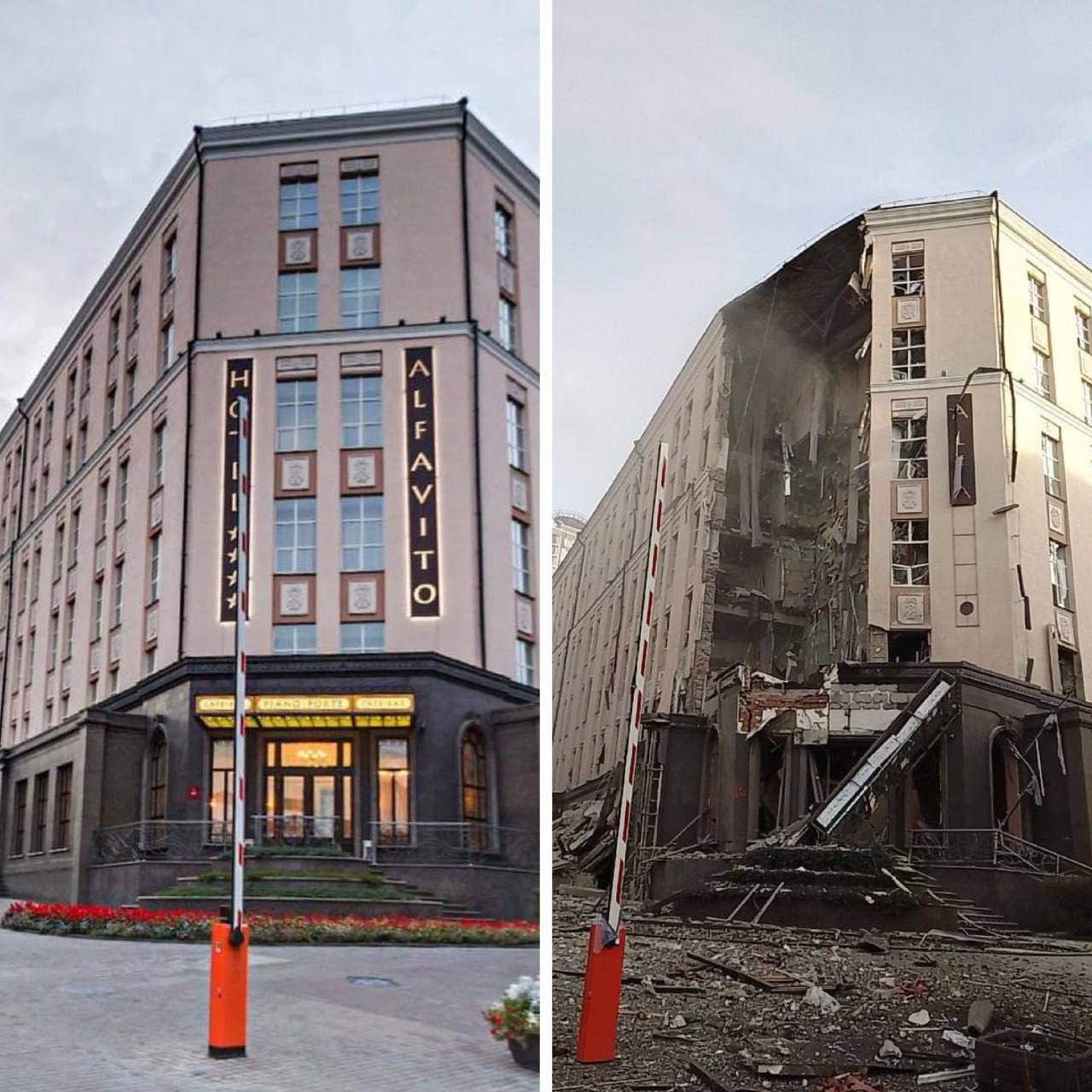
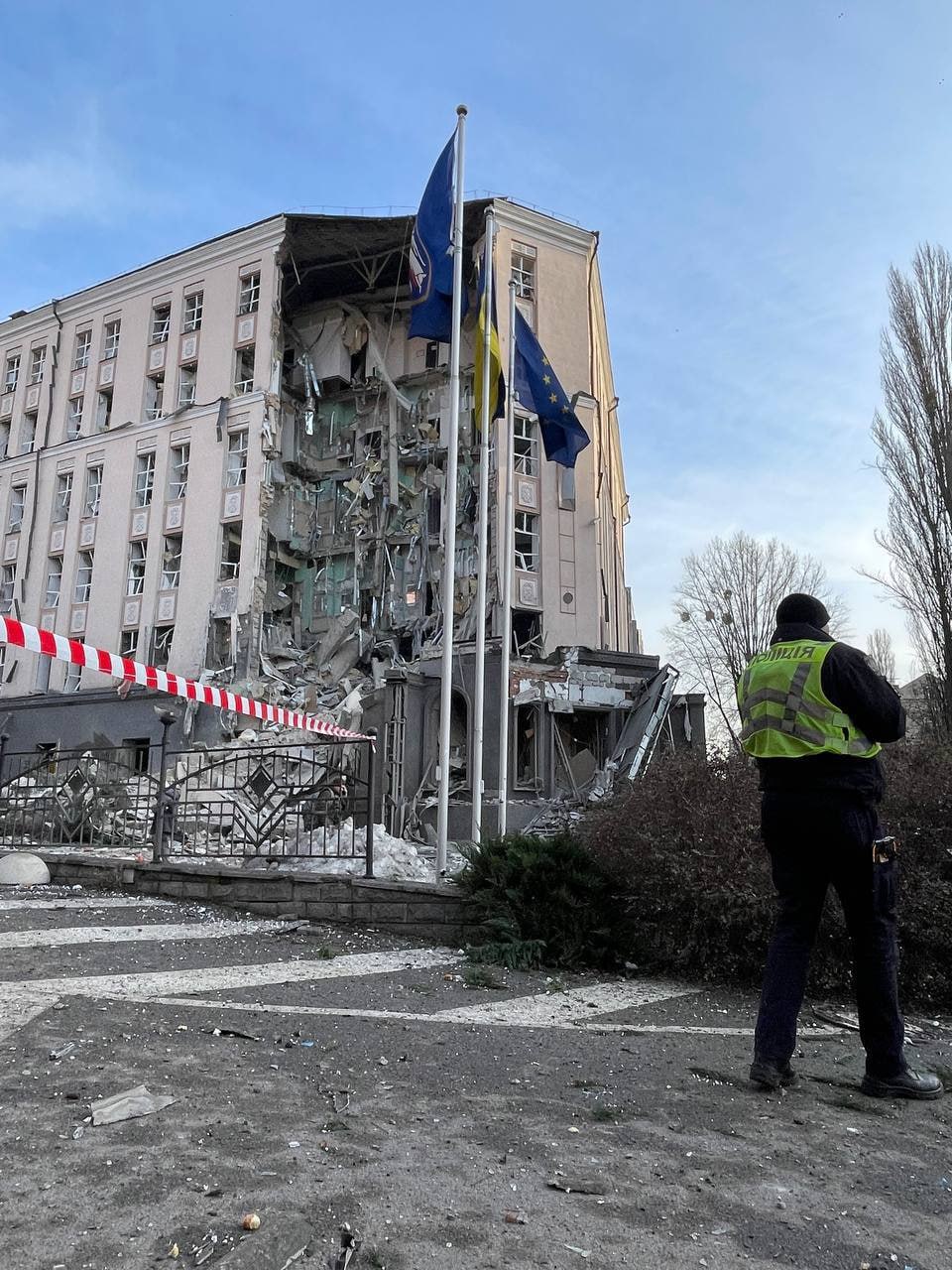
According to Vitaly Klitschko, the mayor of Kyiv, one person was killed and 22 people were injured, including a Japanese journalist, as a result of Russian cruise missiles hitting residential areas of the Ukrainian capital, including the Adler and Alfavito hotels. Also, 17 other people were injured in the cities of Zaporozhye, Mykolaiv and Khmelnytskyi.
This is the fourth large-scale air attack and the second missile operation of the Russian army against Ukraine since the last month, which, unlike the previous attacks, has not had any significant and effective results.
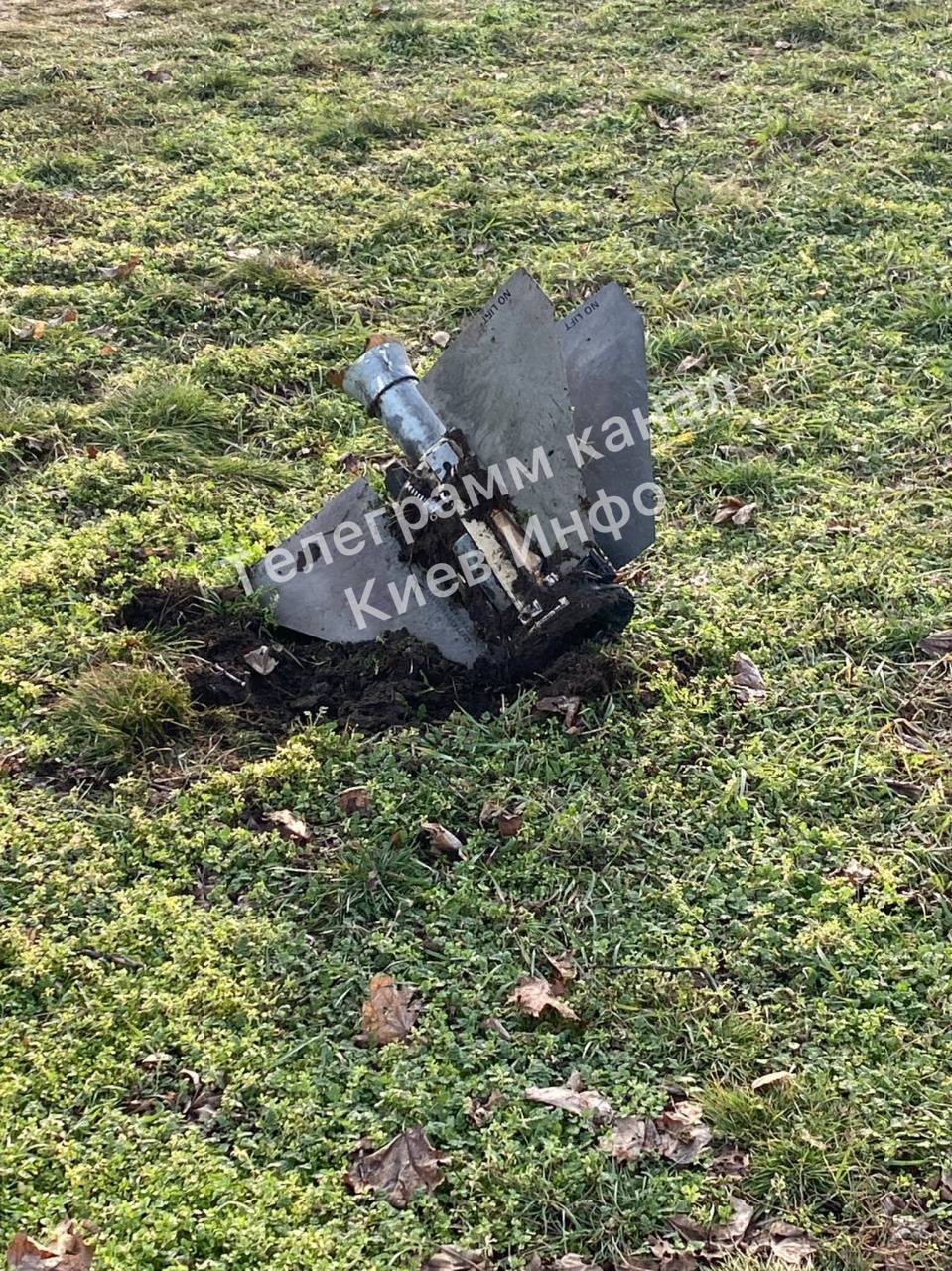
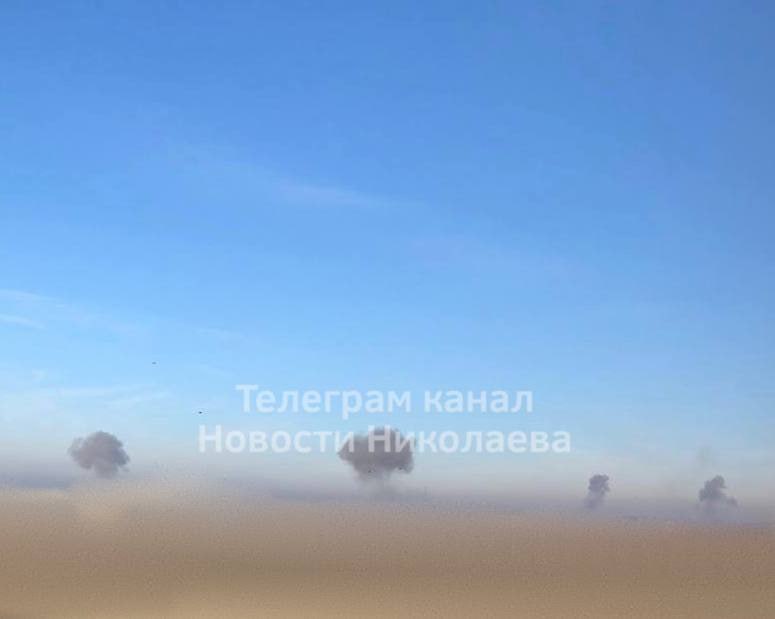
Russian cruise missile hit the city of KyivPictures of the Russian missile hitting the Alfavito Hotel in Kyiv and the wreckage of Ukrainian defense missilesRussian missile hit the city of KhmelnytskyiRussian missiles hitting MykolaivClick to view full size
Last night and this morning on December 29, the Russian army heavily targeted the electrical facilities and other positions of Ukrainian forces in the cities of Kharkiv, Dnipropetrovsk and several other places with several Shahed-136 suicide drones. At the same time as drone attacks, the artillery of the Russian army has also struck positions of Ukrainian forces in Zaporizhzhia, Kherson and Mykolaiv fronts.
According to Ukrainian media, nine suicide drone attacks were observed in Kharkiv province, five in Dnipropetrovsk, two in Zaporizhia, two in Mykolaiv and two in Kherson.
It should be noted that the following videos are related to Russian drones hitting the cities of Kharkiv and Dnipropetrovsk, and so far no cases of Zaporizhzhia, Mykolaiv and Kherson have been observed or published. Therefore, it is possible that the Ukrainian media made a mistake in distinguishing drone attacks from artillery attacks and considered the sound of Shahed-136 while crossing the sky of the southern provinces as drone attacks in these areas.
Click to view full sizeShahed-136 suicide drone hit in KharkivShahed-136 suicide drone hit in KharkivShahed-136 suicide drone hit in KharkivShahed-136 suicide drone hit in DnipropetrovskShahed-136 suicide drone hit in DnipropetrovskRussian artillery attacks on Kakhovka and Chernobayuka in KhersonRussian artillery attacks on Kakhovka and Chernobayuka in Kherson
The Russian army launched a heavy attack on the positions and energy infrastructure of the Ukrainian forces in the Obukhiv area and other parts of Kyiv oblast with several Shahed-136 suicide drones this morning on December 19.
According to the sound of Russian drones heard in the sky of Mykolaiv and Dnipropetrovsk oblasts, it seems that the origin of the drone attack was from the southern regions of Ukraine, probably from the Crimean peninsula.
According to the statements by the Ukrainian military administration in Kyiv, this attack targeted important infrastructure facilities in the capital, however, the Ukrainian army air defense systems managed to shoot down 30 of the 35 drones used in this attack.
Ukrainian forces shot at Russian dronesA suicide drone hit the Ukrainian positions in KyivA suicide drone hit the Ukrainian positions in KyivContinuation of fire in electrical installationsImages of the explosion in Kyiv
1- Donetsk: On December 12, following the Russian army’s new attacks on the eastern axis of Bakhmut city and the Soledar-Bakhmut road, the Russian-led forces succeeded in making minor advances near the Pidhorodne settlement. Some Russian media have published news about the complete withdrawal of Ukrainian forces from this settlement, which has the aspect of psychological warfare and is not true. According to their previous experiences, the Ukrainian forces are trying to stop the Russian army ground forces with the support of heavy artillery fire, and this tactic has been effective so far. Also, the AFU command has sent its auxiliary forces under the name of the 57th brigade from Chernihiv oblast to these fronts, and it seems that the Ukrainians still have no intention of withdrawing from Bakhmut.
– On December 13, following the Russian army attacks on the eastern front of Bakhmut, Artwinery factory was captured by the Russians. Clashes are currently taking place along along Fedora Maksymenka street in the east of Bakhmut city. View on the online map
– On December 16, Russian army artillery heavily shelled the positions and gatherings of Ukrainian forces in Bakhmut, Soledar and Opytne settlements.
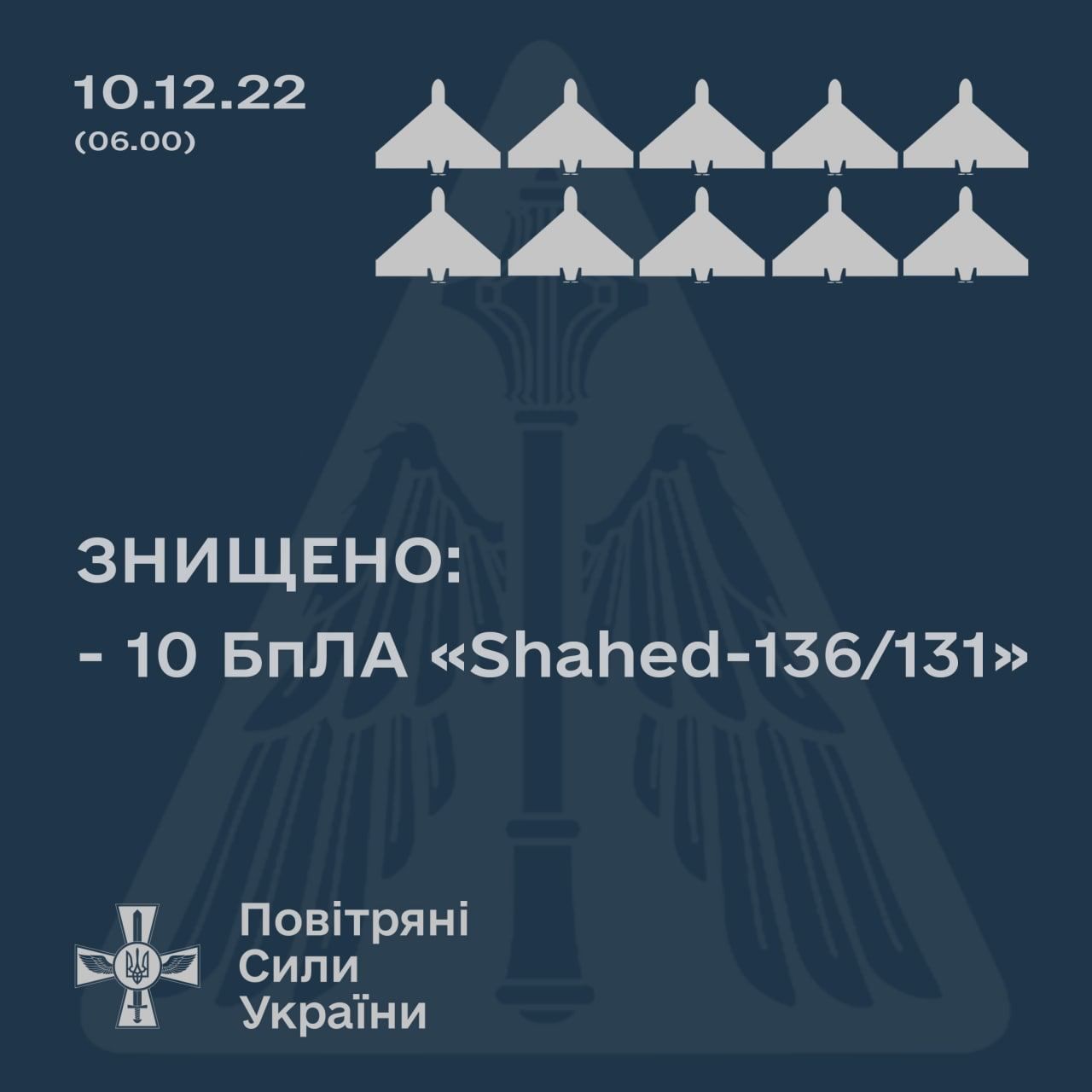
2- On December 10, the Russian army attacked Ukrainian energy facilities in Odesa, Mykolaiv and Kherson oblasts with several suicide drones. Ukrainian southern command claims to have shot down 10 Shahed-136 suicide over the Kherson, Odessa and Mykolaiv oblasts. Local sources have also reported the sound of several explosions in these three oblasts and power and water cuts in the city of Odesa.
3- Kyiv: On December 14, the Russian army attacked positions of Ukrainian forces in the city of Kyiv with several Shahed-136 suicide drones.
4- According to Western media reports, the US officials are considering and making a final decision to send the Patriot air defense system to Ukraine. In response to this decision, Russia warned the US, calling it a “provocative” move that “can lead to unpredictable consequences.”
5- On December 16, the Russian army heavily targeted Ukrainian energy facilities in different cities of Ukrainie with dozens of Kha-101 and Kha-55 cruise missiles.
Russian missiles hit Zaporizhzhiapower plant facilities
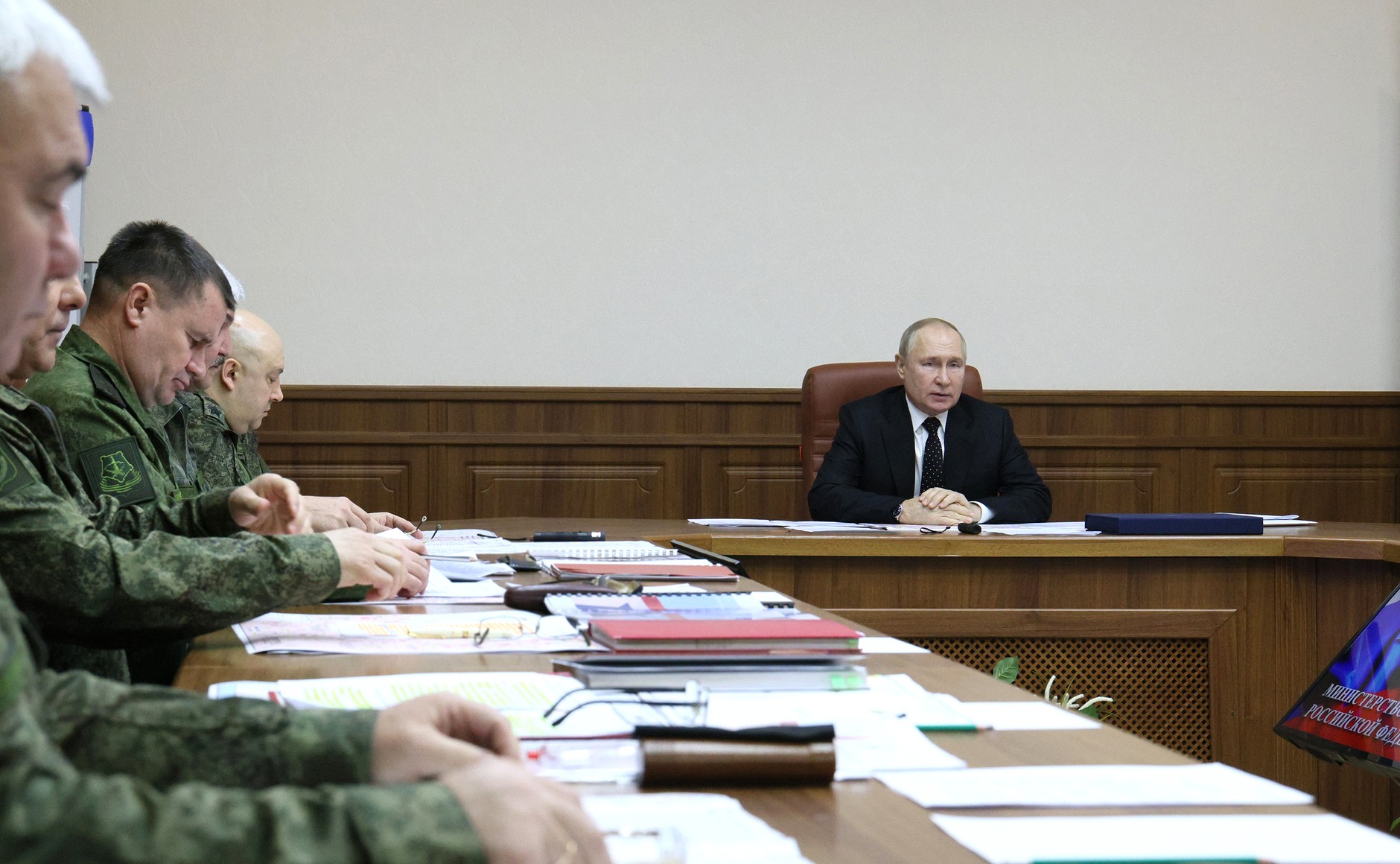
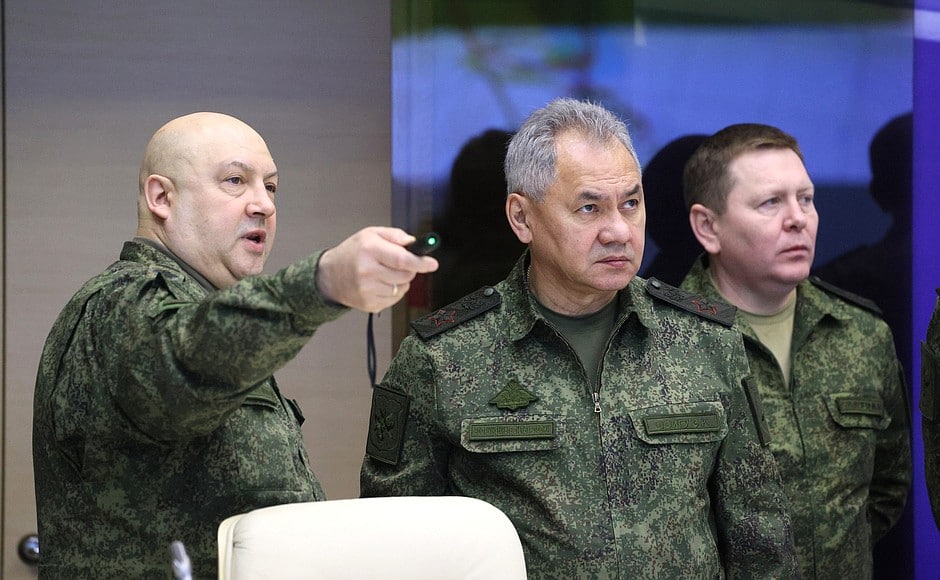
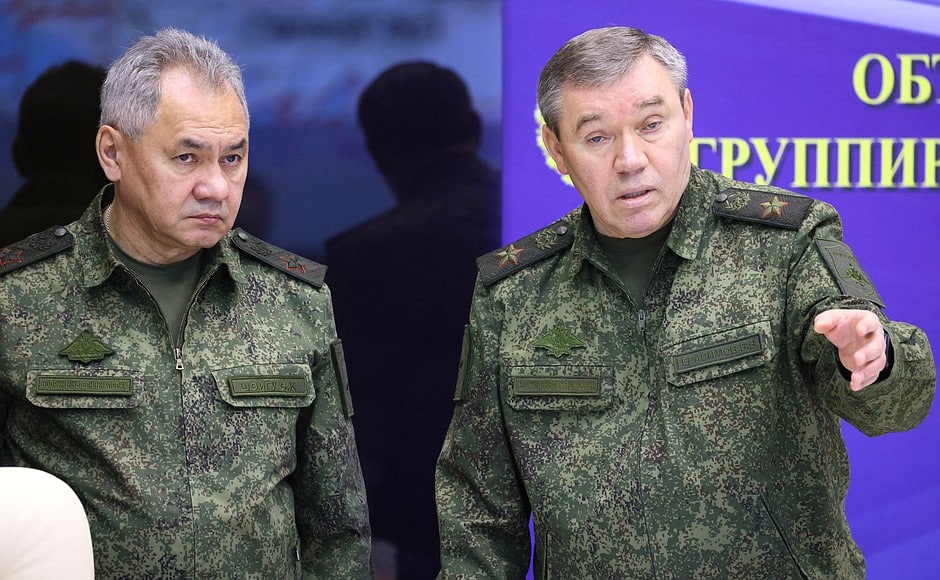
6- On December 17, Russian President Vladimir Putin participated in the meeting of military commanders in the command room of the Russian military special operations in Ukraine. In this meeting, Putin was briefed on the latest military developments in Ukraine by General Sergei Surovikin, the commander of the Russian forces in Ukraine, And also he had a separate meeting with Defense Minister Sergei Shoigu and Valery Gerasimov, Chief of the Joint Staff of the Armed Forces and other Russian military commanders. According to Russian media reports, in this meeting, Putin reviewed the proposals of Russian commanders regarding immediate and mid-term actions in the Ukraine war.
7- Luhansk: On December 16, as a result of Ukrainian shelling on the town of Lantrativka, a settlement close to the border with Russia 11 people were killed and 17 others were injured. In this attack, a school, a post office and several residential buildings were damaged.
8- Zaporizhzhia On December 11, Ukrainian army struck positions of Russian forces in the city of Melitopol using HIMARS systems. According to local sources, 10 explosions were heard during this attack. Also, some of these rockets reportedly hit a recreation center. No information is available on the amount of damages.
9- Crimea: On December 11, Russian Army announced the neutralization of Ukrainian suicide drone attack on Simferopol and Sevastopol.
On December 16, another massive attack hit the energy infrastructure of Ukraine.
After the missile attacks, electricity and railways transportation were stopped in different cities of Ukraine. Now, in addition to the energy cut off, several Ukrainian regions are experiencing serious interruptions with cellular communications, Internet and water supply.
During the attacks, at least seven explosions were reported in Kyiv, the Ukrainian capital.
The governor of the Kharkiv region stated that three missiles targeted the energy infrastructure facilities in the region.
The command of the Ukrainian Air Force also claimed that 60 of the 76 missiles fired by the Russians were shot down by the Ukrainian air defense.
The Russian military from a few months ago, in a smart move, stopped the implementation of scattered missile attacks with cruise missiles and has directed their use to important operations with strategic objectives, including the disabling of Ukrainian energy facilities. This method has been seen before in the course of the Yemen war and IRGC attacks against American and Israeli positions; with the difference that Ansar Allah targeted oil facilities and airports in Saudi Arabia in their attacks, and the IRGC targeted American and Israeli military and intelligence bases; And now in Ukraine; Russia is targeting Ukraine’s energy infrastructure.
Russian cruise missile flying in the sky of KyivRussian cruise missile flying in the sky of DniproThe people of Kyiv took shelter in the subwayRussian missiles hit Zaporizhzhiapower plant facilitiesPillars of smokes caused by Russian missiles hitting Ukraine from the perspective of an airplane in the sky of Moldova