There has not been released any information about the casualties and damages of the rocket attack so far.
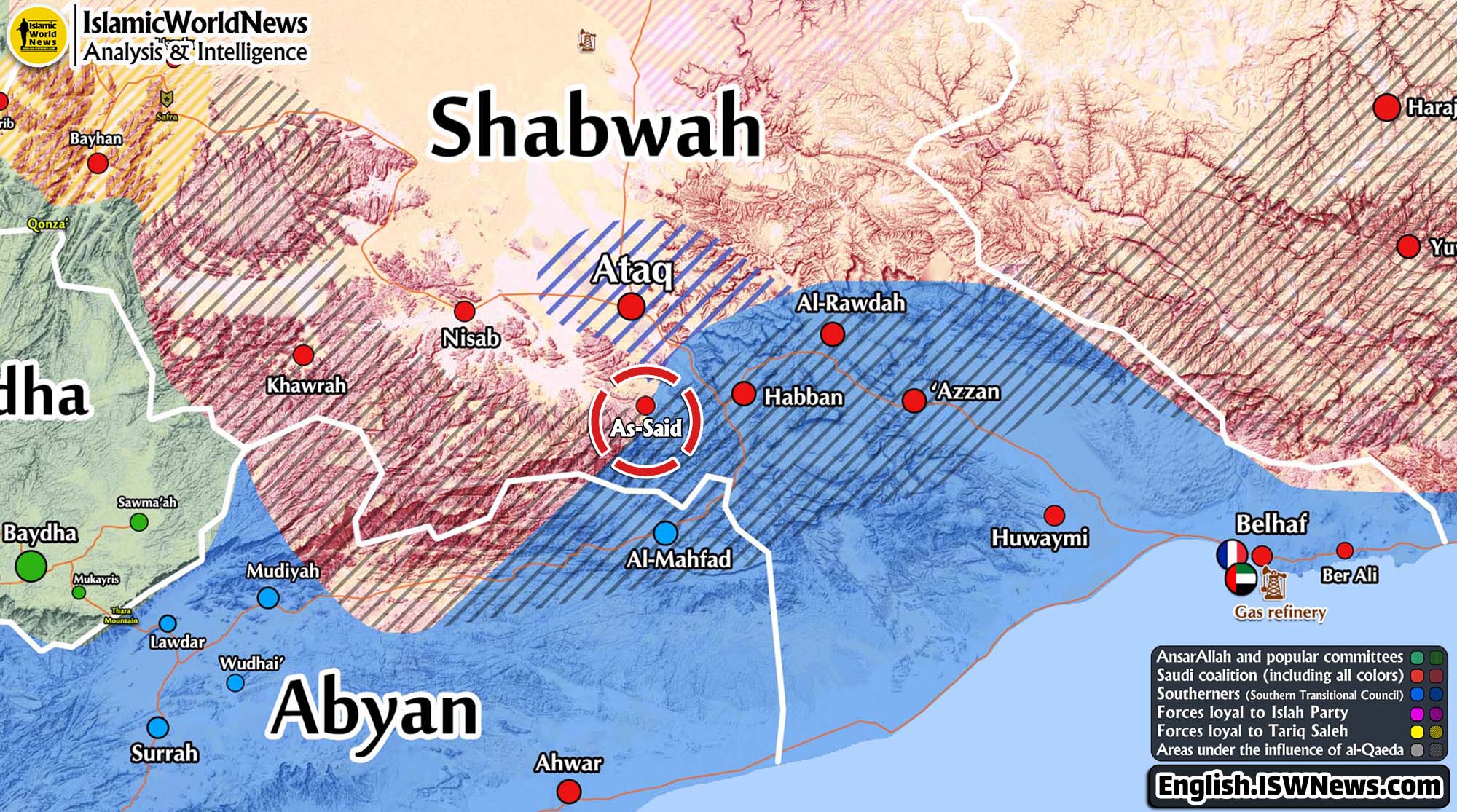
A few days ago, the positions of the Shabwa Defense Forces loyal to the Southern Transitional Council (STC) near the city of Ataq, located in the center of Shabwa Governorate, were hit by several mortar shells by unknown armed people.
Given the presence of the Al-Qaeda terrorist group in Shabwah Governorate and the increase in its activities in recent months, it is likely that these attacks were carried out by Al-Qaeda elements.
Therefore, Al-Qaeda has diversified its attacks on positions of the militants loyal to the Southern Transitional Council and it also targeted its enemies with light rockets.
They resort to tactics such as creating insecurity and inflicting casualties as the most effective way to push back the STC from Shabwah Governorate.
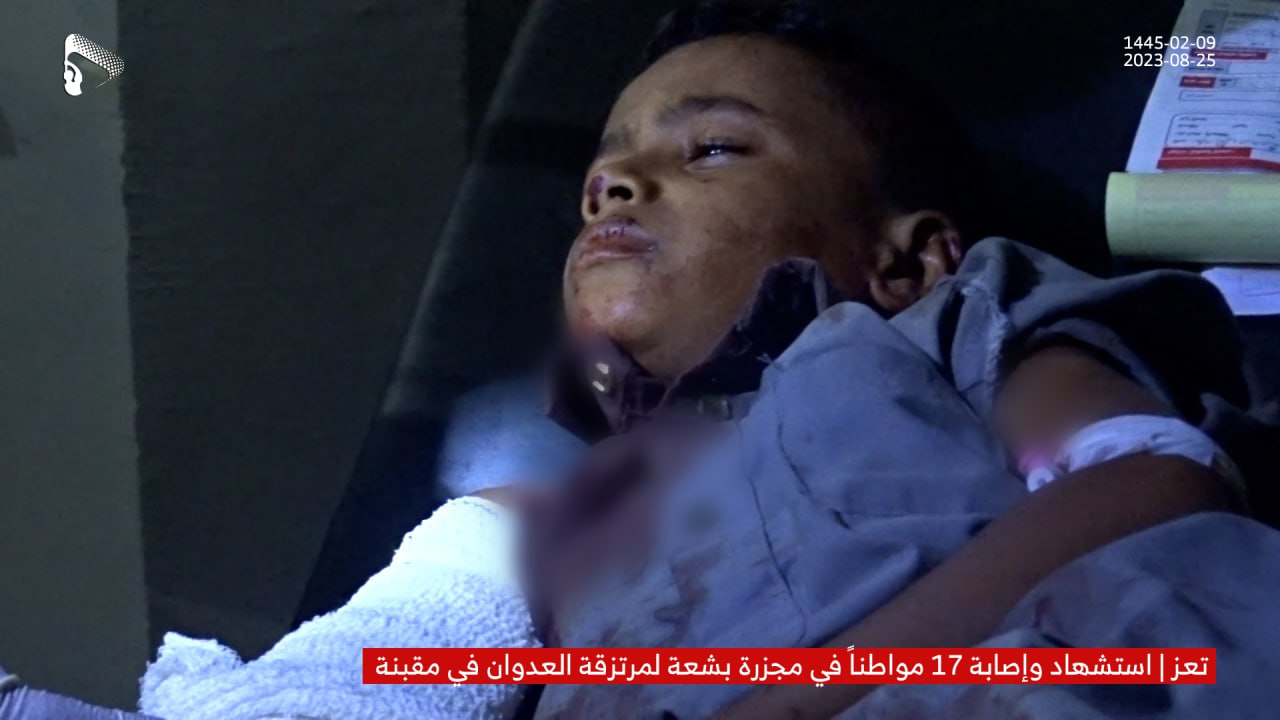
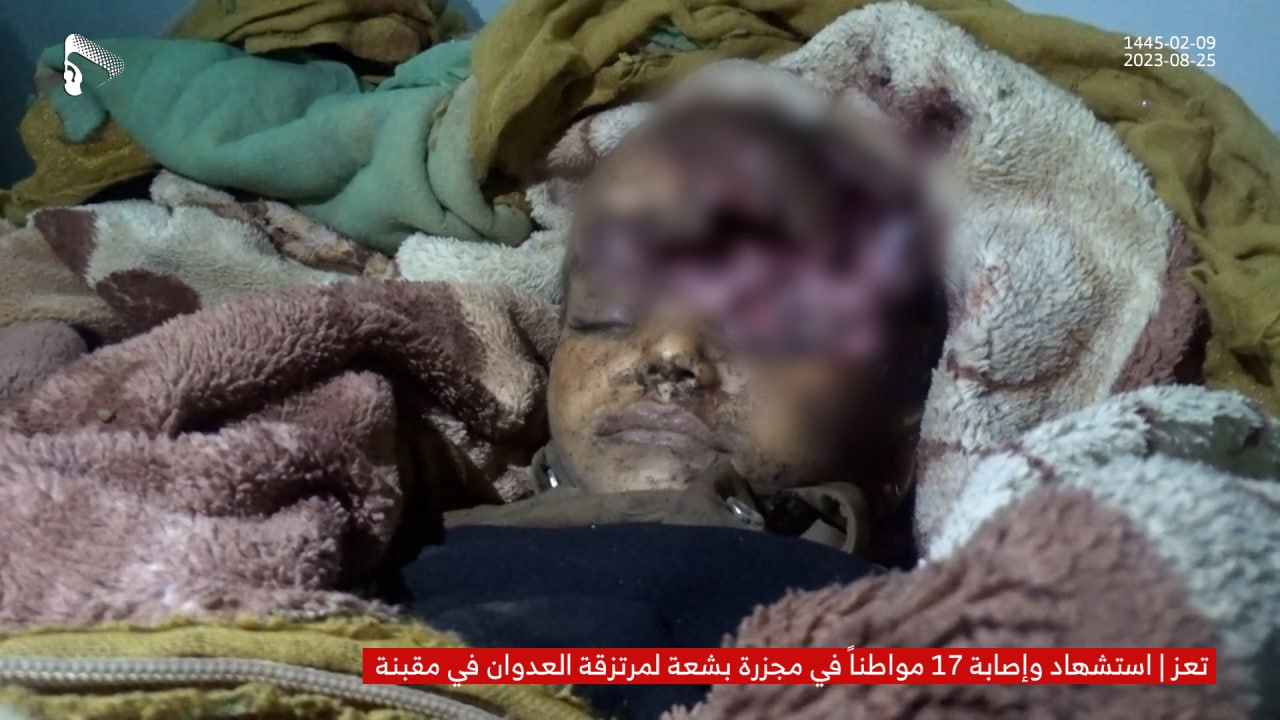
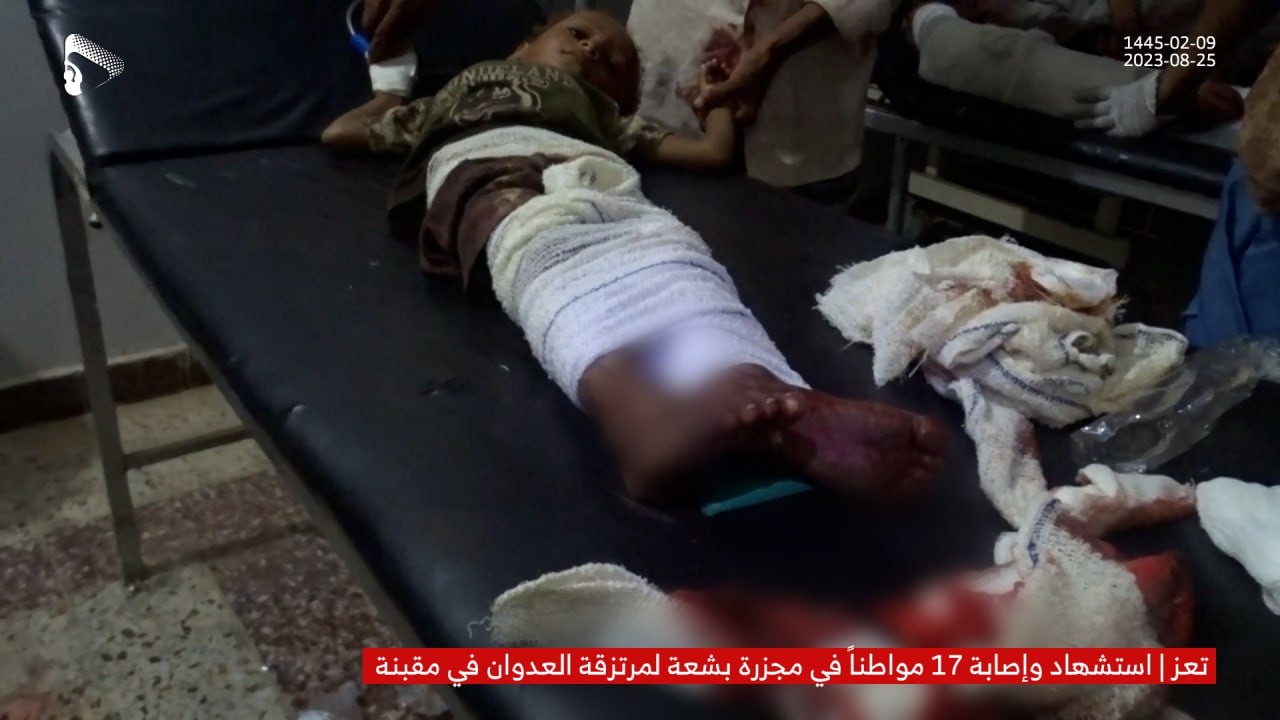
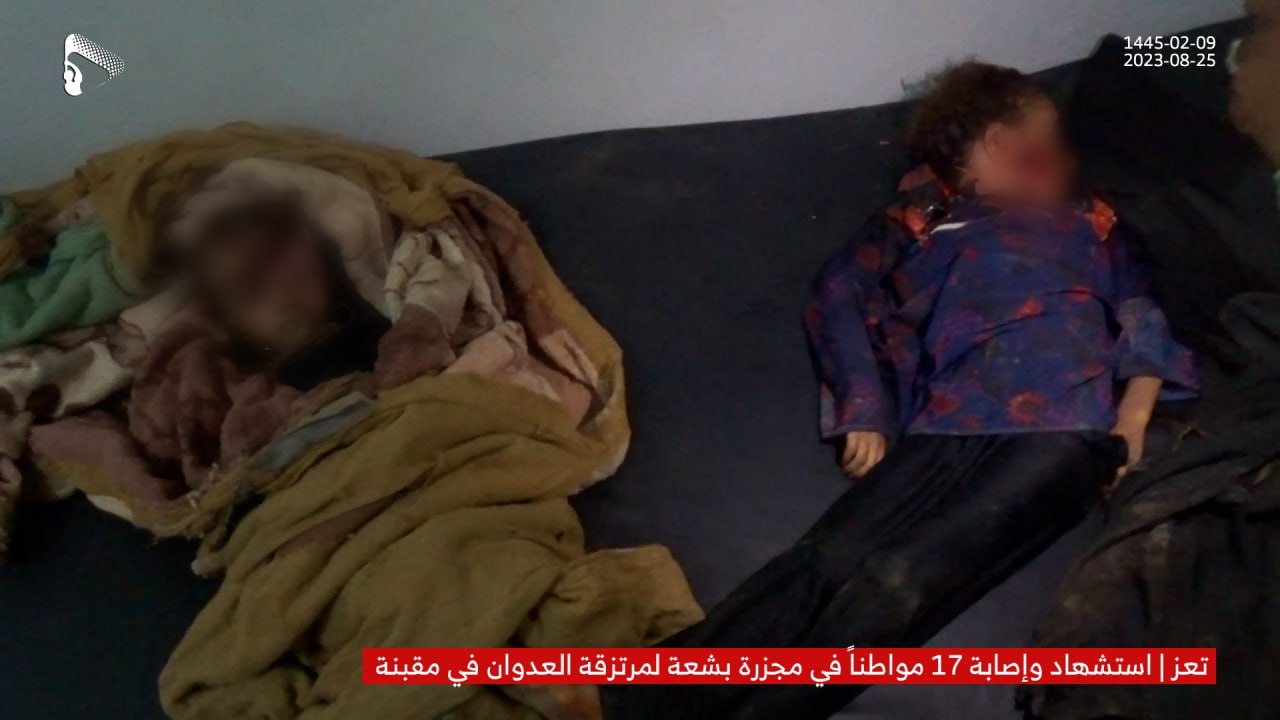
The Human Rights Office in Taiz Governorate slammed the heinous crime and considered it as part of the series of crimes committed by the Saudi-led coalition’s mercenaries in this governorate.
Despite the ceasefire in Yemen came into effect from April 2, 2022, the southern front of Al-Hudaydah and Taiz governorate have experienced ceasefire violations and attacks by forces affiliated to the Saudi-led coalition.
Also, rocket attacks and shootings in border villages of the Munbah and Shada districts in the north of Saada Governorate by the Saudi-led forces have been repeated on a daily basis and led to the martyrdom and injury of dozens of Yemeni civilians.
During a meeting, the tribes of al-Waziyah district announced their separation from the Yemeni National Resistance headed by Tareq Saleh and declared their readiness to face his attacks.
This meeting was organized by the commander of the support brigade of the joint forces, Abu Diab Al-Alqami (under the command of Tareq Saleh), and more than 200 people from the sheikhs of the southwestern tribes of Yemen were present in this meeting. Tihamah forces have also organized rallies against Tareq Saleh and there is a possibility of their separation in the coming days.
Tareq Saleh’s advisor, Nabil al-Sufi, in response to the decision of al-Waziyah tribes, warned Al-Alakami and the tribal leaders and asked them to be rational and not make mistakes under the pressures.
Abu Diab Al-Alkami is one of the local commanders who oppose Tareq Saleh and is supported by the Al-Sabiha tribes, who do not have a good relationship with the UAE and their subordinate groups. In June, he clashed with Tareq Saleh’s forces in the city of Mocha and was freed from the siege through the mediation of local elders. Those around Tareq Saleh believe that his activity and the tribes of Al-Sabiha are under the pressure and incitement of Saudi Arabia against the UAE’s plans in the southwest of Yemen.
The British forces have entered the area with the support of the United Arab Emirates (UAE) forces and they intended to establish a military base in the Al-Sheen farms, but they faced opposition from the owners of the farms.
Since the beginning of the Yemen war, no accurate information or details have been released about the presence of British troops in the war-torn country.
It seems that Britain does not have a permanent and transparent military presence in Yemen; so, most of the British forces’ movements in Yemen have been temporary or concentrated in the form of Combined Task Force 153 in Yemen’s territorial waters.
British security and intelligence forces are also present at their temporary embassy in the city of Aden and they play an important role in security issues in southern regions of the Arab country.
As a result of such tactics, the assassination of Abdul Latif Al-Sayed could also lead to unpleasant events for the Southern Transitional Council (STC) forces.
Following a ceasefire between the Saudi-led coalition and the Ansar Allah movement, tension and conflict shifted within the factions affiliated to the Saudi-led coalition, and the chaos caused by this conflict caused Al-Qaeda to be able to attract new financial resources, to be able to advertise again in two important governorates of Shabwa and Abyan. So, the Al-Qaeda terrorist group succeeded in recruiting members and returning to competitions in occupied areas of Yemen.
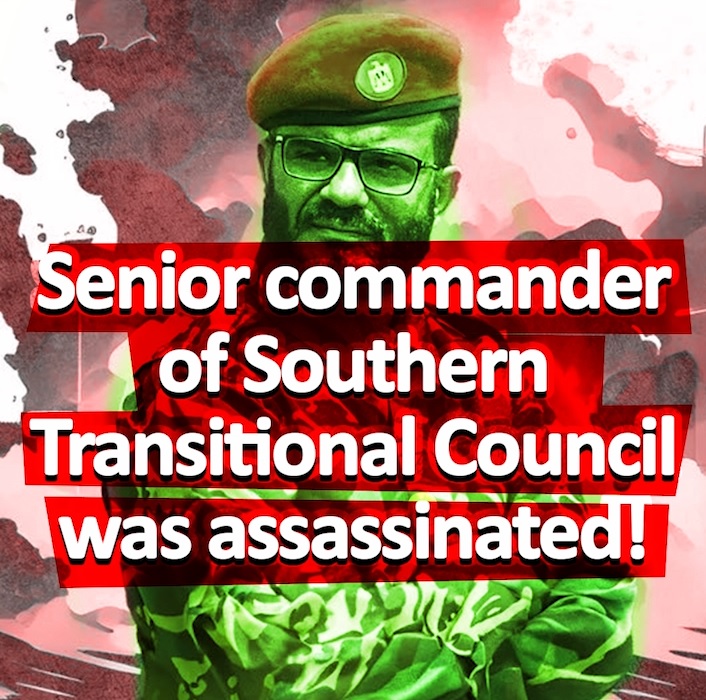
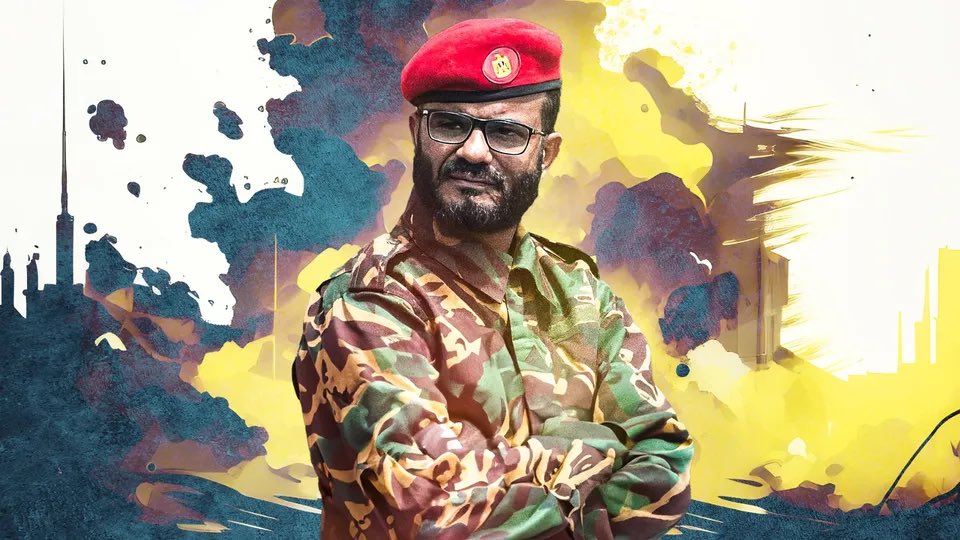
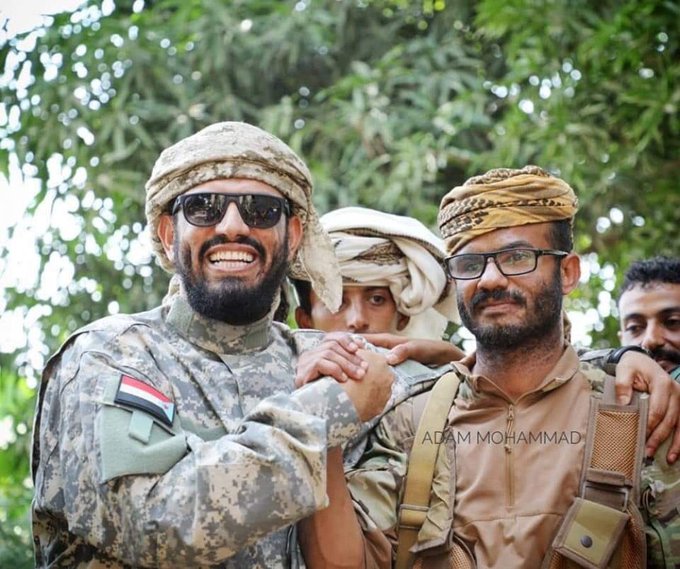
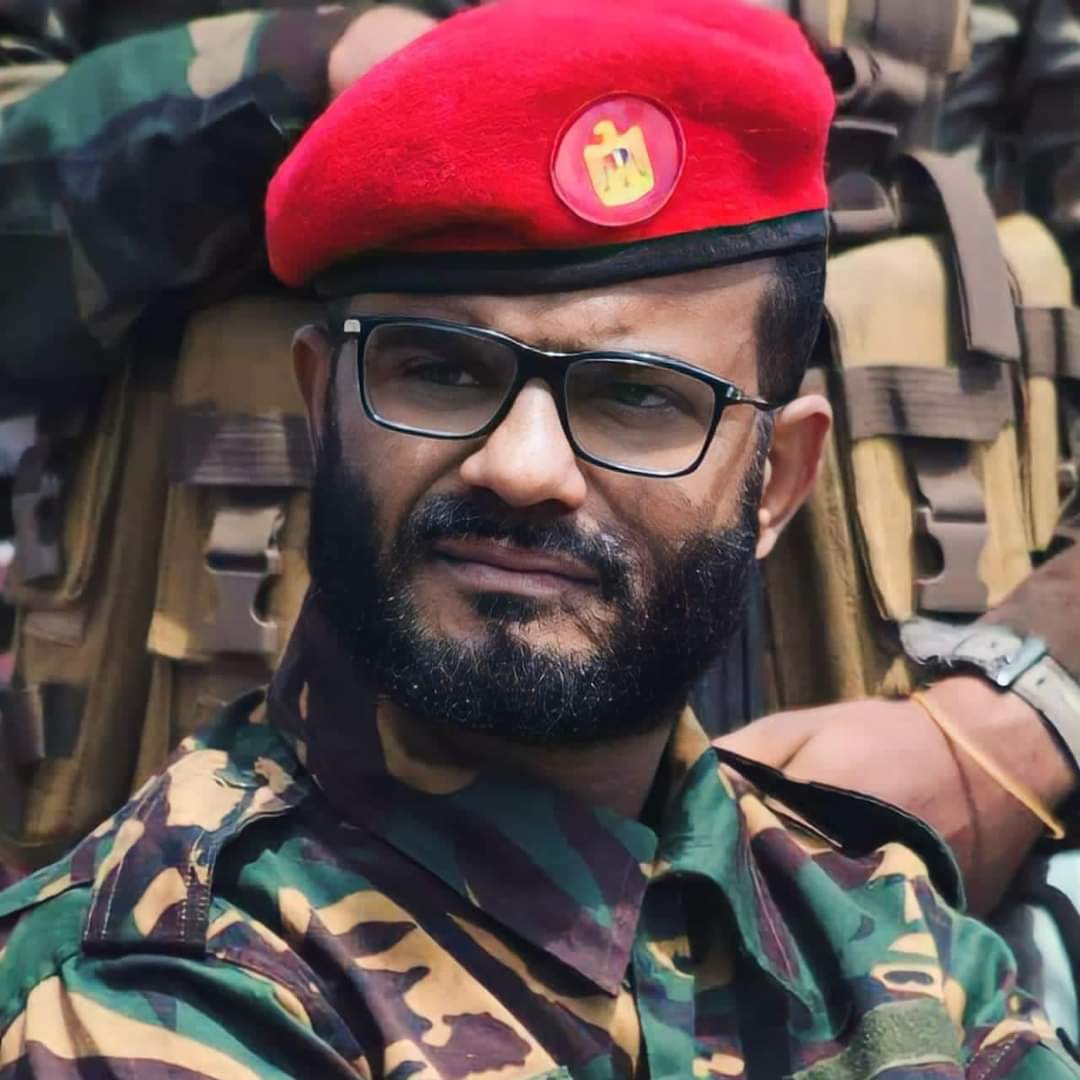
For weeks, we have witnessed bombings and assassinations in the north of Abyan Governorate, the last of which was the killing of Abdul Latif Al-Sayed, commander of the Southern Transitional Council forces in Al-Jannan region in Mudiyah district of the governorate.
Al-Qaeda used C4 explosives in this attack and in addition to Abdul Latif they attacked five other STC militants, whose conditions have not yet been determined, and it seems that there is no senior official among them.
Who is Abdul Latif Al-Sayed?
Abdul Latif Muhammad Husein Bafaqih, known as Al-Sayed, was one of the local commanders of Ja’ar town on the coastal areas of Abyan Governorate who joined Ansar al-Sharia (Al-Qaeda’s ally in Yemen) during the downfall of Ali Abdullah Saleh’s government and took control of several coastal cities of Abyan, including Ja’ar and Zinjibar towns.
After the establishment of Abdrabbuh Mansur Hadi’s government, like many local commanders, he was attracted by this government’s financial proposals and separated from Ansar al-Sharia.
His new position led to the strengthening of his social base and he became one of the local commanders of the Southern Committee. With the formation of the Southern Transitional Council, Al-Sayed joined Major General Eidros Qasim Al-Zubaidi and commanded various conflicts in southern Yemen, including southern conflicts with militants of the Yemeni Congregation for Reform, frequently called al-Islah Party, in Abyan Governorate.
What are the dimensions of Abdul Latif Al-Sayed’s assassination and its impact on developments in southern Yemen?
The assassination of Abdul Latif Al-Sayed was not the first operation that Al-Qaeda carried out to strike the Southern Transitional Council.
Also, this was not the first assassination attempt against Abdul Latif Al-Sayed, and several unsuccessful attempts had been made to kill him before, in one of which his left eye was injured and in a bombing on May 10, 2021, he was injured in the hand.
The assassination of Abdul Latif Al-Sayed took place a few days after he was appointed by Eidros Qasim Al-Zubaidi, head of the Southern Transitional Council, as commander of the Hizam al-Amni (Security Belt Forces) forces in Abyan Governorate.
As soon as he received the post, he offered peace to the tribes allied with Al-Qaeda and sent representatives to request that their militants stop attacking the STC forces in exchange for joining the armed forces of the Southern Transitional Council and settling in Mudiyah and Al-Mahfad districts.
It seems that this proposal was a serious threat to Al-Qaeda’s future in southern Yemen. to such a great degree that they had to remove him from their path. What Al-Qaeda and its supporters want is to intensify conflict and reduce the power of the Southern Transitional Council in southern Yemen.
This is in line with Saudi Arabia’s objectives, and from this perspective, the claim of media outlets affiliated to the Southern Transitional Council about Saudi Arabia’s financial support for Al-Qaeda is not a false report and there is a possibility of such support from them.
The assassination of Abdul Latif Al-Sayed was a great loss for the Southern Transitional Council and the successor vacuum could lead to the collapse of STC positions in Abyan Governorate.
This trend has many dimensions and in order to analyze it, we must wait for US movements on the southwestern coast of Yemen, Al-Qaeda’s reaction to the vacuum of STC command in Abyan Governorate, as well as actions by the United Arab Emirates (UAE) and Saudi Arabia in southern Yemen and so on.
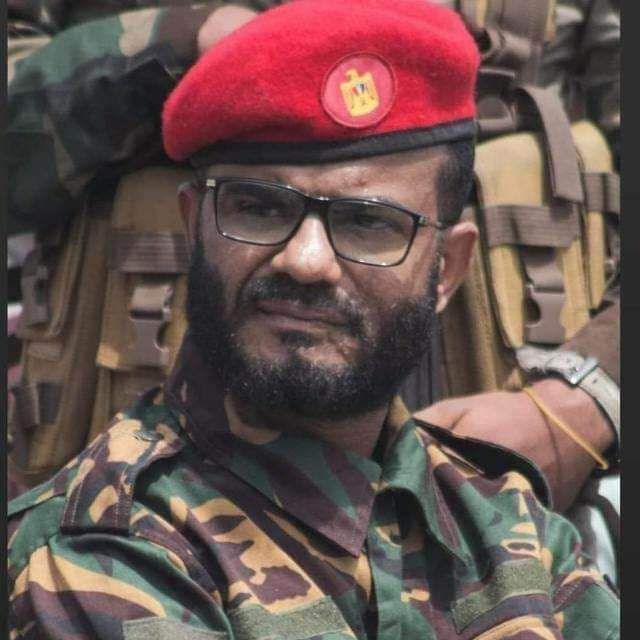
Abdul Latif Al-Sayed, the assassinated commander of Southern Transitional Council in Abyan province
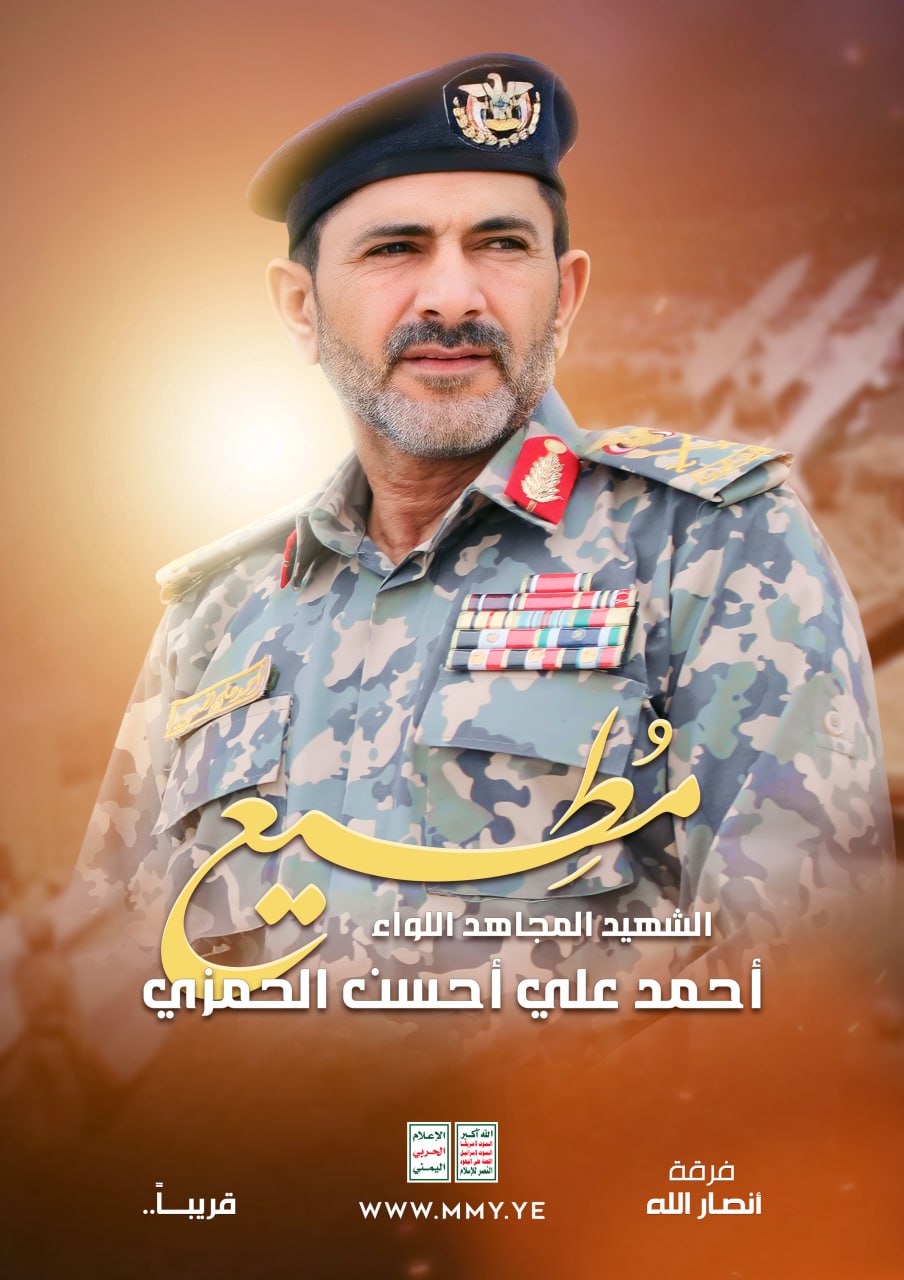
Yemen’s officials and media outlets have not yet released precise information on how the commander was martyred.
However, the Ansar Allah movement stated that the cause of his martyrdom was complications from injuries sustained during one of his jihadist missions. Some unofficial sources and media outlets affiliated to the Saudi-led coalition also are of the opinion that Major General Al-Hamzi was injured during a missile test in the Sirwah district of Ma’rib Governorate, along with several senior Yemeni army officers, and then he was martyred.
The news is further supported by a statement from the Yemeni Ministry of Defense, which also confirmed the martyrdom of Major General Mohammad Hussein Saleh Al-Hamasi, former commander of the 140th Air Defense Brigade of the Yemeni Army, as well as local news about the martyrdom of Brigadier General Yahya Muhammad Ali Saeed Al-Ruhani, one of the senior officers of the Yemeni Army. So, the statement strengthens the likelihood that several commanders of the Yemeni Air Force and Missile Force were martyred during a missile test.
Al-Hamzi comes from the Alhamzat region in the Sahar district of Saada Governorate. He participated in the Sixth Sa’dah War (2009–2010) between the Ansar Allah movement and the government of previous president of Yemen Ali Abdullah Saleh. After the victory of the Yemeni revolution, Al-Hamzi completed military and technical courses and was appointed as the deputy commander of the army’s missile force at the beginning of the Saudi-led coalition’s aggression against Yemen. Al-Hamzi then worked on creating and developing the army’s air force and air defense, rapidly expanding its capabilities.
In recent days, Abdullatif Al-Sayed Bafaqih was appointed as the commander of the southern forces in Abyan province and asked the allied tribes of al-Qaeda to stop attacking and enmity with the southerners in exchange for joining the armed organizations of the Southern Transitional Council. The Al-Qaeda terrorist group is the main suspect of his assassination And with this blow, the southerners will definitely not enter into a deal with this group.
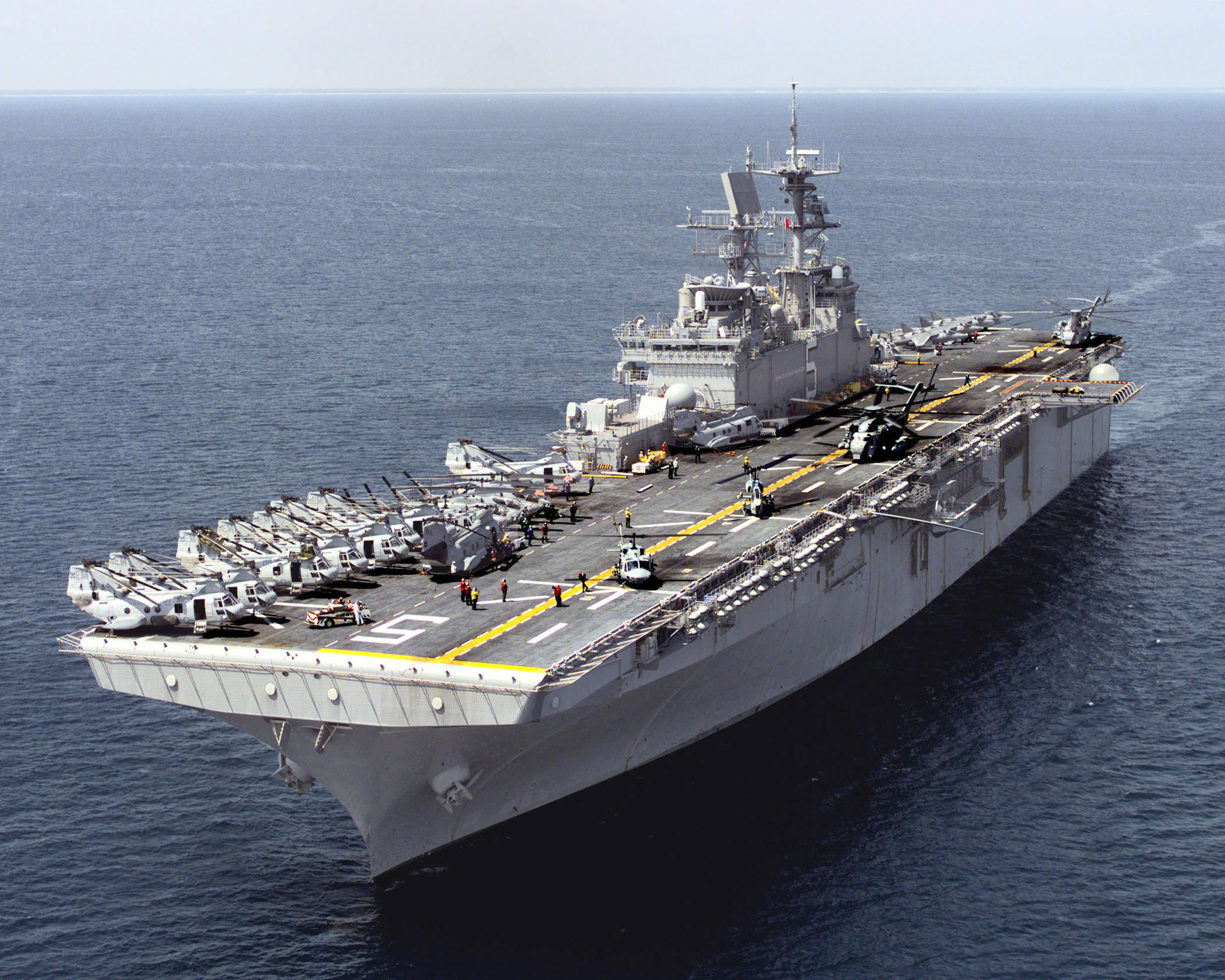
The terrorist army of the United States Fifth Fleet declared the deployment of 3,000 American marines and sailors to the West Asia region as part of a previously announced plan by the US Department of Defense to deploy the forces in strategic maritime areas of the region, including the Red Sea and Bab al-Mandab.
The United States Navy has also entered the Red Sea through the Suez Canal after crossing the Mediterranean Sea with the USS Bataan aircraft carrier, which is capable of carrying more than 20 helicopters, plus the USS Carter Hall, which is a Harpers Ferry-class dock landing ship.
This move by the United States is aimed at creating tension and disrupting maritime security in the West Asia region.
Some analysts have seen the deployment of heavy US military equipment and weapons as preparation for military action against Iran and intervention in the Yemen war.
These claims are made as Saudi Arabia’s negotiations with the Ansar Allah movement were halted as a result of the United States’ intervention, and Ansar Allah publicly strengthened and equipped its naval force with new missiles and armed boats in response to military movements by the Saudi-led coalition in Bab al-Mandab and the deployment of American forces to the West Asia region.
The Islamic Republic of Iran also unveiled and operationalized Abu Mahdi cruise missiles and carried out a recent naval exercise by the Islamic Revolutionary Guards Corps (IRGC), declaring its readiness to confront any scenario, including a naval war, and emphasized that Iran and other regional countries provide security for the Persian Gulf; so, there is no need for foreign boots in this region.
In general, regional developments are going ahead in such a path that there is a possibility of direct confrontation between the US-led coalition and the axis of resistance.
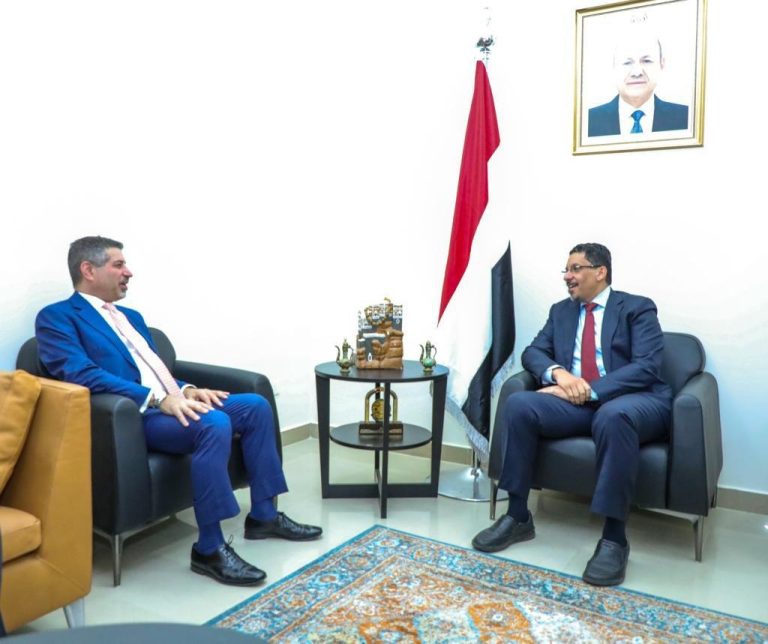
1- Aden: On August 3, US ambassador to Yemen Steven Fagin met with foreign minister of the resigned Yemeni government Ahmed Awad bin Mubarak in Aden Governorate, when they discussed peace talks and the provision of humanitarian aid.
Steven Fagin and Ahmed Awad bin Mubarak
2- Shabwah: – On August 5, al-Qaeda militants launched a widespread attack on one of the Shabwah Defense Forces’ military bases in Al-Musaina, Shabwa Governorate. The casualties and damages of the attack have not yet been determined. – On August 5, after a mortar attack on the Balhaf gas facilities by unidentified individuals, the Shabwah Defense Forces went on alert. Given the history of sabotage by the Al-Islah Party in Balhaf, it is likely that the attack was carried out by their militants.
Balhaf port on the coast of Shabwah Governorate
3- Abyan: – On August 4, as a result of a bomb explosion on the route of the Southern Transitional Council (STC) militants’ vehicle at the western entrance of Mudiyah village, one person was killed and eight others were injured. The attack was carried out by al-Qaeda elements. – On August 4, the Southern Transitional Council handed over command of the security belt forces in Abyan province to Abdullatif Al-Sayed, one of the local southern commanders in Abyan Governorate and a former member of al-Qaeda. – On August 6, local sources reported on a peace proposal from the Southern Transitional Council to al-Qaeda militants in Abyan Governorate. According to the report, Abdullatif Al-Sayed Bafaqih, a Southern Yemeni warlord from Abyan, sent some of his representatives to tribes living in Wadi Omran area and proposed forming a group from elements of these tribes who are allied with al-Qaeda. According to this proposal, tribal militants should operate as part of southern forces in Mudiya and Al-Mahfad areas and refrain from attacking southern militants from Ad Dali’ and Lahij governorates.
4- Lahij: – On August 5, as part of the UAE’s plan to control southwestern Yemen’s coastal regions, the Southern Transitional Council deployed Hizam al-Amni forces in Al-Mudaribah and Ras Al-Ara areas. Prior to deploying these forces, the second battalion of Amaliqa forces had been stationed in these areas on August 4.
5- Al-Hudaydah: – The Saudi-led coalition forces violated the ceasefire 111 times in the Al-Hudaydah governorate during the past 48 hours. – The Saudi-led coalition drones bombed Ansar Allah movement’s positions in Muqbanah district of the Taiz Governorate four times and Hays district twice during the past 48 hours.
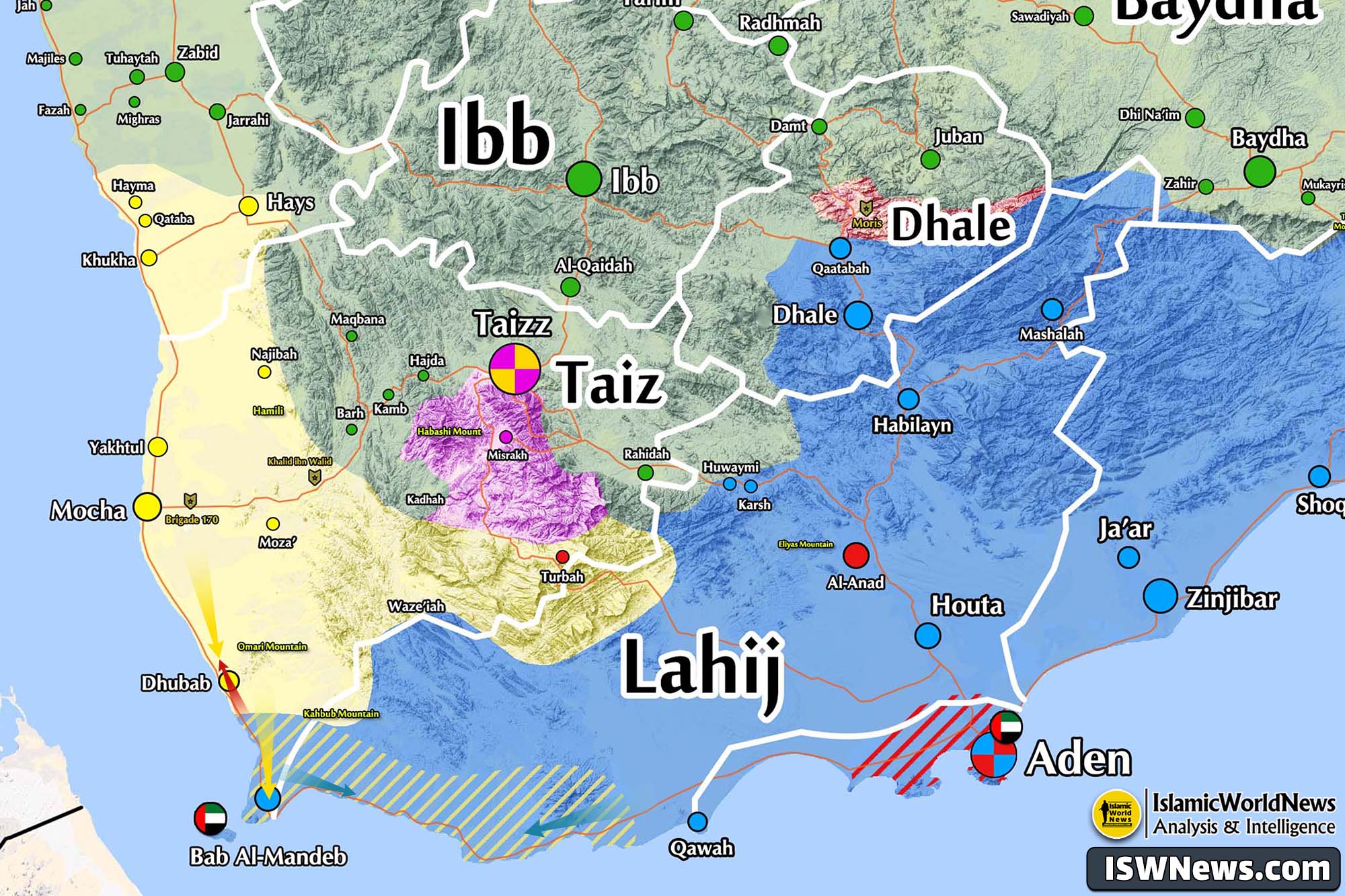
According to the plan, militant forces affiliated to Tareq Saleh, a Yemeni military commander and the nephew of the late President Ali Abdullah Saleh, will control the coastal areas from Hays city to Bab al-Mandab Strait, as well as the Southern Transitional Council (STC) forces will control the coastal regions from Ras al-Ara area to Aden governorate. The implementation of this plan faces problems, because tribes such as al-Sabiha tribes in Lahij Governorate, southern Yemen, want their share and try to control this region.
The seventh brigade of Amaliqa forces as well as groups of Al-Sabihah tribal militants prevented Tareq Saleh’s forces from constructing a base and settling in the Bab al-Mandab coastal strip, located in southwestern Taizs Governorate, on July 28.
The tension was accompanied by a halt in the movement of Tariq Saleh’s forces near Dhubab town, and al-Sabiha tribes warned Tareq’s forces against any military movement towards Bab al-Mandab. After this event, Tareq Saleh ordered more forces to be sent to Dhubab town, but eventually, due to resistance from al-Sabihah tribes, he was forced to retreat from Dhubab towards Mocha.
Al-Sabiha tribes claim that the southwestern lands of Taizz Governorate belong to these tribes and Tareq Saleh’s forces must also retreat from their other positions. They did not stop at this condition and demanded that their militants be officially recognized within the framework of the Saudi-led coalition forces and also Abu Dhiyab al-Alkami return to his position in command of support for national resistance forces (under Tareq Saleh’s command) and also hand over the killers of a soldier named Saadan Ali Saeed.
Tariq Saleh, on July 30, in his first reaction to the clash with al-Sabiha tribes in Bab al-Mandab, published a statement entitled leadership statement of national resistance forces. Saleh considered Bab al-Mandab within his operational space in this statement and referred to a plan that has been approved in joint operations with the participation of Abdul Rahman Abu Zaraa Al Muharrami, commander of Amaliqah forces. He also considered establishing himself in all areas of Taizz Governorate and securing international navigation routes as part of his duties.
Following this escalation, Tareq Saleh’s adviser Nabil Al-Sufi announced in a tweet that the plan to establish joint forces (under Tareq Saleh’s command) was designed by the United Arab Emirates and includes the area from Hays in the south of Al-Hudaydah Governorate to Bab al-Mandab. Also, the Southern Transitional Council forces will protect the coastal areas from Ras al-Ara region to Aden to ensure the security of Bab al-Mandab Strait. In addition, Djibouti’s armed forces will be stationed on the other side of the strait.
In this regard, some local sources reported that the Southern Transitional Council forces transferred control of al-Ardhi region in Bab al-Mandab to Tareq Saleh’s forces on July 31.
Based on the circumstances on the ground, this plan can be considered as part of the US-led coalition’s deployment to support a future naval war with the Ansar Allah movement. In recent months, the Ansar Allah movement has strengthened its naval force with the support of Iran and other resistance groups and has armed its forces with various missiles and speed boats.
The tension between al-Sabiha tribes and Tareq Saleh’s forces can also be considered as a sabotage by some Saudi officials to disrupt the United Arab Emirates’ plan, as they are not interested in resuming hostilities with the Ansar Allah movement and are not willing to completely surrender southwestern Yemeni coasts to the United Arab Emirate. Therefore, they play a role with the card of al-Sabiha tribes in this axis.
Altogether, the conflicts in the Red Sea and the vital Bab al-Mandab Strait seem to be important issues, which have been raised since the early years of the Yemen war and they have turned into more serious topics with the permanent deployment of the United States’ naval coalition or Combined Task Force 153 to the waters of the region.
The US and Israel resort to sabotaging the Yemen peace process and destroying relations between Iran and Saudi Arabia in order to send Saudi Arabia back to war with the Ansar Allah movement. Despite avoiding re-engagement in Yemen, the Saudi authorities continue to show inflexible reactions in negotiations as well as military deployment in a bid to maintain their positions! However, such an attitude is expected to weaken the efforts to find a political solution in line with achieving peace in Yemen.
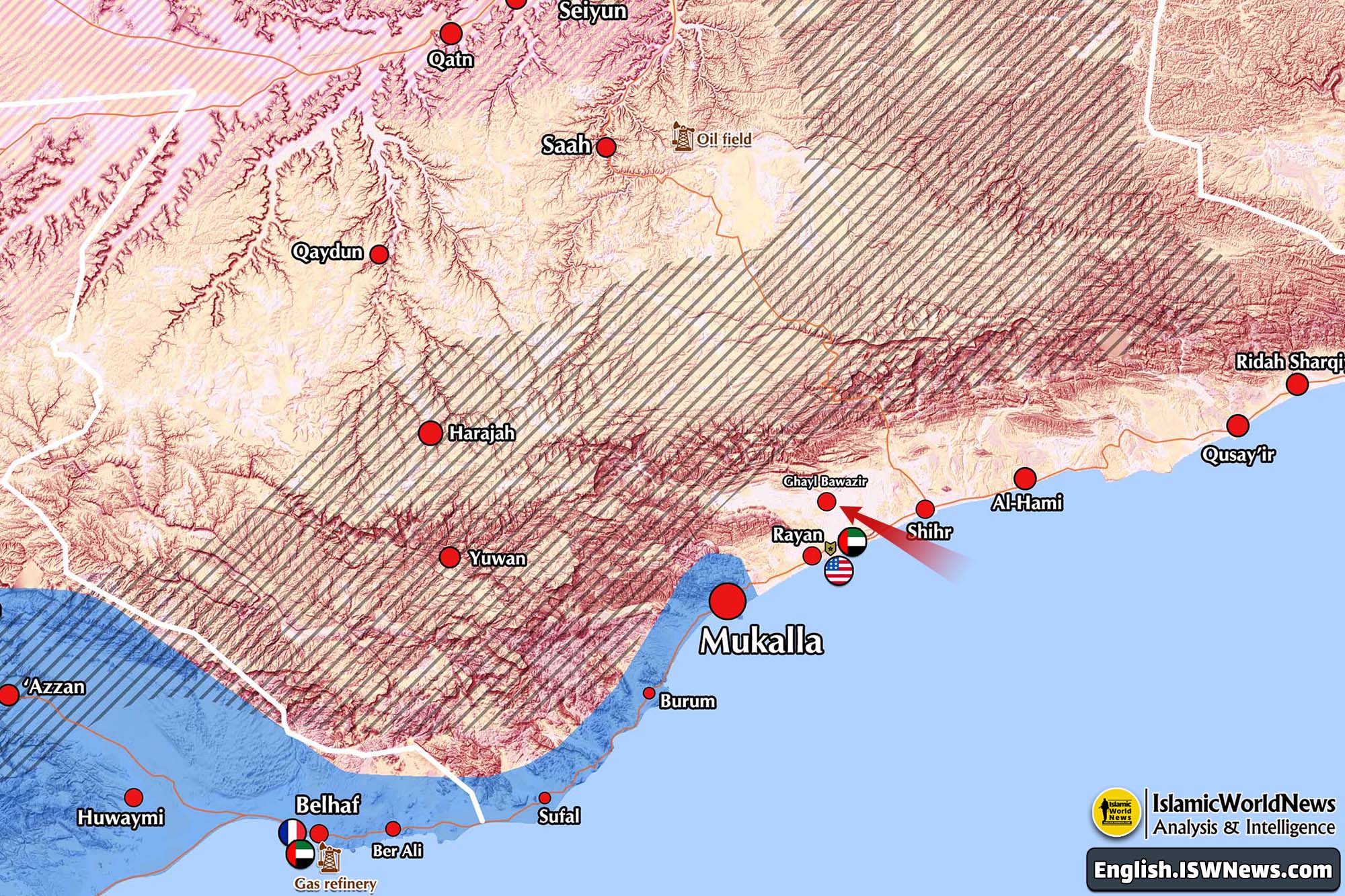
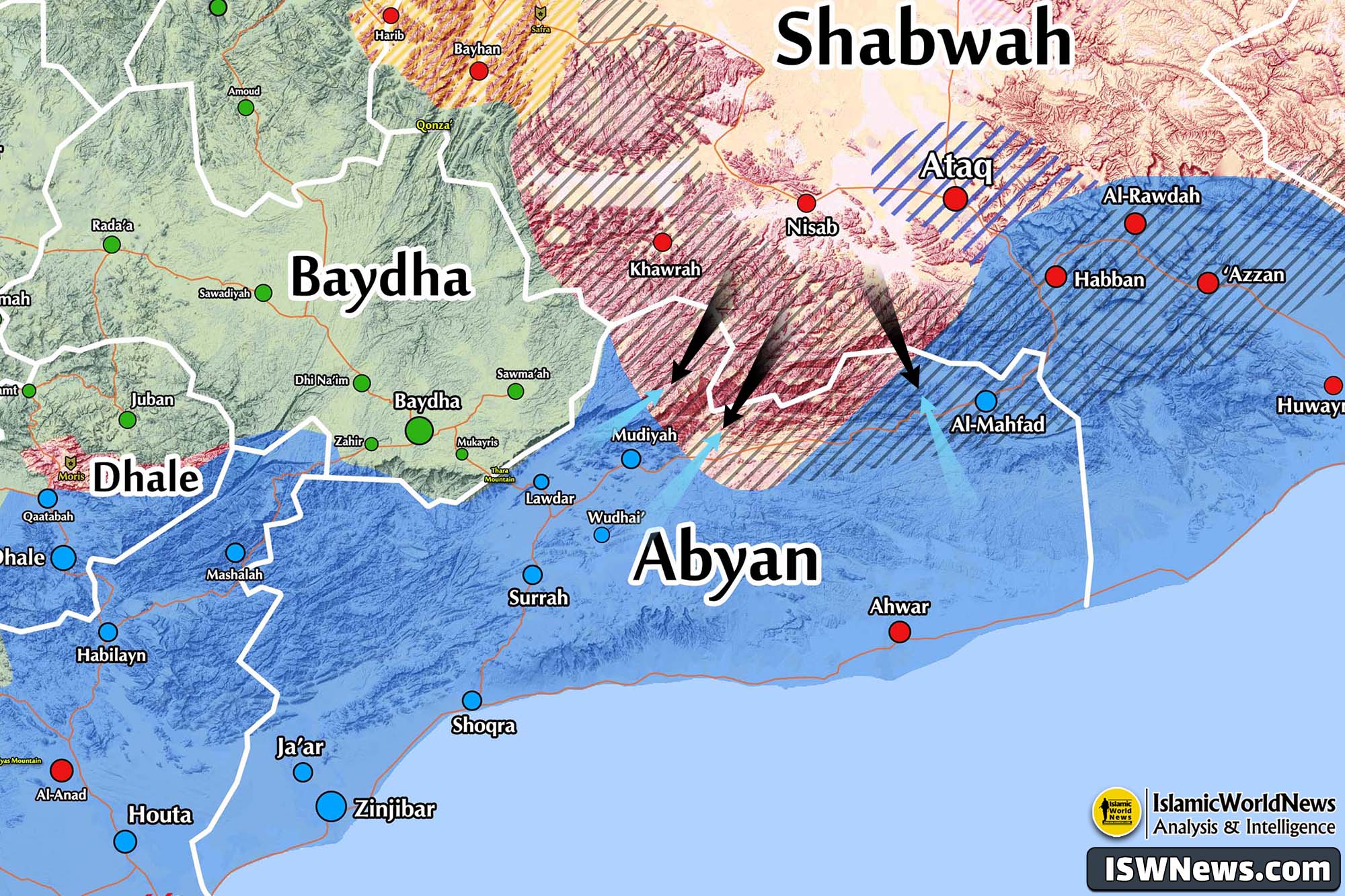
Military situation in southern Yemen – click to view full size
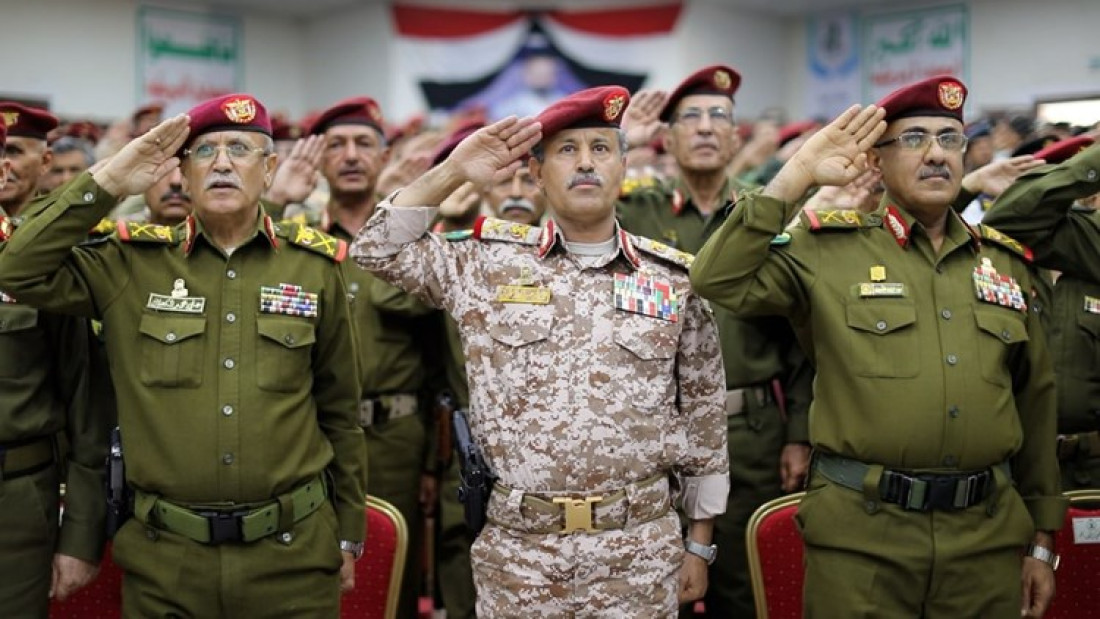
Major General Mohammed Nasser al-Atifi, the Defense Minister of the National Salvation Government of Yemen, met with the commanders and senior officers of the navy and coastal defense of the Yemeni army, announcing the successful missile tests and the production of new armaments for the navy of the country, including modern and advanced armed boats as well as advanced missiles.
Al-Atifi also congratulated the Yemeni army’s naval forces on the recent successes, saying that we have full capability to secure, protect and stabilize international shipping routes along all our territorial waters.
The illegal military presence of occupiers in Yemen’s waters will have a very high cost and any contract signed with any country or any regime regarding the establishment of any military or security facilities that affect our national sovereignty will be considered suspicious and they will be worthless, he warned.
The Ansar Allah movement plans to develop and advance the naval force of the Yemeni army, which is considered as one of the strategic goals of the axis of resistance in the Red Sea and the Gulf of Aden.
Arming the resistance forces with missiles and rockets as well as fast armed boats can open up more options for the resistance movement to respond to hostile and provocative actions by the Saudi-led coalition as well as a naval coalition led by the United States.