
Military Knowledge: Iron Beam Laser Air Defense System
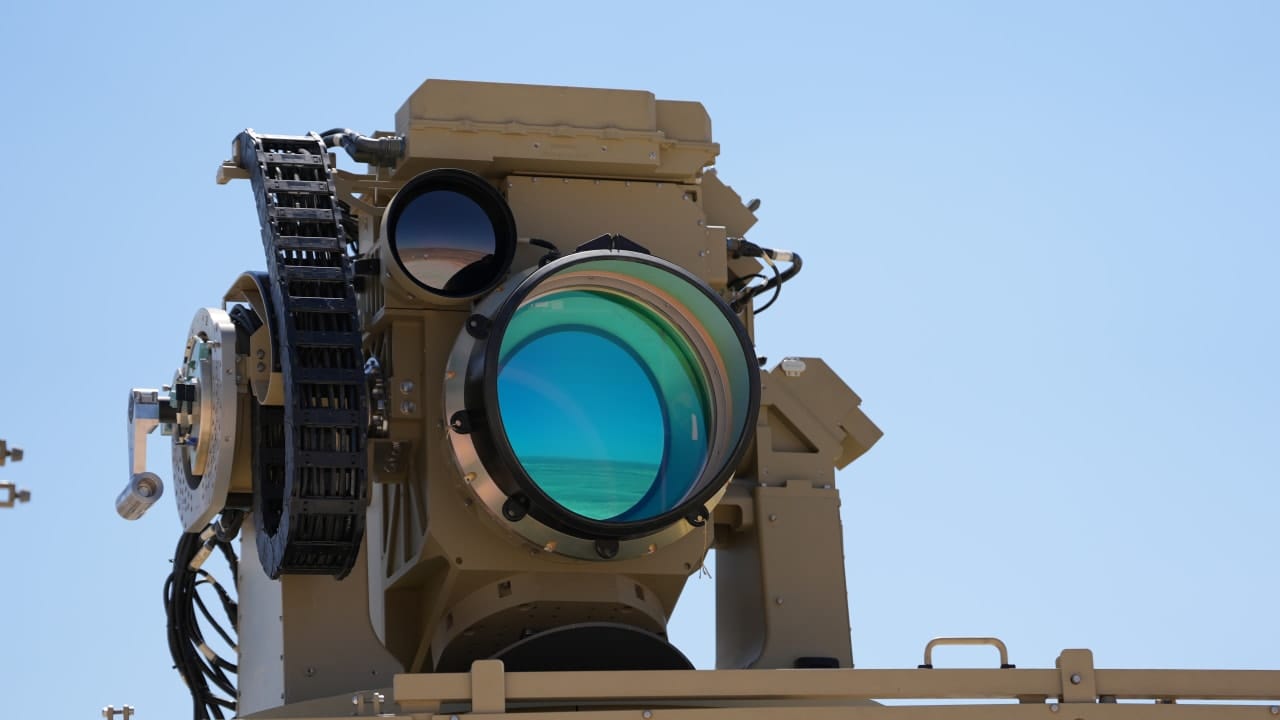
Iron Beam is a directed-energy defense system classified under high-energy laser (HEL) weapons, designed to intercept and destroy a wide range of short-range aerial threats including rockets, mortars, and drones. This system has been developed by Rafael Advanced Defense Systems in collaboration with the Israeli Ministry of Defense and Elbit Systems. Iron Beam introduces the concept of “unlimited firing” with an operational cost of just a few dollars per shot. It serves as a crucial complement to Israel’s multi-layered missile defense architecture, which has so far relied on more expensive systems such as Iron Dome, David’s Sling, and Arrow.
Design Philosophy Behind the Iron Beam System:
Air defense systems based on kinetic munitions — despite their high interception efficiency — are financially unsustainable in prolonged conflicts due to their reliance on expensive missiles. With the rise of low-cost, high-volume threats such as homemade rockets and commercial drones, now accessible to both state and non-state actors, the strategic balance has shifted against defenders. In such scenarios, the cost of a defensive shot often far exceeds that of the incoming threat — a clear advantage for attackers.
Advancements in directed-energy systems offer a solution to this challenge. In recent years, countries like China, the United States, the United Kingdom, and Western Europe have actively pursued the development of laser and microwave weapons. Simultaneously, nations such as India, Russia, Turkey, Saudi Arabia, and Iran are also striving to acquire similar technologies. The Zionist regime is no exception to this global trend.

Development History of Iron Beam:
The evolution of “Iron Beam” traces back to a long journey, beginning with a joint U.S.-Israeli project in 1996 focused on tactical high-energy lasers. The program, known as Tactical High-Energy Laser (THEL), was based on chemical laser technology but was ultimately discontinued in 2005 due to high costs and poor battlefield performance.
The current Iron Beam project emerged after 14 years of research and development, overcoming the limitations of earlier technologies. It transitioned from chemical lasers to solid-state fiber lasers, marking a significant technological shift.
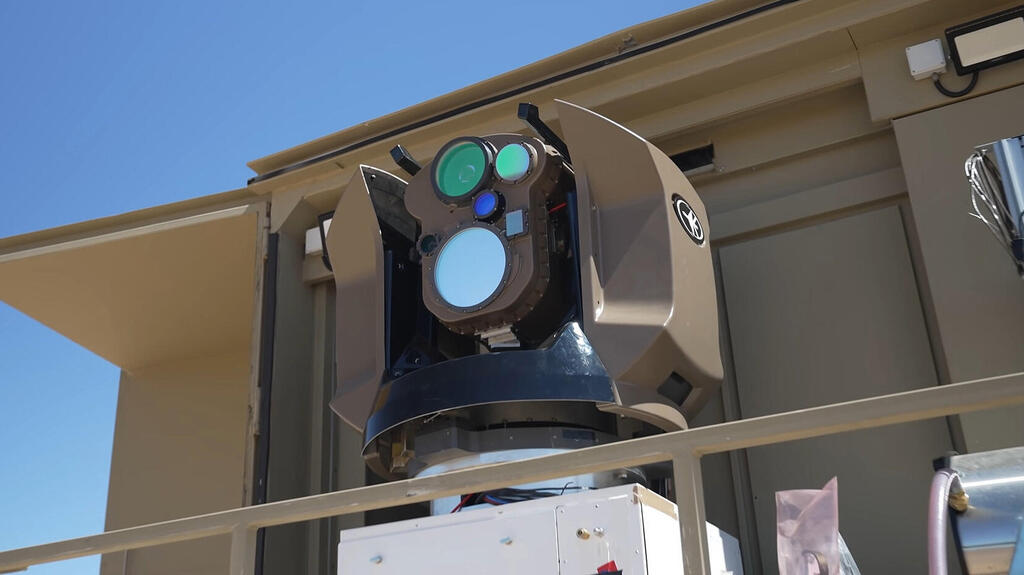
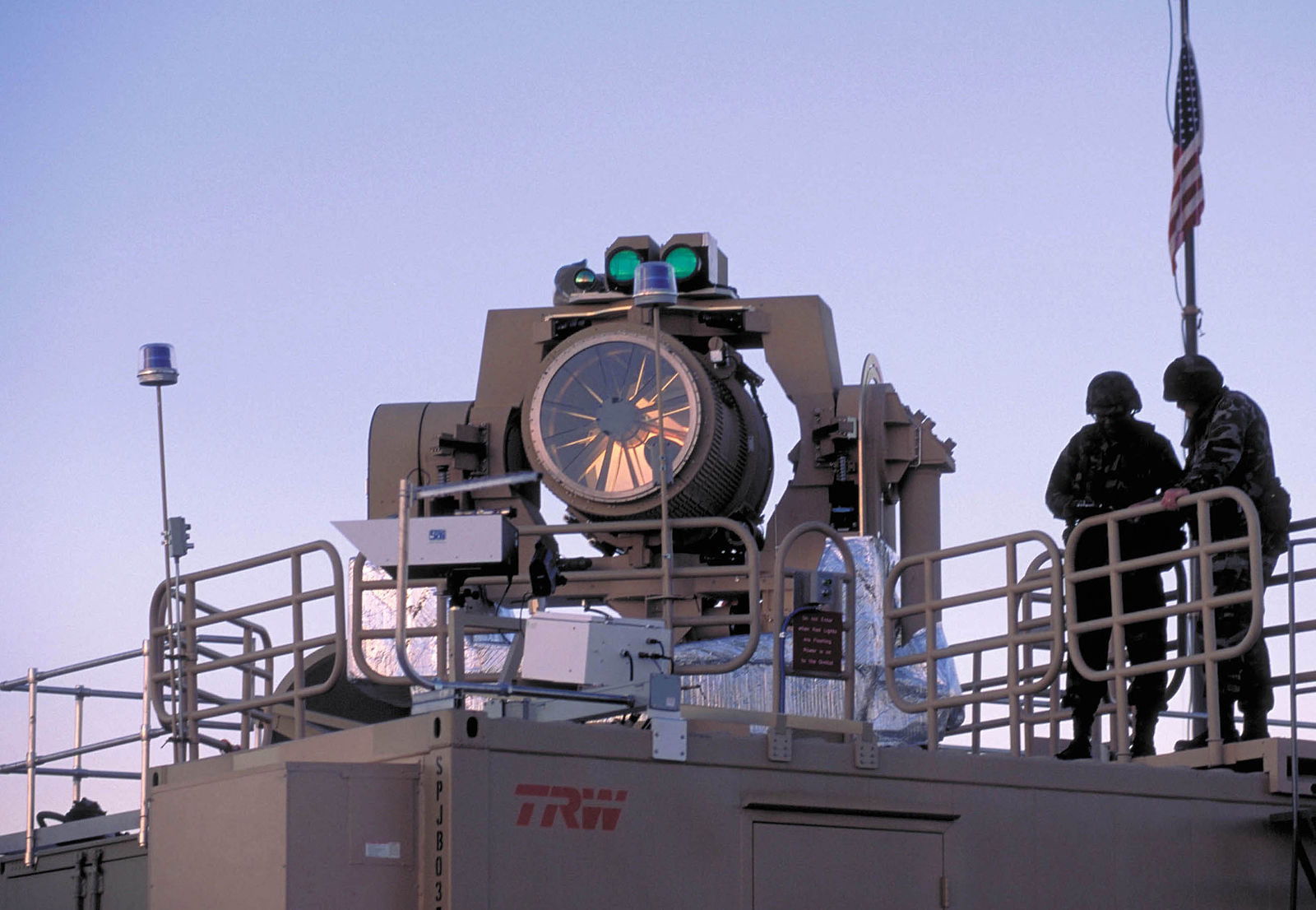
Iron Beam System (also known as Or Eitan or Magen Or) was publicly unveiled for the first time on February 11, 2014, during the Singapore Airshow. It was introduced as the missing final link in Israel’s multi-layered air defense architecture. The version presented at the time was the initial concept of the system, which is now referred to as Iron Beam-M, or the mobile version. This system was specifically designed to address the tactical and economic limitations of the Iron Dome in countering saturation attacks and low-cost projectiles.
Therefore, Iron Beam is not a replacement for existing systems; rather, it serves as a complementary layer. Its primary mission is to confront short-range and high-volume threats, including rockets, mortars, and drones.
In December 2022, Rafael and Lockheed Martin launched a joint investment initiative to develop, test, and produce a laser weapon system for the U.S. market and international clients. In this project, Rafael serves as the lead contractor and system designer.
The Israeli Ministry of Defense’s Directorate of Defense Research and Development, the Israeli Air Force, and Elbit Systems are key subcontractors involved in the effort. Significant financial backing from the United States has also played a role in advancing the project.
In October 2024, the U.S. allocated over $500 million for the production of Iron Beam systems, as part of a broader $5.2 billion package aimed at strengthening Israel’s air defense capabilities.
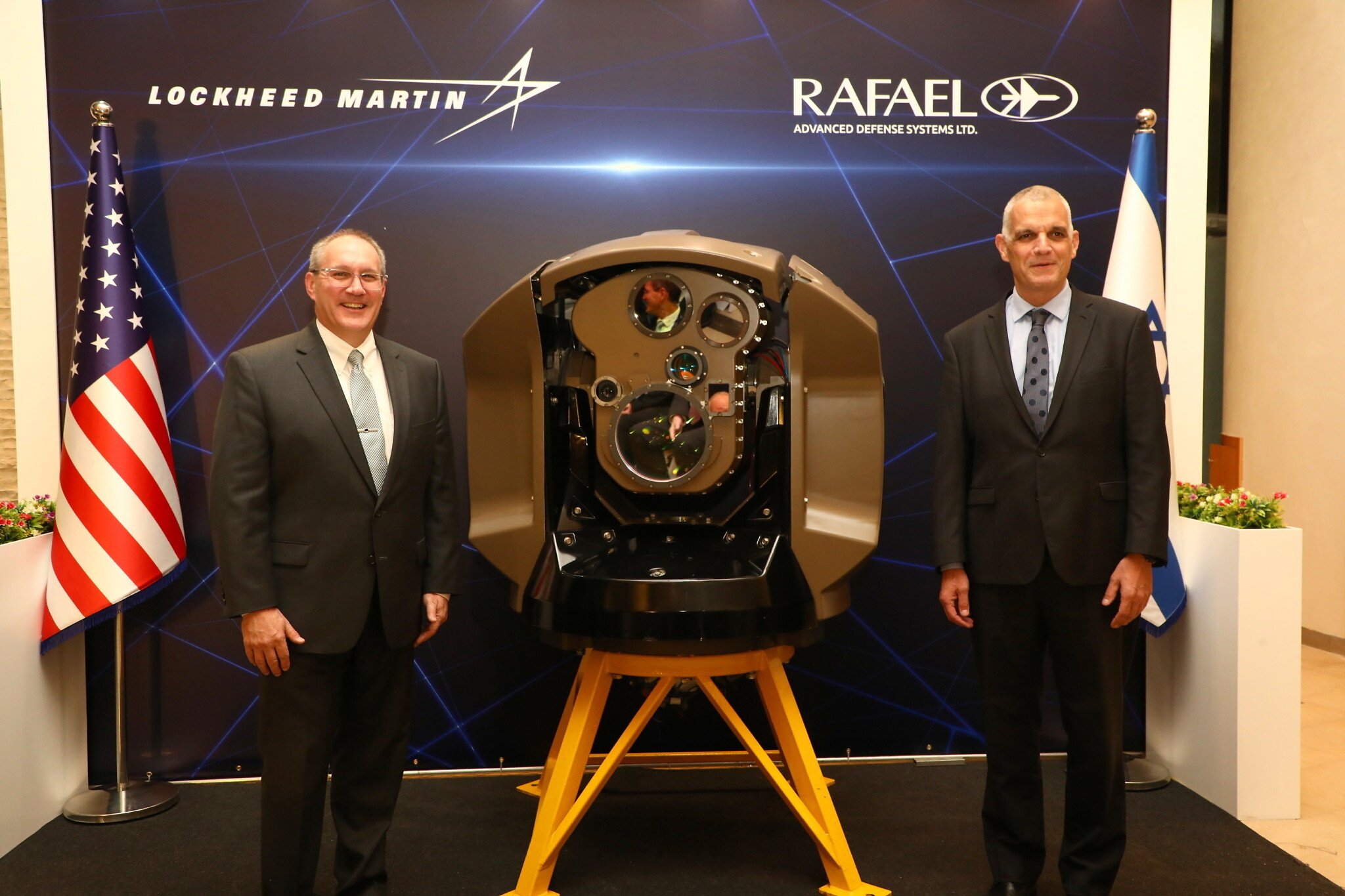
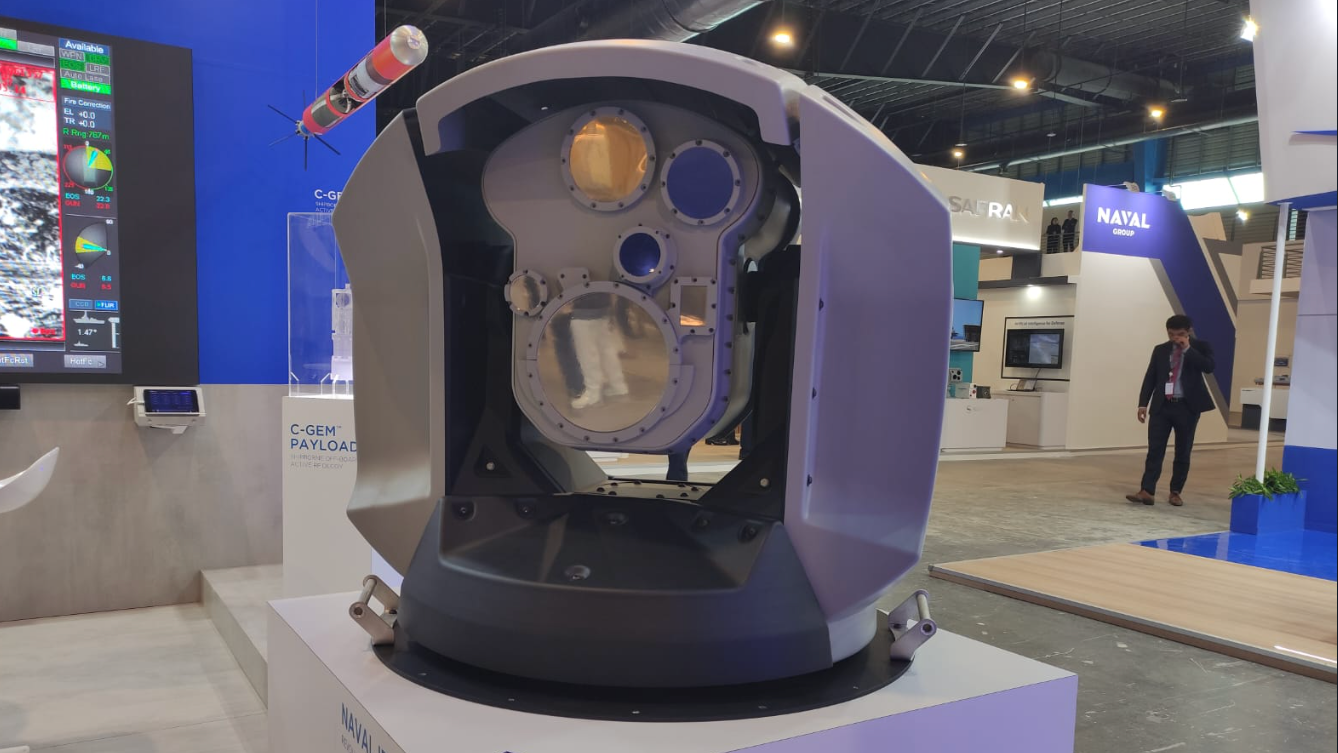
The core of the Iron Beam system is a solid-state fiber laser that generates high-energy beams. Fiber lasers have gained prominence in recent years due to their efficiency, stability, and scalability to higher output powers.
However, a major technical challenge for directed-energy weapons operating in the atmosphere is beam dispersion and disruption caused by air density, water vapor, and atmospheric turbulence. This atmospheric distortion has historically limited the effectiveness and operational range of earlier laser systems.
To overcome these limitations, Iron Beam employs two key technologies: advanced adaptive optics and intelligent beam combination. In practice, the system directs hundreds of individual beams — each about the diameter of a coin — toward the target. Since each beam is less affected by atmospheric interference on its own, energy loss due to turbulence and instability is minimized.
The system then dynamically monitors and adjusts the trajectory of each beam, allowing the cumulative energy of all beams to converge precisely on a single point on the target.
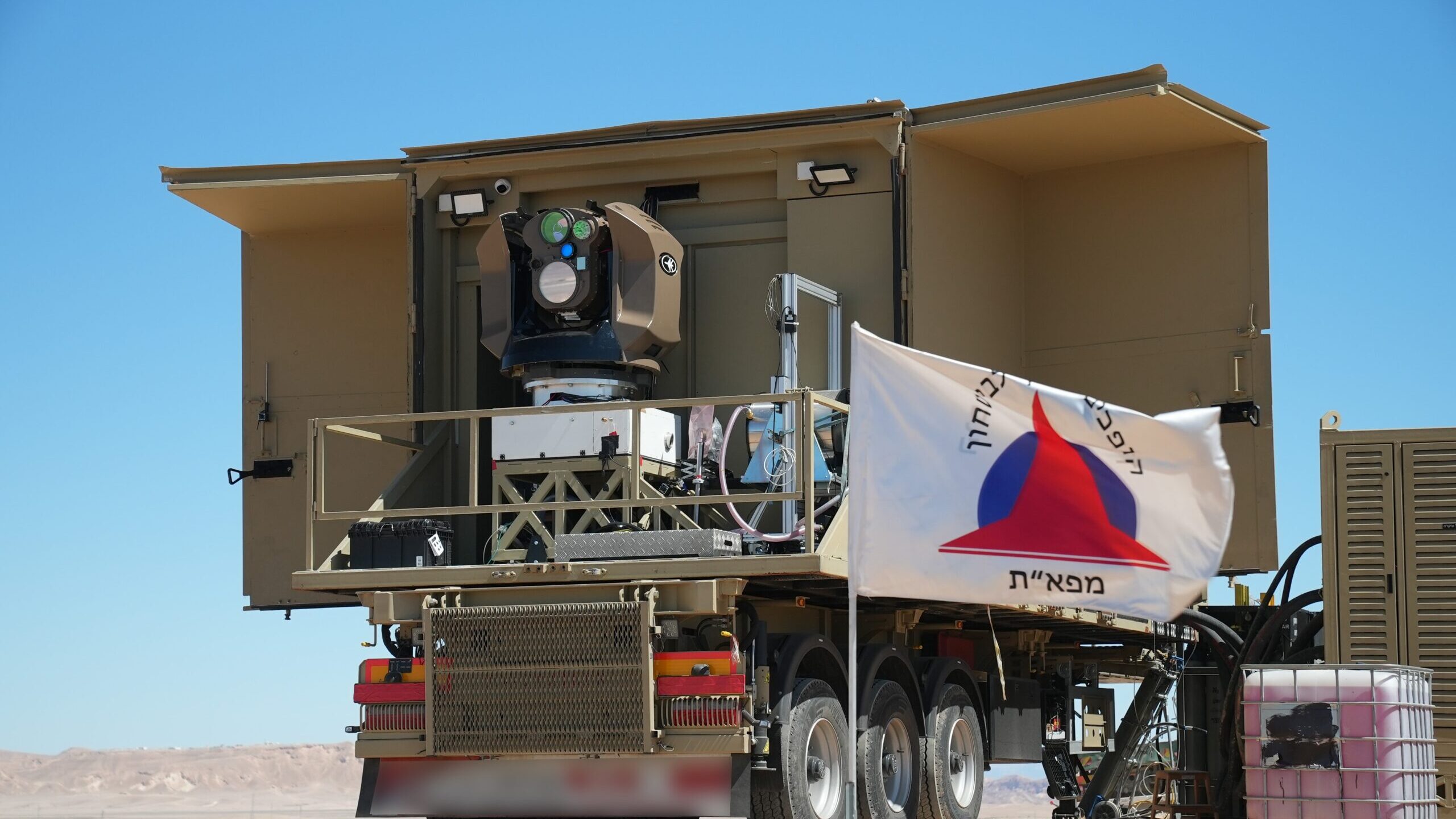
Iron Beam System variants:
The Iron Beam family consists of several variants, each designed for different tactical missions. While all share a core reliance on high-energy laser technology, each version differs in output power, deployment platform, and operational role based on its specific mission.
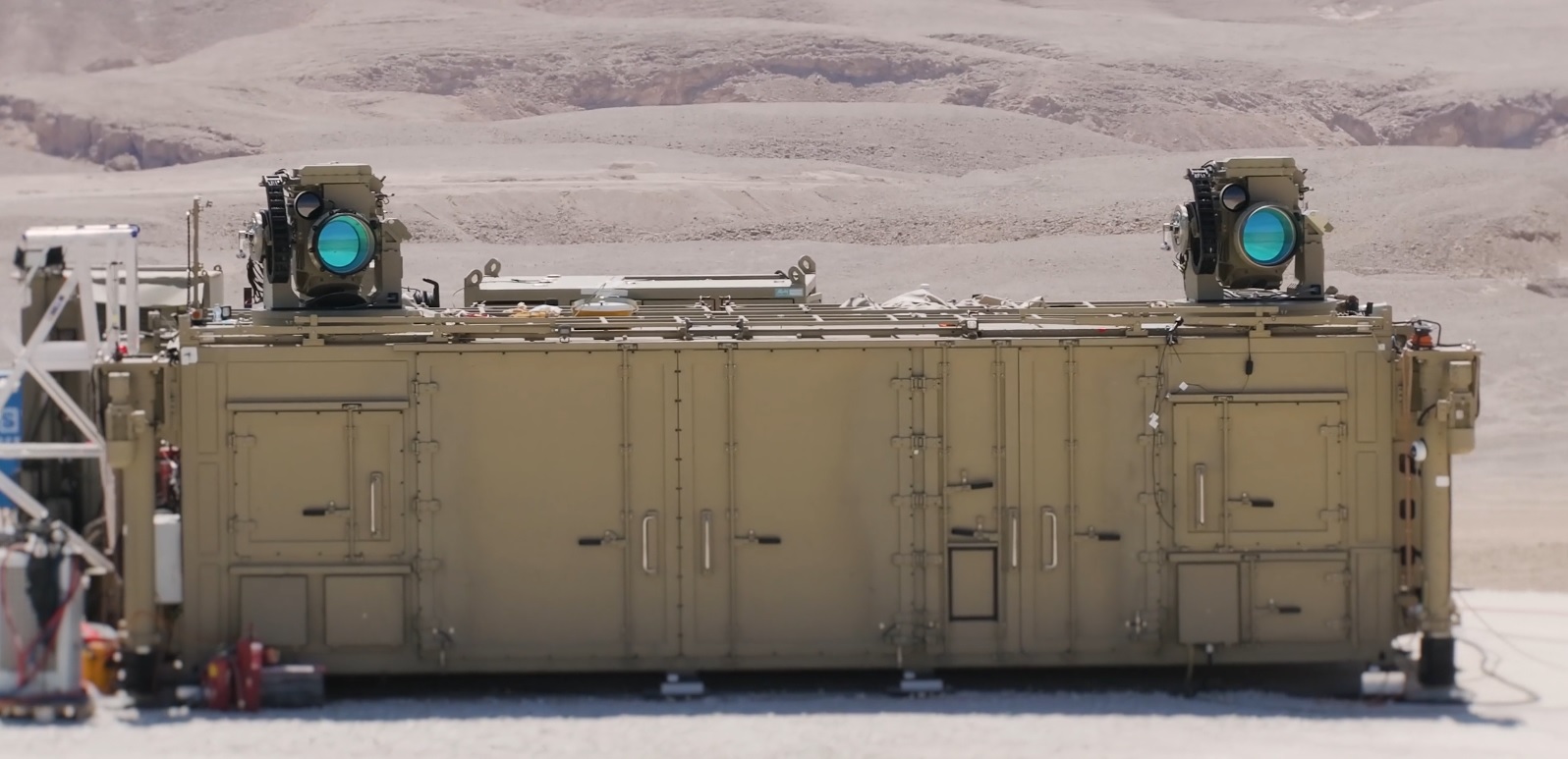
The most powerful model, known as Iron Beam 450, features a 100-kilowatt-class laser mounted on a ground-based containerized platform. Its primary mission is short-range air defense, with an effective range of approximately 10 kilometers. This is the flagship version of Iron Beam, whose development and final deployment took nearly two decades.
The system officially entered service with the Israeli military in 2025.
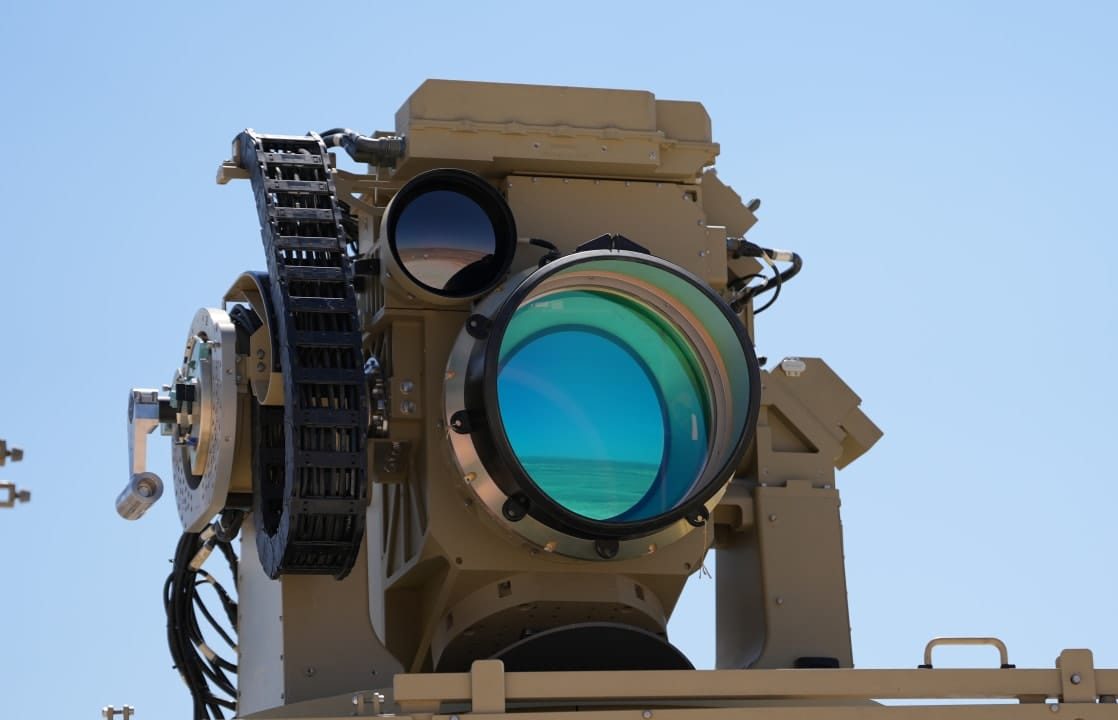


The Israeli Ministry of Defense and Rafael Advanced Defense Systems officially announced the completion of the 15-year development of the Iron Beam 450 project and its entry into active service by releasing a joint video of its field test.
In the published footage, two Iron Beam 450 systems — each with a power output of 100 kilowatts — are shown simultaneously locking onto a single target and successfully intercepting or destroying it. This synchronized targeting capability effectively doubles the system’s operational power for neutralizing threats.
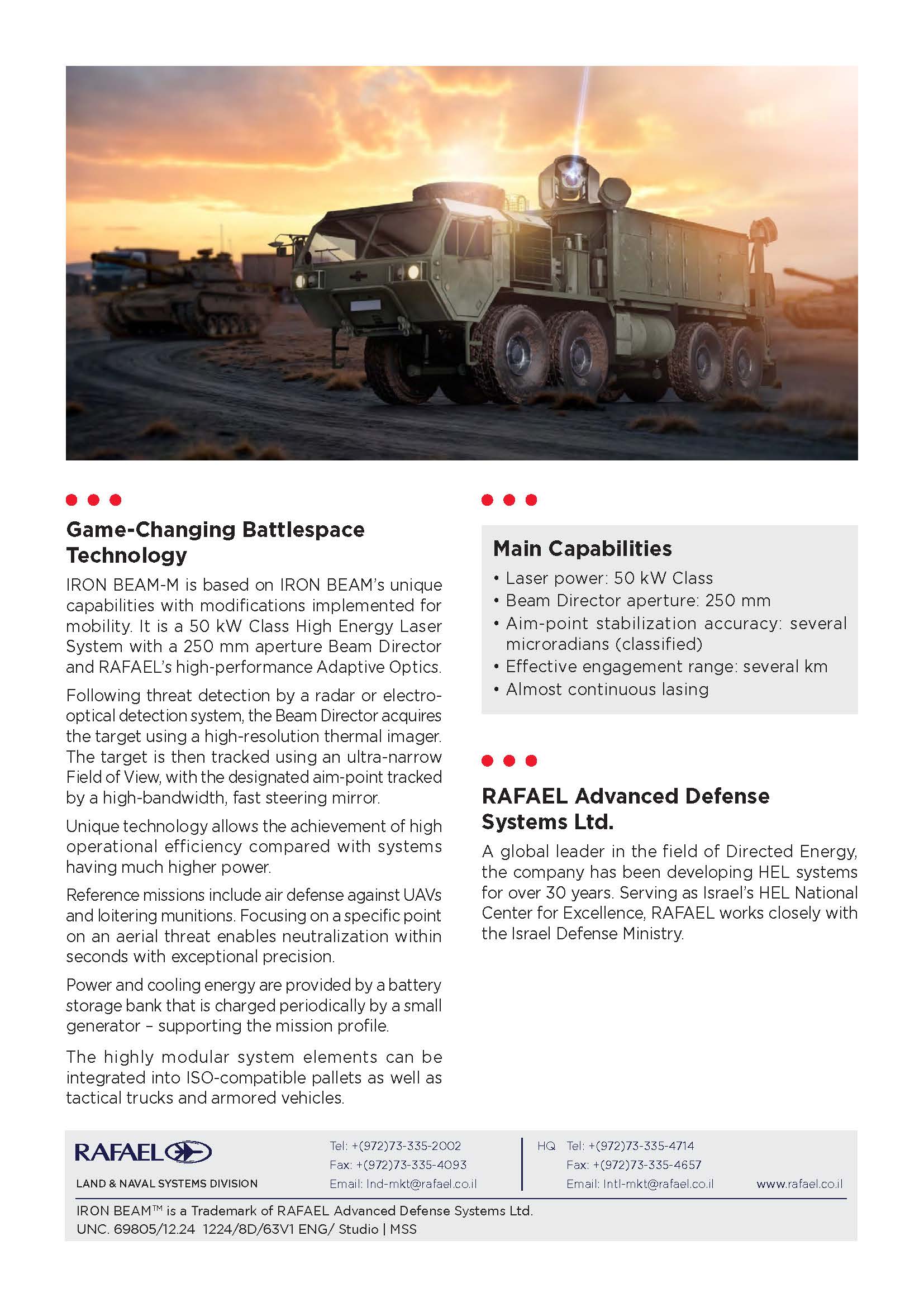
The mobile variant, known as Iron Beam-M, utilizes a 50-kilowatt-class laser mounted on a combat vehicle. It is specifically designed to provide close-range support for maneuvering forces. This version offers defensive coverage over a range of several kilometers.
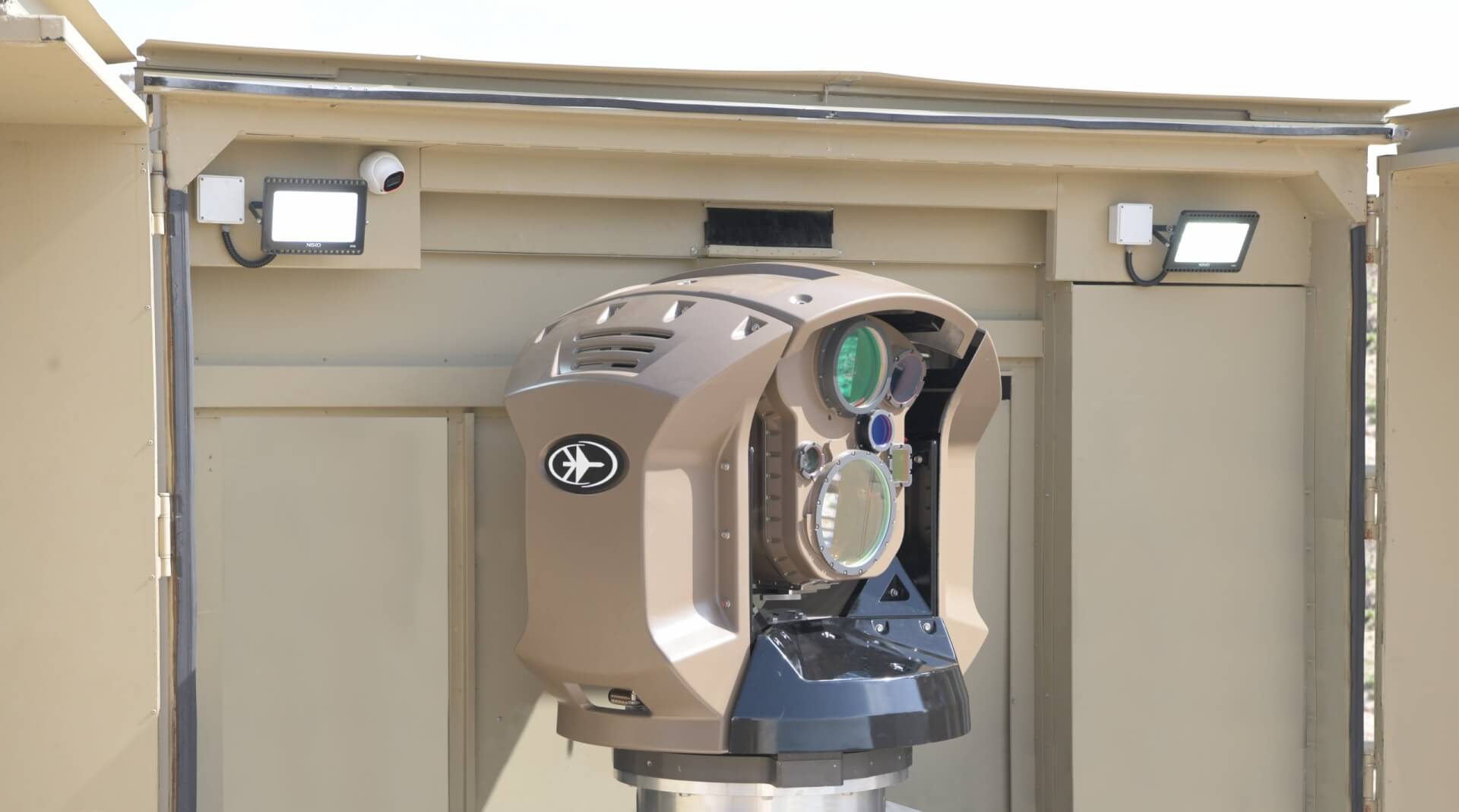

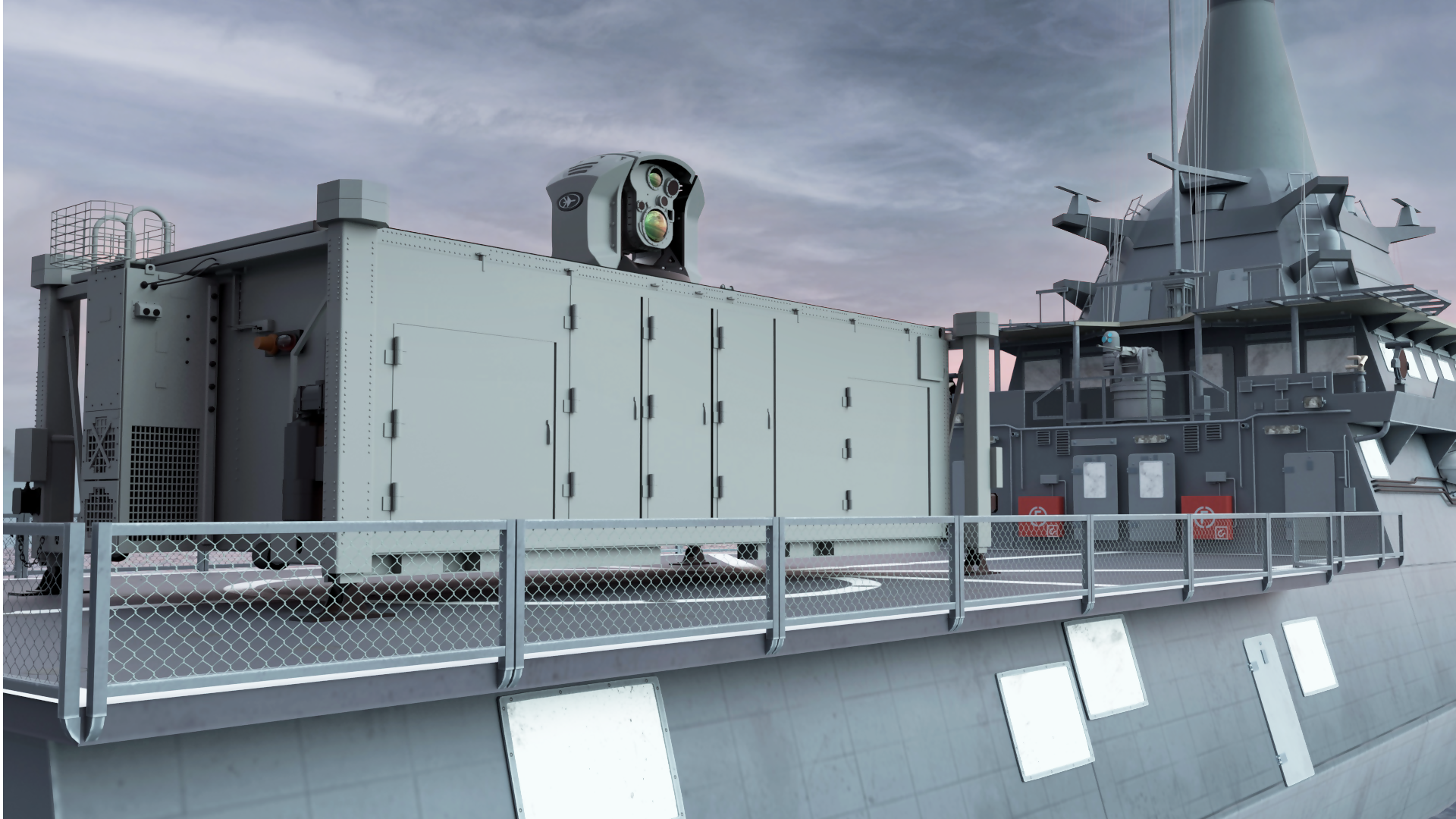
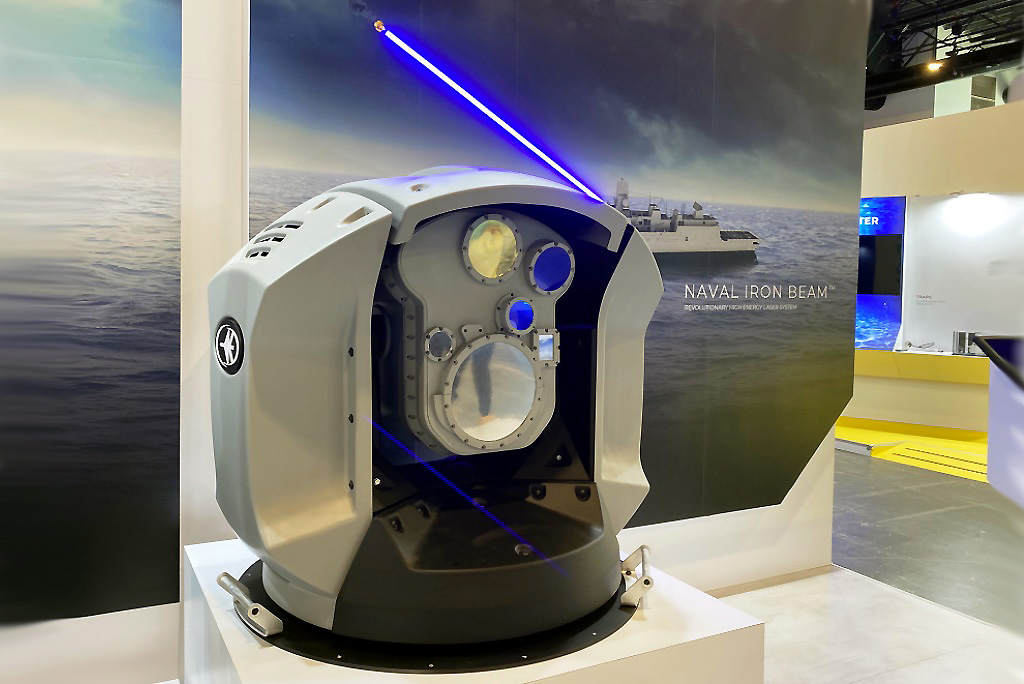
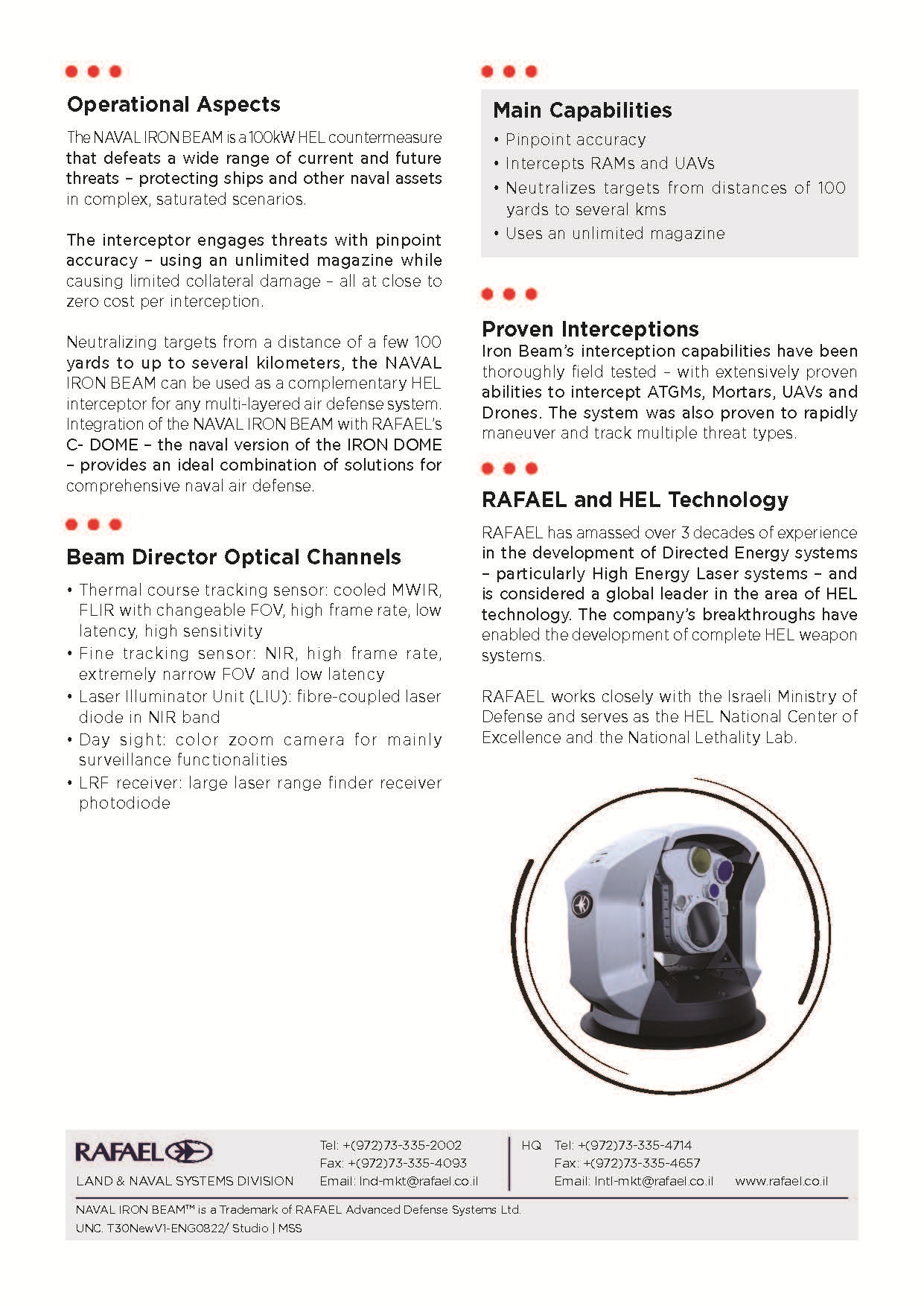
In the naval domain, Naval Iron Beam — the maritime version of the Iron Beam system — features a 100-kilowatt laser mounted on naval vessels. Its role is to counter aerial and missile threats at ranges of several kilometers.

Finally, a lighter version branded as Lite Beam has been introduced, featuring a 10-kilowatt-class laser mounted on a mobile vehicle. Its primary purpose is to counter smaller threats such as short-range drones, with an effective range of approximately 2,000 meters.
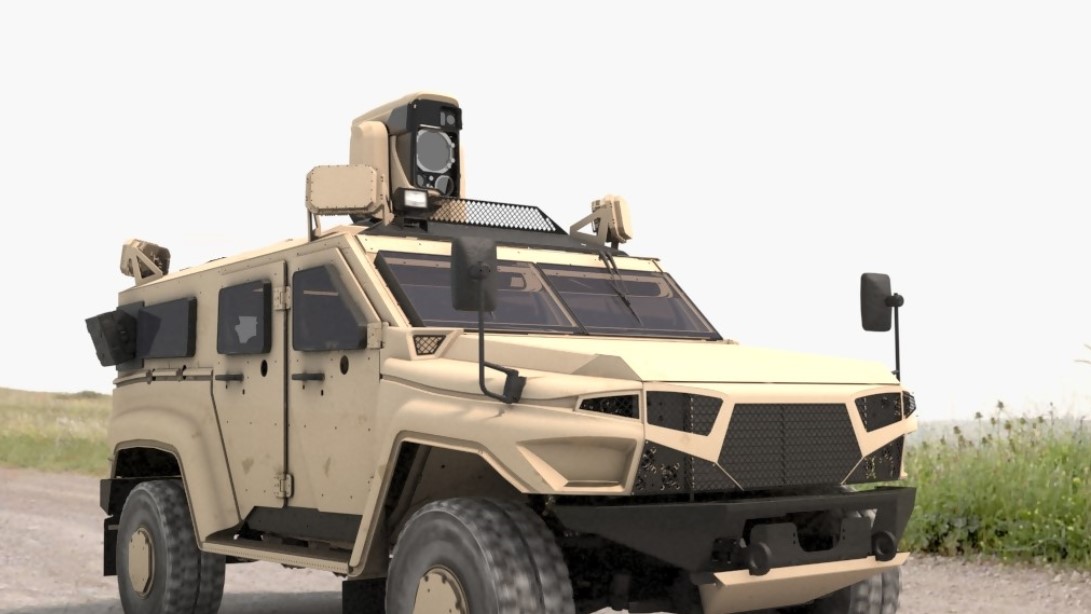


One of the key operational metrics for laser weapons is “dwell time” — the duration a beam must remain focused on a target to deliver sufficient energy for damage or destruction. For Iron Beam, this process typically takes just a few seconds.
A standard Iron Beam battery usually consists of a defensive radar, a command and control (C2) unit, and two high-energy laser (HEL) systems. These dual emitters can engage a single target simultaneously, enhancing beam precision and stability even under complex combat conditions.
The naval variant of the system also incorporates an array of optical sensors — including thermal, near-infrared, and daylight sensors — to enable accurate tracking and engagement of incoming threats.
Deployment and Operational Record of Iron Beam:
Iron Beam underwent a series of advanced operational tests at the “Shadma” test range in southern Israel. In this field environment, the system successfully intercepted and neutralized a wide spectrum of real-world threats — ranging from rockets and mortars to drones and anti-tank missiles — under scenarios closely resembling actual combat conditions.
Reports indicate that a smaller, shorter-range version of the Iron Beam system successfully downed dozens of Hezbollah drones in the skies over northern occupied territories during post–October 7 clashes.
Additionally, Iron Beam was reportedly deployed along the Gaza border in October 2023 to assess its performance against Hamas rocket fire. However, no documented evidence has been released to confirm the system’s operational effectiveness in that scenario.

The most prominent advantage of Iron Beam lies in its operational cost-efficiency. Each interception requires only electrical energy, typically costing just a few dollars per shot — with some estimates placing it as low as $3 per engagement. This stands in stark contrast to the cost of firing a Tamir interceptor missile from the Iron Dome system, which ranges between $40,000 and $150,000 per launch.
Despite its clear benefits, Iron Beam — like other laser weapons — faces inherent physical limitations. A key challenge is reduced performance under adverse weather conditions such as heavy clouds, rain, fog, or dust, as the atmosphere can scatter or absorb a significant portion of the laser’s energy.
Moreover, while the per-shot cost is minimal, the initial investment required for purchasing, installing, and deploying an Iron Beam battery is substantial.

The future path of the Iron Beam System:
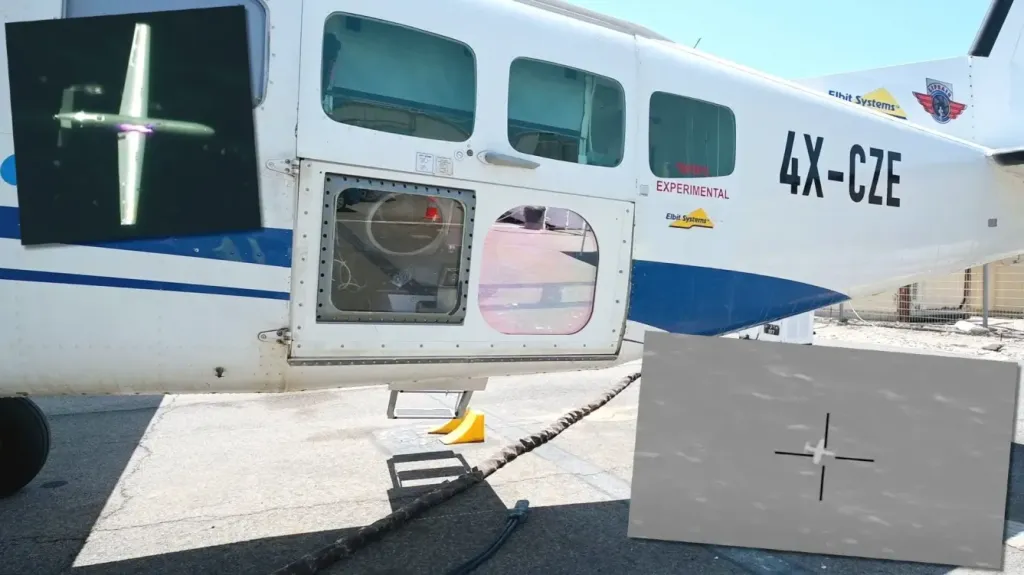
Iron Beam is no longer merely a standalone system — it is evolving into a broader technological platform. Rafael has outlined a clear roadmap for future upgrades, including the development of a “Laser Dome” with higher power, extended range, and faster response times, as well as the introduction of mobile (Iron Beam-M), naval (Naval Iron Beam), and airborne variants.
The airborne lasers, currently under development by Elbit Systems, are designed to be mounted on large drones and engage threats from higher altitudes — an advantage that could help mitigate some of the atmospheric limitations faced by ground-based lasers.
Overall, this approach marks the transition of the project from a single-purpose system to a multi-domain ecosystem capable of integration across land, sea, and air operations.
Sources:
rafael.co.il/news | Wikipedia | rafael.co.il/system | ynet.co.il | jns.org/interceptions | defense-update.com | jns.org/critical-sites | reddit.com/r/Israel | timesofisrael.com



Comment