
Scorching Suwayda: Unraveling Sectarian Fragility in Post-Assad Syria

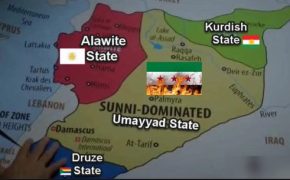
The Druze minority—spread across Syria, Lebanon, Jordan, and the occupied territories—follows a secretive, independent faith rooted in Islam but infused with diverse teachings. In Syria, they number over half a million, making up roughly 3% of the population. Known for loyalty to their host nations, Druze communities have played mediating roles in Lebanon and even serve in Israel’s military, unlike other Arab minorities. Despite political differences, strong familial and cultural ties sustain a shared sense of identity across borders.
This delicate balance is now under strain, especially in Syria’s Suwayda province, the heartland of the Druze. Recent clashes with Sunni Bedouin tribes and alleged Israeli interference have deepened mistrust toward Syria’s transitional government. As violence escalates, the Druze—committed to strict traditions and survival—find themselves at the crossroads of regional and international tensions.
In recent months, Suwayda has seen a surge in violence, sparked by kidnappings and retaliatory attacks between Bedouin tribes and Druze militias. The Damascus-based government deployed forces to contain the unrest, but deep-seated distrust led to armed resistance from Druze fighters. Reports of massacres, looting, and arson—allegedly by pro-government groups like Ahrar al-Sharqiya and Ansar al-Tawhid—have further inflamed tensions. Social media posts and unverified accounts of military raids and civilian killings have raised fears of another sectarian catastrophe.
Israeli tanks and airstrikes targeting Suwayda and Damascus added fuel to the fire. While Israeli officials claim to protect Druze minorities, many Syrian Druze remain skeptical of Tel Aviv’s intentions.
Geopolitical Rivalry in Southern Syria
Turkey and Israel are vying for control over trade routes linking southern Syria to Jordan and the Gulf. Turkey, aligned with Damascus, seeks to expand its influence southward and open new export corridors. Israel, meanwhile, exploits instability to counter Iranian presence and build ties with minorities like the Druze and Kurds. Despite secret talks in Baku to avoid military incidents, ongoing violence in Suwayda and Israeli strikes on Damascus reveal deeper rifts.
Turkey, with limited military and political leverage, prefers diplomacy and U.S. pressure over direct confrontation, fearing that conflict could derail Syria’s reconstruction and harm its own interests.
Israel’s Peripheral Doctrine and Arab Fragmentation
Since its founding, Israel has pursued a “peripheral doctrine”—forging alliances with non-Arab regional powers and exploiting internal divisions in Arab states. Syria, as a populous neighbor with historic ties to Palestine, remains central to this strategy. By strengthening ties with Druze and Kurdish groups, Israel aims to fragment Syria from within. Prime Minister Netanyahu has openly outlined post-Assad goals: blocking Syrian government forces near Damascus, supporting Druze communities, and maintaining control over the Golan Heights.
This strategy seeks to turn Syria into a failed, unstable state, minimizing threats to Israel. The use of sectarian divisions and minority alliances as tools of control has long been a hallmark of Israeli policy.
Syria’s Response and Internal Challenges
Under President Ahmad al-Shara, Syria’s new government has responded cautiously to Israeli aggression, condemning airstrikes and emphasizing territorial integrity. It seeks regional diplomacy—especially with Jordan and Arab states—to counter expansionist threats. However, avoiding direct confrontation may weaken its domestic legitimacy and allow Israel to deepen its influence.
Effective resistance requires coordinated Arab and international efforts to prevent further collapse and regional instability.
Expanding Israeli Ambitions
Israel’s ambitions now extend beyond Syria, targeting the broader periphery—including Iran and Pakistan. Some neoconservative analysts advocate for exploiting ethnic and sectarian divides to destabilize Iran. The Abraham Accords, far from being mere peace deals, serve as instruments to cement Israel’s dominance in regional economics, security, and technology.
This approach, however, risks backfiring. As Israel’s reach grows, so does regional opposition. Countries like Iran, Turkey, and Pakistan increasingly view Israel not just as a nuisance, but as a direct threat. Military actions in Gaza, Damascus, Beirut, Sanaa, and Tehran have galvanized regional solidarity against Israeli policies.
History has shown that colonial empires rarely endure. Just as the people of this region once resisted crusaders and imperial powers, they now stand united against Israel’s expansionist doctrine.
Sources:
- https://www.washingtonpost.com/world/2025/07/17/israel-syria-druze-attack/
- https://www.theguardian.com/world/2025/jul/18/more-violence-erupts-in-syrias-druze-heartland-as-tribal-groups-reinforce-local-bedouin
- https://www.nytimes.com/2025/07/18/world/middleeast/who-are-druse-syria-israel-clashes.html
- https://www.washingtoninstitute.org/policy-analysis/pursuing-israel-syria-detente-post-assad
- https://www.csis.org/analysis/violence-escalates-israel-intervenes-southern-syria
- https://www.middleeasteye.net/opinion/damascus-gaza-israels-doctrine-hegemony-fatal-flaw
- https://thecradle.co/articles/battle-in-suwayda-where-israel-and-turkiye-clash-over-syrias-trade-routes
- https://www.washingtonpost.com/world/2025/07/17/syria-israel-druze-border/
- https://apnews.com/article/druze-syria-religious-sect-2c989a5397c5e04474cef7bd9a37c40b?__cf_chl_rt_tk=5JchtEfIcPtDTbrCoJapZ91RhXRsgmmgiDMqNZE6R4U-1752921424-1.0.1.1-UDWYIzUovSA6IHVMilefEYYS5rD3BmPUa5VuAWNhesw
- https://www.middleeasteye.net/news/turkey-doesnt-have-many-options-against-israel-syria
- https://thecradle.co/articles/syrian-druze-confront-new-attacks-after-sharaa-declares-suwayda-ceasefire
Comment