History of the development of the GBU-43/B MOAB bomb:
The design of the GBU-43/B MOAB (Massive Ordnance Air Blast) began in mid-2002 at the United States Air Force Research Laboratory. The primary goal of developing this weapon was to provide an efficient replacement for the older BLU-82 bomb.
The free-fall BLU-82 bomb was initially developed during the Vietnam War to quickly create helicopter landing zones in dense jungles, and was later used in the Gulf War and the Battle of Tora Bora in Afghanistan to destroy fortified positions and instill fear in enemy forces. This bomb lacked a guidance system and was released from the rear of transport aircraft using a parachute. This delivery method severely reduced operational accuracy and forced the carrying aircraft to fly at a relatively close altitude and distance to the target, exposing it to threats.
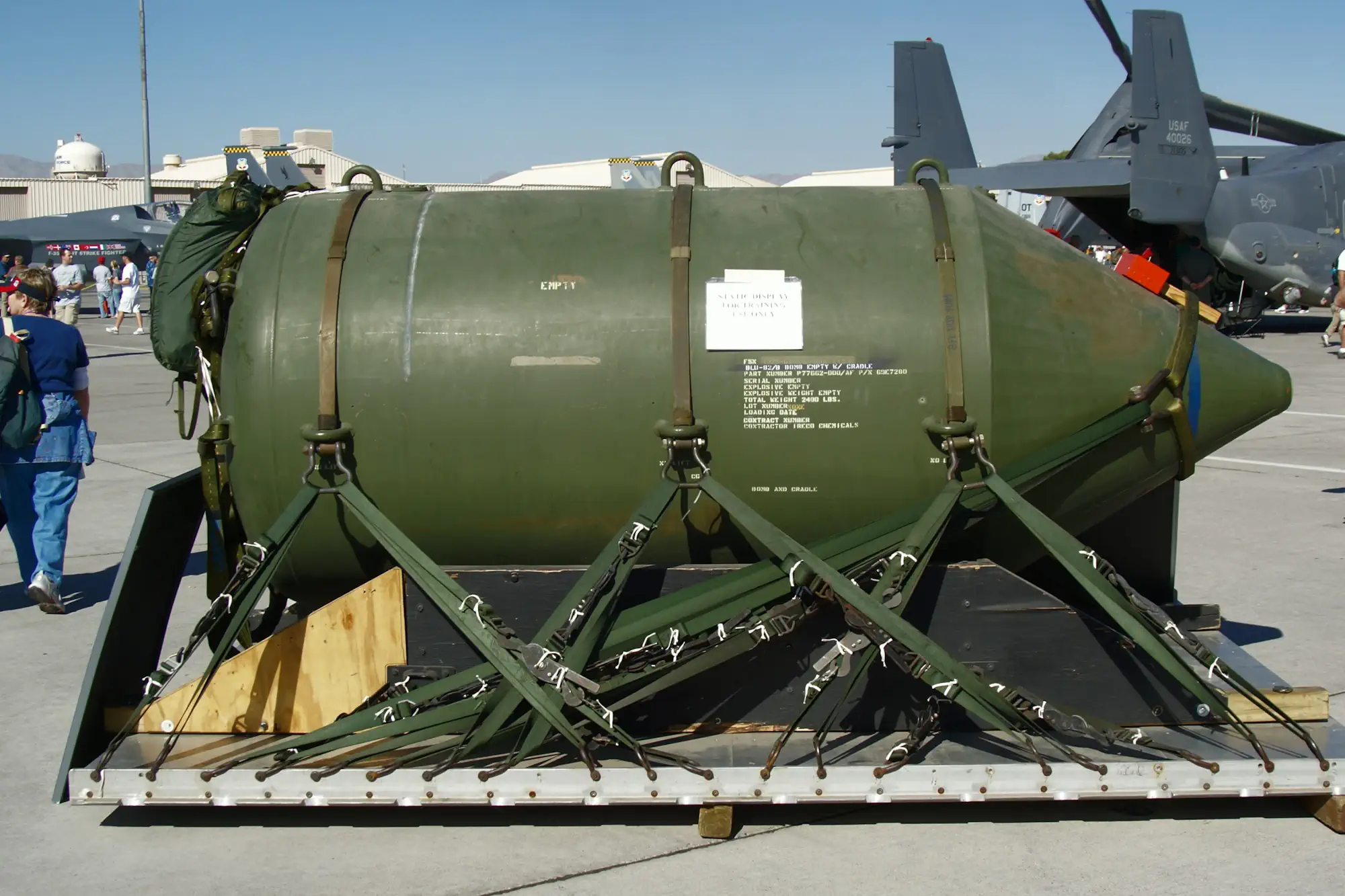
As the year 2003 and the invasion of Iraq approached, the Pentagon, in the form of an emergency project and within only 9 weeks, put on its agenda the development of a bomb with destructive power similar to the BLU-82, but with the capability of being launched from a safer distance and with satellite guidance.
The name of this project, MOAB, was also chosen in a way to evoke a direct response to the famous phrase “Mother of All Battles” — a term used by Saddam Hussein during the First Gulf War to describe the battle with the international coalition.
The simulation and prototype construction process was carried out with the participation of Dynetics. The first test of this bomb took place on March 11, 2003, at Range 70 of the Eglin Test Range. The mushroom cloud resulting from this test was visible from a distance of 32 kilometers and, only 9 days before the start of the military operation, sent a deterrent message to Baghdad.
With the end of the Iraq War without the use of the MOAB, production of this bomb continued at the McAlester Army Ammunition Plant in the state of Oklahoma. The development goals of this weapon can be examined in two areas: operational and psychological.
In the operational domain, Pentagon engineers sought to build a munition capable of destroying the mouths and entrances of natural caves in inaccessible areas, creating intense pressure in valleys, blocking tunnels, and clearing dense minefields. These capabilities could provide the basis for the advance of armored and infantry units.
In the psychological domain, this bomb was considered part of the “shock and awe” doctrine and was intended, by creating a massive explosion sound, ground shaking, and a widespread blast wave, to weaken the morale and resistance capability of enemy forces before direct engagement.
Technical and engineering specifications of the MOAB:
The structure of the GBU-43/B bomb consists of two main assemblies: the BLU-120/B warhead and the tail fin and navigation kit assembly, known by the designation KMU-593/B.
Unlike conventional bombs and heavy penetrators, in which a significant portion of their mass is devoted to thick steel casings, the outer body of the MOAB is made of aluminum sheets with a mass of approximately 1,300 kilograms. This design has brought the ratio of explosive mass to total bomb mass to a remarkable 87 percent.
The explosive material used in the warhead is the H-6 composition with a weight of approximately 8,500 kilograms. This composition was previously used in the maritime industry for the manufacture of torpedoes and naval mines. The explosive power of H-6 is estimated at about 1.35 to 1.38 times that of TNT. On this basis, the explosive yield of the MOAB is equivalent to approximately 11 tons of TNT, or 46 gigajoules of energy.
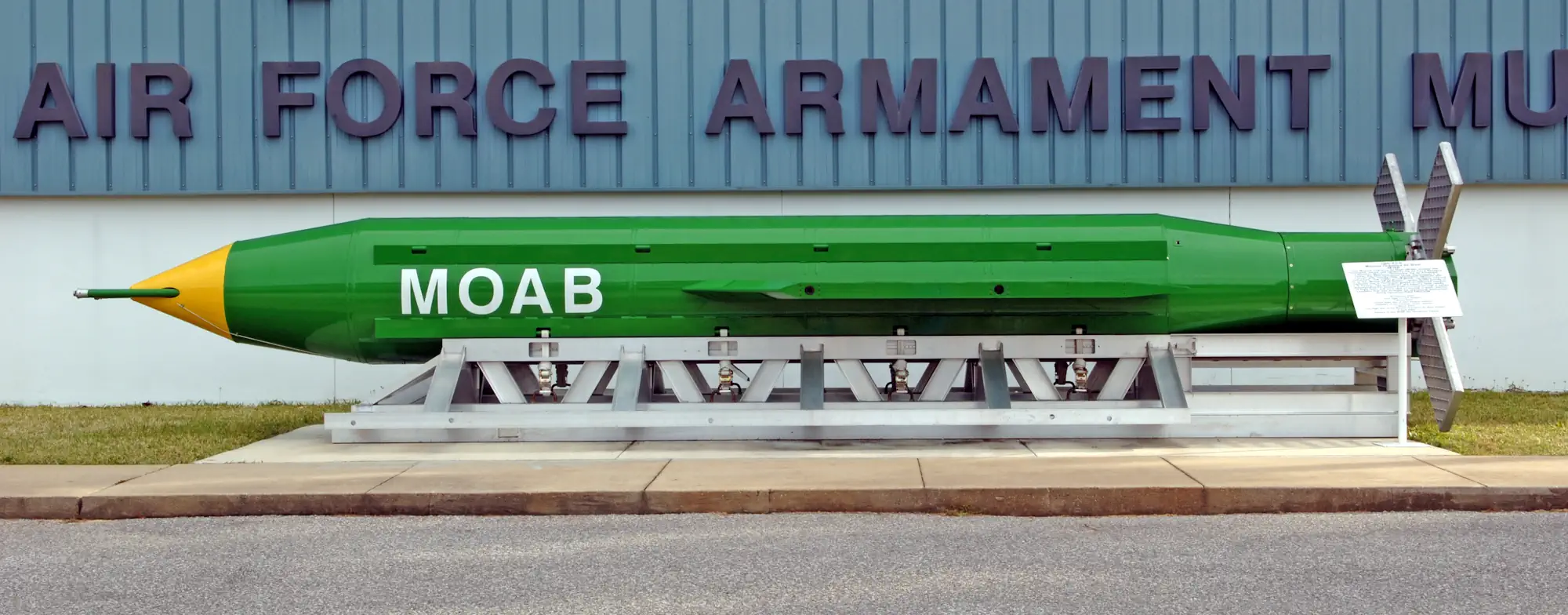
In some public sources, the MOAB is mistakenly presented as a thermobaric or fuel-air weapon, whereas this bomb lacks a mechanism for dispersing fuel into the air before ignition and, in terms of classification, falls into the category of conventional high-explosive bombs.
The dimensions of this bomb, including a length of 9.18 meters and a diameter of 1.03 meters, together with a mass of approximately 10 tons, rule out its carriage by conventional strategic bombers such as the B-52 and B-2. Therefore, heavy transport aircraft of the C-130 family, especially special operations variants such as the MC-130E Combat Talon I and MC-130H Combat Talon II, have been considered as the launch platform for this weapon.
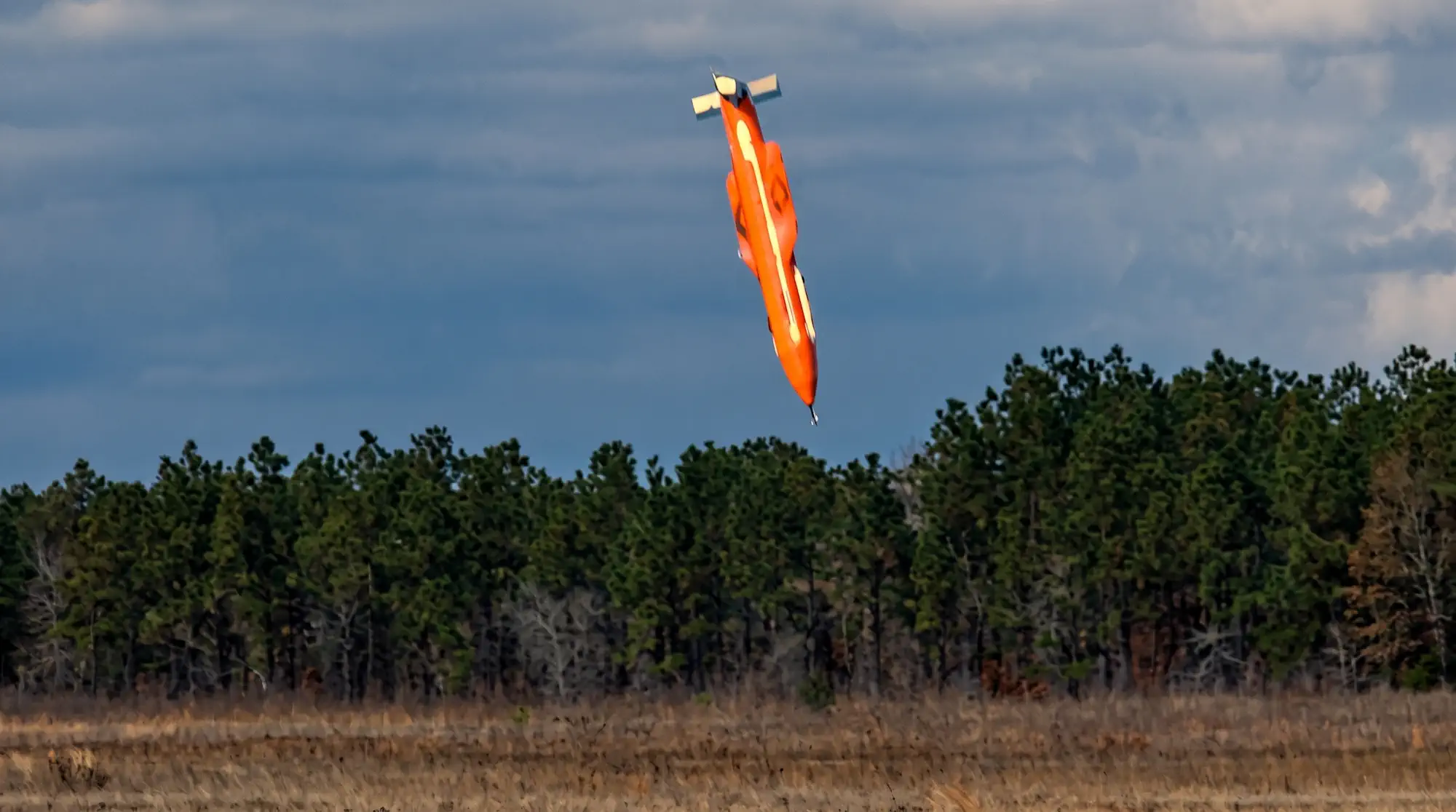
The bomb is placed on a restrained platform in the aircraft’s cargo bay. When launched from the rear ramp, a drogue parachute first opens, guiding the platform and bomb toward the end of the ramp and extracting them from the aircraft. After extraction, the bomb separates from the platform and enters free air.
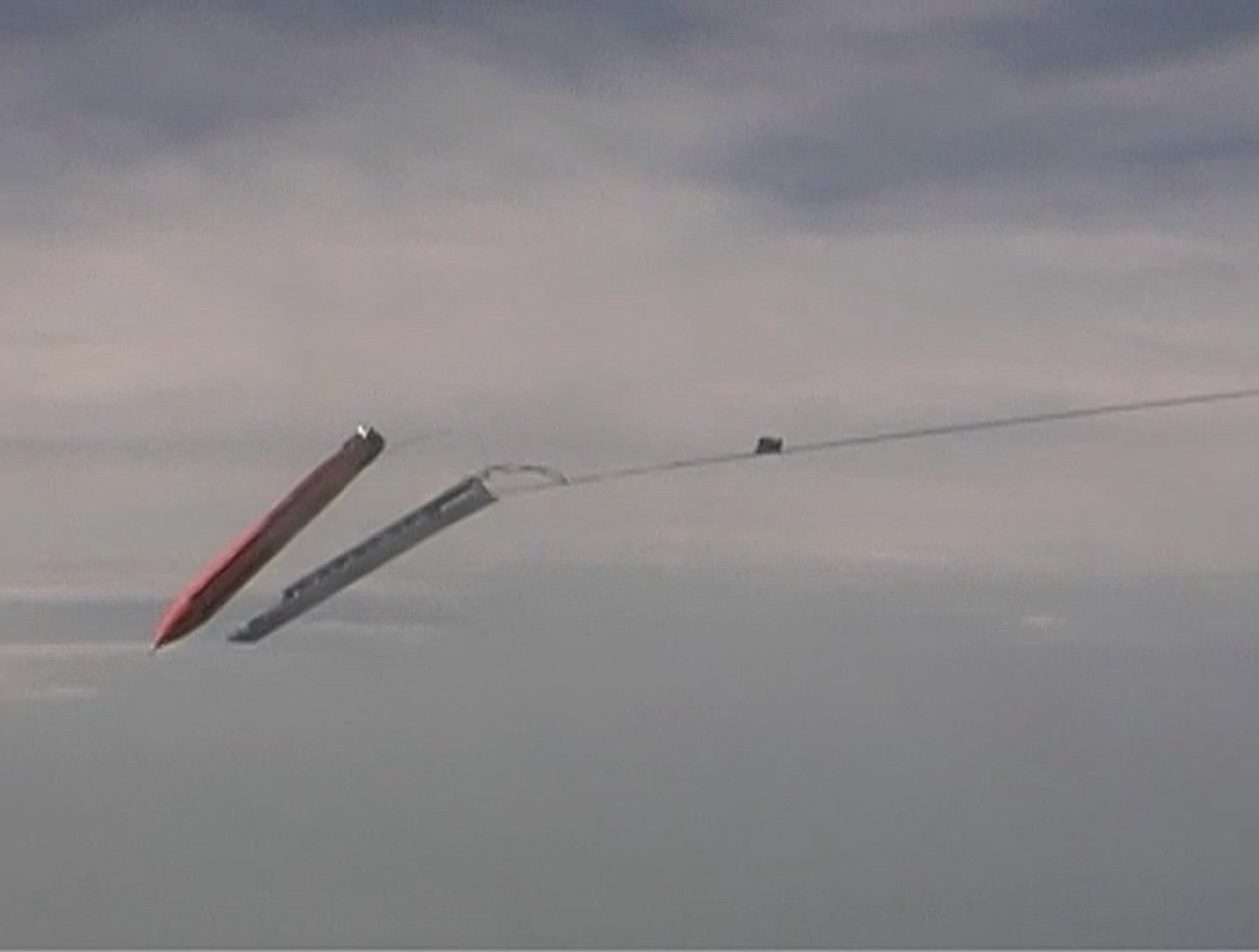
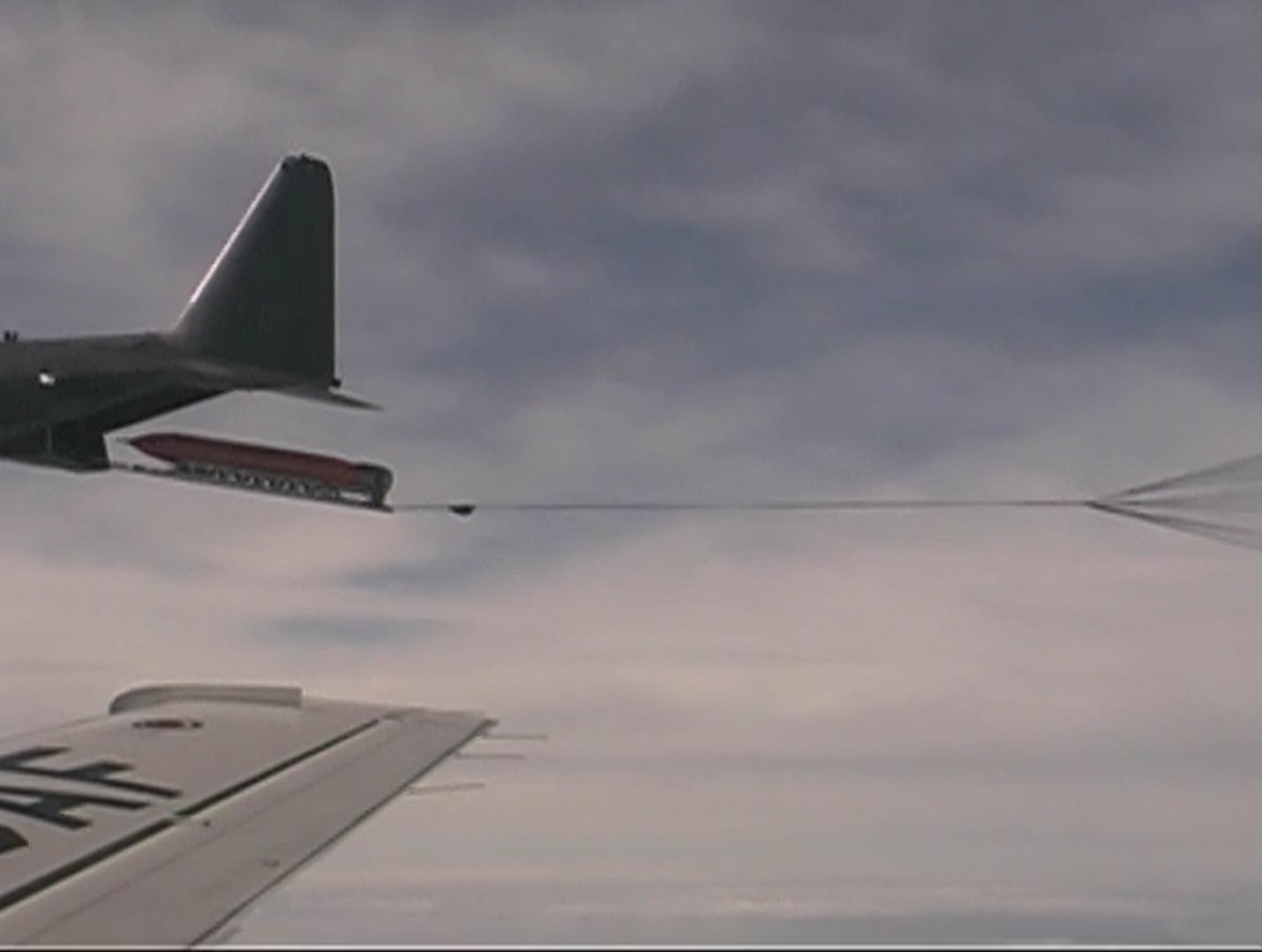
During the descent, four lattice fins deploy at the rear of the bomb. This assembly, combined with satellite and inertial guidance systems, enables trajectory correction and the guidance of the bomb toward its target, up to a range of approximately 5.5 kilometers.
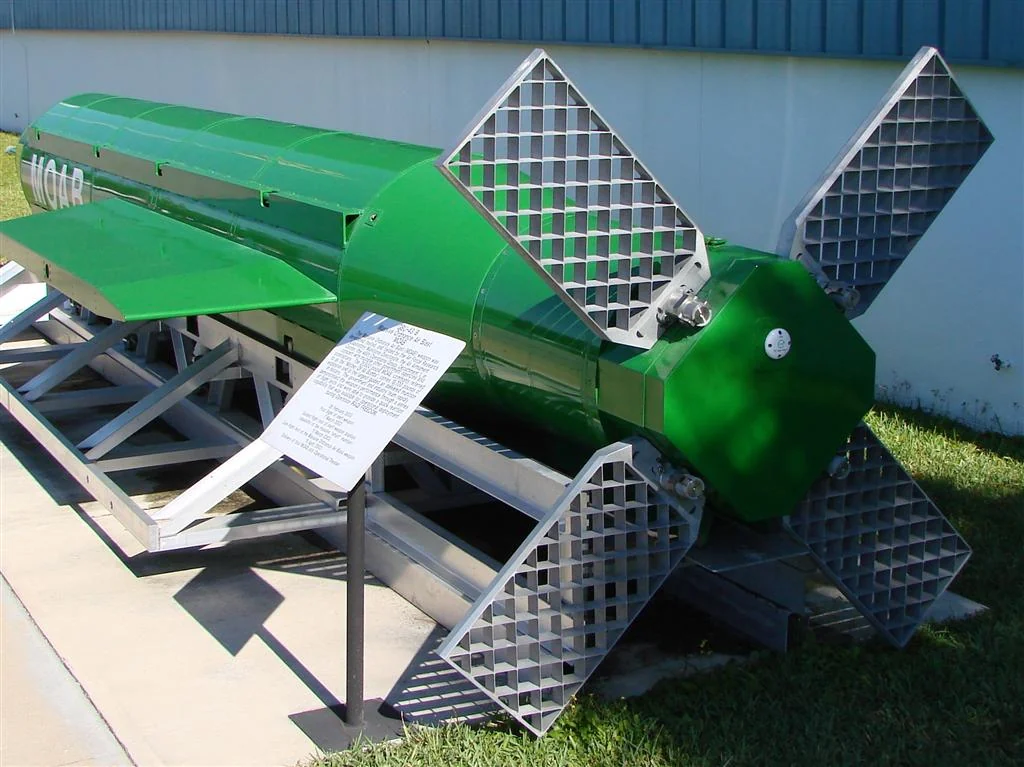
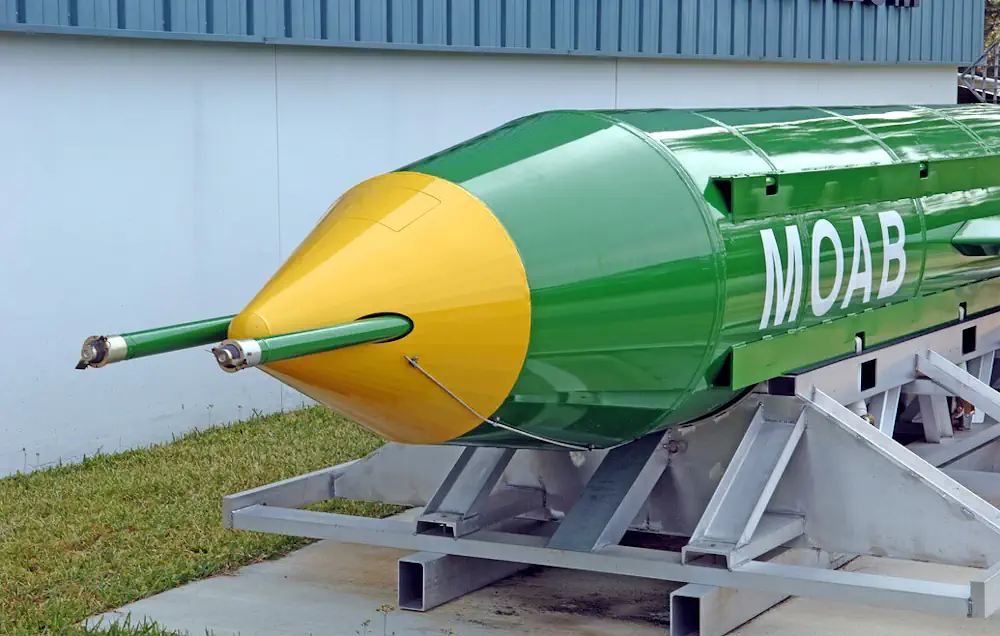
The detonation mechanism of the MOAB is based on the operation of radar altimeter fuses installed in the nose section. These fuses detonate the bomb at an altitude of approximately 1.8 to 3 meters above ground level, before physical impact with the target. Detonation at this altitude can lead to the formation of a phenomenon known as Mach reflection.
In this phenomenon, the blast wave reflects off the ground and merges with the initial wave, creating a powerful pressure front. At a distance of approximately 150 to 300 meters from the explosion’s epicenter, this wave can penetrate the entrances of caves, tunnels, and shelters with great force. Furthermore, drastic pressure fluctuations within enclosed spaces can cause severe lung injuries, the destruction of biological tissues, and respiratory impairment for individuals present in these environments.
Operational history:
The only combat use of the GBU-43/B bomb in history was recorded on April 13, 2017. The target area contained a network of underground corridors and military tunnels that had been constructed in the 1980s, concurrently with the Afghan mujahideen war against Soviet forces and with initial support from the U.S. Central Intelligence Agency. ISIS forces had used these natural shelters to establish a defensive network consisting of extensive minefields, improvised explosive traps, and fortified positions.
In that operation, the bomb was dropped from the rear ramp of a U.S. Air Force MC-130 special operations aircraft over the Momand Valley in Achin District, Nangarhar Province, eastern Afghanistan. Afghan security officials and the Ministry of Defense announced the ISIS death toll from the attack as between 94 and 96 killed.
It is claimed that the blast wave penetrated the interior of the caves and tunnels and, by destroying the entrances and ventilation systems, disrupted access to this underground network. Additionally, the intensity of the blast wave helped clear minefields adjacent to the target area.
Comparison of the MOAB with Tactical Nuclear Weapons:
The MOAB’s explosive yield of approximately 11 tons of TNT has led some media outlets to place it at the boundary between conventional munitions and nuclear weapons.
However, the only nuclear weapon with a comparable explosive yield is the U.S. W54 compact nuclear warhead, developed during the Cold War and used in the M-388 launcher system. Depending on its detonator setting, the warhead had a variable yield of between 10 and 20 tons of TNT.
Despite their comparable explosive yields, the two weapons differ significantly in size and weight. The MOAB requires a structure weighing nearly 10 tons to produce an explosive yield equivalent to 11 tons of TNT. By contrast, the W54 delivered a similar yield in a compact, capsule-shaped package weighing less than 27 kilograms and could be fired from a lightweight rocket launcher. Therefore, the two weapons belong to fundamentally different categories, and their similarities in explosive yield should not be taken as a direct equivalence.

Comparison with Russia’s FOAB bomb:
In 2007, the Joint Staff of the Armed Forces of the Russian Federation, in response to the claims raised about the MOAB bomb, released a video of the test of a bomb designated ATBIP. This weapon immediately became known in international media as the Father of All Bombs (FOAB).
The FOAB is in fact a thermobaric weapon whose operating principle is based on the dispersal of liquid fuel into the air and its combination with atmospheric oxygen. When the bomb’s casing opens at a specified altitude, the fuel mass spreads in the environment in the form of a vast aerosol cloud and is then ignited using delayed detonators.
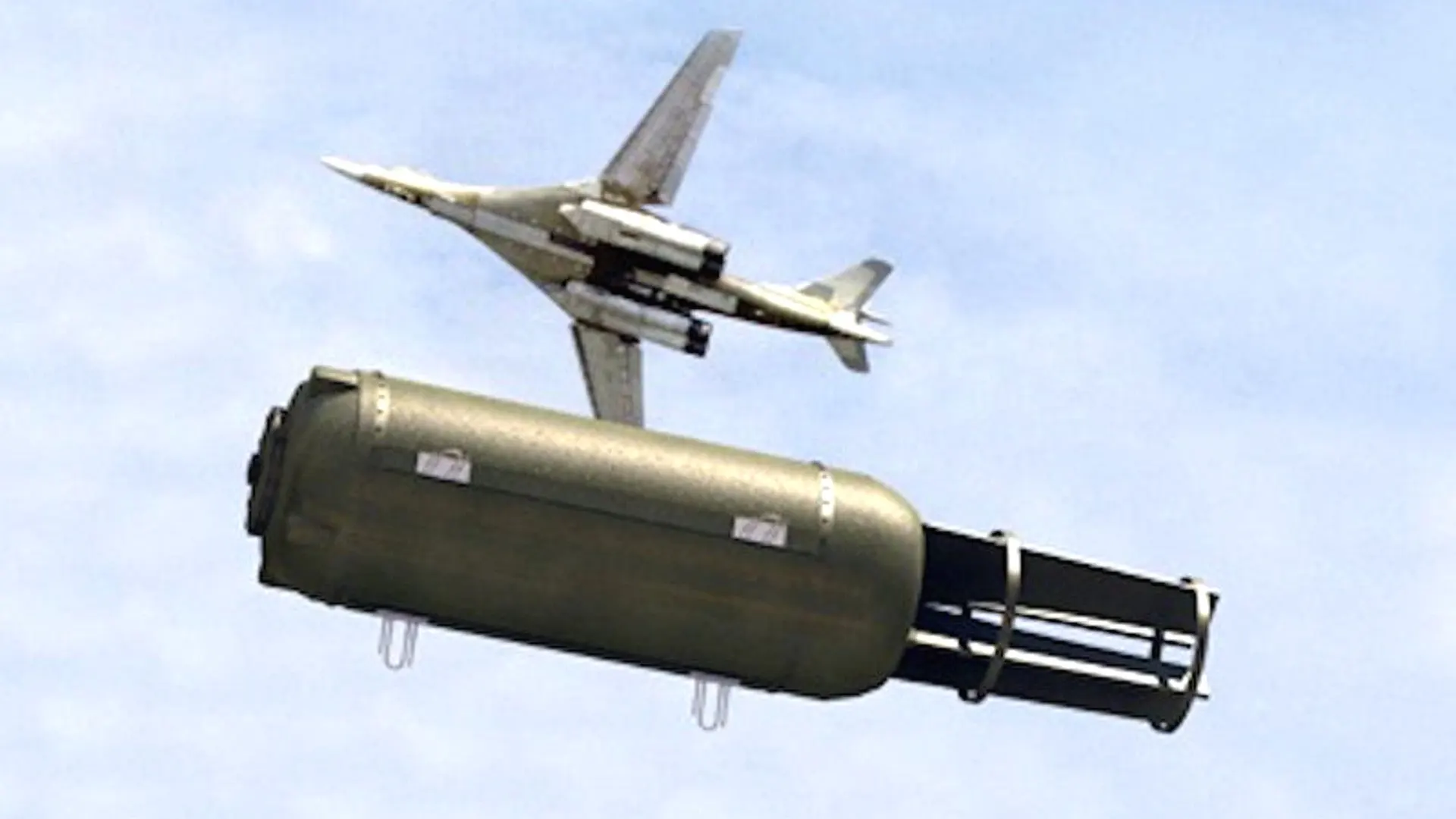
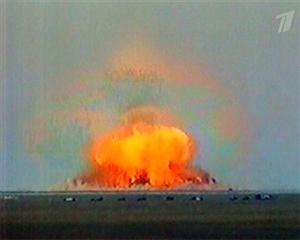
Russian officials claimed that the FOAB, despite having a lower mass than the MOAB—approximately 7.1 tons versus 9.85 tons—produces an explosive yield equivalent to 44 tons of TNT thanks to nanotechnology and the use of ambient oxygen instead of a solid oxidizer. This figure is about four times the explosive power of the American model. The complete destruction radius of this bomb has also been announced as up to 300 meters.
Comparison of the MOAB with bunker-buster weapons:
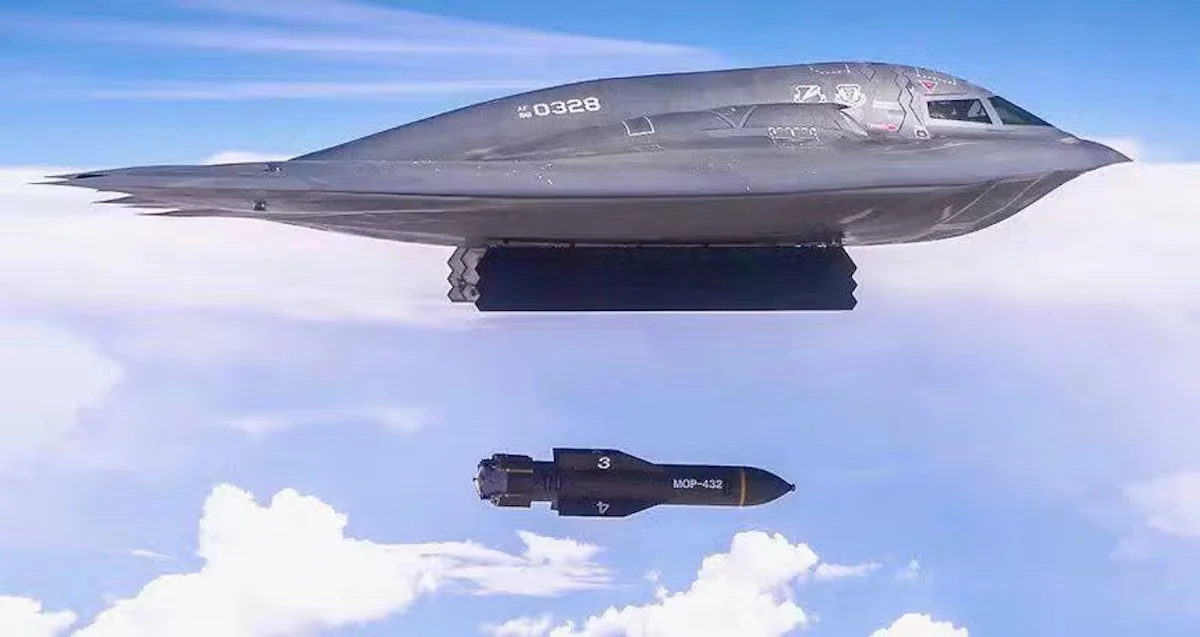
In turn, a comparison of this bomb with bunker-busting munitions, including the GBU-28 Paveway III and the GBU-57A/B (MOP), is noteworthy.
This is because these weapons pursue completely different objectives in terms of structural design and materials used. The MOAB bomb has an aluminum and relatively thin casing designed to devote more than 85 percent of the bomb’s total weight to the H-6 explosive compound. As a result, this bomb fundamentally lacks the ability to penetrate soil and concrete and is built to explode in the air. Its casing is also not designed to withstand the severe impact of striking hard surfaces before detonation.
In contrast, bunker-busting munitions such as the GBU-57 MOP are built to withstand the pressure and mechanical shock of penetrating thick layers of soil, rock, and concrete. Despite weighing approximately 14 tons, this bomb carries less than 2,400 kilograms of explosive material. The bulk of its weight is devoted to a dense, robust steel casing made from special alloys. The elongated structure, reinforced nose, and high mass of this weapon enable it to penetrate into lower layers of the earth by relying on kinetic energy.
Read more: Military Knowledge: GBU-57 Massive Ordnance Penetrator
Another important difference concerns the fuse mechanism. The MOAB’s radar proximity fuse detects distance from the ground surface and detonates the bomb before impact; therefore, this weapon is not designed for physical penetration into the ground. In contrast, bunker-busting bombs are equipped with delay fuses that allow detonation after impact and penetration into various layers. These systems can, by calculating the timing and penetration conditions, delay detonation until the bomb reaches the desired depth so that targets buried underground or behind concrete structures are destroyed from within.
Conclusion
The use of the GBU-43/B MOAB bomb is highly dependent on specific geographical conditions and operational environments, particularly the absence of effective air defense. Although this weapon is suitable for destroying extensive positions, tunnel networks, and surface fortifications, clearing mined areas, and creating a severe psychological effect in asymmetric warfare, due to the nature of its airburst detonation and its inability to penetrate deep layers of the earth, it cannot serve as a substitute for bunker-busting munitions.
On the other hand, compared with tactical nuclear weapons, the MOAB, despite possessing considerable mechanical destructive power, lacks the radiological effects of a nuclear explosion. This characteristic allows commanders to benefit from its high destructive capacity without imposing the political and strategic consequences of using a nuclear weapon.
Overall, the MOAB is a weapon with limited production numbers whose place is defined in operations against inaccessible areas and specific conditions.
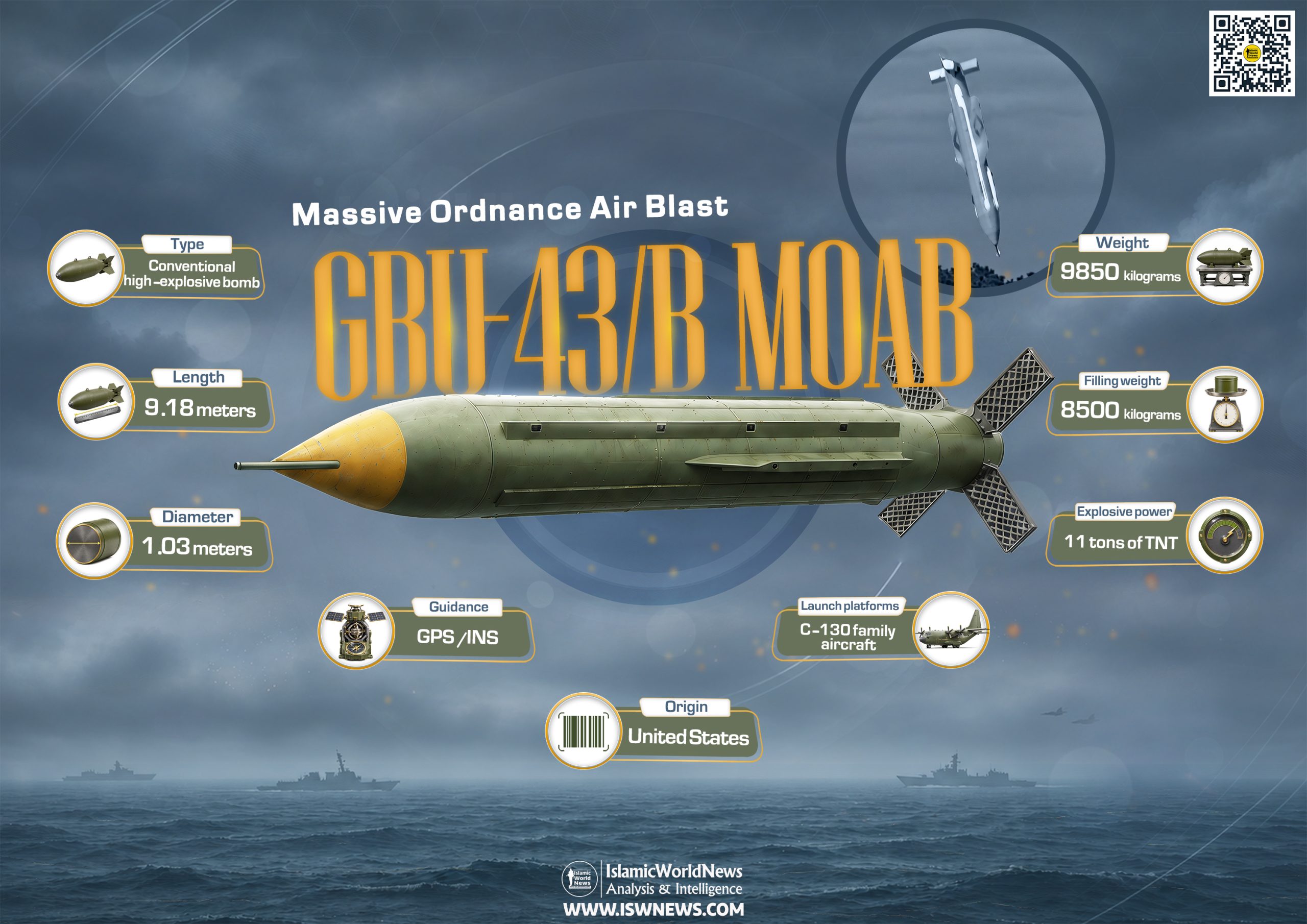
Specifications of the GBU-43/B MOAB bomb:
Type: Conventional high-explosive guided bomb with airburst fuse
Origin: United States
Producer: Dynetics
Development: Since 2002
Entered service: 2003
Length: 9.18 meters
Diameter: 1.03 meters
Engine: None (free-fall bomb)
Range: Approximately 5.5 kilometers (dependent on release altitude)
Weight: 9,850 kilograms
Warhead: BLU-120/B
Explosive weight: Approximately 8,500 kilograms of H-6 type
Explosive yield: Equivalent to approximately 11 tons of TNT
Flight path: Free fall, controlled by four grid fins
Guidance: GPS/INS combined
Launch platforms: C-130 family transport aircraft (especially MC-130E Combat Talon I and MC-130H Combat Talon II)
Sources:
GBU-43/B MOAB – Wikipedia | AFRL GBU-43/B MOAB – Designation-Systems.Net | What to Know About the GBU-43/B, ‘Mother of All Bombs’ – DSIAC | Dynetics GBU-43/B MOAB | KÜRE Encyclopedia | What is a GBU-43/B MOAB? – Boot Camp & Military Fitness Institute | GBU-43/B MOAB | Air Force Armament Museum Foundation | MOAB Explained: GBU-43 Mother of All Bombs, Tests & Combat | GBU-43/B MOAB – The Historical Marker Database | MOAB, the “mother of all bombs”: how far its blast reaches, and what | “The Mother of All Bombs”: Understanding the Massive Ordnance Air | Massive Ordnance Air Blast, MOAB – A Perspective | US drops ‘mother of all bombs’ on Islamic State tunnel | AP News | 2017 Nangarhar airstrike – Wikipedia | The US unleashed the ‘mother of all bombs’ onto an ISIS target in | Nuclear weapons compared to Conventional bombs – Reddit | “Lowest yield” atomic weapon possible – Physics Stack Exchange | TIL The smallest nuclear bomb(Davy Crockett) and the biggest non | Father of All Bombs – Wikipedia | GBU-57A/B MOP – Wikipedia | Father of All Bombs Explained: Russia’s FOAB Claims, Specs and | Can anyone verify the claims o
Leave a Reply