Militants affiliated to Ansar al-Tawhid group detonated a tunnel under the Syrian army headquarters in the al-Malaja axis on August 26, which resulted in the martyrdom and injury of several Syrian soldiers.
The moment of the explosion of the tunnel under the headquarters of the Syrian army in the axis of Malajah
It is said that after this explosion, the militants attacked the Syrian army positions in this area and a severe confrontation took place in that region.
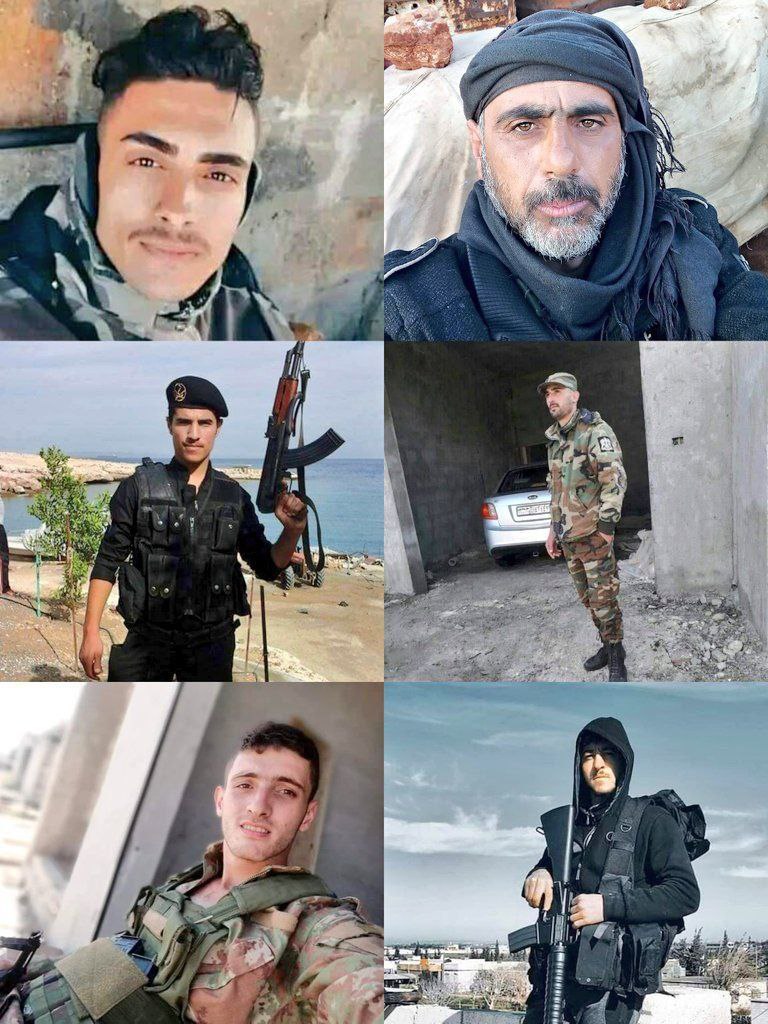
According to local media reports, at least six Syrian soldiers were martyred and several others were injured following the explosion and clashes in the al-Malaaja axis.
SAA casualties
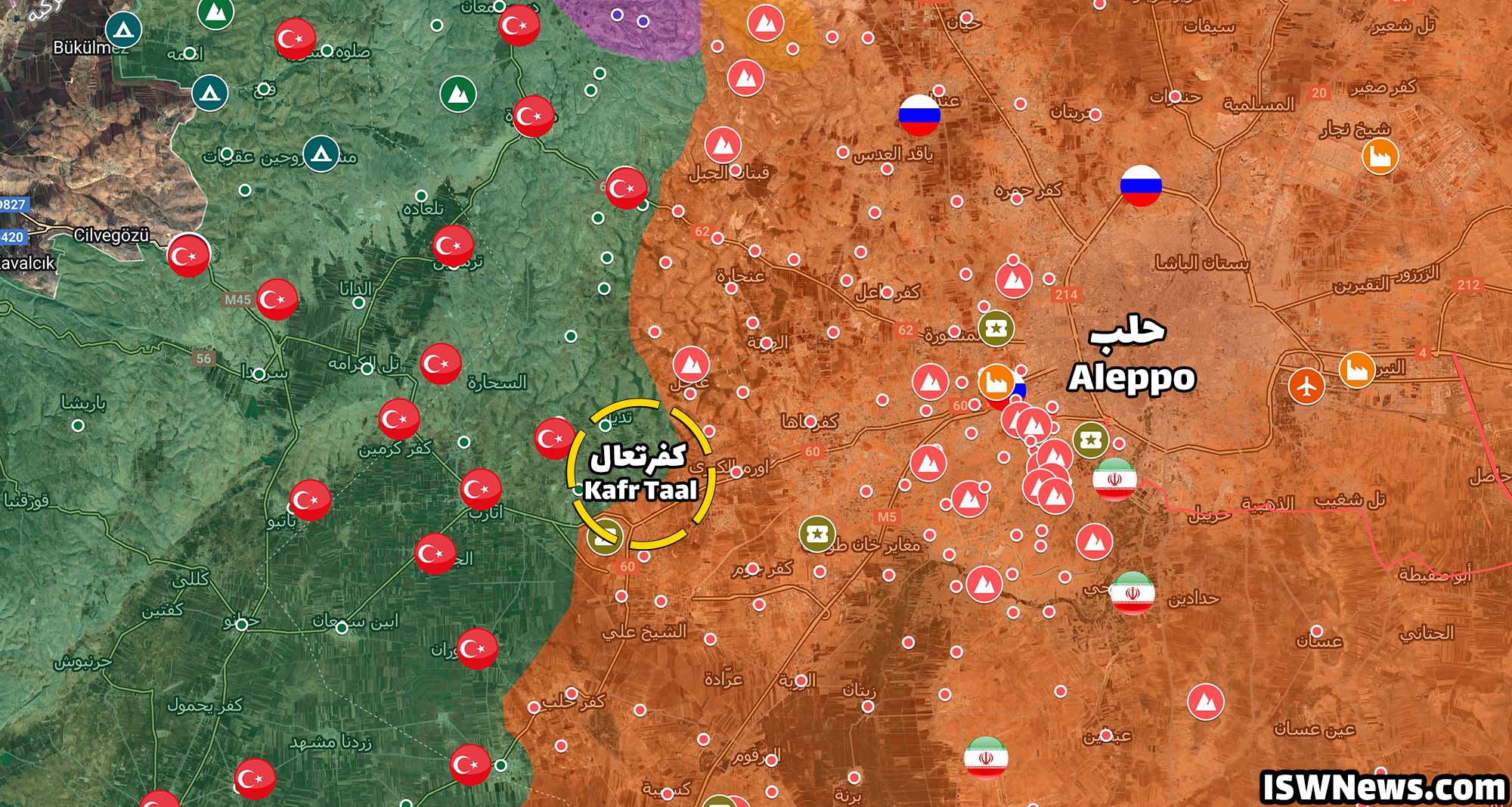
In addition to al-Malaaja, militants also attacked Syrian army positions on the outskirts of the Hazareen town, which was repelled with air support from Russian fighter jets and resistance by Syrian military forces.
Media outlets close to opposition militants also claimed in a video that during those clashes, a Syrian tank was destroyed in the Hazaren axis as well.
The moment of the explosion of the tunnel under the SAA headquarters in Malaja axis from another perspective
Israeli media outlets reported that more than 100,000 settlers participated in the protests on Kaplan Street in Tel Aviv alone. Massive protests were also held in the city of Haifa.
The Hebrew-language newspaper Yedioth Ahronoth (ynetnews) also reported that hundreds of Israelis protested in front of Netanyahu’s residence on Gaza (Azza) Street in Jerusalem in protest of the regime’s controversial judicial reform plan.
It should be mentioned that Israeli protests continue every Saturday in various cities of occupied Palestine. These rallies, which have been held in protest of Netanyahu’s judicial reform program, have now entered their 34th consecutive week.
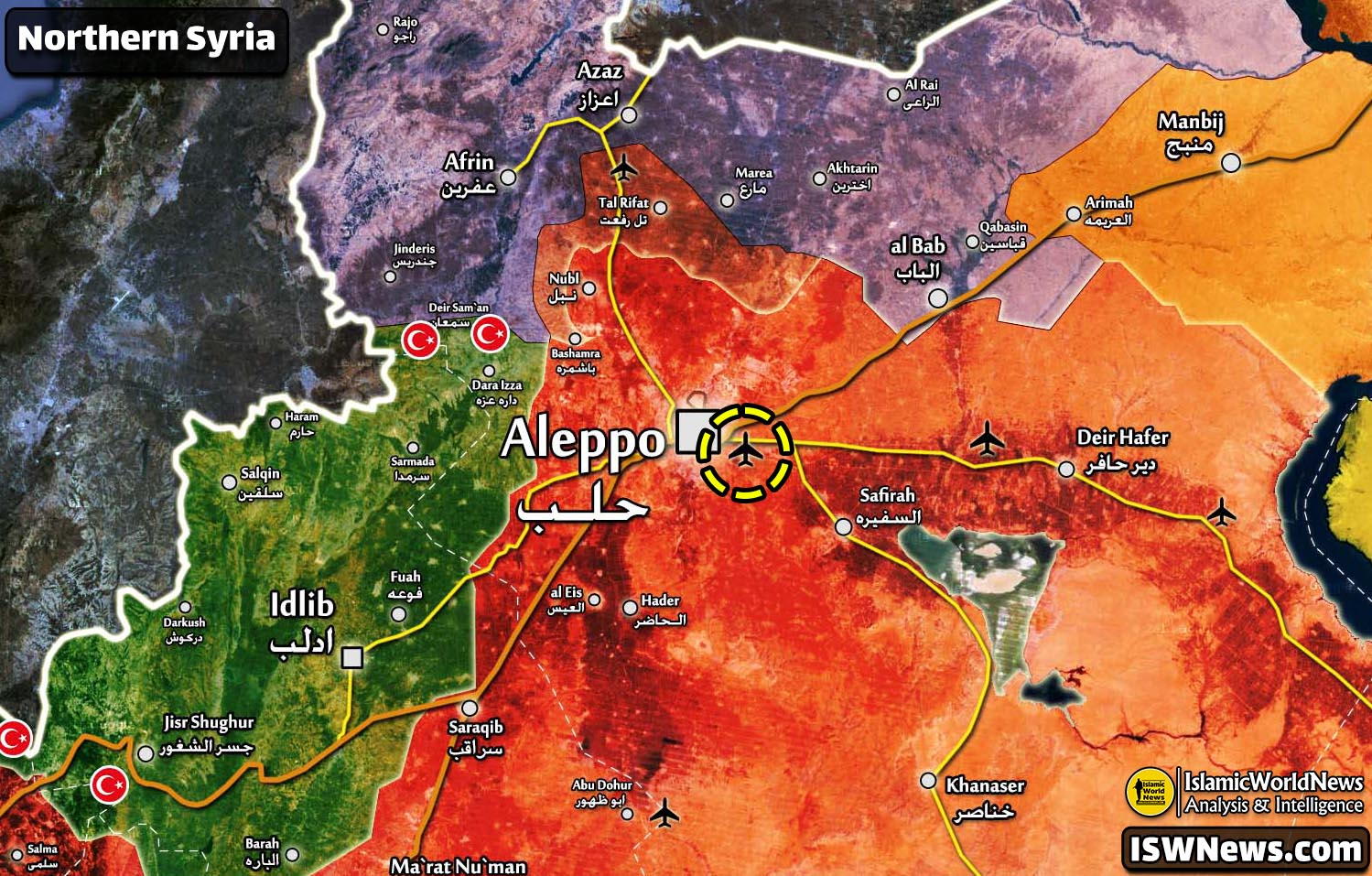
As a result of the air attack by the Israeli regime fighter jets on the international airport in the city of Aleppo, the airport suffered material damages and puts it out of service.
According to a Syrian military source, “around 04:30 (local time) Monday, the Zionist enemy targeted Aleppo International Airport with several missiles from the Mediterranean Sea in the west of Latakia. This attack resulted in damage to the runway and suspension of flights at this airport until further notice.”
The airport has been targeted several times this year, including two attacks in March and one attack in May that also put it out of service. So, today’s attack was the fourth attack on Aleppo airport in 2023.
Also, it is worth mentioning that on August 22, the Zionist regime’s fighter jets attacked targets in the suburbs of Damascus by firing several missiles from the occupied Golan.
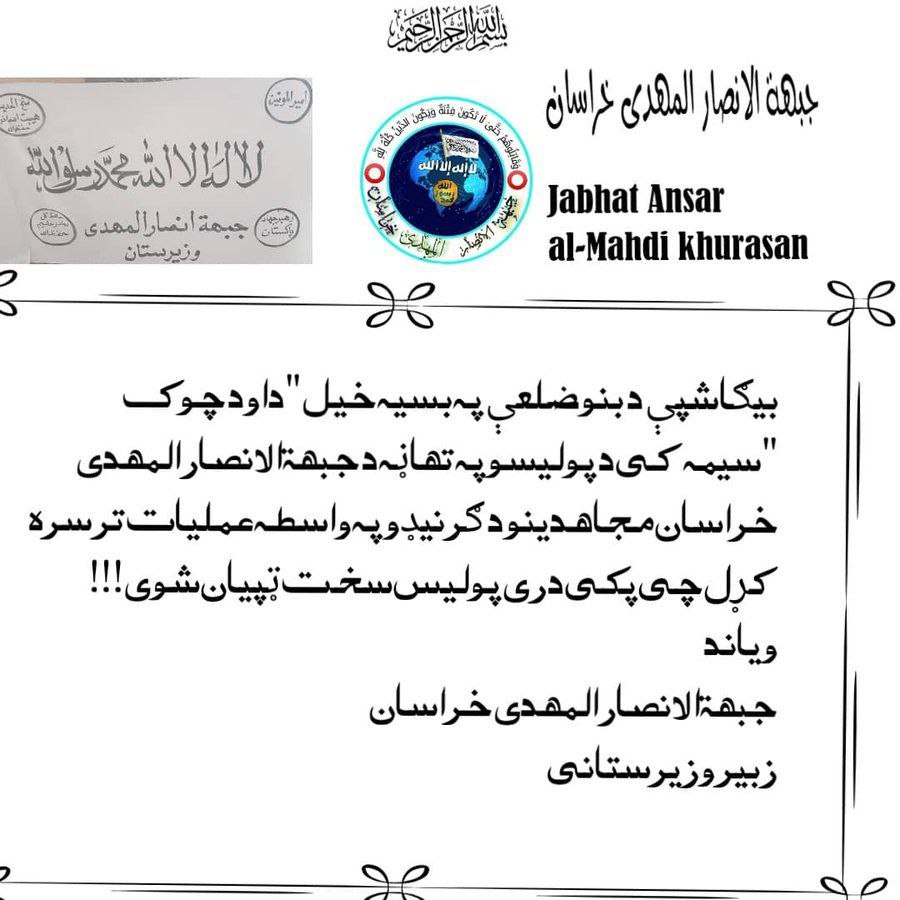
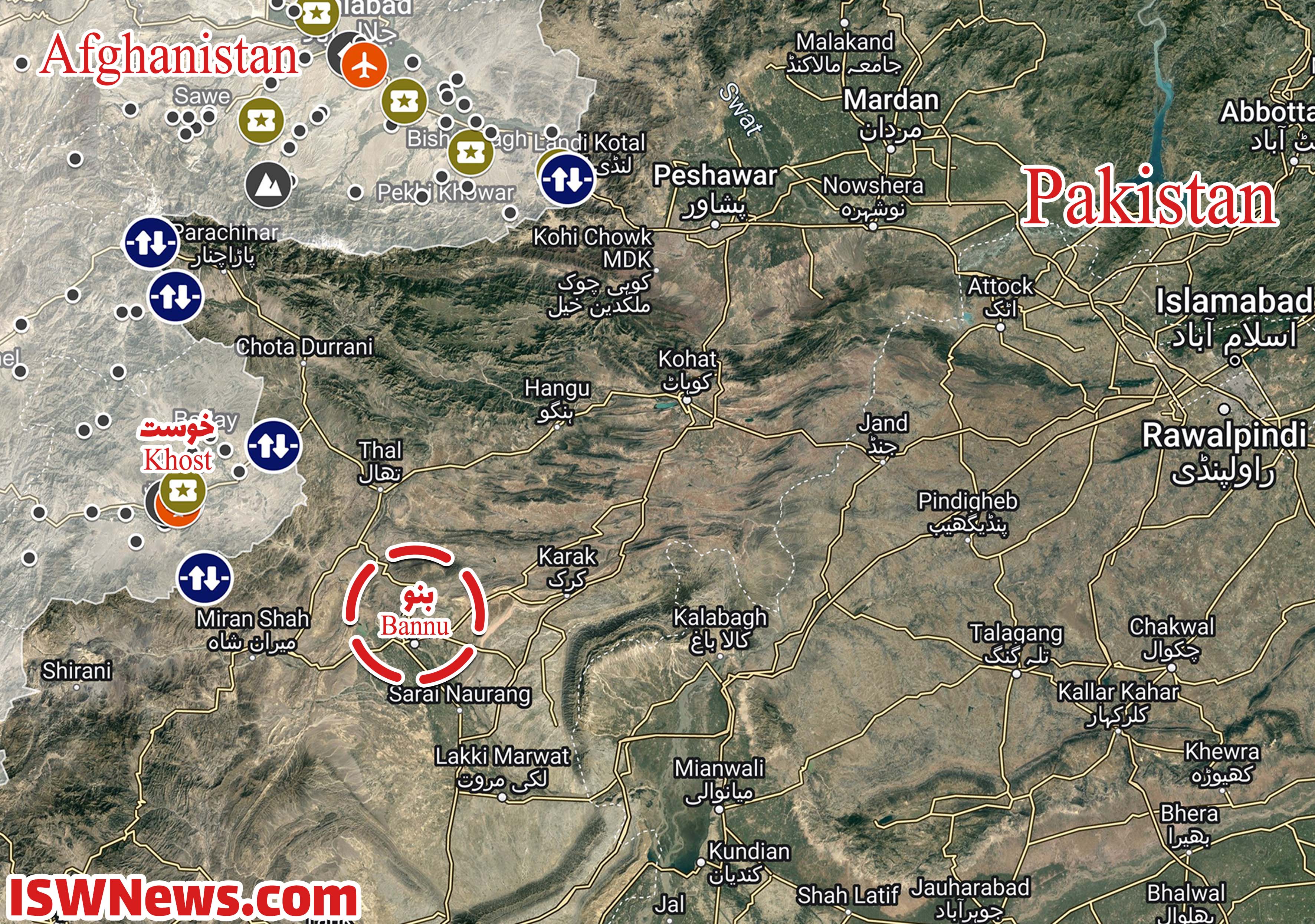
Following an armed attack by the Jabhat Ansar al-Mahdi Khorasan group on Pakistani police forces in the Maidan Daud district of Bannu in South Waziristan, three Pakistani police officers were killed and injured.
This is the first attack by the newly-formed group in Pakistan and government sources have not yet responded to it.
Some phrases by Amir al-Mu’minin Sheikh Hibatullah Akhundzada, leader of the Taliban in Afghanistan and the leader of jihad in Pakistan, are seen on the flag of the Jabhat Ansar al-Mahdi Khorasan group.
Bannu city in Khyber Pakhtunkhwa – click to view in full size
It should be noted that the Jabhat Ansar al-Mahdi Khorasan group has not provided any official information or clear explanation for its formations so far.
Since the Taliban in Afghanistan also provided financial, arms, and human support to the Tehrik-i-Taliban Pakistan (TTP) in the past to carry out terrorist attacks in Pakistan, it is possible that this group is also connected to the Taliban in Afghanistan.
Senior officials of the Taliban caretaker government in Afghanistan had previously rejected the possibility and declared any activities with the aim of destabilizing Pakistan as forbidden and unlawful.
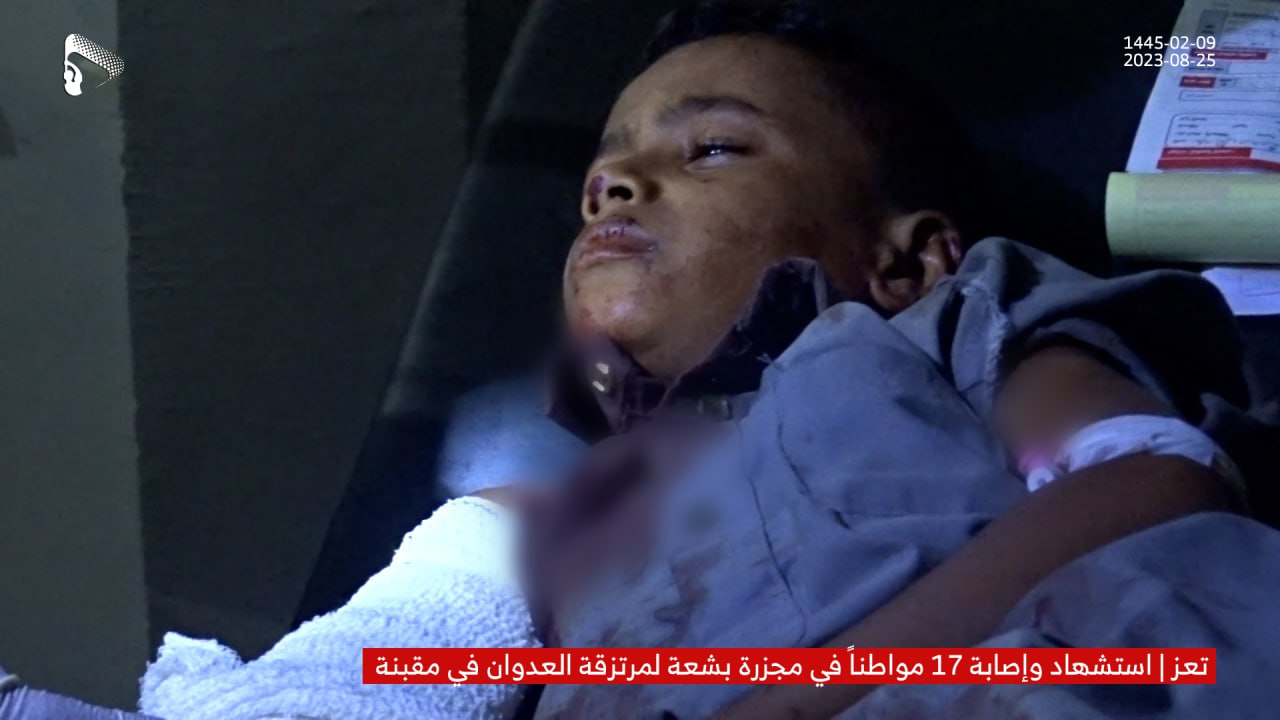
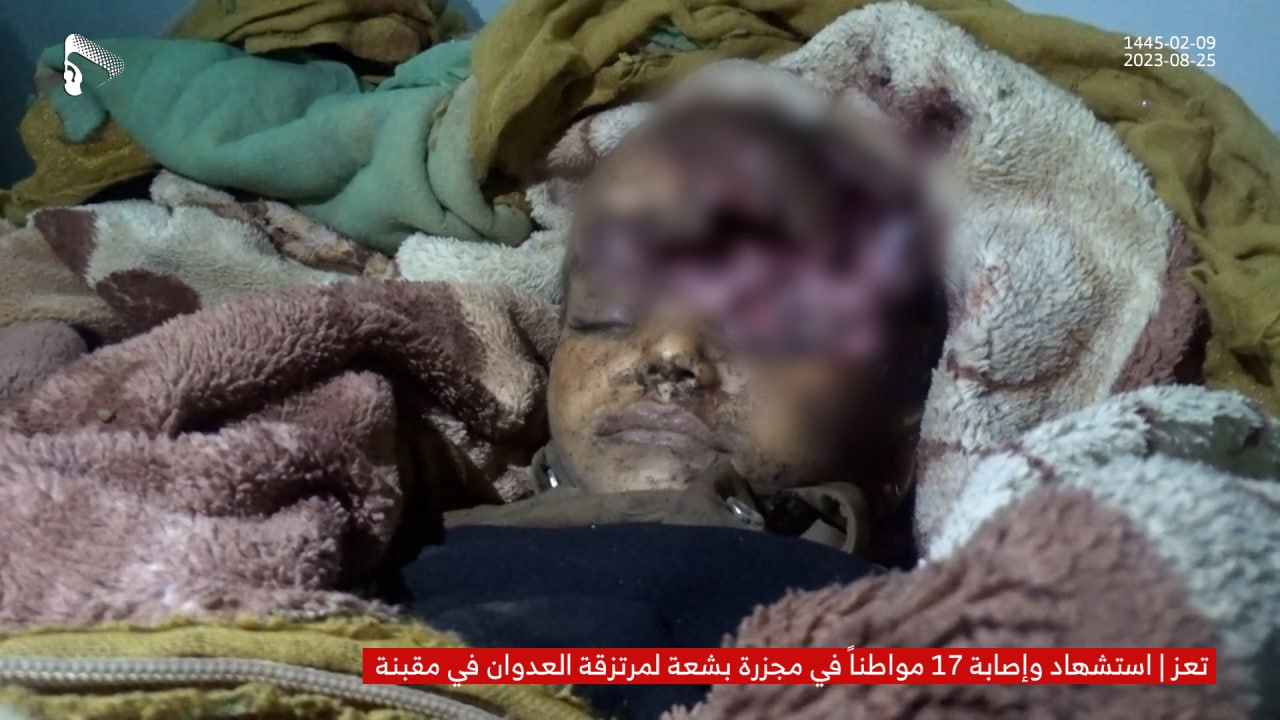
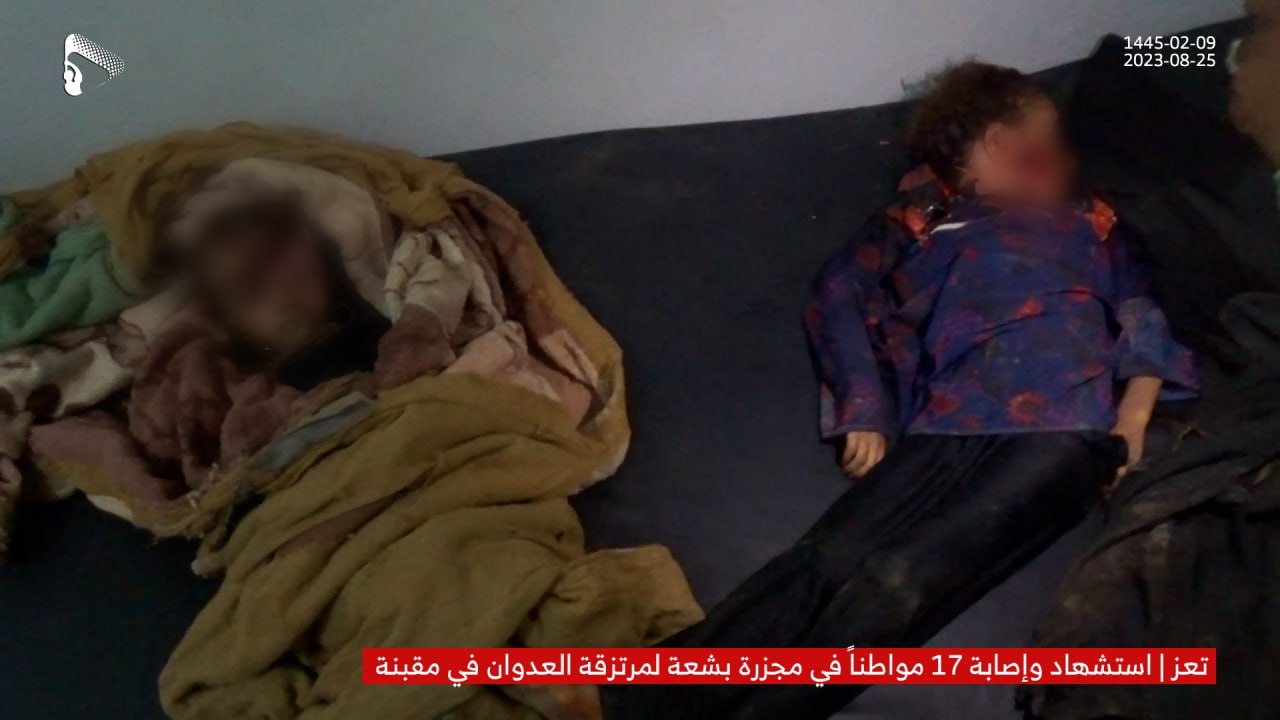
The Human Rights Office in Taiz Governorate slammed the heinous crime and considered it as part of the series of crimes committed by the Saudi-led coalition’s mercenaries in this governorate.
Despite the ceasefire in Yemen came into effect from April 2, 2022, the southern front of Al-Hudaydah and Taiz governorate have experienced ceasefire violations and attacks by forces affiliated to the Saudi-led coalition.
Also, rocket attacks and shootings in border villages of the Munbah and Shada districts in the north of Saada Governorate by the Saudi-led forces have been repeated on a daily basis and led to the martyrdom and injury of dozens of Yemeni civilians.
During the recent attacks, a vehicle belonging to the militants of Hayat Tahrir al-Sham was targeted, resulting in the death of at least 4 members and the injury of 7 others.
According to the latest data, the condition of some of the injured militants is reported as critical, and there is a possibility of an increase in the casualty figures.
In response to the missile attacks by the Syrian armed forces, Hayat Tahrir al-Sham militants also targeted military positions of the Syrian forces in 46th Regiment of the 15th Special Forces Division, located in western Aleppo Governorate, with missile and rocket attacks. Further details of the attacks have not been released regarding this issue.
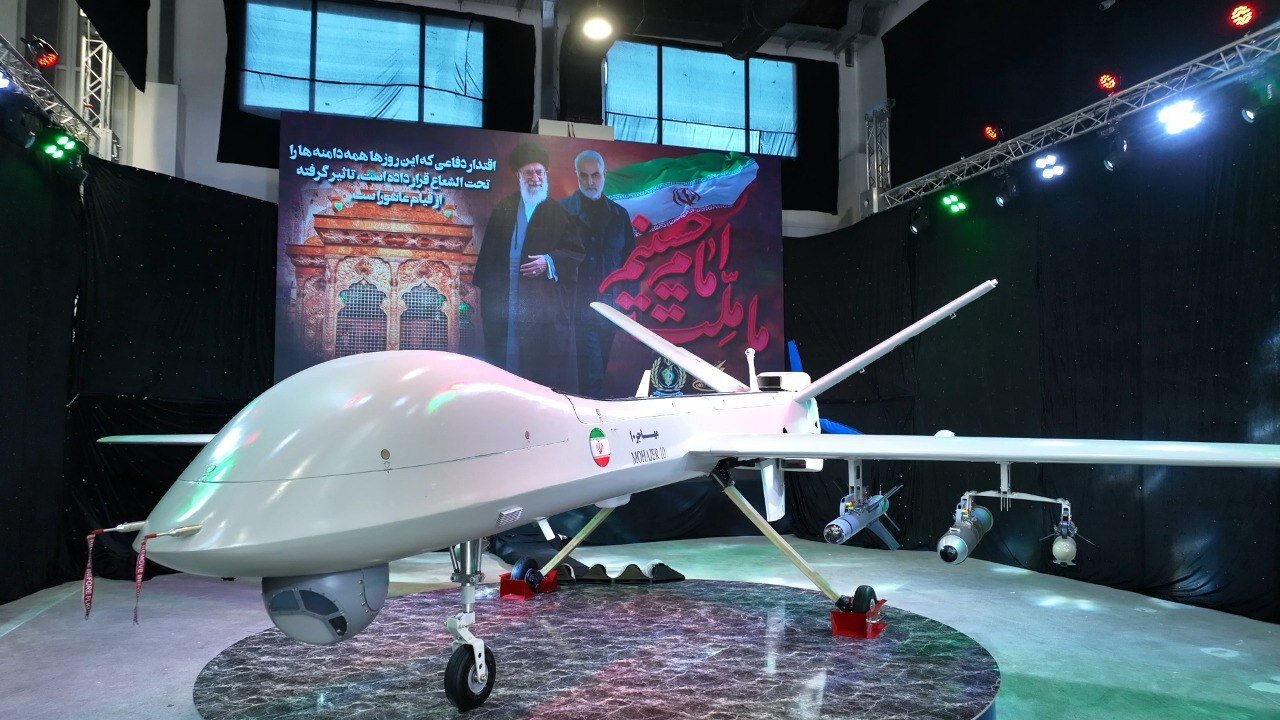
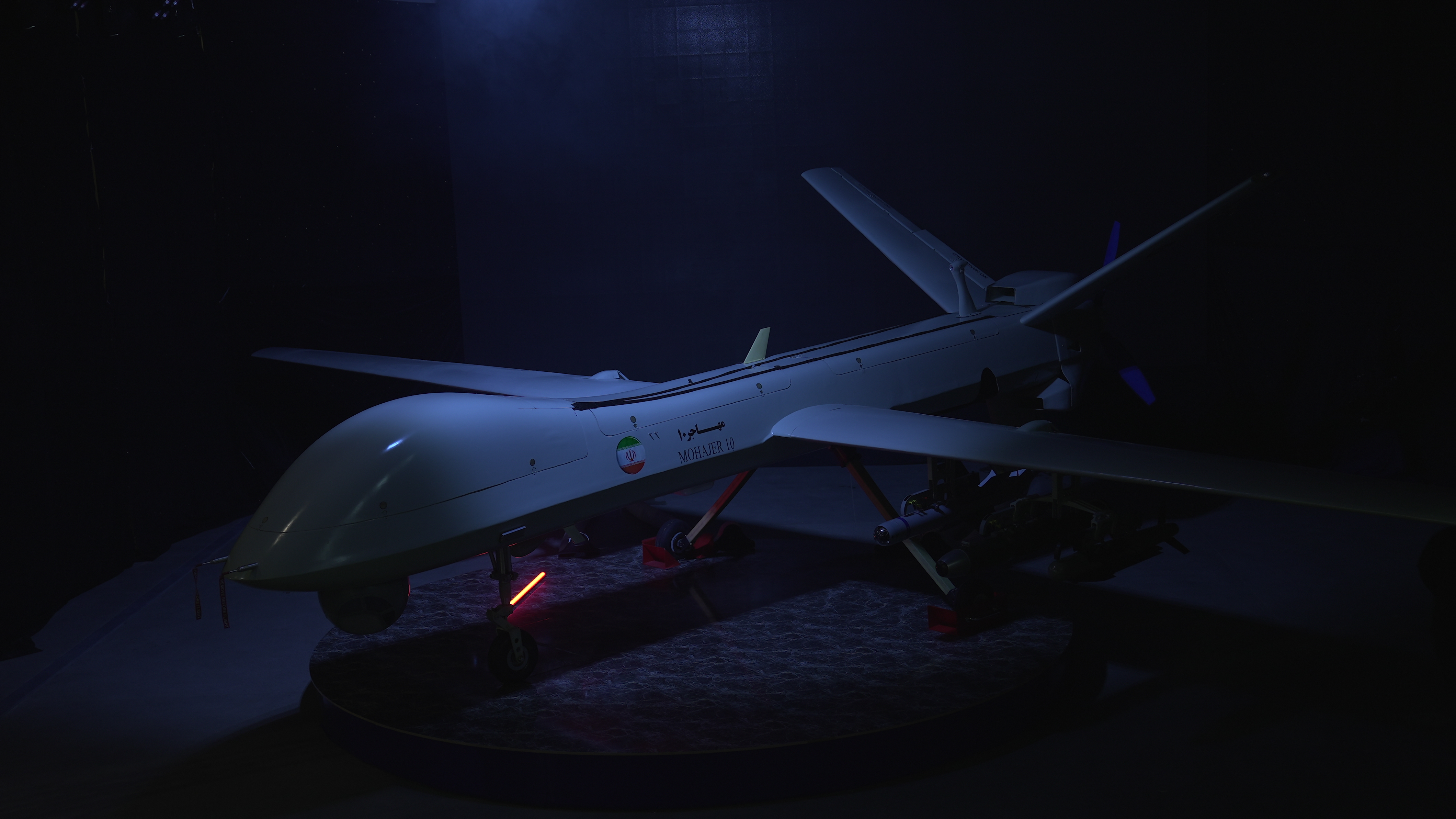
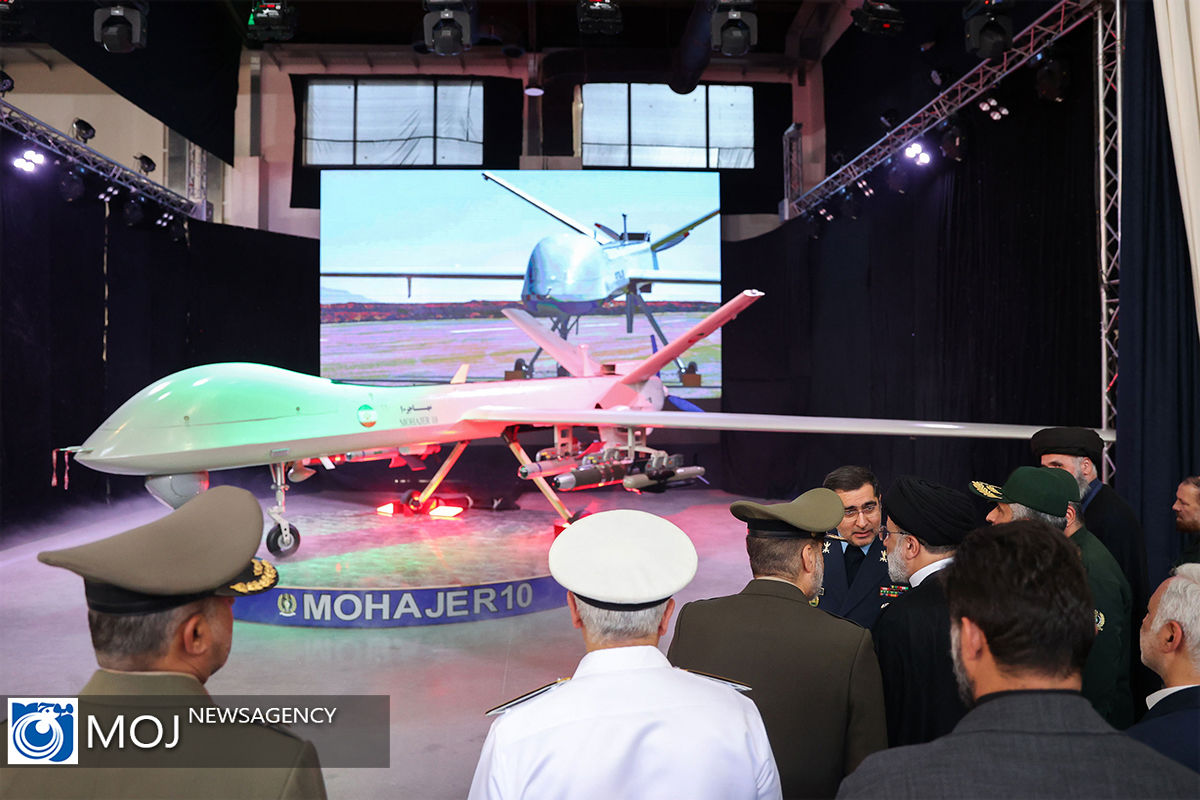
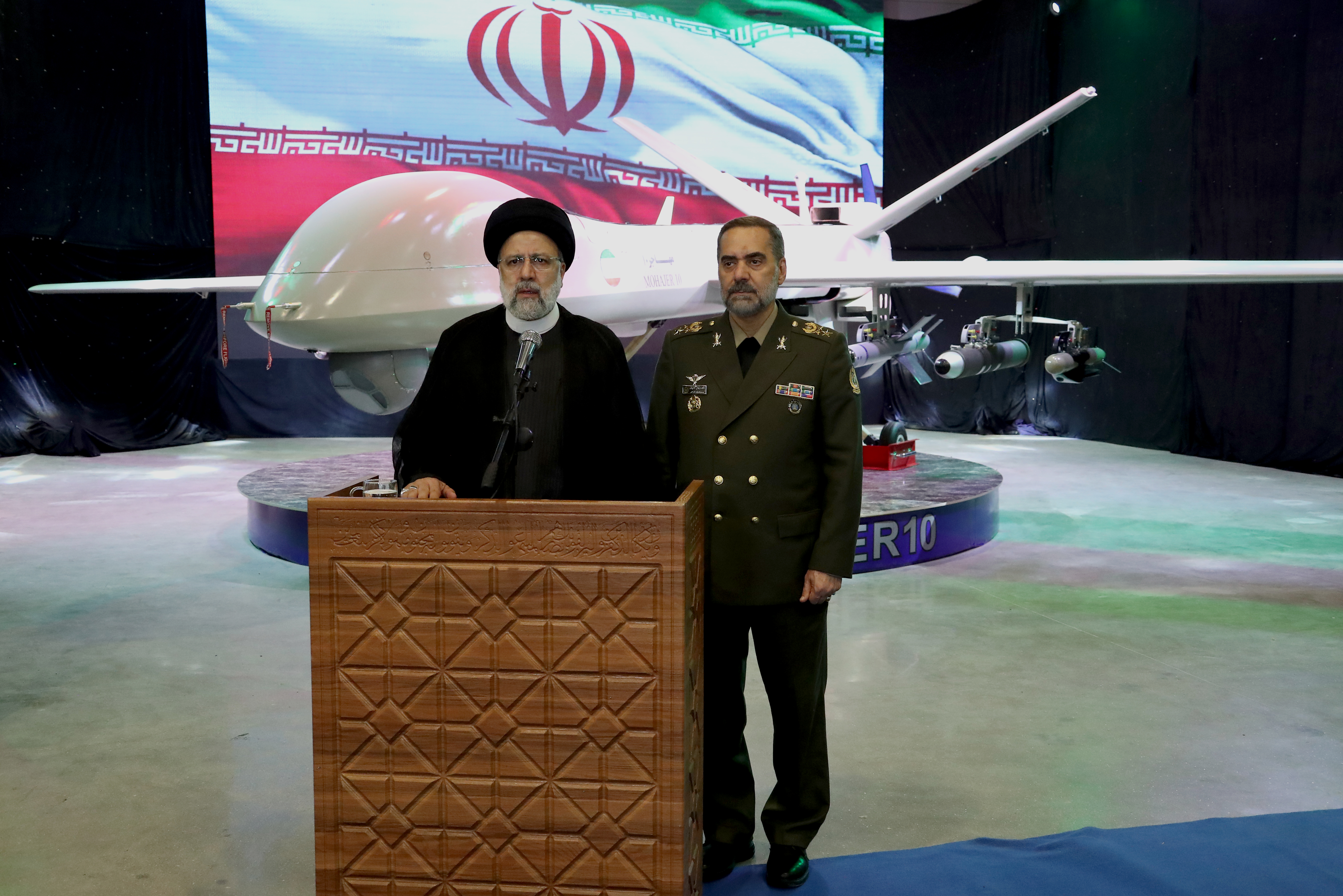
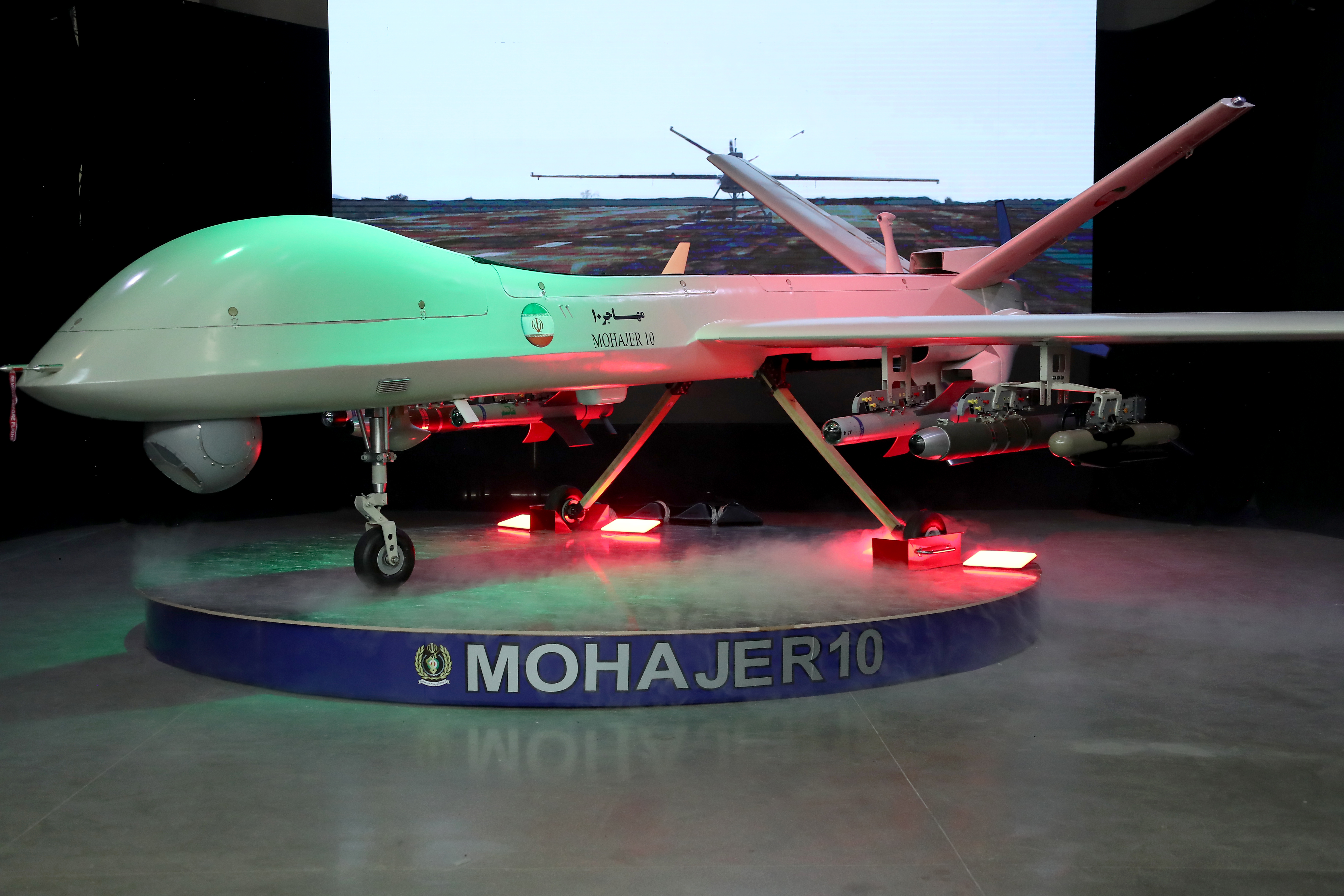
Following the unveiling of the Mohajer-10 drone, in addition to adding a new member to the Mohajer drone series, a new UAV has also been added to Iran’s 2000-kilometer drone series, which will increase the diversity of drone product baskets and consequently increase the combat power of Iran’s armed forces.
A video of the unveiling of the Mohajer-10 UAV and its flight test
Design: Various organizations, including the Islamic Republic of Iran Army, the Qods Aviation Industries, and Iran Aviation Industries Organization (IAIO) have participated in the manufacturing of Mohajer-10 drone. According to one of the officials of the Ministry of Defence and Armed Forces Logistics, this drone has been designed and developed based on the needs announced by the armed forces, especially the ground and naval forces of the Islamic Revolution Guards Corps (IRGC) and the Islamic Republic of Iran Army.
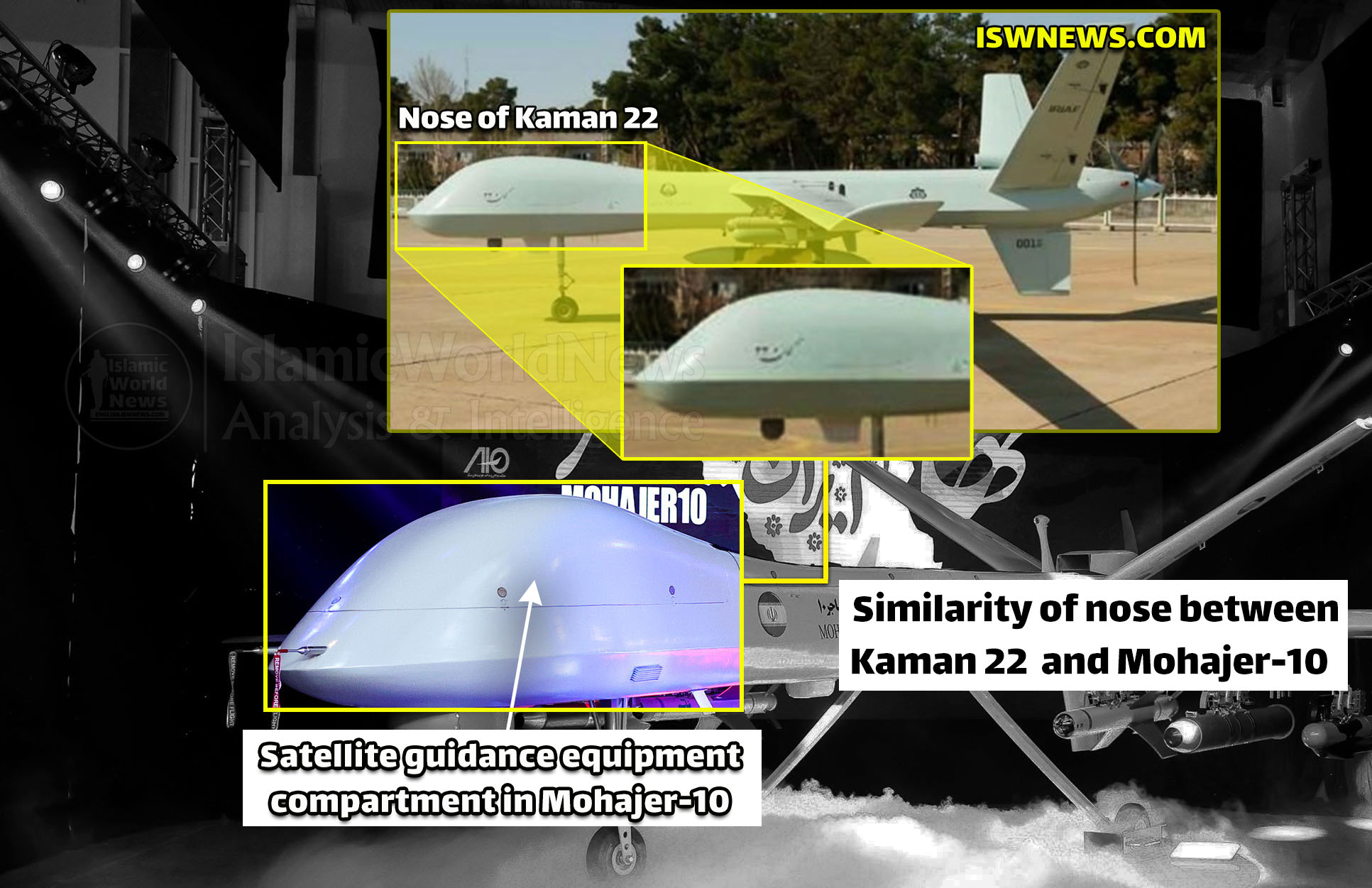
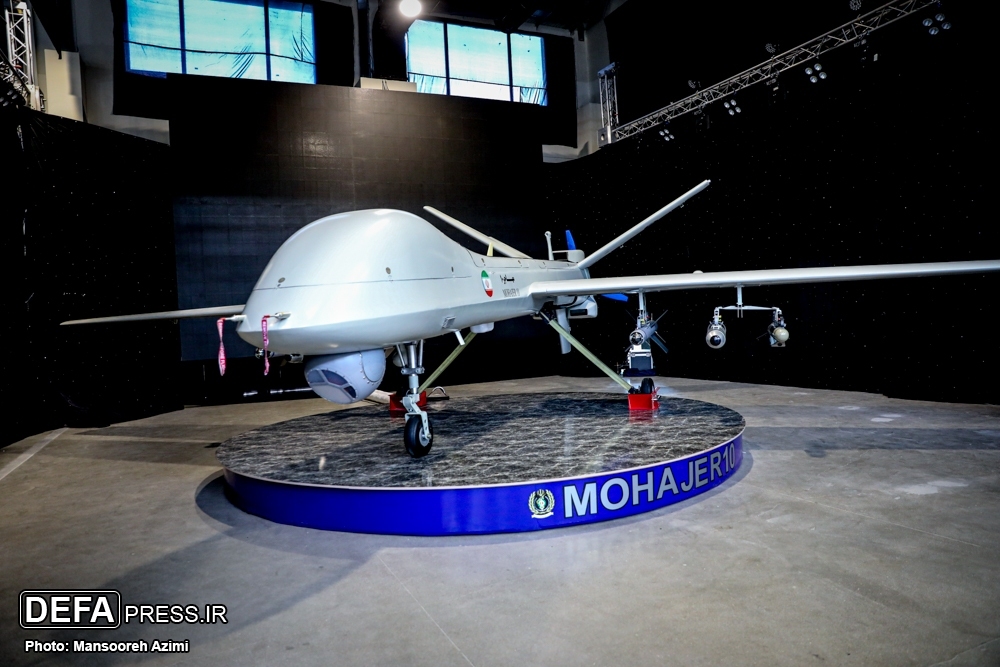
At the first glance, the fuselage of this drone has similarities to the United States’ MQ-9 Reaper fuselage. There are also similarities between the body of Mohajer-10 and Kaman 22 (UAV) of the Islamic Republic of Iran Army. The front part and the nose of Mohajer-10 drone is similar to Kaman 22, which is where satellite communication antenna is located.
Similarity of nose between Kaman 22 and Mohajer 10
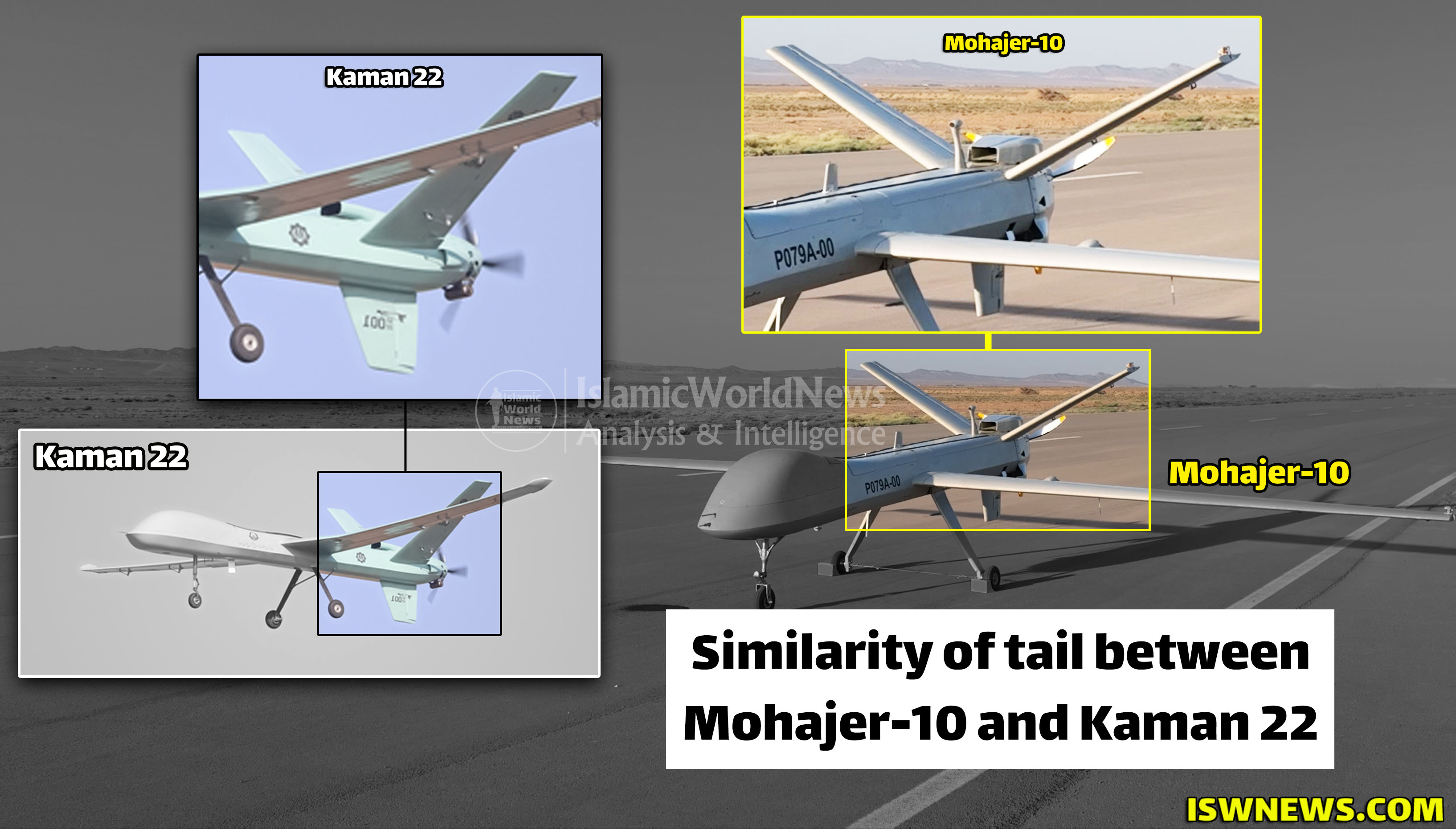
Mohajer-10 drone also has a similar tail to Kaman 22 and uses a combination of three wings. Two V-shaped wings are located on top of the fuselage near the engine and a smaller wing is located under the body.
Similarity of the tail between Kaman 22 and Mohajer 10
The main difference between Mohajer-10 and Kaman 22 is in the shape of their wings. In Kaman 22, wings have a special bend and twist in design but in Mohajer-10 wings have a simpler appearance and more stretch.
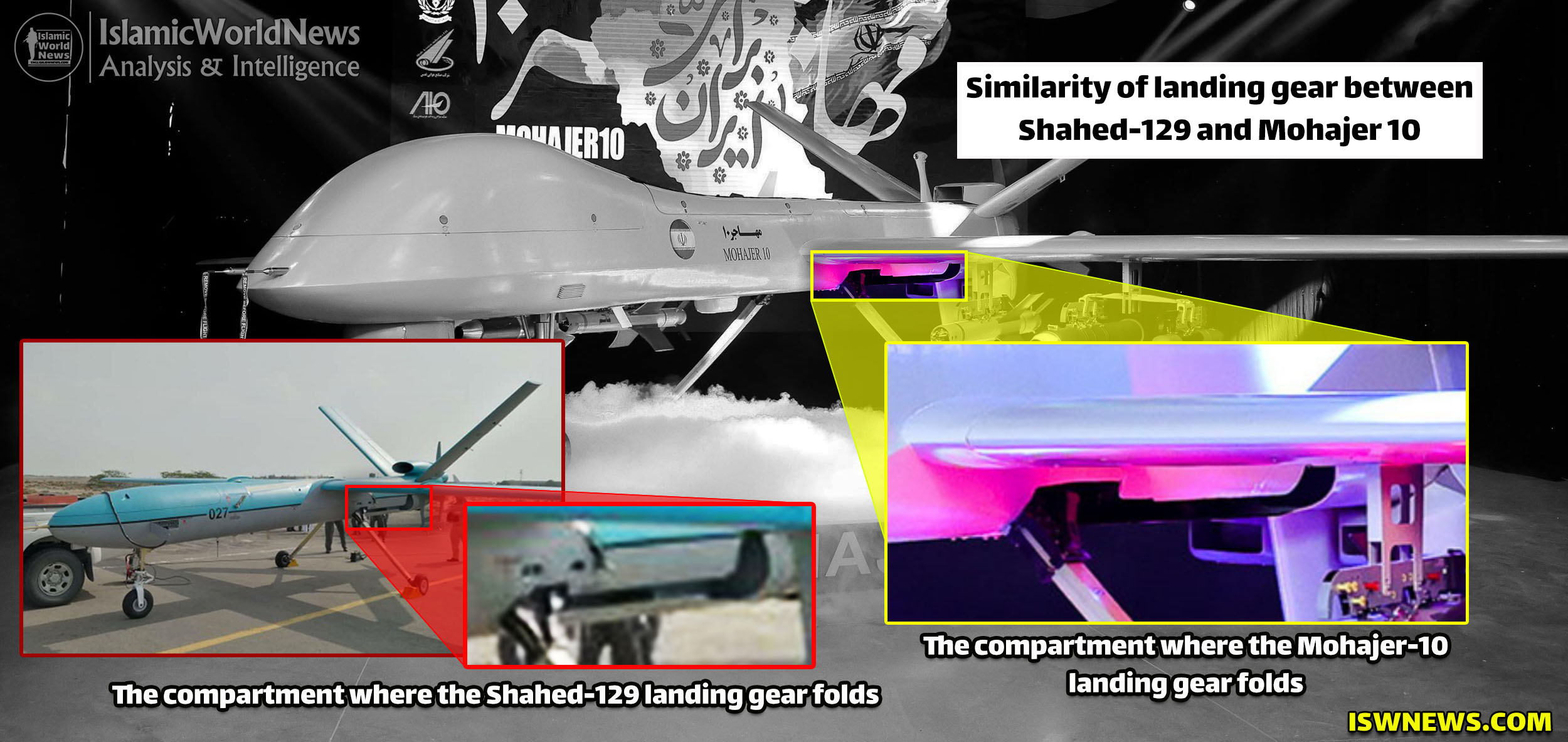
The main point about Mohajer-10 is its landing gear. The rear landing gear on Mohajer-10 drone in the unveiled version is foldable like Shahed-129 drone landing gear. The rear and front landing gear on Mohajer-10 are folded backward and are placed inside the fuselage during flight. The folding landing gear reduces drag during flight, and it reduces fuel consumption and increases flight range.
Similarity of the rear landing gear of Shahed-29 and Mohajer-10
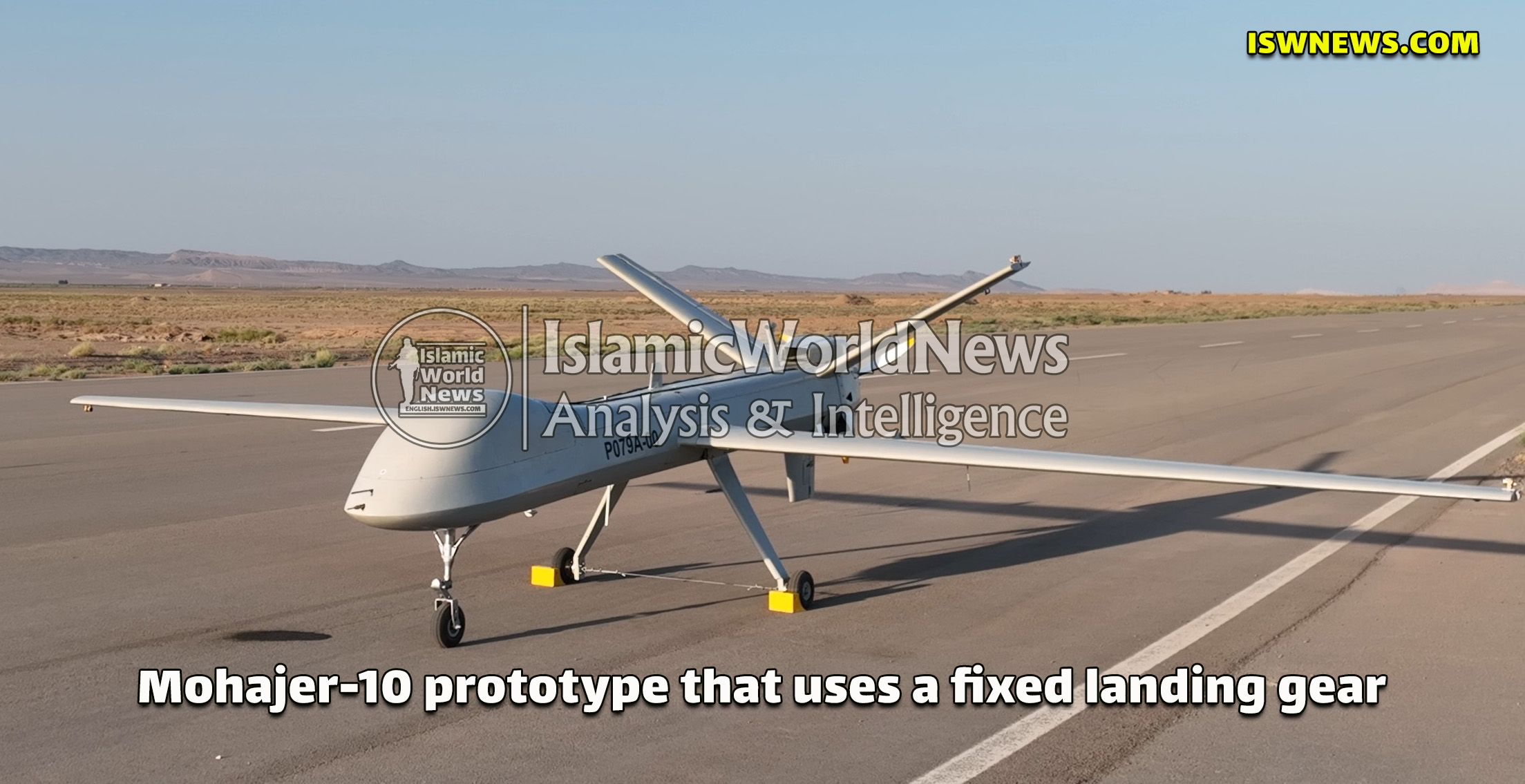
However, in a video released of test flight of Mohajer-10 drone, this drone uses fixed rear landing gear. This simple landing gear that was also used in Mohajer-6 drone consists of a metal wire buckle and a flexible holder. The way it works is that due to flexibility of landing gear, metal wire prevents excessive opening of landing gear and flexibility also reduces pressure on structure at the time of landing. Therefore, there are two possibilities: The first possibility is that the published video is related to the initial (prototype) and experimental version of Mohajer-10 and it has been completed later. And the second possibility is that the Mohajer-10 drone has two cheap and expensive versions. In the cheap version, it uses simple landing gear and weaker optics, and in the expensive version, it uses foldable landing gear and a stronger camera (the camera used in Shahed-149).
The prototype version of the Mohajer 10 UAV that uses a fixed landing gear
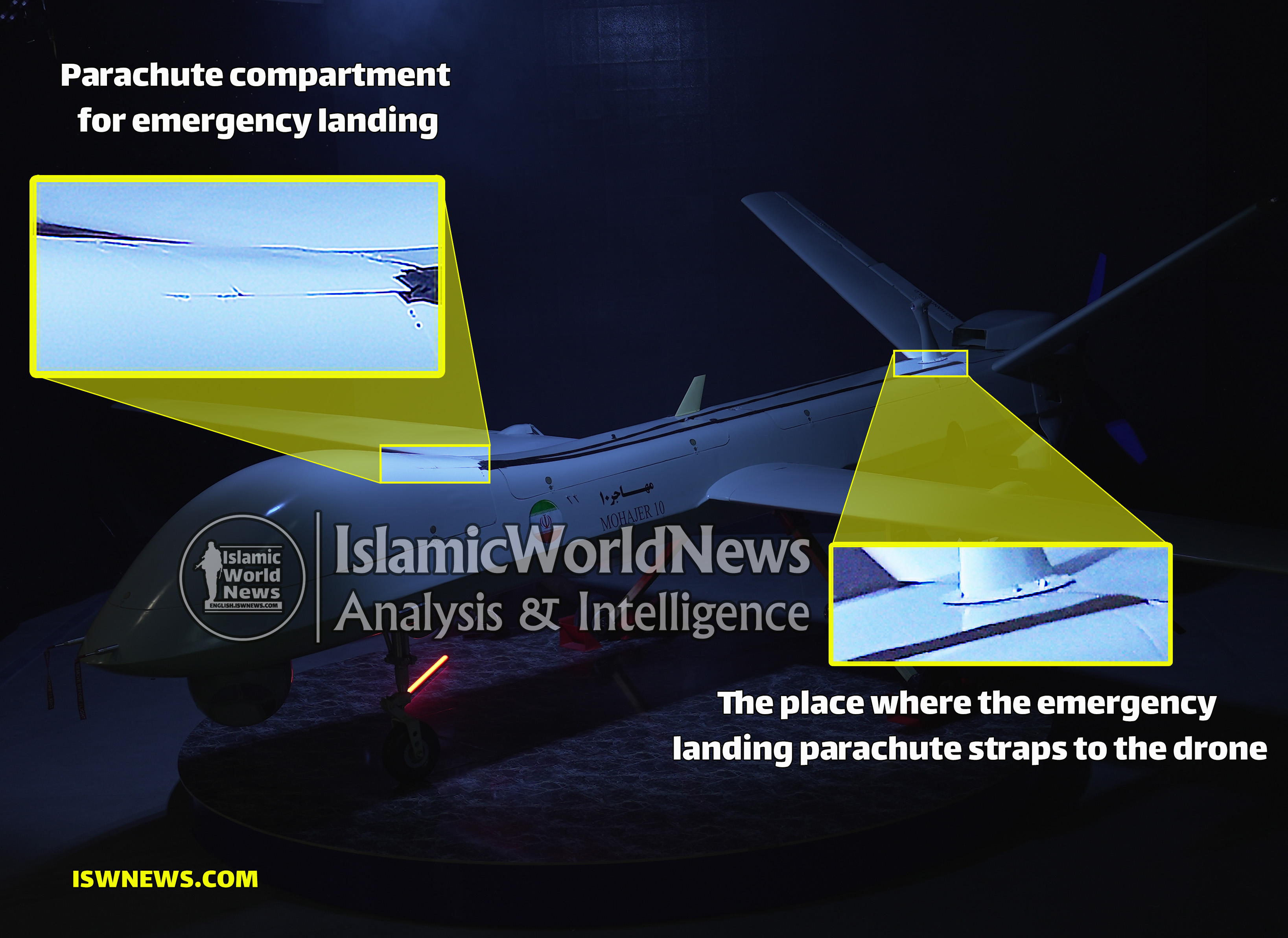
Mohajer-10 drone also has the ability to carry a parachute for emergency landing, which seems to have inherited this capability from Mohajer-6 drone. This emergency parachute is located in a separate location behind satellite equipment and its straps are tied in two sections at the tail of the drone and near the engine.
The parachute for emergency landing
Given the similarities among Mohajer-10 drone, Kaman 22 UAV and Shahed-129, as well as the participation of the Iranian army among the manufacturers and developers of Mohajer-10 drone, it seems that this drone has benefited from the experience of building capabilities of the IRGC and the Ministry of Defense; so, the cooperation provides Iran’s armed forces with a high-quality and affordable version of the drone series. Most likely, this drone will enter service in bulk in the IRGC and army by repeating the successful experience of Mohajer-6 drone, and it will replace Mohajer-6 and Shahed-129 drones.
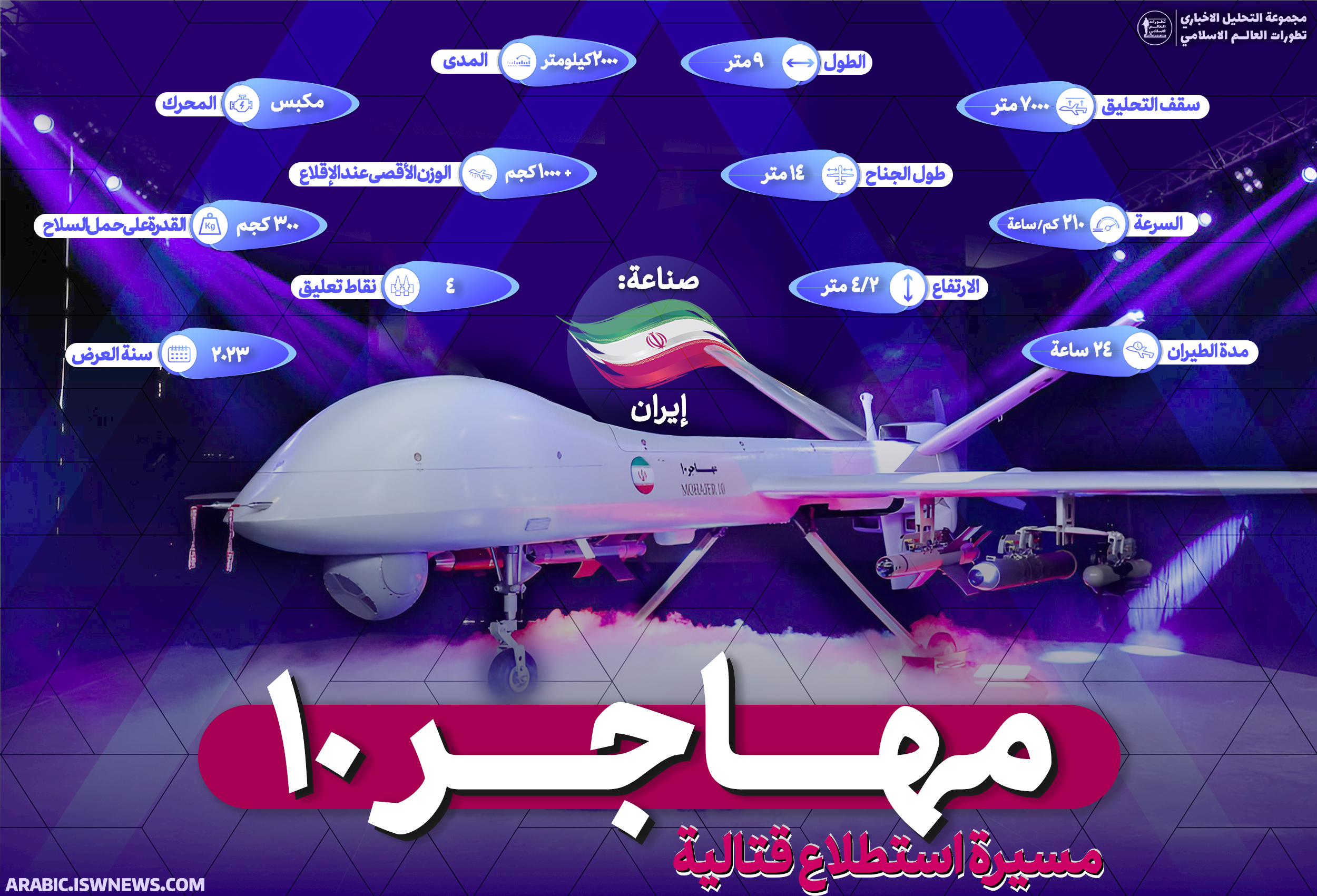
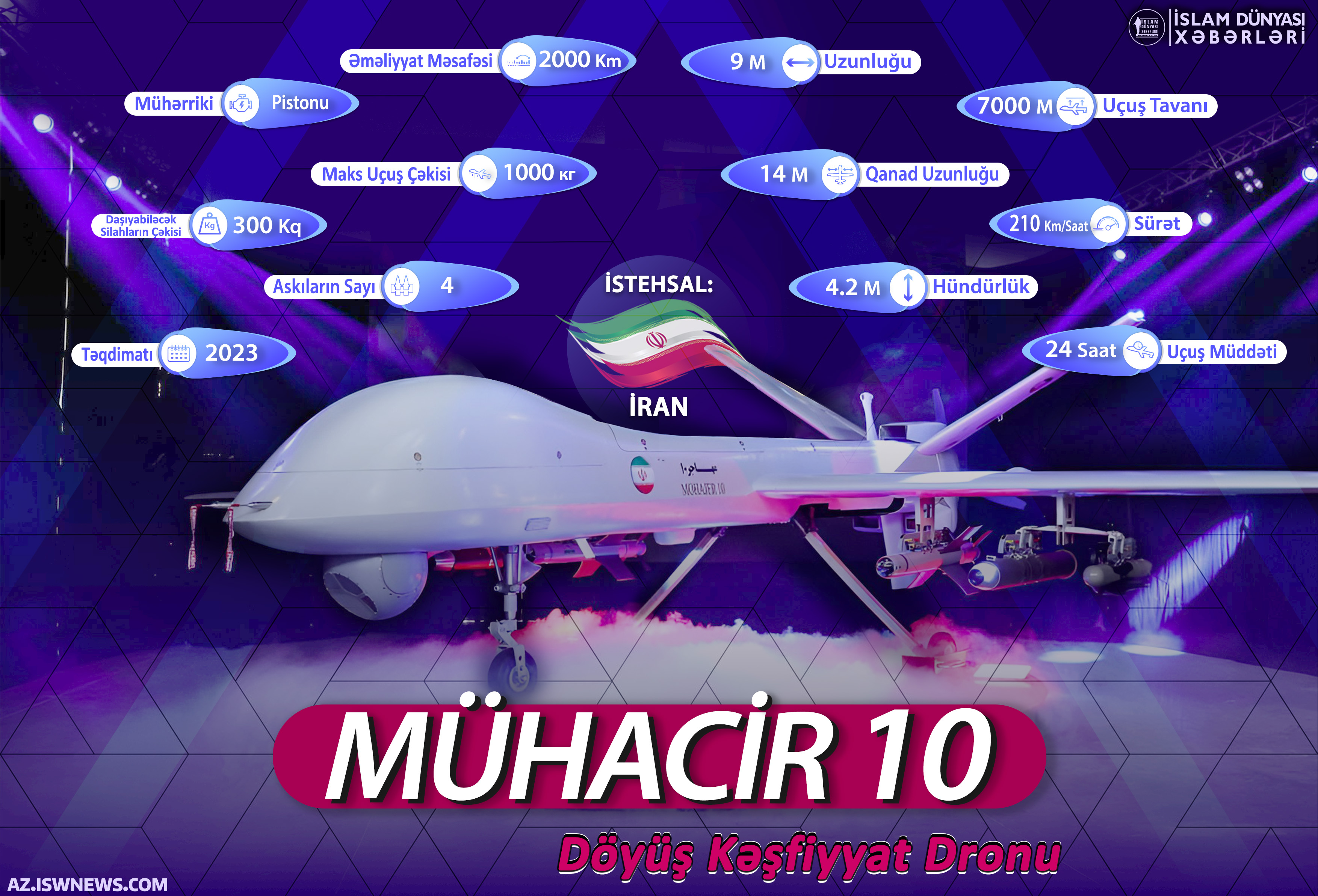
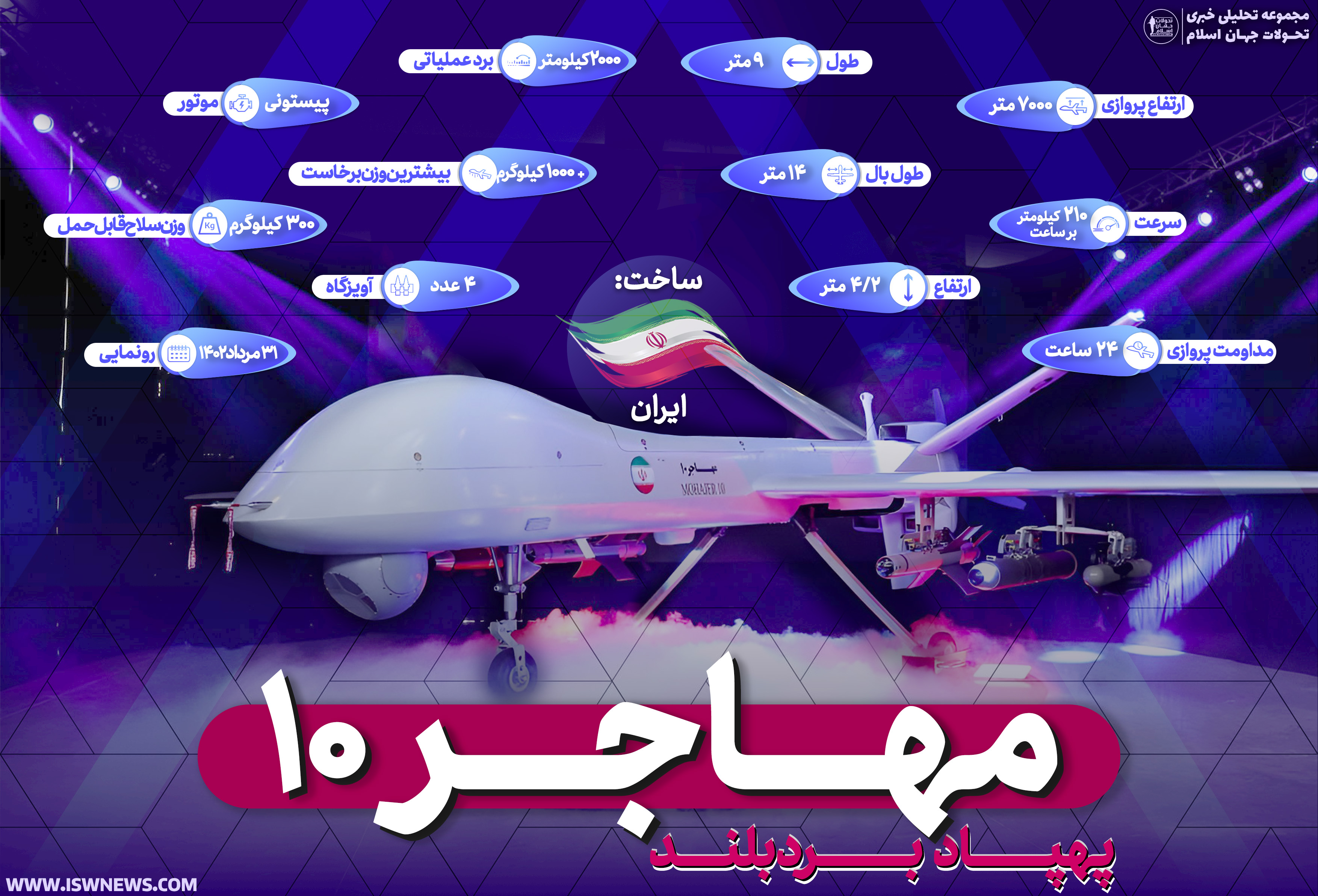
Dimensions: The dimensions and size of Mohajer-10 have not been officially announced, but based on available images, we can obtain the dimensions of Mohajer-10 drone. Based on images, which have been released so far, Mohajer-10 will have a length of 9 meters and a height of 2.4 meters, and its wing length will be 14 meters.
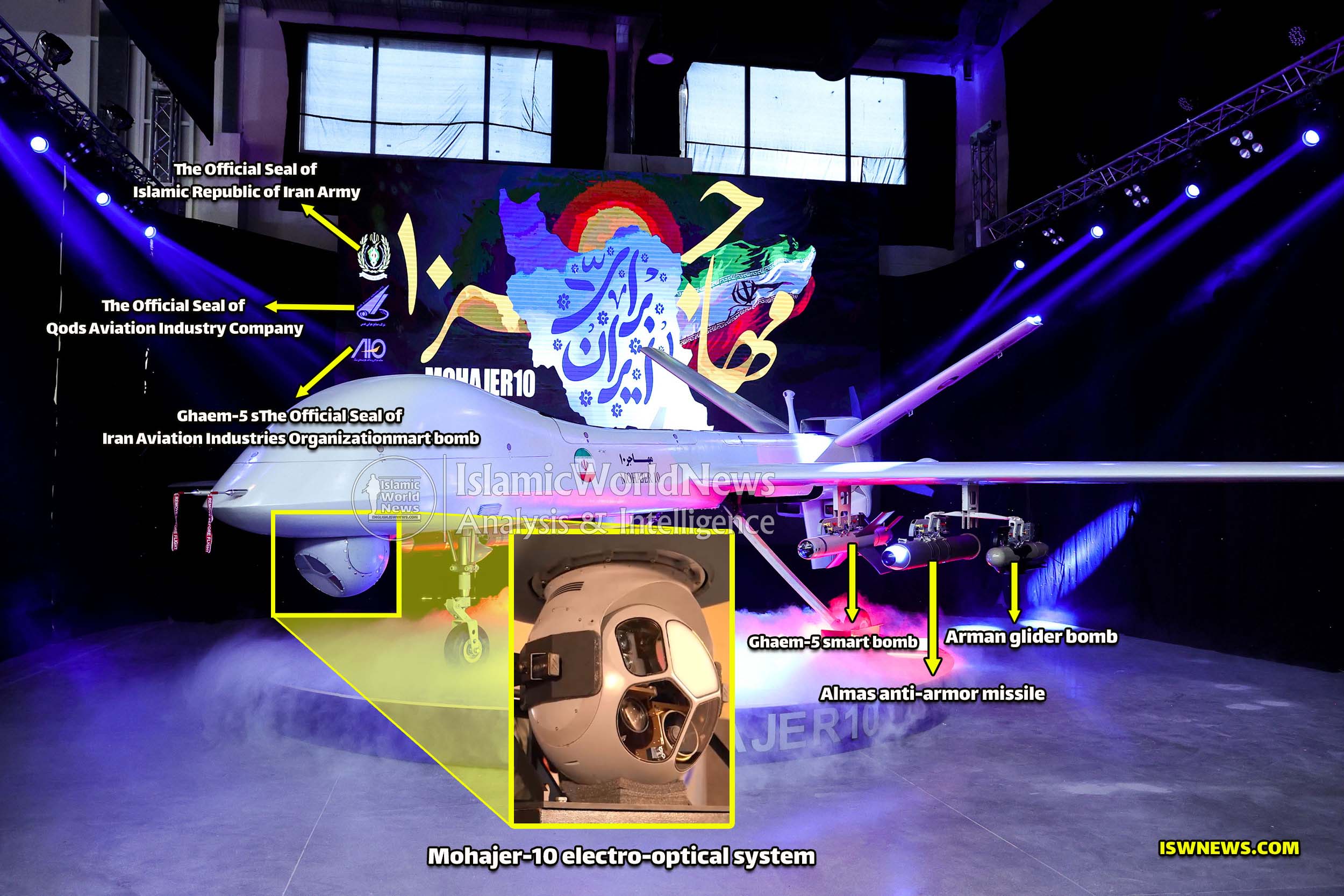
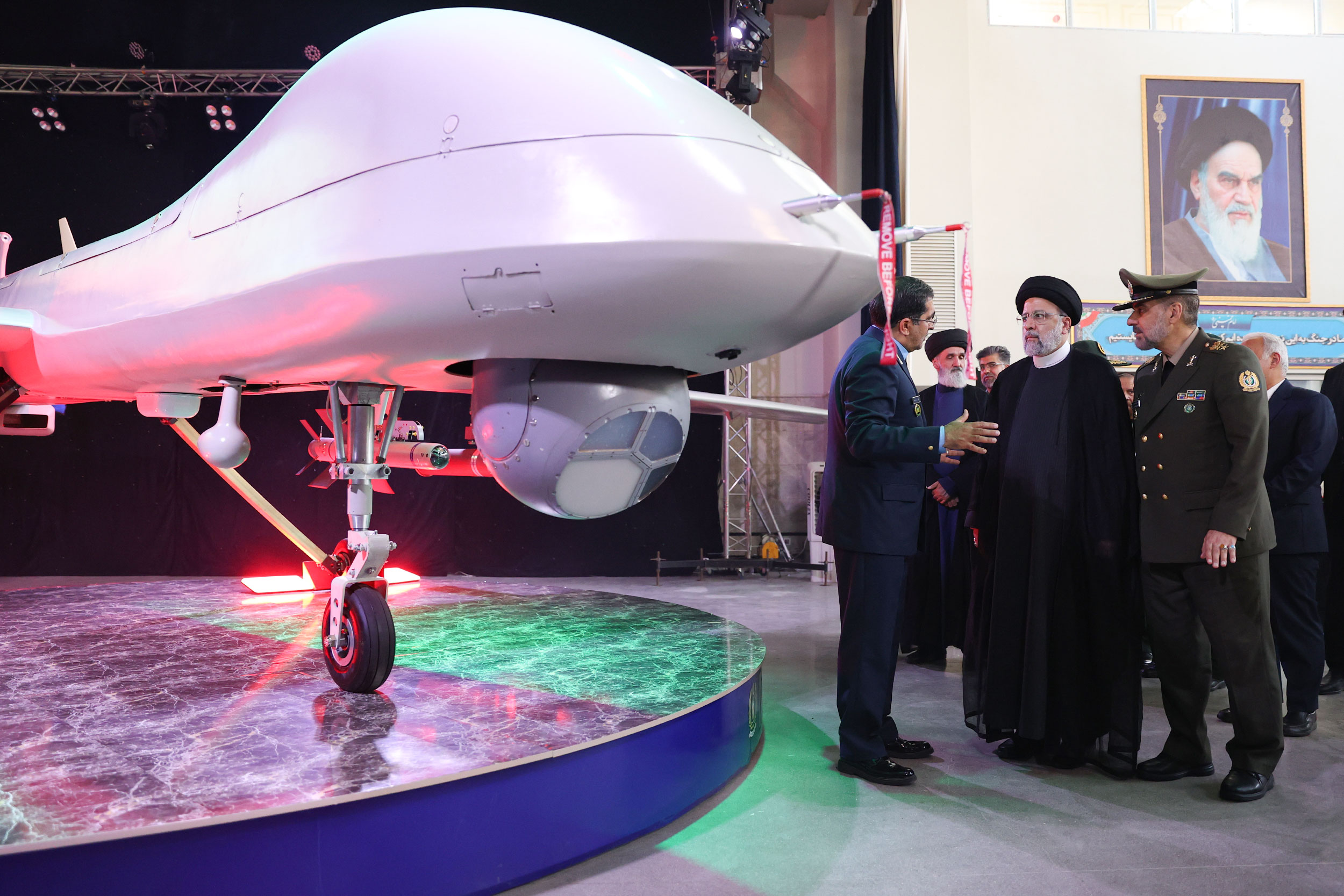
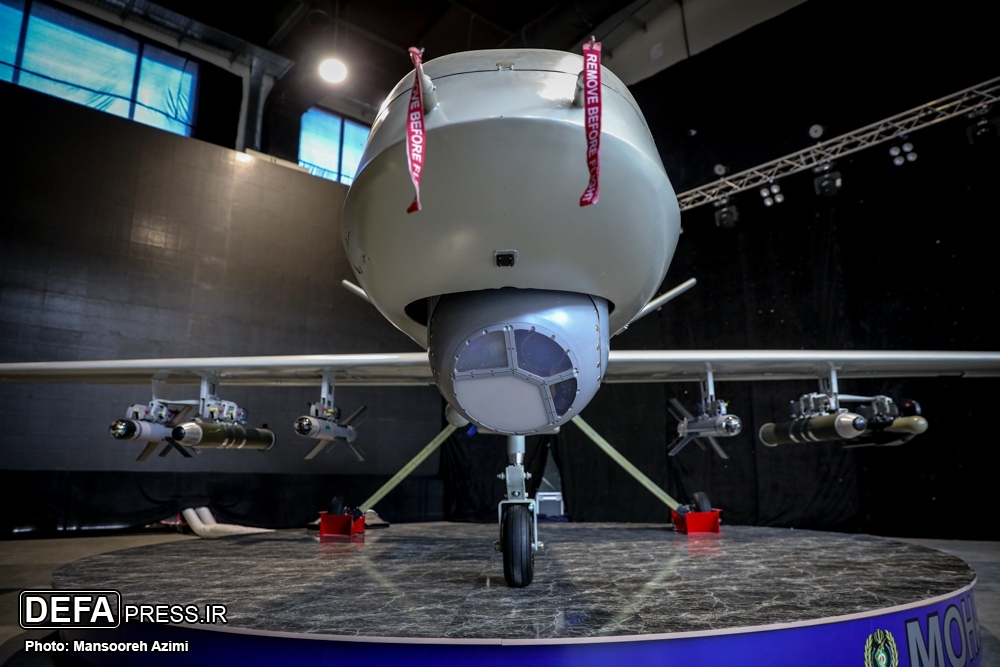
Camera and sensor system: Mohajer-10 drone uses a high-quality camera that was previously used on Shahed-149 (Gaza) drone. This system, which is one of Iran’s most advanced electro-optical systems, has a thermal imaging camera and laser rangefinder in addition to a day vision camera with a zoom power of at least 100 to 120 times as well. One of the highlights of this system is the use of catadioptric telescopic lens that multiplies magnification. Using this camera will significantly increase the quality of filming and photography of drones, which is considered a great advantage. In general, electro-optical systems are considered one of the main parts or perhaps the most important part of the drone.
The electro-optical systemsand ammunition used in Mohajer-10 drone
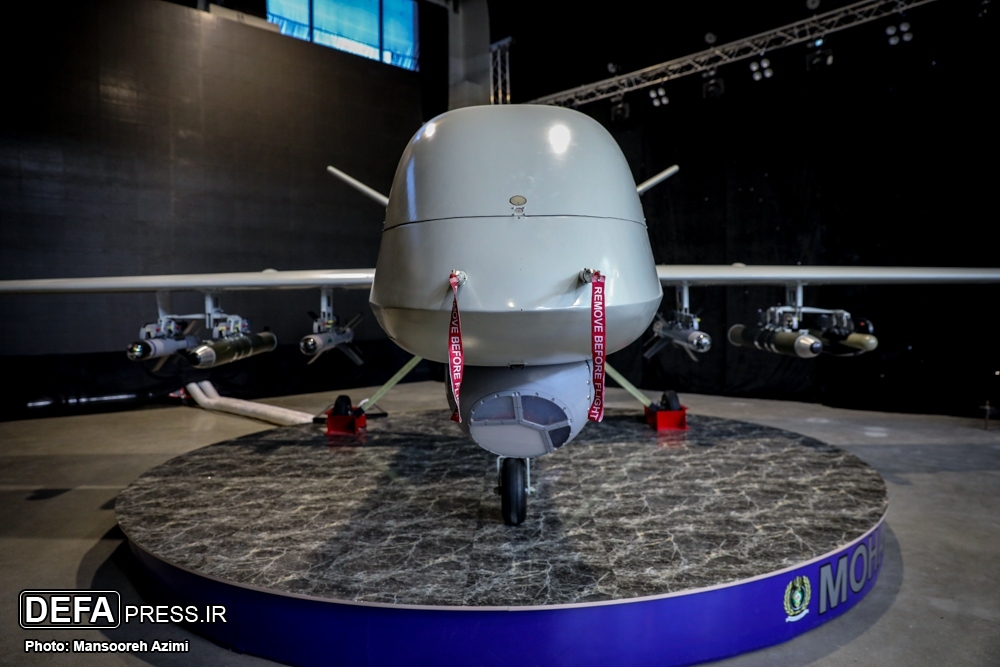
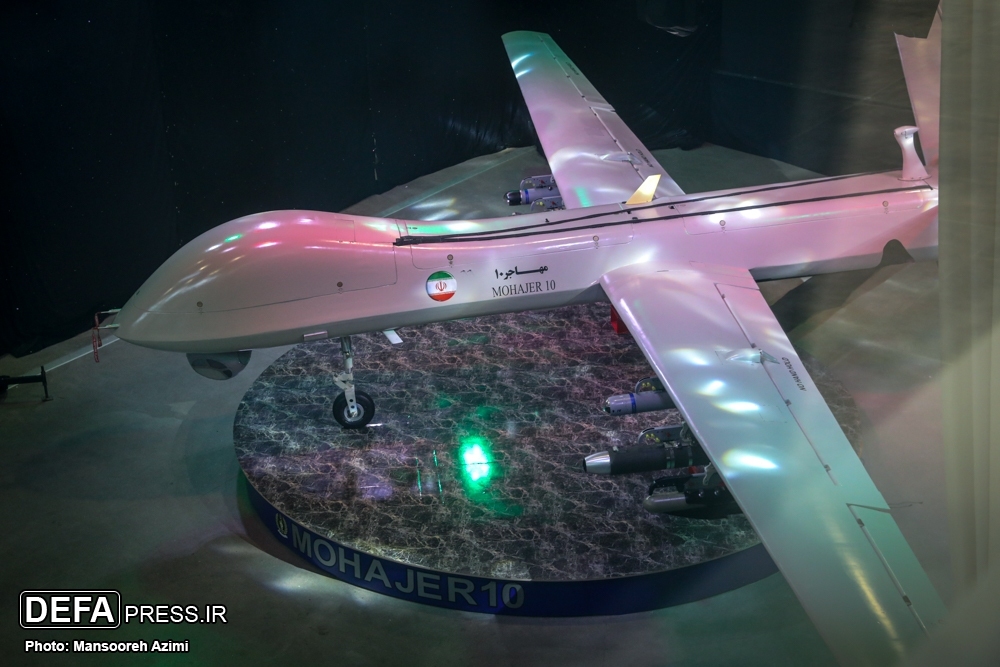
Armaments: Mohajer-10 drone has four hardpoints under its wings for carrying ammunition. This drone was carrying three Ghaem-5 precision-guided bombs with optical (TV) guidance, anti-armor Almas missile, and Arman guided air-launched bomb at the time of unveiling (image above). It seems that this drone can carry up to a maximum of eight bombs and missiles.
Mohajer-10 can carry various types of Ghaem series bombs, various types of Sadid series bombs, Almas anti-armor missile, Arman air-launched glider bombs, and so on.
Arman guided air-launched bombs are the latest type offered from this class of bombs that have been lightened and optimized for carrying by drones. Given the development of this drone on previous platforms such as Kaman-22 and Shahed-129, there is also a possibility to carry a wide range of weapons on Mohajer-10 such as: electronic warfare pods developed for Kaman-22 drone, Kaman-12 drone, Mohajer-6 drone, Sadid series bombs.
4 hardpoints under the wings to carry up to 8 missiles and bombs
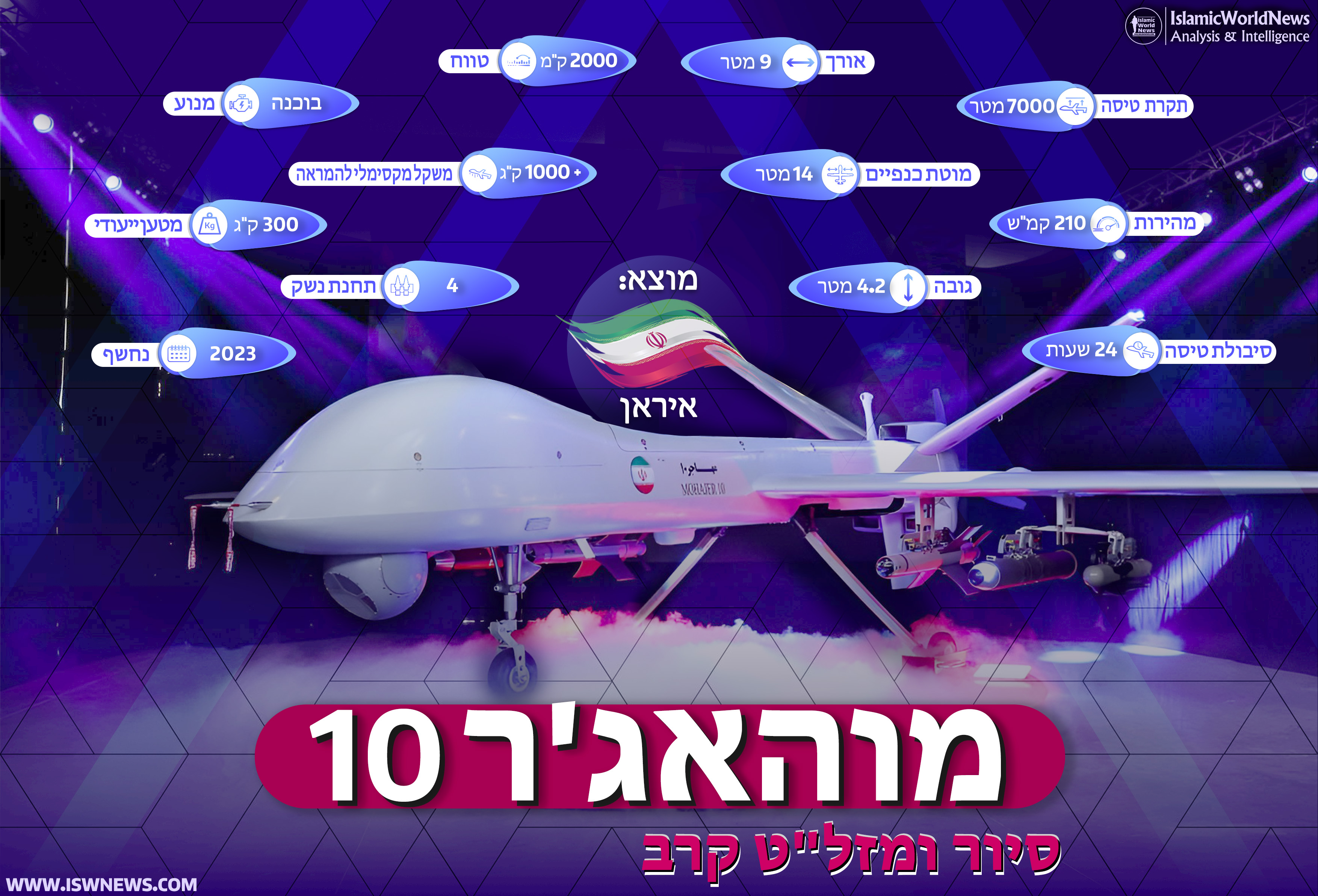
Mohajer-10 drone has a flight endurance of 24 hours at an altitude of seven thousand meters and an operational radius of 2 thousand kilometers, and it benefits from a maximum speed of 210 kilometers per hour. The maximum fuel capacity of this drone is 450 liters and its maximum payload weight is 300 kilograms.
Specifications of Mohajer-10 drone: Role: Combat and reconnaissance drone Unveiled: 22 August 2023 Origin: Iran Producer: Qods Aviation Industries, and Iran Aviation Industries Organization (AIO) Length: 6.5 meters Height: 4.2 meters Wingspan: 18.2 meters Operational range: 2000 km Speed: 210 km/h Flight ceiling: 7000 meters Engine: Piston Maximum take-off weight: ~ 1000 kg Weapon payload: 300 kg Fuel weight: 450 kg Hardpoints: 4 under the wings, capable carrying up to 8 missiles and bombs Armament: Ghaem series bombs, Sadid series bombs, Almas anti-armor missile, Arman air-launched glider bombs, electronic warfare pods, etc.
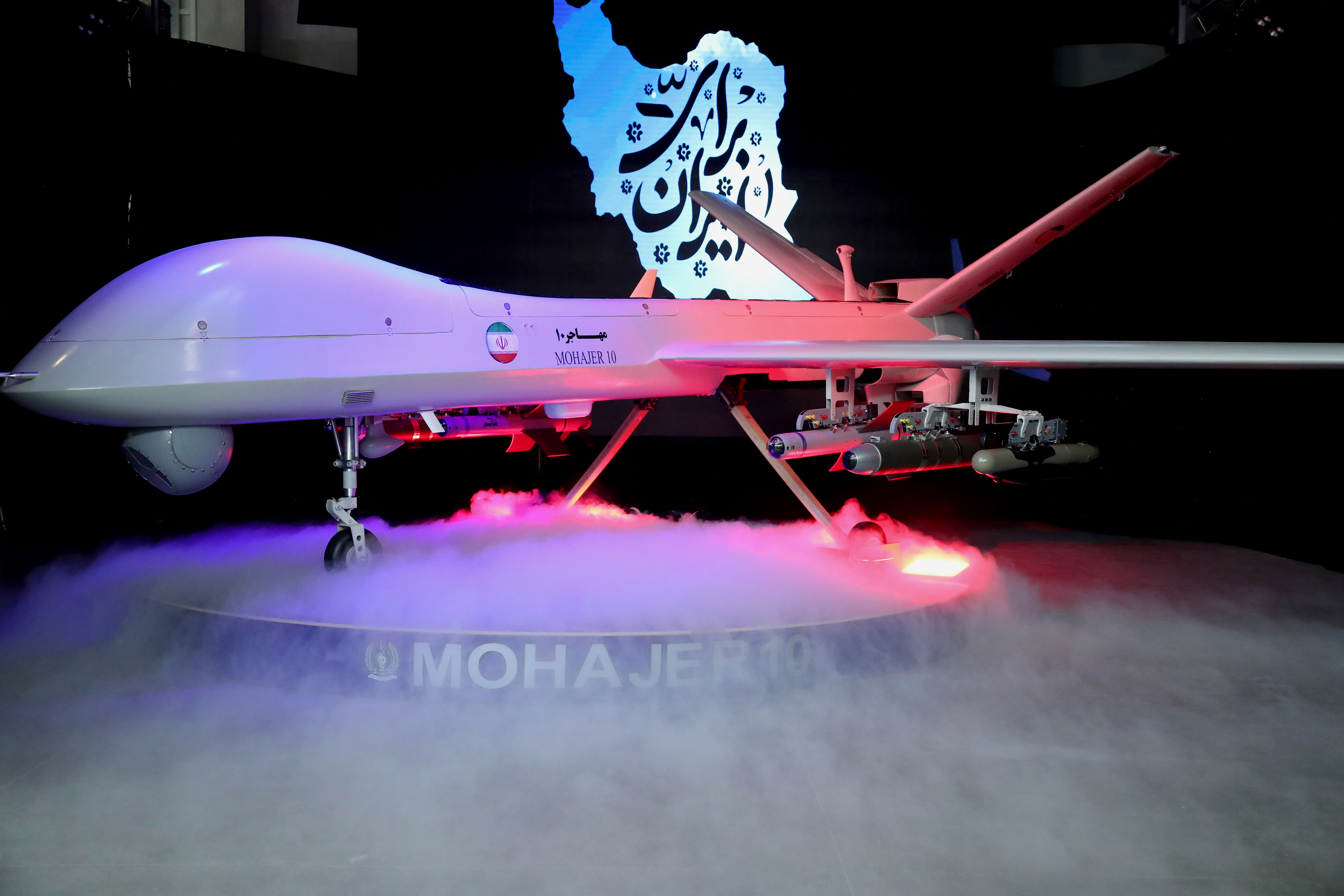
Mohajer 10 long-range drone – click to view full size
More images of Mohajer 10 drone:
Click to view full size
Infographics of Mohajer 10 UAV in Russian(Мохаджир 10), Arabic(مهاجر 10), Farsi, Azeri(Mühacir 10) and Hebrew(מוהאג’יר 10):
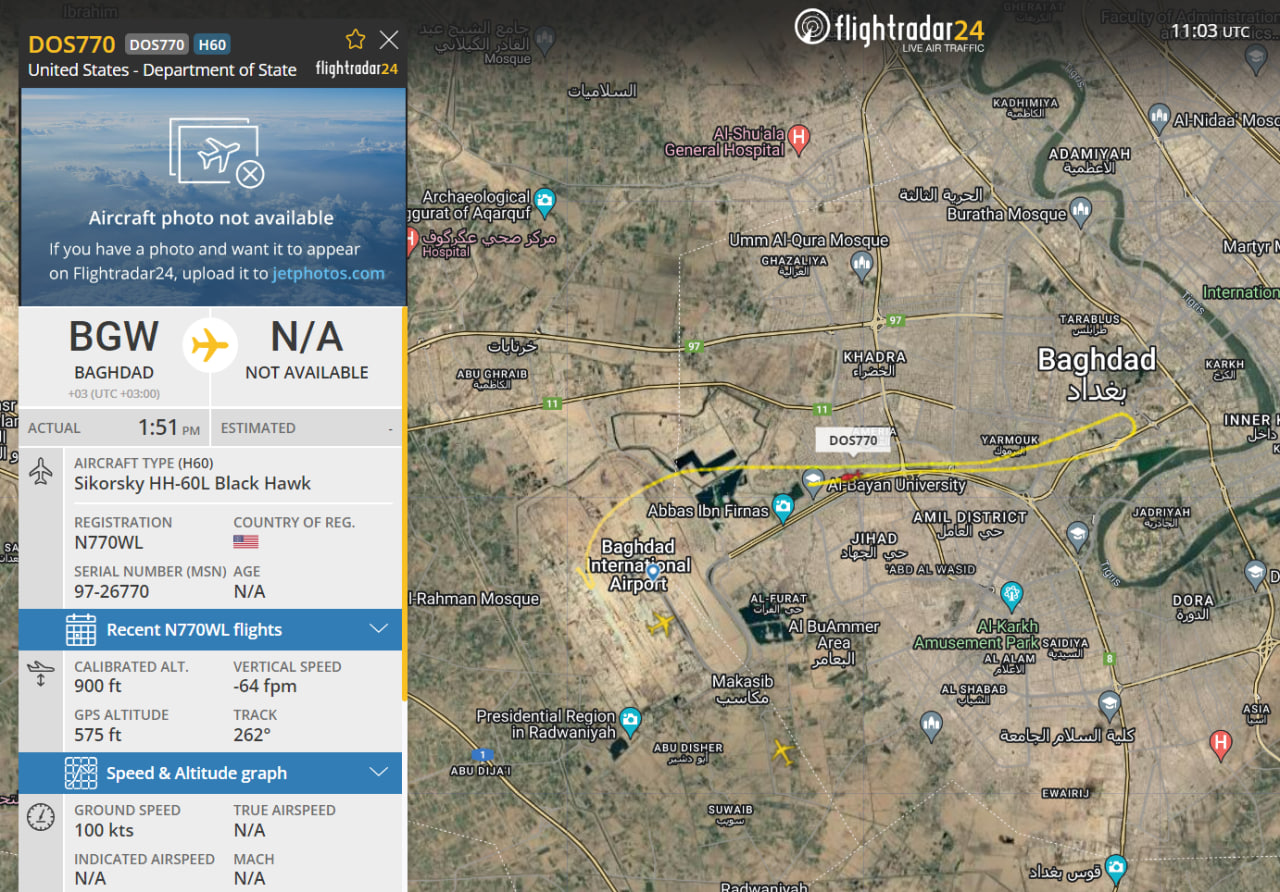
The recent flights of the United States’ helicopters from the Baghdad Diplomatic Support Center or the US airbase at the Baghdad International Airport to the US embassy in Iraq as well as the helipad of US helicopters in the northern part of the Italian embassy in the capital city have been observed for some time in the skies of Baghdad.
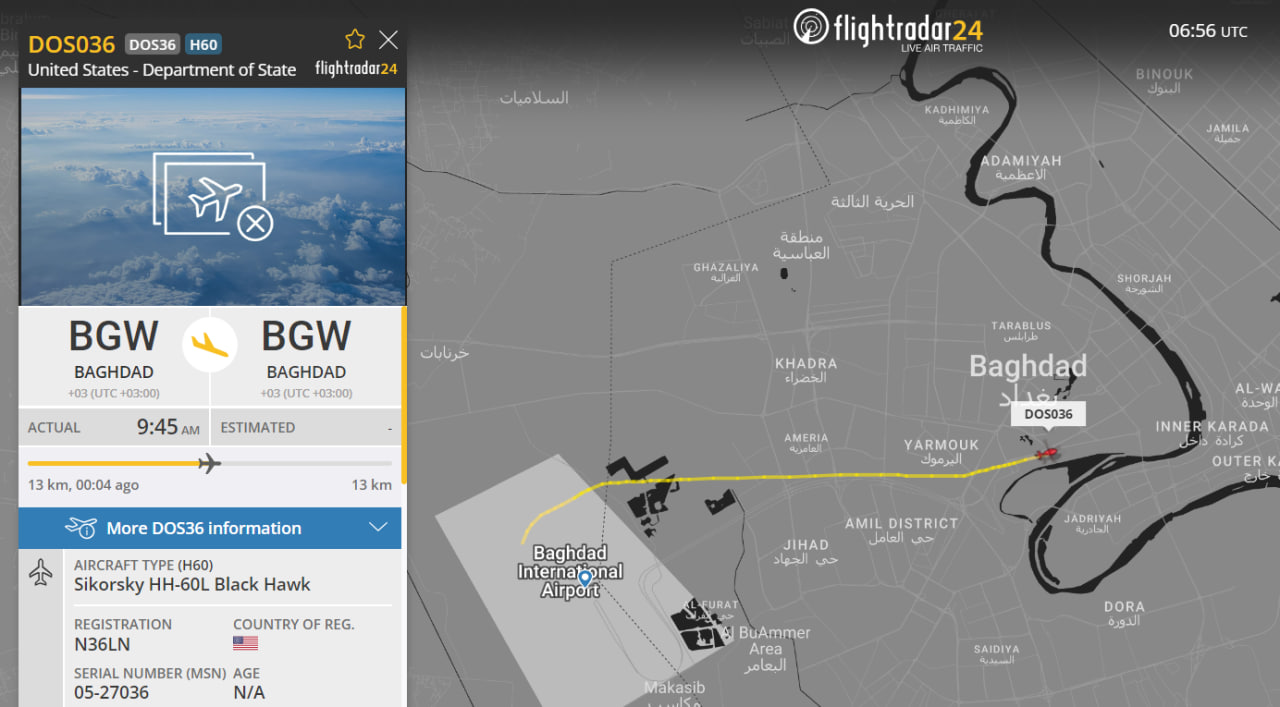
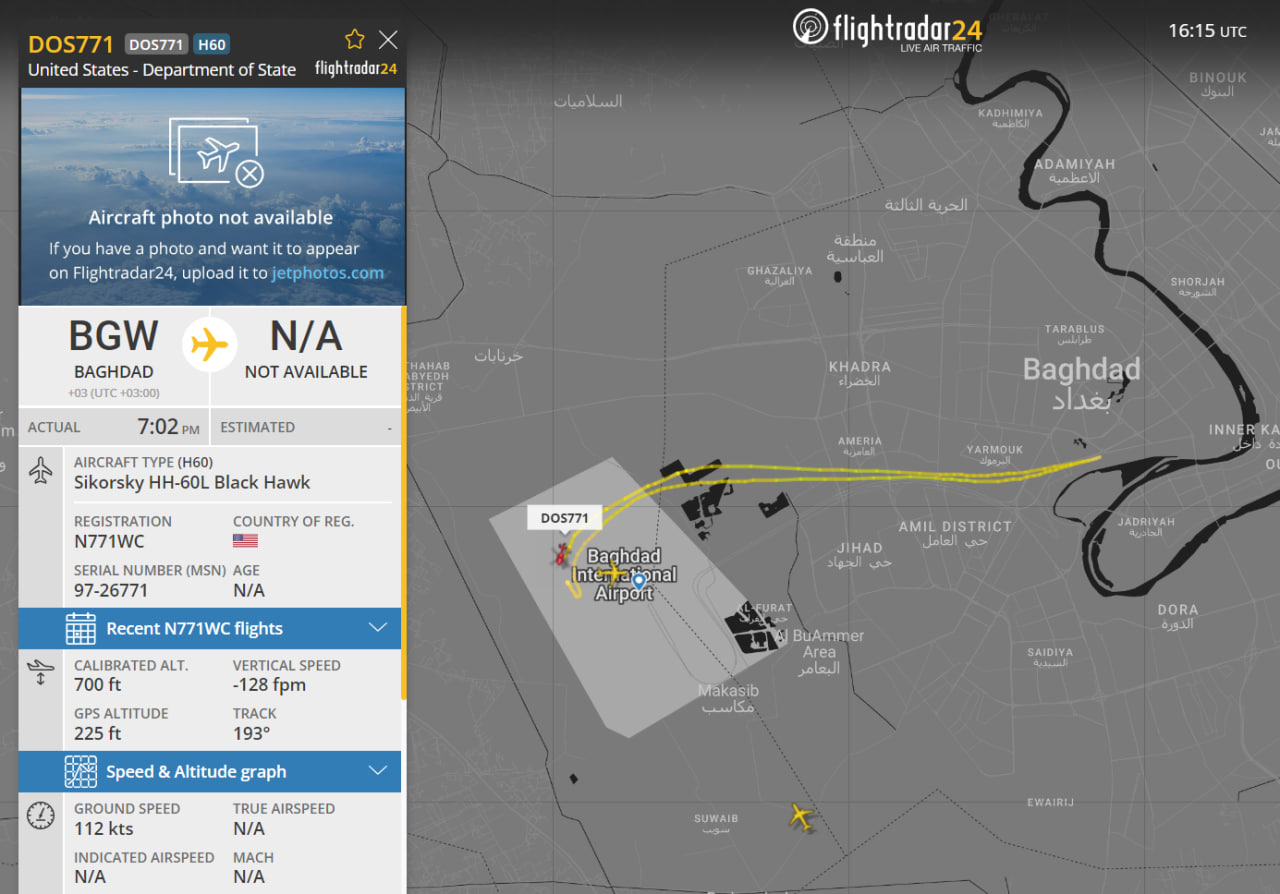
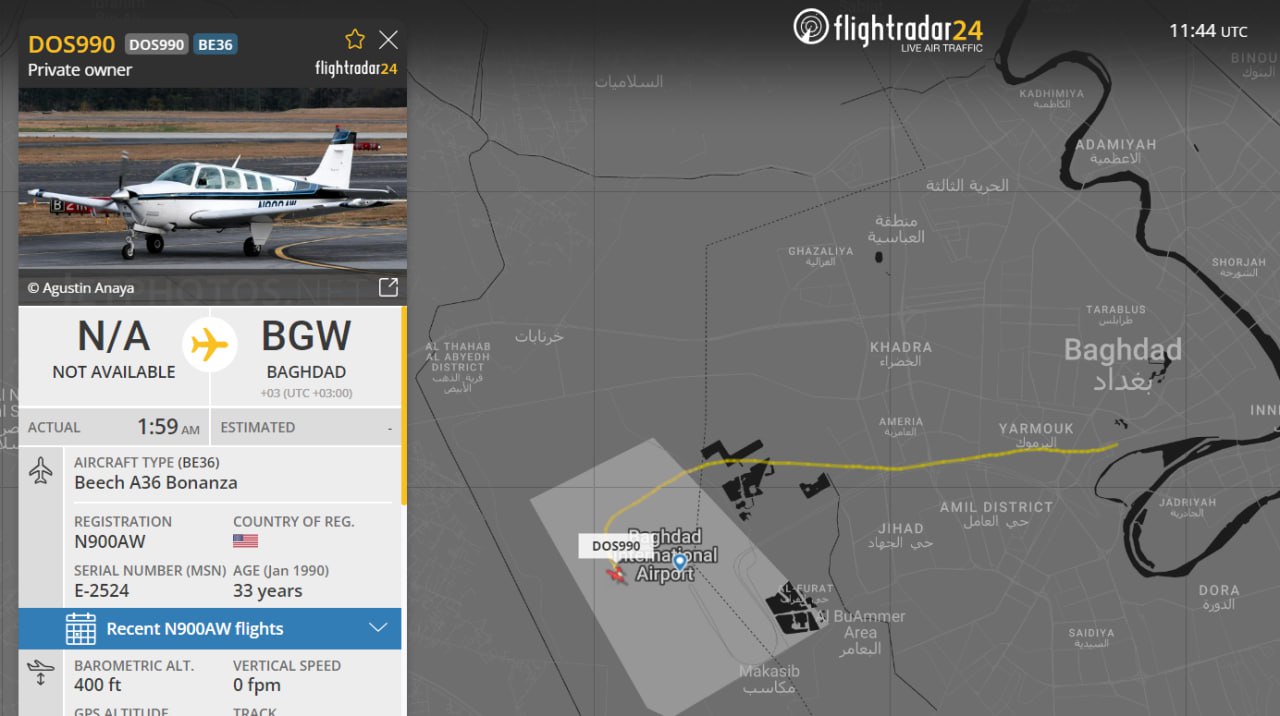
The flight records of these helicopters show that in addition to various US helicopters, including Sikorsky UH-60M Black Hawk, the American landing strip in the northern part of the Italian embassy in Baghdad also hosts light aircraft such as Beech A36 Bonanza. In a way, it can be said that this embassy has turned into another small airport for the United States in the Iraqi capital.
American Sikorsky UH-60M Black Hawk helicopters flight to this locationAmerican Beech A36 Bonanza flight from this location to Baghdad airport
According to IWN field sources, senior US officials and forces were transferred from the Baghdad airport to the US embassy by car in recent months, but this process has changed in recent weeks due to Americans’ fear of being assassinated, identified, and so on. And their transfer operations from the US embassy to the Baghdad International Airport and vice versa are now carried out using helicopters, and their car trips have decreased in comparison to the past.
It is not yet clear why Americans have changed their method of transferring forces to the US embassy in Baghdad. In addition to the flights of the US helicopters inside their embassy and another helipad in the eastern part of the US embassy, the small American airport in the northern part of the Italian embassy is one of the main aerial routes for transporting people and equipment to/from Washington’s embassy and Baghdad airport.
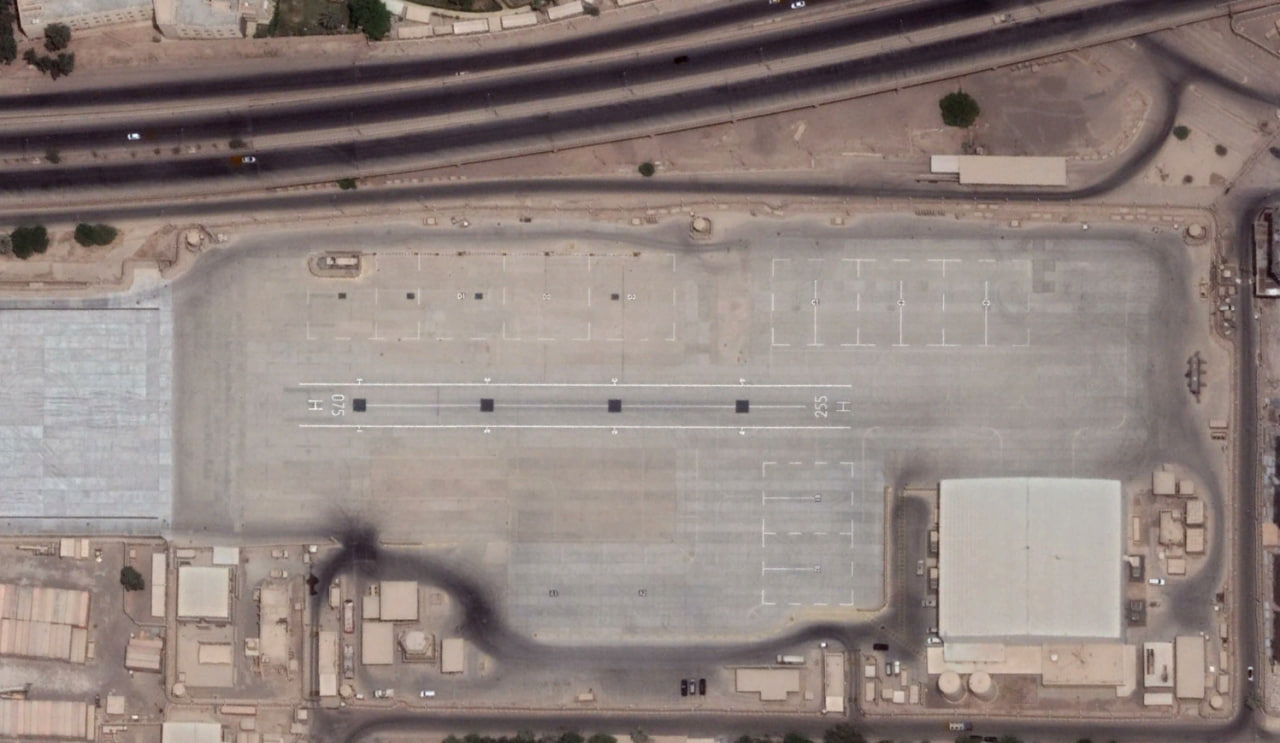
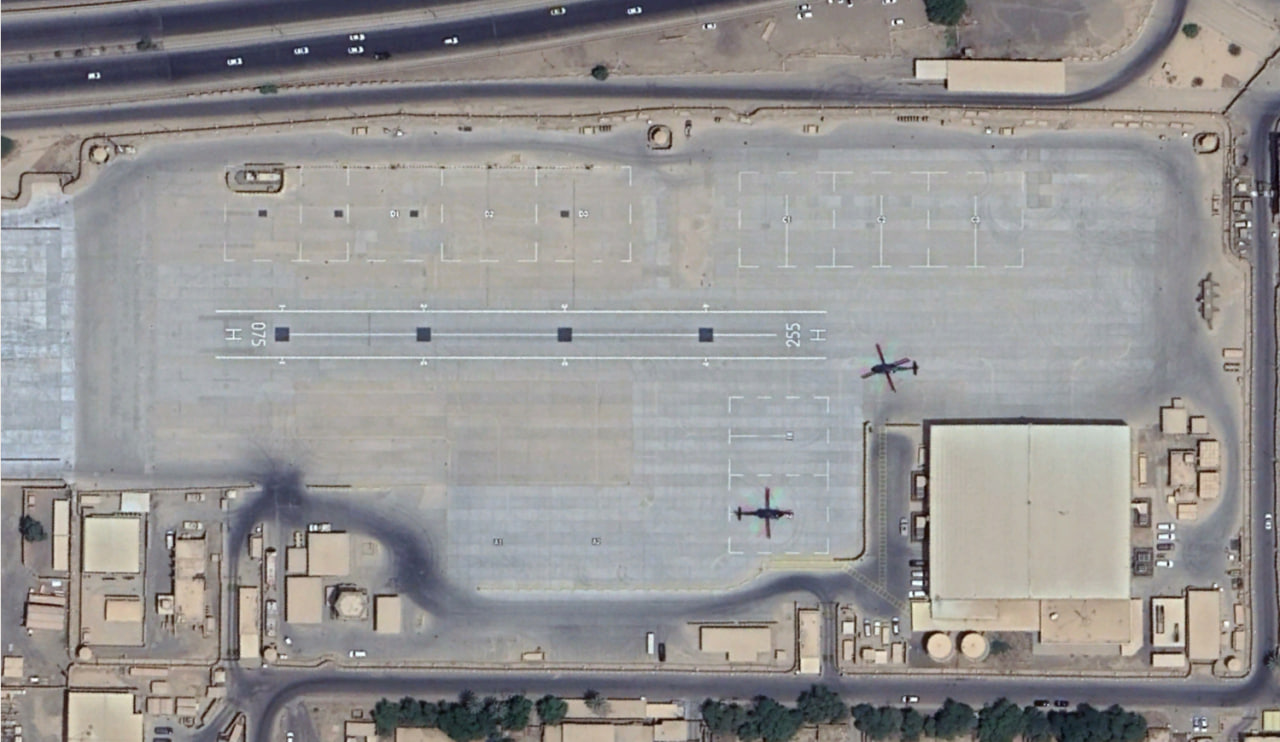
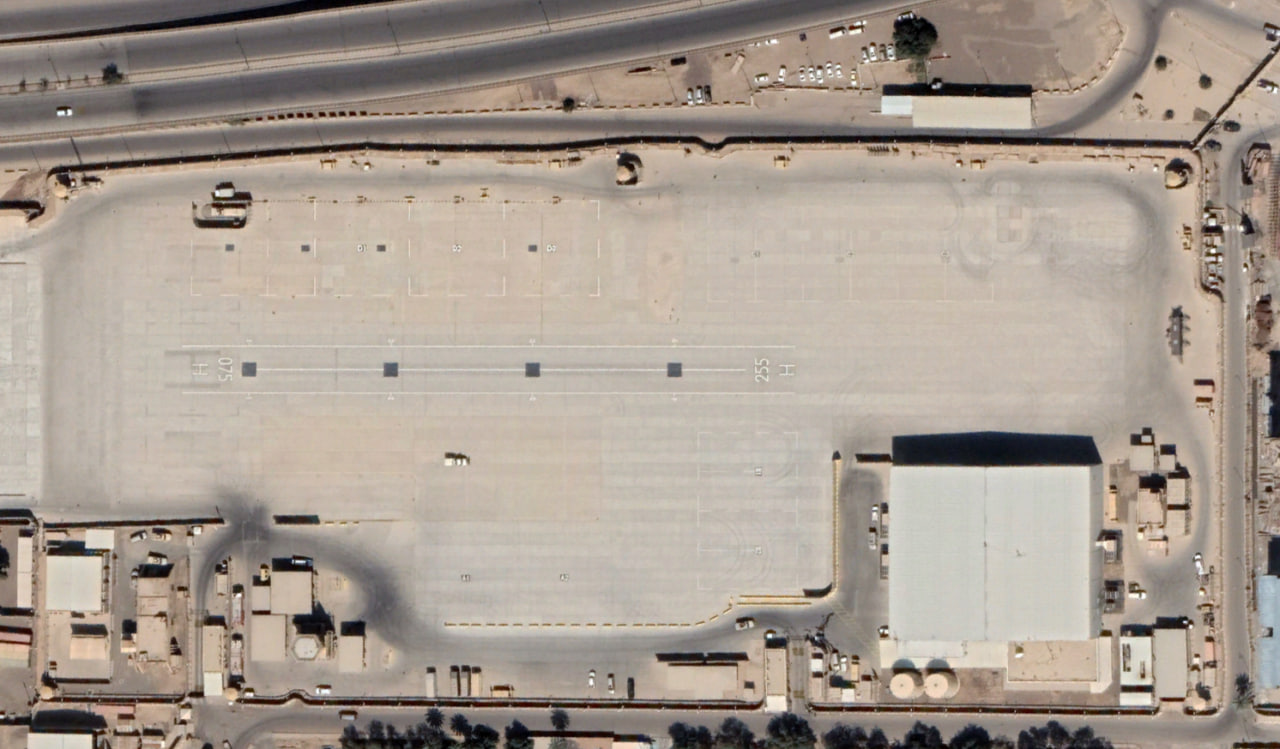
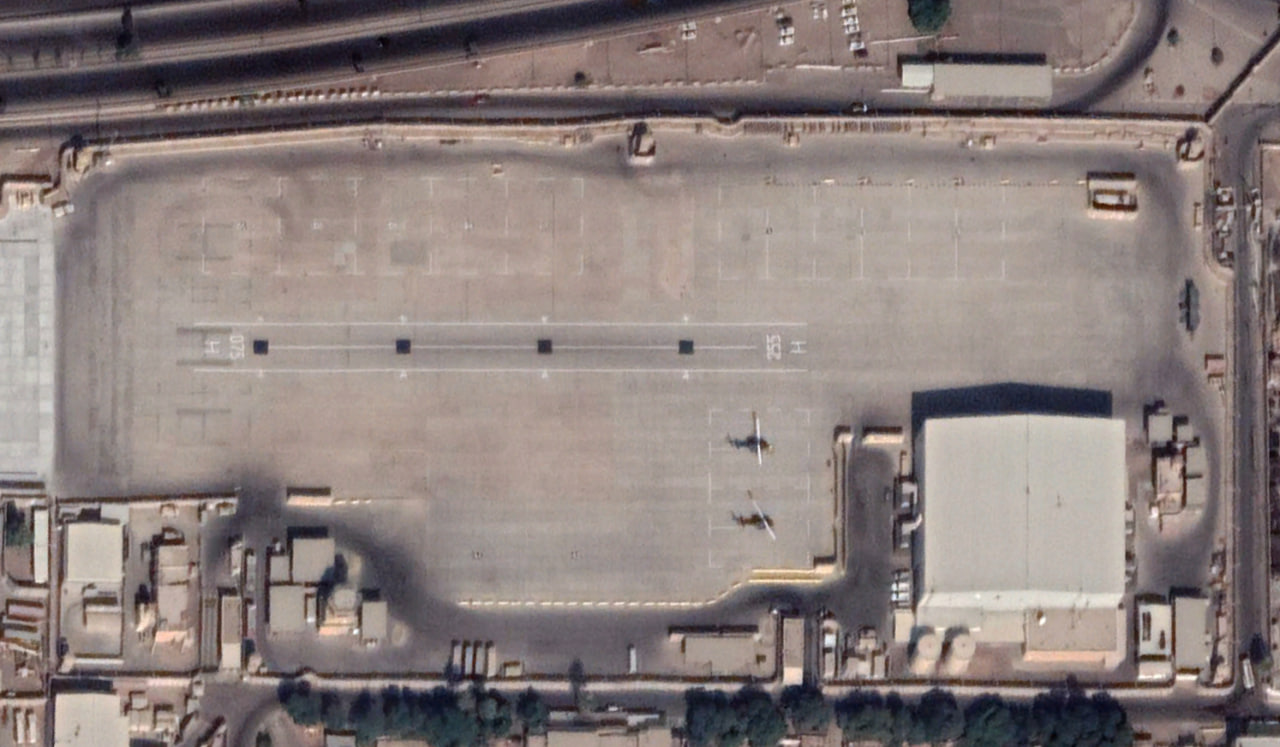
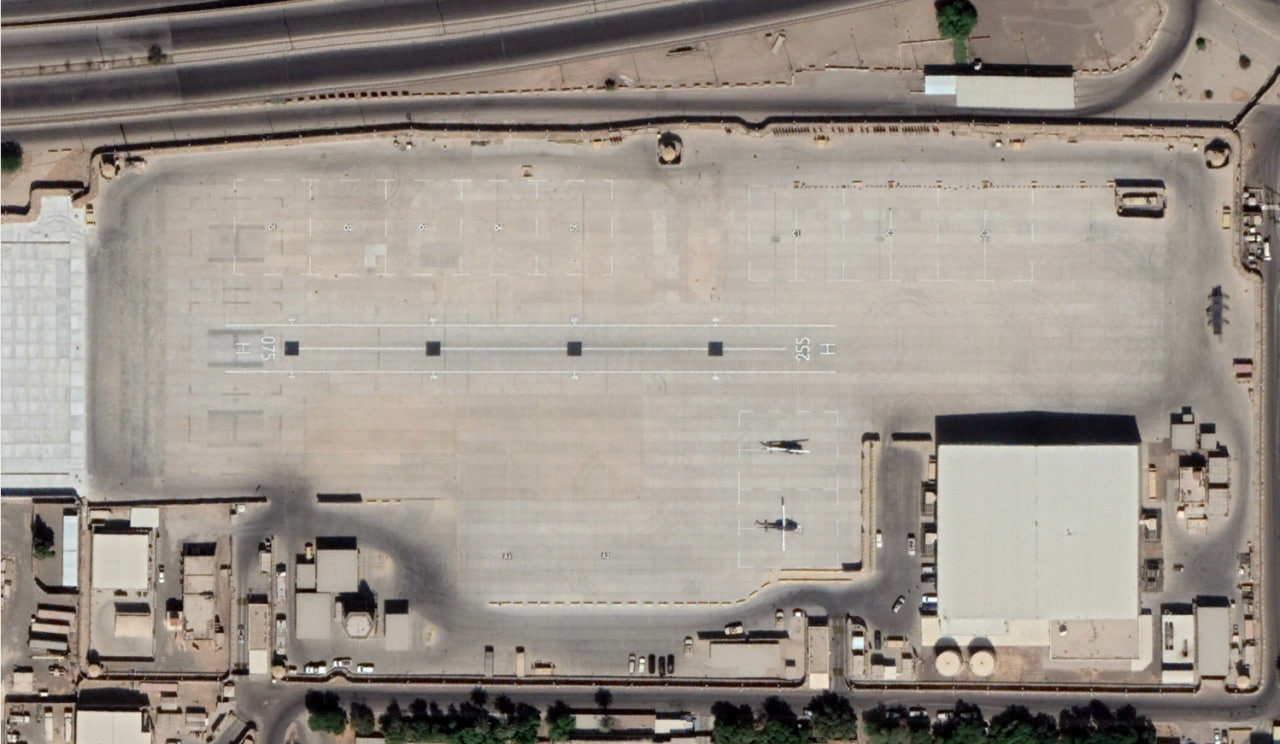
Satellite images at different times also show various US helicopters stationed at this location. So far, Iraqi government officials and resistance groups’ commanders have not reacted to these movements by the Americans.
Satellite images of the American landing strip on the northern side of the Italian Embassy in Baghdad
The continuation of these actions and the failure of American soldiers to leave Iraq have caused many people in this country to protest against the Iraqi authorities over the continuation of the United States’ military presence; on the contrary, Iraqi officials neglected the demands and even requested the North Atlantic Treaty Organization (NATO) to increase their military activities in the Arab country.
However, in accordance with international law, no country is allowed to carry out military actions and reactions in the area of an embassy; so, it seems to be essential to answer the question of whether the US embassy in Baghdad is subject to diplomatic immunity as a result of such a situation or not.
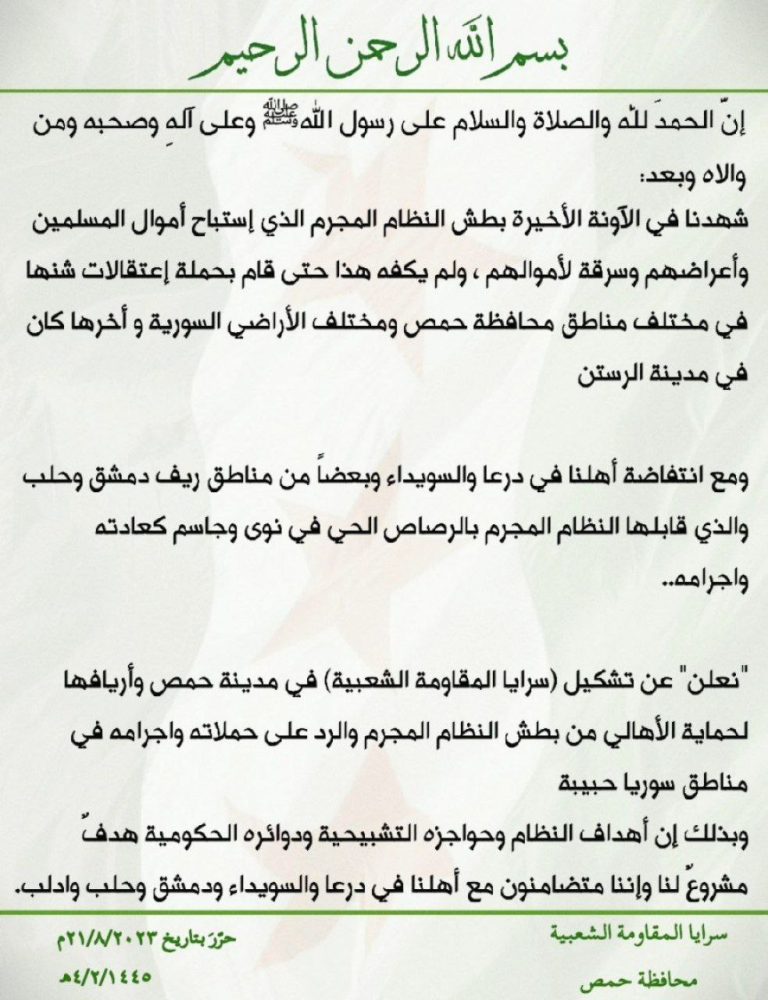
Further details have not been released so far, and only a statement from the Saraya Al Muqawama Al Sha’biya has been published on social media platforms.
This is the second group formed after the increase in US forces’ movements in Iraq and Syria against the government and army.
Statement by the Saraya Al Muqawama Al Sha’biya
Earlier, sources close to Syrian militant groups had reported the formation of a group called Burkan Al-Furat (Euphrates Volcano) with the support of the US-led coalition to attack convoys and positions of the Syrian armed forces as well as fighters of resistance axis in Deir ez-Zor Governorate.
It seems that the move is in line with the mobilization of Syrian tribes to pursue the US coalition’s plots to destabilize the central government of Syria and the resistance axis; moreover, it can turn some Syrian tribes into ground forces of the United States in the region.
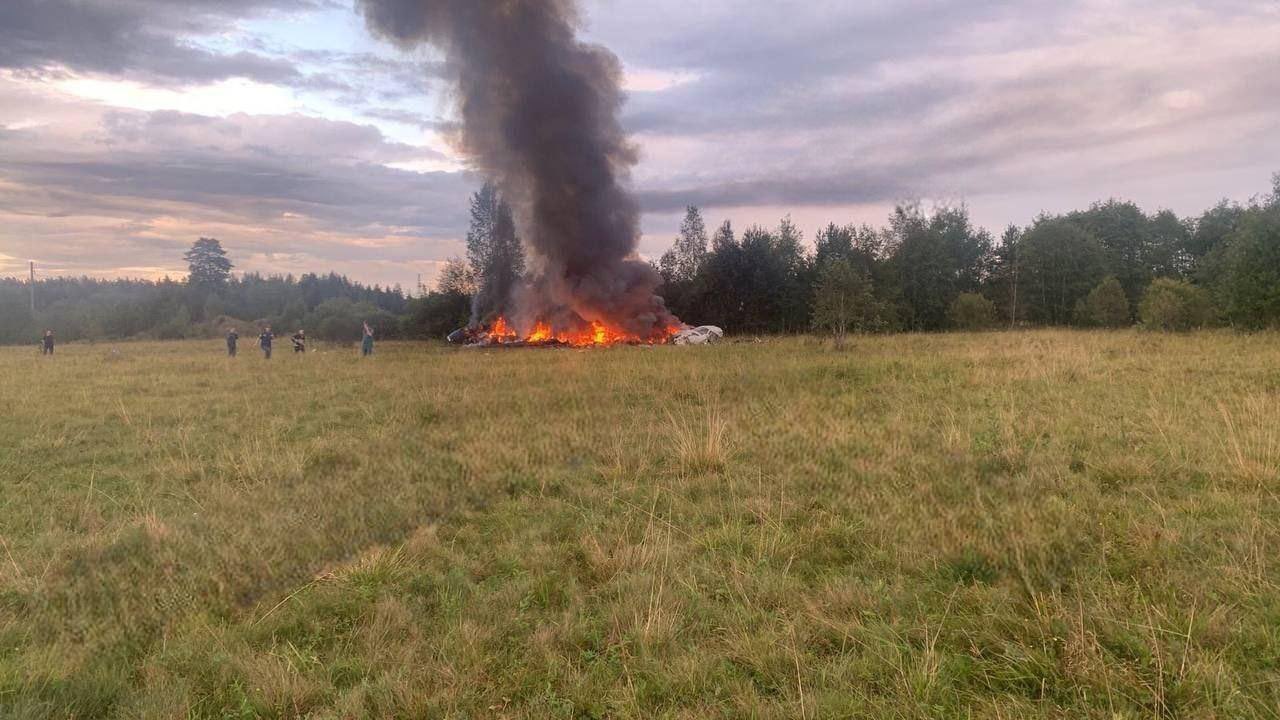
According to Russian media, a private plane crashed in the Tver region, located in the northwest of Moscow, the capital of Russia.
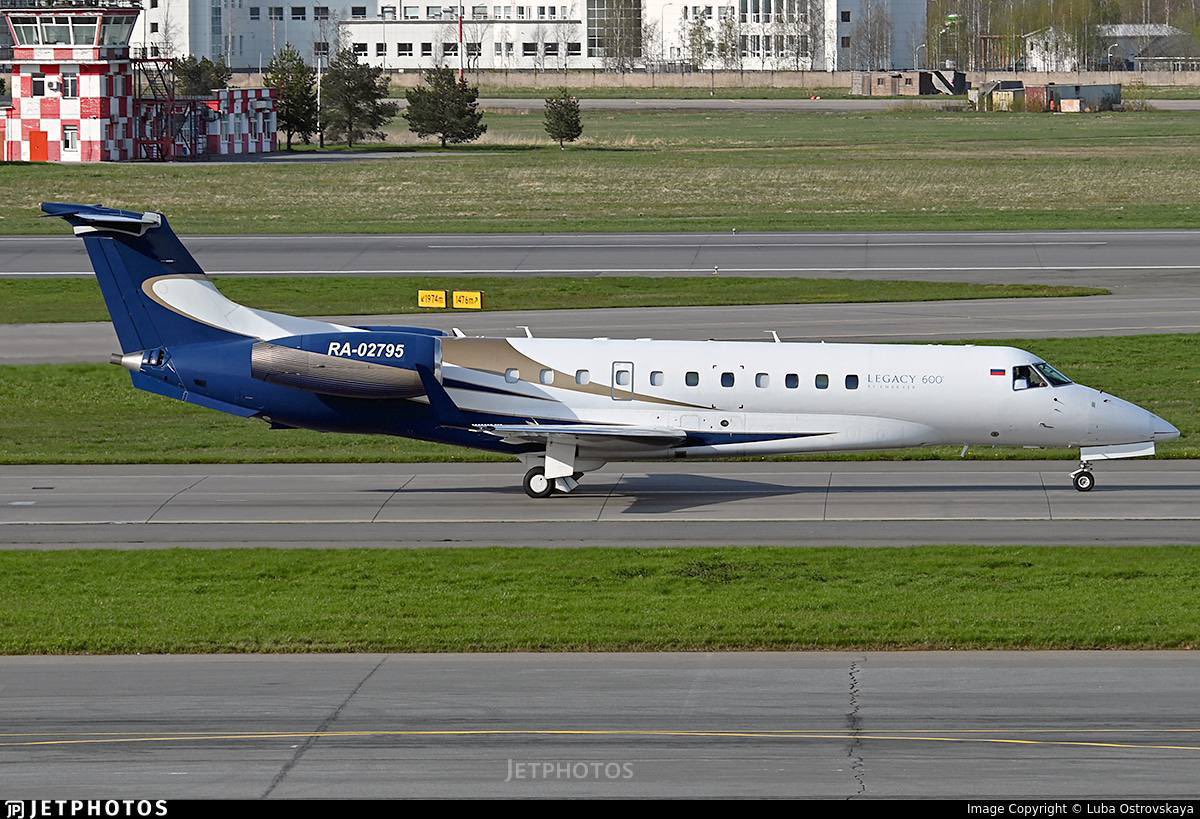
The aircraft, Embraer Legacy 600 numbered RA-02795, belongs to the PMC Wagner and was carrying Yevgeny Prigozhin, the head of the group. This plane had 10 passengers, three of them were crew and seven were passengers, and all of them were killed.
Wagner plane crash in Tver region
At first, it was not clear whether Prigozhin was on board or not; But later, the Russian Federal Air Transport Agency published a list of seven passengers and three crew members, who, according to the registration information, were supposed to be on board. In addition to Prigozhin, the list includes Dmitry Utkin, chief warlord of the PMC, and Valery Chekalov, who was reportedly responsible for the transport logistics of the businessmen, as well as for the supply of ammunition to the battlefields , etc.
Various sources confirmed the death of Prigozhin and Utkin. No information has been published regarding the cause of the accident and its details.
Pictures of the Embraer Legacy 600 before and after the accidentThe crash site of Wagner’s plane in Tver region
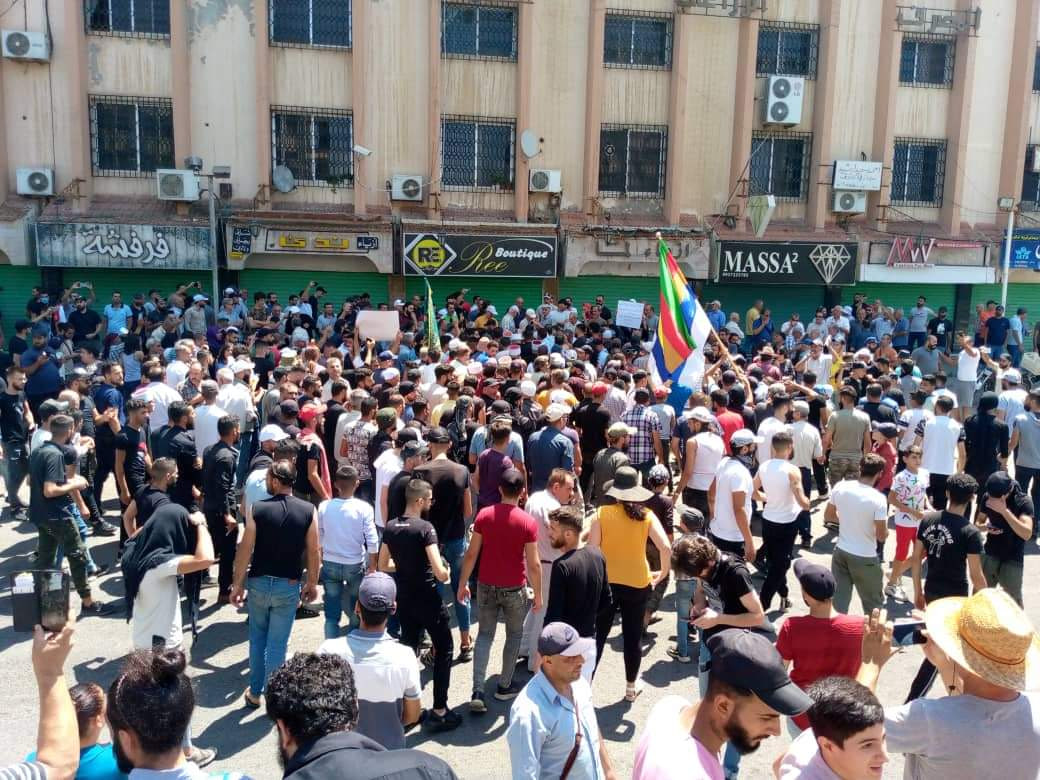
A number of residents of Suwayda province gathered in protest against the deteriorating living conditions and against the Syrian government’s decision to increase fuel prices.
Protesters chanted slogans against the Syrian government and Bashar al-Assad. On the other hand, the Syrian opposition media published the video of these gatherings with gusto and announced that the slogans of the 2011 revolution are being repeated by the people of Suwayda after many years…
Simultaneously with these gatherings, a group of protesters blocked some roads by burning tires. They emphasized that they will continue protest and blocking the roads until their demands are met.
It should be noted that in addition to Suwayda, some areas in Daraa province have also witnessed protest gatherings.
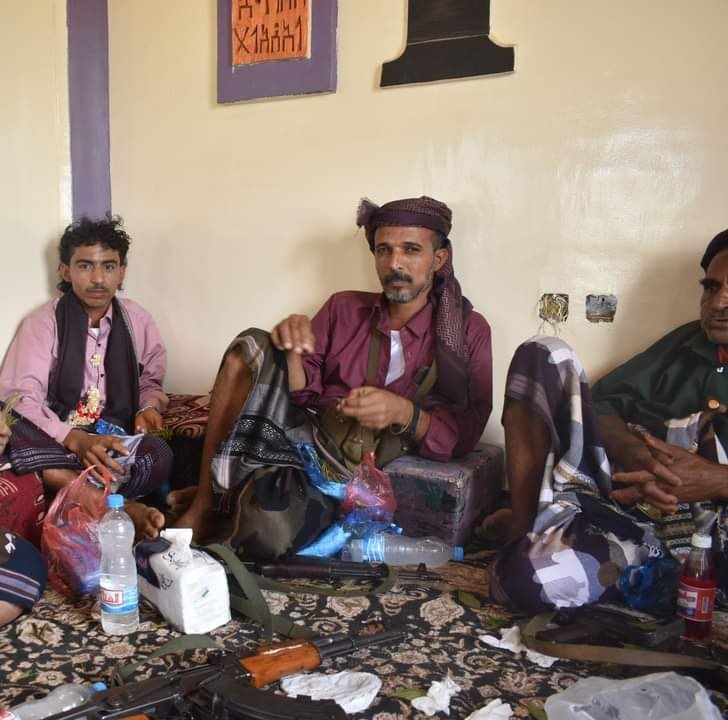
During a meeting, the tribes of al-Waziyah district announced their separation from the Yemeni National Resistance headed by Tareq Saleh and declared their readiness to face his attacks.
This meeting was organized by the commander of the support brigade of the joint forces, Abu Diab Al-Alqami (under the command of Tareq Saleh), and more than 200 people from the sheikhs of the southwestern tribes of Yemen were present in this meeting. Tihamah forces have also organized rallies against Tareq Saleh and there is a possibility of their separation in the coming days.
Tareq Saleh’s advisor, Nabil al-Sufi, in response to the decision of al-Waziyah tribes, warned Al-Alakami and the tribal leaders and asked them to be rational and not make mistakes under the pressures.
Abu Diab Al-Alkami is one of the local commanders who oppose Tareq Saleh and is supported by the Al-Sabiha tribes, who do not have a good relationship with the UAE and their subordinate groups. In June, he clashed with Tareq Saleh’s forces in the city of Mocha and was freed from the siege through the mediation of local elders. Those around Tareq Saleh believe that his activity and the tribes of Al-Sabiha are under the pressure and incitement of Saudi Arabia against the UAE’s plans in the southwest of Yemen.