The statement reads that the leadership of Asa’ib Ahl al-Haq, in coordination with the call of the supreme religious authority and in response to the national position of the brothers in the Coordination Framework, and in affirmation of the remarks of Sheikh Qais al-Khazali, Secretary-General of Asa’ib Ahl al-Haq, regarding severing ties with the Hashd al-Shaabi and the state monopoly on weapons, has proceeded to implement this approach by forming a central committee headed by Jawad al-Talibawi and including several members.
It is worth noting that the process of armed groups disaffiliating from Hashd al-Shaabi and joining the Iraqi Armed Forces began with the dissolution of Saraya al-Salam (the military wing of the Sadrist Movement) under a direct order from Muqtada al-Sadr. Subsequently, two other groups, Kata’ib Imam Ali (AS) and Asa’ib Ahl al-Haq, have also announced their readiness to hand over their weapons and join the Iraqi state.
Currently, Israeli forces are approximately 5 kilometers away from the strategic city of Nabatieh from Arnun.
Regarding Beaufort Castle: This castle is a historic and tourist site dating back to the Crusader period. The castle overlooks the Litani River and the surrounding areas, and the Zionists will certainly use it against Hezbollah. As previously noted, the Israeli army employs elevated positions such as Beaufort Castle to dominate and control occupied areas in southern Lebanon.
In recent weeks, Hezbollah’s suicide drones and FPVs have inflicted heavy human, financial, and psychological damage on the Zionists. These attacks have not only targeted Israeli military positions and advanced equipment but have also instilled fear and terror among soldiers and residents of the northern areas.
The killing of several Zionist soldiers and field commanders in southern Lebanon by FPV attacks has severely disrupted Israel’s security calculations. Hezbollah’s ability to penetrate Israeli air defenses and accurately strike moving targets and Israeli positions has forced commanders like Zamir to adopt extreme security measures.
The change in field tactics, the increased level of protection, and Zamir’s adoption of stringent security measures send a clear message to the Israeli public: The front line of the northern front has become an unsafe zone even for the highest-ranking military commander. This situation has broad strategic implications and indicates that Israel’s aerial deterrence, which it has long prided itself on, has been seriously challenged.
Iraq, Lebanon, and Yemen Fronts – Including 12 drones, 3 aircraft, and 2 helicopters
— Two U.S. MQ-9 drones: in Jabal Maraqsha, Abyan Governorate (March 3), the desert of Marib (May 17), and north of Marib city (May 29) – Yemeni Armed Forces — One U.S. MQ-9 drone: north of Basra (March 10) – Iraqi Resistance — Seven Israeli Hermes 450 drones: Bint Jbeil (March 16), Al-Ayshiyeh region (March 31), Aynatha (April 1), Siddiqin (April 11), Adloun (April 16), Al-Hawsh (April 24), Nabatiyeh (April 30) – Hezbollah — One Israeli Hermes 900 drone: southern Lebanon (April 28) – Hezbollah
— Destruction of a KC-135 refueling aircraft and damage to another KC-135 in western Iraq (March 12) – Iraqi Resistance — Destruction or damage to a U.S. UH-60 helicopter at Victoria Air Base, Iraq (March 25) – Iraqi Resistance — Iraqi Army Antonov 32 aircraft (March 30) – Iraqi Resistance — Destruction or damage to an Israeli helicopter in the Yaroun area of southern Lebanon, type unknown (March 31) – Hezbollah
Iran Front – Including 174 drones, 9 fighter jets, 8 aircraft, 10 helicopters, and 16 cruise missiles and bombs
MQ-9 Drone: At least 25 units MQ-4C Drone: 1 unit (April 9) MQ-1 Drone: 1 unit (April 4) RQ-21 Drone: 1 unit (March 30) LUCAS Suicide Drone: Undisclosed number Hermes 900 Drone: At least 8 units Heron Drone: At least 2 units (March 31, April 5) Harop Suicide Drone: Undisclosed number Arbiter Drone: Undisclosed number
— Destruction of three U.S. F-15E fighter jets over Kuwait (March 2) – reported as friendly fire — Destruction or damage to one F-16 fighter jet in central regions (March 21) — Damage to one U.S. F-15E fighter jet over Hormuz Island (March 22) — Destruction or damage to one F-35 fighter jet in central Iran (March 19) — Destruction or damage to one U.S. F/A-18 Super Hornet fighter jet in southern Iran (March 25) — Destruction of one F-15 fighter jet in central Iran (April 1) — Destruction of one A-10 fighter jet over the Strait of Hormuz (April 2)
— Destruction or damage to five KC-135 refueling aircraft at Prince Sultan Air Base in Riyadh, Saudi Arabia (March 1-3) — Destruction of one E-3G AWACS aircraft and damage to several KC-135R refueling aircraft at Prince Sultan Air Base (March 27)
— Damage to one CH-47 helicopter in Kuwait (April 3) — Destruction or damage to one Black Hawk helicopter (April 3) — Destruction of two C-130 transport aircraft and four MH-6 Little Bird helicopters, south of Isfahan (April 5) — Destruction or damage to one CH-47 helicopter at Boeing Base, Kuwait (date unspecified) — Destruction or damage to one CH-53 Sea Stallion helicopter at Ali Al Salem Base, Kuwait (date unspecified)
— Interception and destruction of 15 AGM-158 JASSM stealth cruise missiles or Tomahawk cruise missiles — Shooting down one GBU-39 bomb
European Countries: — One Italian Army MQ-9 drone (March 15)
Arab Countries: — UAE Army helicopter, type unknown (March 9) — Qatari Army helicopter, type unknown (March 22) — Wing Loong drone belonging to Saudi Arabia or the UAE in Shiraz (April 1) — Wing Loong drone belonging to Saudi Arabia or the UAE in Bushehr (April 3)
The statistics presented are based on official announcements and statements by the armed forces of Iran, Iraqi resistance groups, and Lebanon’s Hezbollah, as well as admissions by the United States, the Zionist regime, European, and Arab countries.
Yohmor al-Shaqif and Zotar Front: Israeli forces have entered the town of Zotar al-Sharqiyah, located on the northern bank of the Litani River, and are attempting to push toward the strategic hills surrounding Nabatieh—just six kilometers away. The move is aimed at isolating the city, which has been placed under repeated evacuation warnings by the Israeli military.
— Hezbollah attacked five Israeli Merkava tanks in the town of Yohmor al-Shaqif using three FPV drones, one anti-tank missile, and other weaponry. — Hezbollah destroyed an Israeli military vehicle by detonating a bomb along its path in the town of Yahmar al-Shaqif. — Hezbollah launched rocket and suicide drone attacks on concentrations of Israeli forces in Yohmor al-Shaqif, as well as rocket strikes on concentrations near the Litani River and eastern Zotar.
Debin and Marjeyoun Front: Israeli forces have advanced toward the town of Debbine, north of Marjeyoun. As usual, the ineffective Lebanese army has withdrawn from a nearby post at the Khiam–Ebl al-Saqi–Debbine triangle, allowing Israeli forces to attack Debin without trouble under the cover of darkness. At the onset of the clashes on this axis, Hezbollah struck a Merkava tank near Debin.
Israeli warplanes carried out two airstrikes early this morning on the areas of Debin and Balat in the northern outskirts of the town of Marjeyoun. Simultaneously, Israeli army artillery heavily shelled the Al-Khiyam–Marjeyoun road.
Hadatha Front: Hezbollah launched an artillery strike on a concentration of Israeli armored vehicles near the sports stadium in the town of Hadatha, and detonated two roadside bombs along the path of an Israeli military vehicle and a bulldozer heading toward the Al-Barakah area in Hadatha.
Other Areas: — Rocket attacks on concentrations of Israeli forces in the towns of Qantara, Rashaaf, and Al-Bayyadah, as well as the Hadb al-Ajel base. — Suicide drone attacks on the occupied Namr al-Jamal base, the Malkiyeh base, the Yiftah barracks, near the town of Netu’a, the Forests of Galilee base in Shomera, and the Shomera base (Khirbet Ma’ar). — FPV drone attack on Israeli technical equipment in the town of Al-Bayyadah and on an Iron Dome system platform at the Ras Naqoura base.
The report claims that Kuwait’s air defense system successfully intercepted the missile, but debris from the explosion landed on military installations and caused damage. The most significant damage was serious harm to two MQ-9 drones. Each of these drones is estimated to be worth approximately $30 million.
According to Hezbollah statements, Israeli concentrations in Wadi Raj and around the Litani River, Tallet al-Khazzan, and the Cultural Complex have been targeted with rocket and artillery fire, as well as FPV drones. Armored vehicles, including four Merkava tanks, two Jackal Humvees, one Namera armored vehicle, and one bulldozer near Bustan Zatam and the eastern areas of Zotar, have been struck by eight FPV drones, while two Merkava tanks were hit with Kornet anti-tank missiles. Armed clashes also took place near the Cultural Complex. After the Lebanese fighters’ valor, the Zionists resorted to bombing the area and deploying incendiary and smoke bombs to cover their soldiers’ retreat. Currently, the Zionists, under air and tank cover, are moving through the eastern and southern areas of Zouatar.
Israeli fighter jets are providing extensive support for this assault, carrying out airstrikes to eliminate individuals, whether military or civilian. In response, Hezbollah is utilizing all available assets along this axis, attacking Israeli forces with a variety of weapons. Reports of Israeli armored convoys moving toward the town of Mifdoun are untrue.
The Zionists have no intention of engaging in urban warfare with Hezbollah and are instead attempting to locate their positions and destroy them through airstrikes and artillery. In effect, their tactic is to rapidly traverse open routes and terrain while demolishing urban areas using airstrikes and engineering vehicles. This allows them to pass through southern Lebanese towns in the shortest possible time while avoiding falling into the trap of the resistance’s guerrilla attacks. This tactic also enables them to reach strategic high ground, from which they can monitor occupied areas and prepare for subsequent military operations.
Under such circumstances, Hezbollah must leverage the geographical conditions to create tactical chokepoints. On this axis, Wadi Raj serves as a crossing point for Israeli forces moving from north of Deir Siryan toward the south of Zouatar, making it an ideal location for Hezbollah’s guerrilla strikes. To thwart the assault on Zouatar, Hezbollah must keep this key point under fire and prevent the movement of armored and engineering convoys north of the Litani River. Otherwise, the 7-kilometer distance from Zouatar to the city of Nabatieh—one of the most important and largest Shiite cities in Lebanon—will be covered in less than a month, and the city will be devastated.
In a statement addressed to the group’s members, al-Sadr cited the national interest and the need to avert imminent threats facing Iraq as the reasons behind the decision. He emphasized that Saraya al-Salam would henceforth be completely separated from the Sadrist movement and would operate exclusively under official military institutions .
Al-Sadr also called on other armed groups—particularly those under the umbrella of the Popular Mobilization Forces (PMF)—to follow this approach, urging them to employ their weapons solely within the framework of the state and independent of partisan or sectarian directives .
The move was immediately welcomed by Ali Faleh al-Zaidi, the Prime Minister and Commander-in-Chief of the Iraqi Armed Forces. The Prime Minister’s office issued a statement praising the decision as an effective step toward consolidating the rule of law, centralizing weapons in the hands of the state, and enhancing national stability and security.
Of these attacks, 215 were conducted in southern Lebanon and 37 in northern occupied Palestine. The highest concentration of attacks in southern Lebanon has been in the Al-Bayyadah area with 41 attacks, Qantara with 23 attacks, Taybeh with 17 attacks, Rashaaf with 16 attacks, Wadi Raj (south of Zouatar) with 15 attacks, and Bint Jbeil with 12 attacks.
An analysis of these attacks shows that Hezbollah, aiming to prevent the advancement of Israeli forces, has concentrated most of its strikes on three main axes: “the coastal Al-Bayyadah-Naqoura line,” “the Taybeh-Qantara-Wadi Raj axis along the Litani River,” and “the Rashaaf-Hadatha-Bint Jbeil axis.”
Merkava tanks, as the primary component of the Zionist army’s armored convoys, have been Hezbollah’s top target, followed by engineering vehicles and armored vehicles such as Humvees, Nameras, and others. Hezbollah has also attacked Iron Dome defense system platforms as well as communication and surveillance equipment. From the aggregated data, the following breakdown can be summarized:
Out of Hezbollah’s 252 FPV attacks on Zionist positions: 81 struck Merkava tanks, 47 struck armored vehicles (Humvees, Nameras, APCs, logistics vehicles, etc.), 27 struck engineering vehicles (bulldozers and excavators), 7 struck Iron Dome defense system platforms, 8 struck jamming and anti-drone equipment, and 3 struck surveillance cameras and electronic systems.
The composition of the Israeli regime army’s weapons and equipment indicates that their objective is rapid advancement into southern Lebanon, temporary fortification, and destruction of infrastructure there. To halt this large war machine, Hezbollah must deliver multiple, rapid strikes to disable armored and engineering vehicles, thereby prolonging the war, increasing costs and casualties for the Zionists, and forcing them to withdraw from southern Lebanon. In this regard, the FPV drone is a highly effective weapon, having established Hezbollah’s air superiority at low altitudes over a range of 15–20 kilometers, challenging expensive Zionist weaponry at very low cost. This tactic follows the Iranian doctrine of being simple, cheap, and small—a core principle in conducting asymmetric warfare against the Western-Zionist axis.
1- Concentration of forces in Jabal al-Bat, March 20 2- Humvee vehicle in Mis al-Jabal, March 23 3- Concentration of forces in Qouzah, March 24 4- Concentration of forces in Qouzah, March 24 5- Concentration of forces in Qouzah, March 24 6- Concentration of forces in Tallet al-Khamara, Qouzah, March 24 7- One Merkava tank in Qouzah, March 24 8- Concentration of forces in Qouzah, March 25 9- Concentration of forces in Qouzah, March 25 10- Concentration of forces in Al-Khiyam, March 25 11- Meron Air Control Base, March 25 12- Humvee vehicle in Maroun al-Ras, March 25 13- One Merkava tank in Al-Dawwayir, March 25 14- Concentration of forces at Al-Marij Base, March 25 15- One Merkava tank in Qantara, March 26 16- One Merkava tank in Qantara, March 26 17- One Merkava tank in Qantara, March 26 18- One Merkava tank in Qantara, March 26 19- One Merkava tank in Naqoura, March 26 20- One Merkava tank in Al-Bayyadah, March 27 21- Concentration of forces in Al-Bayyadah, March 27 22- Concentration of forces in Al-Bayyadah, March 27 23- Two Merkava tanks in Al-Bayyadah, March 27 24- Observation post in Al-Bayyadah, March 27 25- One Merkava tank in Debel, March 28 26- Soldier position in Al-Bayyadah, March 28 27- One Merkava tank in Al-Bayyadah, March 28 28- Humvee vehicle in Al-Bayyadah, March 28 29- Radar deployment site in Al-Bayyadah, March 28 30- One Merkava tank in Al-Bayyadah, March 28 31- One Merkava tank in Al-Bayyadah, March 28 32- One Merkava tank in Al-Bayyadah, March 29 33- Merkava tank at Tal Sal’a, Qantara, March 29 34- Two Merkava tanks at the Aynatha checkpoint, March 29 35- Humvee and bulldozer in Khiyam, March 29 36- Merkava tank at Qantara Square, March 29 37- One bulldozer in Qantara, March 29 38- Merkava tank at the Aynatha checkpoint, March 31 39- An Israeli APC in Taybeh, March 31 40- Concentration of forces in Deir Siryan, April 1 41- Merkava tank at the Aynatha checkpoint, April 1 42- Soldier position in Al-Bayyadah, April 2 43- Merkava tank at Tal Sal’a, Qantara, April 2 44- Merkava tank in Al-Bayyadah, April 7 45- Two Merkava tanks in Taybeh, April 7 46- Force position in Taybeh, April 9 47- One bulldozer in Taybeh, April 9 48- Merkava on Taybeh-Deir Siryan road, April 9 49- One Merkava tank in Al-Khiyam, April 10 50- One Humvee vehicle in Taybeh, April 10 51- Concentration of Israeli forces in Shama, April 11 52- Merkava tank at Tallet al-Uwaydah, April 11 53- Merkava tank in Bint Jbeil, April 11 54- Merkava tank in Bint Jbeil, April 11 55- Merkava tank at Tallet al-Uwaydah, April 11 56- Merkava tank in Mis al-Jabal, April 11 57- Military vehicle in Taybeh, April 12 58- Humvee vehicle in Ain Ebel, April 13 59- Vehicle in Kiryat Shmona, April 13 60- Two Merkava tanks in Mis al-Jabal, April 15 61- One bulldozer in Bint Jbeil, April 15 62- Artillery position in Al-Bayyadah, April 22 63- Humvee vehicle in Qantara, April 22 64- Concentration of soldiers in Qantara, April 22 65- Concentration of forces in Taybeh, April 23 66- Israeli bulldozer in Rashaaf, April 23 67- Concentration of forces in Qantara, April 24 68- Military vehicle in Qantara, April 24 69- Israeli APC in Ramiyeh, April 24 70- Armored vehicle in Qantara, April 25 71- Concentration of forces in Taybeh, April 26 72- Israeli forces in Taybeh, April 26 73- Merkava tank at Taybeh Square, April 26 74- Merkava tank in Qantara, April 27 75- One bulldozer in Bint Jbeil, April 27 76- Two Merkava tanks in Qantara, April 28 77- One bulldozer in Bint Jbeil, April 28 78- Concentration of forces in Qantara, April 28 79- Merkava tank at Qantara Square, April 28 80- Merkava tank in Beit Lif, April 29 81- Concentration of forces in Al-Bayyadah, April 29 82- Two Merkava tanks in Qantara, April 29 83- Two Merkava tanks in Bint Jbeil, April 30 84- Two Merkava tanks in Qantara, April 30 85- Self-propelled artillery in Yaroun, April 30 86- Israeli concentration in Shama, April 30 87- Humvee vehicle in Al-Bayyadah, April 30 88- Concentration of forces in Al-Bayyadah, May 1 89- Military vehicle in Al-Bayyadah, May 1 90- Humvee vehicle in Taybeh, May 1 91- One Merkava tank in Rashaaf, May 1 92- Concentration of forces in Al-Bayyadah, May 1 93- Concentration of forces in Al-Bayyadah, May 2 94- Anti-drone system in Al-Bayyadah, May 2 95- Surveillance camera in Al-Bayyadah, May 3 96- Armored vehicle in Al-Bayyadah, May 3 97- Technical equipment in Al-Bayyadah, May 3 98- Concentrations at Balat Base, May 4 99- One Merkava tank in Qouzah, May 5 100- Israeli bulldozer in Rashaaf, May 5 101- One bulldozer in Wadi Raj, May 5 102- Armored vehicle in Wadi Raj, May 5 103- Concentration of soldiers in Al-Bayyadah, May 5 104- Military vehicle in Qantara, May 5 105- Concentration of forces in Rashaaf, May 5 106- Concentration of forces in Qantara, May 5 107- Concentration of forces in Taybeh, May 6 108- Command center in Qantara, May 6 109- Humvee vehicle in Deir Siryan, May 6 110- Military vehicle in Al-Dawwayir, May 6 111- Israeli APC in Qouzah, May 6 112- Humvee vehicle in Taybeh, May 6 113- Concentration of forces in Al-Bayyadah, May 6 114- Israeli bulldozer in Houla, May 6 115- Israeli bulldozer in Khiyam, May 6 116- Armored vehicle in Wadi Raj, May 6 117- Armored vehicle in Bint Jbeil, May 6 118- Concentrations at the Alam intersection (three-way), May 7 119- Israeli bulldozer in Wadi Raj, May 7 120- Command center in Al-Bayyadah, May 7 121- Merkava tank in Bint Jbeil, May 7 122- Iron Dome platform in Jal al-Alam, May 7 123- Concentration of forces in Wadi Raj, May 7 124- Israeli bulldozer in Al-Bayyadah, May 8 125- Military vehicle in Wadi Raj, May 8 126- Concentrations on the Adchit road, May 8 127- Concentration of forces in Iskandaroun, May 8 128- Merkava tank at Namr al-Jamal, May 8 129- Concentration of soldiers in Labbouneh, May 8 130- Command center in Al-Bayyadah, May 8 131- Humvee vehicle in Al-Bayyadah, May 8 132- Military vehicle in Shama, May 8 133- Bulldozer at Al-Abad Base, May 9 134- Concentration of forces in Misgav Am, May 9 135- Humvee vehicle in Al-Bayyadah, May 9 136- Military vehicle in Wadi Raj, May 9 137- Concentration of forces in Wadi Raj, May 9 138- One bulldozer in Wadi Raj, May 9 139- Merkava tank in Al-Bayyadah, May 9 140- Concentration of forces in Shlomi, May 9 141- Concentration of forces in Jal al-Alam, May 9 142- Armored vehicles in Tyre Harfa, May 9 143- Concentration of forces in Shama, May 9 144- One bulldozer in Wadi Raj, May 10 145- One bulldozer in Bint Jbeil, May 10 146- Humvee vehicle in Tyre Harfa, May 10 147- Concentration of forces in Tyre Harfa, May 10 148- Command center in Al-Bayyadah, May 10 149- Concentration of forces in Deir Siryan, May 10 150- Concentration of forces in Jal al-Alam, May 10 151- Merkava tank in Jal al-Alam, May 10 152- Concentration of forces in Al-Bayyadah, May 10 153- Merkava tank in Al-Bayyadah, May 10 154- Command headquarters in Al-Khiyam, May 10 155- Forces in Deir Siryan, May 11 156- Forces in Baydar al-Fa’qani, May 11 157- Forces in Baydar al-Fa’qani, May 11 158- Forces in Baydar al-Fa’qani, May 11 159- Merkava tank in Rashaaf, May 11 160- One bulldozer in Naqoura, May 11 161- Fuel tanker in Tyre Harfa, May 11 162- Excavator in Al-Bayyadah, May 11 163- Humvee vehicle in Tyre Harfa, May 11 164- Engineering vehicle in Tyre Harfa, May 11 165- Bulldozer on Naqoura road, May 11 166- One soldier in Khirbet al-Manara, May 12 167- Merkava tank in Khirbet al-Manara, May 12 168- Military vehicle in Al-Abad, May 12 169- Communication vehicle in Al-Abad, May 12 170- Communication vehicle in Al-Abad, May 12 171- One Merkava tank in Al-Abad, May 12 172- Drone jammer in Al-Abad, May 12 173- Excavator in Tyre Harfa, May 12 174- One Humvee on Iskandaroun road, May 12 175- Merkava tank in Iskandaroun, May 12 176- One bulldozer in Wadi Raj, May 13 177- Military vehicle in Rashaaf, May 13 178- Forces in Bint Jbeil, May 13 179- One APC in Bint Jbeil, May 13 180- Merkava tank in Aynatha, May 13 181- Merkava tank in Al-Dawwayir, May 13 182- Technical equipment in Balat, May 14 183- Tent of forces near Litani, May 14 184- Merkava tank in Taybeh, May 14 185- Forces at Ras al-Naqoura, May 14 186- Humvee vehicle in Tyre Harfa, May 14 187- Merkava tank in Rashaaf, May 15 188- 300th Division headquarters in Shomera, May 15 189- Merkava tank on Naqoura road, May 15 190- Concentration of forces in Deir Siryan, May 15 191- Concentration of forces in Qouzah, May 15 192- Bulldozer on Naqoura road, May 15 193- One bulldozer in Rashaaf, May 15 194- Israeli APC in Wadi Raj, May 15 195- Armored vehicle in Rashaaf, May 15 196- Israeli bulldozer in Rashaaf, May 15 197- Humvee vehicle in Taybeh, May 16 198- Armored vehicle in Taybeh, May 16 199- One bulldozer in Wadi Raj, May 16 200- Surveillance camera in Taybeh, May 16 201- Command headquarters in Al-Bayyadah, May 16 202- Humvee vehicle on Naqoura road, May 16 203- One bulldozer in Al-Bayyadah, May 17 204- Military vehicle in Al-Bayyadah, May 17 205- Tent of forces in Al-Bayyadah, May 17 206- Artillery position in Adeisseh, May 17 207- Jamming device in Rashaaf, May 17 208- Iron Dome platform in Shomera, May 18 209- Communication vehicle in Wadi Raj, May 18 210- One bulldozer in Deir Siryan, May 18 211- Army base at Tallet al-Uwaydah, May 18 212- Command vehicle in Shomera, May 18 213- Communication vehicle in Taybeh, May 19 214- Iron Dome in Jal al-Alam, May 19 215- Military vehicle in Misgav Am, May 19 216- Iron Dome in Margaliot, May 19 217- Vehicle at Qouzah intersection (three-way), May 19 218- Concentration of soldiers in Ramiyeh, May 19 219- Israeli bulldozer in Al-Khiyam, May 19 220- Jamming device in Rashaaf, May 19 221- Concentration of soldiers in Rashaaf, May 19 222- Concentration of soldiers in Rashaaf, May 19 223- One bulldozer in Al-Khiyam, May 19 224- One Merkava in Baydar al-Fa’qani, May 20 225- Merkava tank in Rashaaf, May 20 226- One bulldozer in Hadatha, May 20 227- One bulldozer in Hadatha, May 20 228- Merkava tank in Hadatha, May 20 229- One Merkava at Hadatha pond, May 20 230- Excavator in Wadi Raj, May 21 231- Concentration of soldiers in Rashaaf, May 21 232- Concentration of forces in Naqoura, May 21 233- Concentration of forces in Tyre Harfa, May 21 234- Armored vehicle in Debel, May 21 235- Iron Dome platform in Biranit, May 22 236- Concentration of forces at Biranit Base, May 22 237- Israeli APC at Shtula Base, May 22 238- Concentration of forces in Misgav Am, May 22 239- Communication vehicle in Misgav Am, May 22 240- Merkava tank in the town of Markaba, May 22 241- Al-Marij Base on the Lebanon border, May 22 242- Iron Dome platform in Biranit, May 23 243- Iron Dome platform in Biranit, May 23 244- Iron Dome platform in Honin, May 23 245- Engineering vehicle in Bint Jbeil, May 23 246- Technical device at Jal al-Alam Base, May 23 247- Command vehicle in Jal al-Alam, May 23 248- Jamming device at Namr al-Jamal, May 23 249- Jamming device at Al-Jardah Base, May 23 250- Military vehicle at Ras Naqoura, May 23 251- Drone jammer in Naqoura, May 23 252- Concentration of soldiers in Iskandaroun, May 23
Accordingly, since the beginning of the war, 50 military and commercial vessels linked to the US and the Zionist regime, as well as violating vessels, have been attacked and struck in the Persian Gulf, the Gulf of Oman, and the Strait of Hormuz. In addition, four violating vessels have been seized by Iran’s naval special forces and transferred to Iranian shores.
The information on the vessels attacked and seized is as follows:
Vessels that have been attacked: 1- Cargo ship AYE H on February 28, 2026, near Zirku Island, Abu Dhabi 2- Oil tanker OCEAN ELECTRA on March 1, 2026, 35nm off Sharjah 3- Oil tanker SKYLIGHT on March 1, 2026, 5nm north of Khasab 4- Oil tanker HERCULES STAR on March 1, 2026, 17nm off Port Saqr 5- Oil tanker MKD VYOM on March 1, 2026, 17nm northwest of Port Saqr 6- Oil tanker SEA LA DONNA on March 1, 2026, 35nm west of Sharjah 7- Oil tanker STENA IMPERATIVE on March 2, 2026, off the coast of Bahrain 8- Bitumen/Asphalt tanker ATHE NOVA on March 2, 2026, 50nm off Muscat 9- Bulk carrier GOLD OAK on March 4, 2026, 7nm east of Fujairah 10- Tanker LIBRA TRADER on March 4, 2026, 10nm east of Fujairah 11- Container ship SAFEEN PRESTIGE on March 4, 2026, Strait of Hormuz 12- Bulk carrier PELAGIA on March 4, 2026, 137nm east of Muscat 13- Container ship MSC GRACE on March 4, 2026, 20nm west of Dubai 14- Oil tanker SONANGOL NAMIBE on March 4, 30nm off Mubarak Al-Kabeer 15- Tugboat MUSSAFAH 2 on March 6, 2026, in the Strait of Hormuz 16- Oil tanker LOUIS P on March 7, 2026, near Al Jubail, Saudi Arabia 17- Oil tanker PRIMA on March 7, 2026, in the Strait of Hormuz 18- An unidentified vessel on March 7, 2026, in the Strait of Hormuz 19- Drilling Jack Up ARABIA III on March 7, 2026, near Al Jubail 20- Bulk carrier GH KAHLO on March 10, 2026, 36nm north of Abu Dhabi 21- Bulk carrier MAYUREE NAREE on March 11, 25nm off Ras Al Khaimah 22- Bulk carrier STAR GWYNETH on March 11, 2026, near the UAE 23- Container ship ONE MAJESTY on March 11, 2026, 50nm north of Dubai 24- Oil tanker ZEFYROS on March 11, 2026, off the coast of Kuwait 25- Oil tanker SAFE SEA VISHNU on March 11, 5nm off the coast of Basra 26- Container ship SOURCE BLESSING on March 12, 2026, near Jebel Ali 27- Oil tanker GAS AL AHMADIAH on March 17, 2026, 23nm east of Fujairah 28- Coastal vessel HALUL 69 on March 19, 2026, 4nm off Ras Laffan 29- Oil tanker Parimal on March 18, 2026, 11nm east of Khor Fakkan 30- Bulk carrier PHOENIX on March 21, 2026, 15nm off Sharjah 31- Oil tanker AL SALMI on March 30, 2026, at Dubai Port 32- Container ship EXPRESS ROME on March 30, 2026, near Ras Tanura 33- Container ship HAIPHONG EXPRESS on March 30, 2026, at Dubai Port 34- Oil tanker AQUA 1 on April 1, 2026, 17nm north of Doha 35- Container ship MSC Ishyka on April 4, 2026, off the coast of Bahrain 36- Container ship GFS PERFECT on April 5, 2026, near Khor Fakkan 37- Container ship QINGDAO STAR on April 5, 2026, near Jebel Ali Port 38- Container ship SDN7 on April 6, 2026, location unknown 39- Unknown vessel on April 7, 2026, 25nm south of Kish Island 40- Oil tanker SANMAR HERALD on April 18, 2026, in the Strait of Hormuz 41- Bulk carrier AGJ ARNAV on April 18, 2026, in the Strait of Hormuz 42- Cruise ship MEIN SCHIFF 4 on April 18, 2026, near the Strait of Hormuz 43- Container ship CMA CGM Everglade on April 18, 2026, Strait of Hormuz 44- Container ship Euphoria on April 22, 2026, in the Strait of Hormuz 45- Cargo ship HMM Namu on May 3, 2026, north of Umm Al Quwain 46- Unidentified bulk carrier on May 3, 2026, near Sirik 47- Oil tanker BARAKAH on May 3, 2026, off the coast of Khasab 48- Oil tanker JV INNOVATION on May 4, 2026, near Ras Al Khaimah 49- Container ship CMA CGM San Antonio on May 5, 2026, Strait of Hormuz 50- Container ship Safesea Neha on May 10, 2026, near Qatar
Vessels that have been seized: 1- Container ship Epaminondas on April 22, 2026, near Sirik 2- Container ship MSC Francesca on April 22, 2026, near Sirik 3- Oil tanker Ocean Koi (Jin Li) on May 8, 2026, in the Gulf of Oman 4- Support vessel Hui Chuan on May 14, 2026, 38nm off Fujairah
Iran’s operations have been carried out using USVs, suicide drones, naval cruise missiles, anti‑ship ballistic missiles, assaults by armed boats, and other means. It is also worth noting that Iran’s attacks have so far resulted in the sinking of one tugboat, the complete destruction and disabling of 17 ships, and damage of various levels to another 32 ships.
It is essential to note that Iran’s naval operations in southern waters have yielded very important political, economic, military, and other results, challenging countries around the world. The Strait of Hormuz is one of the world’s most vital waterways, through which at least one third of the world’s total commercial energy – including oil and gas products – passes. By managing this strategic chokepoint, Iran has gained a very strong strategic lever to counter the oppressive sanctions of the US regime.
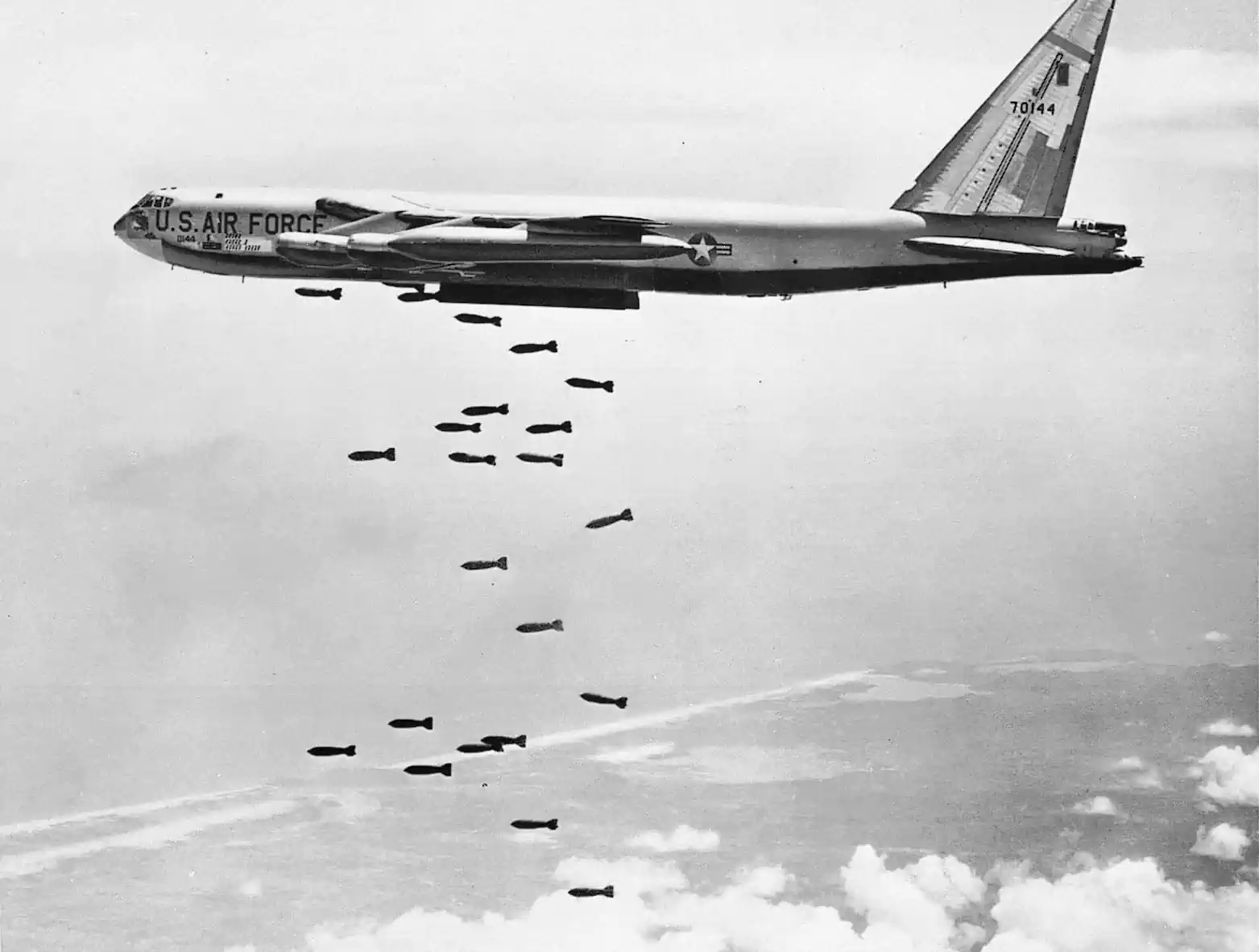
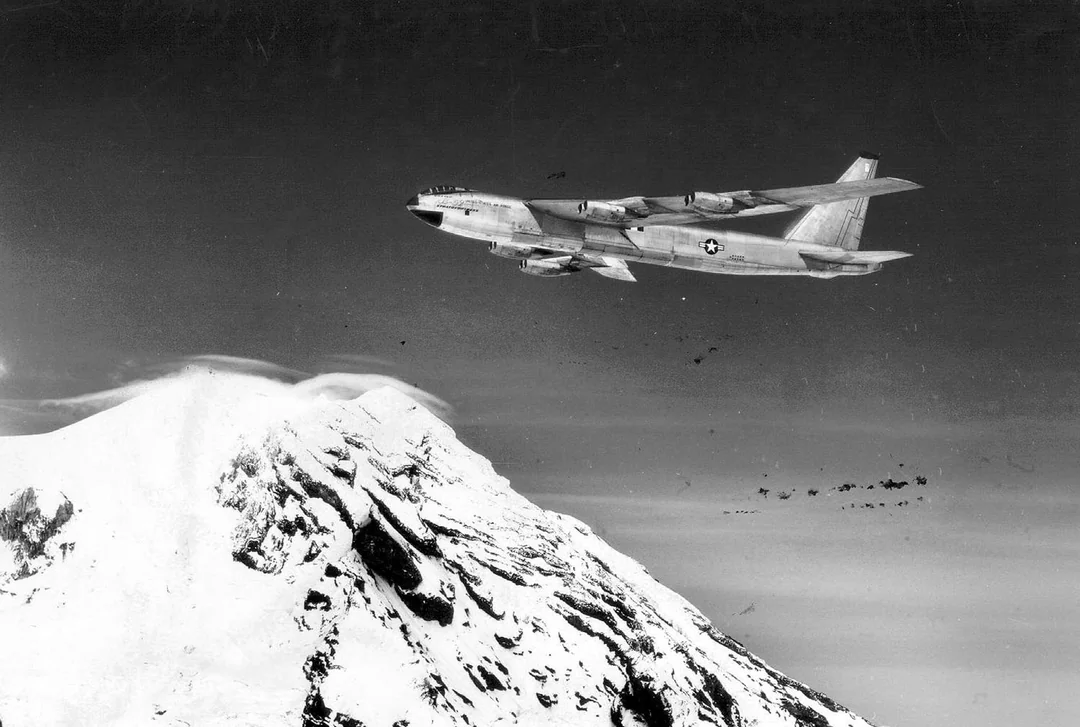
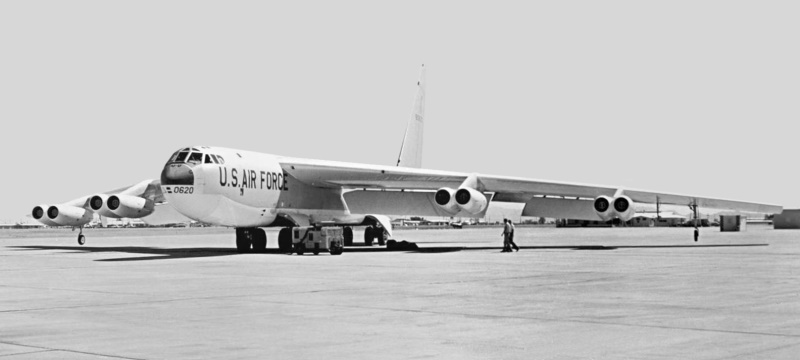
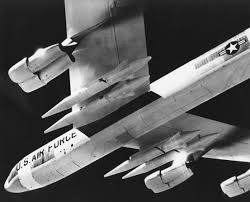
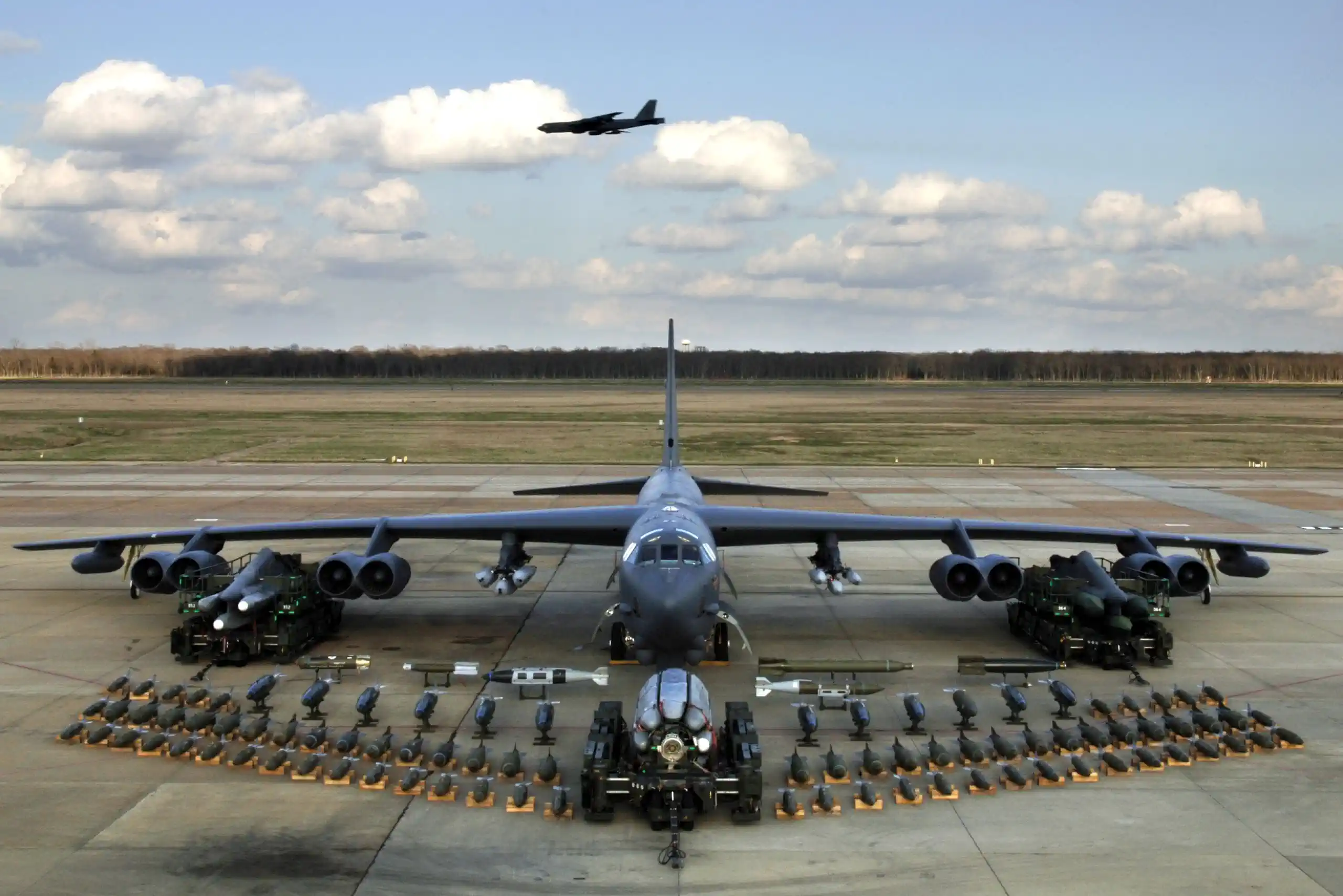
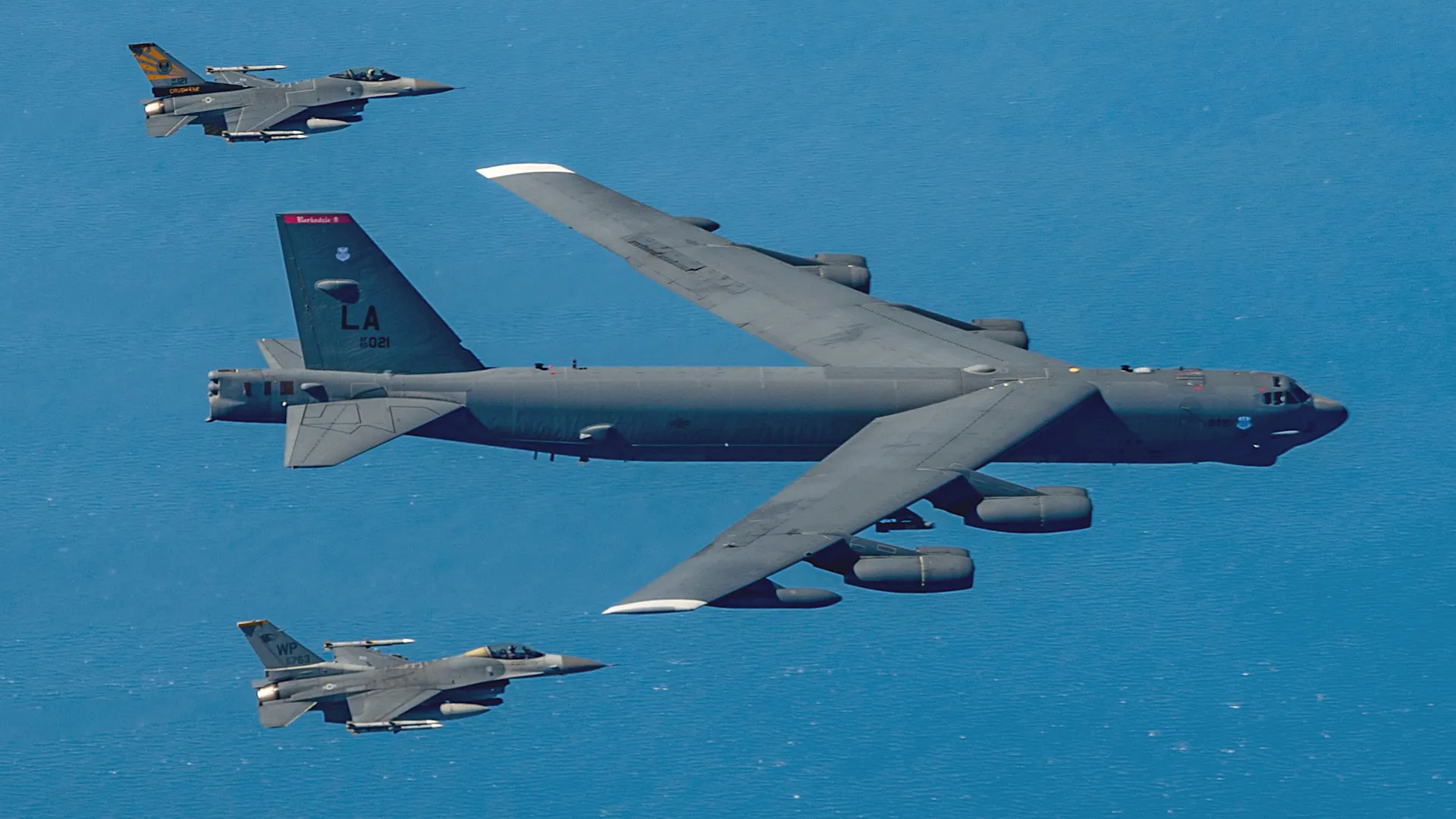
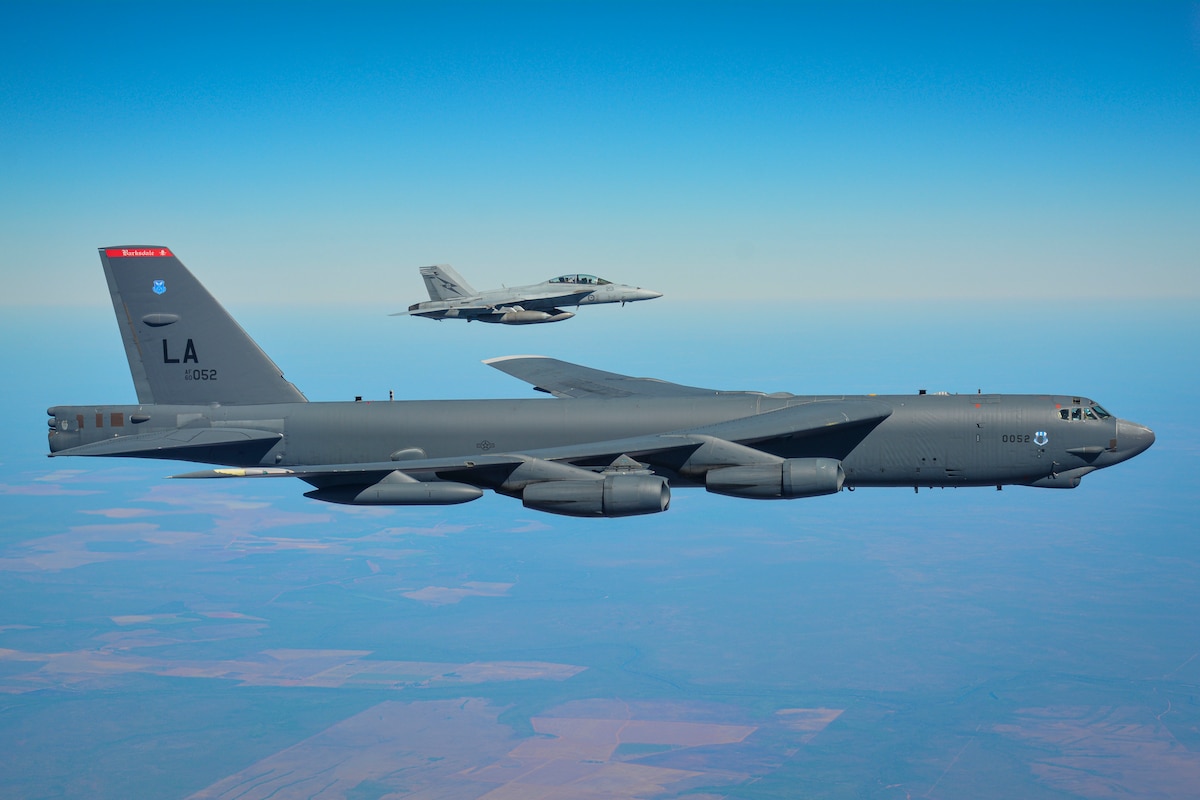
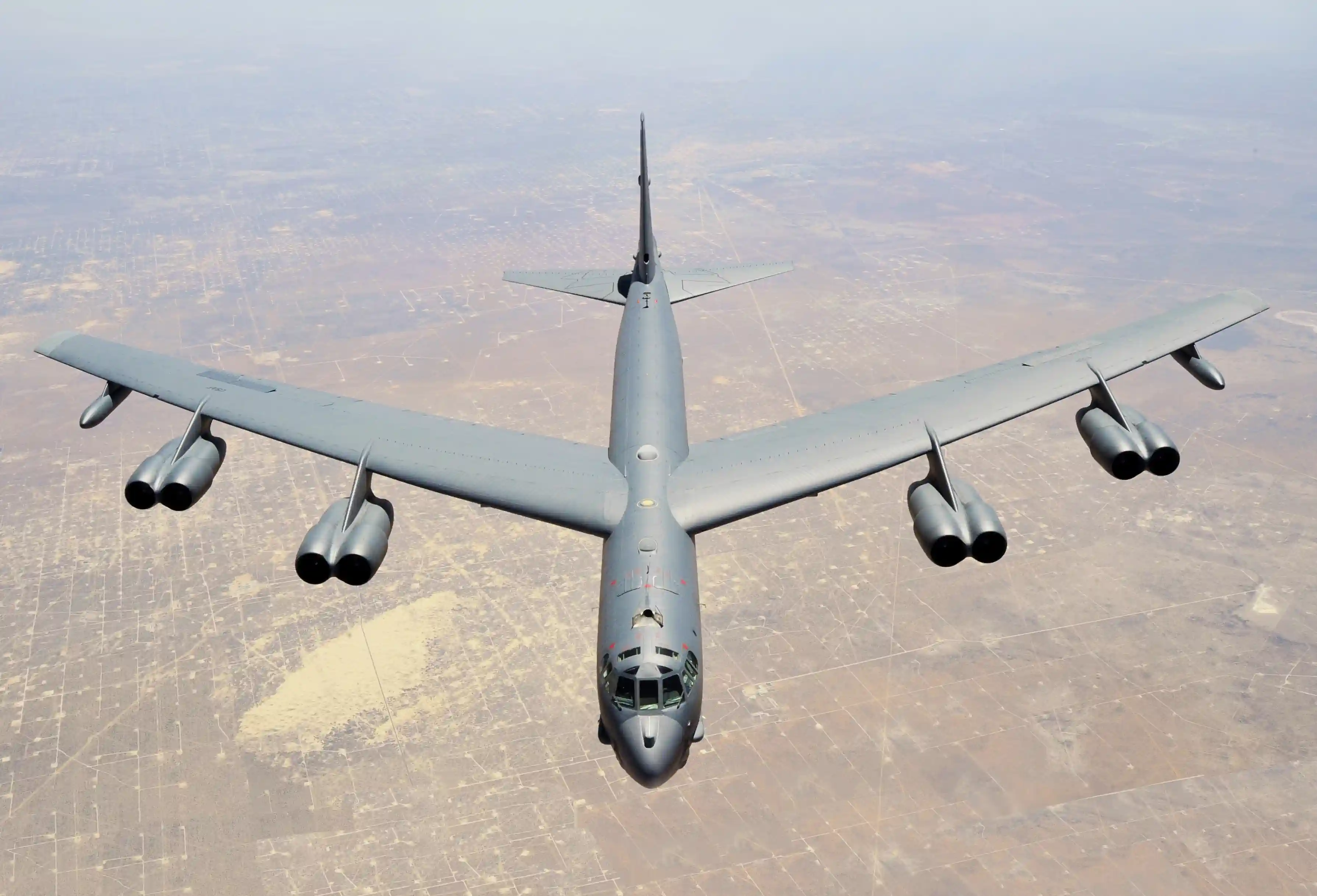
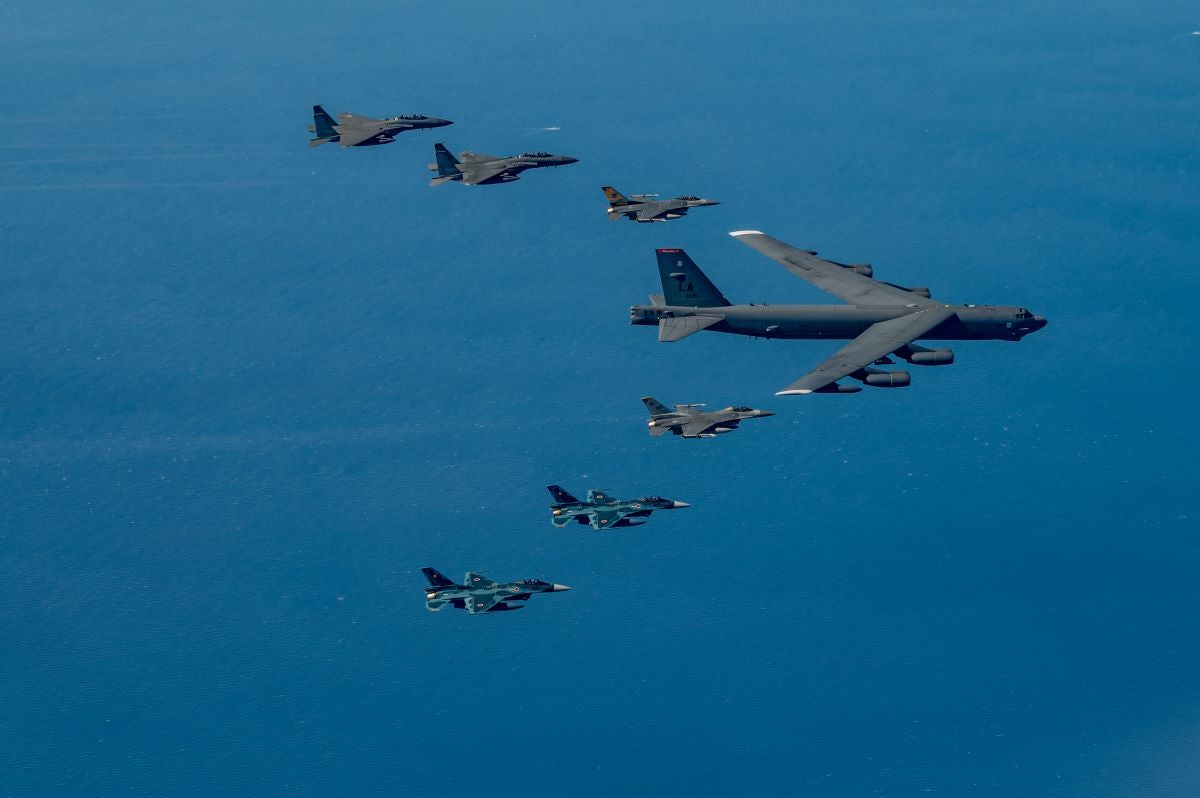
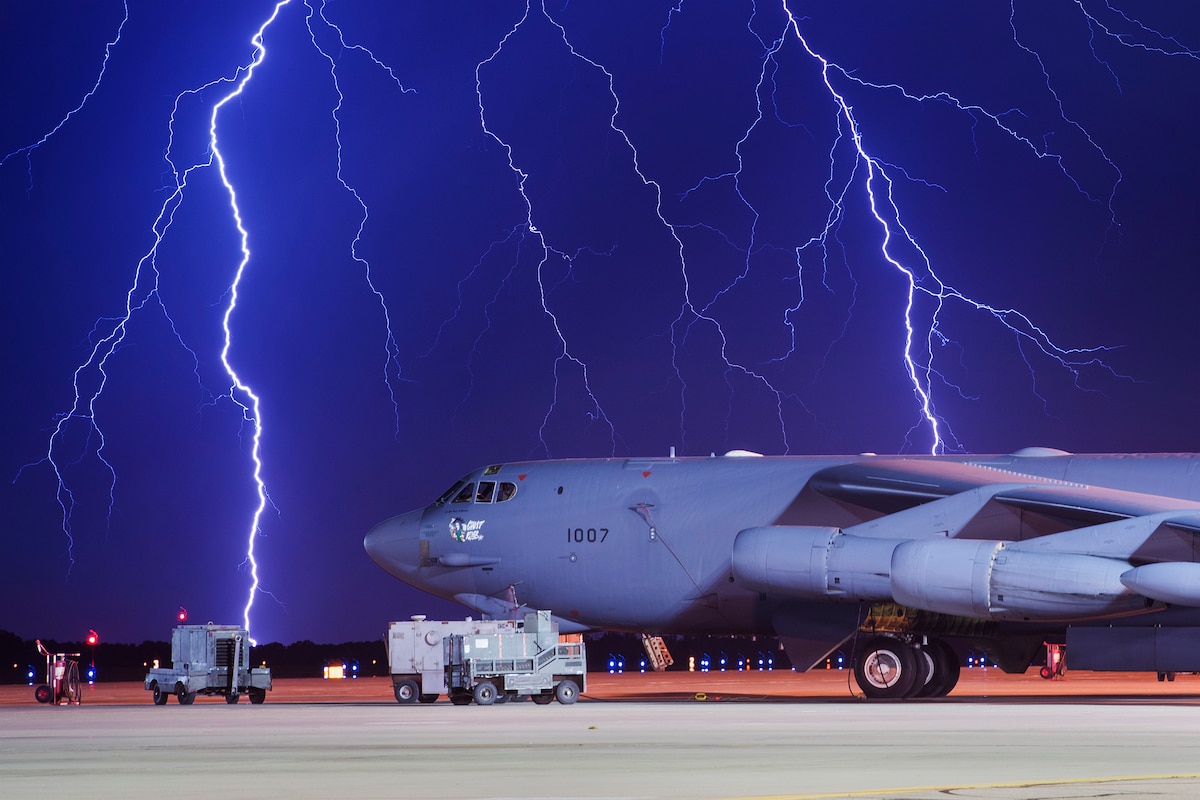
For more than sixty years, the B-52 has been the backbone of America’s strategic bomber force. It is an aircraft capable of carrying and delivering the most diverse array of weapons in the US arsenal, including free-fall bombs, cluster munitions, and precision-guided munitions. With modern upgrades, the B-52 is able to carry all of the weaponry developed by the US Air Force and continues to play a significant role in the nation’s defense strategy in the 21st century.
B-52 dropping bombs during the Vietnam War
The flexibility of the B-52’s design is one of its standout features. Over time, the aircraft has undergone numerous changes and upgrades based on shifting military requirements. The B-52 has transitioned from its original role as a nuclear deterrent to a multi-role conventional bomber.
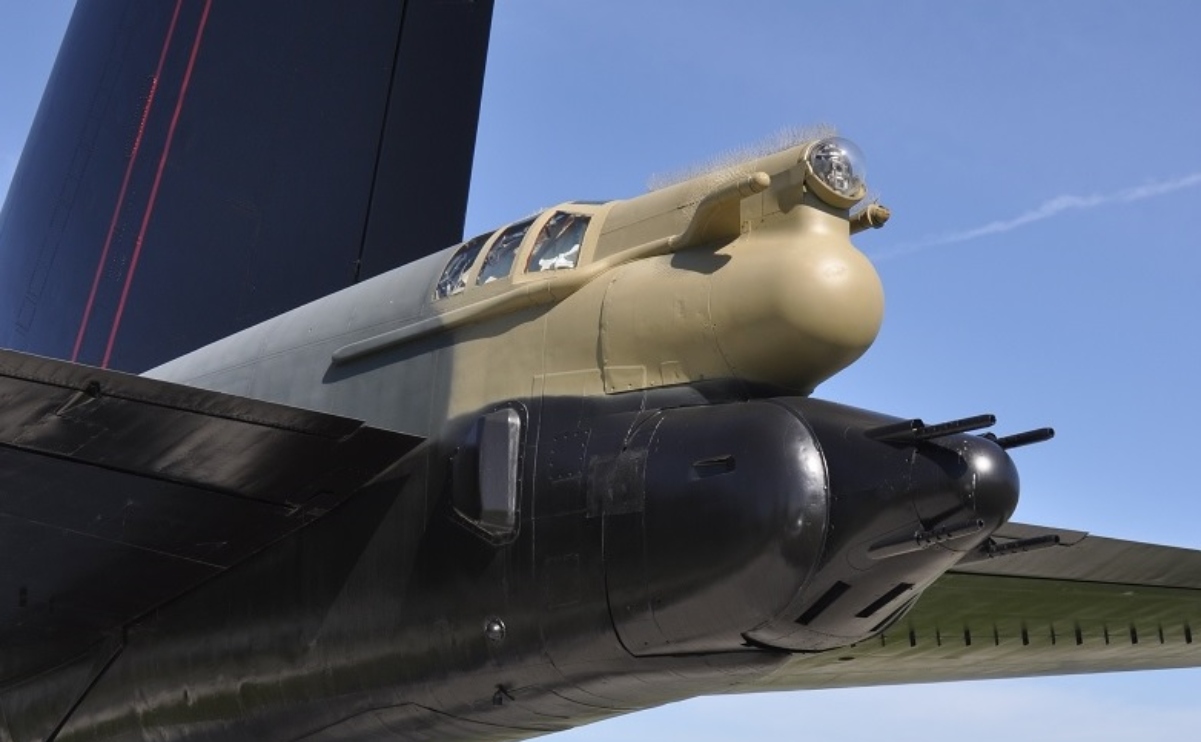
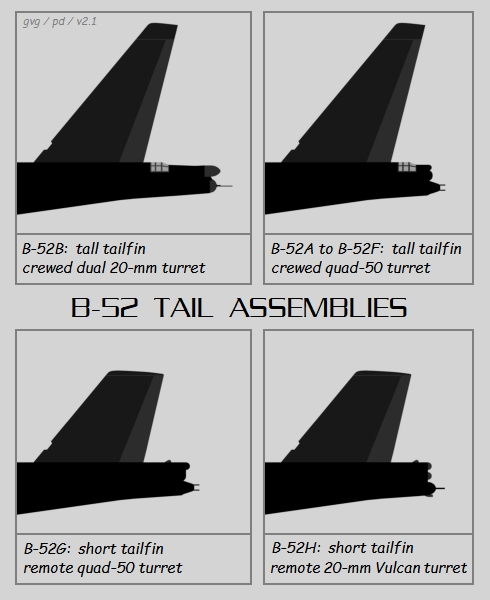
For example, in early models, the tail gunner was stationed in the traditional location at the rear of the aircraft, operating with visual and radar targeting systems. In later models, the gunner’s position was moved to the front of the fuselage, and targeting operations were carried out solely by radar. However, since 1991, the tail gun has been removed from all operational B-52s.
Gunner configuration in B-52 models
Design and production history of the B-52:
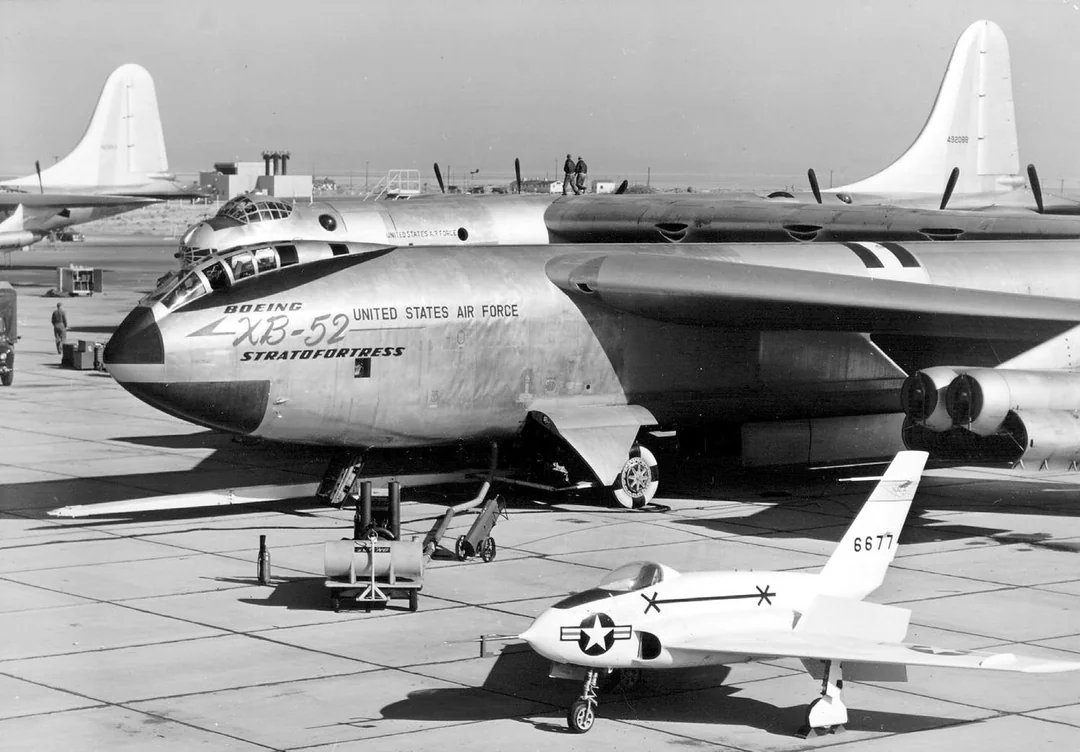
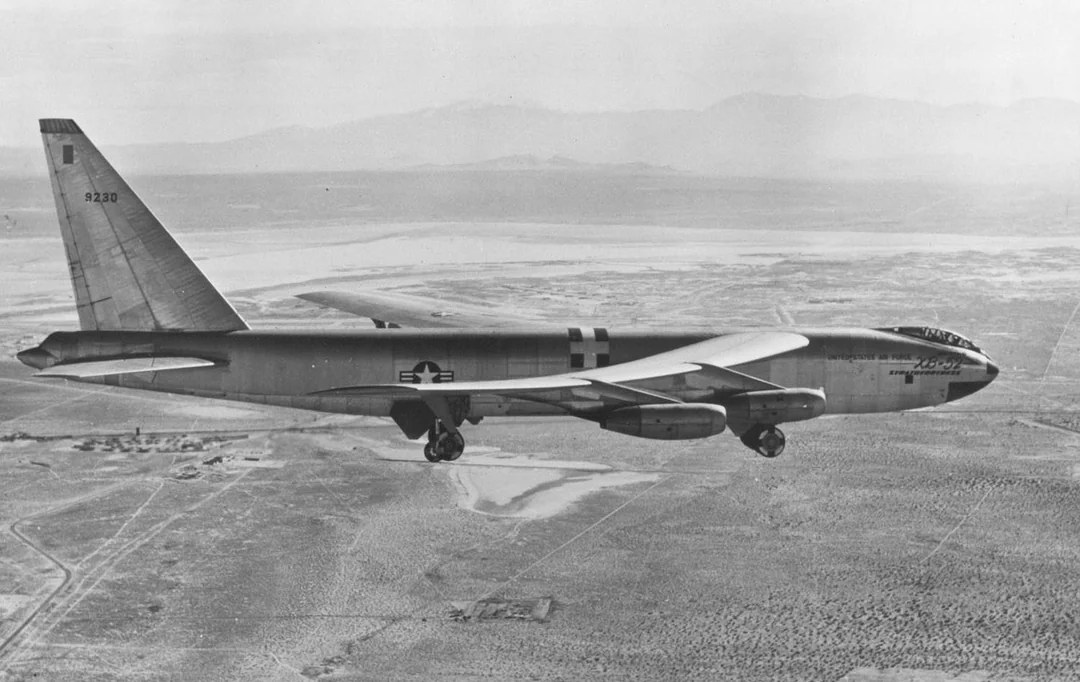
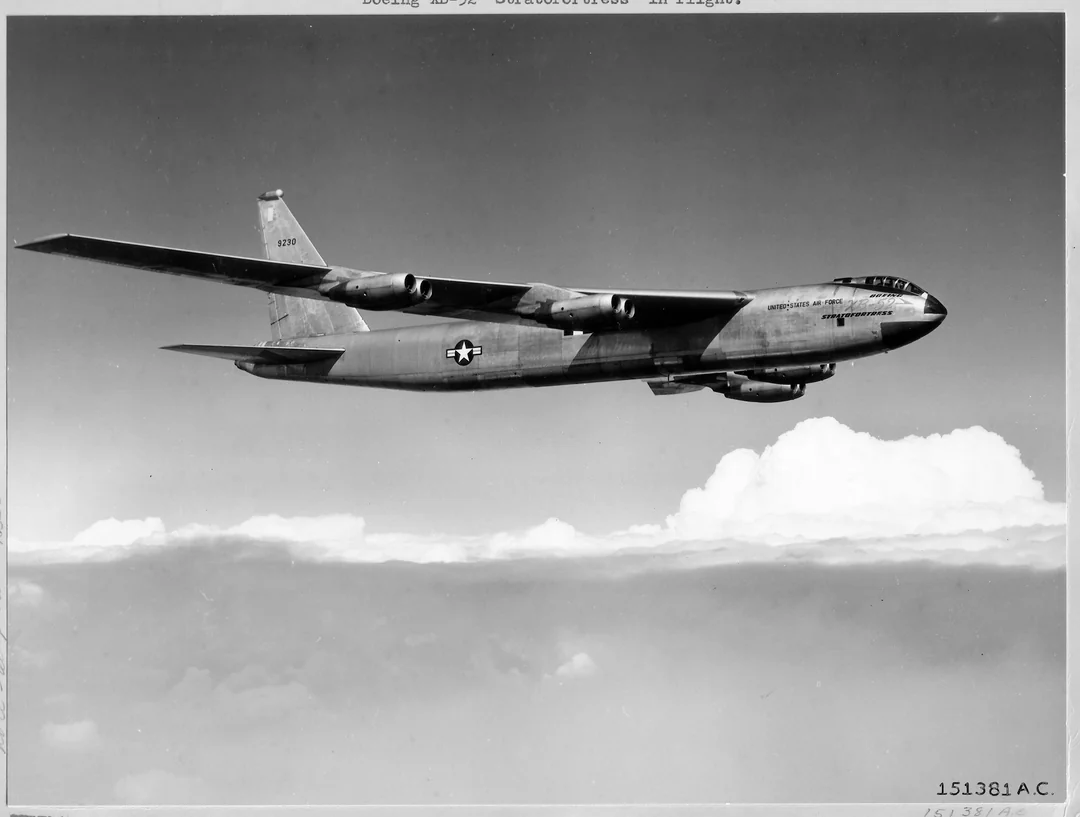
The development of the B-52 began in the early 1940s with the experimental prototype XB-52 — an initiative by Boeing in response to the Air Force’s request for a new bomber design. In November 1945, the Air Force specified the desired performance characteristics for a modern strategic bomber; an aircraft capable of carrying out strategic missions independently, without relying on forward or intermediate bases under the control of other nations.
B-52 prototypes
Then, on February 13, 1946, the US Air Force issued an invitation for prototype proposals, asking manufacturers to submit their designs based on various specifications.
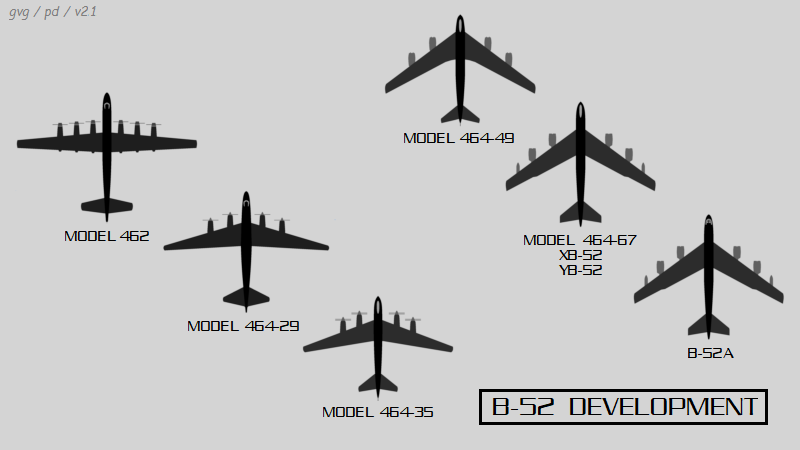
On June 5, 1946, Boeing’s Model 462, an aircraft with straight wings and six turboprop engines, was selected as the winner. On June 28, 1946, a $1.7 million contract was awarded to Boeing to build the full XB-52 prototype and conduct preliminary tests. However, concerns were raised within the Air Force regarding the aircraft’s size and its compliance with design requirements. In response, Boeing offered two models: the Model 464-16 for nuclear missions and the Model 464-17 for conventional bombing. To reduce costs, the Air Force selected the Model 464-17, which had secondary adaptability for nuclear strikes. Later, Boeing was instructed to explore technological advancements including aerial refueling, increased speed, extended range, and other capabilities.
Government concerns over the high fuel consumption of jet engines led Boeing to continue using the Model 464-35 with turboprop engines as the basis for the XB-52. Subsequently, Boeing designed the larger Model 464-67 and proposed that later modifications in production could further improve it.
B-52 concept development
Ultimately, on February 14, 1951, Boeing received a production contract for 13 B-52A aircraft and 17 detachable reconnaissance pods. The last major design change involved switching from the old tandem two-seat cockpit to a side-by-side seating arrangement, which increased the co-pilot’s effectiveness and reduced crew fatigue. The first XB-52 prototype flew on April 15, 1952. This flight marked the first step in an intensive phase of testing and development. The aircraft demonstrated impressive performance and range, meeting the requirements of the US Air Force.
B-52 Model A
B-52 Variants:
The initial production variant, known as the B-52A, entered service in the mid-1950s. Subsequently, a series of variants and modifications were introduced, including the B-52B, B-52C, B-52D, B-52E, B-52F, B-52G, and B-52H, each incorporating improvements in engines, avionics, and armaments. This extensive production effort involved over 5,000 companies, with subcontractors fabricating 41 percent of the airframe.
The Seattle plant built 101 D models, while Wichita produced 69. Both plants continued production of the B-52E — 42 built in Seattle and 58 in Wichita — along with the B-52F (44 from Seattle and 45 from Wichita). Production finally ended in 1963 with the B-52H, for a total of 742 aircraft built, in addition to the two original prototypes.
The B-52C variant was generally very similar to the B-52B, with the same engines and nearly identical avionics. The most noticeable external difference of the B-52C compared to the B-52B was the installation of a large external fuel tank under each wing. Additionally, the water injection tank at the rear of the fuselage was removed, and a water injection tank was placed in the wing root of each wing.
The B-52D variant was almost identical to the B-52C, using the same fire control system that was used on the last B-52C. The only significant difference was the complete removal of the reconnaissance pod capability.
The B-52Evariant was externally almost identical to the B-52D, but by this time, Soviet air defense had reached a level of sophistication that made high-altitude bombing no longer considered practical or safe; therefore, the Strategic Air Command (SAC) adopted low-level penetration tactics. To support this new mission, the B-52E was equipped with a range of modern systems, the most important of which was the AN/ASQ-38 integrated navigation and bombing system built by IBM. This system included the Raytheon AN/ASB-4 navigation and bombing radar and the GPL AN/APN-89 doppler ground speed/altitude indicator.
The B-52F variant was also very close in appearance and structure to the B-52E, with the major difference being that it was equipped with improved J57-43W engines.
The B-52G variant is the most produced variant of the family. This model is distinguished by a significant increase in internal fuel tank capacity.
Early B-52 variants
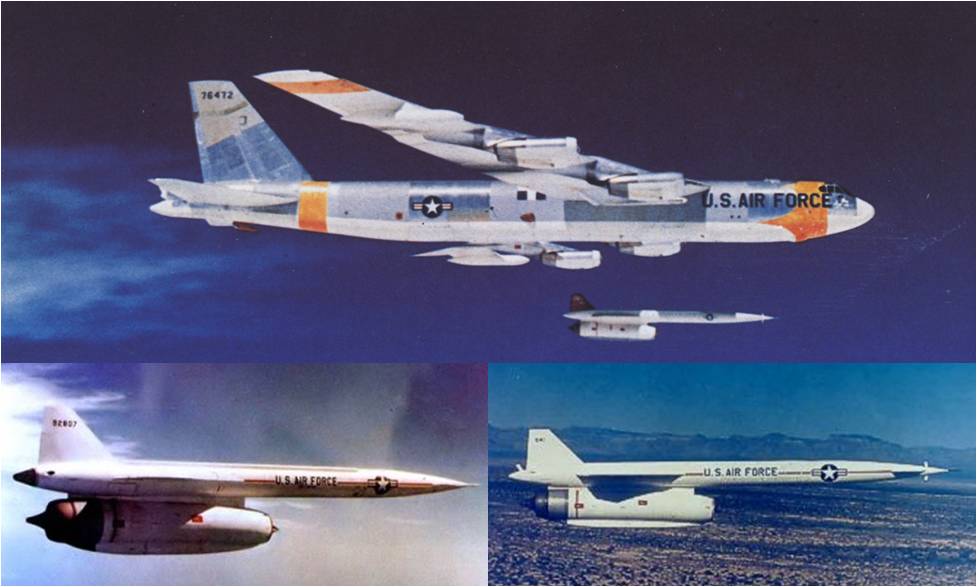
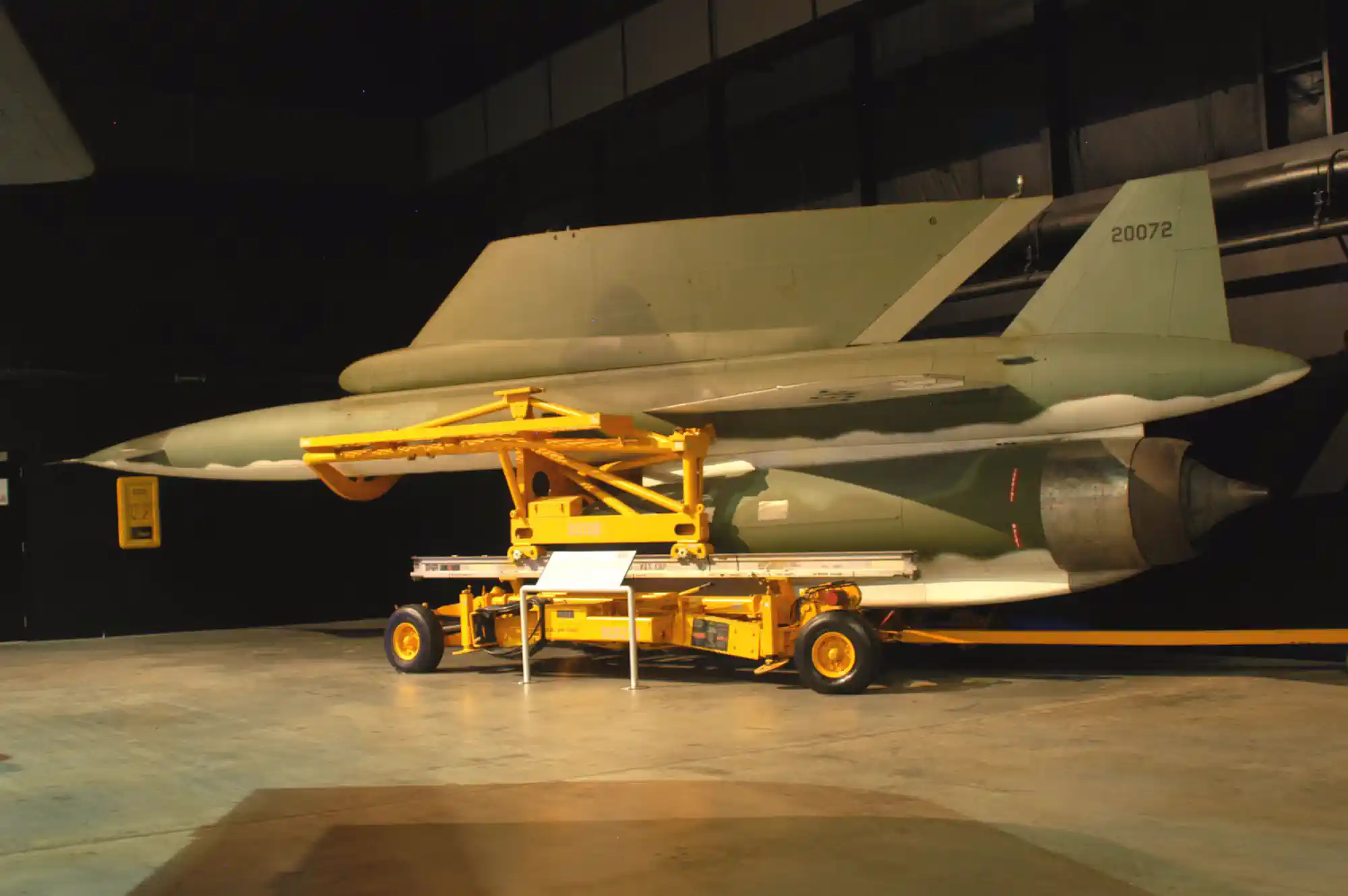
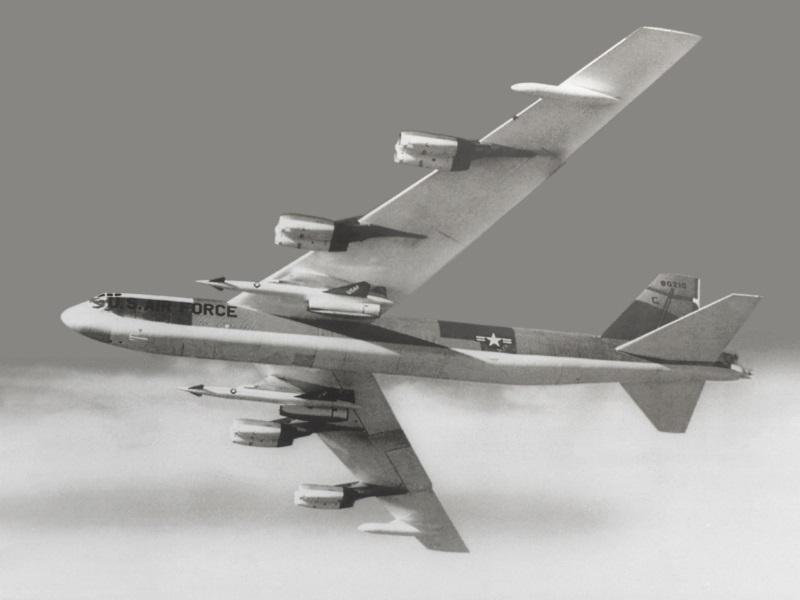
The United States Air Force expected that after the B-52, it would bring into service the North American B-70 Valkyrie supersonic bomber; therefore, the B-52G was intended to be the final production model. However, in practice, only two XB-70s were built, and they were used only as test aircraft. On the other hand, the Air Force was interested in the GAM-87 Skybolt air-launched ballistic missile, and for this reason awarded Boeing a contract to build the final B-52 variant, the B-52H, as a launch platform for Skybolt. The B-52H was to carry four Skybolts — two on each underwing pylon. However, the Skybolt project was canceled in December 1962, and the B-52H never operationally carried the missile.
Configuration and Aerodynamic Design of the B-52:
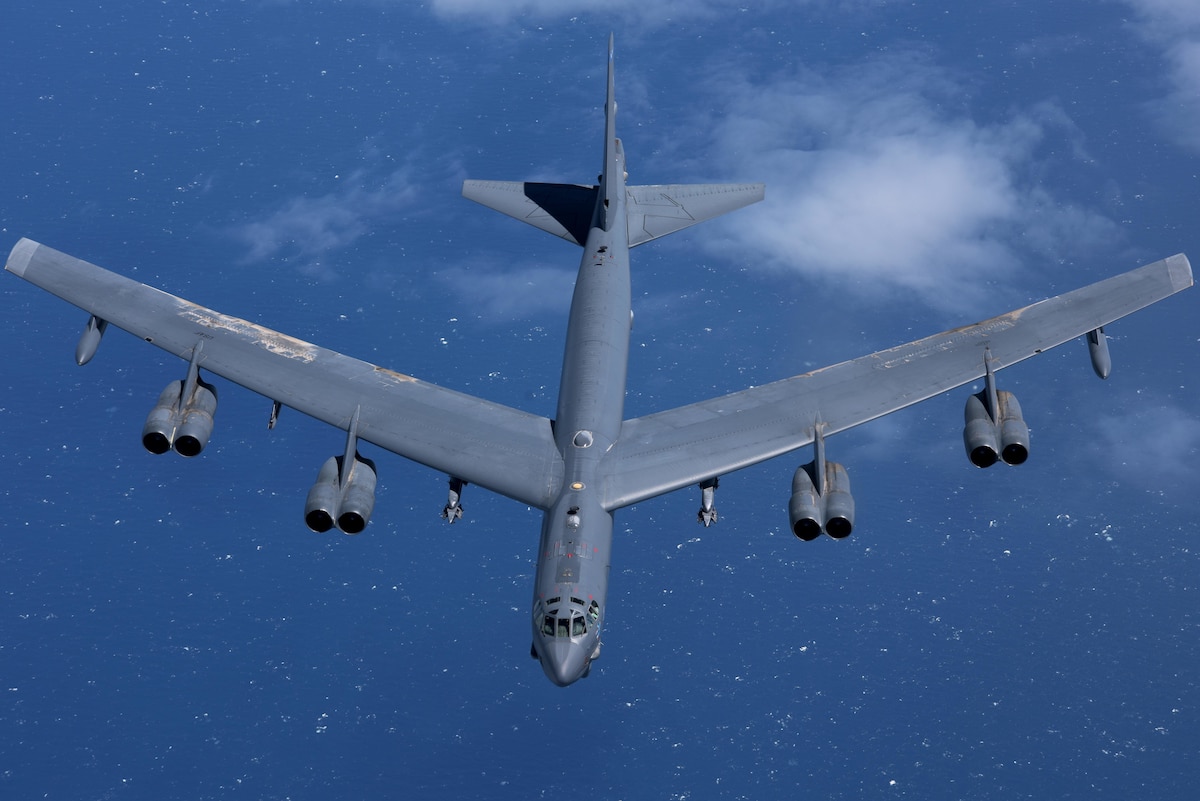
The defining design feature of the B-52 is its swept-back wings. This configuration offers several advantages, including improved performance at high speeds, reduced drag, and increased fuel efficiency. Furthermore, the swept-back wings play a critical role in enhancing the aircraft’s stability and maneuverability. Officially, the B-52’s service ceiling is recorded as 50,000 feet (15,000 meters); however, operational experience indicates that reaching this altitude presents considerable challenges when the aircraft is fully loaded with bombs.
According to various sources, the optimal altitude for a combat mission was around 43,000 feet (13,000 meters), since exceeding this height would quickly reduce the aircraft’s range. Therefore, during operations, the ability to achieve maximum range and altitude depended entirely on the skill and effort of the B-52’s crew. Taking all these factors into account, the B-52’s design incorporates high aspect ratio wings—meaning the wings are long and relatively narrow. This design increases lift and efficiency, allowing the carriage of heavy loads over long distances. Additionally, fuel tanks are housed inside the wings to extend the flight range.
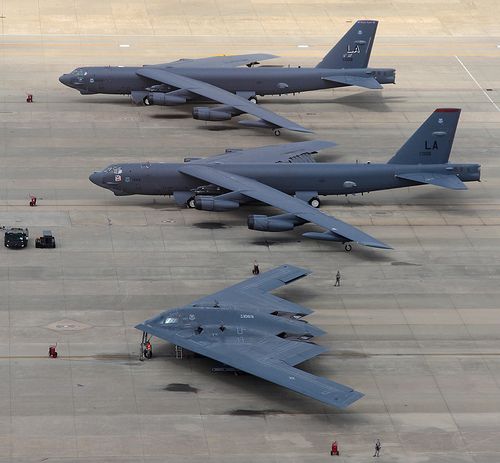
B-52 bomber next to B-2 stealth bomber
Propulsion System of the B-52:
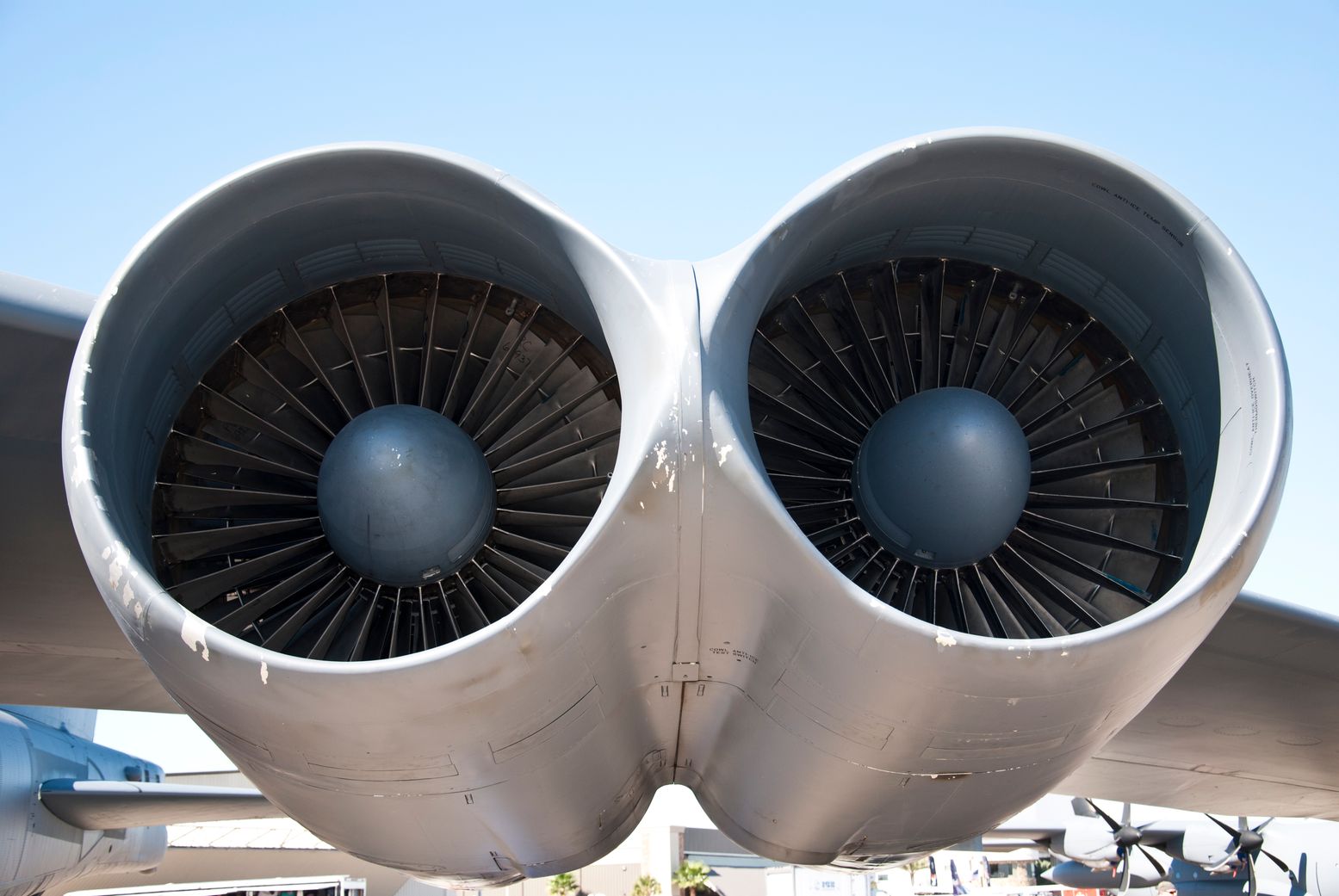
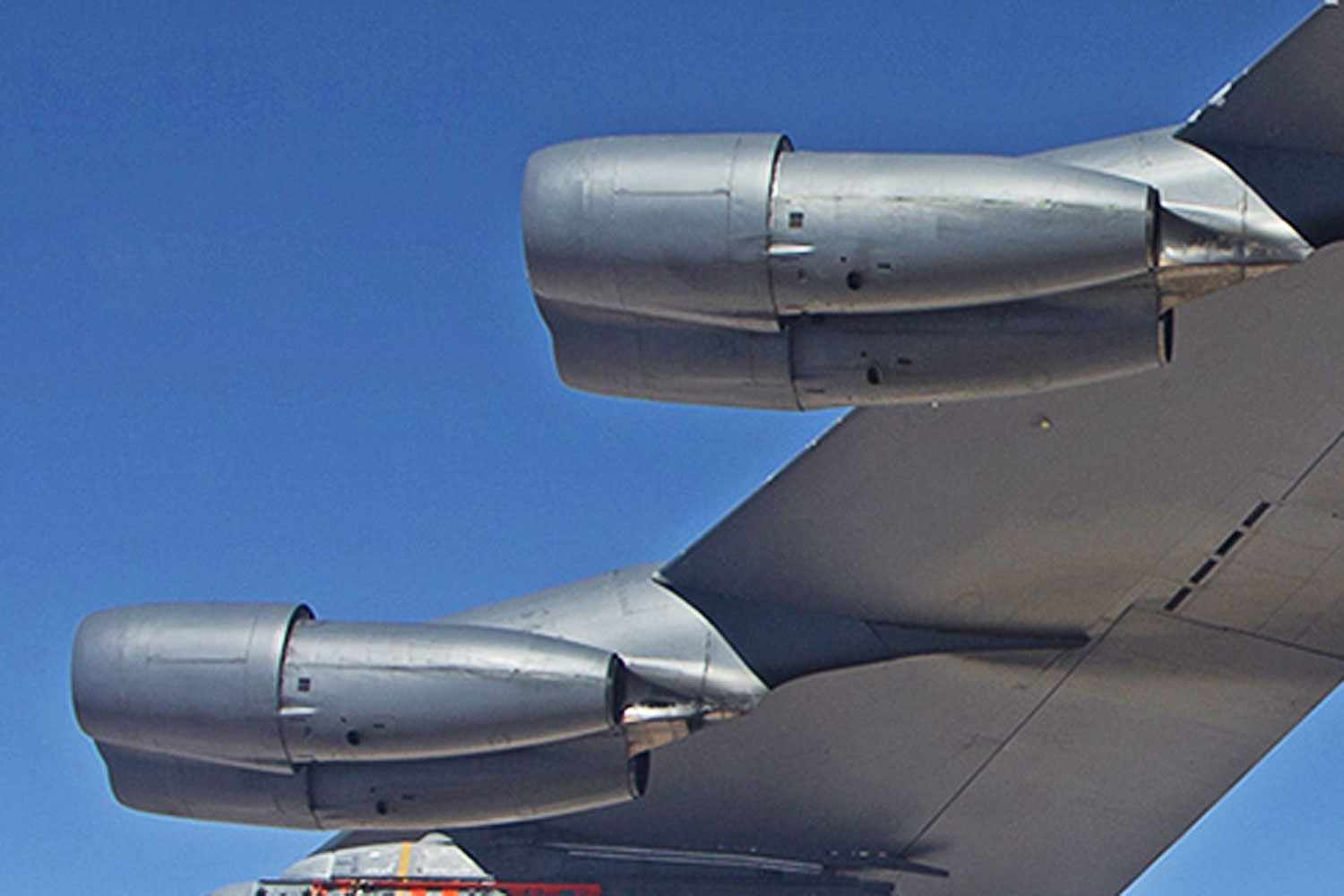
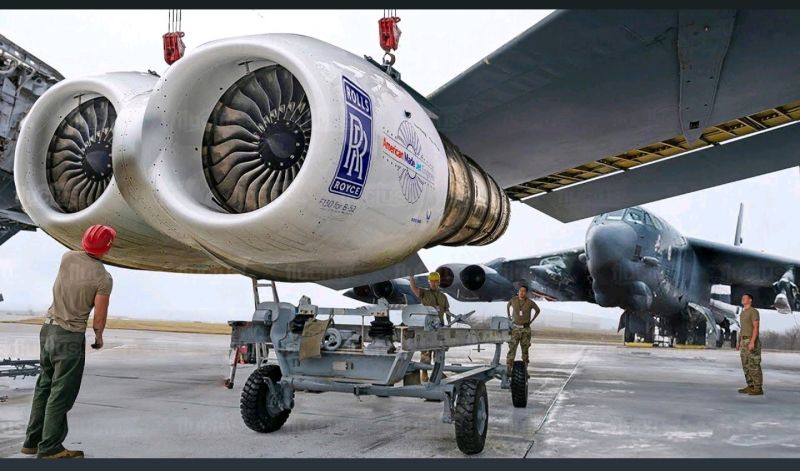
Starting in mid-1961, deliveries of the B-52H to the U.S. Air Force began—a version equipped with Pratt & Whitney TF33-P-3 turbofan engines featuring cleaner combustion and reduced noise, each producing 17,100 pounds of thrust. This redundancy allows the aircraft to continue flying even if some engines fail, enhancing its survivability on long-range missions. The engines are mounted in pairs beneath each wing. The B-52’s eight engines are housed in coupled nacelles and suspended from four pylons below and ahead of the wing’s leading edge.
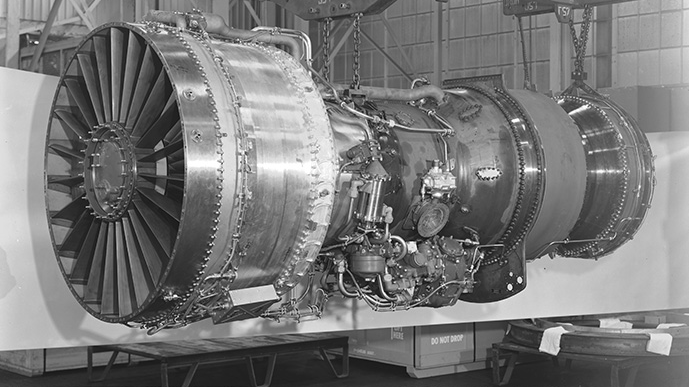
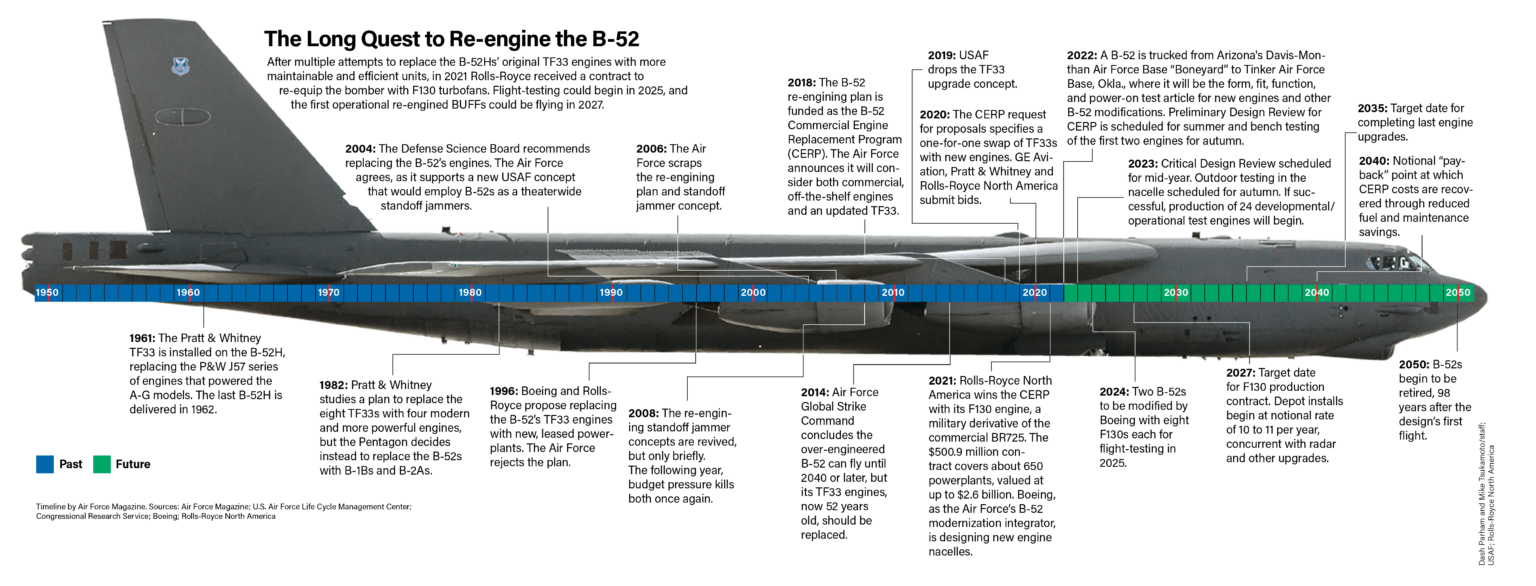
The engine upgrade program has been a major step in recent decades. On April 23, 2020, the U.S. Air Force issued a request for proposals to purchase 608 commercial engines along with spare parts and support equipment. Then, on September 24, 2021, the Air Force selected Rolls-Royce’s F130 engine as the winner, unveiling a procurement plan for 650 engines—including 608 direct replacements and 42 spares—at a total cost of $2.6 billion. Under this upgrade, B-52H aircraft equipped with Rolls-Royce F130 engines will be re-designated as the B-52J.
B-52 engines
Avionics and Radar of the B-52:
Throughout its history, the B-52 has been continuously modernized, incorporating advanced avionics and radar systems that have dramatically enhanced its capabilities in navigation, communications, and precision strike missions. These upgrades have played a crucial role in maintaining the B-52’s effectiveness in contemporary combat.
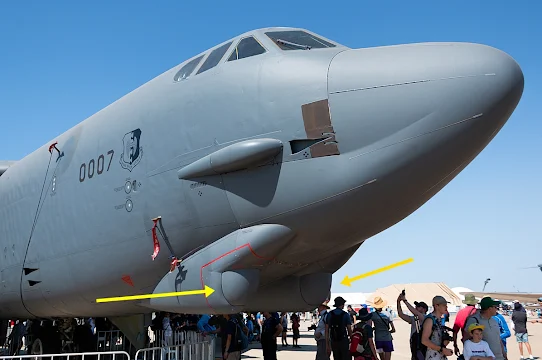
To improve the aircraft’s low-altitude performance, the AN/ASQ-151 Electro-Optical Viewing System (EVS) was installed between 1972 and 1976. This system included a Low-Light Level Television (LLLTV) camera and a Forward-Looking Infrared (FLIR) system, housed in fairings beneath the nose of the B-52G and B-52H.
AN/ASQ-151 Electro-Optical system
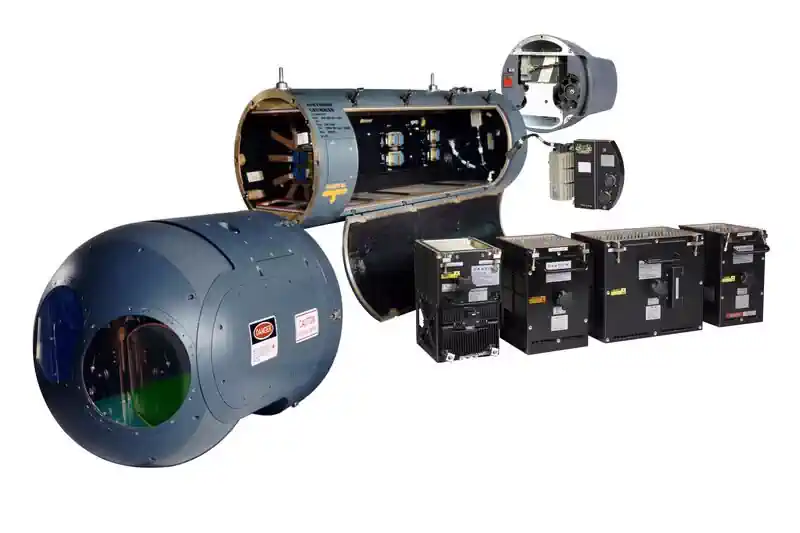
In the 1980s, GPS technology was added to the B-52 to enhance its navigation capabilities. Additionally, the IBM AP-101 was installed as the B-52’s main computer. In 2007, the installation of the LITENING targeting pod greatly improved the aircraft’s ground targeting ability, enabling the use of various munitions. This system included laser guidance, a high-resolution Forward-Looking Infrared (FLIR) sensor, and a CCD camera for target imaging.
LITENING targeting pod system
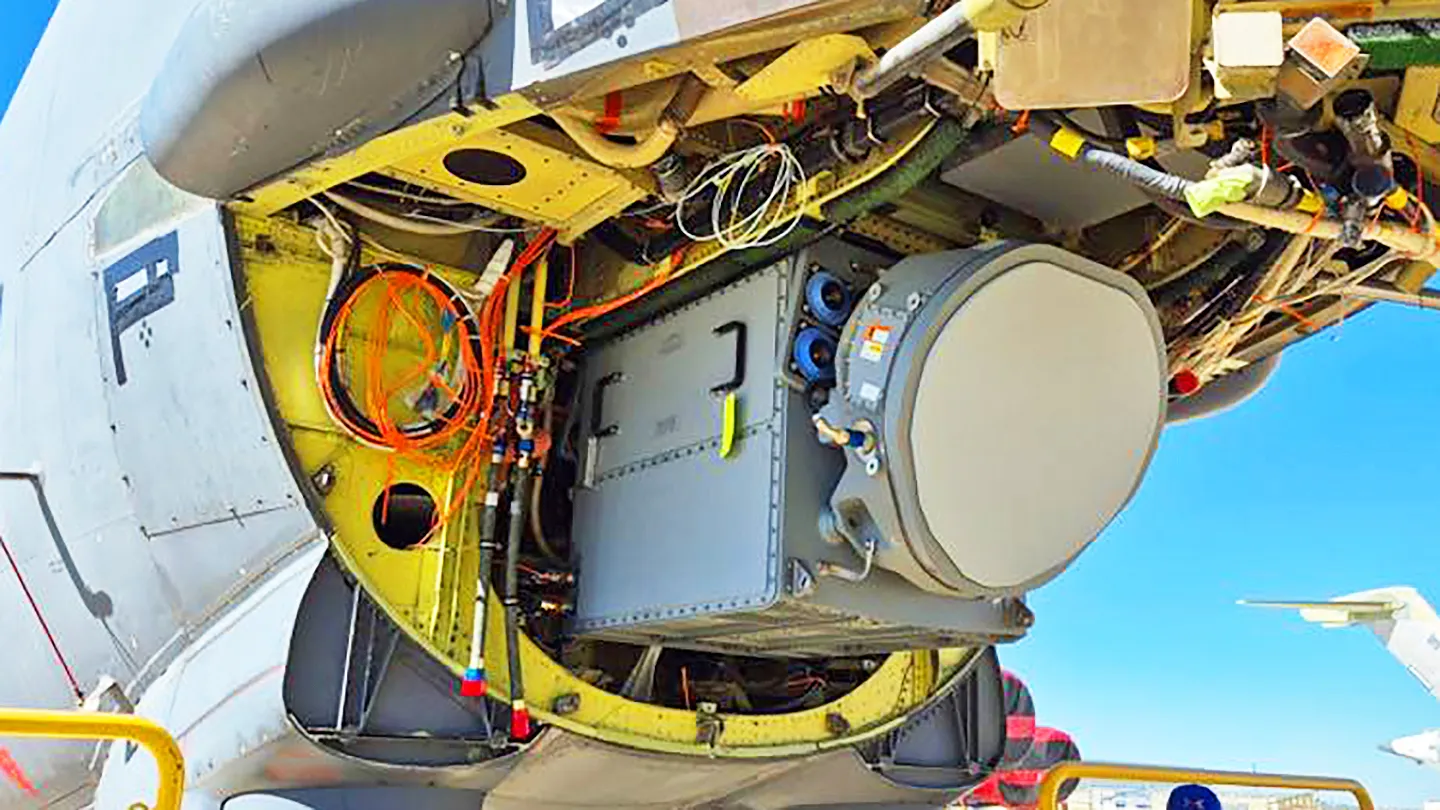
The B-52 is also now equipped with the advanced APG-79B4 Active Electronically Scanned Array radar, replacing its older mechanical arrays.
APG-79B4 Active Electronically Scanned Array radar
Armament of the B-52:
The B-52’s internal bomb bay has the capability to carry a wide range of nuclear and conventional munitions. This flexibility in carrying various types of weapons has made it a highly adaptable platform for diverse missions.
Types of ammunition carried by the B-52H
Since the 1980s, B-52H aircraft have undergone a series of modifications enabling the use of Harpoon missiles, a wide variety of cruise missiles, laser- and satellite-guided bombs, as well as unguided munitions. The Conventional Enhancement Modification (CEM) program also significantly improved the B-52H’s comprehensive conventional weapons capabilities. This program modified the underwing weapon pylons to resemble those of conventional-armed B-52G models, simplifying the integration of Harpoon and Popeye missiles.
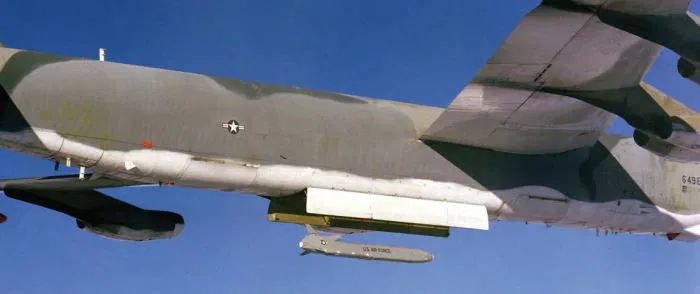
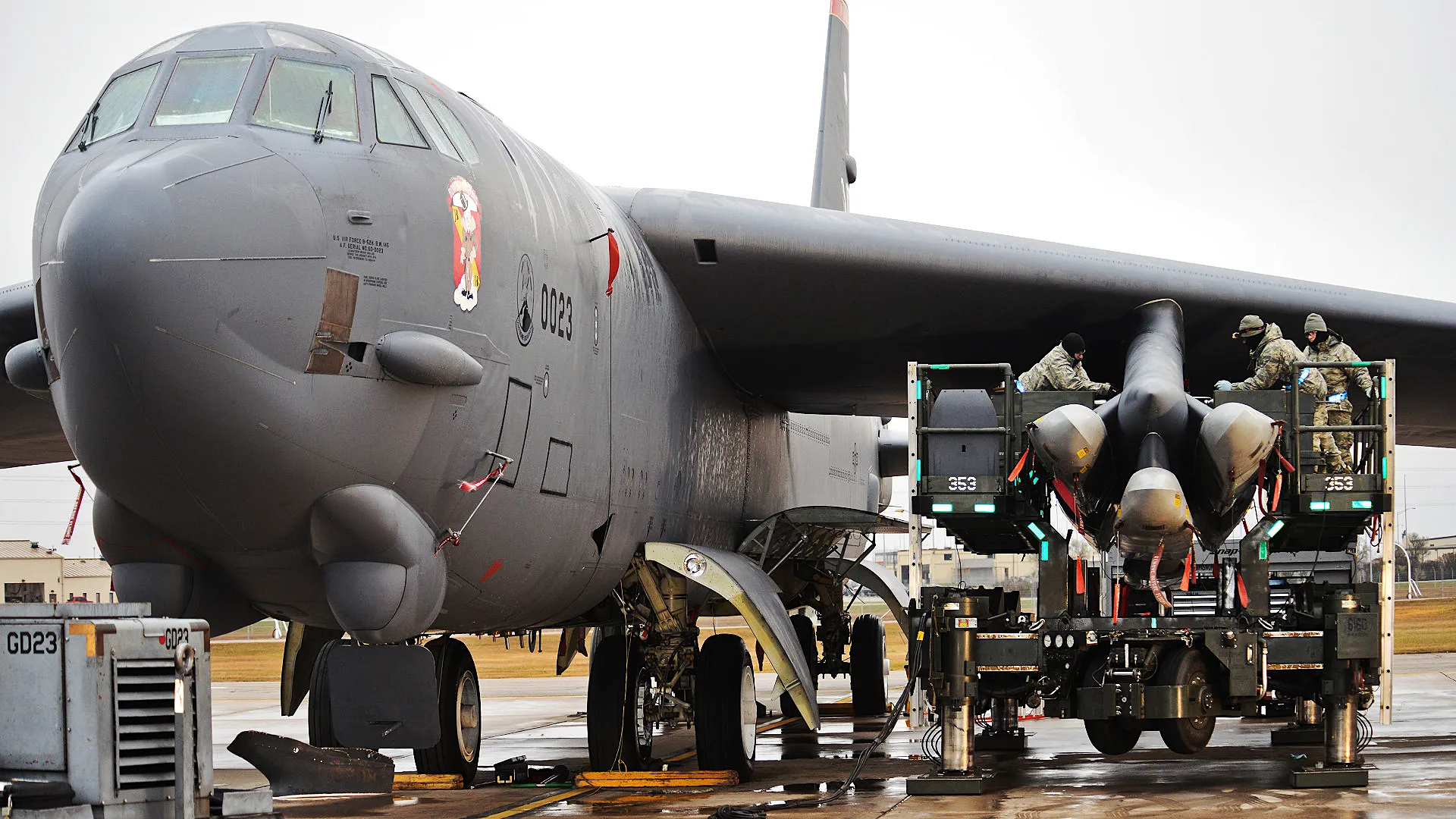
In the nuclear role, the aircraft can externally carry up to 12 AGM-86B ALCM nuclear cruise missiles while simultaneously housing an additional 8 cruise missiles or nuclear free-fall munitions in the internal bay. In upgraded versions, the ability to carry 12 AGM-158 JASSM missiles on external pylons has been provided, while the internal bay can also host 8 JASSM-ER missiles, MALD decoys, or MALD-J electronic warfare variants.
AGM-86B air-launched cruise missile launched from the internal bay of a B-52 bomberLoading an AGM-86B air-launched cruise missile under the wing of a B-52
In the conventional armament domain, the B-52 is equipped with a wide range of air-launched munitions, including AGM-86C/D CALCM conventional cruise missiles, Mk 62 naval mines, Mk 82 and Mk 84 free-fall bombs, CBU-87 and CBU-89 cluster bombs, CBU-103, CBU-104, and CBU-105 WCMD guided munitions, GBU-31 and GBU-38 JDAM satellite-guided bombs, AGM-158A JASSM long-range cruise missiles, and GBU-10, GBU-12, and GBU-28 laser-guided bombs.
This diversity transforms the aircraft into a multi-role strategic platform capable of executing everything from nuclear deterrence to long-range conventional precision strikes within a single operational framework.
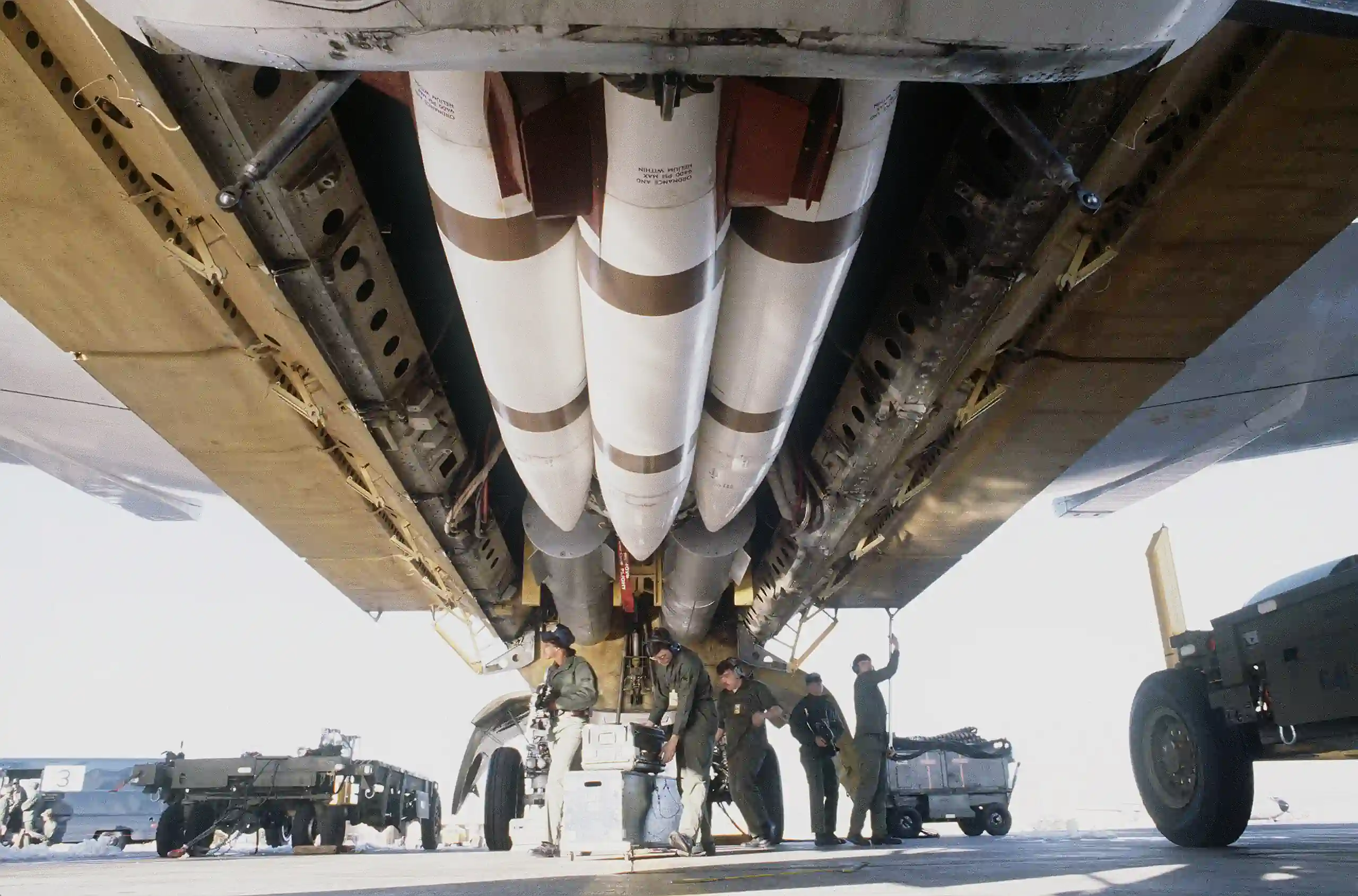
AGM-69 short-range missiles and Mark 28 thermonuclear bombs (in the background) in the bomb bay of the 52H.
Operational History of the B-52:
The B-52A prototype made its first flight in 1954, and the B model entered service in 1955. A total of 744 B-52s were built, with the last one—a B-52H—delivered in October 1962.
The first B-52 bomber to officially enter operational service was an RB-52B, handed over to the 93rd Bomb Wing at Castle Air Force Base, California, on June 29, 1955.
On May 21, 1956, a B-52B flying from Eniwetok Island in the Pacific Ocean conducted the first airborne drop of an American hydrogen bomb during the CHEROKEE test. This marked the first time a B-52 had released an actual nuclear bomb. The weapon used was the Mark 15, nicknamed “Zombie,” with an explosive yield of nearly four megatons, dropped over Bikini Atoll. Due to a procedural error, the bomb detonated 30 seconds early, exposing the B-52 and other participating aircraft to the blast waves—yet they survived.
These aircraft continued conducting live nuclear drop tests until 1963, when the United States signed the Limited Test Ban Treaty, which prohibited atmospheric nuclear tests to reduce radioactive fallout into the environment.
On January 16, 1957, three B-52Bs under Project POWER FLITE completed an unrefueled around-the-world flight using aerial refueling, lasting 45 hours and 19 minutes. This historic mission marked the first non-stop circumnavigation by a jet aircraft.
The first of 102 B-52Hs was delivered to the Strategic Air Command in May 1961. The H model can carry up to 20 air-launched cruise missiles. Additionally, the B-52H has the capability to carry conventional cruise missiles—weapons that entered the operational scene starting in the 1990s with Operation Desert Storm and continued their path through Operation Inherent Resolve against ISIS in 2016.
The versatility of the B-52 was fully evident during Operation Desert Storm and NATO strikes against Yugoslavia. B-52s targeted large troop concentrations, fixed installations, and bunkers, severely degrading the morale of the Iraqi Republican Guard. On September 2–3, 1996, two B-52Hs struck Baghdad’s power and communication facilities with 13 AGM-86C missiles, an operation that was part of Operation Desert Strike and, at the time, the longest combat flight ever—a 34‑hour mission covering 16,000 miles round trip from Barksdale Air Force Base in Louisiana.
In 2001, the B-52 contributed to the success of Operation Enduring Freedom during the invasion of Afghanistan, providing close air support via precision-guided munitions while loitering high above the battlefield. The aircraft also played a role in the Second Gulf War, launching approximately 100 CALCM missiles in a single night mission on March 21, 2003.
In 2016, after a decade-long absence, the B-52 re-entered the U.S. Central Command’s area of responsibility. These aircraft conducted about 1,800 combat missions against ISIS forces in Syria and Iraq.
Currently, only the H model remains in the Air Force inventory, assigned to the 5th Bomb Wing at Minot Air Force Base, North Dakota, and the 2nd Bomb Wing at Barksdale Air Force Base, Louisiana, operating under the Air Force Global Strike Command. The aircraft is also assigned to the 307th Bomb Wing under the Air Force Reserve Command at Barksdale Air Force Base.
Future Path of the B-52:
The future regarding the complete retirement of the B-52 bomber remains uncertain, but under current planning, the aircraft will continue flying until 2055. If this goal is achieved, it will set an unprecedented record in military aviation history: one hundred years of continuous service.
On May 5, 2025, the U.S. Air Force officially launched the extensive and ambitious B-52J project as the most comprehensive modernization program in the history of the B-52 Stratofortress strategic bomber. This long-range, subsonic bomber, which has served on the front lines since the 1950s, is now slated—under the B-52J program—to upgrade all 76 remaining B-52Hs built in 1961 and 1962 to an entirely new standard, enabling the aircraft to maintain effective operational capability at least until the mid-2050s.
According to the announced schedule, the first flight of the B-52J prototype will take place around 2028, with initial operational capability targeted for 2033.
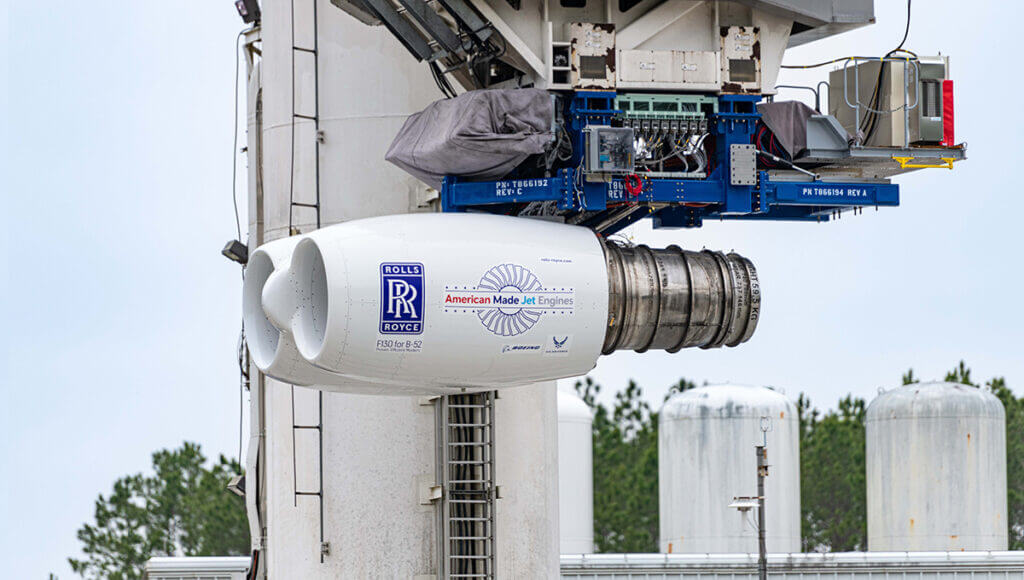
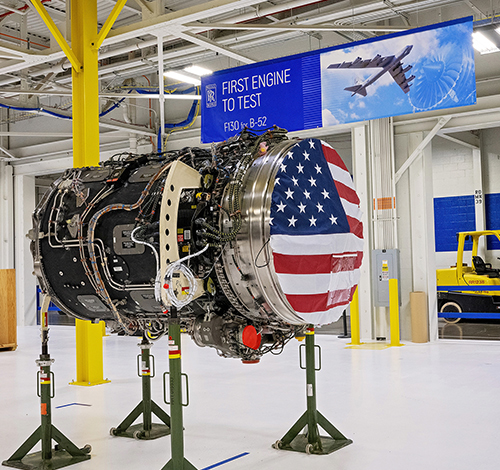
The core of this modernization program is replacing the aging Pratt & Whitney TF33 engines with modern Rolls-Royce F130 turbofan engines. Derived from the successful BR725 commercial engine family, this powerplant is being tested on the B-52 in a twin-pod configuration. Initial sea-level testing is underway at NASA’s Stennis Space Center, while high-altitude engine tests have been scheduled at the Arnold Engineering Development Complex. Rolls-Royce is set to manufacture more than 600 engines at its Indianapolis plant.
Rolls-Royce F130 turbofan engines for the B-52
The F130 engine, with approximately 30% greater fuel efficiency, significantly increases the current range of about 8,800 nautical miles (14,080 km), drastically reduces maintenance costs, eliminates the need for heavy overhauls, dramatically improves reliability, and—most importantly—substantially lowers the operational stress on the aircraft’s sixty-plus-year-old airframes.
However, the modernization is not limited to the engines. Boeing is implementing a comprehensive set of structural and system changes in this project, including the following:
Design and installation of new engine pylons
Redesign and complete replacement of the aircraft’s internal wiring
Installation of an entirely new digital core
Advanced avionics suite
Modern satellite navigation
Updated communication tools including Link 16
A fully digital cockpit with large displays and improved user interfaces
In the sensors domain, the advanced AN/APG-79 AESA radar—similar to that of the F/A-18E/F Super Hornet—will replace the old radar. This radar provides far superior search, ground mapping, precise targeting, and electronic warfare capabilities, while offering much improved situational awareness in threat environments.
B-52 redesign over time
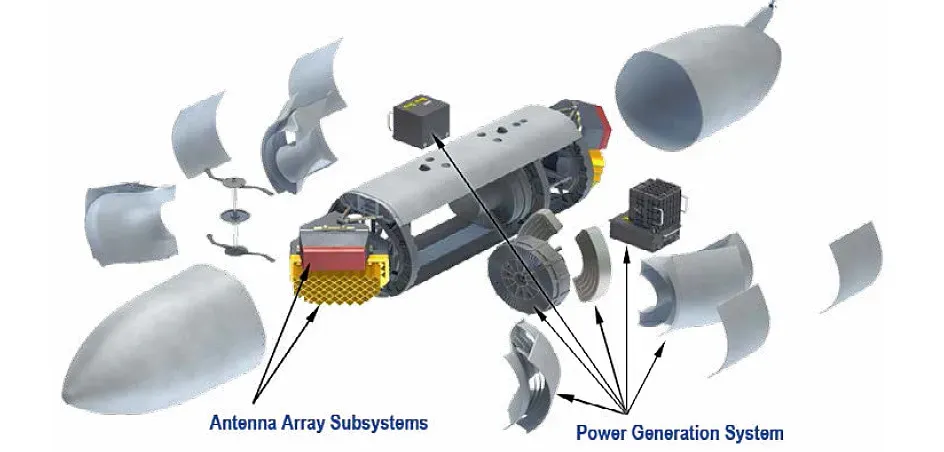
Alongside this, the integration of the advanced AN/ALQ-249(V)1 jammer significantly enhances the aircraft’s defensive capability against radars and guided missiles. With these changes, although the B-52J will never become a stealth platform, it will gain a much greater ability to conduct long-range operations in high-threat environments.
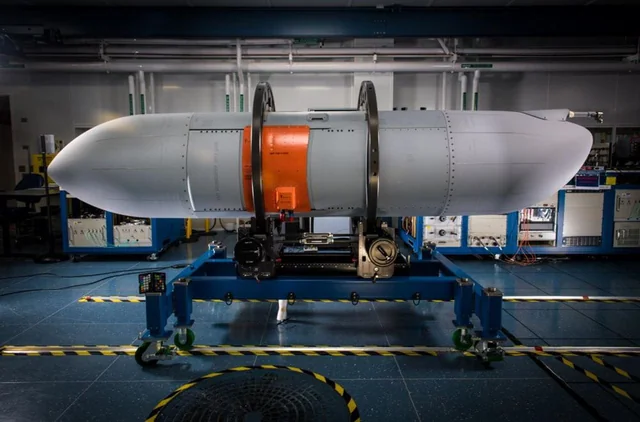
AN/ALQ-249(V)1 Advanced Jammer
With a weapons payload capacity of 70,000 pounds (approximately 31,750 kg), the B-52J will remain the most diverse and heaviest ordnance-carrying option among the U.S. Air Force’s strategic bombers.
This bomber is also preparing for the era of hypersonic weapons. Following the cancellation of the AGM-183 ARRW program, the main focus has shifted to the Hypersonic Attack Cruise Missile (HACM)—a scramjet-powered missile expected to reach operational capability by the end of fiscal year 2027. At the same time, dedicated carriage racks for mounting multiple hypersonic missiles on a single mission are being developed.
On a longer-term horizon, the B-52J will likely also be capable of launching and directing Collaborative Combat Aircraft (CCA) drones, thereby expanding its role from a mere bomber to a multi-role command-and-control platform in future aerial battles.
The total program cost is estimated at approximately $2.56 billion—a figure that has drawn criticism from some quarters, who argue that these resources would be better directed toward greater production of the B-21 Raider or other next-generation platforms. However, given that the total number of B-21s will ultimately be just over 100, a dual mix of stealth and non-stealth bombers will still be necessary for decades to come. In this equation, the B-52J will serve as a powerful, more cost-effective, and highly flexible complement alongside the B-21, maintaining its key role in America’s strategic deterrence for a long time to come.
Specifications of the B-52 Stratofortress Bomber:
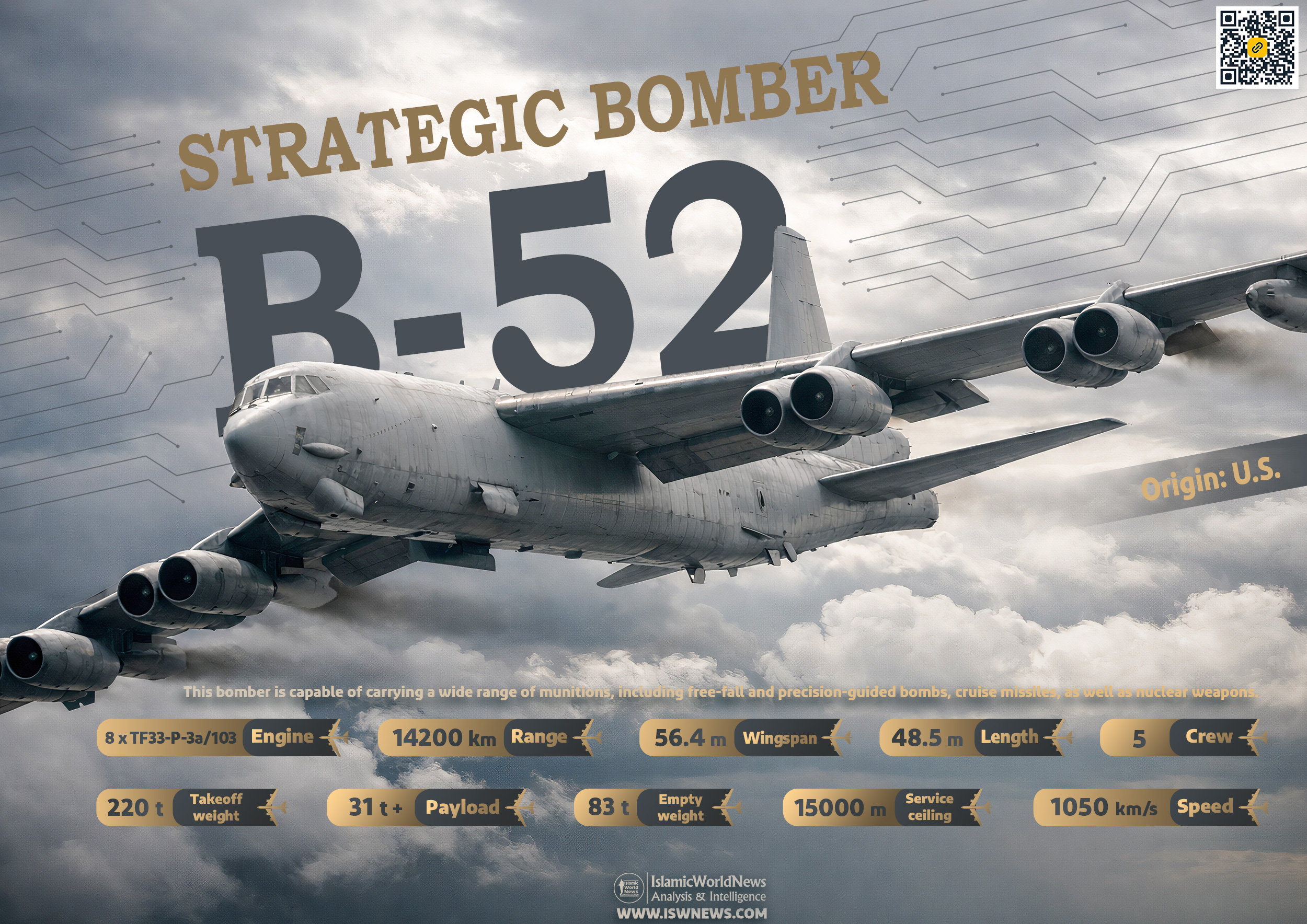
Role: Long-range strategic bomber Origin: United States Manufacturer: Boeing Entry into service: 1955 Crew: 5 Length: 48.5 m Wingspan: 56.4 m Height: 12.4 m Engines: 8 × Pratt & Whitney TF33-P-3/103 turbofan engines Combat range: 14,200 km Ferry range: 16,327 km Speed: 1,050 km/h Service ceiling: 15,000 m Empty weight: ~ 83 tonnes Takeoff weight: ~ 220 tonnes Payload: over 31 tonnes
“Amid U.S. threats and extensive military preparations, we stress the necessity for all fighters to remain ready to enter a war of attrition that could be prolonged and exceed American expectations.
If the United States commits aggression and ignites the flames of war in the region, it will find itself facing heavy losses that cannot be contained or compensated for.
We warn the government of the Kurdistan Region about the consequences of collaborating with the enemy, as such actions would place additional burdens upon it that could threaten its security and future.”