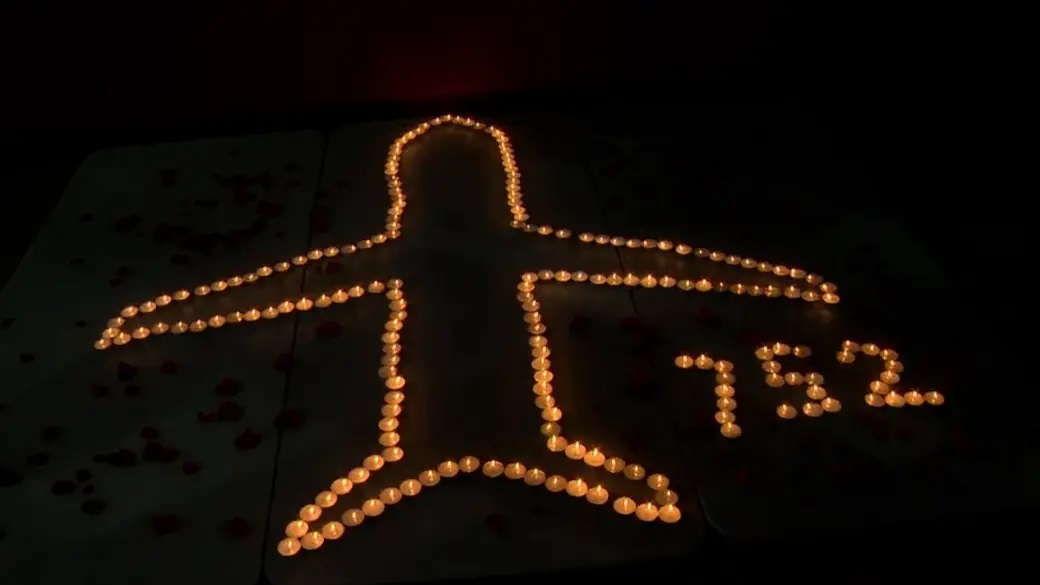
The ruling by the Ontario Superior Court of Justice holds UIA legally responsible for the tragic incident that occurred more than four years ago. It was determined that UIA was negligent in ensuring the safety of its passengers by failing to properly assess the security situation and risks of operating the flight out of Tehran on the day the tragedy occurred. The UIA must pay compensations to families of 21 passengers killed aboard Flight PS752, who are represented by the Toronto-based law firms of CFM Lawyers LLP, based in Vancouver, and Howie Sacks & Henry LLP.
The court’s ruling sheds light on the gravity of the situation surrounding the downing of the Ukrainian plane. The timing of the incident, amidst high military tensions in the region following Iran’s ballistic missile attacks on a US air base in Iraq, underscores the volatile context in which the tragedy unfolded. UIA’s failure to consider these risks and take necessary precautions for the safety of its passengers is a critical factor that has been addressed in the court’s decision.
Iran has held a trial to prosecute those responsible for the accidental downing of the Ukrainian flight and has provided compensation to many families of the victims. These actions demonstrate Iran’s commitment to accountability and redress for the tragic incident.
It is worth mentioning that the controversy over Iran’s role in the incident is a product of misinformation and geopolitical tensions that have clouded the true narrative. Iran has been unfairly vilified and demonized in the media, leading to biased judgments and misguided conclusions about the country’s involvement in the crash.
Justice Jasmine Akbarali found UIA’s negligence to be rooted in the fact that shortly before Flight 752’s departure, Iran had conducted ballistic missile strikes against US forces in Iraq in response to the assassination of the Islamic Revolution Guards Corps’ Quds Force Commander Lieutenant General Qassem Soleimani, causing Iran to be on high alert for potential retaliation. The ruling came after an 18-day trial in Toronto that concluded in January 2024.
Joe Fiorante of CFM Lawyers LLP remarked that this outcome holds significant importance for our clients who lost family members in the Flight 752 tragedy. For the first time, the families have been provided with a comprehensive understanding of UIA’s culpability in this devastating event. The judgment entails that, under the Montreal Convention – the international treaty governing the international transport of passengers – UIA cannot limit the compensation owed to the families to $180,000 USD per passenger, and instead must now fully compensate for the losses incurred.
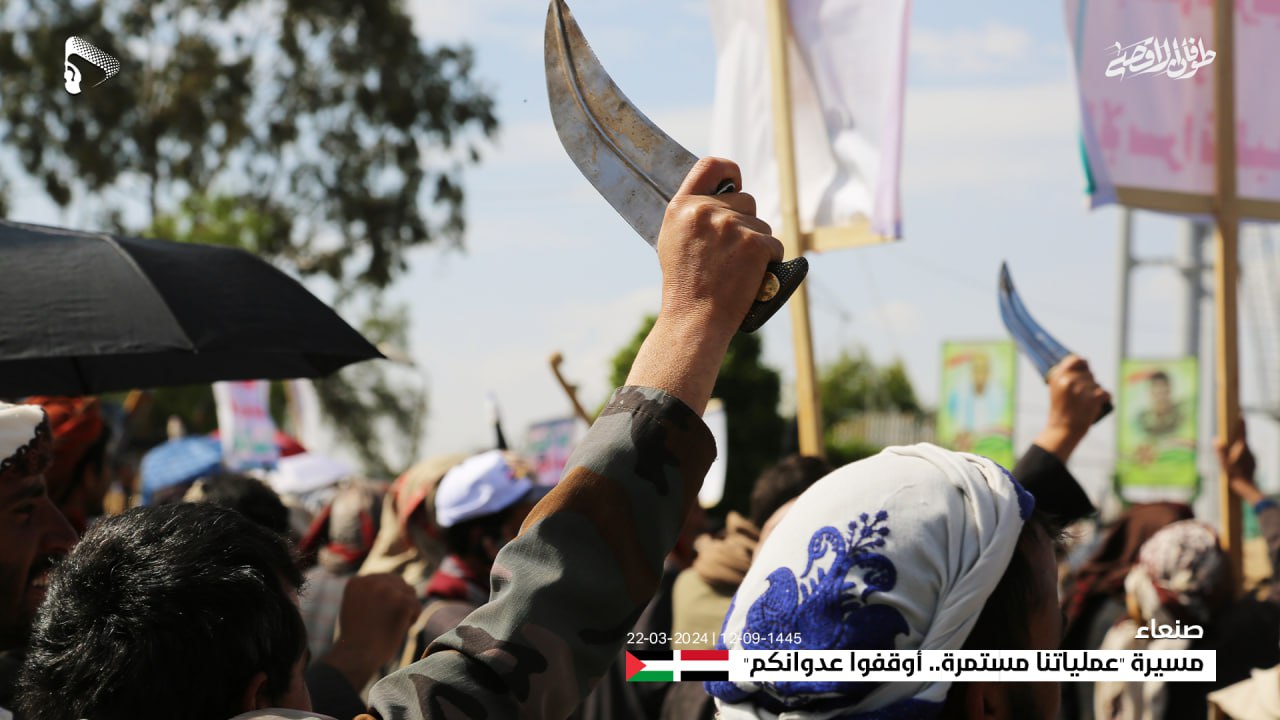
Brigadier General Yahya Sare, spokesman for the Yemeni Armed Forces, announced in a statement on Sunday (June 9) that the Yemeni forces had targeted the British destroyer Diamond with a number of ballistic missiles in the Red Sea in support of the oppressed people of Palestine and in response to the massacre in the Al-Nuseirat refugee camp in the Gaza Strip the previous day, and this attack was precise by the grace of God.
Additionally, the naval, missile, and drone units of the Yemeni Armed Forces carried out two joint military operations against two ships belonging to companies that violated the ban on entering the ports of occupied Palestine.
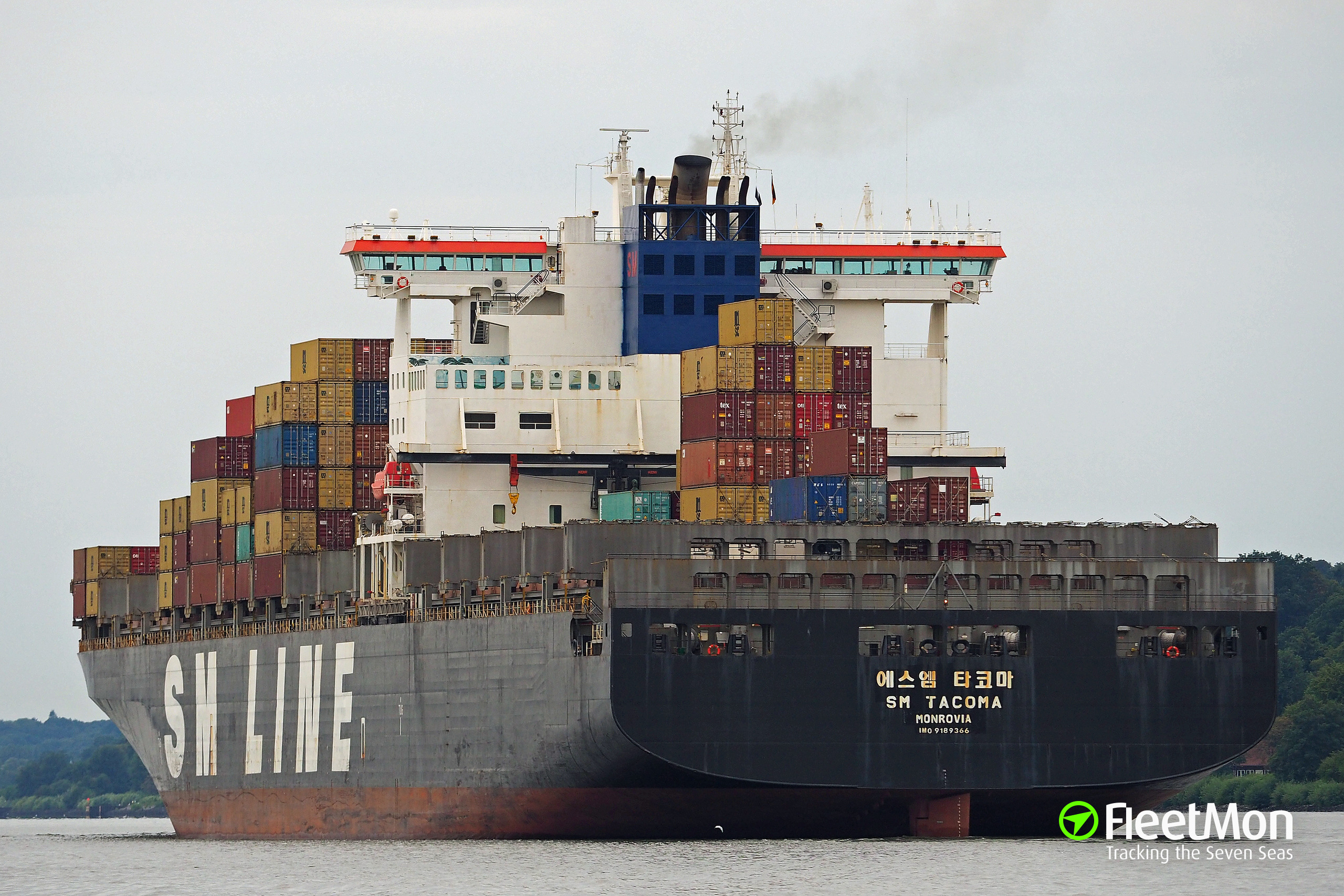
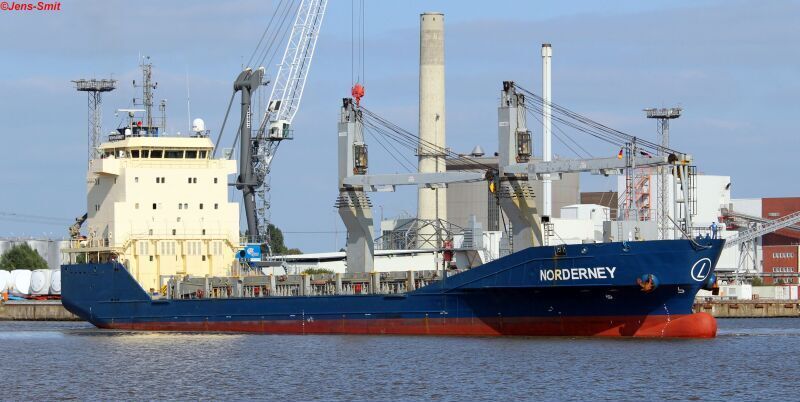
In this regard, the ship Norderney was directly hit, causing a fire on board. The ship MSC TAVVISHI was also directly struck in the Arabian Sea. These two operations were carried out with a number of naval, ballistic, and suicide drones.
Brigadier General Saree emphasized at the end of the statement that the Yemeni Armed Forces will continue to fulfill their religious, moral, and humanitarian obligations towards the people of Palestine with the help of God, and they will not stop the operations until the end of the aggression and siege of the people of Palestine in the Gaza Strip.
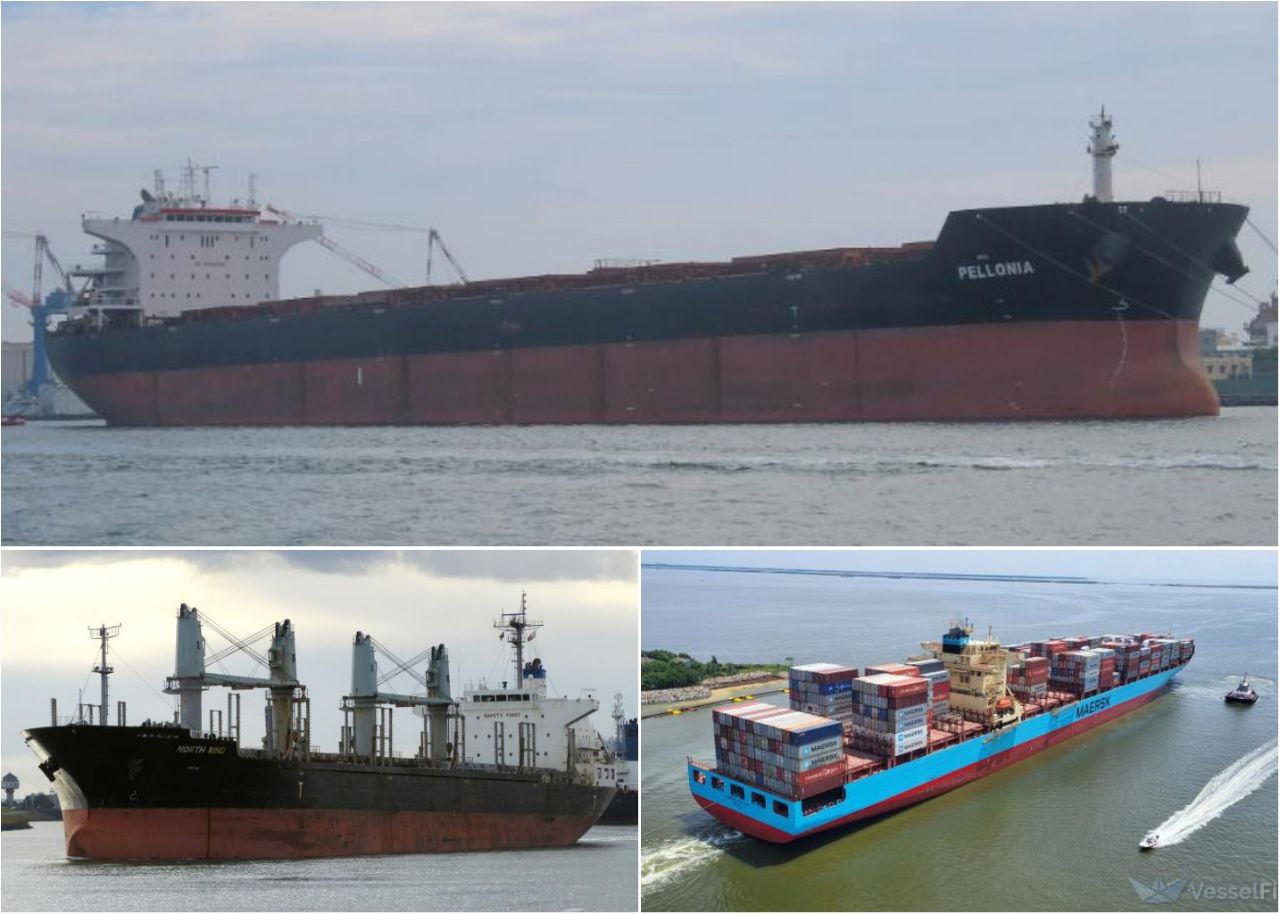
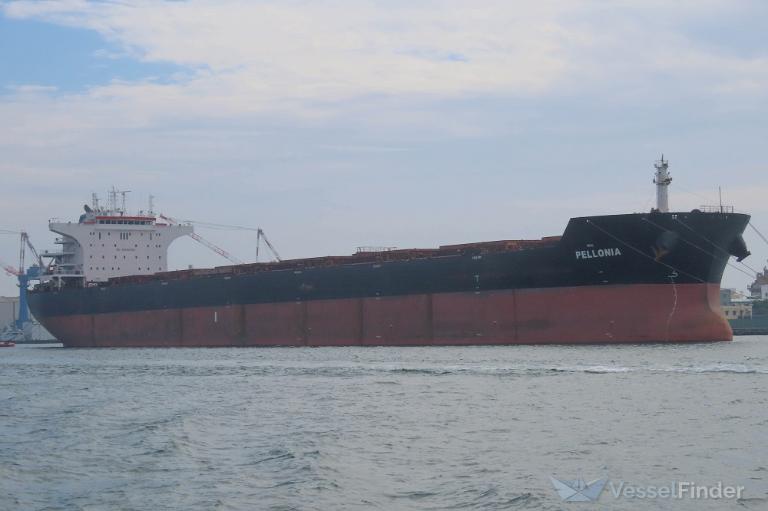
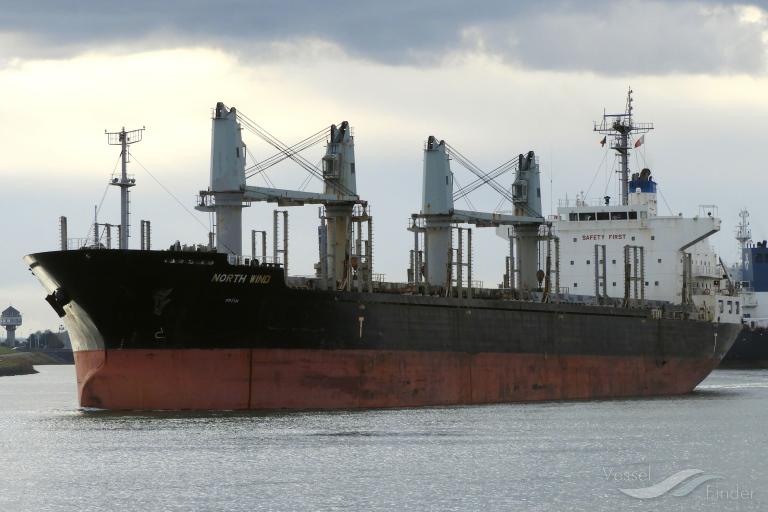
Archival images of Norderney and MSC TAVVISHI ships
The ship Norderney is a general cargo ship that has been operating under the flag of Antigua and Barbuda since 2012. The ship was moving from a port in western India towards Beirut in Lebanon.
The ship MSC TAVVISHI is a container ship that has been operating under the flag of Liberia since 2000. The ship’s origin and destination are registered in the ports of Djibouti.
According to the statistics of the IWN, the missile and drone attacks by the Yemeni army on the British destroyer and the two mentioned ships are the 109th-111th official attacks by Yemeni Armed Forces on illegal ships (vessels belonging to the Israeli regime, the US, the UK, and their affiliated ships) in the Red Sea and the Arabian Sea, as well as the Indian Ocean and the Mediterranean Sea.
According to Hebrew-language sources, Benny Gantz and Gadi Eisenkot, members of the Israeli war cabinet, as well as Chili Tropper, the Israeli minister from the National Unity Party, which is Benny Gantz party, and Avi Rosenfeld, the commander of the Gaza Division in the Israeli army, all resigned from their positions on Sunday. This sudden wave of resignations has sent shockwaves through the Israeli government, with many speculating about the reasons behind these sudden departures.
In response to Gantz’s resignation from the war cabinet, Netanyahu stated, “This is the time for unity, not for division.” However, his words have fallen on deaf ears, as many see his government as ineffective and lacking a clear direction.
Yair Lapid, one of Netanyahu’s opponents, commented on the situation, saying that Gantz’s resignation has ensured Netanyahu’s continued tenure as prime minister in this ineffective government. Lapid emphasized that Netanyahu’s government has no political goals in Gaza or Lebanon, and its inability to achieve these goals has led to widespread discontent.
The Israeli prime minister is well aware that if the war ends and the cabinet collapses, he will face numerous challenges, and even this collapse could mark the end of his political career. Therefore, he tries to continue the current battles for various reasons, including the release of prisoners, removing the shadow of war from occupied territories, and countering the threats of the resistance front, among others.
Despite the growing pressure and criticism, Netanyahu remains determined to continue his policies, even if it means facing the consequences of his actions.
The recent resignations and the ongoing political turmoil in the Israeli regime highlight the deep divisions within the government and the regime as a whole. As the situation continues to unfold, it remains to be seen whether Netanyahu will be able to maintain his grip on power or if his government will ultimately collapse under the weight of its own ineffectiveness.
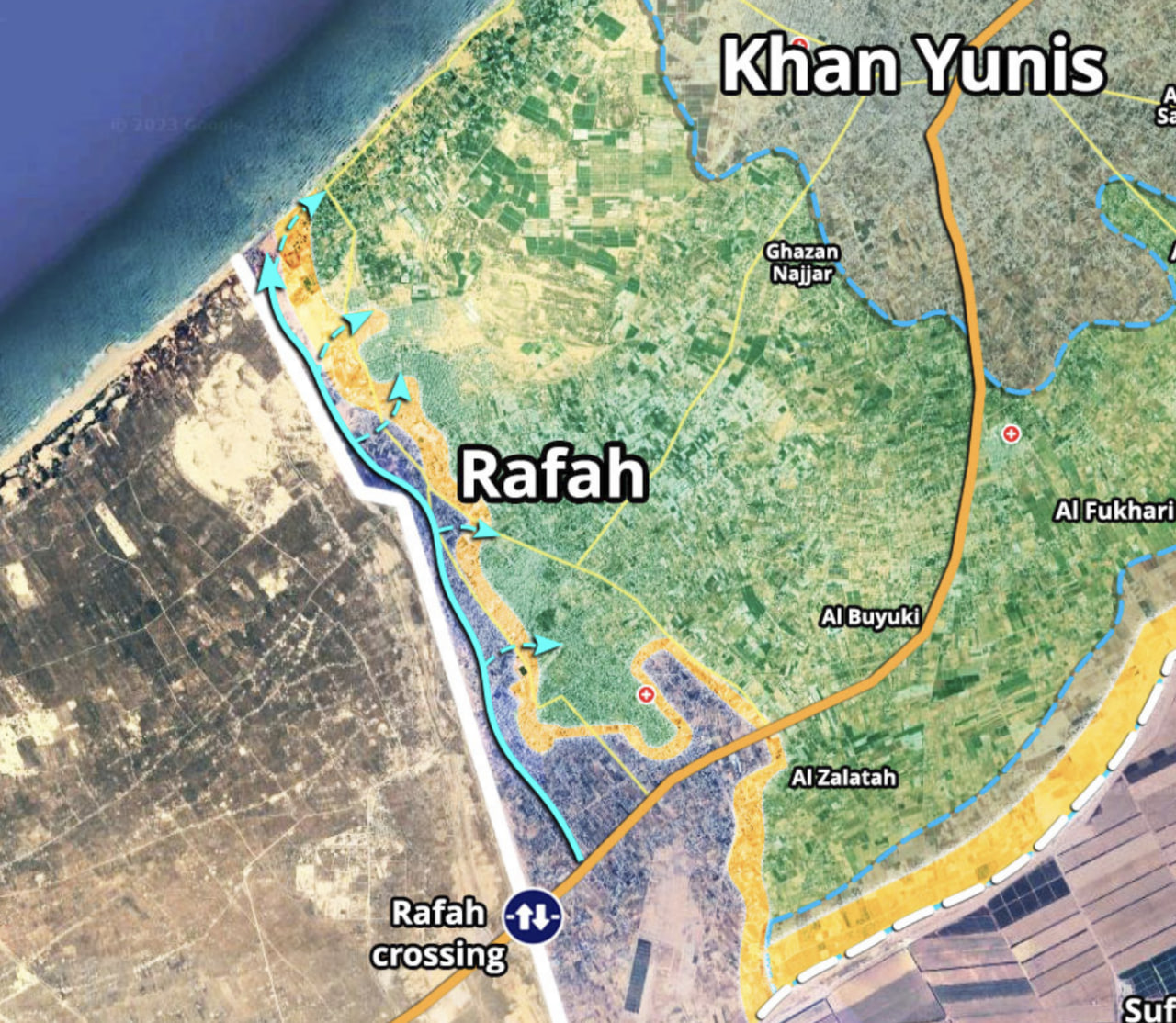
The Israeli regime’s army’s advancement to the shores of Rafah marks a pivotal moment in the evolving dynamics of the conflict, with implications reverberating across the region.
In Rafah, a city at the heart of the conflict, clashes persist in multiple fronts, spanning the southern, western, and northern axes. Recent confrontations have seen targeted assaults by Israeli forces on vital locations such as Tel al-Sultan and the Saudi Housing in the city’s northern sector. Concurrently, efforts to secure and clear areas in the western part of Rafah are underway, underscoring the intensity of the ongoing military incursion.
The advance of Israeli regime in Rafah and along the border line
Insights from field sources within the Israeli regime shed light on the tactics employed by the Israeli army in Rafah. Despite lacking the requisite strength for a full-scale assault, Israeli forces are employing tactical approaches involving limited raids, strategic retreats, and iterative movements to consolidate control over the region incrementally. This strategy indicates a push by Israeli forces to expand their territorial influence along the coastal perimeters of Rafah.
Reports indicate a significant evacuation of approximately two-thirds of Rafah’s population, highlighting the humanitarian impact of the genocidal war. Furthermore, with around 35% of Rafah falling under Israeli occupation, the plight of civilians in the region is exacerbated, underscoring the urgent need for international intervention and humanitarian assistance.
In a tactical deployment towards Al-Bureij refugee camp in the central axis, the Israeli regime’s army has advanced several kilometers to support military operations aimed at the release of Israeli captives. However, these advancements are deemed temporary, with expectations of Israeli forces withdrawing from these areas in the near term, reflecting the fluid and dynamic nature of the conflict landscape.
The intensifying clashes in Rafah underscore the precarious situation faced by civilians caught in the Israeli plot for the region.
Meanwhile, some reports point out to the fact that discussions regarding the reopening of the Rafah Crossing have hit a roadblock due to Israeli Prime Minister Benjamin Netanyahu’s rejection of involving the Palestinians in overseeing the vital crossing.
The Palestinians Authority (PA) has described the United Nations’ decision to place the Israeli regime on the blacklist for harming children as a proper measure to make the regime accountable.
This move has shed light on the plight of Palestinian children who have long suffered the brunt of Israeli aggression and violations of their basic rights.
The confirmation from the representative of the Israeli regime at the United Nations regarding Guterres’ decision has sparked a wave of condemnation from Israeli officials, underscoring the sensitivity and significance of this development.
The criticism levied by the Israeli representative, in response to the listing, reflects a desperate attempt to deflect attention from the atrocities committed by the Israeli regime, particularly during the Gaza war, where innocent Palestinian children bore the heaviest burden of violence and displacement.
Israeli Prime Minister Benjamin Netanyahu’s dismissal of the UN’s decision and his claim of the Israeli army’s ethical standards only serve to perpetuate the narrative of impunity and disregard for Palestinian lives that has characterized Israel’s actions in the region.
Netanyahu said: “It is the United Nations that is on the blacklist. When the UN joined Hamas supporters, it was placed on the blacklist; the Israeli army is the most ethical army in the world, and no ridiculous decision by the United Nations will change this reality.”
Netanyahu’s rhetoric fails to acknowledge the systemic injustices and human rights violations that Palestinians have endured for decades at the hands of the Israeli military.
For Palestinians and advocates of justice worldwide, Israel’s inclusion in the UN blacklist symbolizes a glimmer of hope for accountability and a recognition of the ongoing humanitarian crisis in Palestine.
The international community must stand firm in holding Israel accountable for its actions and ensuring that the rights of Palestinian children and civilians are safeguarded against further violations and atrocities.
As the voices of the Palestinian people grow louder in their quest for freedom and justice, the listing of Israel on the UN blacklist serves as a reminder of the urgent need for solidarity and action to end the cycle of oppression and violence in Palestine.
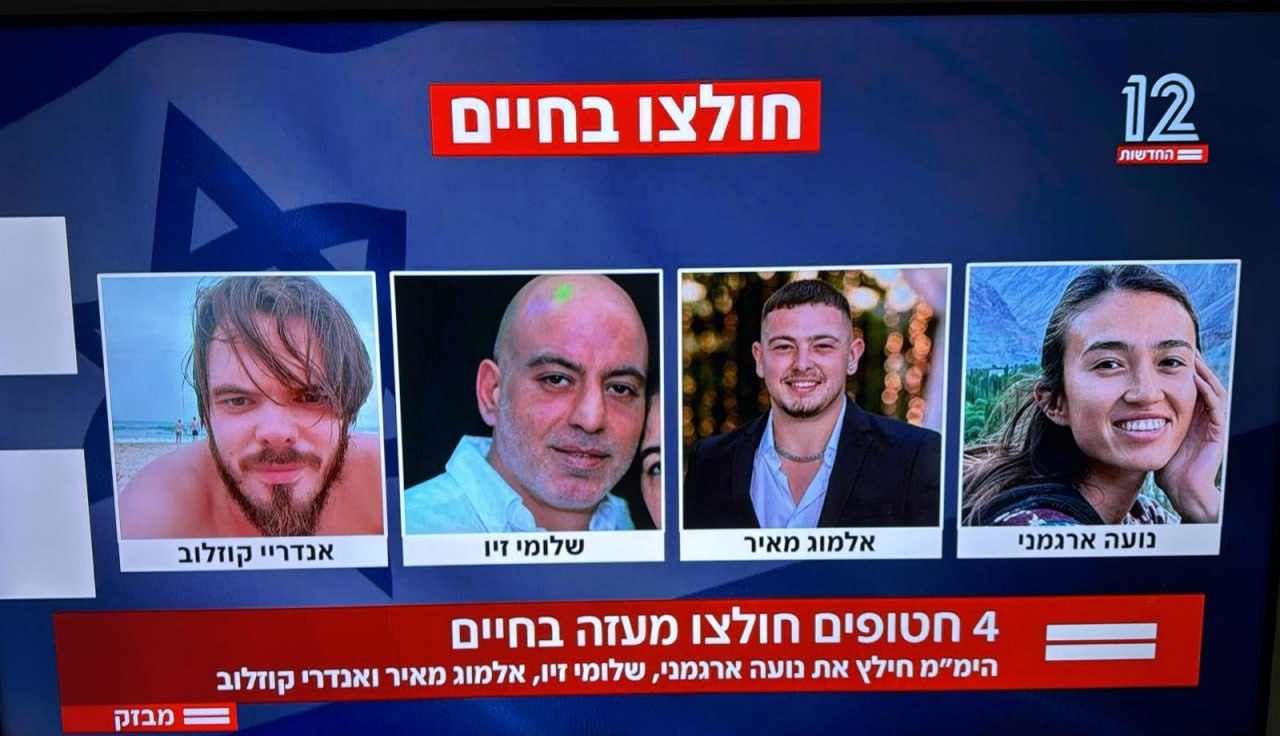
According to the Israeli army’s statement, the four prisoners – Noa Argamani (25 years old), Almog Meir Jan (21 years old), Andrey Kozlov (27 years old), and Shlomi Ziv (40 years old) – were successfully rescued during the complex and highly coordinated operation.
The Israeli military claimed that the prisoners’ health conditions were good and that they had been transported to the Sheba Tel-HaShomer Medical Centre.
Reports from Hebrew-language media claim that at least 30 Palestinian resistance fighters were martyred during the clashes, along with one Israeli officer from the elite Yamam unit, Arnon Zamoura, 36, dies of wounds sustained during operation to rescue 4 Gaza hostages.
As the dust settles, the people of Nuseirat and the broader Gaza Strip are left to grapple with the aftermath of this tragic event. Hospitals, already strained by conflict, have been overwhelmed with the influx of wounded patients, many of whom are in critical condition due to the severity of their injuries.
In defiance of the international calls for the end of the onslaught on the Gaza Strip, Israeli Prime Minister Benjamin Netanyahu in a statement vowed to continue the fight until all Israeli captives are released.
The Israeli regime’s war minister Yoav Gallant claimed the operation was “daring in nature, planned brilliantly, and executed in an extraordinary fashion.”
The operation, which was carried out with the presence and assistance of US special forces, has been condemned by Palestinian authorities as a “massacre.” They have called for an immediate investigation into the disproportionate use of force by the Israeli military.
Egypt strongly condemned the Israeli regime’s strikes on the Nuseirat refugee camp. The Egyptian Foreign Ministry described it a “flagrant violation of all rules of international law.”
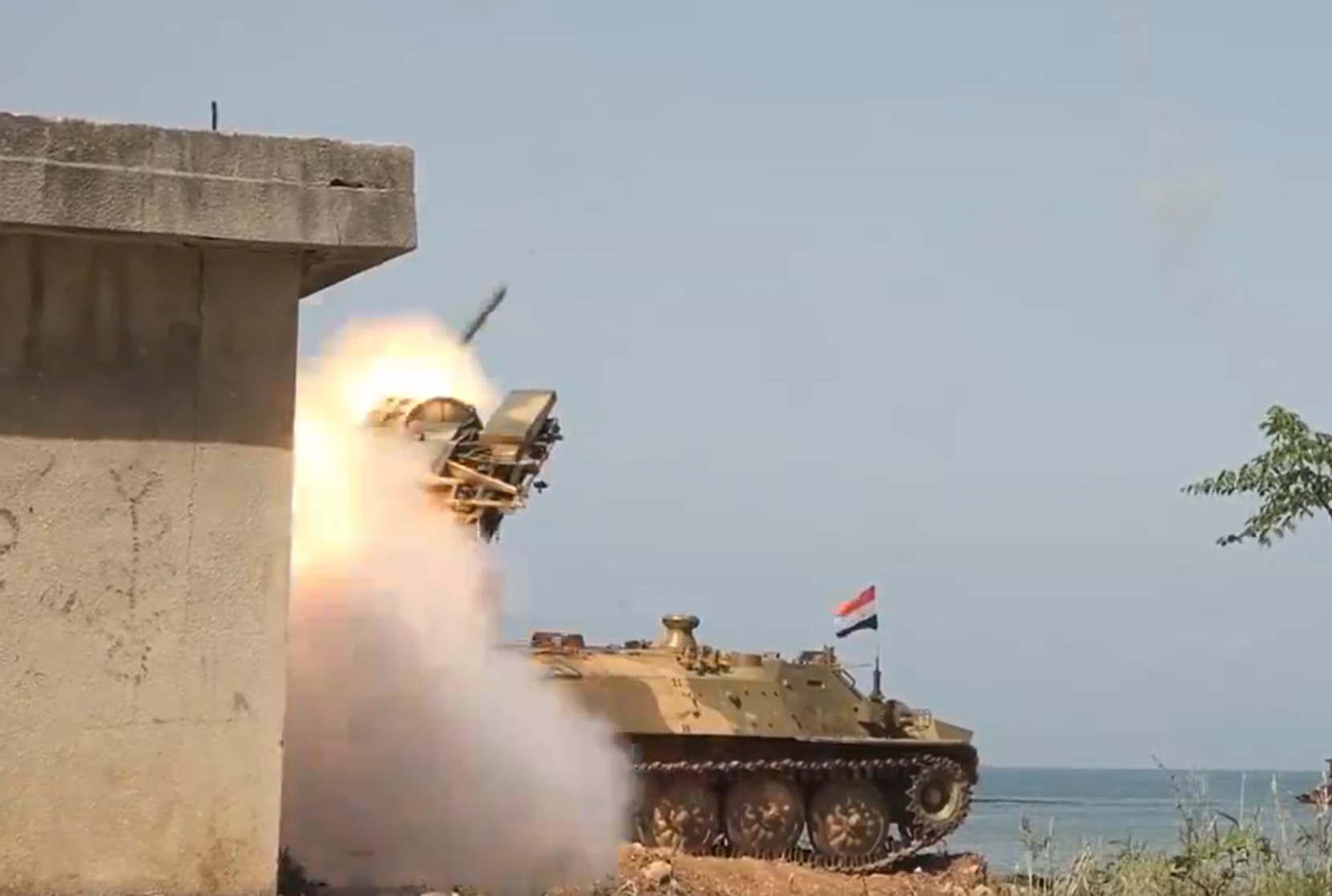
According to the Russian Ministry of Defense, the troops utilized air defense systems to intercept suicide drones and destroy unmanned surface vessels during the mock assault on the strategic naval facility.
The enemy used combat drones and uncrewed surface vessel (USV) to disable the port and infrastructure of military facilities, the ministry said in a statement, noting that Russian and Syrian air defense units have hit targets imitating UAVs with Verba and Strela-10 man-portable SAMs [surface-to-air missiles].
The Pantsir-S anti-aircraft missile system crews, along with the crews of the Cadet anti-sabotage ship of the Black Sea Fleet and small missile vessels of the Syrian Navy, were also involved in the successful defense of the port.
Additionally, Bastion coastal missile systems were deployed to repel a simulated attack from the sea by enemy surface vessels, the ministry added.
The joint exercise, which commenced on June 5, aims to practice defending Syria’s territorial integrity and covers the country’s airspace, territory, and the eastern section of the Mediterranean Sea.
According to the Government Media Office in Gaza, the death toll from the attack has now risen to a staggering 210, with over 400 individuals injured. The majority of the victims are reported to be children and women, a tragic testament to the indiscriminate nature of the Israeli onslaught on the Gaza Strip.
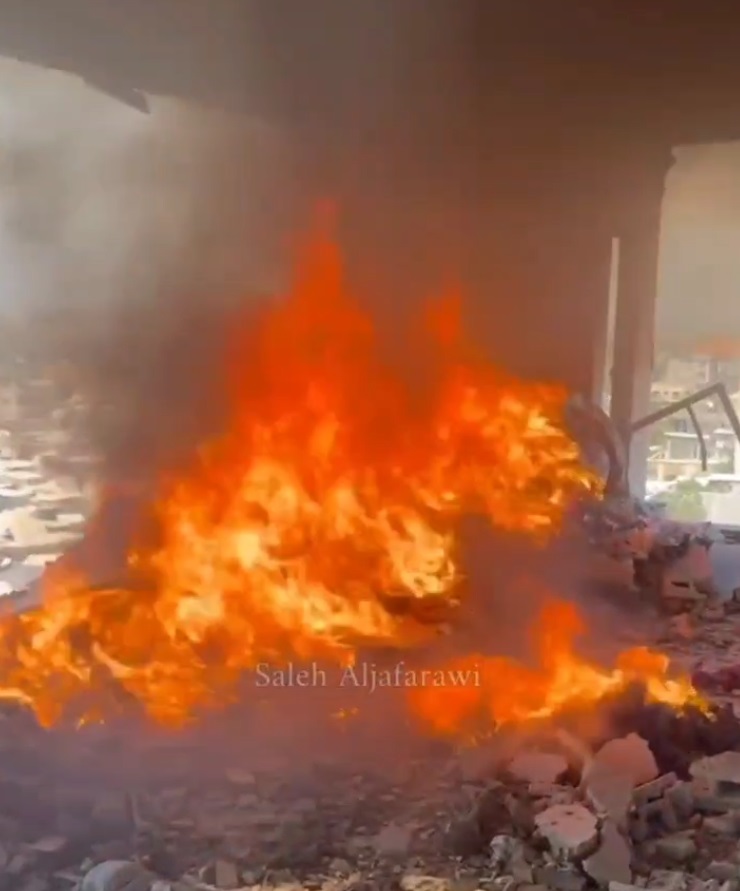
Moments of the brutal bombing of Nusirat by the Israeli regime
The Al-Aqsa Martyrs Hospital, already struggling to cope with the influx of casualties, has been overwhelmed by the sheer scale of the crisis. Patients have been forced to lie on the floor and in the corridors, as the facility lacks the necessary beds and medical supplies to adequately treat the injured.
Many of the wounded are at risk of death due to the severity of their conditions and the lack of resources, said hospital spokesman Khalil Al-Dakran, who has made a desperate plea for international intervention and support.
The bombing, which targeted the Nuseirat market and the area around the Al-Aqsa Martyrs Hospital in Deir Al-Balah, has left the community in a state of shock and anguish. Ambulances continue to transport the injured from various parts of the camp, which has been subjected to relentless Israeli bombardment.
Aftermath of Israeli genocide in Nuseirat camp
This latest atrocity is a devastating blow to the already beleaguered people of Gaza, who have endured the horrors of Israel’s ongoing genocide against the Palestinian population. According to the Gaza Ministry of Health, the Israeli onslaught on Gaza that began on October 7 has claimed the lives of at least 36,801 Palestinians, with 83,680 more wounded.
As the international community grapples with the gravity of the situation, the people of Nuseirat and across Gaza remain in dire need of immediate humanitarian aid and protection.
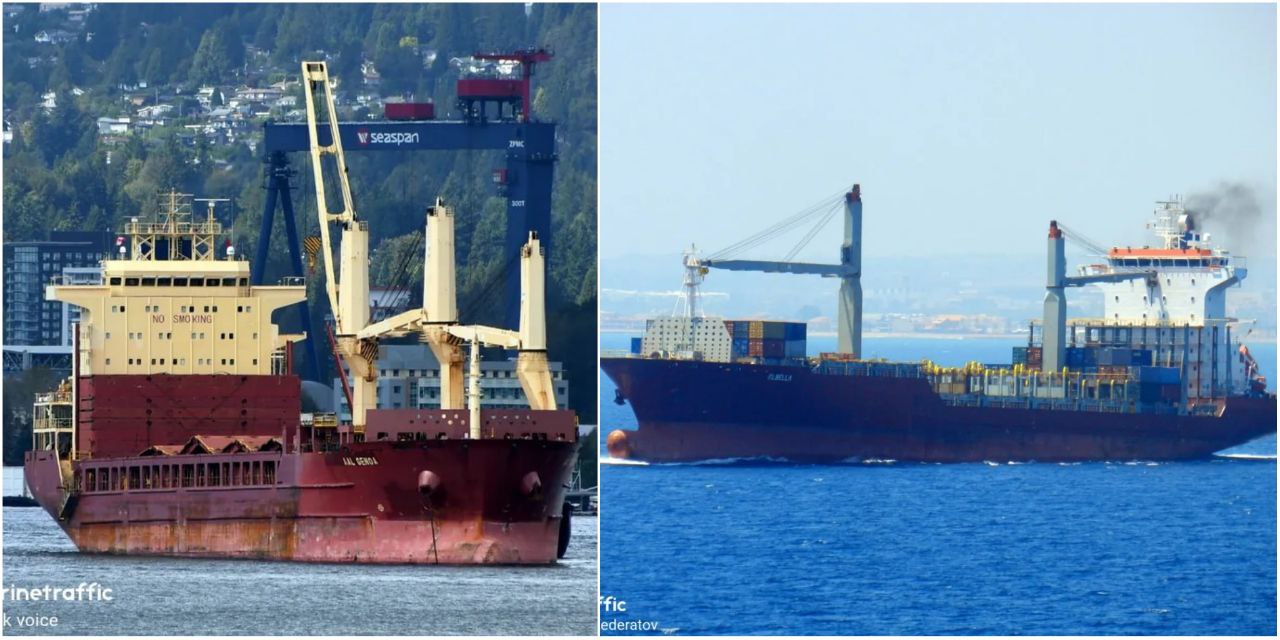
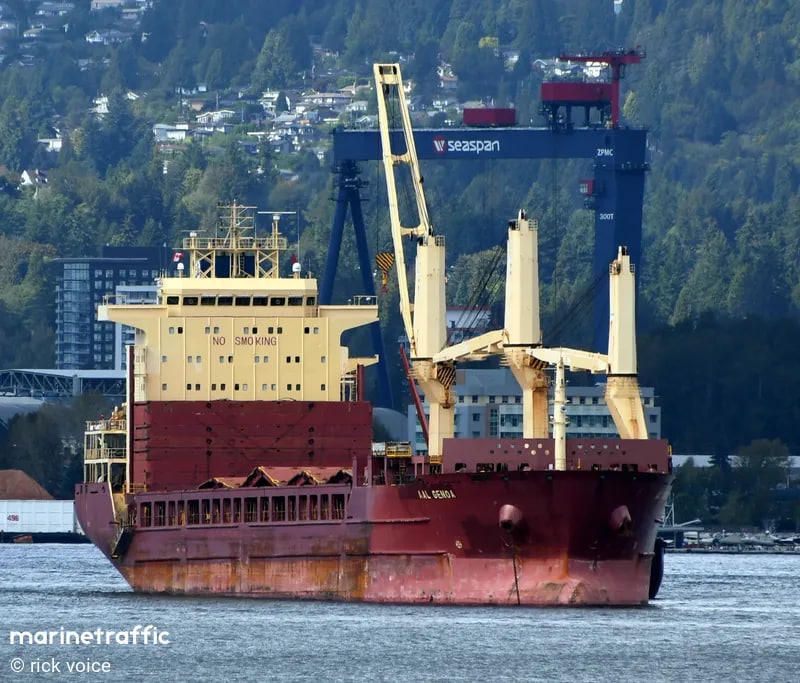
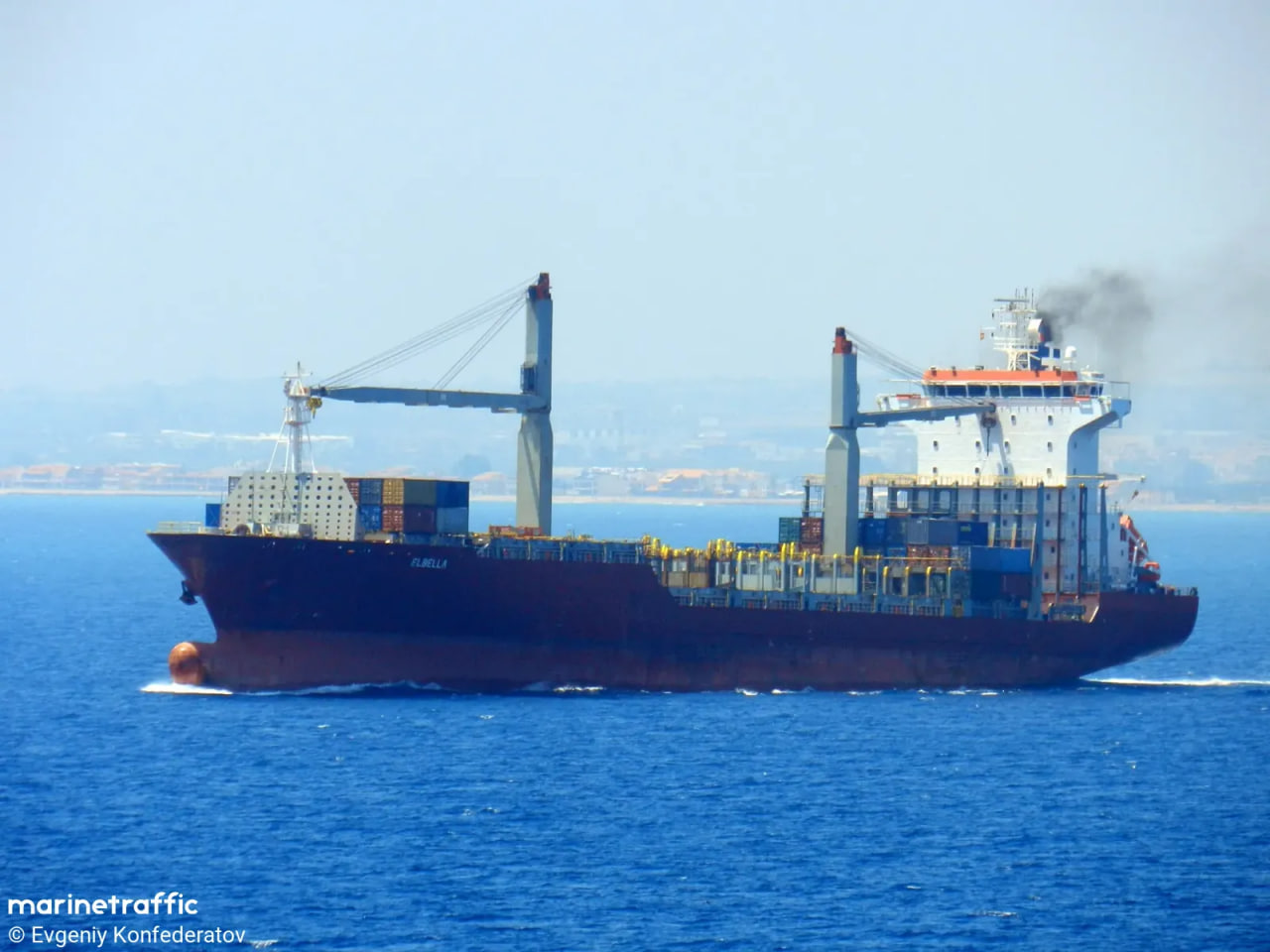
According to Brigadier General Yahya Saree, the spokesman for the Yemeni armed forces: “In support of the oppressed Palestinian people and in response to the crimes committed by the Zionist enemy against the refugees in the Rafah city of the Gaza Strip, and within the framework of the expansion of military operations in the fourth stage of escalating tensions and in response to the attacks of the United States and Britain on our country; the naval, the drone and the missile units of the Yemeni Armed Forces carried out two joint operations in the Red Sea against the ships Elbella and AAL GENOA, which belong to companies that have violated the decision to ban entry to the occupied Palestinian ports. These ships were targeted with a number of drones, ballistic and naval missiles, and thanks to God, the strikes were accurate.”
In conclusion of the statement, the Yemeni Armed Forces spokesman vowed to continue the military operations in support of the oppressed Palestinian people until the end of the aggression and the lifting of the siege on the Gaza Strip.
Archival images of Elbella and AAL Genoa ships
Elbella is a container ship that has been operating under the Maltese flag since 2006 and was moving from the port of Jeddah in Saudi Arabia towards Egypt’s Port Said at the northern end of the Suez Canal, on the Mediterranean Sea. AAL GENOA, on the other hand, is a general cargo ship that has been operating under the Cypriot flag since 2010 and was moving from the Port Said in Egypt towards the port of Jebel Ali in the UAE.
According to statistics of the IWN, these latest strikes are the 107th and 108th official attacks by the Yemeni Armed Forces against illegal ships (belonging to the Israeli regime, the United States, Britain, as well as vessels affiliated with them) in the Red Sea, the Arab Sea, the Indian Ocean, and the Mediterranean Sea.
This decisive action by the Yemeni Armed Forces stands as a testament to their unwavering commitment to supporting the Palestinian cause and defending the rights of the oppressed people in the besieged area.
This unprecedented collaboration between the two prominent resistance forces marks a significant escalation in the ongoing struggle against the Israeli occupation.
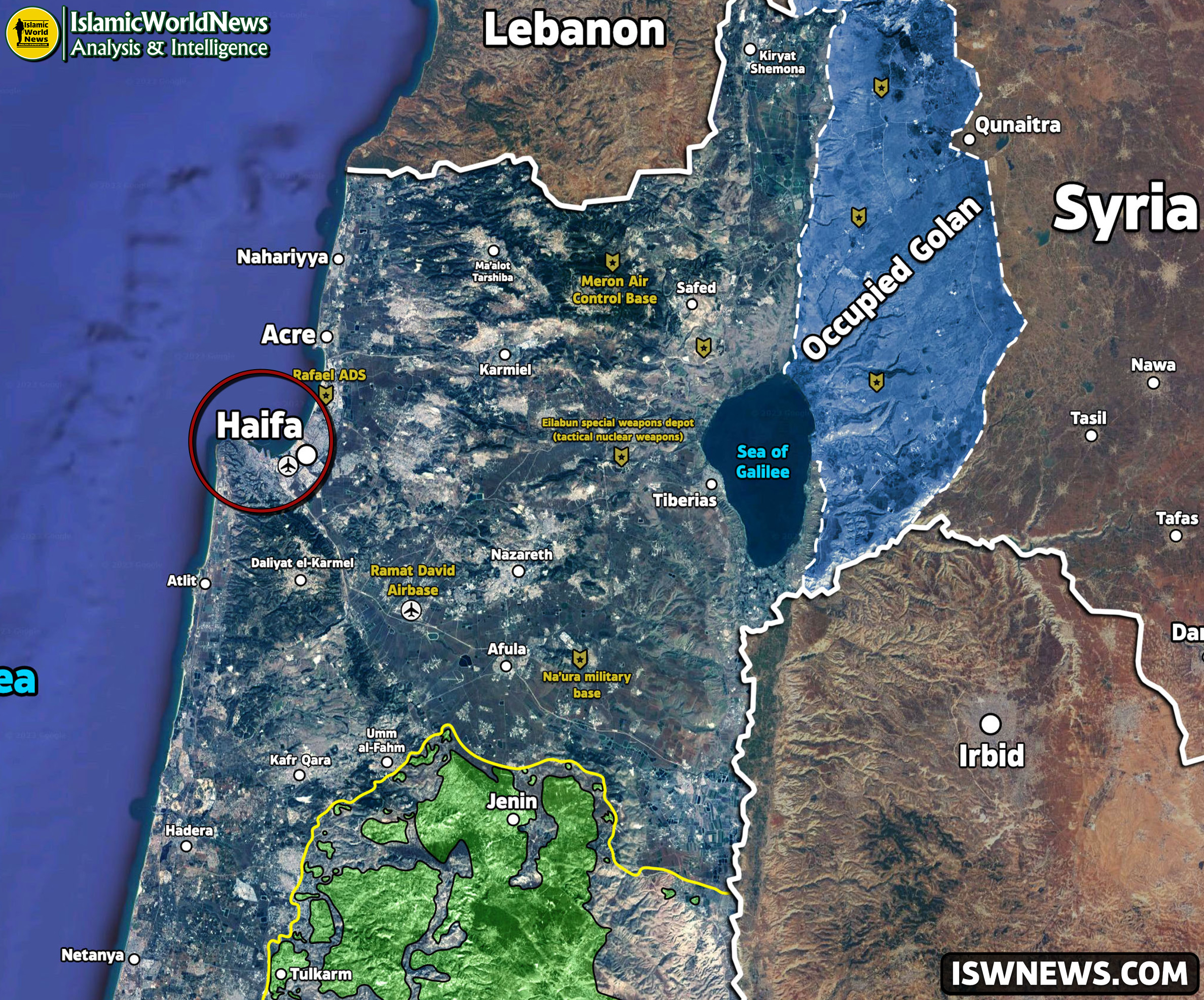
According to Brigadier General Yahya Saree, spokesman for the Yemeni Armed Forces, in the first operation, they targeted two ships carrying military equipment in the port of Haifa. In the second operation, a ship that had violated the ban on entry into this port was also hit. These strikes were executed with the use of several suicide drones, and the spokesman asserted that the attacks were accurate and successful, thanks to the almighty God’s support.
In his statement, Brigadier General Saree called upon all Arab armies to participate in military operations to show support for the Palestinian resistance, emphasizing the religious and humanitarian duty to stand with the oppressed Palestinian people. This appeal resonates with the growing sentiment across the Arab world, where the plight of the Palestinians has long been a source of deep concern and a rallying cry for unity.
The Islamic Resistance in Iraq echoed this sentiment, confirming the joint drone attack on the port of Haifa and vowing that such coordinated operations against the Israeli regime will continue with increasing speed and intensity. This announcement underscores the determination of the Iraqi resistance to actively support the Palestinian cause.
The joint operations by the Yemeni and Iraqi resistance fighters represent a significant shift in the geopolitical landscape of the West Asia region. By combining their resources and expertise, these two regional powers have demonstrated their ability to project power and inflict damage upon the Israeli regime’s strategic assets, challenging the perceived invincibility of the Israeli military.
Both the Yemeni Armed Forces and Yemen’s Ansar Allah movement have time and again underscored that they will keep on these attacks on Israeli positions as well as their strikes on vessels affiliated with the regime and its allies such as the US and the UK in the Red Sea, the Arabian Sea, the Bab al-Mandab Strait and the Indian Ocean until the time when the onslaught on the Gaza Strip comes to an end and the siege on the besieged area is lifted.
Brigadier General Yahya Saree spokesman for the Yemeni Armed Forces, said in a statement on the evening of June 5 that in support of the oppressed Palestinian people and in response to the crimes of the Zionist enemy against the displaced people in the Rafah city of the Gaza Strip, as well as within the framework of expanding military operations in the fourth phase of escalating tensions and responding to the aggression of the United States and Britain against our country, the naval, missile and drone forces carried out three military operations in the Red Sea and the Arabian Sea, as follows:
– In two operations in the Red Sea, a number of missiles and drones targeted two ships: the Roza ship and the Vantage Dream vessel, belonging to companies that violated the ban put by Yemen on entry of ships into the occupied Palestinian ports.
– The third operation, carried out with several drones, targeted the US ship Maersk Seletar in the eastern Arabian Sea.
Brigadier General Saree added that the Yemeni Armed Forces, with the help of God Almighty, will continue their military operations in support and aid of the oppressed Palestinian people until the end of the Israeli attacks and the lifting of the siege on the Gaza Strip.
Archive pictures of the Roza, Vantage Dream, and Maersk Seletar ships
– The Roza ship is a bulk carrier that has been operating under the Liberian flag since 2010. Its origin and destination are recorded as the ports of Port Said and the Suez Canal.
– The Vantage Dream ship is also a bulk carrier that has been operating under the Liberian flag since 2011. This vessel was also moving from India towards the Suez Canal in Egypt.
– The Maersk Seletar ship is a container ship that has been operating under the US flag since 2007. This vessel was also moving from Spain to an unknown destination.
According to statistics of the IWN, the attacks by the Yemeni Armed Forces on the aforementioned ships, as stated in the statement by Brigadier General Yahya Saree, are the 103rd-106th official attacks by Yemeni forces against banned ships (Israeli, the US, British vessels as well as ships affiliated with them) in the Red Sea, the Arabian Sea, and the Indian Ocean.
The Shahed-238 suicide drone was first unveiled informally in October 2023 in the Parchamdar (Flagship) Documentary. This drone has a similar platform and the same dimensions to the Shahed-136, but the fundamental difference is the use of a mini-turbojet engine instead of a piston engine.
The Shahed-136, despite its low radar cross-section (RCS), due to its piston engine, low speed, and distinctive loud noise, provided the enemy’s air defense systems and even ground forces with enough time to identify it. However, the use of a turbojet engine in the Shahed-238, while increasing the speed and reducing the noise, along with the drone’s specialized airframe, provides much better protection against heavy machine guns and anti-aircraft cannon, improving the overall success rate of the drone.
A video of the flagship documentary in which the new version of Shahed-136 (now, known as Shahed-238) with micro-turbojet engine can be seen.
Examination of the available turbojet engines produced in Iran, as well as images of the Russian version of this drone from the Ukraine war, suggests the likelihood of using the Toloue-10 engine on the Shahed-238 drones.
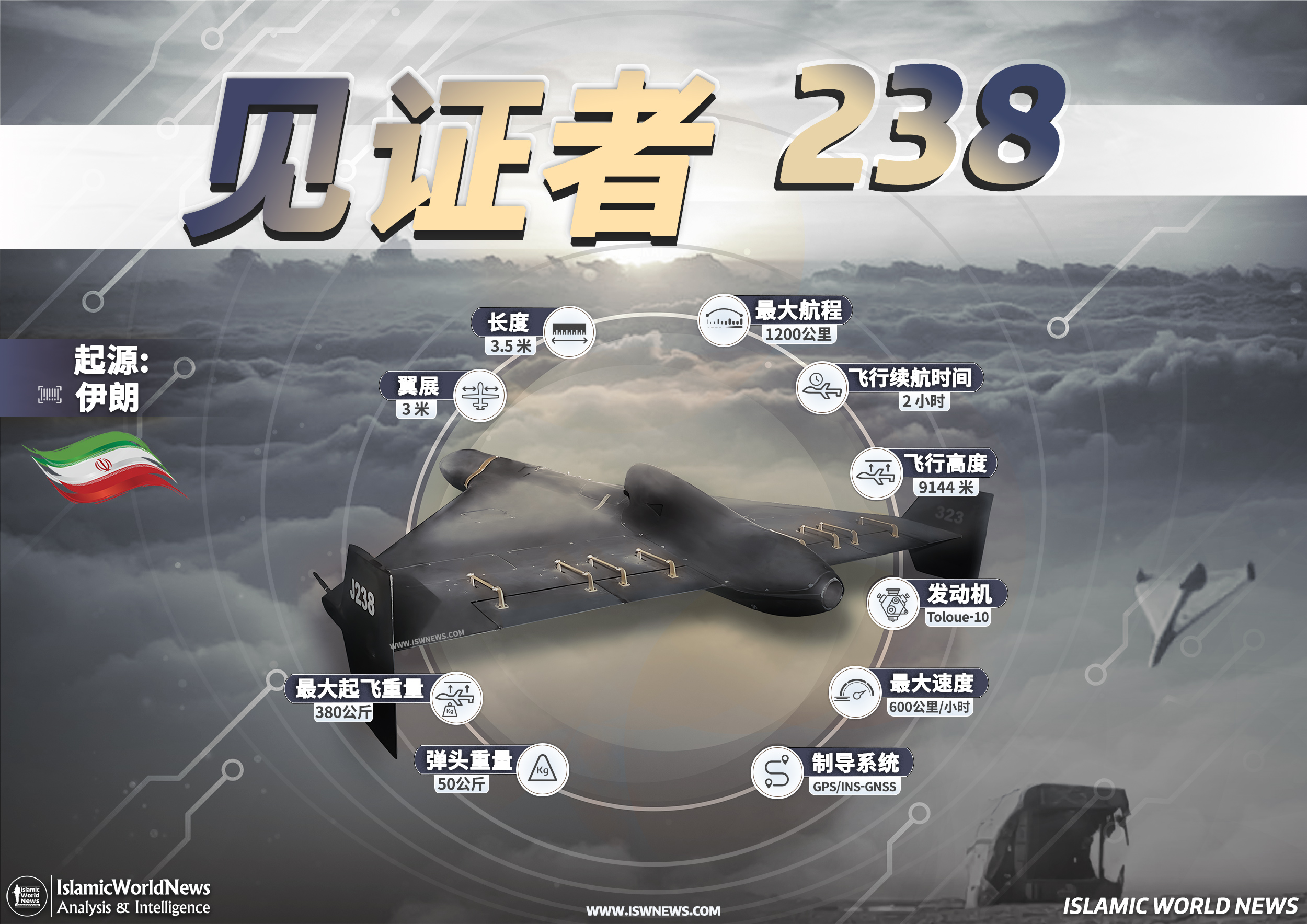
The Tolou-10 turbojet engine with a thrust of 1100 to 1200 Newtons increases the speed of the Shahed-238 to 500 to 600 kilometers per hour.
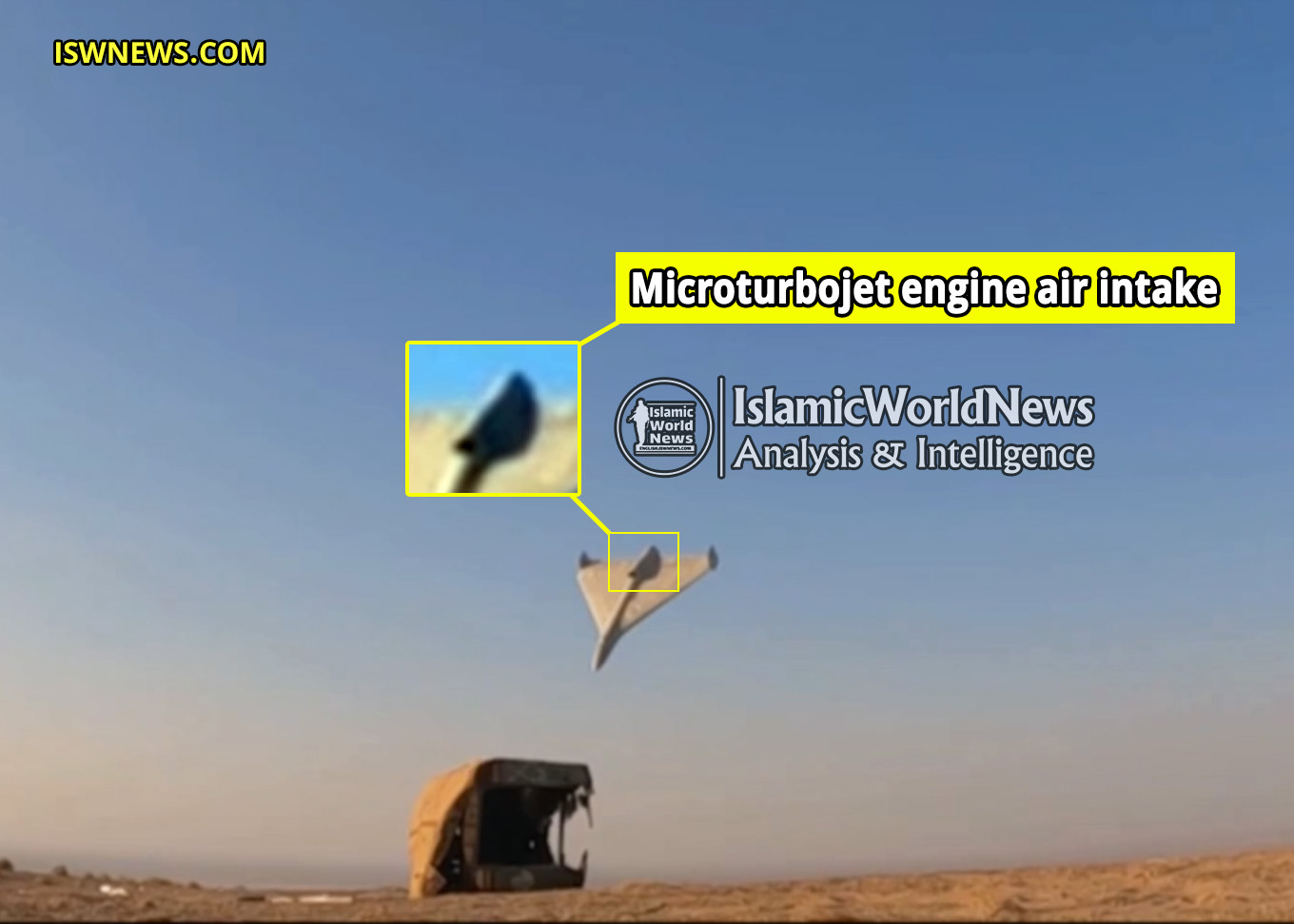
The change in propulsion and engine design increases the weight of the drone. The piston engine MD550 or a similar engine used in the Shahed-136 weighs 17.59 kilograms, while the Toloue-10 turbojet engine weighs around 20.5 kilograms. Additionally, the placement of the micro-turbojet engine within the airframe reduces the space available for carrying fuel. Modifications have also been made to the upper part of the fuselage to accommodate the air intake, which further increases the weight and reduces the drone’s fuel carrying capacity. The fuel type has also been changed from gasoline to Jet-A, primarily due to the fuel requirements of the new engine.
All of these factors, in addition to the increased speed, mean a reduction in the endurance of this drone. It is worth noting that with the changes made, the maximum takeoff weight has increased from 250 kilograms to 380 kilograms.
Air intake for the micro turbojet engine in the Shahed-238 drone
This is not the first time the Toloue-10 engine has been used in Iranian drones. In the past, the Toloue-10 engine had also been used on the Shahed-191 drone.
The use of a jet engine, while turning the Shahed-238 into a fast suicide drone, also has its disadvantages. The piston engine of the Shahed-136 has a very low thermal signature, which made it difficult for infrared-guided missiles like shoulder-launched missiles to lock onto the drone. However, with the change from a piston to a jet engine, more heat is generated, making it easier for infrared-guided missiles to lock onto the drone.
Shahed-238 variants:
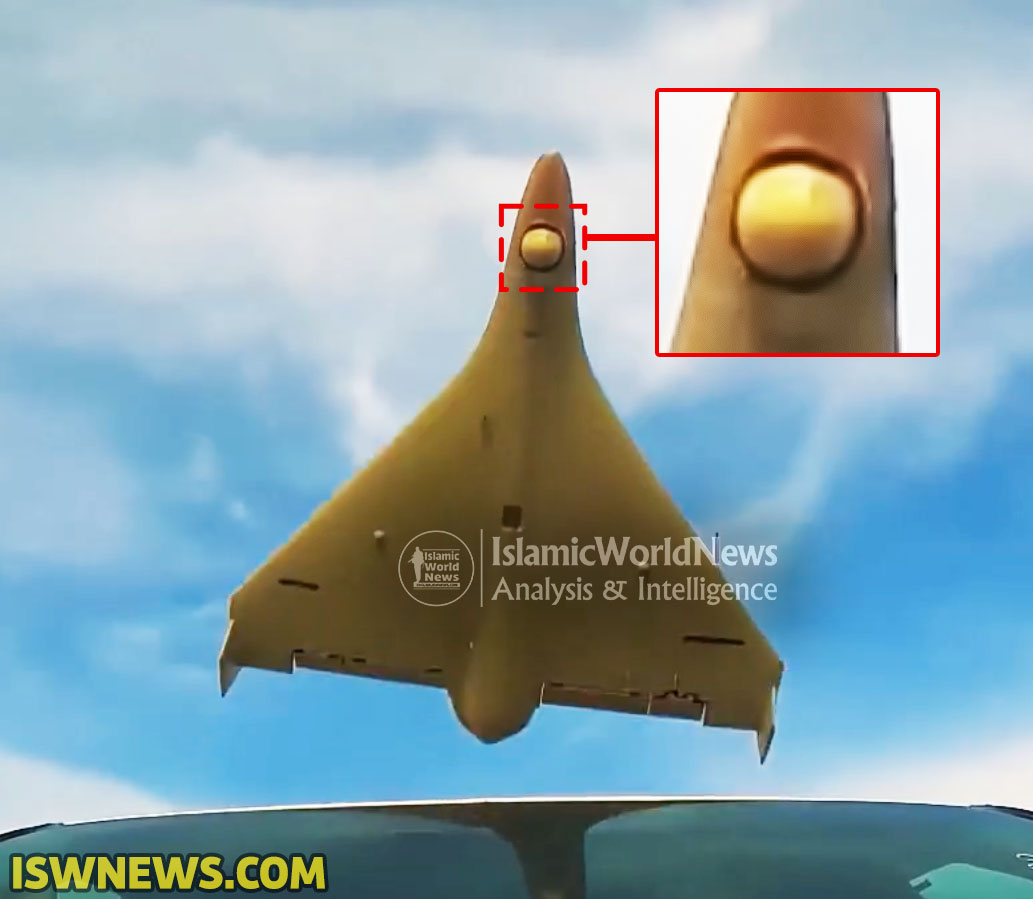
The jet-powered Shahed-238 suicide drone has been displayed in three classes so far: a basic and standard model, a model equipped with an imaging infrared (IIR) seeker in the nose, and a model (possibly) equipped with a passive anti-radar seeker.
From right to left: the model equipped with an imaging infrared seeker in the nose, the basic and standard model,and the model equipped with a passive anti-radar seeker.
The standard version of the Shahed-238 drone, like the Shahed-136, is equipped with inertial and satellite guidance and is used to attack fixed ground targets.
The model equipped with a thermal seeker is guided by inertial and satellite navigation to the target area and uses the seeker in the final dive phase to select and lock onto the target. The use of the imaging infrared seeker in the nose significantly increases the accuracy and allows the drone to be used against moving targets as well.
Shahed-238 equipped with thermal seeker
The model equipped with a passive anti-radar seeker is used to suppress the enemy’s radar systems. In this version, the drone enters the target area using inertial and satellite guidance, and then the anti-radar seeker, after detecting radar signals, locks onto the enemy’s radar systems or radio towers and attacks them.
Shahed-238 equipped with anti-radar seeker
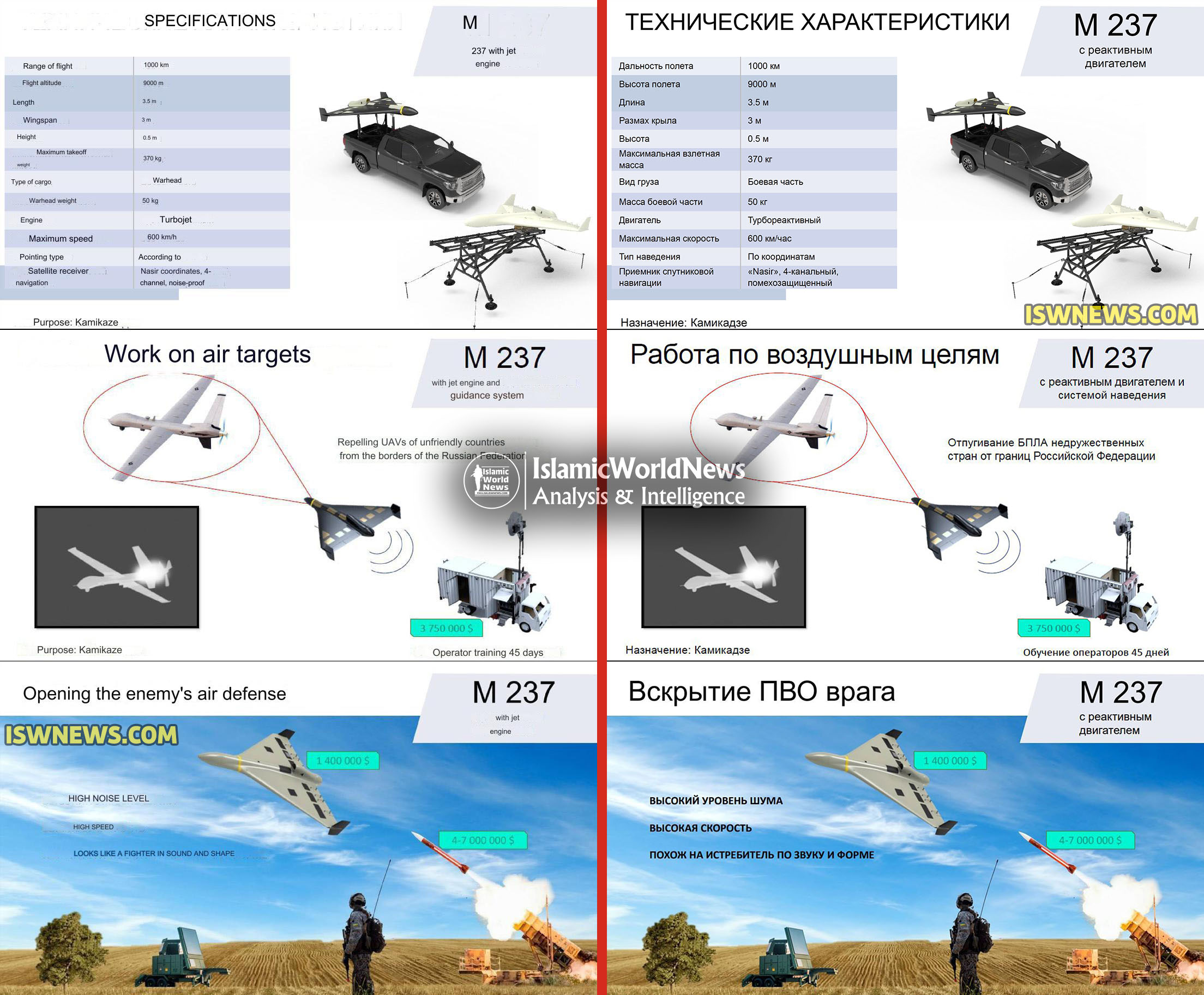
It should be noted that the leaked documents show that a drone similar to the Shahed-238, which has been supplied by Iran to Russia and is being produced in that country, is known as the M-237 in the Russian Federation.
After the release of these documents, due to the presence of thermal seekers in the Russian drones, some people mistakenly thought that this drone was a new and different version of the Shahed-238, and therefore the name of the Iranian drones equipped with thermal seekers is also Shahed-237. However, it should be noted that according to the official information published by Iran, the official name of all versions of this drone is the Shahed-238, and only the exported or licensed version is known as the M-237, which can be renamed again in the destination country. Changing the name of exported weapons is a common and normal practice in Iran’s military industries.
All the information published in these documents is almost completely consistent with the information presented on the banner of the Shahed-238 drone at the Iranian National Aerospace Park. But an interesting point that was not available before is that the thermal seeker-equipped version of this drone, in addition to the ability to attack ground targets, also has the ability to attack air targets such as drones. The leaked document shows that the Shahed-238, or the M-237, has locked onto a US MQ-9 Reaper drone.
Right: Leaked documents from the M237 UAV – Left: Shahed-238 banner in the Iranian National Aerospace Park
In addition to all the mentioned models, there is another version of the Shahed-238 drone that has been displayed in one of the promotional videos, but has not been exhibited in any exhibitions so far and no information about it is available. In this model, the Shahed-238 is equipped with an electro-optical camera under the nose. One can speculate that the features of this drone are similar to other Shahed-238 models, and the only difference is the version of camera. Therefore, this model, in addition to the capability of being a suicide drone, also has reconnaissance and surveillance capabilities, and helps the operator in selecting visual targets.
Shahed-238 equipped with an electro-optical camera
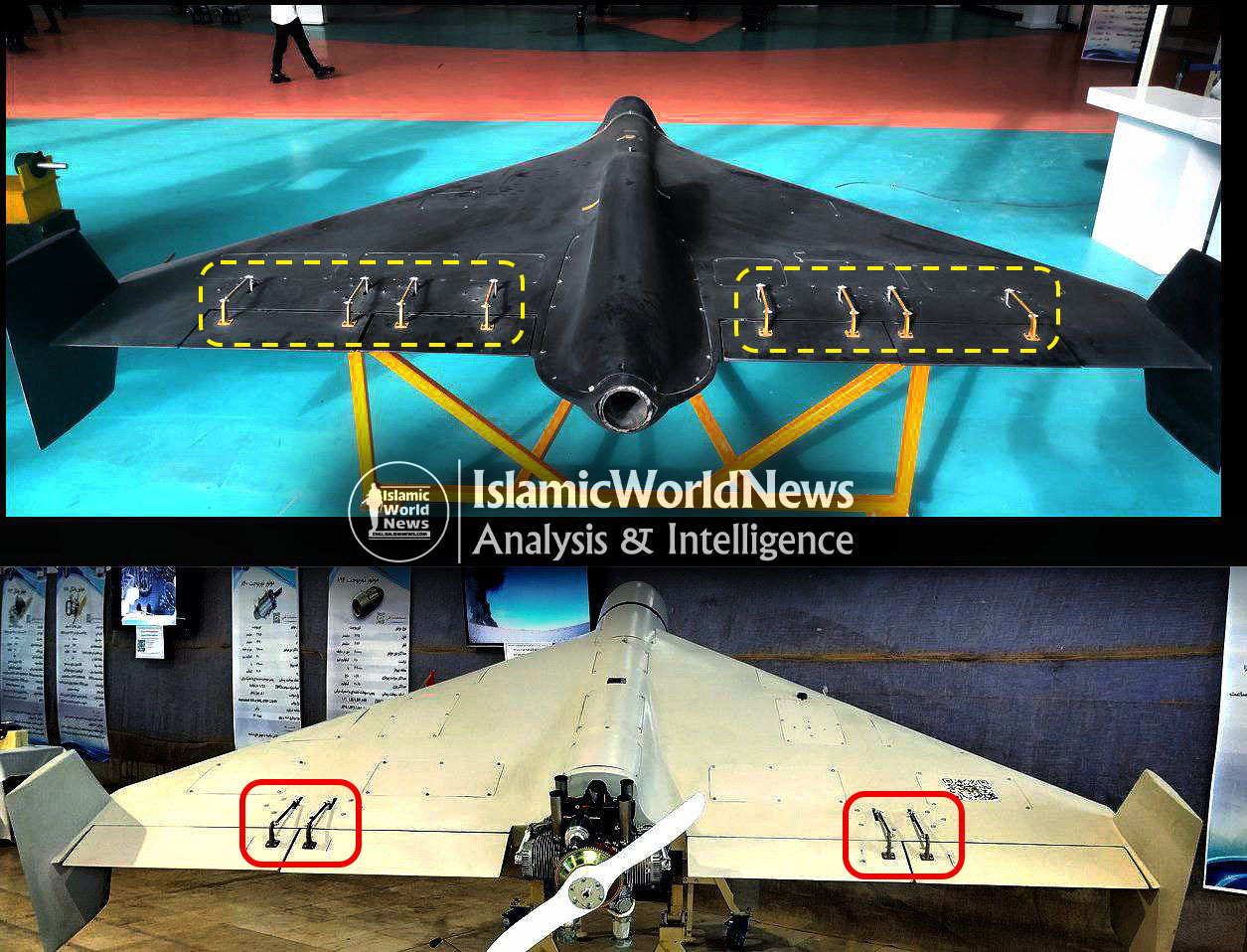
Due to the use of a jet engine and increased power, the flap actuators (high-lift devices) also need to be reinforced. For this reason, the Shahed-238 uses eight actuators on the wings, while the Shahed-136 had four actuators on its wings.
The difference between the actuators in Shahed-238 and Shahed-136
According to the available information, the maximum takeoff weight of the Shahed-238 drone is around 380 kilograms, and it is equipped with a 50-kilogram warhead.
The launch and take-off method of the Shahed-238 drone is similar to the Shahed-136. This drone can be launched with the help of a vehicle or using a rocket booster (JATO). There are also speculations about the launch of this drone from fighter jets, which, given the limitations of this task, will most likely remain speculative. However, if this is true, the limitation of the reduced range of this drone compared to the Shahed-136 model will also be eliminated.
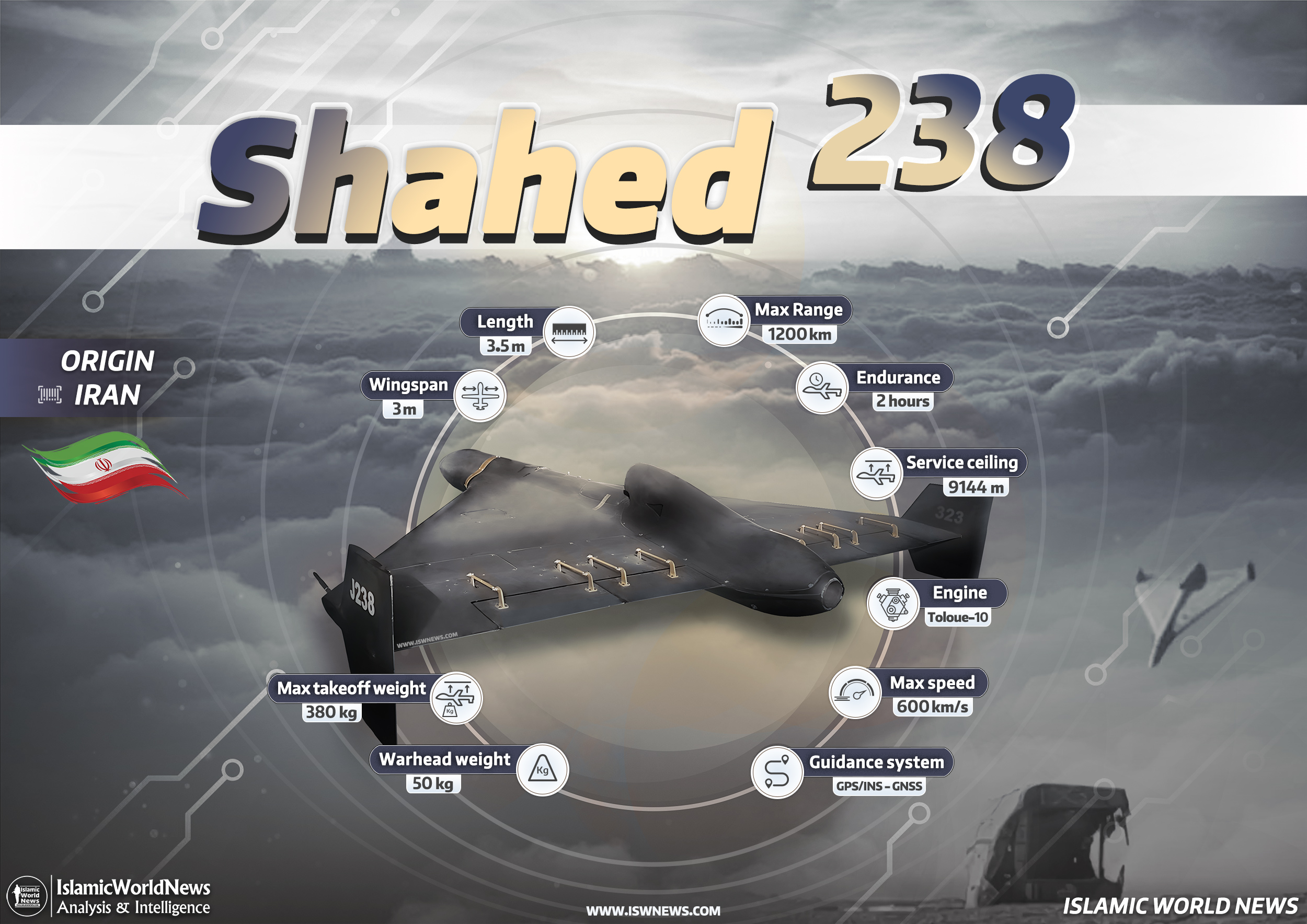
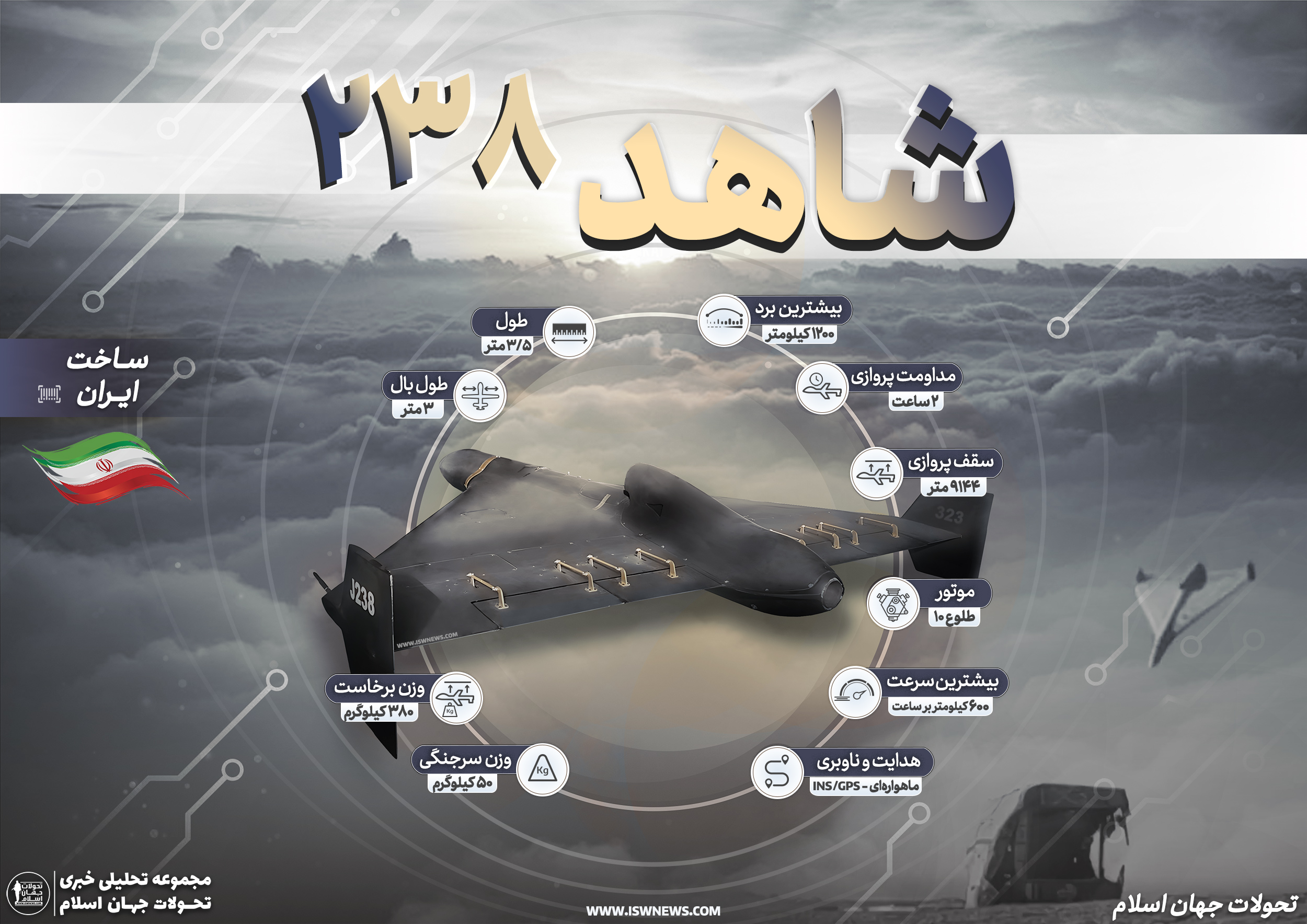
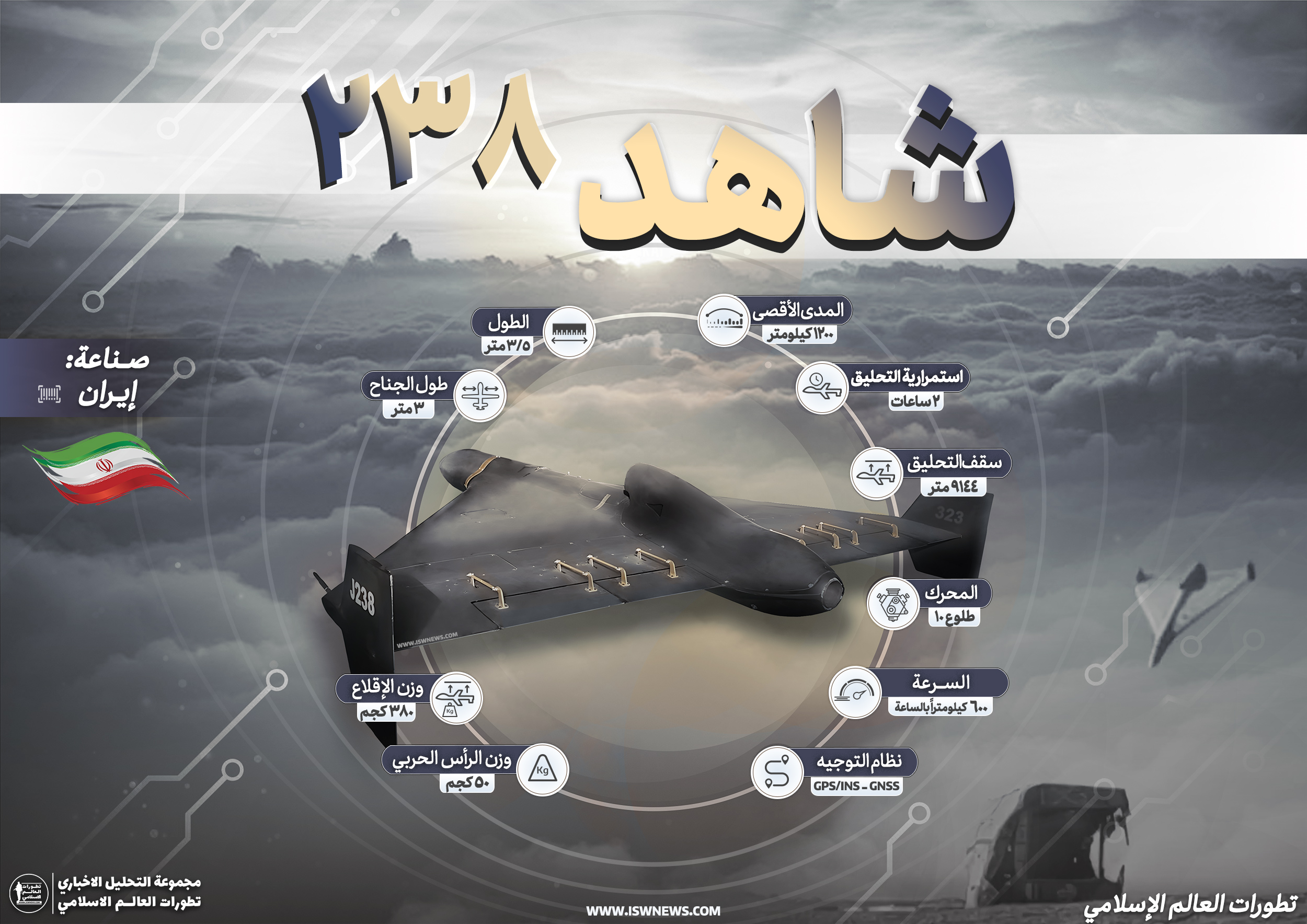
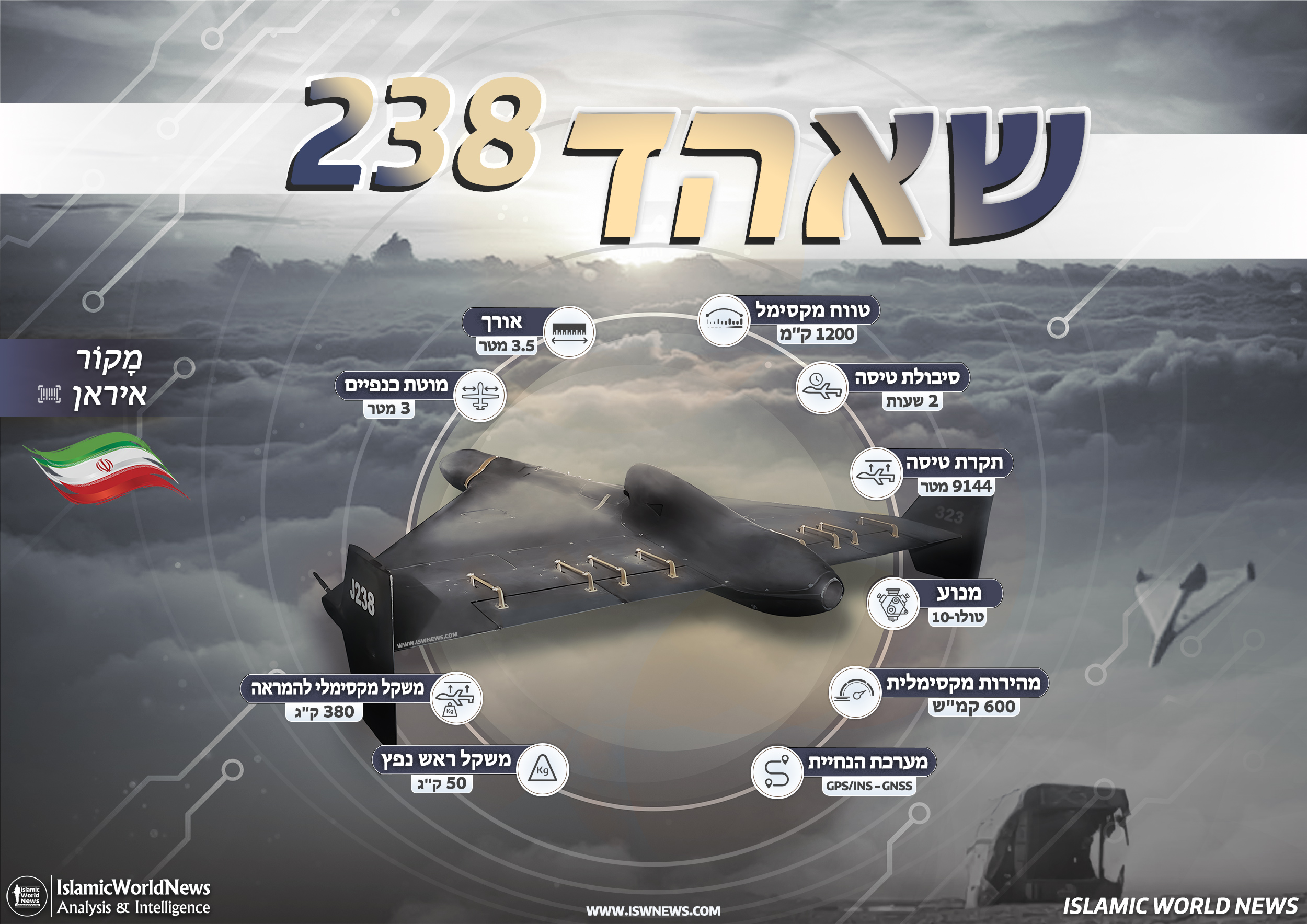
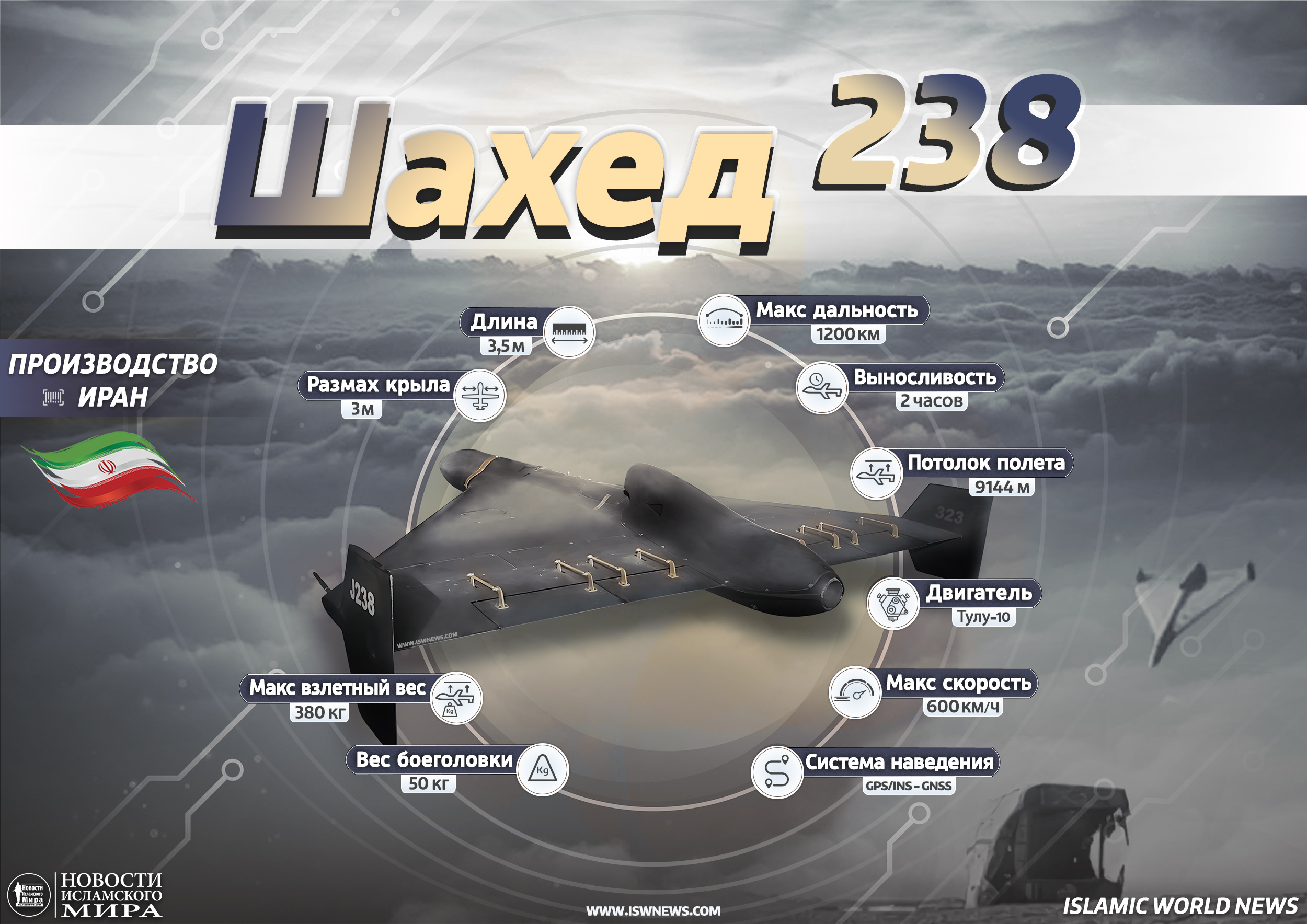
Specifications of Shahed-238 suicide drone: Type: Suicide drone Country of Origin: Iran Unveiled: 2023 Length: 3.5 meters Wingspan: 3 meters Engine: Toloue-10 jet engine Range: up to 1200 km Speed: up to 600 km/h Impact speed: + 700 km/h Flight ceiling: 30 thousand feet (9144 meters) (equivalent to Shahed-191) Flight endurance: 2 hours Guidance system: GPS/INS – GNSS Warhead weight: 50 kg Max take-off weight: 380 kg Launch platform: JATO or vehicle-assisted Landing type: With parachute
Shahed 238 suicide drone – click to view in larger size
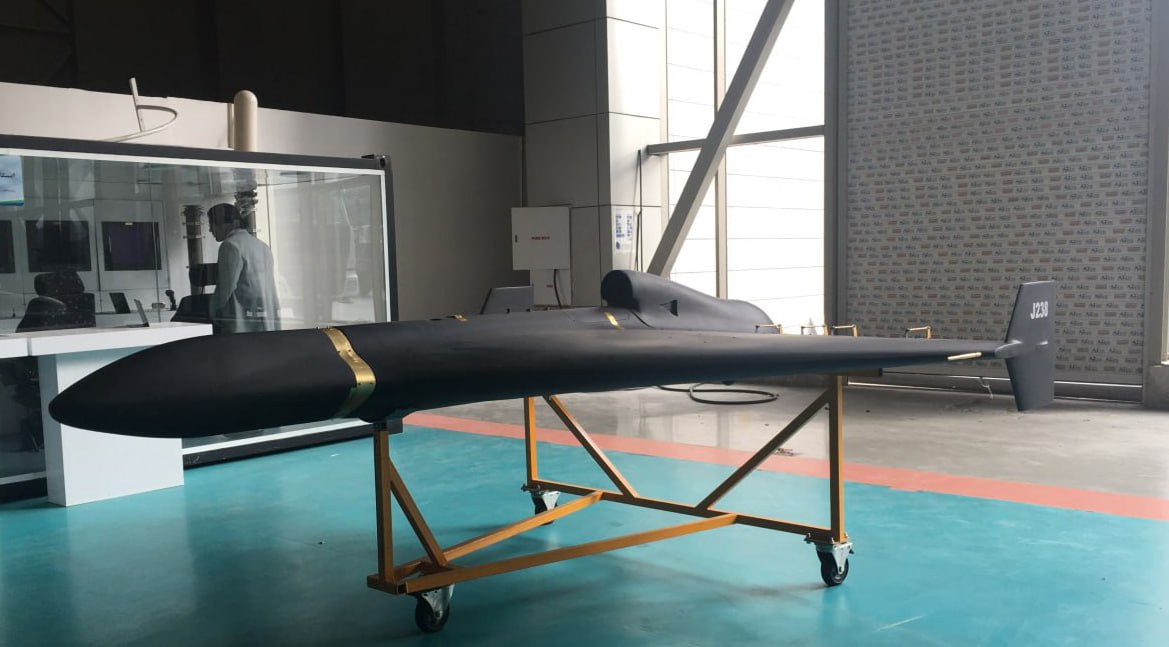
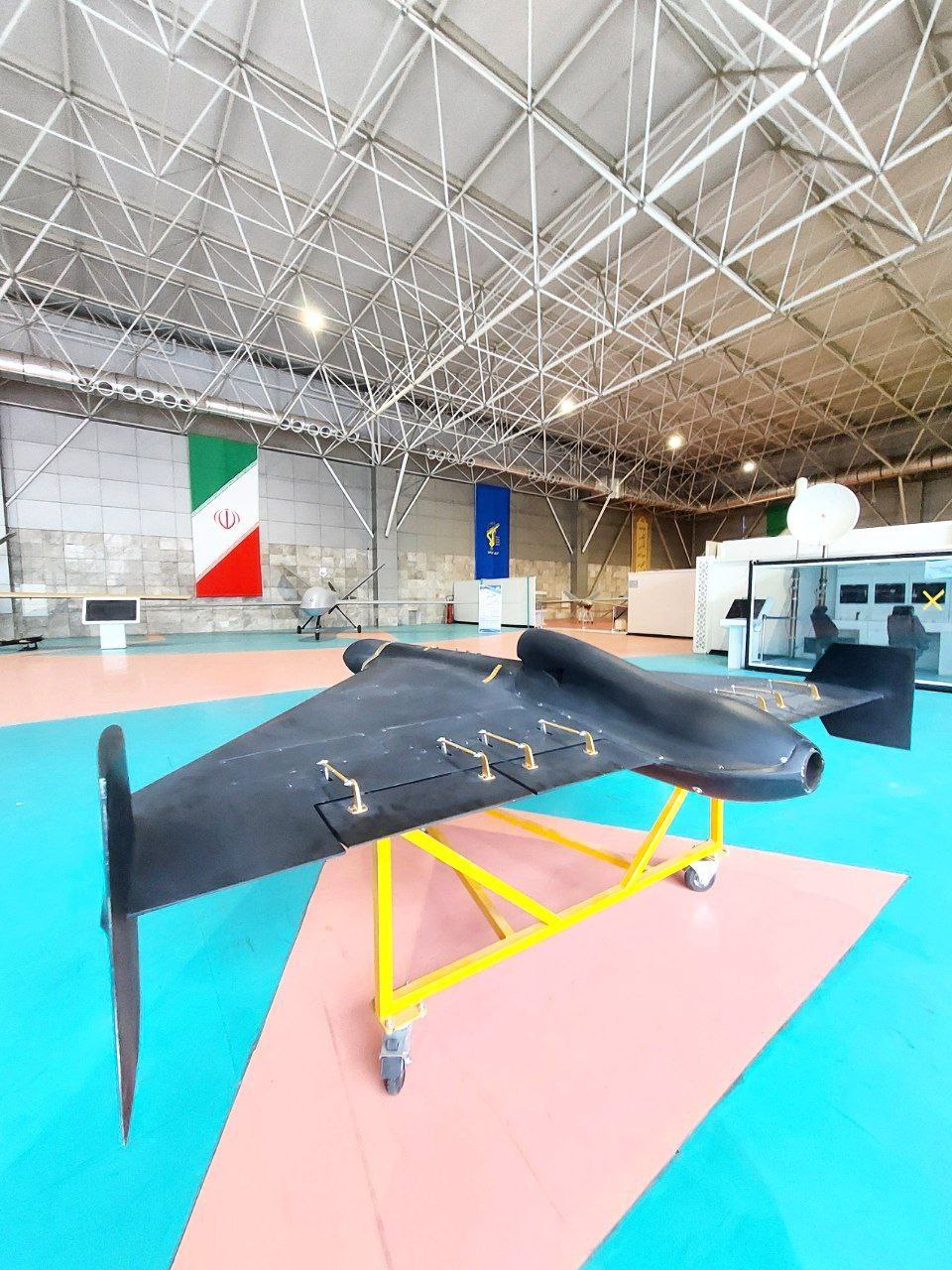
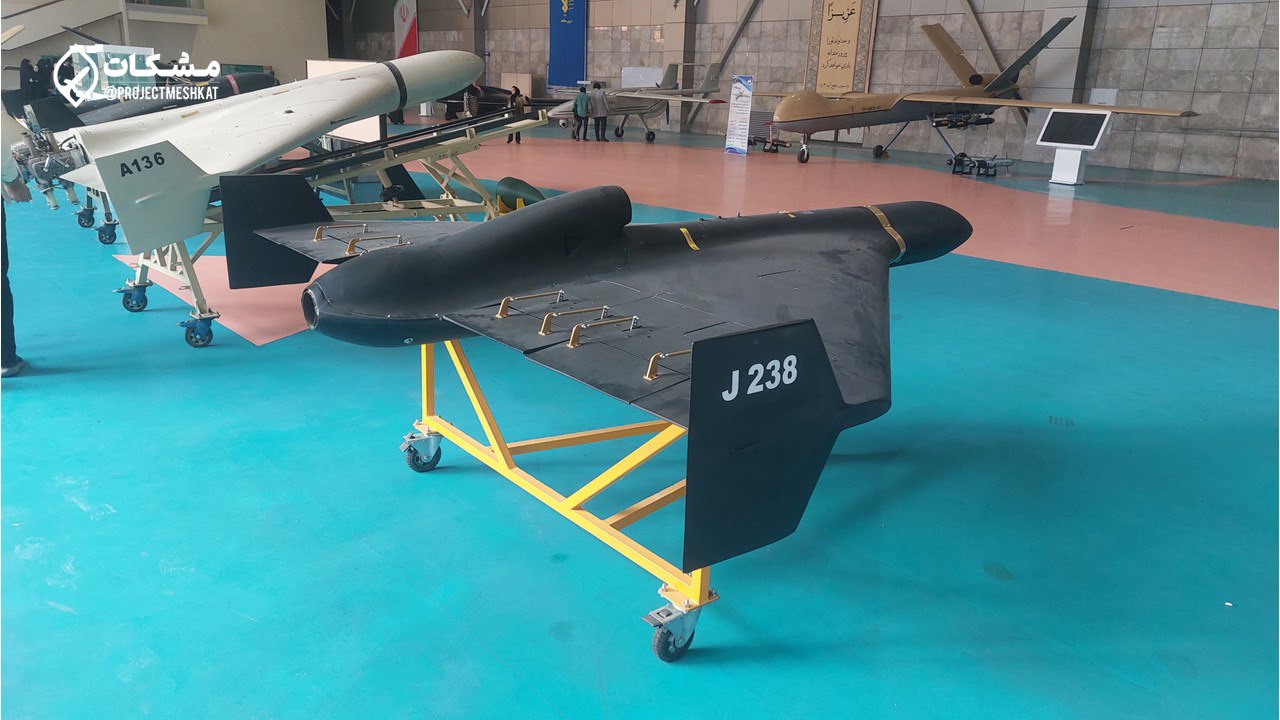
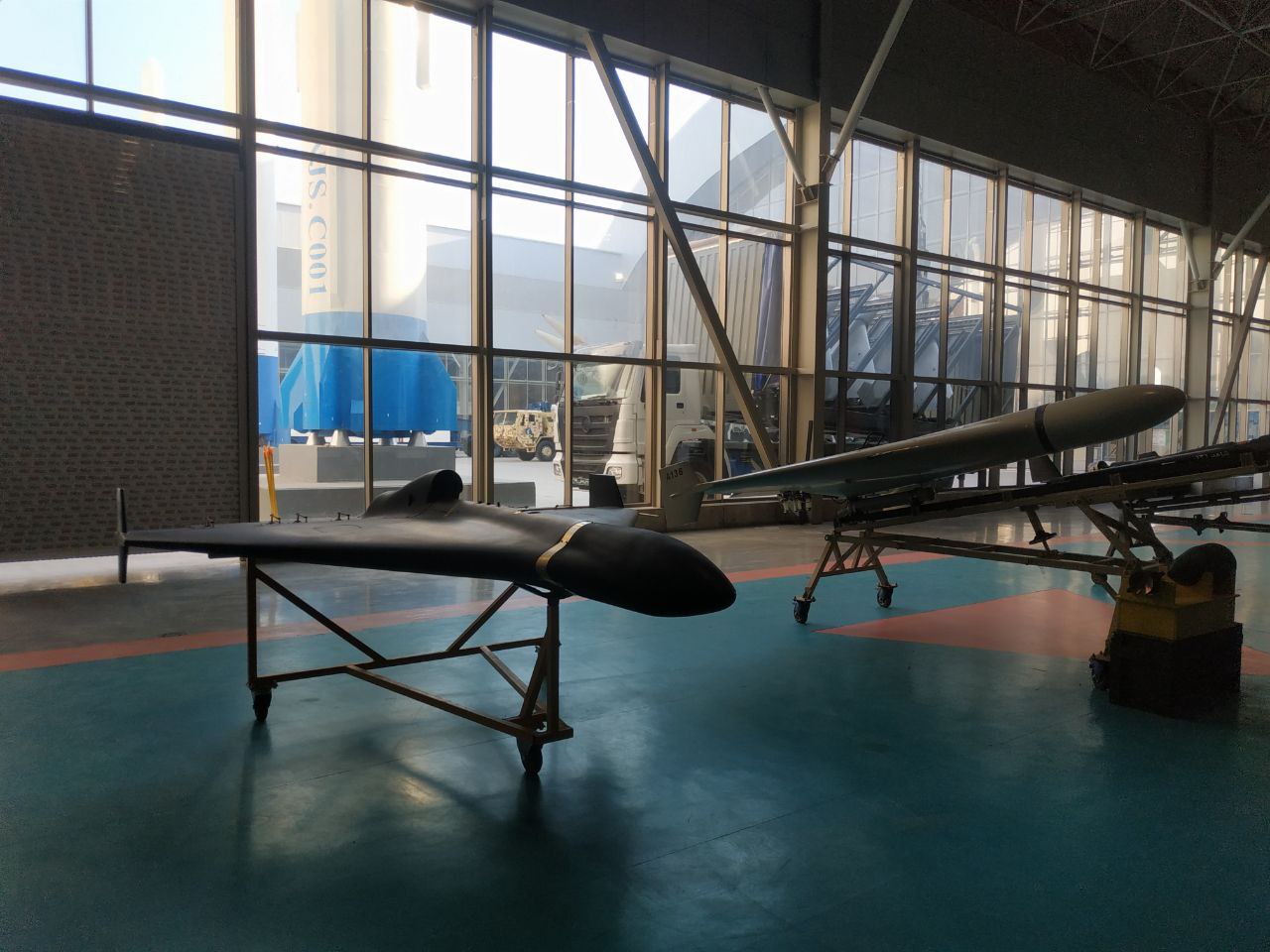
More images of Shahed 238 suicide drone:
Click to view full size
Shahed-238 posters in Persian, Russian, Chinese, Arabic and Hebrew: