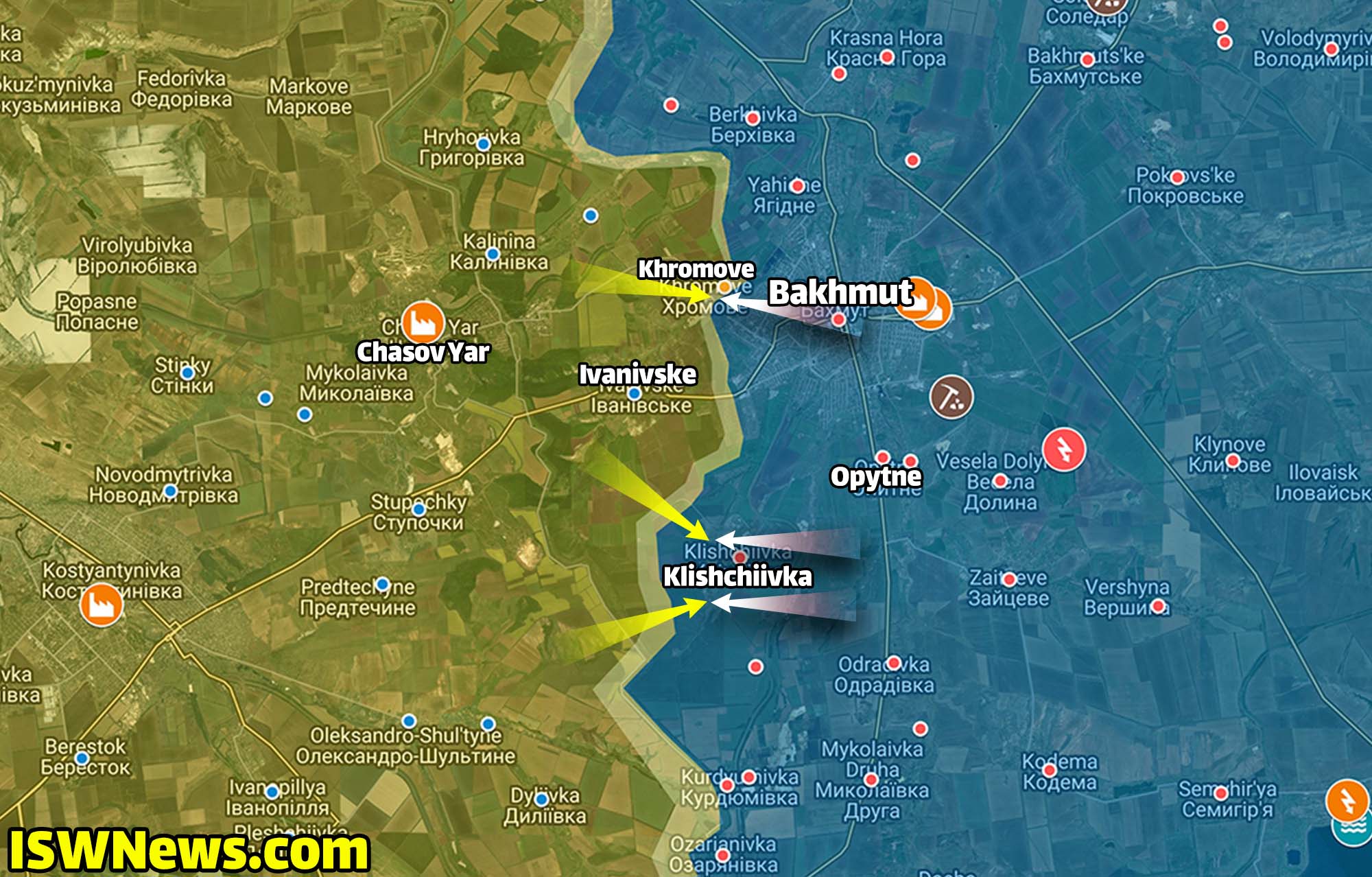
Clashes are currently taking place in the western outskirts of Klishchiivka, and the Ukrainian army is advancing on this axis. Ukrainians are using the forest areas around Klishchiivka as a cover to carry out the attacks. In addition, Ukrainian forces are pushing from the northwest direction of Bakhmut and have increased their efforts to push back the Russians.
If Klishchiivka falls under the control of Ukrainians, the Russian army in Bakhmut city will face a serious problem from the southern axis.
1- Russian army artillery struck positions of Ukrainian forces near Terny. 2- Russian army artillery struck positions of Ukrainian forces near Dibrova. 3- Russian army artillery struck positions of Ukrainian forces near Kuzmino. 4- Russian army artillery struck positions of Ukrainian forces near Orikhiv. 5- Russian army artillery struck positions of Ukrainian forces near Sinkovka. 6- Russian army artillery struck an ammunition depot of AFU near Zmiivka. 7- Russian army artillery struck a command post of AFU near Dylivka. 8- Russian army artillery struck an ammunition depot of AFU near Orikhiv. 9- Russian army artillery struck an ammunition depot of AFU near Kharkiv. 10 – The AFU artillery struck Russian positions near Permozhne.
11- Clashes between the Russian army Ukrainian forces continue in Klishchiivka area. 12- Ukrainian forces managed to control a number of farms near Robotyne. Clashes between the Russian army and Ukrainian forces continue. 13- Clashes between the Russian army and Ukrainian forces continue in the Makarivka area. 14- Clashes between the Russian army and Ukrainian forces continue in Mariinka town. 15- Clashes between the Russian army and Ukrainian forces continue in the Pervomayske area. 16- Ukrainian forces attacked Russian positions in Marfopol. 17- Russian Army repelled the AFU attack near Berkhivka.
– According to the Russian Ministry of Defense, the Russian army destroyed 20 Ukrainian troops, 2 armored vehicles, 2 pickup trucks, 1 howitzer in the Kupyansk region. – According to the Russian Ministry of Defense, the Russian army destroyed 90 Ukrainian troops, 3 armored vehicles, 2 pickup trucks, 2 howitzers in the Krasny Liman region. – According to the Russian Ministry of Defense, the Russian army destroyed 260 Ukrainian troops, 2 armored vehicles, 2 pickup trucks, 2 howitzers in the in the Donetsk region. – According to the Russian Ministry of Defense, the Russian army destroyed 190 Ukrainian troops, 2 tanks, 7 armored vehicles, 4 motorized vehicles, and 4 howitzers in the Zaporizhzhia region. – According to the Russian Ministry of Defense, the Russian army destroyed 30 Ukrainian troops, 7 vehicles and 2 MSTA-B howitzers in the Kherson region. – Russian air defense systems shot down a Sukhoi 27 aircraft of the Ukrainian Air Force in the Kamenka region of Kherson Oblast.
This video is the first documentary about the downing of a Storm Shadow cruise missile during the war between Russia and Ukraine. Earlier, British Defence Secretary Ben Wallace announced on May 11, that the country has started sending Storm Shadow cruise missiles to Ukraine. The Storm Shadow missile is an air-launched MBDA with a range of over 250 km.
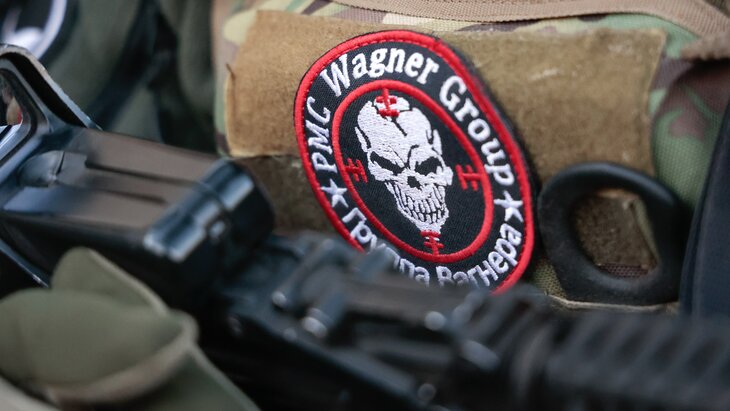
ISWNews Analysis Group – Wall Street Journal, quoting diplomatic and intelligence sources, alleged that Moscow had informed Syrian President Bashar al-Assad that Wagner forces would no longer operate independently in the Arab country.
The Wall Street Journal also wrote, quoting its sources that Wagner Group’s personnel, who are stationed in Syria, followed up orders to move to the Russian military base in Latakia Governorate located on the Mediterranean coast.
Moscow has also informed Syrian President Bashar al-Assad that the Wagner forces will no longer perform any independent operation in Syria.
According to the American media, the Kremlin is trying to fully control the operations of the Wagner Group throughout the world after the recent incident inside the Russian soil and the clash that erupted between the Wagner forces and the Russian army.
It is worth mentioning that the Wagner Group has been present in Syria since 2015 and it has participated in various military operations alongside the Syrian army and its allies against terrorist groups such as the ISIS.
Following an increase in clashes between the Syrian armed forces and ISIS elements in the Syrian Desert in 2022, some local sources reported that about 1,200 Wagner forces were deployed in the Homs desert and around the city of Tadmor (Palmyra) to confront the undercover elements of the ISIS terrorist group.
1- Russian army artillery struck positions of Ukrainian forces nearNeveske. 2- Russian army artillery struck positions of Ukrainian forces near Dibrova. 3- Russian army artillery struck positions of Ukrainian forces near Kupyansk. 4- Russian army artillery struck positions of Ukrainian forces near Orikhiv. 5- Russian army artillery struck positions of Ukrainian forces near Velyka Novosilka. 6- Russian army artillery struck an ammunition warehouse belonging to Ukrainian forces in Vyemka area. 7- Russian army artillery struck a fuel depot belonging to Ukrainian forces near Zaporizhzhia. 8- Ukrainian artillery struck a Russian base in the northern neighborhoods of Donetsk city.
9- Clashes between the Russian army Ukrainian forces continue in Pyatikhatki area. 10- Clashes between the Russian army and the Ukrainian forces continue in Robotyne area. 11- Clashes between the Russian army and Ukrainian forces continue in the Makarivka area. 12- Clashes between the Russian army and Ukrainian forces continue in Mariinka town. 13- Clashes between the Russian army and Ukrainian forces continue near the city of Bakhmut. 14- Ukrainian forces repelled the Russian army attack in Mariinka town. 15- Ukrainian forces repelled the Russian army attack in west of Dibrova. 16- Russian army forces repelled Ukrainian army attack to Antonovsky Island.
– According to Ukrainian sources, the artillery of the Ukrainian army destroyed 6 accumulations of weapons and military equipment, 3 ammunition depots and 14 artillery units of the Russian army in the past 24 hours. – According to the Russian Ministry of Defense, the Russian army destroyed 75 Ukrainian servicemen, 3 motor vehicles, 1 howitzer in the Kopyansk region. – According to the Russian Ministry of Defense, the Russian army destroyed 90 Ukrainian servicemen, 1 tank, 2 personnel carriers, 8 motor vehicles, 2 howitzers in the Krasny Liman region. – According to the Russian Ministry of Defense, the Russian army destroyed 265 Ukrainian servicemen, 2 armored vehicles, 2 pickup trucks, 1 Krab artillery system in the Donetsk region. – According to the Russian Ministry of Defense, the Russian army destroyed 140 Ukrainian servicemen, 3 armored vehicles, 7 motor vehicles, and 2 howitzers in the Zaporizhzhia region. – According to the Russian Ministry of Defense, the Russian army destroyed 30 Ukrainian servicemen, 4 motor vehicles, 1 American M777 cannon in the Kherson region.
The Tehrik-i-Taliban Pakistan (TTP) is a group made up of multiple tribal, geographical, and ideological offshoots, who has a complicated relationship between its central leadership and different factions.
The complexity is not only dependent on the atmosphere in which the Tehrik-i-Taliban Pakistan (TTP) exists, but also on how the group was formed as well as its goals, its relationship with Afghanistan’s Taliban on the one hand and the Pakistani government on the other; moreover, the formation of the Tehrik-i-Taliban Pakistan in 2007 as a result of a gathering of 13 large and small groups, which adds to the complexity of the group’s relationships.
Those groups that make up the Pakistani Taliban today include Lashkar-e-Islam (LeI), Baloch Mazari Group, Jundallah Group, Jamaat ul-Ahrar (JuA), Ghazi Abdul Rashid Shahid Brigade (GARSB), Tehrik-e Taliban Punjab (TT Punjab), Musa Shaheed Karwan group, Amjad Farooqi Group and Hakimullah Mehsud Group.
Among these groups, Jamaat-ul-Ahrar (JuA) has always had a complex and fluid relationship with the central command of the Tehrik-i-Taliban Pakistan as an effective faction within it.
It can be said that following the killing of first leader of the Tehrik-i-Taliban Pakistan (TTP) Baitullah Mehsud in 2009 and also the killing of Hakimullah Mehsud, who was the second leader of the Pakistani Taliban, in 2013, as well as the Mehsud tribe’s failure in keeping on the leadership of the TTP and the next leadership under Fazlullah Khorasani, who did not come from the Mehsud tribe but came from Swat region, doubled the complexity of internal relations of the Tehrik-i-Taliban Pakistan.
One of the consequences of the withdrawal of leadership from the Mehsud region and tribe was the separation of different groups from the Tehrik-i-Taliban Pakistan. Among the main issues was Omar Khalid Khorasani, a leading commander of the Mohmand Agency in the Tehrik-i-Taliban Pakistan and leader of Jamaat ul-Ahrar, who did not tolerate Fazlullah Khorasani’s leadership and separated from the Tehrik-i-Taliban Pakistan in 2014.
Some sources also claim that Fazlullah Khorasani, then leader of the Tehrik-i-Taliban Pakistan, expelled him from the movement due to Omar Khalid Khorasani’s relations with groups, which are more extremist than the TTP.
Prior to the event, Omar Khalid Khorasani, who had more heart for Salafi jihadist groups than other movements, tried to mediate between the ISIS and Jabhat al-Nusra terrorist groups in Syria through Jamaat ul-Ahrar’s exclusive media outlet dubbed “Revival of Caliphate”. In fact, it seems that Omar Khalid Khorasani had warm relations with leaders of the Orakzai Taliban especially Hafiz Saeed Khan [also known as Mullah Saeed Orakzai] who joined the ISIS and became Emir (leader) of ISIS in Khorasan. However, as a result of the killing of Fazlullah Khorasani in 2018, the leadership of Tehrik-i-Taliban Pakistan once again went to Taliban of the Mehsud region and specifically to Mufti Noor Wali Mehsud nicknamed Abu Mansoor Asim.
Following the leadership of the Mehsud tribe over the Tehrik-i-Taliban Pakistan once more, Mufti Noor Wali Mehsud tried to bring the separated groups back to the movement, and among them, the paramilitaries of the Hakimullah Mehsud Group were the first group to return to the Tehrik-i-Taliban Pakistan.
The Amjad Farooqi Group also returned to the Tehrik-i-Taliban Pakistan, as well as the Lashkar-e-Jhangvi’s (LeJ) Usman Saifullah group led by Mullah Khosh Mohammed Sindi, pledged allegiance to Noor Wali Mehsud. Later in 2020, Jamaat ul-Ahrar, led by Omar Khalid Khorasani, along with Hizb al-Ahrar led by Omar Khorasani, pledged allegiance to the Tehrik-i-Taliban Pakistan.
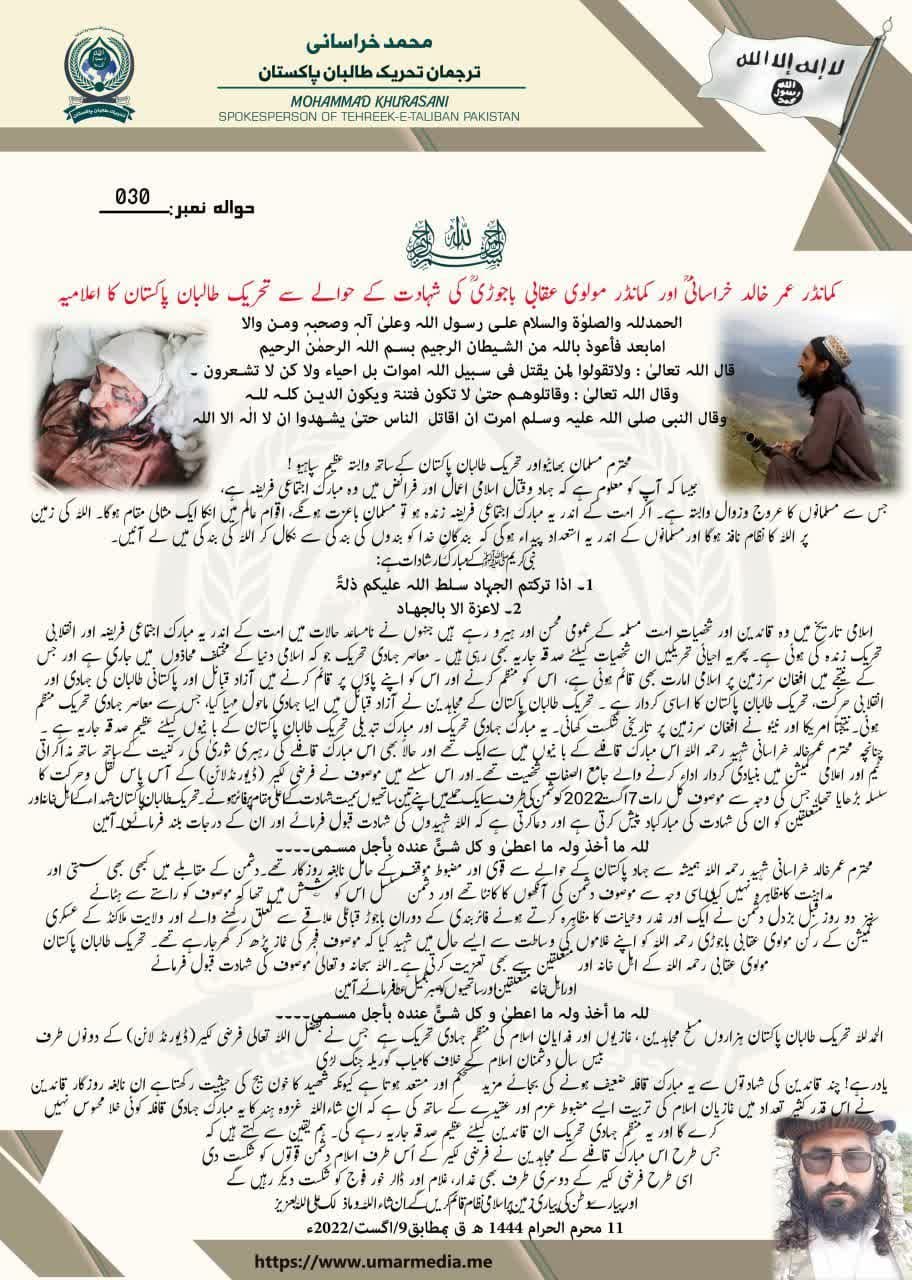
Omar Khalid Khorasani was eventually killed on August 7, 2022 in Paktika province of Afghanistan by the United States’ drones. But his group still continues its existence and apparently under the leadership of Omar Khorasani, Omar Khalid Khorasani’s personal guard who had previously split from the group and formed Hizb al-Ahrar, simultaneously and in on one day rejoined the Tehrik-i-Taliban Pakistan.
Following the killing of Omar Khalid Khorasani, the complicated relationship of Jamaat ul-Ahrar with Tehrik-i-Taliban Pakistan did not come to an end, but it even became more complicated.
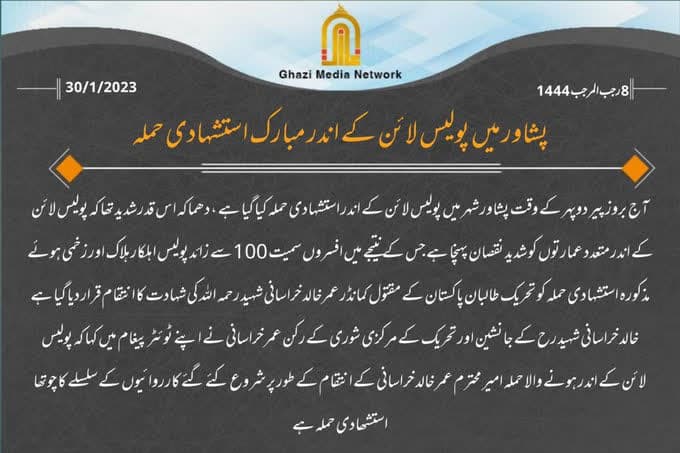
The issue became more obvious after a series of operations by Jamaat ul-Ahrar under the name of taking revenge for Omar Khalid Khorasani’s blood, at the top of the revenge incidents was Police Lines Mosque operation in Peshawar, Pakistan’s Khyber Pakhtunkhwa province, on January 30, 2023.
As a result of the suicide operation in Peshawar, a bomb exploded during prayer and at least 100 people were killed and more than 170 were injured. The Police Lines Mosque was located in the headquarters of the Pakistani security forces and residence of police officers; thus, most of worshipers and casualties of suicide attack were security forces and police staff.
Hours after the terrorist attack, Omar Khalid Khorasani’s branch took responsibility for the bomb blast through issuing a statement and they considered it in revenge for the assassination of Omar Khalid Khorasani. But Mohammad Khorasani, spokesman for the Tehrik-i-Taliban Pakistan, underlined that operations against mosques and public places are wrong.
The statement of Ghazi Media, the media arm of Jamaat-ul-Ahrar, about the operation of Police Lines Mosque in PeshawarThe statement of Mufti Noor Wali Mehsud, the leader of Tehreek-e-Taliban Pakistan, regarding the killing of Omar Khalid KhorasaniOmar Khalid Khorasani next to Shahidullah Shahid, who later becomes the second leader of ISIS Khorasan province
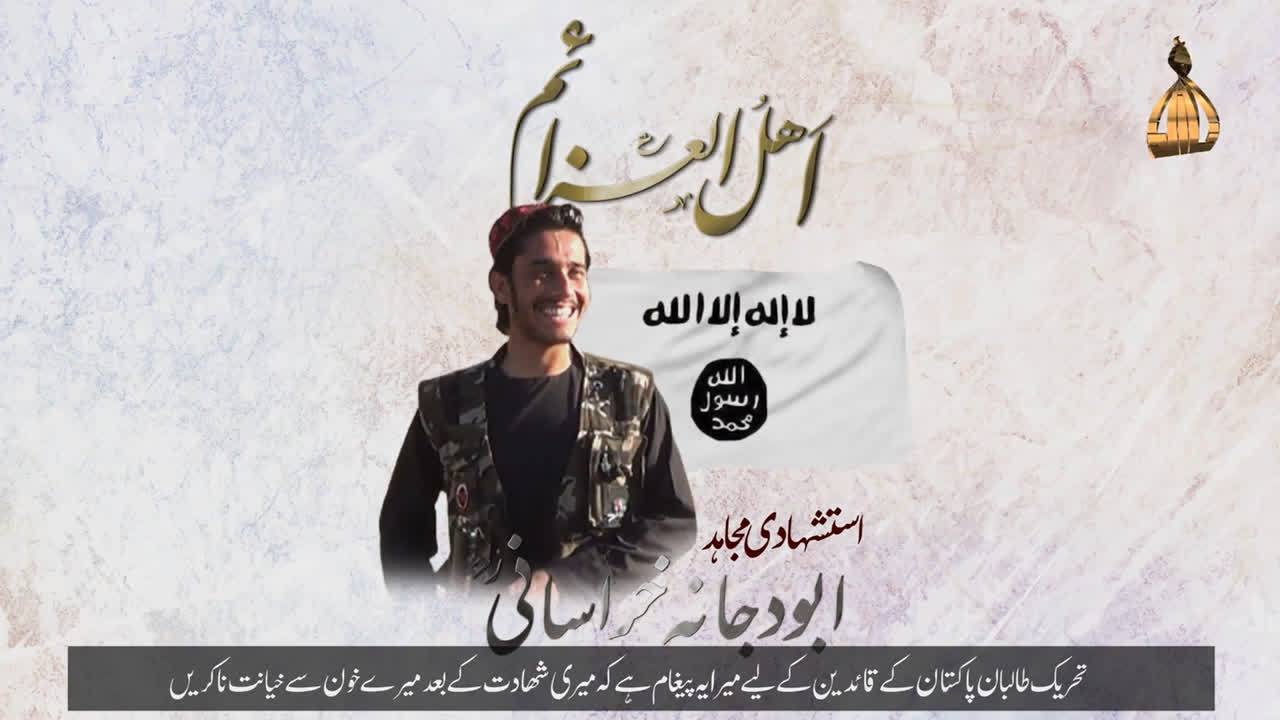
Jamaat ul-Ahrar recently released a video from its new media outlet dubbed Ghazi Media that dealt with several suicide operations and considered all of them in revenge for the assassination of Omar Khalid Khorasani. Interestingly, the Peshawar Police Line Mosque operation was not among the highlighted operations in this video. Remarkably, in the final scenes of the film, one of the suicide elements named Abu Mallal al-Hummam Khalil Muhammad al-Balawi also known as Abu Dujana al-Khorasani, who spoke before his operation in Ghazi Media outlet, sent a message to the leaders of the Tehrik-i-Taliban Pakistan not to betray the blood of martyrs.
In conclusion, it seems that complicated relationship between the Tehrik-i-Taliban Pakistan and Jamaat al-Ahrar would not end up in convergence even after killing of Omar Khalid Khorasani due to challenges facing the Tehrik-i-Taliban Pakistan in relation to Pakistani government in new circumstances on one hand and more extremist approach of Jamaat ul-Ahrar on other hand.
Ahl al-Azaim movie poster showing suicide operations in revenge for the assassination of Omar Khaled Khorasani
Author: Yasser Qazvini Haeri, ISIS and terrorism expert
ISWNews Analysis Group – As a result of the explosion of the homemade bomb at the location of the militants of the Jamaat-ul-Ahrar group, who are allies of the Pakistani Tehrik-i-Taliban Pakistan (TTP) in the Khogyakhil border area located in Goshta district of Nangarhar province, several militants of the JuA group, including Qari Imran Orakzai and Atif Mohmand were killed or wounded.
According to local sources, Qari Imran Orakzai’s is in critical condition, but Atef Mohmand is reported to be suffering from minor injury.
Jamaat-ul-Ahrar group is an ally and offshoot branch of the Pakistani Tehrik-i-Taliban Pakistan (TTP) that has several bases in Mohmand Dara city and Goshta districts in Nangarhar province as well as parts of Kunar province in eastern Afghanistan.
After the assassination of leader of Jamaat-ul-Ahrar Omar Khalid Khorasani, who was also one of the founding members of the Tehreek-i-Taliban Pakistan, on August 7, 2022 by the United States, another scenario was that the Tehreek-i-Taliban Pakistan might be behind his assassination.
Therefore, the possibility has been raised again for the killing of two senior commanders of Jamaat-ul-Ahrar, and some sources pointed to the Tehreek-i-Taliban Pakistan as responsible for the assassination of Qari Imran Orakzai and Atif Mohmand.
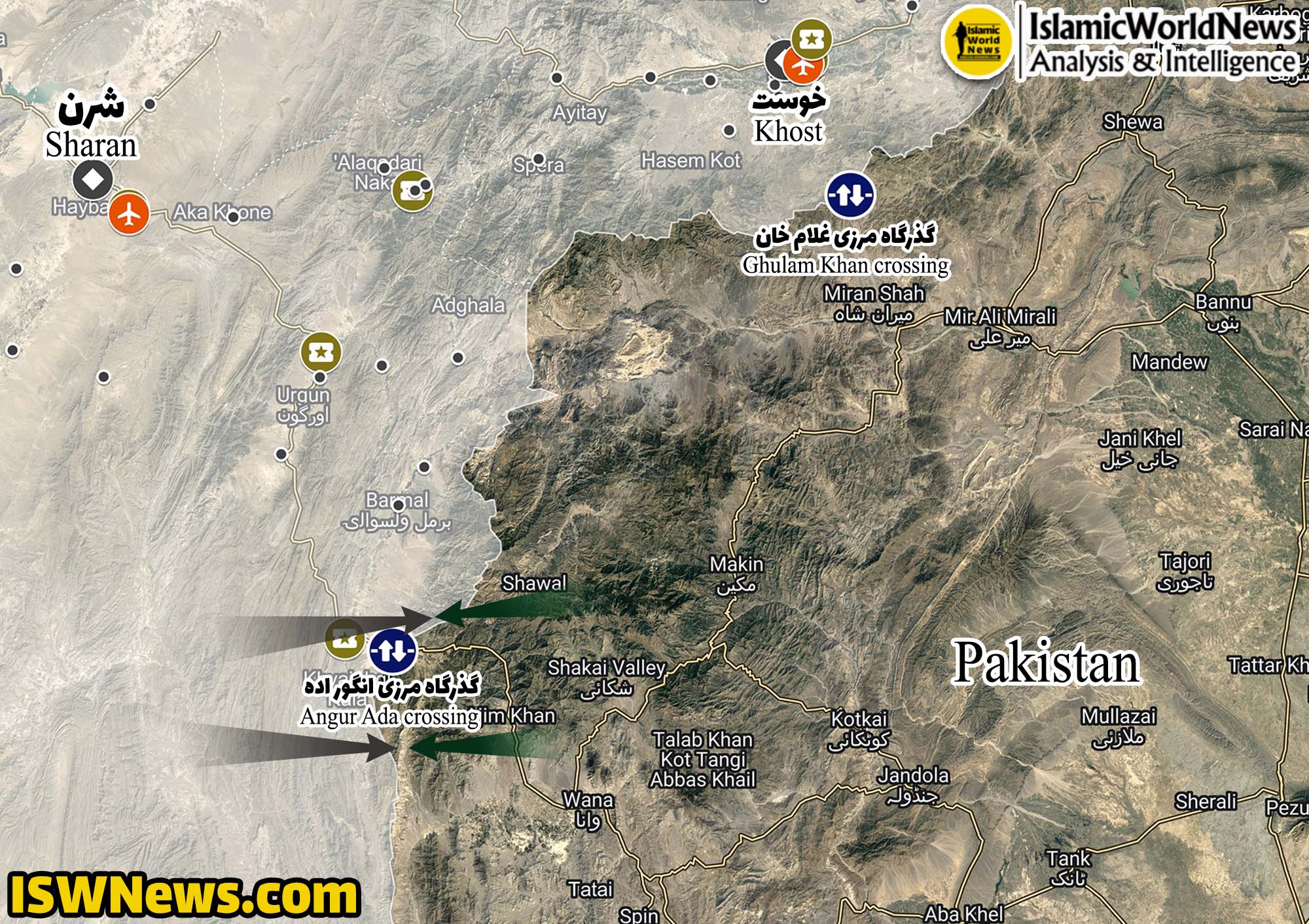
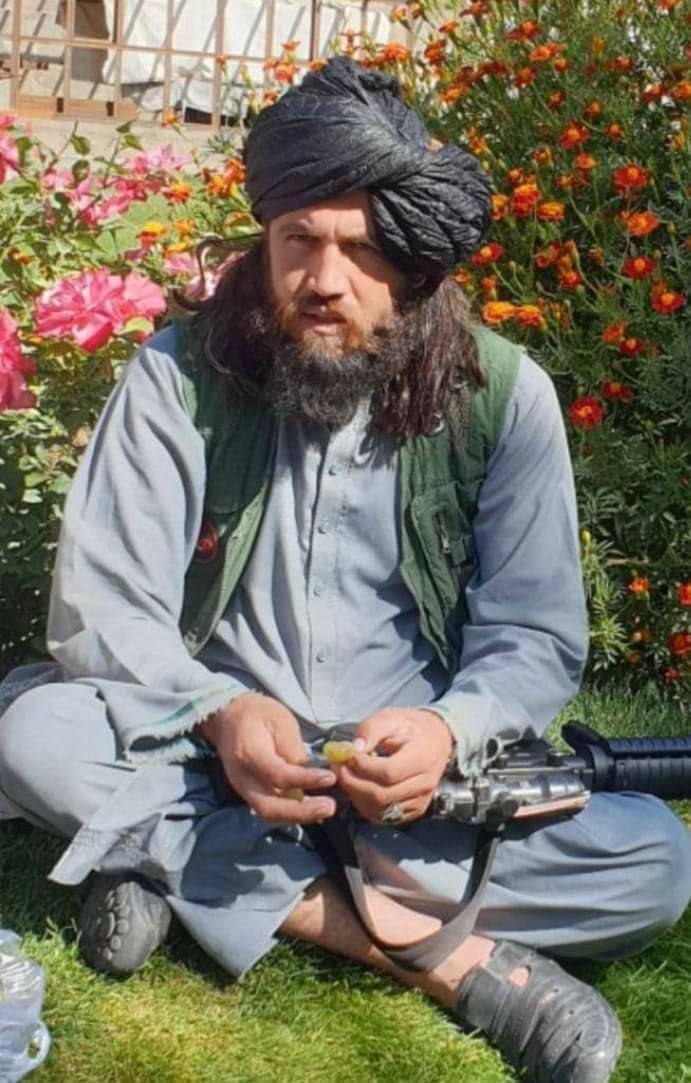
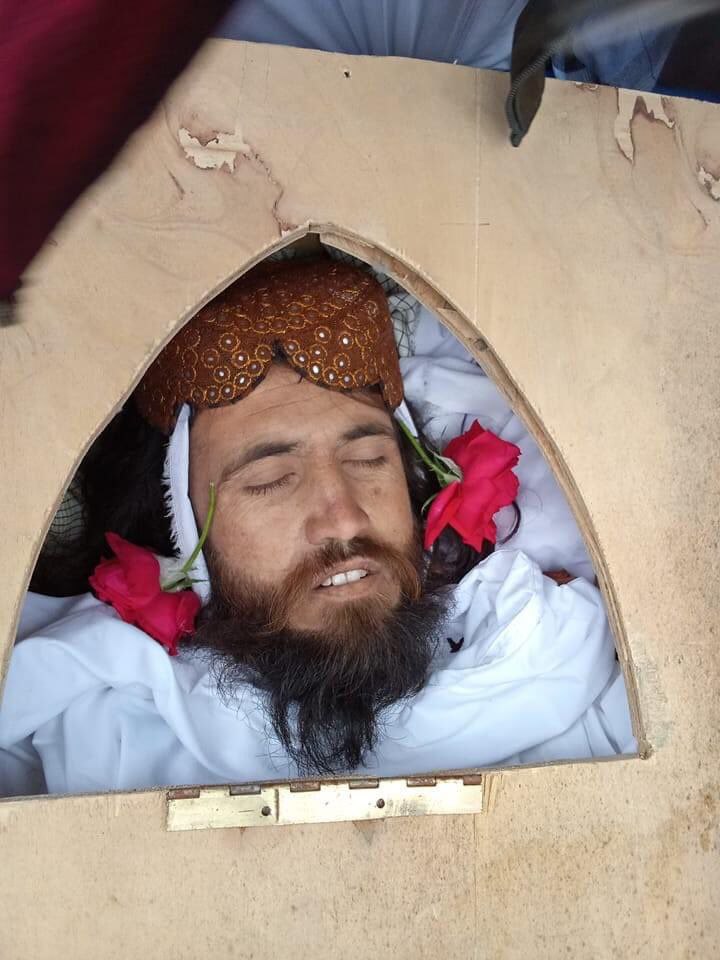
ISWNews Analysis Group – As a result of the border clash between Taliban military personnel and Pakistani border guards on June 25, at the Angur Ada border crossing between the South Waziristan of Pakistan’s Khyber Pakhtunkhwa and Afghanistan’s Paktika Province, six Taliban forces, including intelligence commander of the Taliban’s 203 Mansoori Corps Qari Sibghatullah Takal as well as five Pakistani soldiers were killed and injured.
This is the twelfth border clash between the Taliban and Pakistani border forces since the group came to power in Afghanistan.
The last confrontation between Taliban military staff and Pakistani border guards occurred on February 20, 2023 at the Torkham border crossing located in Mohmand Dara district in Nangarhar province, where a Pakistani soldier was injured; then, trade activities at the crossing were suspended by Pakistan for several days.
Every time following such incidents the Taliban officials pledge to observe international border laws and sack rogue military commanders, but they have not yet been successful in completely preventing such provocations by their border commanders.
Angur Ada crossing and the direction of the border conflict between the Taliban and the Pakistan Border GuardsQari Sibghatullah Takal, intelligence commander of Taliban’s 203 Mansoori Corps
ISWNews Analysis Group – The Syrian Ministry of Defense announced in that video that following the drone attacks by terrorists on the governorates of Hama and Latakia, which resulted in the martyrdom and injury of several civilians, the Syrian army, with the cooperation of the Russian air force, organized attack against targets in Idlib Governorate, during which several terrorist hideouts and ammunition depots were shattered.
As a result of the joint operation, several terrorists, including some field commanders named Abdul Karim Abu Dawood al-Turkistani, Saifullah Abu Abdulhaq al-Turkistani, Mustafa Sheikh Alsat, Abdul Rahman Sa’doun, Abu Karrar, Mohammad Saeed Nasouh, Redhwan Motarimavi and Mahmoud Sheikh al-Hara were killed.
It is worth noting that on June 23, militant groups stationed in Idlib Governorate targeted the al-Qardahah town in Latakia Governorate as well as the Deir Shamil village in Hama Governorate by the use of two drones.
As a result of those attacks, one Syrian civilian was martyred and two others were injured. After the terrorist act, new attacks against militant groups’ positions in the governorates of Idlib and Latakia were kicked off by the Russian and Syrian armed forces.
ISWNews Analysis Group – On June 25, some Russian fighter jets pounded militant groups’ positions in Idlib Governorate, killing and injuring several militants, including several field commanders.
Following the air raids, media outlets affiliated to the militant groups claimed that during the air strikes on militants’ positions in the Syrian city of Jisr al-Shughur, some civilians were also targeted, ending up in the death of 9 people and the injury of 61 others.
According to some local sources, the Jisr al-Shughur market was bombed by Russian fighter jets, but images released from the scene affected in the air strike show that a school that was a base for Turkistan Islamic Party (TIP) was targeted by the Russian fighter jets.
A picture of a school that was a base for Turkistan Islamic Party militants
Given the earlier moves by the militants in Syria, they cannot be exempted from committing inhumane actions and their widespread media propaganda campaign regarding the Sunday attacks enhances the doubt and suspicion in this respect; while there have not been released any reliable documents and information in this regard.
It is also likely that the militants introduced their own casualties in Sunday attacks as civilians in a bid to put pressure on the Syrian government through victimization and media campaigns and try to promote international condemnation on the government in Damascus.
The official media wing of Balochistan Liberation Army (BLA) published a detailed report on the activities of this group in 2022. According to the BLA infographic, the terrorist group has carried out 188 operations during the year 2022, which has resulted in the death of 369 Pakistani army servicemen and the injury of 155 others. Also, 35 members of this terrorist group, including three suicide bombers have been killed.
Other information included in this infographic is as follows: – The number of casualties of Pakistani security forces is 14 dead, 13 injured and 4 captured. – The types of operations were 3 suicide operations, 2 operations to capture headquarters and bases, 46 operations to destroy government equipment, and 166 bomb explosions. – 9 operations have been mentioned as special operations, which include the destruction of two helicopters, the destruction of a drone, and a weapon seizure operation.
In its 2022 report, the Balochistan Liberation Army (BLA) terrorist group has considered two operations as the most prominent operations of 2022. These two operations include the Ganjal operation, during which 195 Pakistani soldiers “allegedly” were killed in Noshki and Panjgur in February 2022, and the suicide attack by Shari Baloch, a female suicide bomber affiliated with the Balochistan Liberation Army, in April 2022, which three Chinese nationals and a Pakistani driver were killed in Karachi.
It should be noted that the amount of operations and casualties that the BLA has inflicted on the Pakistani government forces in Baluchistan regions with the ethnic tendencies is half the amount of attacks and casualties that the Tehreek-e-Taliban Pakistan (TTP) has inflicted on Pakistani forces with an extremist and, secondly, ethnic tendencies in the Pashtun areas of Pakistan and other areas in Balochistan region.
On the other hand, considering the high number of bombs used by the Balochistan Liberation Army (BLA) and also the level of destruction of government facilities compared to other types of war operations, it seems that this group does not currently have much power for face-to-face confrontations. But the destruction of two helicopters by BLA elements is an important issue not seen in the 2022 statistics of the Tehreek-e-Taliban Pakistan (TTP), and may indicate that the BLA has limited access to advanced anti-aircraft weapons.
Images of the elements of the Balochistan Liberation Army participating in Ganjal and Shari Baloch operations, the suicide bomber of the Karachi attack, and the infographic of the Balochistan Liberation Army terrorist group from its attacks in 2022 – click to view full size
ISWNews Analysis Group – After a day of conflict and tension between the PMC Wagner and the Russian army forces, Yevgeny Prigozhin, the head of Wagner group, ordered his troops to return to their bases in order to prevent bloodshed.
In this message, Prigozhin claimed that his forces are 200 kilometers away from the capital, but they have decided to prevent the bloodshed of the Russians.
The retreat came after Prigozhin accepted an offer by Belarusian President Alexander Lukashenko to halt the advance toward Moscow and take further de-escalation steps with security guarantees. It is said that Lukashenko’s conversation with Prigozhin was coordinated by Putin.
Now, members of PMC Wagner have been leaving their positions taken in the city of Rostov-on-Don and turning around their columns returning to their camps.
Prigozhin has not provided details of his talks with Russian and Belarusian officials. Russian government officials also continue to remain silent and have not yet published any specific comments about Wagner’s “march of justice”.
As expected, Wagner’s unusual movement stopped as suddenly as it had begun. On the surface, Prigozhin gave up his march of justice to Moscow after receiving promises, but inwardly he is preparing for the next competition with Shoigu and Gerasimov. Contrary to what it seems, the differences between the Russian commanders have deepened and these differences will be more evident in future developments.
Some say that this move was a ploy by Russia to draw the Ukrainians out of their hiding places, and others say that Russia was seeking to create fake chaos so that it could use one of its weapons of mass destruction against Ukraine and become the ultimate winner of the war. All in all, Wagner’s rebellion was an unusual affair that quickly subsided, but the reasons behind the scenes remain unclear.