Category: Central Asia – Pacific

  • Russia Conducts New Round Of Missile, Drone Strikes On Ukrainian Cities

    Russia Conducts New Round Of Missile, Drone Strikes On Ukrainian Cities

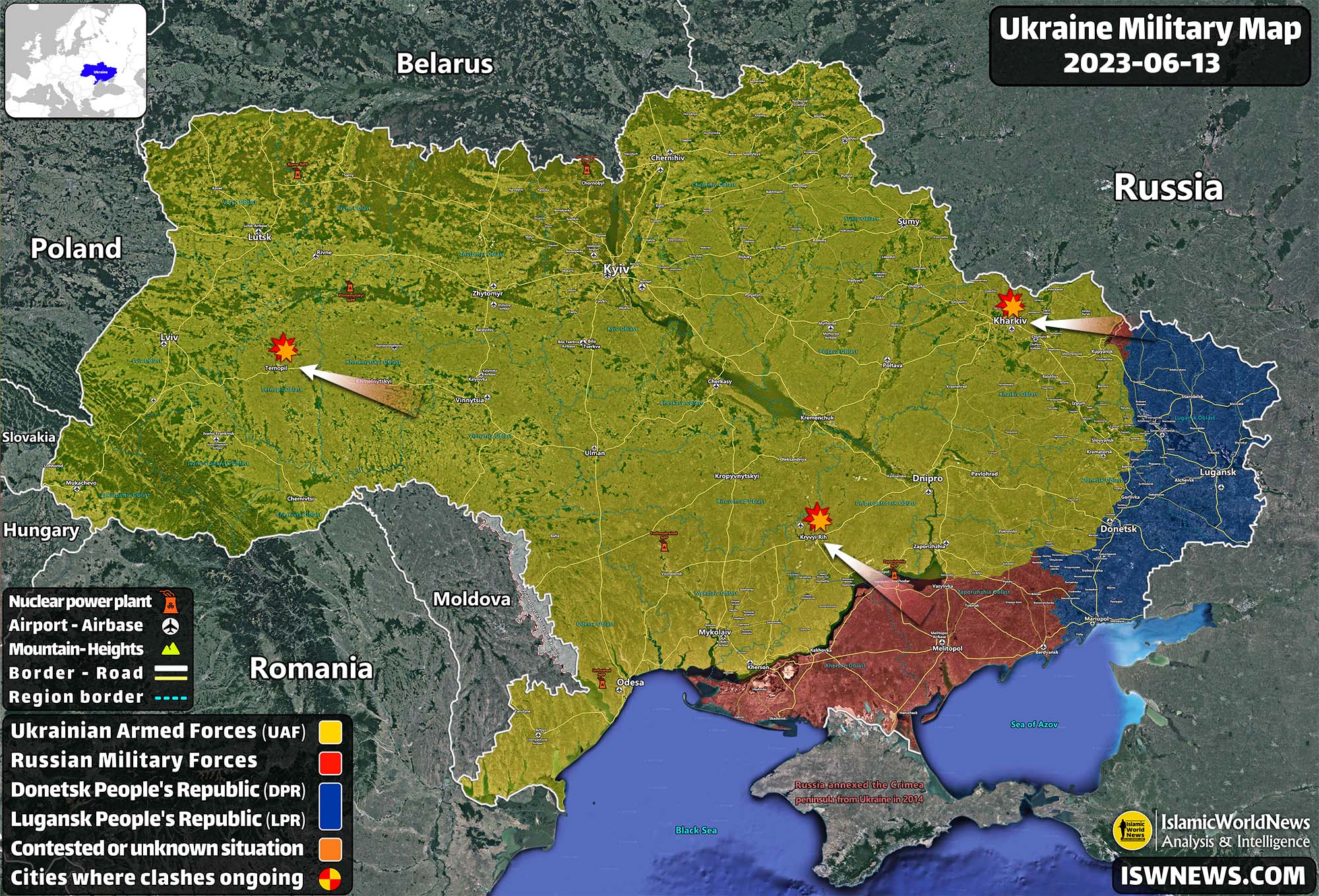
    According to the Rocket Forces and Artillery of the Ukrainian Ground Forces, the Russian army utilized eight strategic Tu-95 bombers to fire 14 Kh-101 and Kh-55 cruise missiles from the Caspian Sea region to the southern cities of Ukraine.

    The Russians also sent four Shahed-136 or Shahed-131 suicide drones to pound positions of the Ukrainian forces. The Ukrainian air defense claimed that they succeeded in shooting down one of these drones as well as 10 cruise missiles.

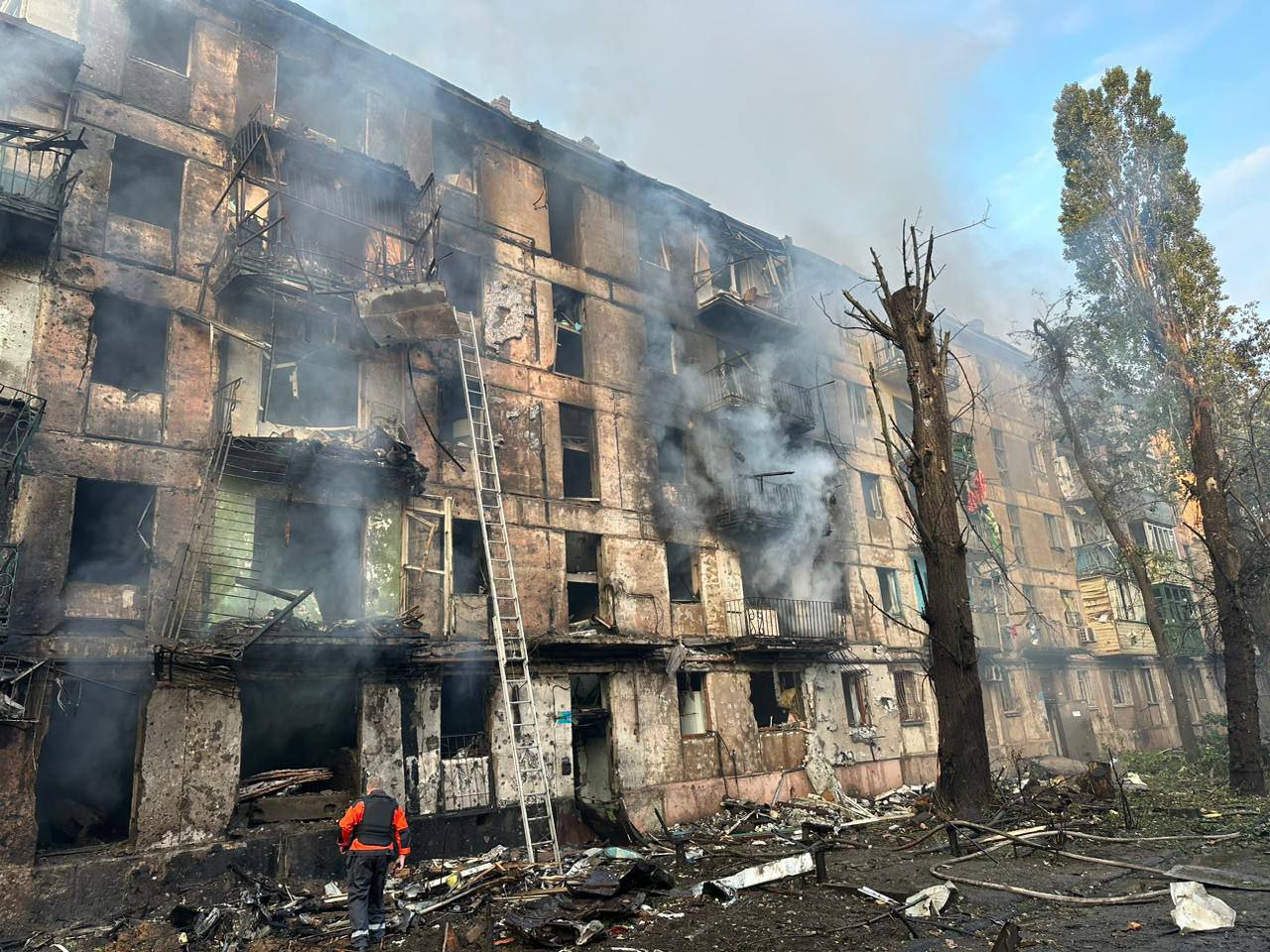
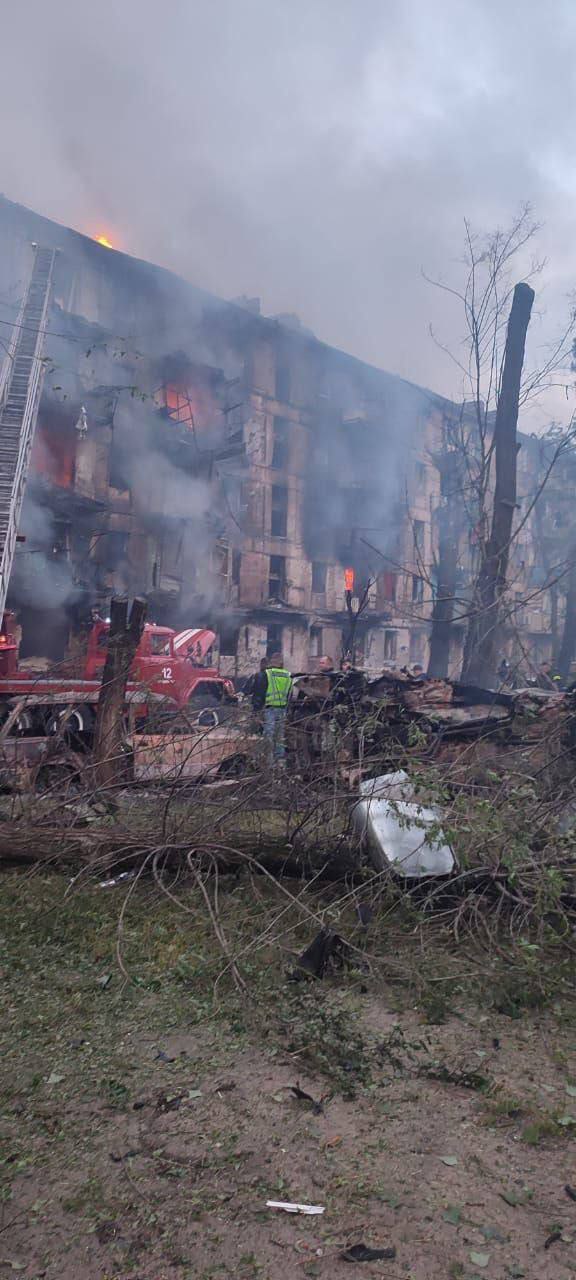
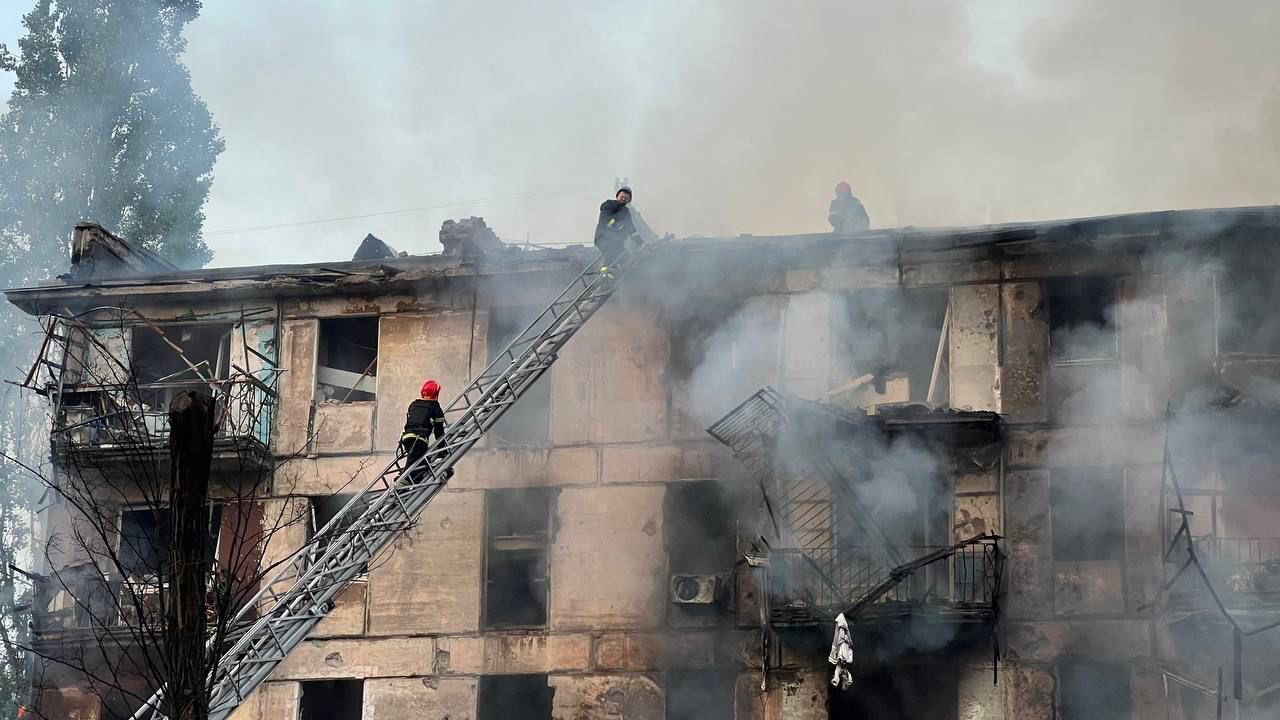
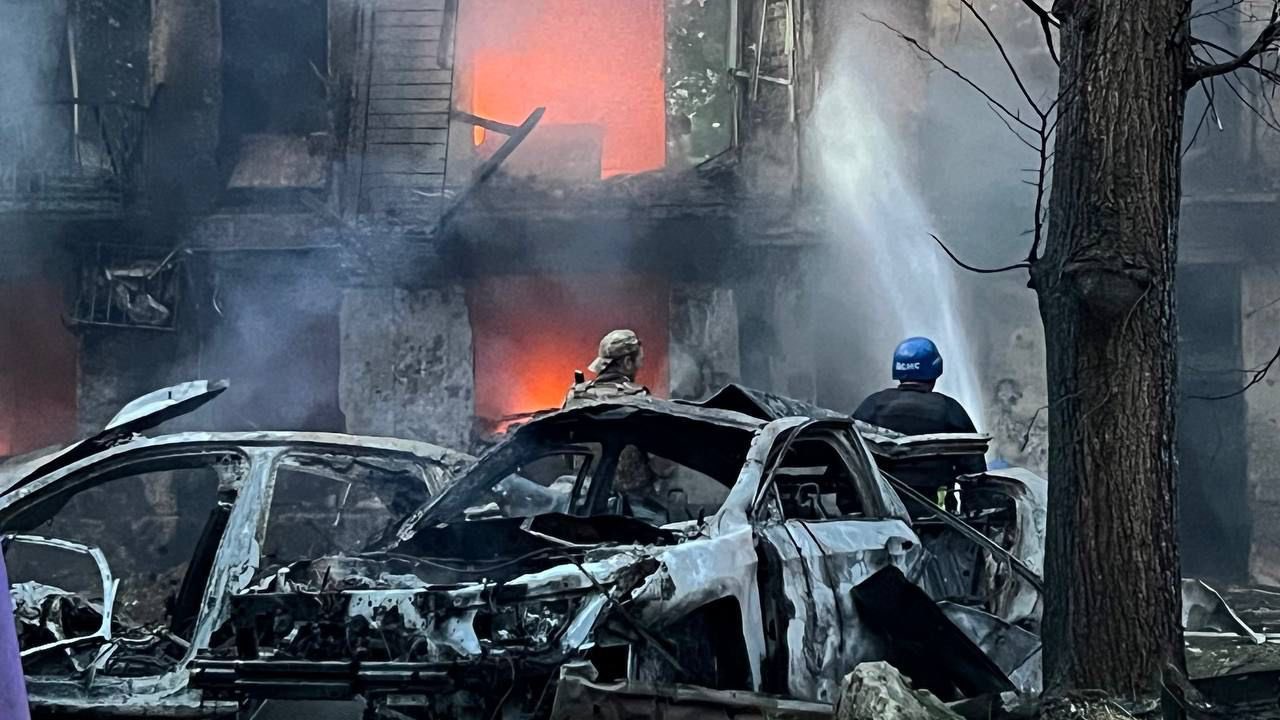
    Regardless of the report, as a result of devastations occurred by a Russian cruise missile hitting the city of Kryvyi Rih some six people were killed and 25 were wounded. Moreover, local sources have also released videos of flights of the drones as well as several explosions in Kharkiv.

    The moment Russian suicide drone hit in the city of Kharkiv
  • Initiation Of Ukraine Offensive In Southern Front; Will A Russian Chemical Attack Occur?

    Initiation Of Ukraine Offensive In Southern Front; Will A Russian Chemical Attack Occur?

    Donetsk Front:
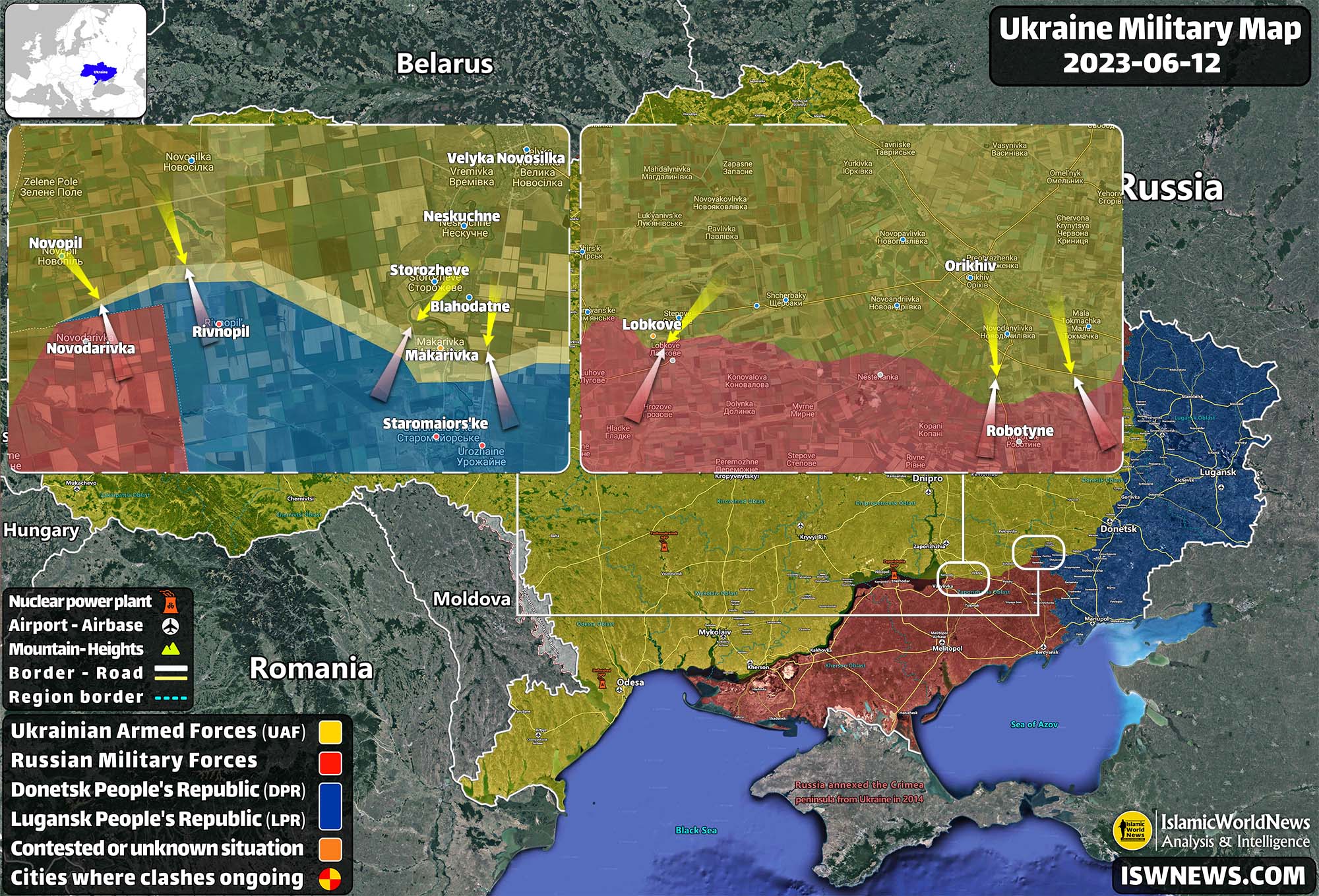
    As a result of the Ukrainian Armed Forces’ counter-attack on the southern fronts, the Russian armed forces were forced to retreat from several villages on the southern outskirts of Velyka Novosilka settlement. According to field sources, the villages of Neskuchne, Storozheve and Blahodatne have been captured by Ukrainian forces and fighting is currently underway in Makarivka village.

    In the axis of Rivnopil and Novodarivka villages, Ukrainian attacks were also repelled by the Russian forces. The main reason for the failure of Ukrainian attacks in these areas was the creation of minefields and the success of Russian artillery attacks in targeting Ukrainian armored vehicles.

    The main goal of the Ukrainian Armed Forces in starting an attack on this front is not clear and it seems that this raid was complementary to the main direction of operations at another point and was carried out with the aim of putting pressure on the Russians.

    Zaporozhye Front:
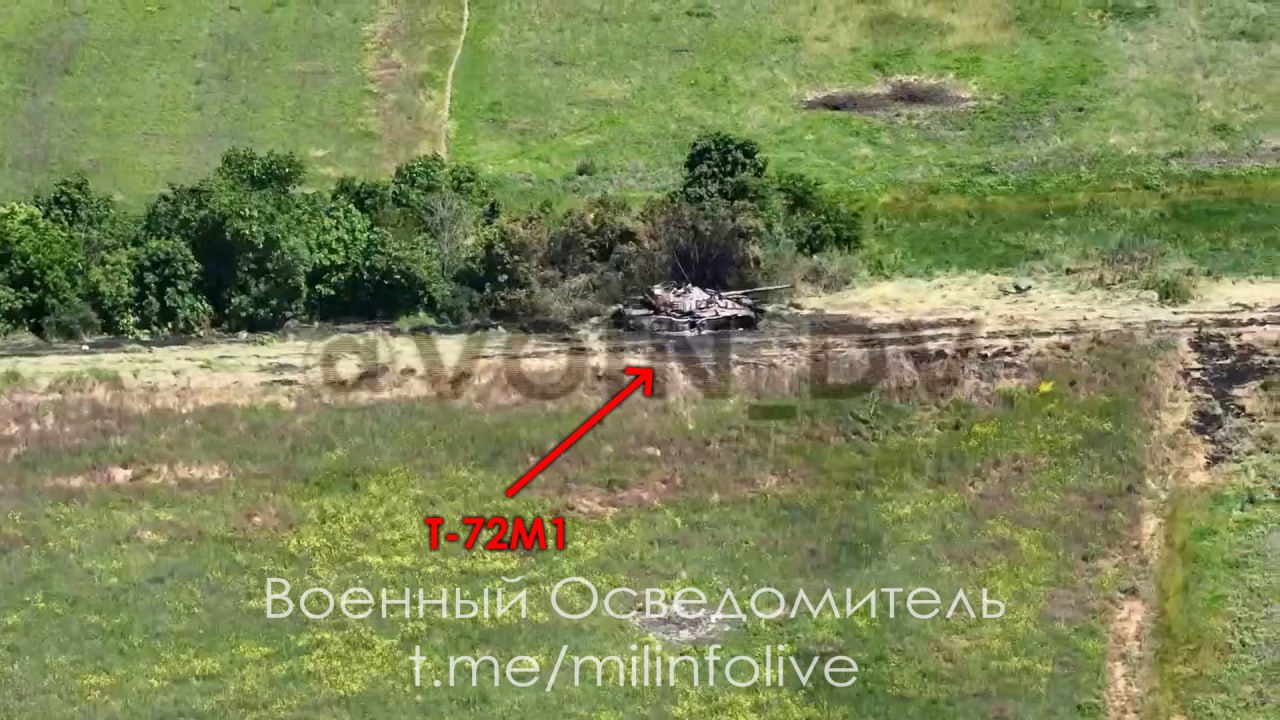
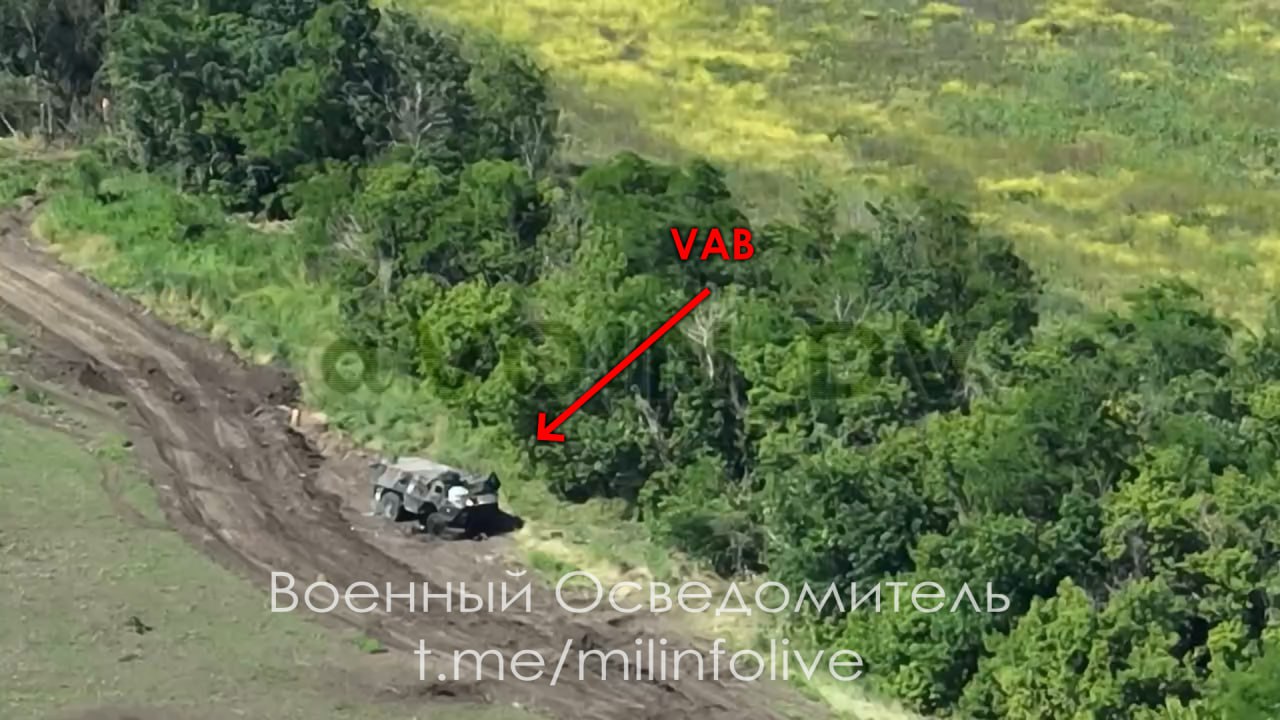
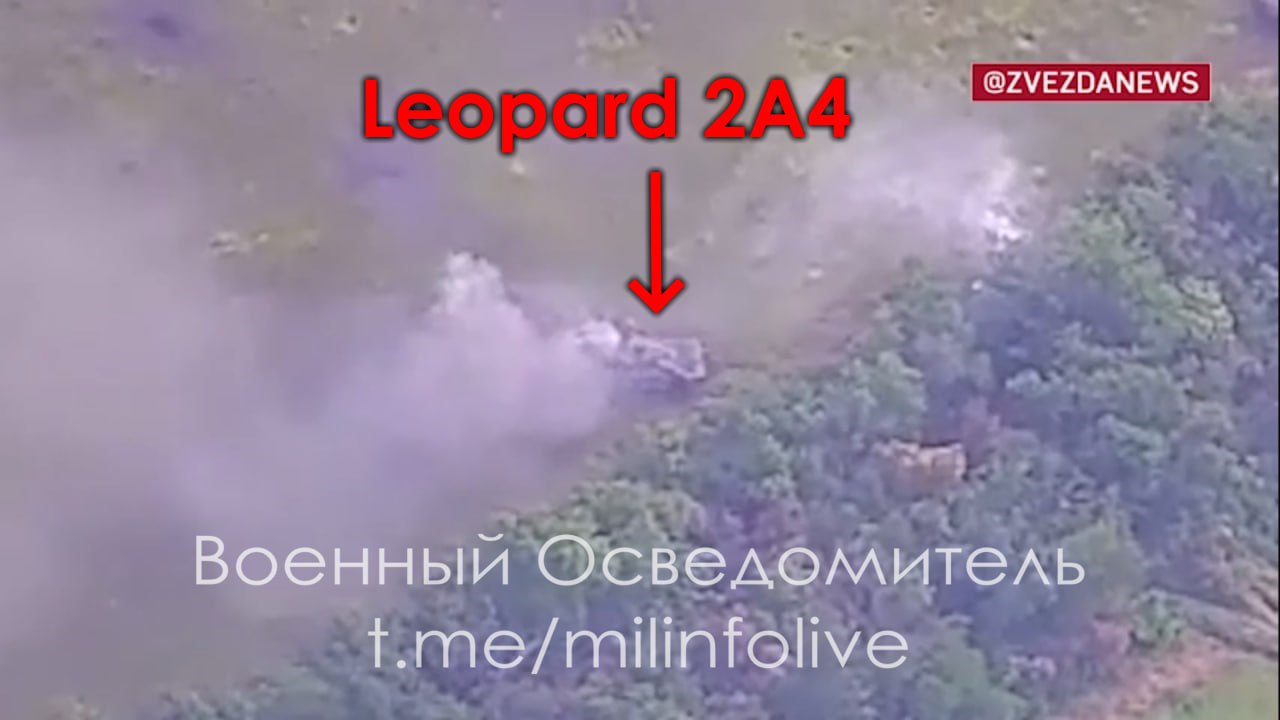
    On June 8, the Ukrainian Armed Forces launched heavy attacks against the Russian army from the south of Orikhiv, Stepove, and several other areas. However, most of the strikes were repelled by the Russian armed forces. In this regard, numerous videos have been published showing the destruction of Leopard 2 tanks and armored vehicles donated by Western countries to Ukraine.

    At present, the Russian military forces have been successful to repel all attacks by the Ukrainians on the mentioned axis and merely the Lubkuk area is still in dispute.

    Read more: Russian Army Slaughter Leopard 2 Tanks, Bradley IFVs In Zaporozhye Region (Video)

    Kherson Front:
    After the destruction of the Nova Kakhovka Dam on June 6, most of the villages and towns near the Dnieper River were flooded. The move led to numerous speculations about a Ukrainian counter-attack to destroy Russian defense lines in the eastern regions of the Dnieper River and also about Russia’s attempt to turn the Ukrainians’ attack into a failure.  The nature of such an action has not yet been determined and all these possibilities are noteworthy in accordance with the reasonings.

    Currently, clashes on the Kherson front have been limited to exchanges of airstrikes and artillery fire. However, the extent of Ukrainian fire against Russian defensive positions intensified in recent days and it is likely that it increases further with the gradual decrease of water in that area.

    Rafael Grossi, Director-General of the International Atomic Energy Agency (IAEA), announced on June 12 that he intends to visit the Zaporozhye nuclear power plant after holding a meeting with Ukrainian President Volodymyr Zelensky with the aim of assessing the situation of the power plant.

    Grossi previously said in an interview with some media outlets about the destruction of the Kakhovka Dam that the Zaporozhye nuclear facilities, which is Europe’s largest nuclear power plant, rely on the Kakhovka Dam reservoir to cool its six reactors and this issue has become a serious problem following the recent decrease in water level of the dam. Given this condition, it is likely that the operation of the Zaporozhye nuclear power plant will face restrictions or complete shutdown.

    Despite declarations by Ukrainian media outlets and officials on the start of large-scale operations by the Ukrainian Armed Forces to retake areas under the control of the Russian military forces, it seems that Ukraine’s main attack has not yet begun and we would witness more intense fighting in the coming months.

    The Ukrainian intelligence agency has recently warned that Russia intends to release 200 tons of ammonia gas into Ukraine using a Crimean Titan chemical plant!

    If this act is carried out like the destruction of Kakhovka Dam (regardless of who is responsible), it will have a significant impact on Ukraine’s clashes and we will enter a new phase of recent wars that happened in the world.

    Click to view full size
  • Turkish Drone Attack Kills Russian Serviceman In Syria (Video)

    Turkish Drone Attack Kills Russian Serviceman In Syria (Video)

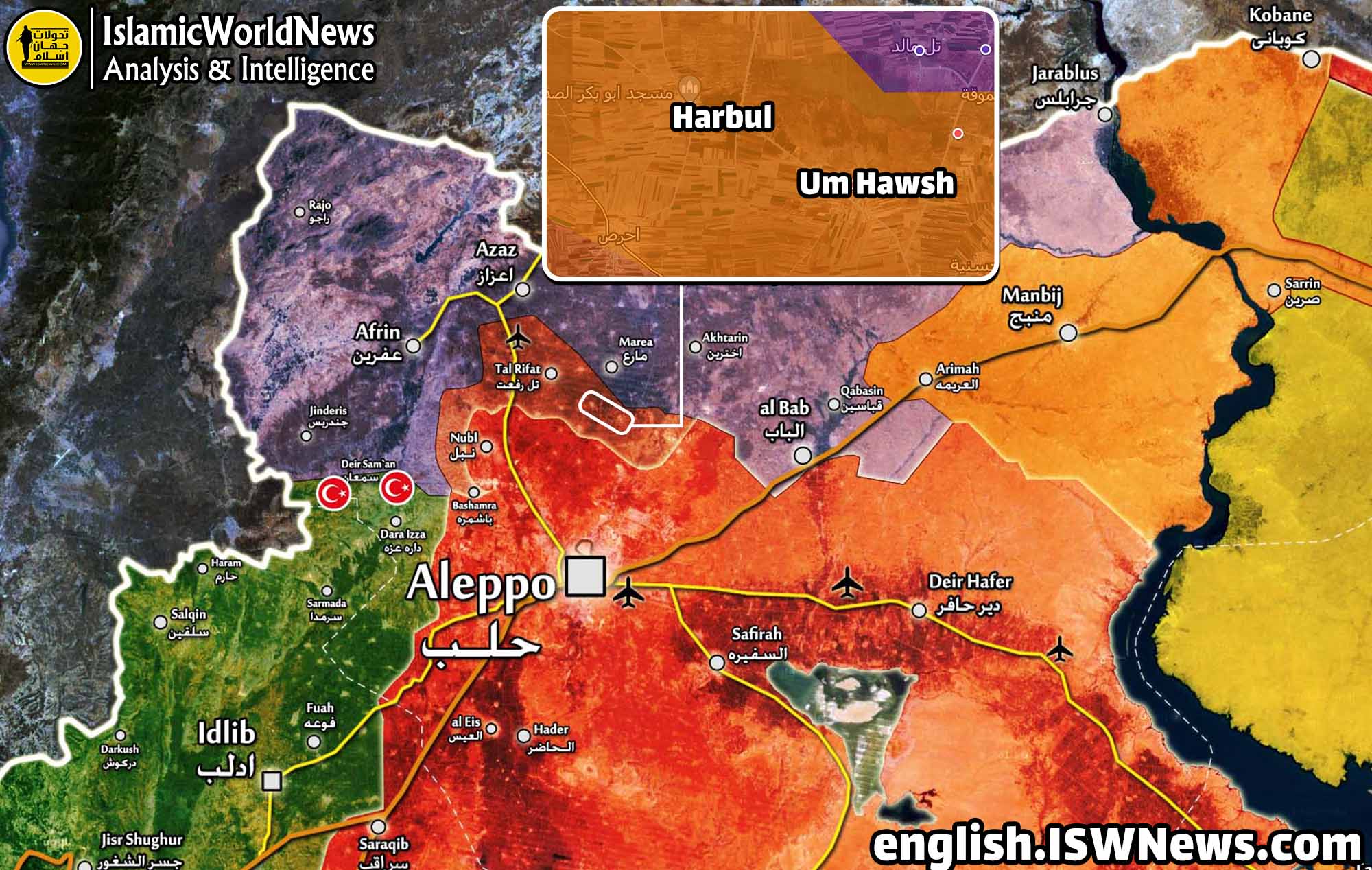
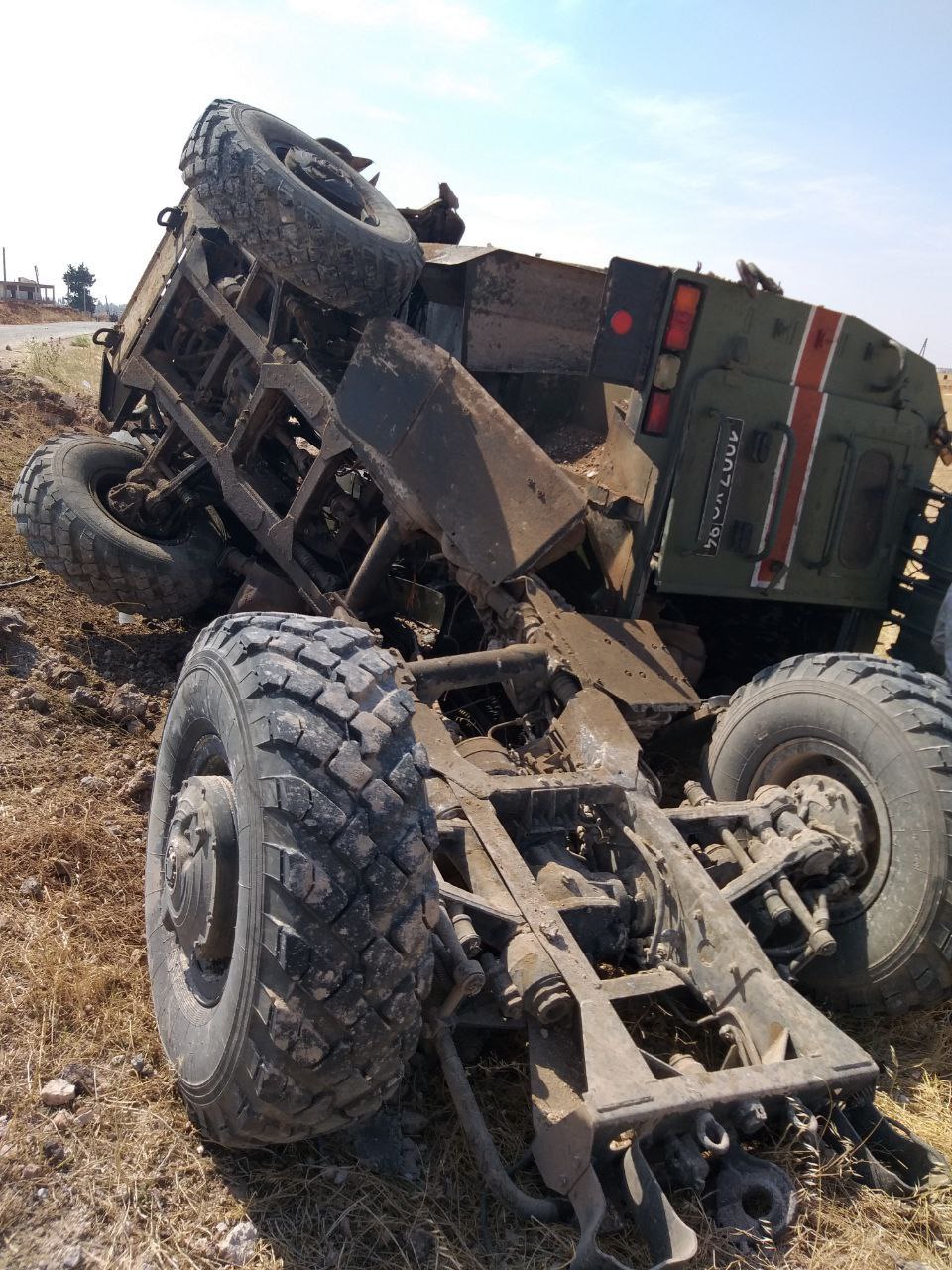
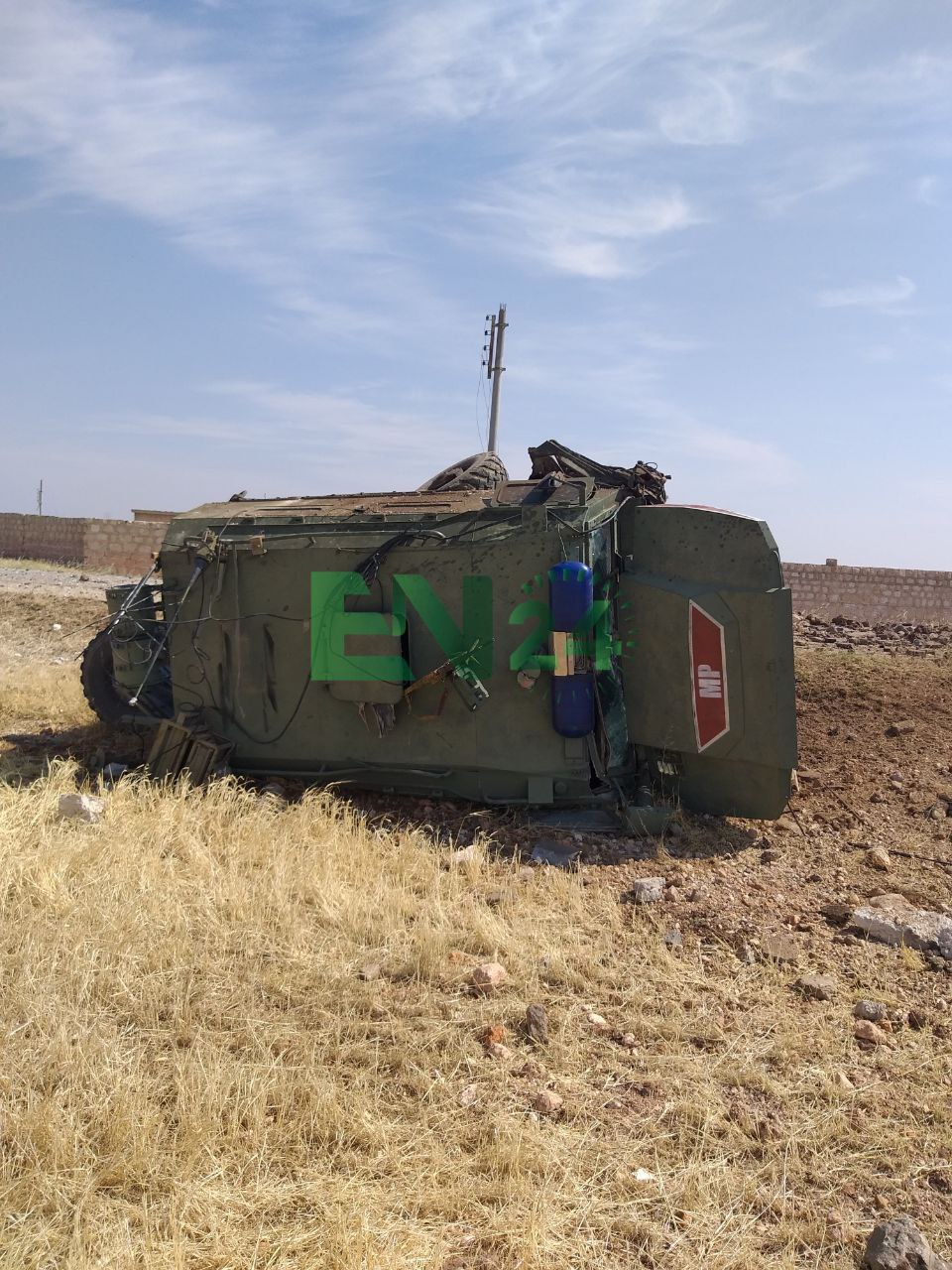
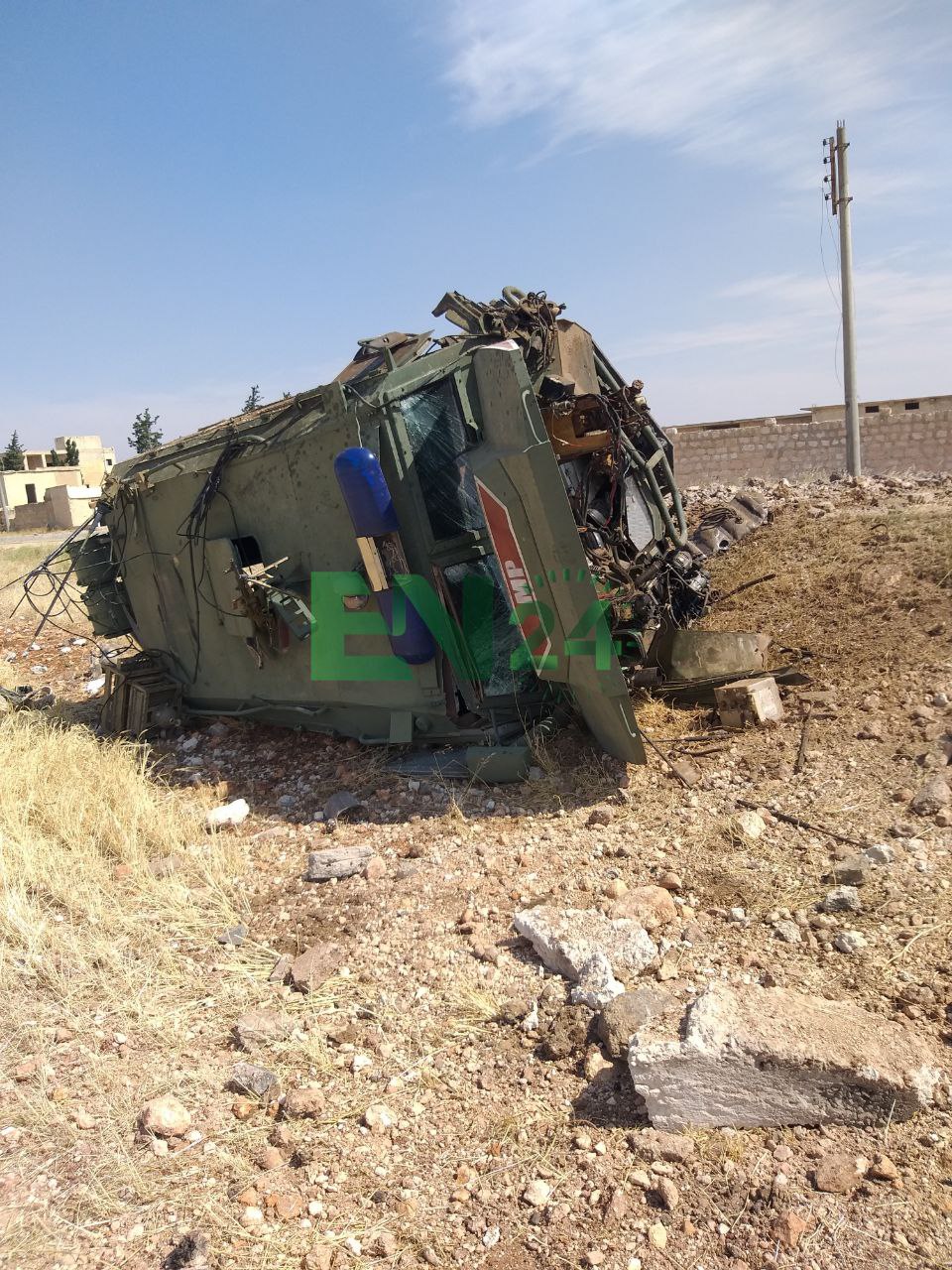
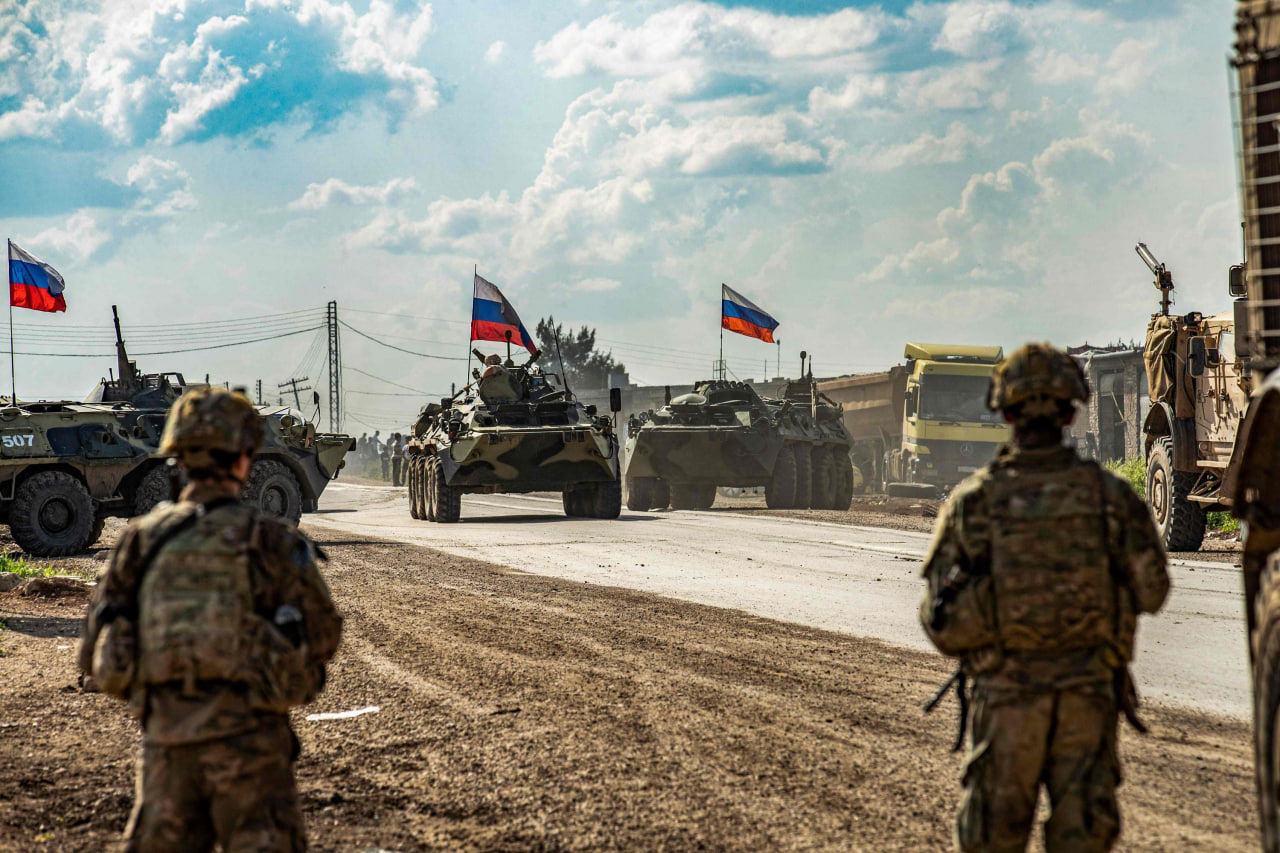
    On June 12, Turkish drones targeted a vehicle belonging to the Russian military police on the Harbul-Um Al Housh road near Tal Rifat city in Aleppo province.

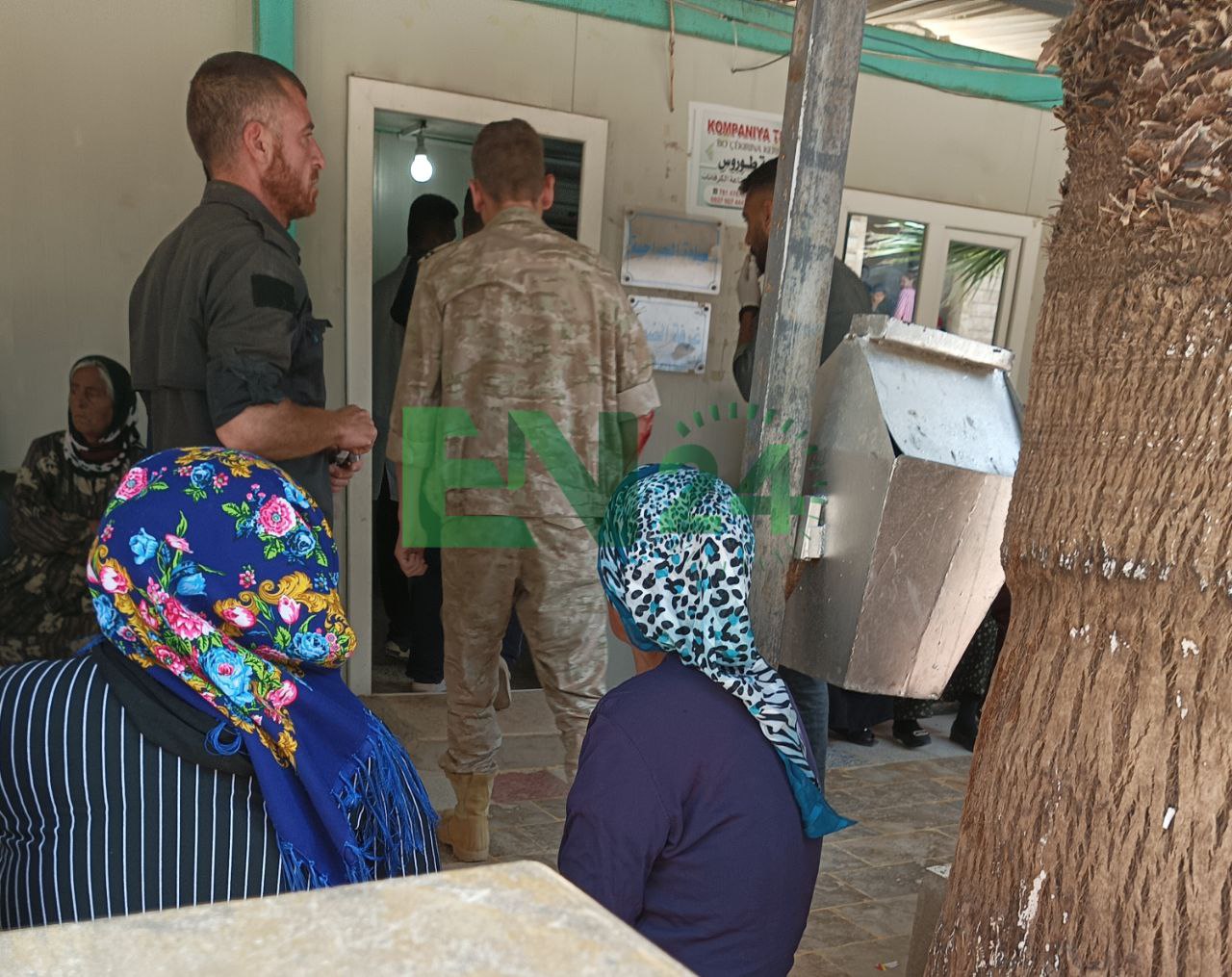
    According to local sources, at least one Russian soldier was killed and several others were injured.

    The city of Tal Rifat and other villages and areas around it, which are also known as Shahba region, witness almost daily artillery and drone attacks by the Turkish army and its militants.

    It is worth noting that on June 10, Turkish drones targeted a vehicle belonging to the Syrian Democratic Forces (SDF) near the village of Maarata near the city of Tal Rifat. During this attack, three SDF members were killed.

    Read more: Three SDF Members Killed By Turkish Strike On Northern Aleppo

    Video from the scene of the accident
    Russian helicopters flying over the accident site and its surrounding areas
    Russian helicopters fly over the city of al-Bab in Aleppo province
  • Russia Requires Iran Version Of RQ-170 To Demolish Ukraine Air Defense Systems: Russian Media

    Russia Requires Iran Version Of RQ-170 To Demolish Ukraine Air Defense Systems: Russian Media

    Facts and figures on the ground show that the Russian Aerospace Forces have not been able to fully control the sky over Ukraine since the beginning of the war, and the Ukrainian army has used defense systems such as S-300 to counter operations deep inside Ukraine by Russian helicopters.

    In the past fifteen months, Ukraine received a set of the most advanced missile systems and Western-made defense systems.

    However, the Russian army succeeded in utilizing glide bombs. Such bombs, with their programming modules and low-altitude flight capability, accurately hit targets at distances of 40 to 60 kilometers. The glide bomb paves the way for targeting without firing expensive cruise missiles or dispatching aircraft into areas covered by air defense systems.

    However, the S-300 systems will still pose a serious threat to Russian aircraft. The Russians say there is a solution to this problem to control Ukraine’s sky.

    The solution is to use bomber drones instead of fighter jets and helicopters. Some Russian media outlets believe that instead of using Sukhoi S-70 Okhotnik-B drones, the Russian army should use similar Iranian UAVs.

    According to Top War, we talk about the offensive and reconnaissance drones of the Saegheh type, which were reverse-engineered and produced in Iran based on the basis of the technology of the US RQ-170.

    Iran designed, produced and carefully studied several multi-purpose drones using US stealth drone technology. The difference between Shahed 141 and Shahed161 drones is that Shahed 161 uses a jet engine and Shahed 141 uses a piston engine as a propellant.

    Shahed 141 drone has a speed of 275 kilometers per hour and its weight during flight reaches 175 kilograms and it can fly up to an altitude of 20,000 feet.

    It has the ability to fire two smart “Sadid” bombs with the weight of 34 kilograms. Sadid is a guided anti-armor and air-based missile. And Russians are very interested in it; some Russian military analysts suggested purchase of Sadid-1 and Sadid 345 missiles from Iran!

    Read more: Military Knowledge: Sadid Smart Bombs and Missiles

    Sadid 345 is vital for Russia, because the bomb is very suitable for striking enemy radar equipment or artillery personnel. The bomb has three types of guidance, one of which is televised guidance, which has the least accuracy and its error is about 5 meters.

    The Russian media argued that by using such drones, it is possible to penetrate deep into enemy defense lines (without endangering the lives of pilots of fighter jets) and easily hit predetermined targets. Also, unlike Geranium-2 (Shahed 136) UAVs, such drones are reusable. The use of composite materials in the construction of the drones has reduced their radar reflection.

    In recent months, Western military and intelligence officials announced that the Russian army used more than 400 Iranian-made offensive drones in attacks on urban infrastructure in Ukraine; but, Spokesman for Iran’s Foreign Ministry Nasser Kanani stated that Tehran repeatedly responded to baseless allegations by Ukrainian officials regarding the alleged transferring of drones to Russia and once again it is emphasized that Iran has not exported any military equipment to any party for the usage in the Ukraine war.

    There have not been released any documents or evidence regarding Russia’s use of Iranian bomber drones in the Ukraine war so far, but it seems that if the war continues, we will witness the entry of various Iranian weapons, especially Shahed 141 and Shahed 161 drones into the battlefield.

    However, war zones are one of the main places to test arms and ammunition and Iran is not an exception in this regard; so, it is expected to take advantage of the opportunity.
  • Russian Army Slaughter Leopard 2 Tanks, Bradley IFVs In Zaporozhye Region (Video)

    Russian Army Slaughter Leopard 2 Tanks, Bradley IFVs In Zaporozhye Region (Video)

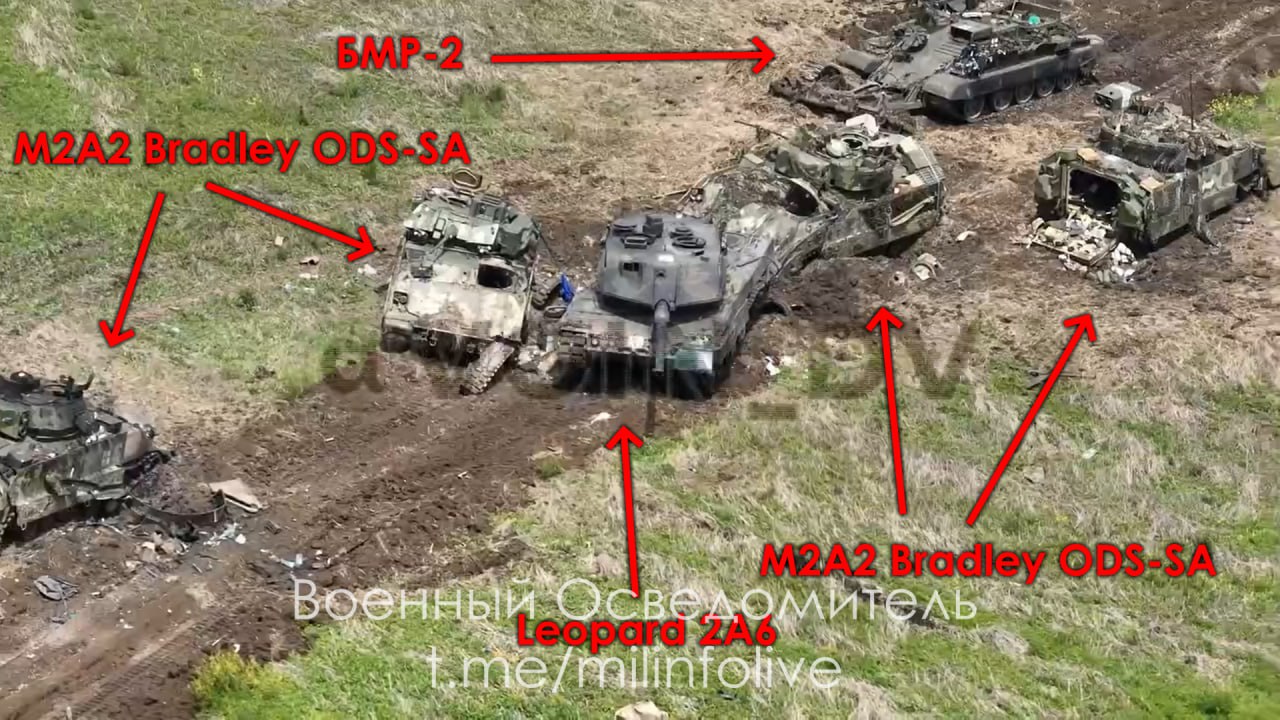
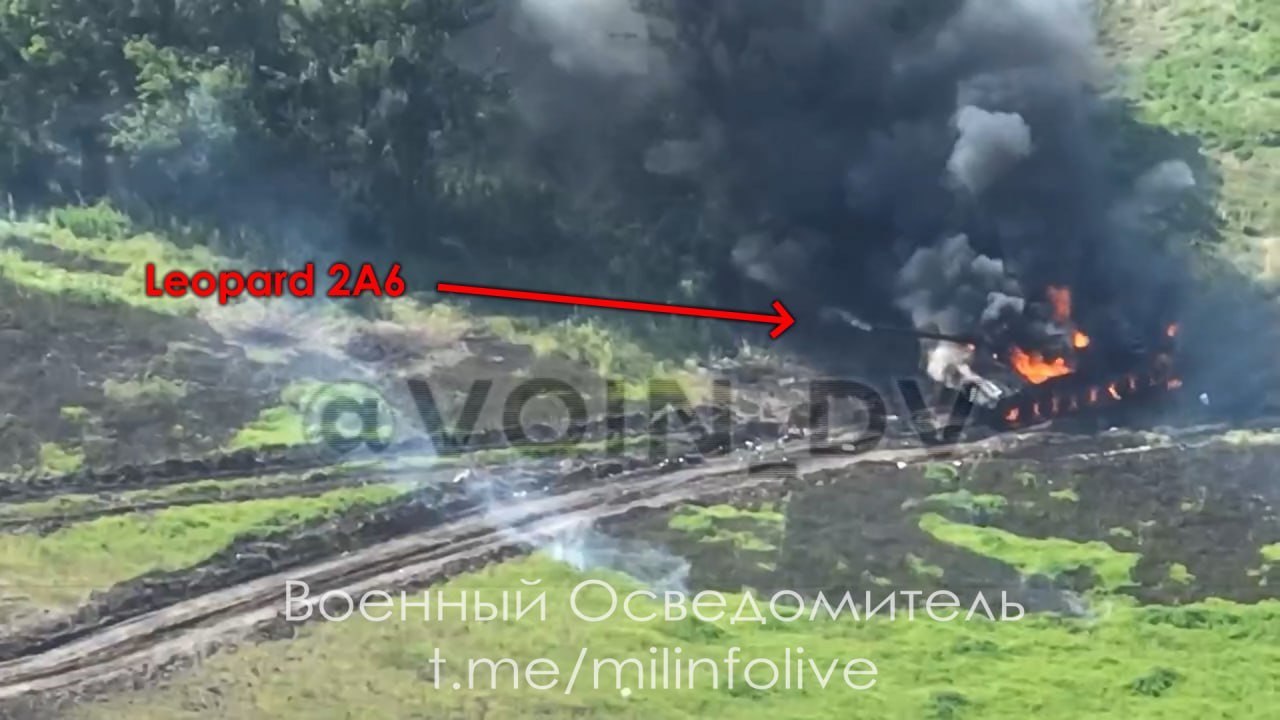
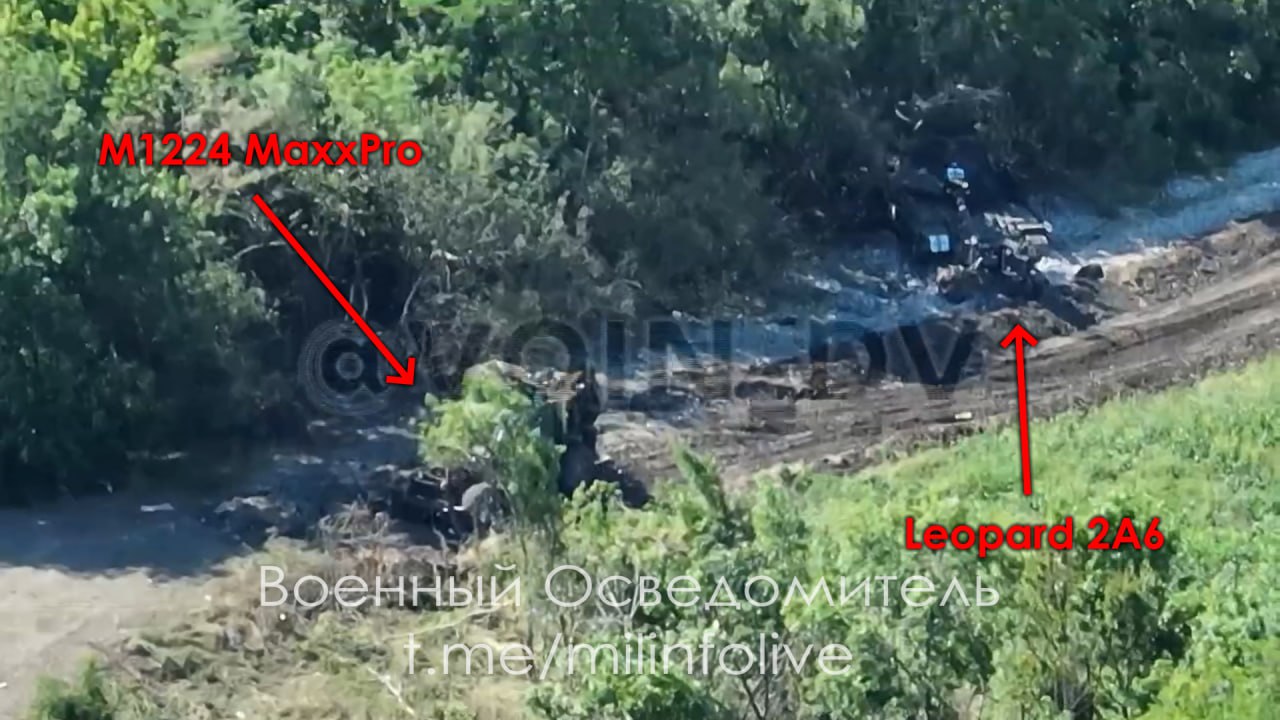
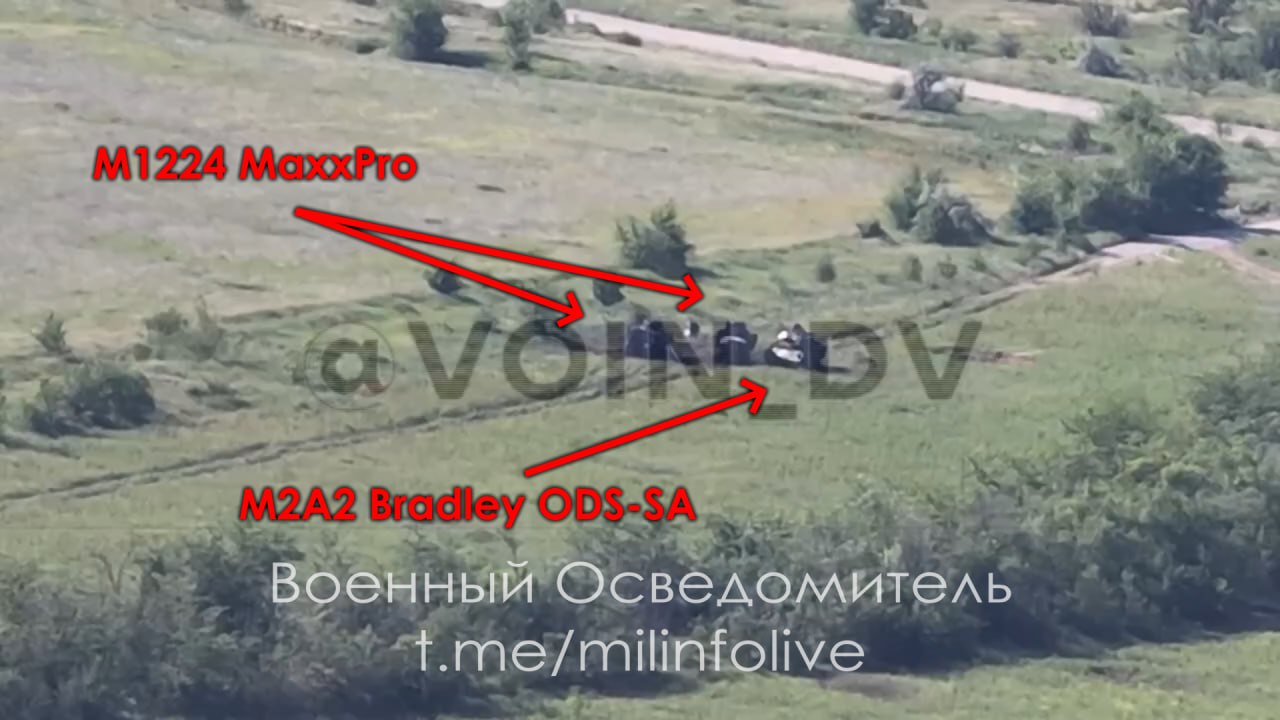
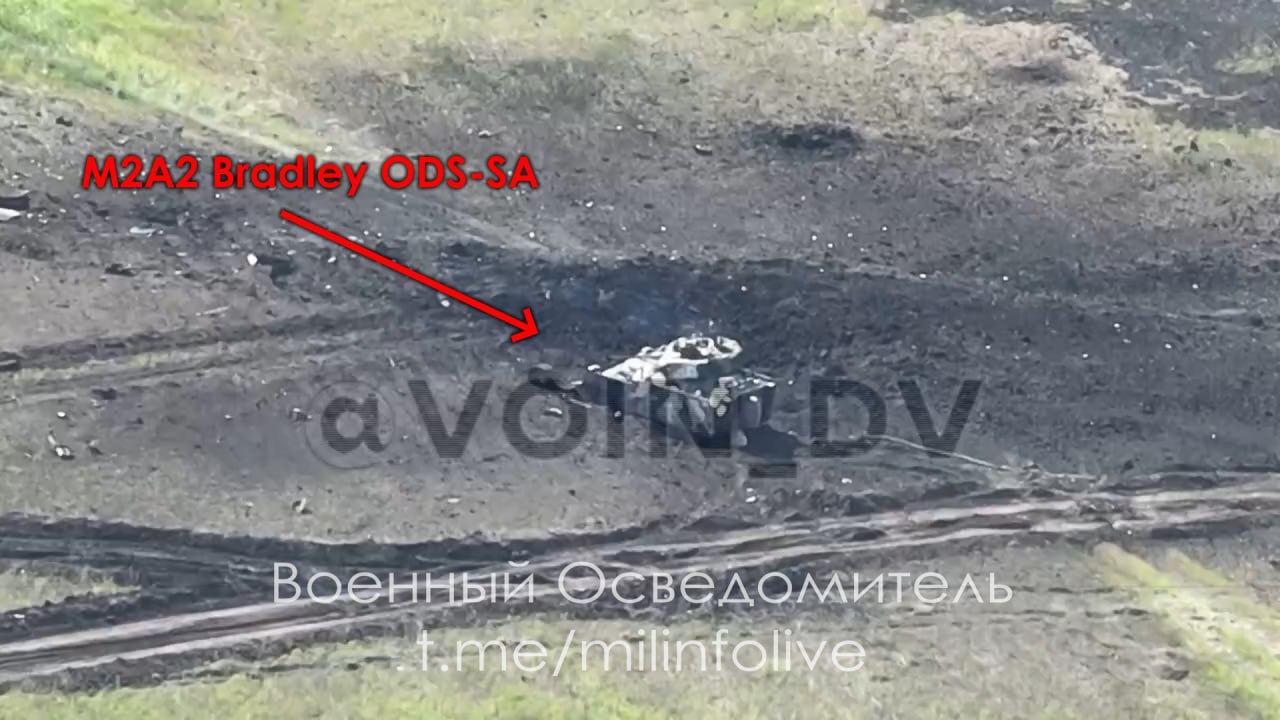
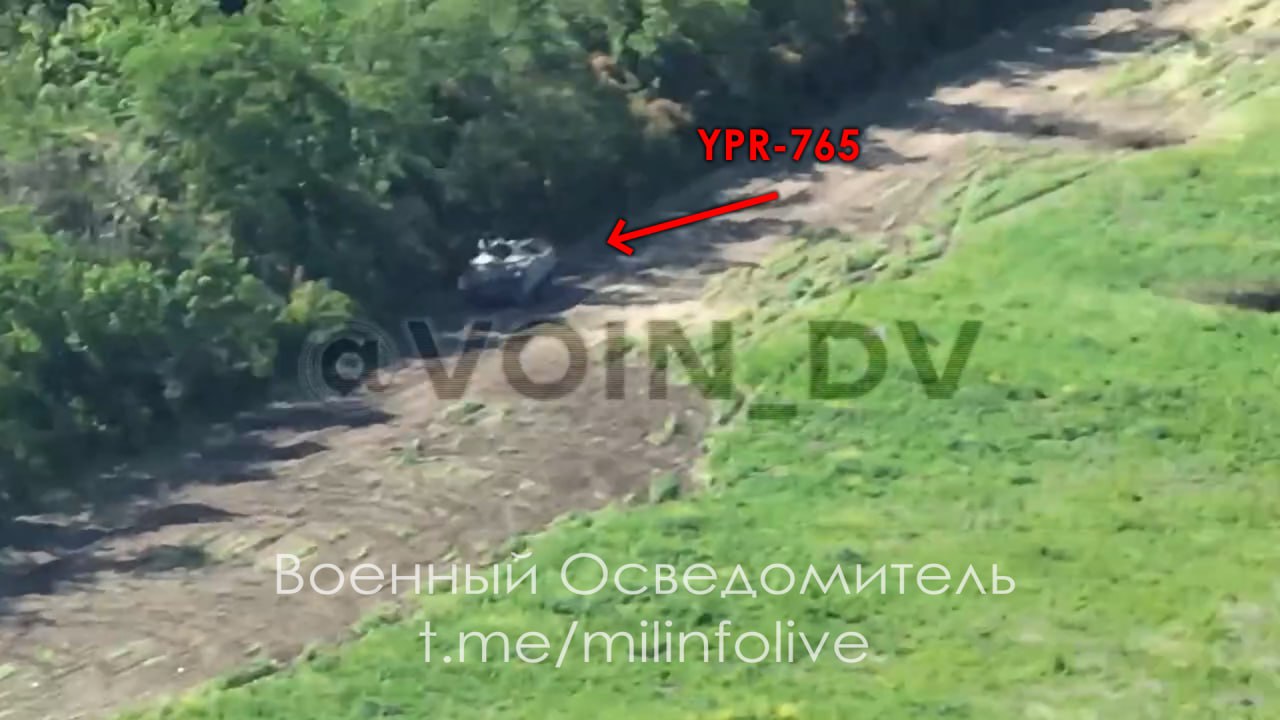
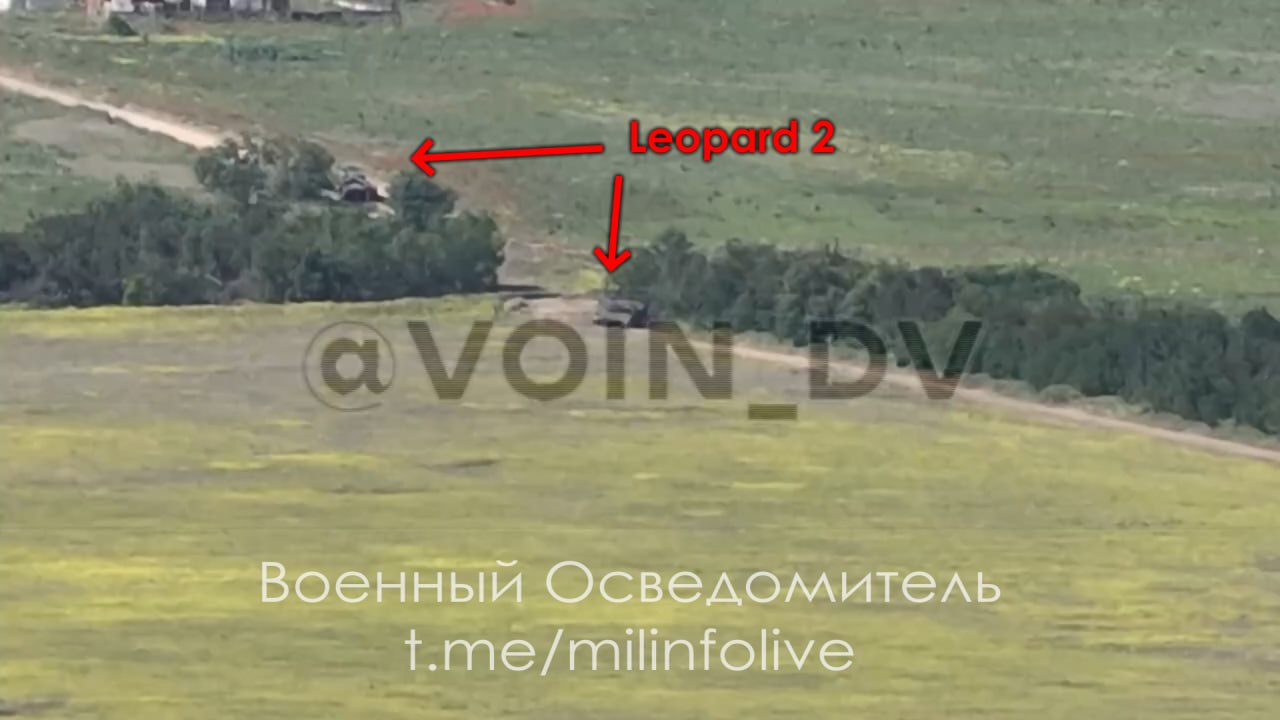
    The video shows two German-made Leopard 2A6 main battle tanks and five American-made M2A2 ODS infantry fighting vehicles (IFVs) which were destroyed or heavily damaged during the failed offensive. Several other vehicles, including additional Leopard 2 tanks, American-made MaxxPro mine-resistant ambush-protected vehicles and Soviet-made BMR-2 mine-clearing vehicles, were abandoned by Kiev forces.

    Read more: Military Knowledge: Leopard 2

    The AFU were initially slowed down by anti-tank landmines and dragon’s teeth anti-tank obstacles, and later reneged with artillery fire and airstrikes. Attack helicopters and tank hunters also played a key role in repelling the attack, according to the available information.

    Leopard 2 and several other tanks and armoured vehicles were destroyed by Russian Army

    Russian Minister of Defense General Sergey Shoigu said in a statement that up to 1,500 troops and 150 pieces of armor from the 47th mechanized brigade took part in the ill-fated attack. Kiev forces lost a total of 30 tanks, 11 IFVs and up to 350 personnel while attempting to advance, the minister revealed in his statement.

    The German Leopard-2 tanks hit by a Russian Lancet drone

    The fact that advanced NATO equipment recently supplied by the West, like the Leopard 2 tanks and Bradley IFVs, took part in the attack proves that this was not just a “shaping” or “probing” operation, as claimed by the Ukrainian and Western media. Kiev forces were clearly attempting to hold ground and failed in doing so.

    Ukraine was promised around 90 Leopard 2 tanks and more than 100 Bradley IFVs by NATO states  in recent months. Most of these equipment were delivered before the beginning of the so-called spring counteroffensive on June 4.
    It should be noted that the plan was based on the fact that the Ukrainian army, having at least 300 tanks, can challenge Russia’s superiority in ground battles and take the eastern and southern lands of Ukraine out of Russian control by carrying out several counterattacks.

    Russian Kamov 52 helicopter attacks on Ukrainian Leopard 2 tank and the Bradley armored vehicle

    The humiliating defeat of Kiev forces near Orikhiv confirms that these weapons, which were promoted as Wunderwaffe by the mainstream media, can’t change the balance of power in the battlefield.

    The destruction of new equipment donated by Westerners to Ukraine in this conflict dealt a heavy blow to the West’s propaganda in recent months. The Western media has been claiming for months that the new German tanks and armored vehicles sent to the Ukrainian army will change the balance of power in their favor! But the dominance of the Russian army on the southern fronts and their countless equipment has kept their superiority in the region.

    Source: SouthFront

  • ISIS Fatal Attacks In Badakhshan; 3 Tajik Taliban Officials Killed!

    ISIS Fatal Attacks In Badakhshan; 3 Tajik Taliban Officials Killed!

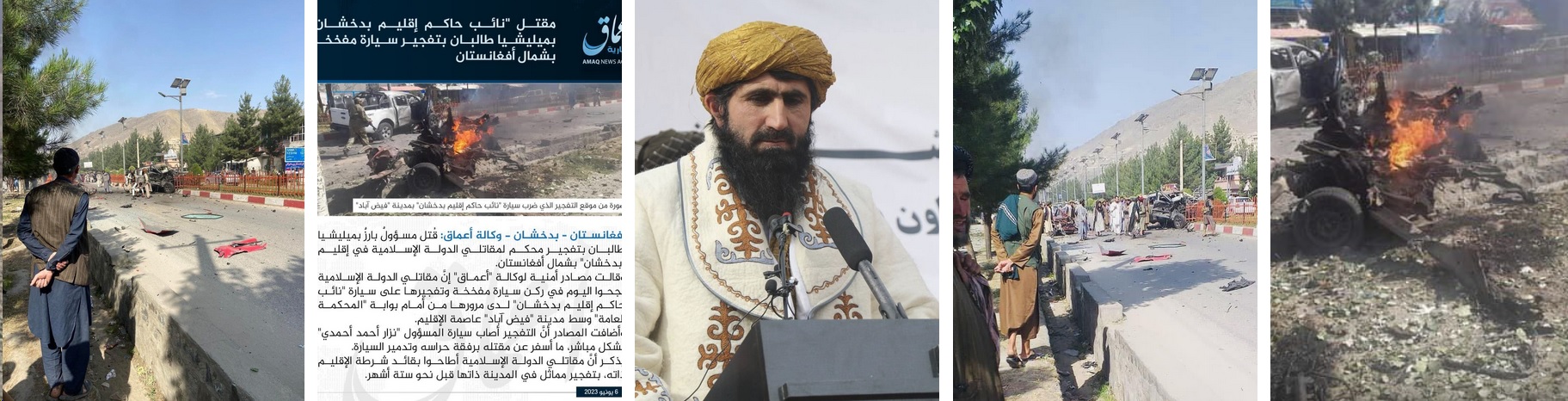
    On Tuesday (June 6), a convoy carrying local Taliban officials in Badakhshan province in Faizabad town, the center of Badakhshan province, was targeted by the ISIS terrorist group.

    The attack was carried out via explosion of a bomb-laden vehicle at the Dadsetani intersection, which ended up in the killing of eight Taliban officials, including deputy governor of the Taliban in Badakhshan province Molavi Nisar Ahmad Ahmadi. The ISIS terrorist group took responsibility for the attack hours after it was carried out by issuing a statement.

    Pictures of Molavi Nisar Ahmad Ahmadi, deputy governor of the Taliban in Badakhshan and the place of his assassination

    Two days after the attack, another terrorist attacked the funeral ceremony of Molavi Nisar Ahmad Ahmadi at the Nabawi Mosque in Faizabad town and blew himself up among the people present in the mosque.

    The explosion also led to the killing of at least 16 Taliban forces and injuring more than 50 others.

    It should be noted that dozens of middle-ranking members and local officials of the Taliban group attended the funeral ceremony of deputy governor of the Taliban in Badakhshan province Molvi Nisar Ahmad Ahmadi at the Nabawi Grand Mosque in Faizabad town, who were targeted by a suicide bomber.

    Among those present at the funeral ceremony were Minister of Economy of the Taliban caretaker government Qari Din Mohammad Hanif, former security commander of the Taliban in Baghlan province Molvi Safiullah Samim and prayer Imam of Nabawi Grand Mosque Qari Ehsanullah.

    It is worth mentioning that the names of Molvi Safiullah and Qari Ehsanullah have been mentioned among those killed in the terrorist attack.

  • Russian, Syrian Forces Carry Out Joint Operation In Homs

    Russian, Syrian Forces Carry Out Joint Operation In Homs

    Oleg Zhuravlev, Deputy Director of the Russian Reconciliation Center in Syria, said during a press conference on June 7 that Syrian and Russian military forces conducted identification and cleansing operations against terrorists in Homs province.

    According to Zhuravlev’s statements, as a result of the joint operation between Syrian army units and Russian military personnel, at least 20 terrorists were killed, as much as nine weapons and ammunition depots were destroyed, and 30 terrorist hideouts were demolished.

    Russian media reports indicate that this joint identification and cleansing operation by Russian and Syrian forces took place in the north and northeast of Homs province.

    It is worth noting that over the past six years, despite ongoing operations by the Syrian army, the Syrian Desert and various parts of Homs province have experienced daily attacks by ISIS terrorists against civilians, facilities and military headquarters.

    Furthermore, hundreds of Syrian army forces and allies have been martyred during cleansing operations in the Syrian Desert. However, hidden ISIS cells remain present in these areas and continue to impact the security of some Syrian regions with their terrorist actions.

  • Second Mohajer-6 Drone Downed By Friendly Fire! (Image)

    Second Mohajer-6 Drone Downed By Friendly Fire! (Image)

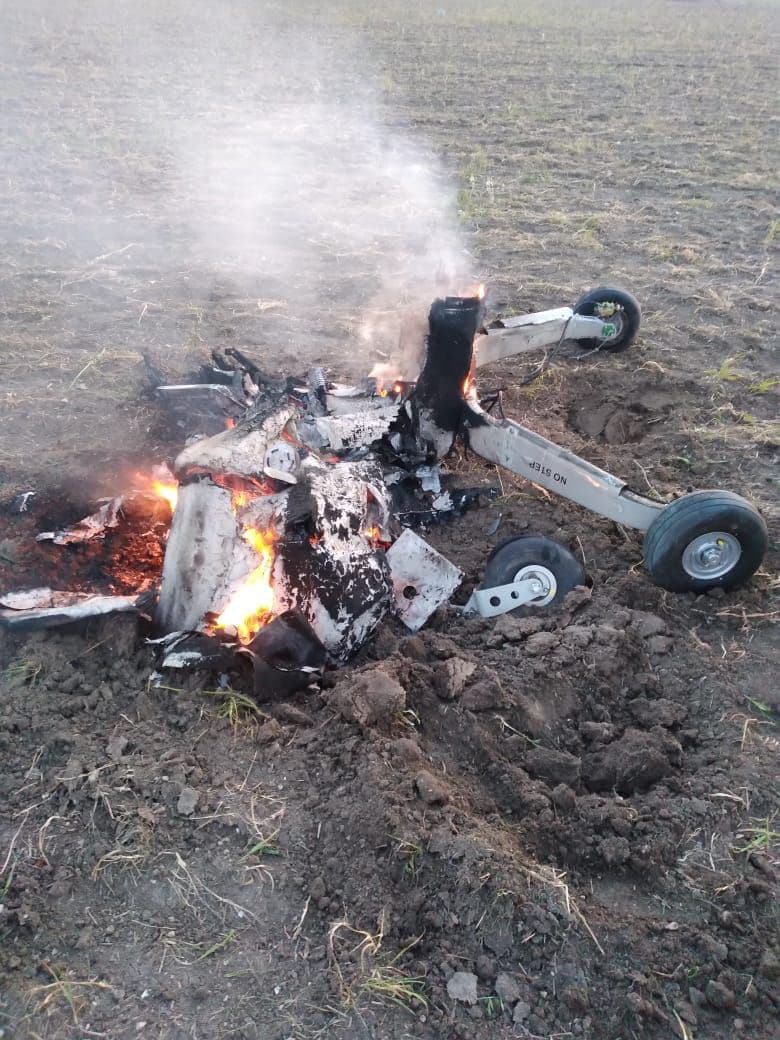
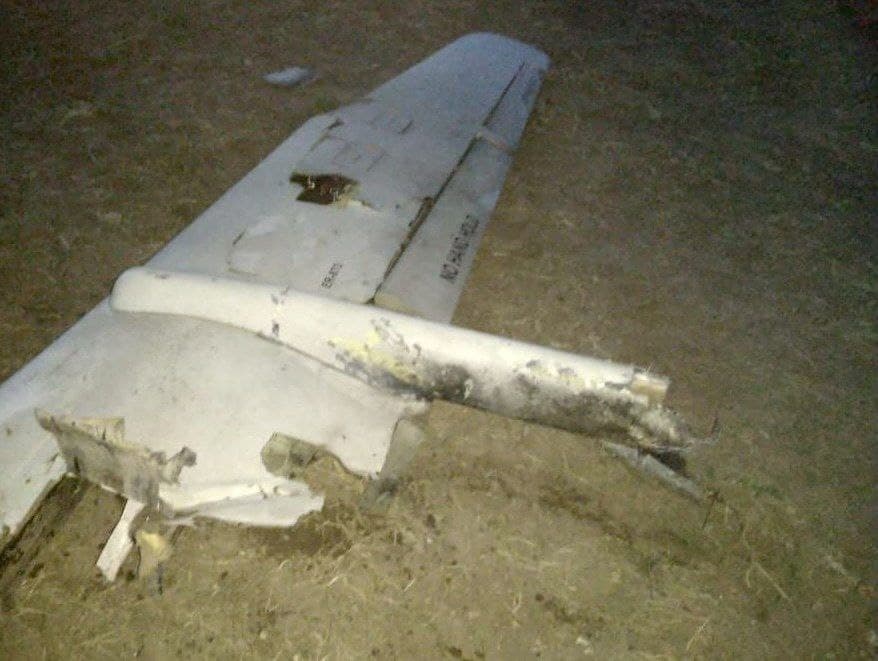
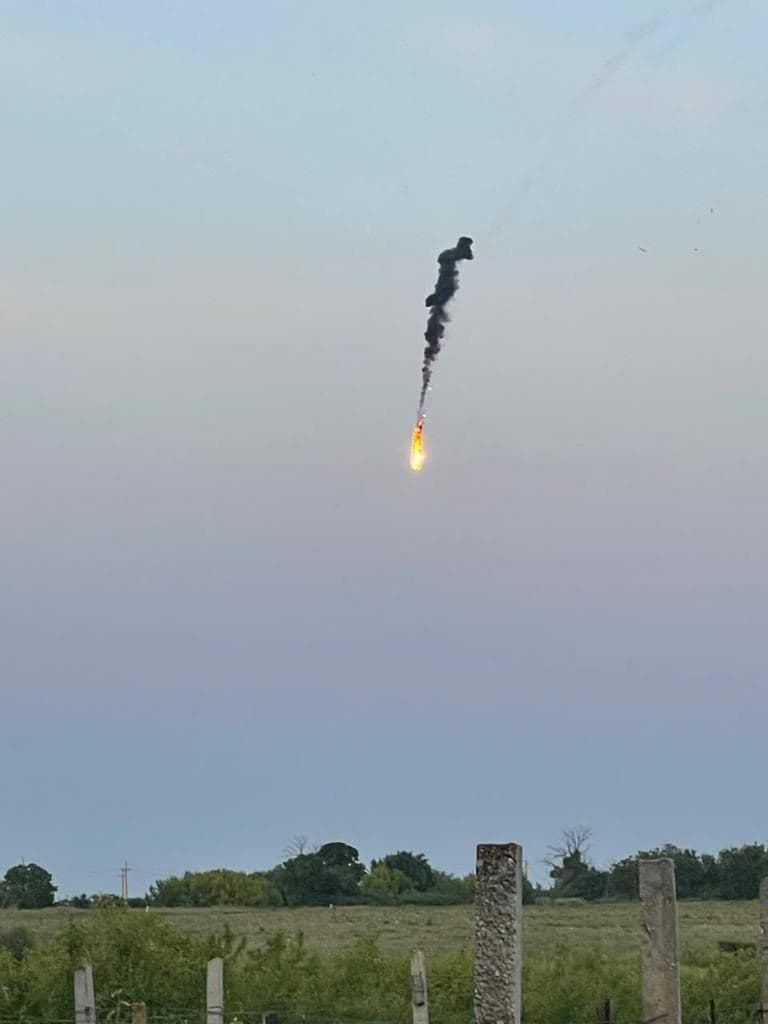
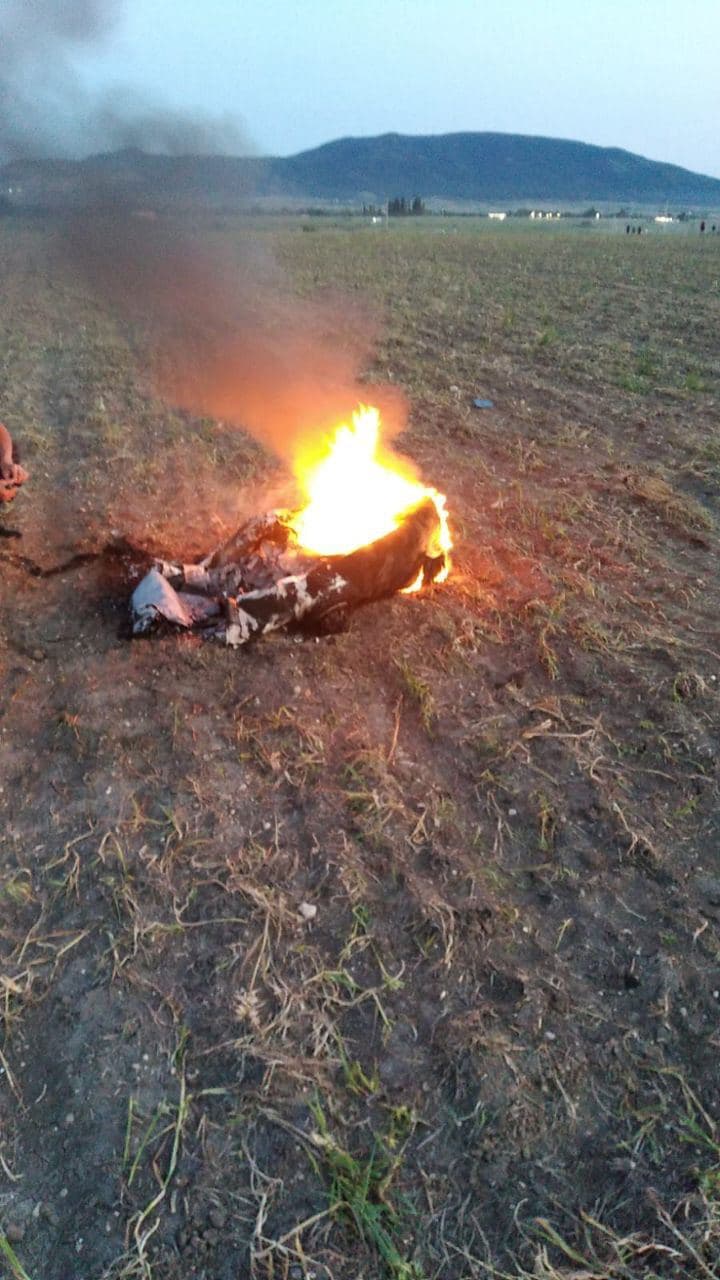
    At first, local sources in the Crimean peninsula said that the Russian air defense systems shot down an unknown drone in the eastern regions of Crimea on the evening of June 6. A little later, with the release of images of the wreckage of the targeted drone, it was revealed that this drone is of the Mohajar-6 type. Also, in another image, the wreckage of the drone can be seen burning, which rejects the idea that it fell due to a technical defect. Therefore, it is most likely that it was targeted by the Russian air defense and by mistake.

    Read more: Military Knowledge: Mohajer-6 Reconnaissance Combat Drone

    This is the second Mohajer-6 drone to be shot down during the war in Ukraine. Previously, in 23 September 2022, a Mohajer-6 crashed in the Black Sea near the coast of Odesa, which confirmed the claim of selling Iranian UAVs to Russia.

    Mohajer-6 is a medium-class multirole drone and Iran’s most successful export drone. So far, Iran exported this drone to countries like Iraq (Hashd al-Shaabi), Ethiopia, Venezuela and Russia.

  • Ukraine Army, RDK Attack South Russia (Video)

    Ukraine Army, RDK Attack South Russia (Video)

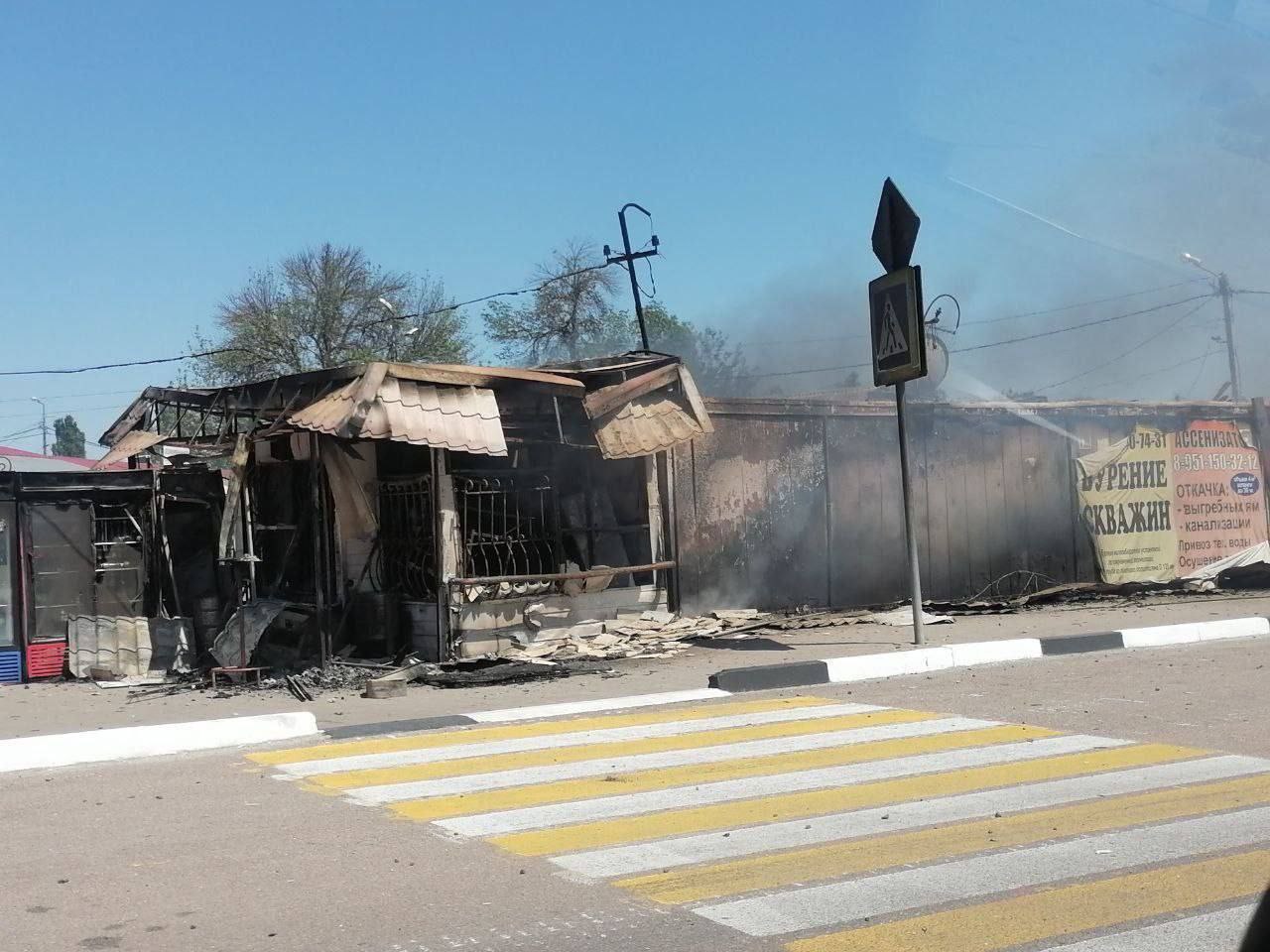
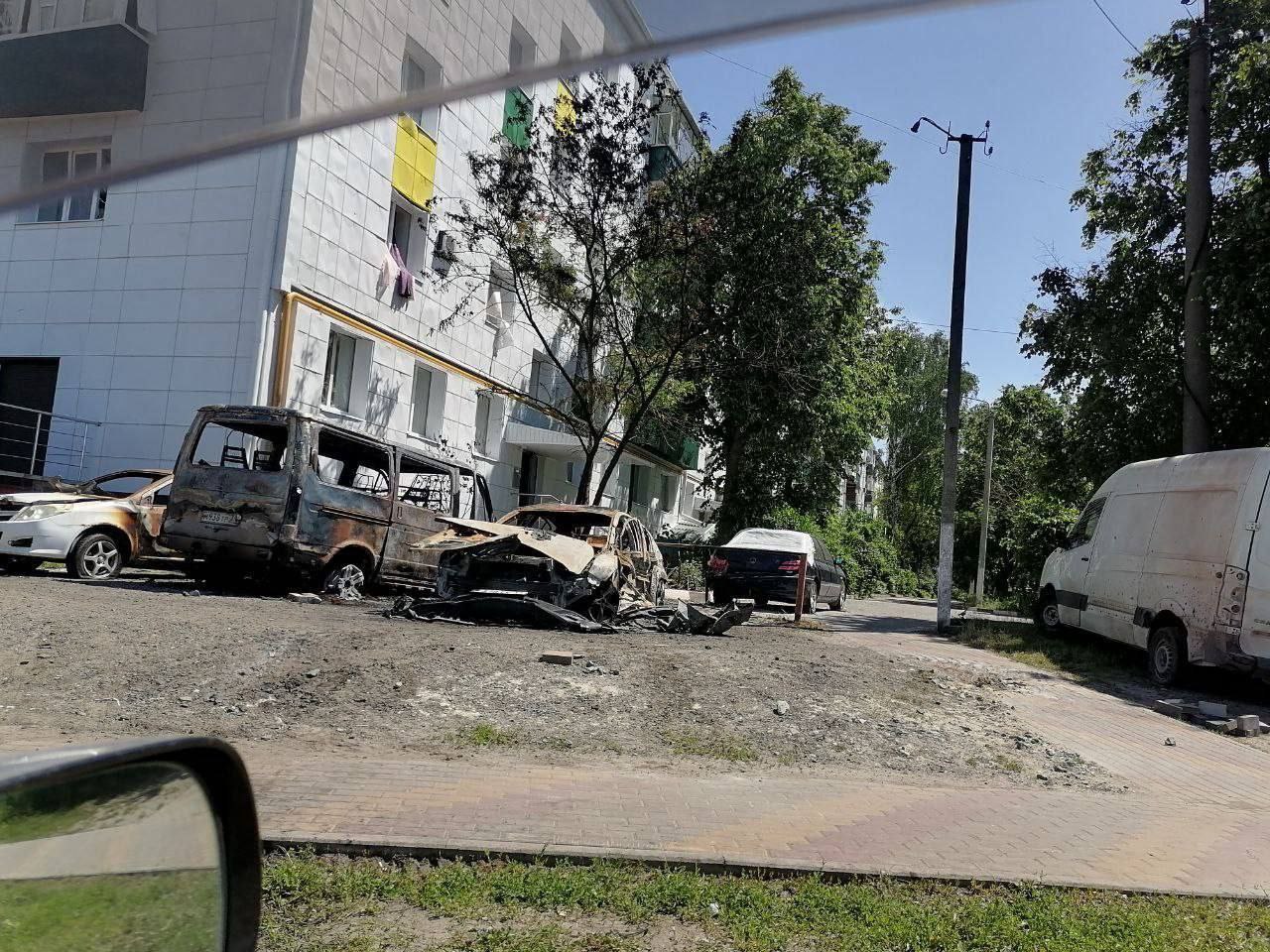
    Russia’s media outlets have reported that the Russian Armed Forces along with border guards and other units of the Federal Security Service (FSB) succeeded in repelling a strike by the Armed Forces of Ukraine and the militants of the Russian Volunteer Corps (RDK) to carry out a terrorist operation in the town of Shchekino (Shchyokino) in the western of Belgorod region.

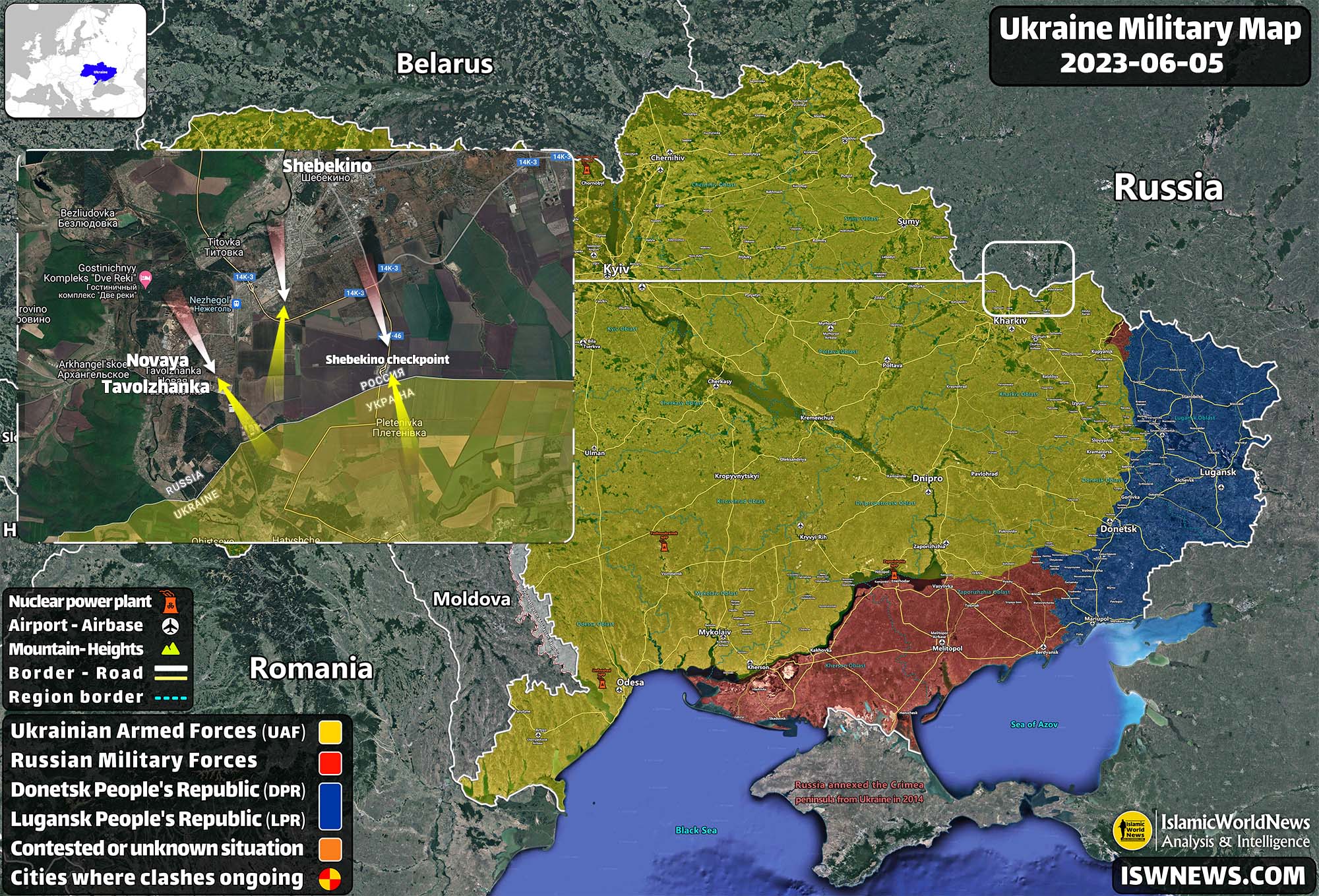
    According to the Russian reports, two military groups from the Armed Forces of Ukraine and the Russian Volunteer Corps (RDK) with the support of tanks and artillery of the Ukrainian army intended to enter the towns of Novaya Tavolzhanka and Shchekino in Russian territory at 3 am (Moscow time) on Thursday (June 1), but their attack was unsuccessful due to the efforts made by the Russian military forces.

    The Russian Ministry of Defense declared that in the operation, fighter jets carried out 11 air strikes and artillery units carried out 77 attacks against the Ukrainian forces. The military operation resulted in the death of more than 30 Ukrainian forces as well as the destruction of four armored vehicles, one Grad rocket launcher and a military van.

    In the beginning of the confrontation, Ukrainian armed forces succeeded in capturing a Shebekino border post, and militants of the Russian Volunteer Corps also infiltrated the towns of Novaya Tavolzhanka and Shebekino, where they took some Russian army forces captive.

    However, after a few minutes the Russian Armed Forces bombarded the positions of Ukrainian military forces at the Shebekino border post and RDK militants in the towns of Novaya Tavolzhanka and Shebekino; then the Russians cleared the areas from the control of Ukrainian armed forces and militants of the Russian Volunteer Corps.

    After this initial encounter, militants of the Russian Volunteer Corps offered local Russian authorities a prisoner swap at the church of Novaya Tavolzhanka town in a video message. And governor of Belgorod Vyacheslav Gladkov responded positively to the prisoner exchange request and demanded the delivery of prisoners at the Shebekino post, but the exchange meeting turned into a conflict and Russians attacked the exchange site in an air strike.

    Then, militants of the Russian Volunteer Corps released a new video in which they rejected Governor Belgorod’s offer to meet at Shebekino post and announced that there would be no exchange of Russian war prisoners. (Video No. 4) The images show a total of 13 prisoners, 10 out of the number were visible present at the video recording location and three others were injured and lying on beds.

    No further details have been released about the final outcome of the conflict and the fate of Russian prisoners, but Russia claims to have recaptured border areas, while the Ukrainian military forces and RDK militants released videos on June 4 to deny retreating to the Ukrainian territory. According to the video Number 5, the RDK militants are still present on the outskirts of Novaya Tavolzhanka border town and Shebekino post with the support of the Ukrainian Armed Forces, and it seems that the conflict in Russian territory is still ongoing.
    Simultaneous with the mentioned attack, the Ukrainian Armed Forces launched other strikes on the Zaporozhye and Donetsk fronts, which the Russian Ministry of Defense claims to have repelled. However, field reports show that the fighting is still ongoing in the areas and some sources speak of the start of a spring operation by the Ukrainian Armed Forces, which was declared some months earlier.

    Click to view full size
    RDK forces inviting Belgorod authorities to exchange prisoners in Novaya Tavolzhanka region
    The positive response of Vyacheslav Gladkov, the governor of Belgorod, to the request of Ukrainians for the exchange of prisoners
    Ukrainian rocket attack on Shebekino checkpoint
    The prisoners of the Russian army in the captivity of the RDK forces and the cancellation of the exchange of prisoners by these forces
    RDK forces in Novaya Tavolzhanka settlement
  • Russian Aerospace Forces Wiped Out Last Existing Combat Ship Of Ukrainian Navy

    Russian Aerospace Forces Wiped Out Last Existing Combat Ship Of Ukrainian Navy

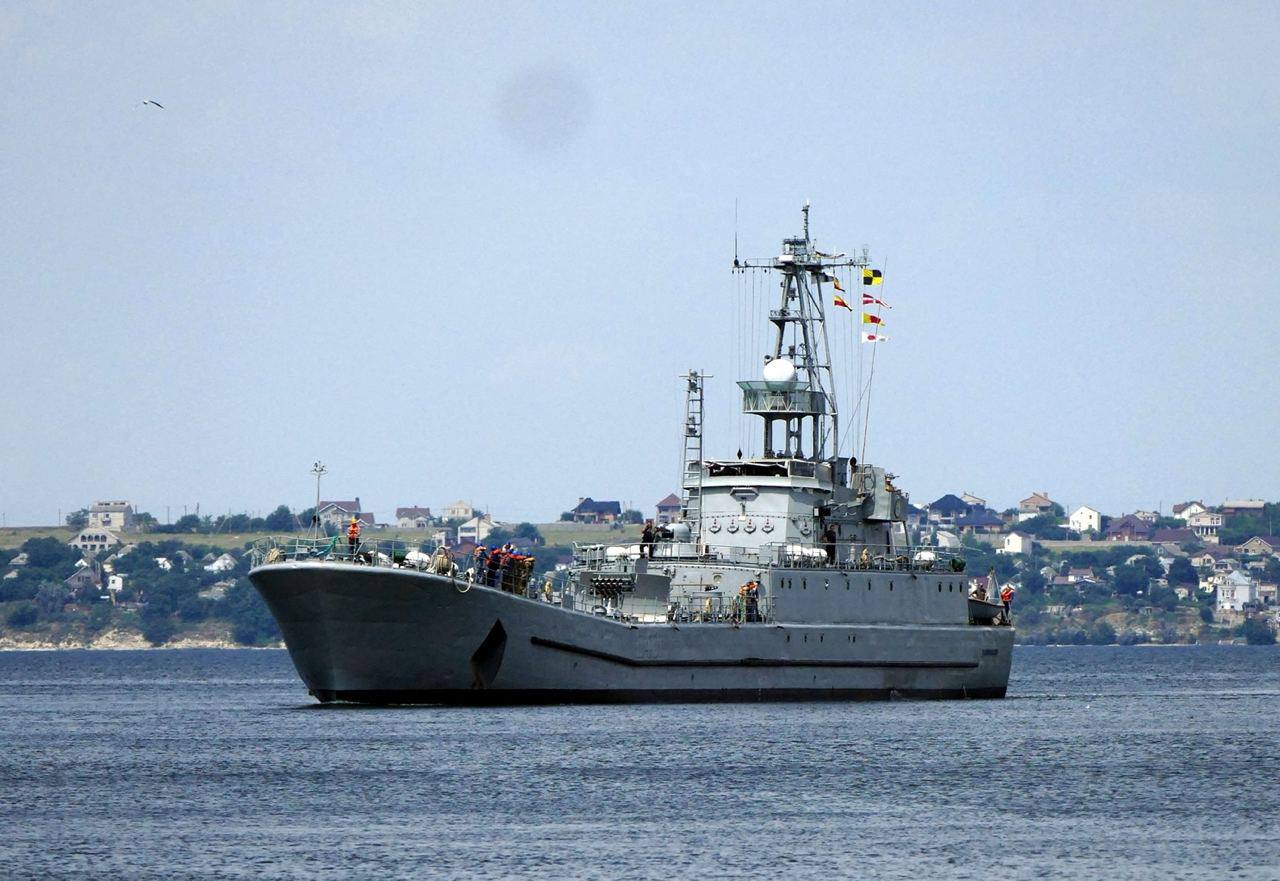
    “On May 29, as a result of a high-precision strike launched by the Russian Aerospace Forces against a military berth in the port of Odessa, the last of the Ukrainian warships, Yuri Olefirenko, was destroyed,” the Russian Defense Ministry said in an official statement on May 31.

    In the early stage of the conflict, the Ukrainian combat ship operated in the Dnieper-Bug estuary. The Armed Forces of Ukraine shelled Kherson region with Grad rocket launchers installed on the ship.

    Later, the combat ship moved to the port of Yuzhny, and then to Odessa. The Kyiv used the grain deal to protect the combat ship, but after repeated violations of the agreement, the Russian military opted to respond.

    Originally published by Southfront.org

  • Iran Main Topic Of Herzog-Aliyev Talks In Baku

    Iran Main Topic Of Herzog-Aliyev Talks In Baku

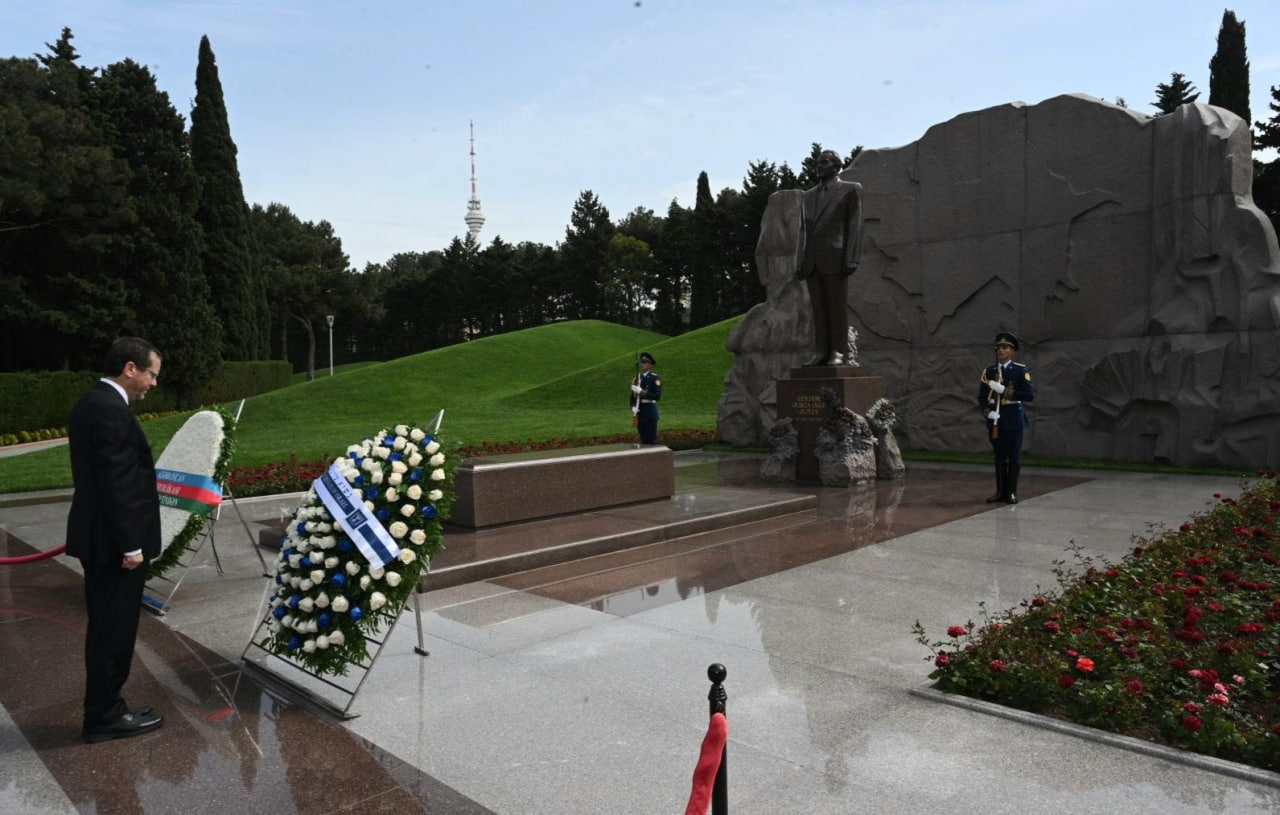
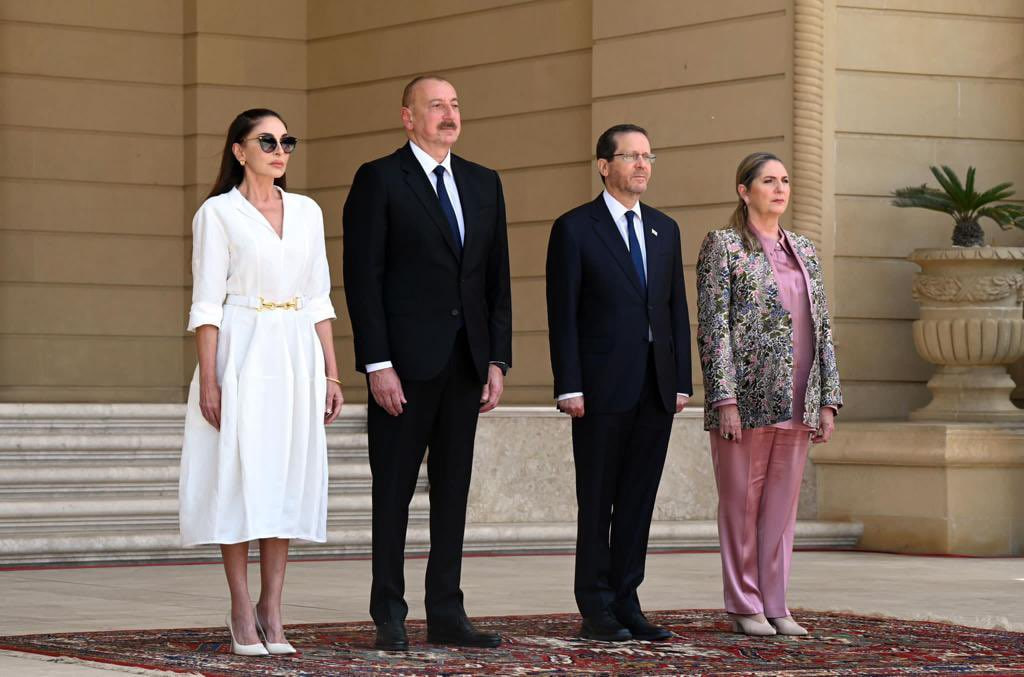
    Following a meeting between the head of the Israeli regime and the president of Azerbaijan, a press conference was held and the two parties signed documents, including a cooperation document between the Ministries of Health of Baku and Tel Aviv.

    Herzog wrote on his Twitter account following the meeting with Aliyev: “I thank my friend President of Azerbaijan Ilham Aliyev who is a true friend of Israel for his warm welcome at the Presidential Palace. Israel considers the Republic of Azerbaijan as a valuable strategic partner and an anchor of stability in the region. Our relations are a role model for other countries that choose the path of peace and cooperation and an example of friendly relations between Muslims and Jews.”

    Herzog also told the media outlets after the meeting with Aliyev: “Iran is the country that threatens the security structure of the region. We had many consultations in this regard at the meeting.”

    Aliyev, for his part, said: “After the meeting, we will witness positive dynamics; although, we have already taken many actions in various fields, including trade, security and so on. I am completely sure that there is a lot of potential for increasing cooperation, but there is still a lot of work to be done. Of course, we consider the visit by the president of Israel to Azerbaijan a historic trip.”

    It should be mentioned that the visit by the president of Israel to Baku took place while Iranian officials have repeatedly warned Azerbaijan about the evil intentions of the Israeli regime to turn the soil of the Republic of Azerbaijan into a scene of threat against the national security of the Islamic Republic of Iran.

    Herzog’s recent remarks and the review of the current status of Baku-Tel Aviv relations indicate that Azerbaijan’s officials are attempting to intensify the level of tensions and insecurity, and they want to increase Israeli presence in the region by ignoring the Iranians’ warnings; This is an important issue that can ultimately lead to Iran’s harsh response.

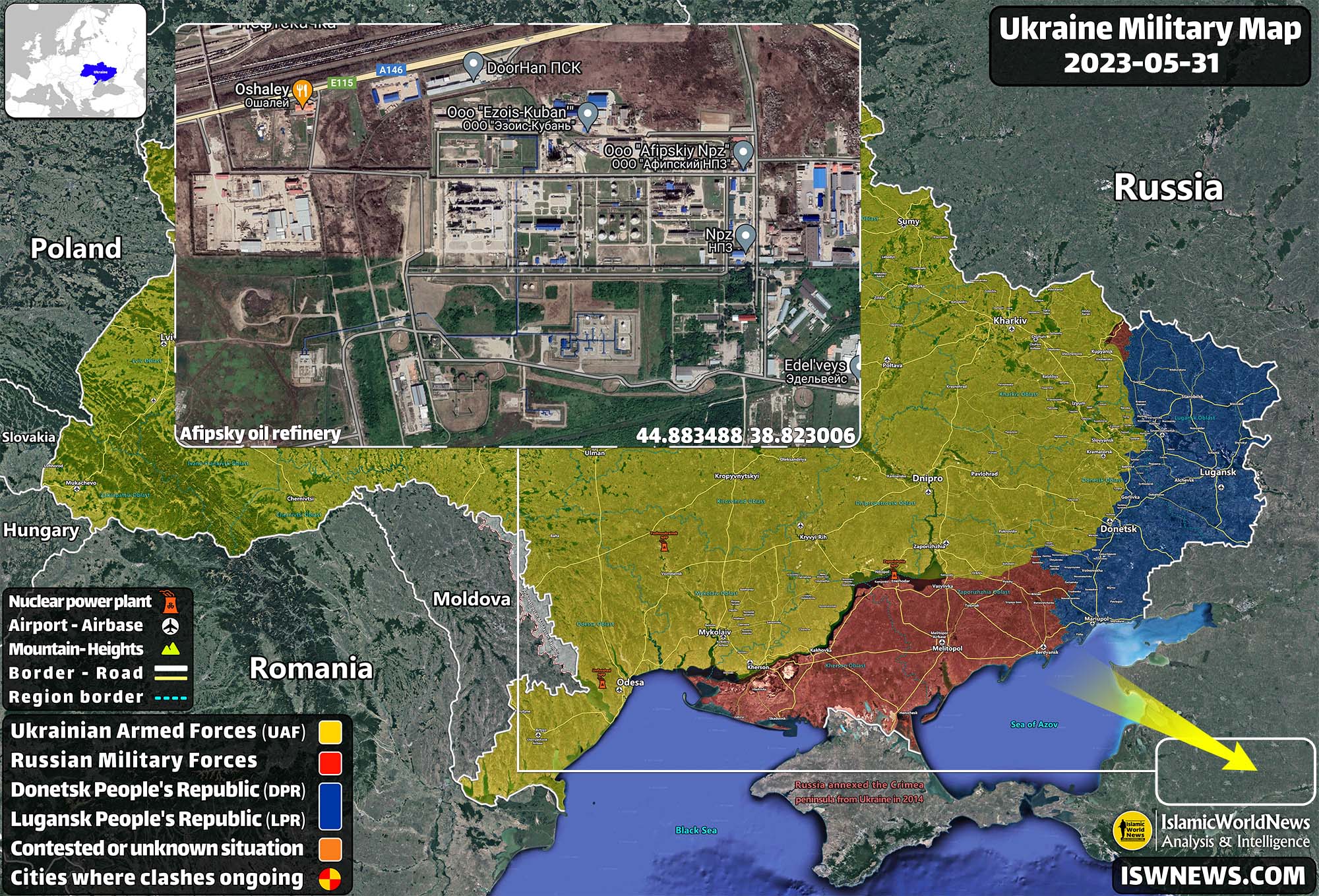
  • Ukrainian Drone Attack On Afipsky Oil Refinery In Russia (Video)

    Ukrainian Drone Attack On Afipsky Oil Refinery In Russia (Video)

    During this morning’s attack by the ,Ukrainian suicide drones on the Afipsky oil refinery, one of the heating oil distillation units was damaged and caught fire. The Afipsky oil refinery is located 15 km away from Krasnodar.

    According to Russian media reports, there were no casualties in this attack, and the Russian firefighters have managed to extinguish the fire in this refinery.

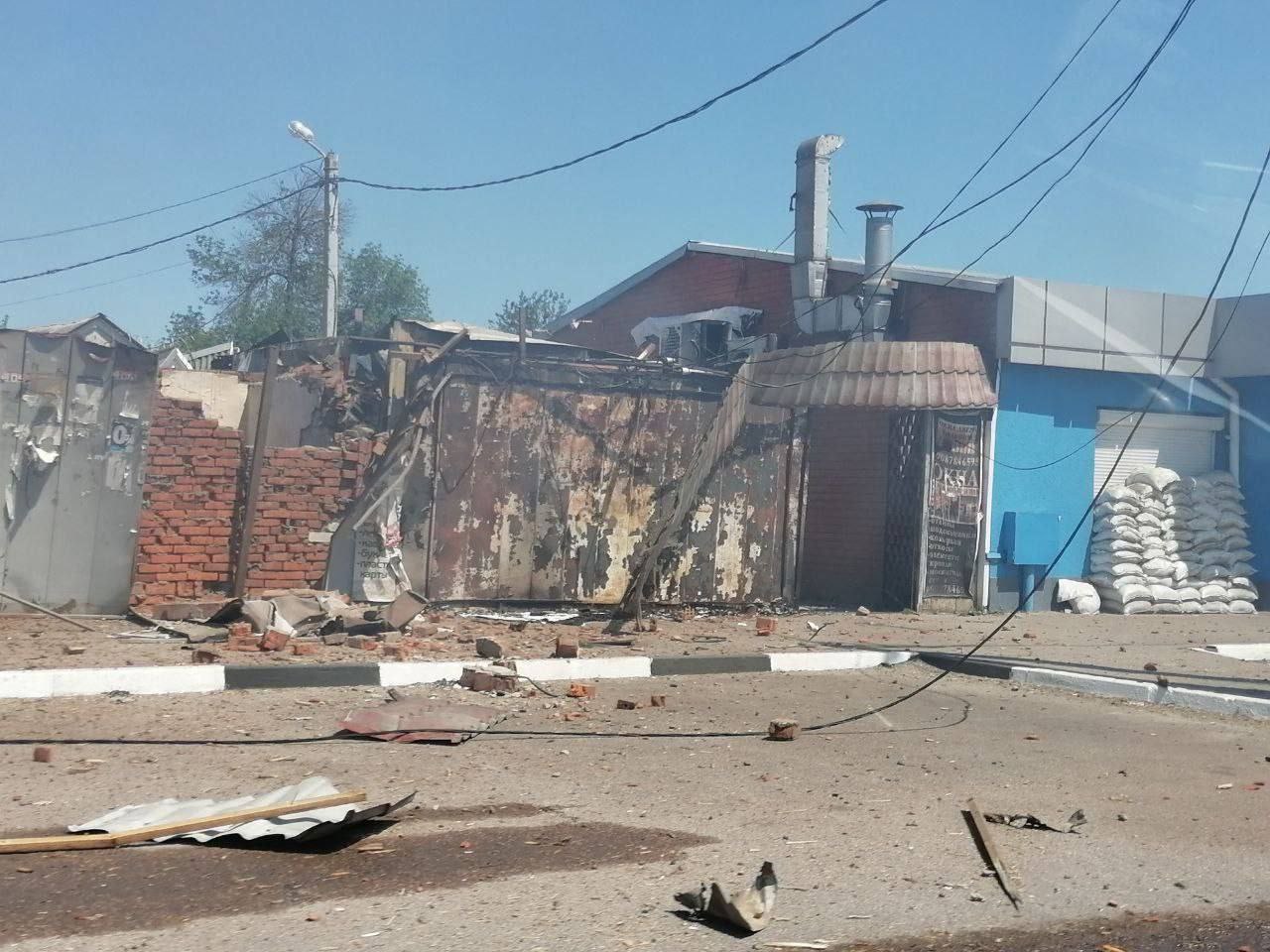
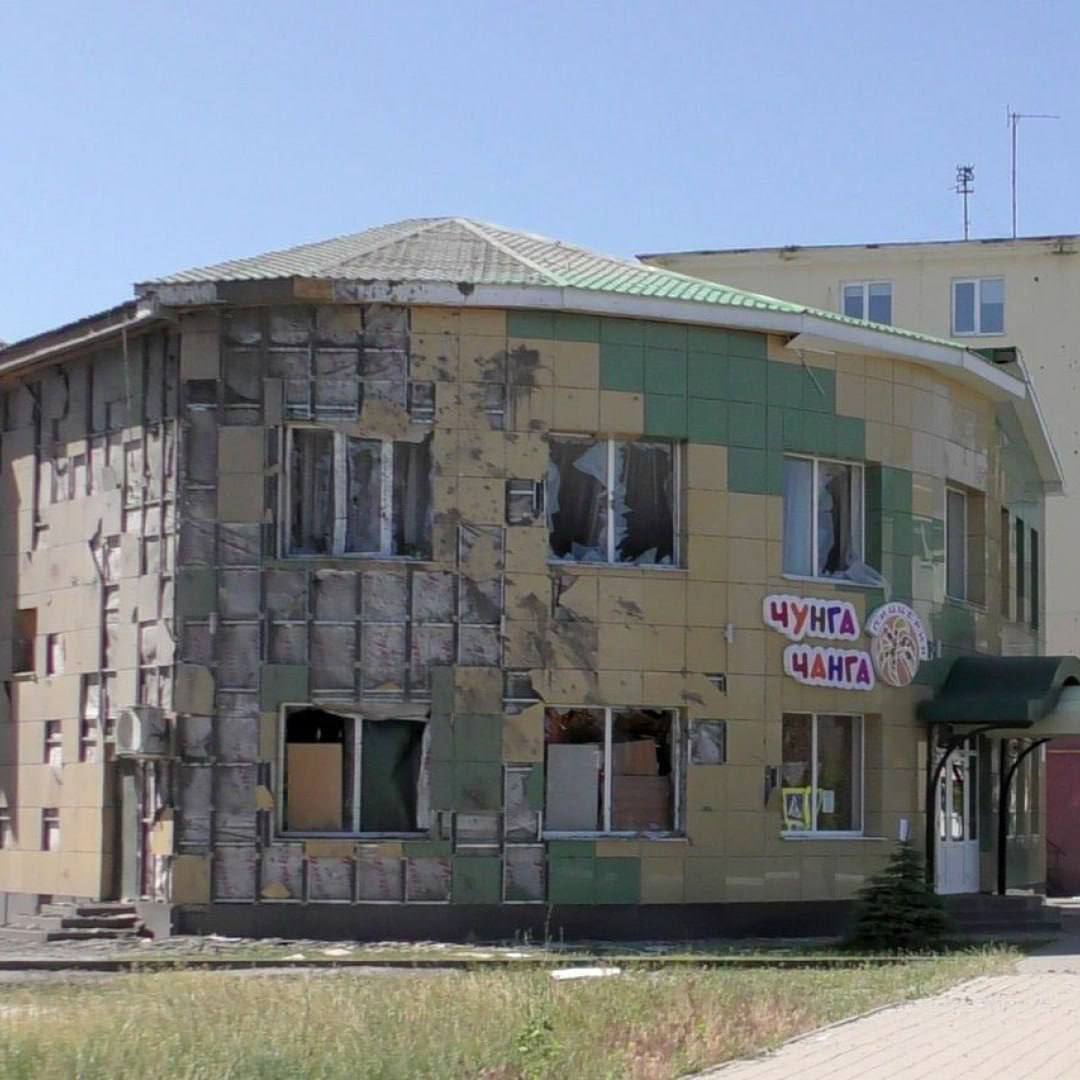
    At the same time as this attack, the Ukrainian army attacked the border village of Tetkino in Kursk Oblast with an artillery attack, which led to the destruction of several residential buildings in this village. Also, Russian sources reported the downing of 10 Ukrainian drones over the Klimovsky district in Bryansk Oblast by electronic warfare systems.

    This is not the first such attack in this region. The Ukrainian army has attacked Russian refineries in the southern federal district centered on Krasnodar three times in the past month. In the first attack, they targeted the Ilsky Refinery with a drone that did not cause any damage and casualties; And the second attack, the Russian air defense systems managed to shoot down all the drones attacking the Ilski Refinery.

    Interactive map: here

    Click to view full size
    Fire at Afipsky Oil Refinery
    Fire at Afipsky Oil Refinery