Category: Central Asia – Pacific

  • Wagner Group; Reasons Behind Its Clashes With Russian Army, Fate Of Skirmishes

    Wagner Group; Reasons Behind Its Clashes With Russian Army, Fate Of Skirmishes

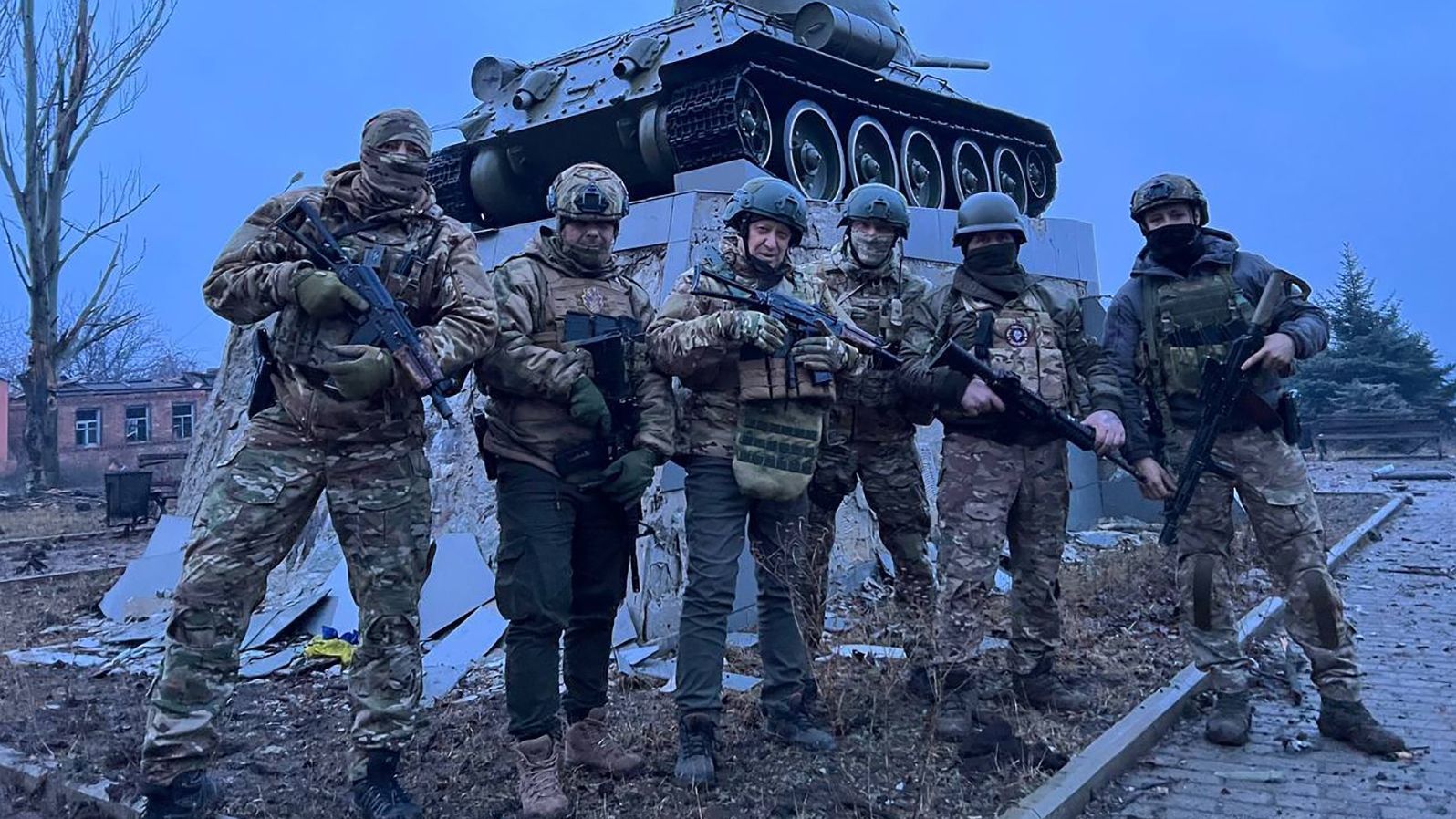
    The Russian private military company, which is known as Wagner Group is a paramilitary organization that is directly affiliated with the Russian Armed Forces. The Wanger mercenaries have taken part in various conflicts, including the clashes in the Crimea and eastern Ukraine in 2014, the Syrian war, the Libyan civil war, Mali, Sudan and so on, and now they are engaged in military training, consulting activities and even arms sales in different countries.

    The head of the organization is Yevgeny Prigozhin, who is one of the important tycoon and traders of Russia, and he is also referred to by the some media outlets as Russian President Vladimir Putin’s cook.

    Following the outbreak of the war in Ukraine, Prigozhin entered a tough competition with the senior military leaders of Russia, namely Minister of Defence of the Russian Federation Sergei Shoigu and Chief of the General Staff Valery Gerasimov to consolidate his power and influence in the Russian government.

    However, Shoigu and Gerasimov gradually weakened his alliance with Commander of the Russian air force Sergei Surovikin, and they managed to reduce Prigozhin’s military position in the eyes of the Russian president and take back the command of Russian forces in Ukraine from Surovikin.

    The decline in power did not please Prigozhin; so, he sabotaged many times the defense ministry’s support for his forces in the war in Ukraine and finally rebelled against the Russian government by claiming a missile attack by the Russian army on the bases and positions of Wagner Group forces. Prigozhin called for the handover of Shoigu and Gerasimov to Wagner forces and pursued their punishment, but President Putin ordered to clamp down the rebellion while ignoring his demands.

    The future of the group’s rebellion depends on a plan that its designers have prepared.

    The rapid control of the Russian city of Rostov-on-Don by the Wagner Group, their unimpeded advance towards capital city Moscow, and the lack of concern by the Russian army and government officials, as well as the Western countries’ heed to the issue do not seem normal. In fact, the nature of the rebellion and the goals of the Wagner Group have not become clear yet.

    Therefore, the Wagner Group’s rebellion is not that much similar to a coup or an armed rebellion, and it is possible to raise the possibility that Russians are paving the ground for a more important action. Perhaps the rebellion was also shaped by the Western powers, because Russia’s intelligence fault against Westerners is a proven issue. In total, the Wagner Group’s next actions and the reaction of the Russian government and armed forces to such actions will clarify the nature of the story and it would be better to wait for more information and analysis.

  • Latest Developments Of Wagner Mercenaries’ Rebelion Against Russian Army, June 24

    Latest Developments Of Wagner Mercenaries’ Rebelion Against Russian Army, June 24

    – Governor of Voronezh province Alexander Gusev announced the closure of more than 300 kilometers of the M-4 Don highway (the road connecting to Moscow) in the province. He also asked the citizens of the region to refrain from traveling on the regional and local roads.

    Taking into account the latest circumstances of the Wagner Group’s mercenaries in the cities of Rostov-on-Don and Pavlovsk, the Wagner forces are hundreds of kilometers away from the capital Moscow (approximately 610 kilometers from the city of Pavlovsk and 950 kilometers from the city of Rostov-on-Don).

    According to a decree by Russian President Vladimir Putin to confront the Wagner rebellion forces, if they intend to enter Moscow, must cross a long route that is under the control of the Russian army and security forces, which seems to be almost impossible.

    Click to view full size

    -The Wagner Group’s forces shot down a Mi-8 helicopter of the Russian armed forces.

    Earlier, Head of the Wagner Group Yevgeny Prigozhin informed of the shooting down of a helicopter that intended to attack the Wagner forces. It is not clear yet whether the helicopter is the same one that Prigozhin had reported that it had been ruined or it is a second helicopter that is shot down by Wagner.

    The place where the helicopter crashed

    -There has been released a video of fire and crash of an Ilyushin 18 or Antonov 26 aircraft of the Russian Air Force in an unidentified area.
    The cause of the plane crash is not clear and some Russian sources mentioned the possibility that it has been hit by Wagner forces.

    – An explosion occurred at an oil depot in the city of Voronezh, coinciding with the flight of Kamov Ka-50 helicopters, raising the suspicion that the explosion was caused by the helicopter attack. However, the truth is that the helicopters used chaff and flare at the same time as the explosion of the oil depot occurred. Perhaps the helicopters were looking for Wagner agents and resorted to such acts to escape from heat-seeking missiles and so on.

    – Video: Unsuccessful launch of the 9K35 Strela-10 (a Soviet highly mobile and short-range surface-to-air missile system) by Wagner forces towards a Kamov Ka-52 helicopter of the Russian army

    -A video of an air strike by a fighter jet of the Russian army on a convoy of Wagner forces on the M4 highway on Saturday morning.

    – Head of Chechnya Republic Ramzan Kadyrov announced the dispatch of military forces from the Ministry of Defense and the National Guard of Chechnya to the city of Rostov-on-Don. The city is under the control of Wagner mercenaries; so, it seems to be probable that we witness heavy clashes between Chechens and Wagner forces in the coming hours.

    Kadyrov is one of the main opponents of the head of the Wagner Group, who opposed Yevgeny Prigozhin when he tried to criticize Russia’s management of the war in Ukraine and the Chechnya’s official repeatedly demanded replacing his forces with Wagner mercenaries.

    In the military dispute between Russia’s Shoigu-Gerasimov front, which are enemies of Wagner today, Kadyrov takes the side of the Russian military officials and he has undoubtedly been preparing for the Rostov-on-Don battle for a long time.

    – Suspicious flights of transport aircraft and presidential fleet of Russia from Moscow to St. Petersburg and unknown destinations in northwestern Russia

    One of those flights is the Russian Ilyushin 96 presidential aircraft, which some Russian sources claim is carrying Vladimir Putin.

    Putin’s departure from Moscow (if true) raises many questions: Could Wagner Group with only 25,000 forces (as Prigozhin claims) overcome the Russian government forces and easily advance to the gates of the capital? Is Wagner’s rebellion a misleading plan for a bigger action in the war in Ukraine? The questions are all important issues that we would reach their answers in the coming hours.

    – The news about the widespread flight of IRGC and Iranian army planes and the sending of military forces to Moscow is not true.

    Read more:
    Wagner Mercenaries Enter Rostov; Coup Happening In Russia! (Image)
    Putin Orders Russia Army To Confront Wagner Mercenaries

  • Russia Defense Ministry Addresses Wagner Mercenaries: You Are Deceived By Prigozhin!

    Russia Defense Ministry Addresses Wagner Mercenaries: You Are Deceived By Prigozhin!

    The Ministry of Defense wrote in a message: You have been deceived by Prigozhin’s criminal adventure and took part in an armed rebellion. Members of the Wagner group have requested for assistance, which guarantees their return to their permanent deployment points. We have helped to ensure the return of some of the Wagner forces to their deployment points and will guarantee the security of everyone. Be careful and stay in touch with the representatives of the Russian Ministry of Defense or law enforcement agencies as soon as possible.

    Meanwhile, the municipalities of Moscow and Rostov-on-Don have canceled public activities and asked people to carry out their activities in line with anti-terrorism operations.

    Furthermore, Press Secretary of the President of the Russian Federation Dmitry Peskov also informed of the imminent speech by President of Russia Vladimir Putin.

  • Putin Orders Russia Army To Confront Wagner Mercenaries

    Putin Orders Russia Army To Confront Wagner Mercenaries

    ISWNews Analysis Group – Vladimir Putin made the remarks in a televised speech about recent developments in Russia and the Wagner mercenaries’ rebellion, calling for the resolution of differences.

    The president also referred to the West’s military and intelligence warfare against his country, saying that Russia is fighting hard for its future, all Western military and intelligence apparatus is against Russia.

    “Now, our people’s fate is being determined and the unity of all forces is necessary, we must put aside any conflict,” Putin said.

    He described Wagner fighters, who fight in special operations (Ukraine War), as heroes, and considered those who organized the rebellion as traitors to the name and reputation of the mercenary group.

    Putin also threatened that anyone, who deliberately engages in treason, demonizing and preparing for an armed uprising, will be subject to inevitable punishment and that in this regard, the Russian armed forces have received the necessary orders to confront those who organized an armed rebellion.

    The Russian president emphasized that he would not allow a repeat of creating a rift in Russia and as a Russian citizen would do anything to defend the country and take decisive actions, including in respect of the situation in the southern city of Rostov-on-Don.

  • Wagner Mercenaries Enter Rostov; Coup Happening In Russia! (Image)

    Wagner Mercenaries Enter Rostov; Coup Happening In Russia! (Image)

    ISWNews Analysis Group – The Wagner mercenaries threatened to move towards capital Moscow if the Russian Defense Minister Sergei Shoigu and Chief of the General Staff Valery Vasilyevich Gerasimov are not being handed over to the group.

    On June 23, the commander of the Wagner Group Prigozhin claimed that the Russian army had attacked their positions in Ukraine and killed a large number of their troops. He had promised to take revenge on them for these crimes.

    Prigozhin had previously stated that the Defense Ministry officials were deceiving Russian President Putin with reports that did not reflect the actual situation on the ground. He had called the war in Ukraine an act of Sergei Shoigu’s ambitions and provocation by power lobbies in Russia.

    Shortly after the controversial statements, Wagner mercenaries took action to seize control of the Russian cities and essentially they started a coup in the country.

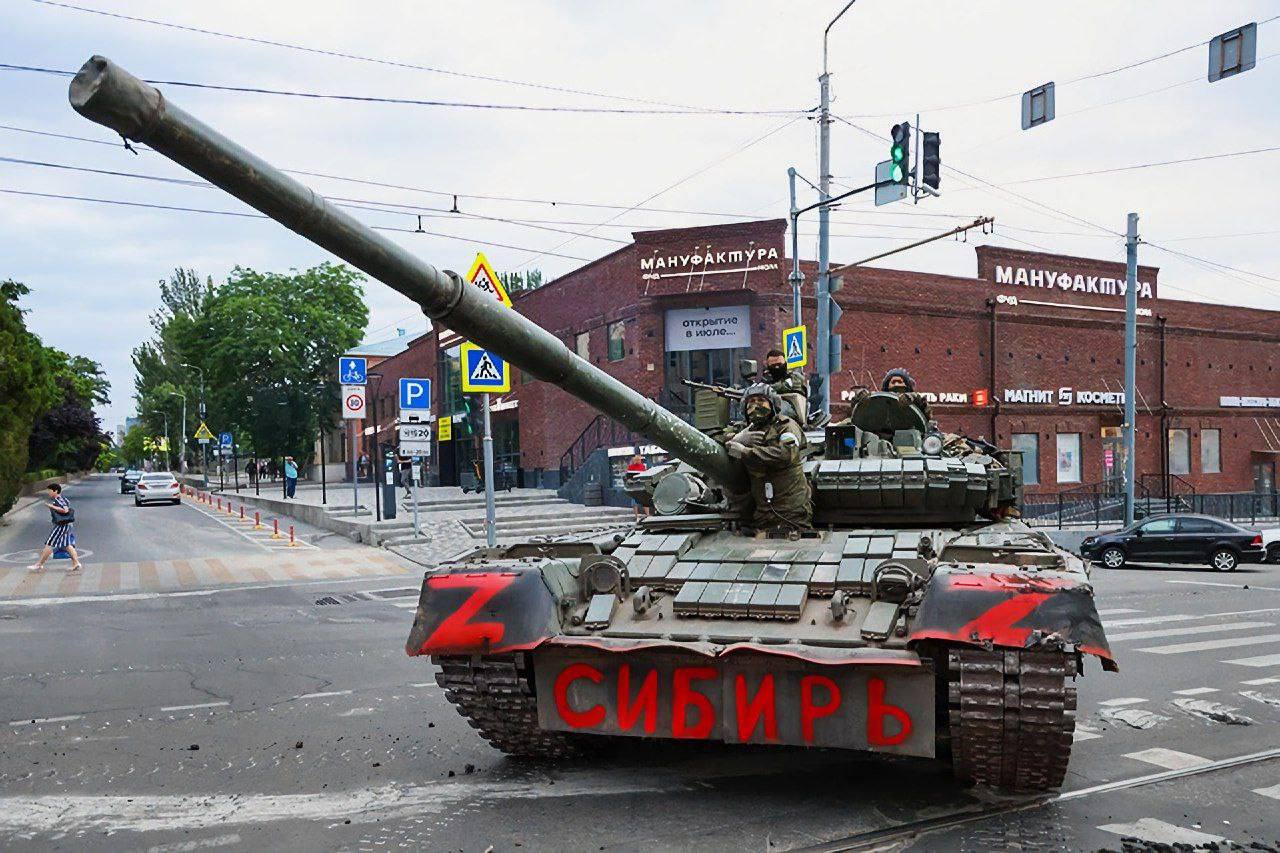
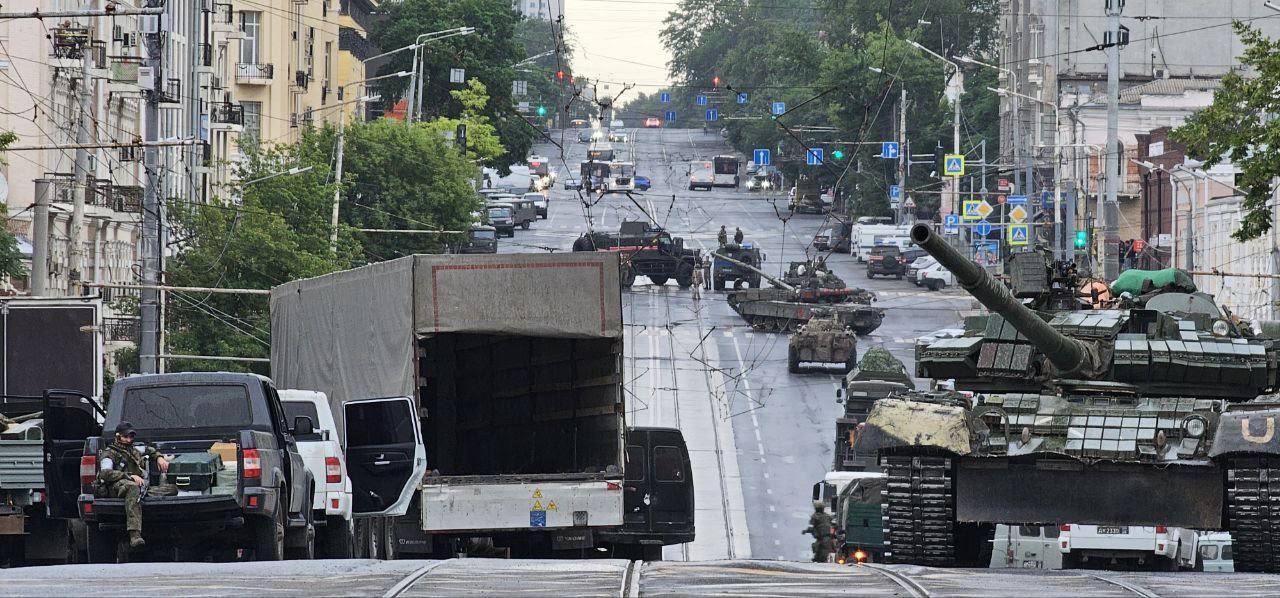
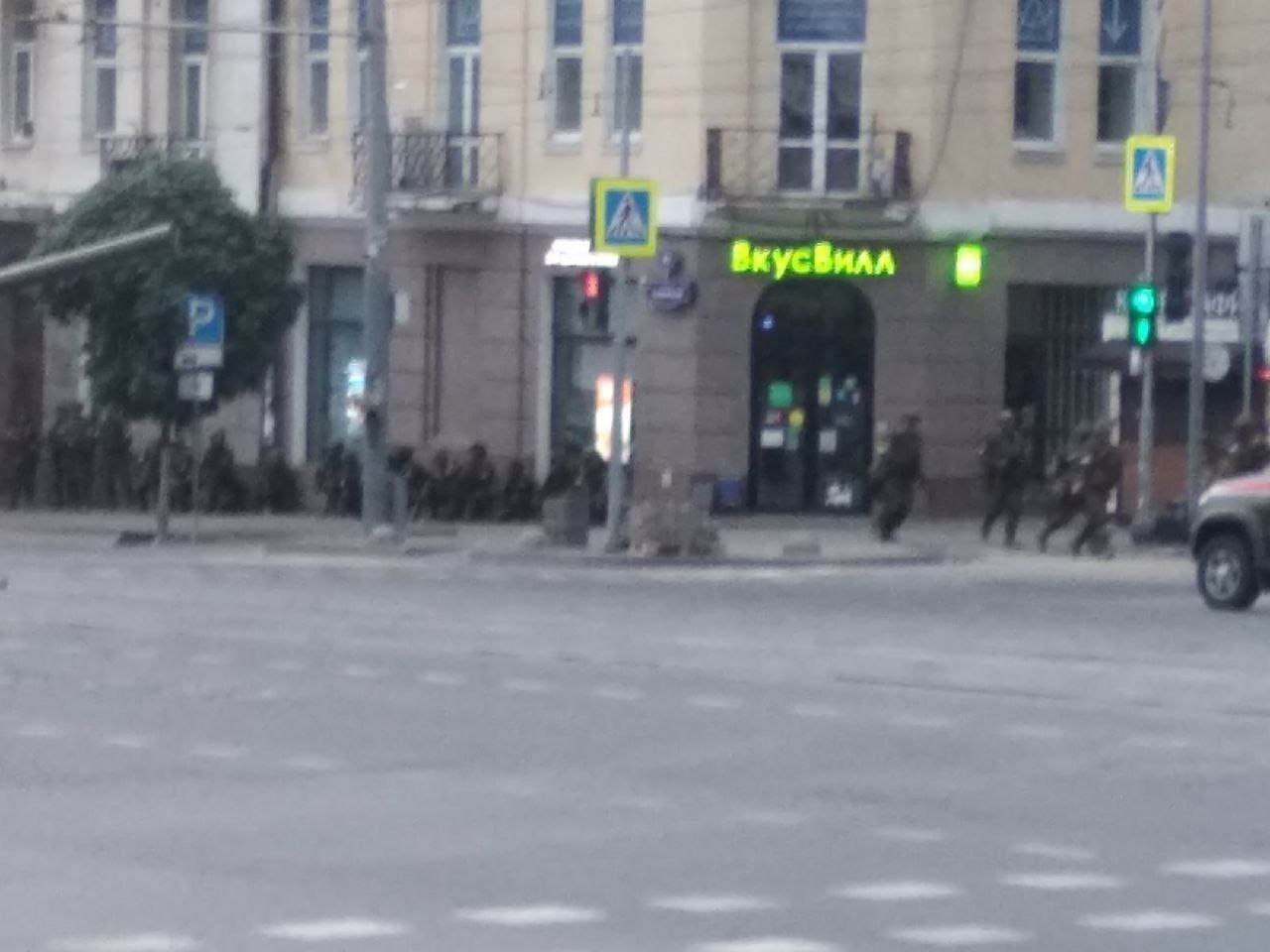
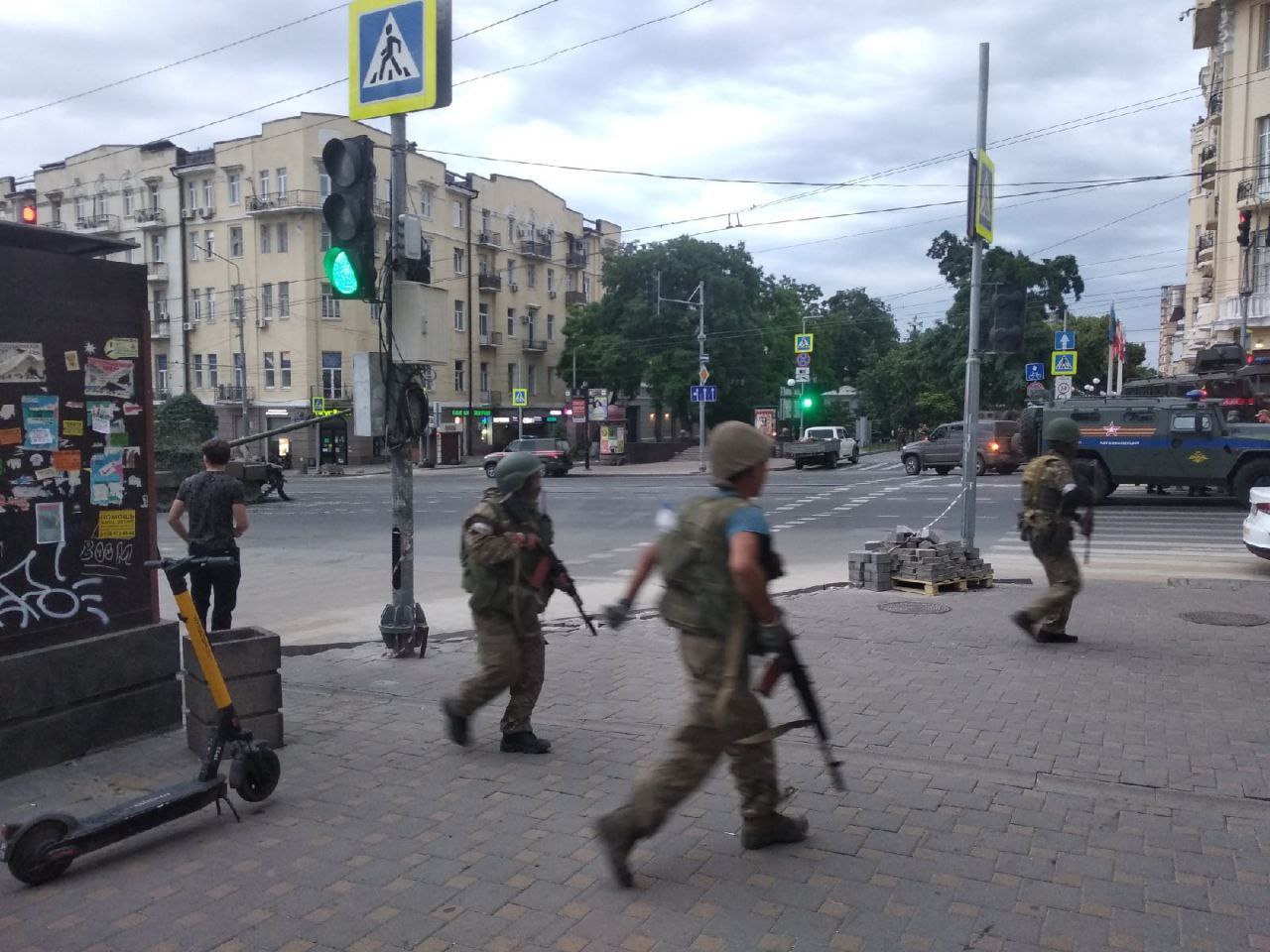
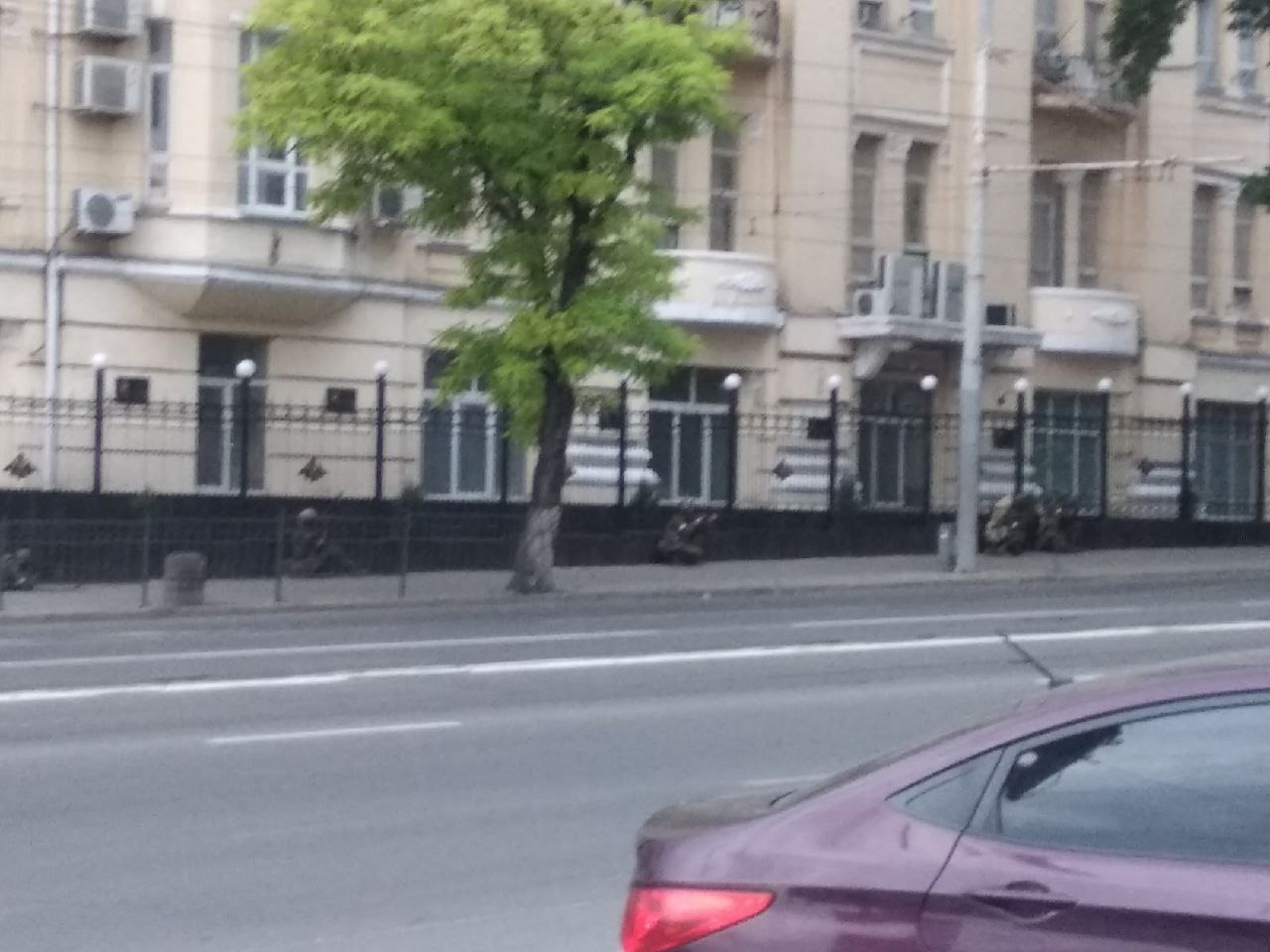
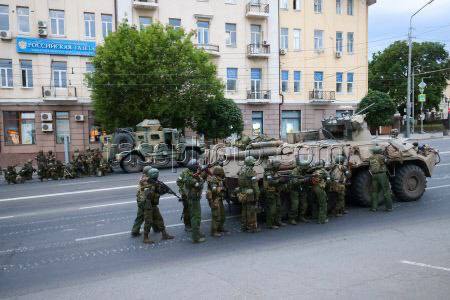
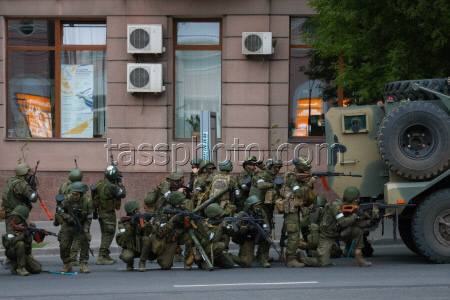
    The images and videos below are related to the entry of Wagner mercenaries into the city of Rostov-on-Don in southern Russia and no armed conflict has taken place between Wagner forces and the Russian army in the city so far. There are also images of Wagner mercenaries entering the city of Pavlovsk in the Voronezh County.

    The arrival of Wagner forces in the city of Rostov

    It seems that Prigozhin does not mind confronting the Russian army to achieve his objectives. The mediation and call for peace by Commander of the Aerospace Forces General Sergey Vladimirovich Surovikin has not received any response so far, and if Prigozhin continues the moves, it is possible that the Wagner group dissolves and he could be arrested.

    After entering the command center of the Russian army in the city of Rostov, Yevgeny Prigozhin said, if the Defense Minister (Sergei Shoigu) and the Chief of General Staff (Valery Vasilyevich Gerasimov) are not being handed over to us, we will take control of Rostov and move towards Moscow, and that when Gerasimov realized that we were approaching the command center, he fled from there.

    Our forces have taken control of the southern command center and military facilities in Rostov, including the airport, Prigozhin said, adding that we took control of the airport so that fighter jets would not bomb us, but instead carry out their mission in Ukraine. Furthermore, he noted that the command center is working normally and it faces no obstacle to perform its obligations.

    It has been also claimed that Prigozhin met with the Deputy Defense Minister and Deputy Commander of Operations at the General Staff Headquarters in Rostov-on-Don.

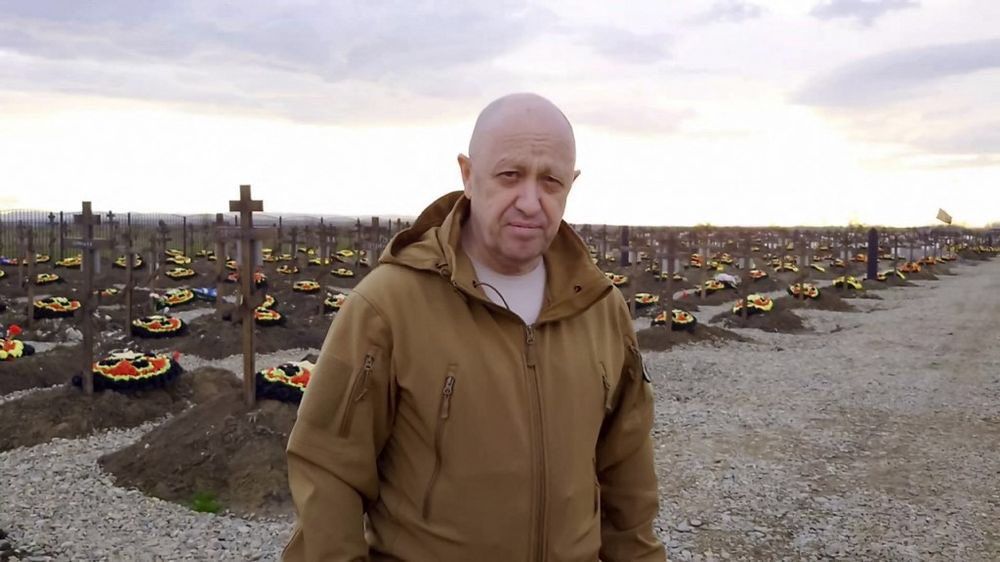
    Yevgeny Prigozhin, head Wagner PMC
  • Pakistani Migrants Attack Villages In Northern Afghanistan (Video)

    Pakistani Migrants Attack Villages In Northern Afghanistan (Video)

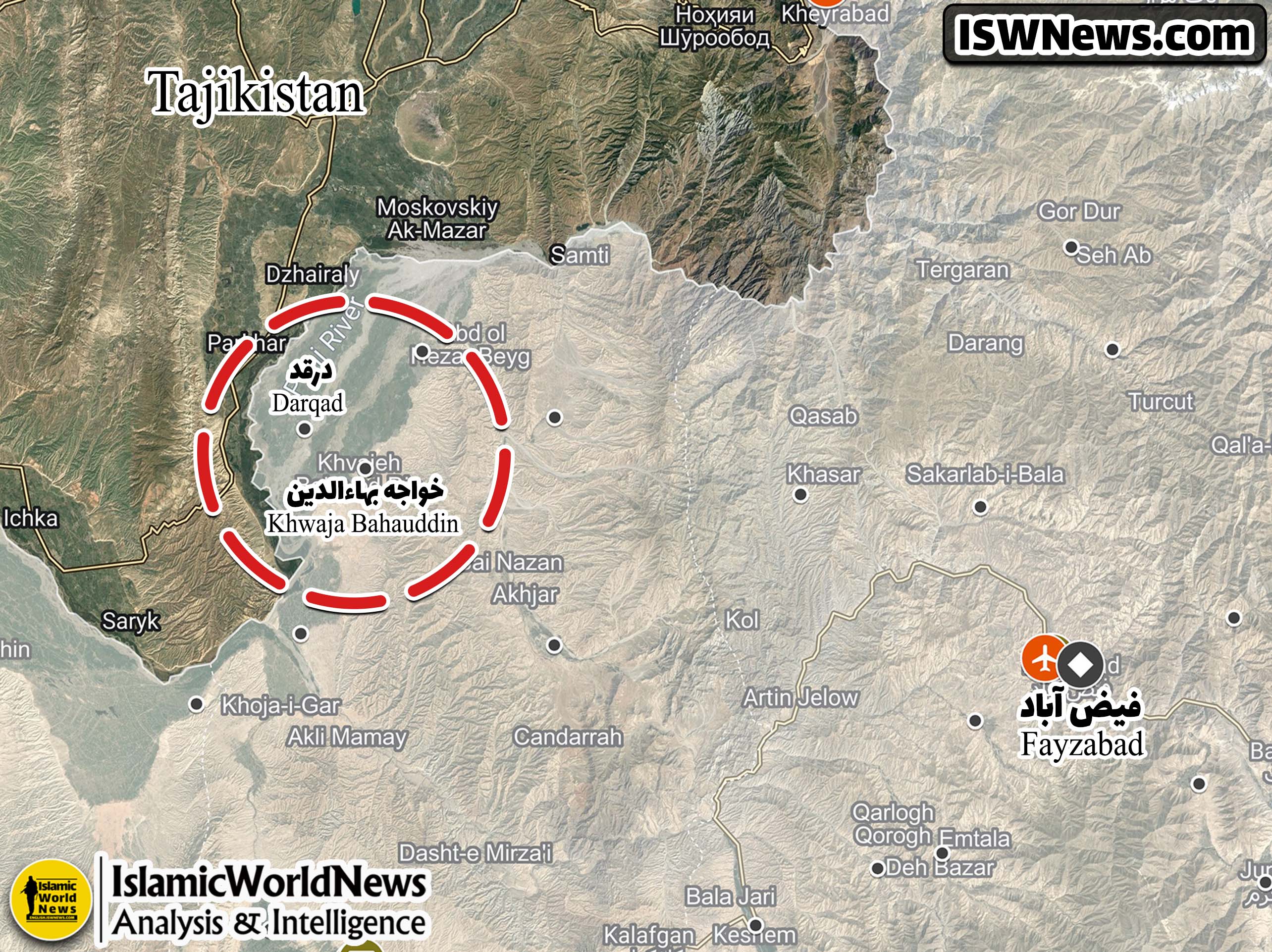
    ISWNews Analysis Group – As part of the plan to relocate Pakistani migrants to the northern regions of Afghanistan, hundreds of members of the Tehrik-e Taliban Pakistan (TTP) attacked Nawabad on June 20.

    The Pakistani migrants, known as Kochis, seized some of the villagers’ houses and lands after confronting with the locals, and then, the invaders displaced many of the residents.

    The residents of Nawabad are all Uzbeks ethnic group and have criticized the Taliban’s policy of relocating Kochis to northern Afghanistan, when they made interviews with local media, expressing their disgust with the migrants.

    The seizure of houses and lands belonging to native people in the northern regions of Afghanistan by the Pakistani migrants with the support of the Taliban is causing a rift between the Pashtun and non-Pashtun members of the group on one hand and forcing the opponents to join anti-Taliban groups such as the ISIS on the other hand.

    This issue will push Afghanistan further towards internal conflicts and division in the near future and it will turn the northern regions of Afghanistan as well as other countries in the Middle East into appropriate lands for terrorist attacks.

    Clash between the people of Nawabad village (Uzbeks) and the members of Tehreek-e-Taliban Pakistan
    Clash between the people of Nawabad village (Uzbeks) and the members of Tehreek-e-Taliban Pakistan
  • Imran Khan’s Arrest Warrant Was Issued Again!

    Imran Khan’s Arrest Warrant Was Issued Again!

    According to Anti-Terrorism Court, the accused persons should be brought to court by the security forces to answer the case of riots by Tehreek-e-Insaf supporters.

  • Armenian, Azerbaijani Border Guards Wounded In Exchange Of Fire At Karabakh Corridor (Video)

    Armenian, Azerbaijani Border Guards Wounded In Exchange Of Fire At Karabakh Corridor (Video)

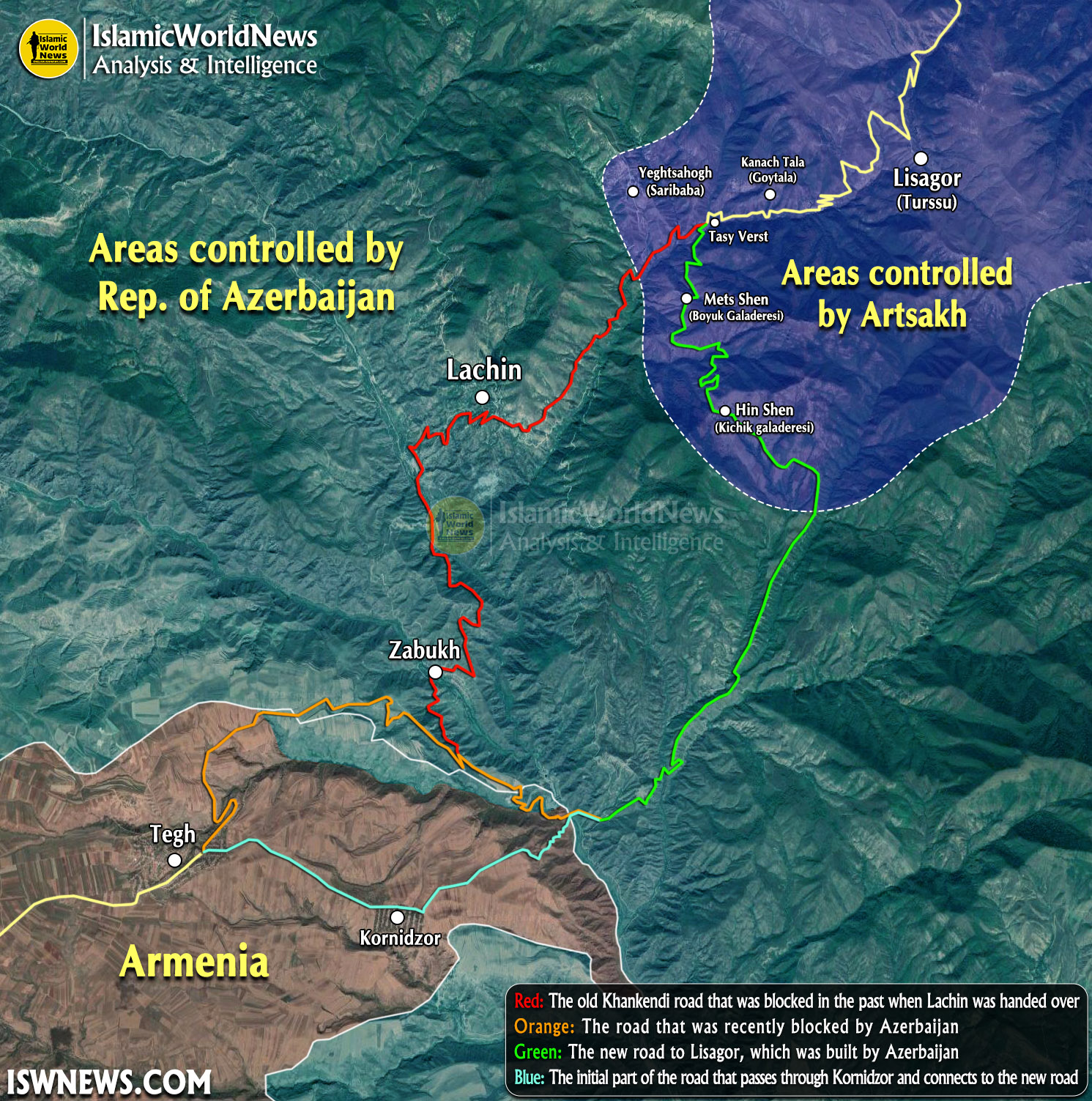
    In a statement, Armenia’s National Security Service said that a group of Azerbaijani border guards had attempted to cross a bridge over the Hakari river, which marks the internationally-recognized border between the two countries, and hoist a flag on Armenian territory. The service added that the attempt had been thwarted.

    The bridge lies at the start of the Lachin corridor, the last remaining route linking Armenia with Nagorno-Karabakh, which is mainly inhabited by ethnic Armenians. The key corridor is policed by Russian peacekeepers.

    Footage that surfaced online showed Azerbaijani border guards coming under fire while attempting to hoist their flag. The border guards were accompanied by a number of Russian peacekeepers.

    After the Armenian attack, Azerbaijan closed the Lachin corridor, preventing Armenians from leaving or entering Nagorno-Karabakh.

    TASS cited Azerbaijan’s border service as saying one of its guards was wounded in the attack. Later, the Russian news agency quoted the Armenian border service as saying that one of its guards had been wounded during Azerbaijani shelling of a village close to the bridge.

    The Lachin corridor has been blocked to most traffic since December, after Azerbaijani civilians identifying themselves as environmental activists began a blockade.

    Tension remained high between Armenia and Azerbaijan after the Nagorno-Karabakh war of 2020. The deployment of Russian peacekeepers helped prevent any further escalation. However, the two countries are yet to reach a settlement and end the conflict.

    Source: SouthFront

  • Taliban Is Changing Demographic Structure Of Northern Afghanistan!

    Taliban Is Changing Demographic Structure Of Northern Afghanistan!

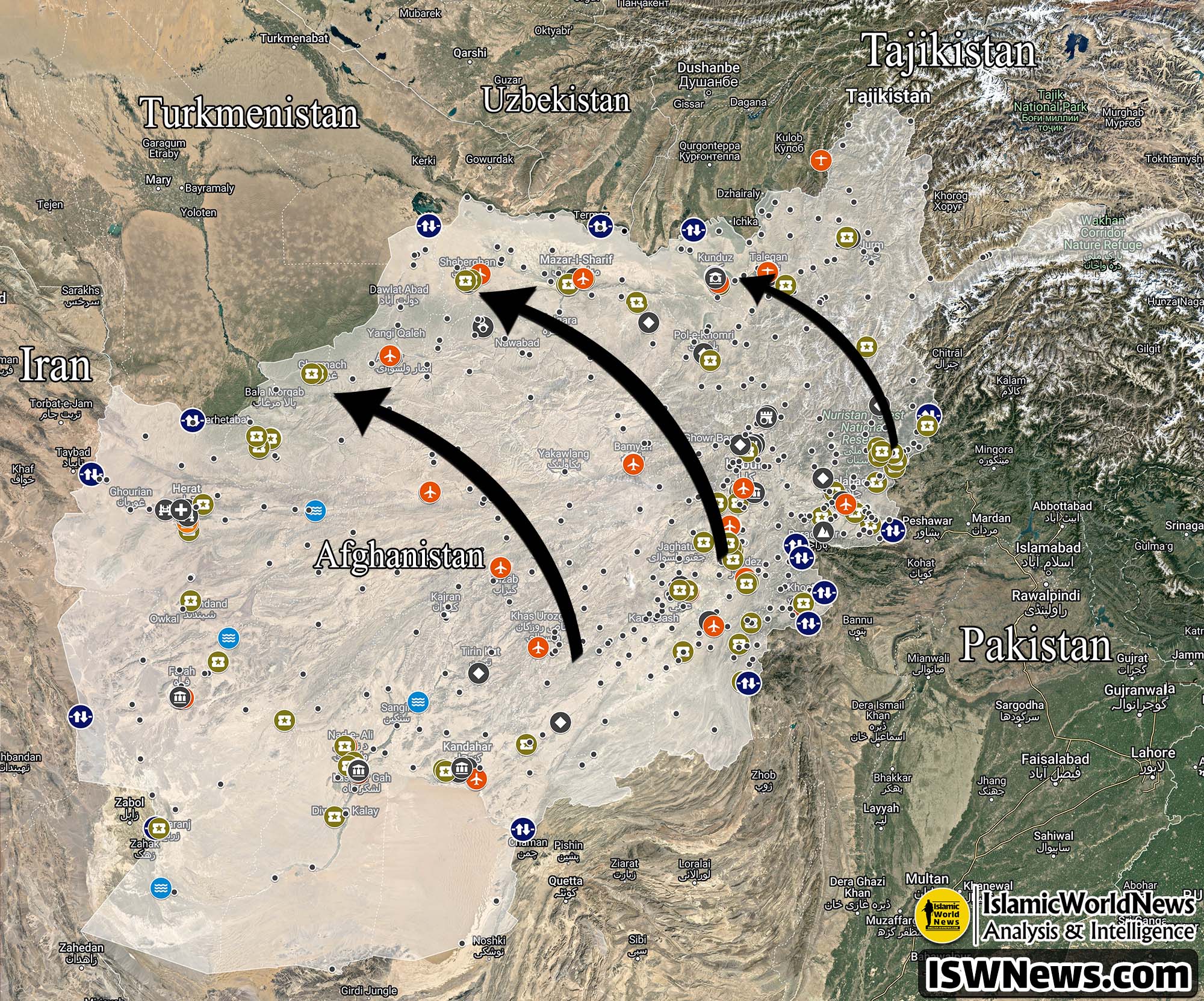
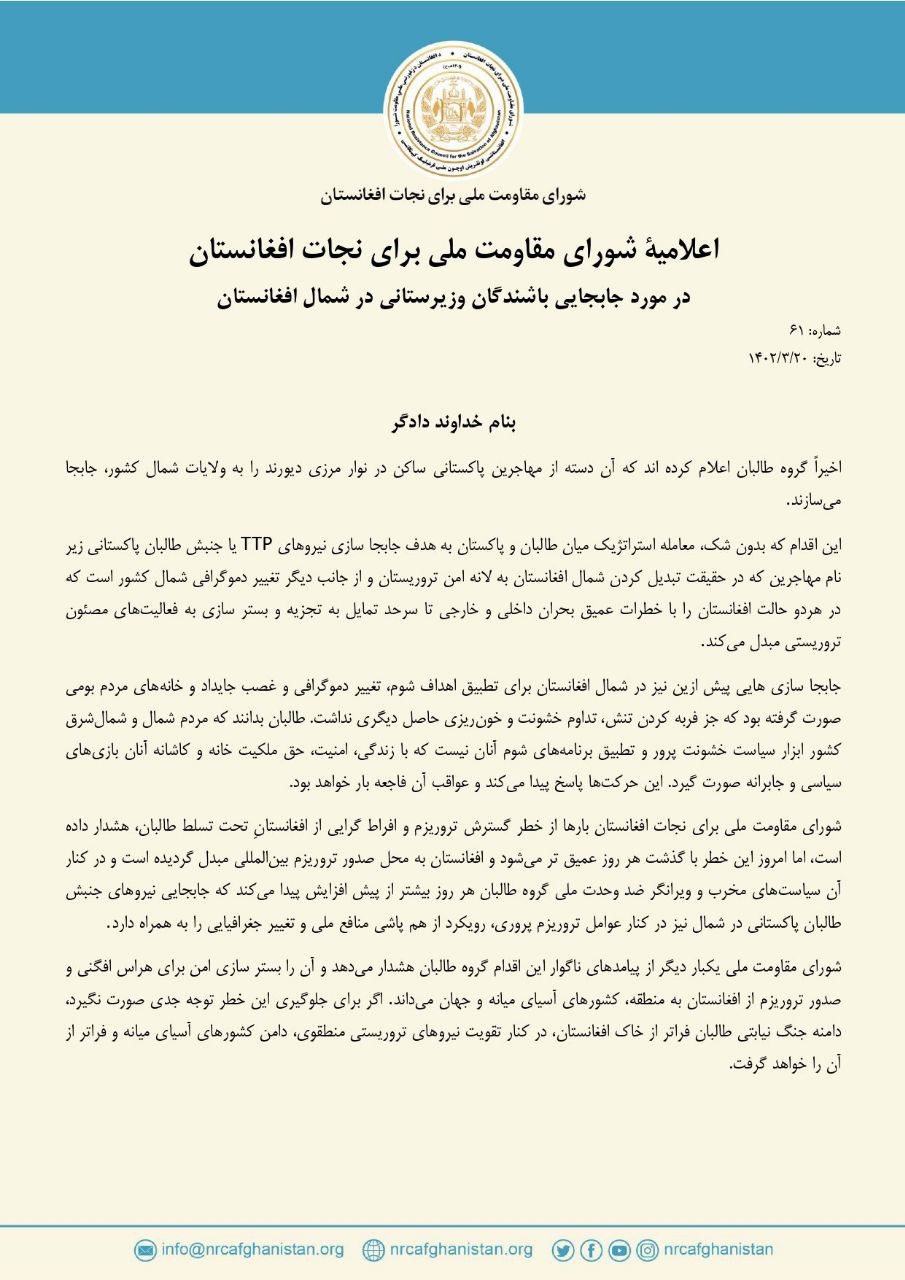
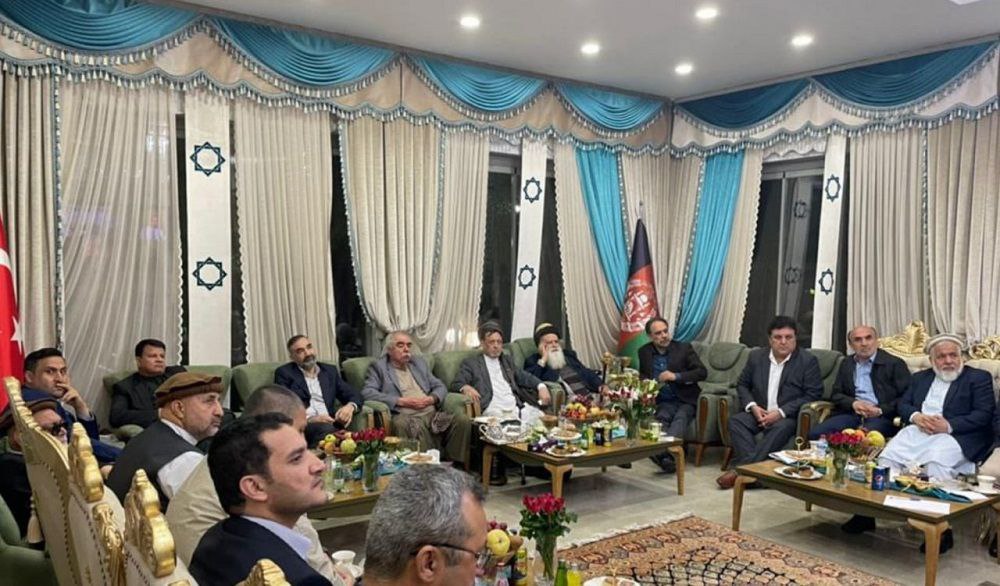
    On June 13, the National Resistance Council for the Salvation of Afghanistan, comprising of political figures and officials of the previous government, in a meeting in Istanbul, Turkiye issued a serious warning about the relocation of thousands of Tehreek-e-Taliban Pakistan (TTP) militants and their families by the Taliban caretaker government to the northern provinces of Afghanistan.

    The council said that undoubtedly this move is a strategic deal between the Taliban caretaker government and the Pakistani government, aimed at transferring militants of the TTP group under the title of “settlement of migrants” in northern Afghanistan, and it is nothing but turning the northern region of Afghanistan into a safe haven for terrorists and changing the demographic structure of that area.

    The National Resistance Council for the Salvation of Afghanistan described the actions made by the Taliban caretaker government as a dangerous move that will cause the disintegration and disastrous consequences in the war-torn country.

    They have also called for preventing the strengthening of terrorism and waging proxy wars on countries in the Central Asia region.

    Earlier, Spokesman for Ahmad Massoud’s National Resistance Front Ali Meysam Nazari referred to the issue and announced his organization’s resistance to the transfer of Pakistani immigrants.

    In addition, the United Nations Security Council Sanctions Committee Analysis and Monitoring Team in its recent report pointed out to the Taliban’s return to the authoritarian Pashtun-centric policies of the 1990s and the group’s deep ties with terrorist groups such as al-Qaeda, the Islamic Movement of Uzbekistan, the East Turkestan Islamic Movement (ETIM), Jamaat Ansarullah of Tajikistan and Tehreek-e-Taliban Pakistan.

    Such claims are made while Spokesman for the Taliban caretaker government Zabihullah Mujahid, in an interview with Afghanistan media outlets, confirmed the news reports referring to the transfer of Pakistani immigrants to northern Afghanistan.

    Apparently, the transfer is carried out at the request of Islamabad and under the support and role of Minister of Interior and leader of the Haqqani network Sirajuddin Haqqani; so, his first trip to northern Afghanistan can be considered in line with the implementation of such a controversial plan.

    The transfer of Pakistani immigrants to northern Afghanistan will reduce terrorist threats against Pakistan and increase threats against certain countries in the Central Asia region.

    The issue will have irreparable consequences for the demographic, racial and religious composition of the northern areas, which will also have long-term effects on other countries in the region, especially on Iran and Russia.

  • Russian Failed Strike On Ukrainian Radar; Has Russia Access To Producing Russian Version Of Shahed-136?

    Russian Failed Strike On Ukrainian Radar; Has Russia Access To Producing Russian Version Of Shahed-136?

    This video shows the failed attack on the Ukrainian Surveillance Radar 36D6 19Zh6 (Tin Shield) with the use of Iranian-made Geran-2 (Shahed-136) kamikaze UAVs.

    In the first section of that video, the Ukrainian Armed Forces shoot at a suicide drone that hits the ground because of insufficient accuracy for unknown reasons. In the second section of the video, the second suicide drone enters and it is targeted by the Ukrainian missile system, but the missile goes astray, and the drone passes through it.

    Finally, this drone also hits the ground near the Ukrainian radar location with insufficient accuracy.  The reason for this mishap may be the decrease in the accuracy of the guidance system due to using a Russian satellite navigation system operating as part of a radio navigation-satellite service dubbed GLONASS instead of using GPS, or a decrease in the quality of the components used in Russian suicide drones, and or damage to the drone due to bullet strikes.

    It is said that Russian suicide drones, including Shahed drones, use the GLONASS satellite navigation system instead of GPS, and this is the main reason for their declined accuracy in hitting targets.

    Based on the facts and figures, it can be said that the Russians have produced the Russia-made version of the Shahed 136 drone and they are using it extensively in the war in Ukraine. 

    The second issue is that in addition to back-end operations, the Russians also use Shahed 136 suicide drones at the front line, which is another reason for the widespread assembling of the drone or high stocks of the assembled UAVs in Russia.

     It is likely that the Russians have succeeded in procuring components of the suicide drone from Iran and China, or setting up their own assembly line in their own country.

     It is worth mentioning that the Iran-made Shahed 136 drones, apart from the form of wings, do not disintegrate when hit by bullets and sometimes anti-aircraft missiles due to their low radar cross-section level and the special type of used carbon fiber in their fuselage, and the drones can continue their flights towards the target.

    The unsuccessful attack of Russian drones on the Ukrainian 36D6 radar
  • Infographic: Taliban Border Clashes With Neighboring States Of Afghanistan

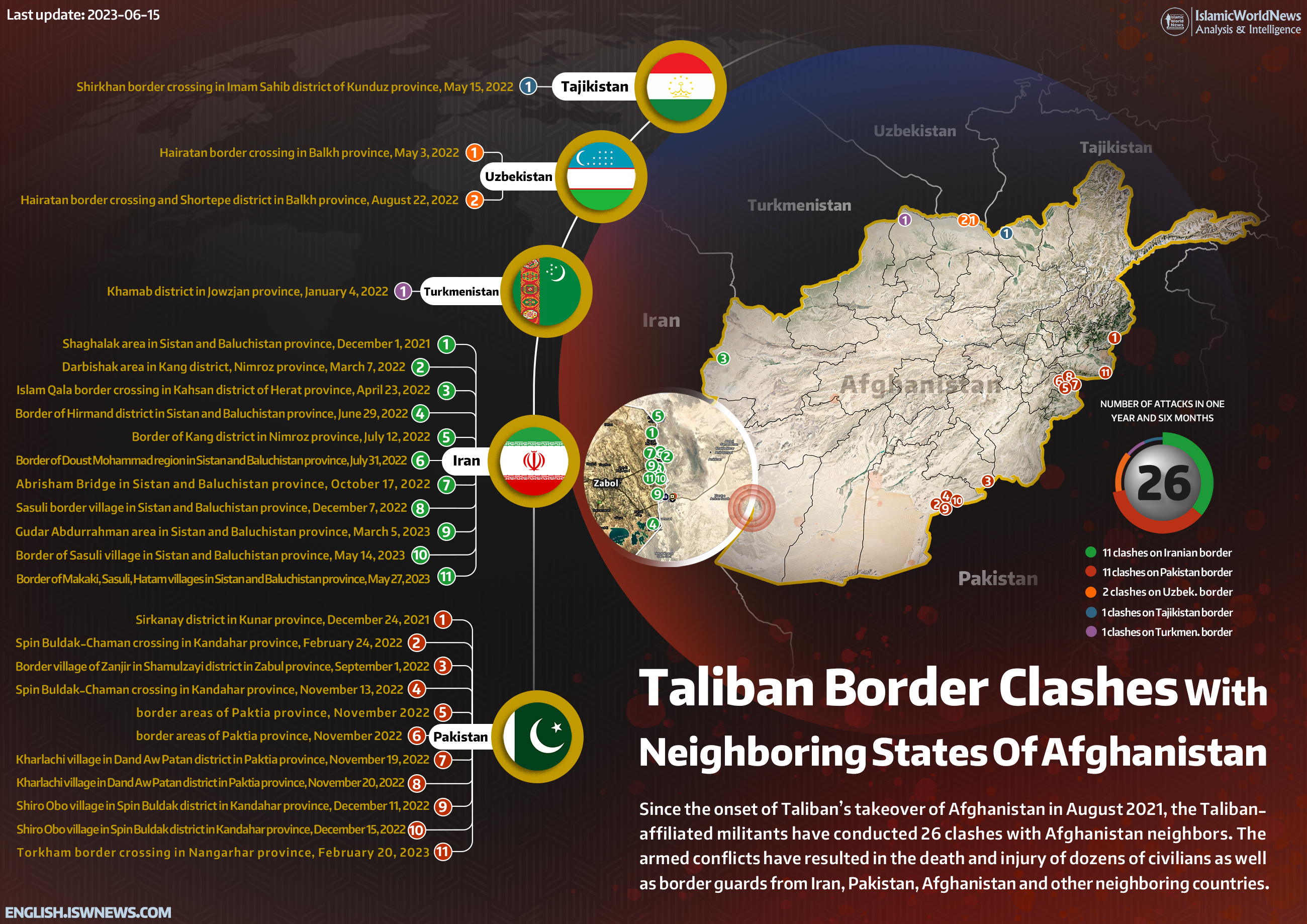
    Infographic: Taliban Border Clashes With Neighboring States Of Afghanistan

    The main root cause of the Taliban’s border clashes with Afghanistan’s neighbors is that the Taliban militants possess insufficient know-how regarding international border laws and regulations. More importantly, the Taliban rulers do not make any effort to prevent tensions with their neighbor states!

    Afghanistan is a landlocked country, which does not have any access to free waters. And the prelude to the establishment of stability and security in such a region is cooperation with neighboring states in order to create appropriate condition for economic and political growth along with issues such as security and stability.

    Unfortunately, following five decades of conflict and bloodshed in Afghanistan, the country is still involved in ethnic clashes as well as pursuit of self-interest by powerful individuals and one-dimensional governments. Hence, it can be predicted that the war-torn country has not yet entered a period of stability; so, the second Taliban regime is expected to end up in the fate of previous Afghan governments if it continue the past trend.

    The Taliban militants’ border clashes created an environment of insecurity, which extended smuggling and strengthened terrorist groups’ activities in Afghanistan’s border lines more than ever, and this trend is expected to accelerate the Taliban’s downfall. In such circumstances, coordination and the way that Afghanistan’s neighboring states face the Taliban rulers, would play a significant role…

    The Taliban militants embarked on at least 26 border clashes with Afghanistan’s neighboring states since their takeover of the war-stricken country in 2021. Of the total number of border clashes, some 11 cases occurred on the border with Iran, 11 others on joint border with Pakistan, two conflicts on the border with Tajikistan, two others on joint borderline with Uzbekistan and the last one on the border with Turkmenistan.

    The details of these conflicts are as follows:

    1- Conflict with Iran, Shaghalak area in Hirmand district in Sistan and Baluchistan province, December 1, 2021

    2- Conflict with Pakistan, Sirkanay district in Kunar province, December 24, 2021

    3- Conflict with Turkmenistan, Khamab district in Jowzjan province, January 4, 2022

    4- Conflict with Pakistan, Spin Buldak-Chaman border crossing in Kandahar province, February 24, 2022

    5- Clash with Iran, Darbishak area in Kang district, Nimroz province, March 7, 2022

    6- Conflict with Iran, Islam Qala border crossing in Kahsan district of Herat province, April 23, 2022

    7- Conflict with Uzbekistan, Hairatan border crossing in Balkh province, May 3, 2022

    8- Conflict with Tajikistan, Shirkhan border crossing in Imam Sahib district of Kunduz province, May 15, 2022

    9- Conflict with Iran, the border of Hirmand district in the north of Sistan and Baluchistan province, June 29, 2022

    10- Conflict with Iran, the border of Kang district in Nimroz province, July 12, 2022

    11- Conflict with Iran, the border of Doust Mohammad region located in Hirmand district in Sistan and Baluchistan province, July 31, 2022

    12- Clash with Uzbekistan, Hairatan border crossing and Shortepe district in Balkh province, August 22, 2022

    13- Conflict with Pakistan, border village of Zanjir in Shamulzayi district in Zabul province, September 1, 2022

    14- Conflict with Iran, the Abrisham Bridge in Sistan and Baluchistan province, October 17, 2022

    15- Conflict with Pakistan, Spin Buldak-Chaman border crossing in Kandahar province, November 13, 2022

    16- Conflict with Pakistan, border areas of Paktia province, November 2022

    17- Conflict with Pakistan, border areas of Paktia province, November 2022

    18- Conflict with Pakistan, Kharlachi border village located in Dand Aw Patan district in Paktia province, November 19, 2022

    19- Conflict with Pakistan, Kharlachi border village located in Dand Aw Patan district in Paktia province, November 20, 2022

    20- Conflict with Iran, Sasuli border village in Sistan and Baluchistan province, December 7, 2022

    21- Conflict with Pakistan, Shiro Obo village in Spin Buldak district in Kandahar province, December 11, 2022

    22- Conflict with Pakistan, Shiro Obo village in Spin Buldak district in Kandahar province, December 15, 2022

    23- Clash with Pakistan, Torkham border crossing in Nangarhar province, February 20, 2023

    24- Clash with Iran, Gudar Abdurrahman area near Milak border crossing in Sistan and Baluchistan province, March 5, 2023

    25- Conflict with Iran, the border of Sasuli village in Sistan and Baluchistan province, May 14, 2023

    26- Conflict with Iran, the border of Makaki, Sasuli and Hatam villages in Sistan and Baluchistan province, May 27, 2023

    Click to view full size
  • Ukrainian Army Captured New Villages In Zaporizhzhia (Map)

    Ukrainian Army Captured New Villages In Zaporizhzhia (Map)

    After a few days have passed since the beginning of the Ukrainian army operation in the southern regions of Ukraine, heavy clashes are ongoing to crush the defense line of the Russian army in the axis of Zaporizhzhia and Donetsk. In the latest changes of this axis, the Ukrainian forces managed to control the villages of Novodarivka and Levadne in the Zaporizhzhia oblast and focused their attacks on the village of Rivnopil.

    On the southern front of Velyka Novosilka, the Russians counterattacks led to the retreat of the Ukrainian army from the village of Makarivka, and the conflict continues in this settlement.

    It is said that the Russians blew up the Mokri-Yala river dam to prevent the advance of the Ukrainian forces. Ukrainian forces in these areas are under heavy artillery attacks by the Russian army. Russians are trying with all their might to prevent Ukrainian advances.

    Map: The latest state of conflict between Russian and Ukrainian forces on the southern front Zaporizhzhia / Yellow: Ukrainian army, Red and Blue: Russian army, DPR forces