Early on April 4, the Russian army attacked the warehouse and equipment of Ukrainian Armed Forces at the Shkolny airport in the city of Odessa, with several Russian Shahed-136 (Geran-2) suicide drones. Following this attack, at least three suicide drones have hit their targets and a fire broke out on the territory of Shkolny airport.
The Ukrainian army claims that the AFU air defense systems and fighter jets countered this attack and shot down 14 Shahed-136 drones out of a total of 17.
This attack is the seventh operation of the Russian army against Ukraine in 2023. Earlier on March 28, the Russians attacked positions of the Ukrainian forces in Kiev and Dnipropetrovsk oblasts with at least 12 Shahed-136 suicide drones.
The war in Ukraine has passed its 403rd day, while the Bakhmut front has become the main and most active battlefield in this country. The clashes for the capture of Bakhmut city were followed with more intensity and seriousness from the beginning of February 2023 and until the middle of February, it was gradually dragged into the city of Bakhmut. Since then, progress has been very slow but continuous in different parts of the city in the northern, eastern and southern axes.
Following the Russian operation in Bakhmut, during the last three days, Wagner PMC forces and the Russian army managed to capture the municipal building and city council of Bakhmut and a number of other government buildings in the center of Bakhmut. By advancing in this axis, practically all the eastern areas of the city have come under the control of the Russian army.
In the northern axis of the city, Russian forces have captured most of AZOM industrial area, and are advancing along the southern streets of Selische district, approaching Bakhmut railway station. In the southern axis of the city, clashes between Russian forces and the AFU continue around the Avangard stadium.
Now, about 70% of the city of Bakhmut is under Russian control, and the remaining Ukrainian forces in the west of the city have very little chance to resist and maintain the remaining areas.
Reacting to Israeli regime foreign minister’s remarks about Iran, Nasser Kanaani, the spokesman of the Ministry of Foreign Affairs stated, “We asked the government of Azerbaijan to explain the statements of the foreign minister of the Zionist regime about the agreement with Azerbaijan to form a united front against Iran.”
Nasser Kanaani called the statements of Eli Cohen, the Israeli regime foreign minister, another document of the sinister intentions of the Israeli regime to turn the territory of the Republic of Azerbaijan into a threat to the national security of the Islamic Republic of Iran.
The spokesman of the Ministry of Foreign Affairs of Iran emphasized the unbreakable historical and religious bond between the people of Iran and the Republic of Azerbaijan and added: “The Islamic Republic of Iran has always tried to thwart the efforts of ill-wishers to create a distance between the two neighboring countries, and the government of Azerbaijan is also expected to avoid the trap that the enemies of the relations between the two countries have spread. However, the Islamic Republic of Iran cannot remain indifferent to the conspiracy of the Zionist regime against it from the territory of the Republic of Azerbaijan.”
It is worth mentioning that, on March 29, the Minister of Foreign Affairs of the Republic of Azerbaijan, Jeyhun Bayramov, went to occupied Palestine for the official opening of the Embassy of Azerbaijan in Israel and met with his Israeli counterpart, Eli Cohen and other Israeli regime senior officials. Following their talk, the Israeli regime foreign minister Eli Cohen at a joint press conference with Jeyhun Bayramov said, he “agreed” with Bayramov “on forming a united front” against Iran and “strengthening cooperation” in various areas of mutual interest. Eli Cohen stated that the Republic of Azerbaijan and Israel share the same opinion about the danger of Iran and we must act together against Iran.
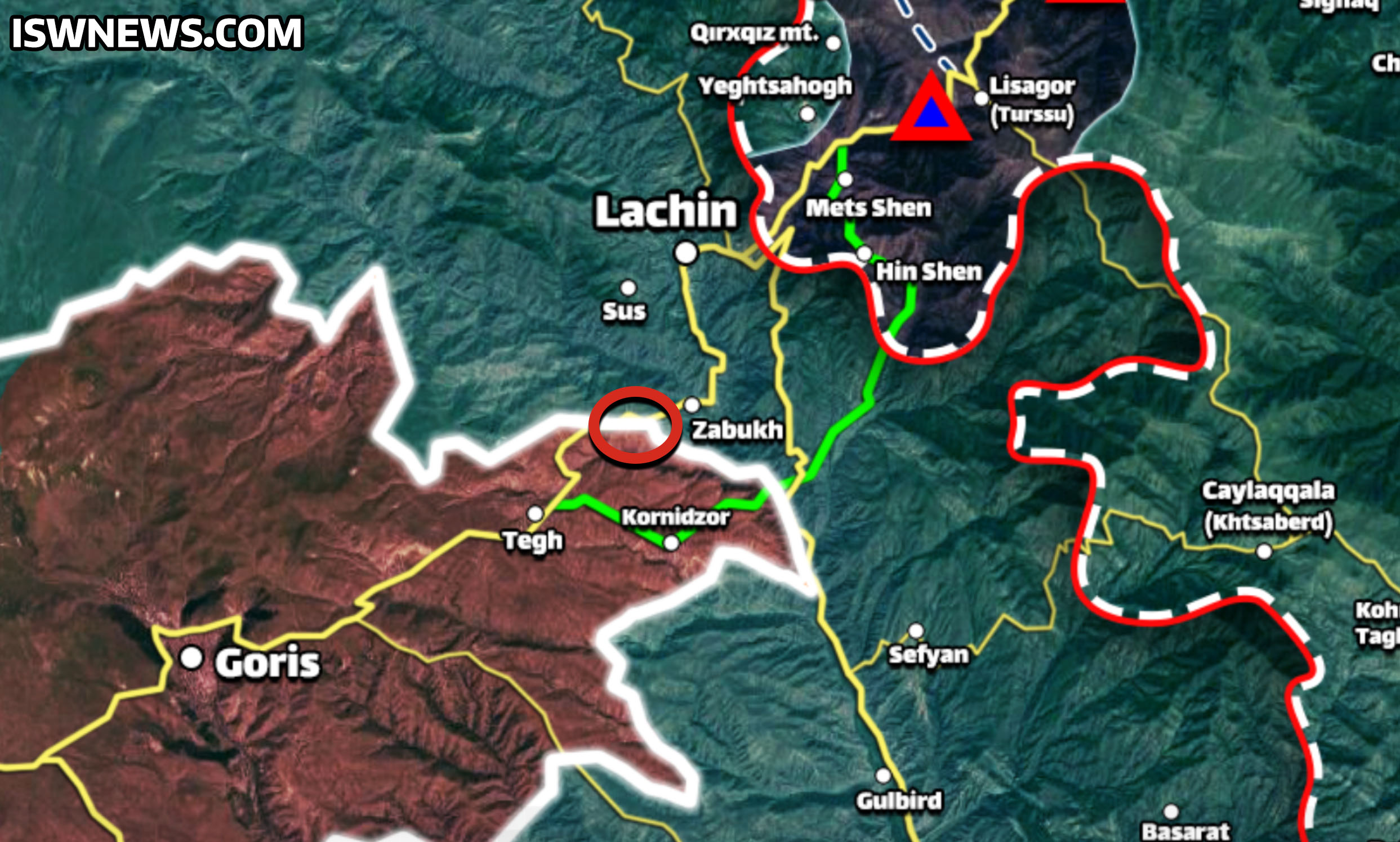
According to the information that has reached to “Islamic World News“, a few hours ago, several units of Azerbaijan’s armed forces closed the Goris-Stepanakert (Khankendi) road in the border strip with Armenia, between Zabukh and Tegh areas. Currently, the number of military trucks of the Azerbaijan Armed Forces has increased to more than 10 trucks, and the preparation of barricades on the road between Armenia and Artsakh has begun.
According to the agreement between the Russian Federation and Azerbaijan, the Armenian side will finish the construction of the new road from Armenia to Stepanakert by April 1st, and the old road will be under the control of Azerbaijan. Therefore, it is likely that the activity of Azerbaijan’s armed forces was related to this issue.
This move by the government of Baku is currently taking place while the tensions in the Caucasus region are at their highest level, and the state media of Baku have started a severe psychological war against Iran and are beating the drum of war in the Caucasus.
Earlier in November, the Baku government announced the opening of its embassy in Tel Aviv in near future. On January 11, according to the official decree of Ilham Aliyev, the President of Azerbaijan, Mukhtar Mohammadoglu Mammadov was appointed as the ambassador extraordinary and plenipotentiary of the government of Baku to Israel.
The Republic of Azerbaijan is the first country with a majority of Shiite people to open its embassy in the occupied Palestinian territories. This move was registered by the government of Baku under the name of “Shia majority country” while the Baku government has no faith in ideals and beliefs of the Shiites. Hence, this move should not be attributed to Shiias and the religious people of the Republic of Azerbaijan, but only to the secular government of Baku.
According to the information provided by the Ukrainian Air Force Command, this attack was carried out from the north and southeast of Ukraine, and the Ukrainian Air Defense has succeeded in destroying 12 Shahed-136 suicide drones and one Granat-4 drone.
Despite this claim, the published videos show the destruction of a drone in the sky of Kiev, and other videos show the moment of hitting four drones in Kiev and two drones in the city of Dnipro.
According to Ukrainian media reports, one of the drones hit in the city of Dnipro and caused a massive fire in a factory. This fire covered an area of about four thousand square meters and finally the Ukrainian firefighters managed to contain it.
This attack can be considered the sixth large-scale operation of the Russian army against Ukraine in 2023. It should be noted that on March 17, the Russian army attacked positions of Ukrainian forces in the city of Dnipro with several Shahed-136 suicide drones, which was referred to as the most terrifying explosion in Dnipropetrovsk province.
Click to view full sizeFire and parts of the Shahed-136 UAV wreckage at the Dnipropetrovsk factoryThe moment the Shahed-136 drone hit in DnipropetrovskThe moment the Shahed-136 drone hit in KievThe moment the Shahed-136 drone hit in KievThe moment the Shahed-136 drone hit in KievThe moment of the destruction of one of the Shahed-136 drones by the defense of the Ukrainian army in Kiev
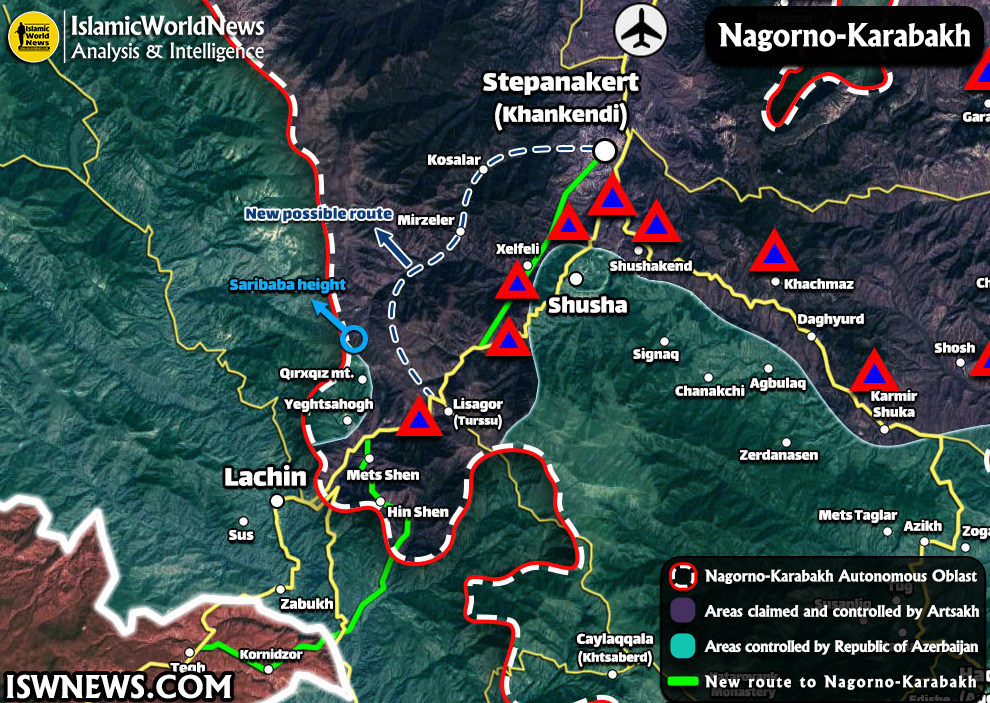
The information headquarters (de-facto government) of Artsakh, belonging to the Nagorno-Karabakh Armenians, announced the registration of a new aggression by the Azerbaijani army forces at 9:00 a.m. local time on Monday, March 27. According to this statement, a unit of the army of the Republic of Azerbaijan has tried to capture another height that overlooks the Khankendi(Stepanakert) – Xelfeli – Turssu(Lisagor) road. But the Nagorno-Karabakh forces, which are stationed in this area and are on standby, prevented them from advancing and a report related to this incident was sent to the command of the Russian peacekeeping forces.
According to information obtained by Islamic World News, Azerbaijani forces are now stationed on the heights east of the road in the heights of Saribaba. The government of Baku has given the Armenians until April 9 to leave this area! It seems that Baku’s withdrawal from occupying this road is related to Israel’s busyness due to recent unrest in Tel Aviv and other cities in the occupied Palestine; Also, it seems that the government of Baku has postponed all major military actions until after the Turkish elections.
History of ceasefire violations
Earlier, on March 25, the Azerbaijani forces had cut off the dirt road (alternative road for Lachin Corridor) to the center of Nagorno-Karabakh by advancing in the north of Turssu (Lisagor). The government of Baku stated the reason for this action was to prevent the sending of military forces, weapons, ammunition, and military equipment from Armenia to the Armenians of Nagorno-Karabakh; But the NK officials announced the use of this dirt road as an alternative to the blocked Shusha road, which has long been blocked by the Baku government and the so-called environmental activists of Aliyev.
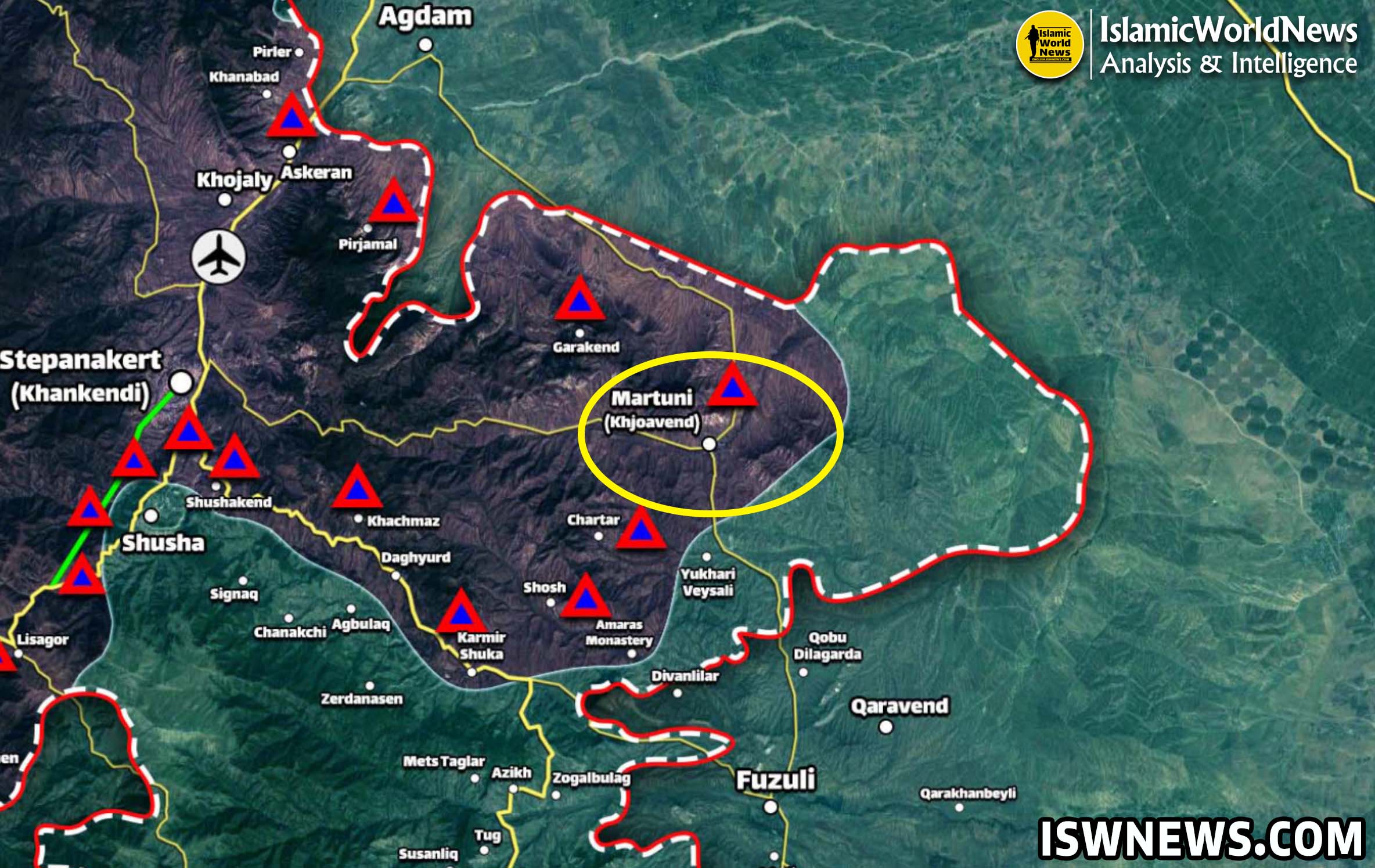
Artsakh Information Headquarters has informed about the firing of Azerbaijani forces with light weapons near the contact lines to Armenian farmers in Martakert pomegranate orchards (Aghdara) and northeast of Nagorno-Karabakh. No one was injured in this incident. Razmik Harotonian and Yervand Balasanian were shot with light weapons at around 10:10 local time on Saturday, March 25, in the agricultural lands of Sos village, Karmir Shuka Martuni region (Khojavend). On the same day, Veva Khachatryan and Ruben Alavardian, residents of Taghavard village, near Farrukh (Parux) heights, were shot by Azerbaijani soldiers while doing agricultural work in a wheat field around 11:05. There were no casualties in this shooting either, but the agricultural work was stopped. These cases have also been reported to the peacekeeping command through the local police and the Ministry of Defense of the Armenians of Karabakh.
Azerbaijan Ministry of Defense excuses!
The Ministry of Defense of Azerbaijan states that these shootings are aimed at preventing the construction of trenches and the digging of canals for military purposes!
Push for integration
These tensions occur while the Azerbaijani government has invited the Armenian Karabakh officials to travel to Baku to discuss the implementation of construction projects in accordance with the terms of the tripartite statement of Moscow (November 9, 2020) and integration into the composition of this country. In a pre-determined plan, the Baku statesmen increase the pressure on the Armenians by offering incentives, pitting the Armenian people and authorities against each other and finally forcing them to surrender to their demands and refrain from claiming independence.
On March 24, the Ministry of Defense of Azerbaijan published a statement announcing the illegal transfer of military equipment of Russian peacekeepers and Armenian forces in Nagorno-Karabakh on the Khankendi (Stepanakert)-Xelfeli-Turssu (Lisagor) route. The Republic of Azerbaijan called this a violation of the agreements by the Russian peacekeeping forces and their inability to perform their duties in relation to the implementation of the provisions of the tripartite declaration.
According to the information provided by the Ministry of Defense of Azerbaijan, the Armenian engineering forces are building a new road in north of the Khankendi (Stepanakert)-Xelfeli-Turssu (Lisagor) road (the northern section of Lachin Corridor), which passes through the Khankendi-Kosalar-Mirzeler-Turssu route.
Construction of new road in north of the northern road of Lachin Corridor by the Armenians of Karabakh
Following these tensions, on March 25, Baku government forces violated the 2020 ceasefire agreement in Nagorno-Karabakh by crossing the contact lines of Nagorno-Karabakh in northern Lachin. Following this progress, the Ministry of Defense of the Republic of Azerbaijan published another statement and announced that it has taken the necessary measures to prevent the smuggling of weapons and ammunition to the Nagorno-Karabakh Autonomous Region through the northern road of the Lachin Corridor.
According to the information obtained by the Islamic World News, after the blocking of the Khankendi road by the so-called environmental activists of Ilham Aliev near Shusha, the Armenian forces, with the support of Russia, began the construction of a new and alternative route in the north of the Khankendi-Xelfeli-Turssu road. The government of Baku knows very well that if this road is built and completed, practically all the efforts and achievements of the so-called environmental activists will be wasted; therefore, in order to take the initiative of the Nagorno-Karabakh entering/exiting route, they violated the ceasefire agreement and advanced in this direction.
After these events, the Ministry of Defense of Russia published a statement accusing Azerbaijan of violating clause 1 of the Nagorno-Karabakh ceasefire agreement. It is stated in this statement that the forces of the Republic of Azerbaijan have deployed engineering equipment in the Shusha region at an altitude of 2054.0 (2.9 km northeast of Saribaba mountain) after crossing the contact line. The statement emphasized the Azerbaijani side was informed about the necessity of complying with the provisions of the tripartite agreements of the heads of states, stopping the engineering and technical operations and withdrawing from the occupied positions.
It seems that the purpose of the advances made and the occupation of this point by the government of Baku is to establish military points and increase fire control over the newly established Armenian route or routes in the Khankendi-Kosalar-Mirzeler-Trussu line.
This morning around 09:30 local time, several people from Khojavand (Martuni) region who were working in one of the vineyards of Klazin-Dzor were attacked by Azerbaijani forces.
This is not the first time that the Azerbaijani forces shoot at the Armenians of Nagorno-Karabakh. According to local reports, Nagorno-Karabakh Armenians near the lines of contact with Baku forces are always attacked and shot by Azerbaijani forces.
The incident happened this morning in the Khojavend region while the tension in the border areas of Armenia and the Republic of Azerbaijan is at its highest level during the past few days with the bellicose statements of Ilham Aliev, the head of the government of Baku, And the occurrence of any armed conflict and casualties can sparkle a massive war in the Caucasus region.
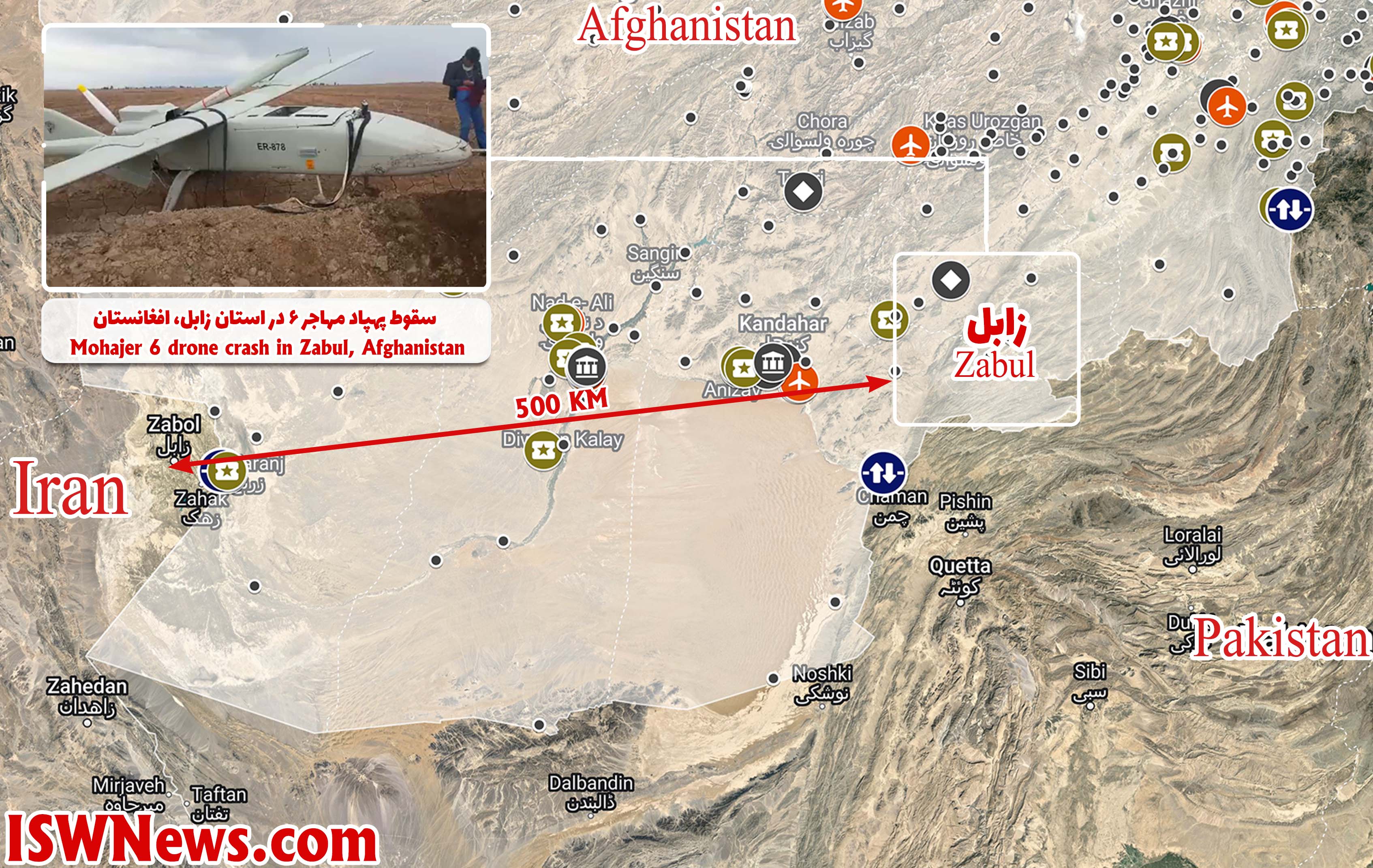
There have not been released more details on the downfall of the drone and the Taliban officials have not yet commented on the issue; however, there is a video that shows the Mohajer-6 crash occurred due to lack of fuel, controlling mishap or technical defect; so, the drone was not hit.
It has not been cleared that the drone was applied by which of the regional countries, but given the fact that the crash happened in Afghanistan, it might belong to Iran or Pakistan. If it is right that Pakistan applied the drone, speculations on selling the Iranian UAV to the Pakistani Army would be supported.
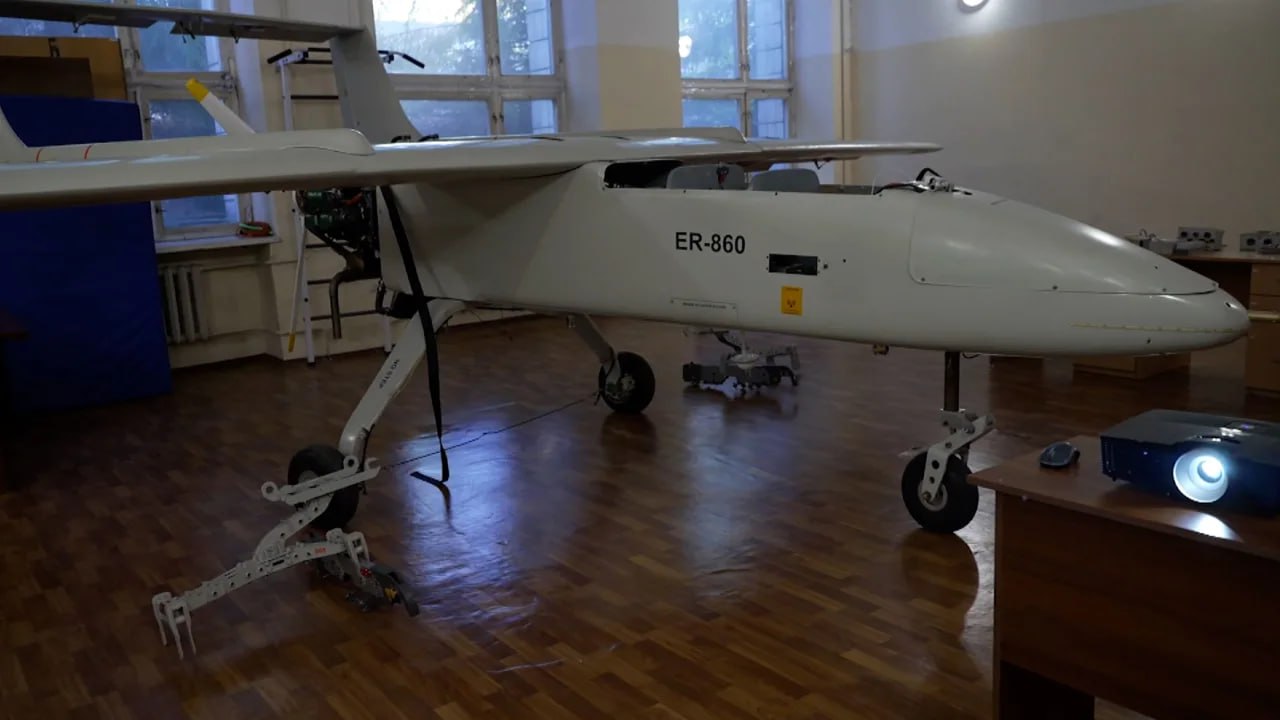
The interesting point here is that the registry number of the drone is ER-878, which is visible on the fuselage of the drone, while the Iranians use P071A in the beginning of their drone numbers; so, it reminds us of Mohajer-6 under Russian usage with the registry number of ER-860, which was displayed by the Ukrainian armed forces during the Russia-Ukraine war. Therefore, there is a possibility that the crashed drone is an exported UAV.
The Russian-operated Mohajer-6 UAV (registered ER-860), which was fell into hands of Ukrainian forces and later displayed to public
Furthermore, the nearest distance from Zabul Province to Iranian borderlines is more than 500 kilometers, while the range of land connection of Mohajer-6 is not more than 300 kilometers and the drone is not equipped with satellite navigation set. Considering the hypothesis, there is a possibility that another drone was stationed in the middle of the distance to be used as a data-link between the crashed drone and a land station in Iran.
Overall, the likelihood that the drone was not utilized by Iran and it started its flight from the sky of other countries near Afghanistan such as Pakistan seems to be more acceptable. Such incidents happened several times over the past year, but the main origin and the party, who is behind the flight, has never been identified. The recent incident as well as 11 airstrikes on different regions in Afghanistan by unknown aircraft following the Taliban came to power strengthen speculations that Pakistan is culprit in creating unrest in Afghanistan.
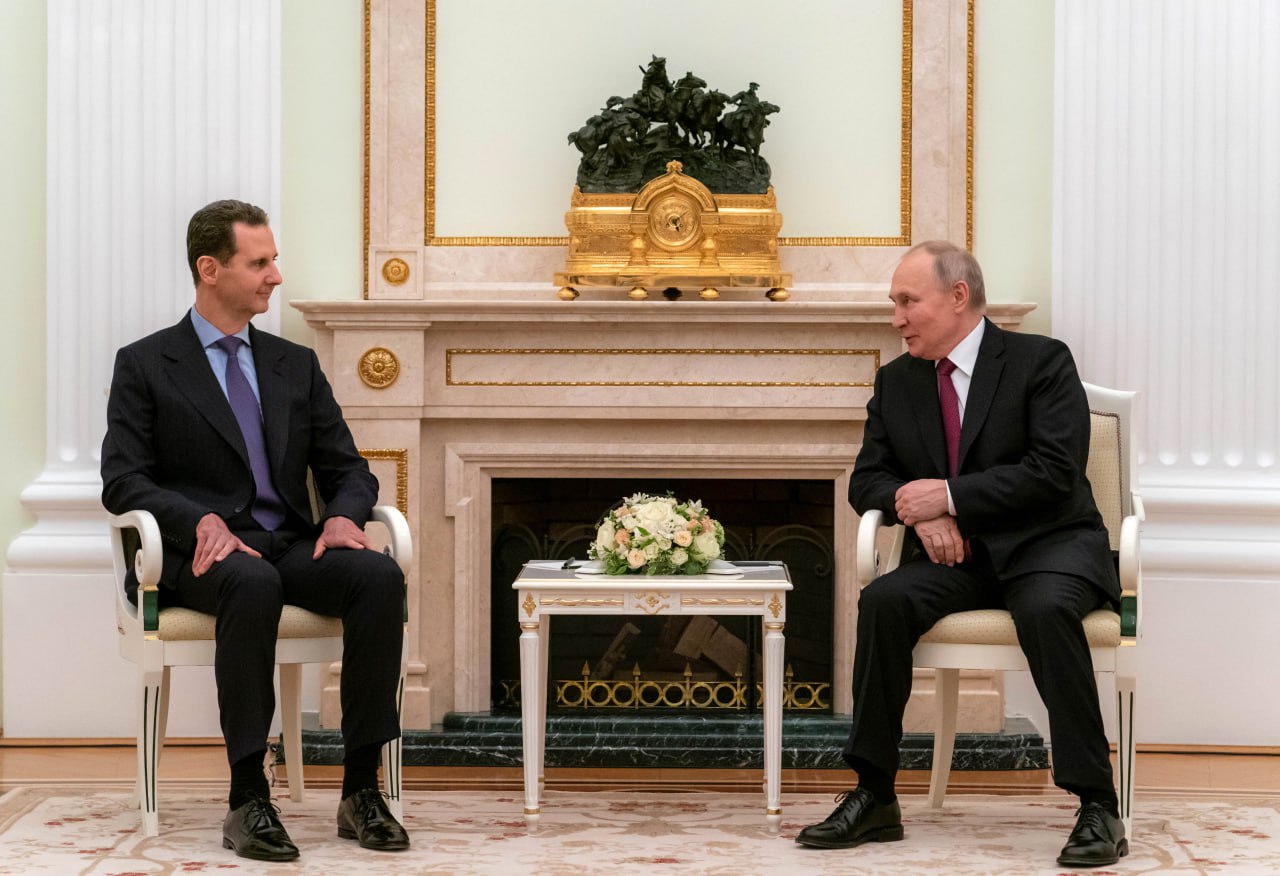
Al-Assad, who is visiting Russia in an official trip, emphasized that Damascus supports Moscow in the Ukraine war, adding that this is his first visit to Russia after the onset of the conflict.
He underlined that he reiterates Damascus’ support for Moscow in the war against Nazism, which is backed by the West.
According to the Syrian president, the Syrian nation appreciates the Russian government and people for their commitment in respecting sovereignty and territorial integrity of Syria.
Al-Assad went on to say that he is grateful for Russia’s aides in the recent earthquake in Syria in particular the Russian Defense Ministry and Army who played a key role in assisting the quake-hit Syrians.
Today the return of balance in the world is necessary, he said, warning that otherwise, the world would lead to explosion, bloodshed and destruction.
We are happy with the results of the joint committee of Russia and Syria, the Syrian president said, noting that his visit to Moscow will be the onset of a new phase of relationship between Moscow and Damascus.
Putin, for his part, expressed satisfaction with al-Assad’s visit to Russia, saying that we are constantly in touch and we witness a great progress in the ties of the two states.
Unfortunately, the people of Syria were subjected to the earthquake calamity, which deteriorated their pains, the Russian president said, adding that we as the loyal friends of the Syrians will do our best to decrease their woes.
According to the Russian chief executive, thanks to joint efforts made by the two countries and the firm contributions by armed forces of Russia in Syria, remarkable results have been achieved in the fight against terrorism, and these efforts pave the way for stabilizing social, economic and political circumstances in the Arab country; so, the bilateral ties is continuously developing and the trade exchanges are growing.
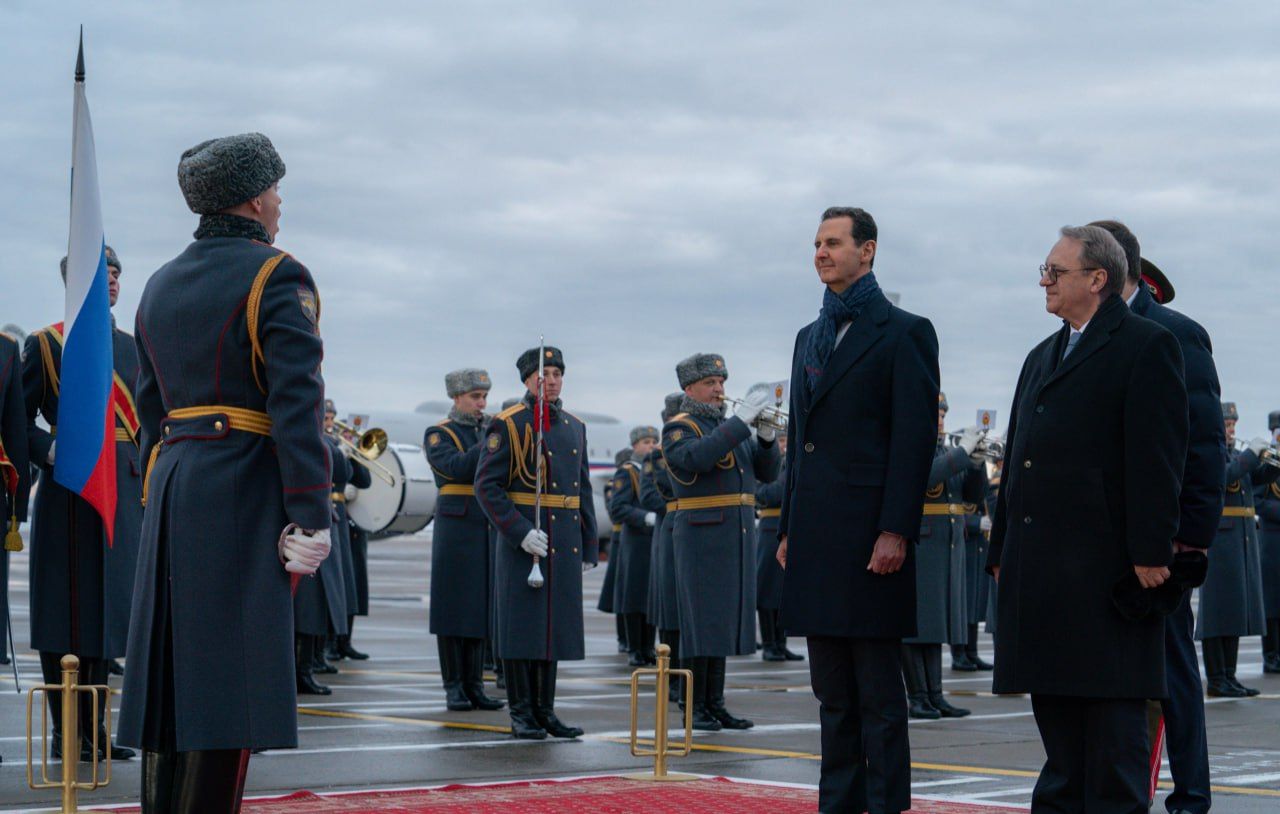
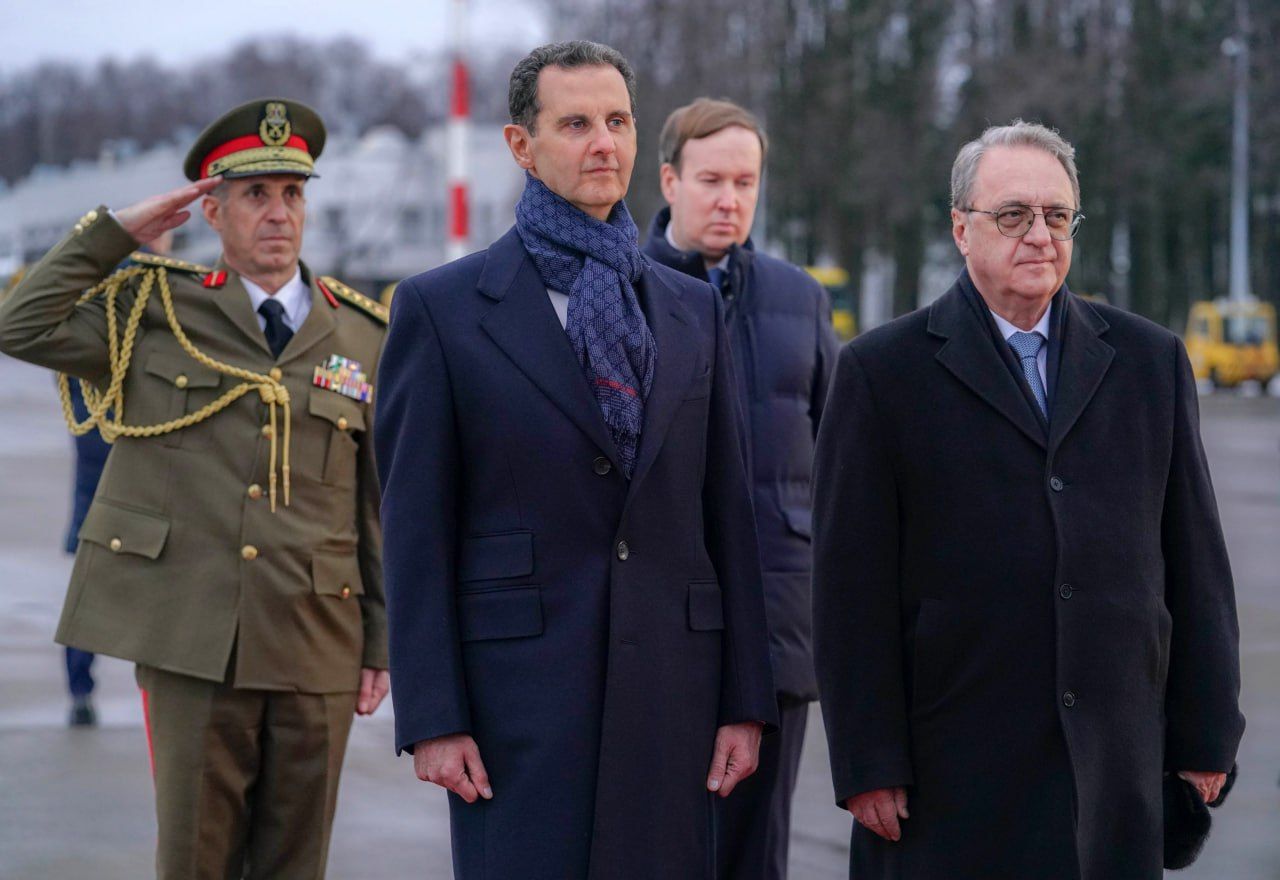
It is noteworthy that Bashar al-Assad arrived in Moscow, heading a high-ranking delegation, on March 14. The Syrian president was welcomed by Deputy Minister of Foreign Affairs of the Russian Federation and Special Presidential Representative for the Middle East and Africa Mikhail Bogdanov, Russian Ambassador to Syria is currently held by Aleksandr Yefimov and Syrian Ambassador to Moscow Bashar Jaafari upon his arrival at an airport in the Russian capital.
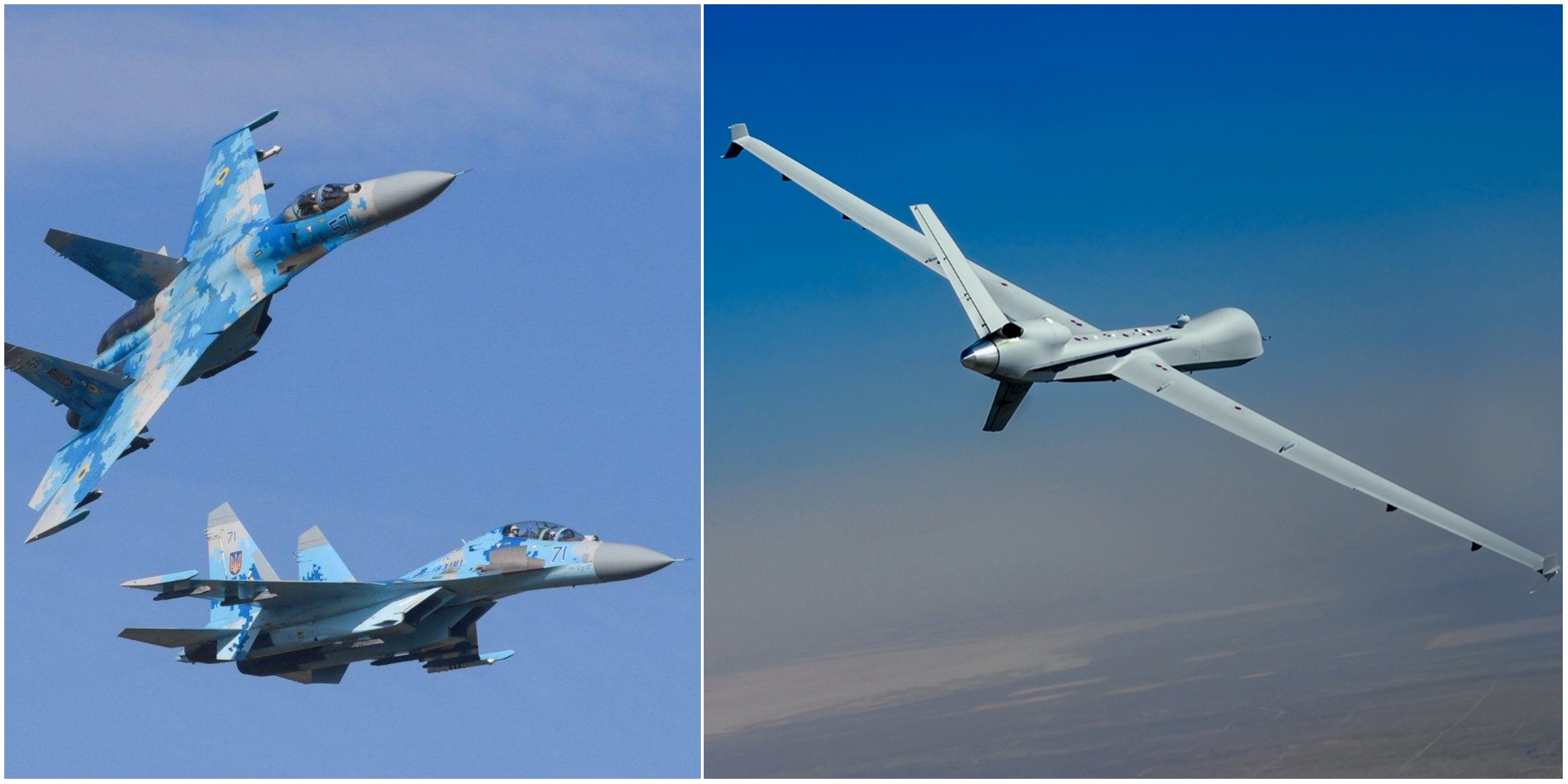
The EUCOM declared in a statement that two Russian Su-27 fighter jets tracked and intercepted the American MQ-9 drone over the Black Sea and then downed it. According to the statement, one of the Russian jets collided with the propeller of the US drone around 7:30 local time; then, the US forces were forced to dump the MQ-9 into the Black Sea. Prior to the collision, another Su-27 jet sprayed fuel over the drone, which hurt the environment.
The US Army described the incident as part of perilous acts committed by Russian pilots, noting that such behaviors can end up in a miscalculation.
Lieutenant General James B Hecker, Commander of the United States’ Air Force in Europe and Africa, claimed that the drone was conducting ordinary operation, adding that the aircraft of the American forces and their allies will continue their operation in international air space. He also urged Russia to carry out its operation in a professional and safe manner.
John Kirby, Coordinator for Strategic Communications at the National Security Council in the White House, depicted the move as dangerous, unprofessional and reckless. He added that the US will keep on flights and operations in international air space over international waters, because the Black Sea does not belong to any nation, and that whatever is needed to support the US’s national security in this part of the world will be carried out.
The escalation comes out in a situation, when the US has provided Ukraine with the most financial, military and arms support from the onset of the war between Moscow and Kiev. One of these supports is the United States’ intelligence backing of the Ukrainian forces through monitoring the Russian army’s moves in the eastern areas of Europe, which created tensions between the US and Russian air forces.
After a few day, the US Department of Defense released a video of the moment, when a Russian Su-27 fighter jet collided with the US MQ-9 drone. According to the video, after the collision the propeller of the drone hurt remarkably and it can be said that it was one of the causes of the downing of the US drone.
The interesting point of the video released by Pentagon is that the Russian fighter jets did not use any air-to-air missile to destroy the US drone despite the fact that they were equipped with the missiles.
The video of the moment when the Sukhoi 27 of the Russian army collided with the US MQ-9 drone