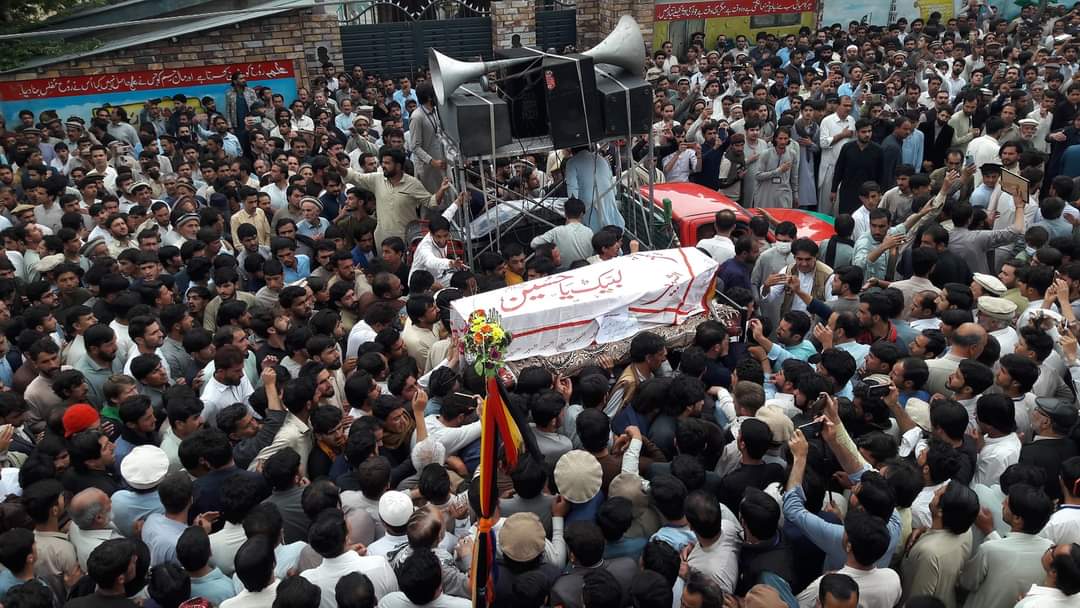
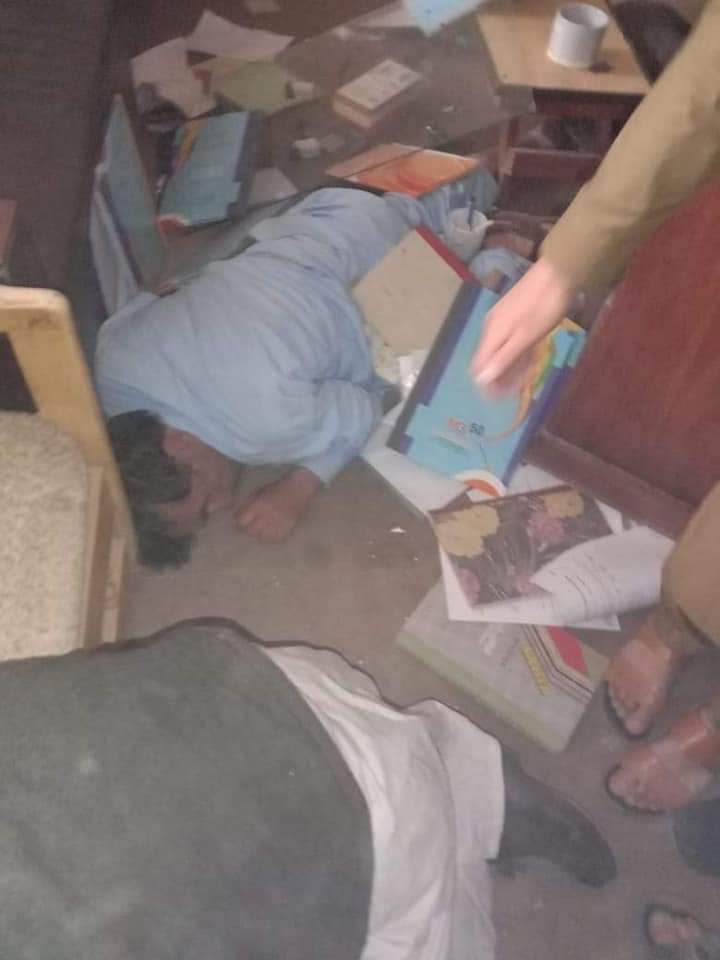
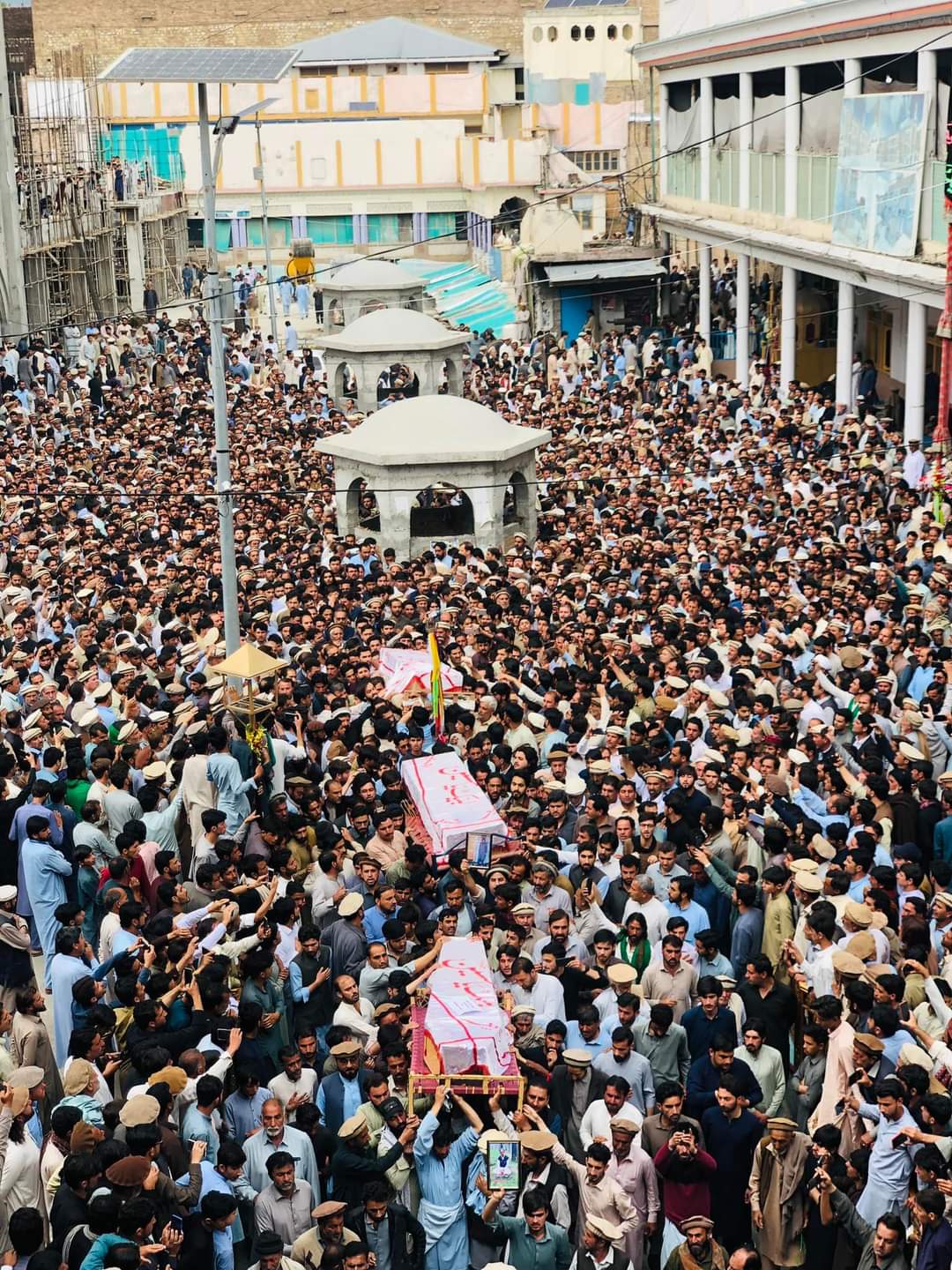
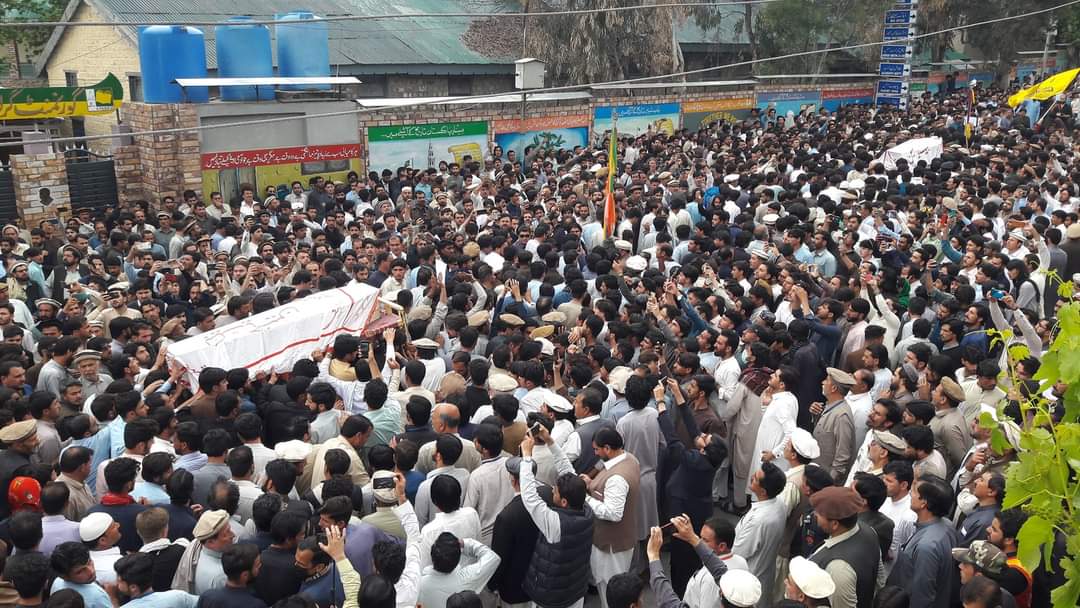
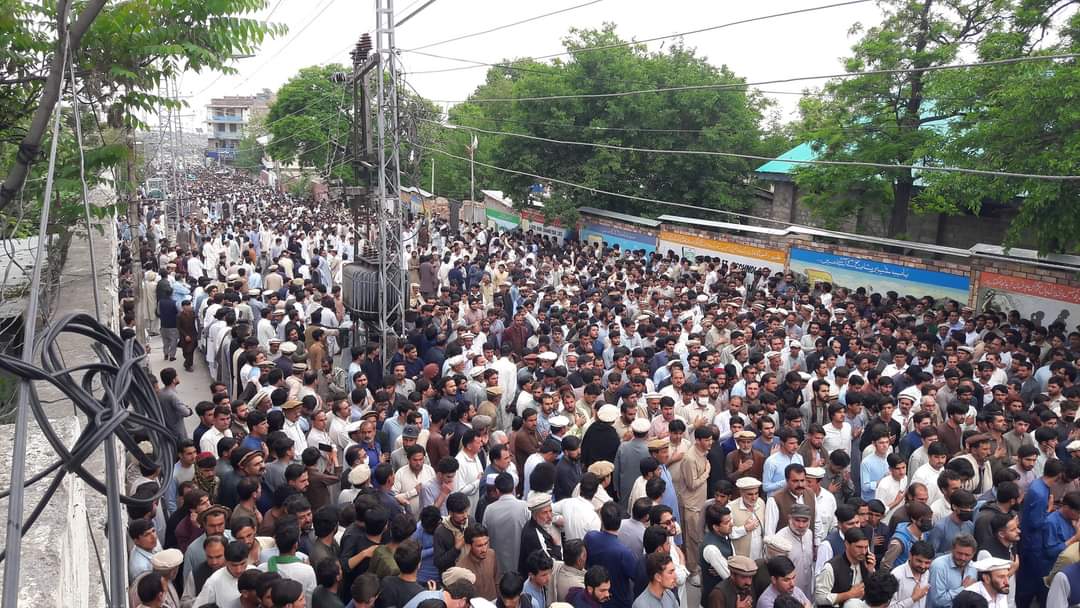
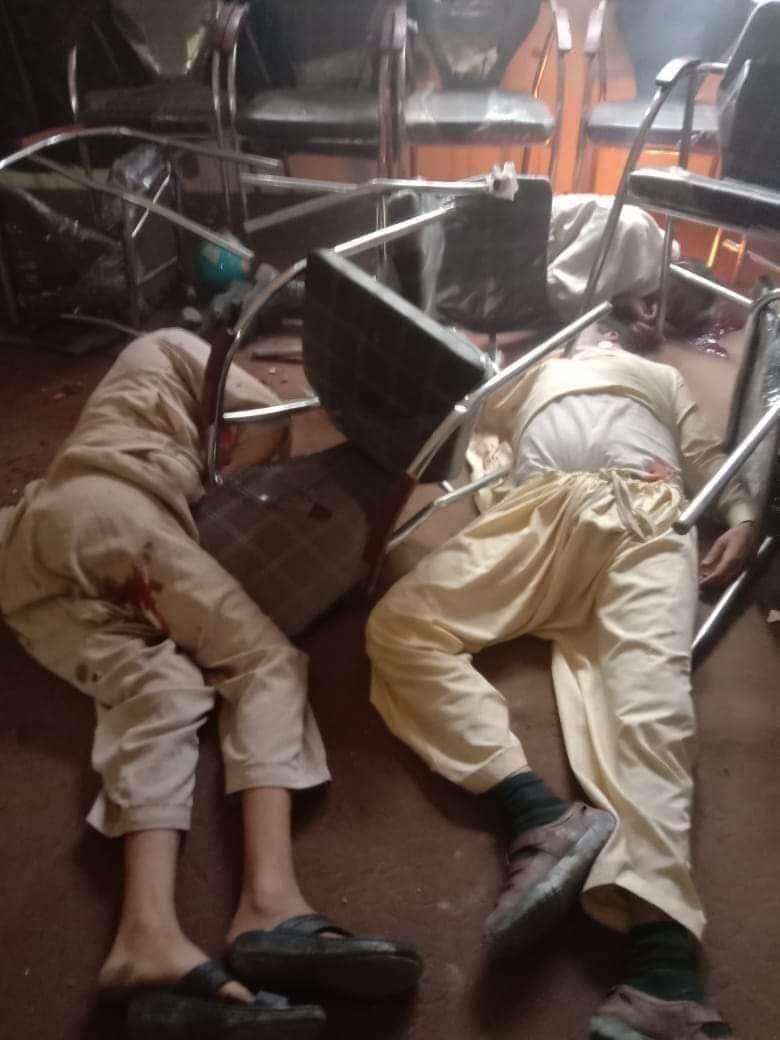
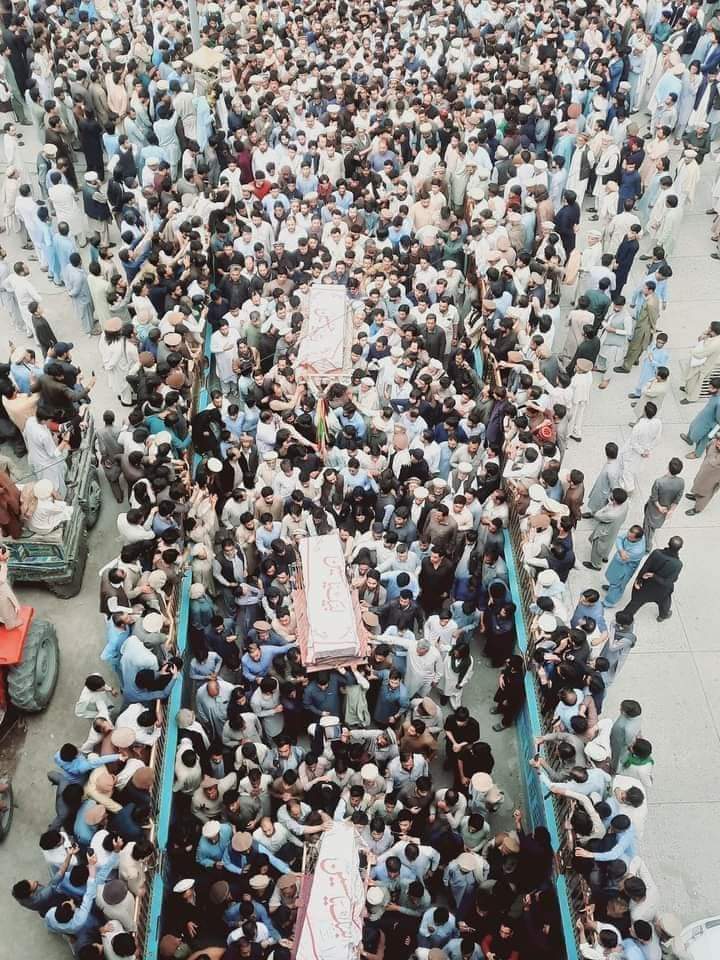
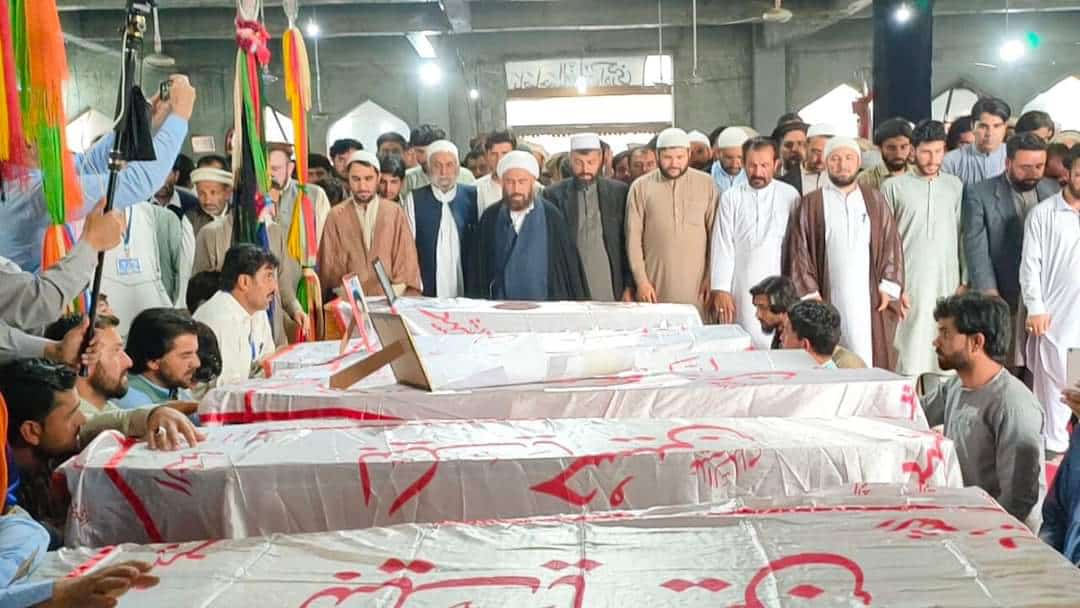
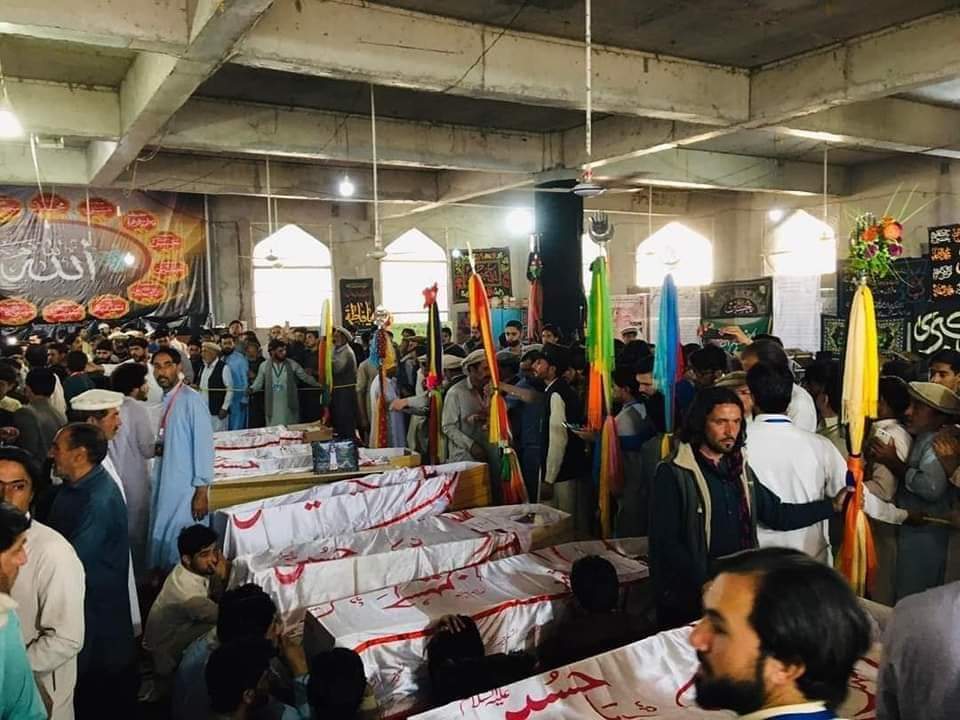
Samina Altaf, Chairperson of the Kurram District Education Department, said that unidentified militants entered the “Tari Mangal” school and raided the teachers’ room; then, they martyred eight teachers of the school, but for unknown reasons they did not harm the students of the education cetner and escaped immediately.
Pakistan’s President Arif Alvi and Prime Minister Shehbaz Sharif have separately censured the heinous crime, and they called for effective measures by security agencies to identify and arrest the terrorists.
Parachinar town is located 20 km from the eastern borders of Afghanistan in Kurram District of Khyber Pakhtunkhwa province, and more than 50% of the residents of the region are Pakistani Shias.
Given the history of strikes by Takfiri terrorist groups on Parachinar Shias, it is likely that the recent attack was carried out by Pakistani Takfiri terrorists such as the Sipah-e-Sahaba, the Jamaat-ul-Ahrar or the ISIS groups.
Pictures of the killing place of Parachenari teachers and the burial of their bodies by the people of this city
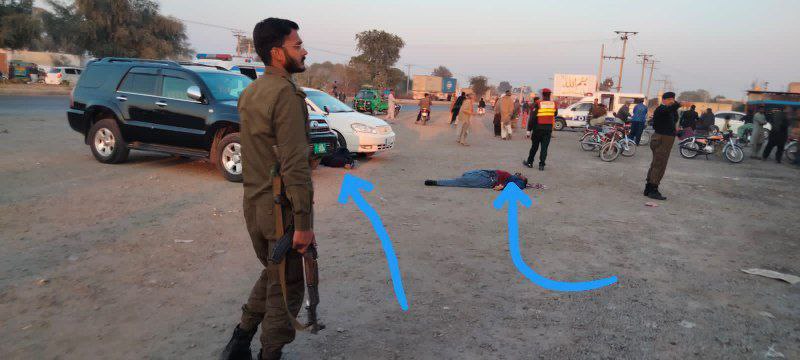
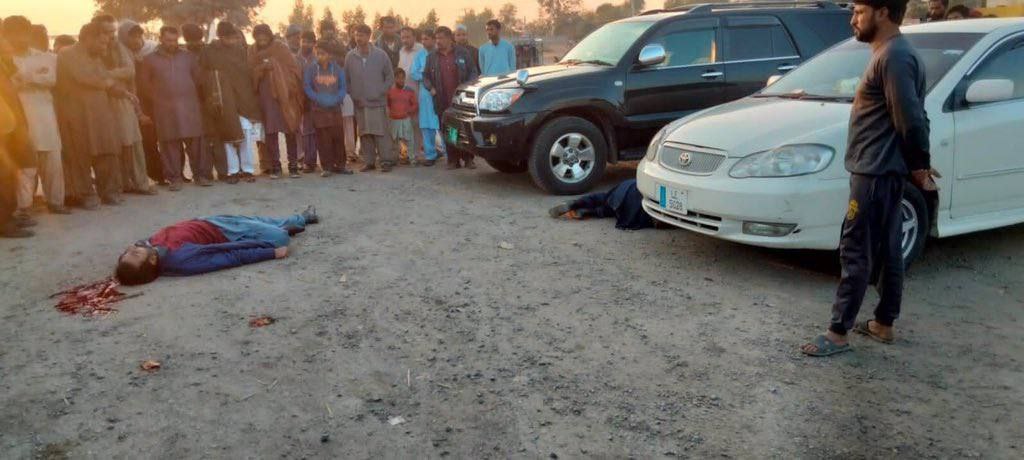
Unknown gunmen (probably Tehreek-e-Taliban Pakistan – TTP) assassinated two senior officers of Pakistan’s Inter-Services Intelligence (ISI) namely Naveed Sadiq Sial, a senior ISI Counter-Terrorism Department officer and an inspector rank officer, Nasir Abbas in Khanewal district of Punjab province.
The two CTD officers were shot dead by unidentified gunmen in the parking space of a hotel near Pirowal on Tuesday.
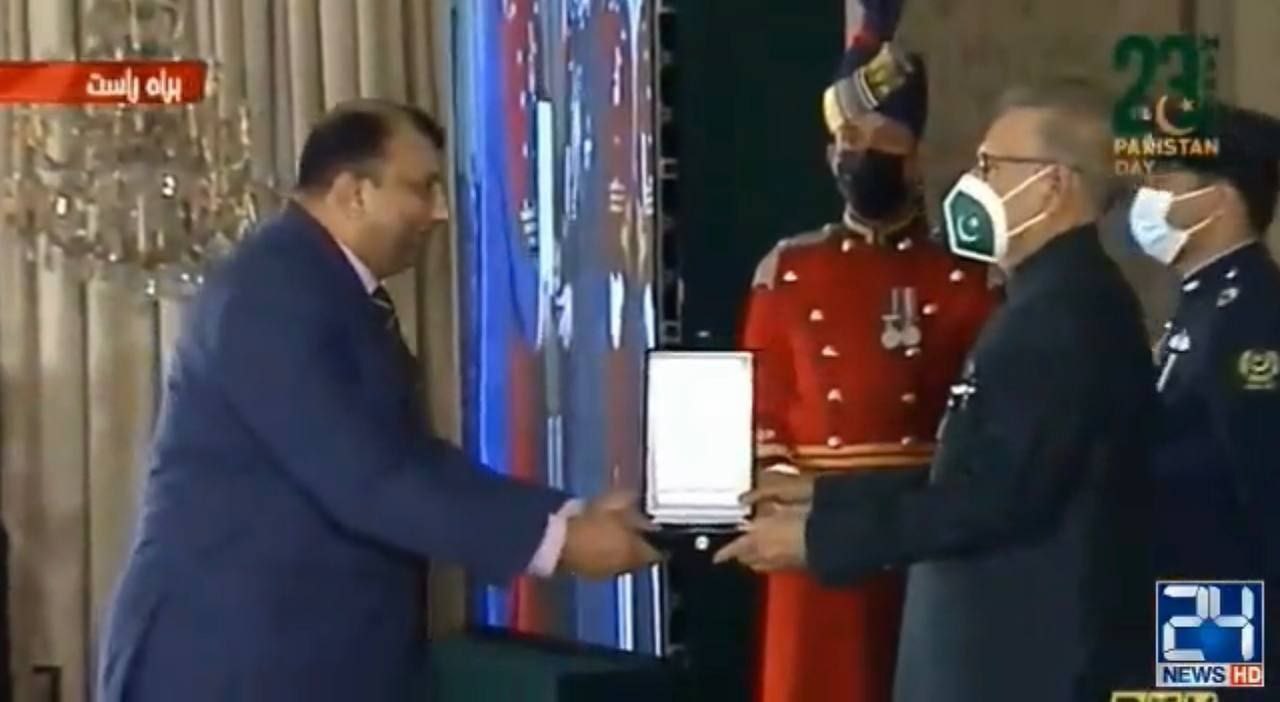
Naveed Sadiq Sial was one of the senior officers of Pakistan’s Inter-Services Intelligence (ISI) in Punjab province, who in August 2020 became the first ISI officer to be awarded the Sitara Shujaat, the second-highest civilian award for gallantry in Pakistan.
The awarding of honor to Naveed Sadiq Sial by the President of Pakistan
So far, no individual or group has claimed responsibility for this attack, but due to the increase of terrorist attacks by the Tehreek-e-Taliban Pakistan (TTP) group on Pakistani government forces, it is likely that this assassination was also carried out by members of this group.
The ISI organization is the main intelligence department of Pakistan, which is under the control of the Pakistan Army and operates around the internal and external security issues of this country.
Place of assassination of ISI membersPlace of assassination of ISI members
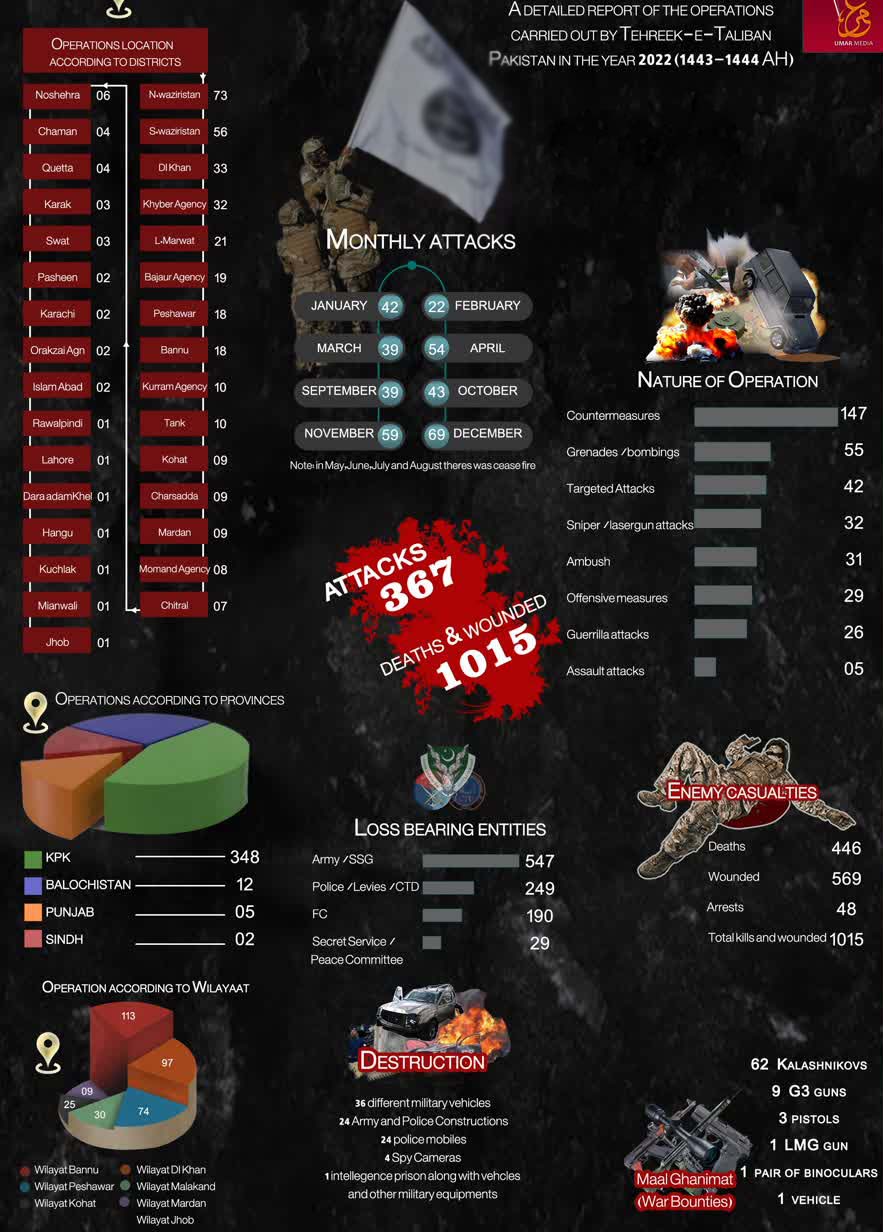
The most important statistics included in this infographic are:
Total operations and casualties: 367 operations 1015 killed and wounded
The number of operations based on the months of the year: January: 42 operations February: 22 operations March: 39 operations April: 54 operations September: 39 operations October: 43 operations November: 59 operations December: 69 operations It should be noted that there was a ceasefire between the parties in the months of May, June, July and August.
Killed and wounded troops: 547 army forces 249 police forces 190 Border Guard Force (FC) 29 intelligence forces and members of the security committee etc.
With the establishment of the Taliban in Afghanistan and their mediation in the conflict between the northern tribes of Pakistan and the government of this country, it was expected that the attacks of the Tehreek-e-Taliban Pakistan against the government of Pakistan would also decrease after 15 years of conflict, But the ideological differences of the parties and the increase in tensions prevented the negotiations from reaching a conclusion, and the conflicts reached their peak again in the last months of 2022.
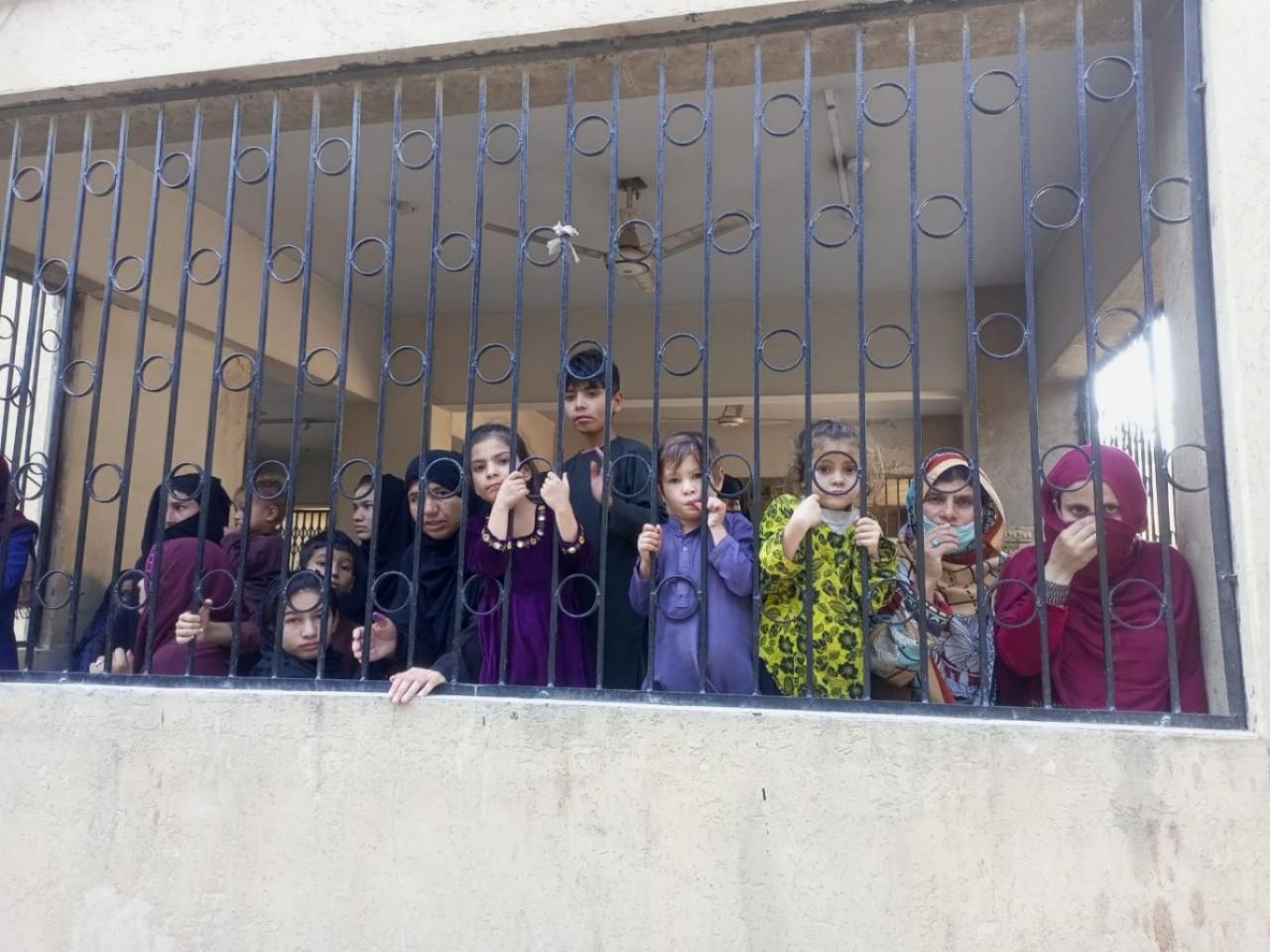
Pakistani police forces in Sindh state in a series of security operations on December 29 and 30, arrested 1,400 Afghan nationals, including 139 women and 165 children, as well as more than 1,000 men for not having valid travel and residence documents in Karachi.
These people are imprisoned in the women’s prison, the central prison and the delinquent juvenile industrial school (the place where juvenile prisoners are kept) in the city of Karachi.
The Prisoners’ Welfare Committee and the National Human Rights Commission of Pakistan have announced in a statement that some of the arrested Afghan nationals were sentenced to short-term imprisonment in the local court of Karachi and will be deported to their country (Afghanistan) after serving their sentence.
On the other hand, Abdul Qahar Balkhi, the spokesman of the Taliban’s foreign ministry, said, “Taliban embassy officials in Pakistan have expressed their concerns about the imprisonment of Afghan immigrants in a meeting with the authorities of this country, and the Pakistani authorities have promised their quick release, but Pakistan has not fulfilled its obligations so far.”
According to the UN report, 1.3 million legal refugees and more than one million illegal Afghan refugees reside in Pakistan. According to the Foreign Nationals Act of 1946, the government of Pakistan has the right to deport those who have entered Pakistan illegally. In this regard, the Ministry of Interior of Pakistan issued a notification in October 2022 and announced that foreign nationals who do not have legal documents in Pakistan have until the end of December 2022 to leave Pakistan, otherwise they will will face imprisonment and paying a fine.
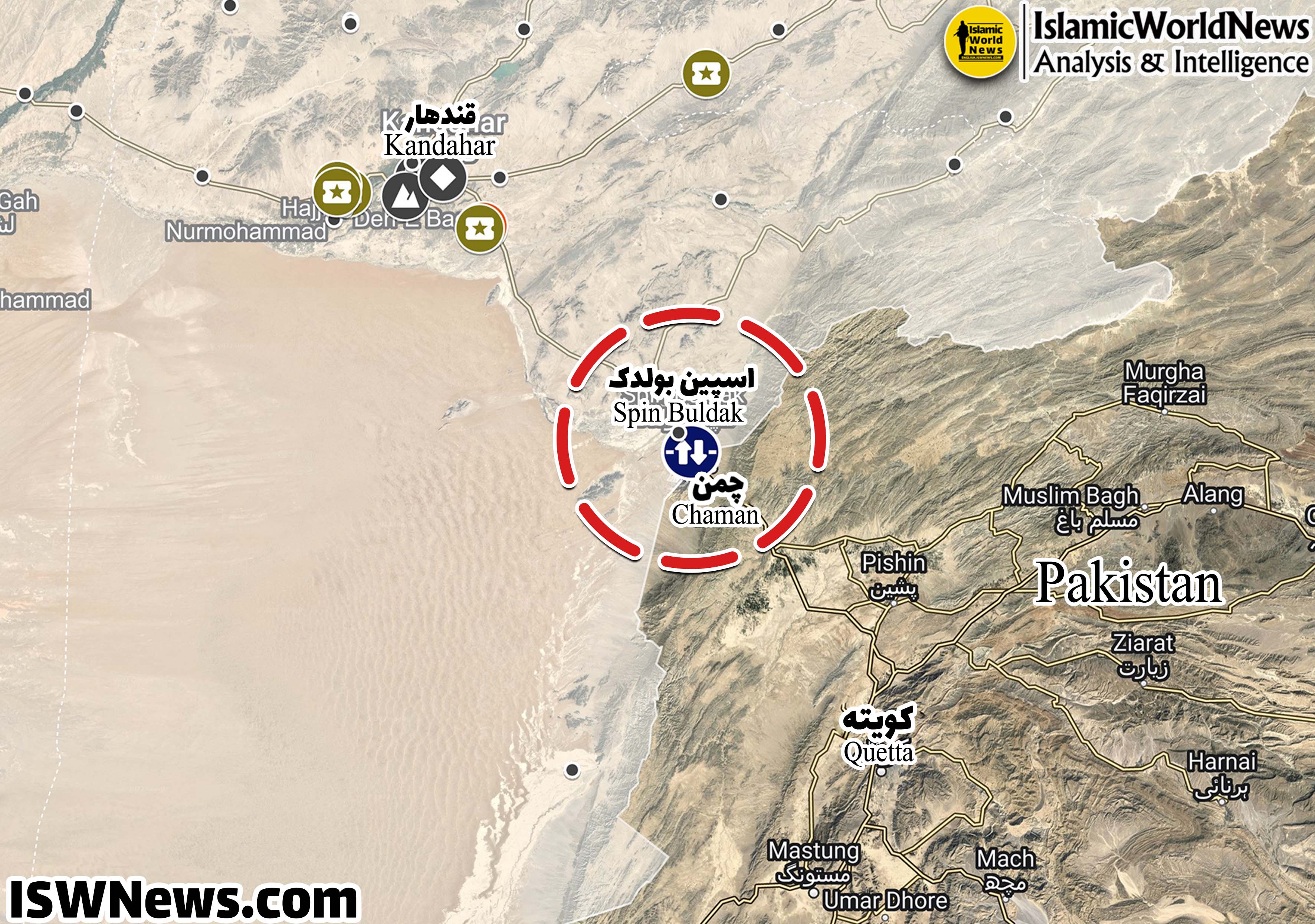
One Pakistani civilian was killed and 15 others were injured during the conflict between Taliban militants and Pakistani border guards on the border of Shir Ab village located in Spin Buldak district in Kandahar province on December 15. The Afghan side also mentioned eight Afghan civilian wounded, including three children.
The conflict started after the border guards of Pakistan prevented the establishment of a security point by Taliban militants in Shir Ab village on the border line with Chaman area.
In response to this conflict, the Ministry of Foreign Affairs of Pakistan announced in a statement that until the Taliban give a firm guarantee to Islamabad that there will be no further border clashes, Pakistan’s ambassador, Obaidur Rehman Nizami, will not return to Kabul.
This is the sixth border clash between Taliban militants and Pakistan’s border guards at the Spin Buldak-Chaman border crossing. The two sides had previously clashed with each other over border issues on December 11, during which 47 soldiers and civilians from both sides were killed and injured.
During the conflict on December 11, Taliban militants and the Pakistani border guards in the village of Shiro Obu, located in the town of Spin Buldak in Qandahar province, 10 Afghan and Pakistani civilians were killed and more than 37 individuals were injured. According to the local community, the conflict and exchange of fire ended after an hour and the injured were taken to the hospital. The casualties of Taliban militants and Pakistani border guards have not been announced yet.
Spin Buldak-Chaman border crossing is the second most important border crossing between Afghanistan and Pakistan after Torkham crossing. This is the fifth serious conflict between the Pakistani army and Taliban since the group came to power in Afghanistan.
Fire at the Spin Buldak-Chaman border crossingThe condition of the injured in Spin Buldak Hospital
As a result of an attack by an unknown armed person on the convoy carrying Imran Khan, the former Prime Minister of Pakistan, in the rally of his supporters in the city of Wazirabad, located in the province of Punjab, one person was killed and 9 people were injured.
According to local media, the attacker was arrested by the security forces and Imran Khan was also shot in the leg. Imran Khan has been transferred to the hospital to continue his treatment. Shehbaz Sharif, the Prime Minister of Pakistan, has also condemned this assassination and called it a heinous and cowardly act.
Following the uncertainty of the date of Pakistan’s national elections, Imran Khan has called his supporters to mass rallies and demonstrations, and this decision has become a challenge for Shehbaz Sharif’s government. This endless debate has caused Imran Khan’s supporting media to hold Shehbaz Sharif and the US intelligence agencies responsible for his assassination and livelihood problems.
Shooting at Imran Khan among his supporters in Wazirabad cityThe arrest of the attacker by Pakistani security forces and his beating by Imran Khan’s supportersThe presence of Imran Khan with a wounded leg in the crowd of his fansTransferring Imran Khan to the hospital
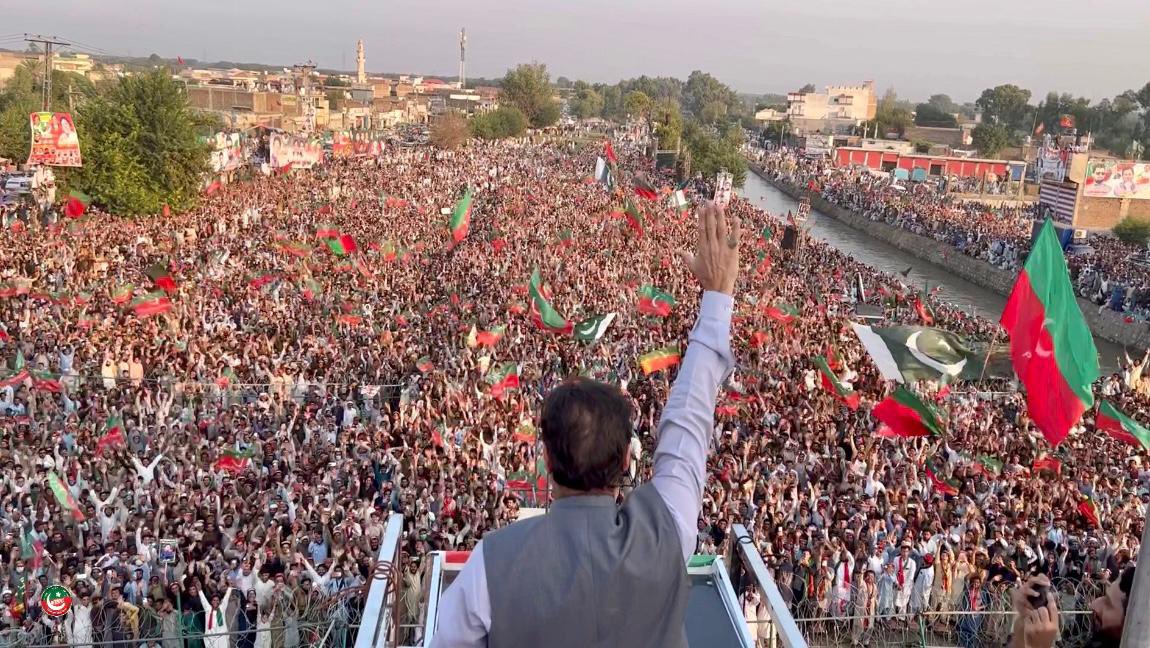
The uncertainty of the date of Pakistan’s national elections by Shehbaz Sharif’s government has caused the anger and sharp reaction of Imran Khan, the former Prime Minister of Pakistan. In his recent statements, he has threatened to hold a protest march towards the city of Islamabad, the capital of Pakistan. Imran Khan stated that the purpose of holding this demonstration is to defeat the US leadership’s project of carrying out a soft political coup in Pakistan and restoring the power of the people’s government in this country.
This warning comes while the Tehreek-e-Insaf party (led by Imran Khan) has won six out of eight seats in the mid-term elections of the Pakistani Parliament.
In this regard, Pakistan’s “Geo TV” channel wrote in an article: “If Imran Khan organizes nationwide and long-term protests in Islamabad and other cities of Pakistan, he will be hanged!” At the same time Imran Khan was threatened with hanging, Omer Sarfraz Cheema, the head of the federal government of Punjab state and a supporter of Imran Khan announced that he will arrest Rana Sanaullah as soon as he enters Punjab state.
Imran Khan’s conflict with Sharif’s government and his supporting parties started after Imran Khan’s impeachment in parliament and his dismissal on April. After this incident, the Tehreek-e-Insaf party is trying to win local and parliamentary seats and is trying to put pressure on the government to hold early national elections with protest rallies.
Holding demonstrations and gatherings of millions in Pakistan is not a new thing. The rallies in 2014 led to a four-month sit-in against Nawaz Sharif in Islamabad. After Imran Khan removal, he has proposed holding peaceful demonstrations several times, but every time he stopped them after the protesters reached the capital of Pakistan!
1- Uruzgan: On July 6, unknown gunmen assassinated “Shir Agha”, the former governor of Deh Rahwod district in the Lablan village.
2- Bamyan – On July 2, Taliban militants in Bamyan district prevented the distribution of humanitarian aid from charitable foundations to the displaced people of Balkhab district. – On July 3, agents of the Taliban’s Department of “Enjoining the Good and Forbidding Evil” insulted Shia students by calling them apostates at Bamyan University. Also, the students protesting this issue were arrested by Taliban gunmen. – On July 6 and 7, Taliban militants arrested five civilians in the Shesh Gaw bridge area of Bamyan disttict on charges of collaborating with Maulvi Mehdi Mojahed militants.
3- Baghlan – On July 6, forces loyal to Ahmad Massoud attacked Taliban positions in Charkh Wa Falak Valley located in Khost and Farang district. Five Taliban members including Mullah Bahauddin, the deputy governor of the Taliban were killed and two others were wounded. – On July 6, Taliban militants arrested more than 55 civilians in the villages of Dara Pashei, Lerwan, Kezar, Dara Charkh and Falak and Sechi Bala located in Khost and Farang district, on the charge of cooperating with Ahmad Massoud forces. – On July 7, Ahmad Massoud’s forces captured Dera Sechi checkpoint in Khost and Farang district.
Ahmad Massoud’s forces at Sechi checkpoint
4- Panjshir: – On July 4, Pashtun militants of Taliban arrested “Qari Hasibullah Habibi”, director of intelligence of Khanj district and “Molla Shamsuddin”, director of intelligence of Rokha district on charges of cooperation with Ahmad Massoud’s forces. – On July 6, as a result of the attack of Ahmad Massoud’s forces on Taliban militants in Arzoo valley located in Shatel city, six Taliban militants were killed and wounded. – On July 7, forces loyal to Ahmad Massoud attacked Taliban positions in Melspeh village located in Bazarak district. 12 Taliban militants were killed and wounded.
5- Paktiya: On July 3, as a result of an attack by the forces of the National Liberation Front in Band Chaghlu area in Ahmedabad district, six Taliban militants were killed.
6- Sare Pol: – On July 2, civilian residents of Balkhab district claimed the death of a one-day-old baby in the mountains around this area. – On July 6, the United Nations Humanitarian Aid Coordinator Office announced that 27,000 civilians were displaced due to the internal conflict of Taliban militants in Balkhab district.
7- Samangan: On July 6, unknown gunmen gunned down one of the jihadi commanders of the previous government named “Karim” in the second district of Aybak district.
8- Kabul: – On July 2, Taliban militants arrested “Dawud Shah Mateen”, the advisor to the executive directorate of the previous government, on Shital road, located in the 11th district of Kabul city. – On July 6, 13 Taliban militants were killed and wounded as a result of an attack by unknown gunmen on the outpost and vehicle of Taliban in Anjirak neighborhood located in the 11th district of Kabul. – On July 7, more than 10 Taliban militants were killed and injured due to the internal conflict in the presidential palace. – On July 7, unknown gunmen assassinated a moderate religious scholar named “Maulvi Abdul Qudous” and his son in Kabul city.
Clashes in the Presidential Citadel of Kabul
9- Qunduz: On July 5, due to the explosion of a bomb in a vehicle carrying Taliban militants in Qunduz city, four members of the Taliban were injured.
10- Nangarhar: – On July 2, eight people were injured as a result of throwing a hand grenade at the gathering of students of an Osman Zulnorin school in Shahbazakhel village of Nangarhar province. – On July 2, as a result of the military-intelligence operation of Taliban militants in Roshan Mena village located in the fourth district of Nangarhar province, seven ISIS members were killed or arrested. – On July 6, the residents of Daronte area found the bodies of more than 100 people from the Daronte water canal. It is said that the Taliban militants beheaded and shot these people on the charge of membership in ISIS.
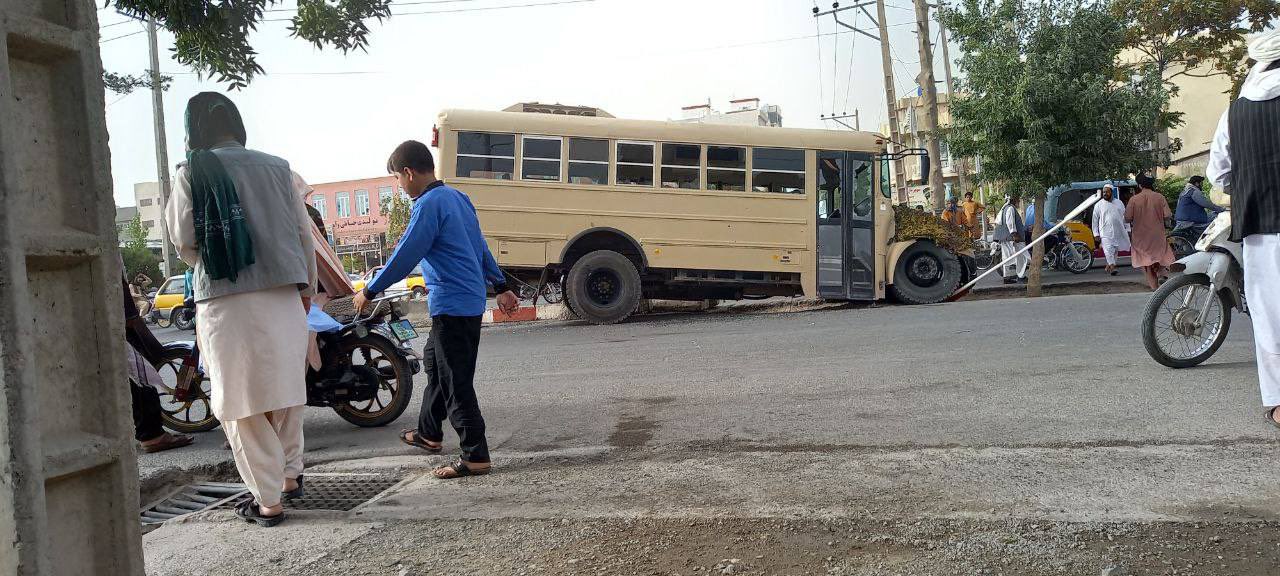
11- Herat: – On July 4, after an armed person threw a hand grenade and shot at a bus carrying the 207th Al-Farooq Taliban Corps in Herat city, 20 people were killed and wounded, including the attacker. The ISIS terrorist group claimed responsibility for this attack. – On July 7, one of the Taliban pilots named “Atiq” who was injured in an ISIS attack on a bus carrying Taliban militants in Herat city, died.
Images of an armed attack on a bus carrying Taliban forces
12- Indian Deputy Foreign Minister discussed with Iran’s Deputy Foreign Minister Ali Bagheri Keni about the transfer of wheat to Afghanistan via Iran. Indian media recently claimed that a large amount of wheat sent from India to Afghanistan was stolen in Pakistan.
13- Pakistan: – On July 2, thousands of supporters of Imran Khan, the former prime minister of Pakistan, demonstrated in Islamabad, the capital city of this country. – On July 2, the Pakistan Army resumed military operations against the Taliban by arresting three Tehreek-e-Taliban (TTP) militants in the Ghulam Khan area of North Waziristan. – On July 6, the militants of Sipah Sahaba terrorist group martyred a Shiite civilian named “Syed Zahor Alam” in Hangu district located in Punjab state. – On July 7, a Pakistani police member was killed and four others were injured as a result of a bomb explosion at a police station in Mardan district in Khyber Pakhtunkhwa province. Tehreek-e-Taliban Pakistan is the main suspect in this attack.
Video: Explosion in Pakistani police station in Mardan area
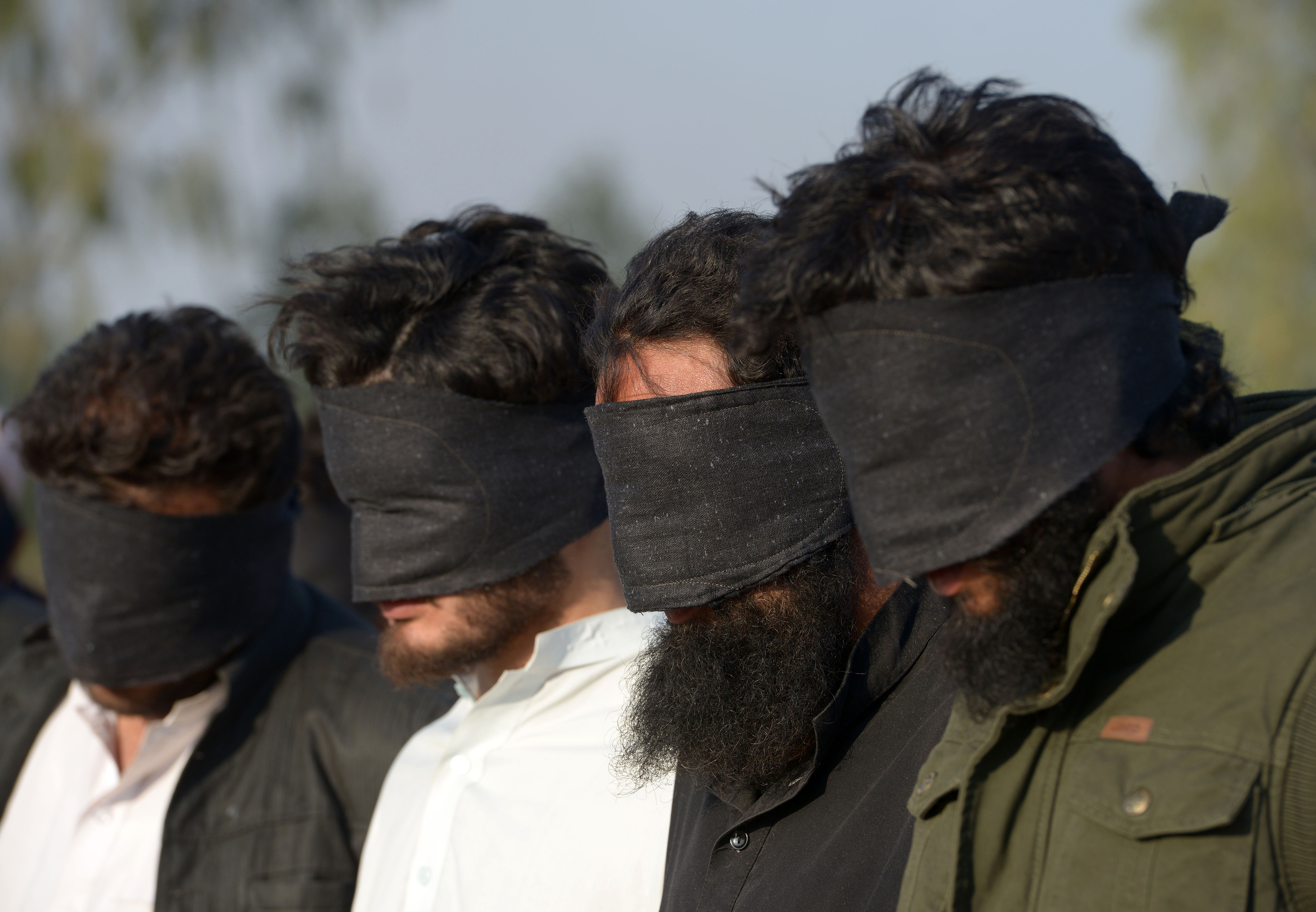
During the security operations, three Tehrik-i-Taliban Pakistan militants were killed and nine others were arrested in the Ghulam Khan region located in North Waziristan, as well as Gujranwala, Lahore, Rawalpindi, Multan and Sargodha regions. Also, the Pakistani army has announced the death of four militants associated with ISIS in an operation.
According to local sources, ISIS propaganda has recently increased in Pakistan’s autonomous tribal areas. They have started propaganda against Pashtun nationalist groups, Taliban, Al-Qaeda, etc., and demanded people to separate from them.
However, elders of autonomous tribal areas and Pashtun nationalists accuse Pakistan Army of implementing ISIS programs in these areas. According to them, Pakistan’s economic situation is dire and the army is trying to attract the world’s attention through anti-terrorism programs.
It should be noted that the negotiations between the government and the Pakistani Taliban have increased after the rejection of the amnesty request for the Taliban prisoners by the Pakistani government. On the other hand, Noor Wali Mehsud, the leader of this group, has threatened the government of Pakistan to increase the attacks.
It should be noted that the conflict between the Pakistani government and the Pakistani Taliban has increased after the government rejected the Taliban’s request for amnesty of its prisoners and the threats of Noor Wali Mehsud, the leader Pakistani Taliban.
After two days of talks between the 50-member Pakistani tribal group and Tehreek-e-Taliban (TTP) representatives, Tehreek-e-Taliban Pakistan (TTP) spokesman Mohammad Khorasani issued a statement on the morning of June 12th announcing an indefinite ceasefire with the Pakistani government.
According to local sources, one of the key conditions for inciting the Pakistani Taliban to accept the ceasefire is the release of all Pakistani Taliban prisoners and the implementation of Islamic law by the government in the tribal areas.
On the other hand, the Pakistani parliament (lower house) announced that it was unaware of the 50-member group’s talks with the Pakistani Taliban in Kabul, the capital of Afghanistan, and considered their decisions unacceptable to the Pakistani people. In this regard, the “Pashtun Manzoor” leader of the Pakistani Pashteen Tahafuz Movement also criticized the talks with the Pakistani Taliban and said: “Of these 50 people, not a single one represents the people of Waziristan, and all of them are representatives of the Pakistani army.”
Despite the announcement of a ceasefire by the Pakistani Taliban, peace talks mediated by the Afghan Taliban between representatives of Pakistani tribes and Tehreek-e-Taliban Pakistan (TTP) leaders in Kabul continue.
The Pakistani government and the Tehrik-i-Taliban Pakistan (TTP) have agreed to extend an indefinite ceasefire and are negotiating to end two decades of war in Pakistan’s tribal areas, according to Pakistani news agencies. But other local media outlets denied the agreement, citing the visit of a 50-member delegation of Pakistani tribal leaders to the Afghan capital, Kabul, and insisted that the Pakistani delegation begin talks with Pakistani Taliban leaders.
The Pakistani delegation, mediated by the Haqqani Network, met with Tehreek-e-Taliban Pakistan (TTP) leader Noor Wali Mahsud, his deputy Maulvi Faqir Mohammad and a number of other senior members of the group to discuss extending the ceasefire.
The talks coincide with the release of a UN report on the existence of eight military and training bases for the Jaish-e-Mohammad terrorist group and three military and training bases for the Lashkar-e-Taiba terrorist group in Nangarhar and Kunar provinces. The report also said that the Tehreek-e-Taliban Pakistan (TTP) is the largest terrorist group linked to members of the East Turkestan Islamic Movement, the Islamic Movement of Uzbekistan, Jamaat-e-Ansarullah Tajikistan and other terrorist groups in Afghanistan.
Negotiations between the Pakistani government and the Tehreek-e-Taliban Pakistan (TTP) are being mediated by the Afghan Taliban, while their previous talks have failed and resulted in bloody clashes.