Joint Meeting of Iran, Saudi Arabia, and China Held in Tehran
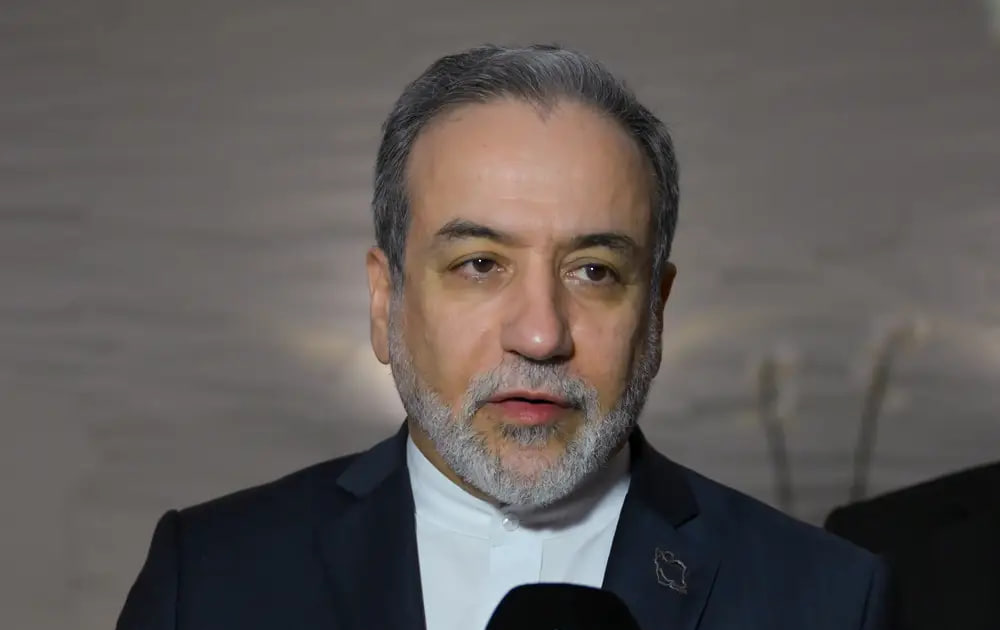
The third session of the trilateral joint committee between Iran, Saudi Arabia, and China was convened on Tuesday, December 18, in Tehran.
On December 3, U.S. Central Command (CENTCOM) announced the creation of a new special unit called the Task Force Scorpion Strike (TFSS) and the deployment of the first squadron of Low‑Cost Unmanned Combat Aerial Systems (LUCAS) in West Asia.
The IRGC Navy carried out a maritime operation in which the oil tanker Talara was seized on charges of transporting contraband cargo near the southern Makran coast.
The Israeli newspaper Haaretz reported: Israeli intelligence assessments indicate that Hezbollah, after suffering heavy losses in recent attacks, is rebuilding its military capabilities and organizational structure, particularly in areas north of the Litani River—an action that Tel Aviv describes as a “violation of the ceasefire” following the 2006 war.
The MV Falcon is a liquefied petroleum gas (LPG) tanker that caught fire in October 18 after being struck by an unidentified projectile near the coast of Ahwar in southern Yemen, within the Gulf of Aden. The vessel, sailing under the flag of Cameroon, was en route from Sohar Port in Oman to Djibouti. Reports suggest the cargo was Iranian and intended for delivery to Yemen.
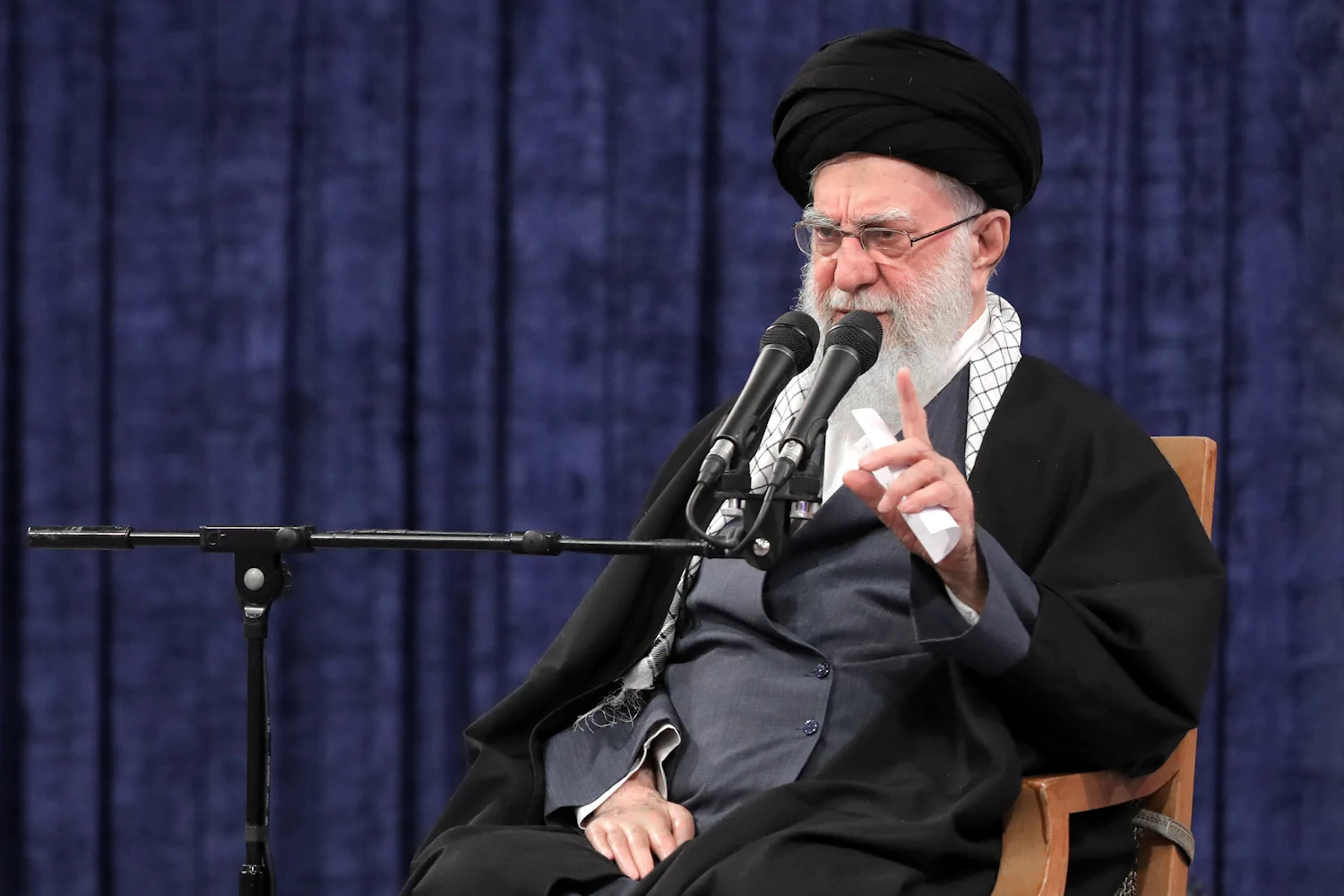
In a powerful address to Iranian sports champions and international Olympiad medalists, Iran’s Supreme Leader Ayatollah Seyyed Ali Khamenei responded to recent remarks by U.S. President Donald Trump and condemned American policies in the region.
According to unofficial sources, the Cameroon-flagged vessel MV Falcon—carrying Iranian liquefied petroleum gas (LPG) destined for Ras Isa port in Yemen’s Al Hudaydah province—was reportedly struck near the Yemeni coast. The ship had loaded its cargo at Iran’s Asaluyeh port on September 25 and was en route to Ras Isa.
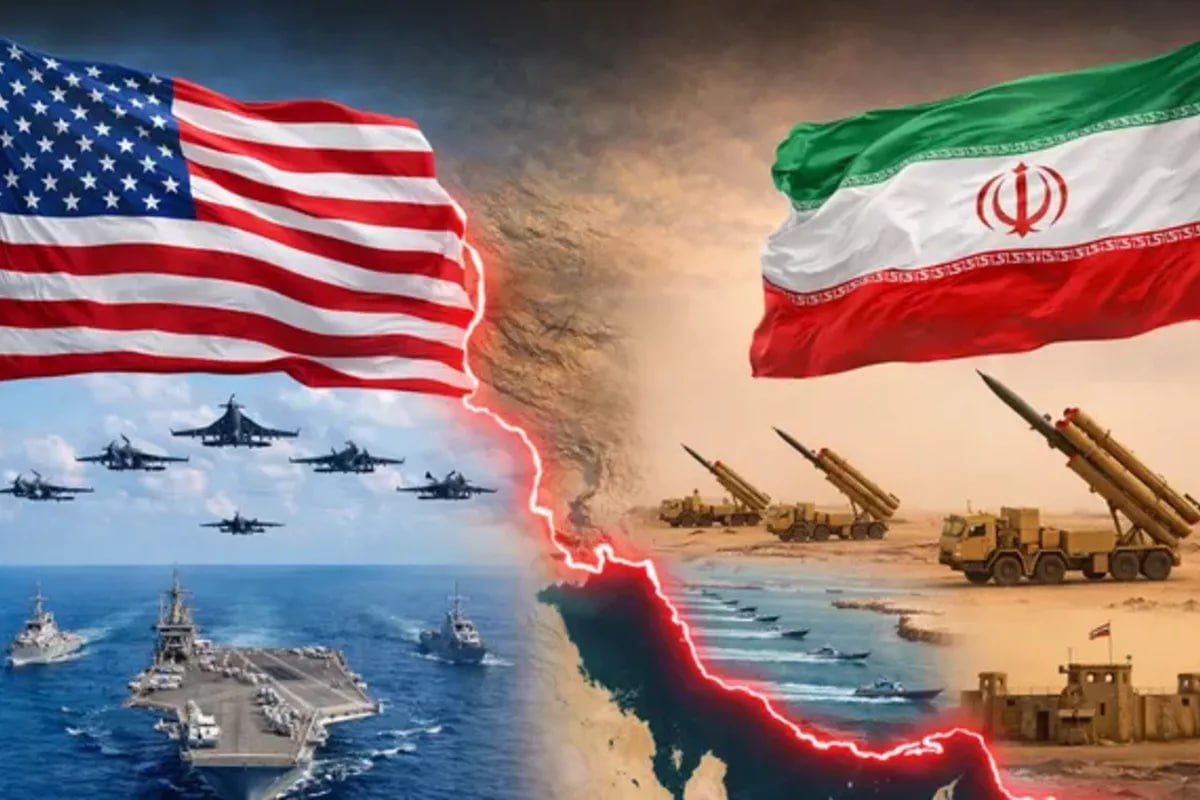
Recent developments across the region suggest that the United States and Israel are actively preparing operational infrastructure for potential scenarios targeting Iran. The deployment of U.S. aerial refueling aircraft at Al Udeid Air Base in Qatar, their flights over Iraq and the broader region, and the arrival of the USS Ford aircraft carrier in the Mediterranean all point to a new strategic alignment—possibly signaling a limited military confrontation or a show of force aimed at political pressure.
Ali Larijani, Secretary of Iran’s Supreme National Security Council, arrived in Beirut to attend a memorial ceremony honoring the martyrdom of Sayyed Hassan Nasrallah and Sayyed Hashem Safi al-Din, former leaders of Hezbollah.
In a major televised speech, Ayatollah Khamenei, the Supreme Leader of the Islamic Republic, addressed key issues regarding the 12-day war and Iran’s nuclear energy program.
In the aftermath of the 12-day war with Iran and the October 2023 missile attacks, the Israeli military has launched a new initiative to expand the construction of reinforced concrete shelters inside residential homes. This move reflects Tel Aviv’s ongoing anxiety over missile and drone threats from the Axis of Resistance.
Israel’s Defense Ministry has announced preparations for a new phase of conflict with Iran and Yemen, citing the high costs of intercepting ballistic missiles and the need for accelerated military readiness. To that end, it is forming a Supreme Armaments Council to streamline weapons procurement and strategic planning.