ISWNews Analysis Group: The Turkish Bashiqa military base in north of Mosul, was targeted by a rocket attack on July 21. So far, no group has claimed responsibility for this attack.
This is the third rocket attack against Bashiqa military base since the beginning of 2023.
It is worth mentioning that on June 6, Turkish Bashiqa military base in north of Mosul was attacked with several rockets fired by unknown groups.
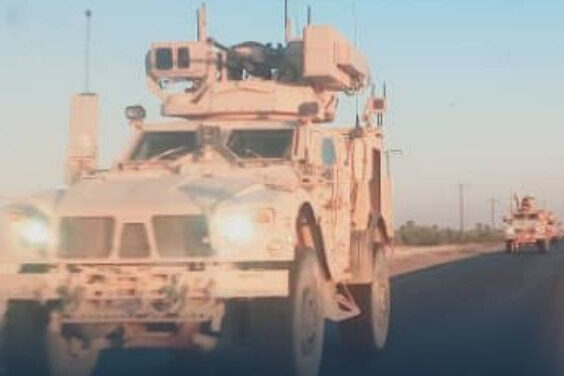
A photo that surfaced online showed a vehicle of the system near a base of the coalition located at the Conoco gas facility in the eastern Deir Ezzor countryside.
The FS-LIDS system uses a small, expendable drone dubbed the Coyote to intercept its target. The drone delivers a kinetic effect by crashing into enemy drones or exploding near them and dispersing blast fragments from its warhead.
The newest version of the interceptor drone, the Coyote Block 2, is propelled by a jet engine, equipped with an active radar seeker and armed with a proximity warhead. It can engage threats at a range of more than 15 kilometers, and can even re-attack if it misses on the first pass.
U.S.-led coalition bases in Syria’s northeastern region and its garrison in the southeastern area of al-Tanf were targeted with suicide drones on several occasions in the past.
Earlier this year, a suicide drone hit a base of the coalition in the northeastern governorate of al-Hasakah. The attack, which killed a U.S. contractor and wounded a number of service members, sparked a limited confrontation with Iranian-backed forces in Syria.
The U.S.-led coalition has been working to expand its presence in Syria for a while now, despite the disapproval of Damascus.
The appearance of the FS-LIDS system came amid high tensions between U.S. and Russian forces over aerial operations in Syrian skies. It also came as the coalition and its proxies were massing forces along the frontline with government forces in Deir Ezzor.
According to a Syrian military source, “around 00:25 (local time) on Wednesday, the Zionist enemy attacked targets in the suburbs of Damascus with several missiles from the occupied Golan. Syrian air defense systems shot down most of the missiles. This attack resulted in the wounding of two Syrian soldiers and the occurrence of material damages.”
It is said that the positions of the Syrian army in the west of Damascus have been targeted by Israeli fighter jets.
It is worth mentioning that on July 2, the Israeli regime fighter jets fired several missiles at Syrian army’s positions on the outskirts of the city of Homs.
Given the fact that an unwritten ceasefire between the Ansar Allah movement and the Saudi coalition is in place, the conflict in Yemen shifted to occupied areas, and the Saudi-led factions are trying to gain more power and influence in the war-torn country.
The situation led to weakening of the resigned Yemeni government, and members of its presidential council are hopeless for success against Ansar Allah movement; so, they pursue implementing their ideal plans, including the partition of southern Yemen.
Moreover, the Takfiri terrorist group Al-Qaeda, which has a significant number of supporters in central and eastern Yemen, expanded its activities and returned to the Yemeni war.
Aden, Lahij and Taiz fronts:
On January 14, 2023, forces of Yemeni military commander and the nephew of the late President Ali Abdullah Saleh, Tareq Mohammed Abdullah Saleh, took control of the Ras al-Ara area on the coast of Lahij province. However, this advance was hampered by tribes, and Rashad Al-Alimi, head of the Presidential Council of the resigned Yemeni government, approved a plan to form a new brigade of Al-Daraa Al-Watan forces in the area under the leadership of Bashir Saif Al-Mazrabi Al-Sabih on February 1, 2023.
The city of Taiz is currently under the control of forces of the al-Islah Party, the resigned government and some independent militants. Tareq Saleh has also returned to the city despite opposition from al-Islah Party. One of the major tensions that occurred after Tareq’s entry into Taiz was the failed assassination attempt on Minister of Defense of the resigned government Mohsen Al-Daeri. These tensions question the resigned government’s claim that Taiz has been besieged by Ansar Allah movement for past eight years. Since the western road and southern areas of Taiz Governorate are under control of al-Islah Party and Tareq Saleh, tensions between these groups limited access to Taiz and prevented delivery of humanitarian aid. The Ansar Allah movement has repeatedly reopened Sana’a-Taiz road voluntarily, but al-Islah Party prevented non-military vehicles from entering Taiz.
On January 25, 2022, the forces of Al-Dara’ Al-Watan (backed by Saudi Arabia) took control of the important Al-Anad base in Lahij Governorate by expelling the militants of the Southern Transitional Council (STC) and evacuating Sudanese mercenaries. This action by Al-Daraa Al-Watan can be considered as Saudi Arabia’s first move to limit the STC.
Saudi media outlets announced that Riyadh intends to remove the STC from the political scene in southern and eastern Yemeni governorates, but this claim has not been seriously implemented so far, and in fact, Saudi Arabia intends to confront with Al-Daraa Al-Watan forces and create a national council for Hadramout Governorate to confront the STC and partition southern Yemen. The control of the resigned government and Saudi Arabian bases in Aden has also been transferred to Al-Daraa Al-Watan, and Saudi advisers are managing Aden’s security issues alongside them.
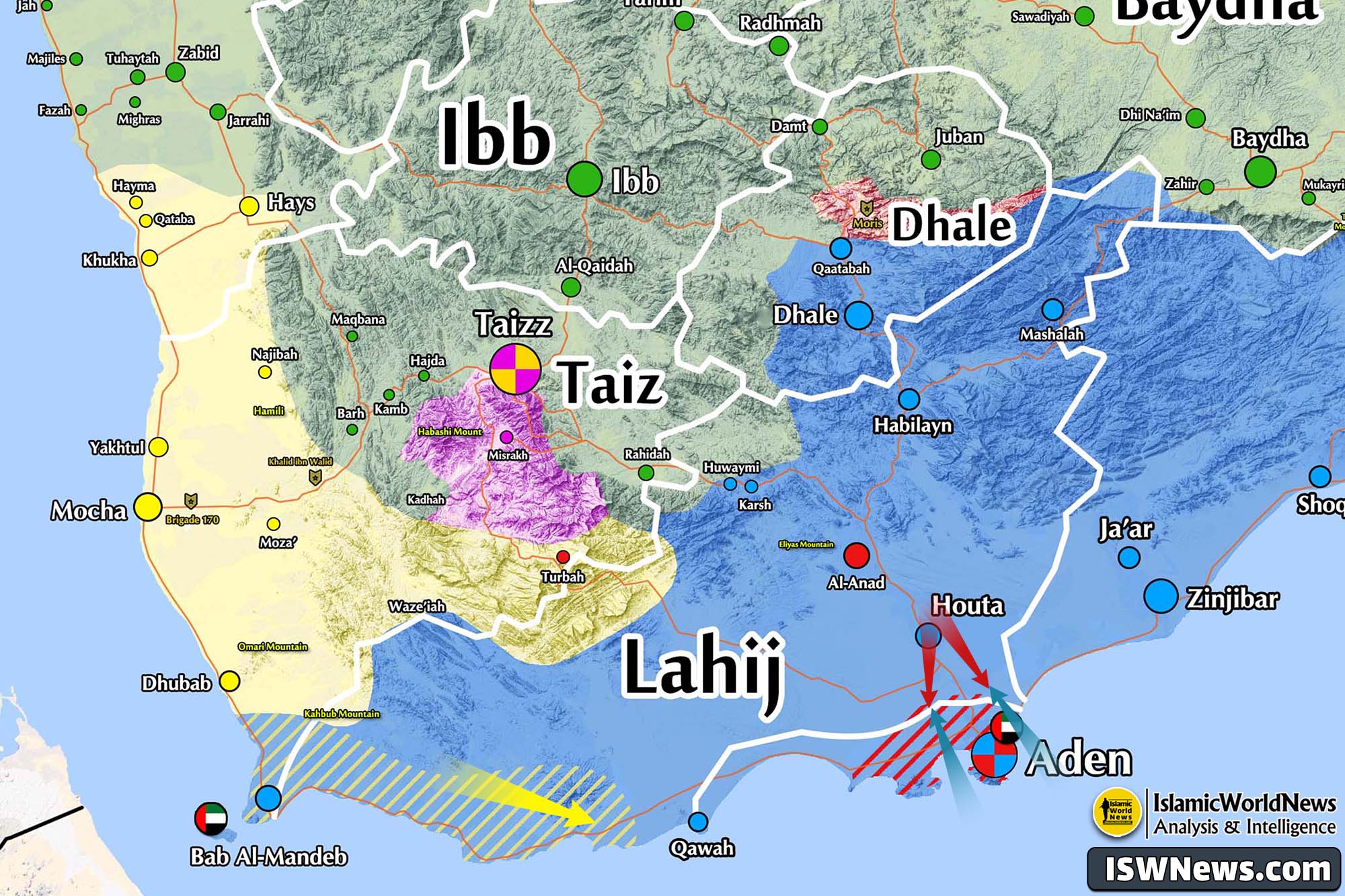
Latest military situation in Taiz, Aden and Lahij regions in the southwest of Yemen – click to view full size
Abyan front:
The terrorist group Al-Qaeda recruited hundreds of militants from some tribes in Shabwa and Abyan governorates, and Al-Qaeda has again transferred its activities to the north of Abyan Governorate and parts of Shabwa Governorate. Their attacks, which are mostly limited to roadside bombings and guerrilla attacks, have led to the withdrawal of STC forces from most areas of Al-Mahfad and Modiyah districts. Central areas of these areas are under the control of STC militants, but most mountainous areas are under Al-Qaeda control, and clashes between the two sides are ongoing in Wadi Omran.
The increase in Al-Qaeda’s movements on this axis may not be supported by Saudi Arabia, but since it weakens the positions of the Southern Transitional Council in Abyan province, it has not been opposed by Saudi Arabia either, and there is a possibility of covert support from Saudis for Al-Qaeda. Because Al-Qaeda has started using scarce weapons such as quadcopters, etc., which is not possible without external support.
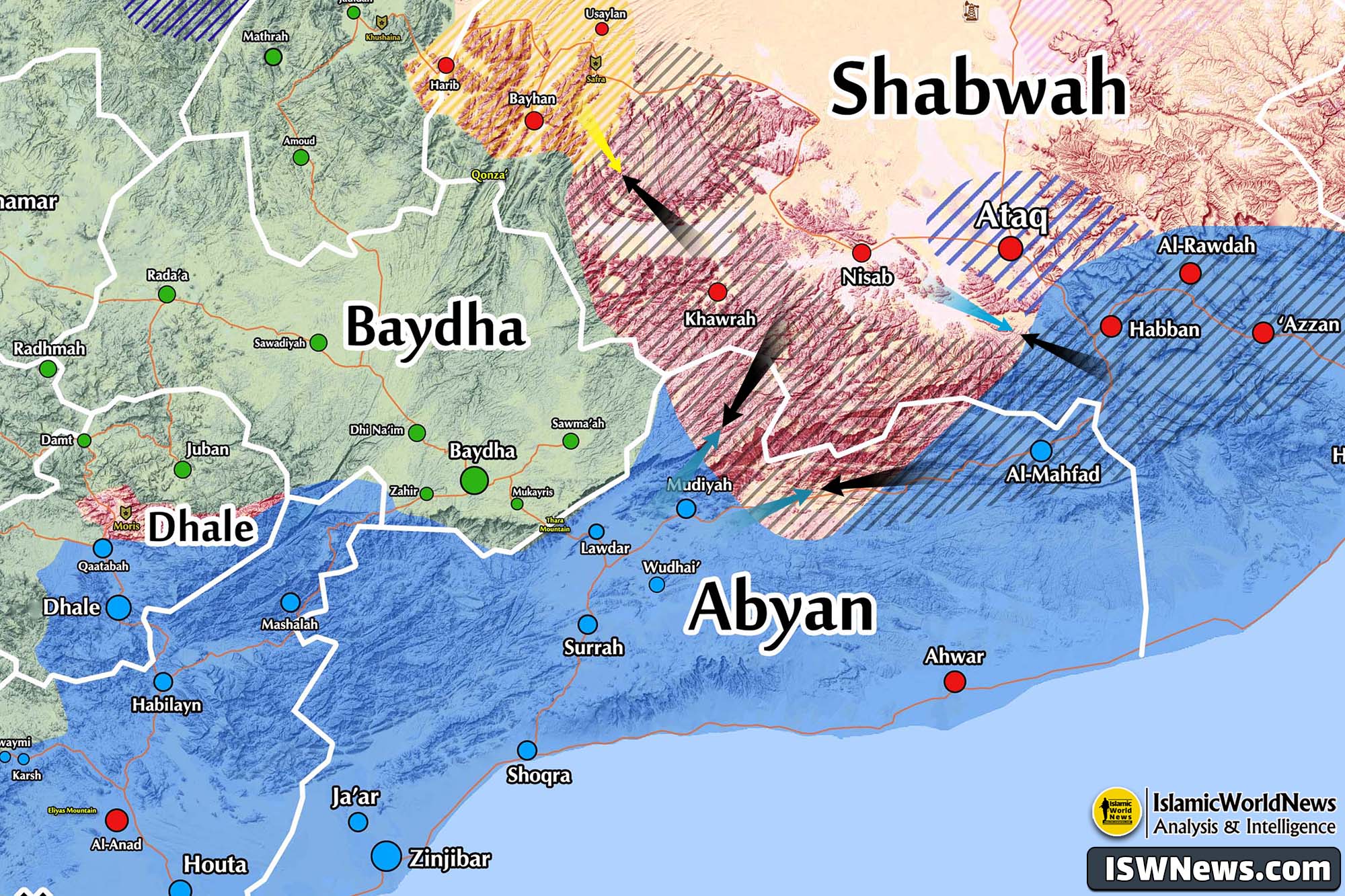
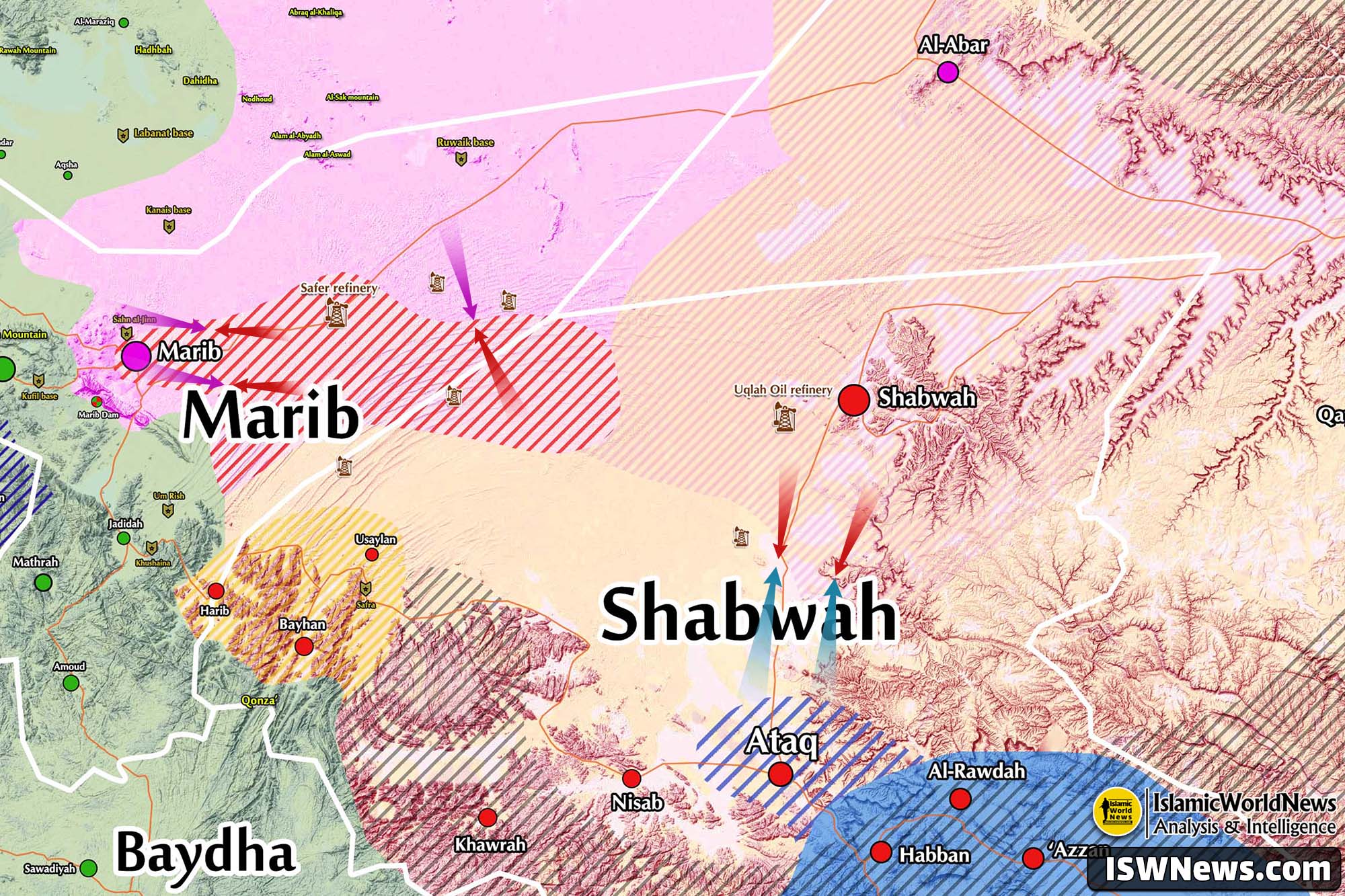
Latest military situation in Abyan and the south Shabwa regions – click to view full size
Shabwa front:
The Southern Giants Brigades known as Al Amaliqah forces, drove out the Shabwa Defense forces on April 8, 2023 to control Bayhan district. The surroundings of the district are also under the control of Shabwa Defense forces; so, Al-Qaeda attacks mostly these forces.
Al-Qaeda terrorists attacked the town of Al-Masiniyah in Al-Saeed district on June 11, 2023 under the pretext of killing commander of al-Islah Party in Bayhan Abdullah Al-Bani. Al-Qaeda used quadcopters and also the US conducted drone attacks on al-Islah Party’s positions in support of the STC.
The US’s support for the STC strengthened their position and governor of Shabwa Awadh bin Al-Wazir Al-Awlaki, and it also reduced the likelihood of operations by Al-Daraa Al-Watan and al-Islah Party forces with Saudis’ support in Ataq city. Saudi Arabia stationed its forces on the northern axis of Ataq to Jardan district and it intends to expel the STC from Ataq city and Shabwa Governorate’s oil-rich areas.
Therefore, competition between Saudi Arabia and the UAE in Shabwa Governorate has been stopped following US intervention, and meetings between US Ambassador to Yemen Steven Fagin and Awadh Al-Awlaki, indicating the US plans to use Shabwa’s oil resources.
Marib front:
After mounting differences between al-Islah Party and the resigned government in late December 2022, Marib Governorate became the scene of tension between the forces of commander-in-chief of the Yemeni resigned government’s armed forces Major General Saghir bin Aziz and al-Islah Party militants. The clash led to the expression of dissatisfaction by tribes in eastern Marib. The root cause of the clashes is a dispute over the division of oil field revenues, and tribes claim parts of oil revenues.
The difference between Saghir bin Aziz and al-Islah Party in Marib continues, but Saudi Arabia temporarily stopped it and is concentrating on merging al-Islah Party militants into Al-Daraa Al-Watan forces; therefore, it appointed al-Islah Party’s field commander in Shabwa Governorate Brigadier General Abd Rabbo Laakb as commander of one of Al-Daraa Al-Watan brigades.
Latest military situation in Marib and north of Ataq regions – click to view full size
Yemen is currently facing several serious challenges such as plots for partitioning southern regions by the STC, exploiting oil and gas resources by the US, Europe and Arab states, stationing terrorist groups in central regions, and being occupied by Saudi Arabia and the UAE.
The Ansar Allah movement and the resigned government of Yemen are opposed to partitioning southern Yemen; so, they will not support the STC, which seeks to revive southern Yemen and the group will not succeed in implementing partition plan. But the issue of exploitation of oil and gas resources and handing over of islands to foreigners are challenges, which are being opposed only by the Ansar Allah movement.
The opposition to the issue prevented oil and gas exports, but did not create any danger for companies and military personnel from the US, Europe and other foreigners in Yemen. In fact, Western political pressures become a leverage so that Ansar Allah movement cannot hinder threats by foreigners.
The occupation by Arab states and presence of terrorist groups in Yemen will only be eliminated through serious confrontation by Yemeni army and Ansar Allah. The Ansar Allah movement must prepare itself for this scenario with support from Iran and resistance groups. Political negotiations at this stage are not very effective; so, peace negotiation is a claim to provide enemies with opportunity to renew strength.
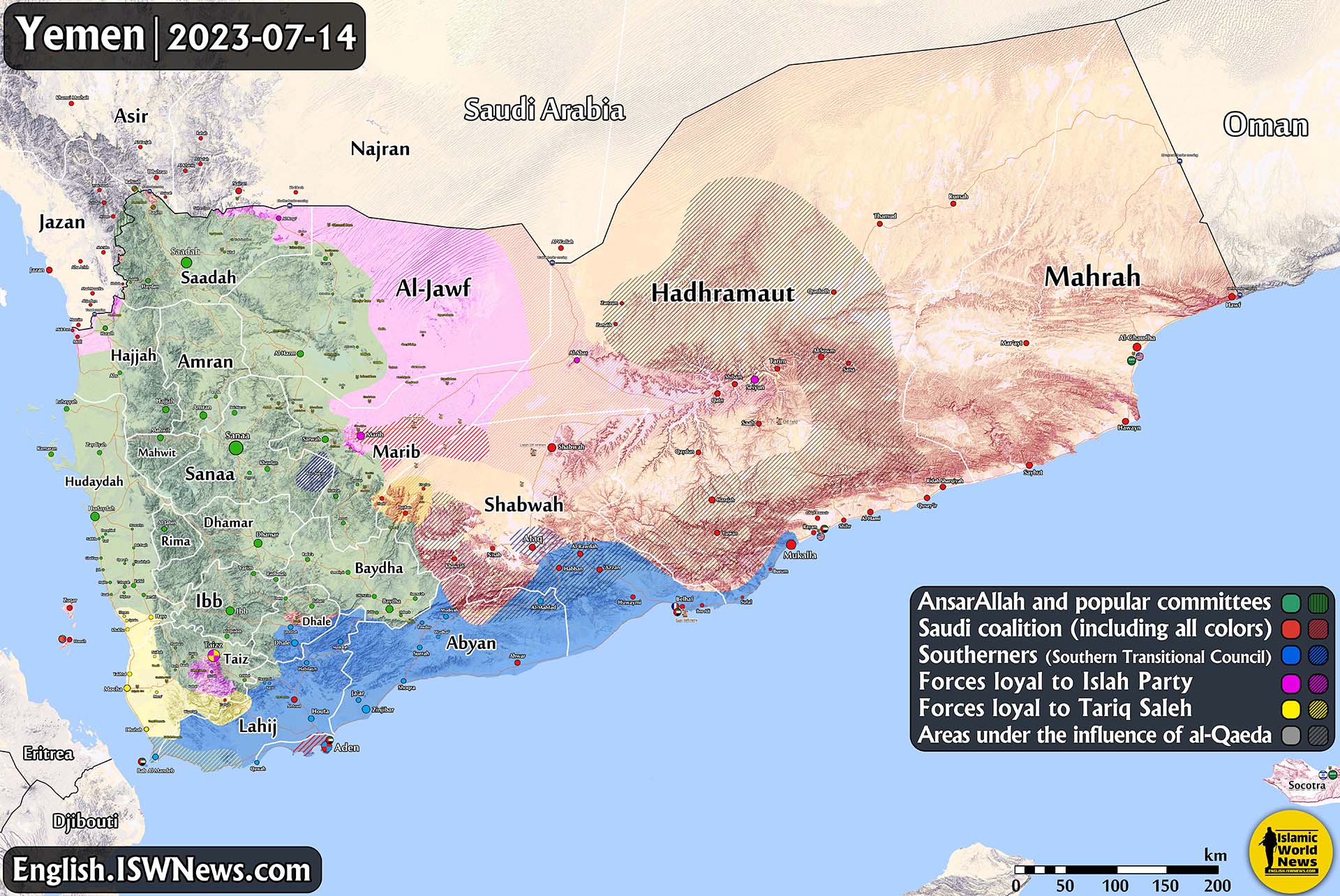
Military situation in Yemen – click to view full size
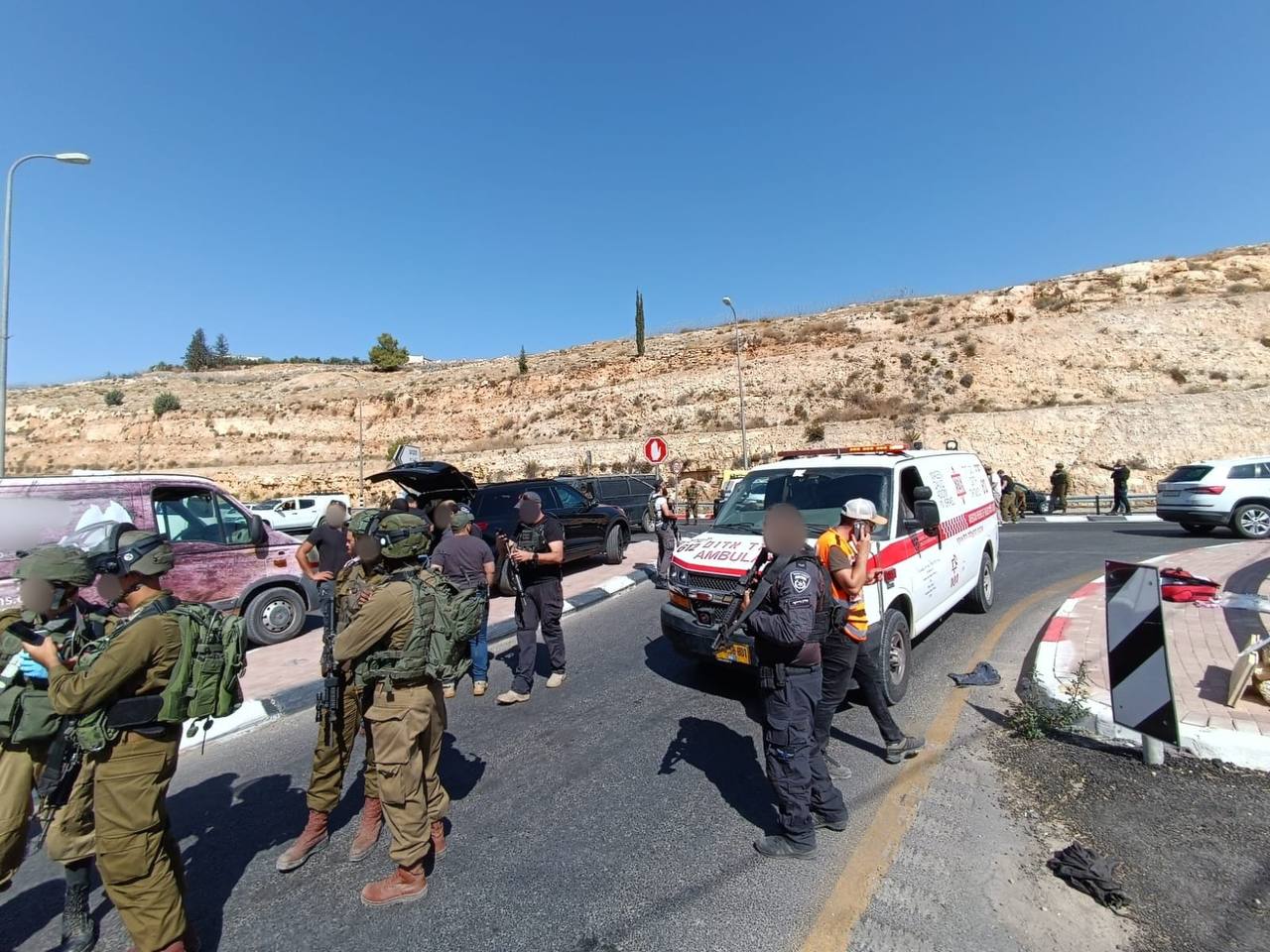
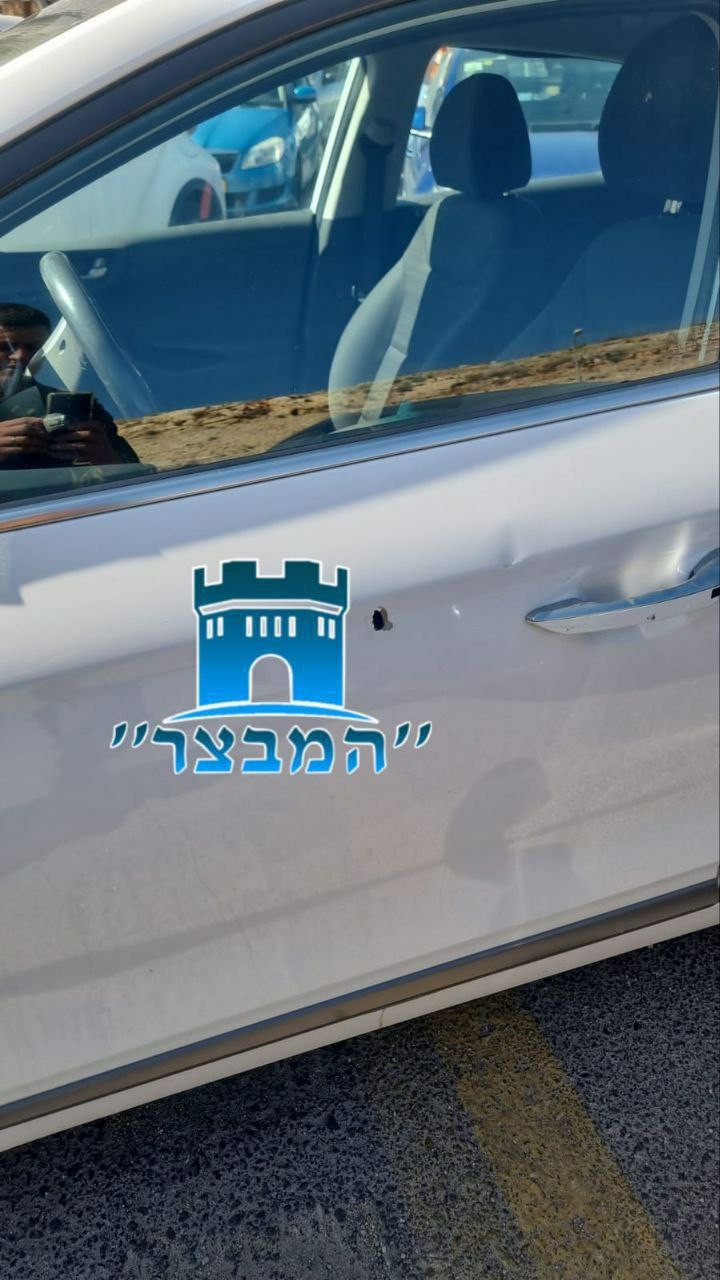
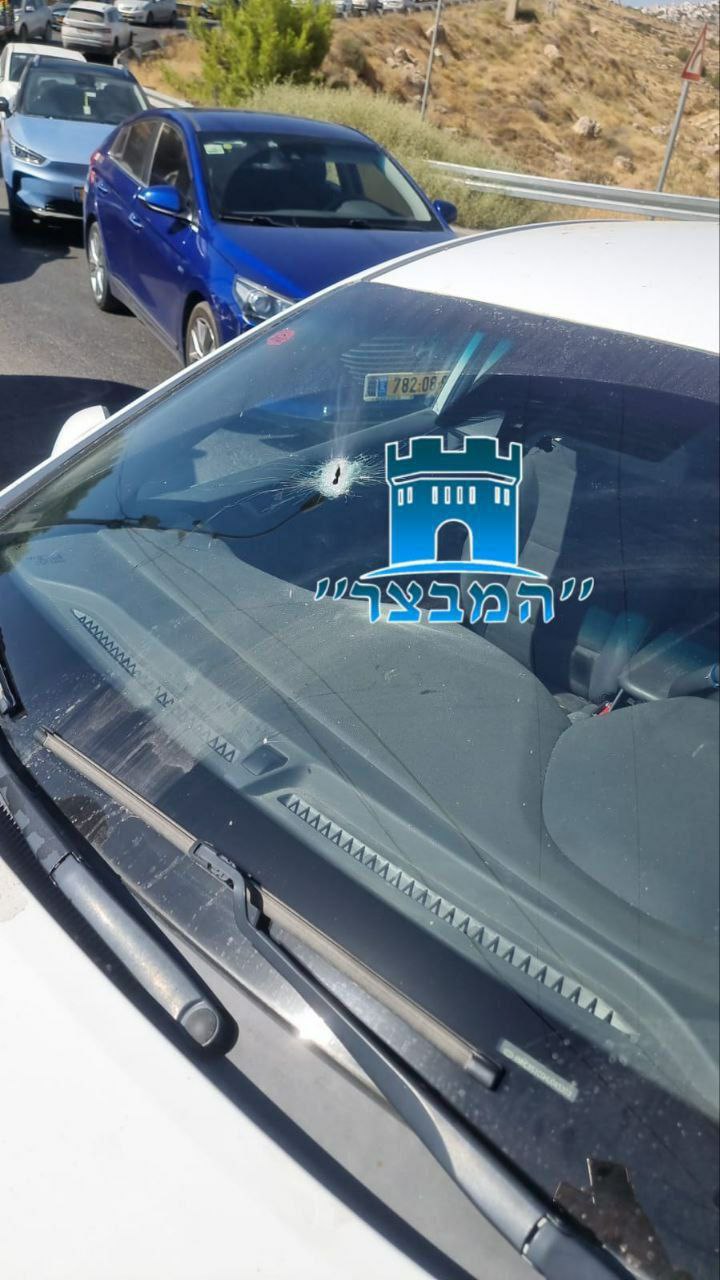
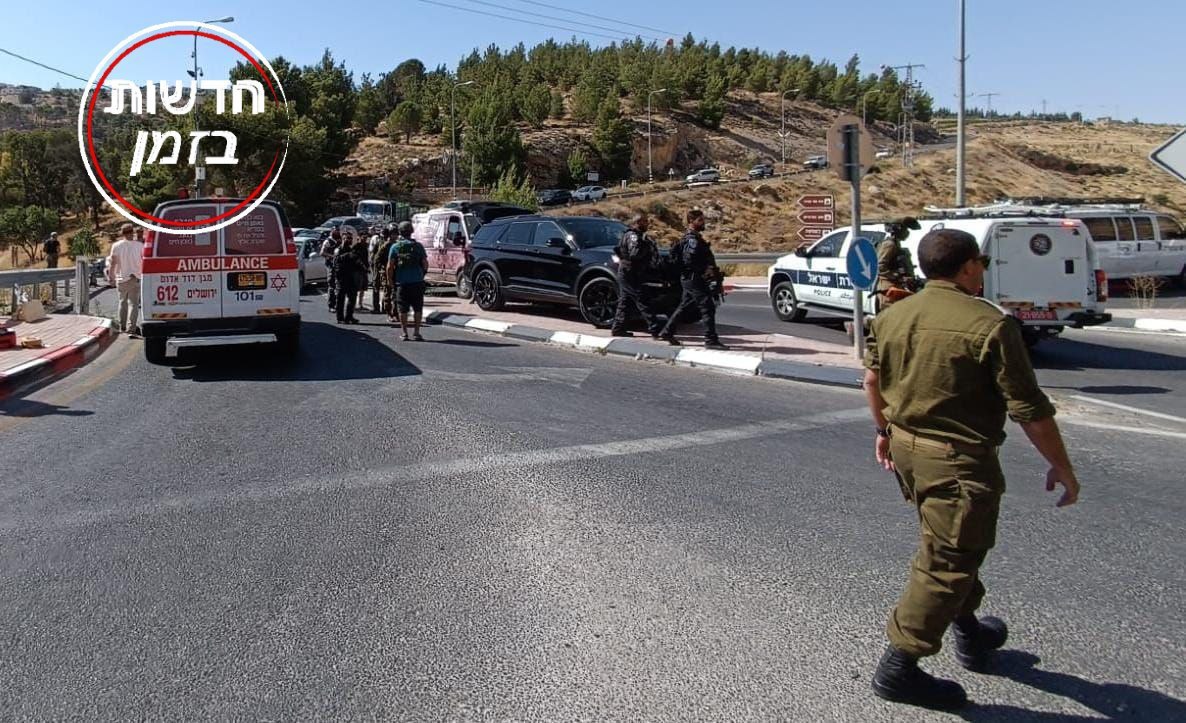
A young Palestinian gunman targeted a group of Israelis at the Tekoa Junction, south of Bethlehem, during which at least three Israelis were injured. It is said that the condition of one of the wounded is very serious and has been transferred to Shaare Zedek hospital in Jerusalem. Israeli sources announced that the operator of the operation left the scene safely.
Kan Hebrew channel reported: The operator of the operation shot at the settlers from a car that was moving at a high speed. The Israeli army announced in a short statement: 3 Israelis were injured in this operation and the army is pursuing the attackers.
In this regard, Hazem Qassem, the spokesman of the Islamic Resistance Movement of Hamas, in response to today’s shooting operation at the Tekoa junction, emphasized: The resistance in the West Bank continues to strike back at the Israeli occupation forces, this time targeting the Zionists in the south West Bank at Tekoa junction near Bethlehem. The resistance in the West Bank against the crimes of the Zionist enemy is expanding every day, and every time the enemy will be surprised by the way and location of the operations.
It is worth mentioning that on July 6, a 19-year-old Palestinian youth named “Ahmad Yasin Hillal Gheithan” targeted a group of Israeli soldiers near the Kedumim settlement. During this action, one Israeli soldier was killed and another was seriously injured.
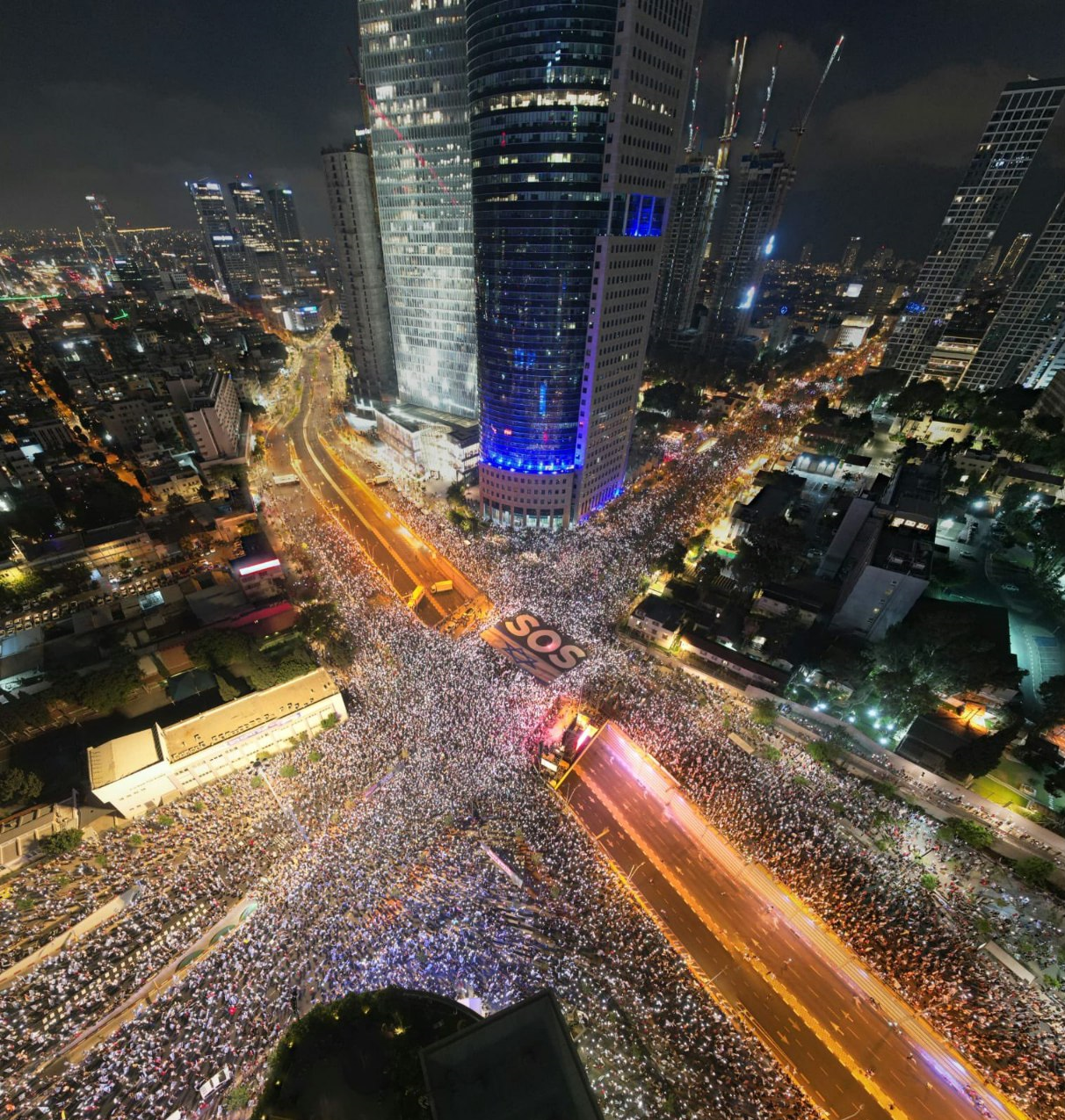
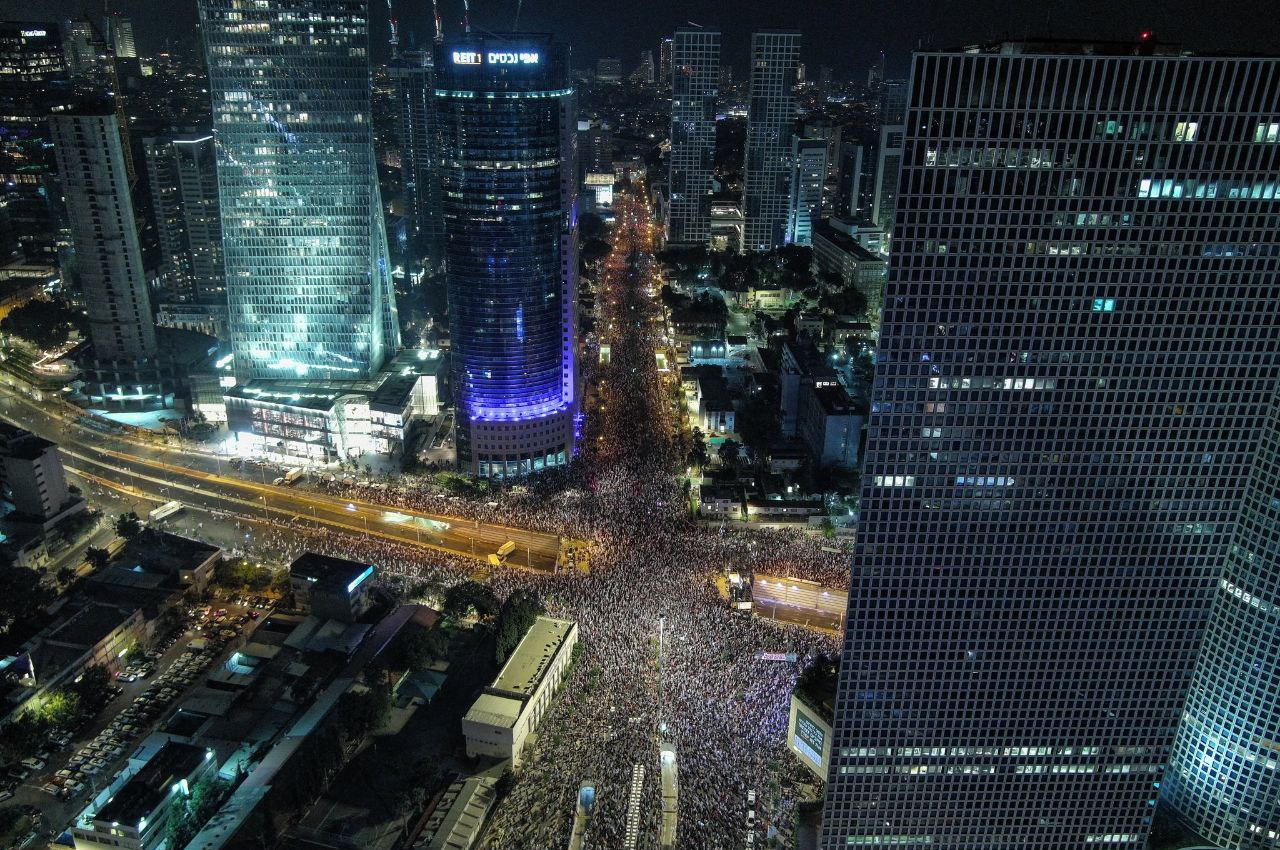
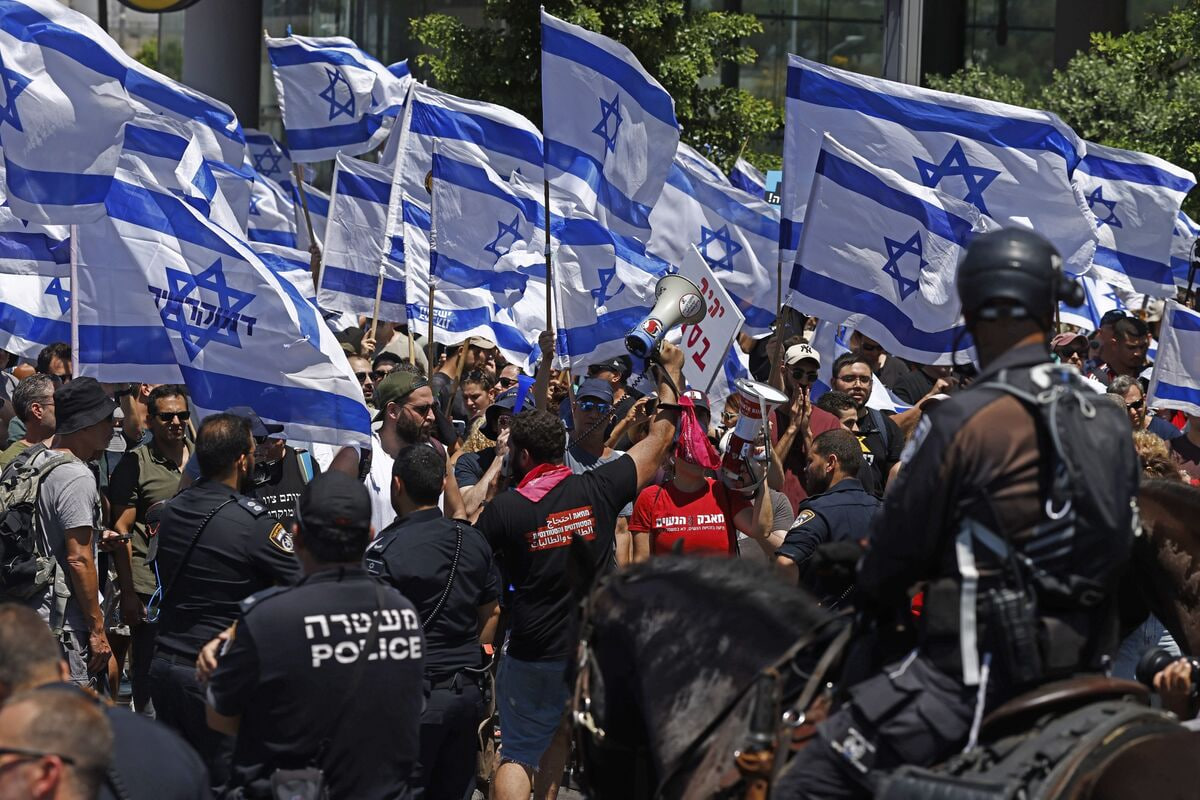
The main demonstration was held on Kaplan Street in Tel Aviv. Also, massive demonstrations were held in the city of Haifa and other areas against the PM Netanyahu.
At the same time as the demonstrations, the Hebrew media announced that more than 100 pilots and reserve soldiers of the Zionist regime’s air force refused to join the air units in protest of the judicial reform plan that Benjamin Netanyahu’s cabinet is seeking to implement. Previously, a number of other Israeli military forces had also announced that they were not join in the various units of the Israeli army.
It is worth mentioning that on March 27, the Prime Minister of the Israeli regime announced the halt of his controversial plan regarding the judicial reform plan, however, Israeli demonstrations in various cities of occupied Palestine continue to protest against the judicial reform plan and some decisions and actions of Benjamin Netanyahu. This demonstration has now entered the 28th consecutive week.
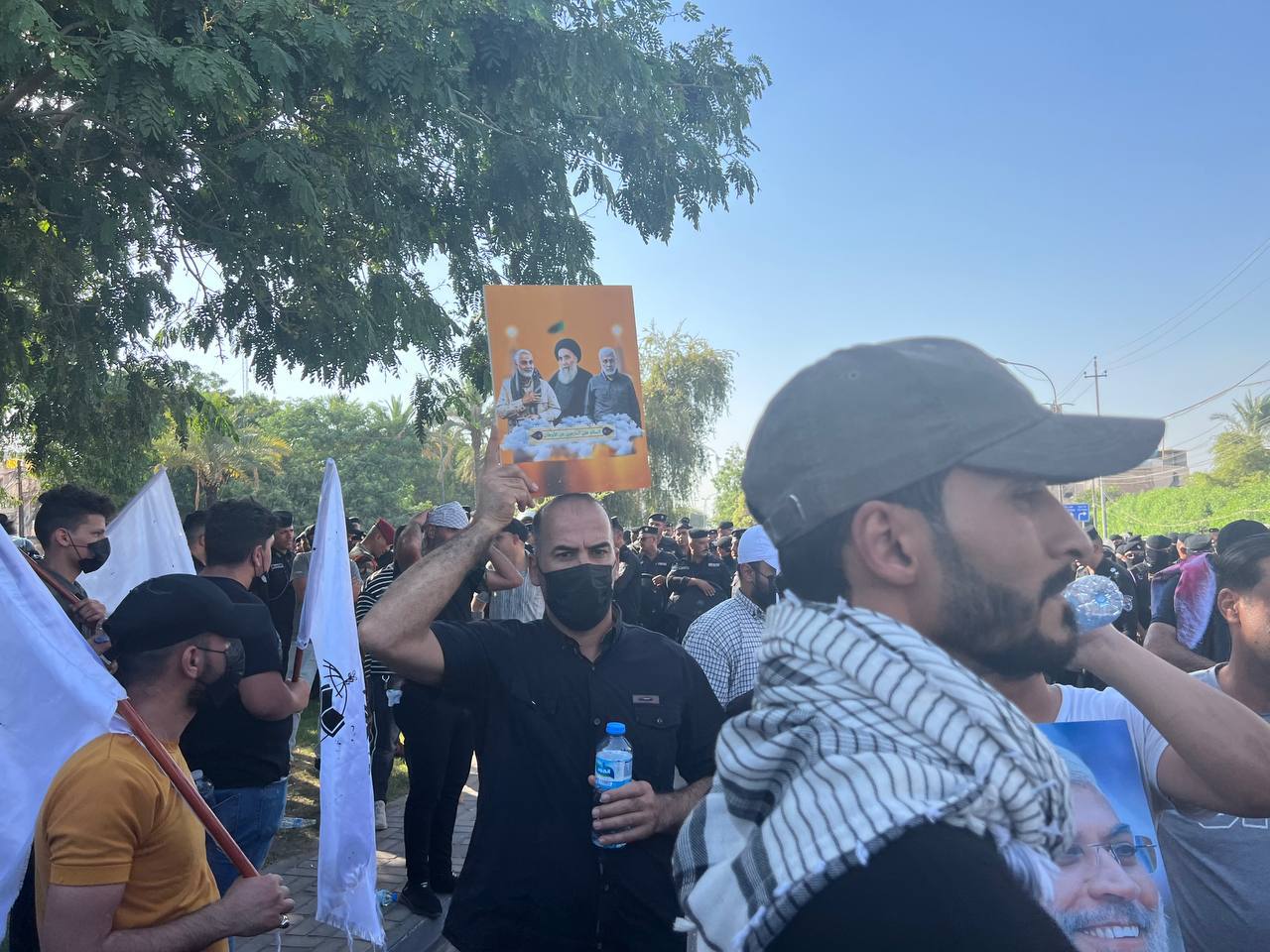
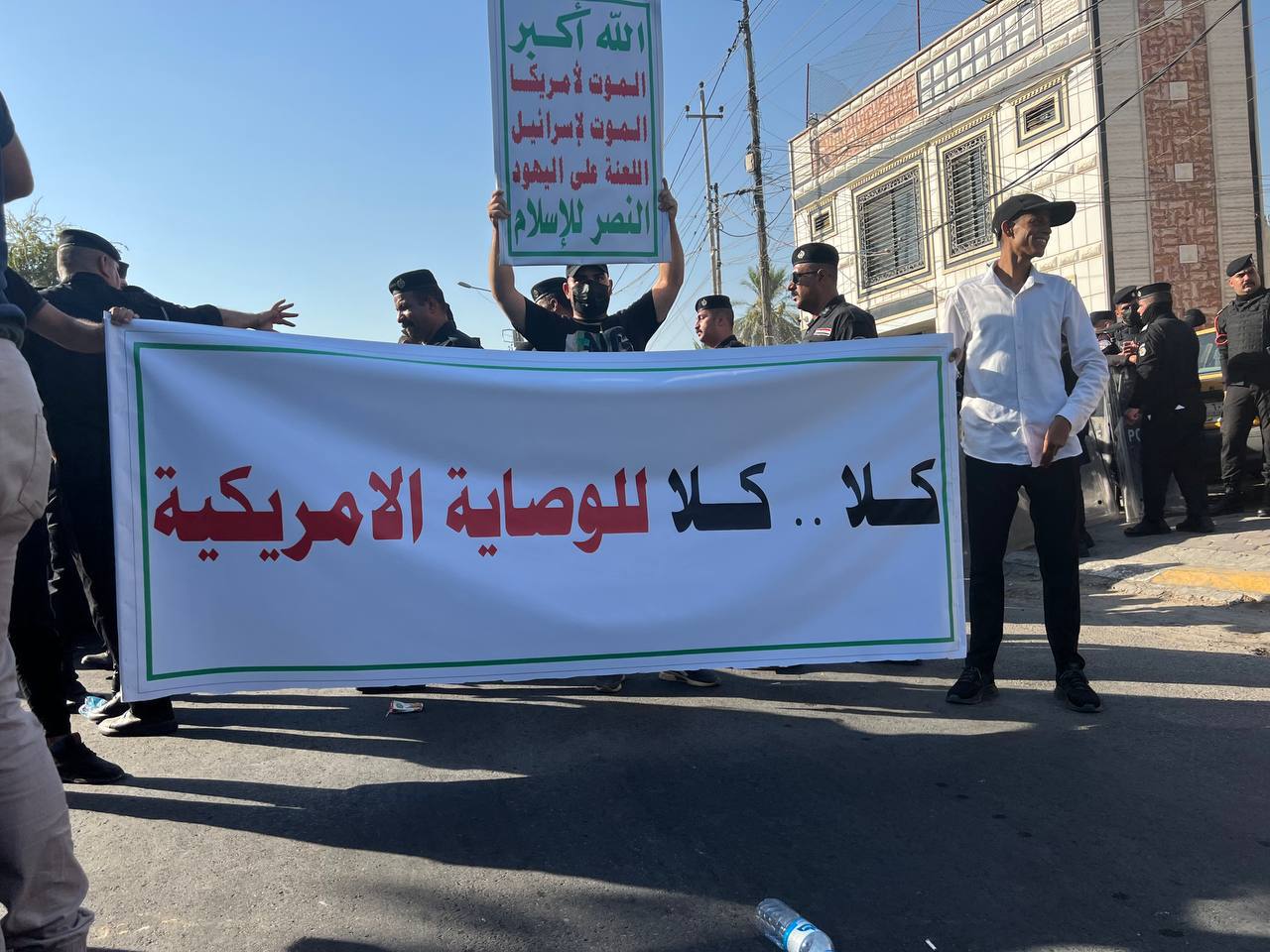
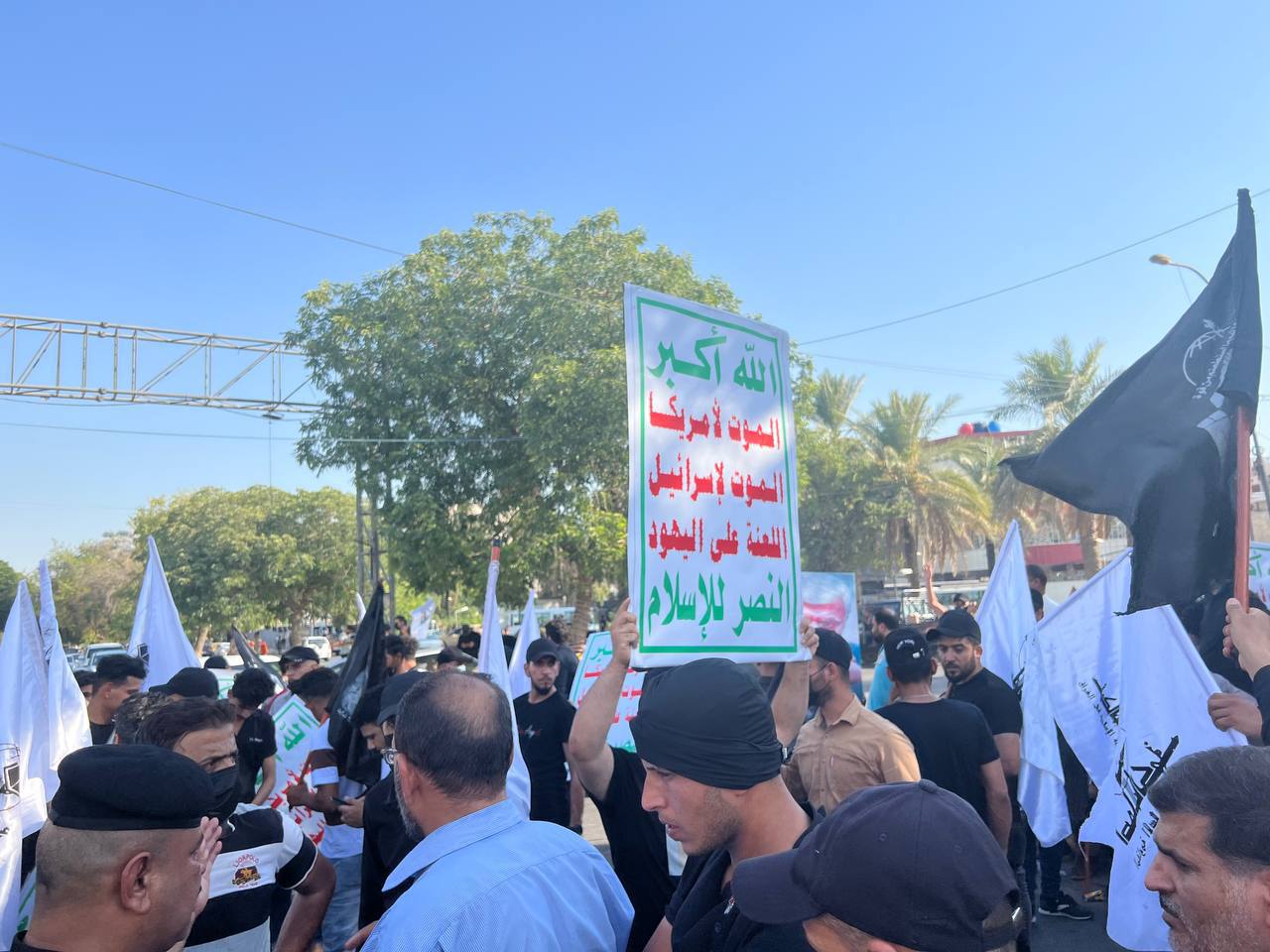
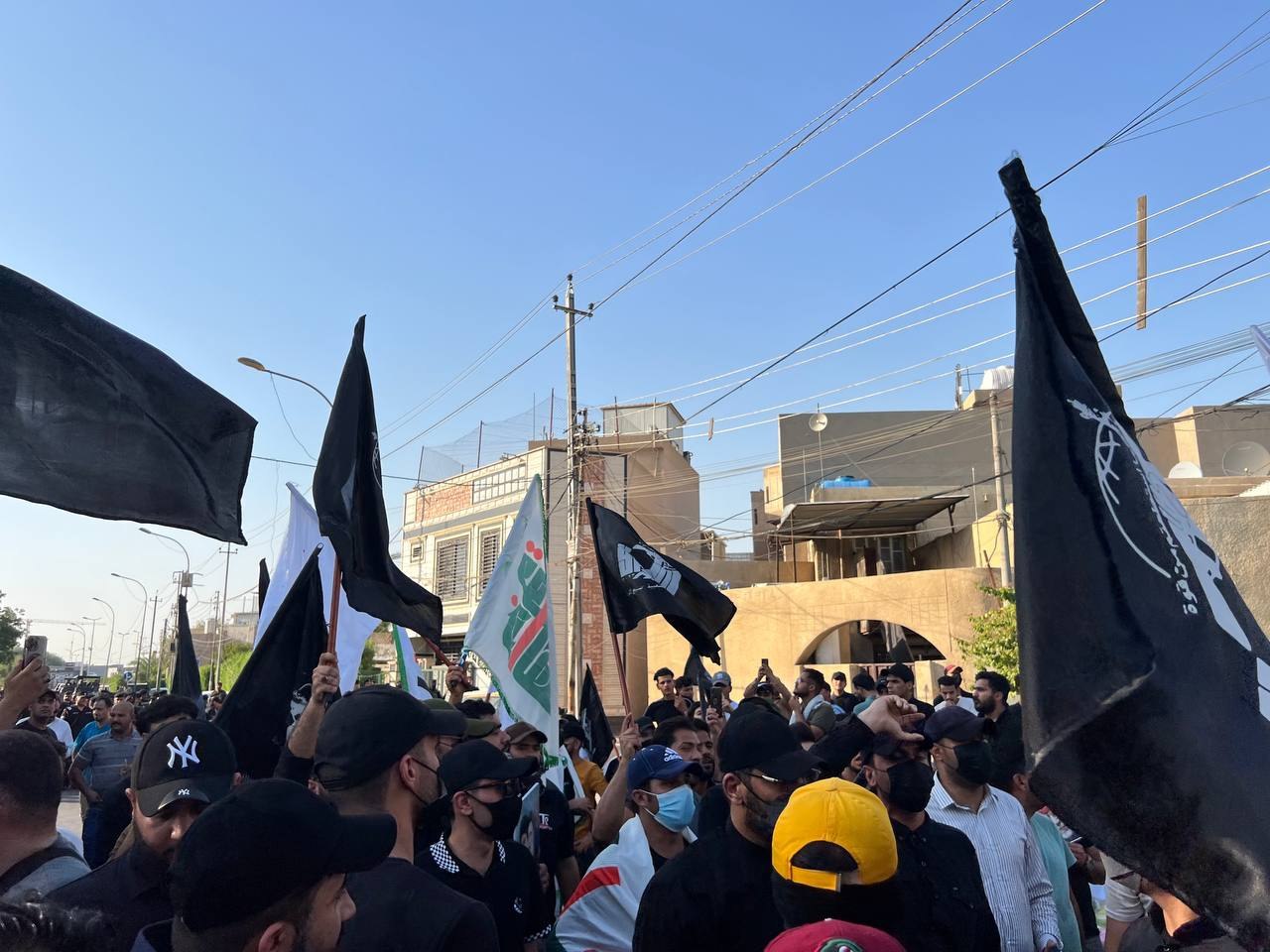
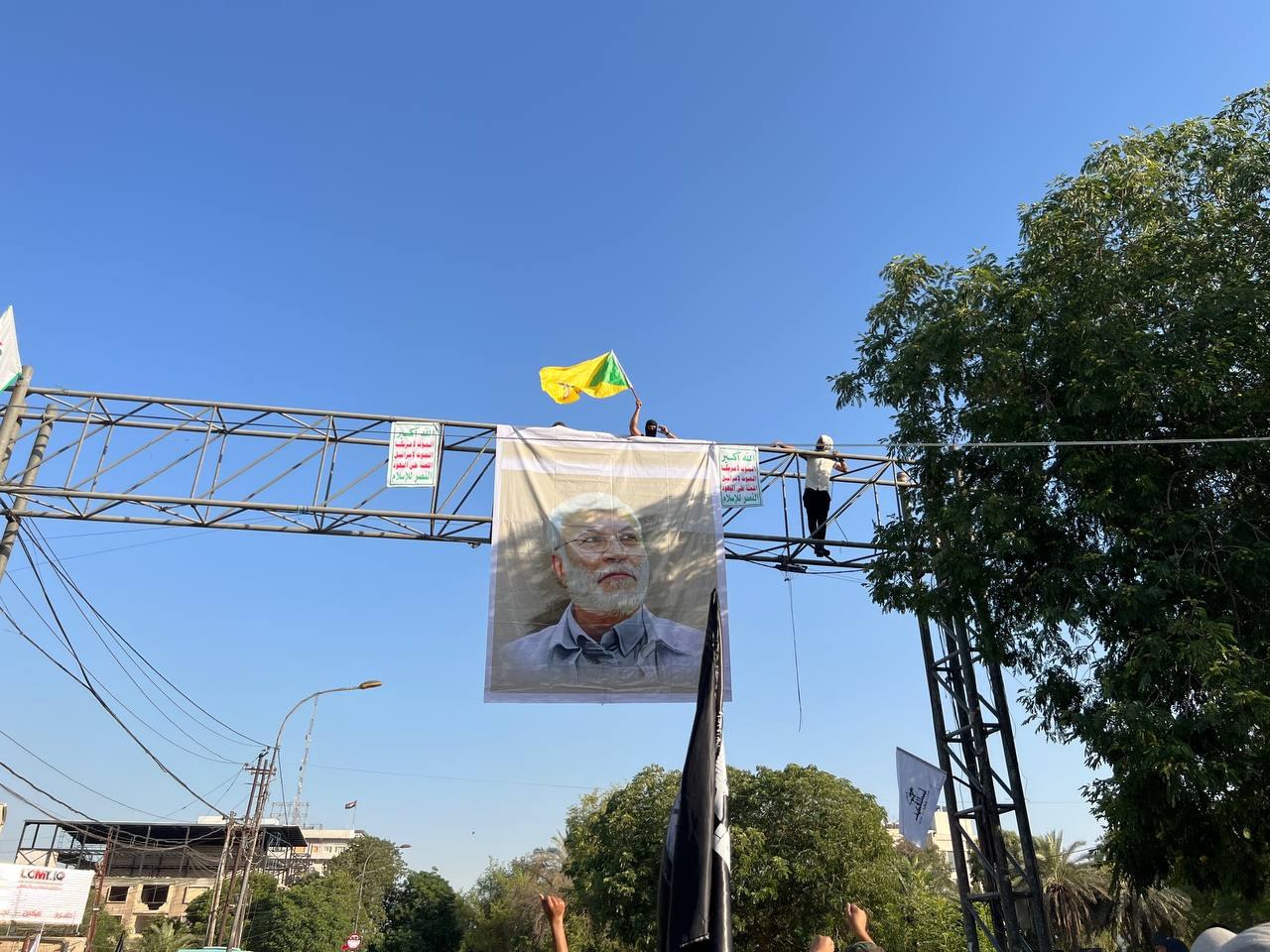
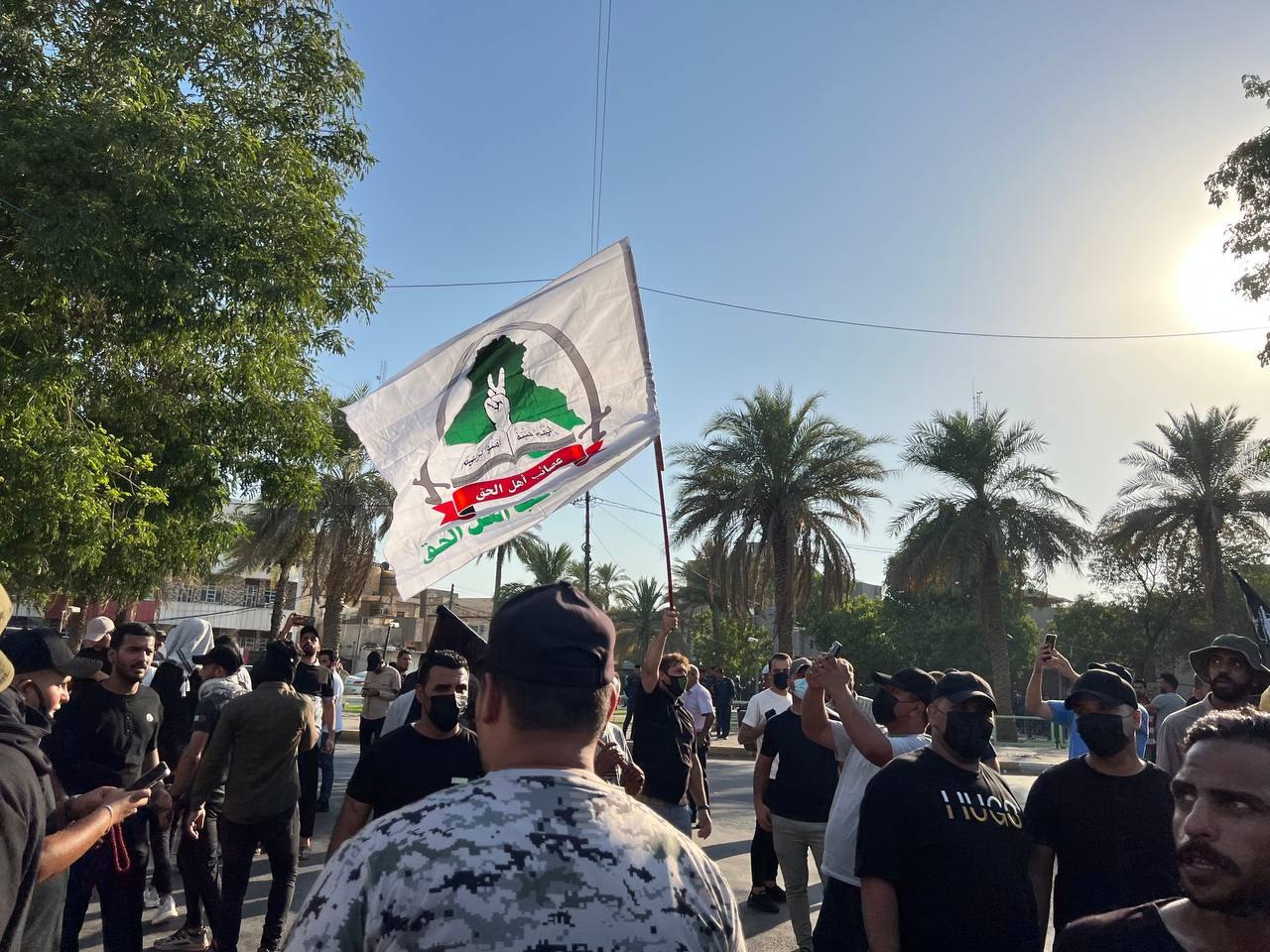
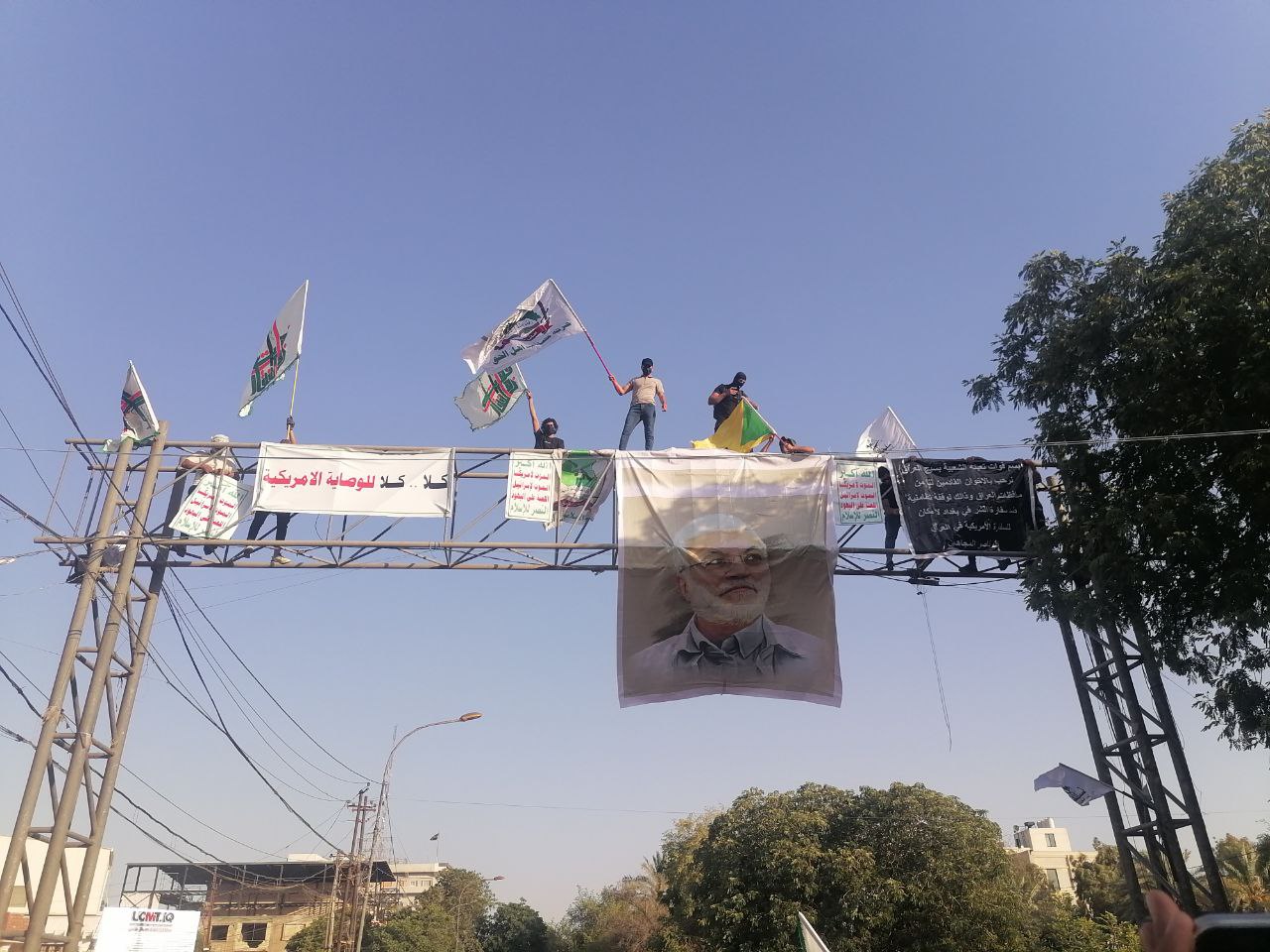
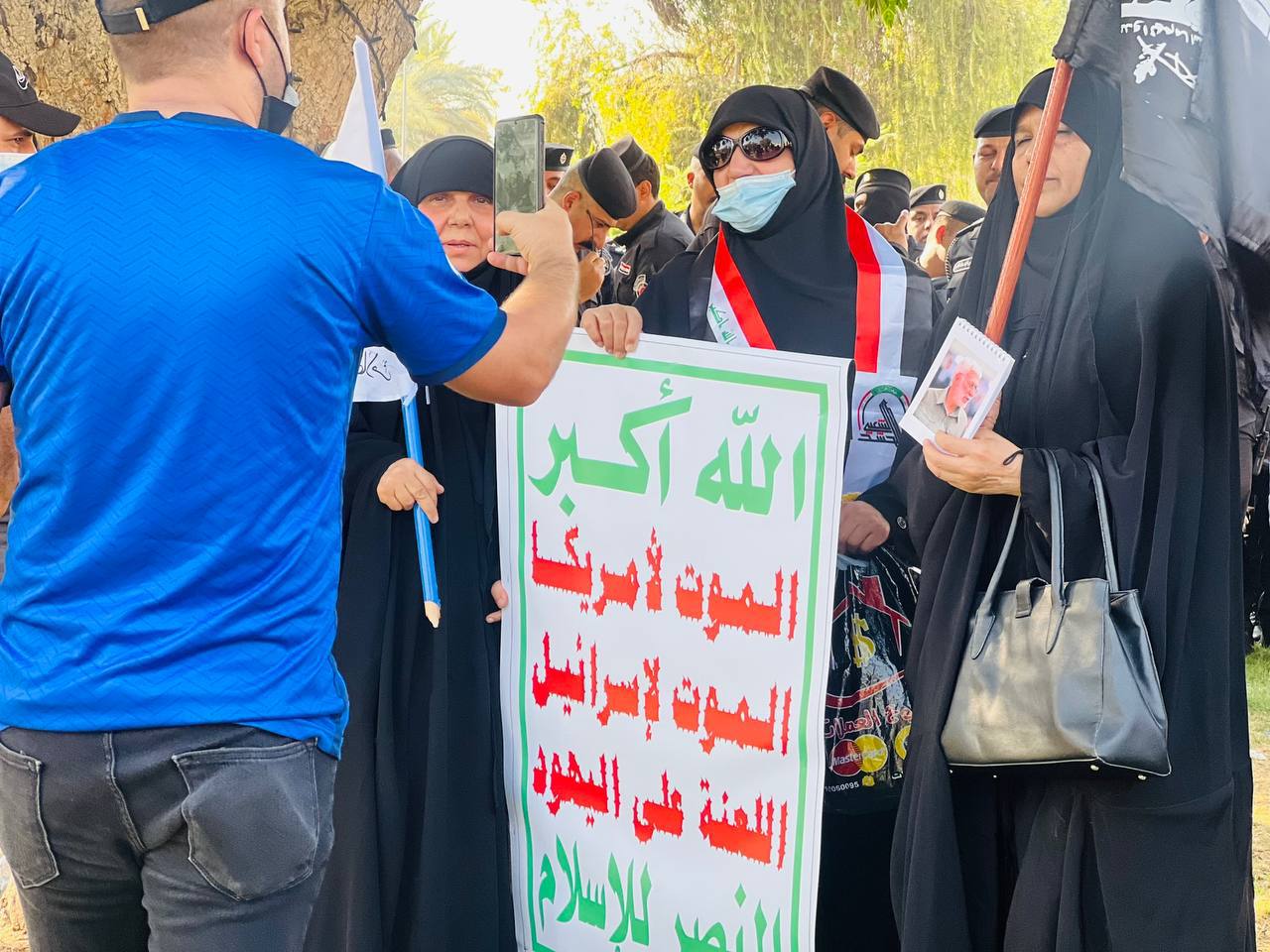
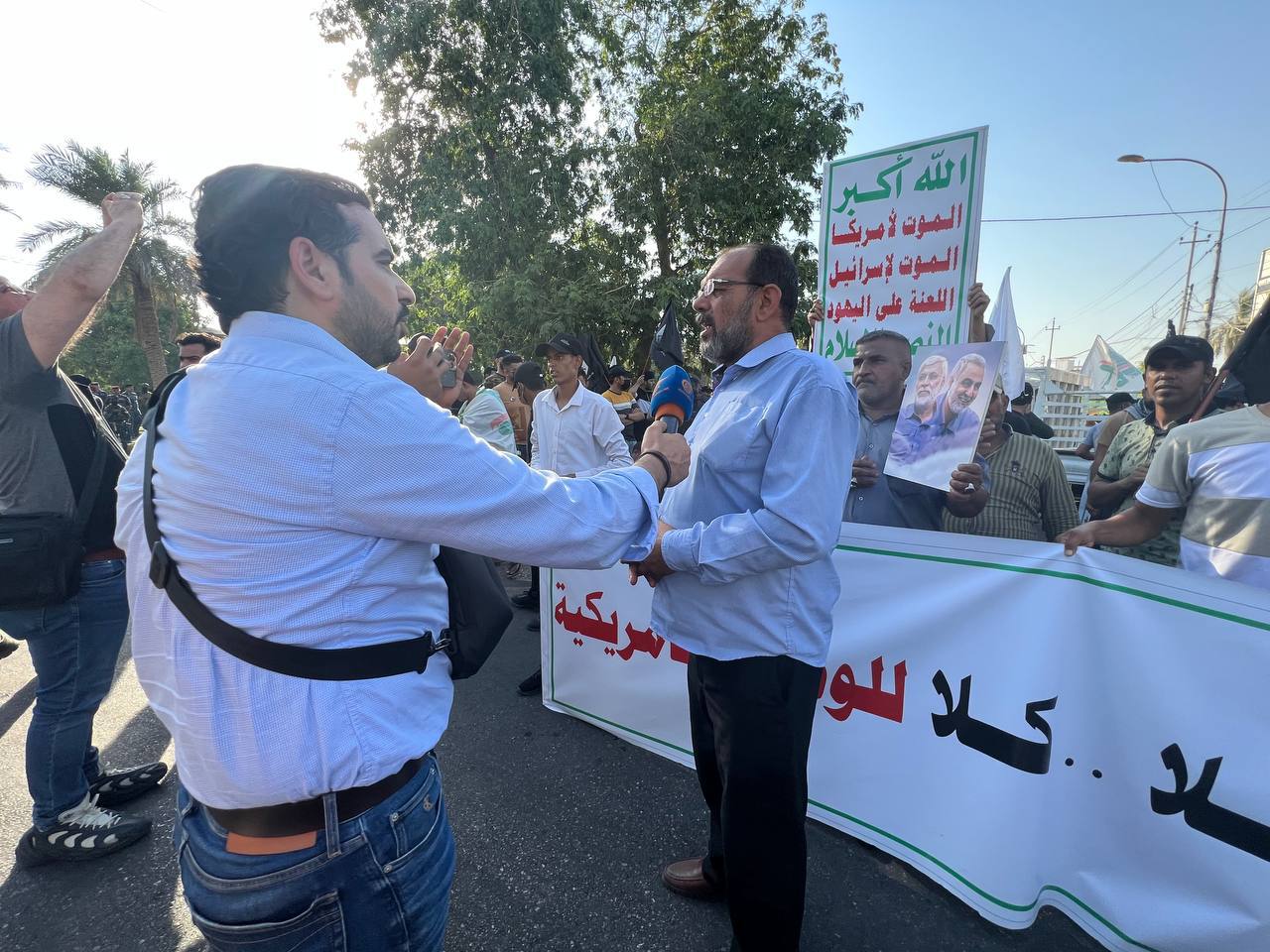
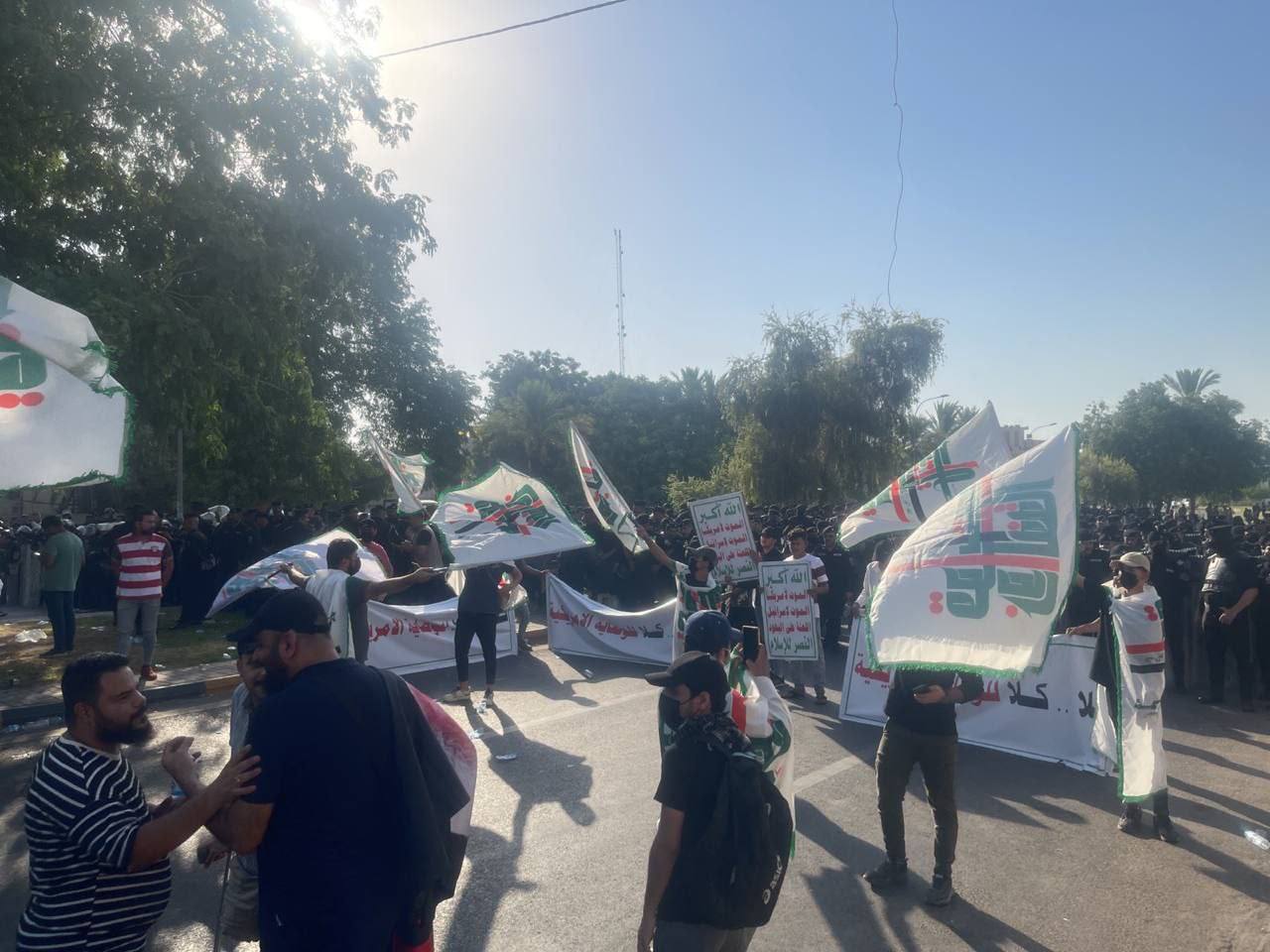
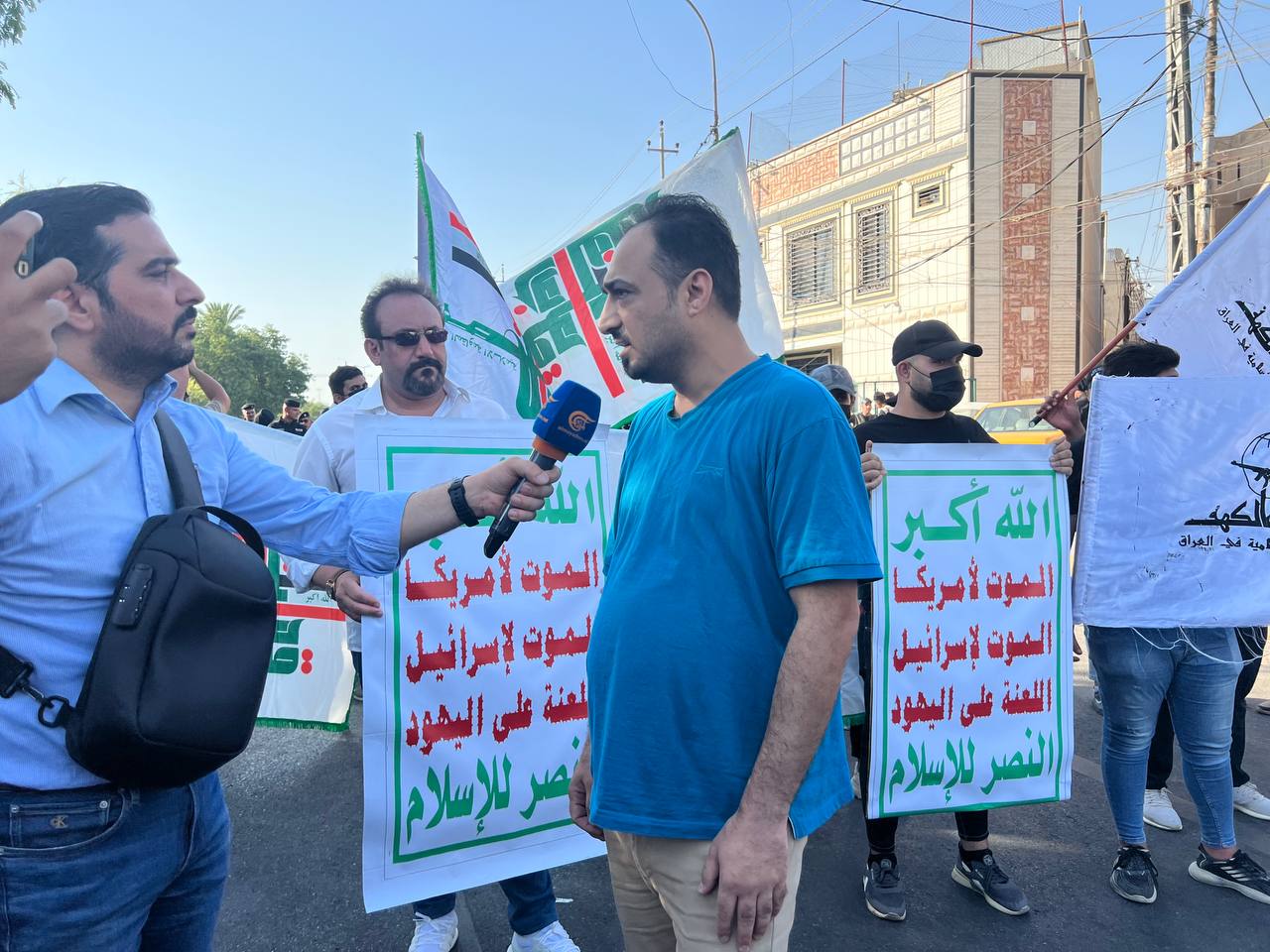
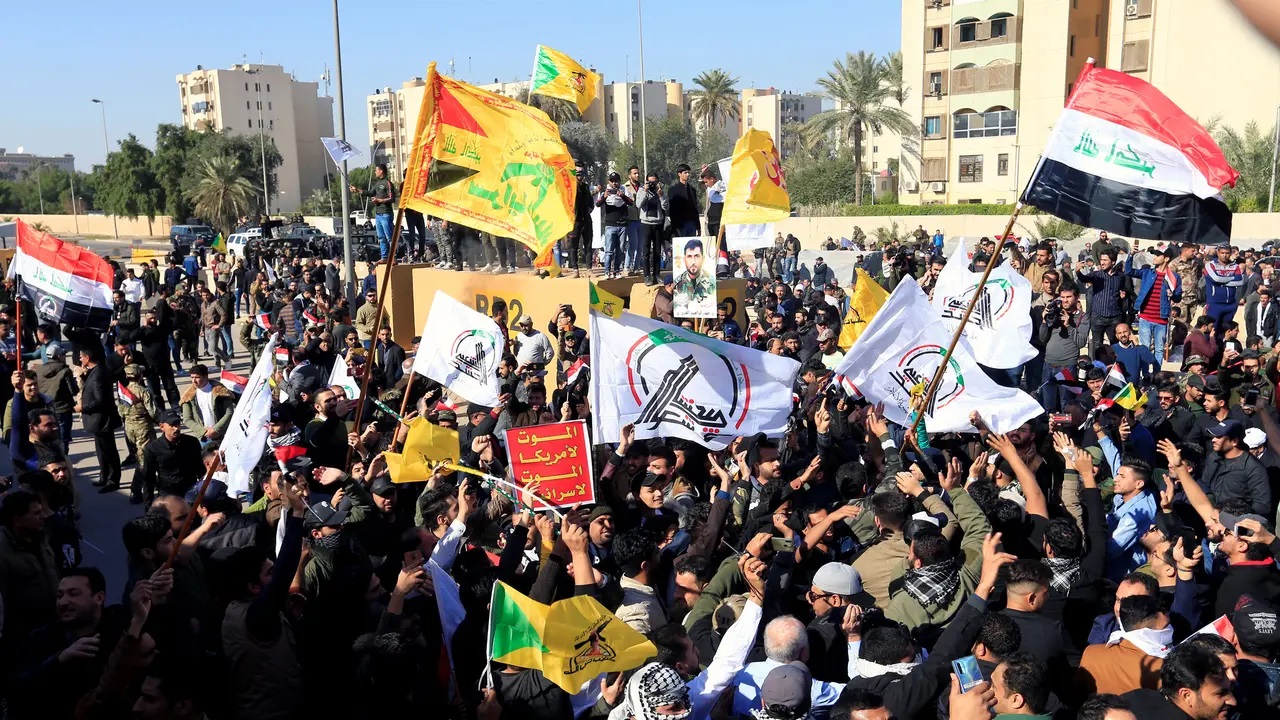
ISWNews Analysis Group: On July 14, people from different districts of Iraq gathered in Baghdad to protest against the United States’ interference in the country’s internal affairs as well as in Baghdad’s relationship with its neighboring countries.
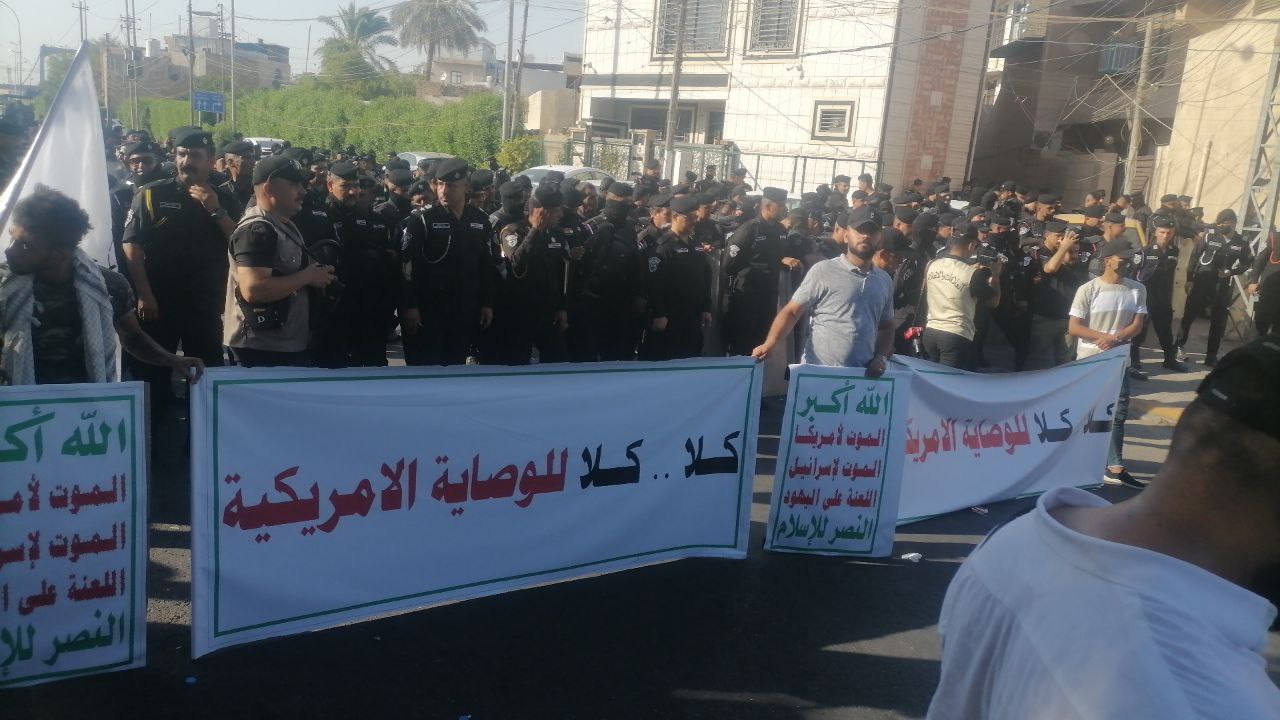
Close to the time of holding protest rally near the US embassy in Baghdad, Iraqi security forces were stationed near the suspension bridge in the capital city’s Green Zone.
It is said that around three thousand security forces were stationed around that area to prevent the possible entry of protesters into the Green Zone.
After the start of the demonstrations, dozens of Iraqi youths chanted slogans such as God is great and the US is the Great Satan, No to the US and No to Israel to show their resentment against the US and Israel in protest against US interference in Iraq’s internal affairs as well as the presence of Zionist regime’s elements in the Arab country.
The presence of Iraqi people in anti-American demonstrations near the Green Zone of Baghdad.
Iraqi protesters emphasized their determination to dismantle the US embassy and expel its ambassador, who interferes in most of Iraq’s internal affairs.
Hassan Salem and Saud Al-Saadi, both representatives of the Iraqi parliament, also attended the anti-US demonstrations near Baghdad’s Green Zone on Saturday
It is worth mentioning that the Shia resistance group named As’hab al-Kahf issue a statement earlier on July 12 in order to invite the Iraqi people to hold demonstrations in front of the US embassy in Baghdad.
ISWNews Analysis Group: On July 12, the Shia resistance group As’hab al-Kahf issued a statement, addressing the Iraqi people by saying that the fighters of Islamic resistance groups are your brothers and children, who have not and will not participate in any of the enemy’s projects against the holy religion of Islam.
The statement also reads that we, the children of Islam and Shia sect, invite you to protest against the enemy of Islam and the Satan’s den, which is called the US embassy.
We emphasize that our protests are to defend the rights of Iraq and its people, and that they are not related to any political factions or groups, it added.
According to the announcement of the Shia resistance group of As’hab al-Kahf, this protest rally will be held in front of the US embassy in Baghdad on Friday.
ISWNews Analysis Group: On July 13, the Ministry of National Defense admitted that three of its soldiers were killed during the “Claw-Lock” operation in northern regions of the neighboring Arab country of Iraq.
As a result of the new casualties, the number of death toll of the Turkish army in the “Claw-Lock” operation, which began at dawn on April 18, 2022, by order of Turkish Minister of Defense Hulusi Akar against the Kurdistan Workers’ Party (PKK) militants in northern Iraq, increased to 77 dead.
On June 12, the Ministry of National Defense declared that two of its soldiers were killed during the “Claw-Lock” operation in northern Iraq as well.
ISWNews Analysis Group: On July 10, the Israeli Knesset approved the main clause of a controversial “Judicial Reforms” bill, known as “reasonableness standard,” which will reduce the authorities and competencies of the Israeli regime’s Supreme Court.
Some 64 members of the Knesset voted in favor of the clause and 56 others opposed it.
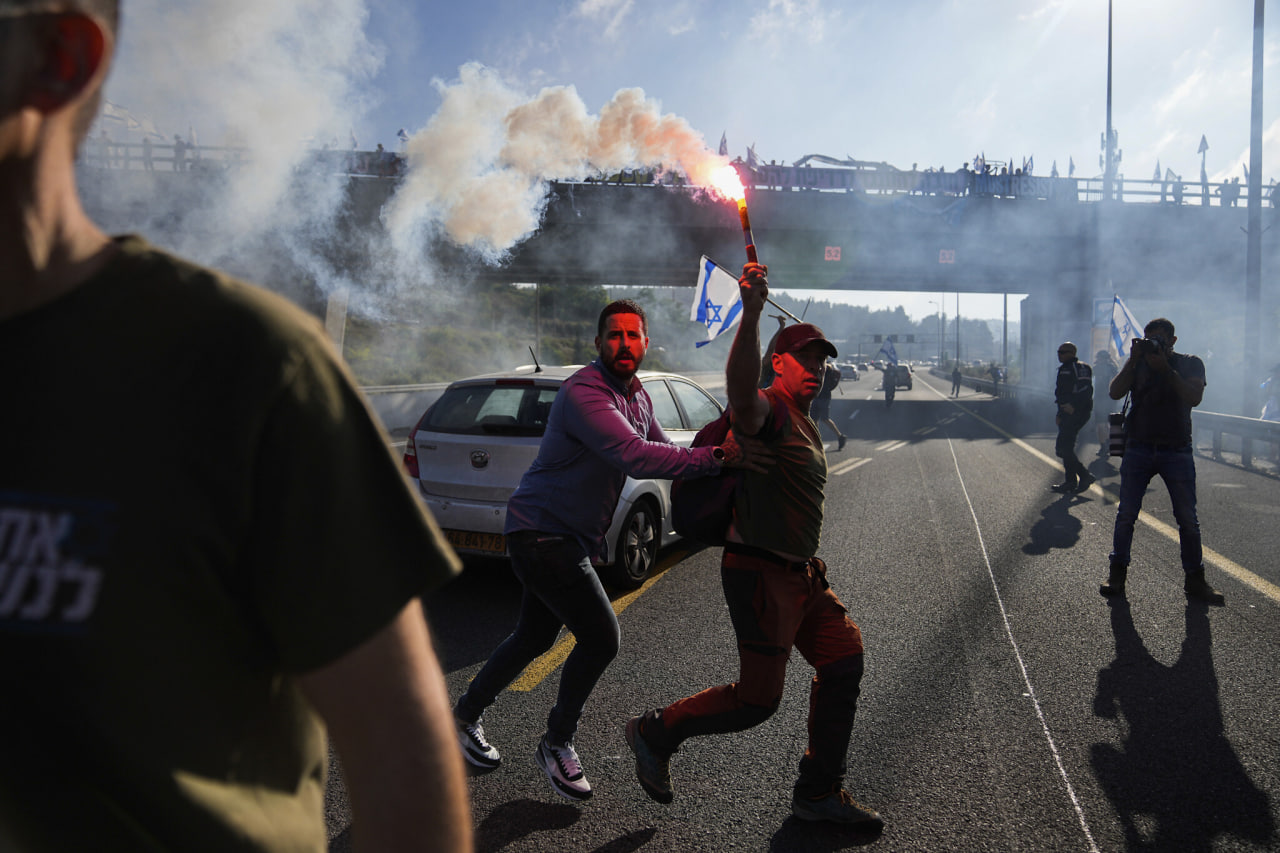
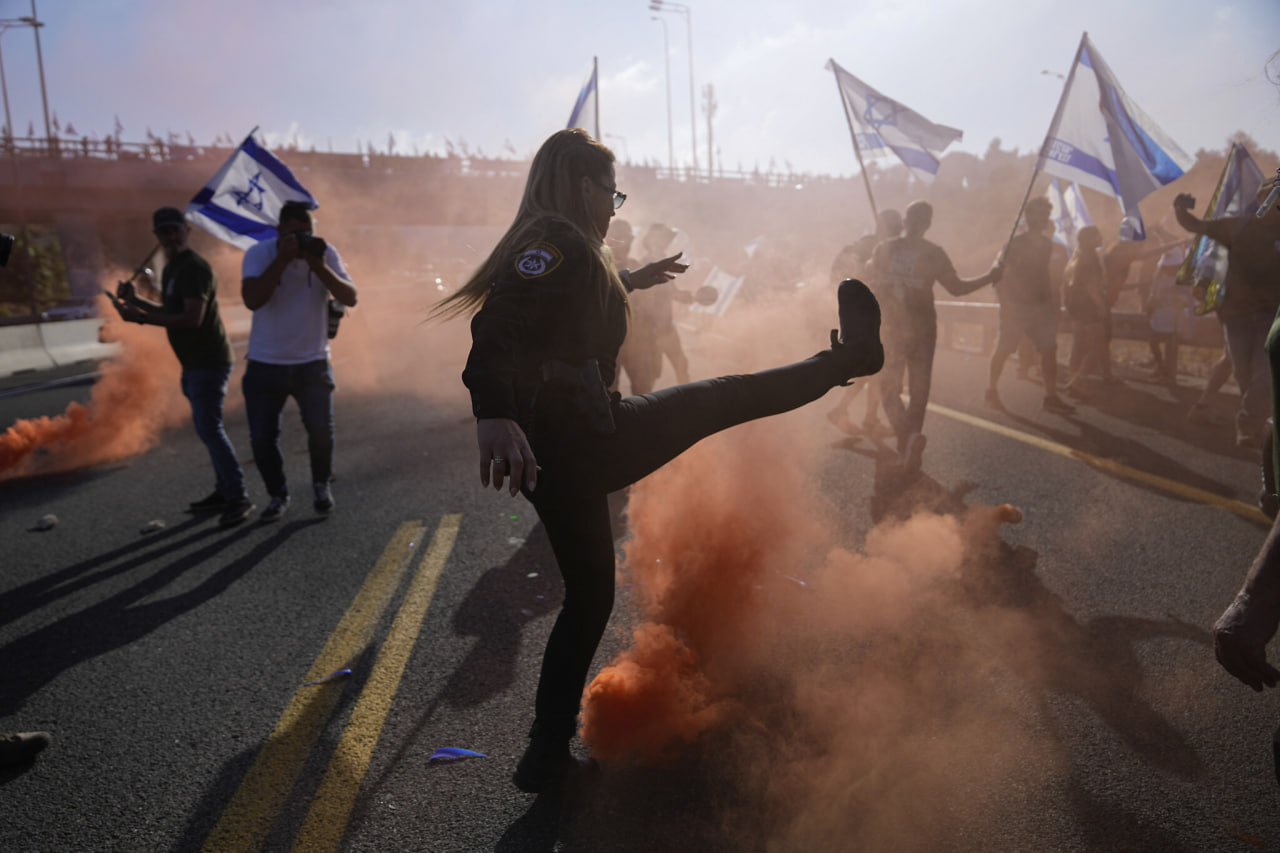
After the adoption of the clause, nationwide protests kicked off in the occupied territories of Palestine and numerous demonstrators took to the streets, blocked main roads and set fire to car tires, demanding a halt to the adoption of the so-called judicial reform bill, which was proposed by Israeli Prime Minister Benjamin Netanyahu.
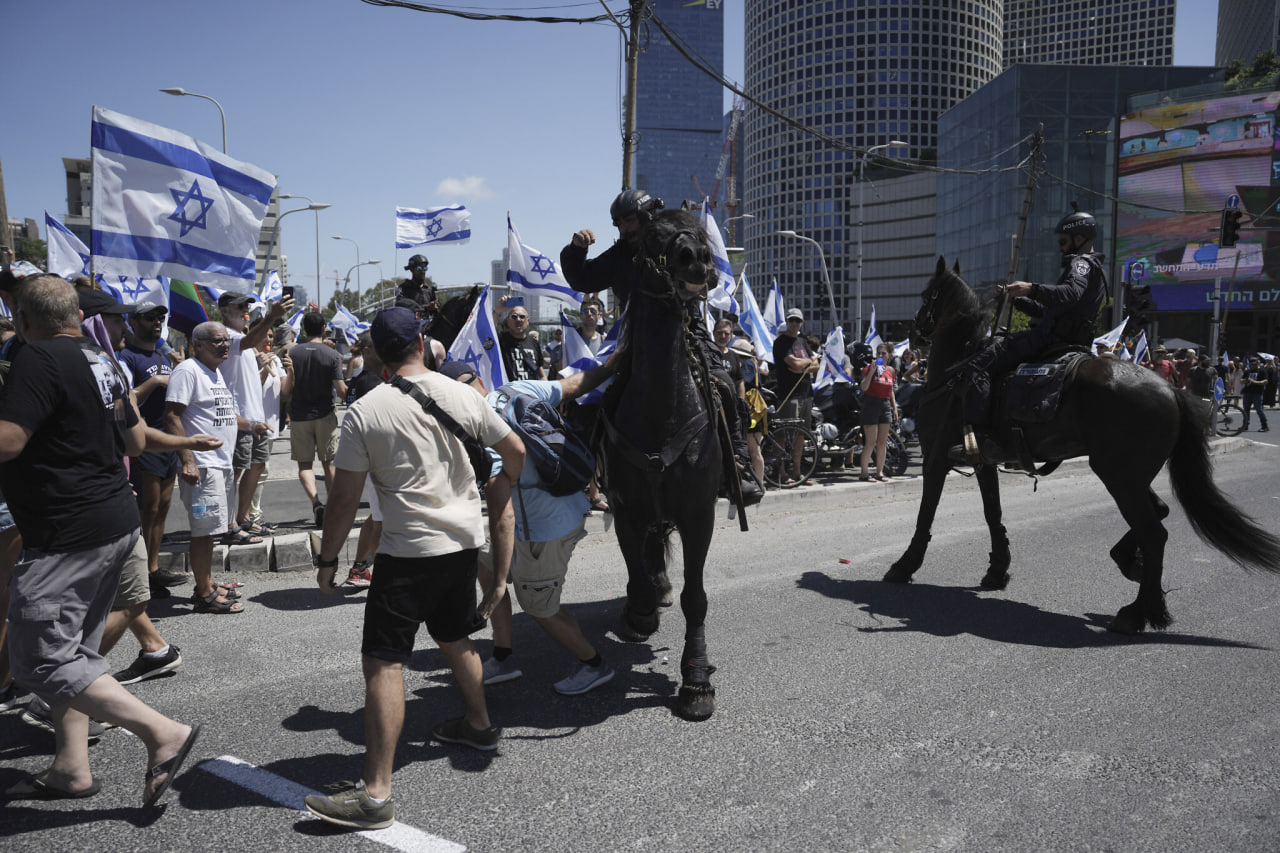
Other Israeli protesters also gathered in front of the building of the Israeli regime’s Supreme Court and several other areas Tuesday morning, and minutes after the beginning of the protest rallies, the angry protesters clashed with Israeli police forces.
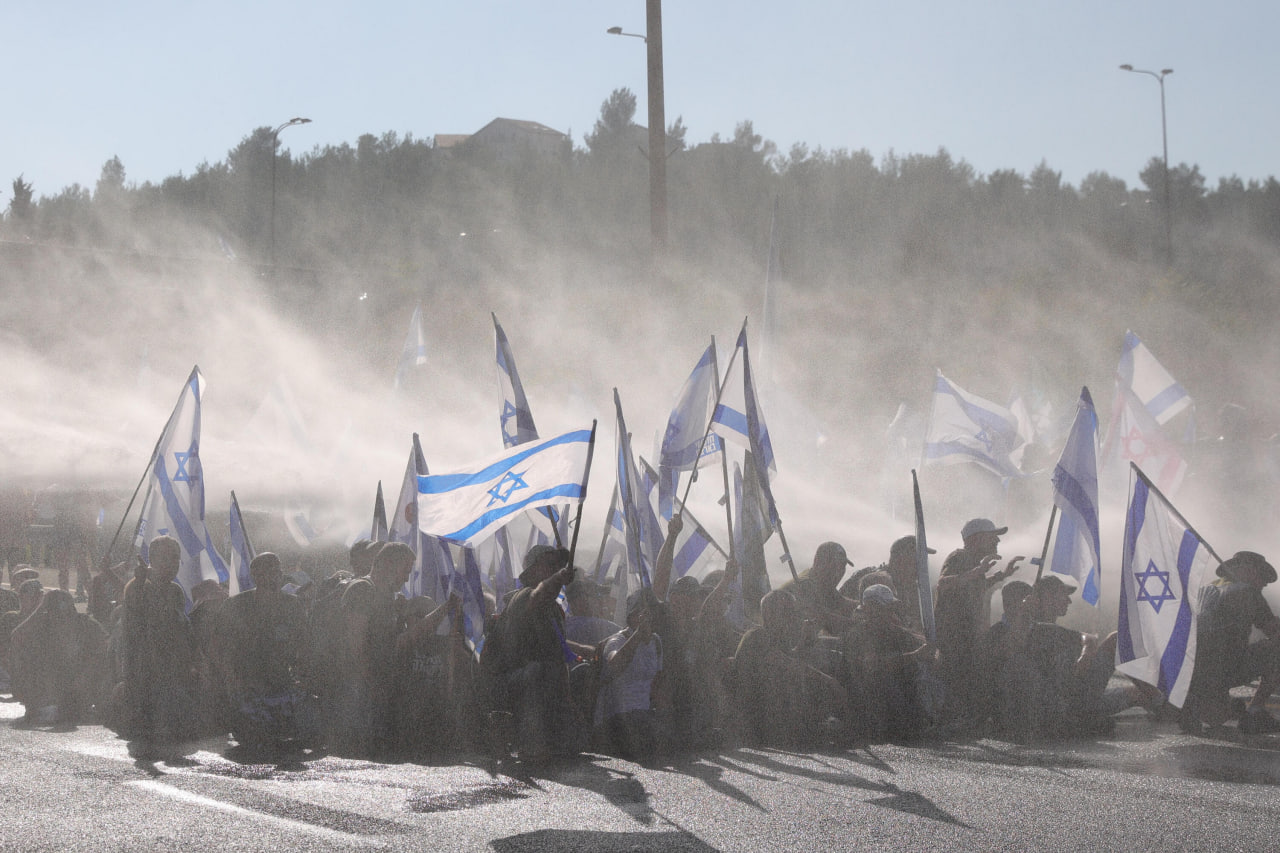
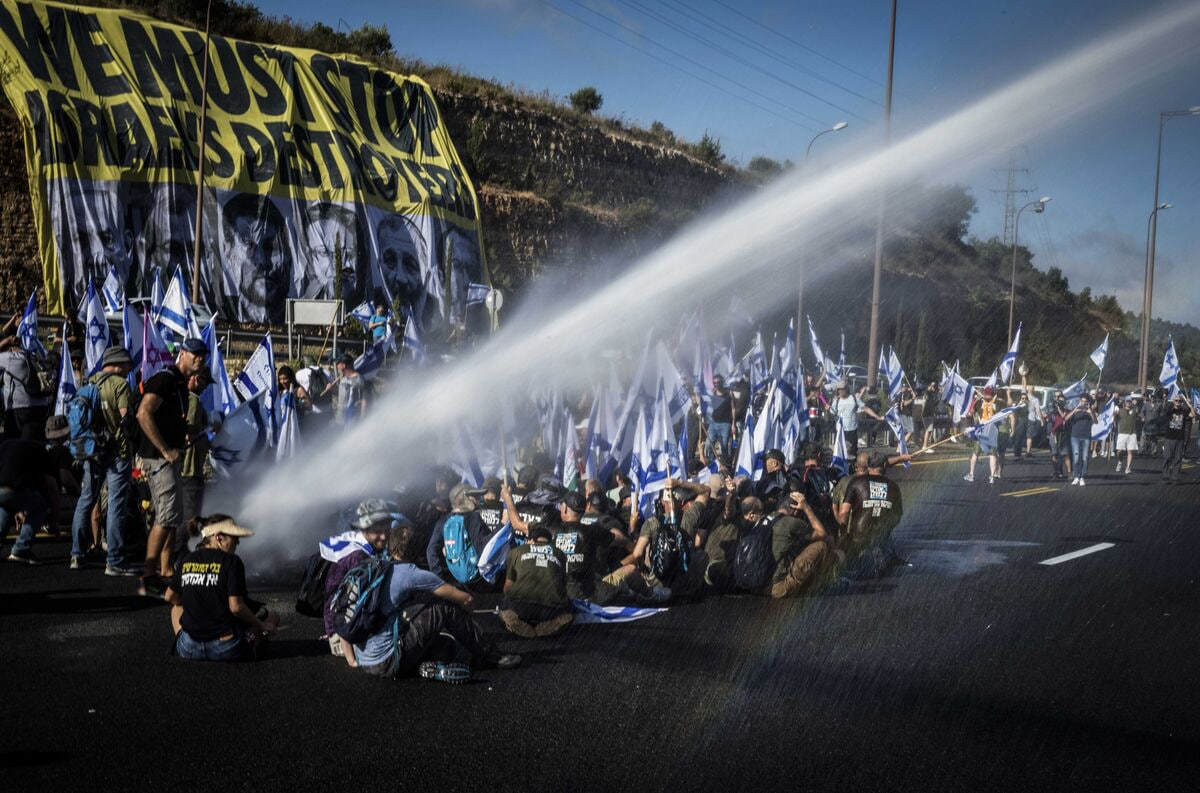
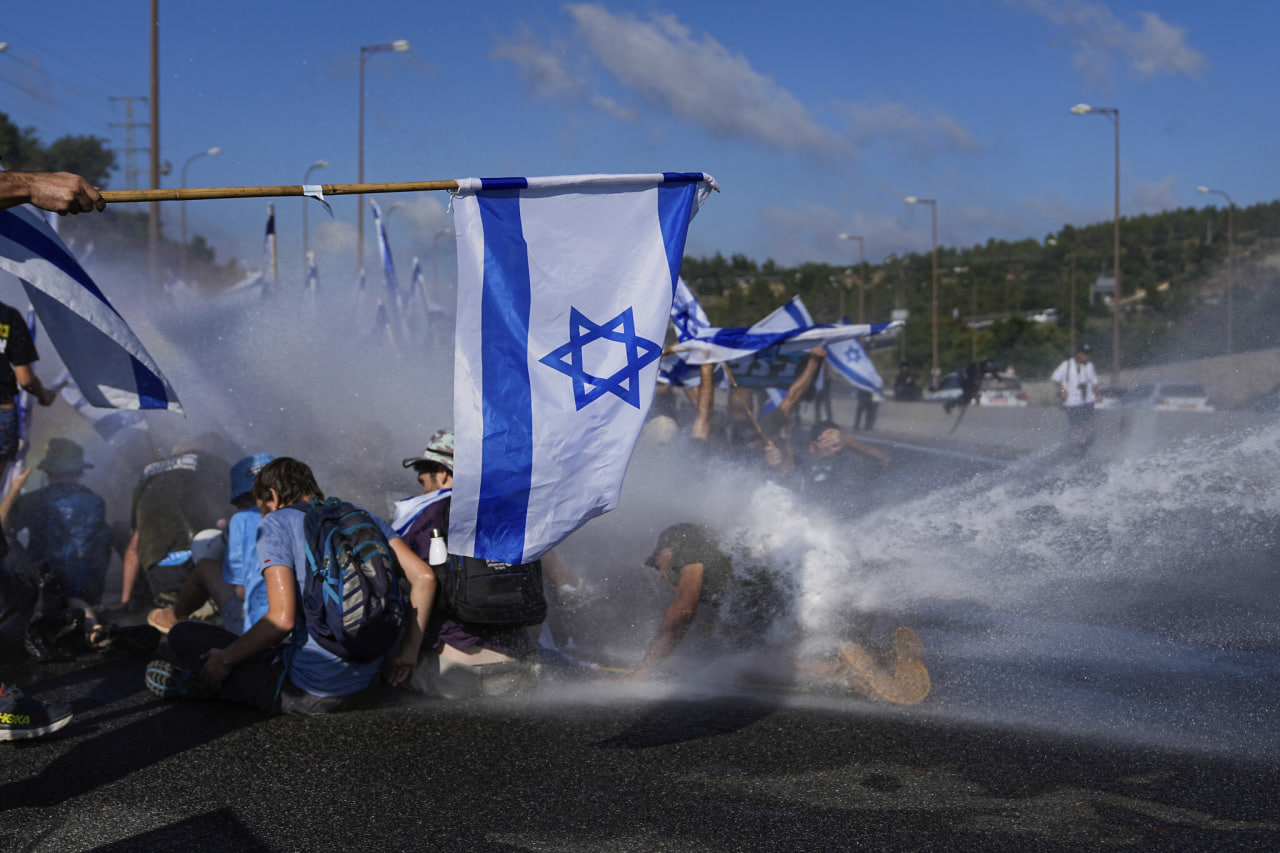
Pictures of Israeli regime police clashing with protesters
According to Hebrew-language sources, police forces arrested at least 88 protesters across the Palestinian occupied lands over their protest against the controversial judicial reform bill from Tuesday morning.
The Israeli regime’s police forces are trying to control protest rallies using water cannons and tear gas. The Hebrew-language news site Walla also reported that protests against the judicial coup will be held tonight at the Ben Gurion International Airport, in front of Isaac Herzog’s house, head of the Israeli regime, as well as the US embassy in Tel Aviv.
After the release of the news story, the Israeli regime’s police stationed many of their forces at the Ben Gurion Airport to prevent closure of the airport by protesters against the Netanyah government’s judicial coup.
It is worth mentioning that various cities in the occupied territories of Palestine witnessed the largest protest rallies in recent weeks, which have been in protest against the so-called judicial reforms and some decisions and actions by Prime Minister Benjamin Netanyahu.
Protesters are of the opinion that the controversial judicial reforms proposed by the Israeli regime’s new government will deal a devastating blow to the independence of the regime’s judicial system, but the prime minister and supporters of the controversial bill claim that the judiciary has too much power, and that it interferes with the executive branch.
Haaretz photographer Rami Shlush was arrested by police during a protest in Haifa.Israeli police clash with demonstrators against the judicial reform plan in Tel AvivA video of Israelis protesting against Netanyahu’s judicial reform planVideo of of Israeli regime police clashing with protesters
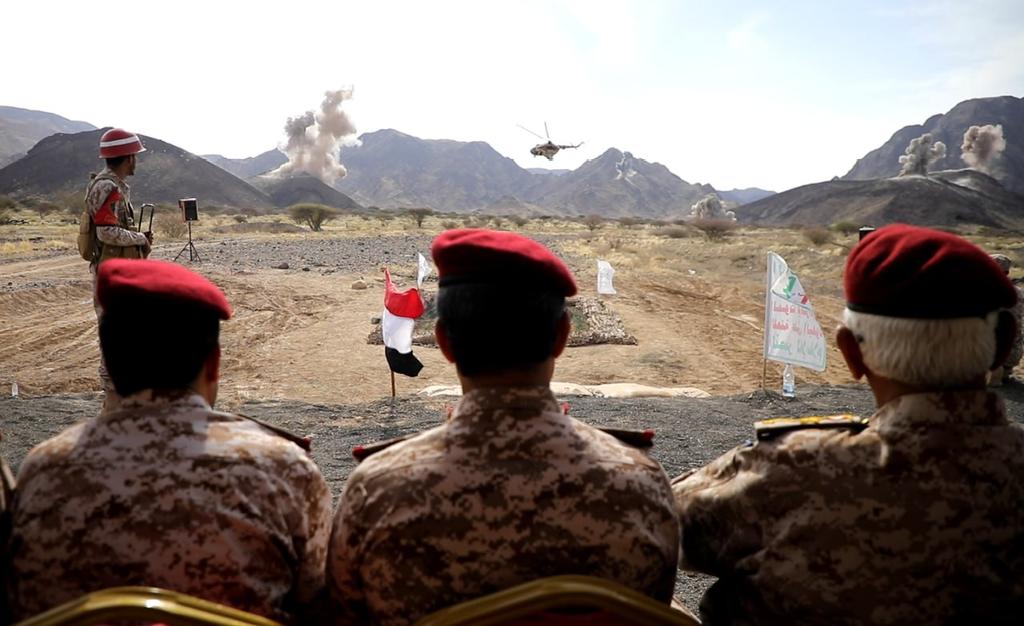
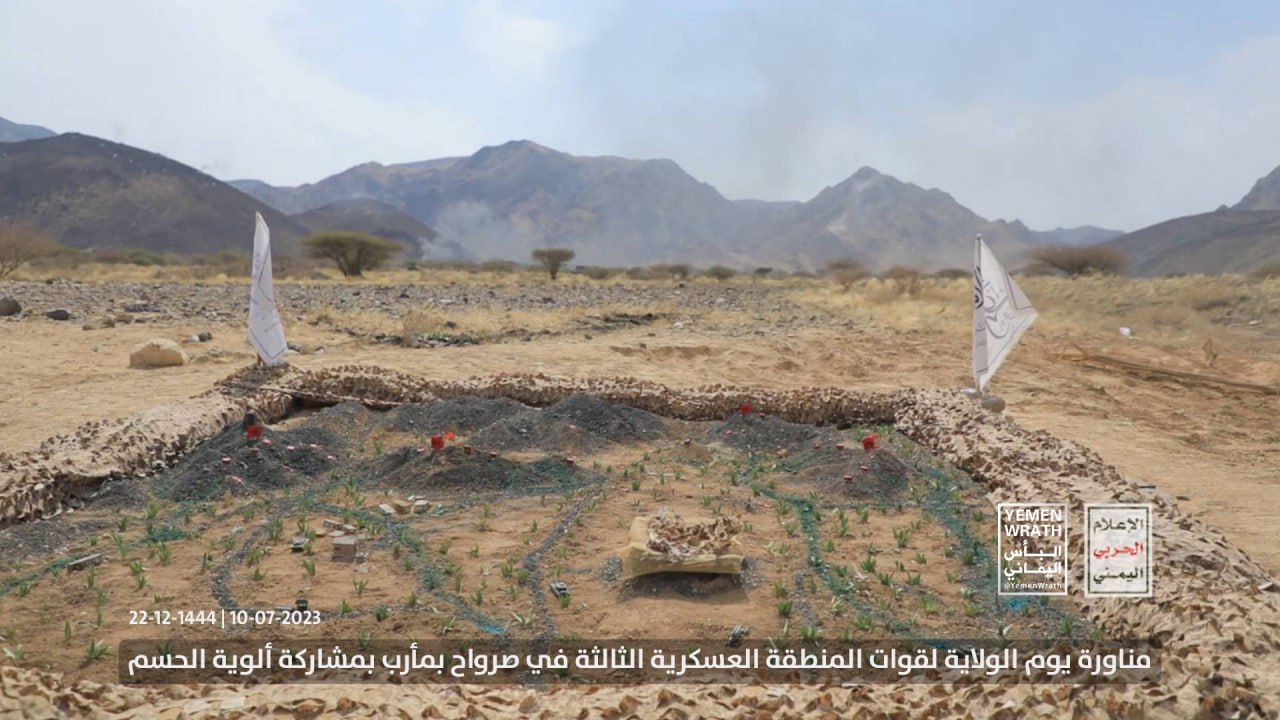
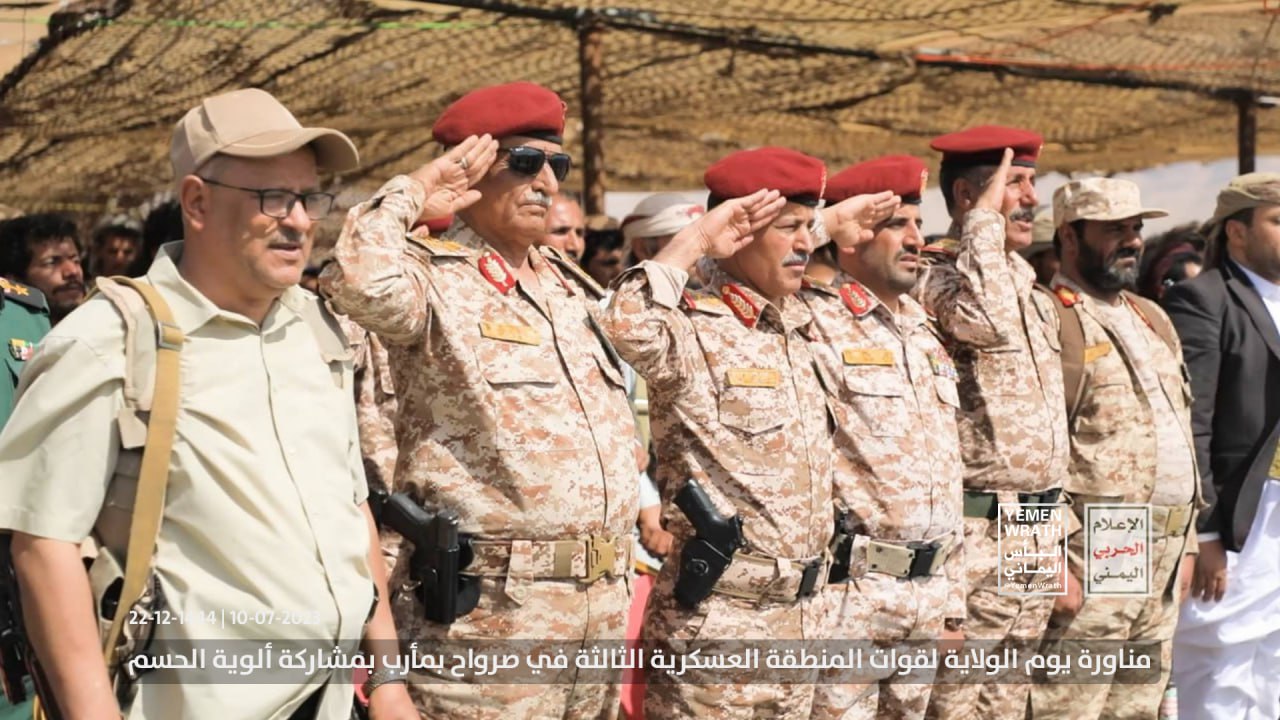
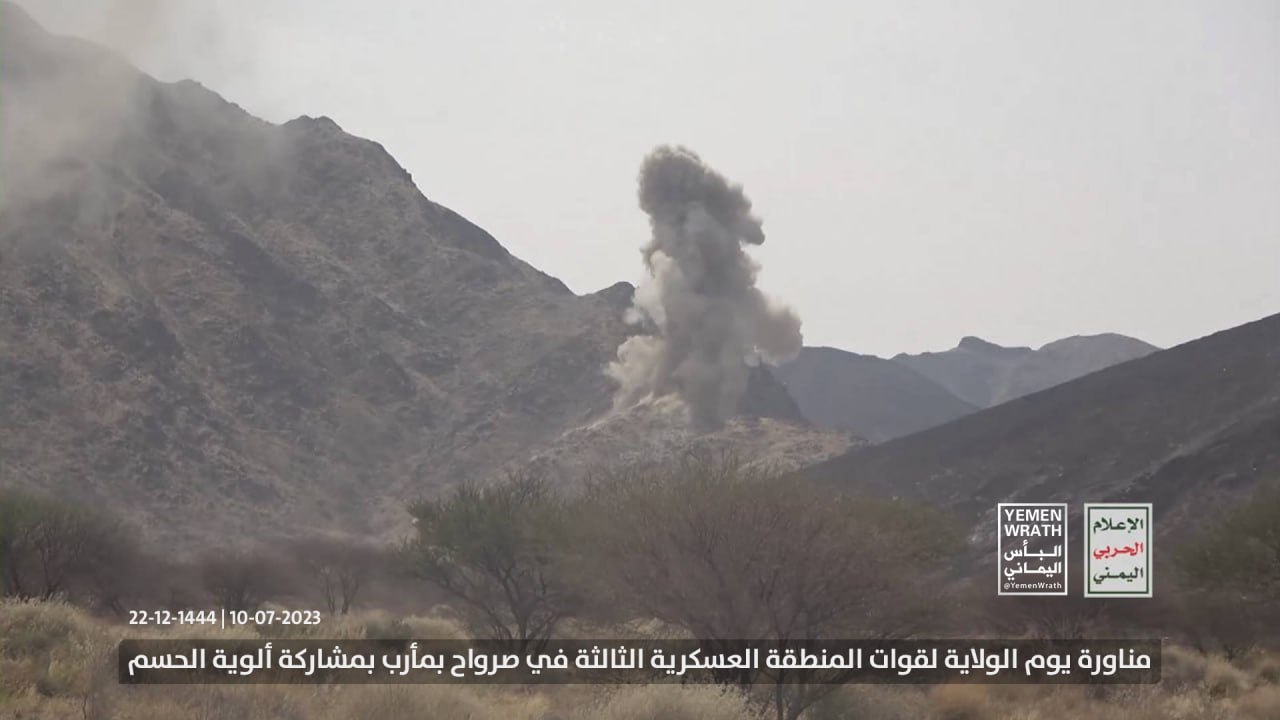
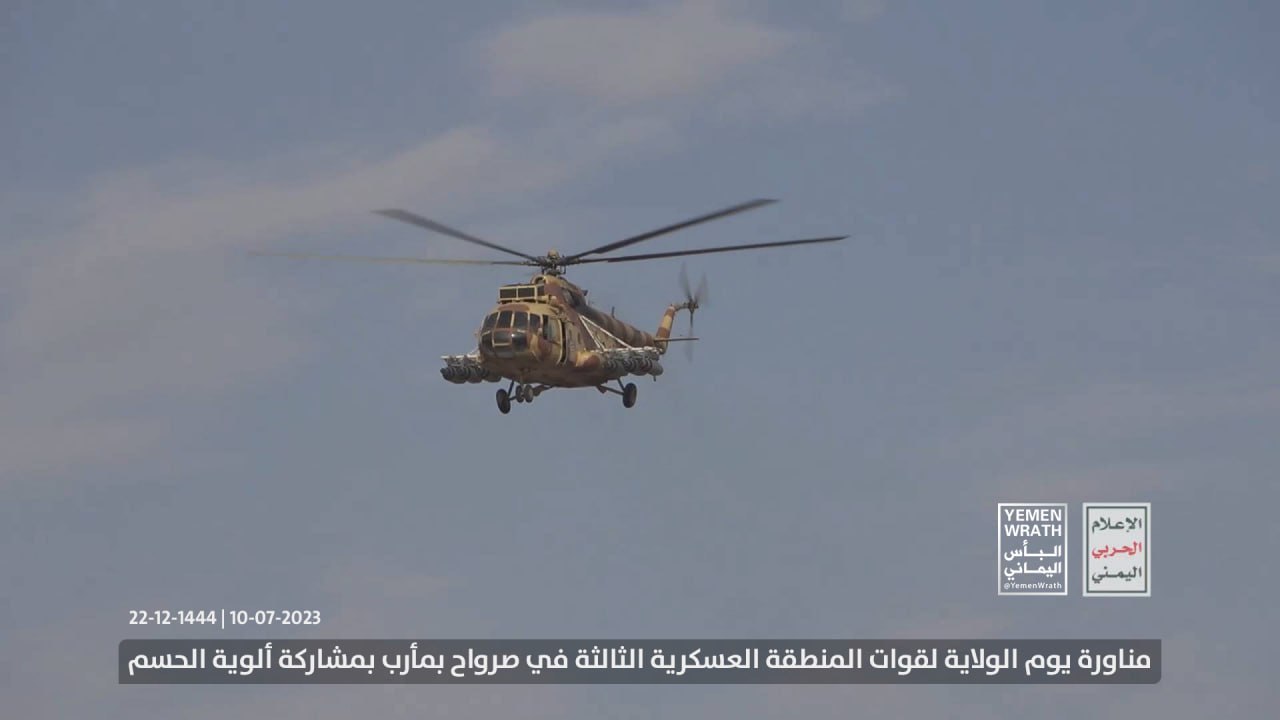
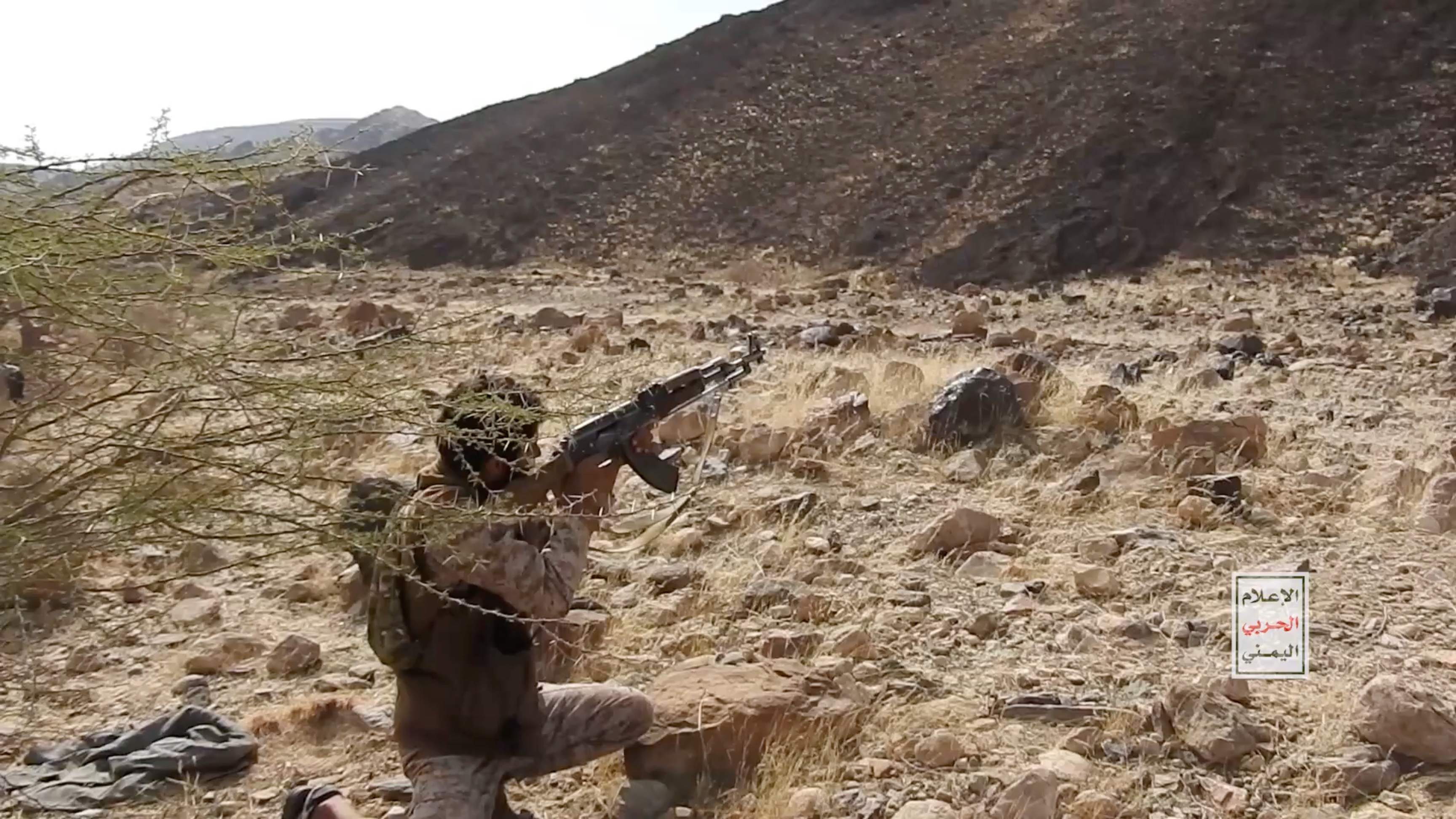
ISWNews Analysis Group: On Monday (July 10), the Ansar Allah movement and Yemeni armed forces held the unprecedented military maneuver on the outskirts of Marib city, which is one of the most important footholds of the Saudi-led coalition and the Saudi-backed resigned government of Yemen.
The military exercise was held in Sirwah district, and the images of the maneuver under the title “Day of Guardianship” were publicized.
Ansar Allah military drill in Sarwah in the west of Marib province
The Ansar Allah movement used artillery equipment, Rajoum Quadcopters and Mi-17 helicopters in the military exercise.
The Ansar Allah movement’s military maneuvers are in response to escalating tensions and threats from the Saudi-led coalition against Yemen, and they come following the suspension of peace negotiations with Saudi Arabia.
According to local sources in capital Sana’a, the Saudi authorities did not agree with Ansar Allah’s proposals to pay government employees’ salaries from Yemen’s oil and gas revenues; therefore, the movement’s leaders ordered a halt to talks with negotiators from Riyadh.
Ansar Allah military drill in Sarwah in the west of Marib province
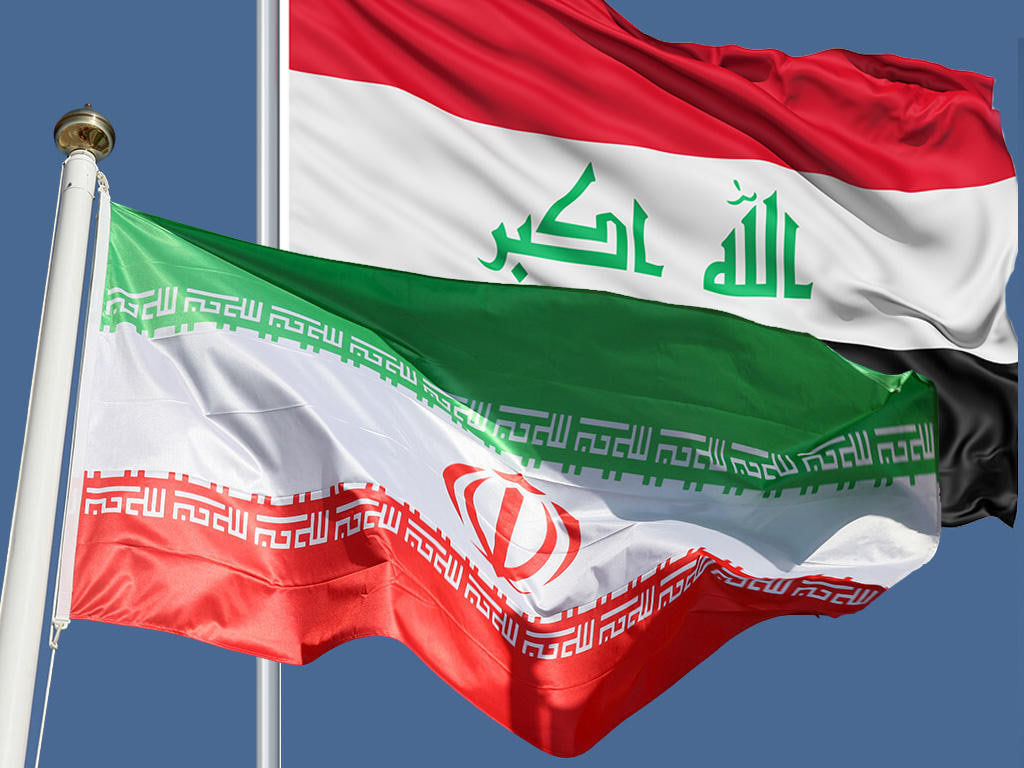
ISWNews Analysis Group: The Iraq’s Coordination Framework’s statement emphasized that the issue of electricity and the reduction of its supply in difficult weather conditions and intense heat put severe pressure on Iraqi citizens.
The statement went on to say that after reviewing and following up the issue, the Coordination Framework calls on the Iraqi government to contact the US side through the Ministry of Foreign Affairs and persuade the American government to immediately release Iran’s claims for gas exports to Iraq and refrain from politically exploiting the case, which has a negative impact on the livelihood of Iraqi citizens.
It is worth noting that before the release of the statement, Iraqi Electricity Ministry Spokesman Ahmad Musa said that the ministry had paid its debts to Iran for gas imports to the Trade Bank of Iraq, but there are problems in delivering the money to Iran due to the US-imposed sanctions.
In the years following the occupation of Iraq and the continued presence of the United States’ military forces in the Arab country, the American occupiers’ sabotage in Iraq has always prevented independent activities by governments established in Baghdad; therefore, Iraq and its people have always been taken hostage to the United States’ political and economic demands.