Category: West Asia
-
Popular Mobilization Units Prepare To Form New Brigade In Sinjar
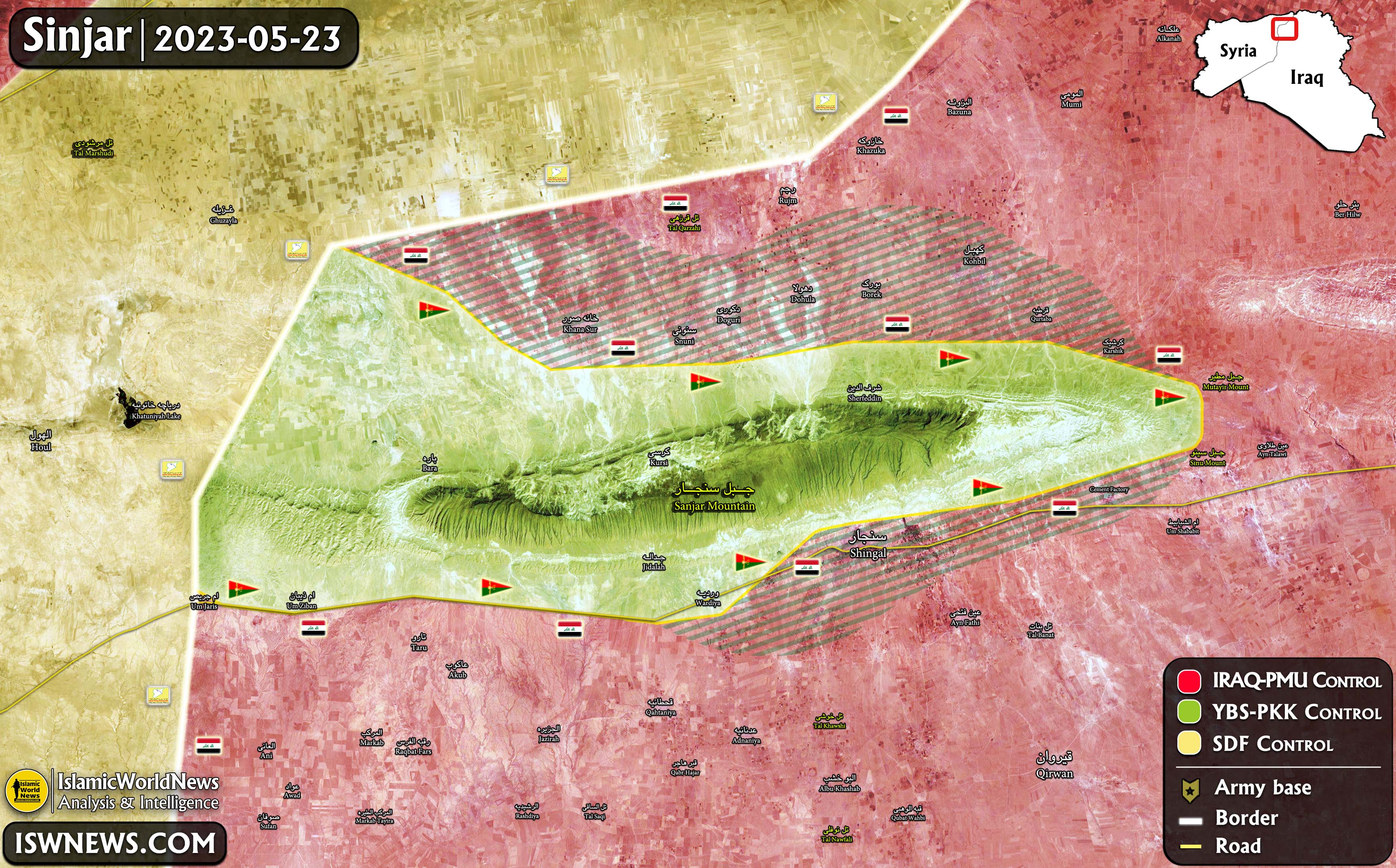
Kurdish language media outlets, citing sources among the Hashd al-Shaabi Units, declared the forces’ measure to establish a new brigade in the town of Sinjar in Nineveh Governorate will comprise 2,000 resistance fighters.
According to the unidentified sources, head of Iraqi popular mobilization units Faleh al-Fayaz has succeeded in obtaining the Iraqi Prime Minister Mohammed Shia al-Sudani’s approval to form a new brigade in Sinjar, which will be made up of native residents of this area. The Popular Mobilization Units had previously established a brigade of over 2,000 fighters in the Sinjar County.
Some speculations have been made, saying that the format of the mentioned new brigade of the PMU in Sinjar has not been finalized so far, and it may comprise of four regiments of native volunteers from Sinjar. Moreover, one of the commanders of the Badr Organization who is also the current advisor to the head of the Popular Mobilization Units in the northern regions and is named Murad Sheikh Kalo has been assigned to establish the new brigade in Sinjar.
Member of the Kurdistan Democratic Party in the Iraqi Parliament Majid Shankali said that the new brigade would comprise of the residents of Sinjar as well as the Arab people of the area. This move is considered a threat and I informed the relevant institutions on the issue, he warned.
It is worth mentioning that the Sinjar County is one of the areas of Nineveh Governorate, which is located 120 kilometers west of the Iraq city of Mosul, and most of its residents are Yazidis, who are a Kurmanji-speaking endogamous minority group to Kurdistan region.
At present, it is believed that more than five groups of Iraqi armed forces and militia groups, including the Popular Mobilization Units, the Sinjar Resistance Units (YBS), local police forces, the Iraqi Army and Peshmerga (Kurdish military forces) are present in Sinjar County, and the paramilitary groups and militias have been fighting each other for years with the aim of having a say and dictate their plans in the region.
Sinjar map in northwest of Iraq – Click to view full size -

French Air Force Takes Part in Iraq’s Military Exercise (Image)
On May 23, the military exercise of the Iraqi Air Force codenamed Ababil-1 was held in the presence of Iraq’s Prime Minister and Commander-in-Chief of the Iraqi Armed Forces Mohammed Shia’ Al Sudani in Balad Airbase. In the maneuver, the Dassault Rafale multirole fighter aircraft as well as the Chief of Staff of the French Air and Space Force General Stéphane Mille and a delegation, accompanying the general, were present as well.
The Iraqi prime minister said that it is the first time that Iraq has witnessed such an exercise in its sky, which promoted our friends in the French Air and Space Force to take part in by dispatching their Rafale and Fraud fighter jets to Iraq; so, we persuade all our friends and brothers to continue the constructive military collaboration as well. Al-Sudani also lauded the courage and glory of the Iraqi pilots during the conflict against terrorism as well as their preparedness to defend the Arab country.
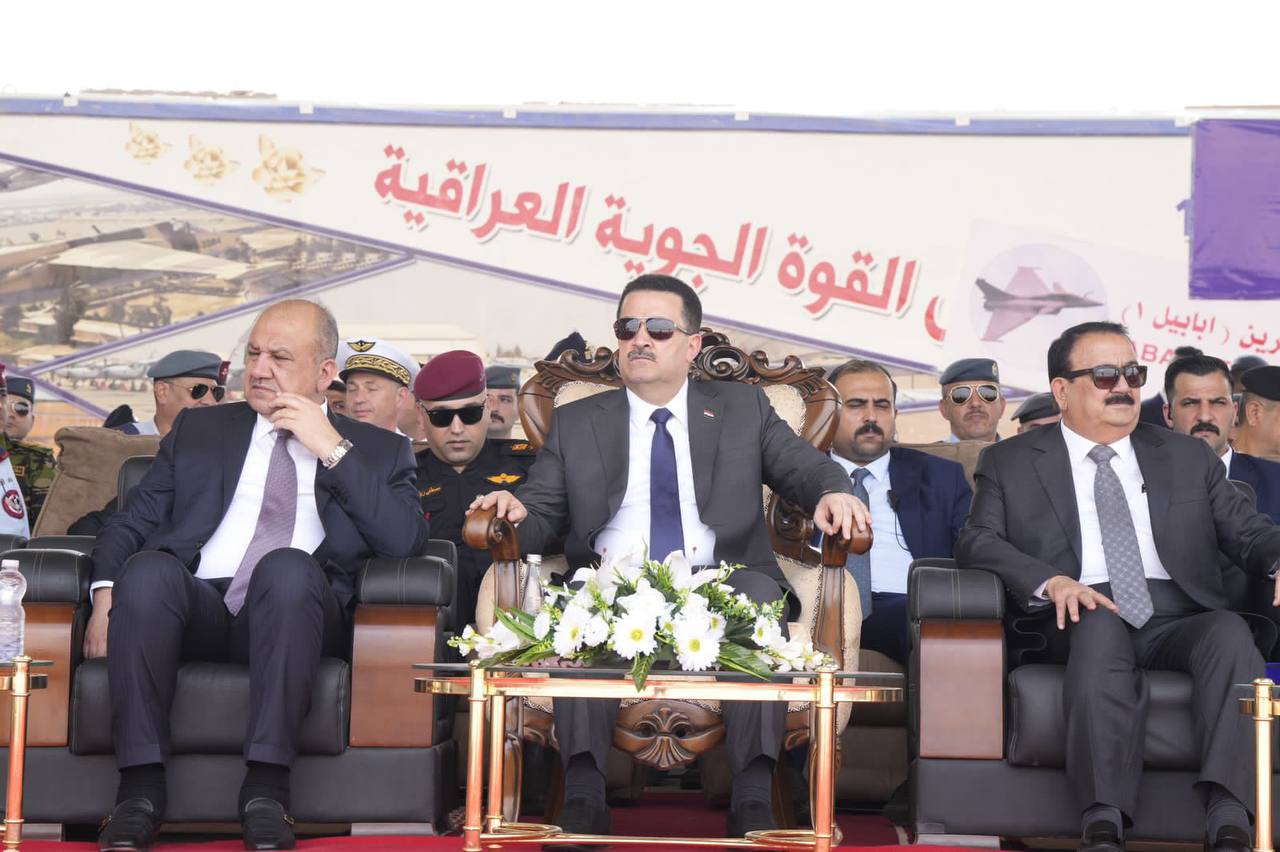
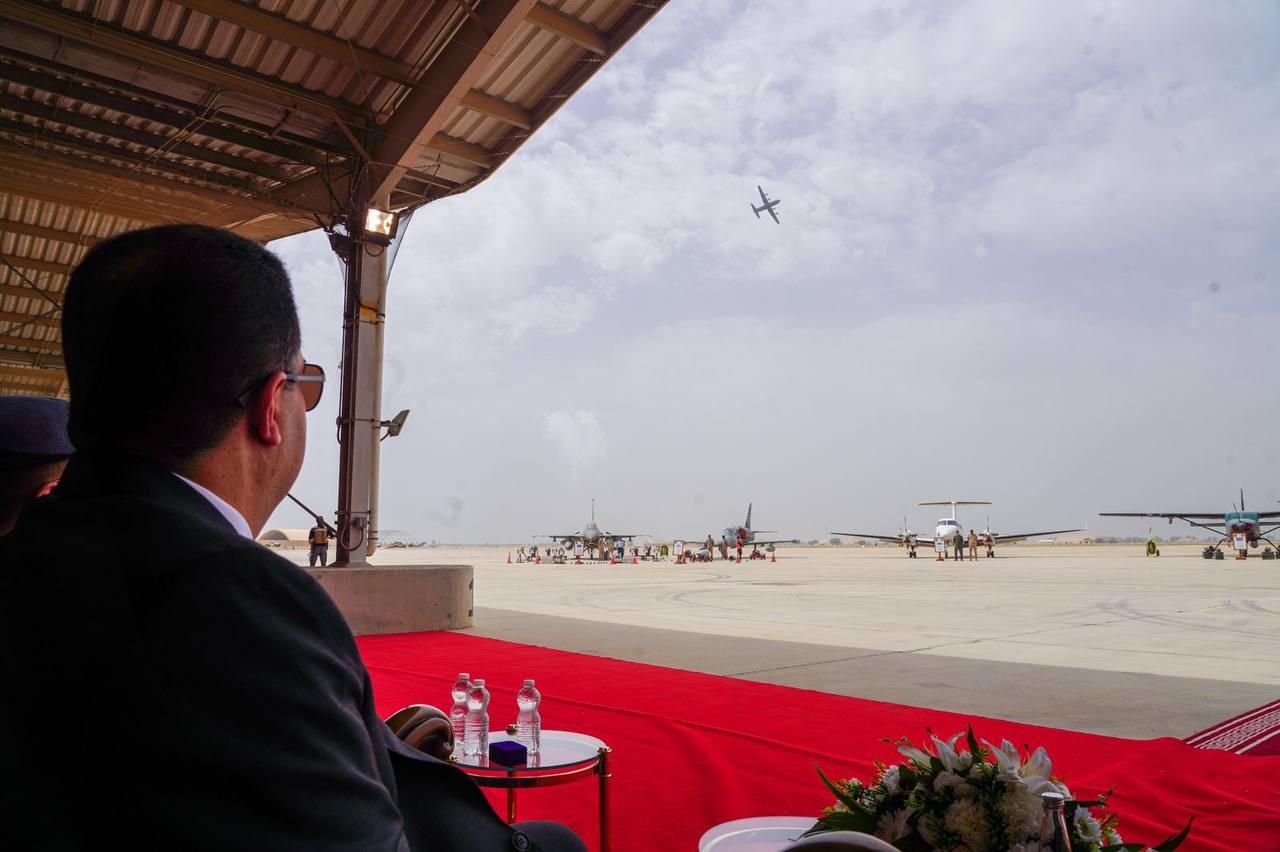
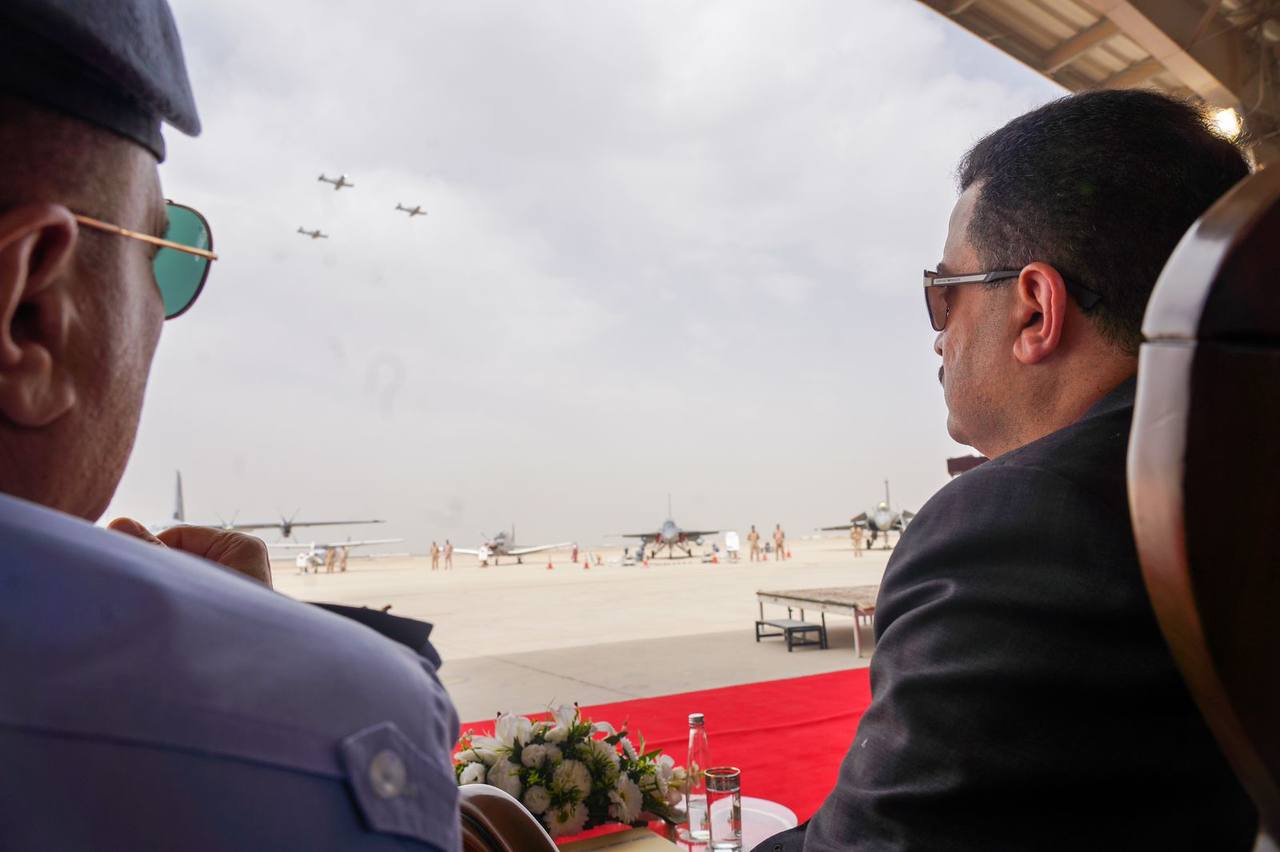
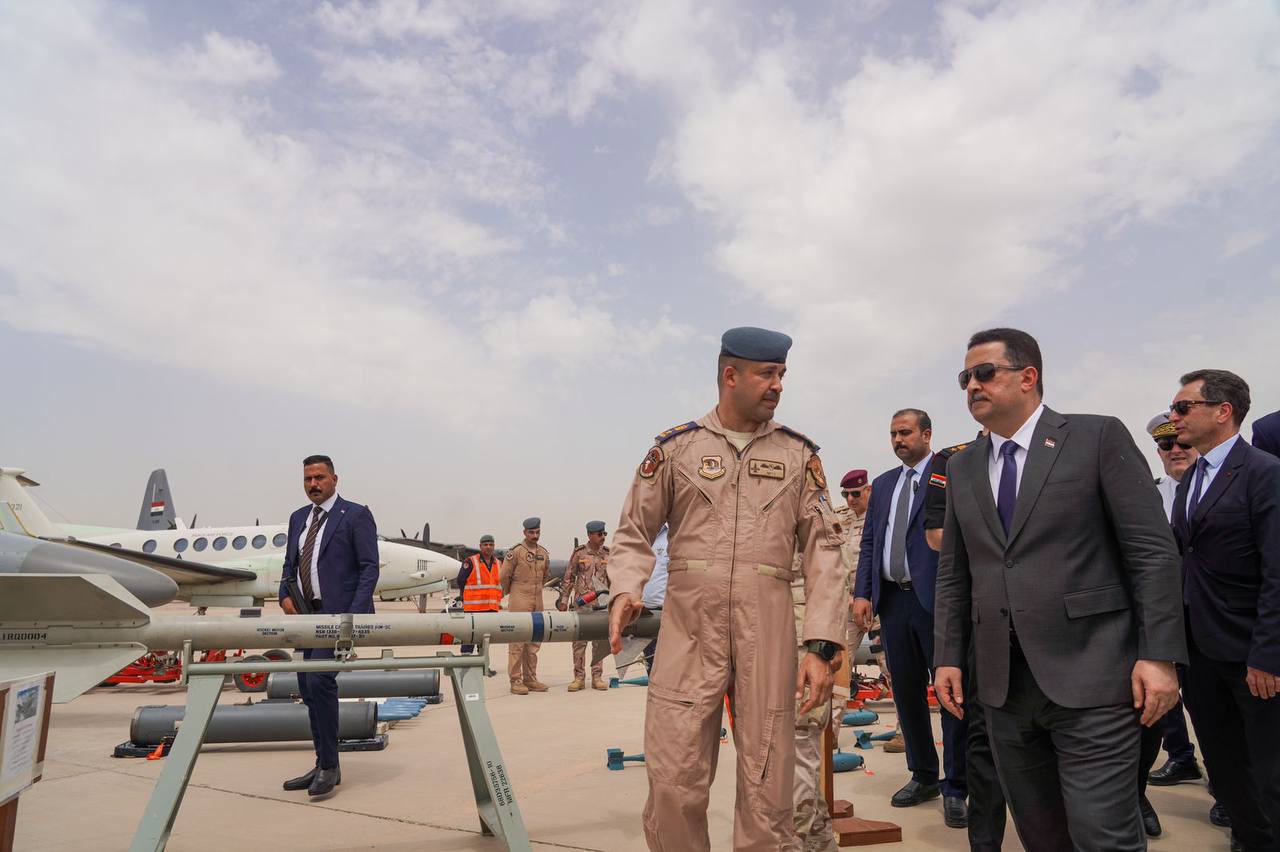
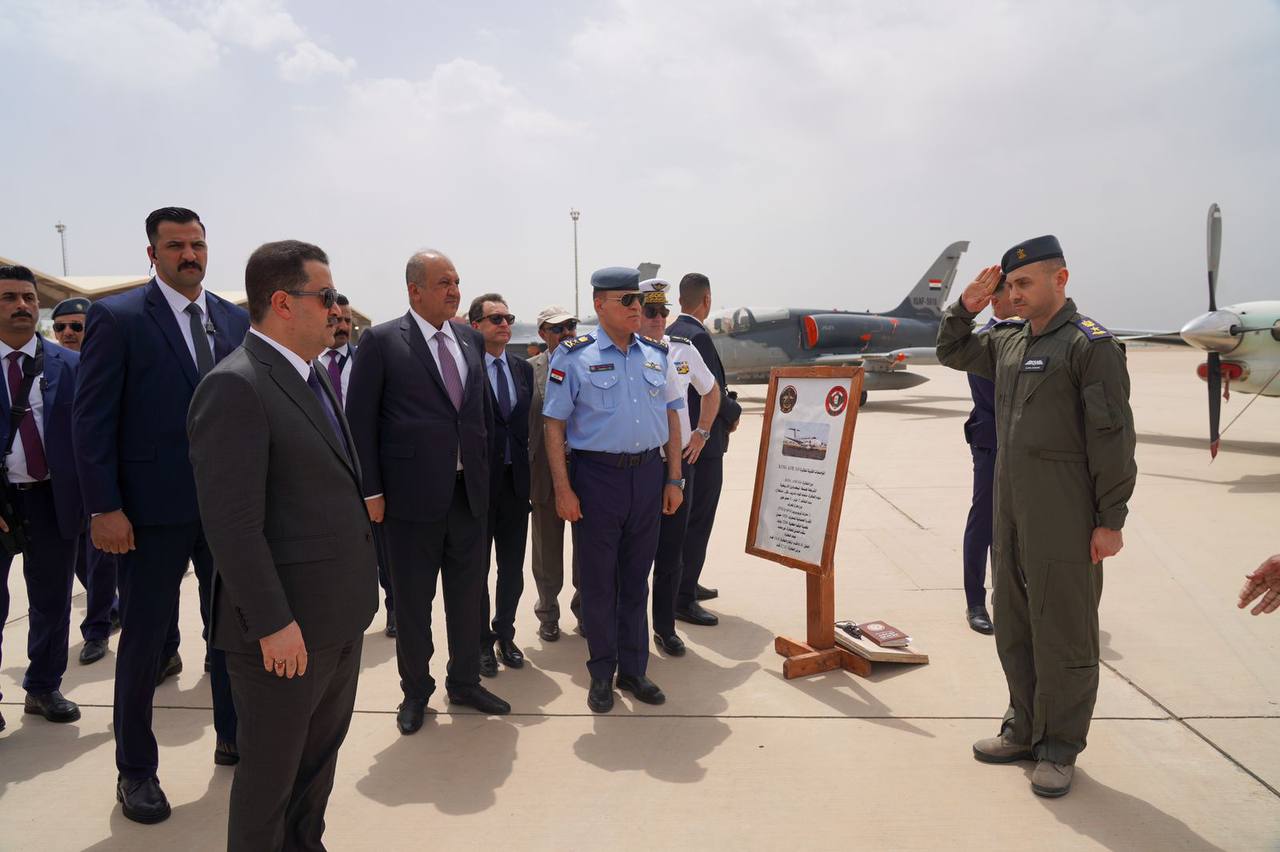
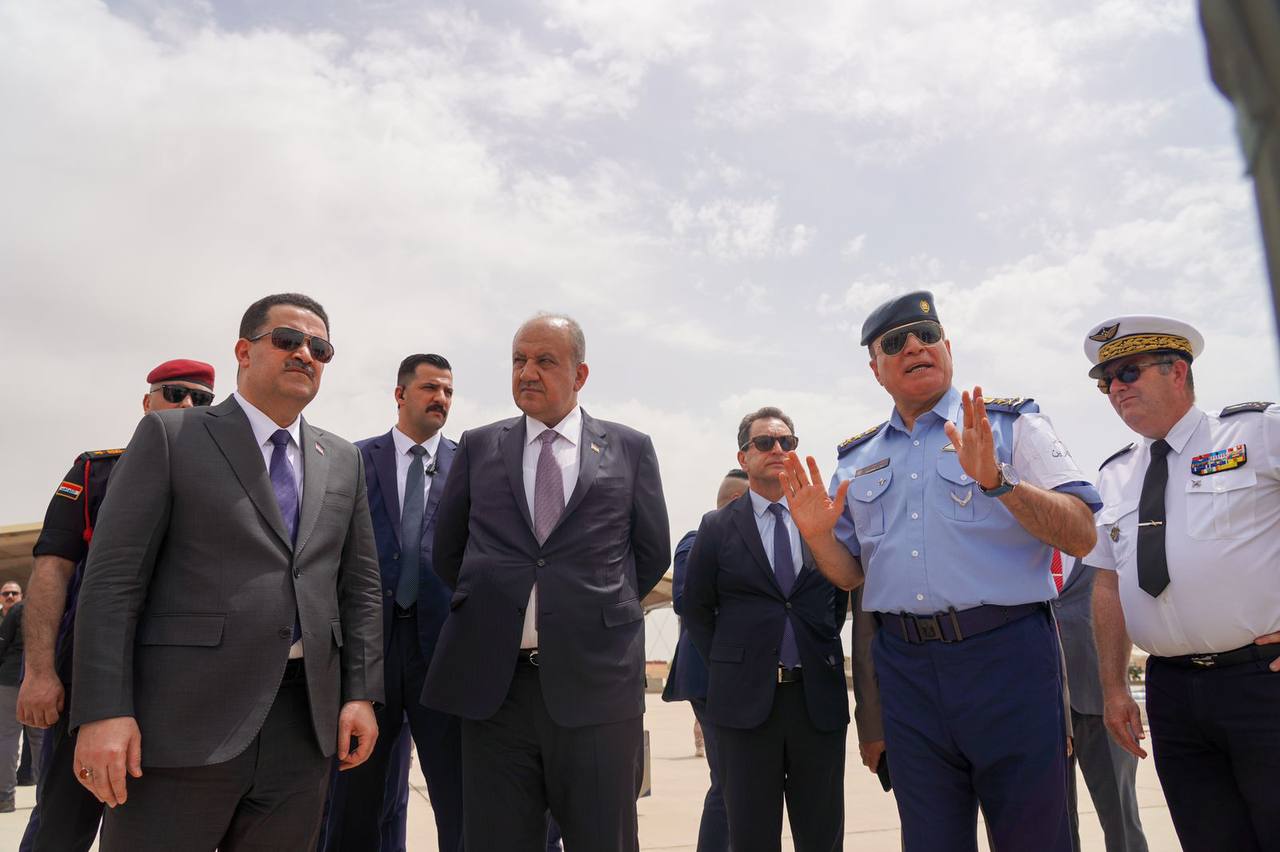
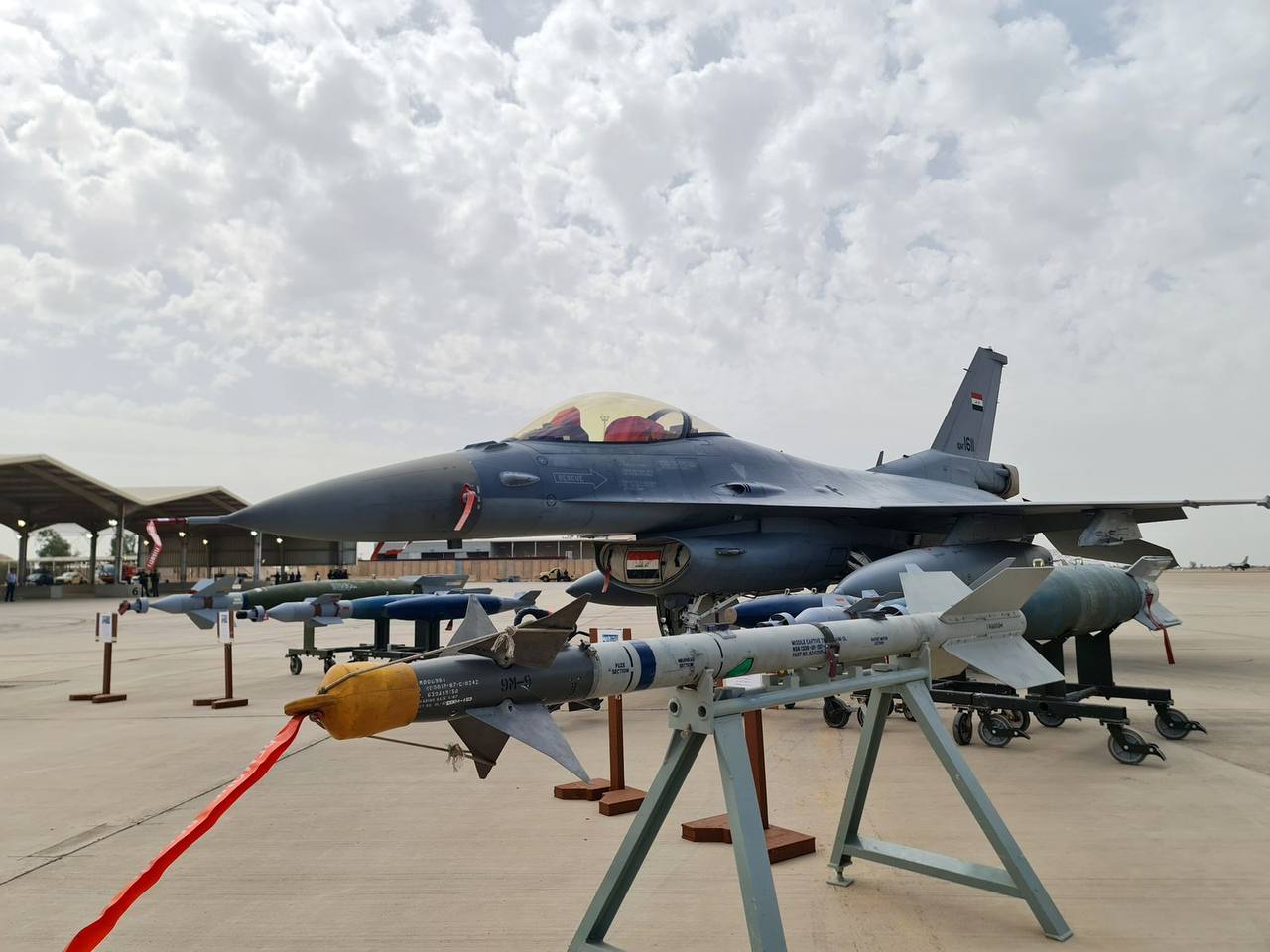
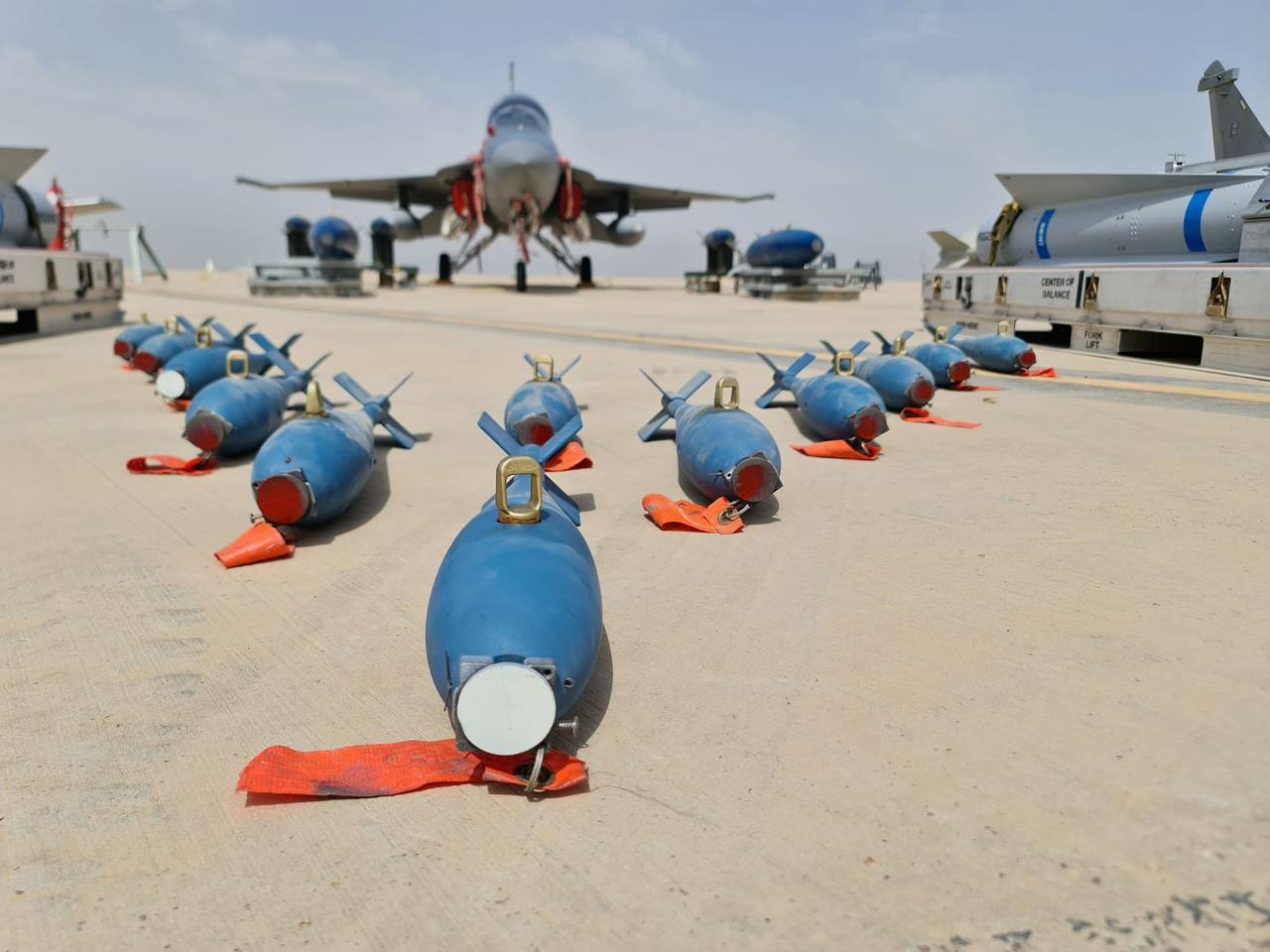
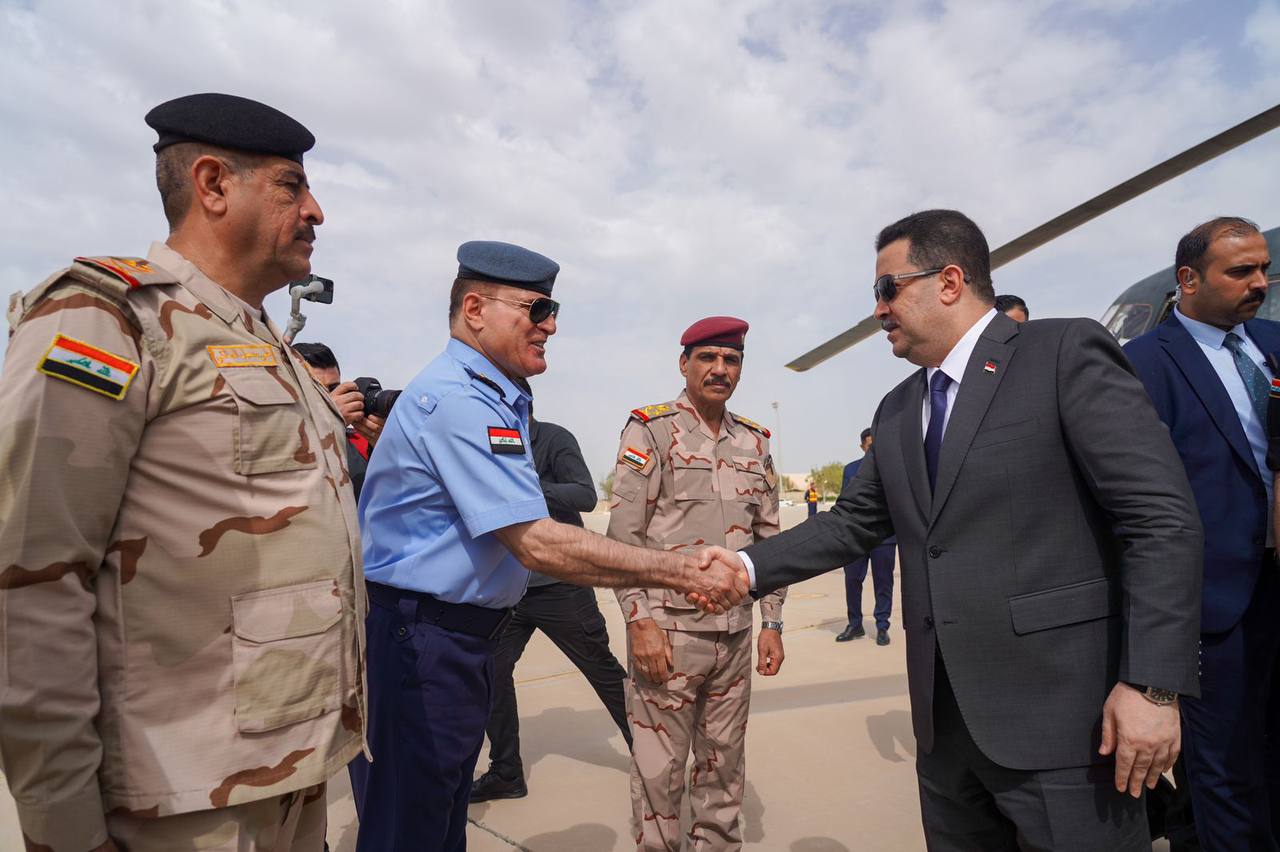
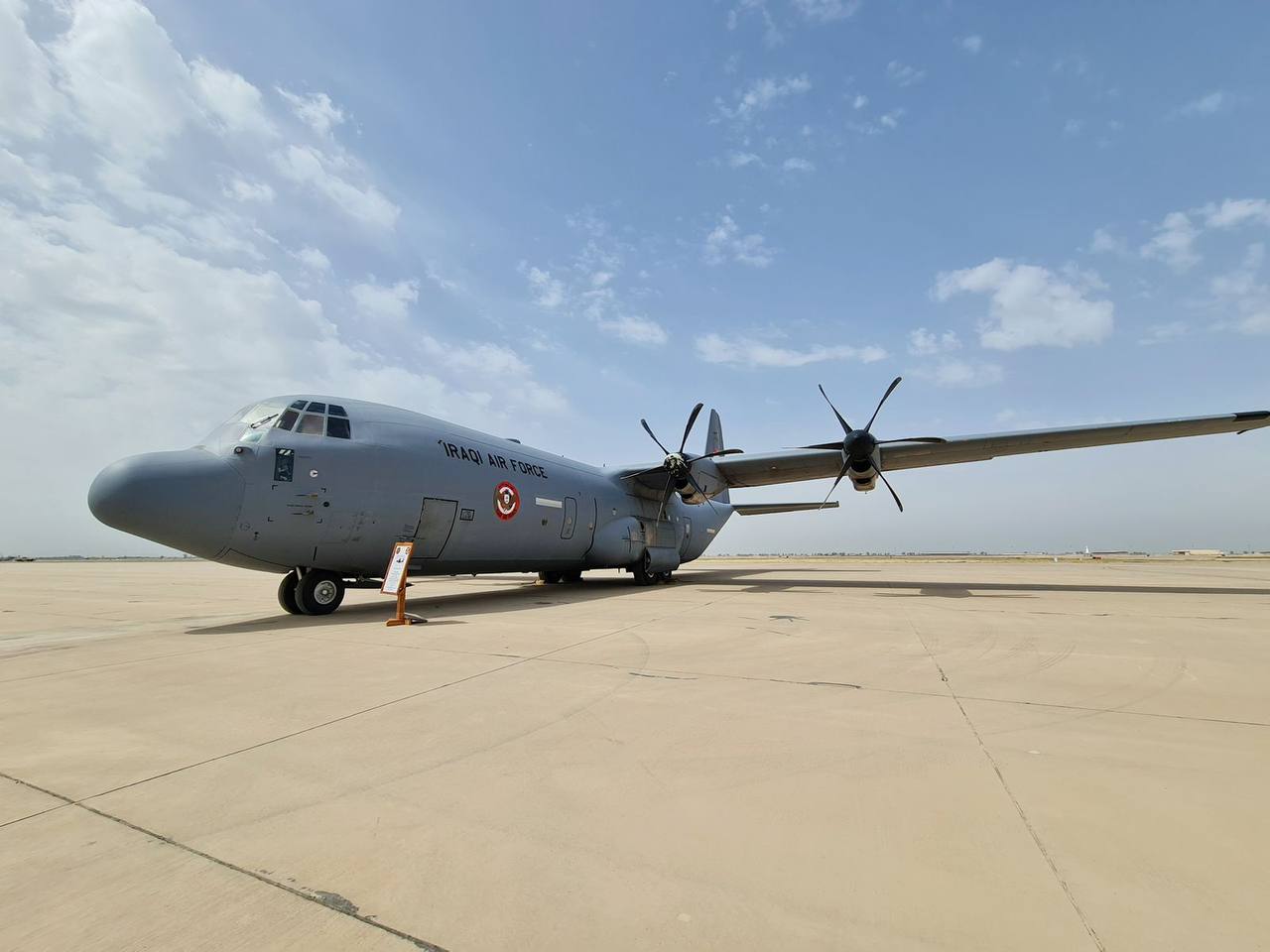
Click to view full size Following the military exercise, Spokesperson for the Commander-in-Chief of the Armed Forces Major General Yahya Rasool said that France is one of the leading states in the field of military industry and that Iraq pursues collaborations with the European nation. We hope that the Iraqi Air Force will be equipped with new aircraft, including French Rafale fighter jets that are considered one the most advanced fighters, he added.
The spokesman for the Commander-in-Chief of the Armed Forces further pointed out to the significance of carrying out air force exercises with other nations, including NATO member states in particular France.
It should be noted that the spokesman has raised the issue of improving collaboration with the French army despite the fact that some time ago the Ashab al-Kahf resistance group published documents seized from the Norwegian Intelligence Service (NIS) in the Iraqi city of Basra, indicating a teamwork between the intelligence services of France, Germany and Norway, which proved their cooperation in line with the Israeli regime’s menace objectives in Iraq.
Read more: Explosives Found At Norway Intelligence Service in Iraq!
-
Turkiye Airtrikes Kills 3 In Sinjar
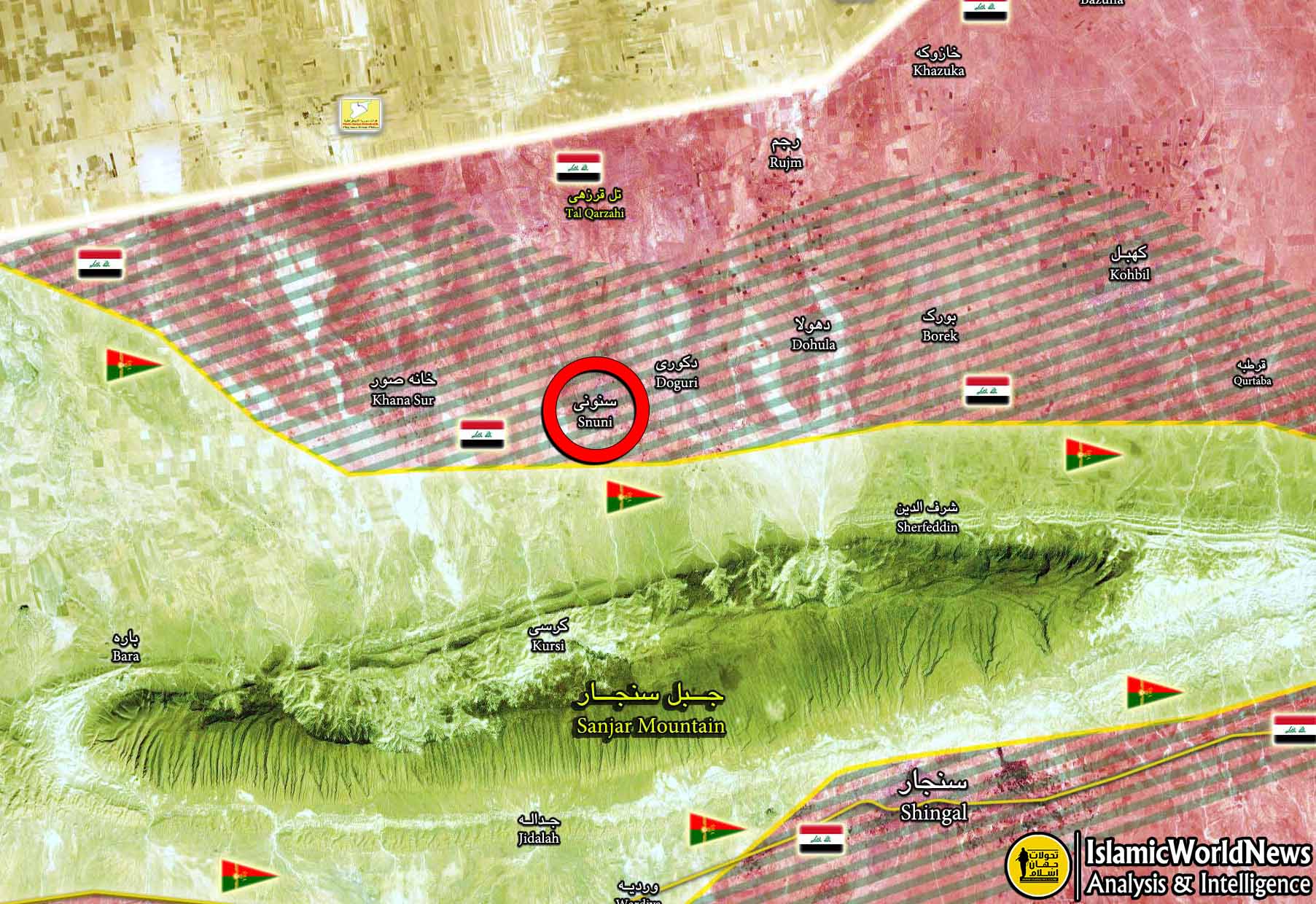
On May 23, Turkiye’s army drones pounded the Sinjar Resistance Units (YBS) headquarters in the Snuny area of Sinjar district in Nineveh Governorate, killing and injuring a number of people.
Following the incident, the Counter-Terrorism Department of the Kurdistan Region issued a statement announcing that the strike took place at 5 am local time on Wednesday and it targeted one of the YBS headquarters, which ended up in killing three people.
According to some sources, two other people were injured in the strike, who were transferred to medical centers. No further details regarding the incident have been released up to now.
It is noteworthy that the Turkish army drones also targeted a headquarters belonging to the Kurdistan Workers’ Party (PKK) in Khana Sor, which is a town located on the outskirts of Sinjar city of the Nineveh Governorate in northern Iraq on May 16, leaving three PKK militants killed.
Read more: Turkish Strikes Kill 3 PKK Members In Iraq
-
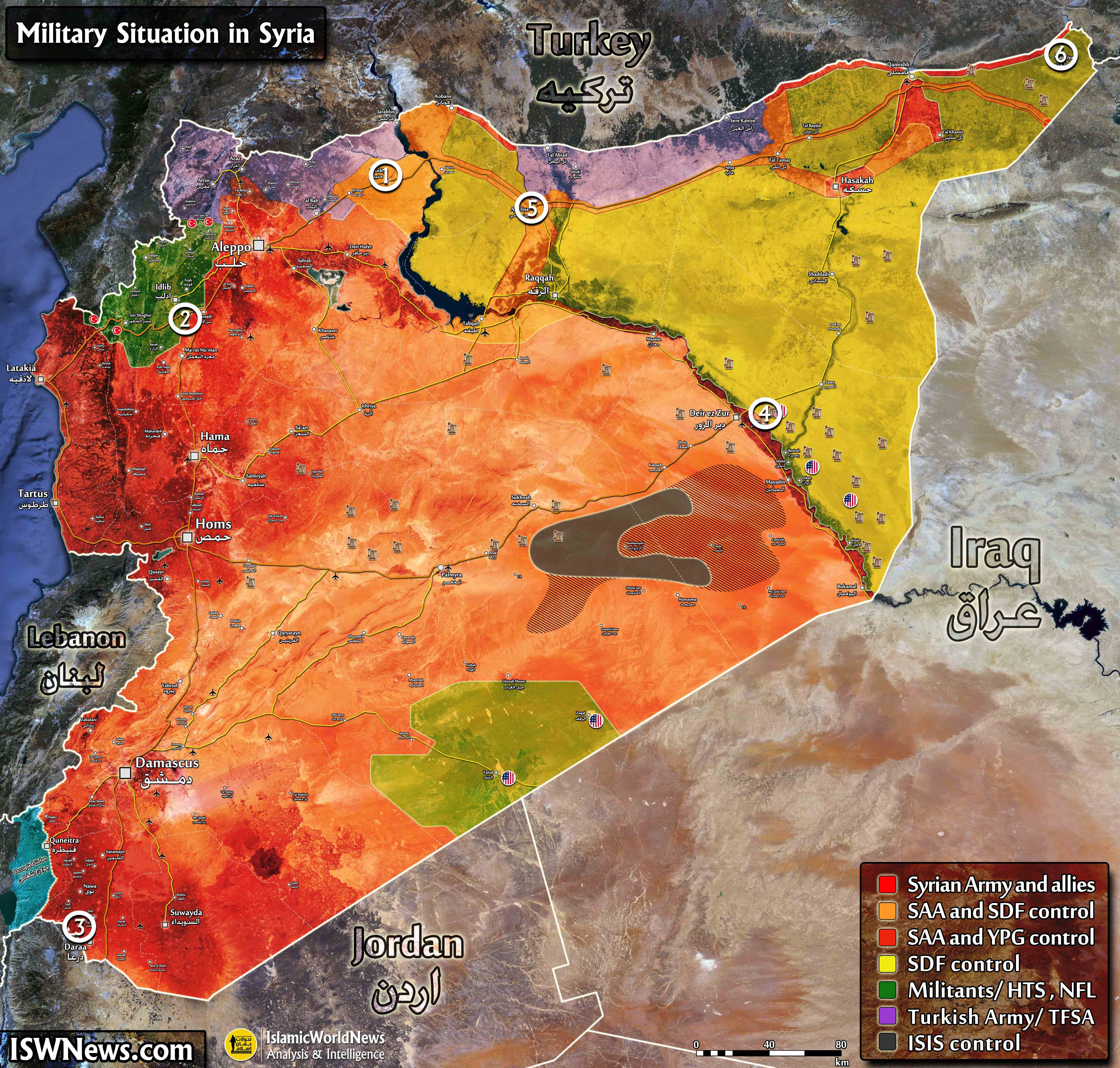
Latest Updates On Syria, 23 May 2023 (Map)
1- Aleppo:
– On May 19, Turkish army drones targeted a joint headquarters of the Syrian Army and the Syrian Democratic Forces (SDF) in the village of Majra Wastani in the north of Manbij city in Aleppo Governorate, during which four Syrian soldiers were martyred and several others were wounded.
– On May 12, the Syrian Army targeted militants’ positions in the villages of Kafr Taal and Kafr Amma in western countryside of Aleppo with the use of artillery.
– On May 22, a joint patrol of the Military Police of Russia and the Turkish Armed Forces was carried out in the western outskirts of the city of Ayn al-Arab (Kobani) in Aleppo Governorate, Syria. This patrol mission is the 138th joint military patrol since the signing of the Russian-Turkish ceasefire agreement regarding northern Syria.2- Idlib:
– On May 22, the Syrian army targeted militants’ positions on the outskirts of San village, which is located in Saraqib Nahiyah in Idlib Governorate, by the use of artillery
– On May 20, militants’ positions in the Maarbalit area, which is located in Ariha District of southern Idlib, were targeted by the Syrian army’s artillery attacks.
– On May 20, militants’ positions in the Maarbalit area, which is located in Ariha District of southern Idlib, were targeted by the Syrian army’s artillery attacks.3- Daraa:
– On May 19, two civilians were killed by unidentified armed men in Muzayrib town in Daraa Governorate in southern Syria.
– On May 6, a judge was martyred by unidentified armed men in Al-Harak city, which is located in southern Syria.
– On May 6, one of the former militants was killed by unidentified armed men in Busra al-Harir is a town in southern Syria.4- Deir ez-Zor:
– On May 16, the US-led coalition forces patrolled the village of Al-Azba, northeast of Deir Ezzor.5- Raqqa:
– On May 17, the militants backed by Turkiye targeted the M4 highway and the outskirts of Ayn Issa is a town in the Tell Abyad District of Raqqa Governorate with artillery attacks.
– On May 16, the Syrian Democratic Forces (SDF) arrested four ISIS members in two separate security operations in Raqqa Governorate.6- Al Hasakah:
– On May 15, the US-led coalition forces patrolled the outskirts of the Al-Malikiyah city, also known as Derik.7- Informed sources close to the Al-Fatah al-Mubin or Great Conquest, which is an operations room of the Syrian militant factions, affiliated with Hay’at Tahrir al-Sham, Sunni Islamist political and armed organization involved in the Syrian war, disseminated images of the outcomes of their clashes with the Syrian armed forces during April.
8- On May 3, some 199 displaced Syrian citizens, including 60 children, in Sudan returned to the Syrian capital city Damascus on a flight by the Cham Wings Airlines as part of the process of repatriating the Syrian citizens from the war-torn African country. Previously, other 191 Syrian citizens, including 21 children, were evacuated from Sudan on May 2.
9- On May 7, foreign ministers of Arab states agreed upon Syria’s return to the Arab League during a meeting in Egypt.
10- On May 7, President of Syria Bashar al-Assad held a phone conversation with President of the United Arab Emirates (UAE) Mohammed bin Zayed Al Nahyan after the foreign ministers of the Arab states decided to return Assad’s country to the Arab League.
11- On May 7, Jordanian army fighter jets targeted a workshop in Kharab al-Shahm region, which is located in Daraa Governorate, as well as a house in Al-Shaab area located in As-Suwayda Governorate under the pretext of fighting drug trafficking.
12- On May 9, the Saudi Arabian Foreign Ministry announced in a statement that given the fraternal bond between the Saudi kingdom and Syria and in line with the desire to expand joint Arab activities as well as strengthen security and stability in the region, Riyadh has decided to resume its diplomatic mission in Damascus.
13- On May 10, a quadrilateral meeting of the foreign ministers of Russia, Turkiye, Syria and Iran was held in the Russian capital Moscow to pave the ground for discussing developments in Syria and also resolving differences between Ankara and Damascus. One of the important achievements of the meeting was a session between the foreign ministers of Turkiye and Syria before the start of the Moscow consultation.
14- Ali Mamlouk, Syrian intelligence chief, met with commanders of Turkiye-backed armed groups in Aleppo and held talks with them the process of normalizing relations between Damascus-Ankara.
15- On May 18, Turkish intelligence forces held a secret meeting with members of Hay’at Tahrir al-Sham at a security center located at Bab al-Hawa border crossing near Syria–Turkiye border.
16- On May 18, President of Syria Bashar al-Assad arrived at the King Abdulaziz International Airport in Jeddah city and was received by the Saudi officials. One day after President al-Assad’s arrival in Saudi Arabia, the 32nd summit of the Arab League was held on Friday in Jeddah. Furthermore, according to Saudi media reports, Crown Prince of Saudi Arabia Mohammad bin Salman officially received the Syrian president before the onset of the Arab League summit.
17- On May 19, President Bashar al-Assad met with Mohammad bin Salman on the sidelines of the Arab League summit to discuss some bilateral and regional issues.
Latest military map of Syria – click to view full size -

Ali Akbar Ahmadian Appointed As Secretary of Iran’s National Security Council
Brigadier General Ali-Akbar Ahmadian was appointed as a member of the Supreme National Security Council by Imam Seyyed Ali Khamenei, and then President Raisi appointed Ahmadian to this position in another decree while appreciating the efforts made by Shamkhani for his decade-long tenure as the secretary of the Supreme National Security Council.
Ahmadian (born in 1961) was appointed as the deputy commander of the Islamic Revolution Guards Corps (IRGC) Navy during Shamkhani’s tenure following the end of the Iraqi-imposed war and devoted himself to hypothesizing the great maritime experiences of the Iranian armed forces during the Sacred Defense, especially their confrontation against the aggressive US fleet in the Persian Gulf. Ahmadian was one of the main architects of the new and innovative naval forces of the IRGC, which was based on revolutionary ideas, and he was also one of the first theorists in the arena of the asymmetric defense in Iran.
The new secretary of the Supreme National Security Council was appointed as the Chief of Staff of the IRGC by Ayatollah Khamenei in 1997. During his tenure as the IRGC Chief of Staff, Ahmadian proposed an organizational transformation plan to be implemented by the IRGC and after the approval of the proposal by the Commander-in-Chief of the Armed Forces Imam Khamenei, he paved the way for the implementation of the plan and paid great heed to the project.
Ahmadian possesses a PhD in dentistry and is a graduate of strategic management from the Supreme National Defense University of Iran. He has been the head of the IRGC’s Strategic Center for 16 years since 2007 and is known as one of the most prominent figures in the country concerning national security issues.
The information, which has been not publicized as much of Ahmadian’s non-military background, is his strategic understanding of Iran’s political, economic and social issues. He was also one of the five new members that Imam Khamenei added to the arrangement of the Expediency Discernment Council of Iran on September 20, 2022.
It seems that following the appointment of Brigadier General Ahmadian as the new secretary of the Supreme National Security Council, Iran will witness the redesigning and upgrading of the SNSC; so, some strategies will develop on the basis of Iran’s requirements about playing a role in the new world order and the implementation of Iran’s seventh development plan.
Ali-Akbar Ahmadian Appointed As Secretary of SNSC In Iran
In a decree, Iran’s President Ebrahim Raisi appointed Brigadier General Ali-Akbar Ahmadian as the Secretary of the Supreme National Security Council, while appreciating Rear Admiral Ali Shmakhani’s services as the outgoing SNSC secretary.
Brigadier General Ali-Akbar Ahmadian was appointed as a member of the Supreme National Security Council by Imam Seyyed Ali Khamenei, and then President Raisi appointed Ahmadian to this position in another decree while appreciating the efforts made by Shamkhani for his decade-long tenure as the secretary of the Supreme National Security Council.
Ahmadian (born in 1961) was appointed as the deputy commander of the Islamic Revolution Guards Corps (IRGC) Navy during Shamkhani’s tenure following the end of the Iraqi-imposed war and devoted himself to hypothesizing the great maritime experiences of the Iranian armed forces during the Sacred Defense, especially their confrontation against the aggressive US fleet in the Persian Gulf. Ahmadian was one of the main architects of the new and innovative naval forces of the IRGC, which was based on revolutionary ideas, and he was also one of the first theorists in the arena of the asymmetric defense in Iran.
The new secretary of the Supreme National Security Council was appointed as the Chief of Staff of the IRGC by Ayatollah Khamenei in 1997. During his tenure as the IRGC Chief of Staff, Ahmadian proposed an organizational transformation plan to be implemented by the IRGC and after the approval of the proposal by the Commander-in-Chief of the Armed Forces Imam Khamenei, he paved the way for the implementation of the plan and paid great heed to the project.
Ahmadian possesses a PhD in dentistry and is a graduate of strategic management from the Supreme National Defense University of Iran. He has been the head of the IRGC’s Strategic Center for 16 years since 2007 and is known as one of the most prominent figures in the country concerning national security issues.
The information, which has been not publicized as much of Ahmadian’s non-military background, is his strategic understanding of Iran’s political, economic and social issues. He was also one of the five new members that Imam Khamenei added to the arrangement of the Expediency Discernment Council of Iran on September 20, 2022.
It seems that following the appointment of Brigadier General Ahmadian as the new secretary of the Supreme National Security Council, Iran will witness the redesigning and upgrading of the SNSC; so, some strategies will develop on the basis of Iran’s requirements about playing a role in the new world order and the implementation of Iran’s seventh development plan.
-
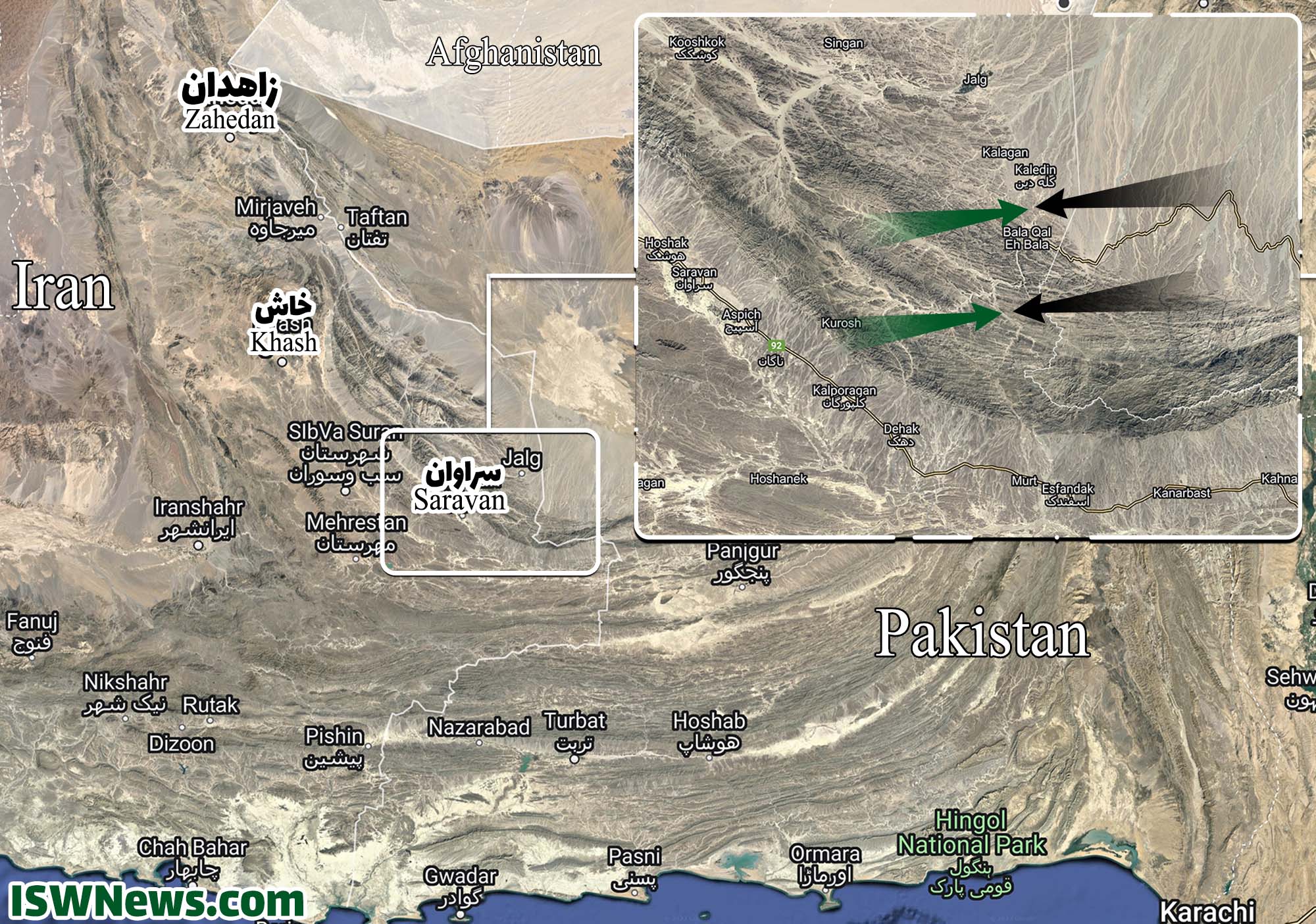
Five Iranian Border Guards Killed In A Terrorist Attack Near Pakistan Border
According to local authorities, this attack was carried out by the Jaish ul-Adl terrorist group, and terrorists fled into Pakistan after the attack. The media affiliated to this group have not published any announcement about this.
The Deputy Commander of the Iranian Police Force and the Commander of the Border Guard Forces visited the area to investigate the incident.
According to a statement by Mehdi Shamsabadi, the prosecutor of Sistan and Baluchistan province, judicial orders have been issued to arrest the perpetrators of this terrorist attack.
The names of the martyrs are “1st Sergeant Hossein Badamaki, 1st Sergeant Ali Ghani Ba Tadbir, conscript Mohammad Jamalzadeh, conscript Younes Seifinejad and conscript Nasser Heydari.” Also, one of the wounded in this attack, named 1st Sergeant Reza Borji, came back to life with the efforts of medical staff and CPR operations.
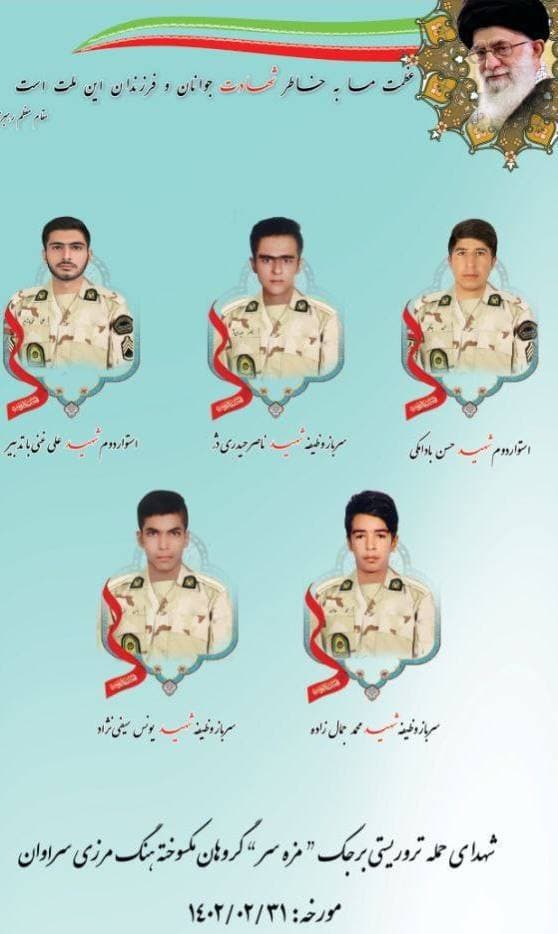
Martyrs of the terrorist attack on Mak Sokhte checkpoint in Saravan district In recent years, Sistan and Baluchistan has experienced several rounds of clashes between Iran’s security forces and terrorist groups and drug traffickers.
This attack took place while not long ago, on April 30, Alireza Shahraki, the head of the intelligence police of Saravan district, and also on May 14, Gurban Ali Piri, the commander of the Susoli garrison of Zabul border regiment, were also martyred by terrorist groups and drug trafficking gangs.
The recent developments clearly show the increase of activities of terrorist groups and drug trafficking gangs in Sistan and Baluchistan province.
It should be noted that this deadly attack occurred in the midst of improving relations between Iran and Pakistan. Last week, Iranian President Ebrahim Raisi and Pakistani Prime Minister Shehbaz Sharif inaugurated a border bazaar and a power transmission line that supplies electricity to some remote areas of Pakistan from Iran.
Obviously, the terrorist operations against the security forces and border guard forces of Iran in Sistan and Baluchistan province is carried out with the aim of making the southeastern regions insecure. In recent years, the insecurity of the mentioned areas has been at the top of the plans of Western and Israeli intelligence organizations.
-

Hezbollah Holds Drills Ahead Of Anniversary Of Israelis’ Withdrawal From Lebanon (Video)
The Hezbollah fighters held the military drills in the Mleeta area in the south of the Arab country on the eve of the Resistance Day. According to sources close to the Hezbollah movement, more than 500 media operators from Lebanon, Arab nations and other countries were present to cover the military exercise.
In one part of the maneuvers, a strike on an Israeli settlement was simulated with the aim of capturing Israeli soldiers and they also replicated a drone attack on settlements in the occupied territories of Palestine.
Hezbollah exercise in Melita area in the south of Lebanon Head of Hezbollah’s executive council in Lebanon Hashim Safi Al Din, who is also a prominent cleric, said during the Hezbollah’s military exercise that we witnessed the defeat and inability of the Zionist enemy to establish a new equation in the battle of Thar al-Ahrar in the Gaza Strip.
If the enemy thinks about the expansion of the circle of aggression, the resistance movement is ready to respond in such a way that the foe does not have the power to react and respond, the cleric warned, adding that the Zionist enemy will see how precise missiles work within its usurped territories if the enemy takes foolish action to circumvent the rules of the game.
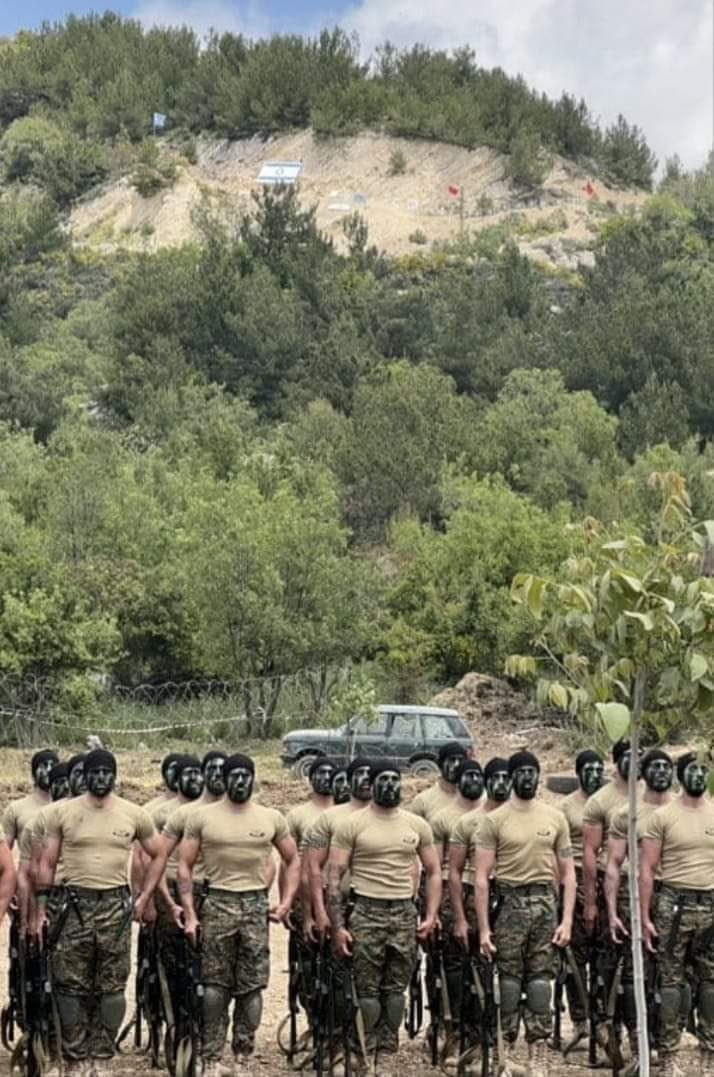
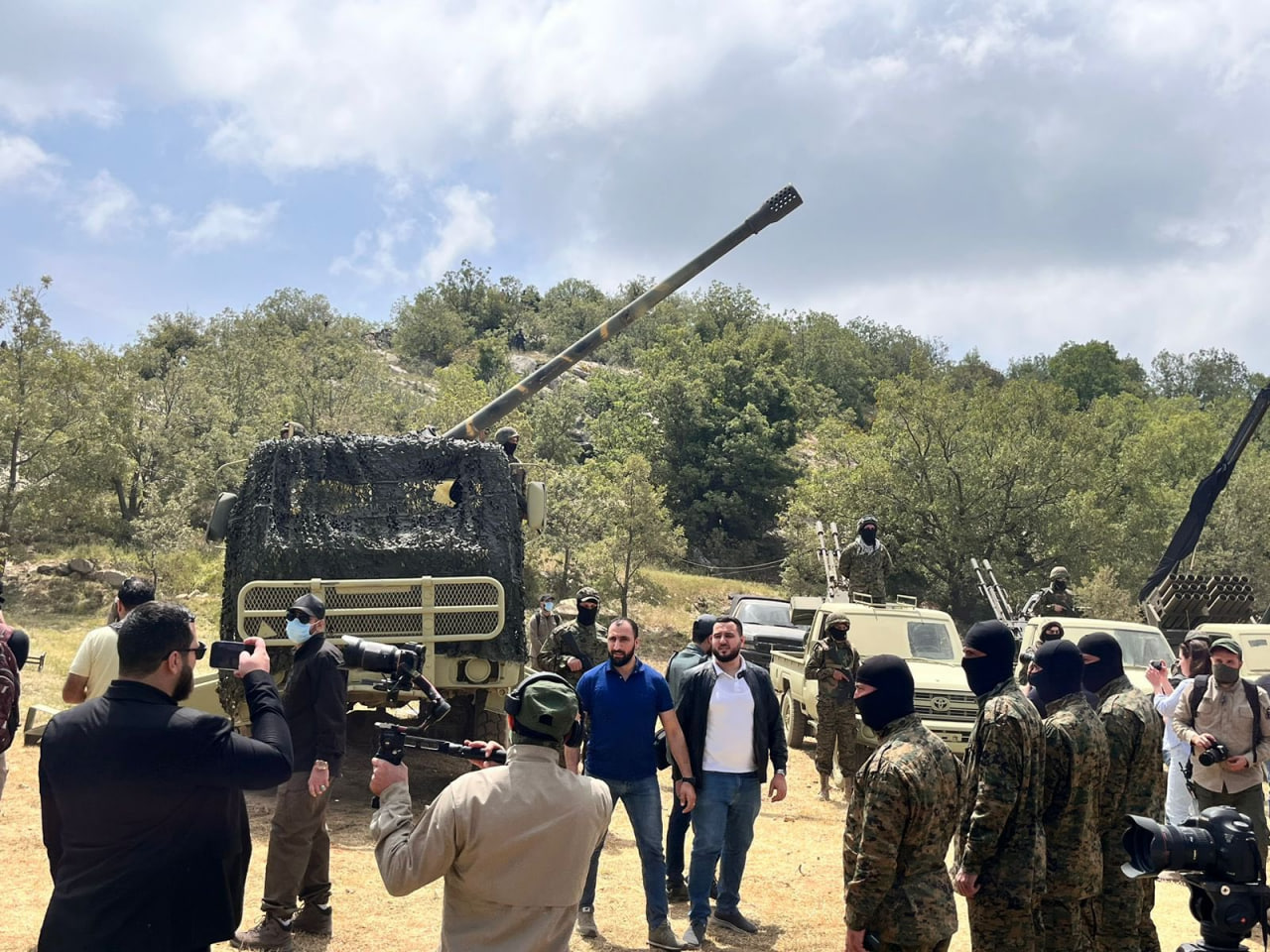
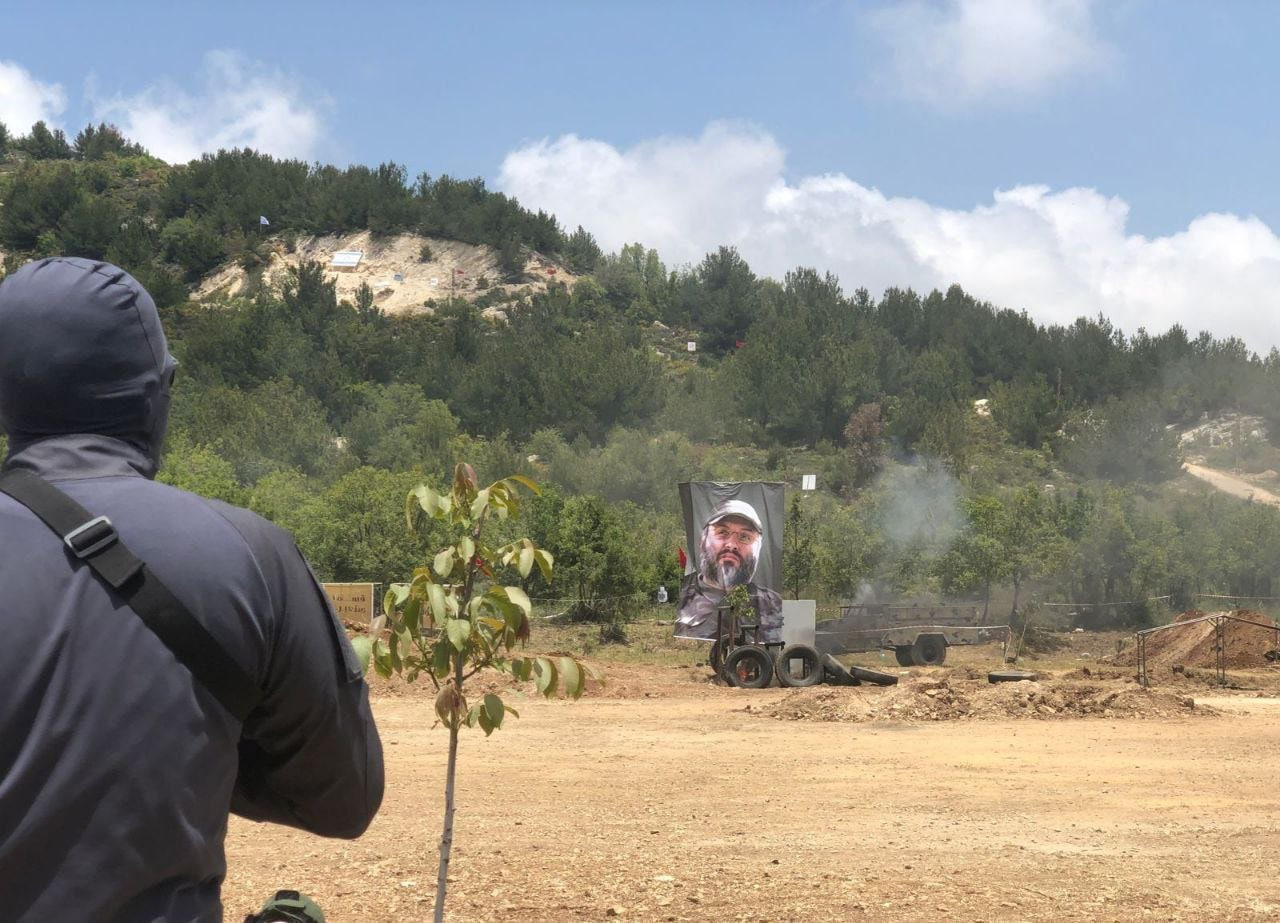
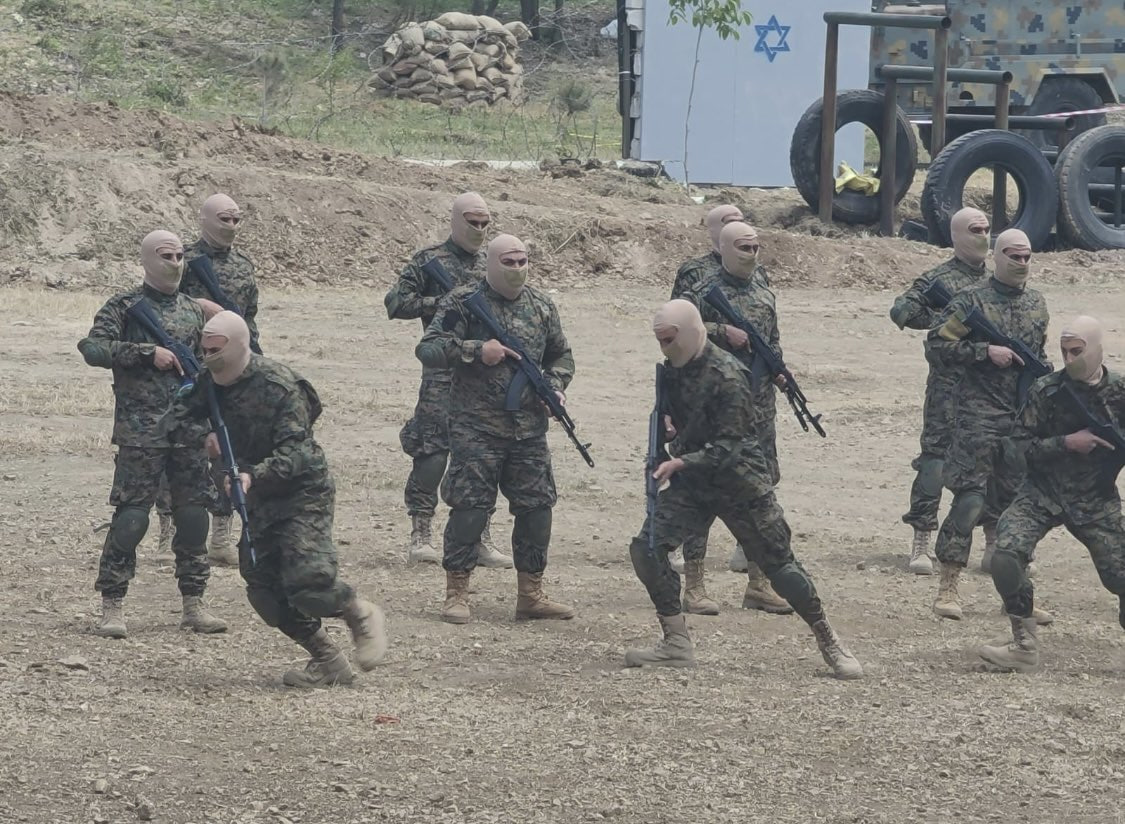
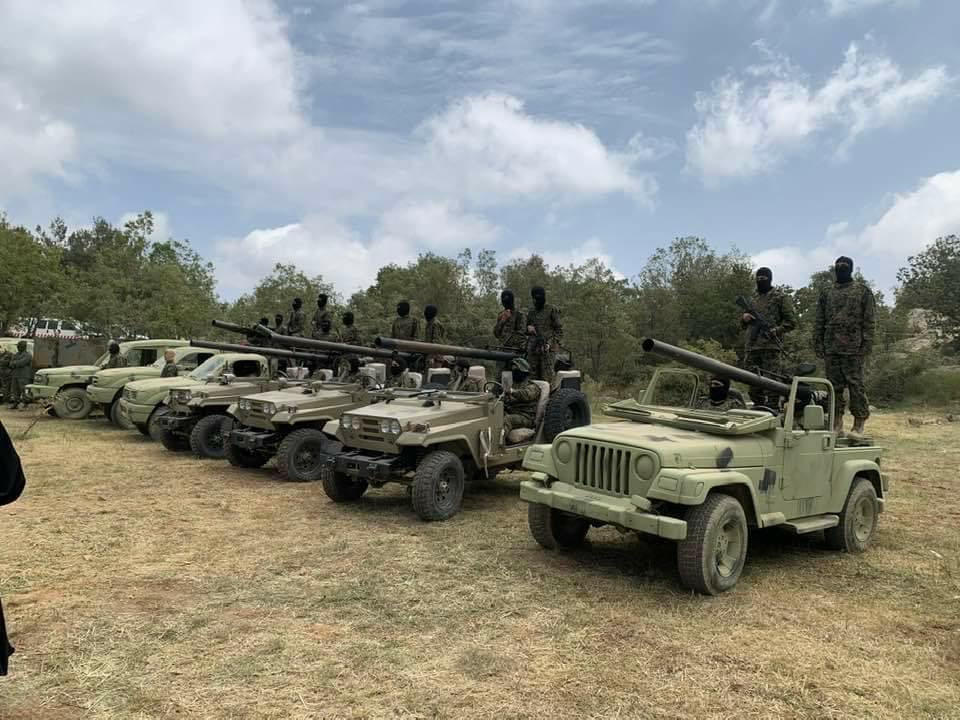
Images of the Hezbollah exercise in Melita area in the south of Lebanon Safi Al Din went on to say that the purpose of the military exercise is to show the preparedness and deterrence of the resistance forces in supporting Lebanon, because the resistance front, whether it resides in Iran or Lebanon and Palestine, is expanding; and that the enemy should be aware that late commander of the Islamic Revolution Guards Corps (IRGC)’s Quds Force Martyr Lieutenant Qassem Soleimani is the founder of the axis of resistance; so, the resistance fighters will remain their weapons in their hands until complete victory.
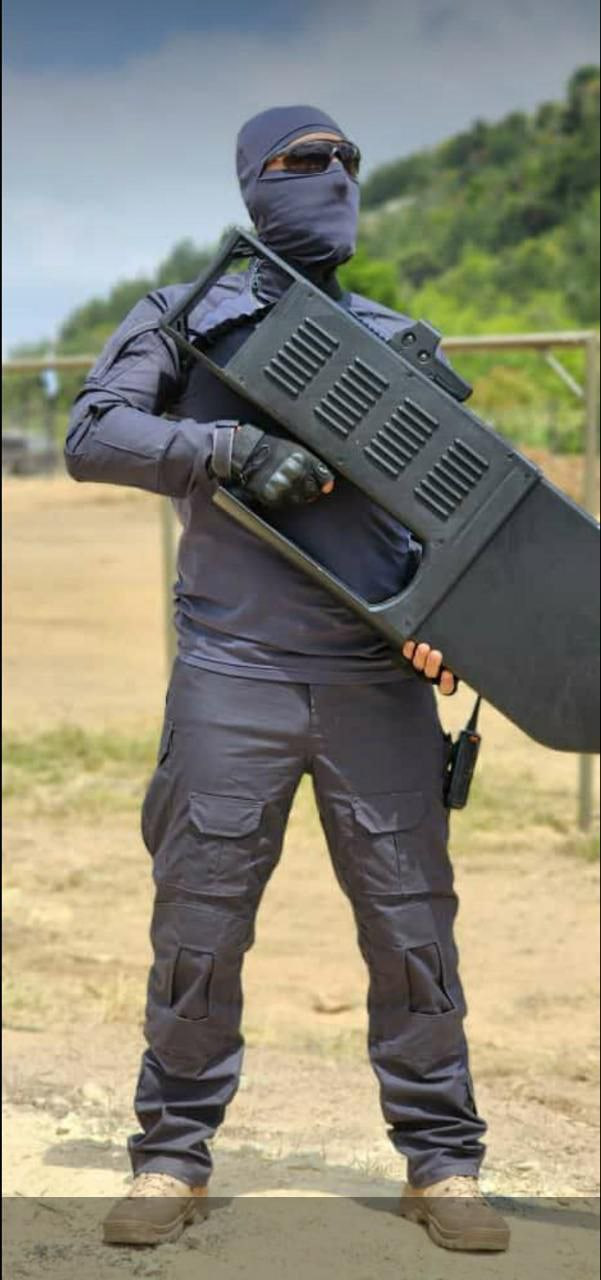
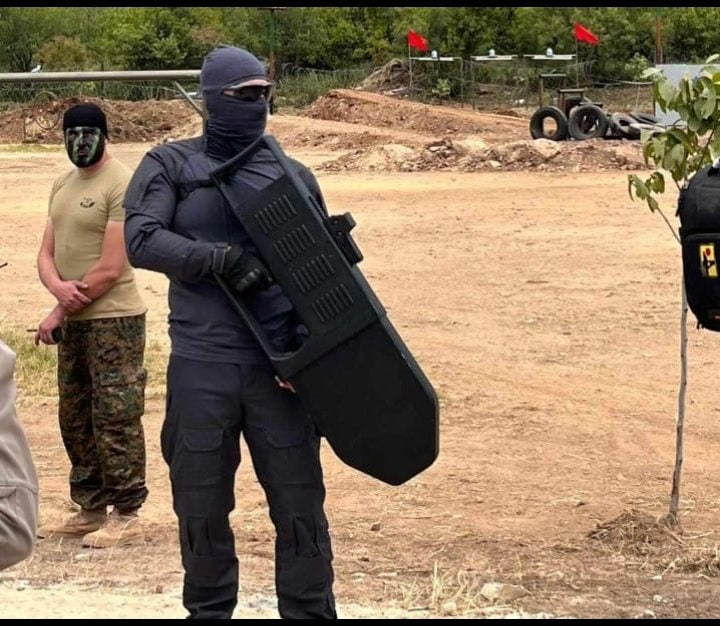
Anti-drone weapon in the hands of a Hezbollah fighter When the images of the military exercise of the Hezbollah movement are seen, an MLRS rocket launcher is visible, which has the capability to fire 84 rockets. Moreover, the fighters of the Hezbollah movement have openly used anti-drone weapons for the first time in this military exercise to counter the infiltrations of drones and micro air vehicles (MAVs) in a bid to maintain the security of the military event.
It is worth mentioning that the Hezbollah resistance movement had inflicted heavy blow on the Israeli regime on May 25, 2000, when the Israelis were forced to pull out their armed forces from southern Lebanon. The day of Israelis’ withdrawal from Lebanon has been known as the Resistance Day in the Arab country and the Lebanese people celebrate the departure of the regime’s army from their soil, which had been occupied by the Zionist enemy since 1978.
Hezbollah exercise in Melita area in the south of Lebanon Hezbollah exercise in Melita area in the south of Lebanon -
Over 150k Israelis Protest Against Netanyahu In Occupied Palestine
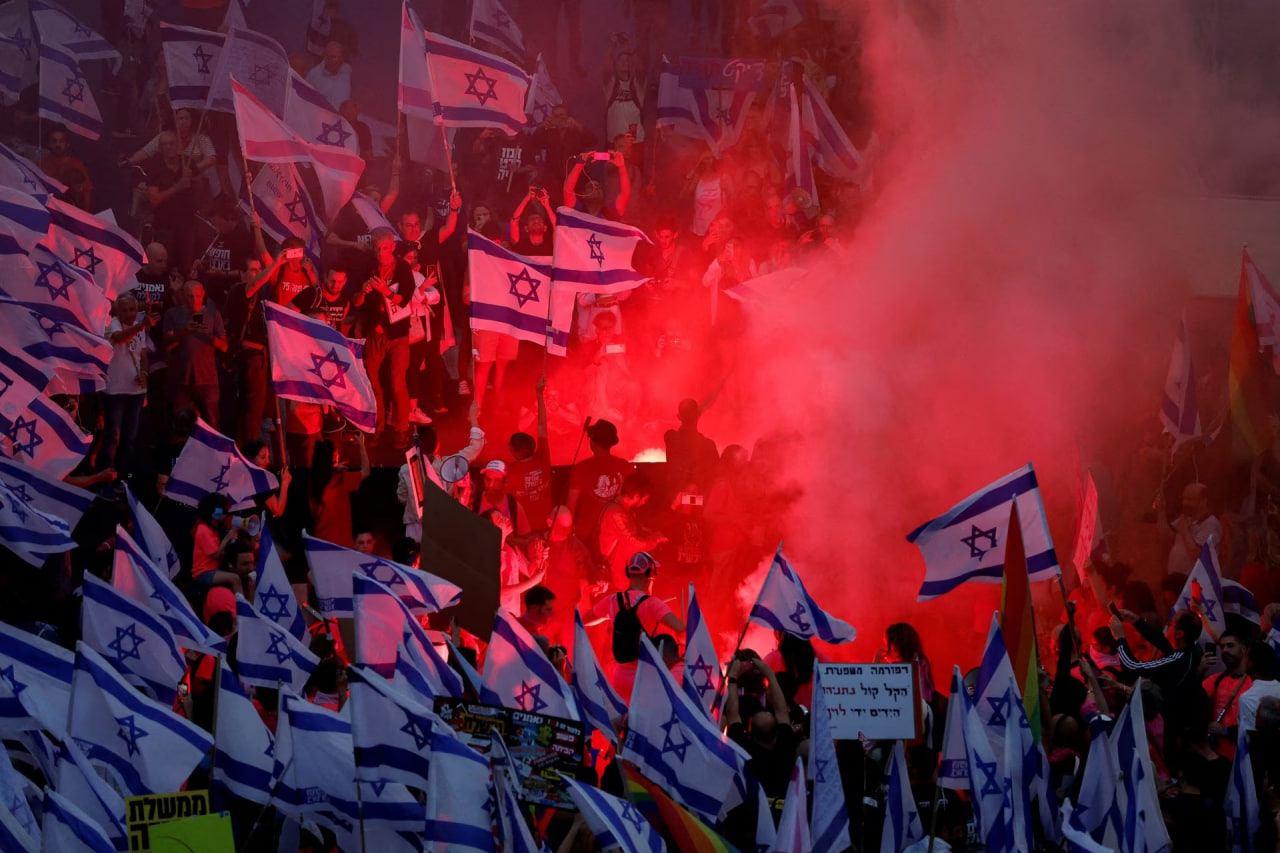
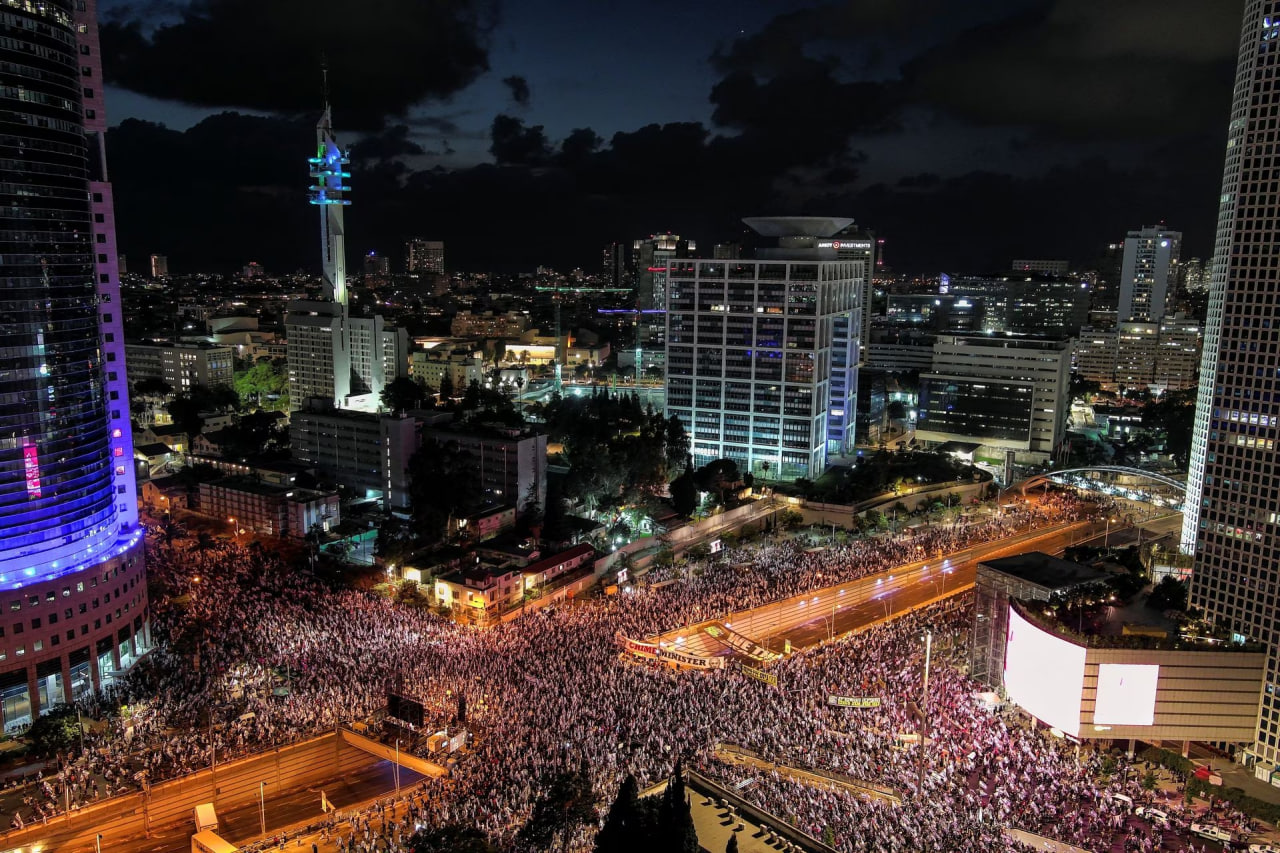
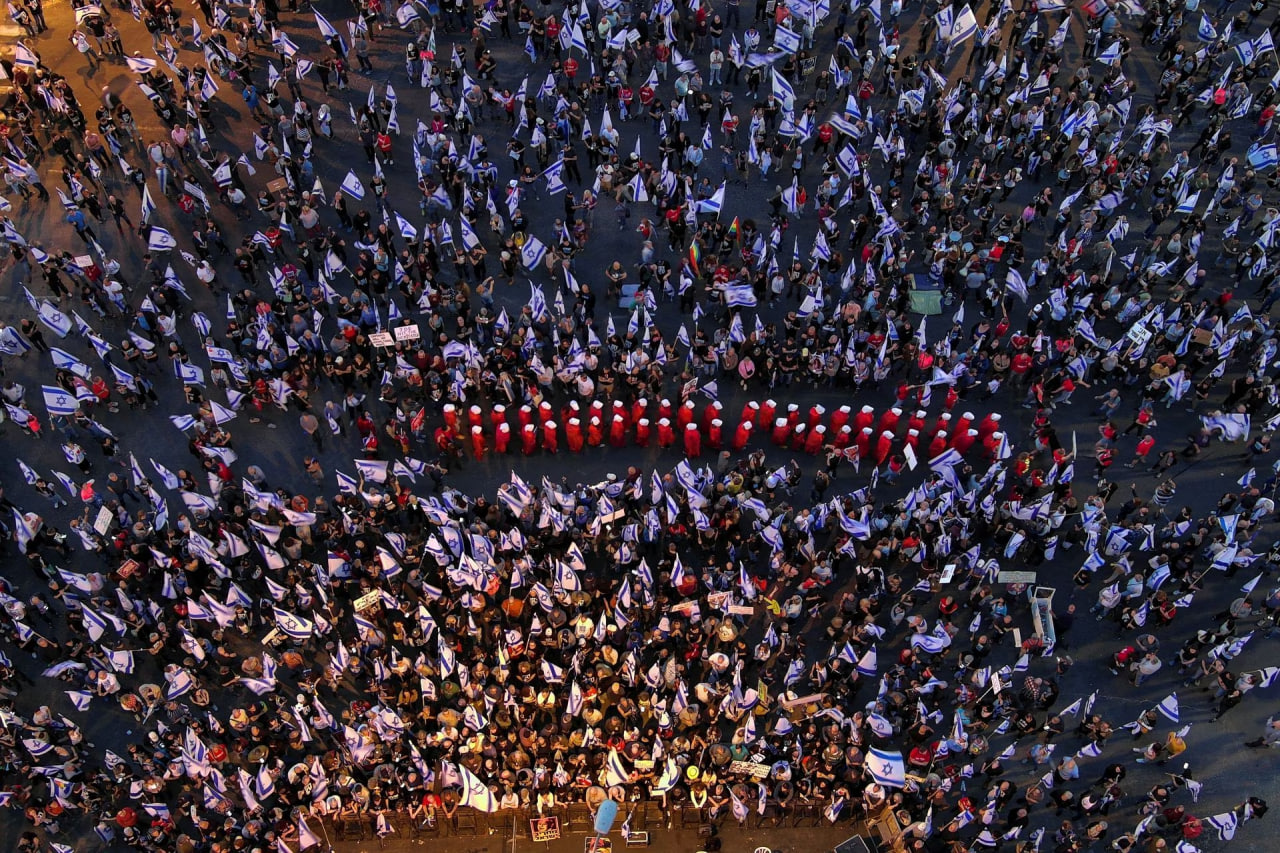
On May 20, over 150,000 settlers protested against Benjamin Netanyahu’s judicial reform programs in Tel Aviv and several other cities in the occupied Palestinian territories.
Protesters taking part in the rally emphasized that Netanyahu’s judicial reform plan would bring Israel closer to a dictatorial political system.
It is worth mentioning that the protest rallies continue on Saturdays every week in different cities of the occupied Palestine land.
The demonstrations, which have been set up in protest of Netanyahu’s judicial reform program, have now entered their 20th consecutive week.
The Israeli prime minister announced on March 28th that he had postponed his controversial plan for the judiciary of this regime, but the protests continue.
Netanyahu’s cabinet was pushing for changes that would limit the Supreme Court’s powers to rule against the legislature and the executive, while giving coalition lawmakers more power in appointing judges.
Some critics believe that the Israeli premier, who faced corruption charges earlier, suggested the so-called judicial reform plan in a bid to get rid of being prosecuted in the future.

Demonstrations against Netanyahu -
Turkish Drone Attack Kills Four Syrian Servicemen In Northern Syria
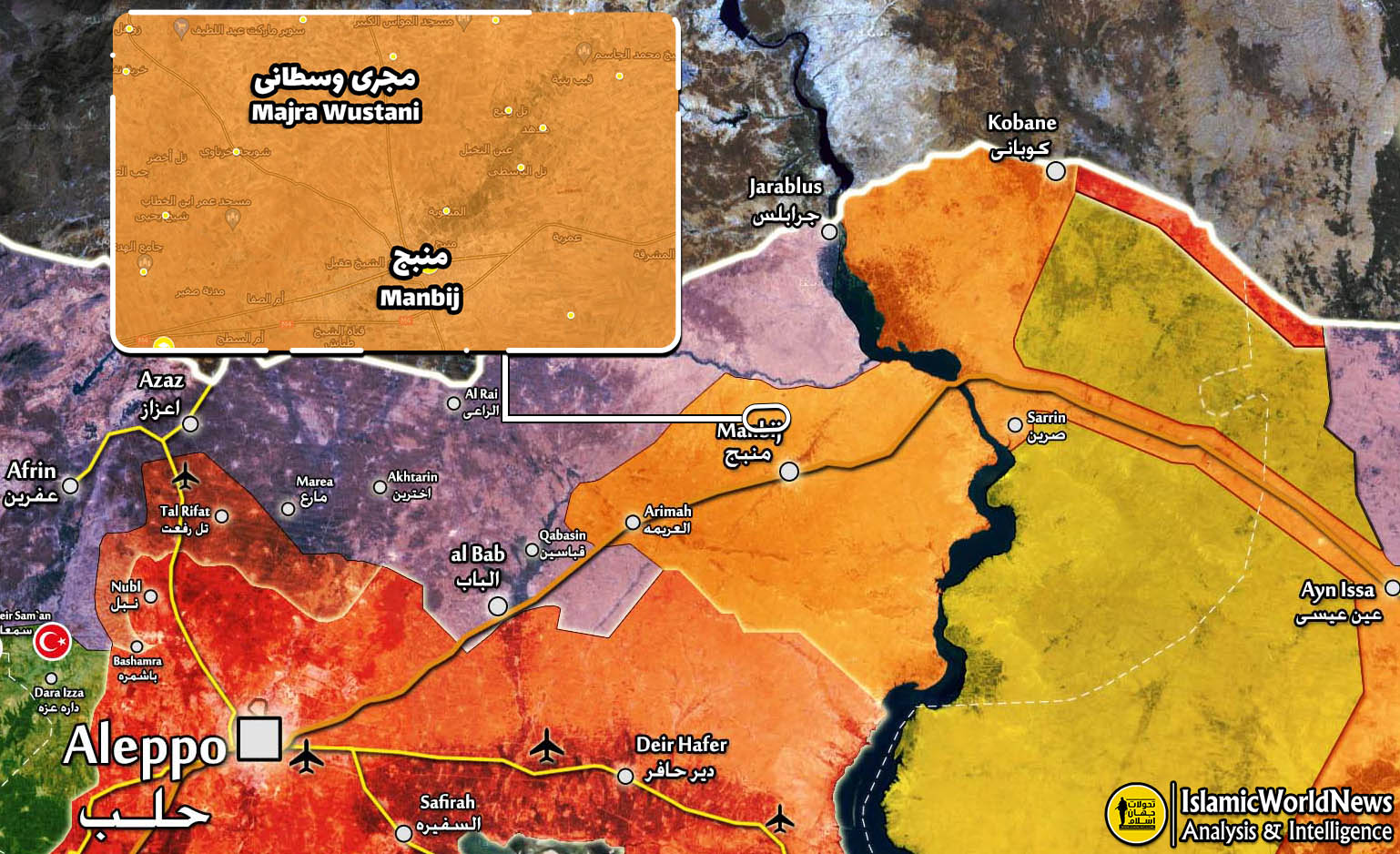
On May 19, the Turkish drones attacked a joint headquarters of the Syrian army and the Syrian Democratic Forces (SDF) in the village of Majra Wustani in north of Manbij city. Four Syrian Army servicemen lost their lives and several others were wounded.
According to local sources, Turkish drones targeted two vehicles parked in front of this headquarters.
Targeted Turkish drone attacks on the northern regions of Syria have increased since 2022. The highest number of this type of attacks was recorded in November 2022. According to a research group based in Syria, the Turkish armed forces carried out at least 130 drone attacks in northeastern Syria in 2022, which is a 46% increase compared to 2021.
Read more: A Look At Turkish Drone Attacks On Northern Syria